Slideshow · Viral
20 Essential Emergency Supplies Every Household Needs
When severe weather, blackouts, or natural disasters strike without warning, having the right gear at home makes all the difference. Here are the 20 essential supplies you need ready.
By Most Viral Today
28 Oct 2026

20 Essential Emergency Supplies Every Household Needs 
20. Family Emergency Contact Plan And Local Paper Maps 
19. Warm Sleeping Bag And Weatherproof Shelter Gear 
18. Heavy-Duty Duct Tape And Plastic Sheeting - AdvertisementSwipe or tap ▶ to continue countdown

17. Adjustable Wrench Or Pliers To Shut Off Utilities 
16. High-Decibel Pealess Rescue Whistle 
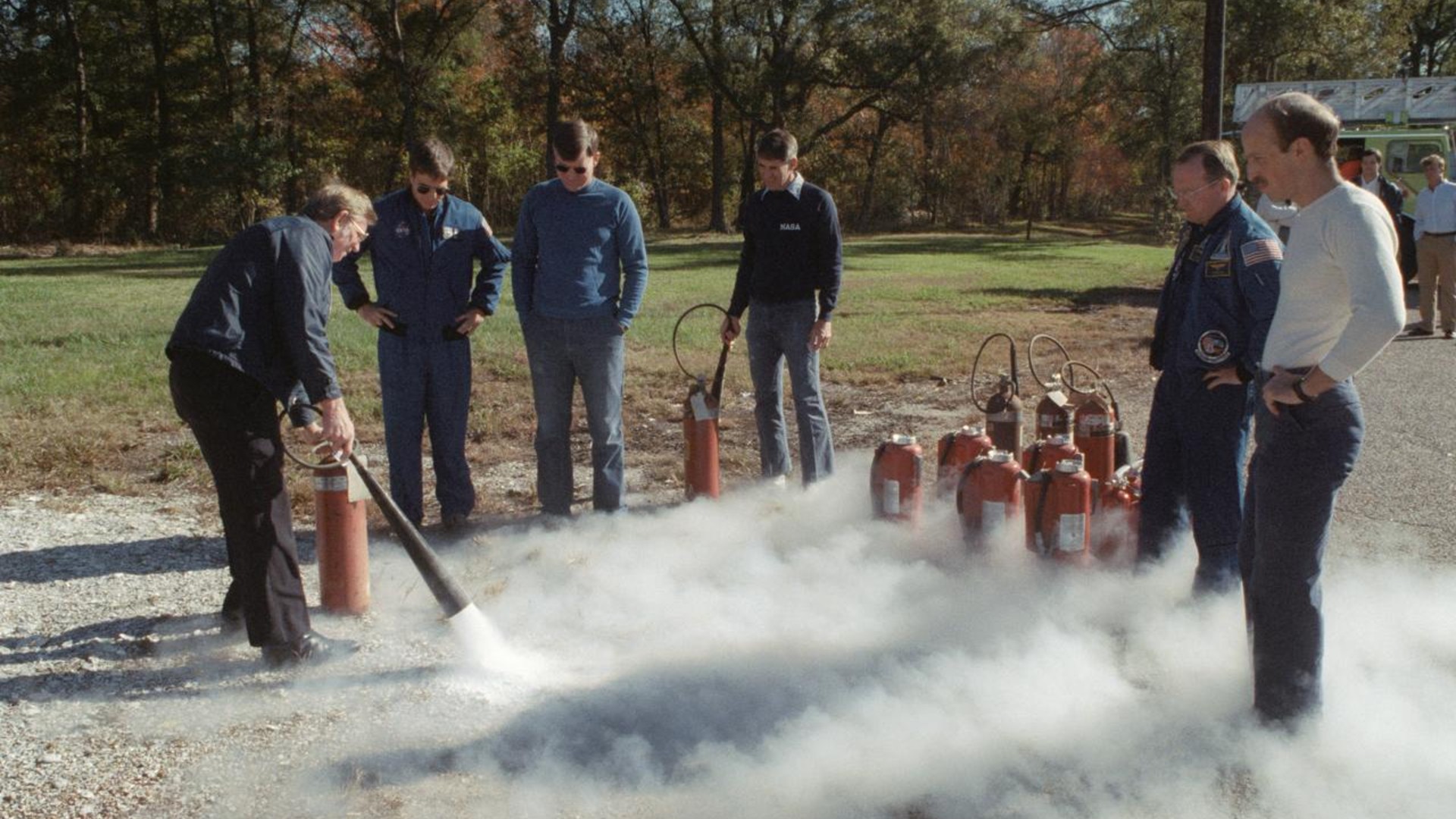
15. ABC-Rated Household Fire Extinguisher 
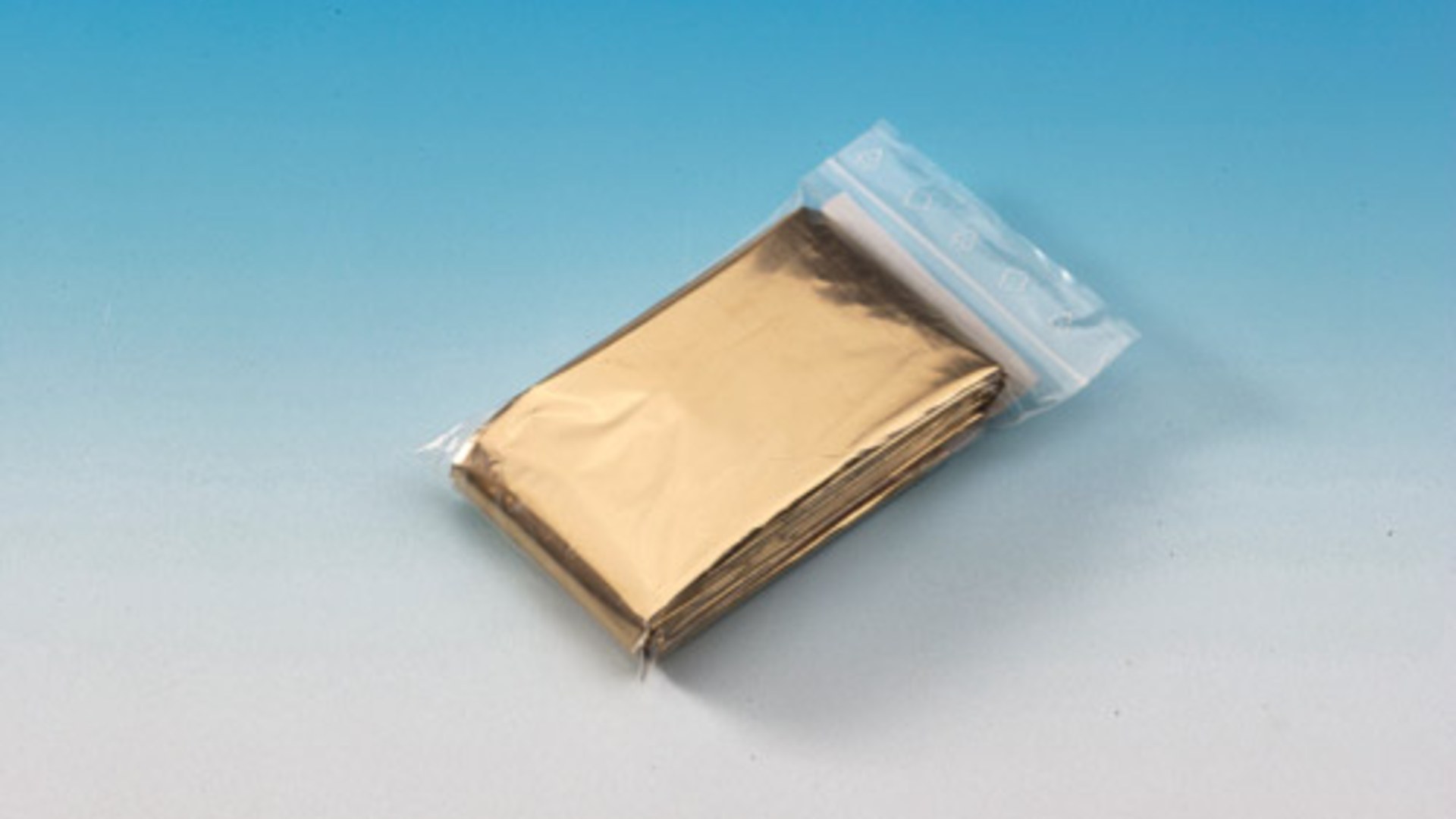
14. Reflective Mylar Thermal Space Blankets - AdvertisementSwipe or tap ▶ to continue countdown

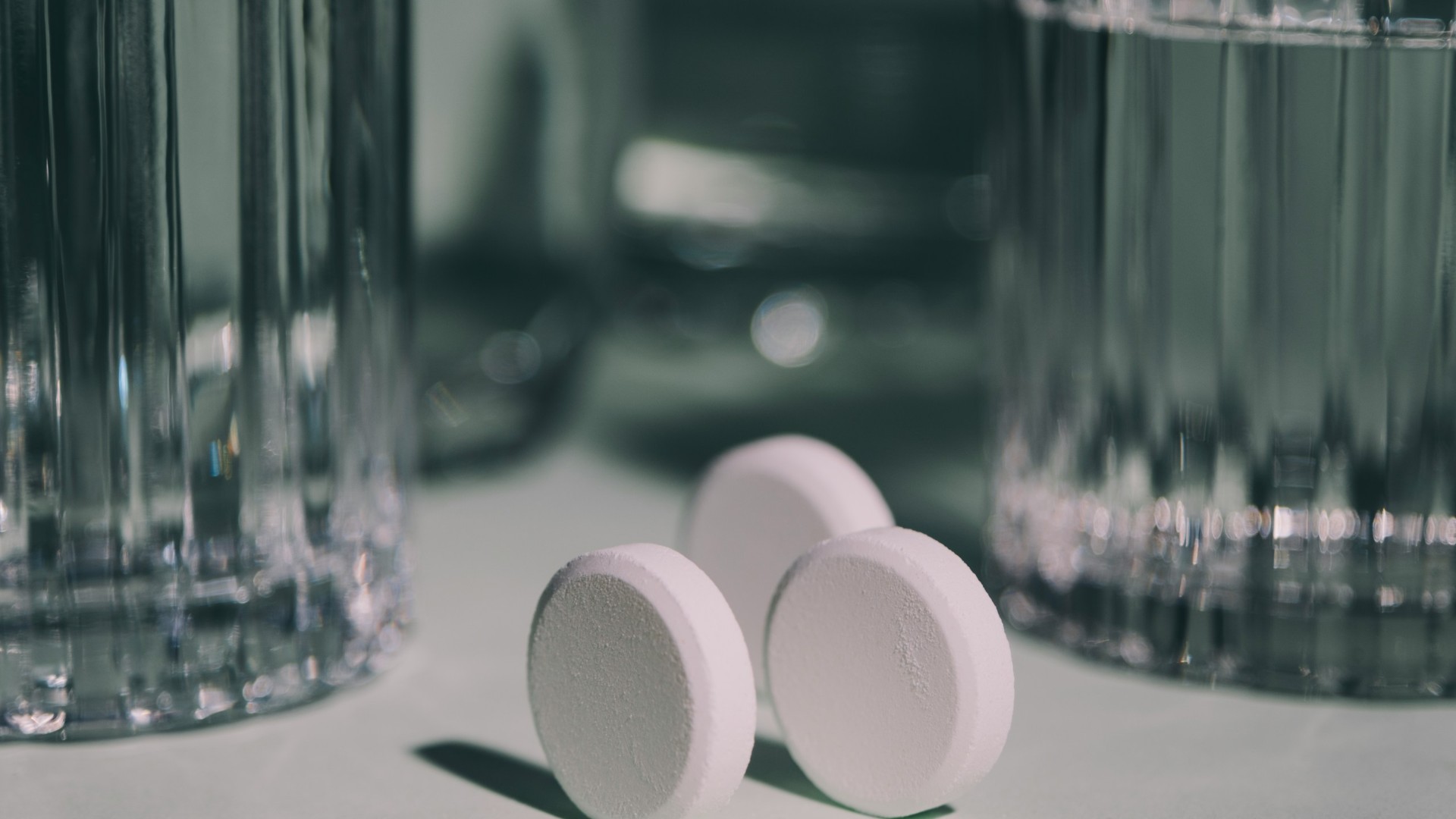
13. Water Purification Tablets And Portable Filters 
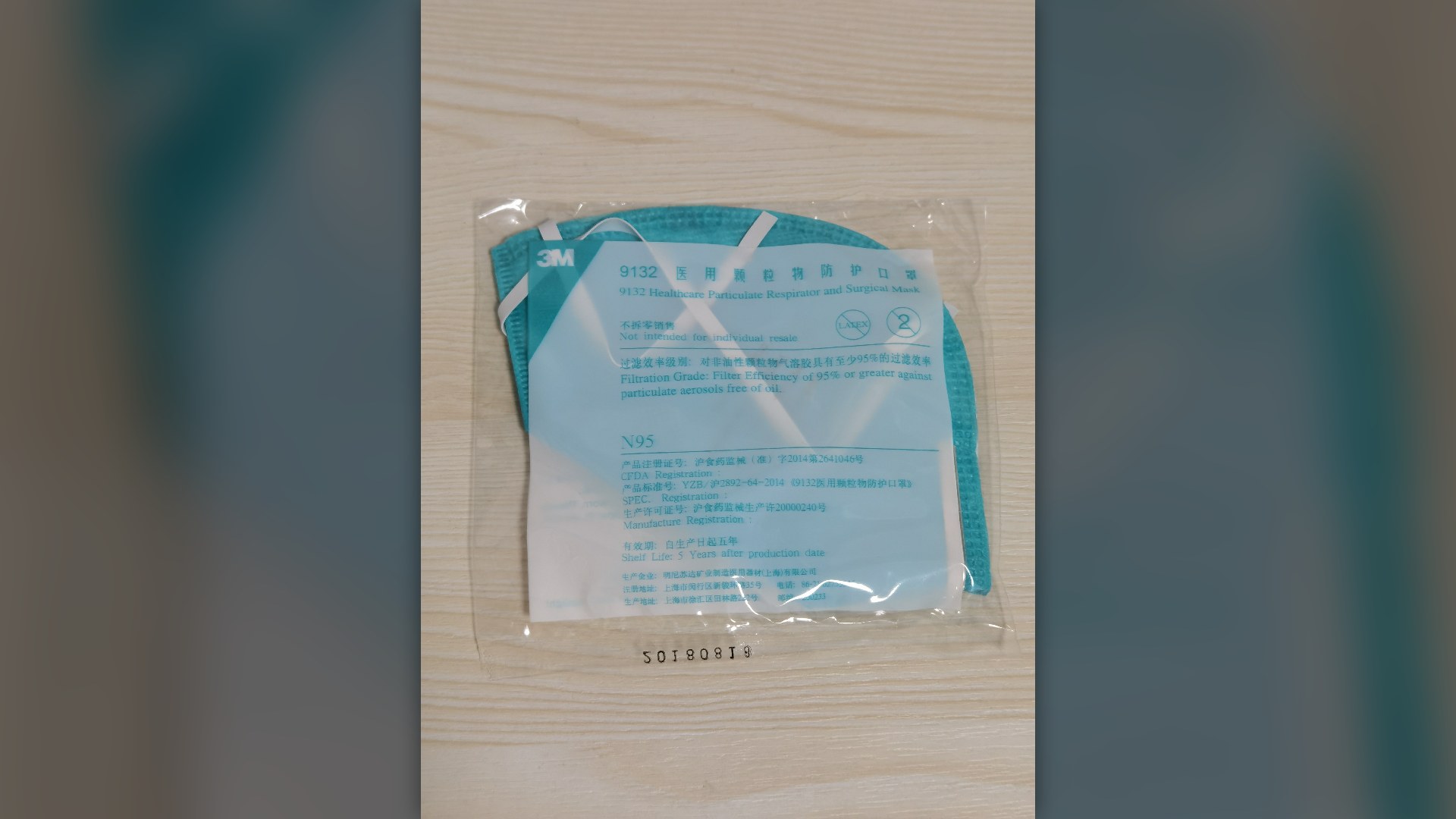
12. N95 Particulate Respirators And Dust Masks 
11. Pre-Packed 72-Hour Emergency Go-Bag 
10. Emergency Cash In Small-Denomination Bills - AdvertisementSwipe or tap ▶ to continue countdown

9. Stainless Steel Multi-Tool Or Swiss Army Knife 
8. Seven-Day Supply Of Prescription Medications 
7. High-Capacity USB Power Bank And Backup Cables 
6. Heavy-Duty Flashlight And Extra Alkaline Batteries - AdvertisementSwipe or tap ▶ to continue countdown

5. Battery-Powered Or Hand-Crank Emergency Radio 
4. Well-Stocked First Aid And Trauma Kit 
3. Manual Hand-Crank Can Opener 
2. Three-Day Supply Of Non-Perishable Canned And Jarred Food - AdvertisementSwipe or tap ▶ to continue countdown

1. Bottled Drinking Water: One Gallon Per Person Per Day - Advertisement🔥 UP NEXT IN THIS SERIES◫ 21 Slides

20 Iconic Historical Photos and the Archive Clues Behind Them
Contact sheets, cracked glass plates, and NASA mission logs preserve the hidden steps behind 20 famous photographs. Drawing on records from the Library of Congress, the National Archives, NASA, and the Smithsonian, this countdown traces how cropping, camera setups, and double exposures shaped each frame.
Major storms, power grid failures, and natural disasters rarely give families time to shop at the last minute. FEMA and Red Cross disaster specialists recommend keeping a complete emergency kit stocked at home year-round. Here are the 20 most important supplies to prepare today.
Swipe or tap ▶ to begin the countdown
©FEMA / American Red Cross / Patsy Lynch
20. Family Emergency Contact Plan And Local Paper Maps
Most people rely entirely on smartphones for phone numbers and GPS navigation, which creates a dangerous vulnerability during widespread power outages. Keep a waterproof folder containing printed family contact numbers, out-of-state relatives, shelter locations, and regional paper road maps.
©FEMA / Michelle Collins
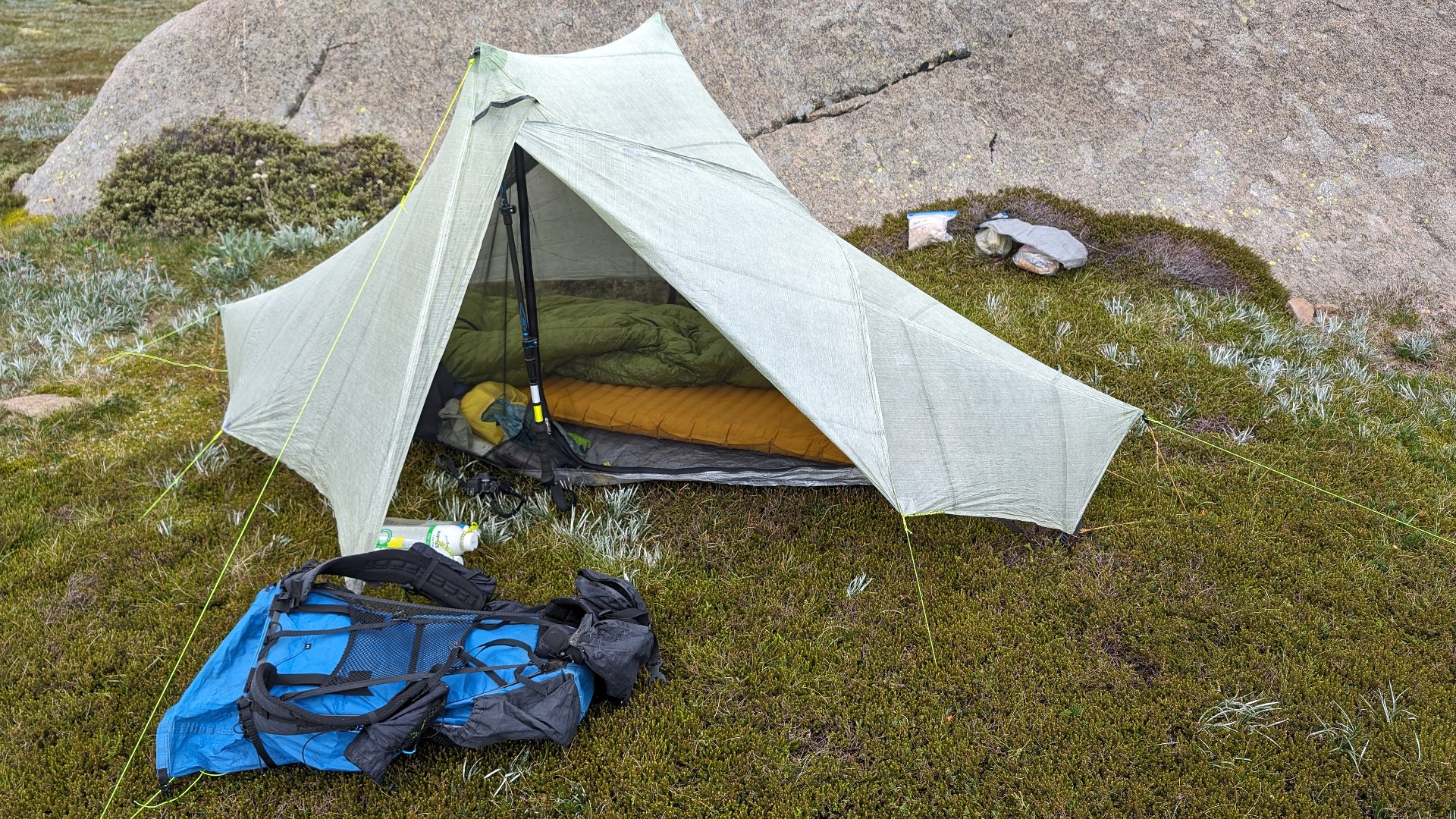
19. Warm Sleeping Bag And Weatherproof Shelter Gear
Winter ice storms and earthquakes can disable home furnaces or force families into temporary evacuation centers with limited bedding. FEMA advises storing one warm sleeping bag or heavy blanket per person, along with a compact weatherproof tent or tarp in case outdoor shelter is needed.
©Wikimedia / Steve Bittinger
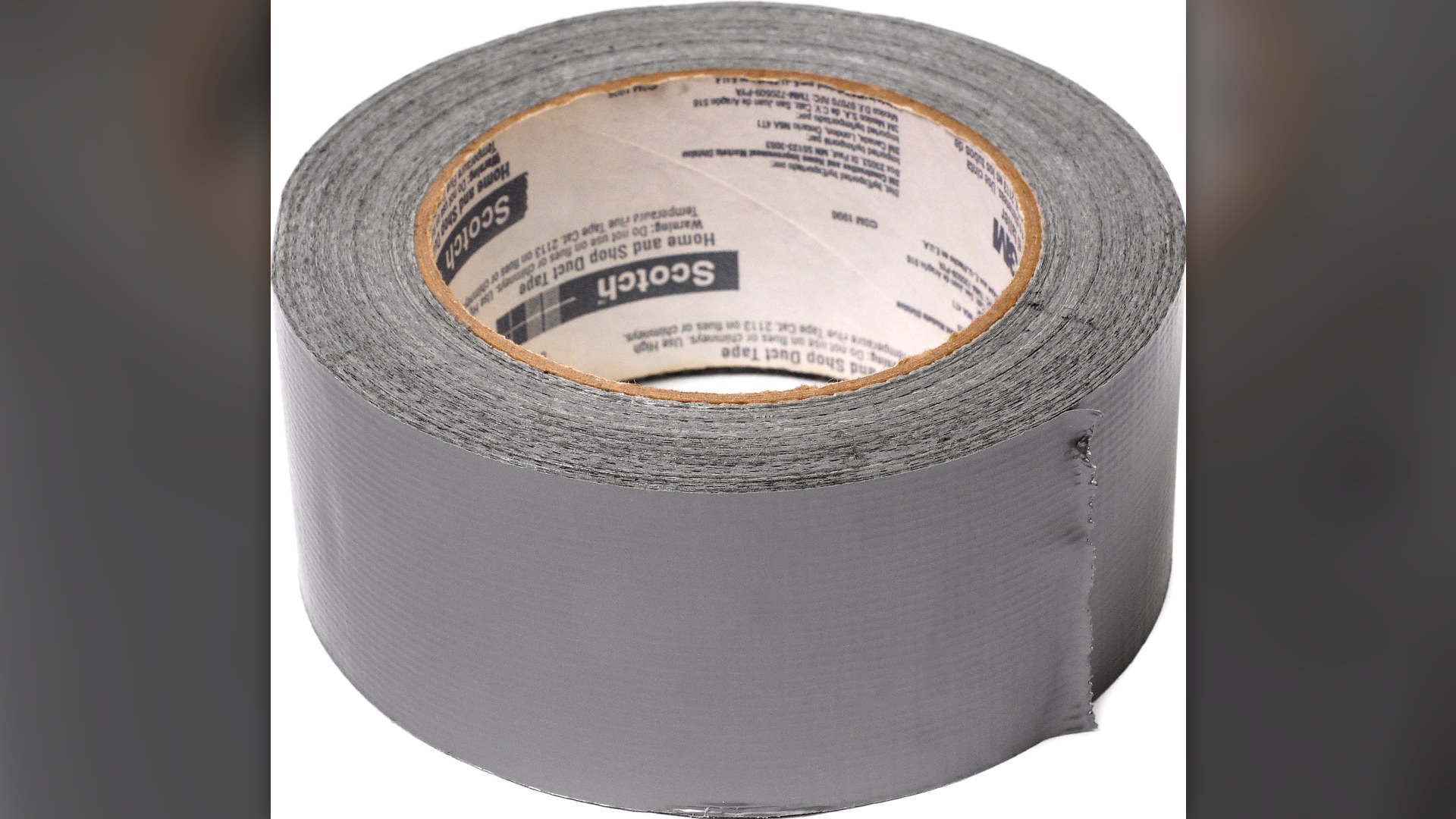
18. Heavy-Duty Duct Tape And Plastic Sheeting
A roll of 10-mil polyethylene plastic sheeting paired with heavy-duty duct tape serves dozens of urgent repair needs after a storm. Families can quickly patch shattered window panes, waterproof leaky roof sections, or seal interior doors and vents if local officials order a shelter-in-place.
©Wikimedia / Evan-Amos
Advertisement
Swipe or tap ▶ to resume the countdown.
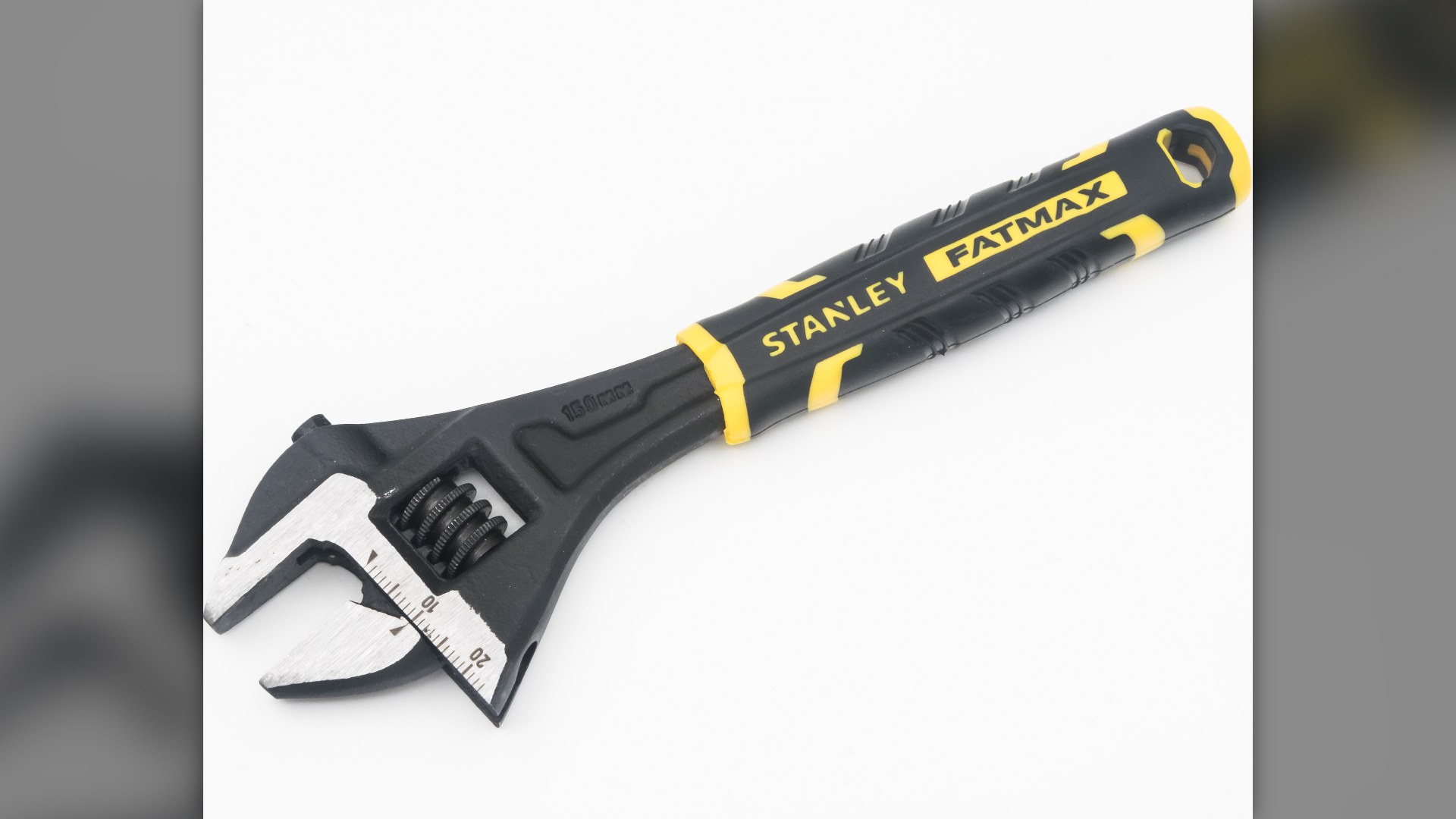
17. Adjustable Wrench Or Pliers To Shut Off Utilities
Ruptured natural gas lines and burst water mains often cause more property damage after an earthquake or tornado than the storm itself. Keep a sturdy adjustable crescent wrench or pipe pliers strapped near your main utility valves so you can immediately shut off gas or water if leaks occur.
©Wikimedia / Jacek Halicki
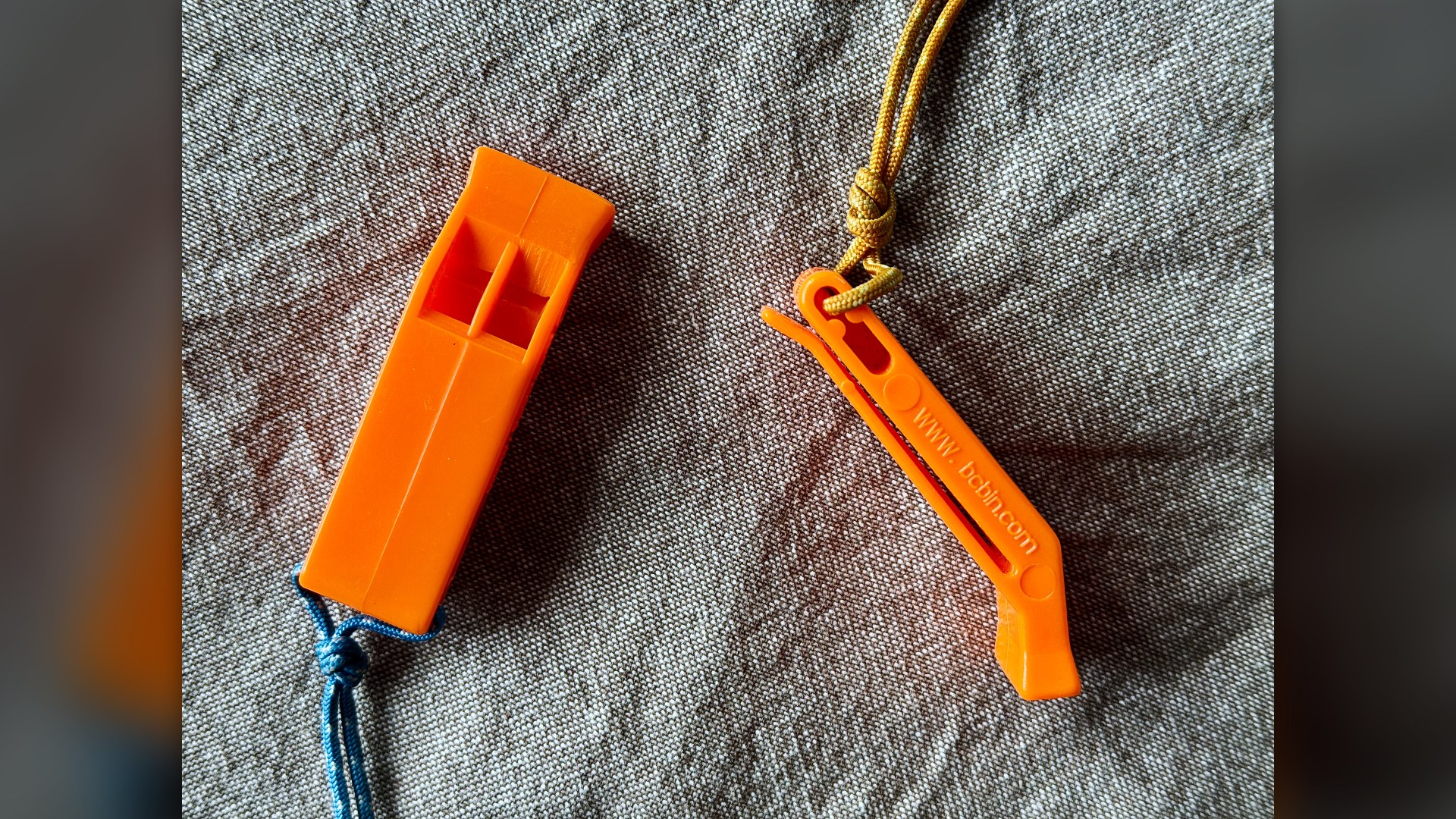
16. High-Decibel Pealess Rescue Whistle
If you are trapped inside a damaged structure or separated from family members in dark, flooded conditions, yelling quickly drains your energy. A high-decibel pealess plastic whistle never freezes or jams when wet, producing a piercing 120-decibel signal that rescue crews can hear far away.
©Wikimedia / Olgierd Rudak
15. ABC-Rated Household Fire Extinguisher
Downed power lines, knocked-over candles, and ruptured gas appliances trigger thousands of residential fires during major blackouts. Store at least one inspected ABC-rated dry chemical fire extinguisher on every level of your home so you can suppress wood, grease, or electrical flames fast.
©NASA / JSC
14. Reflective Mylar Thermal Space Blankets
Hypothermia can set in rapidly when survivors are soaked by floodwaters or stranded in unheated vehicles overnight. Compact aluminized Mylar emergency blankets weigh less than two ounces each, fit in any coat pocket, and trap up to 90 percent of your body heat while blocking wind and rain.
©Wikimedia / Vangelis7
Advertisement
Swipe or tap ▶ to resume the countdown.
13. Water Purification Tablets And Portable Filters
Even a generous supply of bottled water can run out if a regional crisis drags on for more than a week. Packing chlorine dioxide purification tablets alongside a hollow-fiber membrane water filter lets your household neutralize bacteria, protozoa, and viruses from tap or rainwater sources.
© Photo by Adolfo Félix on Unsplash
12. N95 Particulate Respirators And Dust Masks
Disasters frequently fill the air with hazardous fine particles, from thick wildfire smoke and volcanic ash to plaster dust and toxic mold in flood-damaged homes. Keep a sealed box of NIOSH-approved N95 respirator masks in your emergency bin to protect everyone's lungs during cleanup.
©Wikimedia / ASHillocks
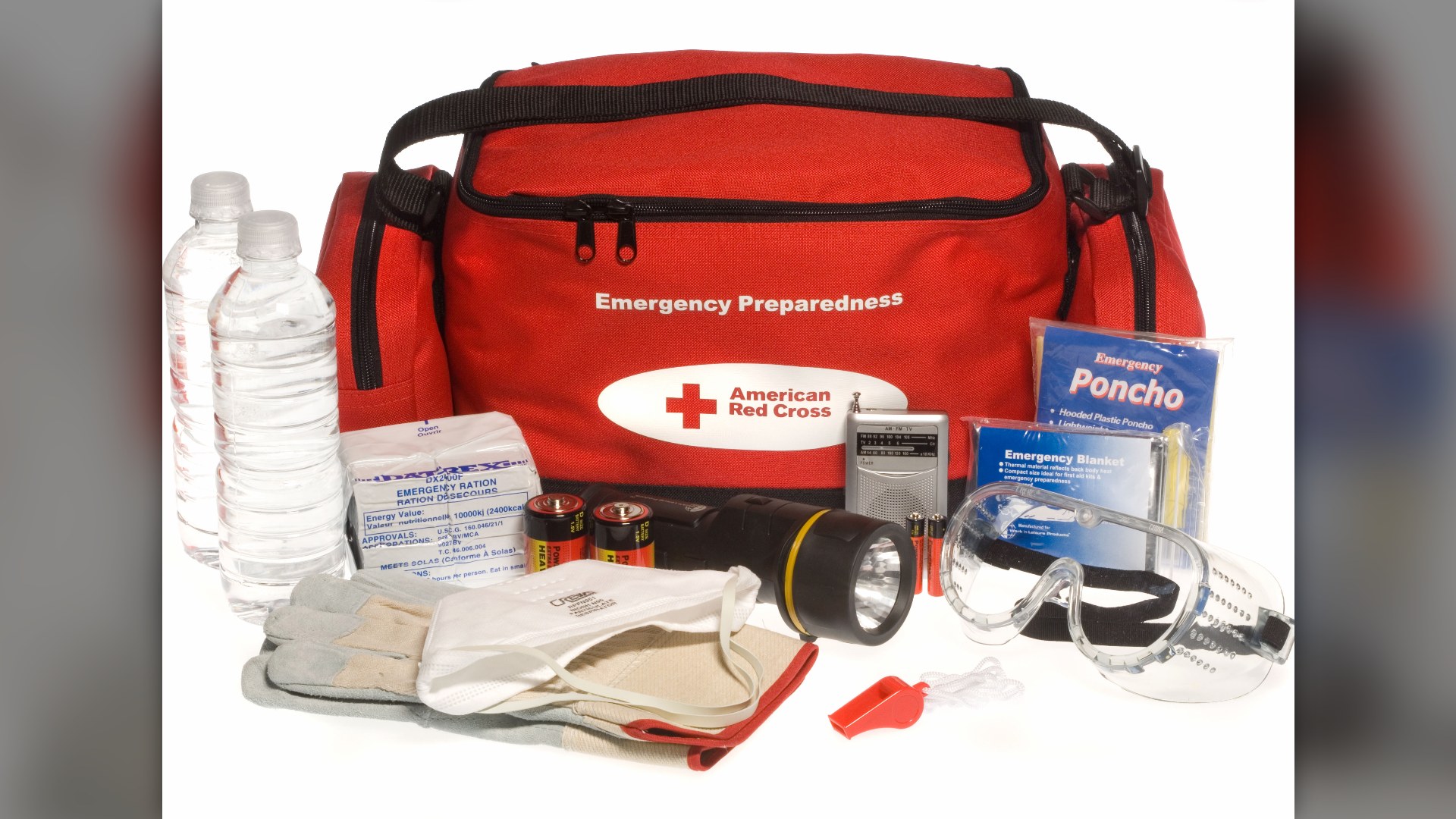
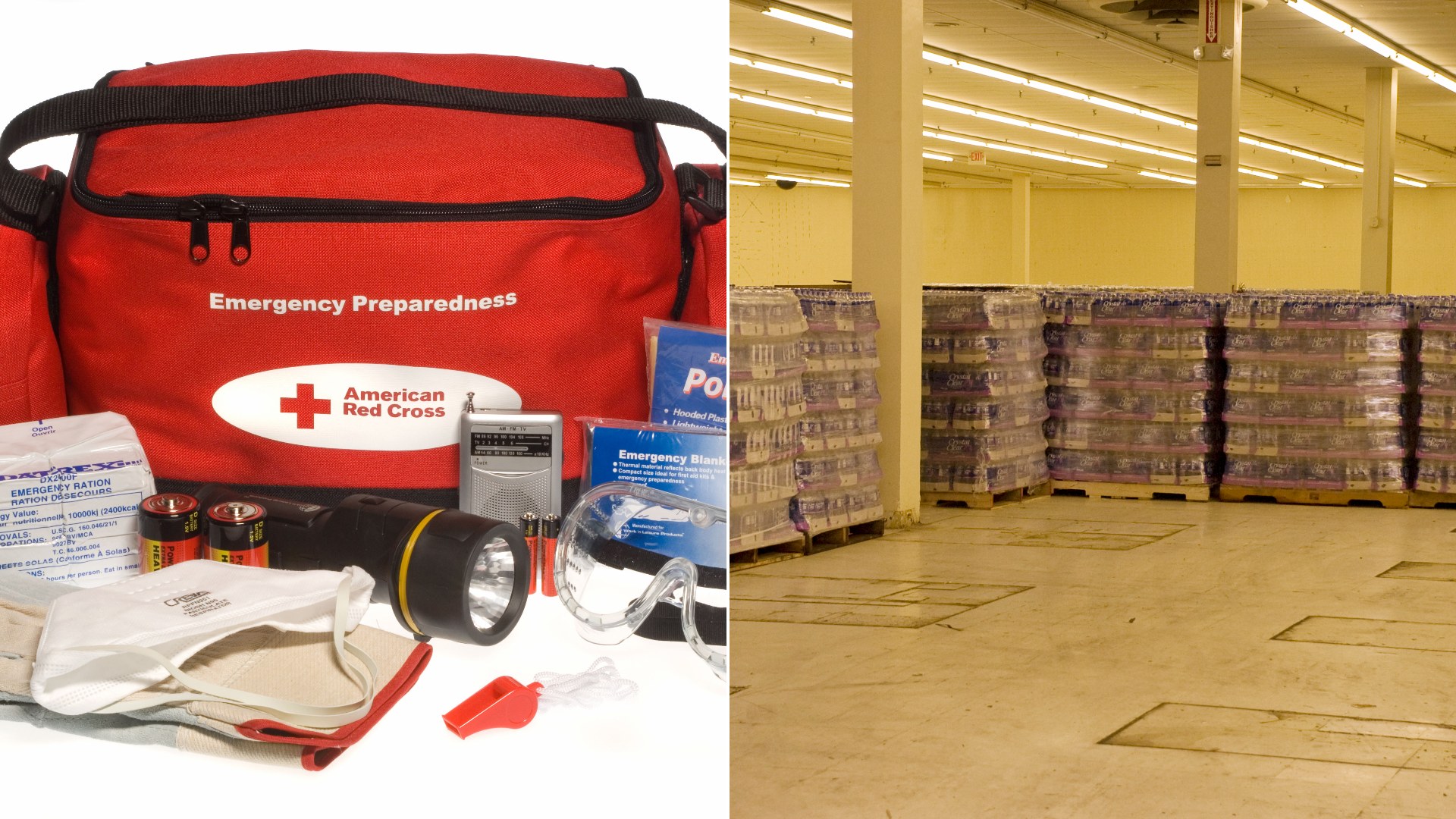
11. Pre-Packed 72-Hour Emergency Go-Bag
While your main household supply bin stays at home, every family member needs a lightweight 72-hour backpack stationed near the front door. Stock each go-bag with three days of rations, water pouches, a change of clothes, sturdy shoes, copies of ID documents, and a compact first aid kit.
©FEMA / American Red Cross
10. Emergency Cash In Small-Denomination Bills
During a multi-day blackout, electronic payment networks and bank ATMs go offline immediately, leaving digital wallets useless. Financial preparedness experts recommend sealing several hundred dollars in crisp 1, 5, 10, and 20 dollar bills inside a waterproof pouch so merchants can make change.
©Wikimedia / Tracy O
Advertisement
Swipe or tap ▶ to resume the countdown.
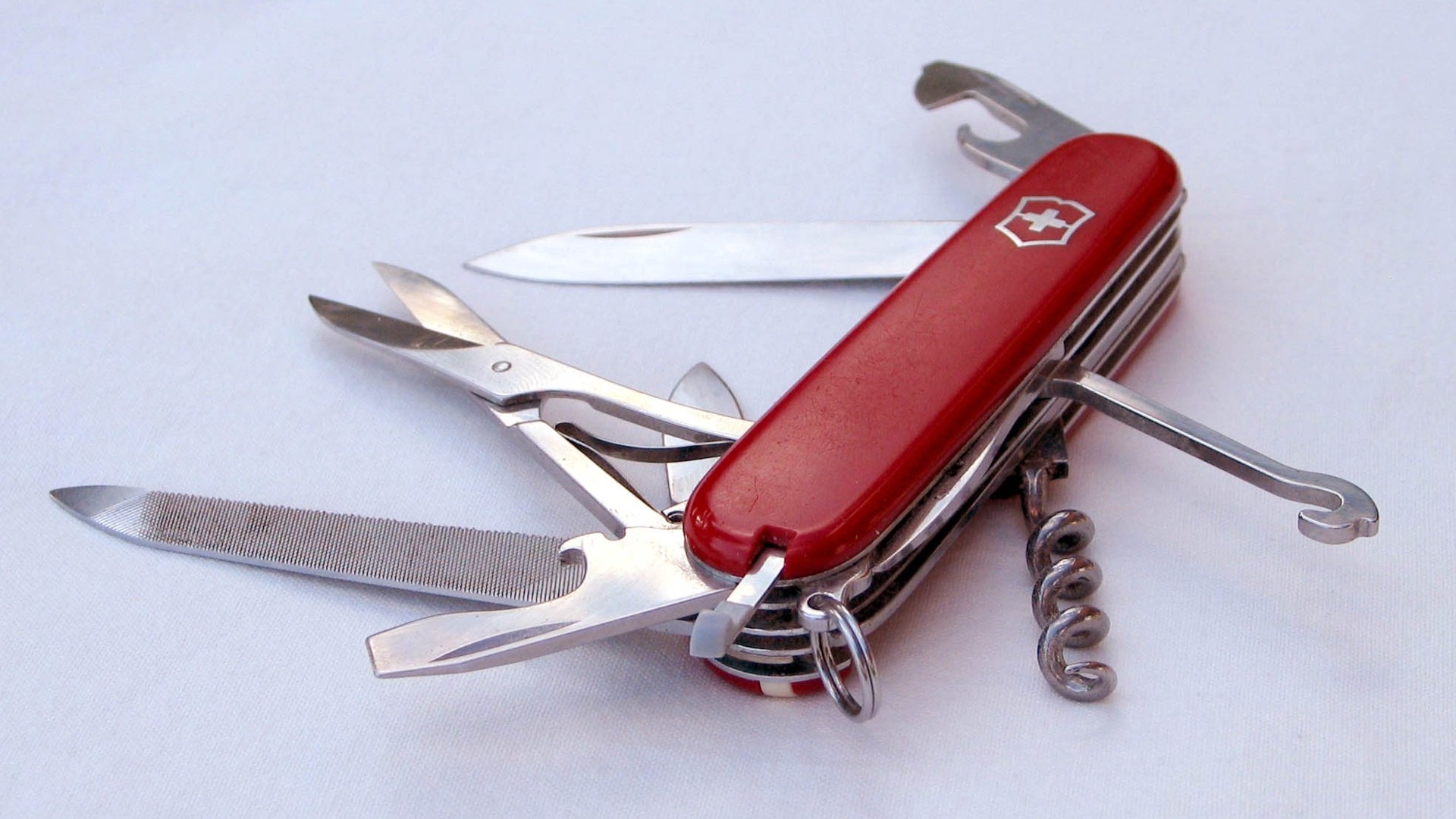
9. Stainless Steel Multi-Tool Or Swiss Army Knife
Rather than carrying a heavy toolbox during an evacuation, a rugged stainless steel multi-tool or Swiss Army knife handles dozens of urgent mechanical fixes. Built-in pliers, flathead and Phillips screwdrivers, scissors, and locking blades help you open packages, cut cordage, or repair gear.
©Wikimedia / Jonas Bergsten
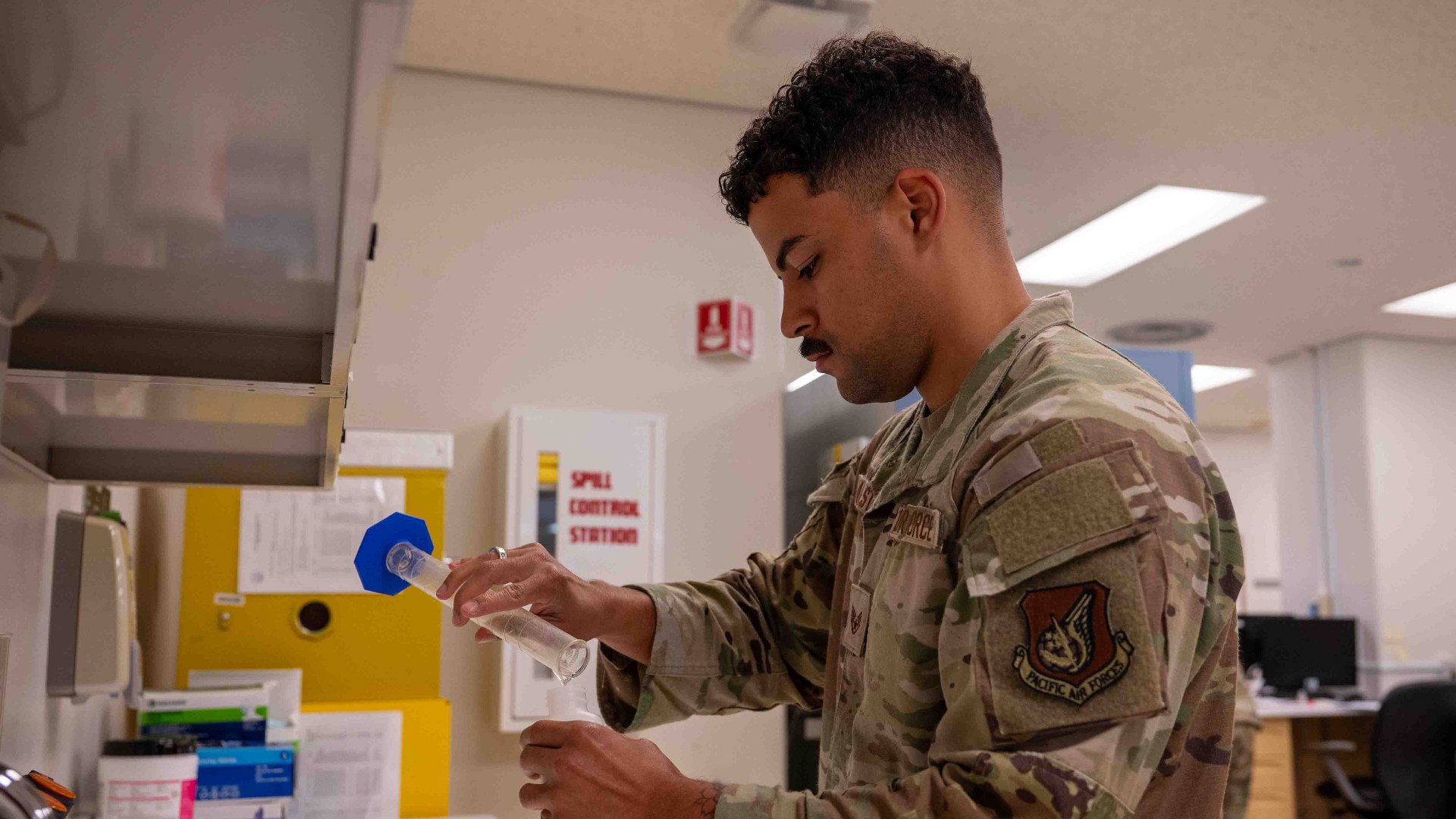
8. Seven-Day Supply Of Prescription Medications
For anyone managing blood pressure, diabetes, asthma, or heart conditions, missing even a few days of prescription medication can trigger a medical crisis. Work with your doctor to keep at least a seven-day reserve of essential prescriptions, inhalers, and spare eyeglasses in your kit.
©U.S. Air Force / Karina Lopez
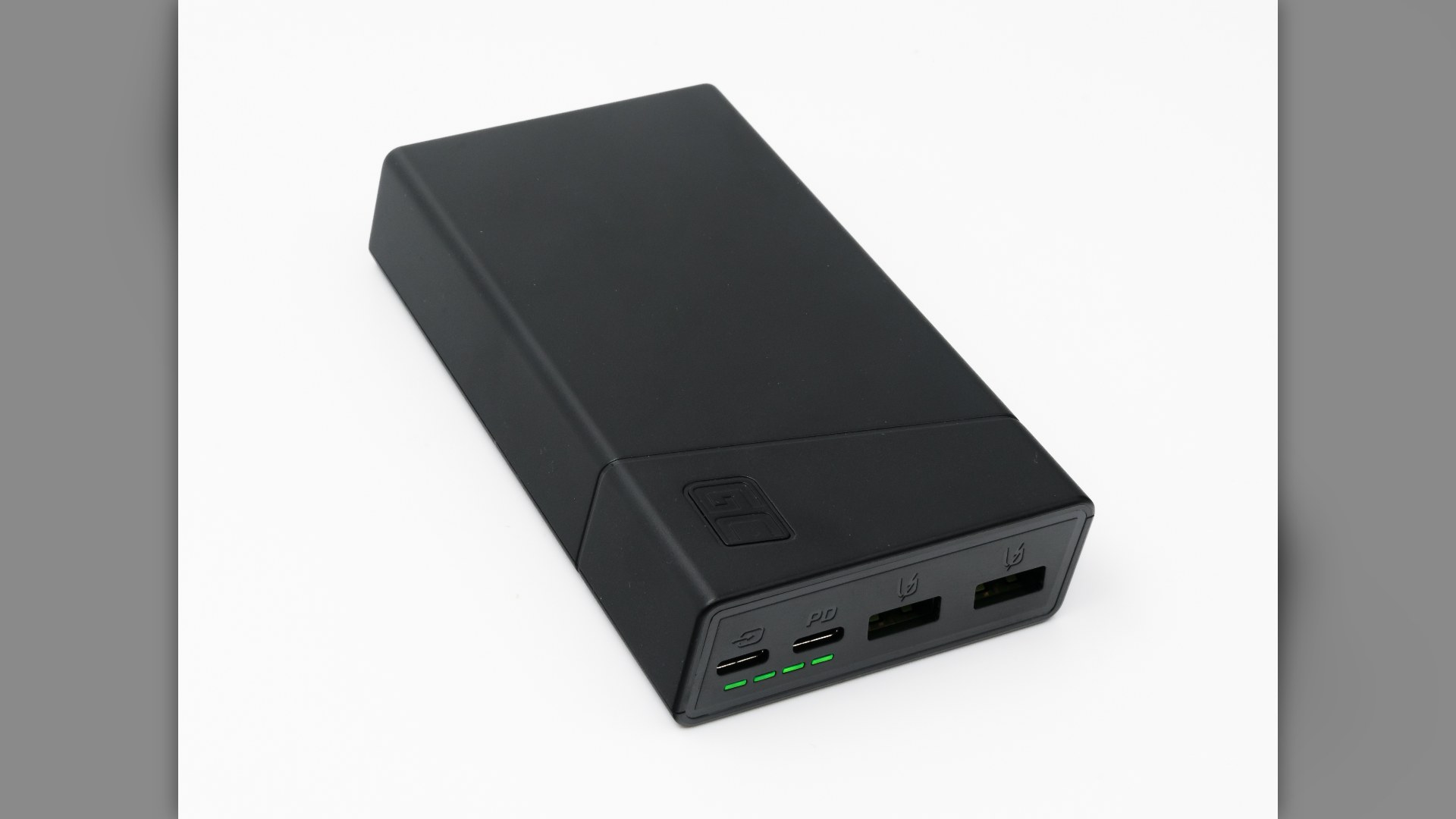
7. High-Capacity USB Power Bank And Backup Cables
Your smartphone is a vital lifeline for receiving wireless emergency alerts, contacting loved ones, and photographing storm damage for insurance claims. Store at least one high-capacity 20,000-mAh lithium power bank with braided charging cables, and top off its charge every three months.
©Wikimedia / Jacek Halicki
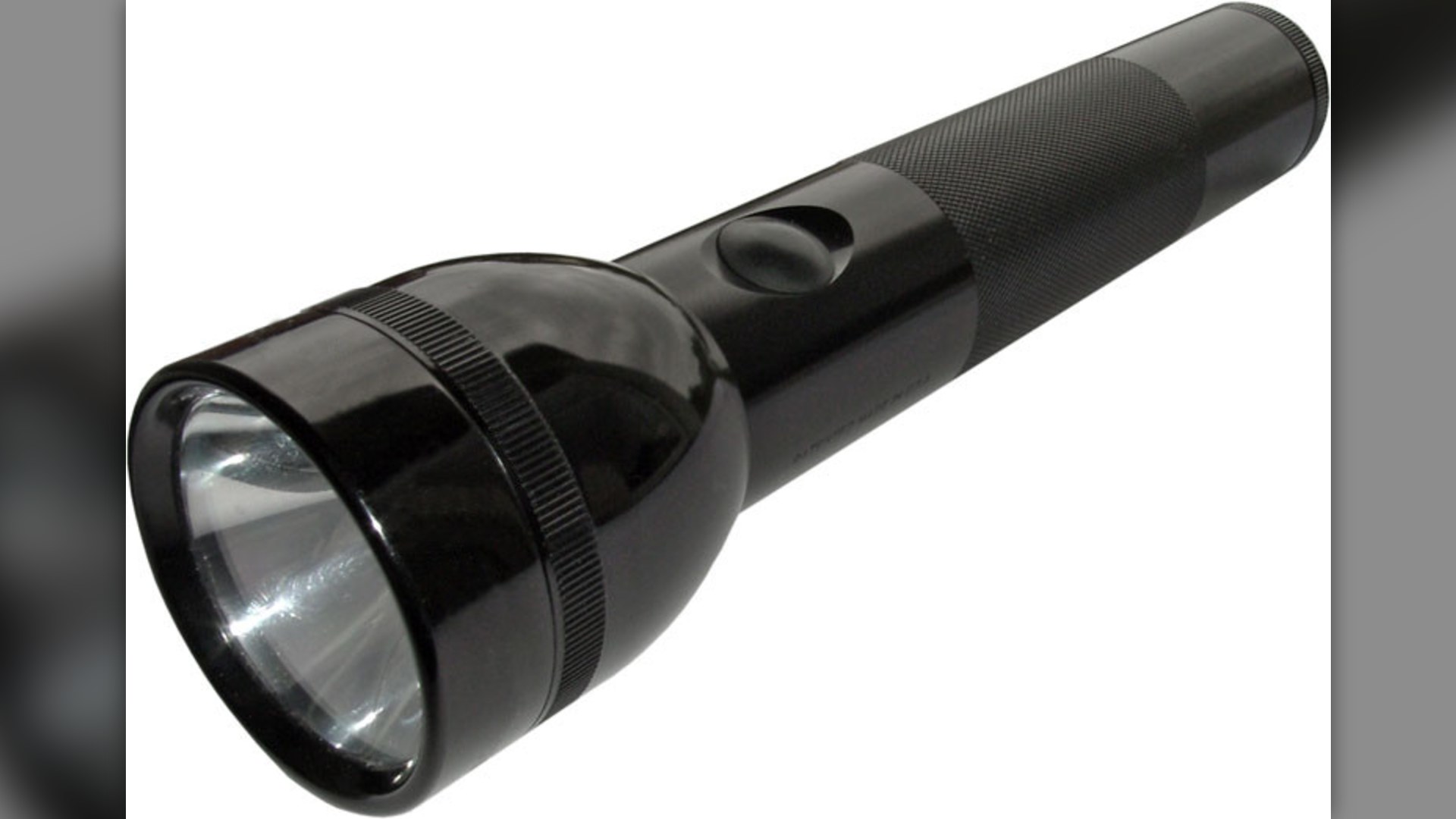
6. Heavy-Duty Flashlight And Extra Alkaline Batteries
Lighting open flames during a blackout is extremely hazardous, especially if natural gas lines have been damaged nearby. Keep high-efficiency LED flashlights and hands-free headlamps in every bedroom, along with sealed packs of spare AA, AAA, and D-cell batteries stored outside the lights.
©Wikimedia / KMJ
Advertisement
Swipe or tap ▶ to resume the countdown.
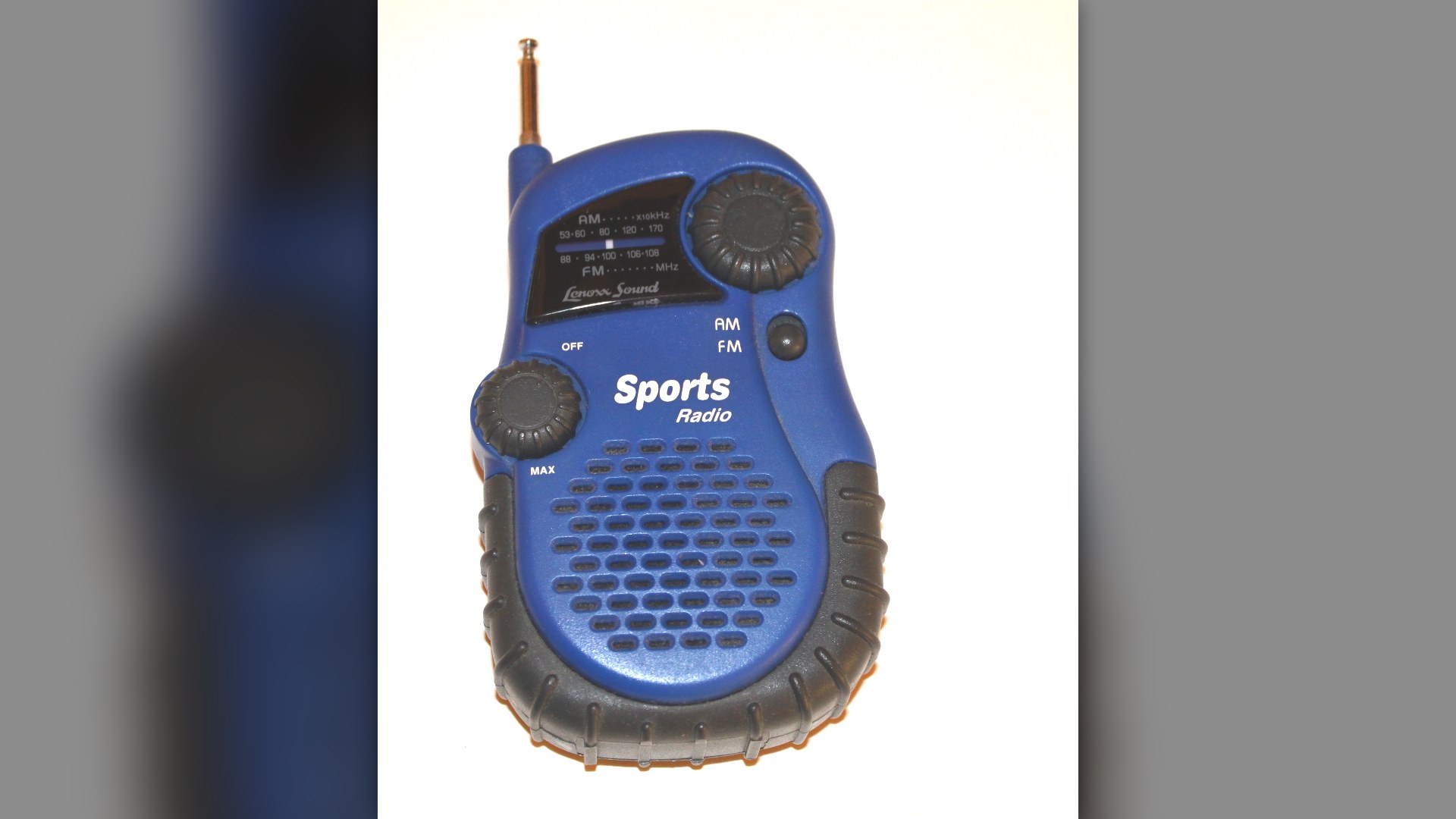
5. Battery-Powered Or Hand-Crank Emergency Radio
Severe hurricanes, tornadoes, and wildfires routinely knock out cell towers and broadband cables across entire counties. A battery-operated or hand-crank radio capable of receiving AM, FM, and official NOAA Weather Radio broadcasts ensures you never miss evacuation orders or boil-water notices.
©Wikimedia / Dwight Burdette
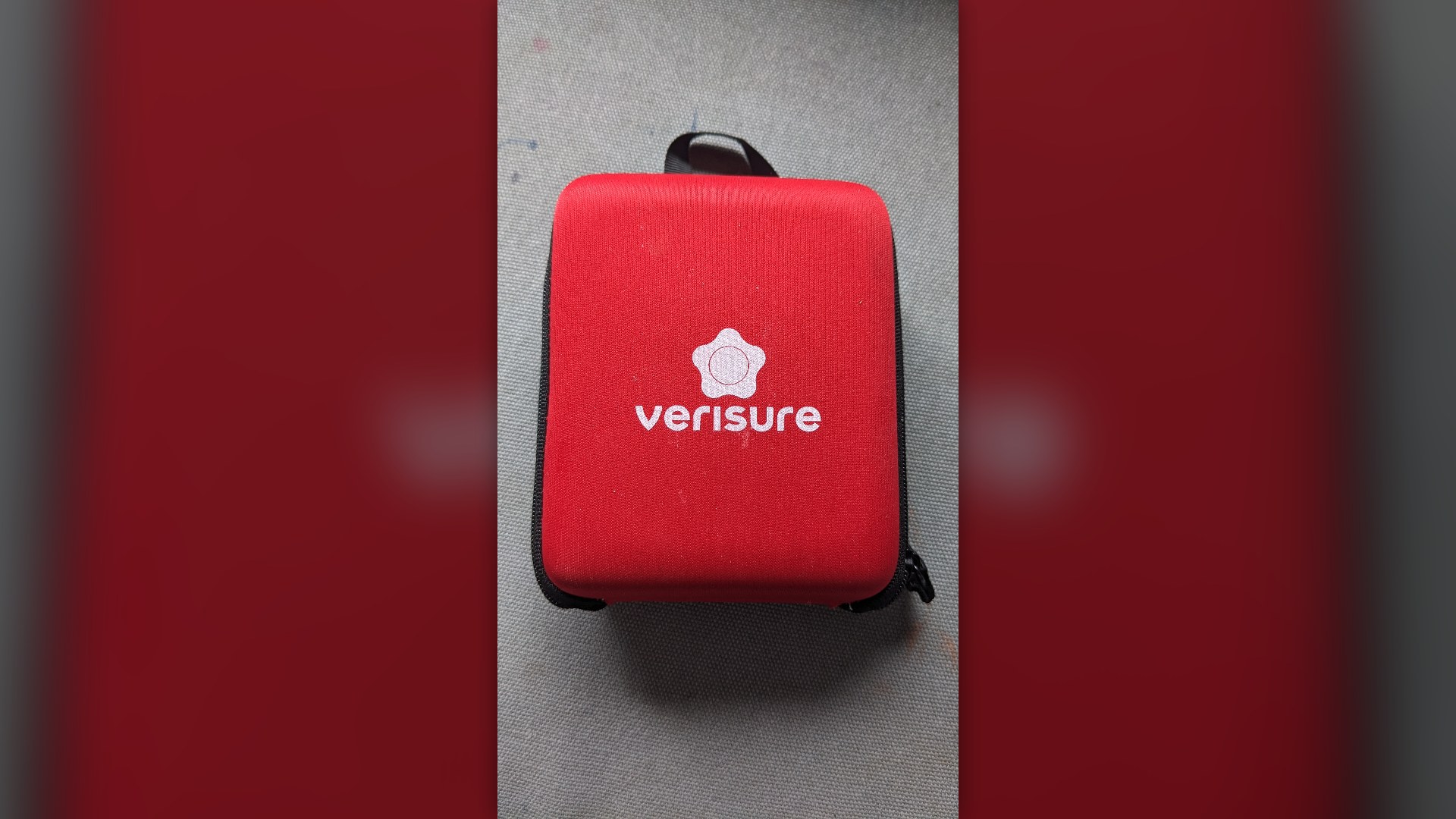
4. Well-Stocked First Aid And Trauma Kit
Storm debris and shattered glass cause thousands of injuries just as local hospital emergency rooms become overwhelmed. Stock a comprehensive first aid kit containing sterile gauze pads, trauma bandages, antiseptic wipes, medical tape, tweezers, nitrile gloves, burn gel, and pain relievers.
©Wikimedia / Donald Trung
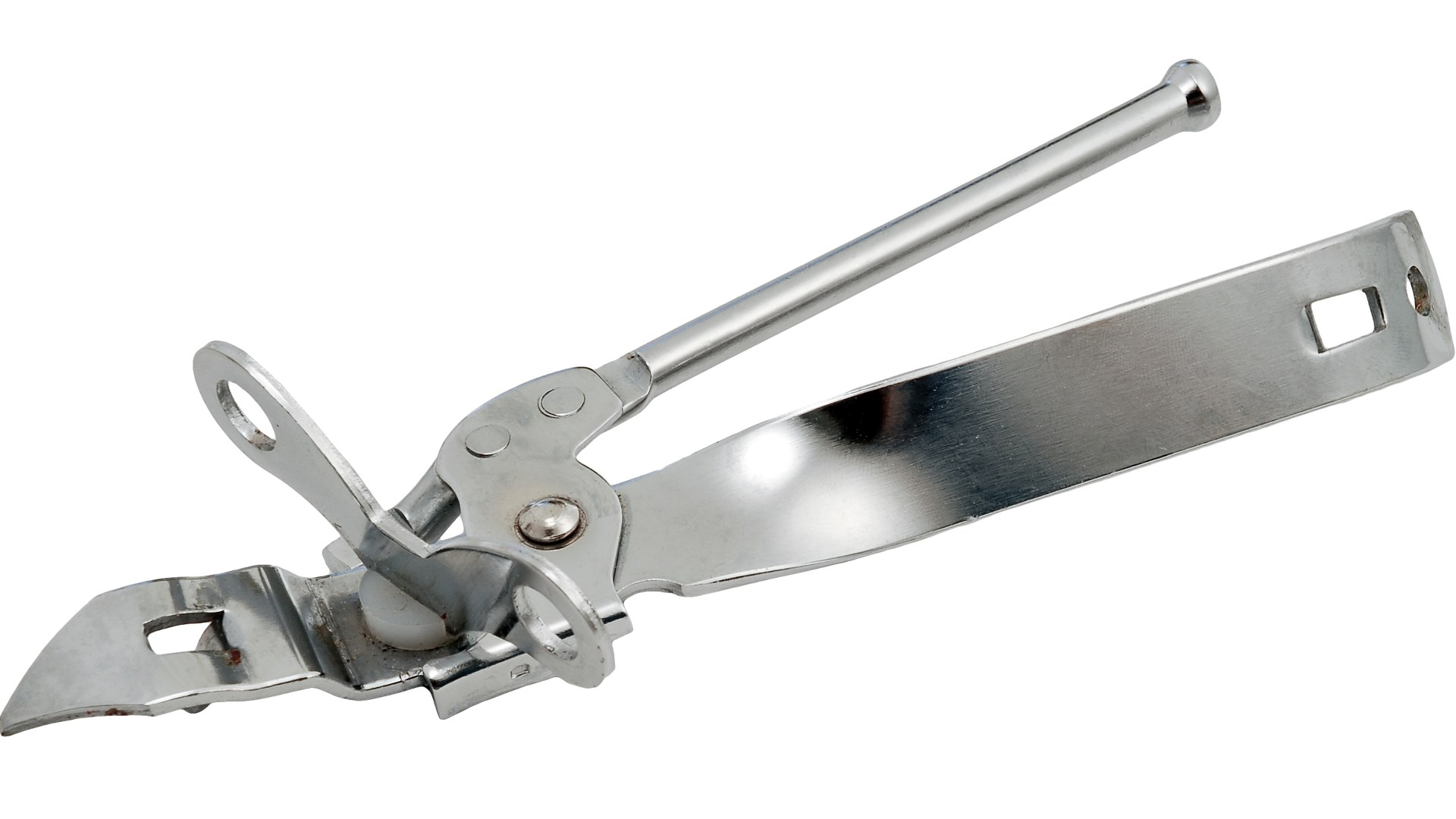
3. Manual Hand-Crank Can Opener
One of the most common mistakes families make when stockpiling emergency food is forgetting how they will open steel cans without electricity. A simple, heavy-duty manual gear can opener costs only a few dollars and should be taped directly inside your emergency food storage container.
©Wikimedia / Evan-Amos
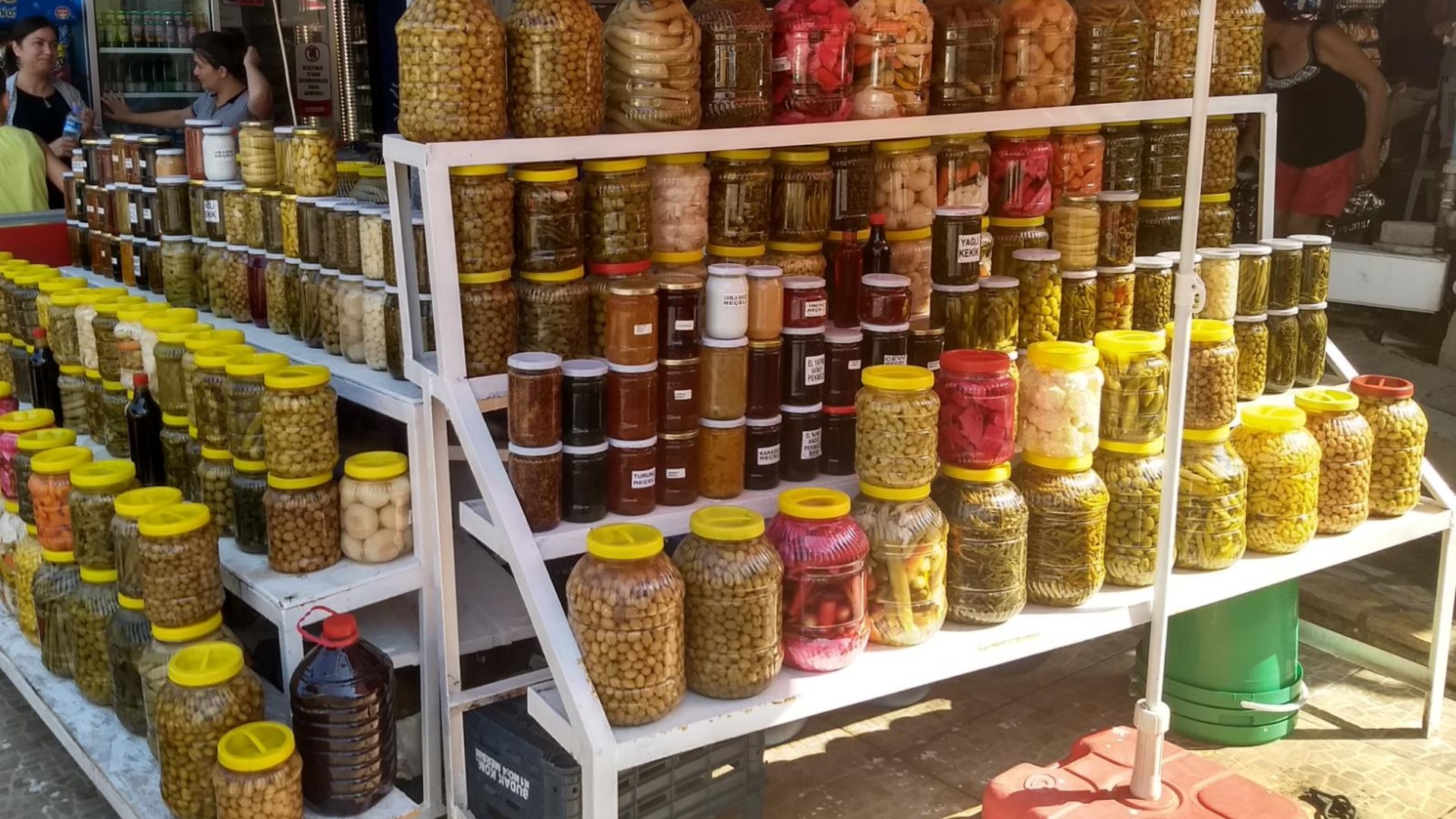
2. Three-Day Supply Of Non-Perishable Canned And Jarred Food
Once the power goes out, refrigerator food stays safe for only four hours and a full freezer lasts about 48 hours if kept closed. Build at least a three-day supply of shelf-stable, high-calorie foods such as canned tuna, beans, vegetables, peanut butter, trail mix, and protein bars.
©Wikimedia / Kerem Delialioglu
Advertisement
Swipe or tap ▶ to resume the countdown.
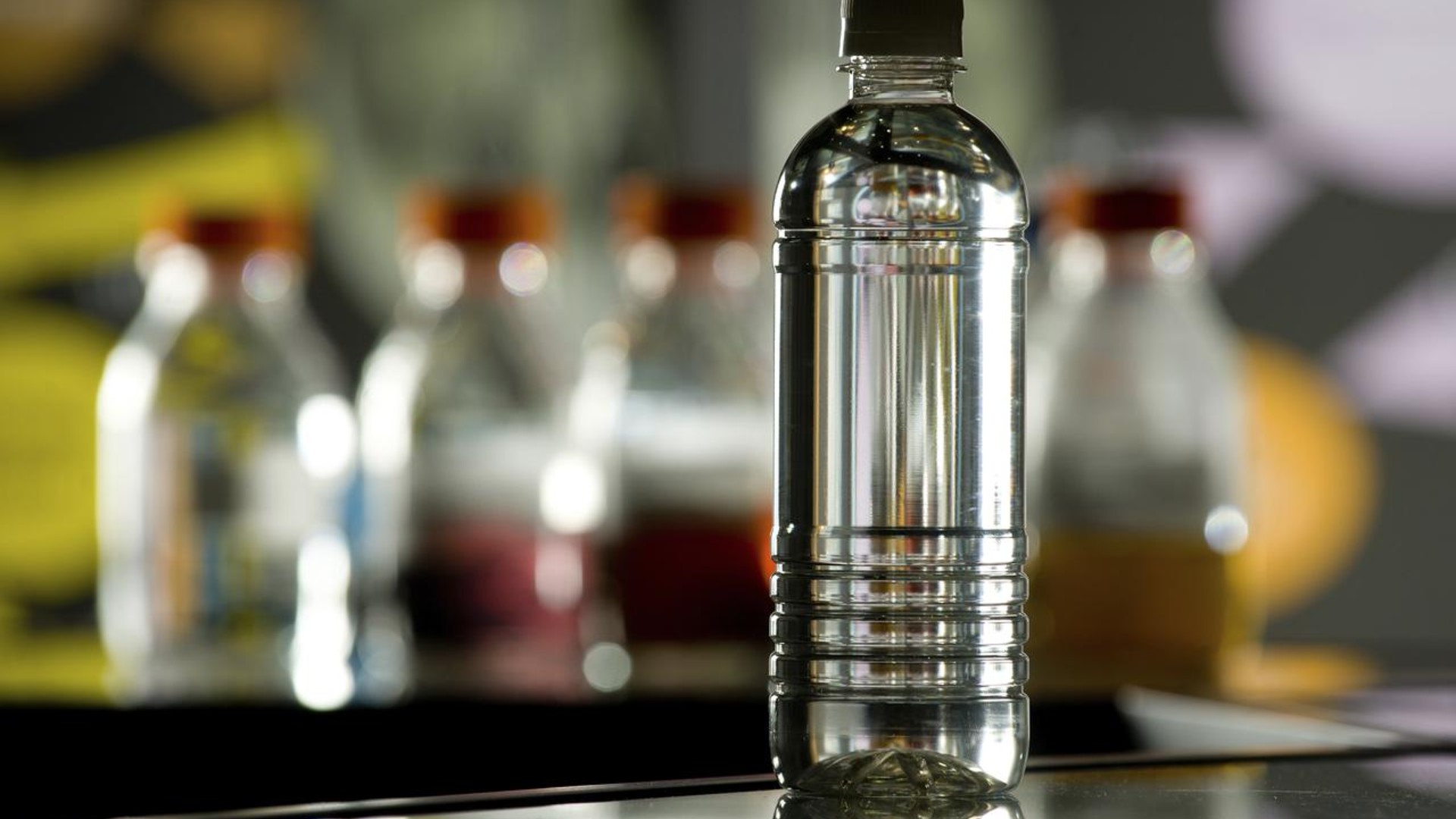
1. Bottled Drinking Water: One Gallon Per Person Per Day
Humans can survive weeks without food, but dehydration becomes life-threatening within days. FEMA and the American Red Cross rank clean water as the number one emergency supply, recommending at least one gallon per person per day for drinking and sanitation over a three- to fourteen-day window.

©NASA / DAVID HIGGINBOTHAM
Advertisement
You've reached the end of the story. Thanks for reading!

20 Iconic Historical Photos and the Archive Clues Behind Them
Contact sheets, cracked glass plates, and NASA mission logs preserve the hidden steps behind 20 famous photographs. Drawing on records from the Library of Congress, the National Archives, NASA, and the Smithsonian, this countdown traces how cropping, camera setups, and double exposures shaped each frame.
All 20 Entries in this Story
#20 Family Emergency Contact Plan And Local Paper Maps
Most people rely entirely on smartphones for phone numbers and GPS navigation, which creates a dangerous vulnerability during widespread power outages. Keep a waterproof folder containing printed family contact numbers, out-of-state relatives, shelter locations, and regional paper road maps.

#19 Warm Sleeping Bag And Weatherproof Shelter Gear
Winter ice storms and earthquakes can disable home furnaces or force families into temporary evacuation centers with limited bedding. FEMA advises storing one warm sleeping bag or heavy blanket per person, along with a compact weatherproof tent or tarp in case outdoor shelter is needed.

#18 Heavy-Duty Duct Tape And Plastic Sheeting
A roll of 10-mil polyethylene plastic sheeting paired with heavy-duty duct tape serves dozens of urgent repair needs after a storm. Families can quickly patch shattered window panes, waterproof leaky roof sections, or seal interior doors and vents if local officials order a shelter-in-place.

#17 Adjustable Wrench Or Pliers To Shut Off Utilities
Ruptured natural gas lines and burst water mains often cause more property damage after an earthquake or tornado than the storm itself. Keep a sturdy adjustable crescent wrench or pipe pliers strapped near your main utility valves so you can immediately shut off gas or water if leaks occur.

#16 High-Decibel Pealess Rescue Whistle
If you are trapped inside a damaged structure or separated from family members in dark, flooded conditions, yelling quickly drains your energy. A high-decibel pealess plastic whistle never freezes or jams when wet, producing a piercing 120-decibel signal that rescue crews can hear far away.

#15 ABC-Rated Household Fire Extinguisher
Downed power lines, knocked-over candles, and ruptured gas appliances trigger thousands of residential fires during major blackouts. Store at least one inspected ABC-rated dry chemical fire extinguisher on every level of your home so you can suppress wood, grease, or electrical flames fast.

#14 Reflective Mylar Thermal Space Blankets
Hypothermia can set in rapidly when survivors are soaked by floodwaters or stranded in unheated vehicles overnight. Compact aluminized Mylar emergency blankets weigh less than two ounces each, fit in any coat pocket, and trap up to 90 percent of your body heat while blocking wind and rain.

#13 Water Purification Tablets And Portable Filters
Even a generous supply of bottled water can run out if a regional crisis drags on for more than a week. Packing chlorine dioxide purification tablets alongside a hollow-fiber membrane water filter lets your household neutralize bacteria, protozoa, and viruses from tap or rainwater sources.

#12 N95 Particulate Respirators And Dust Masks
Disasters frequently fill the air with hazardous fine particles, from thick wildfire smoke and volcanic ash to plaster dust and toxic mold in flood-damaged homes. Keep a sealed box of NIOSH-approved N95 respirator masks in your emergency bin to protect everyone's lungs during cleanup.

#11 Pre-Packed 72-Hour Emergency Go-Bag
While your main household supply bin stays at home, every family member needs a lightweight 72-hour backpack stationed near the front door. Stock each go-bag with three days of rations, water pouches, a change of clothes, sturdy shoes, copies of ID documents, and a compact first aid kit.

#10 Emergency Cash In Small-Denomination Bills
During a multi-day blackout, electronic payment networks and bank ATMs go offline immediately, leaving digital wallets useless. Financial preparedness experts recommend sealing several hundred dollars in crisp 1, 5, 10, and 20 dollar bills inside a waterproof pouch so merchants can make change.

#9 Stainless Steel Multi-Tool Or Swiss Army Knife
Rather than carrying a heavy toolbox during an evacuation, a rugged stainless steel multi-tool or Swiss Army knife handles dozens of urgent mechanical fixes. Built-in pliers, flathead and Phillips screwdrivers, scissors, and locking blades help you open packages, cut cordage, or repair gear.

#8 Seven-Day Supply Of Prescription Medications
For anyone managing blood pressure, diabetes, asthma, or heart conditions, missing even a few days of prescription medication can trigger a medical crisis. Work with your doctor to keep at least a seven-day reserve of essential prescriptions, inhalers, and spare eyeglasses in your kit.

#7 High-Capacity USB Power Bank And Backup Cables
Your smartphone is a vital lifeline for receiving wireless emergency alerts, contacting loved ones, and photographing storm damage for insurance claims. Store at least one high-capacity 20,000-mAh lithium power bank with braided charging cables, and top off its charge every three months.

#6 Heavy-Duty Flashlight And Extra Alkaline Batteries
Lighting open flames during a blackout is extremely hazardous, especially if natural gas lines have been damaged nearby. Keep high-efficiency LED flashlights and hands-free headlamps in every bedroom, along with sealed packs of spare AA, AAA, and D-cell batteries stored outside the lights.

#5 Battery-Powered Or Hand-Crank Emergency Radio
Severe hurricanes, tornadoes, and wildfires routinely knock out cell towers and broadband cables across entire counties. A battery-operated or hand-crank radio capable of receiving AM, FM, and official NOAA Weather Radio broadcasts ensures you never miss evacuation orders or boil-water notices.

#4 Well-Stocked First Aid And Trauma Kit
Storm debris and shattered glass cause thousands of injuries just as local hospital emergency rooms become overwhelmed. Stock a comprehensive first aid kit containing sterile gauze pads, trauma bandages, antiseptic wipes, medical tape, tweezers, nitrile gloves, burn gel, and pain relievers.

#3 Manual Hand-Crank Can Opener
One of the most common mistakes families make when stockpiling emergency food is forgetting how they will open steel cans without electricity. A simple, heavy-duty manual gear can opener costs only a few dollars and should be taped directly inside your emergency food storage container.

#2 Three-Day Supply Of Non-Perishable Canned And Jarred Food
Once the power goes out, refrigerator food stays safe for only four hours and a full freezer lasts about 48 hours if kept closed. Build at least a three-day supply of shelf-stable, high-calorie foods such as canned tuna, beans, vegetables, peanut butter, trail mix, and protein bars.

#1 Bottled Drinking Water: One Gallon Per Person Per Day
Humans can survive weeks without food, but dehydration becomes life-threatening within days. FEMA and the American Red Cross rank clean water as the number one emergency supply, recommending at least one gallon per person per day for drinking and sanitation over a three- to fourteen-day window.