Slideshow · Viral
20 Facts About the Critical PHP Flaw Taking Down Websites Worldwide
Following the discovery of two critical 9.2-severity PHP vulnerabilities dubbed PHP2Shell, cybersecurity agencies in the UK, US, and Europe urged administrators to apply emergency patches or pull unpa
By Most Viral Today
23 Oct 2026

Two AI-Discovered PHP Bugs Forced A Global Web Shutdown To Patch 
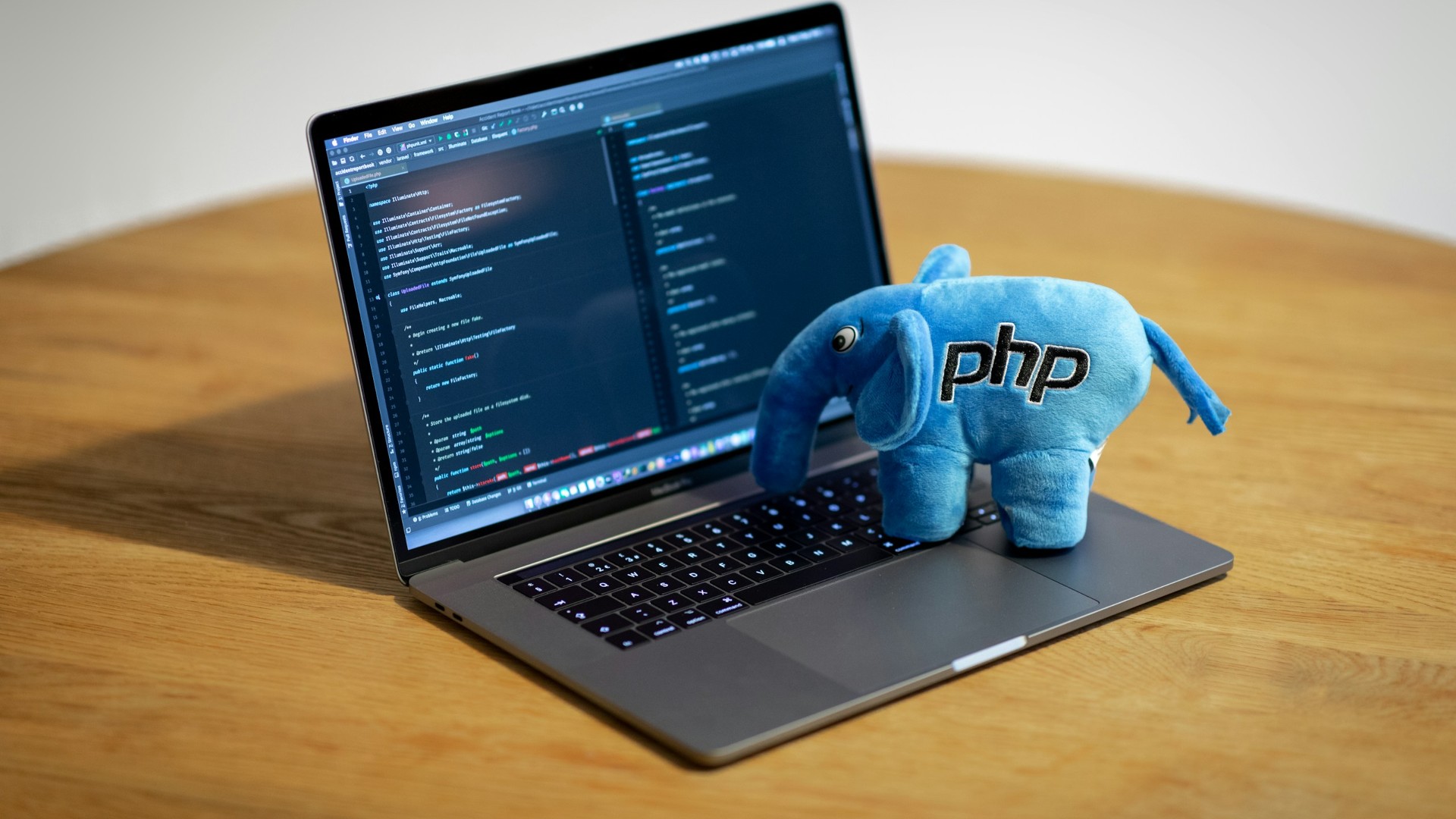
20. PHP Quietly Powers Roughly 70 Percent Of All Websites Worldwide 
19. WordPress, Drupal, And Wikipedia All Rely On The PHP Engine 
18. Nearly Every Generation From PHP 5 Through PHP 8.5 Was Affected - AdvertisementSwipe or tap ▶ to continue countdown

17. Two Critical Flaws Were Tracked As CVE-2026-109618 And 109619 
16. Unauthenticated Attackers Could Trigger Remote Code Execution 
15. CVE-2026-109618 Exploits Out-Of-Memory Error Recovery 
14. CVE-2026-109619 Leaves Stale Global Pointers Across Requests - AdvertisementSwipe or tap ▶ to continue countdown

13. Frontier AI Models Uncovered The Bugs Before Human Auditors 
12. Cloud Security Firm Wiz Independently Found The Flaws Weeks Later 
11. The Discovery Followed Warnings Over Anthropic's Mythos Model 
10. Leaked Exploit Details Sparked A Race Against Opportunistic Hackers - AdvertisementSwipe or tap ▶ to continue countdown

9. Britain's National Cyber Security Centre Issued An Urgent Alert 
8. The U.S. NSA And EU Cyber Agencies Joined The Global Warning 
7. Public Portals In Finland Were Taken Offline As A Precaution 
6. Websites In The Netherlands Disabled Access During Emergency Patching - AdvertisementSwipe or tap ▶ to continue countdown

5. Edinburgh And Oxford Councils Shut Down Local Service Portals 
4. Several BBC Programme Pages Went Dark To Protect User Data 
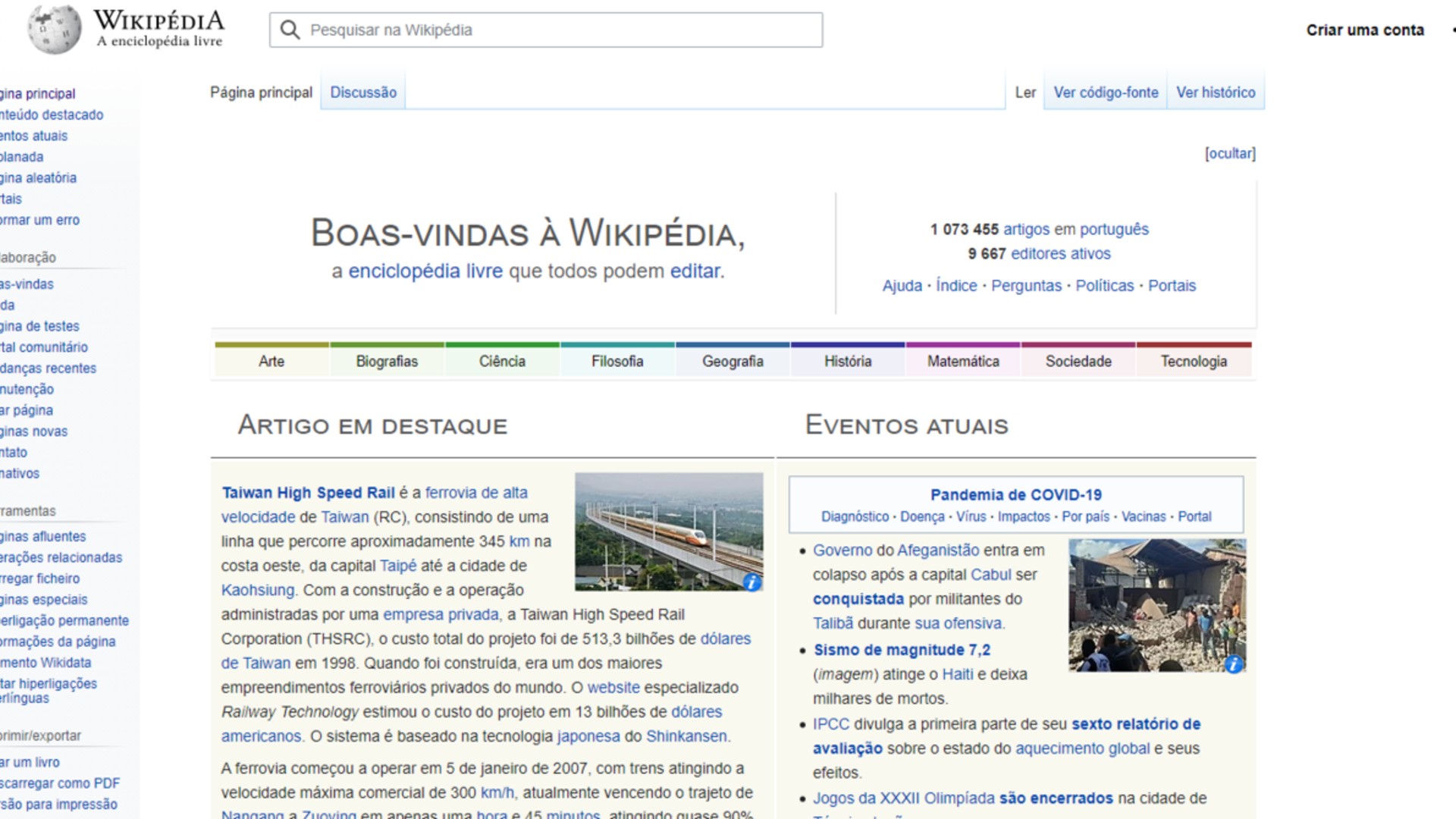
3. The Wikimedia Foundation Briefly Disabled Supporting Systems 
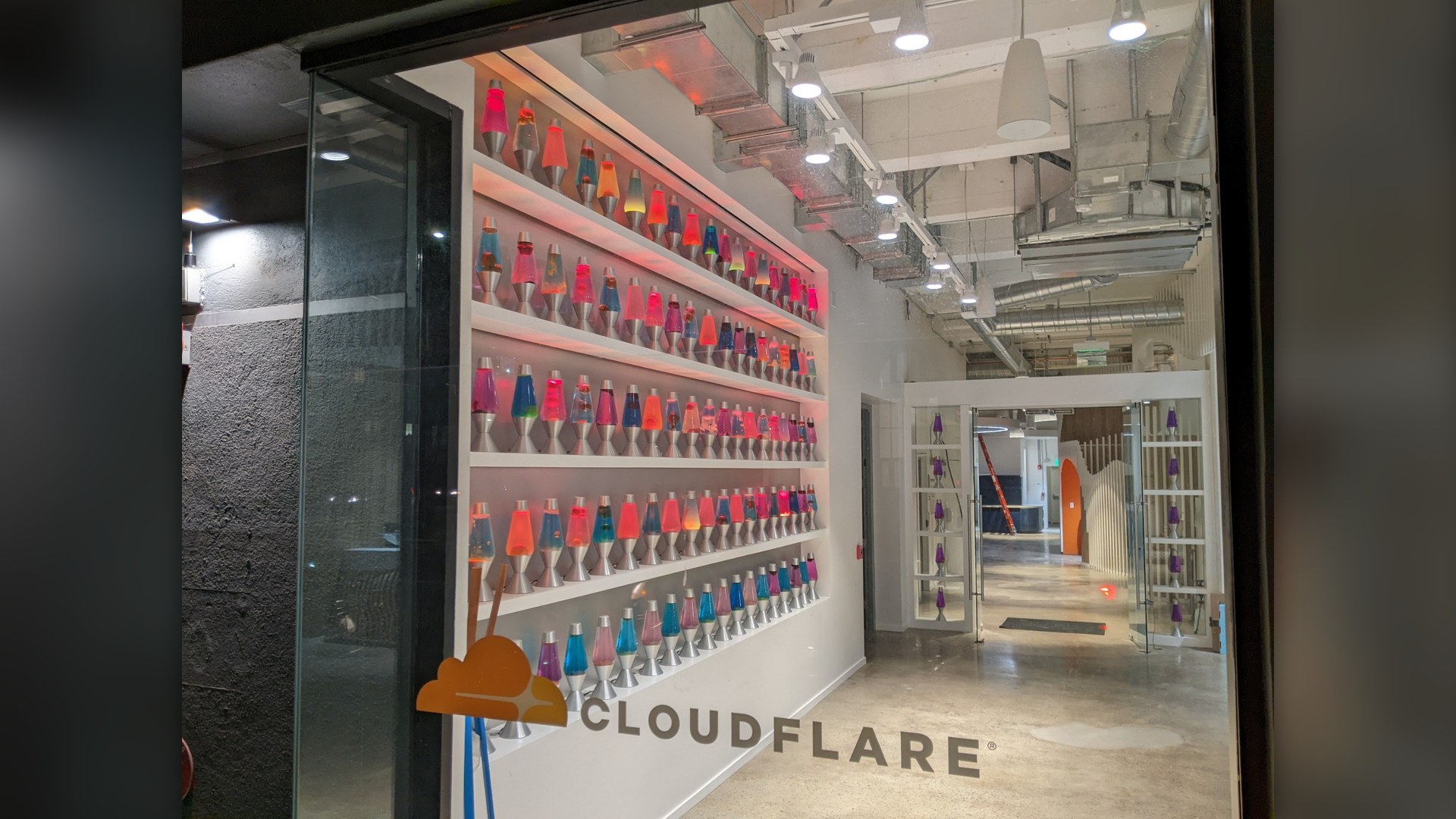
2. Cloudflare And WAF Providers Deployed Emergency Virtual Shields - AdvertisementSwipe or tap ▶ to continue countdown

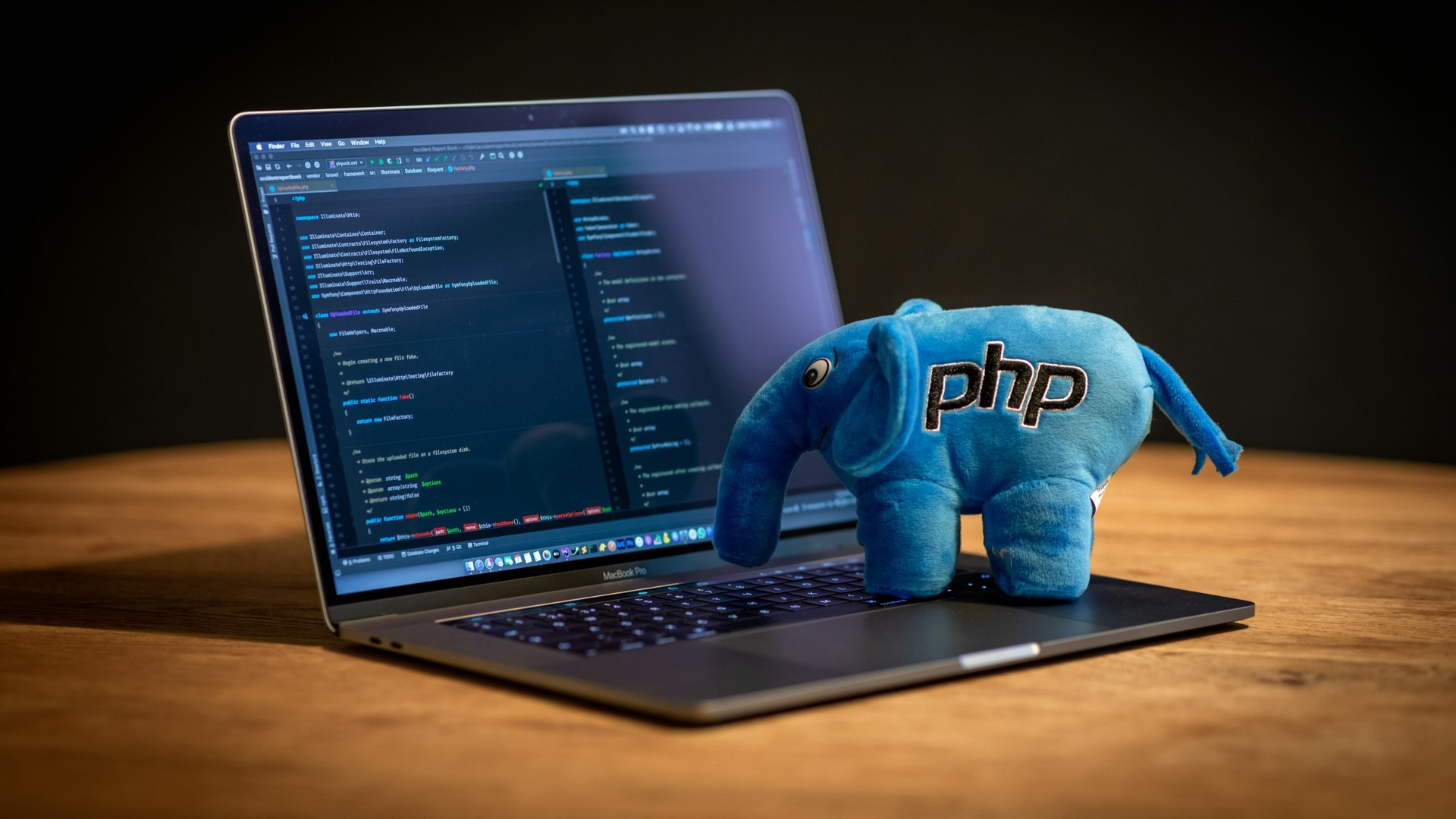
1. Emergency Updates PHP 8.5.12 Through 8.2.35 Sealed The Breach - Advertisement🔥 UP NEXT IN THIS SERIES◫ 21 Slides

20 Iconic Historical Photos and the Archive Clues Behind Them
Contact sheets, cracked glass plates, and NASA mission logs preserve the hidden steps behind 20 famous photographs. Drawing on records from the Library of Congress, the National Archives, NASA, and the Smithsonian, this countdown traces how cropping, camera setups, and double exposures shaped each frame.
On October 21, 2026, two critical vulnerabilities in the PHP programming language triggered an urgent global patching scramble. Rather than risk remote server takeovers, government councils, public agencies, and major web platforms temporarily pulled unpatched sites offline.
Swipe or tap ▶ to begin the countdown
© Photo by Ben Griffiths on Unsplash
20. PHP Quietly Powers Roughly 70 Percent Of All Websites Worldwide
Created by Rasmus Lerdorf in 1995, PHP remains the invisible backbone of roughly 70 percent of all websites whose server-side language is known. Because it sits at the foundation of the web stack, a flaw in core PHP affects millions of independent domains simultaneously.
©Pixabay / TheDigitalArtist
19. WordPress, Drupal, And Wikipedia All Rely On The PHP Engine
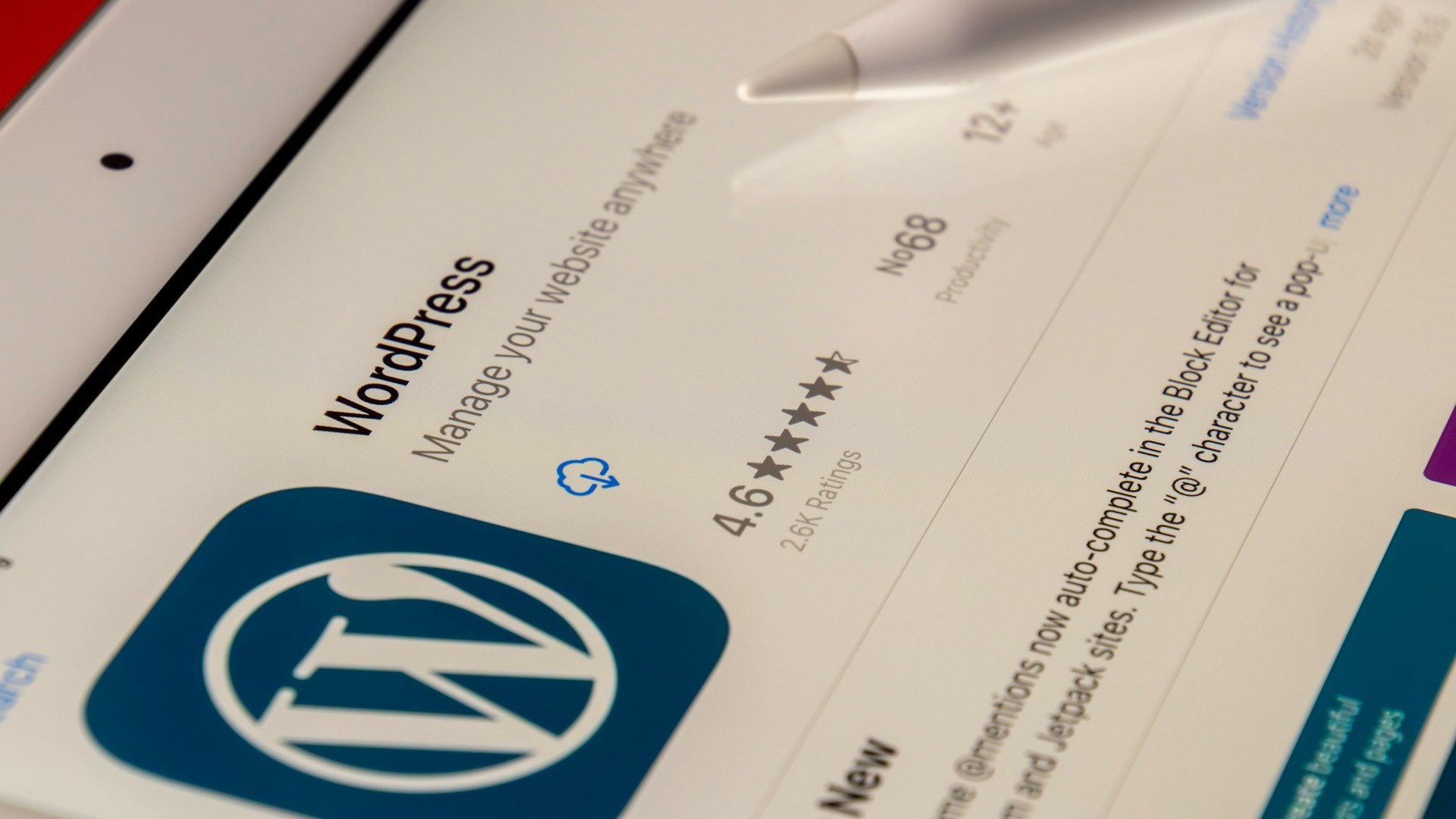
Major publishing and e-commerce platforms including WordPress, Drupal, Joomla, Magento, and MediaWiki are built on PHP. Any vulnerability in the underlying PHP interpreter bypasses individual website logins and threatens the host server directly.
© Photo by Souvik Banerjee on Unsplash
18. Nearly Every Generation From PHP 5 Through PHP 8.5 Was Affected
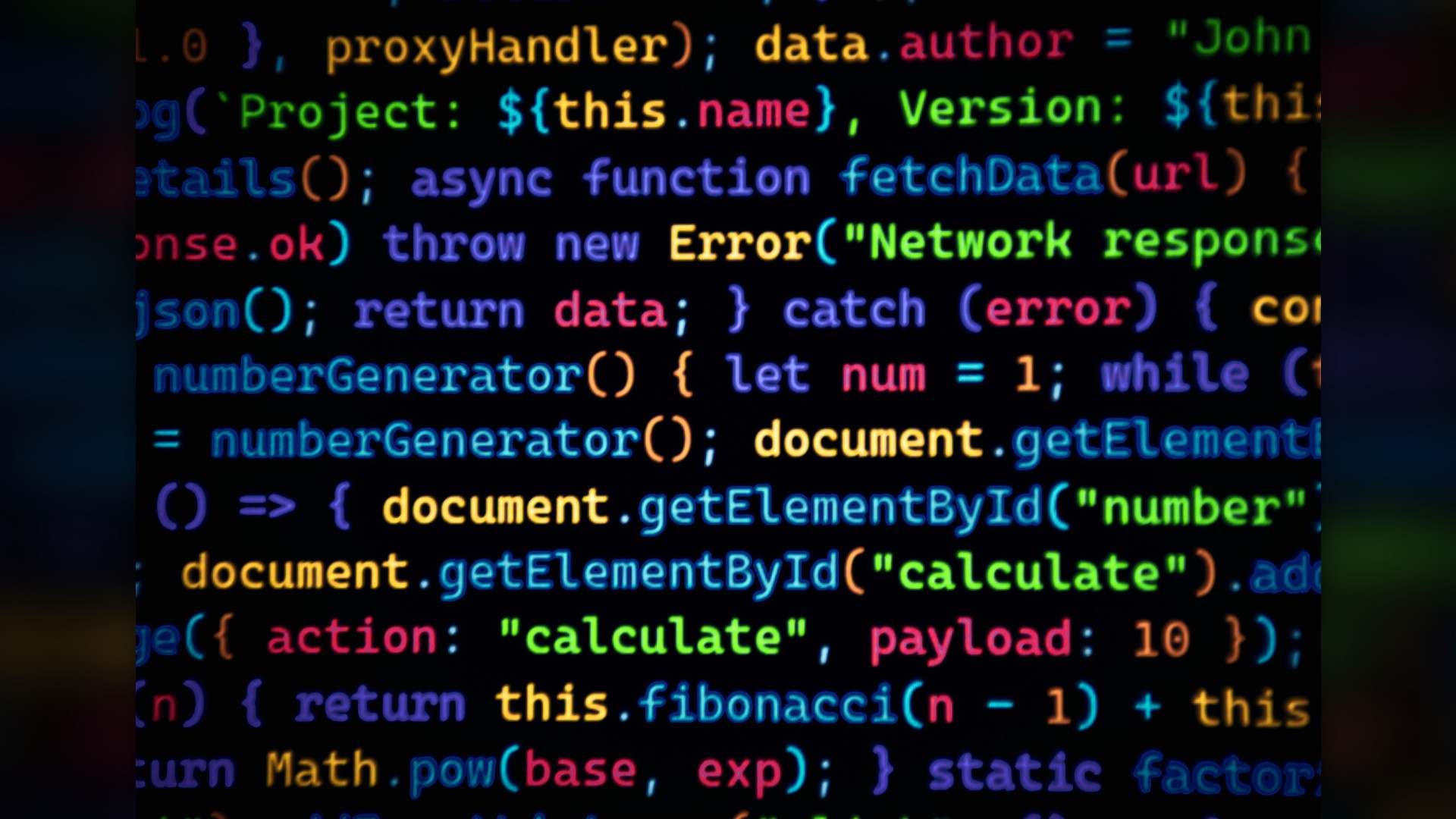
Unlike isolated plugin bugs, the newly disclosed flaws sat deep inside PHP's core request and memory management engine. That meant legacy servers running older PHP 5 and PHP 7 branches were just as exposed as modern PHP 8.5 deployments.
© Photo by Peaky Frames on Unsplash
Advertisement
Swipe or tap ▶ to resume the countdown.
17. Two Critical Flaws Were Tracked As CVE-2026-109618 And 109619
Security researchers tracked the twin vulnerabilities as CVE-2026-109618 and CVE-2026-109619, collectively naming the exploit chain PHP2Shell. Both flaws received a critical CVSS v4 severity score of 9.2 out of 10.
© Photo by Markus Spiske on Unsplash
16. Unauthenticated Attackers Could Trigger Remote Code Execution
Because the vulnerabilities fire during early HTTP request and memory handling on Apache mod_php and PHP-FPM setups, an unauthenticated remote attacker can execute arbitrary system commands before a website's own security code even runs.
15. CVE-2026-109618 Exploits Out-Of-Memory Error Recovery
The first vulnerability (CVE-2026-109618) occurs when PHP handles an Out-Of-Memory condition using a C-level longjmp call. That jump leaves request memory partially uninitialized, allowing subsequent cleanup routines to execute attacker-controlled pointers.
© Photo by David Pupăză on Unsplash
14. CVE-2026-109619 Leaves Stale Global Pointers Across Requests
The second flaw (CVE-2026-109619) is a stale global state and use-after-free vulnerability where global variables briefly point to already-freed request memory. On persistent server workers, a follow-up request can weaponize that dangling pointer for remote code execution.
© Photo by Clint Patterson on Unsplash
Advertisement
Swipe or tap ▶ to resume the countdown.
13. Frontier AI Models Uncovered The Bugs Before Human Auditors
In a watershed moment for cybersecurity, security firm Calif discovered the first PHP flaw using OpenAI's GPT-5.6 Sol model under OpenAI's Patch the Planet initiative—spotting a subtle multi-step memory bug that had survived decades of human code review.
©Pixabay / Alexandra_Koch
12. Cloud Security Firm Wiz Independently Found The Flaws Weeks Later
Just weeks after Calif's initial report, researchers at cloud security firm Wiz independently uncovered the exact same PHP vulnerabilities using Wiz Atlas and frontier AI tooling, proving how rapidly AI models can now surface deep structural zero-days.
©Wikimedia / 1st Lt. Charles Rivezzo
11. The Discovery Followed Warnings Over Anthropic's Mythos Model
Earlier in 2026, AI safety evaluations around Anthropic's restricted Claude Mythos model warned that autonomous AI could uncover complex zero-days at a fraction of historic costs. The PHP2Shell emergency brought that forecast into real-world focus.
©Wikimedia / TechCrunch
10. Leaked Exploit Details Sparked A Race Against Opportunistic Hackers
As technical details of the PHP vulnerabilities began circulating ahead of universal patching, automated botnets started scanning millions of IP addresses for exposed PHP endpoints, turning a coordinated patch cycle into an international race against the clock.
©TMDb / The Bank Hacker
Advertisement
Swipe or tap ▶ to resume the countdown.
9. Britain's National Cyber Security Centre Issued An Urgent Alert
The UK's National Cyber Security Centre (NCSC), part of GCHQ, issued an emergency advisory warning British public bodies and businesses to either install the PHP security updates immediately or temporarily sever external access to vulnerable servers.
©Wikimedia / uk gov
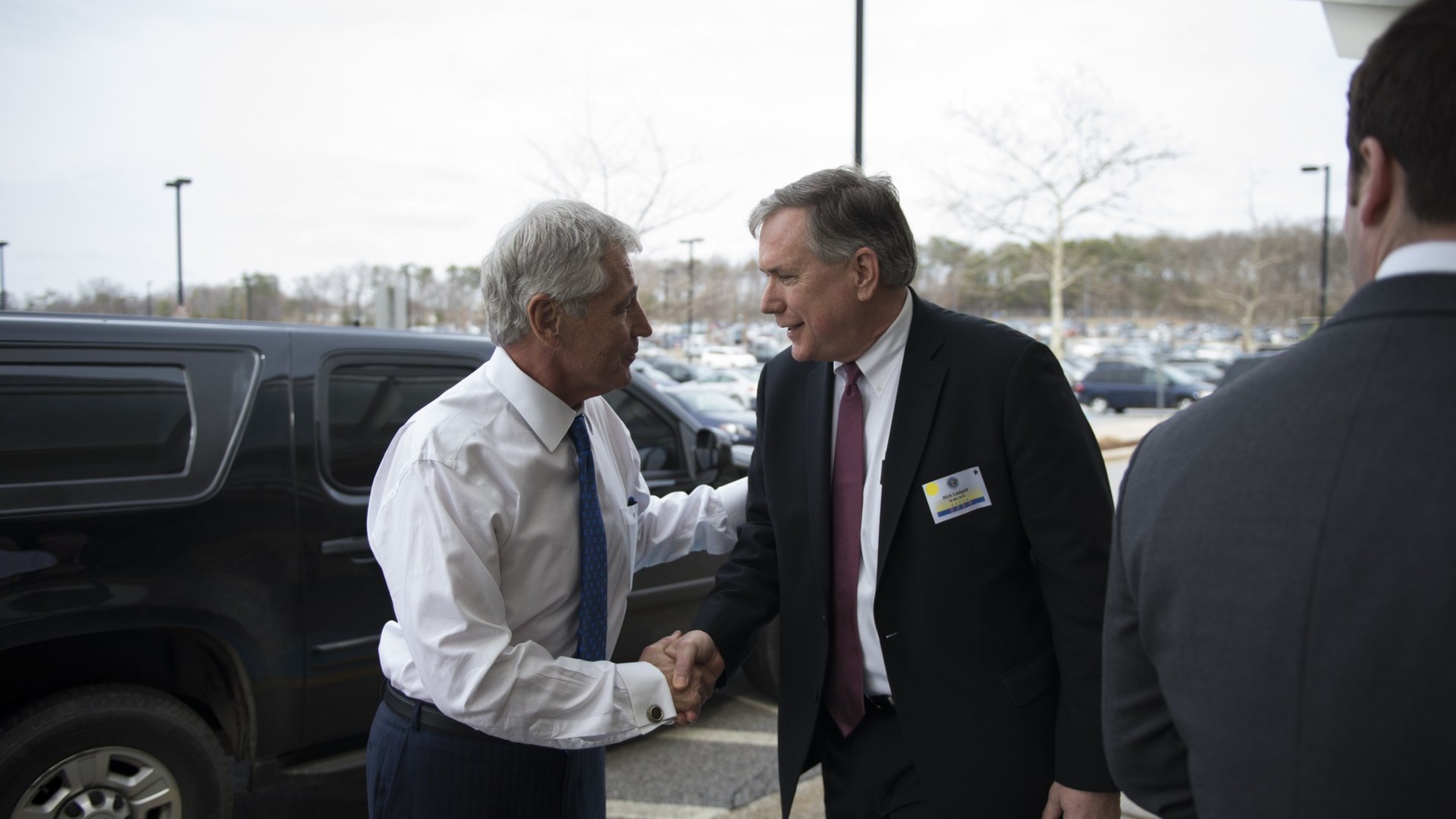
8. The U.S. NSA And EU Cyber Agencies Joined The Global Warning
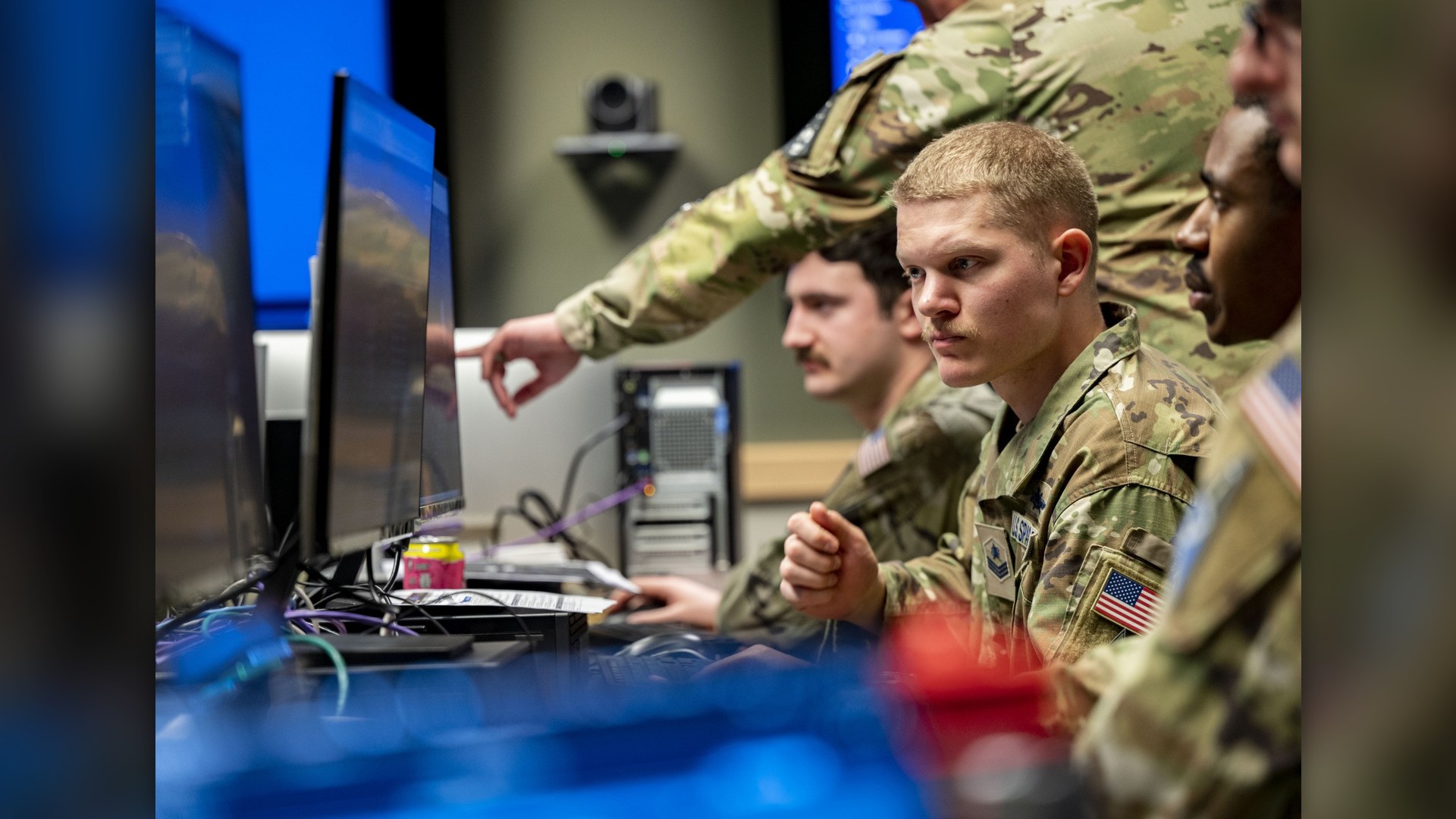
Alongside the NCSC, the U.S. National Security Agency (NSA), CISA, and the European Union's CERT-EU issued parallel alerts emphasizing that unpatched internet-facing PHP servers faced imminent automated takeover risk.
©Wikimedia / Sgt. Aaron Hostutler
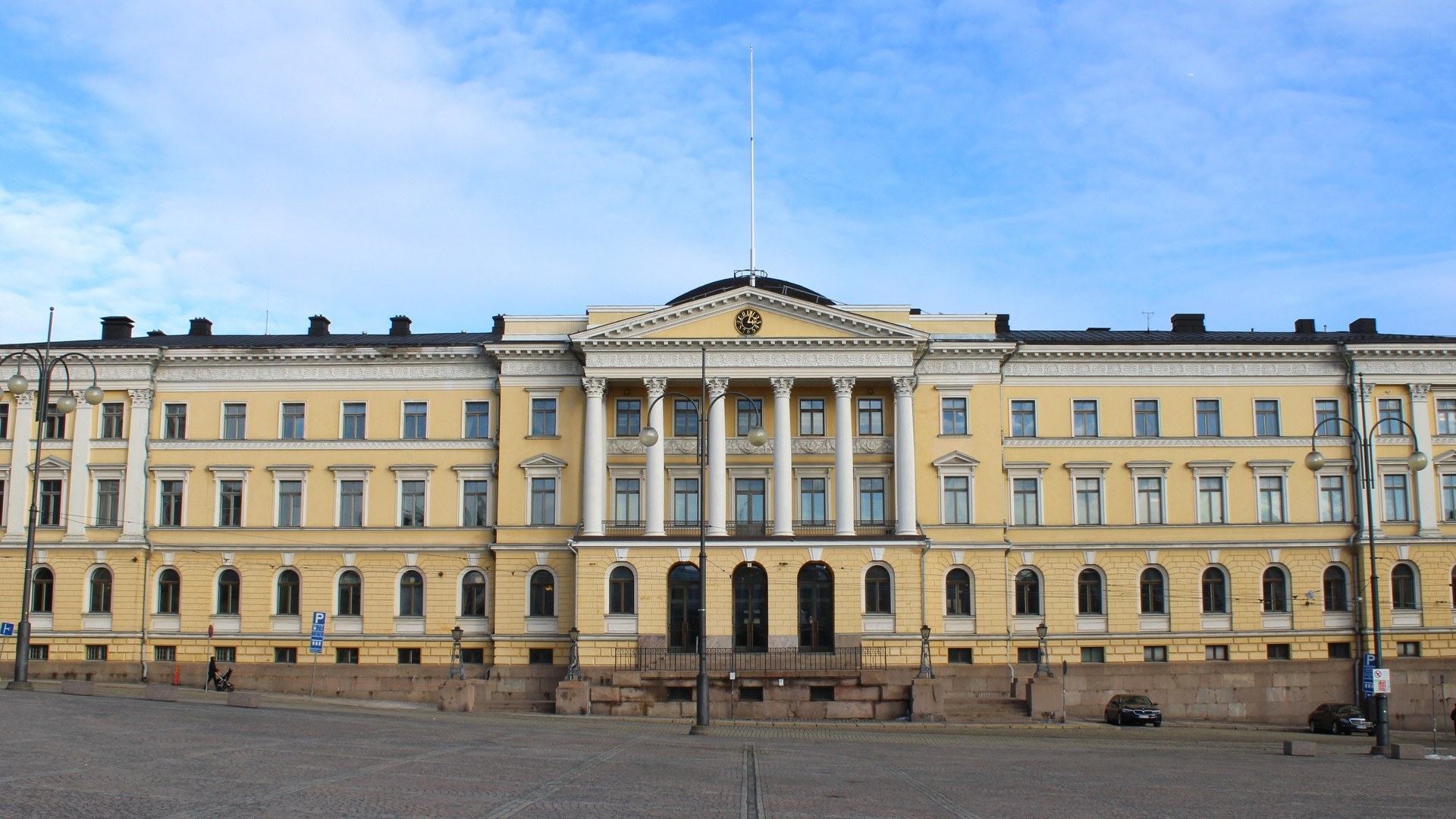
7. Public Portals In Finland Were Taken Offline As A Precaution
Across Finland, several government and municipal web services were proactively taken dark on October 21 while system administrators verified PHP versions, applied emergency patches, and audited server logs for any sign of intrusion.
©Wikimedia / Josefiina Alanen
6. Websites In The Netherlands Disabled Access During Emergency Patching
Public-facing portals and institutional websites in the Netherlands also pulled down live services as a precaution, opting for controlled maintenance outages rather than leaving database-backed PHP applications exposed to unauthenticated exploit traffic.
©Wikimedia / Hubertl
Advertisement
Swipe or tap ▶ to resume the countdown.
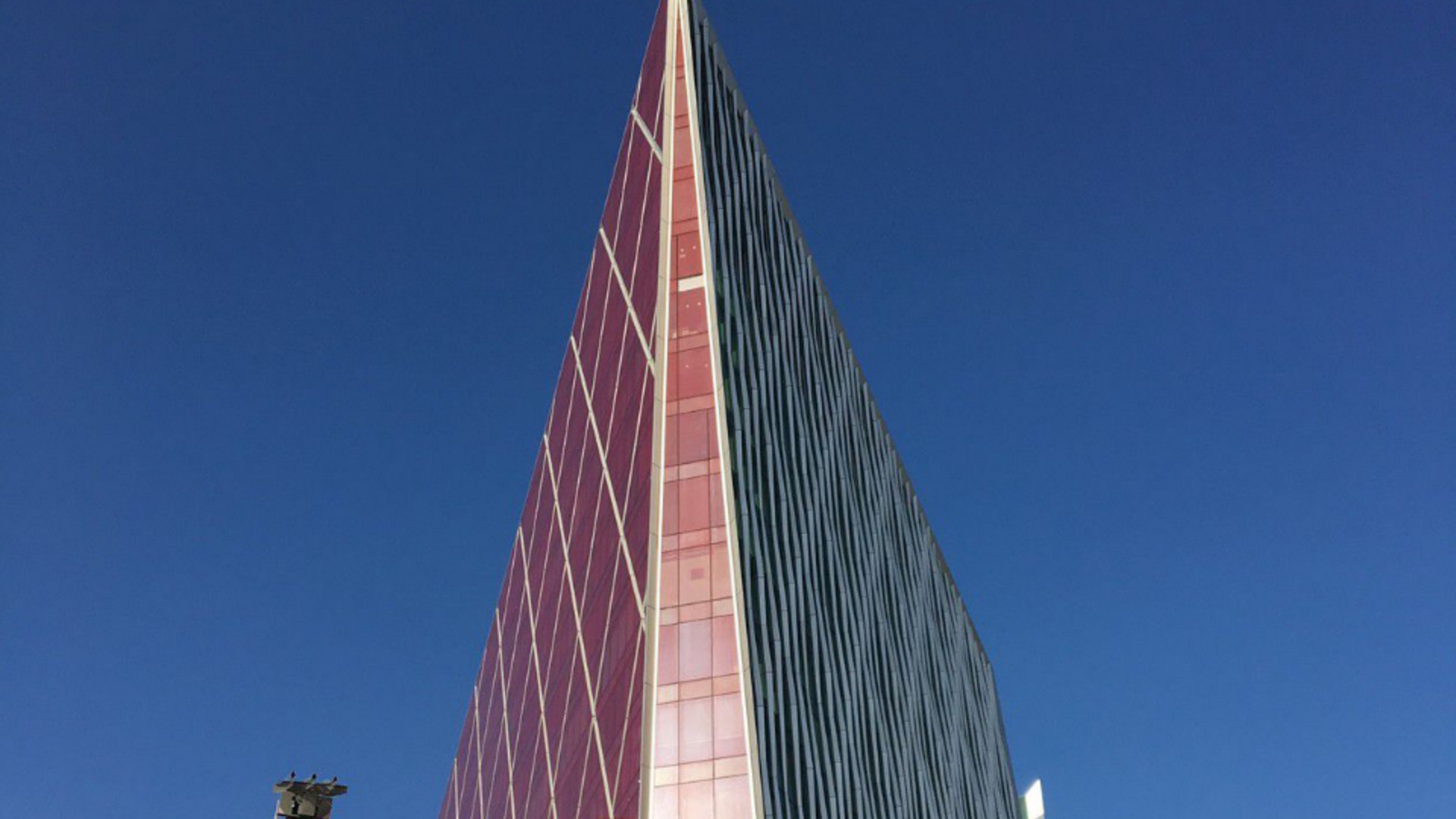
5. Edinburgh And Oxford Councils Shut Down Local Service Portals
In the United Kingdom, local authorities including Edinburgh City Council and Oxford City Council temporarily took public web portals offline while IT teams patched underlying PHP packages and verified citizen data safety.
©Wikimedia / Diliff
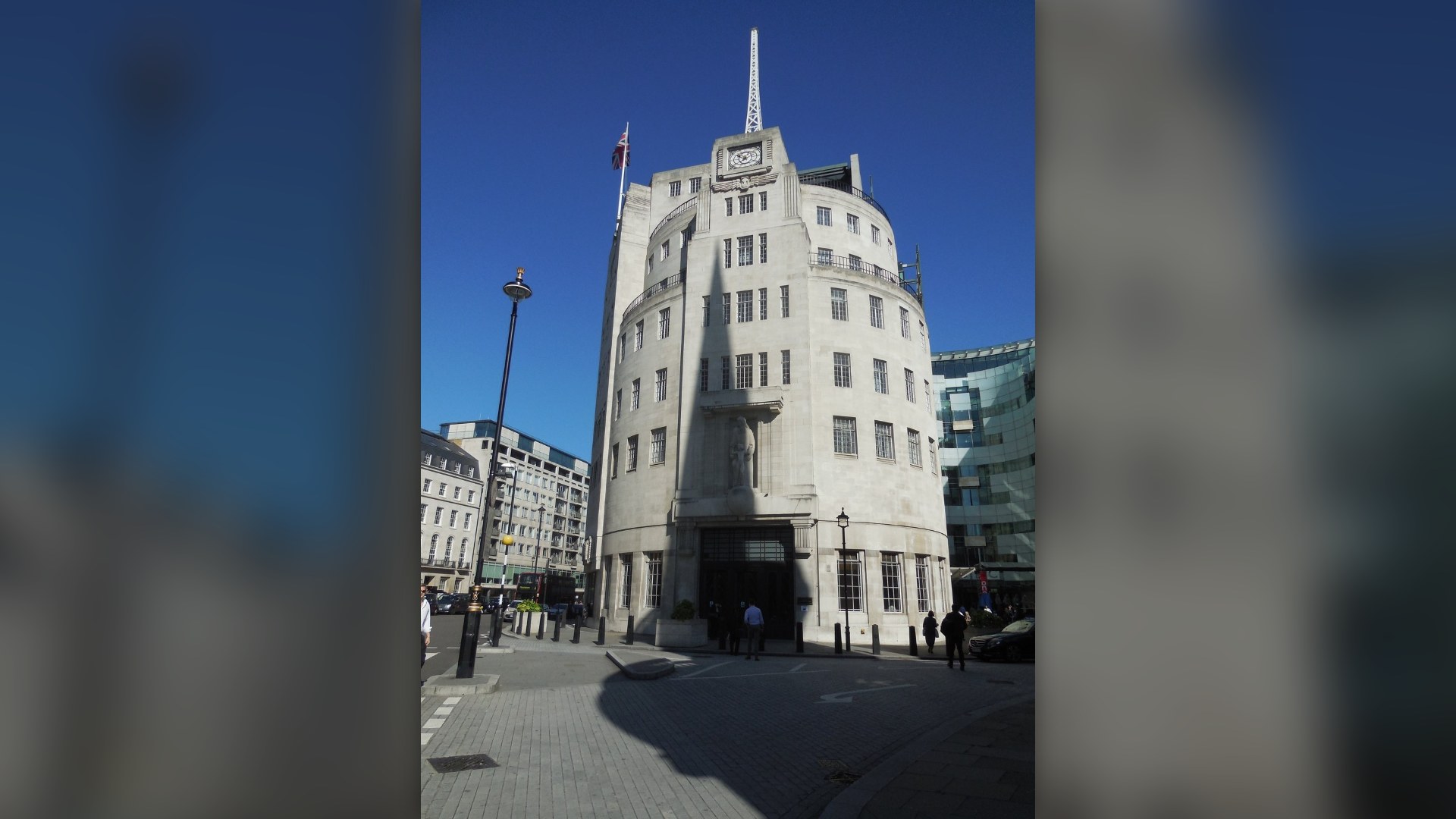
4. Several BBC Programme Pages Went Dark To Protect User Data
Even media organizations felt the ripple effects: external supporting websites and audience application pages for several BBC programmes were temporarily taken down by production partners until emergency security updates could be verified.
©Wikimedia / Paul Gillett
3. The Wikimedia Foundation Briefly Disabled Supporting Systems
Because MediaWiki—the software powering Wikipedia—is written in PHP, the Wikimedia Foundation temporarily disabled select supporting and community systems to harden its global server fleet against the CVE-2026-109618 and CVE-2026-109619 flaws.
©Wikimedia / Biel8729
2. Cloudflare And WAF Providers Deployed Emergency Virtual Shields
For organizations unable to restart production servers immediately, edge security providers including Cloudflare and F5 deployed emergency Web Application Firewall rules designed to intercept malformed PHP2Shell exploit requests in transit.
©Wikimedia / HaeB
Advertisement
Swipe or tap ▶ to resume the countdown.
1. Emergency Updates PHP 8.5.12 Through 8.2.35 Sealed The Breach
On October 21, 2026, the PHP development team released emergency patched versions—PHP 8.5.12, 8.4.27, 8.3.36, and 8.2.35—fixing both the OOM longjmp corruption and stale global state pointers so administrators could safely bring websites back online.
© Photo by Ben Griffiths on Unsplash
Advertisement
You've reached the end of the story. Thanks for reading!

20 Iconic Historical Photos and the Archive Clues Behind Them
Contact sheets, cracked glass plates, and NASA mission logs preserve the hidden steps behind 20 famous photographs. Drawing on records from the Library of Congress, the National Archives, NASA, and the Smithsonian, this countdown traces how cropping, camera setups, and double exposures shaped each frame.
All 20 Entries in this Story
20. PHP Quietly Powers Roughly 70 Percent Of All Websites Worldwide
Created by Rasmus Lerdorf in 1995, PHP remains the invisible backbone of roughly 70 percent of all websites whose server-side language is known. Because it sits at the foundation of the web stack, a flaw in core PHP affects millions of independent domains simultaneously.

19. WordPress, Drupal, And Wikipedia All Rely On The PHP Engine
Major publishing and e-commerce platforms including WordPress, Drupal, Joomla, Magento, and MediaWiki are built on PHP. Any vulnerability in the underlying PHP interpreter bypasses individual website logins and threatens the host server directly.

18. Nearly Every Generation From PHP 5 Through PHP 8.5 Was Affected
Unlike isolated plugin bugs, the newly disclosed flaws sat deep inside PHP's core request and memory management engine. That meant legacy servers running older PHP 5 and PHP 7 branches were just as exposed as modern PHP 8.5 deployments.

17. Two Critical Flaws Were Tracked As CVE-2026-109618 And 109619
Security researchers tracked the twin vulnerabilities as CVE-2026-109618 and CVE-2026-109619, collectively naming the exploit chain PHP2Shell. Both flaws received a critical CVSS v4 severity score of 9.2 out of 10.

16. Unauthenticated Attackers Could Trigger Remote Code Execution
Because the vulnerabilities fire during early HTTP request and memory handling on Apache mod_php and PHP-FPM setups, an unauthenticated remote attacker can execute arbitrary system commands before a website's own security code even runs.

15. CVE-2026-109618 Exploits Out-Of-Memory Error Recovery
The first vulnerability (CVE-2026-109618) occurs when PHP handles an Out-Of-Memory condition using a C-level longjmp call. That jump leaves request memory partially uninitialized, allowing subsequent cleanup routines to execute attacker-controlled pointers.

14. CVE-2026-109619 Leaves Stale Global Pointers Across Requests
The second flaw (CVE-2026-109619) is a stale global state and use-after-free vulnerability where global variables briefly point to already-freed request memory. On persistent server workers, a follow-up request can weaponize that dangling pointer for remote code execution.

13. Frontier AI Models Uncovered The Bugs Before Human Auditors
In a watershed moment for cybersecurity, security firm Calif discovered the first PHP flaw using OpenAI's GPT-5.6 Sol model under OpenAI's Patch the Planet initiative—spotting a subtle multi-step memory bug that had survived decades of human code review.

12. Cloud Security Firm Wiz Independently Found The Flaws Weeks Later
Just weeks after Calif's initial report, researchers at cloud security firm Wiz independently uncovered the exact same PHP vulnerabilities using Wiz Atlas and frontier AI tooling, proving how rapidly AI models can now surface deep structural zero-days.

11. The Discovery Followed Warnings Over Anthropic's Mythos Model
Earlier in 2026, AI safety evaluations around Anthropic's restricted Claude Mythos model warned that autonomous AI could uncover complex zero-days at a fraction of historic costs. The PHP2Shell emergency brought that forecast into real-world focus.

10. Leaked Exploit Details Sparked A Race Against Opportunistic Hackers
As technical details of the PHP vulnerabilities began circulating ahead of universal patching, automated botnets started scanning millions of IP addresses for exposed PHP endpoints, turning a coordinated patch cycle into an international race against the clock.

9. Britain's National Cyber Security Centre Issued An Urgent Alert
The UK's National Cyber Security Centre (NCSC), part of GCHQ, issued an emergency advisory warning British public bodies and businesses to either install the PHP security updates immediately or temporarily sever external access to vulnerable servers.

8. The U.S. NSA And EU Cyber Agencies Joined The Global Warning
Alongside the NCSC, the U.S. National Security Agency (NSA), CISA, and the European Union's CERT-EU issued parallel alerts emphasizing that unpatched internet-facing PHP servers faced imminent automated takeover risk.

7. Public Portals In Finland Were Taken Offline As A Precaution
Across Finland, several government and municipal web services were proactively taken dark on October 21 while system administrators verified PHP versions, applied emergency patches, and audited server logs for any sign of intrusion.

6. Websites In The Netherlands Disabled Access During Emergency Patching
Public-facing portals and institutional websites in the Netherlands also pulled down live services as a precaution, opting for controlled maintenance outages rather than leaving database-backed PHP applications exposed to unauthenticated exploit traffic.

5. Edinburgh And Oxford Councils Shut Down Local Service Portals
In the United Kingdom, local authorities including Edinburgh City Council and Oxford City Council temporarily took public web portals offline while IT teams patched underlying PHP packages and verified citizen data safety.

4. Several BBC Programme Pages Went Dark To Protect User Data
Even media organizations felt the ripple effects: external supporting websites and audience application pages for several BBC programmes were temporarily taken down by production partners until emergency security updates could be verified.

3. The Wikimedia Foundation Briefly Disabled Supporting Systems
Because MediaWiki—the software powering Wikipedia—is written in PHP, the Wikimedia Foundation temporarily disabled select supporting and community systems to harden its global server fleet against the CVE-2026-109618 and CVE-2026-109619 flaws.

2. Cloudflare And WAF Providers Deployed Emergency Virtual Shields
For organizations unable to restart production servers immediately, edge security providers including Cloudflare and F5 deployed emergency Web Application Firewall rules designed to intercept malformed PHP2Shell exploit requests in transit.

1. Emergency Updates PHP 8.5.12 Through 8.2.35 Sealed The Breach
On October 21, 2026, the PHP development team released emergency patched versions—PHP 8.5.12, 8.4.27, 8.3.36, and 8.2.35—fixing both the OOM longjmp corruption and stale global state pointers so administrators could safely bring websites back online.