Slideshow · Viral
20 Fascinating Accents of American English
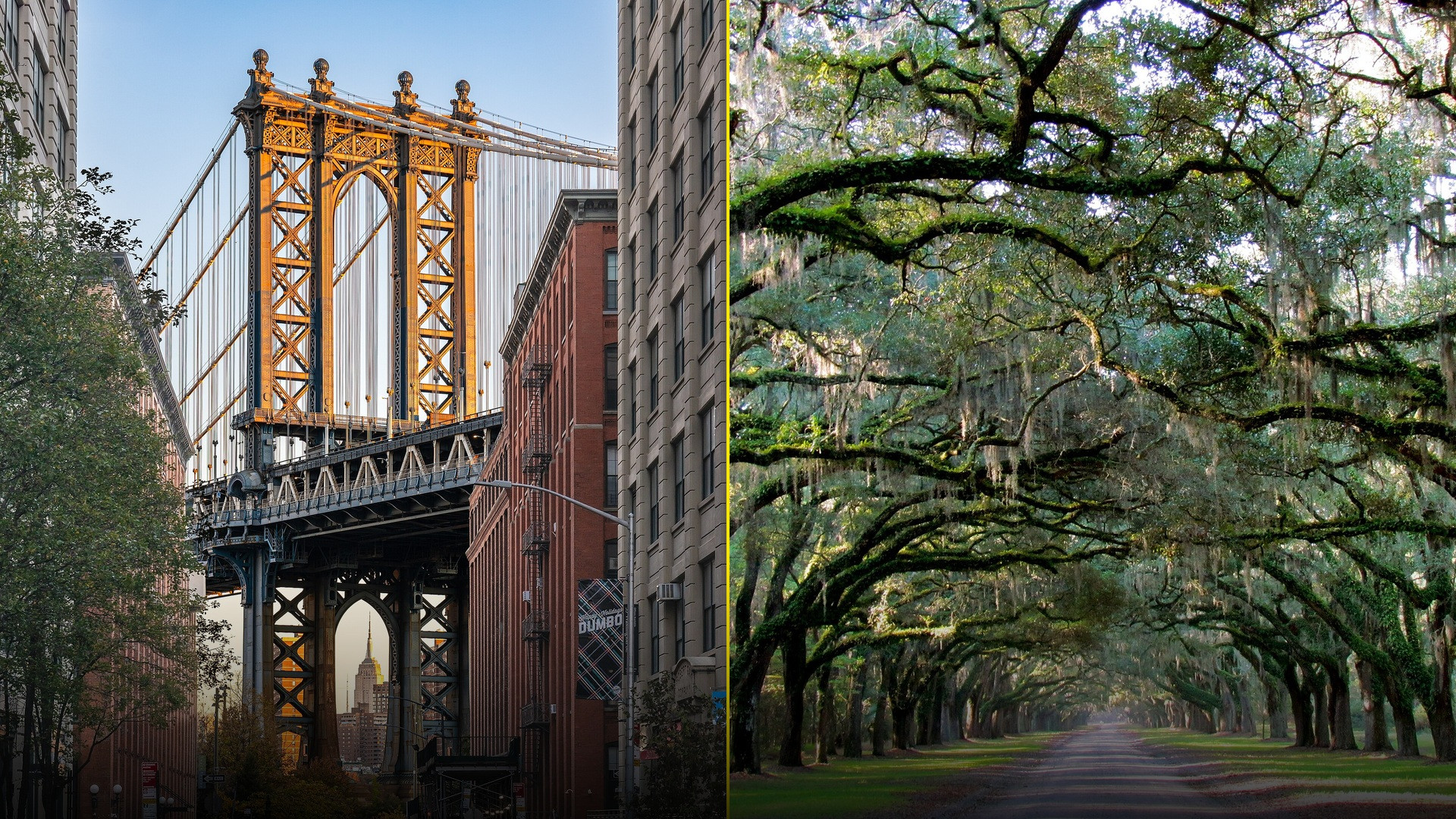
From the 17th-century Elizabethan cadence of isolated barrier islands to the rapid slang of urban boroughs, American English holds dozens of wildly distinct regional voices.
By Most Viral Today
6 Oct 2026

20 Fascinating Accents of American English 
20. Yooper (Michigan Upper Peninsula) 
19. Pacific Northwest (Cascadia English) 
18. Ocracoke Brogue (Outer Banks 'Hoi Toider') - AdvertisementSwipe or tap ▶ to continue countdown

17. Down East Maine (Yankee Coastal) 
16. Ozark Mountain English 
15. Baltimore 'Bawlmer' Accent 
14. Pittsburgh 'Pittsburghese' (Yinzer) - AdvertisementSwipe or tap ▶ to continue countdown

13. Philadelphia 'Philly' Accent 
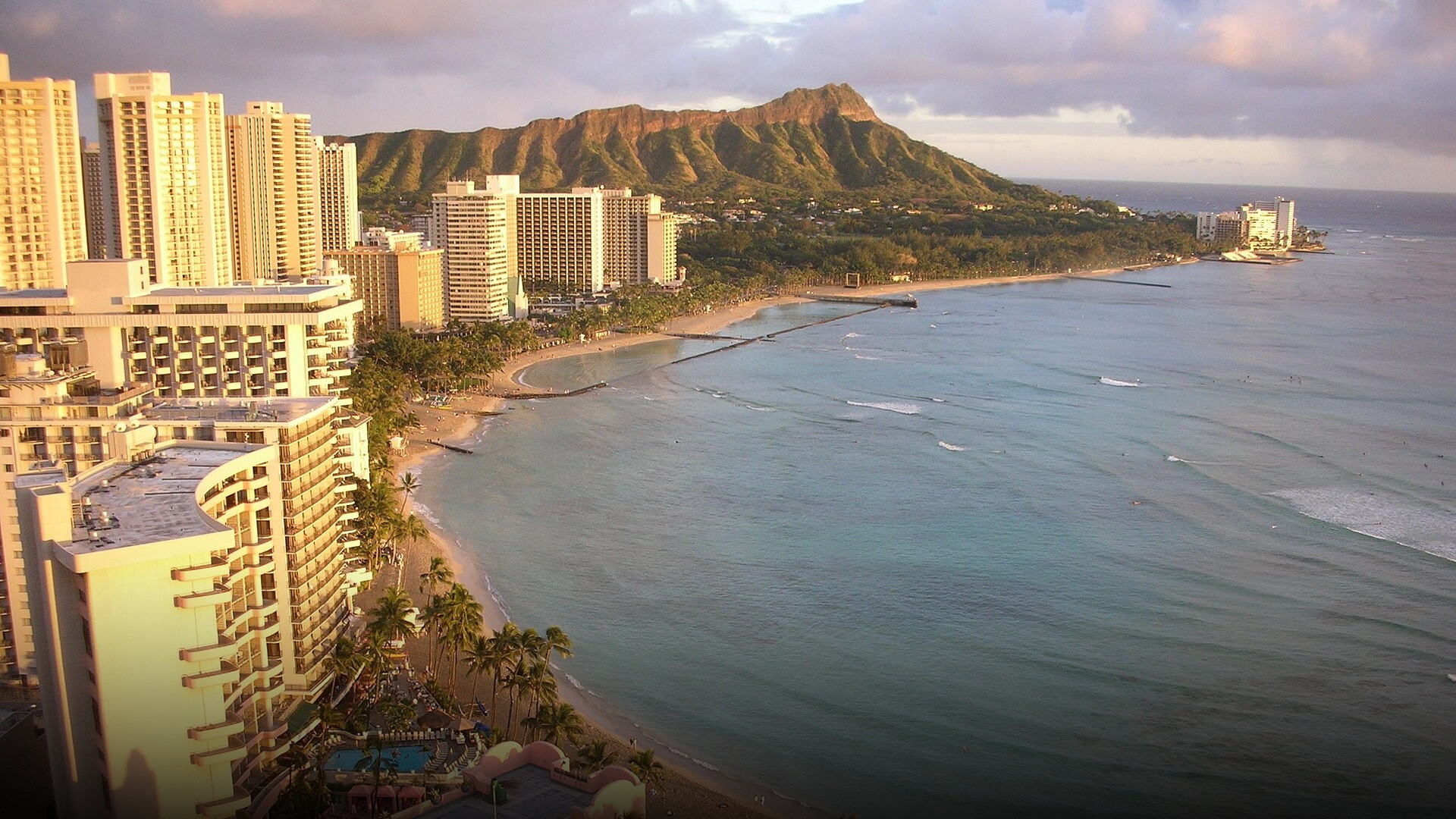
12. Hawaiian Pidgin (Hawaii Creole English) 
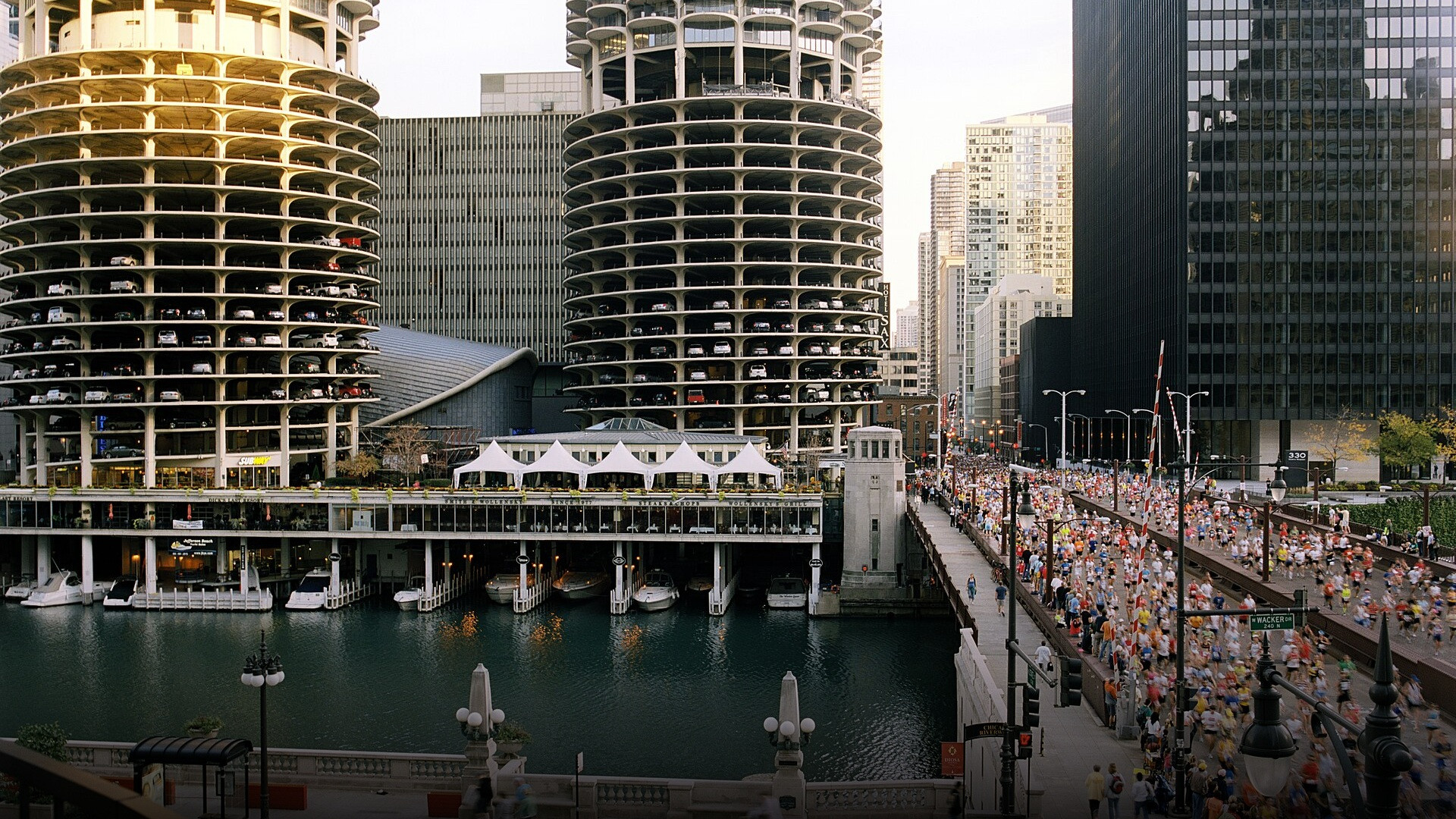
11. Inland Northern (Chicago & Great Lakes) 
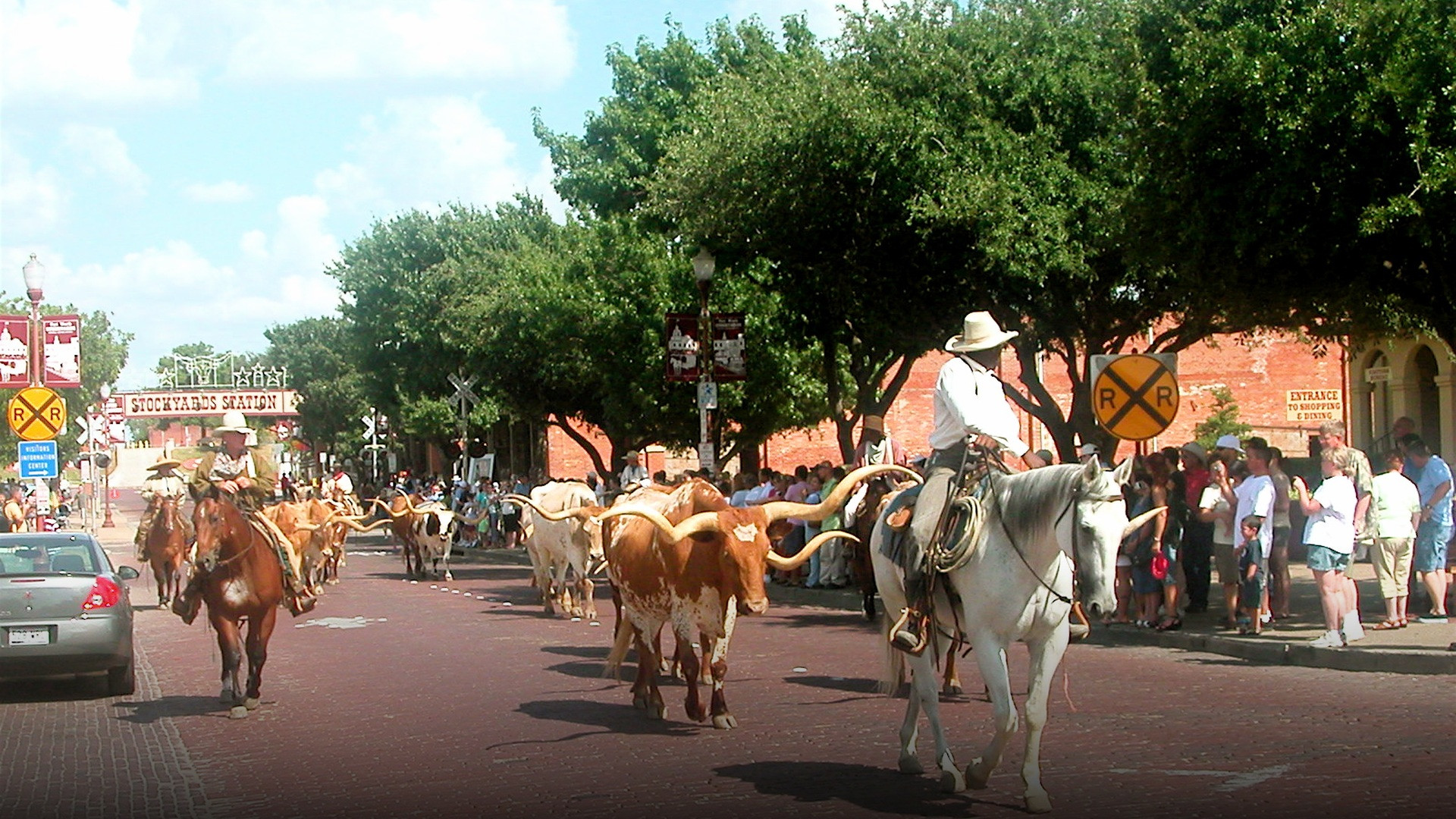
10. Texas Twang (Lone Star Country) - AdvertisementSwipe or tap ▶ to continue countdown

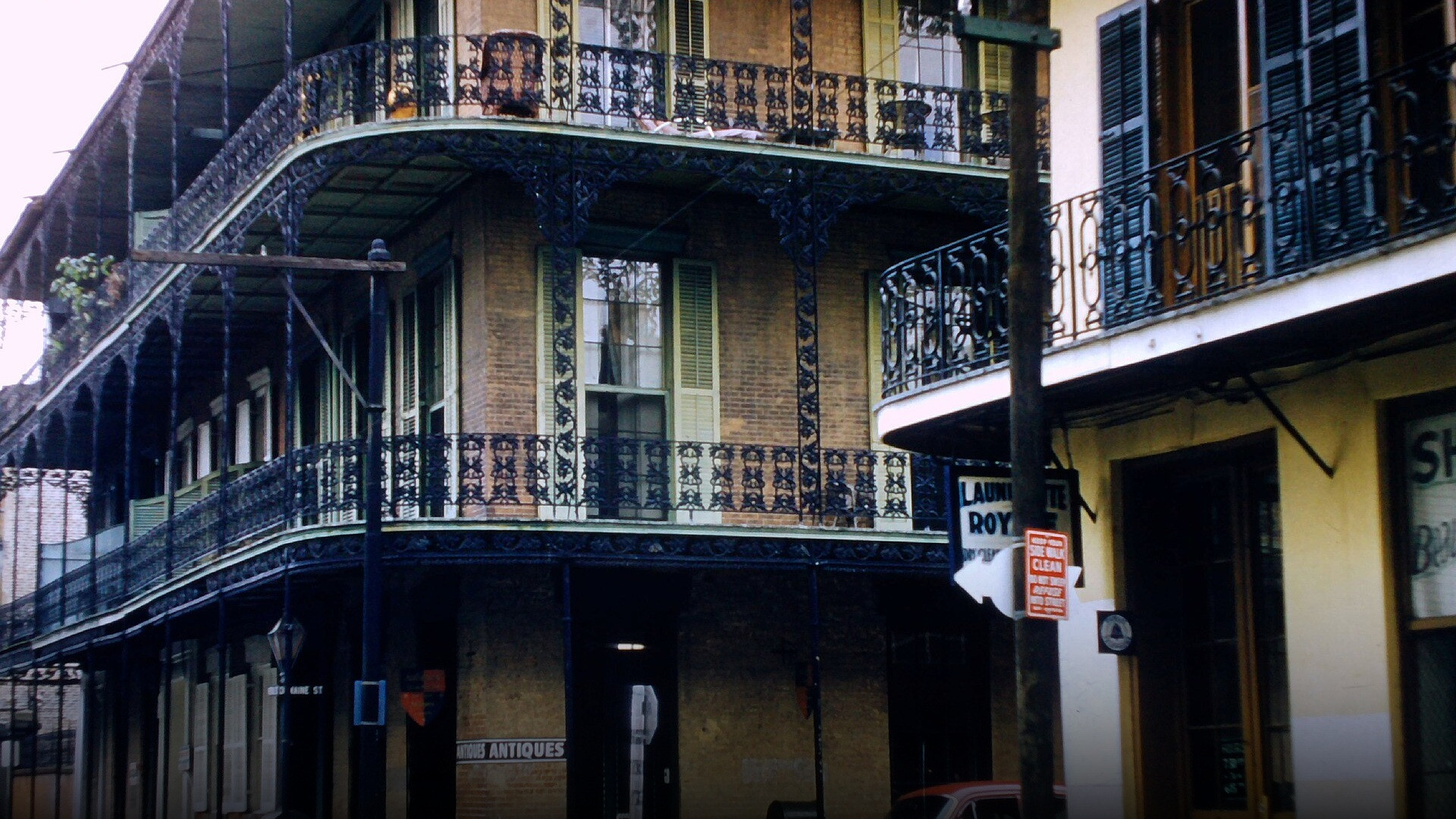
9. New Orleans 'Yat' Accent 
8. California Valley & Surfer English 
7. North Central ('Minnesota Nice') 
6. Gullah Geechee (Sea Islands Creole) - AdvertisementSwipe or tap ▶ to continue countdown

5. Cajun French English (Louisiana Bayou) 
4. Appalachian Mountain English 
3. Boston Accent (Eastern Massachusetts) 
2. New York City Accent (Boroughs & Brooklyn) - AdvertisementSwipe or tap ▶ to continue countdown

1. Southern Drawl (Plantation & Lowcountry) - Advertisement🔥 UP NEXT IN THIS SERIES◫ 21 Slides

20 Iconic Historical Photos and the Archive Clues Behind Them
Contact sheets, cracked glass plates, and NASA mission logs preserve the hidden steps behind 20 famous photographs. Drawing on records from the Library of Congress, the National Archives, NASA, and the Smithsonian, this countdown traces how cropping, camera setups, and double exposures shaped each frame.
From the 17th-century Elizabethan cadence of isolated barrier islands to the rapid slang of urban boroughs, American English holds dozens of wildly distinct regional voices.
Swipe or tap ▶ to begin the countdown
©Wikimedia / Superbass & Jessica Furtney
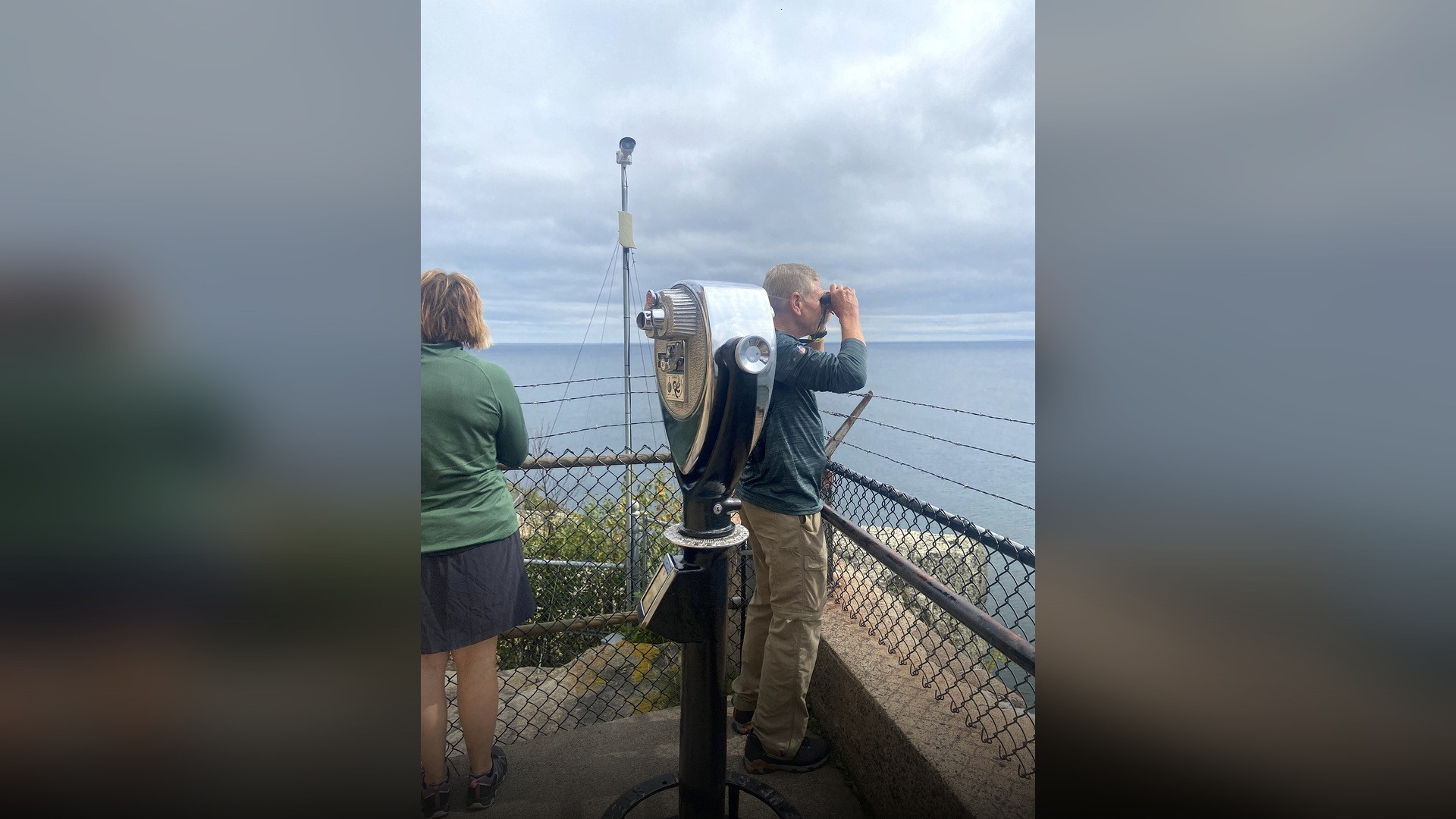
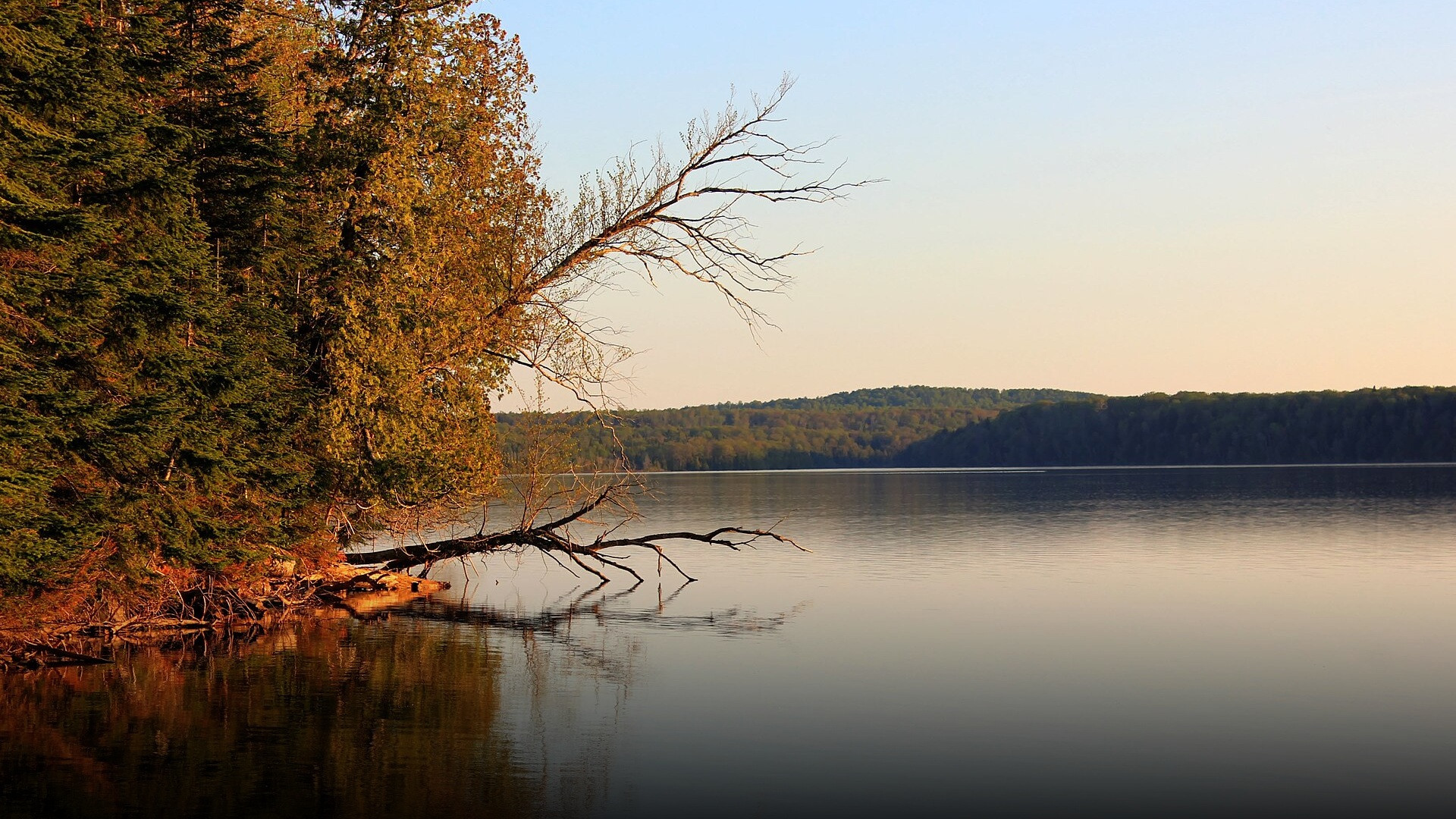
20. Yooper (Michigan Upper Peninsula)
Tucked along Lake Superior, Michigan's Upper Peninsula developed 'Yooper' English through heavy 19th-century Finnish, Scandinavian, and French-Canadian mining migration. Locals famously substitute 'd' for 'th' ('dat' and 'dere') and punctuate sentences with an emphatic 'eh?'
©Wikimedia / Yinan Chen
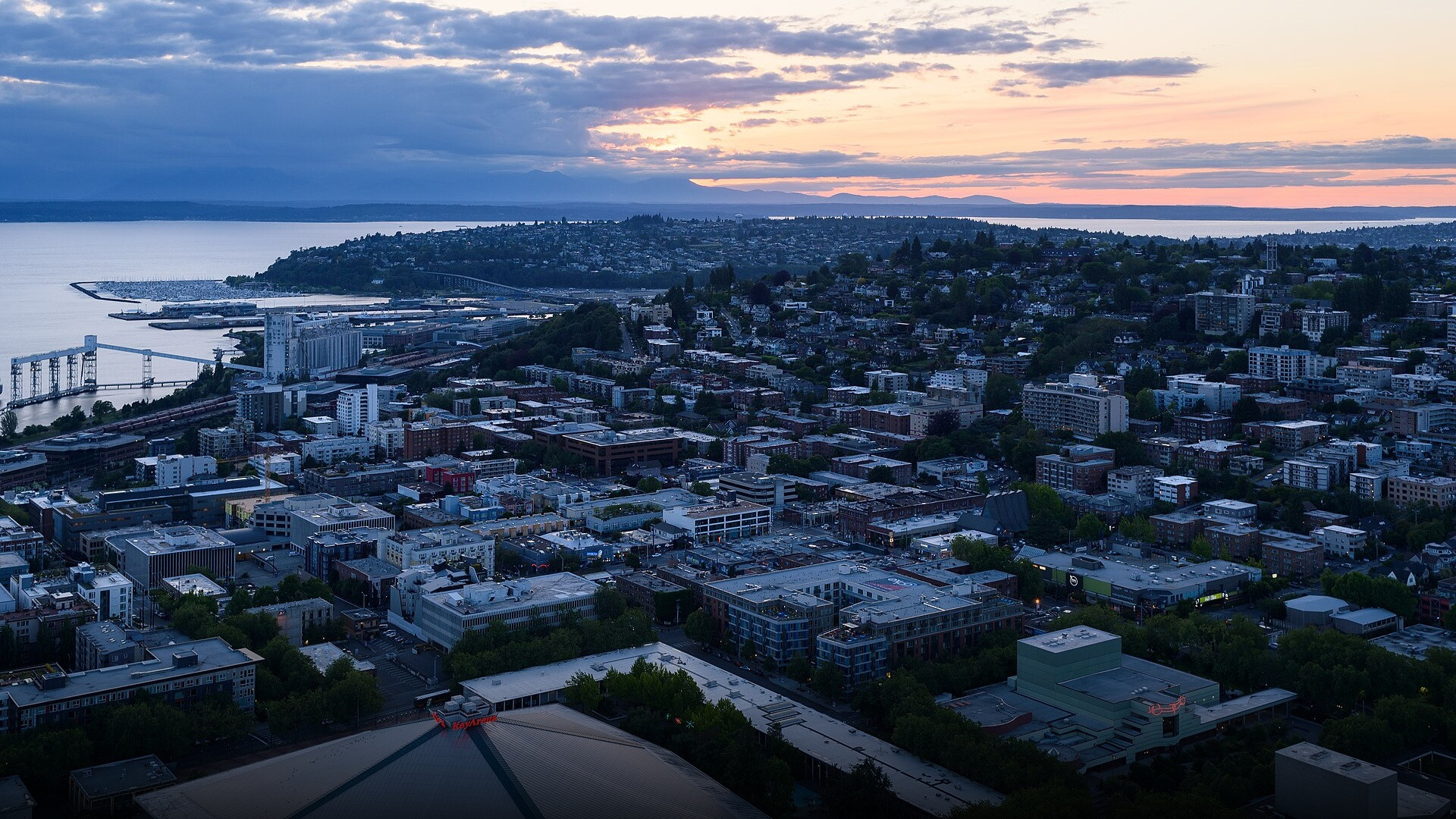
19. Pacific Northwest (Cascadia English)
While often considered close to General American, the Pacific Northwest features the famous 'cot-caught merger' and distinct vowel shifting where 'egg' rhymes with 'vague' and 'bag' sounds like 'beg.' Words like 'pop' and 'sunbreak' define local conversation.
©Wikimedia / King of Hearts
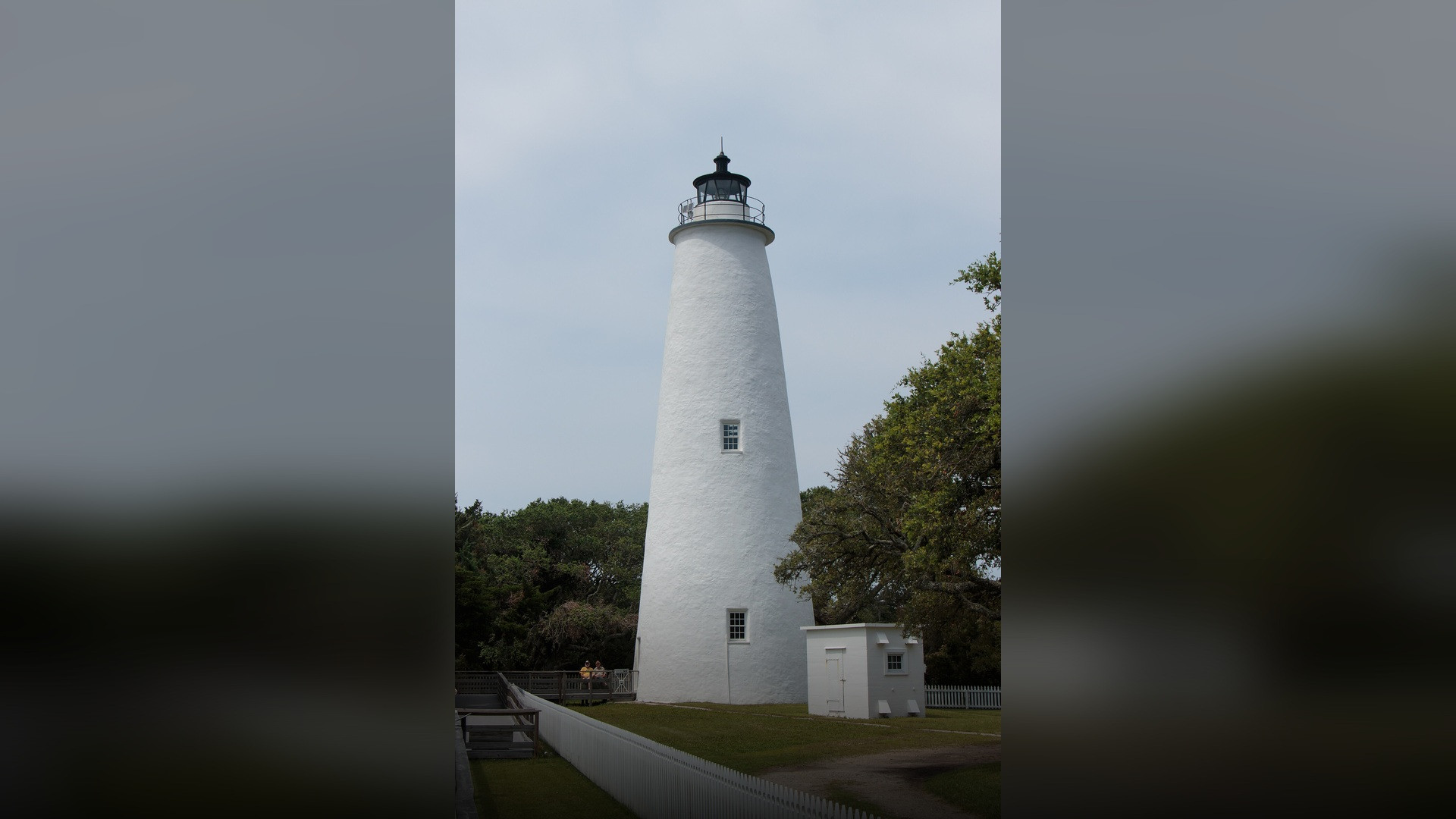
18. Ocracoke Brogue (Outer Banks 'Hoi Toider')
Cut off from the North Carolina mainland for centuries, residents of Ocracoke Island developed the 'Hoi Toider' brogue. Preserving archaic 17th-century English pronunciations, locals pronounce 'high tide' as 'hoi toide' and use centuries-old terms like 'quamish.'
©Wikimedia / 1001WordsPhoto
Advertisement
Swipe or tap ▶ to resume the countdown.
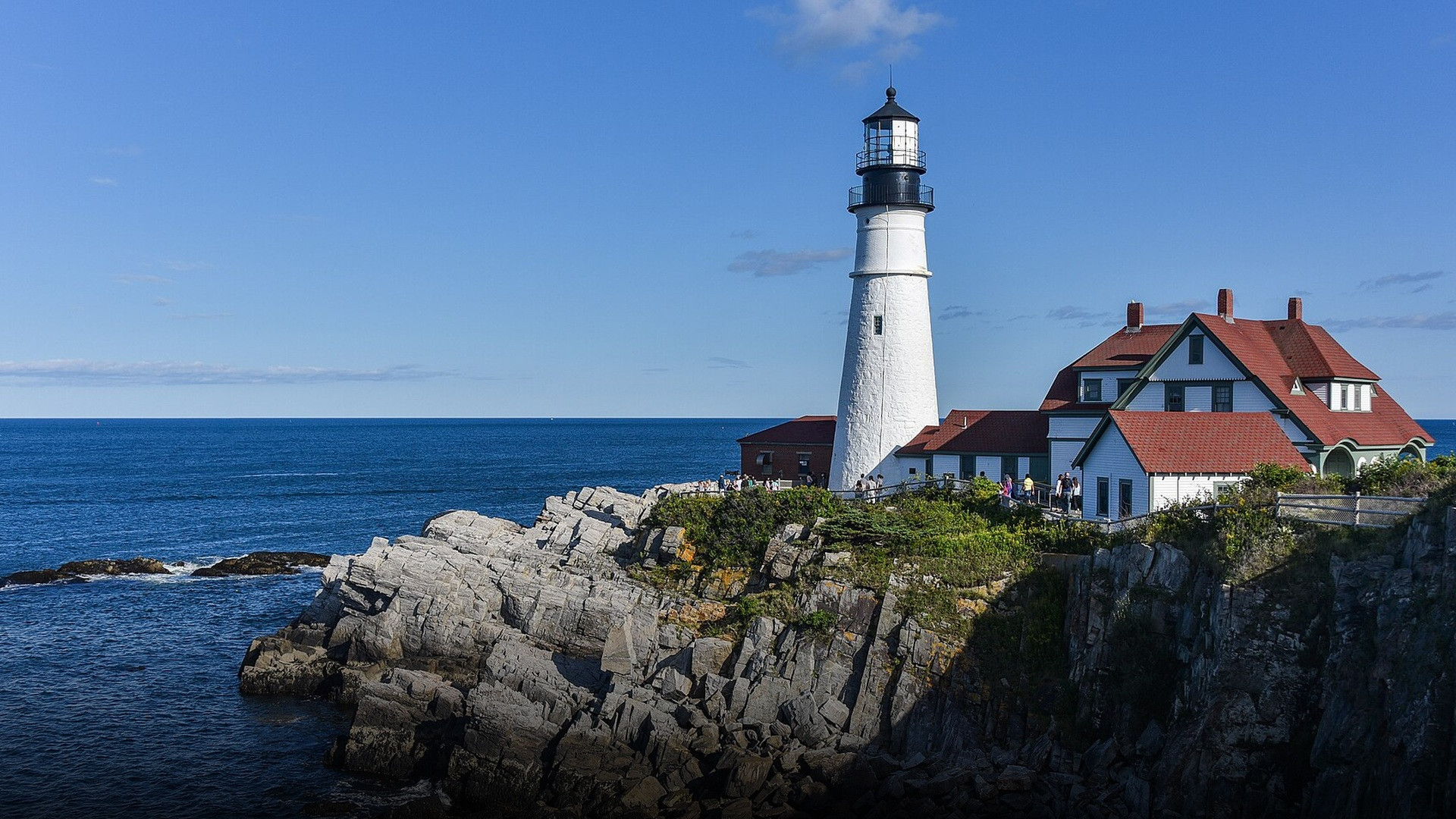
17. Down East Maine (Yankee Coastal)
Coastal Maine's 'Down East' accent is legendary for dropping 'r' sounds after vowels ('cah' for car) and drawing out diphthongs with a clipped rhythm. Characterized by terms like 'ayuh' (yes) and calling summer tourists 'from away,' it remains fiercely preserved.
©Wikimedia / Gordon Leggett
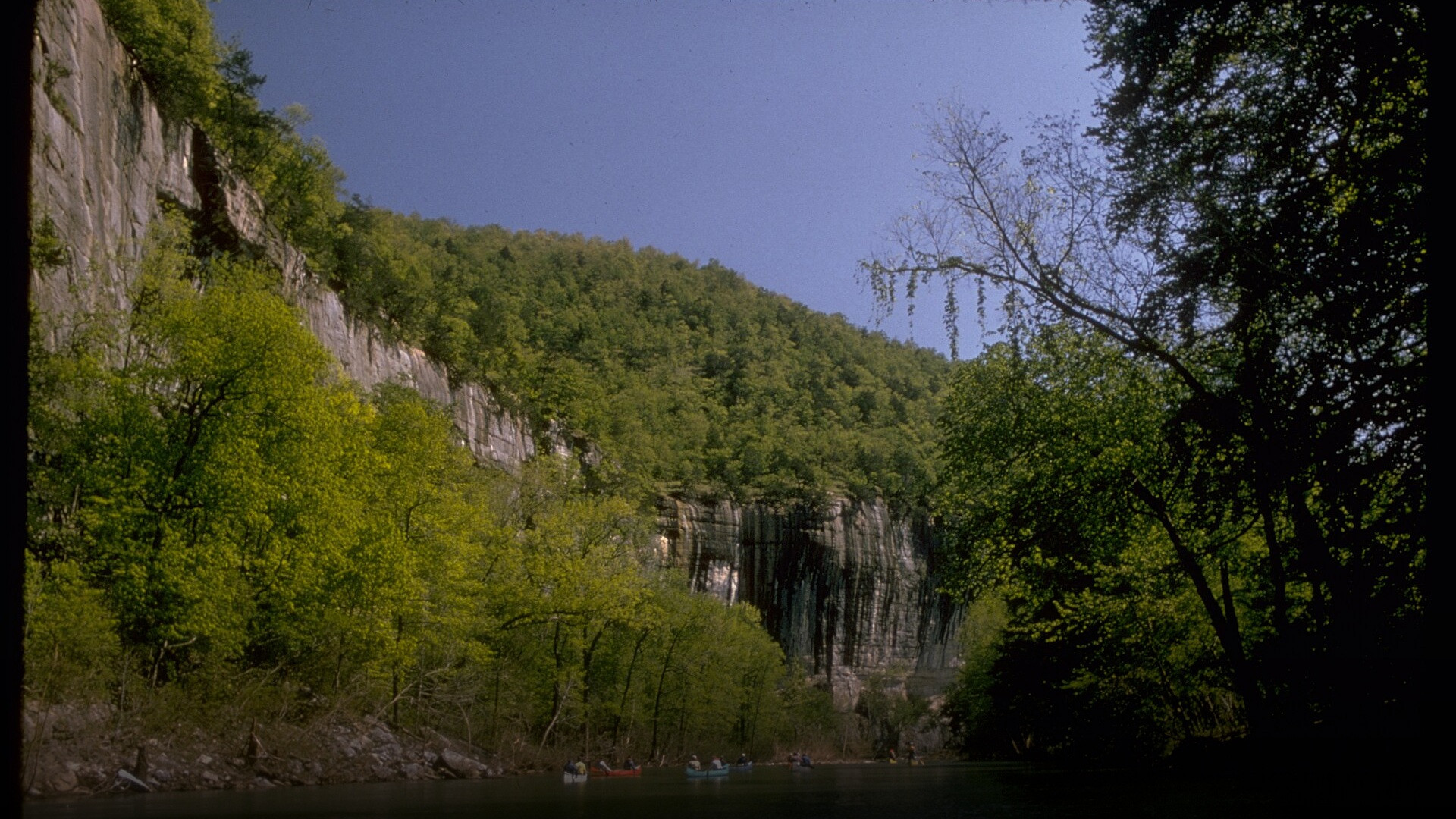
16. Ozark Mountain English
Spanning southern Missouri and northern Arkansas, the Ozarks preserved early American frontier speech. Mountain speakers use archaic grammar structures like 'a-hunting' or 'reckon,' rhyming 'hollow' with 'holler,' and sharing deep historical ties with Appalachian English.
©National Park Service / Digital Archive
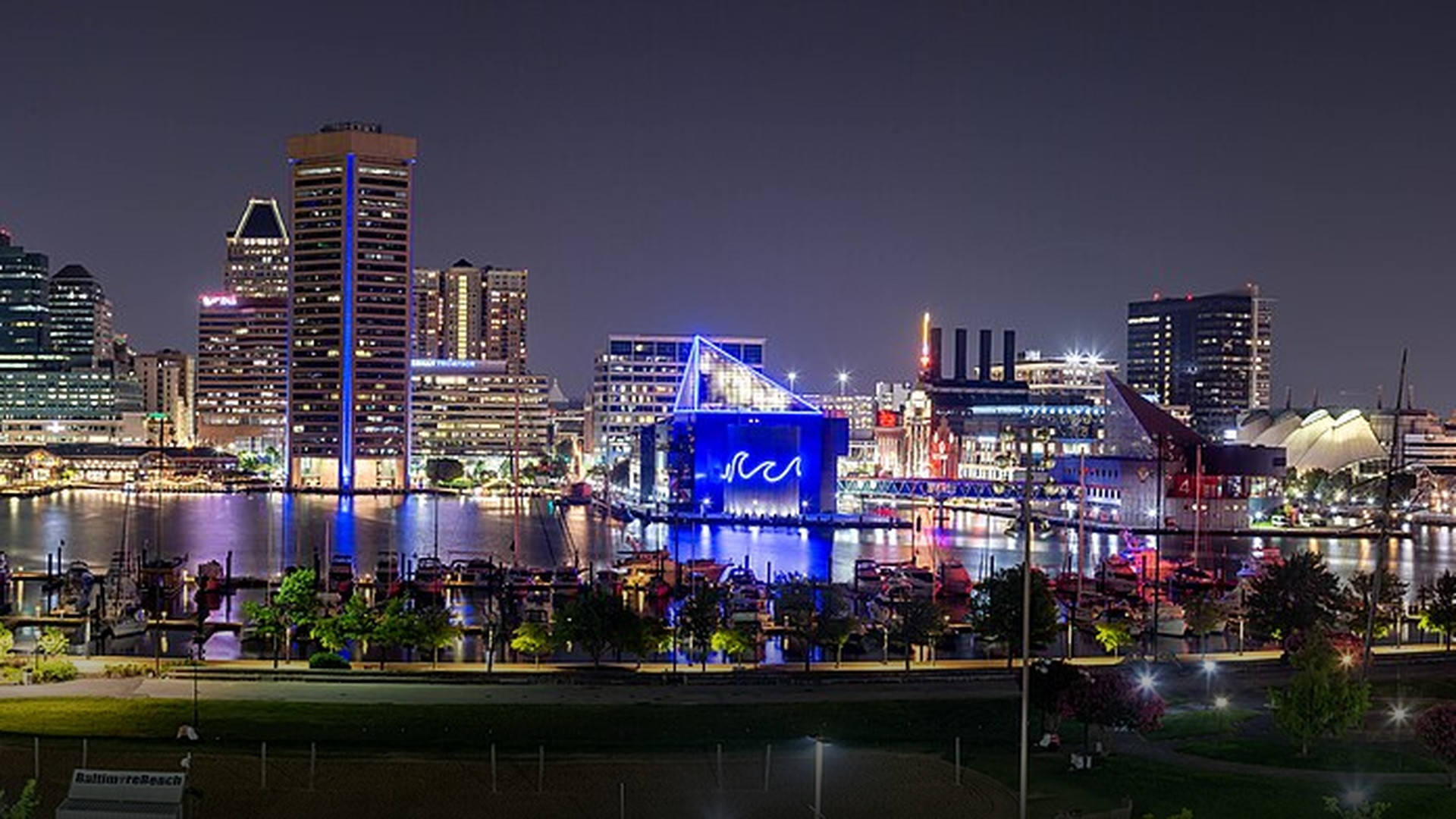
15. Baltimore 'Bawlmer' Accent
Baltimore English turns 'Baltimore' into 'Bawlmer' and transforms 'water' into 'wooder' or 'warsh.' Made globally famous by filmmaker John Waters, native speakers feature a fronted 'o' sound ('oh no' sounds like 'eh-noo') and address almost everyone affectionately as 'hon.'
©Wikimedia / Andrew Parlette
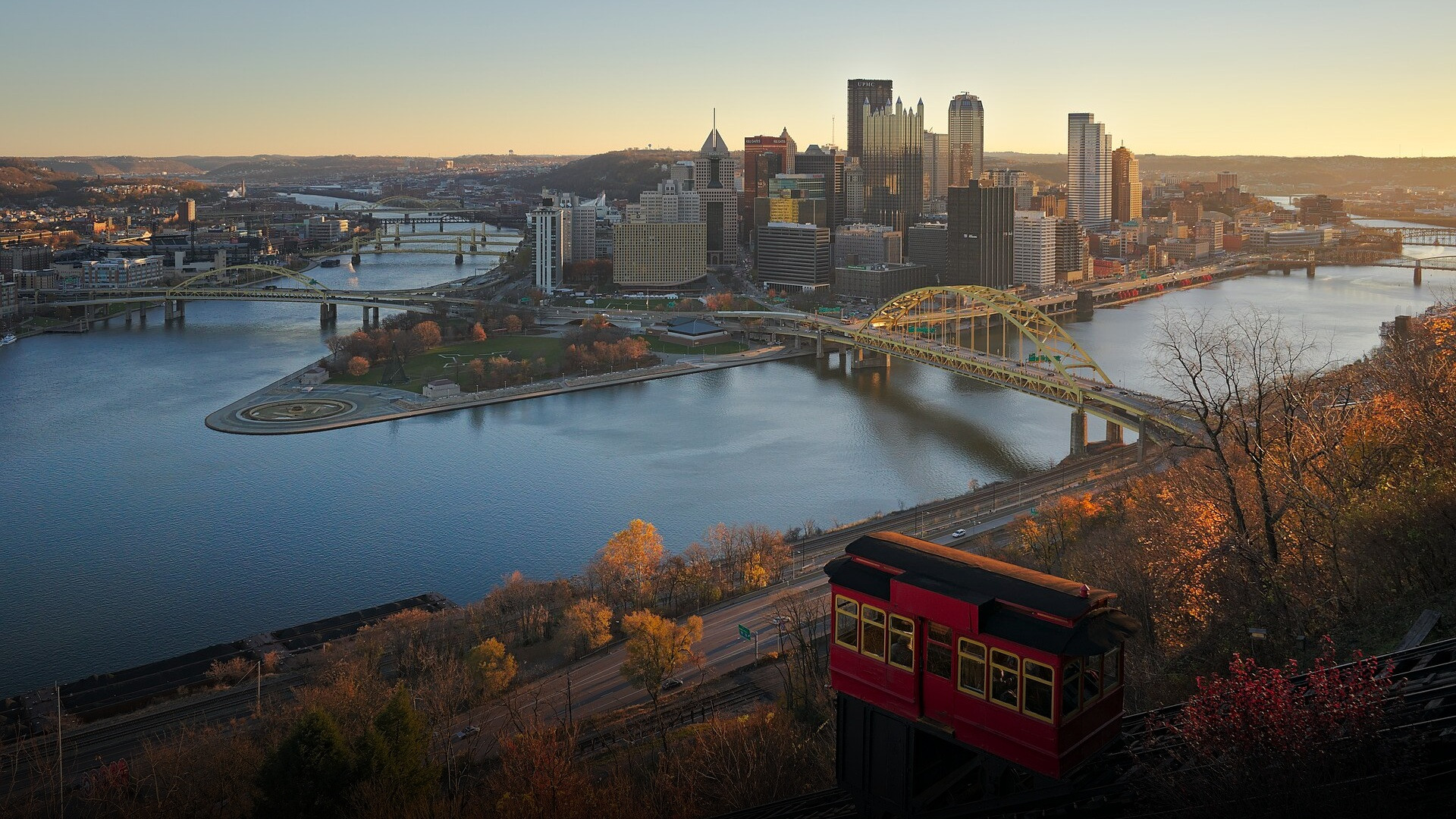
14. Pittsburgh 'Pittsburghese' (Yinzer)
Formed by Scotch-Irish, Polish, and Slavic steelworkers, Pittsburghese is one of America's most linguistically isolated city dialects. Locals say 'yinz' instead of 'you all,' head 'dahntahn' to shop, warn about 'slippy' roads, and describe snooping neighbors as 'nebby.'
©Wikimedia / Dllu
Advertisement
Swipe or tap ▶ to resume the countdown.
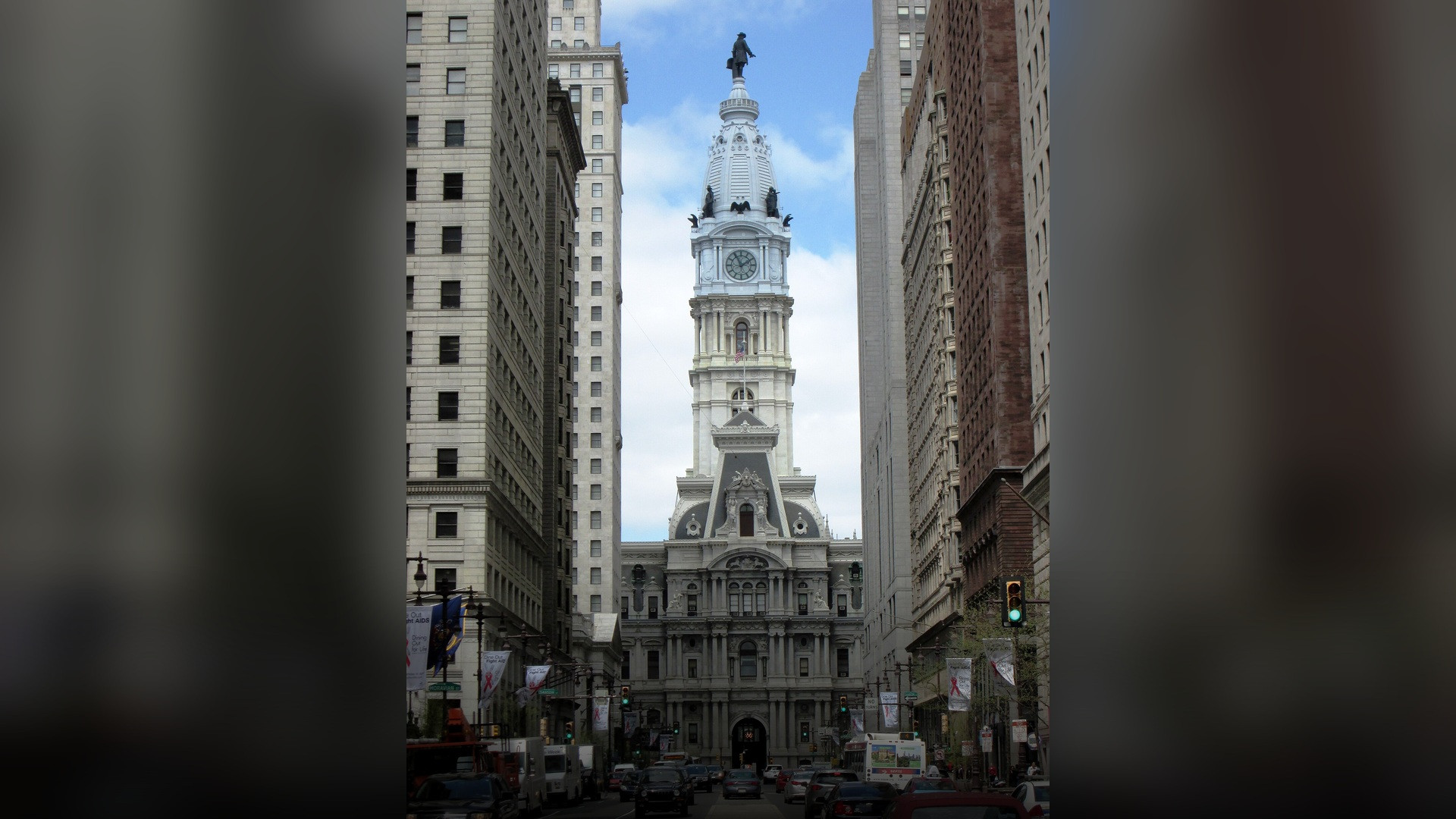
13. Philadelphia 'Philly' Accent
Philadelphia has a vocal pattern distinct from neighboring New York, turning 'water' into 'wooder' and pronouncing 'chocolate' as 'caw-clit.' Philly speakers also birthed 'jawn,' an all-purpose noun that can substitute for literally any person, place, or object.
©Wikimedia / Beyond My Ken
12. Hawaiian Pidgin (Hawaii Creole English)
Born in 19th-century sugar plantations, Hawaiian Pidgin blended Native Hawaiian, English, Cantonese, Portuguese, and Japanese into an official recognized language. Marked by rapid rhythms and words like 'brah,' 'da kine,' and 'pau' (finished), it remains central to local identity.
©Wikimedia / Alan Light
11. Inland Northern (Chicago & Great Lakes)
Stretching through Chicago, Milwaukee, Cleveland, and Buffalo, Inland Northern English underwent the massive 'Northern Cities Shift.' This linguistic vowel rotation makes 'cat' sound like 'kyat' and 'busses' sound like 'bosses,' popularized by classic Chicago comedy sketches.
©Wikimedia / Steven Dahlman
10. Texas Twang (Lone Star Country)
Distinct from the gentler coastal Deep South, Texas Twang developed among pioneer cattle ranchers with German and Mexican influences. It features hard 'r's, elongated flat vowels ('night' becomes 'naht'), and colloquialisms like 'howdy' and 'fixin' to.'
©Wikimedia / Lyndi & Jason
Advertisement
Swipe or tap ▶ to resume the countdown.
9. New Orleans 'Yat' Accent
Named after the common greeting 'Where y'at?', the Yat dialect of downtown New Orleans sounds shockingly like a New York accent due to shared 19th-century Irish, German, and Italian immigrant waves. Speakers drop 'r's, pronounce 'oil' as 'earl,' and order 'po'boys.'
©Wikimedia / David Lofink
8. California Valley & Surfer English
Originating in Southern California's San Fernando Valley and surf breaks, this dialect swept global youth culture via 1980s movies. Characterized by high rising terminal intonation (uptalk), 'like' as a filler word, and terms like 'totally,' 'dude,' and 'rad.'
©Wikimedia / DXR
7. North Central ('Minnesota Nice')
Celebrated in the movie 'Fargo,' the North Central dialect spans Minnesota, Wisconsin, and the Dakotas. Heavy Norwegian and Swedish settlement created a melodic pitch cadence, drawn-out pure vowels ('boat' becomes 'boht'), and universally polite phrases like 'dontcha know' and 'uff da.'
©Wikimedia / Myotus
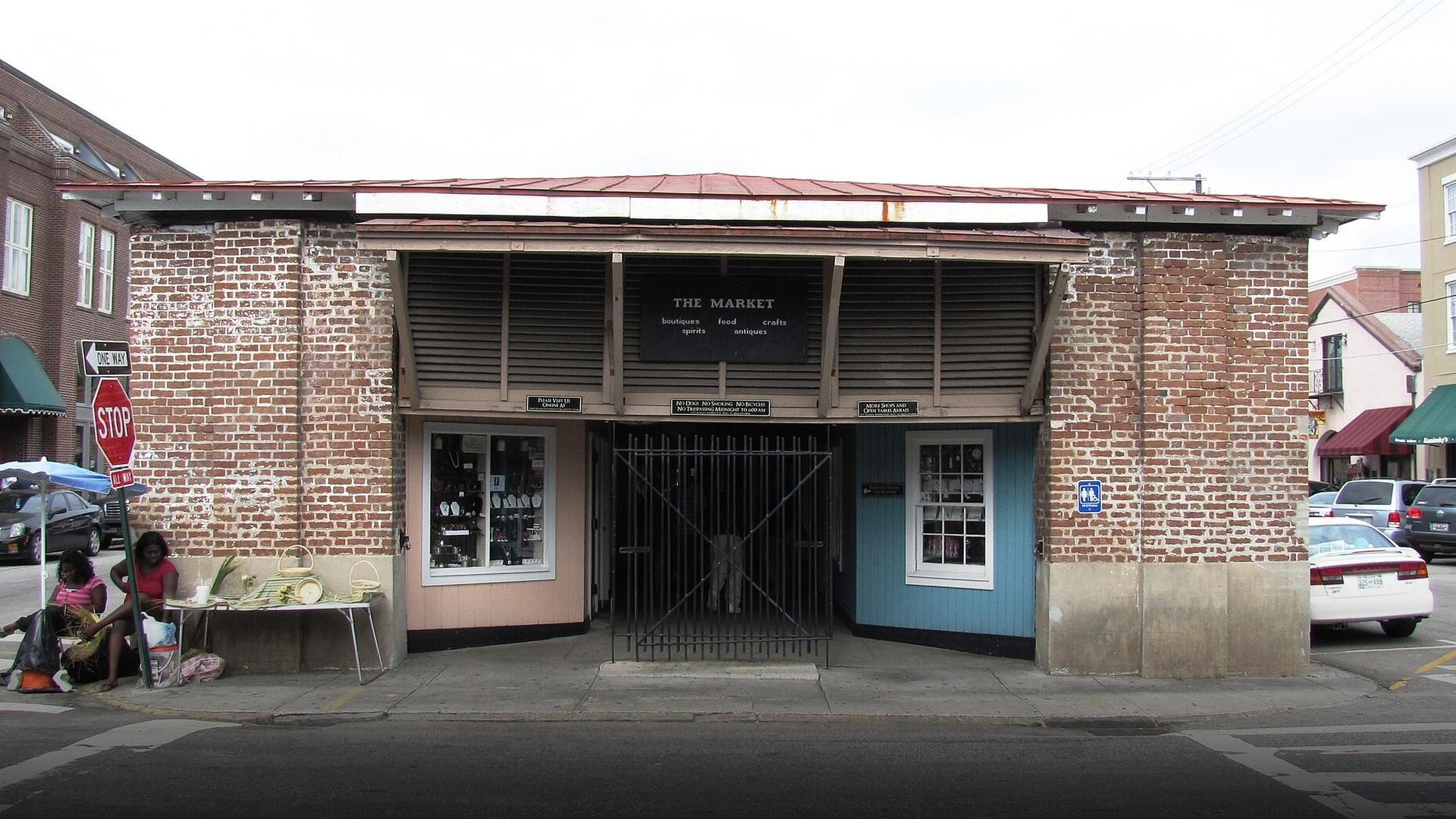
6. Gullah Geechee (Sea Islands Creole)
Preserved by descendants of enslaved Africans on the isolated Sea Islands of South Carolina and Georgia, Gullah is an English-based creole. Combining English vocabulary with West African syntax, Gullah speakers maintain rich linguistic heritage, oral traditions, and sweetgrass basketry.
©Wikimedia / Brian Stansberry
Advertisement
Swipe or tap ▶ to resume the countdown.
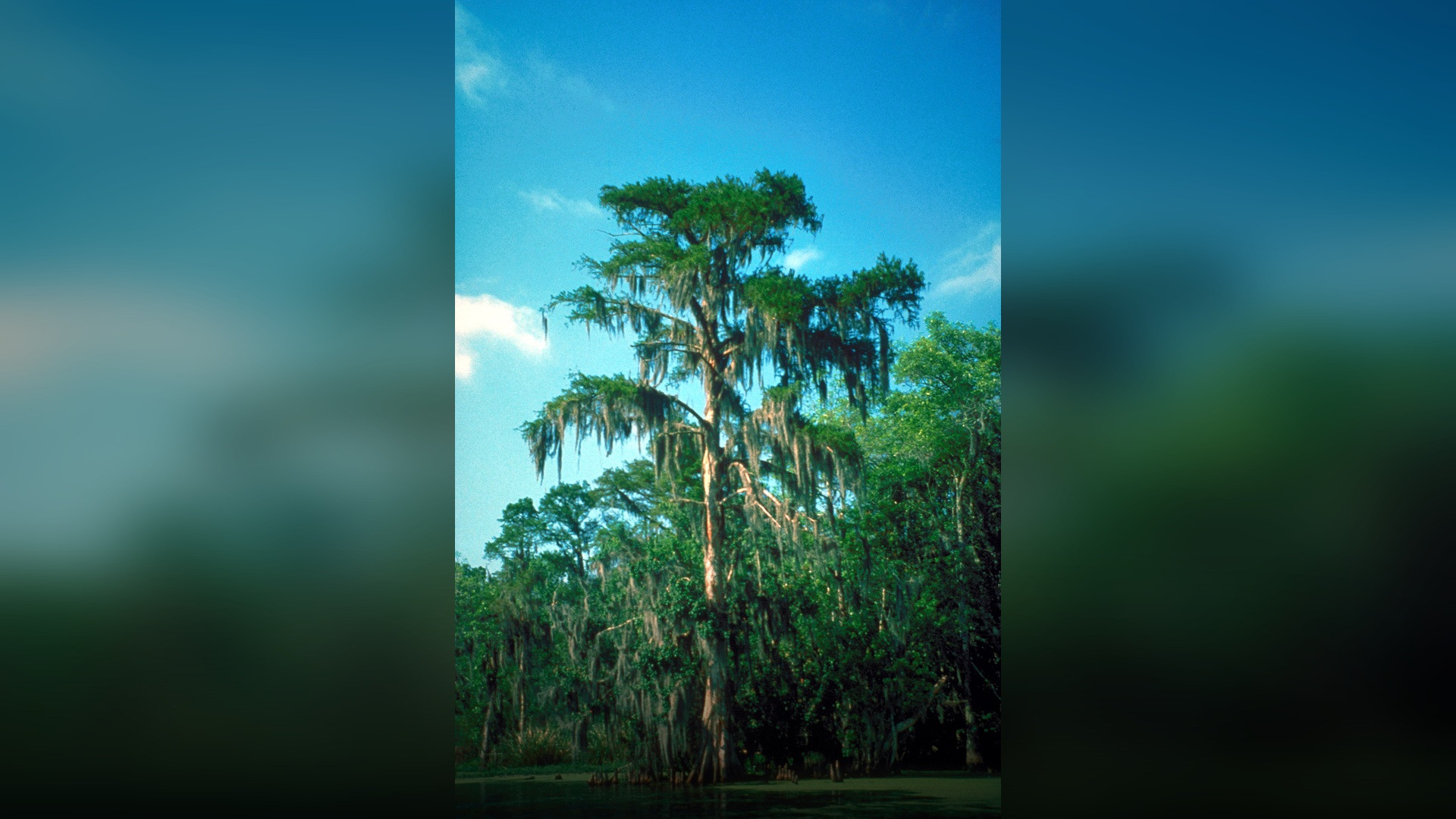
5. Cajun French English (Louisiana Bayou)
Developed by French Acadian refugees exiled from Canada in 1755, Cajun English thrives across southwest Louisiana's bayous. Speakers pronounce 'th' as 't' or 'd' ('tink' for think), adopt a staccato syllable-timed rhythm, and sprinkle conversations with 'cher' and 'laissez les bons temps rouler.'
©Wikimedia / U.S. Army Corps of Engineers
4. Appalachian Mountain English
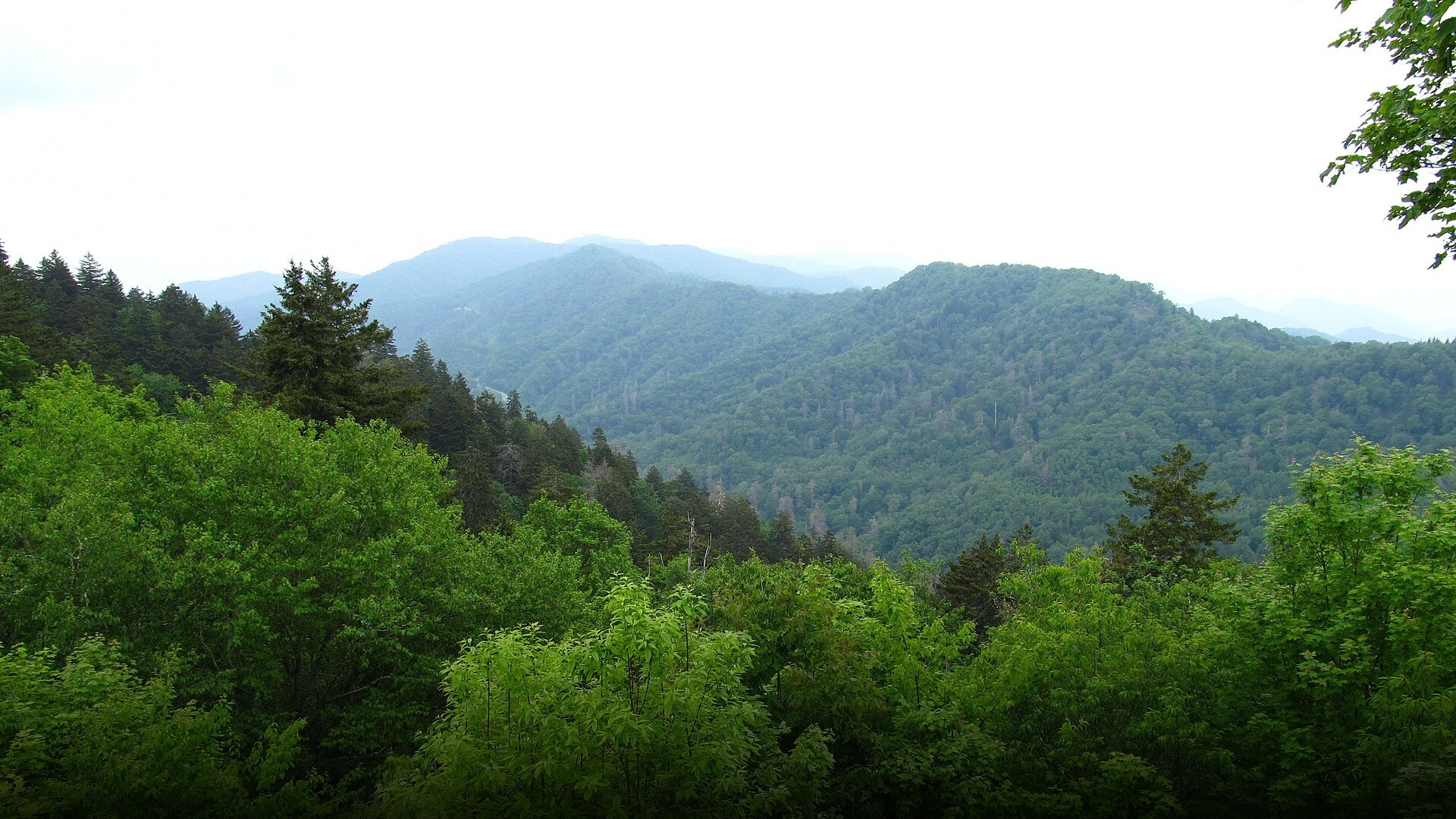
Isolated for centuries in the rugged Blue Ridge and Great Smoky Mountains, Appalachian English retains Shakespearean-era pronunciations and archaic verb prefixes ('he was a-singing'). Far from 'backward,' linguists celebrate it as one of America's richest living historical dialects.
©Wikimedia / Ken Lund
3. Boston Accent (Eastern Massachusetts)
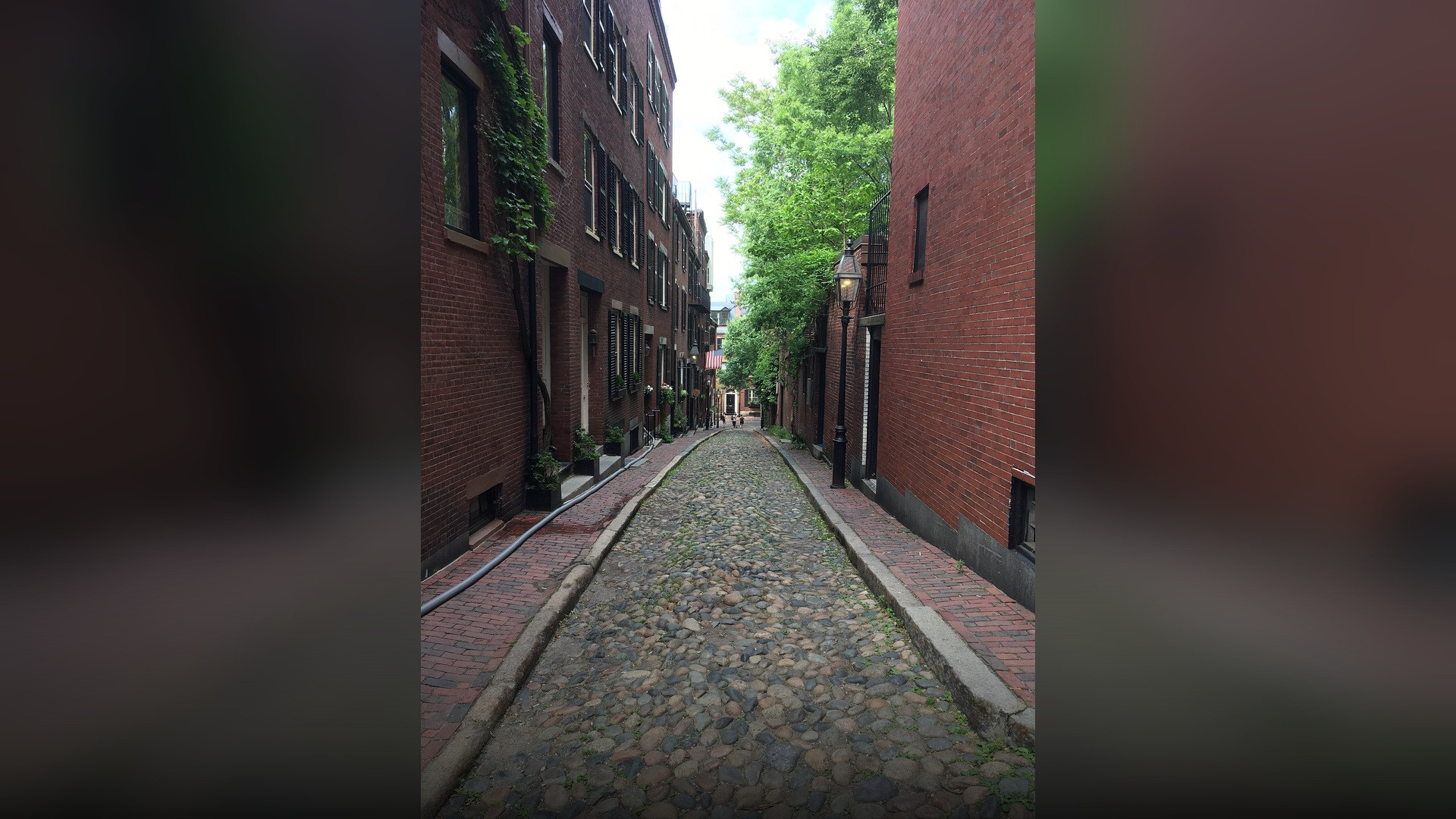
One of America's most recognizable voices, the Boston accent drops post-vocalic 'r' sounds ('pahk the cah') and broadens vowels into round, open tones. Bounded by Puritan roots and Irish immigration, it gave us unique slang like 'wicked,' 'tonic,' and 'packie.'
©Wikimedia / Seasider53
2. New York City Accent (Boroughs & Brooklyn)
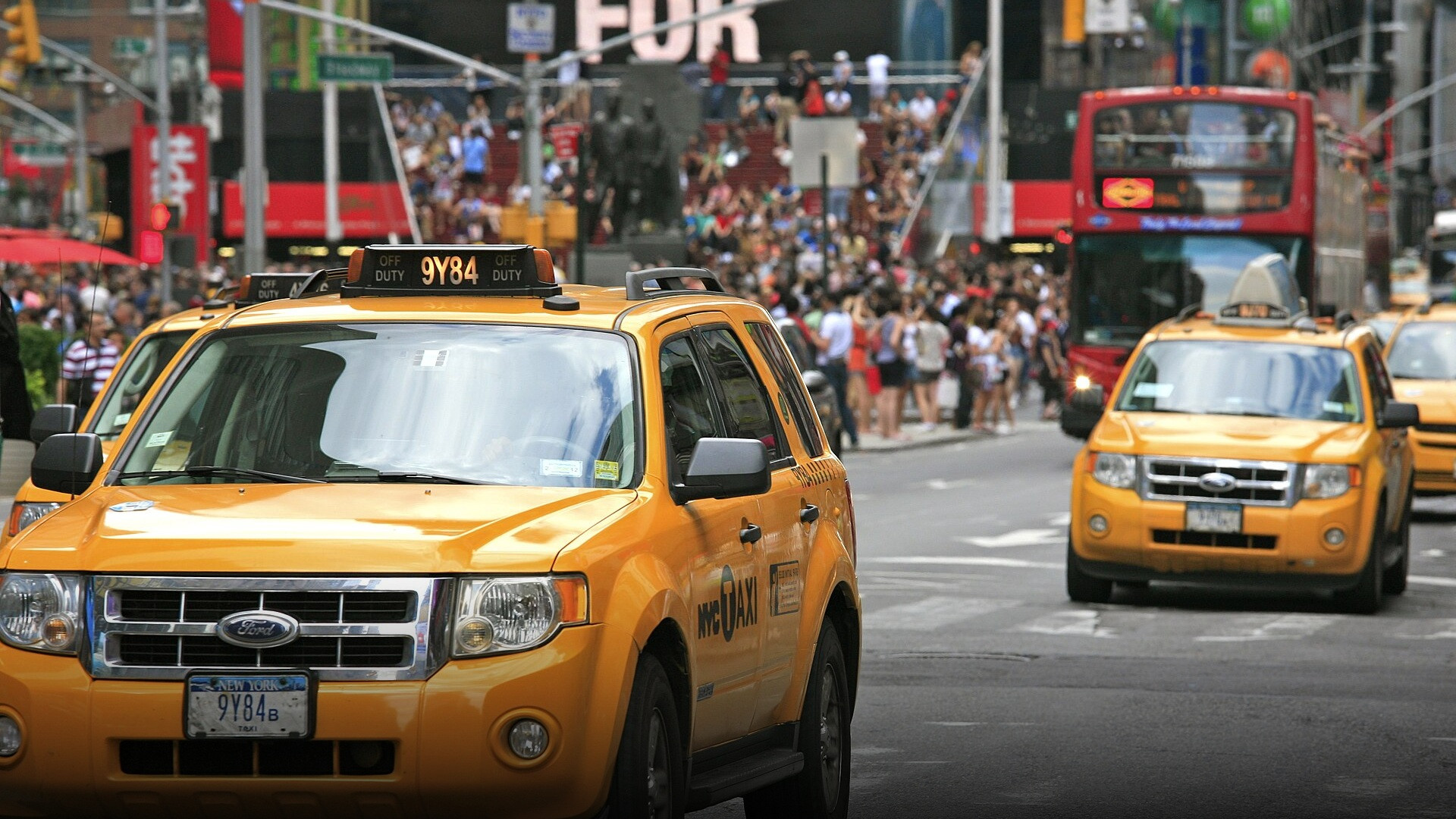
Forged across Brooklyn, Queens, and the Bronx by millions of diverse immigrants, the NYC accent features heavy non-rhoticity ('fuhgeddaboudit'), turning 'talk' and 'coffee' into open diphthongs ('tawk', 'cawfee'). It remains the definitive voice of American urban grit.
©Wikimedia / Gary Bembridge
Advertisement
Swipe or tap ▶ to resume the countdown.
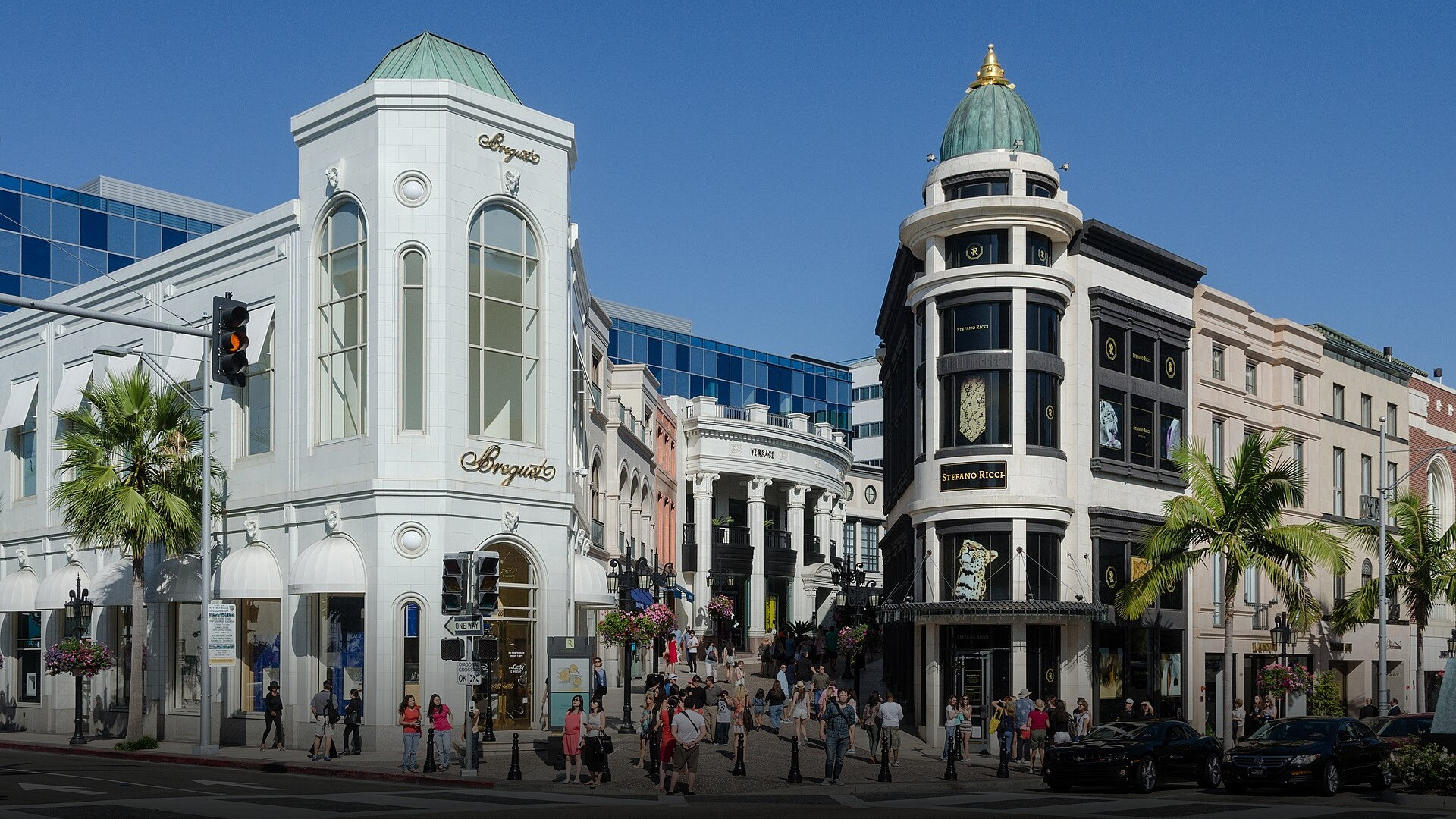
1. Southern Drawl (Plantation & Lowcountry)
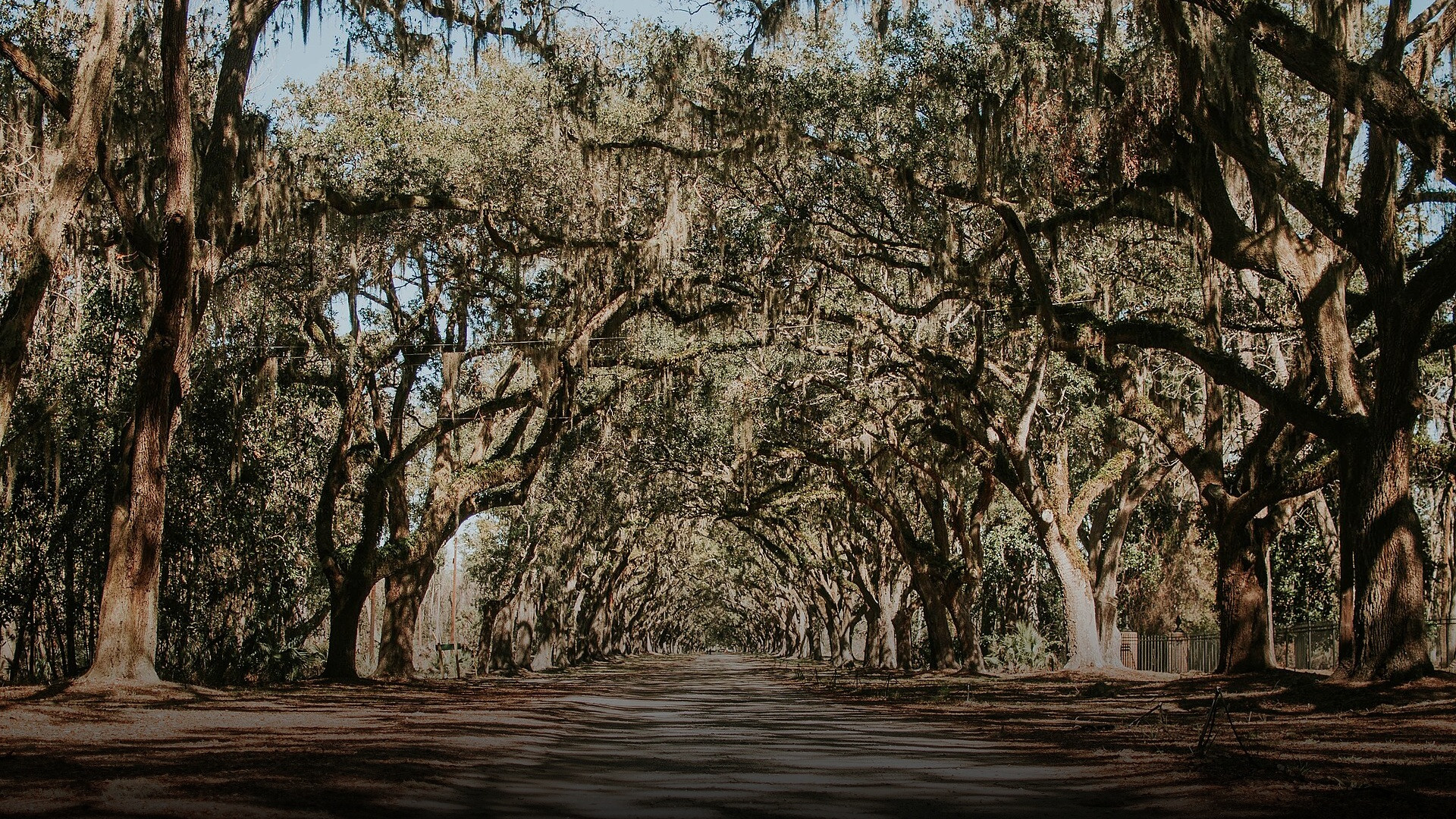
Reigning as the quintessential American dialect, the classic Southern Drawl transforms single vowels into two or three musical gliding tones ('yes' becomes 'yay-us'). Rooted in British colonial settlements, its warm cadence, courtesy titles, and 'y'all' symbolize Southern hospitality.

©Wikimedia / Jessica Furtney
Advertisement
You've reached the end of the story. Thanks for reading!

20 Iconic Historical Photos and the Archive Clues Behind Them
Contact sheets, cracked glass plates, and NASA mission logs preserve the hidden steps behind 20 famous photographs. Drawing on records from the Library of Congress, the National Archives, NASA, and the Smithsonian, this countdown traces how cropping, camera setups, and double exposures shaped each frame.
All 20 Entries in this Story
20. Yooper (Michigan Upper Peninsula)
Tucked along Lake Superior, Michigan's Upper Peninsula developed 'Yooper' English through heavy 19th-century Finnish, Scandinavian, and French-Canadian mining migration. Locals famously substitute 'd' for 'th' ('dat' and 'dere') and punctuate sentences with an emphatic 'eh?'

19. Pacific Northwest (Cascadia English)
While often considered close to General American, the Pacific Northwest features the famous 'cot-caught merger' and distinct vowel shifting where 'egg' rhymes with 'vague' and 'bag' sounds like 'beg.' Words like 'pop' and 'sunbreak' define local conversation.

18. Ocracoke Brogue (Outer Banks 'Hoi Toider')
Cut off from the North Carolina mainland for centuries, residents of Ocracoke Island developed the 'Hoi Toider' brogue. Preserving archaic 17th-century English pronunciations, locals pronounce 'high tide' as 'hoi toide' and use centuries-old terms like 'quamish.'

17. Down East Maine (Yankee Coastal)
Coastal Maine's 'Down East' accent is legendary for dropping 'r' sounds after vowels ('cah' for car) and drawing out diphthongs with a clipped rhythm. Characterized by terms like 'ayuh' (yes) and calling summer tourists 'from away,' it remains fiercely preserved.

16. Ozark Mountain English
Spanning southern Missouri and northern Arkansas, the Ozarks preserved early American frontier speech. Mountain speakers use archaic grammar structures like 'a-hunting' or 'reckon,' rhyming 'hollow' with 'holler,' and sharing deep historical ties with Appalachian English.

15. Baltimore 'Bawlmer' Accent
Baltimore English turns 'Baltimore' into 'Bawlmer' and transforms 'water' into 'wooder' or 'warsh.' Made globally famous by filmmaker John Waters, native speakers feature a fronted 'o' sound ('oh no' sounds like 'eh-noo') and address almost everyone affectionately as 'hon.'

14. Pittsburgh 'Pittsburghese' (Yinzer)
Formed by Scotch-Irish, Polish, and Slavic steelworkers, Pittsburghese is one of America's most linguistically isolated city dialects. Locals say 'yinz' instead of 'you all,' head 'dahntahn' to shop, warn about 'slippy' roads, and describe snooping neighbors as 'nebby.'

13. Philadelphia 'Philly' Accent
Philadelphia has a vocal pattern distinct from neighboring New York, turning 'water' into 'wooder' and pronouncing 'chocolate' as 'caw-clit.' Philly speakers also birthed 'jawn,' an all-purpose noun that can substitute for literally any person, place, or object.

12. Hawaiian Pidgin (Hawaii Creole English)
Born in 19th-century sugar plantations, Hawaiian Pidgin blended Native Hawaiian, English, Cantonese, Portuguese, and Japanese into an official recognized language. Marked by rapid rhythms and words like 'brah,' 'da kine,' and 'pau' (finished), it remains central to local identity.

11. Inland Northern (Chicago & Great Lakes)
Stretching through Chicago, Milwaukee, Cleveland, and Buffalo, Inland Northern English underwent the massive 'Northern Cities Shift.' This linguistic vowel rotation makes 'cat' sound like 'kyat' and 'busses' sound like 'bosses,' popularized by classic Chicago comedy sketches.

10. Texas Twang (Lone Star Country)
Distinct from the gentler coastal Deep South, Texas Twang developed among pioneer cattle ranchers with German and Mexican influences. It features hard 'r's, elongated flat vowels ('night' becomes 'naht'), and colloquialisms like 'howdy' and 'fixin' to.'

9. New Orleans 'Yat' Accent
Named after the common greeting 'Where y'at?', the Yat dialect of downtown New Orleans sounds shockingly like a New York accent due to shared 19th-century Irish, German, and Italian immigrant waves. Speakers drop 'r's, pronounce 'oil' as 'earl,' and order 'po'boys.'

8. California Valley & Surfer English
Originating in Southern California's San Fernando Valley and surf breaks, this dialect swept global youth culture via 1980s movies. Characterized by high rising terminal intonation (uptalk), 'like' as a filler word, and terms like 'totally,' 'dude,' and 'rad.'

7. North Central ('Minnesota Nice')
Celebrated in the movie 'Fargo,' the North Central dialect spans Minnesota, Wisconsin, and the Dakotas. Heavy Norwegian and Swedish settlement created a melodic pitch cadence, drawn-out pure vowels ('boat' becomes 'boht'), and universally polite phrases like 'dontcha know' and 'uff da.'

6. Gullah Geechee (Sea Islands Creole)
Preserved by descendants of enslaved Africans on the isolated Sea Islands of South Carolina and Georgia, Gullah is an English-based creole. Combining English vocabulary with West African syntax, Gullah speakers maintain rich linguistic heritage, oral traditions, and sweetgrass basketry.

5. Cajun French English (Louisiana Bayou)
Developed by French Acadian refugees exiled from Canada in 1755, Cajun English thrives across southwest Louisiana's bayous. Speakers pronounce 'th' as 't' or 'd' ('tink' for think), adopt a staccato syllable-timed rhythm, and sprinkle conversations with 'cher' and 'laissez les bons temps rouler.'

4. Appalachian Mountain English
Isolated for centuries in the rugged Blue Ridge and Great Smoky Mountains, Appalachian English retains Shakespearean-era pronunciations and archaic verb prefixes ('he was a-singing'). Far from 'backward,' linguists celebrate it as one of America's richest living historical dialects.

3. Boston Accent (Eastern Massachusetts)
One of America's most recognizable voices, the Boston accent drops post-vocalic 'r' sounds ('pahk the cah') and broadens vowels into round, open tones. Bounded by Puritan roots and Irish immigration, it gave us unique slang like 'wicked,' 'tonic,' and 'packie.'

2. New York City Accent (Boroughs & Brooklyn)
Forged across Brooklyn, Queens, and the Bronx by millions of diverse immigrants, the NYC accent features heavy non-rhoticity ('fuhgeddaboudit'), turning 'talk' and 'coffee' into open diphthongs ('tawk', 'cawfee'). It remains the definitive voice of American urban grit.

1. Southern Drawl (Plantation & Lowcountry)
Reigning as the quintessential American dialect, the classic Southern Drawl transforms single vowels into two or three musical gliding tones ('yes' becomes 'yay-us'). Rooted in British colonial settlements, its warm cadence, courtesy titles, and 'y'all' symbolize Southern hospitality.