Slideshow · Viral
20 Foods Once Used to Protect People From Curses & Bad Luck
From garlic braids and salt thresholds to sacred bread and chili amulets, explore 20 culinary staples once revered as supernatural shields.
By Most Viral Today
26 Oct 2026

20 Foods Once Used to Protect People From Curses & Bad Luck 
20. Garlic 
19. Salt 
18. Onions - AdvertisementSwipe or tap ▶ to continue countdown

17. Rosemary 
16. Bread 
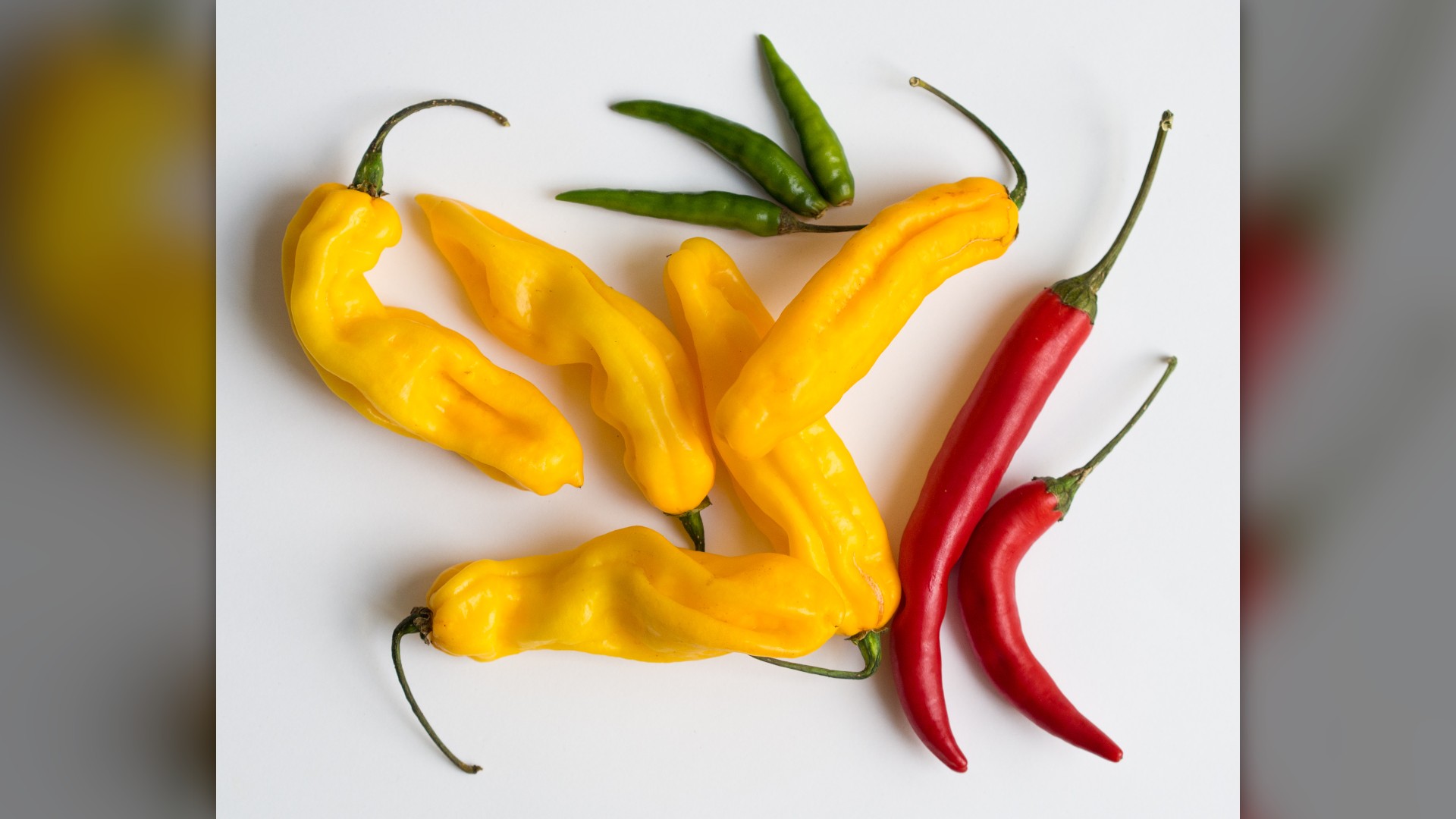
15. Chili Peppers 
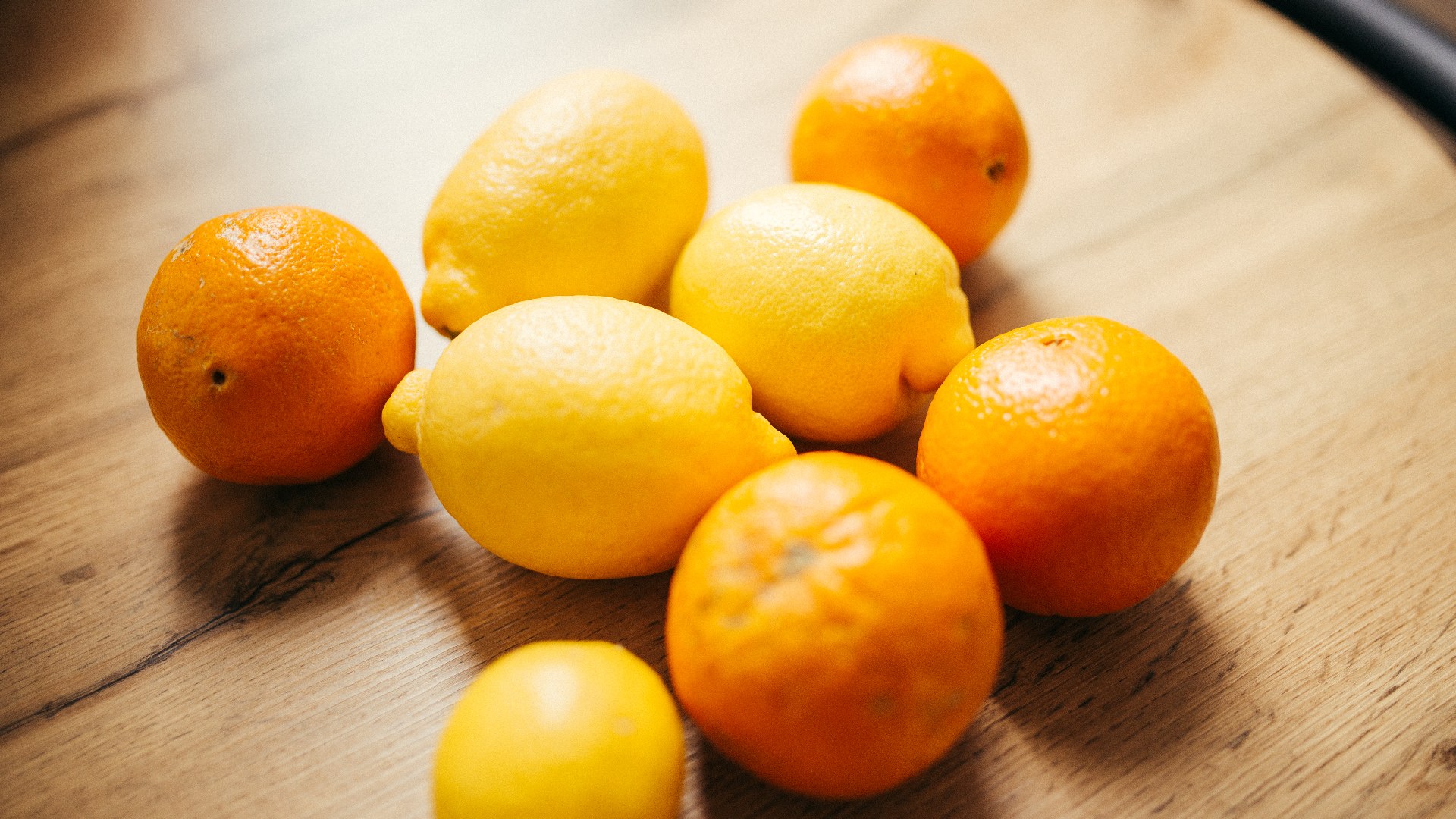
14. Lemons - AdvertisementSwipe or tap ▶ to continue countdown

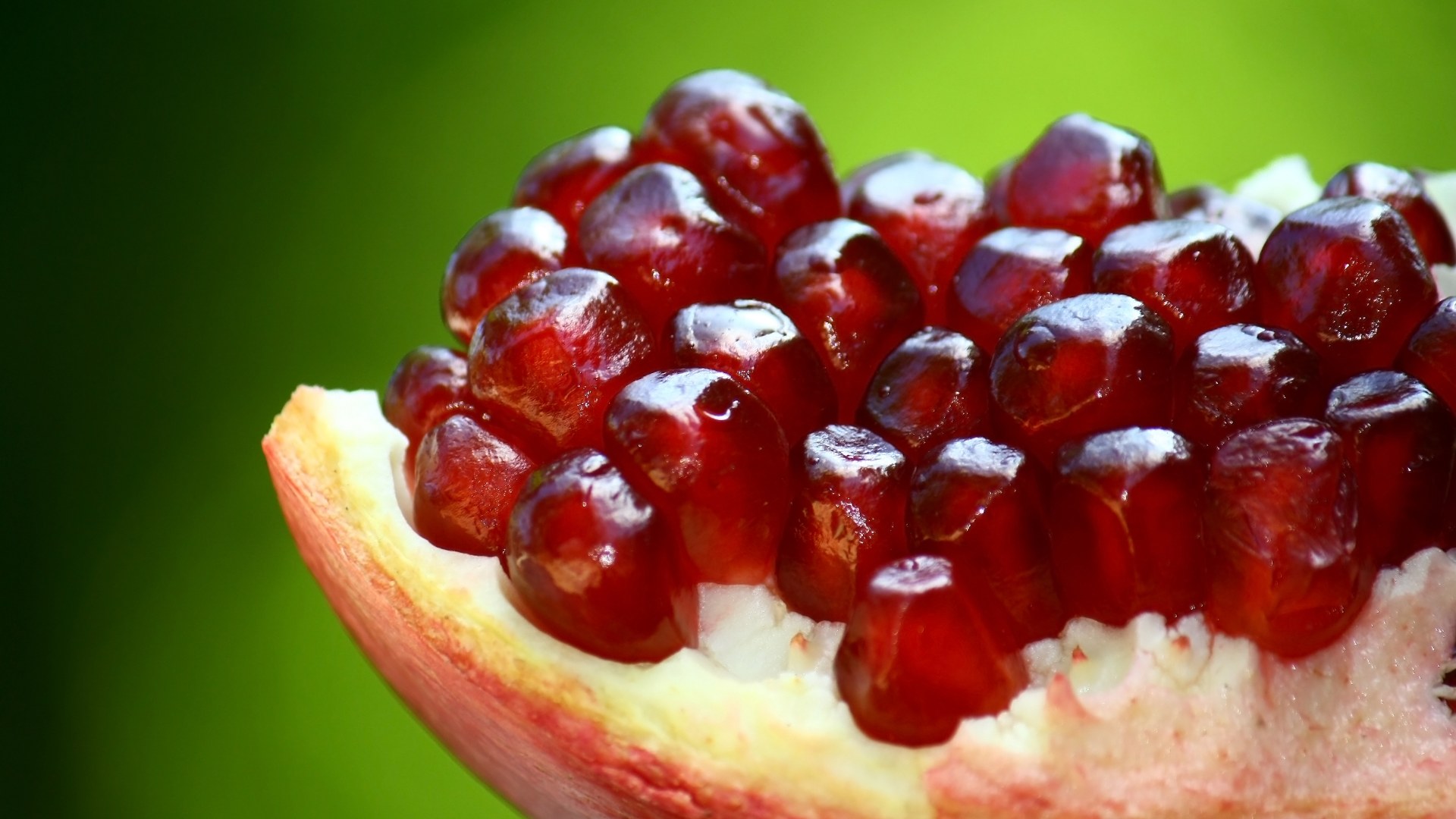
13. Pomegranates 
12. Honey 
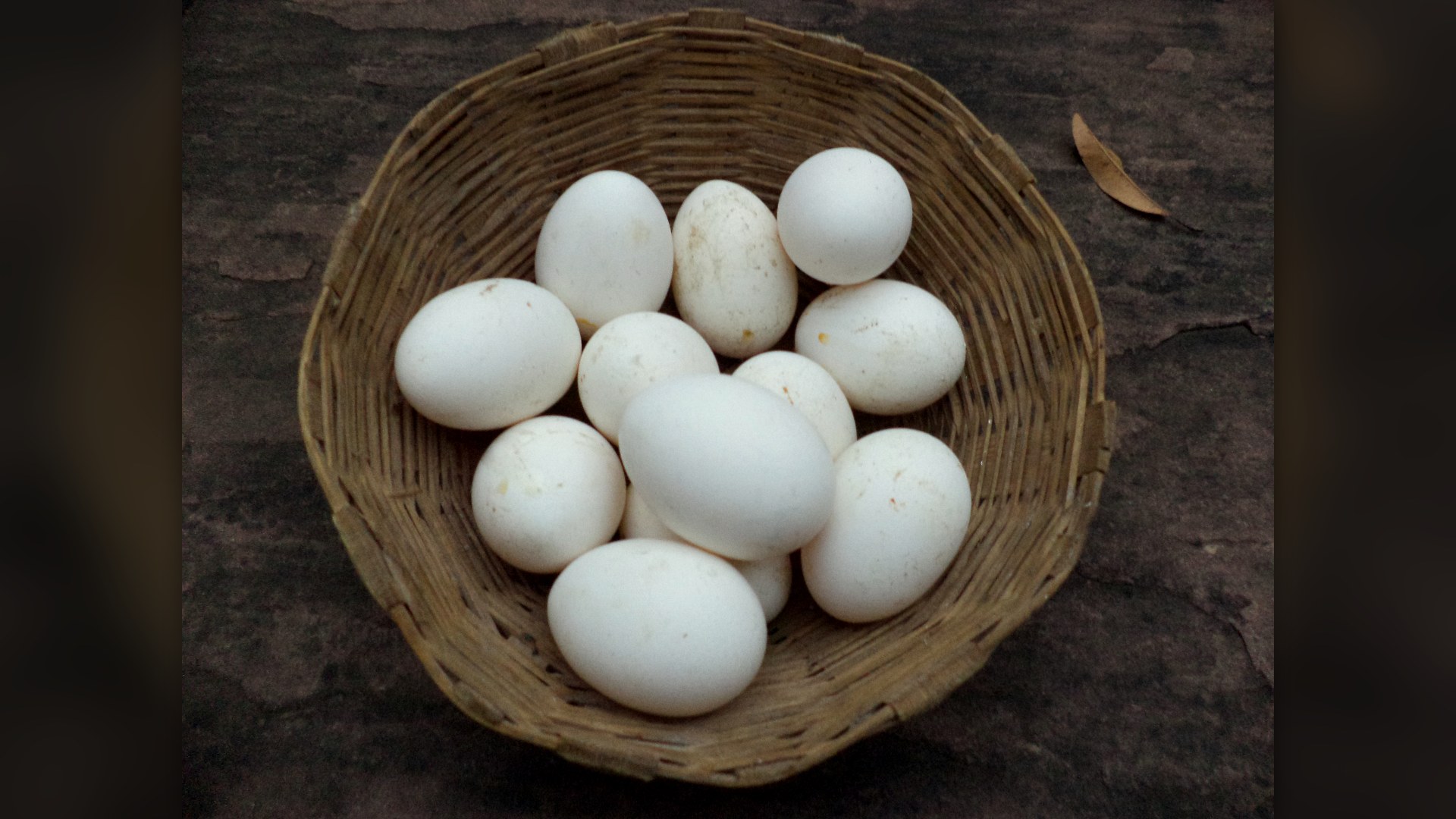
11. Eggs 
10. Apples - AdvertisementSwipe or tap ▶ to continue countdown

9. Bay Leaves 
8. Black Pepper 
7. Fennel Seeds 
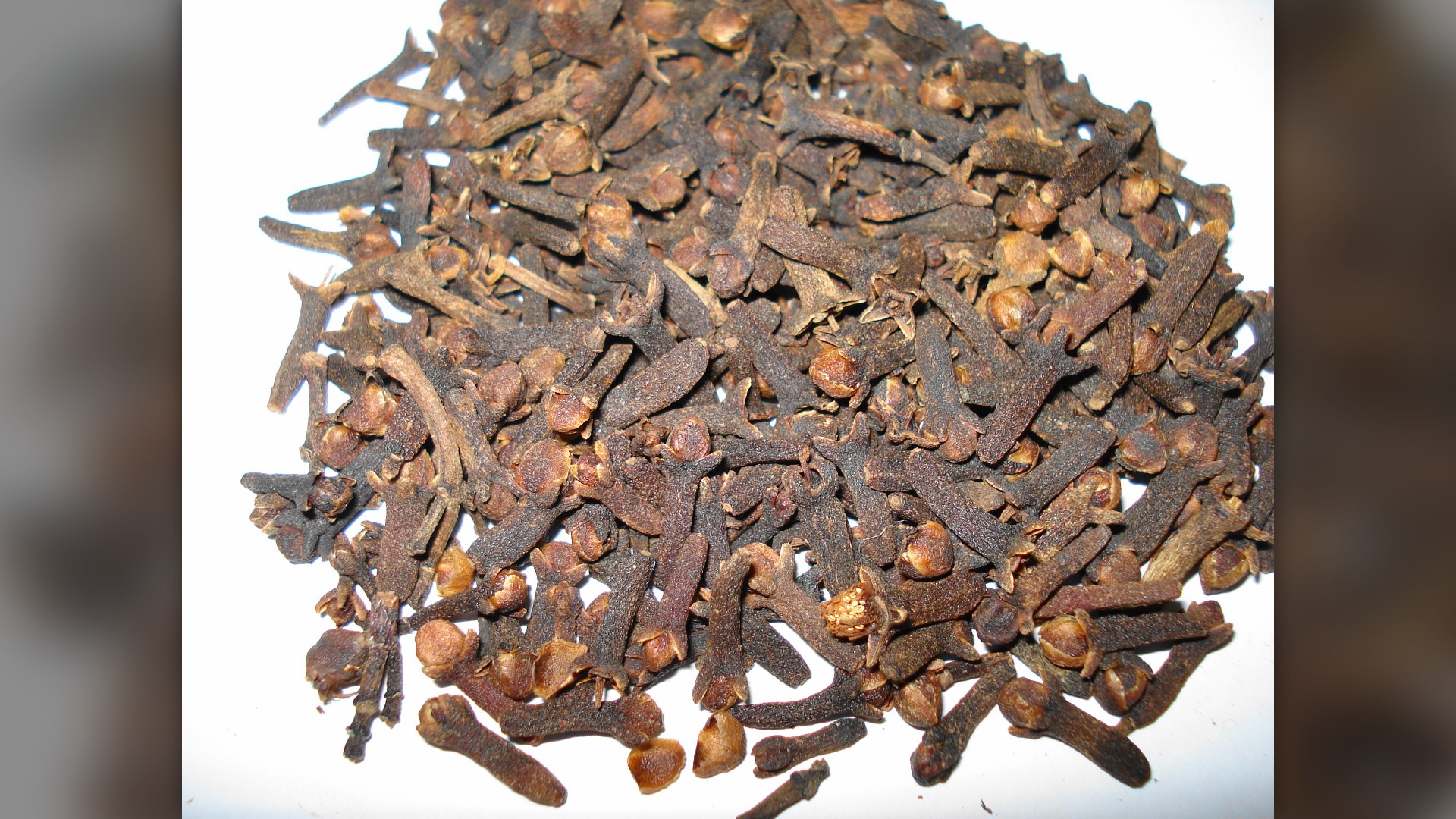
6. Cloves - AdvertisementSwipe or tap ▶ to continue countdown

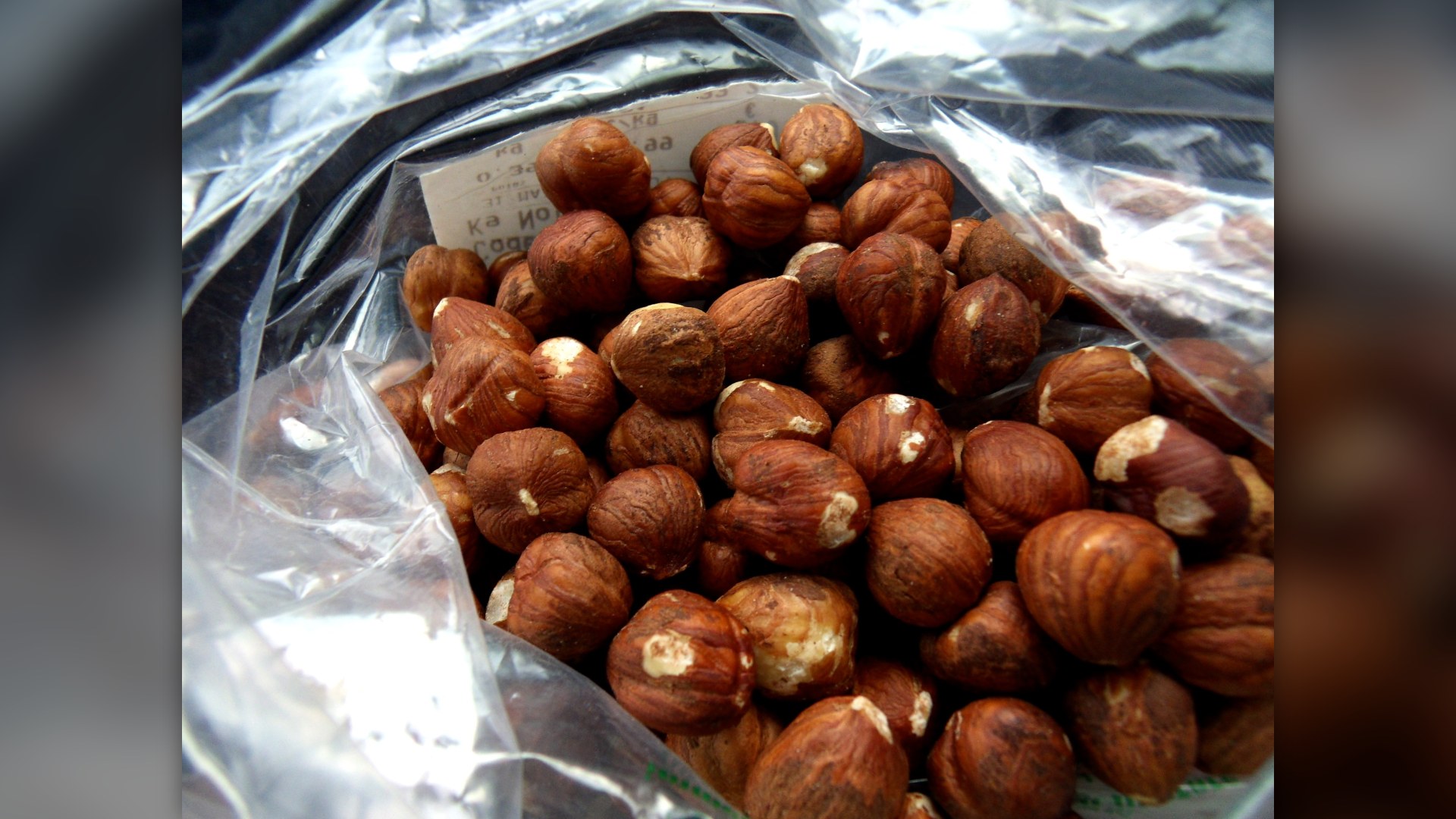
5. Hazelnuts 
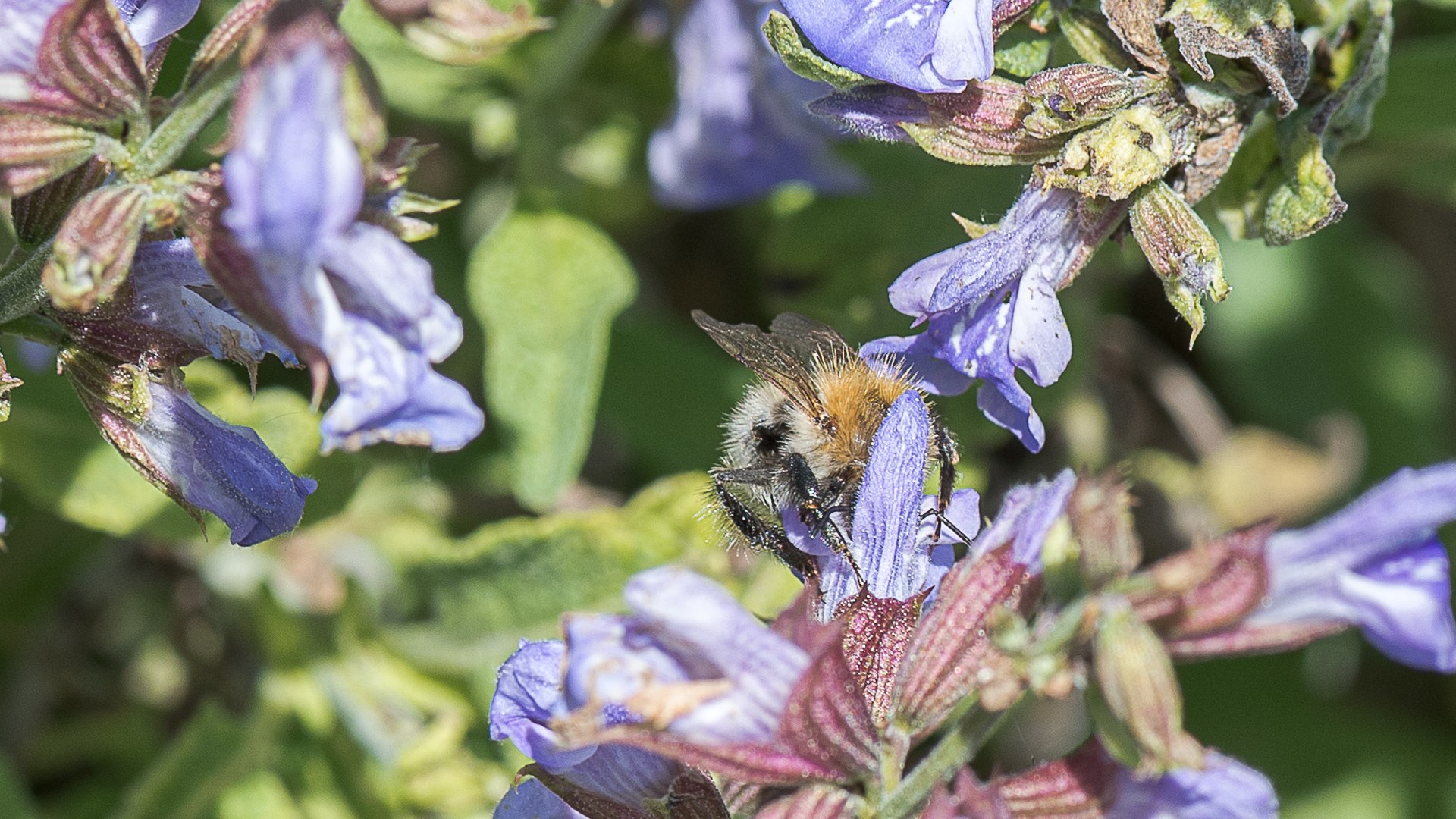
4. Sage 
3. Rice 
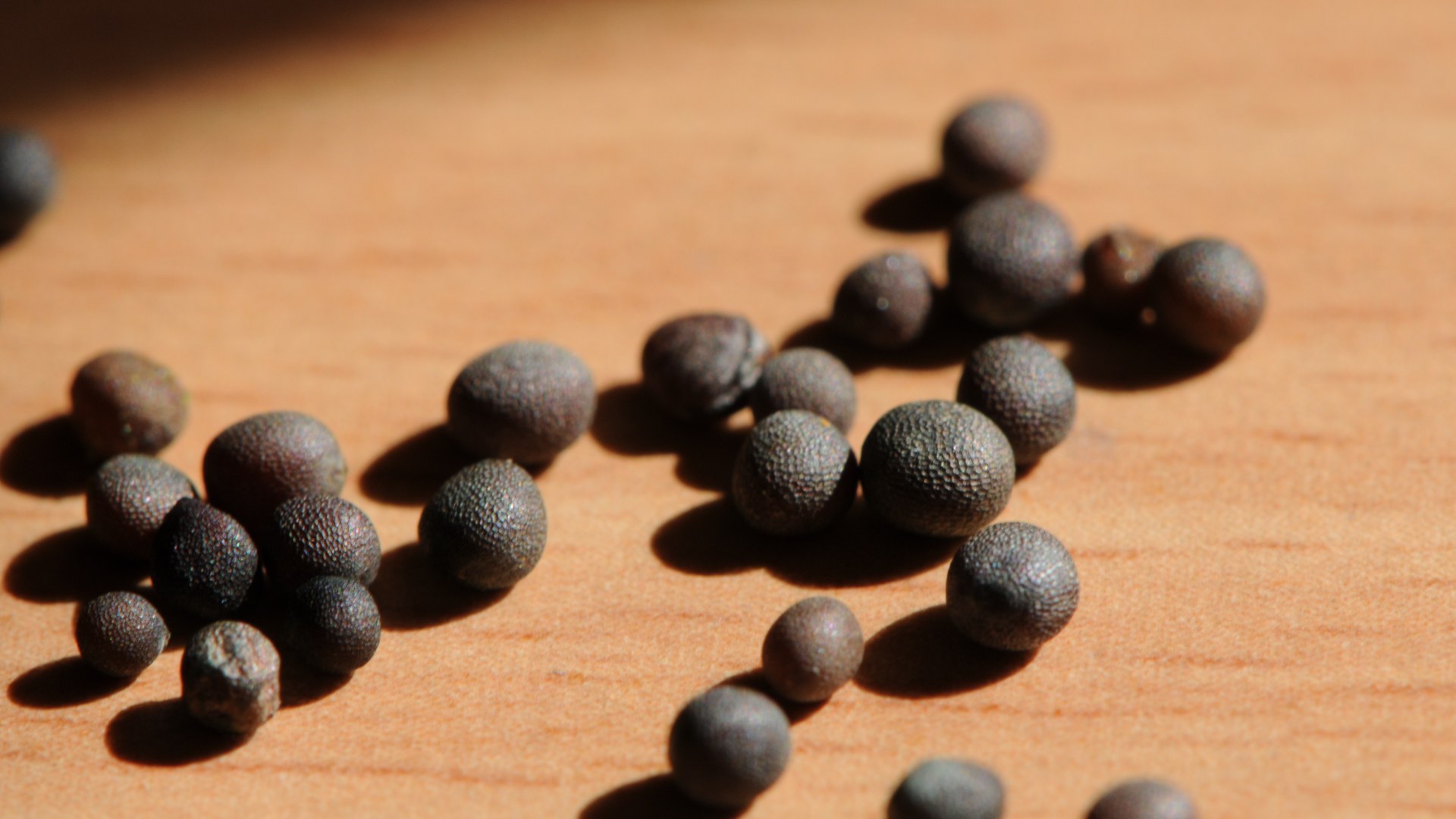
2. Mustard Seeds - AdvertisementSwipe or tap ▶ to continue countdown

1. Grapes - Advertisement🔥 UP NEXT IN THIS SERIES◫ 21 Slides

20 Iconic Historical Photos and the Archive Clues Behind Them
Contact sheets, cracked glass plates, and NASA mission logs preserve the hidden steps behind 20 famous photographs. Drawing on records from the Library of Congress, the National Archives, NASA, and the Smithsonian, this countdown traces how cropping, camera setups, and double exposures shaped each frame.
Before modern medicine and science, ancestral cultures viewed everyday kitchen foods as spiritual weapons capable of deflecting malevolent hexes, demons, and bad luck.
Swipe or tap ▶ to begin the countdown
©Wikimedia / Flocci Nivis & Wikimedia / William Ismael
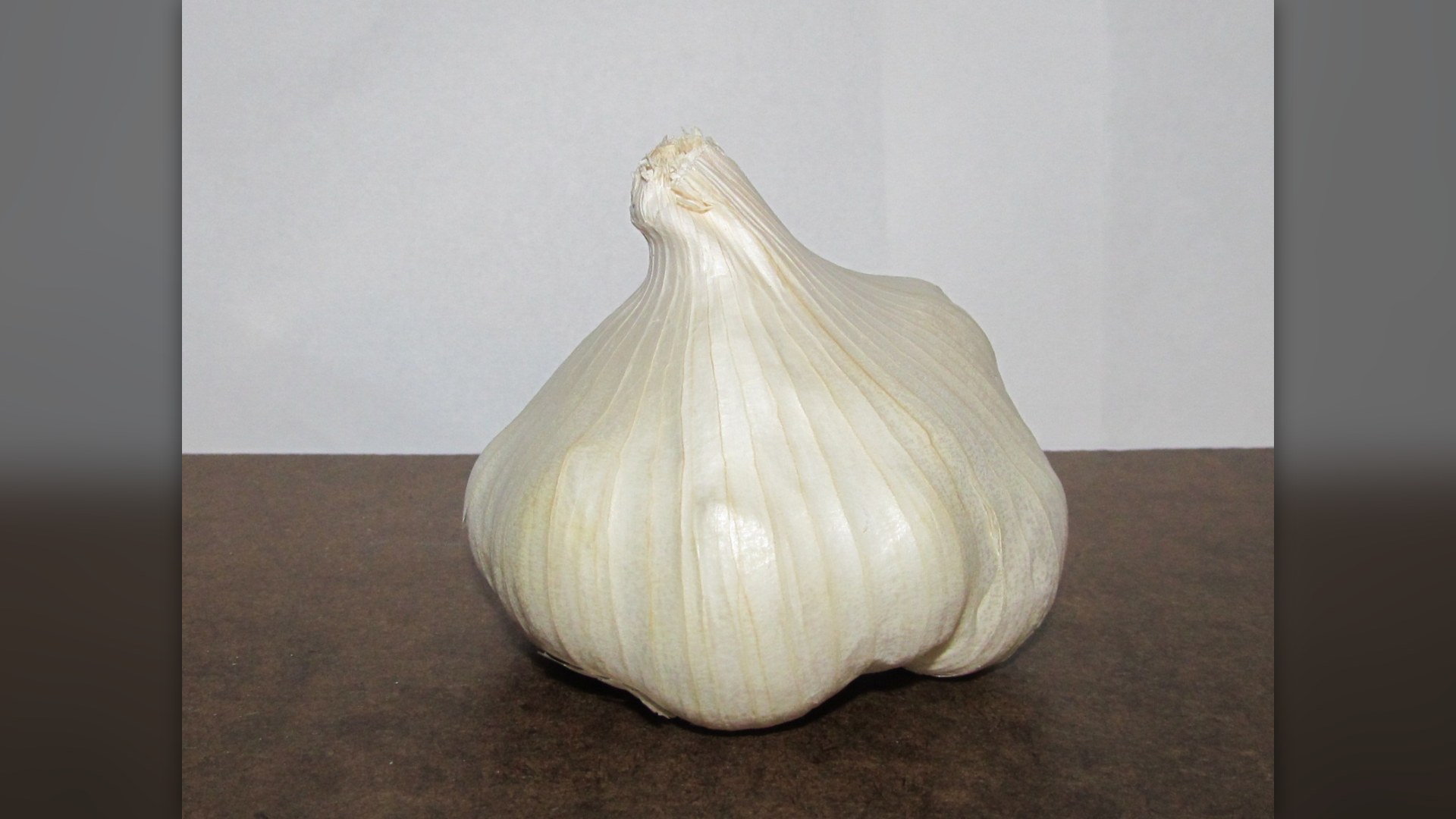
20. Garlic
In ancient Greece, Rome, and Slavic folklore, garlic pungent sulfur aroma was believed to suffocate evil spirits, turning braided bulbs into universal protective charms.
©Wikimedia / Willis Lam
19. Salt
Revered as an incorruptible mineral across ancient Rome, Celtic Europe, and Japanese Shinto rites, salt lines were believed to form impenetrable barriers against malevolent forces.
©Wikimedia / Petar Milosevic
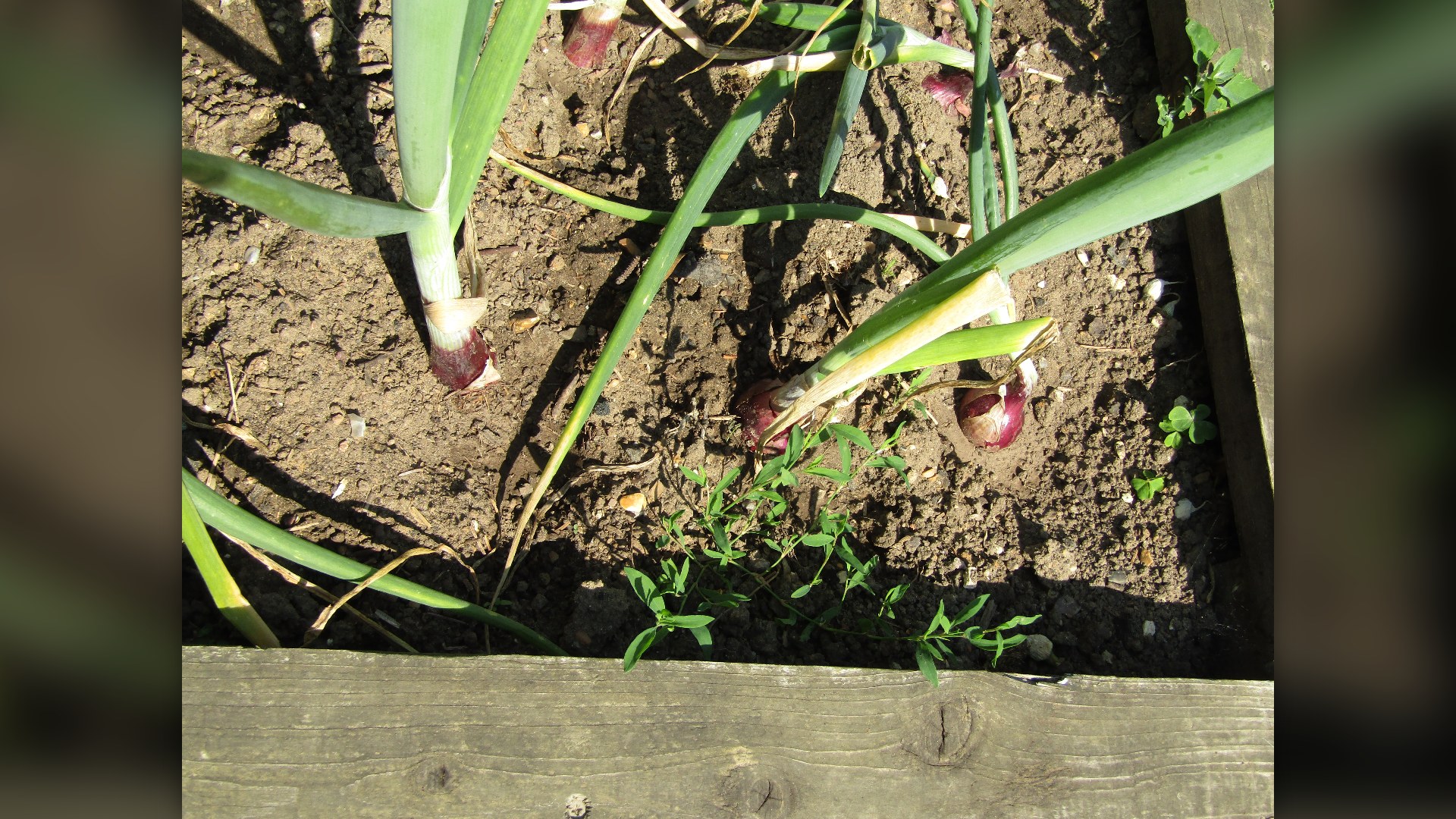
18. Onions
European folklore held that raw sliced onions acted as spiritual magnets, drawing toxic energy and malevolent curses out of the home before being safely discarded at dawn.
©Wikimedia / Kolforn
Advertisement
Swipe or tap ▶ to resume the countdown.
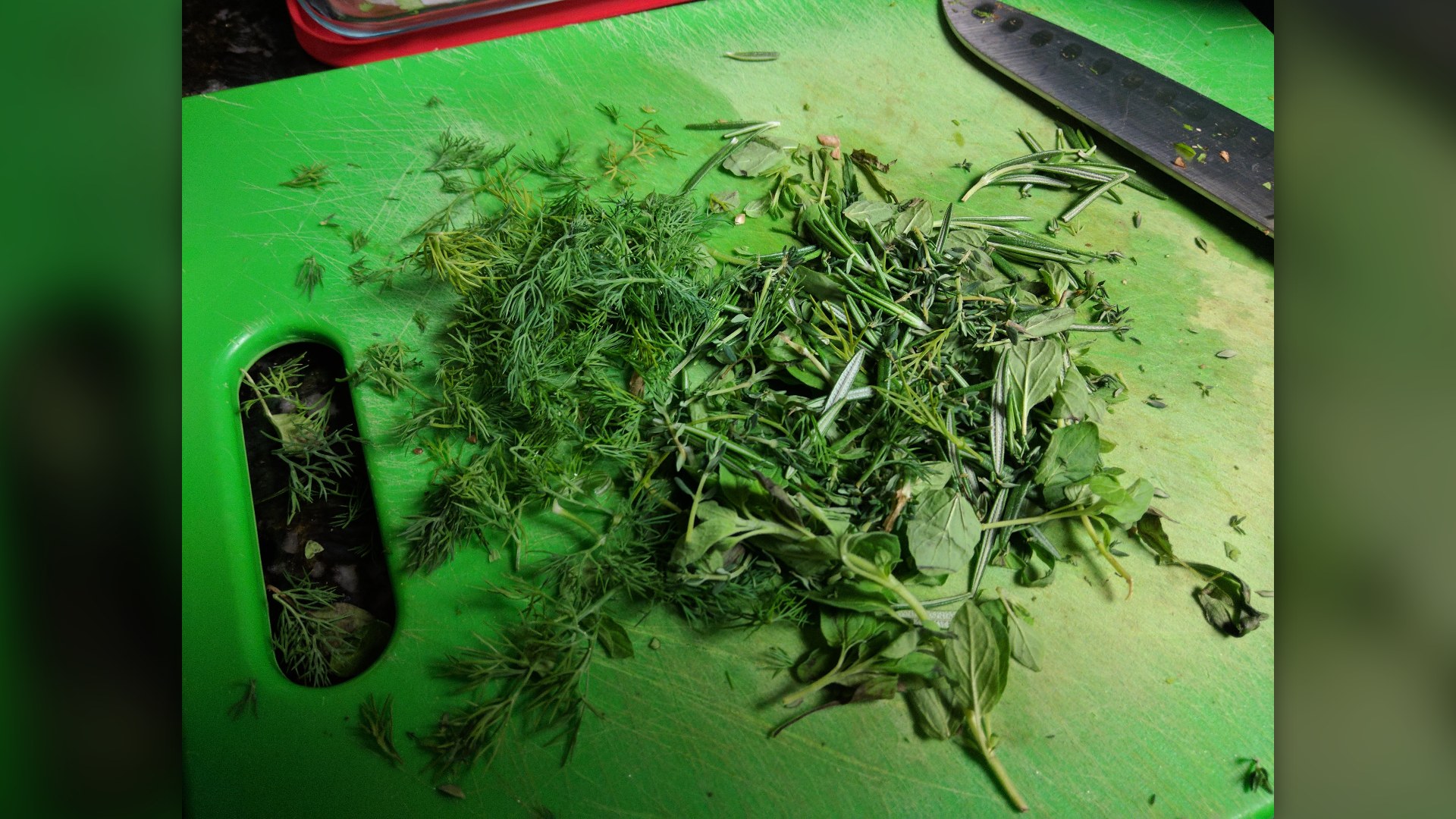
17. Rosemary
During the Middle Ages, rosemary was burned as incense in churches and homes to cleanse stagnant air, protect virtue, and ward against malicious witchcraft.
©Wikimedia / Leecason
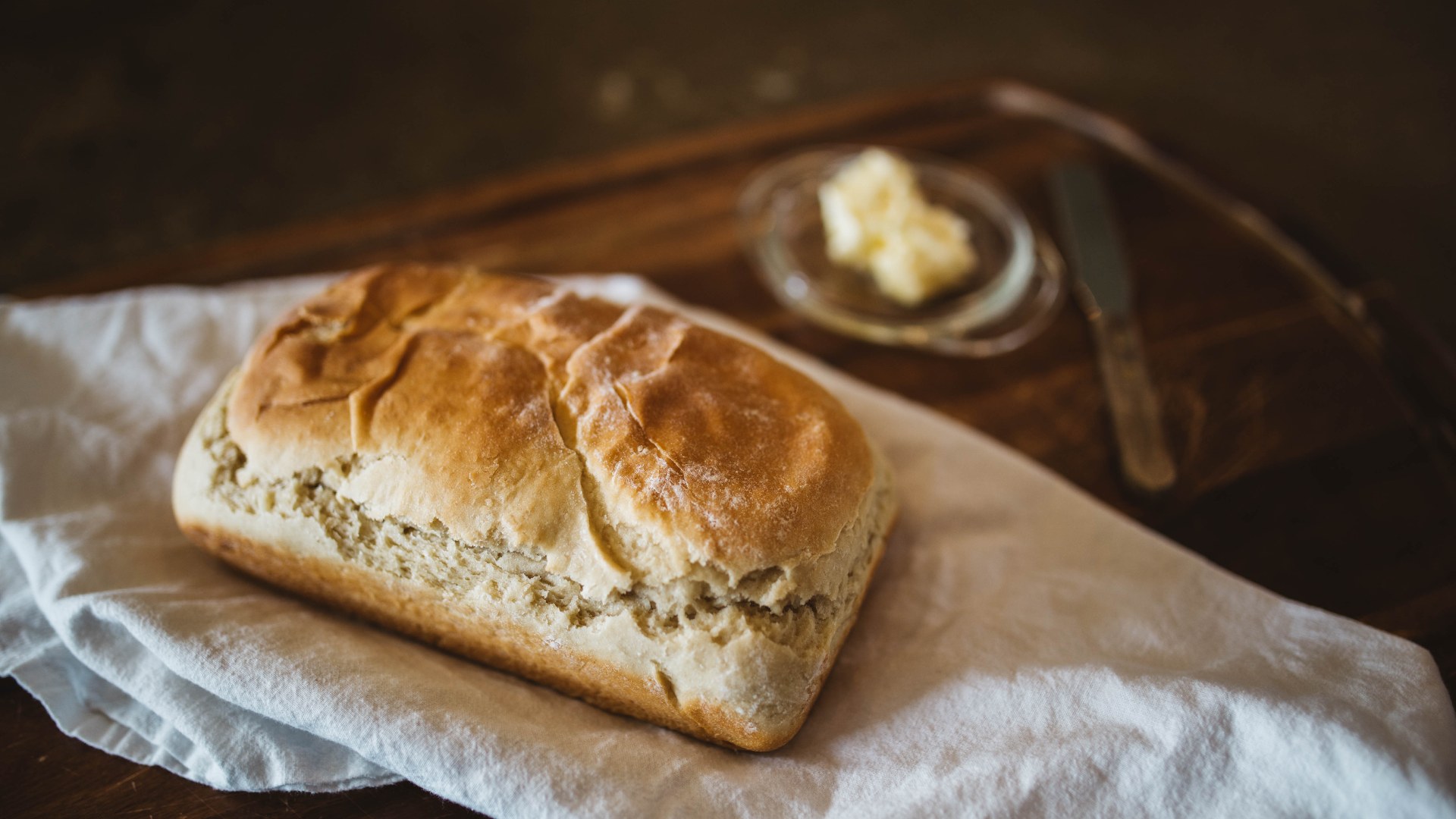
16. Bread
Across Slavic and Mediterranean cultures, bread was revered as holy life-giving sustenance; carrying a crust in pocket was believed to prevent evil spirits from entering the traveler path.
©Wikimedia / Brooke Cagle
15. Chili Peppers
From Italian cornicello horn amulets to South Asian nimbu-mirchi door hangings, red hot chili peppers have long symbolized spicy fury that drives away envious glances.
©Wikimedia / Chili pepper
14. Lemons
In Mediterranean, Jewish, and South Asian traditions, lemons sharp acidity was viewed as a spiritual antiseptic, capable of soaking up curses and restoring solar purity.
©Wikimedia / Ermell
Advertisement
Swipe or tap ▶ to resume the countdown.
13. Pomegranates
Packed with hundreds of ruby-red seeds, the pomegranate symbolized indestructible vitality in Greek and Persian lore, warding off deathly hexes and barrenness.
©Wikimedia / Tsaag Valren
12. Honey
Because pure honey never rots or spoils, ancient Egyptians and Celts considered it divine nectar, using it in ritual offerings to appease angry wandering spirits.
©Wikimedia / Honey
11. Eggs
Throughout Mesoamerica and Eastern Europe, whole raw eggs were viewed as living psychic sponges that sucked malevolent envy and illness directly out of the human aura.
©Wikimedia / Devika
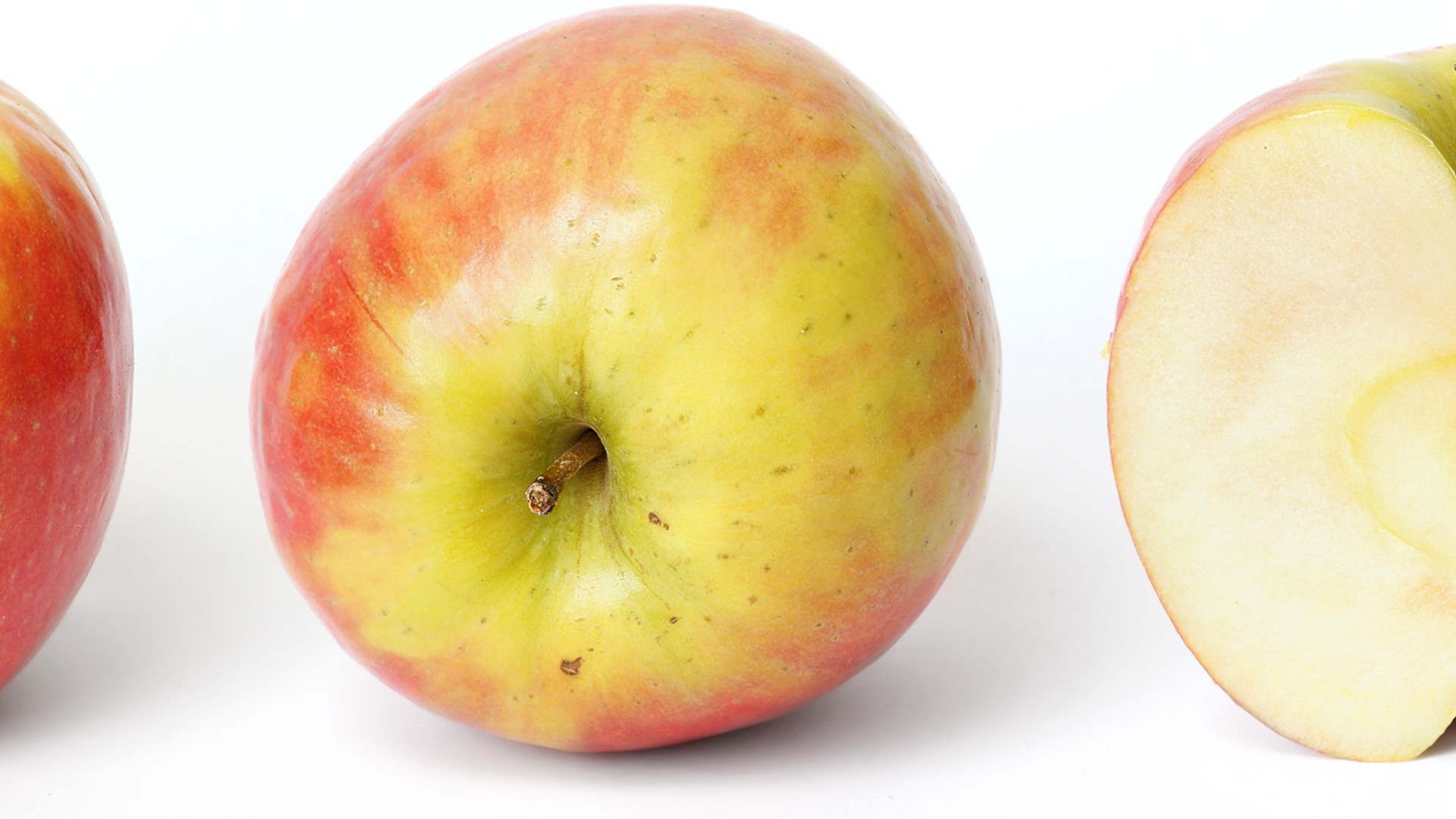
10. Apples
In Norse and Celtic folklore, apples conferred eternal youth and protection against autumnal specters, making apple bobbing a sacred protective divination game.
©Wikimedia / Apple
Advertisement
Swipe or tap ▶ to resume the countdown.
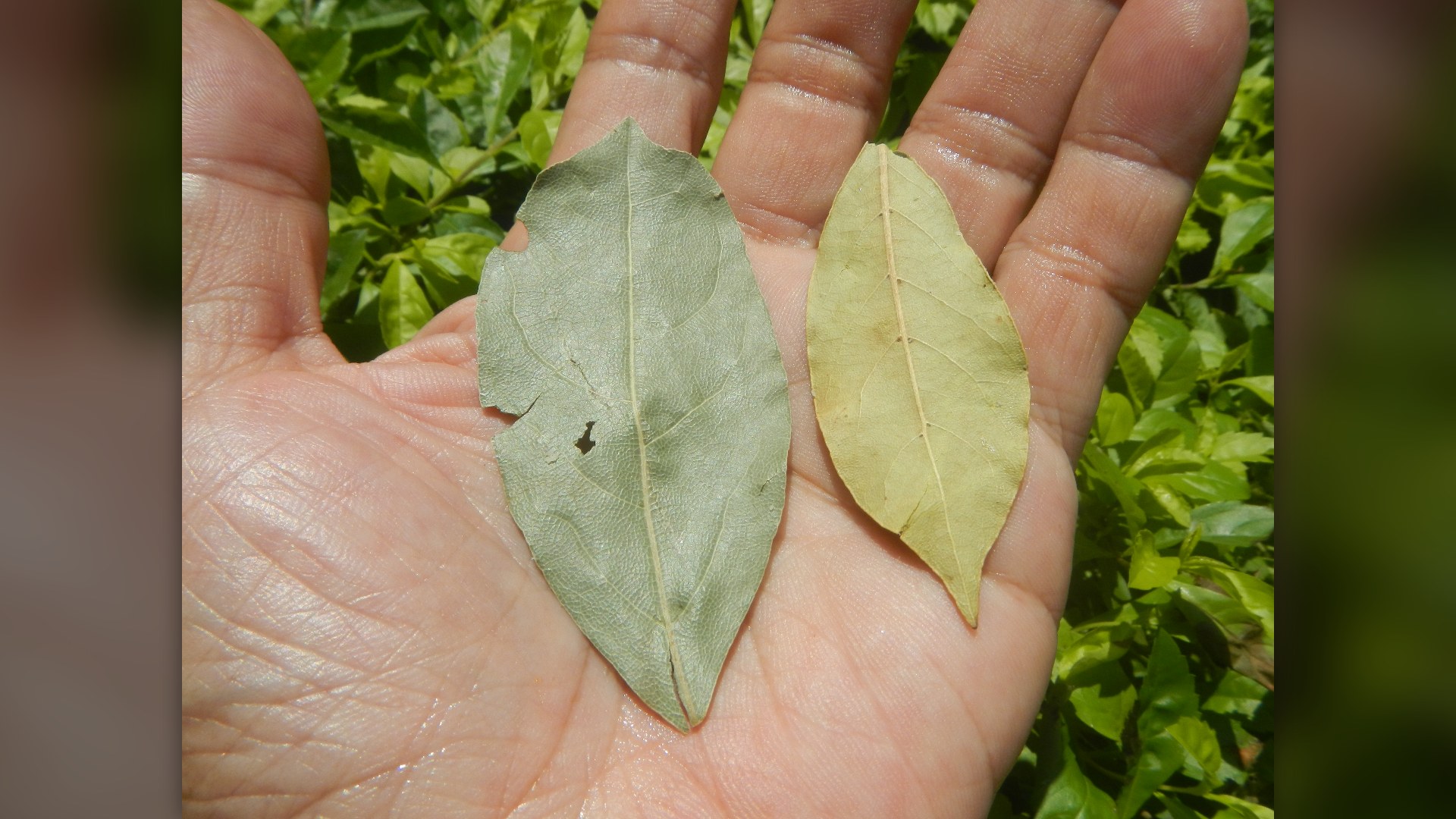
9. Bay Leaves
Sacred to Apollo in Greco-Roman tradition, laurel bay leaves symbolized triumphant spiritual protection, burned to purify dwellings of lingering negative energy.
©Wikimedia / Judgefloro
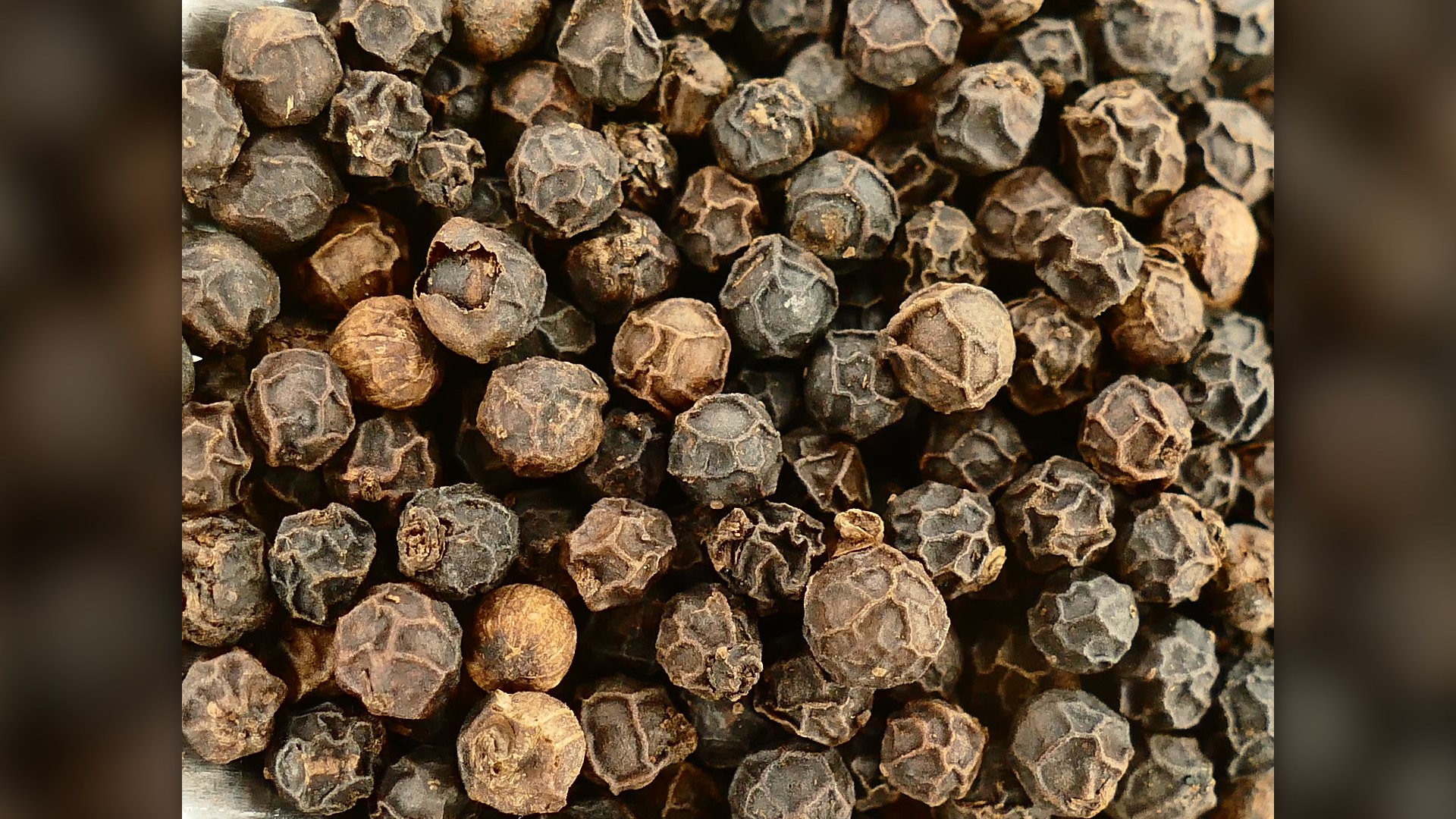
8. Black Pepper
In Ayurvedic traditions and folk magic, pungent black peppercorns were burned or scattered to break psychic crossed conditions and repel malevolent intruders.
©Wikimedia / Sanjay Acharya
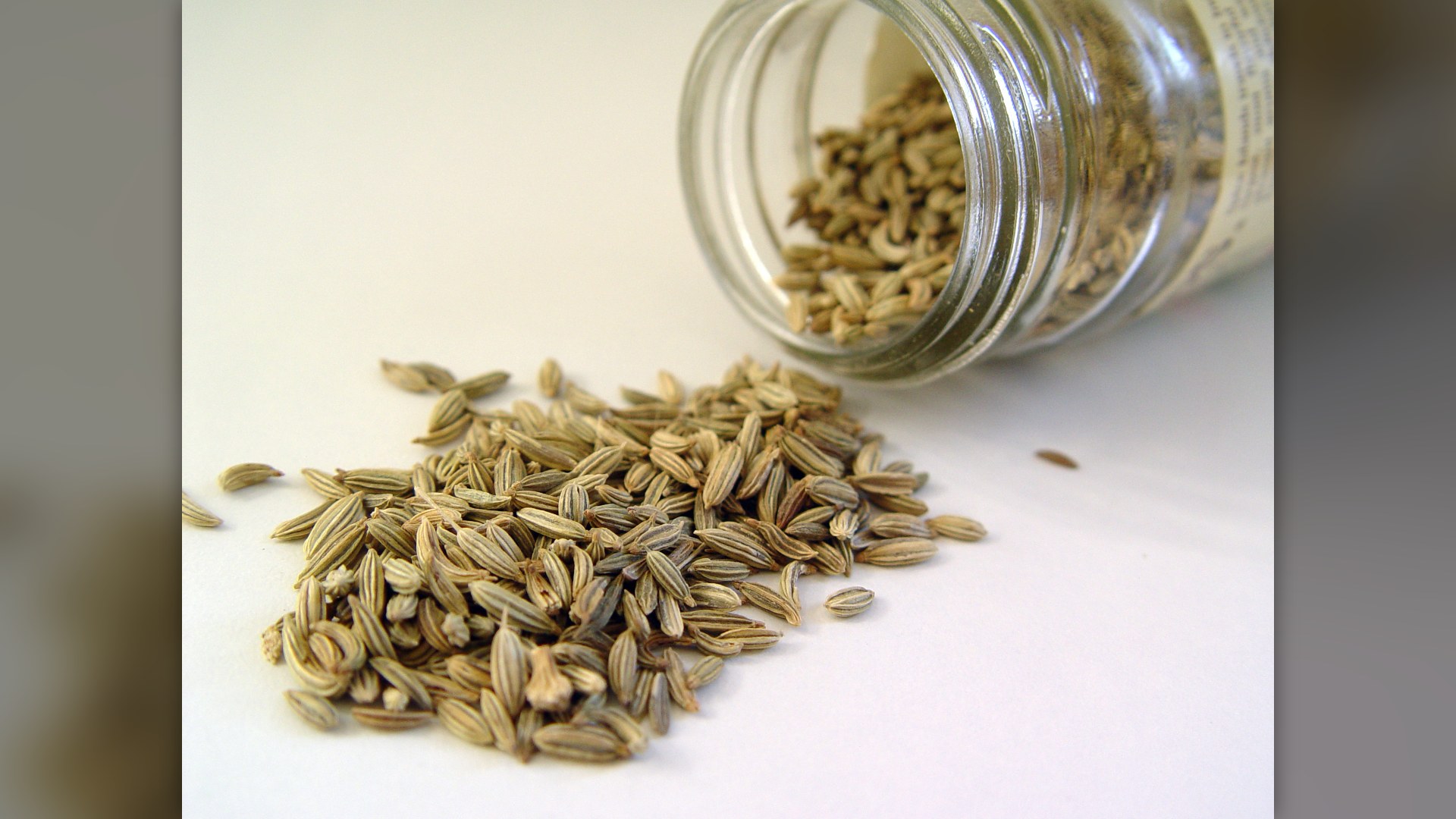
7. Fennel Seeds
In medieval European folklore, sweet aromatic fennel seeds possessed apotropaic powers, hung over cottage doors to shield sleeping inhabitants from nighttime sorcery.
©Wikimedia / Sanjay Acharya
6. Cloves
Valued like gold in medieval spice trades, dried clove buds were burned as purifying incense to drive out evil spirits, gossip, and malicious spiritual influences.
©Wikimedia / Miansari66
Advertisement
Swipe or tap ▶ to resume the countdown.
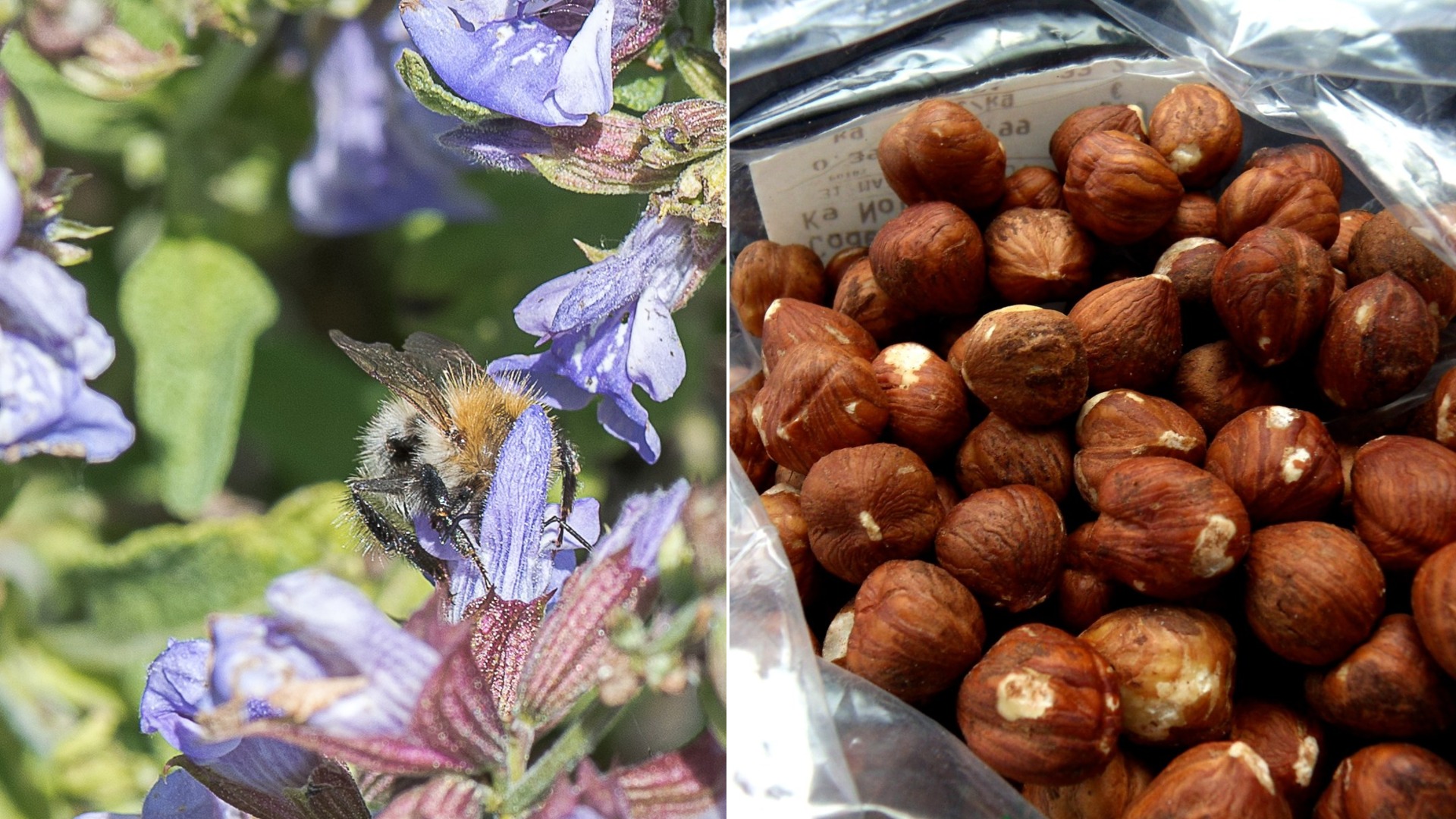
5. Hazelnuts
In Celtic and Germanic mythology, hazel trees guarded fairy wisdom. Carrying a pocketful of nuts was believed to absorb misfortune and grant defensive insight.
©Wikimedia / William Ismael
4. Sage
The botanical name Salvia derives from the Latin to save. Revered from ancient Rome to Indigenous traditions, sage smoke was the premier spiritual disinfectant.
©Wikimedia / Flocci Nivis
3. Rice
Across Asian traditions, white rice represented pristine spiritual nourishment. Tossing grains distracted and pacified wandering spirits, deflecting bad luck away from households.
©Wikimedia / cookbookman17
2. Mustard Seeds
European and Hindu folklore maintained that witches, vampires, and hex-casters had an obsessive urge to count small grains, stalling them until harmless dawn sunlight broke.
©Wikimedia / Sanjay Acharya
Advertisement
Swipe or tap ▶ to resume the countdown.
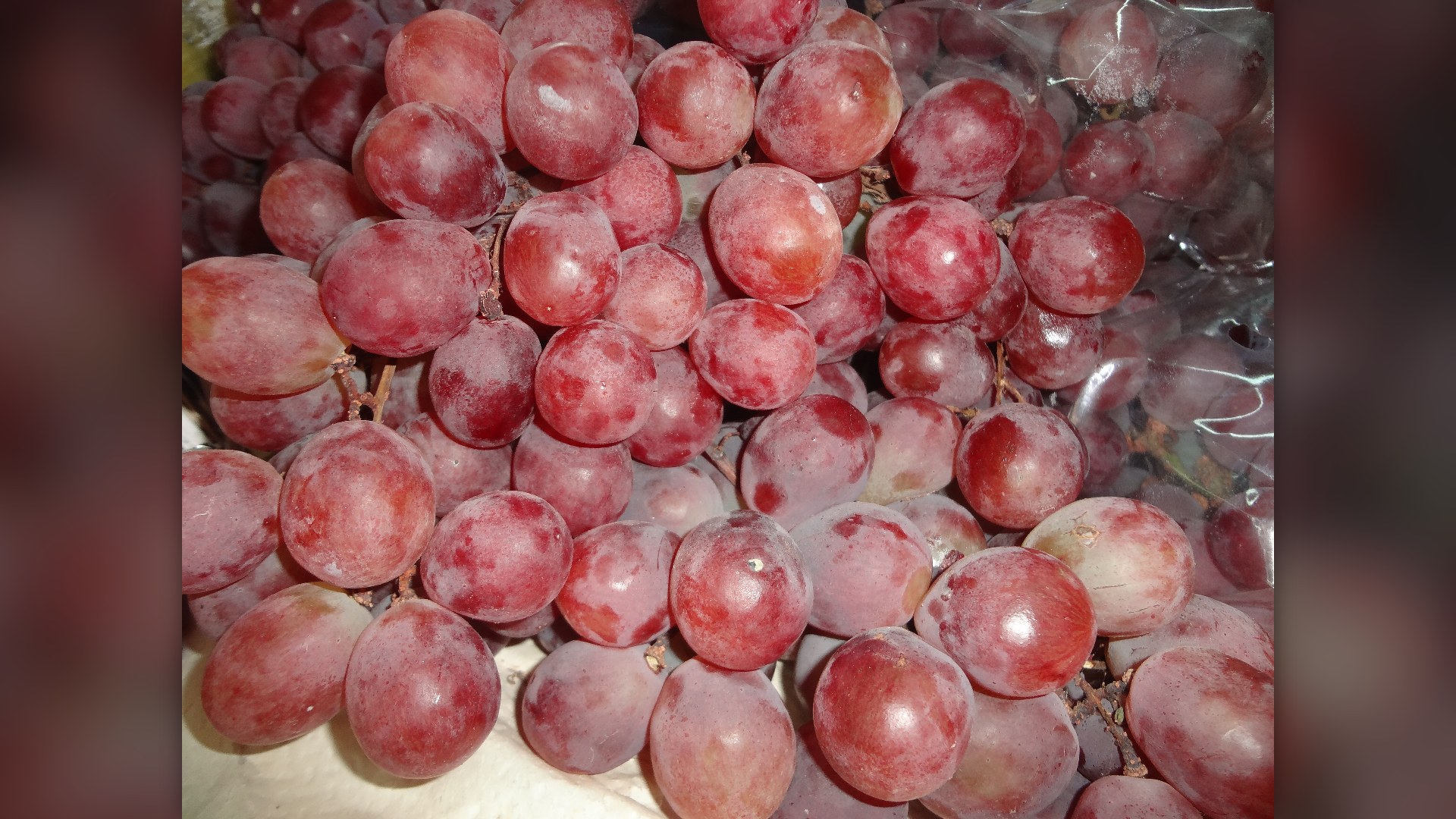
1. Grapes
From ancient Dionysian libations to the Spanish tradition of eating 12 lucky grapes at midnight, grapes symbolize divine abundance capable of expelling a whole year of misfortune.

©Wikimedia / David Adam Kess
Advertisement
You've reached the end of the story. Thanks for reading!

20 Iconic Historical Photos and the Archive Clues Behind Them
Contact sheets, cracked glass plates, and NASA mission logs preserve the hidden steps behind 20 famous photographs. Drawing on records from the Library of Congress, the National Archives, NASA, and the Smithsonian, this countdown traces how cropping, camera setups, and double exposures shaped each frame.
All 20 Entries in this Story
1. Garlic
In ancient Greece, Rome, and Slavic folklore, garlic pungent sulfur aroma was believed to suffocate evil spirits, turning braided bulbs into universal protective charms.

2. Salt
Revered as an incorruptible mineral across ancient Rome, Celtic Europe, and Japanese Shinto rites, salt lines were believed to form impenetrable barriers against malevolent forces.

3. Onions
European folklore held that raw sliced onions acted as spiritual magnets, drawing toxic energy and malevolent curses out of the home before being safely discarded at dawn.

4. Rosemary
During the Middle Ages, rosemary was burned as incense in churches and homes to cleanse stagnant air, protect virtue, and ward against malicious witchcraft.

5. Bread
Across Slavic and Mediterranean cultures, bread was revered as holy life-giving sustenance; carrying a crust in pocket was believed to prevent evil spirits from entering the traveler path.

6. Chili Peppers
From Italian cornicello horn amulets to South Asian nimbu-mirchi door hangings, red hot chili peppers have long symbolized spicy fury that drives away envious glances.

7. Lemons
In Mediterranean, Jewish, and South Asian traditions, lemons sharp acidity was viewed as a spiritual antiseptic, capable of soaking up curses and restoring solar purity.

8. Pomegranates
Packed with hundreds of ruby-red seeds, the pomegranate symbolized indestructible vitality in Greek and Persian lore, warding off deathly hexes and barrenness.

9. Honey
Because pure honey never rots or spoils, ancient Egyptians and Celts considered it divine nectar, using it in ritual offerings to appease angry wandering spirits.

10. Eggs
Throughout Mesoamerica and Eastern Europe, whole raw eggs were viewed as living psychic sponges that sucked malevolent envy and illness directly out of the human aura.

11. Apples
In Norse and Celtic folklore, apples conferred eternal youth and protection against autumnal specters, making apple bobbing a sacred protective divination game.

12. Bay Leaves
Sacred to Apollo in Greco-Roman tradition, laurel bay leaves symbolized triumphant spiritual protection, burned to purify dwellings of lingering negative energy.

13. Black Pepper
In Ayurvedic traditions and folk magic, pungent black peppercorns were burned or scattered to break psychic crossed conditions and repel malevolent intruders.

14. Fennel Seeds
In medieval European folklore, sweet aromatic fennel seeds possessed apotropaic powers, hung over cottage doors to shield sleeping inhabitants from nighttime sorcery.

15. Cloves
Valued like gold in medieval spice trades, dried clove buds were burned as purifying incense to drive out evil spirits, gossip, and malicious spiritual influences.

16. Hazelnuts
In Celtic and Germanic mythology, hazel trees guarded fairy wisdom. Carrying a pocketful of nuts was believed to absorb misfortune and grant defensive insight.

17. Sage
The botanical name Salvia derives from the Latin to save. Revered from ancient Rome to Indigenous traditions, sage smoke was the premier spiritual disinfectant.

18. Rice
Across Asian traditions, white rice represented pristine spiritual nourishment. Tossing grains distracted and pacified wandering spirits, deflecting bad luck away from households.

19. Mustard Seeds
European and Hindu folklore maintained that witches, vampires, and hex-casters had an obsessive urge to count small grains, stalling them until harmless dawn sunlight broke.

20. Grapes
From ancient Dionysian libations to the Spanish tradition of eating 12 lucky grapes at midnight, grapes symbolize divine abundance capable of expelling a whole year of misfortune.