Slideshow · Science
Voyager 1 Reaches One Light-Day With 20 Photos From Its 49-Year Journey
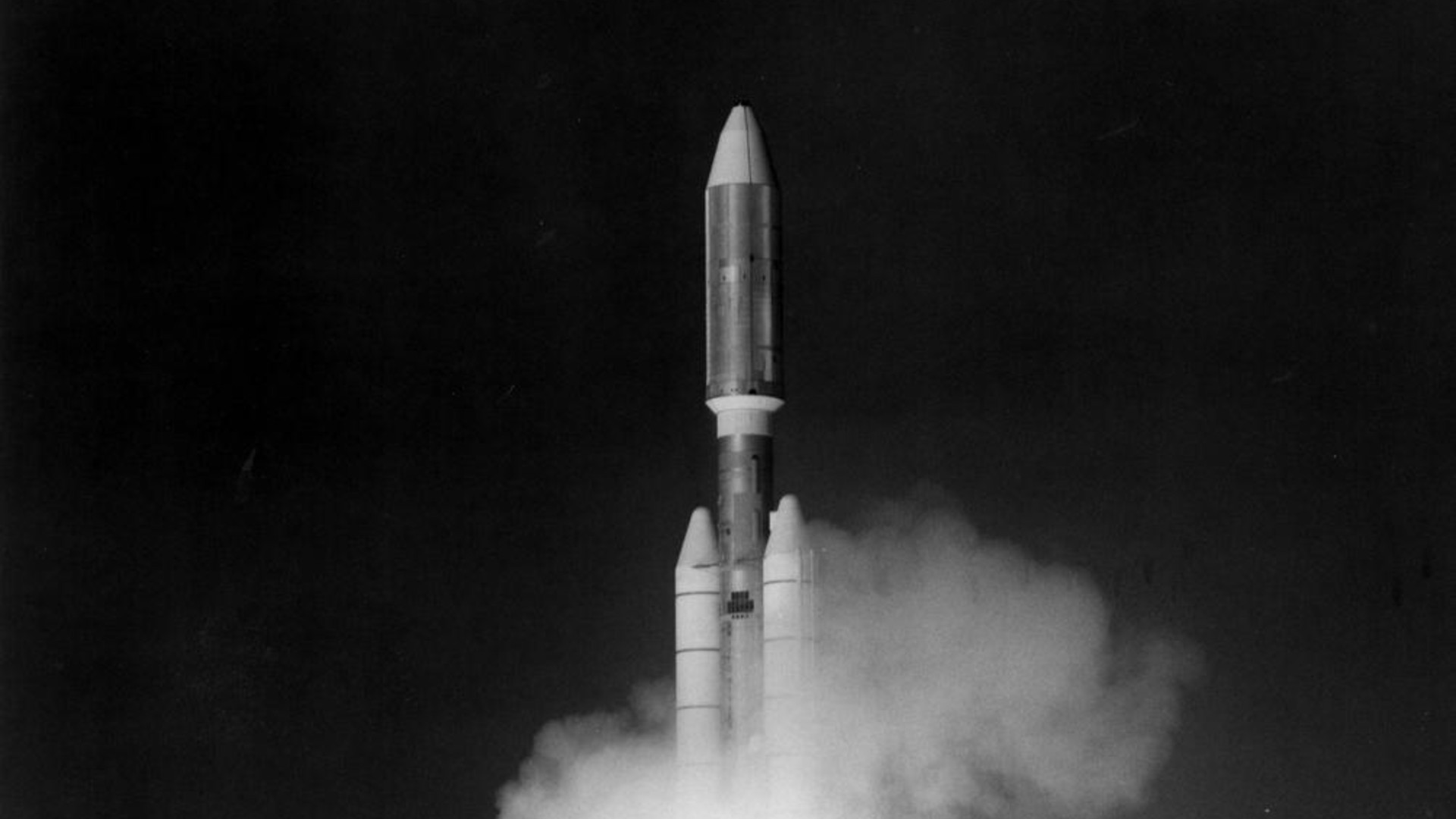
Voyager 1 launched in 1977 and now travels through interstellar space at roughly 38,000 miles per hour. As radio signals take a full day to cross the gulf from Earth, this visual retrospective tracks its historic voyage past Jupiter, Saturn, and beyond the solar system using verified NASA mission records.

All 20 Entries in this Story
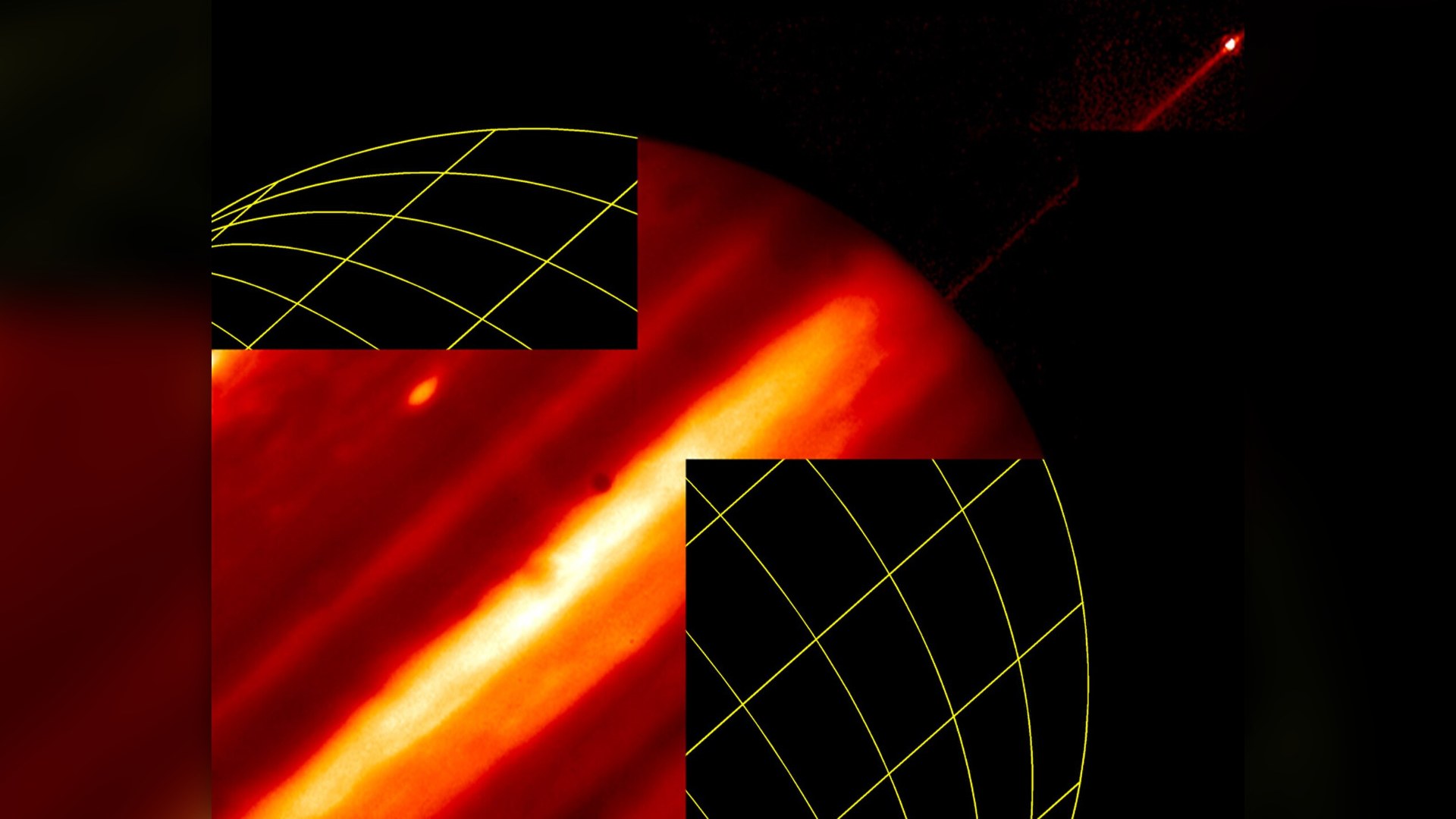
#20 Jupiter Faint Dust Ring Discovery
Voyager 1 captured this 11-minute exposure on March 4, 1979, while inside Jupiter's shadow. Scientists did not know Jupiter had rings until this narrow band of dust appeared in wide-angle telemetry. The discovery proved that giant gas planets routinely host debris structures.
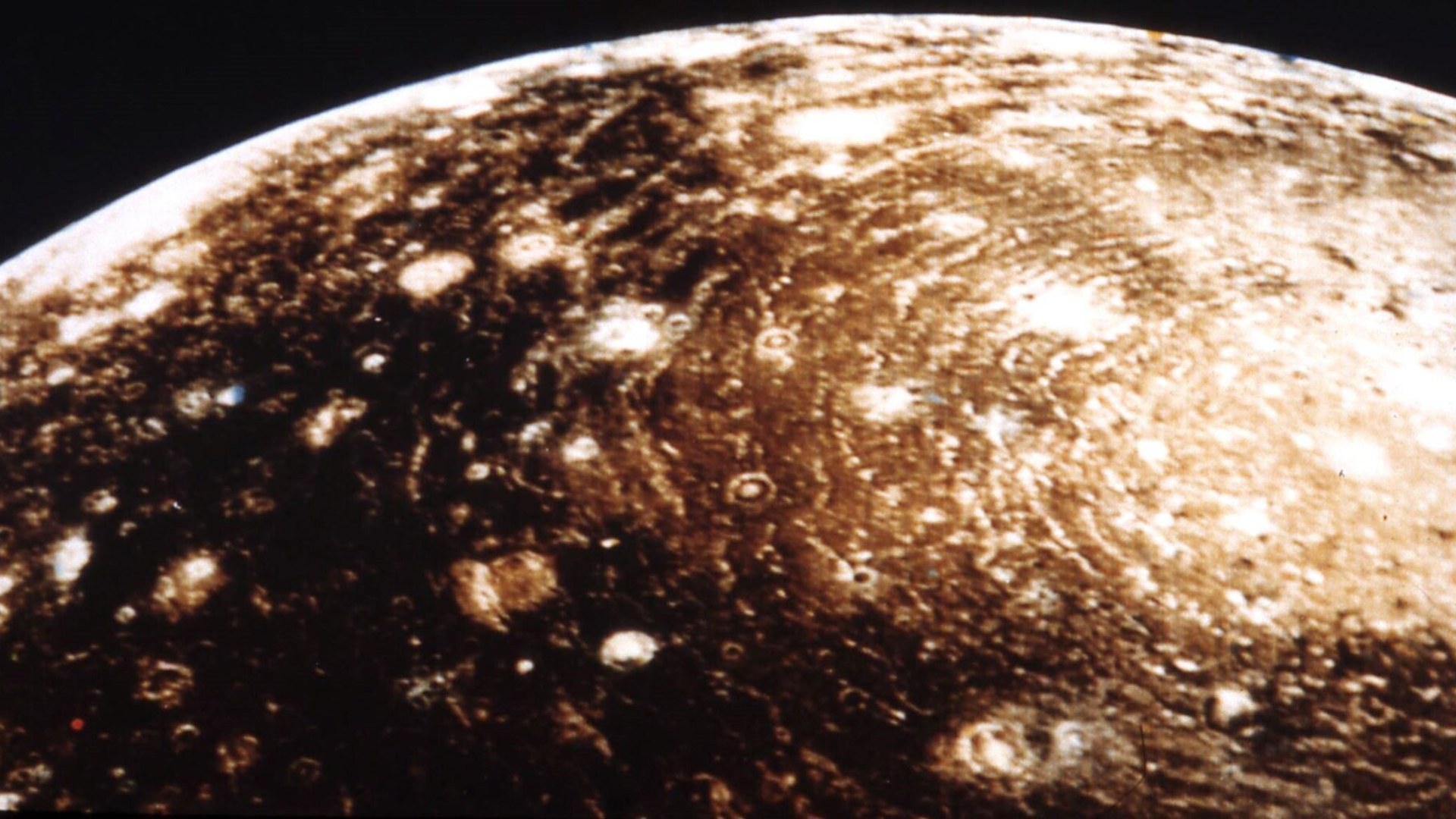
#19 Callisto Ancient Multi-Ring Valhalla Basin
Voyager 1 photographed Callisto on March 6, 1979, from a distance of roughly 120,000 miles. The image revealed Valhalla, an impact basin with concentric shock rings stretching 1,800 miles across. Callisto remains one of the most heavily cratered bodies in the entire solar system.
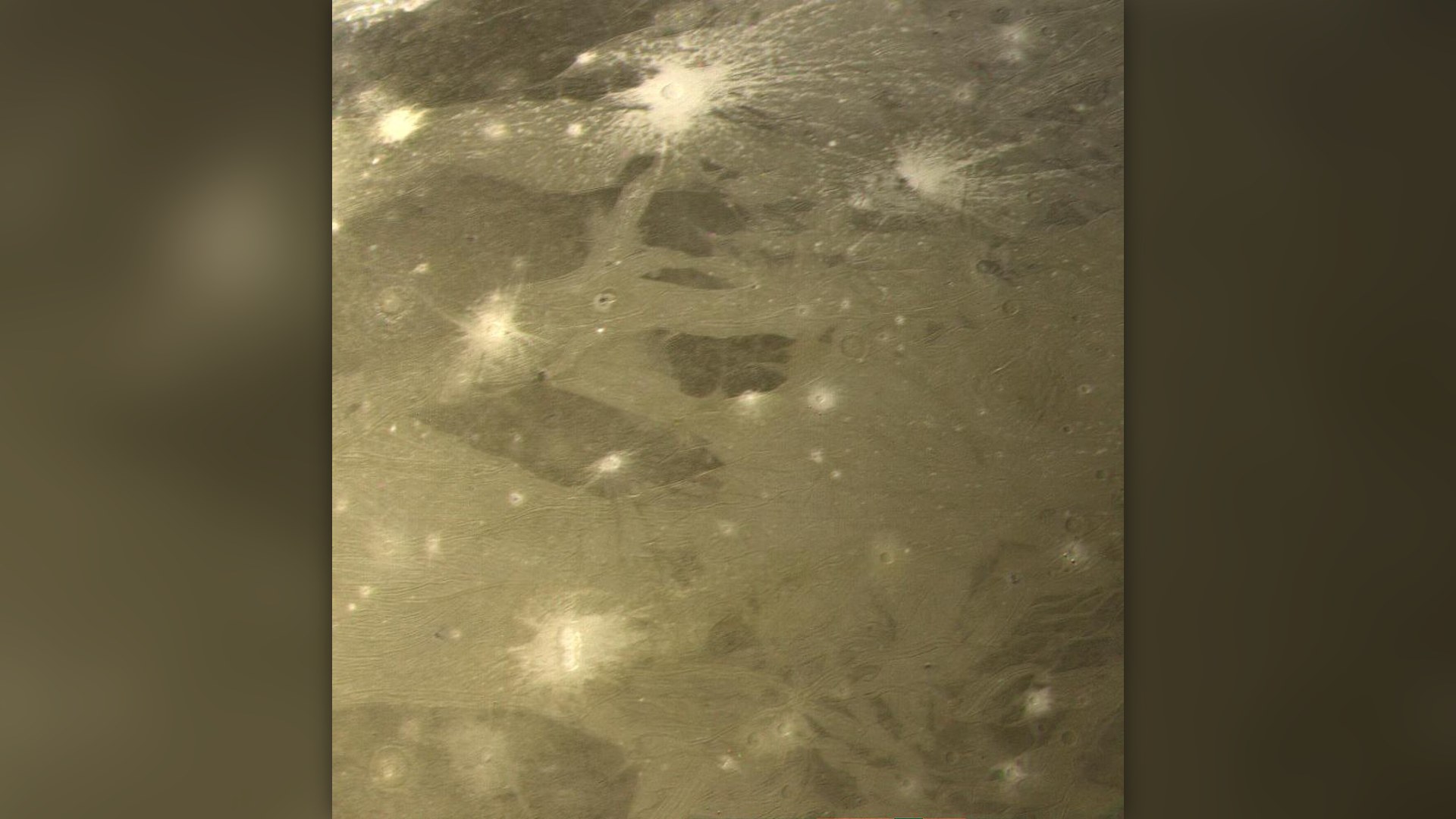
#18 Ganymede Complex Grooved Terrain
During its March 1979 flyby, Voyager 1 passed within 75,000 miles of Ganymede. High-resolution mosaics showed deep parallel grooves across dark cratered terrain, indicating intense tectonic shifting. The moon measures 3,273 miles across, making it larger than Mercury and Pluto.
#17 Europa Smooth Fractured Ice Shell
Voyager 1 passed Europa on March 4, 1979, recording mysterious crisscrossing lines across a bright crust. The absence of deep craters indicated an active surface that constantly resurfaced itself. These images provided the first physical evidence of a liquid ocean beneath the ice shell.
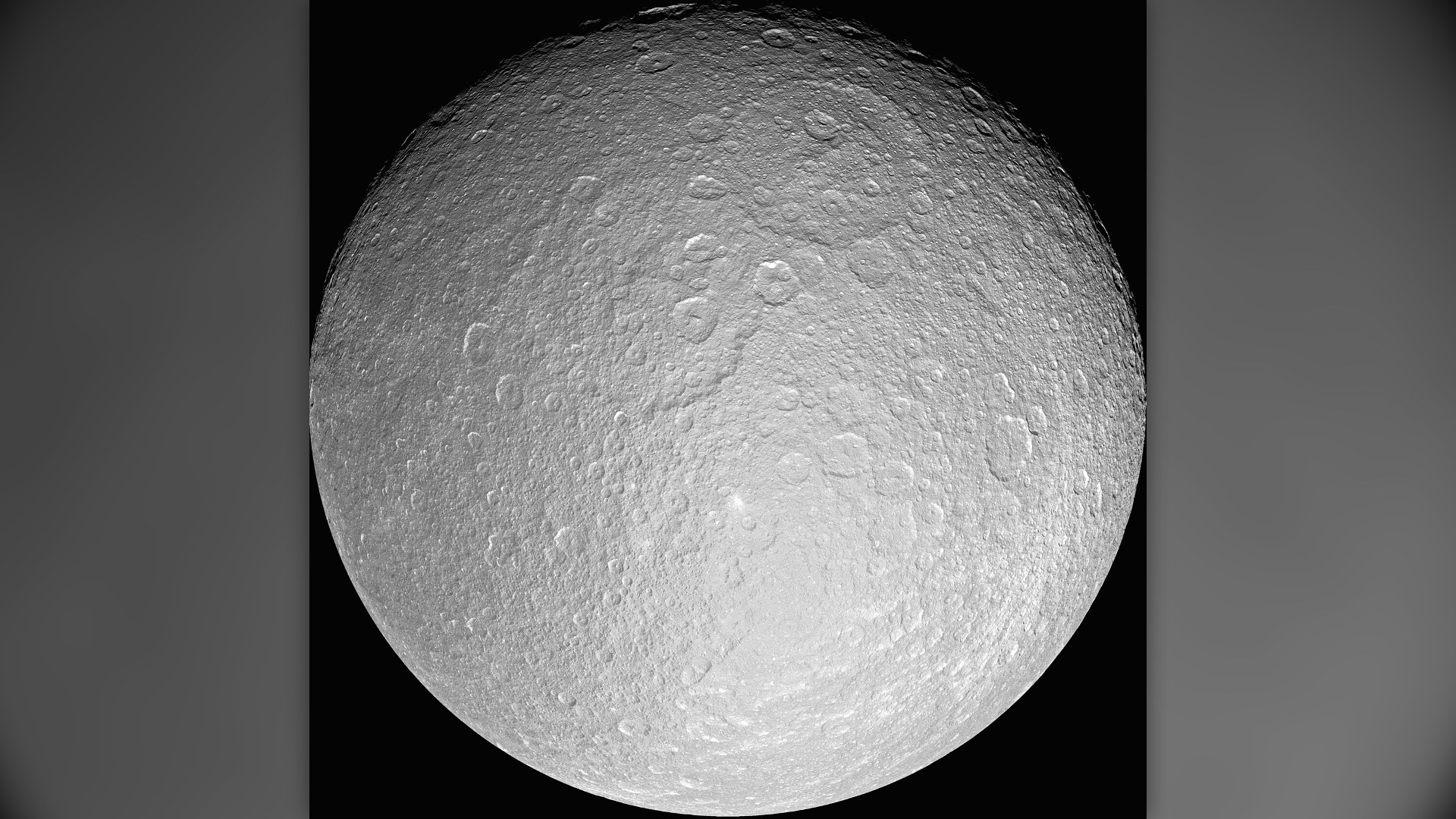
#16 Rhea Heavily Cratered Frozen Crust
Voyager 1 flew past Rhea on November 12, 1980, snapping detailed views from 45,000 miles away. The surface was packed with sharp craters and bright wispy terrain caused by ice cliffs. Measurements showed the moon consists of three parts water ice and one part dense silicate rock.
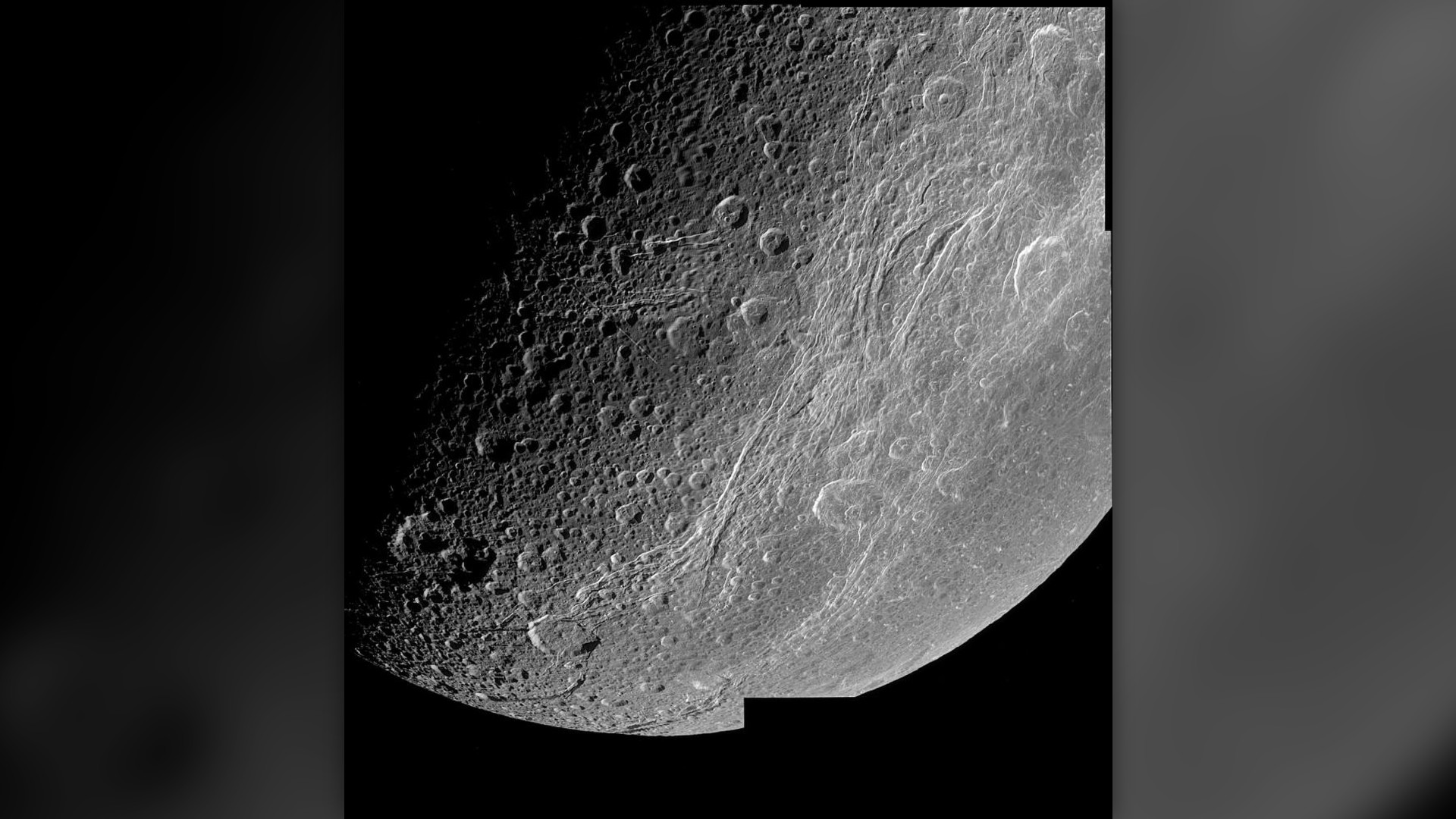
#15 Dione Bright Wispy Ice Fractures
On November 12, 1980, the probe approached Dione within 100,000 miles and imaged its trailing hemisphere. Early astronomers thought the bright markings were frost, but the photos proved they were tectonic fractures hundreds of feet deep. The moon measures 698 miles in diameter.
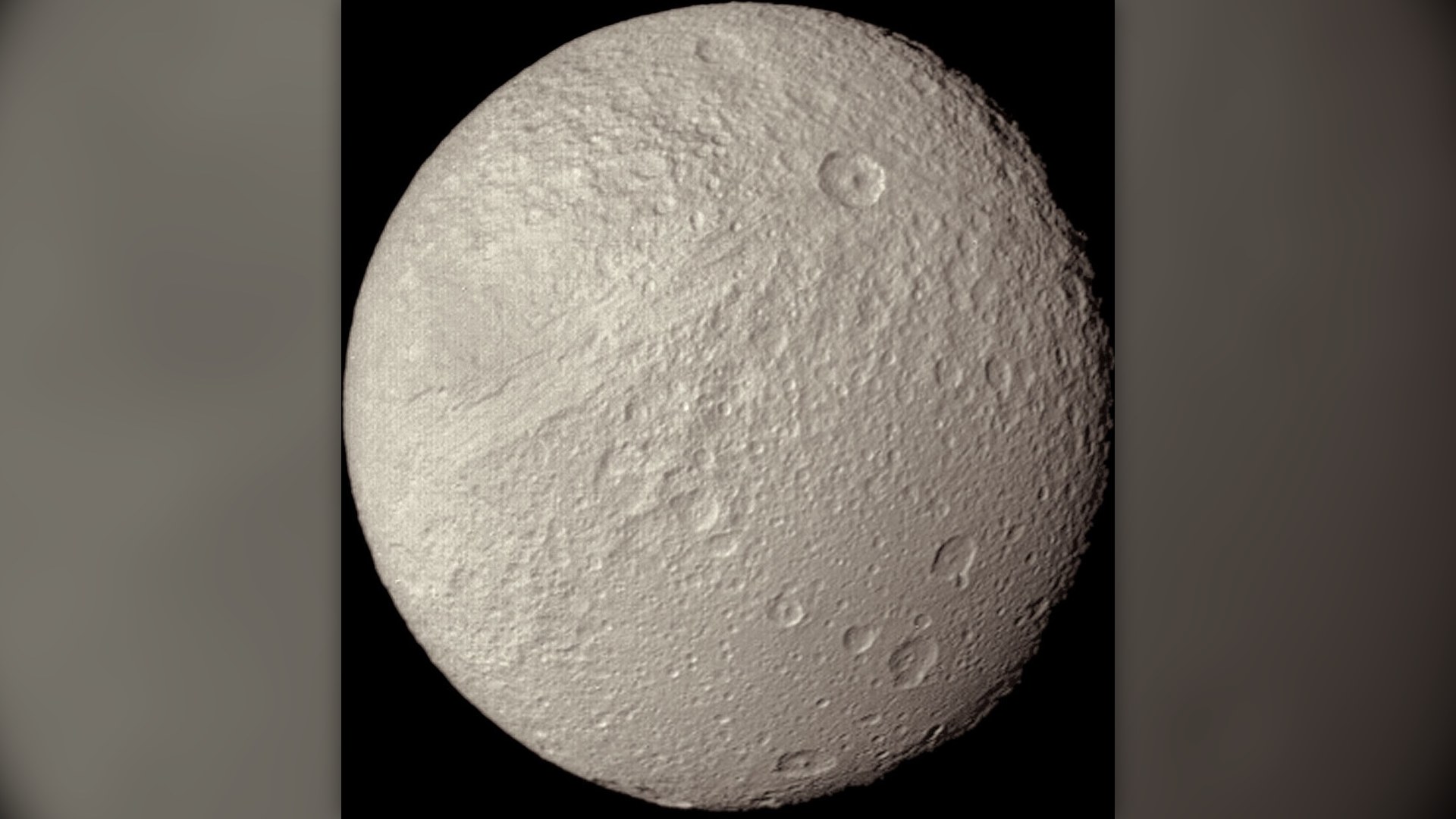
#14 Tethys Giant Ithaca Chasma Canyon
Voyager 1 encountered Tethys in November 1980, imaging a canyon named Ithaca Chasma that runs 1,200 miles long. Scientists believe the trench formed when water froze inside the core and expanded outward. The probe also resolved the Odysseus crater, which spans 250 miles across.
#13 Enceladus Young Plains And Surface Rifts
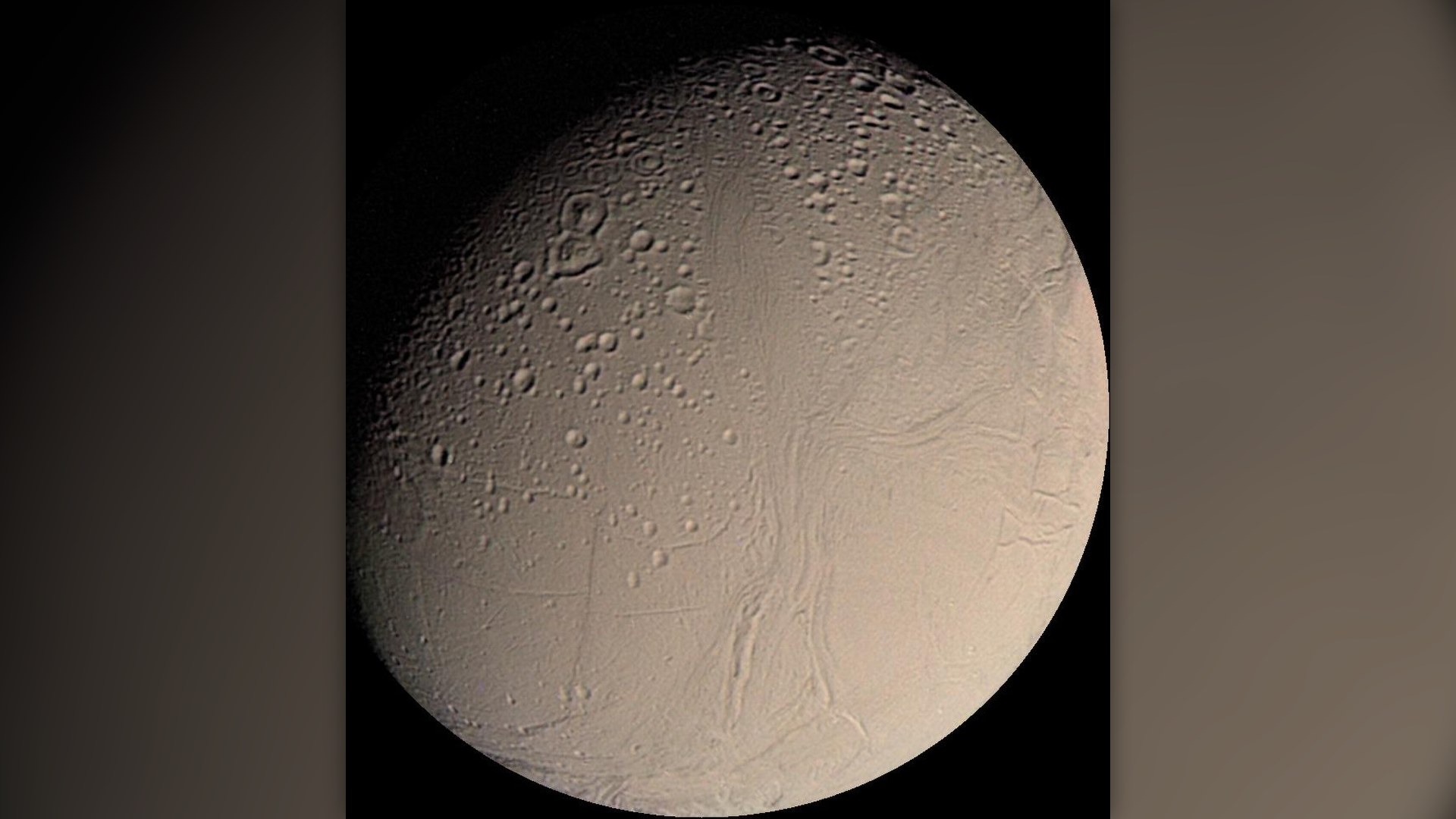
During its Saturn flyby on November 12, 1980, Voyager 1 observed regions on Enceladus lacking heavy impact craters. The smooth plains suggested internal thermal heating had wiped away ancient scars. Decades later, the Cassini mission confirmed active cryovolcanic plumes in those zones.
#12 Mimas Massive Herschel Impact Basin
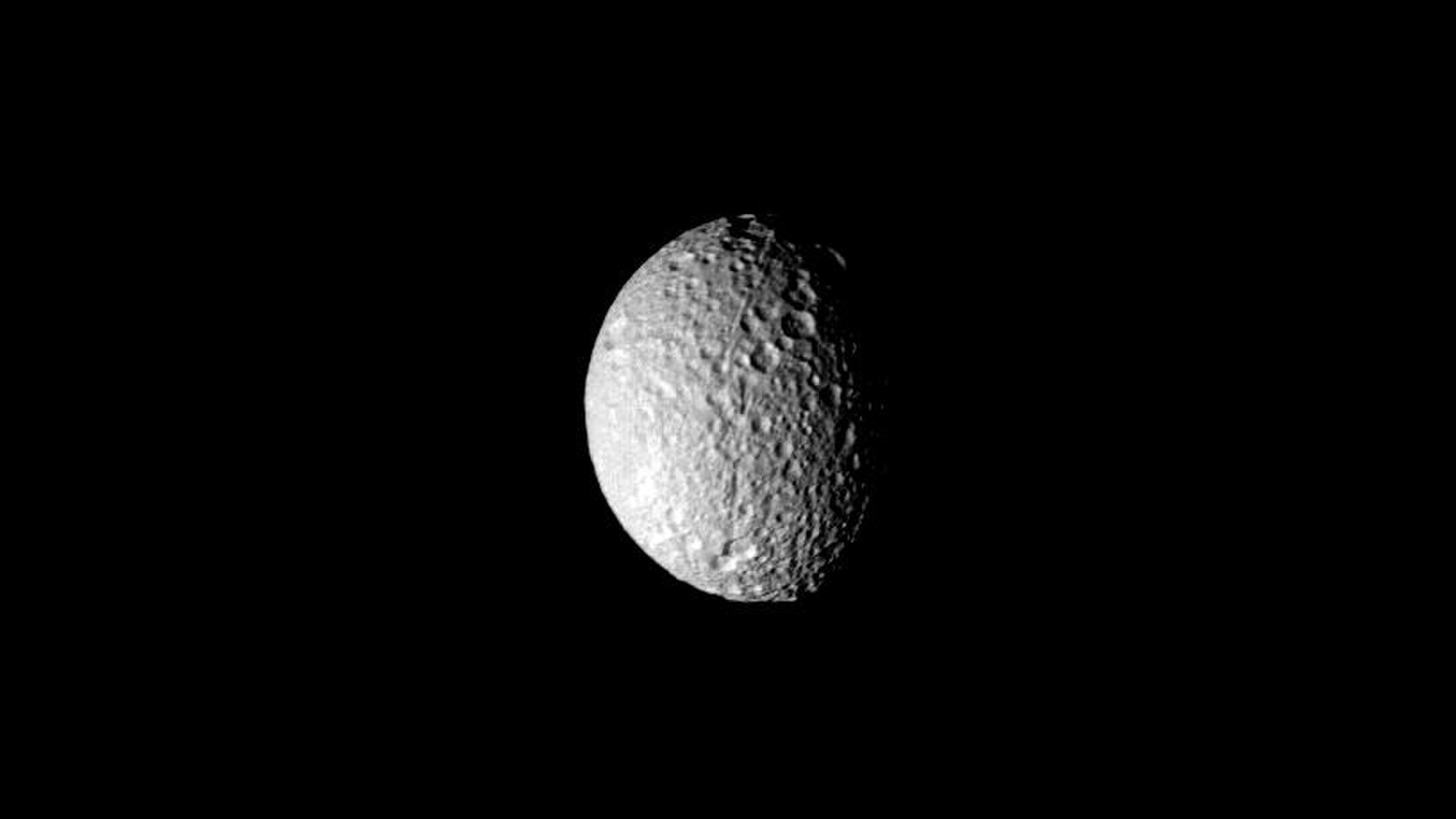
Voyager 1 made its closest approach to Mimas on November 12, 1980, from a range of 55,000 miles. It captured the 80-mile-wide Herschel crater, which spans nearly one-third of the moon's total diameter. The impact nearly shattered the tiny world, leaving towering mountain walls behind.
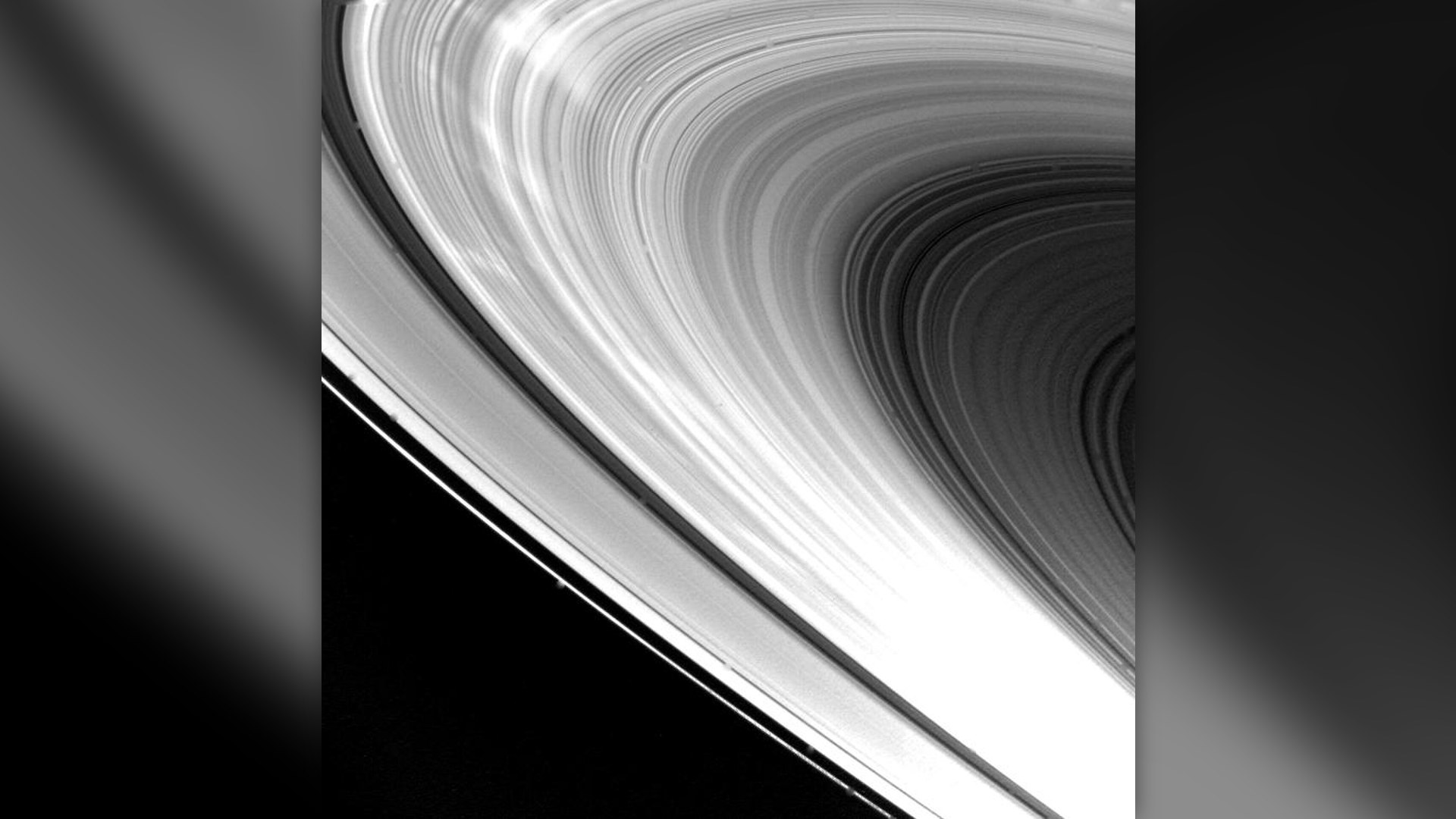
#11 Saturn Ring Spokes Mystery In Motion
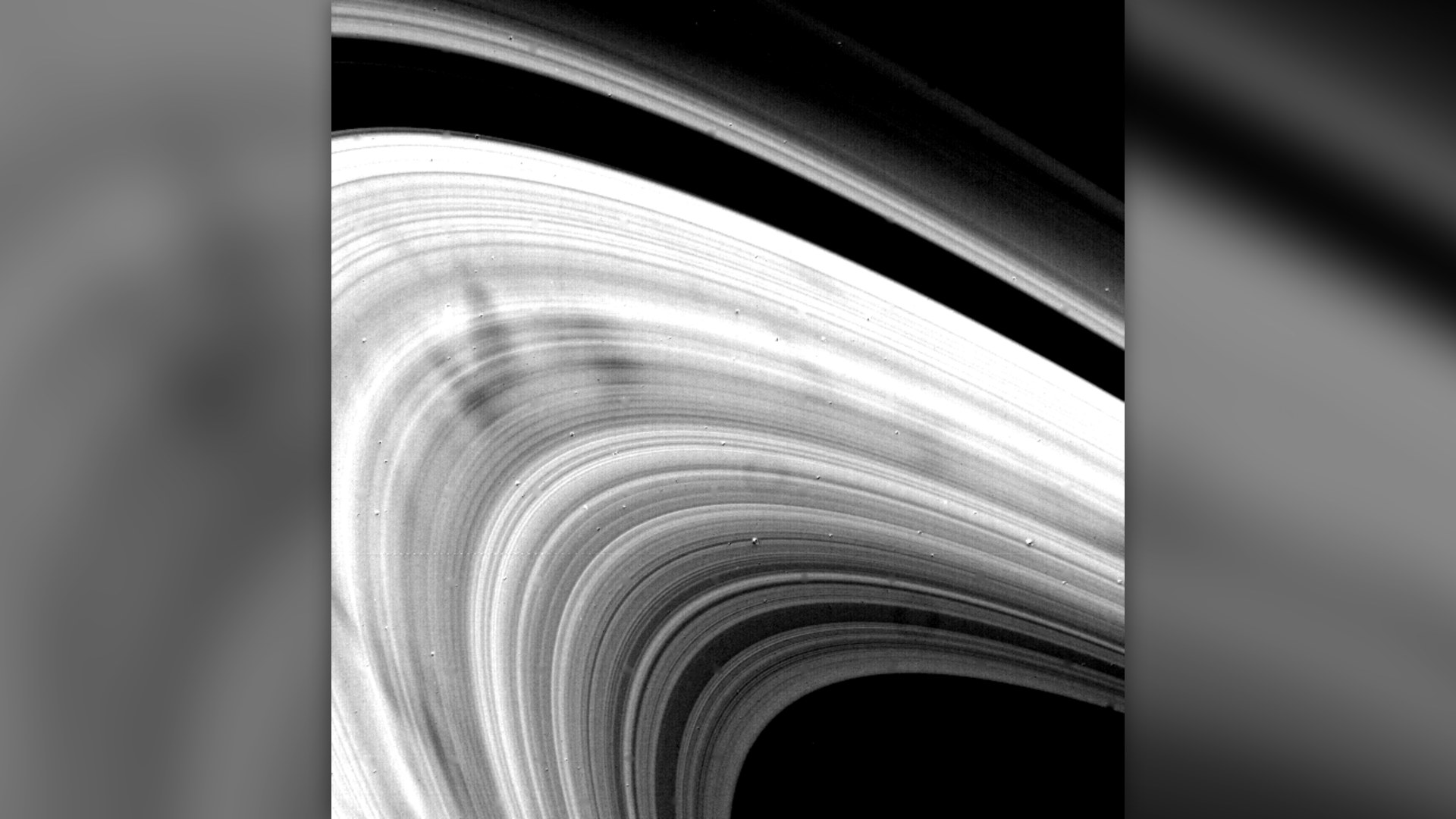
In October 1980, cameras on Voyager 1 recorded dark spoke-like features rotating across Saturn's B ring. Scientists determined that electrostatic forces lift microscopic dust grains above the main ring plane. The markings vanish and reappear based on Saturn's seasons and magnetic cycles.
#10 Saturn Atmospheric Cloud Ribbons
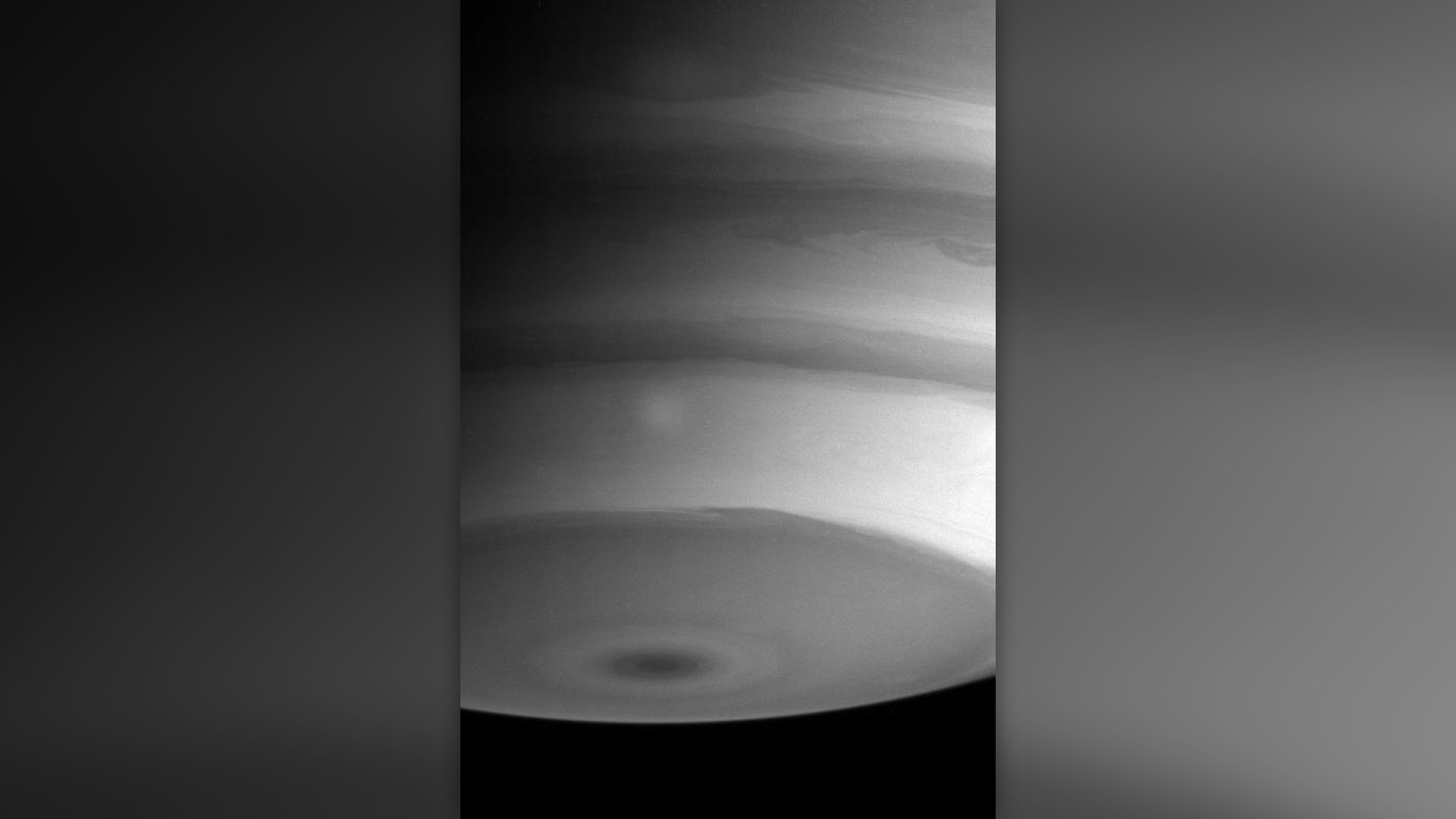
Voyager 1 reached closest approach to Saturn on November 12, 1980, skimming within 77,000 miles of the cloud tops. False-color filters revealed equatorial jet streams racing at 1,000 miles per hour. That speed is five times faster than the winds measured on neighboring planet Jupiter.
#9 Titan Dense Nitrogen Atmosphere Haze
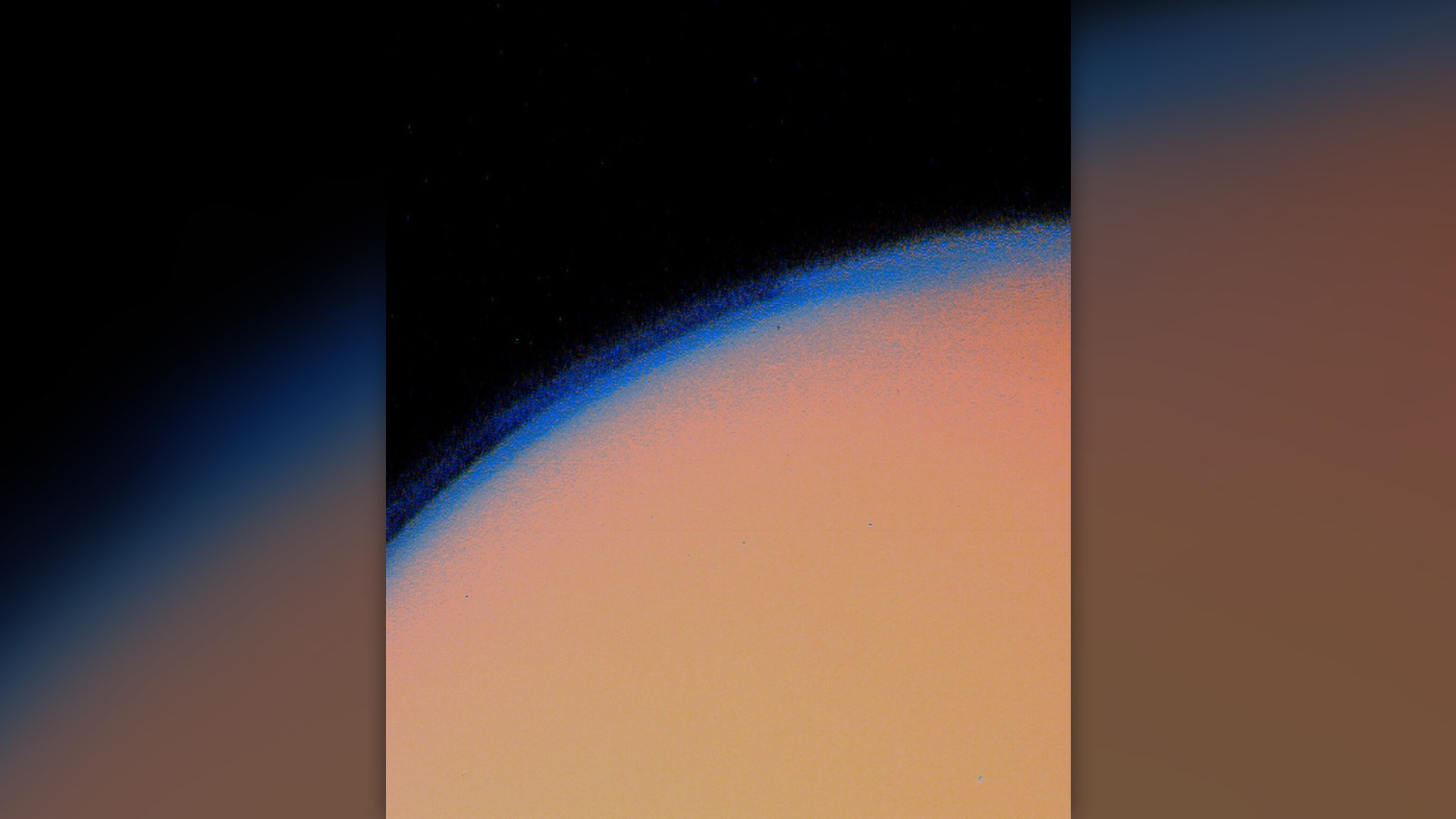
Voyager 1 made a close flyby of Titan on November 12, 1980, passing just 4,000 miles above the surface. Cameras revealed a featureless orange sphere covered in dense photochemical nitrogen haze. The encounter redirected Voyager 1 out of the ecliptic plane toward deep interstellar space.
#8 Crescent Saturn And Ring Shadow Silhouette
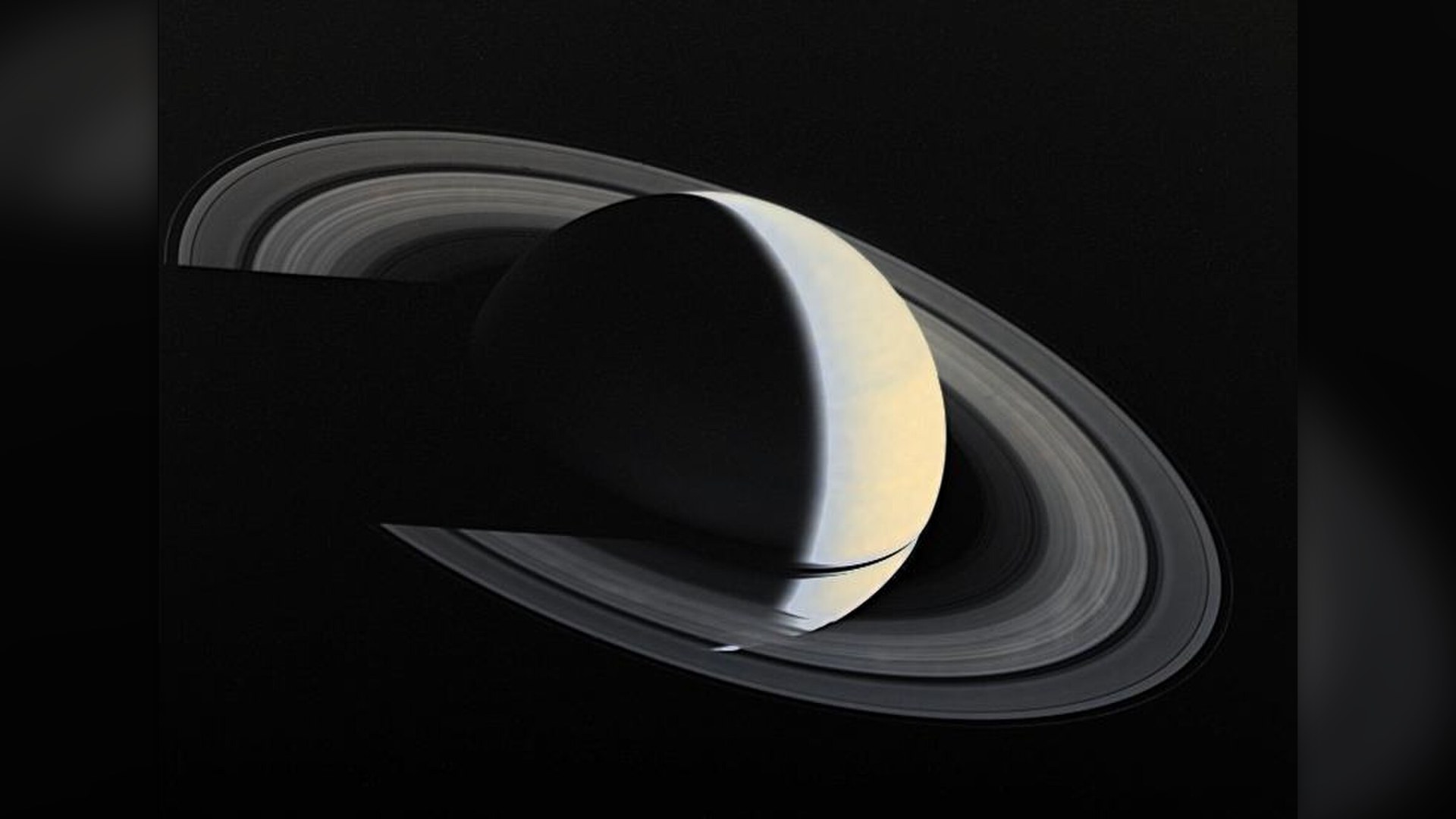
On November 16, 1980, Voyager 1 turned around to capture Saturn from behind as the spacecraft flew upward. The geometry produced a crescent world casting a dark diagonal shadow across its brilliant ring plane. No telescope on Earth had ever viewed the ringed planet from this vantage point.
#7 Jupiter Great Red Spot Storm Dynamics
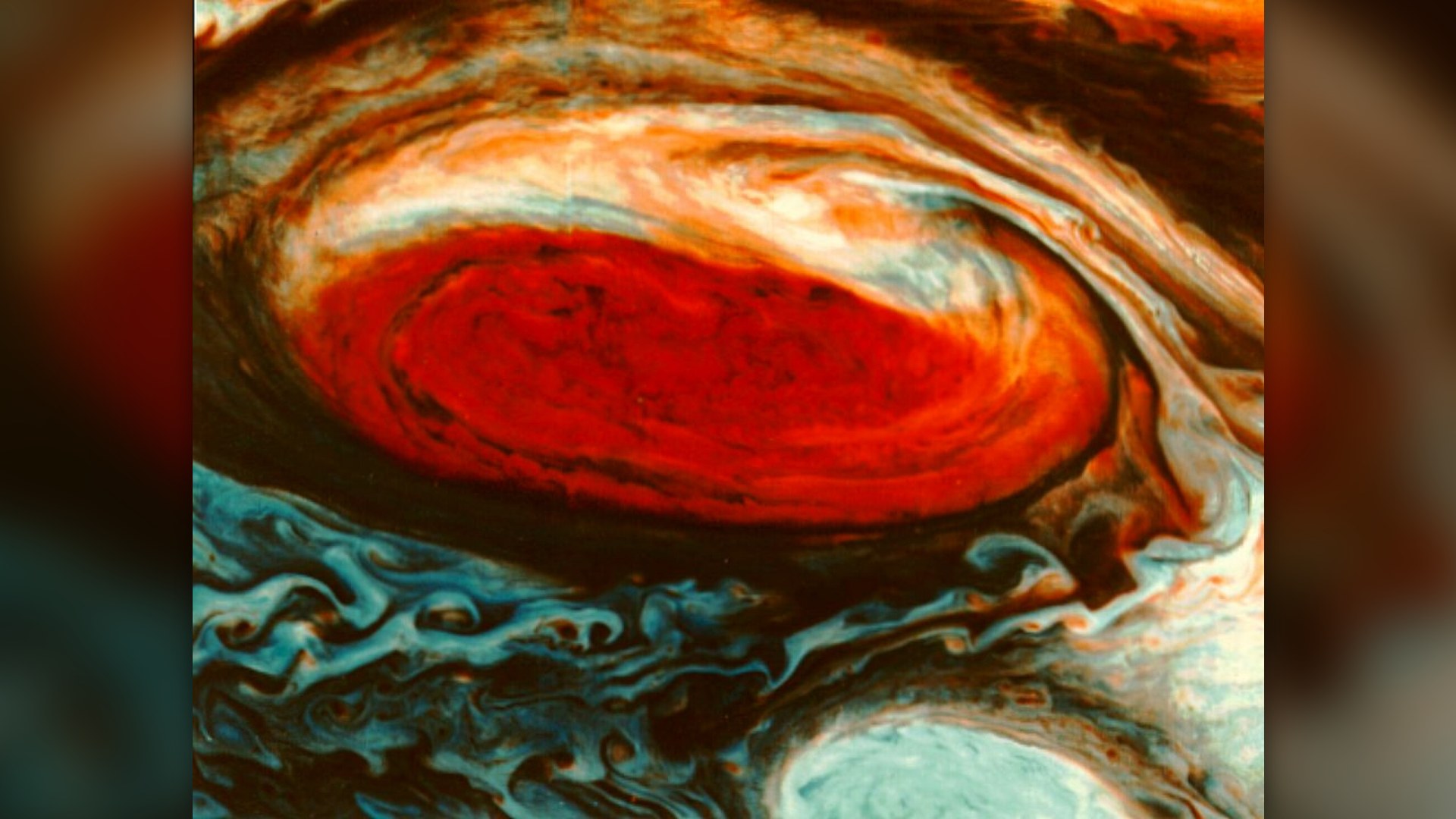
Voyager 1 swept past Jupiter on March 5, 1979, capturing intricate turbulence around the Great Red Spot. The storm spans wider than planet Earth and rotates counterclockwise every six days. White ovals and swirling filamentary clouds showed complex weather systems at massive scales.
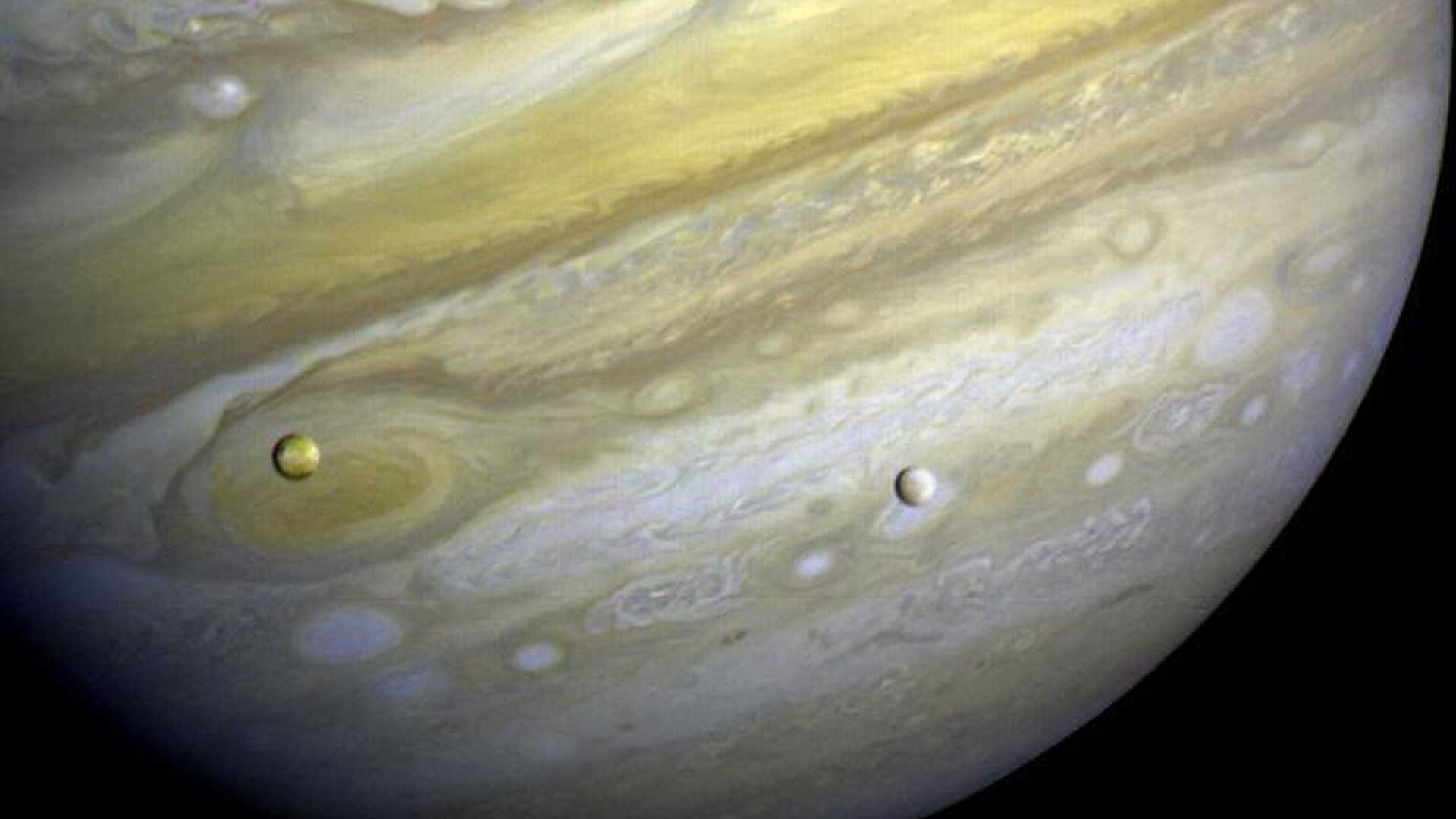
#6 Io Active Volcano Loki Patera And Pele Plumes
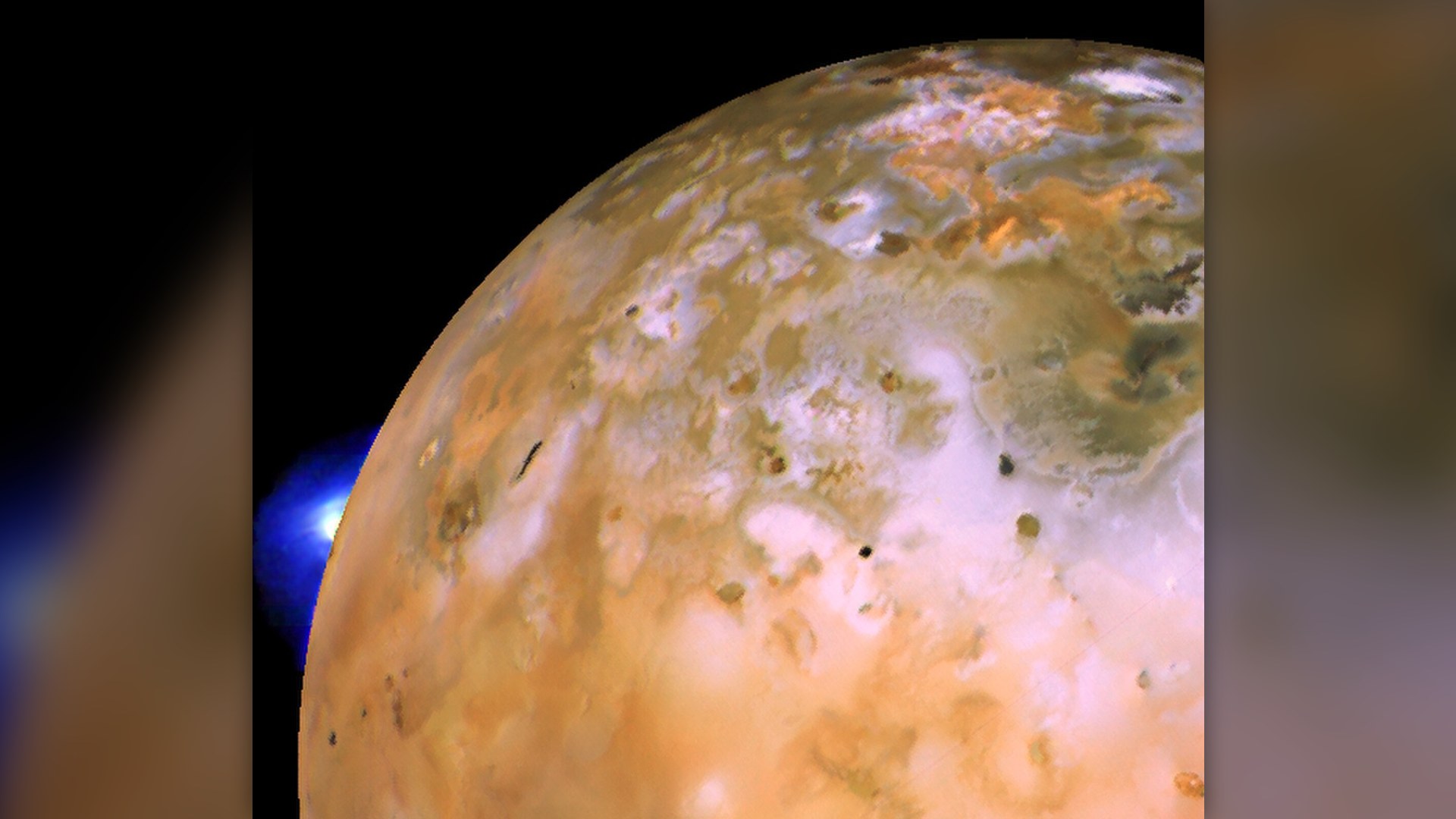
Navigator Linda Morabito spotted an erupting plume on Io while processing Voyager 1 images on March 9, 1979. Giant sulfur geysers shot material 180 miles into space at speeds exceeding 2,000 miles per hour. Tidal gravitational flexing from Jupiter powers this constant volcanic renewal.
#5 Saturn Braided F Ring Strands
As Voyager 1 skimmed past Saturn in November 1980, it photographed the faint F Ring discovered by Pioneer 11. The narrow ring displayed braided strands and clumped knots held in place by tiny shepherd moons. The structure overturned classical models of uniform planetary ring behavior.
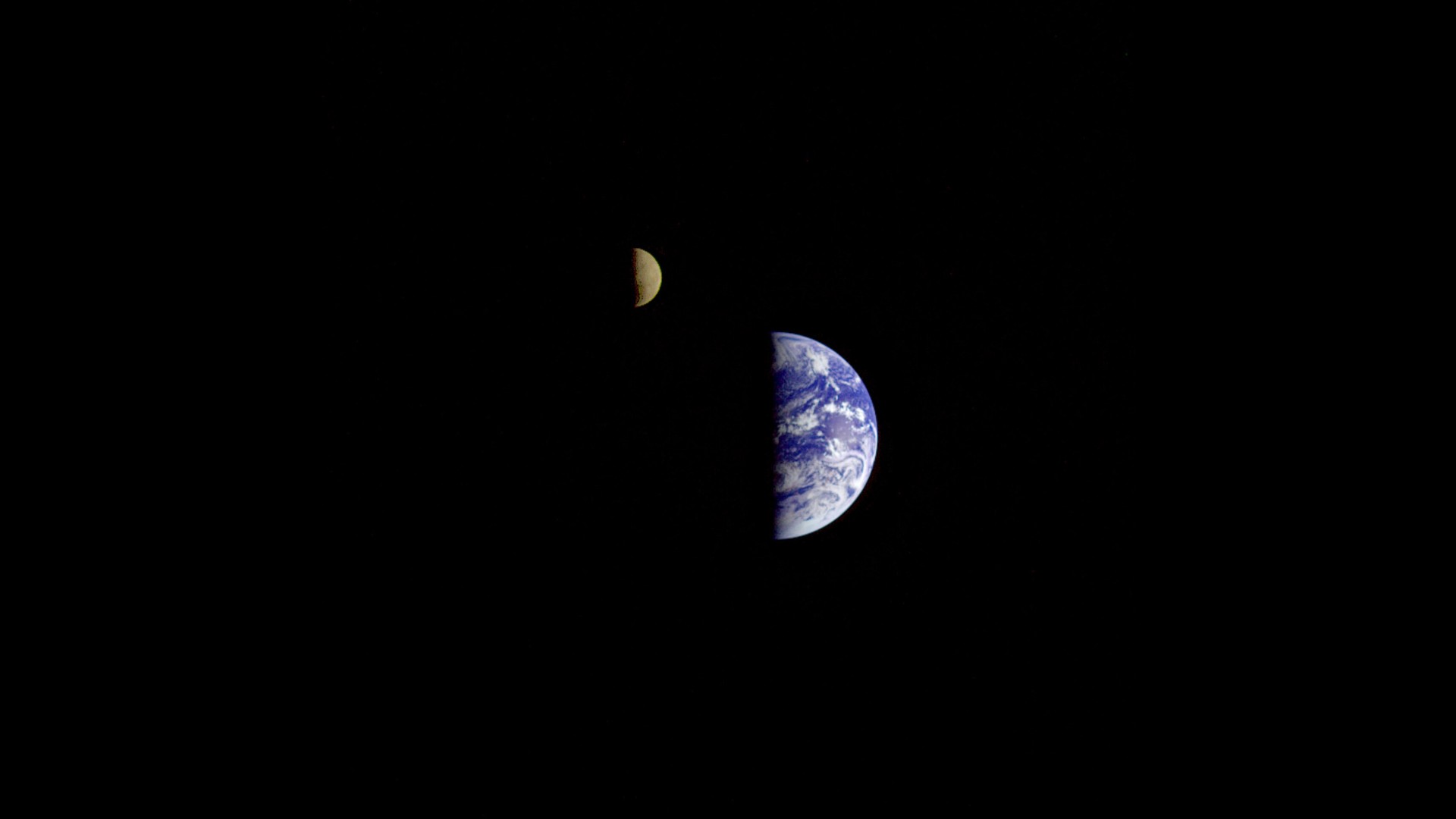
#4 Earth And Moon In A Single Frame
On September 18, 1977, just 13 days after launch, Voyager 1 looked back from a distance of 7.25 million miles. The camera captured Earth and its crescent Moon together in a single photographic frame. The image provided humanity with a fresh perspective on our isolation in the cosmos.
#3 Neptune At The Solar System Frontier
On February 14, 1990, Voyager 1 pointed its narrow-angle camera toward Neptune, roughly 3.5 billion miles away. The blue planet appeared as a tiny circular dot against a field of empty space. This frame formed part of a 60-frame mosaic capturing six planets from beyond the outer rim.
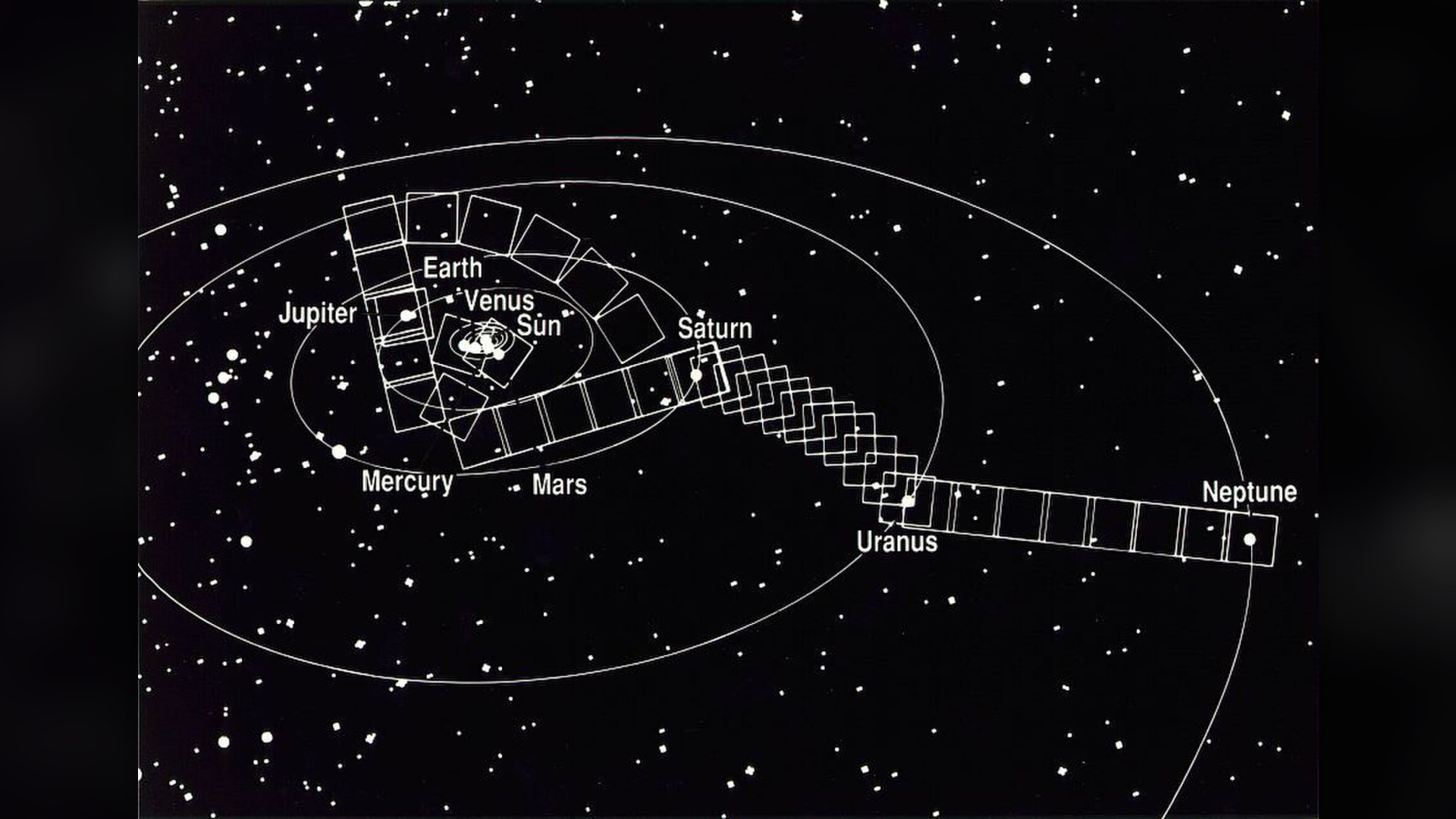
#2 Solar System Family Portrait Mosaic
Voyager 1 completed a 60-frame series on February 14, 1990, looking back across four billion miles of space. The mosaic captured Neptune, Uranus, Saturn, Jupiter, Earth, and Venus in their orbital paths. NASA permanently shut down the cameras afterward to conserve electric battery power.
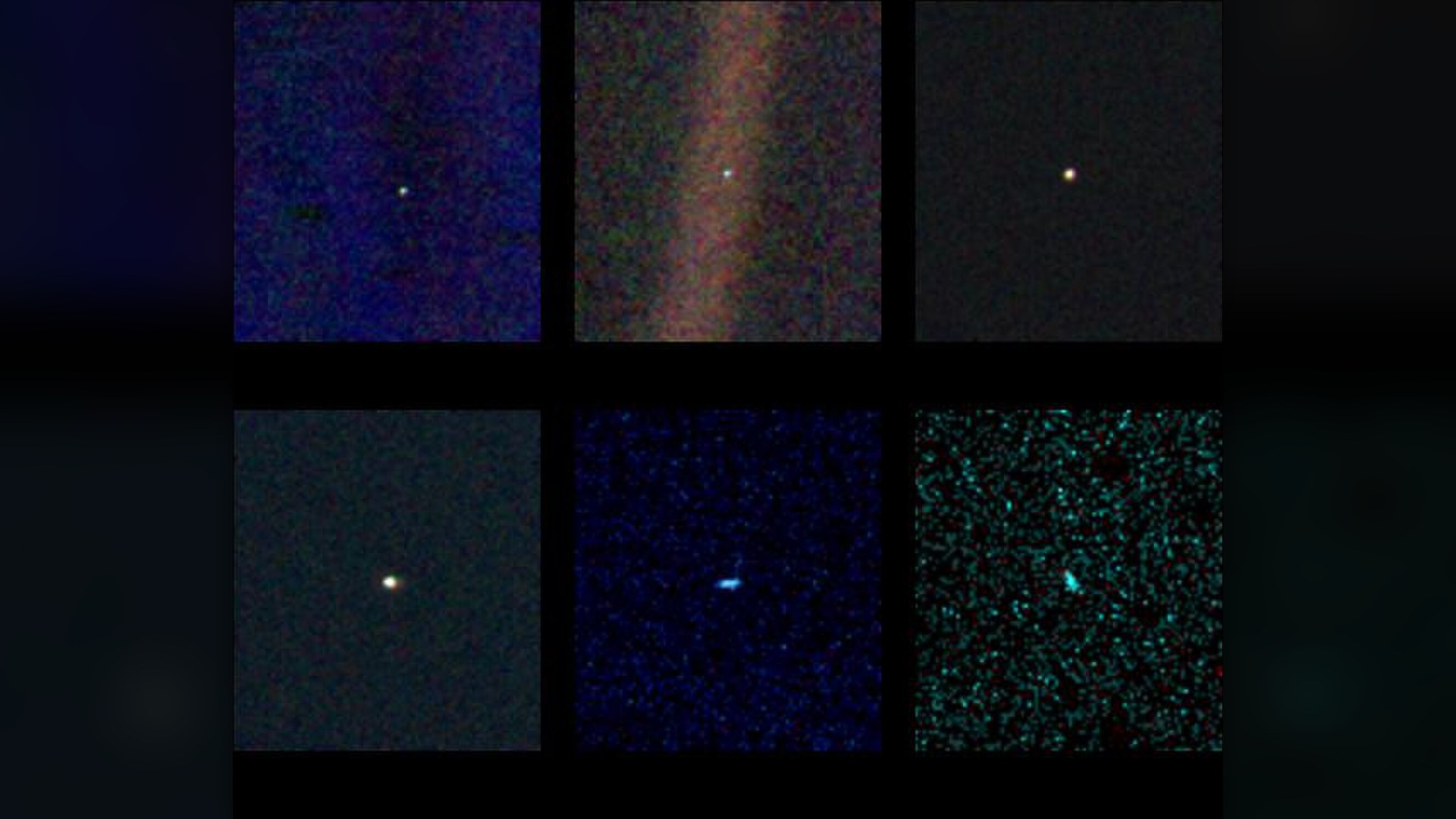
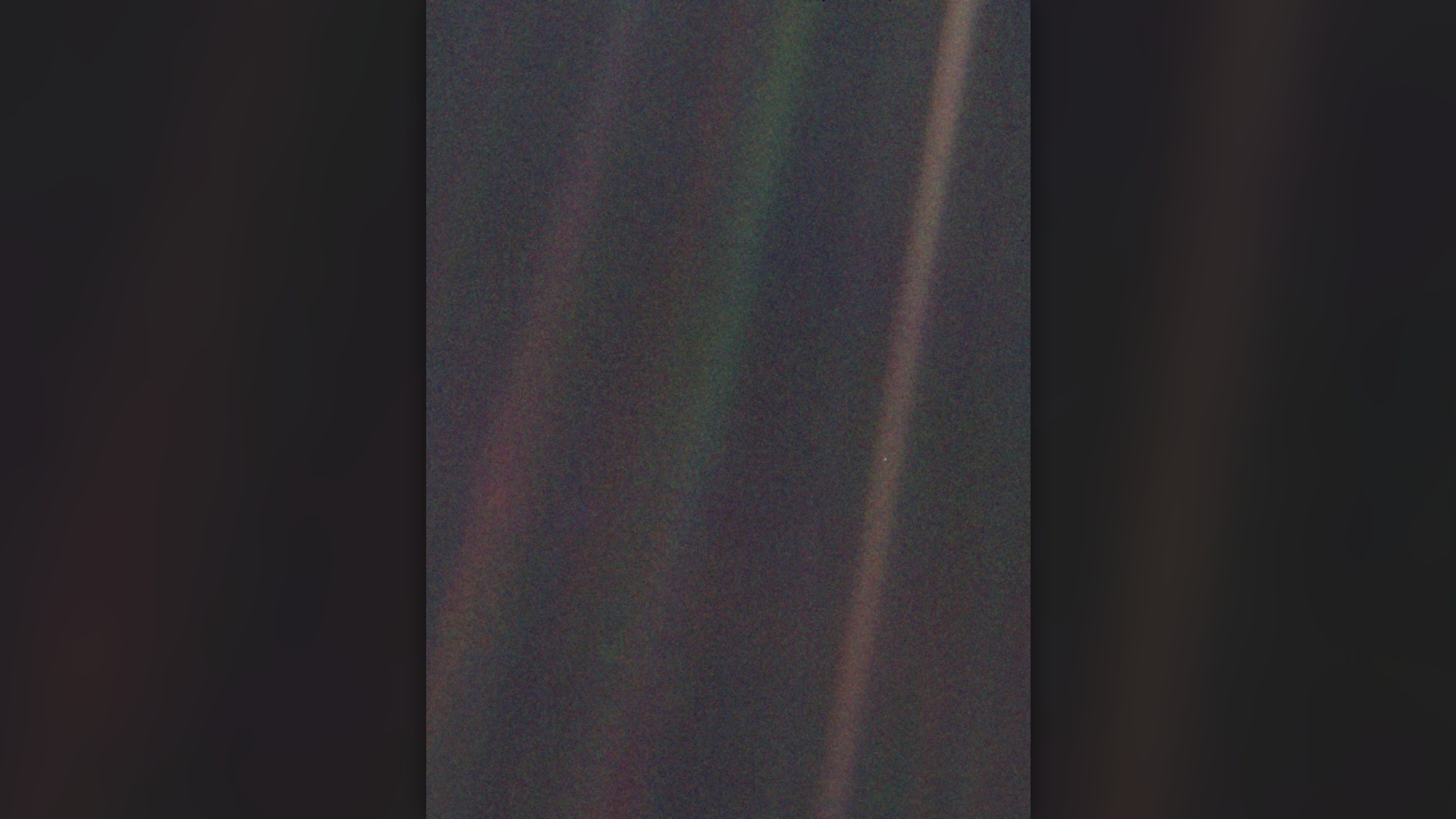
#1 Pale Blue Dot Earth From Four Billion Miles
Carl Sagan urged NASA to turn Voyager 1 toward Earth for one last photo on February 14, 1990. Taken from 3.7 billion miles away, Earth occupied less than a single pixel amid scattered sunbeams. The image captures every human life and historical event on a lonely speck of dust in deep space.