Slideshow · Lifestyle
20 Reasons American Shopping Malls Are Becoming Popular Across the Country
American shopping malls are staging a major revival across the country by transforming into dining, fitness, and entertainment destinations. Foot traffic is climbing as operators replace empty department stores with grocery outlets, sports facilities, and housing. Based on reporting by CNBC, Bloomberg, and CoStar.
By Most Viral Today
48 min ago

How Suburban Retail Hubs Reinvented Themselves for Modern Shoppers 
20. Pop-Up Boutiques And Local Markets 
19. Electric Vehicle Charging Hubs 
18. On-Site Medical And Wellness Clinics - AdvertisementSwipe or tap ▶ to continue countdown

17. High-End Co-Working Spaces 
16. Indoor Pickleball And Sports Arenas 
15. Climate-Controlled Social Walking Spaces 
14. Grocery Stores As Anchor Tenants - AdvertisementSwipe or tap ▶ to continue countdown

13. Luxury Cinema And Theater Concepts 
12. Boutique Fitness Studios And Gyms 
11. Omnichannel Return And Pickup Hubs 
10. Premium Dining And Artisanal Food Halls - AdvertisementSwipe or tap ▶ to continue countdown

9. Residential Apartments And Mixed-Use Living 
8. Immersive Art And Digital Exhibits 
7. Gen Z And Teen Social Gathering Spots 
6. Digitally Native Brands Opening Physical Stores - AdvertisementSwipe or tap ▶ to continue countdown

5. Massive Family Entertainment Centers 
4. Luxury Flagship And Designer Stores 
3. Community Events And Live Concerts 
2. Escape From Online Shopping Fatigue - AdvertisementSwipe or tap ▶ to continue countdown

1. Experiential Retail Replacing Pure Commerce - Advertisement🔥 UP NEXT IN THIS SERIES◫ 21 Slides

20 Handmade Christmas Decorations People Are Making at Home
Rising holiday retail costs prompted millions of households to craft their own festive ornaments, garlands, and table centerpieces using natural botanicals and recycled paper. This curated gallery explores twenty handmade projects based on design reporting from Better Homes & Gardens and Martha Stewart Living.
American shopping malls are staging a major revival across the country by transforming into dining, fitness, and entertainment destinations. Foot traffic is climbing as operators replace empty department stores with grocery outlets, sports facilities, and housing. Based on reporting by CNBC, Bloomberg, and CoStar.
Swipe or tap ▶ to begin the countdown
©Wikimedia / Tyler Vigen
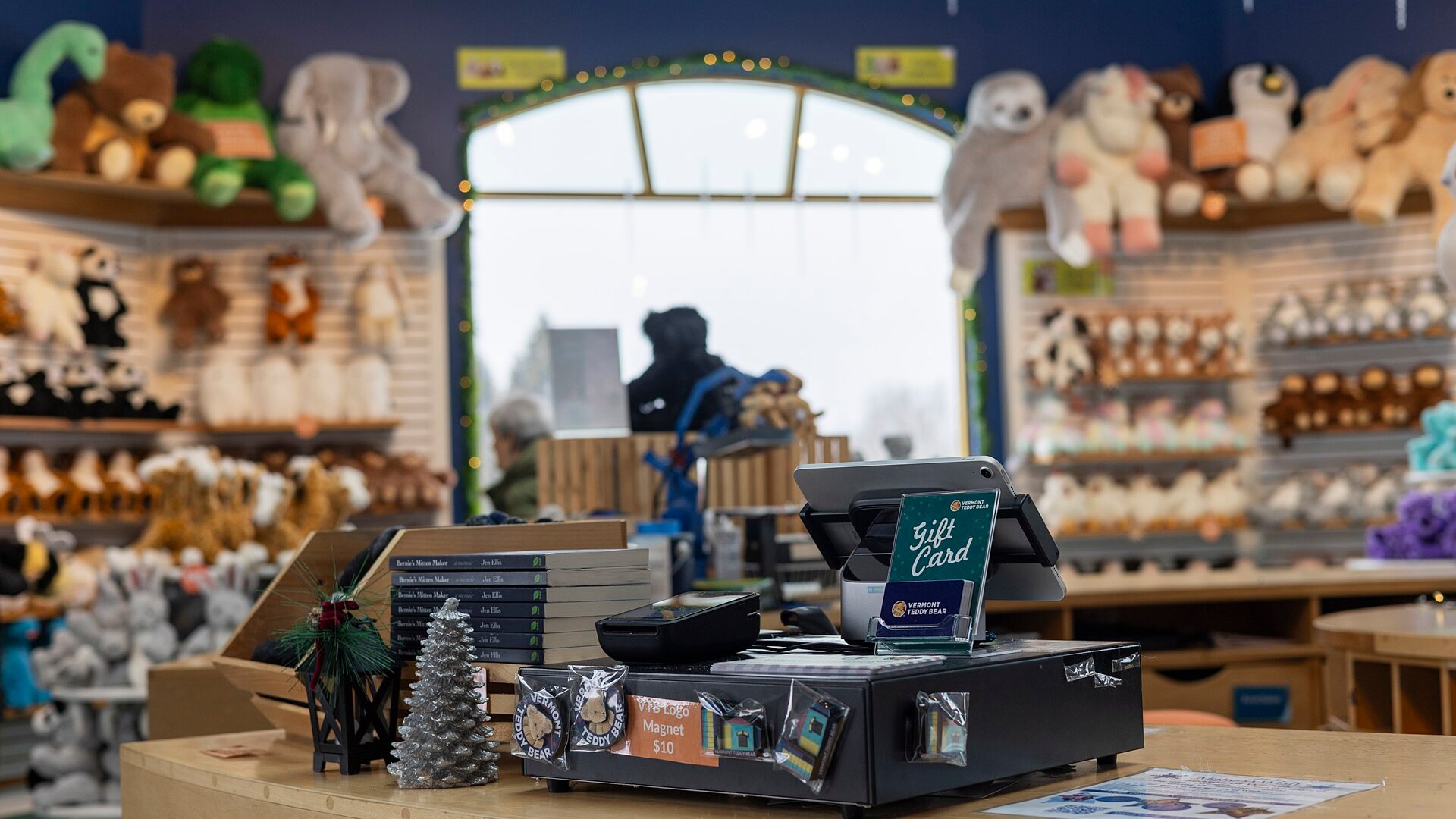
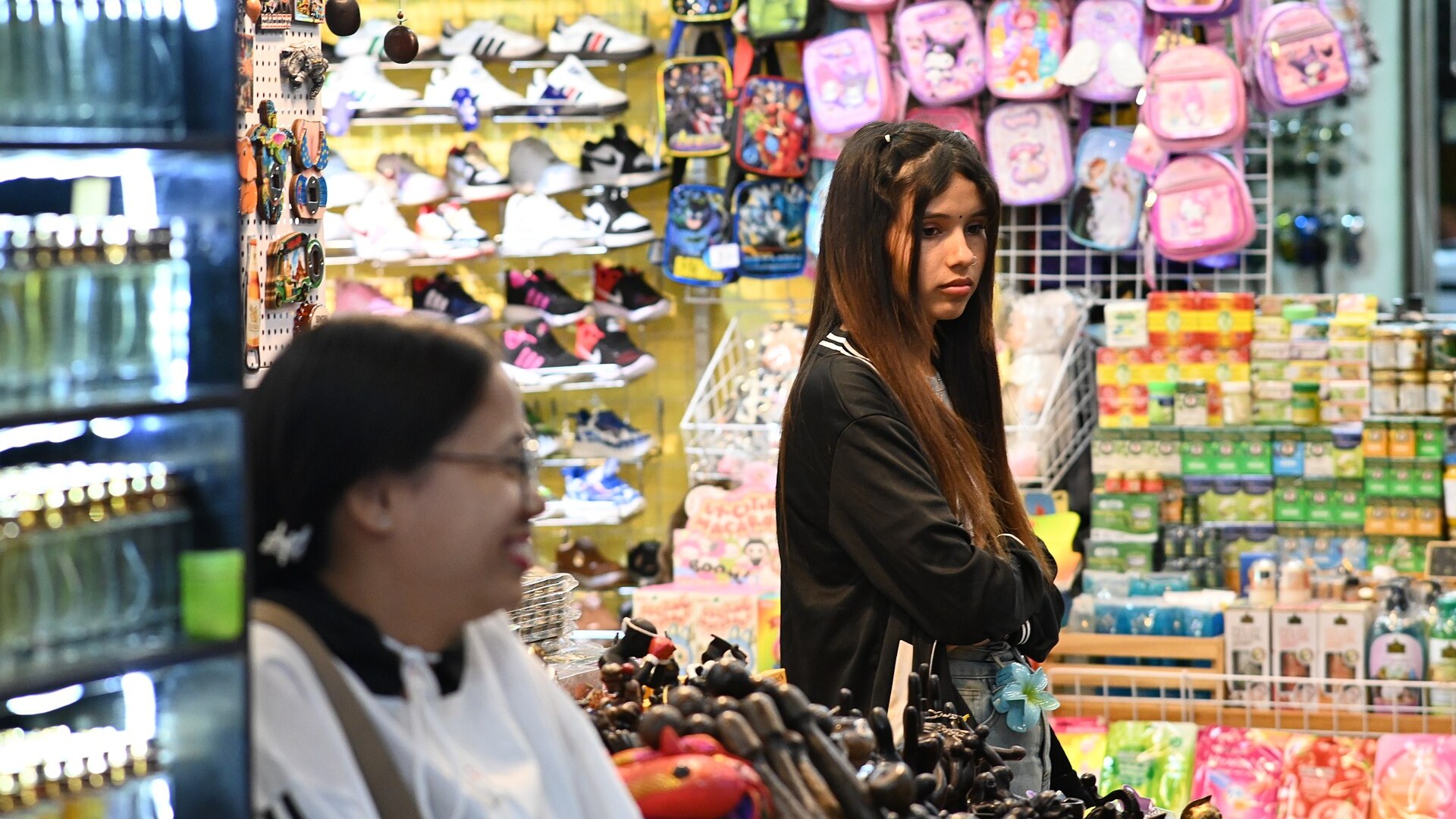
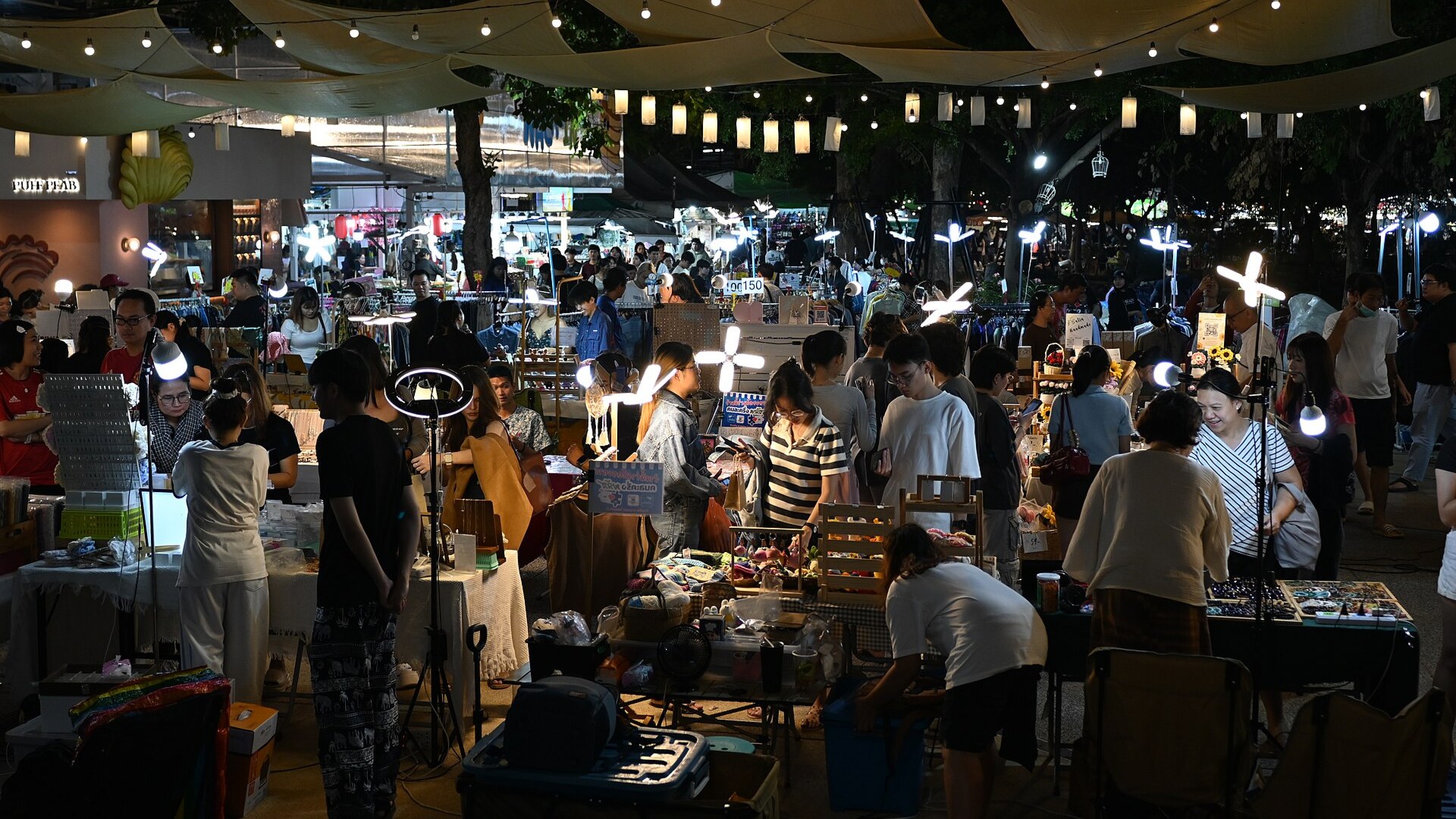
20. Pop-Up Boutiques And Local Markets
Mall landlords now allocate open concourses to independent artisans and seasonal retailers. According to ICSC industry data, rotating pop-ups increase weekly repeat shopper visits by twelve percent while giving local entrepreneurs low-risk physical retail space.
©Wikimedia / PattayaPatrol
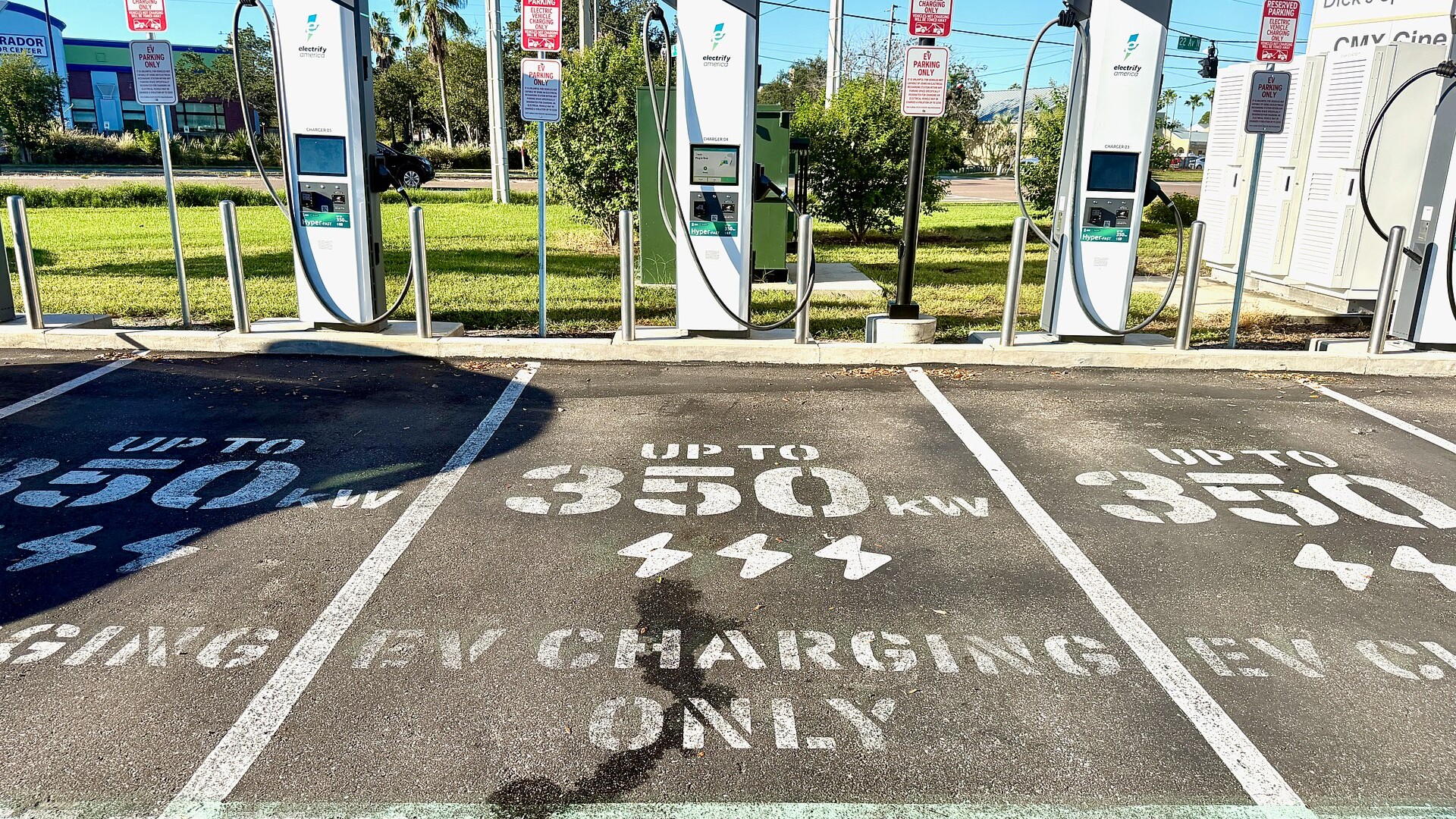
19. Electric Vehicle Charging Hubs
Property managers are installing banks of high-speed chargers from networks like Tesla and Electrify America. Bloomberg reports that EV drivers spend an average of thirty-five minutes shopping or dining inside the property while their vehicles recharge.
©Wikimedia / Oleg Yunakov
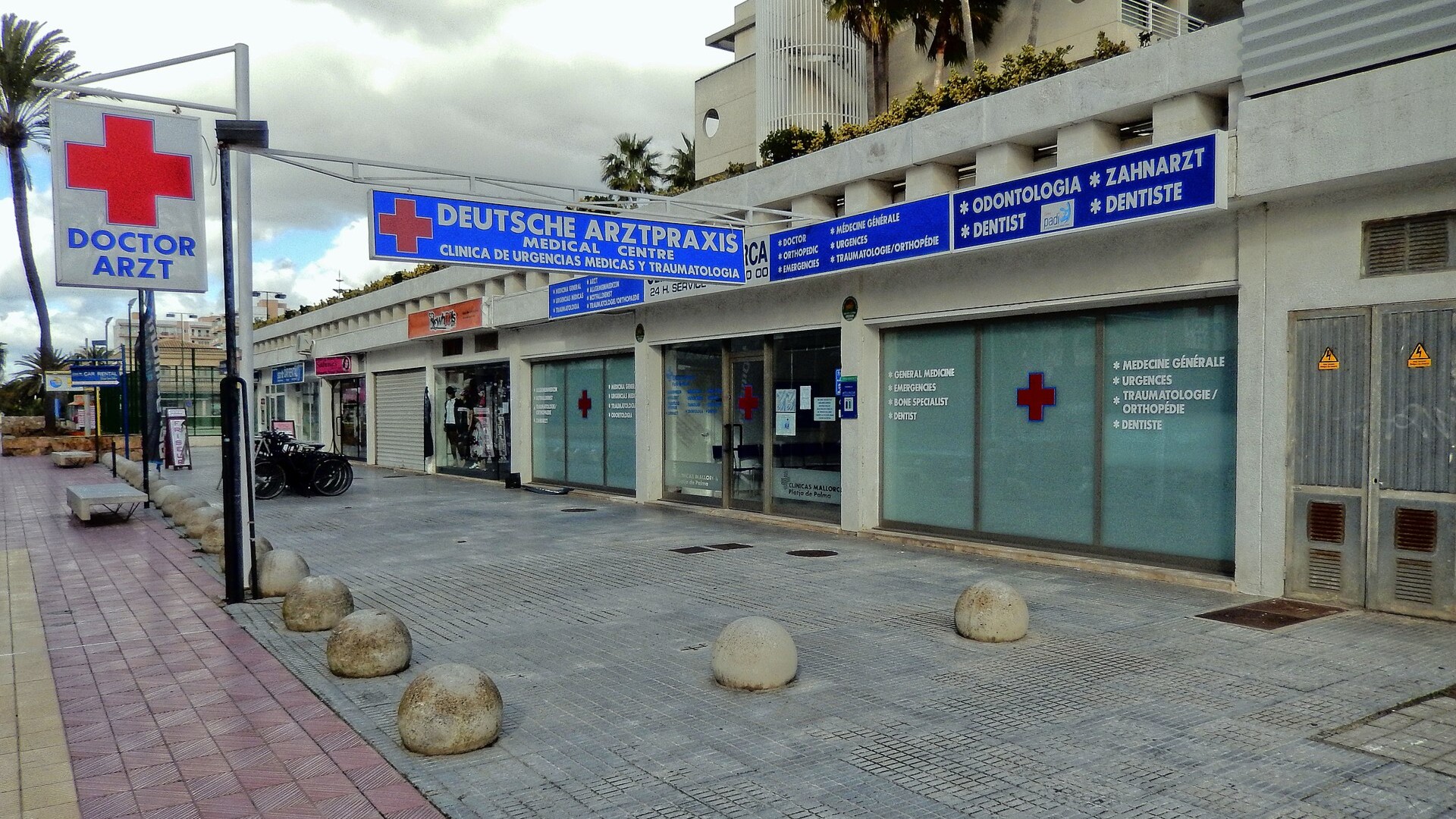
18. On-Site Medical And Wellness Clinics
Healthcare systems are leasing vacant storefronts for urgent care, dentistry, and diagnostic labs. CoStar real estate data shows healthcare leases in regional shopping centers expanded fifteen percent over the past three years, bringing predictable weekday foot traffic.
©Wikimedia / Ralf Roletschek
Advertisement
Swipe or tap ▶ to resume the countdown.
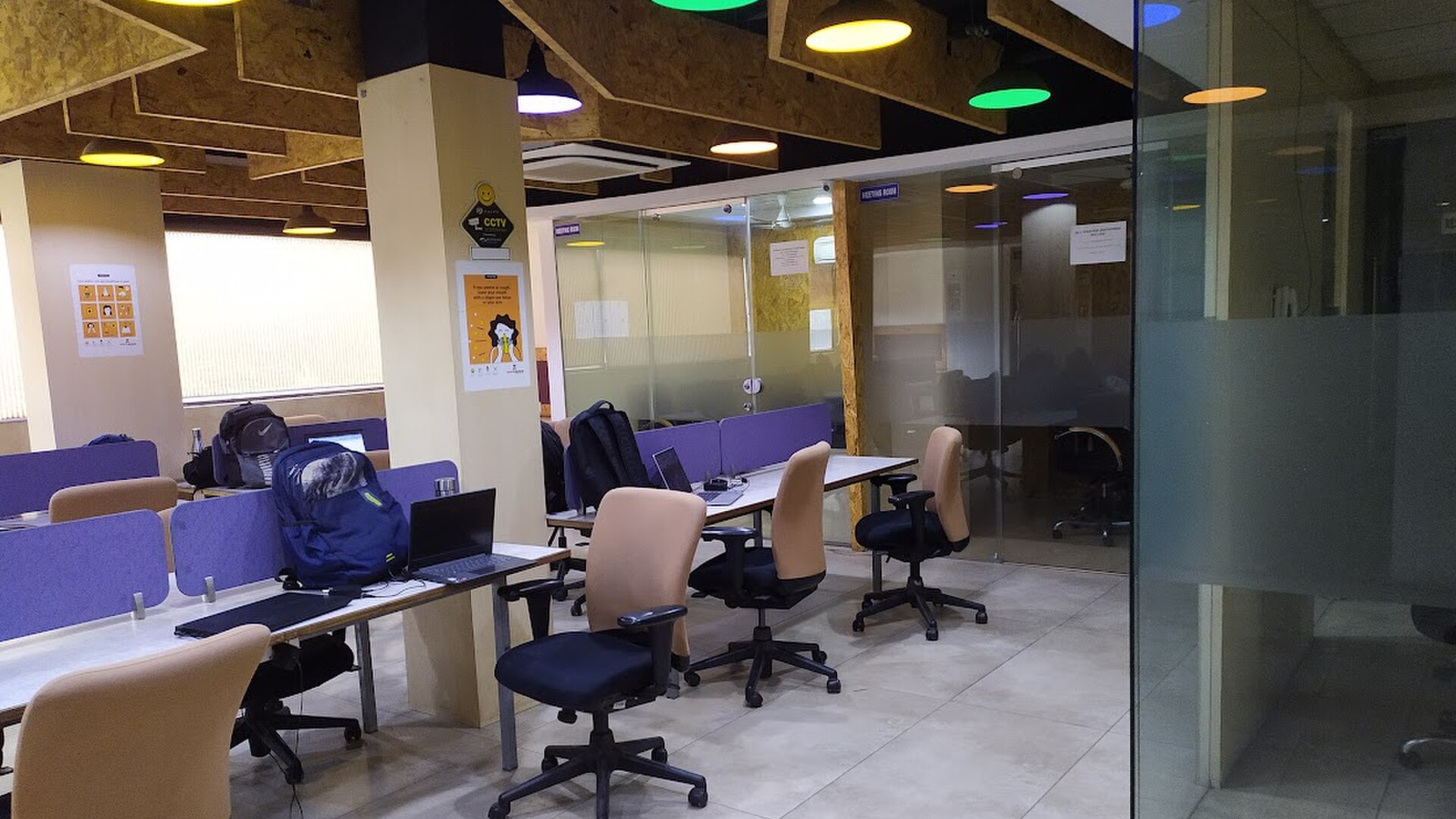
17. High-End Co-Working Spaces
Operators like Industrious have converted empty department store mezzanines into flexible workspaces. Remote workers gain private phone booths, high-speed internet, and immediate access to dining options, eliminating the isolation of working from home.
©Wikimedia / Thesocialtalks
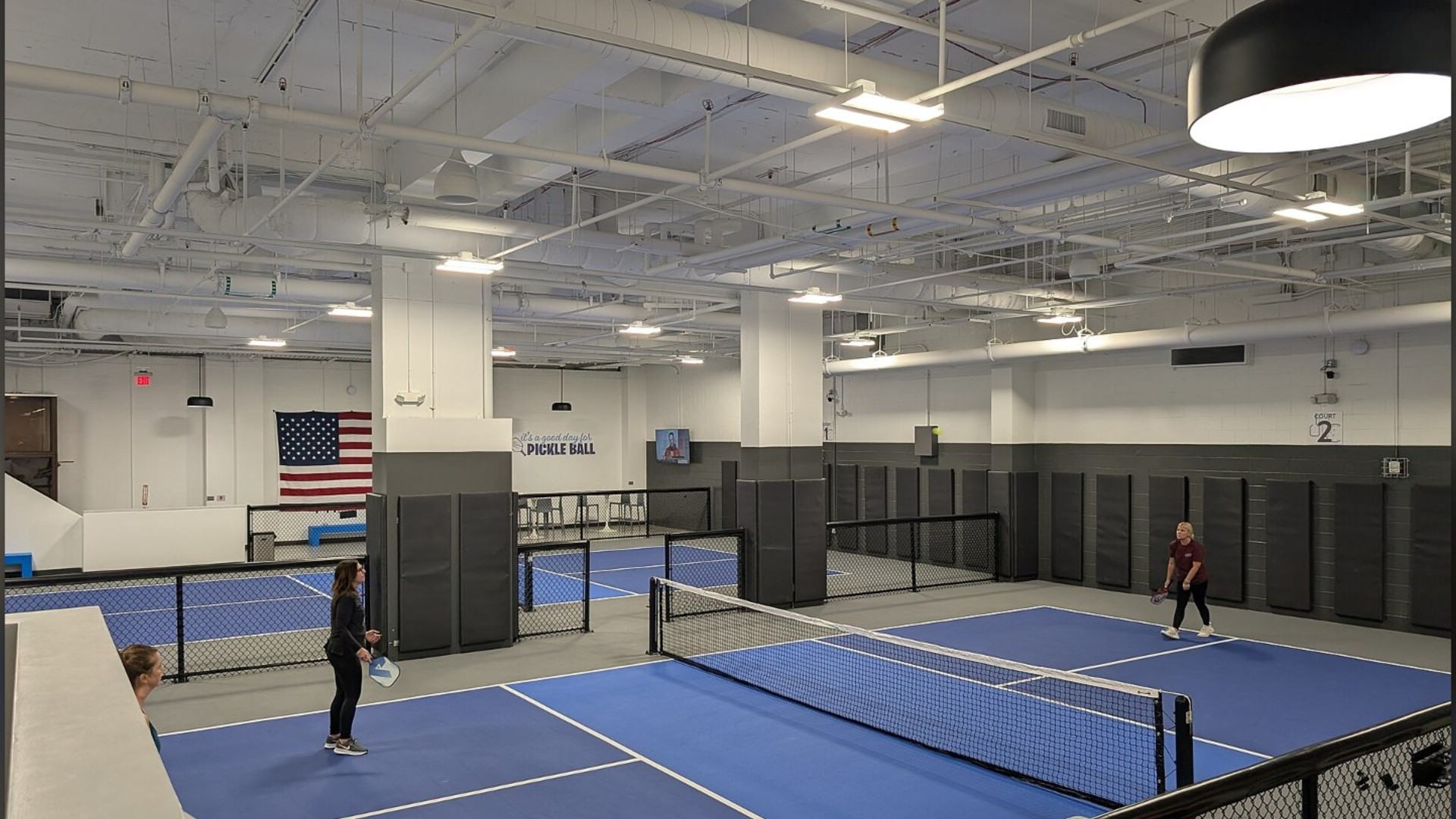
16. Indoor Pickleball And Sports Arenas
Pickleball clubs such as Camp Pickle and The Picklr have taken over empty anchor buildings across the country. CNBC reported that athletic facilities draw thousands of active visitors weekly who frequently stay to eat and socialize after matches.
©Wikimedia / MiracleMiles
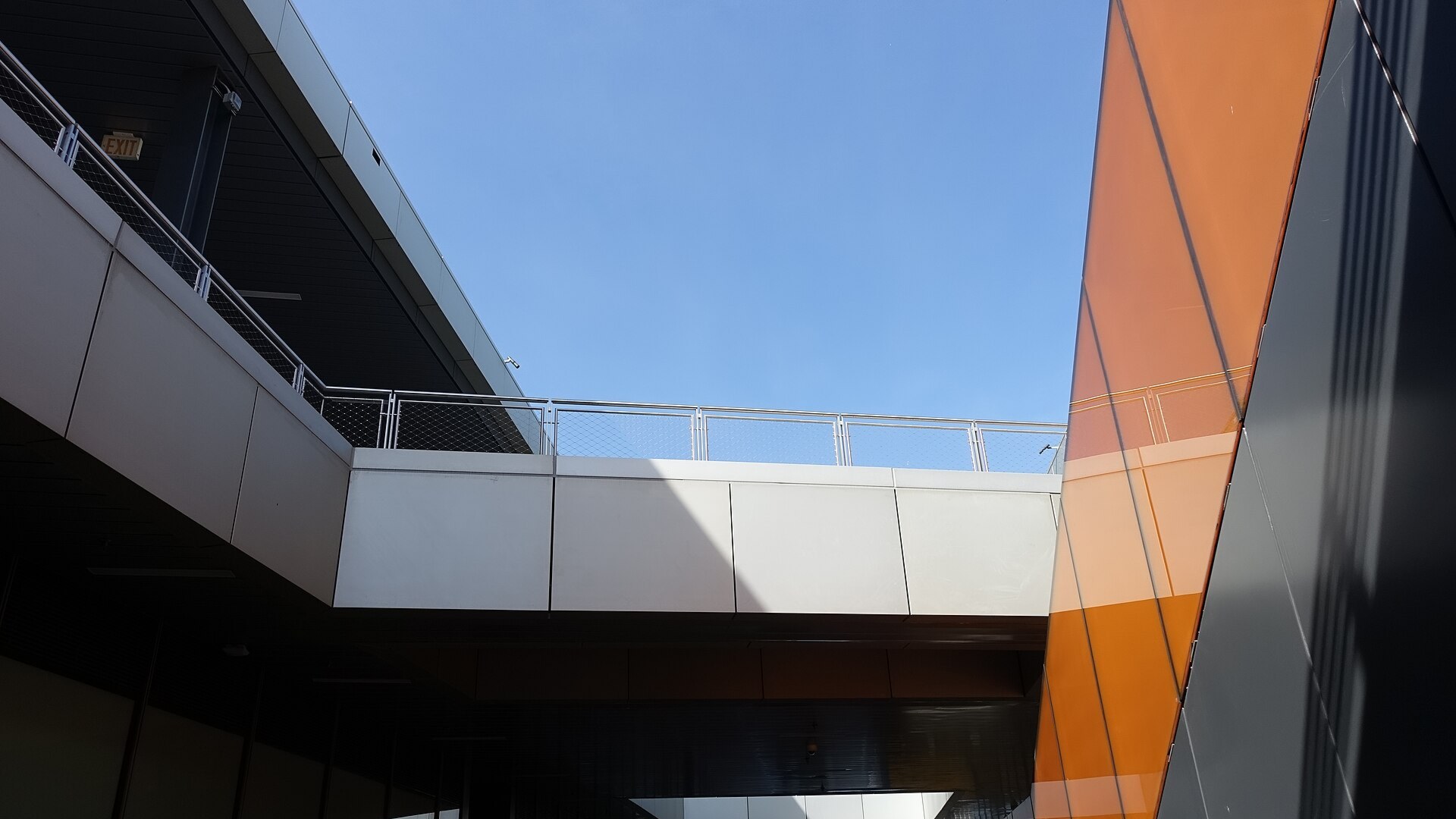
15. Climate-Controlled Social Walking Spaces
Enclosed indoor malls offer climate-controlled environments that protect visitors from summer heatwaves and winter storms. Community walking clubs and casual strollers log millions of steps annually in clean, secure settings with ample seating and clean restrooms.
©Wikimedia / Tdorante10
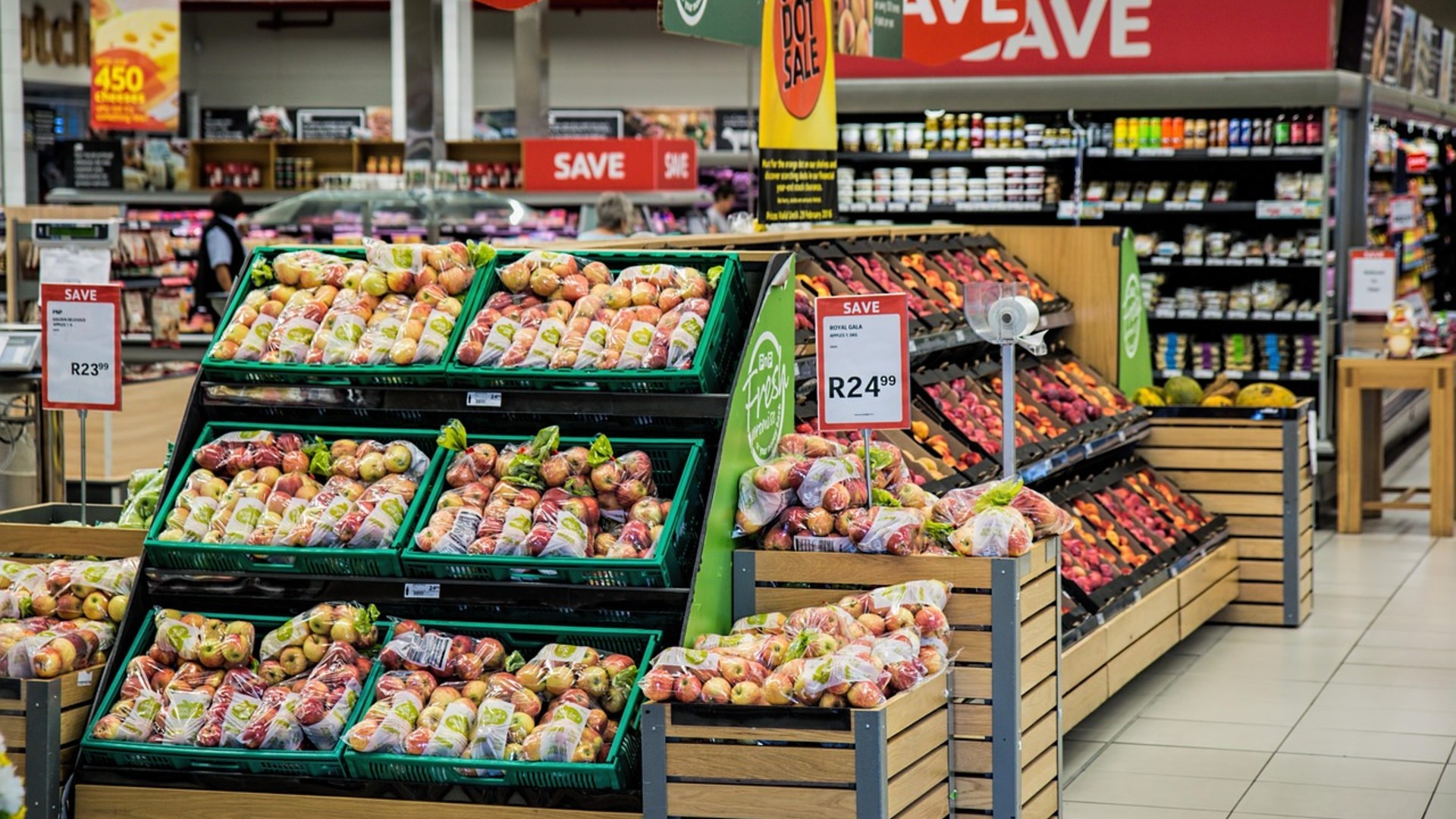
14. Grocery Stores As Anchor Tenants
Supermarket chains like Wegmans, Whole Foods, and Target have become primary anchor tenants in major malls. Placer.ai foot-traffic research confirms that adding a premier grocery store boosts weekly shopping center visitation frequencies by more than twenty percent.
©Pixabay / stevepb
Advertisement
Swipe or tap ▶ to resume the countdown.
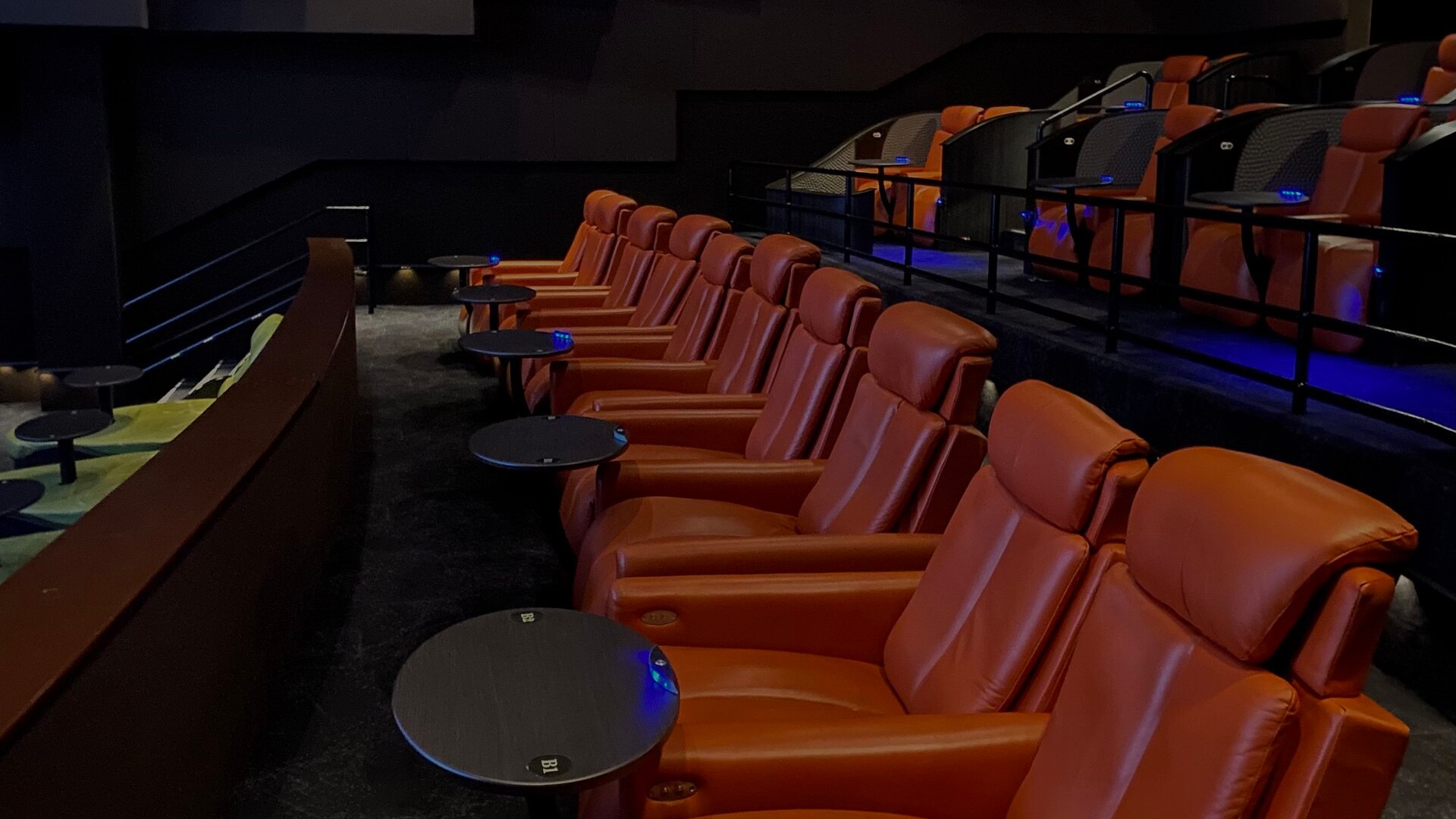
13. Luxury Cinema And Theater Concepts
Boutique cinema chains like Alamo Drafthouse and AMC Dine-In provide reserved plush seating, cocktails, and chef-crafted food delivered directly to seats. These entertainment venues keep parking decks full through late evening hours on weekdays and weekends alike.
©Wikimedia / Author0612
12. Boutique Fitness Studios And Gyms
Luxury gyms such as Life Time and Equinox now anchor upscale retail centers nationwide. Members visit three to four times weekly for workouts, spa treatments, and cafe dining, creating consistent weekday consumer spending for adjacent retailers.
©Pixabay / StockSnap
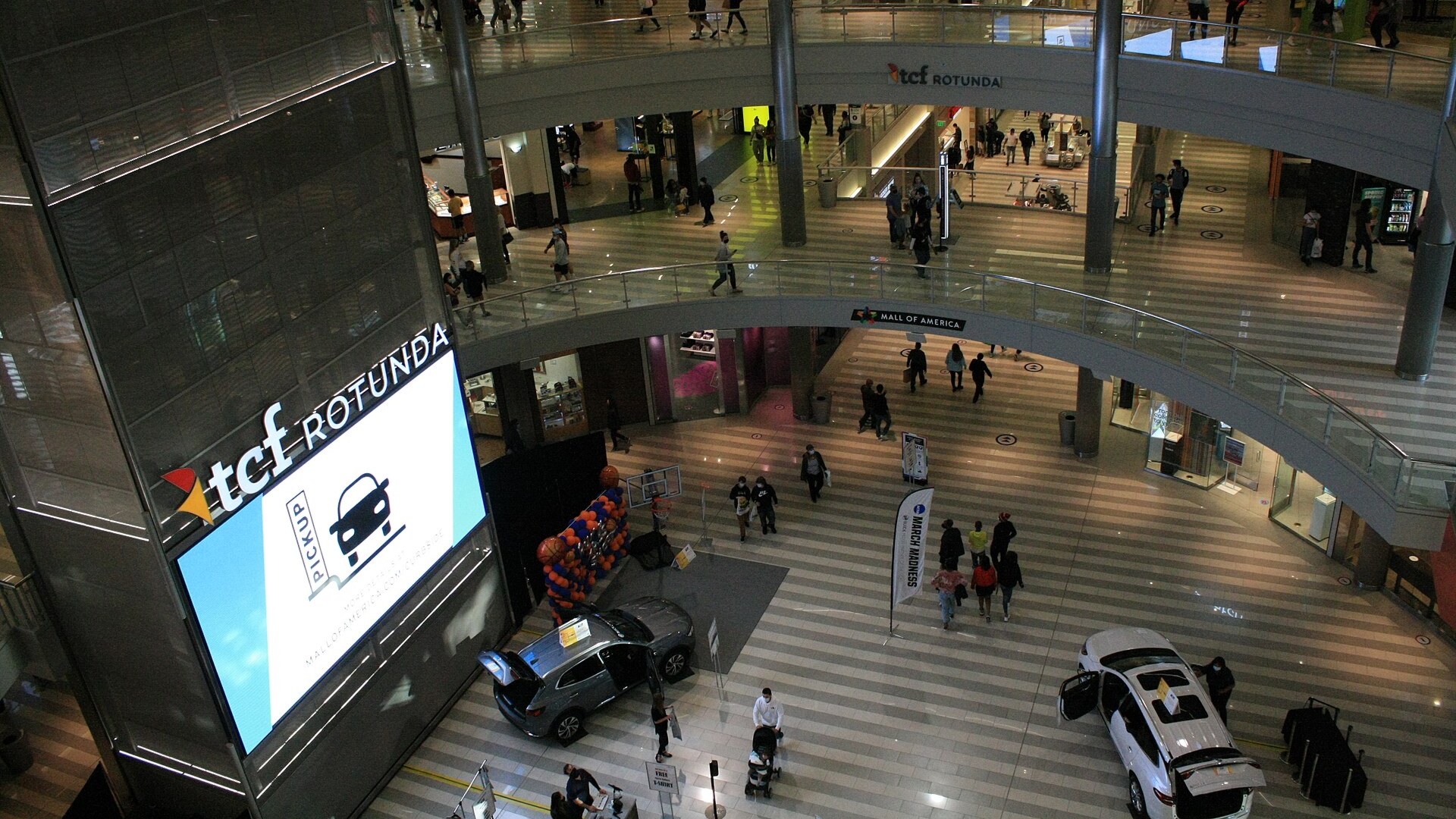
11. Omnichannel Return And Pickup Hubs
Retailers now use mall stores as central fulfillment hubs for fast online order pickup and simple package returns. National Retail Federation surveys show that over sixty percent of consumers make additional unplanned purchases when visiting stores to return items.
©Wikimedia / Tessa Bury
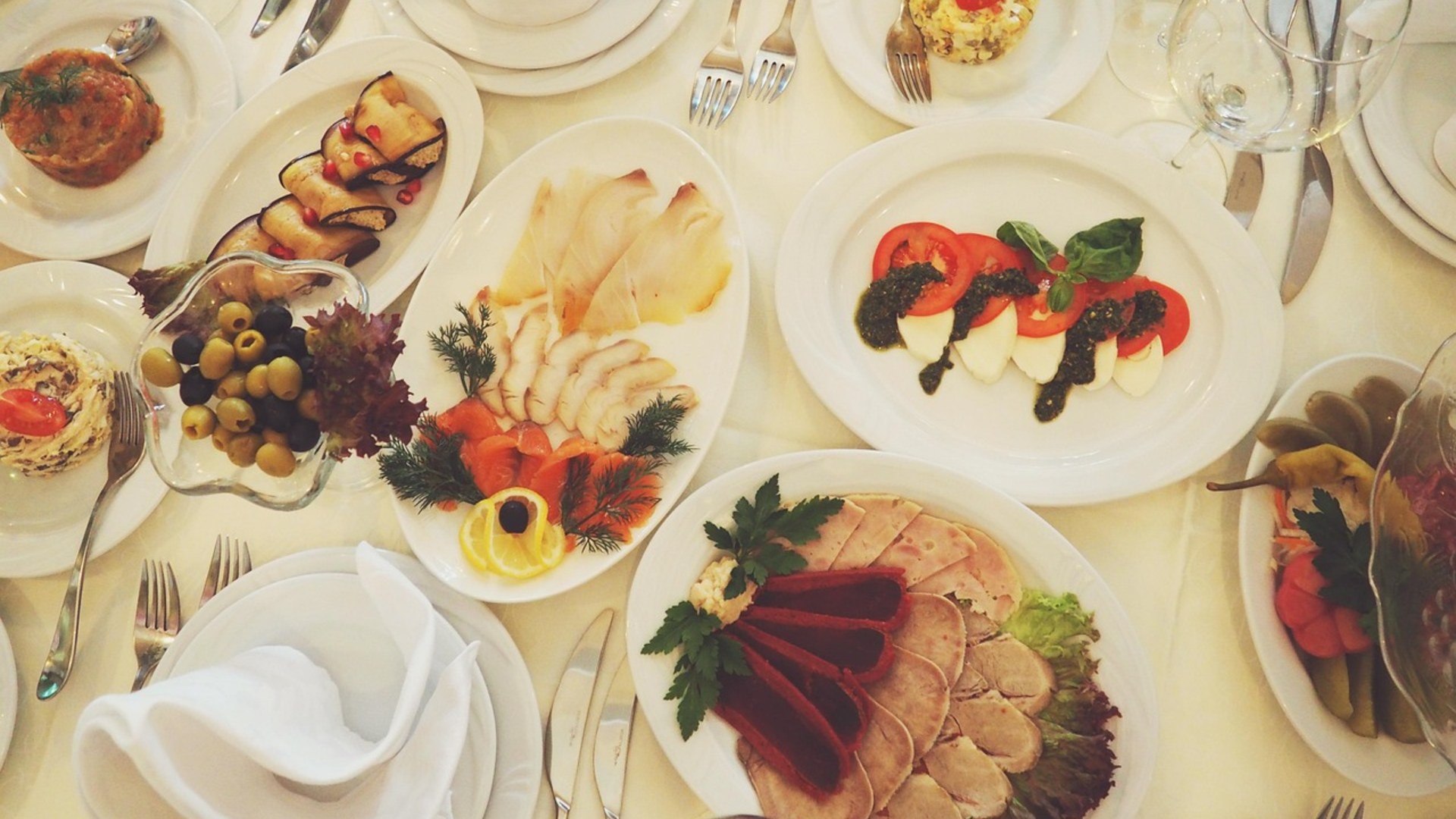
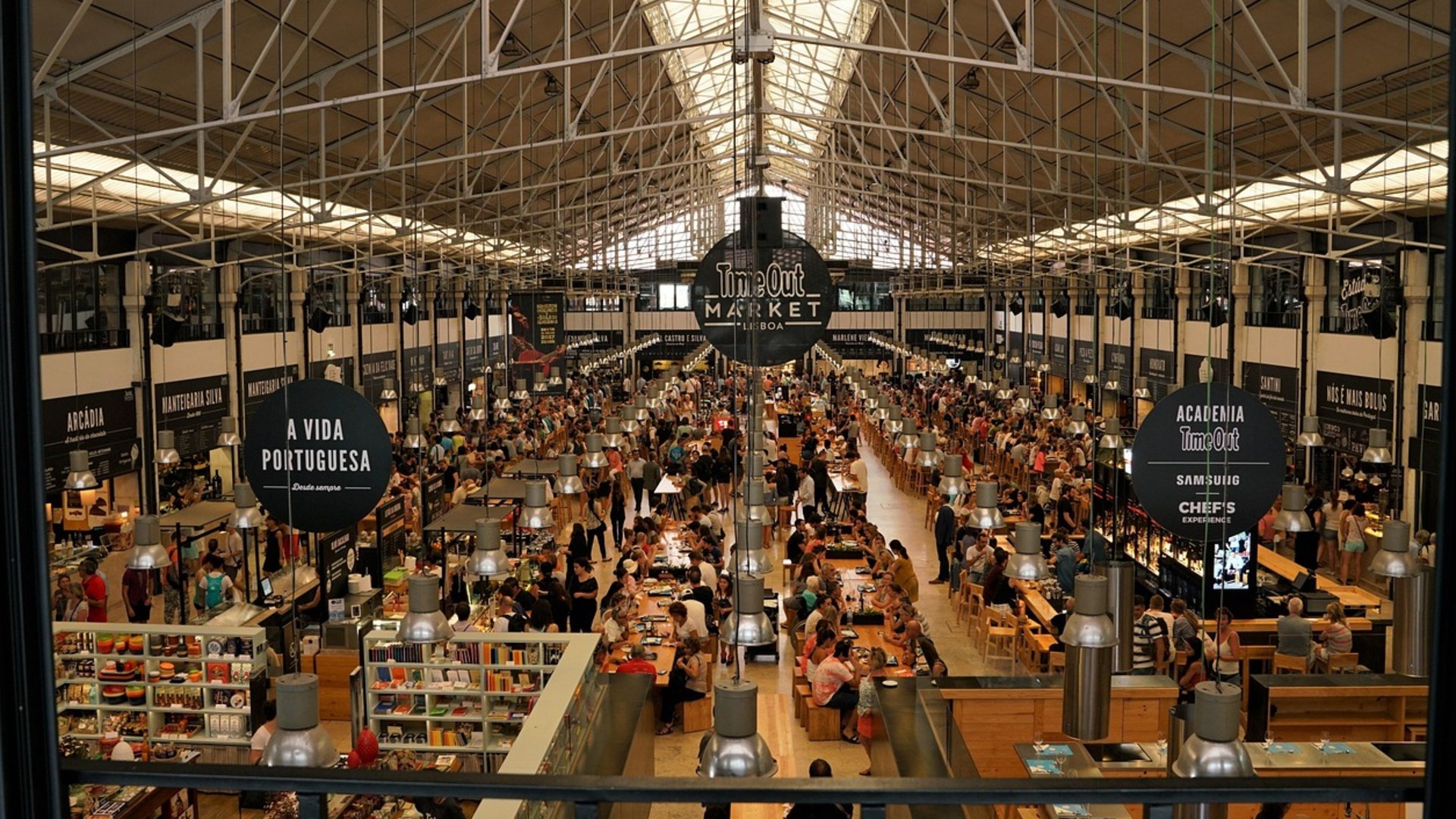
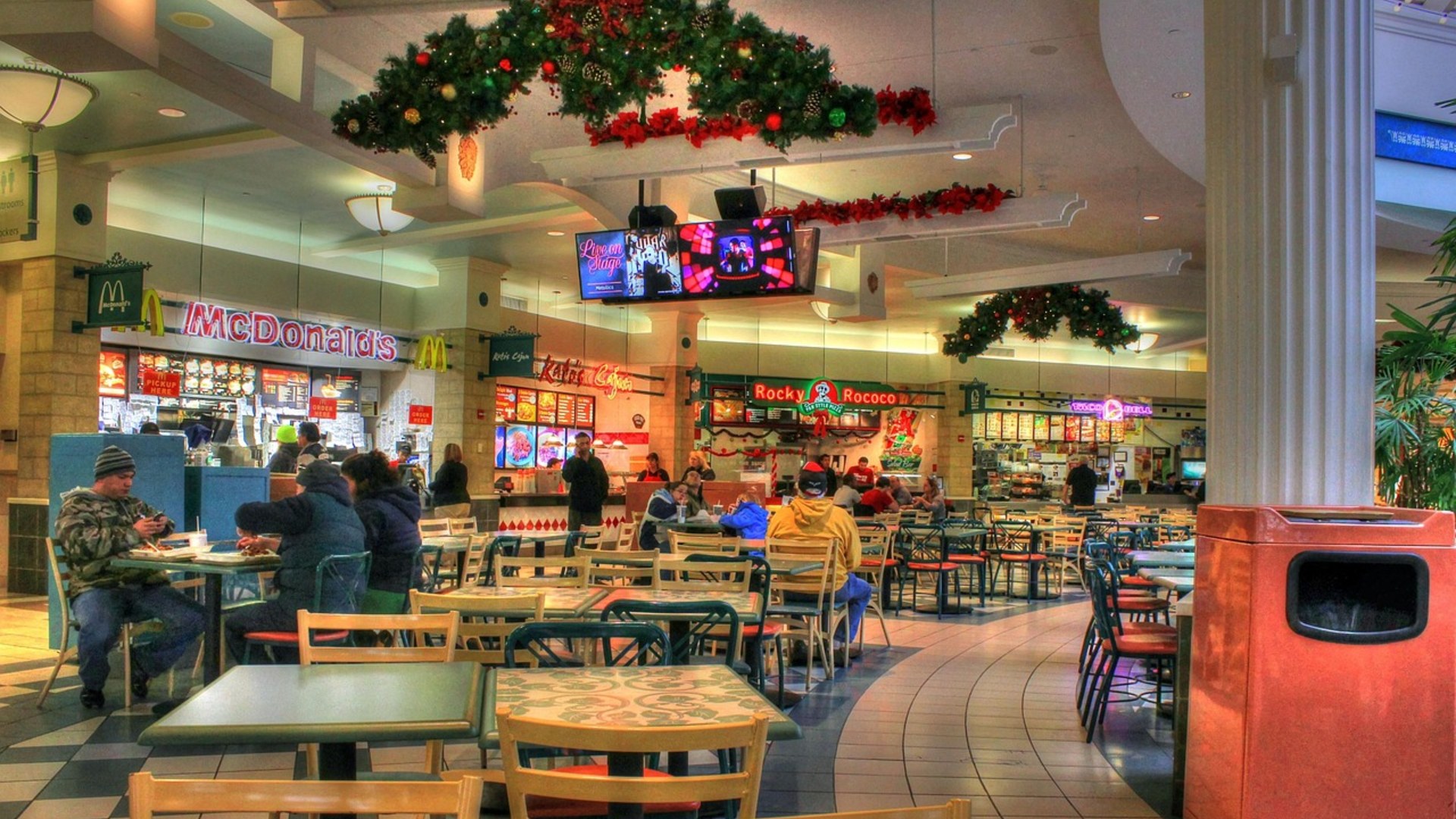
10. Premium Dining And Artisanal Food Halls
Modern food halls feature chef-driven eateries, craft beer bars, and communal seating rather than tired fast-food chains. Industry reports from CoStar show food and beverage operations now account for over twenty percent of total square footage in top-tier malls.
©Pixabay / RichardMc
Advertisement
Swipe or tap ▶ to resume the countdown.
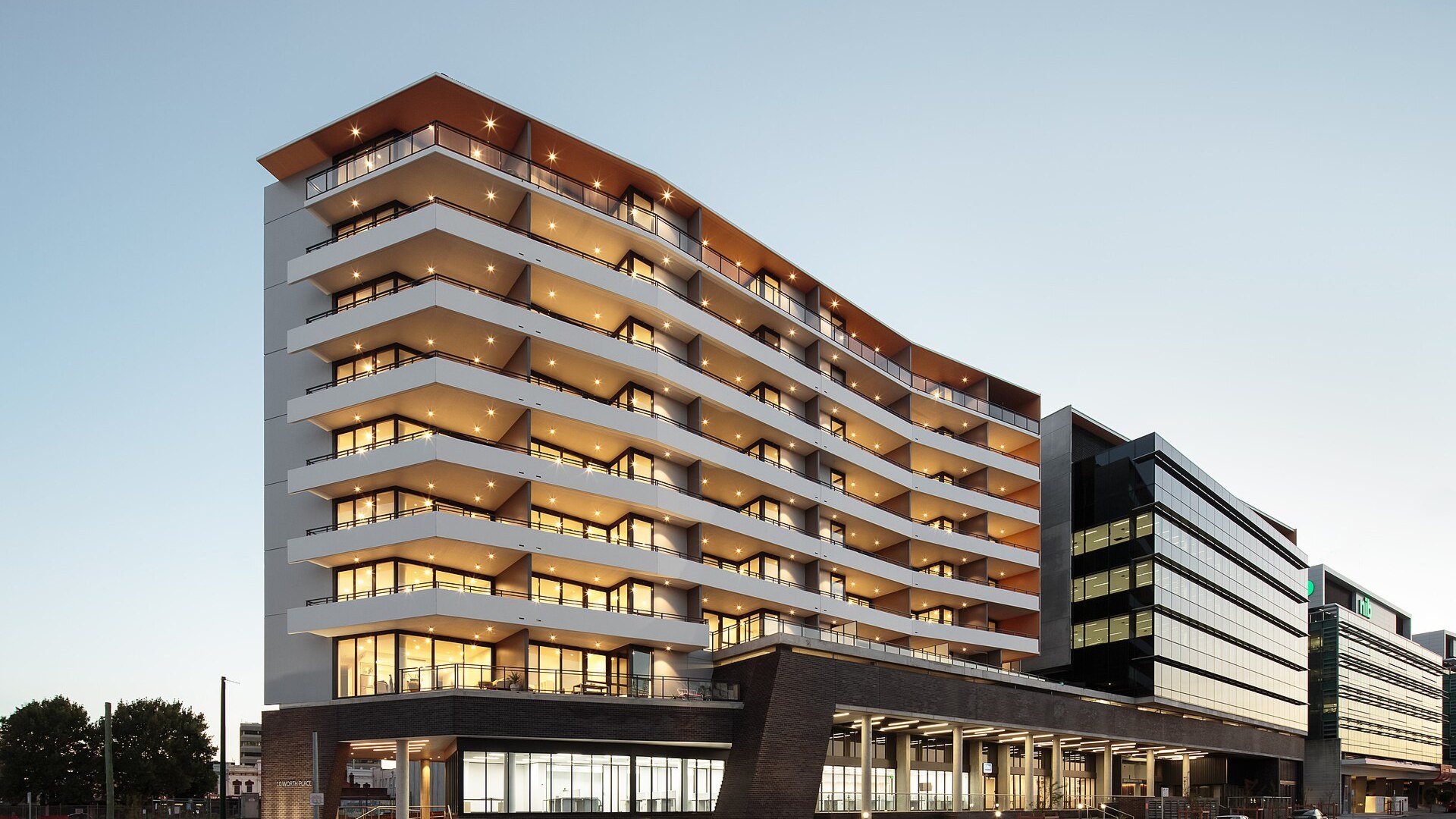
9. Residential Apartments And Mixed-Use Living
Developers are constructing thousands of multi-family apartments adjacent to mall corridors. Residents can walk directly from their lobbies into retail shops, coffee bars, and grocery aisles, establishing a permanent captive audience that spends locally year-round.
©Wikimedia / StoryBuilder
8. Immersive Art And Digital Exhibits
Immersive exhibits, digital art spaces, and interactive pop-ups occupy large anchor footprints formerly held by apparel retailers. These ticketed visual attractions draw young demographics eager for photogenic experiences and creative weekend outings.
©Wikimedia / Hassan Hamdy wahidy
7. Gen Z And Teen Social Gathering Spots
Gen Z consumers are driving in-person mall visits at higher rates than older age brackets. Placer.ai retail analysis shows teenage visits jumped significantly as young shoppers seek affordable group dining, vintage clothing swaps, and authentic social connection away from screens.
©Pixabay / Goodfreephotos_com
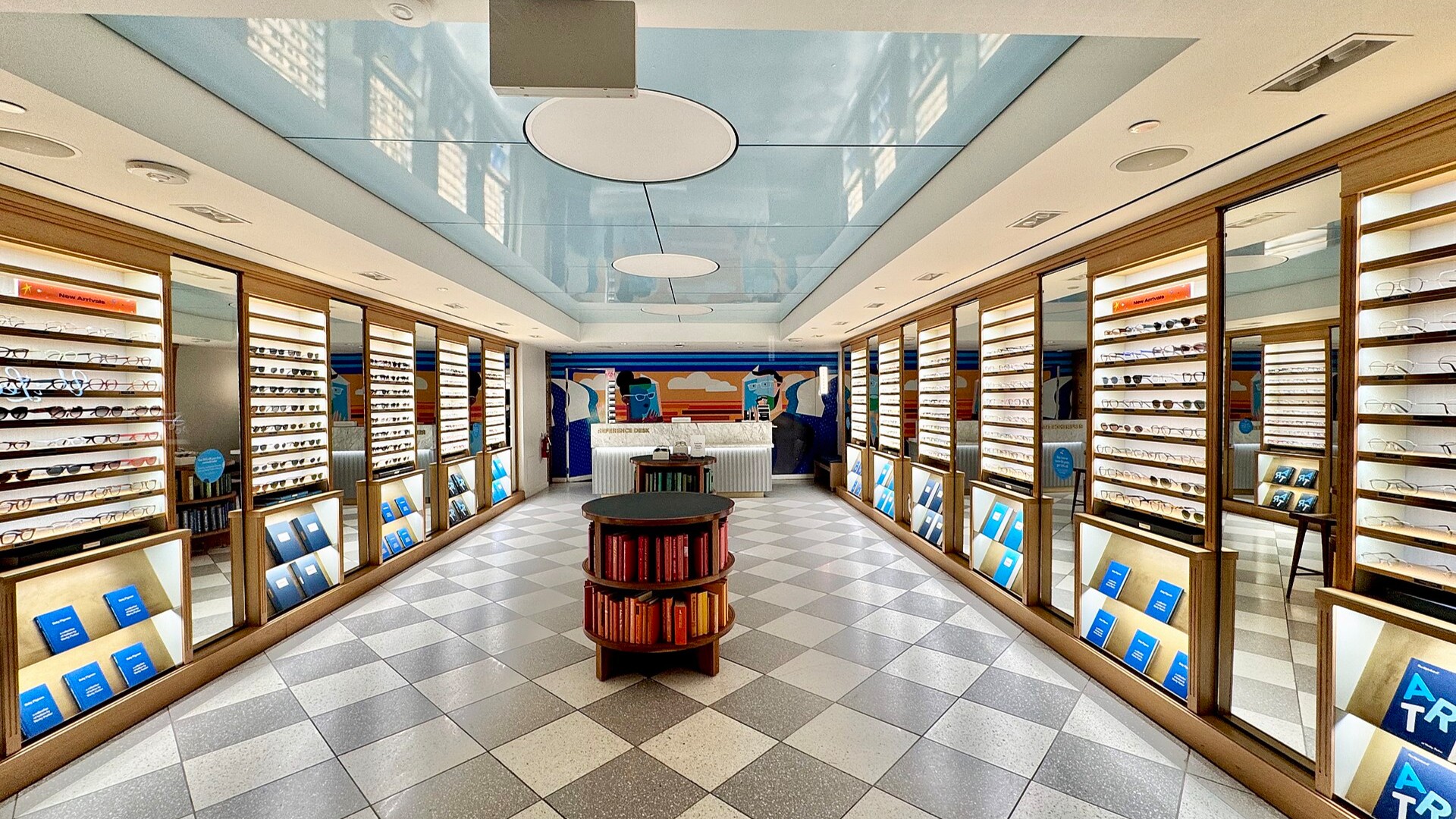
6. Digitally Native Brands Opening Physical Stores
Brands that started online, including Warby Parker and Vuori, find customer acquisition cheaper through physical retail leases. Having physical showrooms allows customers to try products in person, which reduces expensive e-commerce return rates by half.
©Wikimedia / Harrison Keely
Advertisement
Swipe or tap ▶ to resume the countdown.
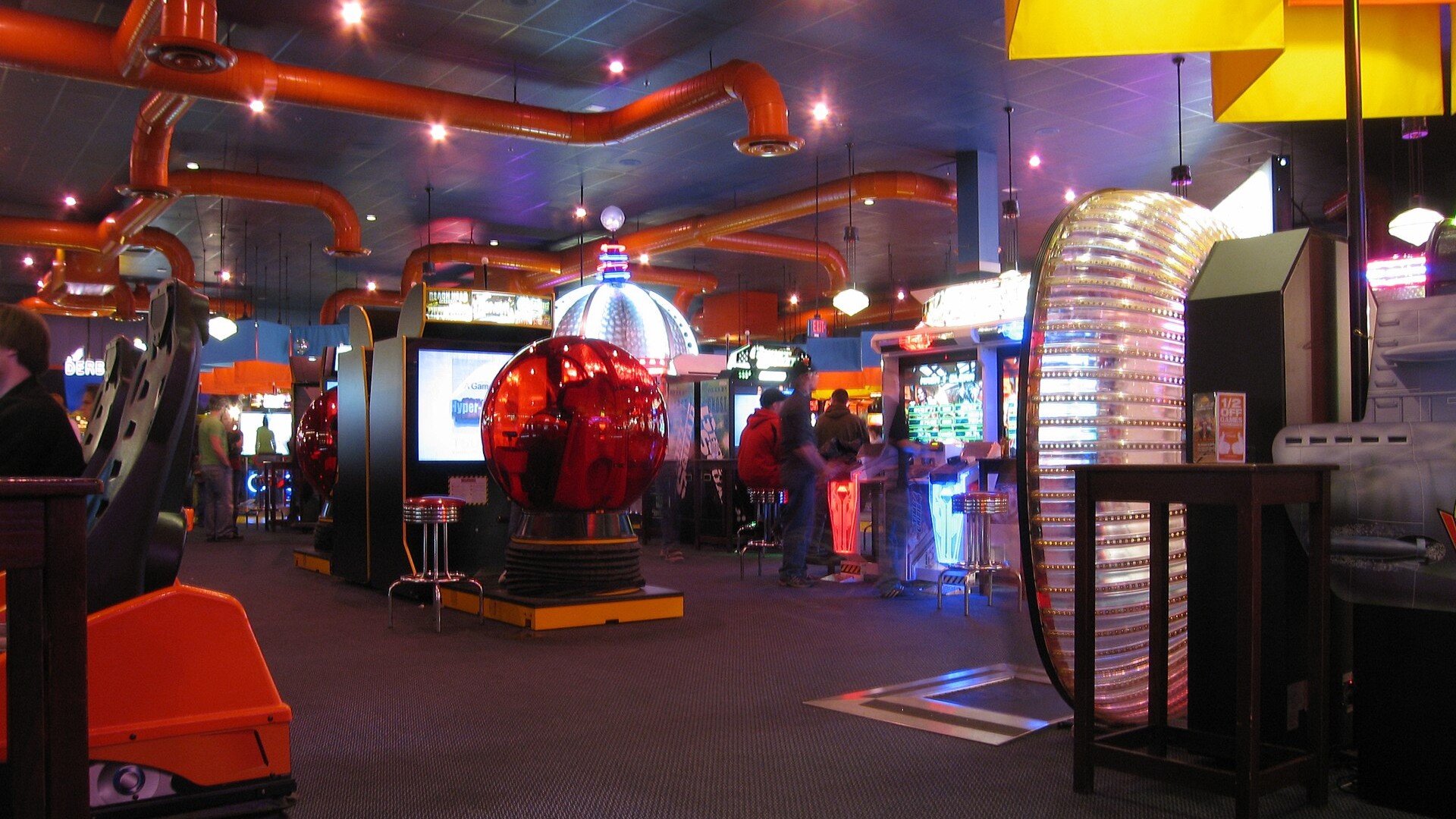
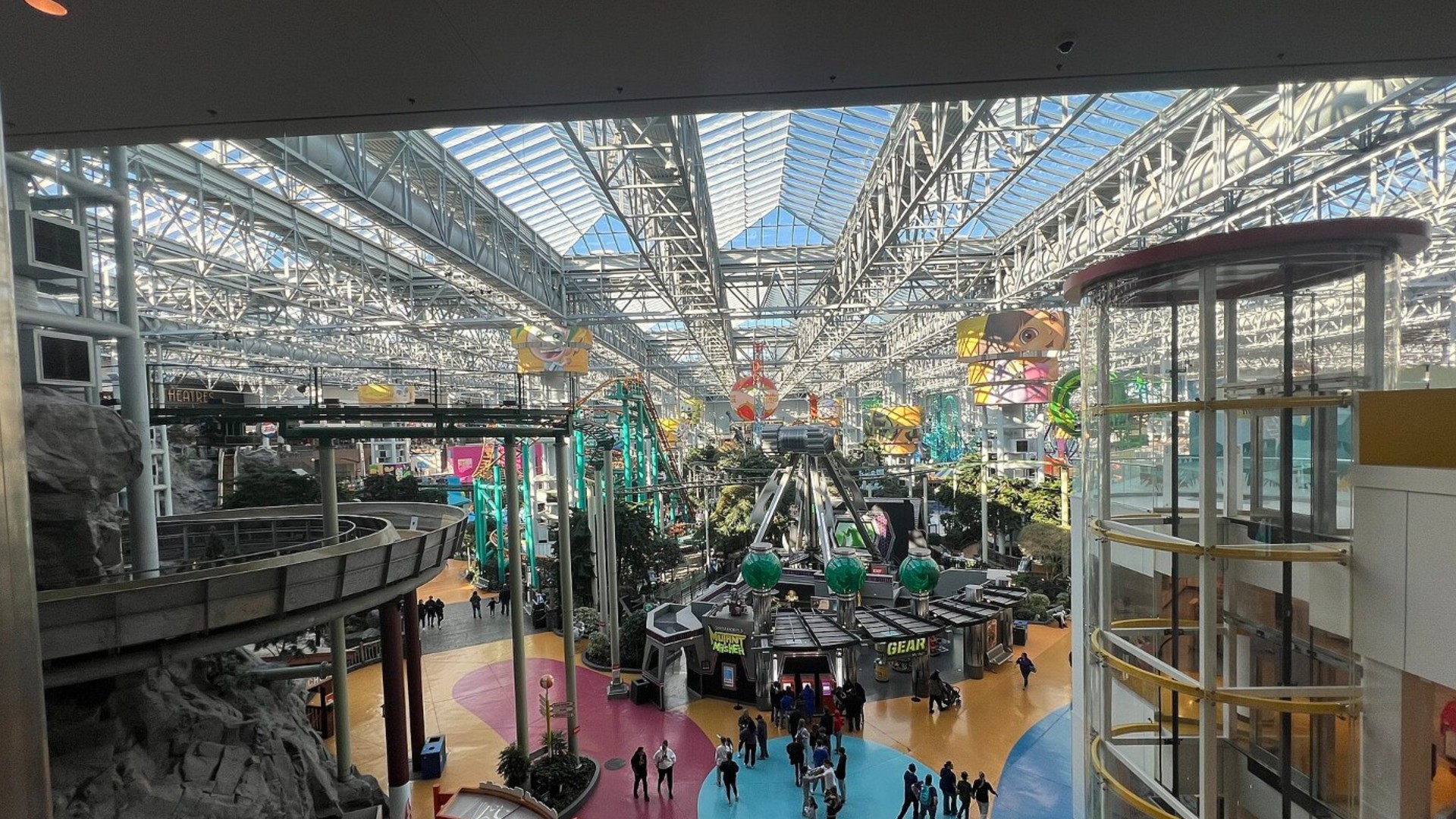
5. Massive Family Entertainment Centers
Concepts like Dave and Buster, Round1, and Pinstripes occupy tens of thousands of square feet in prime properties. Families and corporate groups flock to these venues for gaming, gourmet pizza, and parties, providing steady revenue across all seasons.
©Wikimedia / Photo by and ©2009 Dustin M. Ramsey ( Kralizec!
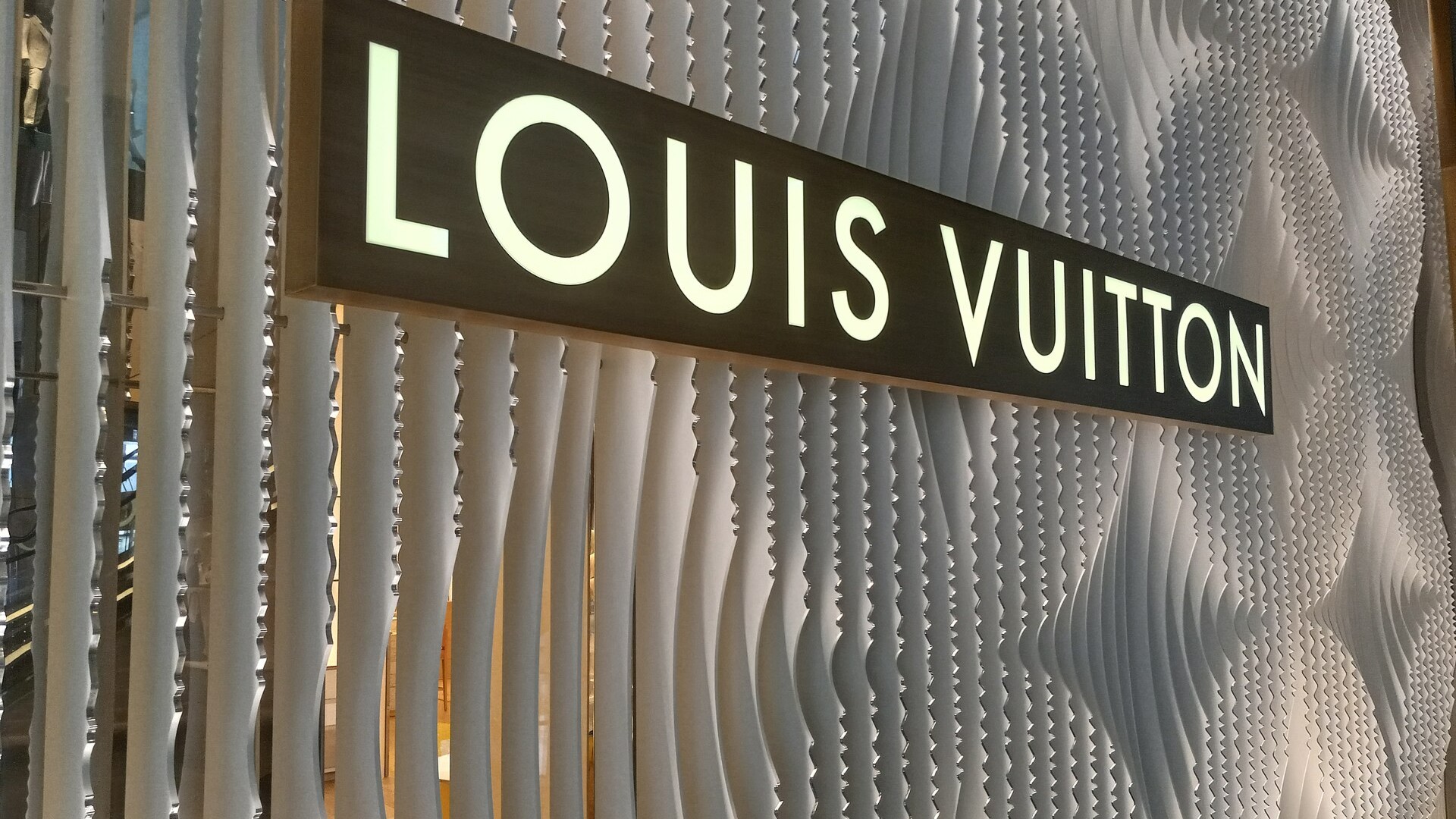
4. Luxury Flagship And Designer Stores
Class A luxury malls have seen record revenue gains led by brands like Louis Vuitton, Gucci, and Tiffany. High-net-worth shoppers demand private styling salons and champagne service, cementing premier malls as indispensable luxury destinations.
©Wikimedia / Kidfly182
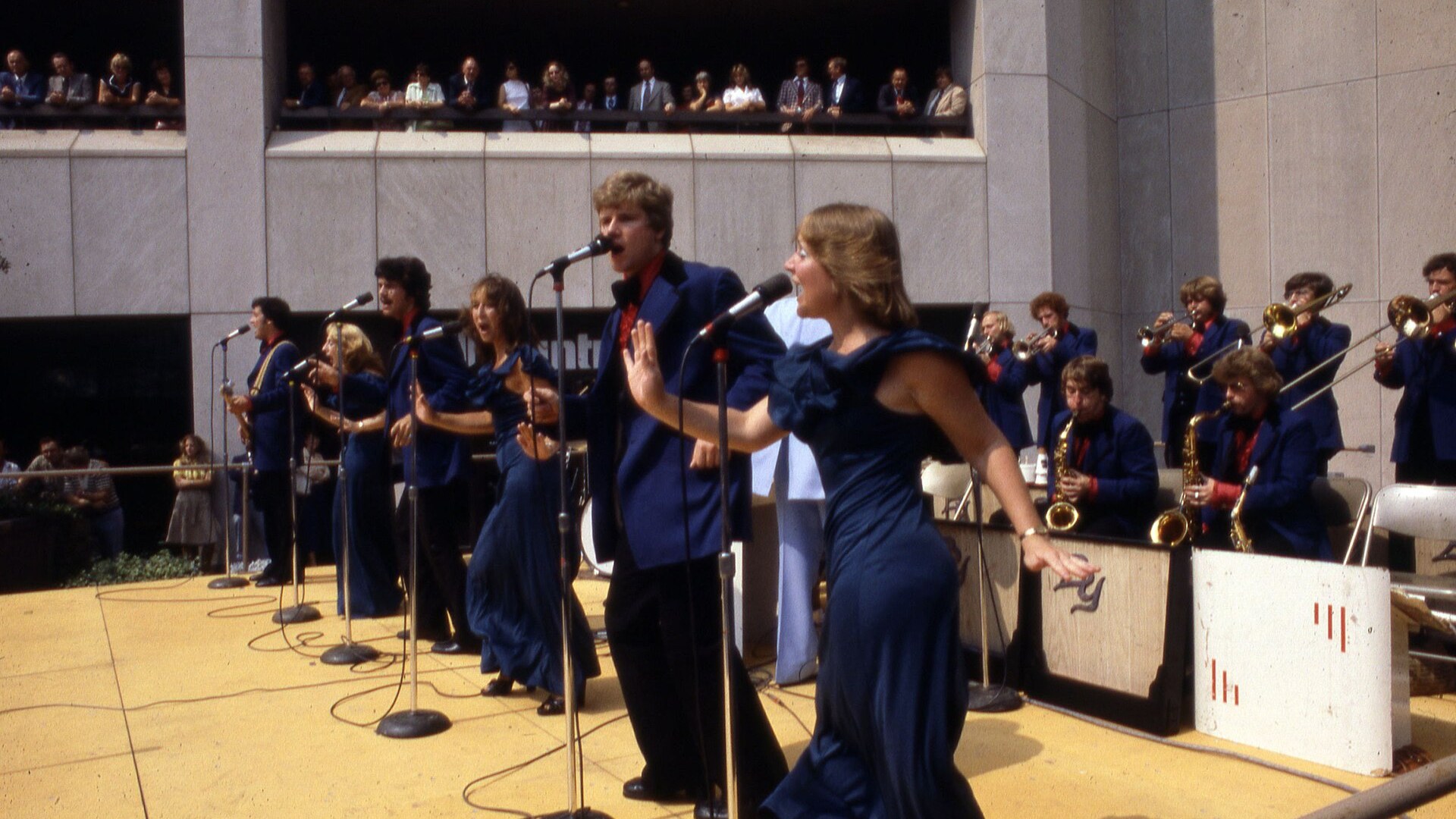
3. Community Events And Live Concerts
Malls have transformed exterior parking lots and interior atriums into public town squares. Weekly farmers markets, seasonal beer gardens, and outdoor acoustic concerts turn retail centers into lively civic gathering spaces that unite surrounding neighborhoods.
©Wikimedia / David E. Lucas
2. Escape From Online Shopping Fatigue
Endless digital scrolling and package delivery delays have triggered widespread online fatigue among consumers. Shoppers appreciate touching fabric textures, checking garment fits immediately, and walking home with purchases right away without waiting on delivery trucks.
©Wikimedia / PattayaPatrol
Advertisement
Swipe or tap ▶ to resume the countdown.
1. Experiential Retail Replacing Pure Commerce
The greatest driver of the shopping mall resurgence is the pivot from transactional shopping to immersive lifestyle experiences. By blending dining, hospitality, entertainment, and commerce, modern retail properties have evolved into dynamic social destinations.
©Wikimedia / AdaLovelaceHackermode
Advertisement
You've reached the end of the story. Thanks for reading!

20 Handmade Christmas Decorations People Are Making at Home
Rising holiday retail costs prompted millions of households to craft their own festive ornaments, garlands, and table centerpieces using natural botanicals and recycled paper. This curated gallery explores twenty handmade projects based on design reporting from Better Homes & Gardens and Martha Stewart Living.
All 20 Entries in this Story
20. Pop-Up Boutiques And Local Markets
Mall landlords now allocate open concourses to independent artisans and seasonal retailers. According to ICSC industry data, rotating pop-ups increase weekly repeat shopper visits by twelve percent while giving local entrepreneurs low-risk physical retail space.

19. Electric Vehicle Charging Hubs
Property managers are installing banks of high-speed chargers from networks like Tesla and Electrify America. Bloomberg reports that EV drivers spend an average of thirty-five minutes shopping or dining inside the property while their vehicles recharge.

18. On-Site Medical And Wellness Clinics
Healthcare systems are leasing vacant storefronts for urgent care, dentistry, and diagnostic labs. CoStar real estate data shows healthcare leases in regional shopping centers expanded fifteen percent over the past three years, bringing predictable weekday foot traffic.

17. High-End Co-Working Spaces
Operators like Industrious have converted empty department store mezzanines into flexible workspaces. Remote workers gain private phone booths, high-speed internet, and immediate access to dining options, eliminating the isolation of working from home.

16. Indoor Pickleball And Sports Arenas
Pickleball clubs such as Camp Pickle and The Picklr have taken over empty anchor buildings across the country. CNBC reported that athletic facilities draw thousands of active visitors weekly who frequently stay to eat and socialize after matches.

15. Climate-Controlled Social Walking Spaces
Enclosed indoor malls offer climate-controlled environments that protect visitors from summer heatwaves and winter storms. Community walking clubs and casual strollers log millions of steps annually in clean, secure settings with ample seating and clean restrooms.

14. Grocery Stores As Anchor Tenants
Supermarket chains like Wegmans, Whole Foods, and Target have become primary anchor tenants in major malls. Placer.ai foot-traffic research confirms that adding a premier grocery store boosts weekly shopping center visitation frequencies by more than twenty percent.

13. Luxury Cinema And Theater Concepts
Boutique cinema chains like Alamo Drafthouse and AMC Dine-In provide reserved plush seating, cocktails, and chef-crafted food delivered directly to seats. These entertainment venues keep parking decks full through late evening hours on weekdays and weekends alike.

12. Boutique Fitness Studios And Gyms
Luxury gyms such as Life Time and Equinox now anchor upscale retail centers nationwide. Members visit three to four times weekly for workouts, spa treatments, and cafe dining, creating consistent weekday consumer spending for adjacent retailers.

11. Omnichannel Return And Pickup Hubs
Retailers now use mall stores as central fulfillment hubs for fast online order pickup and simple package returns. National Retail Federation surveys show that over sixty percent of consumers make additional unplanned purchases when visiting stores to return items.

10. Premium Dining And Artisanal Food Halls
Modern food halls feature chef-driven eateries, craft beer bars, and communal seating rather than tired fast-food chains. Industry reports from CoStar show food and beverage operations now account for over twenty percent of total square footage in top-tier malls.

9. Residential Apartments And Mixed-Use Living
Developers are constructing thousands of multi-family apartments adjacent to mall corridors. Residents can walk directly from their lobbies into retail shops, coffee bars, and grocery aisles, establishing a permanent captive audience that spends locally year-round.

8. Immersive Art And Digital Exhibits
Immersive exhibits, digital art spaces, and interactive pop-ups occupy large anchor footprints formerly held by apparel retailers. These ticketed visual attractions draw young demographics eager for photogenic experiences and creative weekend outings.

7. Gen Z And Teen Social Gathering Spots
Gen Z consumers are driving in-person mall visits at higher rates than older age brackets. Placer.ai retail analysis shows teenage visits jumped significantly as young shoppers seek affordable group dining, vintage clothing swaps, and authentic social connection away from screens.

6. Digitally Native Brands Opening Physical Stores
Brands that started online, including Warby Parker and Vuori, find customer acquisition cheaper through physical retail leases. Having physical showrooms allows customers to try products in person, which reduces expensive e-commerce return rates by half.

5. Massive Family Entertainment Centers
Concepts like Dave and Buster, Round1, and Pinstripes occupy tens of thousands of square feet in prime properties. Families and corporate groups flock to these venues for gaming, gourmet pizza, and parties, providing steady revenue across all seasons.

4. Luxury Flagship And Designer Stores
Class A luxury malls have seen record revenue gains led by brands like Louis Vuitton, Gucci, and Tiffany. High-net-worth shoppers demand private styling salons and champagne service, cementing premier malls as indispensable luxury destinations.

3. Community Events And Live Concerts
Malls have transformed exterior parking lots and interior atriums into public town squares. Weekly farmers markets, seasonal beer gardens, and outdoor acoustic concerts turn retail centers into lively civic gathering spaces that unite surrounding neighborhoods.

2. Escape From Online Shopping Fatigue
Endless digital scrolling and package delivery delays have triggered widespread online fatigue among consumers. Shoppers appreciate touching fabric textures, checking garment fits immediately, and walking home with purchases right away without waiting on delivery trucks.

1. Experiential Retail Replacing Pure Commerce
The greatest driver of the shopping mall resurgence is the pivot from transactional shopping to immersive lifestyle experiences. By blending dining, hospitality, entertainment, and commerce, modern retail properties have evolved into dynamic social destinations.