Slideshow · Viral
20 Fascinating Facts About Swans
From stratospheric flights at 27,000 feet to serrated teeth and royal British ownership, these twenty remarkable biological facts reveal the hidden power of swans.



All 20 Entries in this Story
20. Serrated Tomia Teeth
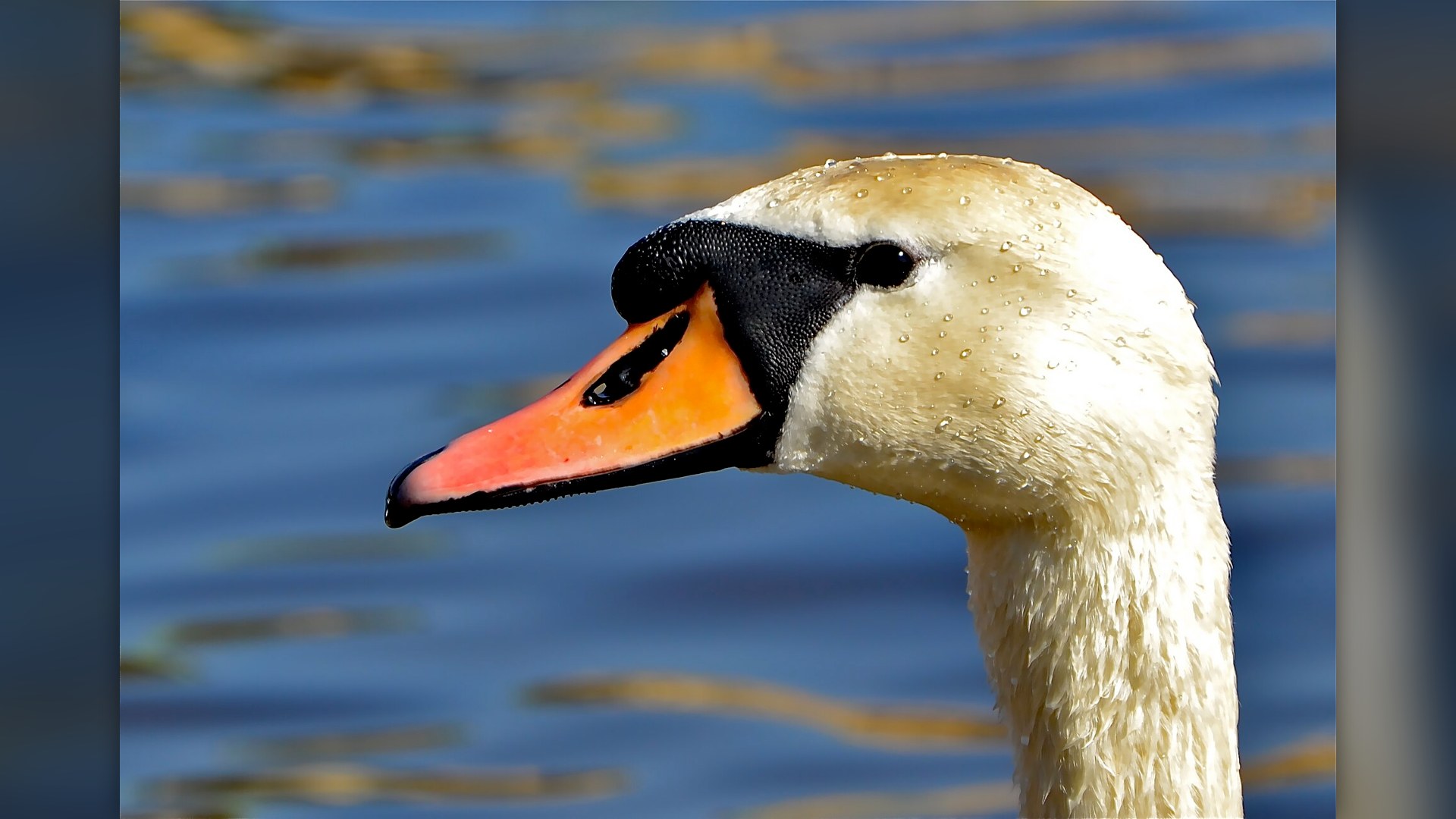
While birds lack true teeth, swans possess jagged, comb-like lamellae called tomia along their bill margins. Paired with small spikes on muscular tongues, these serrations act like a biological strainer, slicing through tough reed roots and trapping slippery submerged plants.
19. Stratospheric Aviators
During seasonal migrations between Iceland and the British Isles, whooper swans can ascend into the cruising altitudes of commercial jets. Adapted hemoglobin extracts oxygen from thin, sub-zero air, allowing them to ride powerful high-altitude jet streams to conserve vital flight energy.
18. Lifelong Pair Bonds
Monogamy is exceptionally strong among swan species. Pairs spend years establishing territory and refining breeding coordination. Long-term studies reveal that established swan couples boast significantly higher reproductive success and cygnet survival rates than newly formed pairs.
17. Heartbreaking Grief
The emotional depth of swan pair bonds is evident after loss. Surviving swans have been documented standing vigil beside deceased partners, flying in solitary search circles, and visibly pining. Bereaved individuals often lose dramatic body weight and can even perish from grief-induced stress.
16. Royal Crown Property
Dating back to the 12th century, swans were declared royal property because their roasted meat was a prized banquet delicacy. Today, the centuries-old tradition of 'Swan Upping' occurs every July along the River Thames to census, health-check, and ring the Crown's mute swan population.
15. Bone-Shattering Wings
While legends of shattered human femurs are exaggerated, a swan's defensive wing strike is genuinely formidable. Bolstered by rigid carpal bones and powerful flight muscle, a flailing adult cob delivers blunt-force blows strong enough to bruise flesh, break small bones, and repel predators.
14. 25,000 Dense Feathers
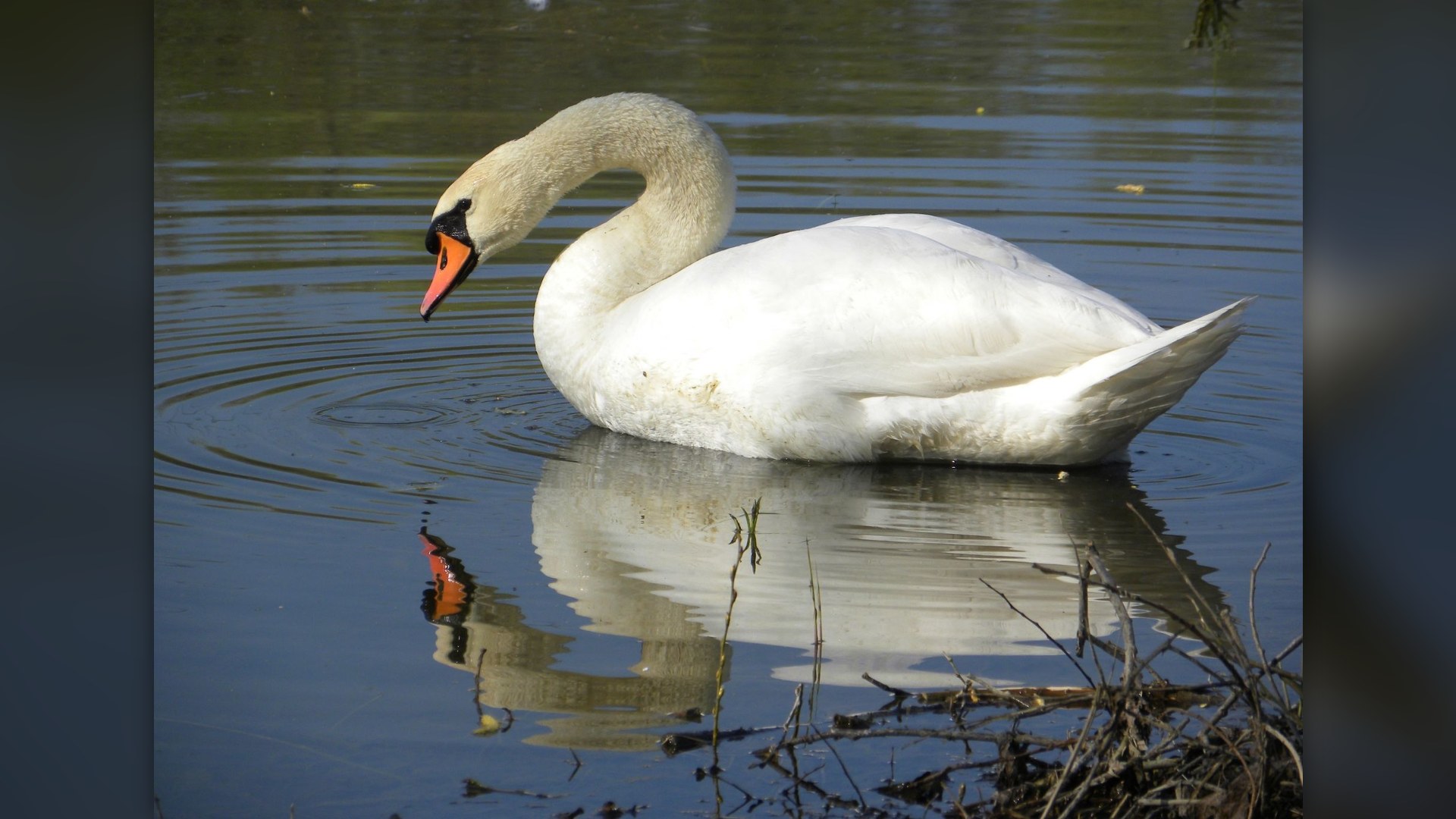
To insulate their heavy bodies in freezing glacial waters, mute swans sport one of nature's densest plumages. Over 80% of these feathers blanket their long neck alone, interlocking tightly like miniature shingles to form an impenetrable thermal barrier against sub-zero temperatures.
13. The Black Swan Paradox
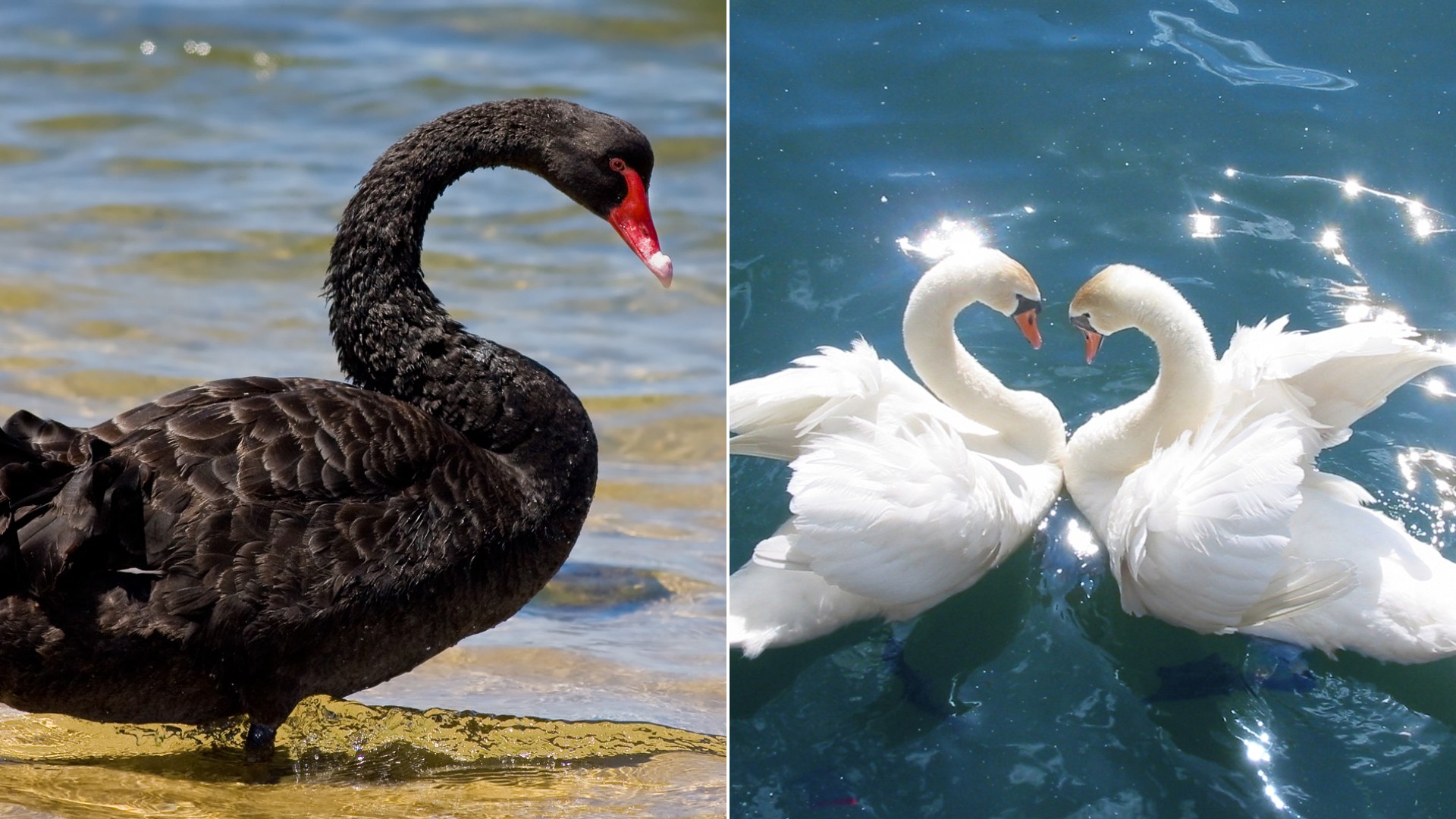
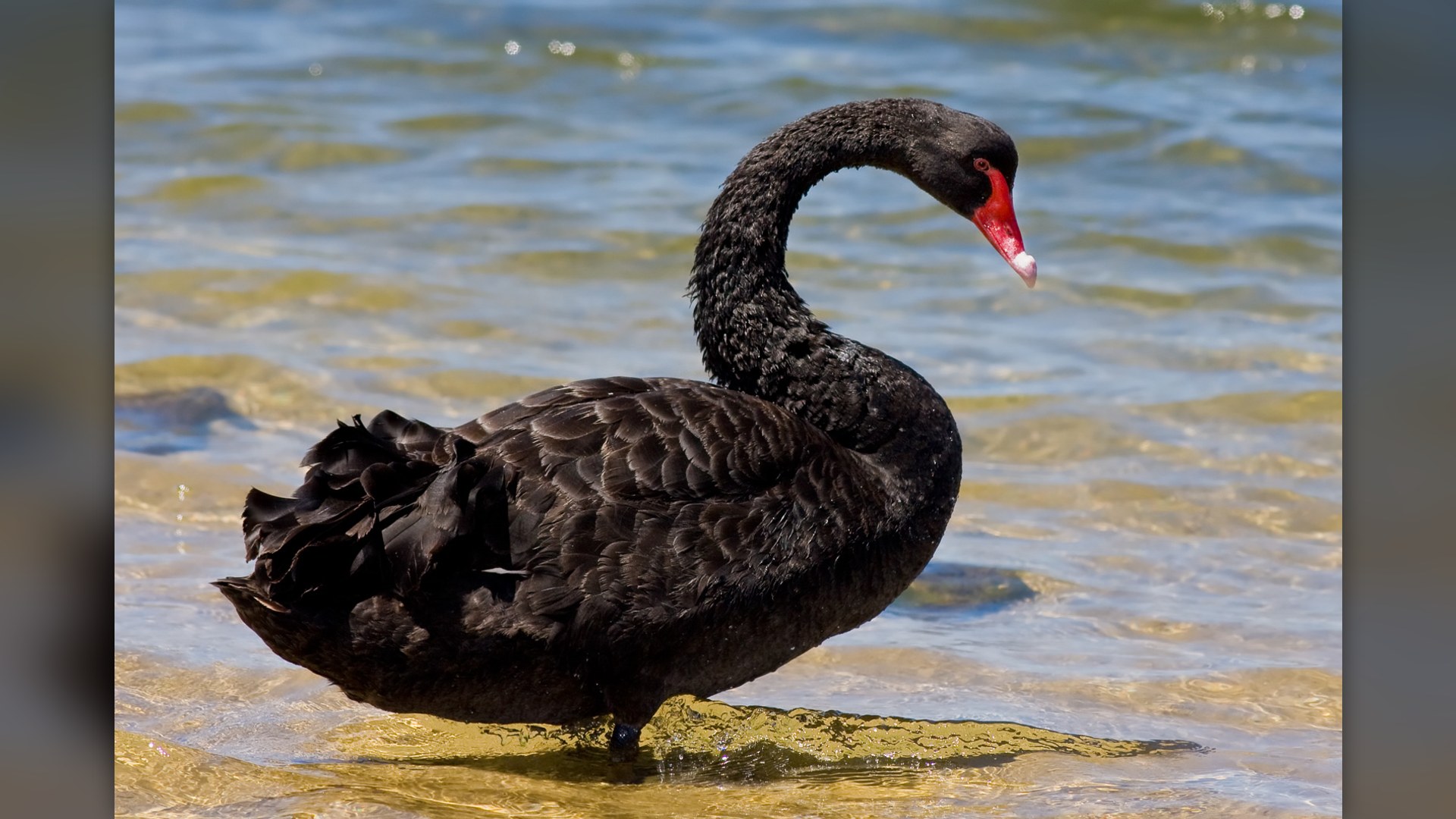
For millennia, Western thinkers cited the phrase 'as rare as a black swan' to describe the impossible. When explorer Willem de Vlamingh discovered black swans in Australia in 1697, it revolutionized scientific philosophy and later inspired Nassim Taleb's famous Black Swan Theory.
12. Synchronized Courtship Heart
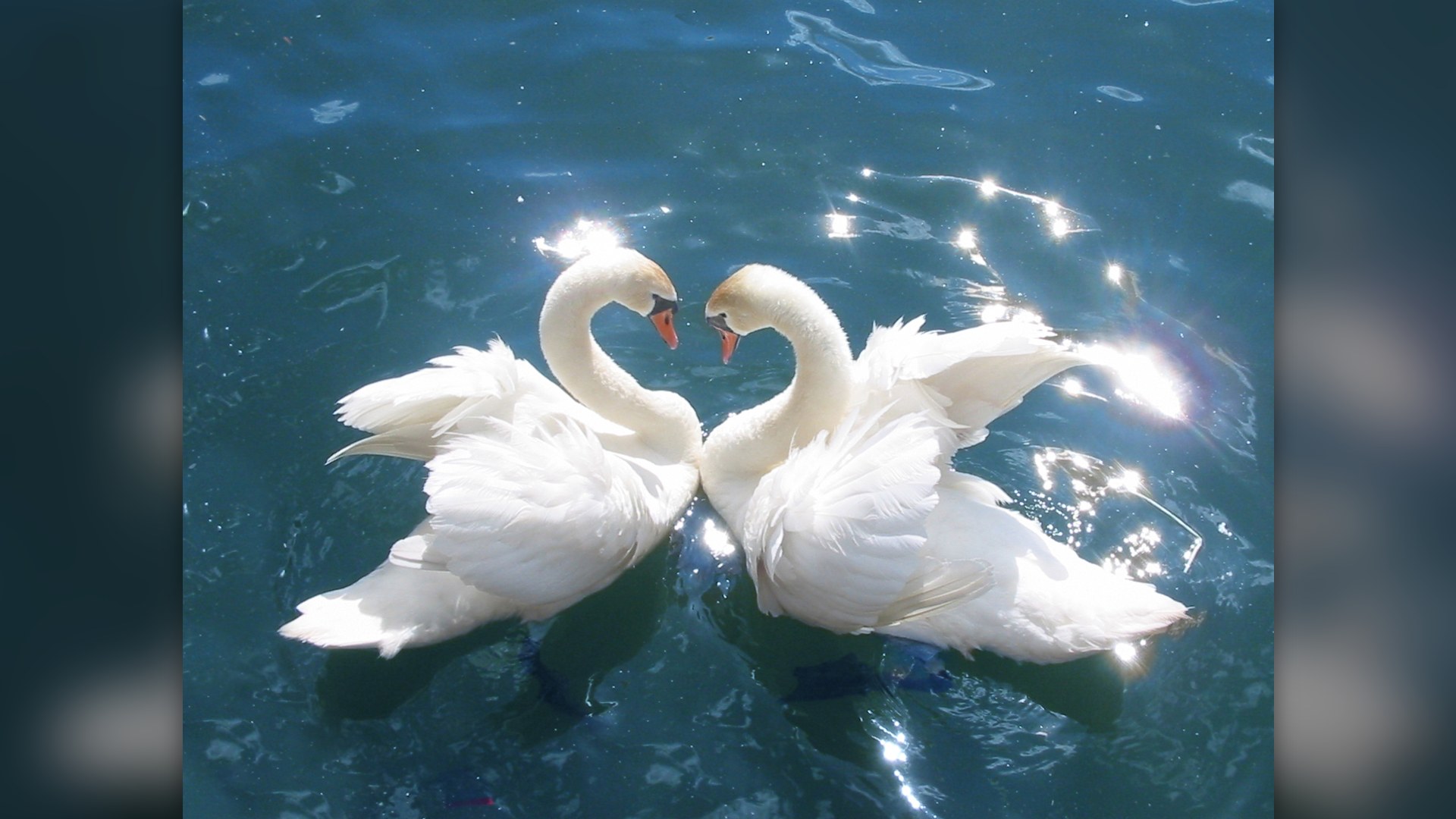
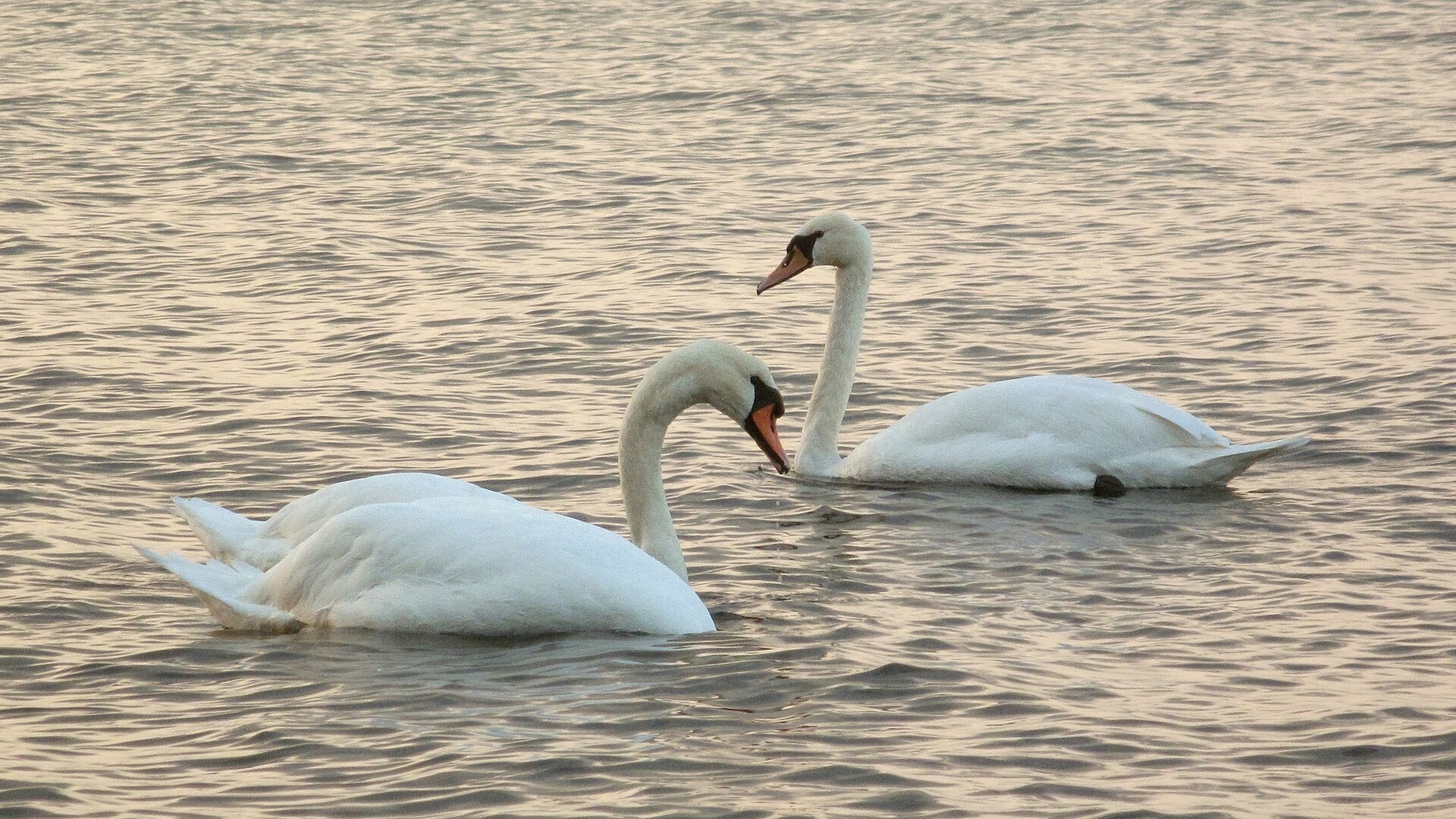
The iconic heart-shaped silhouette of two facing swans is a real courtship display. Mates dip their bills in water, gaze intently into each other's eyes, and arch their necks together while uttering soft, rhythmic calls to cement their lifelong monogamous partnership.
11. Heavyweight Waterfowl
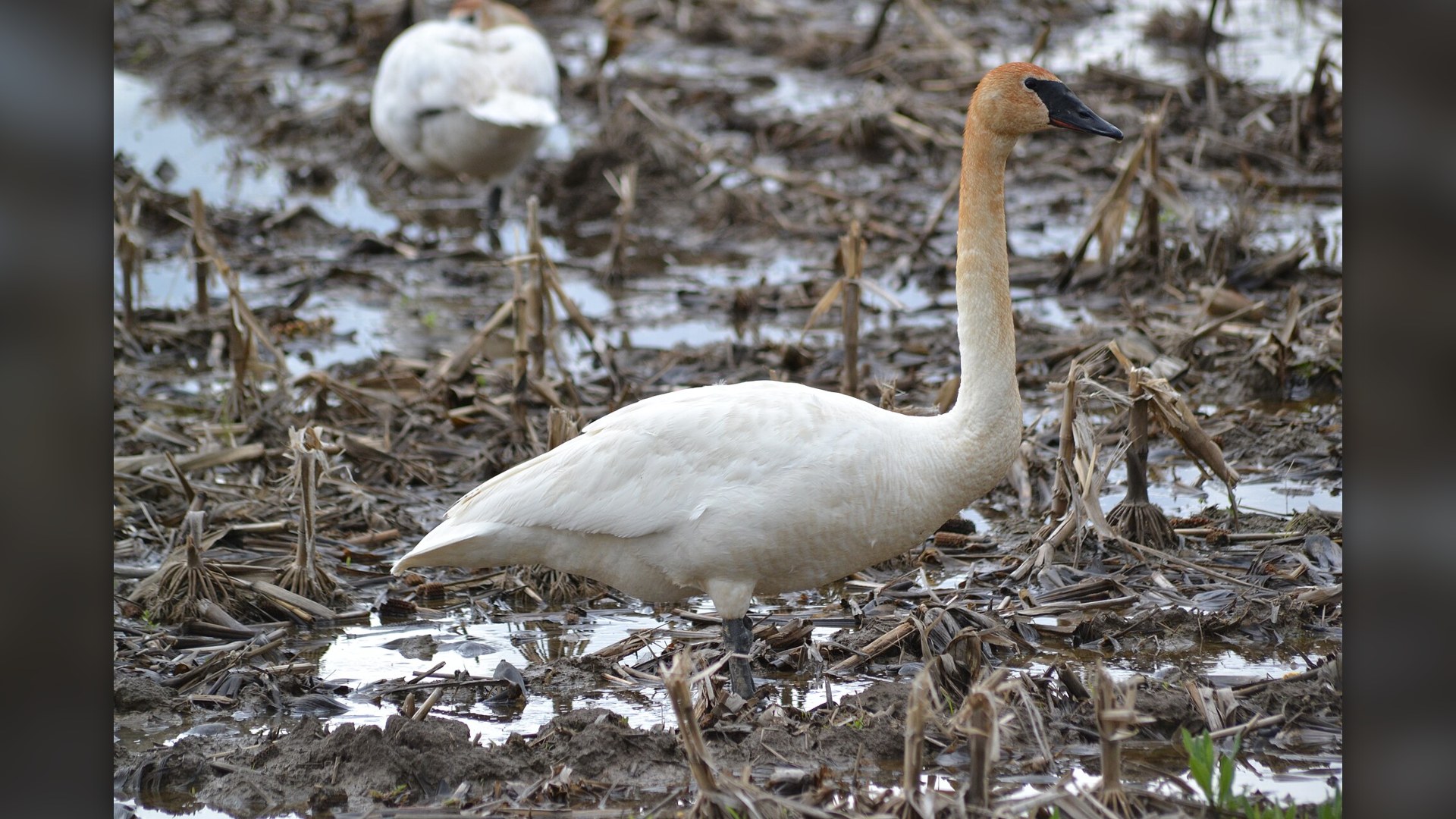
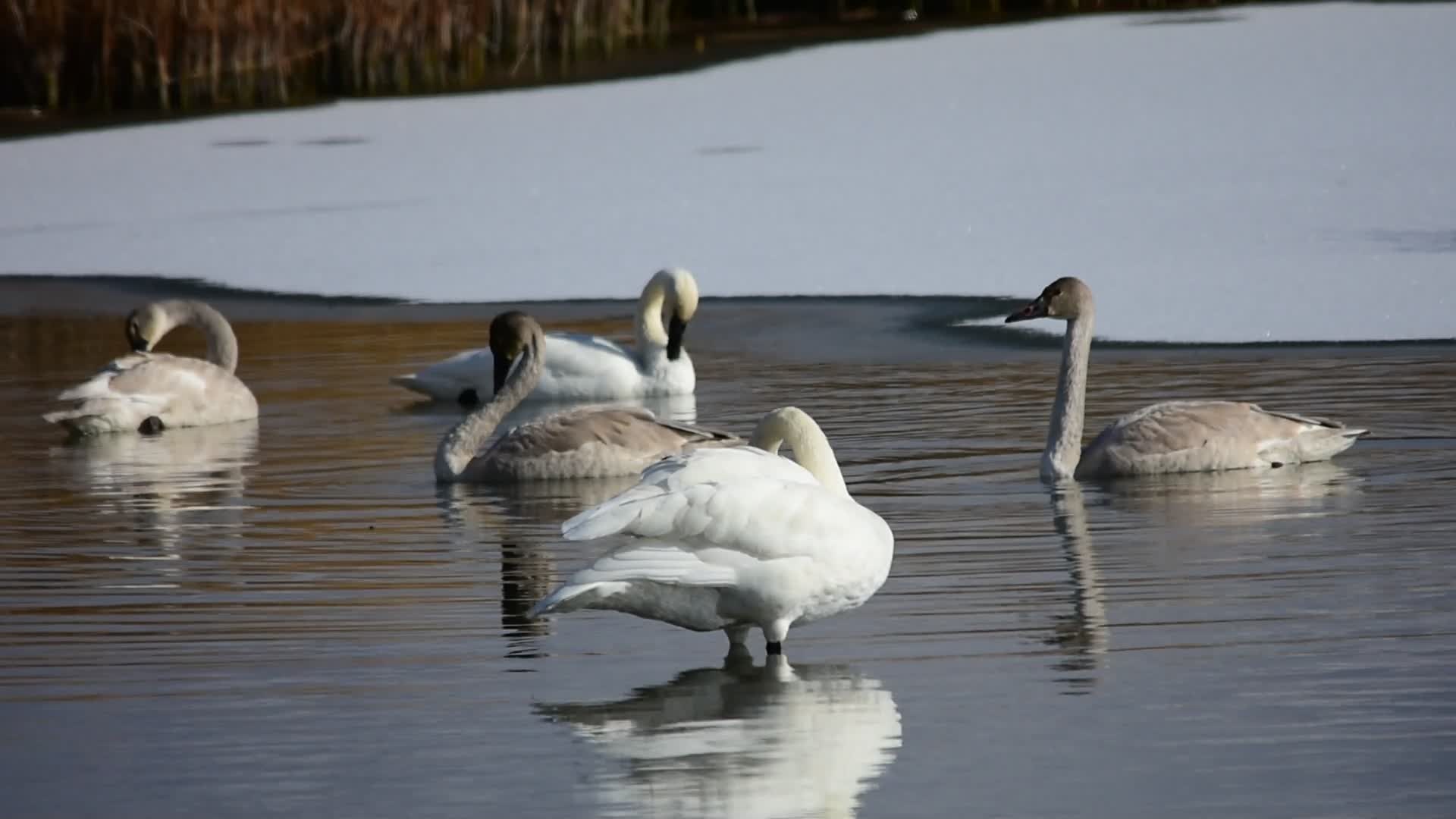
With males reaching 30 pounds (13.6 kg), trumpeter swans push the physical limits of avian flight. Despite their immense heft, their massive wings generate sufficient aerodynamic lift to cruise smoothly across continental migration routes at speeds exceeding 45 miles per hour.
10. 25 Cervical Vertebrae
While a giraffe possesses only seven neck vertebrae like a human, a swan's neck contains 24 to 25 distinct bones. This extraordinary anatomical adaptation provides extreme flexibility, allowing swans to coil into resting S-curves and probe deep underwater for nutritious aquatic roots.
9. Waterproof Preen Gland
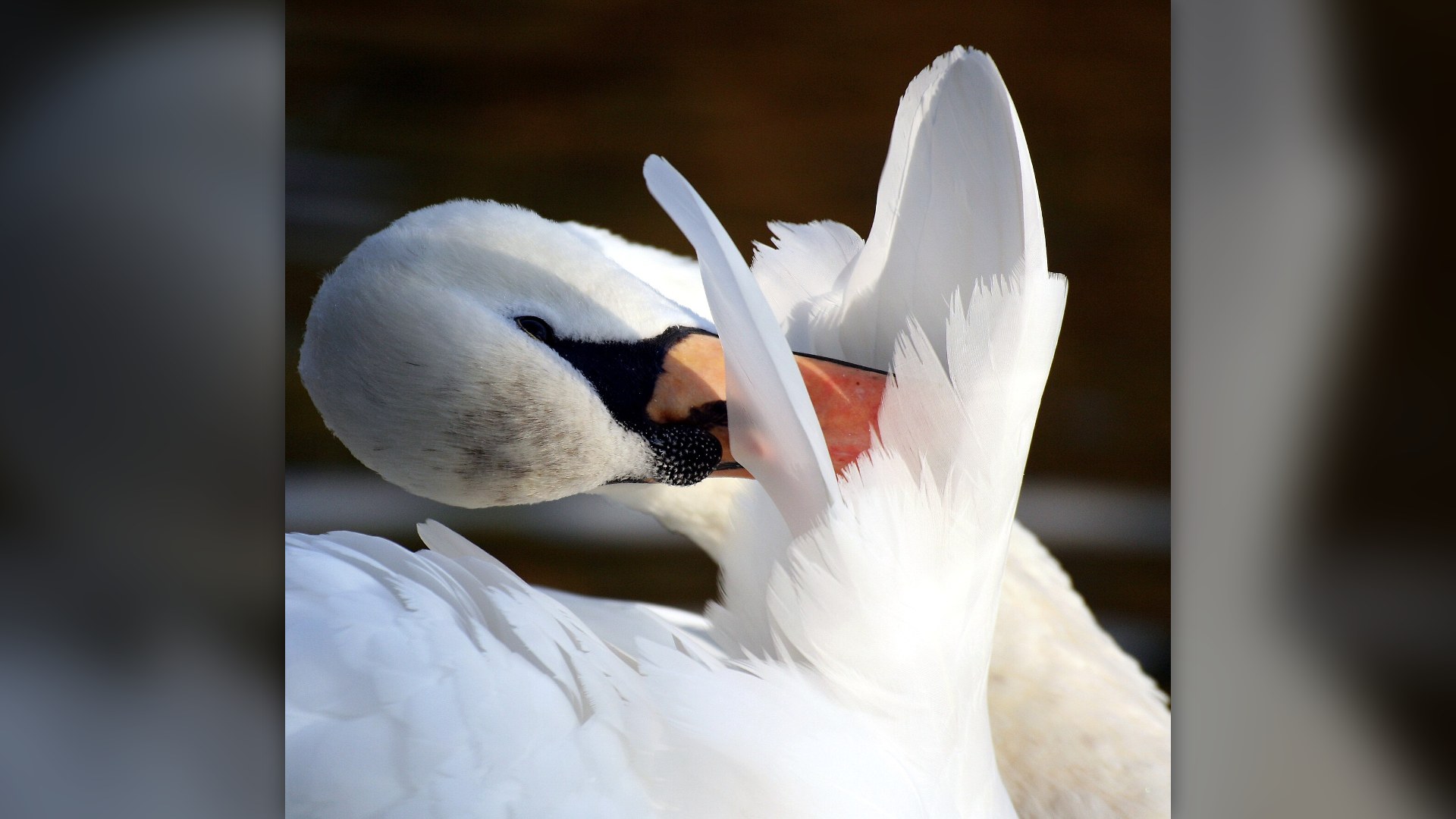
Located near the base of the tail, the uropygial gland secretes a rich blend of waxes and oils. Swans spend hours daily spreading this waterproofing oil across their plumage, sealing insulating air pockets underneath to stay completely buoyant and dry in icy waters.
8. Fierce Territorial Defense
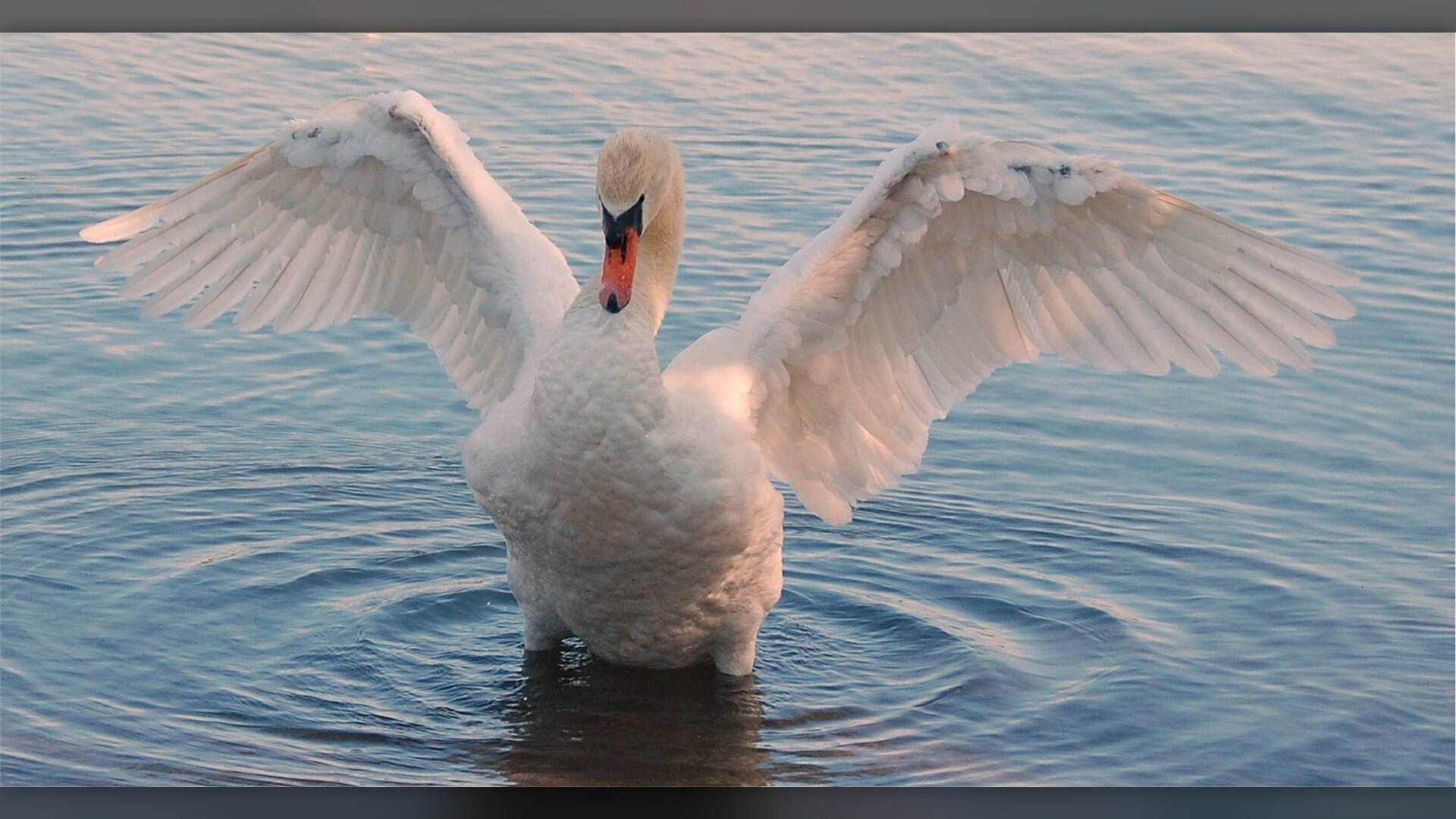
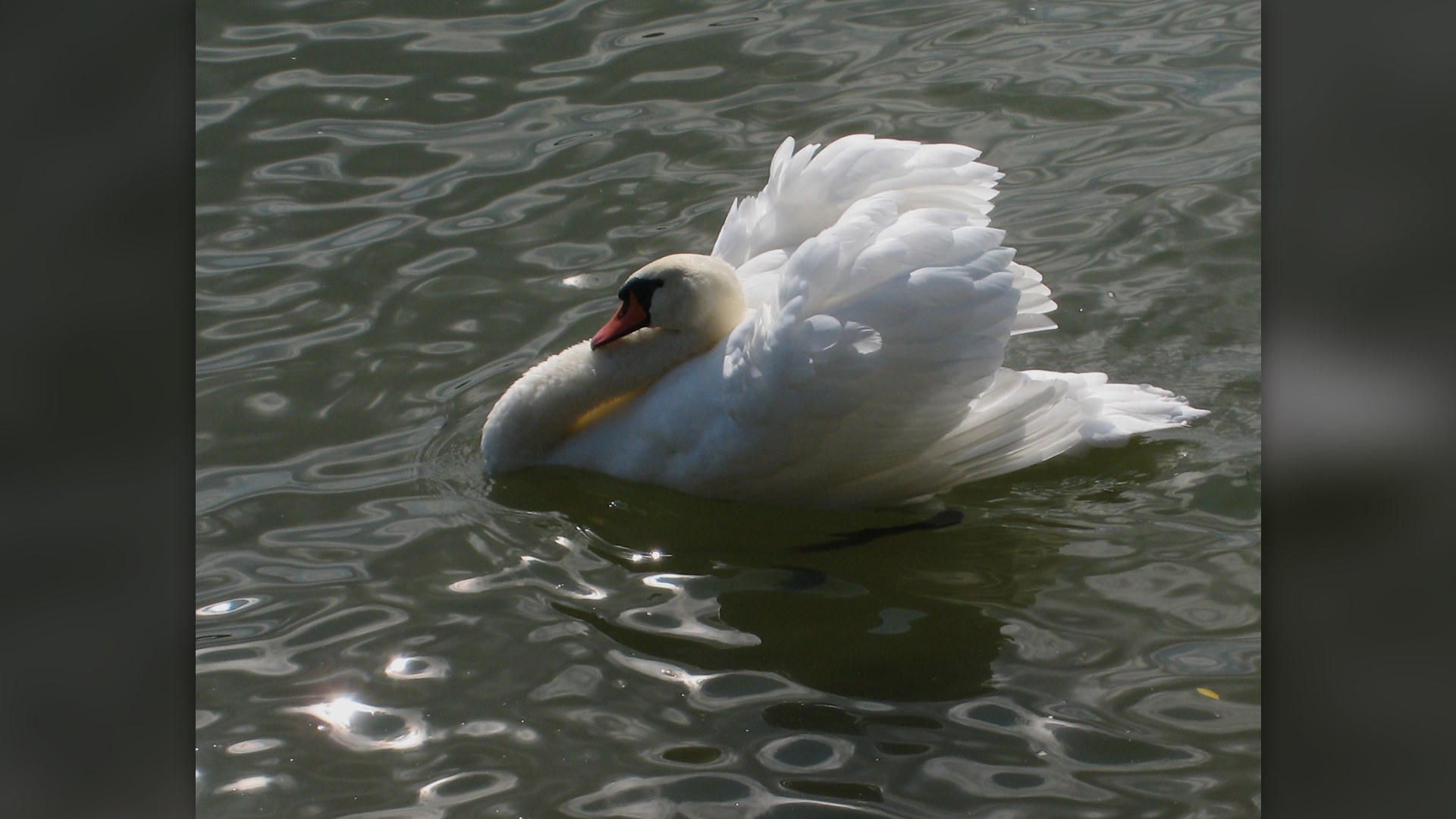
During spring nesting season, a male swan becomes a fierce sentinel. Arching secondary wing feathers in a threat posture called 'busking,' the cob charges across the water to ram perceived intruders, hissing explosively to protect his nesting mate and unhatched eggs.
7. Ten-Foot Flying Wingspan
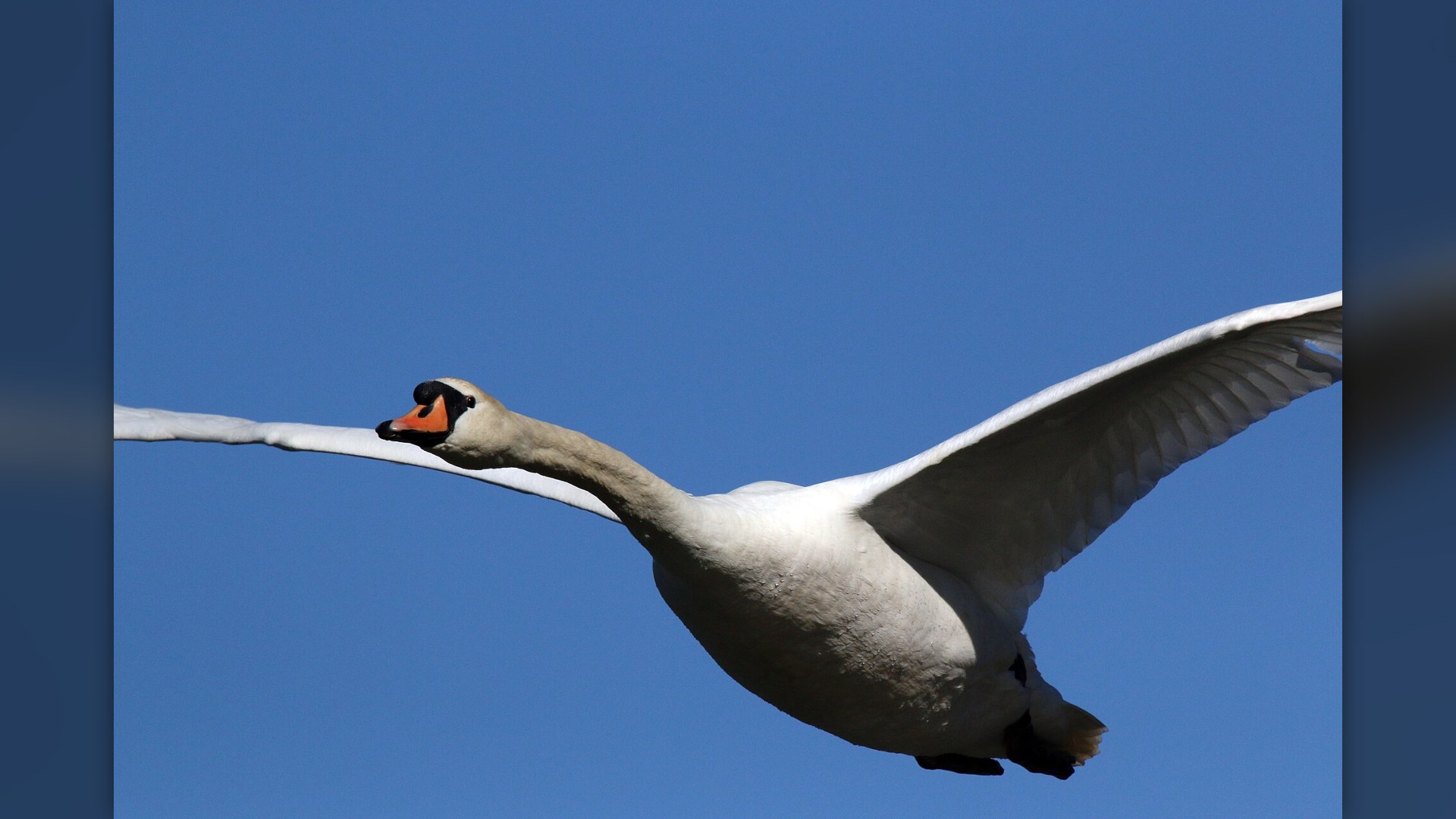
Mature mute and trumpeter swans boast enormous wingspans reaching 8 to 10 feet from tip to tip. In flight, their rhythmic wingbeats produce a distinctive whistling thrum audible over a mile away, serving as an acoustic beacon to keep migrating flocks synchronized.
6. Running Surface Takeoff
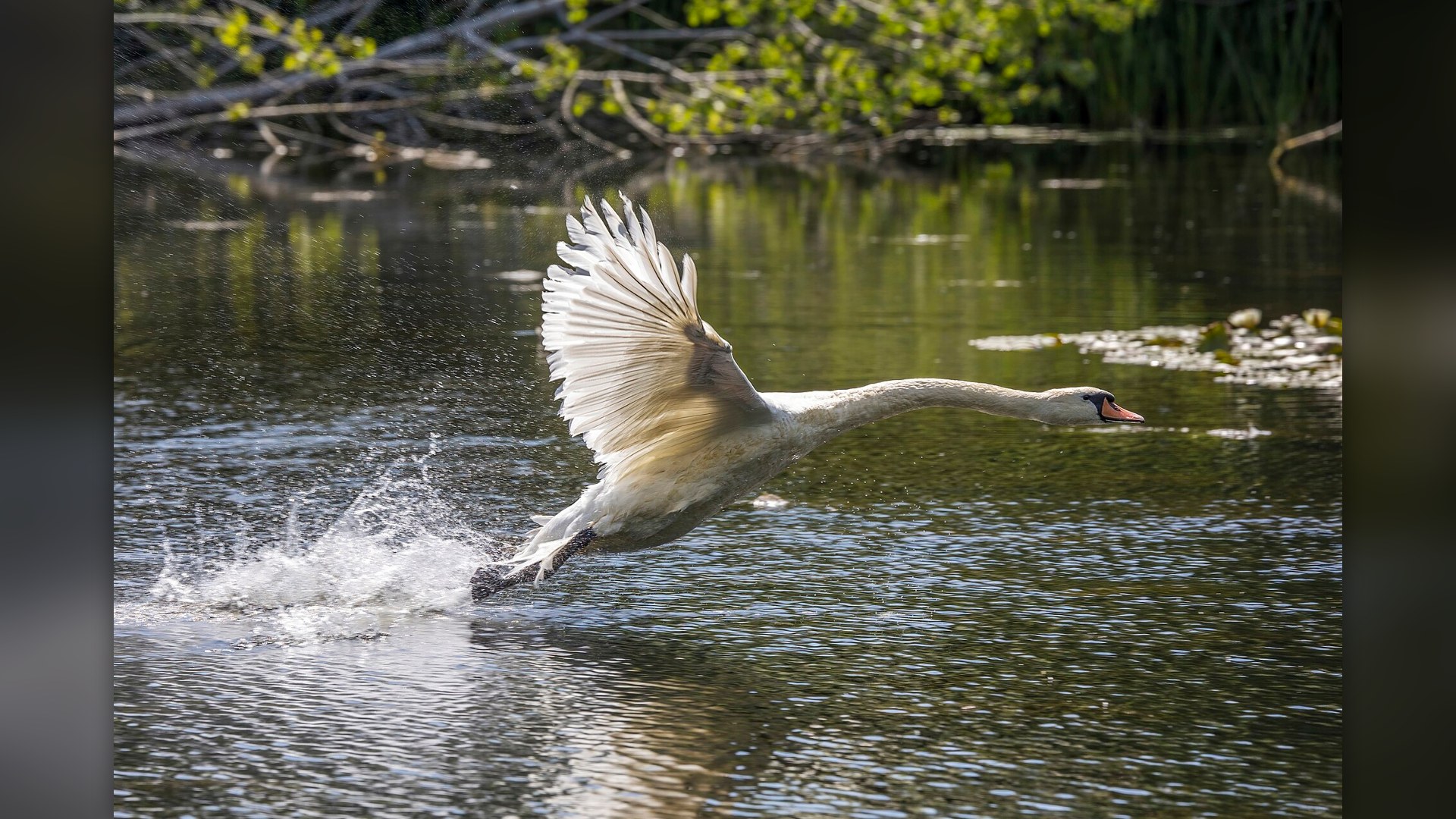
Taking flight is a demanding athletic feat for heavy swans. They must head into the wind, paddle their large webbed feet vigorously across the water's surface, and beat their broad wings in unison, sprinting up to 30 yards before generating enough lift to become airborne.
5. Internal Brass Horn Windpipe
Unlike mute swans, trumpeter and whooper swans possess an elongated windpipe that loops deep within their hollow breastbone. Acting like the brass tubing of a French horn, this biological resonator amplifies low-frequency honks so powerfully they resonate across miles of wilderness.
4. Up-Ending Bottom Grazers
Too buoyant to dive beneath the surface, swans feed through a technique called 'up-ending.' By tipping vertically with tails raised high into the air, their long necks allow them to graze submerged pondweeds and roots up to three feet deep that other waterfowl cannot reach.
3. The Swan Song Legend
The enduring phrase 'swan song' originates from ancient Greek folklore claiming that the mute swan, silent in life, bursts into a breathtaking melody moments before death. While poetically celebrated, modern biology confirms mute swans vocalize with diverse grunts, snorts, and hisses throughout life.
2. Back-Riding Cygnets
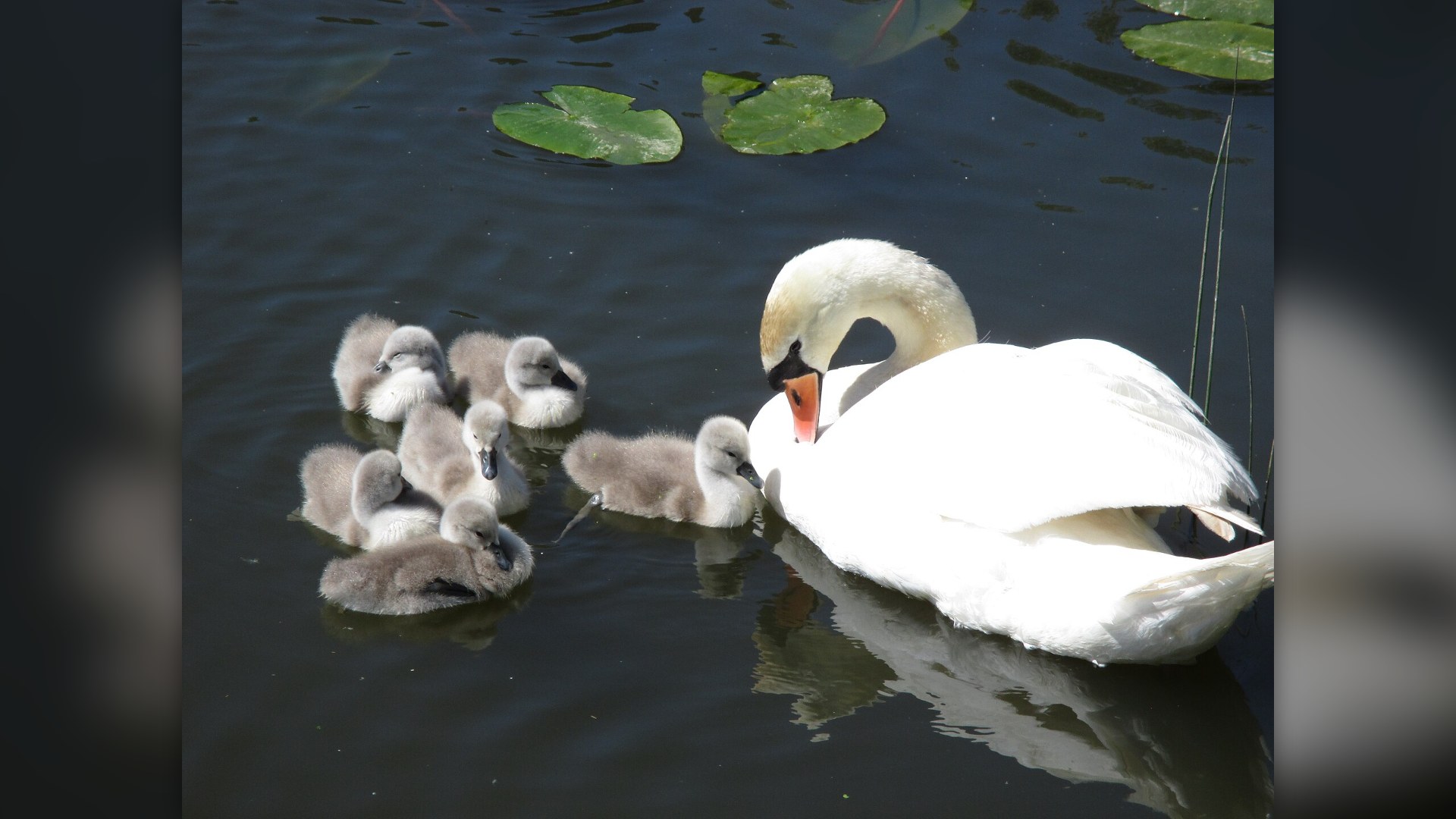
Vulnerable newborn cygnets face constant threats from predatory fish, turtles, and hawks. To keep them safe and warm, parent swans lower their bodies in the water, allowing tiny chicks to climb aboard and ride comfortably between their parent's raised, waterproof wing feathers.
1. The Basal Knob Signal
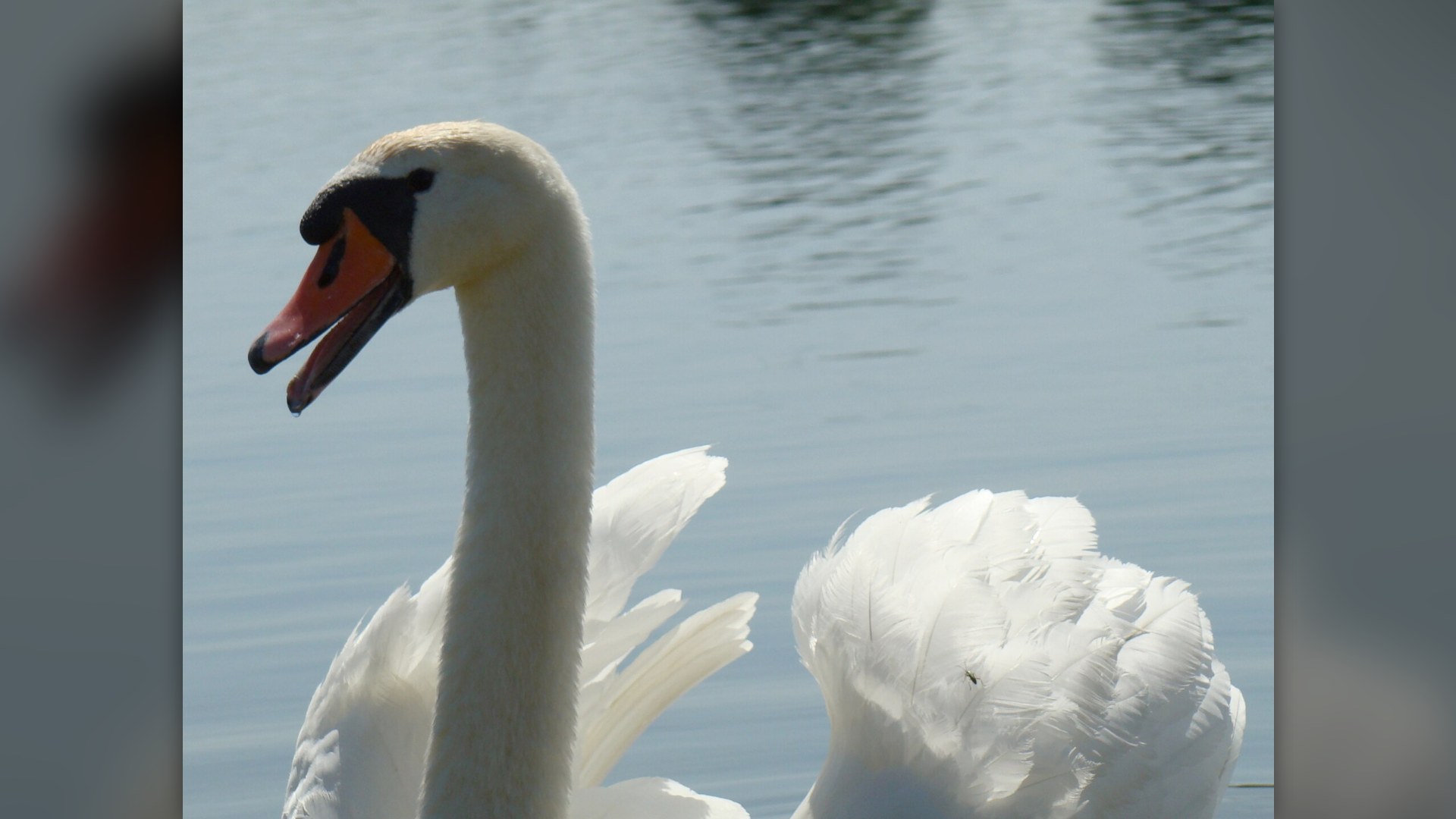
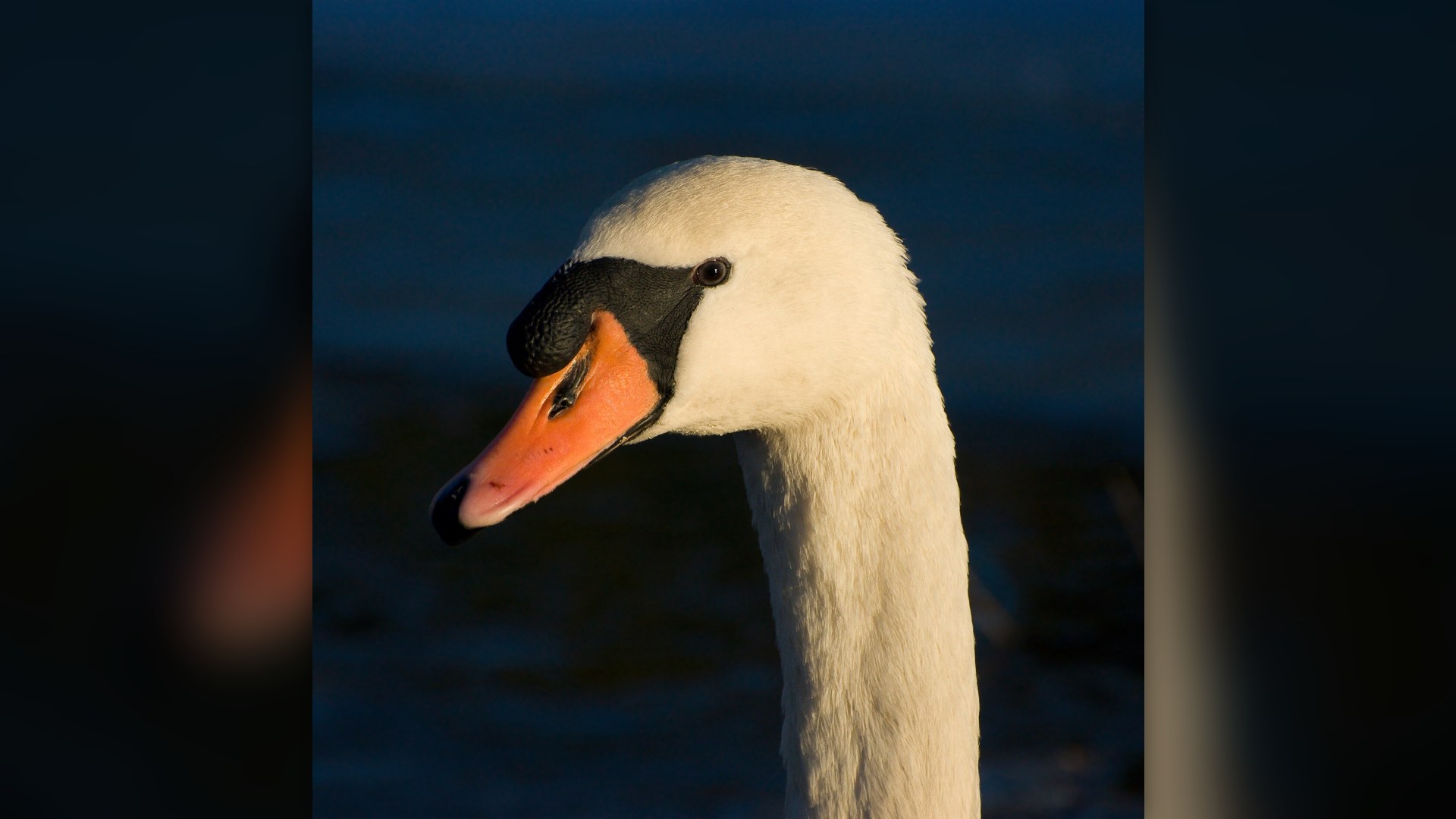
The prominent black bulb above a mute swan's bill is called the basal knob. In adult cobs, this fleshy structure swells visibly during spring breeding season, acting as a clear biological indicator of testosterone levels, physical vigor, and dominant status to potential mates and rivals.