Slideshow · Travel
20 New York Landmarks That Survived Predictions of the City's End
New York has faced Revolutionary fires, the 1970s fiscal crisis, and pandemic shutdowns, yet its defining landmarks still stand. Based on NYC Landmarks Preservation Commission records, the National Park Service, and reporting by The New York Times, this countdown tracks 20 icons that outlived predictions of doom.
By Most Viral Today
55 min ago

Critics wrote New York off. These 20 landmarks outlasted them all. 
20. Fraunces Tavern 
19. Eldridge Street Synagogue 
18. Jefferson Market Library - AdvertisementSwipe or tap ▶ to continue countdown

17. Stonewall Inn 
16. The Dakota 
15. Washington Square Arch 
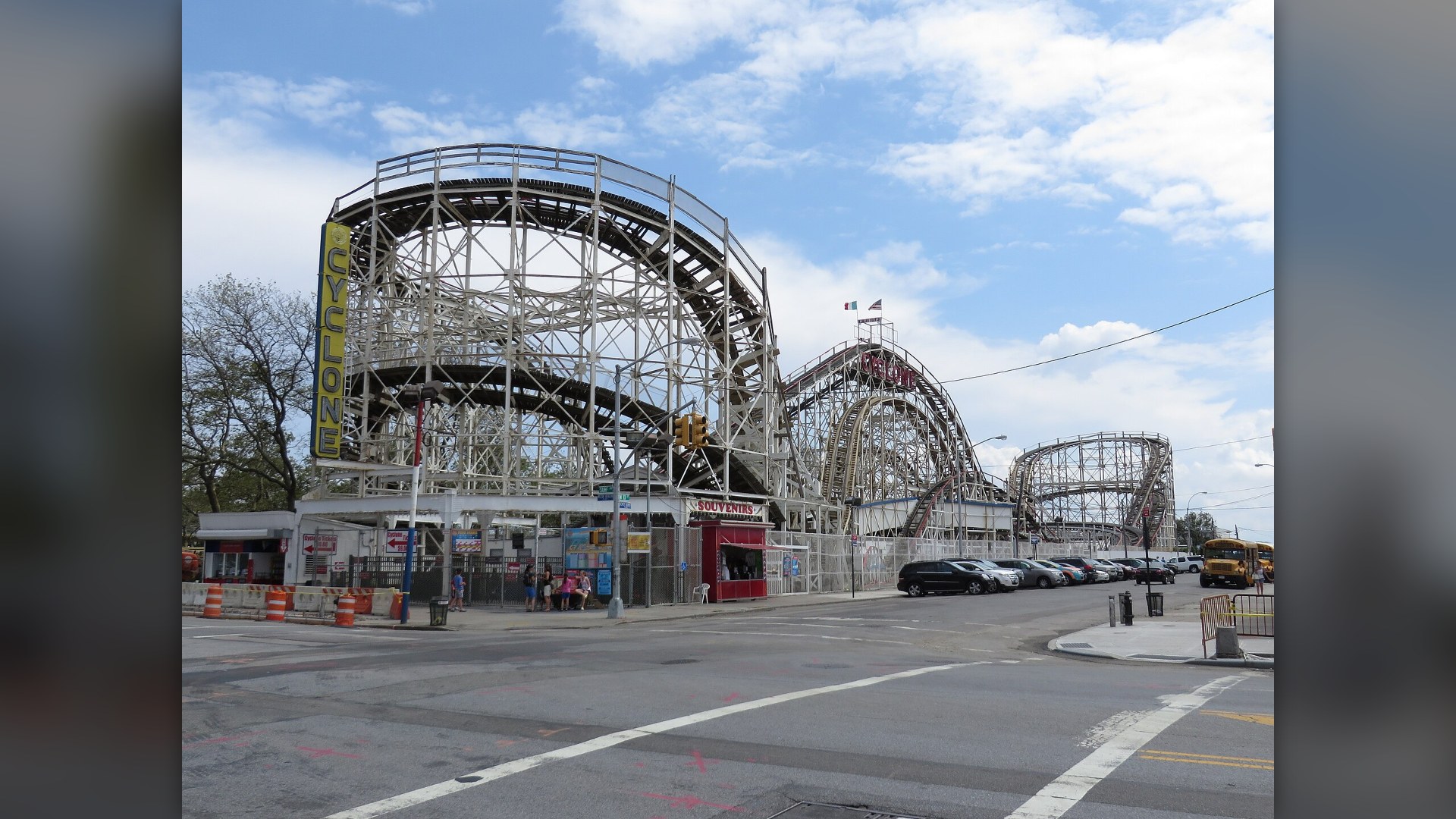
14. Coney Island Cyclone - AdvertisementSwipe or tap ▶ to continue countdown

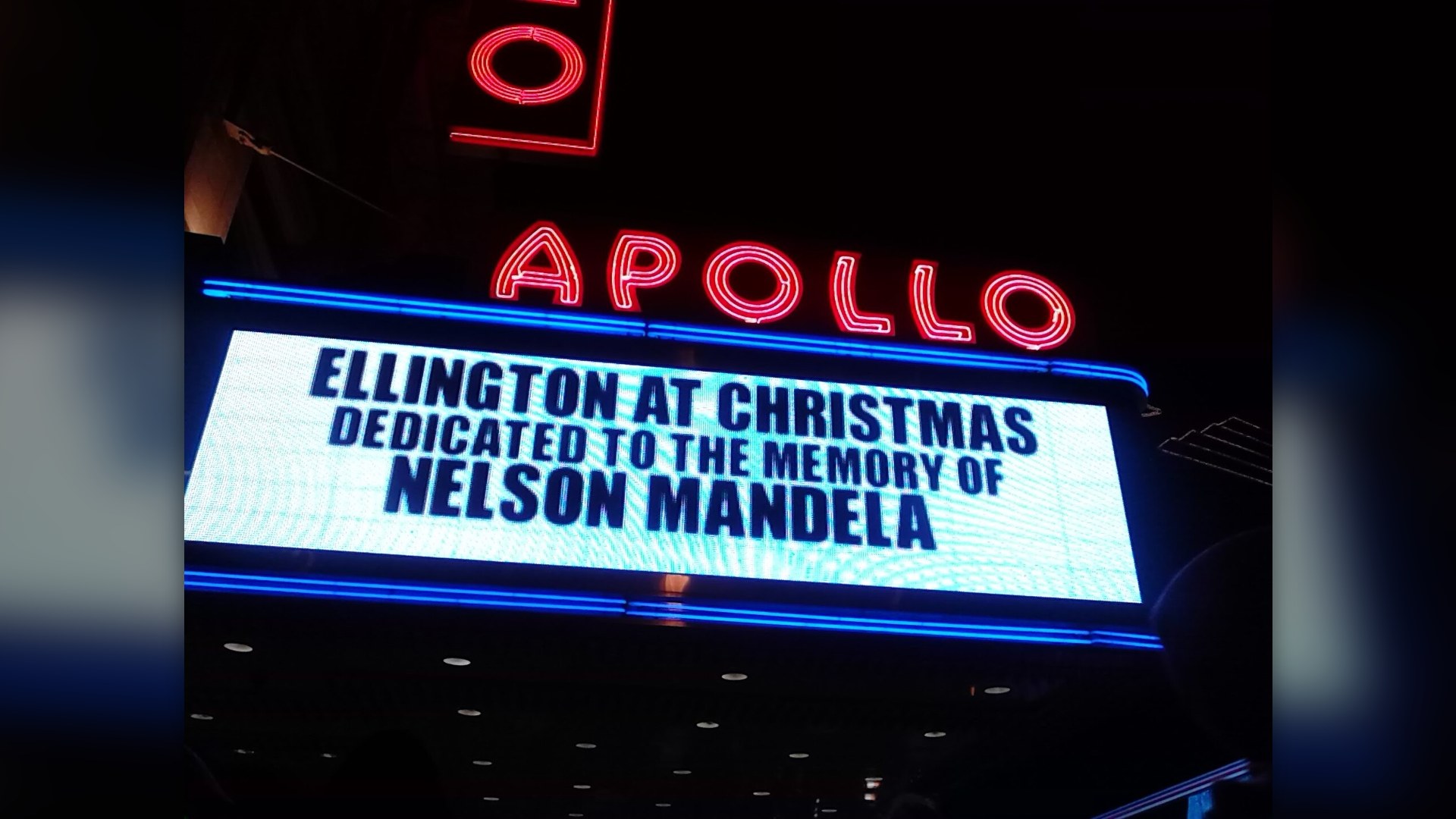
13. Apollo Theater 
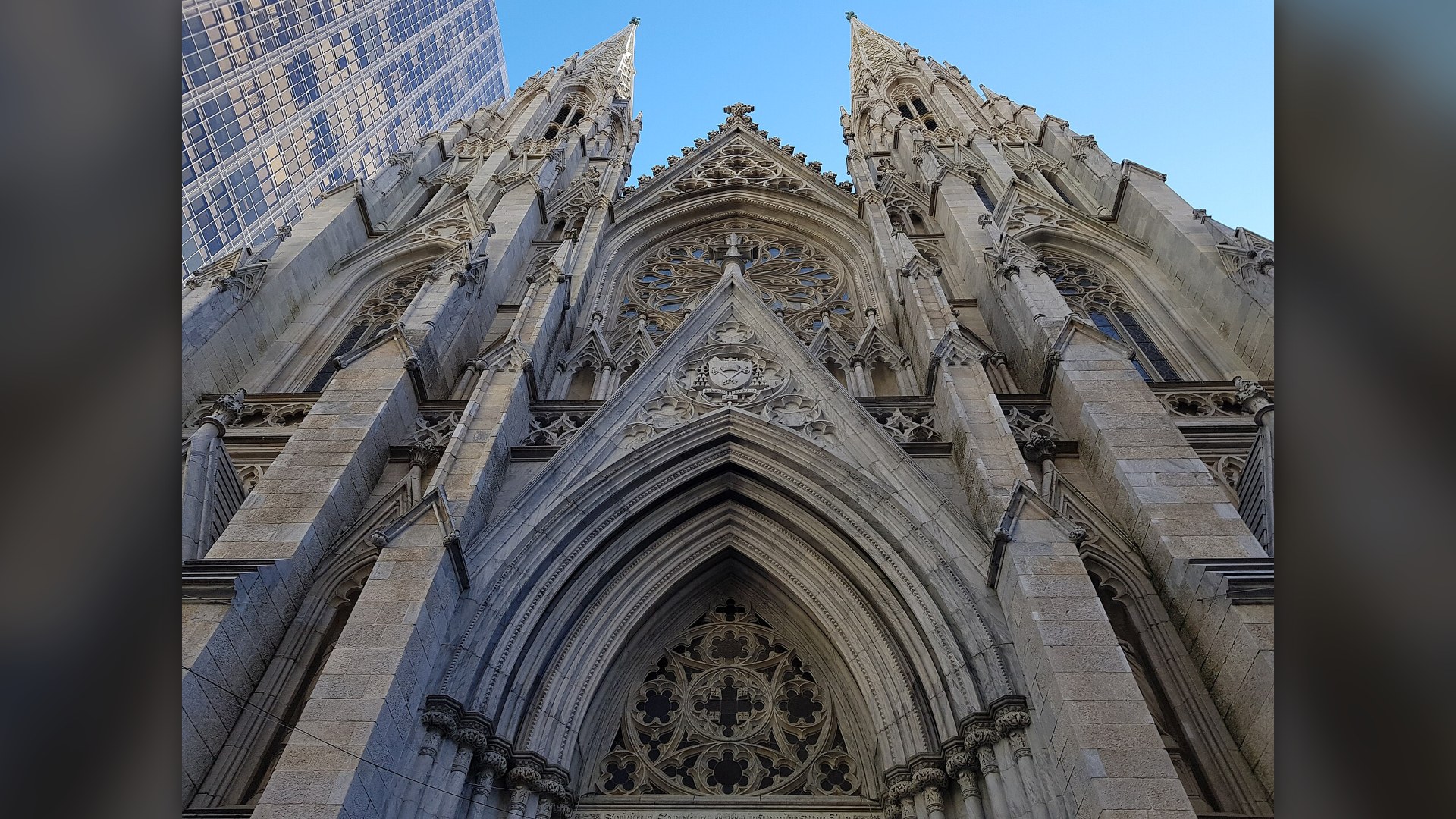
12. St. Patrick's Cathedral 
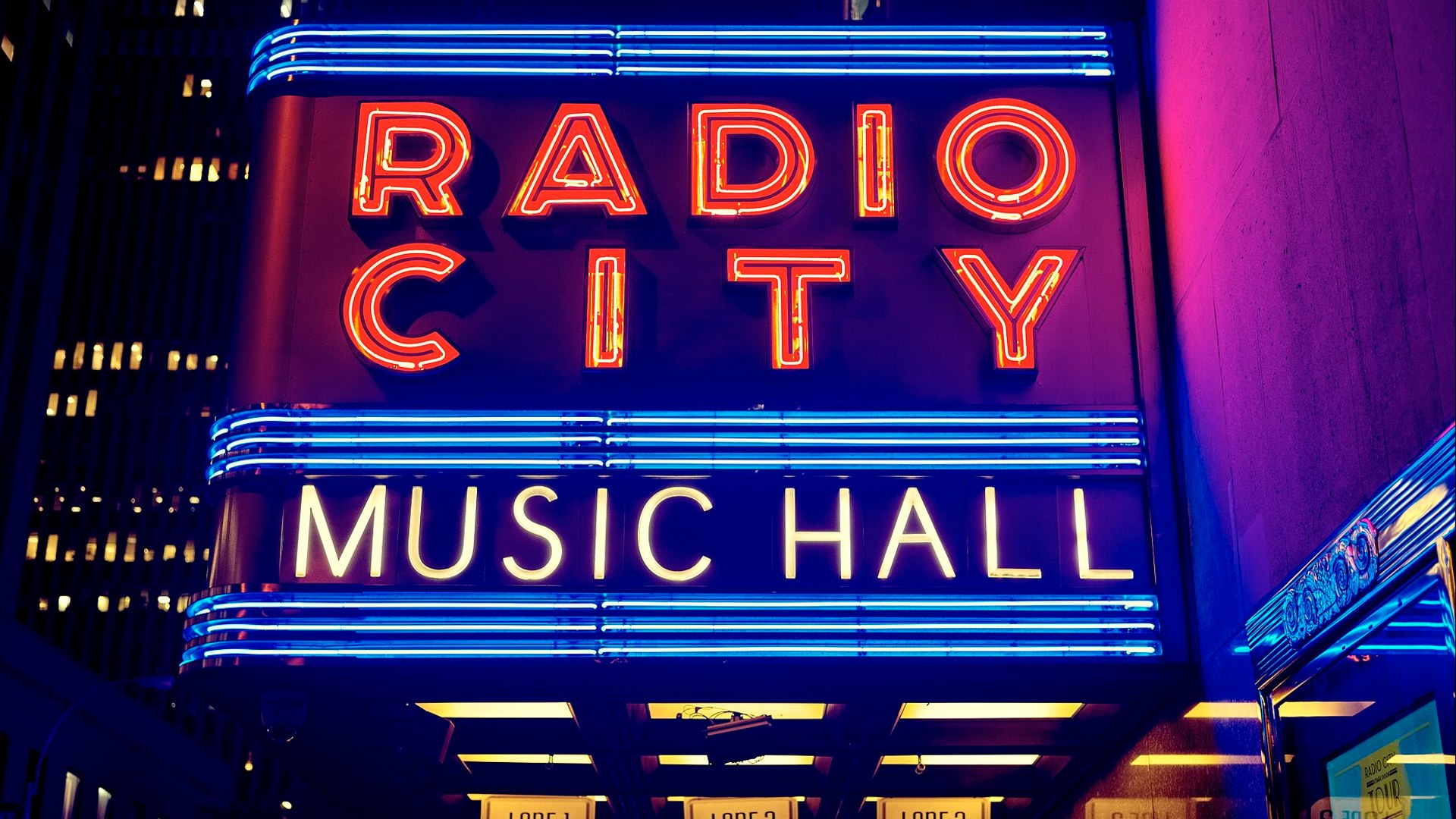
11. Radio City Music Hall 
10. Carnegie Hall - AdvertisementSwipe or tap ▶ to continue countdown

9. The High Line 
8. Times Square 
7. New York Public Library Main Branch 
6. Central Park - AdvertisementSwipe or tap ▶ to continue countdown

5. Ellis Island 
4. Grand Central Terminal 
3. Brooklyn Bridge 
2. Empire State Building - AdvertisementSwipe or tap ▶ to continue countdown

1. Statue Of Liberty - Advertisement🔥 UP NEXT IN THIS SERIES◫ 23 Slides

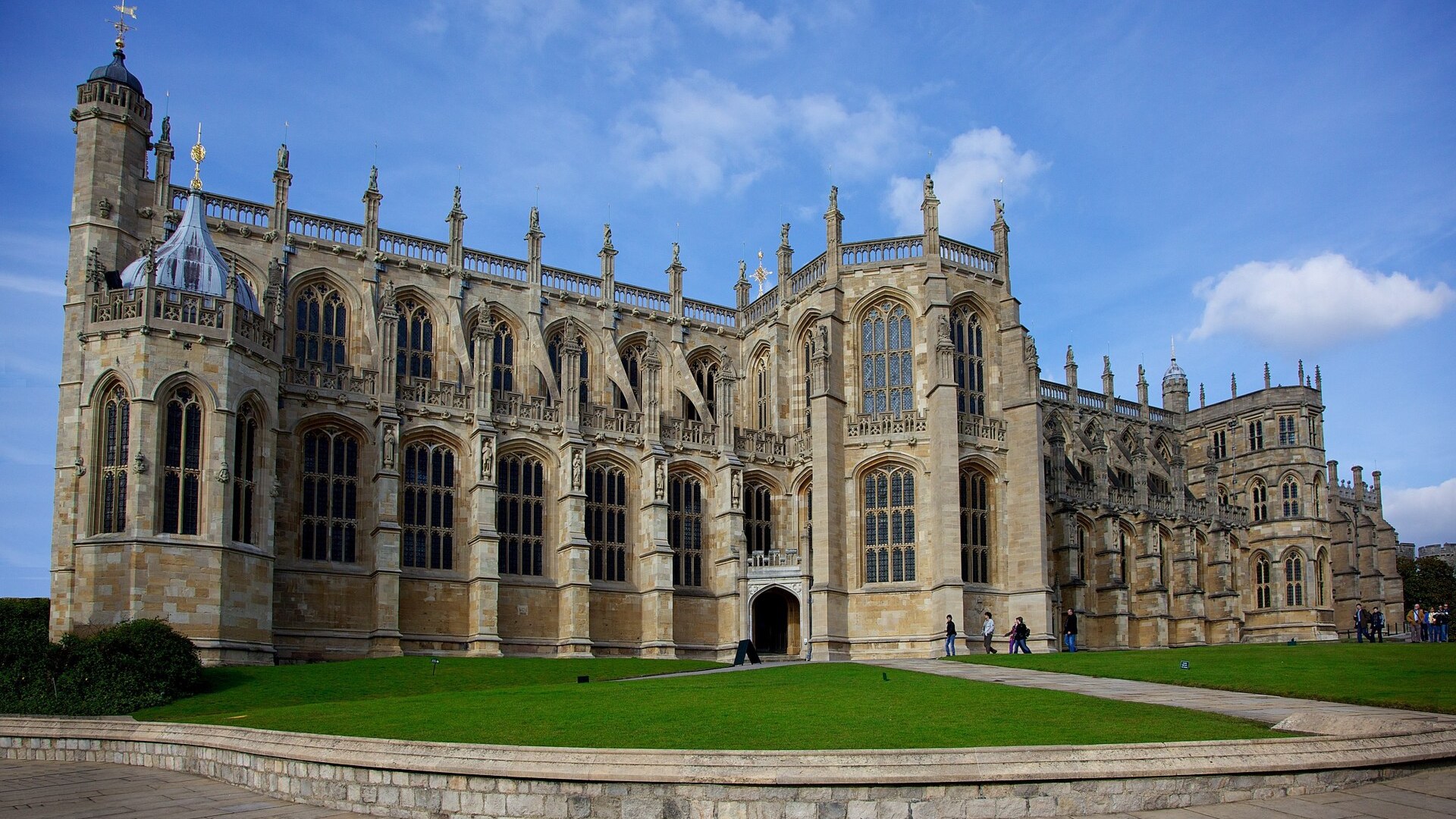
22 Historic Rooms and Royal Rituals That Shaped Windsor Castle
William the Conqueror built Windsor's first timber keep around 1070, and monarchs have reshaped its towers, halls and chapels ever since. This countdown tours 22 rooms and royal rituals, from guard duties to state banquets, based on Royal Collection Trust records, the College of St George and Historic England.
New York has faced Revolutionary fires, the 1970s fiscal crisis, and pandemic shutdowns, yet its defining landmarks still stand. Based on NYC Landmarks Preservation Commission records, the National Park Service, and reporting by The New York Times, this countdown tracks 20 icons that outlived predictions of doom.
Swipe or tap ▶ to begin the countdown
©Wikimedia / William Warby & Wikimedia / Terabass
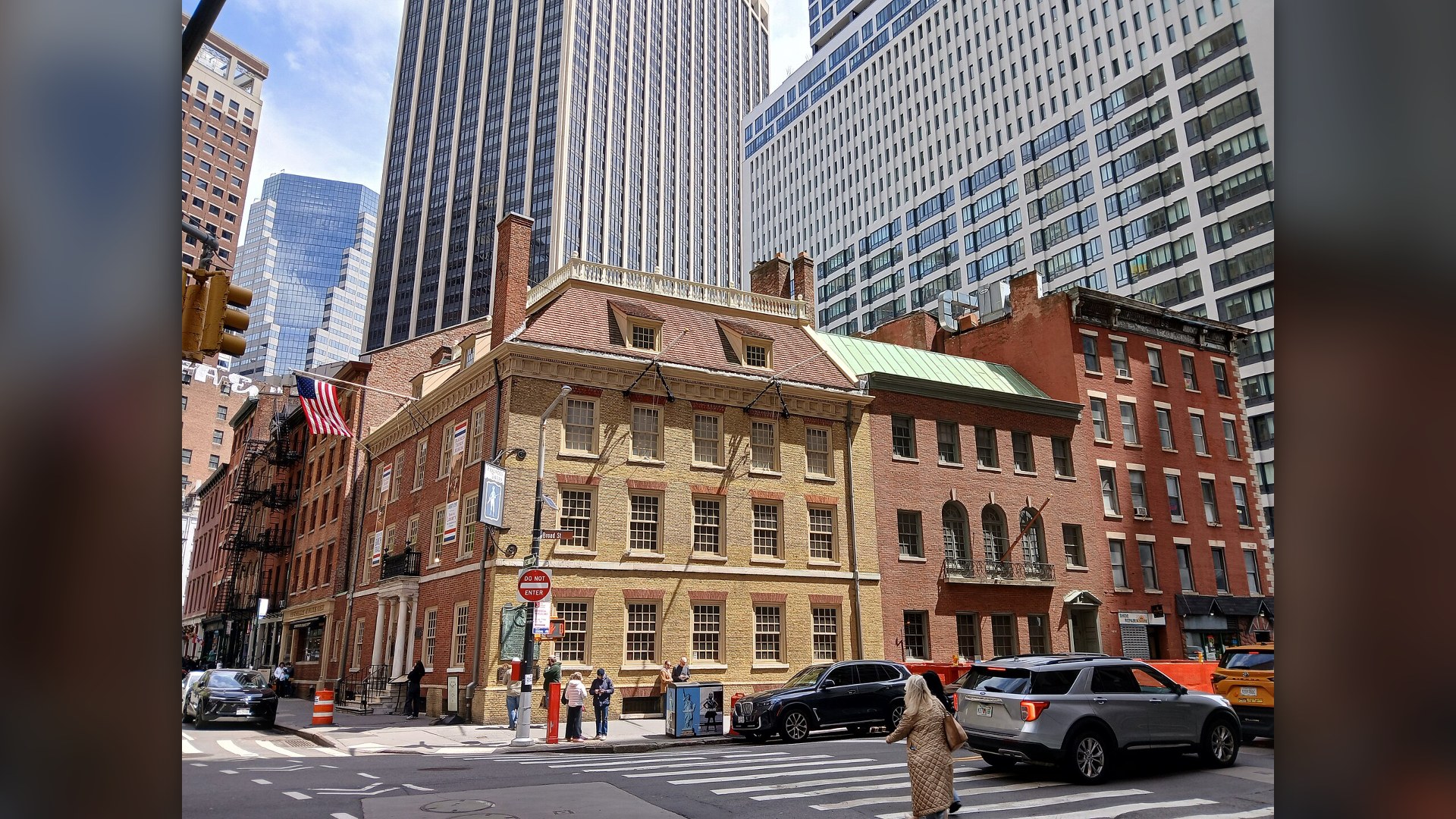
20. Fraunces Tavern
George Washington bade farewell to his Continental Army officers in Fraunces Tavern's Long Room on December 4, 1783. After 19th-century fires and a deadly 1975 bombing damaged the building, the Sons of the Revolution restored the Pearl Street landmark. It operates as a museum and tavern.
©Wikimedia / Epicgenius
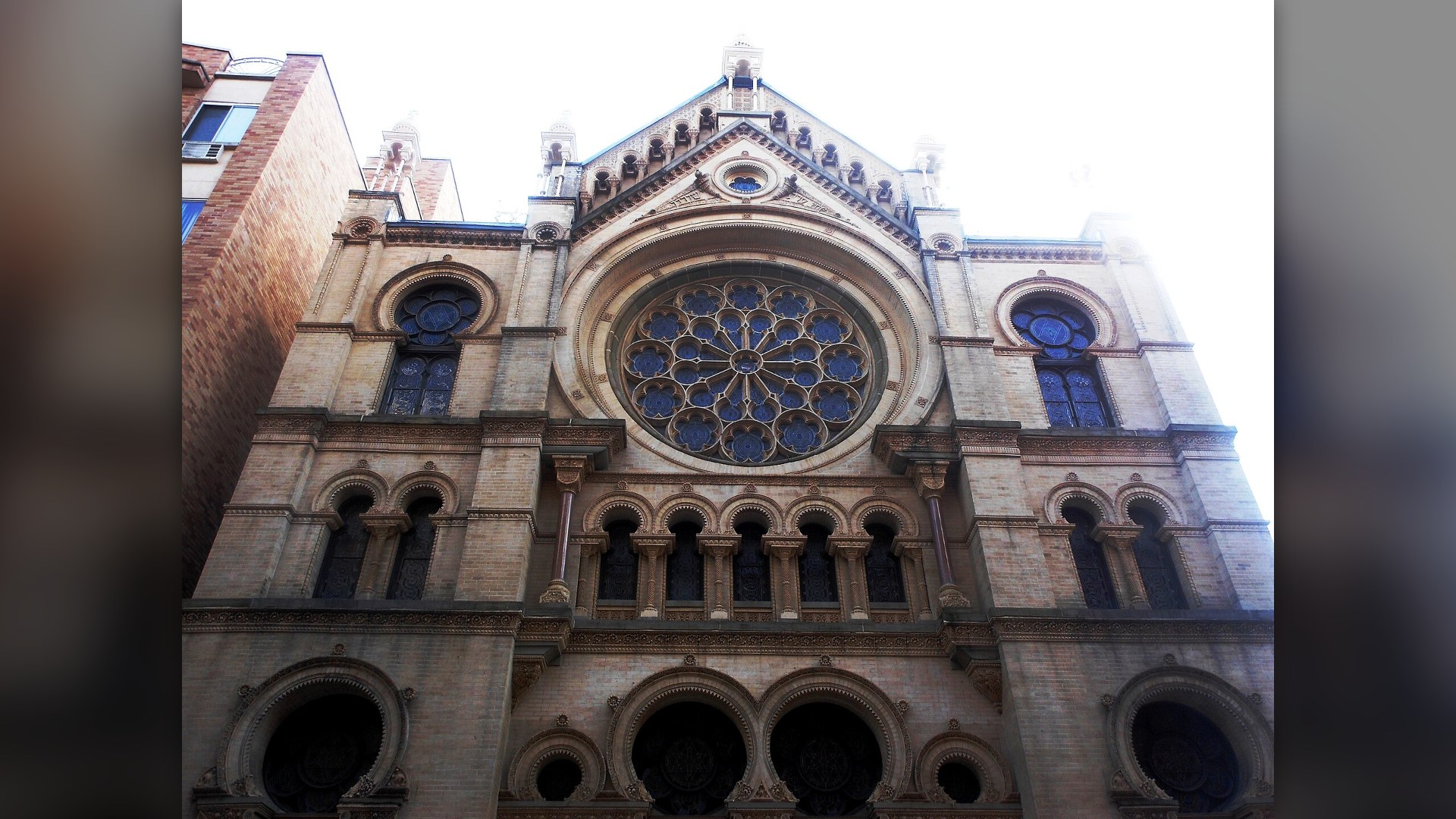
19. Eldridge Street Synagogue
Opened in 1887 by Eastern European Jewish immigrants, the sanctuary fell into severe disrepair by the 1950s as its congregation shrank. Preservationists launched a 20-year, $20 million restoration in 1986, and the building reopened as the Museum at Eldridge Street in 2007.
©Wikimedia / Alexisrael
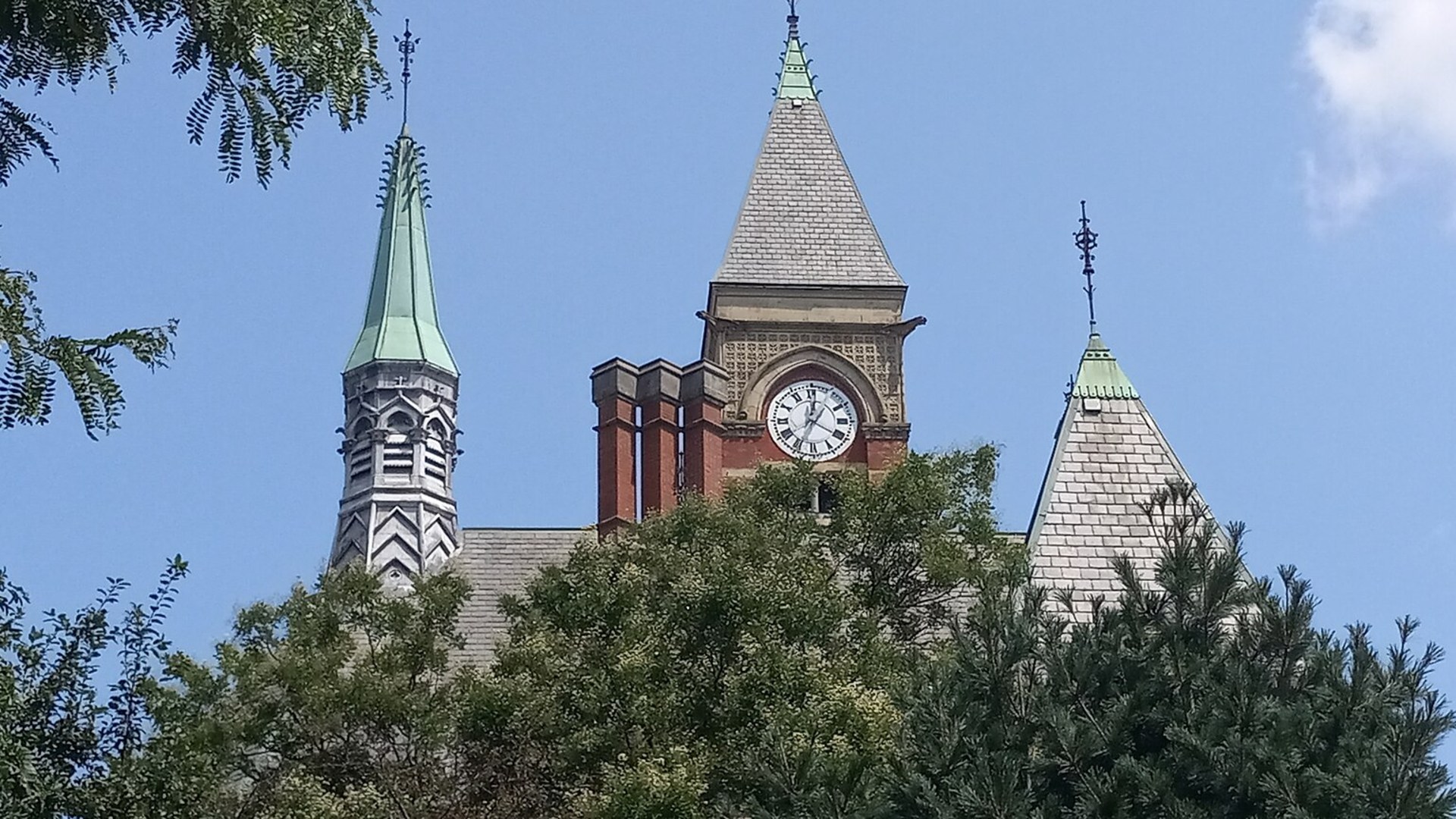
18. Jefferson Market Library
Built in 1877 as a courthouse and market, the building stood empty after 1945 and faced demolition by city planners. Neighbor Margot Gayle led a campaign that convinced New York Public Library trustees to convert the brick tower into a neighborhood branch in 1967.
©Wikimedia / Kidfly182
Advertisement
Swipe or tap ▶ to resume the countdown.
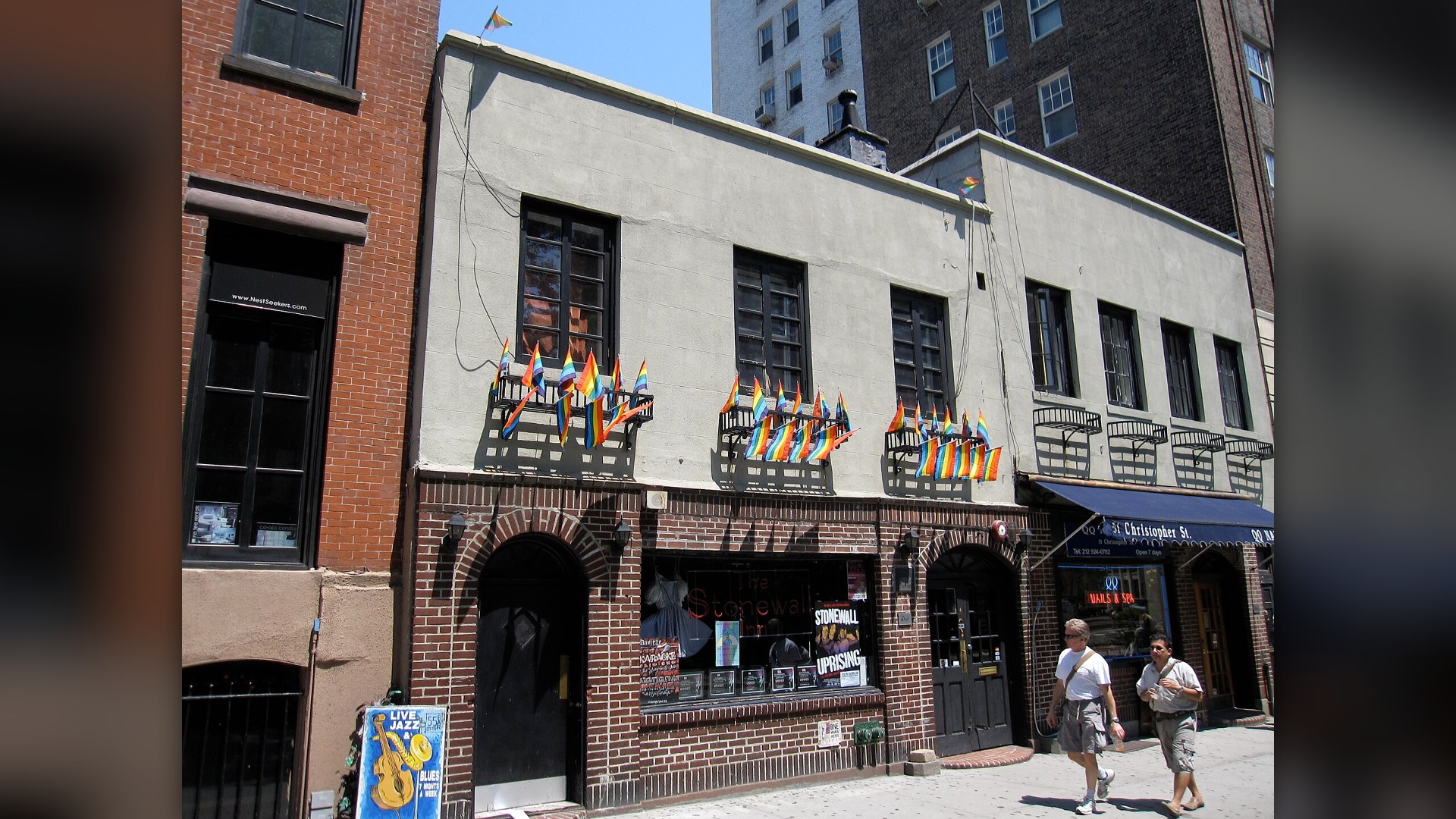
17. Stonewall Inn
Following the June 1969 riots, the original Stonewall Inn closed within months and cycled through unrelated storefronts on Christopher Street. A new bar reopened in part of the space in 1990, and President Barack Obama designated the site a U.S. National Monument in 2016.
©Wikimedia / Gryffindor
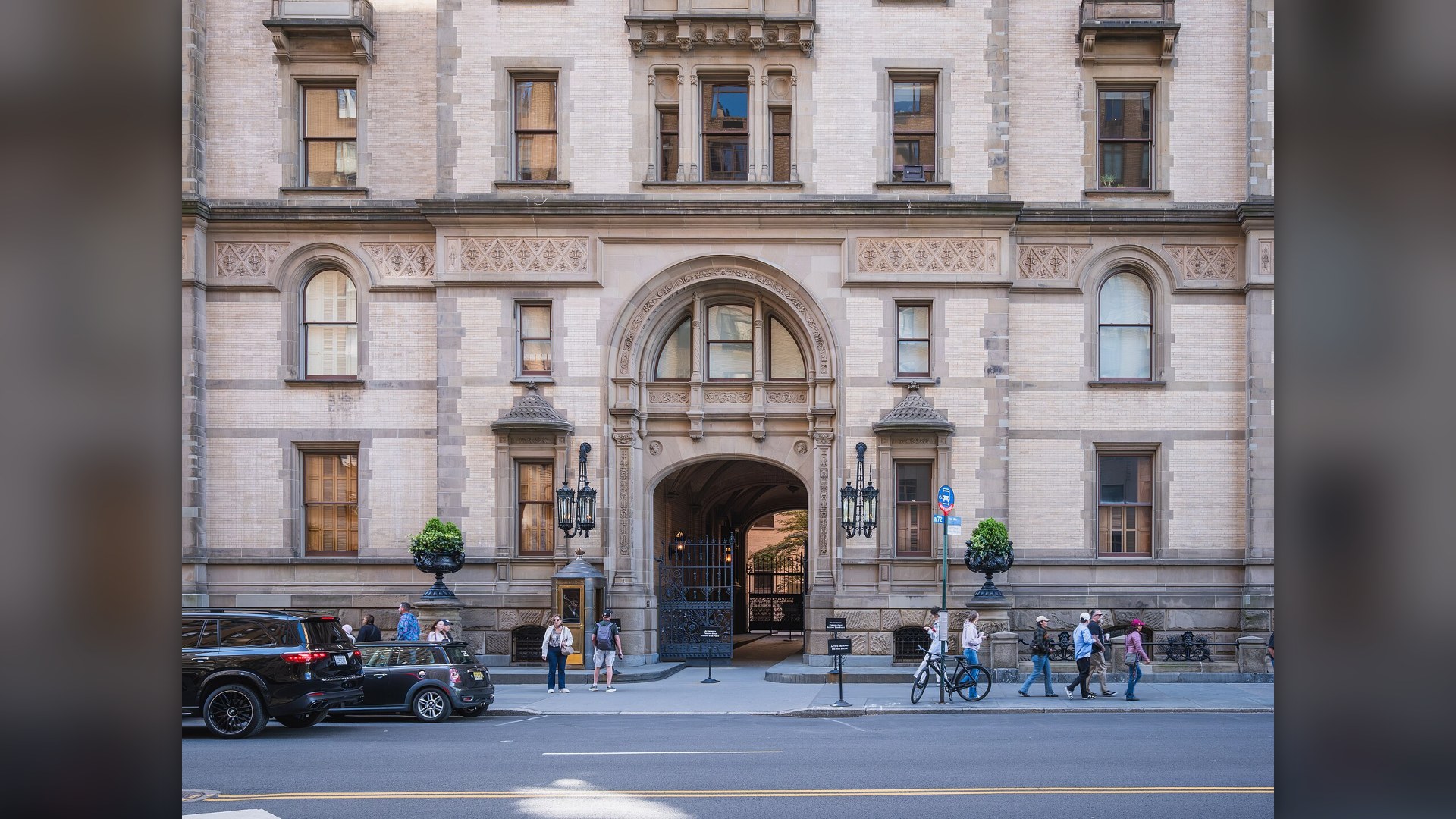
16. The Dakota
Developer Edward Clark opened The Dakota at 72nd Street and Central Park West in 1884, when Manhattan's Upper West Side was mostly farmland and shanties. The gabled landmark instead anchored Central Park West's residential boom and became one of the city's most famous co-ops.
©Wikimedia / Christian David
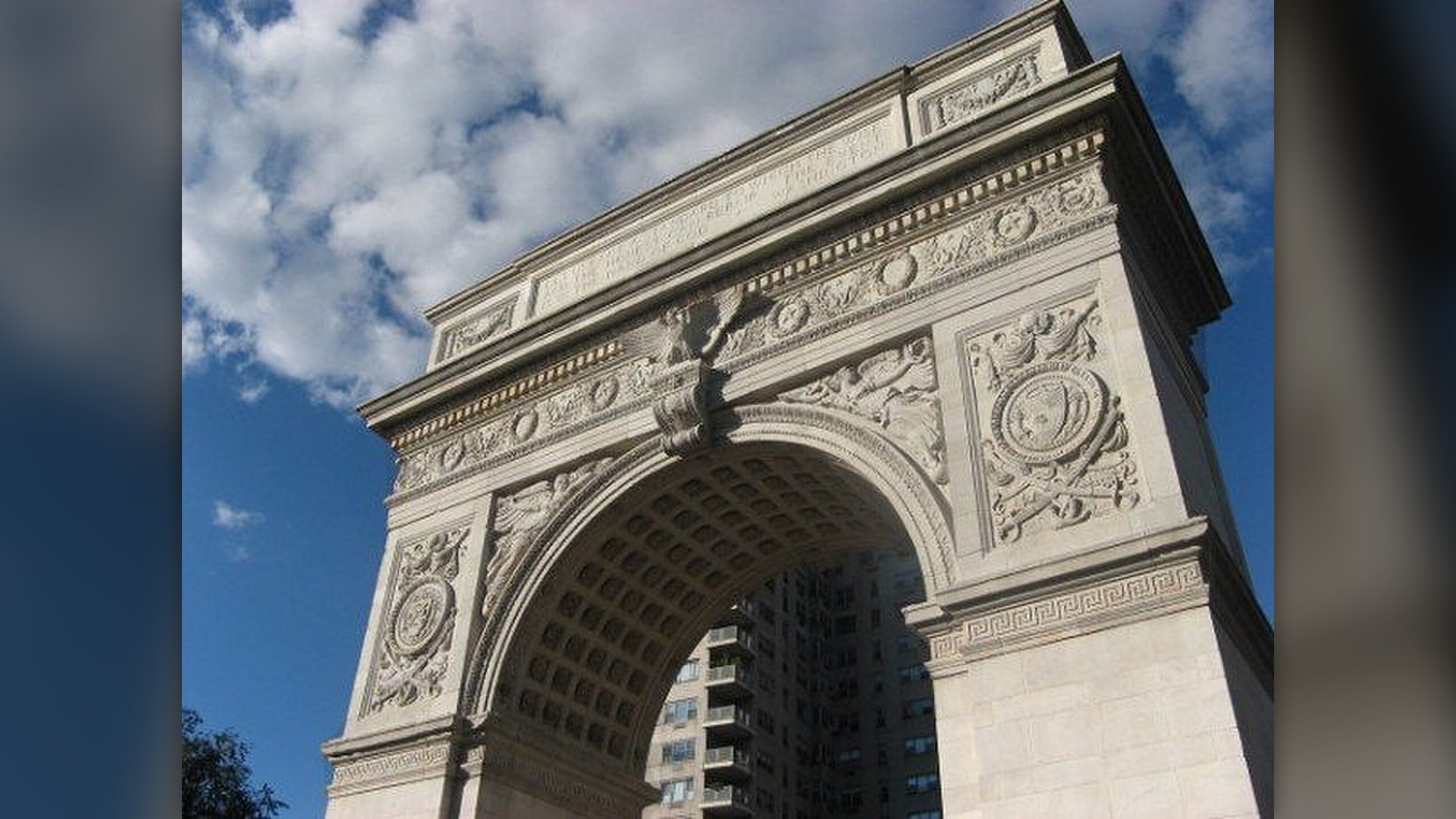
15. Washington Square Arch
In the 1950s, master builder Robert Moses proposed extending Fifth Avenue as a sunken roadway straight through Washington Square Park. Greenwich Village activists, including Jane Jacobs, defeated the highway plan in 1958, keeping the 77-foot marble arch as a pedestrian centerpiece.
©Wikimedia / Michael Sean Gallagher from London, United Kingd
14. Coney Island Cyclone
Opened on June 26, 1927, the Cyclone survived declining boardwalk crowds and a 1975 city plan to tear it down to expand the New York Aquarium. Operators Dewey and Jerome Albert leased the ride that year, and the city granted it official landmark protection in 1988.
©Wikimedia / Leonard J. DeFrancisci
Advertisement
Swipe or tap ▶ to resume the countdown.
13. Apollo Theater
After launching careers from Ella Fitzgerald to James Brown, the Apollo Theater closed in 1976 during Harlem's economic downturn and briefly operated as a movie house. Percy Sutton's group bought it in 1981, and city landmark status in 1983 helped anchor its long-term comeback.
©Wikimedia / Adjoajo
12. St. Patrick's Cathedral
When Archbishop John Hughes broke ground at Fifth Avenue and 50th Street in 1858, skeptics dubbed it Hughes' Folly because Midtown was still rural pastureland. Completed in 1879, the marble cathedral survived the 1970s grime and underwent a $177 million restoration completed in 2015.
©Wikimedia / Sebring12Hrs
11. Radio City Music Hall
Rockefeller Center executives announced in January 1978 that Radio City Music Hall would shut down because it was losing more than $2 million a year. Public protests and New York City interior landmark designation in March 1978 saved the 5,960-seat auditorium from demolition.
©Wikimedia / Luca Bravo lucabravo
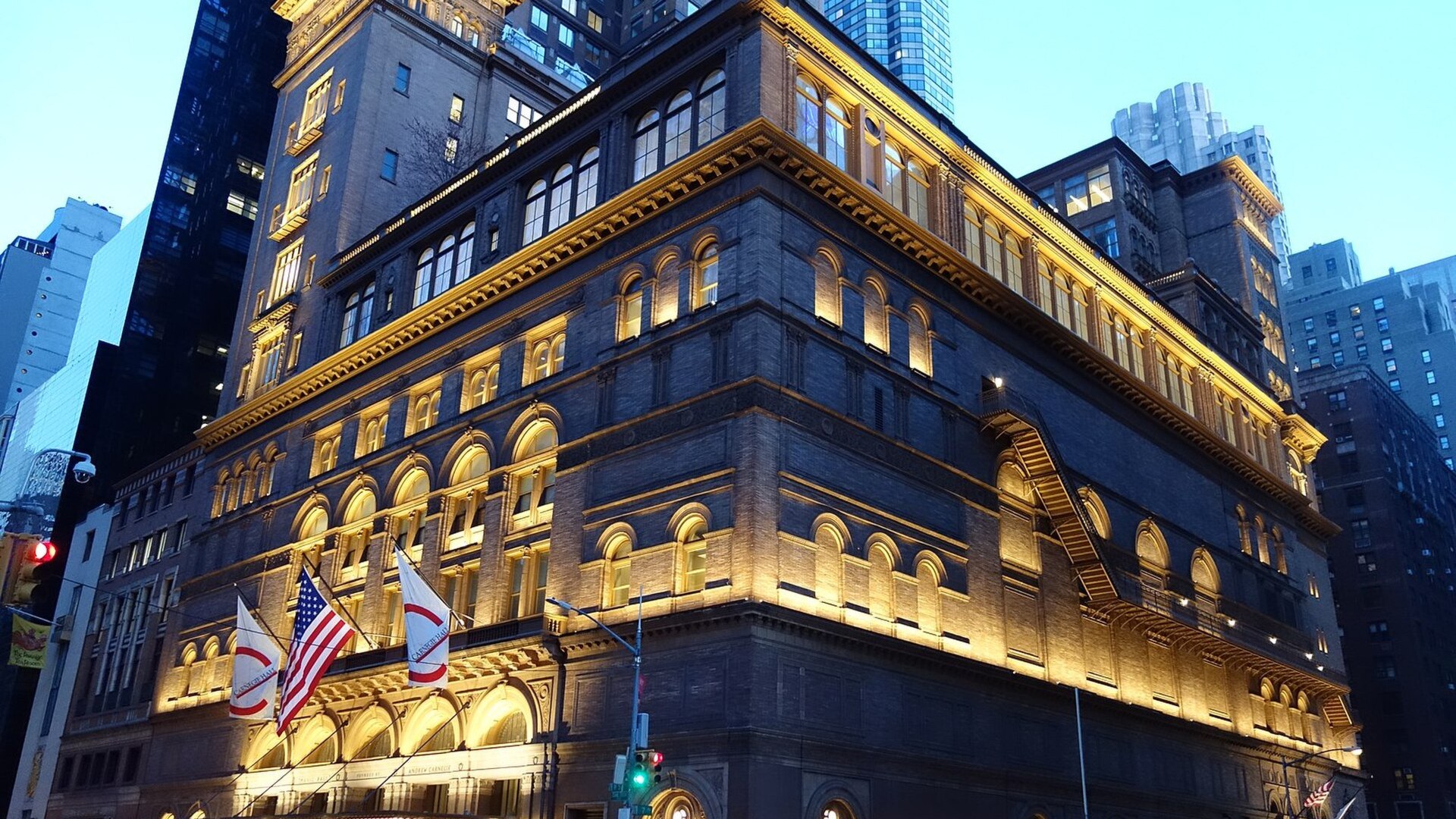
10. Carnegie Hall
By 1959, developers planned to raze the 1891 concert hall after the New York Philharmonic announced a move to Lincoln Center. Violinist Isaac Stern rallied musicians and persuaded New York City to buy the building for $5 million in 1960, preserving its main auditorium.
©Wikimedia / Tdorante10
Advertisement
Swipe or tap ▶ to resume the countdown.
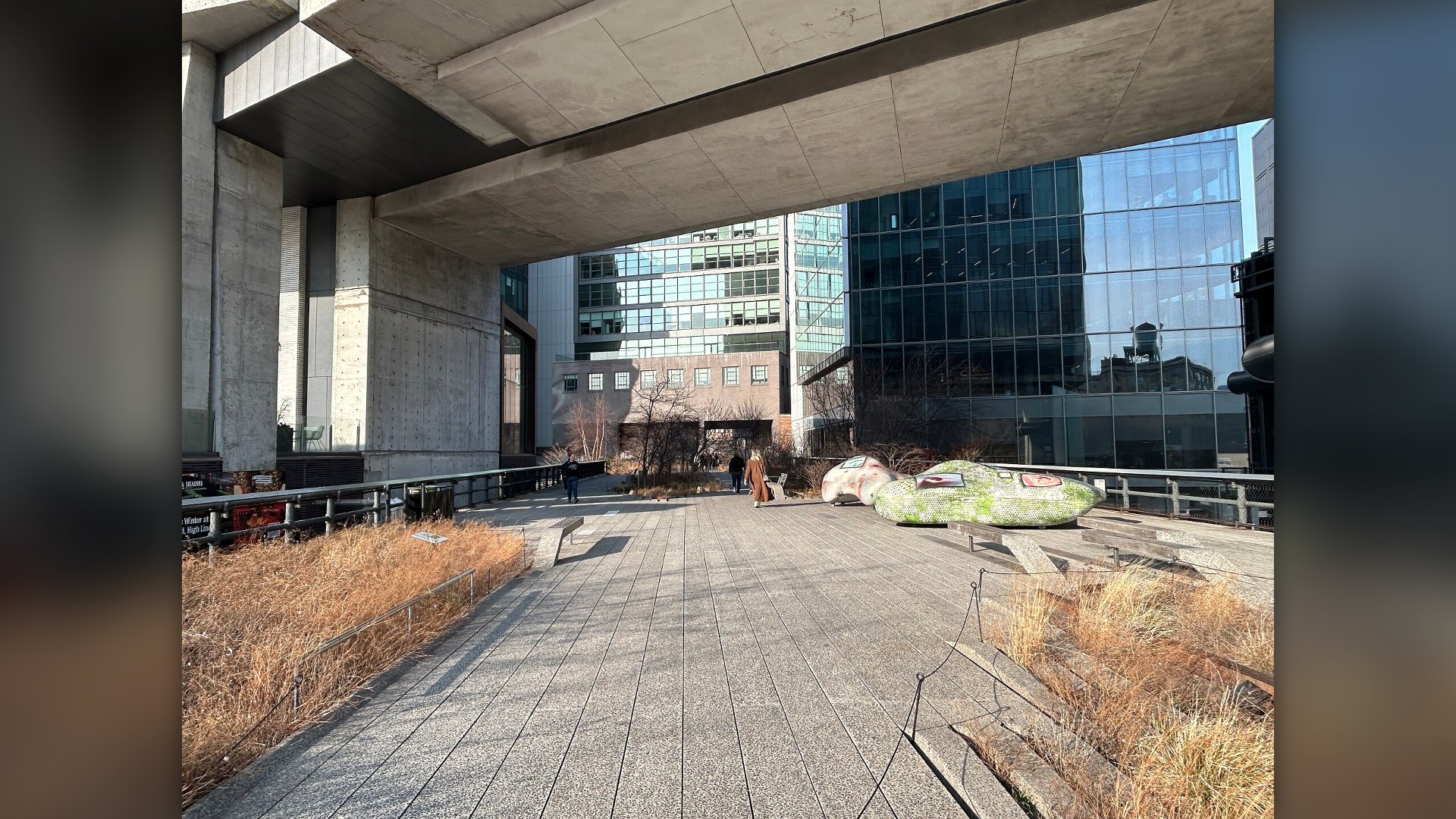
9. The High Line
Built in 1934 to lift freight trains off Tenth Avenue, the elevated rail line carried its last carload of frozen turkeys in 1980 and grew wild with weeds. Joshua David and Robert Hammond founded Friends of the High Line in 1999, opening the first elevated park section in 2009.
©Wikimedia / Crocodiletiger~commonswiki
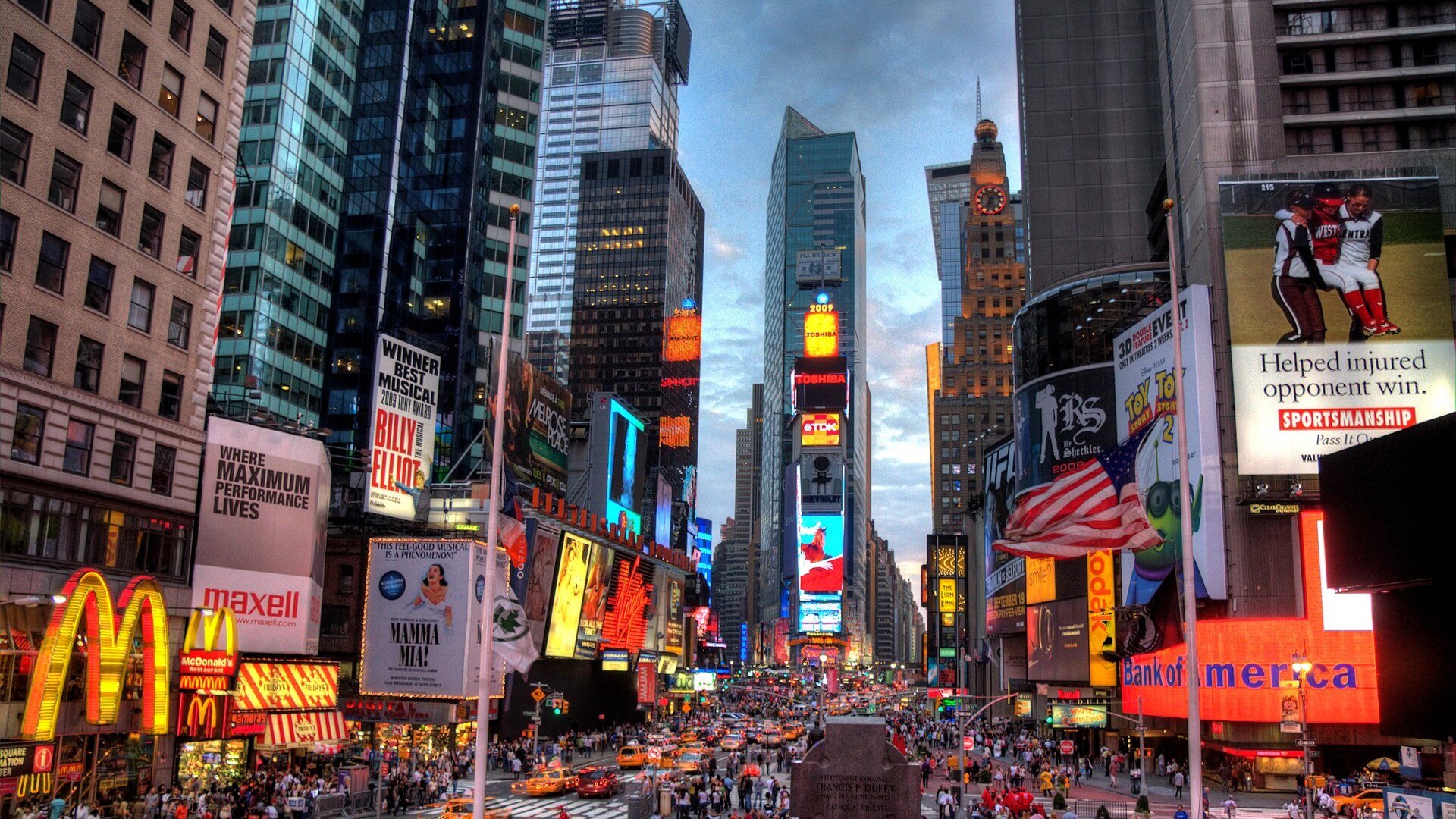
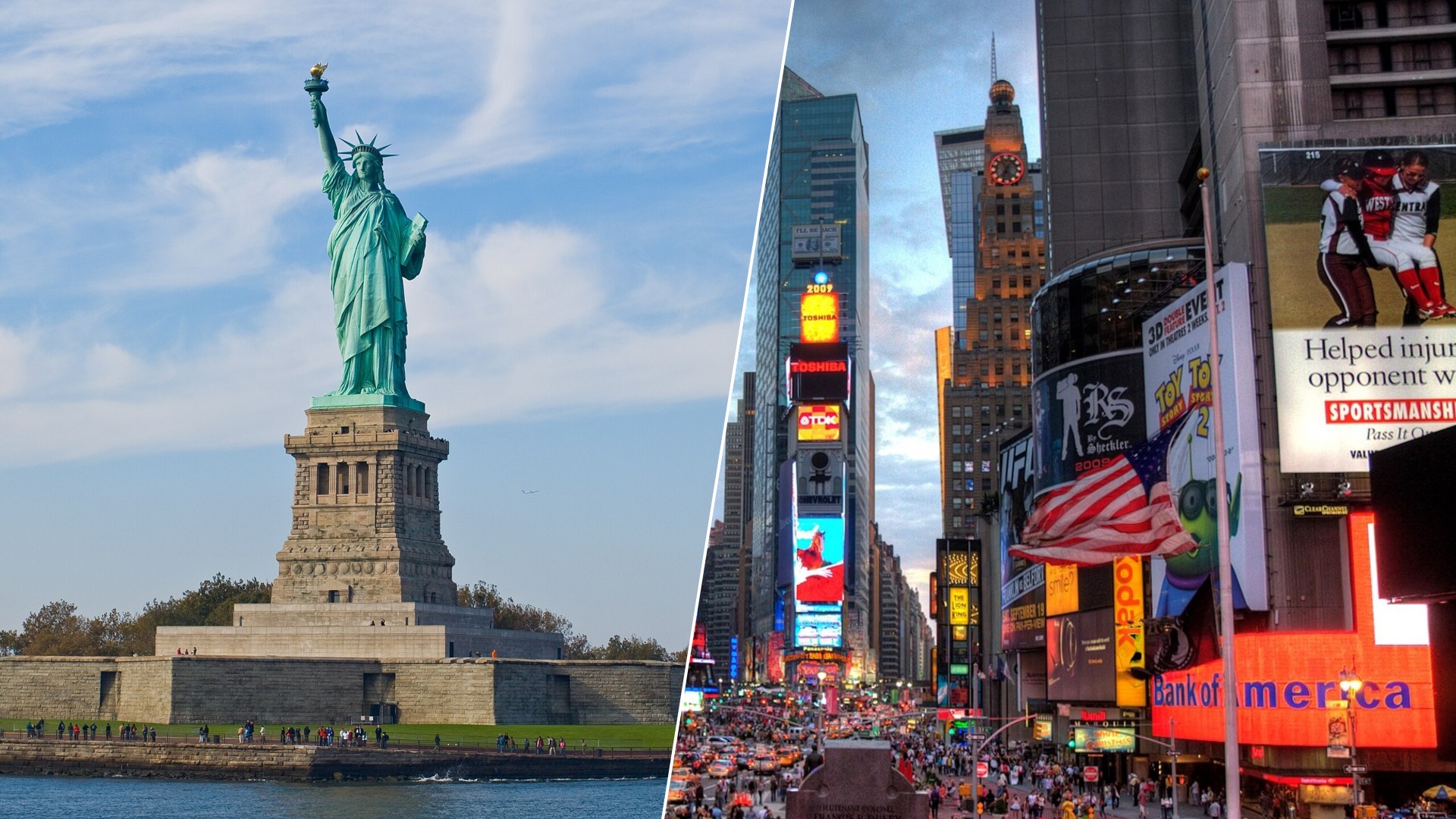
8. Times Square
During New York's 1970s fiscal crisis, 42nd Street became synonymous with vacant theaters and street crime, prompting civic leaders to debate wholesale clearance. State and city redevelopment in the 1990s restored historic stages, and pedestrian plazas opened in 2009.
©Wikimedia / Terabass
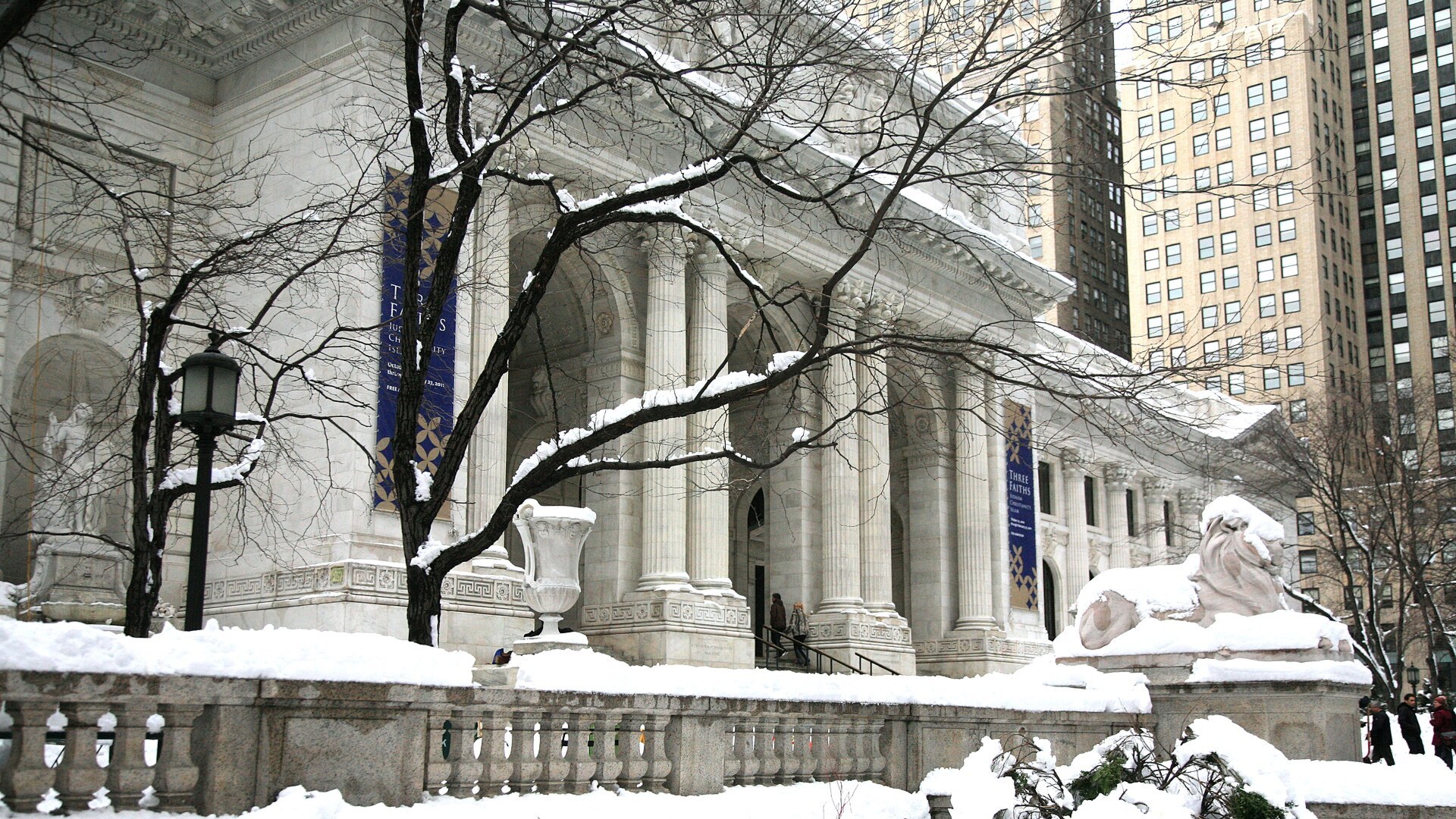
7. New York Public Library Main Branch
During the 1975 fiscal crisis, New York City cut library budgets so sharply that branches closed days each week and the Fifth Avenue landmark deteriorated. Private philanthropy and major restorations in the 1980s and 2000s revived the Rose Main Reading Room and marble facade.
©Wikimedia / (vincent desjardins) from Paris, France
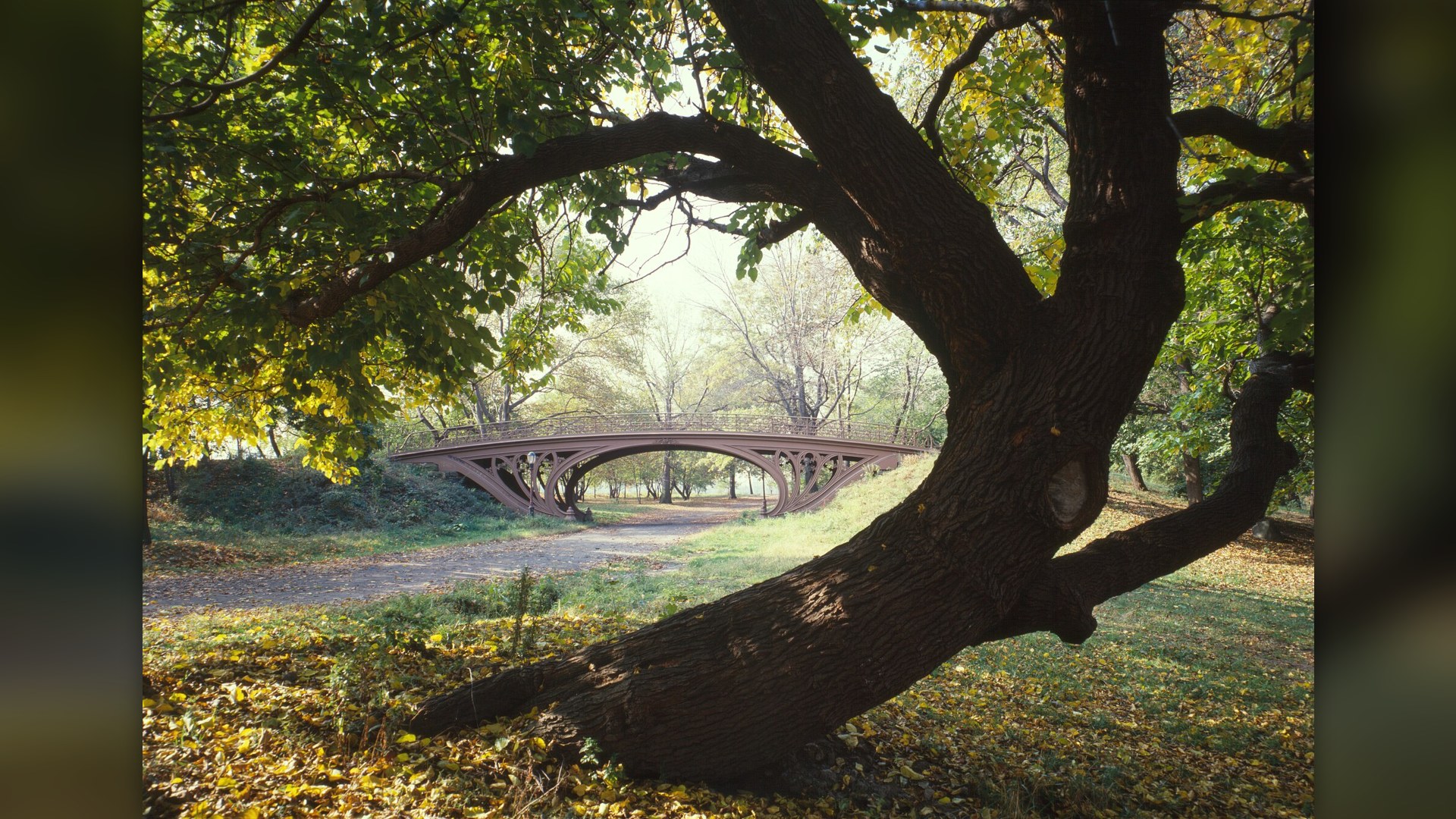
6. Central Park
When Frederick Law Olmsted and Calvert Vaux won the park design contest in 1858, critics questioned setting aside 843 acres of prime land. After municipal budget cuts left lawns eroded in the 1970s, the Central Park Conservancy formed in 1980 and restored the grounds.
©Wikimedia / Jet Lowe
Advertisement
Swipe or tap ▶ to resume the countdown.
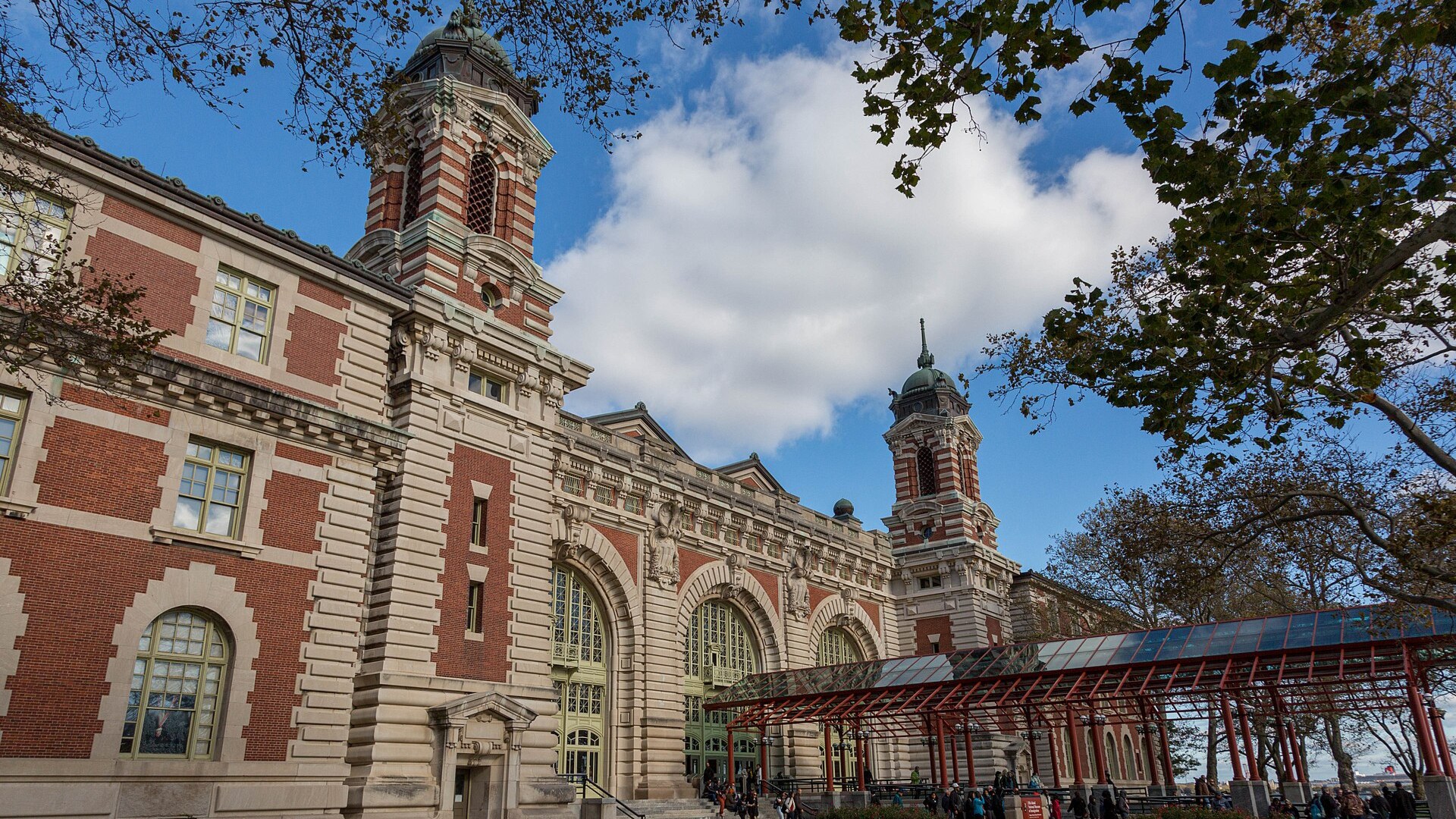
5. Ellis Island
Between 1892 and 1954, Ellis Island processed about 12 million immigrants before shutting down and suffering decades of roof leaks and tidal damage. Saved from private redevelopment bids, the Main Building reopened in 1990 after a $156 million federal and private restoration.
©Wikimedia / David Brossard
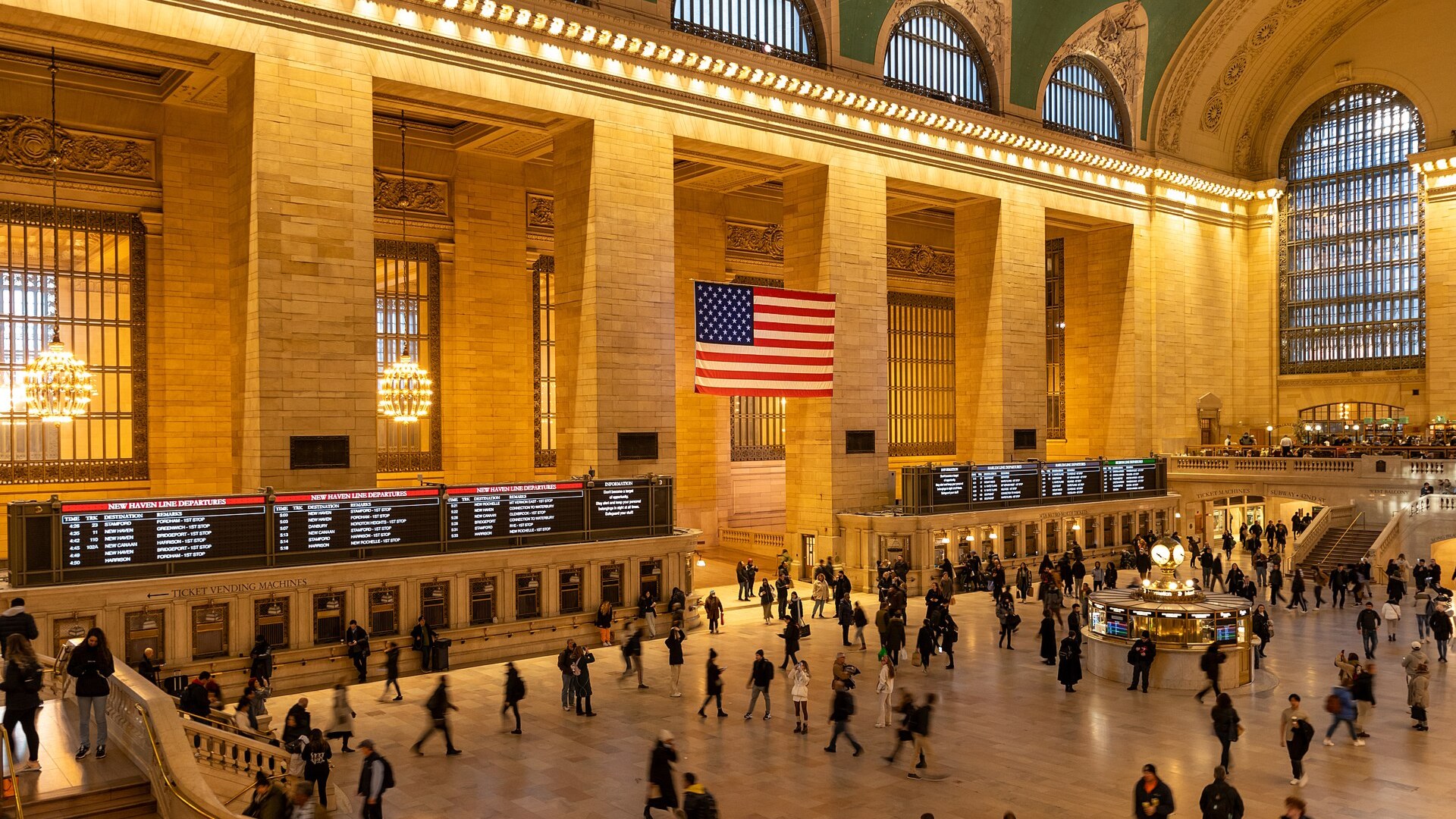
4. Grand Central Terminal
After Penn Station was demolished in 1963, Grand Central faced a similar threat when Penn Central proposed a 55-story tower over its Beaux-Arts concourse in 1968. Jacqueline Kennedy Onassis championed the preservation fight, and the U.S. Supreme Court upheld landmark protection in 1978.
©Wikimedia / Photograph by Mike Peel ( www.mikepeel.net )
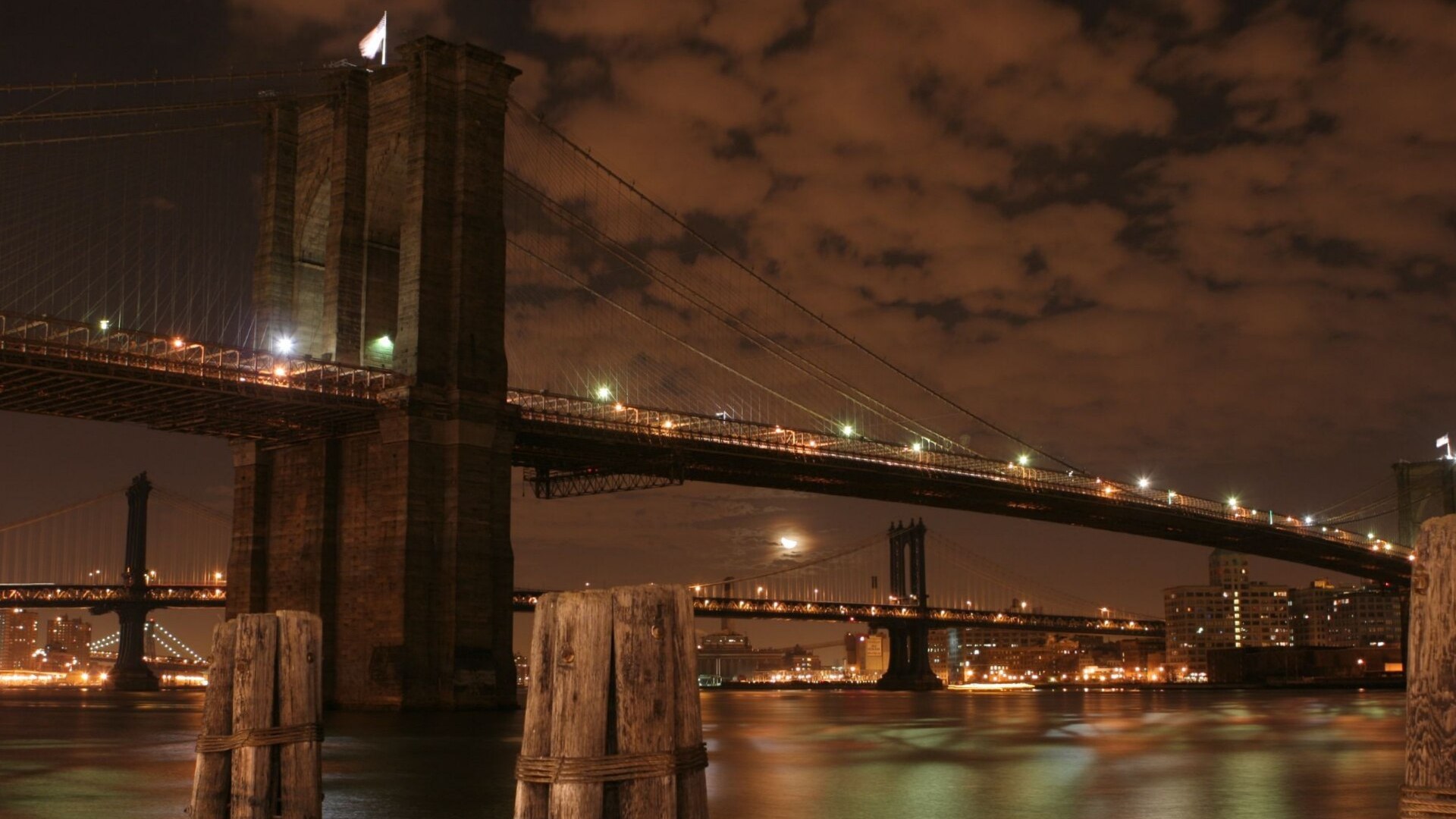
3. Brooklyn Bridge
Six days after the Brooklyn Bridge opened on May 24, 1883, a rumor that the span was collapsing triggered a deadly stampede on the walkway. To rebuild public trust, showman P.T. Barnum paraded 21 elephants across the East River in May 1884, proving the cables could hold.
©Wikimedia / Andrew Choy
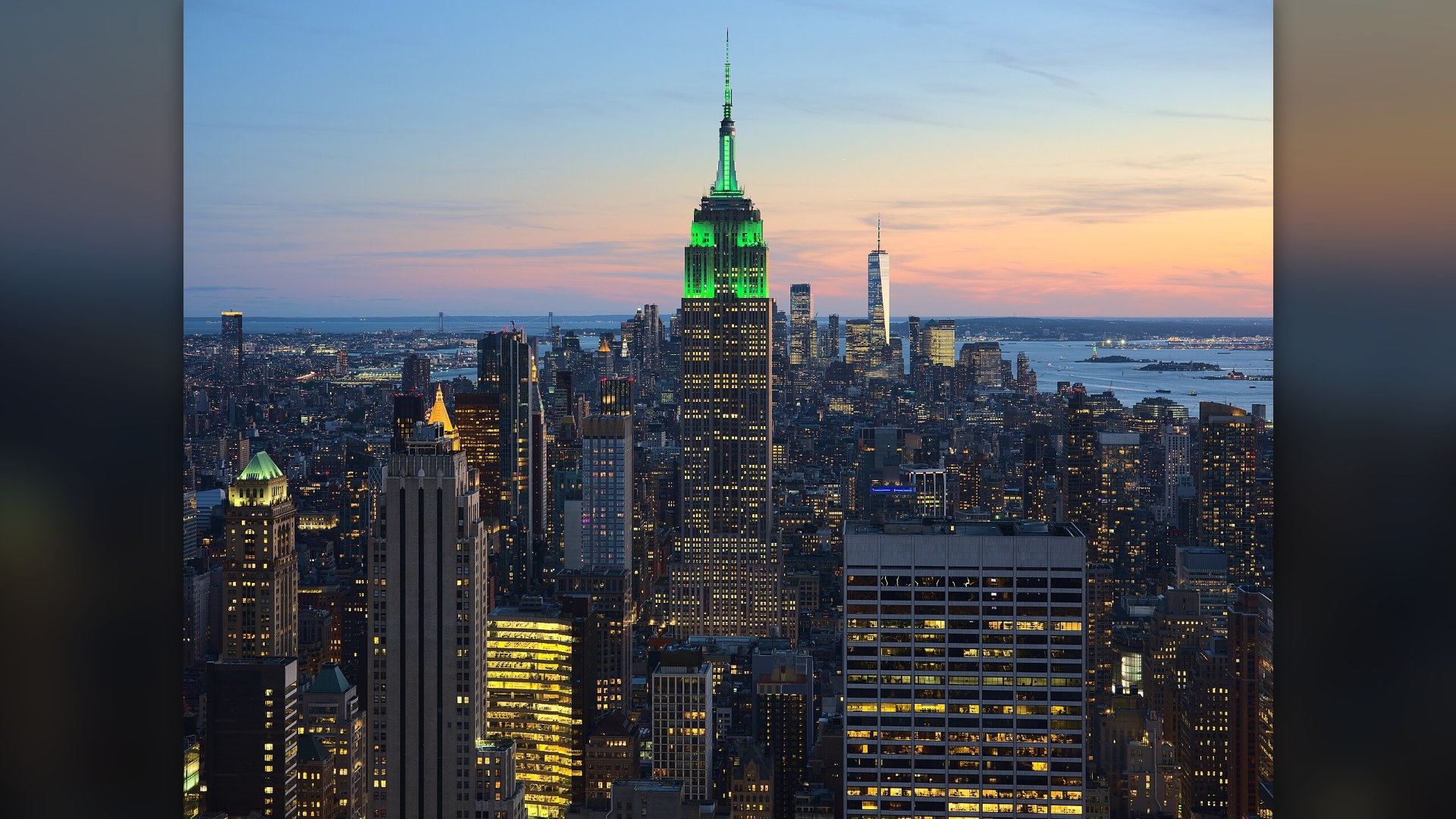
2. Empire State Building
Opened on May 1, 1931 during the Great Depression, the 102-story skyscraper struggled with vacancies for years before becoming profitable in the 1950s. On July 28, 1945, a U.S. Army B-25 bomber struck the fog-shrouded north facade, yet the steel frame held firm.
©Wikimedia / Dllu
Advertisement
Swipe or tap ▶ to resume the countdown.
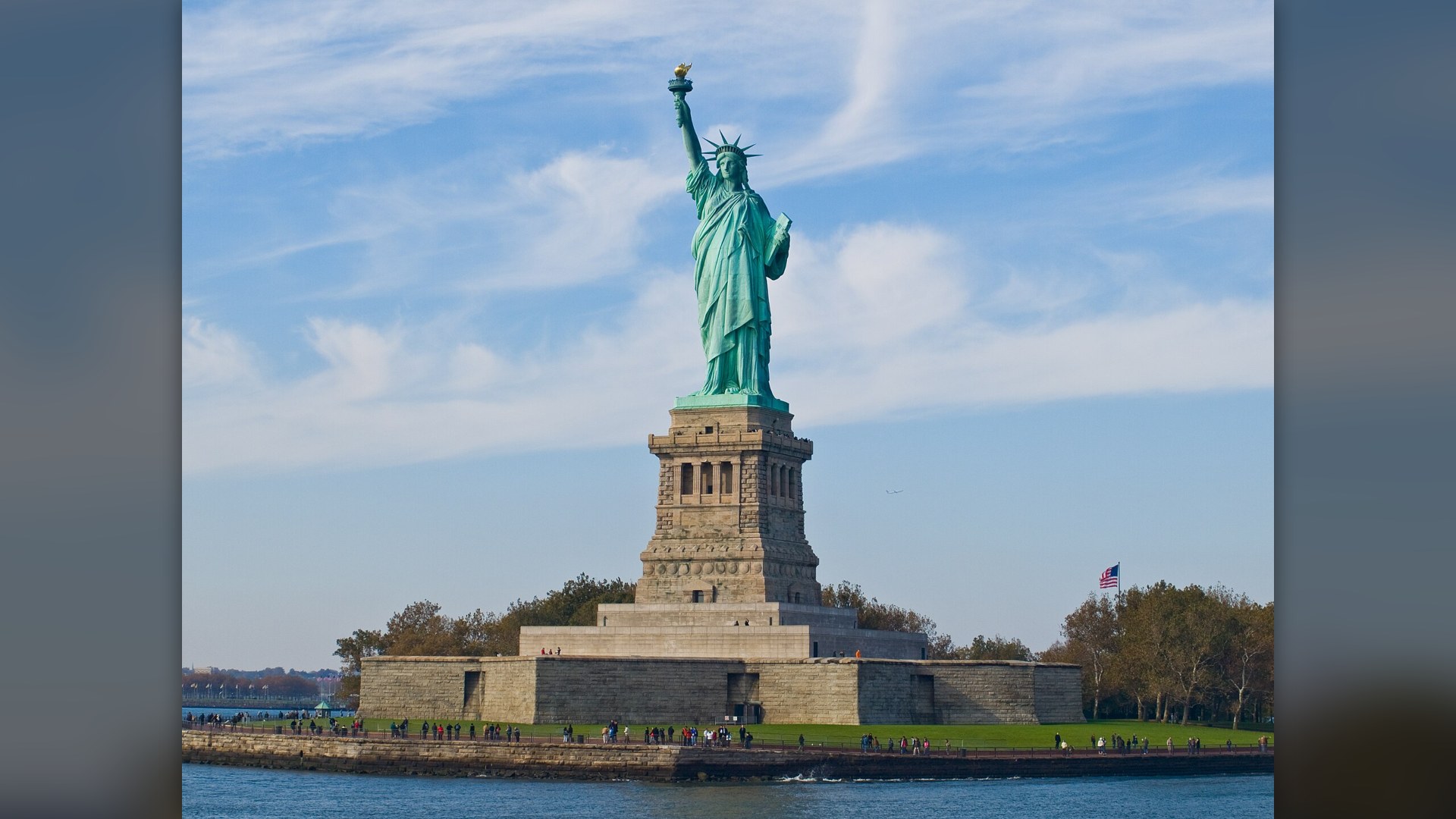
1. Statue Of Liberty
Dedicated on October 28, 1886 after fundraising stalled for years, the copper statue took shrapnel during the 1916 Black Tom munitions blast in Jersey City. Major restorations in 1986 and after 2012's Hurricane Sandy kept Liberty Island open as a lasting emblem of New York.

©Wikimedia / William Warby
Advertisement
You've reached the end of the story. Thanks for reading!

22 Historic Rooms and Royal Rituals That Shaped Windsor Castle
William the Conqueror built Windsor's first timber keep around 1070, and monarchs have reshaped its towers, halls and chapels ever since. This countdown tours 22 rooms and royal rituals, from guard duties to state banquets, based on Royal Collection Trust records, the College of St George and Historic England.
All 20 Entries in this Story
#20 Fraunces Tavern
George Washington bade farewell to his Continental Army officers in Fraunces Tavern's Long Room on December 4, 1783. After 19th-century fires and a deadly 1975 bombing damaged the building, the Sons of the Revolution restored the Pearl Street landmark. It operates as a museum and tavern.

#19 Eldridge Street Synagogue
Opened in 1887 by Eastern European Jewish immigrants, the sanctuary fell into severe disrepair by the 1950s as its congregation shrank. Preservationists launched a 20-year, $20 million restoration in 1986, and the building reopened as the Museum at Eldridge Street in 2007.

#18 Jefferson Market Library
Built in 1877 as a courthouse and market, the building stood empty after 1945 and faced demolition by city planners. Neighbor Margot Gayle led a campaign that convinced New York Public Library trustees to convert the brick tower into a neighborhood branch in 1967.

#17 Stonewall Inn
Following the June 1969 riots, the original Stonewall Inn closed within months and cycled through unrelated storefronts on Christopher Street. A new bar reopened in part of the space in 1990, and President Barack Obama designated the site a U.S. National Monument in 2016.

#16 The Dakota
Developer Edward Clark opened The Dakota at 72nd Street and Central Park West in 1884, when Manhattan's Upper West Side was mostly farmland and shanties. The gabled landmark instead anchored Central Park West's residential boom and became one of the city's most famous co-ops.

#15 Washington Square Arch
In the 1950s, master builder Robert Moses proposed extending Fifth Avenue as a sunken roadway straight through Washington Square Park. Greenwich Village activists, including Jane Jacobs, defeated the highway plan in 1958, keeping the 77-foot marble arch as a pedestrian centerpiece.

#14 Coney Island Cyclone
Opened on June 26, 1927, the Cyclone survived declining boardwalk crowds and a 1975 city plan to tear it down to expand the New York Aquarium. Operators Dewey and Jerome Albert leased the ride that year, and the city granted it official landmark protection in 1988.

#13 Apollo Theater
After launching careers from Ella Fitzgerald to James Brown, the Apollo Theater closed in 1976 during Harlem's economic downturn and briefly operated as a movie house. Percy Sutton's group bought it in 1981, and city landmark status in 1983 helped anchor its long-term comeback.

#12 St. Patrick's Cathedral
When Archbishop John Hughes broke ground at Fifth Avenue and 50th Street in 1858, skeptics dubbed it Hughes' Folly because Midtown was still rural pastureland. Completed in 1879, the marble cathedral survived the 1970s grime and underwent a $177 million restoration completed in 2015.

#11 Radio City Music Hall
Rockefeller Center executives announced in January 1978 that Radio City Music Hall would shut down because it was losing more than $2 million a year. Public protests and New York City interior landmark designation in March 1978 saved the 5,960-seat auditorium from demolition.

#10 Carnegie Hall
By 1959, developers planned to raze the 1891 concert hall after the New York Philharmonic announced a move to Lincoln Center. Violinist Isaac Stern rallied musicians and persuaded New York City to buy the building for $5 million in 1960, preserving its main auditorium.

#9 The High Line
Built in 1934 to lift freight trains off Tenth Avenue, the elevated rail line carried its last carload of frozen turkeys in 1980 and grew wild with weeds. Joshua David and Robert Hammond founded Friends of the High Line in 1999, opening the first elevated park section in 2009.

#8 Times Square
During New York's 1970s fiscal crisis, 42nd Street became synonymous with vacant theaters and street crime, prompting civic leaders to debate wholesale clearance. State and city redevelopment in the 1990s restored historic stages, and pedestrian plazas opened in 2009.

#7 New York Public Library Main Branch
During the 1975 fiscal crisis, New York City cut library budgets so sharply that branches closed days each week and the Fifth Avenue landmark deteriorated. Private philanthropy and major restorations in the 1980s and 2000s revived the Rose Main Reading Room and marble facade.

#6 Central Park
When Frederick Law Olmsted and Calvert Vaux won the park design contest in 1858, critics questioned setting aside 843 acres of prime land. After municipal budget cuts left lawns eroded in the 1970s, the Central Park Conservancy formed in 1980 and restored the grounds.

#5 Ellis Island
Between 1892 and 1954, Ellis Island processed about 12 million immigrants before shutting down and suffering decades of roof leaks and tidal damage. Saved from private redevelopment bids, the Main Building reopened in 1990 after a $156 million federal and private restoration.

#4 Grand Central Terminal
After Penn Station was demolished in 1963, Grand Central faced a similar threat when Penn Central proposed a 55-story tower over its Beaux-Arts concourse in 1968. Jacqueline Kennedy Onassis championed the preservation fight, and the U.S. Supreme Court upheld landmark protection in 1978.

#3 Brooklyn Bridge
Six days after the Brooklyn Bridge opened on May 24, 1883, a rumor that the span was collapsing triggered a deadly stampede on the walkway. To rebuild public trust, showman P.T. Barnum paraded 21 elephants across the East River in May 1884, proving the cables could hold.

#2 Empire State Building
Opened on May 1, 1931 during the Great Depression, the 102-story skyscraper struggled with vacancies for years before becoming profitable in the 1950s. On July 28, 1945, a U.S. Army B-25 bomber struck the fog-shrouded north facade, yet the steel frame held firm.

#1 Statue Of Liberty
Dedicated on October 28, 1886 after fundraising stalled for years, the copper statue took shrapnel during the 1916 Black Tom munitions blast in Jersey City. Major restorations in 1986 and after 2012's Hurricane Sandy kept Liberty Island open as a lasting emblem of New York.