Slideshow · Viral
20 Places With Strange Rules About Death, Burial and Cemeteries
From legal bans on dying to subterranean bone chandeliers, these 20 destinations enforce extraordinary customs around mortality.
By Most Viral Today
27 Oct 2026

20 Places With Strange Rules About Death, Burial and Cemeteries 
20. Longyearbyen, Svalbard (Norway) 
19. Itsukushima / Miyajima (Japan) 
18. Neptune Memorial Reef, Key Biscayne (USA) - AdvertisementSwipe or tap ▶ to continue countdown

17. Manikarnika Ghat, Varanasi (India) 
16. Trunyan Fragrant Tree Cemetery, Bali (Indonesia) 
15. Dargavs City Of The Dead (Russia) 
14. Tana Toraja Cliff Graves (Indonesia) - AdvertisementSwipe or tap ▶ to continue countdown

13. Sagada Hanging Coffins (Philippines) 
12. Merry Cemetery, Sapanta (Romania) 
11. Catacombs Of Paris (France) 
10. Catacombe Dei Cappuccini, Palermo (Sicily) - AdvertisementSwipe or tap ▶ to continue countdown

9. Capuchin Crypt, Rome (Italy) 
8. Capela Dos Ossos, Evora (Portugal) 
7. Sedlec Ossuary, Kutna Hora (Czech Republic) 
6. Hallstatt Charnel House / Beinhaus (Austria) - AdvertisementSwipe or tap ▶ to continue countdown

5. Westminster Abbey Poets' Corner, London (UK) 
4. La Recoleta Cemetery, Buenos Aires (Argentina) 
3. Pere Lachaise Cemetery, Paris (France) 
2. Old Jewish Cemetery, Prague (Czech Republic) - AdvertisementSwipe or tap ▶ to continue countdown

1. St. Louis Cemetery No. 1, New Orleans (USA) - Advertisement🔥 UP NEXT IN THIS SERIES◫ 21 Slides

20 Iconic Historical Photos and the Archive Clues Behind Them
Contact sheets, cracked glass plates, and NASA mission logs preserve the hidden steps behind 20 famous photographs. Drawing on records from the Library of Congress, the National Archives, NASA, and the Smithsonian, this countdown traces how cropping, camera setups, and double exposures shaped each frame.
Humanity has devised extraordinary customs to handle mortality. From towns where passing away is legally outlawed to alpine bone houses and underwater artificial coral tombs, these 20 destinations enforce strange, surprising, and profound rules around death, burial, and cemeteries.
Swipe or tap ▶ to begin the countdown
©Wikimedia / Konstantin Malanchev & Jakub Halun (CC BY-SA)
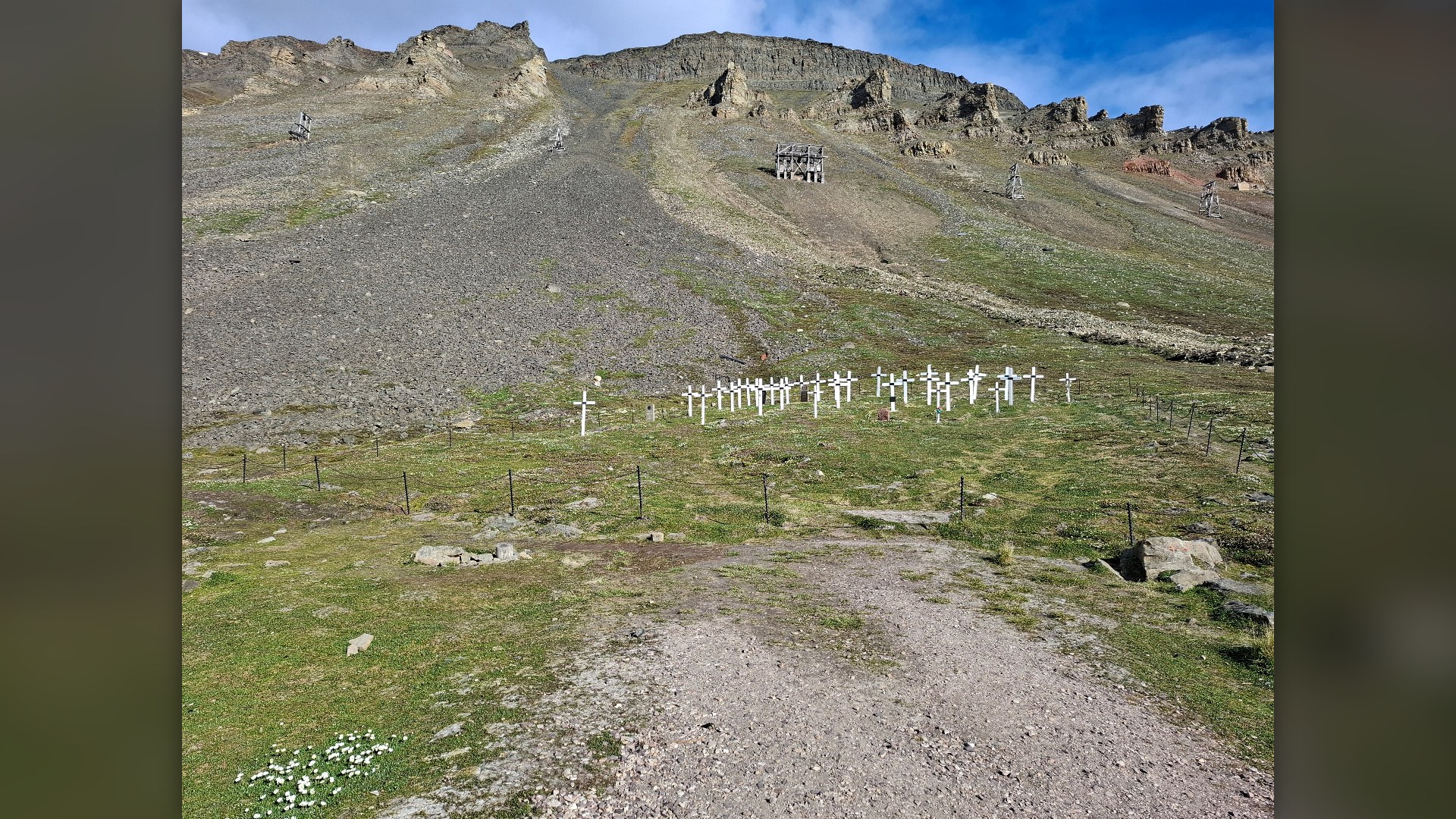
20. Longyearbyen, Svalbard (Norway)
In this Arctic settlement, dying has been banned for over 70 years. Scientists discovered that the permafrost prevents bodies from decomposing, preserving dormant pathogens, including living samples of the 1918 Spanish Flu. Seriously ill or elderly residents must relocate to mainland Norway for end-of-life care.
©Wikimedia / Kawon Kez Sel (CC0)
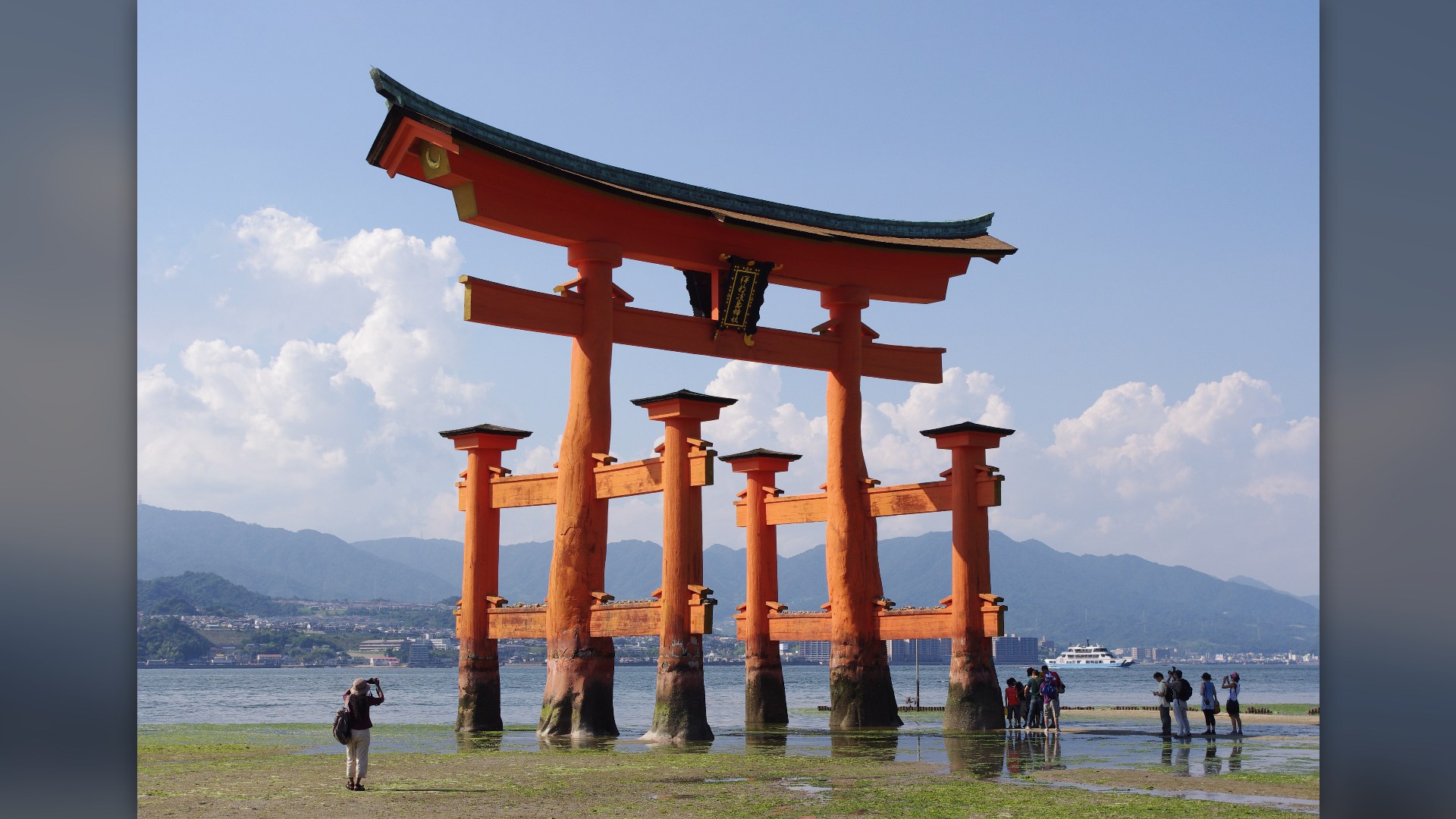
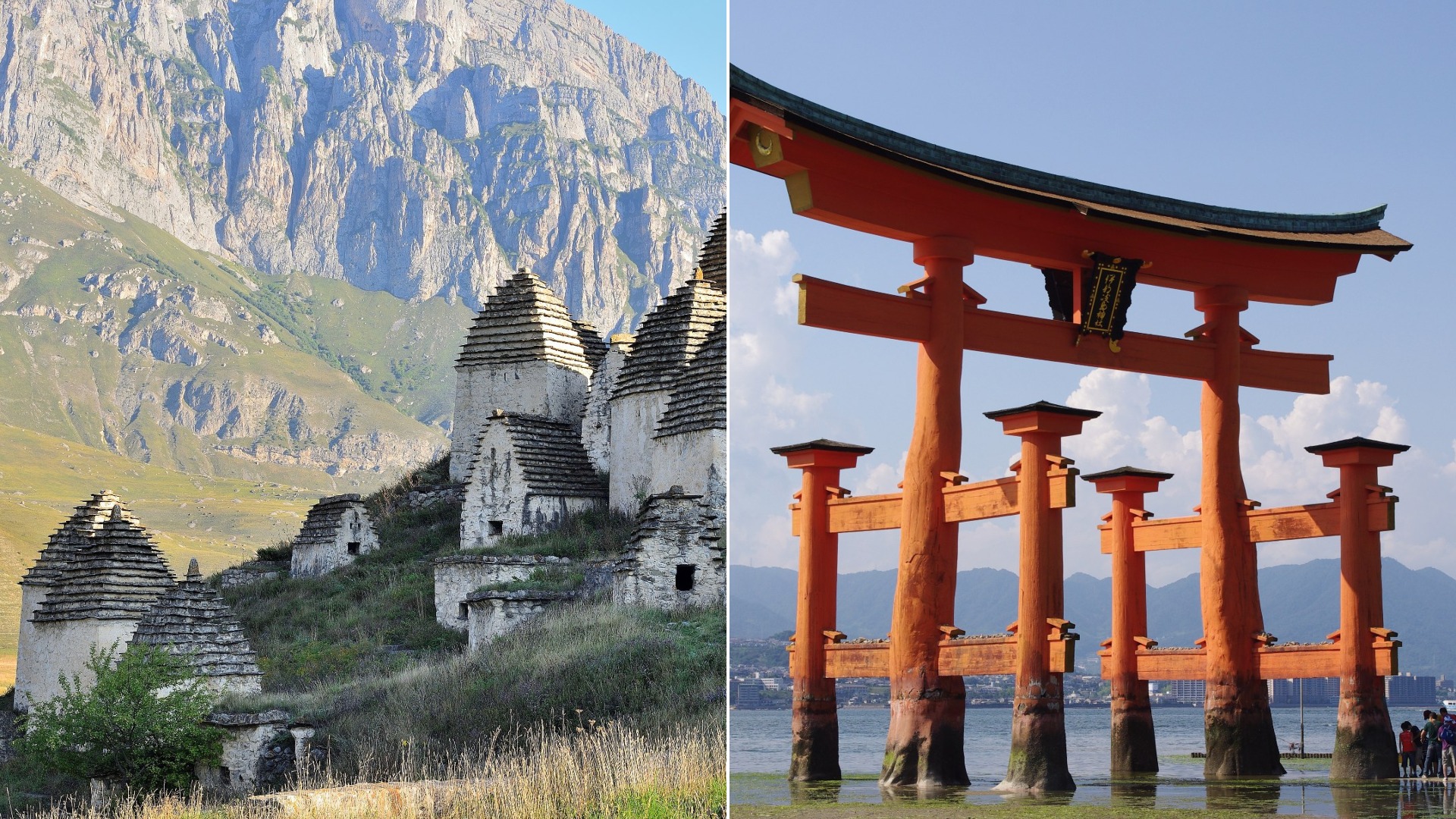
19. Itsukushima / Miyajima (Japan)
To preserve the sacred spiritual purity of Itsukushima Shrine, strict Shinto decrees have forbidden both birth and death on the island for nearly five centuries. Terminally ill residents or expectant mothers are ferried across to the mainland, and no cemeteries, burials, or cremations are allowed on the island.
©Wikimedia / Jakub Halun (CC BY-SA)
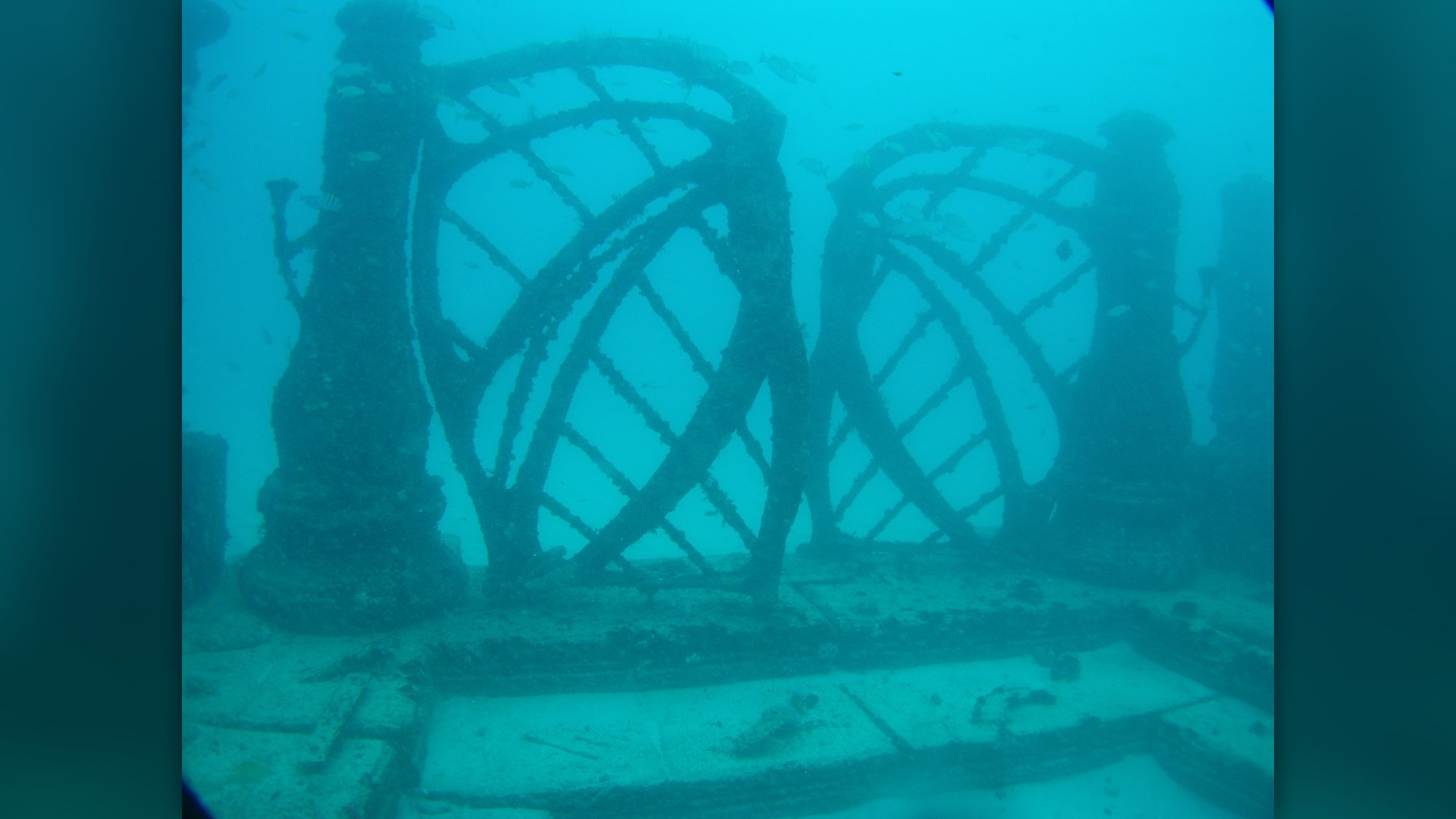
18. Neptune Memorial Reef, Key Biscayne (USA)
Located three miles off the coast of Florida, this artificial reef acts as a licensed green cemetery 40 feet below the ocean surface. Cremated human ashes are blended with eco-friendly marine concrete to cast statues, columns, and road markers, strictly regulated to encourage coral and marine life growth.
©Wikimedia / Elkman (CC BY-SA)
Advertisement
Swipe or tap ▶ to resume the countdown.
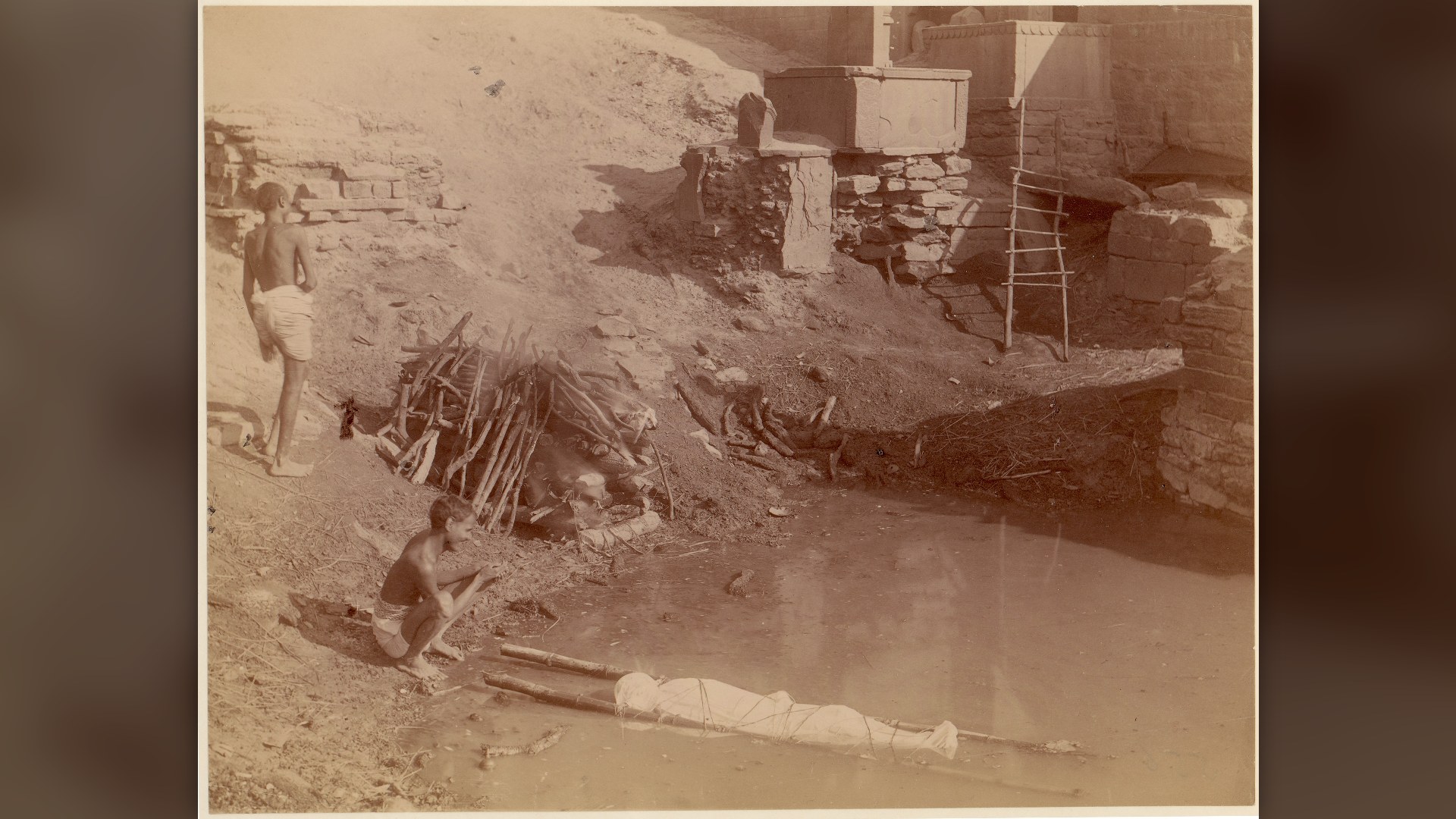
17. Manikarnika Ghat, Varanasi (India)
In Hindu belief, cremation on the banks of the sacred Ganges in Varanasi breaks the cycle of reincarnation, granting Moksha, or immediate liberation. Strict religious rules dictate that cremation pyres at Manikarnika Ghat burn 24 hours a day using sacred fire that has reportedly remained lit for centuries.
©Wikimedia / MET (CC0)
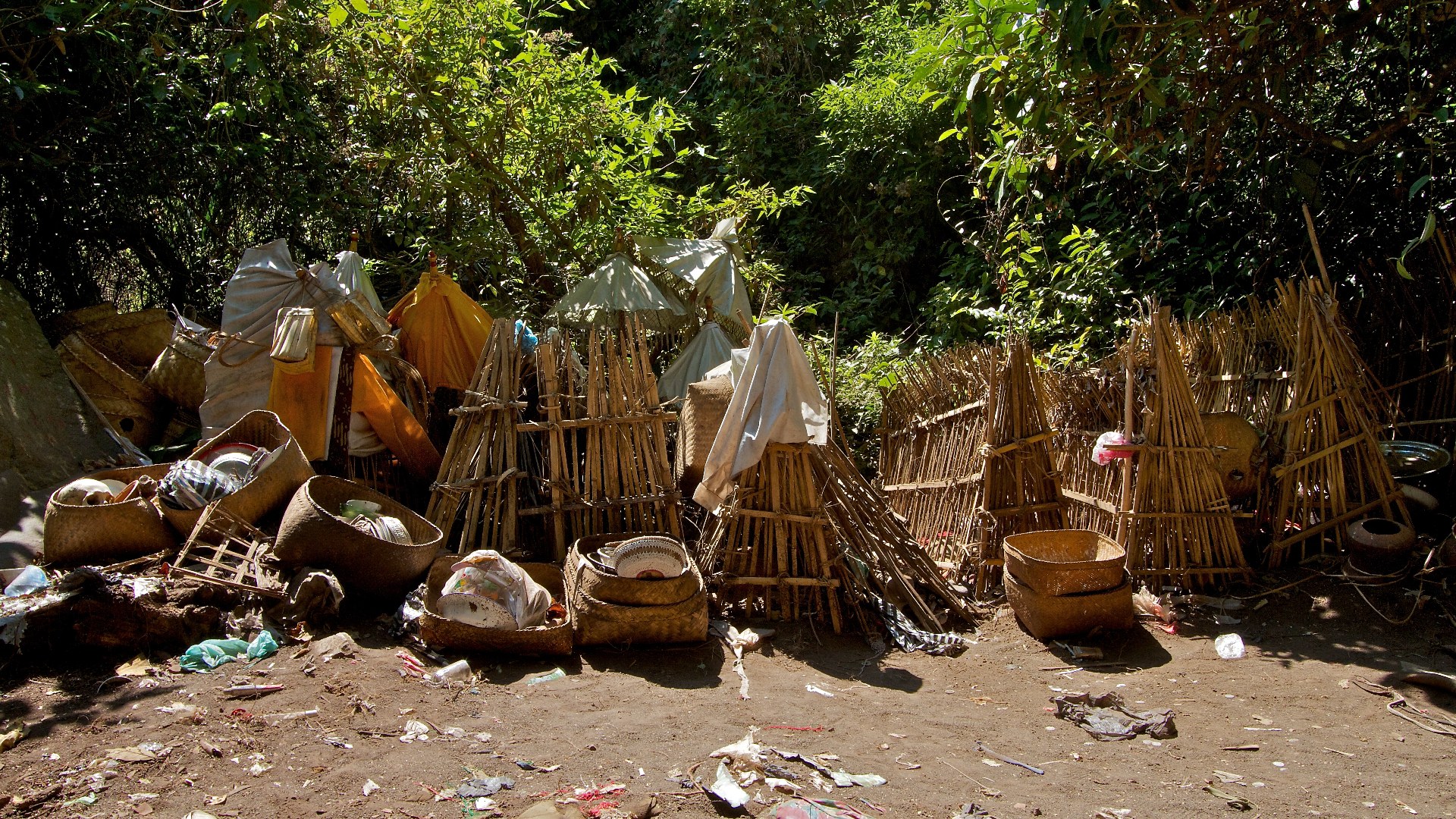
16. Trunyan Fragrant Tree Cemetery, Bali (Indonesia)
The ancient Bali Aga villagers of Trunyan neither bury nor cremate their dead. Instead, bodies are wrapped in cloth and laid out inside triangular bamboo cages under a sacred Taru Menyan tree. The massive tree emits a natural perfume that completely neutralizes any scent of decomposition.
©Wikimedia / Yusuf IJsseldijk (CC BY)
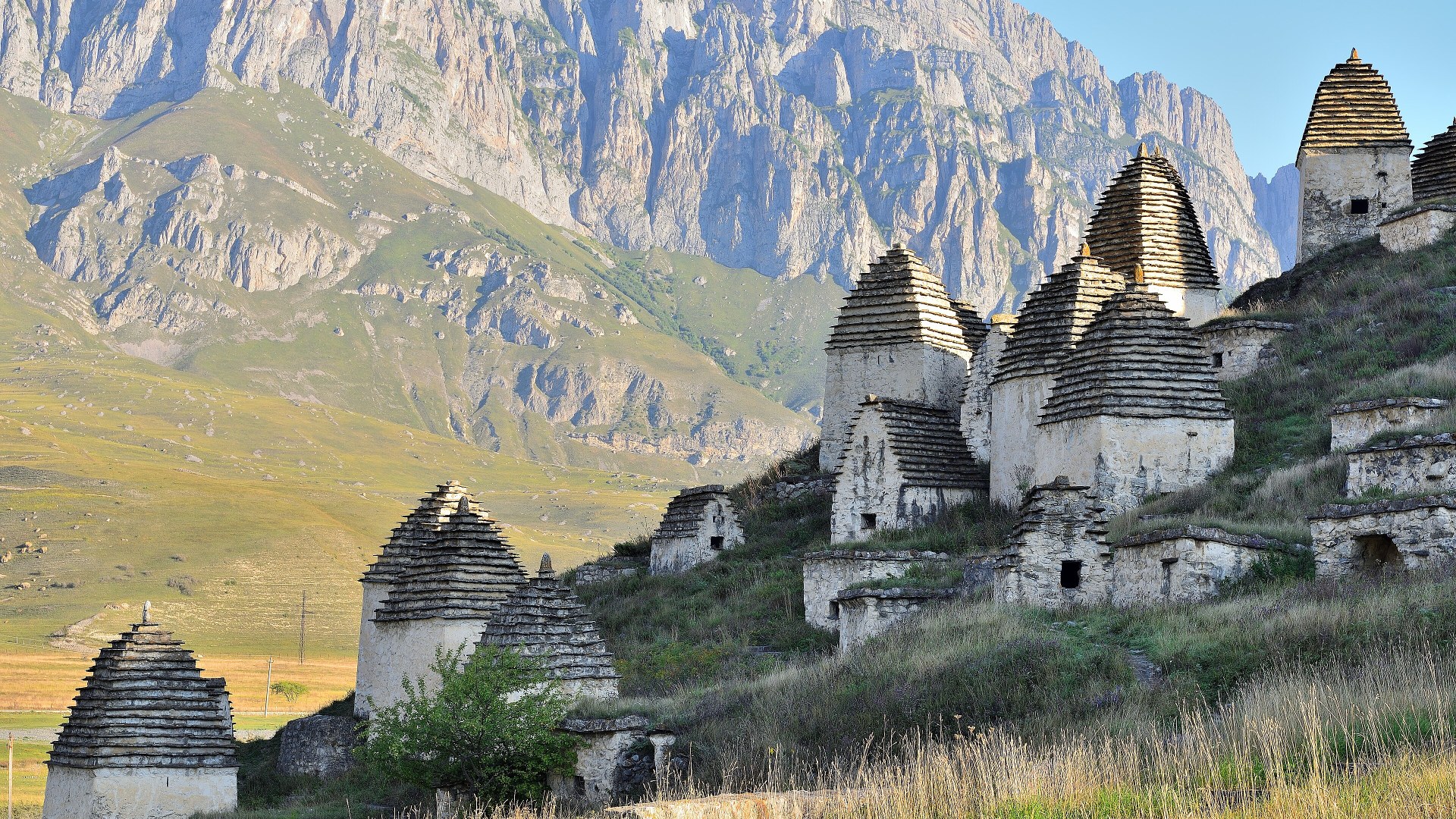
15. Dargavs City Of The Dead (Russia)
Perched in the mountains of North Ossetia, Dargavs features nearly 100 medieval stone crypts with pyramidal slate roofs. During 18th-century plague outbreaks, infected villagers voluntarily walked into their family crypts with water and rations, self-isolating to protect their mountain neighbors from contamination.
©Wikimedia / Konstantin Malanchev (CC BY-SA)
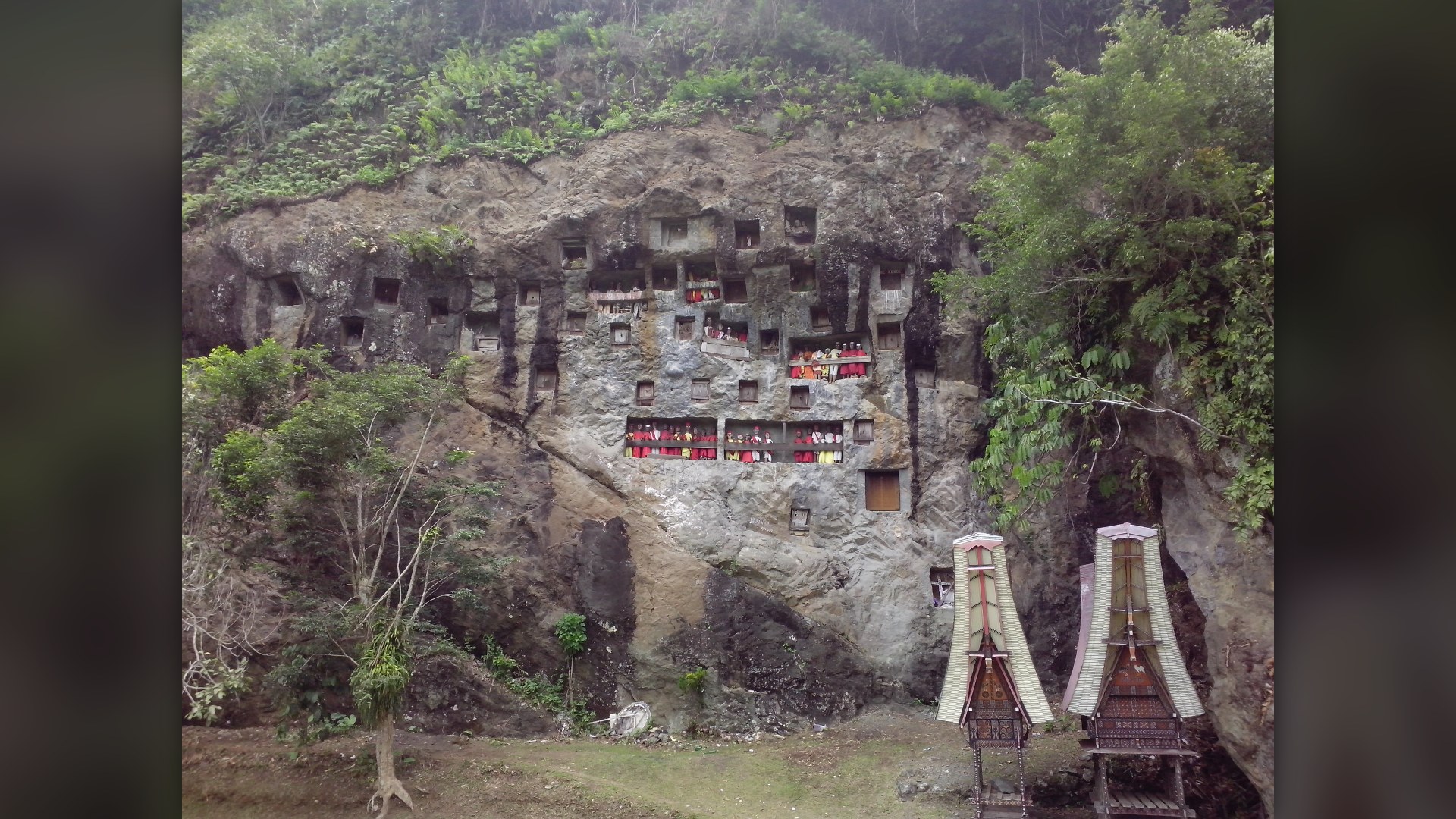
14. Tana Toraja Cliff Graves (Indonesia)
In the highlands of Sulawesi, the Toraja people do not consider a deceased relative truly gone until an elaborate funeral feast is funded. Relatives keep the preserved body at home for months, serving it daily meals. The coffin is then sealed inside a high rock cliff, guarded by carved wooden effigies called tau-tau.
©Wikimedia / Cahyo Ramadhani (CC BY-SA)
Advertisement
Swipe or tap ▶ to resume the countdown.
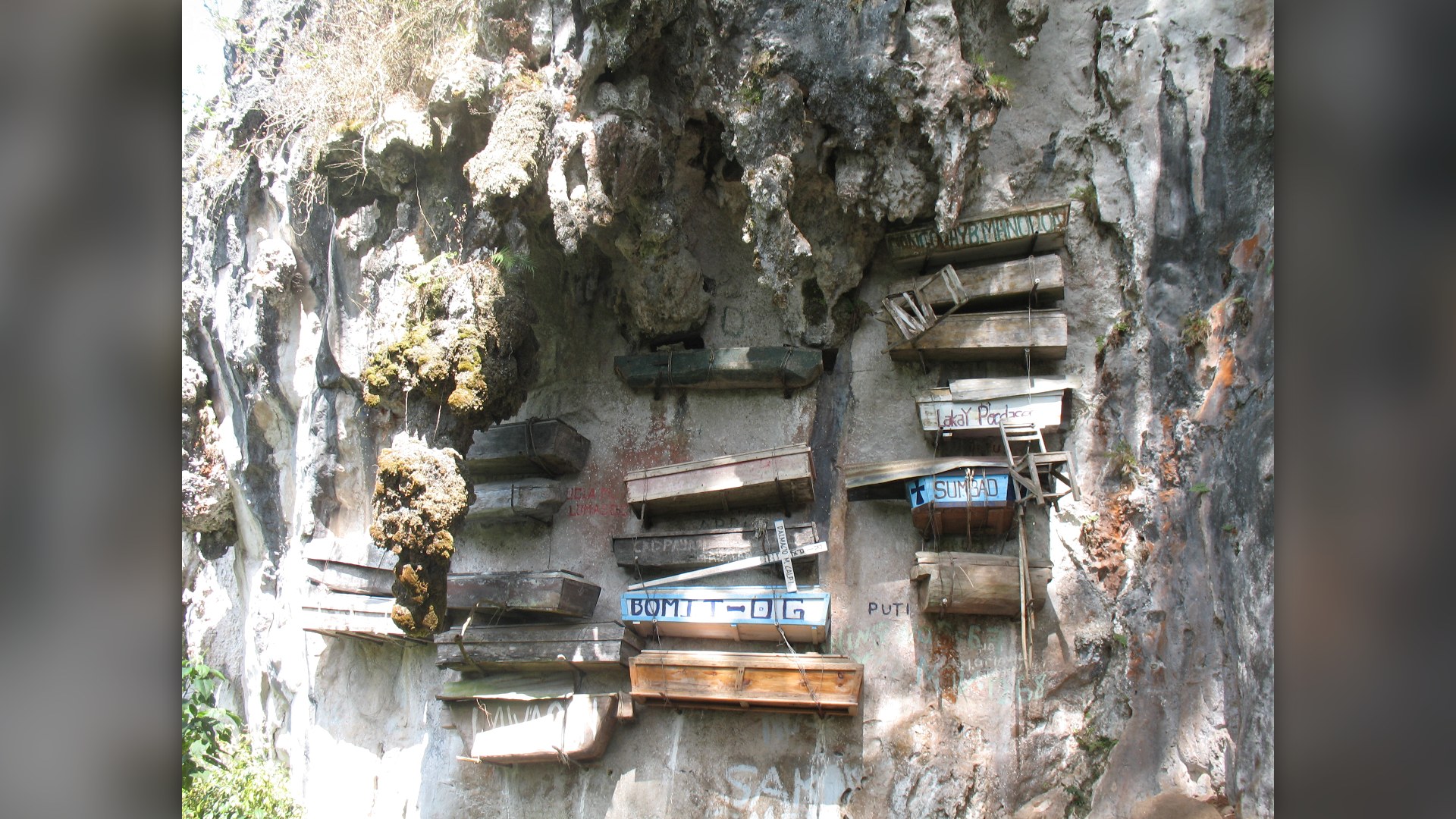
13. Sagada Hanging Coffins (Philippines)
The indigenous Igorot people of Luzon have practiced hanging burials for over two millennia. Elders carve their own small wooden coffins from hollowed logs before passing away. Family members scale limestone cliffs to suspend the coffins, believing elevated heights protect bodies and bring spirits nearer to ancestors.
©Wikimedia / Aldrin J. Garces (CC BY-SA)
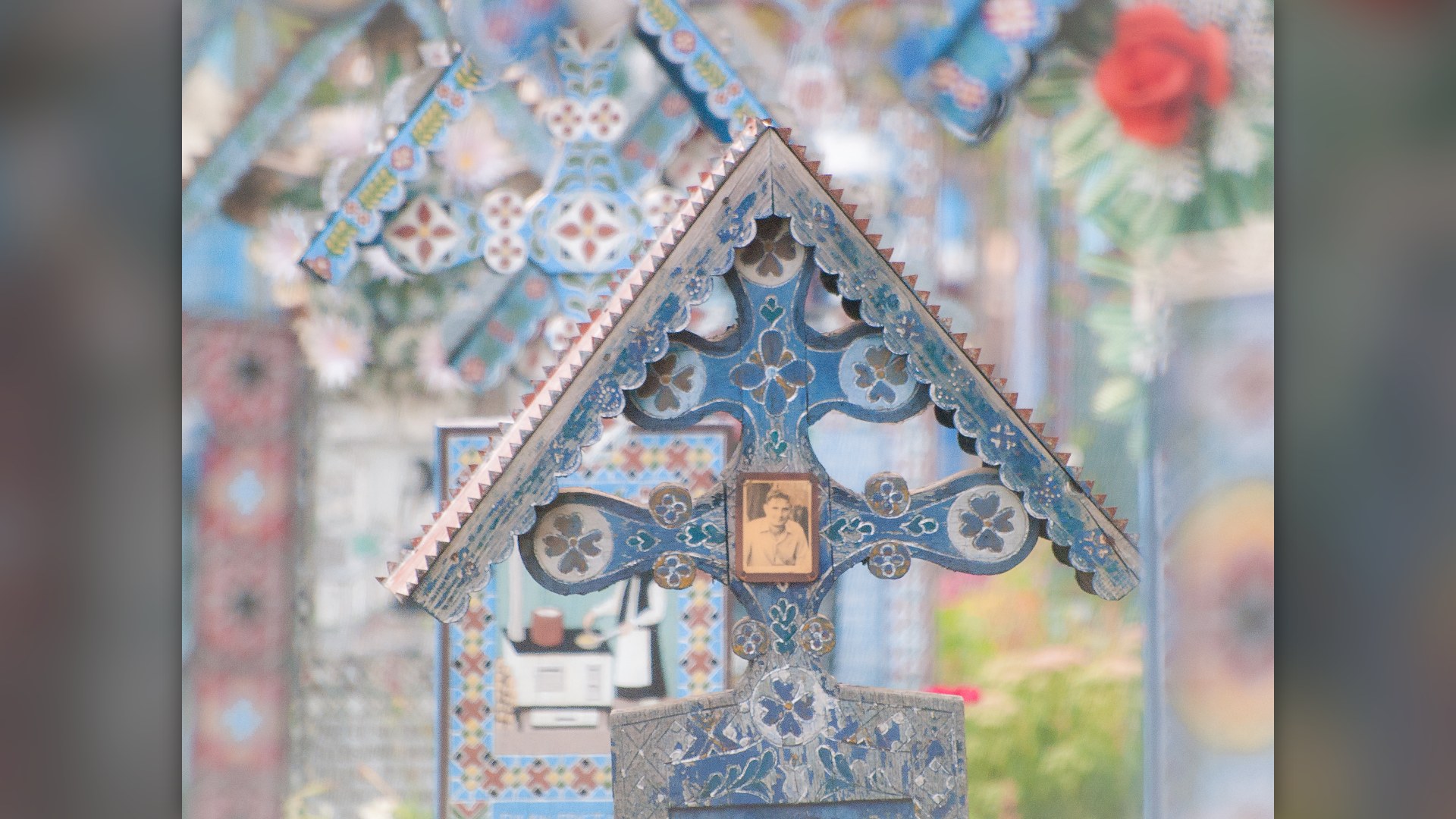
12. Merry Cemetery, Sapanta (Romania)
In this northern Romanian village, local customs turn mourning into an honest celebration of life. Every oak grave cross is painted vivid blue and features a carved folk-art portrait depicting the deceased at work, accompanied by a humorous poem recounting their personal habits or exact manner of passing.
©Wikimedia / Viorel Petcu (CC BY-SA)
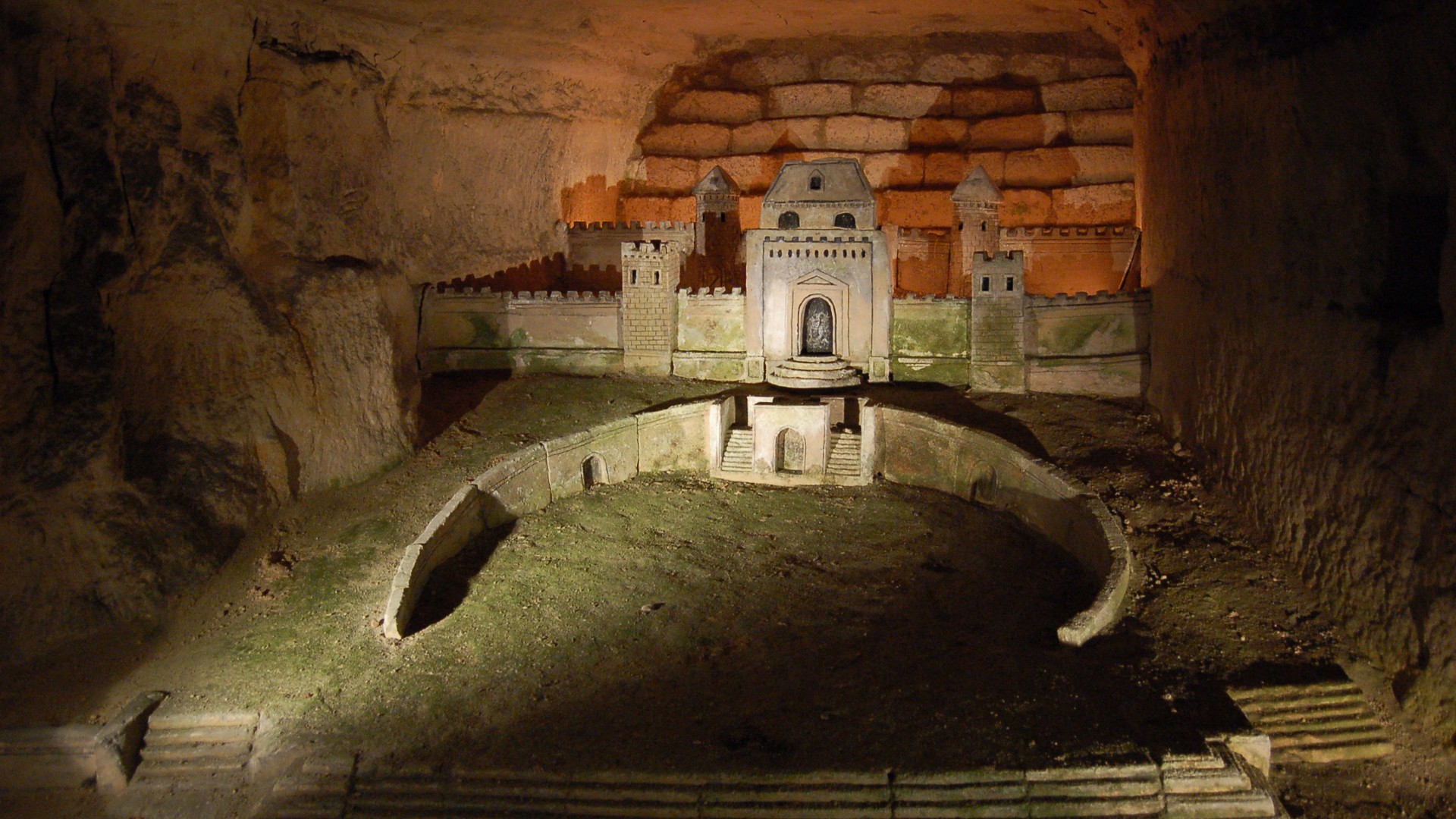
11. Catacombs Of Paris (France)
In 1780, consecutive days of heavy rain caused the wall of Holy Innocents cemetery to collapse into a restaurant cellar, creating a public health emergency. Parisian officials outlawed inner-city burials and transferred six million decomposed corpses into abandoned subterranean limestone quarry tunnels.
©Wikimedia / KoS
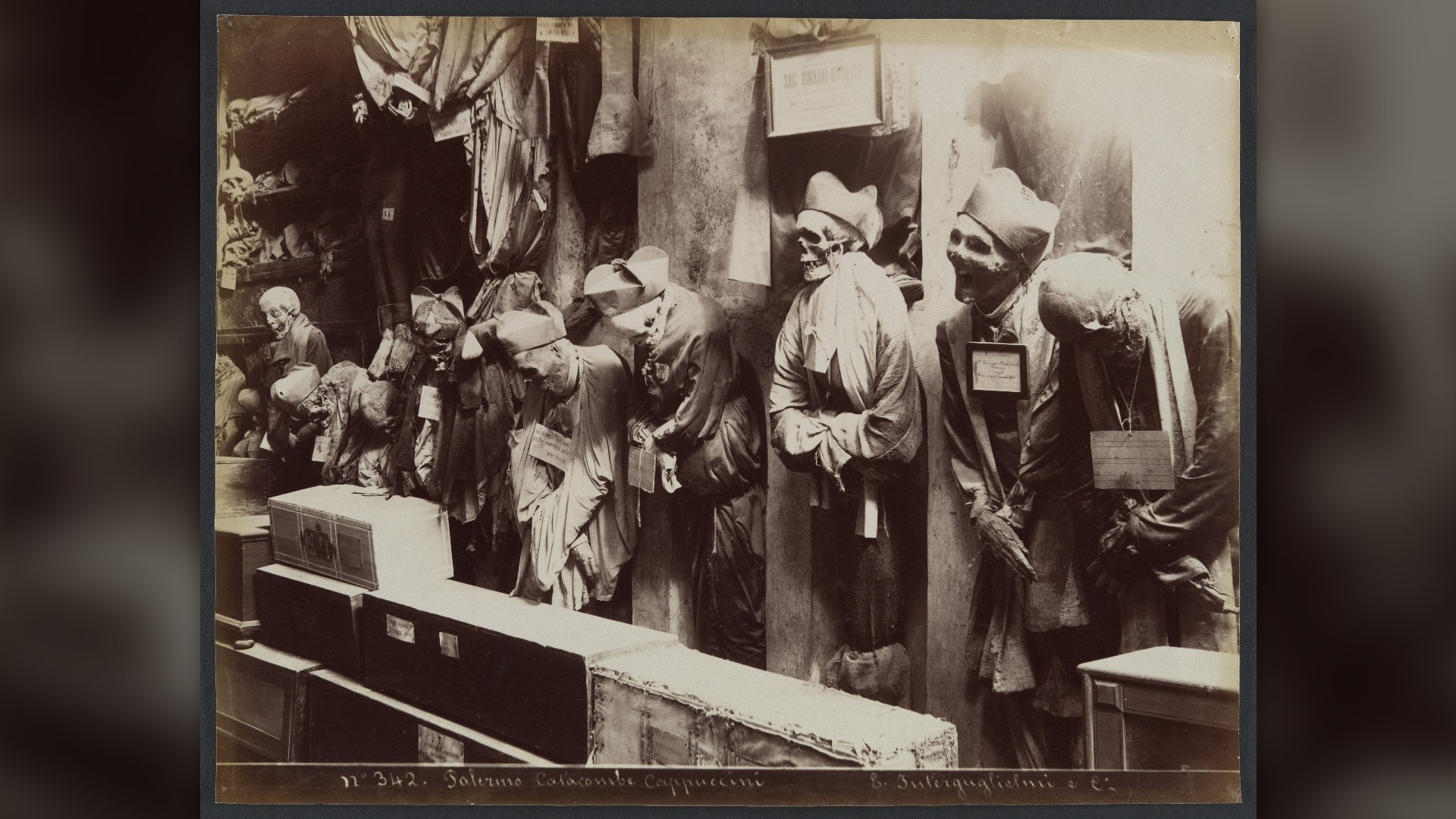
10. Catacombe Dei Cappuccini, Palermo (Sicily)
Beginning in 1599, Capuchin monks dehydrated deceased nobles, merchants, and clergy using ceramic drying pipes before dressing them in their Sunday clothes. Over 8,000 mummies were hung along stone corridors, strictly divided into separate halls for priests, lawyers, wealthy women, and children.
©Wikimedia / Eugenio Interguglielmi (CC0)
Advertisement
Swipe or tap ▶ to resume the countdown.
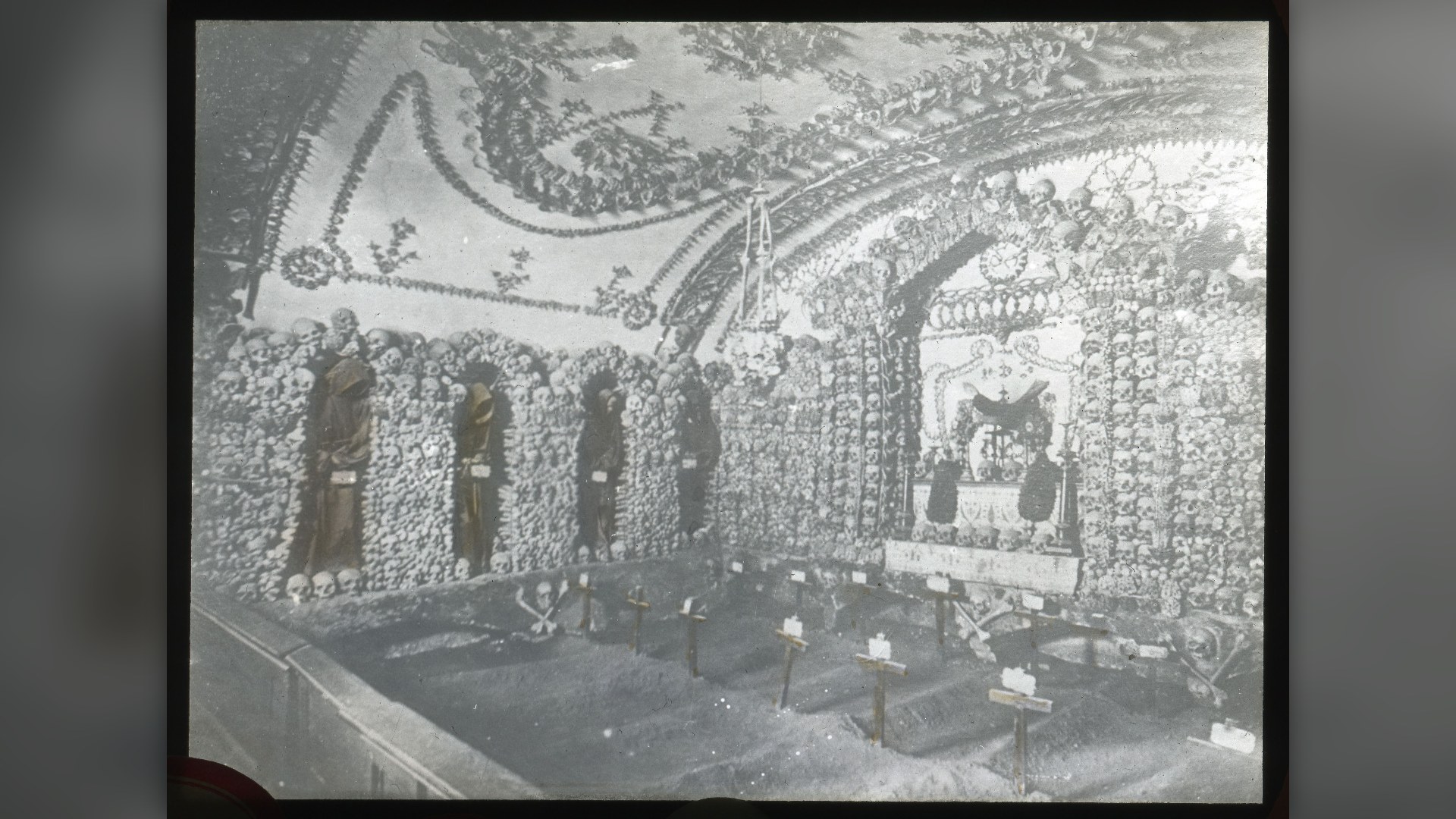
9. Capuchin Crypt, Rome (Italy)
Beneath Santa Maria della Concezione, soil brought from Jerusalem served as a temporary resting ground. When a friar died, the oldest buried body was exhumed to make room. The bones were artistically arranged into elaborate chandeliers, wall rosettes, and hourglasses illustrating the fleeting nature of time.
©Wikimedia / DPLA (Public domain)
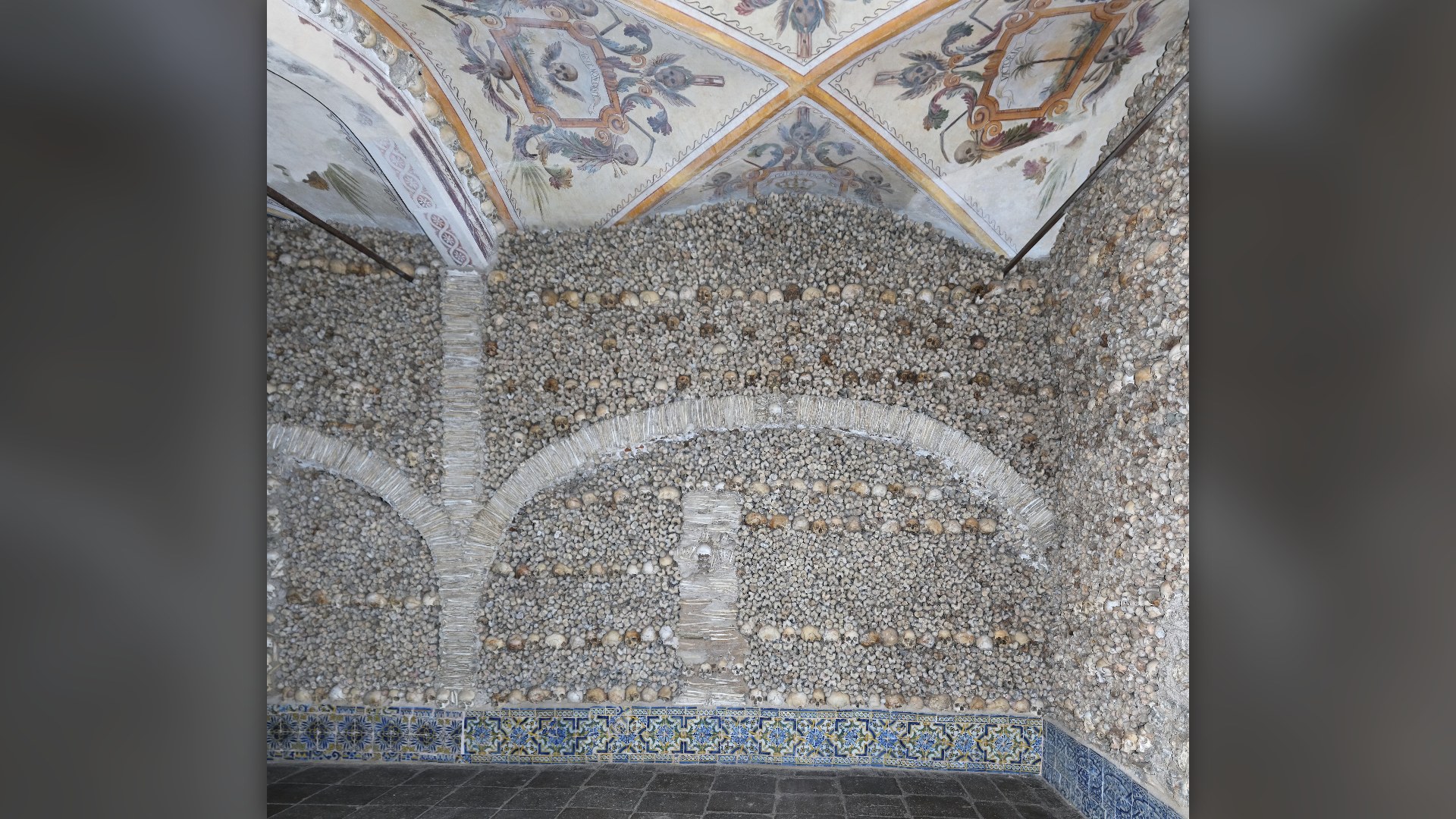
8. Capela Dos Ossos, Evora (Portugal)
By the 16th century, dozens of church cemeteries occupied valuable farmland around Evora. Franciscan monks exhumed 5,000 bodies and cemented the skulls and long bones directly into the chapel walls. Above the entrance, a chilling inscription reminds visitors: We bones that are here await yours.
©Wikimedia / Ingo Mehling (CC BY-SA)
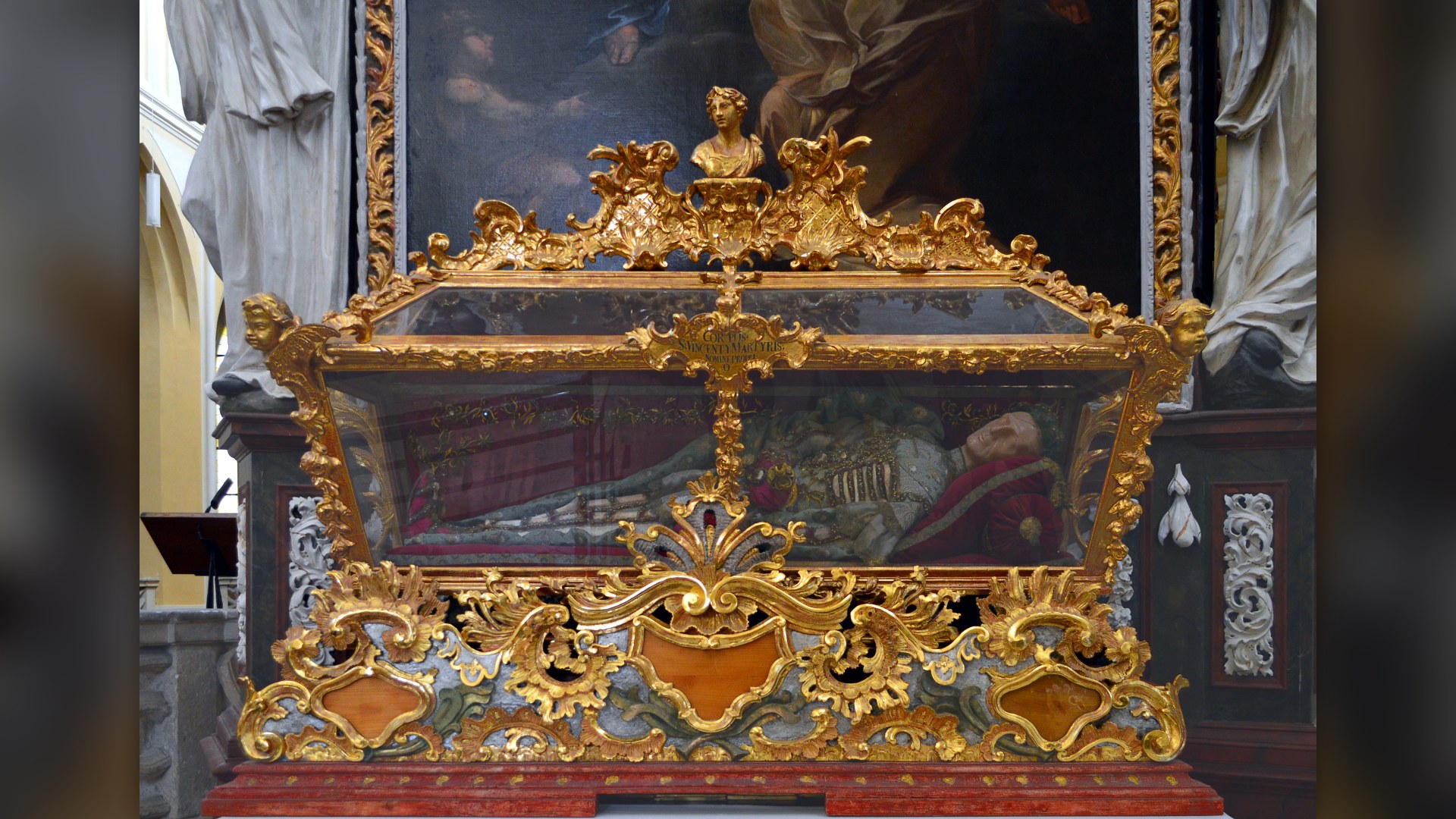
7. Sedlec Ossuary, Kutna Hora (Czech Republic)
After the Black Death and Hussite Wars filled the Sedlec monastery grounds, church authorities ordered exhumed skeletons stacked inside the chapel cellar. In 1870, woodcarver Frantisek Rint was hired to organize the remains, transforming the bones of 40,000 humans into enormous chalices, garlands, and chandeliers.
©Wikimedia / Scotch Mist (CC BY-SA)
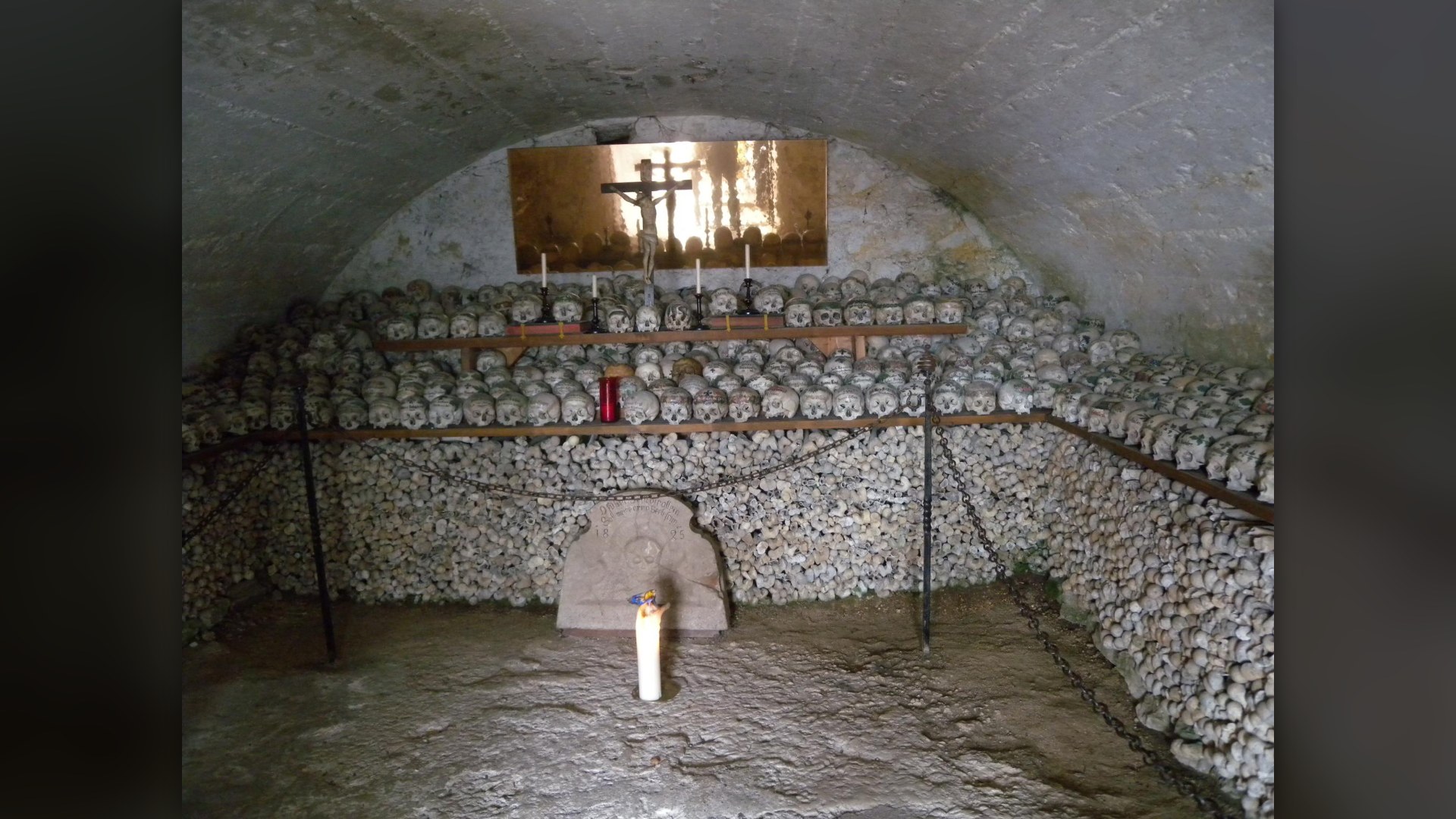
6. Hallstatt Charnel House / Beinhaus (Austria)
Squeezed between a steep mountain and a lake, the tiny alpine churchyard in Hallstatt had zero room to expand. Local tradition required exhuming bodies after 10 to 15 years, sun-bleaching the bones, and hand-painting skulls with floral crowns, dates, and family names before displaying them in the chapel ossuary.
©Wikimedia / Tauralbus (CC BY)
Advertisement
Swipe or tap ▶ to resume the countdown.
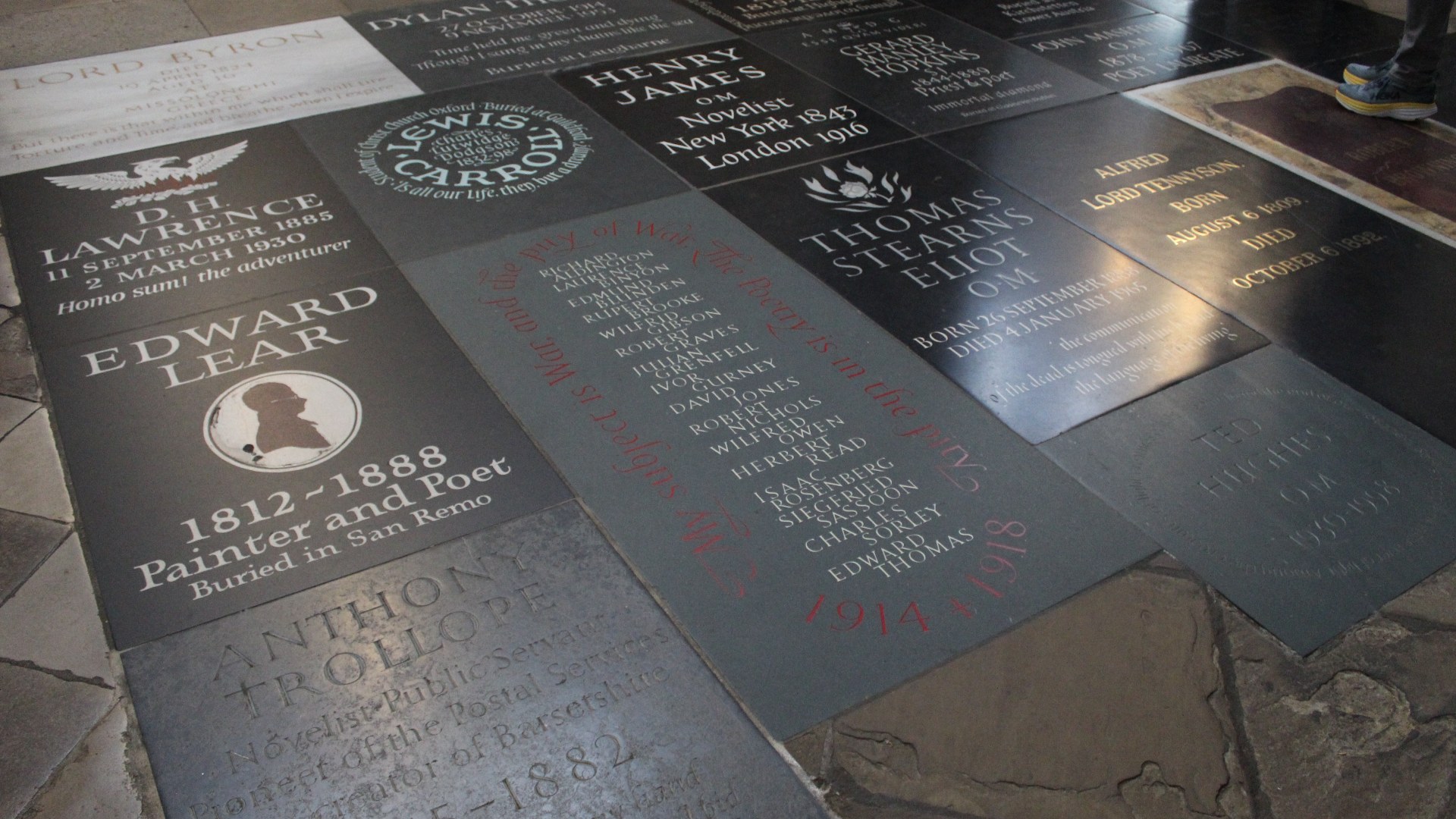
5. Westminster Abbey Poets' Corner, London (UK)
Floor space inside Westminster Abbey has been precious for centuries. When celebrated playwright Ben Jonson requested burial in 1637, he reportedly told the Dean that two feet by two feet was all he could afford. Church authorities granted his plea by burying him standing completely upright beneath the stone paving.
©Wikimedia / 14GTR (CC BY-SA)
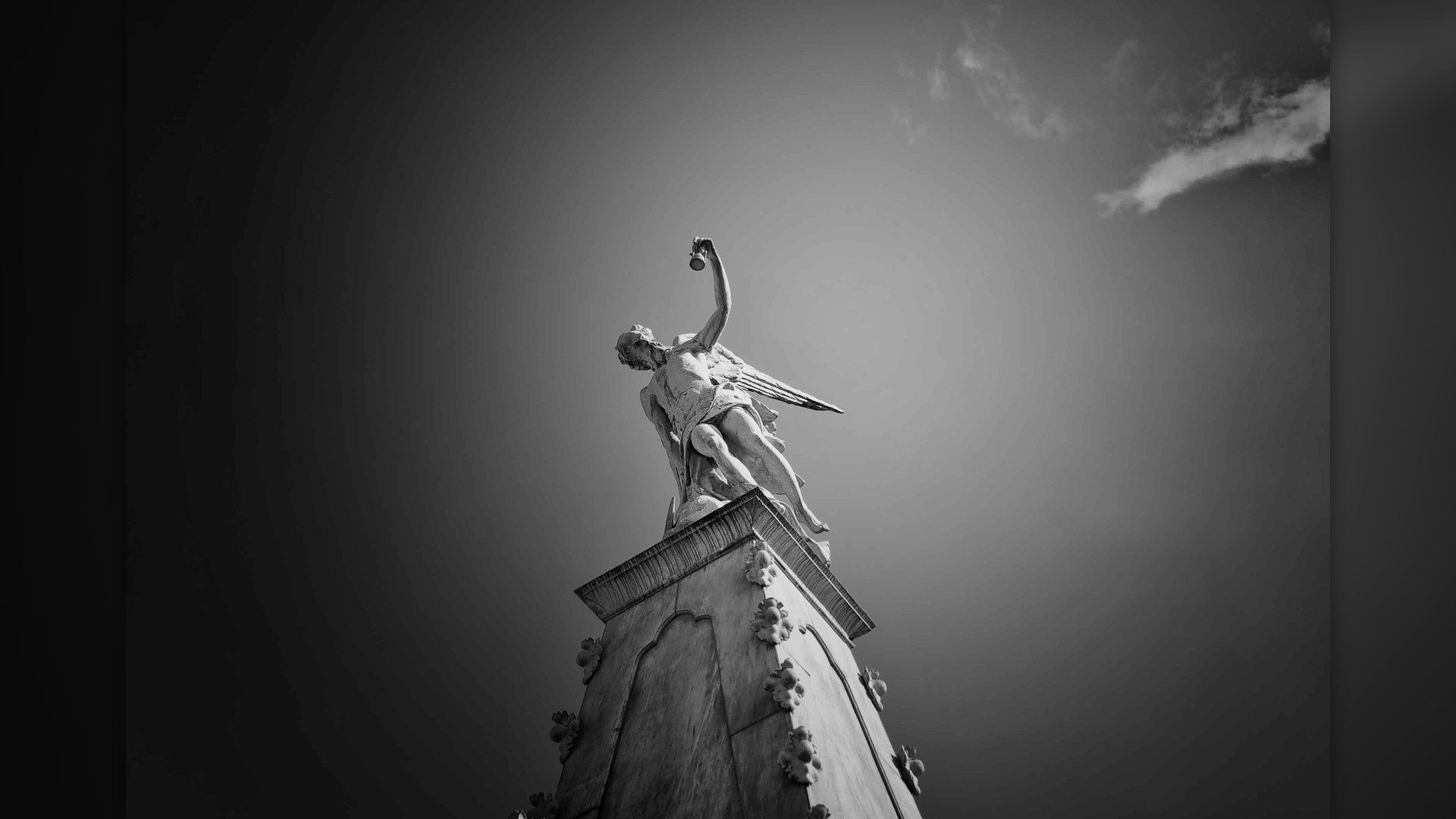
4. La Recoleta Cemetery, Buenos Aires (Argentina)
In Buenos Aires, burial vaults are treated like prime urban real estate. City ordinances allow family mausoleums to be bought, sold, mortgaged, or auctioned off like private apartments. Families hold formal deeds, and owners must pay property taxes to keep their ornate above-ground chapels intact.
©Wikimedia / Rod Waddington (CC BY-SA)
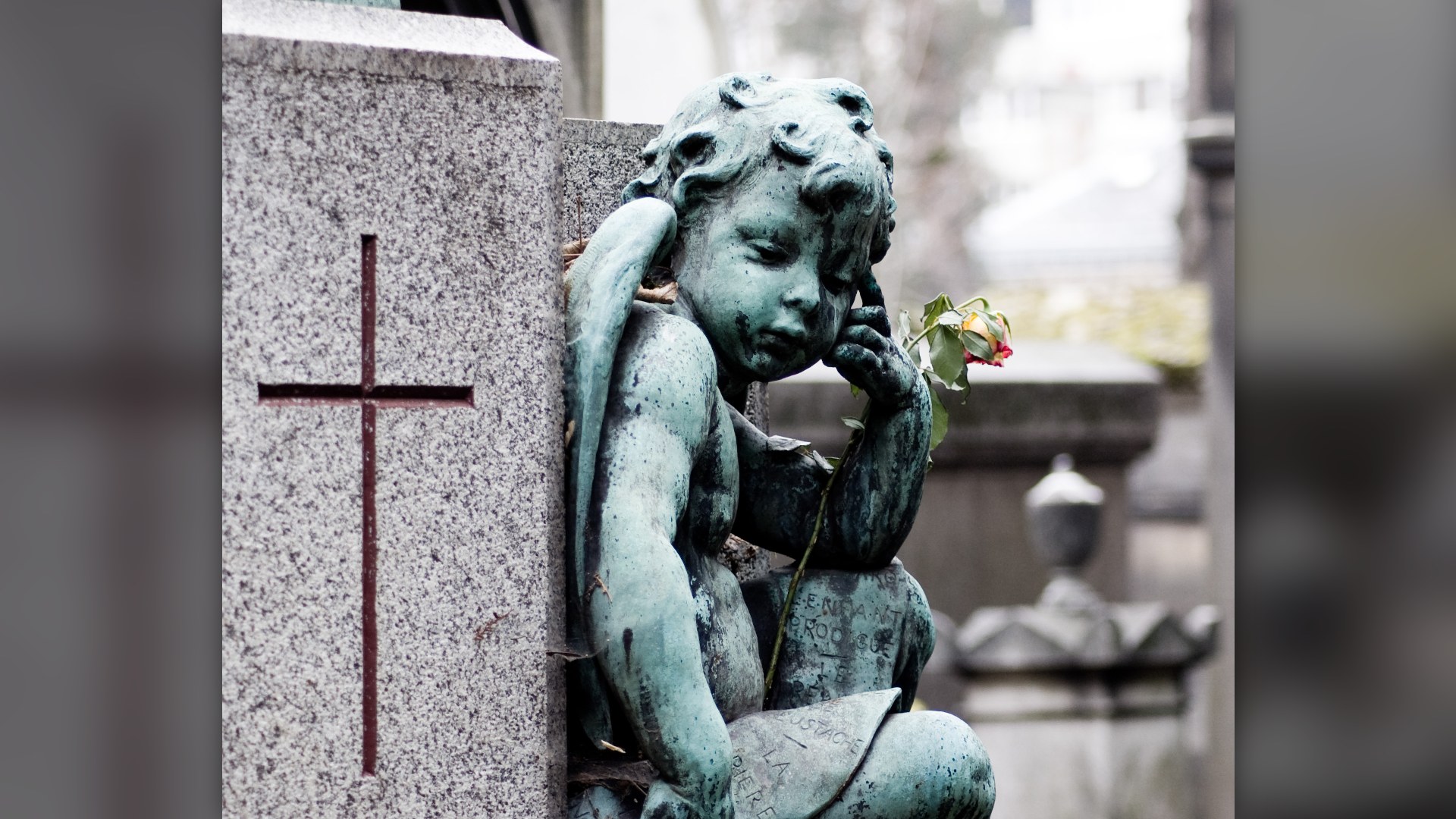
3. Pere Lachaise Cemetery, Paris (France)
Securing a permanent plot in Paris is nearly impossible. Most graves in Pere Lachaise operate on renewable concession leases of 10, 30, or 50 years. If families fail to renew the lease or abandon the grave, municipal law authorizes gravediggers to exhume the remains and transfer them to an ossuary box.
©Wikimedia / Alexandre Buisse (CC BY-SA)
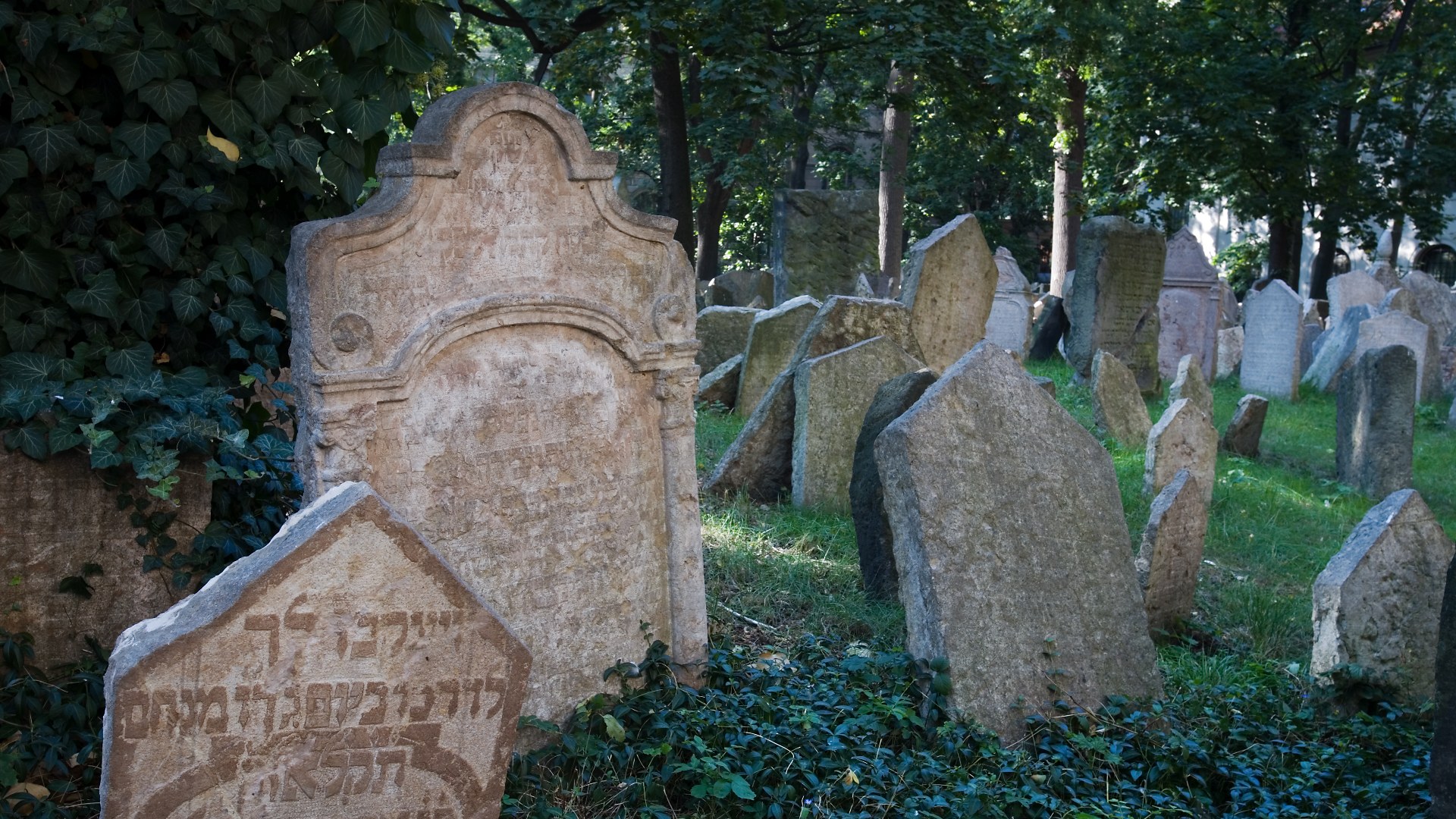
2. Old Jewish Cemetery, Prague (Czech Republic)
Halakha, or Jewish religious law, strictly forbids disturbing, moving, or stacking dirt over existing graves. When medieval Prague authorities refused to expand the Jewish quarter cemetery, caretakers brought in fresh soil to bury new generations directly on top, creating twelve tiers containing over 100,000 burials.
©Wikimedia / Jorge Royan (CC BY-SA)
Advertisement
Swipe or tap ▶ to resume the countdown.
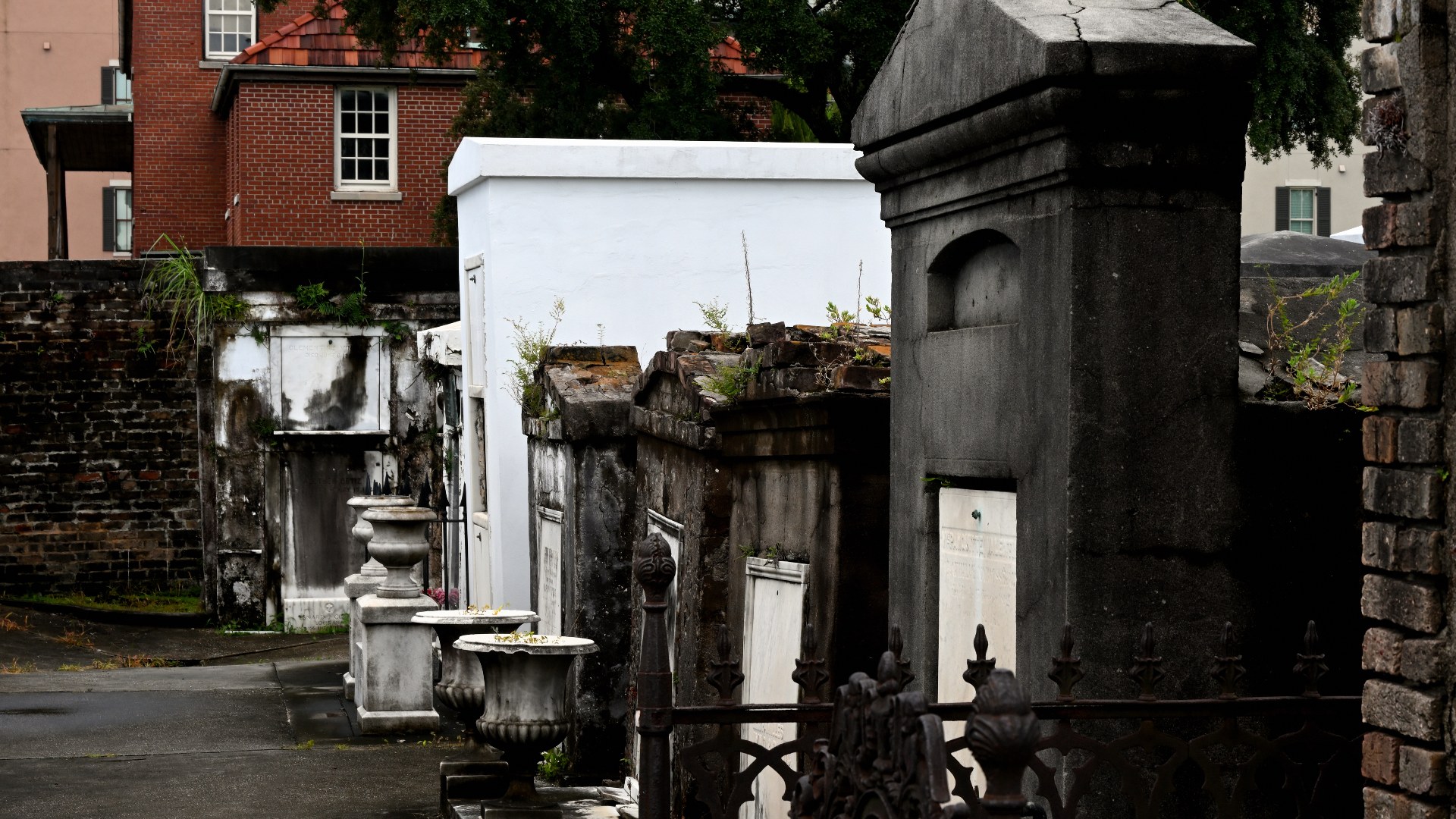
1. St. Louis Cemetery No. 1, New Orleans (USA)
Because New Orleans sits below sea level with a shallow water table, in-ground burial was forbidden to prevent caskets from floating. Families use above-ground vaults that act as natural cremation ovens. Under city regulations, a vault cannot be reopened until a full year and a day has passed to ensure decomposition.

©Wikimedia / Tom Hilton (CC BY)
Advertisement
You've reached the end of the story. Thanks for reading!

20 Iconic Historical Photos and the Archive Clues Behind Them
Contact sheets, cracked glass plates, and NASA mission logs preserve the hidden steps behind 20 famous photographs. Drawing on records from the Library of Congress, the National Archives, NASA, and the Smithsonian, this countdown traces how cropping, camera setups, and double exposures shaped each frame.
All 20 Entries in this Story
20. Longyearbyen, Svalbard (Norway)
In this Arctic settlement, dying has been banned for over 70 years. Scientists discovered that the permafrost prevents bodies from decomposing, preserving dormant pathogens, including living samples of the 1918 Spanish Flu. Seriously ill or elderly residents must relocate to mainland Norway for end-of-life care.

19. Itsukushima / Miyajima (Japan)
To preserve the sacred spiritual purity of Itsukushima Shrine, strict Shinto decrees have forbidden both birth and death on the island for nearly five centuries. Terminally ill residents or expectant mothers are ferried across to the mainland, and no cemeteries, burials, or cremations are allowed on the island.

18. Neptune Memorial Reef, Key Biscayne (USA)
Located three miles off the coast of Florida, this artificial reef acts as a licensed green cemetery 40 feet below the ocean surface. Cremated human ashes are blended with eco-friendly marine concrete to cast statues, columns, and road markers, strictly regulated to encourage coral and marine life growth.

17. Manikarnika Ghat, Varanasi (India)
In Hindu belief, cremation on the banks of the sacred Ganges in Varanasi breaks the cycle of reincarnation, granting Moksha, or immediate liberation. Strict religious rules dictate that cremation pyres at Manikarnika Ghat burn 24 hours a day using sacred fire that has reportedly remained lit for centuries.

16. Trunyan Fragrant Tree Cemetery, Bali (Indonesia)
The ancient Bali Aga villagers of Trunyan neither bury nor cremate their dead. Instead, bodies are wrapped in cloth and laid out inside triangular bamboo cages under a sacred Taru Menyan tree. The massive tree emits a natural perfume that completely neutralizes any scent of decomposition.

15. Dargavs City Of The Dead (Russia)
Perched in the mountains of North Ossetia, Dargavs features nearly 100 medieval stone crypts with pyramidal slate roofs. During 18th-century plague outbreaks, infected villagers voluntarily walked into their family crypts with water and rations, self-isolating to protect their mountain neighbors from contamination.

14. Tana Toraja Cliff Graves (Indonesia)
In the highlands of Sulawesi, the Toraja people do not consider a deceased relative truly gone until an elaborate funeral feast is funded. Relatives keep the preserved body at home for months, serving it daily meals. The coffin is then sealed inside a high rock cliff, guarded by carved wooden effigies called tau-tau.

13. Sagada Hanging Coffins (Philippines)
The indigenous Igorot people of Luzon have practiced hanging burials for over two millennia. Elders carve their own small wooden coffins from hollowed logs before passing away. Family members scale limestone cliffs to suspend the coffins, believing elevated heights protect bodies and bring spirits nearer to ancestors.

12. Merry Cemetery, Sapanta (Romania)
In this northern Romanian village, local customs turn mourning into an honest celebration of life. Every oak grave cross is painted vivid blue and features a carved folk-art portrait depicting the deceased at work, accompanied by a humorous poem recounting their personal habits or exact manner of passing.

11. Catacombs Of Paris (France)
In 1780, consecutive days of heavy rain caused the wall of Holy Innocents cemetery to collapse into a restaurant cellar, creating a public health emergency. Parisian officials outlawed inner-city burials and transferred six million decomposed corpses into abandoned subterranean limestone quarry tunnels.

10. Catacombe Dei Cappuccini, Palermo (Sicily)
Beginning in 1599, Capuchin monks dehydrated deceased nobles, merchants, and clergy using ceramic drying pipes before dressing them in their Sunday clothes. Over 8,000 mummies were hung along stone corridors, strictly divided into separate halls for priests, lawyers, wealthy women, and children.

9. Capuchin Crypt, Rome (Italy)
Beneath Santa Maria della Concezione, soil brought from Jerusalem served as a temporary resting ground. When a friar died, the oldest buried body was exhumed to make room. The bones were artistically arranged into elaborate chandeliers, wall rosettes, and hourglasses illustrating the fleeting nature of time.

8. Capela Dos Ossos, Evora (Portugal)
By the 16th century, dozens of church cemeteries occupied valuable farmland around Evora. Franciscan monks exhumed 5,000 bodies and cemented the skulls and long bones directly into the chapel walls. Above the entrance, a chilling inscription reminds visitors: We bones that are here await yours.

7. Sedlec Ossuary, Kutna Hora (Czech Republic)
After the Black Death and Hussite Wars filled the Sedlec monastery grounds, church authorities ordered exhumed skeletons stacked inside the chapel cellar. In 1870, woodcarver Frantisek Rint was hired to organize the remains, transforming the bones of 40,000 humans into enormous chalices, garlands, and chandeliers.

6. Hallstatt Charnel House / Beinhaus (Austria)
Squeezed between a steep mountain and a lake, the tiny alpine churchyard in Hallstatt had zero room to expand. Local tradition required exhuming bodies after 10 to 15 years, sun-bleaching the bones, and hand-painting skulls with floral crowns, dates, and family names before displaying them in the chapel ossuary.

5. Westminster Abbey Poets' Corner, London (UK)
Floor space inside Westminster Abbey has been precious for centuries. When celebrated playwright Ben Jonson requested burial in 1637, he reportedly told the Dean that two feet by two feet was all he could afford. Church authorities granted his plea by burying him standing completely upright beneath the stone paving.

4. La Recoleta Cemetery, Buenos Aires (Argentina)
In Buenos Aires, burial vaults are treated like prime urban real estate. City ordinances allow family mausoleums to be bought, sold, mortgaged, or auctioned off like private apartments. Families hold formal deeds, and owners must pay property taxes to keep their ornate above-ground chapels intact.

3. Pere Lachaise Cemetery, Paris (France)
Securing a permanent plot in Paris is nearly impossible. Most graves in Pere Lachaise operate on renewable concession leases of 10, 30, or 50 years. If families fail to renew the lease or abandon the grave, municipal law authorizes gravediggers to exhume the remains and transfer them to an ossuary box.

2. Old Jewish Cemetery, Prague (Czech Republic)
Halakha, or Jewish religious law, strictly forbids disturbing, moving, or stacking dirt over existing graves. When medieval Prague authorities refused to expand the Jewish quarter cemetery, caretakers brought in fresh soil to bury new generations directly on top, creating twelve tiers containing over 100,000 burials.

1. St. Louis Cemetery No. 1, New Orleans (USA)
Because New Orleans sits below sea level with a shallow water table, in-ground burial was forbidden to prevent caskets from floating. Families use above-ground vaults that act as natural cremation ovens. Under city regulations, a vault cannot be reopened until a full year and a day has passed to ensure decomposition.