Slideshow · Sports
20 Olympic Sports That Have Changed Their Equipment Rules
Olympic competition continuously balances cutting-edge technology against tradition and safety. Across summer and winter editions, international sports federations have stepped in to ban unfair materials, reshape dangerous apparatuses, and preserve pure human performance across twenty iconic disciplines.





All 20 Entries in this Story
Swimming
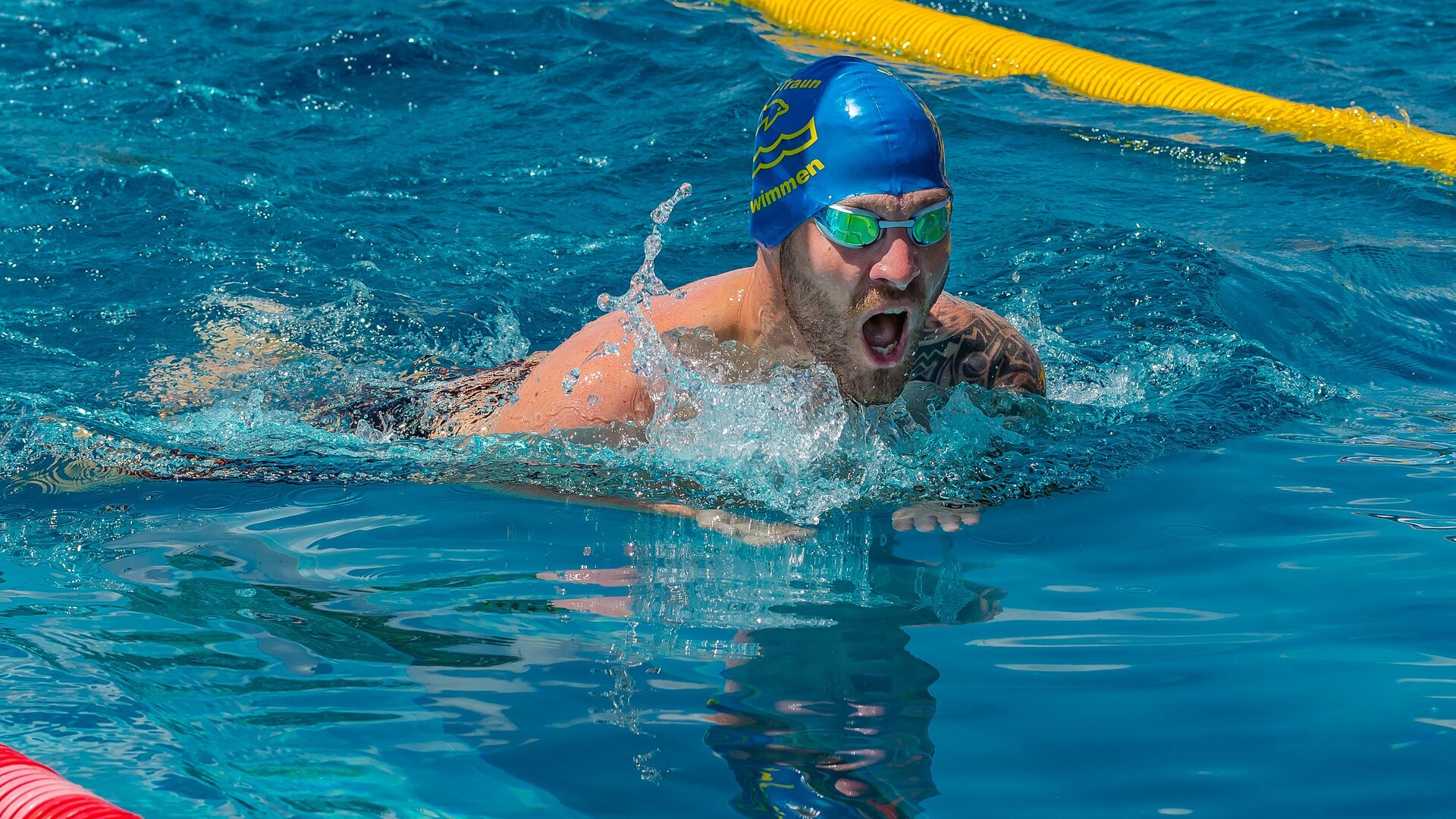
High-tech polyurethane bodysuits like the Speedo LZR Racer dominated the 2008 Beijing Games, reducing drag and adding buoyancy. World Aquatics, then known as FINA, responded in January 2010 by banning non-textile materials and limiting suits to jammers for men and knee-length suits for women.
Javelin Throw
Uwe Hohn threw a record 104.80 meters in 1984, creating serious safety fears that spears would fly into spectator seating. World Athletics redesigned the implement in 1986 by moving its center of gravity four centimeters forward, causing the tip to dip earlier and reducing typical throws by ten percent.
Table Tennis
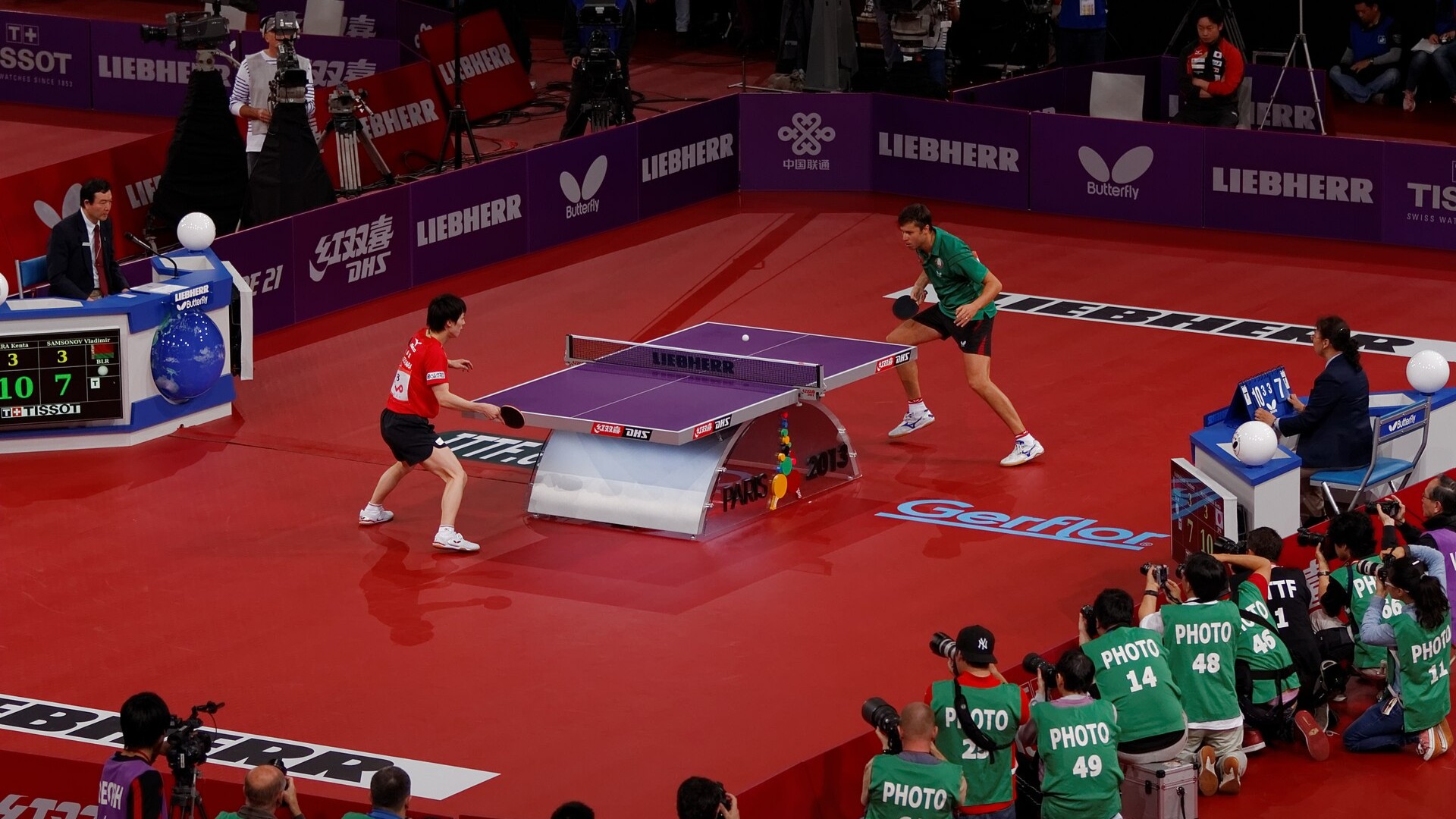
Following the 2000 Sydney Games, governing officials increased ball diameter from 38 millimeters to 40 millimeters to slow down play and create longer rallies for television viewers. The federation subsequently banned toxic speed glue in 2008 and phased out flammable celluloid balls in 2014.
Track Cycling
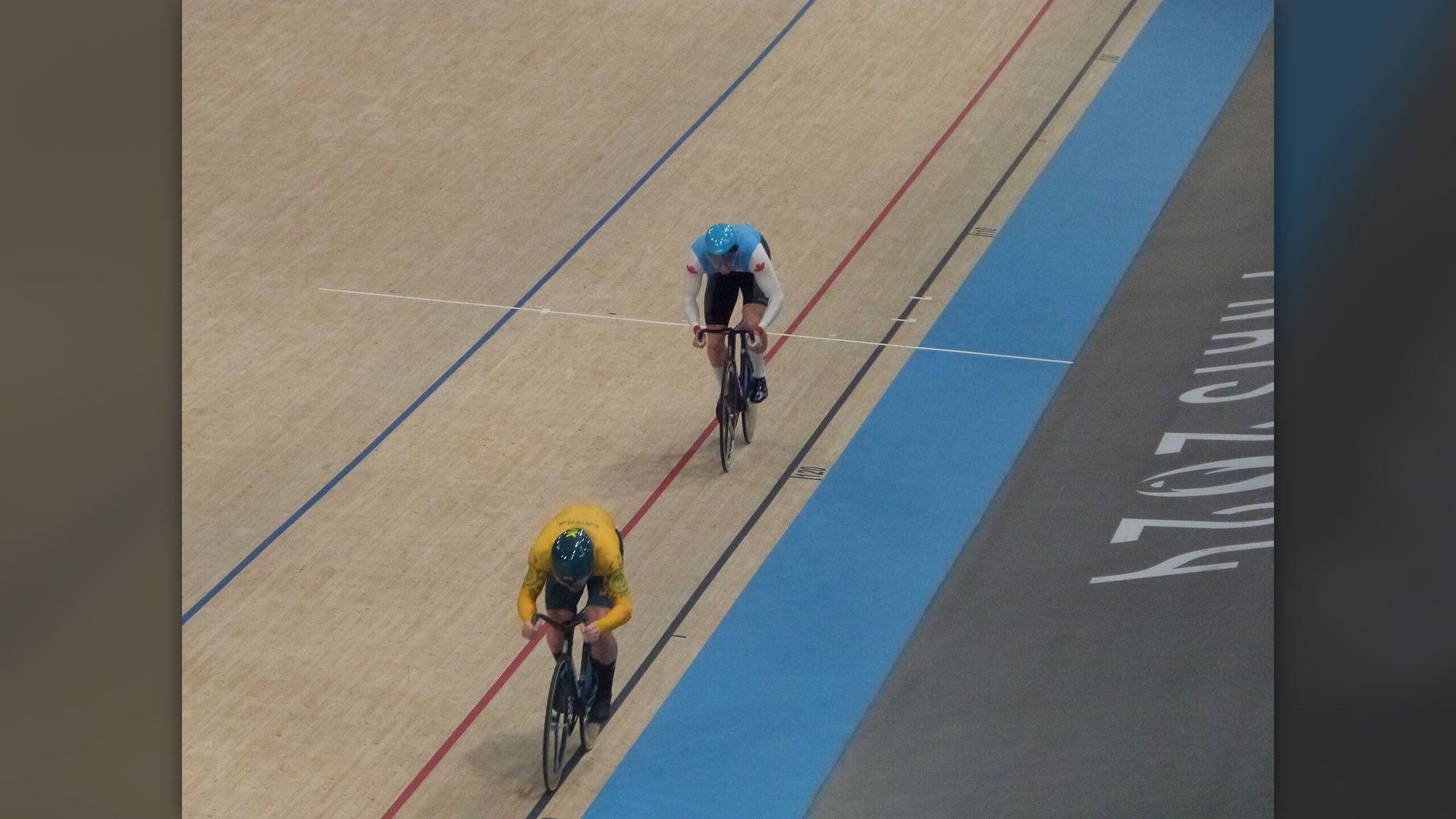
In 2000, cycling's governing body established the Lugano Charter to halt extreme monocoque frame designs and radical rider postures like the Superman position. Officials mandated traditional triangular diamond frames, capped tube aspect ratios, and maintained a strict 6.8 kilogram minimum bicycle weight.
Speed Skating
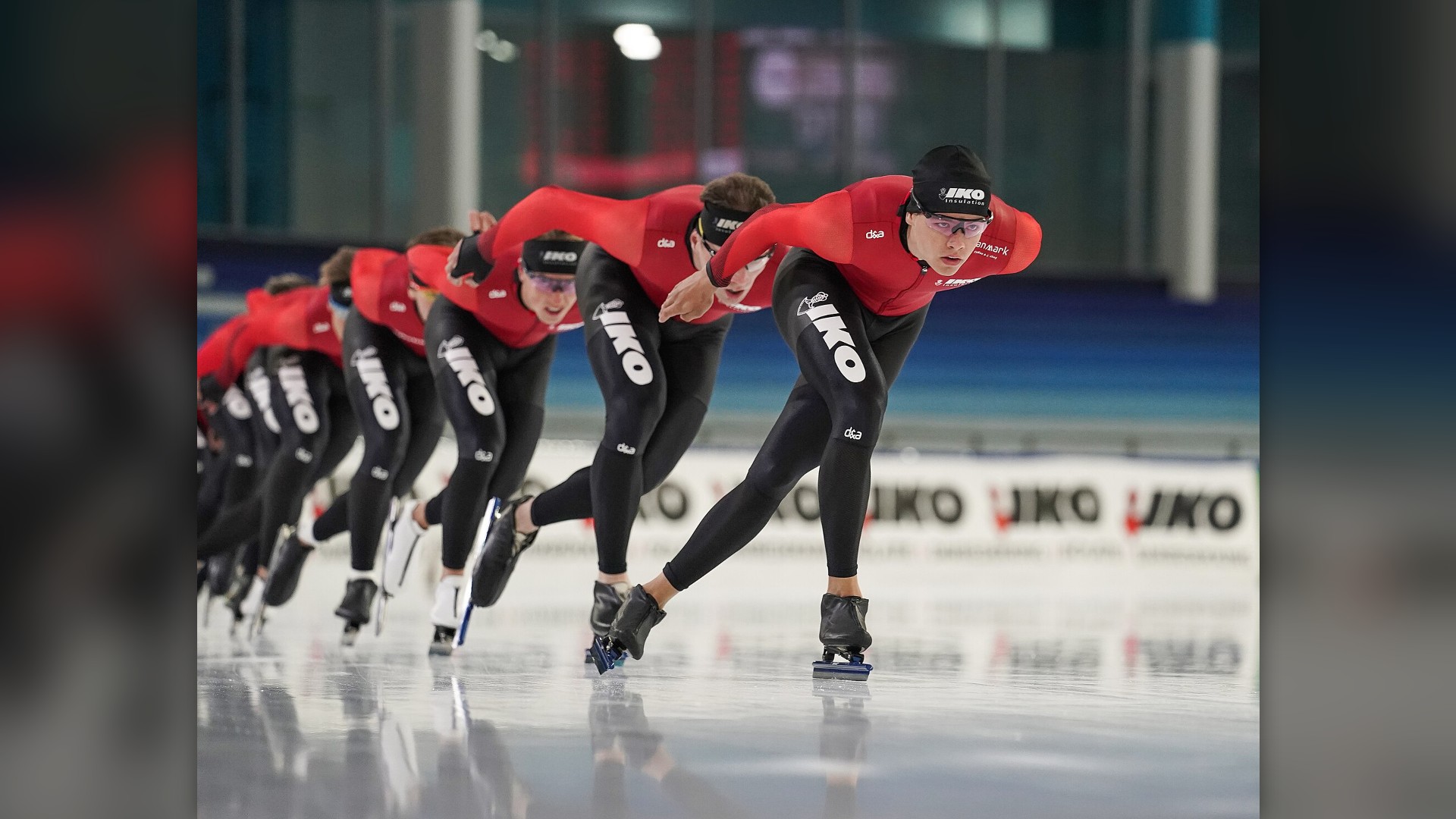
Traditional speed skates featured blades solidly fixed to the boot heel. Dutch researchers developed clap skates with a spring-loaded hinge at the toe, keeping the blade on the ice longer during extension. After world records tumbled, the International Skating Union authorized them for the 1998 Games.
Ski Jumping
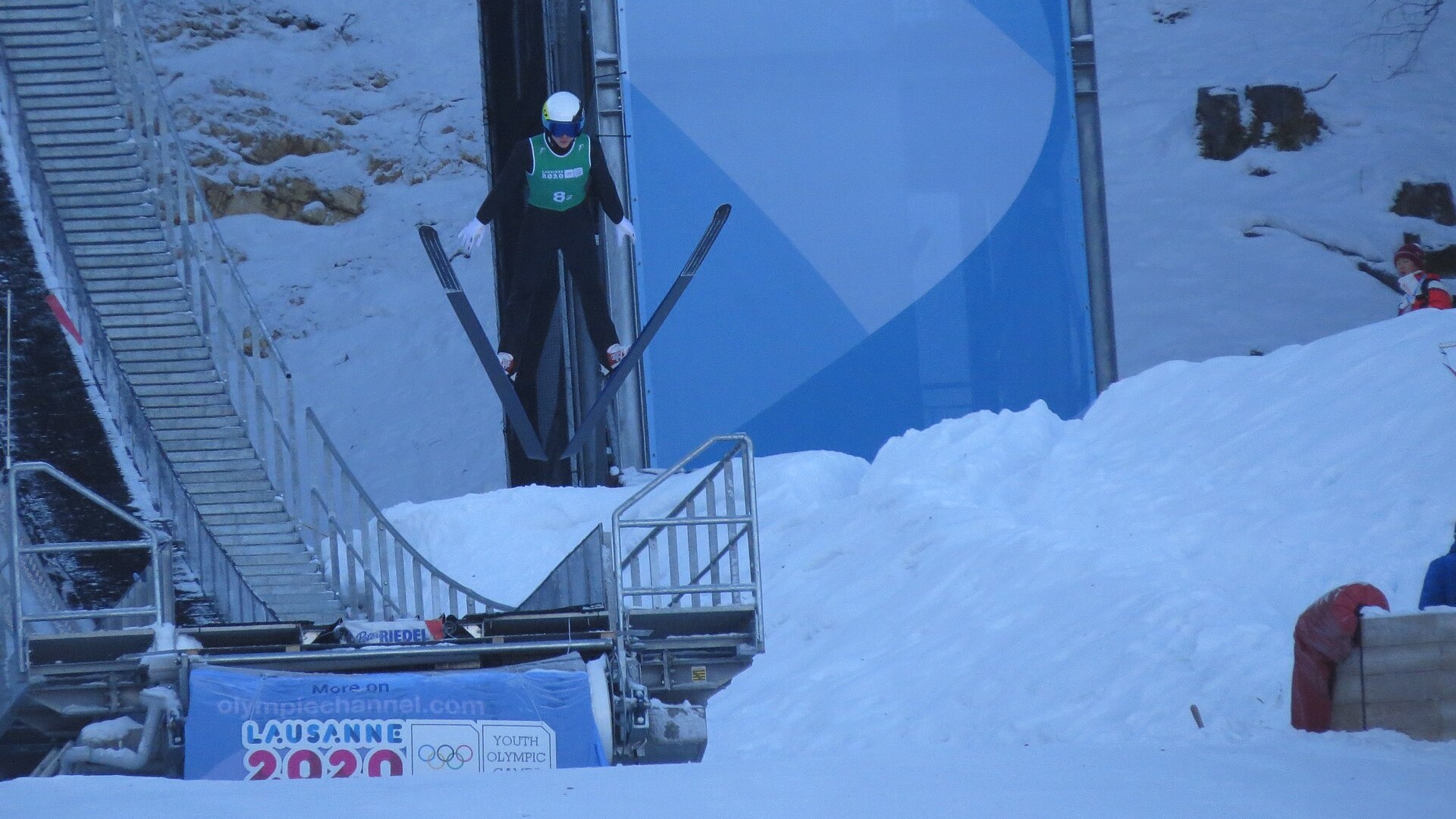
Ski jumpers historically trimmed body weight to gain aerodynamic lift, sparking widespread eating disorders. The International Ski Federation enacted regulations in 2004 tying allowable ski length directly to Body Mass Index, penalizing excessively thin competitors with shorter skis that generate less lift.
Pole Vault
Early Olympic pole vaulters used rigid ash and bamboo poles before flexible fiberglass and carbon fiber emerged in the 1960s, completely altering energy return physics. World Athletics later overhauled safety standards in 2003, mandating thick soft padding around the hard metal planting box.
Artistic Gymnastics
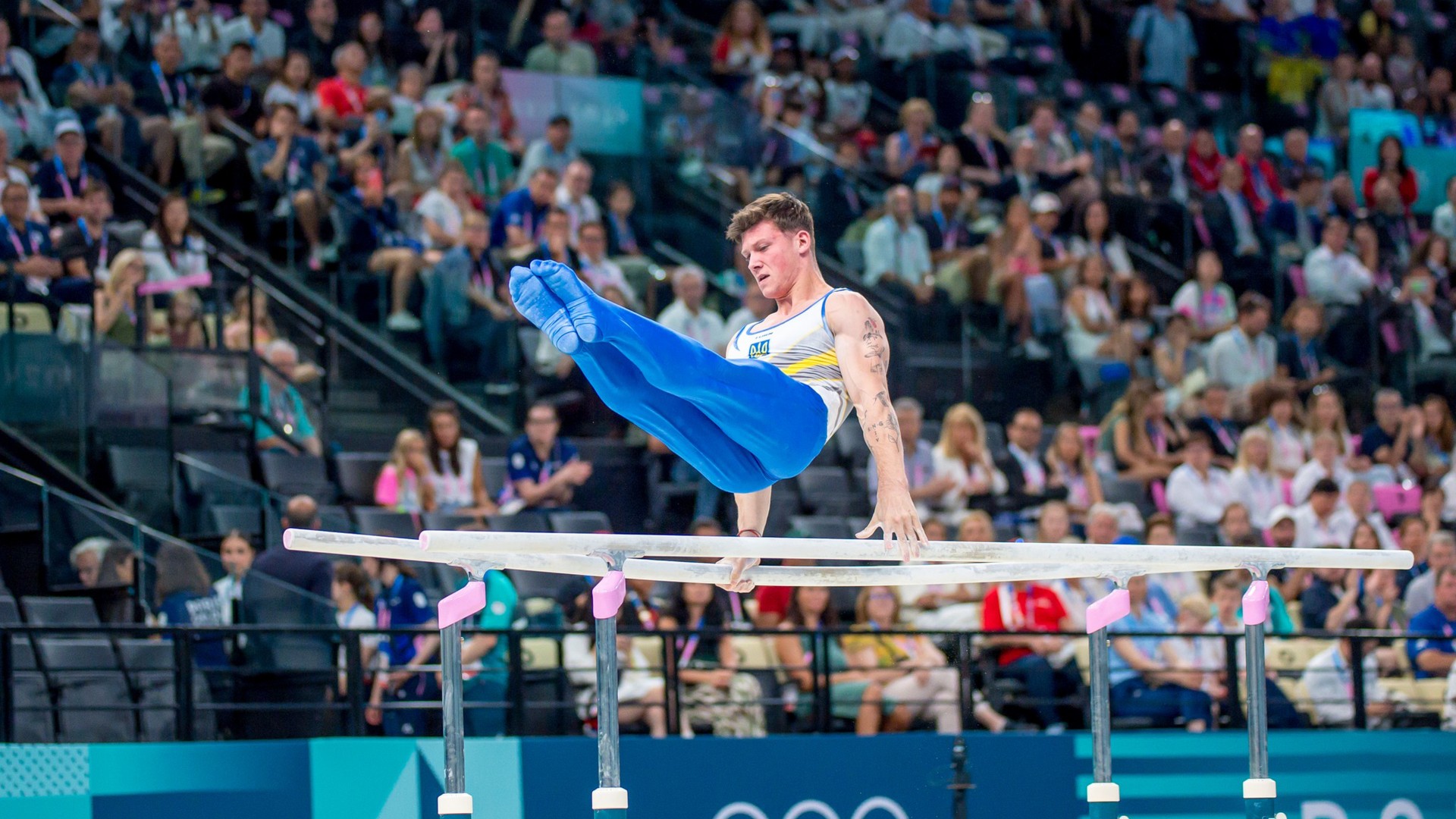
Male and female gymnasts vaulted over a narrow padded horse for over a century until multiple catastrophic injuries prompted reform. The International Gymnastics Federation introduced the pegasus vaulting table in 2001, providing a flat surface that is ninety percent larger to ensure safer hand placement.
Curling
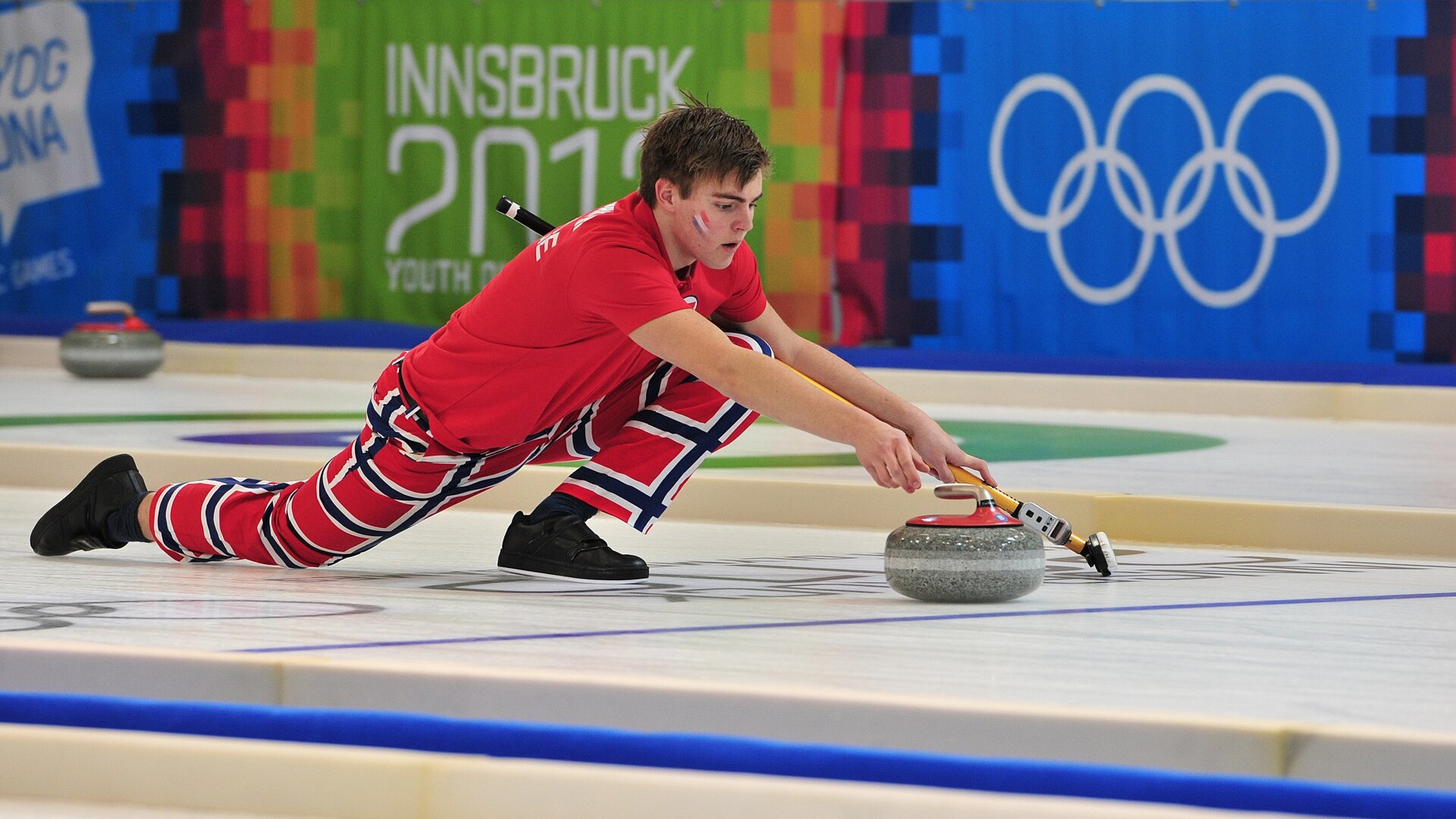
In 2015, curling faced the Frankengate controversy when high-friction directional fabric brushes enabled sweepers to manipulate stone paths unnaturally. World Curling unified rules in 2016 by requiring single-layer woven mustard fabric from an approved manufacturer, returning control to stone throwers.
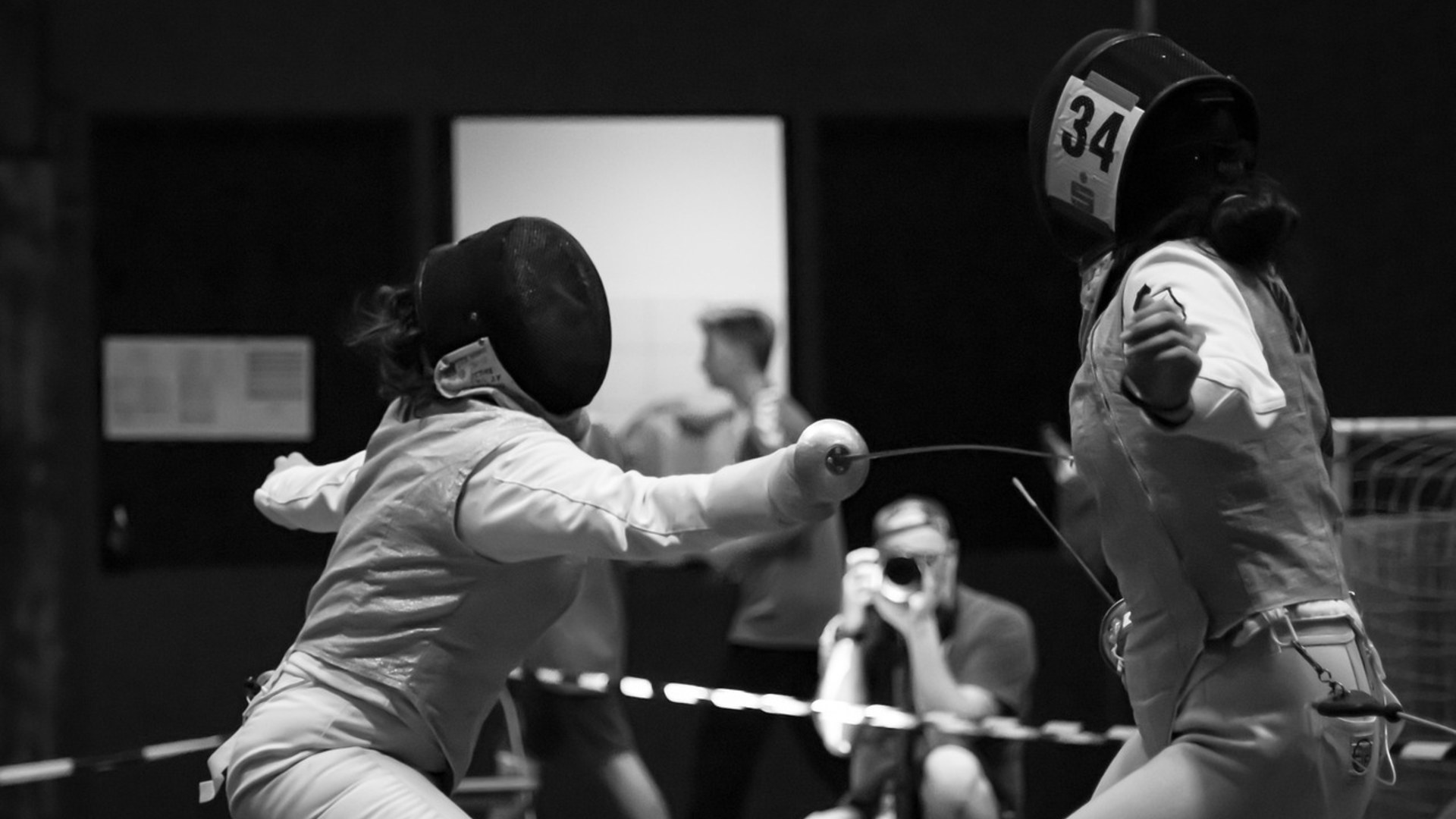
Fencing
Following the tragic death of Soviet foil champion Vladimir Smirnov in 1982 from a snapped blade, fencing overhauled weapon metallurgical rules. The federation mandated fracture-resistant maraging steel blades, Kevlar uniforms rated to 800 Newtons, and transparent polycarbonate or mesh face masks.
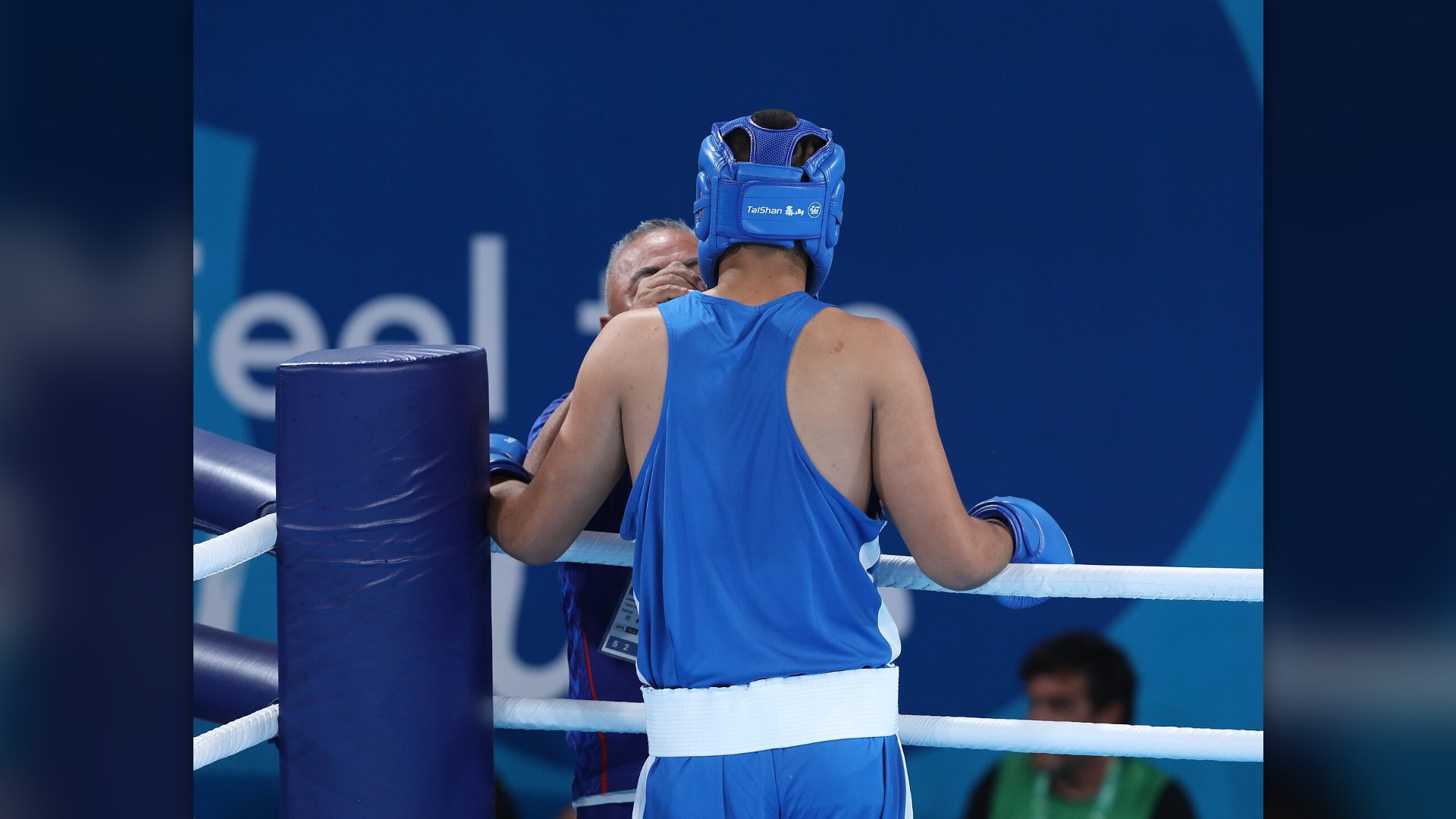
Boxing
Amateur boxers had worn padded headgear since the 1984 Los Angeles Games. International Boxing Association medical studies demonstrated that headgear created a false sense of security and increased rotational brain trauma, leading organizers to eliminate head guards for elite male fighters at Rio 2016.
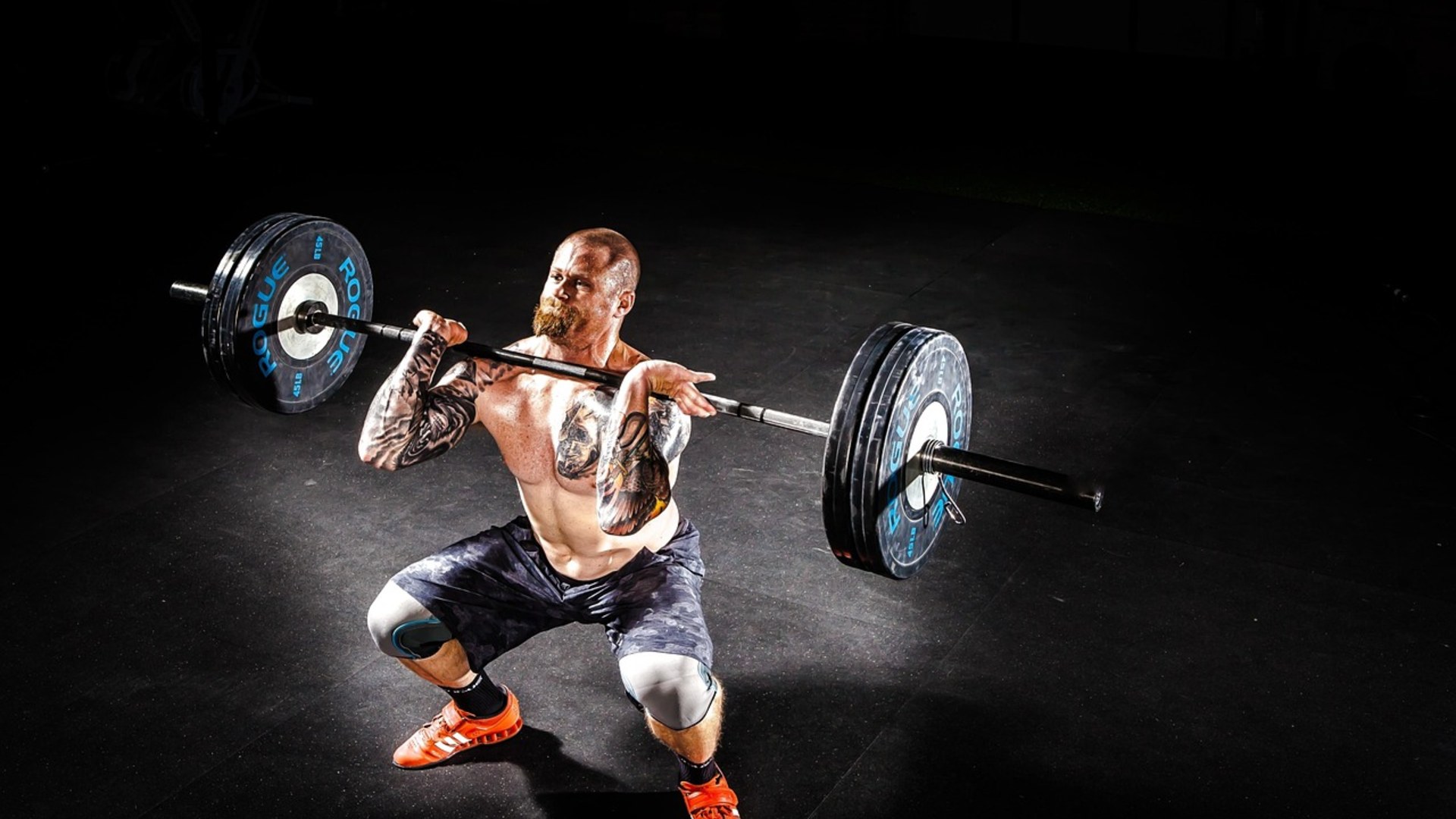
Weightlifting
Lifters originally lifted cast-iron plates that cracked concrete floors and rattled wrists upon dropping. The introduction of standardized rubber-coated bumper plates and precision needle bearings in the 1970s allowed bars to spin freely, drastically reducing wrist torque during heavy Olympic lifts.
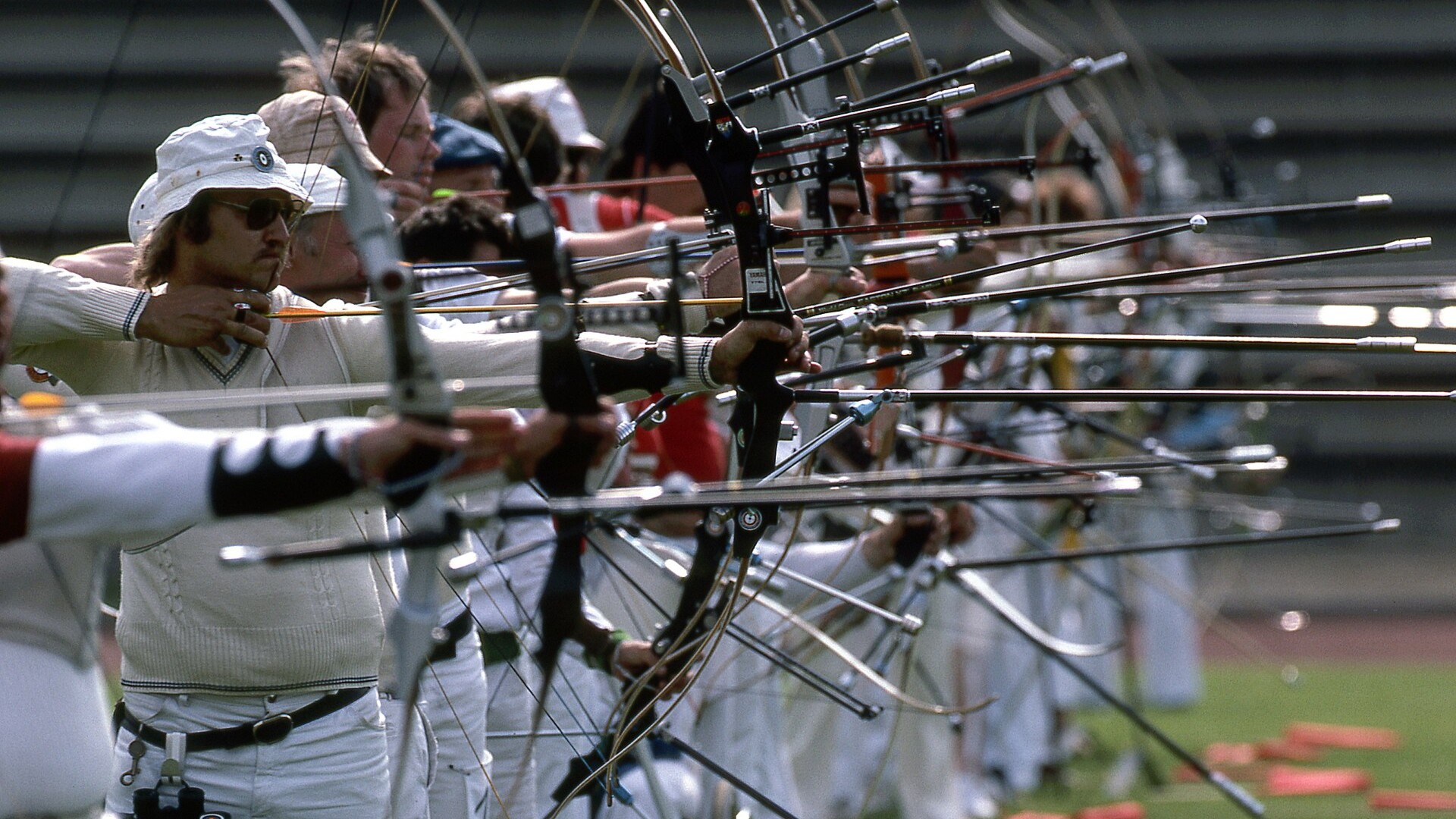
Archery
Olympic archery restricted competition exclusively to recurve bows, deliberately banning compound pulley bows to highlight physical drawing form. World Archery permitted carbon-fiber stabilization rods and draw-length clickers, while capping bow draw weights and strictly outlawing electronic sights.
Rowing
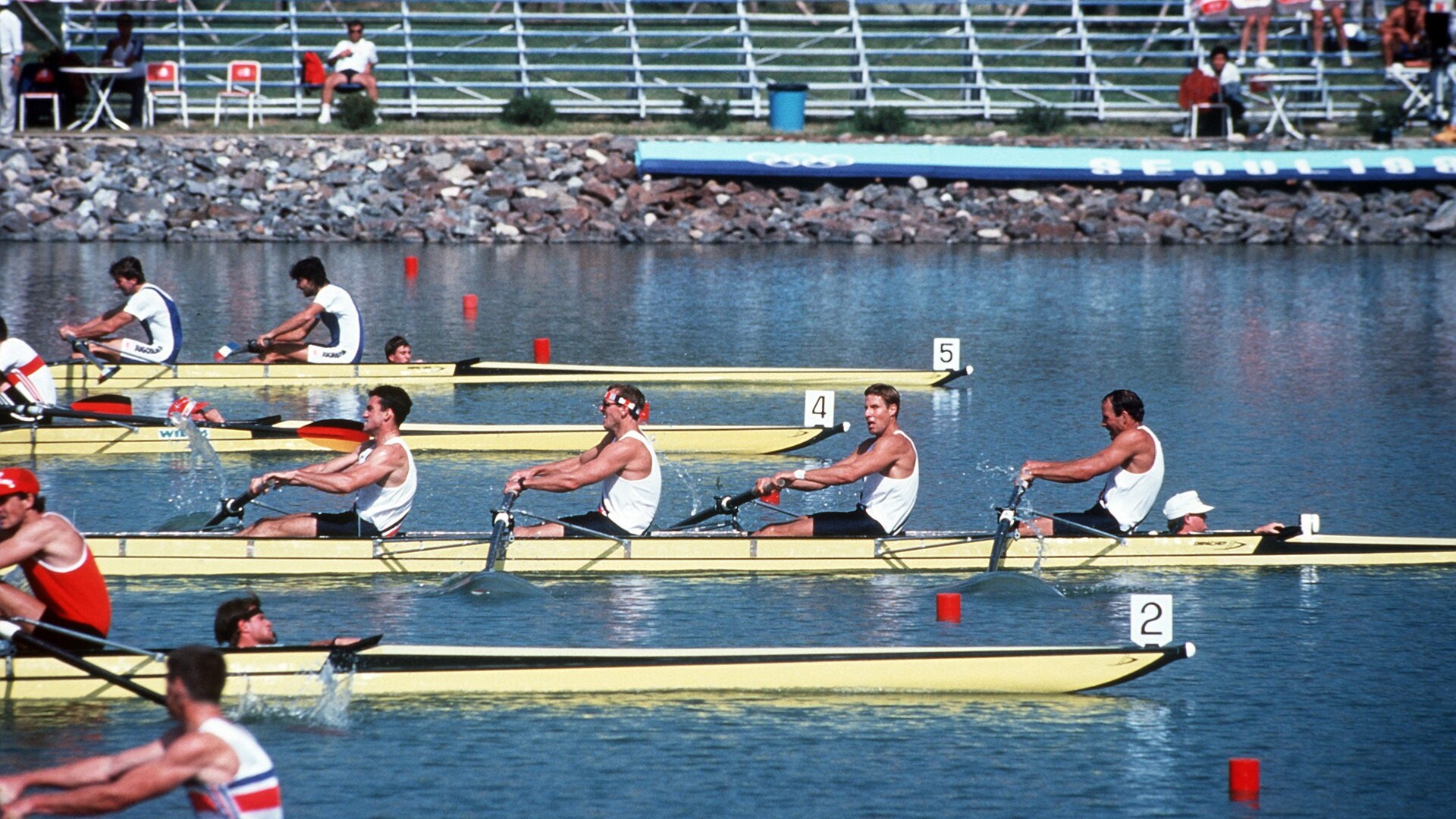
In 1981, German engineer Volker Nolte popularized rowing shells where riggers and oars slid along the deck while the athlete seat remained stationary. FISA banned sliding riggers in 1984 because they gave huge hydrodynamic advantages to wealthy federations and rendered standard boat fleets obsolete.
Canoe Slalom
The International Canoe Federation shortened minimum kayak lengths from four meters to 3.5 meters in 2005. The shorter, lighter craft enabled athletes to pivot dynamically around gates and perform aerial boat spins, making modern artificial whitewater channels dramatically faster and more spectator-friendly.
Alpine Skiing
Carving skis with aggressive hourglass sidecuts revolutionized downhill turns but sent kinetic shock through skier joints. The International Ski Federation raised the minimum turning radius for men's giant slalom skis from 27 to 35 meters in 2012, forcing wider turns and sharply lowering injury rates.
Tennis
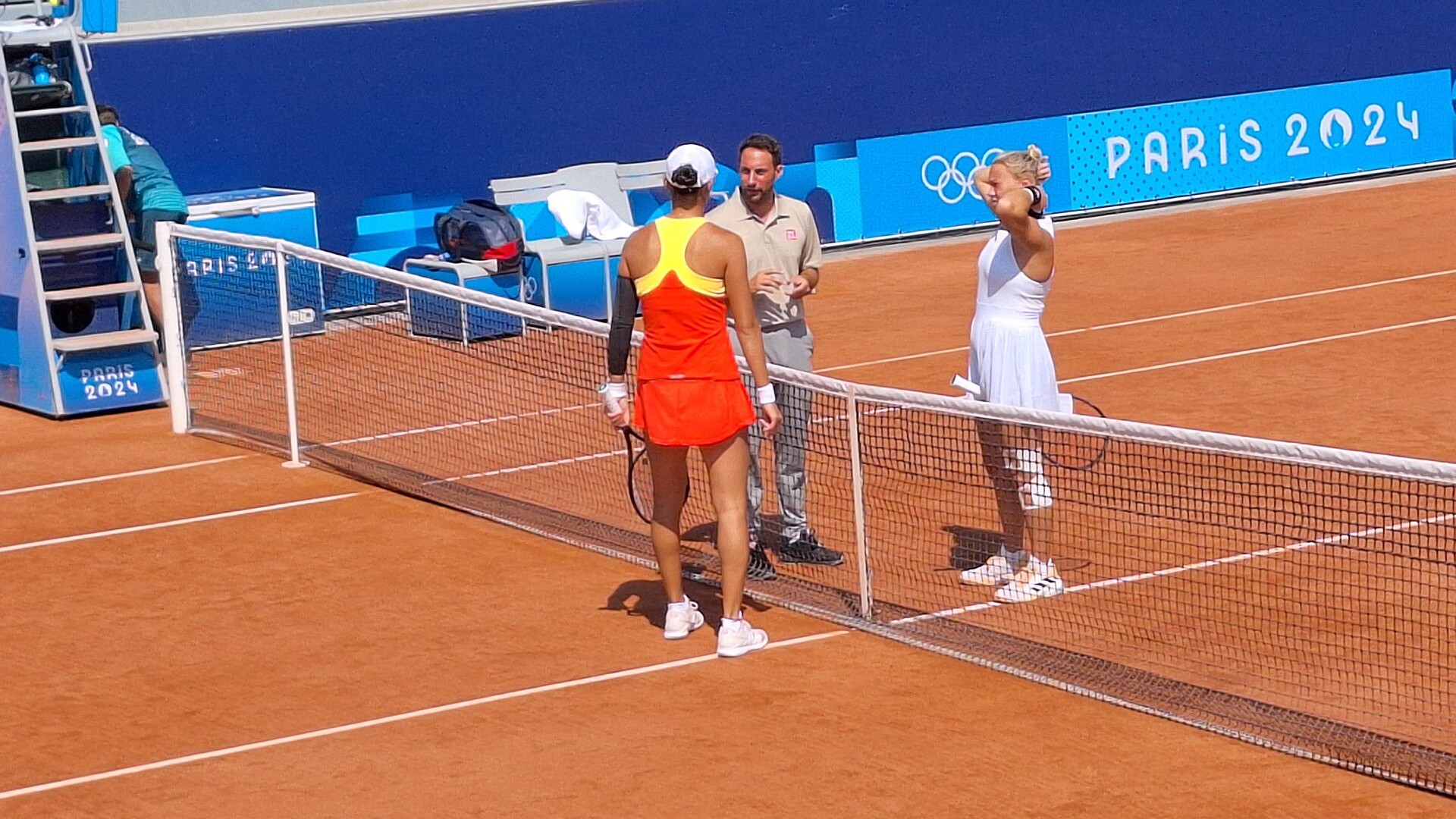
Wooden tennis rackets defined Olympic play until lightweight graphite composites emerged in the 1980s. The International Tennis Federation subsequently standardized equipment rules by capping total racket length at 29 inches and restricting string bed surface areas to prevent unwieldy oversized models.
Shooting
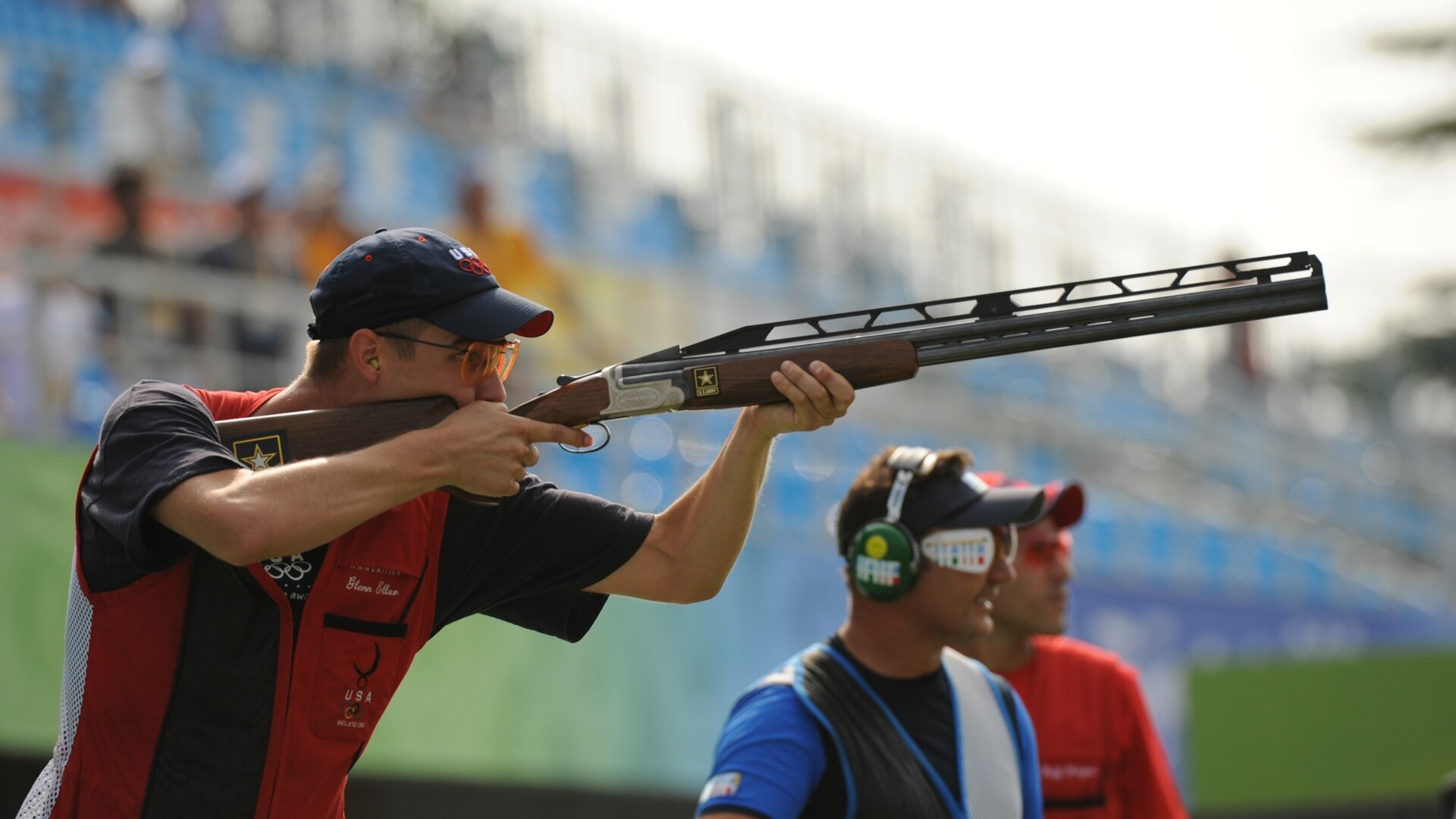
Rifle marksmen began wearing heavily reinforced leather and canvas jackets that functioned like full-body casts to eliminate micro-movements. The International Shooting Sport Federation responded by mandating electronic thickness and stiffness gauges during equipment control, penalizing overly stiff garments.
Badminton
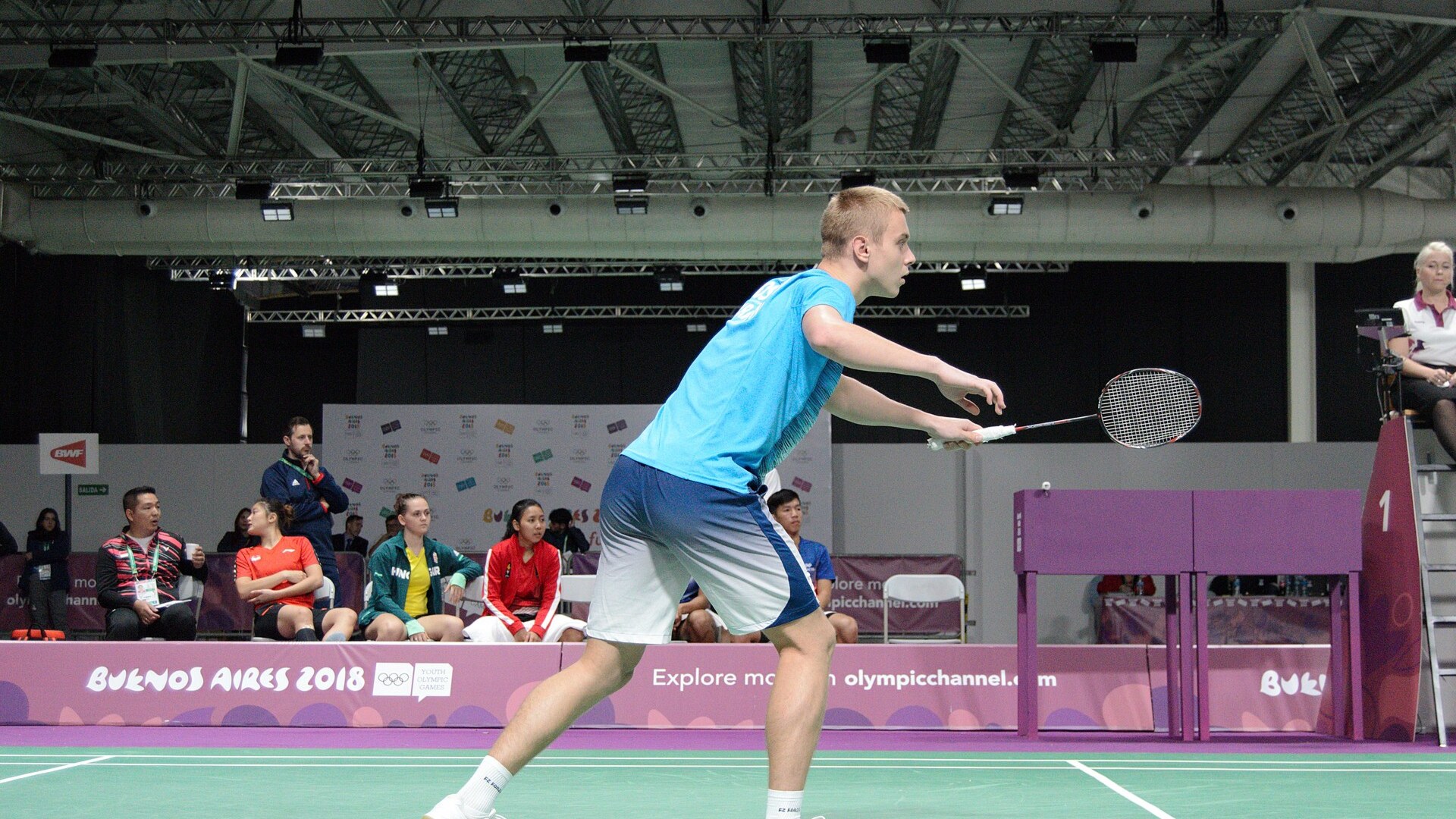
Top-tier badminton historically relied on natural goose-feather shuttlecocks, which degrade rapidly and perform inconsistently under changing arena humidity. The Badminton World Federation approved synthetic feather shuttlecocks for official competition in 2021, while maintaining strict racket head limits.
Sailing
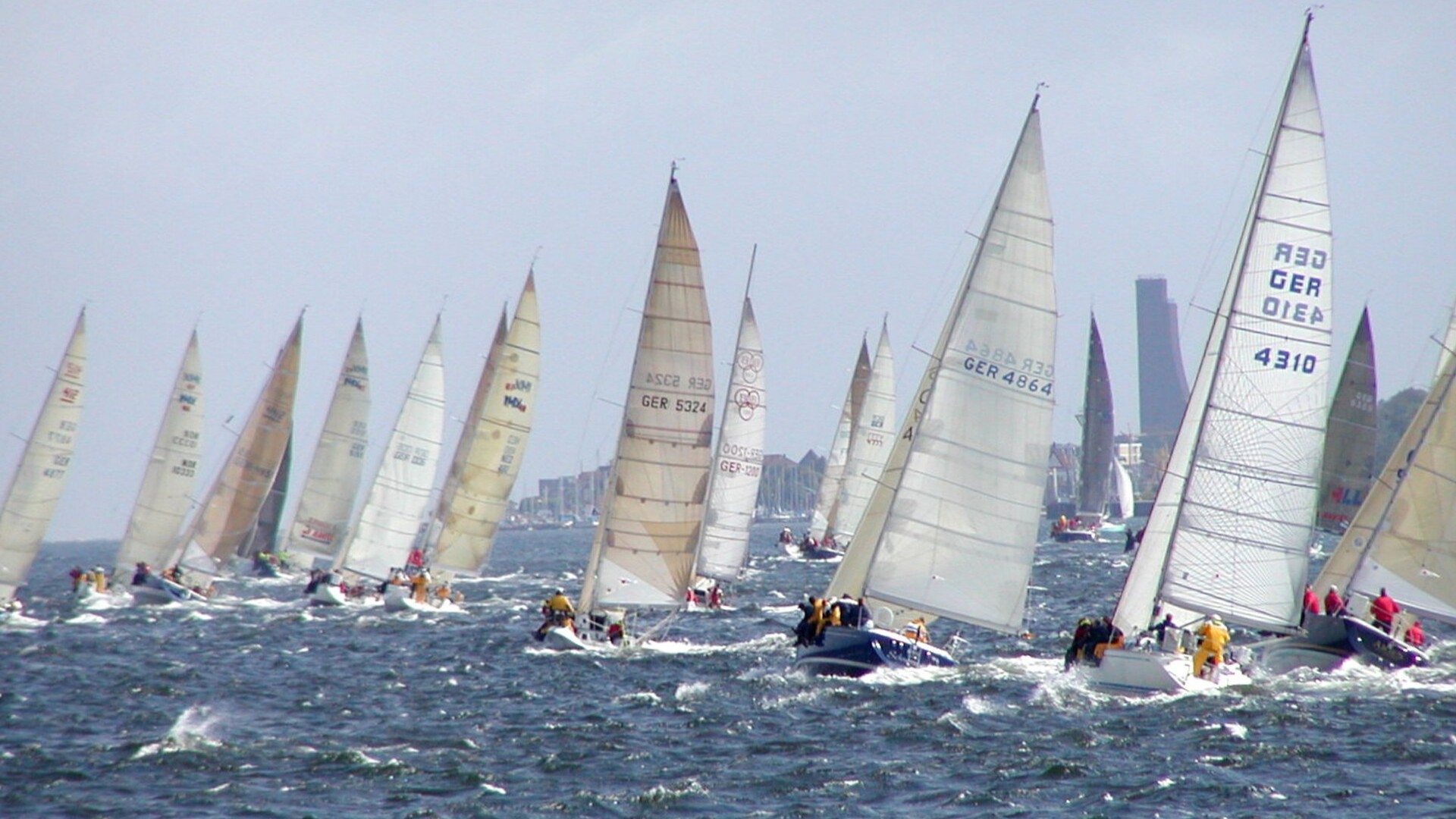
Olympic sailing historically permitted custom naval modifications, favoring wealthy competitors over sailing talent. World Sailing transitioned the regatta to strict one-design classes where every boat is identical, recently adding hydrofoiling Nacra 17 catamarans that lift completely out of the water.