Slideshow · Animals
25 Animals That Survive in Earth's Most Extreme Habitats
From Antarctic sea ice to boiling ocean vents, these 25 animals thrive where few others survive. Each entry pairs confirmed biology with habitat records documented by the IUCN Red List, Smithsonian Institution, NOAA and peer-reviewed zoology research. Swipe through to see the adaptations behind their survival.
By Most Viral Today
26 min agopitch:41cb44f6-44be-4e15-9e2c-e5075127e255

How 25 Real Species Conquer Freezing Poles, Scorching Deserts and Deep Vents 
25. Desert Kangaroo Rat 
24. Mojave Desert Tortoise 
23. Sidewinder Rattlesnake - AdvertisementSwipe or tap ▶ to continue countdown

22. Thorny Devil 
21. Red Kangaroo 
20. Fennec Fox 
19. Gemsbok - AdvertisementSwipe or tap ▶ to continue countdown

18. Addax Antelope 
17. Bactrian Camel 
16. Galapagos Marine Iguana 
15. Lesser Flamingo - AdvertisementSwipe or tap ▶ to continue countdown

14. Brine Shrimp 
13. Alpine Ibex 
12. Tibetan Yak 
11. Snow Leopard - AdvertisementSwipe or tap ▶ to continue countdown

10. Bar-Headed Goose 
9. Muskox 
8. Arctic Fox 
7. Atlantic Walrus - AdvertisementSwipe or tap ▶ to continue countdown

6. Polar Bear 
5. Weddell Seal 
4. Wood Frog 
3. Giant Tube Worm - AdvertisementSwipe or tap ▶ to continue countdown

2. Tardigrade 
1. Emperor Penguin - Advertisement🔥 UP NEXT IN THIS SERIES◫ 21 Slides

20 Venomous and Nonvenomous Snakes Native to Texas Habitats
Texas supports more native snake species than any other state, spanning pine forests, coastal prairies, and arid desert canyons. Based on Texas Parks and Wildlife Department field guides and Smithsonian records, this countdown profiles 20 venomous and nonvenomous snakes from wetlands to western plains.
From Antarctic sea ice to boiling ocean vents, these 25 animals thrive where few others survive. Each entry pairs confirmed biology with habitat records documented by the IUCN Red List, Smithsonian Institution, NOAA and peer-reviewed zoology research. Swipe through to see the adaptations behind their survival.
Swipe or tap ▶ to begin the countdown
©Wikimedia / Christopher Michel
25. Desert Kangaroo Rat
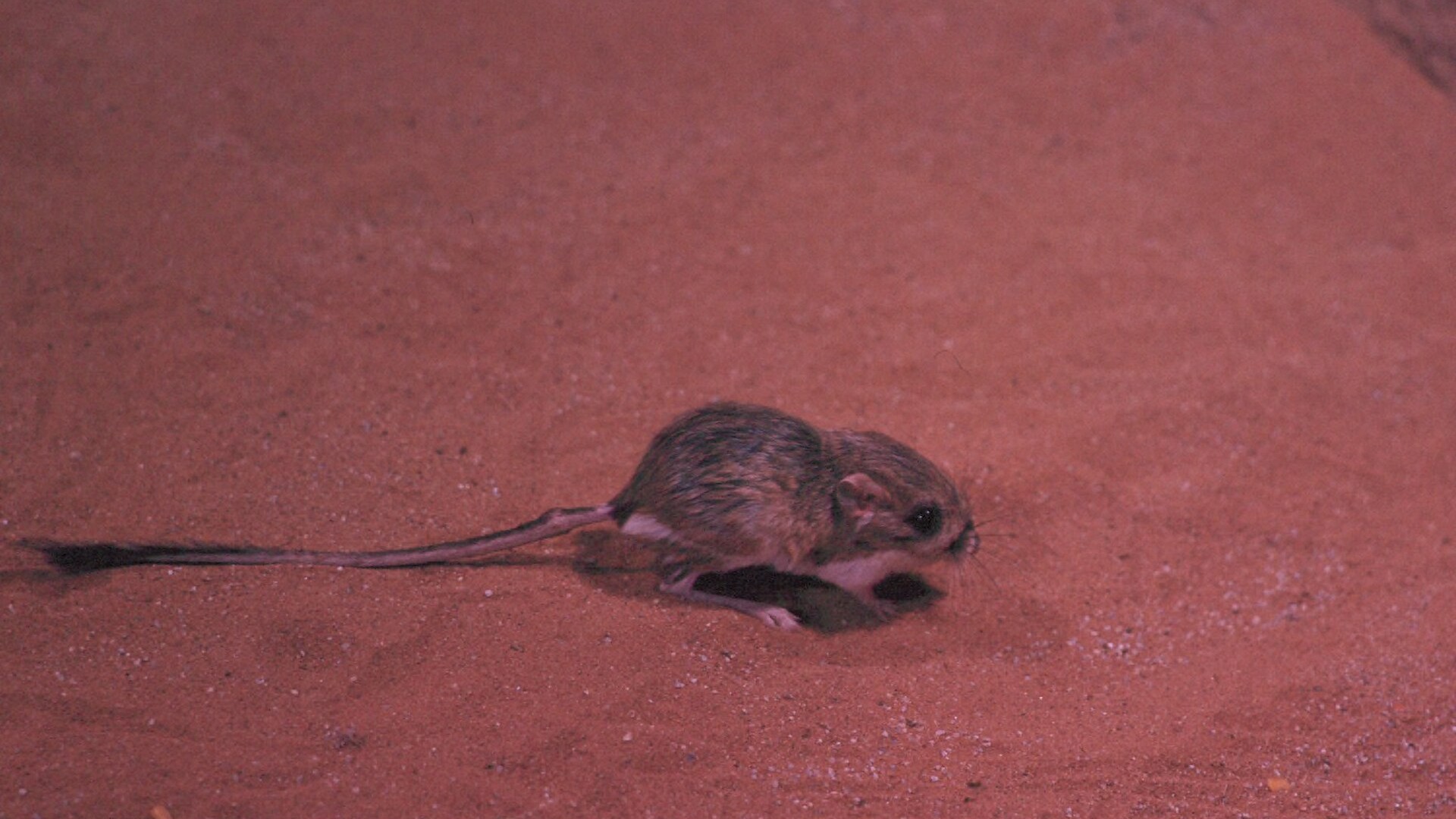
Dipodomys deserti inhabits sand dunes across the Mojave and Sonoran Deserts. Its specialized kidneys concentrate urine to minimize water loss, and its metabolism extracts moisture directly from dry seeds. Long hind legs let it leap predators in dark desert heat.
©Wikimedia / Garst, Warren, 1922-2016, photographer
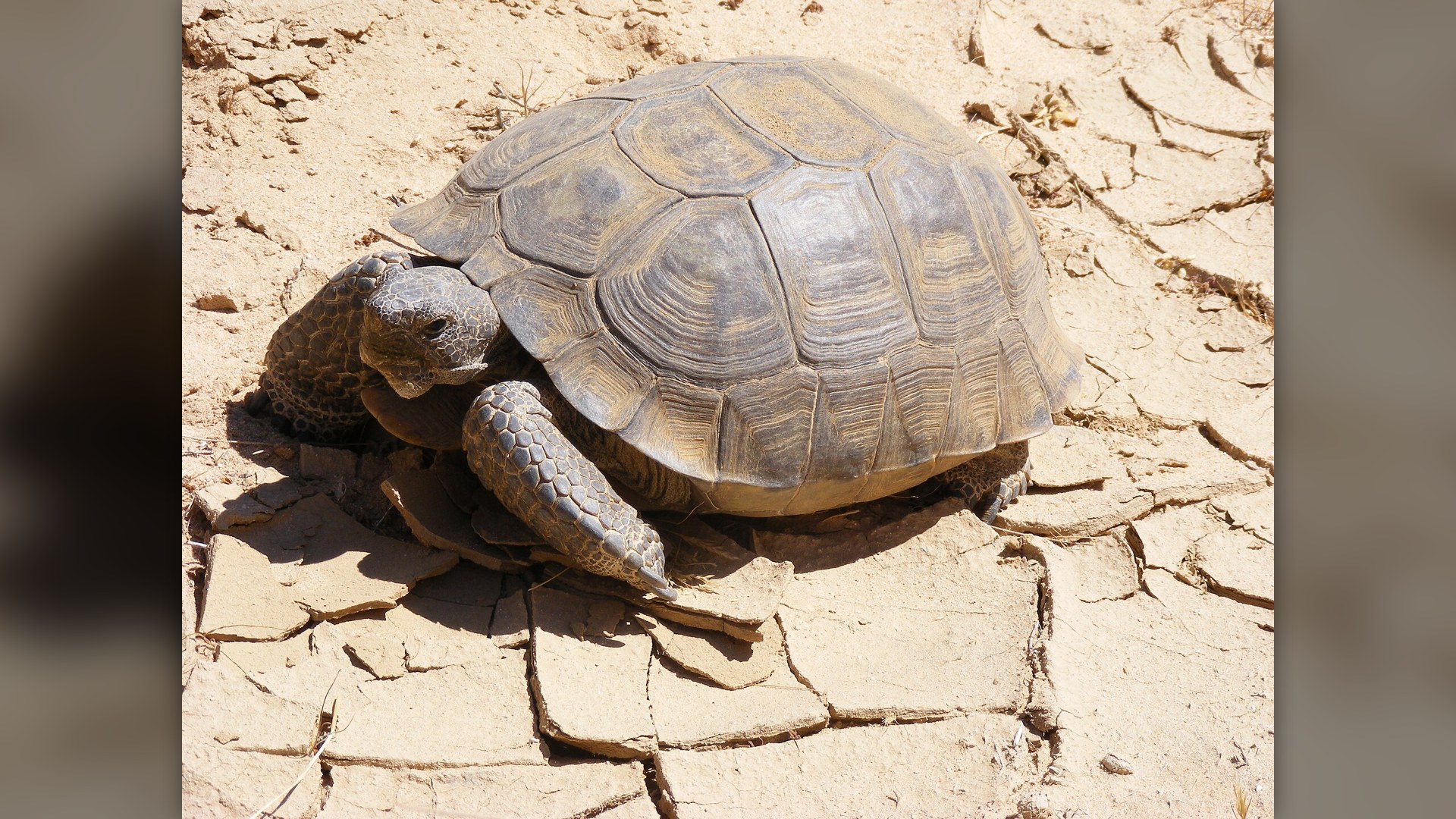
24. Mojave Desert Tortoise
Gopherus agassizii digs deep burrows where summer temperatures stay far cooler than the surface above. It stores water in its bladder for dry months and absorbs moisture from spring wildflowers. During severe drought, it enters dormancy to conserve energy.
©Wikimedia / Tigerhawkvok
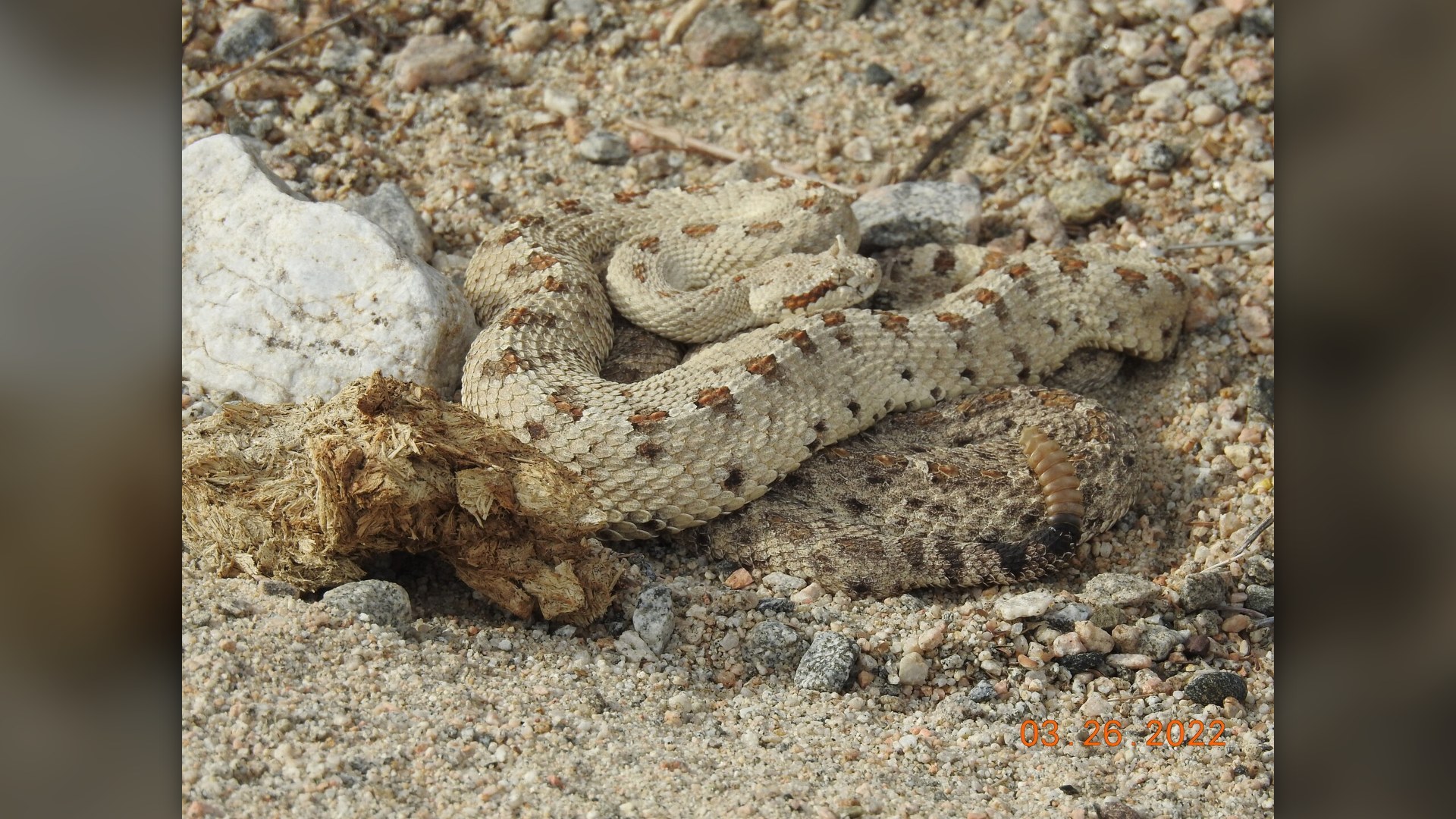
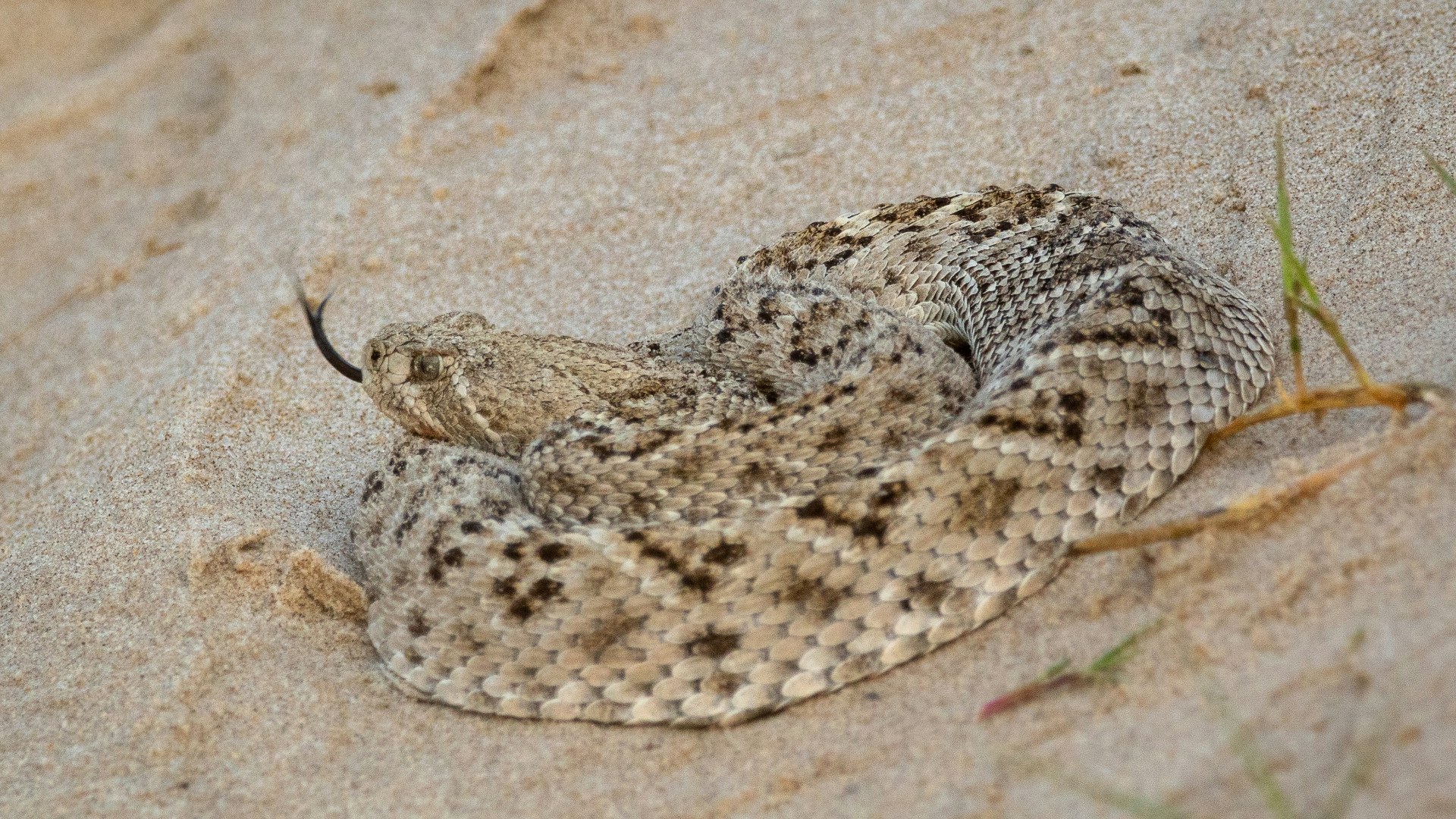
23. Sidewinder Rattlesnake
Crotalus cerastes travels sideways across shifting dunes in the American Southwest, keeping only two body segments on the hot sand at once. Horn-like scales over its eyes shield them from blowing grit. It ambushes rodents while buried beneath loose sand.
©Wikimedia / Diana
Advertisement
Swipe or tap ▶ to resume the countdown.
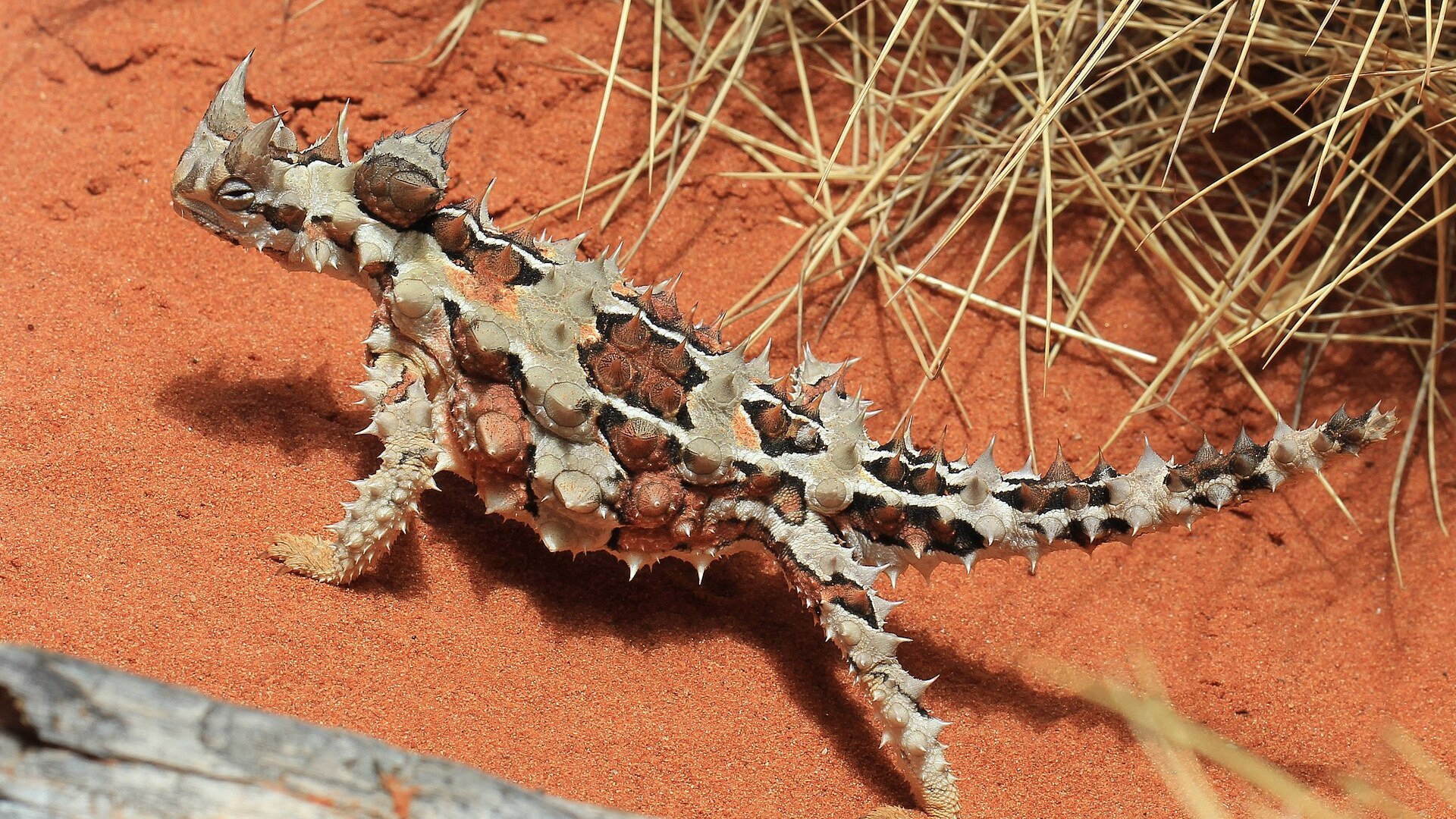
22. Thorny Devil
Moloch horridus lives across arid scrublands in central Australia and survives on thousands of ants each day. Capillary channels in its skin pull morning condensation or damp sand moisture upward toward its jaw. A spiky false head on its neck deters predators.
©Wikimedia / Stu's Images
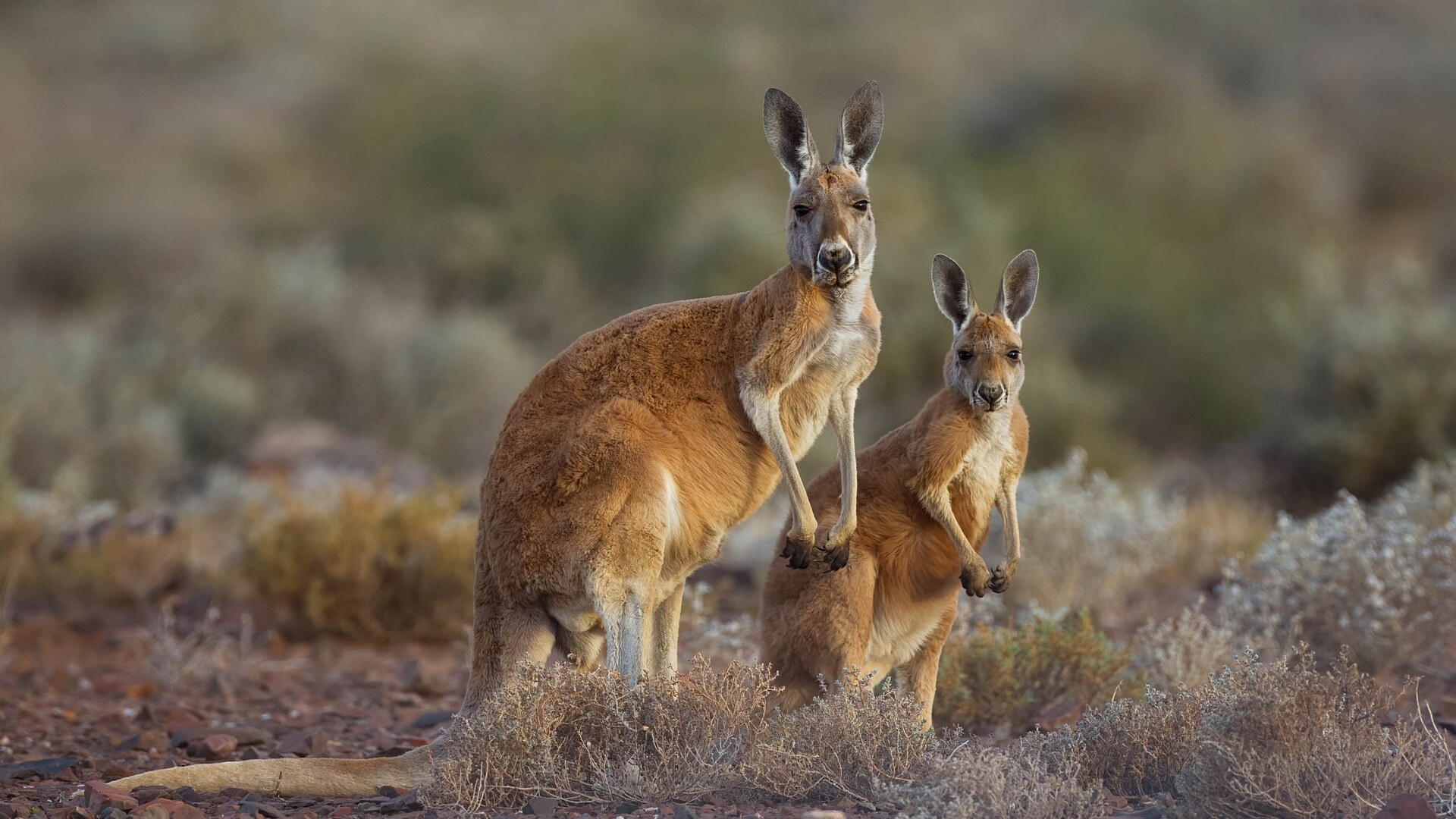
21. Red Kangaroo
Osphranter rufus thrives in dry central Australia where rainfall is sparse and unpredictable. Its Achilles tendons act like springs, returning energy with each hop so travel costs less water. When temperatures soar, it licks its forearms so evaporation cools the blood.
©Wikimedia / PotMart186
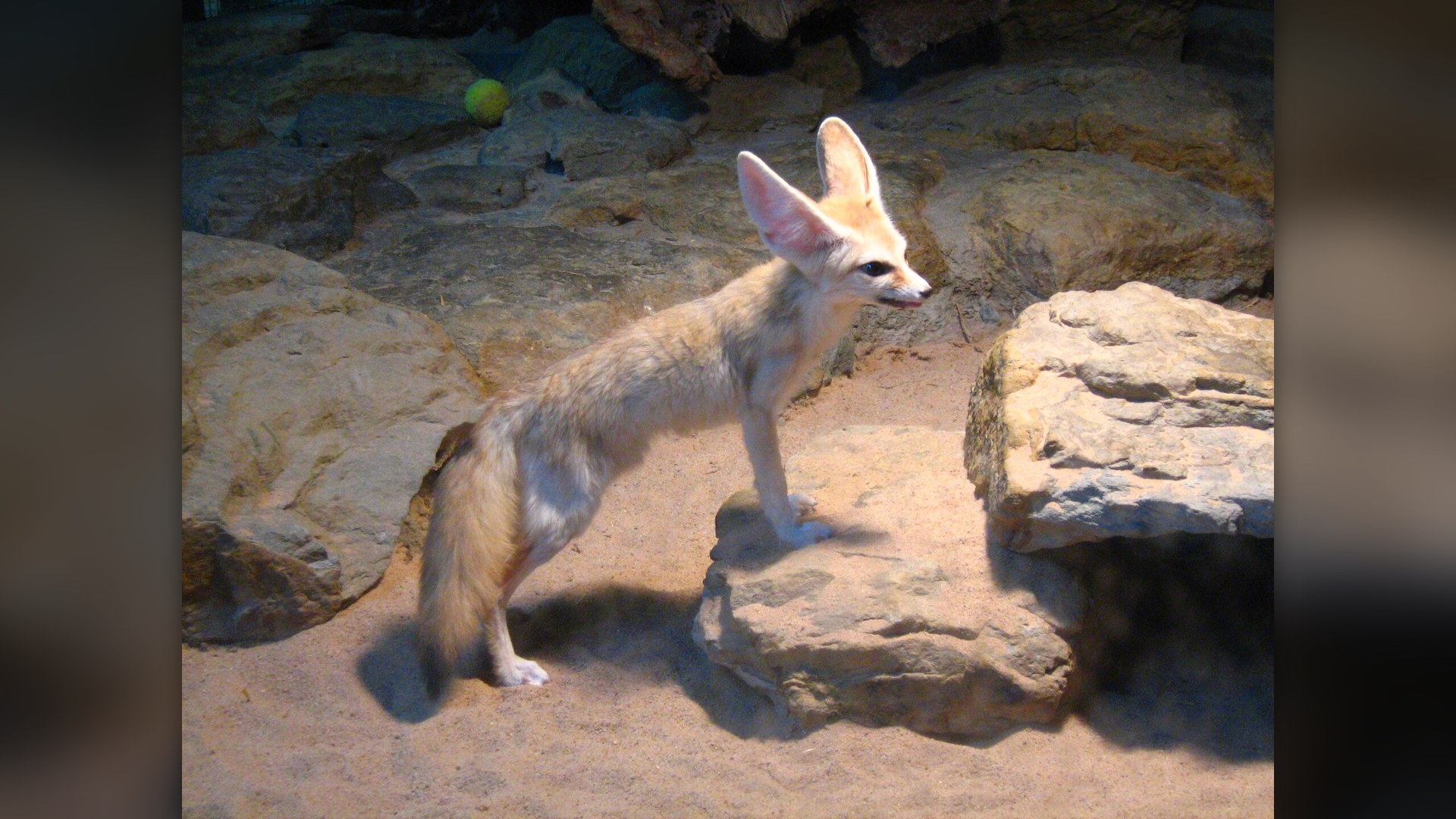
20. Fennec Fox
Vulpes zerda is the smallest wild canid, weighing roughly 1 to 1.5 kilograms in North Africa. Ears up to 15 centimeters long disperse heat through dense blood vessels and detect insects moving underground. Thick fur on its paws protects it from burning dunes.
©Wikimedia / kathrin_gaisser
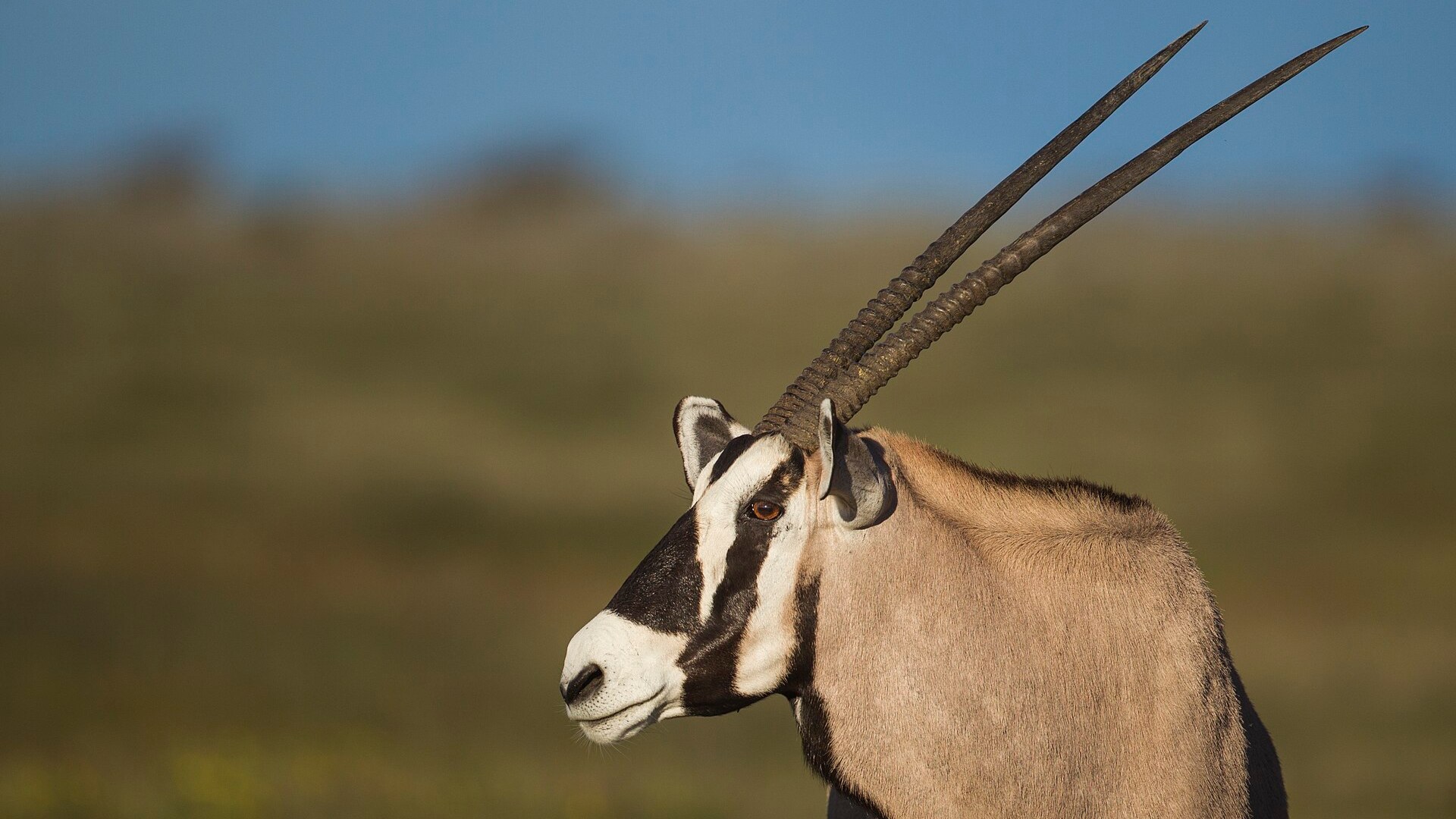
19. Gemsbok
Oryx gazella roams the Kalahari and Namib Deserts for weeks without drinking standing water. A network of nasal blood vessels cools arterial blood before it reaches the brain, preventing heat stroke. It gets most of its hydration from tsamma melons and roots.
©Wikimedia / Yathin S Krishnappa
Advertisement
Swipe or tap ▶ to resume the countdown.
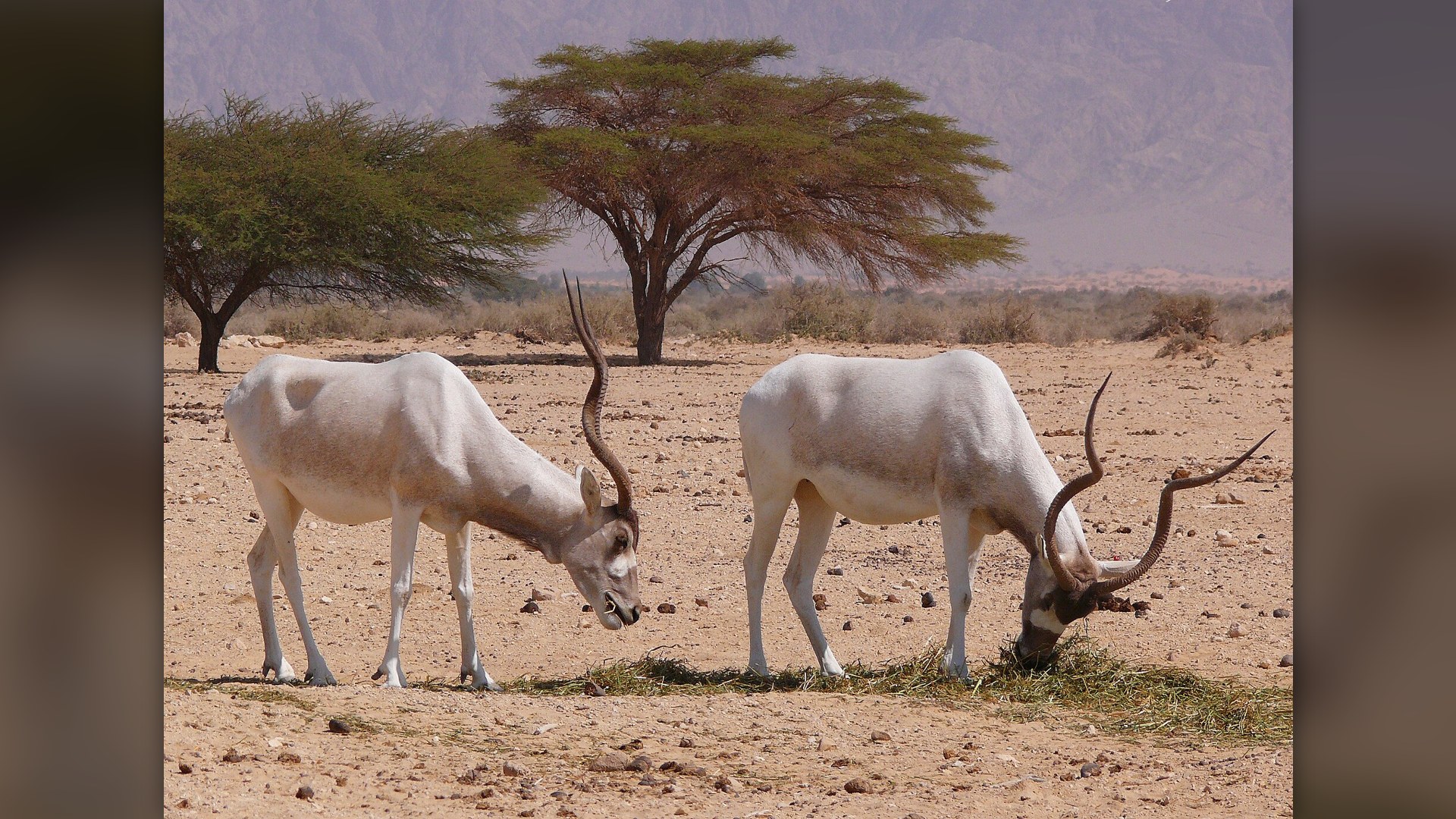
18. Addax Antelope
Addax nasomaculatus is critically endangered in the wild and survives in remote Sahara basins. Its coat shifts from sandy brown in winter to nearly white in summer to reflect sunlight. Wide, flat hooves prevent sinking as it searches for desert grasses.
©Wikimedia / Zachi Evenor
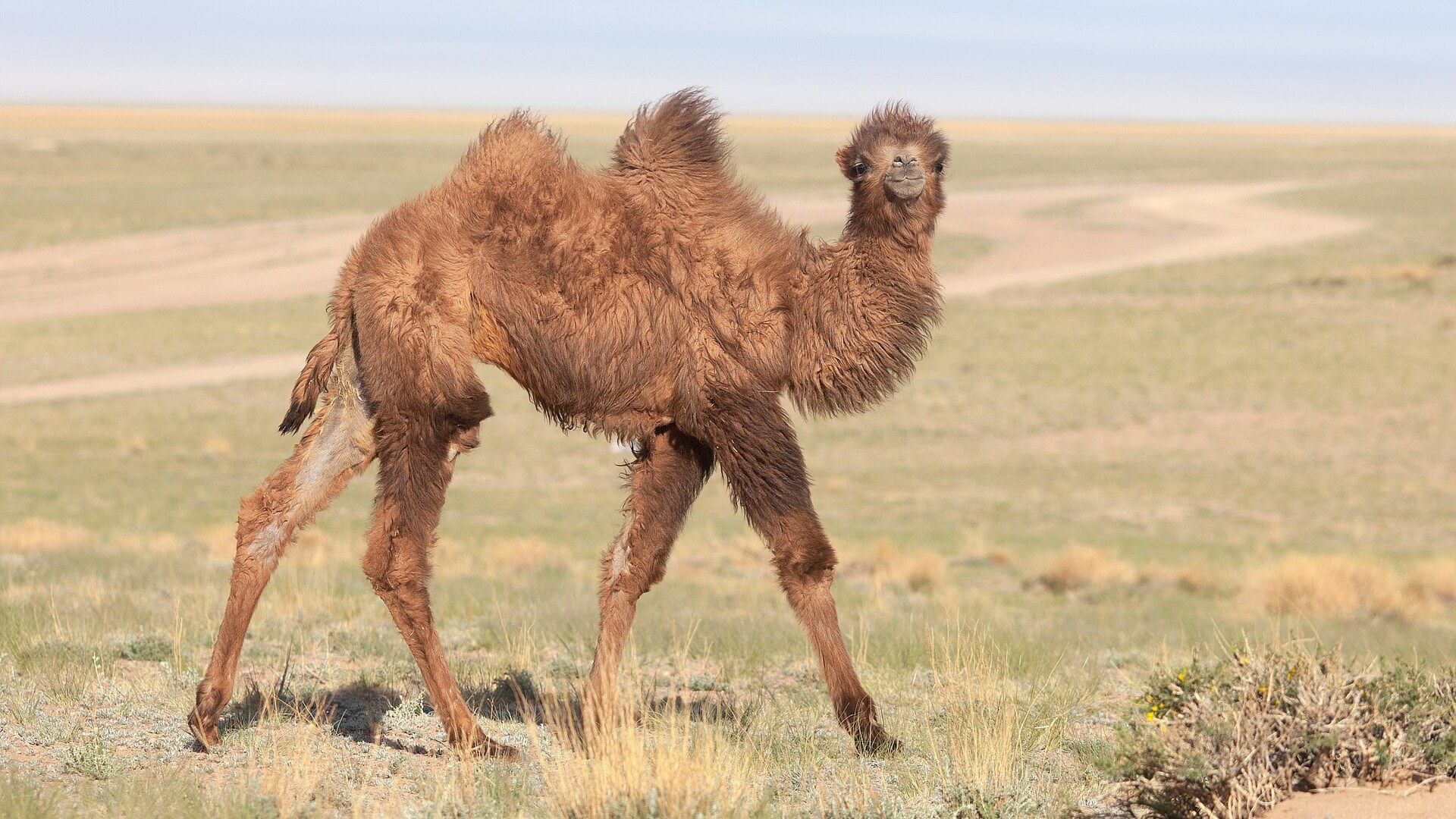
17. Bactrian Camel
Camelus bactrianus endures both freezing Mongolian winters and searing desert summers. Fat stored in two humps supplies energy when forage disappears, while thick winter fur sheds in spring. Double eyelashes and sealable nostrils block sandstorms.
©Wikimedia / Alexandr frolov
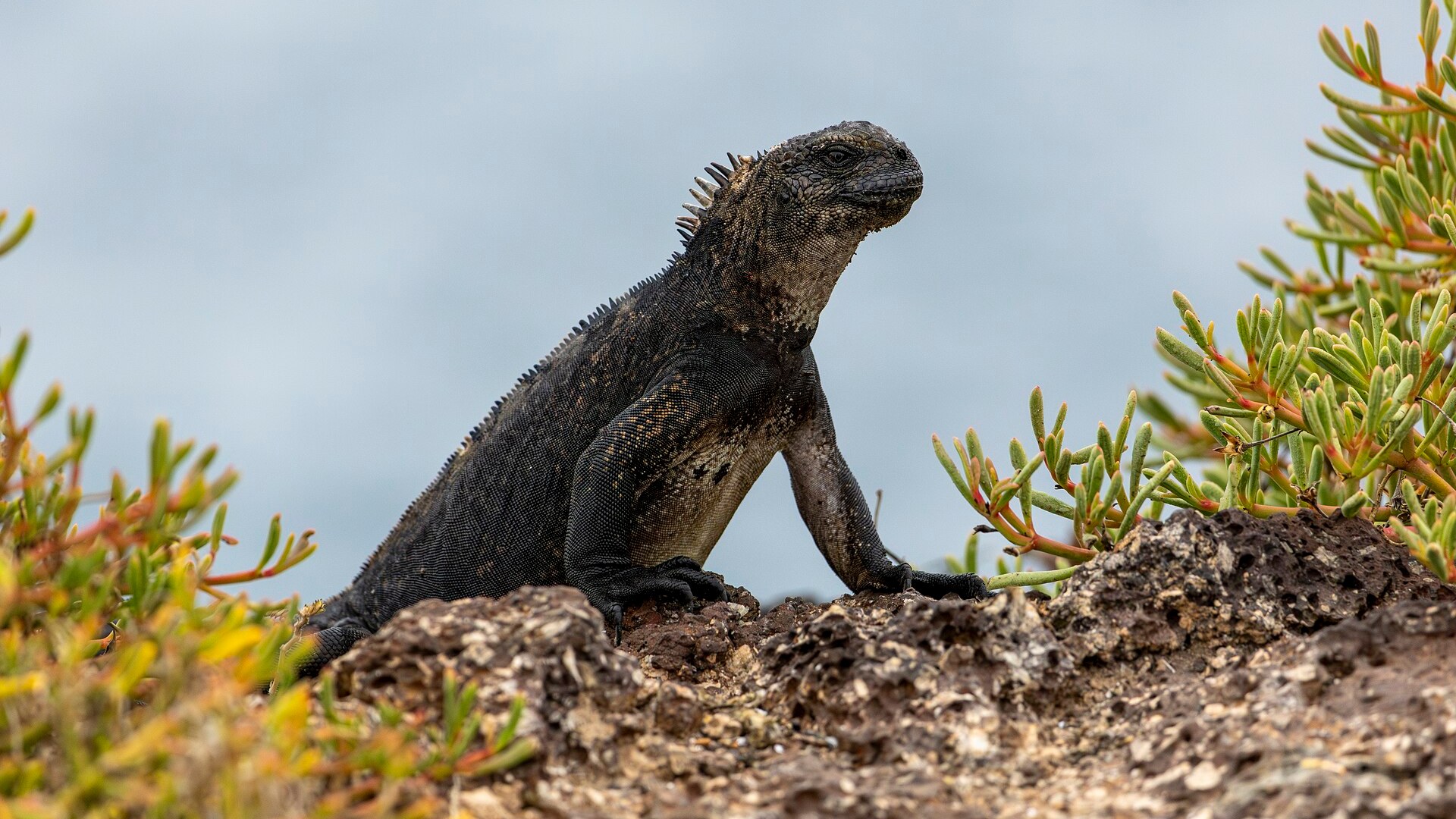
16. Galapagos Marine Iguana
Amblyrhynchus cristatus clings to volcanic basalt shores across the Galapagos Islands. It dives up to 20 meters into chilly currents, slowing its heart rate to conserve oxygen while feeding on seaweed. Special nasal glands sneeze out excess sea salt.
©Wikimedia / E bailey
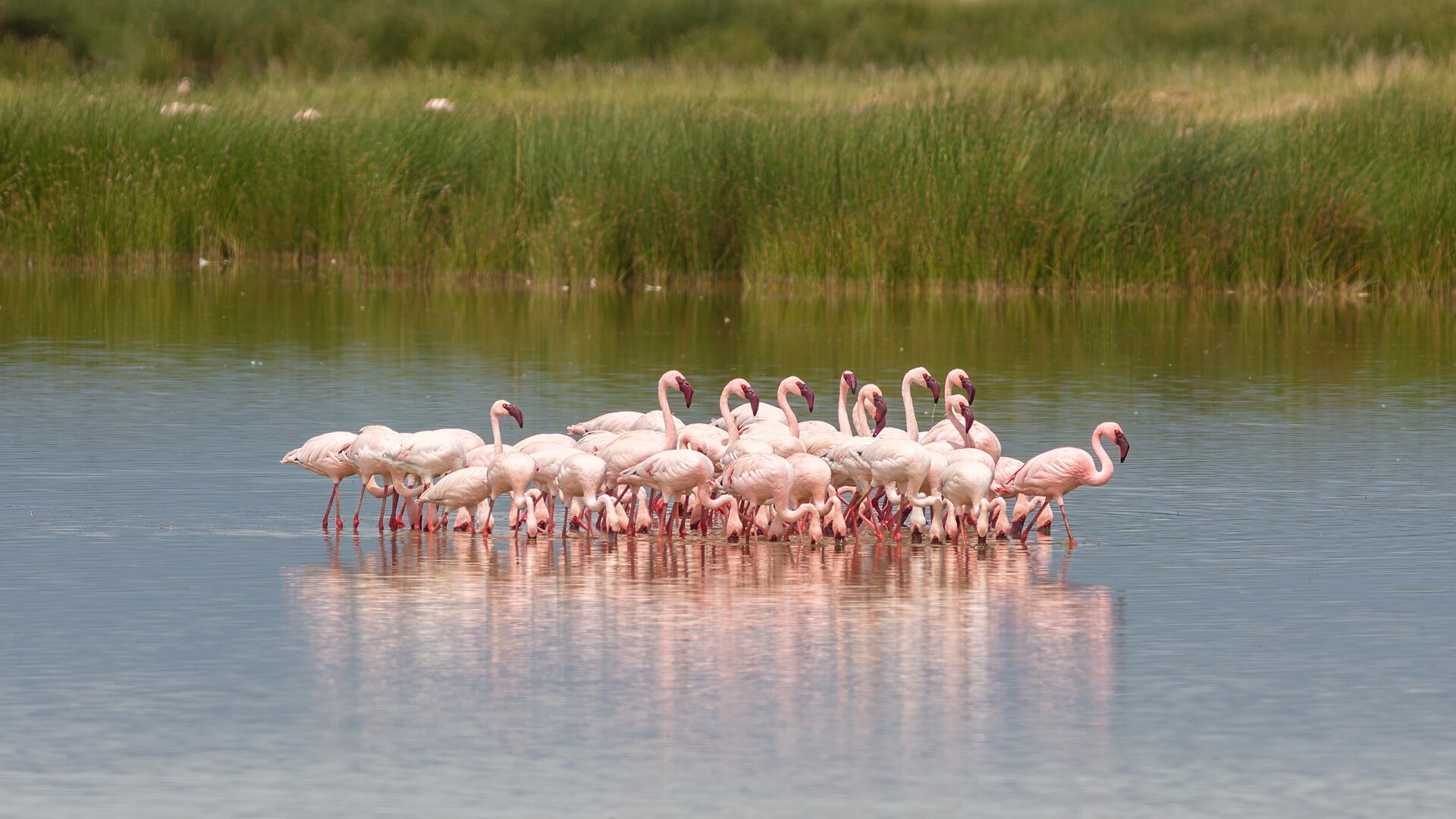
15. Lesser Flamingo
Phoeniconaias minor gathers by the hundreds of thousands at East African rift lakes like Lake Natron, where pH levels exceed 10. Tough, scaly skin on its legs resists alkaline water while its curved bill filters spirulina algae. It drinks fresh water from springs.
©Wikimedia / Diego Delso
Advertisement
Swipe or tap ▶ to resume the countdown.
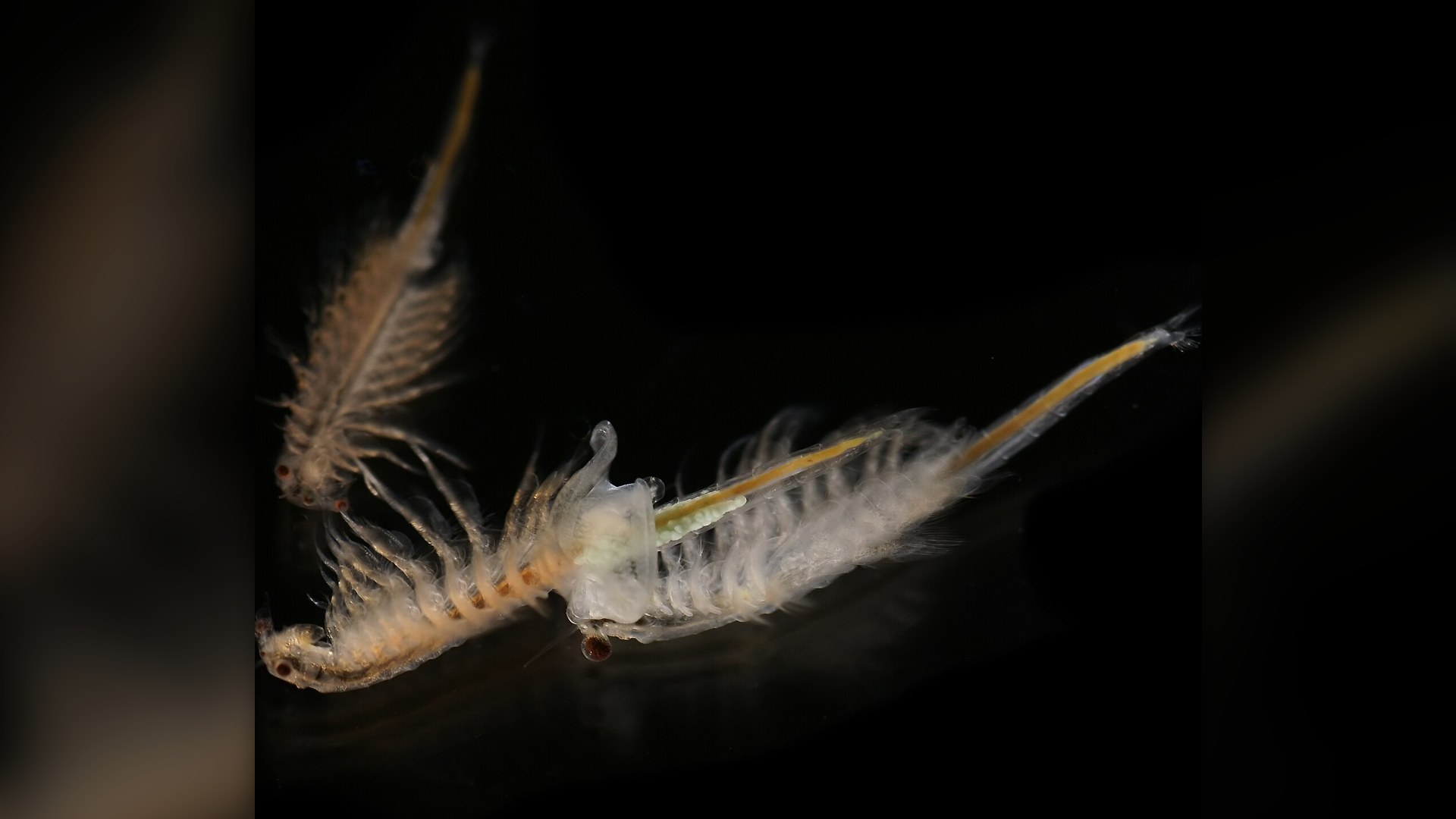
14. Brine Shrimp
Artemia salina inhabits hypersaline waters such as Utah's Great Salt Lake and coastal salt pans, where few predators survive. Specialized gill pumps expel surplus sodium ions to keep internal fluids balanced. Dormant cysts can wait years in dry mud for rain.
©Wikimedia / Hans Hillewaert
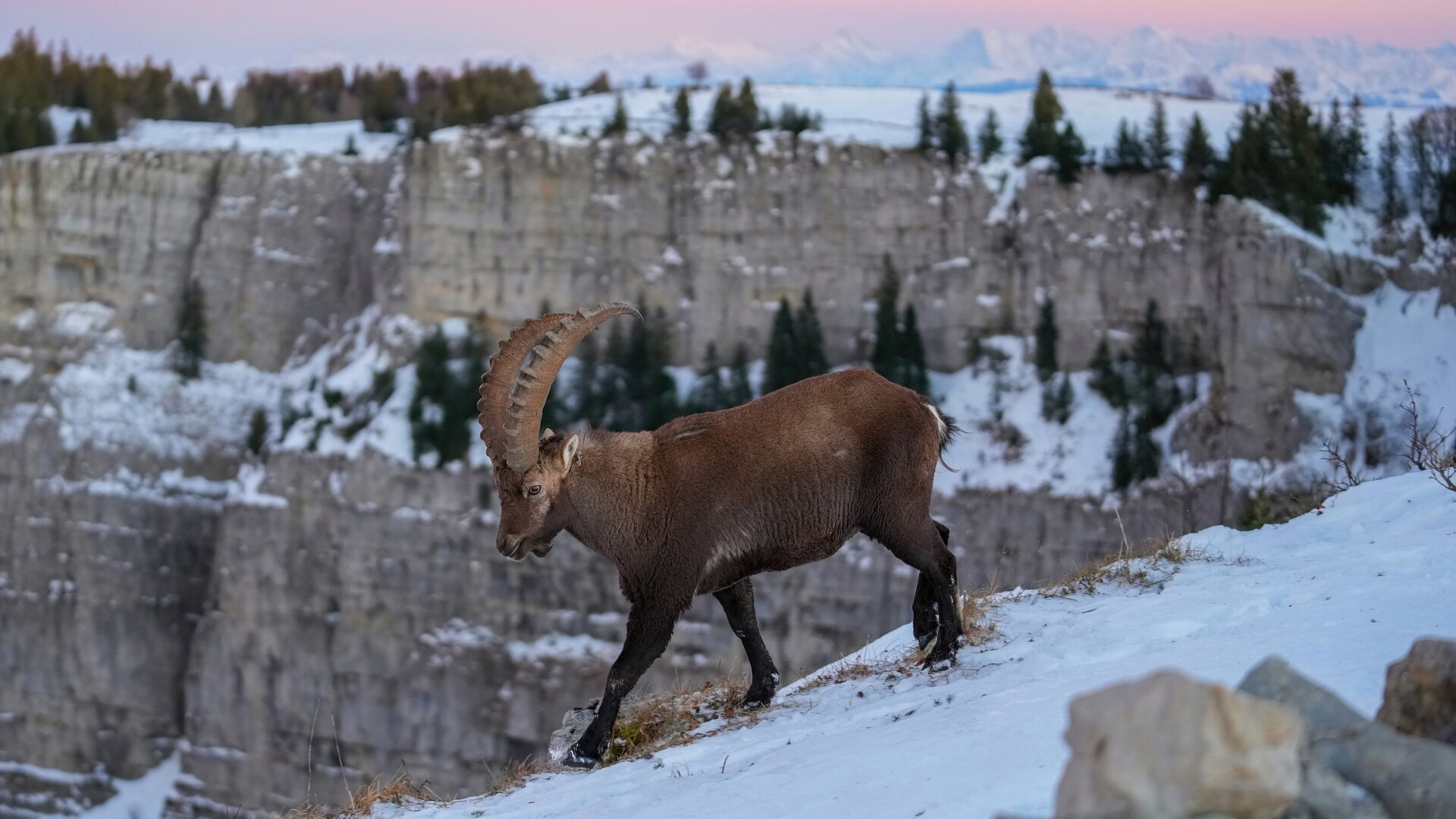
13. Alpine Ibex
Capra ibex lives between 1,600 and 3,300 meters in the European Alps, sleeping on narrow ledges out of predators' reach. Split hooves feature hard outer rims for edging and soft rubbery pads for grip on bare rock. Thick winter coats guard against alpine winds.
©Wikimedia / Giles Laurent
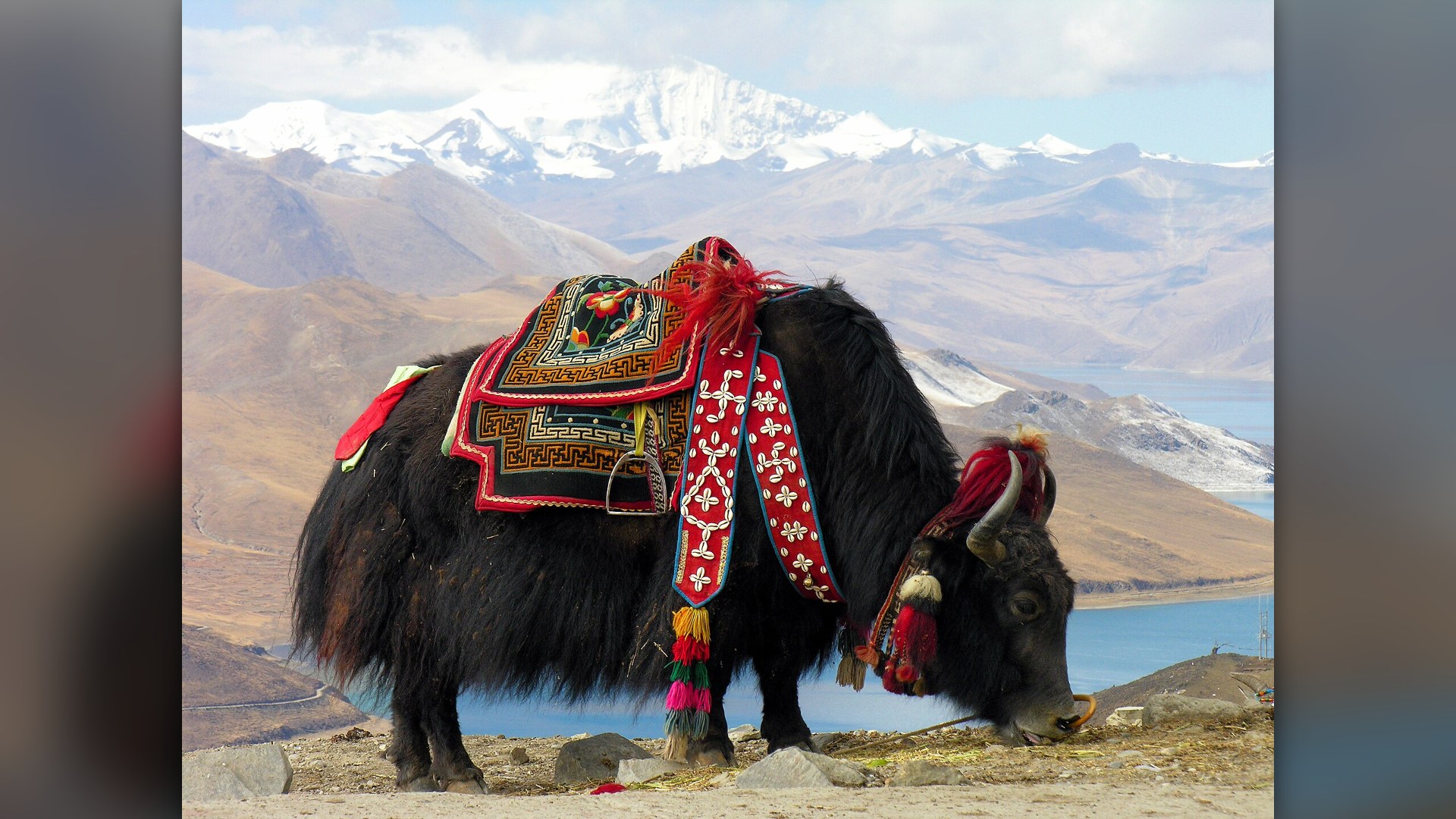
12. Tibetan Yak
Bos grunniens inhabits plateaus above 4,000 meters where oxygen levels drop well below sea level. Compared with lowland cattle, yaks have larger hearts and lungs plus blood cells adapted to bind scarce oxygen. A shaggy outer skirt traps heat over frozen ground.
©Wikimedia / Dennis G. Jarvis
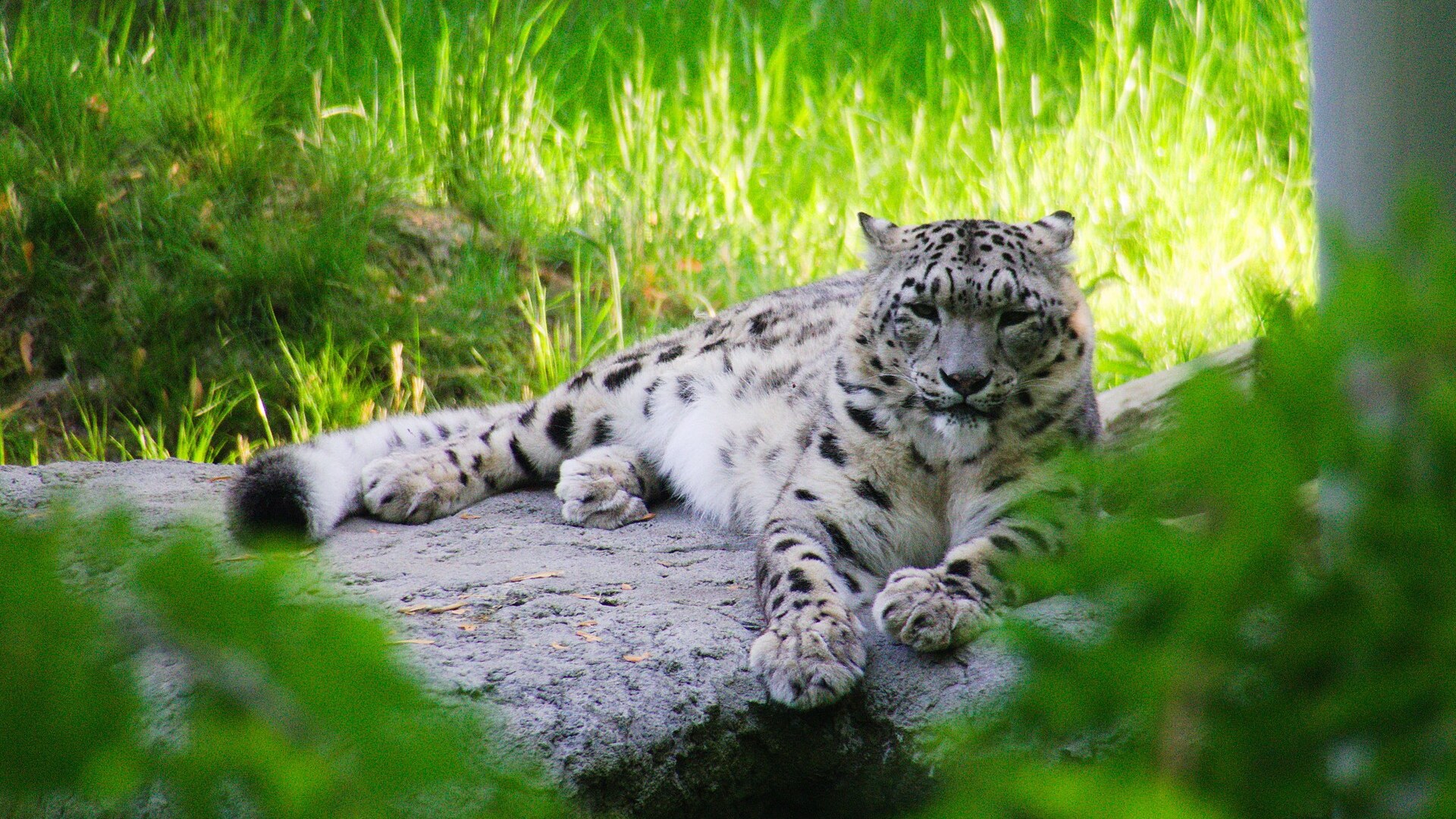
11. Snow Leopard
Panthera uncia hunts blue sheep and ibex across twelve mountain nations in Central and South Asia. Wide, fur-covered paws act like natural snowshoes on steep slopes, while enlarged nasal cavities warm icy air before it hits the lungs. Its meter-long tail doubles as a blanket.
©Wikimedia / PeCeT_full
Advertisement
Swipe or tap ▶ to resume the countdown.
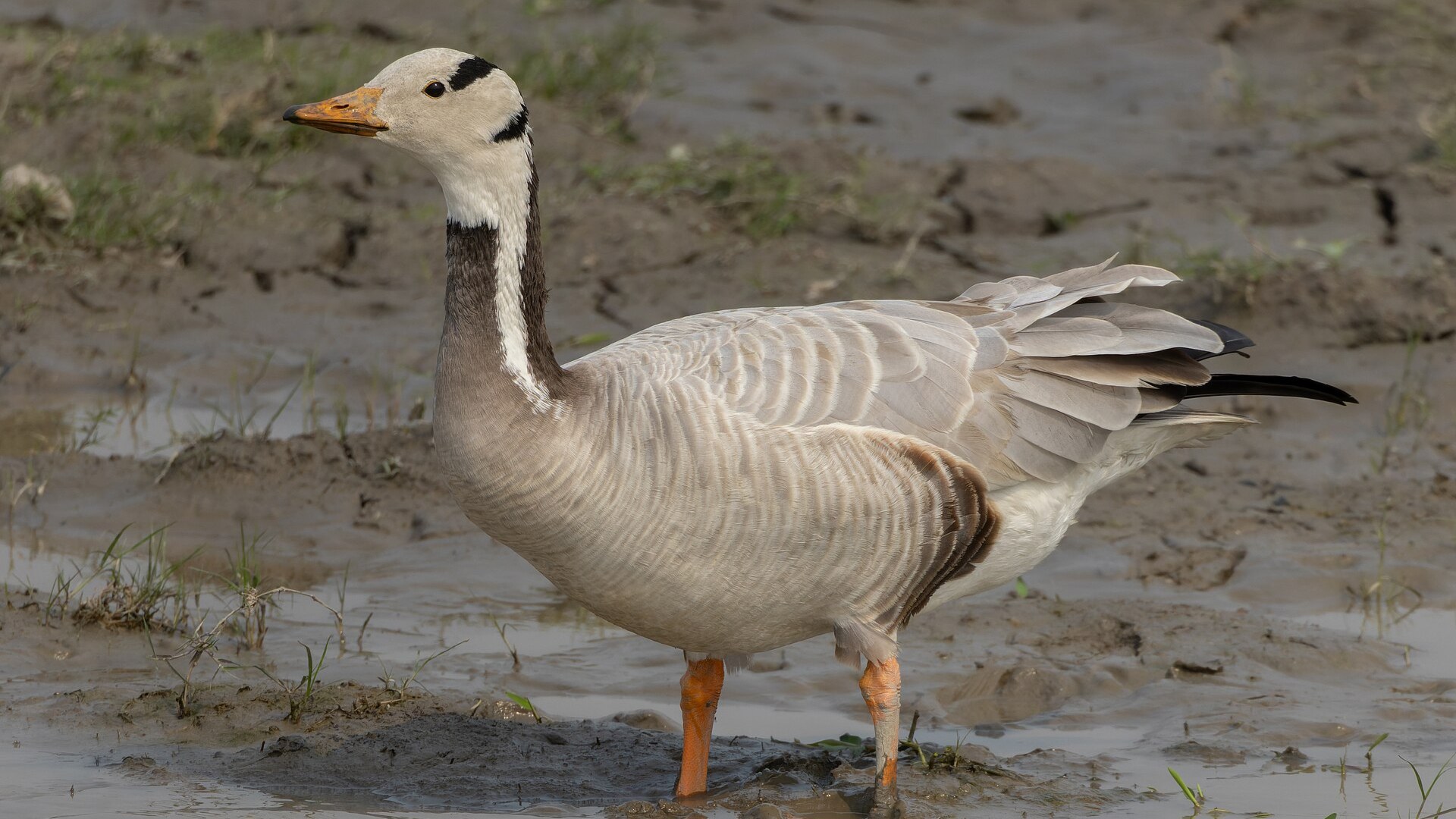
10. Bar-Headed Goose
Anser indicus migrates twice a year between South Asia and Tibetan breeding lakes, crossing passes above 6,000 meters. Its hemoglobin binds oxygen more tightly than lowland birds, and dense capillaries feed flight muscles during steep climbs over mountain ridges.
©Wikimedia / Tisha Mukherjee
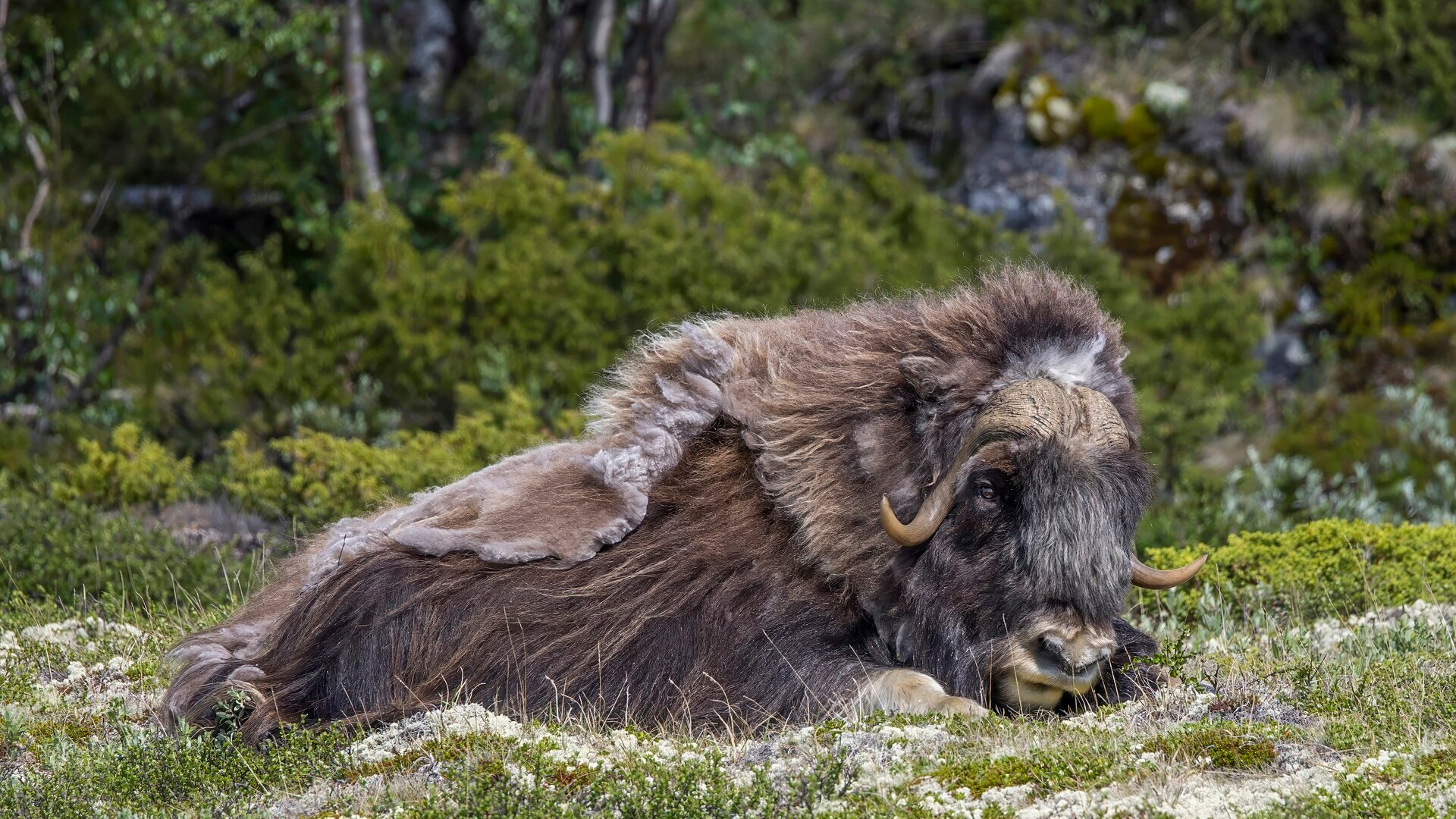
9. Muskox
Ovibos moschatus has roamed Arctic tundra since the Pleistocene, surviving winter temperatures below minus 40 C. Beneath a long shaggy coat lies dense qiviut fiber that traps warm air against the skin. Herds form defensive circles with horns outward against wolves.
©Wikimedia / Charles J. Sharp
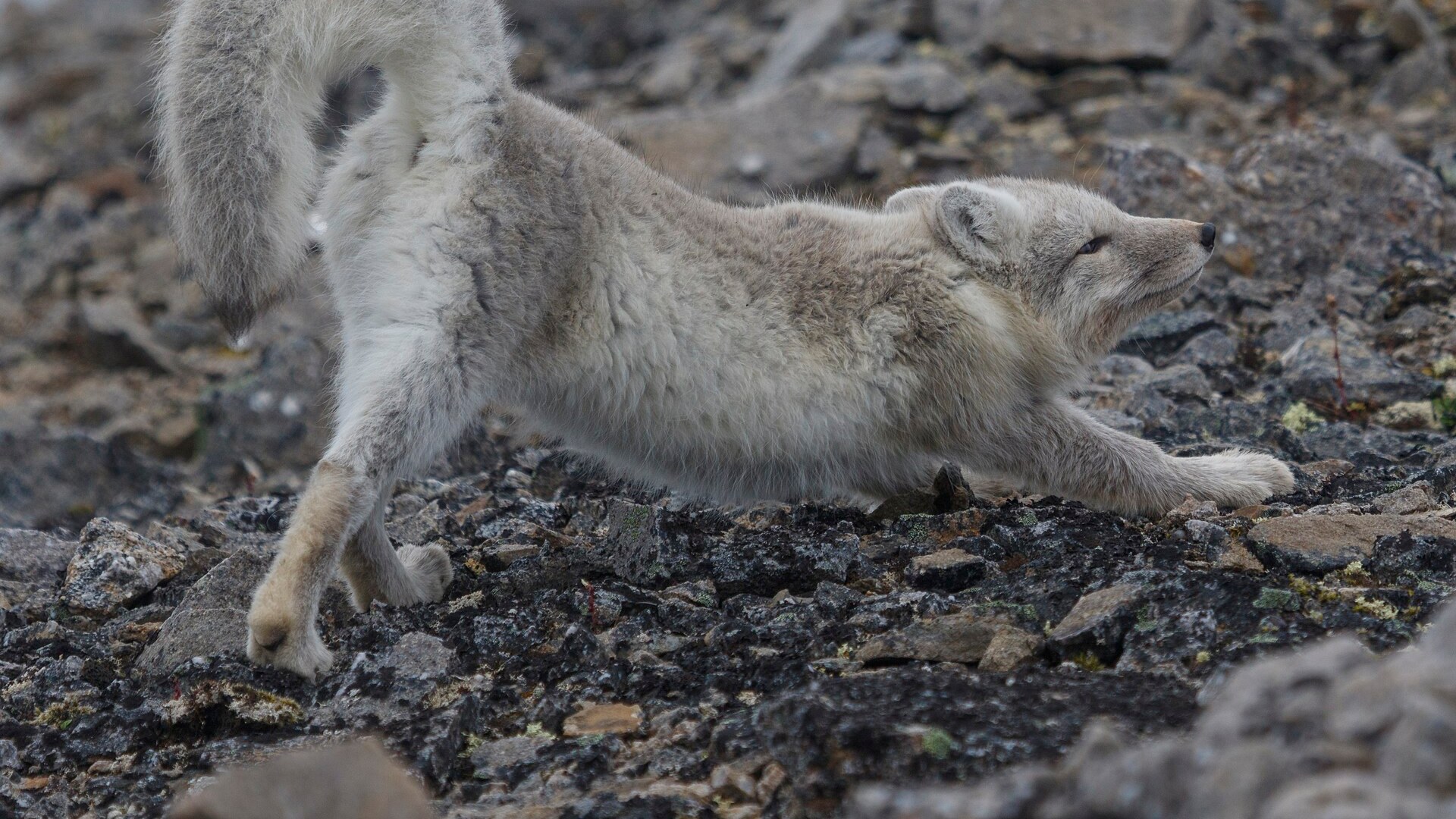
8. Arctic Fox
Vulpes lagopus trades a brown summer coat for dense white fur across treeless Arctic tundra. Countercurrent blood vessels in its paws keep pads warm without melting snow, and its fluffy tail wraps around its face as a windbreak. Thick fur covers even its footpads.
©Wikimedia / Nixette
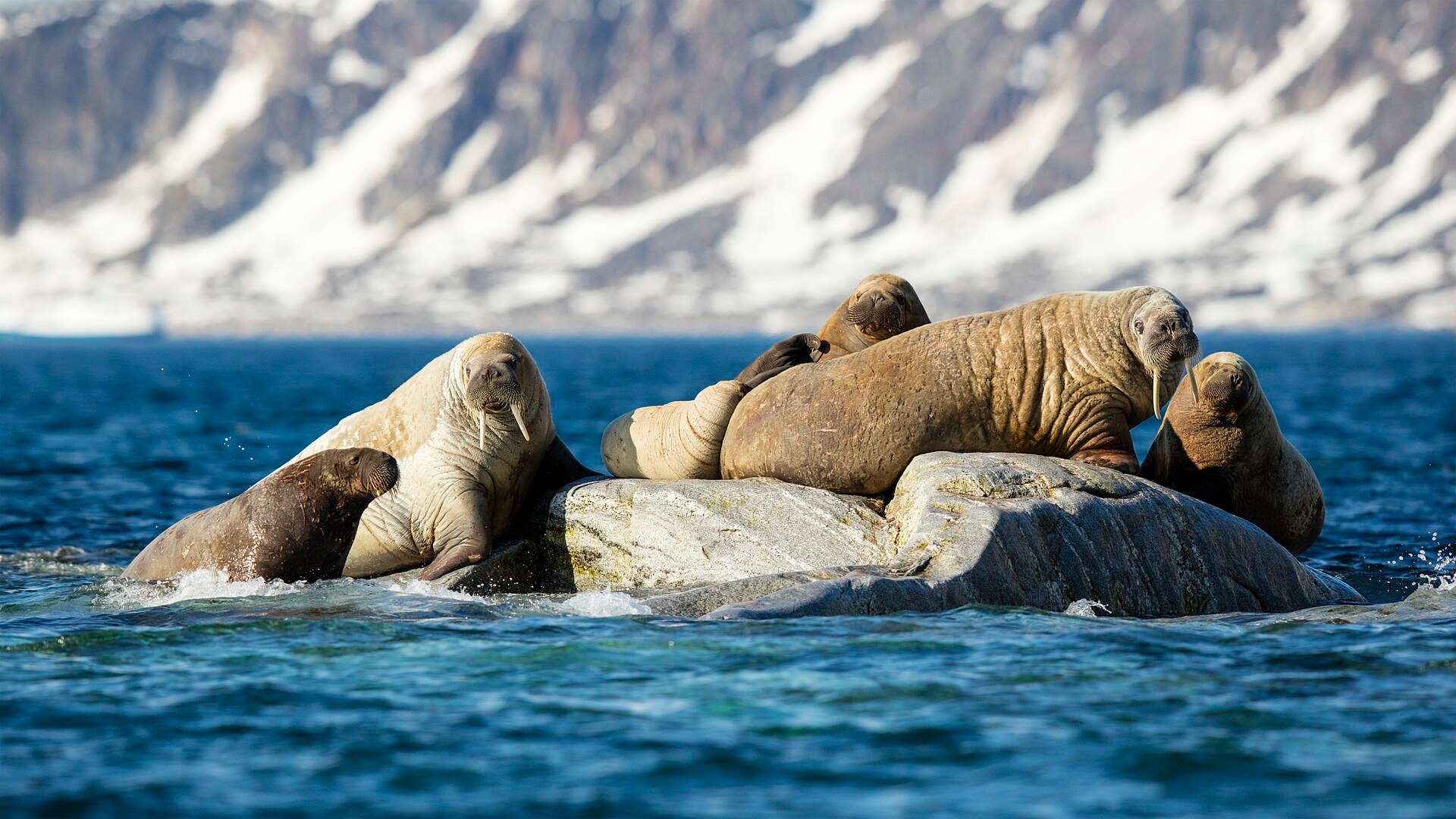
7. Atlantic Walrus
Odobenus rosmarus dives to freezing Arctic seafloors in search of clams, detecting prey in murky water with hundreds of sensitive whiskers. Its blubber insulates vital organs while blood vessels constrict at the skin surface to hold warmth during icy dives.
©Wikimedia / Godot13
Advertisement
Swipe or tap ▶ to resume the countdown.
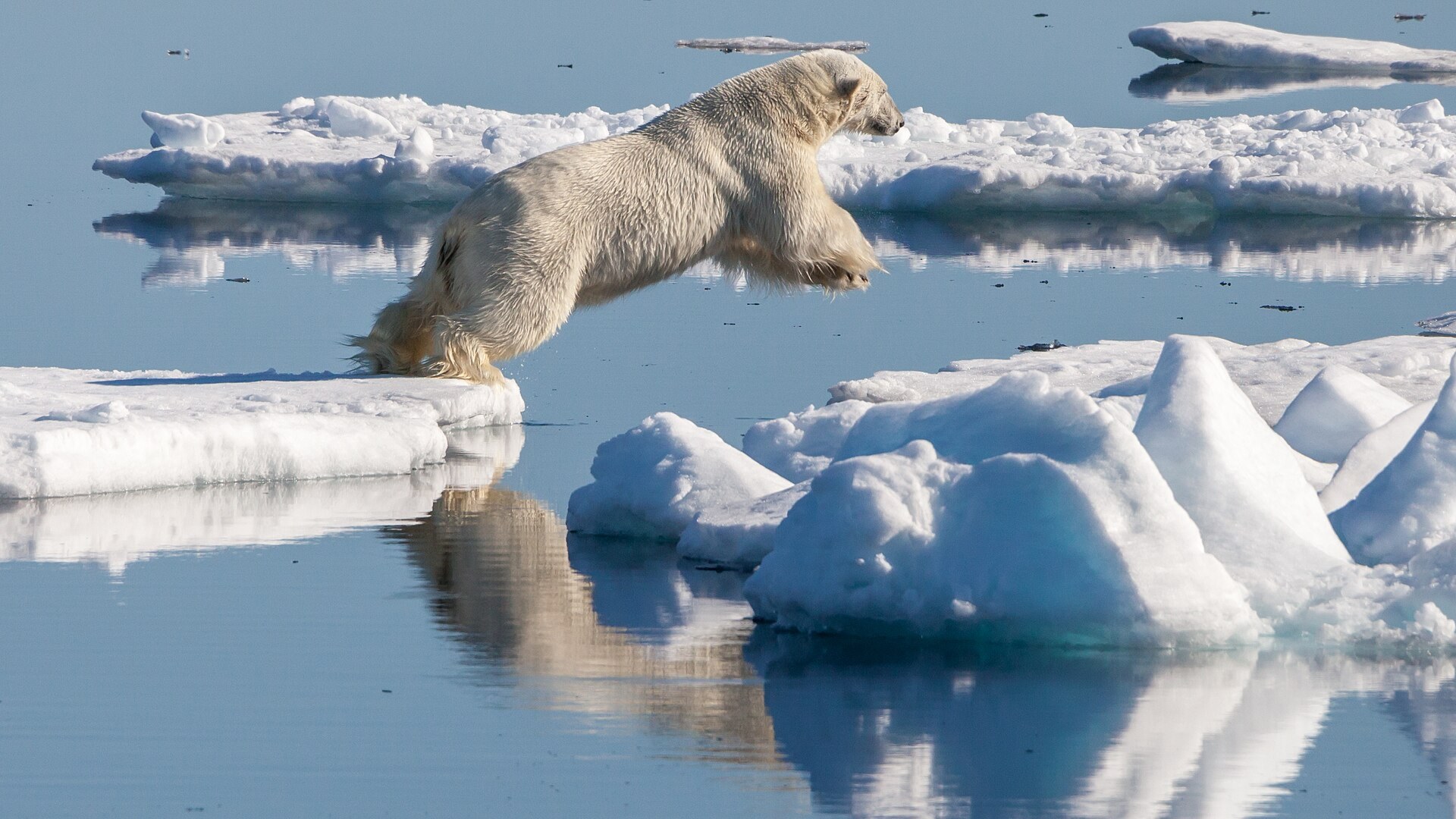
6. Polar Bear
Ursus maritimus relies on Arctic sea ice to hunt ringed and bearded seals across northern oceans. Hollow, clear guard hairs trap heat over black skin that absorbs sunlight, backed by up to 11 centimeters of insulating fat. Broad paws spread weight on thin ice.
©Wikimedia / Andreas Weith
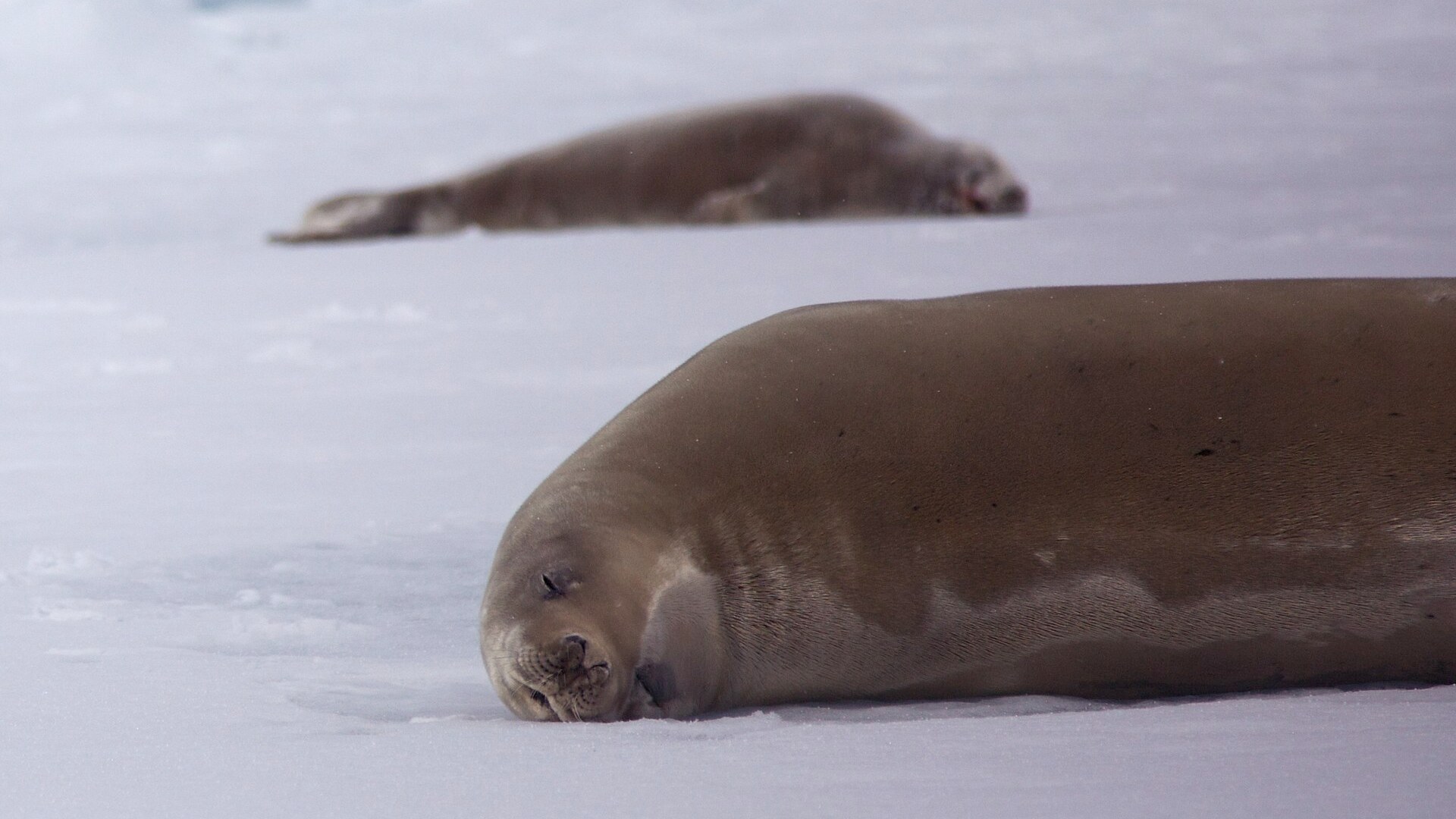
5. Weddell Seal
Leptonychotes weddellii stays near Antarctica year-round, using strong canine teeth to saw breathing holes through thick sea ice. Large myoglobin stores in its muscles let dives last more than an hour in minus 2 C water. Pups are born onto frozen fast ice in spring.
©Wikimedia / Jason Auch
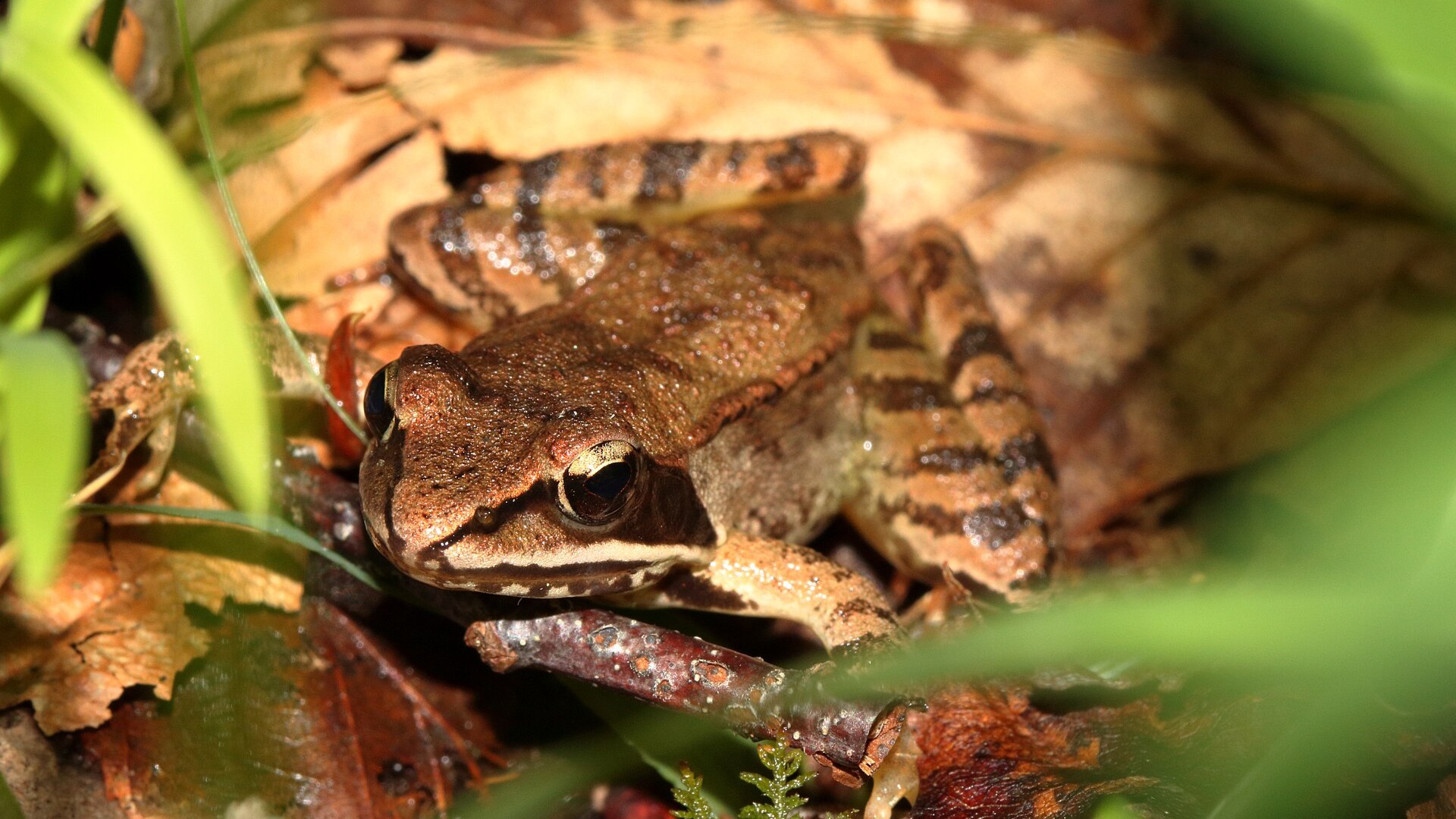
4. Wood Frog
Lithobates sylvaticus ranges north of the Arctic Circle across Alaska and Canada. As autumn frost arrives, its liver floods cells with glucose and urea as natural antifreeze while ice forms outside the cells. Its heart stops for months until spring warmth returns.
©Wikimedia / Riley Stanton
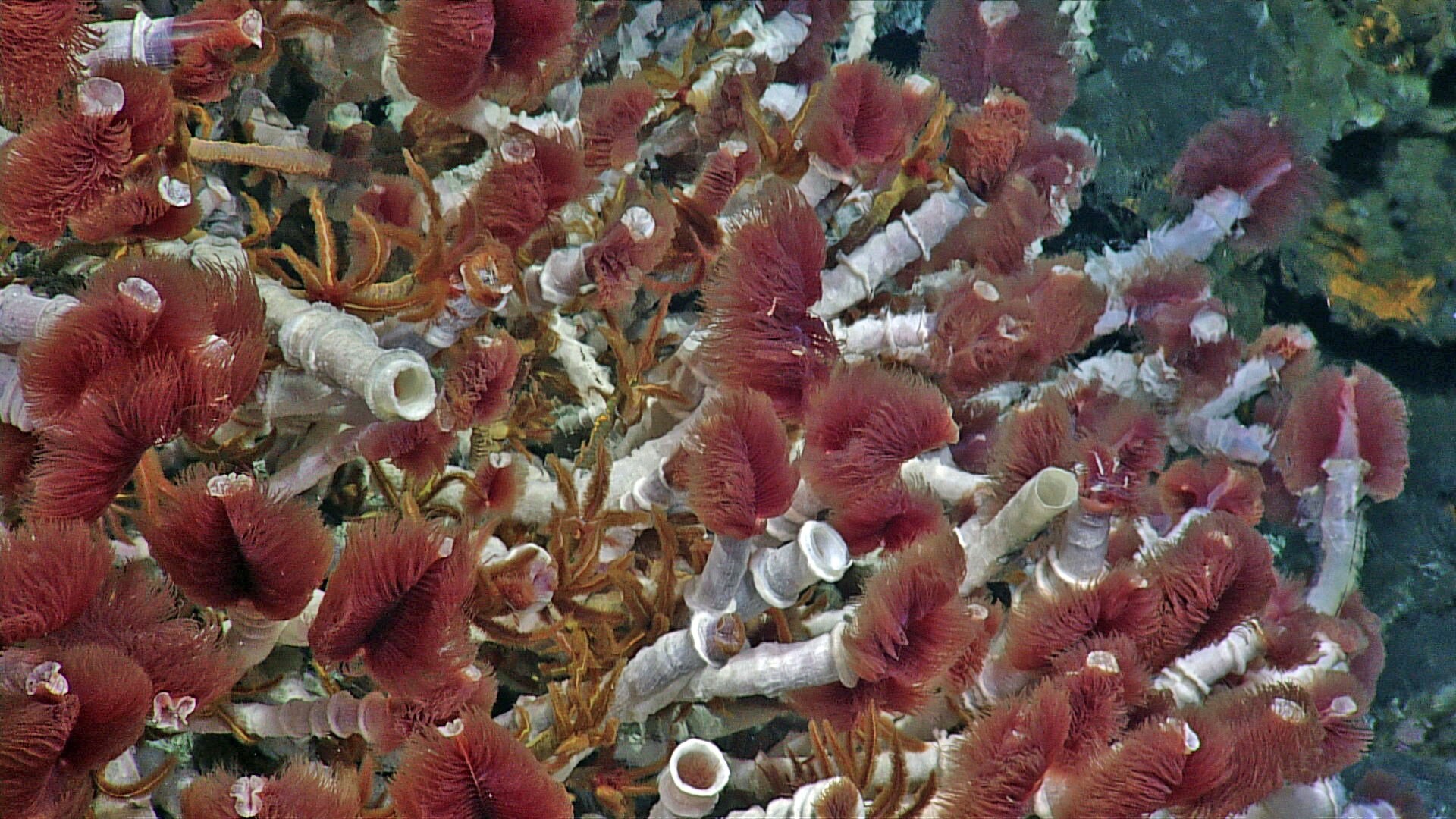
3. Giant Tube Worm
Riftia pachyptila grows over 1.5 meters tall along Pacific seafloor vents where mineral-rich water reaches extreme heat. Having no mouth or gut, it houses billions of symbiotic bacteria inside an organ called a trophosome. Those microbes convert hydrogen sulfide into food.
©Wikimedia / Oregon State University
Advertisement
Swipe or tap ▶ to resume the countdown.
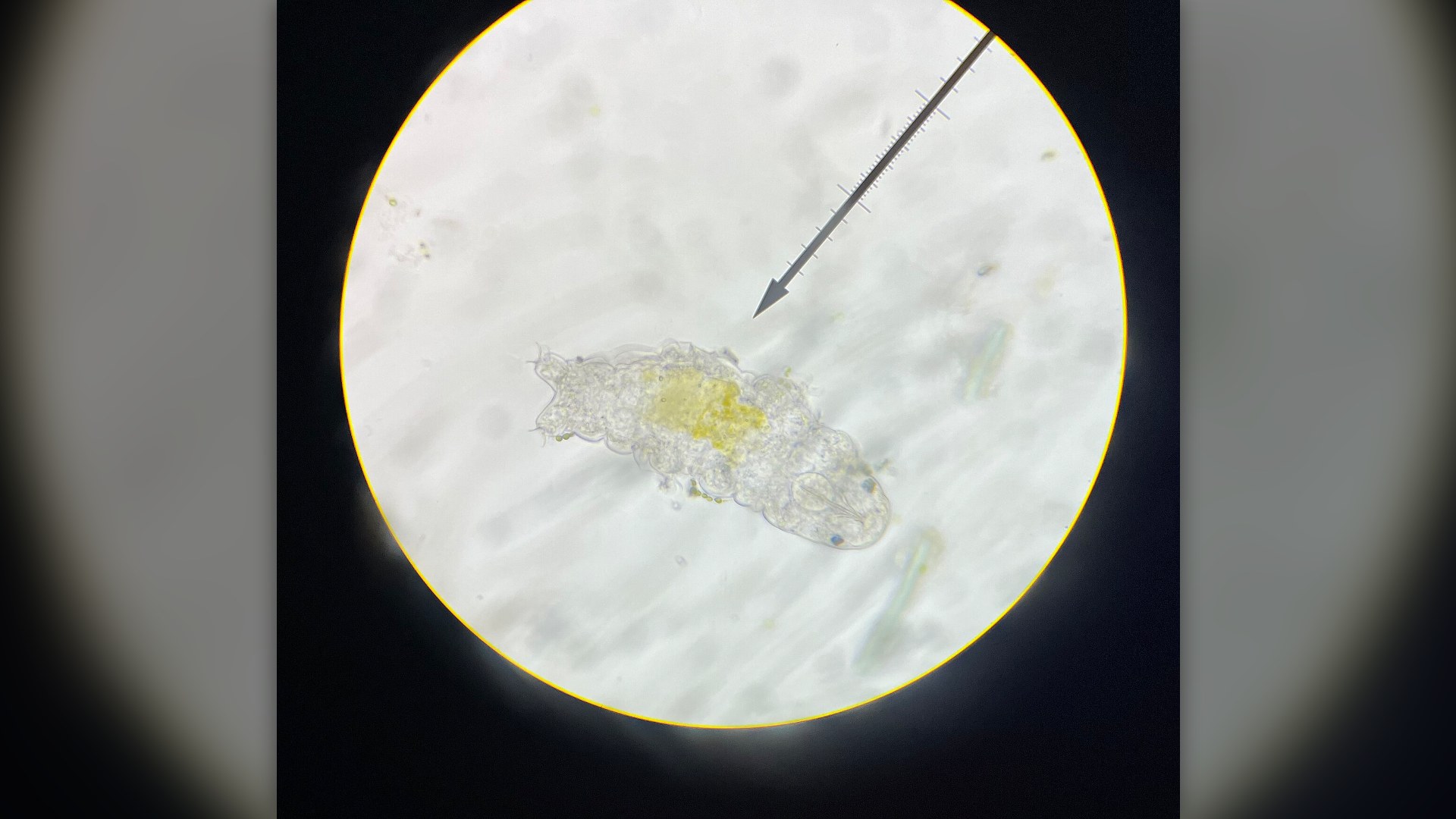
2. Tardigrade
Tardigrada are eight-legged micro-animals under a millimeter long found from moss beds to deep-sea sediments. When habitats dry or freeze, they expel most water and curl into a dormant tun state. Lab and spaceflight tests proved they endure extreme cold and radiation.
©Wikimedia / DSparrow14
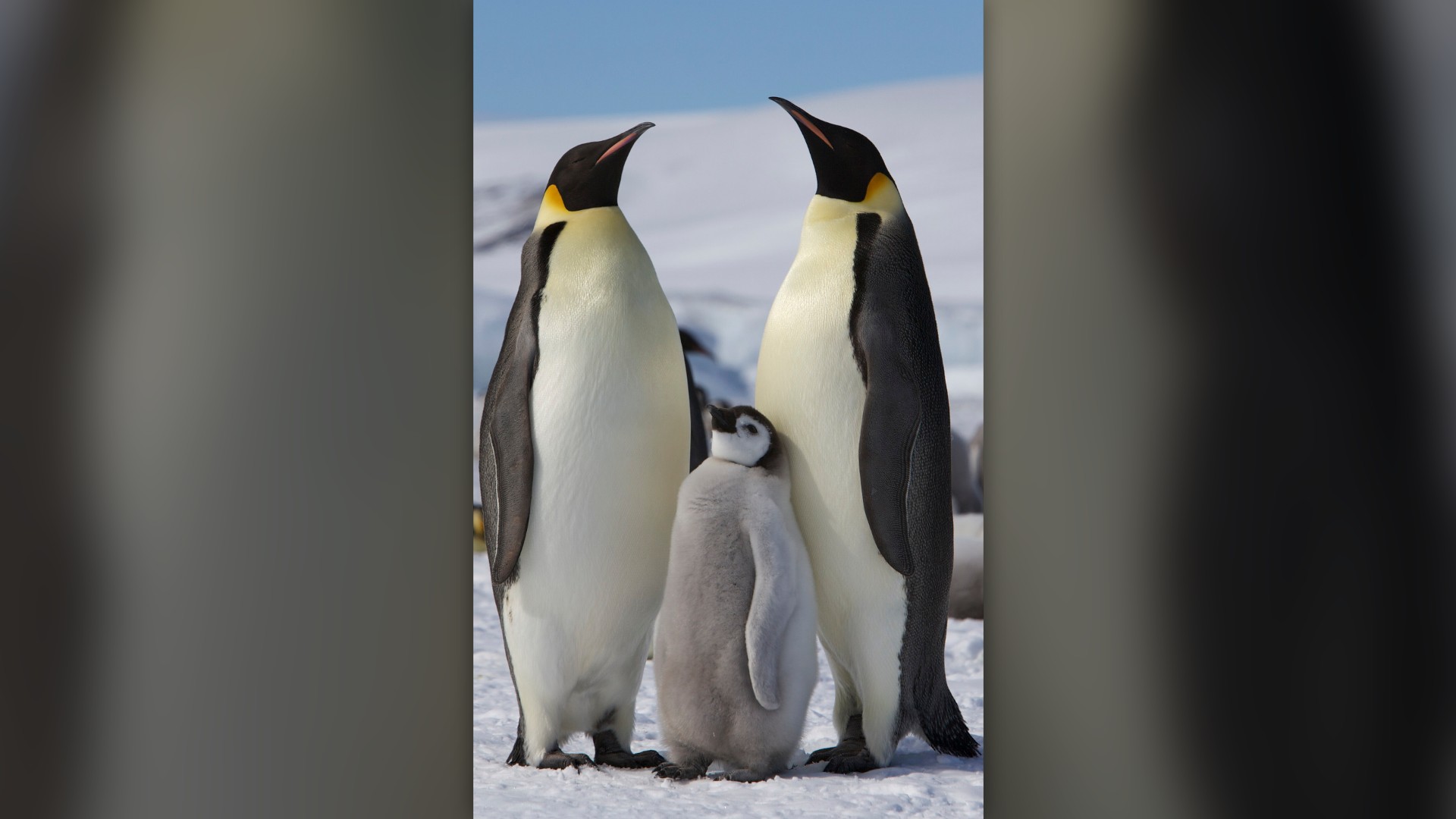
1. Emperor Penguin
Aptenodytes forsteri is the only penguin species that breeds during the dark Antarctic winter. Males fast for roughly four months, huddling in rotating packs to cut heat loss while incubating a single egg. Four layers of scale-like feathers block icy gales.

©Wikimedia / Emperor penguin
Advertisement
You've reached the end of the story. Thanks for reading!

20 Venomous and Nonvenomous Snakes Native to Texas Habitats
Texas supports more native snake species than any other state, spanning pine forests, coastal prairies, and arid desert canyons. Based on Texas Parks and Wildlife Department field guides and Smithsonian records, this countdown profiles 20 venomous and nonvenomous snakes from wetlands to western plains.
All 25 Entries in this Story
Desert Kangaroo Rat
Dipodomys deserti inhabits sand dunes across the Mojave and Sonoran Deserts. Its specialized kidneys concentrate urine to minimize water loss, and its metabolism extracts moisture directly from dry seeds. Long hind legs let it leap predators in dark desert heat.

Mojave Desert Tortoise
Gopherus agassizii digs deep burrows where summer temperatures stay far cooler than the surface above. It stores water in its bladder for dry months and absorbs moisture from spring wildflowers. During severe drought, it enters dormancy to conserve energy.

Sidewinder Rattlesnake
Crotalus cerastes travels sideways across shifting dunes in the American Southwest, keeping only two body segments on the hot sand at once. Horn-like scales over its eyes shield them from blowing grit. It ambushes rodents while buried beneath loose sand.

Thorny Devil
Moloch horridus lives across arid scrublands in central Australia and survives on thousands of ants each day. Capillary channels in its skin pull morning condensation or damp sand moisture upward toward its jaw. A spiky false head on its neck deters predators.

Red Kangaroo
Osphranter rufus thrives in dry central Australia where rainfall is sparse and unpredictable. Its Achilles tendons act like springs, returning energy with each hop so travel costs less water. When temperatures soar, it licks its forearms so evaporation cools the blood.

Fennec Fox
Vulpes zerda is the smallest wild canid, weighing roughly 1 to 1.5 kilograms in North Africa. Ears up to 15 centimeters long disperse heat through dense blood vessels and detect insects moving underground. Thick fur on its paws protects it from burning dunes.

Gemsbok
Oryx gazella roams the Kalahari and Namib Deserts for weeks without drinking standing water. A network of nasal blood vessels cools arterial blood before it reaches the brain, preventing heat stroke. It gets most of its hydration from tsamma melons and roots.

Addax Antelope
Addax nasomaculatus is critically endangered in the wild and survives in remote Sahara basins. Its coat shifts from sandy brown in winter to nearly white in summer to reflect sunlight. Wide, flat hooves prevent sinking as it searches for desert grasses.

Bactrian Camel
Camelus bactrianus endures both freezing Mongolian winters and searing desert summers. Fat stored in two humps supplies energy when forage disappears, while thick winter fur sheds in spring. Double eyelashes and sealable nostrils block sandstorms.

Galapagos Marine Iguana
Amblyrhynchus cristatus clings to volcanic basalt shores across the Galapagos Islands. It dives up to 20 meters into chilly currents, slowing its heart rate to conserve oxygen while feeding on seaweed. Special nasal glands sneeze out excess sea salt.

Lesser Flamingo
Phoeniconaias minor gathers by the hundreds of thousands at East African rift lakes like Lake Natron, where pH levels exceed 10. Tough, scaly skin on its legs resists alkaline water while its curved bill filters spirulina algae. It drinks fresh water from springs.

Brine Shrimp
Artemia salina inhabits hypersaline waters such as Utah's Great Salt Lake and coastal salt pans, where few predators survive. Specialized gill pumps expel surplus sodium ions to keep internal fluids balanced. Dormant cysts can wait years in dry mud for rain.

Alpine Ibex
Capra ibex lives between 1,600 and 3,300 meters in the European Alps, sleeping on narrow ledges out of predators' reach. Split hooves feature hard outer rims for edging and soft rubbery pads for grip on bare rock. Thick winter coats guard against alpine winds.

Tibetan Yak
Bos grunniens inhabits plateaus above 4,000 meters where oxygen levels drop well below sea level. Compared with lowland cattle, yaks have larger hearts and lungs plus blood cells adapted to bind scarce oxygen. A shaggy outer skirt traps heat over frozen ground.

Snow Leopard
Panthera uncia hunts blue sheep and ibex across twelve mountain nations in Central and South Asia. Wide, fur-covered paws act like natural snowshoes on steep slopes, while enlarged nasal cavities warm icy air before it hits the lungs. Its meter-long tail doubles as a blanket.

Bar-Headed Goose
Anser indicus migrates twice a year between South Asia and Tibetan breeding lakes, crossing passes above 6,000 meters. Its hemoglobin binds oxygen more tightly than lowland birds, and dense capillaries feed flight muscles during steep climbs over mountain ridges.

Muskox
Ovibos moschatus has roamed Arctic tundra since the Pleistocene, surviving winter temperatures below minus 40 C. Beneath a long shaggy coat lies dense qiviut fiber that traps warm air against the skin. Herds form defensive circles with horns outward against wolves.

Arctic Fox
Vulpes lagopus trades a brown summer coat for dense white fur across treeless Arctic tundra. Countercurrent blood vessels in its paws keep pads warm without melting snow, and its fluffy tail wraps around its face as a windbreak. Thick fur covers even its footpads.

Atlantic Walrus
Odobenus rosmarus dives to freezing Arctic seafloors in search of clams, detecting prey in murky water with hundreds of sensitive whiskers. Its blubber insulates vital organs while blood vessels constrict at the skin surface to hold warmth during icy dives.

Polar Bear
Ursus maritimus relies on Arctic sea ice to hunt ringed and bearded seals across northern oceans. Hollow, clear guard hairs trap heat over black skin that absorbs sunlight, backed by up to 11 centimeters of insulating fat. Broad paws spread weight on thin ice.

Weddell Seal
Leptonychotes weddellii stays near Antarctica year-round, using strong canine teeth to saw breathing holes through thick sea ice. Large myoglobin stores in its muscles let dives last more than an hour in minus 2 C water. Pups are born onto frozen fast ice in spring.

Wood Frog
Lithobates sylvaticus ranges north of the Arctic Circle across Alaska and Canada. As autumn frost arrives, its liver floods cells with glucose and urea as natural antifreeze while ice forms outside the cells. Its heart stops for months until spring warmth returns.

Giant Tube Worm
Riftia pachyptila grows over 1.5 meters tall along Pacific seafloor vents where mineral-rich water reaches extreme heat. Having no mouth or gut, it houses billions of symbiotic bacteria inside an organ called a trophosome. Those microbes convert hydrogen sulfide into food.

Tardigrade
Tardigrada are eight-legged micro-animals under a millimeter long found from moss beds to deep-sea sediments. When habitats dry or freeze, they expel most water and curl into a dormant tun state. Lab and spaceflight tests proved they endure extreme cold and radiation.

Emperor Penguin
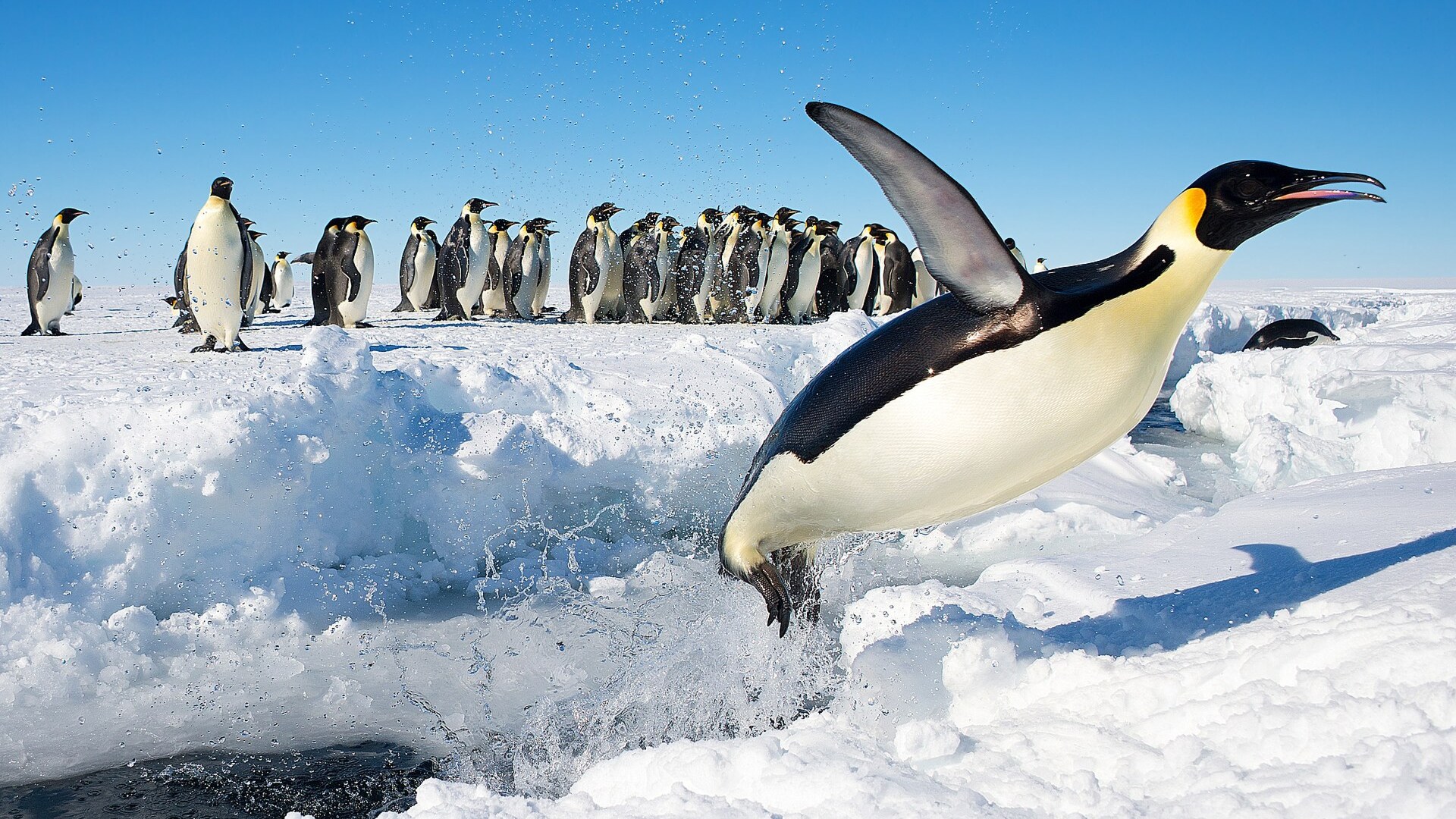
Aptenodytes forsteri is the only penguin species that breeds during the dark Antarctic winter. Males fast for roughly four months, huddling in rotating packs to cut heat loss while incubating a single egg. Four layers of scale-like feathers block icy gales.