Slideshow · Viral
20 Things That Were Normal in the 2000s That Would Cause Outrage Today
From public body shaming to unfiltered reality television, the early 2000s were an era without modern guardrails. Look back at twenty everyday practices, cultural trends, and media moments that define
By Most Viral Today
29 Oct 2026

Unchecked Chaos: What We Thought Was Fine Twenty Years Ago 
20. Ringtone Subscription Traps 
19. Texting Behind The Wheel 
18. Unfiltered Peer To-Peer File Sharing - AdvertisementSwipe or tap ▶ to continue countdown

17. Caffeinated Alcohol And Extreme Binge Culture 
16. Unlimited Teen Indoor Tanning 
15. Public Friendship Hierarchies On MySpace 
14. Abercrombie And Fitch Exclusive Hiring Rules - AdvertisementSwipe or tap ▶ to continue countdown

13. Radical Plastic Surgery Reality Shows 
12. Predatory Subprime Mortgages 
11. The Biggest Loser Public Weigh-Ins 
10. Exploitative Stunt Home Videos - AdvertisementSwipe or tap ▶ to continue countdown

9. Cruel Reality TV Audition Humiliation 
8. Extreme Prank Shows Endangering The Public 
7. Unpaid Corporate Internships 
6. Casual Homophobic Slurs In Teen Comedies - AdvertisementSwipe or tap ▶ to continue countdown

5. Invasive Shock Jock Radio Interrogations 
4. Aggressive Paparazzi Swarms And Stalking 
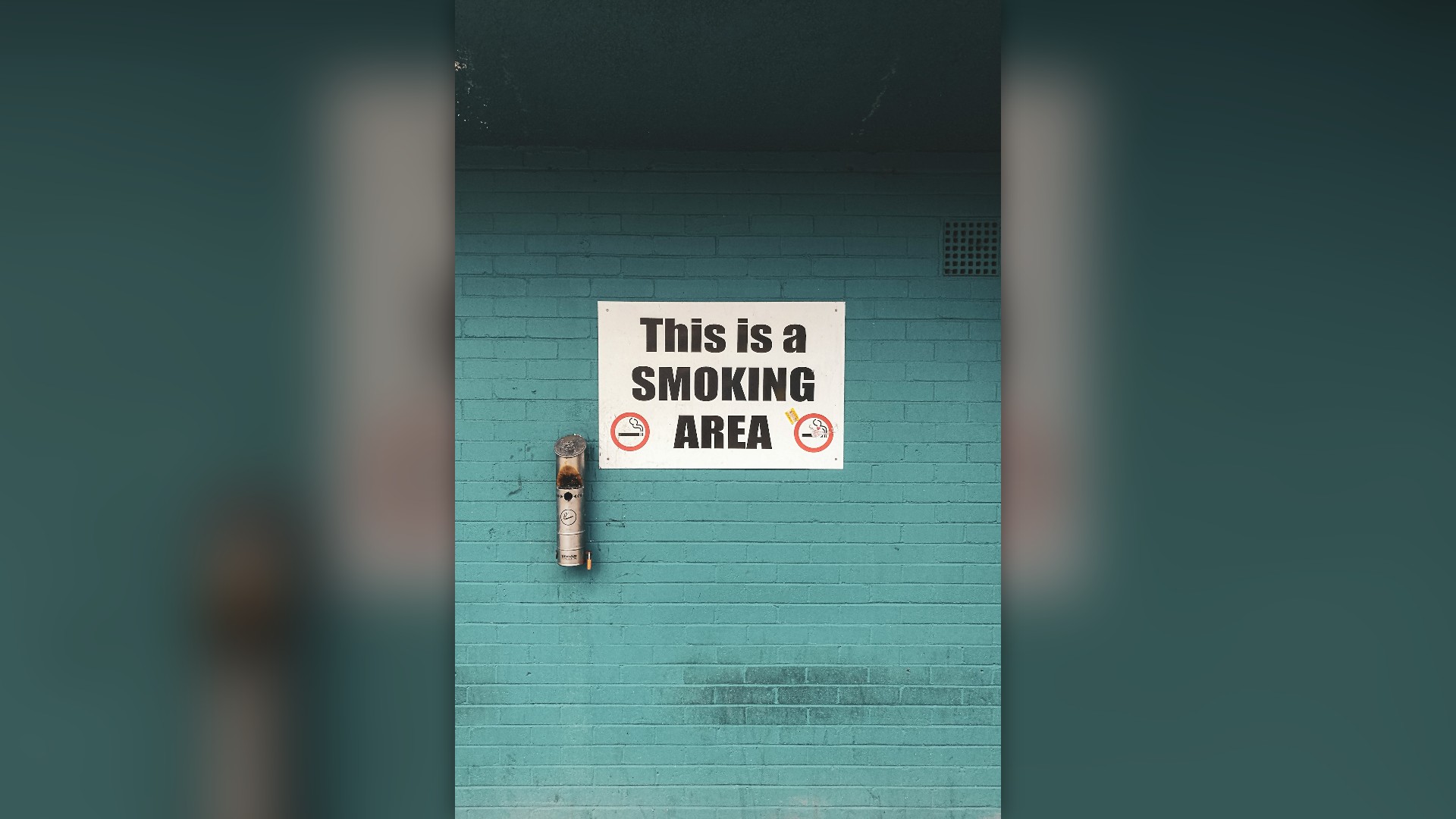
3. Smoking Sections In Family Restaurants 
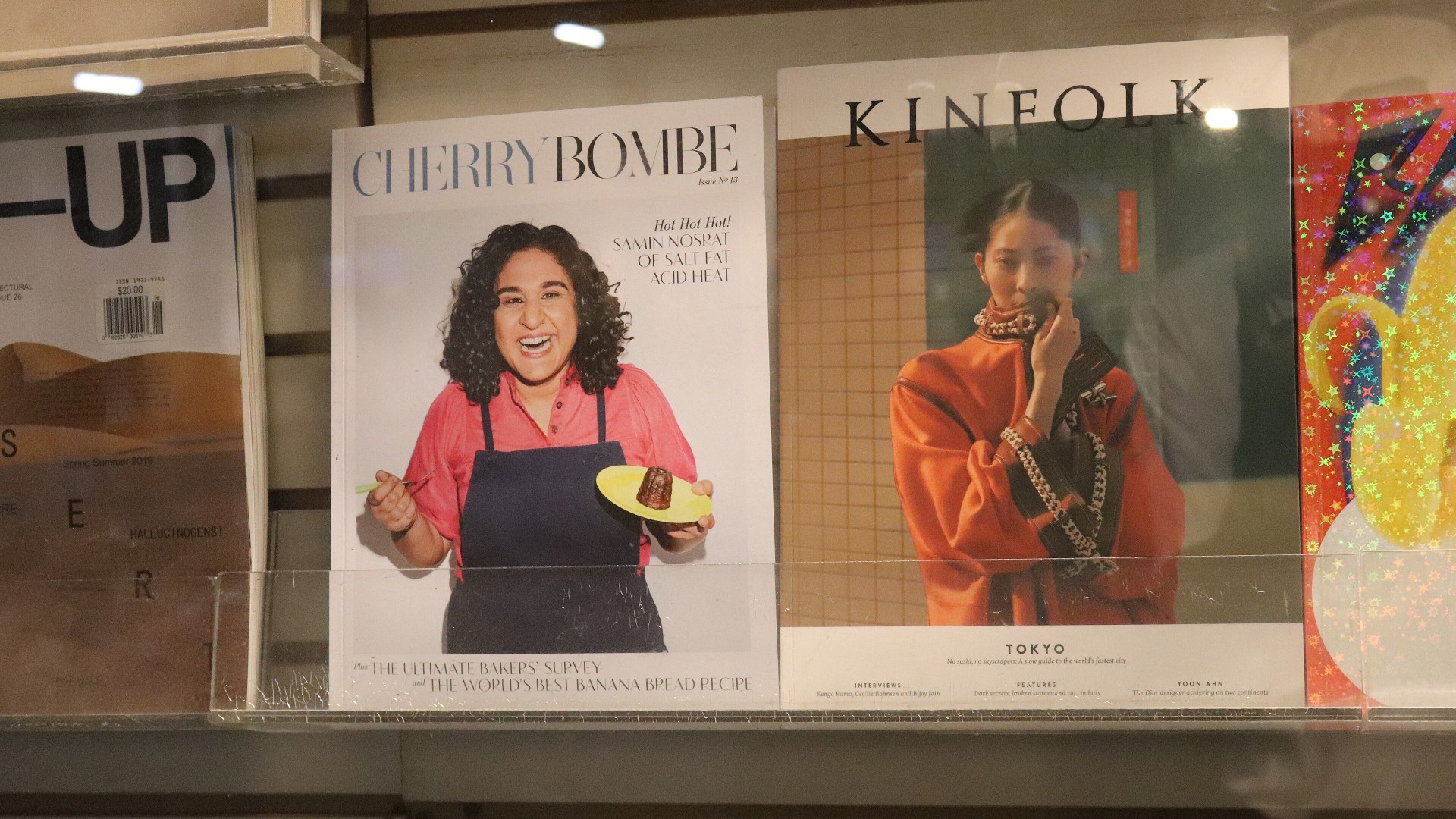
2. Tabloid Magazine Body Shaming - AdvertisementSwipe or tap ▶ to continue countdown

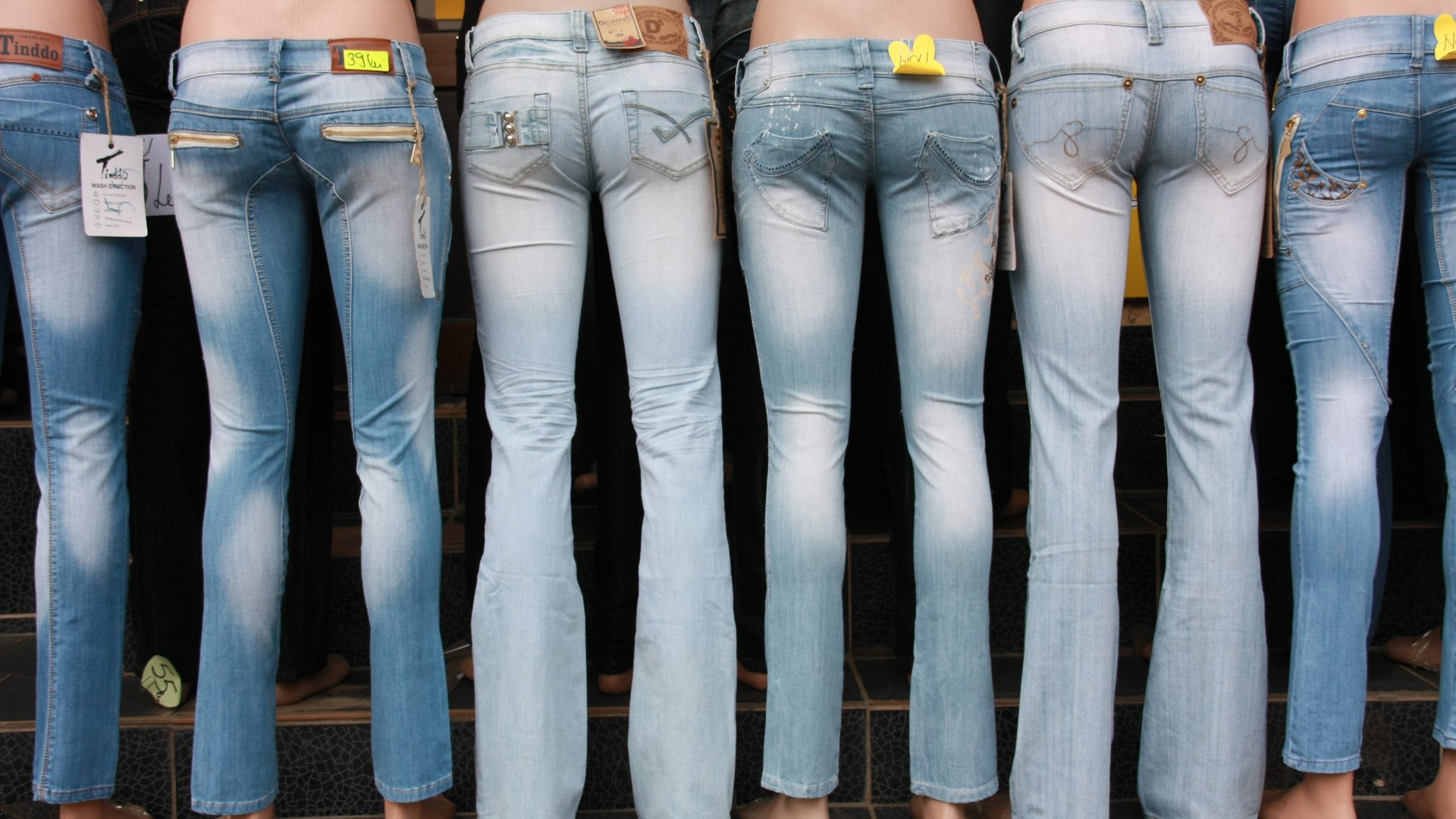
1. Ultra Low-Rise Denim And Whale Tail Trends - Advertisement🔥 UP NEXT IN THIS SERIES◫ 21 Slides

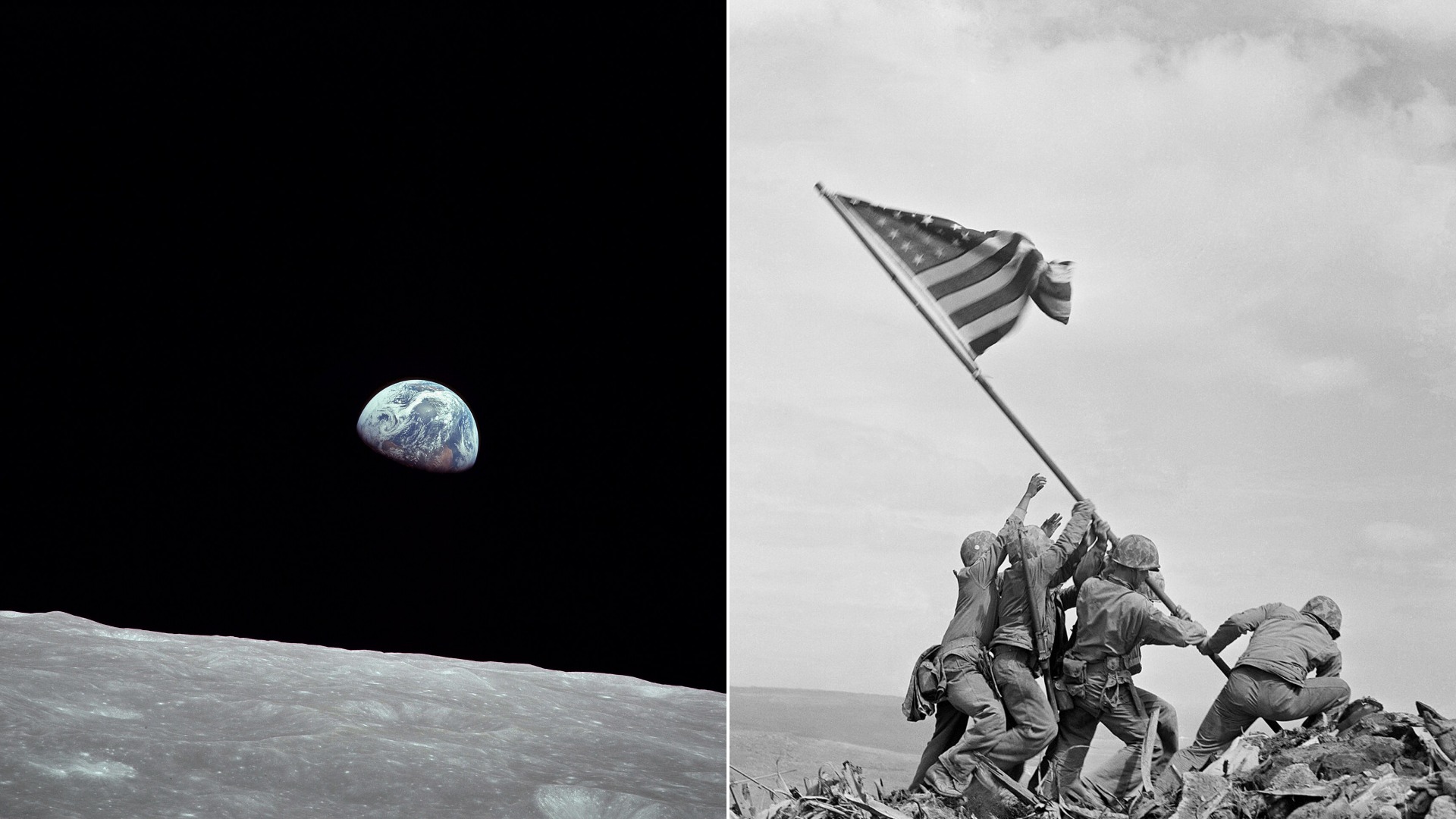
20 Iconic Historical Photos and the Archive Clues Behind Them
Contact sheets, cracked glass plates, and NASA mission logs preserve the hidden steps behind 20 famous photographs. Drawing on records from the Library of Congress, the National Archives, NASA, and the Smithsonian, this countdown traces how cropping, camera setups, and double exposures shaped each frame.
From public body shaming to unfiltered reality television, the early 2000s were an era without modern guardrails. Look back at twenty everyday practices, cultural trends, and media moments that defined the decade but would trigger immediate backlash today.
Swipe or tap ▶ to begin the countdown
© Photo by Peter Conrad on Unsplash
20. Ringtone Subscription Traps
In the mid-2000s, ads for Crazy Frog and Jamster promised polyphonic tones for flip phones. Many users discovered too late that texting a short code triggered recurring ten-dollar weekly charges hidden in fine print, leading to regulatory fines and lawsuits.
©Wikimedia / Sangchaud
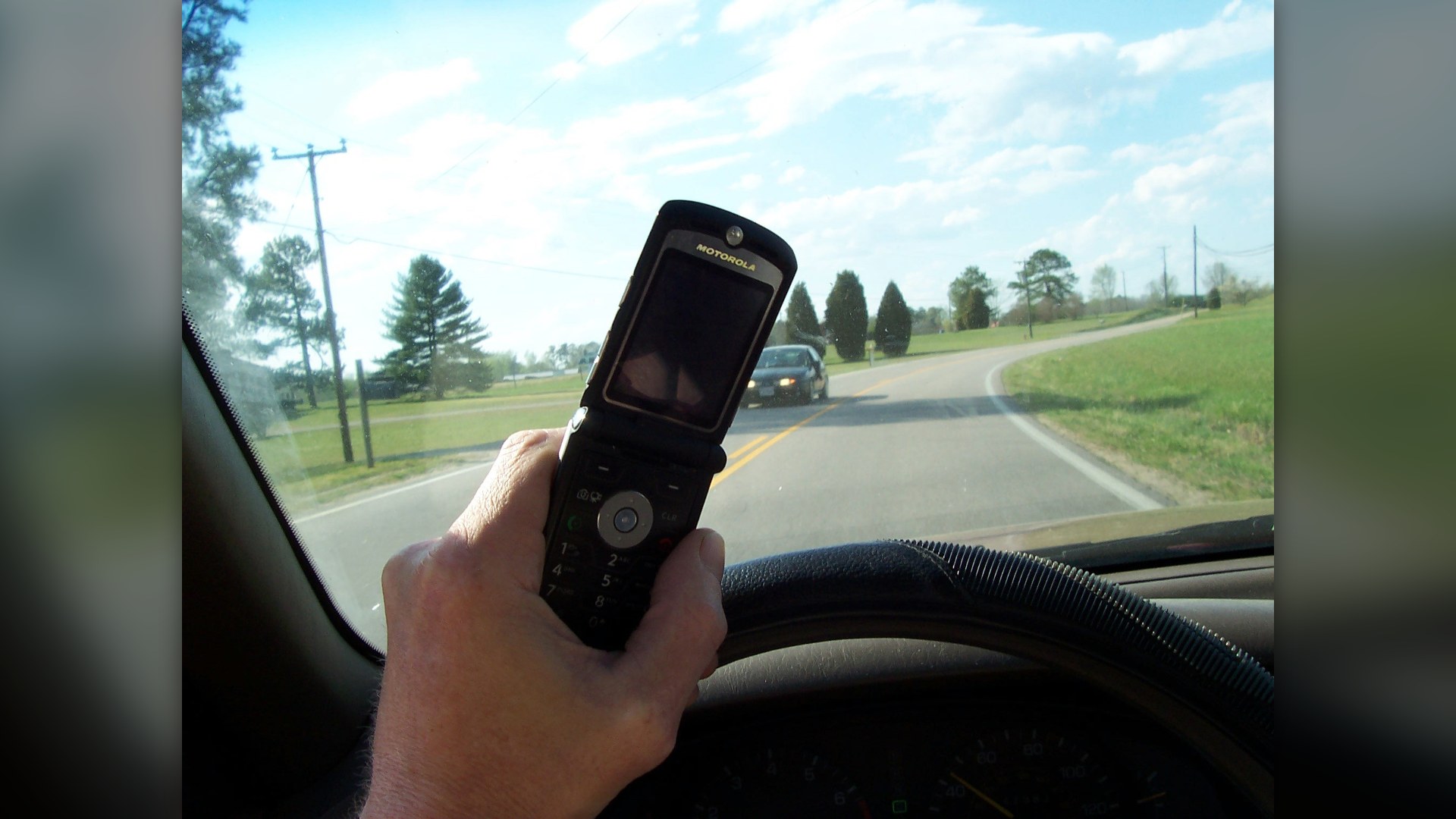
19. Texting Behind The Wheel
Before smartphones and hands-free laws, drivers routinely balanced numeric flip phones against steering wheels. Typing messages using multi-tap T9 required blind muscle memory, but the practice sparked national outrage as crash rates climbed before widespread bans.
©Wikimedia Commons / Ed Brown
18. Unfiltered Peer To-Peer File Sharing
Programs like LimeWire and Kazaa operated without moderation or parental filters. Users seeking popular songs frequently downloaded catastrophic trojans, adware, and offensive media files disguised under mainstream titles, frequently crashing shared family computers.
©Wikimedia Commons / Roketjack
Advertisement
Swipe or tap ▶ to resume the countdown.
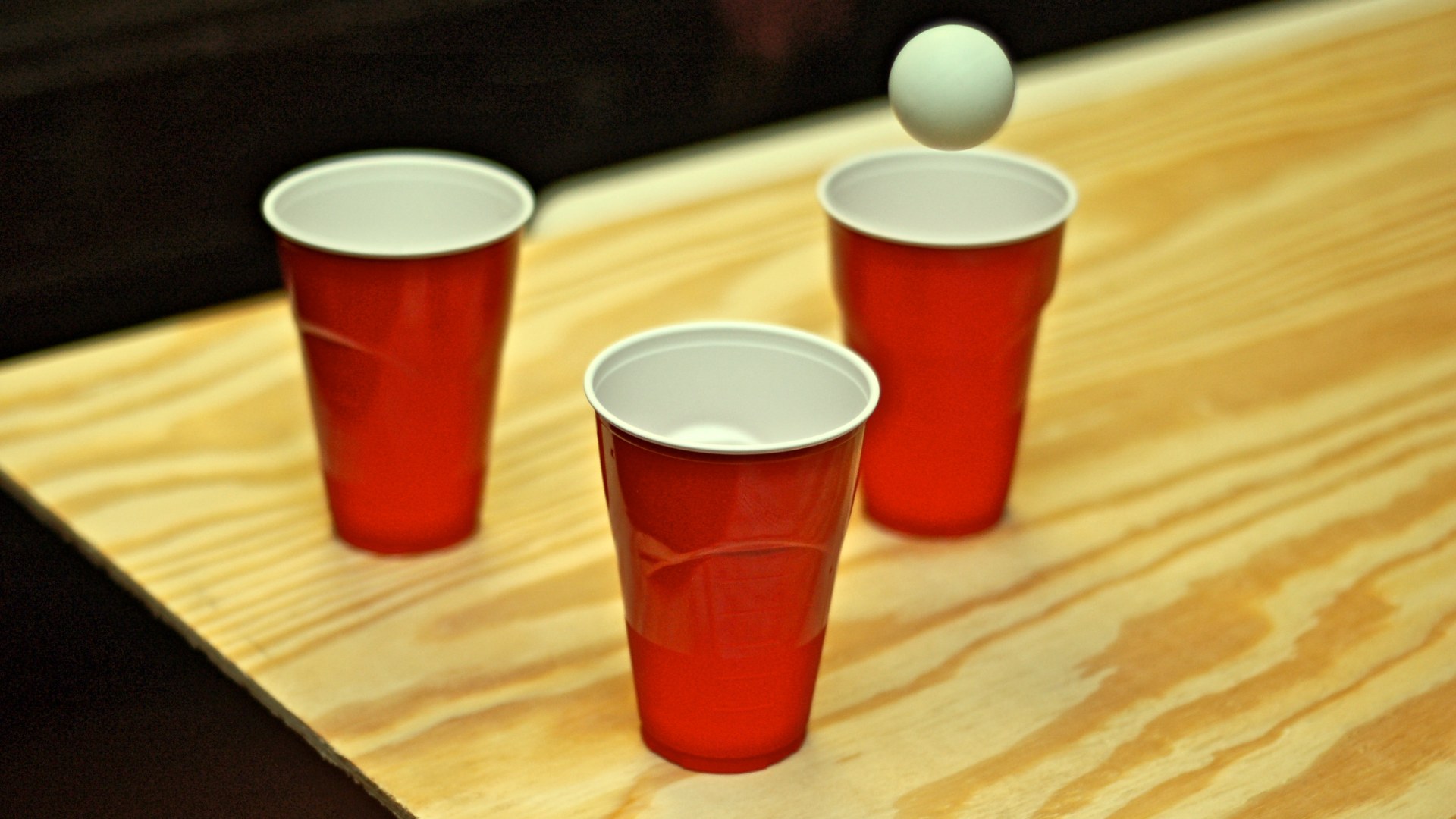
17. Caffeinated Alcohol And Extreme Binge Culture
Pre-mixed caffeinated alcoholic beverages like the original Four Loko combined high alcohol percentages with heavy doses of caffeine and guarana. Emergency room admissions surged as drinkers failed to recognize intoxication, triggering federal warnings and state bans by 2010.
©Wikimedia Commons / Michael Mata
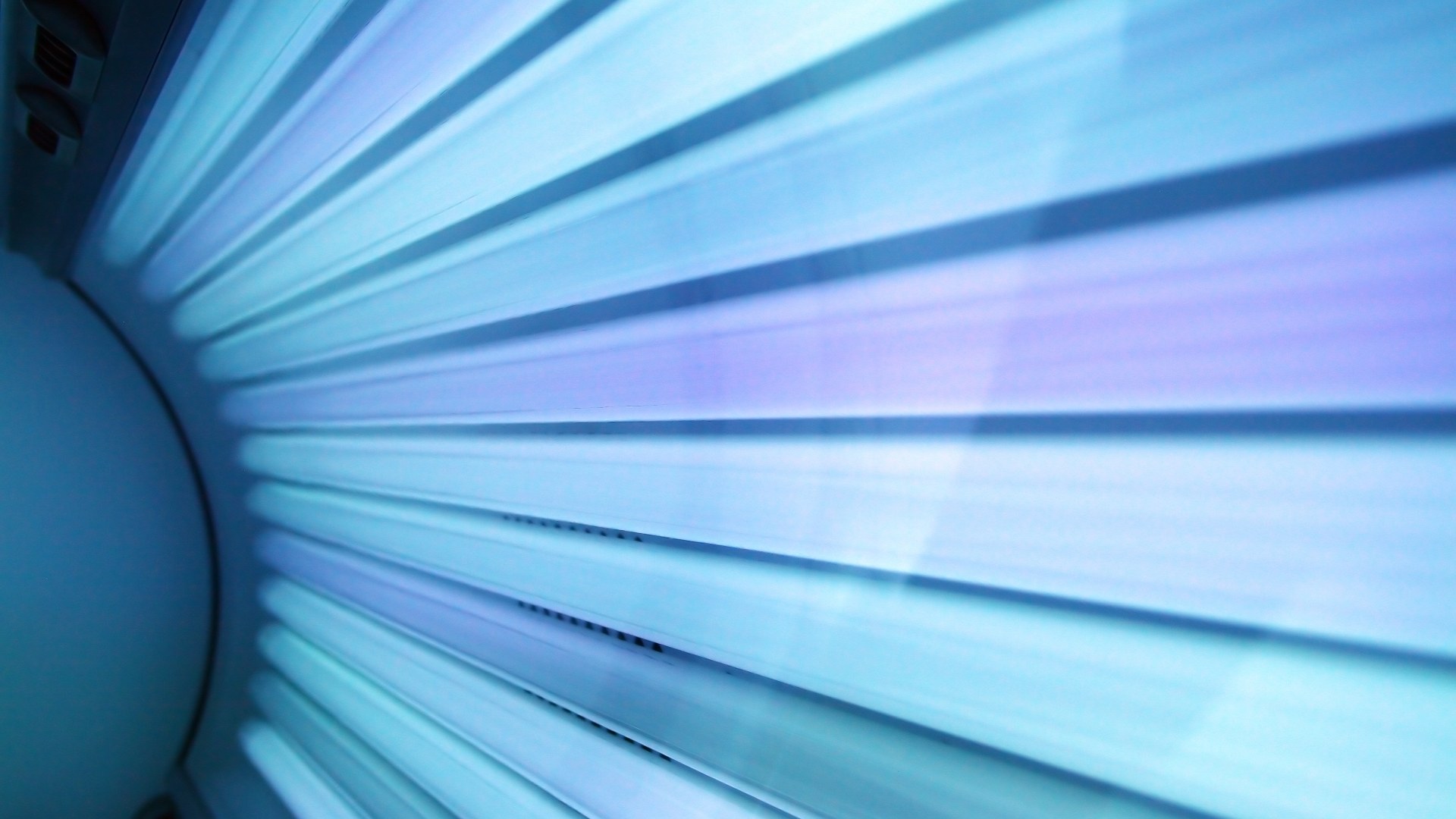
16. Unlimited Teen Indoor Tanning
Bronze skin was a major 2000s fashion requirement, leading salons to offer cheap unlimited monthly packages to teenagers. With few age limits in place, minors baked under intense artificial ultraviolet radiation, prompting doctors and lawmakers to ban underage tanning years later.
©Wikimedia Commons / pixel2008
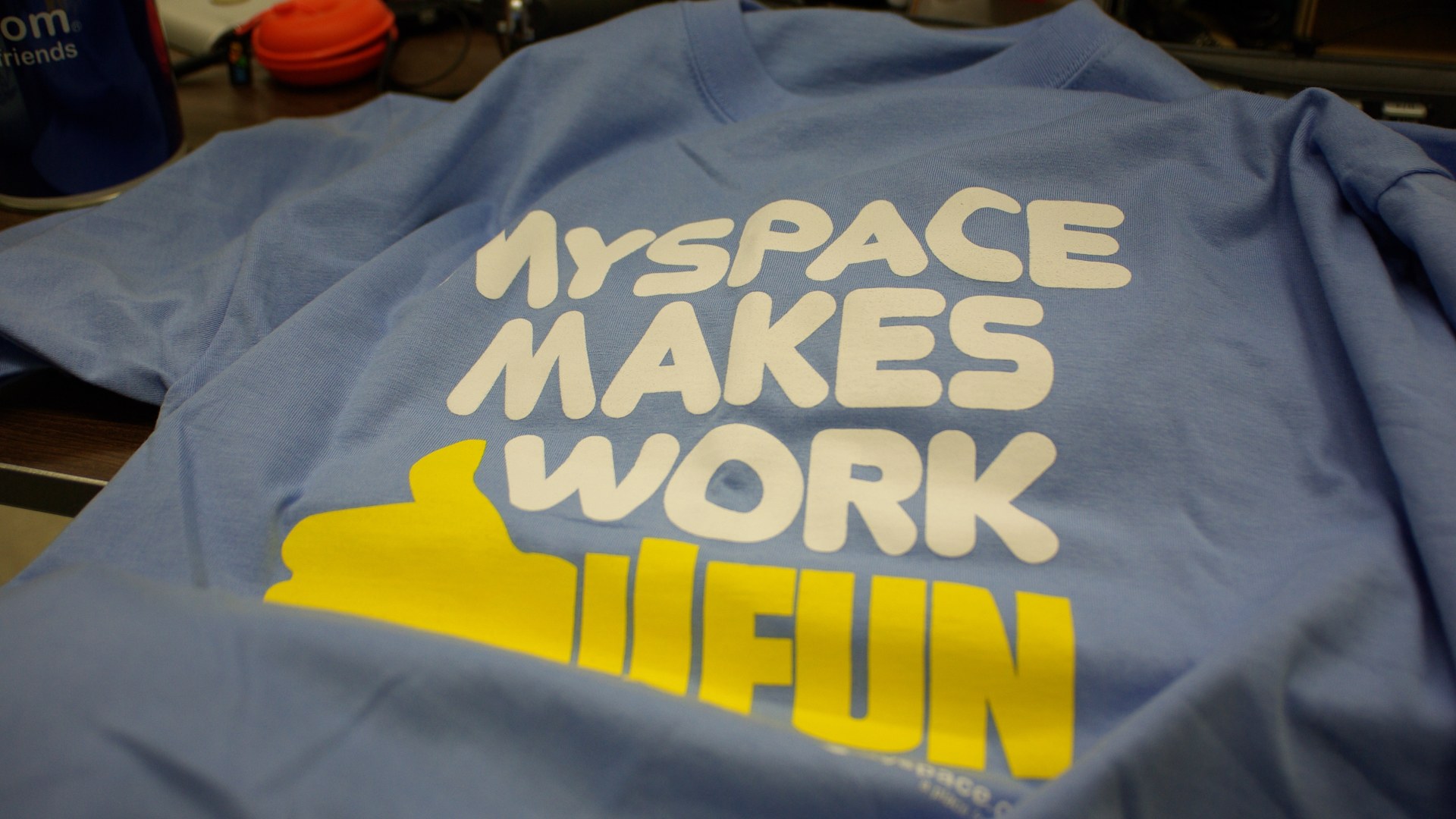
15. Public Friendship Hierarchies On MySpace
MySpace forced users to display a public grid of their closest friends. Demoting someone from the coveted top row or dropping a friend entirely caused real-world arguments, tears, and severed relationships, turning social validation into an open popularity contest.
©Wikimedia Commons / Hong, Yun Seon
14. Abercrombie And Fitch Exclusive Hiring Rules
Abercrombie and Fitch maintained strict look policies, hiring only thin and conventionally attractive staff for visible sales roles. Minority workers were often relegated to stockrooms, leading to high-profile discrimination lawsuits and public boycotts that overhauled the brand.
© Photo by Tegan Conway on Unsplash
Advertisement
Swipe or tap ▶ to resume the countdown.
13. Radical Plastic Surgery Reality Shows
Shows like The Swan and Extreme Makeover took ordinary people, isolated them from mirrors for months, and subjected them to simultaneous invasive surgeries. Critics condemned the formats for pathologizing normal human features and promoting psychological distress for prime-time ratings.
©Wikimedia Commons / Tyler Frew MD
12. Predatory Subprime Mortgages
In the mid-2000s, mortgage brokers handed out NINJA loans, which stood for no income, no job, and no assets. Aggressive lenders pushed vulnerable homeowners into ballooning adjustable rates, triggering the historic 2008 financial crash and millions of foreclosures.
©Wikimedia Commons / respres
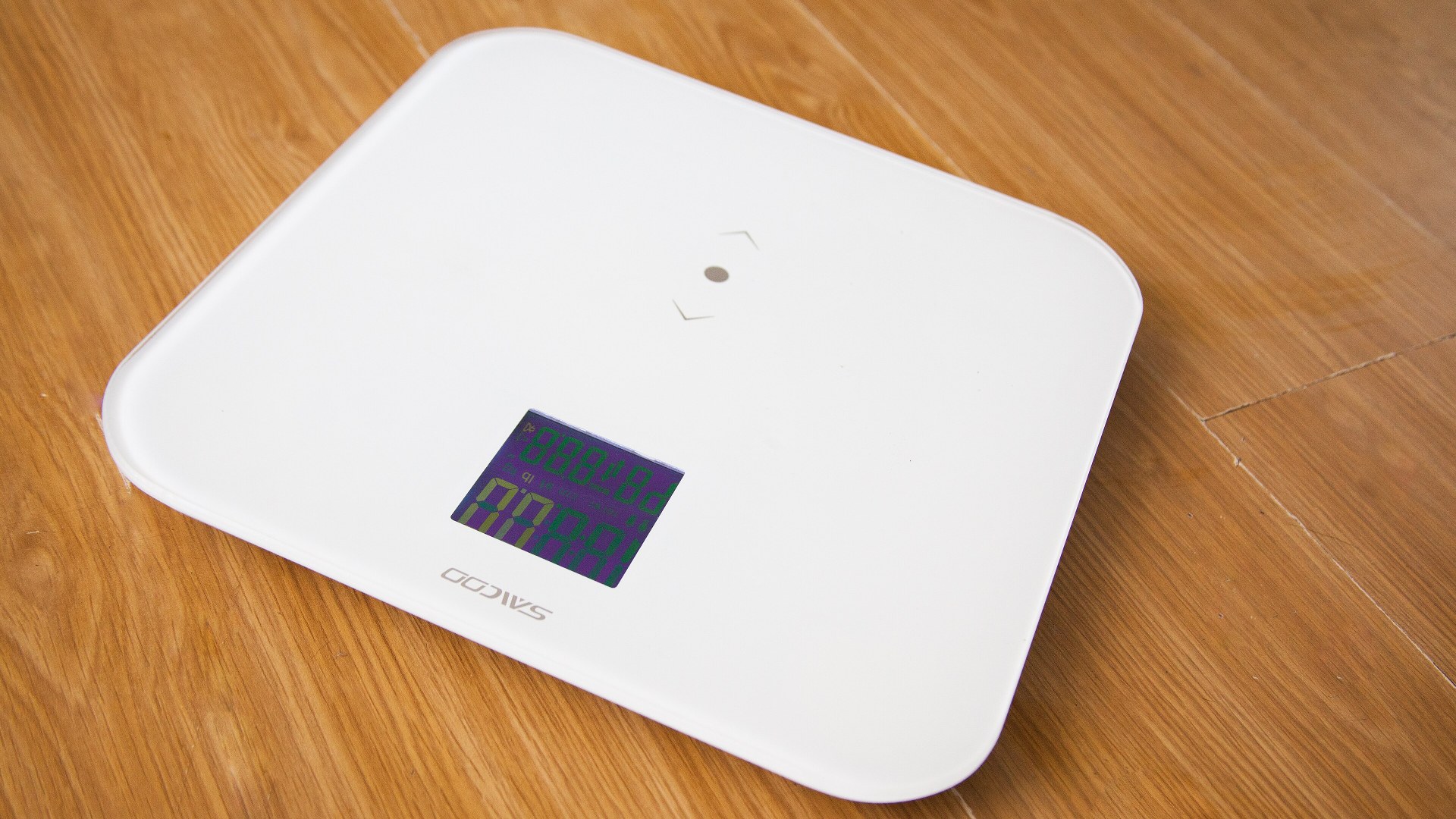
11. The Biggest Loser Public Weigh-Ins
Reality weight-loss competitions required contestants to stand shirtless on giant scales while celebrity trainers yelled insults. Medical studies later revealed that the extreme calorie deprivation and excessive workouts permanently damaged contestants metabolic rates and heart health.
©Wikimedia Commons / Franchise Opportunities
10. Exploitative Stunt Home Videos
Before mainstream internet video platforms, underground franchises like Bumfights sold VHS tapes in retail stores. Filmmakers paid unhoused individuals small sums of money to perform dangerous stunts and fight on camera, sparking international disgust, bans, and felony charges.
©Pixabay / Evgeniadakar
Advertisement
Swipe or tap ▶ to resume the countdown.
9. Cruel Reality TV Audition Humiliation
Early seasons of American Idol and similar talent competitions relied heavily on cruel auditions. Judges delivered harsh personal insults aimed at contestants physical appearances rather than vocal technique, normalizing public ridicule for tens of millions of prime-time viewers.
© Photo by Tom Bronab on Unsplash
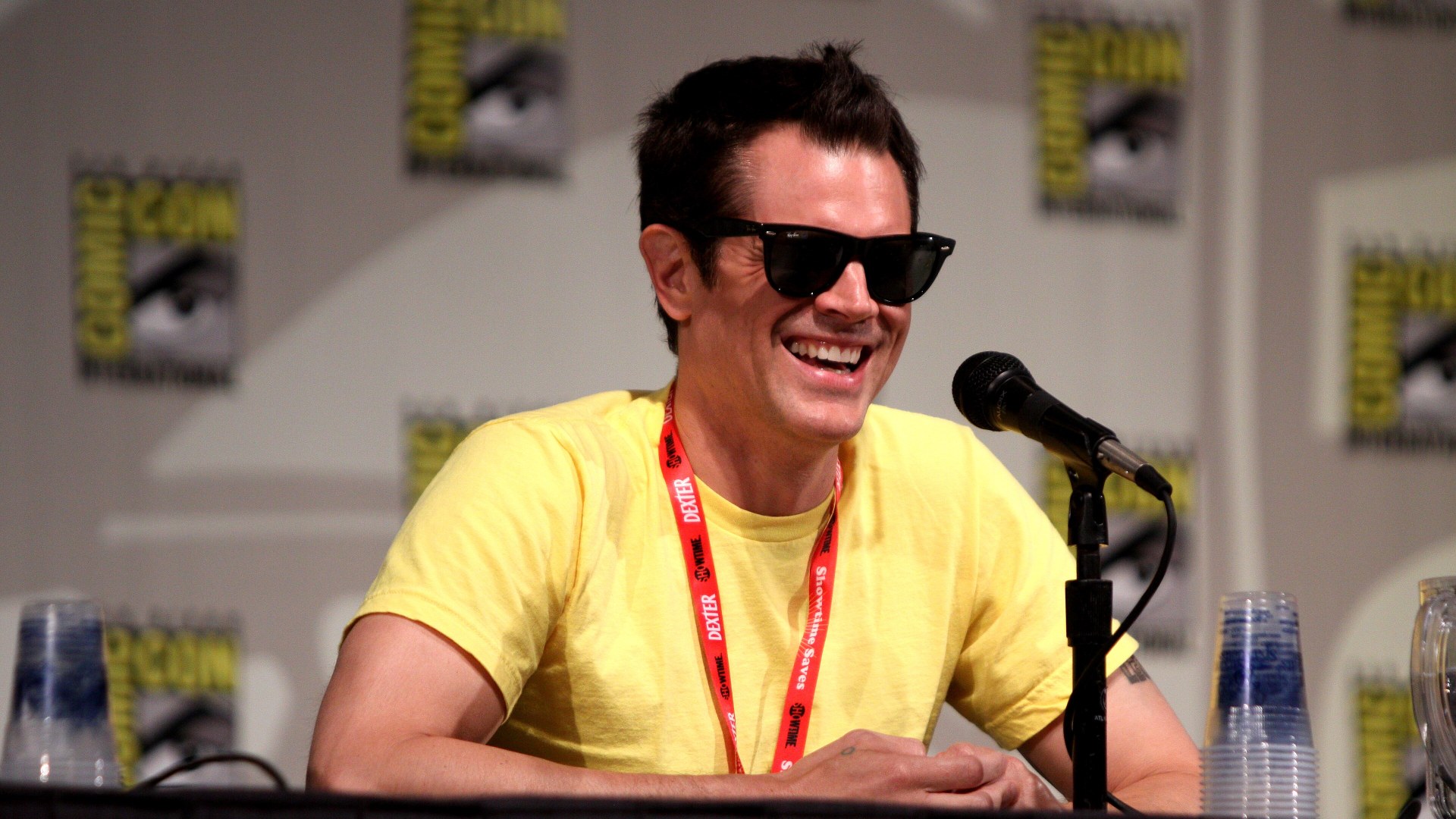
8. Extreme Prank Shows Endangering The Public
The massive popularity of Jackass and hidden-camera prank shows spawned imitators that crossed serious boundaries. Producers staged fake armed robberies, staged dead bodies, and performed reckless public antics that confused bystanders and caused genuine emergency responses.
©Wikimedia Commons / Gage Skidmore
7. Unpaid Corporate Internships
For years, entry-level candidates in media, fashion, and corporate fields worked long hours with zero pay under the promise of exposure. Class-action lawsuits in the 2010s eventually forced corporations to pay interns minimum wage and respect basic labor standards.
©TMDb / Corporate
6. Casual Homophobic Slurs In Teen Comedies
Popular PG-13 teen comedies of the 2000s regularly featured derogatory language as generic synonyms for uncool. Studio executives and screenwriters treated casual homophobic jokes as harmless banter, a practice that drew sharp retrospective criticism from audiences and actors alike.
©Wikimedia Commons / Jon Konrath
Advertisement
Swipe or tap ▶ to resume the countdown.
5. Invasive Shock Jock Radio Interrogations
Morning drive-time shock jocks commanded massive audiences by pushing boundaries. Teenage pop stars like Britney Spears and Lindsay Lohan were regularly subjected to invasive, sexualized questions during live on-air interviews that would lead to immediate corporate firing today.
©Wikimedia Commons / Atomic Taco
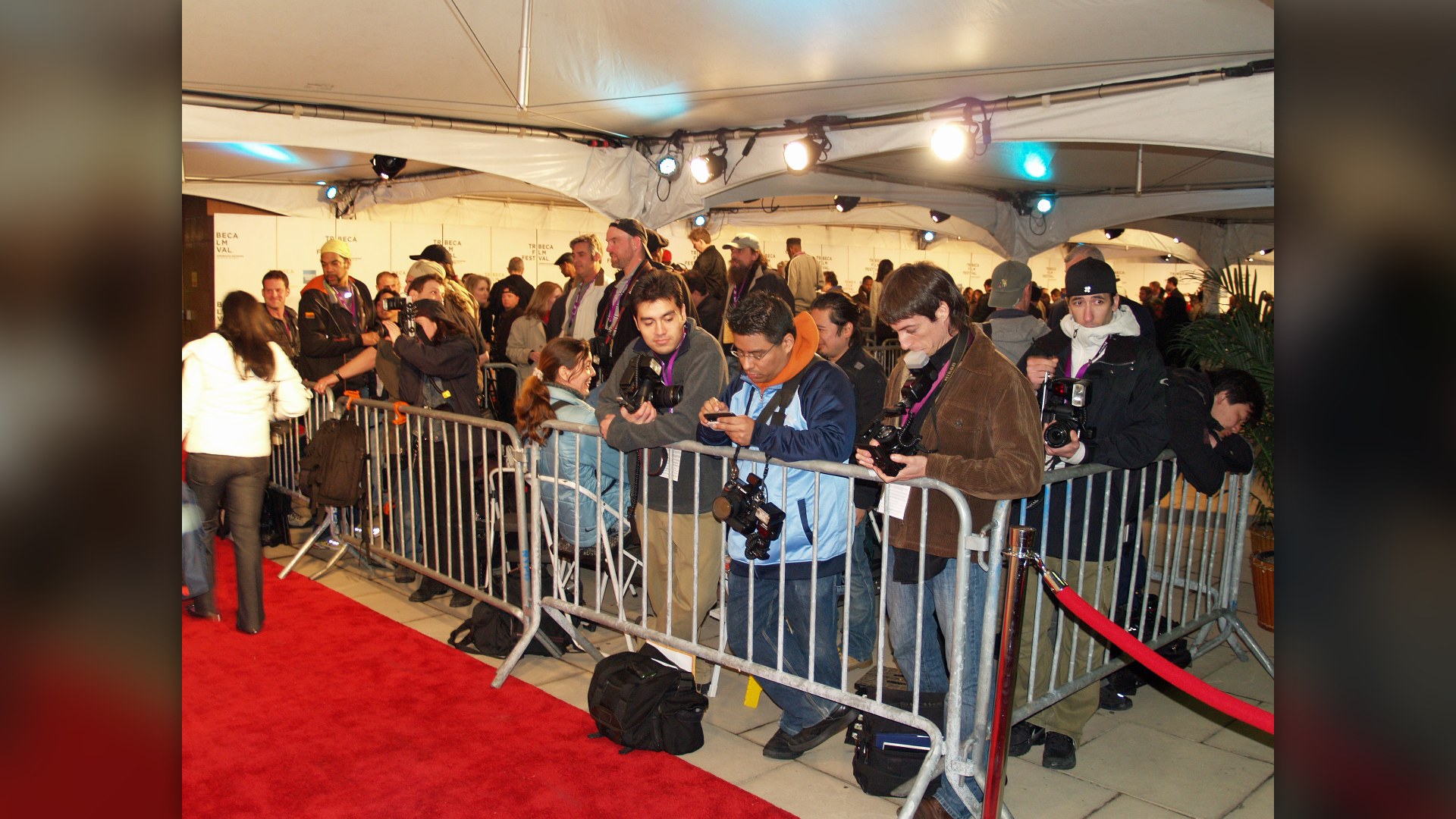
4. Aggressive Paparazzi Swarms And Stalking
Paparazzi photo bounties reached six figures in the mid-2000s, fueling dangerous tactics. Crowds of photographers swarmed young female celebrities at gas stations, grocery stores, and hospitals, running red lights and boxing in cars until California passed strict anti-harassment laws.
©Wikimedia Commons / David Shankbone
3. Smoking Sections In Family Restaurants
Asking for smoking or non-smoking was standard practice at host stands throughout the decade. Because smoke drifts freely, diners and restaurant staff inhaled heavy secondhand smoke while eating meals, leading to clean indoor air acts that outlawed the practice nationwide.
© Photo by Georgi Kyurpanov on Unsplash
2. Tabloid Magazine Body Shaming
Grocery store checkout aisles were lined with tabloids scrutinizing female stars for gaining or losing small amounts of weight. Editors printed full-page photos with red circles highlighting cellulite and bad beach angles, driving widespread body dysmorphia among young readers.
©Wikimedia Commons / Elvert Barnes
Advertisement
Swipe or tap ▶ to resume the countdown.
1. Ultra Low-Rise Denim And Whale Tail Trends
Popularized by music videos and red carpet appearances, ultra low-rise jeans sat inches below the hips and intentionally displayed visible underwear straps. The trend sparked fierce school dress code crackdowns, principal suspensions, and city ordinances across the country.

©Wikimedia Commons / Lion Hirth
Advertisement
You've reached the end of the story. Thanks for reading!

20 Iconic Historical Photos and the Archive Clues Behind Them
Contact sheets, cracked glass plates, and NASA mission logs preserve the hidden steps behind 20 famous photographs. Drawing on records from the Library of Congress, the National Archives, NASA, and the Smithsonian, this countdown traces how cropping, camera setups, and double exposures shaped each frame.
All 20 Entries in this Story
20. Ringtone Subscription Traps
In the mid-2000s, ads for Crazy Frog and Jamster promised polyphonic tones for flip phones. Many users discovered too late that texting a short code triggered recurring ten-dollar weekly charges hidden in fine print, leading to regulatory fines and lawsuits.

19. Texting Behind The Wheel
Before smartphones and hands-free laws, drivers routinely balanced numeric flip phones against steering wheels. Typing messages using multi-tap T9 required blind muscle memory, but the practice sparked national outrage as crash rates climbed before widespread bans.

18. Unfiltered Peer To-Peer File Sharing
Programs like LimeWire and Kazaa operated without moderation or parental filters. Users seeking popular songs frequently downloaded catastrophic trojans, adware, and offensive media files disguised under mainstream titles, frequently crashing shared family computers.

17. Caffeinated Alcohol And Extreme Binge Culture
Pre-mixed caffeinated alcoholic beverages like the original Four Loko combined high alcohol percentages with heavy doses of caffeine and guarana. Emergency room admissions surged as drinkers failed to recognize intoxication, triggering federal warnings and state bans by 2010.

16. Unlimited Teen Indoor Tanning
Bronze skin was a major 2000s fashion requirement, leading salons to offer cheap unlimited monthly packages to teenagers. With few age limits in place, minors baked under intense artificial ultraviolet radiation, prompting doctors and lawmakers to ban underage tanning years later.

15. Public Friendship Hierarchies On MySpace
MySpace forced users to display a public grid of their closest friends. Demoting someone from the coveted top row or dropping a friend entirely caused real-world arguments, tears, and severed relationships, turning social validation into an open popularity contest.

14. Abercrombie And Fitch Exclusive Hiring Rules
Abercrombie and Fitch maintained strict look policies, hiring only thin and conventionally attractive staff for visible sales roles. Minority workers were often relegated to stockrooms, leading to high-profile discrimination lawsuits and public boycotts that overhauled the brand.

13. Radical Plastic Surgery Reality Shows
Shows like The Swan and Extreme Makeover took ordinary people, isolated them from mirrors for months, and subjected them to simultaneous invasive surgeries. Critics condemned the formats for pathologizing normal human features and promoting psychological distress for prime-time ratings.

12. Predatory Subprime Mortgages
In the mid-2000s, mortgage brokers handed out NINJA loans, which stood for no income, no job, and no assets. Aggressive lenders pushed vulnerable homeowners into ballooning adjustable rates, triggering the historic 2008 financial crash and millions of foreclosures.

11. The Biggest Loser Public Weigh-Ins
Reality weight-loss competitions required contestants to stand shirtless on giant scales while celebrity trainers yelled insults. Medical studies later revealed that the extreme calorie deprivation and excessive workouts permanently damaged contestants metabolic rates and heart health.

10. Exploitative Stunt Home Videos
Before mainstream internet video platforms, underground franchises like Bumfights sold VHS tapes in retail stores. Filmmakers paid unhoused individuals small sums of money to perform dangerous stunts and fight on camera, sparking international disgust, bans, and felony charges.

9. Cruel Reality TV Audition Humiliation
Early seasons of American Idol and similar talent competitions relied heavily on cruel auditions. Judges delivered harsh personal insults aimed at contestants physical appearances rather than vocal technique, normalizing public ridicule for tens of millions of prime-time viewers.

8. Extreme Prank Shows Endangering The Public
The massive popularity of Jackass and hidden-camera prank shows spawned imitators that crossed serious boundaries. Producers staged fake armed robberies, staged dead bodies, and performed reckless public antics that confused bystanders and caused genuine emergency responses.

7. Unpaid Corporate Internships
For years, entry-level candidates in media, fashion, and corporate fields worked long hours with zero pay under the promise of exposure. Class-action lawsuits in the 2010s eventually forced corporations to pay interns minimum wage and respect basic labor standards.

6. Casual Homophobic Slurs In Teen Comedies
Popular PG-13 teen comedies of the 2000s regularly featured derogatory language as generic synonyms for uncool. Studio executives and screenwriters treated casual homophobic jokes as harmless banter, a practice that drew sharp retrospective criticism from audiences and actors alike.

5. Invasive Shock Jock Radio Interrogations
Morning drive-time shock jocks commanded massive audiences by pushing boundaries. Teenage pop stars like Britney Spears and Lindsay Lohan were regularly subjected to invasive, sexualized questions during live on-air interviews that would lead to immediate corporate firing today.

4. Aggressive Paparazzi Swarms And Stalking
Paparazzi photo bounties reached six figures in the mid-2000s, fueling dangerous tactics. Crowds of photographers swarmed young female celebrities at gas stations, grocery stores, and hospitals, running red lights and boxing in cars until California passed strict anti-harassment laws.

3. Smoking Sections In Family Restaurants
Asking for smoking or non-smoking was standard practice at host stands throughout the decade. Because smoke drifts freely, diners and restaurant staff inhaled heavy secondhand smoke while eating meals, leading to clean indoor air acts that outlawed the practice nationwide.

2. Tabloid Magazine Body Shaming
Grocery store checkout aisles were lined with tabloids scrutinizing female stars for gaining or losing small amounts of weight. Editors printed full-page photos with red circles highlighting cellulite and bad beach angles, driving widespread body dysmorphia among young readers.

1. Ultra Low-Rise Denim And Whale Tail Trends
Popularized by music videos and red carpet appearances, ultra low-rise jeans sat inches below the hips and intentionally displayed visible underwear straps. The trend sparked fierce school dress code crackdowns, principal suspensions, and city ordinances across the country.