Slideshow · Science
20 Things to Keep in Your Car This Winter
Winter roads present severe roadside hazards. Harsh blizzards, black ice, and subzero chills leave thousands of motorists stranded every year. Based on safety advisories from AAA, NHTSA, and the Red Cross, keeping these twenty emergency items in your vehicle ensures critical warmth, traction, and survival readiness.
By Most Viral Today
57 min ago

Winter Road Survival: 20 Essential Emergency Items for Your Car 
20. Heavy-Duty Ice Scraper And Snow Brush 
19. Heavy-Gauge Jumper Cables 
18. Portable Lithium Battery Jump Starter - AdvertisementSwipe or tap ▶ to continue countdown

17. Collapsible Metal Snow Shovel 
16. Non-Clumping Clay Kitty Litter Or Sand 
15. Wool Or Thermal Emergency Blanket 
14. Mylar Reflective Space Blankets - AdvertisementSwipe or tap ▶ to continue countdown

13. Hand And Foot Warmers 
12. Waterproof LED Flashlight 
11. Emergency Roadside Warning Triangle Beacons 
10. Comprehensive First Aid Trauma Kit - AdvertisementSwipe or tap ▶ to continue countdown

9. High-Calorie Non-Perishable Food 
8. Insulated Metal Water Canteen 
7. Digital Tire Pressure Gauge 
6. Portable Twelve-Volt Tire Inflator - AdvertisementSwipe or tap ▶ to continue countdown

5. Windshield Washer Fluid 
4. Heavy-Duty Tow Recovery Strap 
3. Insulated Winter Gloves And Knit Hat 
2. High-Capacity USB Power Bank - AdvertisementSwipe or tap ▶ to continue countdown

1. Bright Fluorescent Safety Vest - Advertisement🔥 UP NEXT IN THIS SERIES◫ 26 Slides

25 Historic NASA Apollo Photos From Launch to the Lunar Surface
From November 1967 to December 1972, NASA crews carried Hasselblad cameras across nearly 384,000 kilometers of space to document every stage of Project Apollo. Drawing on NASA mission archives, Johnson Space Center logs, and Smithsonian records, these 25 frames capture launches, lunar walks, and crises.
Winter roads present severe roadside hazards. Harsh blizzards, black ice, and subzero chills leave thousands of motorists stranded every year. Based on safety advisories from AAA, NHTSA, and the Red Cross, keeping these twenty emergency items in your vehicle ensures critical warmth, traction, and survival readiness.
Swipe or tap ▶ to begin the countdown
©Pixabay / Hans & Pixabay / Mitrey
20. Heavy-Duty Ice Scraper And Snow Brush
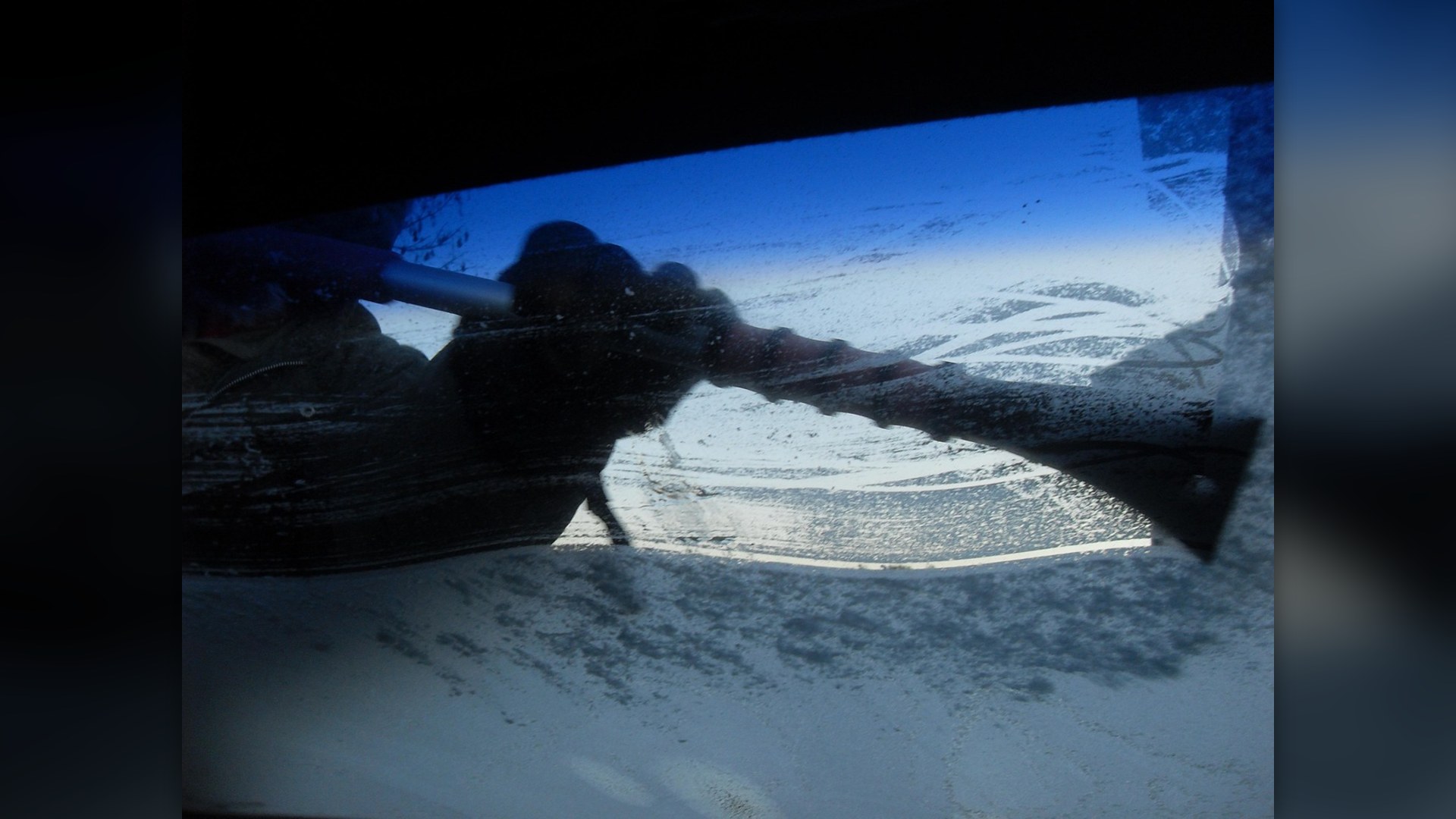
A sturdy brass-blade scraper paired with an extendable snow brush is essential for winter driving. The National Highway Traffic Safety Administration advises clearing all glass, mirrors, and vehicle roofs before driving to eliminate visibility blind spots and prevent deadly flying ice hazards for trailing cars.
©Pixabay / uknowgayle
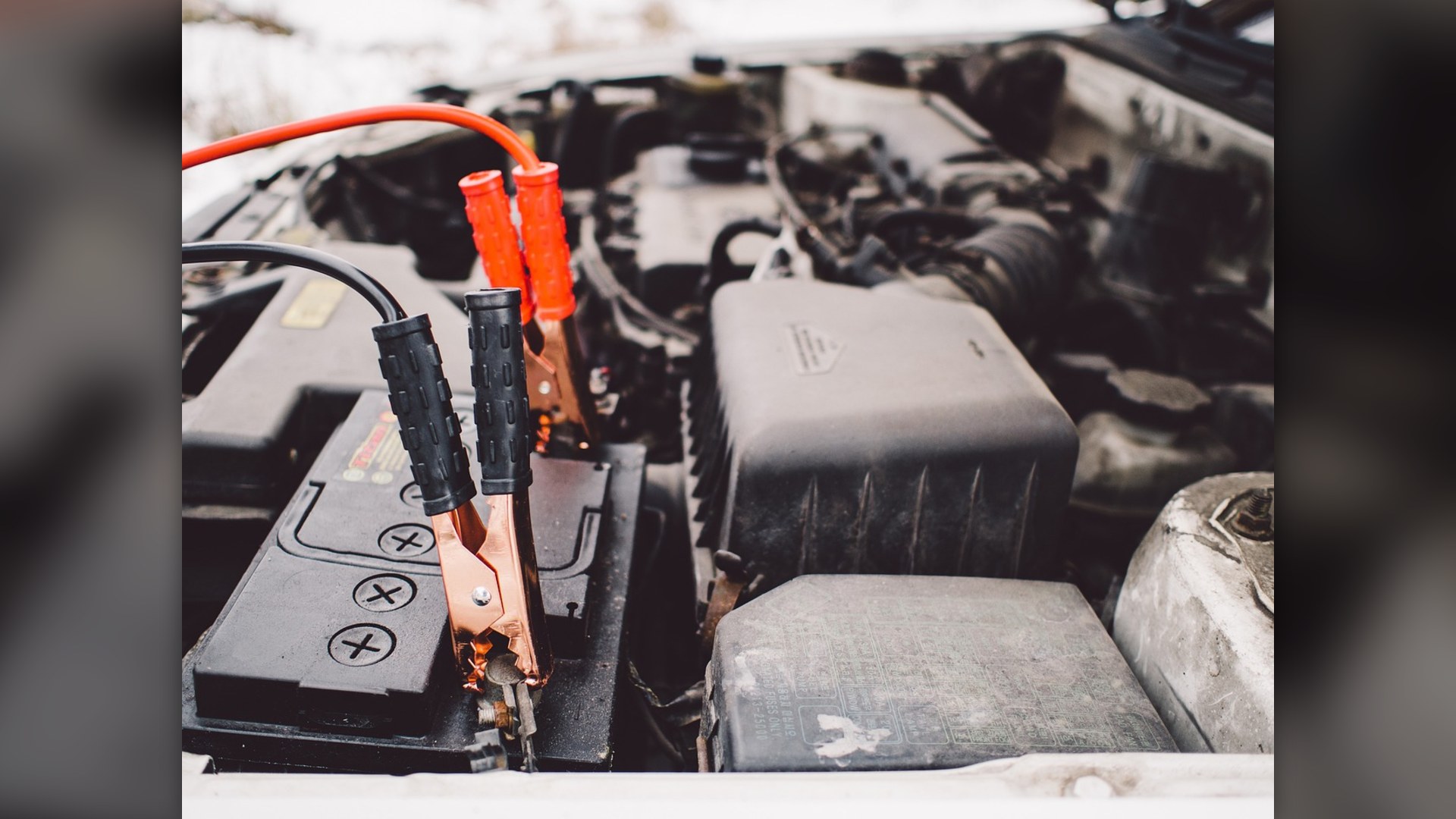
19. Heavy-Gauge Jumper Cables
Automotive batteries lose substantial cranking power when ambient temperatures drop below freezing. AAA roadside logs indicate that dead battery calls surge dramatically during the first major cold snap, making twelve-foot four-gauge jumper cables an indispensable lifeline for stranded drivers.
©Pixabay / StockSnap
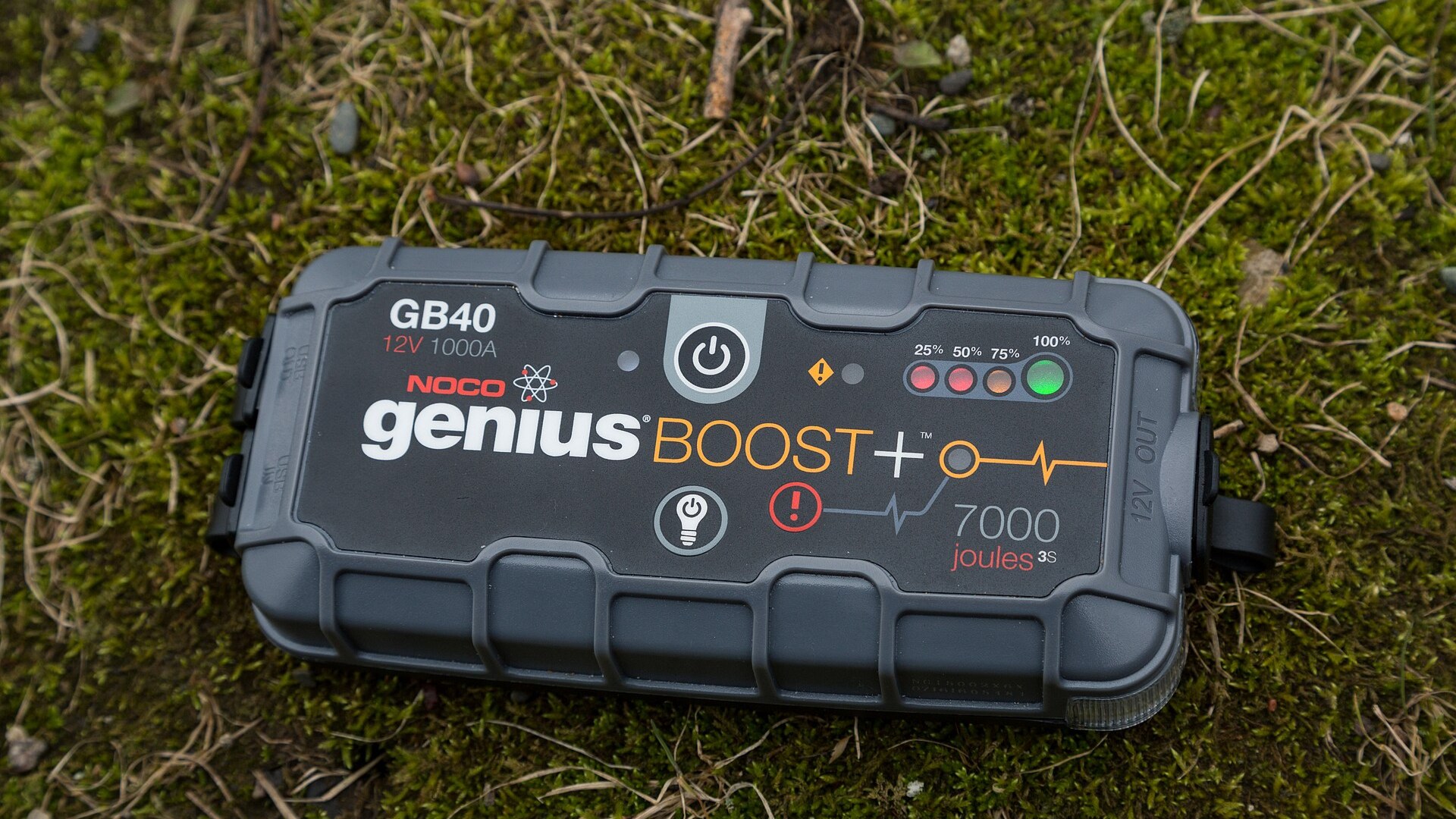
18. Portable Lithium Battery Jump Starter
Modern lithium jump packs deliver immense peak starting current in a compact chassis. Having a standalone jump box eliminates the perilous need to flag down passing motorists in freezing conditions, providing multiple engine starts along with high-speed USB ports to recharge mobile phones.
©Wikimedia / Tony Webster from Minneapolis, Minnesota, United
Advertisement
Swipe or tap ▶ to resume the countdown.
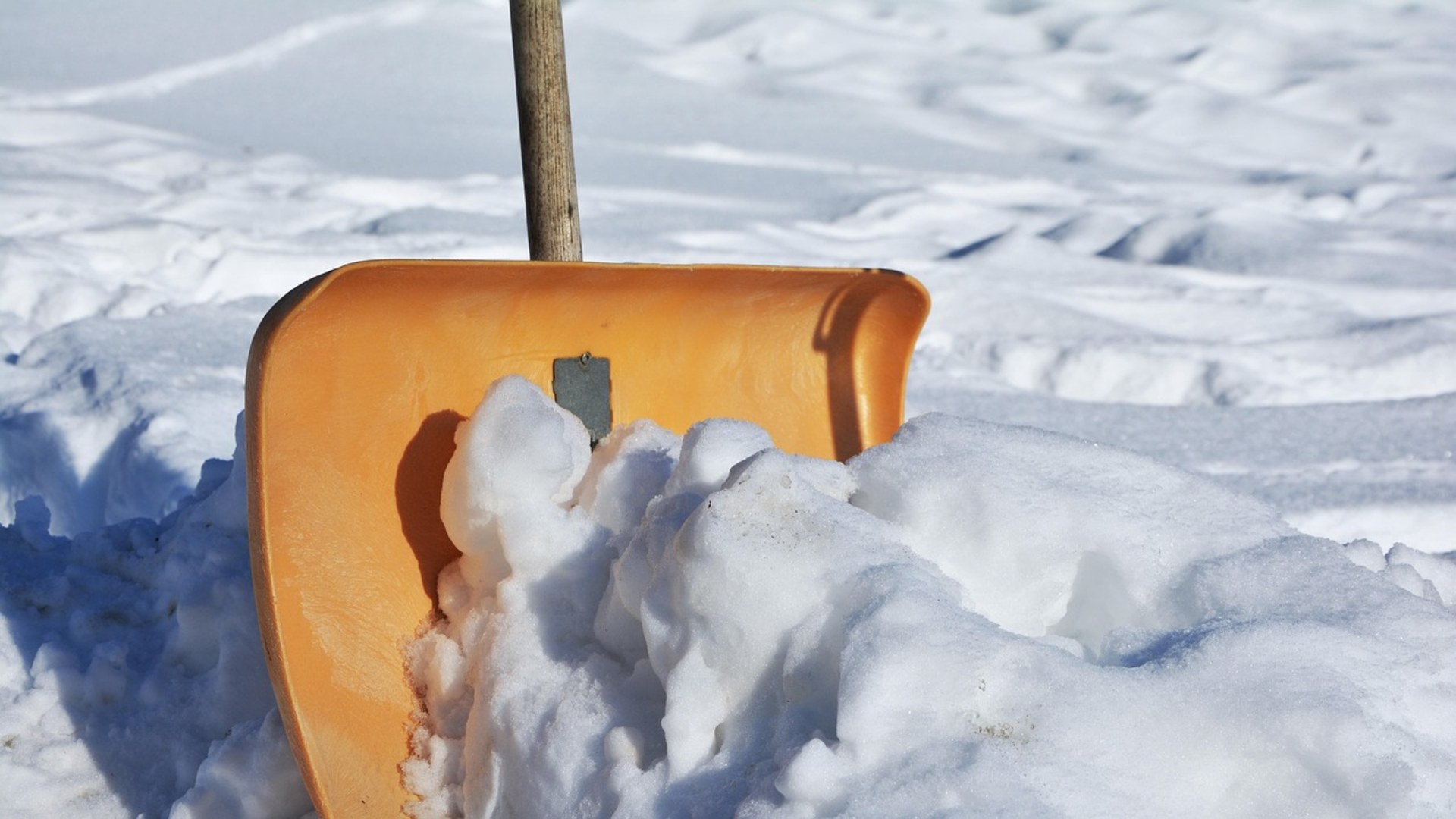
17. Collapsible Metal Snow Shovel
A compact aluminum snow shovel stows easily inside the trunk without consuming cargo space. When wheels become high-centered in a snowy ditch or berm, clearing snow from under the chassis and around drive wheels is the only reliable mechanical way to regain forward momentum.
©Pixabay / congerdesign
16. Non-Clumping Clay Kitty Litter Or Sand
Spinning tires on packed snow polishes the surface into frictionless glare ice. Pouring coarse sand or non-clumping clay litter directly under the driving wheels provides instant mechanical grip, allowing tires to bite into the surface and climb out of slippery road depressions.
©Pixabay / manfredrichter
15. Wool Or Thermal Emergency Blanket
If an engine stalls or runs out of fuel during an immobilizing blizzard, car cabins lose interior heat in minutes. The American Red Cross emphasizes that storing dense wool blankets or multi-layered thermal quilts prevents rapid hypothermia while passengers await emergency road assistance.
©Pixabay / wal_172619
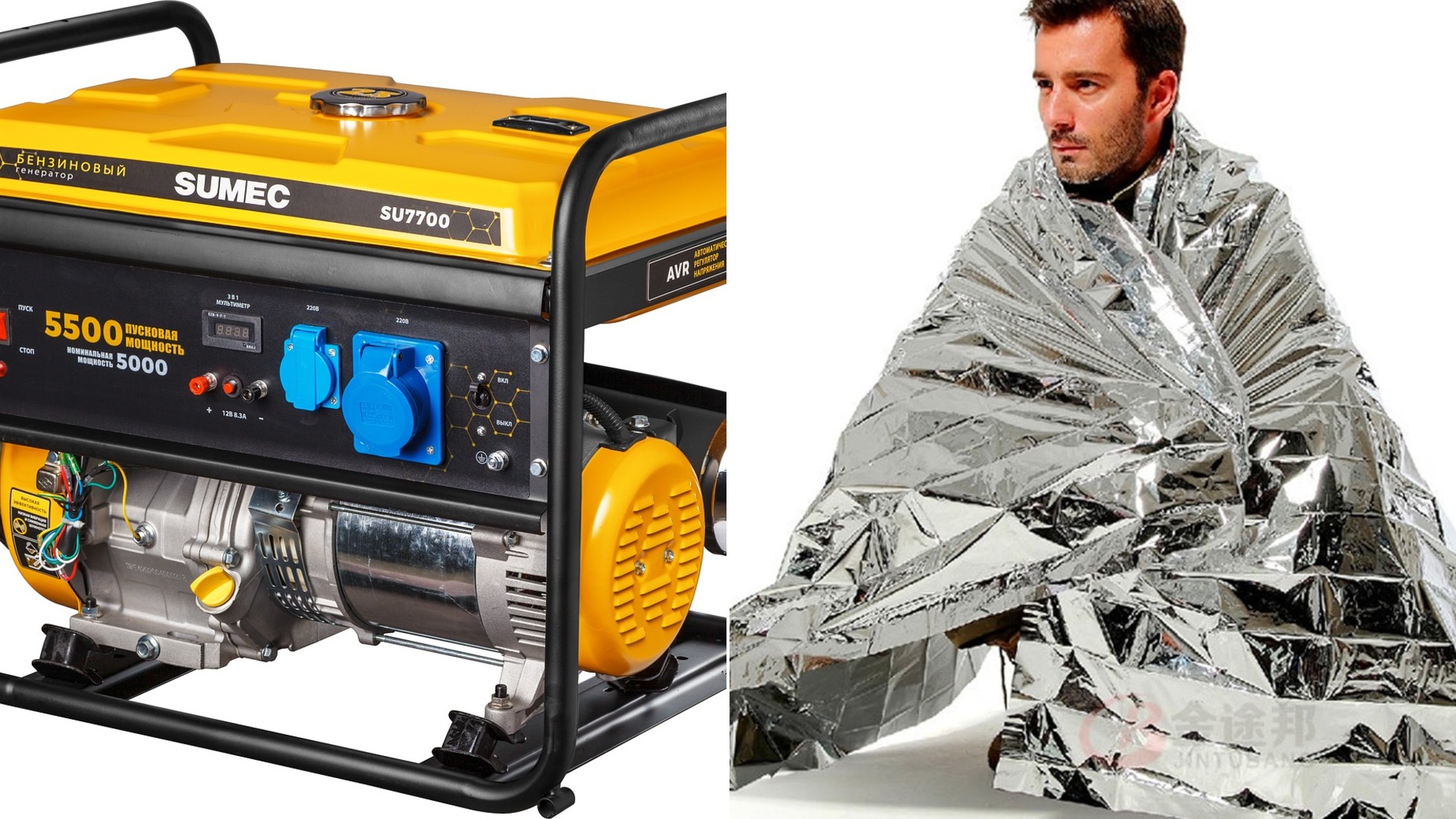
14. Mylar Reflective Space Blankets
Mylar emergency foil packs fold down to pocket size yet offer life-saving thermal retention. These metallic blankets reflect radiant metabolic body heat back toward the occupant, serving as a vital moisture barrier and windbreak during extreme subzero survival emergencies.
©Pixabay / Hans
Advertisement
Swipe or tap ▶ to resume the countdown.
13. Hand And Foot Warmers
Iron-powder exothermic warming packets activate upon exposure to air, providing sustained heat inside gloves and boots. When changing a frozen tire or performing repairs in bitter winds, keeping fingers and toes warm preserves manual dexterity and fends off debilitating frostbite.
©Pixabay / FotoRieth
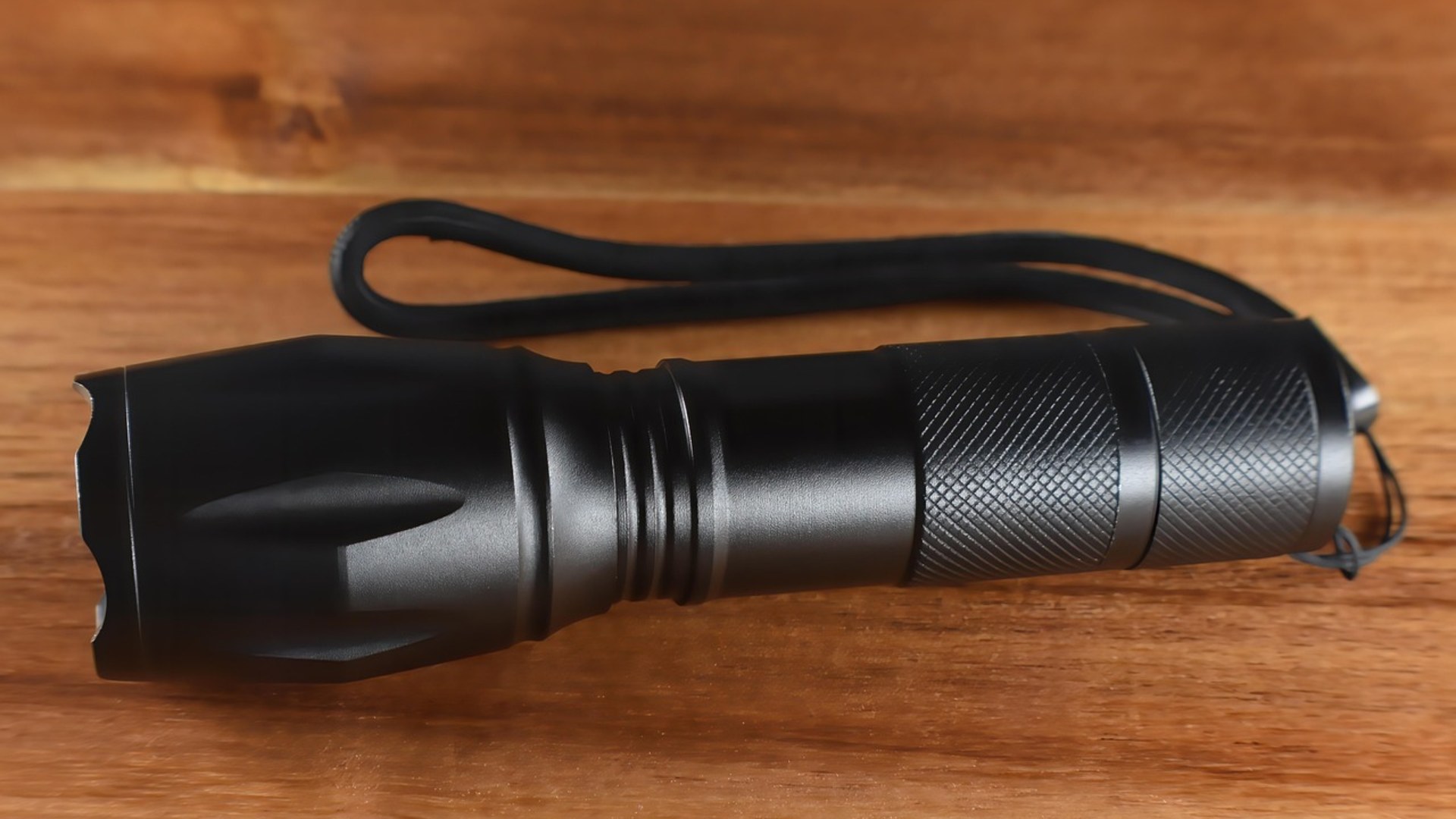
12. Waterproof LED Flashlight
Winter brings brief daylight hours and reduced roadside visibility. A durable LED torch or headlamp with fresh lithium batteries provides dependable lighting when inspecting mechanical trouble, signaling distant recovery crews, or walking around the perimeter of an immobilized vehicle.
©Pixabay / Ray_Shrewsberry
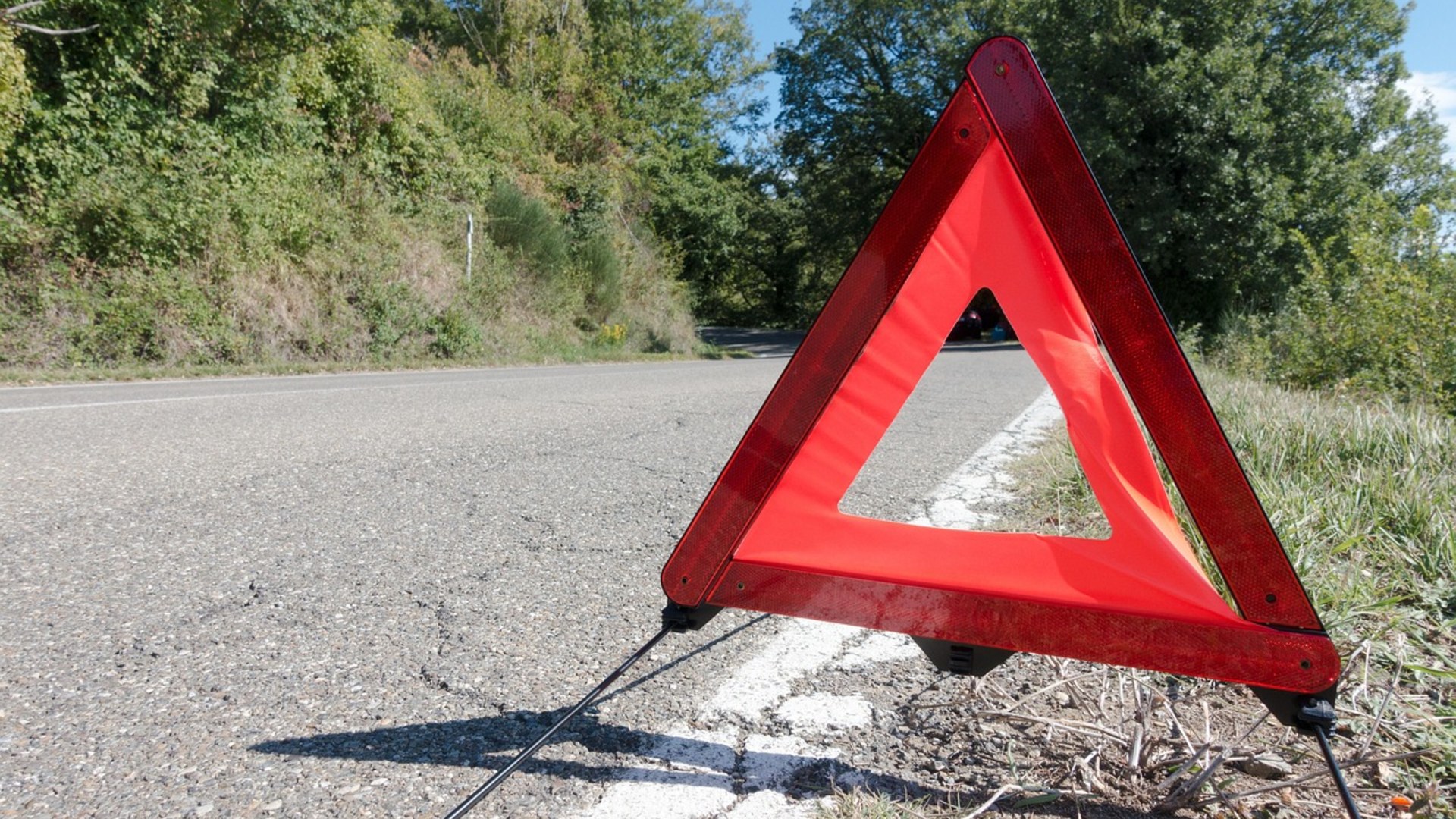
11. Emergency Roadside Warning Triangle Beacons
Reduced visibility during blizzards exposes stalled vehicles to devastating rear-end collisions. Battery-operated magnetic LED beacons flash brilliant amber and red alert patterns, cutting through blinding snowfall to give oncoming drivers ample distance to slow down and steer clear.
©Pixabay / stux
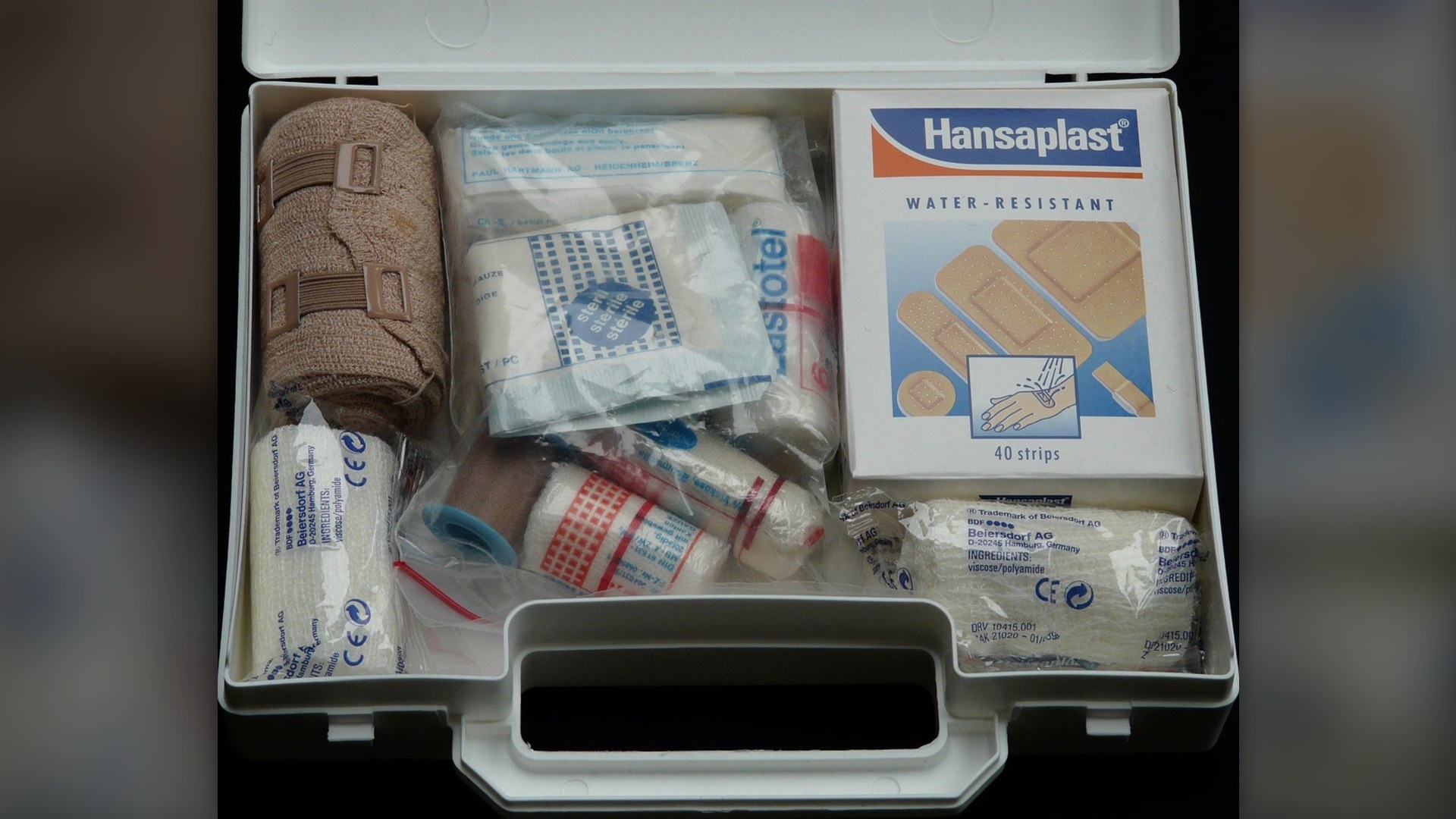
10. Comprehensive First Aid Trauma Kit
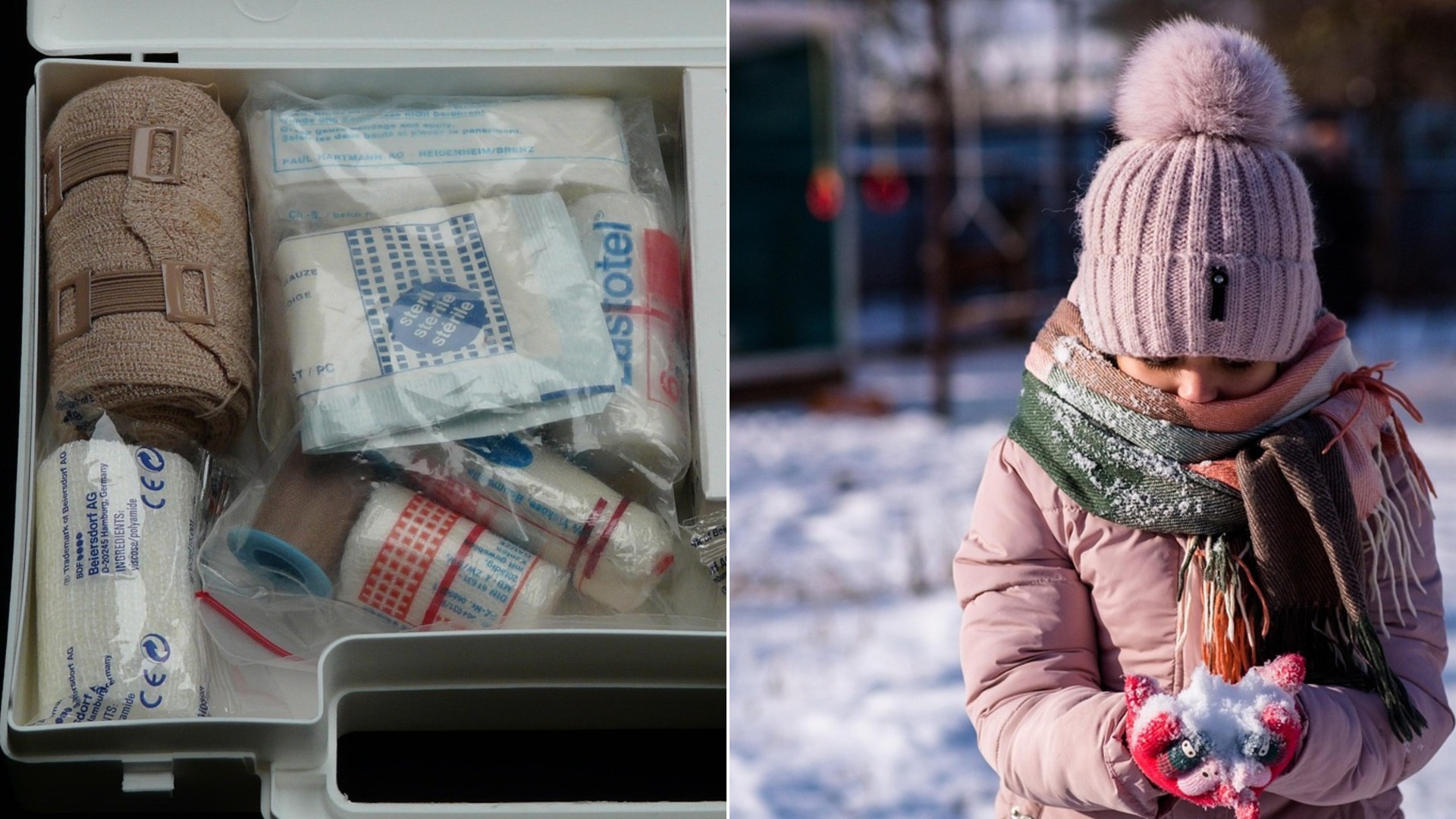
Icy slip-and-fall accidents, broken glass, and mechanical pinches happen frequently during winter roadside breakdowns. A properly stocked medical kit containing sterile gauze, trauma shears, adhesive bandages, and burn ointments stabilizes minor injuries until medical personnel arrive.
©Pixabay / Hans
Advertisement
Swipe or tap ▶ to resume the countdown.
9. High-Calorie Non-Perishable Food
Digesting nutrient-dense food fuels human metabolic heat generation during prolonged exposure to cold. Stashing vacuum-sealed energy bars, mixed nuts, and dried fruit ensures motorists maintain blood sugar and stamina if trapped in a snowbound highway jam for several hours.
©Pixabay / jackmac34
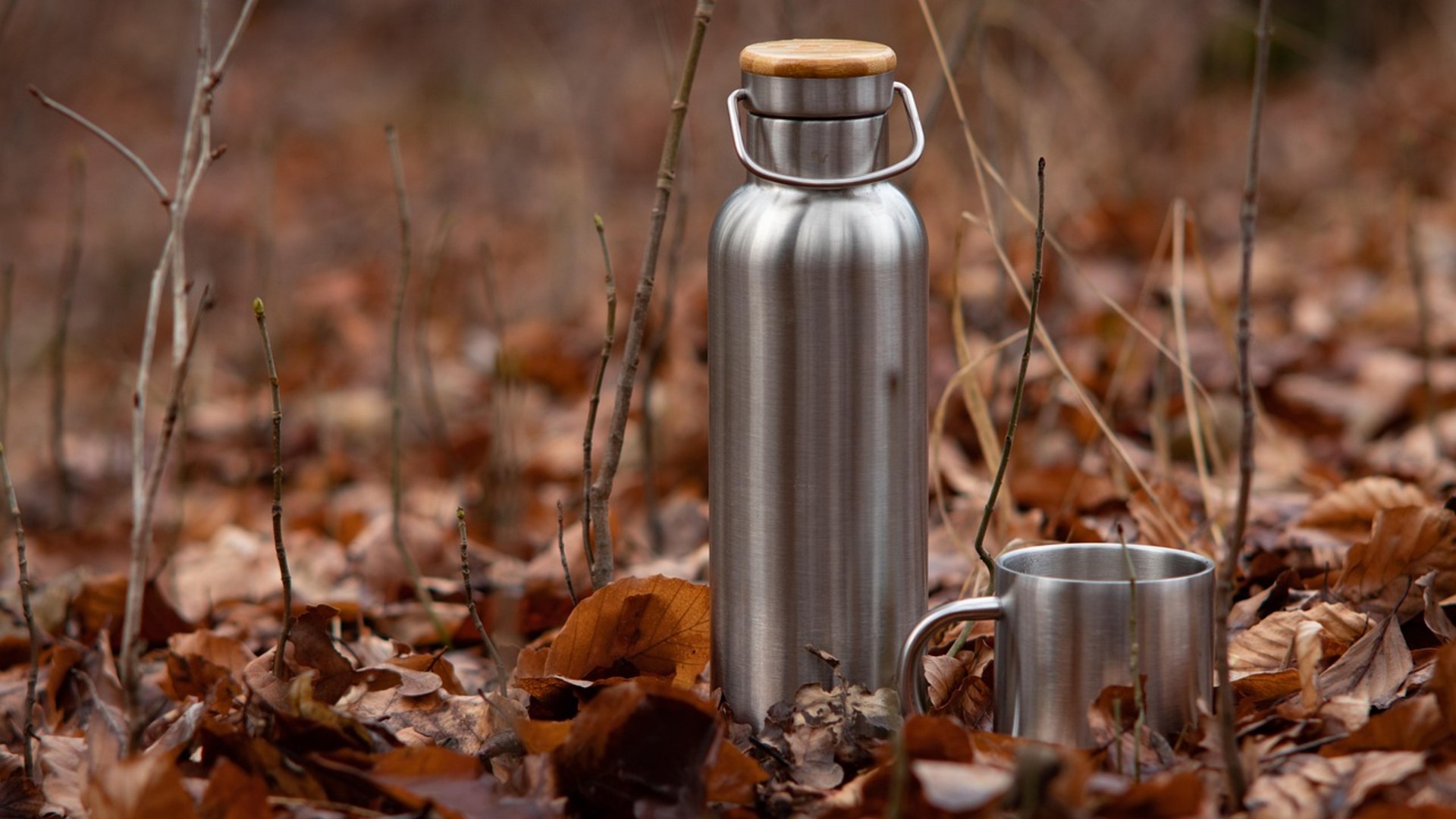
8. Insulated Metal Water Canteen
Dehydration accelerates the onset of hypothermia and mental exhaustion in cold weather. Storing drinking water in an insulated thermos or durable stainless steel container prevents expansion cracking and ensures clean, drinkable water remains available during long roadside waits.
©Pixabay / wzdigiphoto
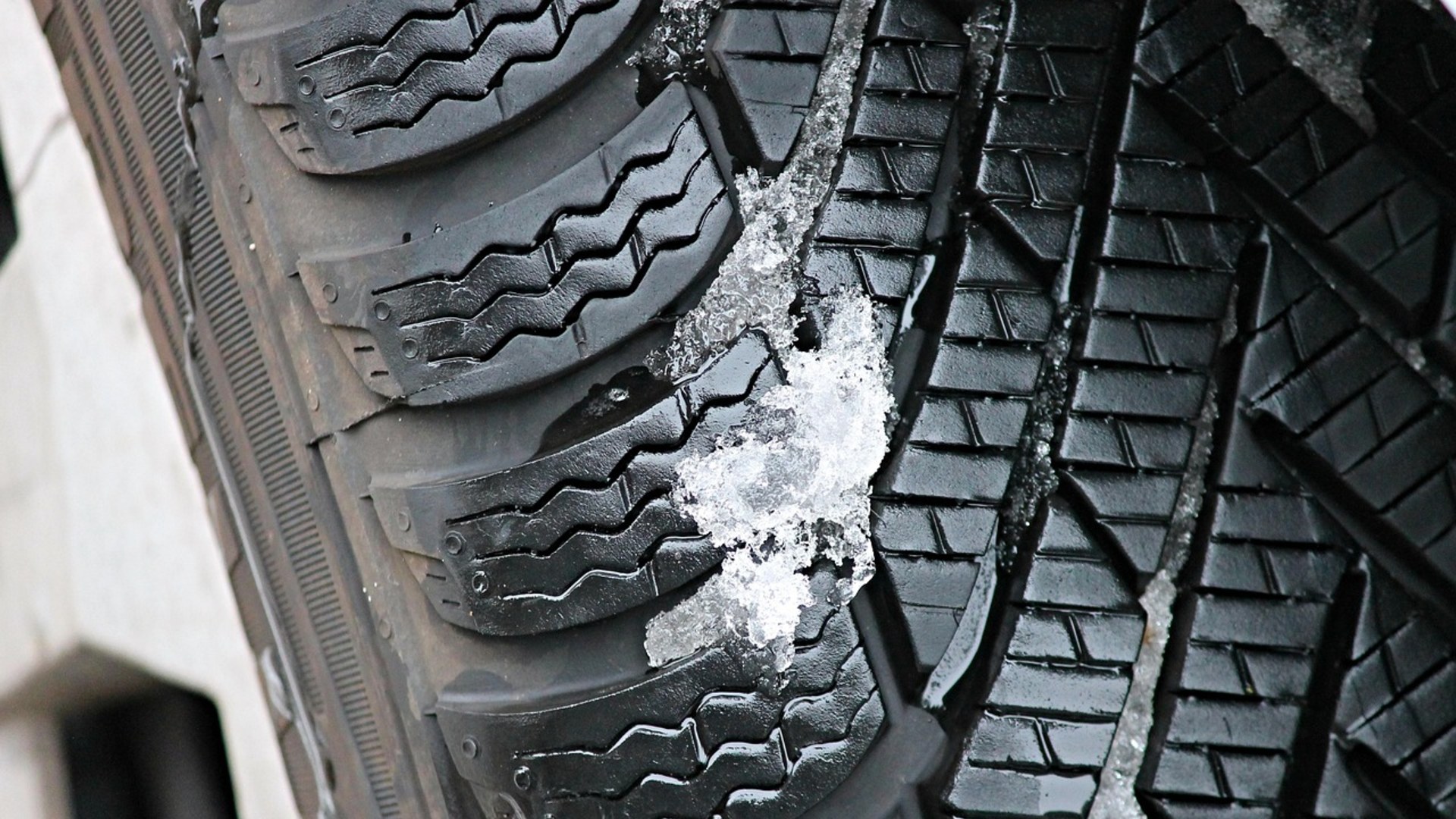
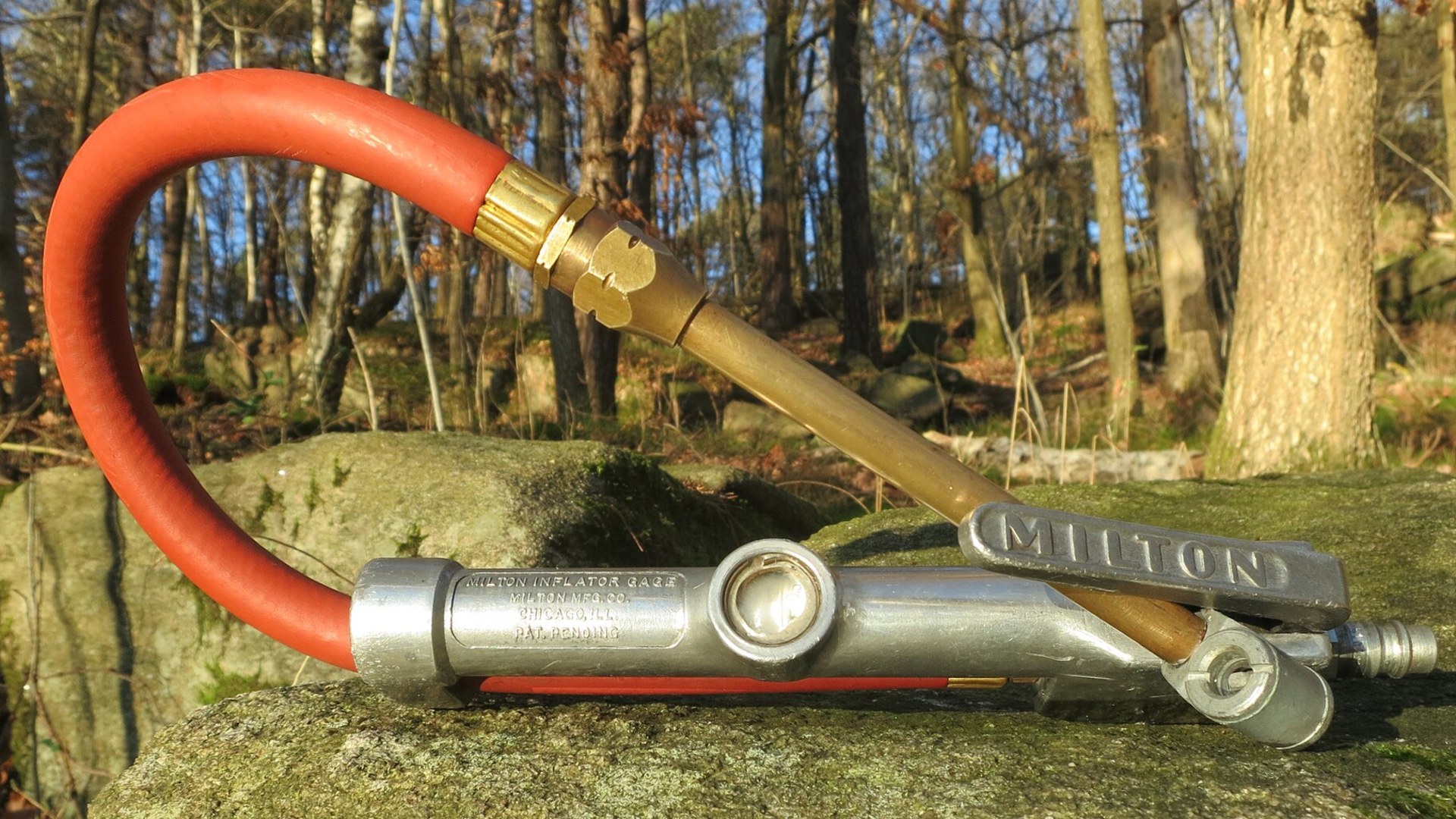
7. Digital Tire Pressure Gauge
Tire pressure plummets when outdoor temperatures plunge into single digits. Under-inflated tires degrade braking performance and increase hydroplaning risks on slushy roads. Checking inflation regularly with a digital gauge ensures proper tread contact and vehicle stability.
©Pixabay / stevepb
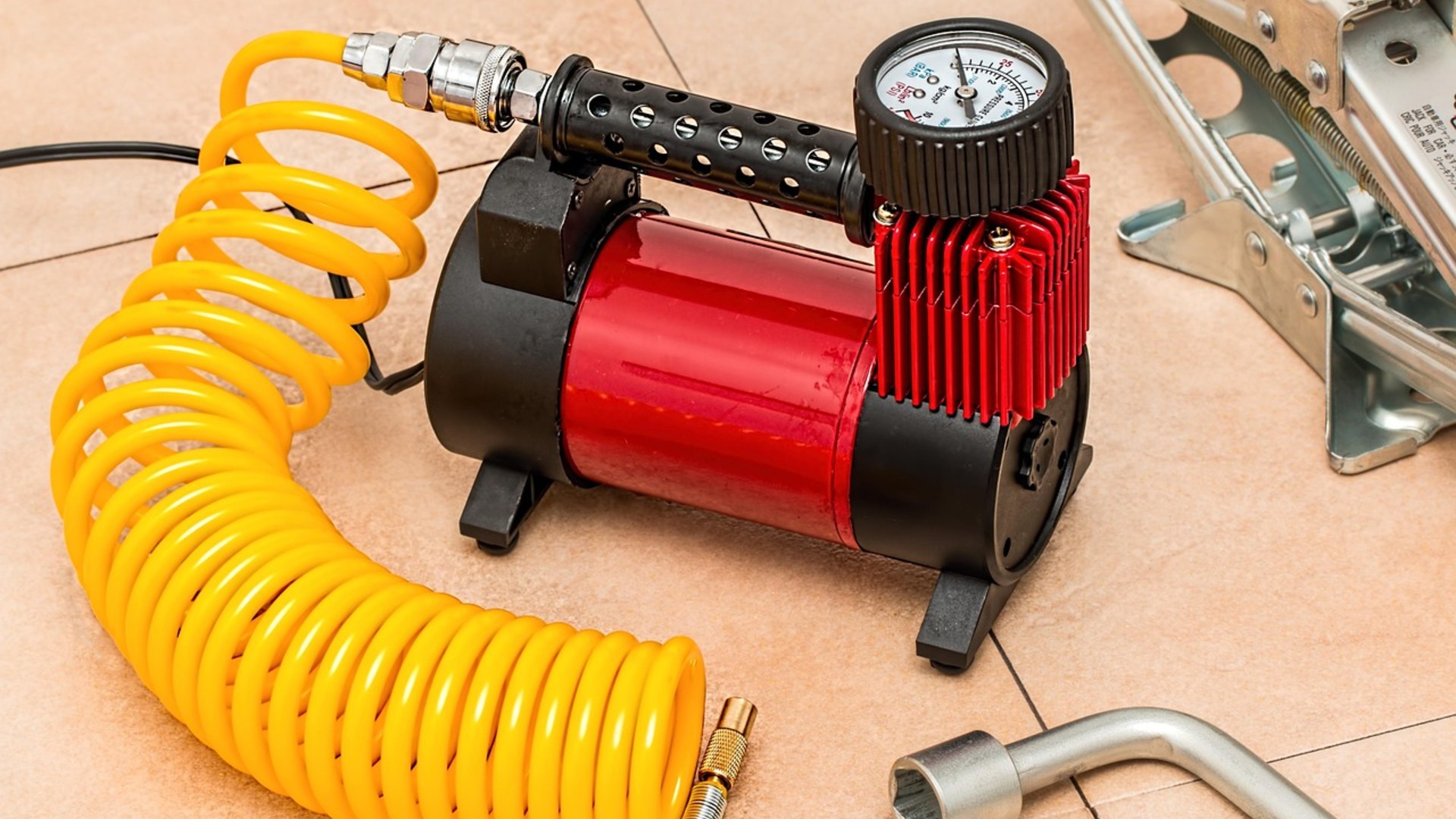
6. Portable Twelve-Volt Tire Inflator
Slow leaks and cold weather deflation can easily leave tires under-pressured far from service stations. A compact 12-volt air compressor plugs into the auxiliary power port, reinflating tires in minutes so drivers can safely reach repair shops without damaging wheel rims.
©Wikimedia / R. Henrik Nilsson
Advertisement
Swipe or tap ▶ to resume the countdown.
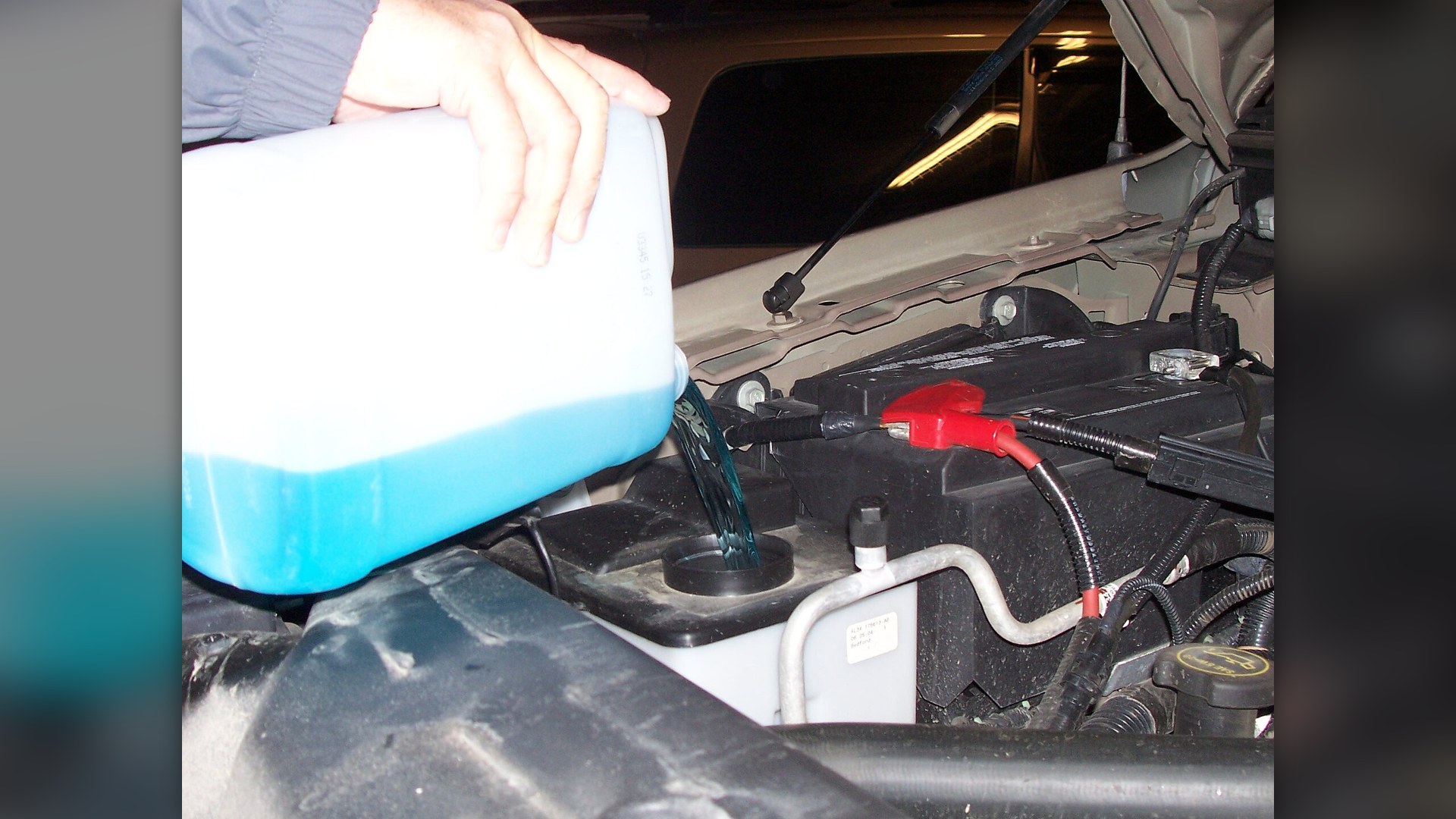
5. Windshield Washer Fluid
Highway salt spray quickly coats windshields in an opaque white crust that wipers cannot clean without fluid. Carrying a spare gallon of washer solvent rated to minus thirty degrees Fahrenheit ensures the reservoir stays full, preventing sudden, catastrophic loss of driver visibility.
©Wikimedia / Hamedog
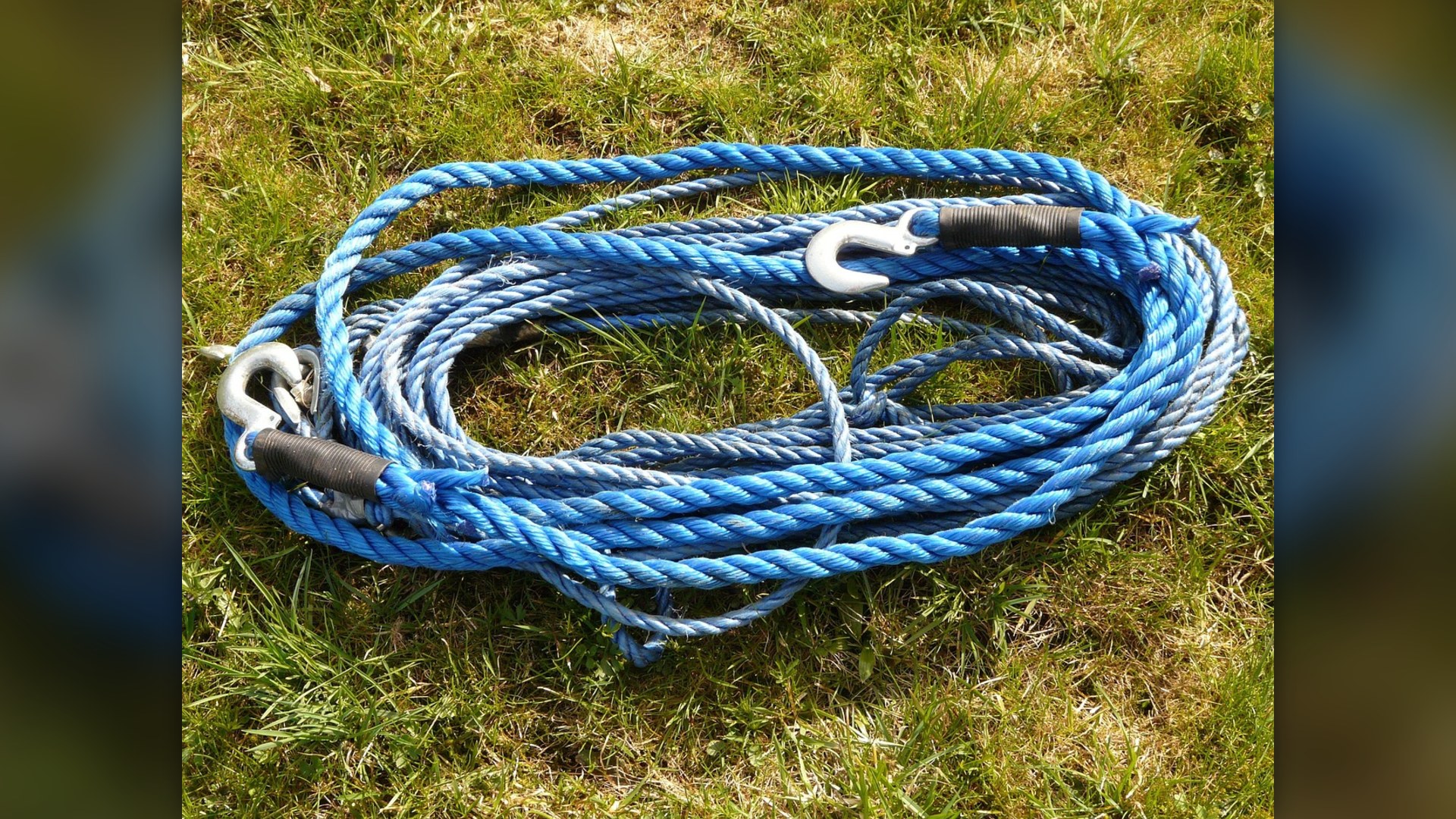
4. Heavy-Duty Tow Recovery Strap
Sliding into a snowdrift or soft roadside shoulder often requires a quick tow from a good Samaritan or passing four-wheel-drive truck. A thirty-foot recovery strap with reinforced loop ends allows safe vehicle pulling without the dangerous snap risks posed by cheap metal chains.
©Pixabay / Hans
3. Insulated Winter Gloves And Knit Hat
Handling freezing metal tools, frozen lug nuts, or icy cables bare-handed rapidly causes frostbite. A dedicated pair of waterproof, thinsulate-lined work gloves and a thermal fleece beanie in the glovebox ensure motorists can handle exterior car emergencies safely.
©Pixabay / Mitrey
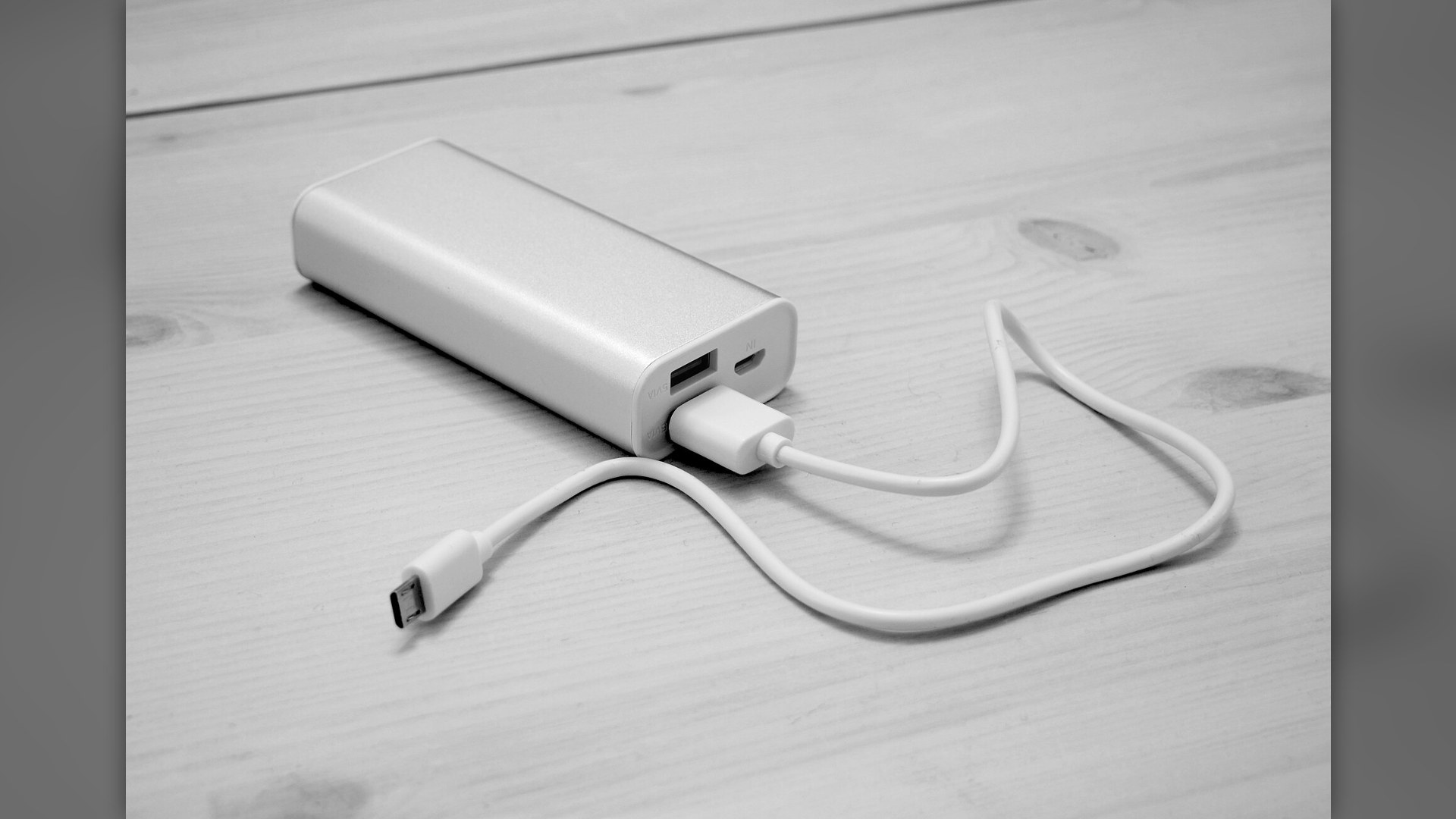
2. High-Capacity USB Power Bank
Smartphones are the primary lifeline to call 911 or emergency roadside dispatch. Lithium phone batteries drain rapidly in freezing vehicle cabins, making a pre-charged 20,000-mAh power bank with dedicated charging cables an essential safeguard to maintain continuous communications.
©Wikimedia / Santeri Viinamäki
Advertisement
Swipe or tap ▶ to resume the countdown.
1. Bright Fluorescent Safety Vest
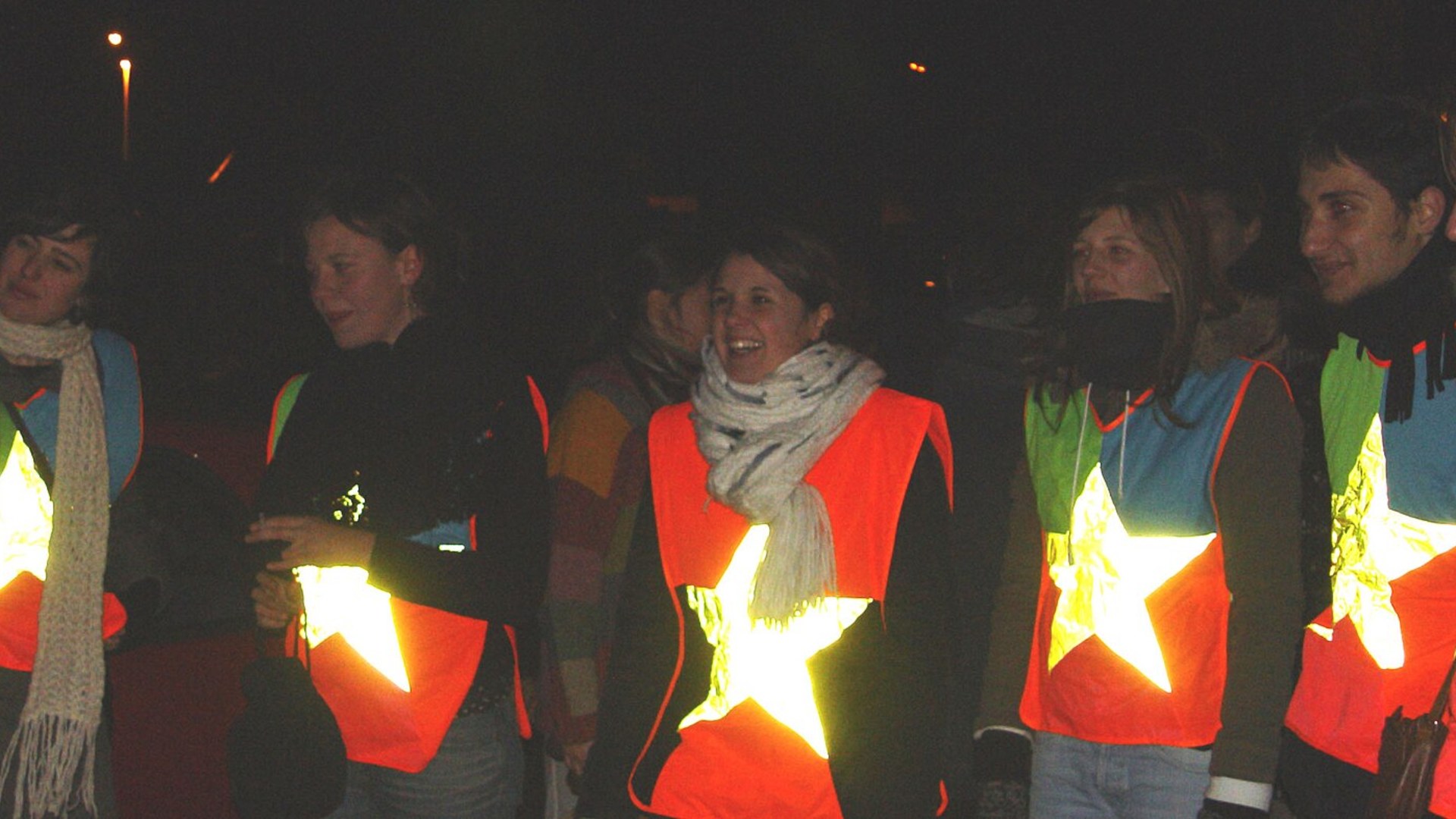
Being struck by passing traffic is the leading cause of roadside fatalities during winter whiteouts. Putting on a bright fluorescent high-visibility vest with reflective silver striping before exiting the vehicle ensures oncoming drivers spot you hundreds of yards in advance.

©Wikimedia / Uploader Melimama
Advertisement
You've reached the end of the story. Thanks for reading!

25 Historic NASA Apollo Photos From Launch to the Lunar Surface
From November 1967 to December 1972, NASA crews carried Hasselblad cameras across nearly 384,000 kilometers of space to document every stage of Project Apollo. Drawing on NASA mission archives, Johnson Space Center logs, and Smithsonian records, these 25 frames capture launches, lunar walks, and crises.
All 20 Entries in this Story
#20. Heavy-Duty Ice Scraper And Snow Brush
A sturdy brass-blade scraper paired with an extendable snow brush is essential for winter driving. The National Highway Traffic Safety Administration advises clearing all glass, mirrors, and vehicle roofs before driving to eliminate visibility blind spots and prevent deadly flying ice hazards for trailing cars.

#19. Heavy-Gauge Jumper Cables
Automotive batteries lose substantial cranking power when ambient temperatures drop below freezing. AAA roadside logs indicate that dead battery calls surge dramatically during the first major cold snap, making twelve-foot four-gauge jumper cables an indispensable lifeline for stranded drivers.

#18. Portable Lithium Battery Jump Starter
Modern lithium jump packs deliver immense peak starting current in a compact chassis. Having a standalone jump box eliminates the perilous need to flag down passing motorists in freezing conditions, providing multiple engine starts along with high-speed USB ports to recharge mobile phones.

#17. Collapsible Metal Snow Shovel
A compact aluminum snow shovel stows easily inside the trunk without consuming cargo space. When wheels become high-centered in a snowy ditch or berm, clearing snow from under the chassis and around drive wheels is the only reliable mechanical way to regain forward momentum.

#16. Non-Clumping Clay Kitty Litter Or Sand
Spinning tires on packed snow polishes the surface into frictionless glare ice. Pouring coarse sand or non-clumping clay litter directly under the driving wheels provides instant mechanical grip, allowing tires to bite into the surface and climb out of slippery road depressions.

#15. Wool Or Thermal Emergency Blanket
If an engine stalls or runs out of fuel during an immobilizing blizzard, car cabins lose interior heat in minutes. The American Red Cross emphasizes that storing dense wool blankets or multi-layered thermal quilts prevents rapid hypothermia while passengers await emergency road assistance.

#14. Mylar Reflective Space Blankets
Mylar emergency foil packs fold down to pocket size yet offer life-saving thermal retention. These metallic blankets reflect radiant metabolic body heat back toward the occupant, serving as a vital moisture barrier and windbreak during extreme subzero survival emergencies.

#13. Hand And Foot Warmers
Iron-powder exothermic warming packets activate upon exposure to air, providing sustained heat inside gloves and boots. When changing a frozen tire or performing repairs in bitter winds, keeping fingers and toes warm preserves manual dexterity and fends off debilitating frostbite.

#12. Waterproof LED Flashlight
Winter brings brief daylight hours and reduced roadside visibility. A durable LED torch or headlamp with fresh lithium batteries provides dependable lighting when inspecting mechanical trouble, signaling distant recovery crews, or walking around the perimeter of an immobilized vehicle.

#11. Emergency Roadside Warning Triangle Beacons
Reduced visibility during blizzards exposes stalled vehicles to devastating rear-end collisions. Battery-operated magnetic LED beacons flash brilliant amber and red alert patterns, cutting through blinding snowfall to give oncoming drivers ample distance to slow down and steer clear.

#10. Comprehensive First Aid Trauma Kit
Icy slip-and-fall accidents, broken glass, and mechanical pinches happen frequently during winter roadside breakdowns. A properly stocked medical kit containing sterile gauze, trauma shears, adhesive bandages, and burn ointments stabilizes minor injuries until medical personnel arrive.

#9. High-Calorie Non-Perishable Food
Digesting nutrient-dense food fuels human metabolic heat generation during prolonged exposure to cold. Stashing vacuum-sealed energy bars, mixed nuts, and dried fruit ensures motorists maintain blood sugar and stamina if trapped in a snowbound highway jam for several hours.

#8. Insulated Metal Water Canteen
Dehydration accelerates the onset of hypothermia and mental exhaustion in cold weather. Storing drinking water in an insulated thermos or durable stainless steel container prevents expansion cracking and ensures clean, drinkable water remains available during long roadside waits.

#7. Digital Tire Pressure Gauge
Tire pressure plummets when outdoor temperatures plunge into single digits. Under-inflated tires degrade braking performance and increase hydroplaning risks on slushy roads. Checking inflation regularly with a digital gauge ensures proper tread contact and vehicle stability.

#6. Portable Twelve-Volt Tire Inflator
Slow leaks and cold weather deflation can easily leave tires under-pressured far from service stations. A compact 12-volt air compressor plugs into the auxiliary power port, reinflating tires in minutes so drivers can safely reach repair shops without damaging wheel rims.

#5.Windshield Washer Fluid
Highway salt spray quickly coats windshields in an opaque white crust that wipers cannot clean without fluid. Carrying a spare gallon of washer solvent rated to minus thirty degrees Fahrenheit ensures the reservoir stays full, preventing sudden, catastrophic loss of driver visibility.

#4. Heavy-Duty Tow Recovery Strap
Sliding into a snowdrift or soft roadside shoulder often requires a quick tow from a good Samaritan or passing four-wheel-drive truck. A thirty-foot recovery strap with reinforced loop ends allows safe vehicle pulling without the dangerous snap risks posed by cheap metal chains.

#3. Insulated Winter Gloves And Knit Hat
Handling freezing metal tools, frozen lug nuts, or icy cables bare-handed rapidly causes frostbite. A dedicated pair of waterproof, thinsulate-lined work gloves and a thermal fleece beanie in the glovebox ensure motorists can handle exterior car emergencies safely.

#2. High-Capacity USB Power Bank
Smartphones are the primary lifeline to call 911 or emergency roadside dispatch. Lithium phone batteries drain rapidly in freezing vehicle cabins, making a pre-charged 20,000-mAh power bank with dedicated charging cables an essential safeguard to maintain continuous communications.

#1. Bright Fluorescent Safety Vest
Being struck by passing traffic is the leading cause of roadside fatalities during winter whiteouts. Putting on a bright fluorescent high-visibility vest with reflective silver striping before exiting the vehicle ensures oncoming drivers spot you hundreds of yards in advance.