Slideshow · Science
20 Traits You Can Only Inherit From Your Mother
Discover the surprising biological secrets, genes, and organelles passed exclusively through mothers.
By Most Viral Today
30 Oct 2026

20 Traits You Can Only Inherit From Your Mother 
20. Mitochondrial Eve Lineage 
19. Cellular Powerhouses 
18. Mitochondrial ATP Engine - AdvertisementSwipe or tap ▶ to continue countdown

17. Aerobic Endurance Capacity 
16. Mitochondrial Aging Pace 
15. Brown Fat Thermogenesis 
14. Circadian Rhythm Timing - AdvertisementSwipe or tap ▶ to continue countdown

13. Reproductive Clock Timing 
12. Gestational Imprinting 
11. The Ovum Cytoplasm 
10. Angelman Gene Expression - AdvertisementSwipe or tap ▶ to continue countdown

9. Tooth Enamel Hardness 
8. G6PD Red Cell Enzyme 
7. Fragile X Gene Triggers 
6. Muscular Dystrophin Integrity - AdvertisementSwipe or tap ▶ to continue countdown

5. Blood Clotting Factors 
4. Optic Nerve Cellular Health 
3. Red Green Color Vision 
2. Male Pattern Baldness Link - AdvertisementSwipe or tap ▶ to continue countdown

1. Lifelong Maternal Cells - Advertisement🔥 UP NEXT IN THIS SERIES◫ 23 Slides

22 Most Secret World War II Aircraft Tested Behind Closed Doors
Between 1939 and 1945, Allied and Axis engineers built jets, flying wings and rocket interceptors in deep wartime secrecy. Ranked from 22 to 1 by historical secrecy and technical leap, this countdown draws on archival records from the Smithsonian, U.S. Air Force Museum, RAF Museum and German Federal Archives.
Explore 20 traits, physical traits, and cellular mechanisms inherited strictly from your mother, from mitochondria and aging pace to color vision and DNA imprints.
Swipe or tap ▶ to begin the countdown
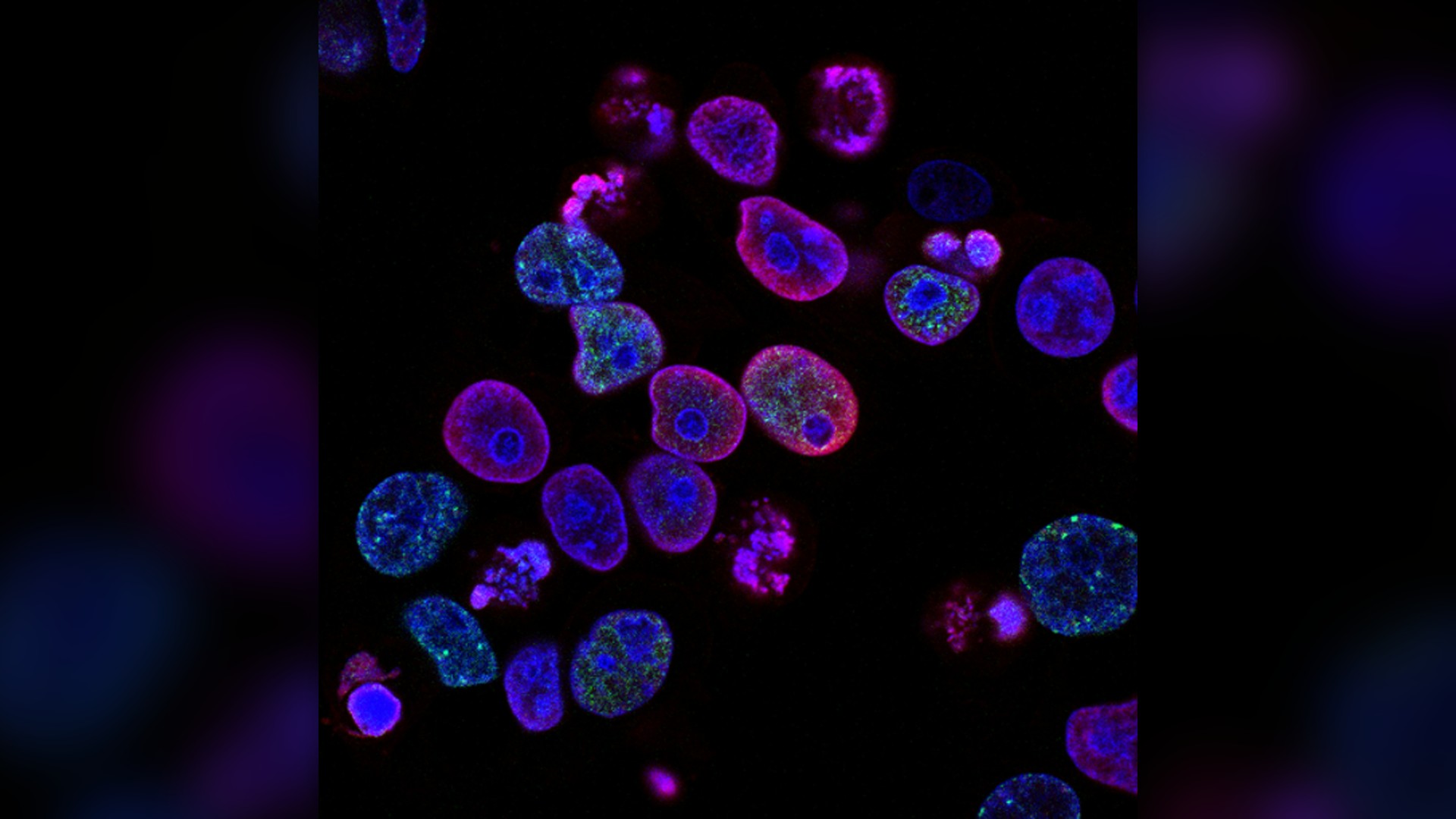
©Unsplash / National Cancer & Wikimedia / Satdeep Gill
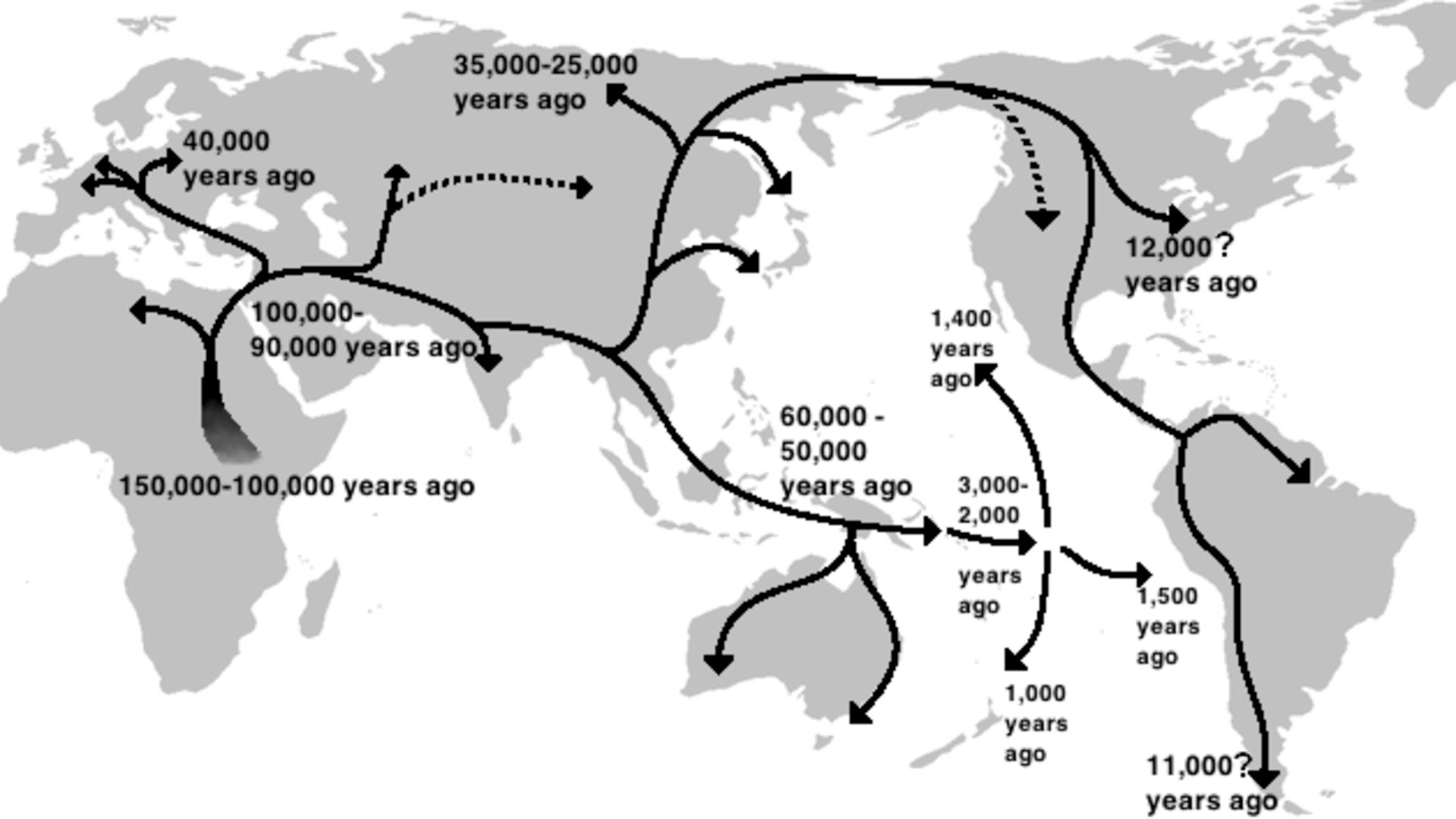
20. Mitochondrial Eve Lineage
Because mitochondrial DNA passes unchanged from mothers to children, geneticists traced all modern human lineages back to a single maternal ancestral population in Africa around one hundred and fifty thousand years ago.
©Wikimedia / Ephert
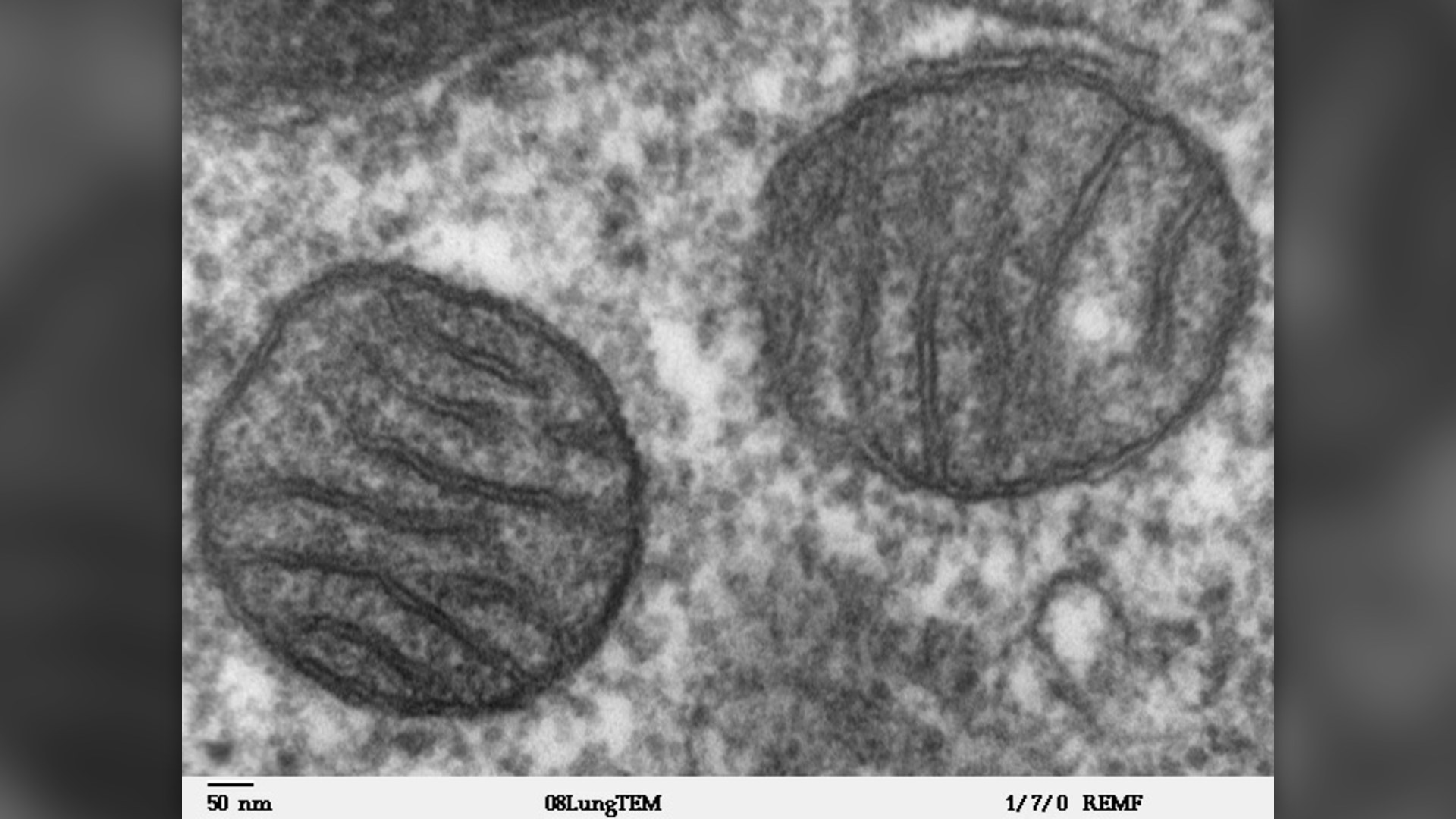
19. Cellular Powerhouses
During fertilization, sperm mitochondria are marked with ubiquitin and systematically destroyed. As a result, every single mitochondrion powering your cells came directly from your mother's ovum.
©Wikimedia / Louisa Howard
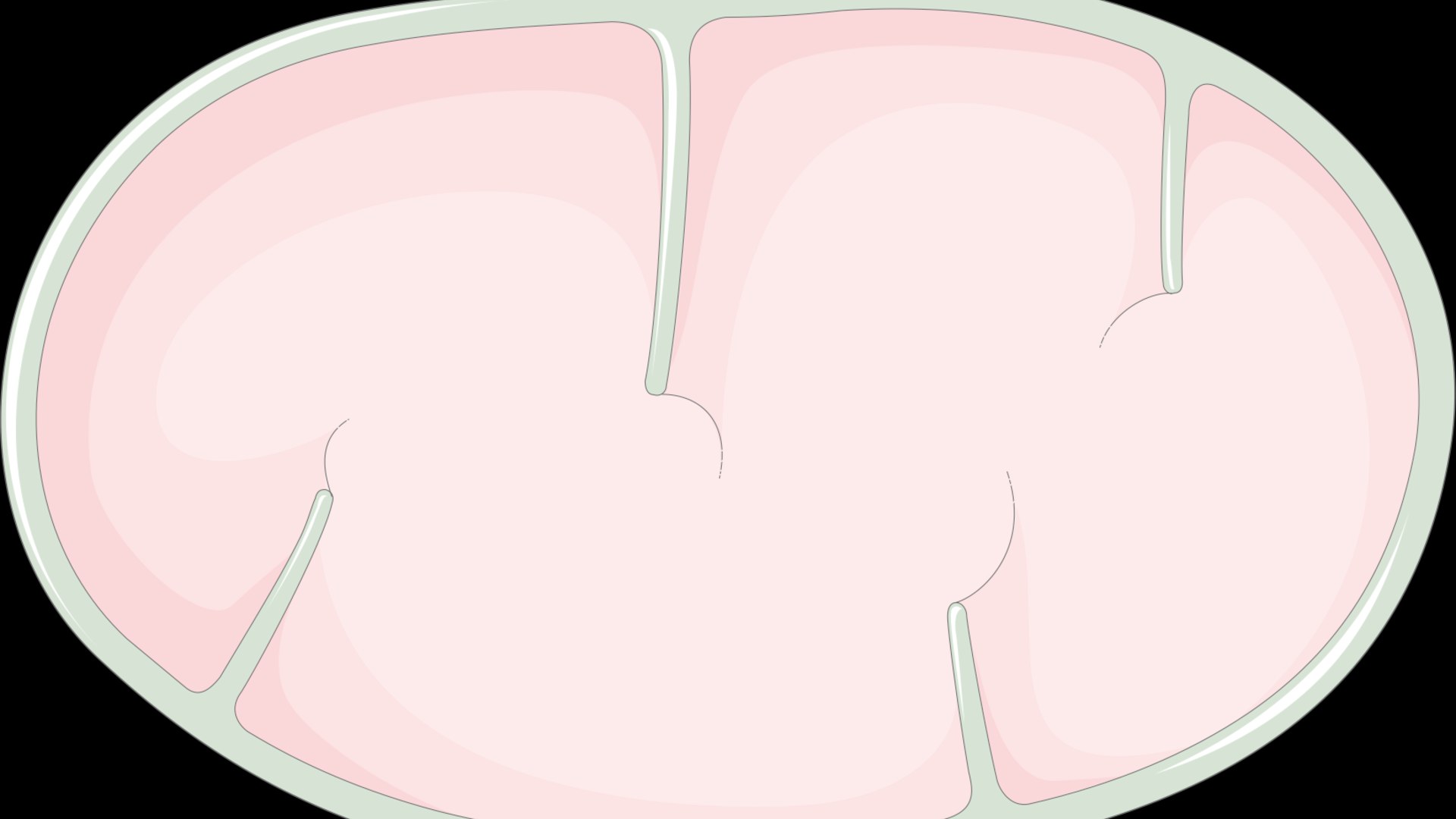
18. Mitochondrial ATP Engine
Human mitochondrial DNA contains thirty-seven genes, thirteen of which encode core enzymatic subunits for ATP generation. Because sperm contribute no surviving mtDNA, your fundamental cellular respiration machinery is purely maternal.
©Wikimedia / Laboratoires Servier
Advertisement
Swipe or tap ▶ to resume the countdown.
17. Aerobic Endurance Capacity
Athletic endurance relies on how effectively mitochondria process oxygen into energy. Research indicates that baseline VO2 max potential and capillary efficiency in muscles carry strong maternal genetic contributions through mitochondrial efficiency.
©Wikimedia / DS Pugh
16. Mitochondrial Aging Pace
Studies conducted at the Karolinska Institute revealed that mutations in maternal mitochondrial DNA directly affect tissue repair and the rate of physical aging throughout adult life.
©Wikimedia / Satdeep Gill
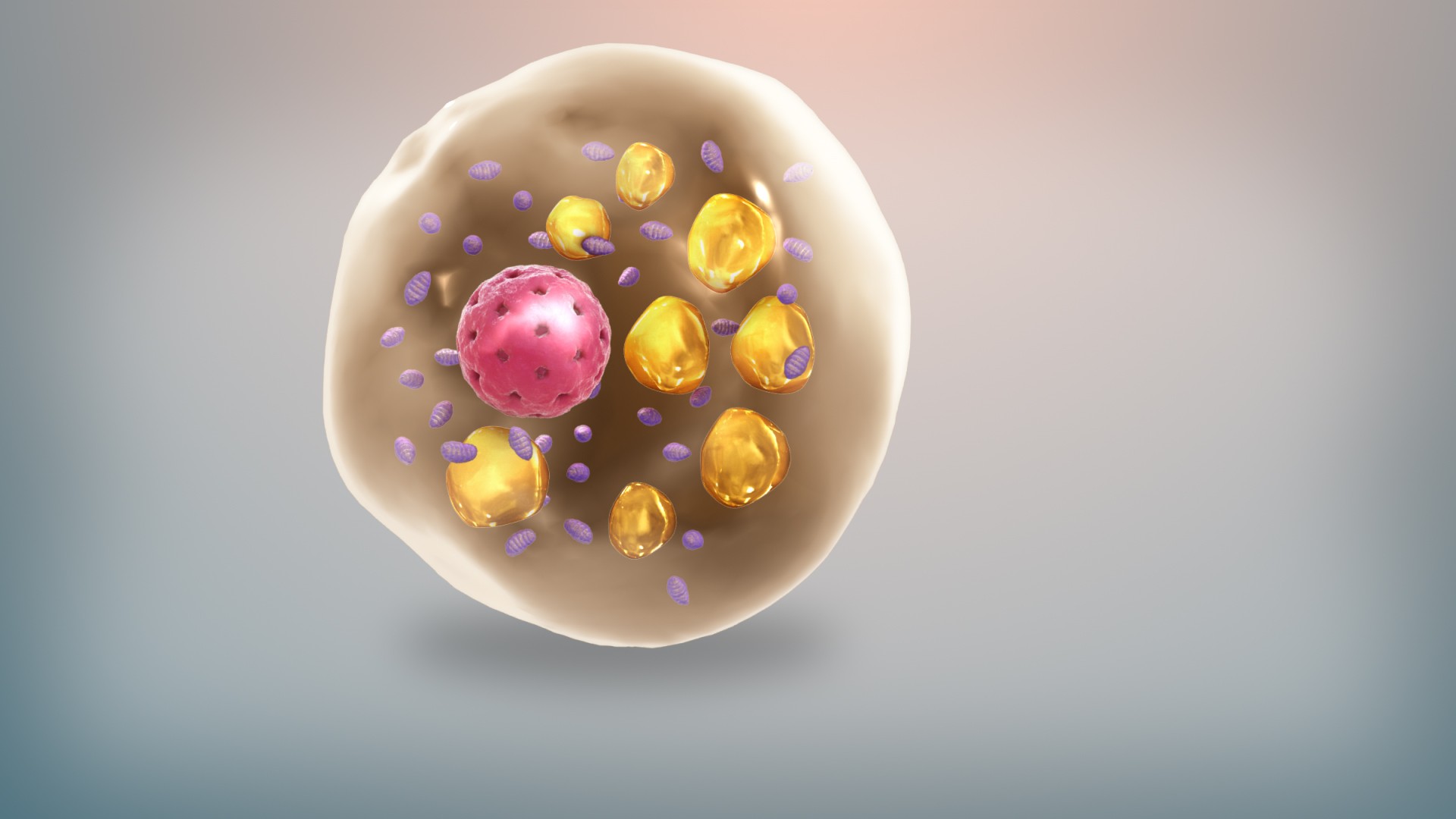
15. Brown Fat Thermogenesis
Newborns rely on brown adipose tissue to survive cold temperatures. These specialized fat deposits generate heat via mitochondrial uncoupling protein one, which functions using the maternal mitochondrial genome.
©Wikimedia / Wikimedia Contributor
14. Circadian Rhythm Timing
Sleep researchers have found that circadian rhythm entrainment and cellular metabolic timing correlate strongly with maternal mitochondrial efficiency, influencing whether individuals naturally wake early or stay alert late.
©Wikimedia / Koichi Hayakawa
Advertisement
Swipe or tap ▶ to resume the countdown.
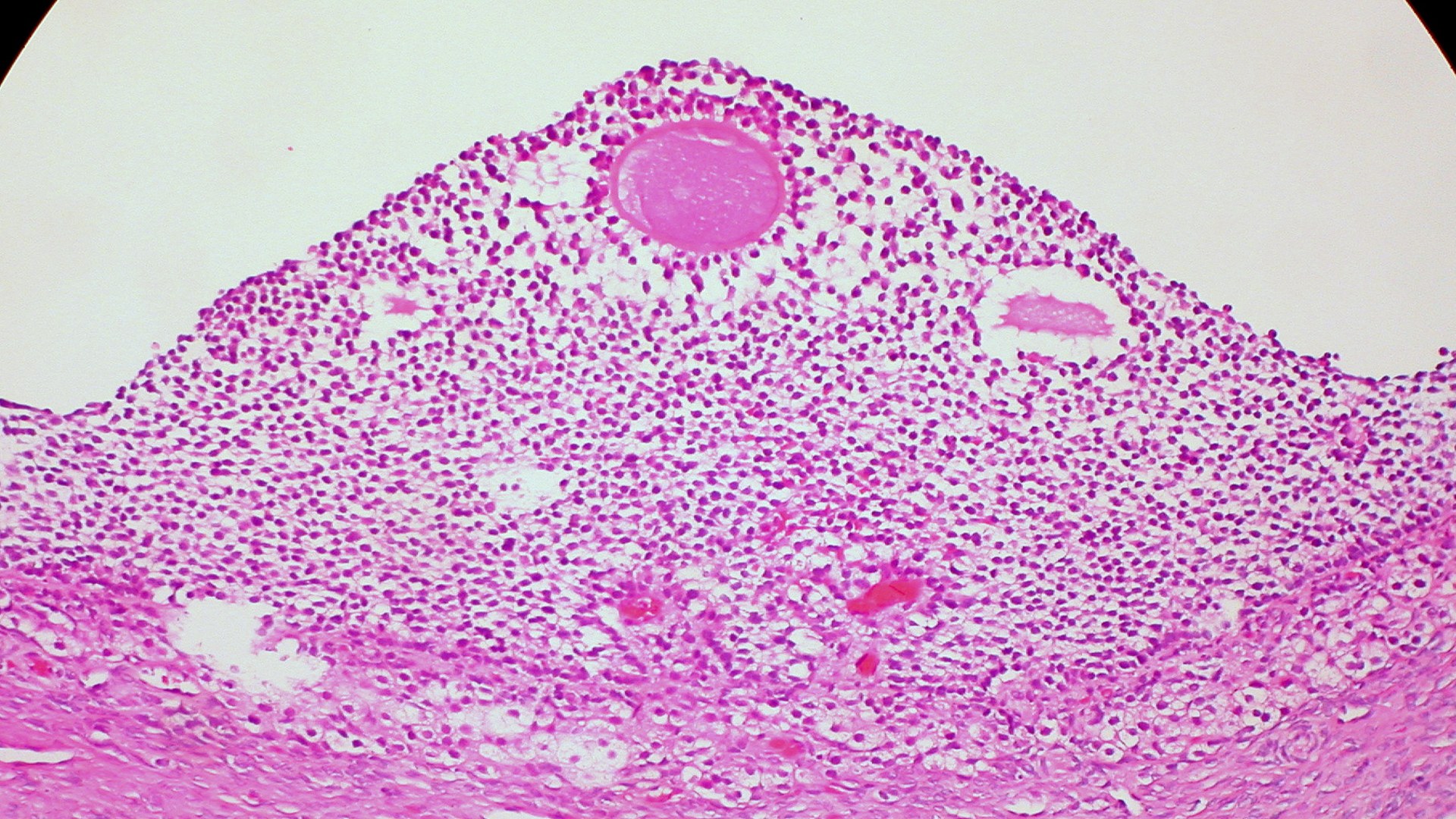
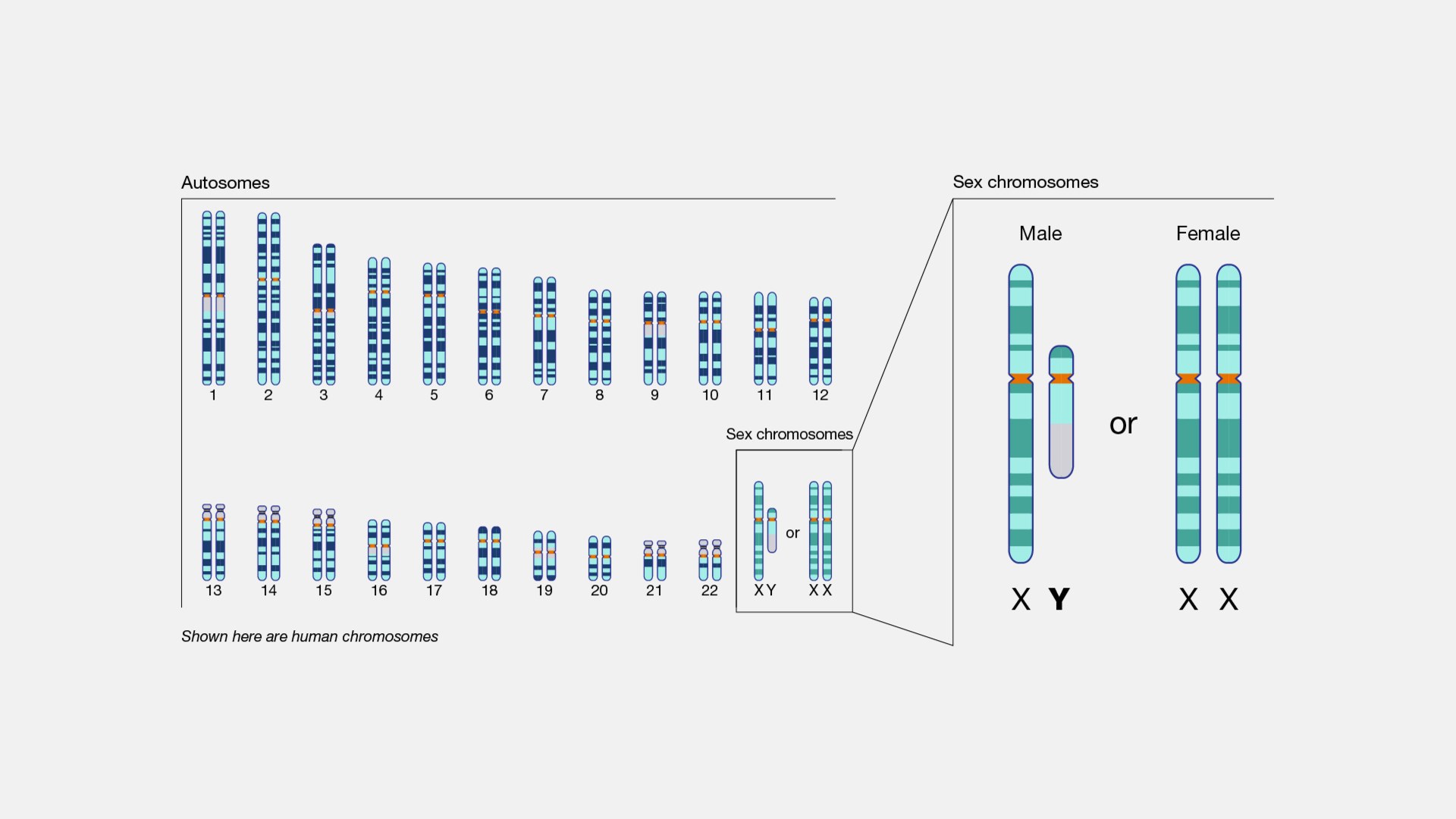
13. Reproductive Clock Timing
A woman's initial ovarian follicle reserve and rate of follicle depletion are heavily guided by maternal genetic factors on the X chromosome, making mother-daughter menopause timing remarkably consistent.
©Wikimedia / Ed Uthman
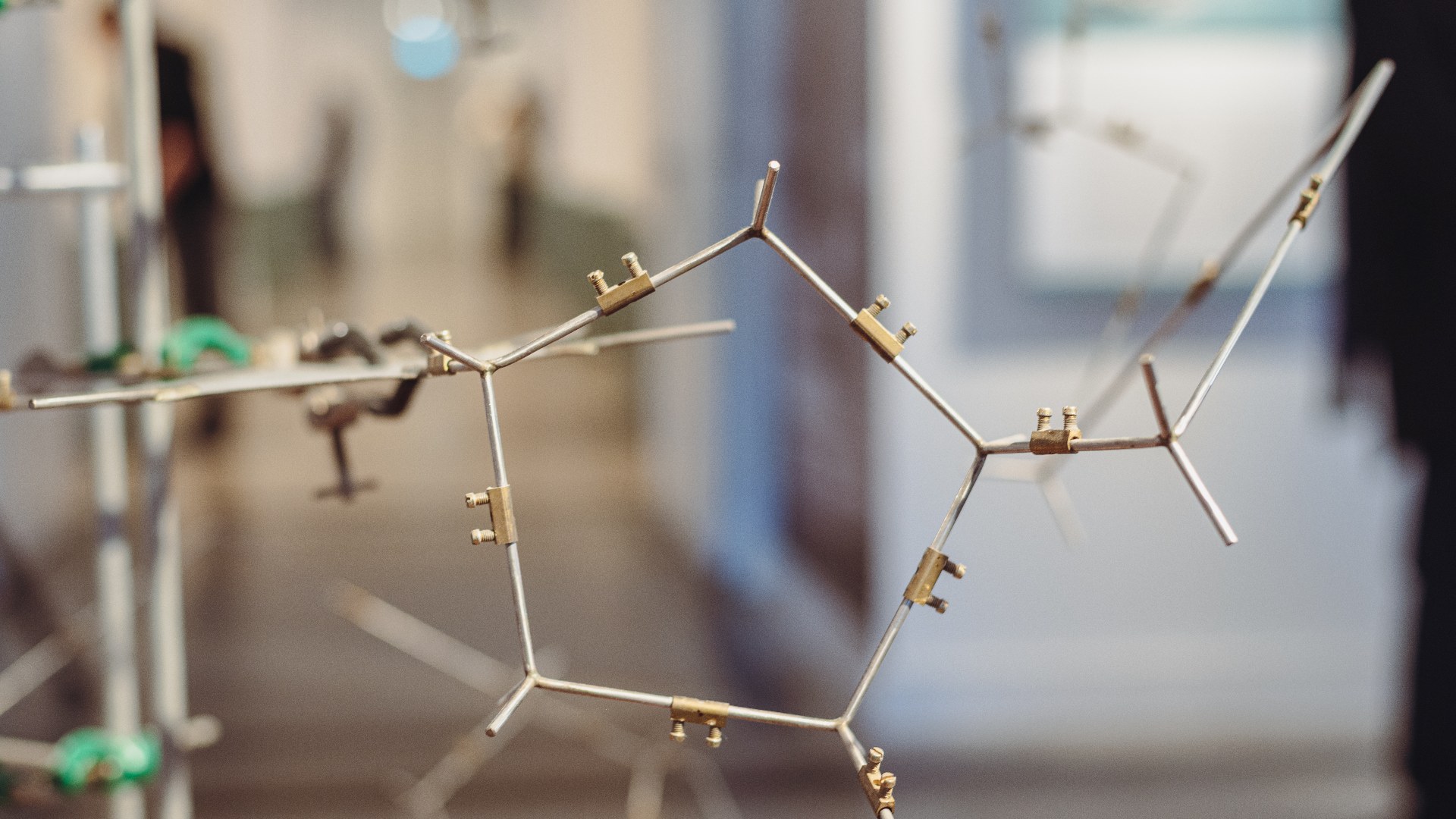
12. Gestational Imprinting
Maternal nutrition and hormone levels during pregnancy leave molecular epigenetic tags on embryonic chromatin. These epigenetic modifications alter how genes express insulin sensitivity and metabolic rates across the child's lifespan.
©Wikimedia / Flocci Nivis
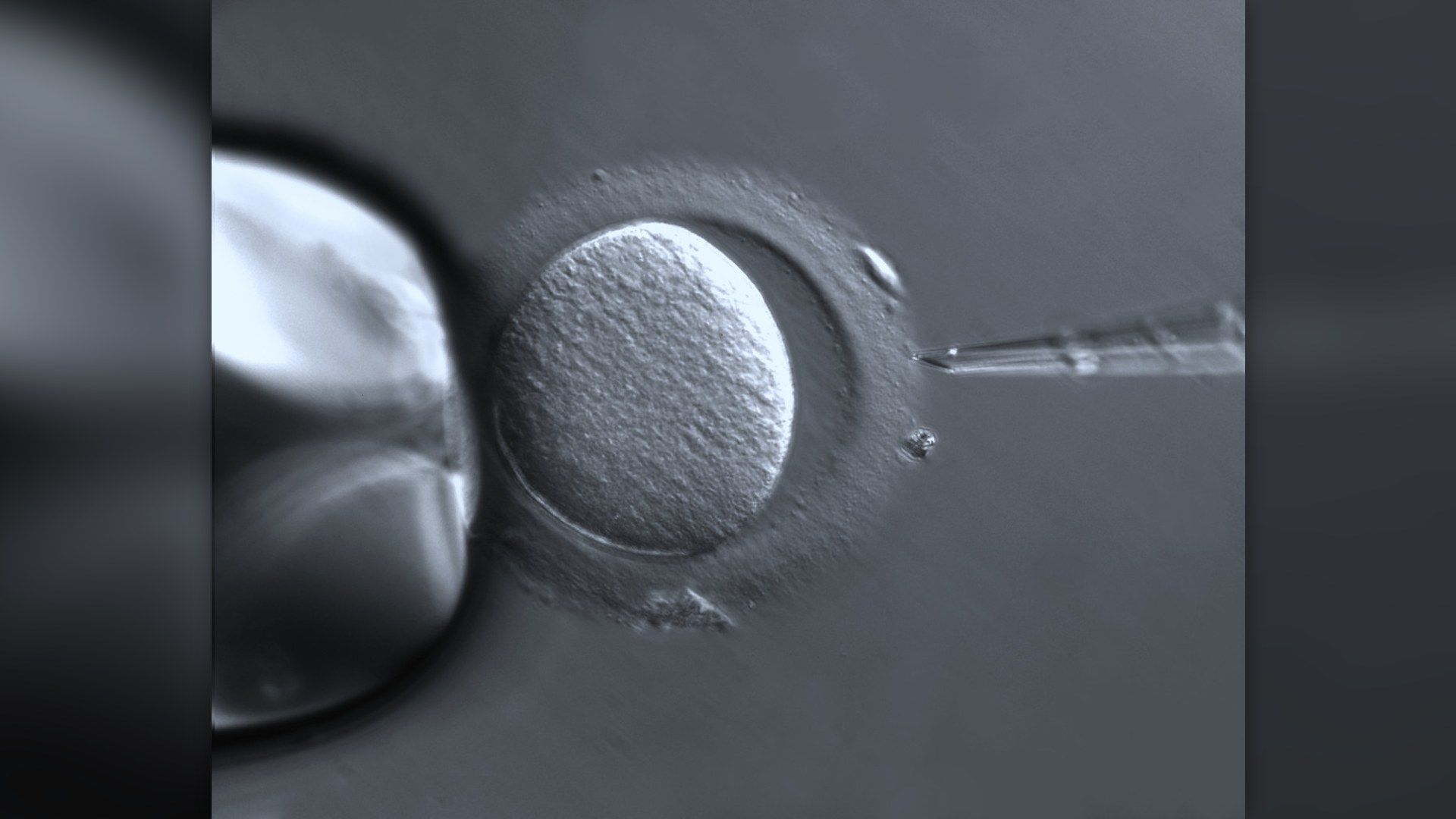
11. The Ovum Cytoplasm
While sperm contribute only nuclear DNA, the mother's egg cell supplies the entire physical cytoplasm, including ribosomes, lipids, and maternal messenger RNAs that direct embryonic division during the earliest days of life.
©Wikimedia / ZEISS Microscopy
10. Angelman Gene Expression
Through genomic imprinting, the paternal copy of the UBE3A gene is permanently silenced in the brain. Only the maternal allele functions, meaning neurological conditions like Angelman syndrome depend solely on maternal transmission.
©Wikimedia / Josef Reischig
Advertisement
Swipe or tap ▶ to resume the countdown.
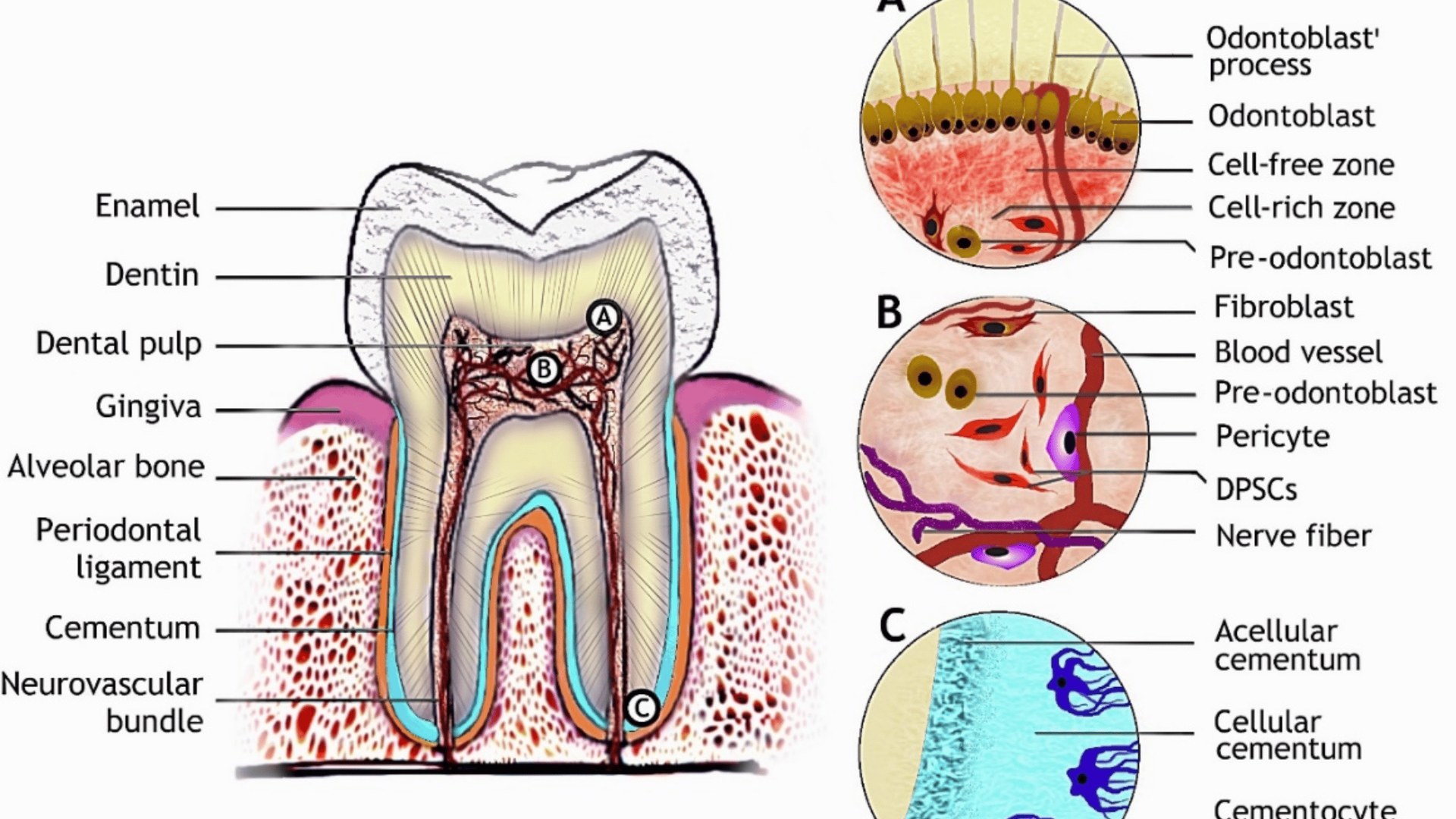
9. Tooth Enamel Hardness
Amelogenin proteins guide the crystalline mineral lattice of dental enamel. Because the primary AMELX gene is carried on the X chromosome, boys inherit their tooth enamel structure directly through their mother.
©Wikimedia / J. Baranova et al.
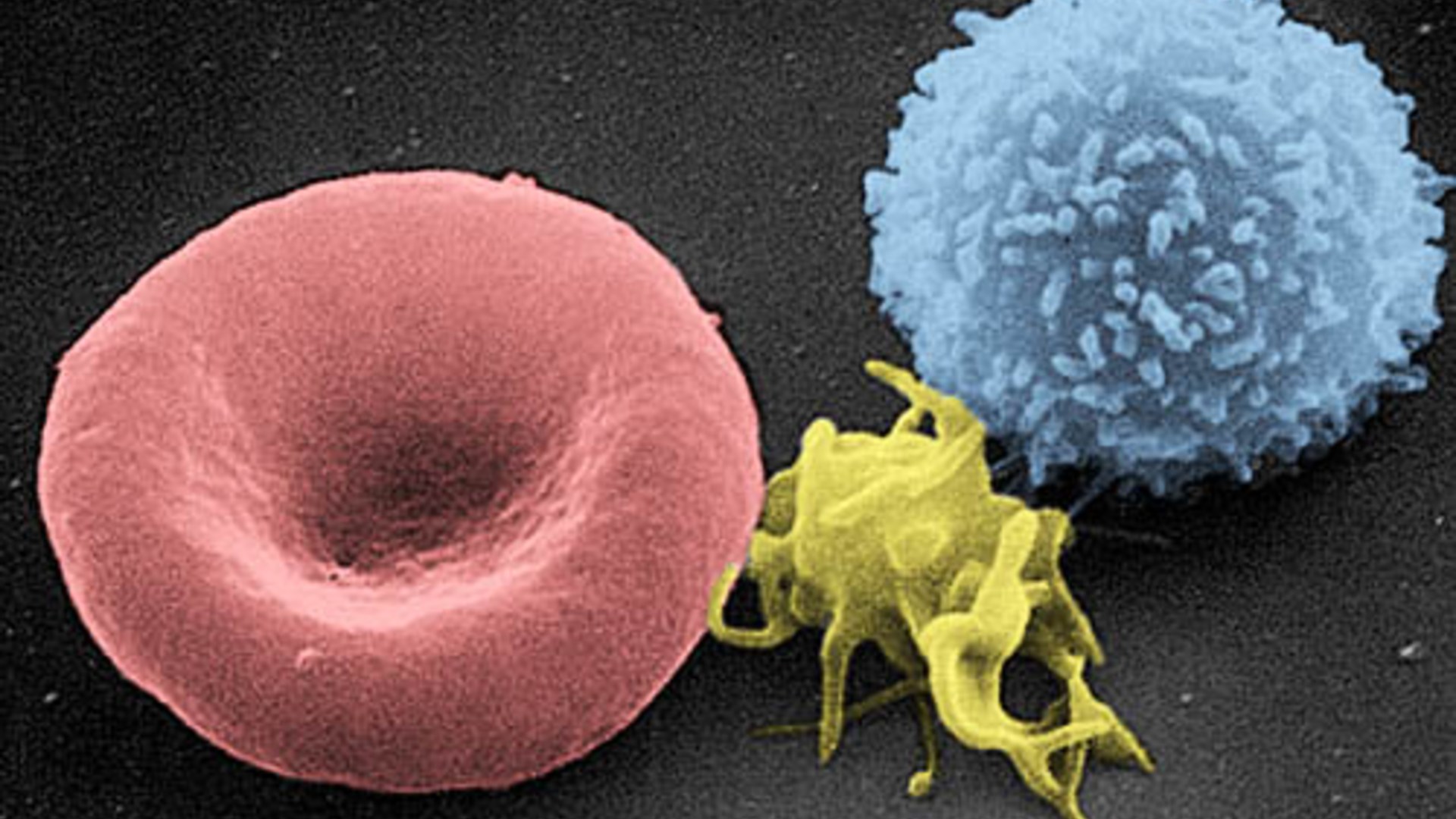
8. G6PD Red Cell Enzyme
Glucose-six-phosphate dehydrogenase safeguards red blood cells against premature destruction. Because this gene resides on the X chromosome, sons inherit their specific enzyme activity levels and favism sensitivity from their mother.
©Wikimedia / National Cancer Institute
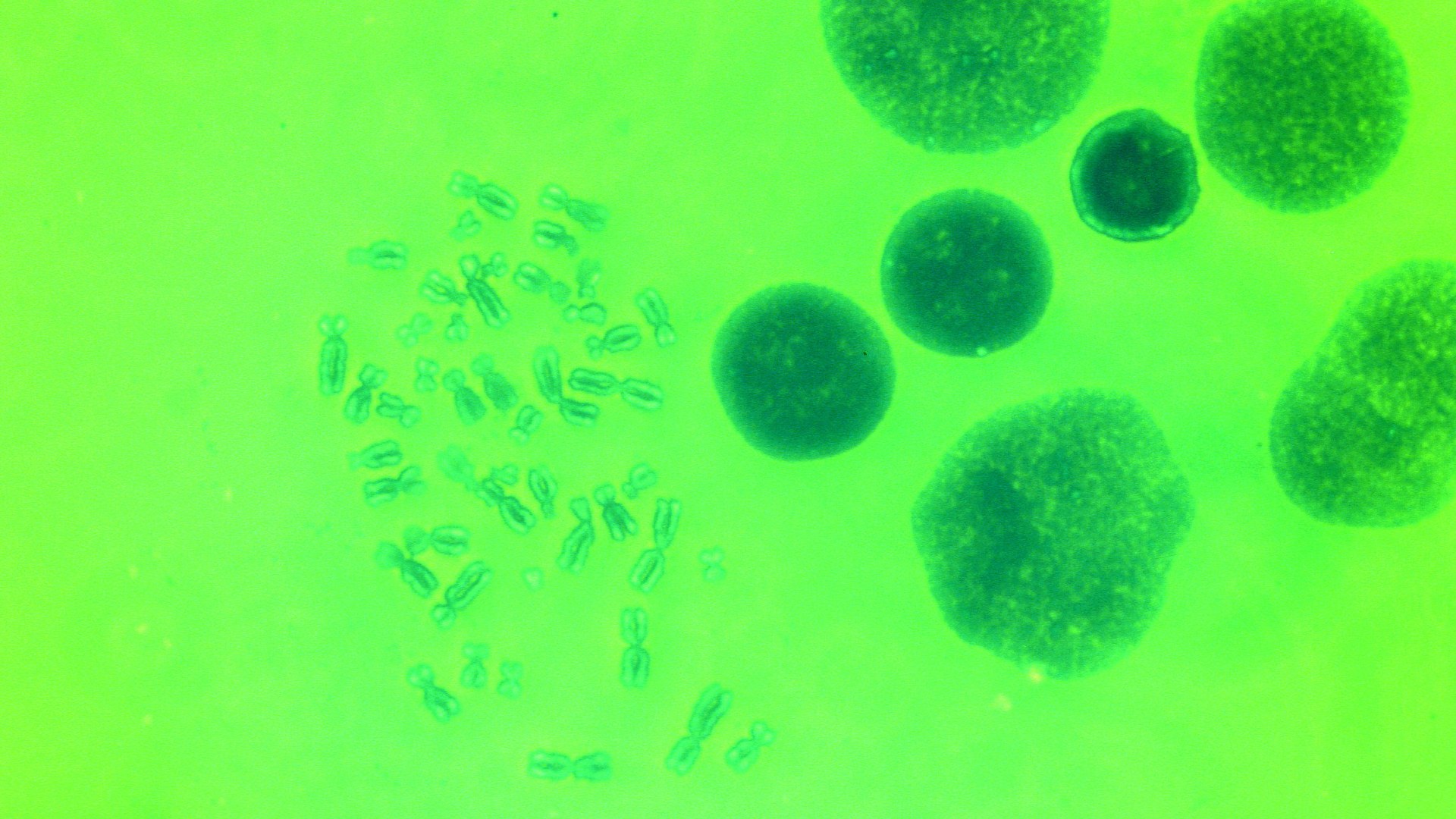
7. Fragile X Gene Triggers
Fragile X premutations expand into full clinical mutations exclusively during maternal transmission into the egg cell. Fathers can pass premutations to daughters, but full mutation expansion happens only during maternal oogenesis.
©National Human Genome Research Institute / NHGRI
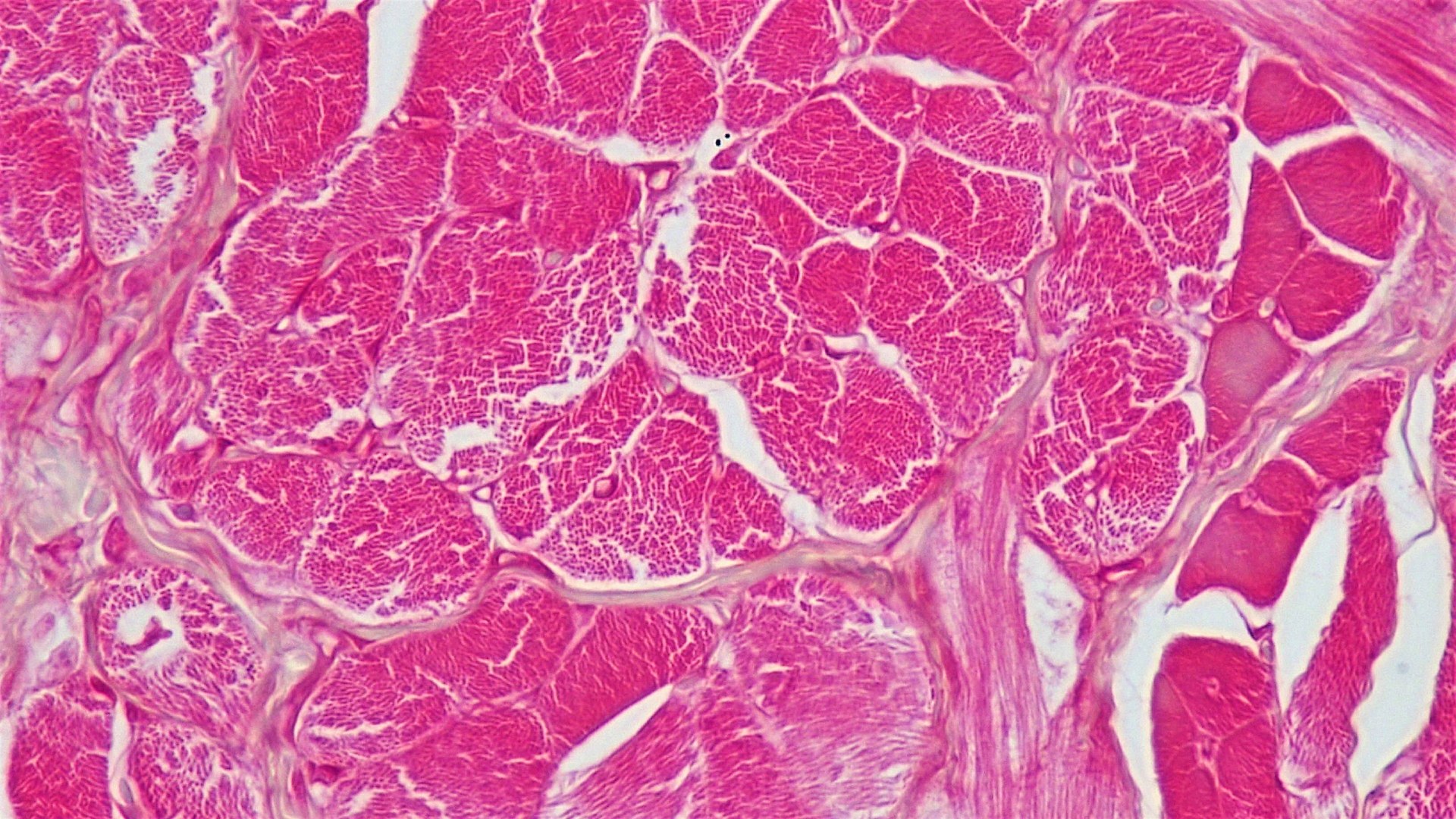
6. Muscular Dystrophin Integrity
Dystrophin acts like a shock absorber connecting internal muscle filaments to outer cell membranes. Because the gene is located on the X chromosome, boys inherit their dystrophin coding exclusively from their mother.
©Wikimedia / Berkshire Community College
Advertisement
Swipe or tap ▶ to resume the countdown.
5. Blood Clotting Factors
Hemophilia A and B are famous royal diseases that impair normal blood clotting. Because the genes for clotting factors eight and nine sit on the X chromosome, carrier mothers pass the condition directly to their sons.
©Wikimedia / Joanne Mitchell
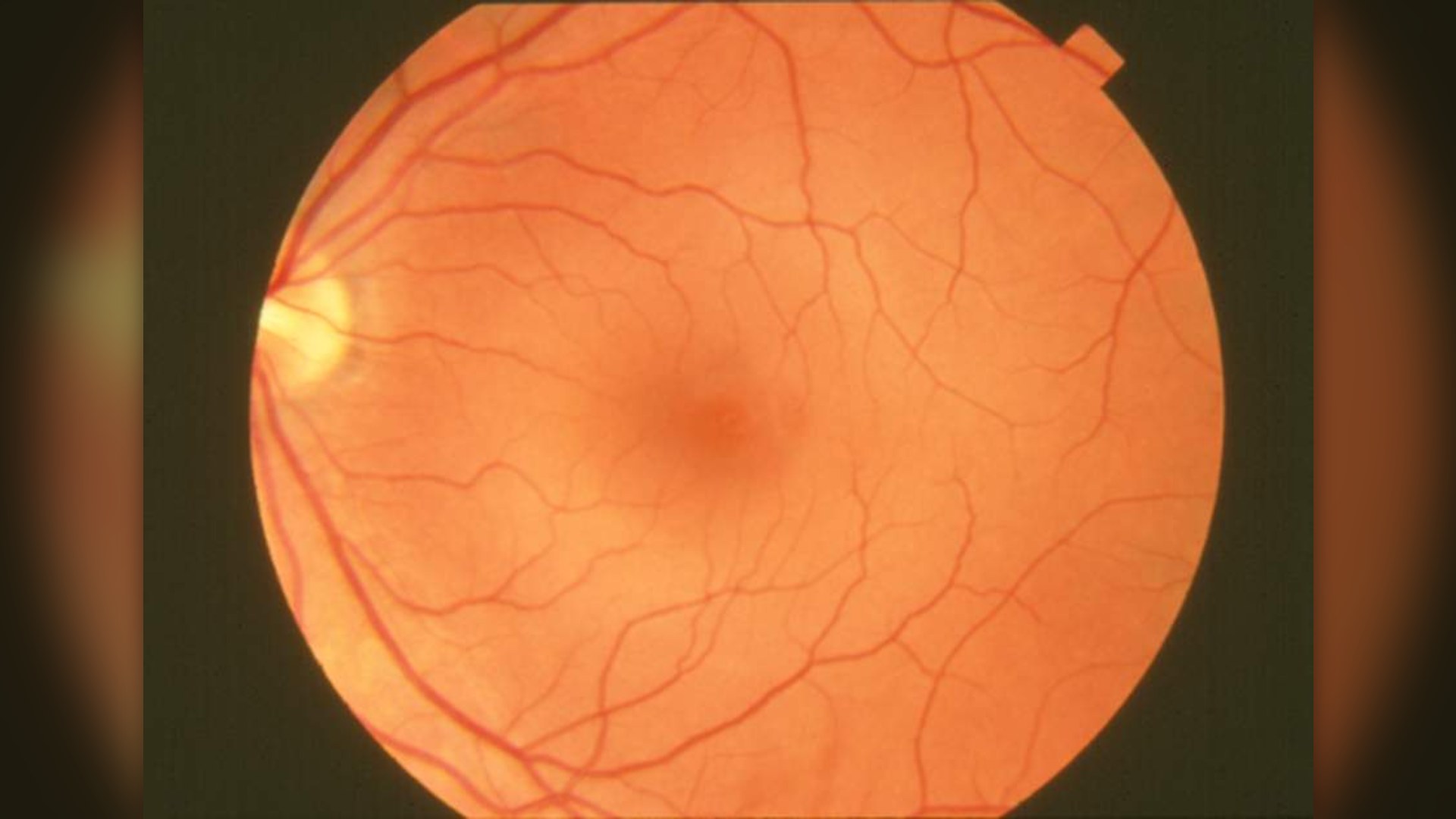
4. Optic Nerve Cellular Health
Mitochondrial point mutations in genes ND1, ND4, and ND6 cause sudden degeneration of retinal ganglion cells. Because these genes reside entirely on mtDNA, the condition is transmitted solely down the maternal line.
©National Eye Institute / NIH
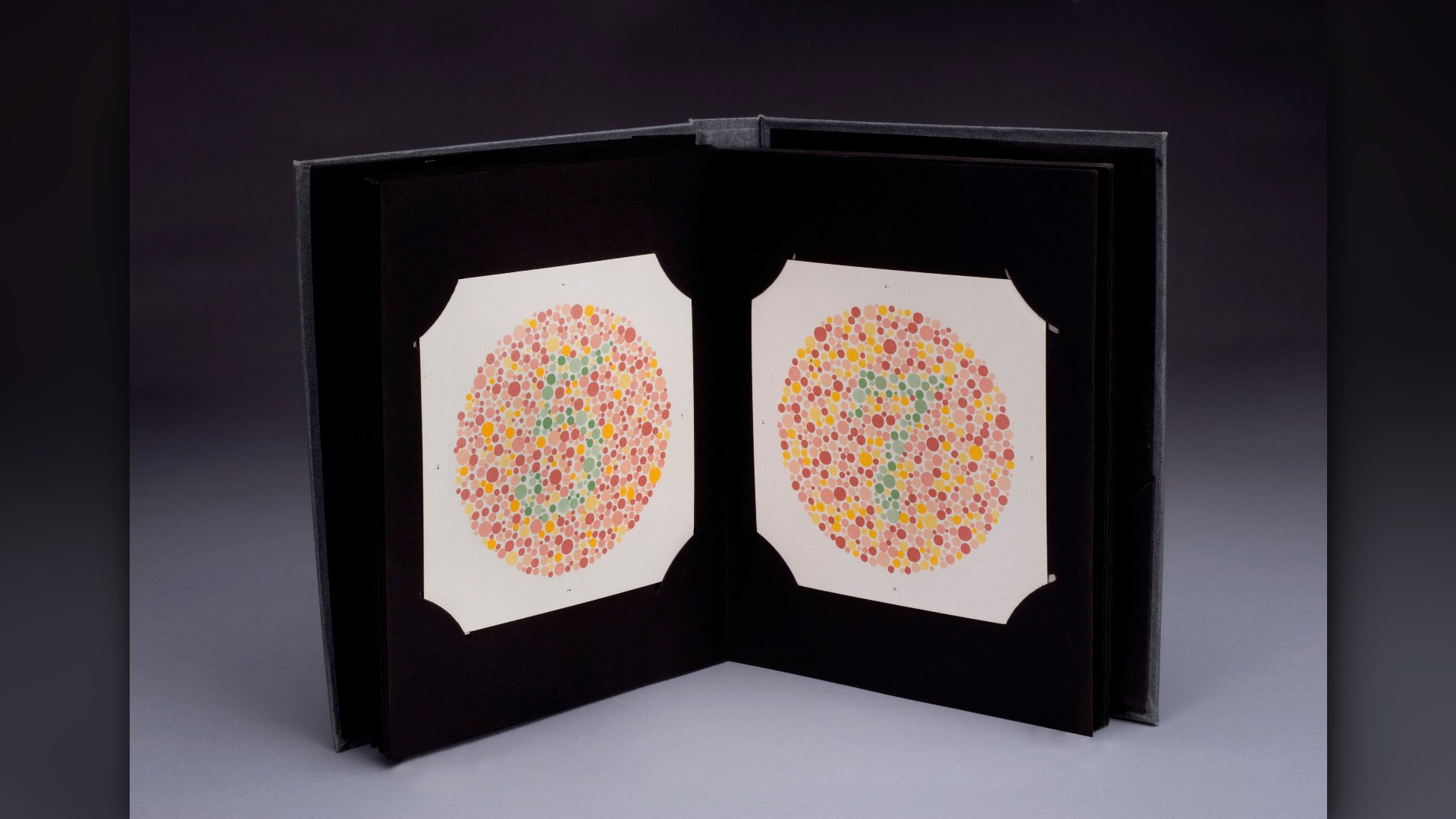
3. Red Green Color Vision
The genes encoding red and green cone photopigments reside on the X chromosome. Since sons receive only one X chromosome and it comes exclusively from their mother, red-green color perception is inherited maternally.
©Wellcome Collection / Science Museum London
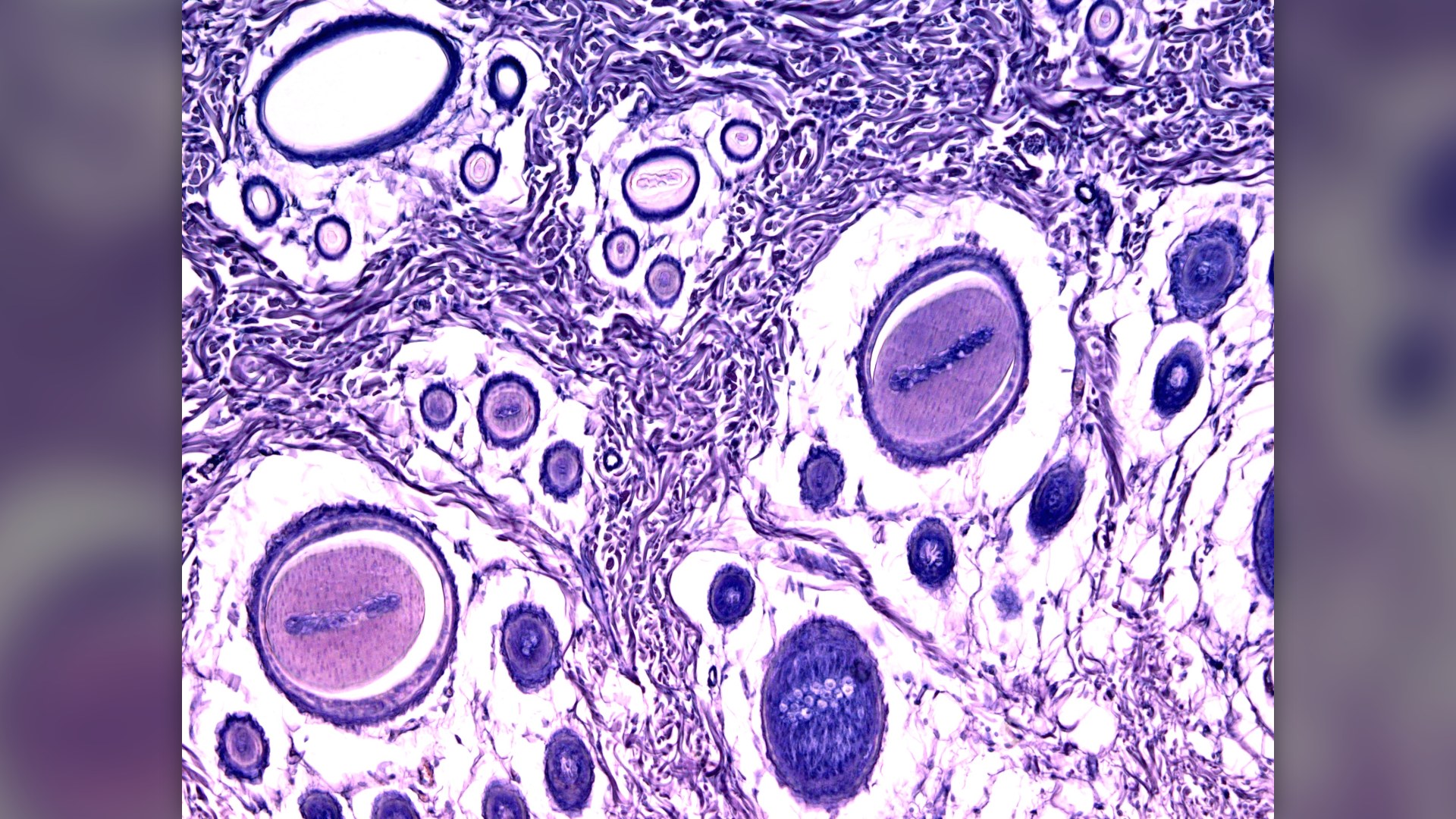
2. Male Pattern Baldness Link
While hair loss involves multiple genetic factors, the strongest single predictor of male pattern baldness is the androgen receptor gene. Located on the X chromosome, men inherit this key follicular sensitivity directly from their mother.
©Wikimedia / Angelina Koch
Advertisement
Swipe or tap ▶ to resume the countdown.
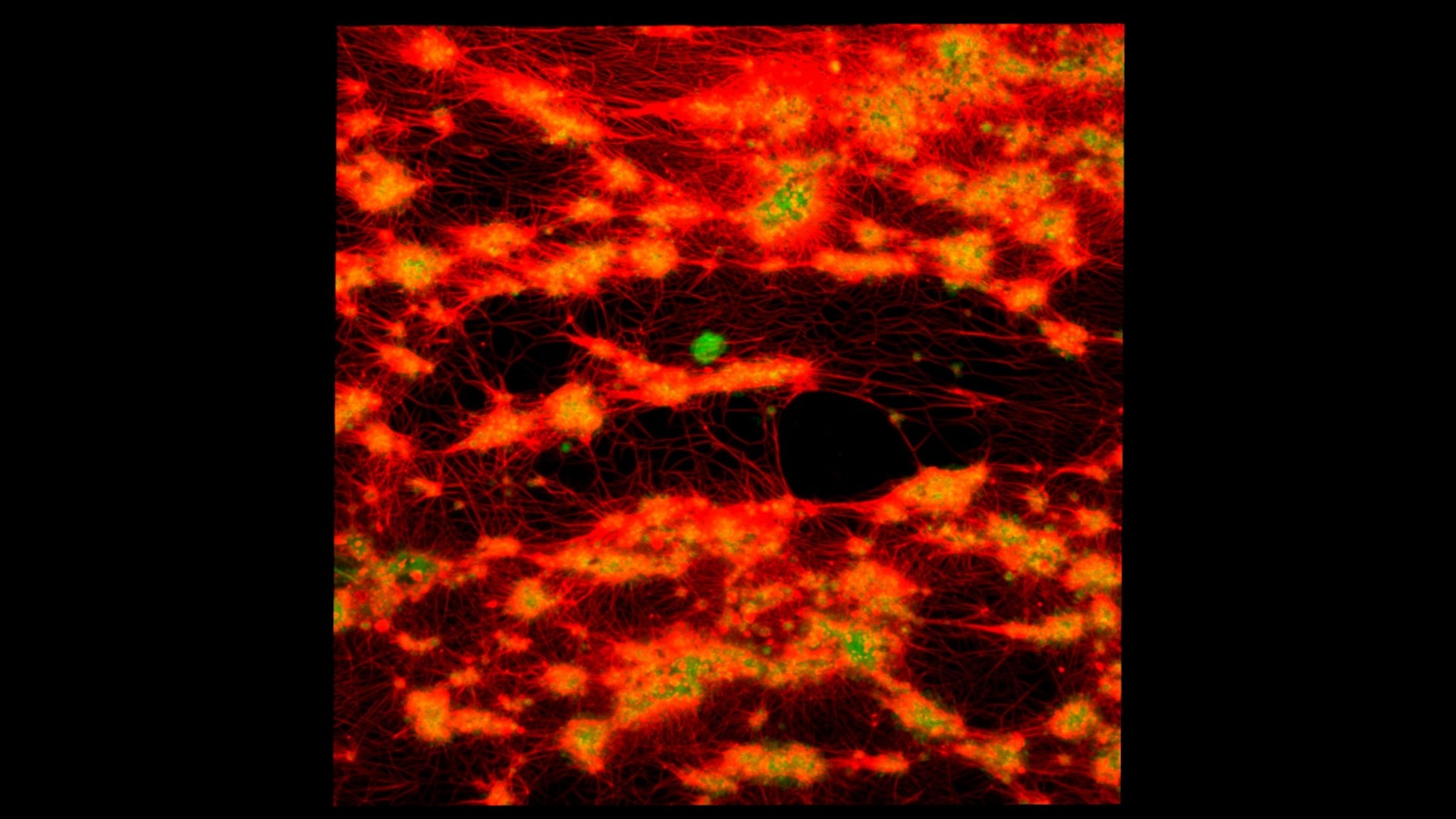
1. Lifelong Maternal Cells
During gestation, living cells pass bidirectionally between mother and child. Researchers have confirmed that viable maternal stem cells persist in child organs for decades, integrating into tissue architecture and repairing damaged organs long after birth.

© Photo by National Cancer Institute on Unsplash
Advertisement
You've reached the end of the story. Thanks for reading!

22 Most Secret World War II Aircraft Tested Behind Closed Doors
Between 1939 and 1945, Allied and Axis engineers built jets, flying wings and rocket interceptors in deep wartime secrecy. Ranked from 22 to 1 by historical secrecy and technical leap, this countdown draws on archival records from the Smithsonian, U.S. Air Force Museum, RAF Museum and German Federal Archives.
All 20 Entries in this Story
20. Mitochondrial Eve Lineage
Because mitochondrial DNA passes unchanged from mothers to children, geneticists traced all modern human lineages back to a single maternal ancestral population in Africa around one hundred and fifty thousand years ago.

19. Cellular Powerhouses
During fertilization, sperm mitochondria are marked with ubiquitin and systematically destroyed. As a result, every single mitochondrion powering your cells came directly from your mother's ovum.

18. Mitochondrial ATP Engine
Human mitochondrial DNA contains thirty-seven genes, thirteen of which encode core enzymatic subunits for ATP generation. Because sperm contribute no surviving mtDNA, your fundamental cellular respiration machinery is purely maternal.

17. Aerobic Endurance Capacity
Athletic endurance relies on how effectively mitochondria process oxygen into energy. Research indicates that baseline VO2 max potential and capillary efficiency in muscles carry strong maternal genetic contributions through mitochondrial efficiency.

16. Mitochondrial Aging Pace
Studies conducted at the Karolinska Institute revealed that mutations in maternal mitochondrial DNA directly affect tissue repair and the rate of physical aging throughout adult life.

15. Brown Fat Thermogenesis
Newborns rely on brown adipose tissue to survive cold temperatures. These specialized fat deposits generate heat via mitochondrial uncoupling protein one, which functions using the maternal mitochondrial genome.

14. Circadian Rhythm Timing
Sleep researchers have found that circadian rhythm entrainment and cellular metabolic timing correlate strongly with maternal mitochondrial efficiency, influencing whether individuals naturally wake early or stay alert late.

13. Reproductive Clock Timing
A woman's initial ovarian follicle reserve and rate of follicle depletion are heavily guided by maternal genetic factors on the X chromosome, making mother-daughter menopause timing remarkably consistent.

12. Gestational Imprinting
Maternal nutrition and hormone levels during pregnancy leave molecular epigenetic tags on embryonic chromatin. These epigenetic modifications alter how genes express insulin sensitivity and metabolic rates across the child's lifespan.

11. The Ovum Cytoplasm
While sperm contribute only nuclear DNA, the mother's egg cell supplies the entire physical cytoplasm, including ribosomes, lipids, and maternal messenger RNAs that direct embryonic division during the earliest days of life.

10. Angelman Gene Expression
Through genomic imprinting, the paternal copy of the UBE3A gene is permanently silenced in the brain. Only the maternal allele functions, meaning neurological conditions like Angelman syndrome depend solely on maternal transmission.

9. Tooth Enamel Hardness
Amelogenin proteins guide the crystalline mineral lattice of dental enamel. Because the primary AMELX gene is carried on the X chromosome, boys inherit their tooth enamel structure directly through their mother.

8. G6PD Red Cell Enzyme
Glucose-six-phosphate dehydrogenase safeguards red blood cells against premature destruction. Because this gene resides on the X chromosome, sons inherit their specific enzyme activity levels and favism sensitivity from their mother.

7. Fragile X Gene Triggers
Fragile X premutations expand into full clinical mutations exclusively during maternal transmission into the egg cell. Fathers can pass premutations to daughters, but full mutation expansion happens only during maternal oogenesis.

6. Muscular Dystrophin Integrity
Dystrophin acts like a shock absorber connecting internal muscle filaments to outer cell membranes. Because the gene is located on the X chromosome, boys inherit their dystrophin coding exclusively from their mother.

5. Blood Clotting Factors
Hemophilia A and B are famous royal diseases that impair normal blood clotting. Because the genes for clotting factors eight and nine sit on the X chromosome, carrier mothers pass the condition directly to their sons.

4. Optic Nerve Cellular Health
Mitochondrial point mutations in genes ND1, ND4, and ND6 cause sudden degeneration of retinal ganglion cells. Because these genes reside entirely on mtDNA, the condition is transmitted solely down the maternal line.

3. Red Green Color Vision
The genes encoding red and green cone photopigments reside on the X chromosome. Since sons receive only one X chromosome and it comes exclusively from their mother, red-green color perception is inherited maternally.

2. Male Pattern Baldness Link
While hair loss involves multiple genetic factors, the strongest single predictor of male pattern baldness is the androgen receptor gene. Located on the X chromosome, men inherit this key follicular sensitivity directly from their mother.

1. Lifelong Maternal Cells
During gestation, living cells pass bidirectionally between mother and child. Researchers have confirmed that viable maternal stem cells persist in child organs for decades, integrating into tissue architecture and repairing damaged organs long after birth.