Slideshow · Animals
20 Surprising Facts About Cats You Didn't Know
From tissue-healing purrs to surviving on ocean seawater, here are 20 mind-blowing feline superpowers proven by veterinary science and world history.
By Most Viral Today
5 Oct 2026

20 Surprising Facts About Cats You Didn't Know: Explore the Full Countdown 
20. Cats Cannot Taste Sweetness 
19. Purrs Promote Bone Healing 
18. Unique Feline Nose Prints - AdvertisementSwipe or tap ▶ to continue countdown

17. Walking Like Camels 
16. Asleep For 70% Of Life 
15. Free-Floating Collarbones 
14. Whiskers Detect Air Currents - AdvertisementSwipe or tap ▶ to continue countdown

13. Meows Are Only For Humans 
12. 32 Muscles In Each Ear 
11. Brain 90% Similar To Humans 
10. The Hidden Third Eyelid - AdvertisementSwipe or tap ▶ to continue countdown

9. Sweating Only Through Paws 
8. Roof Of-Mouth Scent Organ 
7. Jump Six Times Their Height 
6. A Group Is Called A Clowder - AdvertisementSwipe or tap ▶ to continue countdown

5. Can Hydrate On Seawater 
4. Richest Cat Inherited $12.5M 
3. Can Sprint At 30 MPH 
2. Cats Have 230 Bones - AdvertisementSwipe or tap ▶ to continue countdown

1. Death Penalty For Harming Cats - Advertisement🔥 UP NEXT IN THIS SERIES◫ 22 Slides

How Long Do Hippos Live? 20 Other Facts About Hippos
From sixty-year lifespans to whale cousins, discover secrets of river giants
From tissue-healing purrs to surviving on ocean seawater, here are 20 mind-blowing feline superpowers proven by veterinary science and world history.
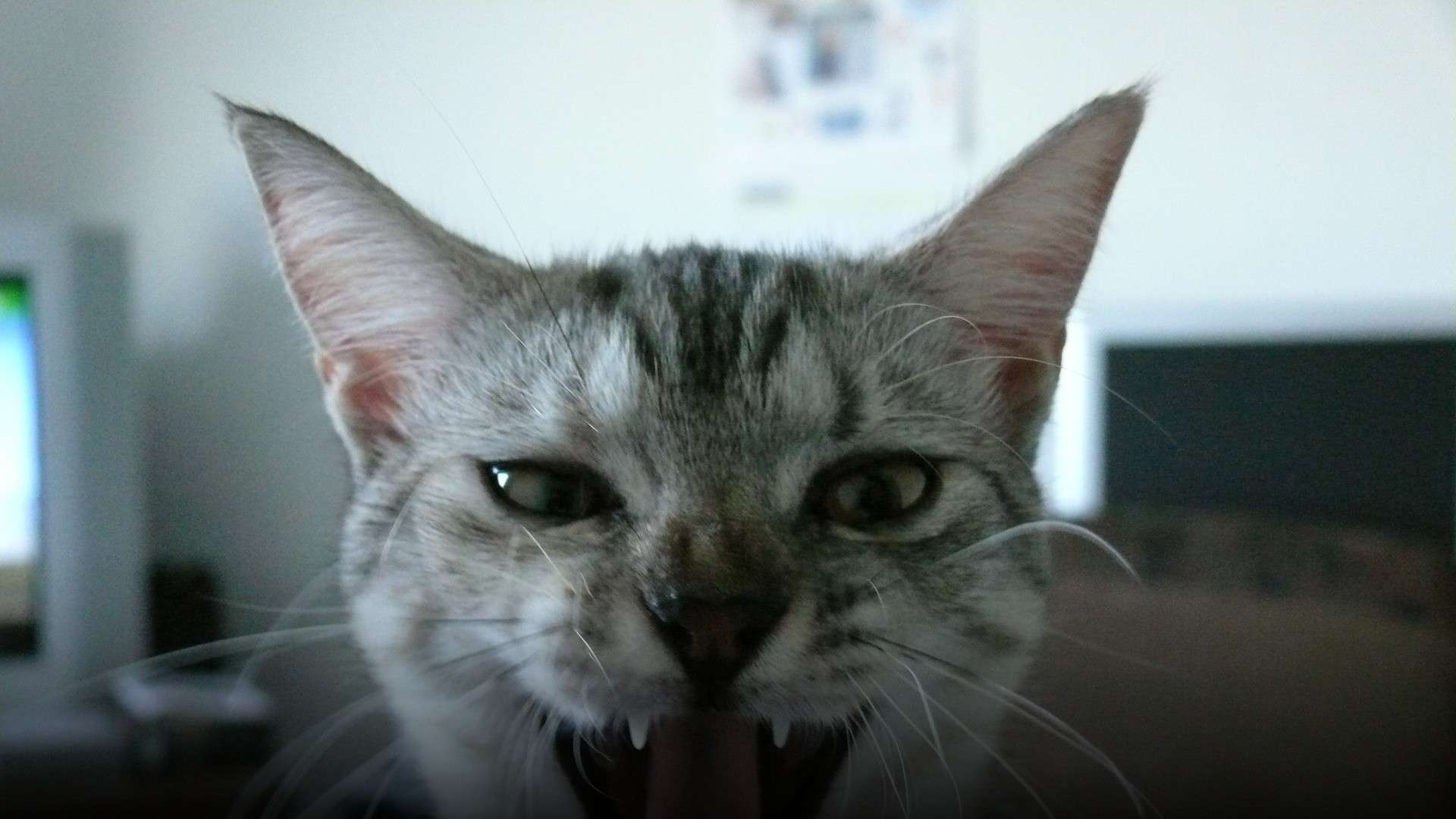
Swipe or tap ▶ to begin the countdown
©Wikimedia / Martie Swart
20. Cats Cannot Taste Sweetness
Unlike almost every other mammal, domestic and wild cats lack the Tas1r2 receptor gene necessary to taste sweetness. Obligate carnivores through and through, feline taste buds are calibrated exclusively to detect amino acids and fats.
©Wikimedia / Arria Belli
19. Purrs Promote Bone Healing
A domestic cat's purr vibrates at a steady frequency between 25 and 150 Hertz. In sports medicine, these exact acoustic frequencies are proven to accelerate bone density growth, reduce muscular pain, and hasten tendon repair.
©Wikimedia / AhmadElq
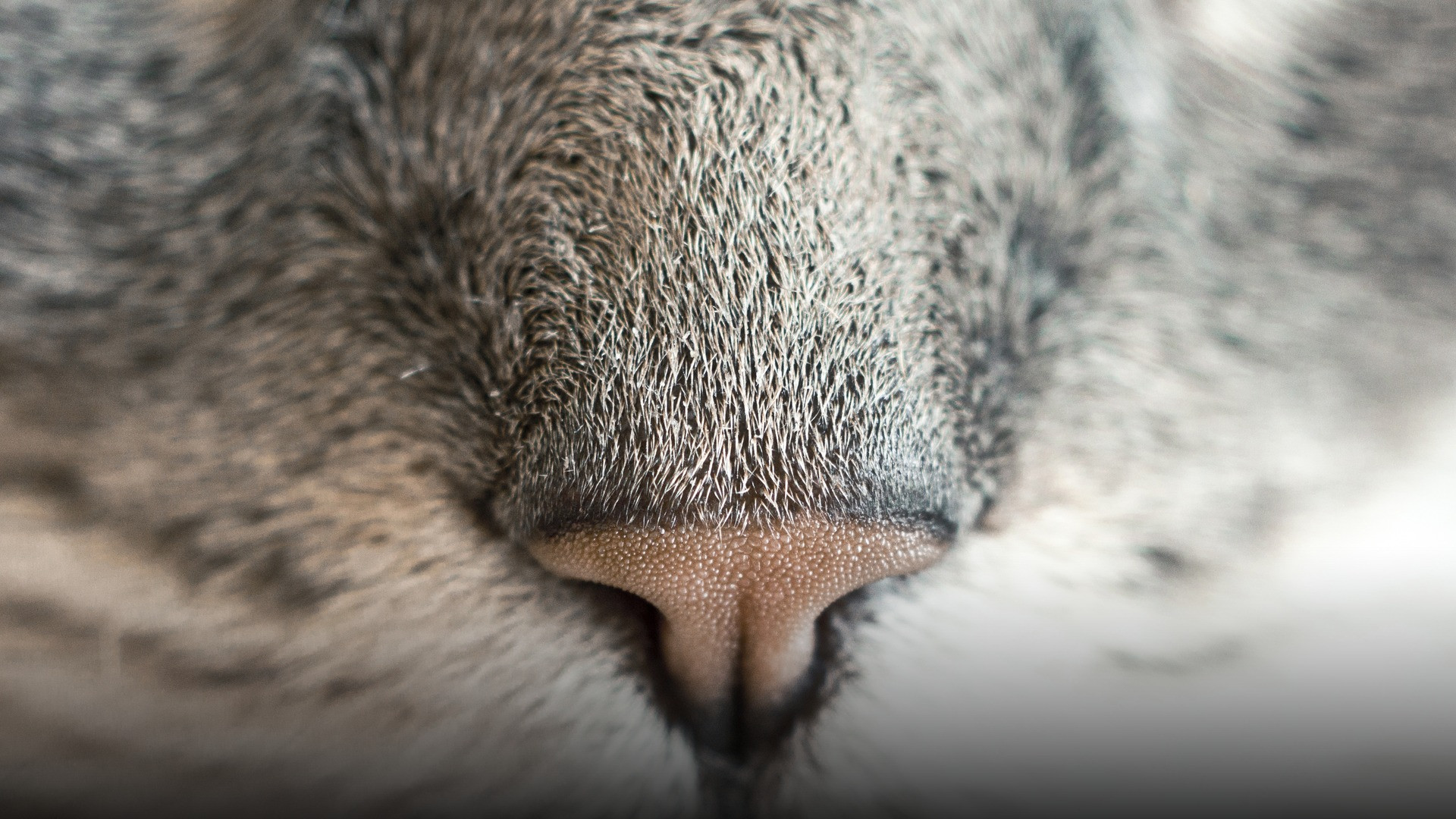
18. Unique Feline Nose Prints
Much like human fingerprints, the microscopic leather patterns and bumps on a cat's nose are entirely unique to each individual feline. No two cats in existence share the same pattern of nasal ridges and slit contours.
©Wikimedia / Pixel.la Stock Photos
Advertisement
Swipe or tap ▶ to resume the countdown.
17. Walking Like Camels
Cats are among the few animals that use a 'pacing' gait, advancing both right limbs together followed by both left limbs, shared only with camels and giraffes. Furthermore, each hind paw lands directly in the forepaw's footprint.
©Wikimedia / Reba Spike
16. Asleep For 70% Of Life
Conserving high-energy reserves for predatory bursts, house cats sleep between 12 and 16 hours every day. By the time a cat reaches age nine, it has spent only three years awake, dedicating six full years to napping.
©Wikimedia / Shixart1985
15. Free-Floating Collarbones
Cats have vestigial, free-floating clavicles connected only by flexible muscle rather than bone. This unique anatomical freedom lets their shoulders collapse inward, allowing them to squeeze through any gap wide enough for their head.
©Wikimedia / Famartin
14. Whiskers Detect Air Currents
A cat's whiskers are deeply anchored in tissue packed with nerve endings and blood vessels. Functioning like radar, they register minute shifts in air currents around obstacles, letting cats navigate and hunt in total darkness.
©Wikimedia / Steven B. Harris
Advertisement
Swipe or tap ▶ to resume the countdown.
13. Meows Are Only For Humans
While kittens meow to their mothers, adult cats rarely meow at other felines, relying on body language and scent instead. Domestic cats evolved the adult meow almost exclusively as a bespoke frequency to prompt human attention.
©Wikimedia / Nortlio
12. 32 Muscles In Each Ear
Controlled by 32 individual muscles per ear, a cat can swivel each ear pinna 180 degrees independently. This directional radar lets them pinpoint the precise location of a scurrying rodent in six-hundredths of a second.
©Wikimedia / TudorTulok
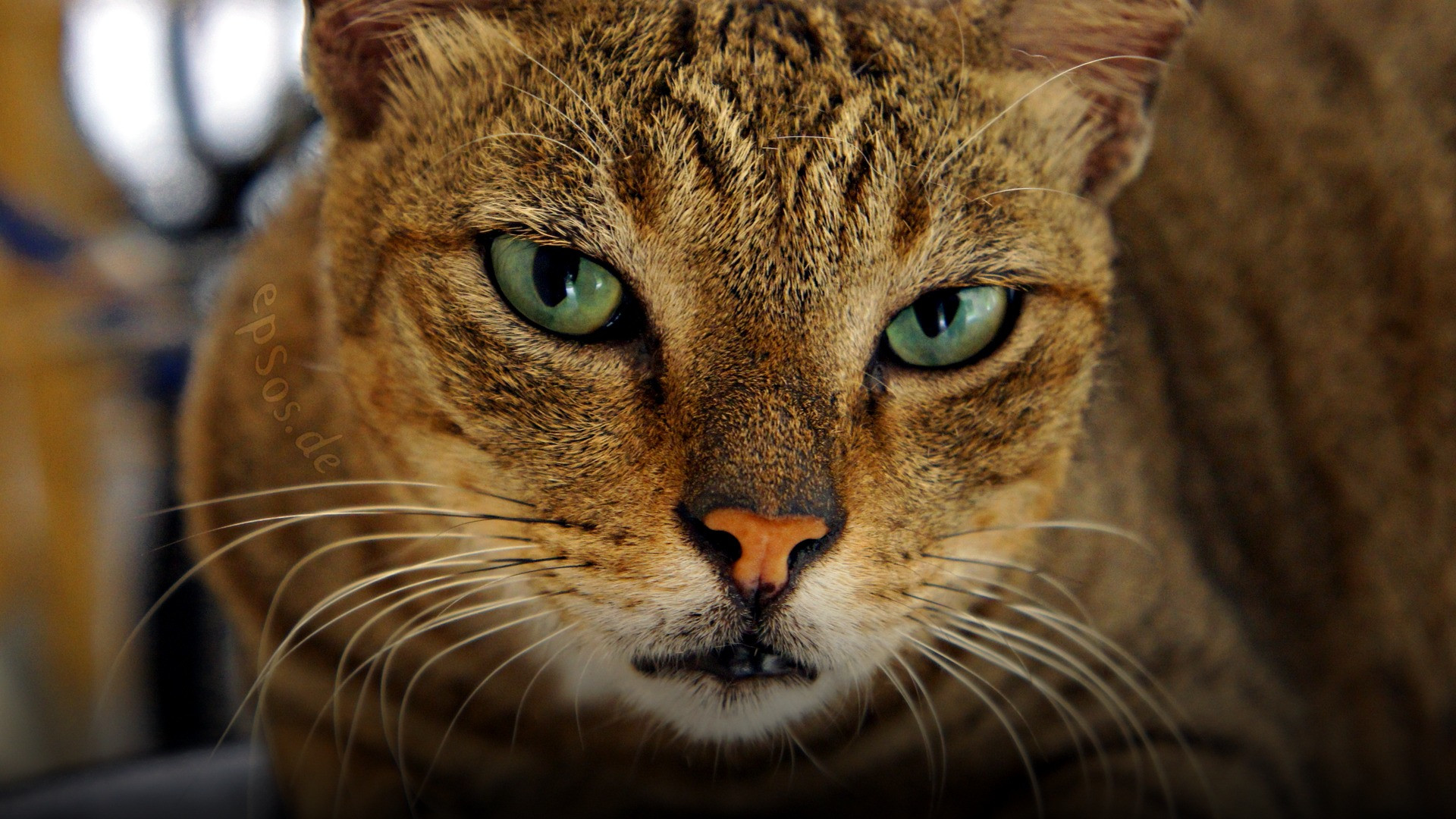
11. Brain 90% Similar To Humans
The feline brain shares a 90% structural similarity to the human brain, featuring comparable cerebral cortex folds and identical neurotransmitter pathways. Cats process short-term memory up to 200 times longer than dogs.
©Wikimedia / epSos.de
10. The Hidden Third Eyelid
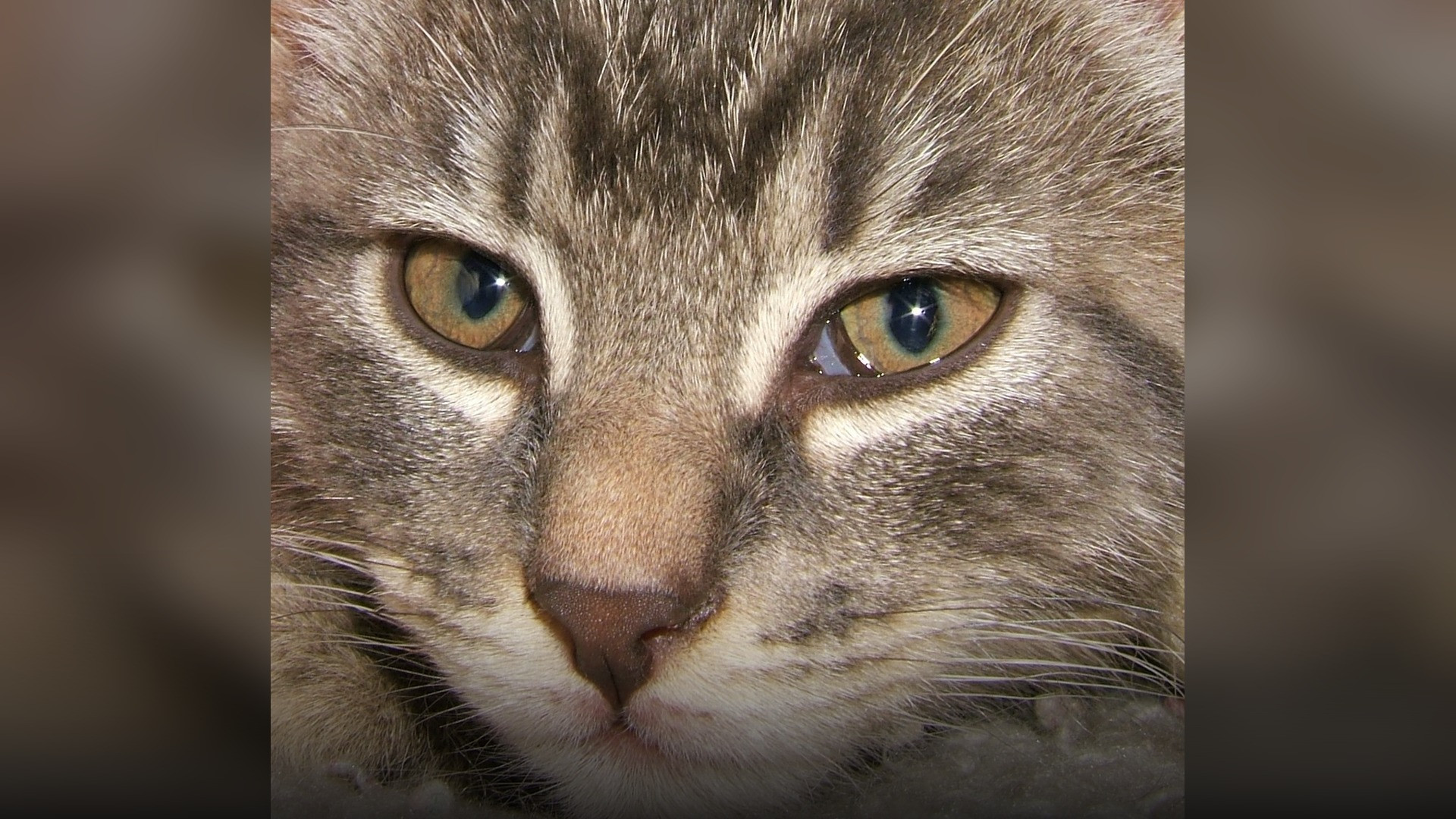
Known scientifically as the nictitating membrane or 'haw', cats possess a translucent third eyelid beneath the outer lids. It sweeps horizontally across the eyeball to clear debris and lubricate the cornea during hunting.
©Wikimedia / Micky
Advertisement
Swipe or tap ▶ to resume the countdown.
9. Sweating Only Through Paws
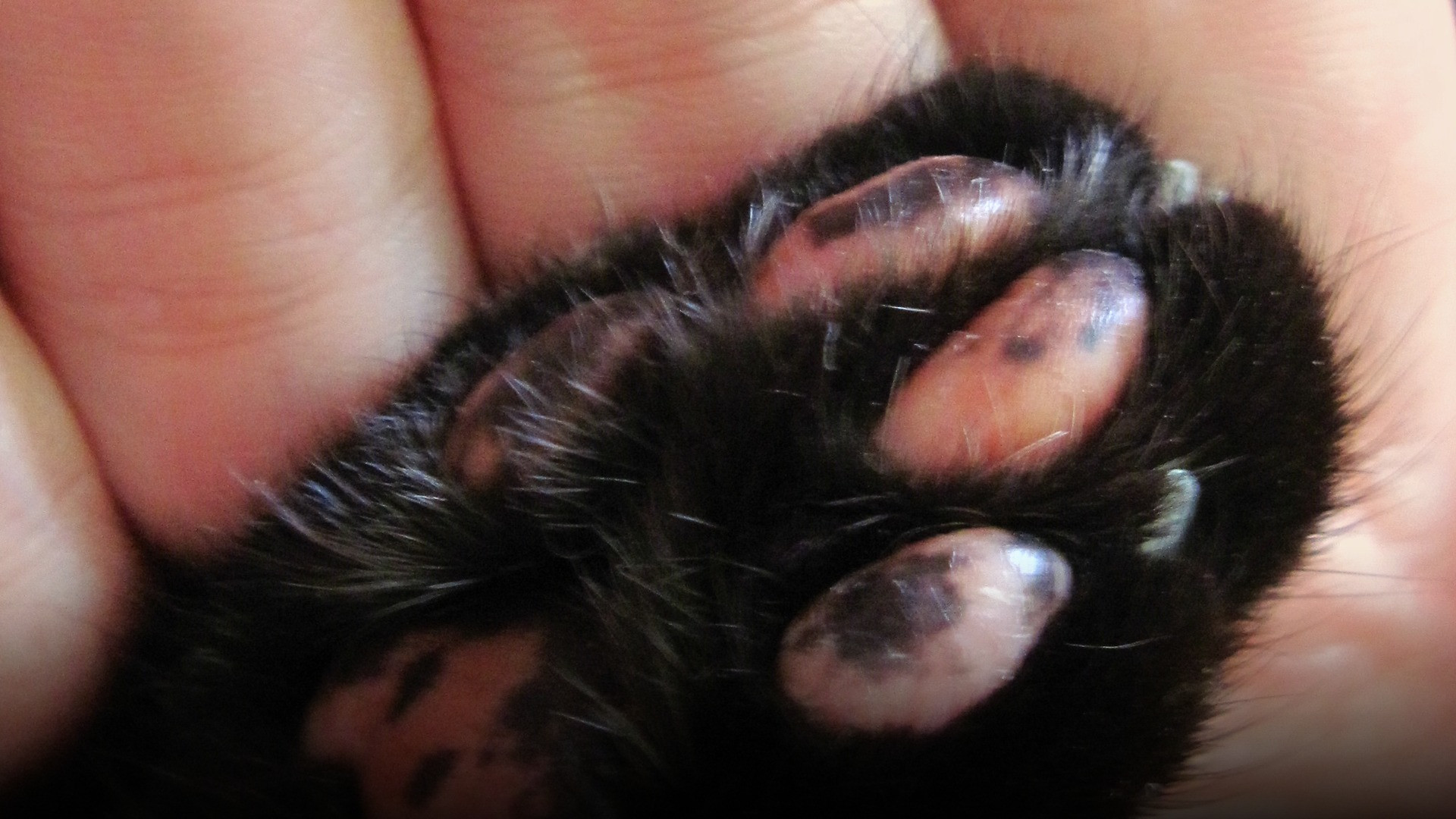
Because domestic cats are covered in dense protective fur, they possess very few bodily sweat glands. Instead, their primary sweat glands are concentrated exclusively on the bottom pads of their paws, leaving damp footprints when hot.
©Wikimedia / GrammarFascist
8. Roof Of-Mouth Scent Organ
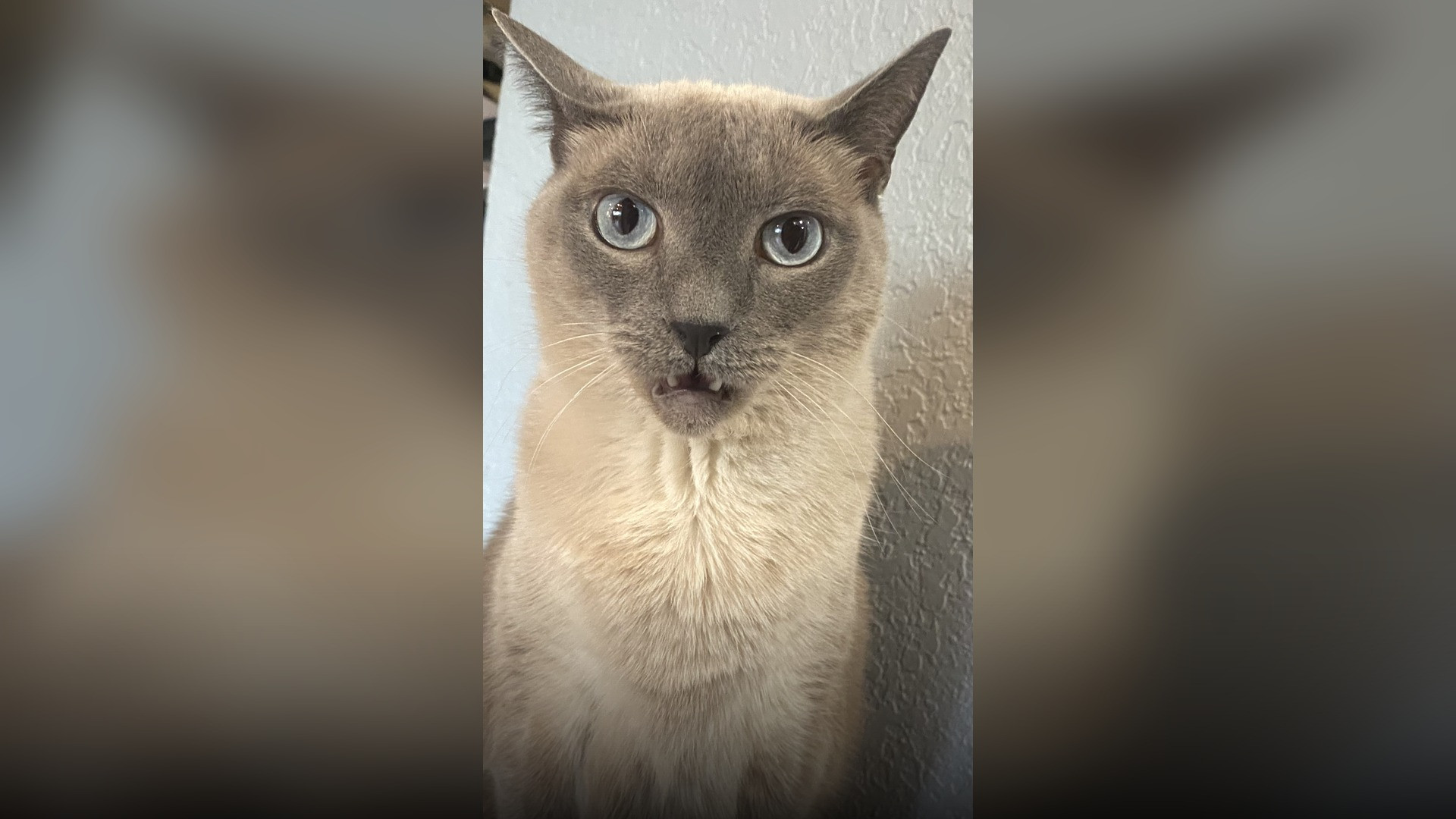
When a cat wrinkles its nose and opens its mouth in a funny grimace, it is performing the 'flehmen response'. This action pulls airborne scent molecules into the Jacobson's organ on the roof of its mouth, effectively tasting smells.
©Wikimedia / Bravevesperia8
7. Jump Six Times Their Height
Thanks to exceptionally strong hind leg muscular anatomy and a highly flexible, spring-like spine, a healthy adult cat can launch itself vertically up to six times its own height in a single, fluid bound without a running start.
©Wikimedia / Hisashi from Japan
6. A Group Is Called A Clowder
While a litter of young kittens is referred to as a 'kindle', a gathered group of three or more adult felines is officially termed a 'clowder'. Communal groups in ancient folklore were also occasionally called a 'glaring'.
©Wikimedia / Blackcat
Advertisement
Swipe or tap ▶ to resume the countdown.
5. Can Hydrate On Seawater
Feline kidneys are evolutionary marvels of biological efficiency. Unlike humans, a cat's renal system can filter out high concentrations of sodium chloride, allowing felines to drink ocean seawater to survive in emergencies.
©Wikimedia / Jules Verne Times Two
4. Richest Cat Inherited $12.5M
In 1988, British antique dealer Ben Rea bequeathed his fortune of £7 million (roughly $12.5 million today) to his beloved feline Blackie. Blackie was officially recognized by Guinness World Records as the richest cat in history.
©Wikimedia / Dmitry Makeev
3. Can Sprint At 30 MPH
A domestic cat can accelerate to a blistering top speed of 30 miles per hour (48 km/h) across short distances. That explosive burst easily outpaces Usain Bolt, whose world-record 100-meter dash peaked at 27.78 miles per hour.
©Wikimedia / Paul Lucas
2. Cats Have 230 Bones
While the adult human skeleton contains 206 bones, a domestic cat possesses 230. The extra vertebrae in their spine and tail, combined with thick cushioning discs, allow cats to twist their bodies 180 degrees in mid-air.
©Wikimedia / Hisashi from Japan
Advertisement
Swipe or tap ▶ to resume the countdown.
1. Death Penalty For Harming Cats
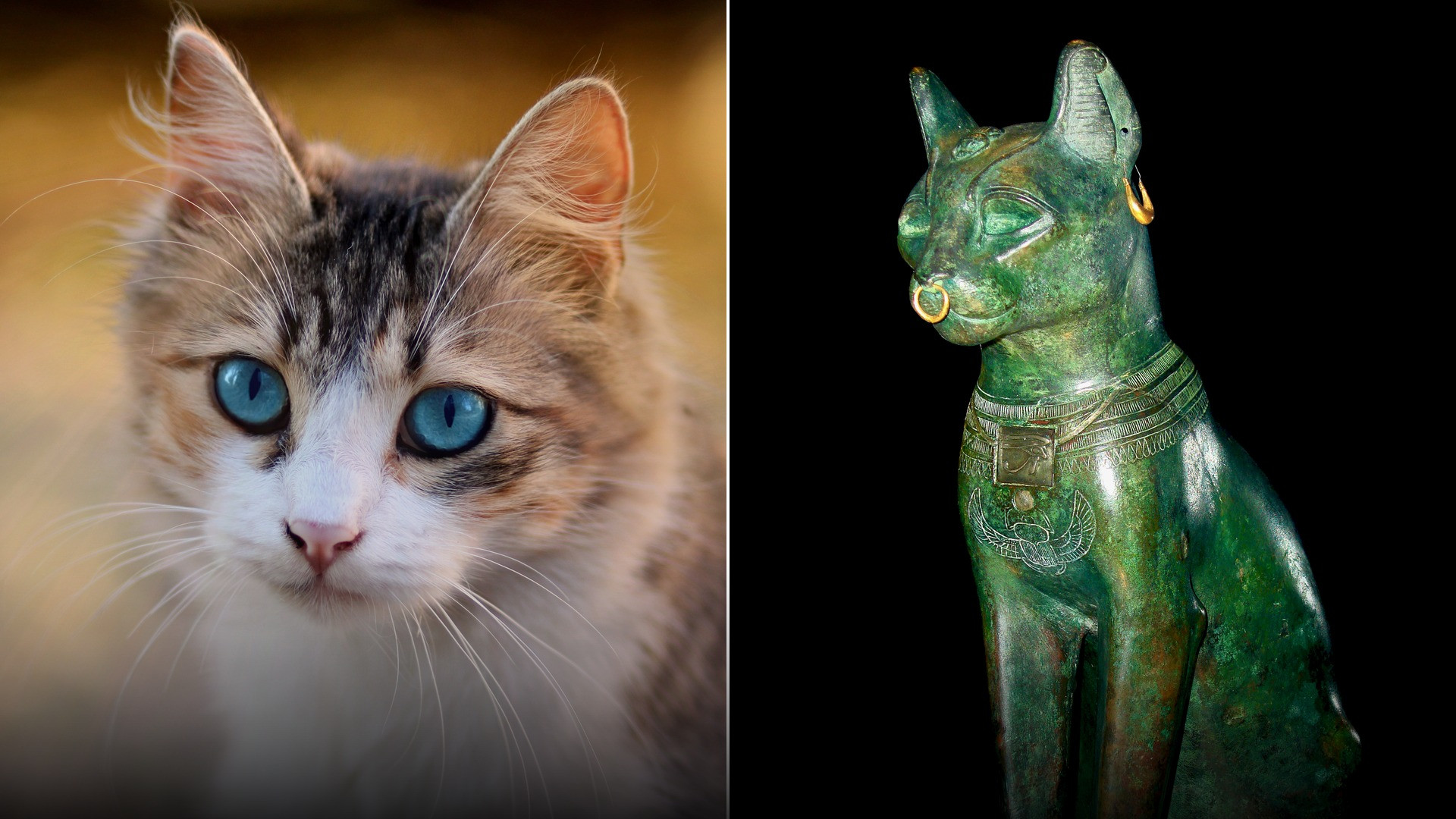
In Ancient Egypt, domestic felines were revered as sacred protectors embodying the goddess Bastet. Greek historian Diodorus Siculus documented that killing a cat—even entirely by accident—carried a mandatory sentence of death.

©Wikimedia / Peter D. Tillman
Advertisement
You've reached the end of the story. Thanks for reading!

How Long Do Hippos Live? 20 Other Facts About Hippos
From sixty-year lifespans to whale cousins, discover secrets of river giants
All 20 Entries in this Story
20. Cats Cannot Taste Sweetness
Unlike almost every other mammal, domestic and wild cats lack the Tas1r2 receptor gene necessary to taste sweetness. Obligate carnivores through and through, feline taste buds are calibrated exclusively to detect amino acids and fats.

19. Purrs Promote Bone Healing
A domestic cat's purr vibrates at a steady frequency between 25 and 150 Hertz. In sports medicine, these exact acoustic frequencies are proven to accelerate bone density growth, reduce muscular pain, and hasten tendon repair.

18. Unique Feline Nose Prints
Much like human fingerprints, the microscopic leather patterns and bumps on a cat's nose are entirely unique to each individual feline. No two cats in existence share the same pattern of nasal ridges and slit contours.

17. Walking Like Camels
Cats are among the few animals that use a 'pacing' gait, advancing both right limbs together followed by both left limbs, shared only with camels and giraffes. Furthermore, each hind paw lands directly in the forepaw's footprint.

16. Asleep For 70% Of Life
Conserving high-energy reserves for predatory bursts, house cats sleep between 12 and 16 hours every day. By the time a cat reaches age nine, it has spent only three years awake, dedicating six full years to napping.

15. Free-Floating Collarbones
Cats have vestigial, free-floating clavicles connected only by flexible muscle rather than bone. This unique anatomical freedom lets their shoulders collapse inward, allowing them to squeeze through any gap wide enough for their head.

14. Whiskers Detect Air Currents
A cat's whiskers are deeply anchored in tissue packed with nerve endings and blood vessels. Functioning like radar, they register minute shifts in air currents around obstacles, letting cats navigate and hunt in total darkness.

13. Meows Are Only For Humans
While kittens meow to their mothers, adult cats rarely meow at other felines, relying on body language and scent instead. Domestic cats evolved the adult meow almost exclusively as a bespoke frequency to prompt human attention.

12. 32 Muscles In Each Ear
Controlled by 32 individual muscles per ear, a cat can swivel each ear pinna 180 degrees independently. This directional radar lets them pinpoint the precise location of a scurrying rodent in six-hundredths of a second.

11. Brain 90% Similar To Humans
The feline brain shares a 90% structural similarity to the human brain, featuring comparable cerebral cortex folds and identical neurotransmitter pathways. Cats process short-term memory up to 200 times longer than dogs.

10. The Hidden Third Eyelid
Known scientifically as the nictitating membrane or 'haw', cats possess a translucent third eyelid beneath the outer lids. It sweeps horizontally across the eyeball to clear debris and lubricate the cornea during hunting.

9. Sweating Only Through Paws
Because domestic cats are covered in dense protective fur, they possess very few bodily sweat glands. Instead, their primary sweat glands are concentrated exclusively on the bottom pads of their paws, leaving damp footprints when hot.

8. Roof Of-Mouth Scent Organ
When a cat wrinkles its nose and opens its mouth in a funny grimace, it is performing the 'flehmen response'. This action pulls airborne scent molecules into the Jacobson's organ on the roof of its mouth, effectively tasting smells.

7. Jump Six Times Their Height
Thanks to exceptionally strong hind leg muscular anatomy and a highly flexible, spring-like spine, a healthy adult cat can launch itself vertically up to six times its own height in a single, fluid bound without a running start.

6. A Group Is Called A Clowder
While a litter of young kittens is referred to as a 'kindle', a gathered group of three or more adult felines is officially termed a 'clowder'. Communal groups in ancient folklore were also occasionally called a 'glaring'.

5. Can Hydrate On Seawater
Feline kidneys are evolutionary marvels of biological efficiency. Unlike humans, a cat's renal system can filter out high concentrations of sodium chloride, allowing felines to drink ocean seawater to survive in emergencies.

4. Richest Cat Inherited $12.5M
In 1988, British antique dealer Ben Rea bequeathed his fortune of £7 million (roughly $12.5 million today) to his beloved feline Blackie. Blackie was officially recognized by Guinness World Records as the richest cat in history.

3. Can Sprint At 30 MPH
A domestic cat can accelerate to a blistering top speed of 30 miles per hour (48 km/h) across short distances. That explosive burst easily outpaces Usain Bolt, whose world-record 100-meter dash peaked at 27.78 miles per hour.

2. Cats Have 230 Bones
While the adult human skeleton contains 206 bones, a domestic cat possesses 230. The extra vertebrae in their spine and tail, combined with thick cushioning discs, allow cats to twist their bodies 180 degrees in mid-air.

1. Death Penalty For Harming Cats
In Ancient Egypt, domestic felines were revered as sacred protectors embodying the goddess Bastet. Greek historian Diodorus Siculus documented that killing a cat—even entirely by accident—carried a mandatory sentence of death.