Slideshow · Animals
20 Surprising Facts About Dogs That You Didn't Know
Dogs have lived alongside humans for over 15,000 years, yet modern canine science continues to uncover astonishing secrets about their minds, senses, and bodies. From biological superpowers to deep emotional lives, here are 20 mind-blowing dog facts you never knew.
By Most Viral Today
5 Oct 2026

20 Surprising Facts About Dogs That You Didn't Know: Explore the Full Countdow 
20. Dalmatians Are Born Completely Spotless 
19. Dogs Only Sweat Through Their Paws 
18. Basenji Dogs Cannot Bark And Only Yodel - AdvertisementSwipe or tap ▶ to continue countdown

17. Norwegian Lundehunds Have Six Toes Per Foot 
16. Dogs Have A Protective Third Eyelid 
15. Tail Wagging Direction Reveals True Emotion 
14. Dogs Exhale Through Special Side Slits - AdvertisementSwipe or tap ▶ to continue countdown

13. Greyhounds Can Outrun Cheetahs Over Distance 
12. Yawning In Dogs Is Highly Contagious 
11. Dogs Curl Up Into A Ball For Defense 
10. Whiskers Help Dogs Navigate In Pure Darkness - AdvertisementSwipe or tap ▶ to continue countdown

9. Dogs Feel Authentic Envy And Jealousy 
8. Bloodhound Scent Trails Are Admissible In Court 
7. Dogs Tell Time Using Scent Evaporation 
6. Dogs Are Not Completely Color Blind - AdvertisementSwipe or tap ▶ to continue countdown

5. Salukis Are The World's Oldest Dog Breed 
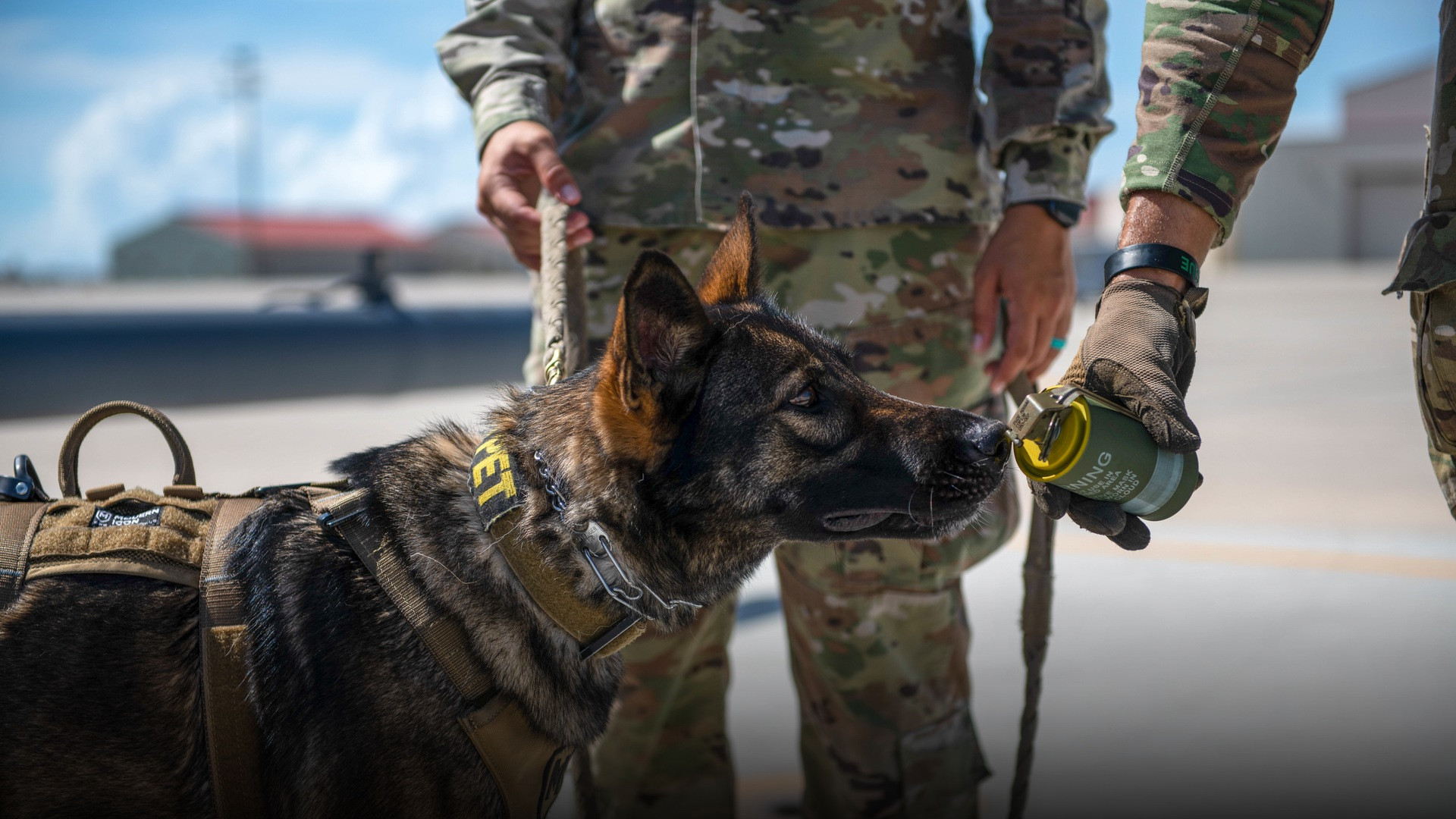
4. Dogs Can Sniff Out Human Disease Early 
3. A Dog's Nose Has 300 Million Receptors 
2. A Dog's Nose Print Is As Unique As A Fingerprint - AdvertisementSwipe or tap ▶ to continue countdown

1. Dogs Dream Just Like Humans During REM Sleep - Advertisement🔥 UP NEXT IN THIS SERIES◫ 22 Slides

How Long Do Hippos Live? 20 Other Facts About Hippos
From sixty-year lifespans to whale cousins, discover secrets of river giants
Dogs have lived alongside humans for over 15,000 years, yet modern canine science continues to uncover astonishing secrets about their minds, senses, and bodies. From biological superpowers to deep emotional lives, here are 20 mind-blowing dog facts you never knew.
Swipe or tap ▶ to begin the countdown
©Wikimedia / Dietmar Rabich
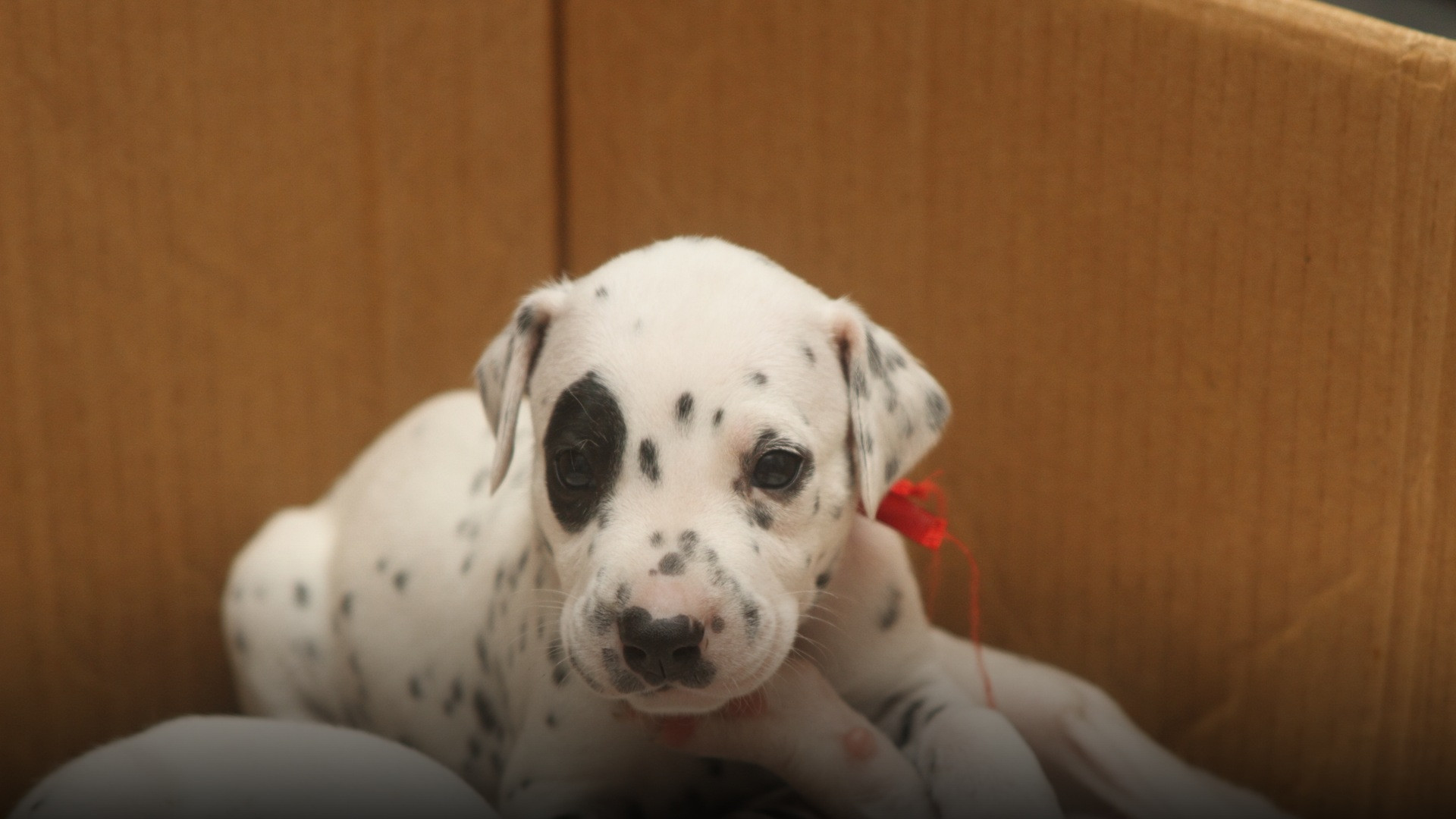
20. Dalmatians Are Born Completely Spotless
Dalmatian puppies enter the world with immaculate snow-white coats. Their iconic black or liver-colored spots only begin emerging after two to three weeks as specialized melanin clusters develop beneath their skin, becoming fully distinct at one month old.
©Wikimedia / Carlos Estrada
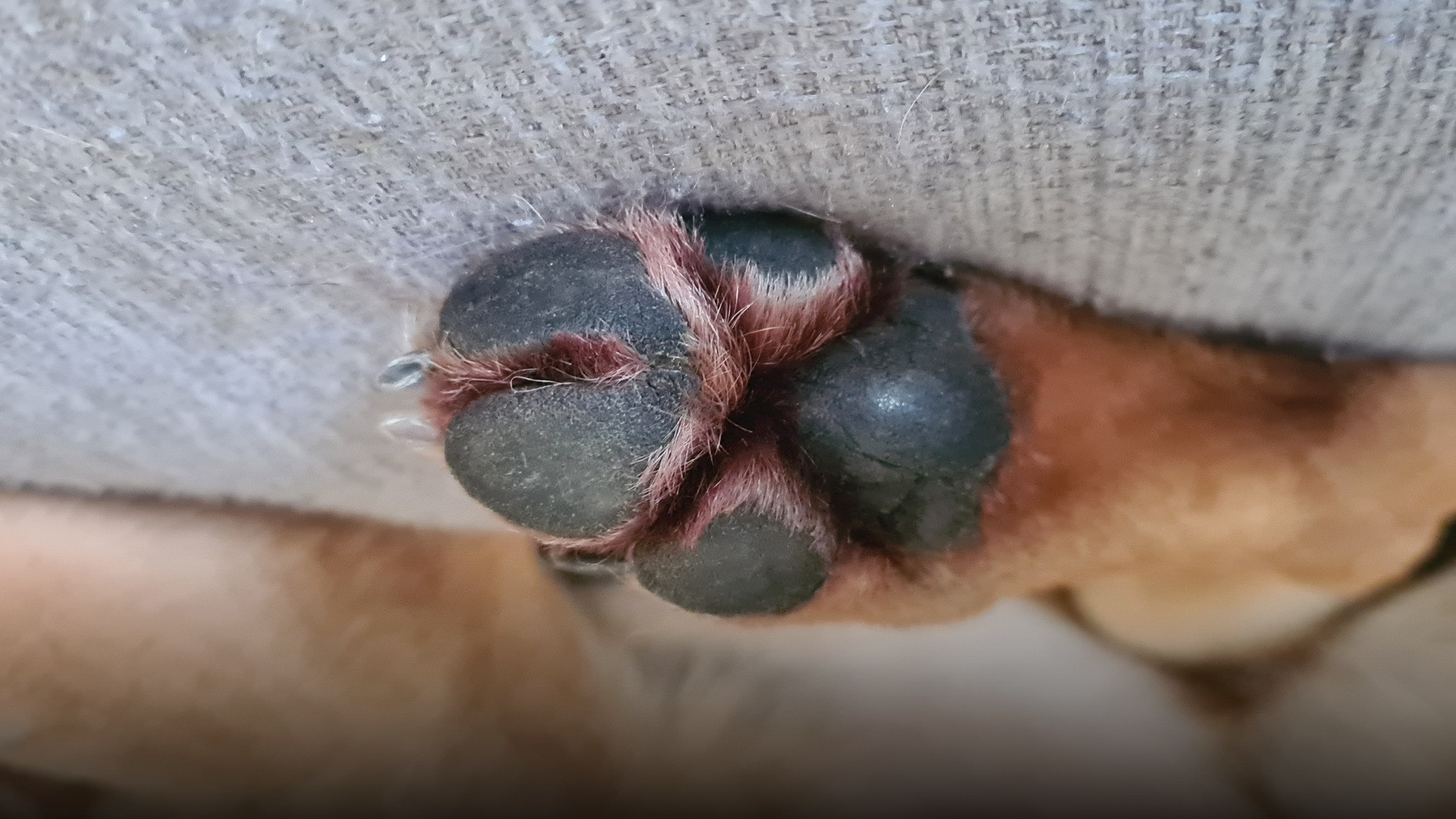
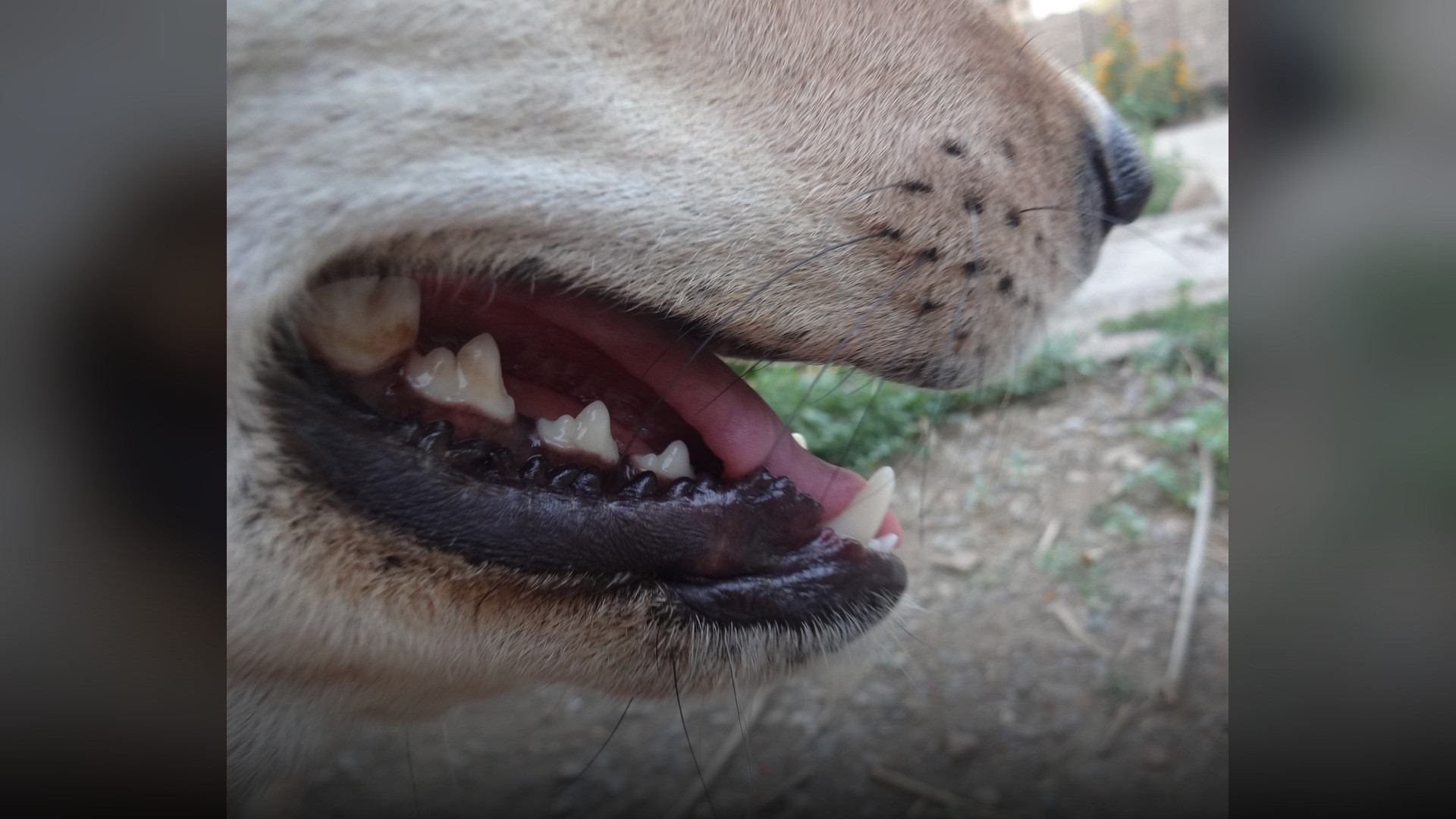
19. Dogs Only Sweat Through Their Paws
Unlike humans who sweat across their entire body, dogs have merocrine sweat glands located almost exclusively in the pads of their paws. Panting provides their primary evaporative cooling, which is why dogs leave damp paw prints on warm summer days.
©Wikimedia / KarærinGodess
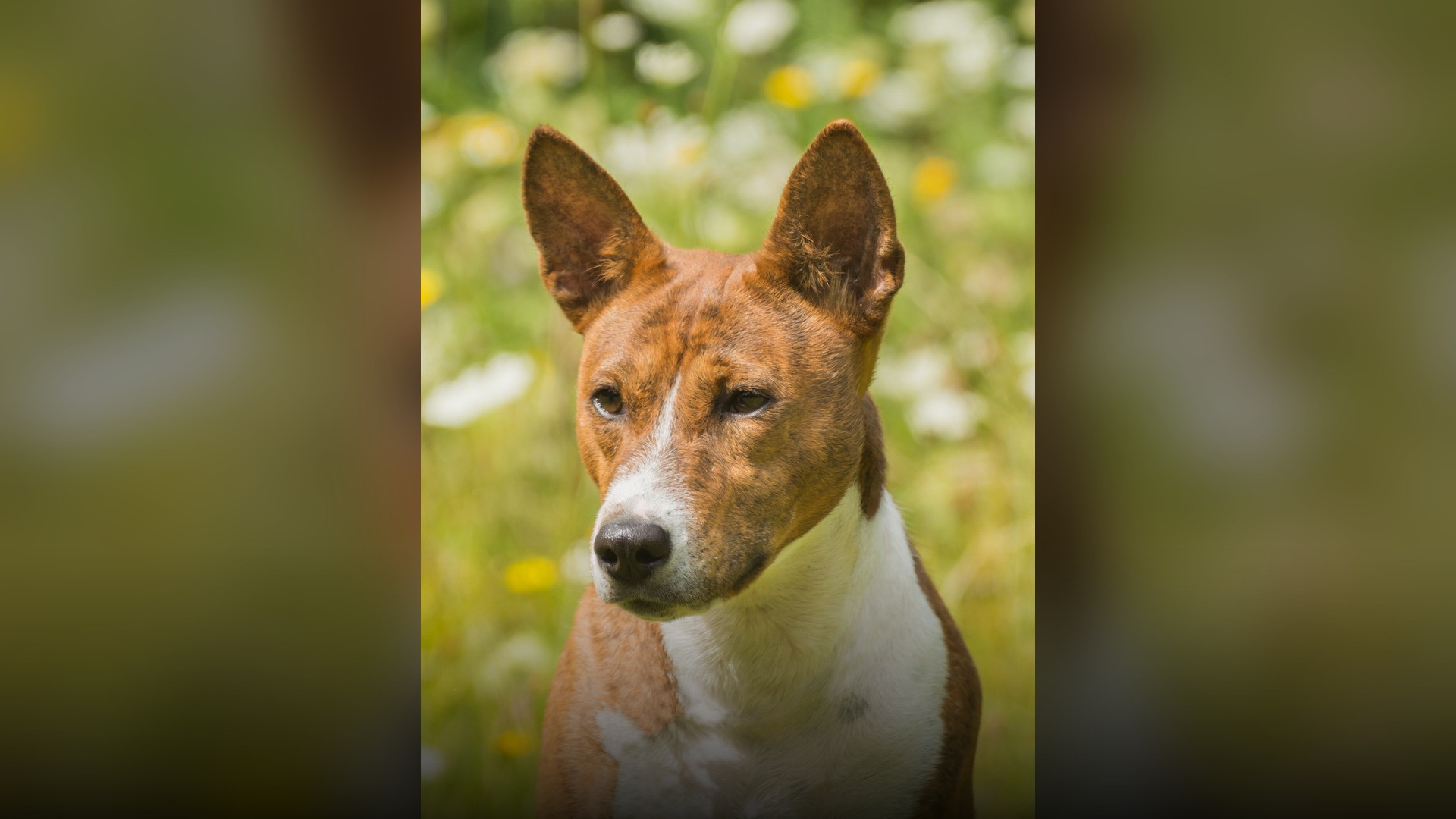
18. Basenji Dogs Cannot Bark And Only Yodel
Known as Africa's barkless dog, the Basenji has an unusually flat canine larynx that prevents traditional barking. Instead, they communicate with melodious vocalizations called yodels or barroos, sounding like a cross between a chortle and a Swiss yodel.
©Wikimedia / PxHere
Advertisement
Swipe or tap ▶ to resume the countdown.
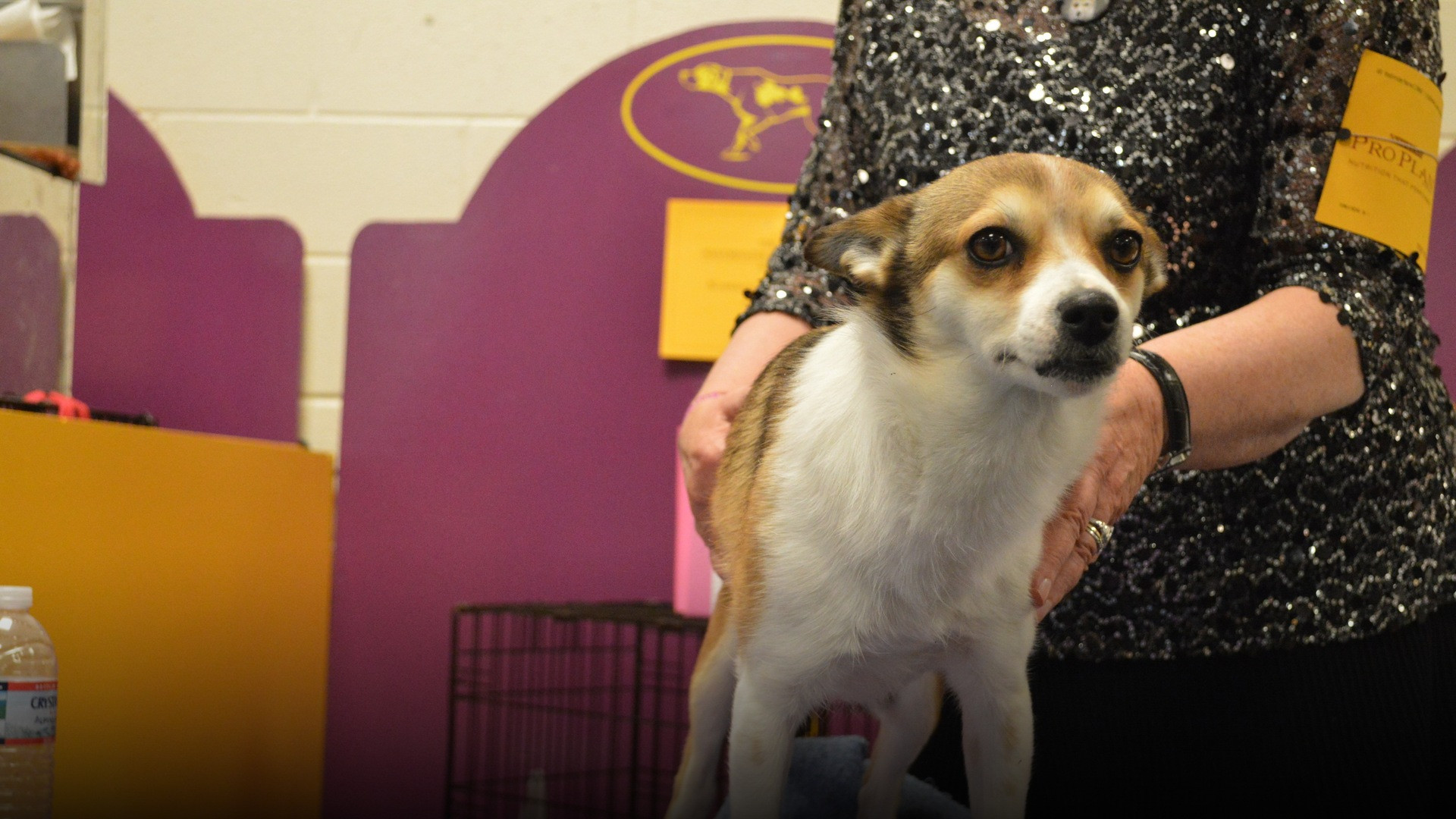
17. Norwegian Lundehunds Have Six Toes Per Foot
Bred to hunt puffins along precipitous Arctic cliffs, the Norwegian Lundehund possesses six fully functioning toes on each foot alongside double dewclaws. Their hyper-flexible joints also allow them to bend their heads backward until touching their spine.
©Wikimedia / Pets Adviser from Brooklyn, USA
16. Dogs Have A Protective Third Eyelid
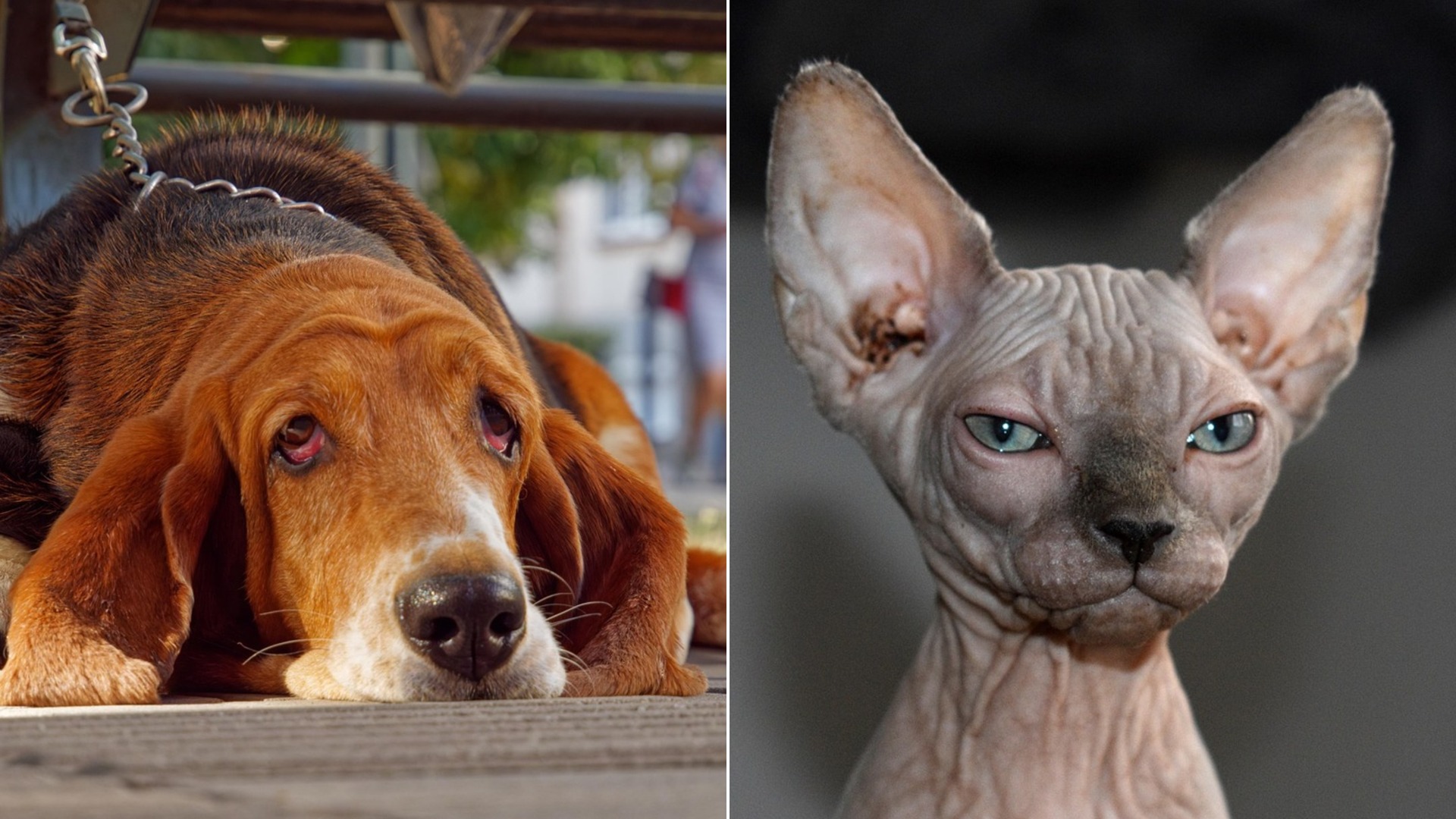
Deep inside the corner of a dog's eye lies the nictitating membrane, an extra eyelid that sweeps horizontally across the eyeball. It houses an essential tear-producing gland and automatically shields the delicate cornea from dirt, debris, and injury.
©Wikimedia / Serial Number 54129
15. Tail Wagging Direction Reveals True Emotion
Neuroscientists discovered that dogs wag their tails to the right when experiencing positive feelings like excitement and seeing their owners. A leftward wag indicates anxiety or hesitation, reflecting asymmetric processing between the left and right brain hemispheres.
©Wikimedia / PattayaPatrol
14. Dogs Exhale Through Special Side Slits
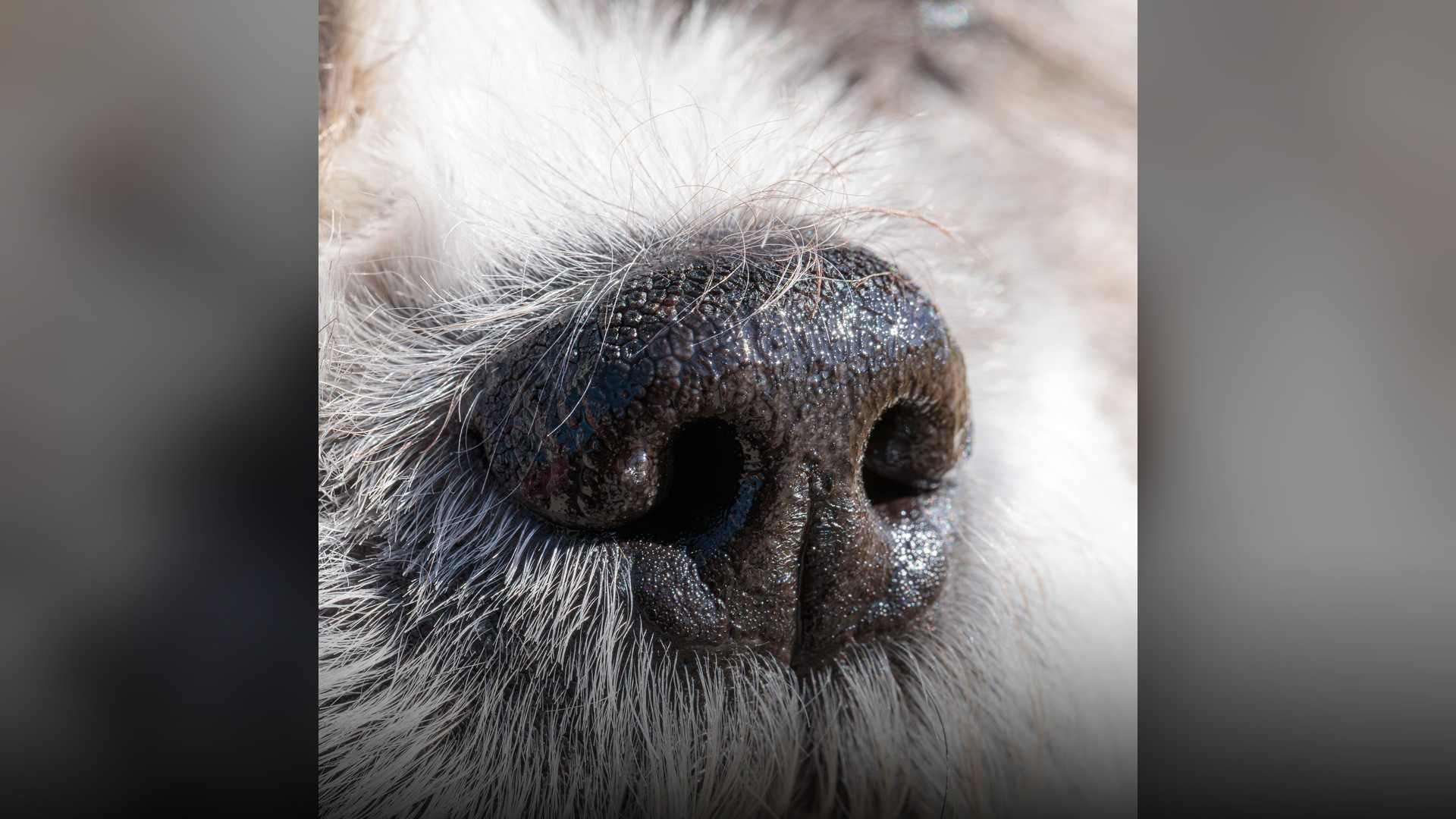
When dogs exhale, spent air exits through two distinct lateral slits on the sides of their nose. This aerodynamic circulation creates a continuous vortex of incoming scent molecules, enabling dogs to sniff uninterrupted without disrupting fresh olfactory cues.
©Wikimedia / Pittigrilli
Advertisement
Swipe or tap ▶ to resume the countdown.
13. Greyhounds Can Outrun Cheetahs Over Distance
While a cheetah reaches blistering sprint bursts of 70 mph, it overheats and exhausts within 30 seconds. Greyhounds accelerate to 45 mph in six strides and can comfortably maintain a grueling 35 mph gallop for over seven miles, outlasting the big cat.
©Wikimedia / AngMoKio
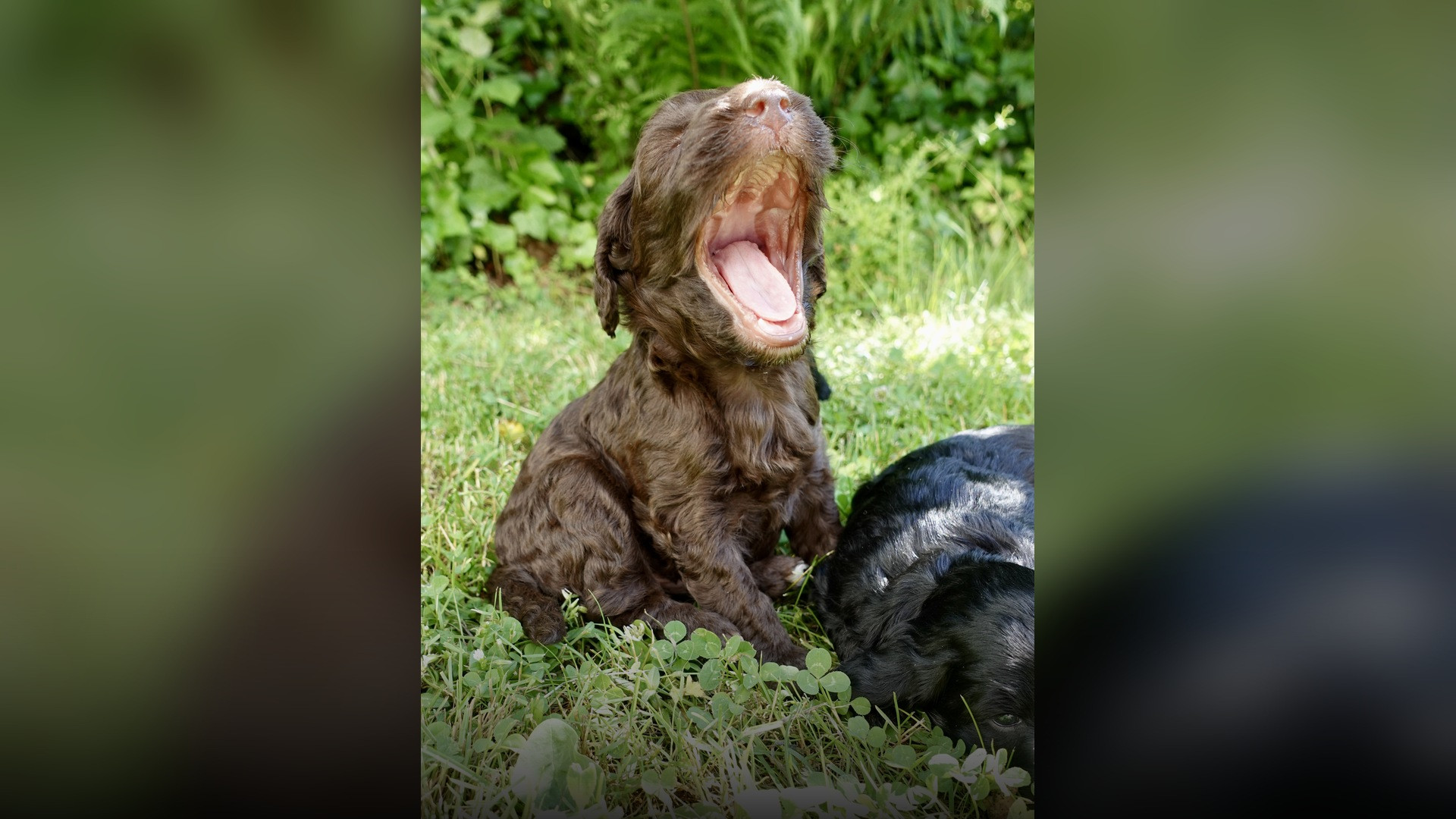
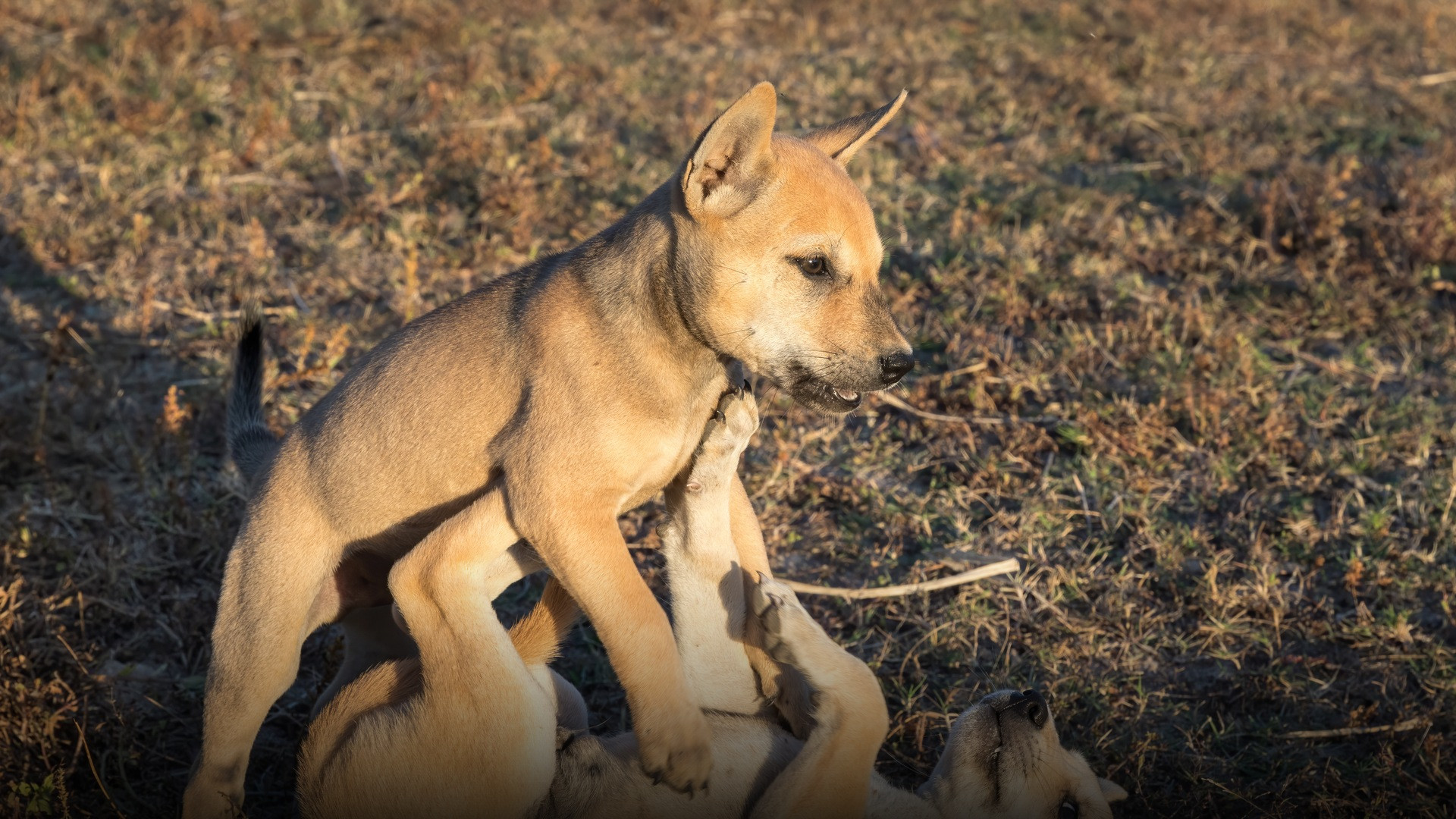
12. Yawning In Dogs Is Highly Contagious
Yawning in dogs is not just about fatigue; it is socially contagious. Cognitive tests prove dogs are five times more likely to yawn in response to a human they love compared to a stranger, providing measurable evidence of cross-species emotional empathy.
©Wikimedia / Wolfmann
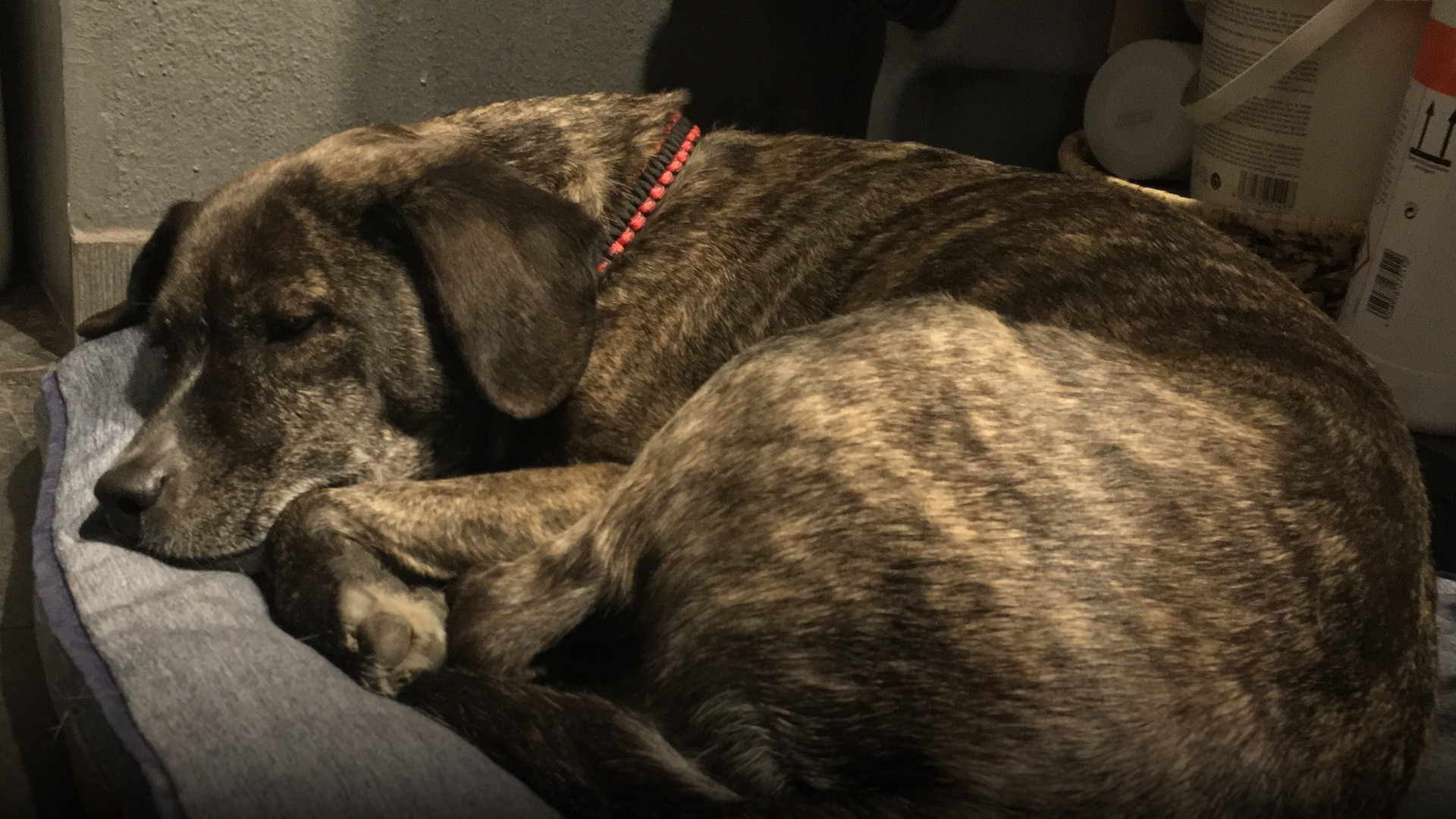
11. Dogs Curl Up Into A Ball For Defense
When a dog curls into a tight crescent roll with paws tucked beneath its chest, it mimics an ancient wolf survival instinct. This defensive posture insulates body heat and shields vulnerable vital organs in the abdomen from potential predators while asleep.
©Wikimedia / Pittigrilli
10. Whiskers Help Dogs Navigate In Pure Darkness
Canine whiskers, known scientifically as vibrissae, are packed with sensitive nerve bundles at their follicle roots. They detect subtle shifts in air pressure and airflow, allowing dogs to gauge object distances and safely navigate narrow rooms in pitch darkness.
©Wikimedia / Achat1999
Advertisement
Swipe or tap ▶ to resume the countdown.
9. Dogs Feel Authentic Envy And Jealousy
University of Vienna researchers demonstrated that dogs possess genuine emotions of inequity and jealousy. When forced to perform a trick alongside another dog that received treats while they received nothing, the unrewarded dogs refused cooperation and sulked.
©Wikimedia / Basile Morin
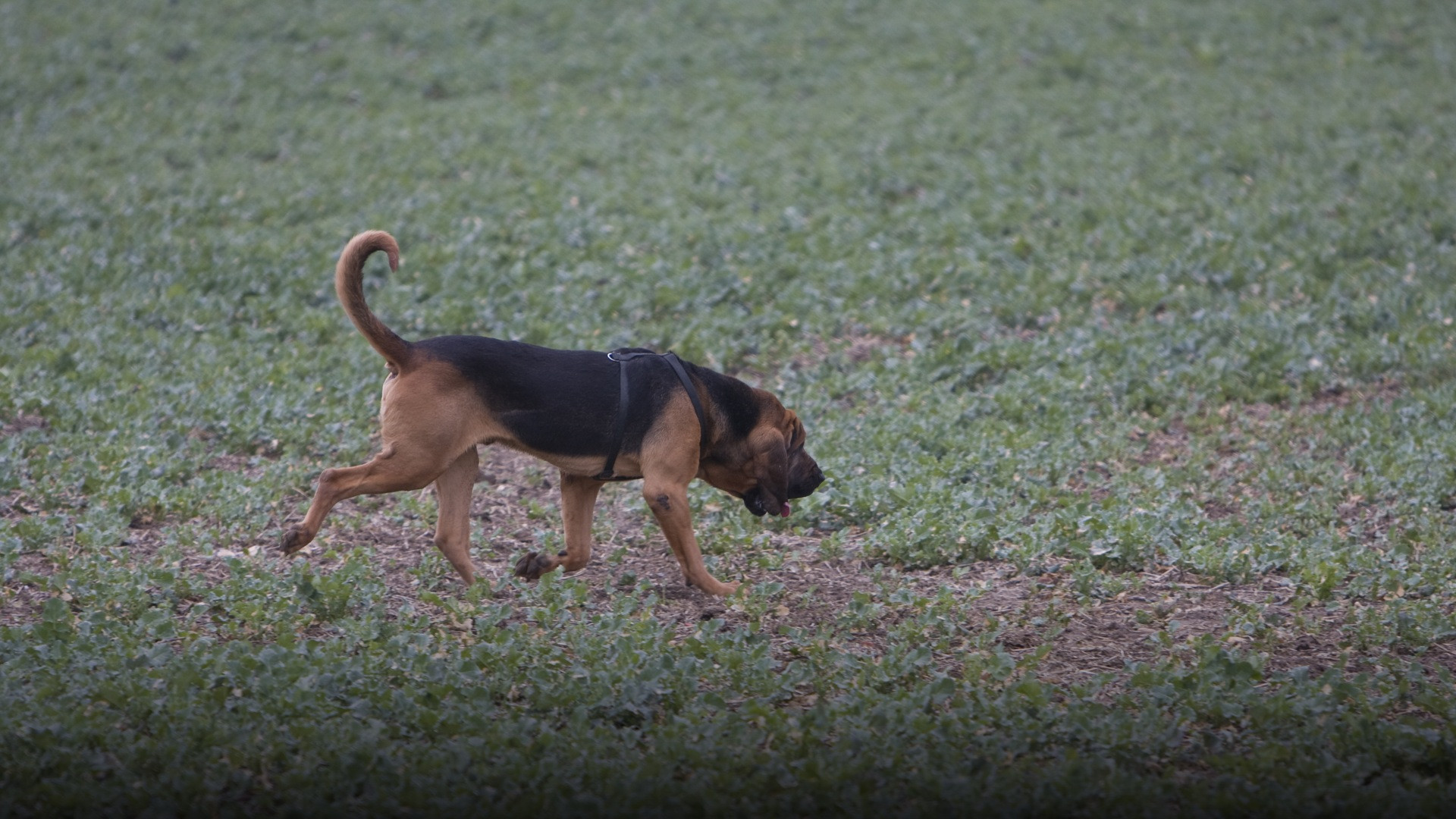
8. Bloodhound Scent Trails Are Admissible In Court
A Bloodhound possesses over 300 million olfactory receptors and can follow a cold scent trail over 130 miles long that is more than 300 hours old. Their tracking accuracy is so reliable that their trail evidence is legally admissible in United States courts of law.
©Wikimedia / John Leslie from London, UK
7. Dogs Tell Time Using Scent Evaporation
Dogs gauge time throughout the day by monitoring how their owner's lingering odor decays in the home. As scent concentration steadily evaporates toward a known baseline, the dog anticipates their family's regular evening return with uncanny precision.
©Wikimedia / Shixart1985
6. Dogs Are Not Completely Color Blind
Contrary to the myth that dogs see only in black and white, they possess dichromatic vision similar to red-green color blindness in humans. Dogs perceive a rich visual world composed of shades of blue, violet, and yellow, but perceive reds and greens as grayish tones.
©Wikimedia / Thegreatmutata
Advertisement
Swipe or tap ▶ to resume the countdown.
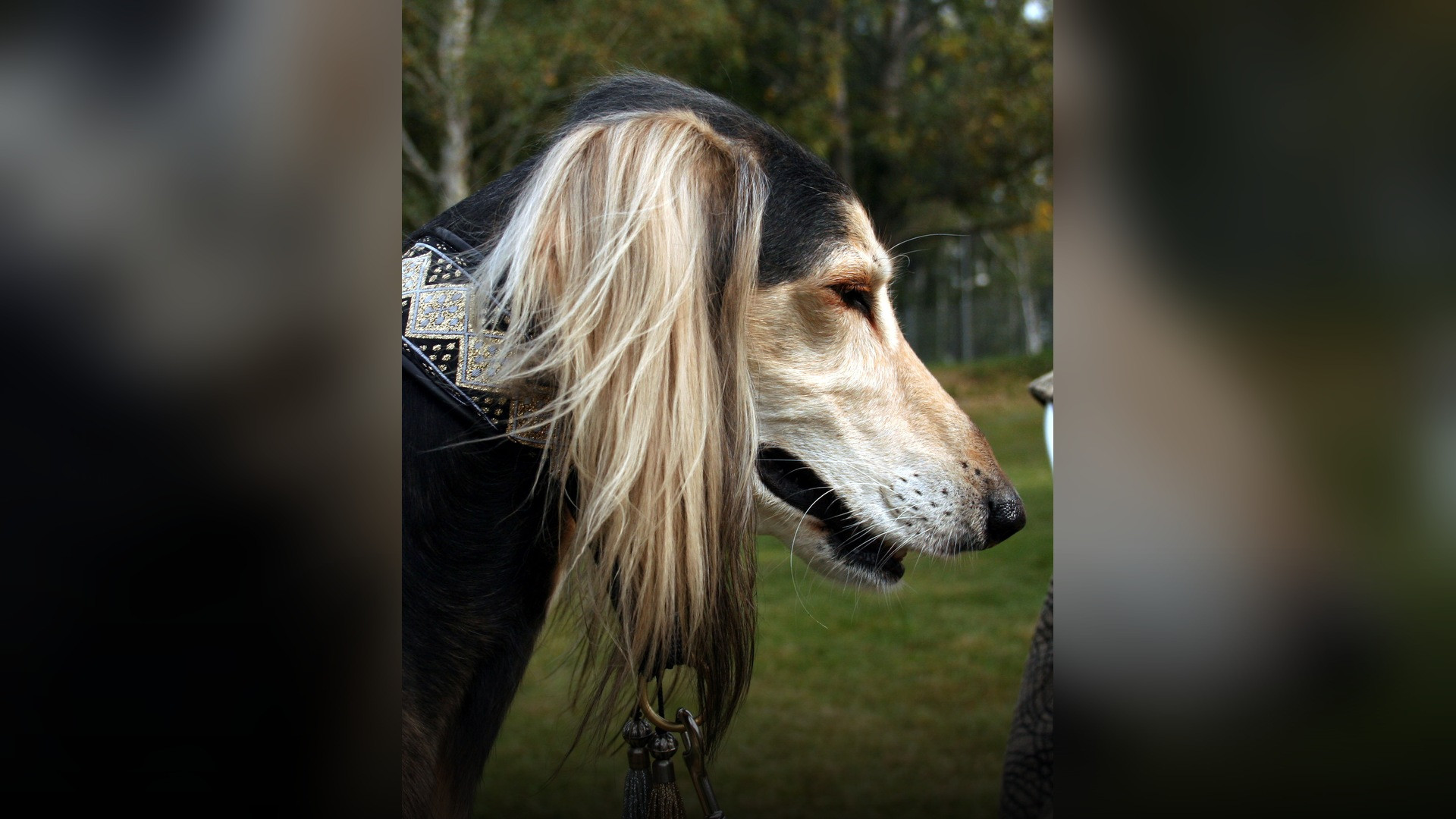
5. Salukis Are The World's Oldest Dog Breed
Preserved in rock carvings and Egyptian pharaoh tombs from 329 BC, the Saluki is officially recognized by Guinness World Records as humanity's oldest known domesticated dog breed. Ancient nomads cherished them as sacred gifts from the gods, never buying or selling them.
©Wikimedia / Pleple2000
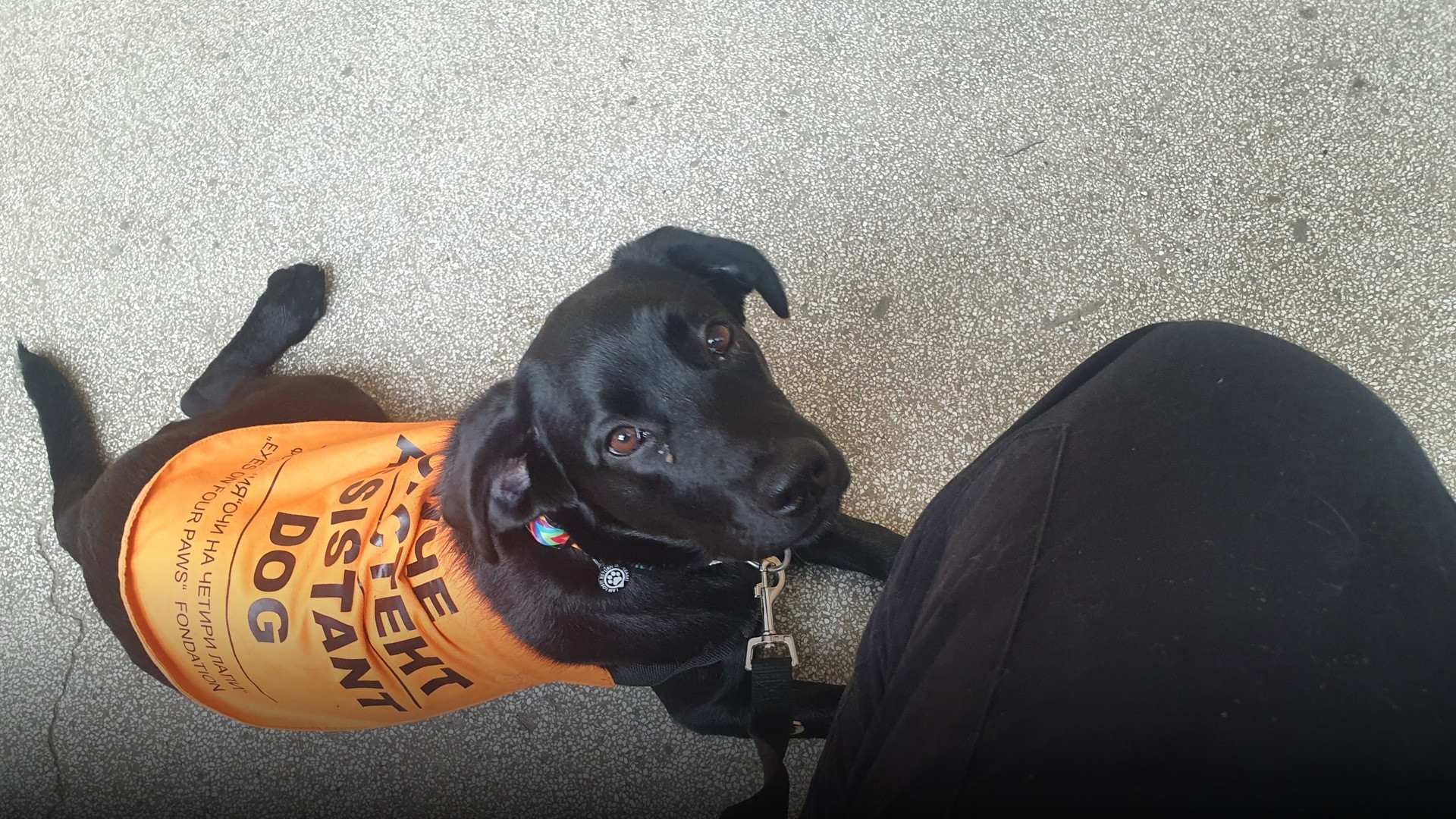
4. Dogs Can Sniff Out Human Disease Early
With an olfactory system thousands of times keener than humans, medical alert dogs detect disease from subtle breath samples. They identify Parkinson's disease, malaria, and early-stage cancers with clinical accuracy exceeding 95 percent.
©Wikimedia / Ivelina Balcheva
3. A Dog's Nose Has 300 Million Receptors
Humans have about 6 million olfactory receptors, while a dog's snout contains up to 300 million. Furthermore, the canine brain dedicates 40 times more neurological real estate to analyzing odors, allowing them to detect a single teaspoon of sugar in two Olympic pools.
©Wikimedia / Wikimedia Contributor
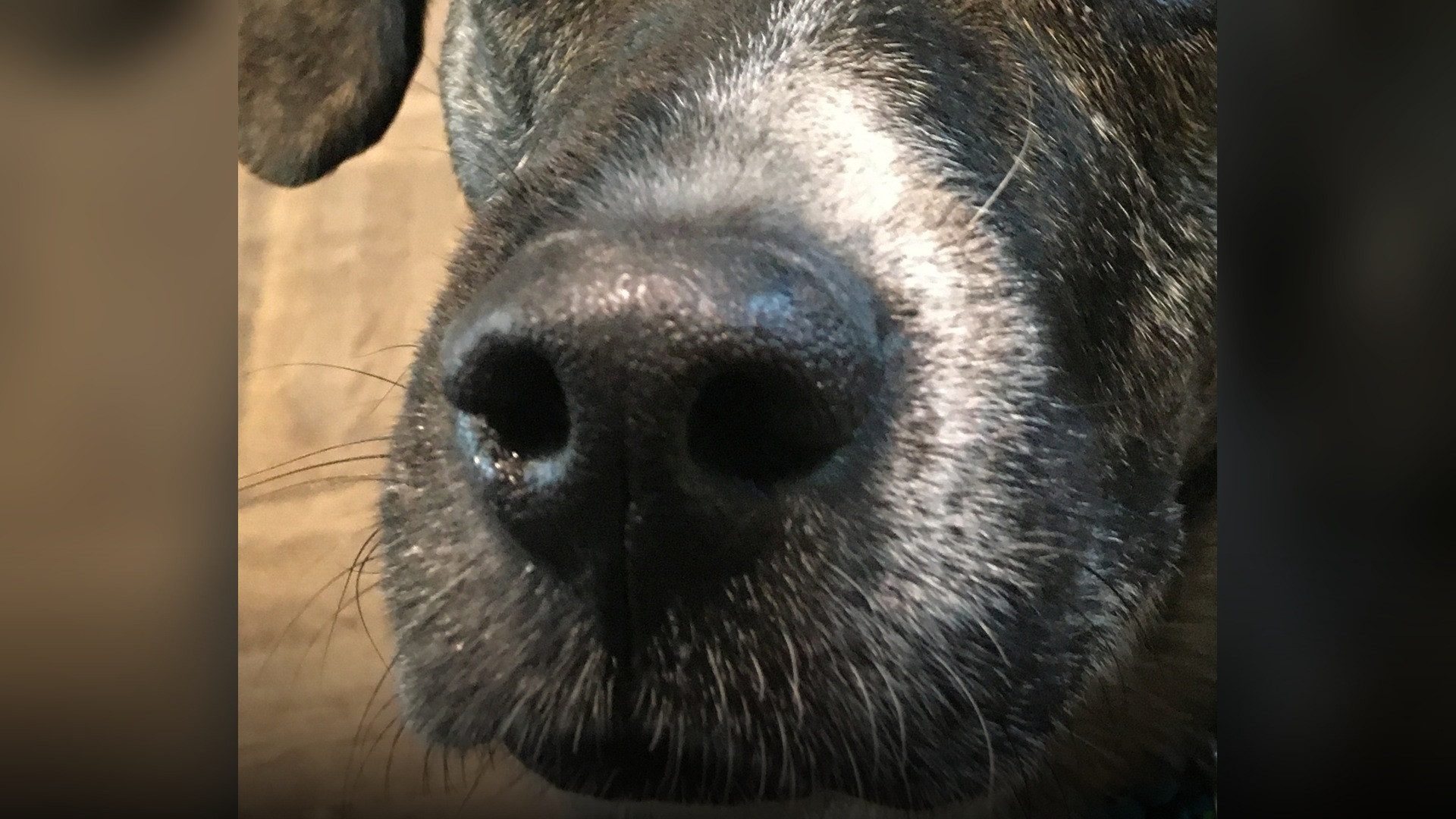
2. A Dog's Nose Print Is As Unique As A Fingerprint
Every single dog possesses a one-of-a-kind nose print defined by distinct dermal ridges, creases, and dot patterns. Just like human fingerprints, no two dog nose prints are identical, and kennel clubs have used nose prints for decades to legally verify identity.
©Wikimedia / Metography
Advertisement
Swipe or tap ▶ to resume the countdown.
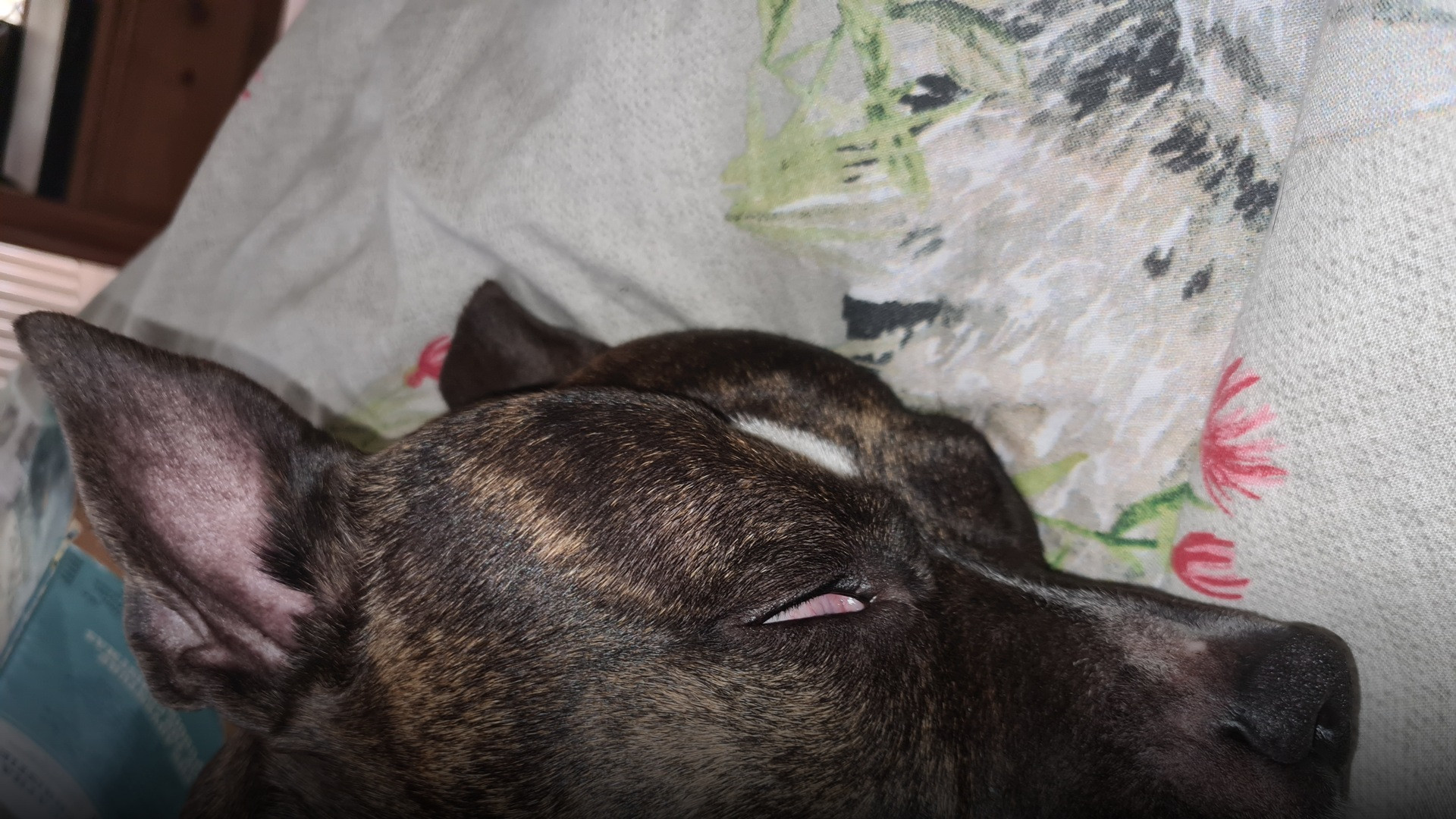
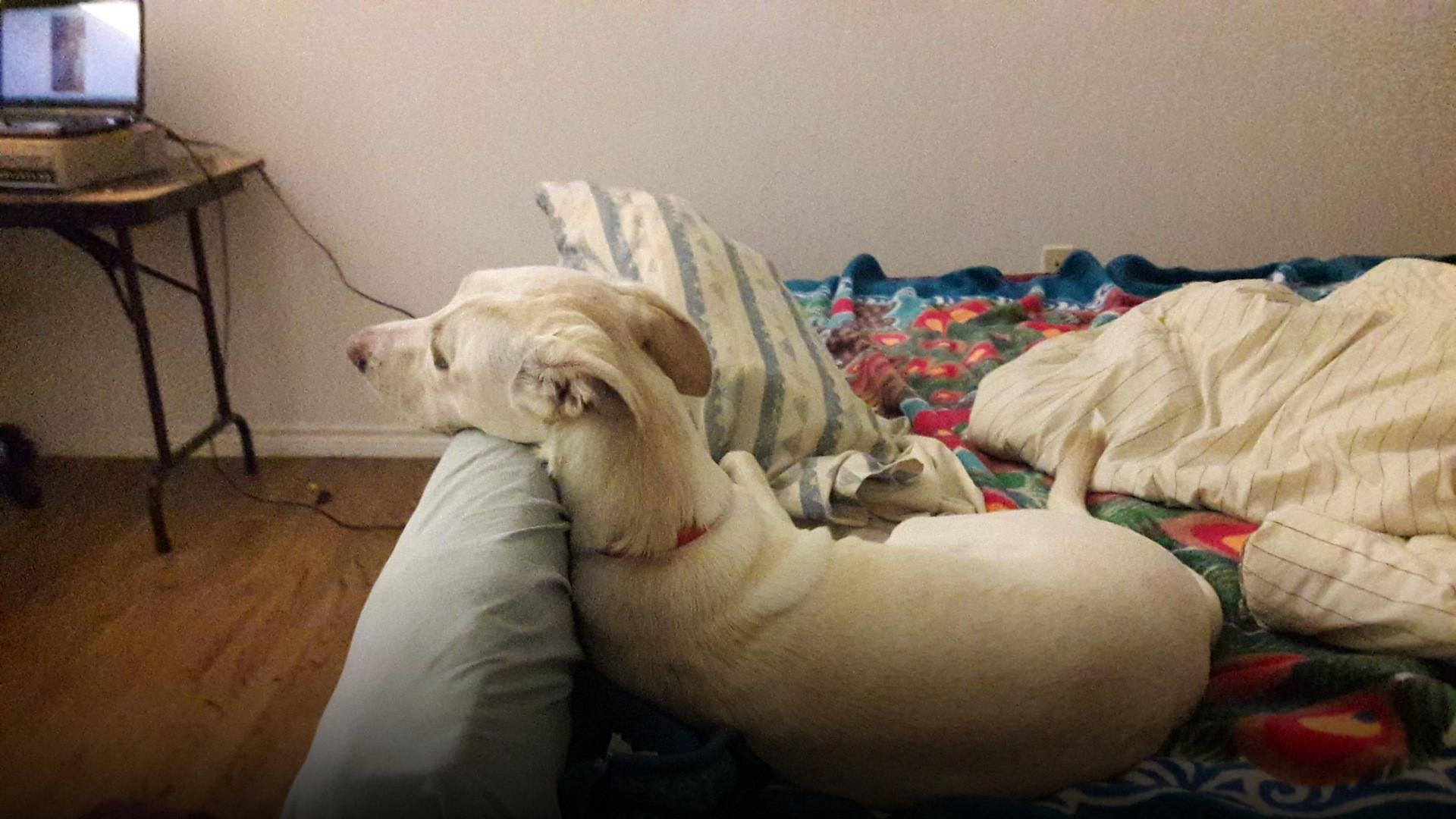
1. Dogs Dream Just Like Humans During REM Sleep
Brainwave recordings show that sleeping dogs experience rapid eye movement (REM) sleep identical to human sleep stages. During these deep dream cycles, their brains replay daily memories, causing the characteristic whimpering, running twitches, and happy tail wags.

©Wikimedia / Usernet123u
Advertisement
You've reached the end of the story. Thanks for reading!

How Long Do Hippos Live? 20 Other Facts About Hippos
From sixty-year lifespans to whale cousins, discover secrets of river giants
All 20 Entries in this Story
20. Dalmatians Are Born Completely Spotless
Dalmatian puppies enter the world with immaculate snow-white coats. Their iconic black or liver-colored spots only begin emerging after two to three weeks as specialized melanin clusters develop beneath their skin, becoming fully distinct at one month old.

19. Dogs Only Sweat Through Their Paws
Unlike humans who sweat across their entire body, dogs have merocrine sweat glands located almost exclusively in the pads of their paws. Panting provides their primary evaporative cooling, which is why dogs leave damp paw prints on warm summer days.

18. Basenji Dogs Cannot Bark And Only Yodel
Known as Africa's barkless dog, the Basenji has an unusually flat canine larynx that prevents traditional barking. Instead, they communicate with melodious vocalizations called yodels or barroos, sounding like a cross between a chortle and a Swiss yodel.

17. Norwegian Lundehunds Have Six Toes Per Foot
Bred to hunt puffins along precipitous Arctic cliffs, the Norwegian Lundehund possesses six fully functioning toes on each foot alongside double dewclaws. Their hyper-flexible joints also allow them to bend their heads backward until touching their spine.

16. Dogs Have A Protective Third Eyelid
Deep inside the corner of a dog's eye lies the nictitating membrane, an extra eyelid that sweeps horizontally across the eyeball. It houses an essential tear-producing gland and automatically shields the delicate cornea from dirt, debris, and injury.

15. Tail Wagging Direction Reveals True Emotion
Neuroscientists discovered that dogs wag their tails to the right when experiencing positive feelings like excitement and seeing their owners. A leftward wag indicates anxiety or hesitation, reflecting asymmetric processing between the left and right brain hemispheres.

14. Dogs Exhale Through Special Side Slits
When dogs exhale, spent air exits through two distinct lateral slits on the sides of their nose. This aerodynamic circulation creates a continuous vortex of incoming scent molecules, enabling dogs to sniff uninterrupted without disrupting fresh olfactory cues.

13. Greyhounds Can Outrun Cheetahs Over Distance
While a cheetah reaches blistering sprint bursts of 70 mph, it overheats and exhausts within 30 seconds. Greyhounds accelerate to 45 mph in six strides and can comfortably maintain a grueling 35 mph gallop for over seven miles, outlasting the big cat.

12. Yawning In Dogs Is Highly Contagious
Yawning in dogs is not just about fatigue; it is socially contagious. Cognitive tests prove dogs are five times more likely to yawn in response to a human they love compared to a stranger, providing measurable evidence of cross-species emotional empathy.

11. Dogs Curl Up Into A Ball For Defense
When a dog curls into a tight crescent roll with paws tucked beneath its chest, it mimics an ancient wolf survival instinct. This defensive posture insulates body heat and shields vulnerable vital organs in the abdomen from potential predators while asleep.

10. Whiskers Help Dogs Navigate In Pure Darkness
Canine whiskers, known scientifically as vibrissae, are packed with sensitive nerve bundles at their follicle roots. They detect subtle shifts in air pressure and airflow, allowing dogs to gauge object distances and safely navigate narrow rooms in pitch darkness.

9. Dogs Feel Authentic Envy And Jealousy
University of Vienna researchers demonstrated that dogs possess genuine emotions of inequity and jealousy. When forced to perform a trick alongside another dog that received treats while they received nothing, the unrewarded dogs refused cooperation and sulked.

8. Bloodhound Scent Trails Are Admissible In Court
A Bloodhound possesses over 300 million olfactory receptors and can follow a cold scent trail over 130 miles long that is more than 300 hours old. Their tracking accuracy is so reliable that their trail evidence is legally admissible in United States courts of law.

7. Dogs Tell Time Using Scent Evaporation
Dogs gauge time throughout the day by monitoring how their owner's lingering odor decays in the home. As scent concentration steadily evaporates toward a known baseline, the dog anticipates their family's regular evening return with uncanny precision.

6. Dogs Are Not Completely Color Blind
Contrary to the myth that dogs see only in black and white, they possess dichromatic vision similar to red-green color blindness in humans. Dogs perceive a rich visual world composed of shades of blue, violet, and yellow, but perceive reds and greens as grayish tones.

5. Salukis Are The World's Oldest Dog Breed
Preserved in rock carvings and Egyptian pharaoh tombs from 329 BC, the Saluki is officially recognized by Guinness World Records as humanity's oldest known domesticated dog breed. Ancient nomads cherished them as sacred gifts from the gods, never buying or selling them.

4. Dogs Can Sniff Out Human Disease Early
With an olfactory system thousands of times keener than humans, medical alert dogs detect disease from subtle breath samples. They identify Parkinson's disease, malaria, and early-stage cancers with clinical accuracy exceeding 95 percent.

3. A Dog's Nose Has 300 Million Receptors
Humans have about 6 million olfactory receptors, while a dog's snout contains up to 300 million. Furthermore, the canine brain dedicates 40 times more neurological real estate to analyzing odors, allowing them to detect a single teaspoon of sugar in two Olympic pools.

2. A Dog's Nose Print Is As Unique As A Fingerprint
Every single dog possesses a one-of-a-kind nose print defined by distinct dermal ridges, creases, and dot patterns. Just like human fingerprints, no two dog nose prints are identical, and kennel clubs have used nose prints for decades to legally verify identity.

1. Dogs Dream Just Like Humans During REM Sleep
Brainwave recordings show that sleeping dogs experience rapid eye movement (REM) sleep identical to human sleep stages. During these deep dream cycles, their brains replay daily memories, causing the characteristic whimpering, running twitches, and happy tail wags.