Slideshow · Travel
20 US States With Popular Summer Destinations Worth Visiting
Skip the state ranking debates and look at the places that make summer travel popular across 20 US states. From coastal boardwalks and barrier islands to granite peaks and spring-fed pools, each stop highlights one real destination verified by National Park Service, Library of Congress and state park records.
By Most Viral Today
11 min agoradar-lead:signal:e8e392ca-9e71-4472-8a3c-04318344a8b5

From boardwalk coasters to alpine lakes, see 20 iconic US summer spots 
20. Acadia National Park, Maine 
19. Cape Cod National Seashore, Massachusetts 
18. Coney Island, New York - AdvertisementSwipe or tap ▶ to continue countdown

17. Cape May, New Jersey 
16. Assateague Island, Maryland 
15. Virginia Beach, Virginia 
14. Outer Banks, North Carolina - AdvertisementSwipe or tap ▶ to continue countdown

13. Myrtle Beach, South Carolina 
12. South Beach, Florida 
11. Gulf Shores, Alabama 
10. Barton Springs Pool, Texas - AdvertisementSwipe or tap ▶ to continue countdown

9. Cedar Point, Ohio 
8. Mackinac Island, Michigan 
7. Wisconsin Dells, Wisconsin 
6. Boundary Waters, Minnesota - AdvertisementSwipe or tap ▶ to continue countdown

5. Garden Of The Gods, Colorado 
4. Lake Tahoe, Nevada 
3. Cannon Beach, Oregon 
2. Waikiki Beach, Hawaii - AdvertisementSwipe or tap ▶ to continue countdown

1. Santa Monica Pier, California - Advertisement🔥 UP NEXT IN THIS SERIES◫ 21 Slides

20 Famous Demolished Landmarks That People Still Miss Today
Cities often clear away beloved buildings to make room for new towers, transit hubs, or sports arenas. From grand Victorian glass halls and Art Deco resorts to classic ballparks across North America, Europe, and Asia, these 20 demolished landmarks still inspire fierce nostalgia and local preservation efforts.
Skip the state ranking debates and look at the places that make summer travel popular across 20 US states. From coastal boardwalks and barrier islands to granite peaks and spring-fed pools, each stop highlights one real destination verified by National Park Service, Library of Congress and state park records.
Swipe or tap ▶ to begin the countdown
©Wikimedia / PEO ACWA & Wikimedia / Dotruonggiahy12
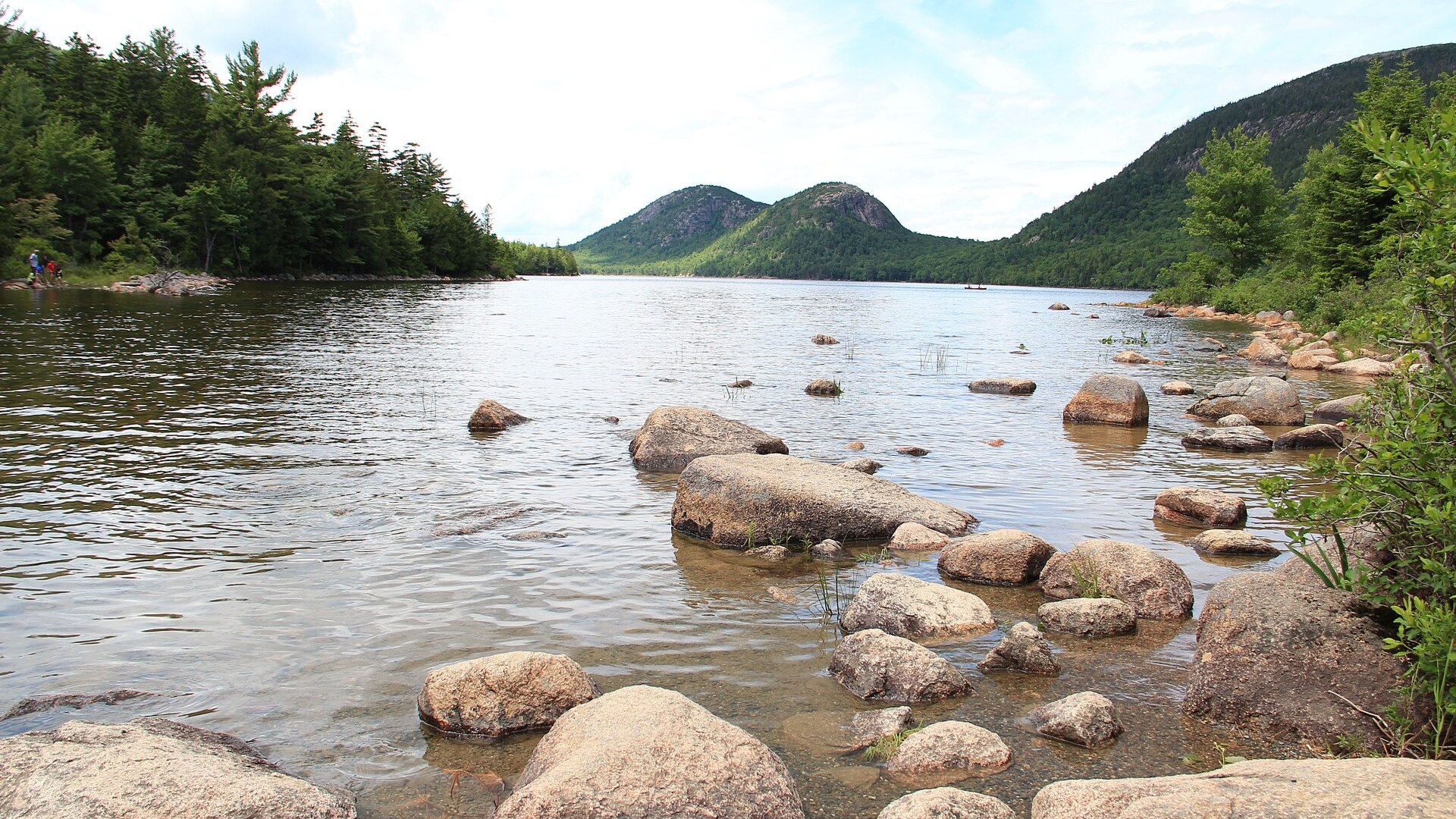
20. Acadia National Park, Maine
Protected by the National Park Service since 1916, Acadia covers much of Mount Desert Island and nearby Schoodic Peninsula. Visitors drive the 27-mile Park Loop Road, kayak on Jordan Pond and watch sunrise from Cadillac Mountain, the highest point along the US North Atlantic coast.
©Wikimedia / Thomsonmg2000
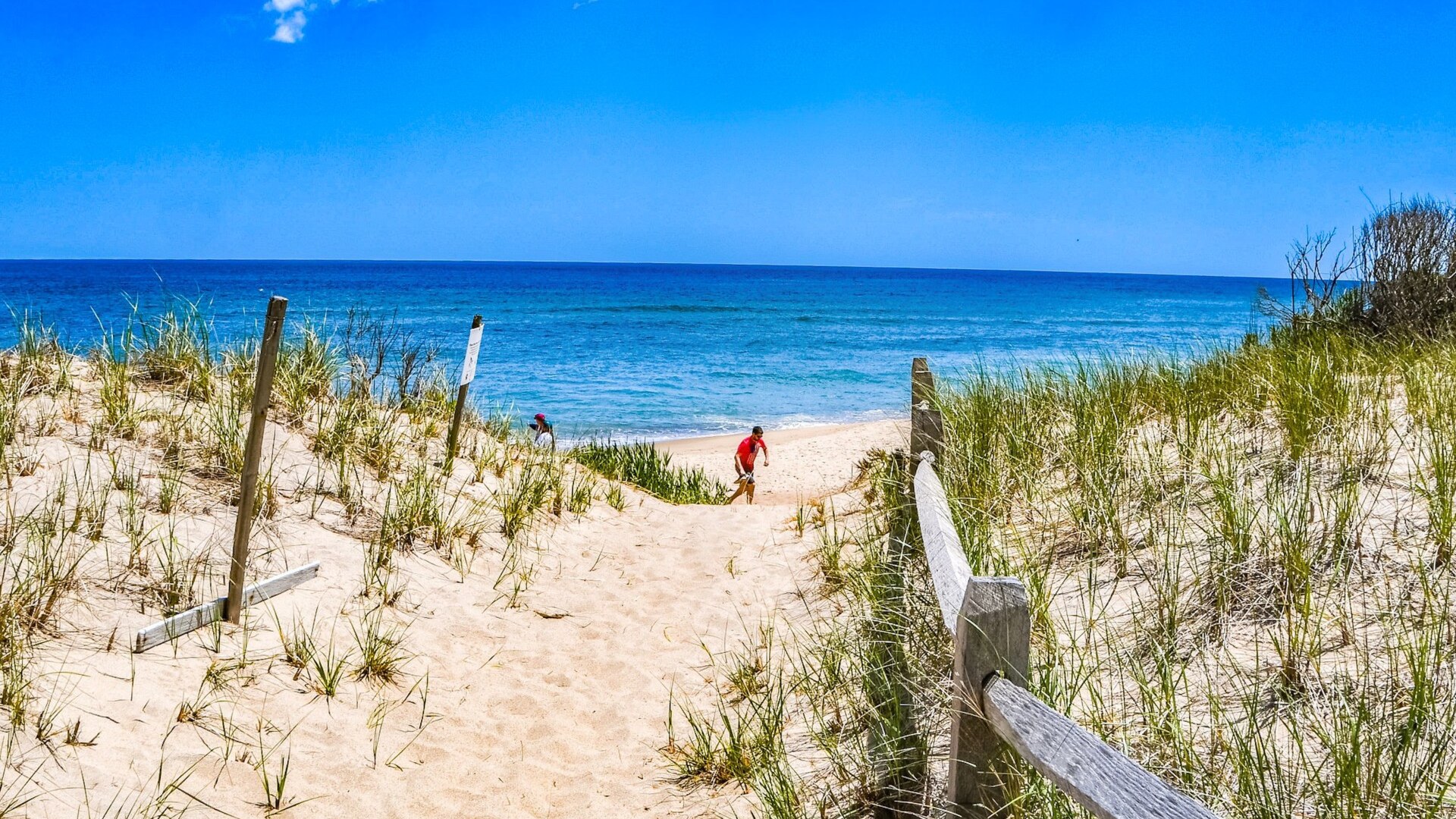
19. Cape Cod National Seashore, Massachusetts
President John F. Kennedy signed the bill creating Cape Cod National Seashore in August 1961 to preserve the outer peninsula's dunes and marshes. Six public beaches from Eastham to Provincetown draw summer swimmers, while paved bike trails wind past kettle ponds and historic lighthouses.
©Wikimedia / Dennis Weeks
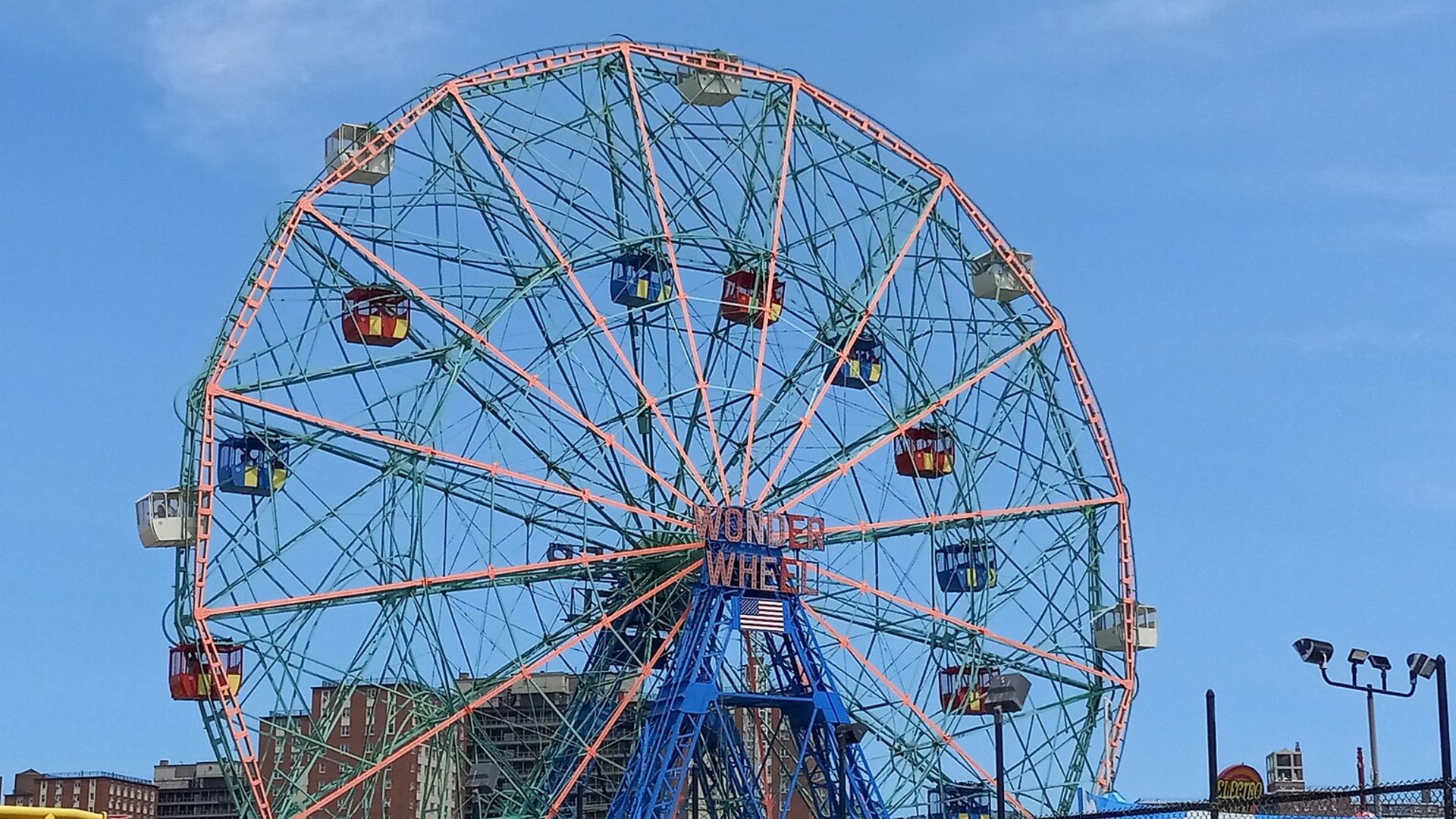
18. Coney Island, New York
Built in 1920, Deno's Wonder Wheel still turns above the Riegelmann Boardwalk in southern Brooklyn alongside the 1927 wooden Cyclone roller coaster. Subway lines from Manhattan end right beside the amusement district, making the sandy peninsula an easy warm-weather escape by train.
©Wikimedia / Kidfly182
Advertisement
Swipe or tap ▶ to resume the countdown.
17. Cape May, New Jersey
Designated a National Historic Landmark in 1976, Cape May preserves one of the largest collections of late 19th-century frame architecture in the United States. Beyond the painted guesthouses, a two-mile promenade lines the Atlantic shore while Sunset Beach overlooks Delaware Bay.
©Wikimedia / 8bit12man
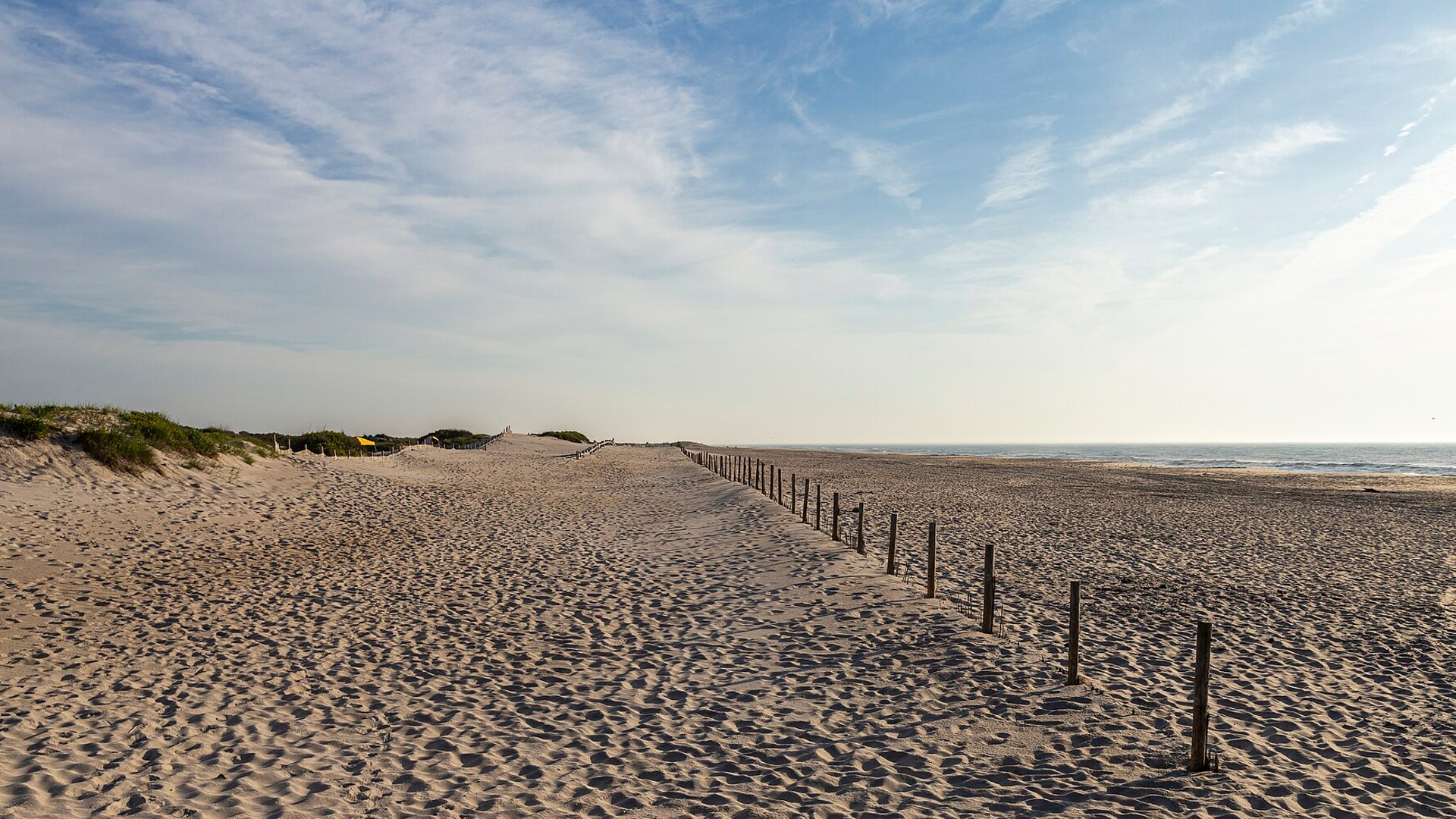
16. Assateague Island, Maryland
Separated from the mainland by Sinepuxent Bay, Assateague Island National Seashore was established in 1965 across Maryland and Virginia. Campers pitch tents steps from the surf, paddle quiet salt marshes and spot two distinct herds of feral horses grazing along the coastal dunes.
©Wikimedia / Acroterion
15. Virginia Beach, Virginia
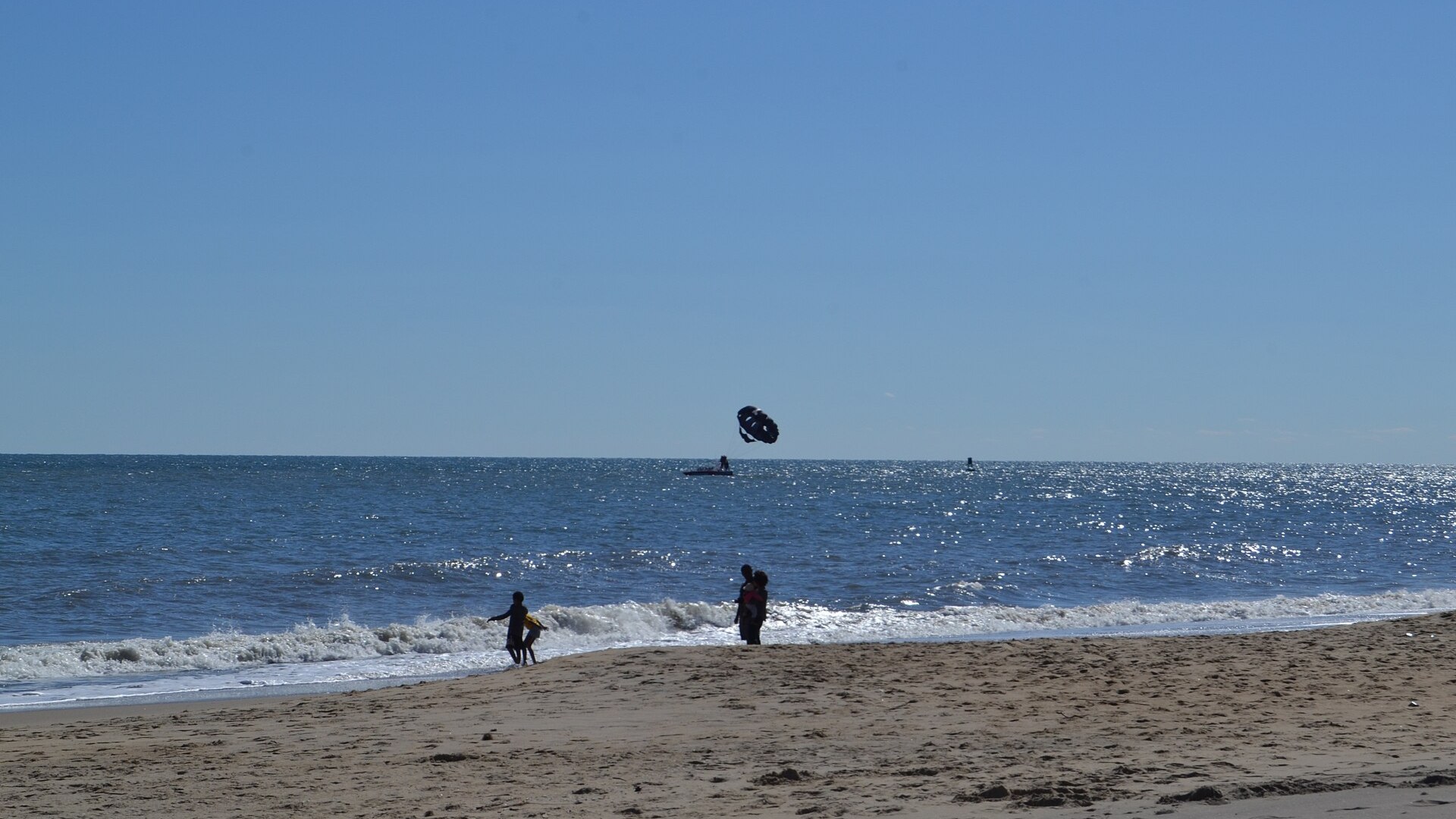
Situated at the mouth of the Chesapeake Bay, Virginia Beach spans resort oceanfront, First Landing State Park and the quiet wildlife trails of Back Bay. Cyclists share a dedicated path beside the oceanfront boardwalk while surf schools and fishing piers stay busy from May through September.
©Wikimedia / Greyfiveys
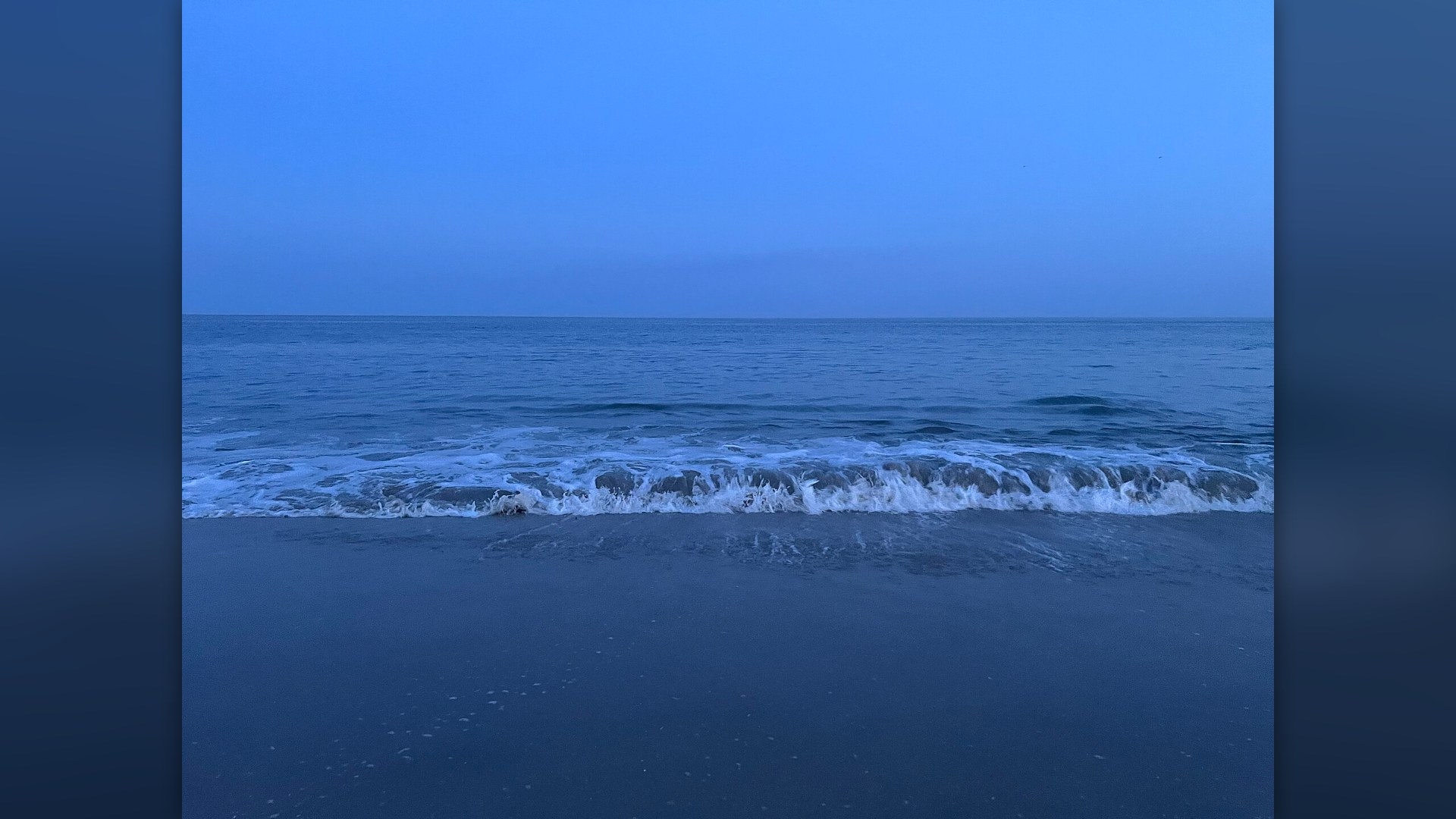
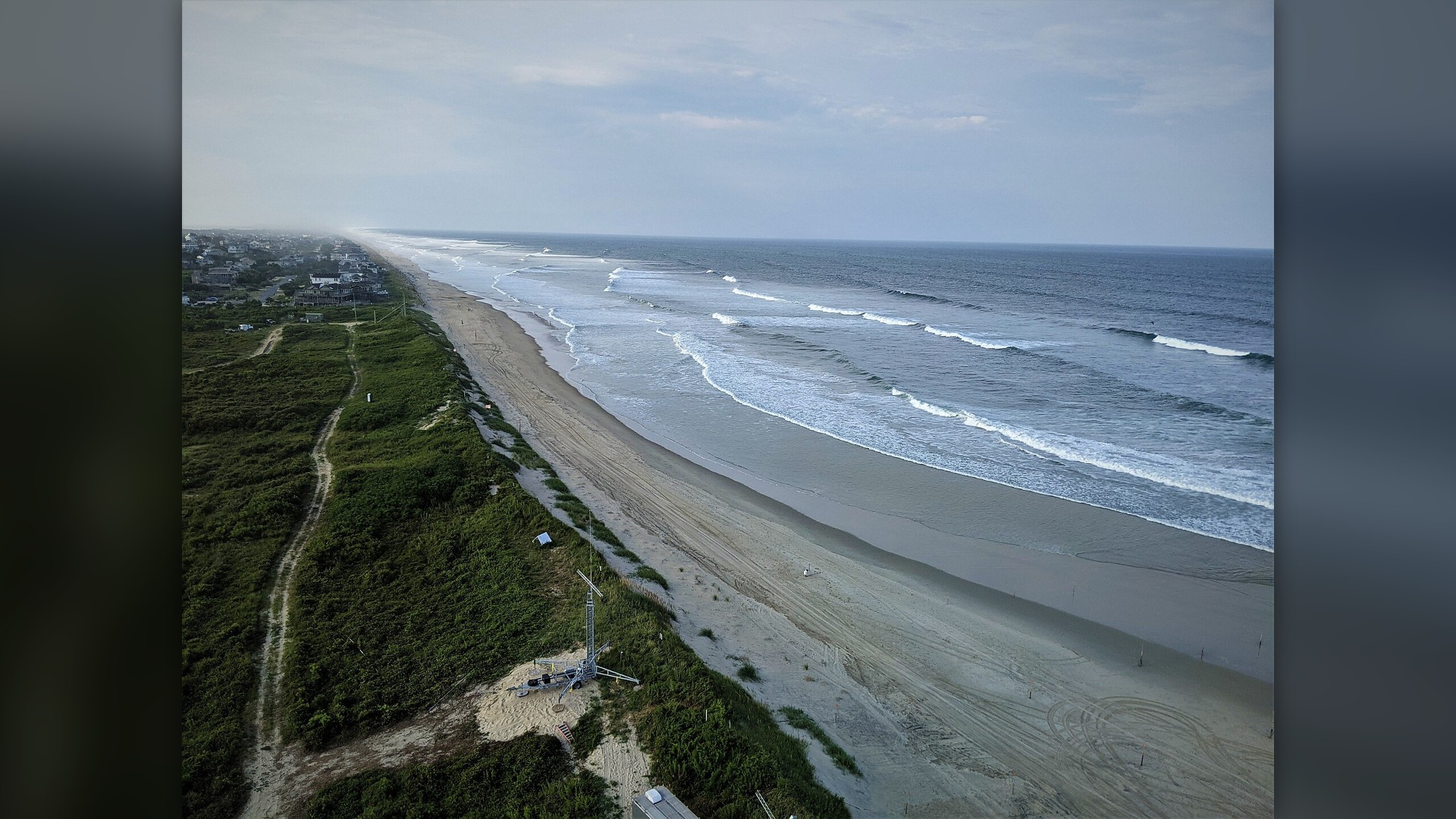
14. Outer Banks, North Carolina
Stretching more than 100 miles along North Carolina's coast, the Outer Banks link Kill Devil Hills, Kitty Hawk and Cape Hatteras National Seashore. Engineers moved the brick Cape Hatteras Lighthouse 2,900 feet inland in 1999 to protect it from erosion, and visitors still climb its spiral stairs.
©USGS / USGS Coastal and Marine Hazards and Resources
Advertisement
Swipe or tap ▶ to resume the countdown.
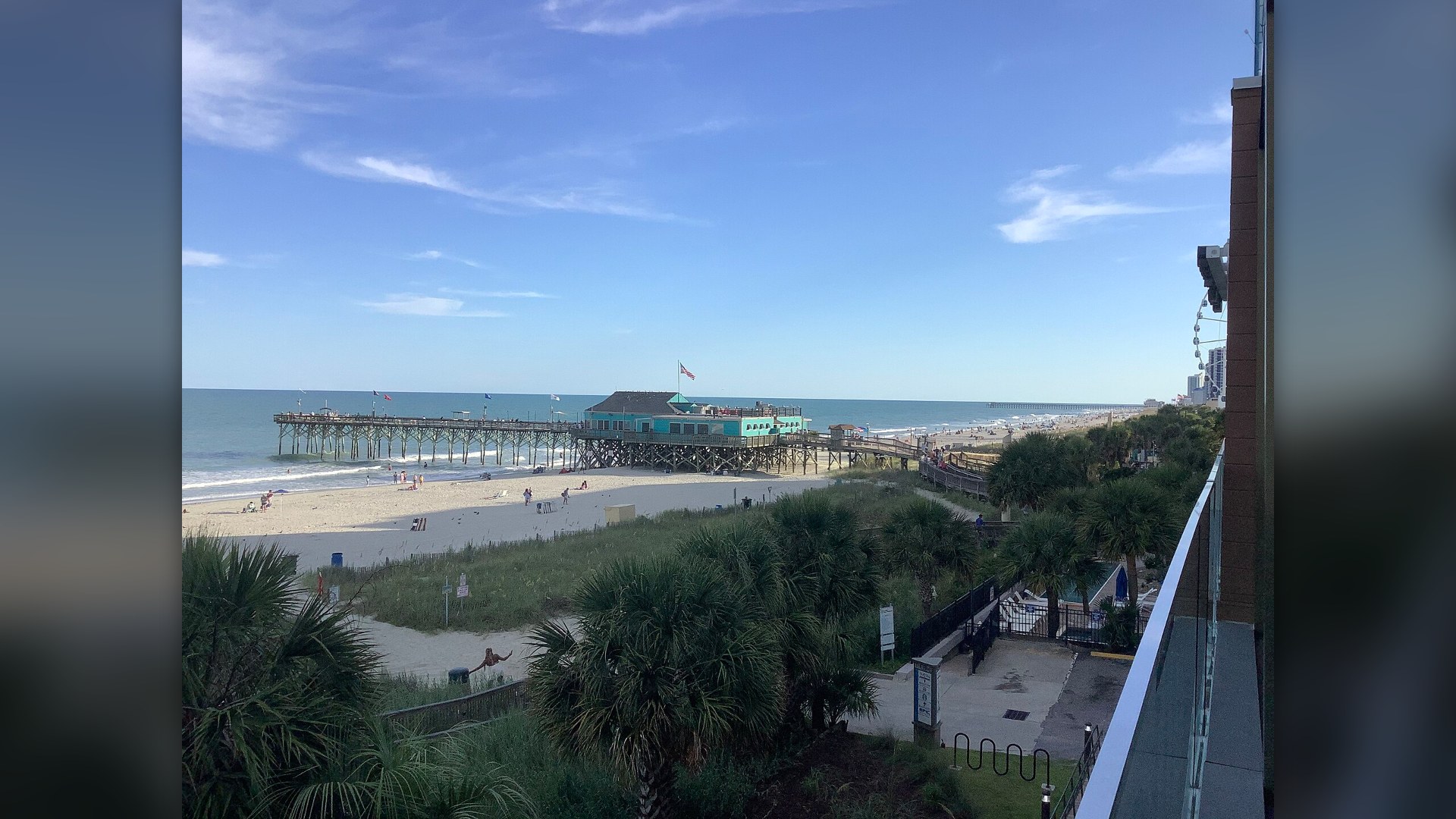
13. Myrtle Beach, South Carolina
Centered on South Carolina's Grand Strand, Myrtle Beach opened its 1.2-mile Oceanfront Boardwalk and Promenade in 2010 between 14th Avenue North Pier and 2nd Avenue Pier. Nearby Myrtle Beach State Park preserves maritime forest and a quieter stretch of surf just south of the main strip.
©Wikimedia / DiscoA340
12. South Beach, Florida
Listed on the National Register of Historic Places in 1979, Miami Beach's Art Deco Historic District holds more than 800 preserved buildings from the 1920s to 1940s. Lummus Park runs parallel to the sand between 5th and 15th Streets, giving beachgoers shaded paths right beside Ocean Drive.
©Wikimedia / Kiran891
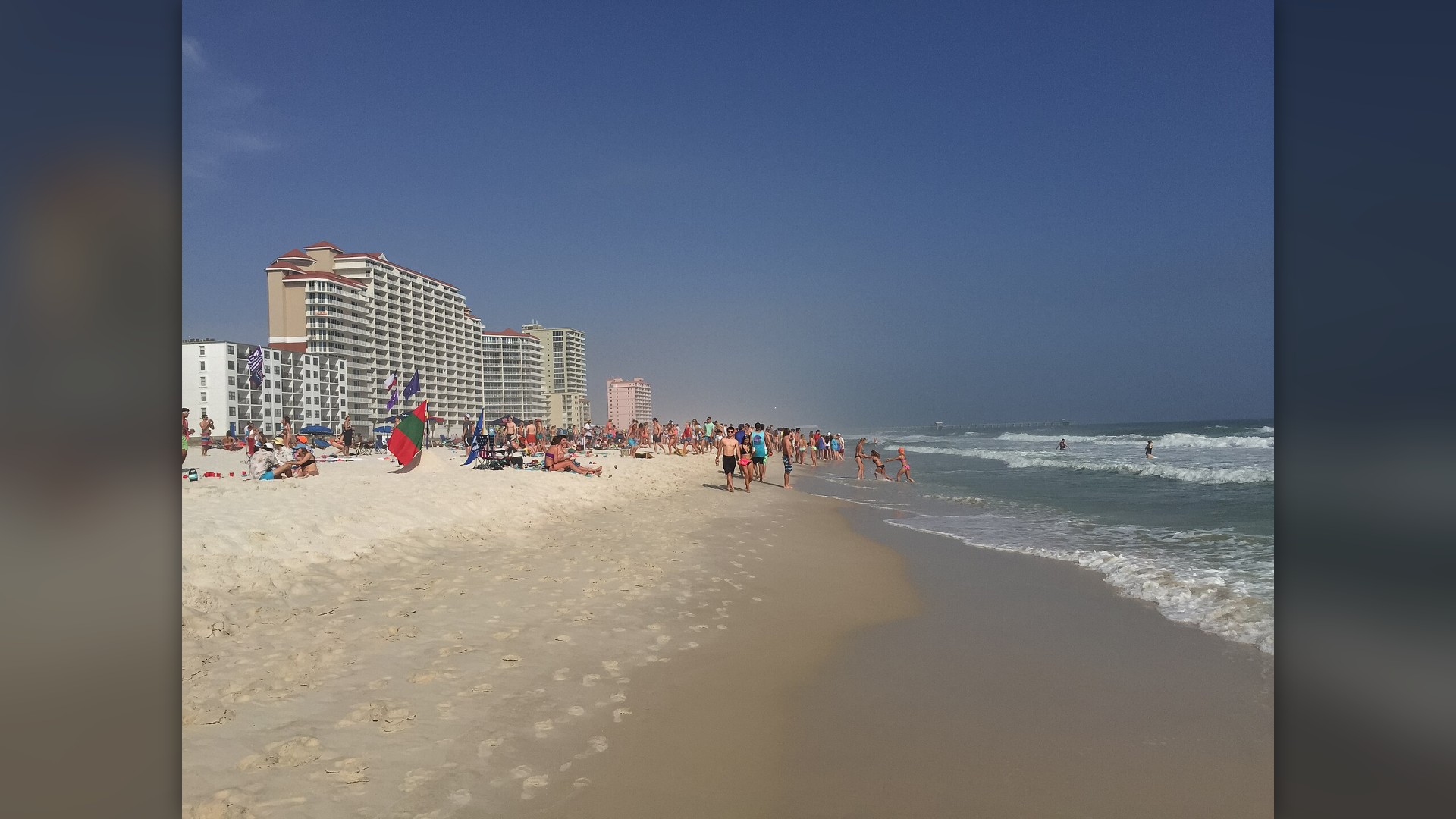
11. Gulf Shores, Alabama
Powder-white quartz grains washed down from the Appalachian Mountains give Gulf Shores its bright sand and cooler footing under summer sun. Just east of town, Gulf State Park covers 6,150 acres with freshwater lakes, paved backcountry trails and over two miles of undeveloped Gulf beachfront.
©Wikimedia / Gulf Shores, Alabama
10. Barton Springs Pool, Texas
Fed by underground Edwards Aquifer springs, Barton Springs Pool stays around 68 to 70 degrees Fahrenheit year-round, offering reliable relief during triple-digit Texas afternoons. Swimmers share the spring-fed waters inside Zilker Park while grassy hillsides surround the concrete and rock banks.
©Wikimedia / Todd Dwyer from Austin, Texas, USA
Advertisement
Swipe or tap ▶ to resume the countdown.
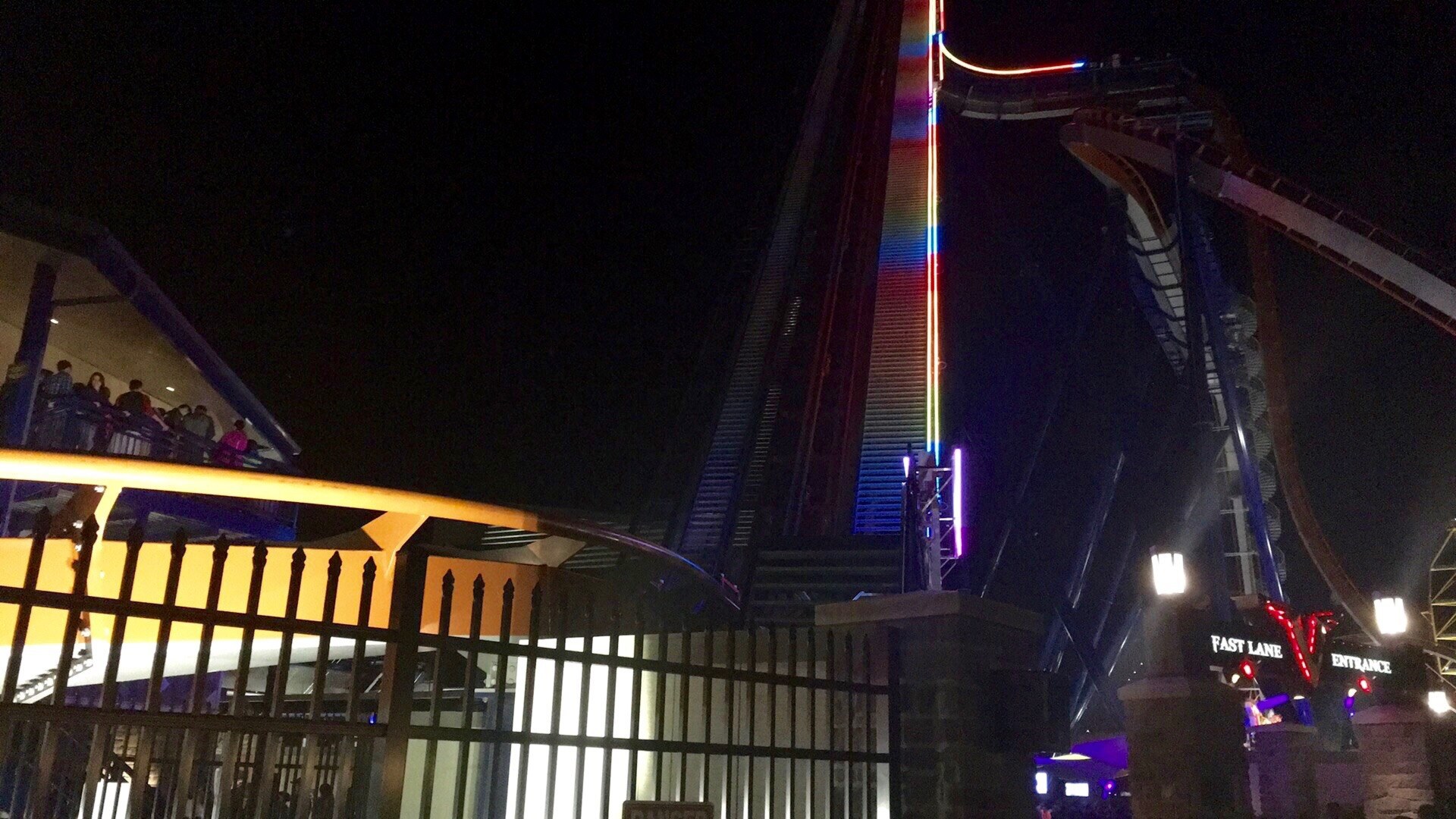
9. Cedar Point, Ohio
Operating on a Lake Erie peninsula since 1870, Cedar Point ranks among the oldest amusement parks in the United States. Roller coasters rise directly over the shoreline promenade, and visitors step out of the park gates onto Cedar Point Beach for swimming and views across Sandusky Bay.
©Wikimedia / Gregory Varnum
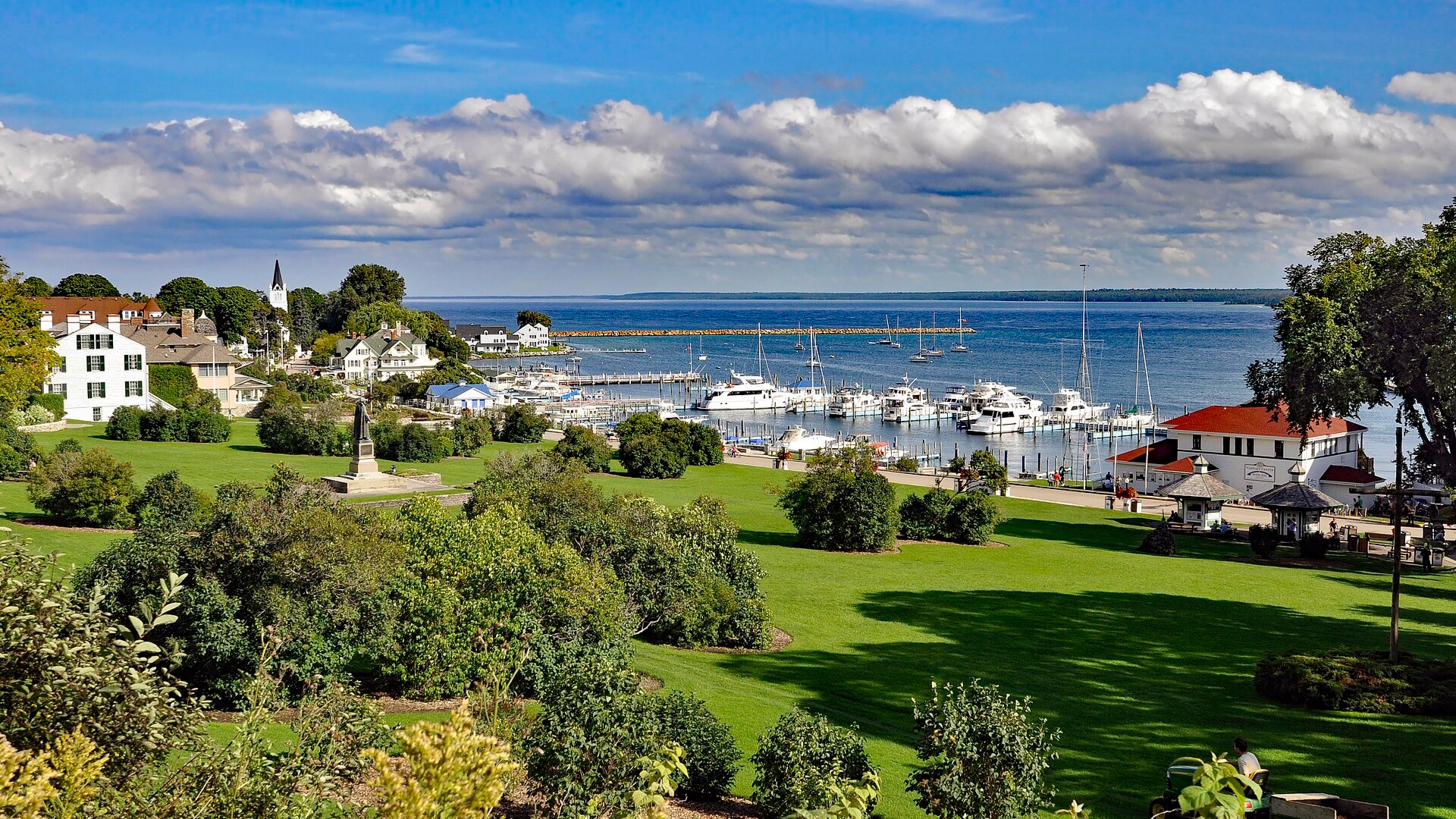
8. Mackinac Island, Michigan
Sitting in the Straits of Mackinac between Michigan's Upper and Lower Peninsulas, Mackinac Island banned automobiles in 1898. More than 80 percent of the island is protected as Mackinac Island State Park, where a paved 8.2-mile perimeter road loops past limestone bluffs and historic Fort Mackinac.
©Wikimedia / P. Hughes
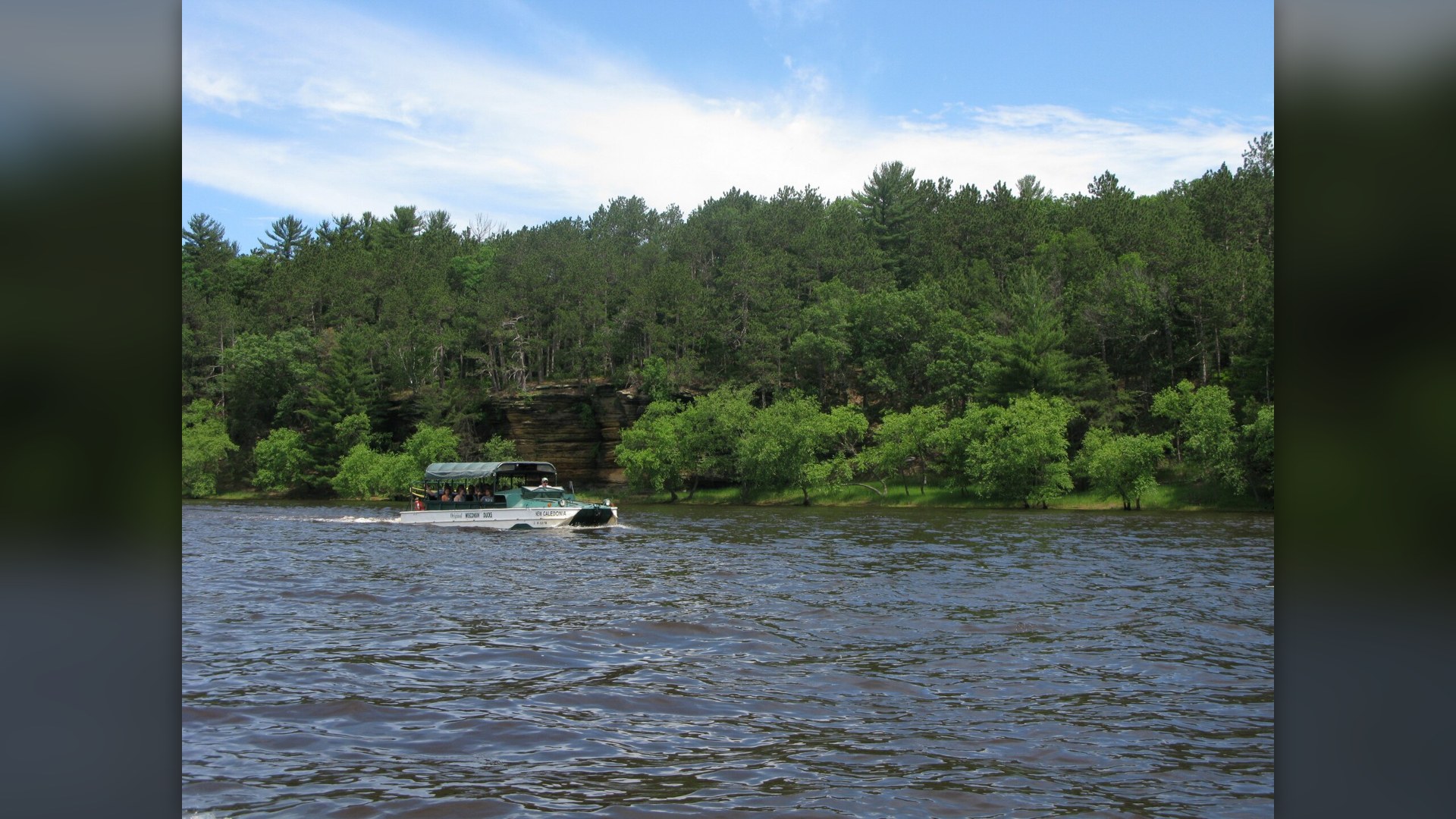
7. Wisconsin Dells, Wisconsin
Glacial meltwater carved the towering Cambrian sandstone cliffs along a five-mile gorge of the Wisconsin River long before resorts arrived. Today, guided riverboat tours wind through narrow canyons like Witches Gulch alongside indoor and outdoor waterparks that earned the town its famous nickname.
©Wikimedia / Sergey Subbotin
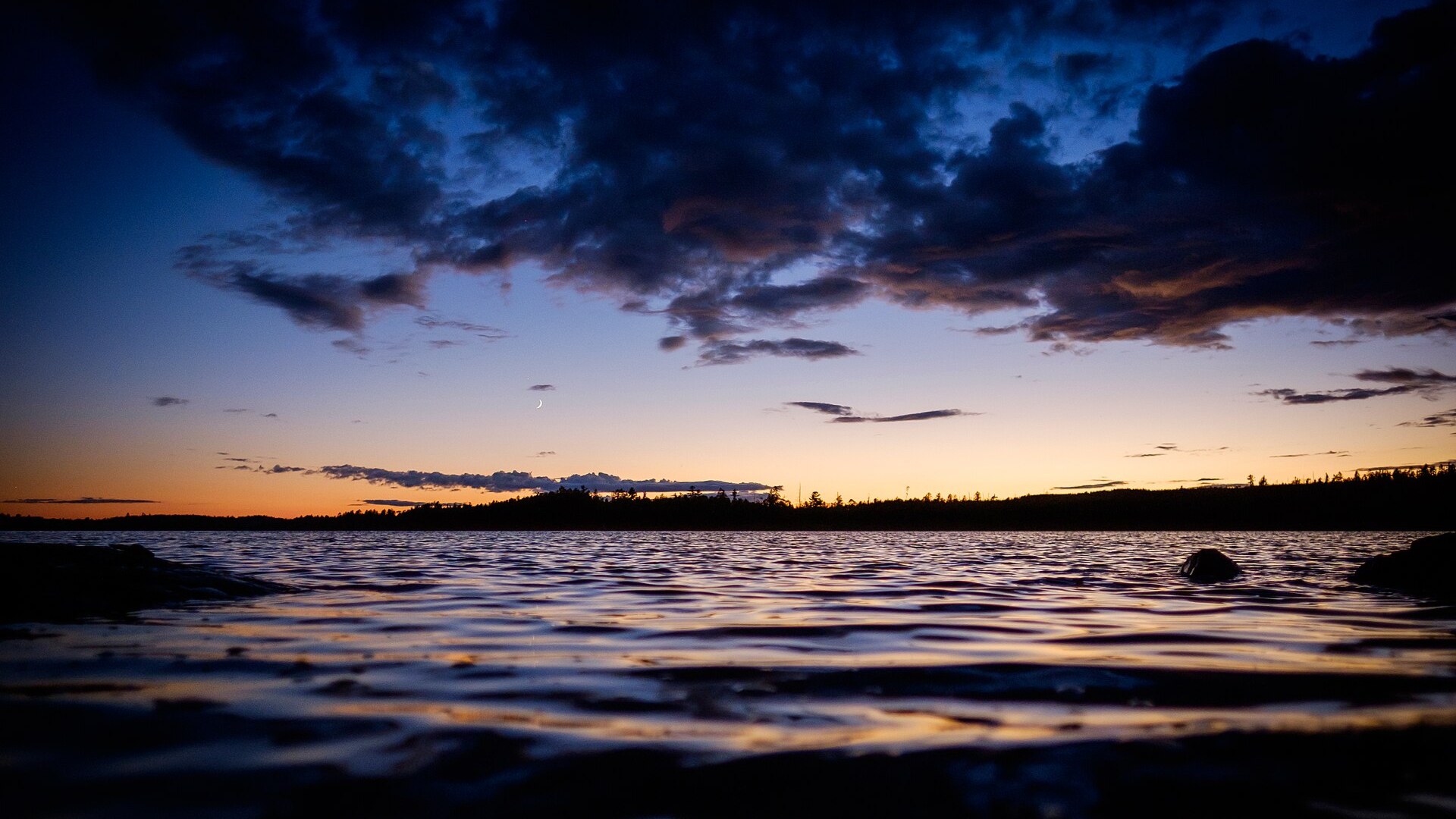
6. Boundary Waters, Minnesota
Covering over one million acres inside Superior National Forest, the Boundary Waters Canoe Area Wilderness protects roughly 1,200 miles of canoe routes. Travelers portage wooden and Kevlar canoes between glacial lakes, camp at backcountry sites and hear loons echo across quiet northern bays.
©Wikimedia / dan carlson dan_carl5on
Advertisement
Swipe or tap ▶ to resume the countdown.
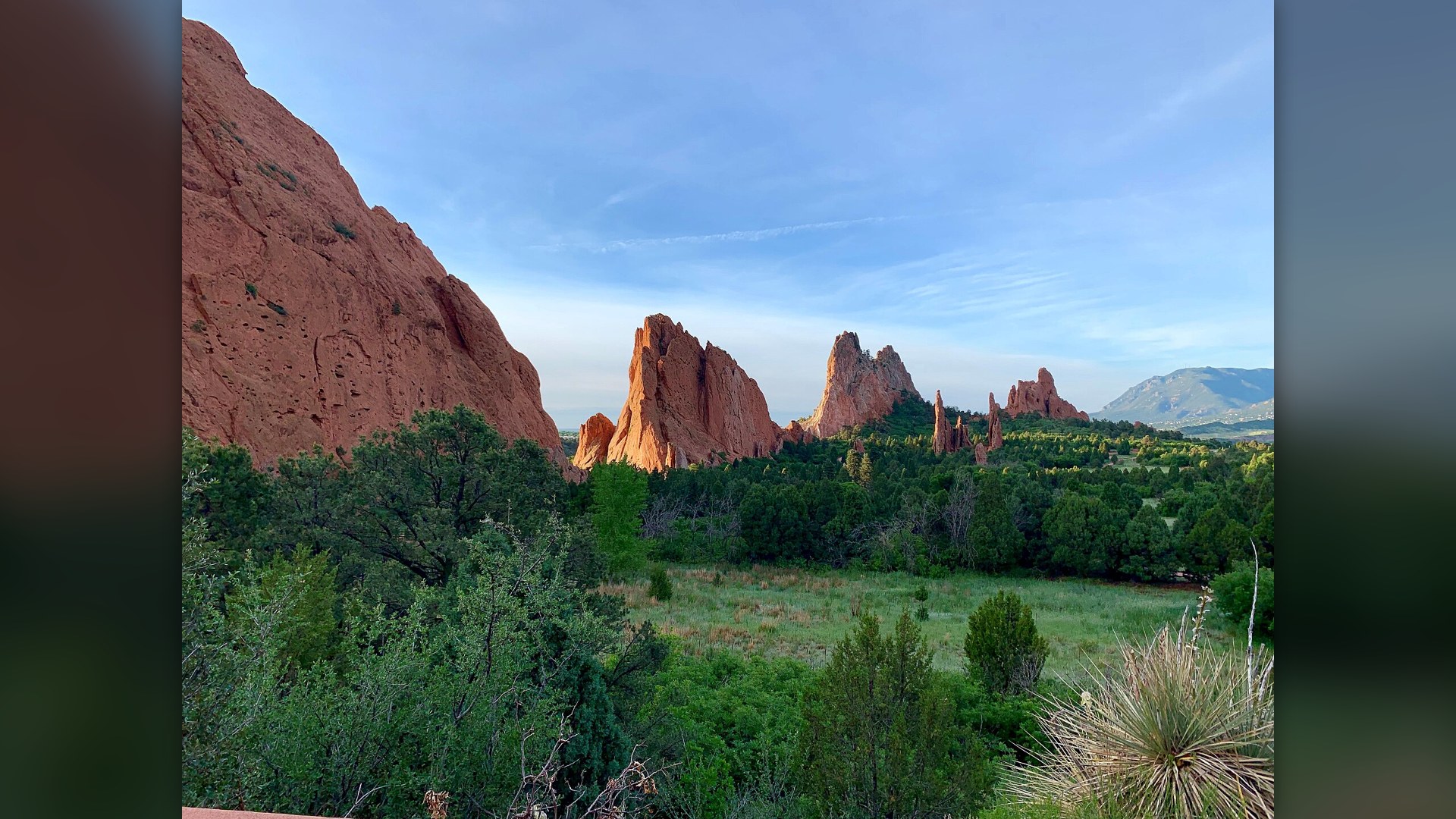
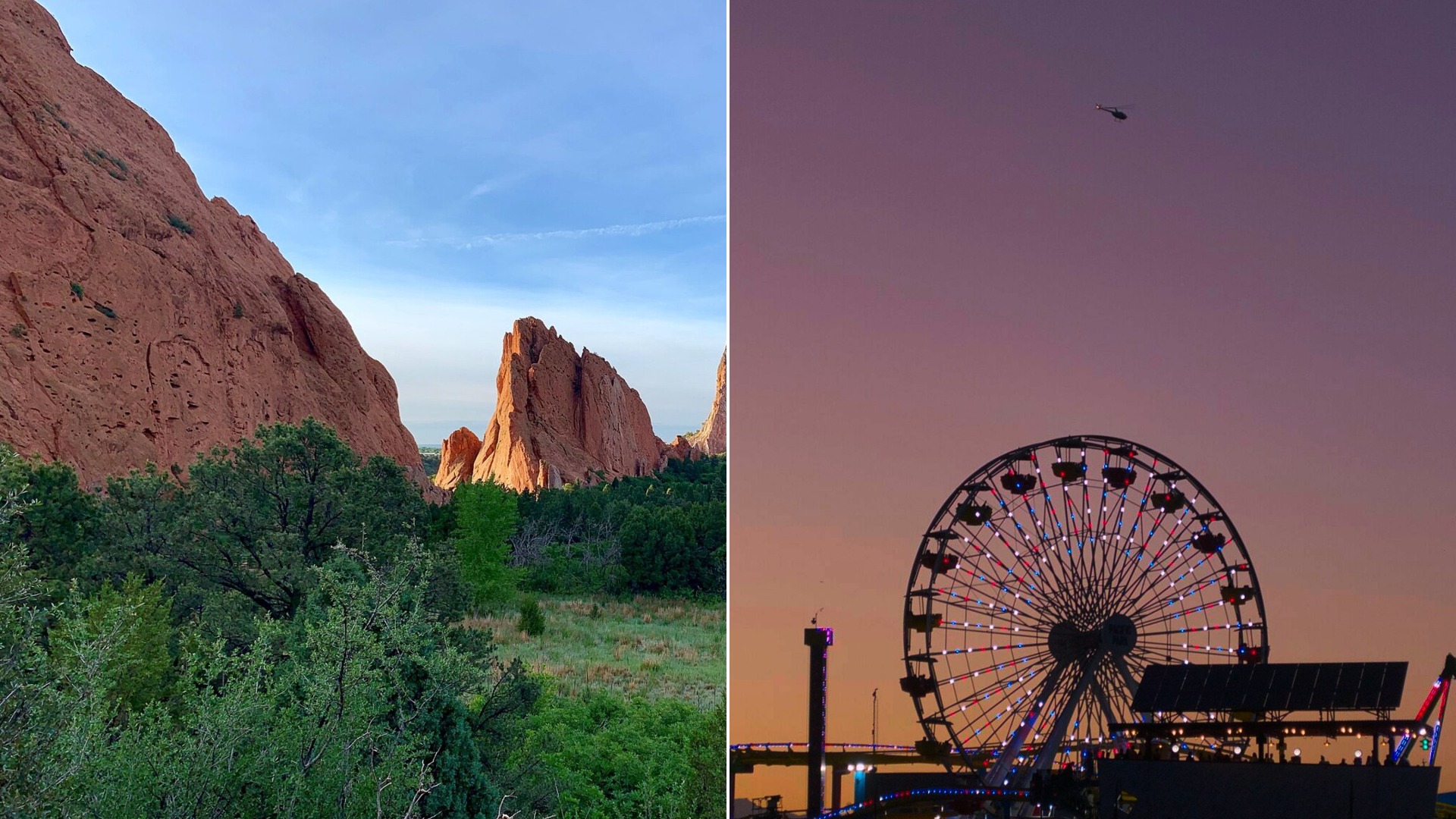
5. Garden Of The Gods, Colorado
Donated to Colorado Springs in 1909 on the condition that admission remain free forever, Garden of the Gods spans more than 1,300 acres of uplifted sedimentary rock. Summer visitors hike 21 miles of trails, join guided rock climbs on permitted routes and watch shadows shift beneath Pikes Peak.
©Wikimedia / PEO ACWA
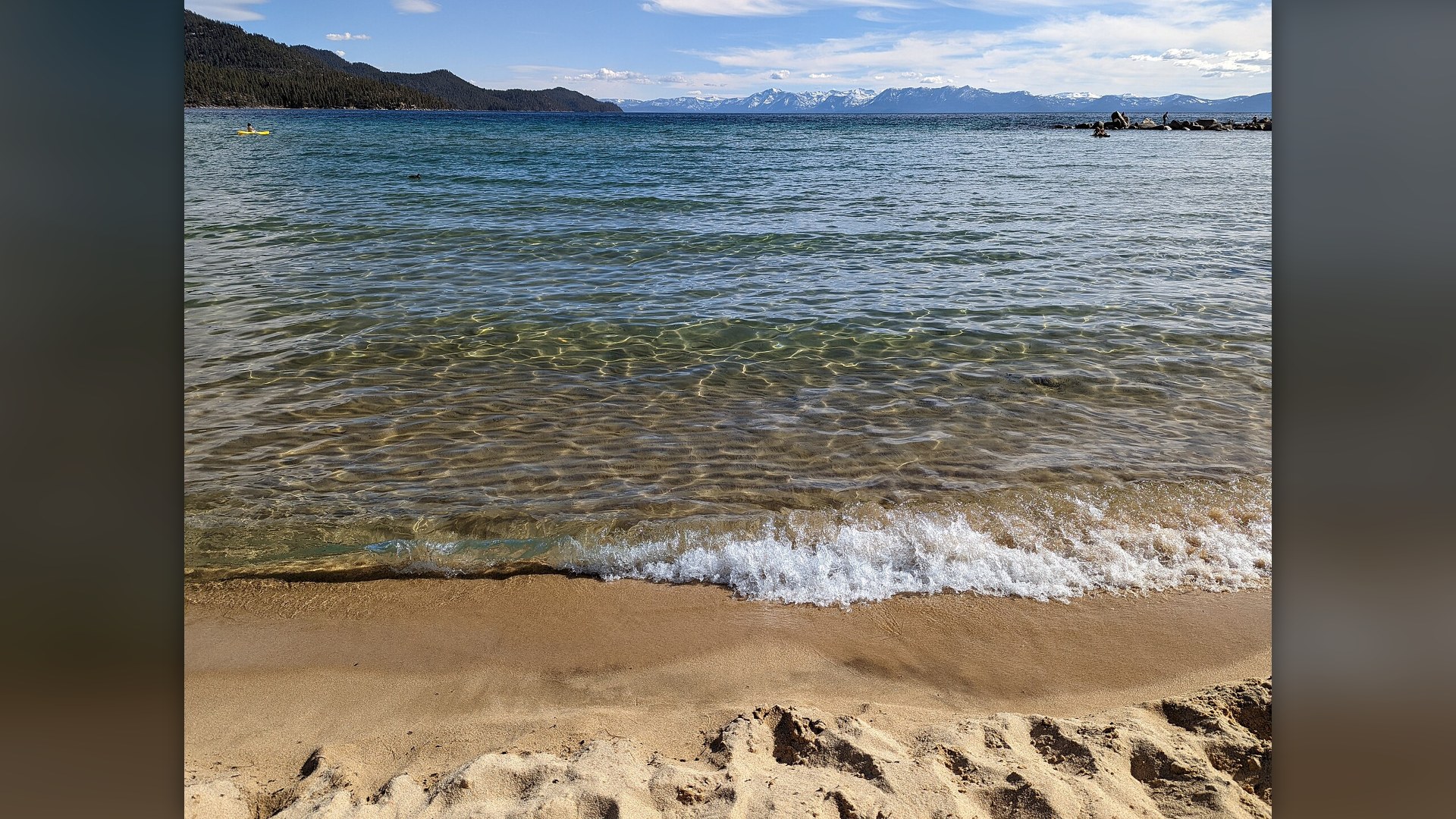
4. Lake Tahoe, Nevada
Sitting at 6,225 feet in the Sierra Nevada, Lake Tahoe holds remarkably clear alpine water straddling Nevada and California. On the eastern shore, Lake Tahoe Nevada State Park's Sand Harbor offers sandy beaches, kayak launch points and an outdoor summer Shakespeare festival beside the water.
©Wikimedia / Blake Everett Carroll
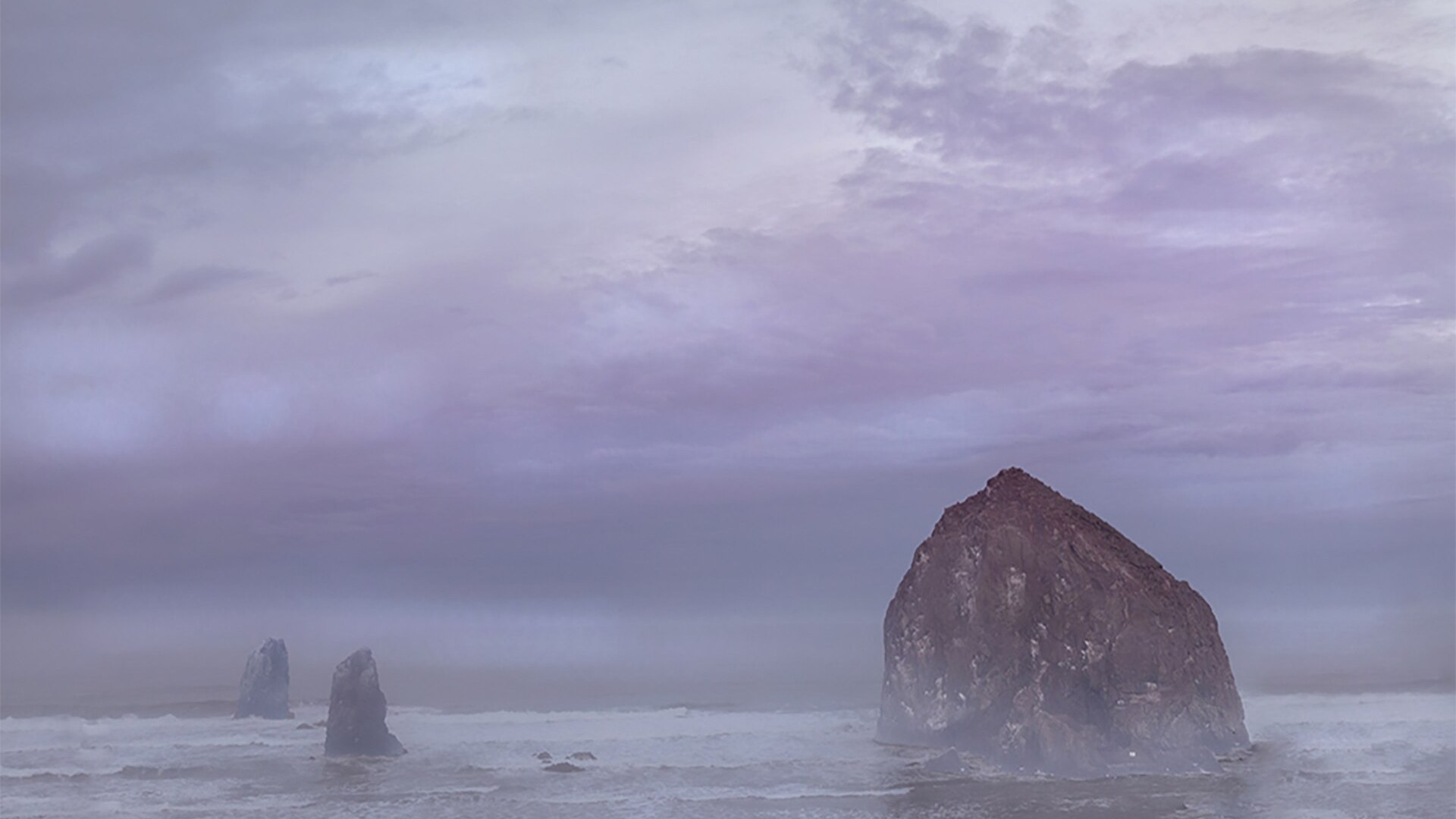
3. Cannon Beach, Oregon
Protected under Oregon's 1967 Beach Bill, the entire sandy shoreline at Cannon Beach stays open to the public. At low tide, visitors walk out to the base of 235-foot Haystack Rock, where volunteer naturalists point out sea stars, anemones and tufted puffins nesting high on the basalt ledges.
©Wikimedia / TriXthebest
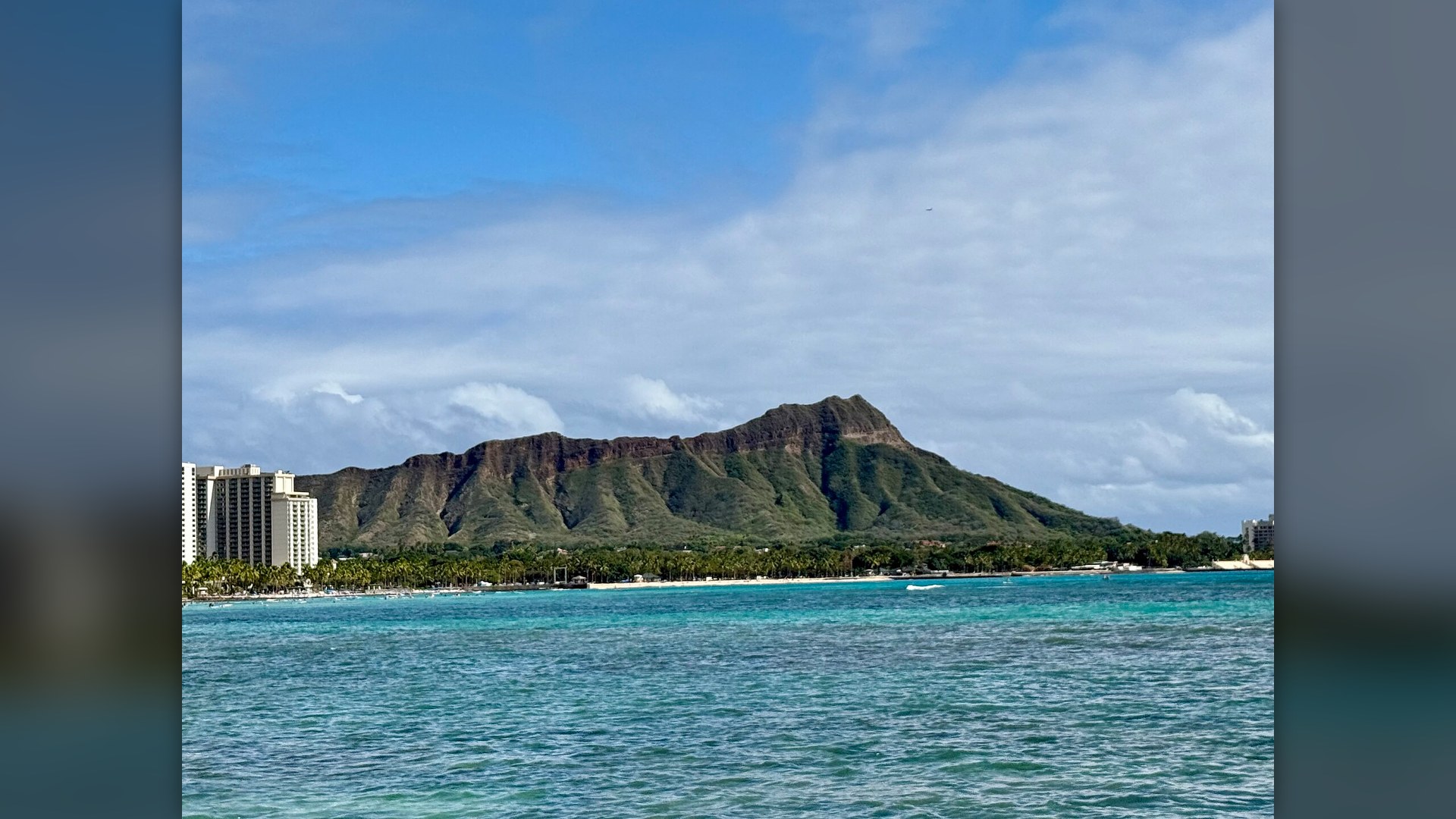
2. Waikiki Beach, Hawaii
Named for spouting fresh water that once flowed from Oahu's valleys, Waikiki sits along a sheltered stretch of Honolulu's southern coast below Diamond Head. Long, mellow swells make it one of the world's classic spots for beginner surfboard lessons, outrigger canoe rides and sunset swims.
©Wikimedia / Farragutful
Advertisement
Swipe or tap ▶ to resume the countdown.
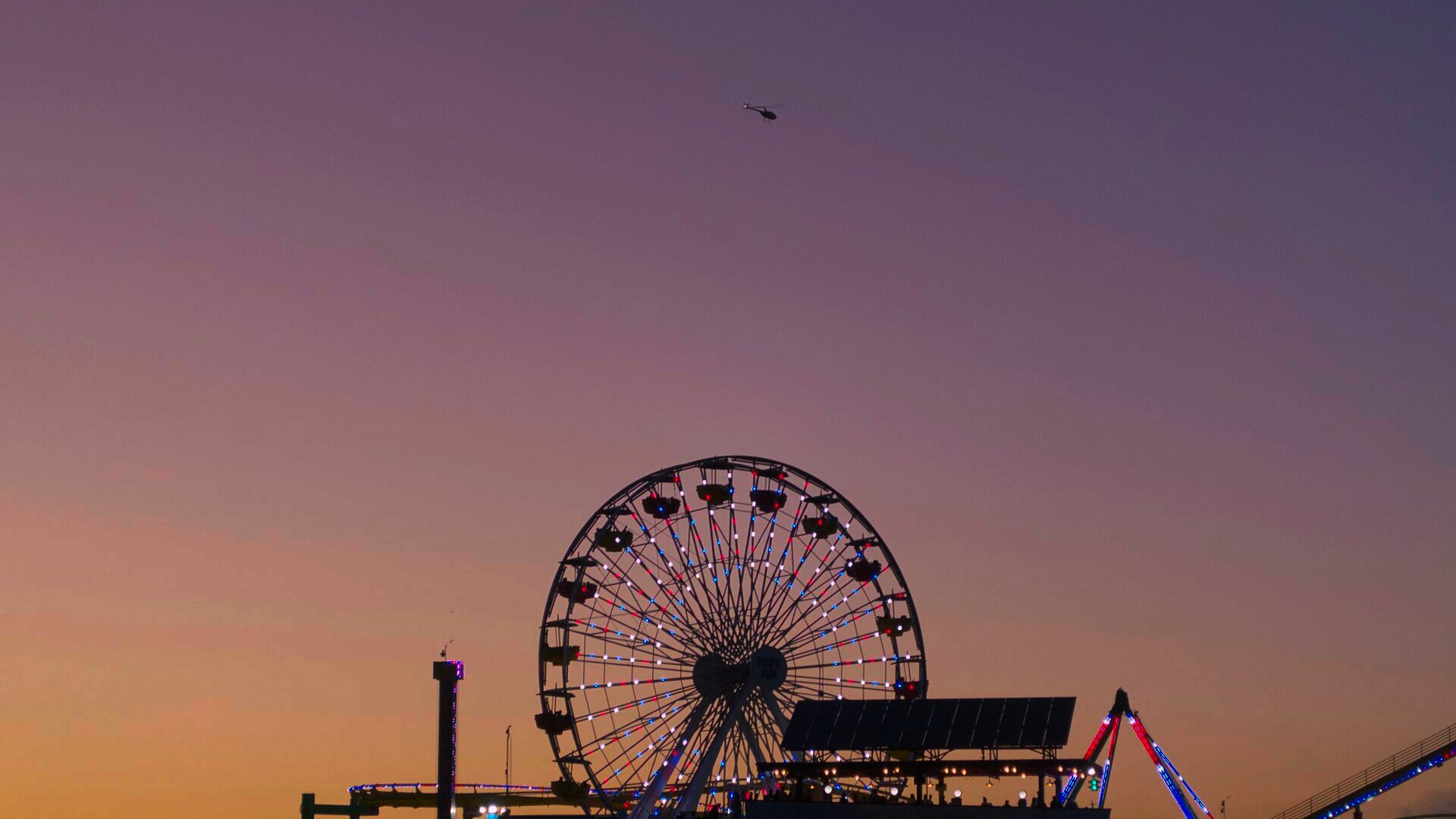
1. Santa Monica Pier, California
Opened in 1909, the Santa Monica Pier juts into the Pacific Ocean at the western end of historic Route 66. Its Pacific Park amusement area runs a solar-powered Ferris wheel above wooden planks lined with street musicians, food stands and anglers casting lines into Santa Monica Bay.

©Wikimedia / Dotruonggiahy12
Advertisement
You've reached the end of the story. Thanks for reading!

20 Famous Demolished Landmarks That People Still Miss Today
Cities often clear away beloved buildings to make room for new towers, transit hubs, or sports arenas. From grand Victorian glass halls and Art Deco resorts to classic ballparks across North America, Europe, and Asia, these 20 demolished landmarks still inspire fierce nostalgia and local preservation efforts.
All 20 Entries in this Story
Acadia National Park, Maine
Protected by the National Park Service since 1916, Acadia covers much of Mount Desert Island and nearby Schoodic Peninsula. Visitors drive the 27-mile Park Loop Road, kayak on Jordan Pond and watch sunrise from Cadillac Mountain, the highest point along the US North Atlantic coast.

Cape Cod National Seashore, Massachusetts
President John F. Kennedy signed the bill creating Cape Cod National Seashore in August 1961 to preserve the outer peninsula's dunes and marshes. Six public beaches from Eastham to Provincetown draw summer swimmers, while paved bike trails wind past kettle ponds and historic lighthouses.

Coney Island, New York
Built in 1920, Deno's Wonder Wheel still turns above the Riegelmann Boardwalk in southern Brooklyn alongside the 1927 wooden Cyclone roller coaster. Subway lines from Manhattan end right beside the amusement district, making the sandy peninsula an easy warm-weather escape by train.

Cape May, New Jersey
Designated a National Historic Landmark in 1976, Cape May preserves one of the largest collections of late 19th-century frame architecture in the United States. Beyond the painted guesthouses, a two-mile promenade lines the Atlantic shore while Sunset Beach overlooks Delaware Bay.

Assateague Island, Maryland
Separated from the mainland by Sinepuxent Bay, Assateague Island National Seashore was established in 1965 across Maryland and Virginia. Campers pitch tents steps from the surf, paddle quiet salt marshes and spot two distinct herds of feral horses grazing along the coastal dunes.

Virginia Beach, Virginia
Situated at the mouth of the Chesapeake Bay, Virginia Beach spans resort oceanfront, First Landing State Park and the quiet wildlife trails of Back Bay. Cyclists share a dedicated path beside the oceanfront boardwalk while surf schools and fishing piers stay busy from May through September.

Outer Banks, North Carolina
Stretching more than 100 miles along North Carolina's coast, the Outer Banks link Kill Devil Hills, Kitty Hawk and Cape Hatteras National Seashore. Engineers moved the brick Cape Hatteras Lighthouse 2,900 feet inland in 1999 to protect it from erosion, and visitors still climb its spiral stairs.

Myrtle Beach, South Carolina
Centered on South Carolina's Grand Strand, Myrtle Beach opened its 1.2-mile Oceanfront Boardwalk and Promenade in 2010 between 14th Avenue North Pier and 2nd Avenue Pier. Nearby Myrtle Beach State Park preserves maritime forest and a quieter stretch of surf just south of the main strip.

South Beach, Florida
Listed on the National Register of Historic Places in 1979, Miami Beach's Art Deco Historic District holds more than 800 preserved buildings from the 1920s to 1940s. Lummus Park runs parallel to the sand between 5th and 15th Streets, giving beachgoers shaded paths right beside Ocean Drive.

Gulf Shores, Alabama
Powder-white quartz grains washed down from the Appalachian Mountains give Gulf Shores its bright sand and cooler footing under summer sun. Just east of town, Gulf State Park covers 6,150 acres with freshwater lakes, paved backcountry trails and over two miles of undeveloped Gulf beachfront.

Barton Springs Pool, Texas
Fed by underground Edwards Aquifer springs, Barton Springs Pool stays around 68 to 70 degrees Fahrenheit year-round, offering reliable relief during triple-digit Texas afternoons. Swimmers share the spring-fed waters inside Zilker Park while grassy hillsides surround the concrete and rock banks.

Cedar Point, Ohio
Operating on a Lake Erie peninsula since 1870, Cedar Point ranks among the oldest amusement parks in the United States. Roller coasters rise directly over the shoreline promenade, and visitors step out of the park gates onto Cedar Point Beach for swimming and views across Sandusky Bay.

Mackinac Island, Michigan
Sitting in the Straits of Mackinac between Michigan's Upper and Lower Peninsulas, Mackinac Island banned automobiles in 1898. More than 80 percent of the island is protected as Mackinac Island State Park, where a paved 8.2-mile perimeter road loops past limestone bluffs and historic Fort Mackinac.

Wisconsin Dells, Wisconsin
Glacial meltwater carved the towering Cambrian sandstone cliffs along a five-mile gorge of the Wisconsin River long before resorts arrived. Today, guided riverboat tours wind through narrow canyons like Witches Gulch alongside indoor and outdoor waterparks that earned the town its famous nickname.

Boundary Waters, Minnesota
Covering over one million acres inside Superior National Forest, the Boundary Waters Canoe Area Wilderness protects roughly 1,200 miles of canoe routes. Travelers portage wooden and Kevlar canoes between glacial lakes, camp at backcountry sites and hear loons echo across quiet northern bays.

Garden Of The Gods, Colorado
Donated to Colorado Springs in 1909 on the condition that admission remain free forever, Garden of the Gods spans more than 1,300 acres of uplifted sedimentary rock. Summer visitors hike 21 miles of trails, join guided rock climbs on permitted routes and watch shadows shift beneath Pikes Peak.

Lake Tahoe, Nevada
Sitting at 6,225 feet in the Sierra Nevada, Lake Tahoe holds remarkably clear alpine water straddling Nevada and California. On the eastern shore, Lake Tahoe Nevada State Park's Sand Harbor offers sandy beaches, kayak launch points and an outdoor summer Shakespeare festival beside the water.

Cannon Beach, Oregon
Protected under Oregon's 1967 Beach Bill, the entire sandy shoreline at Cannon Beach stays open to the public. At low tide, visitors walk out to the base of 235-foot Haystack Rock, where volunteer naturalists point out sea stars, anemones and tufted puffins nesting high on the basalt ledges.

Waikiki Beach, Hawaii
Named for spouting fresh water that once flowed from Oahu's valleys, Waikiki sits along a sheltered stretch of Honolulu's southern coast below Diamond Head. Long, mellow swells make it one of the world's classic spots for beginner surfboard lessons, outrigger canoe rides and sunset swims.

Santa Monica Pier, California
Opened in 1909, the Santa Monica Pier juts into the Pacific Ocean at the western end of historic Route 66. Its Pacific Park amusement area runs a solar-powered Ferris wheel above wooden planks lined with street musicians, food stands and anglers casting lines into Santa Monica Bay.