Slideshow · Viral
20 Weird Facts You Might Not Know About the USA
Think you know America? From a high school student designing the 50-star flag to 1.4 billion pounds of cheese stored in Missouri caves, swipe through 20 bizarre, mind-bending facts hiding across the United States.
By Most Viral Today
6 Oct 2026

20 Weird Facts You Might Not Know About the USA 
20. The 50-Star Flag 
19. Bourbon Barrels 
18. Empire State Zip - AdvertisementSwipe or tap ▶ to continue countdown

17. Four Corners 
16. Giant Twine Ball 
15. Centralia Mine Fire 
14. Monowi, Nebraska - AdvertisementSwipe or tap ▶ to continue countdown

13. Lake Superior 
12. Uncle Sam 
11. Mount Rushmore 
10. Plymouth Rock - AdvertisementSwipe or tap ▶ to continue countdown

9. The Liberty Bell 
8. Rabbit Hash, KY 
7. No Official Language 
6. Metric Since 1866 - AdvertisementSwipe or tap ▶ to continue countdown

5. Seven Mile Bridge 
4. Shiny Copper Liberty 
3. Crater Lake 
2. Mammoth Cave - AdvertisementSwipe or tap ▶ to continue countdown

1. Subterranean Cheese Caves - Advertisement🔥 UP NEXT IN THIS SERIES◫ 21 Slides

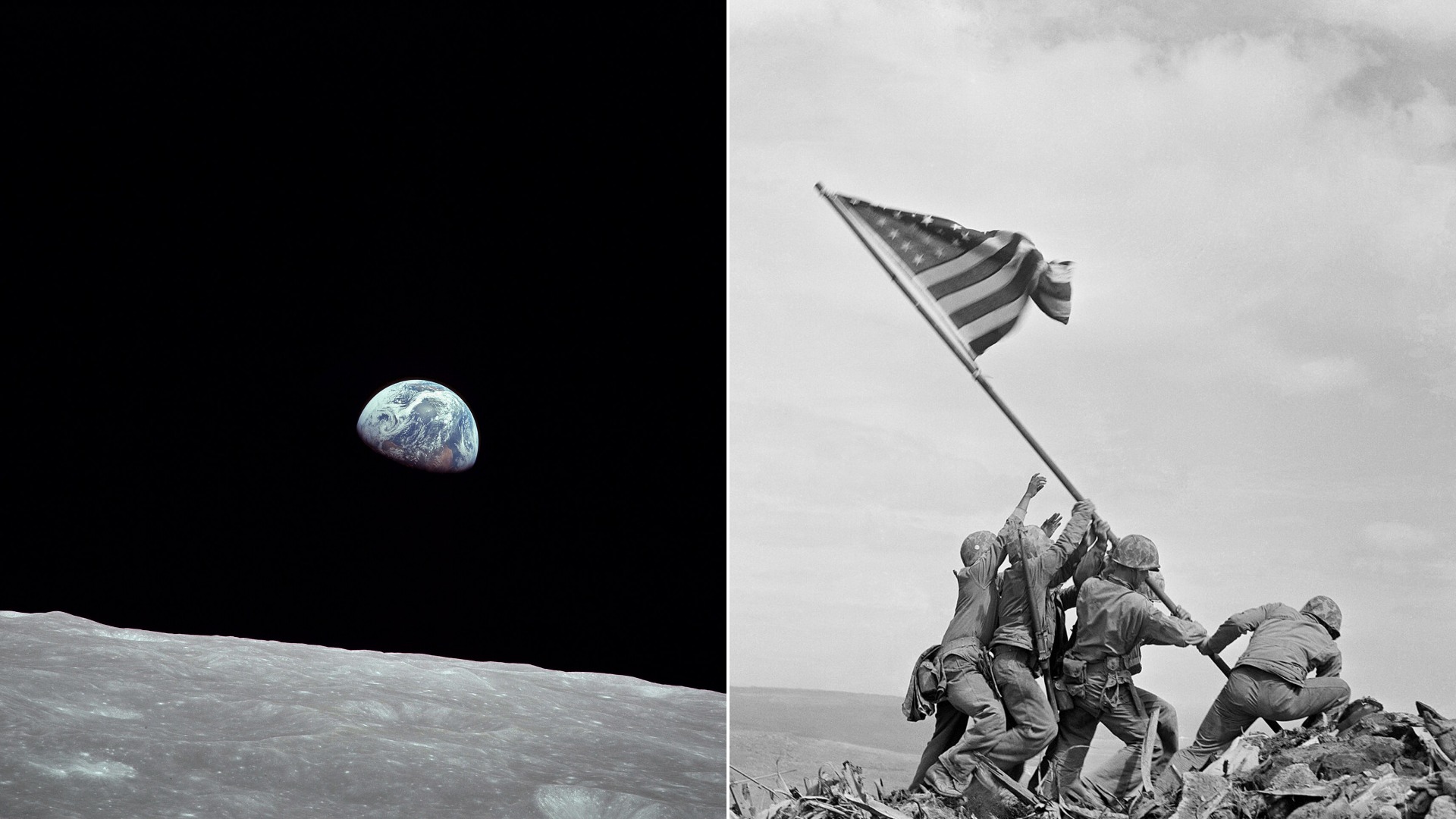
20 Iconic Historical Photos and the Archive Clues Behind Them
Contact sheets, cracked glass plates, and NASA mission logs preserve the hidden steps behind 20 famous photographs. Drawing on records from the Library of Congress, the National Archives, NASA, and the Smithsonian, this countdown traces how cropping, camera setups, and double exposures shaped each frame.
Think you know America? From a high school student designing the 50-star flag to 1.4 billion pounds of cheese stored in Missouri caves, swipe through 20 bizarre, mind-bending facts hiding across the United States.
Swipe or tap ▶ to begin the countdown
©Openverse / Ron Cogswell
20. The 50-Star Flag
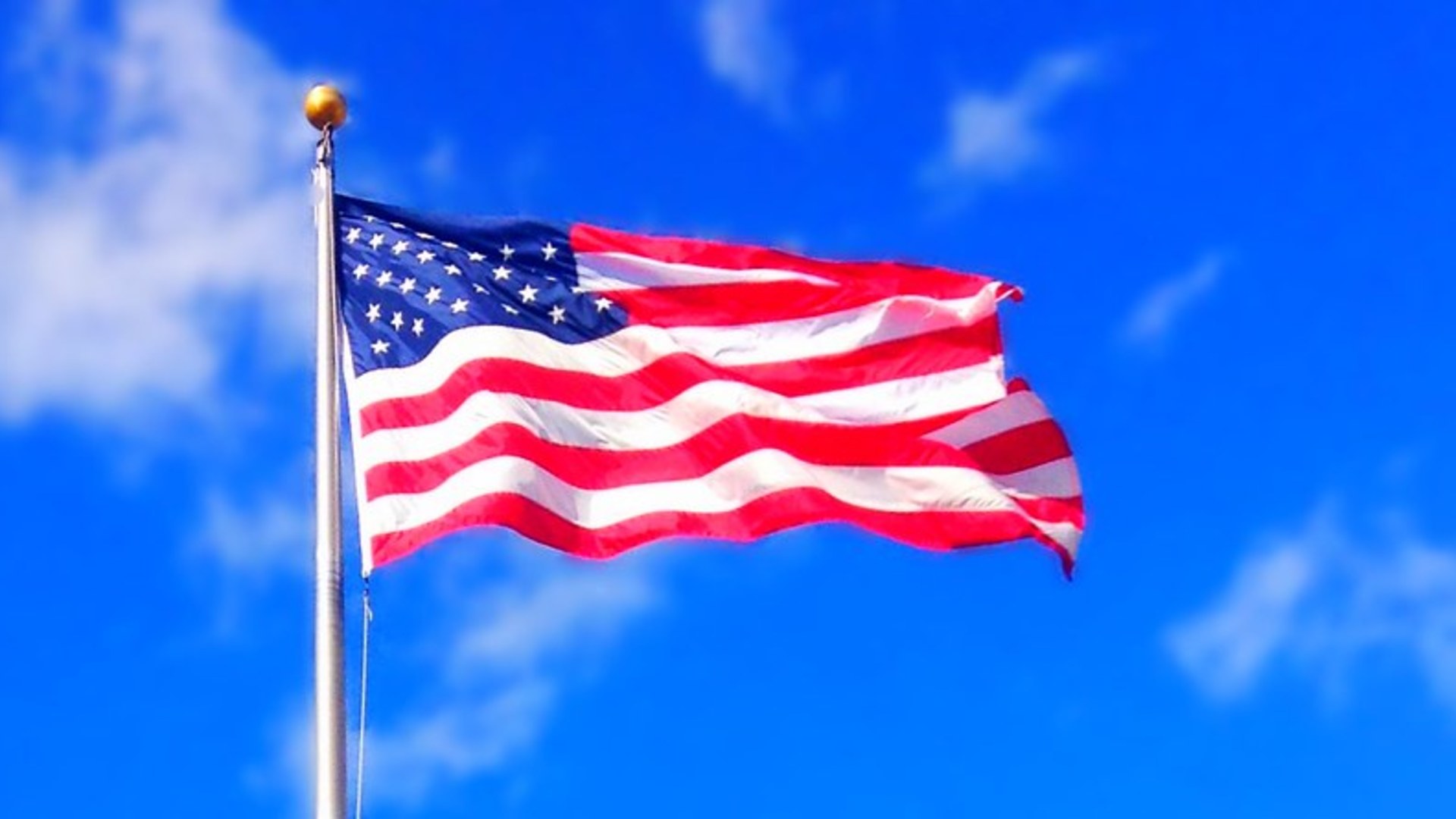
When Alaska and Hawaii neared statehood, 17-year-old Robert Heft redesigned the US flag for a class project. His teacher gave him a B-, promising an A only if Congress accepted it. Heft mailed it to DC, Eisenhower picked it in 1959, and Heft got his grade change.
©Openverse / JeepersMedia
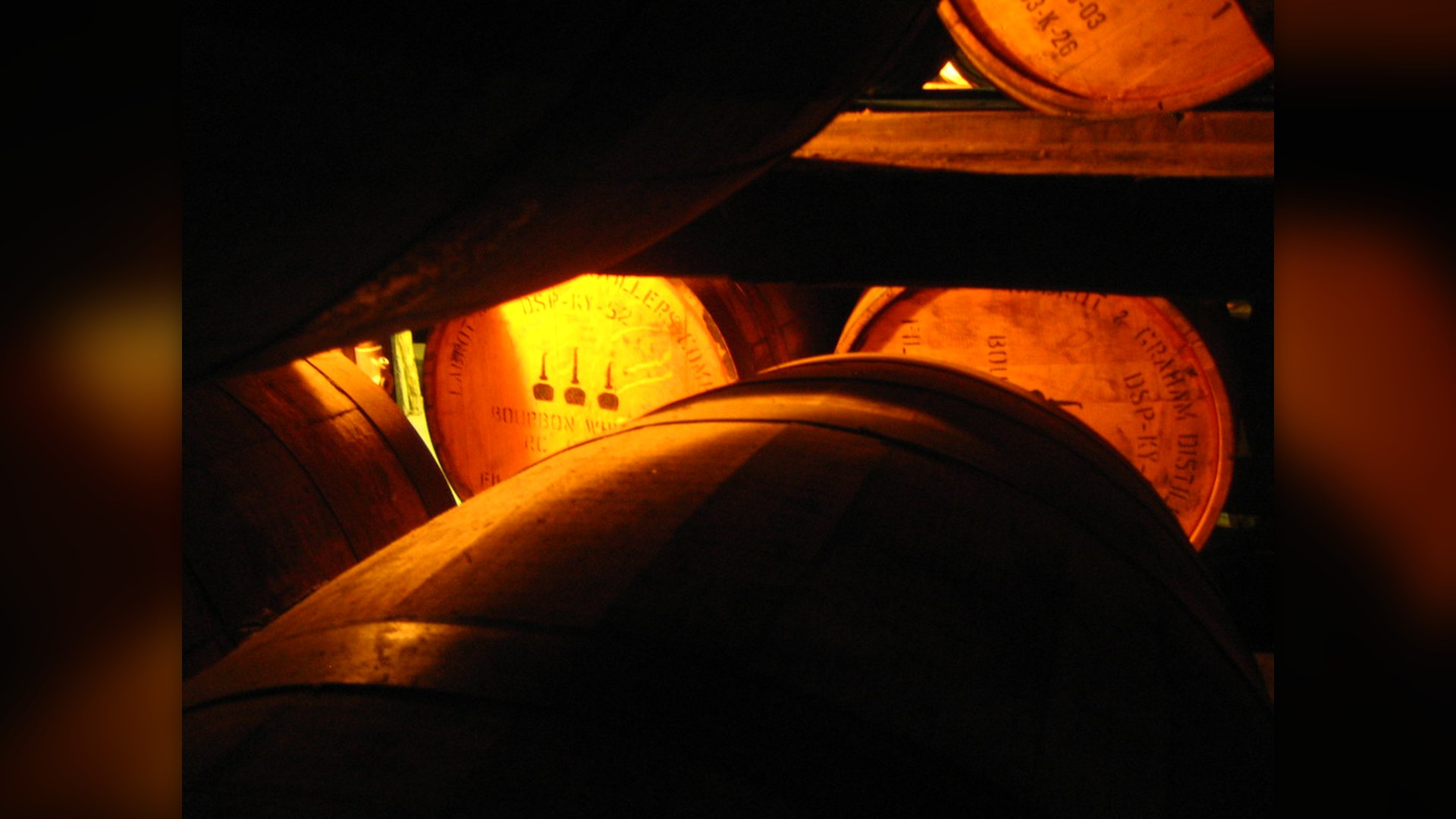
19. Bourbon Barrels
Kentucky's bourbon industry is so massive that aging whiskey barrels outnumber the state's human residents nearly three to one. With over 12.6 million barrels resting in rickhouses across the state compared to 4.5 million residents, the Bluegrass State is truly America's bourbon capital.
©Openverse / rick
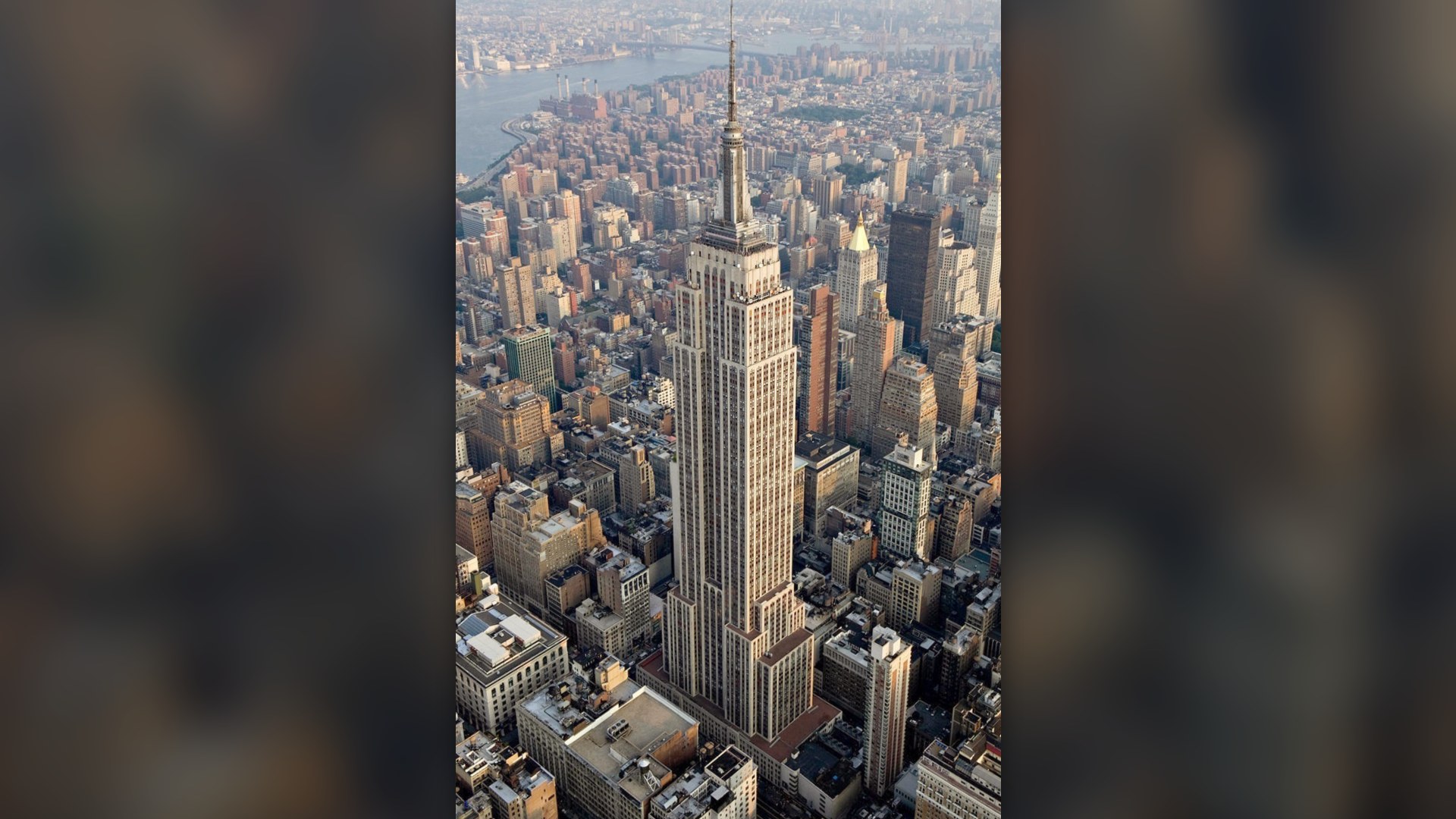
18. Empire State Zip
Towering 102 stories over Manhattan, the Empire State Building is effectively a vertical city. Home to roughly 1,000 businesses and visited by thousands daily, the skyscraper overwhelmed local postal routes, prompting the USPS to give the single structure its own unique ZIP code: 10118.
©Wikimedia / Sam Valadi
Advertisement
Swipe or tap ▶ to resume the countdown.
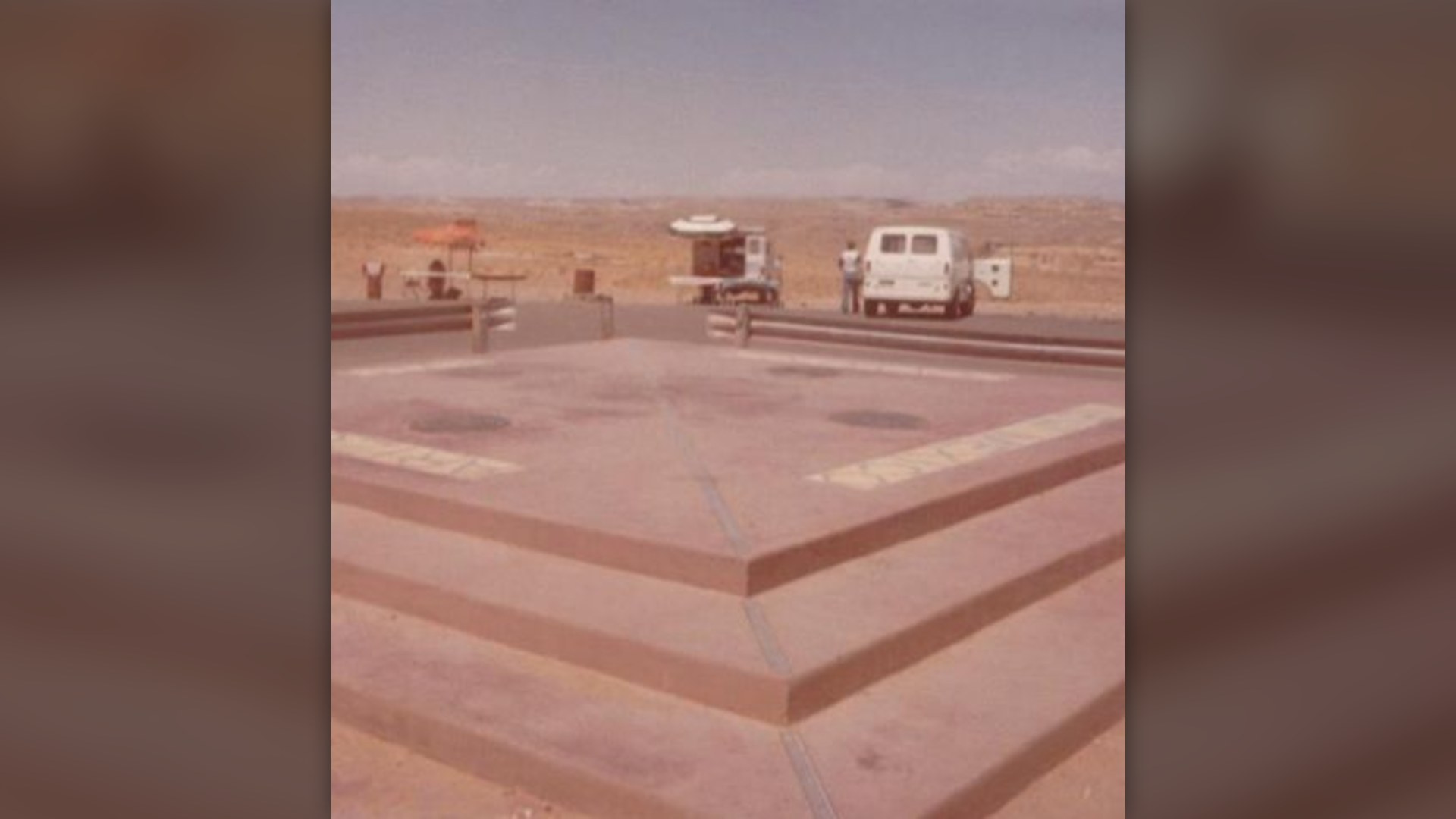
17. Four Corners
Located on Navajo and Ute Mountain land, the Four Corners Monument marks the quadripoint where Arizona, New Mexico, Utah, and Colorado converge. Visitors can place their hands and feet across the brass disk embedded in granite to occupy four separate US states simultaneously.
©Wikimedia / Billy Hathorn
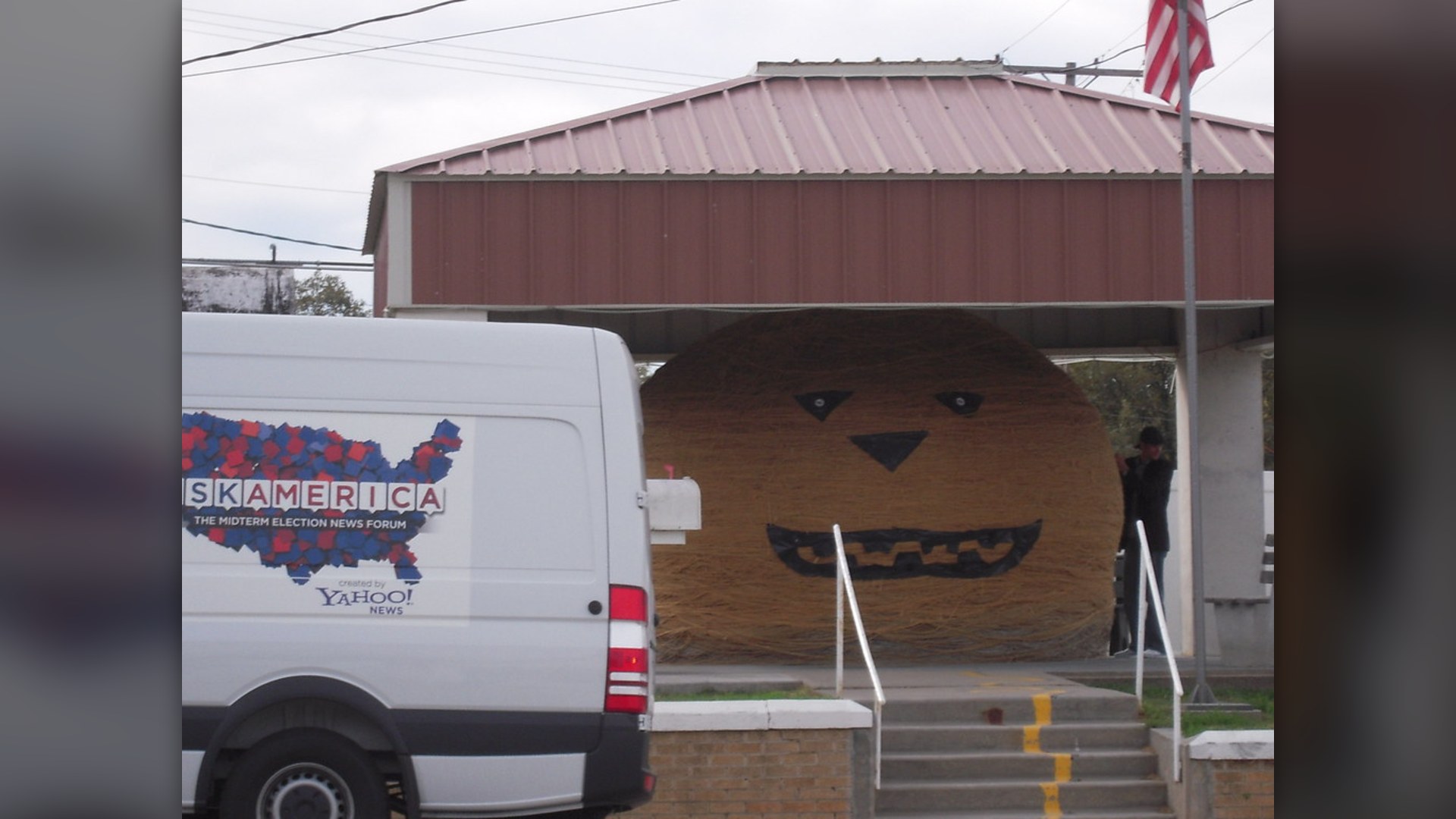
16. Giant Twine Ball
Started by farmer Frank Stoeber in 1953, the Cawker City ball of sisal twine now weighs over 27,000 pounds with a circumference exceeding 40 feet. Every August, the Kansas town holds a twine-a-thon festival where residents and visitors add more twine to keep the world record alive.
©Openverse / Ask America
15. Centralia Mine Fire
What began as an intentional landfill burn in 1962 ignited an exposed vein of anthracite coal beneath Centralia, Pennsylvania. The subterranean fire spread through labyrinthine mine tunnels, causing sinkholes and toxic gas that forced a complete buyout and demolition of the town.
©Openverse / melissa_rae_dale
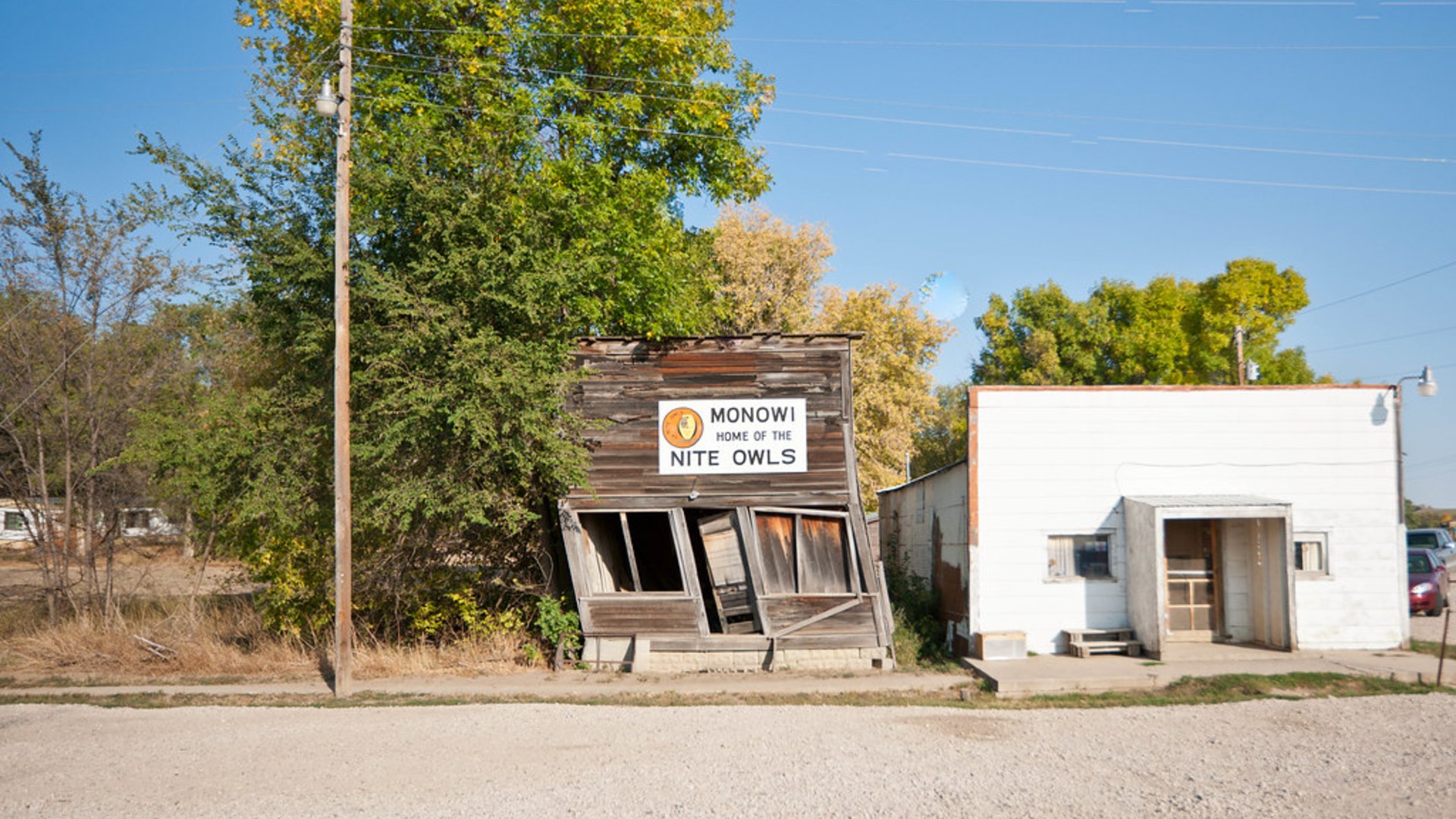
14. Monowi, Nebraska
Tucked in northeastern Nebraska, Monowi has an official US Census population of exactly one. Eighty-eight-year-old Elsie Eiler votes for herself as mayor, files her own municipal taxes, and operates the Monowi Tavern, welcoming travelers from across the globe.
©Openverse / afiler
Advertisement
Swipe or tap ▶ to resume the countdown.
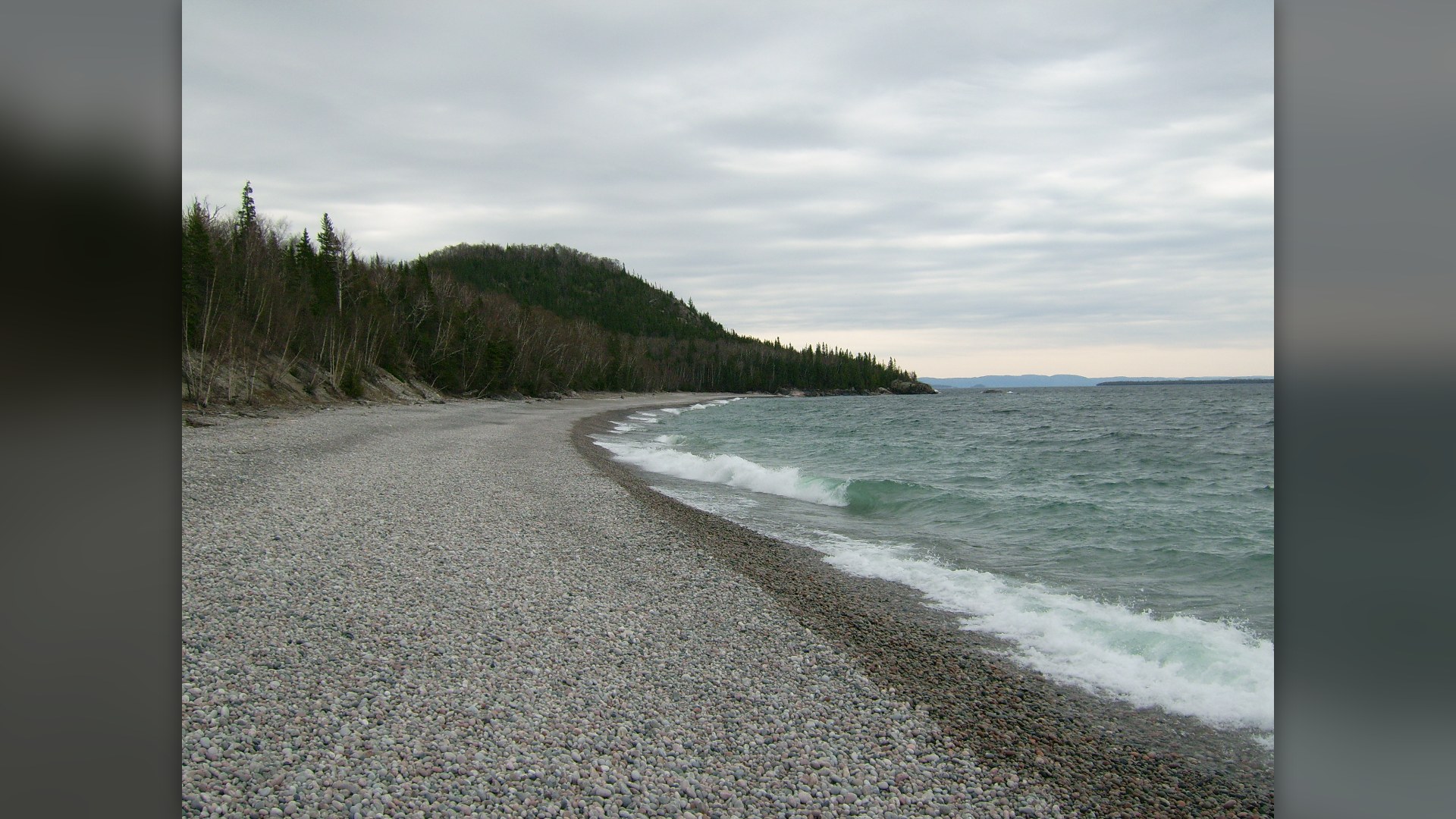
13. Lake Superior
Lake Superior is the world's largest freshwater lake by surface area. Its massive volume—over 2,900 cubic miles—holds roughly 10% of the world's surface fresh water. If drained across the Western Hemisphere, it could submerge all of North and South America under twelve inches of water.
©Wikimedia / Fungus Guy
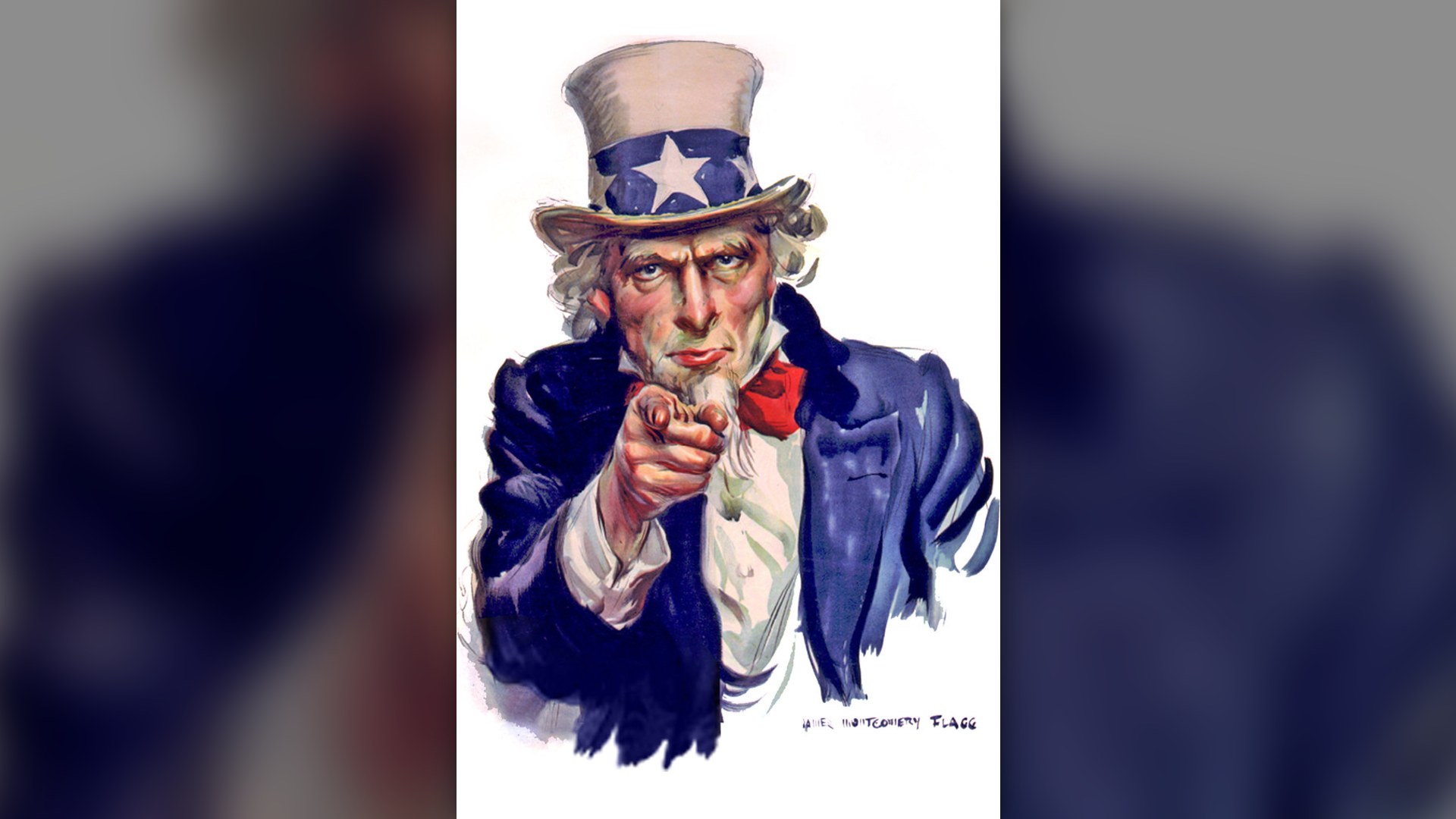
12. Uncle Sam
During the War of 1812, New York meatpacker Samuel Wilson stamped supply barrels with 'U.S.' for United States. Soldiers joked that the initials stood for 'Uncle Sam' Wilson. The nickname caught on in newspapers, and in 1961 Congress formally recognized Wilson as the namesake of the national symbol.
©Openverse / DonkeyHotey
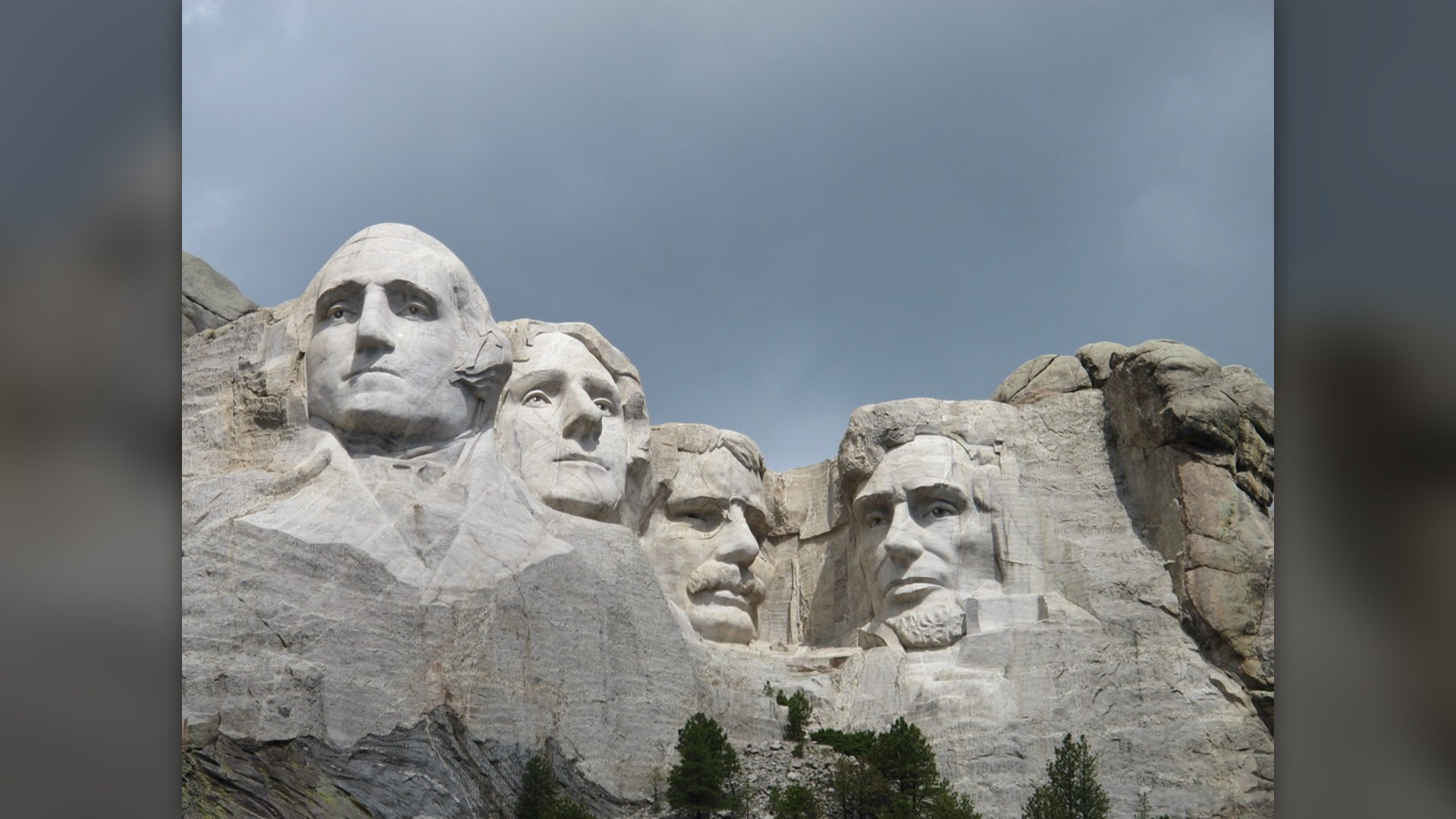
11. Mount Rushmore
Sculptor Gutzon Borglum envisioned a secret vault inside Mount Rushmore to house America's most sacred historical texts. Though cut short by his death, in 1998 sixteen porcelain enamel panels inscribed with the Declaration of Independence and Constitution were sealed inside a titanium box within the chamber.
©Openverse / U.S. Department of the Interior
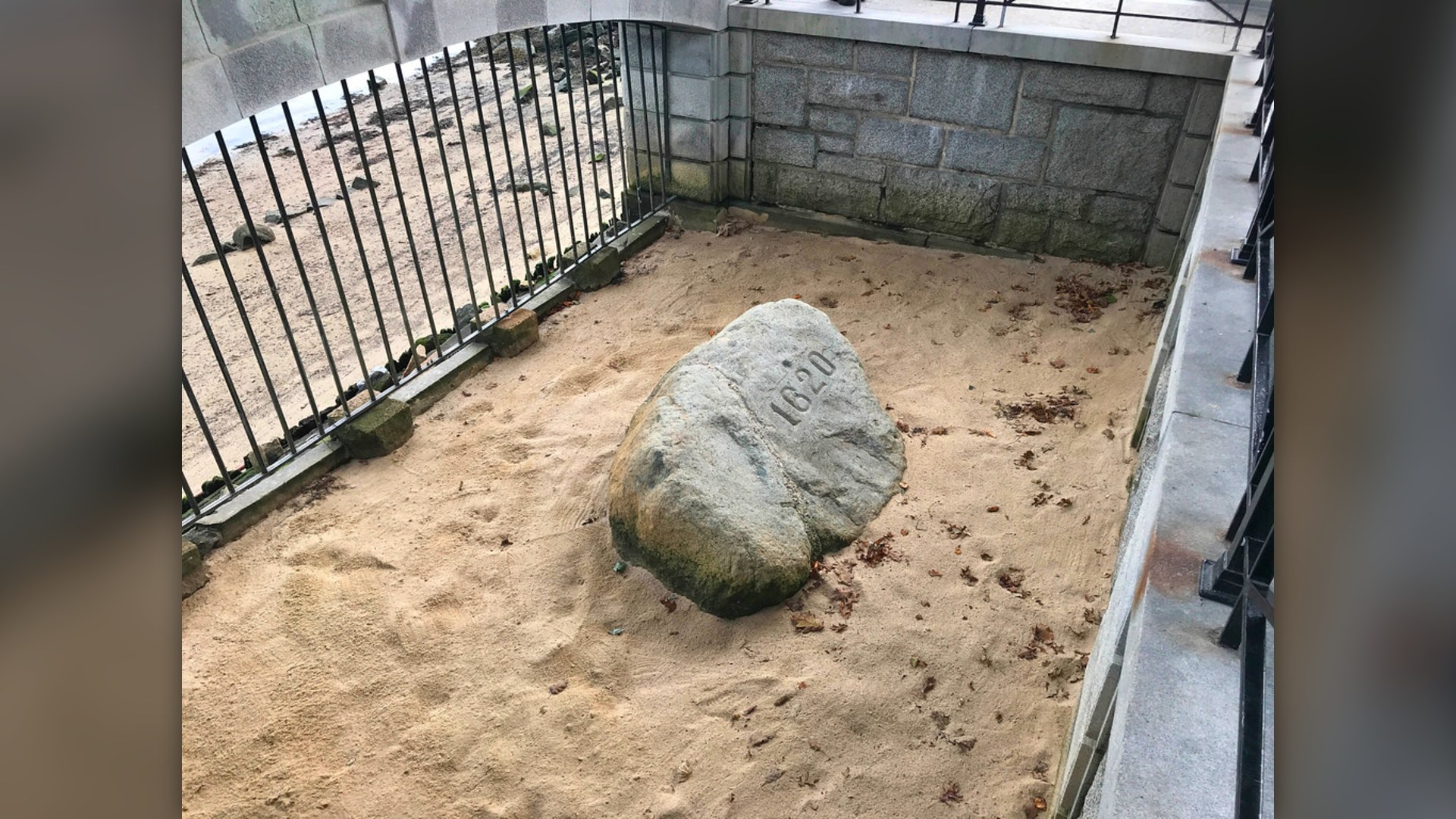
10. Plymouth Rock
Visitors expecting a towering boulder are often stunned to find a modest stone resting in a portico. Plymouth Rock was identified 121 years after the Mayflower landed, and subsequent moves split it in half. Souvenir hunters chipped away pieces, leaving only a fraction of the original boulder intact.
©Openverse / Nate Loper
Advertisement
Swipe or tap ▶ to resume the countdown.
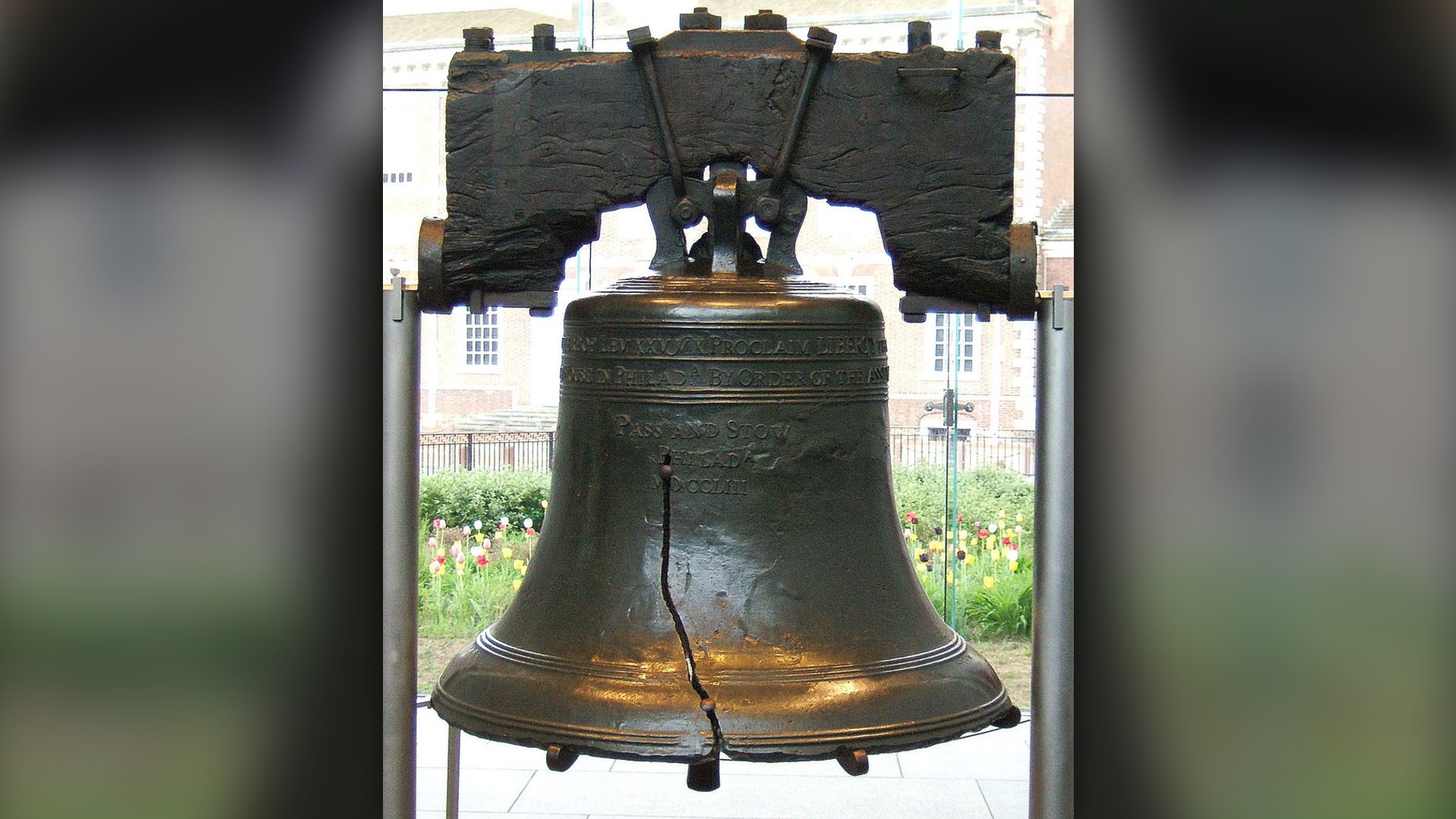
9. The Liberty Bell
Cast in London in 1752, the Liberty Bell bears the inscription: 'By Order of the Assembly of the Province of Pensylvania.' While it looks like an error today, 'Pensylvania' was an accepted contemporary spelling when Alexander Hamilton and the founding documents were being drafted.
©Openverse / Tony Fischer Photography
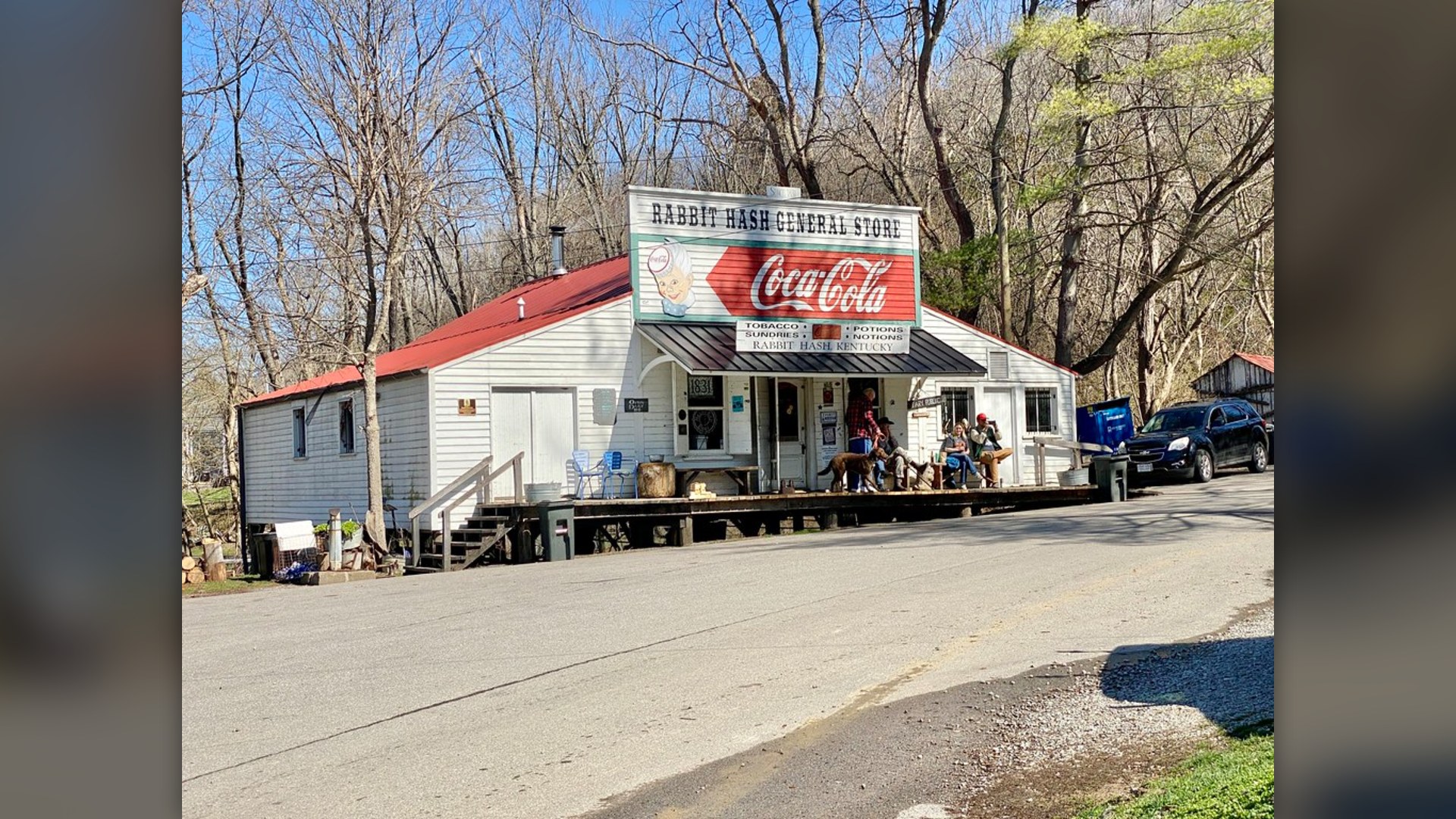
8. Rabbit Hash, KY
The historic river town of Rabbit Hash, Kentucky held its first mayoral race in 1998 as a charity fundraiser. A mixed-breed dog named Goofy Borneman won in a landslide. The town has since elected five consecutive canine mayors, including a French bulldog named Wilbur who won in 2020.
©Openverse / w_lemay
7. No Official Language
Despite English being the predominant national tongue, the United States has never designated an official national language in the Constitution. The Founding Fathers viewed an official tongue as an infringement on personal liberty, leaving language policies up to individual states.
©Openverse / Dusty J
6. Metric Since 1866
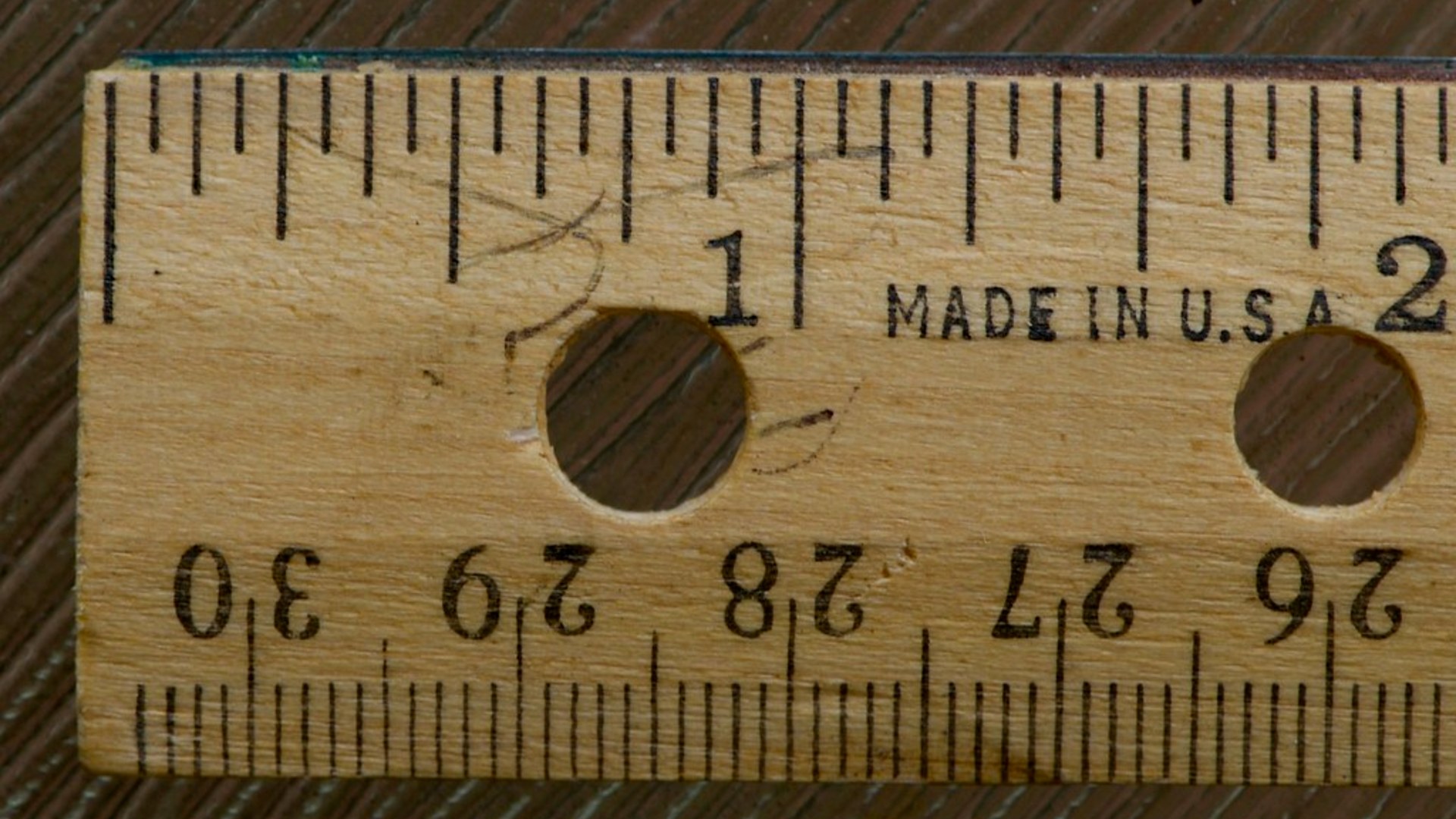
Contrary to popular belief that America strictly rejects metric units, Congress officially legalized the metric system with the Metric Act of 1866. In 1975, President Ford signed the Metric Conversion Act declaring metric the preferred system of commerce, though voluntary adoption stalled.
©Openverse / B/Hiking Nikon Oregon
Advertisement
Swipe or tap ▶ to resume the countdown.
5. Seven Mile Bridge
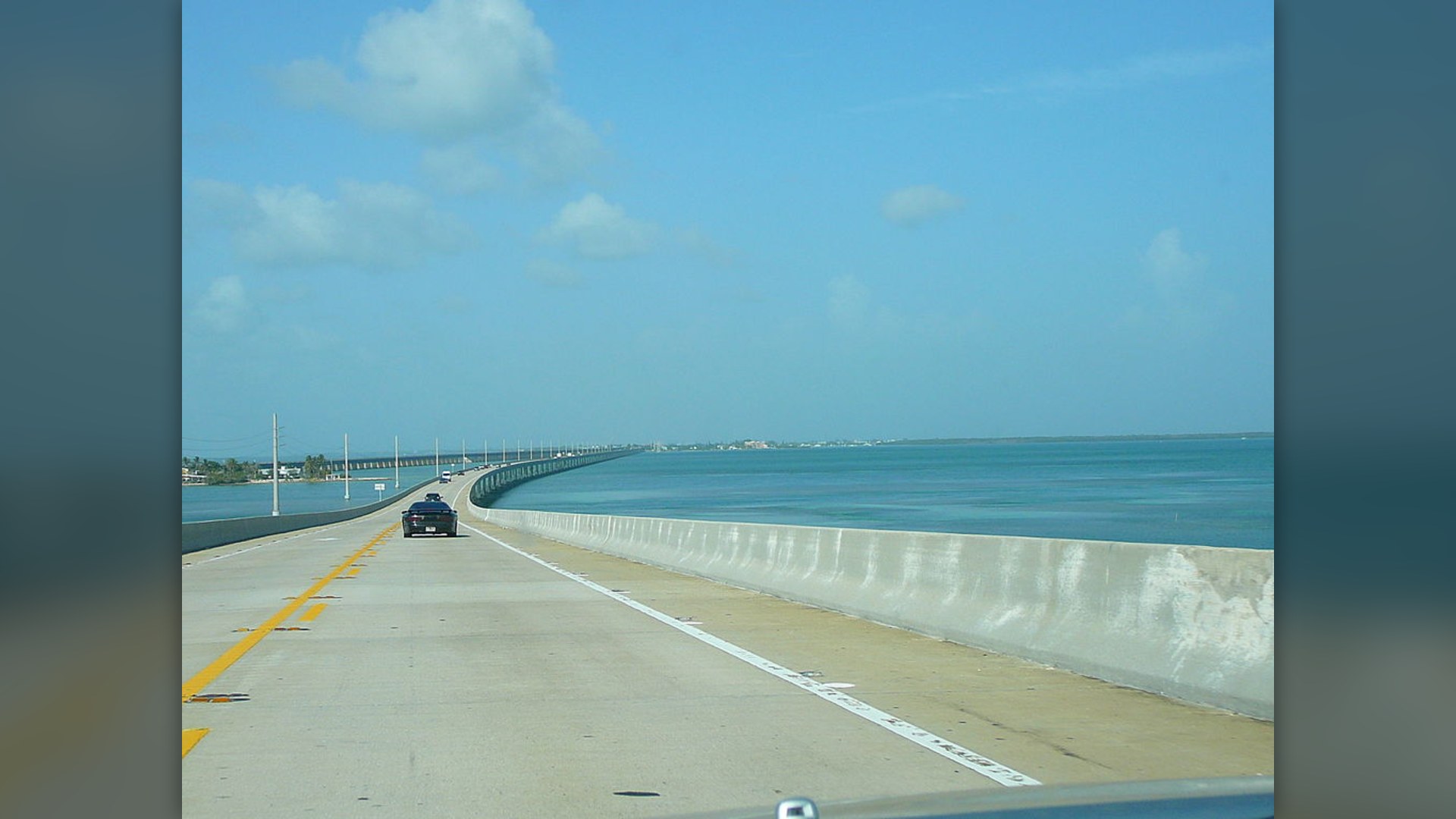
Stretching across the Florida Keys, the Seven Mile Bridge connects Knights Key to Little Duck Key. Originally built as part of Henry Flagler's overseas railroad, the modern highway bridge spans nearly seven continuous miles over open turquoise waters between the Gulf of Mexico and Atlantic.
©Openverse / theglobalpanorama
4. Shiny Copper Liberty
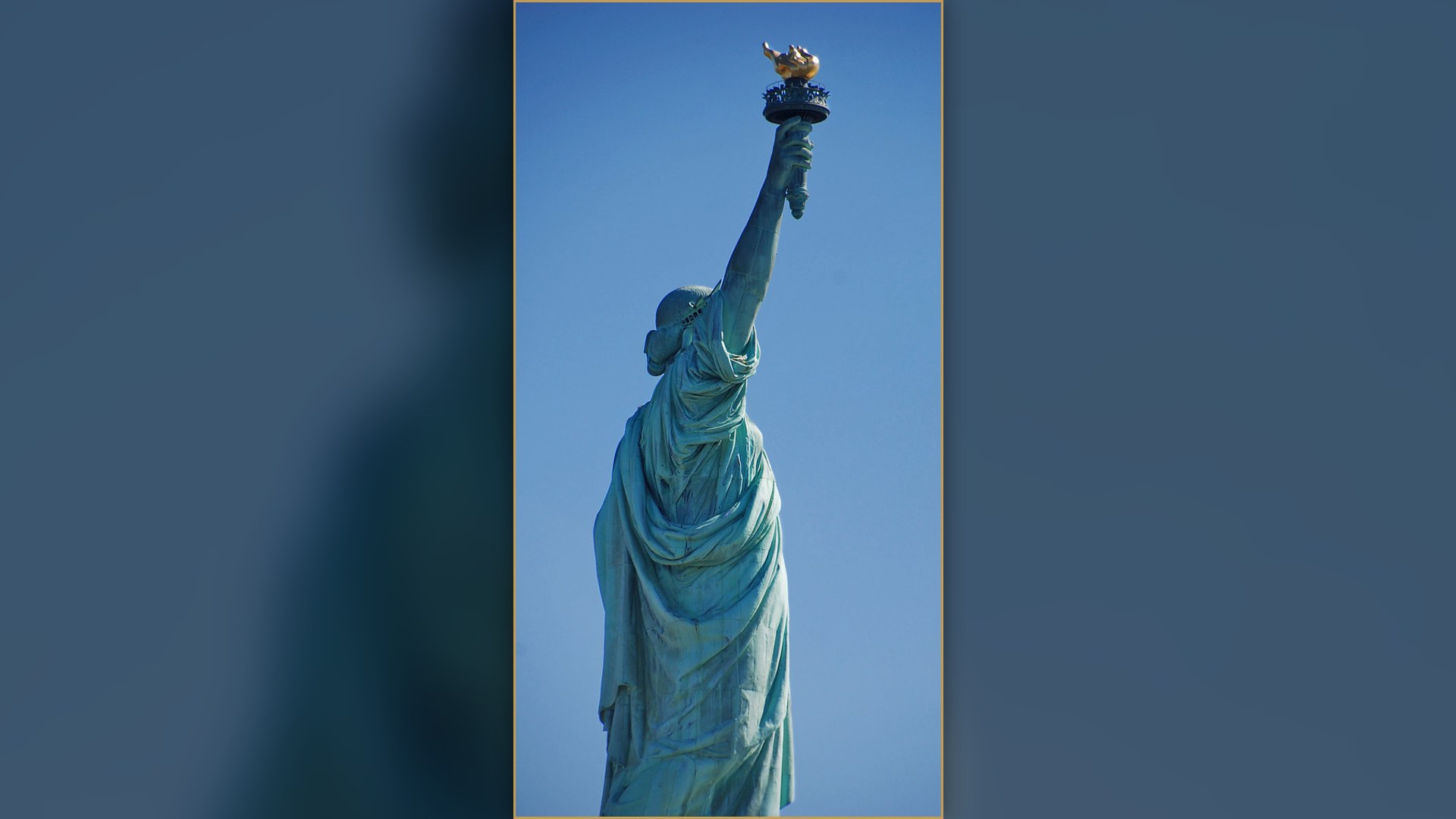
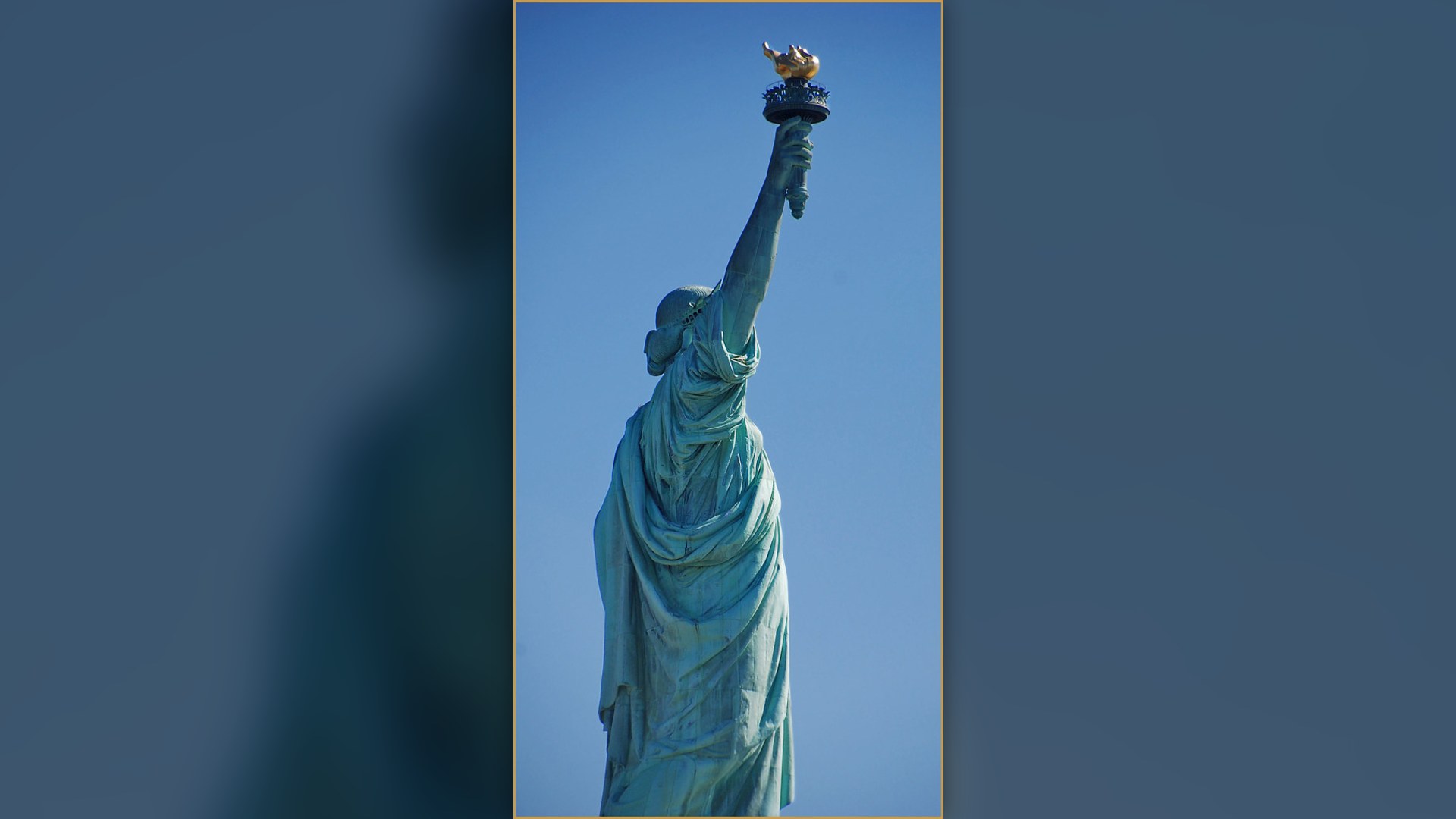
Constructed from 300 hand-hammered copper sheets, the Statue of Liberty was originally shiny metallic copper. Over 30 years of exposure to New York Harbor's rain, salty sea spray, and wind oxidized the outer layer, producing the iconic green patina that protects the metal from corrosion.
©Openverse / Ron Cogswell
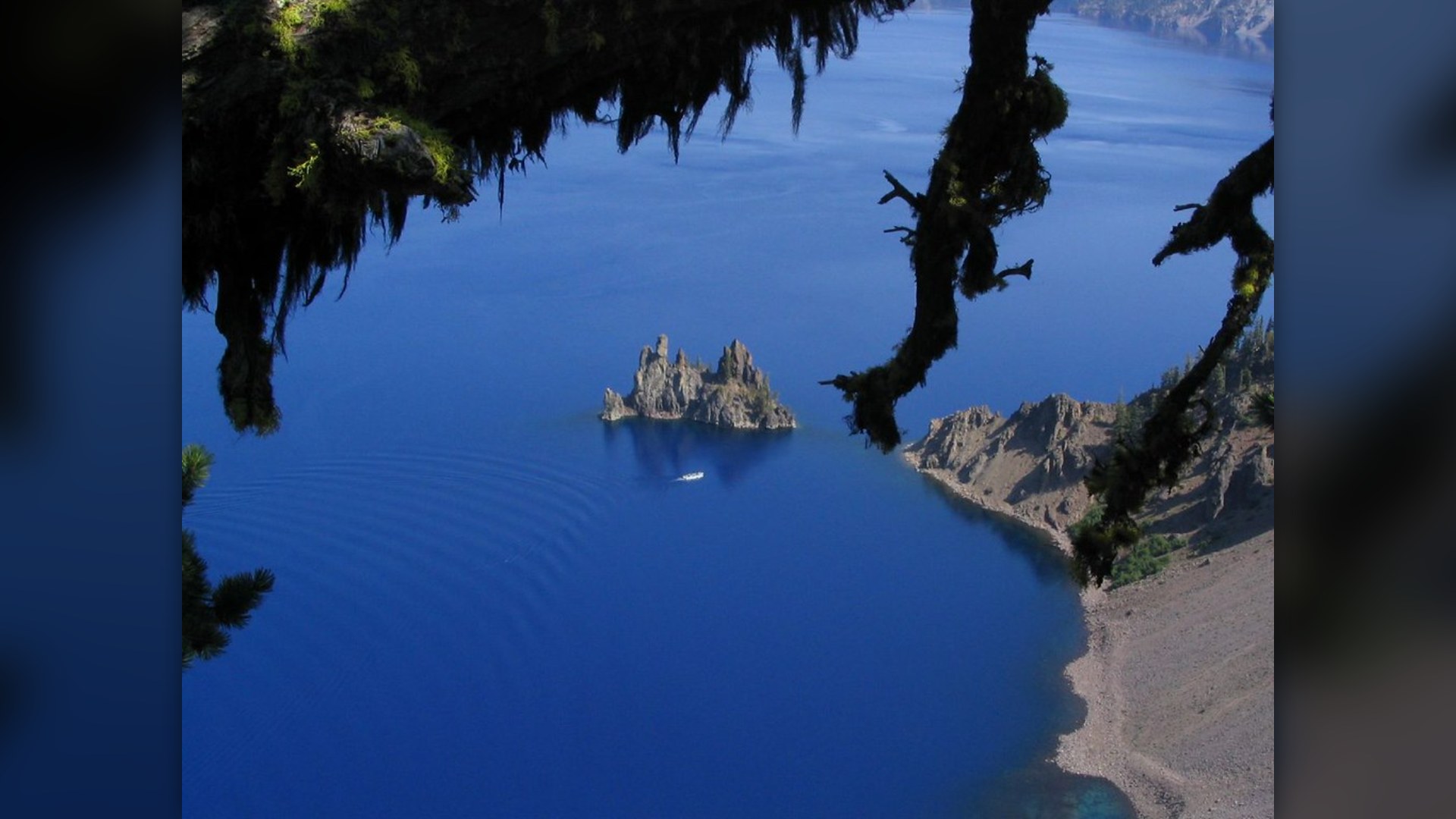
3. Crater Lake
Formed 7,700 years ago when Mount Mazama collapsed, Crater Lake plunges nearly 2,000 feet deep in southern Oregon. With no rivers or streams flowing into it, the lake is replenished purely by rain and snowmelt, producing world-renowned crystal-blue clarity.
©Openverse / Ken Lund
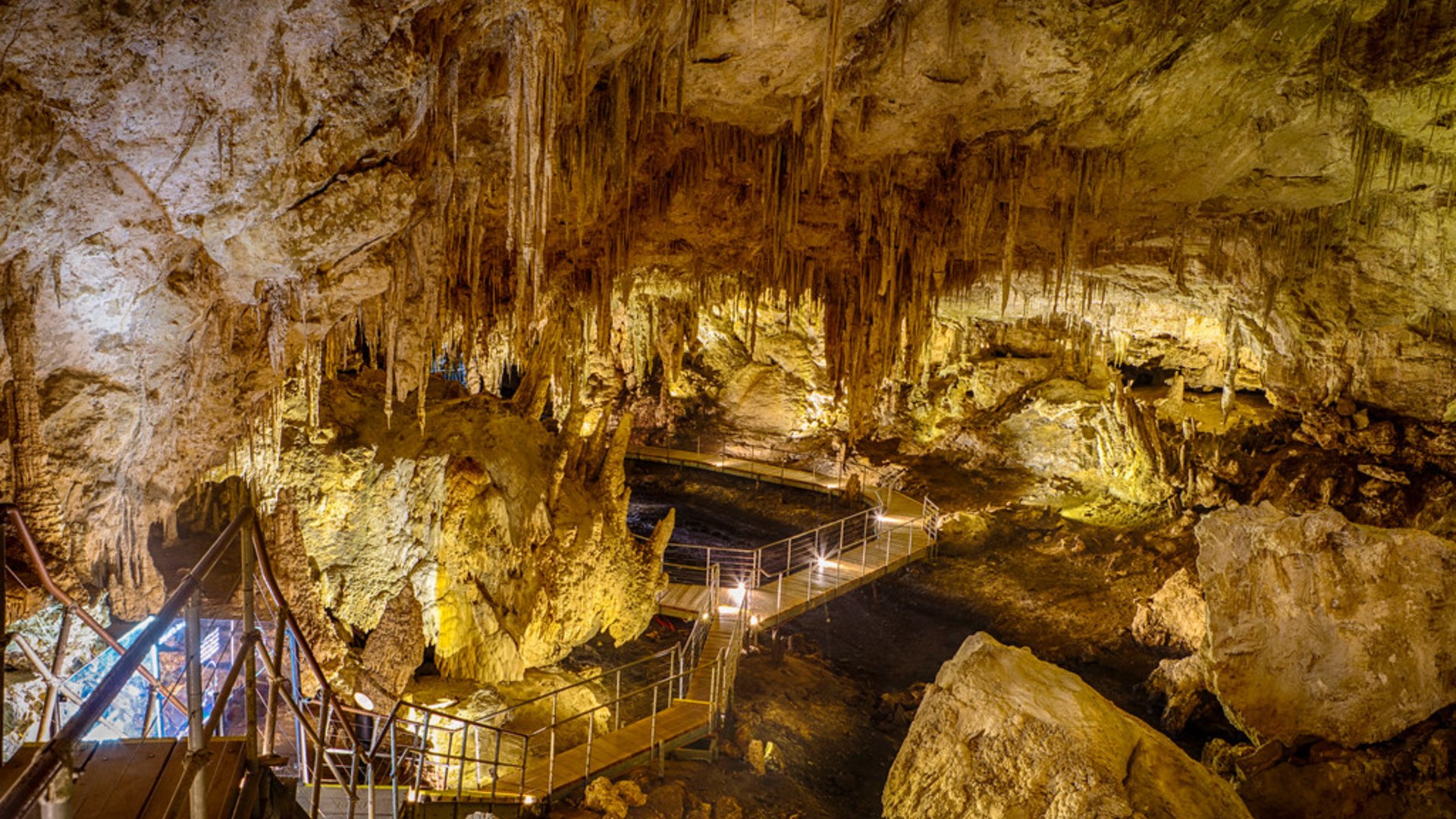
2. Mammoth Cave
Beneath the rolling hills of Kentucky lies Mammoth Cave, a limestone labyrinth that holds the Guinness World Record for the longest cave system on Earth. Geologists have mapped more than 426 miles of underground passages, and new chambers are still being discovered every decade.
©Openverse / GPTPhotography
Advertisement
Swipe or tap ▶ to resume the countdown.
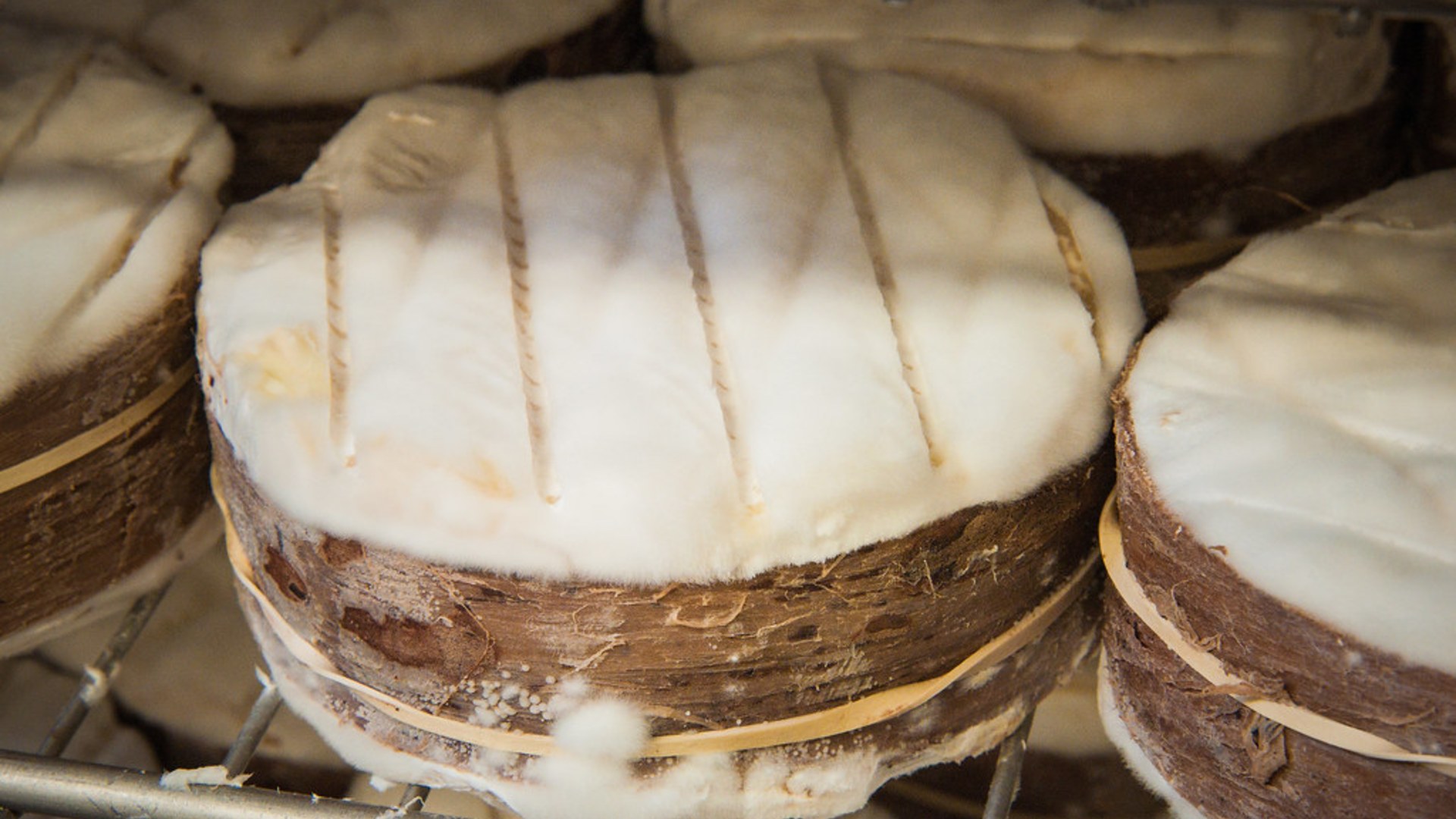
1. Subterranean Cheese Caves
Deep beneath Springfield, Missouri lies an enormous subterranean facility holding part of America's massive 1.4-billion-pound cheese reserve. Originating from 1970s dairy subsidies, the government stockpiles surplus dairy in naturally climate-controlled underground caves spanning millions of square feet.

©Openverse / USDAgov
Advertisement
You've reached the end of the story. Thanks for reading!

20 Iconic Historical Photos and the Archive Clues Behind Them
Contact sheets, cracked glass plates, and NASA mission logs preserve the hidden steps behind 20 famous photographs. Drawing on records from the Library of Congress, the National Archives, NASA, and the Smithsonian, this countdown traces how cropping, camera setups, and double exposures shaped each frame.
All 20 Entries in this Story
20. The 50-Star Flag
When Alaska and Hawaii neared statehood, 17-year-old Robert Heft redesigned the US flag for a class project. His teacher gave him a B-, promising an A only if Congress accepted it. Heft mailed it to DC, Eisenhower picked it in 1959, and Heft got his grade change.

19. Bourbon Barrels
Kentucky's bourbon industry is so massive that aging whiskey barrels outnumber the state's human residents nearly three to one. With over 12.6 million barrels resting in rickhouses across the state compared to 4.5 million residents, the Bluegrass State is truly America's bourbon capital.

18. Empire State Zip
Towering 102 stories over Manhattan, the Empire State Building is effectively a vertical city. Home to roughly 1,000 businesses and visited by thousands daily, the skyscraper overwhelmed local postal routes, prompting the USPS to give the single structure its own unique ZIP code: 10118.

17. Four Corners
Located on Navajo and Ute Mountain land, the Four Corners Monument marks the quadripoint where Arizona, New Mexico, Utah, and Colorado converge. Visitors can place their hands and feet across the brass disk embedded in granite to occupy four separate US states simultaneously.

16. Giant Twine Ball
Started by farmer Frank Stoeber in 1953, the Cawker City ball of sisal twine now weighs over 27,000 pounds with a circumference exceeding 40 feet. Every August, the Kansas town holds a twine-a-thon festival where residents and visitors add more twine to keep the world record alive.

15. Centralia Mine Fire
What began as an intentional landfill burn in 1962 ignited an exposed vein of anthracite coal beneath Centralia, Pennsylvania. The subterranean fire spread through labyrinthine mine tunnels, causing sinkholes and toxic gas that forced a complete buyout and demolition of the town.

14. Monowi, Nebraska
Tucked in northeastern Nebraska, Monowi has an official US Census population of exactly one. Eighty-eight-year-old Elsie Eiler votes for herself as mayor, files her own municipal taxes, and operates the Monowi Tavern, welcoming travelers from across the globe.

13. Lake Superior
Lake Superior is the world's largest freshwater lake by surface area. Its massive volume—over 2,900 cubic miles—holds roughly 10% of the world's surface fresh water. If drained across the Western Hemisphere, it could submerge all of North and South America under twelve inches of water.

12. Uncle Sam
During the War of 1812, New York meatpacker Samuel Wilson stamped supply barrels with 'U.S.' for United States. Soldiers joked that the initials stood for 'Uncle Sam' Wilson. The nickname caught on in newspapers, and in 1961 Congress formally recognized Wilson as the namesake of the national symbol.

11. Mount Rushmore
Sculptor Gutzon Borglum envisioned a secret vault inside Mount Rushmore to house America's most sacred historical texts. Though cut short by his death, in 1998 sixteen porcelain enamel panels inscribed with the Declaration of Independence and Constitution were sealed inside a titanium box within the chamber.

10. Plymouth Rock
Visitors expecting a towering boulder are often stunned to find a modest stone resting in a portico. Plymouth Rock was identified 121 years after the Mayflower landed, and subsequent moves split it in half. Souvenir hunters chipped away pieces, leaving only a fraction of the original boulder intact.

9. The Liberty Bell
Cast in London in 1752, the Liberty Bell bears the inscription: 'By Order of the Assembly of the Province of Pensylvania.' While it looks like an error today, 'Pensylvania' was an accepted contemporary spelling when Alexander Hamilton and the founding documents were being drafted.

8. Rabbit Hash, KY
The historic river town of Rabbit Hash, Kentucky held its first mayoral race in 1998 as a charity fundraiser. A mixed-breed dog named Goofy Borneman won in a landslide. The town has since elected five consecutive canine mayors, including a French bulldog named Wilbur who won in 2020.

7. No Official Language
Despite English being the predominant national tongue, the United States has never designated an official national language in the Constitution. The Founding Fathers viewed an official tongue as an infringement on personal liberty, leaving language policies up to individual states.

6. Metric Since 1866
Contrary to popular belief that America strictly rejects metric units, Congress officially legalized the metric system with the Metric Act of 1866. In 1975, President Ford signed the Metric Conversion Act declaring metric the preferred system of commerce, though voluntary adoption stalled.

5. Seven Mile Bridge
Stretching across the Florida Keys, the Seven Mile Bridge connects Knights Key to Little Duck Key. Originally built as part of Henry Flagler's overseas railroad, the modern highway bridge spans nearly seven continuous miles over open turquoise waters between the Gulf of Mexico and Atlantic.

4. Shiny Copper Liberty
Constructed from 300 hand-hammered copper sheets, the Statue of Liberty was originally shiny metallic copper. Over 30 years of exposure to New York Harbor's rain, salty sea spray, and wind oxidized the outer layer, producing the iconic green patina that protects the metal from corrosion.

3. Crater Lake
Formed 7,700 years ago when Mount Mazama collapsed, Crater Lake plunges nearly 2,000 feet deep in southern Oregon. With no rivers or streams flowing into it, the lake is replenished purely by rain and snowmelt, producing world-renowned crystal-blue clarity.

2. Mammoth Cave
Beneath the rolling hills of Kentucky lies Mammoth Cave, a limestone labyrinth that holds the Guinness World Record for the longest cave system on Earth. Geologists have mapped more than 426 miles of underground passages, and new chambers are still being discovered every decade.

1. Subterranean Cheese Caves
Deep beneath Springfield, Missouri lies an enormous subterranean facility holding part of America's massive 1.4-billion-pound cheese reserve. Originating from 1970s dairy subsidies, the government stockpiles surplus dairy in naturally climate-controlled underground caves spanning millions of square feet.