Slideshow · Viral
20 World Leaders Who Had Careers Before Entering Public Office
Long before commanding nations and writing laws, several of the world's most prominent heads of state earned their living as schoolteachers, investment bankers, and factory workers. Based on official presidential library archives, government biographies, and reporting from BBC News and The Washington Post.
By Most Viral Today
1 hour ago

20 Powerful World Leaders Who Started Out in Everyday Private Jobs 
20. William Henry Harrison 
19. Jacinda Ardern 
18. Andrew Jackson - AdvertisementSwipe or tap ▶ to continue countdown

17. John Adams 
16. Millard Fillmore 
15. Chester A. Arthur 
14. Grover Cleveland - AdvertisementSwipe or tap ▶ to continue countdown

13. Benjamin Harrison 
12. Andrew Johnson 
11. Alexander Mackenzie 
10. James A. Garfield - AdvertisementSwipe or tap ▶ to continue countdown

9. Lyndon B. Johnson 
8. Harry S. Truman 
7. John F. Kennedy 
6. Justin Trudeau - AdvertisementSwipe or tap ▶ to continue countdown

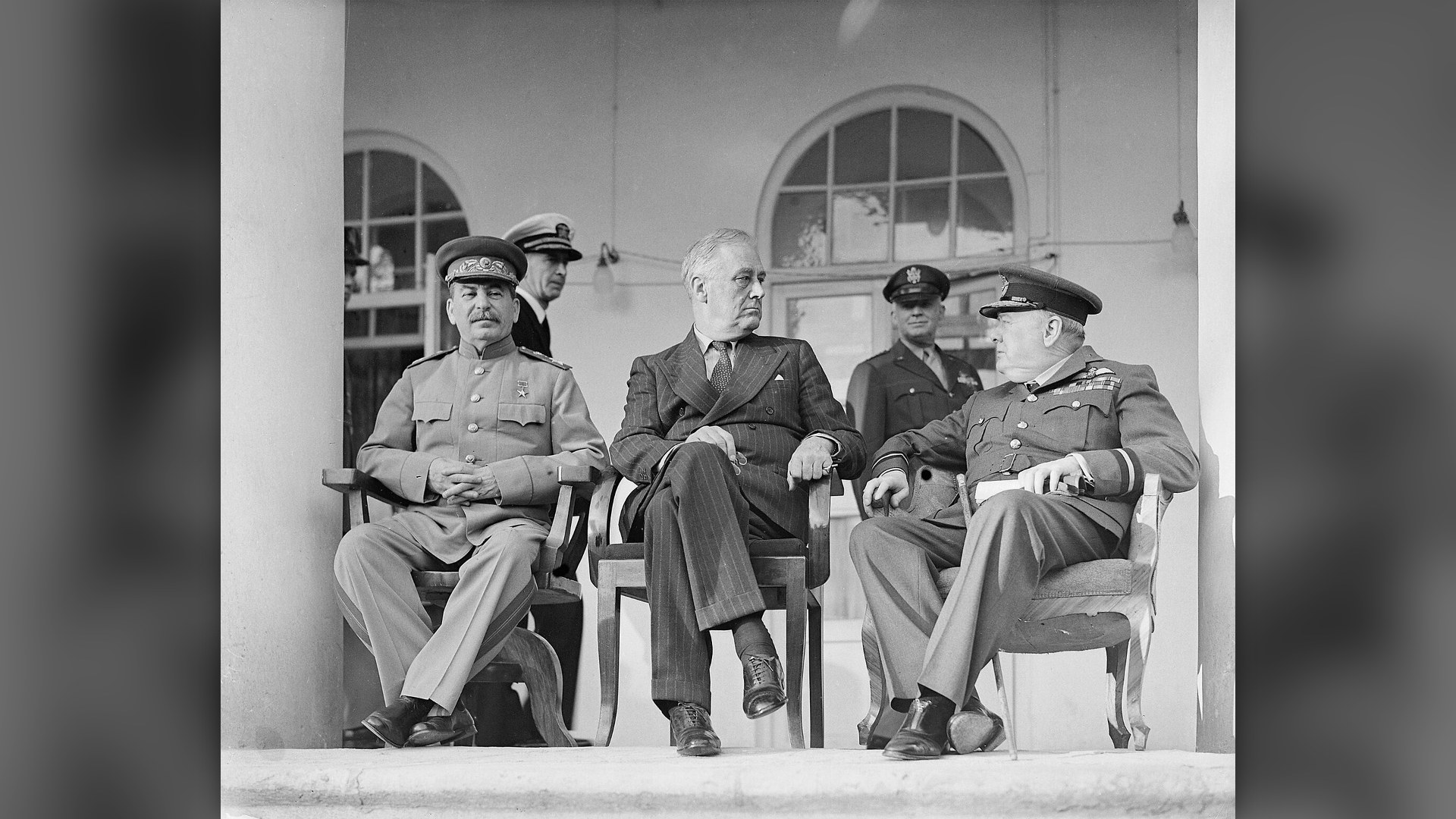
5. Winston Churchill 
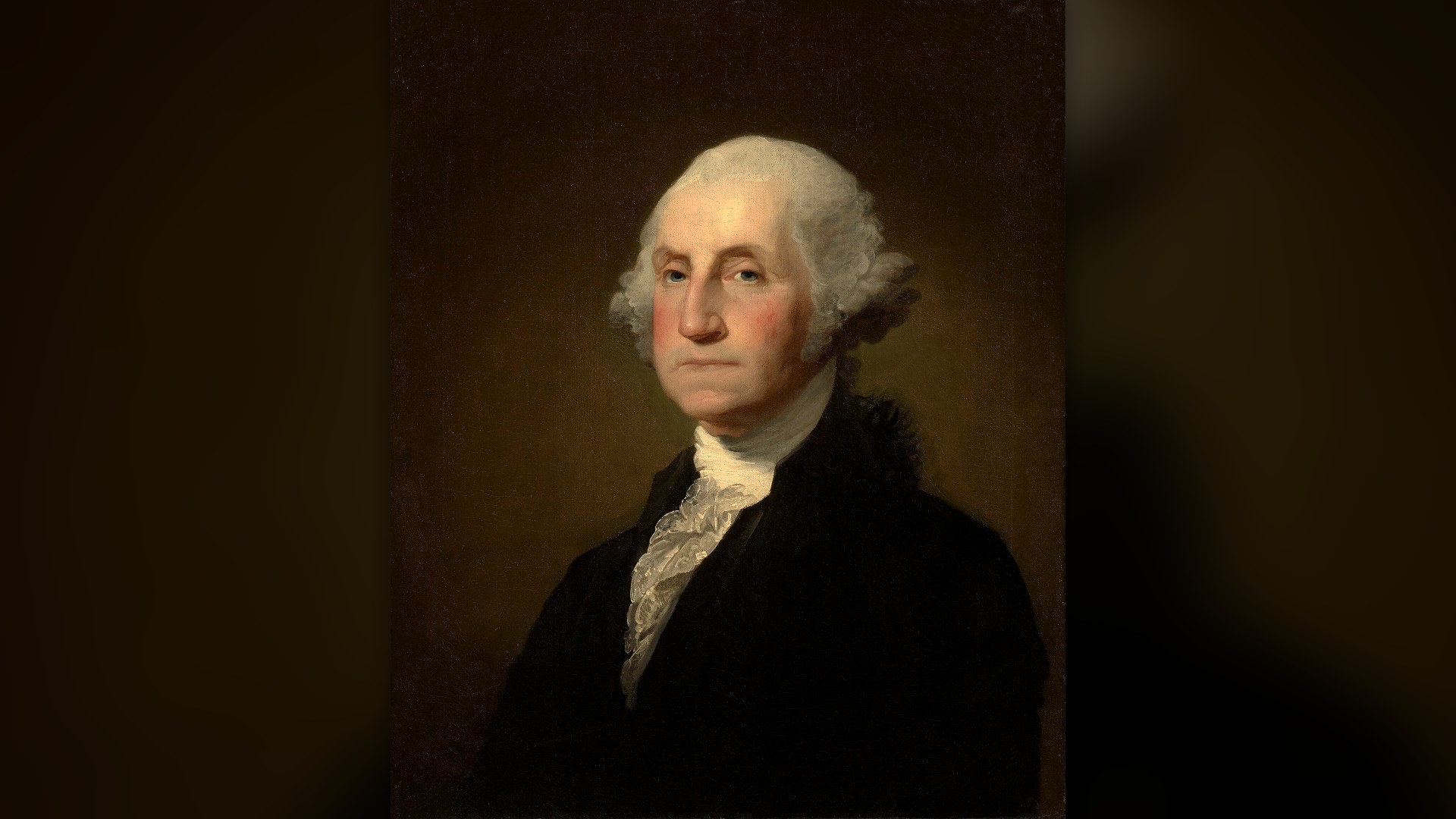
4. George Washington 
3. Shinzo Abe 
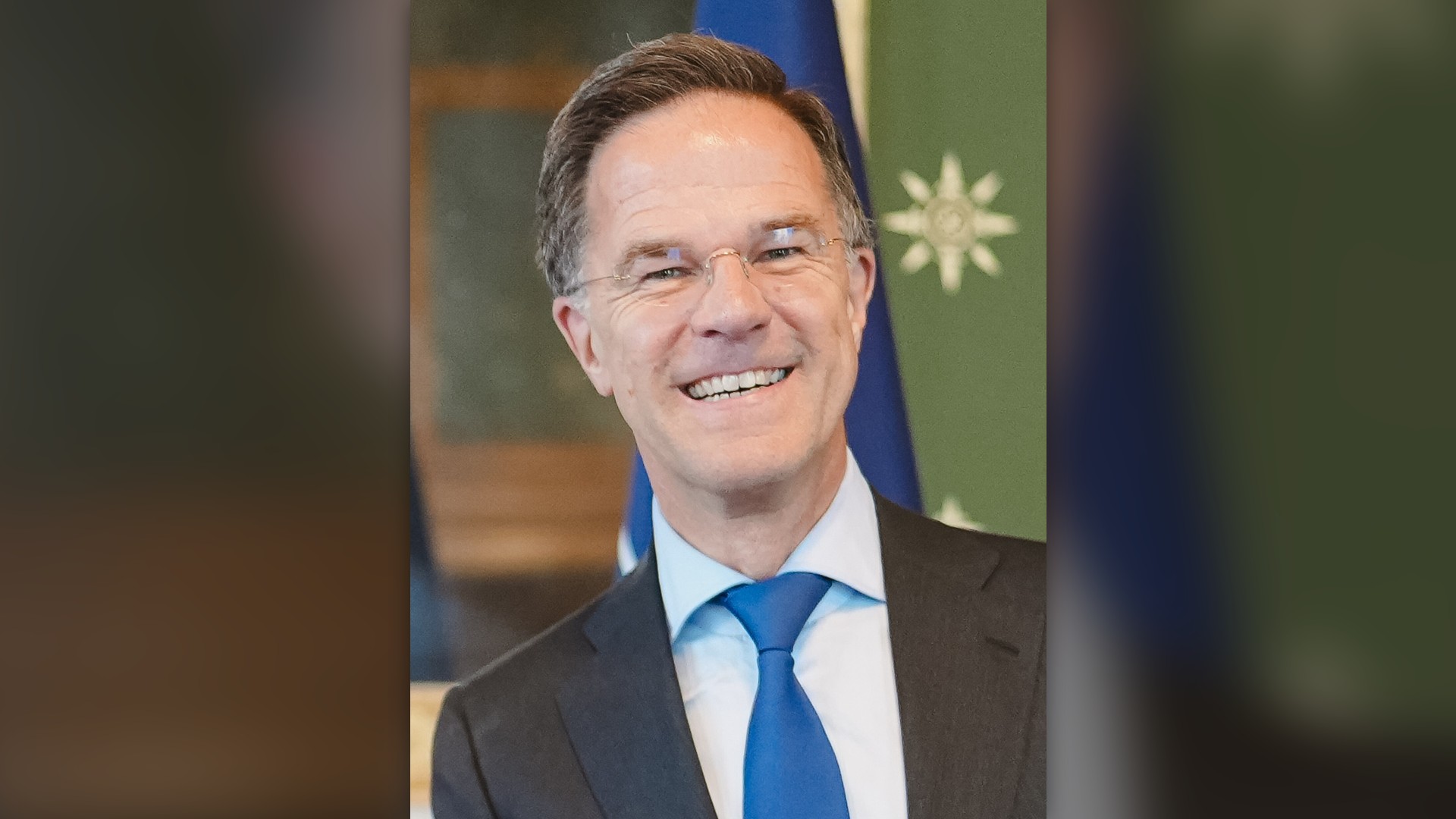
2. Mark Rutte - AdvertisementSwipe or tap ▶ to continue countdown

1. Emmanuel Macron - Advertisement🔥 UP NEXT IN THIS SERIES◫ 21 Slides

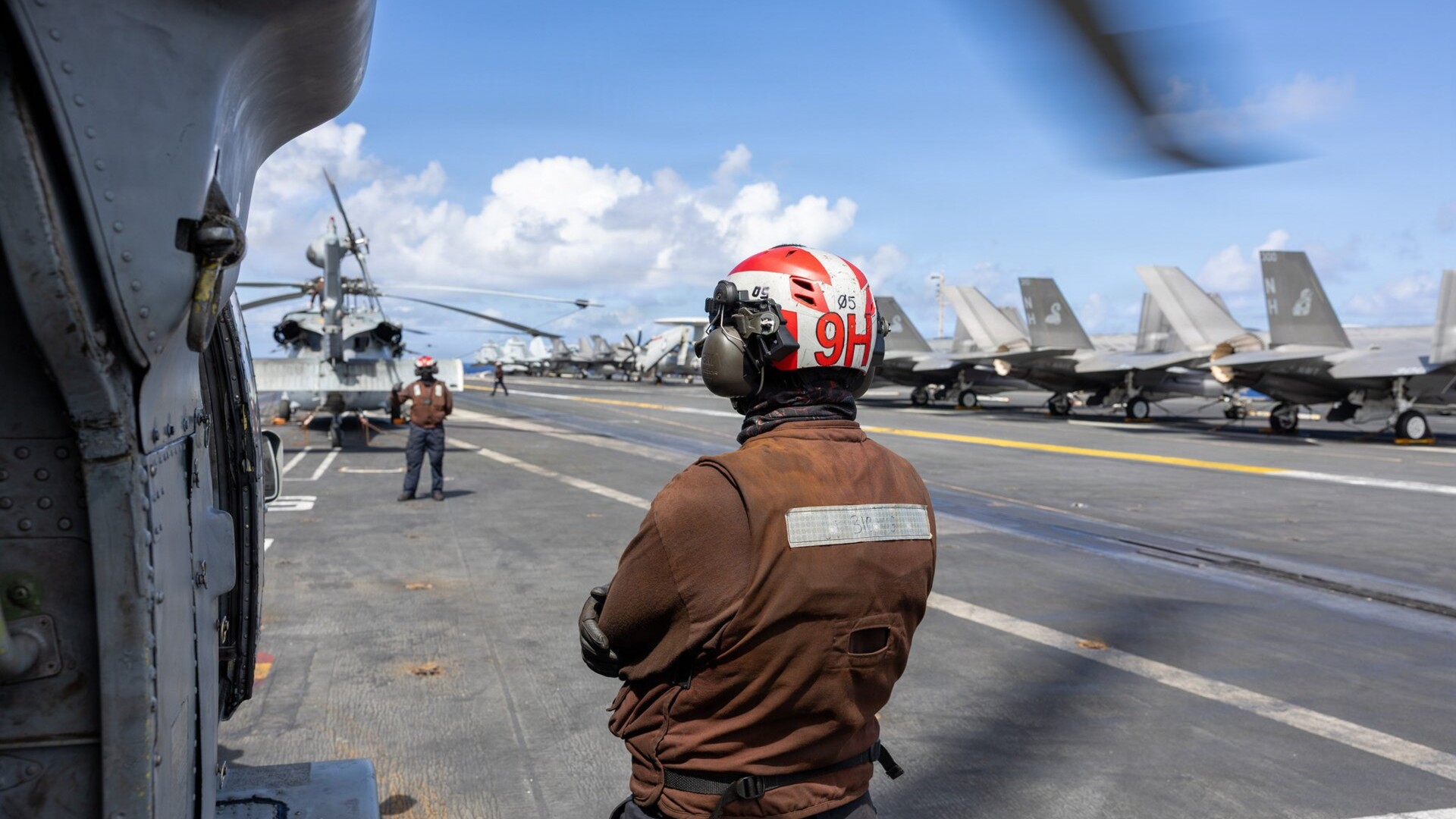
20 Most Powerful Navies in the World, Ranked
Control of the global oceans shapes international trade, security alliances, and military power. From stealth submarines and guided missile destroyers to nuclear powered aircraft carriers, naval capabilities require massive investment. Here are the twenty most formidable navies across the globe, ranked by strength.
Long before commanding nations and writing laws, several of the world's most prominent heads of state earned their living as schoolteachers, investment bankers, and factory workers. Based on official presidential library archives, government biographies, and reporting from BBC News and The Washington Post.
Swipe or tap ▶ to begin the countdown
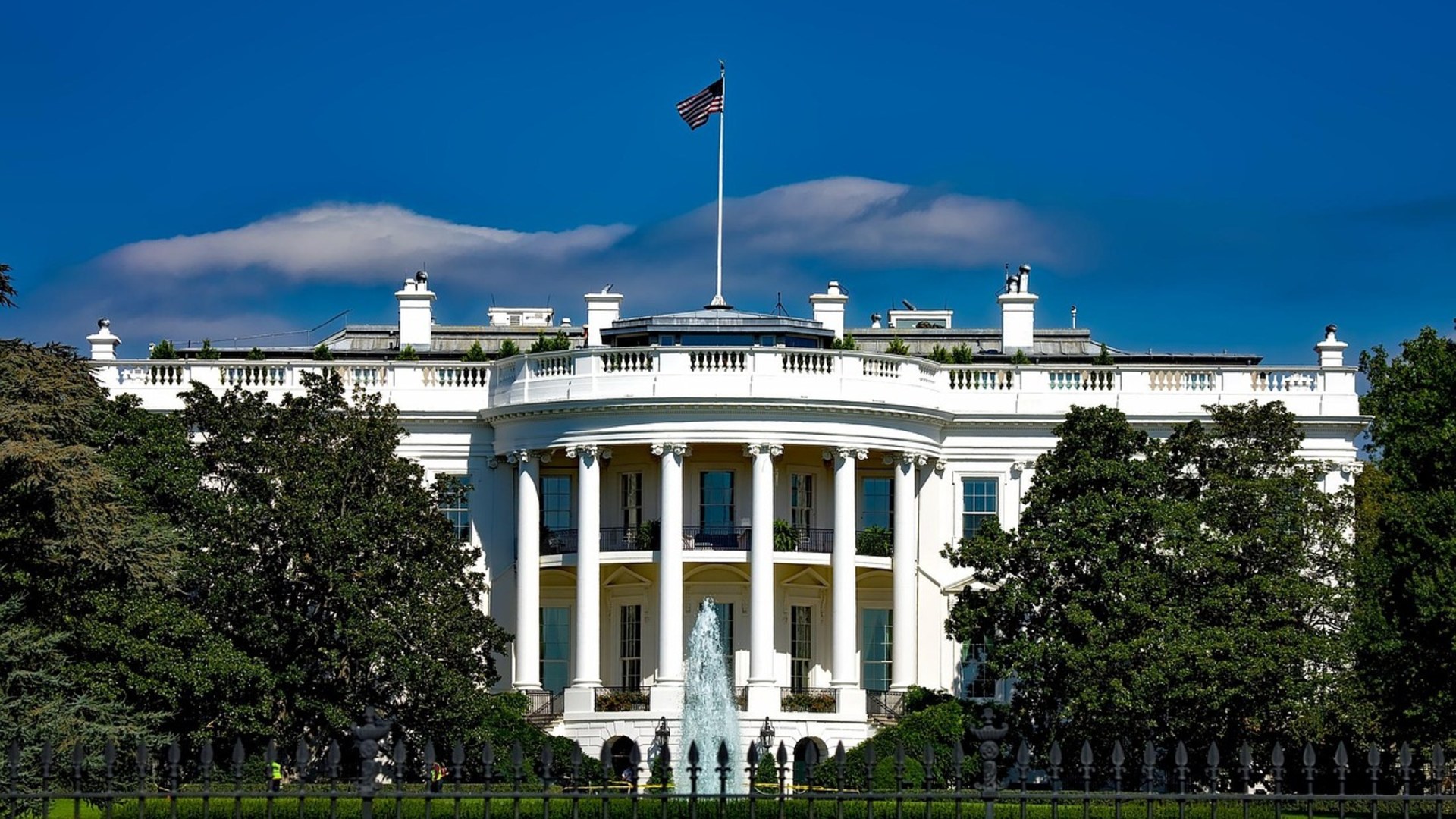
©Wikimedia / The White House
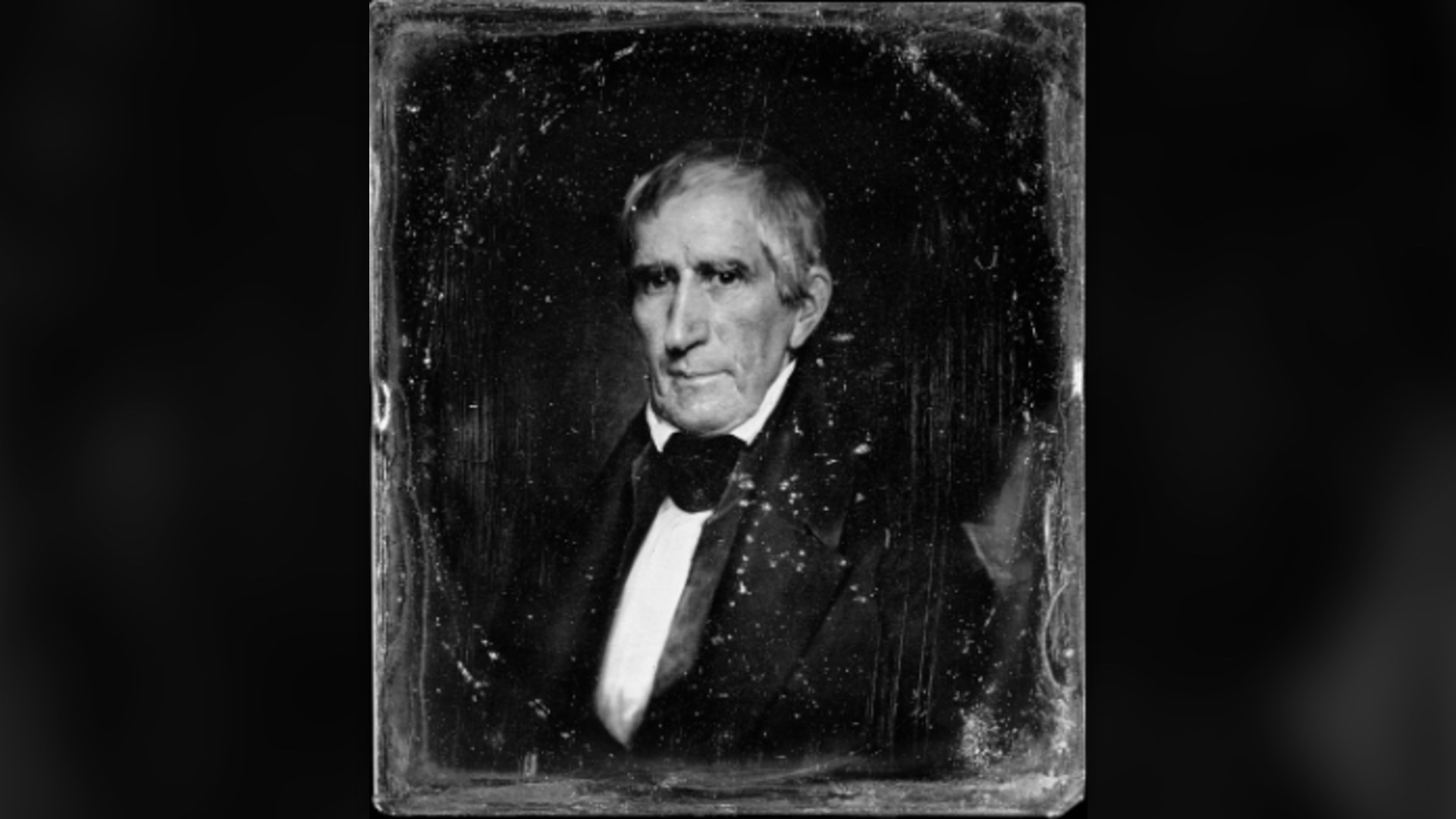
20. William Henry Harrison
Before embarking on an army career on the western frontier, William Henry Harrison trained to become a medical doctor. He studied medicine under physicians in Richmond and attended the University of Pennsylvania Medical Department under famed founding father Dr. Benjamin Rush.
©Wikimedia / Scan from the original work
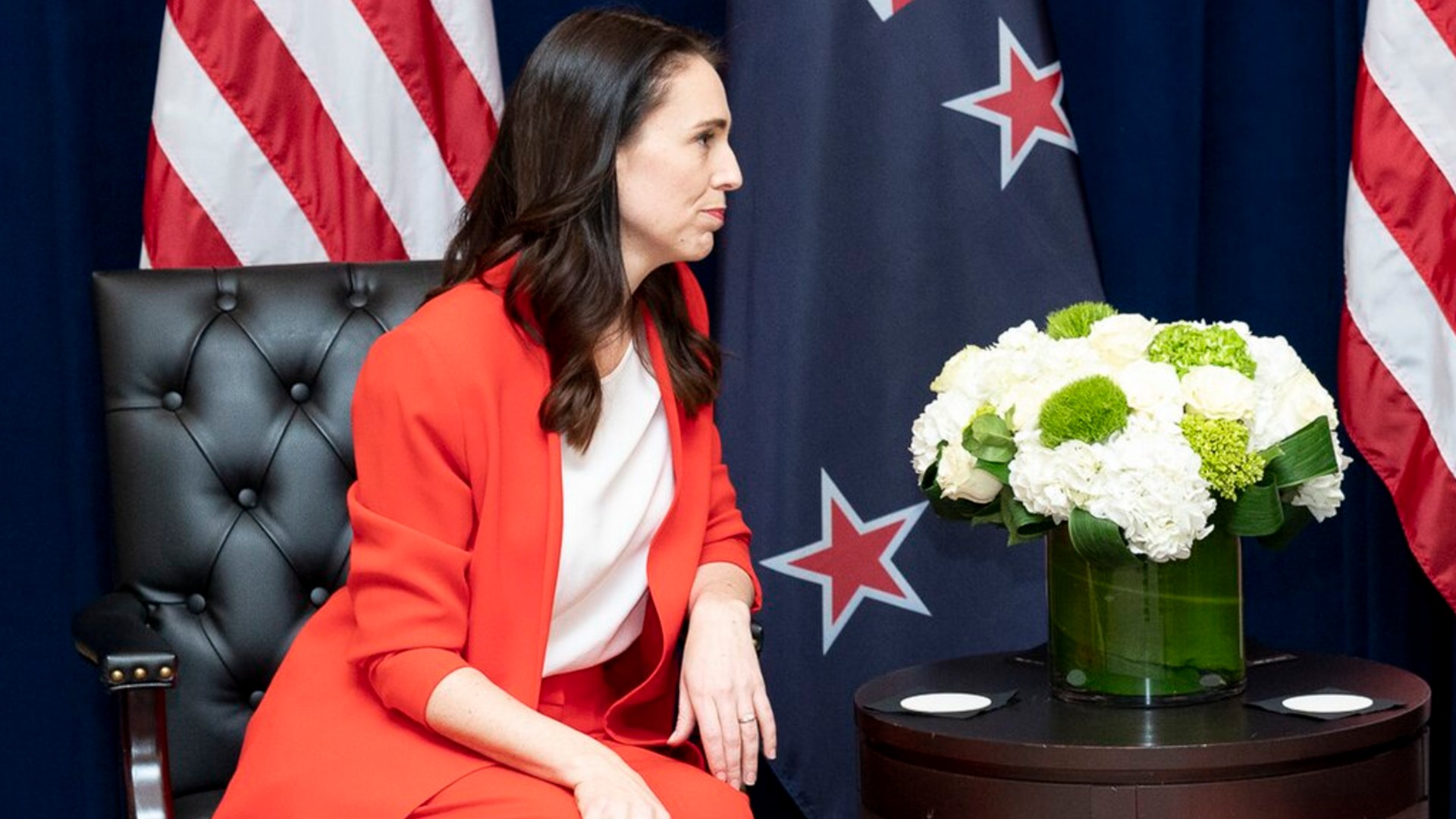
19. Jacinda Ardern
While attending high school in Morrinsville, Jacinda Ardern earned her first wages working after school at the Golden Kiwi fish and chip shop. She gained firsthand experience in customer service and small business before studying communications and entering politics.
©Wikimedia / The White House from Washington, DC
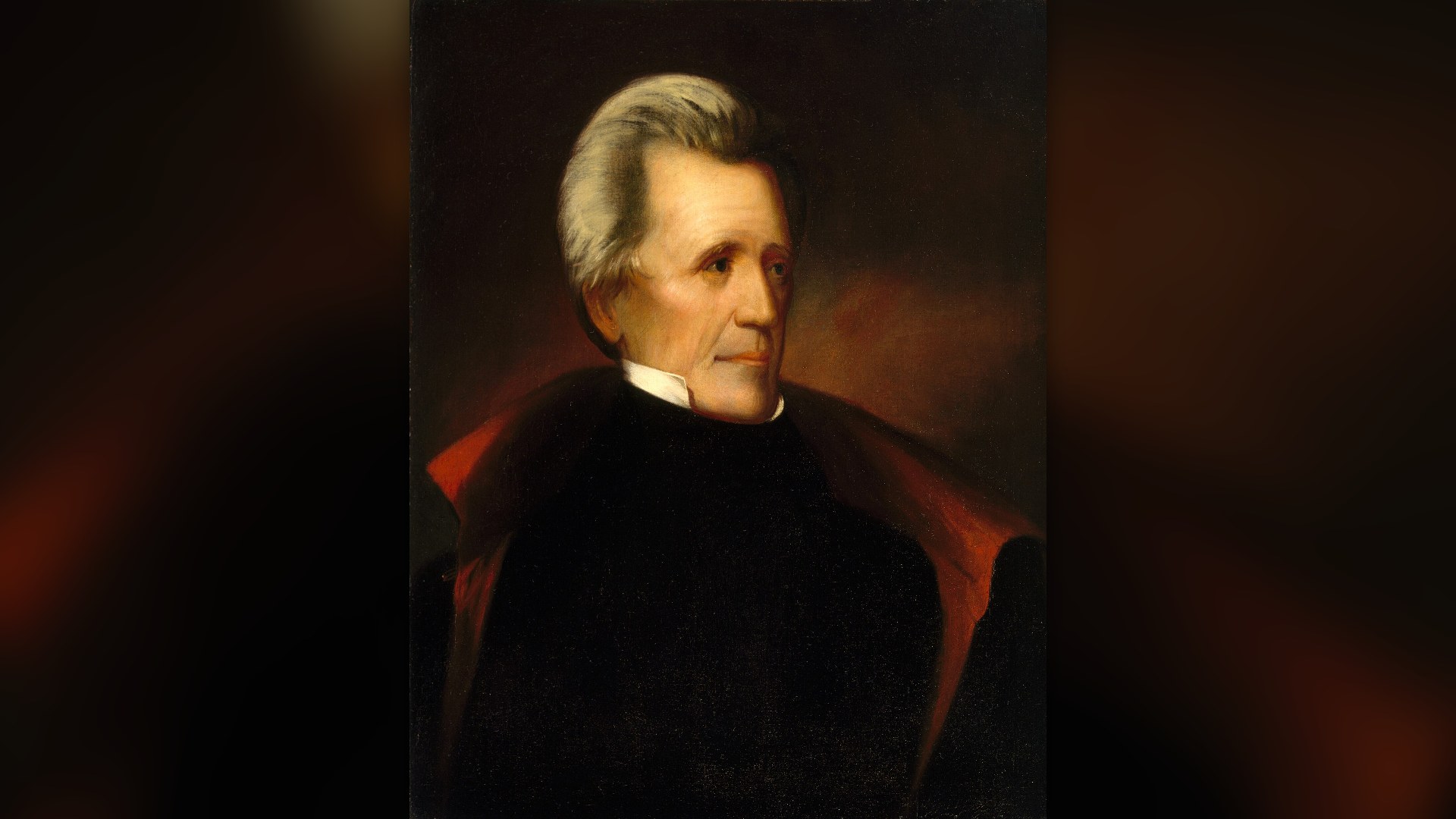
18. Andrew Jackson
Orphaned during the Revolutionary War at age 14, Andrew Jackson supported himself as a saddle maker's apprentice in the Carolinas. Later in Nashville, he managed a successful general store and bred prize-winning thoroughbred horses before pursuing judicial and military careers.
©Wikimedia / Ralph Eleaser Whiteside Earl
Advertisement
Swipe or tap ▶ to resume the countdown.
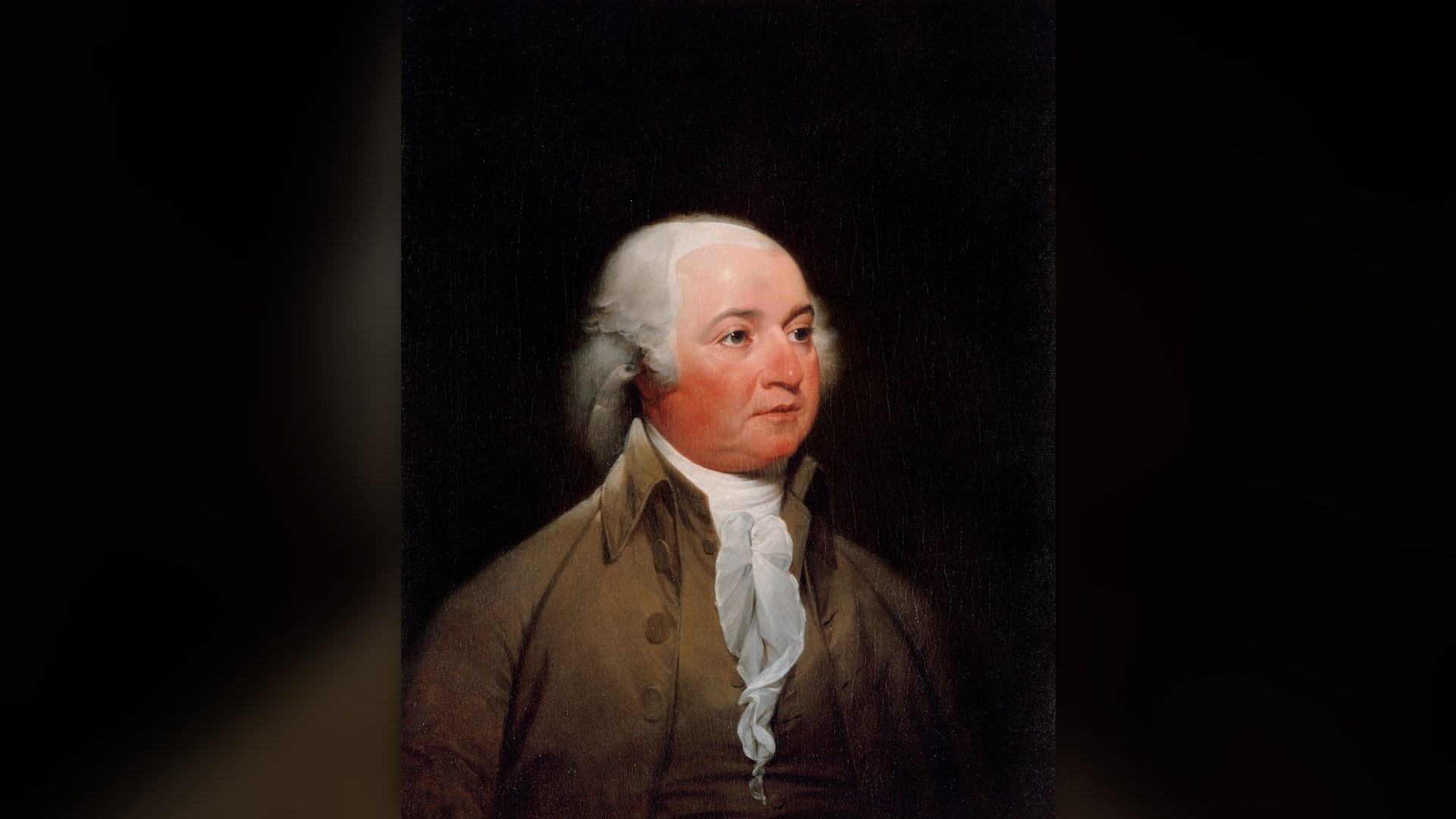
17. John Adams
After graduating from Harvard College in 1755, John Adams worked for three years as the schoolmaster of a grammar school in Worcester, Massachusetts. He used his modest teaching salary to pay for his legal apprenticeship, studying law in the evenings.
©Wikimedia / John Trumbull
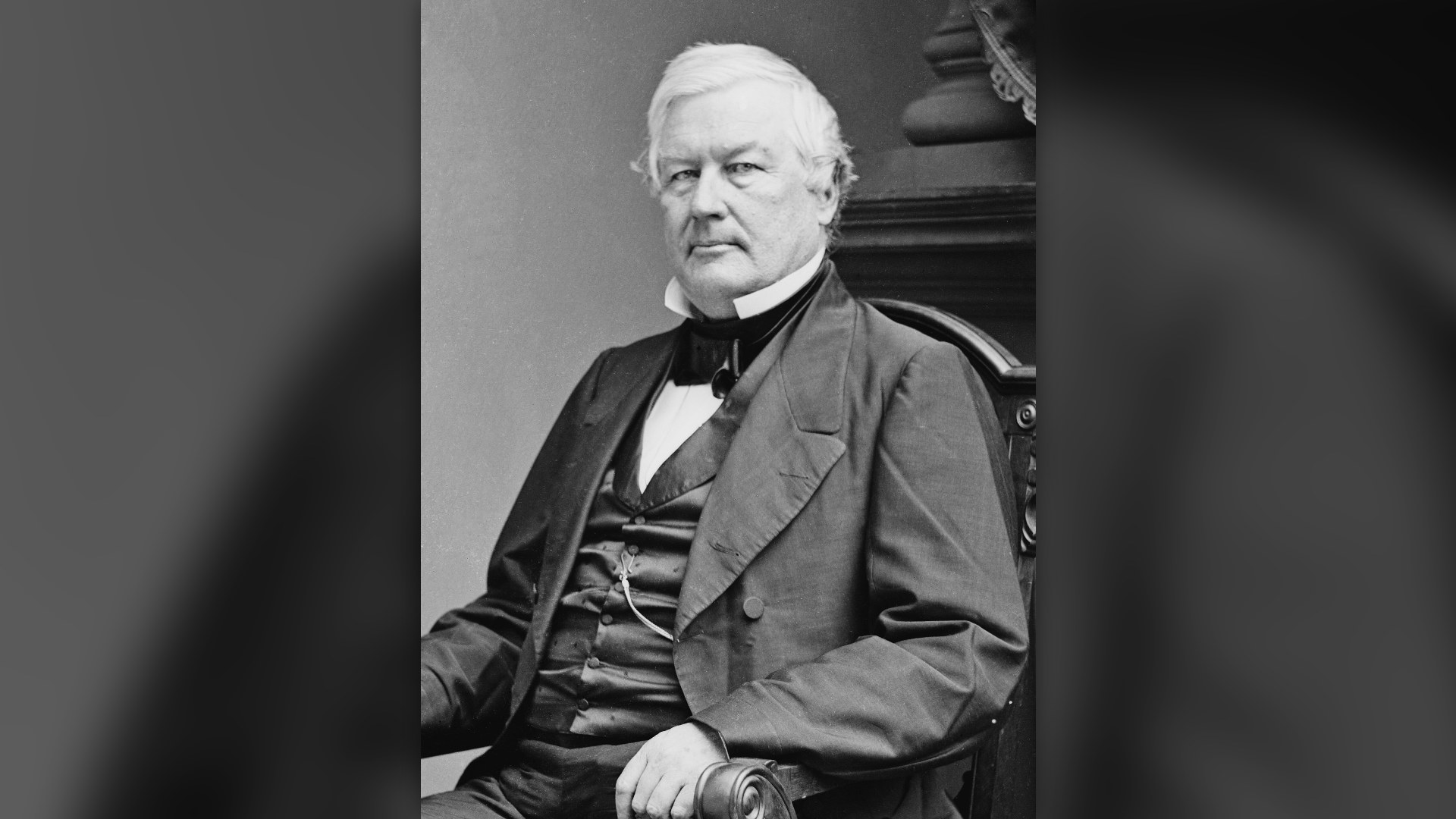
16. Millard Fillmore
Born into extreme frontier hardship in New York, Millard Fillmore was bound out at age fourteen to learn the clothmaker trade. For five grueling years, he operated cloth-dressing machines and carded wool in Livingston County before buying out his apprenticeship contract.
©Wikimedia / Mathew Benjamin Brady
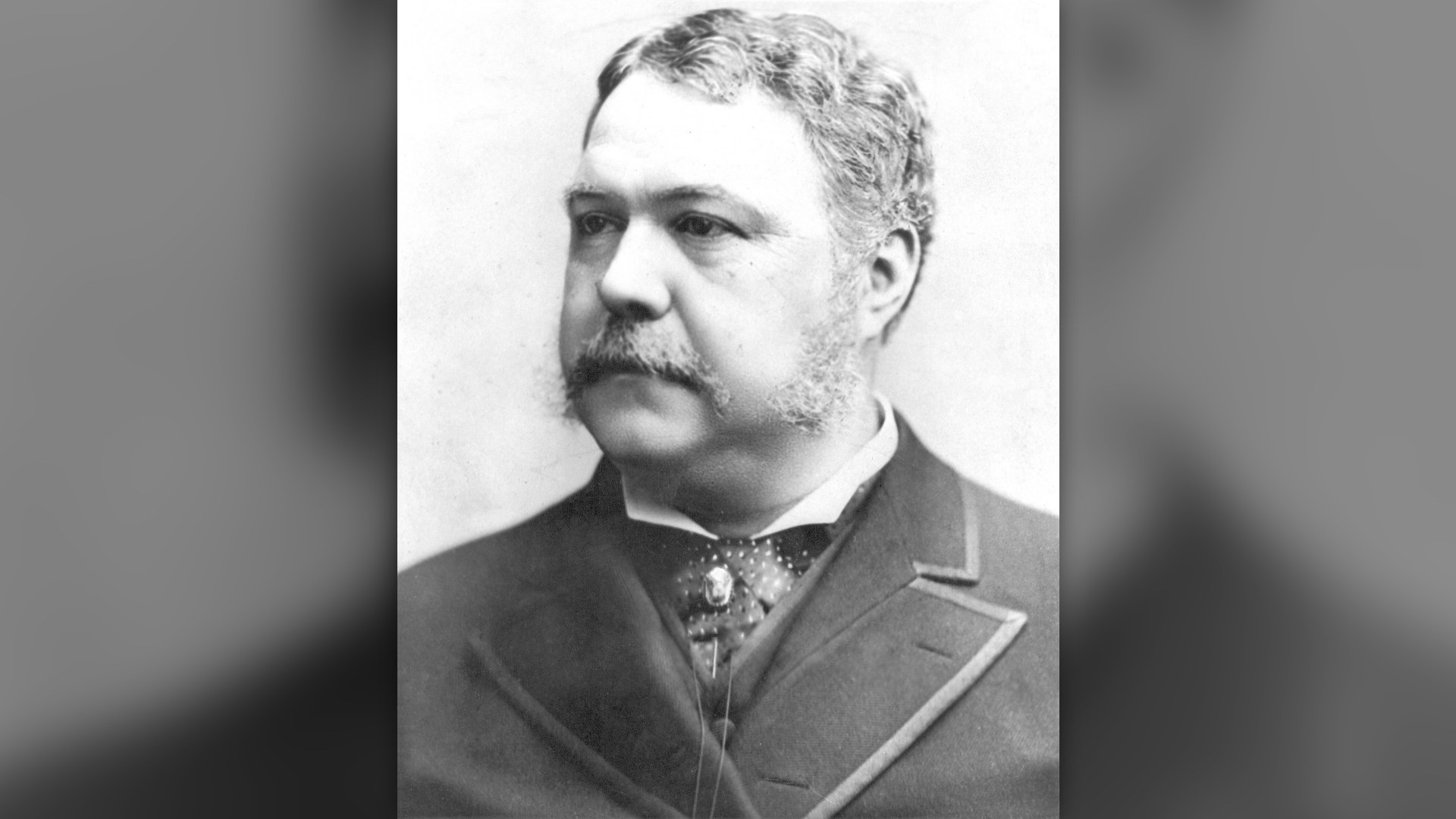
15. Chester A. Arthur
Before becoming a prominent Manhattan lawyer, Chester A. Arthur supported himself by teaching classical languages in Schaghticoke, New York. In 1851, he was appointed principal of the academy in North Pownal, Vermont, saving his earnings to fund his bar examination studies.
©Wikimedia / Charles Milton Bell
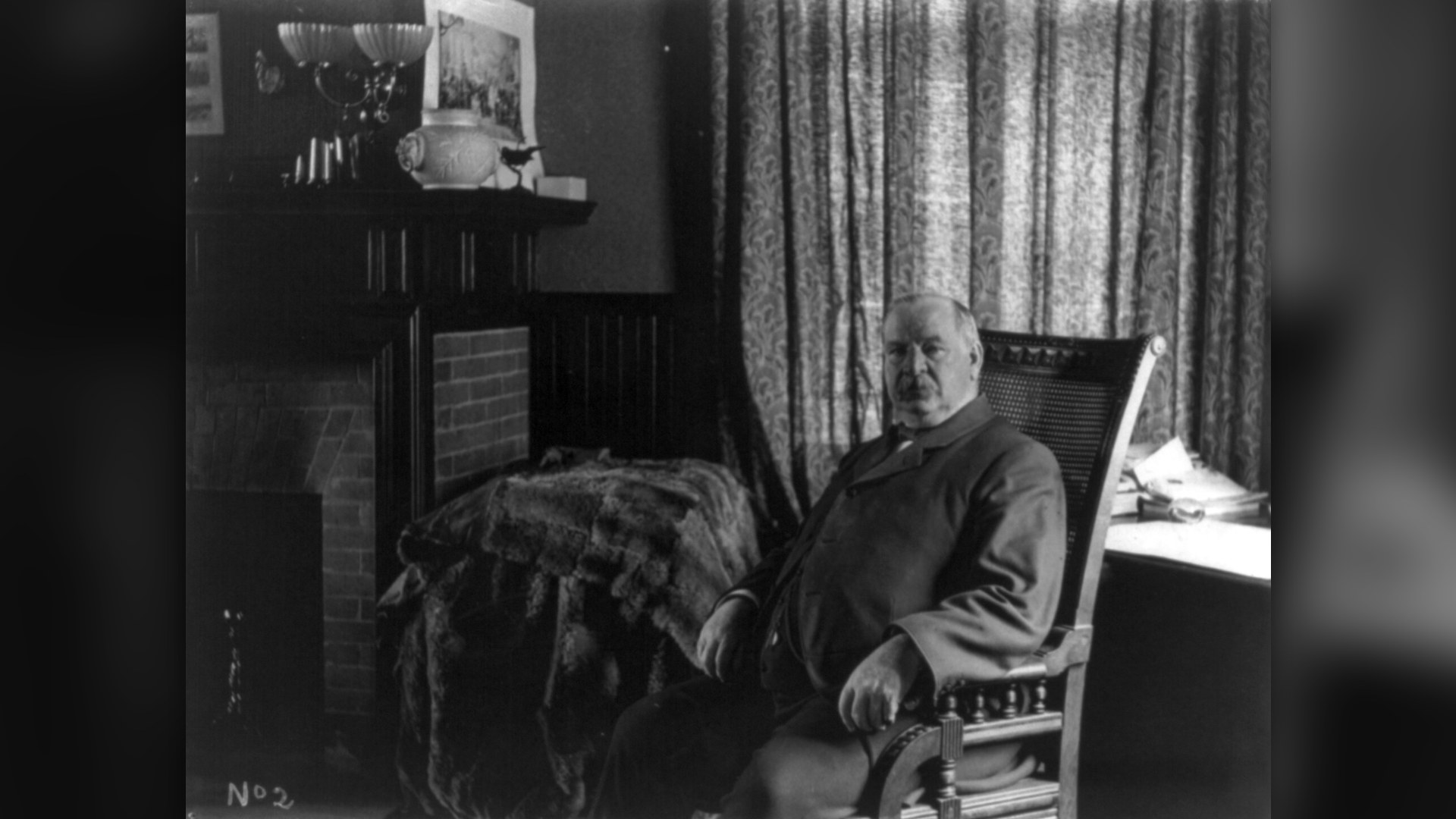
14. Grover Cleveland
Following his father's sudden death in 1853, sixteen-year-old Grover Cleveland supported his family by working as an assistant teacher at the New York Institution for the Blind in Manhattan. He taught reading and arithmetic for a year before moving west to study law.
©Wikimedia / This image is available from the United States L
Advertisement
Swipe or tap ▶ to resume the countdown.
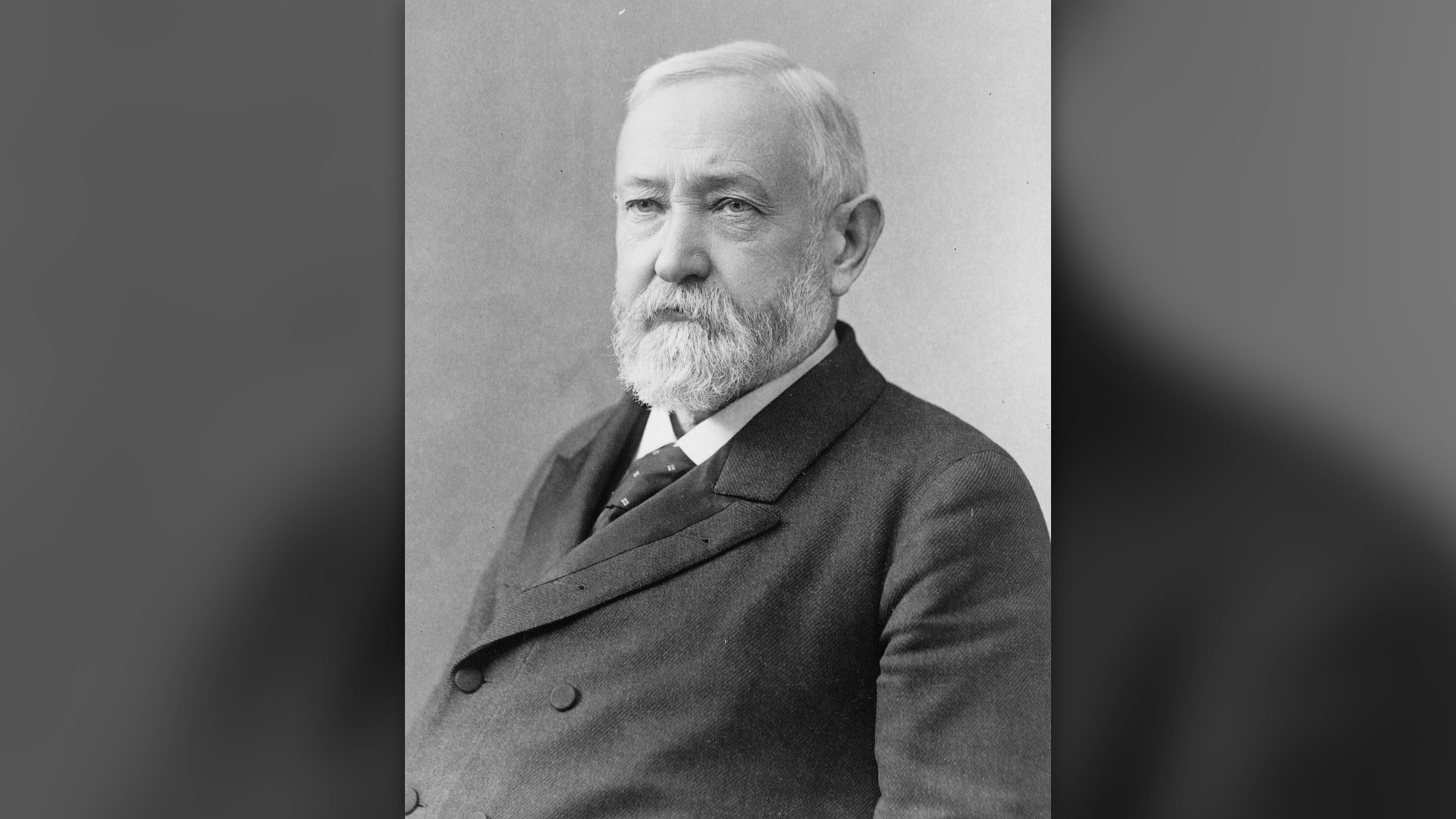
13. Benjamin Harrison
Long before reaching the White House, Benjamin Harrison was one of the most successful private trial lawyers in Indianapolis. He spent thirty years handling corporate bankruptcy cases, railroad contracts, and civil litigation, only taking breaks to serve in the Civil War.
©Wikimedia / Pach Brothers
12. Andrew Johnson
Apprenticed to a tailor at age ten, Andrew Johnson ran away and opened his own tailoring workshop in Greeneville, Tennessee, in 1827. His tailoring bench became a popular gathering place where locals discussed community politics while Johnson crafted and repaired garments.
©Wikimedia / Nick
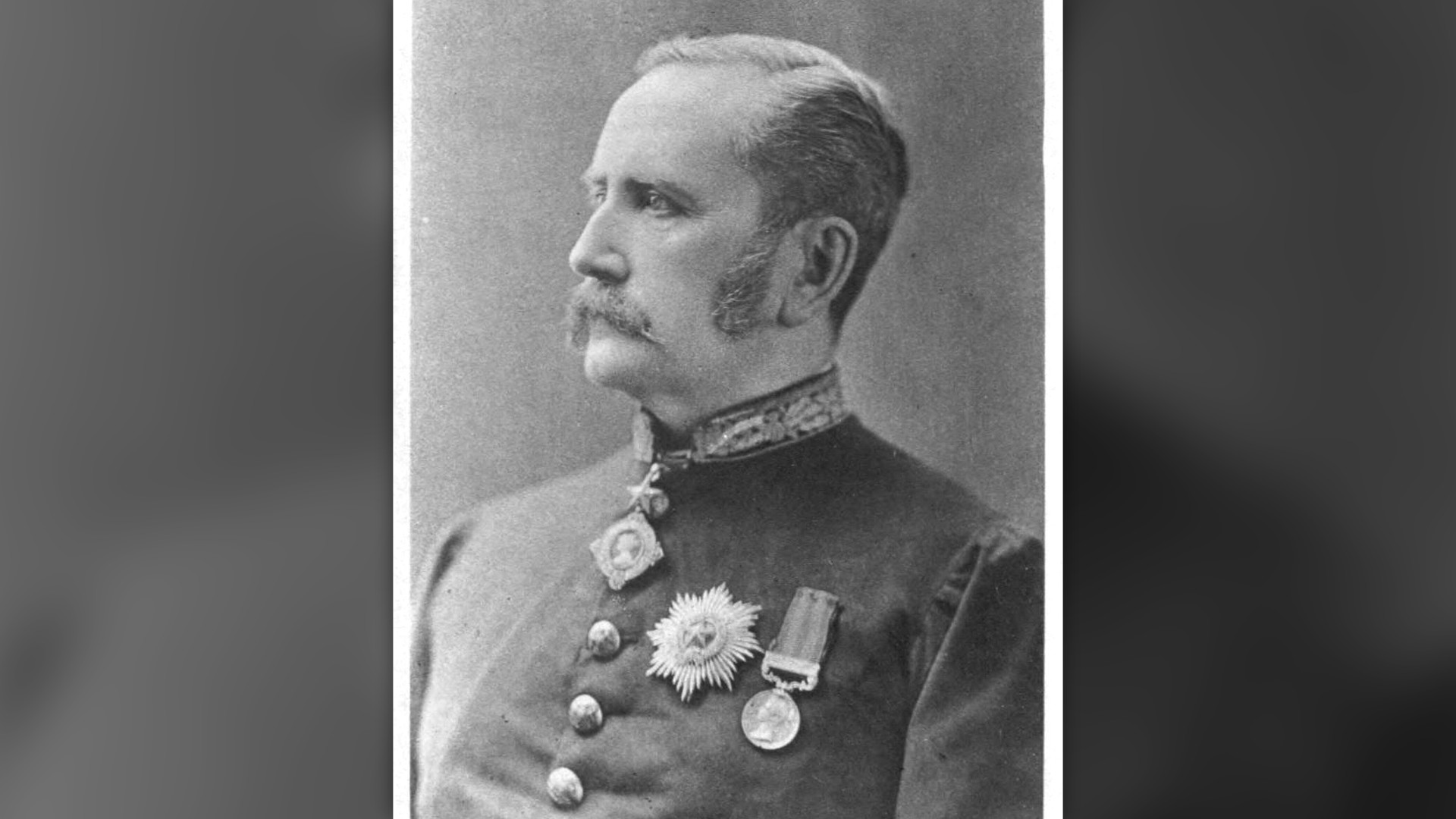
11. Alexander Mackenzie
Canada's second prime minister spent his youth as an apprentice stonemason in Scotland before emigrating to Upper Canada in 1842. Alexander Mackenzie operated a thriving masonry and construction business, personally building courthouses, canals, and bank buildings across Ontario.
©Wikimedia / Bourne & Shepherd
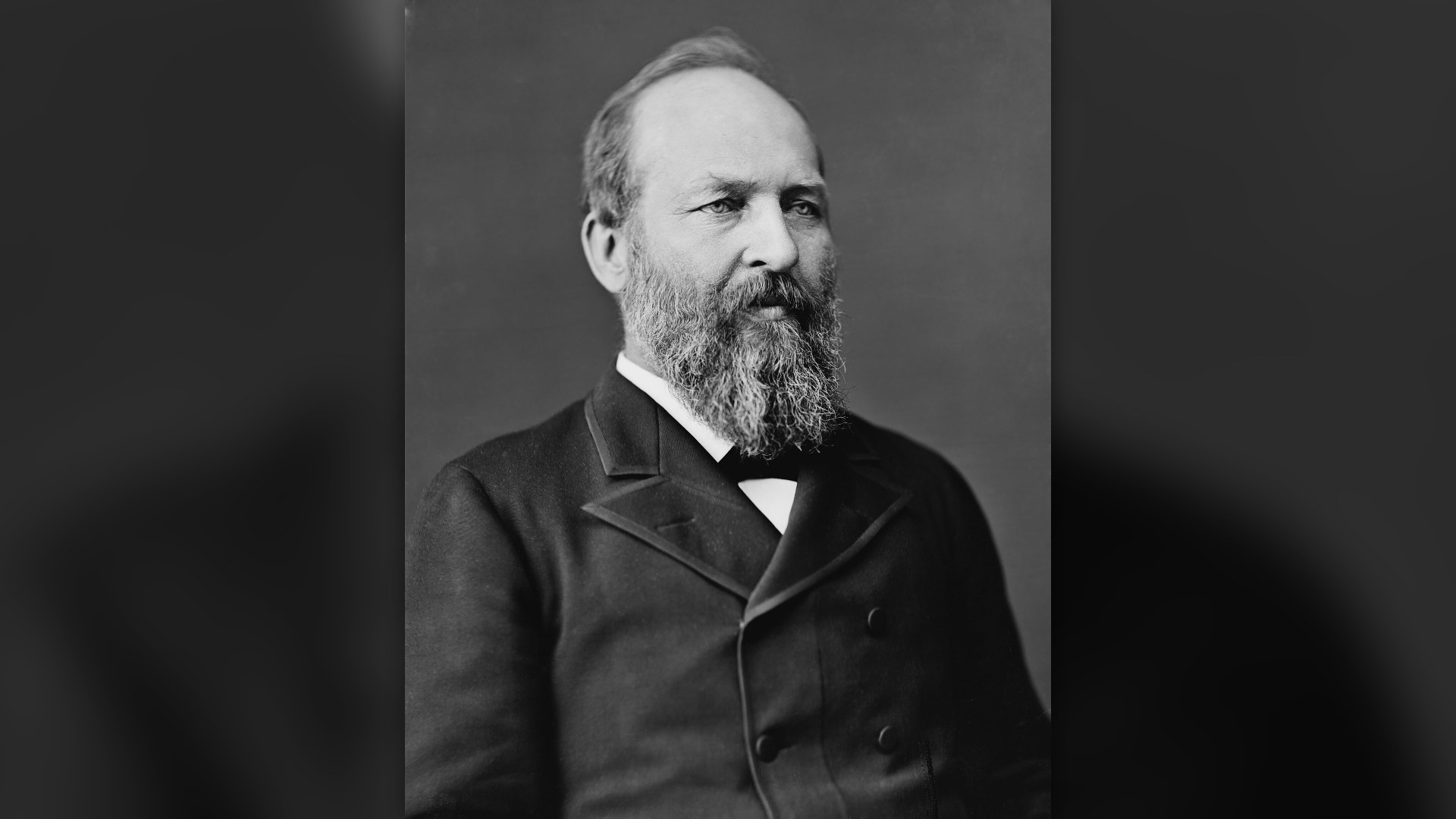
10. James A. Garfield
Working his way out of rural poverty, James A. Garfield earned a degree from Williams College and returned to the Western Reserve Eclectic Institute to teach ancient languages. By age 26, the faculty elected him school president, five years before he volunteered for the Union Army.
©Wikimedia / This image is available from the United States L
Advertisement
Swipe or tap ▶ to resume the countdown.
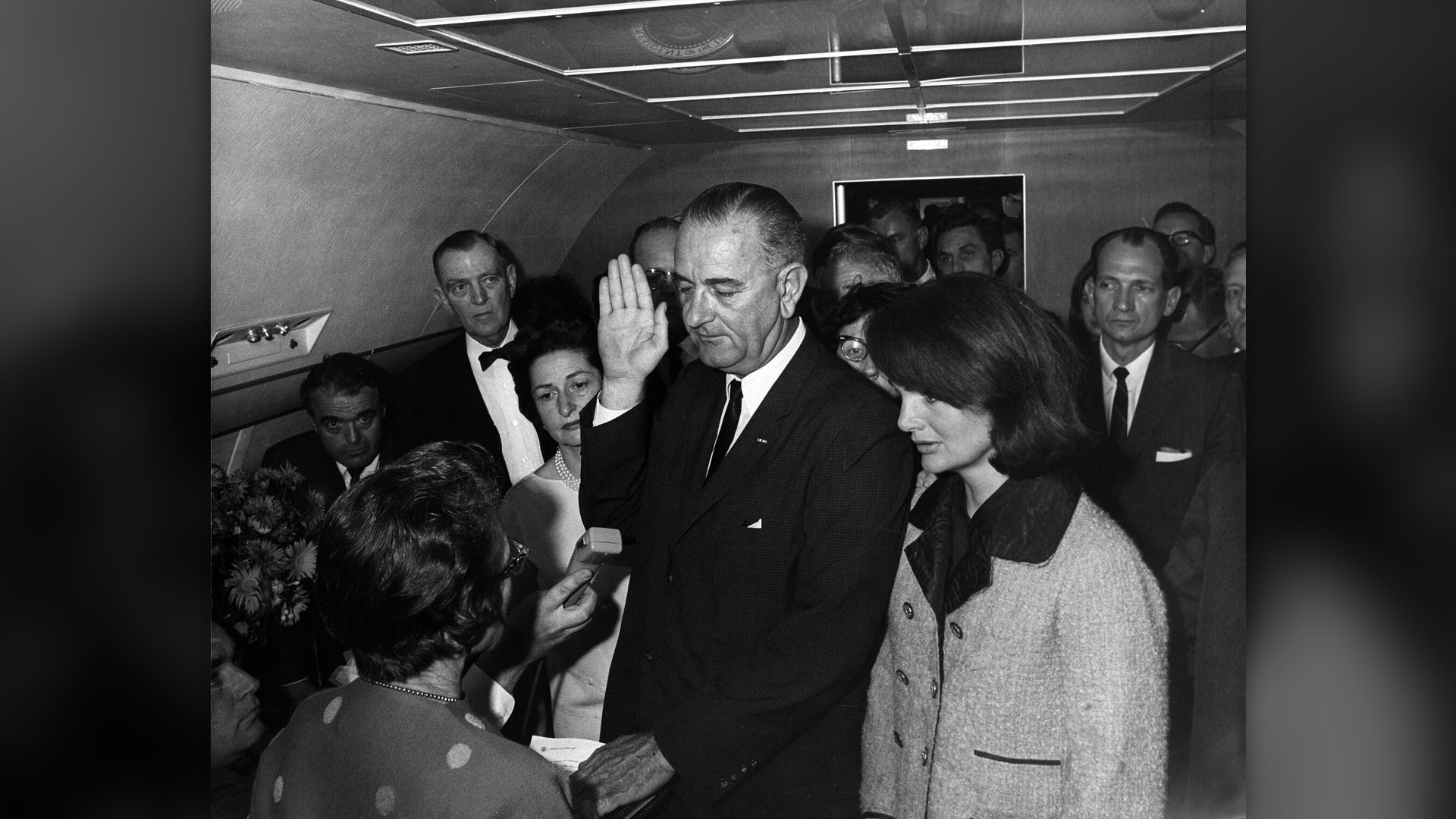
9. Lyndon B. Johnson
In 1928, nineteen-year-old Lyndon B. Johnson paused his college studies to teach fifth, sixth, and seventh grade at Welhausen School in Cotulla, Texas. The experience of seeing deeply impoverished Mexican-American children profoundly influenced his Great Society legislation decades later.
©Wikimedia / Cecil W. Stoughton
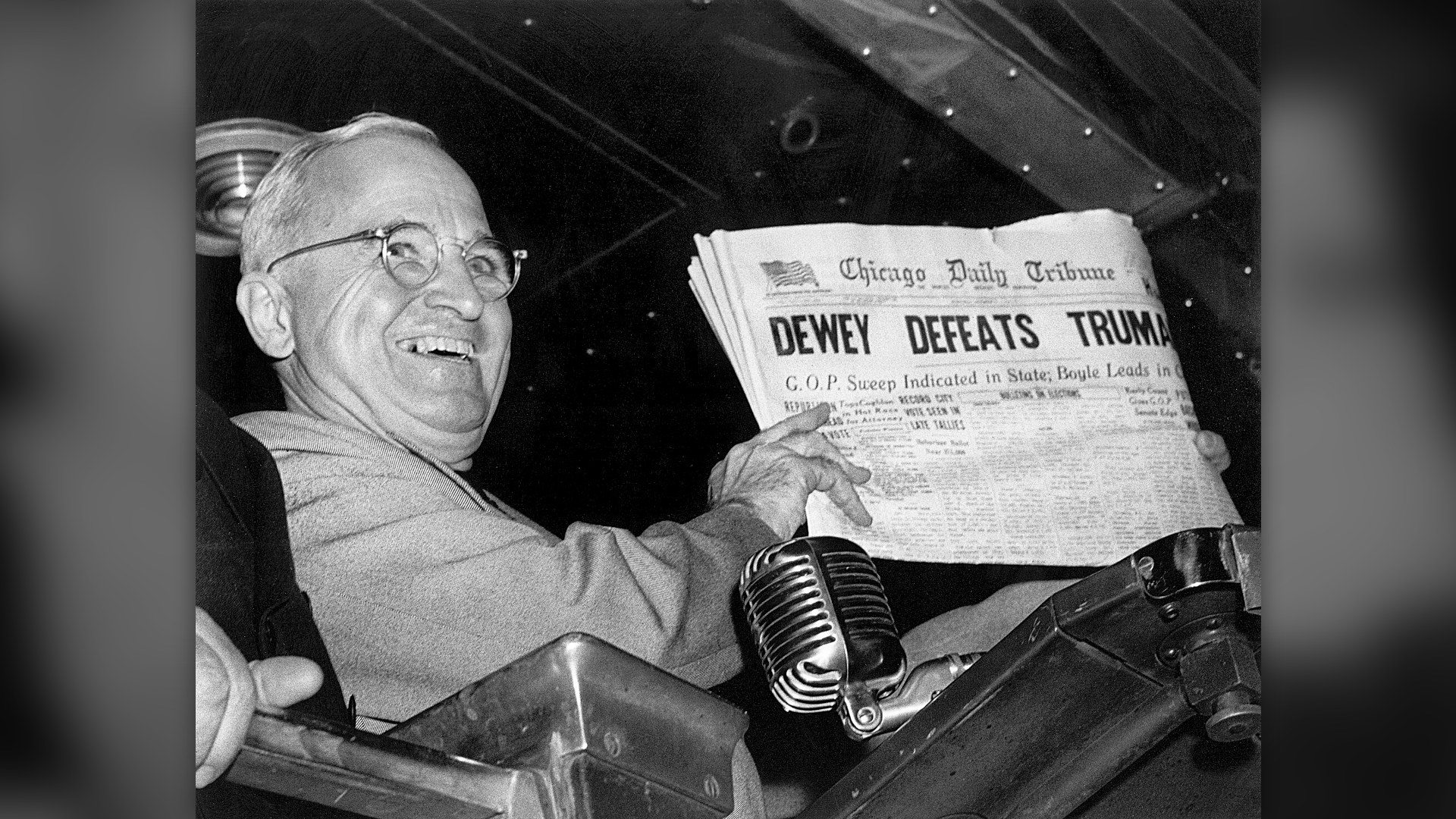
8. Harry S. Truman
Returning home from World War I, Harry S. Truman partnered with army comrade Eddie Jacobson in 1919 to open Truman and Jacobson Haberdashery in Kansas City. Although the shop was initially popular, an agricultural recession forced the business to close in 1922.
©Wikimedia / Byron H. Rollins
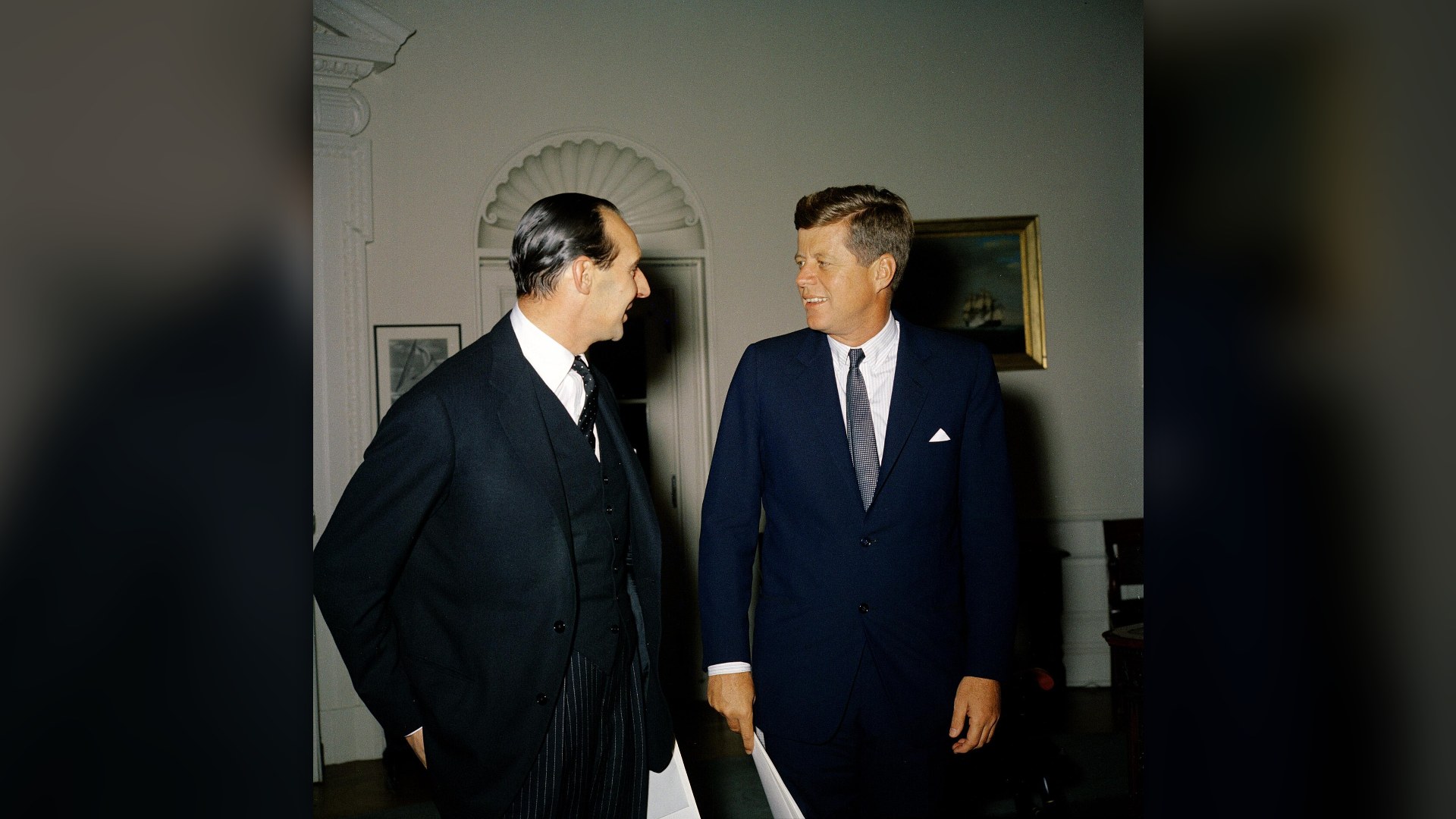
7. John F. Kennedy
Following his naval service in World War II, 28-year-old John F. Kennedy joined the Hearst newspaper syndicate as a special correspondent in 1945. He filed live reports covering the founding United Nations conference in San Francisco and post-war reconstruction in London.
©Wikimedia / Robert Knudsen. White House Photographs. John F.
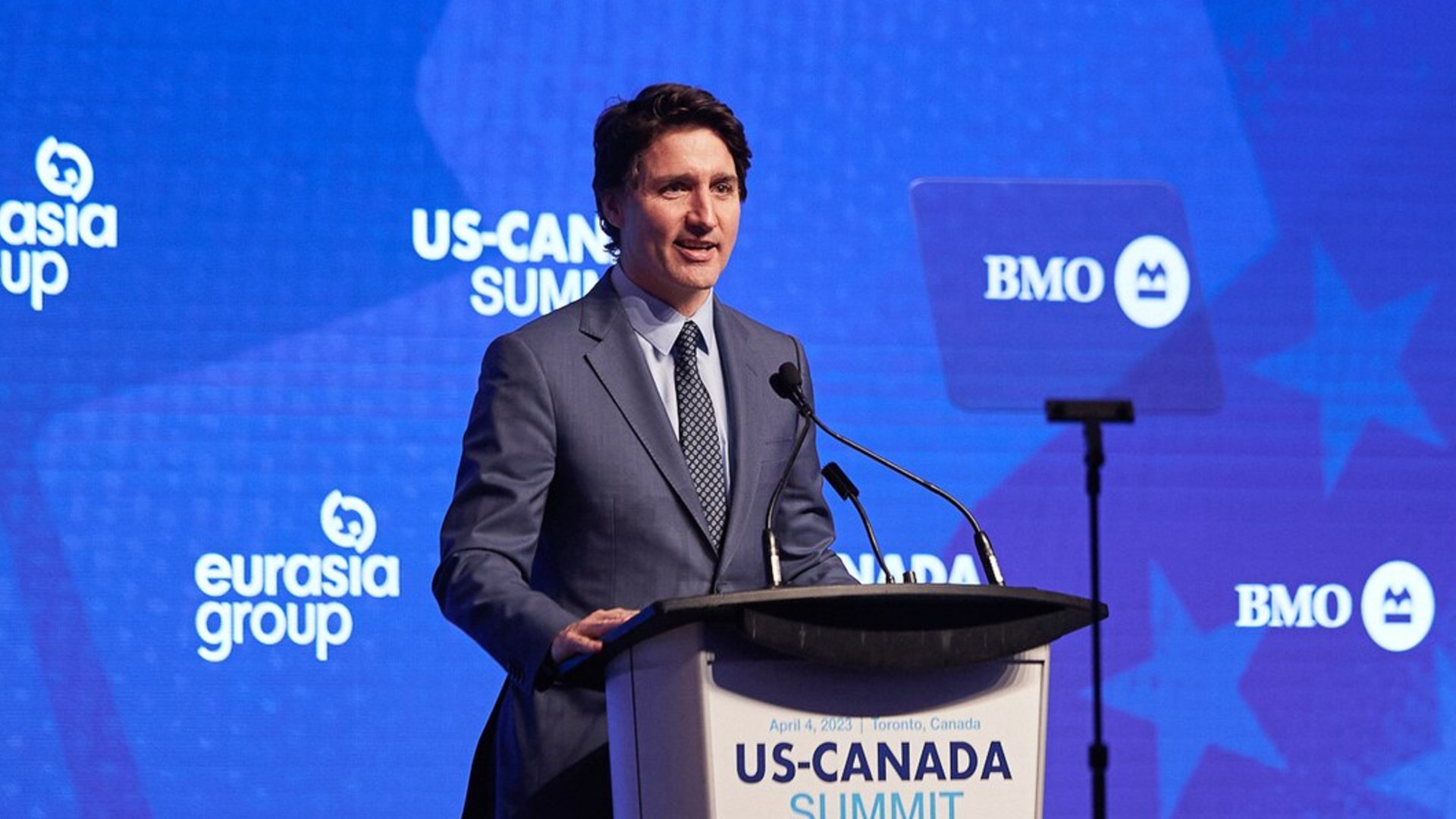
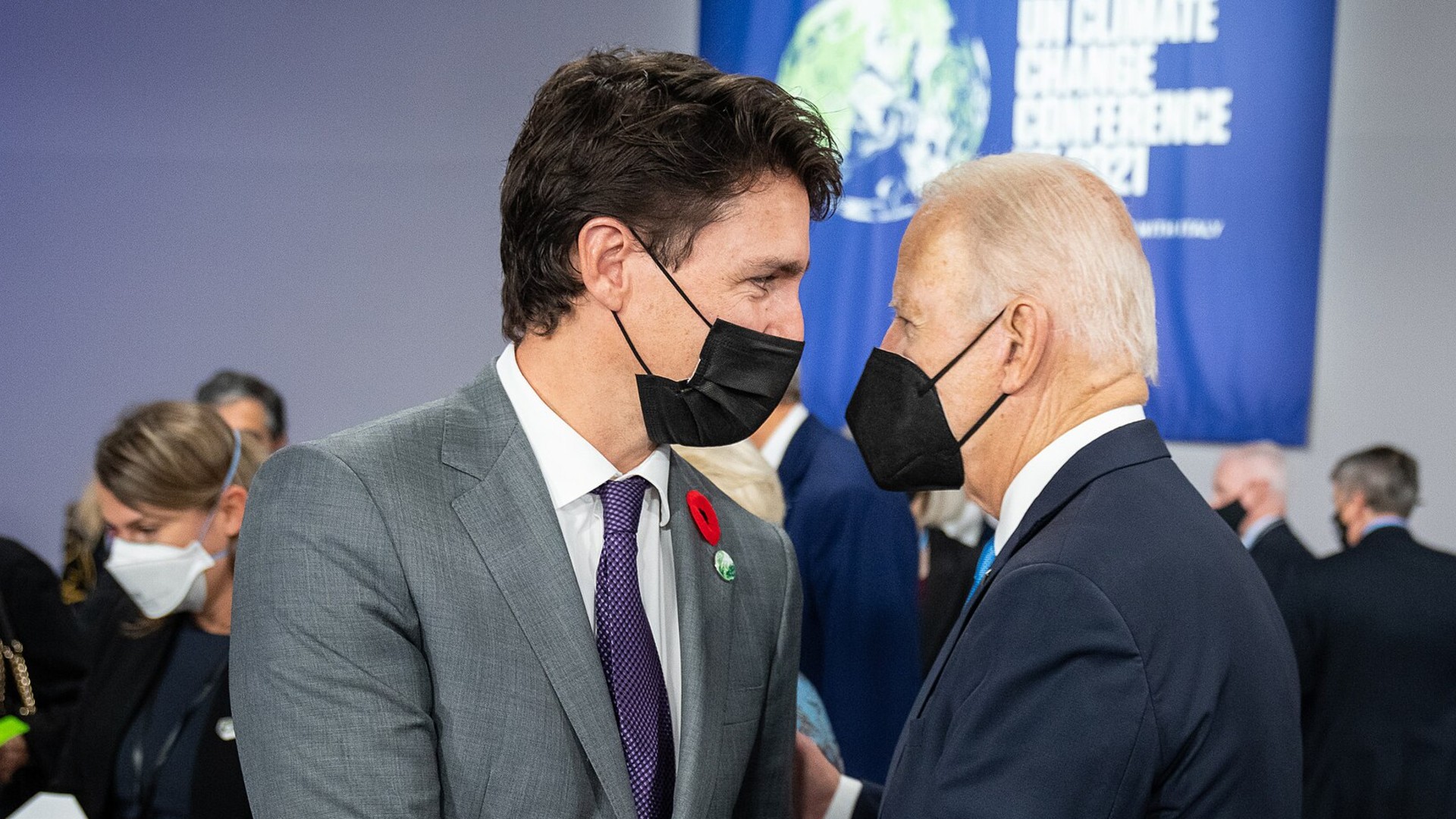
6. Justin Trudeau
Before leading Canada's Liberal Party, Justin Trudeau earned a teaching degree from the University of British Columbia. During the late 1990s, he taught French, humanities, and math to junior high students at West Point Grey Academy and Sir Winston Churchill Secondary School.
©Wikimedia / Eurasia Group
Advertisement
Swipe or tap ▶ to resume the countdown.
5. Winston Churchill
While serving as an officer, Winston Churchill earned substantial freelance fees writing battlefield despatches for The Daily Graphic and The Morning Post. Covering the Boer War in South Africa, his dramatic escape from a Pretoria prison camp made him a celebrated national author.
©Wikimedia / Dennis Charles Oulds
4. George Washington
Decades before leading the Continental Army, a 17-year-old George Washington received his surveyor license from the College of William and Mary in 1749. He spent years mapping uncharted wilderness in Culpeper County, using his earnings to purchase his first frontier acreage.
©Wikimedia / Gilbert Stuart
3. Shinzo Abe
Japan's longest-serving postwar prime minister began his working life in heavy industry rather than parliament. After graduating university, Shinzo Abe joined Kobe Steel in 1979, managing sales offices in New York and working on factory production floors before entering politics.
©Wikimedia / 首相官邸ホームページ
2. Mark Rutte
Prior to becoming Dutch prime minister and NATO secretary general, Mark Rutte spent ten years at food conglomerate Unilever. Starting in 1992, he handled corporate human resources, payroll negotiations, and staff reorganization across subsidiaries including Calve and Iglo.
©Wikimedia / Mark Rutte
Advertisement
Swipe or tap ▶ to resume the countdown.
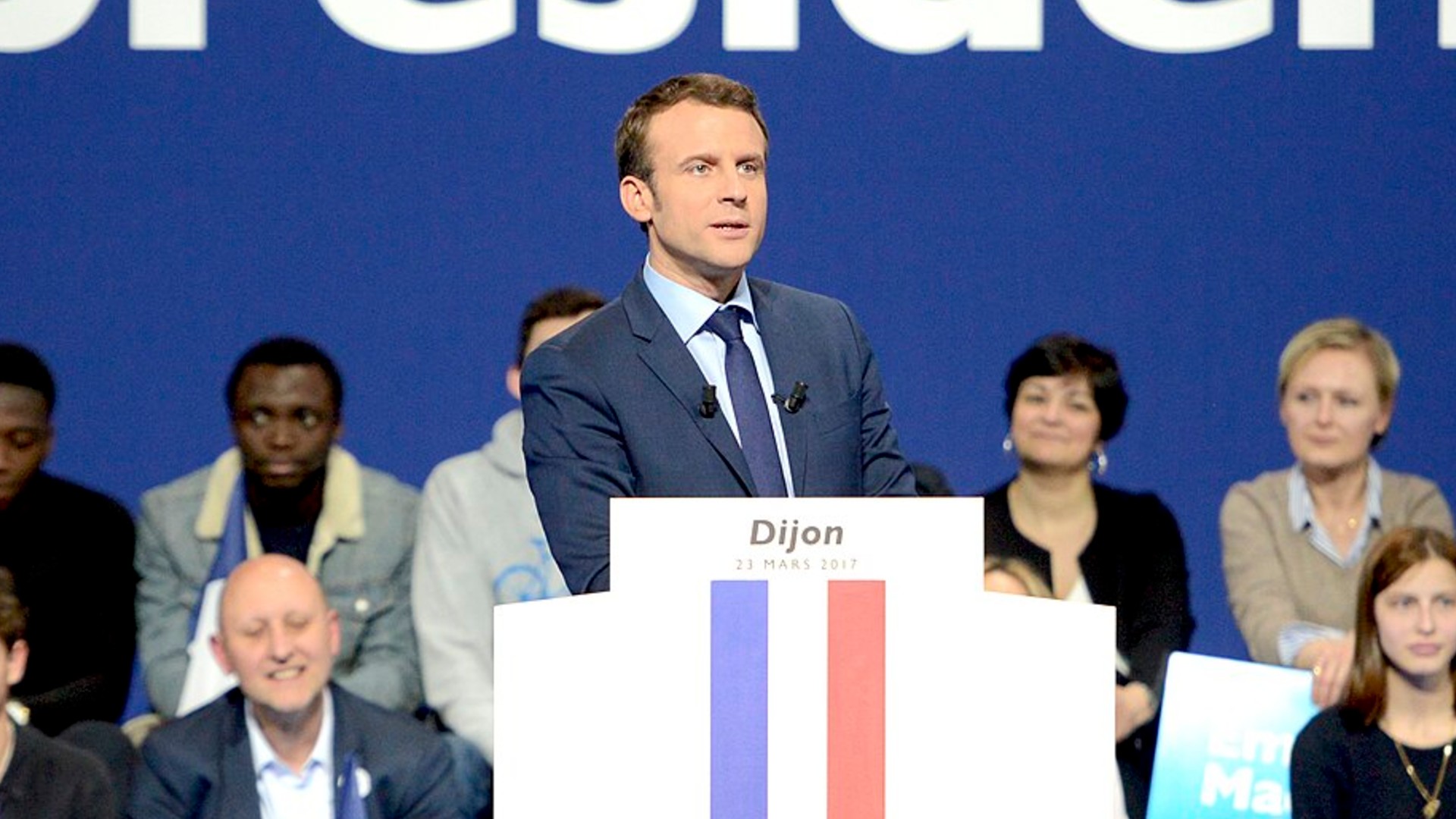
1. Emmanuel Macron
Before entering the Elysee Palace, Emmanuel Macron spent four years as an investment banker at Rothschild and Cie Banque in Paris. He quickly rose to become a managing director, successfully negotiating Nestle's 11.9 billion dollar acquisition of Pfizer's infant nutrition unit in 2012.
©Wikimedia / Nicolas Richoffer
Advertisement
You've reached the end of the story. Thanks for reading!

20 Most Powerful Navies in the World, Ranked
Control of the global oceans shapes international trade, security alliances, and military power. From stealth submarines and guided missile destroyers to nuclear powered aircraft carriers, naval capabilities require massive investment. Here are the twenty most formidable navies across the globe, ranked by strength.
All 20 Entries in this Story
20. William Henry Harrison
Before embarking on an army career on the western frontier, William Henry Harrison trained to become a medical doctor. He studied medicine under physicians in Richmond and attended the University of Pennsylvania Medical Department under famed founding father Dr. Benjamin Rush.

19. Jacinda Ardern
While attending high school in Morrinsville, Jacinda Ardern earned her first wages working after school at the Golden Kiwi fish and chip shop. She gained firsthand experience in customer service and small business before studying communications and entering politics.

18. Andrew Jackson
Orphaned during the Revolutionary War at age 14, Andrew Jackson supported himself as a saddle maker's apprentice in the Carolinas. Later in Nashville, he managed a successful general store and bred prize-winning thoroughbred horses before pursuing judicial and military careers.

17. John Adams
After graduating from Harvard College in 1755, John Adams worked for three years as the schoolmaster of a grammar school in Worcester, Massachusetts. He used his modest teaching salary to pay for his legal apprenticeship, studying law in the evenings.

16. Millard Fillmore
Born into extreme frontier hardship in New York, Millard Fillmore was bound out at age fourteen to learn the clothmaker trade. For five grueling years, he operated cloth-dressing machines and carded wool in Livingston County before buying out his apprenticeship contract.

15. Chester A. Arthur
Before becoming a prominent Manhattan lawyer, Chester A. Arthur supported himself by teaching classical languages in Schaghticoke, New York. In 1851, he was appointed principal of the academy in North Pownal, Vermont, saving his earnings to fund his bar examination studies.

14. Grover Cleveland
Following his father's sudden death in 1853, sixteen-year-old Grover Cleveland supported his family by working as an assistant teacher at the New York Institution for the Blind in Manhattan. He taught reading and arithmetic for a year before moving west to study law.

13. Benjamin Harrison
Long before reaching the White House, Benjamin Harrison was one of the most successful private trial lawyers in Indianapolis. He spent thirty years handling corporate bankruptcy cases, railroad contracts, and civil litigation, only taking breaks to serve in the Civil War.

12. Andrew Johnson
Apprenticed to a tailor at age ten, Andrew Johnson ran away and opened his own tailoring workshop in Greeneville, Tennessee, in 1827. His tailoring bench became a popular gathering place where locals discussed community politics while Johnson crafted and repaired garments.

11. Alexander Mackenzie
Canada's second prime minister spent his youth as an apprentice stonemason in Scotland before emigrating to Upper Canada in 1842. Alexander Mackenzie operated a thriving masonry and construction business, personally building courthouses, canals, and bank buildings across Ontario.

10. James A. Garfield
Working his way out of rural poverty, James A. Garfield earned a degree from Williams College and returned to the Western Reserve Eclectic Institute to teach ancient languages. By age 26, the faculty elected him school president, five years before he volunteered for the Union Army.

9. Lyndon B. Johnson
In 1928, nineteen-year-old Lyndon B. Johnson paused his college studies to teach fifth, sixth, and seventh grade at Welhausen School in Cotulla, Texas. The experience of seeing deeply impoverished Mexican-American children profoundly influenced his Great Society legislation decades later.

8. Harry S. Truman
Returning home from World War I, Harry S. Truman partnered with army comrade Eddie Jacobson in 1919 to open Truman and Jacobson Haberdashery in Kansas City. Although the shop was initially popular, an agricultural recession forced the business to close in 1922.

7. John F. Kennedy
Following his naval service in World War II, 28-year-old John F. Kennedy joined the Hearst newspaper syndicate as a special correspondent in 1945. He filed live reports covering the founding United Nations conference in San Francisco and post-war reconstruction in London.

6. Justin Trudeau
Before leading Canada's Liberal Party, Justin Trudeau earned a teaching degree from the University of British Columbia. During the late 1990s, he taught French, humanities, and math to junior high students at West Point Grey Academy and Sir Winston Churchill Secondary School.

5. Winston Churchill
While serving as an officer, Winston Churchill earned substantial freelance fees writing battlefield despatches for The Daily Graphic and The Morning Post. Covering the Boer War in South Africa, his dramatic escape from a Pretoria prison camp made him a celebrated national author.

4. George Washington
Decades before leading the Continental Army, a 17-year-old George Washington received his surveyor license from the College of William and Mary in 1749. He spent years mapping uncharted wilderness in Culpeper County, using his earnings to purchase his first frontier acreage.

3. Shinzo Abe
Japan's longest-serving postwar prime minister began his working life in heavy industry rather than parliament. After graduating university, Shinzo Abe joined Kobe Steel in 1979, managing sales offices in New York and working on factory production floors before entering politics.

2. Mark Rutte
Prior to becoming Dutch prime minister and NATO secretary general, Mark Rutte spent ten years at food conglomerate Unilever. Starting in 1992, he handled corporate human resources, payroll negotiations, and staff reorganization across subsidiaries including Calve and Iglo.

1. Emmanuel Macron
Before entering the Elysee Palace, Emmanuel Macron spent four years as an investment banker at Rothschild and Cie Banque in Paris. He quickly rose to become a managing director, successfully negotiating Nestle's 11.9 billion dollar acquisition of Pfizer's infant nutrition unit in 2012.