Slideshow · Viral
20 Famous Spies in American History and How They Were Caught
Espionage shaped American history from the Revolutionary War through the Cold War and into modern counterintelligence. These twenty notorious figures traded state secrets, broke oaths, or defected to foreign powers. Case details draw on FBI archives, Department of Justice records, and National Archives files.
By Most Viral Today
2 hours ago

Infamous Spies in American History 
20. Major General Benedict Arnold 
19. Continental Officer Nathan Hale 
18. Rose O'Neal Greenhow - AdvertisementSwipe or tap ▶ to continue countdown

17. Confederate Courier Belle Boyd 
16. Atomic Spy Julius Rosenberg 
15. Atomic Conspirator Ethel Rosenberg 
14. Physicist Klaus Fuchs - AdvertisementSwipe or tap ▶ to continue countdown

13. Senior Diplomat Alger Hiss 
12. Soviet Courier Whittaker Chambers 
11. FBI Double Agent Robert Hanssen 
10. CIA Officer Aldrich Ames - AdvertisementSwipe or tap ▶ to continue countdown

9. Navy Specialist John Anthony Walker 
8. Naval Analyst Jonathan Pollard 
7. Defense Analyst Ana Montes 
6. TRW Contractor Christopher Boyce - AdvertisementSwipe or tap ▶ to continue countdown

5. Atomic Spy David Greenglass 
4. CIA Officer Edward Lee Howard 
3. CIA Translator Larry Wu-Tai Chin 
2. Soviet Courier Elizabeth Bentley - AdvertisementSwipe or tap ▶ to continue countdown

1. Nazi Ring Leader Fritz Duquesne - Advertisement🔥 UP NEXT IN THIS SERIES◫ 21 Slides

20 Most Powerful Navies in the World, Ranked
Control of the global oceans shapes international trade, security alliances, and military power. From stealth submarines and guided missile destroyers to nuclear powered aircraft carriers, naval capabilities require massive investment. Here are the twenty most formidable navies across the globe, ranked by strength.
Espionage shaped American history from the Revolutionary War through the Cold War and into modern counterintelligence. These twenty notorious figures traded state secrets, broke oaths, or defected to foreign powers. Case details draw on FBI archives, Department of Justice records, and National Archives files.
Swipe or tap ▶ to begin the countdown
©Wikimedia / The Library of Congress
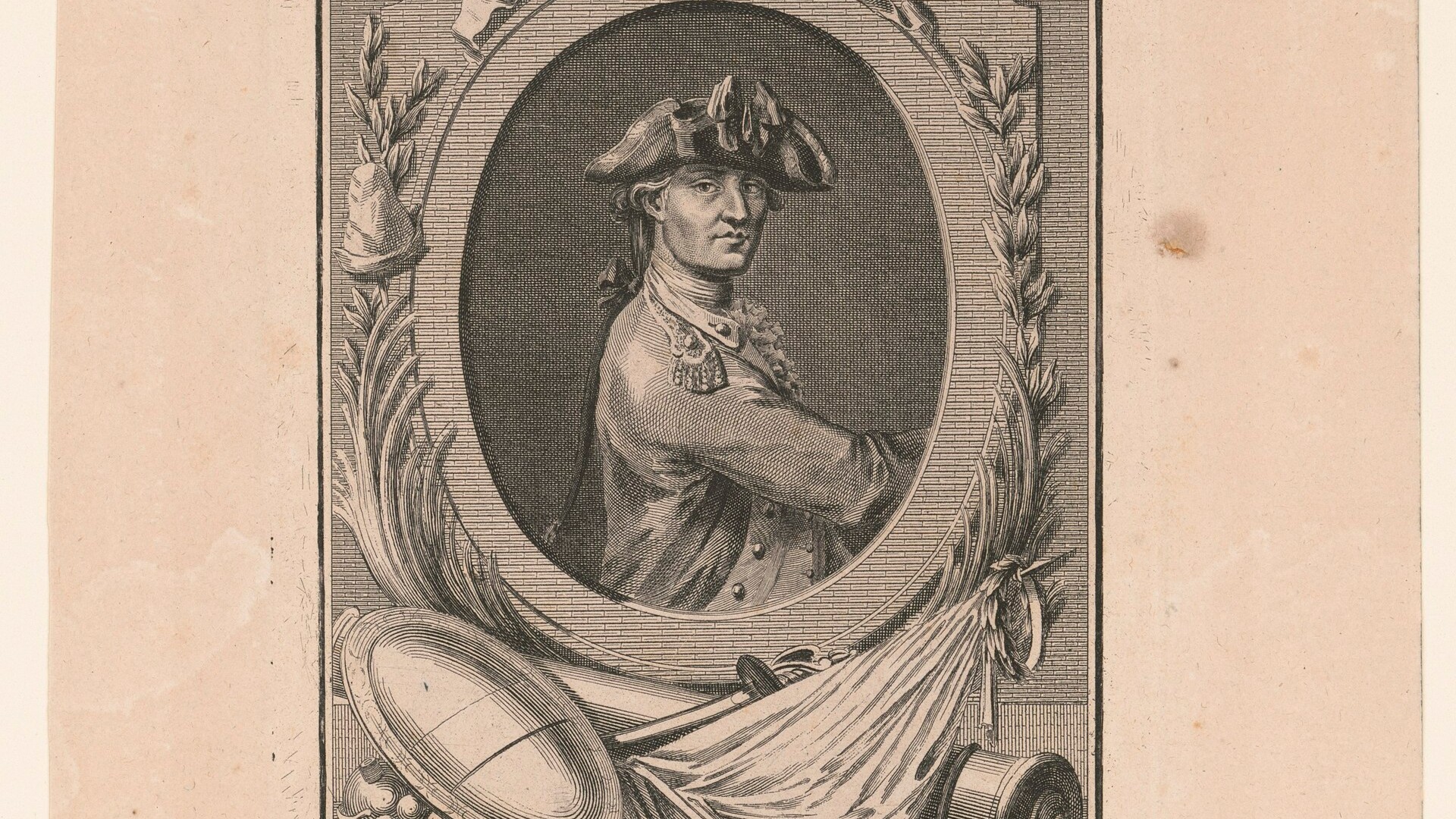
20. Major General Benedict Arnold
Major General Benedict Arnold agreed to surrender the American fort at West Point to British forces in 1780 for 20,000 pounds. George Washington discovered the plot after British Major John Andre was captured with papers hidden in his boot. Arnold fled to British lines and commanded troops against his former comrades.
©Wikimedia / Popular Graphic Arts
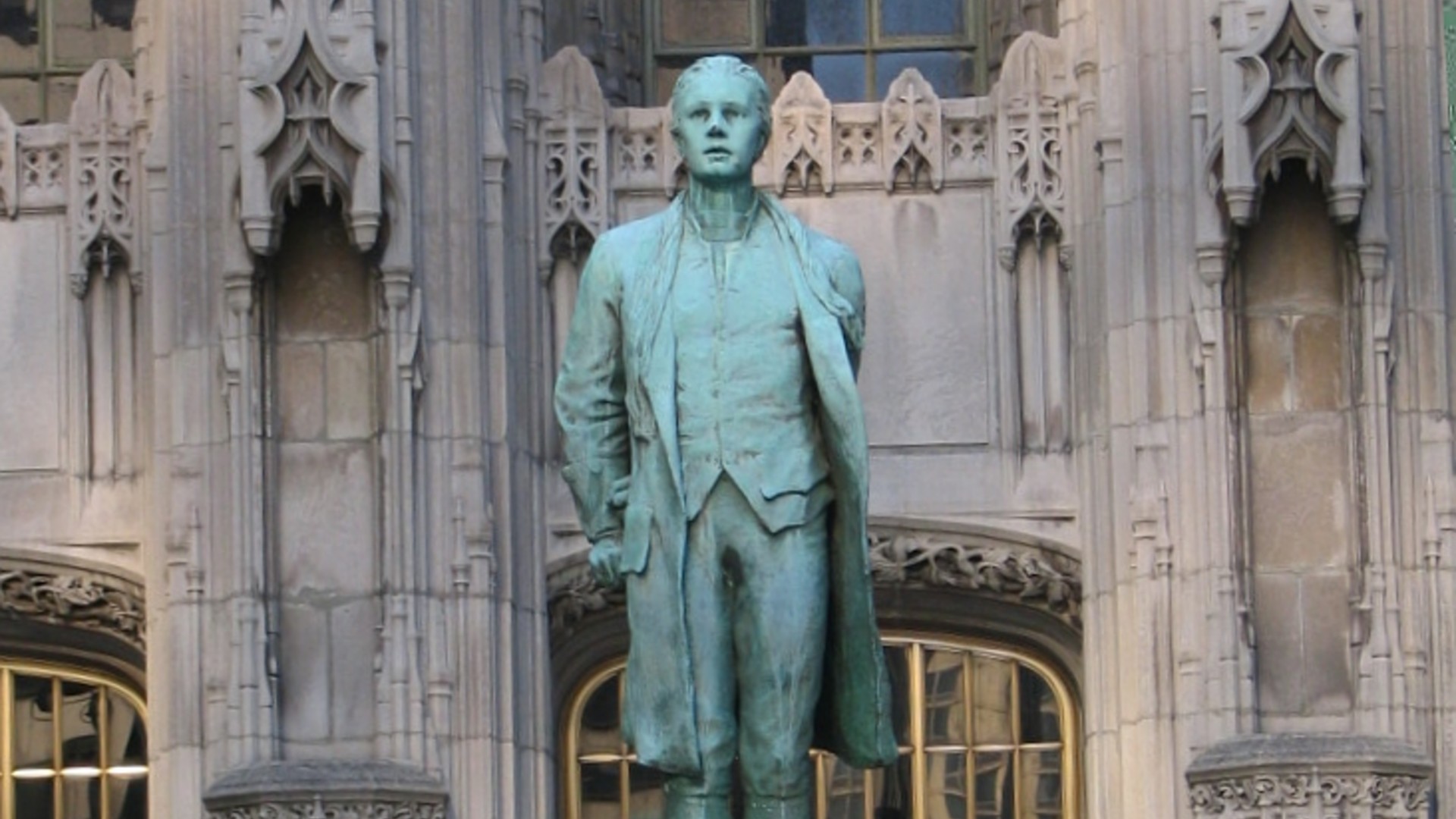
19. Continental Officer Nathan Hale
Captain Nathan Hale volunteered to gather intelligence behind enemy lines on Long Island in September 1776. British troops captured him carrying notes on troop deployments. General William Howe ordered his execution without a trial. His reported final words expressed regret at having one life to lose for his country.
©Wikimedia / Greenleaf
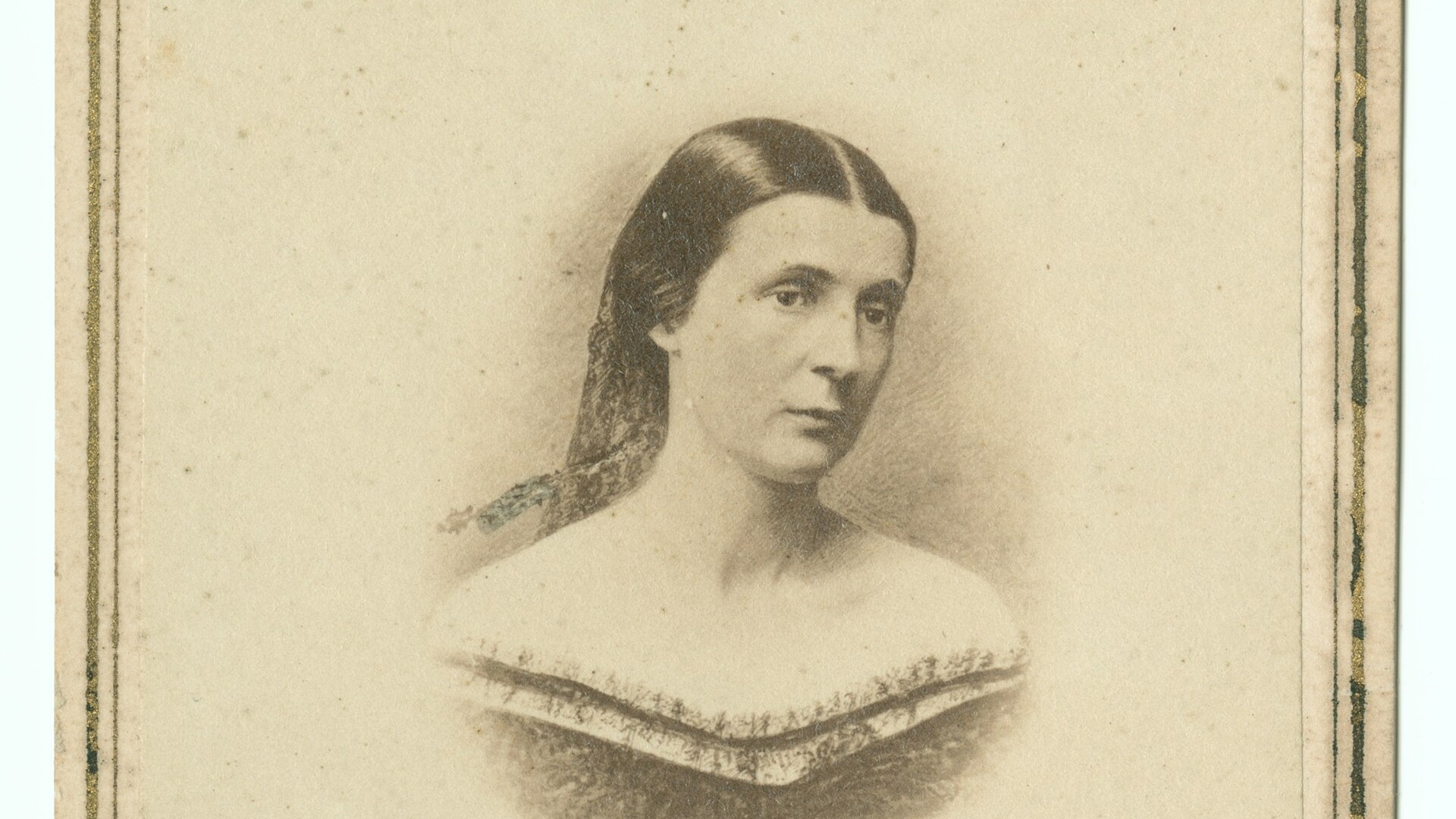
18. Rose O'Neal Greenhow
Rose O'Neal Greenhow ran an espionage network from her Washington home in 1861. She delivered encoded warnings about Union troop movements to Confederate commanders before the First Battle of Bull Run. Allan Pinkerton placed her under house arrest before federal authorities expelled her south to Richmond.
©Wikimedia / unattributed
Advertisement
Swipe or tap ▶ to resume the countdown.
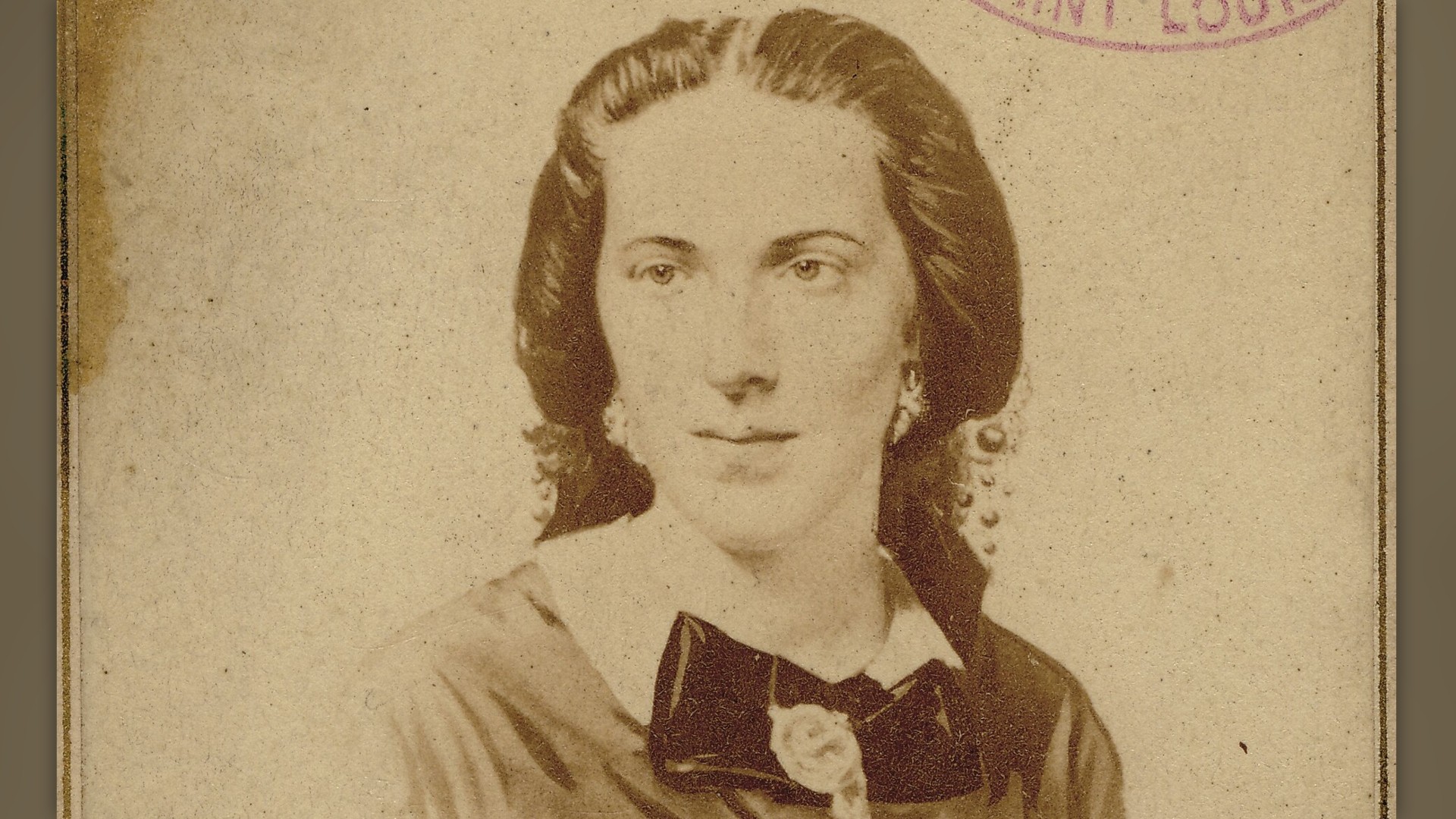
17. Confederate Courier Belle Boyd
Maria Isabella Boyd gathered military intelligence on Union forces in the Shenandoah Valley while operating out of her father's hotel in Front Royal. She crossed battle lines to deliver tactical reports directly to General Stonewall Jackson. Union soldiers arrested Boyd multiple times before banishing her to the South.
©Wikimedia / E and H.T. Anthony, New York
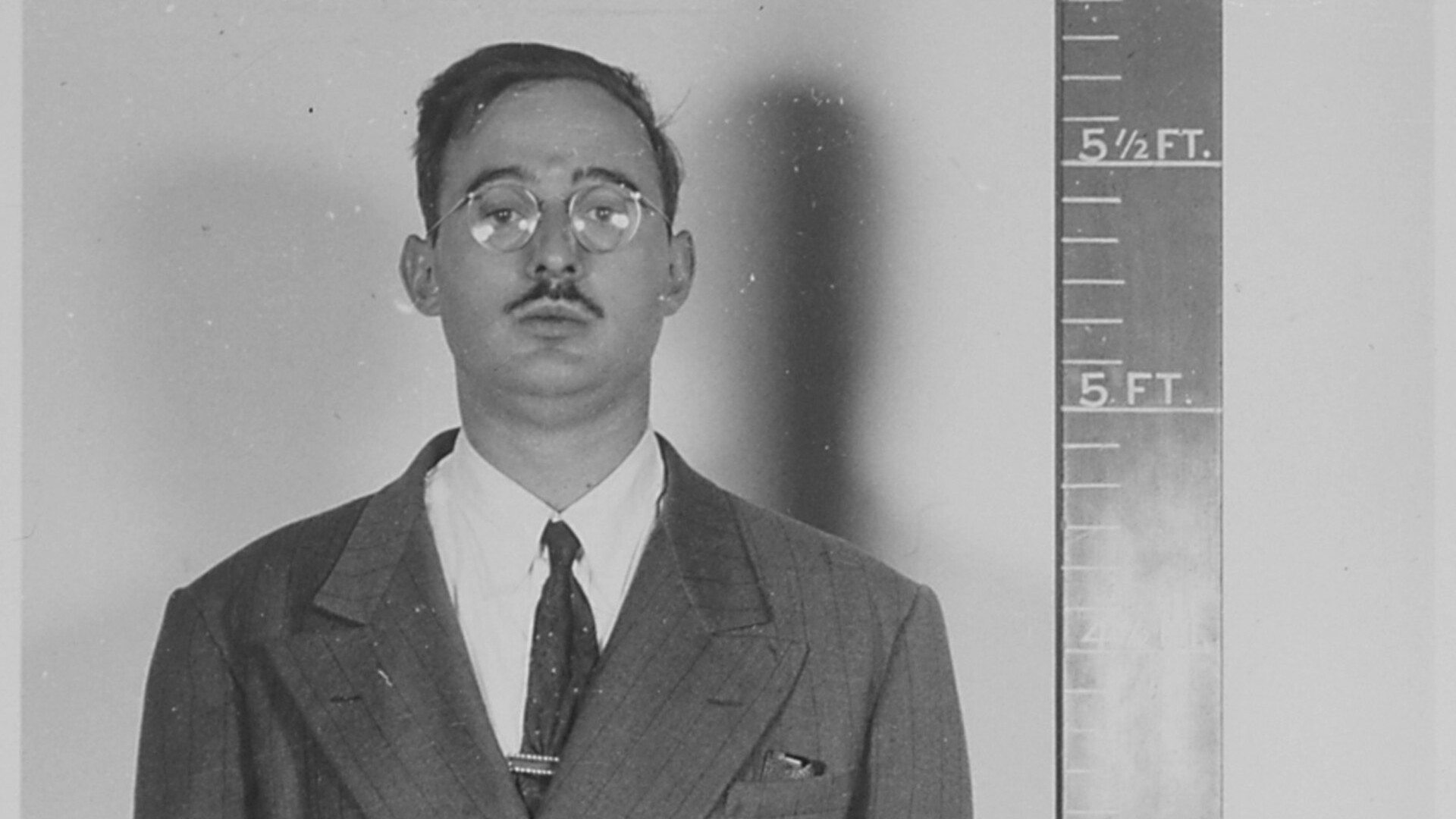
16. Atomic Spy Julius Rosenberg
Julius Rosenberg recruited US engineers and military personnel to transmit technical intelligence to Soviet handlers during the 1940s. His network funneled radar schematics, jet engine blueprints, and Manhattan Project bomb sketches. Federal authorities executed him at Sing Sing Prison in June 1953.
©Wikimedia / U.S. National Archives and Records Administratio
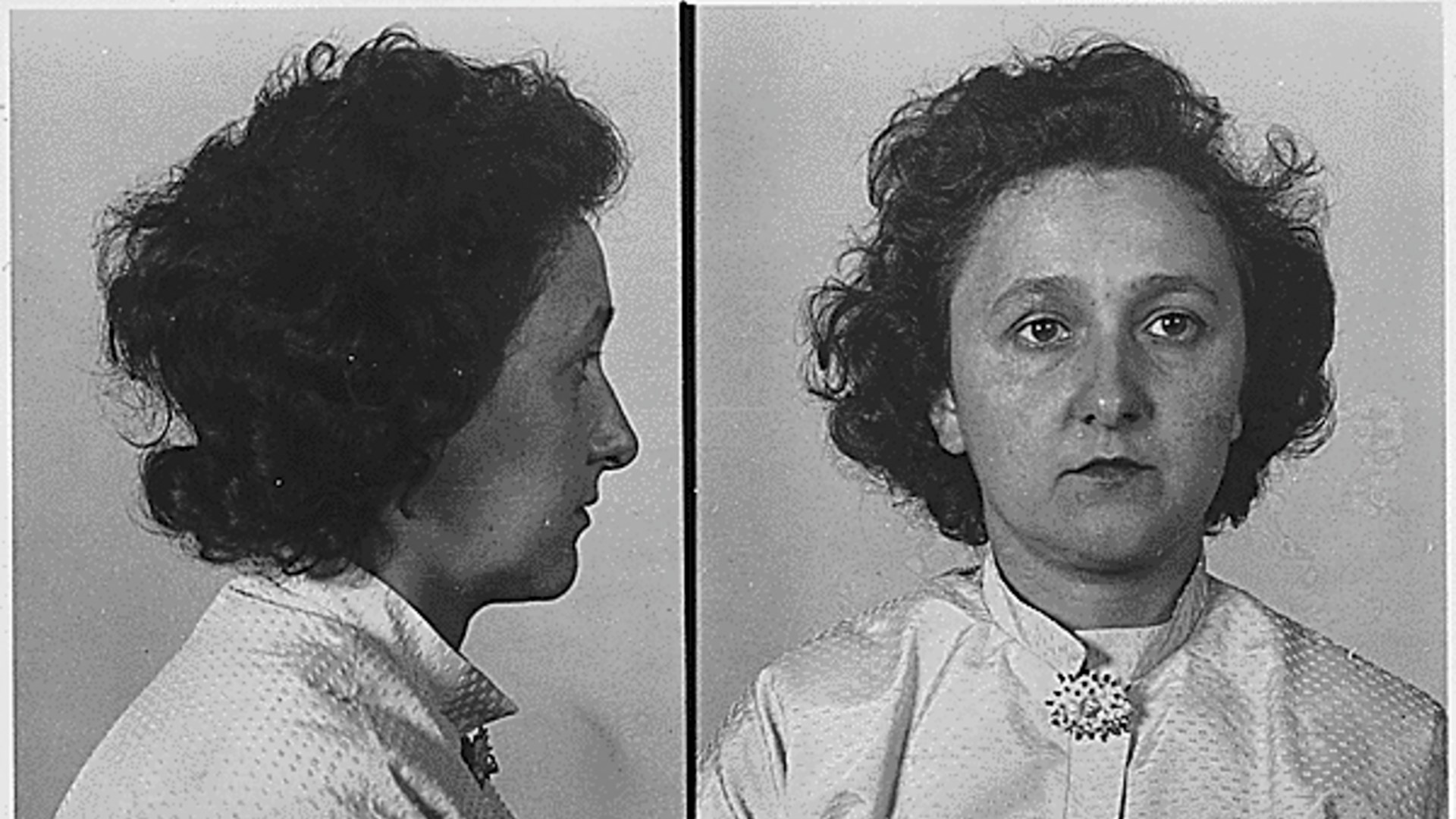
15. Atomic Conspirator Ethel Rosenberg
Ethel Rosenberg was indicted as a co-conspirator in her husband's atomic spy ring based on testimony regarding typed secret notes. Both defendants maintained their innocence while refusing to name collaborators. She was executed at Sing Sing Prison on June 19, 1953, following an intense worldwide legal appeal campaign.
©Wikimedia / Uploader Fastfission~commonswiki
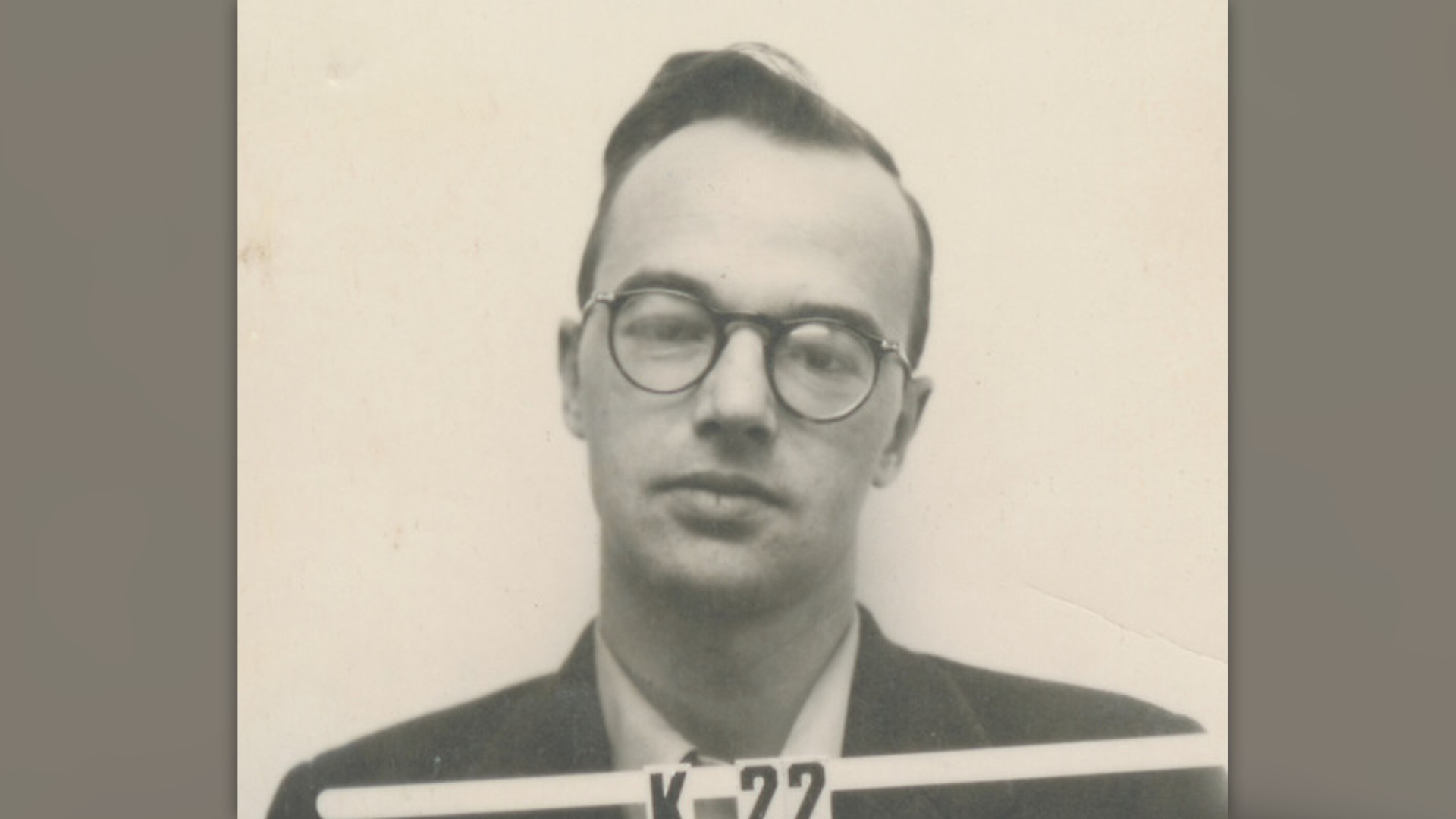
14. Physicist Klaus Fuchs
German-born physicist Klaus Fuchs joined the British atomic delegation at Los Alamos in 1944. He provided Soviet couriers with precise mathematical calculations on the plutonium implosion trigger and early hydrogen bomb concepts. British intelligence exposed him in 1950 through decrypted Venona cables.
©Wikimedia / Los Alamos Laboratory
Advertisement
Swipe or tap ▶ to resume the countdown.
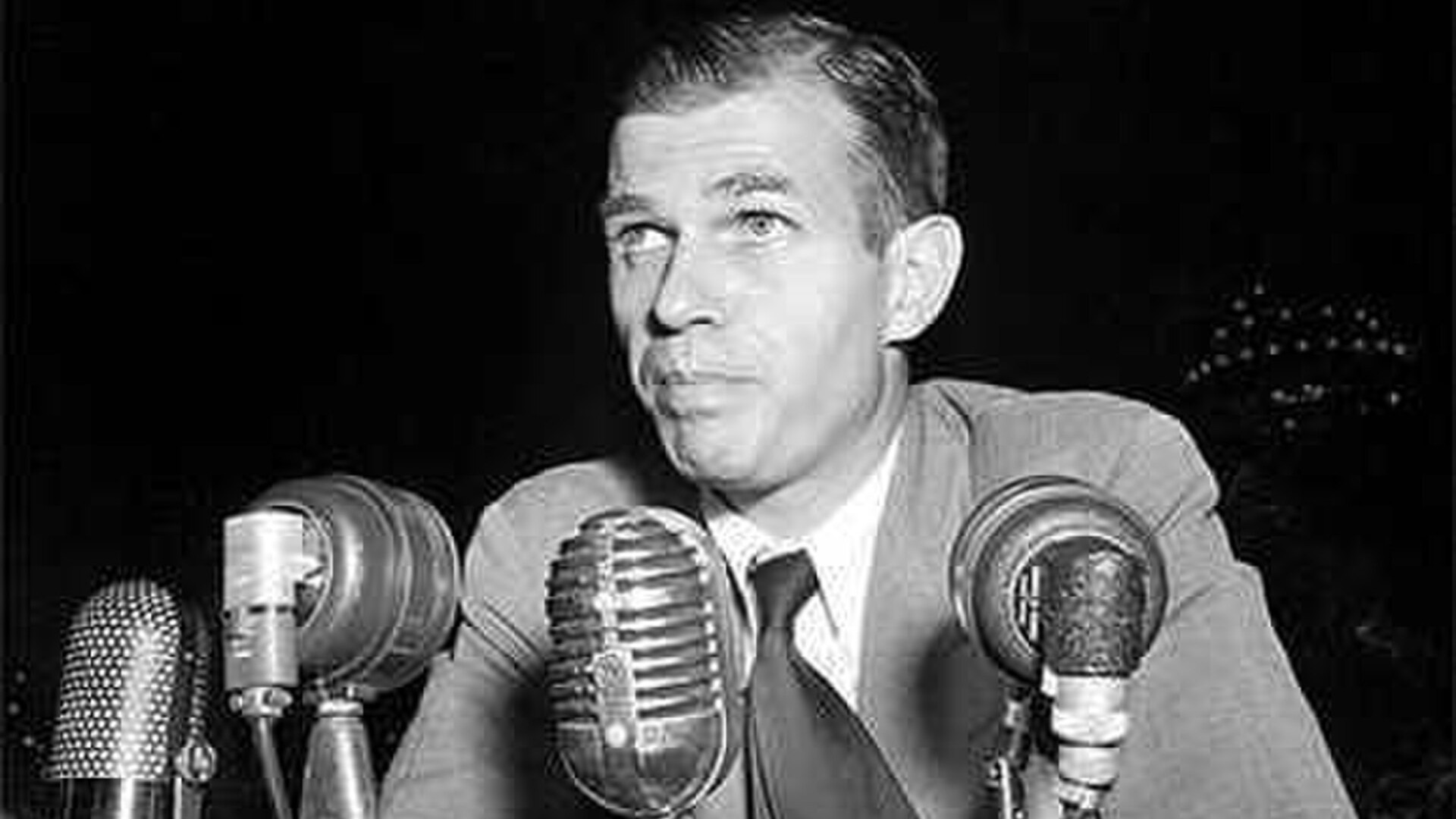
13. Senior Diplomat Alger Hiss
Alger Hiss served as a senior diplomat who helped draft the United Nations Charter in 1945. Whittaker Chambers accused him of passing classified State Department cables to an underground Soviet cell. Convicted of perjury in 1950 after two trials, Hiss served forty-four months in federal prison.
©Wikimedia / Library of Congress. New York World-Telegram & S
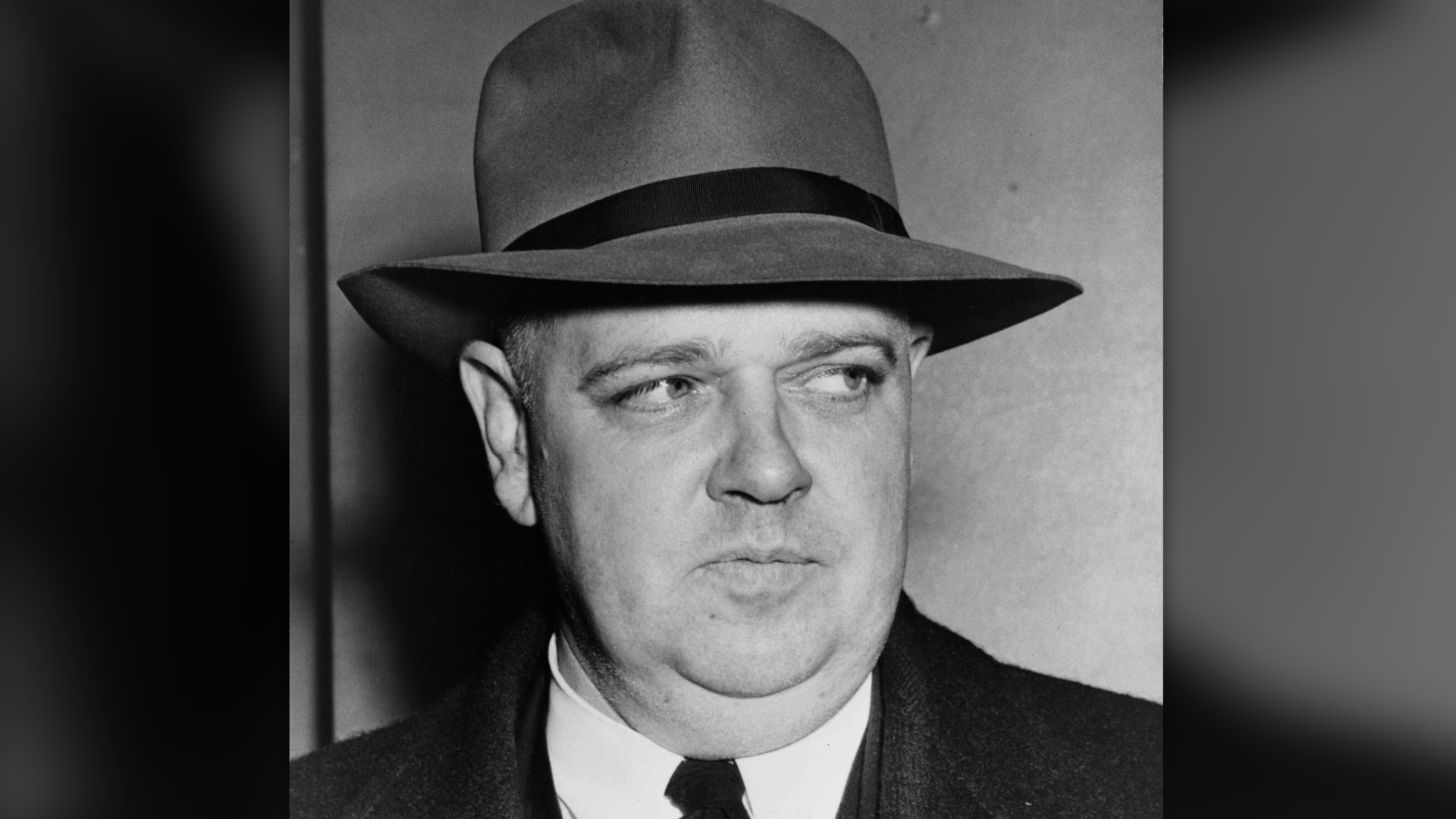
12. Soviet Courier Whittaker Chambers
Whittaker Chambers ran courier routes for the Soviet underground in Washington during the 1930s before breaking with Communism. He produced hidden microfilms from hollowed pumpkins on his Maryland farm to corroborate his testimony. His revelations spurred major congressional investigations into wartime infiltration.
©Wikimedia / Fred Palumbo, World Telegram staff photographer
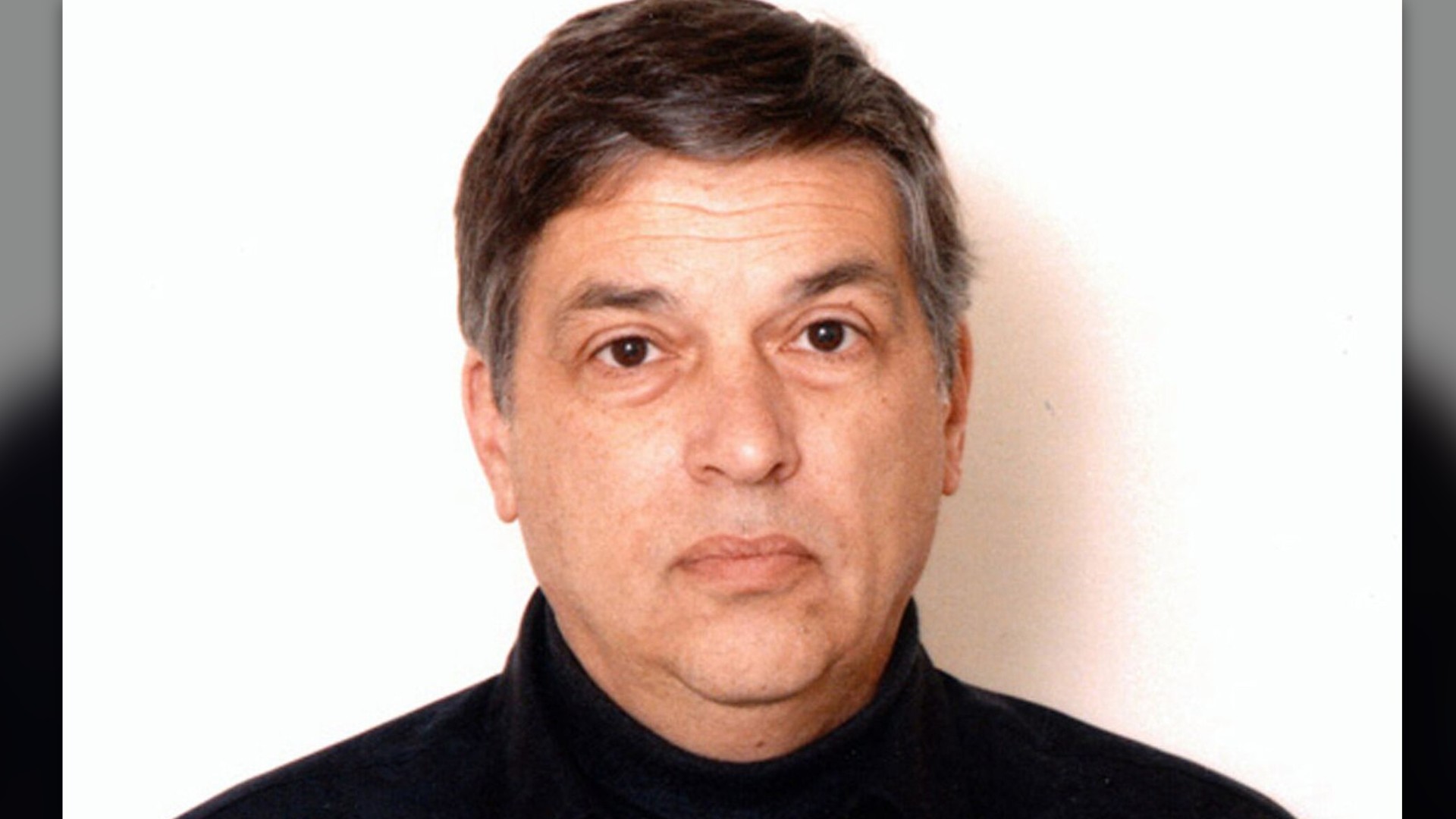
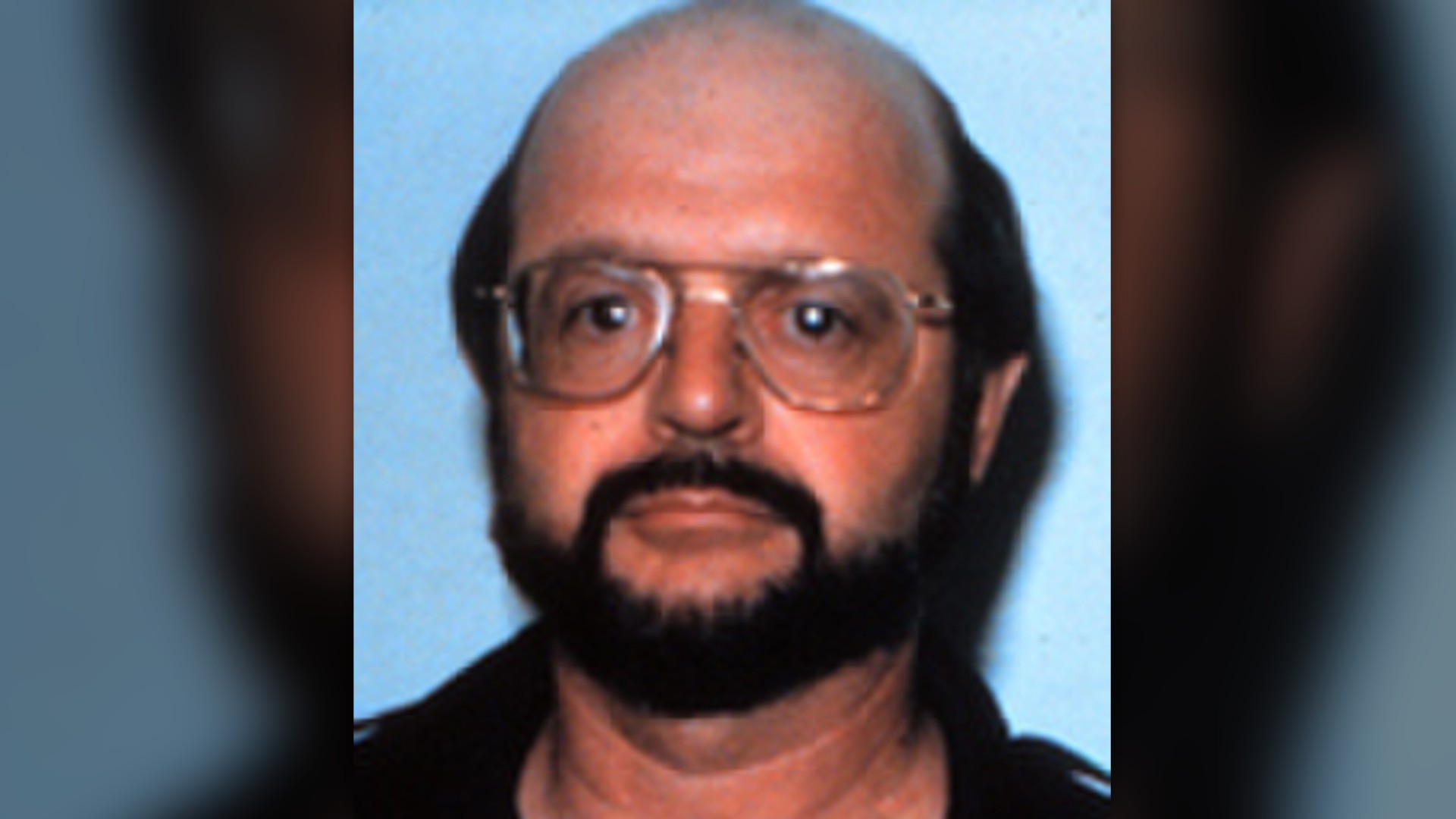
11. FBI Double Agent Robert Hanssen
Robert Hanssen used his counterintelligence post to sell thousands of pages of classified files to Soviet and Russian handlers from 1979 to 2001. His disclosures compromised nuclear retaliation plans, tunnel eavesdropping operations, and dozens of human sources. Hanssen died at ADX Florence prison in June 2023.
©Wikimedia / Federal Bureau of Investigation (FBI)
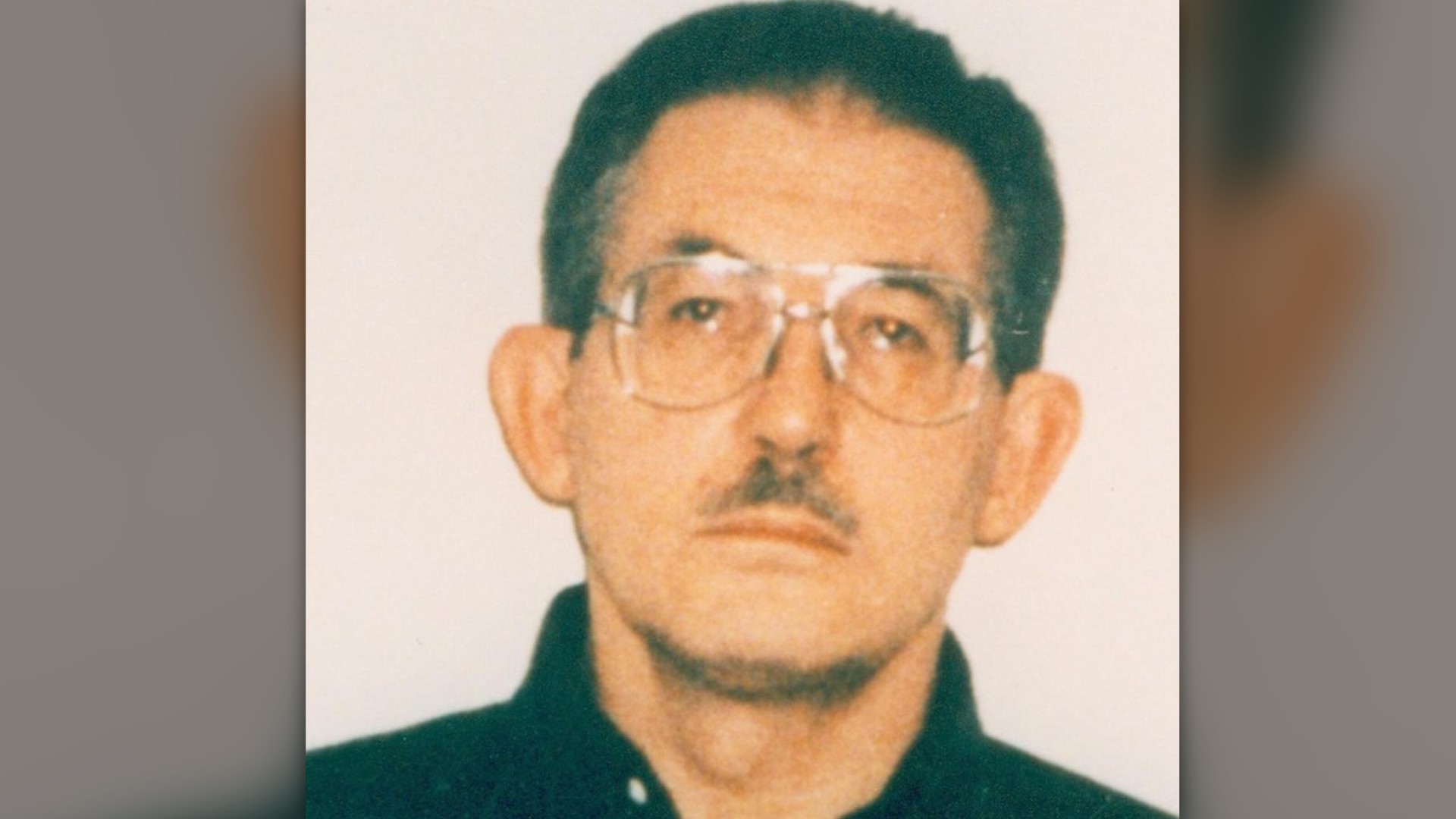
10. CIA Officer Aldrich Ames
Aldrich Ames headed the Soviet counterintelligence branch when he began selling secrets to the KGB in 1985. His leaks led to the execution of at least ten CIA and FBI assets inside the Soviet Union. Ames received more than two million dollars in payoffs before his arrest in February 1994.
©Wikimedia / staff, Federal Bureau of Investigation
Advertisement
Swipe or tap ▶ to resume the countdown.
9. Navy Specialist John Anthony Walker
Chief Warrant Officer John Anthony Walker recruited a four-person spy ring spanning family members and naval associates starting in 1967. His ring delivered cryptographic key cards and maintenance manuals that allowed Soviet handlers to decode naval communications. Walker was arrested by the FBI in May 1985.
©Wikimedia / Federal Bureau of Investigation (FBI)
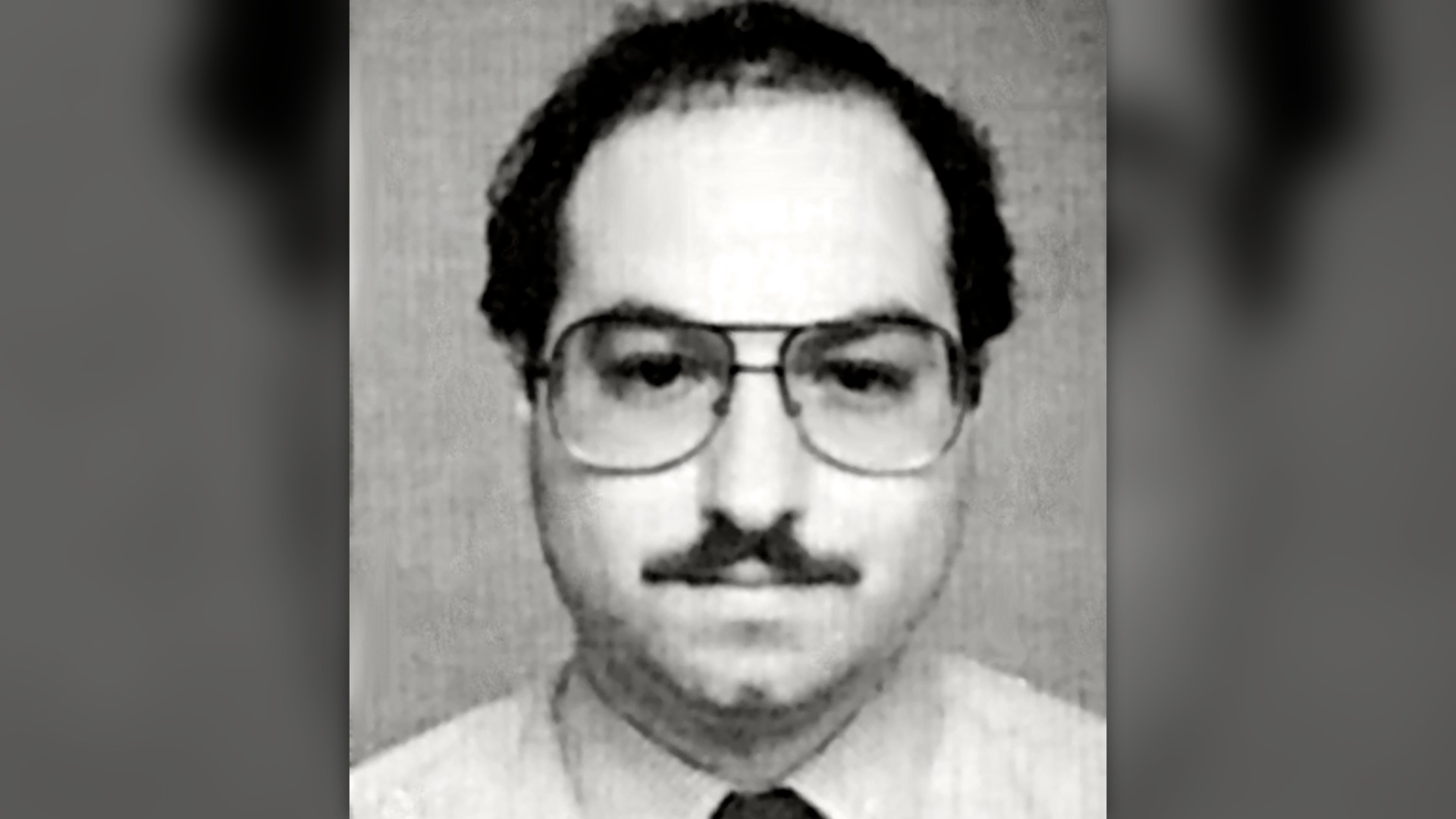
8. Naval Analyst Jonathan Pollard
Jonathan Pollard worked as a civilian intelligence analyst when he began transferring classified defense records to Israeli handlers in 1984. Federal agents arrested him outside the Israeli embassy in Washington in November 1985. Pollard served thirty years in prison before his parole and relocation to Israel in 2020.
©Wikimedia / U.S. Navy
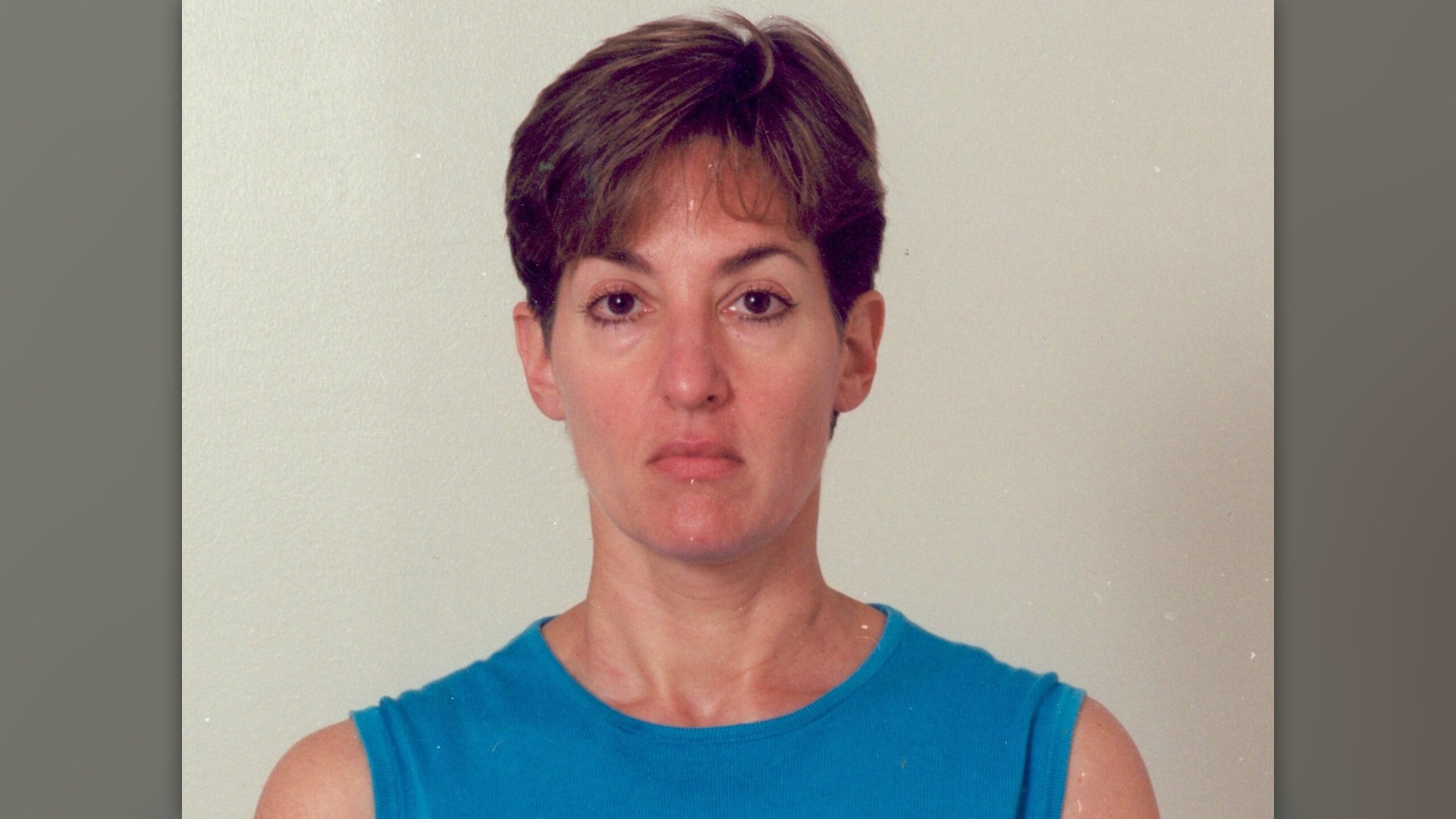
7. Defense Analyst Ana Montes
Ana Montes served as the principal Cuba analyst at the Defense Intelligence Agency while passing classified military plans to Havana. She memorized top secret briefings to avoid taking physical documents out of federal offices. Arrested in September 2001, Montes completed her federal prison sentence in January 2023.
©Wikimedia / Federal Bureau of Investigation
6. TRW Contractor Christopher Boyce
Christopher Boyce worked in a secure communications vault at TRW handling CIA satellite telemetry data. Between 1975 and 1977, he photographed encryption manuals and spy satellite specifications for transfer to Soviet officials in Mexico. Arrested in 1977, Boyce later escaped federal custody before his recapture.
©Wikimedia / US Marshals Service
Advertisement
Swipe or tap ▶ to resume the countdown.
5. Atomic Spy David Greenglass
David Greenglass worked as an Army machinist at Los Alamos during the Manhattan Project. In 1945, he delivered handwritten notes and sketches of high-explosive lens molds to Julius Rosenberg. Greenglass confessed after his 1950 arrest and served ten years before his release from federal custody in 1960.
©Wikimedia / Department of Justice, Office of the U.S
4. CIA Officer Edward Lee Howard
Edward Lee Howard was selected for CIA operations in Moscow before failing polygraph tests that led to his dismissal. Facing an FBI espionage probe in 1985, Howard used a dummy disguise to slip past surveillance teams in New Mexico. He surfaced in the Soviet Union and lived in Moscow until his death in 2002.
©Wikimedia / FBI
3. CIA Translator Larry Wu-Tai Chin
Larry Wu-Tai Chin worked as a linguist and analyst for the Foreign Broadcast Information Service from 1952 to 1981. He provided Chinese intelligence services with classified policy papers and intelligence assessments regarding East Asian relations. FBI agents arrested Chin in November 1985 following a defector tip.
©Wikimedia / An FBI officer
2. Soviet Courier Elizabeth Bentley
Elizabeth Bentley managed covert communication networks connecting US government officials to Soviet handlers during World War II. In 1945, she defected to the FBI and disclosed more than eighty American contacts across federal agencies. Her public congressional testimony corroborated the Venona decrypts.
©Wikimedia / [1]
Advertisement
Swipe or tap ▶ to resume the countdown.
1. Nazi Ring Leader Fritz Duquesne
Fritz Joubert Duquesne organized thirty-two Nazi operatives across the United States to gather maritime sabotage intelligence during World War II. The FBI infiltrated the network using double agent William Sebold and arrested the entire ring in 1941. Duquesne received an eighteen-year prison sentence for espionage.
©Wikimedia / Federal Bureau of Investigation
Advertisement
You've reached the end of the story. Thanks for reading!

20 Most Powerful Navies in the World, Ranked
Control of the global oceans shapes international trade, security alliances, and military power. From stealth submarines and guided missile destroyers to nuclear powered aircraft carriers, naval capabilities require massive investment. Here are the twenty most formidable navies across the globe, ranked by strength.
All 20 Entries in this Story
Major General Benedict Arnold
Major General Benedict Arnold agreed to surrender the American fort at West Point to British forces in 1780 for 20,000 pounds. George Washington discovered the plot after British Major John Andre was captured with papers hidden in his boot. Arnold fled to British lines and commanded troops against his former comrades.

Continental Officer Nathan Hale
Captain Nathan Hale volunteered to gather intelligence behind enemy lines on Long Island in September 1776. British troops captured him carrying notes on troop deployments. General William Howe ordered his execution without a trial. His reported final words expressed regret at having one life to lose for his country.

Rose O'Neal Greenhow
Rose O'Neal Greenhow ran an espionage network from her Washington home in 1861. She delivered encoded warnings about Union troop movements to Confederate commanders before the First Battle of Bull Run. Allan Pinkerton placed her under house arrest before federal authorities expelled her south to Richmond.

Confederate Courier Belle Boyd
Maria Isabella Boyd gathered military intelligence on Union forces in the Shenandoah Valley while operating out of her father's hotel in Front Royal. She crossed battle lines to deliver tactical reports directly to General Stonewall Jackson. Union soldiers arrested Boyd multiple times before banishing her to the South.

Atomic Spy Julius Rosenberg
Julius Rosenberg recruited US engineers and military personnel to transmit technical intelligence to Soviet handlers during the 1940s. His network funneled radar schematics, jet engine blueprints, and Manhattan Project bomb sketches. Federal authorities executed him at Sing Sing Prison in June 1953.

Atomic Conspirator Ethel Rosenberg
Ethel Rosenberg was indicted as a co-conspirator in her husband's atomic spy ring based on testimony regarding typed secret notes. Both defendants maintained their innocence while refusing to name collaborators. She was executed at Sing Sing Prison on June 19, 1953, following an intense worldwide legal appeal campaign.

Physicist Klaus Fuchs
German-born physicist Klaus Fuchs joined the British atomic delegation at Los Alamos in 1944. He provided Soviet couriers with precise mathematical calculations on the plutonium implosion trigger and early hydrogen bomb concepts. British intelligence exposed him in 1950 through decrypted Venona cables.

Senior Diplomat Alger Hiss
Alger Hiss served as a senior diplomat who helped draft the United Nations Charter in 1945. Whittaker Chambers accused him of passing classified State Department cables to an underground Soviet cell. Convicted of perjury in 1950 after two trials, Hiss served forty-four months in federal prison.

Soviet Courier Whittaker Chambers
Whittaker Chambers ran courier routes for the Soviet underground in Washington during the 1930s before breaking with Communism. He produced hidden microfilms from hollowed pumpkins on his Maryland farm to corroborate his testimony. His revelations spurred major congressional investigations into wartime infiltration.

FBI Double Agent Robert Hanssen
Robert Hanssen used his counterintelligence post to sell thousands of pages of classified files to Soviet and Russian handlers from 1979 to 2001. His disclosures compromised nuclear retaliation plans, tunnel eavesdropping operations, and dozens of human sources. Hanssen died at ADX Florence prison in June 2023.

CIA Officer Aldrich Ames
Aldrich Ames headed the Soviet counterintelligence branch when he began selling secrets to the KGB in 1985. His leaks led to the execution of at least ten CIA and FBI assets inside the Soviet Union. Ames received more than two million dollars in payoffs before his arrest in February 1994.

Navy Specialist John Anthony Walker
Chief Warrant Officer John Anthony Walker recruited a four-person spy ring spanning family members and naval associates starting in 1967. His ring delivered cryptographic key cards and maintenance manuals that allowed Soviet handlers to decode naval communications. Walker was arrested by the FBI in May 1985.

Naval Analyst Jonathan Pollard
Jonathan Pollard worked as a civilian intelligence analyst when he began transferring classified defense records to Israeli handlers in 1984. Federal agents arrested him outside the Israeli embassy in Washington in November 1985. Pollard served thirty years in prison before his parole and relocation to Israel in 2020.

Defense Analyst Ana Montes
Ana Montes served as the principal Cuba analyst at the Defense Intelligence Agency while passing classified military plans to Havana. She memorized top secret briefings to avoid taking physical documents out of federal offices. Arrested in September 2001, Montes completed her federal prison sentence in January 2023.

TRW Contractor Christopher Boyce
Christopher Boyce worked in a secure communications vault at TRW handling CIA satellite telemetry data. Between 1975 and 1977, he photographed encryption manuals and spy satellite specifications for transfer to Soviet officials in Mexico. Arrested in 1977, Boyce later escaped federal custody before his recapture.

Atomic Spy David Greenglass
David Greenglass worked as an Army machinist at Los Alamos during the Manhattan Project. In 1945, he delivered handwritten notes and sketches of high-explosive lens molds to Julius Rosenberg. Greenglass confessed after his 1950 arrest and served ten years before his release from federal custody in 1960.

CIA Officer Edward Lee Howard
Edward Lee Howard was selected for CIA operations in Moscow before failing polygraph tests that led to his dismissal. Facing an FBI espionage probe in 1985, Howard used a dummy disguise to slip past surveillance teams in New Mexico. He surfaced in the Soviet Union and lived in Moscow until his death in 2002.

CIA Translator Larry Wu-Tai Chin
Larry Wu-Tai Chin worked as a linguist and analyst for the Foreign Broadcast Information Service from 1952 to 1981. He provided Chinese intelligence services with classified policy papers and intelligence assessments regarding East Asian relations. FBI agents arrested Chin in November 1985 following a defector tip.

Soviet Courier Elizabeth Bentley
Elizabeth Bentley managed covert communication networks connecting US government officials to Soviet handlers during World War II. In 1945, she defected to the FBI and disclosed more than eighty American contacts across federal agencies. Her public congressional testimony corroborated the Venona decrypts.

Nazi Ring Leader Fritz Duquesne
Fritz Joubert Duquesne organized thirty-two Nazi operatives across the United States to gather maritime sabotage intelligence during World War II. The FBI infiltrated the network using double agent William Sebold and arrested the entire ring in 1941. Duquesne received an eighteen-year prison sentence for espionage.