Slideshow · Viral
22 Religious Leaders Who Left a Mark on American History
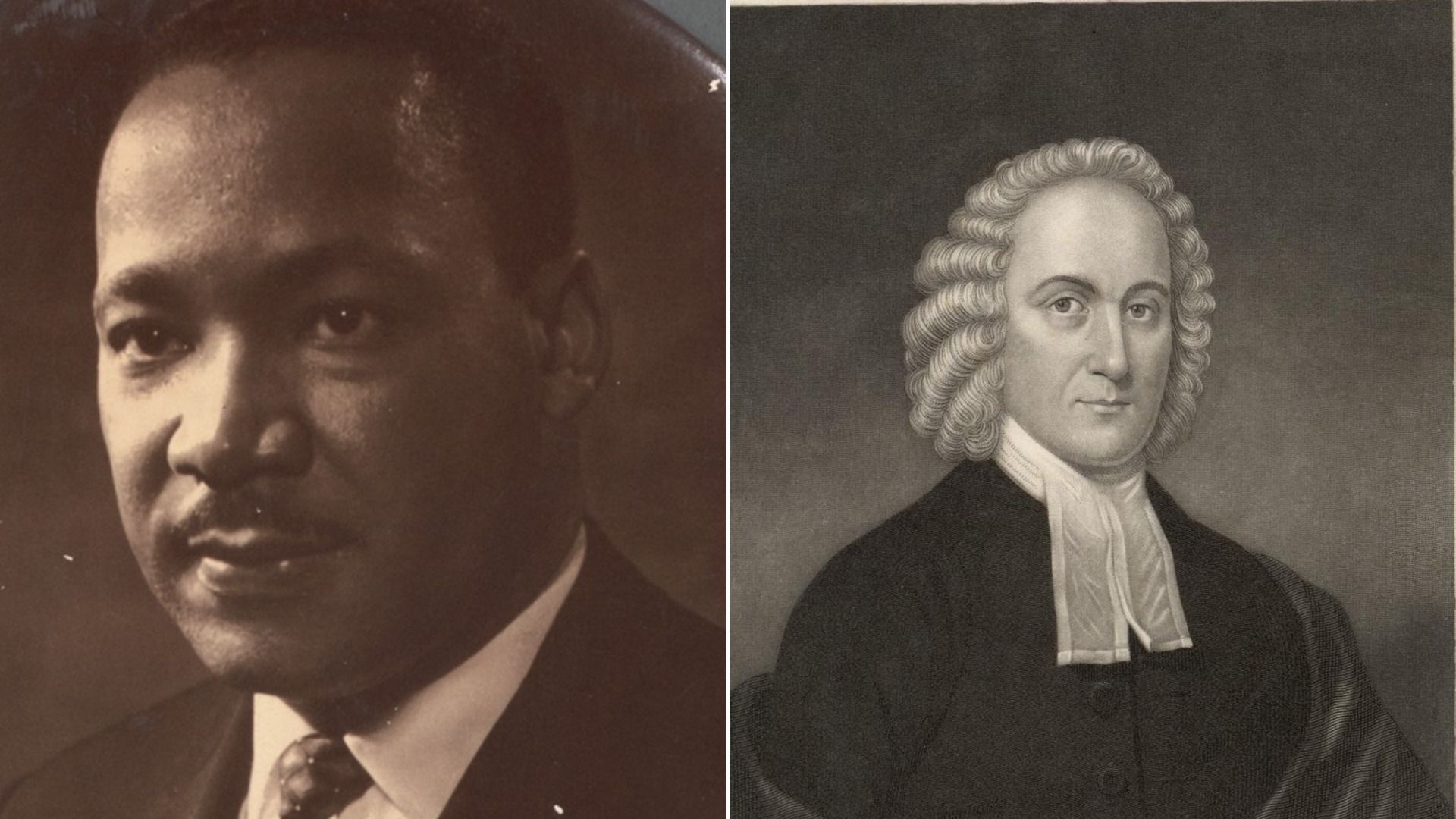
From colonial pioneers of religious liberty to civil rights leaders, spiritual figures have profoundly shaped American culture and public life. Based on research from the Library of Congress, Smithsonian National Portrait Gallery and the Pew Research Center, here are twenty-two influential faith leaders ranked.
By Most Viral Today
1 hour ago

Faith Leaders and Reformers Who Shaped the Soul of America 
22. Walter Rauschenbusch 
21. Anne Hutchinson 
20. Fulton J. Sheen - AdvertisementSwipe or tap ▶ to continue countdown

19. William J. Seymour 
18. Aimee Semple McPherson 
17. Isaac Mayer Wise 
16. John Carroll - AdvertisementSwipe or tap ▶ to continue countdown

15. Malcolm X 
14. Reinhold Niebuhr 
13. Dorothy Day 
12. Mary Baker Eddy - AdvertisementSwipe or tap ▶ to continue countdown

11. Richard Allen 
10. Francis Asbury 
9. Charles Finney 
8. George Whitefield - AdvertisementSwipe or tap ▶ to continue countdown

7. Brigham Young 
6. William Penn 
5. Billy Graham 
4. Joseph Smith - AdvertisementSwipe or tap ▶ to continue countdown

3. Jonathan Edwards 
2. Roger Williams 
1. Martin Luther King Jr. - Advertisement🔥 UP NEXT IN THIS SERIES◫ 21 Slides

20 Most Powerful Navies in the World, Ranked
Control of the global oceans shapes international trade, security alliances, and military power. From stealth submarines and guided missile destroyers to nuclear powered aircraft carriers, naval capabilities require massive investment. Here are the twenty most formidable navies across the globe, ranked by strength.
From colonial pioneers of religious liberty to civil rights leaders, spiritual figures have profoundly shaped American culture and public life. Based on research from the Library of Congress, Smithsonian National Portrait Gallery and the Pew Research Center, here are twenty-two influential faith leaders ranked.
Swipe or tap ▶ to begin the countdown
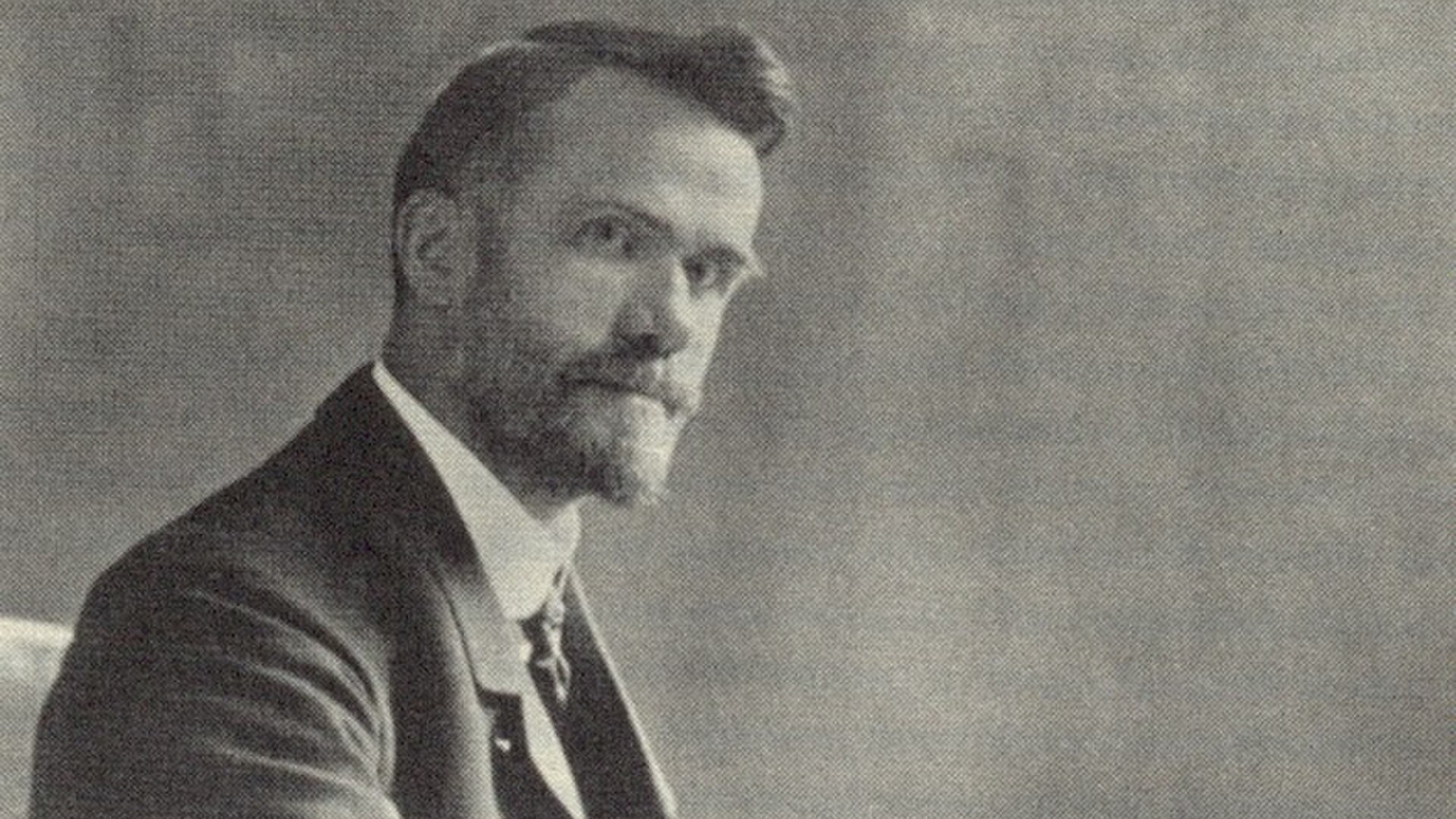
©NYPL / Digital Collections & Wikimedia / A. B. Walter
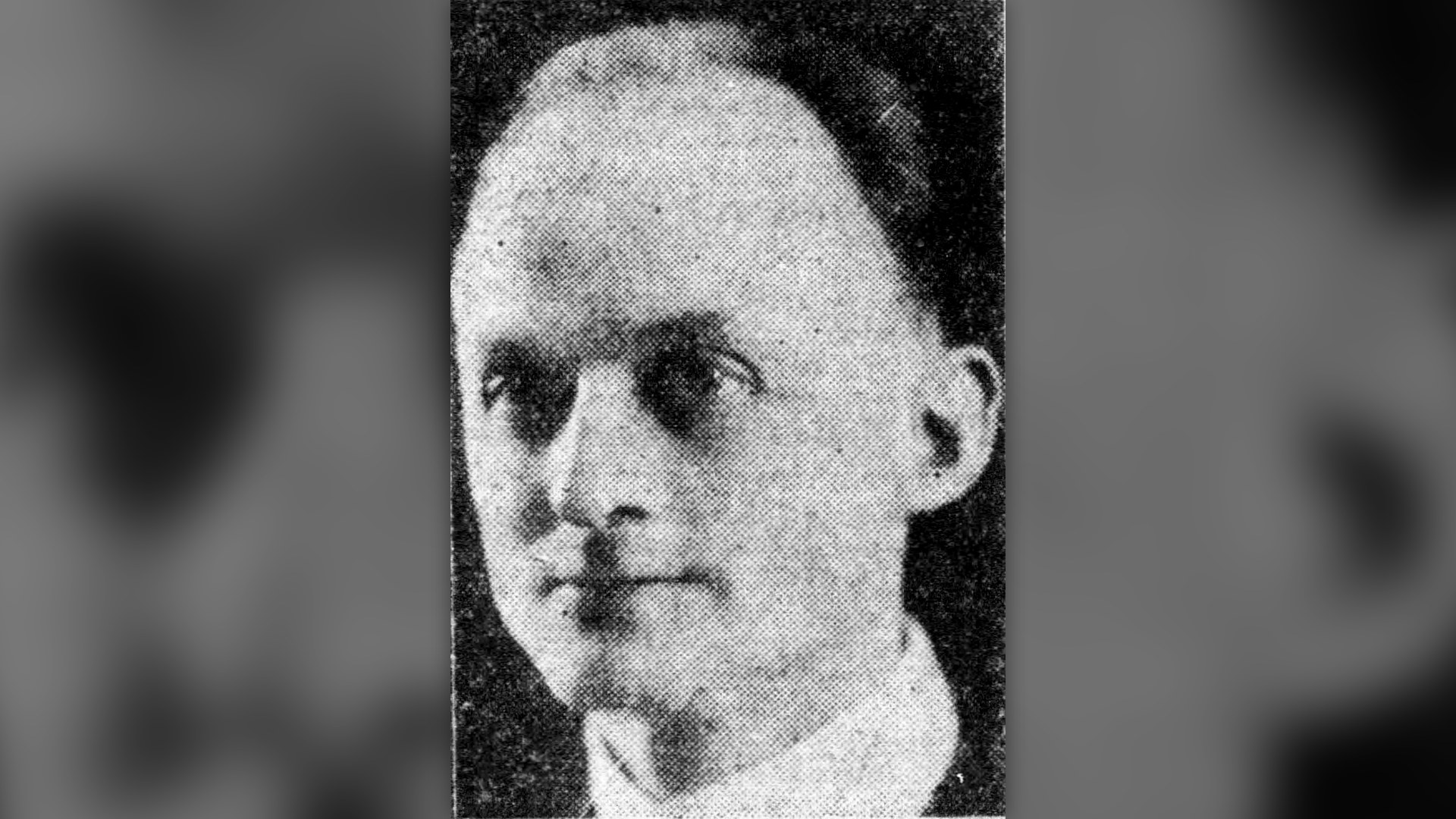
22. Walter Rauschenbusch
Walter Rauschenbusch ministered to impoverished German immigrants in New York's Hell's Kitchen during the late nineteenth century. His influential writings argued that Christianity must confront systemic poverty and industrial exploitation, laying the moral foundation for twentieth-century social reforms.
©Wikimedia / Unknown artist
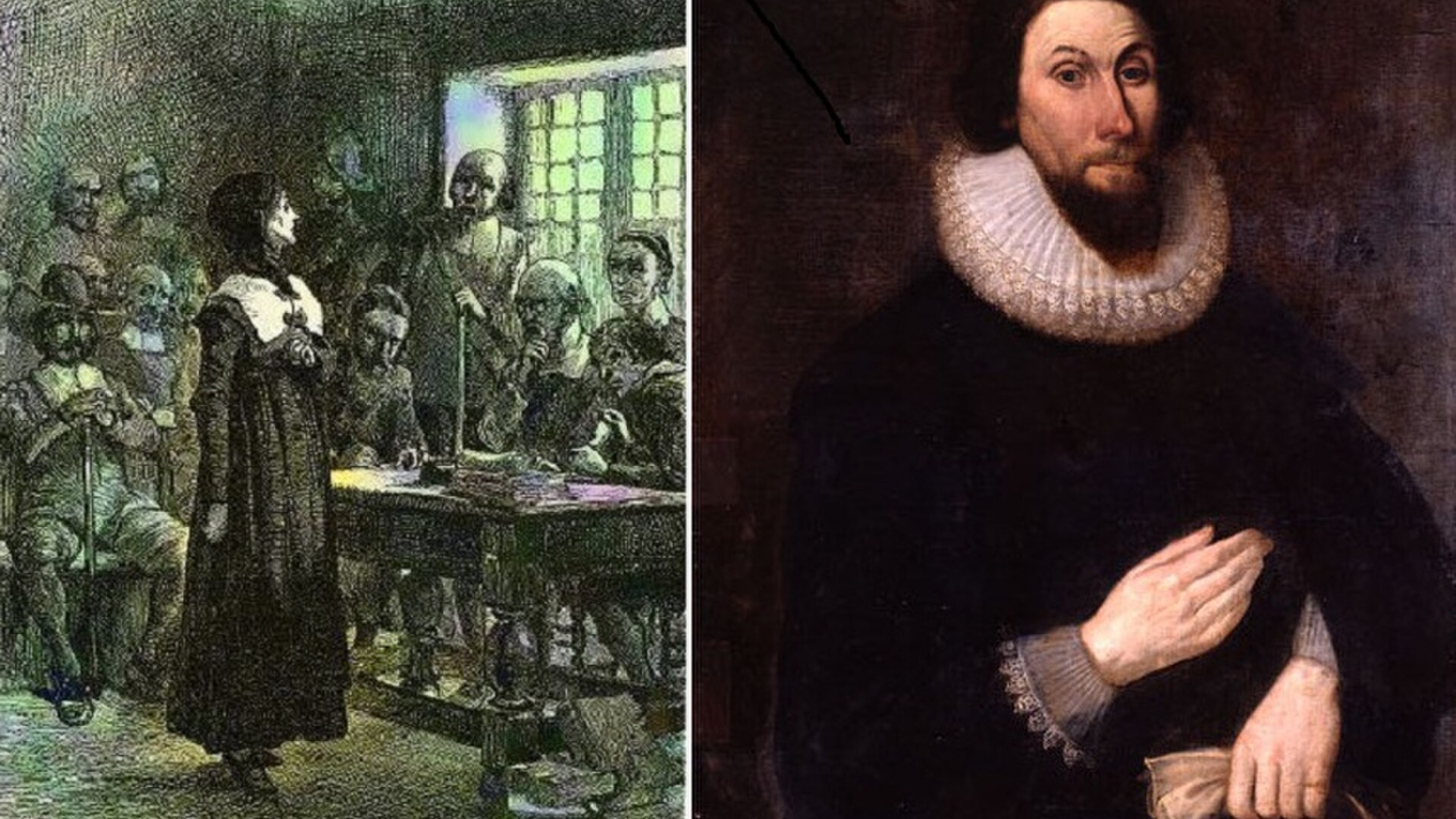
21. Anne Hutchinson
Anne Hutchinson held religious meetings in her Boston home, preaching direct personal communion with God. Banished from the Massachusetts Bay Colony in 1638 for challenging the Puritan clerical hierarchy, her courageous trial established early precedents for religious dissent and women's religious leadership.
©Wikimedia / Edwin Austin Abbey
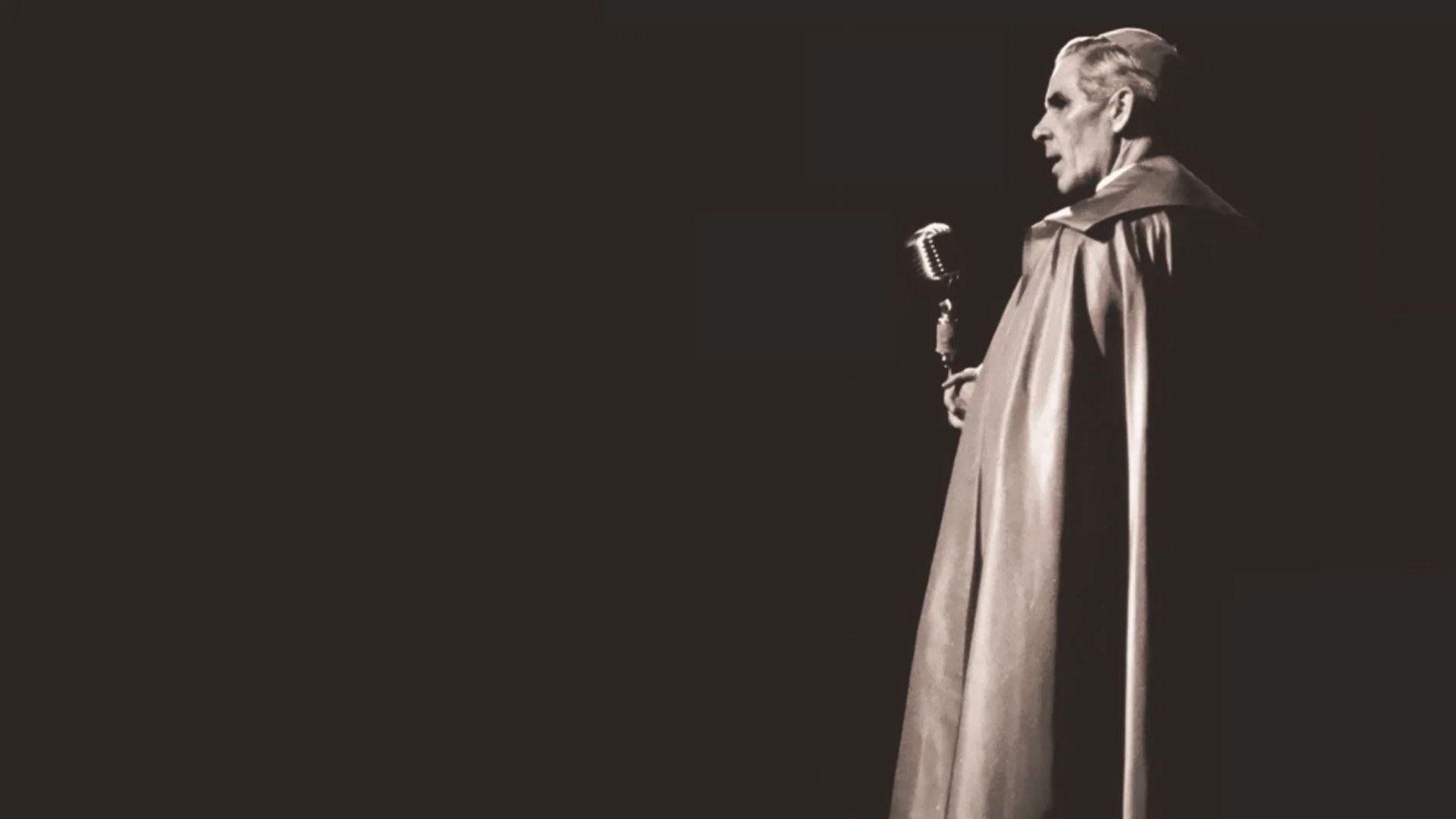
20. Fulton J. Sheen
Archbishop Fulton J. Sheen became one of America's first religious media superstars during the 1950s. His primetime television series Life Is Worth Living drew thirty million weekly viewers, winning an Emmy Award and dramatically integrating Roman Catholicism into mainstream American popular culture.
©TMDb / Archbishop Fulton J. Sheen
Advertisement
Swipe or tap ▶ to resume the countdown.
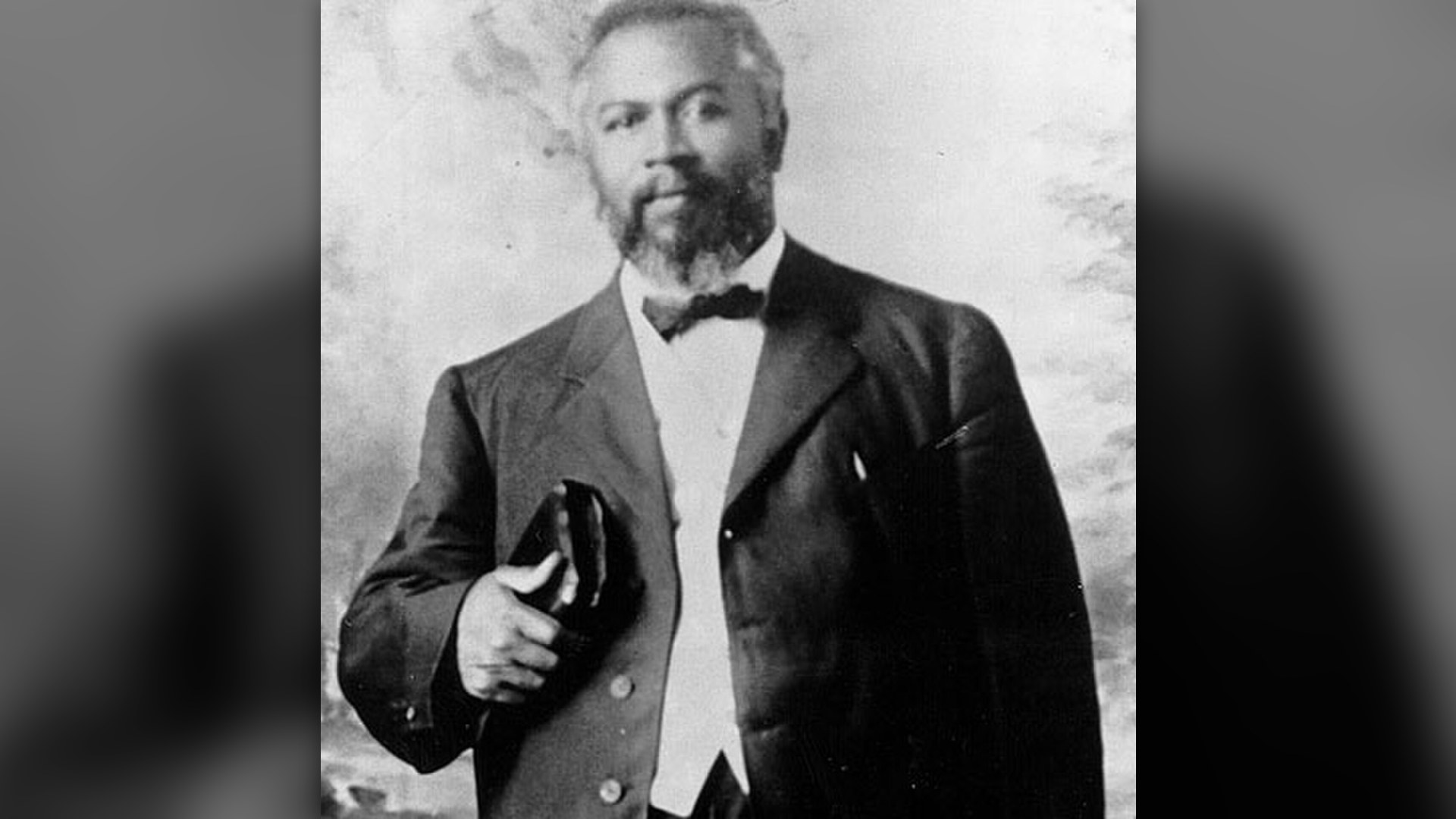
19. William J. Seymour
In 1906, William J. Seymour, the son of formerly enslaved parents, led the Azusa Street Revival in Los Angeles. Preaching racial integration and spiritual baptism with speaking in tongues, his small mission launched the modern Pentecostal and Charismatic movements, which now count hundreds of millions worldwide.
©Wikimedia / Image from , in the public domain
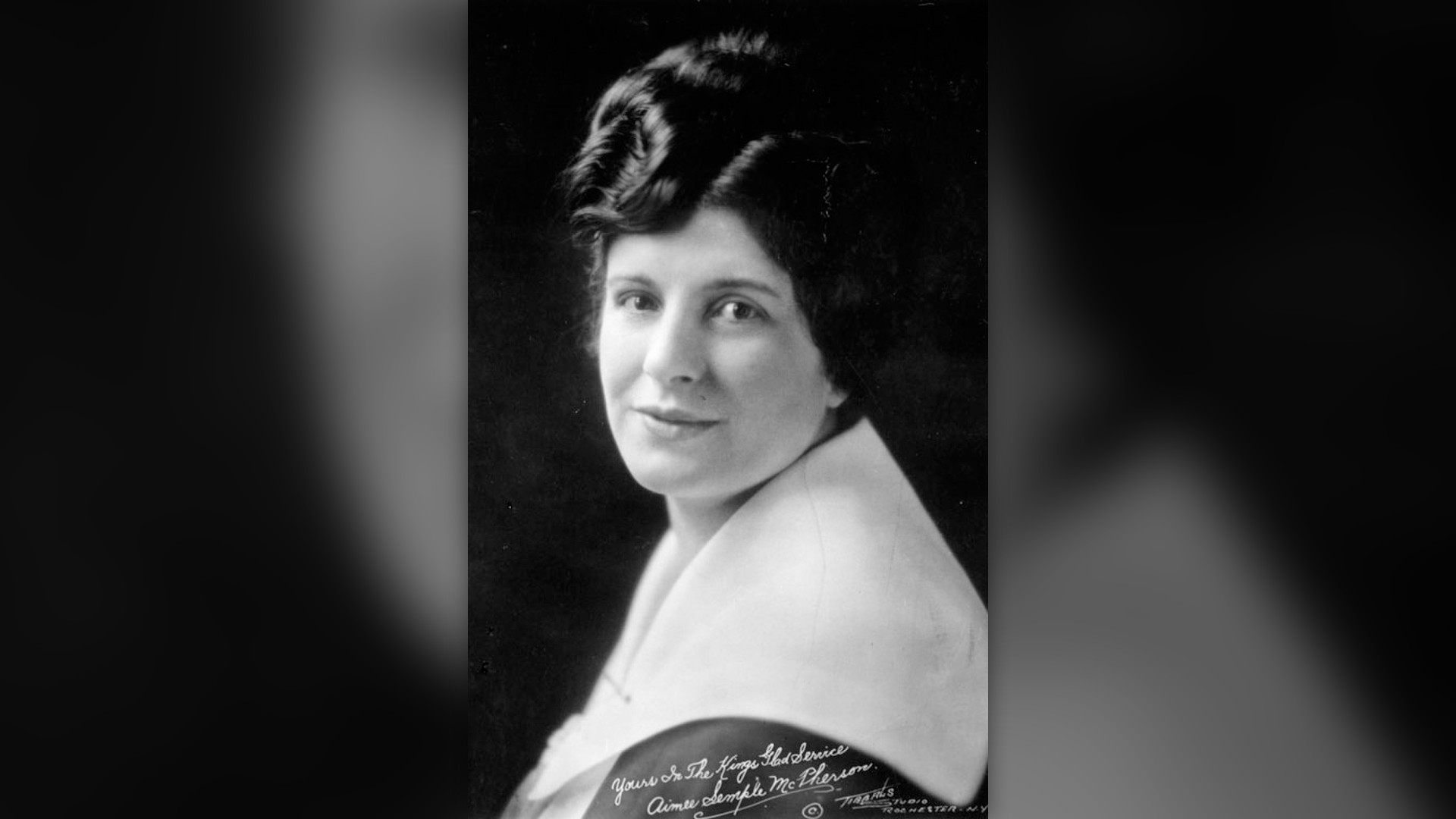
18. Aimee Semple McPherson
Aimee Semple McPherson revolutionized evangelical preaching in the 1920s by utilizing radio broadcasts, dramatic theater and elaborate pageants. She founded the International Church of the Foursquare, built Angelus Temple in Los Angeles, drawing thousands to services and feeding relief lines during the Depression.
©Wikimedia / Aimee Semple McPherson
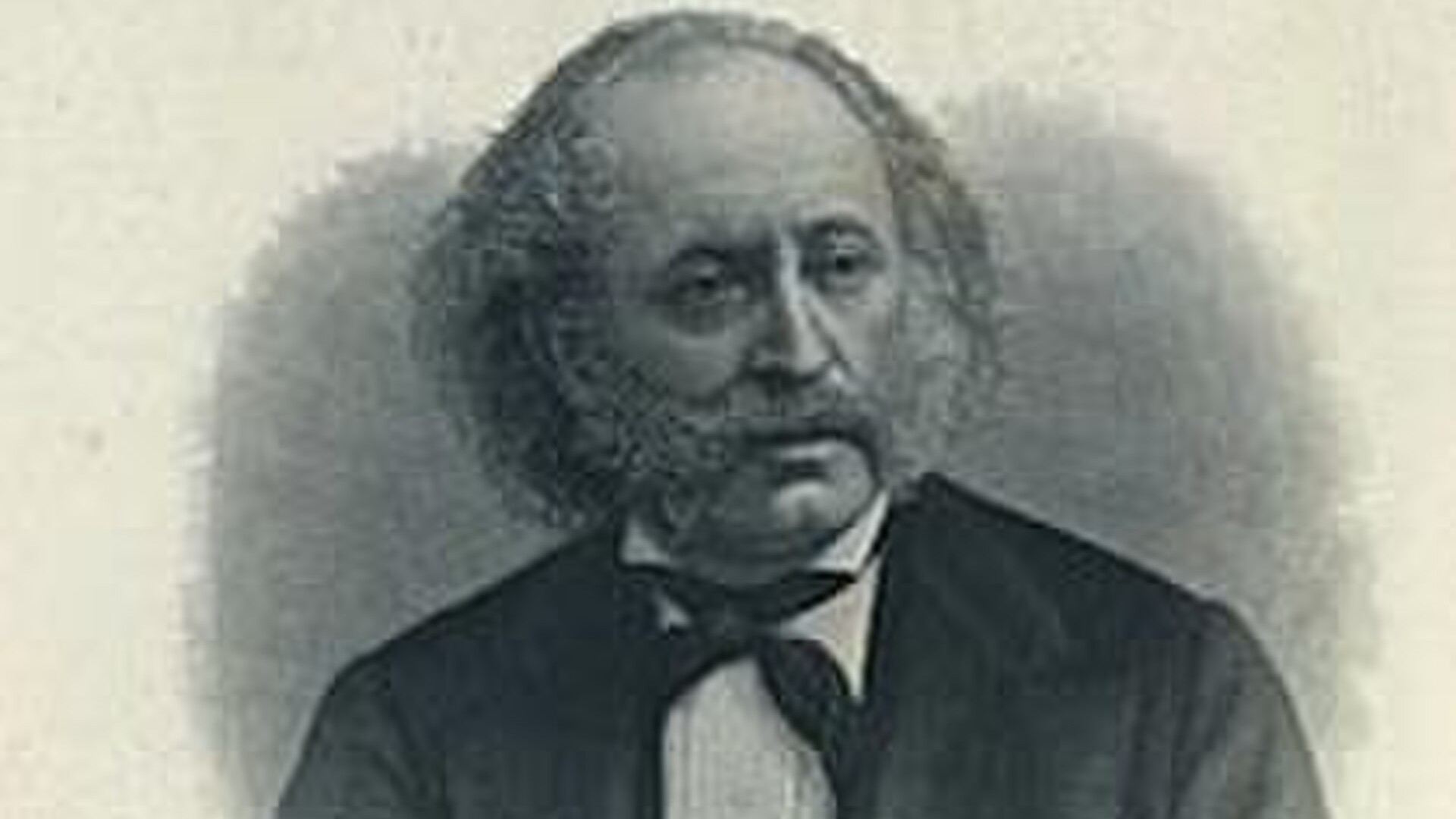
17. Isaac Mayer Wise
Rabbi Isaac Mayer Wise arrived in the United States from Bohemia in 1846 with a vision to modernize Jewish worship. He founded Hebrew Union College in Cincinnati and established the Union of American Hebrew Congregations, institutionalizing Reform Judaism to harmonize faith traditions with democratic American life.
©Wikimedia / Isaac M. Wise
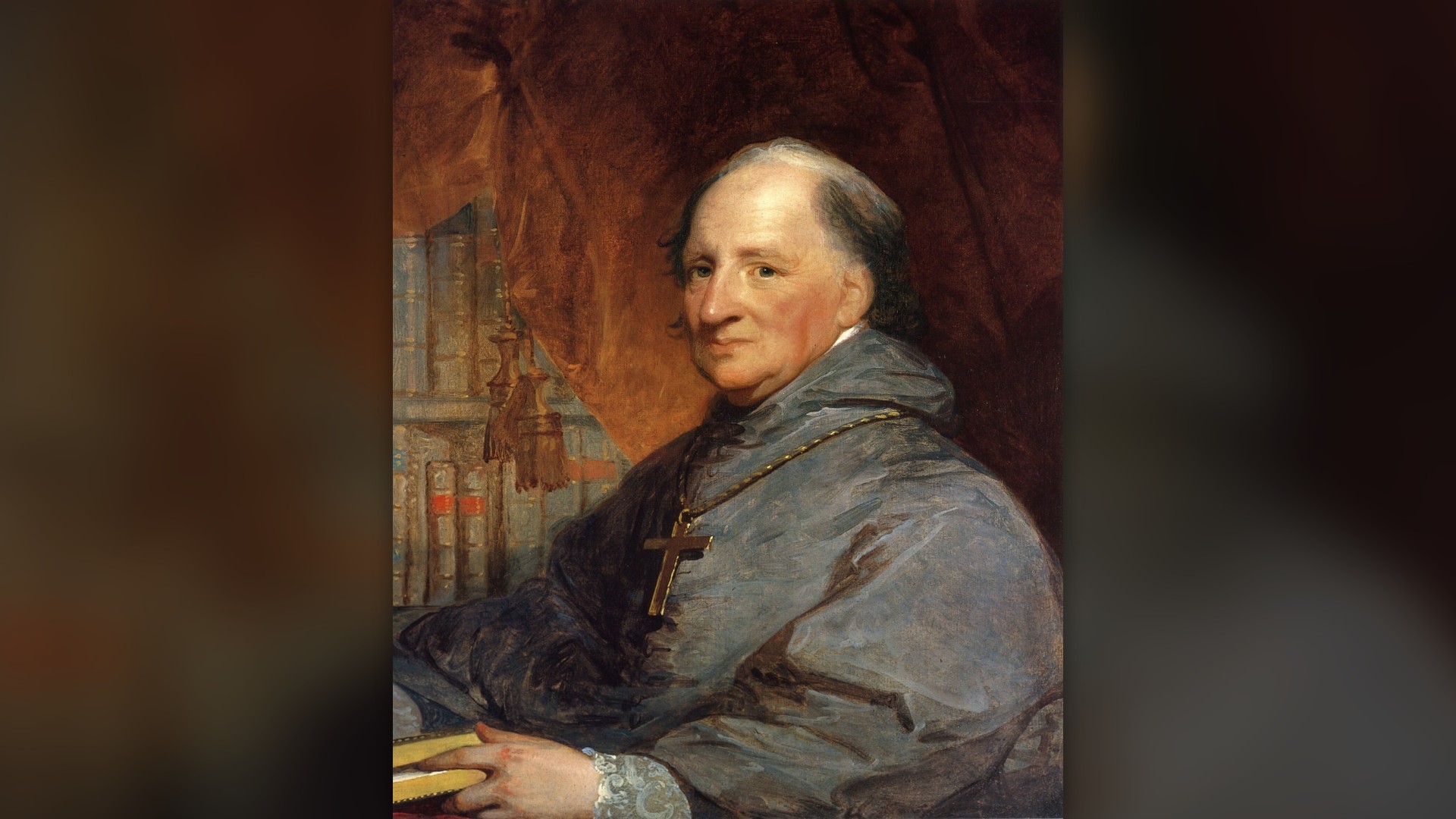
16. John Carroll
In 1789, Pope Pius VI appointed John Carroll as the first Catholic bishop in the young United States. Carroll championed religious liberty, worked harmoniously with George Washington, and established Georgetown University, cementing the Catholic Church as a respected and permanent pillar of American civil society.
©Wikimedia / Gilbert Stuart
Advertisement
Swipe or tap ▶ to resume the countdown.
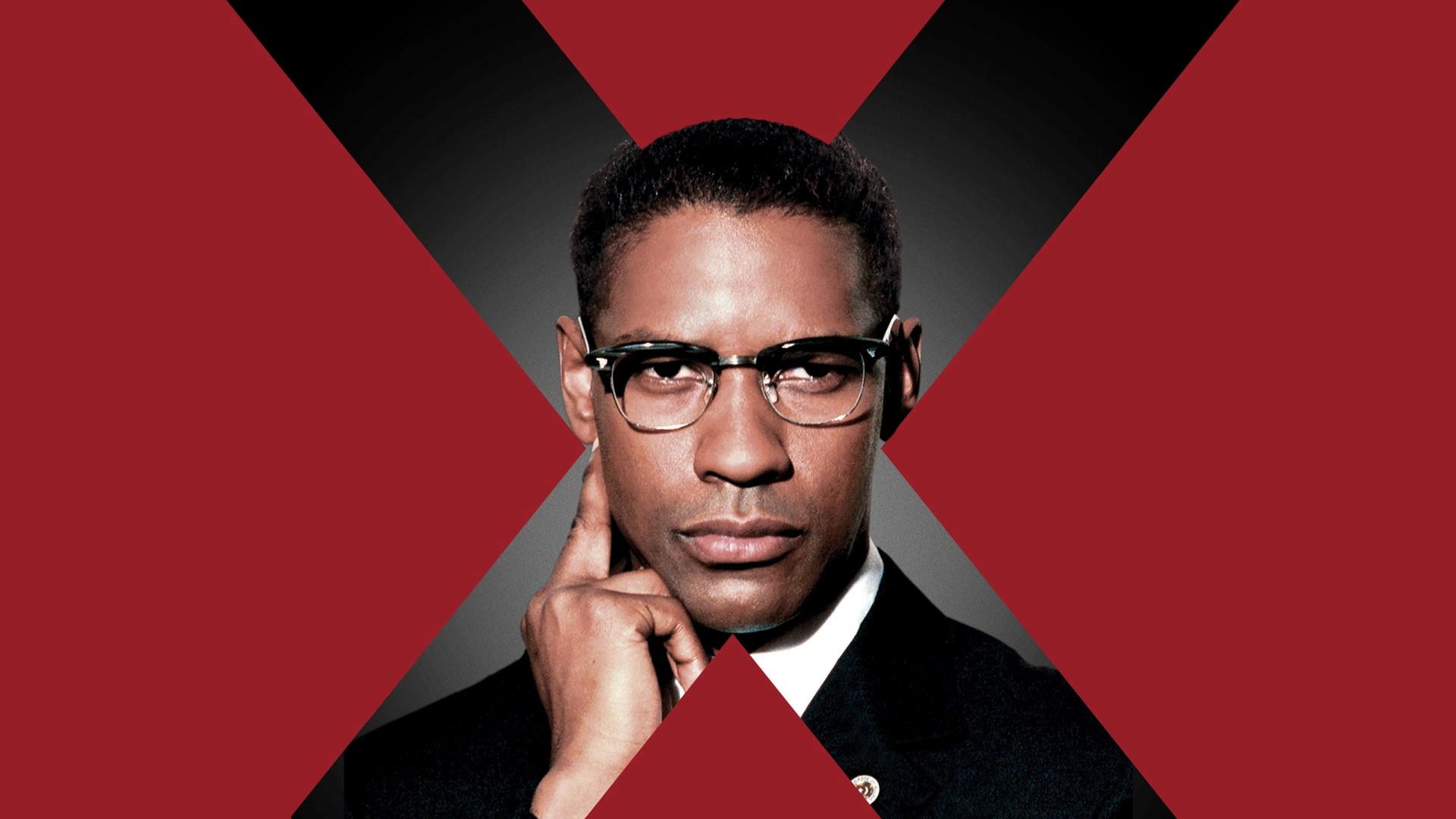
15. Malcolm X
Malcolm X rose to prominence as the chief spokesman for the Nation of Islam before making a transformative pilgrimage to Mecca in 1964. Adopting the name El-Hajj Malik El-Shabazz, he embraced orthodox Sunni Islam and articulated a powerful message of human rights and Black empowerment that continues to resonate.
©TMDb / Malcolm X
14. Reinhold Niebuhr
Reinhold Niebuhr served as America's preeminent public theologian during the middle twentieth century. His philosophy of Christian realism blended religious conviction with practical statecraft, deeply influencing figure like Martin Luther King Jr. and Barack Obama, while his Serenity Prayer became universally recited.
©Wikimedia / Unknown artist
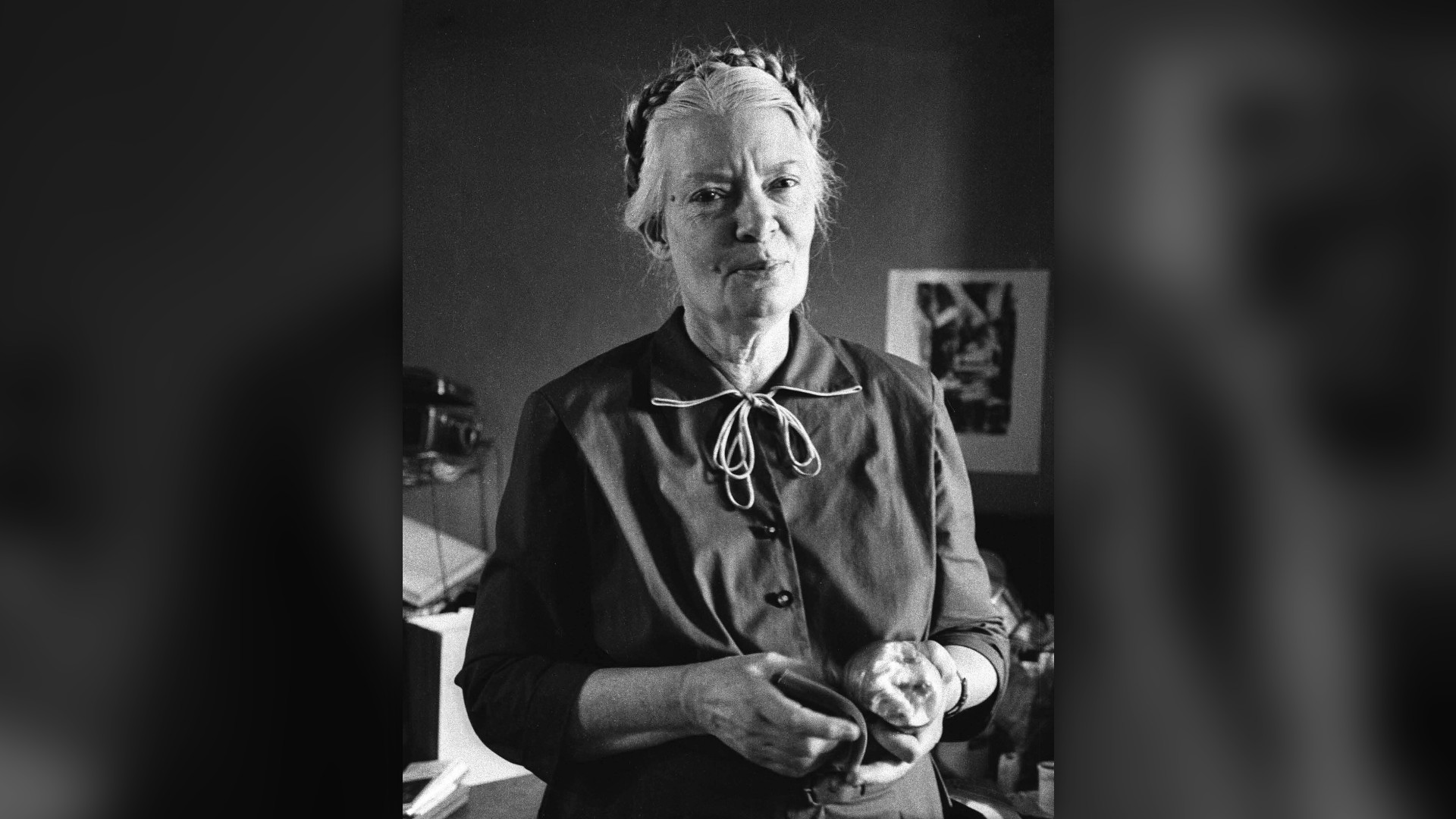
13. Dorothy Day
Dorothy Day co-founded the Catholic Worker Movement in 1933, uniting radical hospitality for the urban poor with pacifism and labor activism. Living in voluntary poverty in community houses, her Catholic social activism challenged American economic inequality and inspired generations of religious activists.
©Wikimedia / Dorothy Day
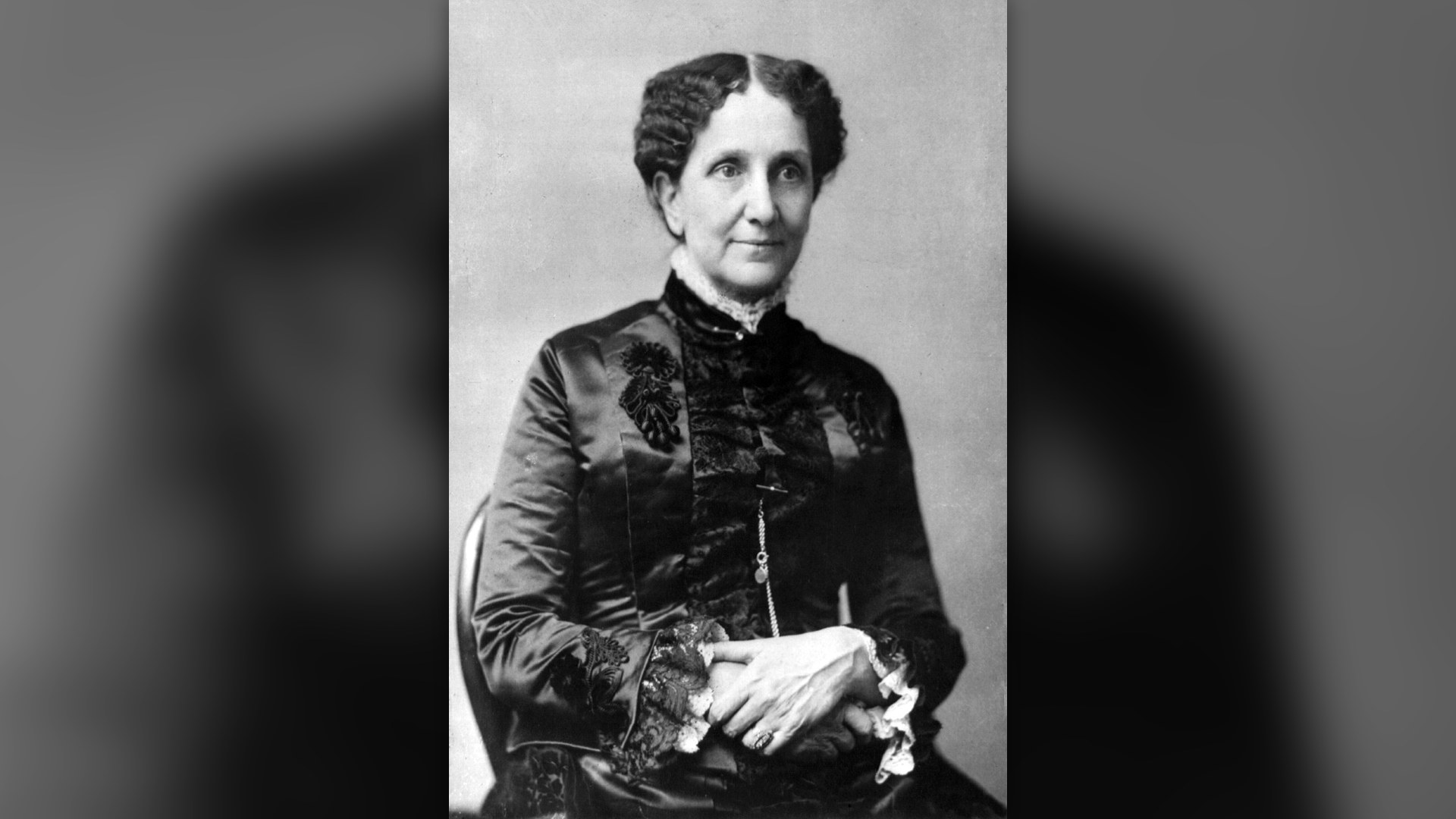
12. Mary Baker Eddy
Mary Baker Eddy published Science and Health with Key to the Scriptures in 1875, introducing Christian Science healing to the nation. She established The Mother Church in Boston and founded The Christian Science Monitor newspaper, becoming one of the most prominent female religious figures in nineteenth-century America
©Wikimedia / This image is available from the United States L
Advertisement
Swipe or tap ▶ to resume the countdown.
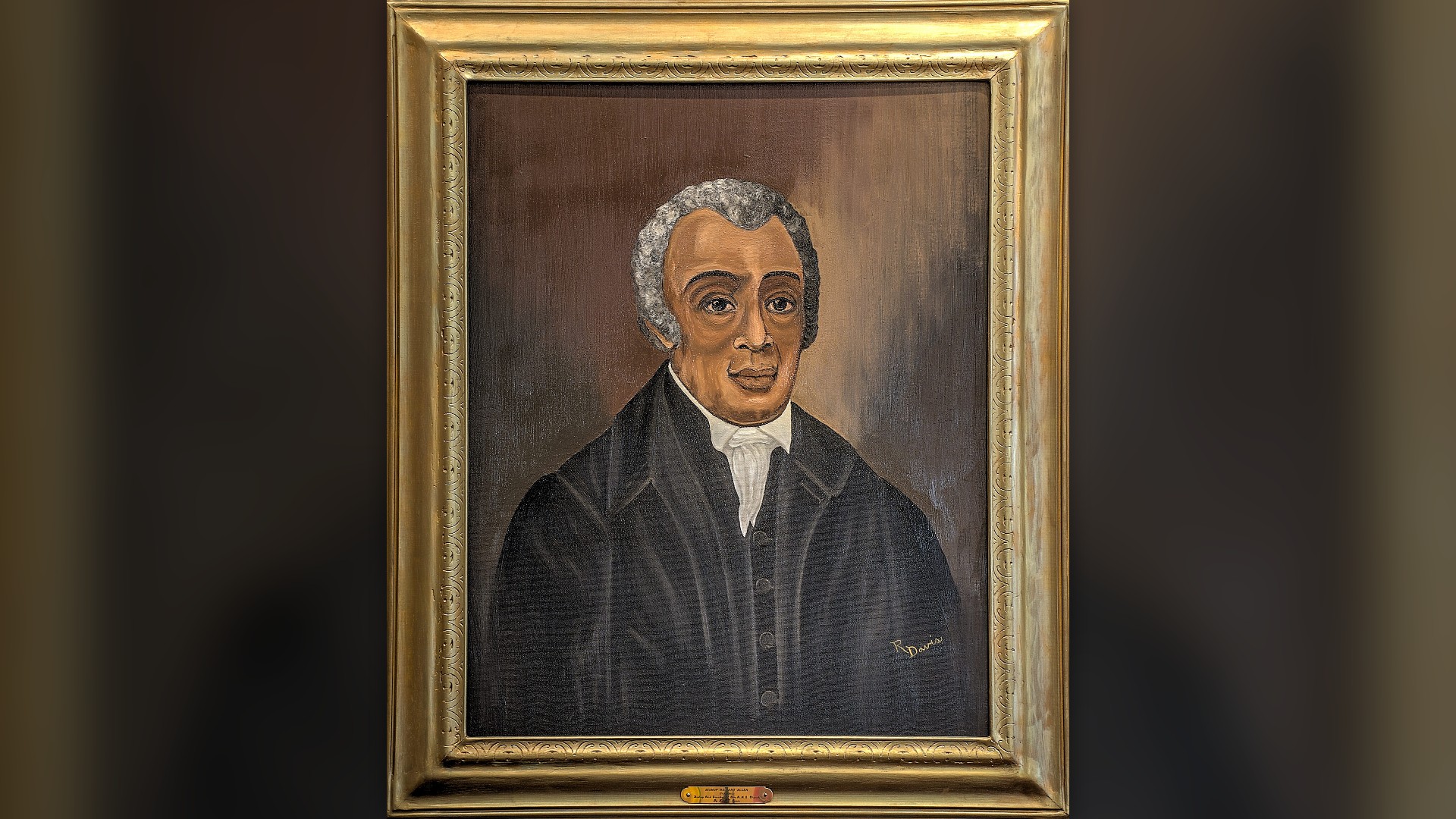
11. Richard Allen
Born into slavery in 1760, Richard Allen bought his freedom and walked out of a segregated Philadelphia church in protest. In 1816, he founded the African Methodist Episcopal Church, establishing the first fully independent Black denomination in the United States and creating vital community and abolitionist hubs.
©Wikimedia / Dsdugan
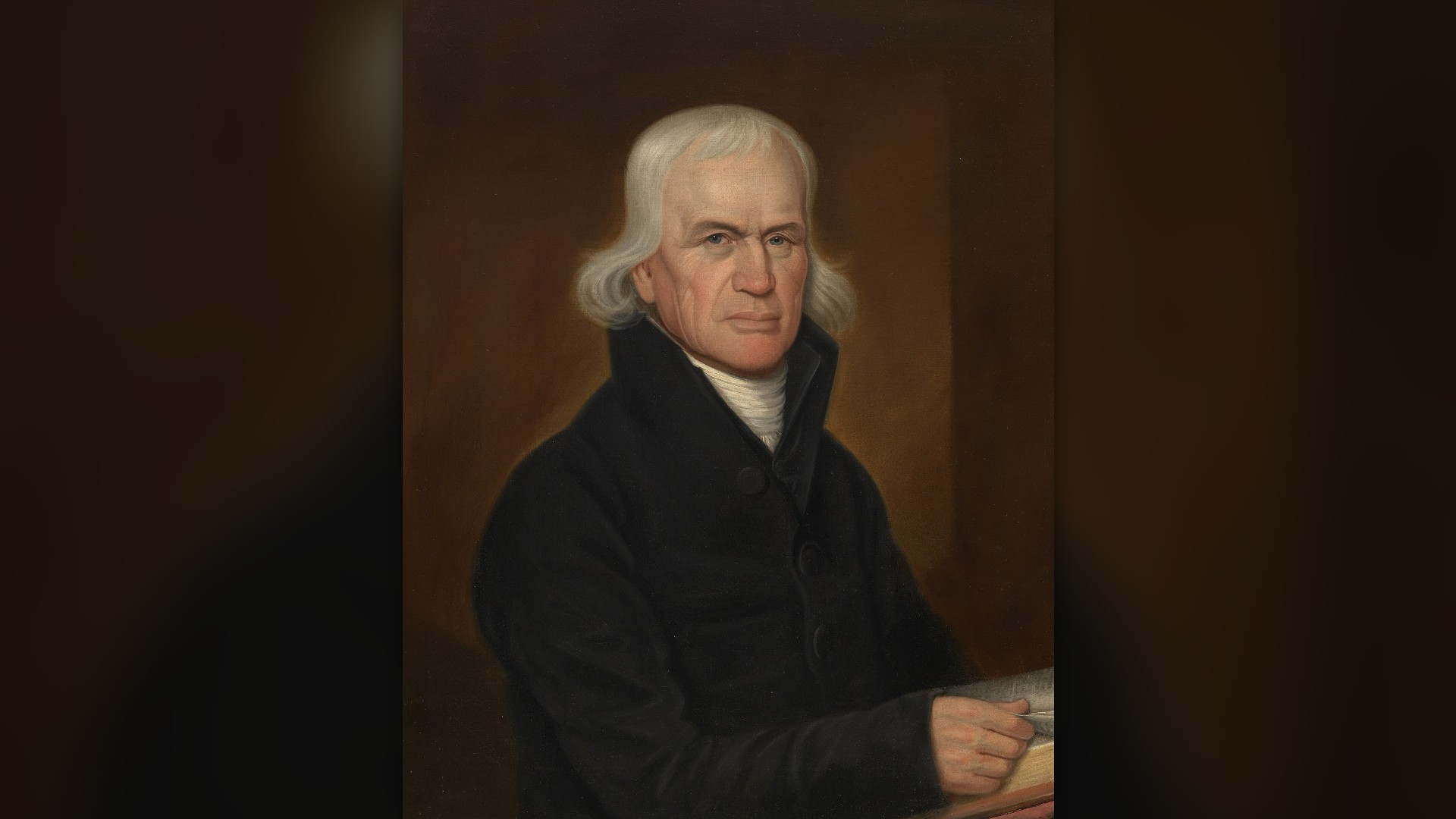
10. Francis Asbury
Francis Asbury spent 45 years traveling three hundred thousand miles on horseback as a pioneer Methodist circuit rider. Under his tireless leadership, American Methodist membership surged from twelve hundred to over two hundred thousand, transforming the denomination into the largest Protestant body on the frontier.
©Wikimedia / Francis Asbury
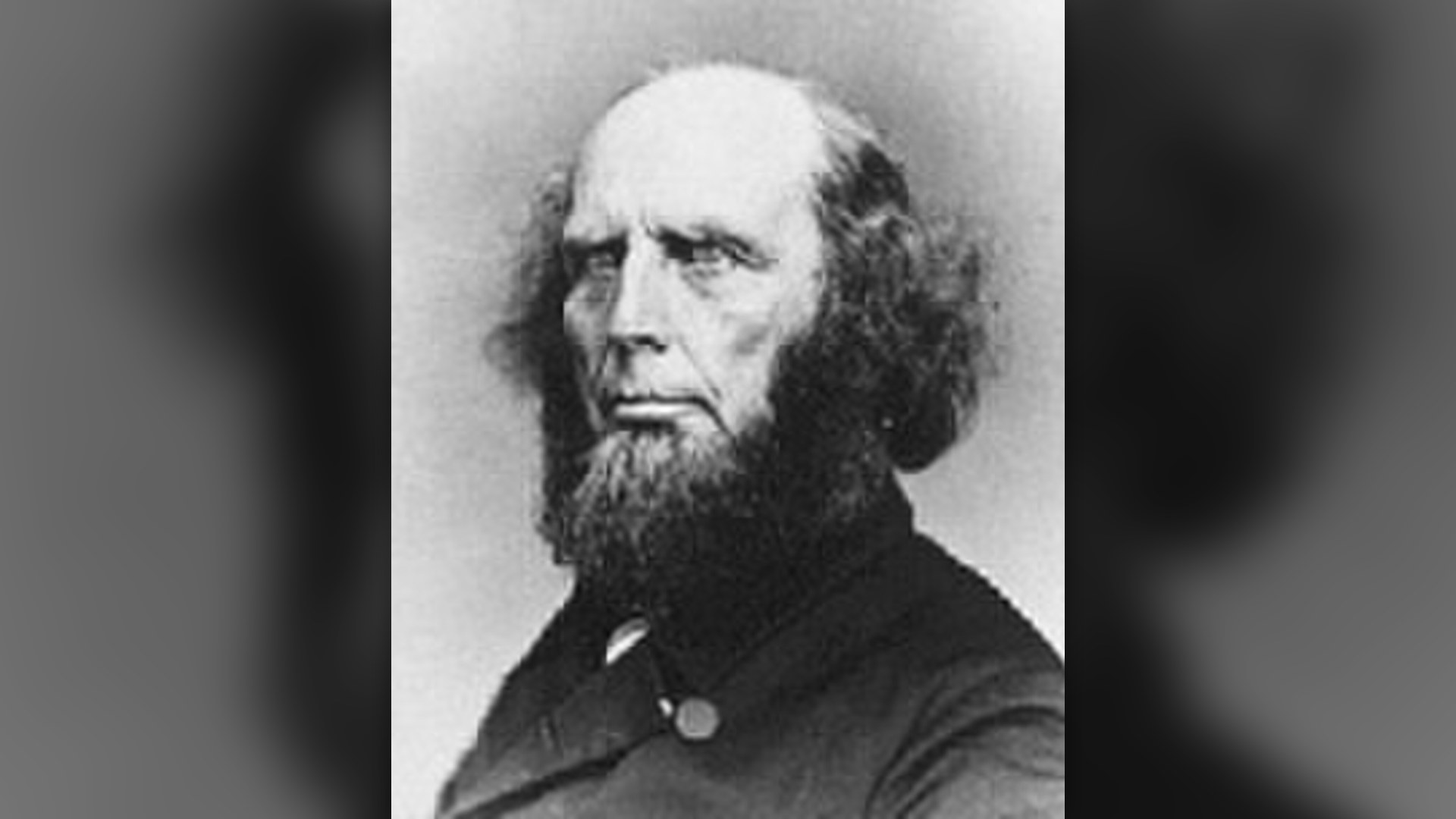
9. Charles Finney
Charles Grandison Finney led powerful revivals across upstate New York during the 1820s, inventing modern revivalist techniques like the anxious bench. As president of Oberlin College, he championed abolitionism and higher education for women and Black students, linking evangelical faith directly to social reform.
©Wikimedia / Unknown artist
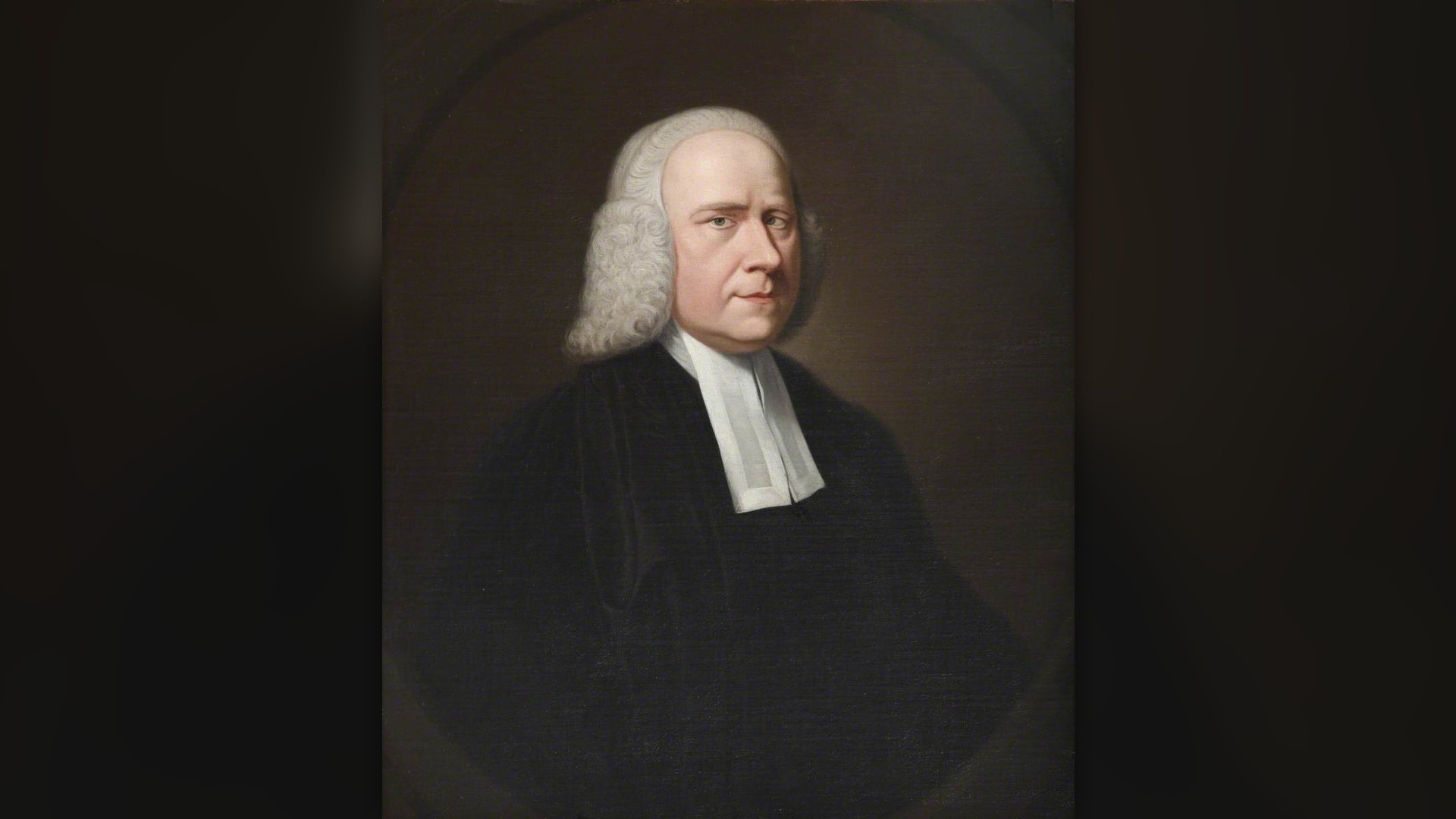
8. George Whitefield
George Whitefield conducted massive open-air preaching tours throughout the American colonies during the 1740s. His booming voice,passionate oratorical delivery drew crowds of up to thirty thousand people, igniting the First Great Awakening and creating the first shared cultural experience across the thirteen colonies.
©Wikimedia / George Whitefield
Advertisement
Swipe or tap ▶ to resume the countdown.
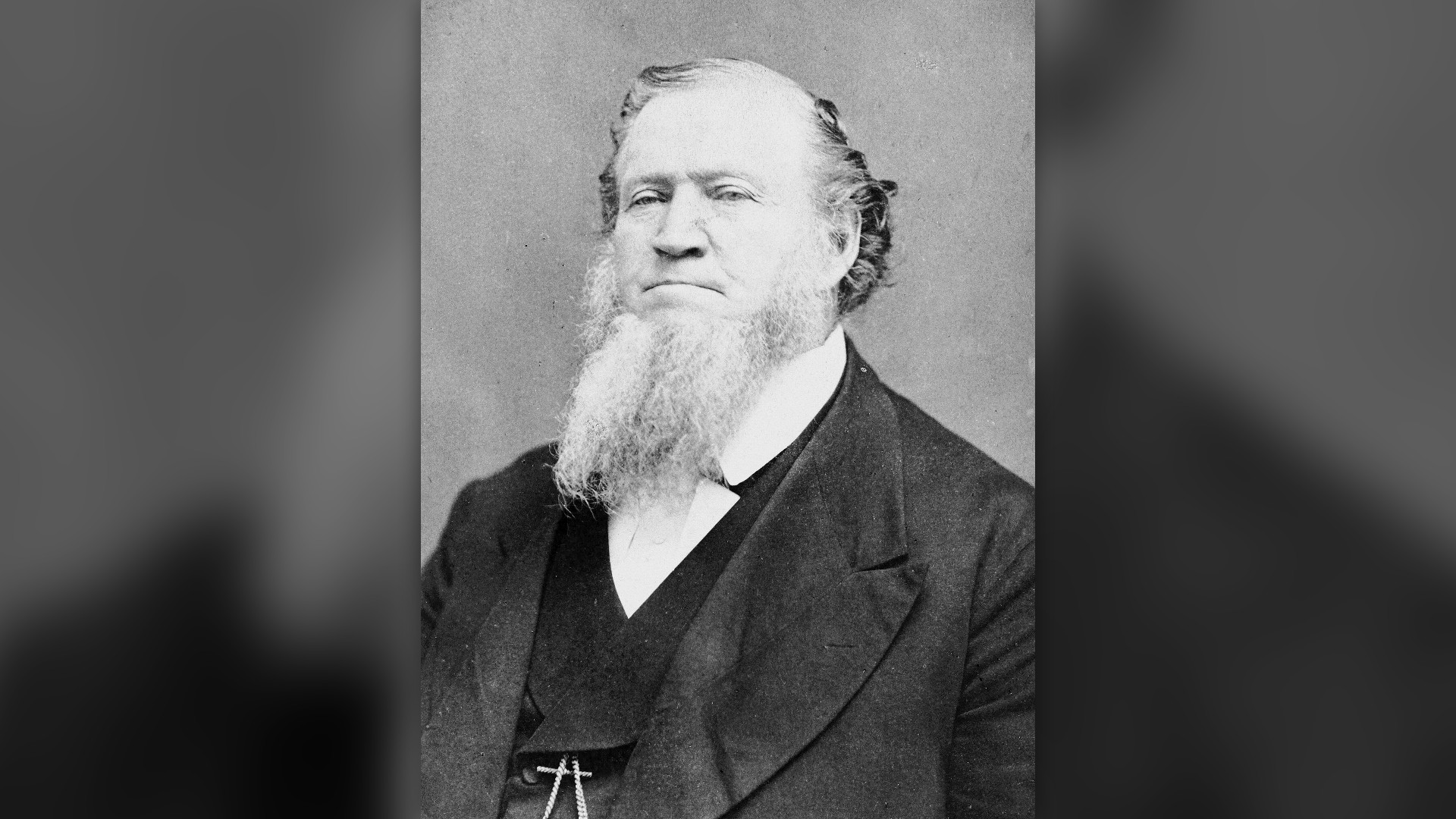
7. Brigham Young
Following the assassination of Joseph Smith, Brigham guided thousands of Latter-day Saint pioneers across the Great Plains to the Salt Lake Valley in 1847. He directed the colonization of hundreds of towns throughout the Intermountain West and governed the Utah Territory, establishing an enduring regional presence.
©Wikimedia / Brigham Young
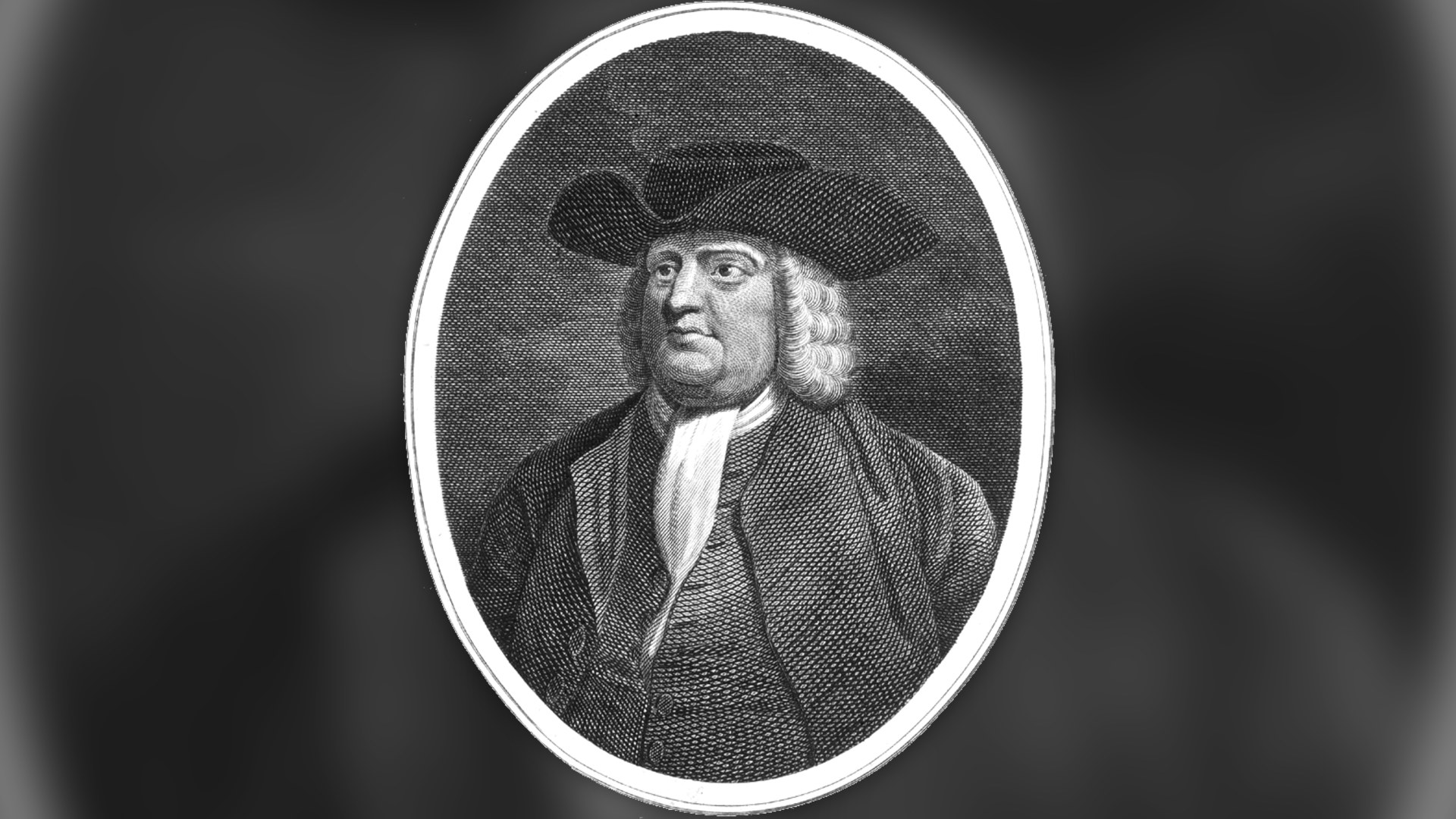
6. William Penn
William Penn founded the province of Pennsylvania in 1681 as a sanctuary for persecuted Quakers and other religious minorities. His Holy Experiment established complete freedom of conscience and participatory democracy, providing a direct philosophical model for the First Amendment of the United States Constitution.
©Wikimedia / Unknown artist
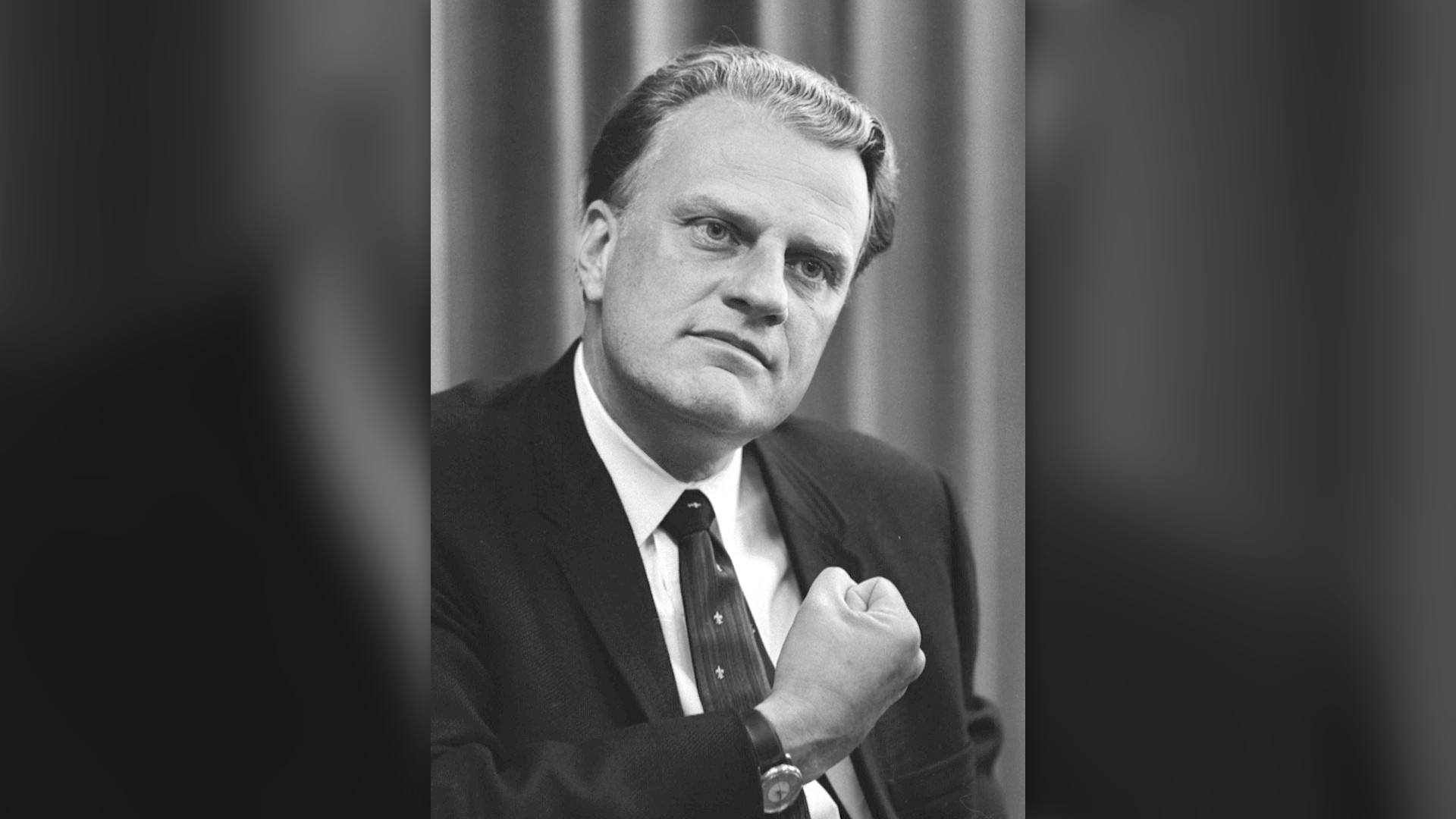
5. Billy Graham
Billy Graham preached the Christian gospel live to more than 200 million people across one hundred and eighty-five nations during his legendary crusades. Serving as an informal spiritual adviser to twelve consecutive US presidents from Truman to Obama, he became the undisputed public face of American evangelicalism.
©Wikimedia / Billy Graham
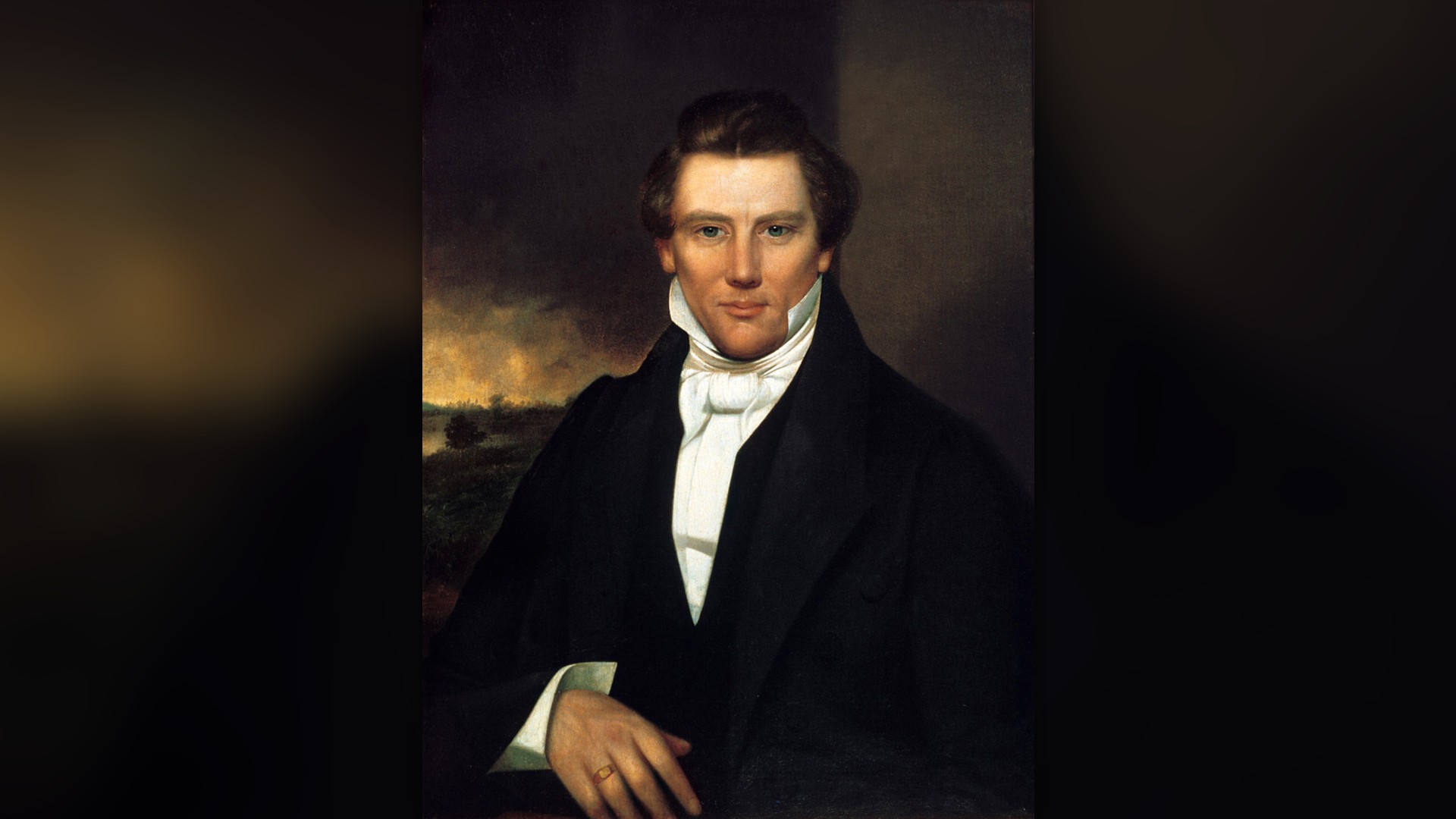
4. Joseph Smith
Joseph Smith published the Book of Mormon in 1830 and organized the Church of Jesus Christ of Latter-day Saints in western New York. Introducing new scriptures, community building and distinct theological revelations, he founded the most successful indigenous American religious movement in modern world history.
©Wikimedia / Joseph Smith
Advertisement
Swipe or tap ▶ to resume the countdown.
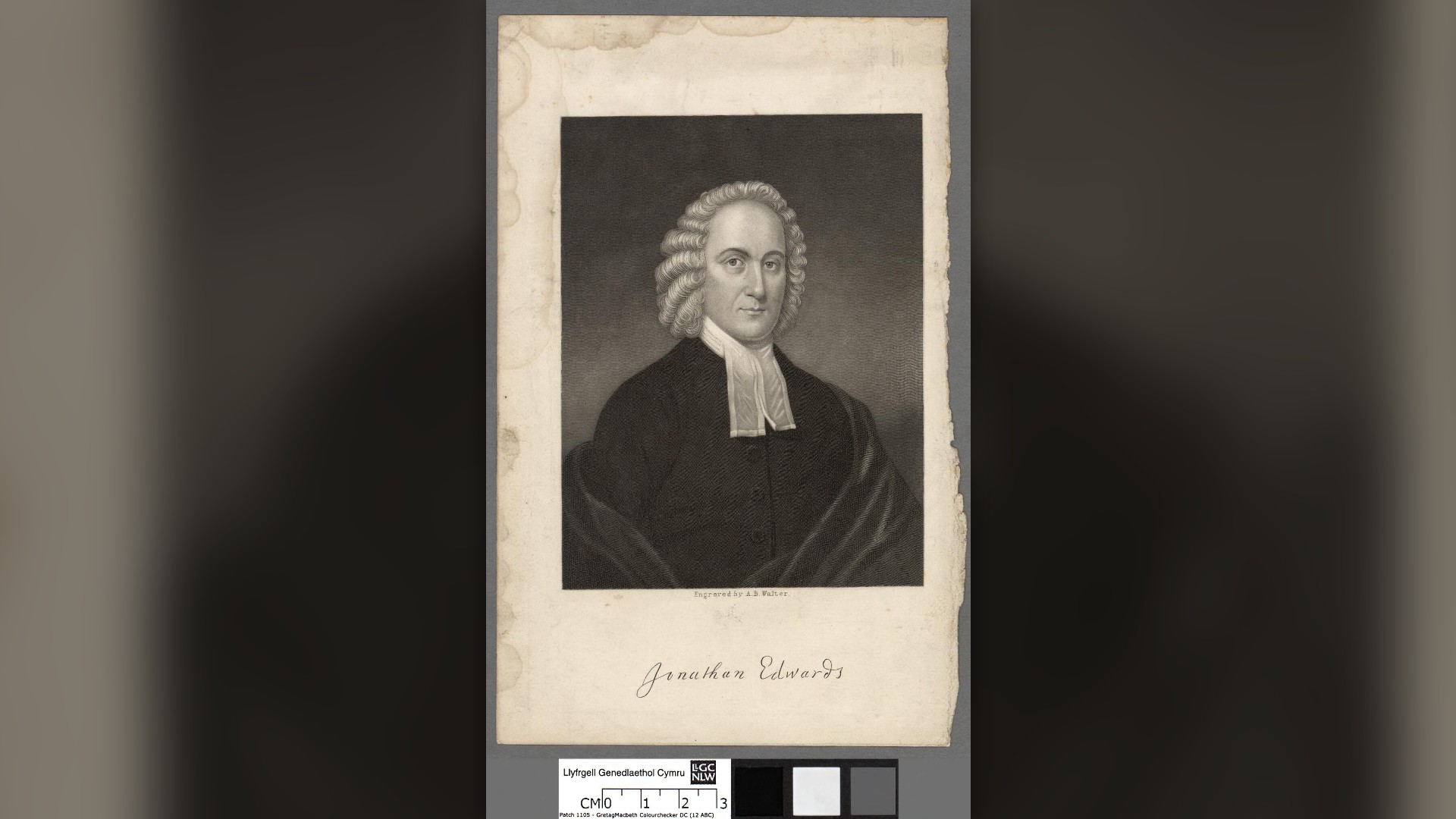
3. Jonathan Edwards
Jonathan Edwards combined profound philosophical scholarship with intense emotional revivalism in eighteenth-century Massachusetts. His 1741 sermon Sinners in the Hands of an Angry God sparked religious fervor across the colonies, shaping American theological thought and institutional higher education at Princeton.
©Wikimedia / A. B. Walter
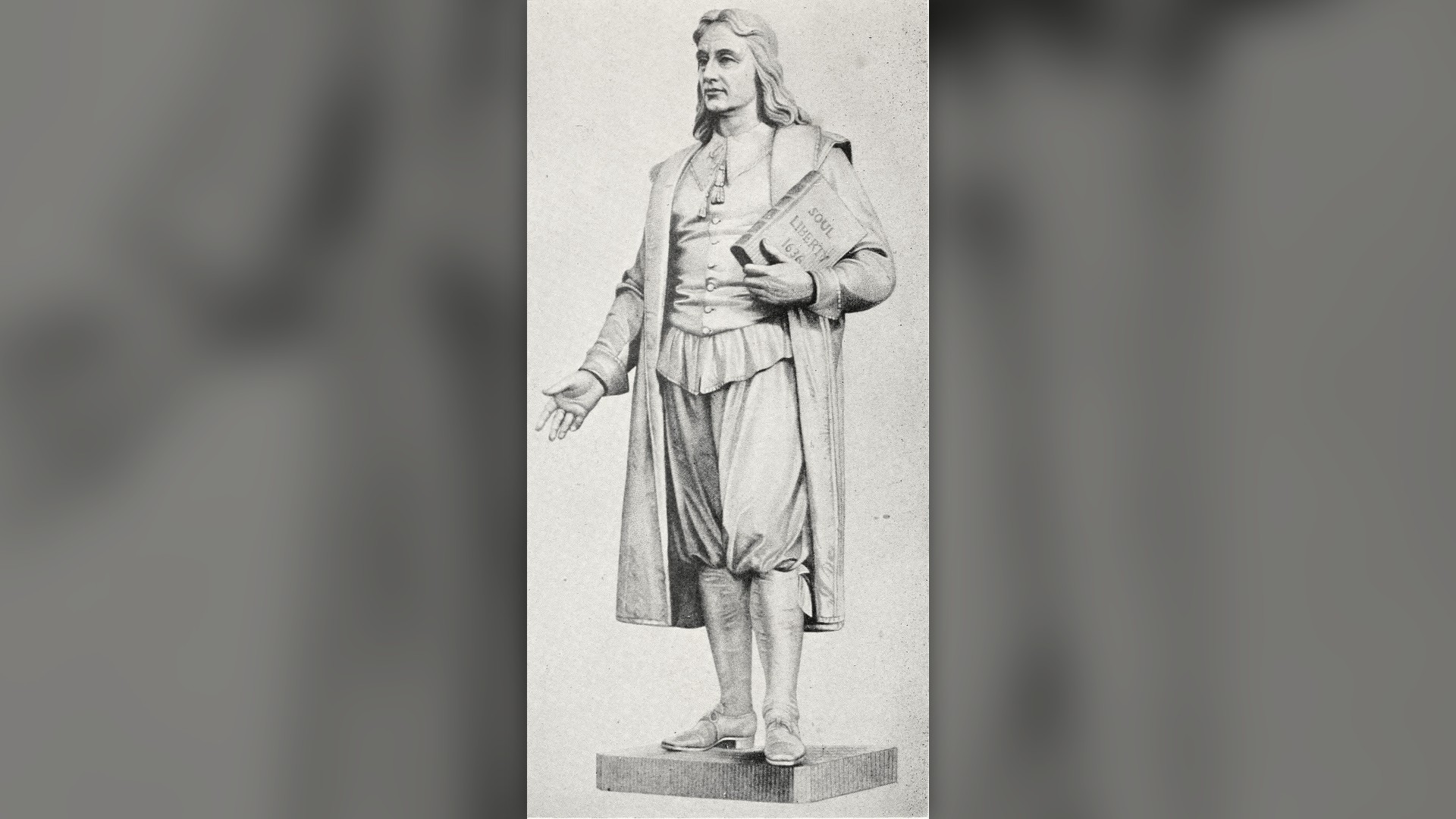
2. Roger Williams
Roger Williams fled Massachusetts religious persecution in 1636 to establish Providence Plantations in Rhode Island. He created the first government in history explicitly founded on absolute freedom of conscience and separation of church and state, coining the metaphor of wall of separation later adopted by Jefferson.
©Wikimedia / Roger Williams
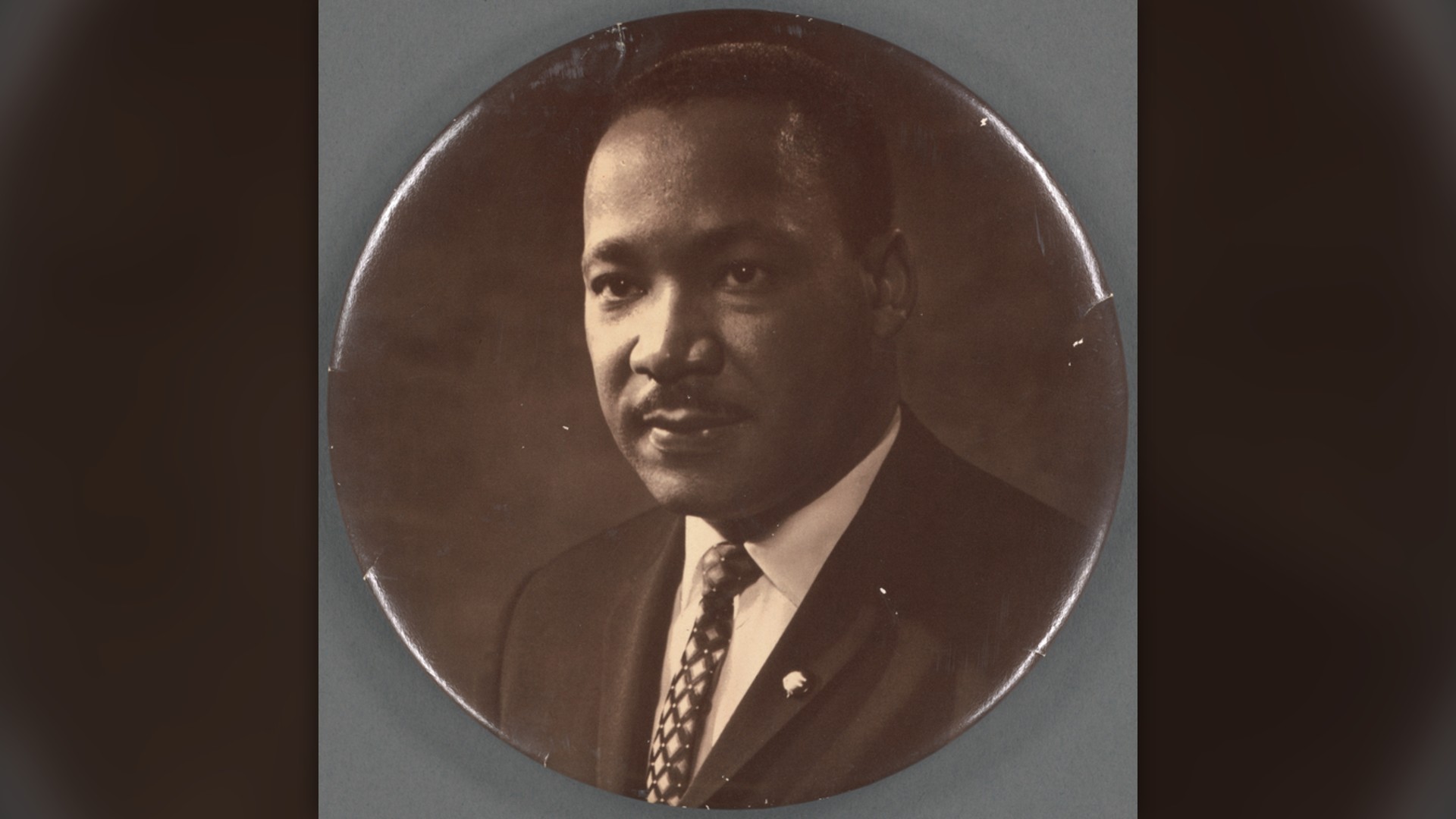
1. Martin Luther King Jr.
Dr. Martin Luther King Jr. anchored the American civil rights movement in Christian nonviolence and prophetic morality. Pastoring Ebenezer Baptist Church in Atlanta, his sermons, marches and 1963 Letter from Birmingham Jail transformed American civil rights law and permanently reshaped the nation's moral conscience.
©NYPL / Digital Collections
Advertisement
You've reached the end of the story. Thanks for reading!

20 Most Powerful Navies in the World, Ranked
Control of the global oceans shapes international trade, security alliances, and military power. From stealth submarines and guided missile destroyers to nuclear powered aircraft carriers, naval capabilities require massive investment. Here are the twenty most formidable navies across the globe, ranked by strength.
All 22 Entries in this Story
22. Walter Rauschenbusch
Walter Rauschenbusch ministered to impoverished German immigrants in New York's Hell's Kitchen during the late nineteenth century. His influential writings argued that Christianity must confront systemic poverty and industrial exploitation, laying the moral foundation for twentieth-century social reforms.

21. Anne Hutchinson
Anne Hutchinson held religious meetings in her Boston home, preaching direct personal communion with God. Banished from the Massachusetts Bay Colony in 1638 for challenging the Puritan clerical hierarchy, her courageous trial established early precedents for religious dissent and women's religious leadership.

20. Fulton J. Sheen
Archbishop Fulton J. Sheen became one of America's first religious media superstars during the 1950s. His primetime television series Life Is Worth Living drew thirty million weekly viewers, winning an Emmy Award and dramatically integrating Roman Catholicism into mainstream American popular culture.

19. William J. Seymour
In 1906, William J. Seymour, the son of formerly enslaved parents, led the Azusa Street Revival in Los Angeles. Preaching racial integration and spiritual baptism with speaking in tongues, his small mission launched the modern Pentecostal and Charismatic movements, which now count hundreds of millions worldwide.

18. Aimee Semple McPherson
Aimee Semple McPherson revolutionized evangelical preaching in the 1920s by utilizing radio broadcasts, dramatic theater and elaborate pageants. She founded the International Church of the Foursquare, built Angelus Temple in Los Angeles, drawing thousands to services and feeding relief lines during the Depression.

17. Isaac Mayer Wise
Rabbi Isaac Mayer Wise arrived in the United States from Bohemia in 1846 with a vision to modernize Jewish worship. He founded Hebrew Union College in Cincinnati and established the Union of American Hebrew Congregations, institutionalizing Reform Judaism to harmonize faith traditions with democratic American life.

16. John Carroll
In 1789, Pope Pius VI appointed John Carroll as the first Catholic bishop in the young United States. Carroll championed religious liberty, worked harmoniously with George Washington, and established Georgetown University, cementing the Catholic Church as a respected and permanent pillar of American civil society.

15. Malcolm X
Malcolm X rose to prominence as the chief spokesman for the Nation of Islam before making a transformative pilgrimage to Mecca in 1964. Adopting the name El-Hajj Malik El-Shabazz, he embraced orthodox Sunni Islam and articulated a powerful message of human rights and Black empowerment that continues to resonate.

14. Reinhold Niebuhr
Reinhold Niebuhr served as America's preeminent public theologian during the middle twentieth century. His philosophy of Christian realism blended religious conviction with practical statecraft, deeply influencing figure like Martin Luther King Jr. and Barack Obama, while his Serenity Prayer became universally recited.

13. Dorothy Day
Dorothy Day co-founded the Catholic Worker Movement in 1933, uniting radical hospitality for the urban poor with pacifism and labor activism. Living in voluntary poverty in community houses, her Catholic social activism challenged American economic inequality and inspired generations of religious activists.

12. Mary Baker Eddy
Mary Baker Eddy published Science and Health with Key to the Scriptures in 1875, introducing Christian Science healing to the nation. She established The Mother Church in Boston and founded The Christian Science Monitor newspaper, becoming one of the most prominent female religious figures in nineteenth-century America

11. Richard Allen
Born into slavery in 1760, Richard Allen bought his freedom and walked out of a segregated Philadelphia church in protest. In 1816, he founded the African Methodist Episcopal Church, establishing the first fully independent Black denomination in the United States and creating vital community and abolitionist hubs.

10. Francis Asbury
Francis Asbury spent 45 years traveling three hundred thousand miles on horseback as a pioneer Methodist circuit rider. Under his tireless leadership, American Methodist membership surged from twelve hundred to over two hundred thousand, transforming the denomination into the largest Protestant body on the frontier.

9. Charles Finney
Charles Grandison Finney led powerful revivals across upstate New York during the 1820s, inventing modern revivalist techniques like the anxious bench. As president of Oberlin College, he championed abolitionism and higher education for women and Black students, linking evangelical faith directly to social reform.

8. George Whitefield
George Whitefield conducted massive open-air preaching tours throughout the American colonies during the 1740s. His booming voice,passionate oratorical delivery drew crowds of up to thirty thousand people, igniting the First Great Awakening and creating the first shared cultural experience across the thirteen colonies.

7. Brigham Young
Following the assassination of Joseph Smith, Brigham guided thousands of Latter-day Saint pioneers across the Great Plains to the Salt Lake Valley in 1847. He directed the colonization of hundreds of towns throughout the Intermountain West and governed the Utah Territory, establishing an enduring regional presence.

6. William Penn
William Penn founded the province of Pennsylvania in 1681 as a sanctuary for persecuted Quakers and other religious minorities. His Holy Experiment established complete freedom of conscience and participatory democracy, providing a direct philosophical model for the First Amendment of the United States Constitution.

5. Billy Graham
Billy Graham preached the Christian gospel live to more than 200 million people across one hundred and eighty-five nations during his legendary crusades. Serving as an informal spiritual adviser to twelve consecutive US presidents from Truman to Obama, he became the undisputed public face of American evangelicalism.

4. Joseph Smith
Joseph Smith published the Book of Mormon in 1830 and organized the Church of Jesus Christ of Latter-day Saints in western New York. Introducing new scriptures, community building and distinct theological revelations, he founded the most successful indigenous American religious movement in modern world history.

3. Jonathan Edwards
Jonathan Edwards combined profound philosophical scholarship with intense emotional revivalism in eighteenth-century Massachusetts. His 1741 sermon Sinners in the Hands of an Angry God sparked religious fervor across the colonies, shaping American theological thought and institutional higher education at Princeton.

2. Roger Williams
Roger Williams fled Massachusetts religious persecution in 1636 to establish Providence Plantations in Rhode Island. He created the first government in history explicitly founded on absolute freedom of conscience and separation of church and state, coining the metaphor of wall of separation later adopted by Jefferson.

1. Martin Luther King Jr.
Dr. Martin Luther King Jr. anchored the American civil rights movement in Christian nonviolence and prophetic morality. Pastoring Ebenezer Baptist Church in Atlanta, his sermons, marches and 1963 Letter from Birmingham Jail transformed American civil rights law and permanently reshaped the nation's moral conscience.