Slideshow · Viral
20 Countries Projected to Have the Largest Middle Class by 2030
Global consumer demographics are undergoing a historic transformation as billions of citizens cross poverty thresholds into disposable income tiers. Economists track daily per capita consumption to project purchasing power across developed and emerging economies. Here are the twenty nations leading the global middle class.
By Most Viral Today
2 hours ago

Global Middle Class Leaders by 2030 
20. Egypt 
19. South Korea 
18. Vietnam - AdvertisementSwipe or tap ▶ to continue countdown

17. Italy 
16. Turkey 
15. Bangladesh 
14. France - AdvertisementSwipe or tap ▶ to continue countdown

13. United Kingdom 
12. Pakistan 
11. Philippines 
10. Nigeria - AdvertisementSwipe or tap ▶ to continue countdown

9. Germany 
8. Mexico 
7. Japan 
6. Russia - AdvertisementSwipe or tap ▶ to continue countdown

5. Brazil 
4. Indonesia 
3. United States 
2. India - AdvertisementSwipe or tap ▶ to continue countdown

1. China - Advertisement🔥 UP NEXT IN THIS SERIES◫ 21 Slides

20 Most Powerful Navies in the World, Ranked
Control of the global oceans shapes international trade, security alliances, and military power. From stealth submarines and guided missile destroyers to nuclear powered aircraft carriers, naval capabilities require massive investment. Here are the twenty most formidable navies across the globe, ranked by strength.
By 2030, the global middle class is projected to expand beyond five billion people, reshaping international trade, consumer goods, and energy demand. Based on economic demographic projections from the Brookings Institution and World Data Lab, here are the twenty countries expected to host the largest middle classes.
Swipe or tap ▶ to begin the countdown
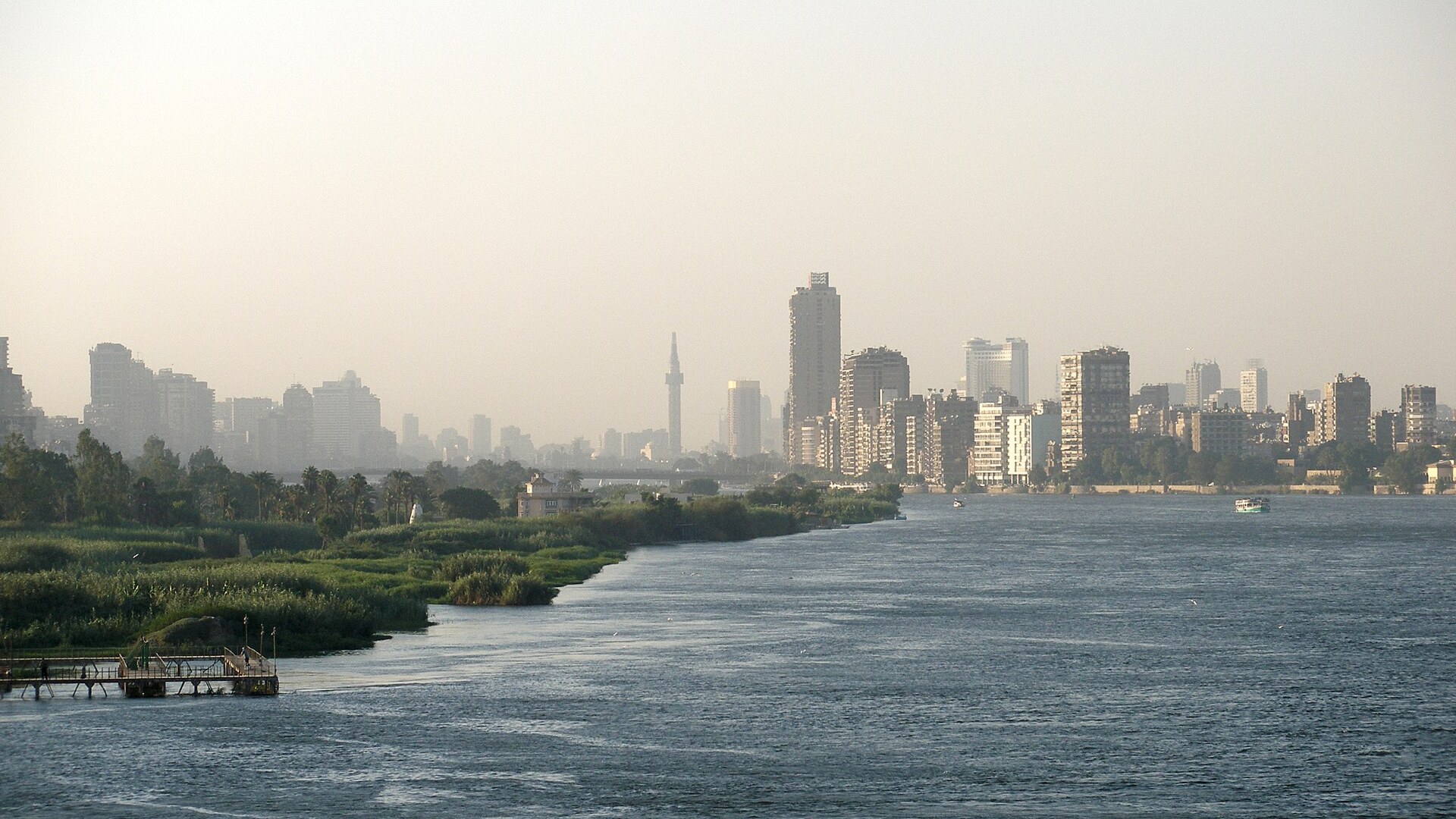
©Pixabay / hosny salah
20. Egypt
Egypt is projected to anchor North African consumer spending with roughly thirty-five million middle-class citizens by 2030. Rapid urbanization in Greater Cairo alongside expansions in telecommunications, retail, and manufacturing support household earnings despite recurring regional inflationary pressures.
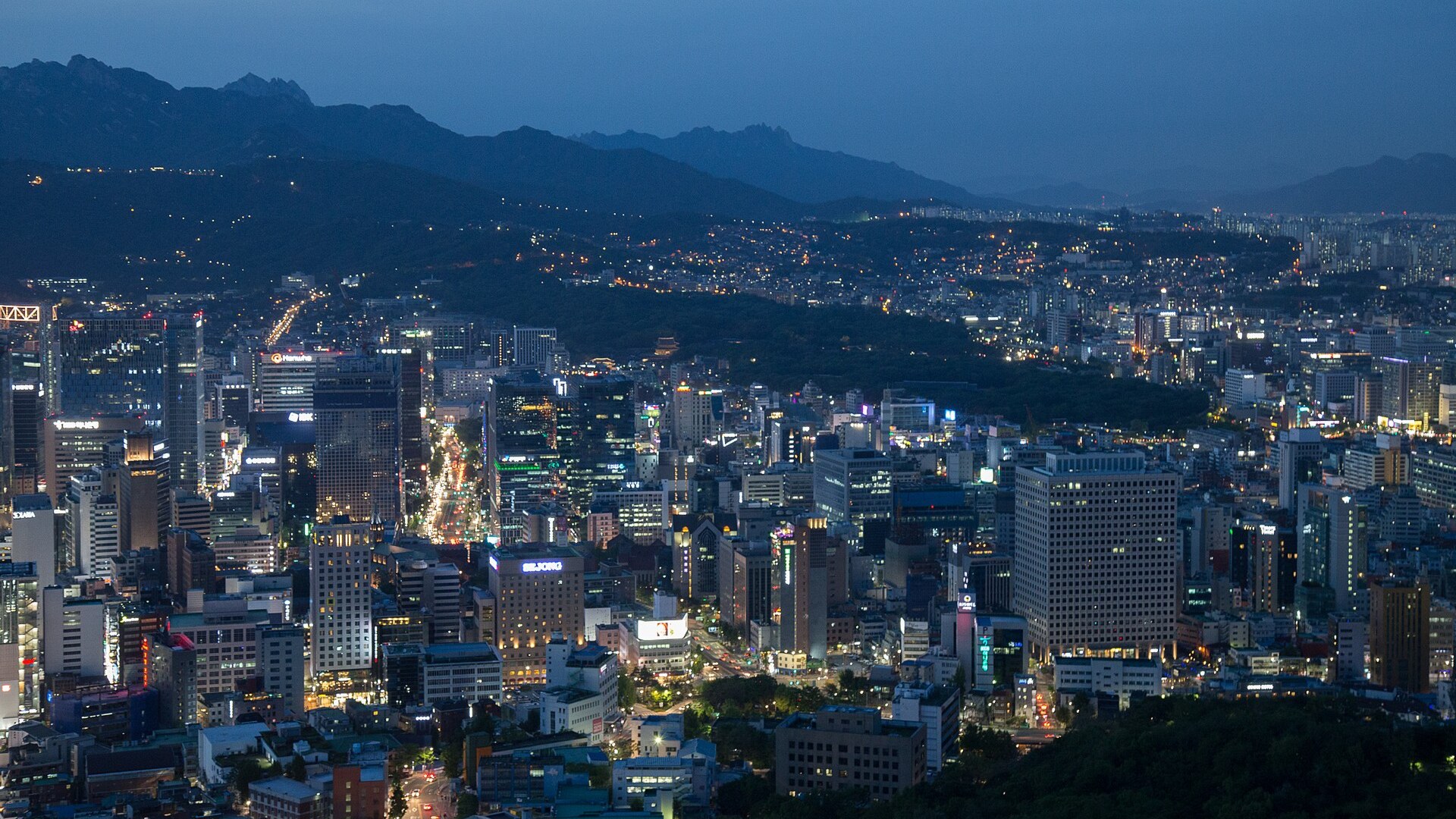
©Wikimedia / Vyacheslav Argenberg
19. South Korea
South Korea maintains one of the most technologically advanced consumer markets, with over thirty-seven million middle-class residents projected by 2030. High tertiary education rates and dominant high-tech industrial exports sustain elevated purchasing power and premium spending across domestic services.
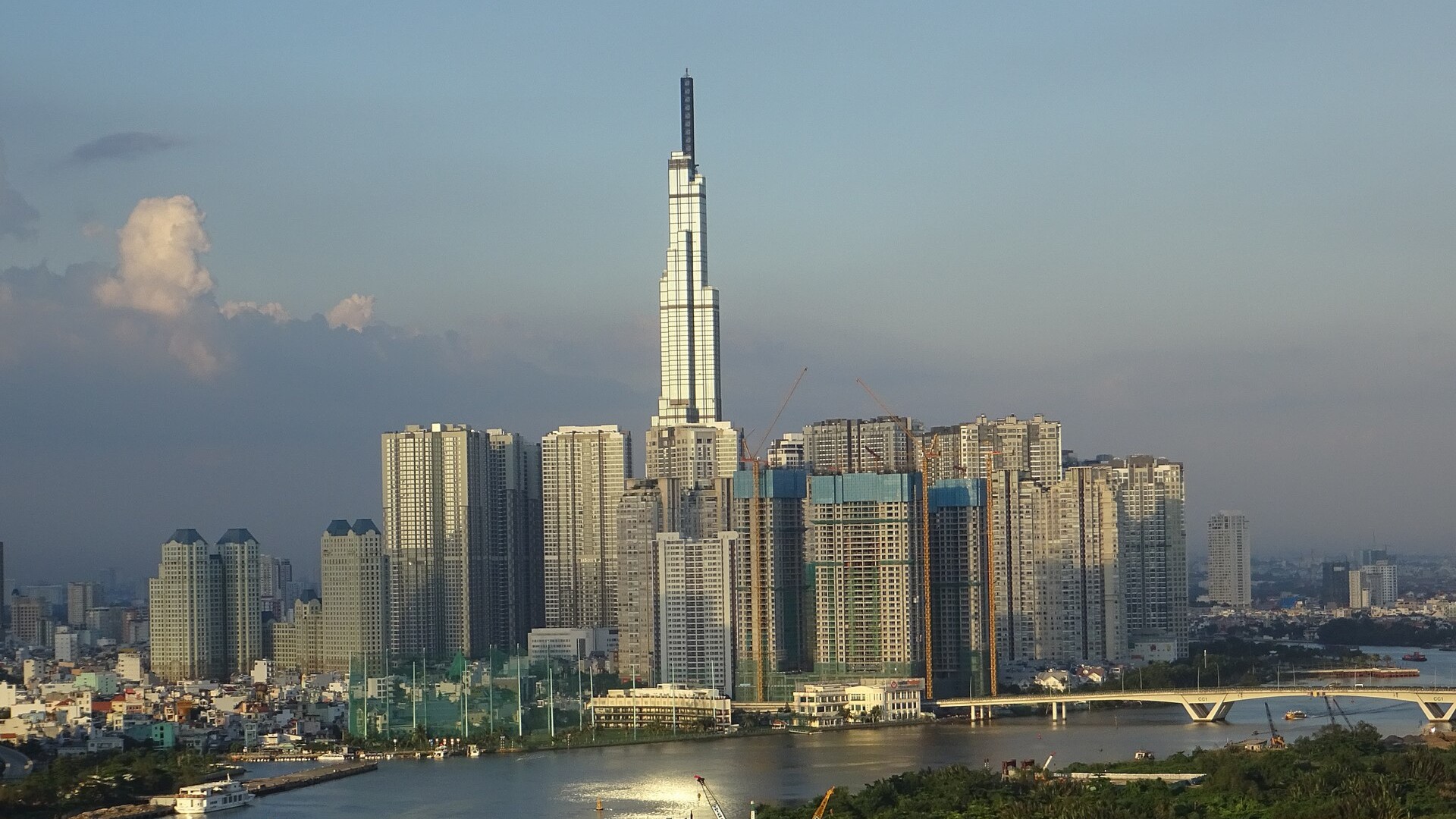
©Wikimedia / Flickr - Laurie Nevay
18. Vietnam
Vietnam stands out as one of Southeast Asia's fastest-growing consumer frontiers, projected to reach thirty-eight million middle-class consumers by 2030. Foreign direct investment in electronics manufacturing and steady domestic wage gains continue lifting millions of factory workers into discretionary spending.
©Wikimedia / Christine und Hagen Graf
Advertisement
Swipe or tap ▶ to resume the countdown.
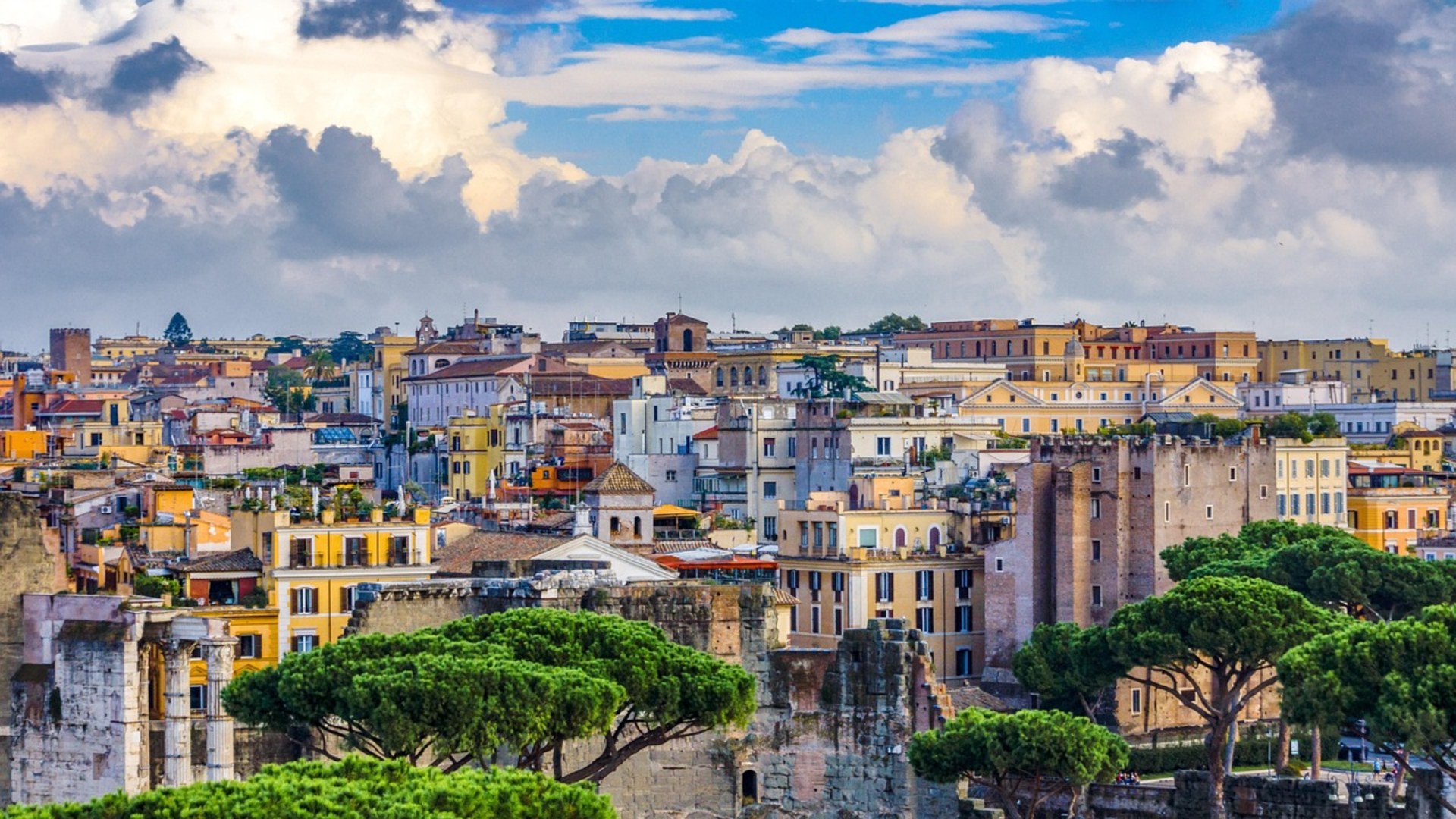
17. Italy
Italy is projected to count approximately forty million middle-class residents by 2030, representing a mature European domestic consumer base. While demographic aging tempers overall population growth, high household net wealth and specialized industrial clusters in northern regions sustain steady consumer outlays.
©Pixabay / Kookay
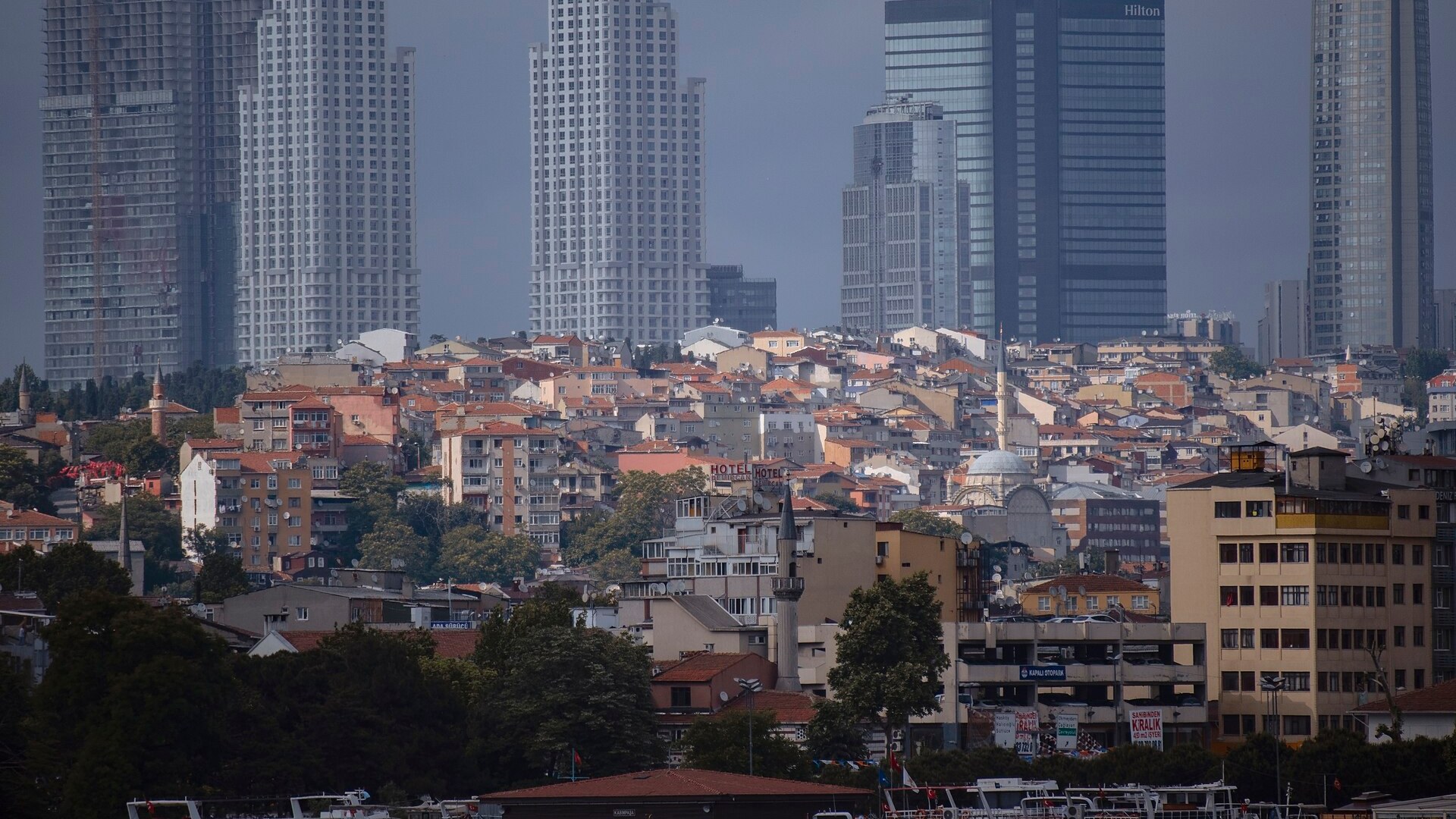
16. Turkey
Positioned at the crossroads of Europe and Asia, Turkey is projected to host forty-three million middle-class individuals by 2030. Strong domestic manufacturing, expanding financial services, and a young entrepreneurial population provide resilience against ongoing currency and macroeconomic volatility.
©Wikimedia / Mostafameraji
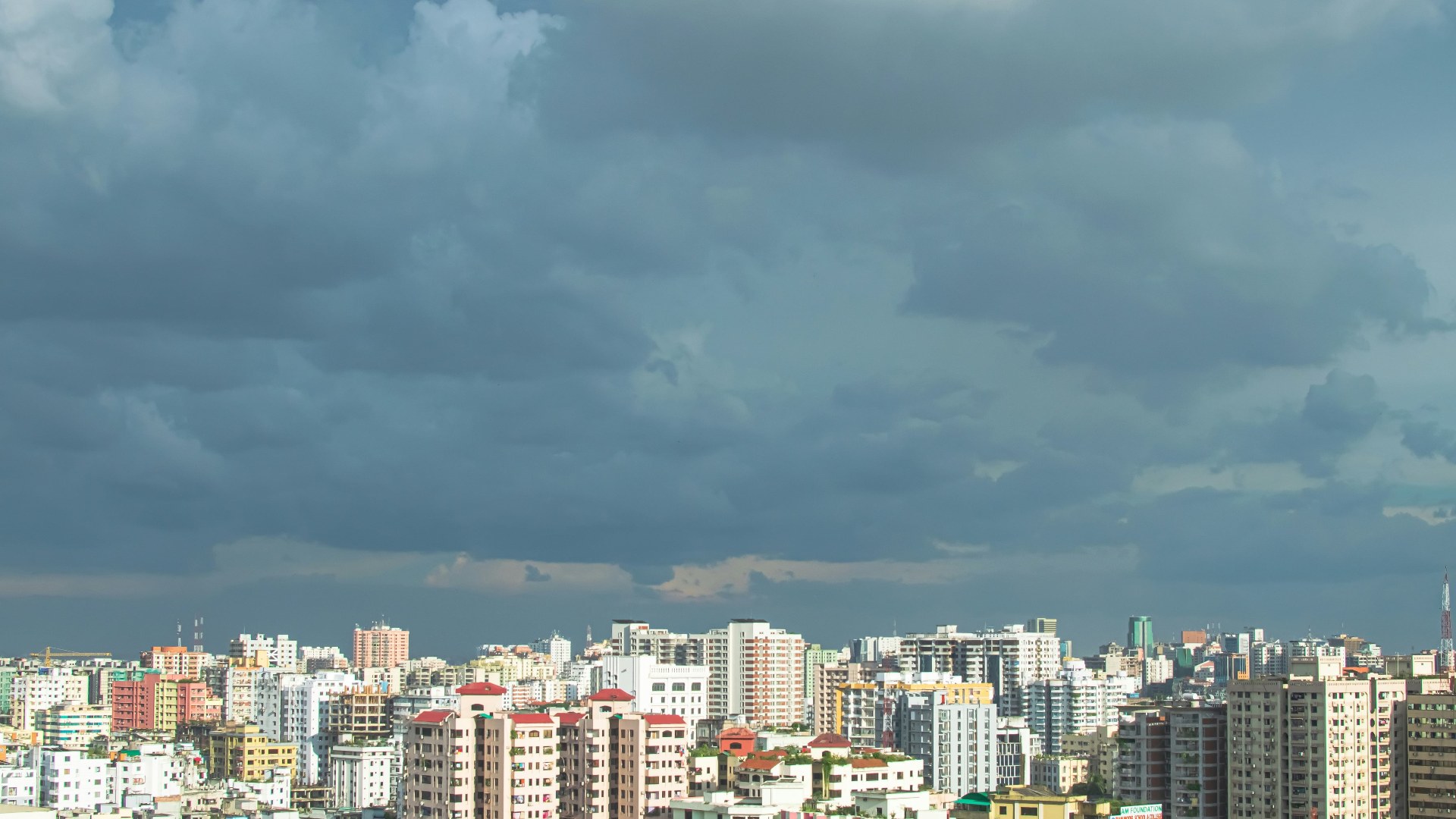
15. Bangladesh
Bangladesh is rapidly transforming from low-income status into a major South Asian consumer engine, projecting forty-five million middle-class citizens by 2030. Expansions in readymade garment exports, digital financial inclusion, and infrastructure projects in Dhaka fuel sustained urban income expansion.
© Photo by Al Amin Mir on Unsplash
14. France
France represents a foundational Western European consumer market, with roughly forty-eight million middle-class citizens projected by 2030. Comprehensive social safety nets, productive aerospace and luxury industries, and steady wages underpin substantial domestic household consumption across metropolitan zones.
©Pixabay / bogitw
Advertisement
Swipe or tap ▶ to resume the countdown.
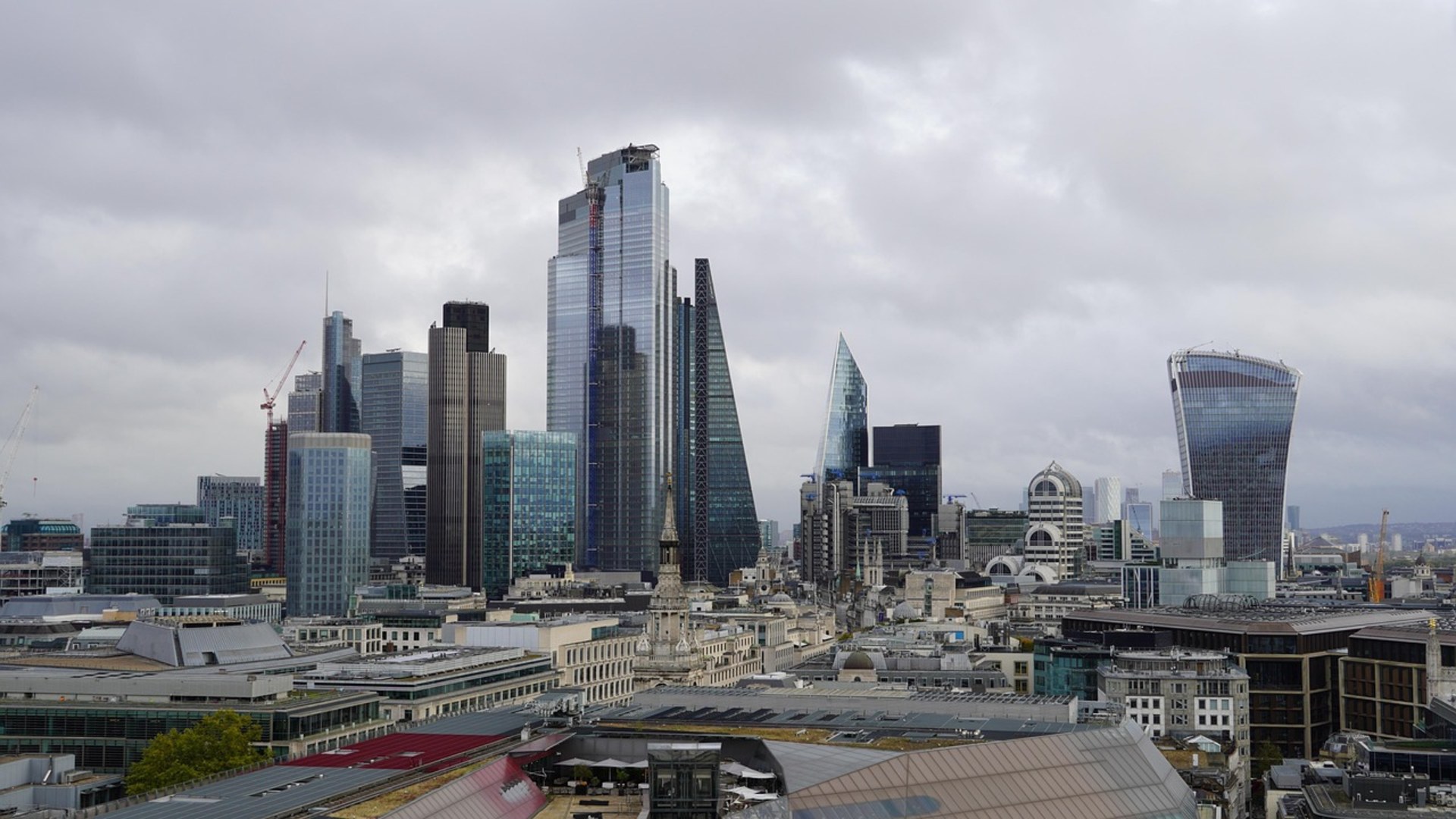
13. United Kingdom
The United Kingdom is projected to maintain a middle-class population of approximately fifty million people by 2030. A dominant service-based economy centered around London finance, creative industries, and technology sustains resilient disposable incomes and widespread retail spending despite elevated living costs.
©Pixabay / Waid1995
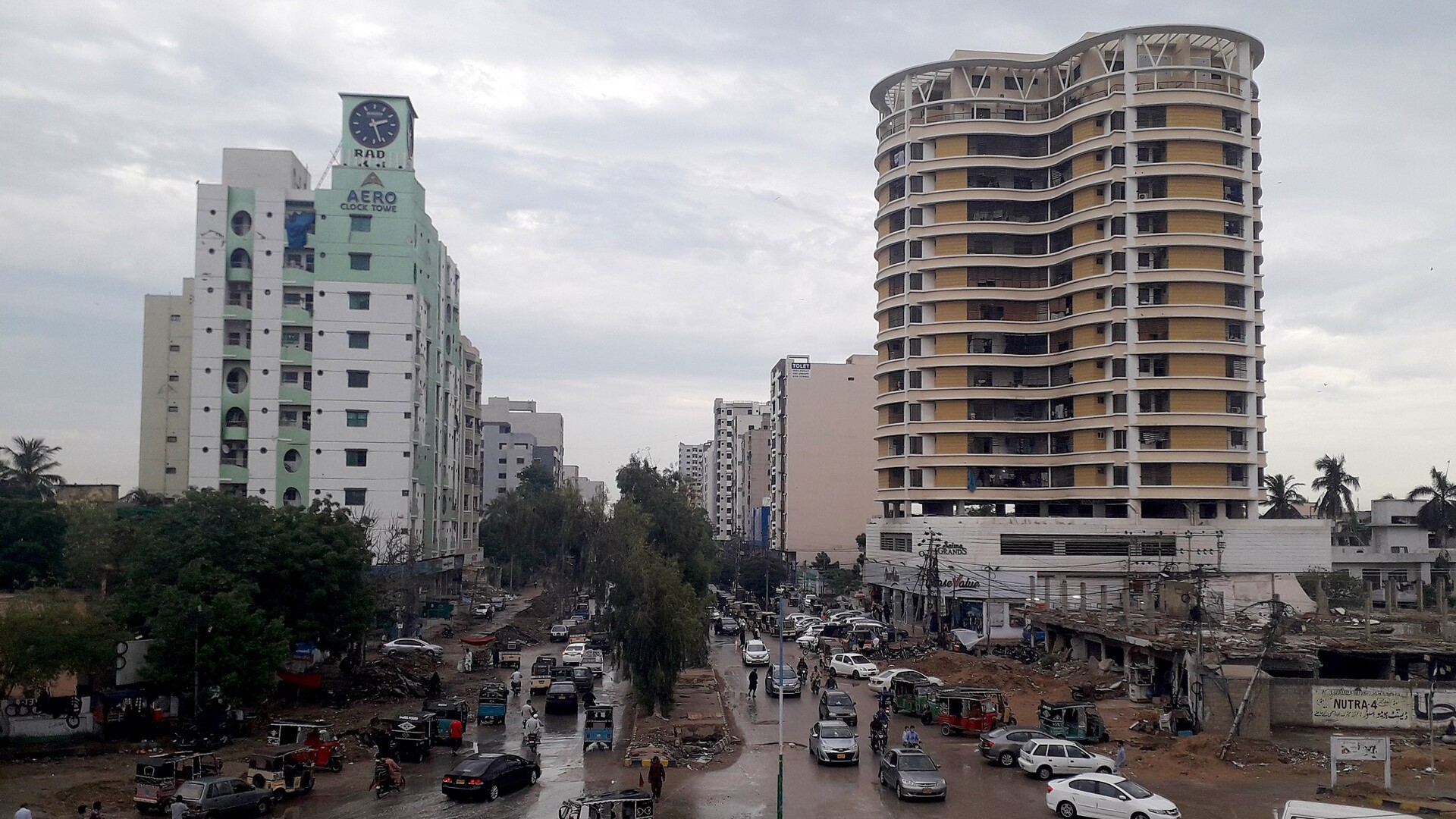
12. Pakistan
Pakistan is projected to host fifty-five million middle-class consumers by 2030, driven by a youthful median age and rapid urban sprawl in Karachi and Lahore. Emerging digital payment ecosystems, retail formalization, and agricultural processing create rising economic stability across secondary cities.
©Wikimedia / King Eliot
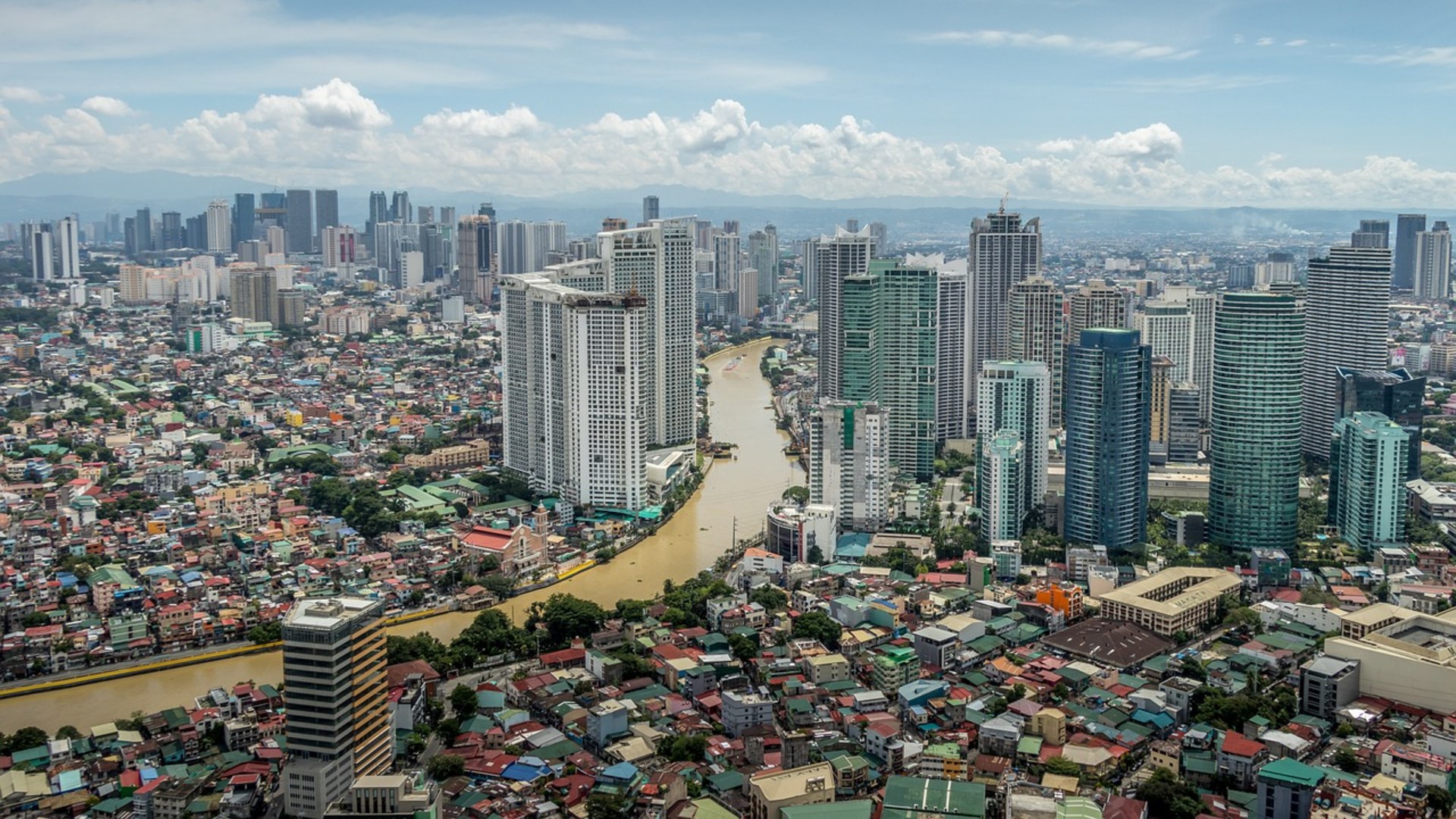
11. Philippines
The Philippines is on track to record fifty-eight million middle-class citizens by 2030, powered by a young English-speaking workforce. Robust business process outsourcing revenues combined with steady overseas remittances provide consistent purchasing power for real estate, automotive, and retail brands.
©Pixabay / AGDProductions
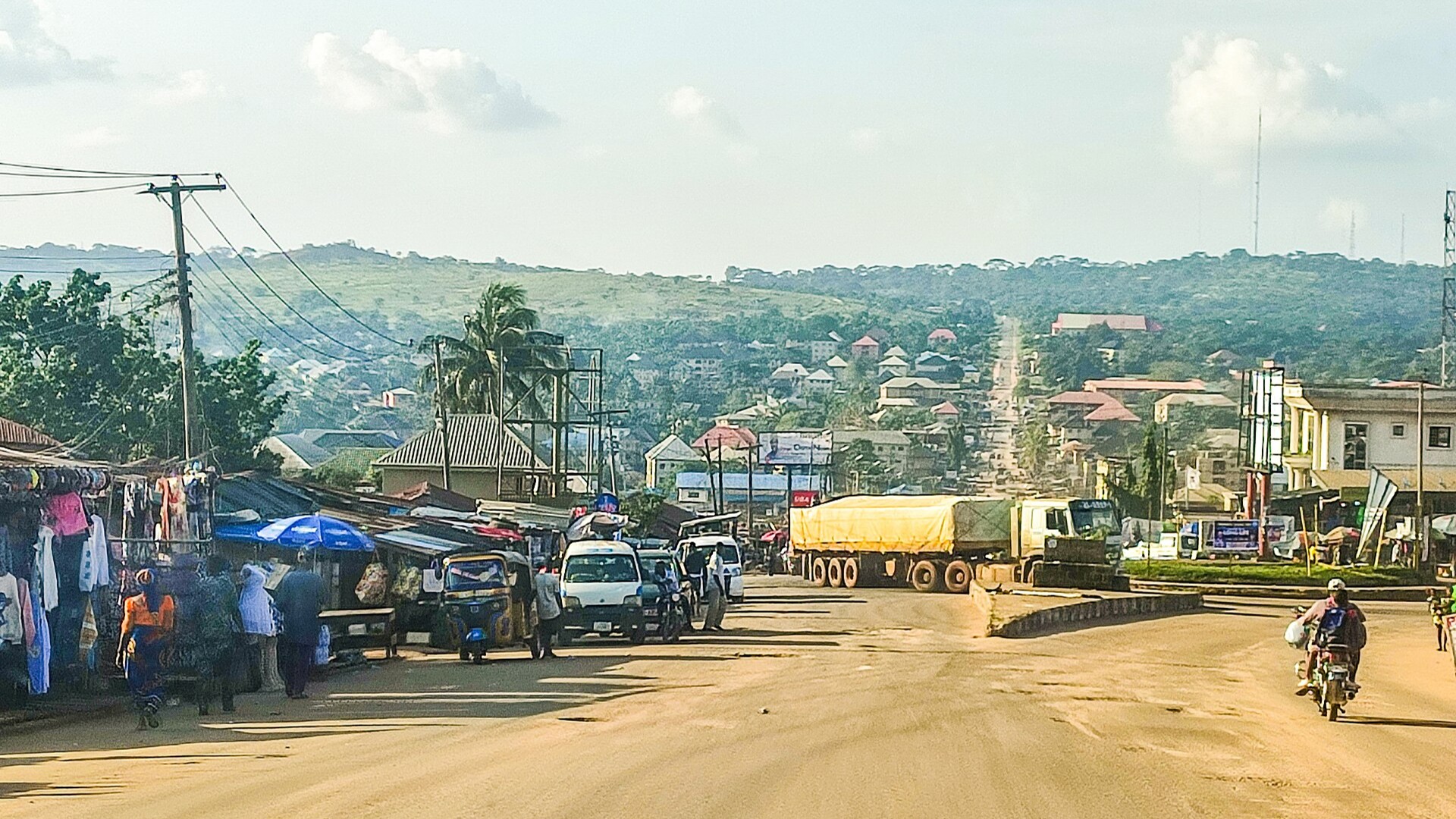
10. Nigeria
Nigeria is projected to form Africa's largest national middle class by 2030, reaching sixty million consumers. Rapid expansion in creative entertainment, digital banking, and trade hubs across Lagos creates a vibrant consumer economy that outpaces national public sector employment trends.
©Wikimedia / Bibiire1
Advertisement
Swipe or tap ▶ to resume the countdown.
9. Germany
Germany remains the economic powerhouse of the European Union, with sixty-two million middle-class consumers projected by 2030. High industrial wages, specialized engineering exports, and strong union wage pacts secure reliable household disposable incomes across urban manufacturing centers.
©Wikimedia / Spinarak
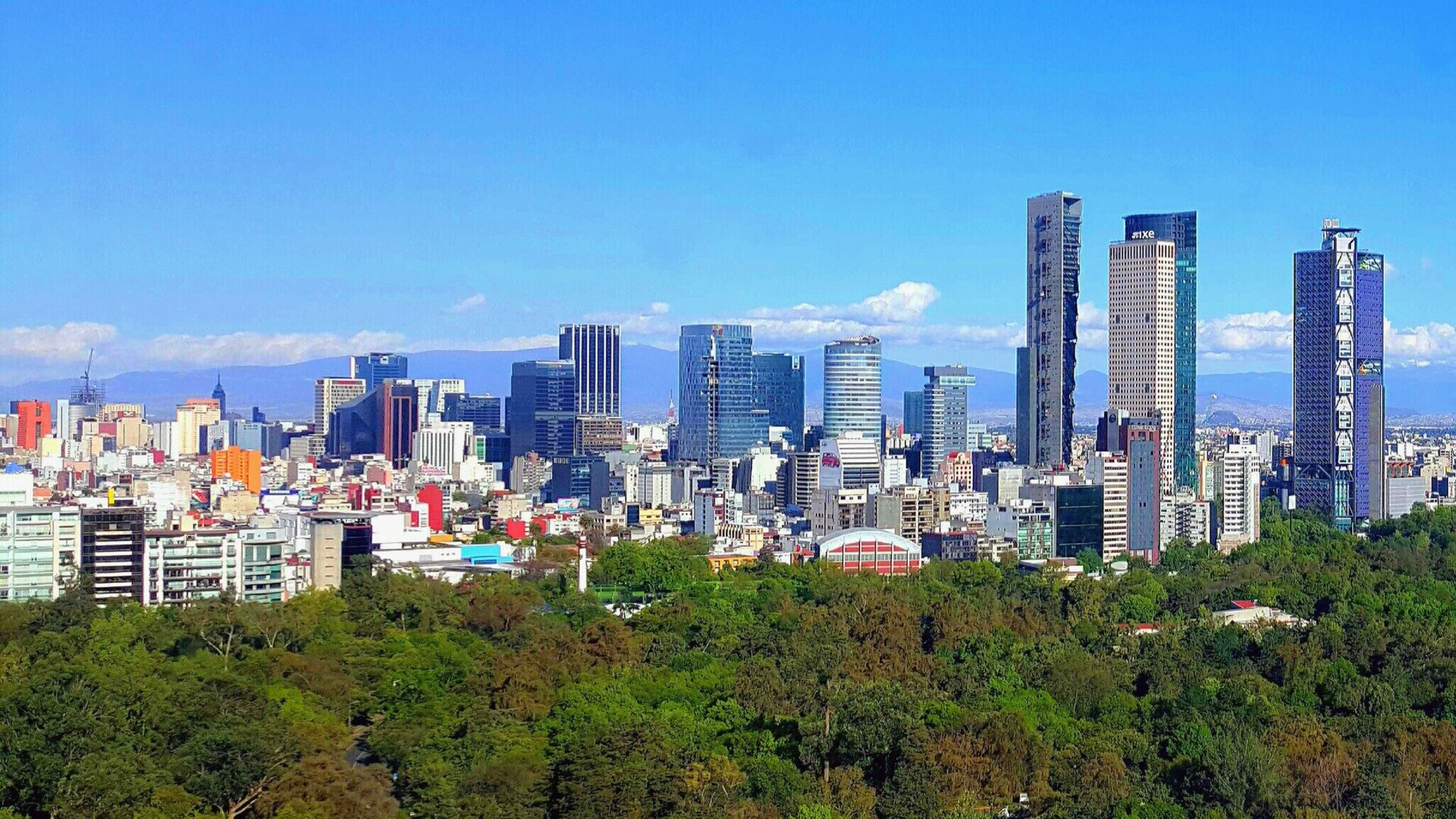
8. Mexico
Mexico is projected to reach seventy-eight million middle-class residents by 2030, benefiting from historic nearshoring trends in North American supply chains. Expanding automotive assembly, aerospace parks, and domestic tech services lift northern and central states into higher discretionary spending tiers.
©Wikimedia / Jonathan Salvador
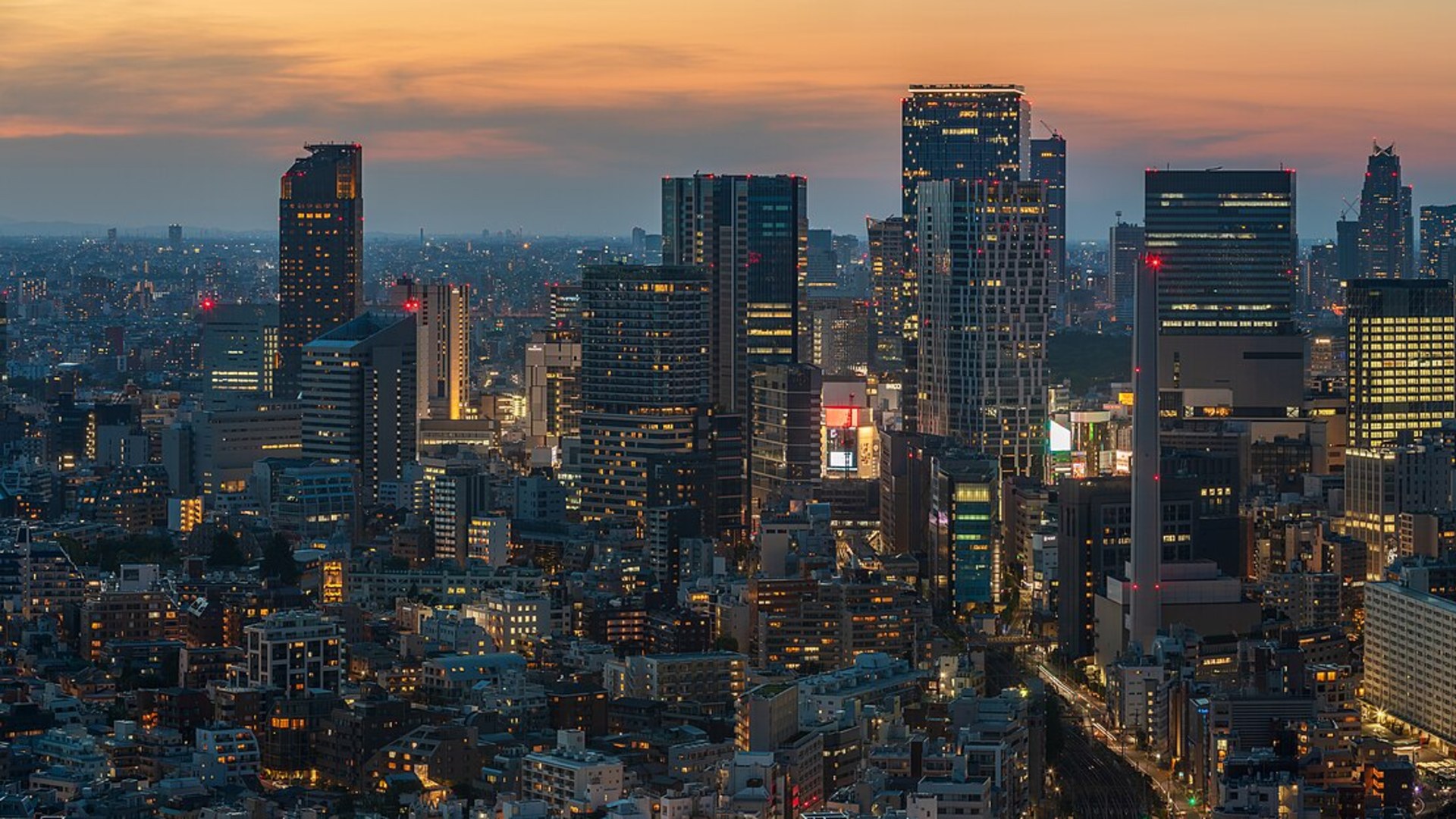
7. Japan
Japan features an exceptionally broad consumer demographic, with ninety million middle-class individuals projected by 2030. Despite a declining birth rate, low unemployment and extensive accumulated personal savings guarantee massive purchasing power across domestic healthcare, travel, and consumer electronics.
©Wikimedia / Ximonic (Simo Räsänen)
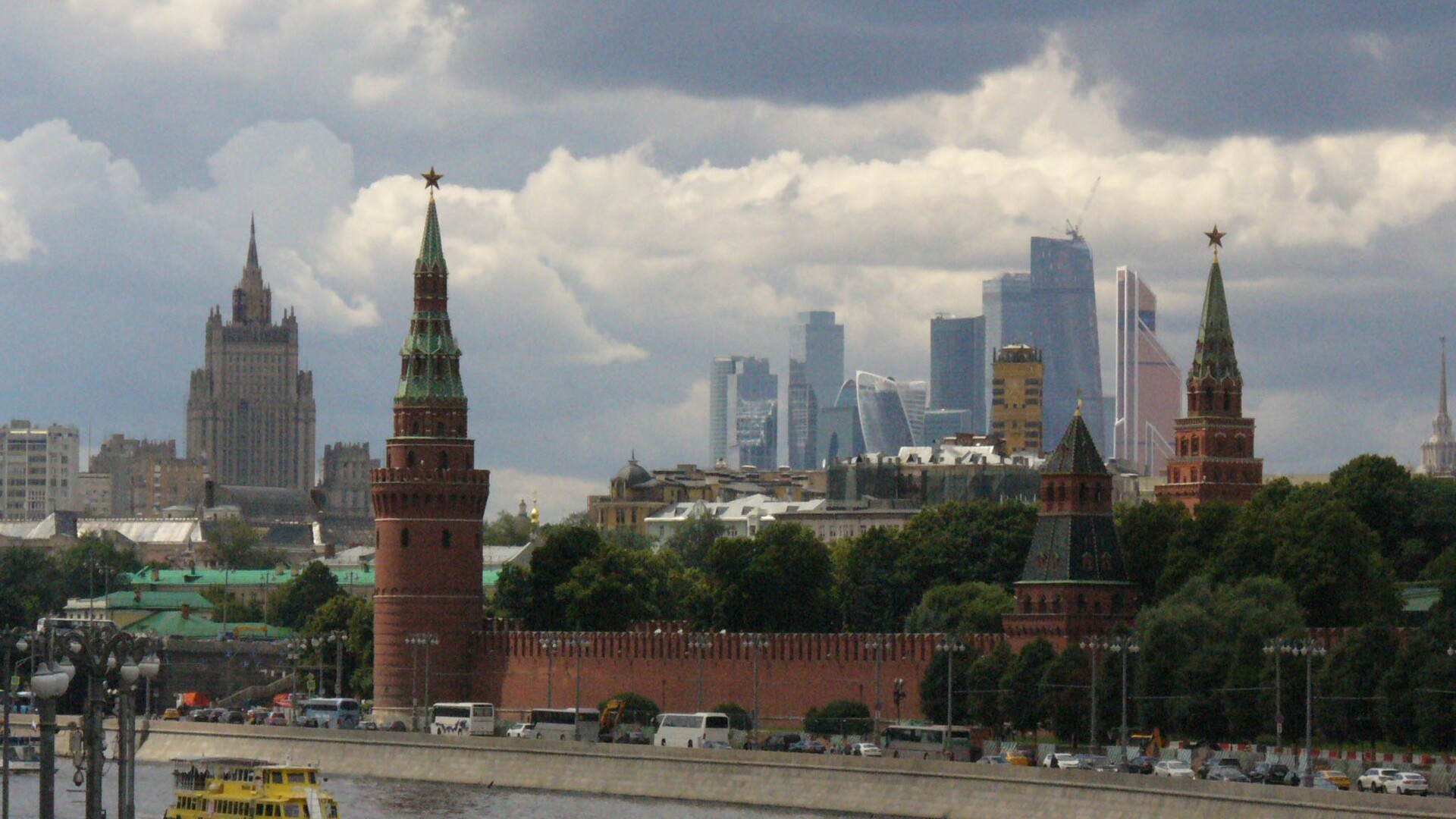
6. Russia
Russia is projected to count roughly ninety-five million middle-class residents by 2030. Urban consumer concentrations across Moscow and Saint Petersburg sustain extensive retail and digital commerce networks, supported by natural resource extraction earnings and state-supported employment programs.
©Wikimedia / Mia Primavera
Advertisement
Swipe or tap ▶ to resume the countdown.
5. Brazil
Brazil leads South American consumer projections with an estimated one hundred fifteen million middle-class citizens by 2030. Expanding agribusiness corridors, renewable energy projects, and diversified services in Sao Paulo and Rio de Janeiro generate widespread household disposable earnings.
©Wikimedia / Wilfredor
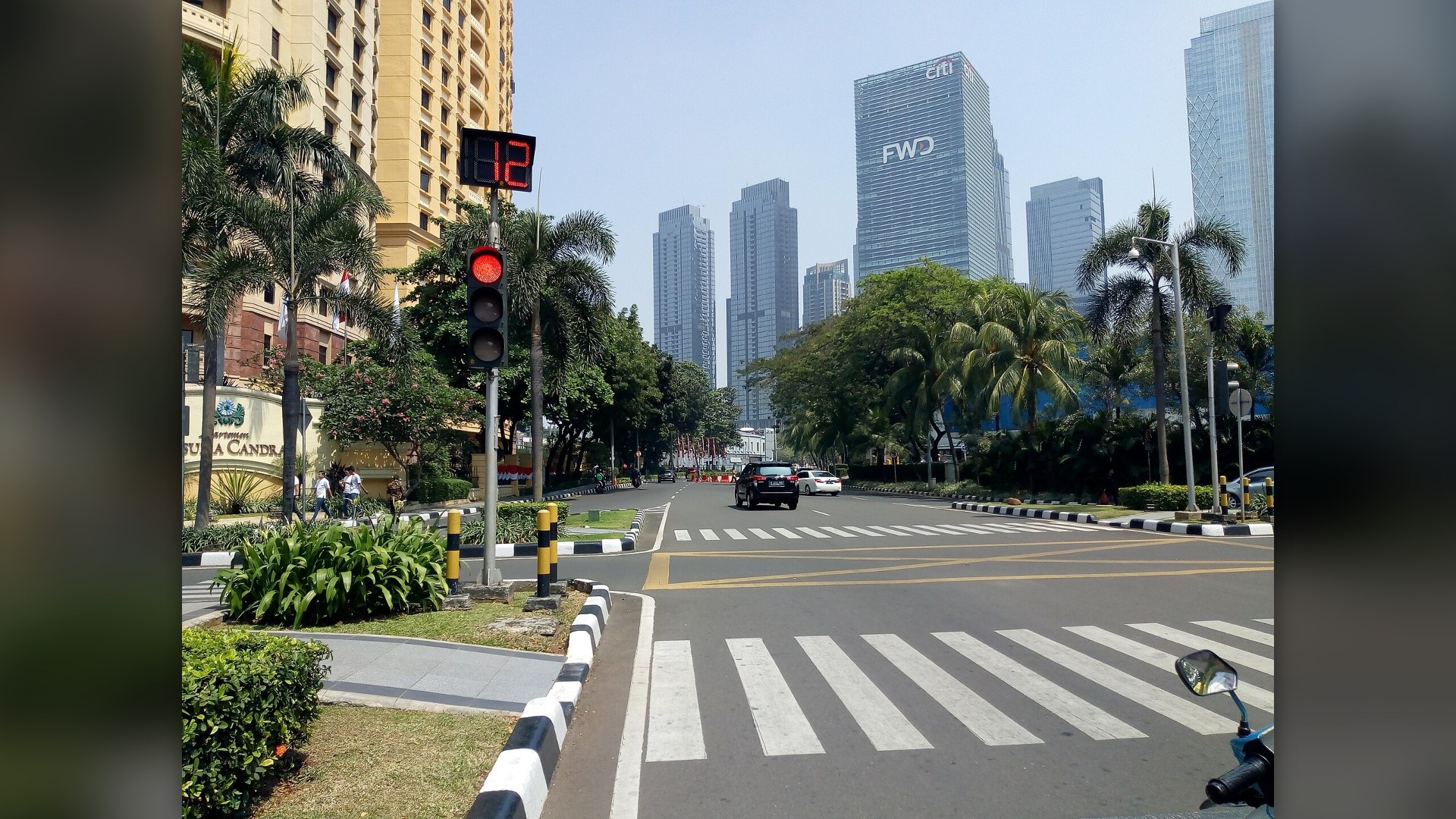
4. Indonesia
Indonesia is rapidly emerging as an Asian demographic giant, with its middle class projected to swell to one hundred forty-five million people by 2030. Accelerated domestic digital commerce, nickel processing industries, and nationwide infrastructure development drive unprecedented purchasing power.
©Wikimedia / Rantemario
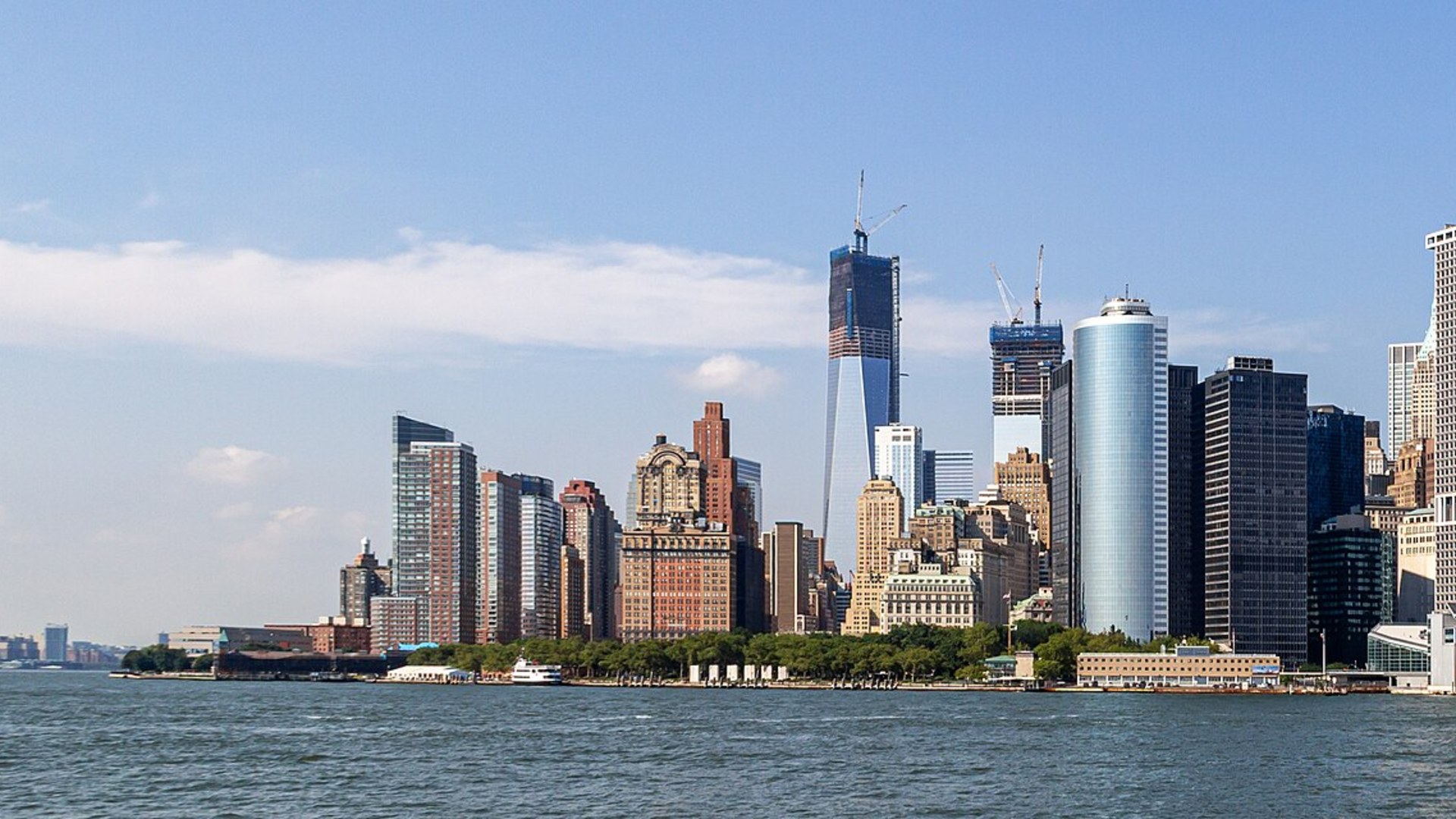
3. United States
The United States will maintain the world's most lucrative middle-class market, with two hundred thirty-five million consumers projected by 2030. While ranking third in population count, American middle-class households command unmatched per capita disposable income, leading the globe in total expenditure.
©Wikimedia / Dietmar Rabich
2. India
India is undergoing the fastest middle-class expansion in modern economic history, projected to reach one billion middle-class citizens by 2030. Explosive digital financial integration, modern manufacturing initiatives, and service sector growth drive millions of households into discretionary spending each year.
©Wikimedia / Vyacheslav Argenberg
Advertisement
Swipe or tap ▶ to resume the countdown.
1. China
China will host the largest national middle class on Earth, projected to reach 1.2 billion consumers by 2030. Continued urbanization across inland provinces and massive expansions in high-value green technology, electric vehicles, and consumer electronics solidify its position as the world's premier consumer base.

©Wikimedia / King of Hearts
Advertisement
You've reached the end of the story. Thanks for reading!

20 Most Powerful Navies in the World, Ranked
Control of the global oceans shapes international trade, security alliances, and military power. From stealth submarines and guided missile destroyers to nuclear powered aircraft carriers, naval capabilities require massive investment. Here are the twenty most formidable navies across the globe, ranked by strength.
All 20 Entries in this Story
Egypt
Egypt is projected to anchor North African consumer spending with roughly thirty-five million middle-class citizens by 2030. Rapid urbanization in Greater Cairo alongside expansions in telecommunications, retail, and manufacturing support household earnings despite recurring regional inflationary pressures.

South Korea
South Korea maintains one of the most technologically advanced consumer markets, with over thirty-seven million middle-class residents projected by 2030. High tertiary education rates and dominant high-tech industrial exports sustain elevated purchasing power and premium spending across domestic services.

Vietnam
Vietnam stands out as one of Southeast Asia's fastest-growing consumer frontiers, projected to reach thirty-eight million middle-class consumers by 2030. Foreign direct investment in electronics manufacturing and steady domestic wage gains continue lifting millions of factory workers into discretionary spending.

Italy
Italy is projected to count approximately forty million middle-class residents by 2030, representing a mature European domestic consumer base. While demographic aging tempers overall population growth, high household net wealth and specialized industrial clusters in northern regions sustain steady consumer outlays.

Turkey
Positioned at the crossroads of Europe and Asia, Turkey is projected to host forty-three million middle-class individuals by 2030. Strong domestic manufacturing, expanding financial services, and a young entrepreneurial population provide resilience against ongoing currency and macroeconomic volatility.

Bangladesh
Bangladesh is rapidly transforming from low-income status into a major South Asian consumer engine, projecting forty-five million middle-class citizens by 2030. Expansions in readymade garment exports, digital financial inclusion, and infrastructure projects in Dhaka fuel sustained urban income expansion.

France
France represents a foundational Western European consumer market, with roughly forty-eight million middle-class citizens projected by 2030. Comprehensive social safety nets, productive aerospace and luxury industries, and steady wages underpin substantial domestic household consumption across metropolitan zones.

United Kingdom
The United Kingdom is projected to maintain a middle-class population of approximately fifty million people by 2030. A dominant service-based economy centered around London finance, creative industries, and technology sustains resilient disposable incomes and widespread retail spending despite elevated living costs.

Pakistan
Pakistan is projected to host fifty-five million middle-class consumers by 2030, driven by a youthful median age and rapid urban sprawl in Karachi and Lahore. Emerging digital payment ecosystems, retail formalization, and agricultural processing create rising economic stability across secondary cities.

Philippines
The Philippines is on track to record fifty-eight million middle-class citizens by 2030, powered by a young English-speaking workforce. Robust business process outsourcing revenues combined with steady overseas remittances provide consistent purchasing power for real estate, automotive, and retail brands.

Nigeria
Nigeria is projected to form Africa's largest national middle class by 2030, reaching sixty million consumers. Rapid expansion in creative entertainment, digital banking, and trade hubs across Lagos creates a vibrant consumer economy that outpaces national public sector employment trends.

Germany
Germany remains the economic powerhouse of the European Union, with sixty-two million middle-class consumers projected by 2030. High industrial wages, specialized engineering exports, and strong union wage pacts secure reliable household disposable incomes across urban manufacturing centers.

Mexico
Mexico is projected to reach seventy-eight million middle-class residents by 2030, benefiting from historic nearshoring trends in North American supply chains. Expanding automotive assembly, aerospace parks, and domestic tech services lift northern and central states into higher discretionary spending tiers.

Japan
Japan features an exceptionally broad consumer demographic, with ninety million middle-class individuals projected by 2030. Despite a declining birth rate, low unemployment and extensive accumulated personal savings guarantee massive purchasing power across domestic healthcare, travel, and consumer electronics.

Russia
Russia is projected to count roughly ninety-five million middle-class residents by 2030. Urban consumer concentrations across Moscow and Saint Petersburg sustain extensive retail and digital commerce networks, supported by natural resource extraction earnings and state-supported employment programs.

Brazil
Brazil leads South American consumer projections with an estimated one hundred fifteen million middle-class citizens by 2030. Expanding agribusiness corridors, renewable energy projects, and diversified services in Sao Paulo and Rio de Janeiro generate widespread household disposable earnings.

Indonesia
Indonesia is rapidly emerging as an Asian demographic giant, with its middle class projected to swell to one hundred forty-five million people by 2030. Accelerated domestic digital commerce, nickel processing industries, and nationwide infrastructure development drive unprecedented purchasing power.

United States
The United States will maintain the world's most lucrative middle-class market, with two hundred thirty-five million consumers projected by 2030. While ranking third in population count, American middle-class households command unmatched per capita disposable income, leading the globe in total expenditure.

India
India is undergoing the fastest middle-class expansion in modern economic history, projected to reach one billion middle-class citizens by 2030. Explosive digital financial integration, modern manufacturing initiatives, and service sector growth drive millions of households into discretionary spending each year.

China
China will host the largest national middle class on Earth, projected to reach 1.2 billion consumers by 2030. Continued urbanization across inland provinces and massive expansions in high-value green technology, electric vehicles, and consumer electronics solidify its position as the world's premier consumer base.