Slideshow · Animals
22 Animals That Can Survive Extreme Heat
From scorching desert sands to boiling hydrothermal vents, these 22 resilient animals possess remarkable evolutionary adaptations to withstand extreme temperatures. Grounded in peer-reviewed biology from Nature and Smithsonian research, discover how these species thrive in Earth's harshest thermal zones.
By Most Viral Today
23 min ago

Built to Endure: How Nature's Toughest Creatures Defy Extreme Heat 
22. Dromedary Camel 
21. Greater Bilby 
20. Thorny Devil - AdvertisementSwipe or tap ▶ to continue countdown

19. Common Chuckwalla 
18. Fennec Fox 
17. Sidewinder Rattlesnake 
16. Desert Kangaroo Rat - AdvertisementSwipe or tap ▶ to continue countdown

15. Saharan Horned Viper 
14. Rüppell's Fox 
13. Black-Tailed Jackrabbit 
12. Dorcas Gazelle - AdvertisementSwipe or tap ▶ to continue countdown

11. Desert Tortoise 
10. Antelope Ground Squirrel 
9. Desert Pupfish 
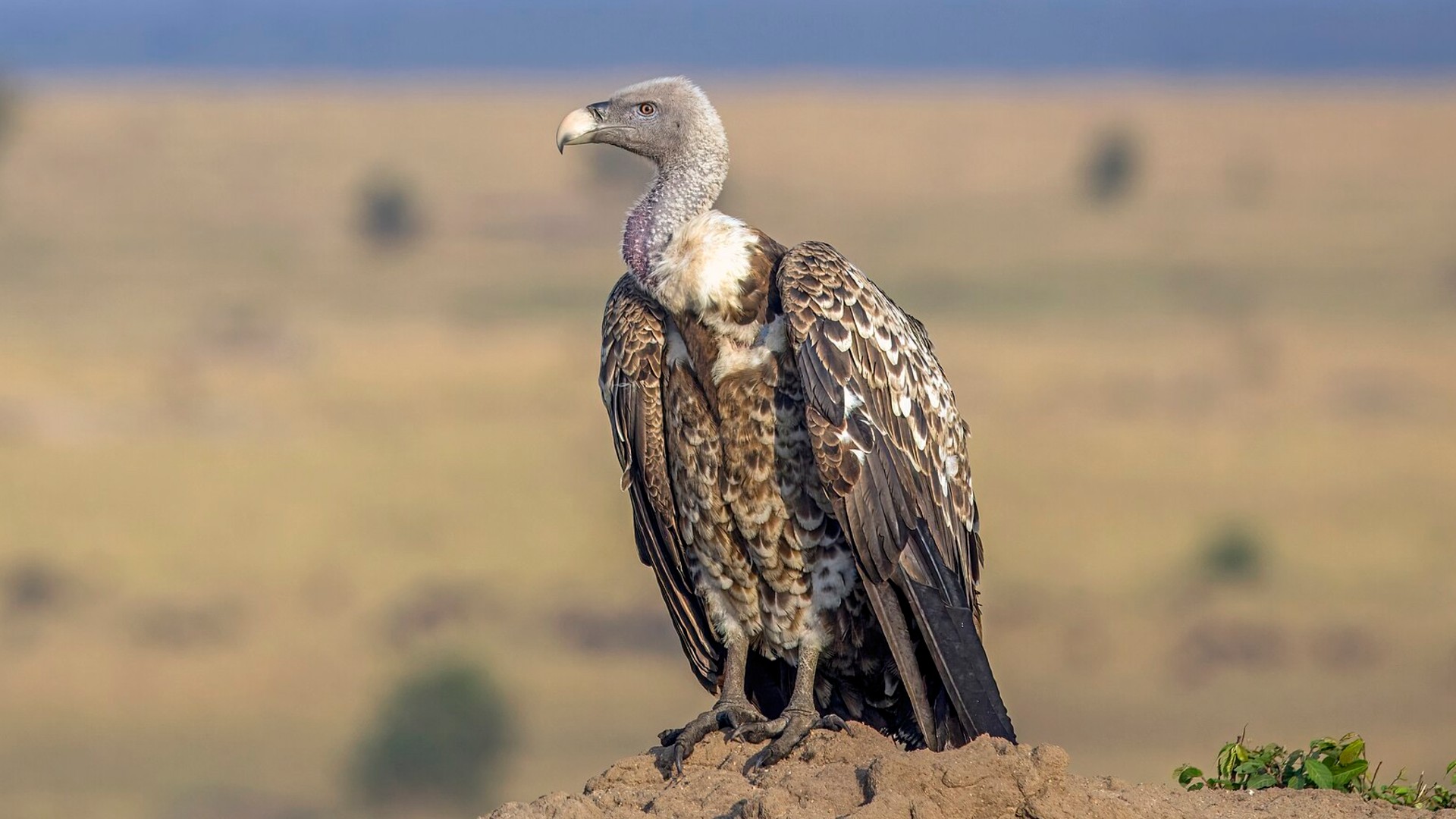
8. Rüppell's Vulture - AdvertisementSwipe or tap ▶ to continue countdown

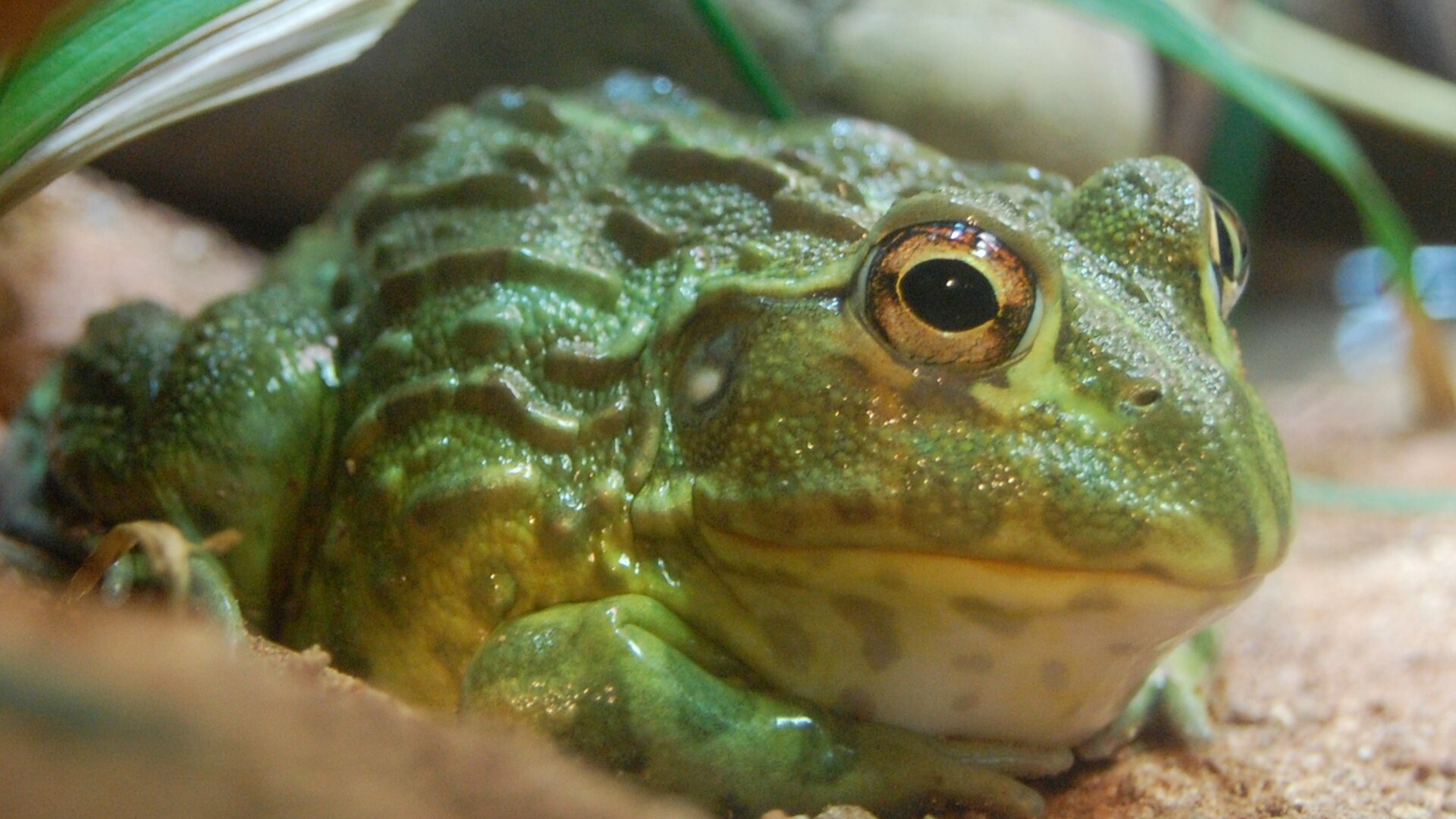
7. African Bullfrog 
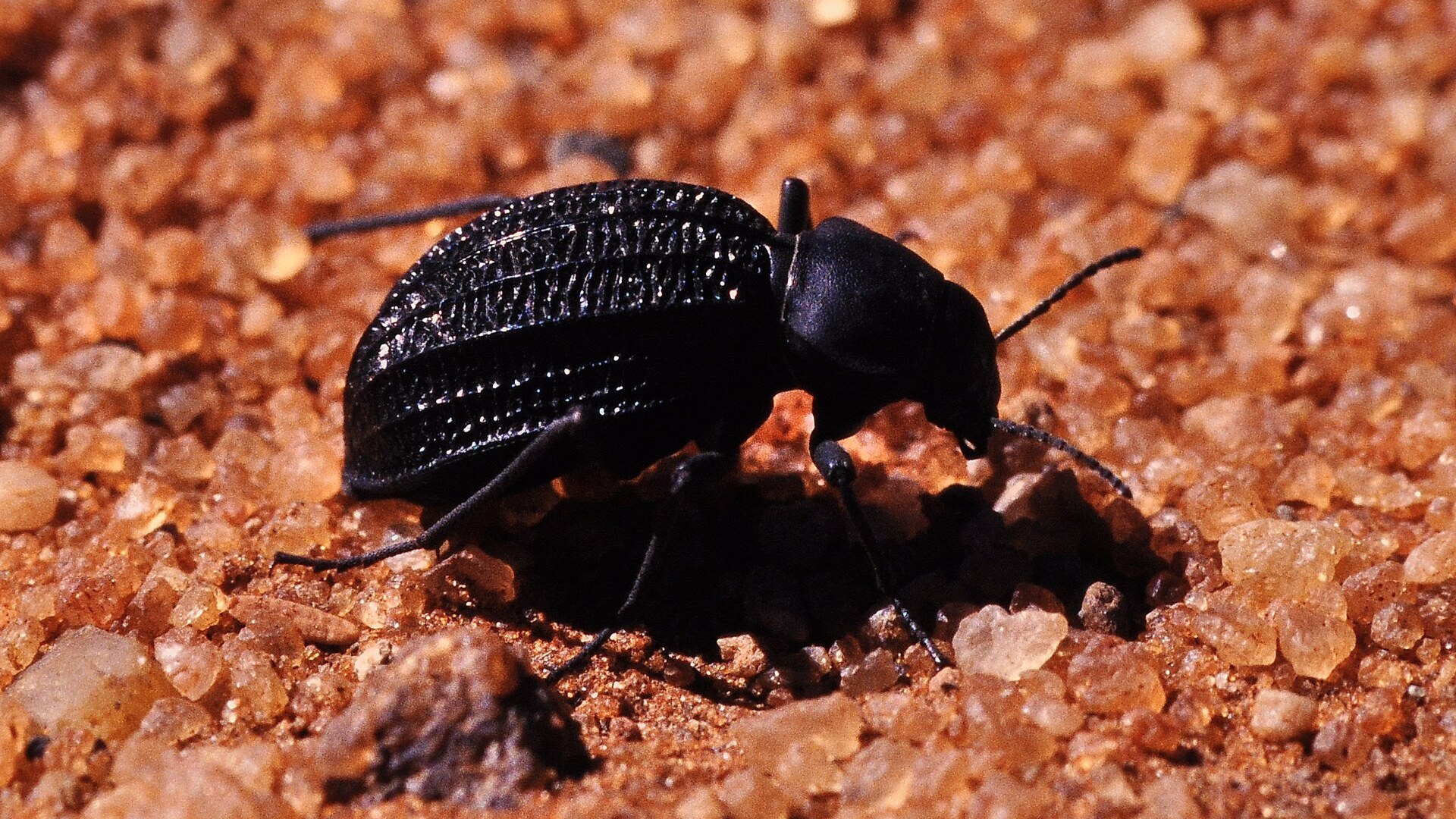
6. Namib Fogstand Beetle 
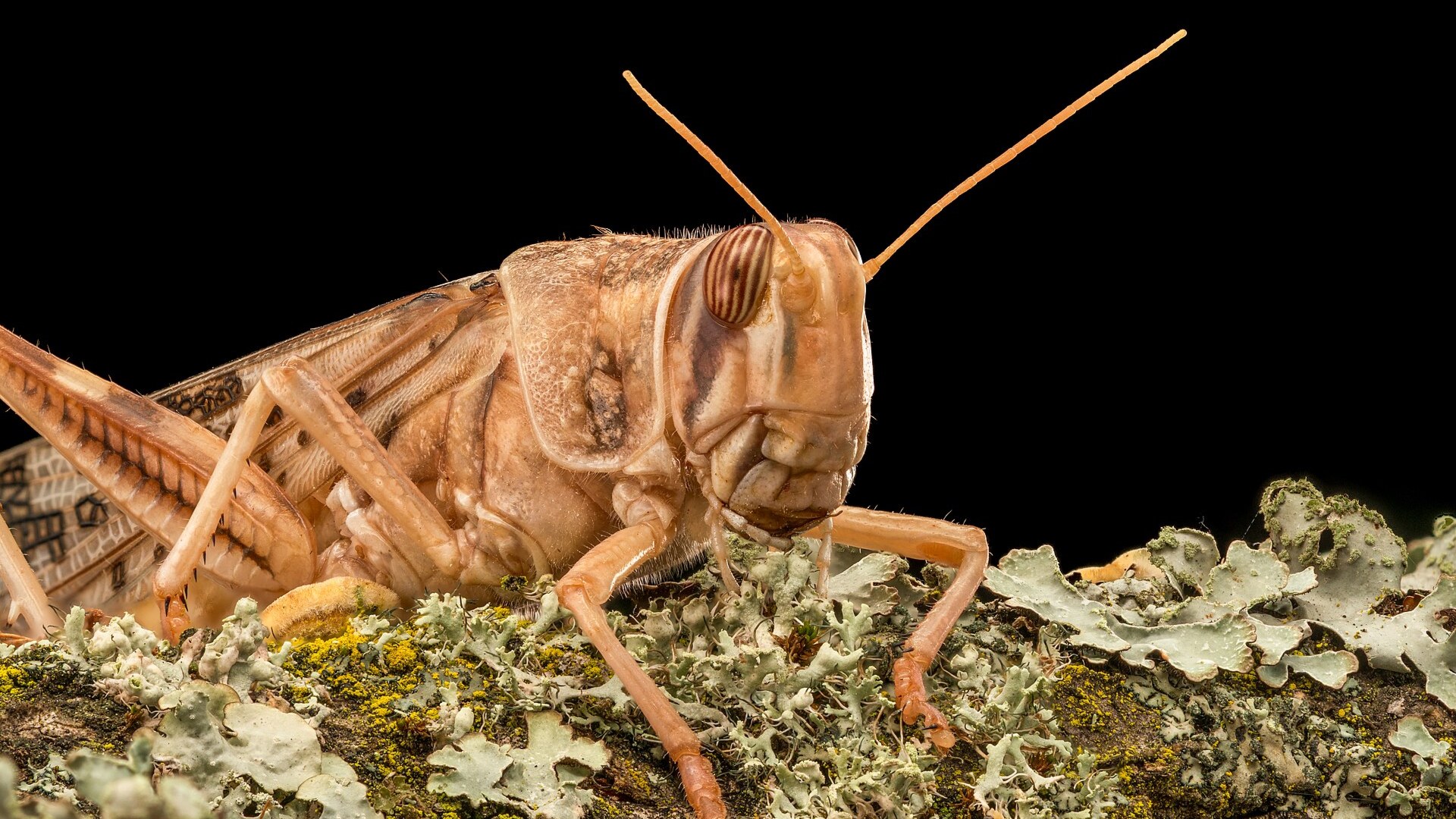
5. Desert Locust 
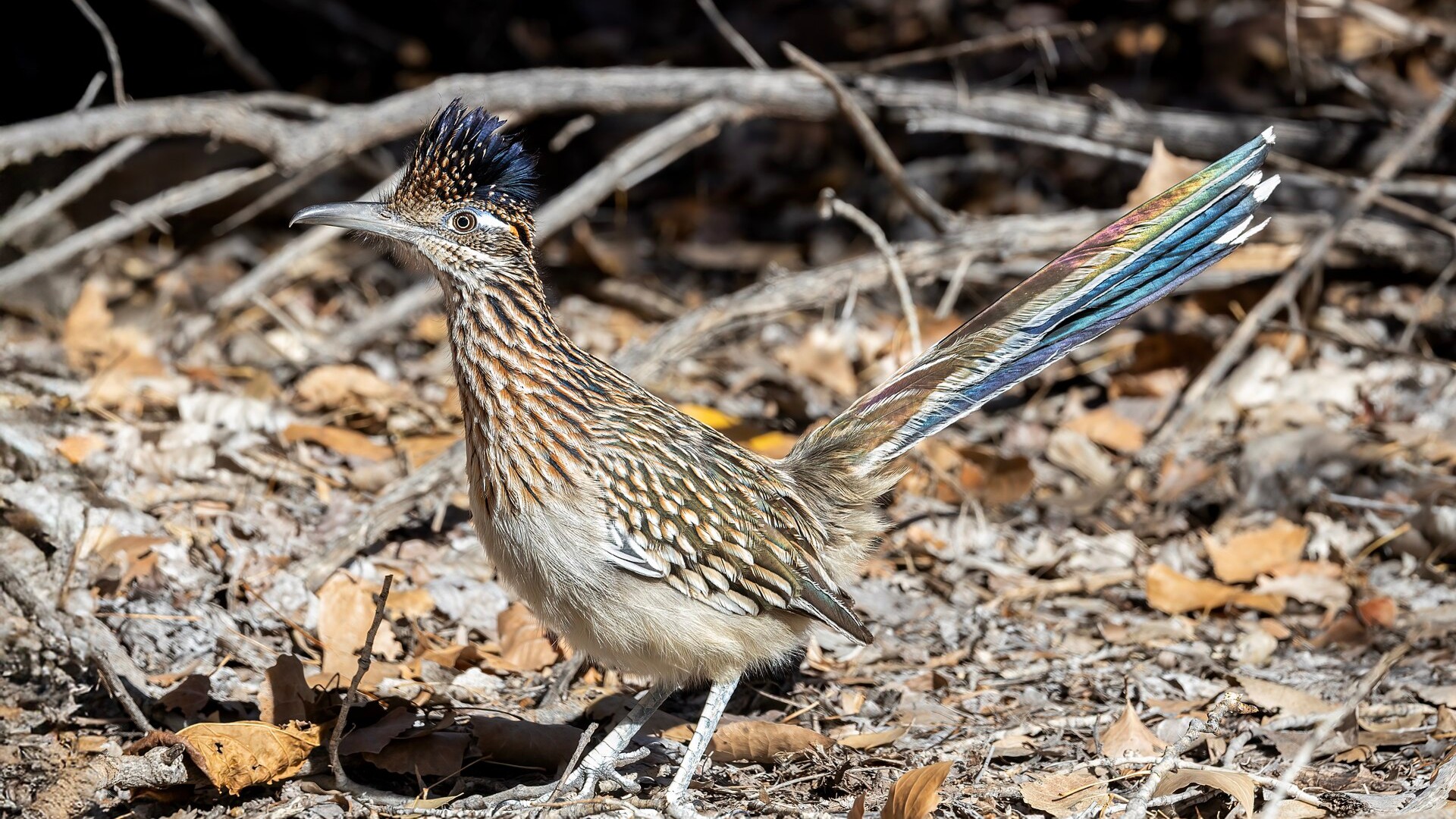
4. Greater Roadrunner - AdvertisementSwipe or tap ▶ to continue countdown

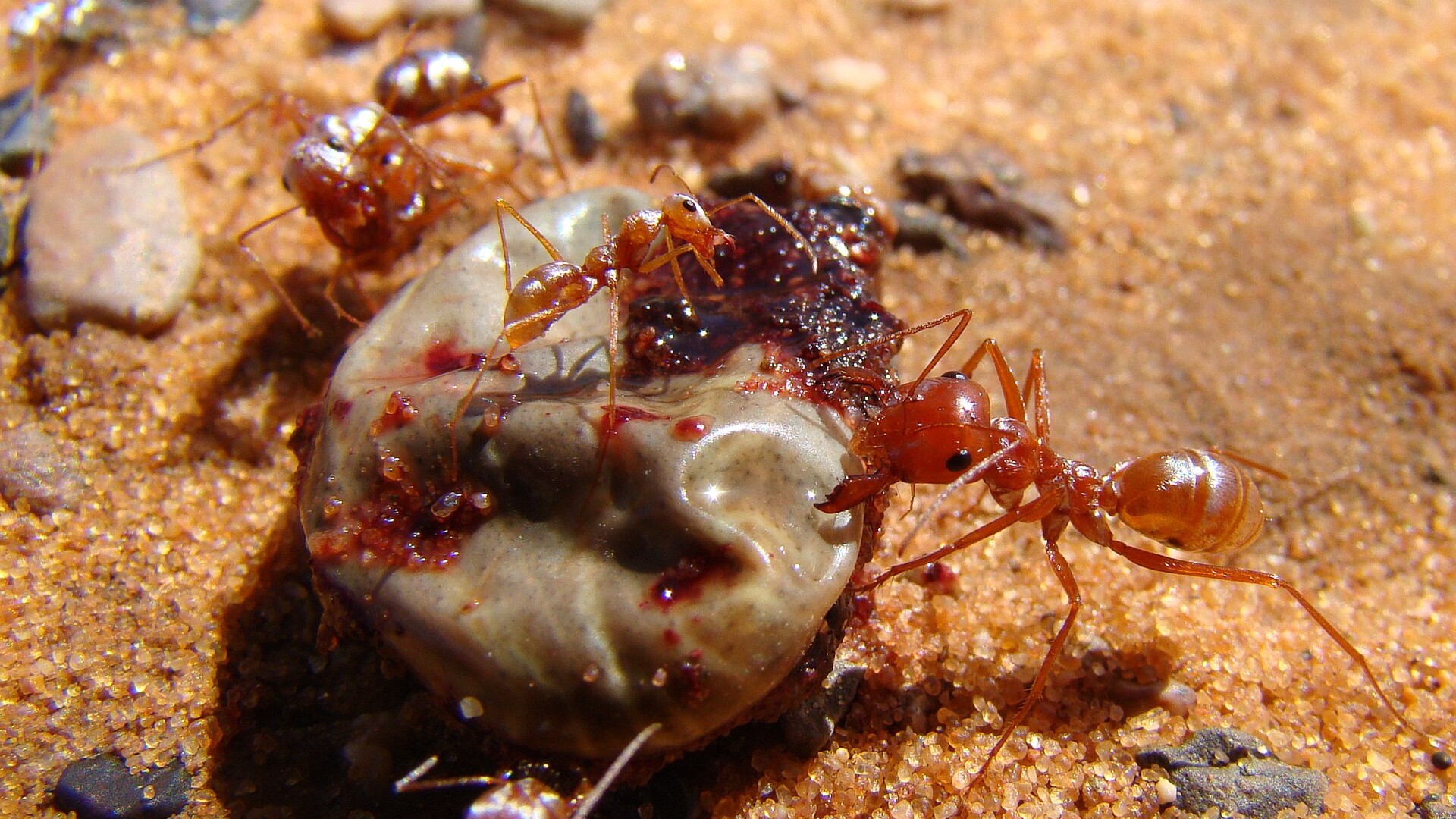
3. Sahara Silver Ant 
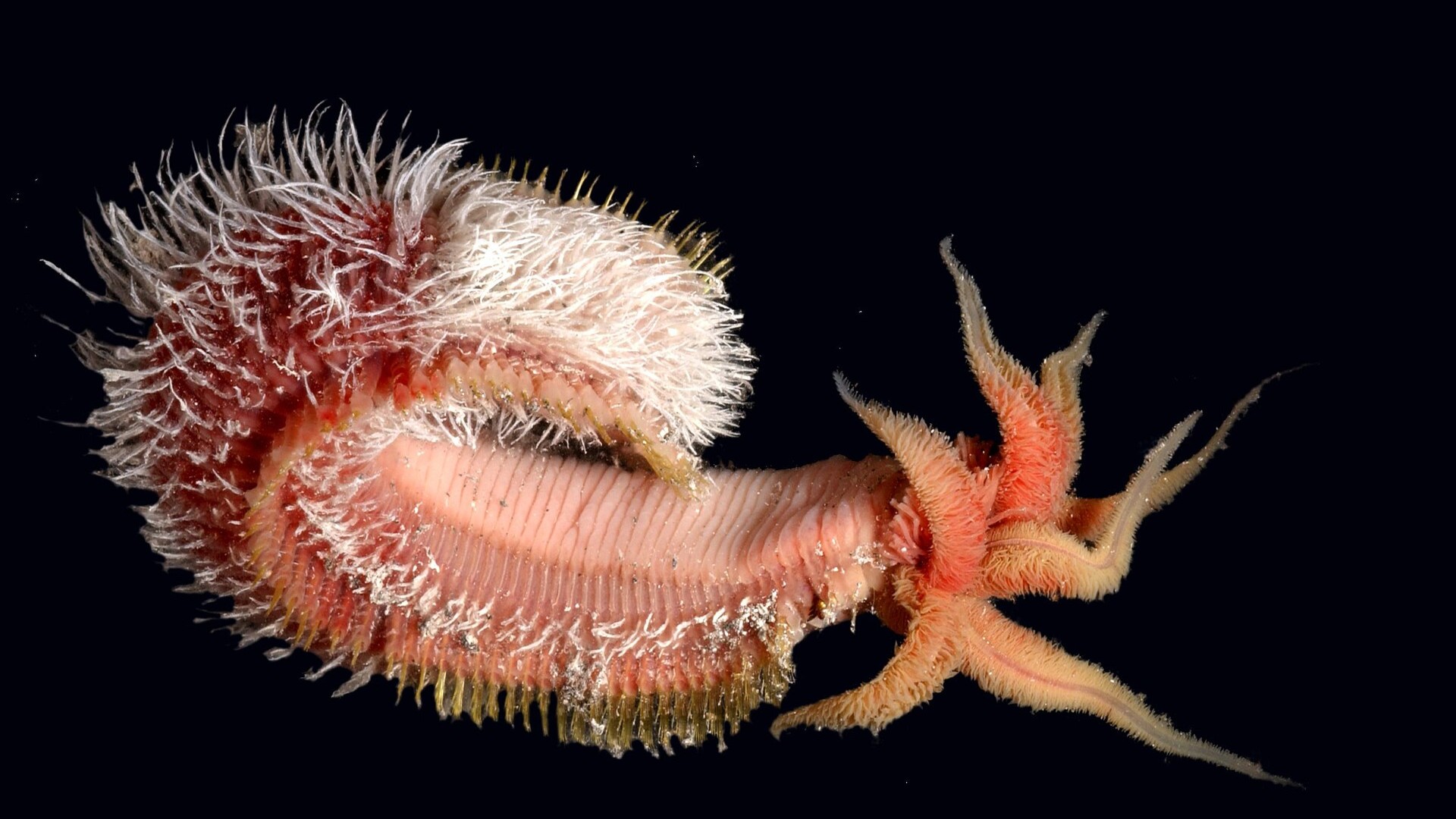
2. Pompeii Worm 
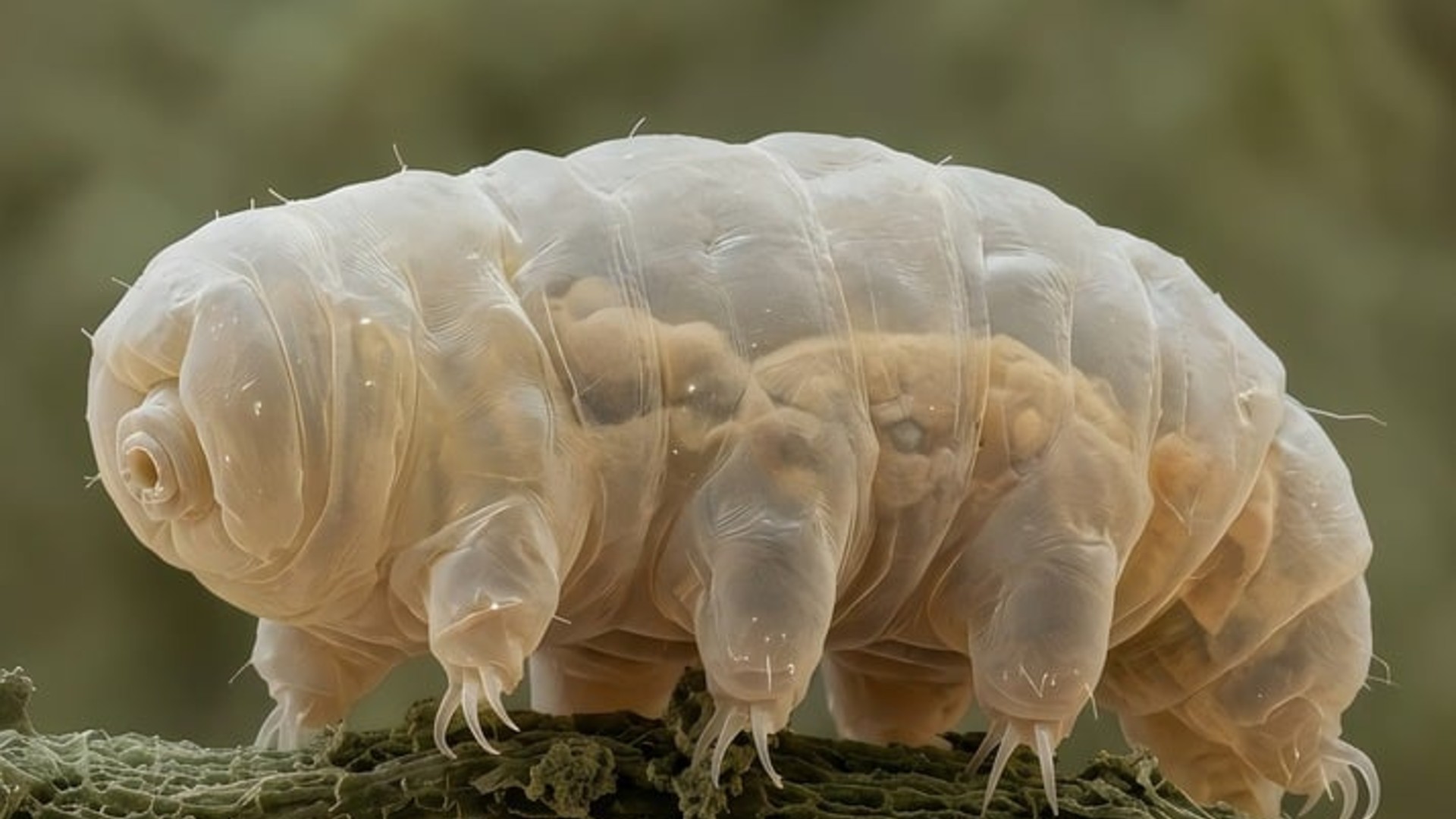
1. Tardigrade - Advertisement🔥 UP NEXT IN THIS SERIES◫ 26 Slides

25 Species Scientists Say Could Thrive in a World Without Humans
If humans vanished tomorrow, forests and empty streets would quickly belong to fast-breeding generalists and clever problem-solvers. Based on ecological studies from Oxford University, the Smithsonian Institution and IUCN assessments, here are 25 resilient species built to expand across Earth without us.
From scorching desert sands to boiling hydrothermal vents, these 22 resilient animals possess remarkable evolutionary adaptations to withstand extreme temperatures. Grounded in peer-reviewed biology from Nature and Smithsonian research, discover how these species thrive in Earth's harshest thermal zones.
Swipe or tap ▶ to begin the countdown
©Wikimedia / Gyps_rueppellii_-Nairobi_National_Park,_Ken
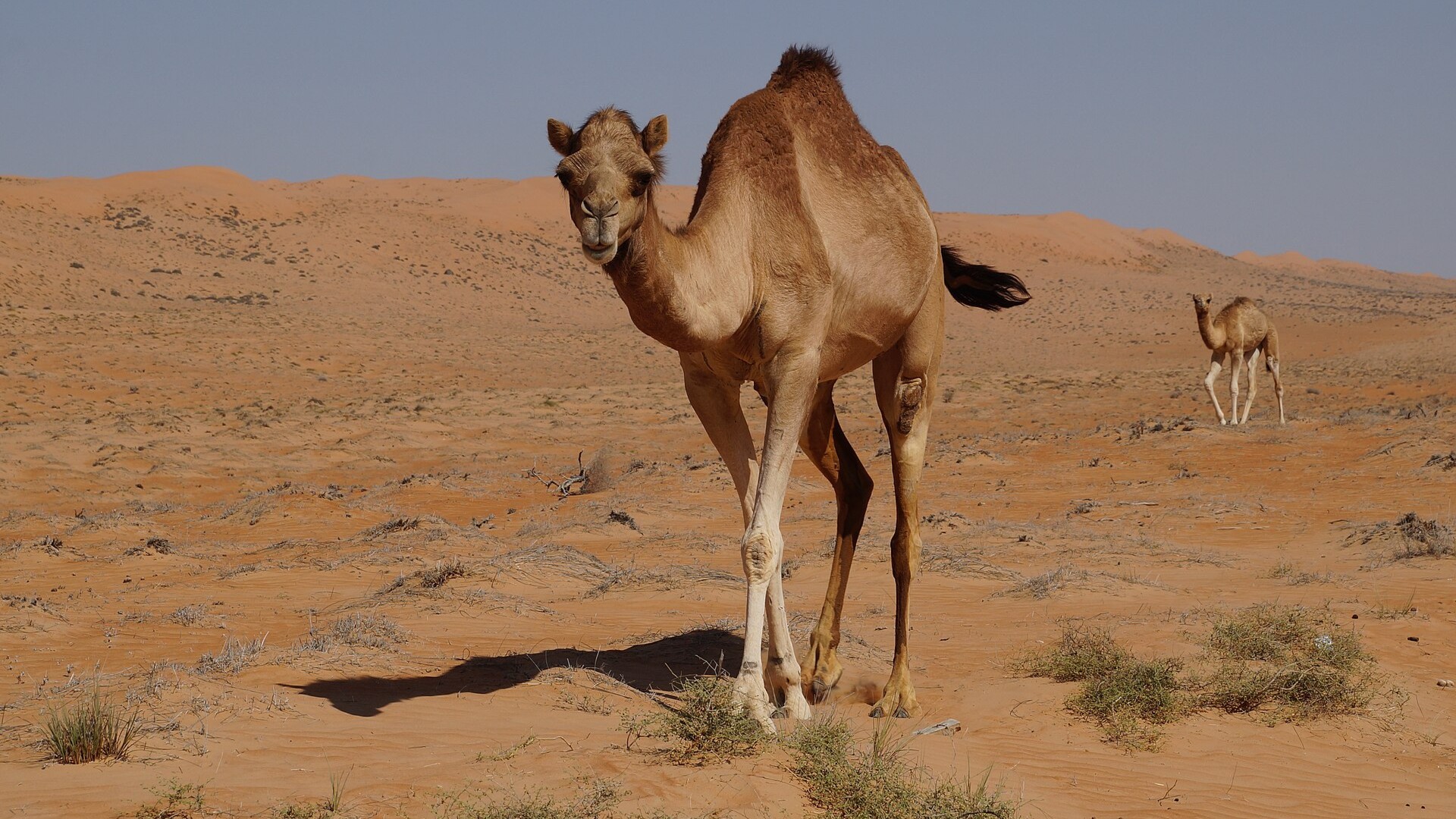
22. Dromedary Camel
Native to North Africa and the Middle East, the dromedary camel tolerates fluid losses exceeding 30% of its body weight. Its oval red blood cells continue flowing during severe dehydration, while specialized nasal passages condense respiratory moisture before exhalation in 49C ambient heat.
©Wikimedia / albinfo
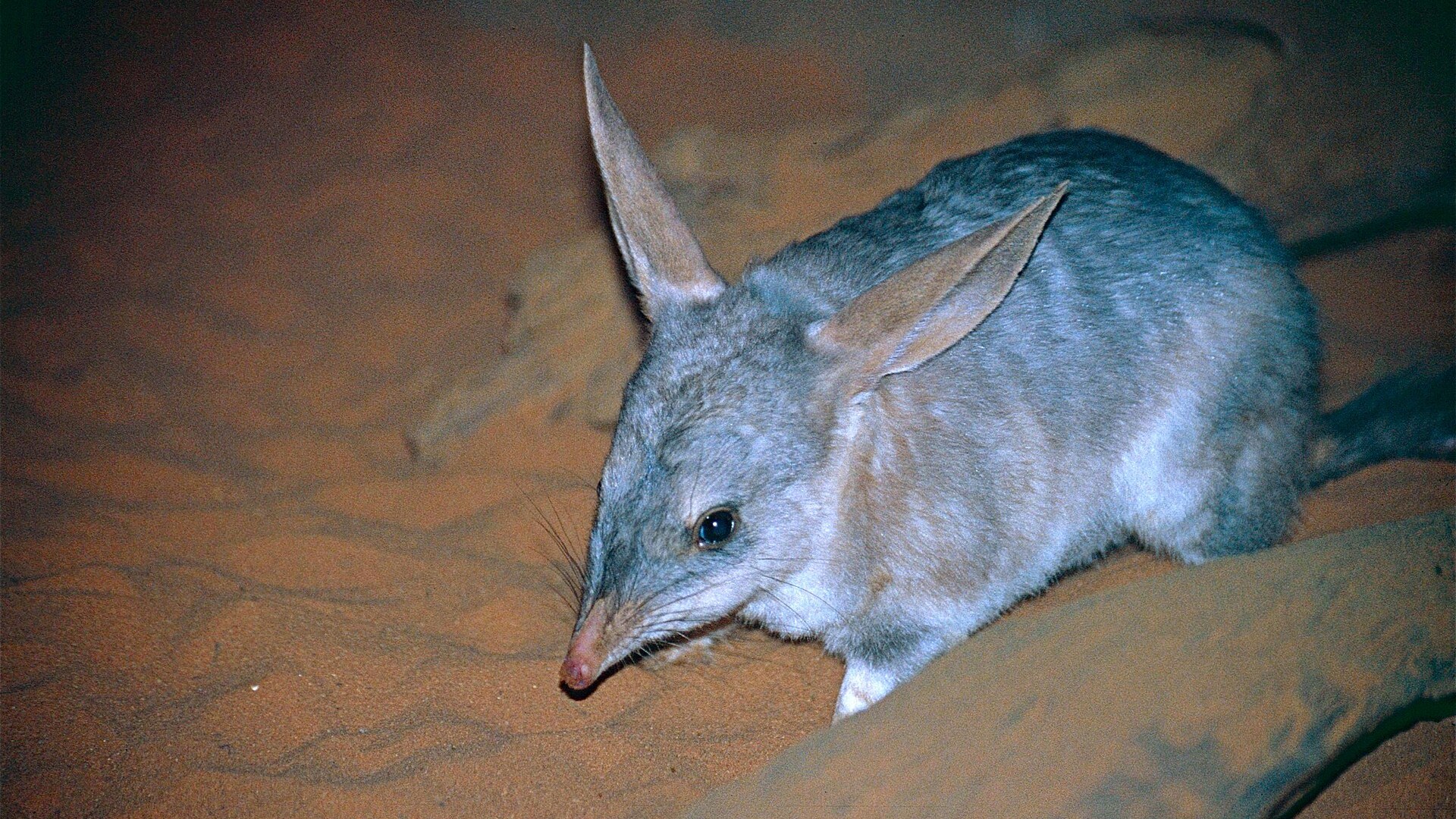
21. Greater Bilby
The greater bilby inhabits the arid Tanami and Gibson deserts of Australia. By resting during peak daylight inside spiraling burrows up to two meters deep, this nocturnal marsupial avoids surface ground heat that frequently tops 50C, emerging only when nighttime temperatures drop sharply.
©Wikimedia / Bernard DUPONT from FRANCE
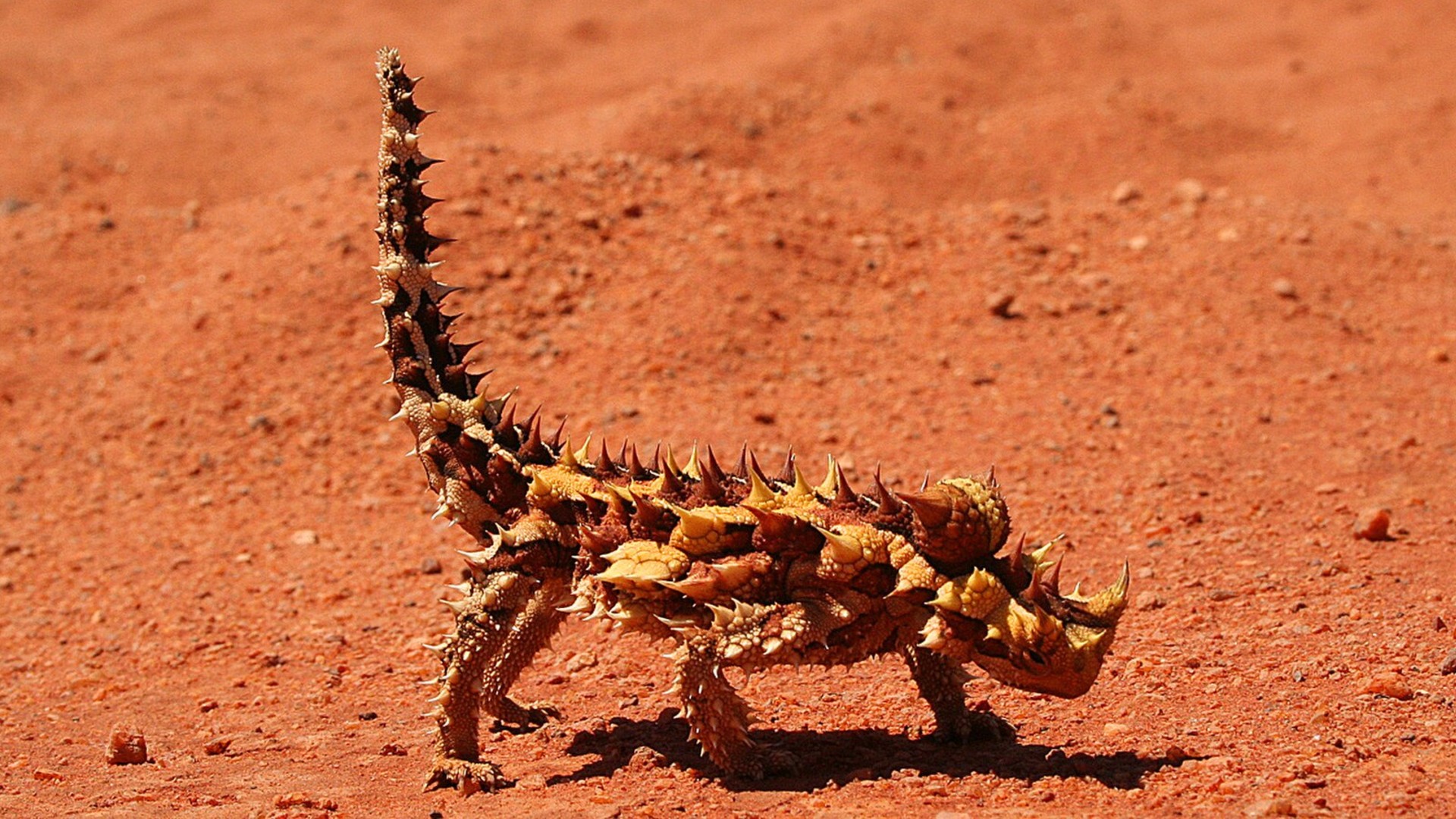
20. Thorny Devil
Endemic to the Great Sandy Desert of Western Australia, Moloch horridus endures direct sun exposure at 45C. Overlapping hygroscopic scales draw water across its skin via capillary action straight into the corners of its mouth, preventing dehydration without requiring open water sources.
©Wikimedia / Thorny devil
Advertisement
Swipe or tap ▶ to resume the countdown.
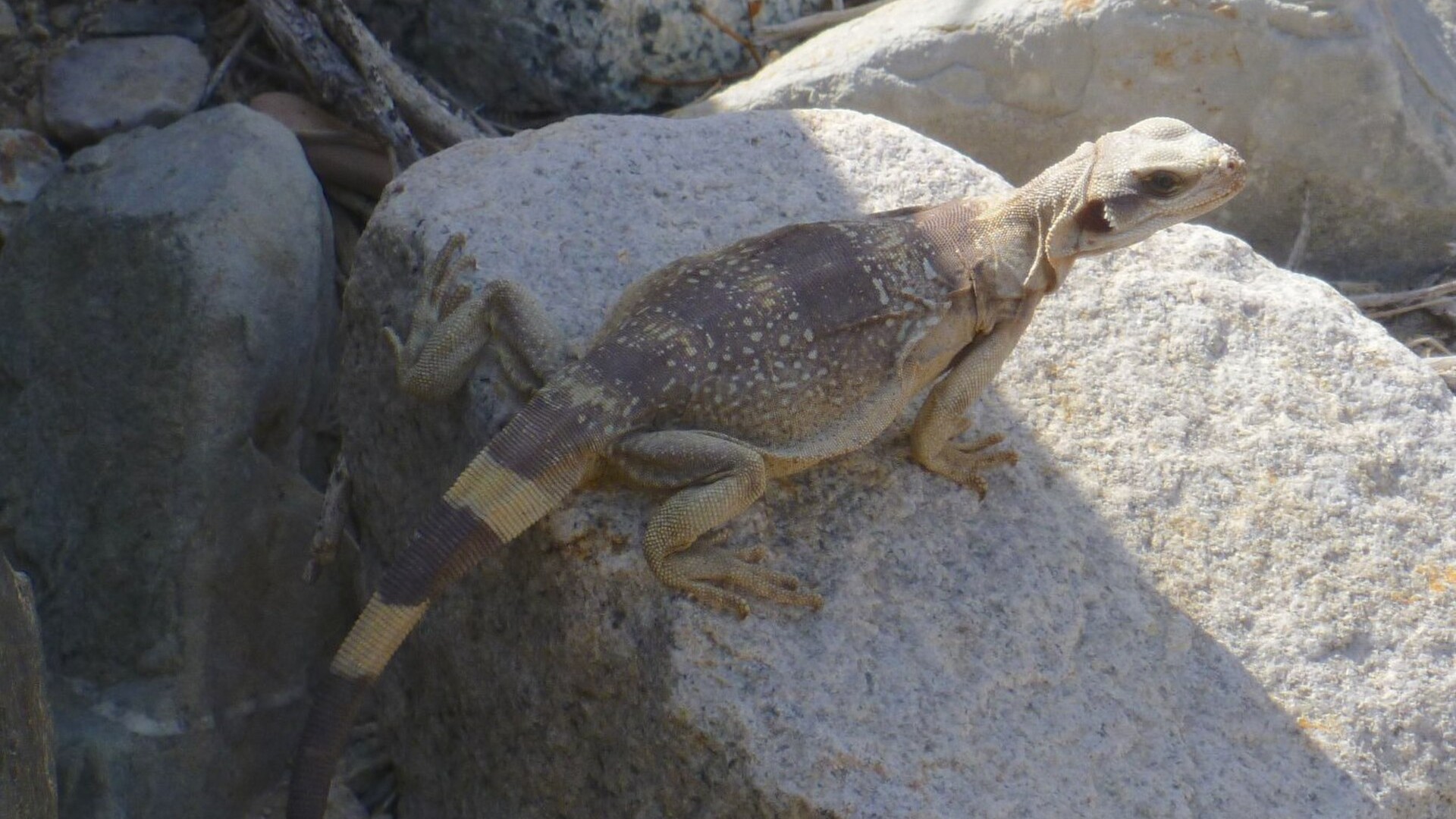
19. Common Chuckwalla
Inhabiting the Sonoran and Mojave deserts, this stout herbivorous lizard basks on volcanic boulders heated to 40C. When ambient heat peaks, it retreats into deep, shaded rock crevices. If threatened by predators, it inflates its lungs with air to wedge firmly between rock walls.
©Wikimedia / Laura Camp from San Juan Capistrano, CA
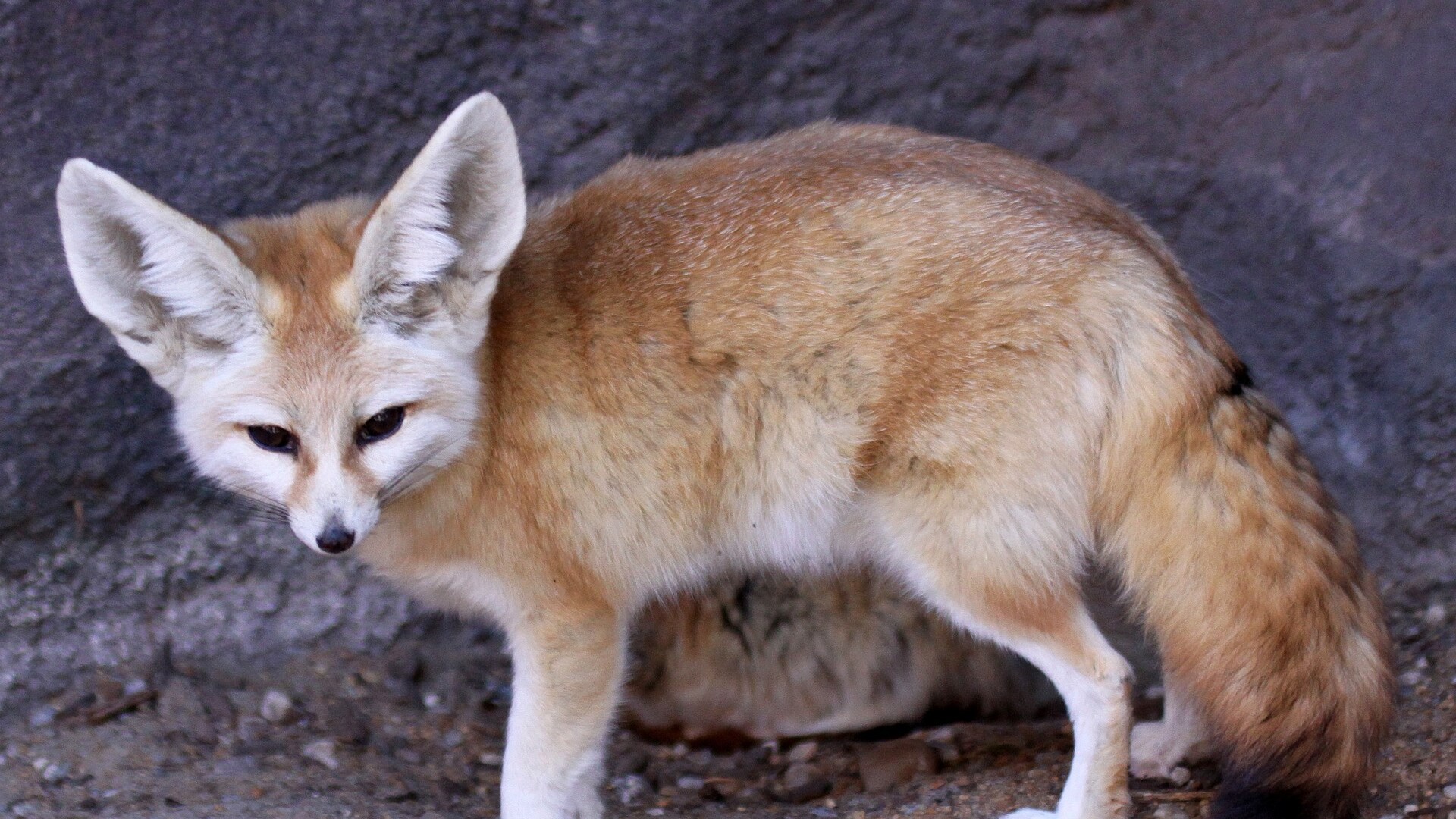
18. Fennec Fox
The fennec fox of the Sahara Desert weighs barely 1.5 kilograms but sports 15-centimeter ears that circulate blood to shed thermal energy rapidly. Thick fur beneath its paws shields footpads from desert sands that reach 70C during midsummer heat waves in Algeria and Chad.
©Wikimedia / Fennec fox
17. Sidewinder Rattlesnake
Found across the Mojave and Sonoran deserts, Crotalus cerastes moves sideways across shifting dunes. By lifting its body in continuous waves, it keeps only two points of contact on the sand at any moment, preventing thermal transfer from dune surfaces baking at 60C.
©Wikimedia / nmoorhatch
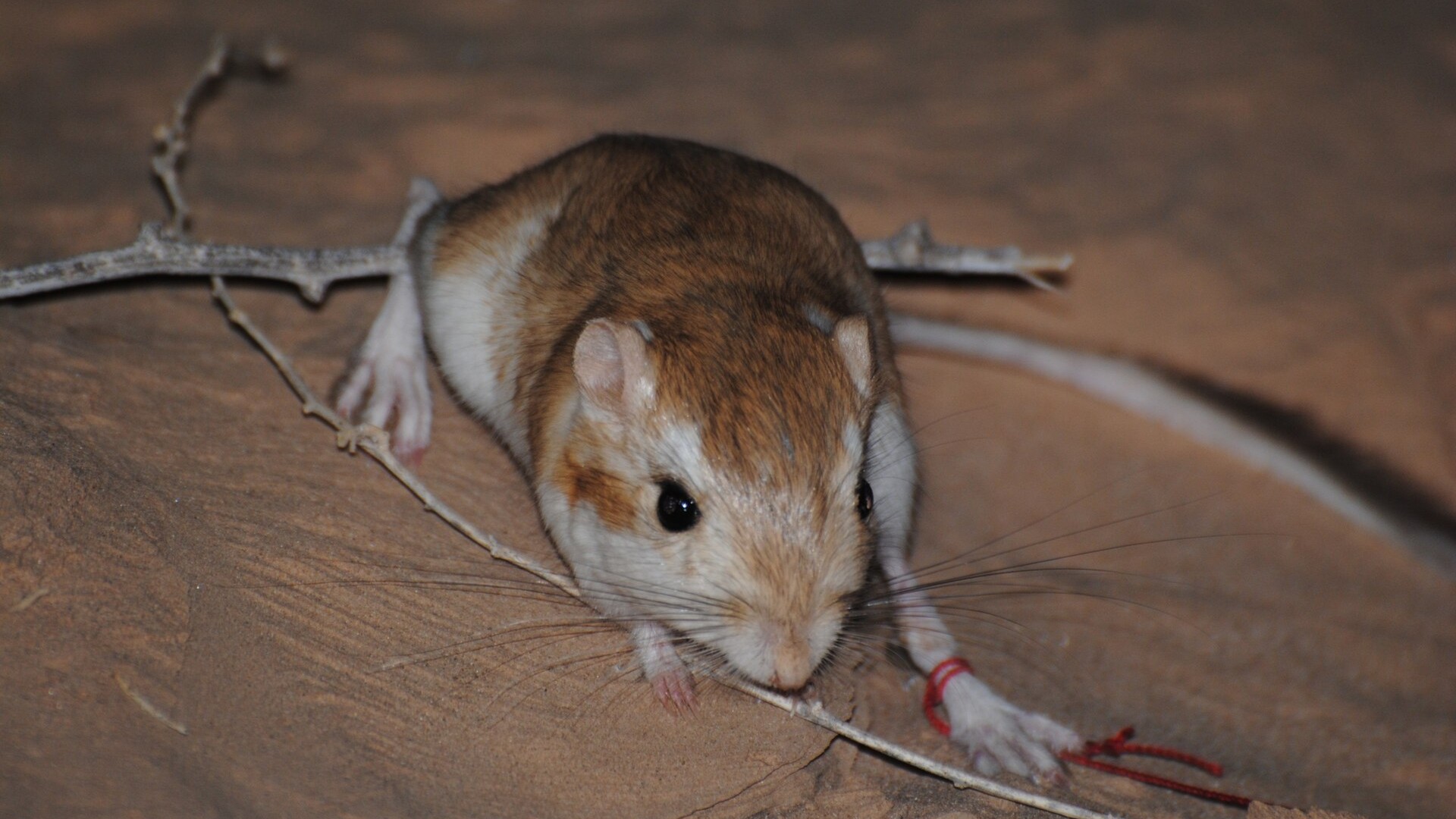
16. Desert Kangaroo Rat
The desert kangaroo rat lives across Death Valley and the Mojave, where summer air surpasses 50C. Highly efficient kidneys concentrate its urine, preventing unnecessary fluid loss. This nocturnal rodent obtains all necessary hydration through the metabolic breakdown of cached dry seeds.
©Wikimedia / Humberto
Advertisement
Swipe or tap ▶ to resume the countdown.
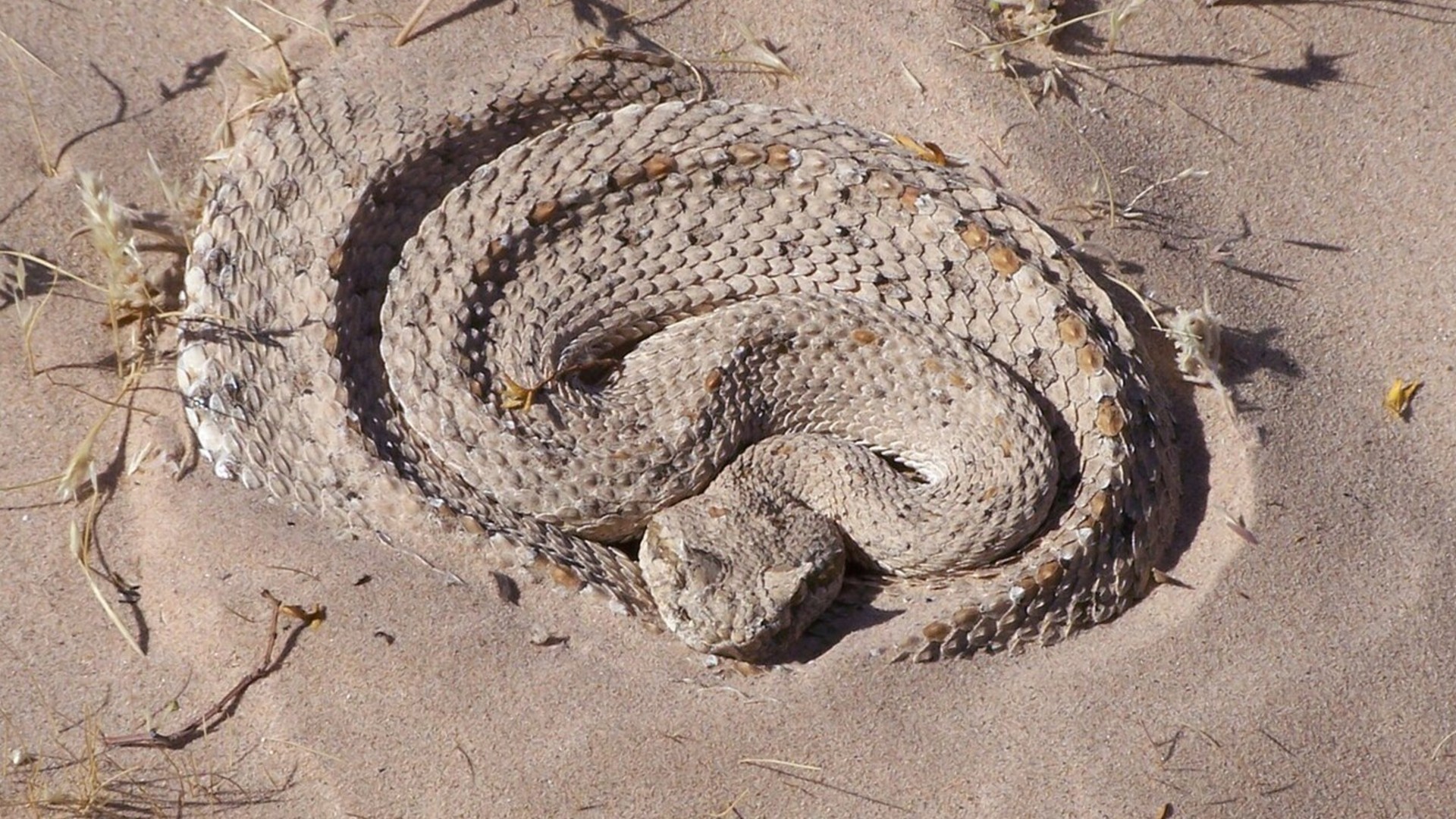
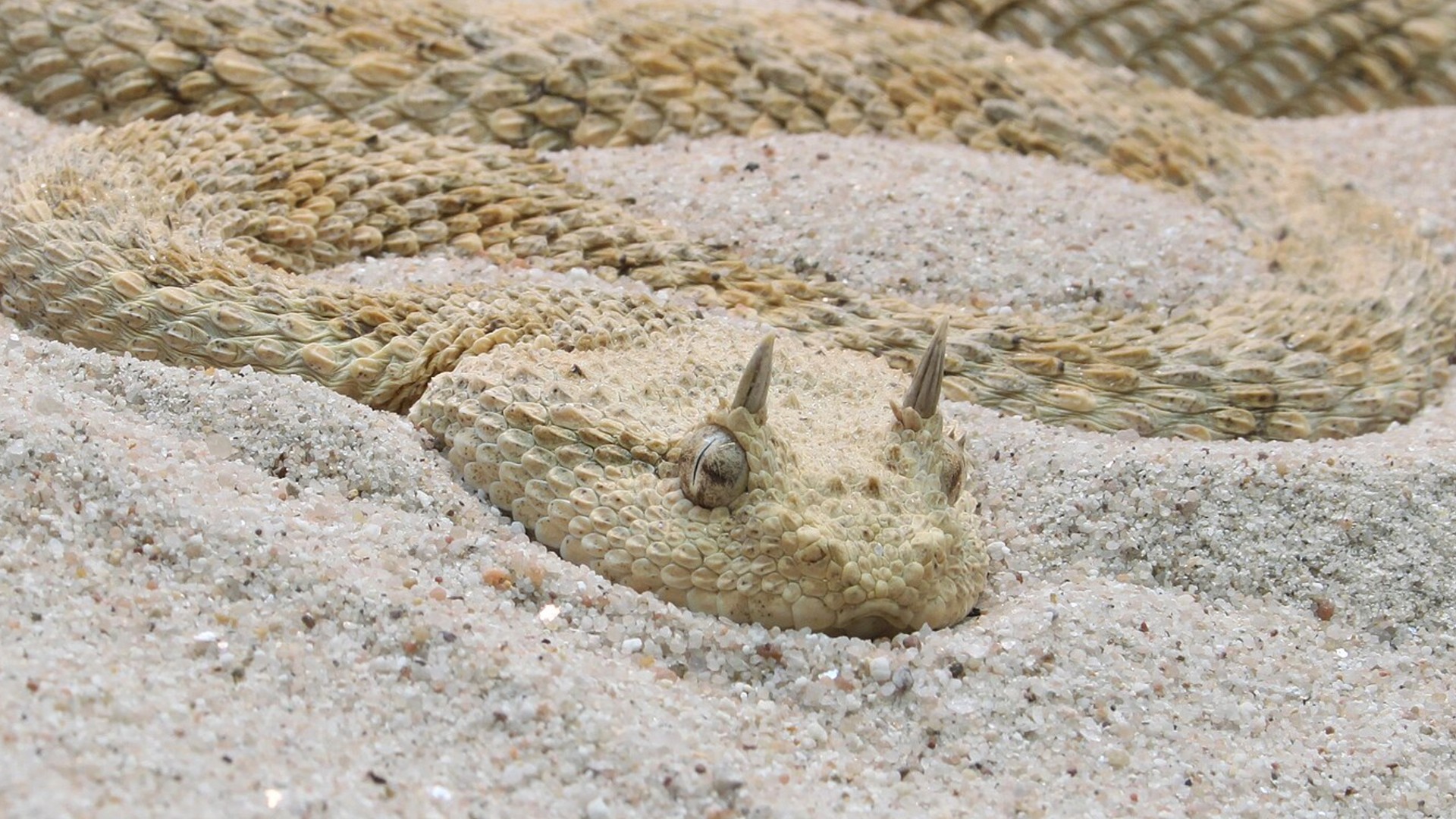
15. Saharan Horned Viper
Cerastes cerastes thrives across the hyper-arid sands of North Africa. By shuffling its keeled rib cage sideways, the snake sinks into cooler subsurface sand within seconds. This burrowing habit insulates its body from surface heat spikes while keeping eyes exposed to ambush prey.
©Wikimedia / Holger Krisp
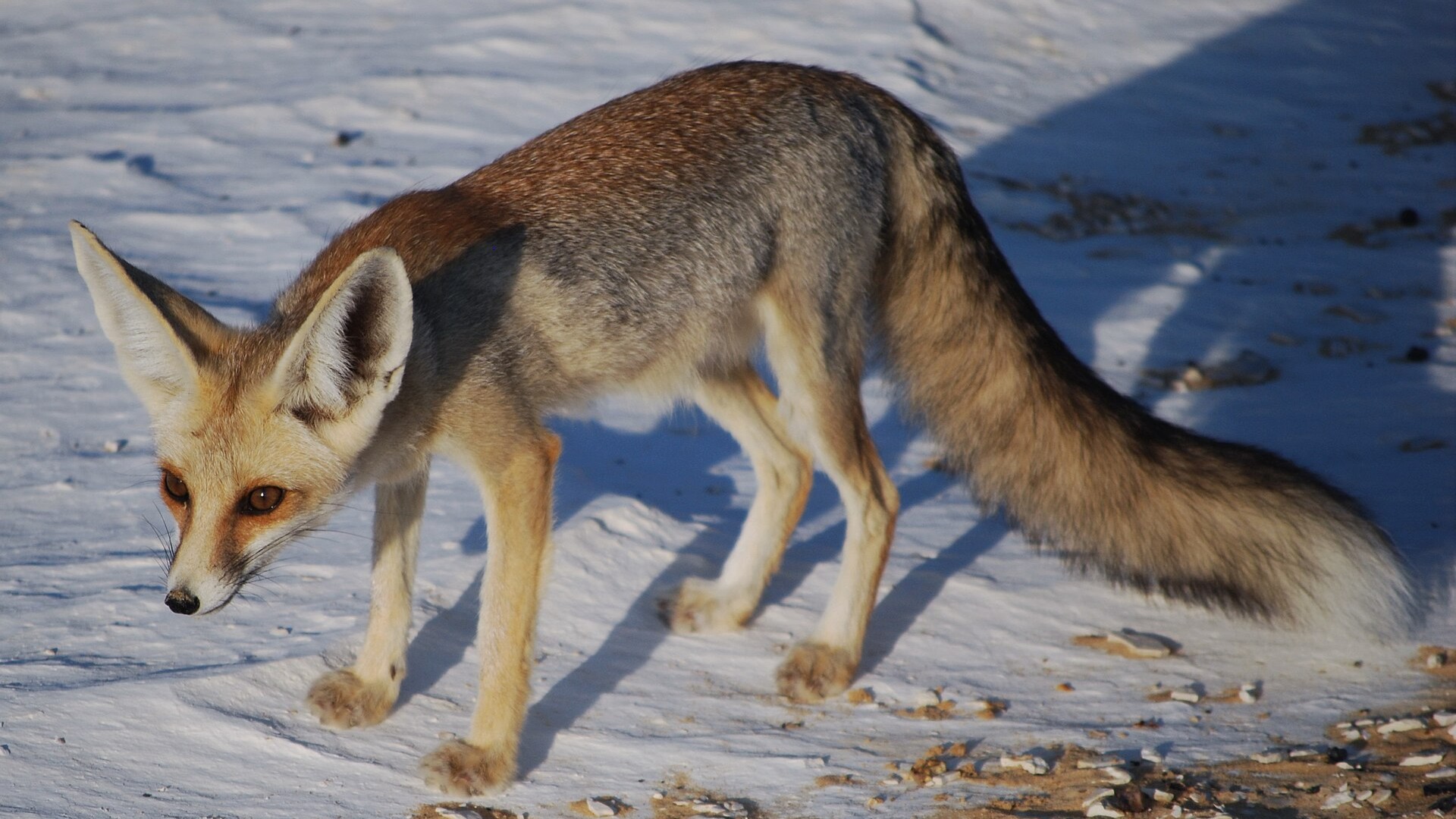
14. Rüppell's Fox
Rüppell's fox roams the stony deserts of the Sahara and the Arabian Peninsula. Strictly nocturnal, it spends sweltering daylight hours inside deep underground dens. Its pale coat offers desert camouflage, while concentrated urine and efficient kidneys conserve critical body water.
©Wikimedia / HelmutBoehm
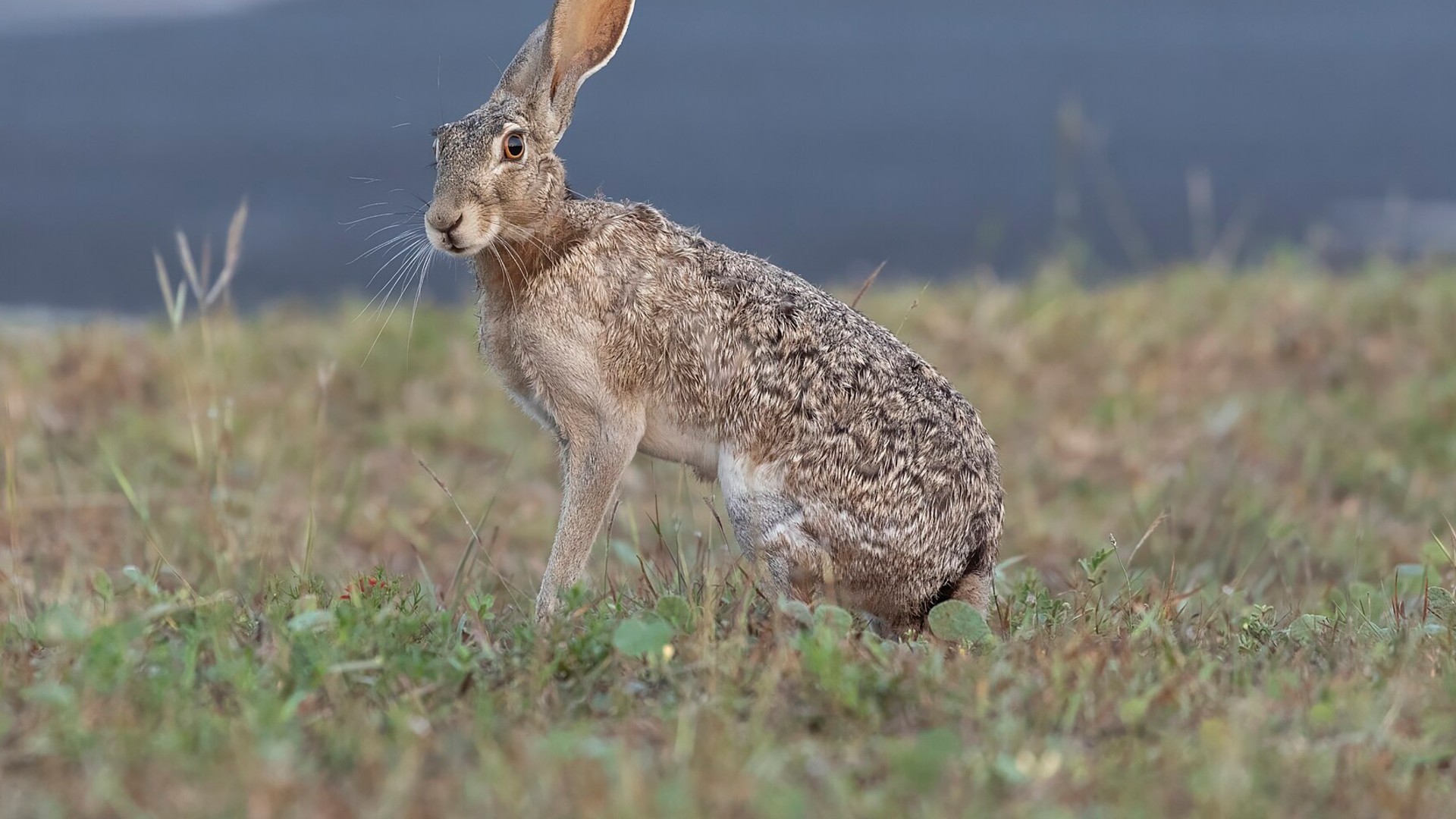
13. Black-Tailed Jackrabbit
Residing in the American Southwest, this hare uses expansive external ears loaded with capillary networks as biological radiators. When air temperatures reach 45C, blood flow to the ear tissue surges, dumping metabolic heat into the surrounding breeze without wasting body fluids.
©Wikimedia / Chuck Homler d/b/a Focus On Wildlife
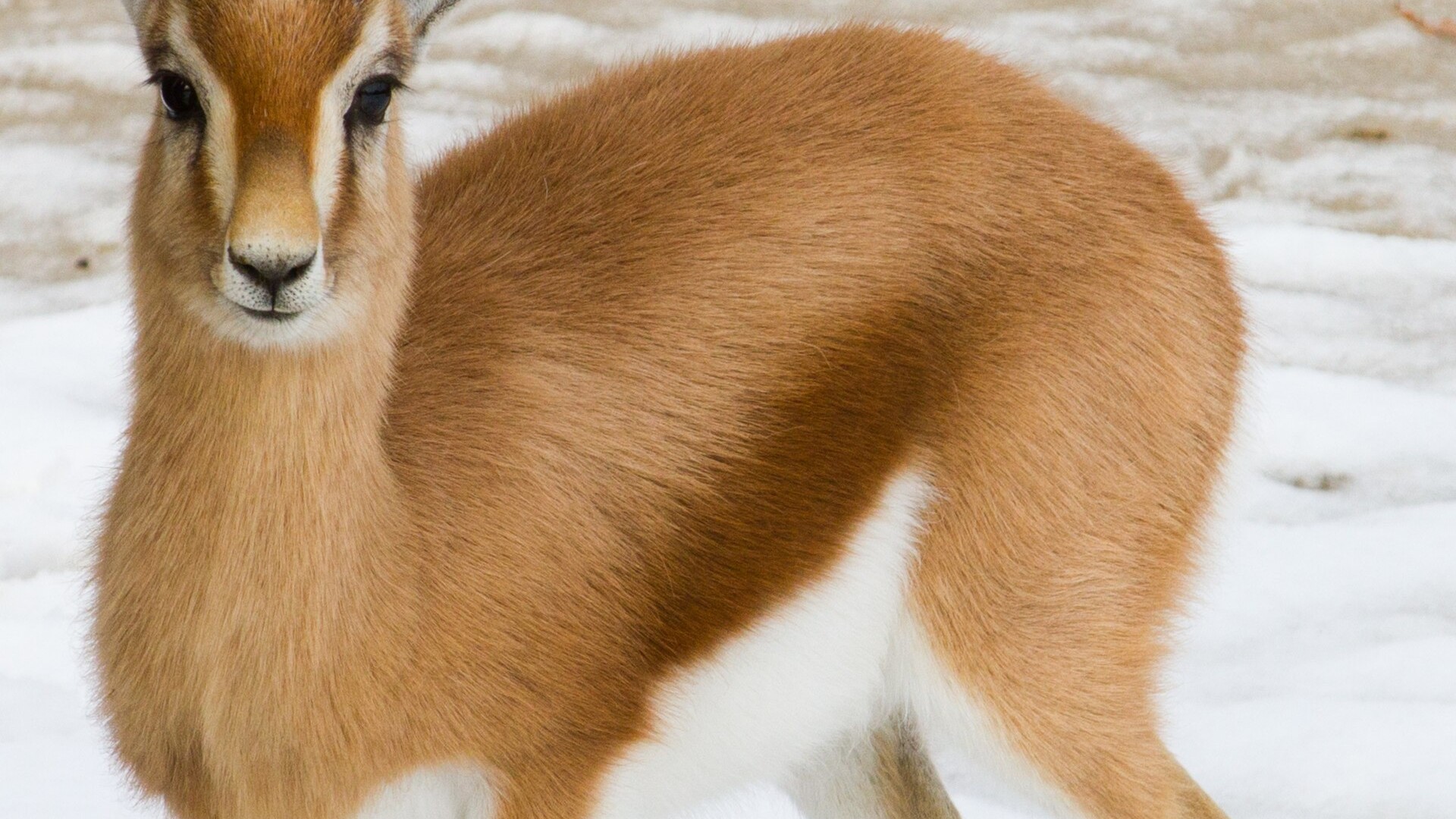
12. Dorcas Gazelle
Ranging across northern Africa, the dorcas gazelle endures blistering heat exceeding 45C without drinking surface water. It extracts moisture from Acacia foliage, conserving fluids through concentrated liquid urea excretion and exceptionally dry feces to avoid severe dehydration.
©Wikimedia / Dorcas gazelle
Advertisement
Swipe or tap ▶ to resume the countdown.
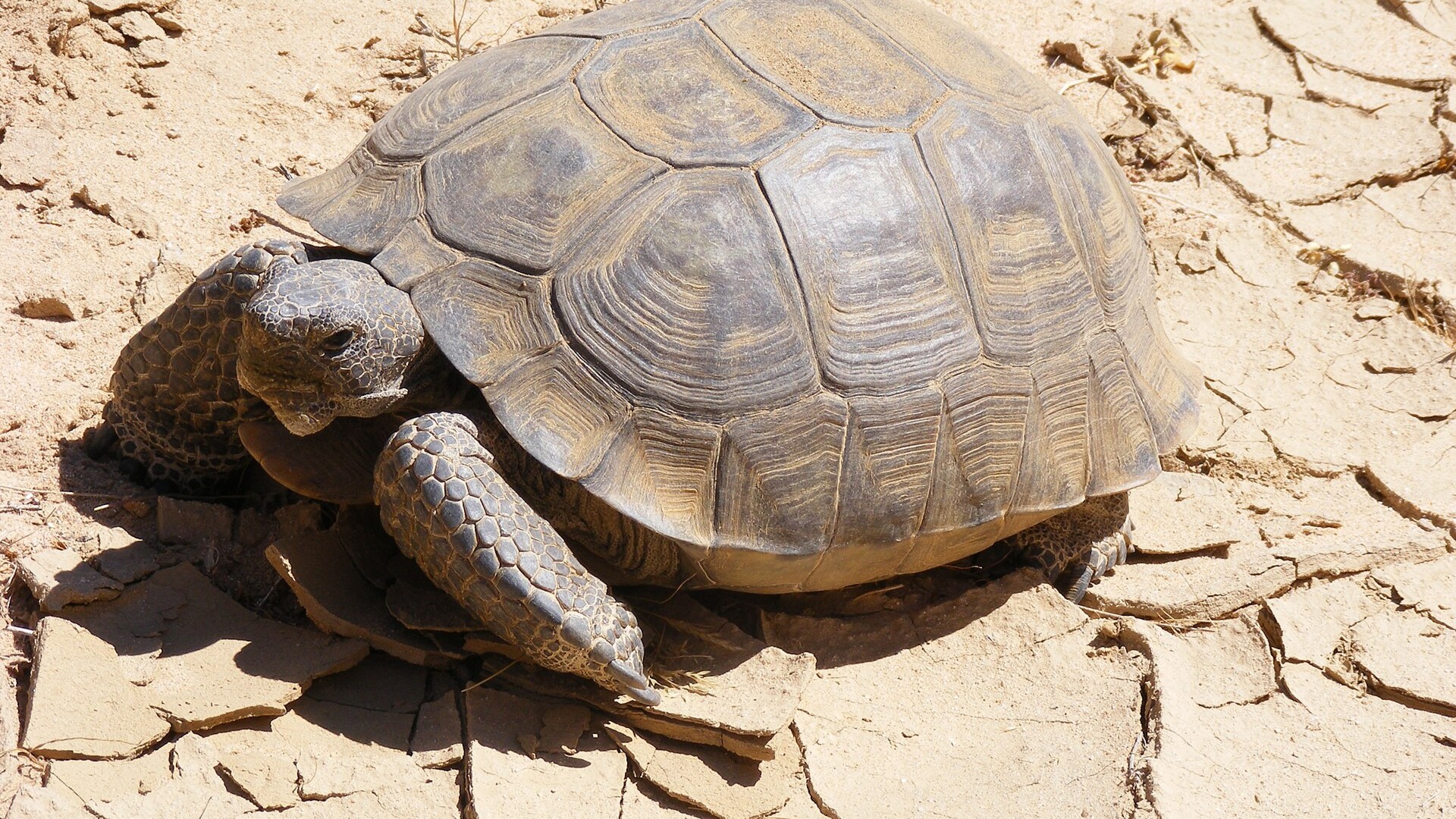
11. Desert Tortoise
Native to the Mojave Desert, Gopherus agassizii spends 95% of its lifespan in subterranean burrows dug up to three meters deep. Its specialized bladder holds water for over a year, buffering against extreme thermal spikes when surface ground temperatures reach 60C.
©Wikimedia / Desert tortoise
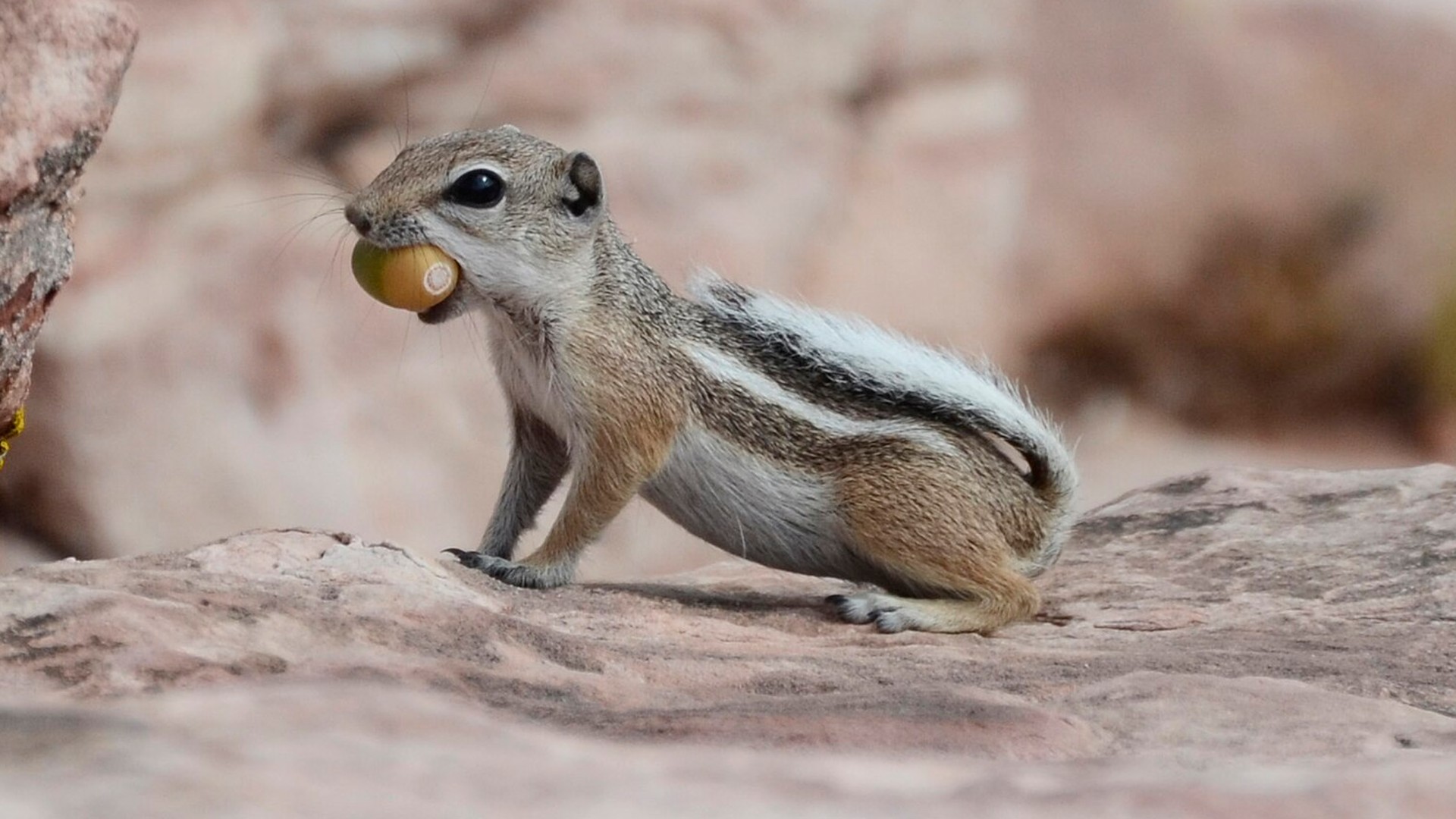
10. Antelope Ground Squirrel
Ammospermophilus leucurus thrives in the scorching Great Basin and Sonoran deserts. This rodent tolerates temporary hyperthermia up to 43.6C while foraging in direct sun. When thermal limits near, it flattens into shaded burrows to dump heat by conduction into cooler soil.
©Wikimedia / VJAnderson
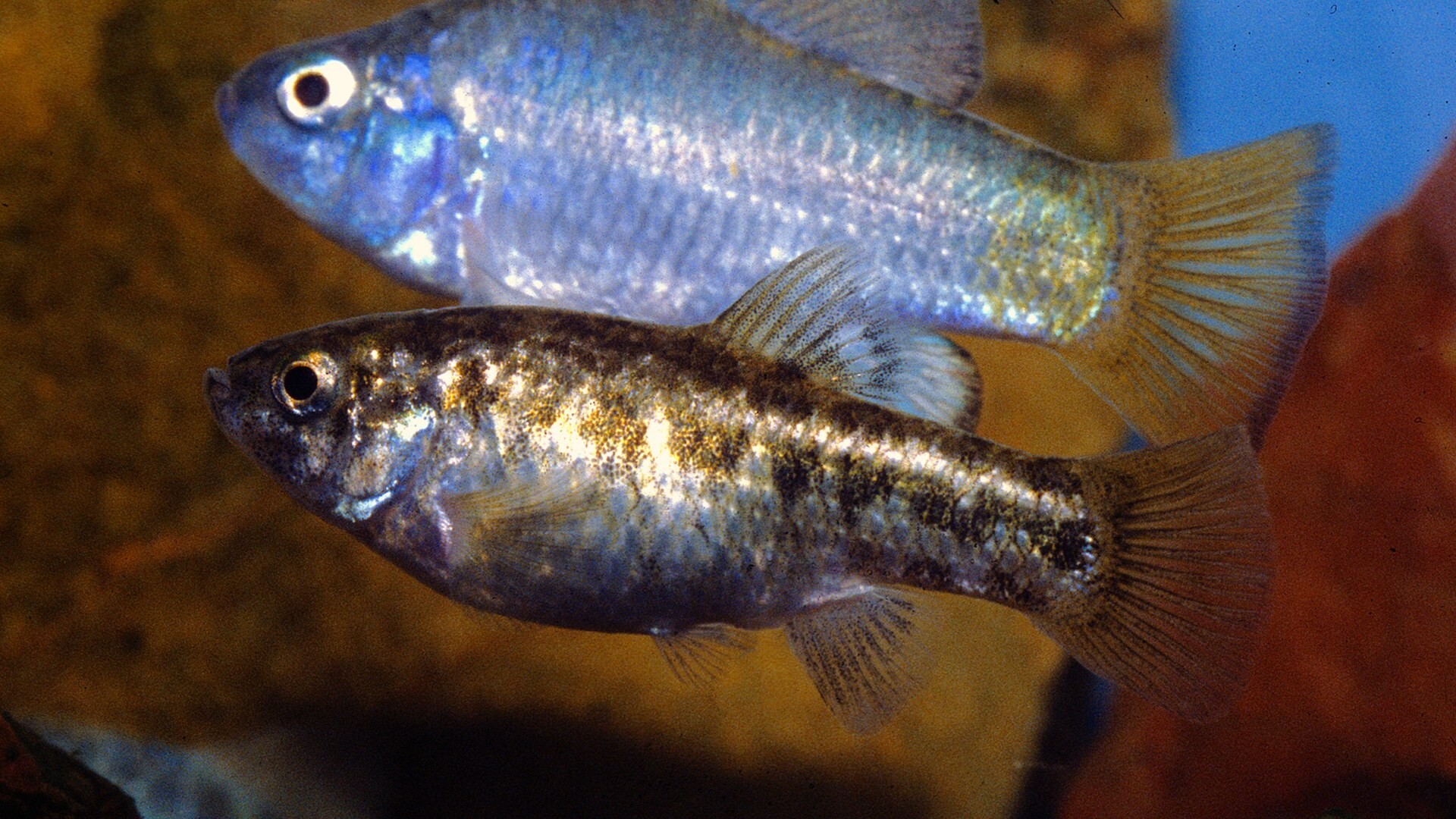
9. Desert Pupfish
Cyprinodon macularius inhabits geothermal springs and shallow saline creeks in Death Valley and the Salton Sea basin. This resilient fish tolerates water temperatures reaching 45C and extreme salinity spikes, maintaining cellular stability where virtually all other freshwater fish perish.
©Wikimedia / Desert pupfish
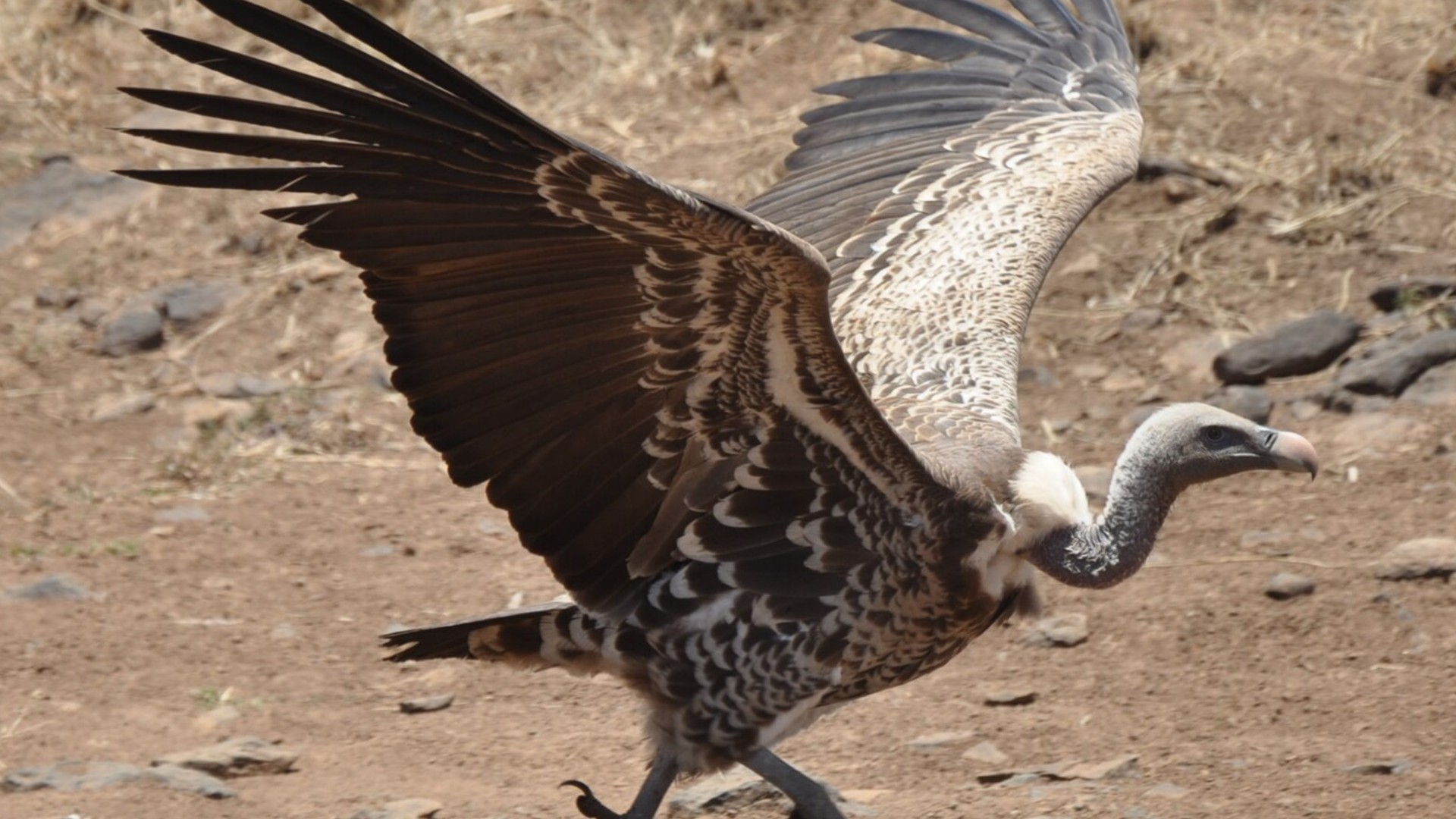
8. Rüppell's Vulture
Holding the world record for avian flight altitude at 11,300 meters, Gyps rueppelli possesses specialized hemoglobin variants that bind oxygen under extreme conditions. On the ground, it withstands blistering Sahel midday heat by using expansive wings to shade its vital organs.
©Wikimedia / Charles J. Sharp
Advertisement
Swipe or tap ▶ to resume the countdown.
7. African Bullfrog
Pyxicephalus adspersus survives brutal sub-Saharan dry seasons by burying itself up to 20 centimeters underground. It secretes layers of discarded skin to form an impermeable cocoon, entering deep estivation that halts metabolic water loss for months until torrential rains return.
©Wikimedia / Steven G. Johnson
6. Namib Fogstand Beetle
Living in the Namib Desert, Onymacris unguicularis ascends sand ridges baking under 50C heat. Facing into Atlantic winds, it tilts its smooth body downward so coastal fog condenses along its back, allowing life-giving water droplets to roll directly toward its mouthparts.
©Wikimedia / Schnobby
5. Desert Locust
Schistocerca gregaria swarms across the hottest arid regions of Africa and Asia. When ambient temperatures surpass 45C, its flight muscles generate intense internal heat. The insect activates thermal shock proteins that protect motor neurons, enabling non-stop flight under direct sun.
©Wikimedia / NorbertNagel
4. Greater Roadrunner
Geococcyx californianus thrives in the Chihuahuan and Sonoran deserts without panting, which would waste precious water. It flutters unfeathered vascular skin on its neck to release heat and uses specialized nasal glands to excrete salt, allowing it to sprint across 48C ground.
©Wikimedia / Greater roadrunner
Advertisement
Swipe or tap ▶ to resume the countdown.
3. Sahara Silver Ant
Cataglyphis bombycina emerges onto Sahara sand dunes when surface heat reaches 60C, giving it a 10-minute window to scavenge thermal casualties. Triangular hairs across its dorsal coat reflect visible and infrared sunlight, preventing its internal organs from overheating.
©Wikimedia / Bjørn Christian Tørrissen
2. Pompeii Worm
Thriving along deep-sea hydrothermal vents in the Pacific Ocean, Alvinella pompejana anchors its tail in chimney water reaching 80C while resting its head in cooler water. A thick coat of symbiotic epibiotic bacteria blankets its back, acting as a thermal insulator against scalding fluid.
©Wikimedia / Olivier Dugornay
1. Tardigrade
These microscopic invertebrates, also known as water bears, enter an anhydrobiotic state called a tun by expelling 99% of cellular water. In laboratory tests, tardigrades in this state have survived temperatures up to 151C, making them the most heat-resilient animals on Earth.

©Pixabay / GabruPawPixels
Advertisement
You've reached the end of the story. Thanks for reading!

25 Species Scientists Say Could Thrive in a World Without Humans
If humans vanished tomorrow, forests and empty streets would quickly belong to fast-breeding generalists and clever problem-solvers. Based on ecological studies from Oxford University, the Smithsonian Institution and IUCN assessments, here are 25 resilient species built to expand across Earth without us.
All 22 Entries in this Story
22. Dromedary Camel
Native to North Africa and the Middle East, the dromedary camel tolerates fluid losses exceeding 30% of its body weight. Its oval red blood cells continue flowing during severe dehydration, while specialized nasal passages condense respiratory moisture before exhalation in 49C ambient heat.

21. Greater Bilby
The greater bilby inhabits the arid Tanami and Gibson deserts of Australia. By resting during peak daylight inside spiraling burrows up to two meters deep, this nocturnal marsupial avoids surface ground heat that frequently tops 50C, emerging only when nighttime temperatures drop sharply.

20. Thorny Devil
Endemic to the Great Sandy Desert of Western Australia, Moloch horridus endures direct sun exposure at 45C. Overlapping hygroscopic scales draw water across its skin via capillary action straight into the corners of its mouth, preventing dehydration without requiring open water sources.

19. Common Chuckwalla
Inhabiting the Sonoran and Mojave deserts, this stout herbivorous lizard basks on volcanic boulders heated to 40C. When ambient heat peaks, it retreats into deep, shaded rock crevices. If threatened by predators, it inflates its lungs with air to wedge firmly between rock walls.

18. Fennec Fox
The fennec fox of the Sahara Desert weighs barely 1.5 kilograms but sports 15-centimeter ears that circulate blood to shed thermal energy rapidly. Thick fur beneath its paws shields footpads from desert sands that reach 70C during midsummer heat waves in Algeria and Chad.

17. Sidewinder Rattlesnake
Found across the Mojave and Sonoran deserts, Crotalus cerastes moves sideways across shifting dunes. By lifting its body in continuous waves, it keeps only two points of contact on the sand at any moment, preventing thermal transfer from dune surfaces baking at 60C.

16. Desert Kangaroo Rat
The desert kangaroo rat lives across Death Valley and the Mojave, where summer air surpasses 50C. Highly efficient kidneys concentrate its urine, preventing unnecessary fluid loss. This nocturnal rodent obtains all necessary hydration through the metabolic breakdown of cached dry seeds.

15. Saharan Horned Viper
Cerastes cerastes thrives across the hyper-arid sands of North Africa. By shuffling its keeled rib cage sideways, the snake sinks into cooler subsurface sand within seconds. This burrowing habit insulates its body from surface heat spikes while keeping eyes exposed to ambush prey.

14. Rüppell's Fox
Rüppell's fox roams the stony deserts of the Sahara and the Arabian Peninsula. Strictly nocturnal, it spends sweltering daylight hours inside deep underground dens. Its pale coat offers desert camouflage, while concentrated urine and efficient kidneys conserve critical body water.

13. Black-Tailed Jackrabbit
Residing in the American Southwest, this hare uses expansive external ears loaded with capillary networks as biological radiators. When air temperatures reach 45C, blood flow to the ear tissue surges, dumping metabolic heat into the surrounding breeze without wasting body fluids.

12. Dorcas Gazelle
Ranging across northern Africa, the dorcas gazelle endures blistering heat exceeding 45C without drinking surface water. It extracts moisture from Acacia foliage, conserving fluids through concentrated liquid urea excretion and exceptionally dry feces to avoid severe dehydration.

11. Desert Tortoise
Native to the Mojave Desert, Gopherus agassizii spends 95% of its lifespan in subterranean burrows dug up to three meters deep. Its specialized bladder holds water for over a year, buffering against extreme thermal spikes when surface ground temperatures reach 60C.

10. Antelope Ground Squirrel
Ammospermophilus leucurus thrives in the scorching Great Basin and Sonoran deserts. This rodent tolerates temporary hyperthermia up to 43.6C while foraging in direct sun. When thermal limits near, it flattens into shaded burrows to dump heat by conduction into cooler soil.

9. Desert Pupfish
Cyprinodon macularius inhabits geothermal springs and shallow saline creeks in Death Valley and the Salton Sea basin. This resilient fish tolerates water temperatures reaching 45C and extreme salinity spikes, maintaining cellular stability where virtually all other freshwater fish perish.

8. Rüppell's Vulture
Holding the world record for avian flight altitude at 11,300 meters, Gyps rueppelli possesses specialized hemoglobin variants that bind oxygen under extreme conditions. On the ground, it withstands blistering Sahel midday heat by using expansive wings to shade its vital organs.

7. African Bullfrog
Pyxicephalus adspersus survives brutal sub-Saharan dry seasons by burying itself up to 20 centimeters underground. It secretes layers of discarded skin to form an impermeable cocoon, entering deep estivation that halts metabolic water loss for months until torrential rains return.

6. Namib Fogstand Beetle
Living in the Namib Desert, Onymacris unguicularis ascends sand ridges baking under 50C heat. Facing into Atlantic winds, it tilts its smooth body downward so coastal fog condenses along its back, allowing life-giving water droplets to roll directly toward its mouthparts.

5. Desert Locust
Schistocerca gregaria swarms across the hottest arid regions of Africa and Asia. When ambient temperatures surpass 45C, its flight muscles generate intense internal heat. The insect activates thermal shock proteins that protect motor neurons, enabling non-stop flight under direct sun.

4. Greater Roadrunner
Geococcyx californianus thrives in the Chihuahuan and Sonoran deserts without panting, which would waste precious water. It flutters unfeathered vascular skin on its neck to release heat and uses specialized nasal glands to excrete salt, allowing it to sprint across 48C ground.

3. Sahara Silver Ant
Cataglyphis bombycina emerges onto Sahara sand dunes when surface heat reaches 60C, giving it a 10-minute window to scavenge thermal casualties. Triangular hairs across its dorsal coat reflect visible and infrared sunlight, preventing its internal organs from overheating.

2. Pompeii Worm
Thriving along deep-sea hydrothermal vents in the Pacific Ocean, Alvinella pompejana anchors its tail in chimney water reaching 80C while resting its head in cooler water. A thick coat of symbiotic epibiotic bacteria blankets its back, acting as a thermal insulator against scalding fluid.

1. Tardigrade
These microscopic invertebrates, also known as water bears, enter an anhydrobiotic state called a tun by expelling 99% of cellular water. In laboratory tests, tardigrades in this state have survived temperatures up to 151C, making them the most heat-resilient animals on Earth.