Slideshow · Science
22 Jupiter Storms, Cloud Bands and Missions That Tracked Them
Jupiter spins in less than 10 hours, driving fierce jet streams and planet-sized cyclones across its ammonia clouds. Drawing on NASA, JPL, ESA and Hubble archives, this gallery counts down 22 famous storms, atmospheric features and spacecraft encounters, from Pioneer 10 in 1973 to the planet's defining tempest.

All 22 Entries in this Story
22. Pioneer 10 (1973)
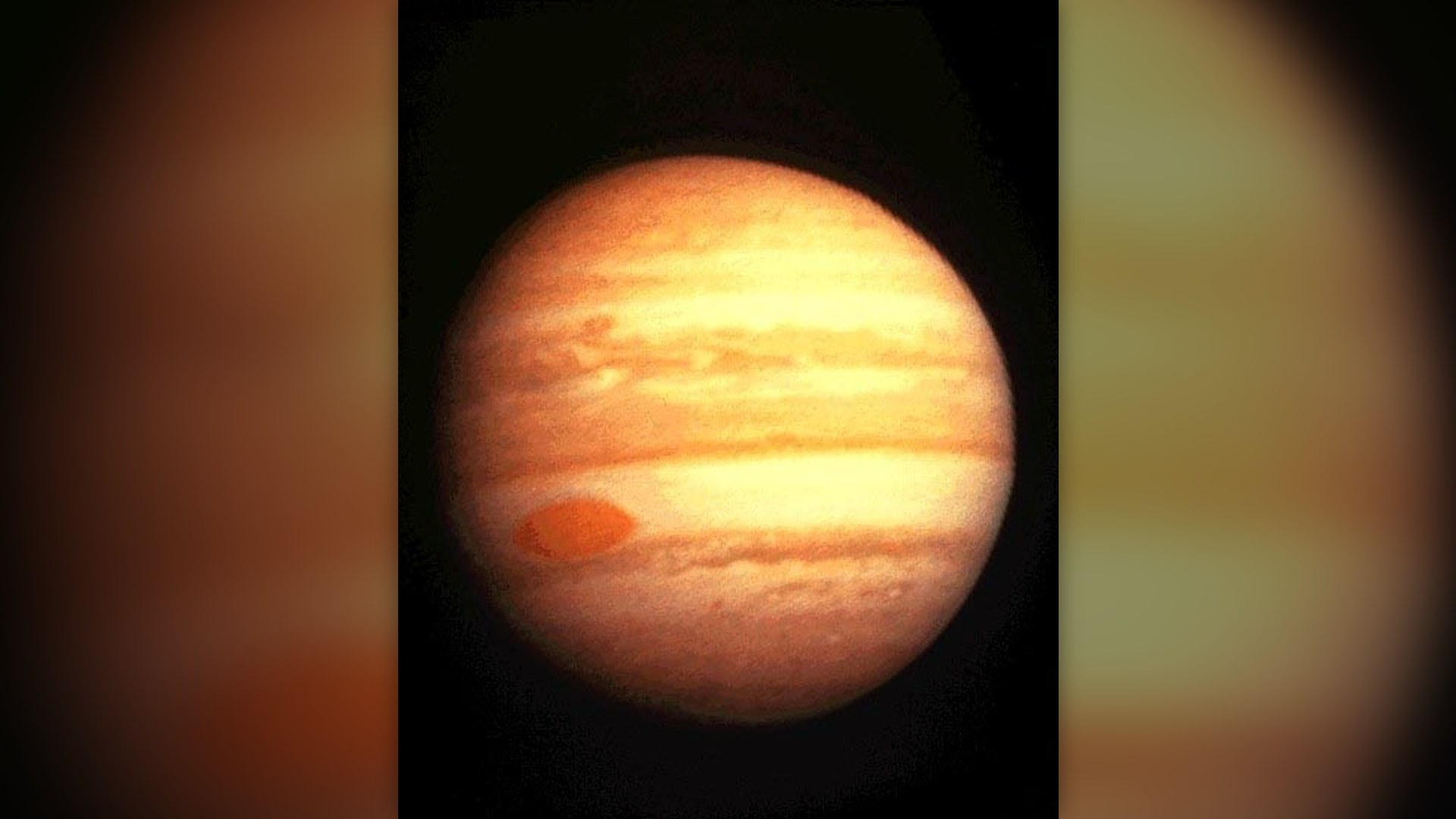
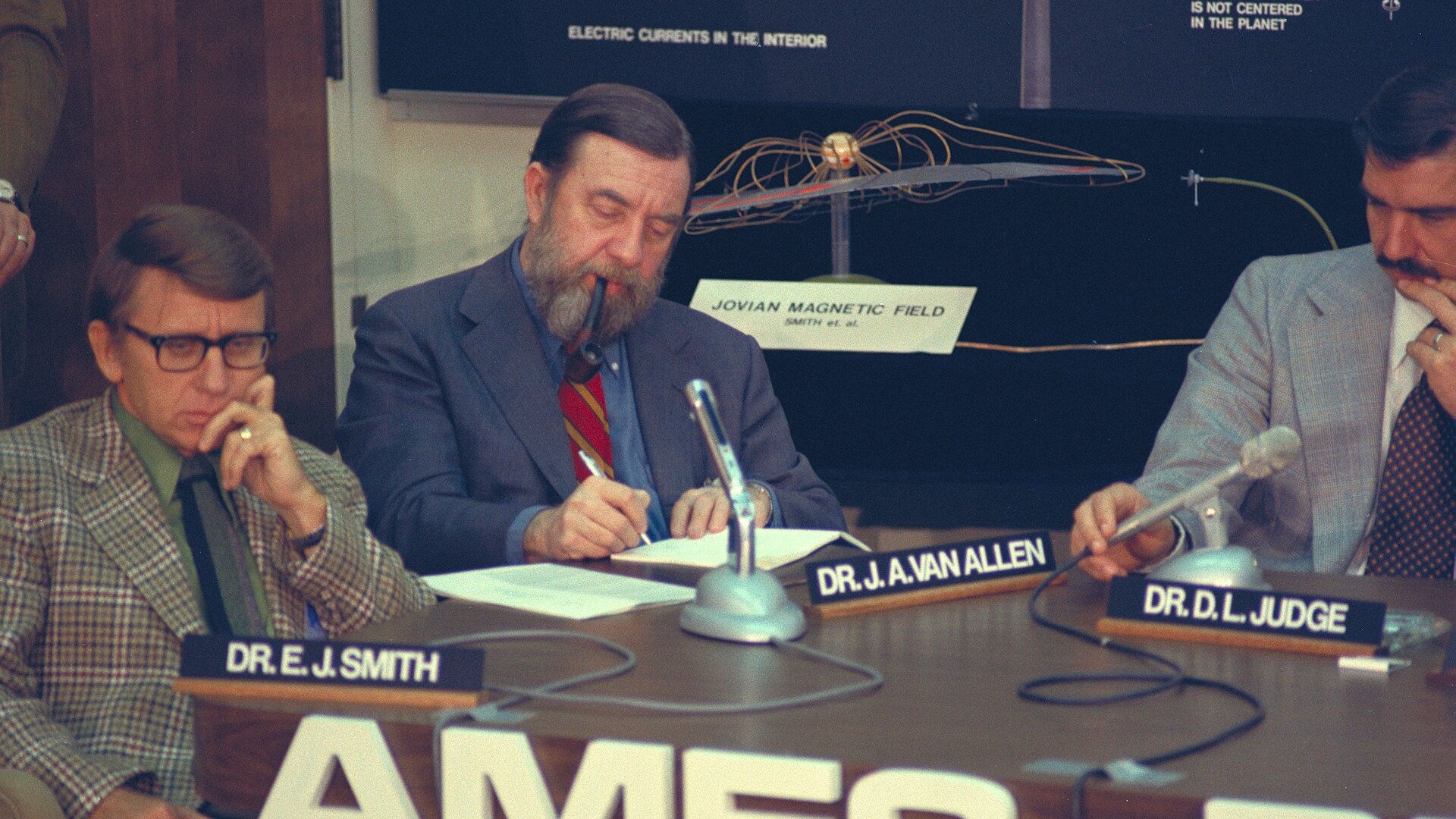
On December 4, 1973, NASA's Pioneer 10 passed within 132,252 kilometers of Jupiter's cloud tops. Its imaging photopolarimeter returned more than 500 views of the Great Red Spot and belts, proving a probe could survive the intense radiation.
21. Pioneer 11 (1974)
One year later, in December 1974, Pioneer 11 skimmed just 42,828 kilometers above Jupiter's clouds. Passing over high latitudes for the first time, it photographed polar storms and mapped a magnetic field far stronger than scientists expected.
20. Voyager 1 (1979)
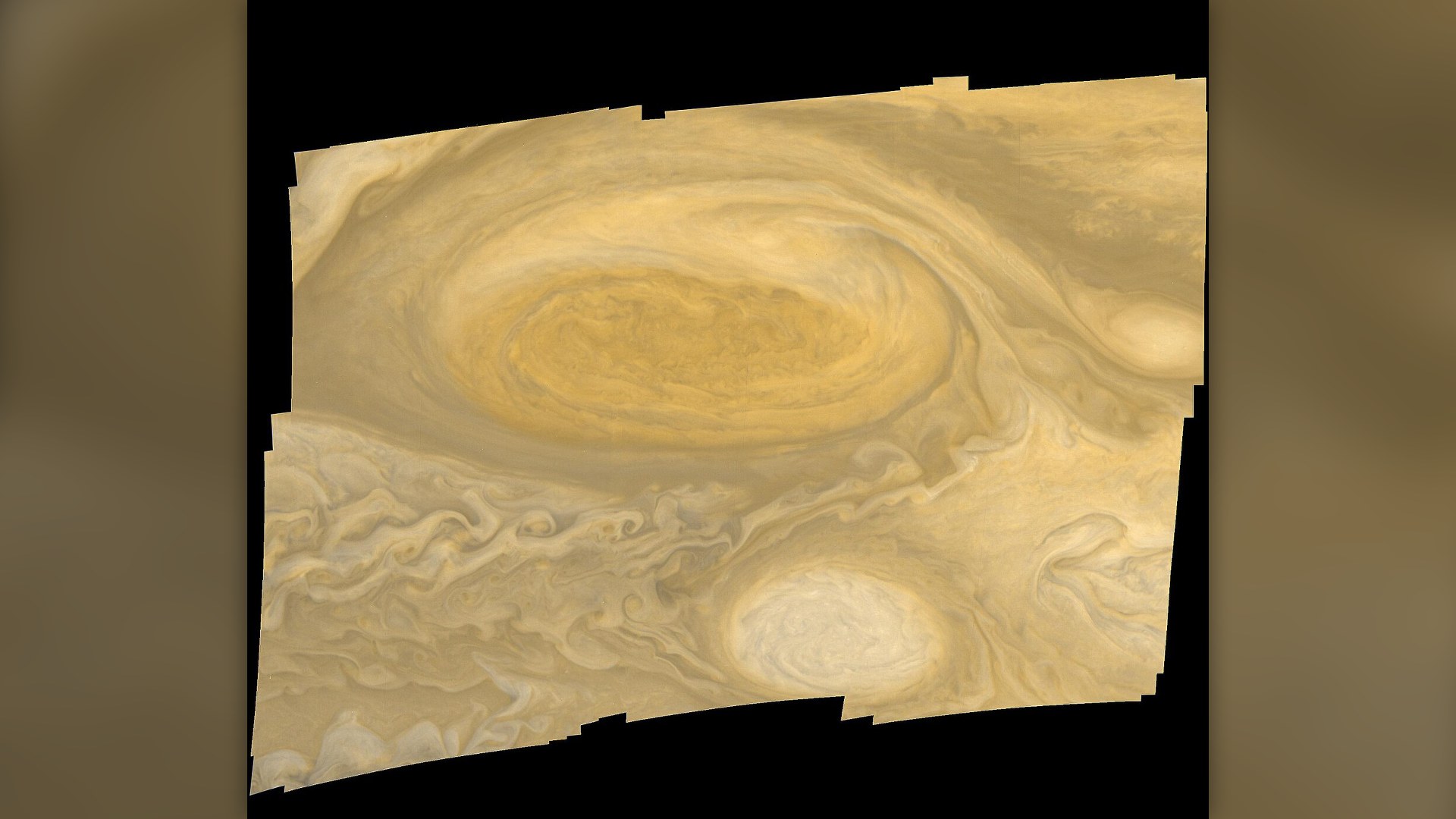
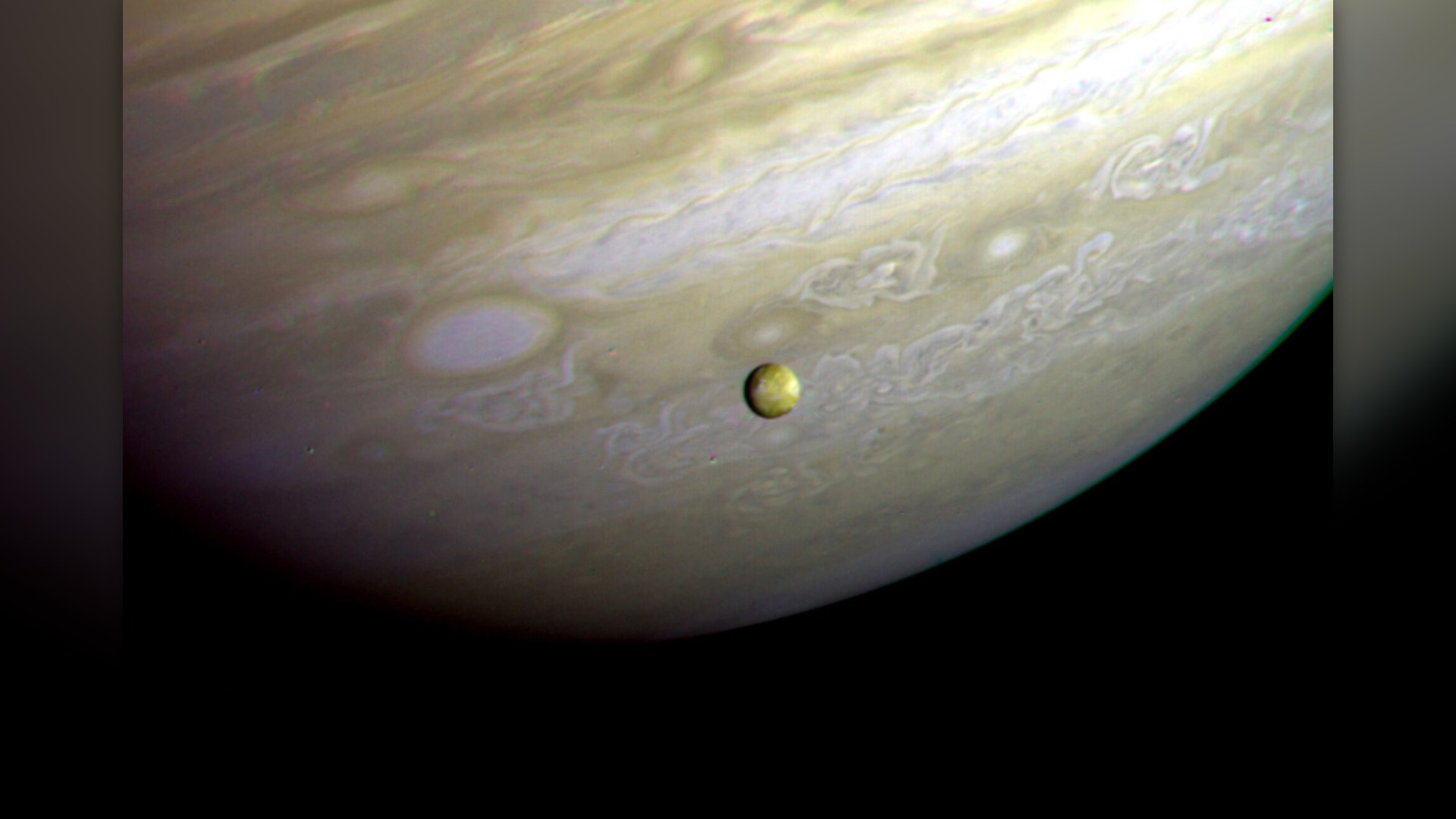
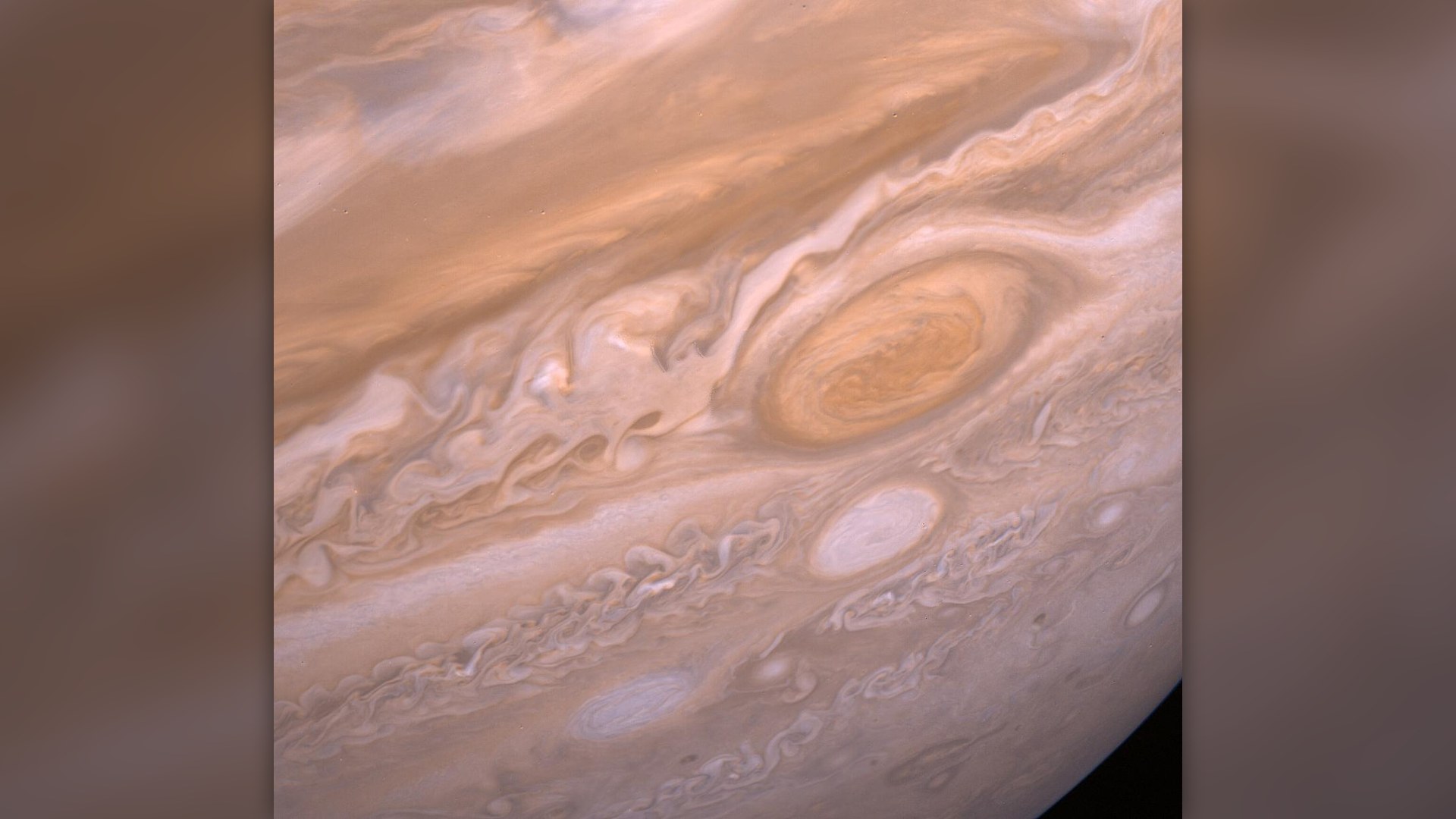
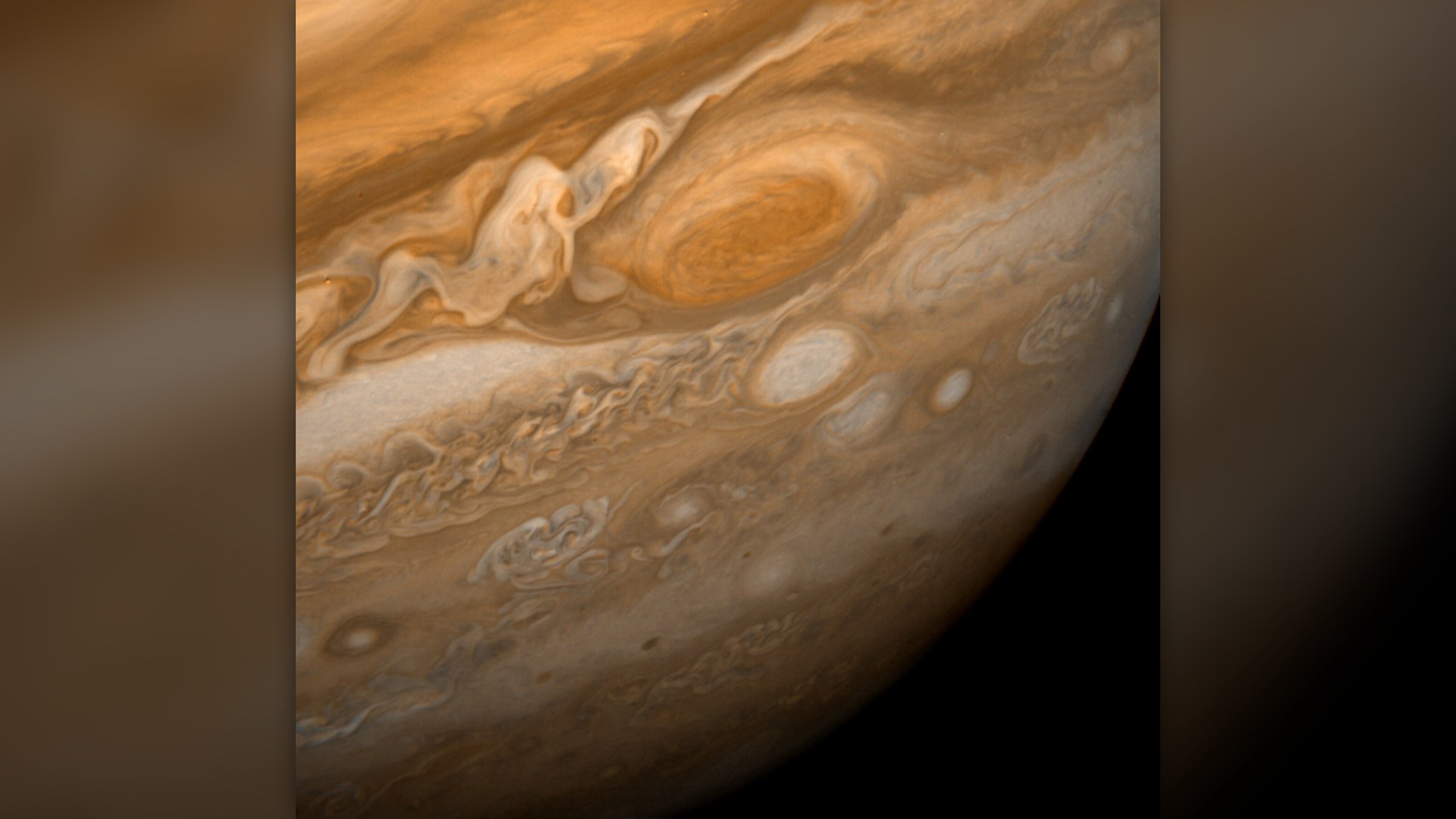
Voyager 1 reached closest approach on March 5, 1979, snapping sharp mosaics of eddies trailing the Great Red Spot. Its cameras also spotted night-side lightning bolts and revealed that Jupiter's swirling ovals roll like gears between cloud bands.
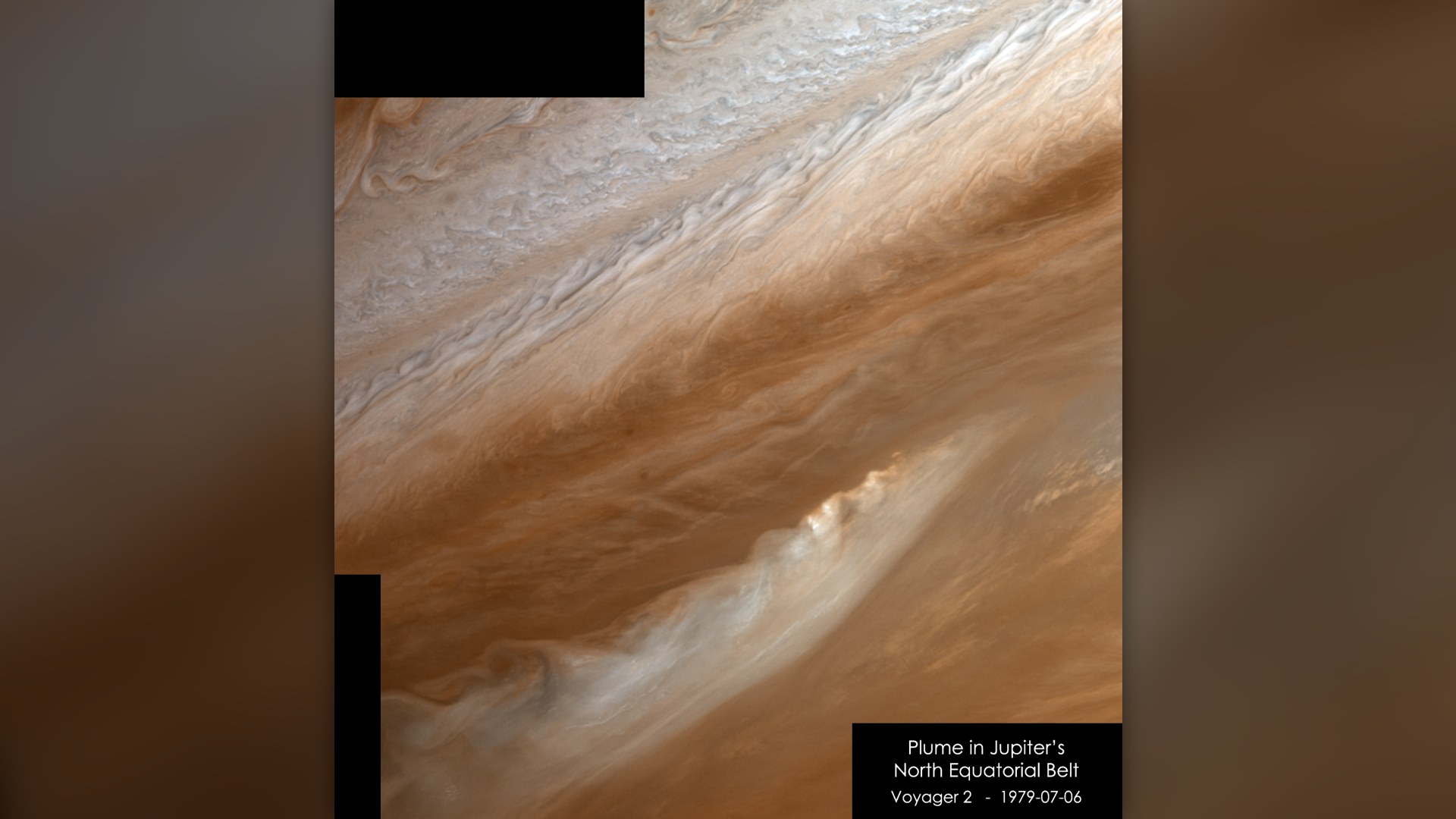
19. Voyager 2 (1979)
Arriving in July 1979, Voyager 2 compared Jupiter's cloud deck against Voyager 1 frames from March. Mission scientists watched bright white ovals drift, plumes erupt, and turbulent wakes stretch across thousands of kilometers in mere weeks.
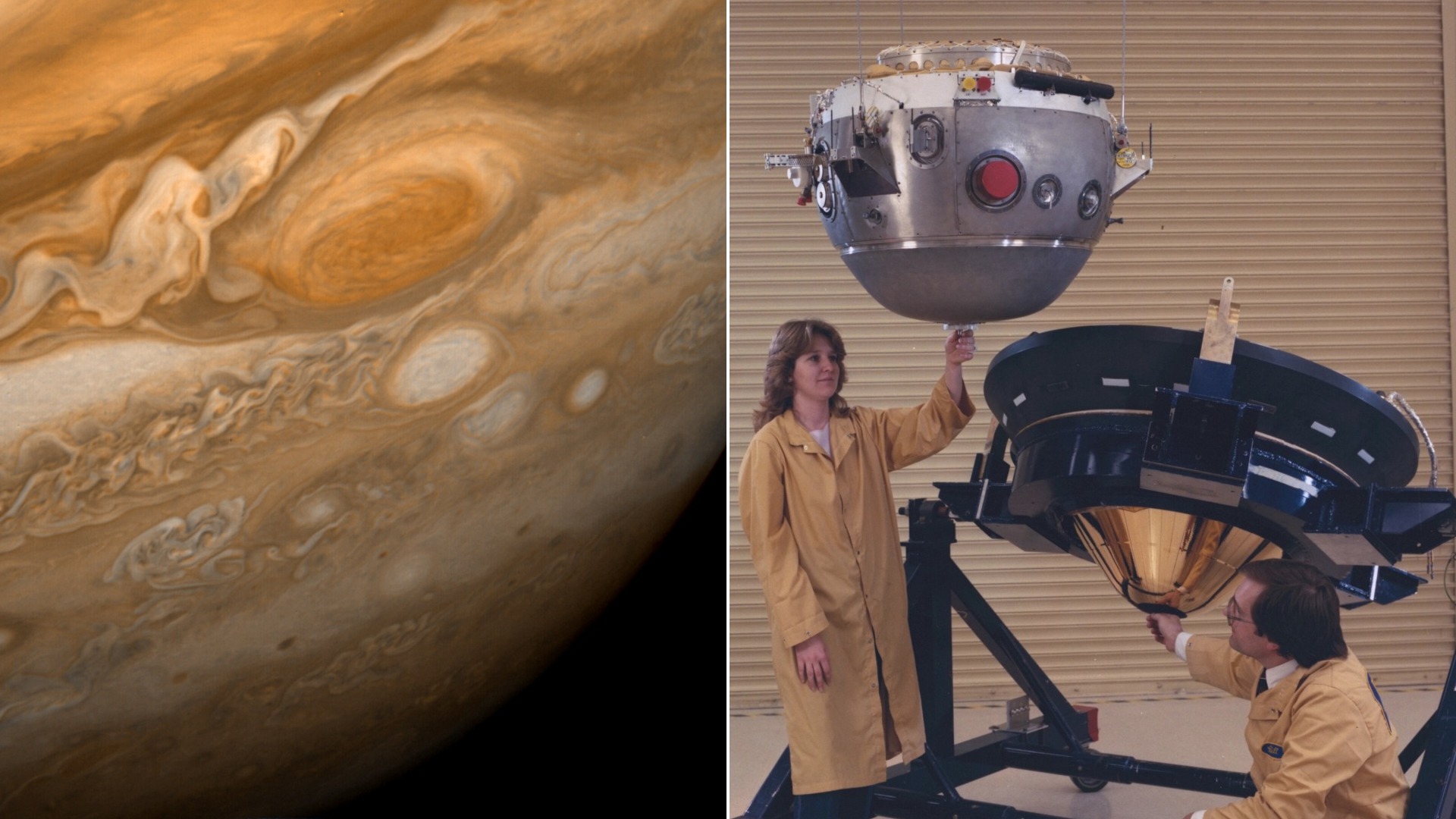
18. The Galileo Probe (1995)
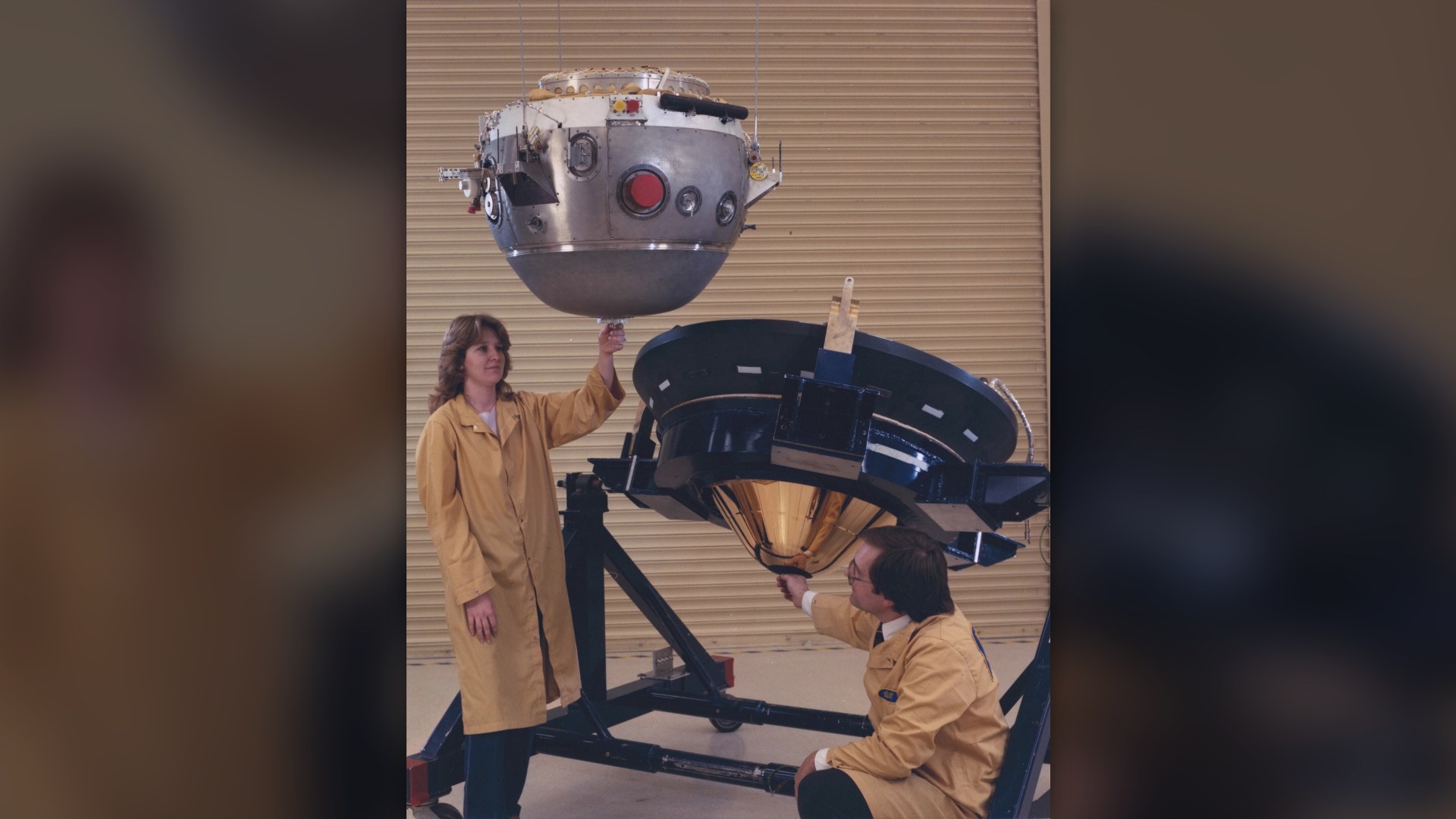
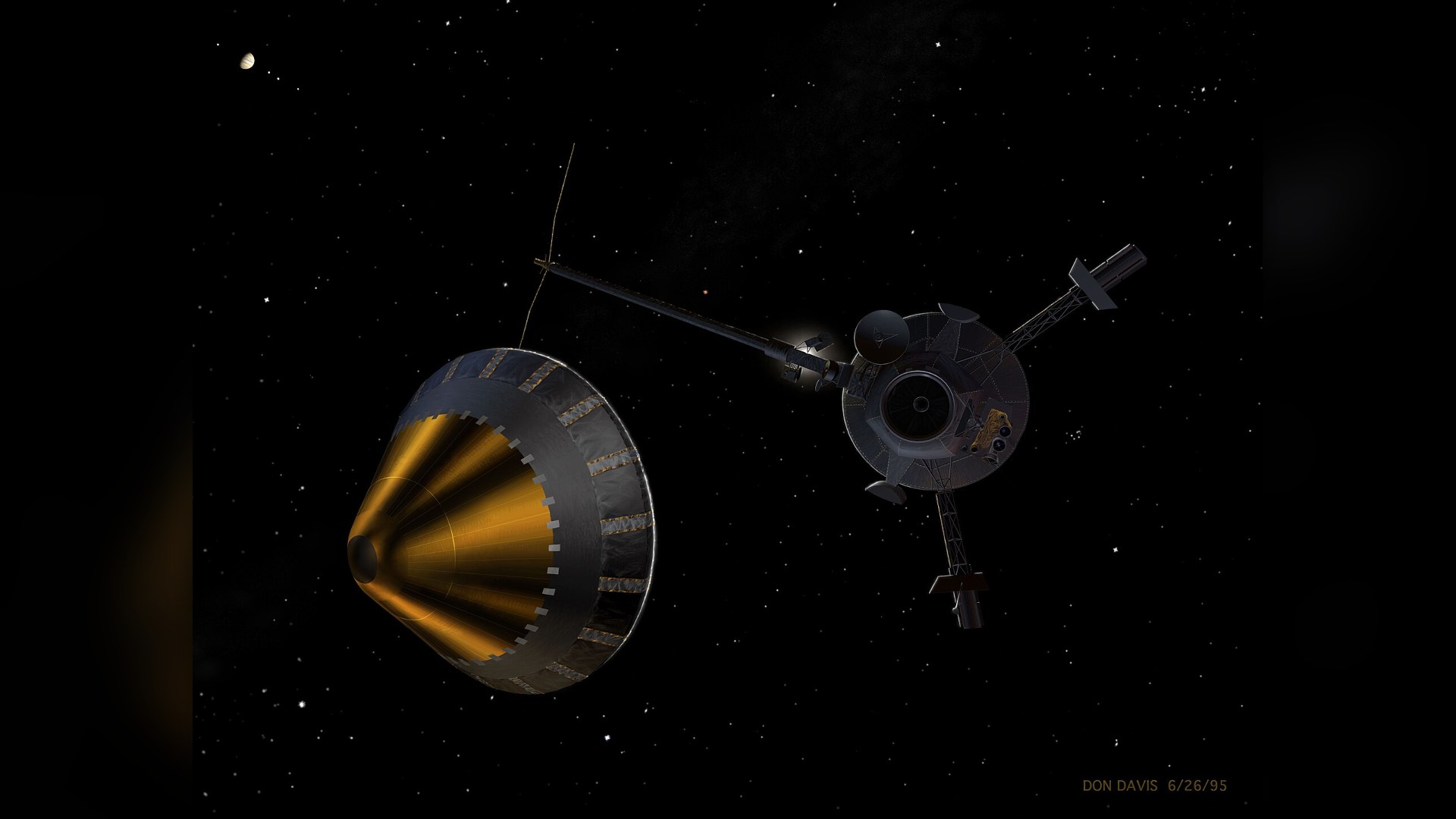
Released from the Galileo orbiter, this titanium-shelled probe hit Jupiter's upper atmosphere on December 7, 1995, at 170,000 kilometers per hour. Before heat and crushing pressure silenced it, instruments clocked winds topping 600 kilometers per hour.
17. The Galileo Orbiter (1995 To 2003)
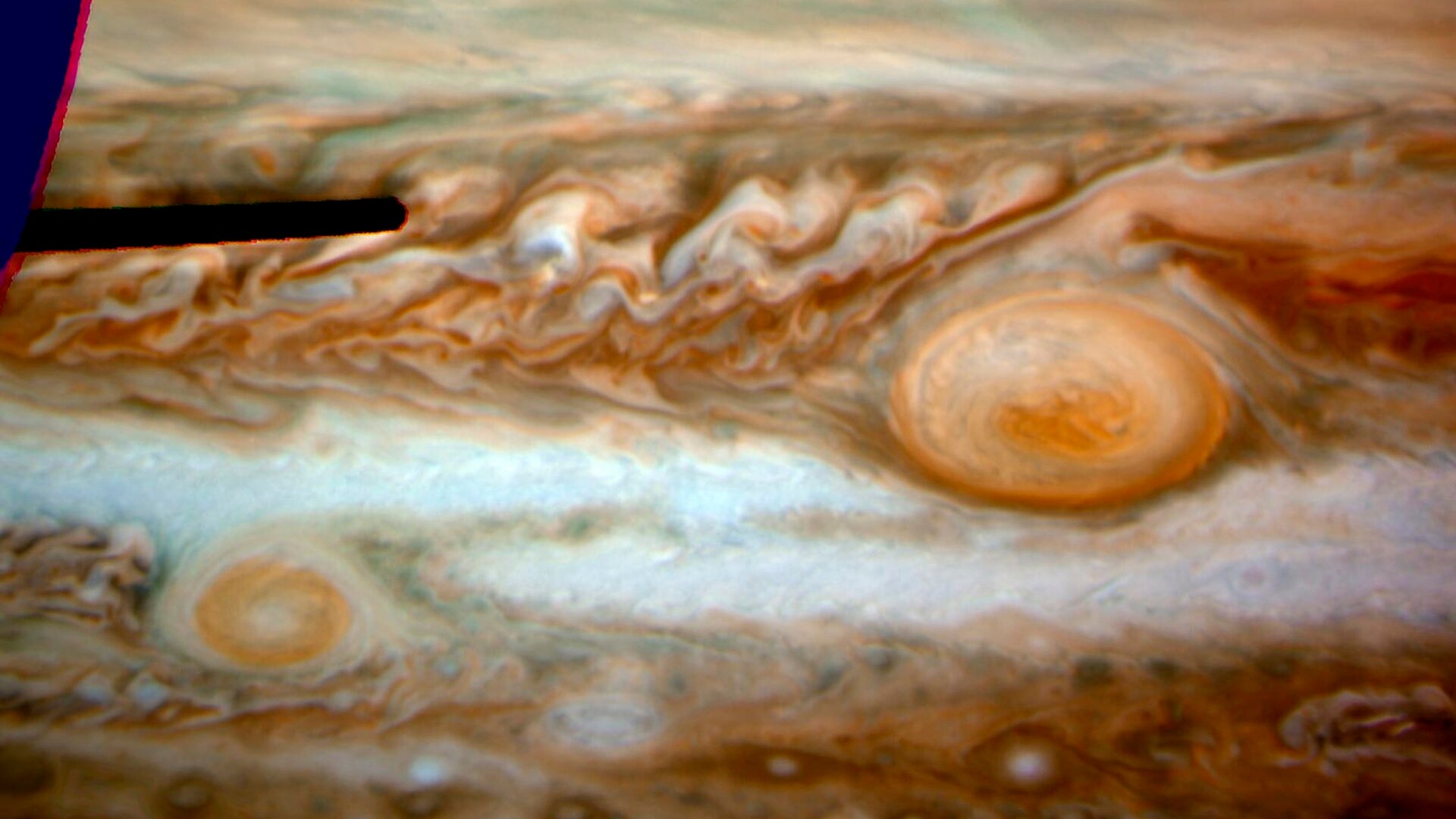
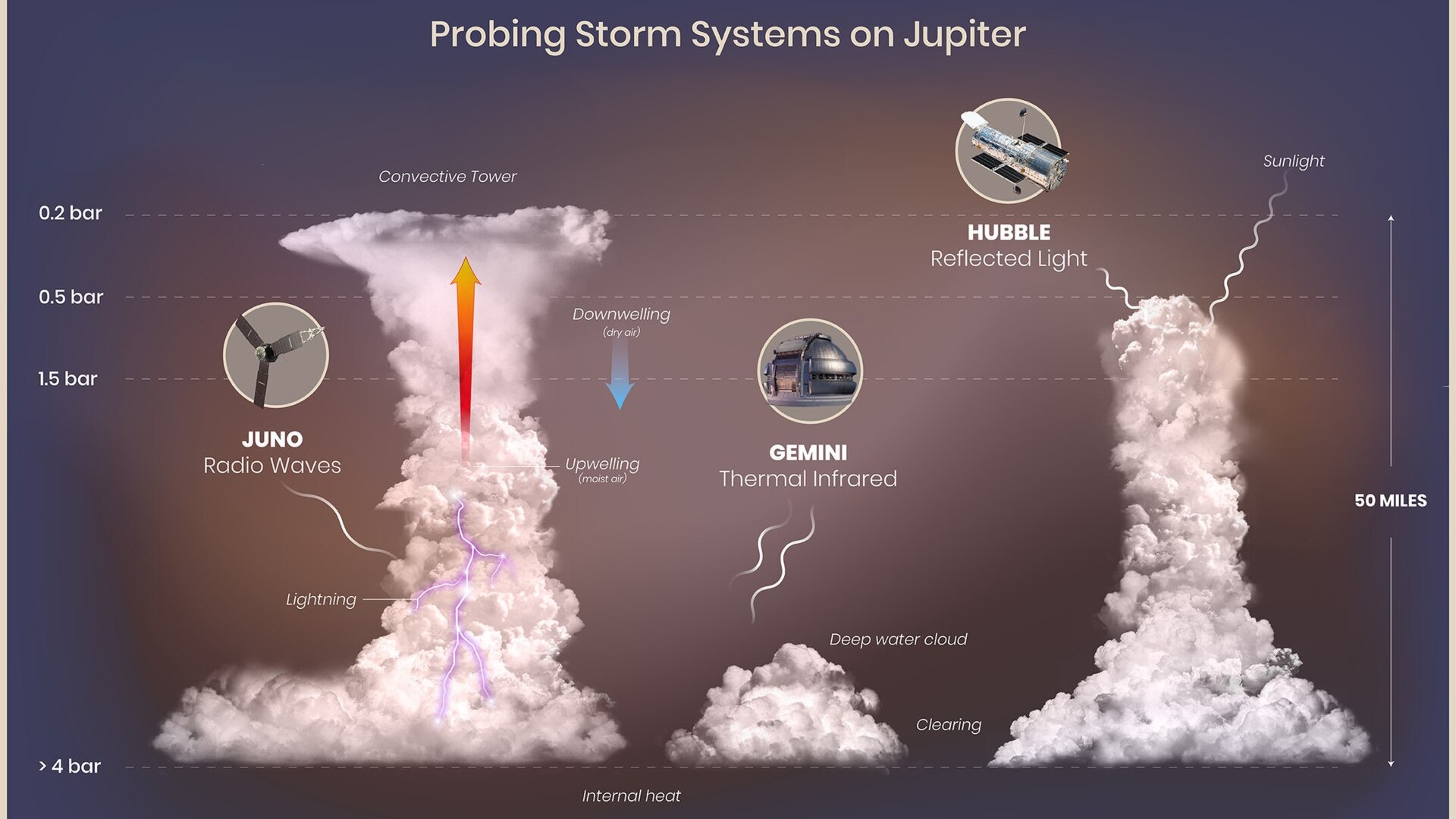
From 1995 to 2003, Galileo circled Jupiter 35 times and mapped storms in near-infrared light. It confirmed towering water-vapor thunderstorms northwest of the Great Red Spot and pinpointed fresh clouds of pure ammonia ice condensing near its rim.
16. Cassini's Jupiter Flyby (2000)
On its way to Saturn in late 2000, Cassini snapped about 26,000 images of Jupiter over several months. Combining narrow-angle frames yielded a crisp global portrait showing features down to 60 kilometers wide and polar hazes shifting in sunlight.
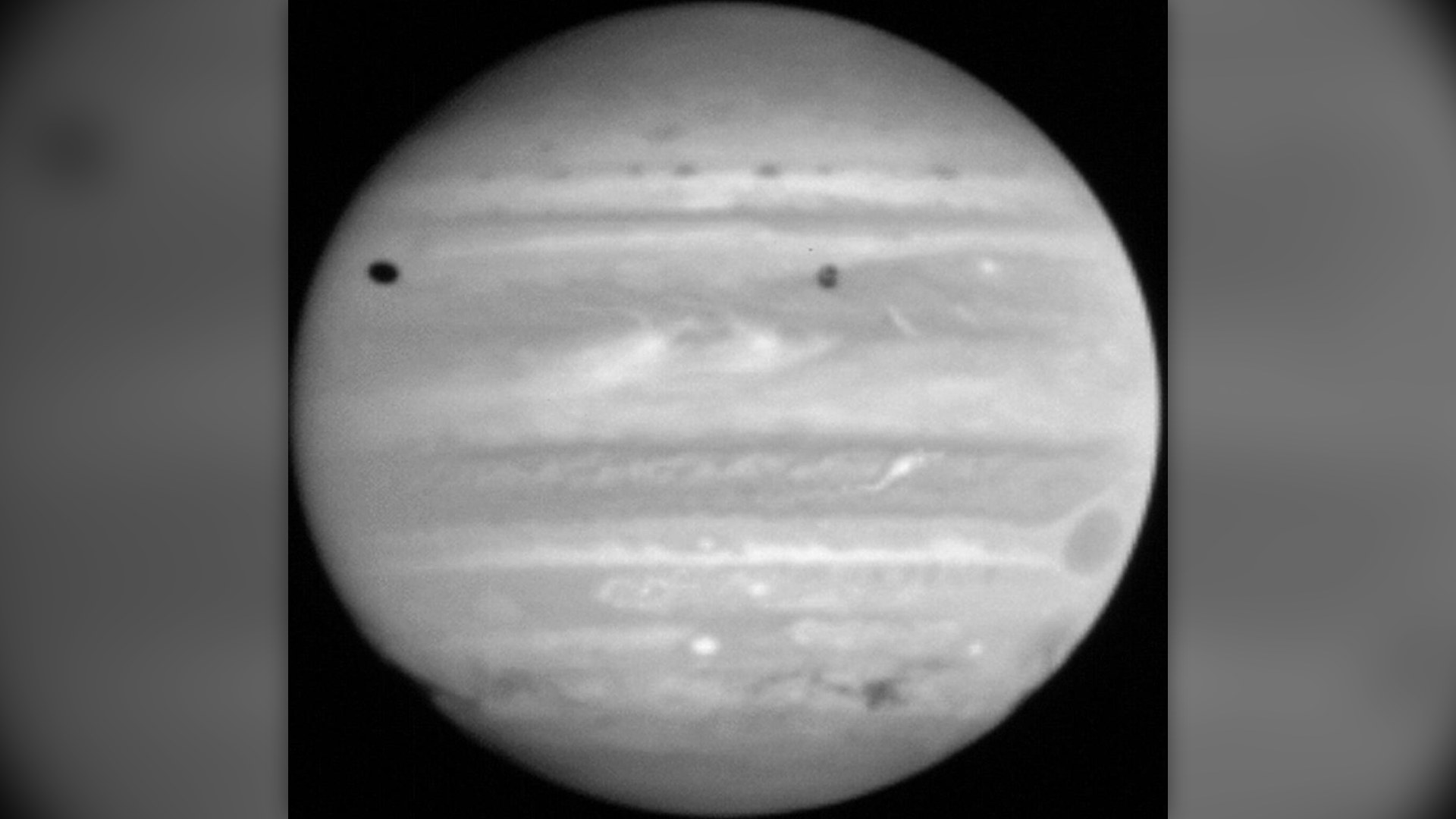
15. New Horizons Flyby (2007)
Using Jupiter for a February 2007 gravity boost toward Pluto, New Horizons captured night-side lightning flashes and ammonia cloud motions. Simultaneous Hubble snapshots let researchers track how fast waves rippled across the equator.
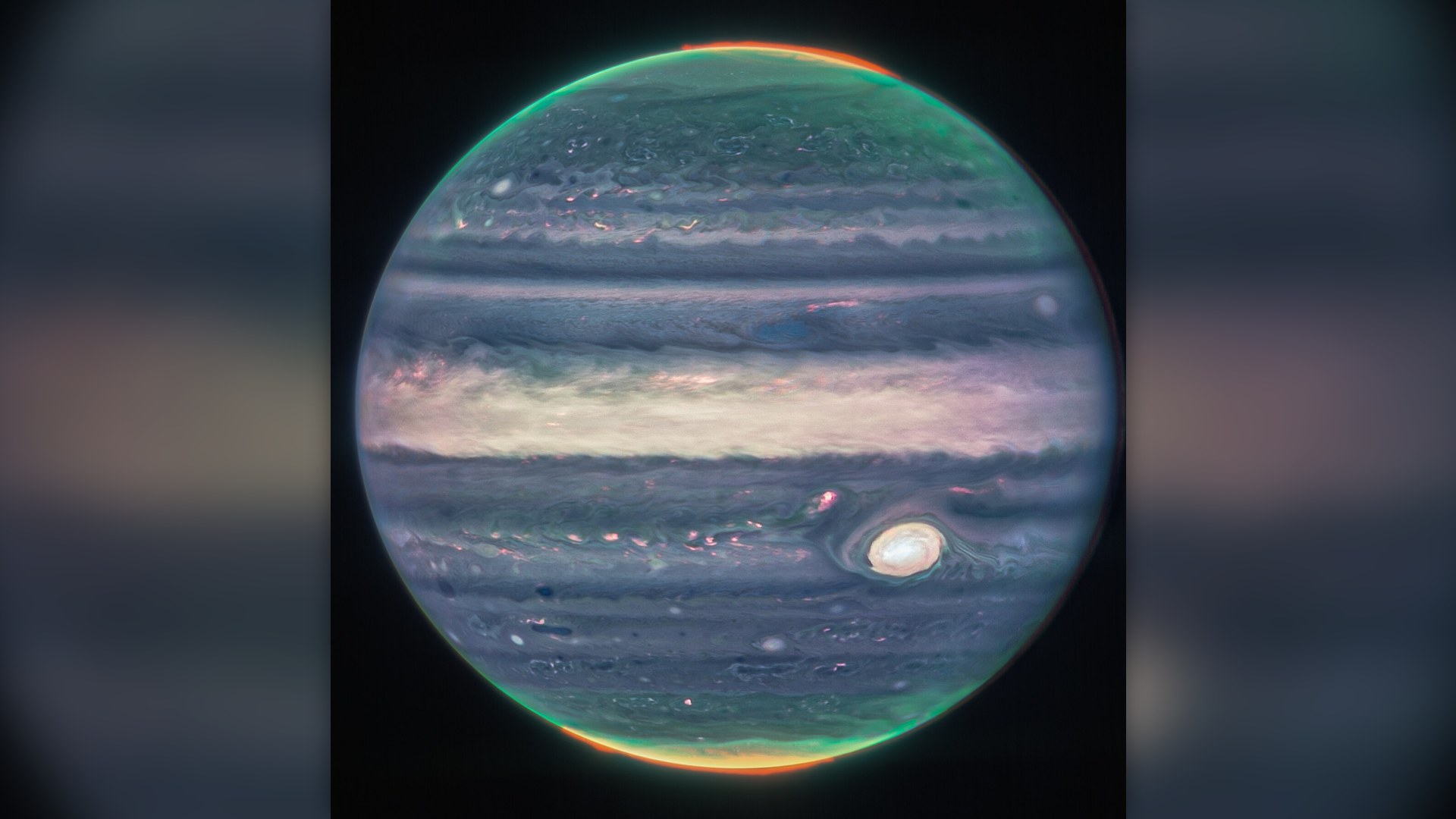
14. James Webb Infrared View (2022)
Released in August 2022, NIRCam observations from the James Webb Space Telescope captured Jupiter at infrared wavelengths invisible to human eyes. High-altitude clouds and the Great Red Spot glowed bright white because they reflect more sunlight.
13. Shoemaker-Levy 9 Impact Scars (1994)
In July 1994, broken pieces of Comet Shoemaker-Levy 9 slammed into Jupiter's southern hemisphere at 60 kilometers per second. Hubble tracked dark debris scars wider than Earth for months, letting astronomers measure wind speeds in the upper stratosphere.
12. Ammonia Belts And Zones
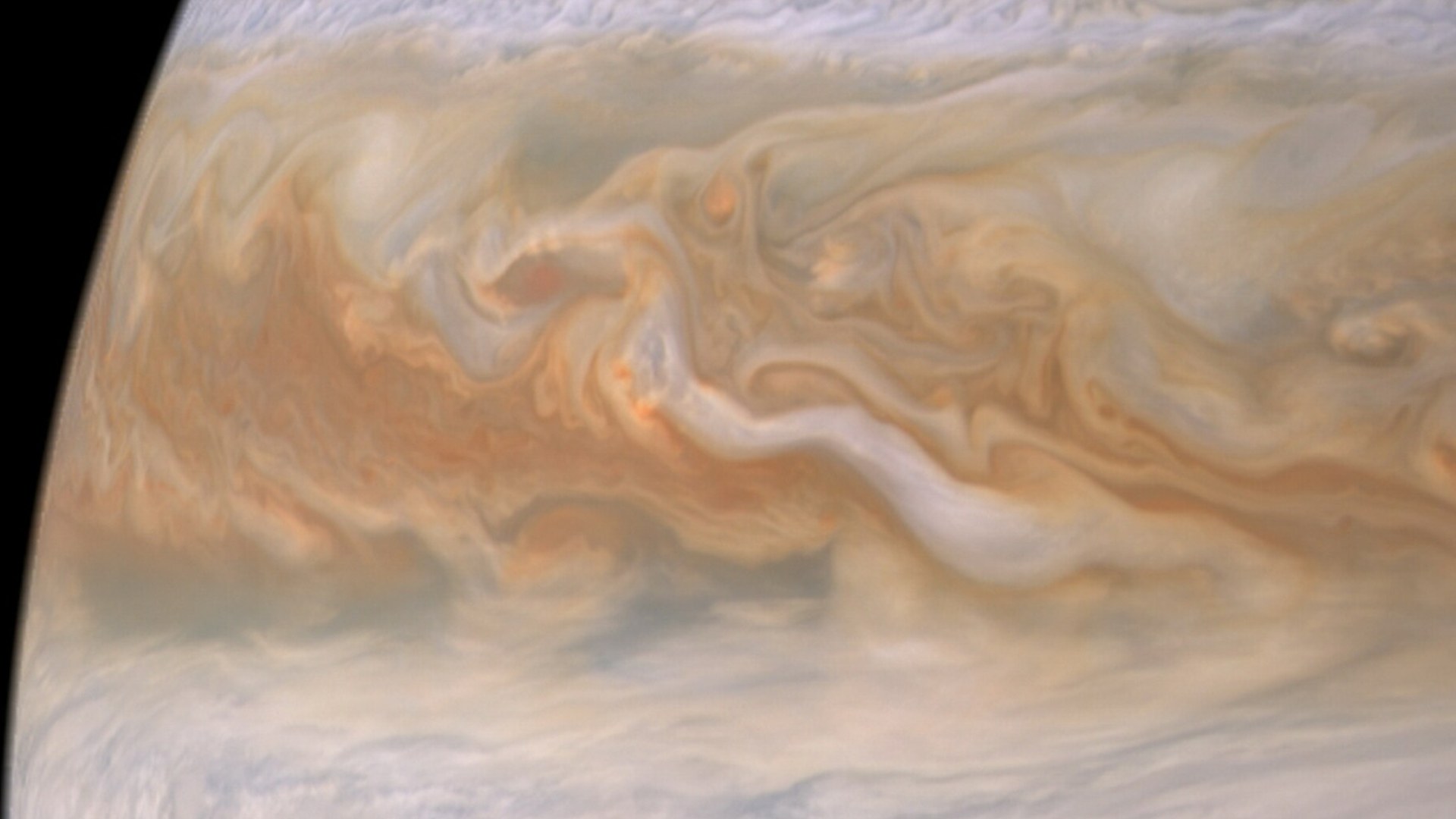
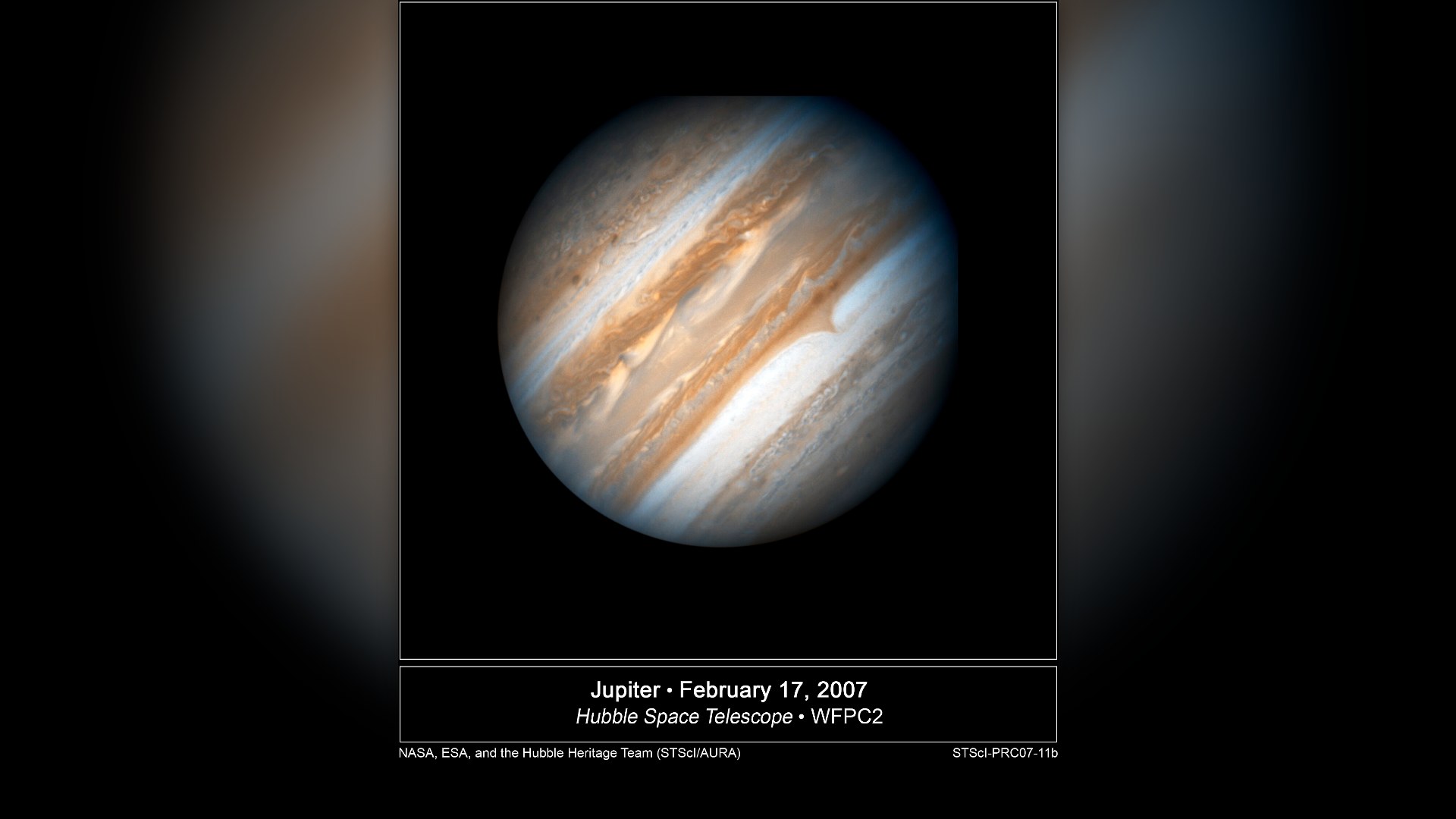
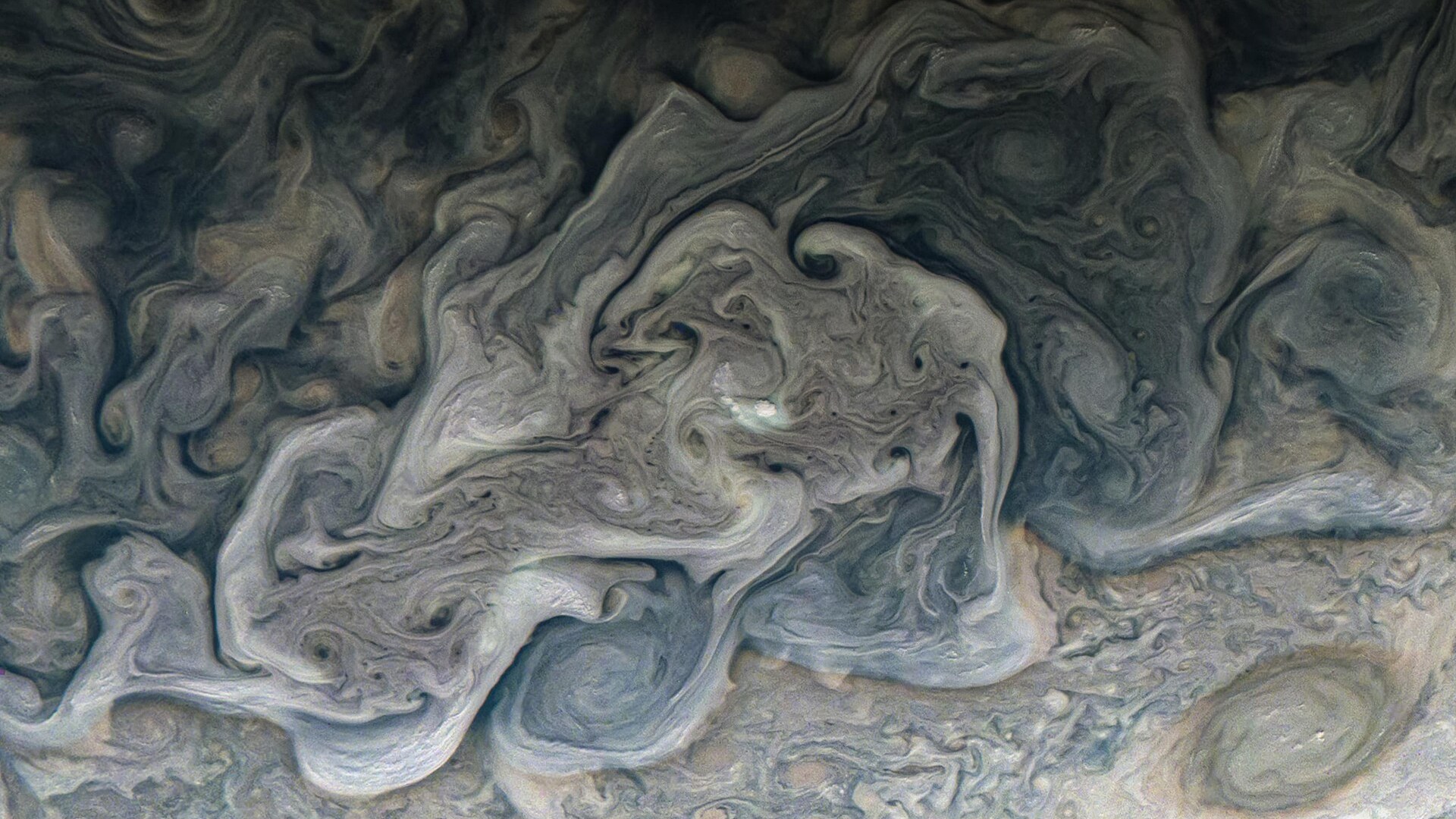
Jupiter's striped look comes from bright zones of rising ammonia ice clouds and darker belts where drier gas sinks. Fast eastward and westward jet streams keep the bands separated, though dark belts occasionally fade to white and reappear years later.
11. Equatorial Hot Spots And Plumes
Along the southern edge of the North Equatorial Belt, huge atmospheric waves open dark, dry gaps in the cloud deck. Galileo's atmospheric probe happened to drop straight into one of these clearings in 1995, finding far less water than expected.
10. South Temperate White Ovals
Astronomers watched three bright white ovals in Jupiter's South Temperate Belt from the late 1930s until two collided and merged in 1998. Two years later, the third oval joined in, creating one larger anticyclone that outlasted all three parents.
9. Oval BA (Red Spot Junior)
Born from the 2000 White Oval merger, Oval BA stayed pale white until late 2005, when its swirling collar turned bright red like its giant neighbor. Hubble measurements in 2006 found winds around 618 kilometers per hour inside the half-Earth-sized vortex.
8. The String Of Pearls
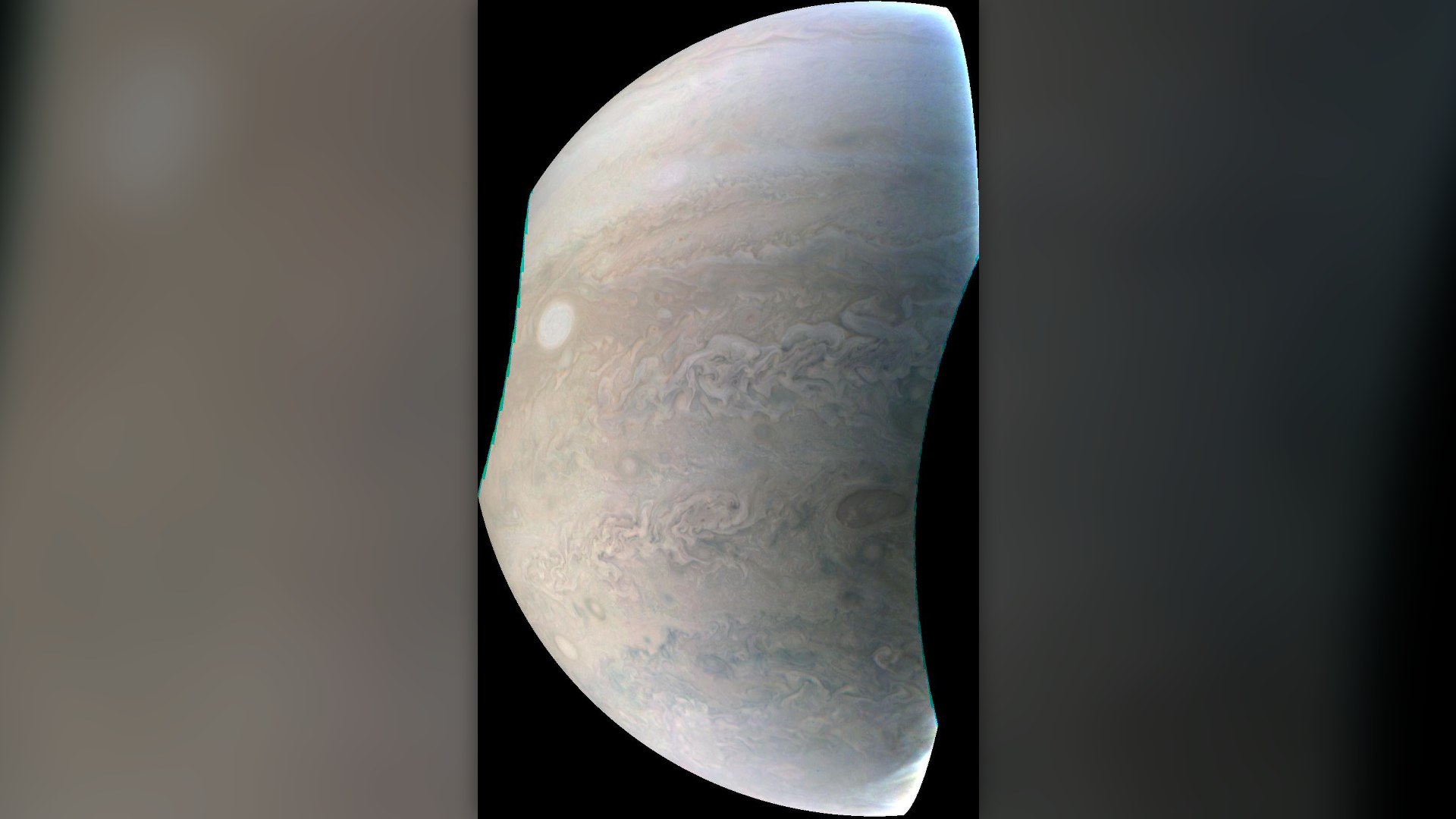
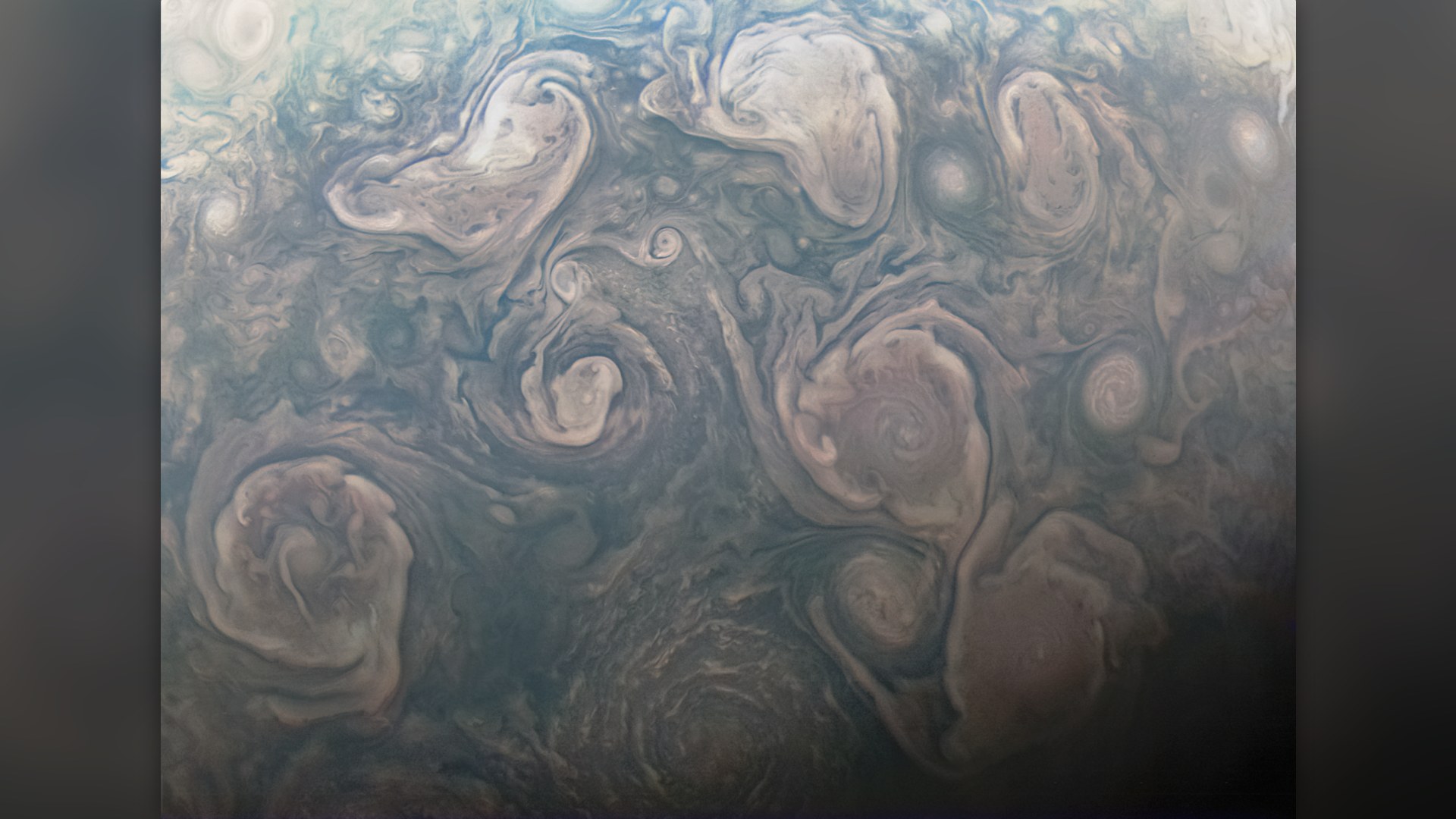
At 40 degrees south latitude, a parade of bright white storms rotates counterclockwise in a steady row. JunoCam photographed the seventh pearl in December 2016, when eight massive ovals circled the planet, though their count fluctuates over time.
7. Pop-Up Ammonia Ice Clouds
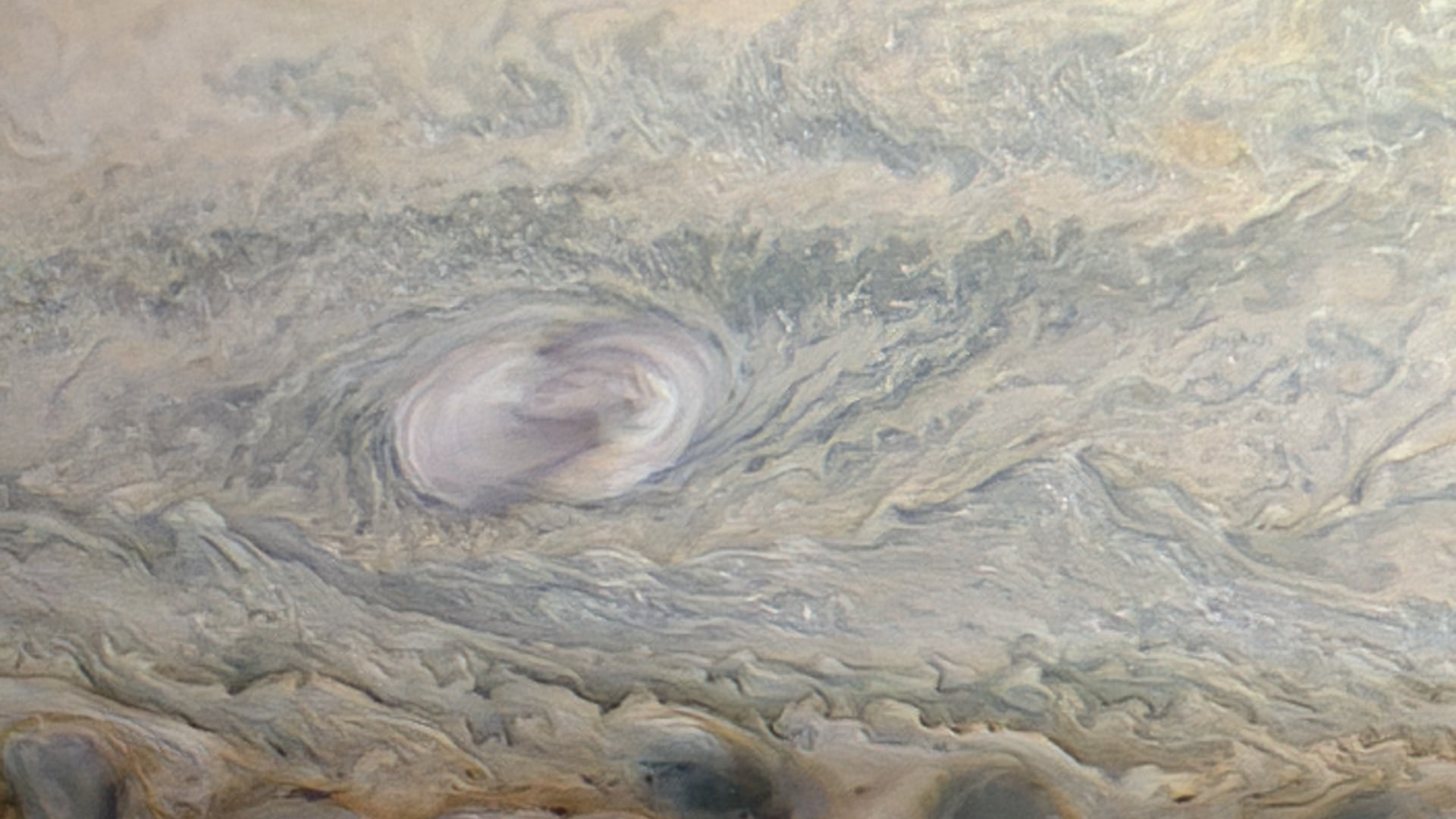
Close-up JunoCam frames taken near Jupiter's terminator reveal small, bright white clouds punching far above the surrounding tan bands. Scientists think violent updrafts loft ammonia ice particles dozens of kilometers higher than nearby cloud tops.
6. Clyde's Spot (2020)
On May 31, 2020, South African amateur astronomer Clyde Foster noticed a bright new outbreak southeast of the Great Red Spot. Just two days later, NASA's Juno spacecraft flew directly overhead and captured the tall convective plume in crisp detail.
5. Shallow Lightning And Mushballs
Before Juno arrived in 2016, researchers thought Jupiter's lightning formed only in deep water clouds. Juno's sensitive star-tracker camera spotted flashes much higher up, where ammonia acts like antifreeze to create slushy hailstones called mushballs.
4. South Polar Cyclone Pentagon
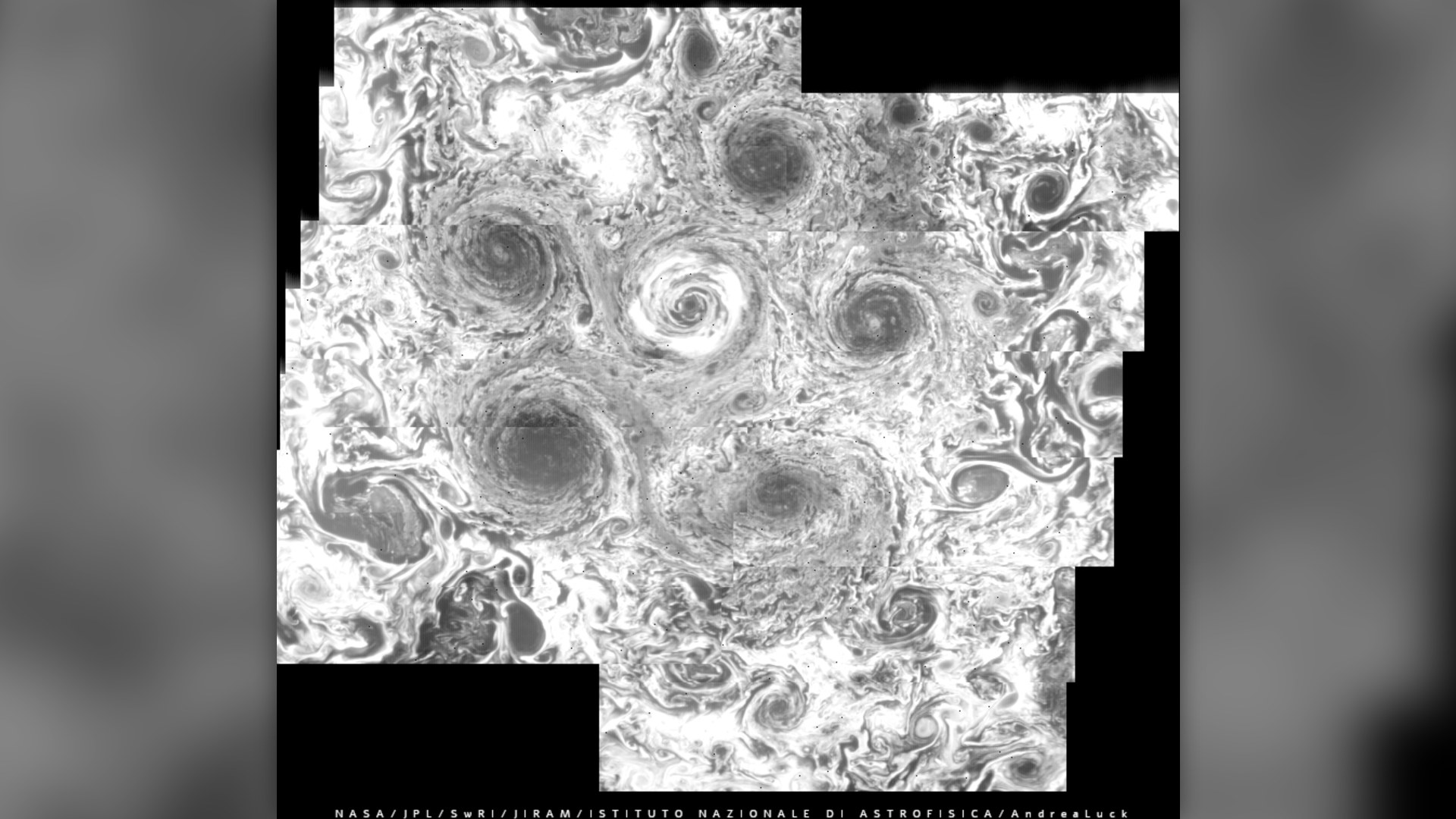
When Juno swung over Jupiter's south pole, its infrared instrument JIRAM revealed a central cyclone circled by five tightly packed storms, each thousands of kilometers wide. In late 2019, a sixth cyclone briefly wedged into the ring to form a hexagon.
3. North Polar Cyclone Octagon
Unlike Saturn's single north polar hexagon, Jupiter's north pole hosts one central cyclone surrounded by eight neighboring vortices in an octagonal ring. Each storm spans roughly 4,000 kilometers across and has held its place for years in Juno data.
2. Jupiter's Polar Auroras
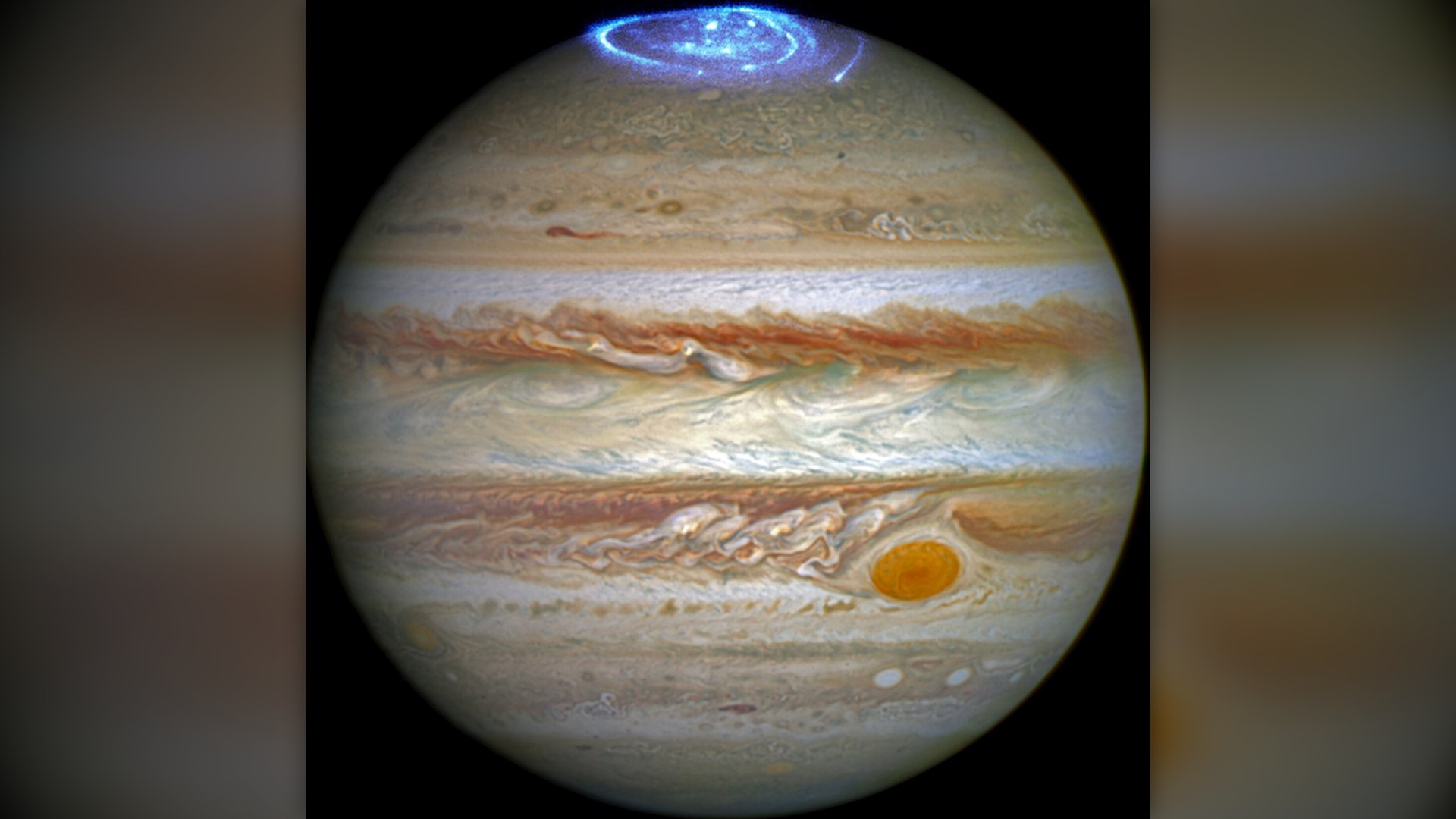
Jupiter's auroras never shut off. Powered by the planet's rapid spin and volcanic sulfur and oxygen flung outward by its moon Io, these polar light curtains shine hundreds of times brighter than Earth's northern lights in ultraviolet Hubble imagery.
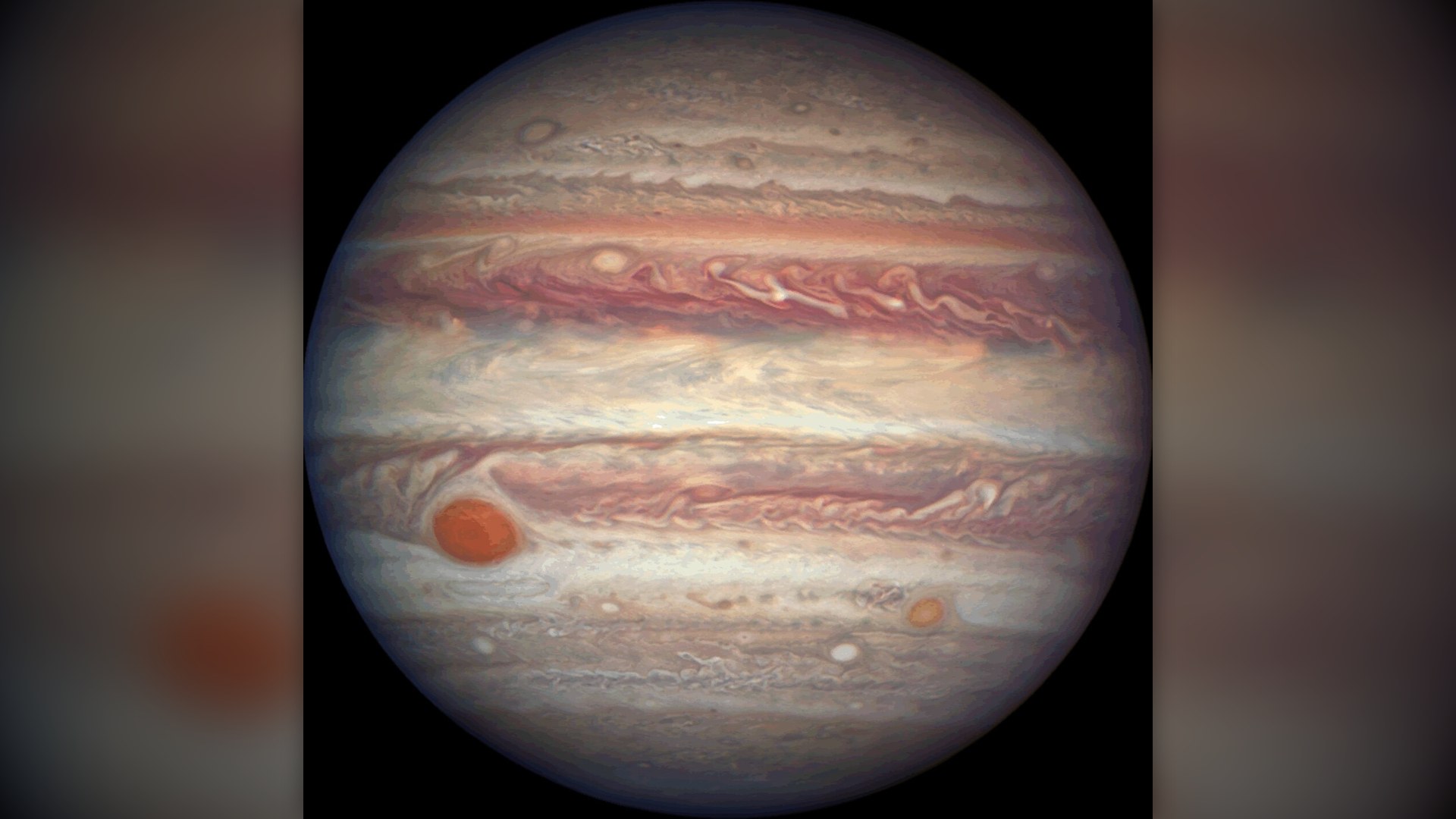
1. The Great Red Spot
Tracked consistently since 1831, the Great Red Spot spins counterclockwise with winds around 430 kilometers per hour. Hubble showed it had shrunk to roughly 16,500 kilometers wide by 2014, while Juno gravity data revealed roots 300 to 500 kilometers deep.