Slideshow · Lifestyle
22 Landmark Shoe Designs That Redefined Everyday Foot Comfort
Footwear comfort evolved over decades of trial, rubber molding, and ergonomic research. Ranked by lasting influence on sole engineering and everyday wear, this countdown spans from 1935 boat decks to modern running labs. Based on brand archives, Smithsonian collections, and reporting by Reuters and Footwear News.
By Most Viral Today
14 min ago

From 1935 boat soles to modern foam, see which shoe ranked number one 
22. Sperry Top-Sider Authentic Original 
21. Converse Chuck Taylor All Star 
20. Adidas Samba - AdvertisementSwipe or tap ▶ to continue countdown

19. Clarks Desert Boot 
18. Adidas Stan Smith 
17. Dr. Martens 1460 Boot 
16. Clarks Wallabee - AdvertisementSwipe or tap ▶ to continue countdown

15. Puma Suede Classic 
14. Timberland 6-Inch Waterproof Boot 
13. Nike Cortez 
12. Nike Air Force 1 - AdvertisementSwipe or tap ▶ to continue countdown

11. Saucony Jazz Original 
10. Reebok Classic Leather 
9. Asics Gel-Lyte III 
8. UGG Classic Boot - AdvertisementSwipe or tap ▶ to continue countdown

7. Nike Air Max 1 
6. Brooks Ghost 
5. Hoka Clifton 
4. On Cloud - AdvertisementSwipe or tap ▶ to continue countdown

3. Crocs Classic Clog 
2. New Balance 990 
1. Birkenstock Arizona - Advertisement🔥 UP NEXT IN THIS SERIES◫ 21 Slides

20 Ways to Protect Your Home and Family in a Snowstorm
When severe blizzards and polar freezes threaten the power grid, proactive maintenance saves lives and prevents catastrophic property damage. This countdown details twenty essential actions to protect your home and family in a snowstorm, drawing from cold weather engineering guides and disaster response protocols.
Footwear comfort evolved over decades of trial, rubber molding, and ergonomic research. Ranked by lasting influence on sole engineering and everyday wear, this countdown spans from 1935 boat decks to modern running labs. Based on brand archives, Smithsonian collections, and reporting by Reuters and Footwear News.
Swipe or tap ▶ to begin the countdown
©Wikimedia / Antontushnov & Wikimedia / Nhus8908
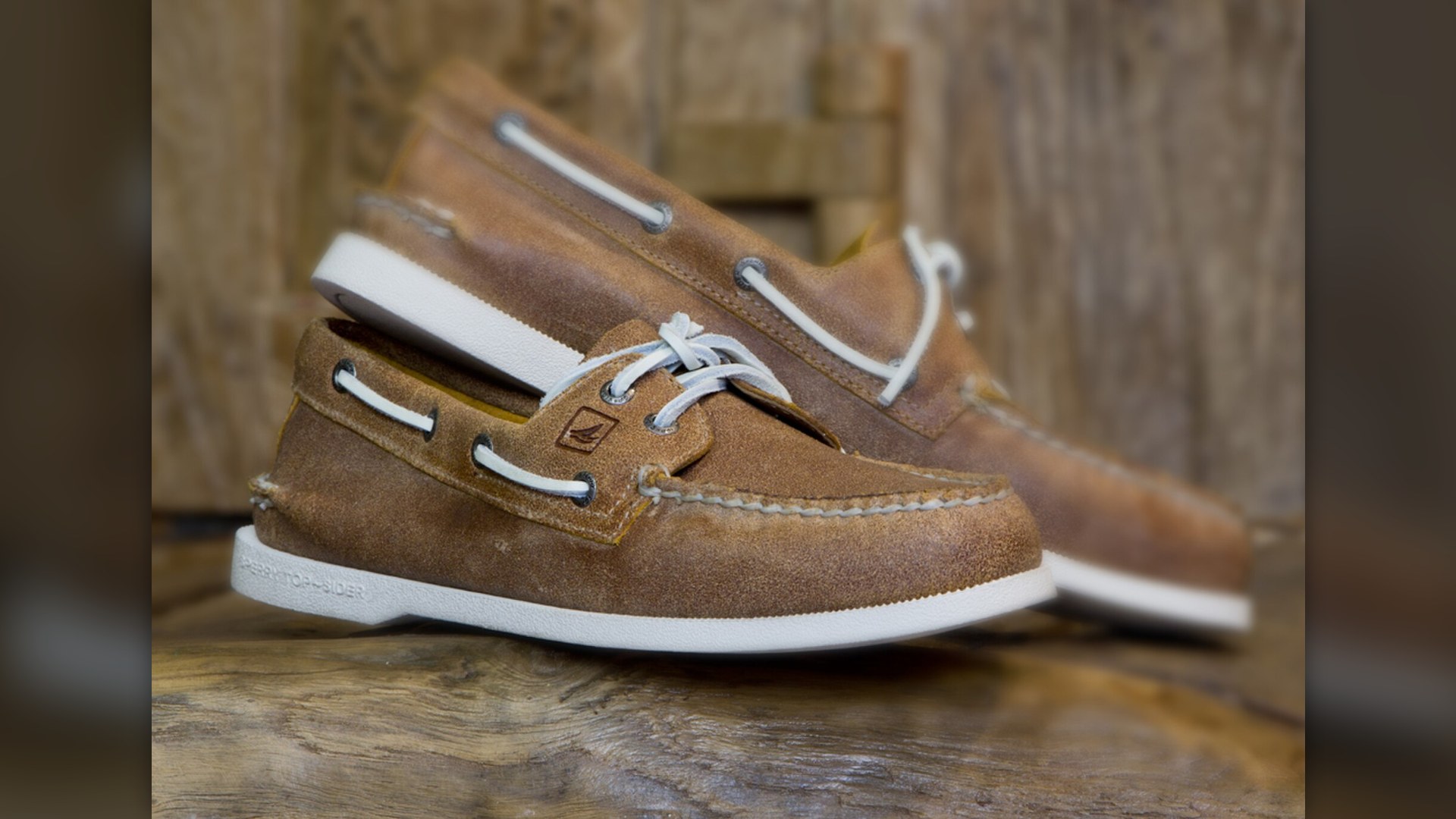
22. Sperry Top-Sider Authentic Original
Paul Sperry created the Top-Sider in 1935 after watching his cocker spaniel grip icy terrain without slipping. He carved herringbone grooves into a white rubber sole so water would channel away from wet boat decks. Hand-sewn leather uppers later made the silhouette a warm-weather everyday staple.
©Wikimedia / Antontushnov
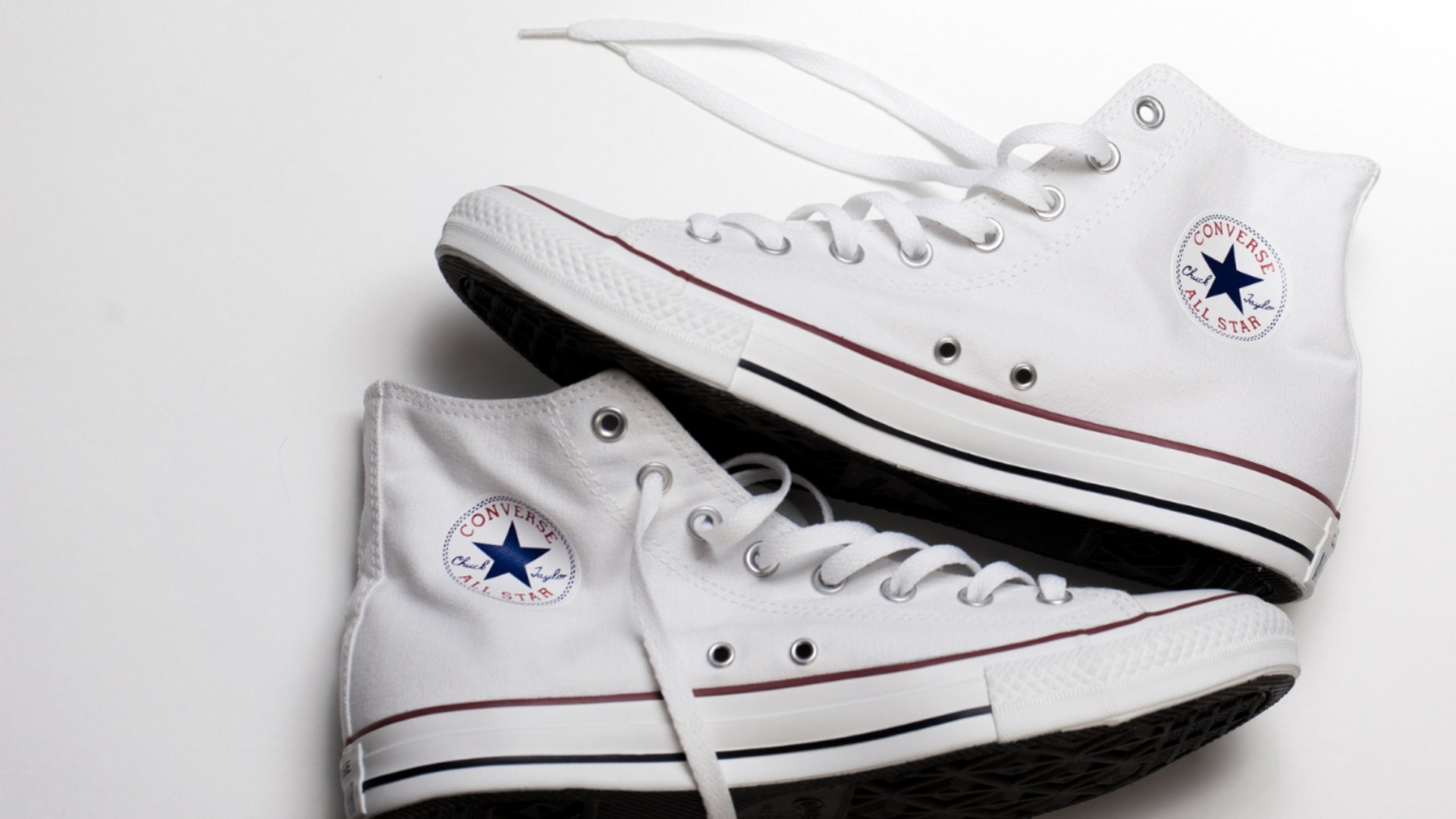
21. Converse Chuck Taylor All Star
Introduced in 1917 as the Non-Skid basketball shoe, the model gained basketball player Chuck Taylor's name in the 1920s after he suggested ankle support tweaks. Its breathable cotton canvas upper and flexible vulcanized rubber outsole molded quickly to wearers' feet. Millions still wear the classic low-profile shape.
©Wikimedia / Tlc3707
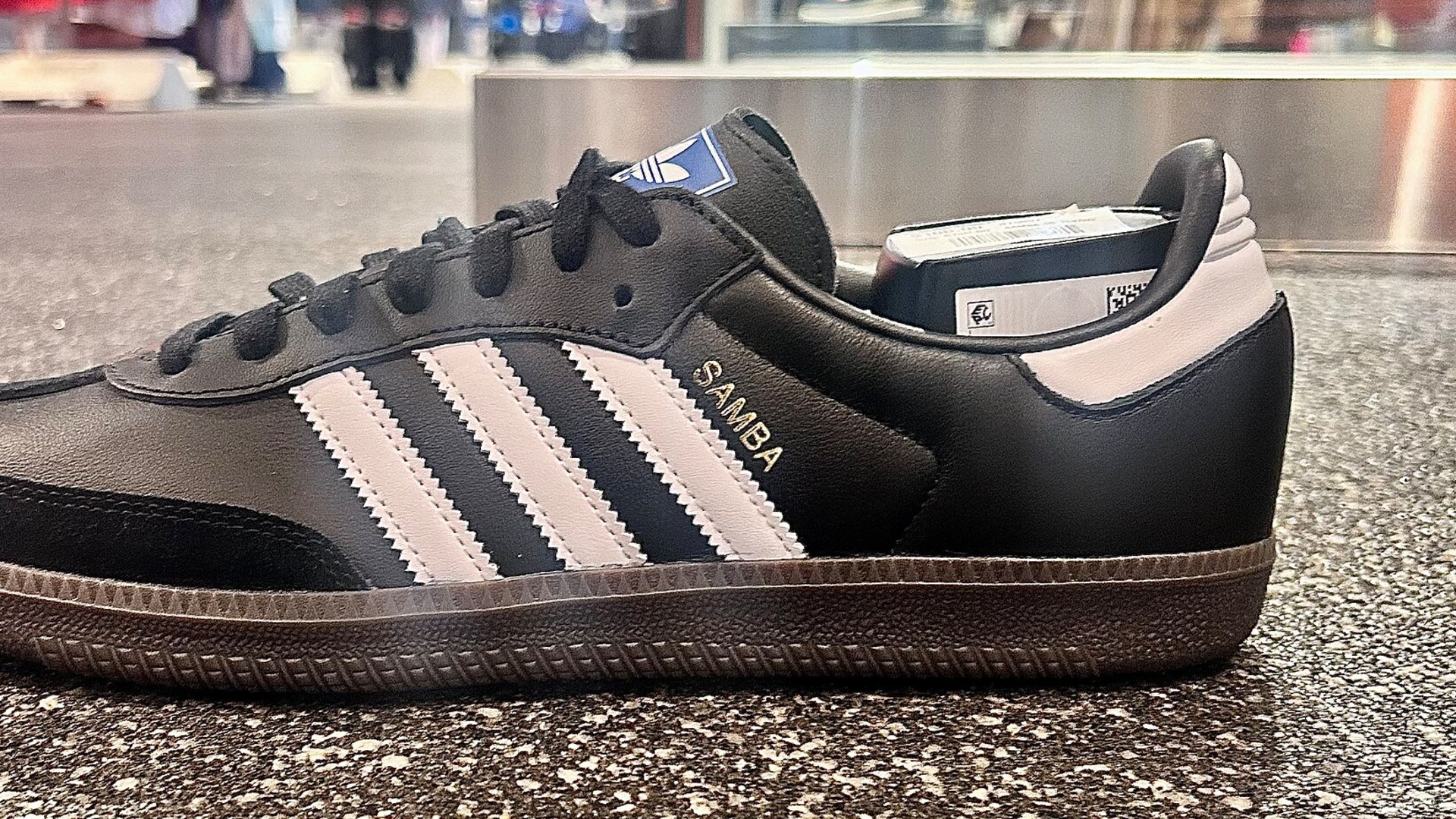
20. Adidas Samba
Adi Dassler designed the Samba around 1950 so German footballers could train on frozen ground without sliding. Its soft leather upper, suede T-toe overlay, and flexible gum-rubber outsole cushioned hard indoor courts. Decades later, skaters and city commuters adopted the flat-soled design for all-day walking.
©Wikimedia / Ksharks2
Advertisement
Swipe or tap ▶ to resume the countdown.
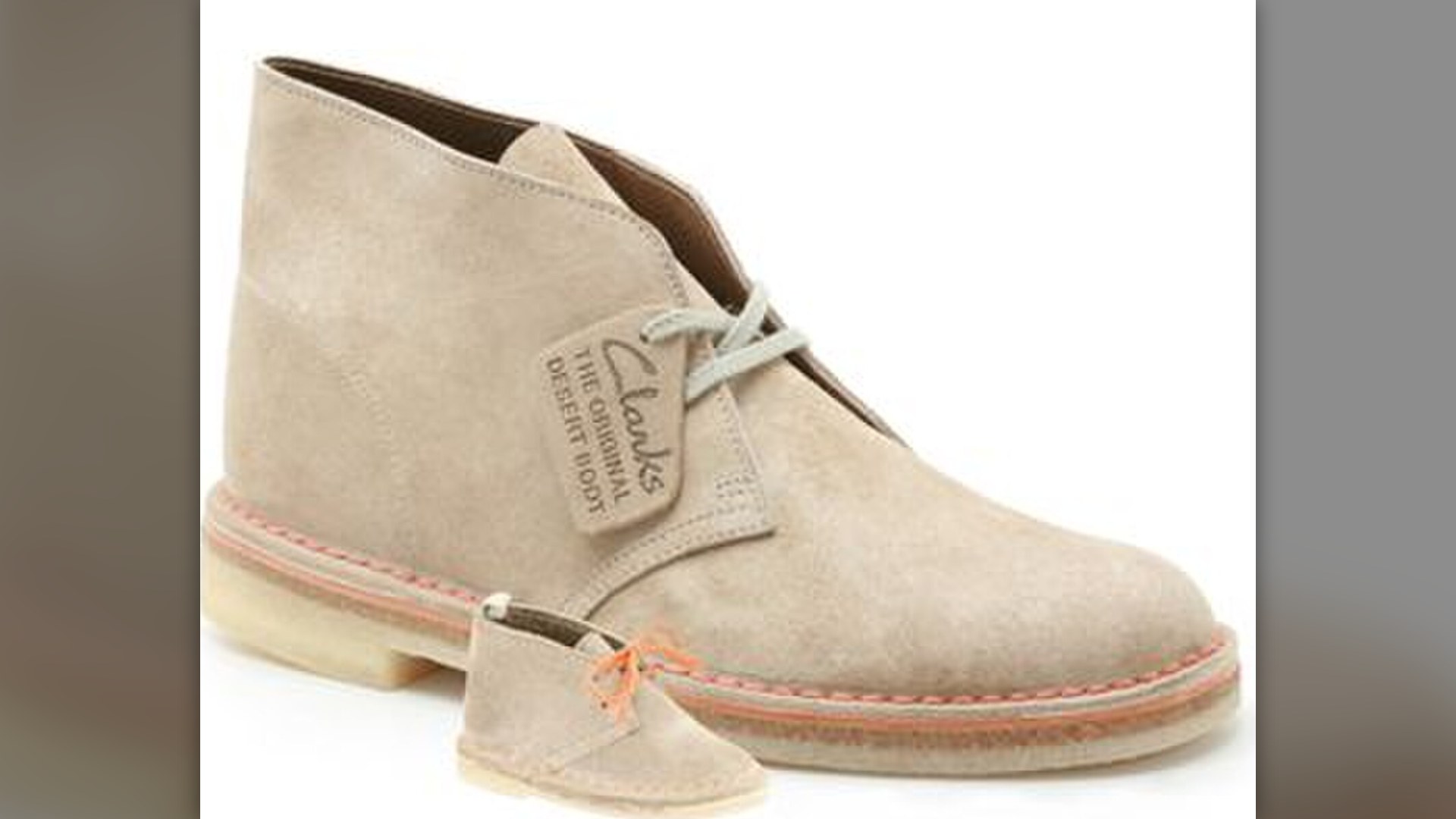
19. Clarks Desert Boot
Nathan Clark sketched the Desert Boot after spotting British officers in Cairo wearing casual suede boots made in local bazaars. Released in 1950, the shoe paired unlined suede with a thick natural plantation crepe outsole. That lightweight cushioning felt radically softer than heavy Goodyear-welted dress boots.
©Wikimedia / Paulolivier.natali
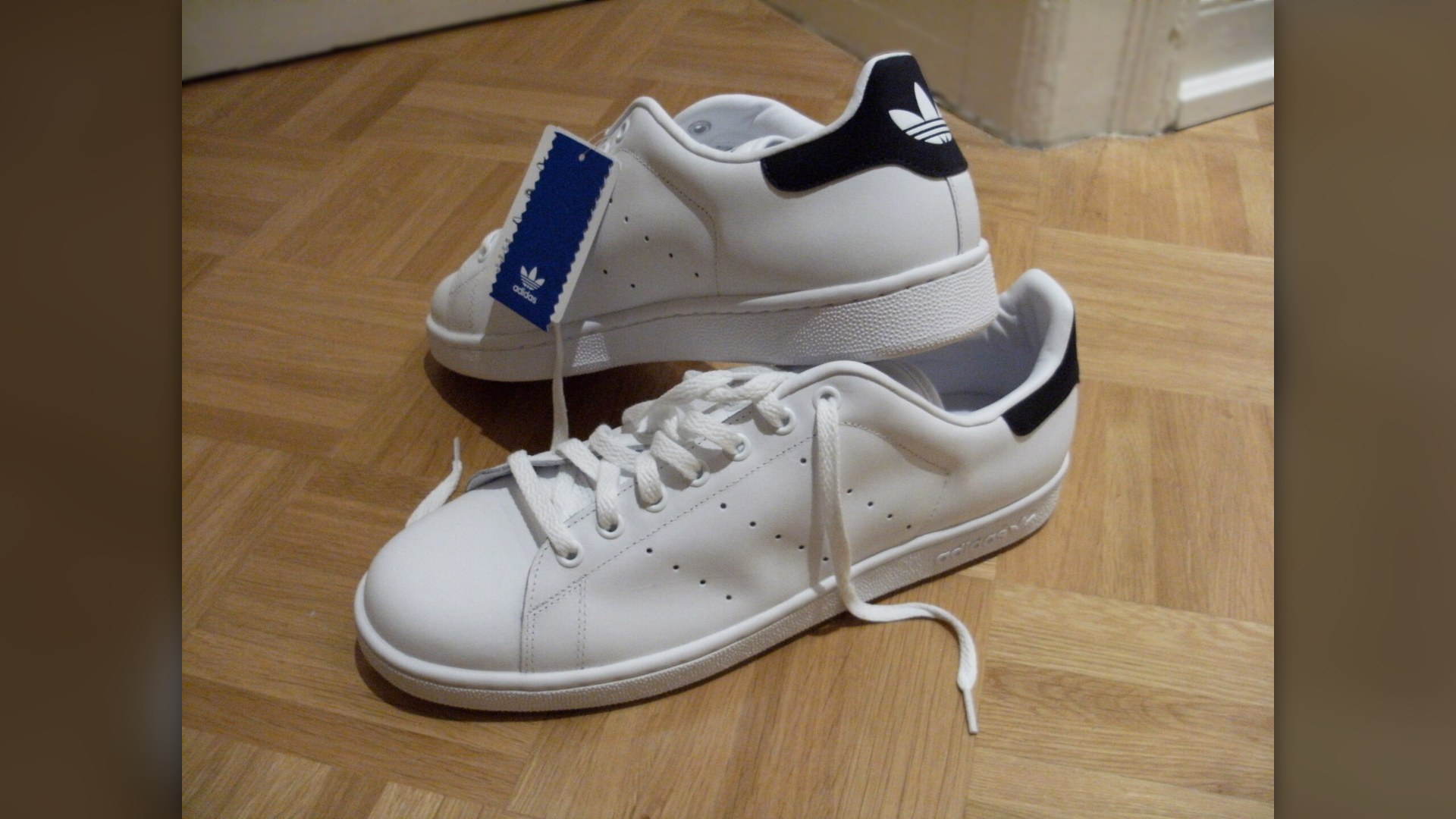
18. Adidas Stan Smith
Launched in the mid-1960s as the Robert Haillet, this white leather court shoe was renamed for American tennis champion Stan Smith in the 1970s. Designers swapped heavy stitching for three rows of ventilation holes and cushioned the heel tab. Its clean cupsole construction influenced decades of casual sneakers
©Wikimedia / Blunt
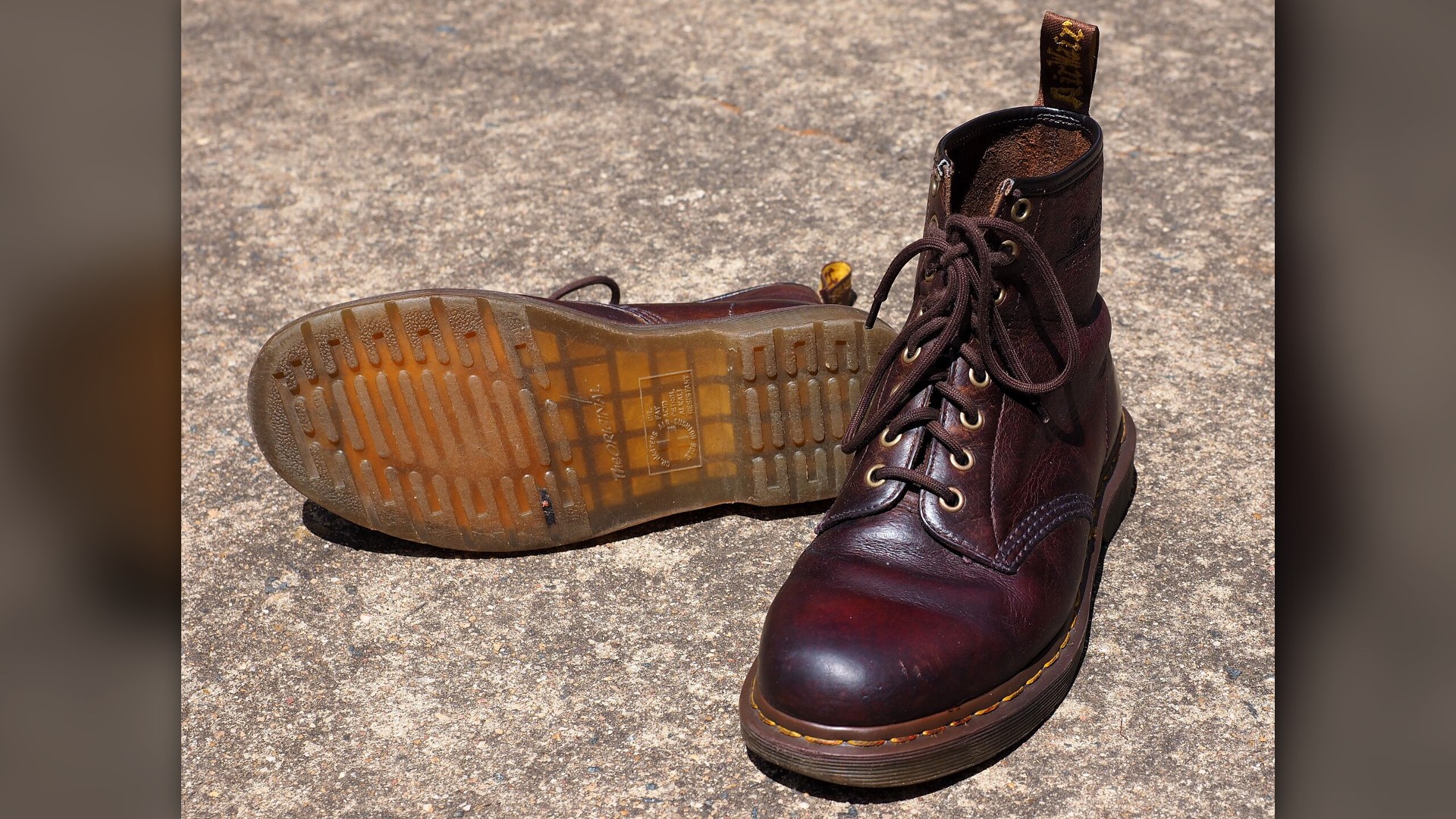
17. Dr. Martens 1460 Boot
Named after its April 1, 1960 debut date in England, the 1460 combined German physician Klaus Maertens's air-cushioned sole with British shoemaker R. Griggs Group's eight-eyelet upper. Heat-sealed yellow stitching locked in pockets of trapped air underfoot. Postal workers/factory crews wore them for twelve-hour shifts
©Wikimedia / Nick-D
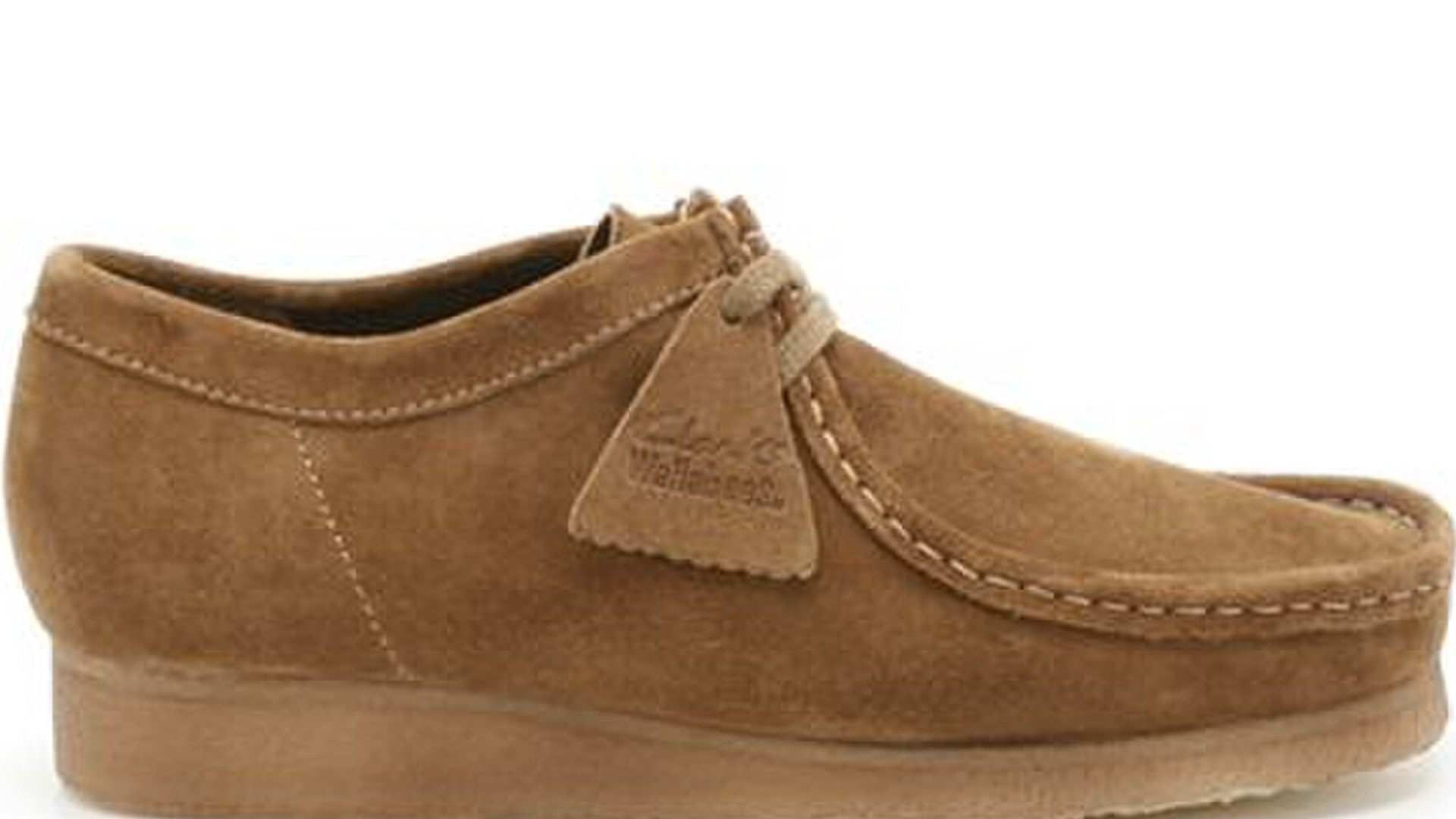
16. Clarks Wallabee
Introduced in 1967, the Wallabee adapted a German moccasin pattern onto a thick natural crepe wedge sole. Because only two pieces of soft suede wrapped around the foot with an apron seam, the upper flexed immediately out of the box. Musicians, teachers, and travelers praised its wide, pinch-free forefoot.
©Wikimedia / C & J Clark archive
Advertisement
Swipe or tap ▶ to resume the countdown.
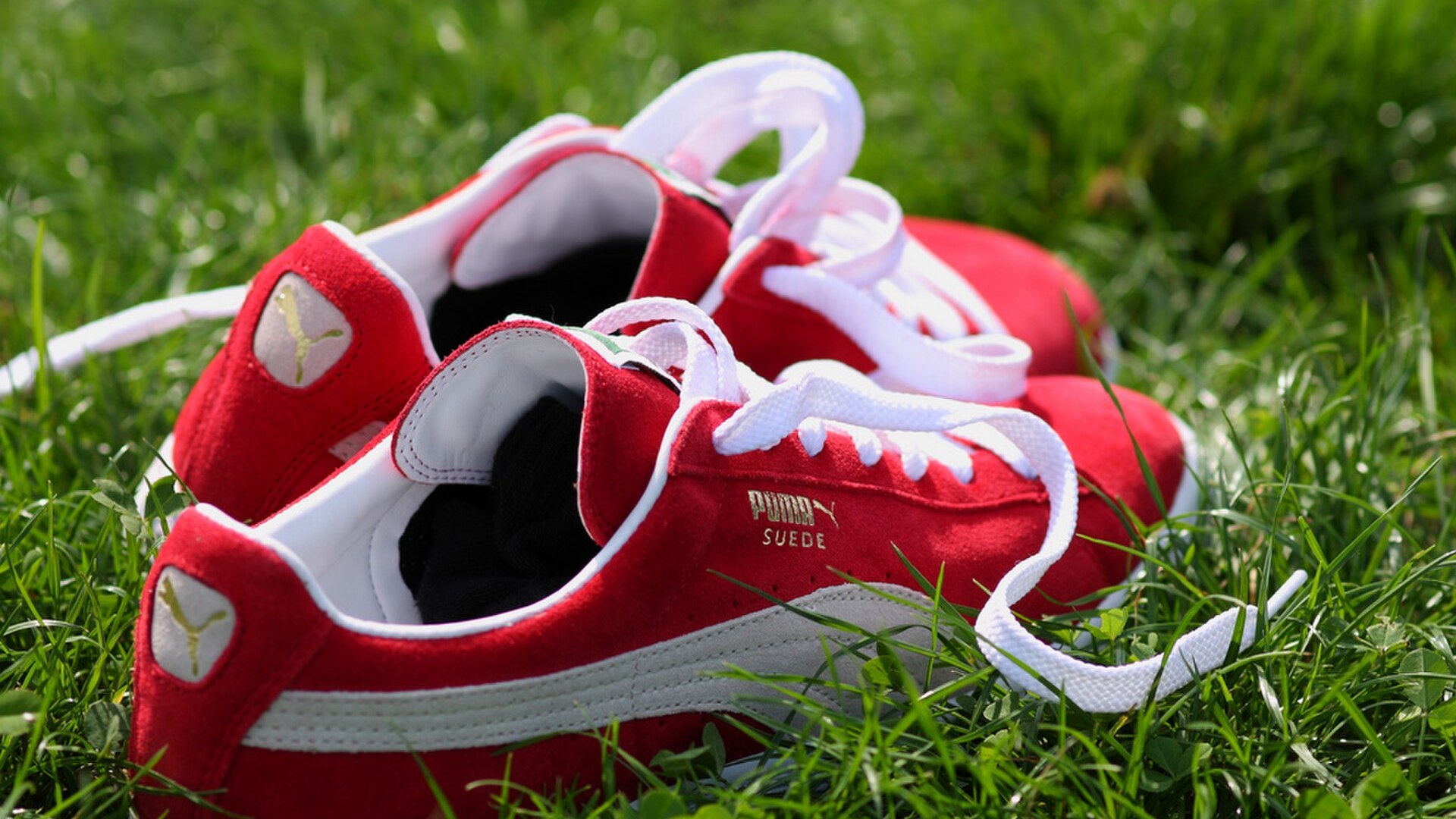
15. Puma Suede Classic
First released in 1968 as the Puma Crack, this low-top trainer replaced stiff leather basketball uppers with soft brushed suede. A supportive rubber cupsole absorbed court impact while staying flexible enough for rapid footwork. Breakdancers in 1980s New York favored its grippy sole and padded collar.
©Wikimedia / Vincent van der Heijden
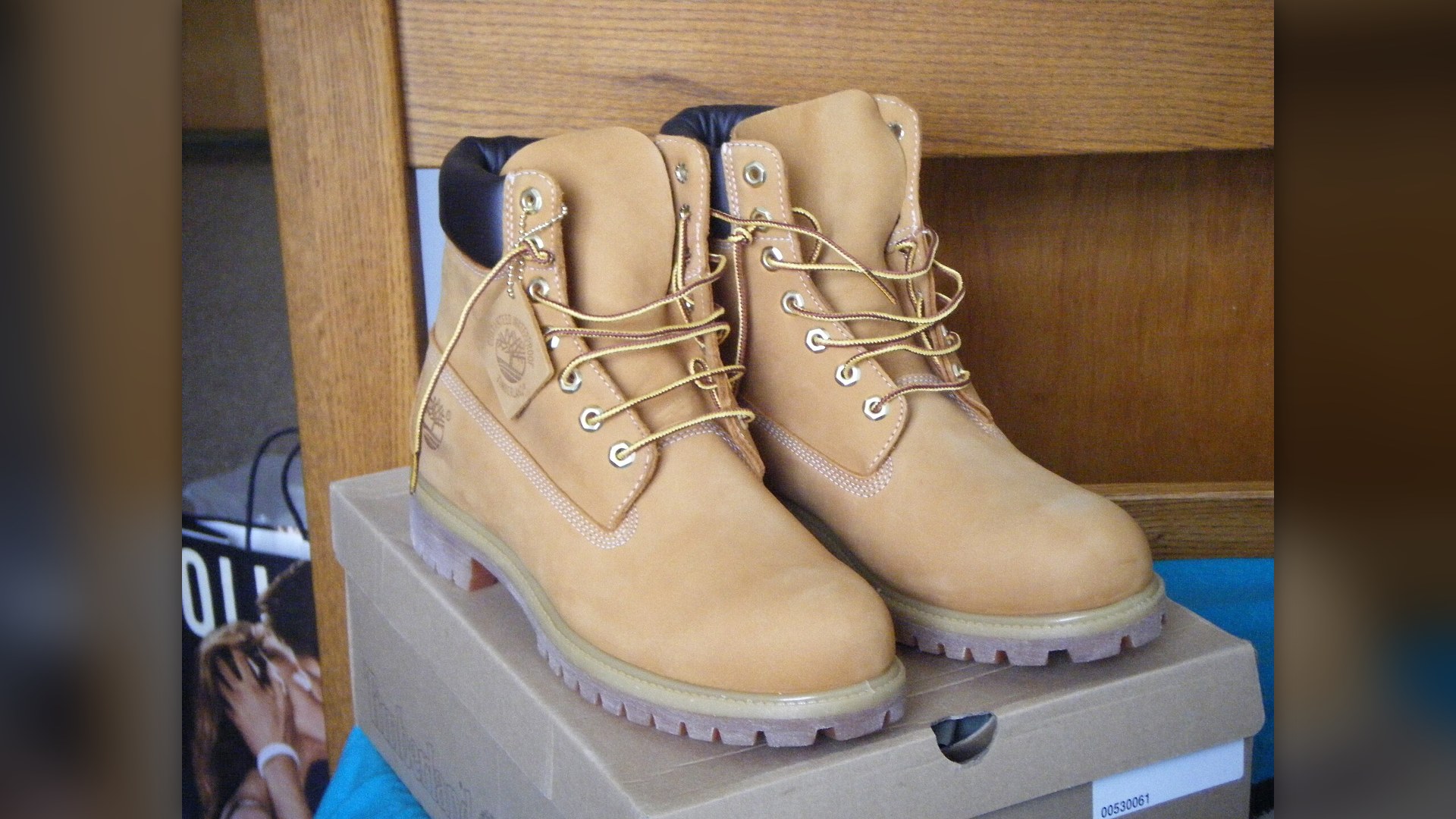
14. Timberland 6-Inch Waterproof Boot
Nathan Swartz's Abington Shoe Company launched the yellow waterproof boot in 1973 using injection molding to fuse rubber lug soles directly to treated nubuck leather. A thick padded leather collar prevented chafing around the ankle bone. Built for New England winters, it became both a job-site standard and street icon.
©Wikimedia / Dough4872
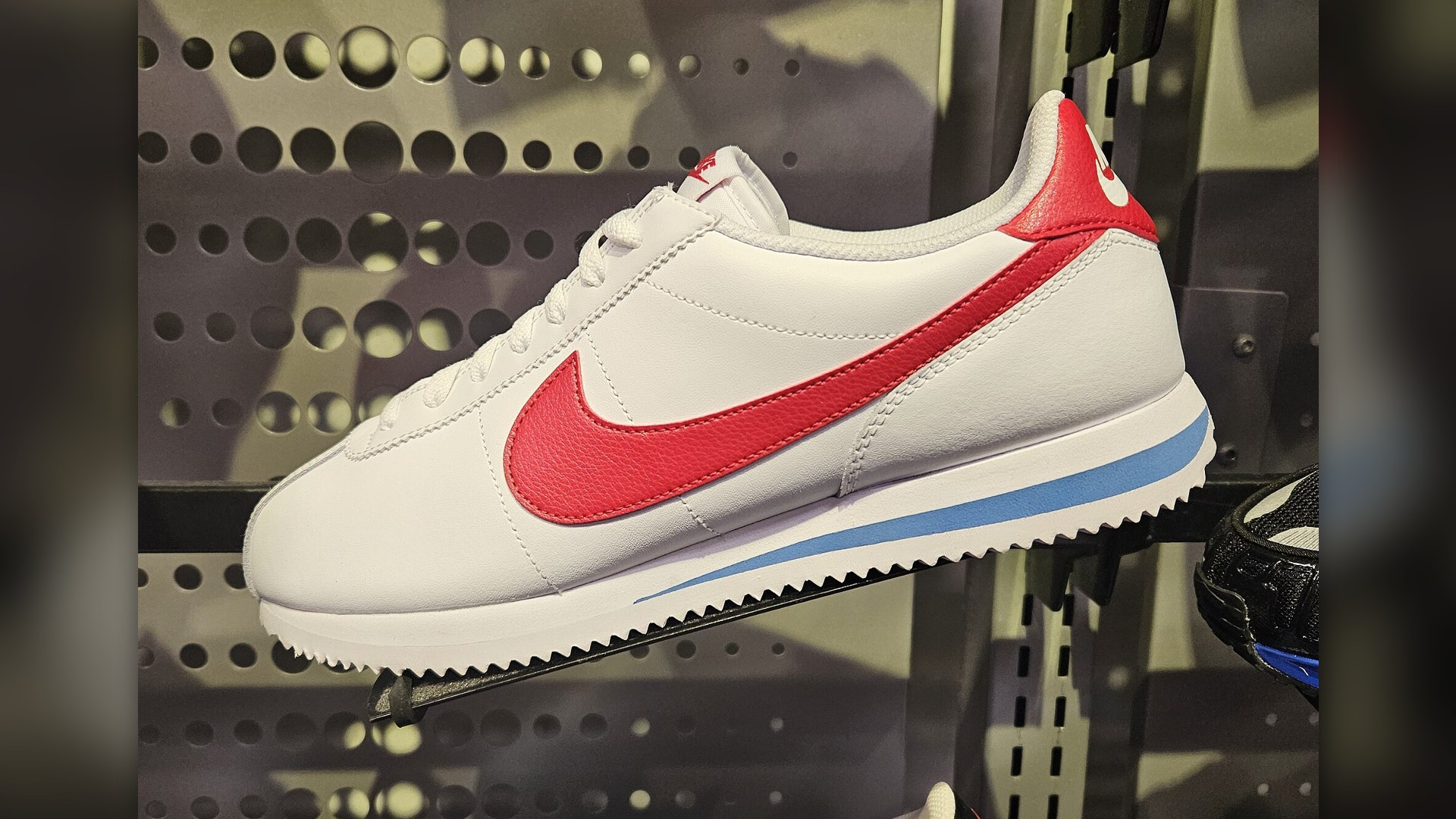
13. Nike Cortez
Co-designed by coach Bill Bowerman and debuted ahead of the 1972 Olympic Games, the Cortez stacked two layers of sponge rubber inside a full-length wedge midsole. That raised heel took strain off Achilles tendons during long road runs. Its lightweight nylon-and-suede upper later carried it into everyday casual wear.
©Wikimedia / LeDroider
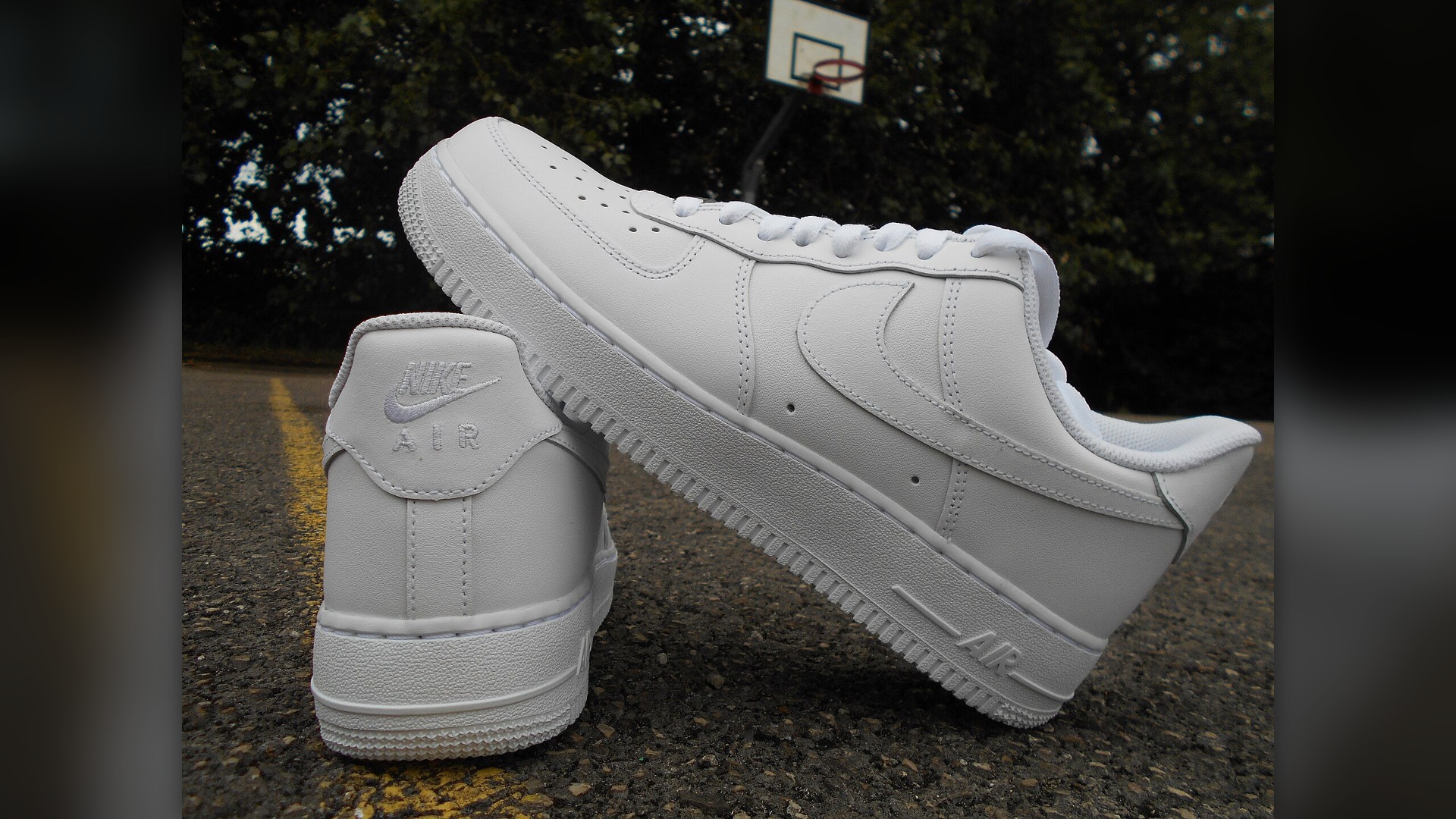
12. Nike Air Force 1
Designed by Bruce Kilgore in 1982, the Air Force 1 became the first basketball shoe fitted with a pressurized Nike Air unit inside its rubber cupsole. A pivot-point tread pattern let players spin smoothly without jarring their knees. That hidden air pocket turned a heavy court sneaker into an all-day street staple.
©Wikimedia / Nike Air Force
Advertisement
Swipe or tap ▶ to resume the countdown.
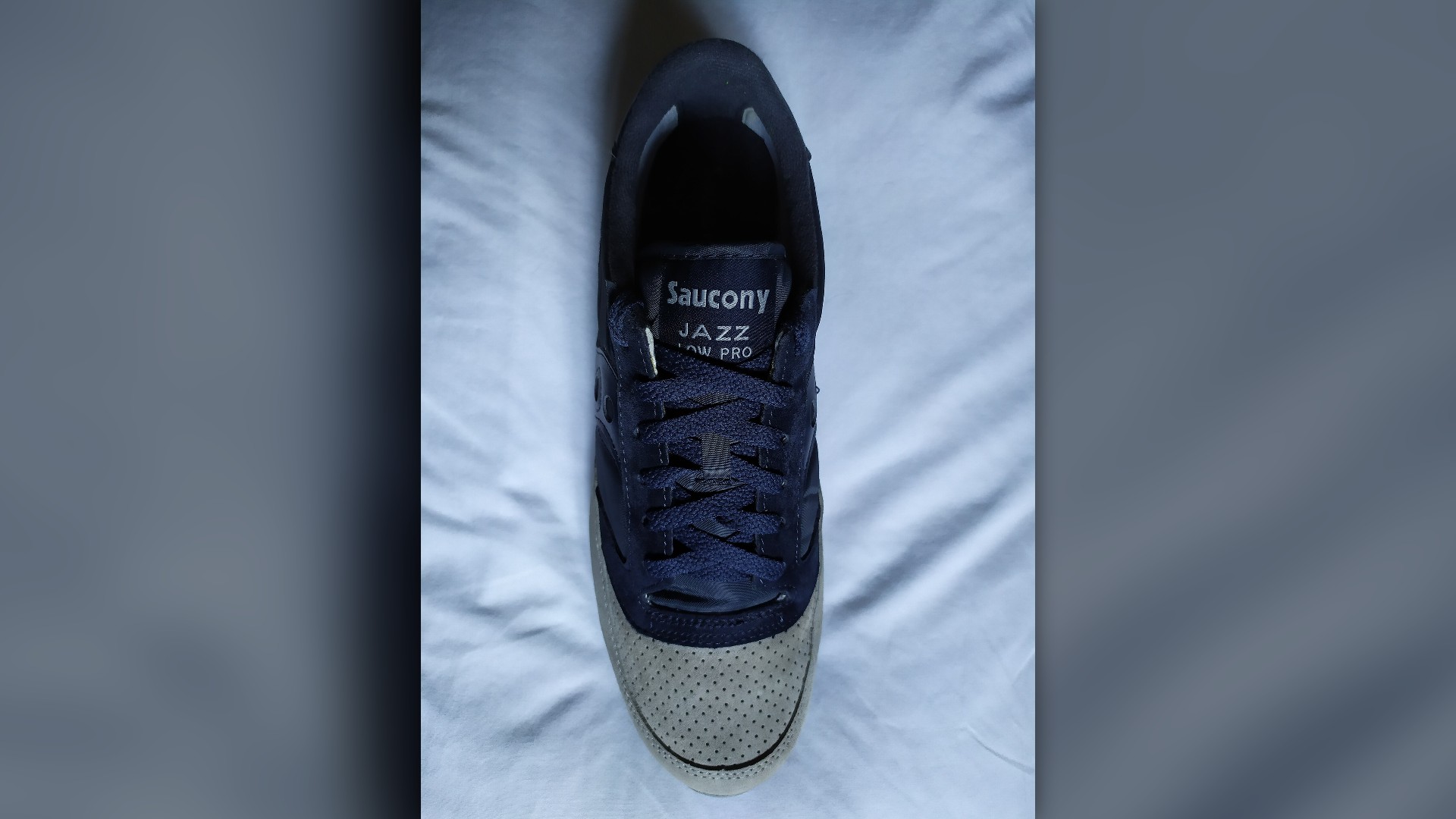
11. Saucony Jazz Original
Developed with Boston podiatrist Frank Santopietro in 1981, the Jazz Original introduced a striped Maxitrac outsole with triangular rubber lugs that worked like independent shock absorbers. Paired with a soft suede-and-nylon upper and removable sockliner, it earned top ratings from Runner's World that same year.
©Wikimedia / CesarRincon
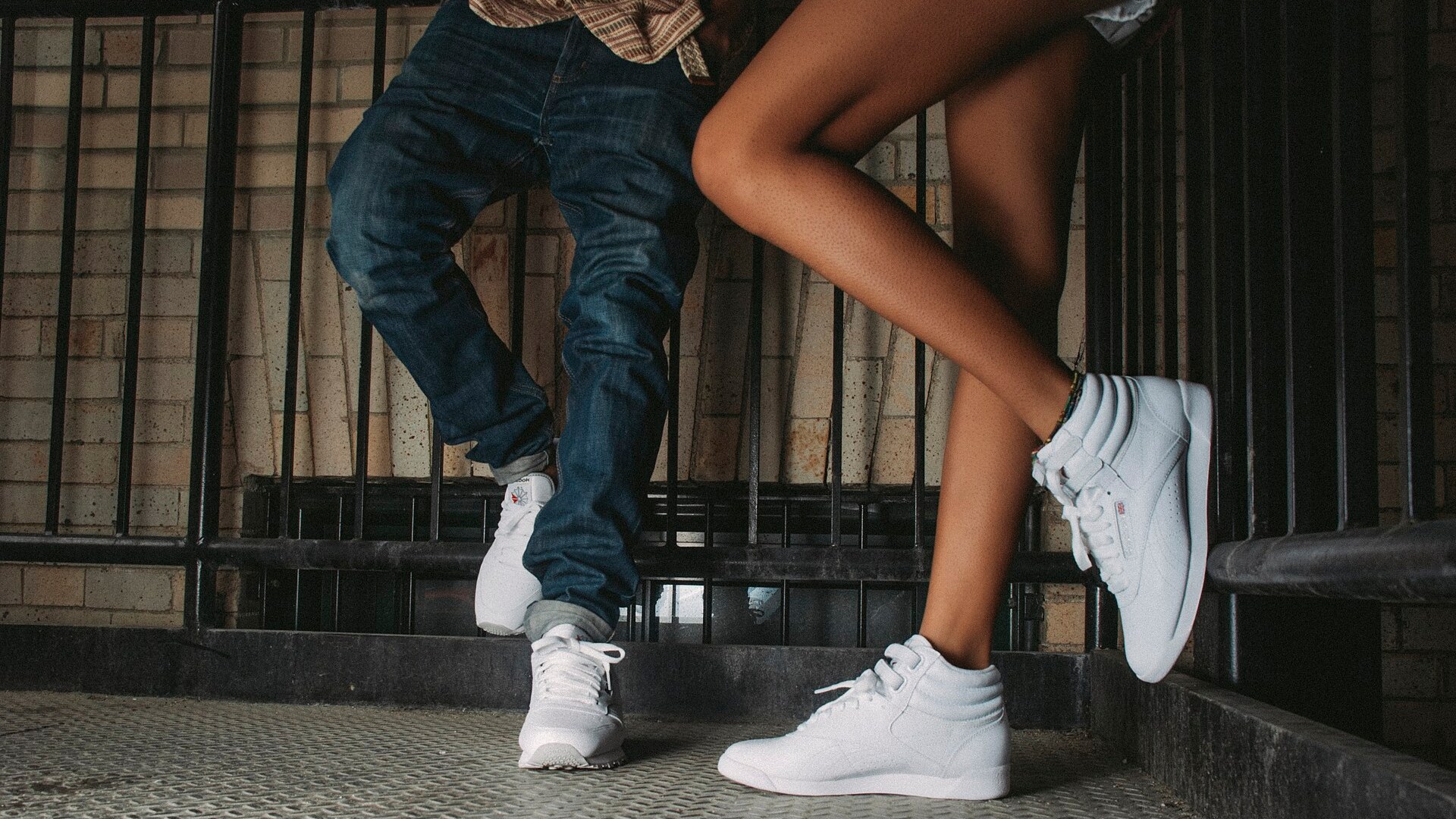
10. Reebok Classic Leather
Released in 1983, the Classic Leather used supple garment leather usually reserved for gloves and jackets instead of stiff athletic hides. Underneath, a die-cut EVA midsole kept weight low while cushioning concrete sidewalks. That ready-to-wear softness helped bridge performance running shoes and casual wardrobes.
©Wikimedia / ReebokUSA
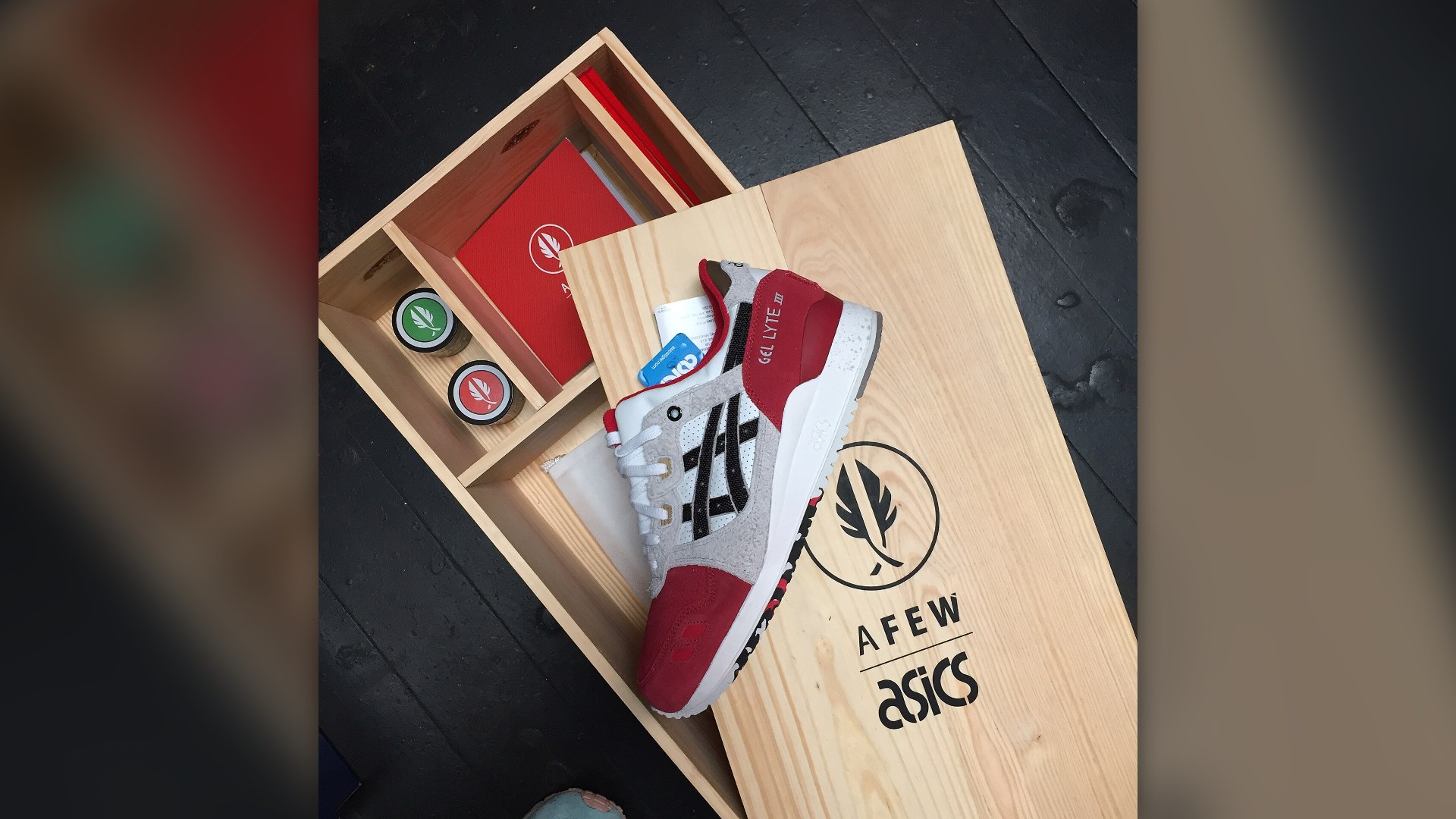
9. Asics Gel-Lyte III
Designer Shigeyuki Mitsui solved one of running's oldest annoyances in 1990 by splitting the Gel-Lyte III's tongue down the center so it wrapped the instep without sliding sideways. Triple-density compression-molded EVA and silicone Gel units softened heel strikes. Sneaker fans still prize its glove-like fit.
©Wikimedia / Nhus8908
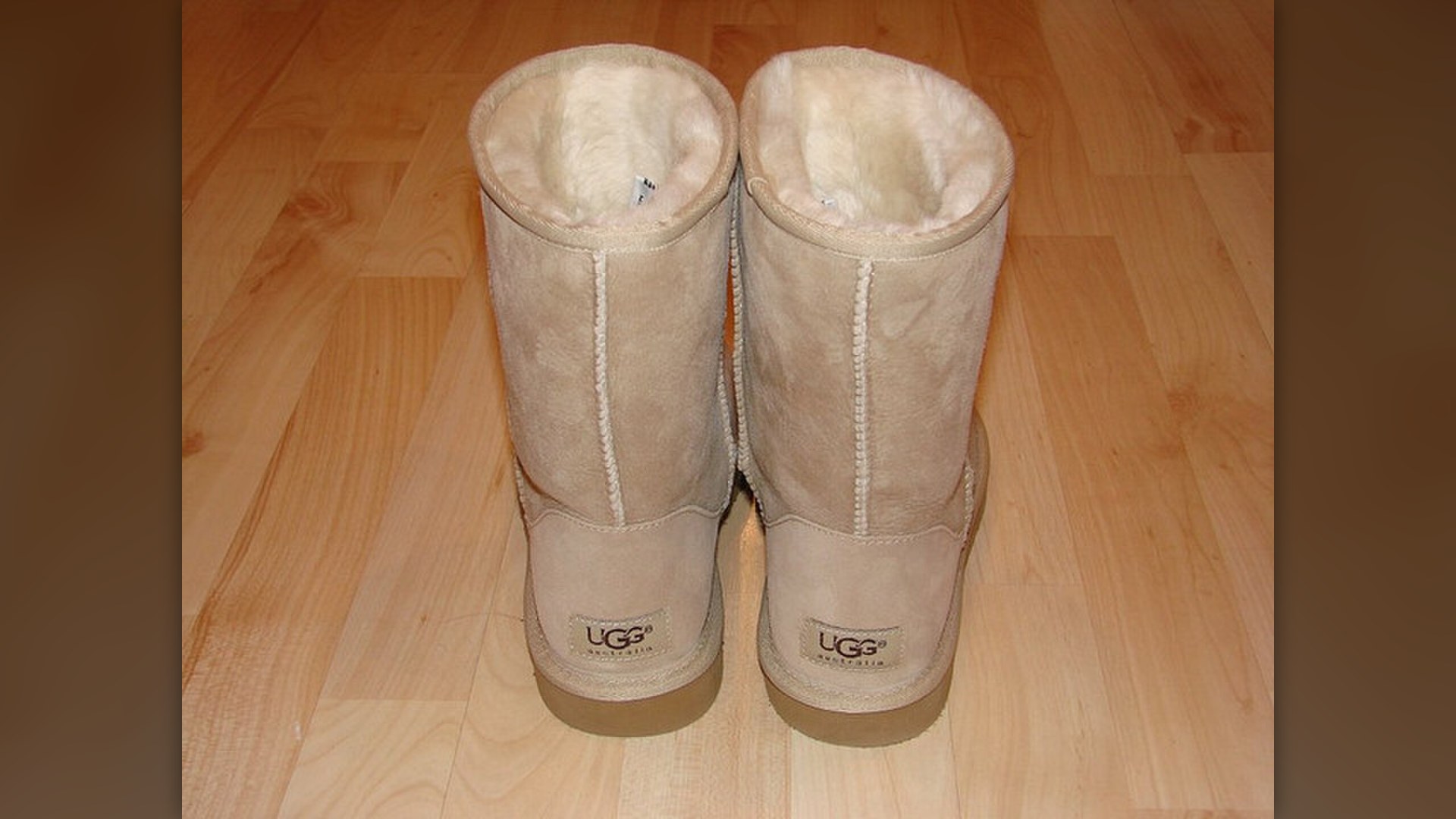
8. UGG Classic Boot
Australian surfers wore sheepskin boots in the 1970s to warm wet feet after cold ocean sessions, and Brian Smith brought UGG to California in 1978. Dense wool fleece wicks moisture while cushioning arches on a lightweight EVA outsole. Wearing them barefoot lets natural wool fibers mold around the wearer's foot.
©Wikimedia / Tinton5
Advertisement
Swipe or tap ▶ to resume the countdown.
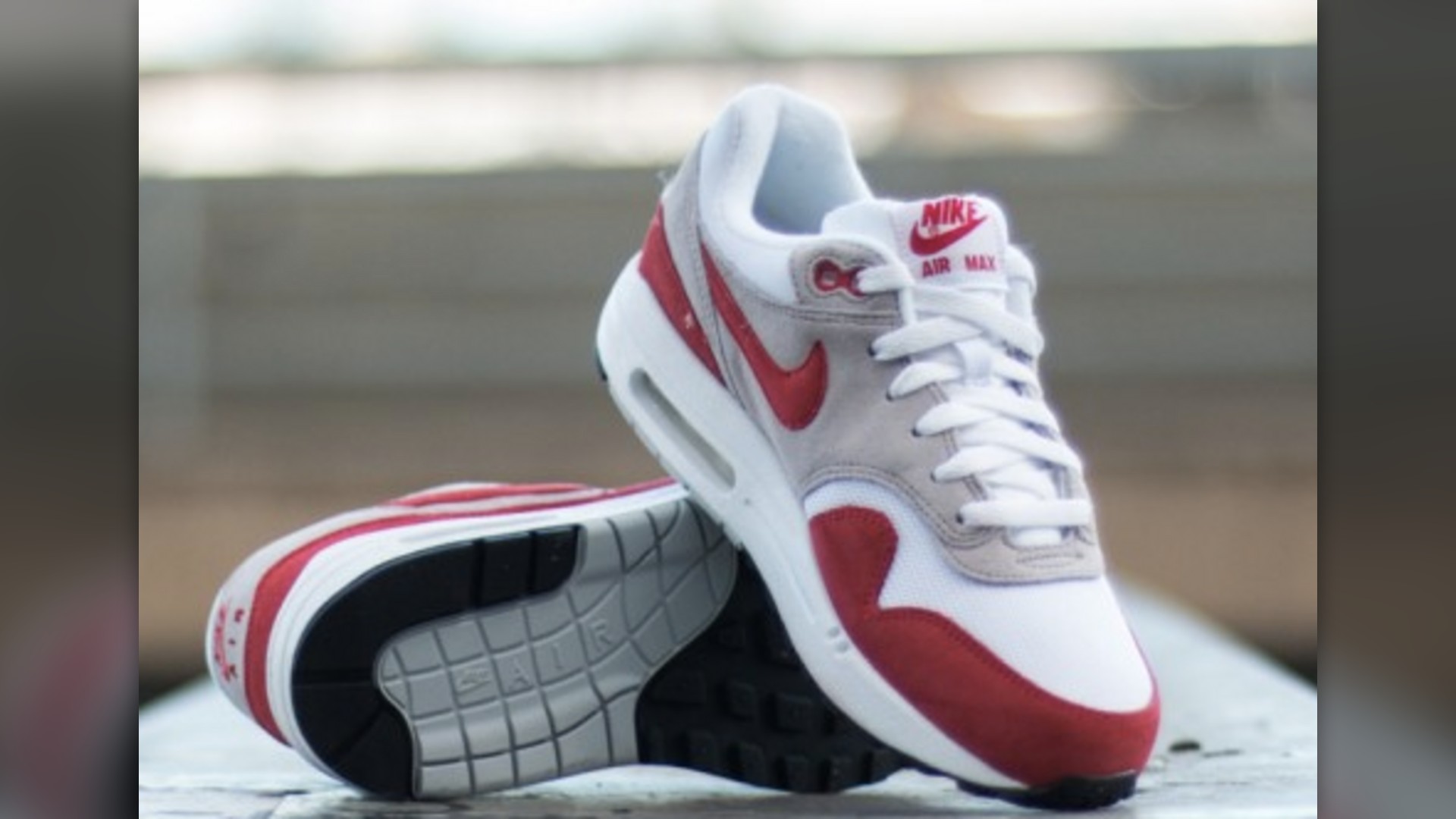
7. Nike Air Max 1
Architect-turned-designer Tinker Hatfield debuted the Air Max 1 in 1987 after drawing inspiration from Paris's inside-out Pompidou Center. By carving an opening into the foam sidewall, engineers fit a larger pressurized Air bag under the heel. Visible cushioning quickly became footwear's boldest comfort signature.
©Wikimedia / Nike Air Max
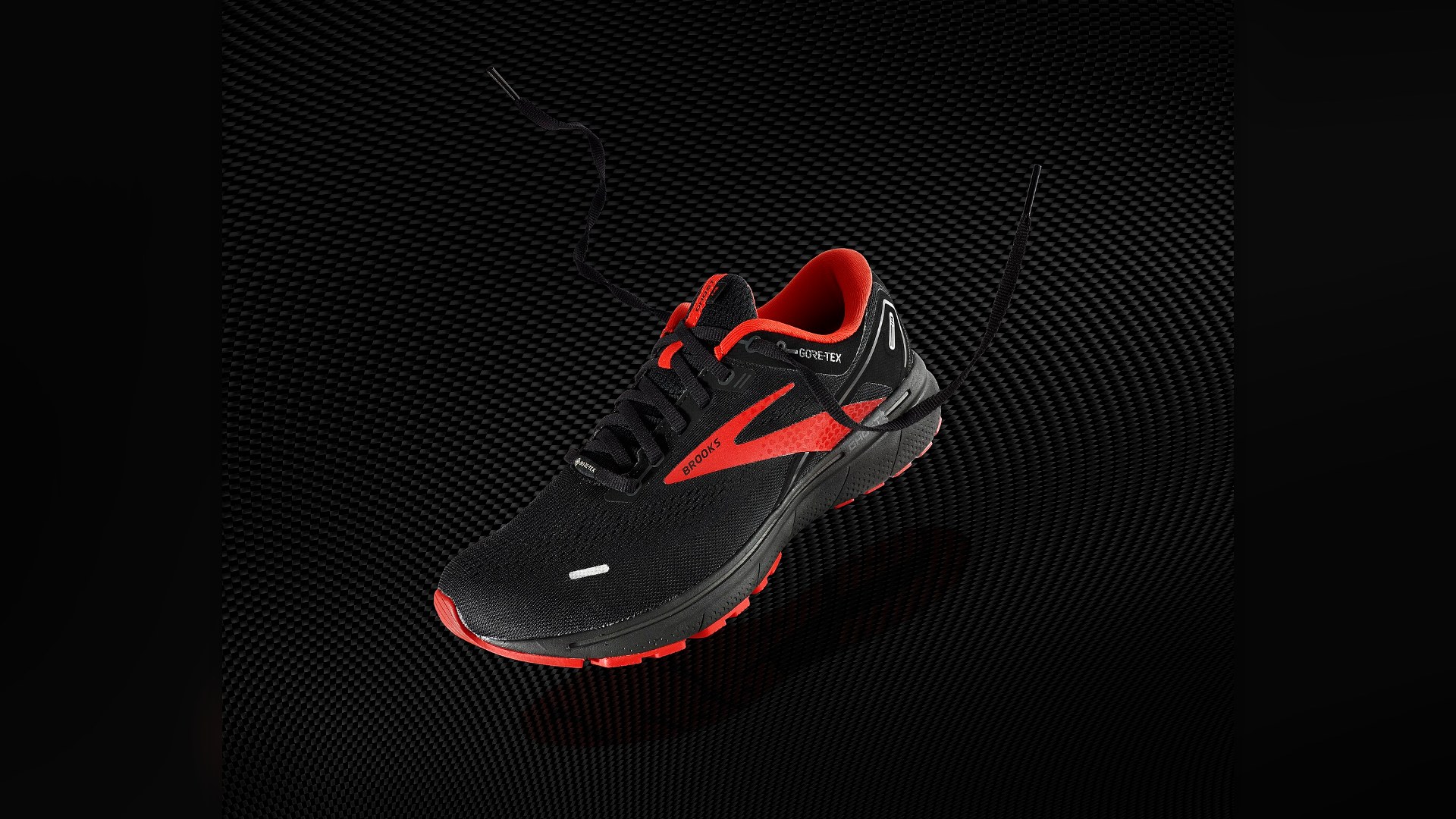
6. Brooks Ghost
Introduced in 2008, the Brooks Ghost earned a loyal following among everyday runners and nurses for its predictable neutral ride. Its segmented crash pad acts like tiny shock-absorbing caterpillars that smooth every footstrike from heel to toe. Plush collar foam and engineered mesh keep hot spots away on long shifts.
©Wikimedia / Petar Milošević
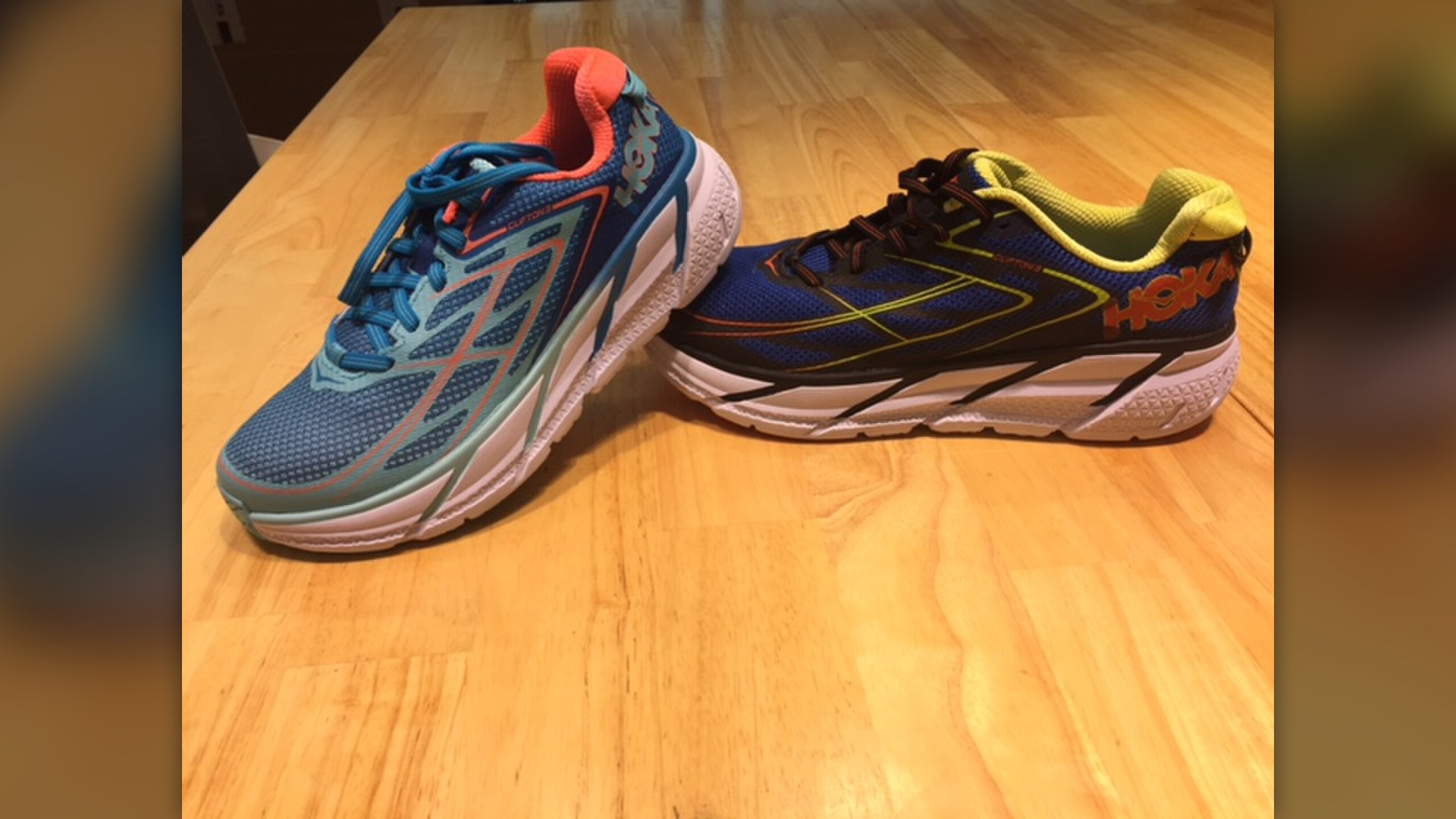
5. Hoka Clifton
When Hoka launched the Clifton in 2014, runners expected oversized soles to feel clunky and slow. Instead, an ultralight EVA midsole paired with a curved Meta-Rocker geometry rolled feet forward smoothly at barely eight ounces. It triggered an industry-wide shift toward high-stack cushioned trainers.
©Wikimedia / Apkurt
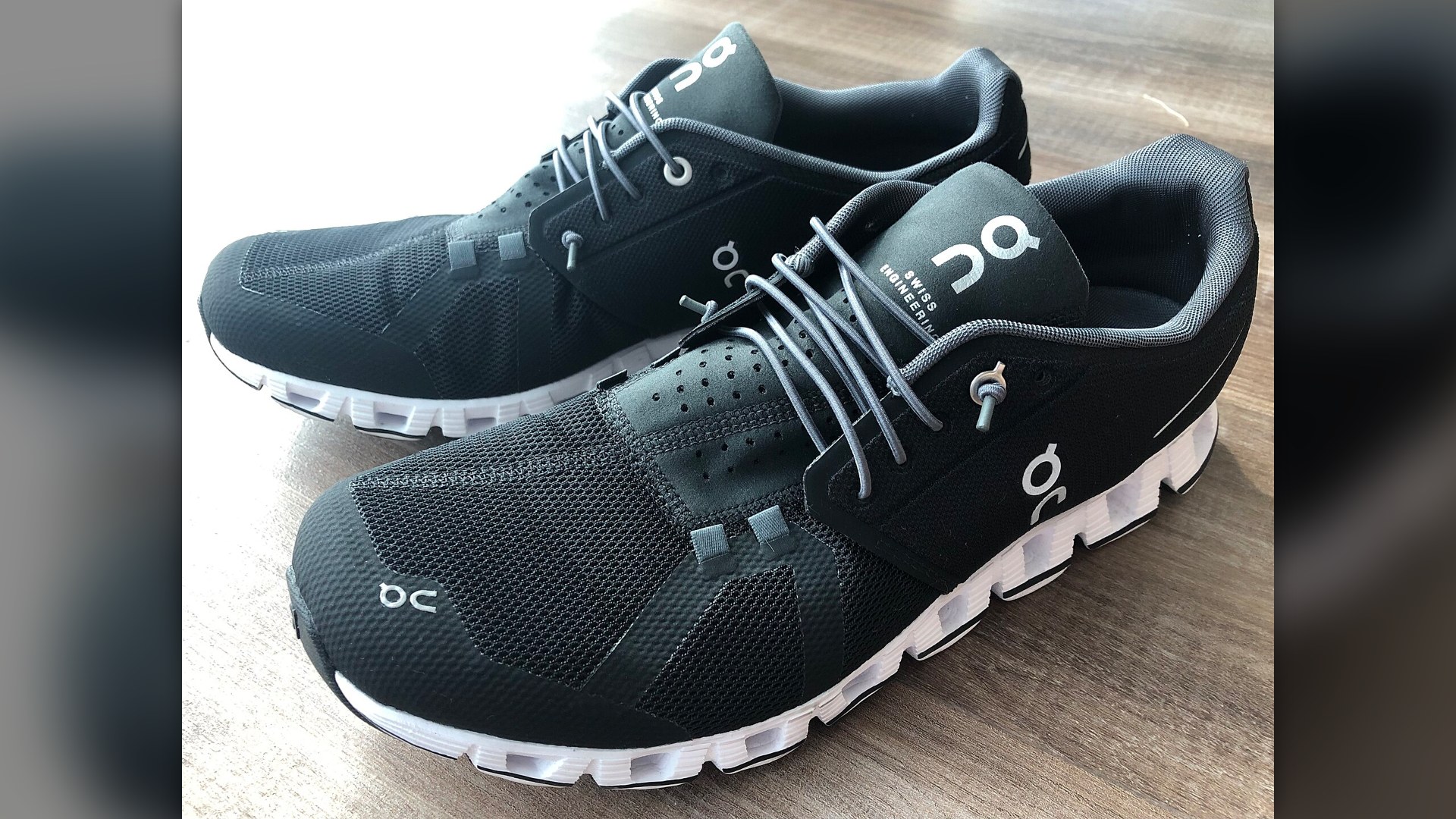
4. On Cloud
Swiss engineers Olivier Bernhard, David Allemann, and Caspar Coppetti launched On's CloudTec sole before rolling out the flagship On Cloud in 2014. Hollow rubber-and-foam pods collapse under impact and spring back as a firm launchpad, while speed laces let travelers slip the shoes on without tying.
©Wikimedia / Aw1805
Advertisement
Swipe or tap ▶ to resume the countdown.
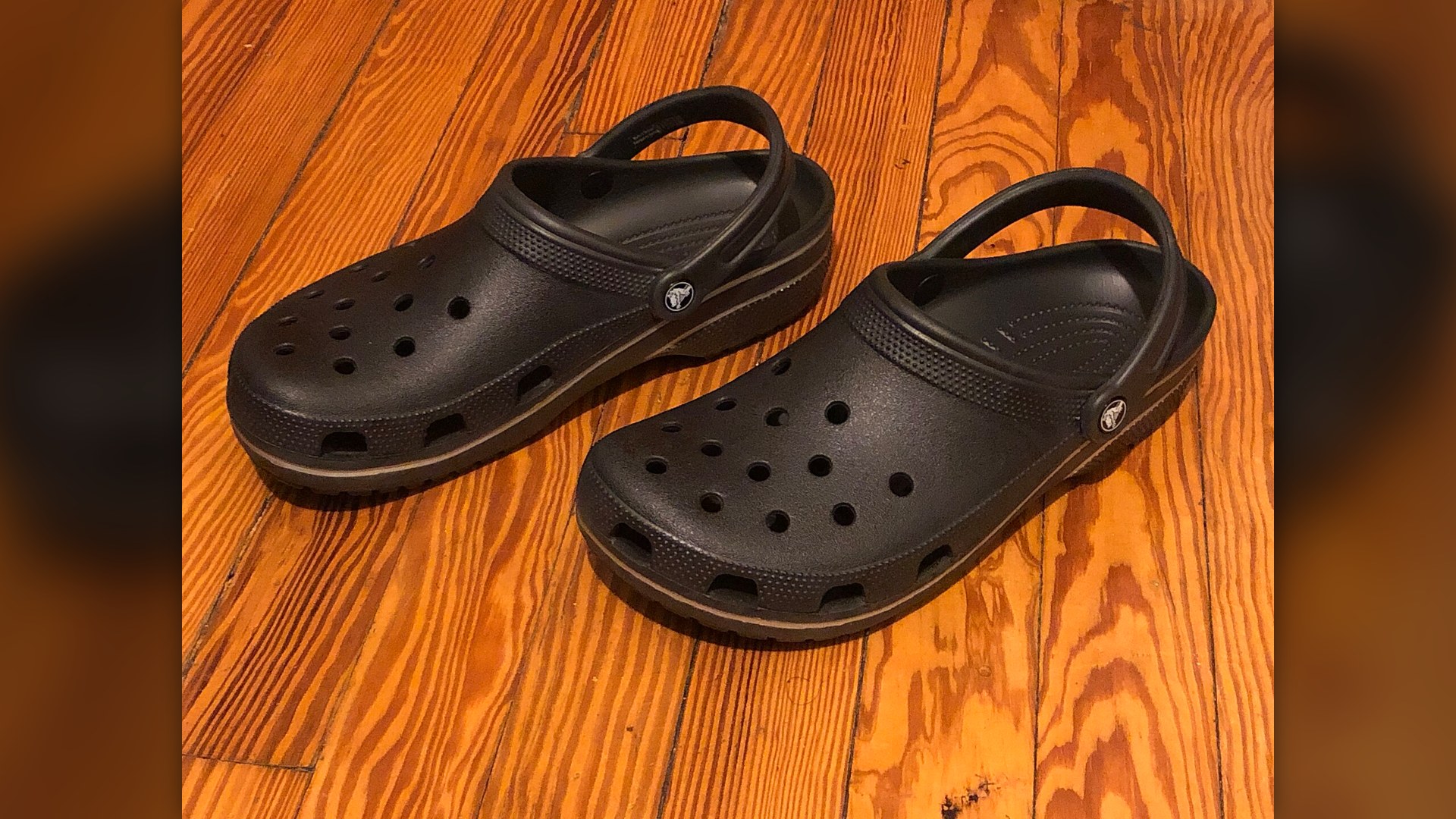
3. Crocs Classic Clog
Debuted at the 2002 Fort Lauderdale Boat Show, the Crocs Classic Clog used proprietary Croslite closed-cell resin rather than heavy rubber or plastic. Body heat softens the molded footbed to match individual arches while resisting odors and water. Nurses, chefs, and gardeners made the six-ounce slip-on a global staple.
©Wikimedia / Skyeyemx
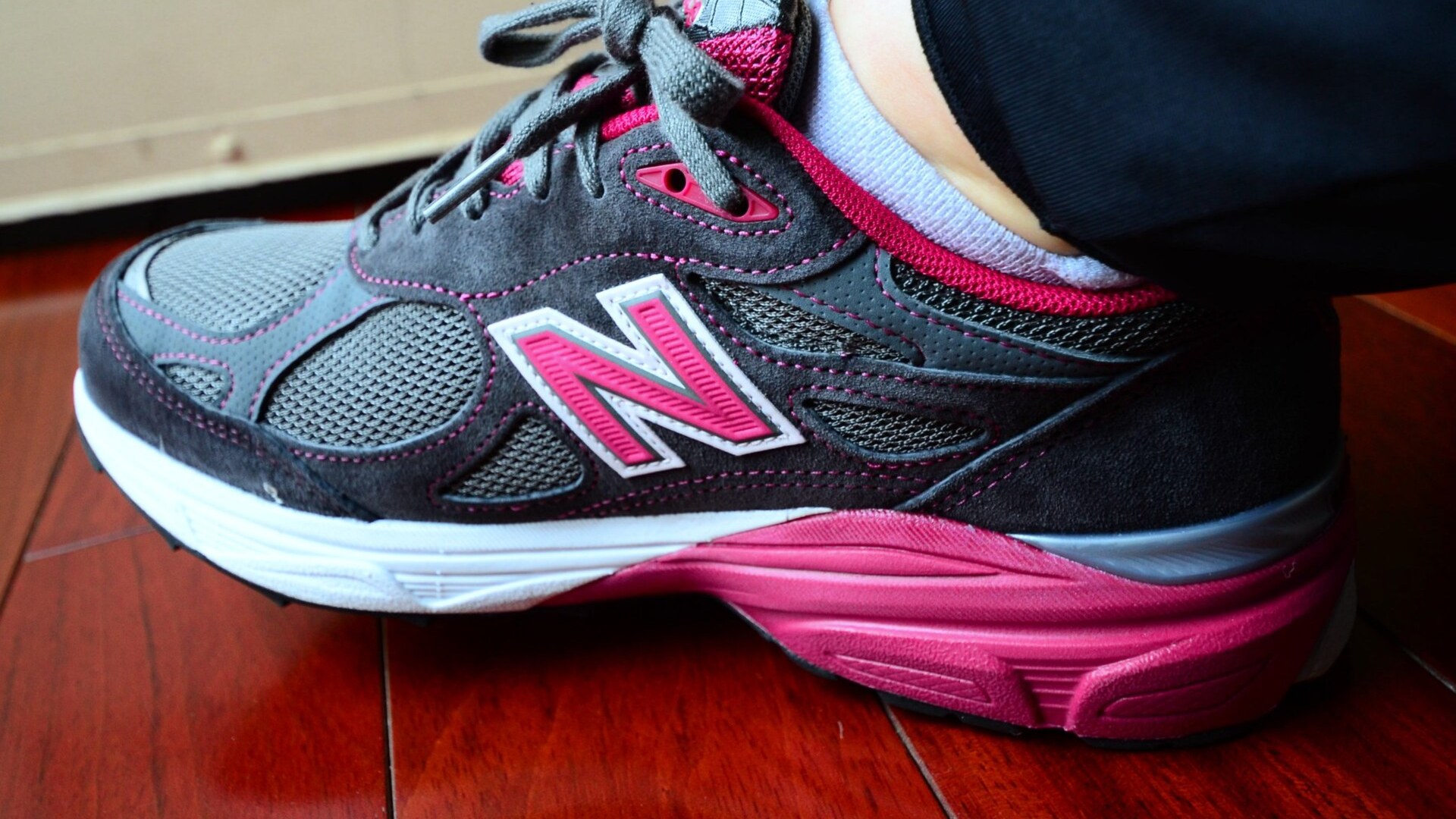
2. New Balance 990
Released in 1982 after four years of research, the New Balance 990 became the first running shoe priced at 100 dollars. Designers paired a firm polyurethane heel stabilizer with softer EVA foam and breathable suede mesh. That blend of stability and plushness made it a lasting favorite for walkers and commuters.
©Wikimedia / slgckgc
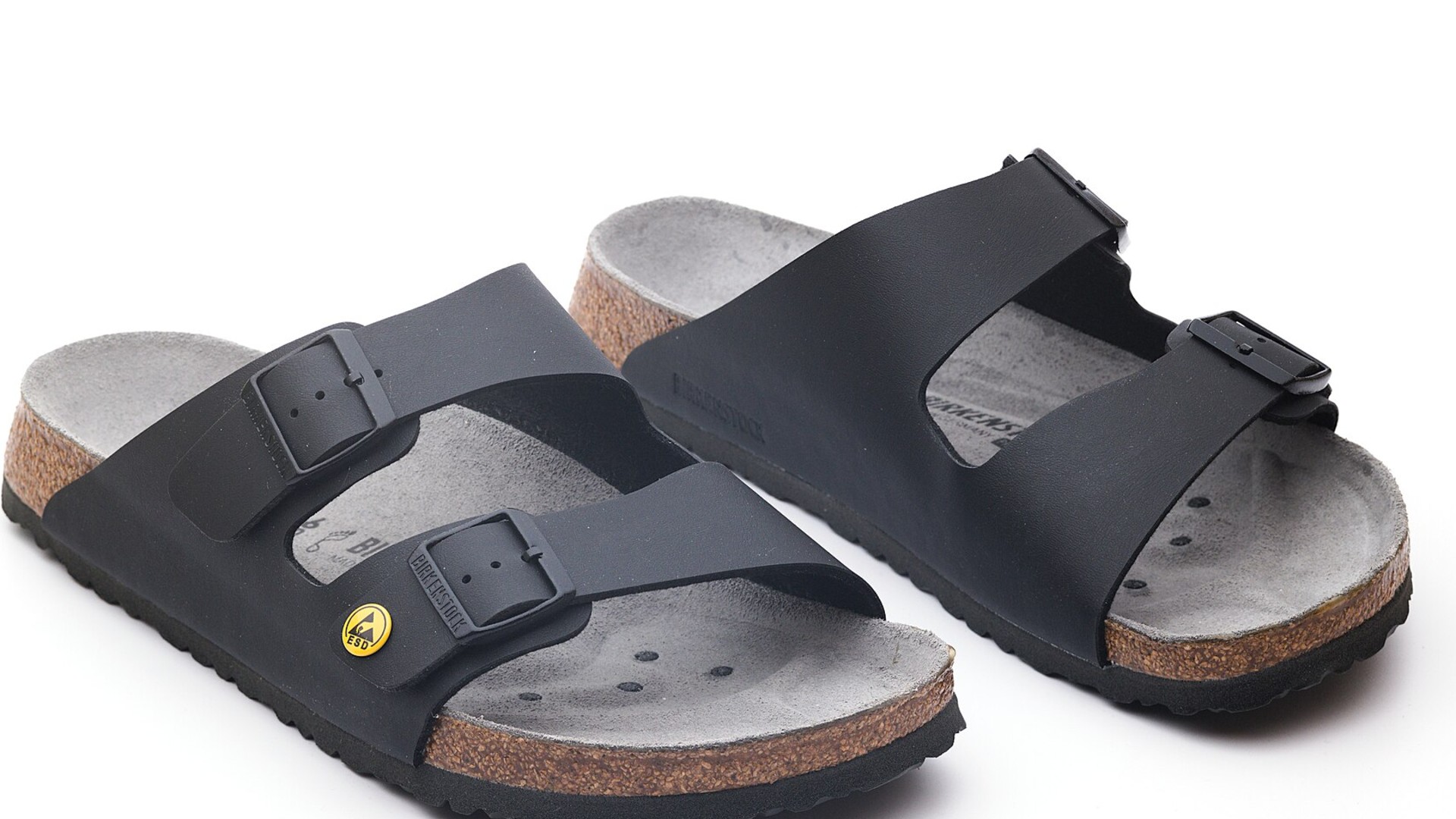
1. Birkenstock Arizona
Launched in 1973, the two-strap Birkenstock Arizona brought Karl Birkenstock's cork-and-latex footbed worldwide. Its jute layers, raised toe bar, and deep heel cup gradually mold to each wearer's footprint. Over fifty years later, it remains the benchmark for anatomical support.

©Wikimedia / Phiarc
Advertisement
You've reached the end of the story. Thanks for reading!

20 Ways to Protect Your Home and Family in a Snowstorm
When severe blizzards and polar freezes threaten the power grid, proactive maintenance saves lives and prevents catastrophic property damage. This countdown details twenty essential actions to protect your home and family in a snowstorm, drawing from cold weather engineering guides and disaster response protocols.
All 22 Entries in this Story
22. Sperry Top-Sider Authentic Original
Paul Sperry created the Top-Sider in 1935 after watching his cocker spaniel grip icy terrain without slipping. He carved herringbone grooves into a white rubber sole so water would channel away from wet boat decks. Hand-sewn leather uppers later made the silhouette a warm-weather everyday staple.

21. Converse Chuck Taylor All Star
Introduced in 1917 as the Non-Skid basketball shoe, the model gained basketball player Chuck Taylor's name in the 1920s after he suggested ankle support tweaks. Its breathable cotton canvas upper and flexible vulcanized rubber outsole molded quickly to wearers' feet. Millions still wear the classic low-profile shape.

20. Adidas Samba
Adi Dassler designed the Samba around 1950 so German footballers could train on frozen ground without sliding. Its soft leather upper, suede T-toe overlay, and flexible gum-rubber outsole cushioned hard indoor courts. Decades later, skaters and city commuters adopted the flat-soled design for all-day walking.

19. Clarks Desert Boot
Nathan Clark sketched the Desert Boot after spotting British officers in Cairo wearing casual suede boots made in local bazaars. Released in 1950, the shoe paired unlined suede with a thick natural plantation crepe outsole. That lightweight cushioning felt radically softer than heavy Goodyear-welted dress boots.

18. Adidas Stan Smith
Launched in the mid-1960s as the Robert Haillet, this white leather court shoe was renamed for American tennis champion Stan Smith in the 1970s. Designers swapped heavy stitching for three rows of ventilation holes and cushioned the heel tab. Its clean cupsole construction influenced decades of casual sneakers

17. Dr. Martens 1460 Boot
Named after its April 1, 1960 debut date in England, the 1460 combined German physician Klaus Maertens's air-cushioned sole with British shoemaker R. Griggs Group's eight-eyelet upper. Heat-sealed yellow stitching locked in pockets of trapped air underfoot. Postal workers/factory crews wore them for twelve-hour shifts

16. Clarks Wallabee
Introduced in 1967, the Wallabee adapted a German moccasin pattern onto a thick natural crepe wedge sole. Because only two pieces of soft suede wrapped around the foot with an apron seam, the upper flexed immediately out of the box. Musicians, teachers, and travelers praised its wide, pinch-free forefoot.

15. Puma Suede Classic
First released in 1968 as the Puma Crack, this low-top trainer replaced stiff leather basketball uppers with soft brushed suede. A supportive rubber cupsole absorbed court impact while staying flexible enough for rapid footwork. Breakdancers in 1980s New York favored its grippy sole and padded collar.

14. Timberland 6-Inch Waterproof Boot
Nathan Swartz's Abington Shoe Company launched the yellow waterproof boot in 1973 using injection molding to fuse rubber lug soles directly to treated nubuck leather. A thick padded leather collar prevented chafing around the ankle bone. Built for New England winters, it became both a job-site standard and street icon.

13. Nike Cortez
Co-designed by coach Bill Bowerman and debuted ahead of the 1972 Olympic Games, the Cortez stacked two layers of sponge rubber inside a full-length wedge midsole. That raised heel took strain off Achilles tendons during long road runs. Its lightweight nylon-and-suede upper later carried it into everyday casual wear.

12. Nike Air Force 1
Designed by Bruce Kilgore in 1982, the Air Force 1 became the first basketball shoe fitted with a pressurized Nike Air unit inside its rubber cupsole. A pivot-point tread pattern let players spin smoothly without jarring their knees. That hidden air pocket turned a heavy court sneaker into an all-day street staple.

11. Saucony Jazz Original
Developed with Boston podiatrist Frank Santopietro in 1981, the Jazz Original introduced a striped Maxitrac outsole with triangular rubber lugs that worked like independent shock absorbers. Paired with a soft suede-and-nylon upper and removable sockliner, it earned top ratings from Runner's World that same year.

10. Reebok Classic Leather
Released in 1983, the Classic Leather used supple garment leather usually reserved for gloves and jackets instead of stiff athletic hides. Underneath, a die-cut EVA midsole kept weight low while cushioning concrete sidewalks. That ready-to-wear softness helped bridge performance running shoes and casual wardrobes.

9. Asics Gel-Lyte III
Designer Shigeyuki Mitsui solved one of running's oldest annoyances in 1990 by splitting the Gel-Lyte III's tongue down the center so it wrapped the instep without sliding sideways. Triple-density compression-molded EVA and silicone Gel units softened heel strikes. Sneaker fans still prize its glove-like fit.

8. UGG Classic Boot
Australian surfers wore sheepskin boots in the 1970s to warm wet feet after cold ocean sessions, and Brian Smith brought UGG to California in 1978. Dense wool fleece wicks moisture while cushioning arches on a lightweight EVA outsole. Wearing them barefoot lets natural wool fibers mold around the wearer's foot.

7. Nike Air Max 1
Architect-turned-designer Tinker Hatfield debuted the Air Max 1 in 1987 after drawing inspiration from Paris's inside-out Pompidou Center. By carving an opening into the foam sidewall, engineers fit a larger pressurized Air bag under the heel. Visible cushioning quickly became footwear's boldest comfort signature.

6. Brooks Ghost
Introduced in 2008, the Brooks Ghost earned a loyal following among everyday runners and nurses for its predictable neutral ride. Its segmented crash pad acts like tiny shock-absorbing caterpillars that smooth every footstrike from heel to toe. Plush collar foam and engineered mesh keep hot spots away on long shifts.

5. Hoka Clifton
When Hoka launched the Clifton in 2014, runners expected oversized soles to feel clunky and slow. Instead, an ultralight EVA midsole paired with a curved Meta-Rocker geometry rolled feet forward smoothly at barely eight ounces. It triggered an industry-wide shift toward high-stack cushioned trainers.

4. On Cloud
Swiss engineers Olivier Bernhard, David Allemann, and Caspar Coppetti launched On's CloudTec sole before rolling out the flagship On Cloud in 2014. Hollow rubber-and-foam pods collapse under impact and spring back as a firm launchpad, while speed laces let travelers slip the shoes on without tying.

3. Crocs Classic Clog
Debuted at the 2002 Fort Lauderdale Boat Show, the Crocs Classic Clog used proprietary Croslite closed-cell resin rather than heavy rubber or plastic. Body heat softens the molded footbed to match individual arches while resisting odors and water. Nurses, chefs, and gardeners made the six-ounce slip-on a global staple.

2. New Balance 990
Released in 1982 after four years of research, the New Balance 990 became the first running shoe priced at 100 dollars. Designers paired a firm polyurethane heel stabilizer with softer EVA foam and breathable suede mesh. That blend of stability and plushness made it a lasting favorite for walkers and commuters.

1. Birkenstock Arizona
Launched in 1973, the two-strap Birkenstock Arizona brought Karl Birkenstock's cork-and-latex footbed worldwide. Its jute layers, raised toe bar, and deep heel cup gradually mold to each wearer's footprint. Over fifty years later, it remains the benchmark for anatomical support.