Slideshow · Animals
22 Animals That Trick Predators by Playing Dead
Smart animals that trick predators by playing dead rely on an instinctual defense mechanism known as thanatosis. From woodland opossums to deceptive hognose snakes and armored beetles, these resourceful creatures fake their own demise to convince hungry hunters that a fresh meal has suddenly spoiled or expired.
By Most Viral Today
16 min ago

Uncover the cunning survival tactics of species that feign sudden death 
22. Virginia Opossum 
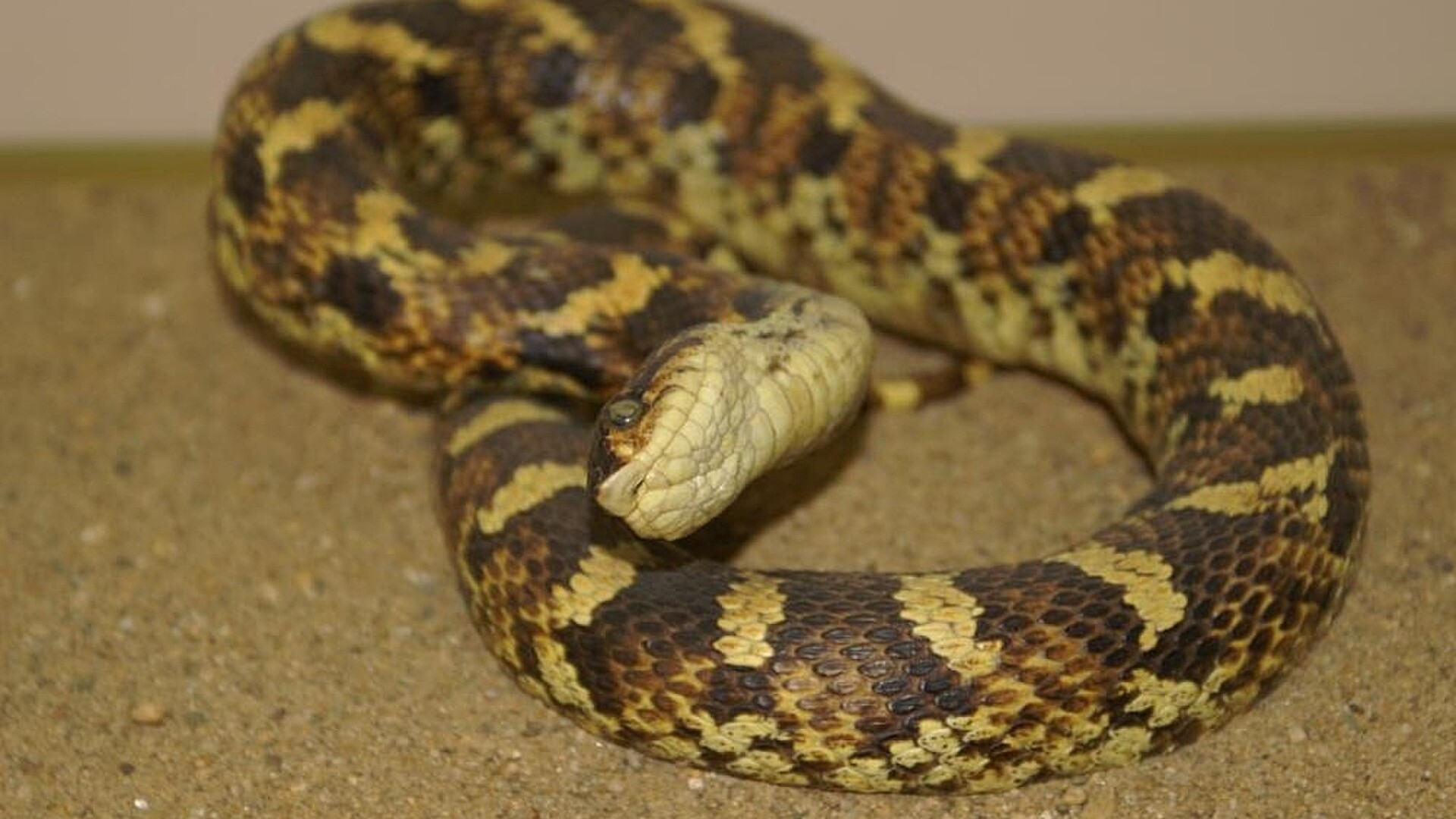
21. Eastern Hognose Snake 
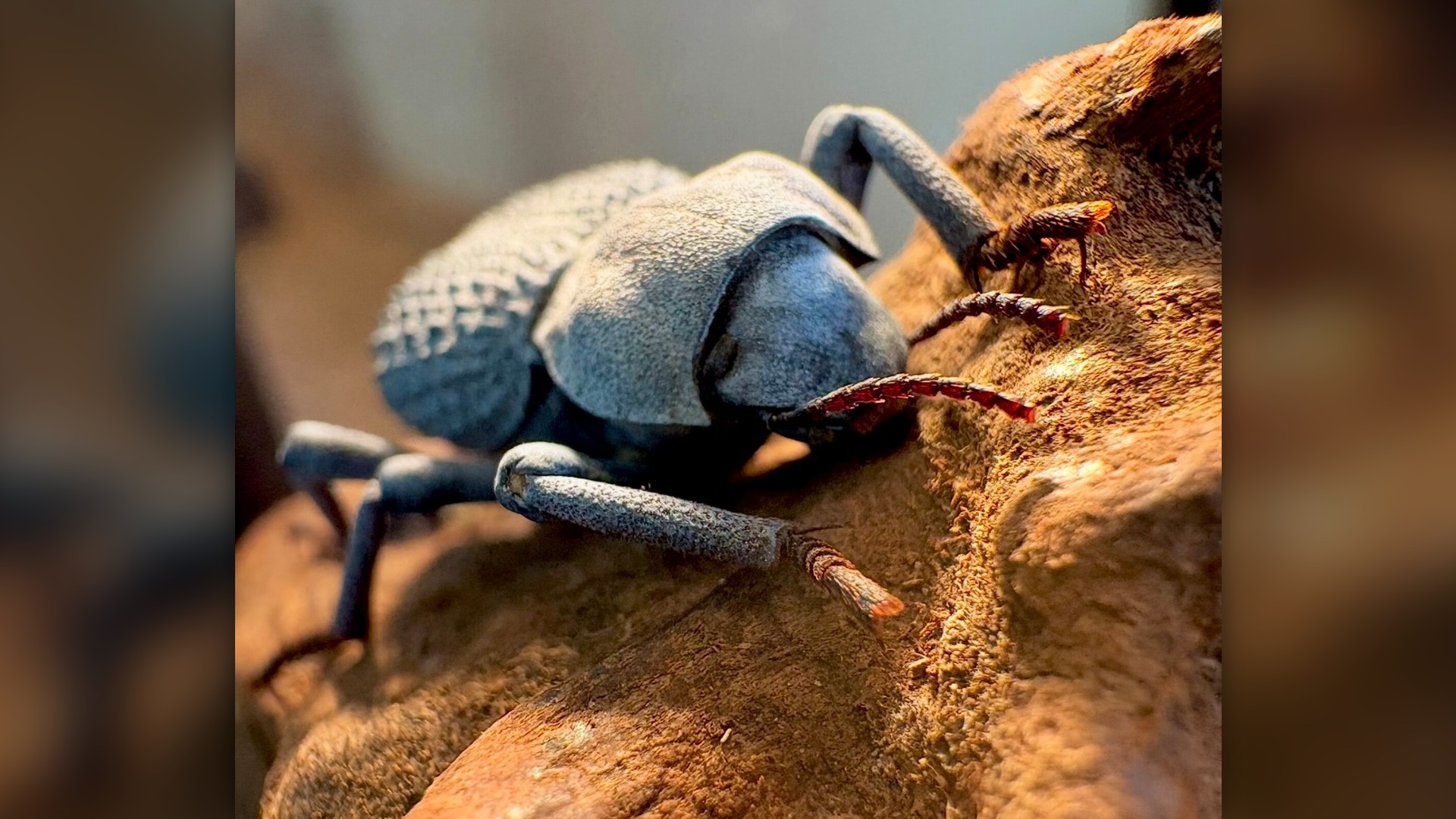
20. Blue Death-Feigning Beetle - AdvertisementSwipe or tap ▶ to continue countdown

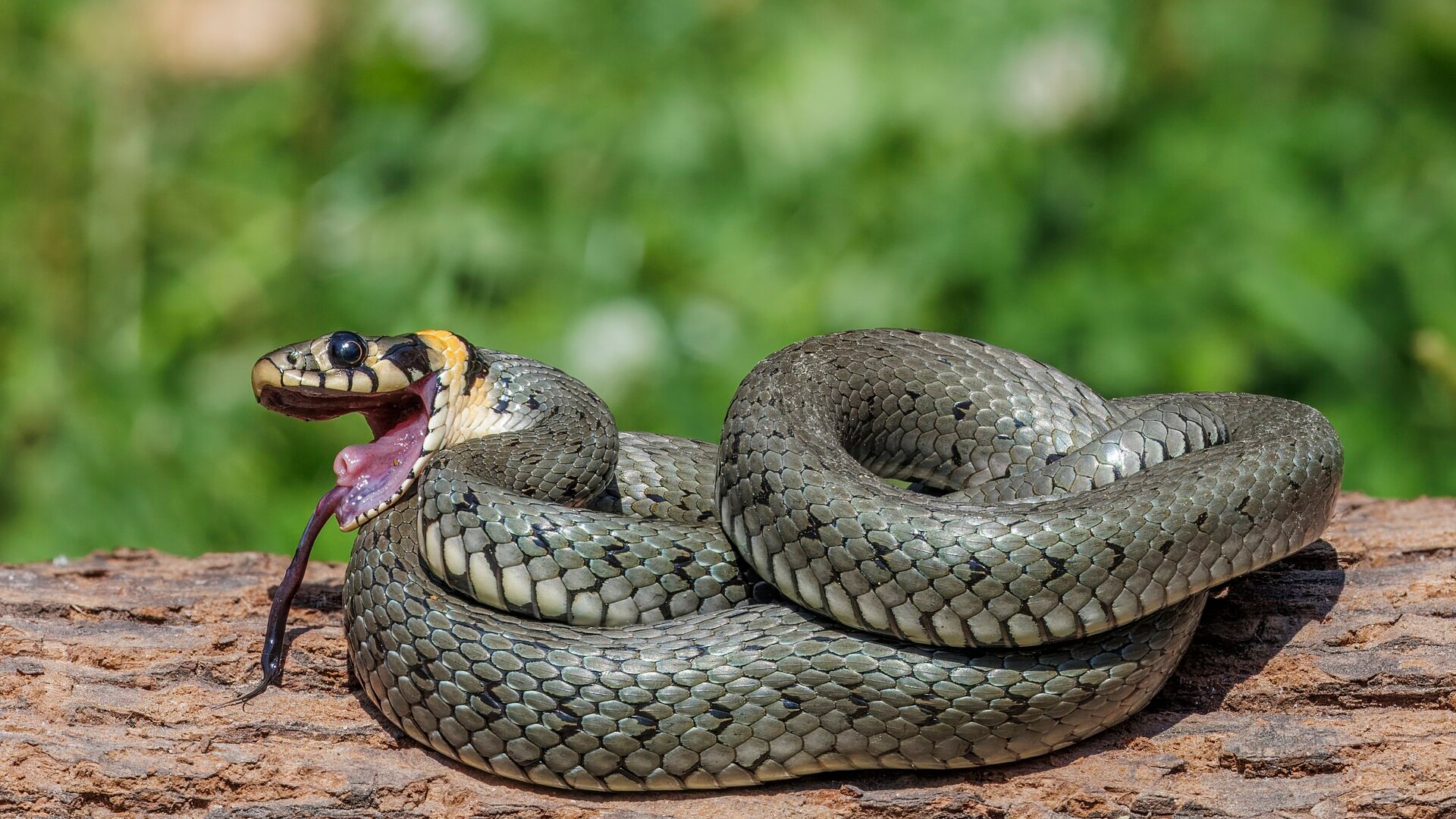
19. European Grass Snake 
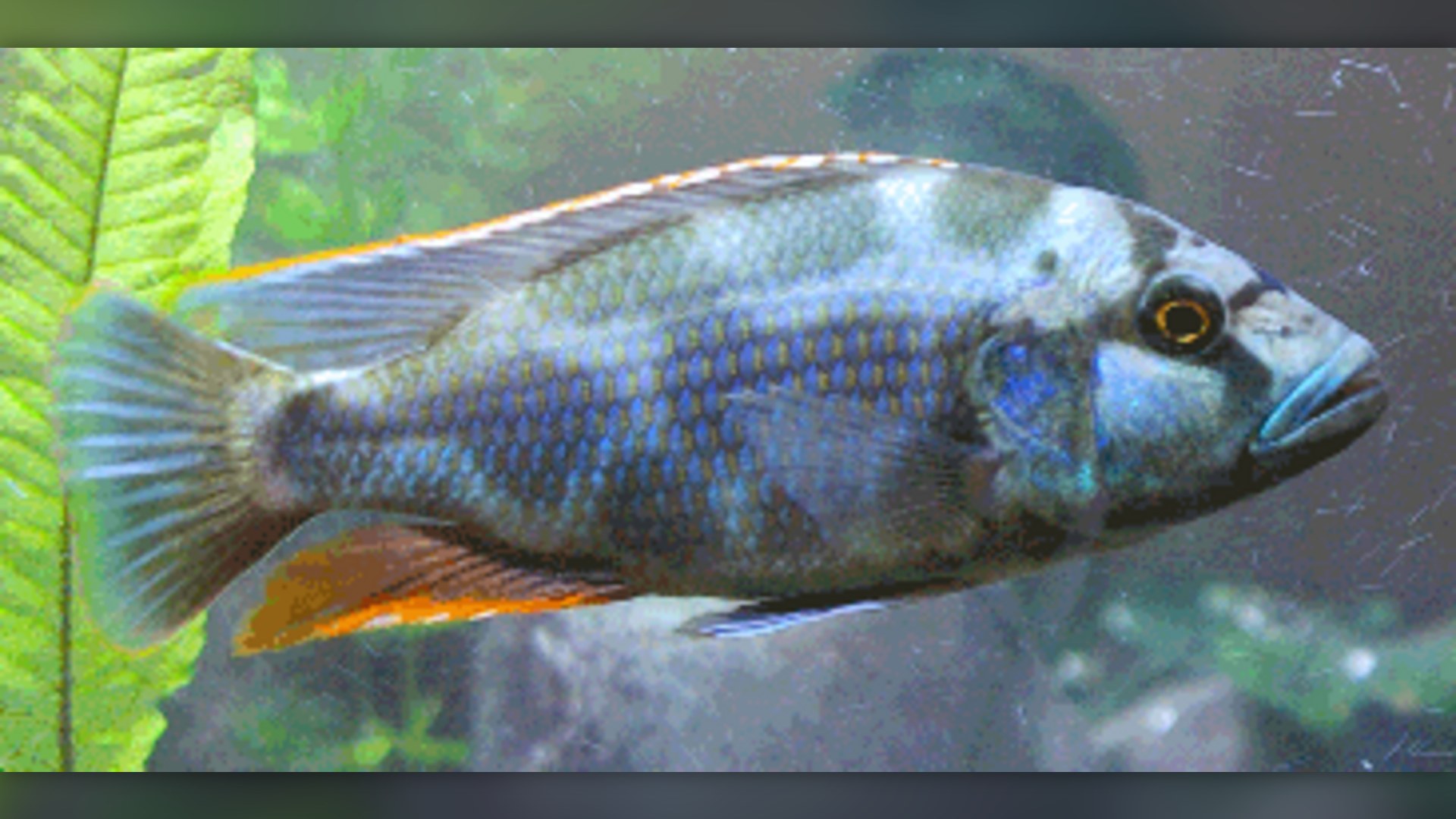
18. Livingston's Cichlid 
17. Killdeer 
16. Fowler's Toad - AdvertisementSwipe or tap ▶ to continue countdown

15. Japanese Quail 
14. Western Hognose Snake 
13. European Fire-Bellied Toad 
12. Seven-Spotted Ladybug - AdvertisementSwipe or tap ▶ to continue countdown

11. Praying Mantis 
10. Giant Prickly Stick Insect 
9. American Bullfrog 
8. Blue-Tongued Skink - AdvertisementSwipe or tap ▶ to continue countdown

7. Dice Snake 
6. Common Swift 
5. Guinea Pig 
4. Lemon Shark - AdvertisementSwipe or tap ▶ to continue countdown

3. Antlion Larva 
2. Red Flour Beetle 
1. Red Fox - Advertisement🔥 UP NEXT IN THIS SERIES◫ 26 Slides

25 Animal Species Thought Extinct That Scientists Found Alive
Biologists call them Lazarus species, animals missing for decades or known only from fossils before turning up alive. Based on IUCN Red List assessments, natural history museum records and peer-reviewed surveys, this countdown tracks 25 remarkable recoveries from short absences to deep prehistoric lineages.
Smart animals that trick predators by playing dead use tonic immobility to disarm aggressive hunters. When confronted by immediate danger, their bodies go entirely limp, their breathing slows drastically, and their heart rates plummet. This convincing performance convinces carnivores to abandon the pursuit.
Swipe or tap ▶ to begin the countdown
©Wikimedia / Wilhelm Kuhnert
22. Virginia Opossum
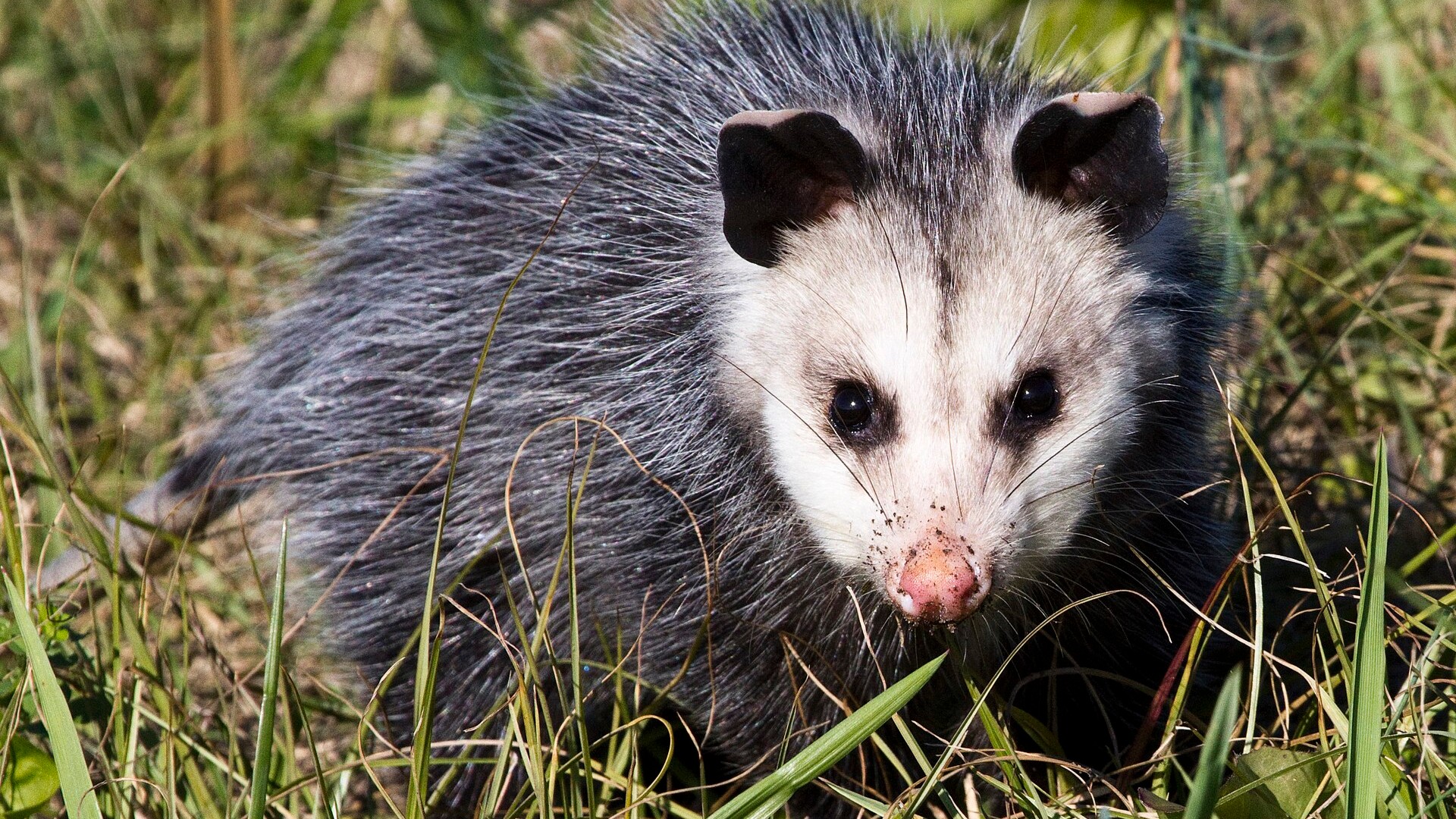
The Virginia opossum is famous for playing dead when facing extreme danger. This reaction is an involuntary physiological response where the marsupial stiffens, bares its teeth, and produces foul smelling fluids from anal glands. Predators seeking warm live prey quickly lose interest and walk away.
©USFWS / U.S. Fish and Wildlife Service Southeast Region
21. Eastern Hognose Snake
The eastern hognose snake delivers an elaborate theatrical performance when threatened. After hissing and flattening its neck fails to scare away an attacker, it rolls onto its back, writhing dramatically before lying motionless with its mouth agape. If flipped upright, it immediately rolls onto its back again.
©Wikimedia / Photo by David J. Stang
20. Blue Death-Feigning Beetle
The blue death-feigning beetle inhabits arid southwestern deserts where hungry rodents scour the sand for food. When disturbed, this hardy insect rolls onto its back and stiffens its legs like dry twigs. Predators frequently inspect the rigid shell, assume the insect has perished, and abandon it.
©Wikimedia / JavAlvarezS
Advertisement
Swipe or tap ▶ to resume the countdown.
19. European Grass Snake
The European grass snake employs thanatosis as a last resort against birds of prey and predatory mammals. It goes completely limp, secretes a pungent garlic-like fluid from its cloacal glands, and occasionally allows droplets of blood to seep from its mouth to convince pursuers it is rotten.
©Wikimedia / Grass snake
18. Livingston's Cichlid
Livingston's cichlid inhabits Lake Malawi and practices predatory death feigning. It drops onto the sandy lake floor, resting flat on its side with blotchy camouflage coloring that mimics a rotting carcass. When small scavenger fish arrive to nibble on the apparent remains, the cichlid lunges and strikes.
©Wikimedia / Wen2li3
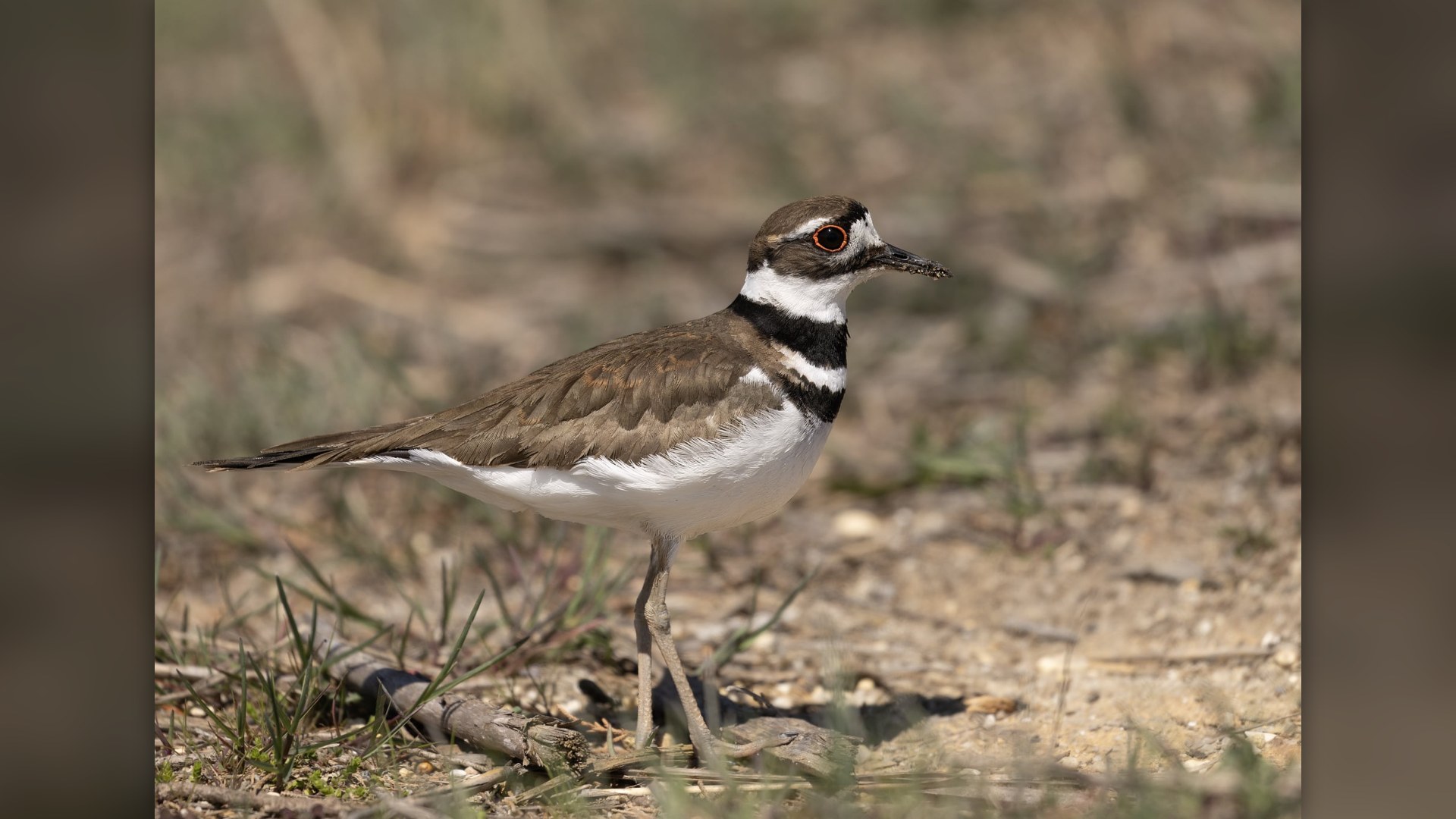
17. Killdeer
The killdeer protects its ground nest through dramatic feigned vulnerability. When a coyote or raccoon approaches, the adult bird drags a wing along the dirt, fluttering frantically and crying as though mortally wounded. Once the predator is lured far away from the eggs, the bird takes flight.
©Wikimedia / Charles Homler d/b/a FocusOnWildlife
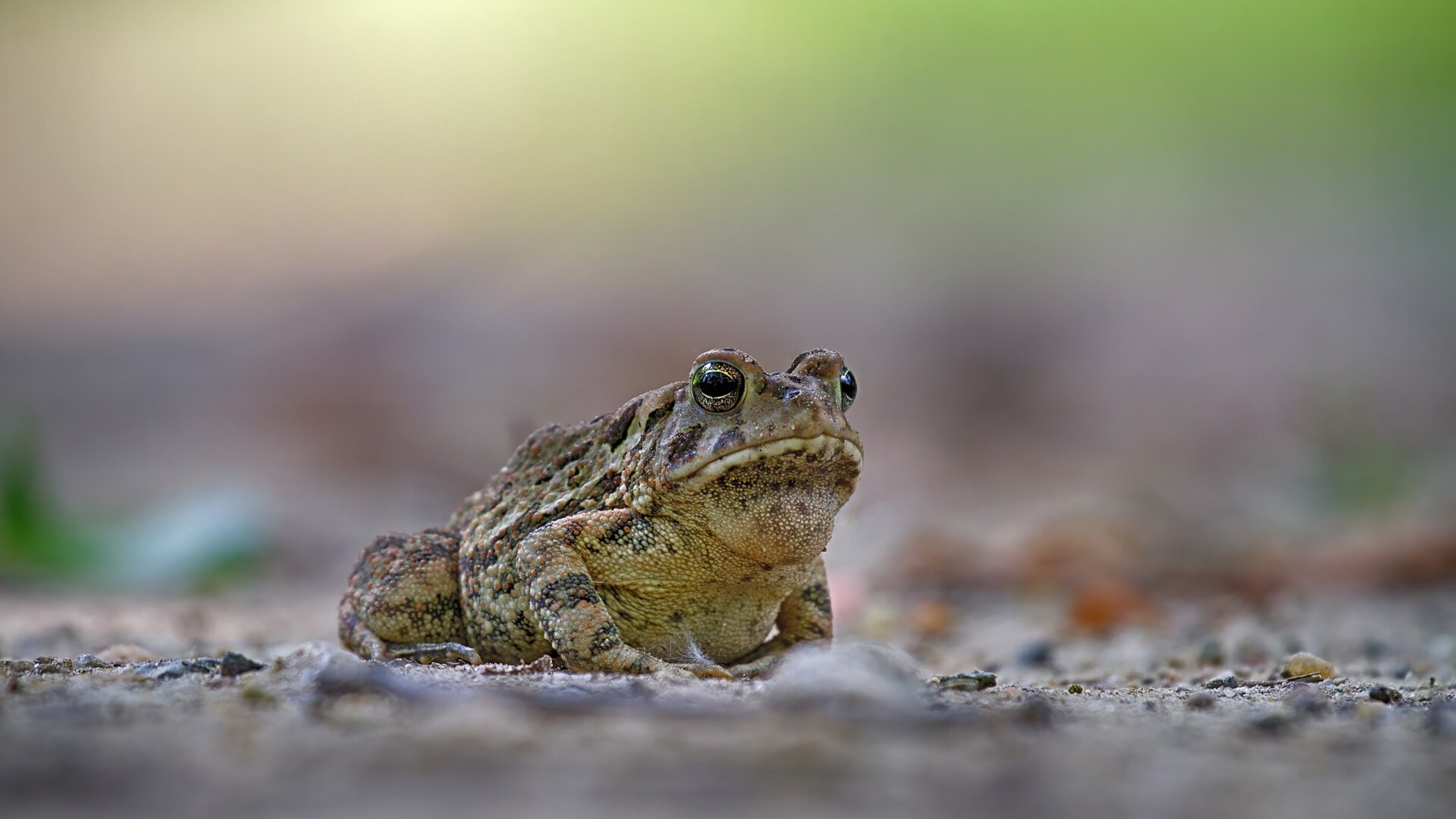
16. Fowler's Toad
Fowler's toad often reacts to predatory handling by flipping onto its back and entering a state of complete immobility. It curls its legs tight against its spotted body, slows its respiration, and presents a pale belly. Snakes and birds that rely on movement to track prey often overlook the still amphibian.
©Wikimedia / Chuck Homler d, b, a Focus On Wildlife
Advertisement
Swipe or tap ▶ to resume the countdown.
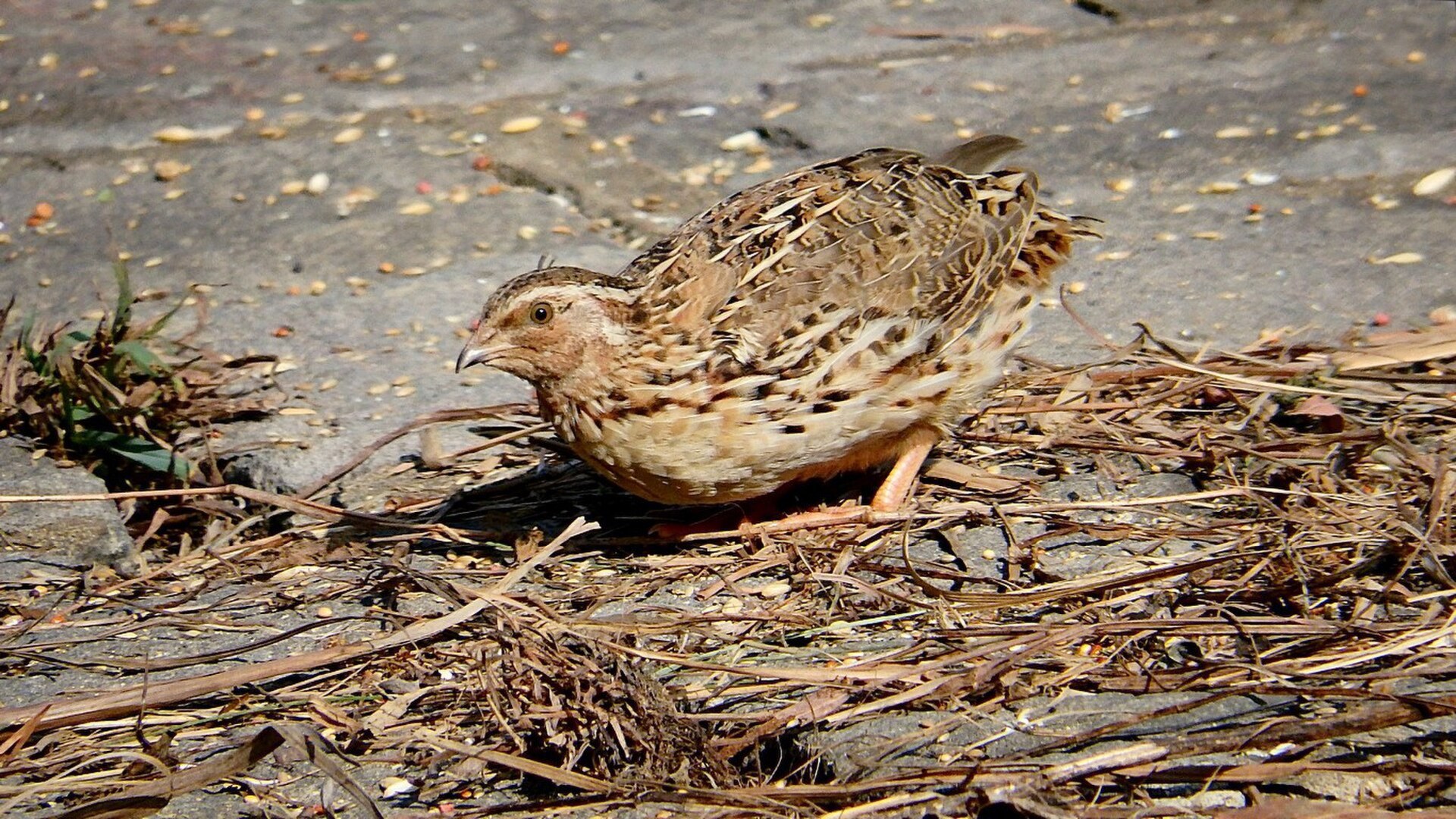
15. Japanese Quail
Japanese quail exhibit tonic immobility when grabbed by predatory hawks or foxes. The bird enters a sudden catatonic trance with eyes half closed and muscles frozen in place. If the predator loosens its grip even slightly to adjust its meal, the quail instantly snaps out of the trance and bursts away.
©Wikimedia / 孫鋒 林 from Taipei, Taiwan
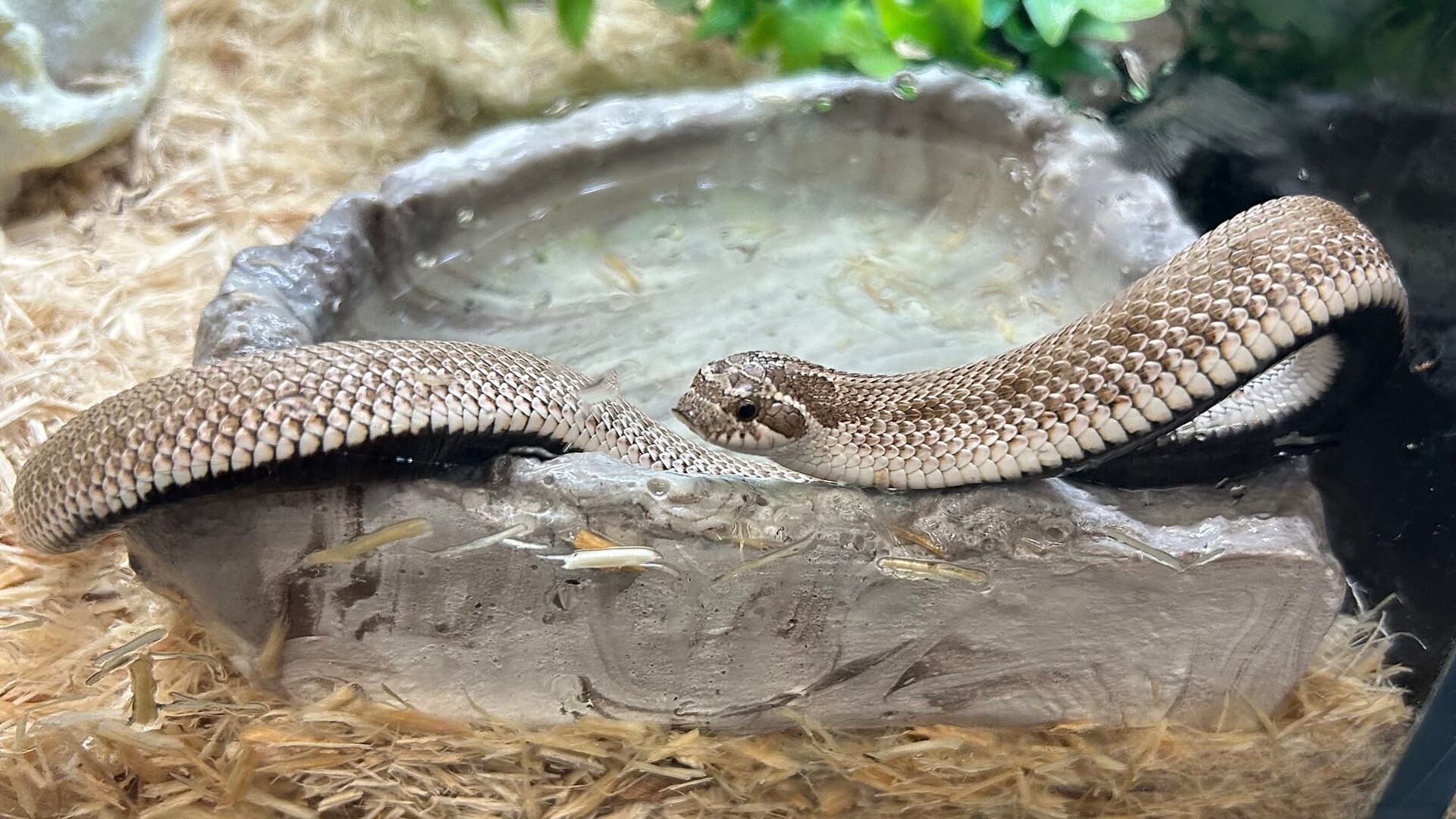
14. Western Hognose Snake
The western hognose snake shares the dramatic theatrics of its eastern cousin. When cornered by prairie badgers or birds, it expels air in loud puffs before collapsing into a twisted, lifeless heap. This convincing deception protects the non-venomous serpent from predators that target live prey.
©Wikimedia / ArtemisiaGentileschiFan
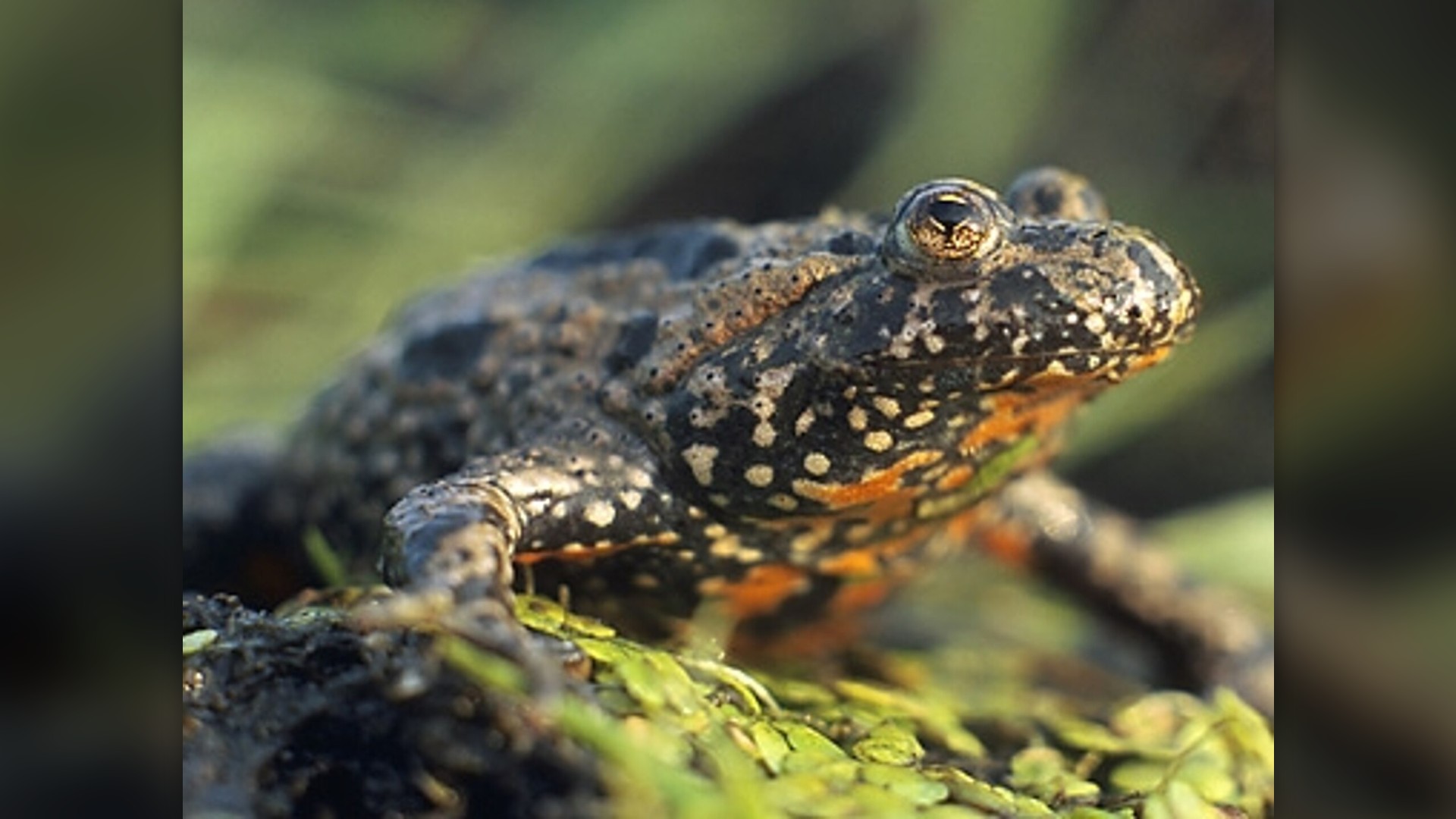
13. European Fire-Bellied Toad
The European fire-bellied toad exhibits a defensive reaction called the unkenreflex. When cornered, it arches its spine and turns its limbs upward, revealing bright orange markings while staying motionless. The display tricks attackers into thinking the toad is incapacitated and warns of bitter skin toxins.
©Wikimedia / Marek Szczepanek
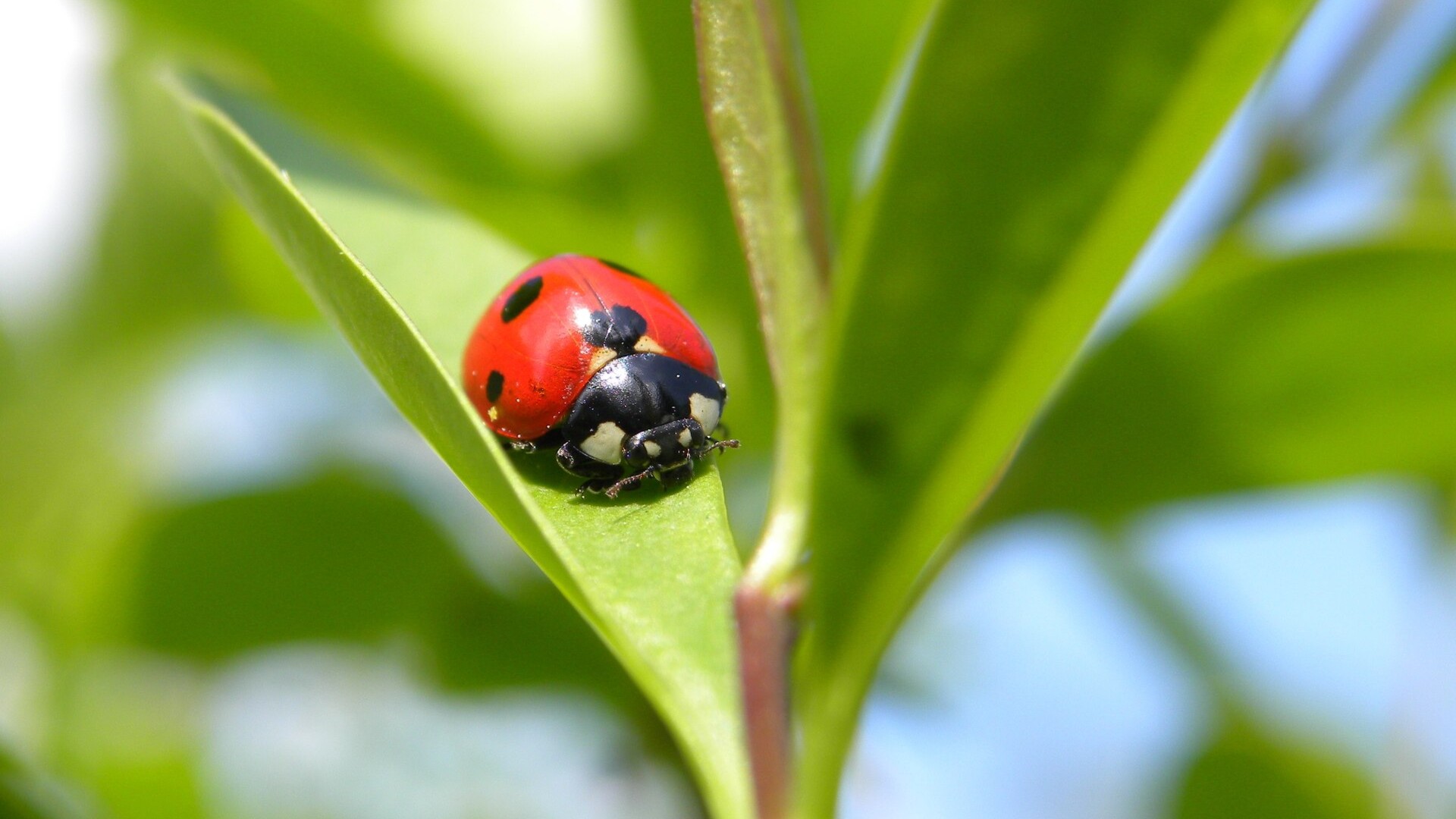
12. Seven-Spotted Ladybug
Seven-spotted ladybugs drop from foliage and feign death whenever a hungry bird or spider approaches. They pull their tiny legs beneath their hard red wing cases and lie completely motionless. At the same time, they reflexively exude toxic yellow fluid from their leg joints to deter tasting.
©Wikimedia / Trachemys
Advertisement
Swipe or tap ▶ to resume the countdown.
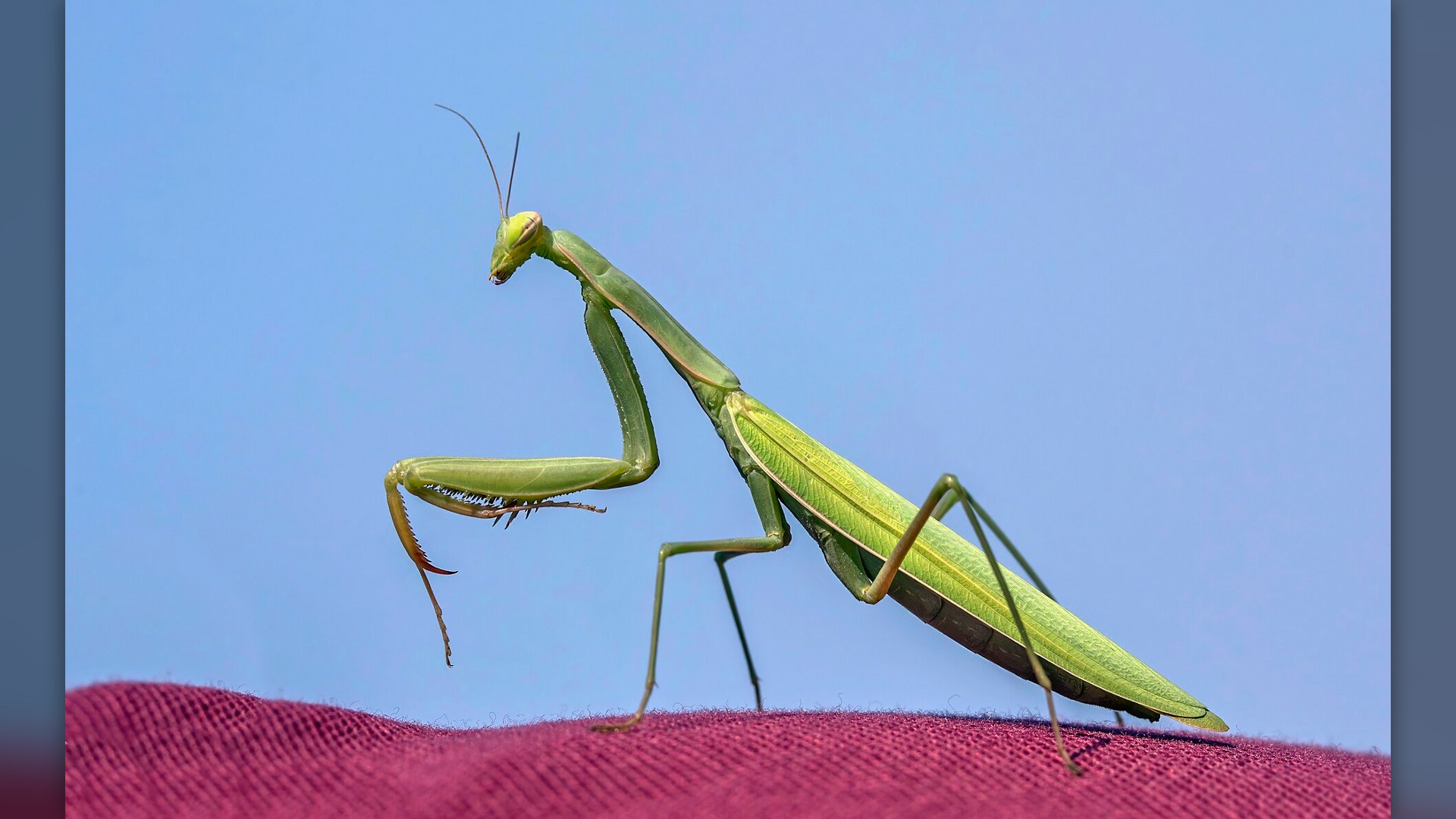
11. Praying Mantis
Certain praying mantis species drop instantly from tree branches when bats or large birds attack from above. Upon striking the leaf litter, the insect remains completely stiff, blending seamlessly into surrounding twigs. By denying predators the visual trigger of movement, it avoids capture.
©Wikimedia / Charles J. Sharp
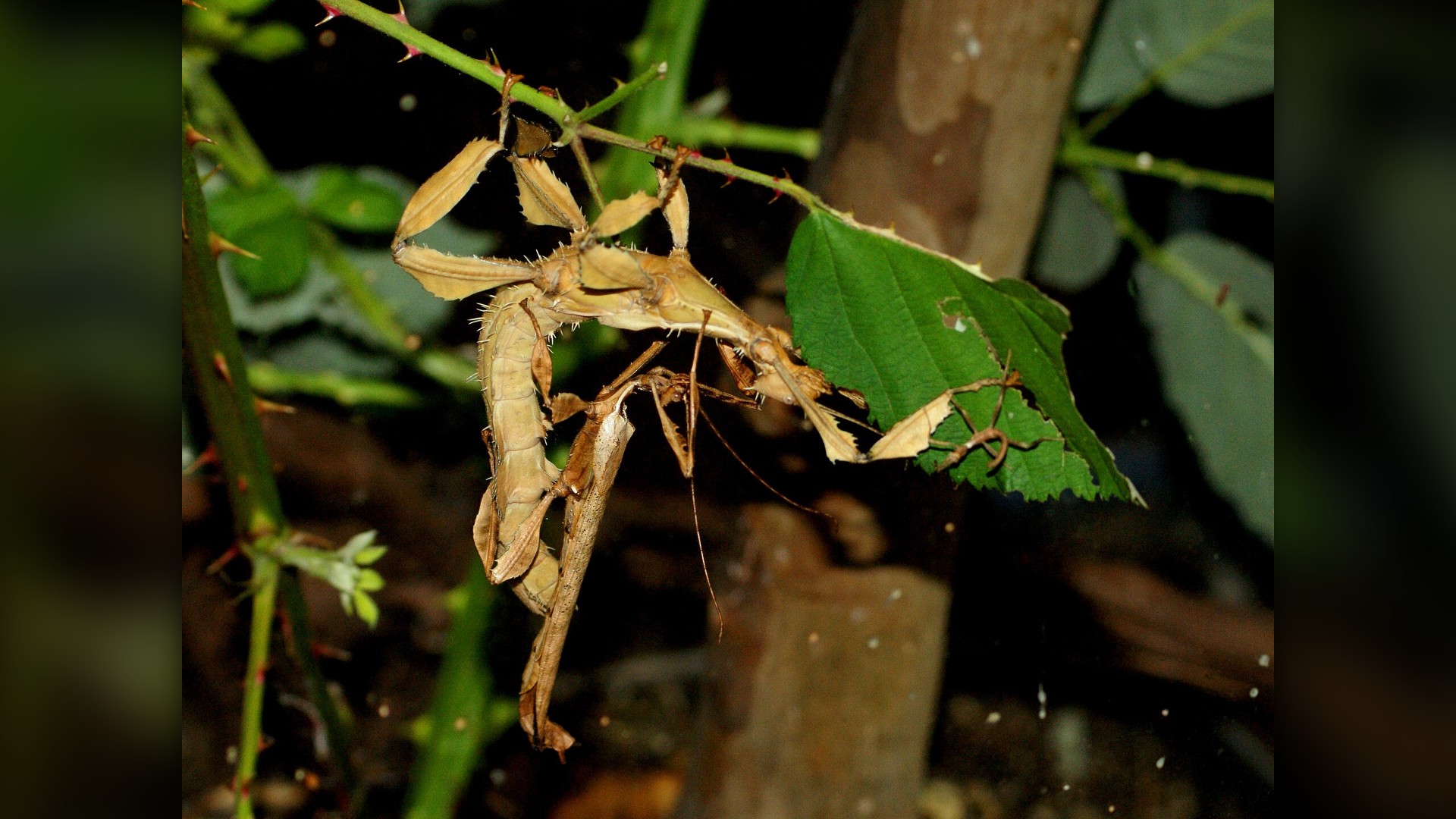
10. Giant Prickly Stick Insect
The giant prickly stick insect mimics dead dried leaves in Australian canopies. When grabbed or dislodged by a predator, it enters catalepsy, becoming rigid and lifeless for hours. Even if handled repeatedly, the insect will not flinch, convincing birds that it is merely an inedible dead leaf.
©Wikimedia / NasserHalaweh
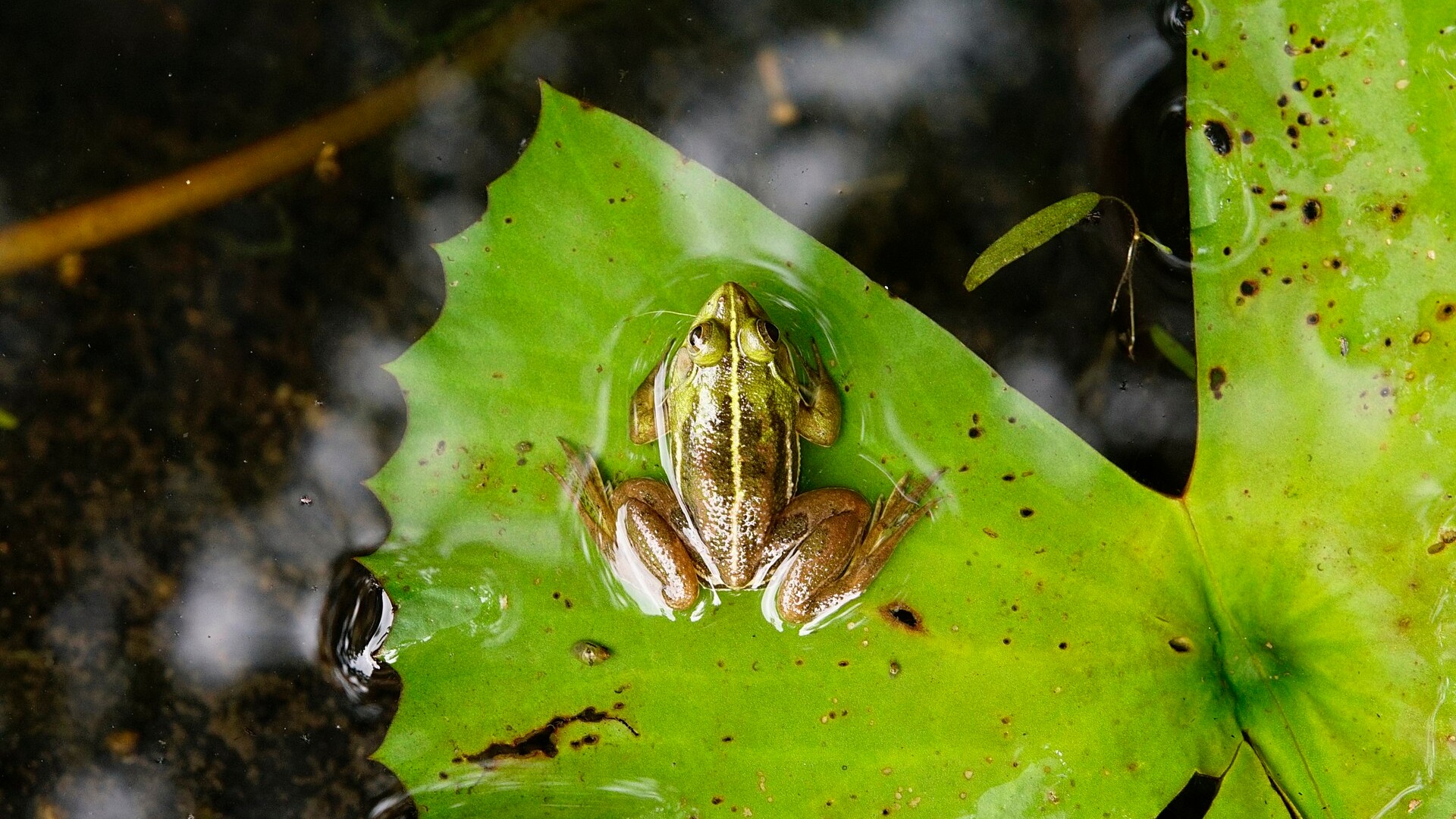
9. American Bullfrog
American bullfrogs occasionally resort to thanatosis when seized by herons, raccoons, or watersnakes. The large amphibian relaxes every muscle, causing its limbs to dangle as though broken. If the captor loosens its jaw pressure to reposition the heavy body, the bullfrog violently leaps for safety.
©Wikimedia / Vengolis
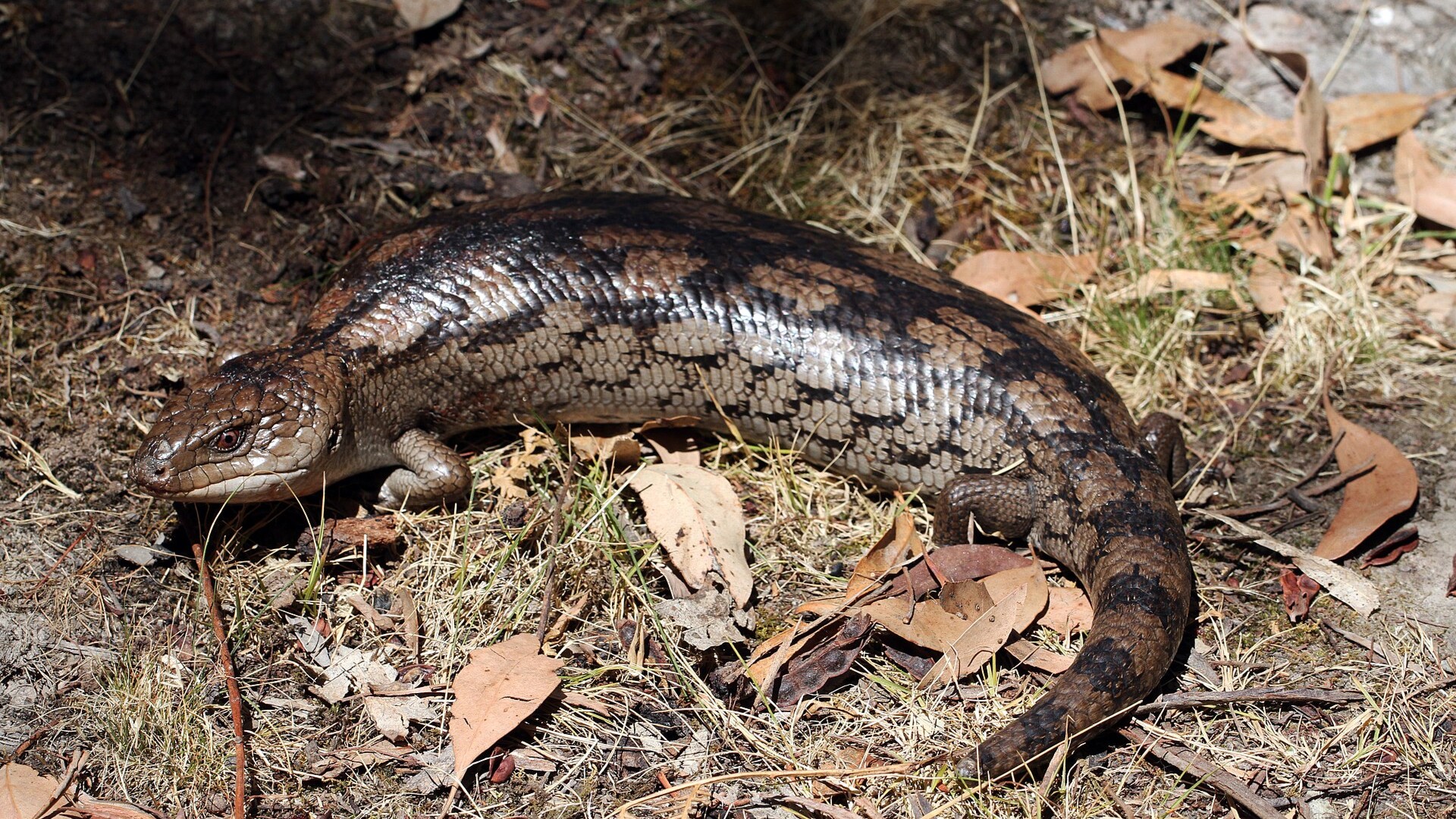
8. Blue-Tongued Skink
The blue-tongued skink combines bluffing with tonic immobility. After sticking out its vivid blue tongue and hissing loudly, it will sometimes freeze completely, flattening its body against the ground. This stillness makes the skink resemble a piece of weathered tree bark, throwing off pursuers.
©Wikimedia / Matt from Melbourne, Australia
Advertisement
Swipe or tap ▶ to resume the countdown.
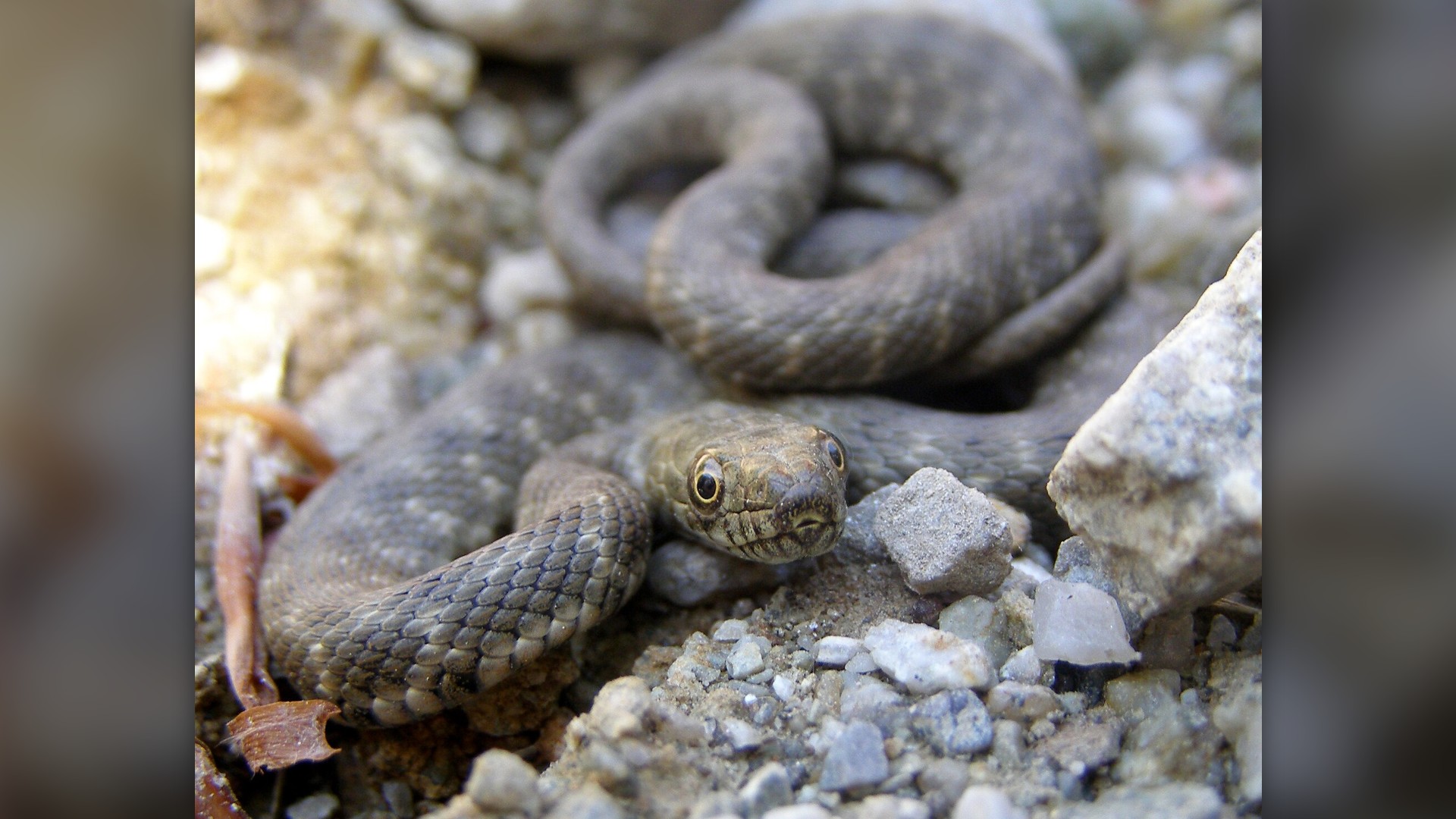
7. Dice Snake
The dice snake spends its life in European rivers and lakes hunting small fish. When caught on shore by herons or wild boar, it twists into a limp knot and emits a noxious liquid from its cloaca. By appearing limp and foul smelling, it deceives predators into rejecting what seems like spoiled carrion.
©Wikimedia / Mircea Nita
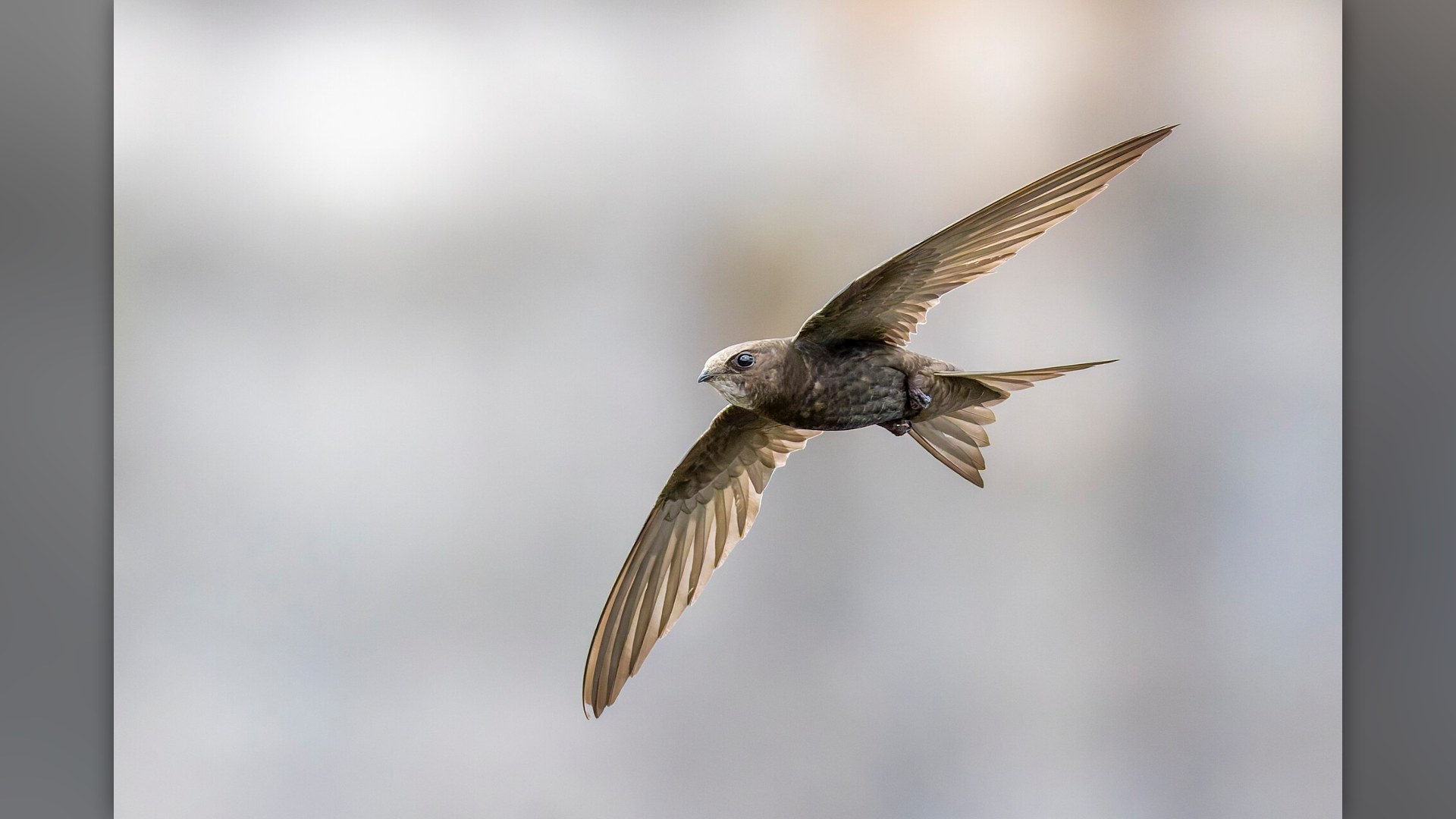
6. Common Swift
The common swift rarely touches the ground, but when stranded or captured by domestic cats, it can enter sudden tonic immobility. The bird lies spread-eagled with closed eyes and rigid wings. Once the confused feline turns its head away, the swift abruptly revives and launches into the air.
©Wikimedia / Alexis Lours
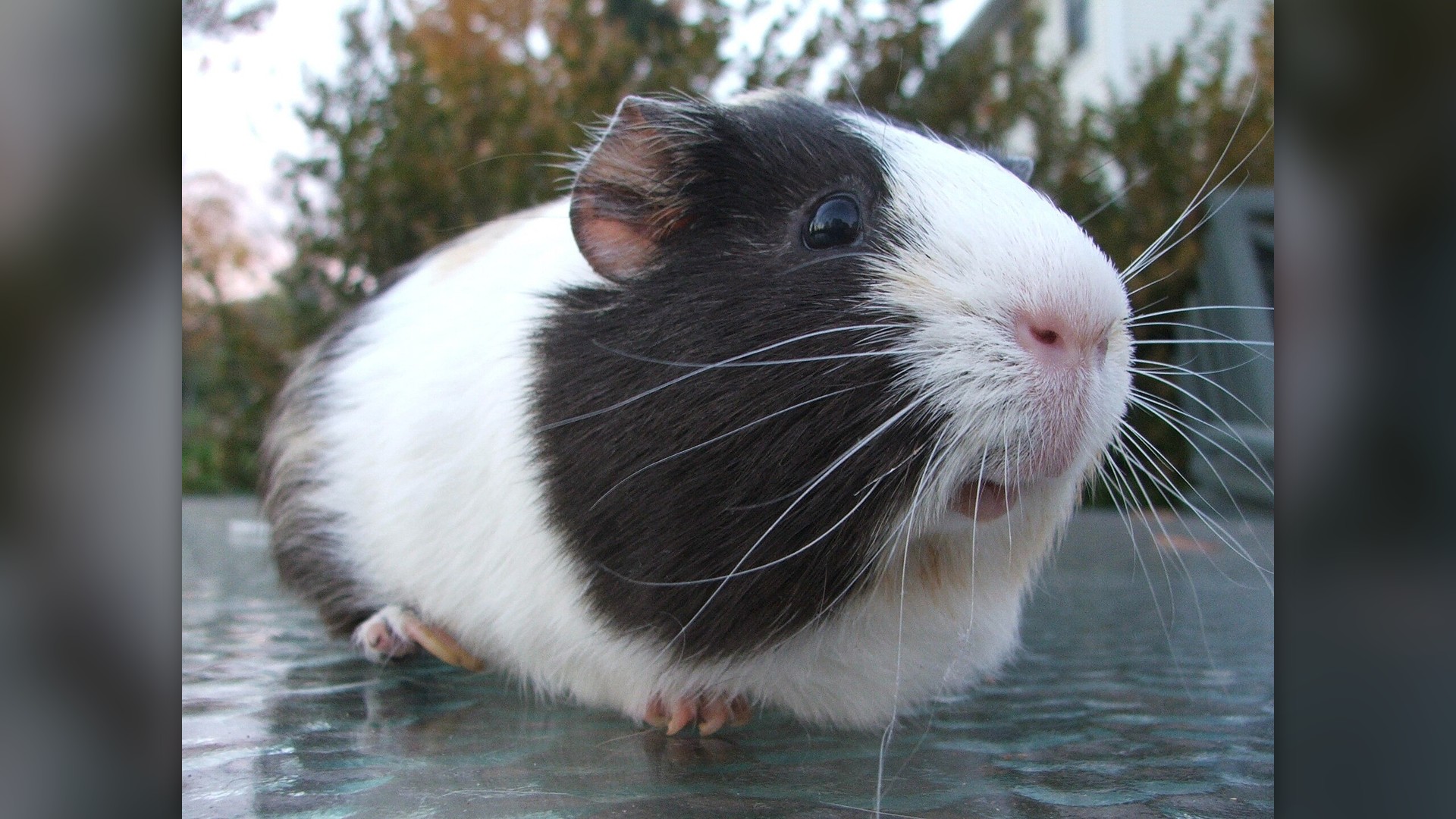
5. Guinea Pig
Domestic and wild guinea pigs exhibit an extreme tonic immobility reflex when terrified by aerial shadows or sudden loud noises. The rodent freezes completely rigid for several minutes, suppressing twitching and breathing motions. This paralysis prevents hawks from detecting tiny movements in grass.
©Wikimedia / Guinea pig
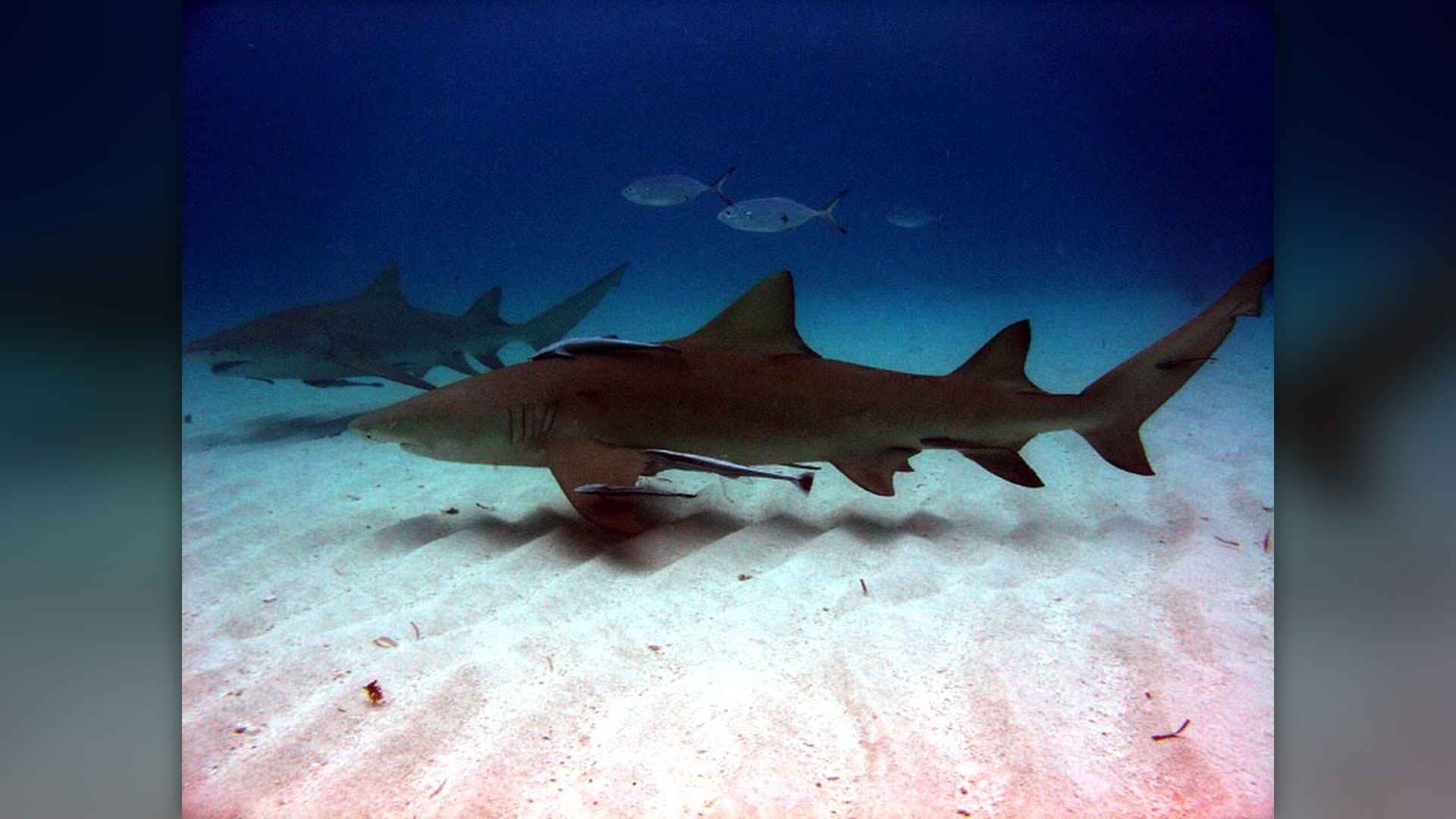
4. Lemon Shark
Lemon sharks can enter profound tonic immobility when gently turned onto their backs in shallow coastal lagoons. The shark remains limp with docile breathing for up to fifteen minutes. Marine biologists believe this sensory reflex may play a role during courtship or rough encounters with killer whales.
©Wikimedia / Gary Rinaldi from USA
Advertisement
Swipe or tap ▶ to resume the countdown.
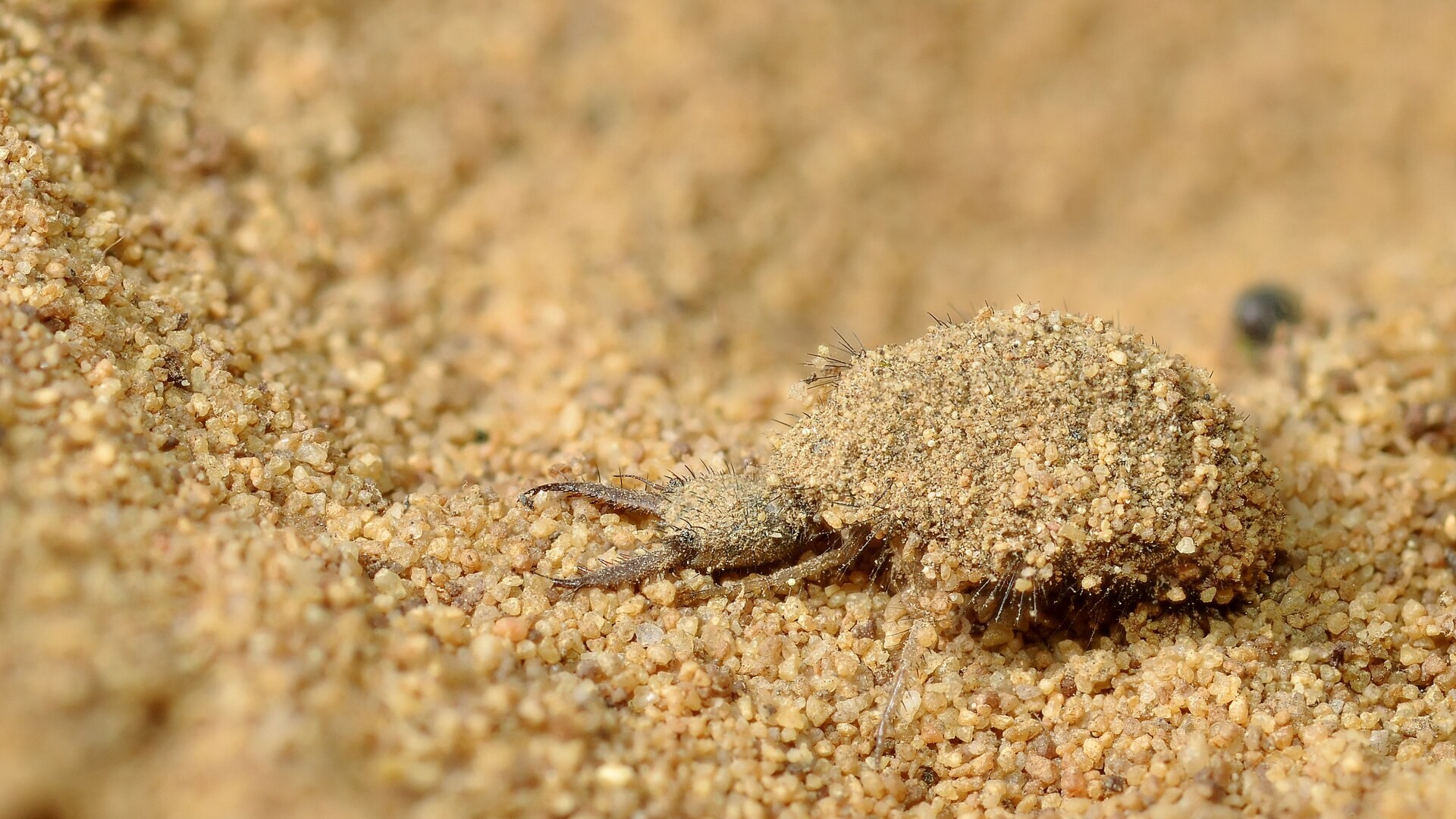
3. Antlion Larva
Antlion larvae construct conical pits in dry loose sand to trap walking ants. When a foraging bird or larger insect excavates the larva from its burrow, the antlion curls its legs and lies motionless like a piece of gravel. Once the threat passes, it immediately digs back beneath the sand.
©Wikimedia / Gilles San Martin
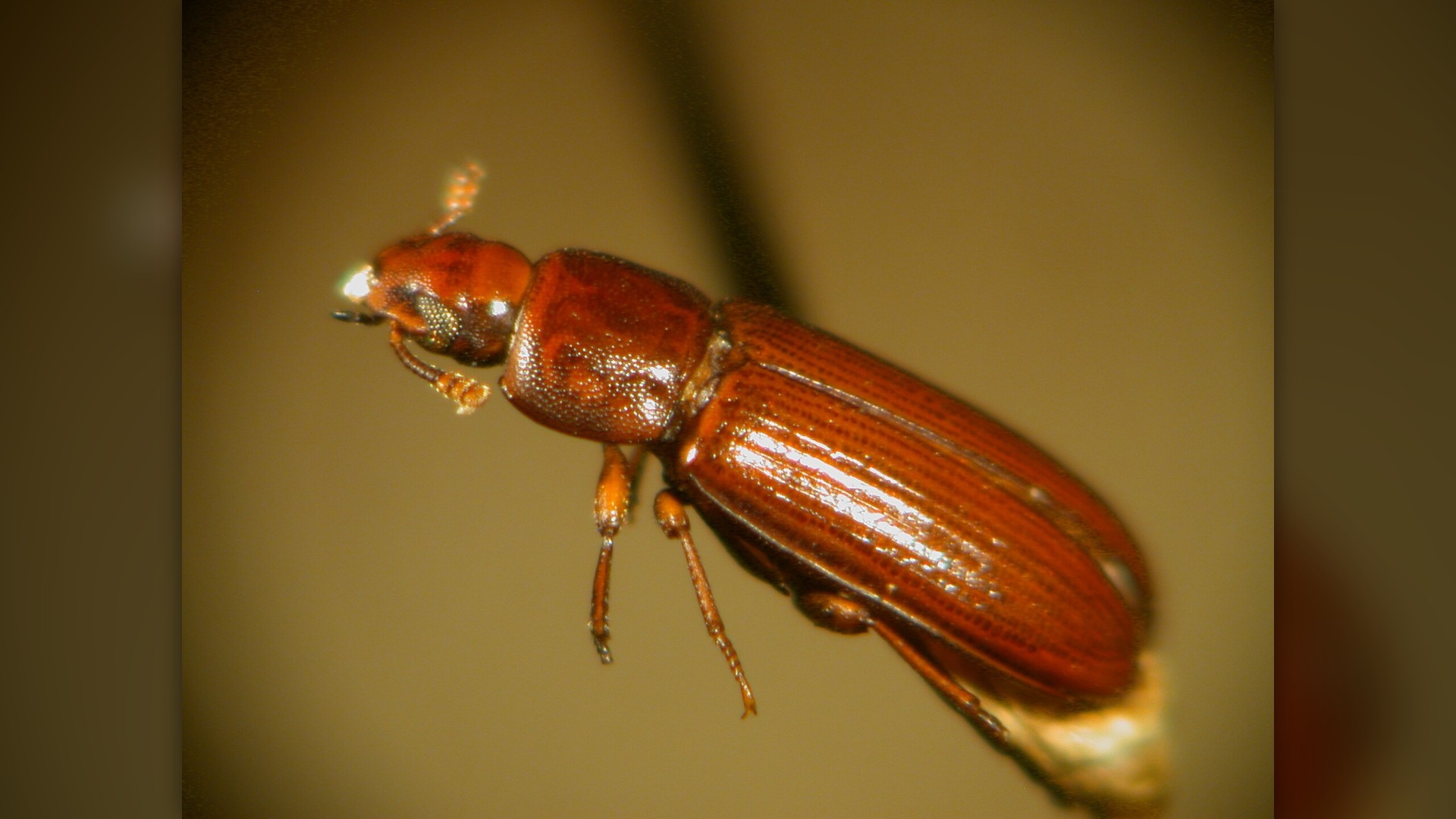
2. Red Flour Beetle
The red flour beetle is a classic model organism for studying thanatosis in insects. When poked by predatory mites or birds, the beetle immediately tucks its antennae and legs, feigning death for minutes. Studies show beetles that play dead longer have significantly higher survival rates.
©Wikimedia / Eric Day, Virginia Tech, Blacksburg, Va
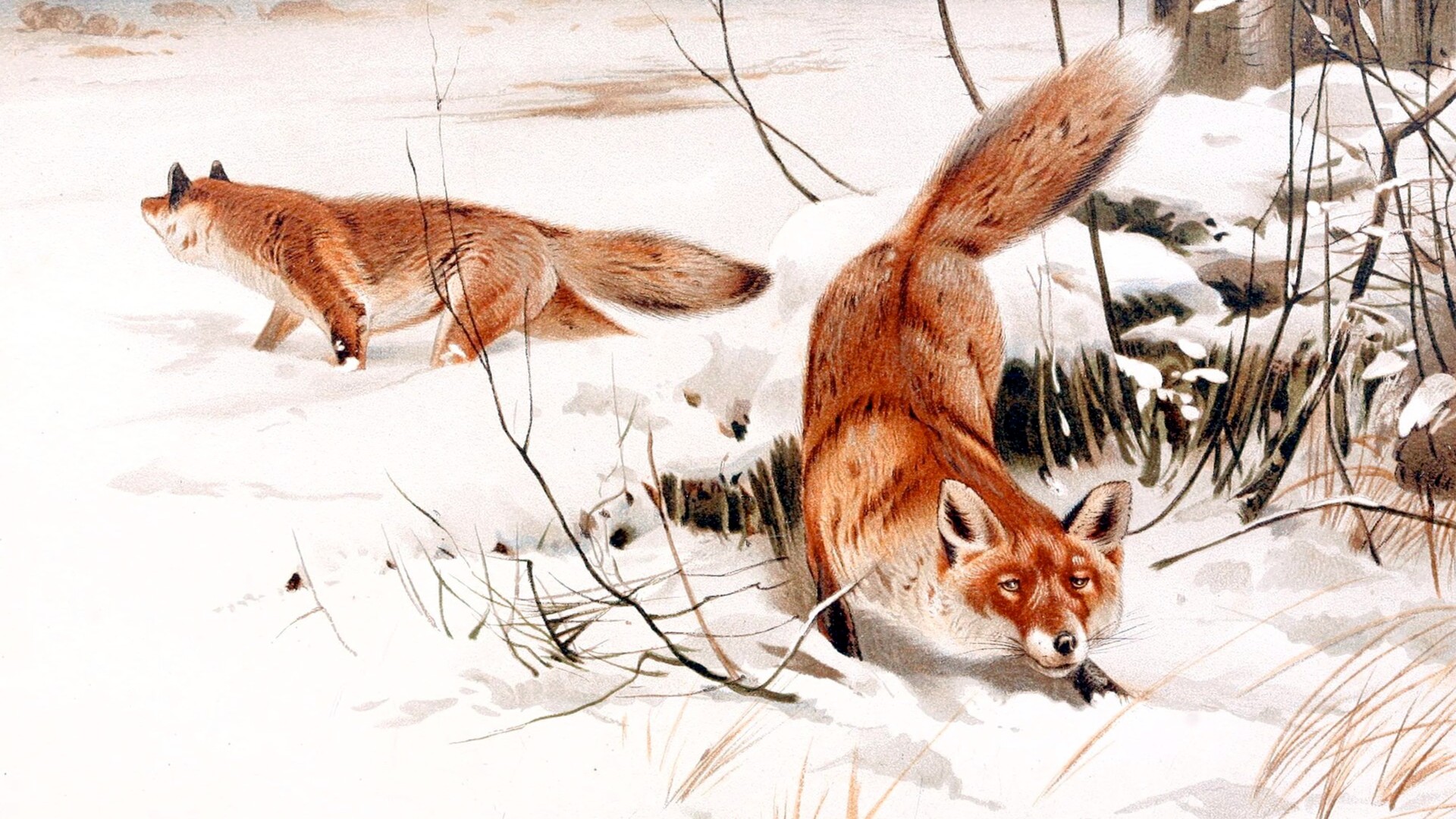
1. Red Fox
The red fox is legendary for using death feigning as an offensive hunting strategy as well as a survival tactic. Naturalists have observed foxes lying completely motionless in fields to lure curious magpies and crows. When the birds hop close to inspect the body, the fox springs up and snatches them.

©Wikimedia / Alexis Lours
Advertisement
You've reached the end of the story. Thanks for reading!

25 Animal Species Thought Extinct That Scientists Found Alive
Biologists call them Lazarus species, animals missing for decades or known only from fossils before turning up alive. Based on IUCN Red List assessments, natural history museum records and peer-reviewed surveys, this countdown tracks 25 remarkable recoveries from short absences to deep prehistoric lineages.
All 22 Entries in this Story
Virginia Opossum
The Virginia opossum is famous for playing dead when facing extreme danger. This reaction is an involuntary physiological response where the marsupial stiffens, bares its teeth, and produces foul smelling fluids from anal glands. Predators seeking warm live prey quickly lose interest and walk away.

Eastern Hognose Snake
The eastern hognose snake delivers an elaborate theatrical performance when threatened. After hissing and flattening its neck fails to scare away an attacker, it rolls onto its back, writhing dramatically before lying motionless with its mouth agape. If flipped upright, it immediately rolls onto its back again.

Blue Death-Feigning Beetle
The blue death-feigning beetle inhabits arid southwestern deserts where hungry rodents scour the sand for food. When disturbed, this hardy insect rolls onto its back and stiffens its legs like dry twigs. Predators frequently inspect the rigid shell, assume the insect has perished, and abandon it.

European Grass Snake
The European grass snake employs thanatosis as a last resort against birds of prey and predatory mammals. It goes completely limp, secretes a pungent garlic-like fluid from its cloacal glands, and occasionally allows droplets of blood to seep from its mouth to convince pursuers it is rotten.

Livingston's Cichlid
Livingston's cichlid inhabits Lake Malawi and practices predatory death feigning. It drops onto the sandy lake floor, resting flat on its side with blotchy camouflage coloring that mimics a rotting carcass. When small scavenger fish arrive to nibble on the apparent remains, the cichlid lunges and strikes.

Killdeer
The killdeer protects its ground nest through dramatic feigned vulnerability. When a coyote or raccoon approaches, the adult bird drags a wing along the dirt, fluttering frantically and crying as though mortally wounded. Once the predator is lured far away from the eggs, the bird takes flight.

Fowler's Toad
Fowler's toad often reacts to predatory handling by flipping onto its back and entering a state of complete immobility. It curls its legs tight against its spotted body, slows its respiration, and presents a pale belly. Snakes and birds that rely on movement to track prey often overlook the still amphibian.

Japanese Quail
Japanese quail exhibit tonic immobility when grabbed by predatory hawks or foxes. The bird enters a sudden catatonic trance with eyes half closed and muscles frozen in place. If the predator loosens its grip even slightly to adjust its meal, the quail instantly snaps out of the trance and bursts away.

Western Hognose Snake
The western hognose snake shares the dramatic theatrics of its eastern cousin. When cornered by prairie badgers or birds, it expels air in loud puffs before collapsing into a twisted, lifeless heap. This convincing deception protects the non-venomous serpent from predators that target live prey.

European Fire-Bellied Toad
The European fire-bellied toad exhibits a defensive reaction called the unkenreflex. When cornered, it arches its spine and turns its limbs upward, revealing bright orange markings while staying motionless. The display tricks attackers into thinking the toad is incapacitated and warns of bitter skin toxins.

Seven-Spotted Ladybug
Seven-spotted ladybugs drop from foliage and feign death whenever a hungry bird or spider approaches. They pull their tiny legs beneath their hard red wing cases and lie completely motionless. At the same time, they reflexively exude toxic yellow fluid from their leg joints to deter tasting.

Praying Mantis
Certain praying mantis species drop instantly from tree branches when bats or large birds attack from above. Upon striking the leaf litter, the insect remains completely stiff, blending seamlessly into surrounding twigs. By denying predators the visual trigger of movement, it avoids capture.

Giant Prickly Stick Insect
The giant prickly stick insect mimics dead dried leaves in Australian canopies. When grabbed or dislodged by a predator, it enters catalepsy, becoming rigid and lifeless for hours. Even if handled repeatedly, the insect will not flinch, convincing birds that it is merely an inedible dead leaf.

American Bullfrog
American bullfrogs occasionally resort to thanatosis when seized by herons, raccoons, or watersnakes. The large amphibian relaxes every muscle, causing its limbs to dangle as though broken. If the captor loosens its jaw pressure to reposition the heavy body, the bullfrog violently leaps for safety.

Blue-Tongued Skink
The blue-tongued skink combines bluffing with tonic immobility. After sticking out its vivid blue tongue and hissing loudly, it will sometimes freeze completely, flattening its body against the ground. This stillness makes the skink resemble a piece of weathered tree bark, throwing off pursuers.

Dice Snake
The dice snake spends its life in European rivers and lakes hunting small fish. When caught on shore by herons or wild boar, it twists into a limp knot and emits a noxious liquid from its cloaca. By appearing limp and foul smelling, it deceives predators into rejecting what seems like spoiled carrion.

Common Swift
The common swift rarely touches the ground, but when stranded or captured by domestic cats, it can enter sudden tonic immobility. The bird lies spread-eagled with closed eyes and rigid wings. Once the confused feline turns its head away, the swift abruptly revives and launches into the air.

Guinea Pig
Domestic and wild guinea pigs exhibit an extreme tonic immobility reflex when terrified by aerial shadows or sudden loud noises. The rodent freezes completely rigid for several minutes, suppressing twitching and breathing motions. This paralysis prevents hawks from detecting tiny movements in grass.

Lemon Shark
Lemon sharks can enter profound tonic immobility when gently turned onto their backs in shallow coastal lagoons. The shark remains limp with docile breathing for up to fifteen minutes. Marine biologists believe this sensory reflex may play a role during courtship or rough encounters with killer whales.

Antlion Larva
Antlion larvae construct conical pits in dry loose sand to trap walking ants. When a foraging bird or larger insect excavates the larva from its burrow, the antlion curls its legs and lies motionless like a piece of gravel. Once the threat passes, it immediately digs back beneath the sand.

Red Flour Beetle
The red flour beetle is a classic model organism for studying thanatosis in insects. When poked by predatory mites or birds, the beetle immediately tucks its antennae and legs, feigning death for minutes. Studies show beetles that play dead longer have significantly higher survival rates.

Red Fox
The red fox is legendary for using death feigning as an offensive hunting strategy as well as a survival tactic. Naturalists have observed foxes lying completely motionless in fields to lure curious magpies and crows. When the birds hop close to inspect the body, the fox springs up and snatches them.