Slideshow · Viral
23 Core Theological Differences Between Orthodox and Catholic Faiths
Eastern Orthodoxy and Roman Catholicism parted ways during the Great Schism of 1054, developing distinct traditions. Based on Vatican documents, records from the Ecumenical Patriarchate and historical research from Oxford academic studies, this survey examines twenty-three central divides in order of depth.
By Most Viral Today
1 hour ago

Orthodox and Catholic Traditions 
23. The Sign Of The Cross 
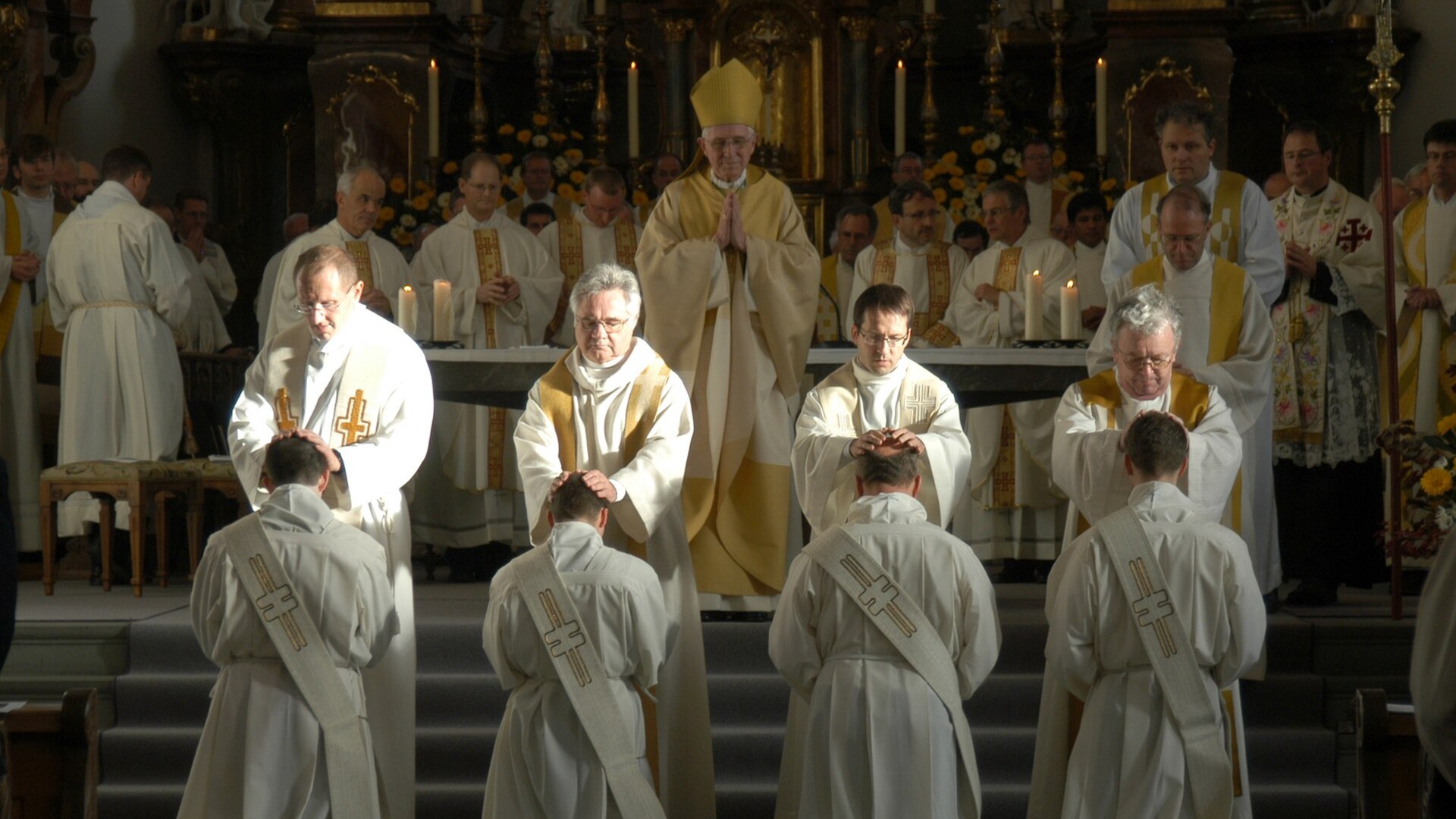
22. Clerical Marriage Rules 
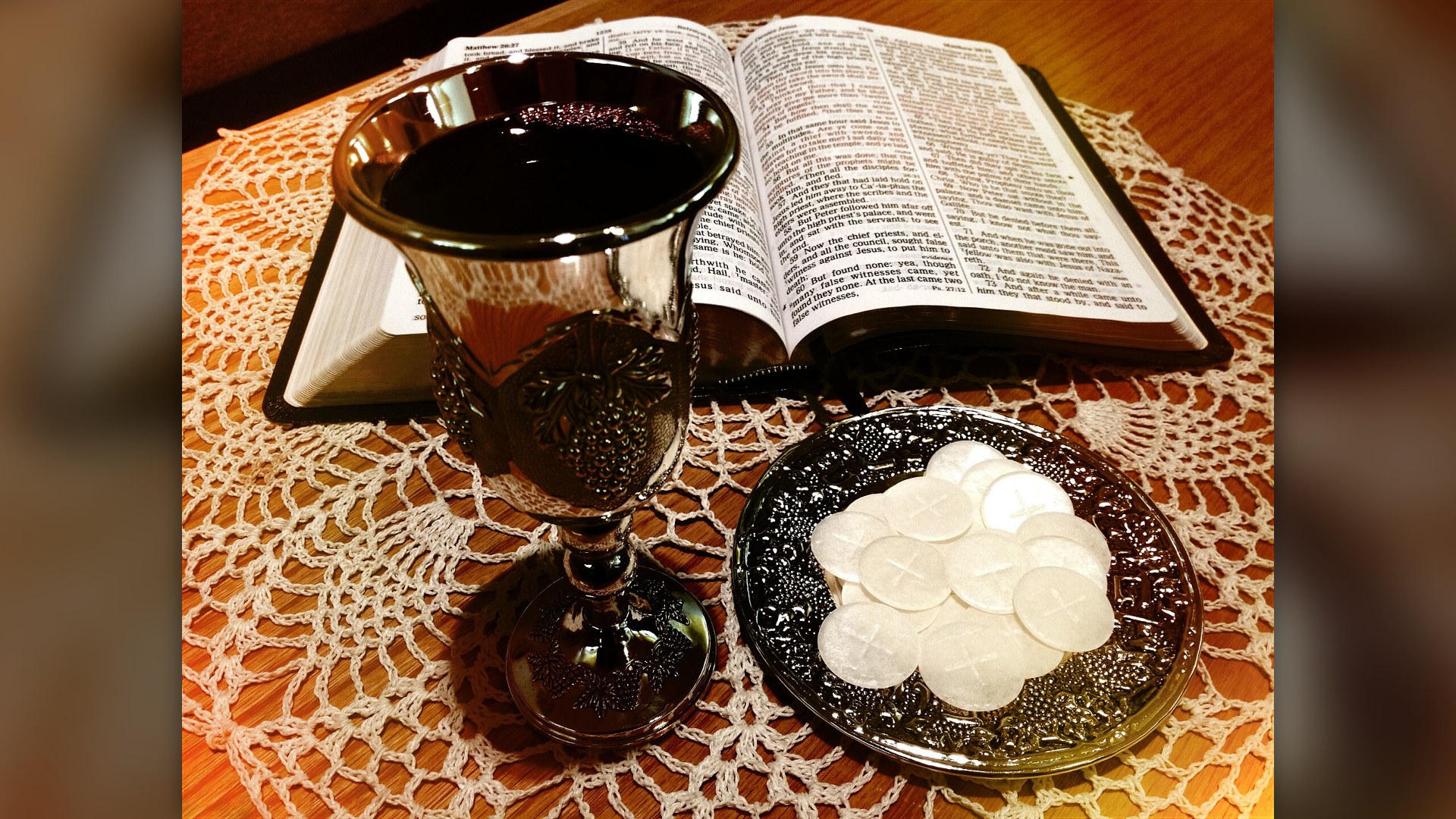
21. Eucharistic Bread Traditions - AdvertisementSwipe or tap ▶ to continue countdown

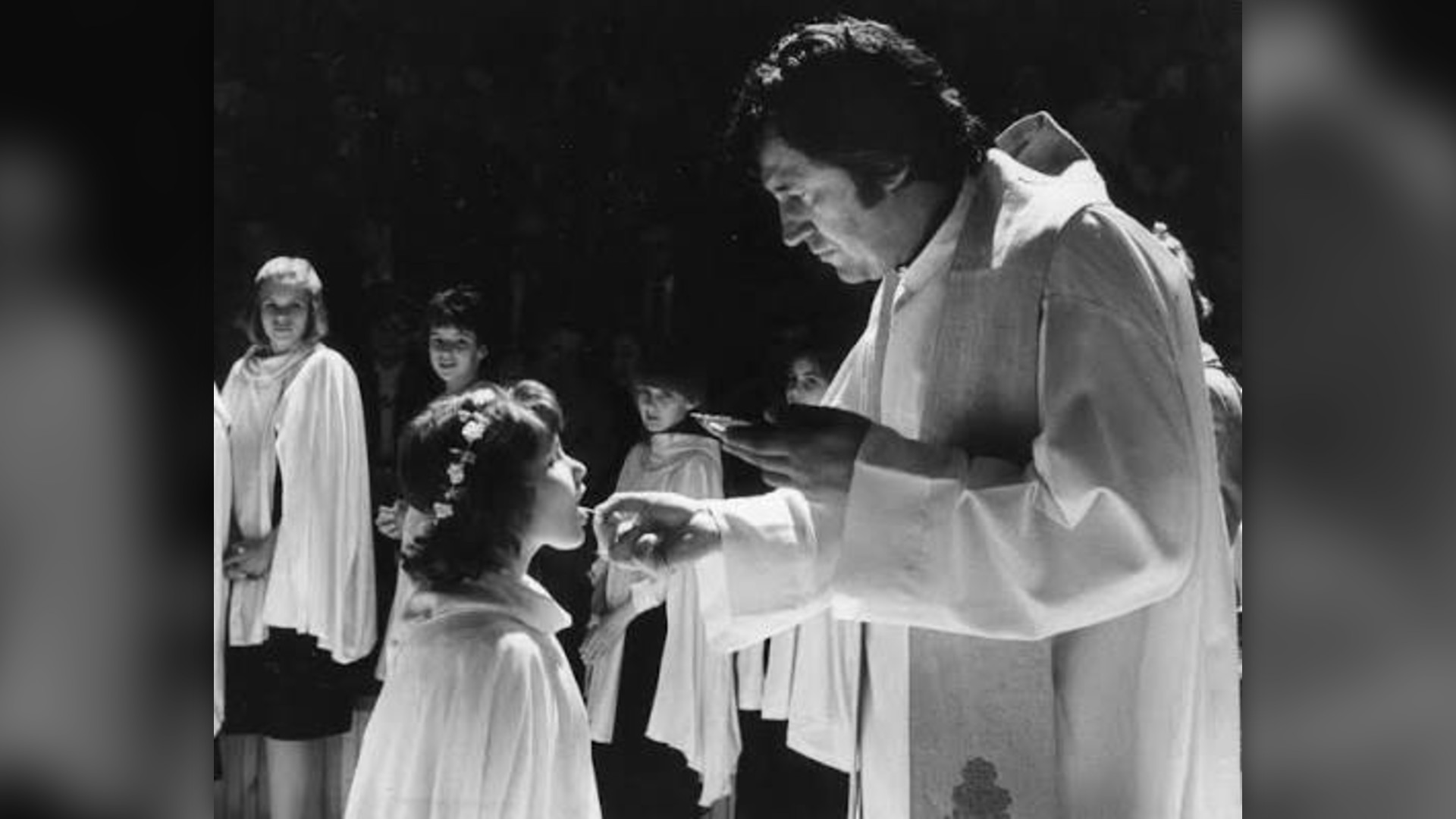
20. Distribution Of Holy Communion 
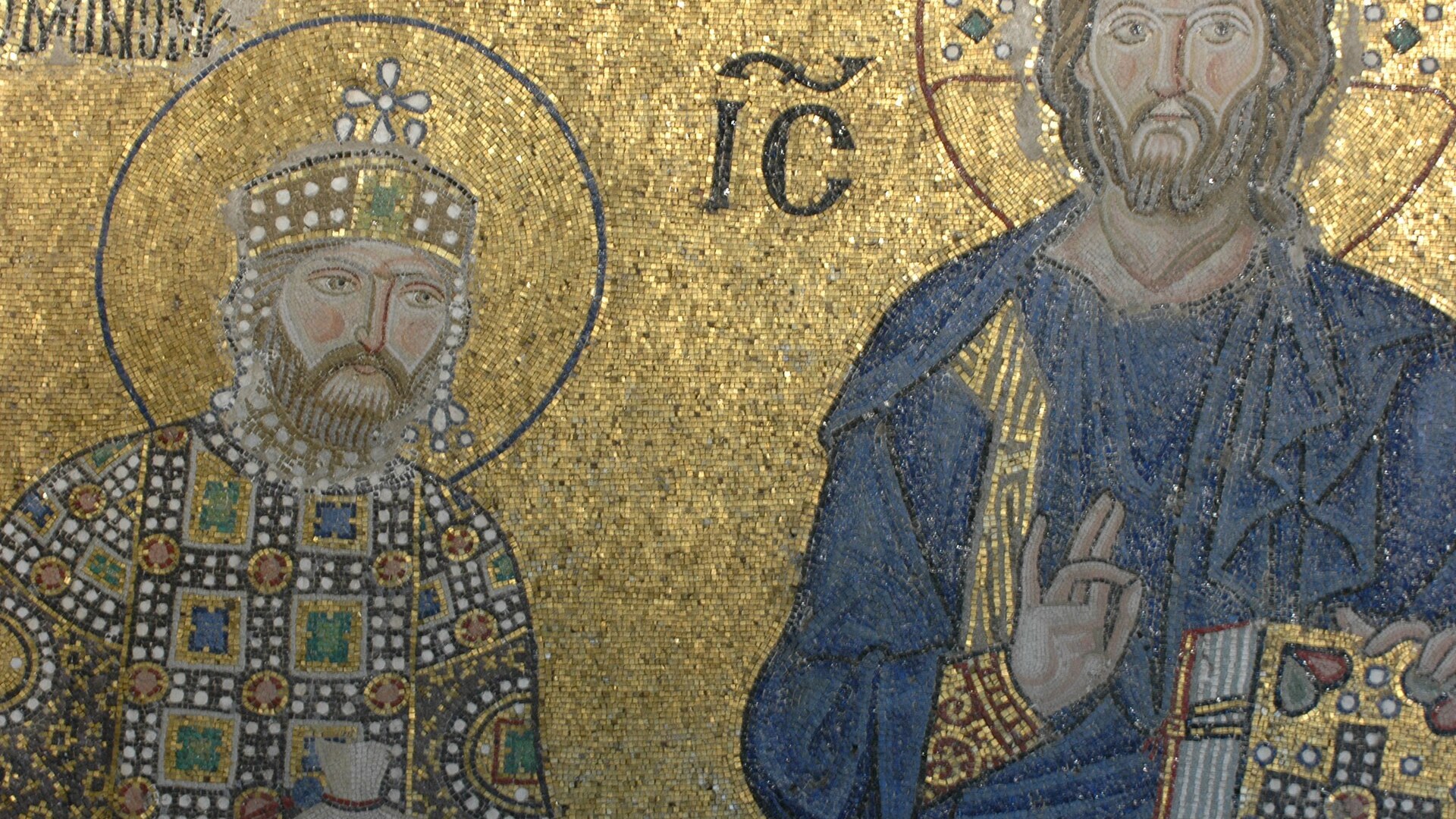
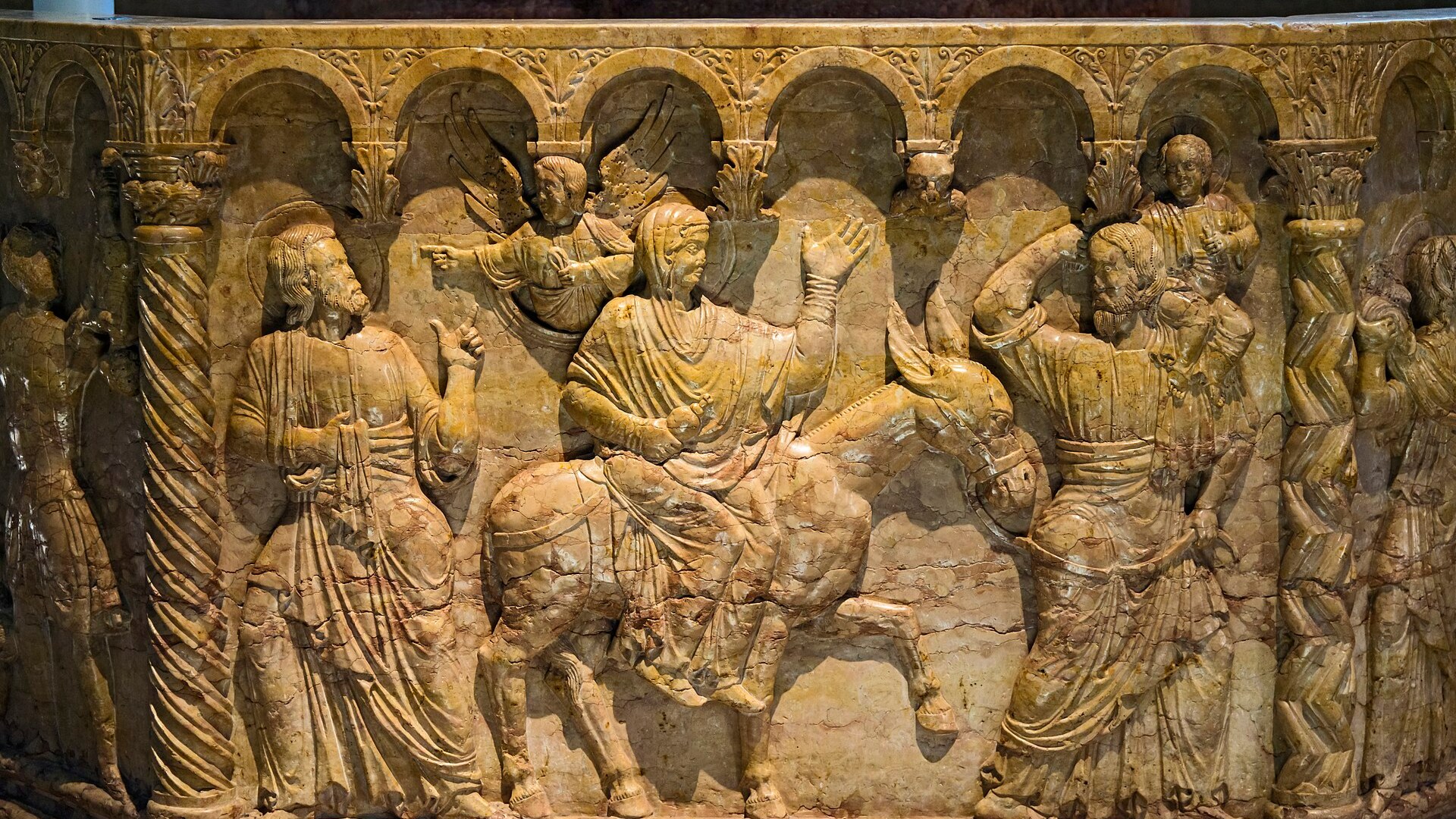
19. Sacred Visual Art 
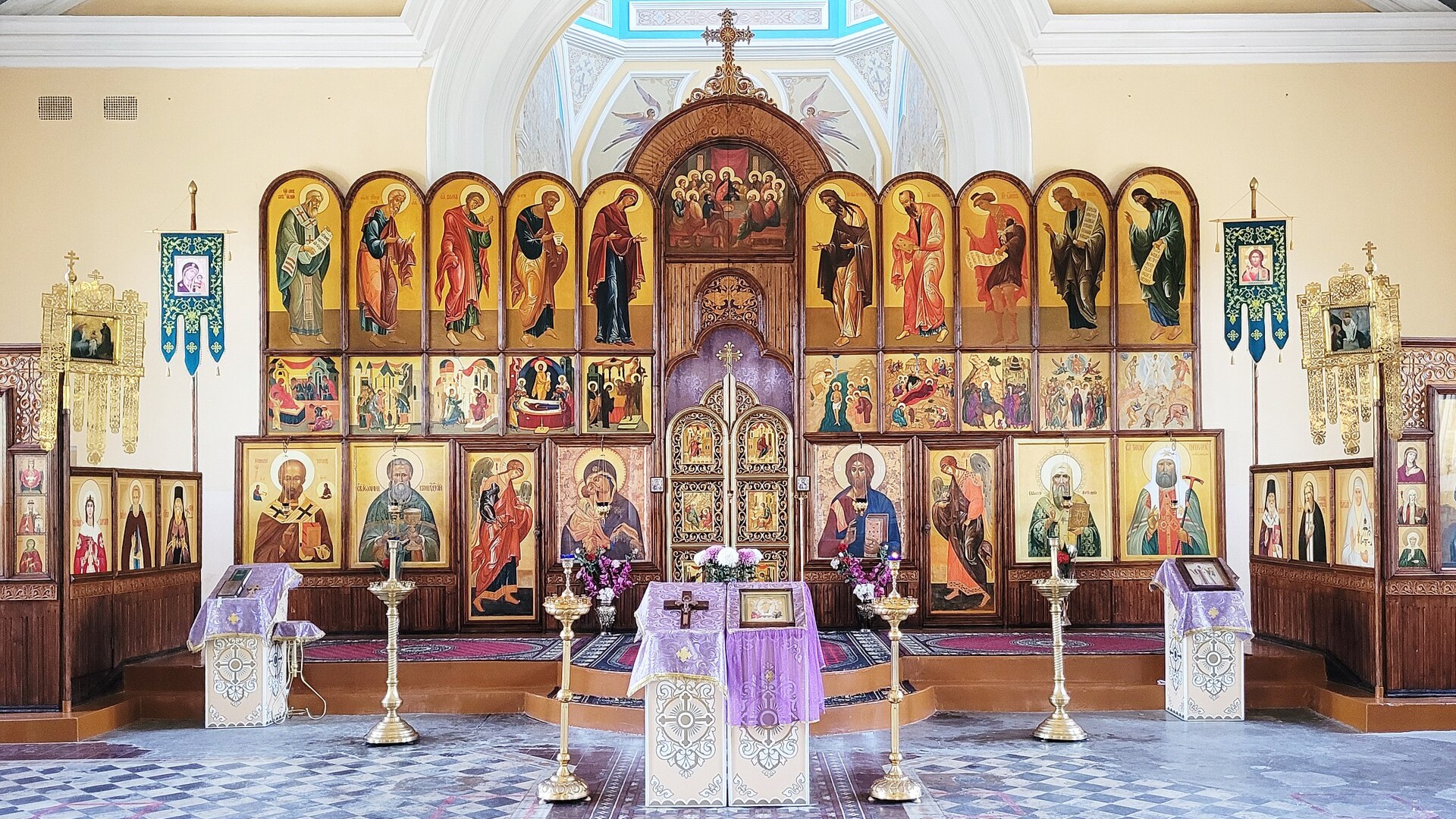
18. The Sanctuary Iconostasis 
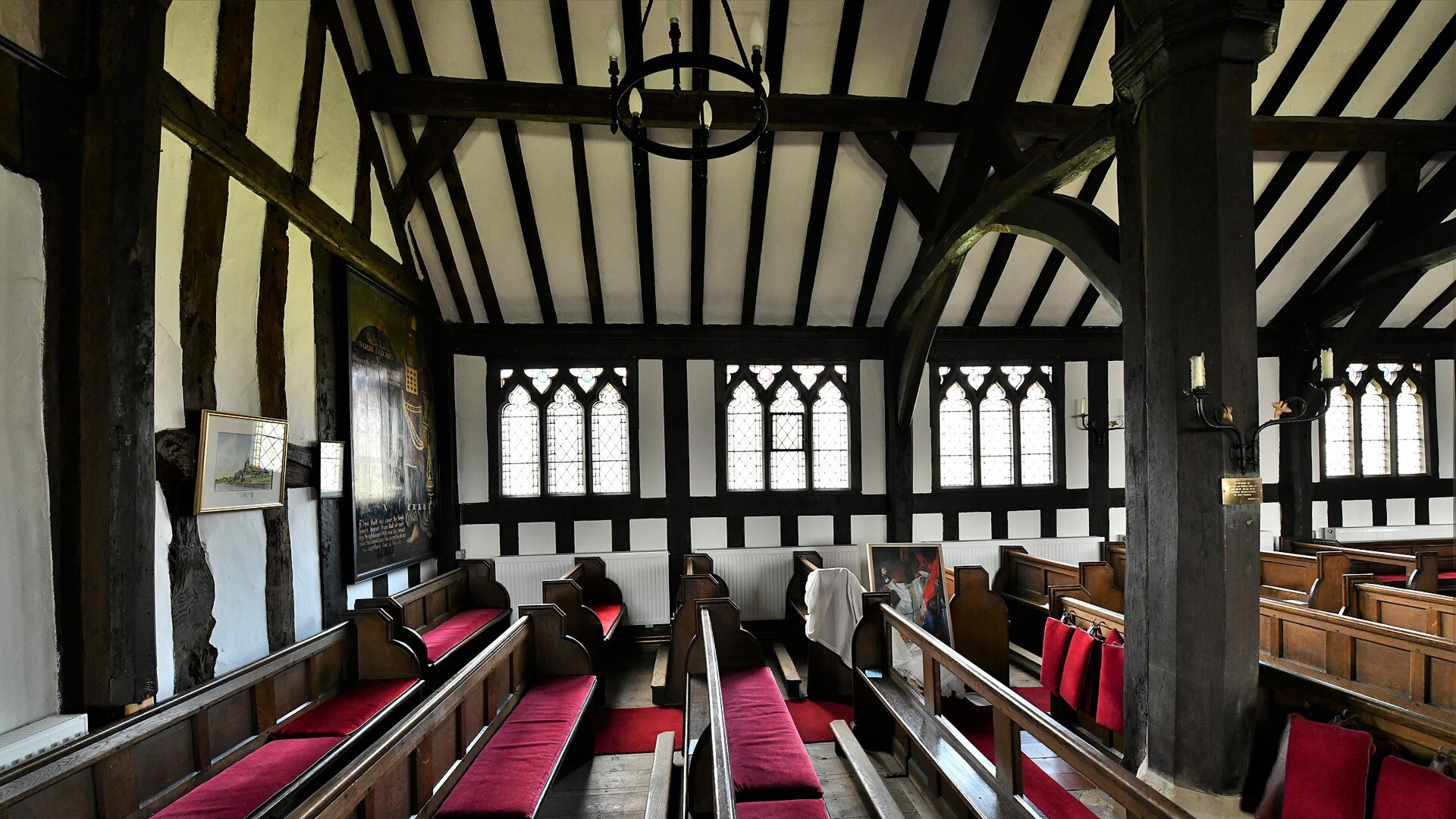
17. Nave Seating And Posture - AdvertisementSwipe or tap ▶ to continue countdown

16. Baptism And Chrismation Order 
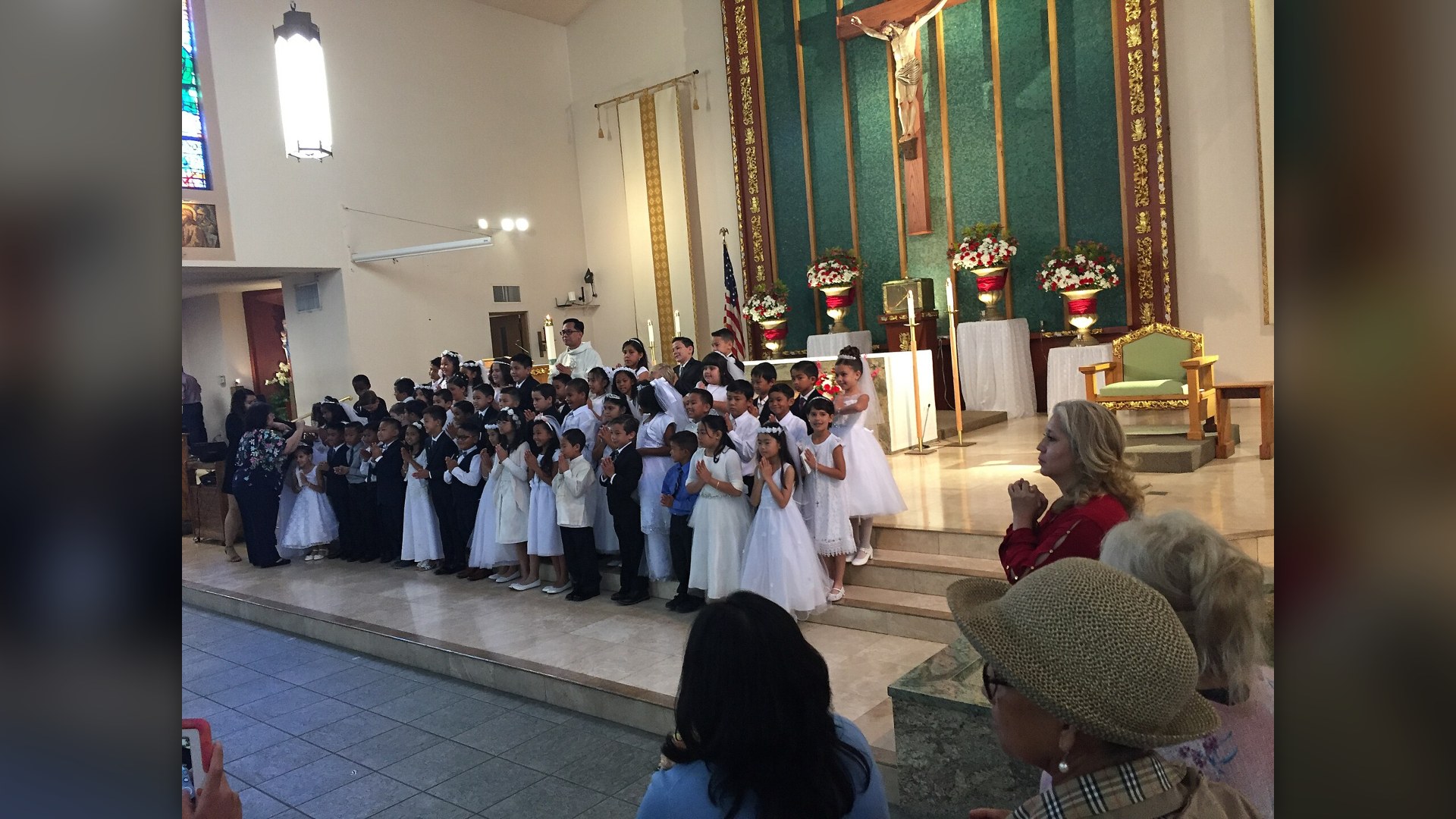
15. Infant Communion Practice 
14. Liturgical Musical Instruments 
13. Calendar And Pascha Dates - AdvertisementSwipe or tap ▶ to continue countdown

12. Marital Dissolution And Economy 
11. Monastic Life Structure 
10. Understanding Of Ancestral Sin 
9. The Immaculate Conception Dogma - AdvertisementSwipe or tap ▶ to continue countdown

8. The State Of Purgatory 
7. The Dormition Versus Assumption 
6. Essence And Energies Distinction 
5. The Filioque Controversy - AdvertisementSwipe or tap ▶ to continue countdown

4. Authority Of Ecumenical Councils 
3. Model Of Church Governance 
2. Papal Infallibility Dogma 
1. Papal Primacy Versus Supremacy - Advertisement🔥 UP NEXT IN THIS SERIES◫ 23 Slides

22 Rare Classic Cars That Only True Enthusiasts Recognize
Most drivers recognize a Ferrari or Porsche, yet automotive history hides dozens of small-batch cars built by independent studios. Drawn from manufacturer archives, the Petersen Automotive Museum, and Smithsonian records, this countdown profiles 22 rare models from 1936 to 2001 that reward sharp-eyed spotters.
Eastern Orthodoxy and Roman Catholicism parted ways during the Great Schism of 1054, developing distinct traditions. Based on Vatican documents, records from the Ecumenical Patriarchate and historical research from Oxford academic studies, this survey examines twenty-three central divides in order of depth.
Swipe or tap ▶ to begin the countdown
©Wikimedia / Boydsk2000
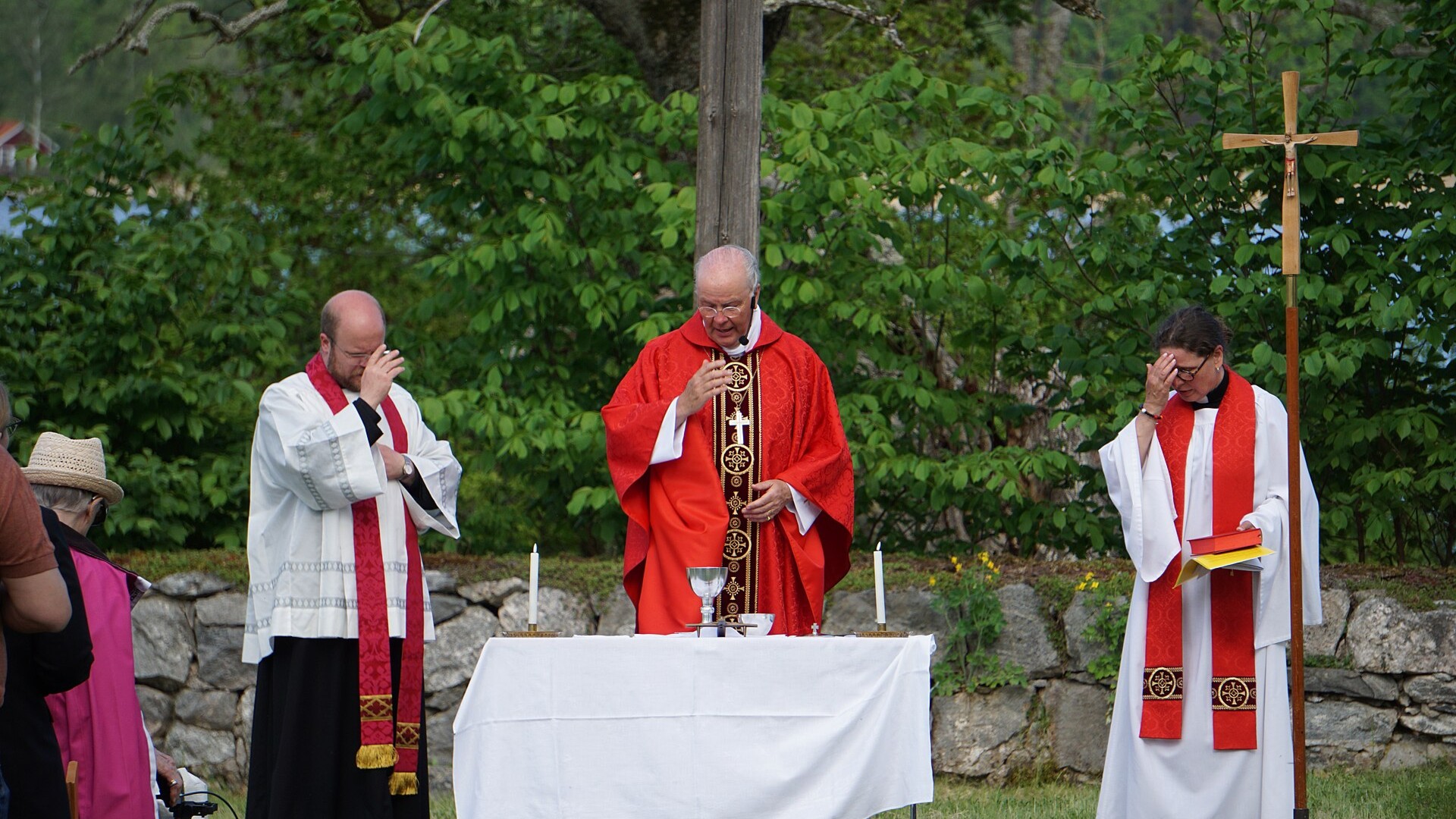
23. The Sign Of The Cross
Orthodox Christians touch the right shoulder before the left using three joined fingers to honor the Trinity. Roman Catholics move from the left shoulder to the right with an open palm. This ritual divergence became standardized across both branches over several centuries.
©Wikimedia / Atleett
22. Clerical Marriage Rules
Eastern Orthodoxy allows married men to receive ordination as parish priests, though bishops must remain celibate. The Roman Catholic Latin Church enforces strict clerical celibacy for all priests, barring rare pastoral provisions for incoming married converts from other traditions.
©Wikimedia / Matthias Ulrich. The original uploader was Matte
21. Eucharistic Bread Traditions
Orthodox liturgies require leavened wheat bread known as prosphora to symbolize the living presence of the risen Christ. The Latin Catholic Church uses unleavened host wafers in remembrance of the Passover meal. This disagreement sparked fiery debates prior to the 1054 schism.
©Wikimedia / John Snyder
Advertisement
Swipe or tap ▶ to resume the countdown.
20. Distribution Of Holy Communion
Orthodox faithful receive both consecrated bread and wine combined together on a liturgical spoon. Catholic parishes traditionally gave the host wafer alone to laity, though post-Vatican II guidelines allow chalice sharing during specific Sunday masses and ceremonies.
©Wikimedia /Fortepan adományozó URBÁN TAMÁS
19. Sacred Visual Art
Eastern churches restrict sacred imagery to flat two-dimensional icons following strict theological iconographic rules. Western Catholic cathedrals display realistic three-dimensional statues alongside stained glass windows to foster visual devotion among worshippers.
©Wikimedia / Dosseman
18. The Sanctuary Iconostasis
Orthodox temples feature a tall screen covered in holy icons called an iconostasis separating the nave from the altar. Catholic parish sanctuaries maintain open designs where congregation members can view every altar action directly from their seats throughout the mass.
©Wikimedia / Bgag
17. Nave Seating And Posture
Traditional Orthodox services emphasize standing during worship to express reverent vigilance before God. Western Catholic sanctuaries install rows of wooden pews equipped with kneelers, enabling structured cycles of sitting, standing and kneeling during liturgies.
©Wikimedia / Michael Garlick
Advertisement
Swipe or tap ▶ to resume the countdown.
16. Baptism And Chrismation Order
Orthodoxy administers baptism by threefold immersion followed immediately by chrismation and first communion for infants. The Latin Catholic Church typically baptizes through water pouring, delaying confirmation and first communion until children reach the age of reason.
©Wikimedia / Didier Descouens
15. Infant Communion Practice
Orthodox infants partake in holy communion starting at their baptismal service, establishing uninterrupted sacramental participation. Catholic children undergo specific catechism classes before receiving their first holy communion around seven or eight years of age.
©Wikimedia / DarkNight0917
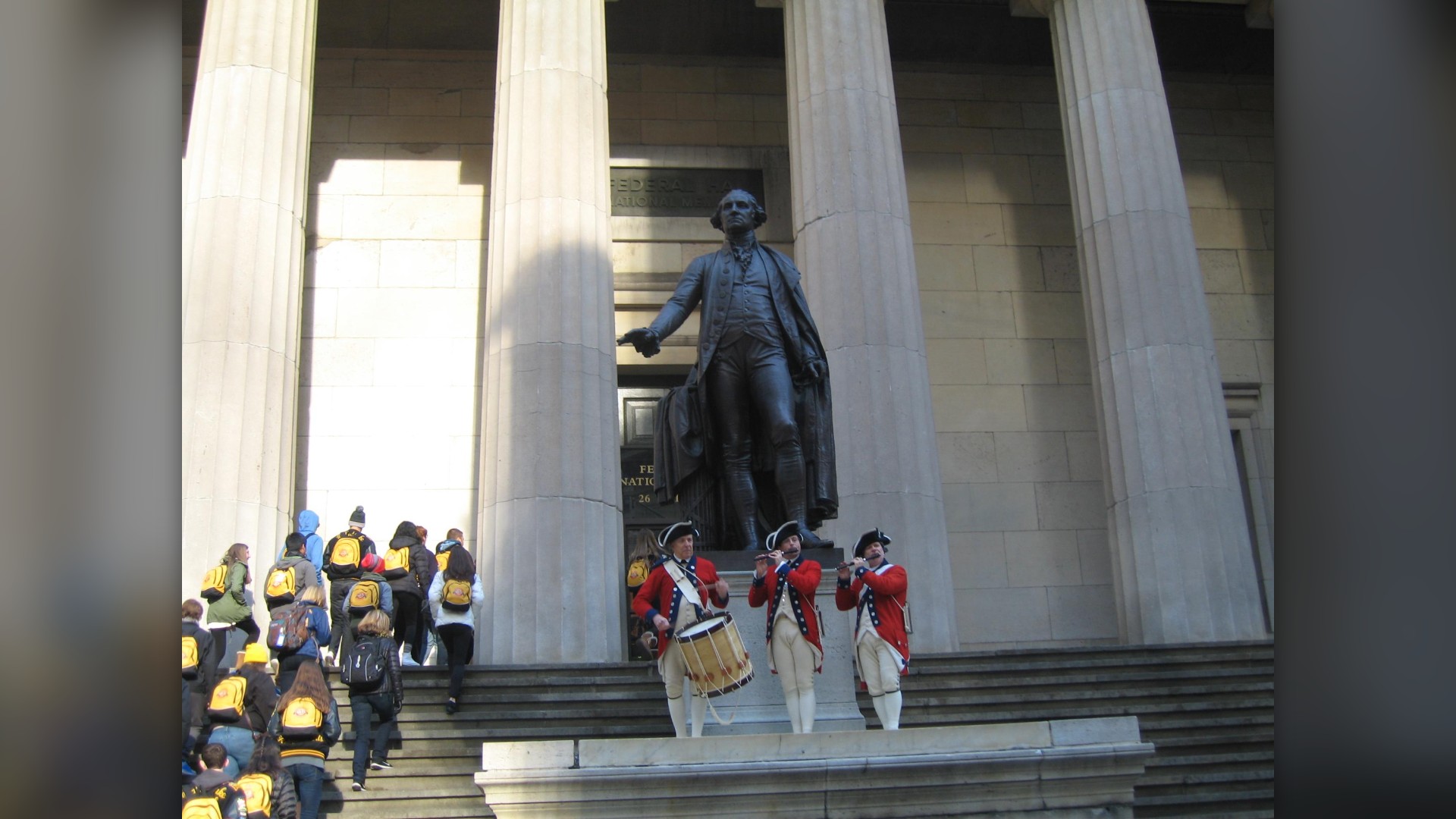
14. Liturgical Musical Instruments
Eastern Orthodox tradition relies solely on unaccompanied human voices through Byzantine chant or polyphonic choral arrangements. Roman Catholic liturgy incorporates grand pipe organs and diverse musical instruments to accompany liturgical hymns during masses.
©NPS / NPS Photo
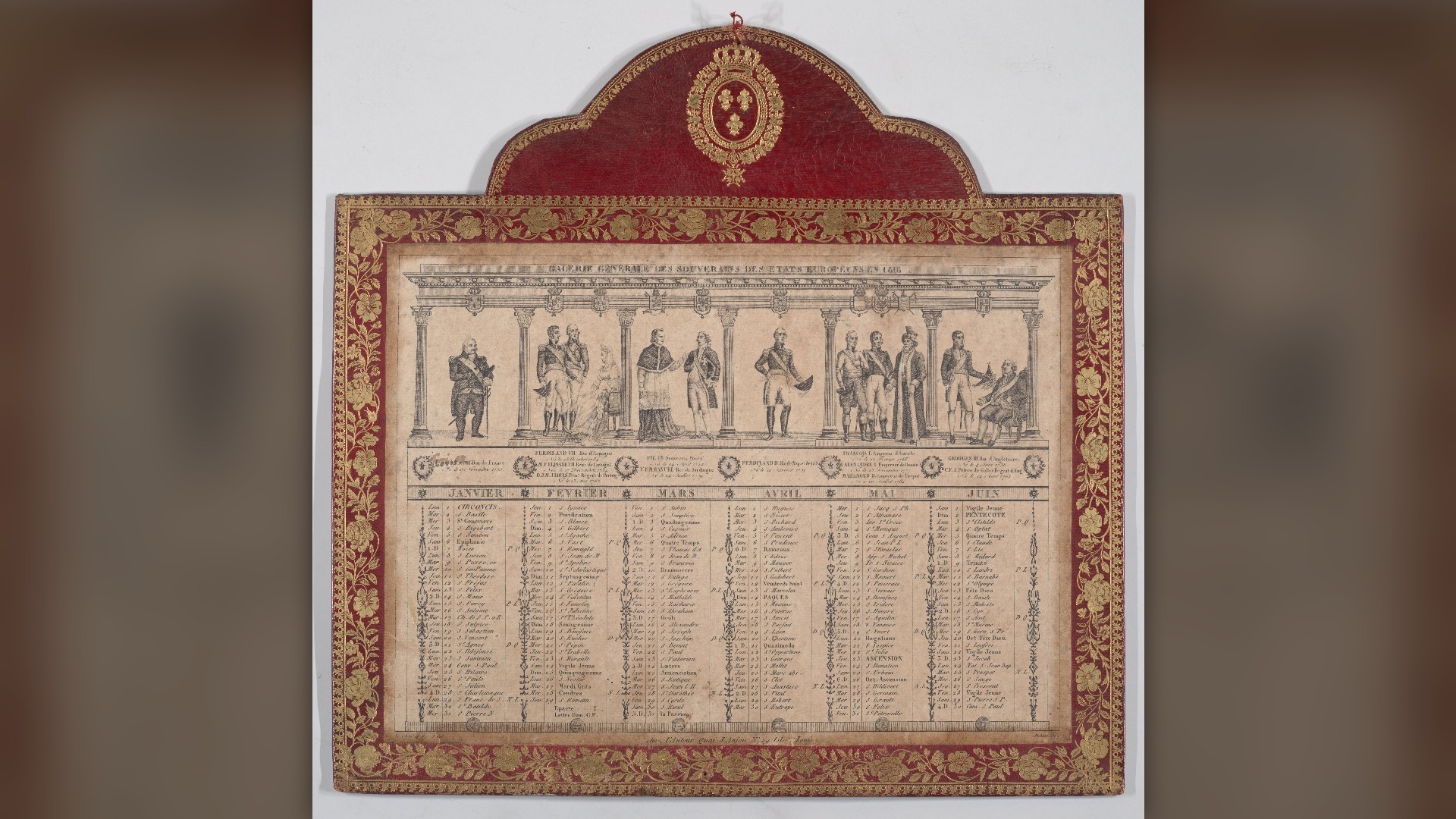
13. Calendar And Pascha Dates
Most Eastern Orthodox jurisdictions rely on the older Julian calendar to calculate Pascha alongside Nicaea council rules. The Roman Catholic Church follows the Gregorian calendar introduced by Pope Gregory XIII in 1582, causing Easter dates to diverge by several weeks.
©The Met / Chevalier Henry Guillot
Advertisement
Swipe or tap ▶ to resume the countdown.
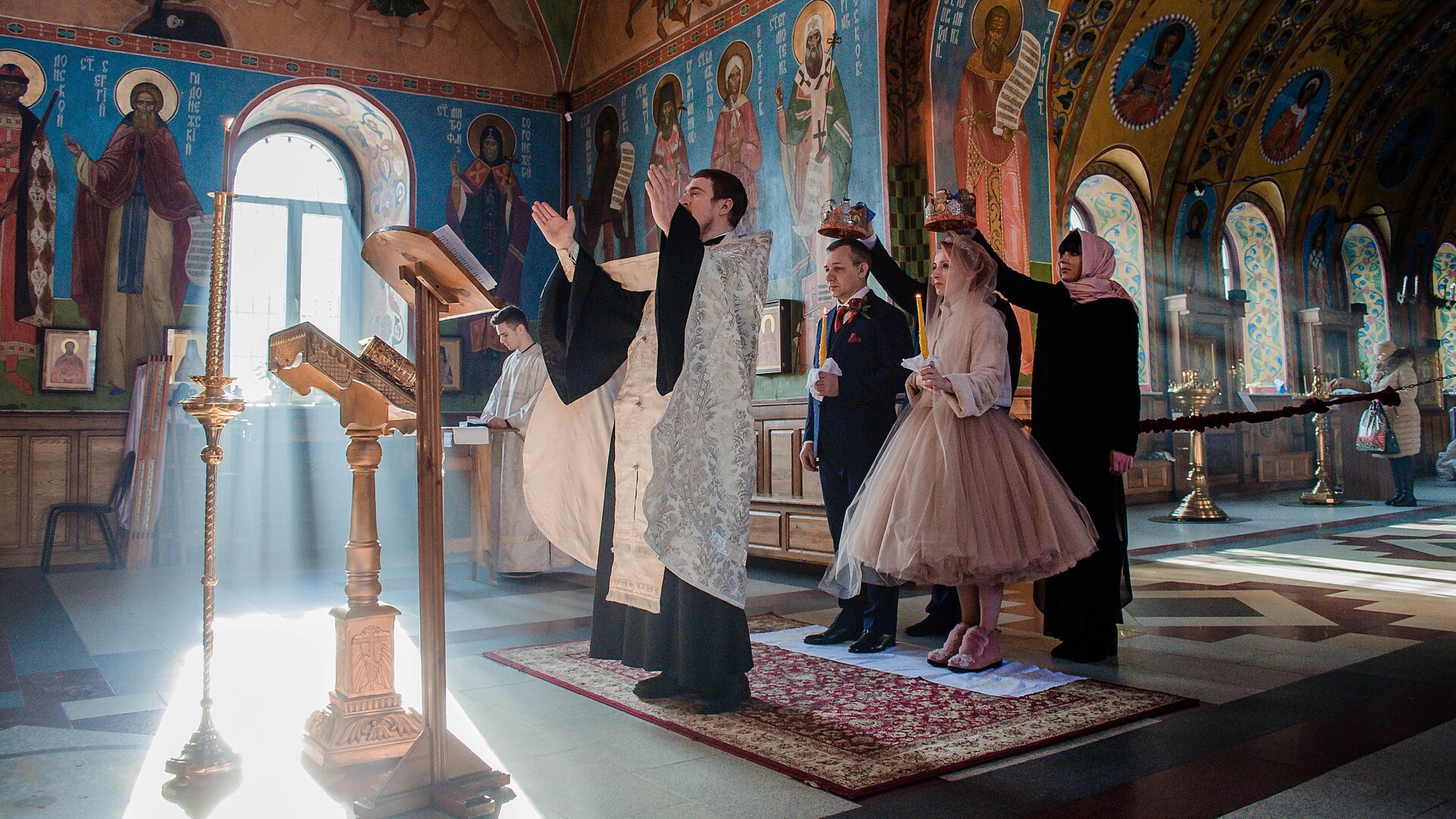
12. Marital Dissolution And Economy
Orthodox canon law recognizes pastoral allowances called oikonomia, permitting up to three church remarriages after tragic marital failure. The Catholic Church does not grant religious divorce, requiring a formal tribunal annulment to prove a marriage was invalid from its start.
©Wikimedia / Виктория Злых
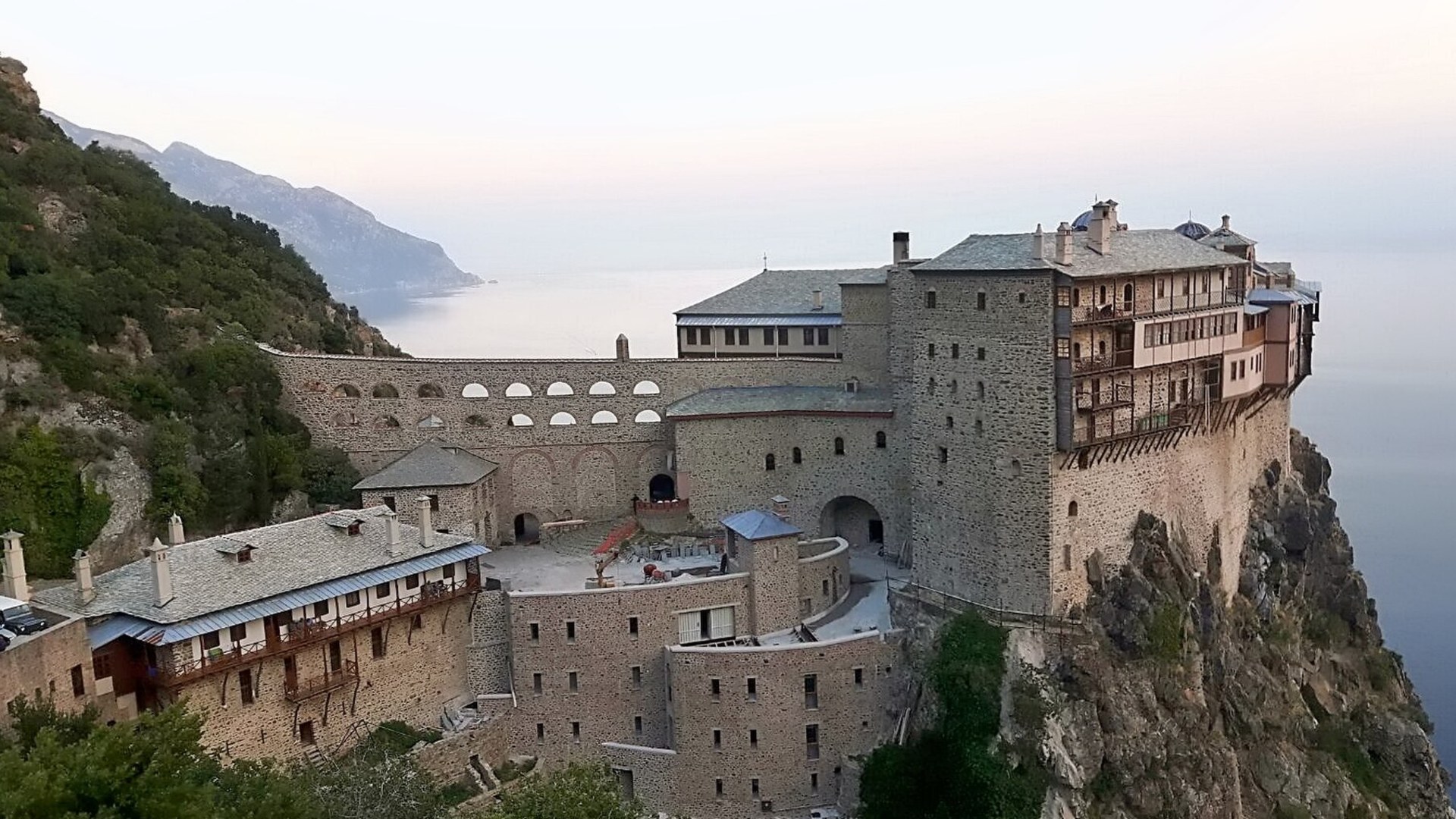
11. Monastic Life Structure
Orthodox monasticism follows a single contemplative model centered on Mount Athos traditions rather than separate societies. Catholicism maintains numerous independent religious orders such as the Benedictines, Franciscans and Jesuits, each with distinct apostolates.
©Wikimedia / Angelos @ Ottawa
10. Understanding Of Ancestral Sin
Orthodox theologians teach that humanity inherits physical mortality and fallen nature from Adam rather than moral personal guilt. Roman Catholic dogma formulated by Augustine emphasizes inherited original guilt cleansed solely through sacramental baptism.
©Wikimedia / H A Harper Internet Archive Book Images
9. The Immaculate Conception Dogma
Pope Pius IX defined the Immaculate Conception as Catholic dogma in 1854, stating Mary was preserved from original sin from conception. Orthodoxy honors Mary as completely sinless in life but rejects this western dogma as an unnecessary doctrinal addition.
©Wikimedia / Ingo Mehling
Advertisement
Swipe or tap ▶ to resume the countdown.
8. The State Of Purgatory
Catholic doctrine teaches purgatory as an intermediate realm where saved souls undergo cleansing fire before entering heaven. The Orthodox Church offers ongoing prayers and memorials for the departed, rejecting physical purgatorial flames or financial indulgence treasuries.
©Wikimedia / Laurence Goff
7. The Dormition Versus Assumption
Eastern tradition celebrates the Dormition, asserting that Mary experienced a real physical death before her resurrection and reception into heaven. The Catholic dogma proclaimed in 1950 leaves open whether Mary died prior to her bodily assumption into heavenly glory.
©Wikimedia / Bernard Gagnon
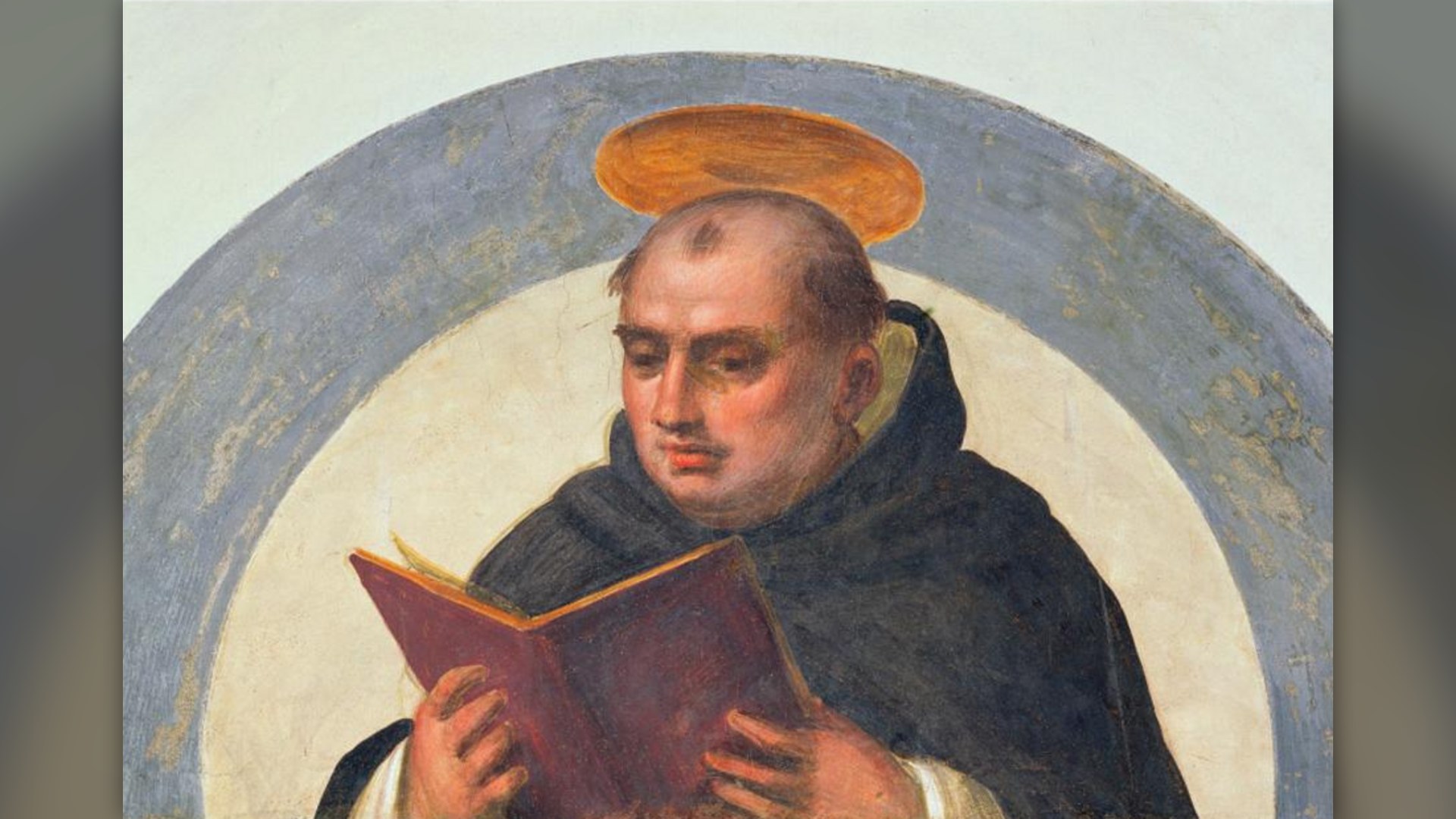
6. Essence And Energies Distinction
Orthodox mysticism relies on Gregory Palamas teachings, stating believers partake in God uncreated energies while His divine essence remains unknowable. Catholic Thomistic theology upholds absolute divine simplicity, describing salvation through created grace and beatific vision.
©Wikimedia / Uploader CatechismDatabase
5. The Filioque Controversy
Latin churches added the Latin phrase Filioque meaning and the Son to the creed during early medieval councils. Eastern patriarchs condemned this unilateral change, affirming that the Holy Spirit proceeds from the Father alone as defined at Constantinople in 381.
©Wikimedia / 6wGagAS8xvs8Ng at Google Cultural Institute , zo
Advertisement
Swipe or tap ▶ to resume the countdown.
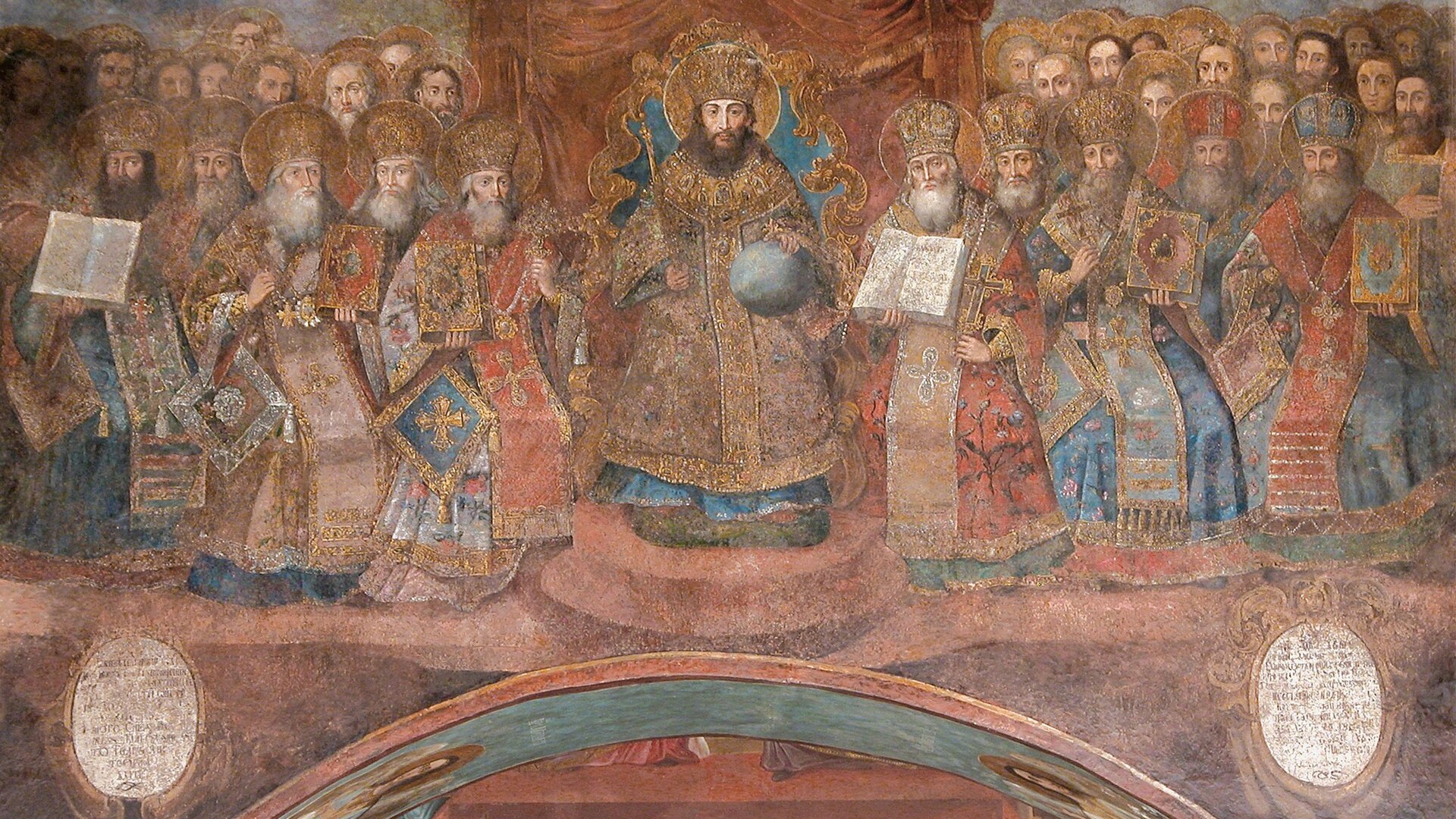
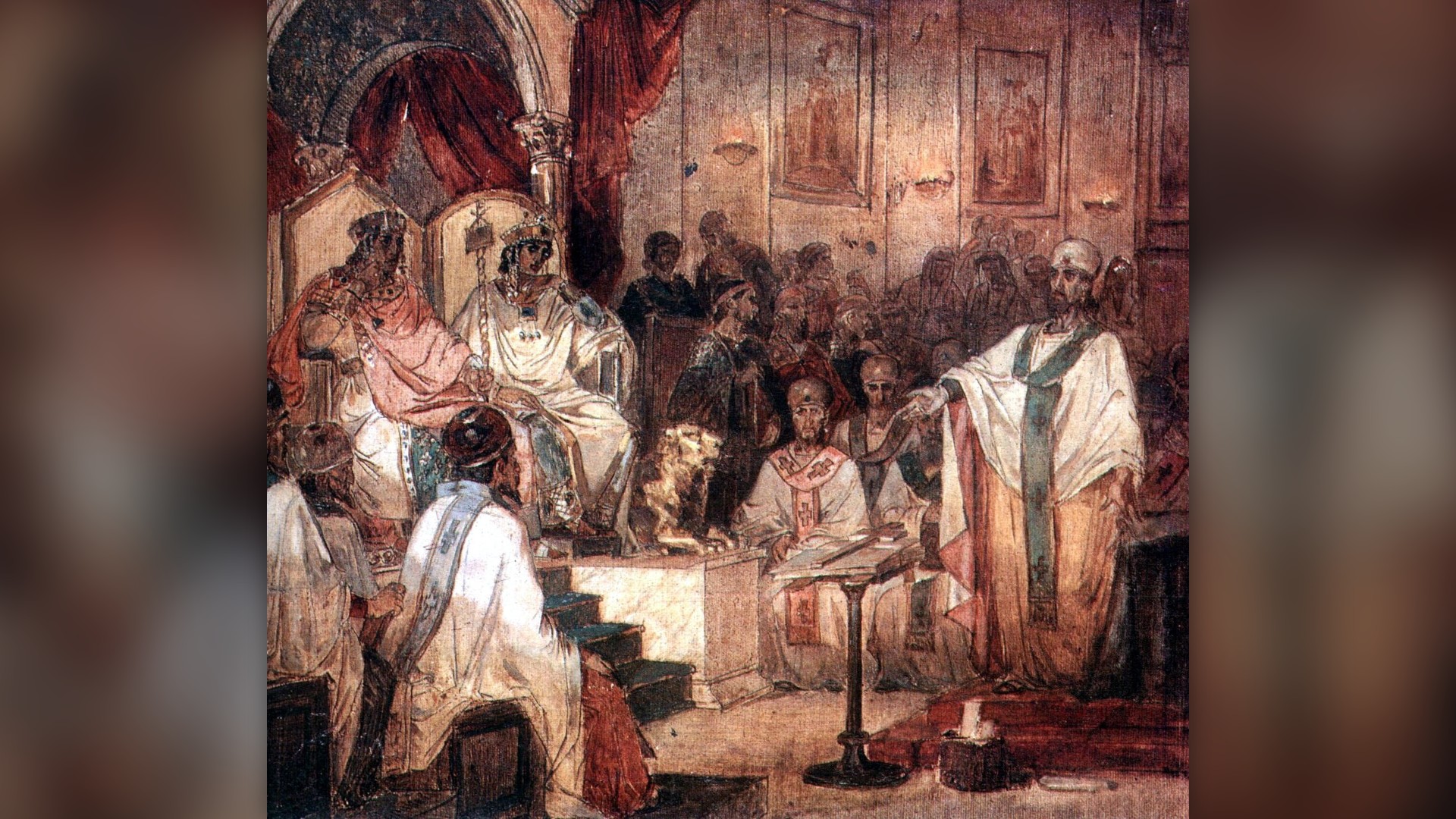
4. Authority Of Ecumenical Councils
The Eastern Orthodox Church recognizes only the first seven ecumenical councils ending with Nicaea II in 787 as universally binding. Roman Catholicism counts twenty-one ecumenical councils, including Lateran IV, Trent and Vatican II, as authoritative for the global church.
©Wikimedia / Vasily Surikov
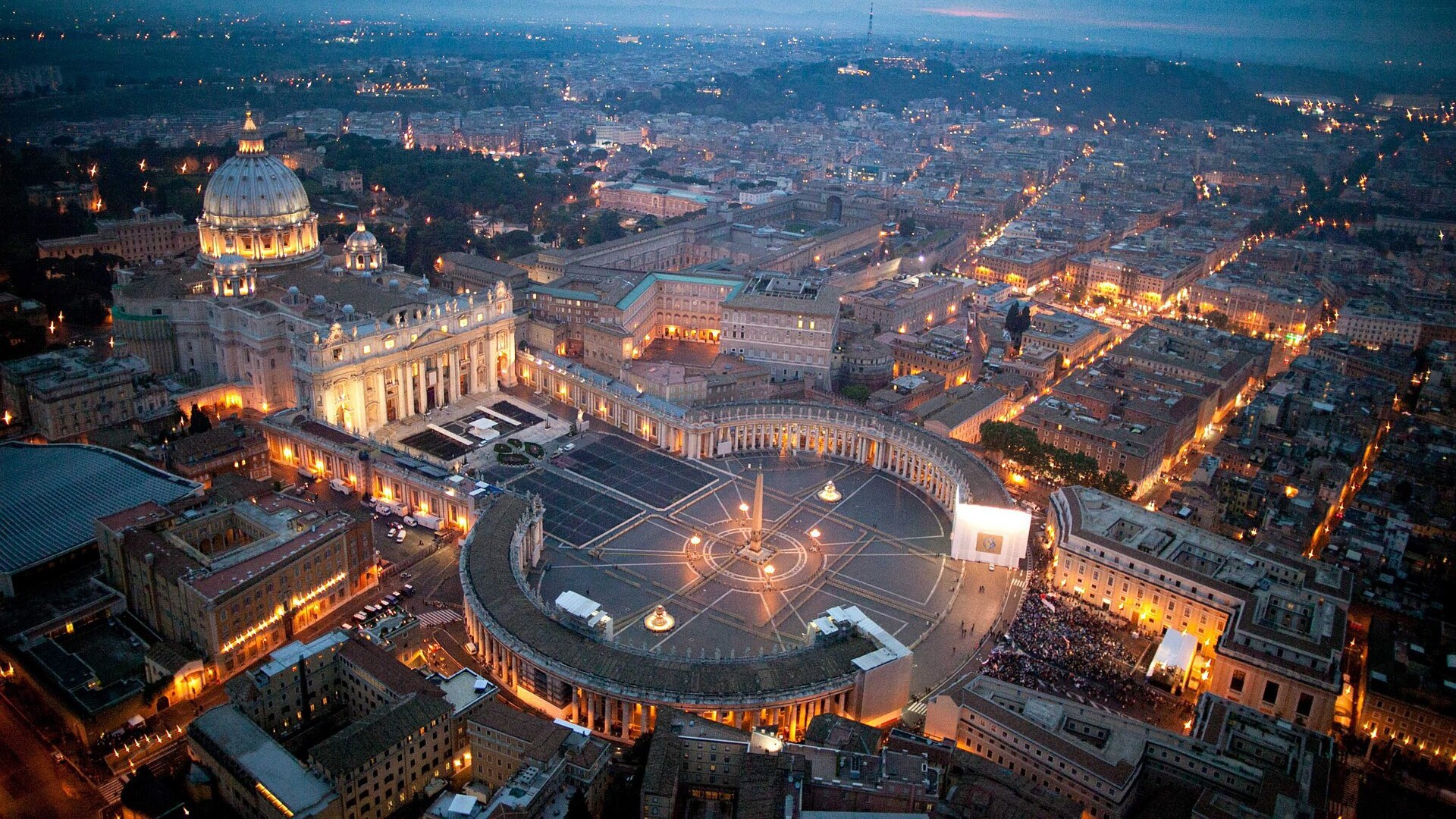
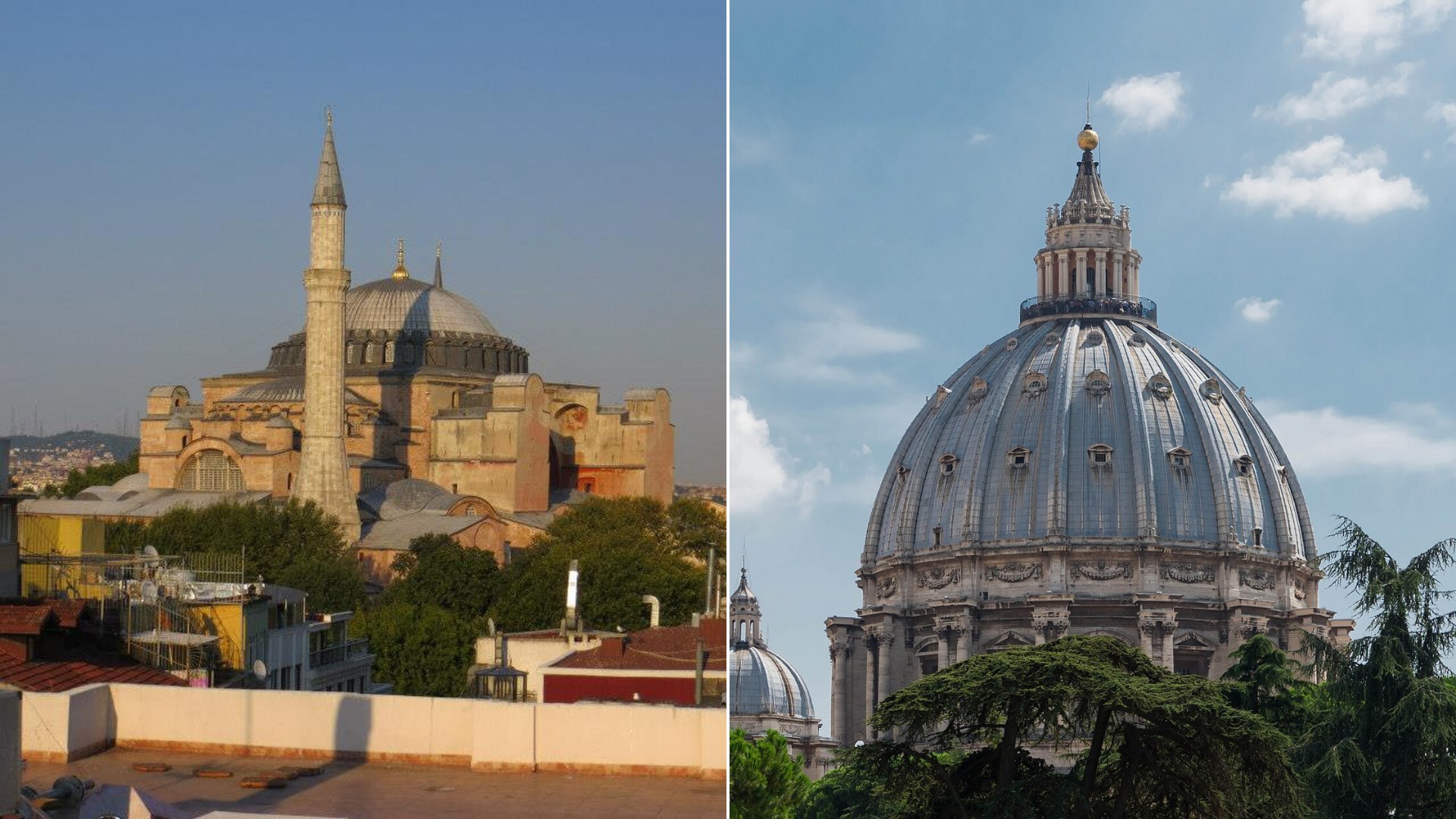
3. Model Of Church Governance
Orthodoxy operates as a communion of self-governing autocephalous national churches guided by synods of equal bishops. The Catholic Church operates under a centralized global hierarchy where the Bishop of Rome possesses universal ordinary jurisdiction over all dioceses.
©Wikimedia / lafiguradelpadre Congreso
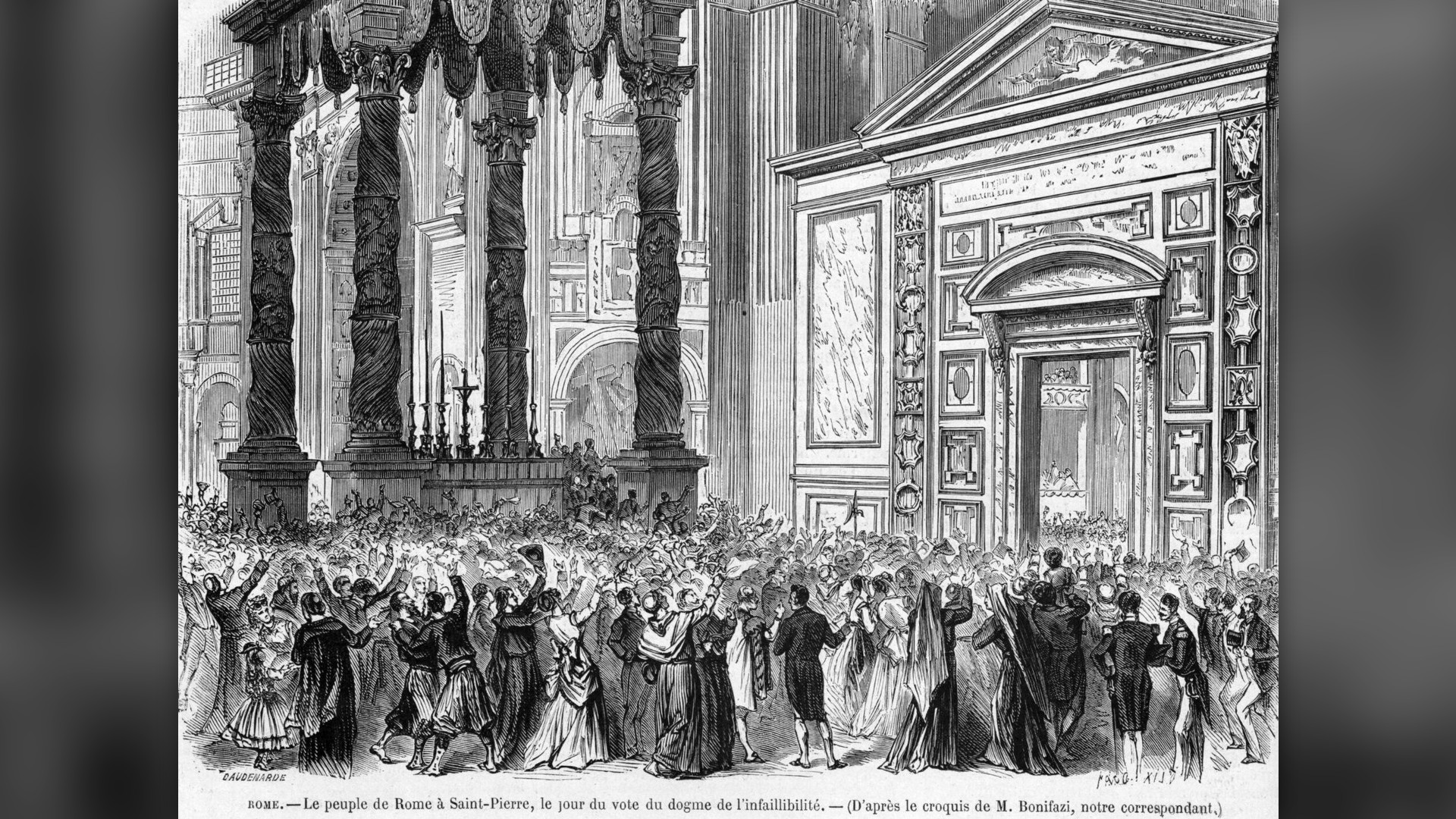
2. Papal Infallibility Dogma
The First Vatican Council proclaimed in 1870 that the Pope speaks infallibly when defining dogma on faith and morals ex cathedra. Orthodox Christians reject individual infallibility, insisting true doctrine resides within the collective conciliar mind of the church.
©Wikimedia / Amédée Daudenarde, Mac Vernoll
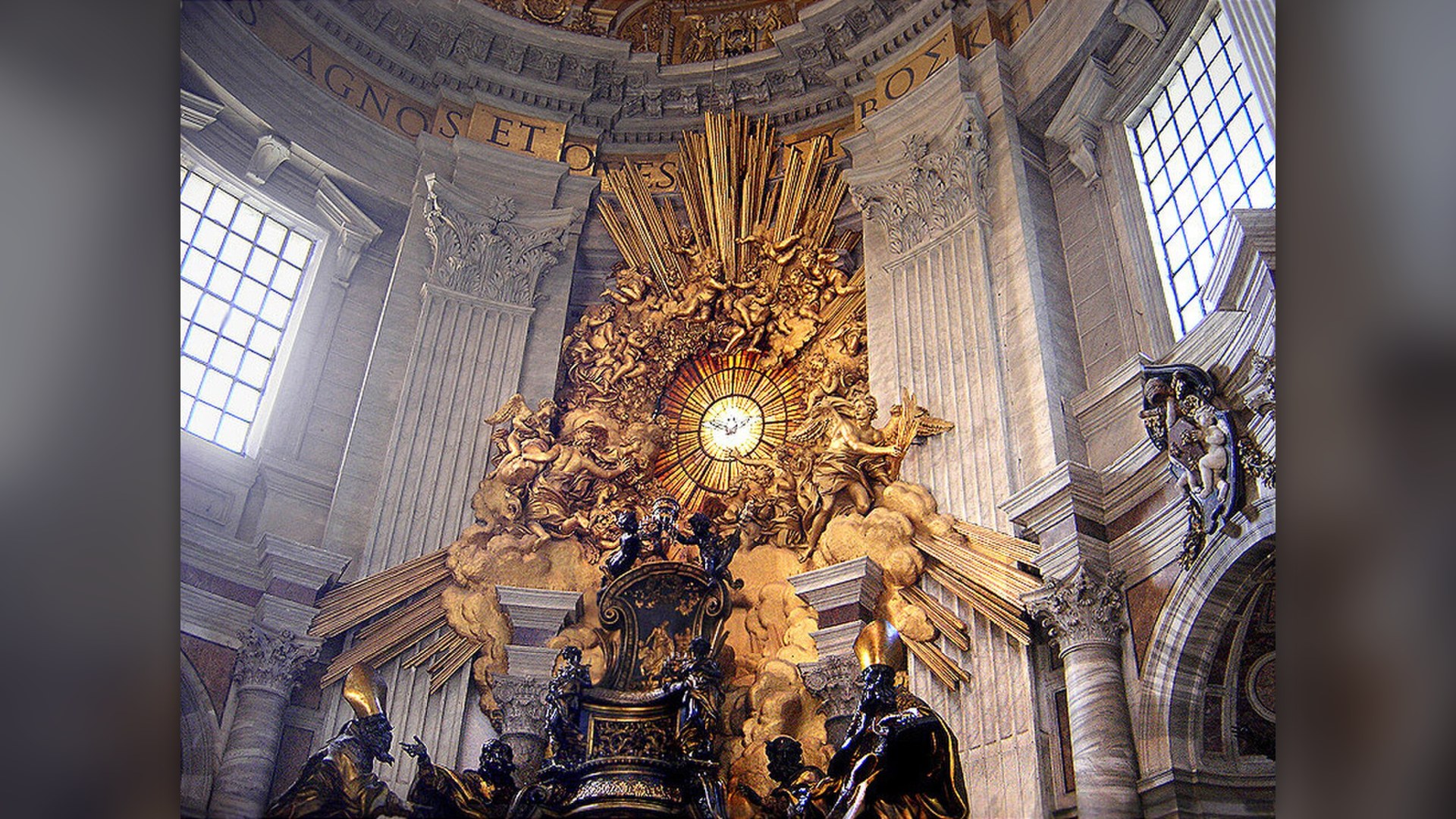
1. Papal Primacy Versus Supremacy
Orthodox tradition acknowledges the Bishop of Rome as first among equals in honorary precedence based on early church canons. Roman Catholicism defines the papacy as possessing supreme, full, immediate and universal jurisdictional power over the entire Christian faithful.

©Wikimedia / Ricardo André Frantz ( User:Tetraktys )
Advertisement
You've reached the end of the story. Thanks for reading!

22 Rare Classic Cars That Only True Enthusiasts Recognize
Most drivers recognize a Ferrari or Porsche, yet automotive history hides dozens of small-batch cars built by independent studios. Drawn from manufacturer archives, the Petersen Automotive Museum, and Smithsonian records, this countdown profiles 22 rare models from 1936 to 2001 that reward sharp-eyed spotters.
All 23 Entries in this Story
1. The Sign Of The Cross
Orthodox Christians touch the right shoulder before the left using three joined fingers to honor the Trinity. Roman Catholics move from the left shoulder to the right with an open palm. This ritual divergence became standardized across both branches over several centuries.

2. Clerical Marriage Rules
Eastern Orthodoxy allows married men to receive ordination as parish priests, though bishops must remain celibate. The Roman Catholic Latin Church enforces strict clerical celibacy for all priests, barring rare pastoral provisions for incoming married converts from other traditions.

3. Eucharistic Bread Traditions
Orthodox liturgies require leavened wheat bread known as prosphora to symbolize the living presence of the risen Christ. The Latin Catholic Church uses unleavened host wafers in remembrance of the Passover meal. This disagreement sparked fiery debates prior to the 1054 schism.

4. Distribution Of Holy Communion
Orthodox faithful receive both consecrated bread and wine combined together on a liturgical spoon. Catholic parishes traditionally gave the host wafer alone to laity, though post-Vatican II guidelines allow chalice sharing during specific Sunday masses and ceremonies.

5. Sacred Visual Art
Eastern churches restrict sacred imagery to flat two-dimensional icons following strict theological iconographic rules. Western Catholic cathedrals display realistic three-dimensional statues alongside stained glass windows to foster visual devotion among worshippers.

6. The Sanctuary Iconostasis
Orthodox temples feature a tall screen covered in holy icons called an iconostasis separating the nave from the altar. Catholic parish sanctuaries maintain open designs where congregation members can view every altar action directly from their seats throughout the mass.

7. Nave Seating And Posture
Traditional Orthodox services emphasize standing during worship to express reverent vigilance before God. Western Catholic sanctuaries install rows of wooden pews equipped with kneelers, enabling structured cycles of sitting, standing and kneeling during liturgies.

8. Baptism And Chrismation Order
Orthodoxy administers baptism by threefold immersion followed immediately by chrismation and first communion for infants. The Latin Catholic Church typically baptizes through water pouring, delaying confirmation and first communion until children reach the age of reason.

9. Infant Communion Practice
Orthodox infants partake in holy communion starting at their baptismal service, establishing uninterrupted sacramental participation. Catholic children undergo specific catechism classes before receiving their first holy communion around seven or eight years of age.

10. Liturgical Musical Instruments
Eastern Orthodox tradition relies solely on unaccompanied human voices through Byzantine chant or polyphonic choral arrangements. Roman Catholic liturgy incorporates grand pipe organs and diverse musical instruments to accompany liturgical hymns during masses.

11. Calendar And Pascha Dates
Most Eastern Orthodox jurisdictions rely on the older Julian calendar to calculate Pascha alongside Nicaea council rules. The Roman Catholic Church follows the Gregorian calendar introduced by Pope Gregory XIII in 1582, causing Easter dates to diverge by several weeks.

12. Marital Dissolution And Economy
Orthodox canon law recognizes pastoral allowances called oikonomia, permitting up to three church remarriages after tragic marital failure. The Catholic Church does not grant religious divorce, requiring a formal tribunal annulment to prove a marriage was invalid from its start.

13. Monastic Life Structure
Orthodox monasticism follows a single contemplative model centered on Mount Athos traditions rather than separate societies. Catholicism maintains numerous independent religious orders such as the Benedictines, Franciscans and Jesuits, each with distinct apostolates.

14. Understanding Of Ancestral Sin
Orthodox theologians teach that humanity inherits physical mortality and fallen nature from Adam rather than moral personal guilt. Roman Catholic dogma formulated by Augustine emphasizes inherited original guilt cleansed solely through sacramental baptism.

15. The Immaculate Conception Dogma
Pope Pius IX defined the Immaculate Conception as Catholic dogma in 1854, stating Mary was preserved from original sin from conception. Orthodoxy honors Mary as completely sinless in life but rejects this western dogma as an unnecessary doctrinal addition.

16. The State Of Purgatory
Catholic doctrine teaches purgatory as an intermediate realm where saved souls undergo cleansing fire before entering heaven. The Orthodox Church offers ongoing prayers and memorials for the departed, rejecting physical purgatorial flames or financial indulgence treasuries.

17. The Dormition Versus Assumption
Eastern tradition celebrates the Dormition, asserting that Mary experienced a real physical death before her resurrection and reception into heaven. The Catholic dogma proclaimed in 1950 leaves open whether Mary died prior to her bodily assumption into heavenly glory.

18. Essence And Energies Distinction
Orthodox mysticism relies on Gregory Palamas teachings, stating believers partake in God uncreated energies while His divine essence remains unknowable. Catholic Thomistic theology upholds absolute divine simplicity, describing salvation through created grace and beatific vision.

19. The Filioque Controversy
Latin churches added the Latin phrase Filioque meaning and the Son to the creed during early medieval councils. Eastern patriarchs condemned this unilateral change, affirming that the Holy Spirit proceeds from the Father alone as defined at Constantinople in 381.

20. Authority Of Ecumenical Councils
The Eastern Orthodox Church recognizes only the first seven ecumenical councils ending with Nicaea II in 787 as universally binding. Roman Catholicism counts twenty-one ecumenical councils, including Lateran IV, Trent and Vatican II, as authoritative for the global church.

21. Model Of Church Governance
Orthodoxy operates as a communion of self-governing autocephalous national churches guided by synods of equal bishops. The Catholic Church operates under a centralized global hierarchy where the Bishop of Rome possesses universal ordinary jurisdiction over all dioceses.

22. Papal Infallibility Dogma
The First Vatican Council proclaimed in 1870 that the Pope speaks infallibly when defining dogma on faith and morals ex cathedra. Orthodox Christians reject individual infallibility, insisting true doctrine resides within the collective conciliar mind of the church.

23. Papal Primacy Versus Supremacy
Orthodox tradition acknowledges the Bishop of Rome as first among equals in honorary precedence based on early church canons. Roman Catholicism defines the papacy as possessing supreme, full, immediate and universal jurisdictional power over the entire Christian faithful.