Slideshow · Animals
24 Cute Animals That Are More Dangerous Than They Look
Nature often masks deadly toxins and aggressive instincts behind cuddly fur, colorful markings, or delicate wings. Based on epidemiological records from the World Health Organization, CDC mortality tables, and wildlife biology journals, this ranking uncovers creatures whose innocent looks conceal lethal power.
By Most Viral Today
2 hours ago

24 Harmless Animals That Can Kill You 
24. Platypus 
23. Hooded Pitohui 
22. Blue Glaucus Sea Slug - AdvertisementSwipe or tap ▶ to continue countdown

21. Slow Loris 
20. Rough-Skinned Newt 
19. Striped Pyjama Squid 
18. Cane Toad - AdvertisementSwipe or tap ▶ to continue countdown

17. Mute Swan 
16. Beaver 
15. Giant Anteater 
14. Leopard Seal - AdvertisementSwipe or tap ▶ to continue countdown

13. Pufferfish 
12. Blue-Ringed Octopus 
11. Geographic Cone Snail 
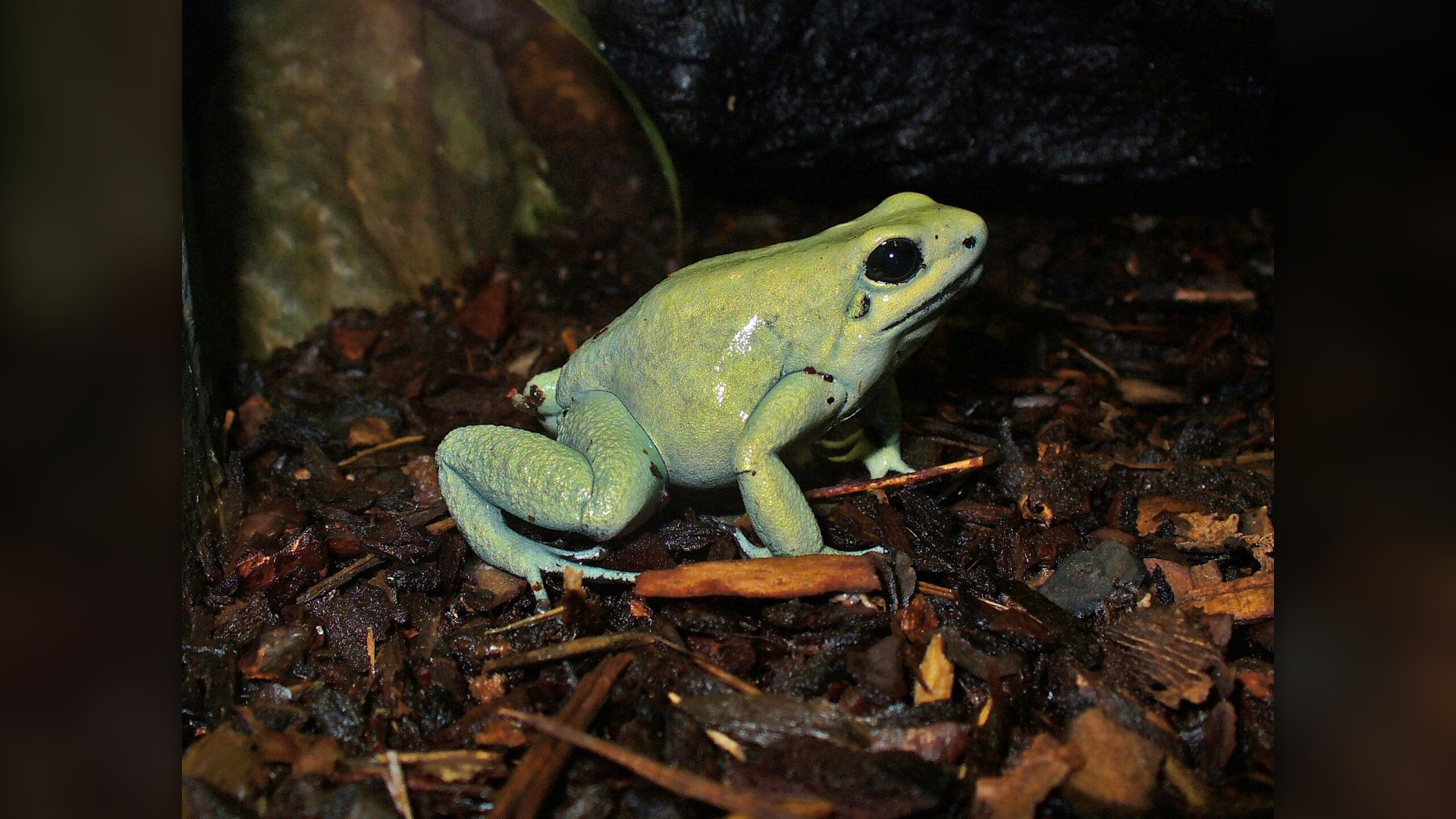
10. Golden Poison Frog - AdvertisementSwipe or tap ▶ to continue countdown

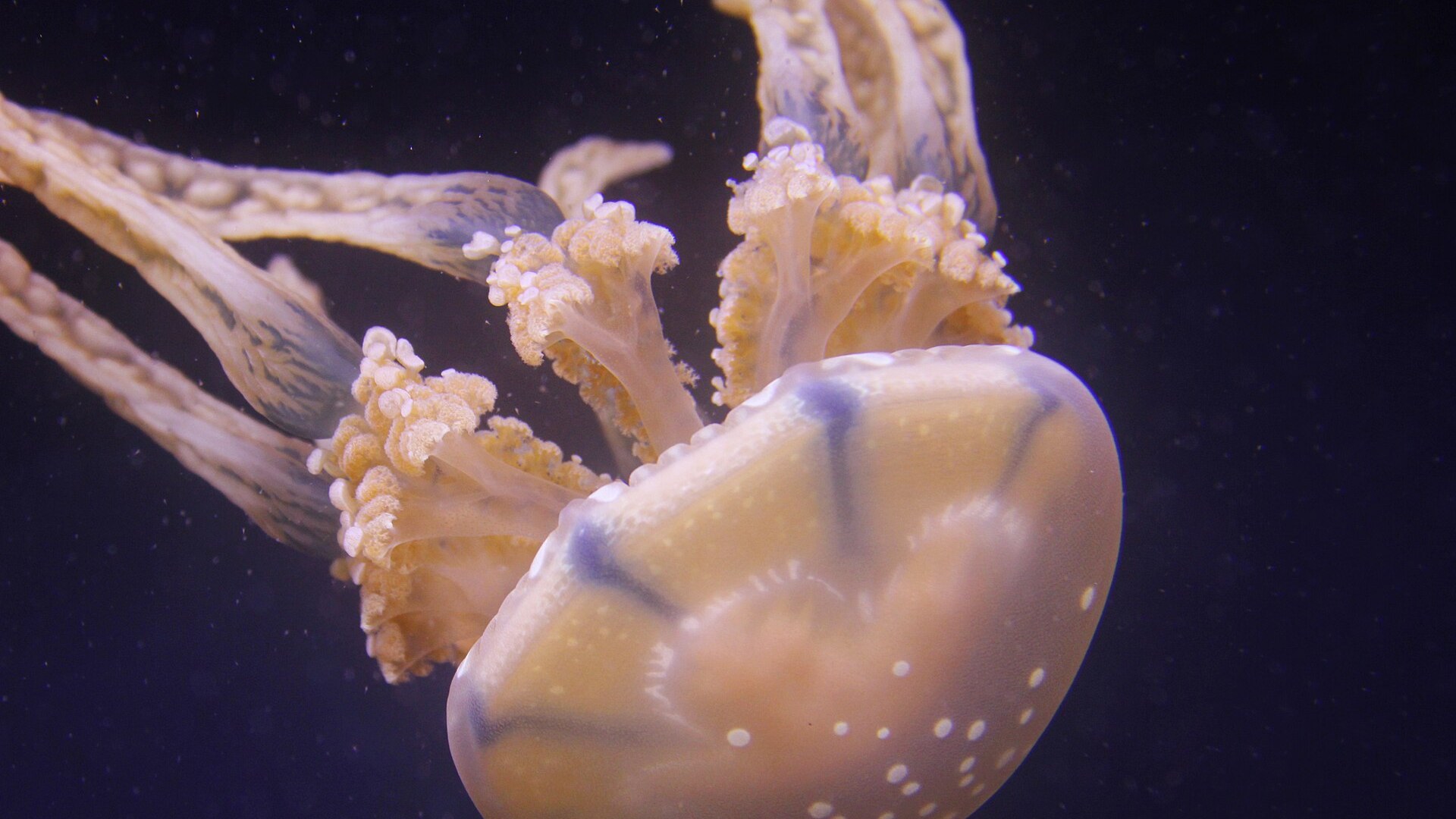
9. Box Jellyfish 
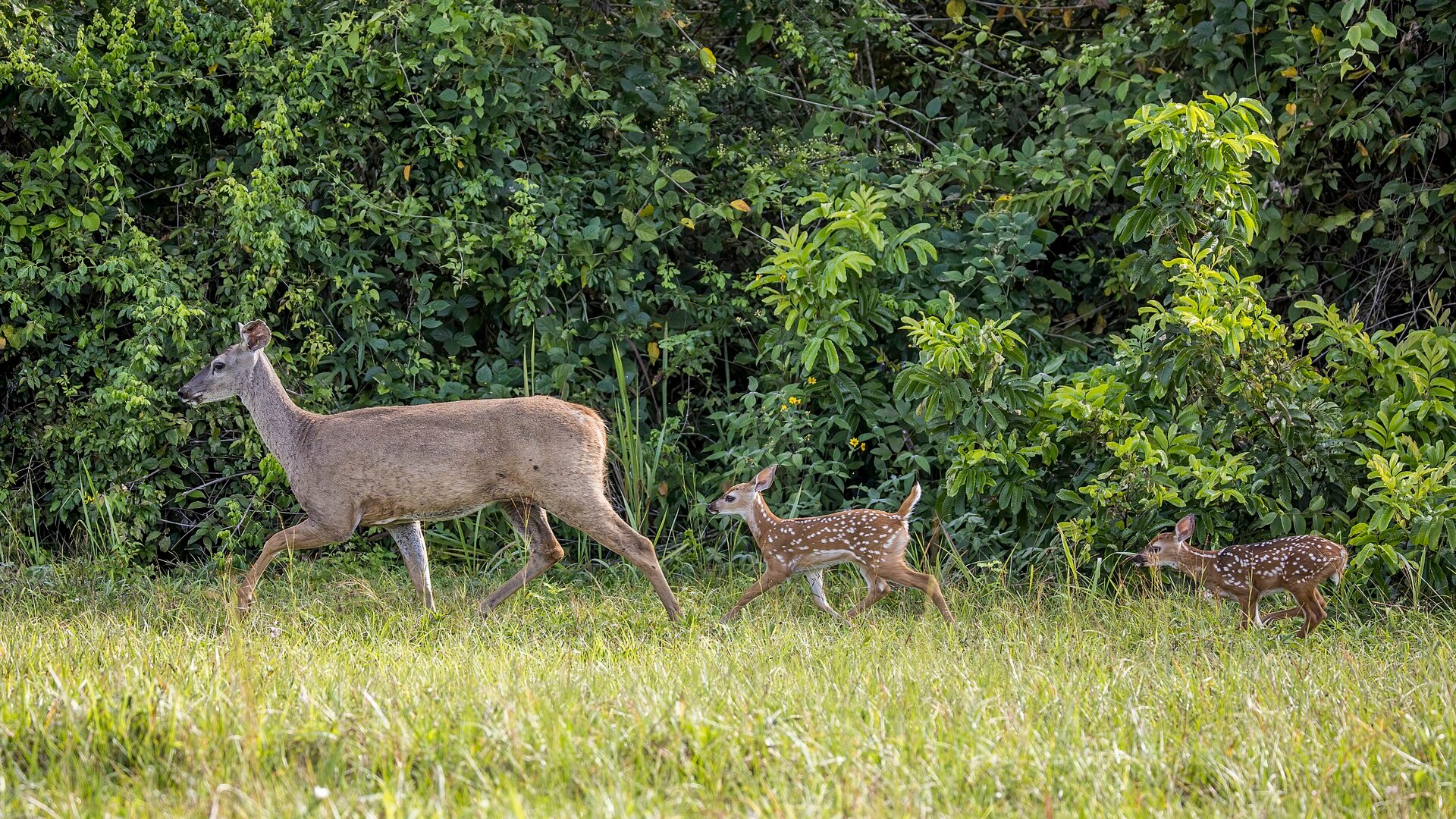
8. White-Tailed Deer 
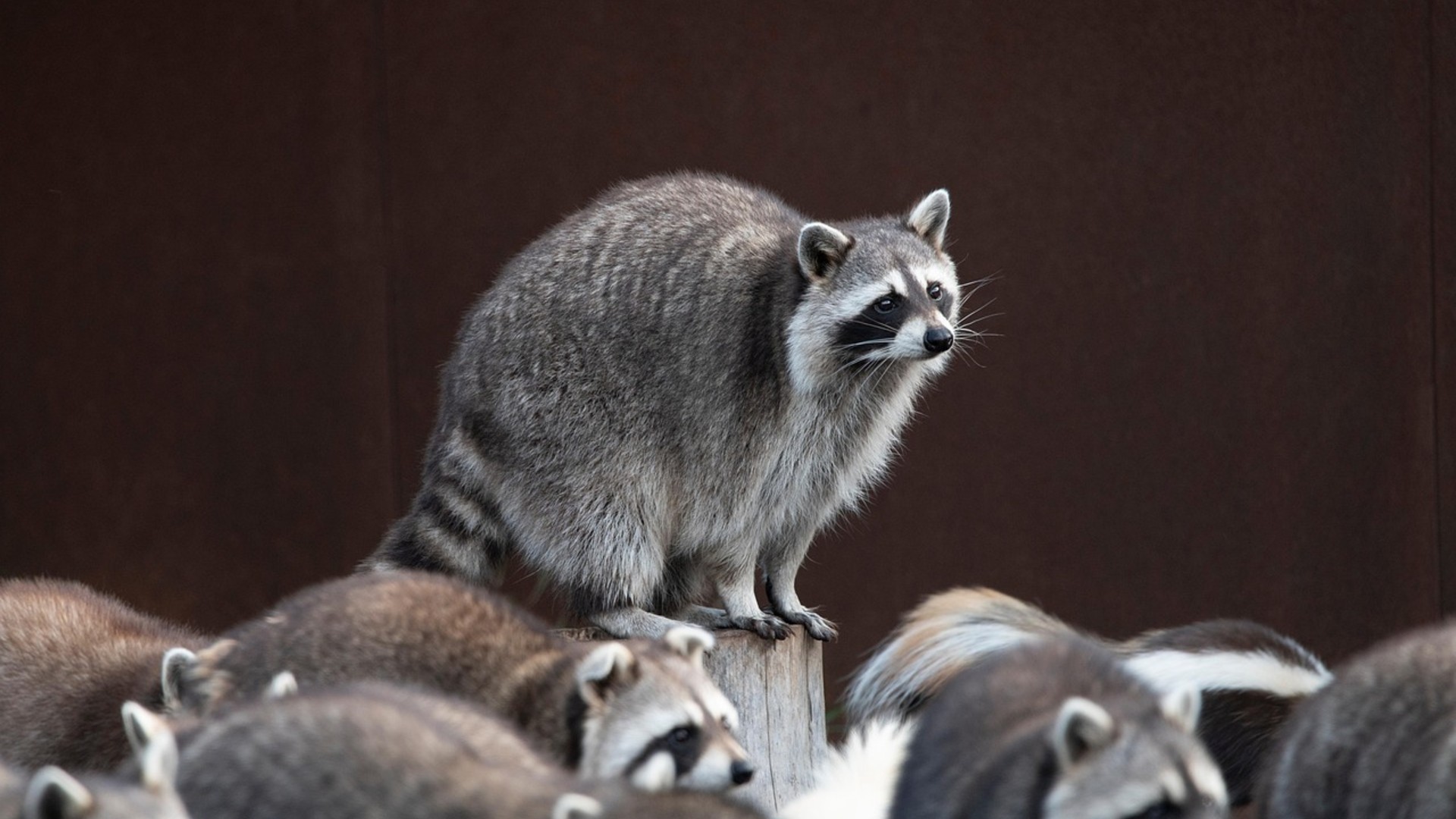
7. Raccoon 
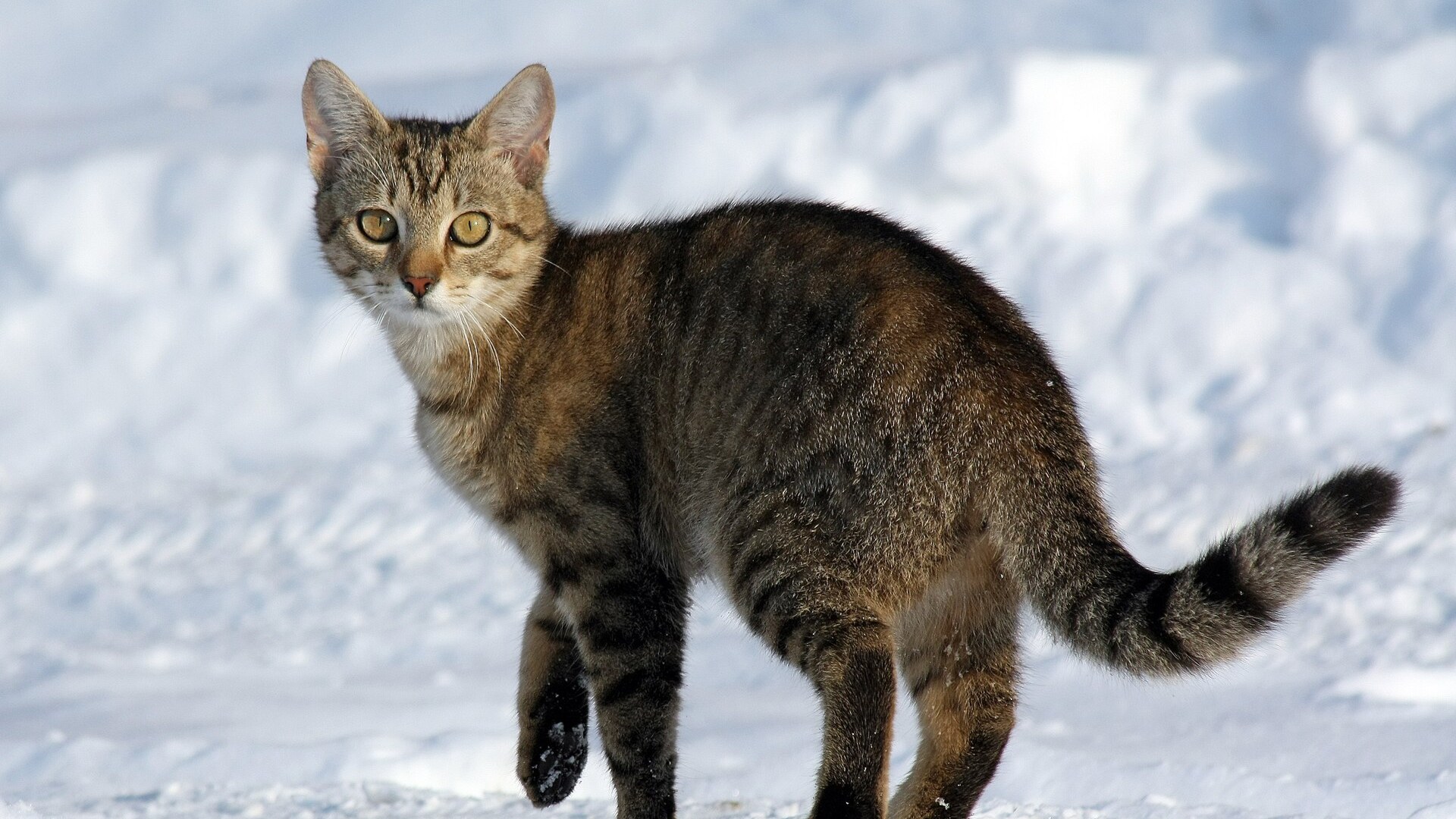
6. Domestic Cat - AdvertisementSwipe or tap ▶ to continue countdown

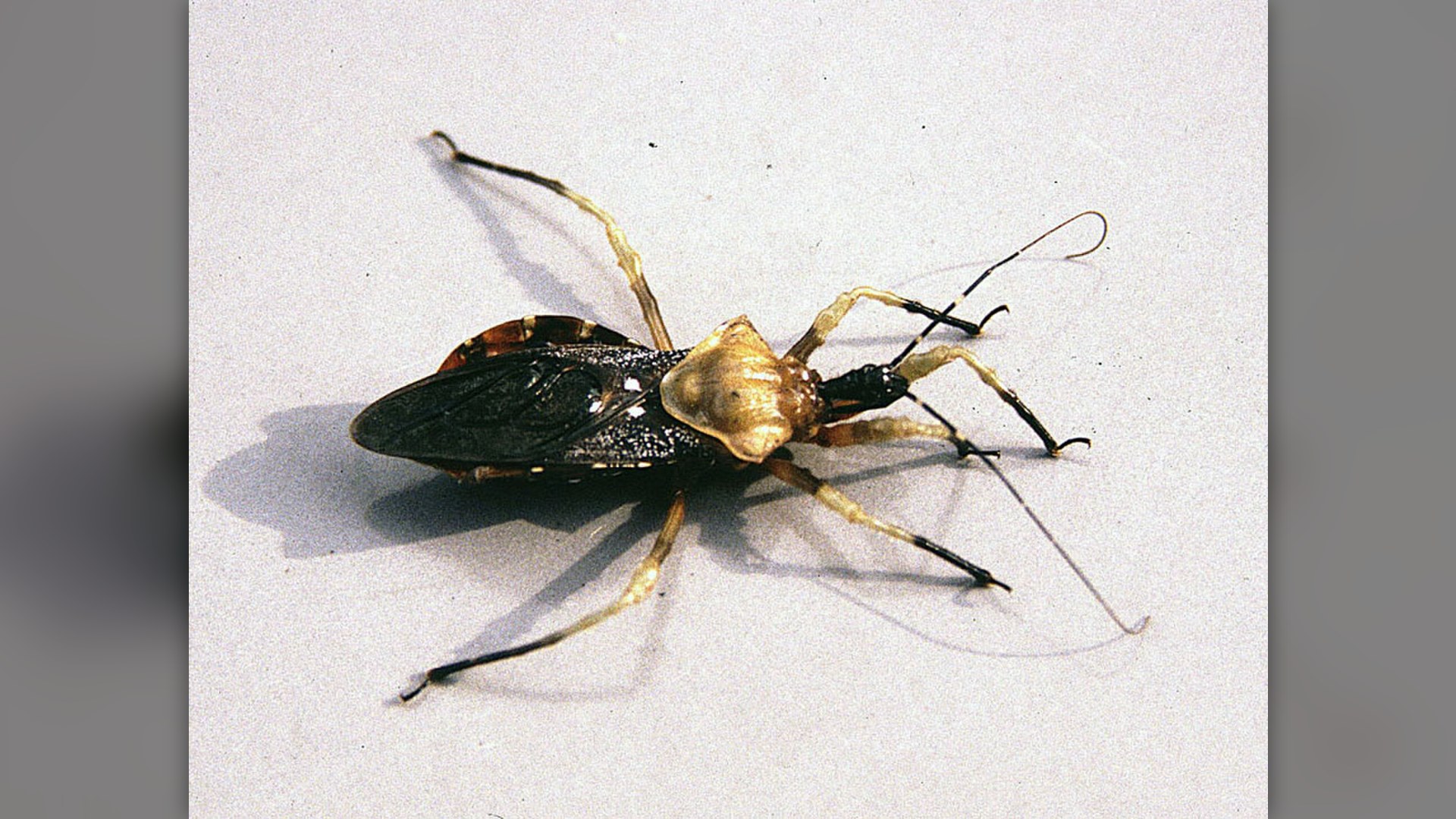
5. Kissing Bug 
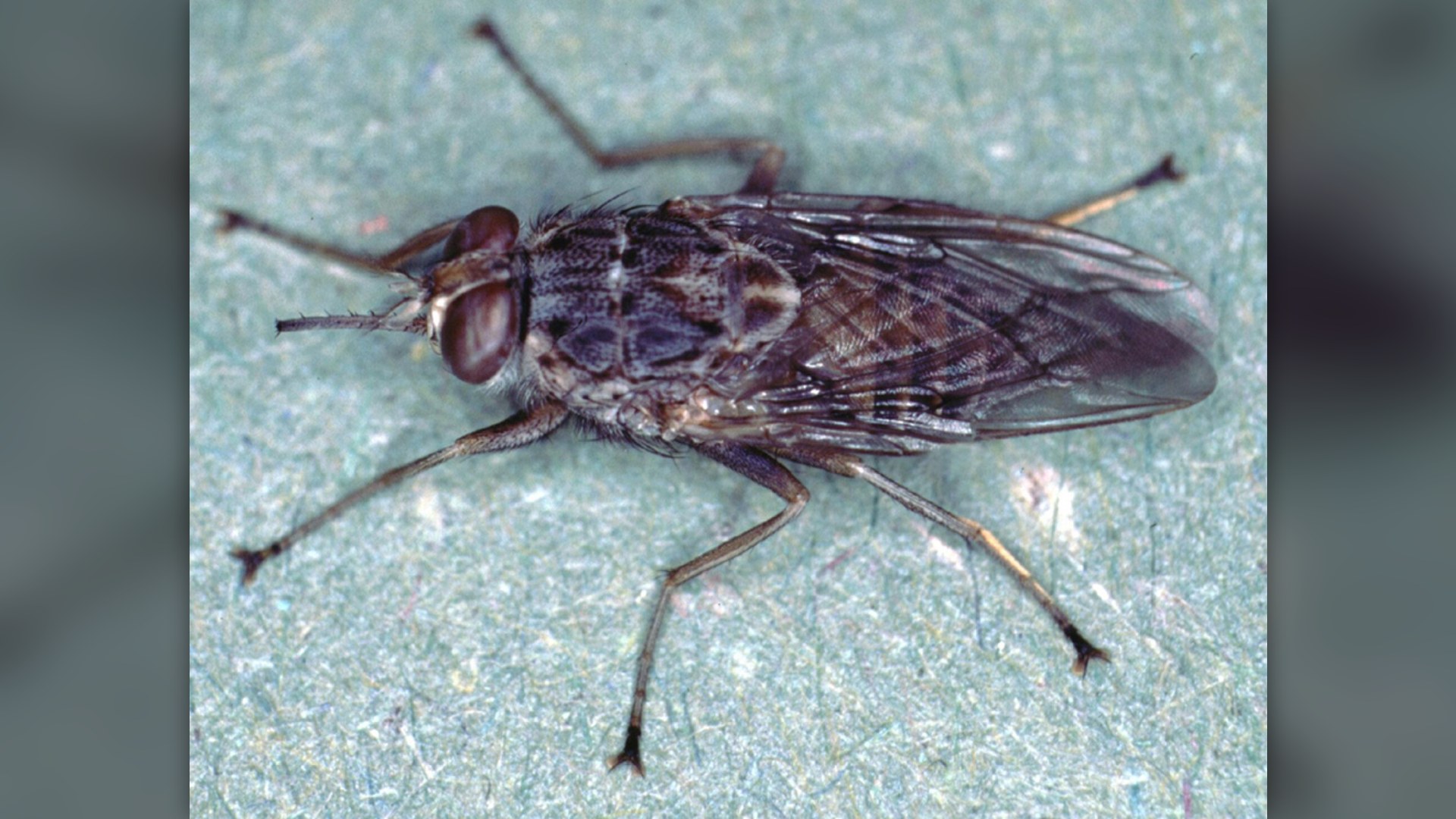
4. Tsetse Fly 
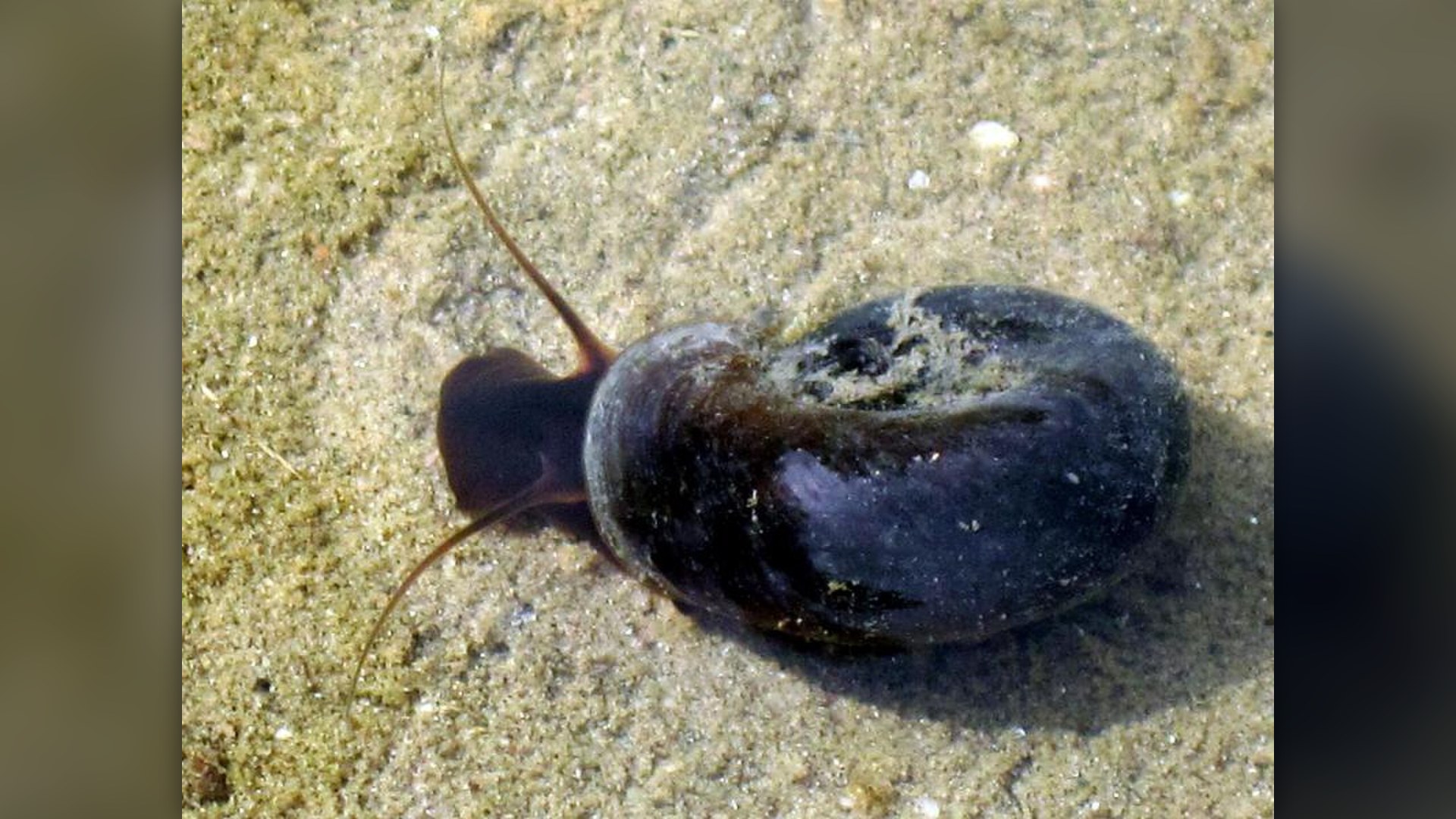
3. Freshwater Snail 
2. Domestic Dog - AdvertisementSwipe or tap ▶ to continue countdown

1. Mosquito - Advertisement🔥 UP NEXT IN THIS SERIES◫ 26 Slides

25 Species Scientists Say Could Thrive in a World Without Humans
If humans vanished tomorrow, forests and empty streets would quickly belong to fast-breeding generalists and clever problem-solvers. Based on ecological studies from Oxford University, the Smithsonian Institution and IUCN assessments, here are 25 resilient species built to expand across Earth without us.
From wide-eyed forest primates to fragile aquatic snails, animals that appear completely harmless can pose extreme risks to human life. Drawing from mortality data published by the World Health Organization and the Centers for Disease Control and Prevention, this countdown tracks species by verified fatalities.
Swipe or tap ▶ to begin the countdown
©Wikimedia / Mosquito
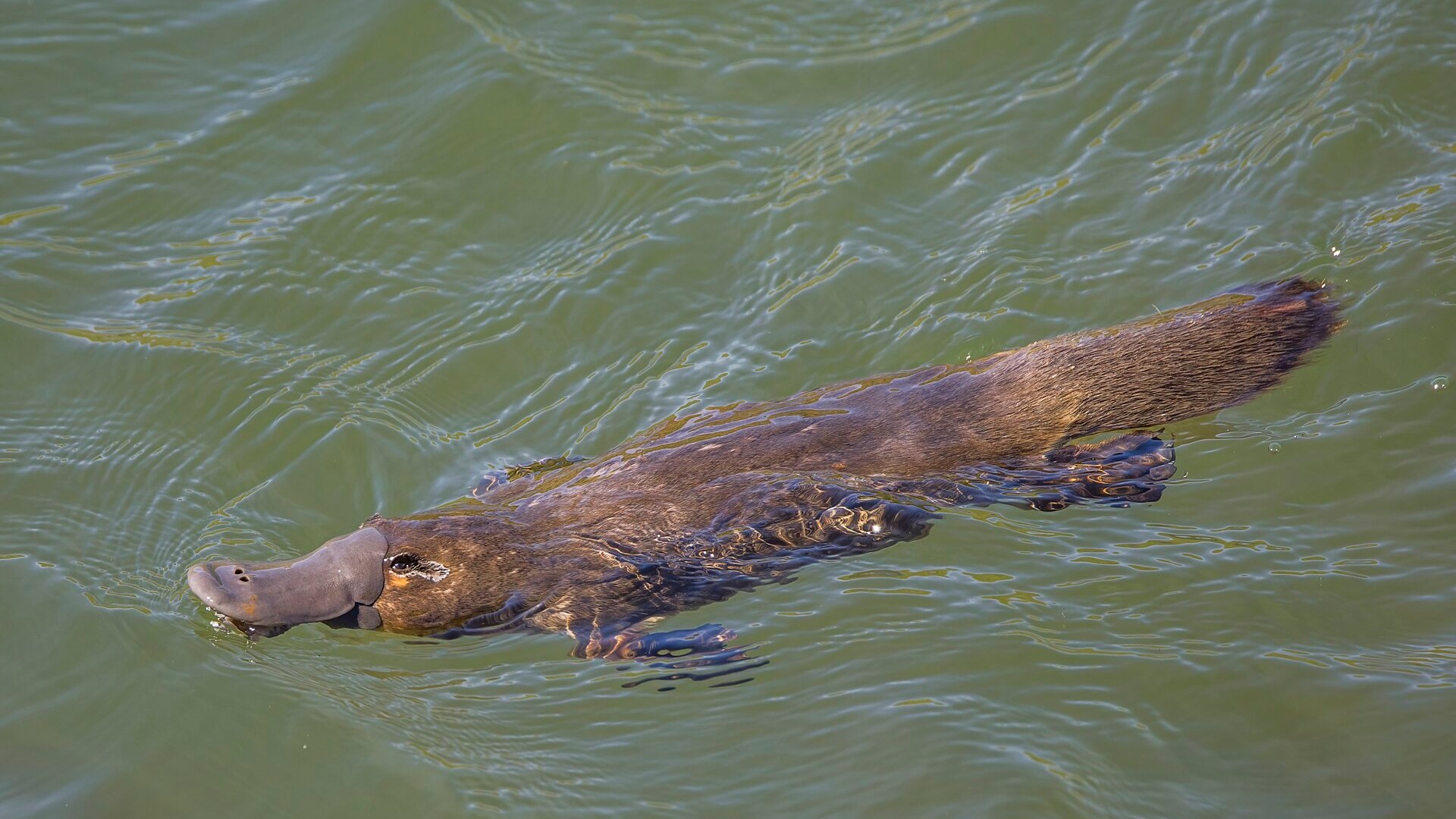
24. Platypus
Despite its comical bill and beaver tail, the male platypus wields calcaneus spurs on its hind legs connected to venom glands. The venom causes immediate muscular paralysis and pain severe enough to induce cardiovascular shock, which hospitalizes victims and requires specialized nerve blocks.
©Wikimedia / Charles J. Sharp
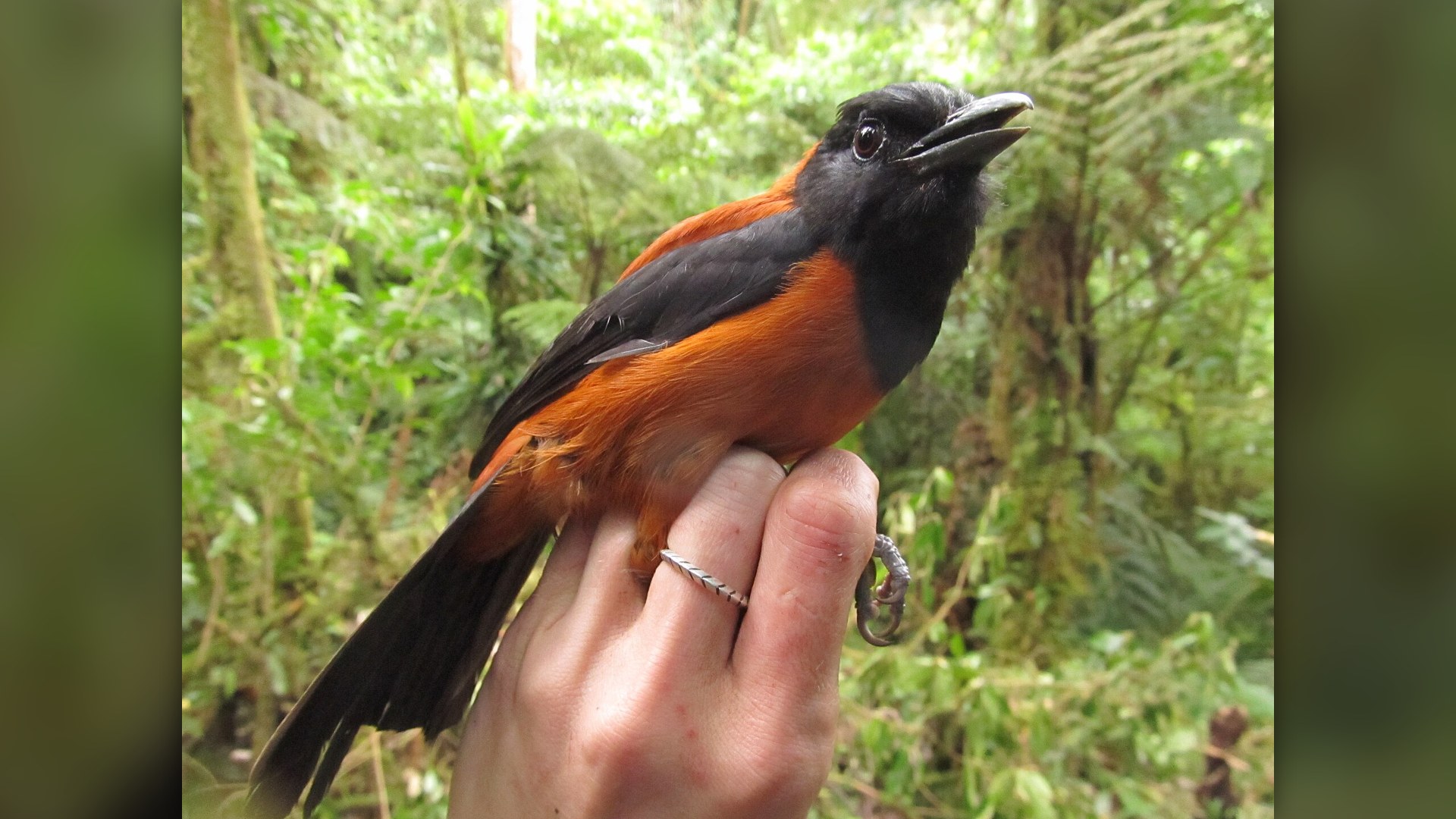
23. Hooded Pitohui
Discovered to be toxic by researchers in 1989, this colorful orange-and-black songbird absorbs neurotoxins from its diet of Choresine beetles. Contact with its skin or feathers causes numbness and burning, while consuming the meat delivers batrachotoxins that can trigger fatal cardiac arrest.
©Wikimedia / Benjamin Freeman
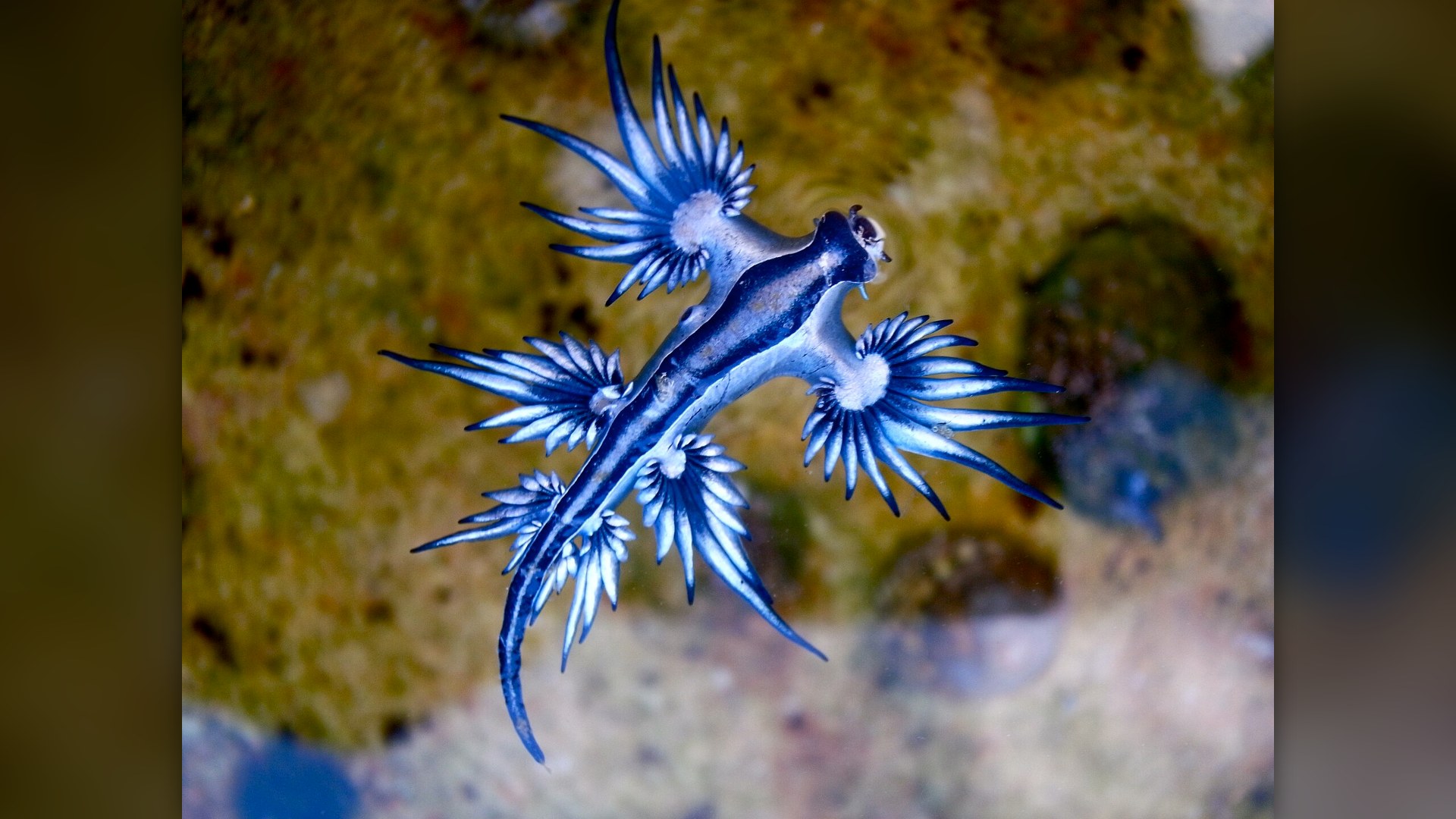
22. Blue Glaucus Sea Slug
Measuring only three centimetres, Glaucus atlanticus floats upside down on ocean surface tension like a miniature dragon. It feeds on Portuguese man o war tentacles, sequestering the prey stinging nematocysts into concentrated venom cells that deliver stings capable of causing respiratory distress.
©Wikimedia / Sylke Rohrlach from Sydney
Advertisement
Swipe or tap ▶ to resume the countdown.
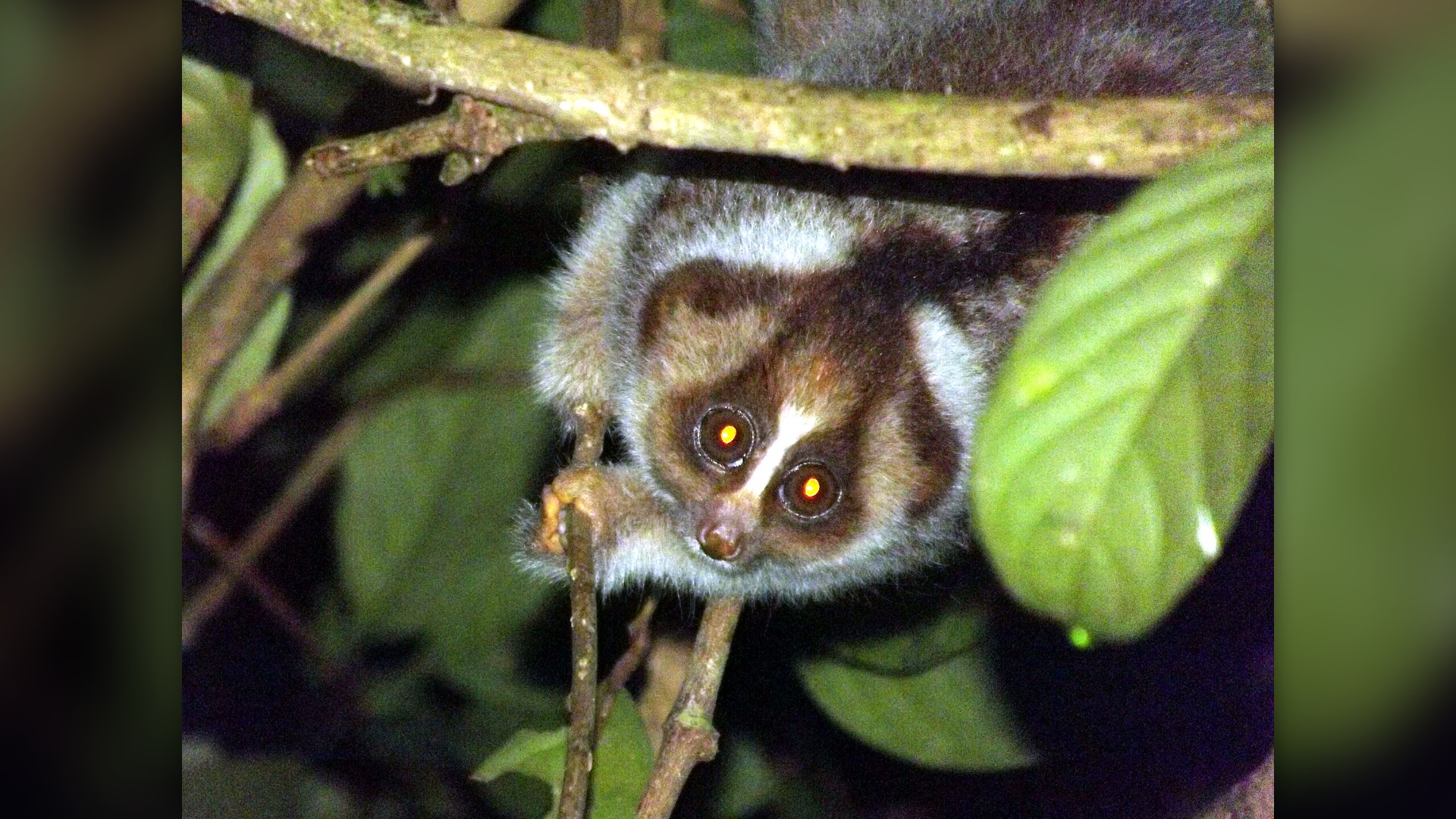
21. Slow Loris
Native to Southeast Asian rainforests, the slow loris appears docile but is the world only venomous primate. When threatened, it grooms brachial gland secretions on its inner elbows into its grooved canines, delivering a toxic bite that causes rapid anaphylactic shock and extensive tissue death.
©Openverse / Jmiksanek
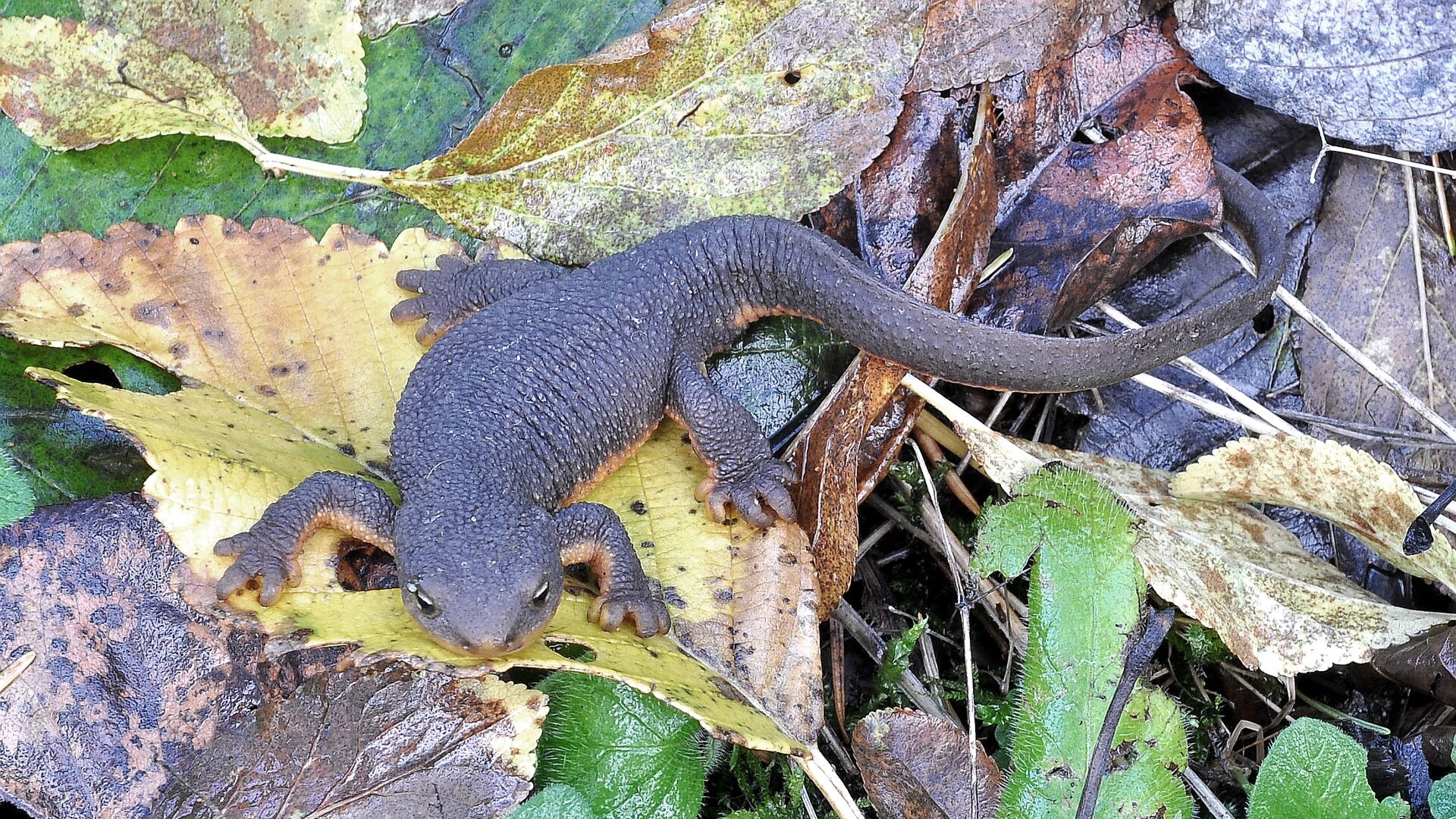
20. Rough-Skinned Newt
Found in wet forests from Alaska to California, Taricha granulosa looks like a common pond salamander. Its granular skin contains up to two milligrams of tetrodotoxin, enough to kill several adult humans. In recorded medical cases, campers died within hours after accidentally swallowing a single newt.
©Wikimedia / The High Fin Sperm Whale
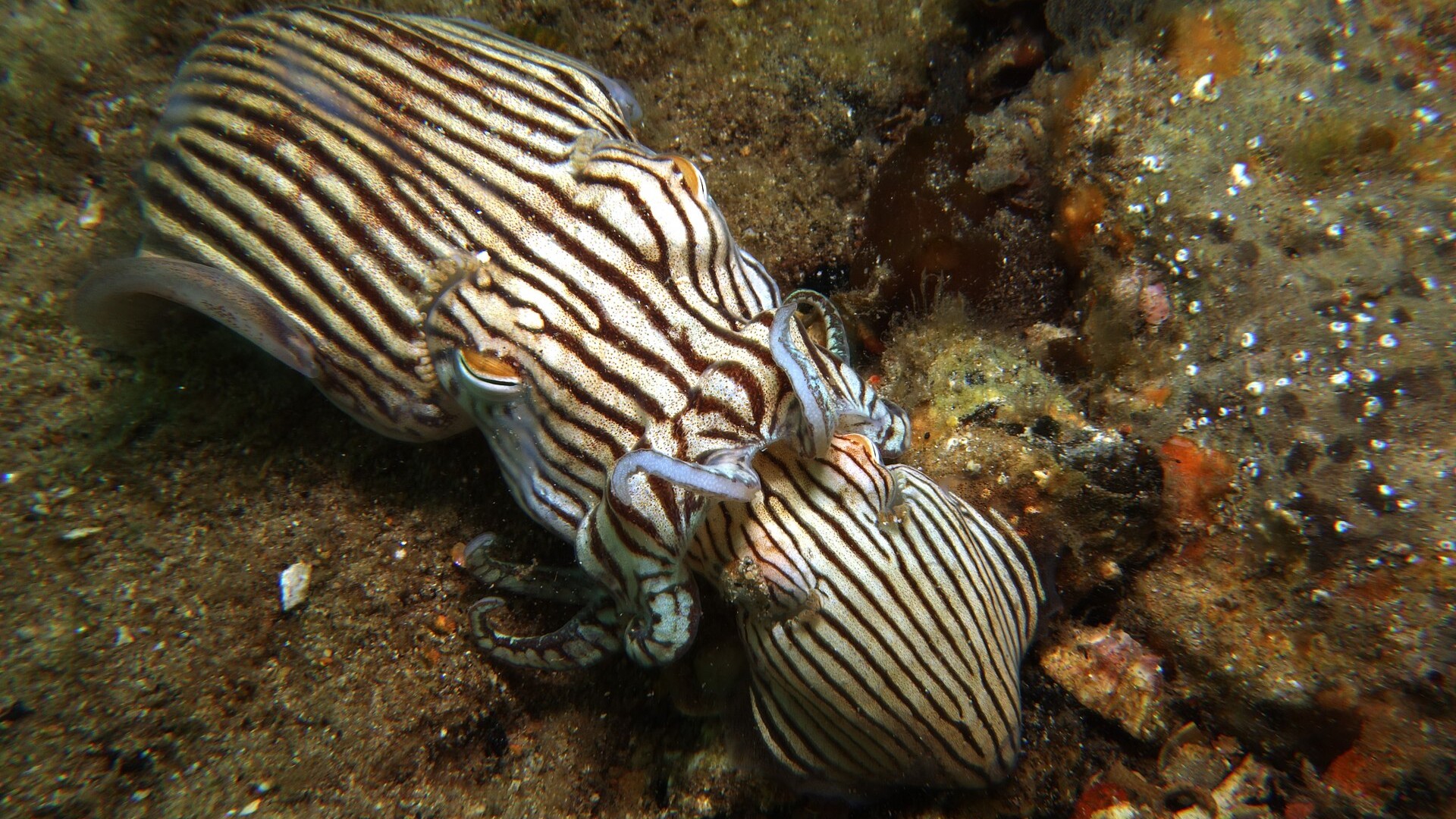
19. Striped Pyjama Squid
Reaching barely five centimetres in length, Sepioloidea lineolata displays striking zebra stripes along southern Australian reefs. While its round shape attracts divers, specialized skin glands produce a poisonous slime laden with tetrodotoxin analogues capable of paralyzing human respiratory nerves.
©Wikimedia / Sepioloidea lineolata
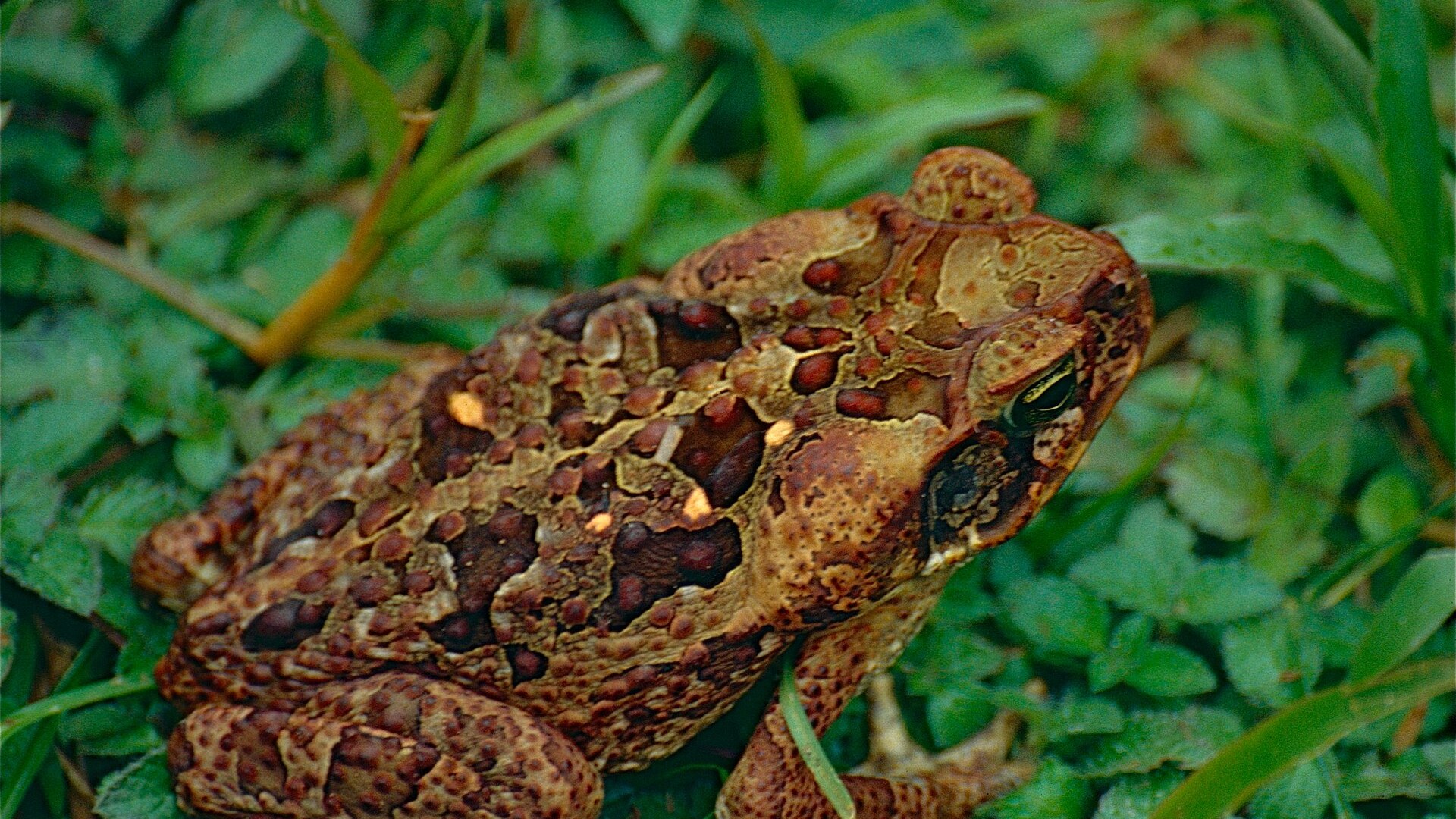
18. Cane Toad
Introduced across Australia and the Caribbean, Rhinella marina appears like a sluggish garden toad. When compressed, its large parotoid glands squirt bufotoxin, a cardiac glycoside that attacks heart muscle and triggers cardiac arrhythmias. Ingesting secretions causes rapid human death without antivenom.
©Wikimedia / Bernard DUPONT from FRANCE
Advertisement
Swipe or tap ▶ to resume the countdown.
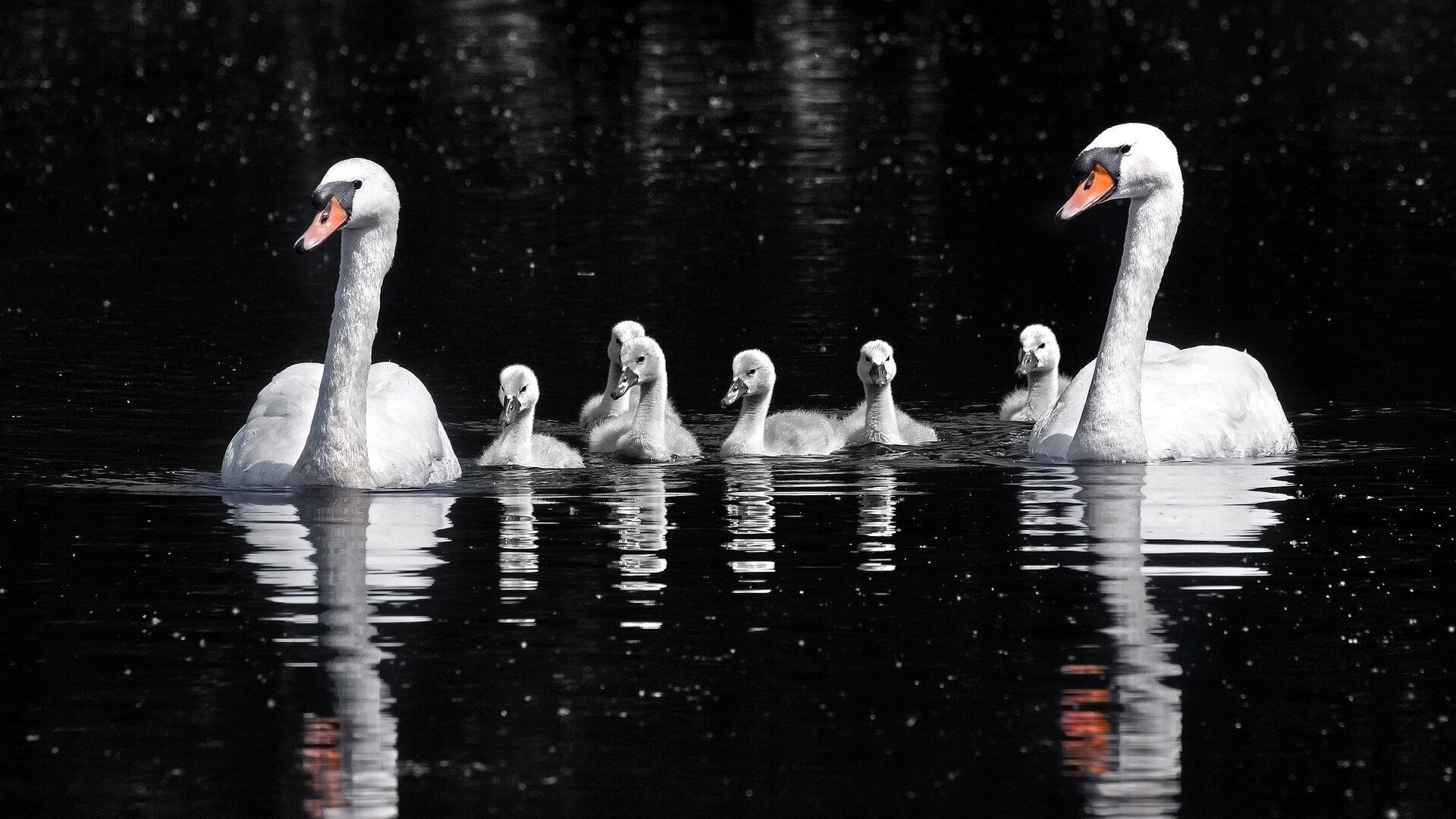
17. Mute Swan
Admired for pristine white plumage on ornamental ponds, the mute swan is violently territorial during spring nesting season. Adult males possess a seven-foot wingspan, attacking canoes and swimmers with bony wing spurs to pin victims underwater, resulting in documented fatal drownings.
©Wikimedia / Charles J. Sharp
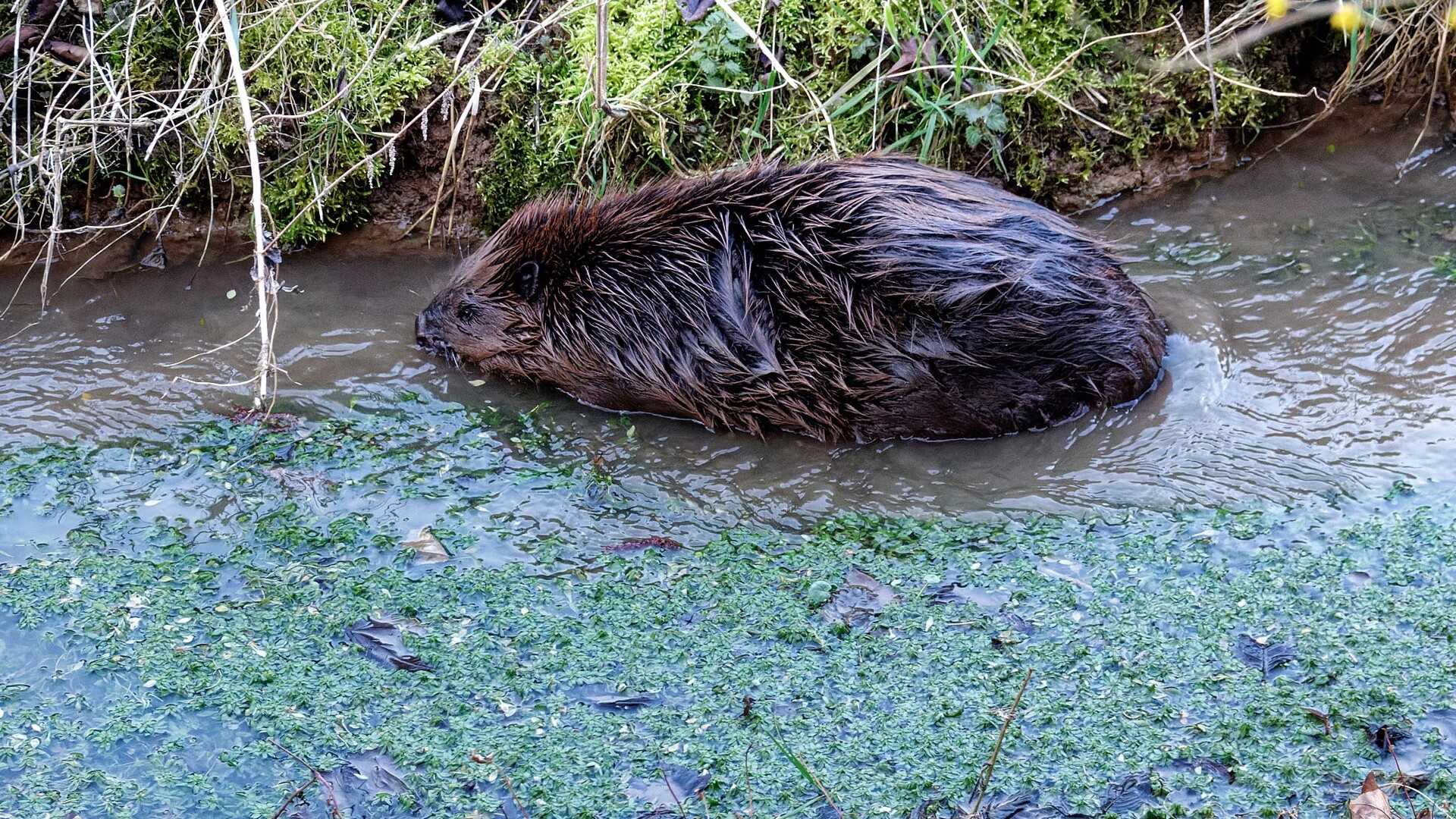
16. Beaver
North American and Eurasian beavers appear industrious and harmless from shoreline banks. However, territorial adults can weigh seventy pounds and possess four-inch incisors hardened with iron enamel. In Belarus and the United States, defensive bites have severed femoral arteries, causing rapid fatal bleedings.
©Wikimedia / Holger Uwe Schmitt
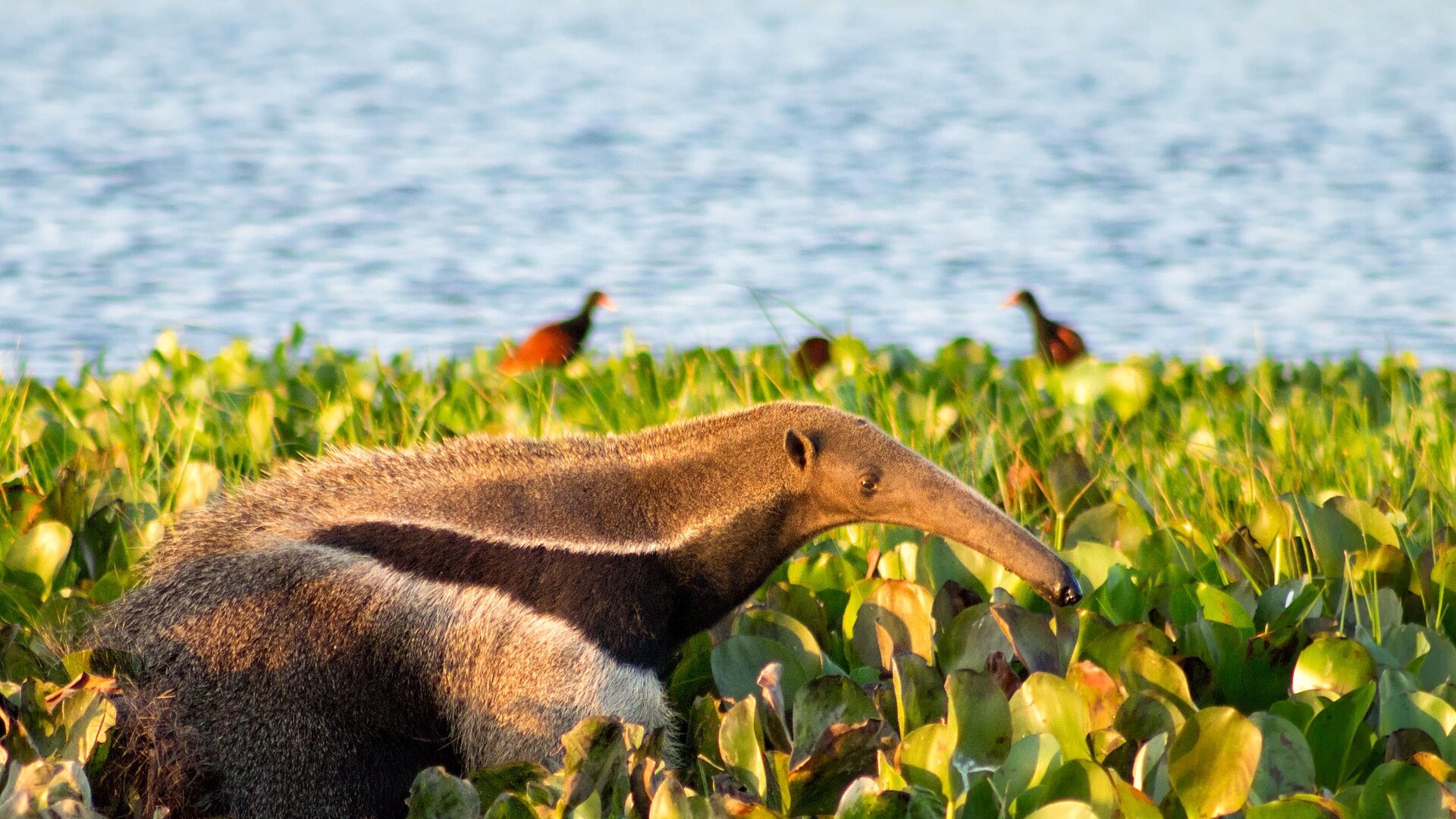
15. Giant Anteater
Myrmecophaga tridactyla moves sluggishly through South American savannahs feeding exclusively on insects. When cornered, it rises on its hind legs in a defensive hug and slashes with four-inch claws designed to rip concrete-hard termite mounds, which has killed several hunters and zookeepers.
©Wikimedia / Fernando Flores from Caracas, Venezuela
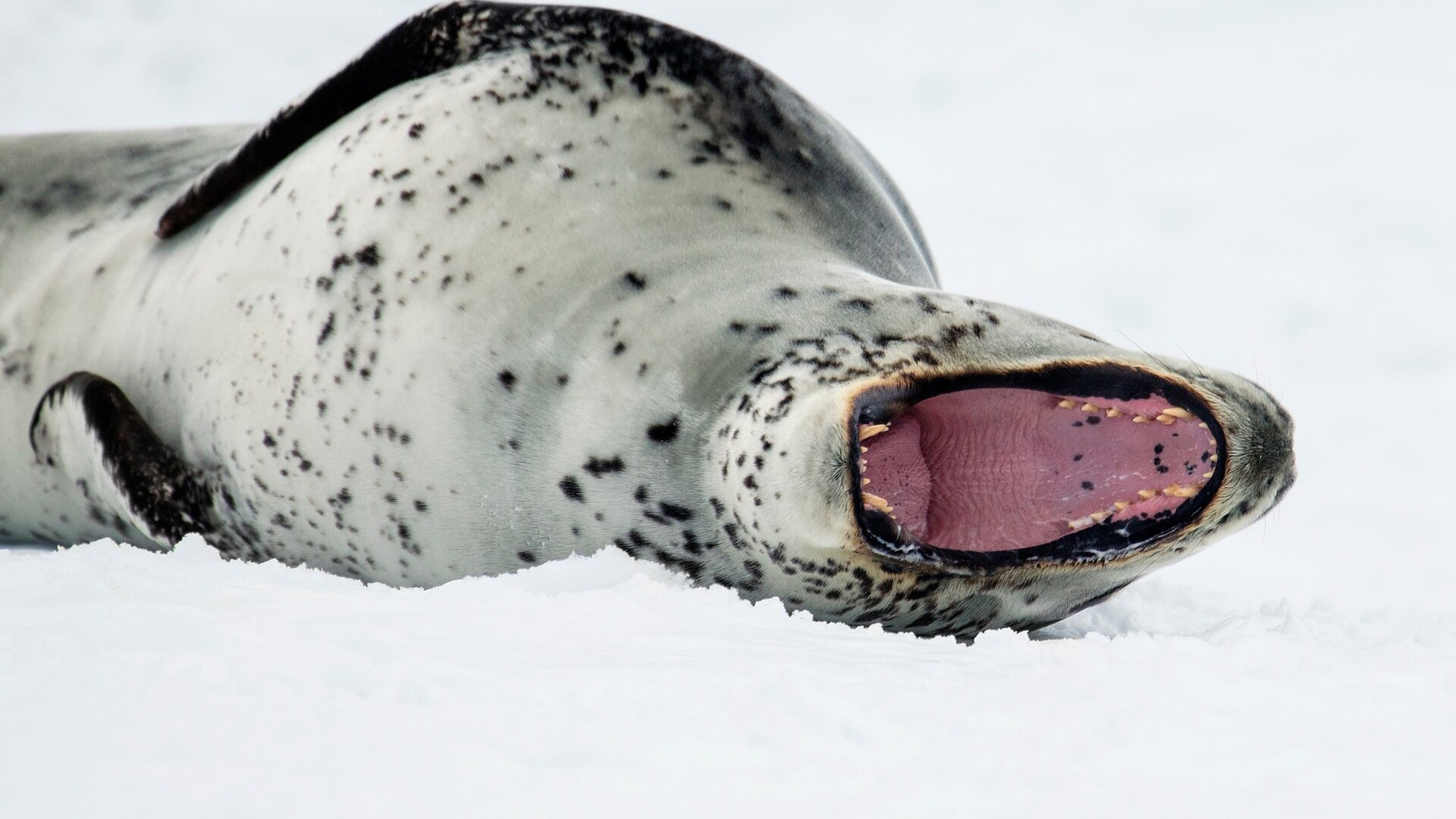
14. Leopard Seal
Hydrurga leptonyx rests placidly on polar ice floes with what resembles a curious reptilian smile. Measuring twelve feet and weighing over one thousand pounds, this apex Antarctic hunter has stalked polar researchers and dragged marine biologist Kirsty Brown underwater to her death in 2003.
©Wikimedia / Godot13
Advertisement
Swipe or tap ▶ to resume the countdown.
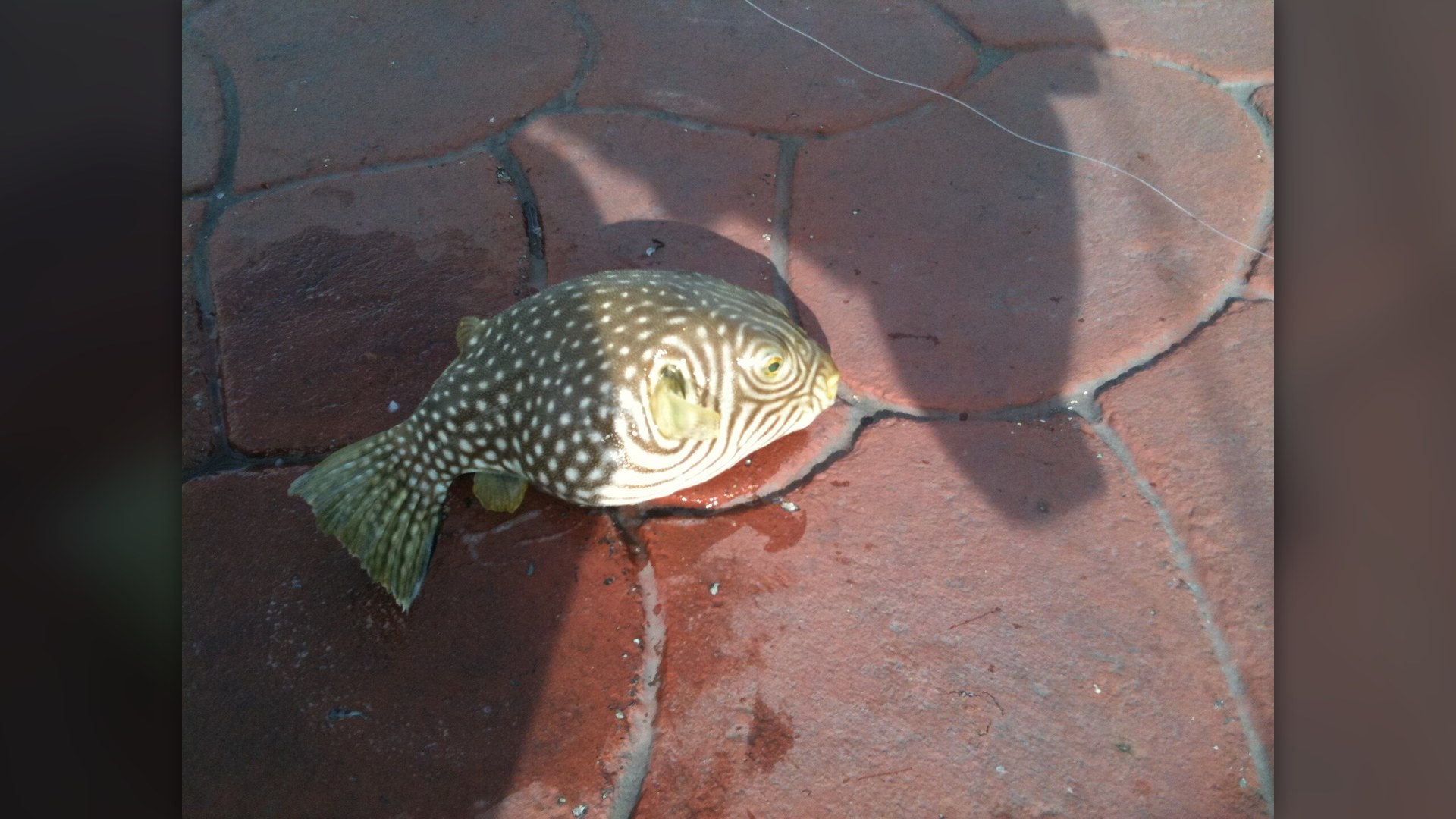
13. Pufferfish
Inflating into a clumsy spiky ball to deter ocean predators, the pufferfish contains fatal tetrodotoxin in its liver, ovaries, and skin. A single fish holds enough neurotoxin to kill thirty adults by shutting down diaphragm nerves. The World Health Organization records around forty fatal poisonings annually.
©Wikimedia / Adhirk
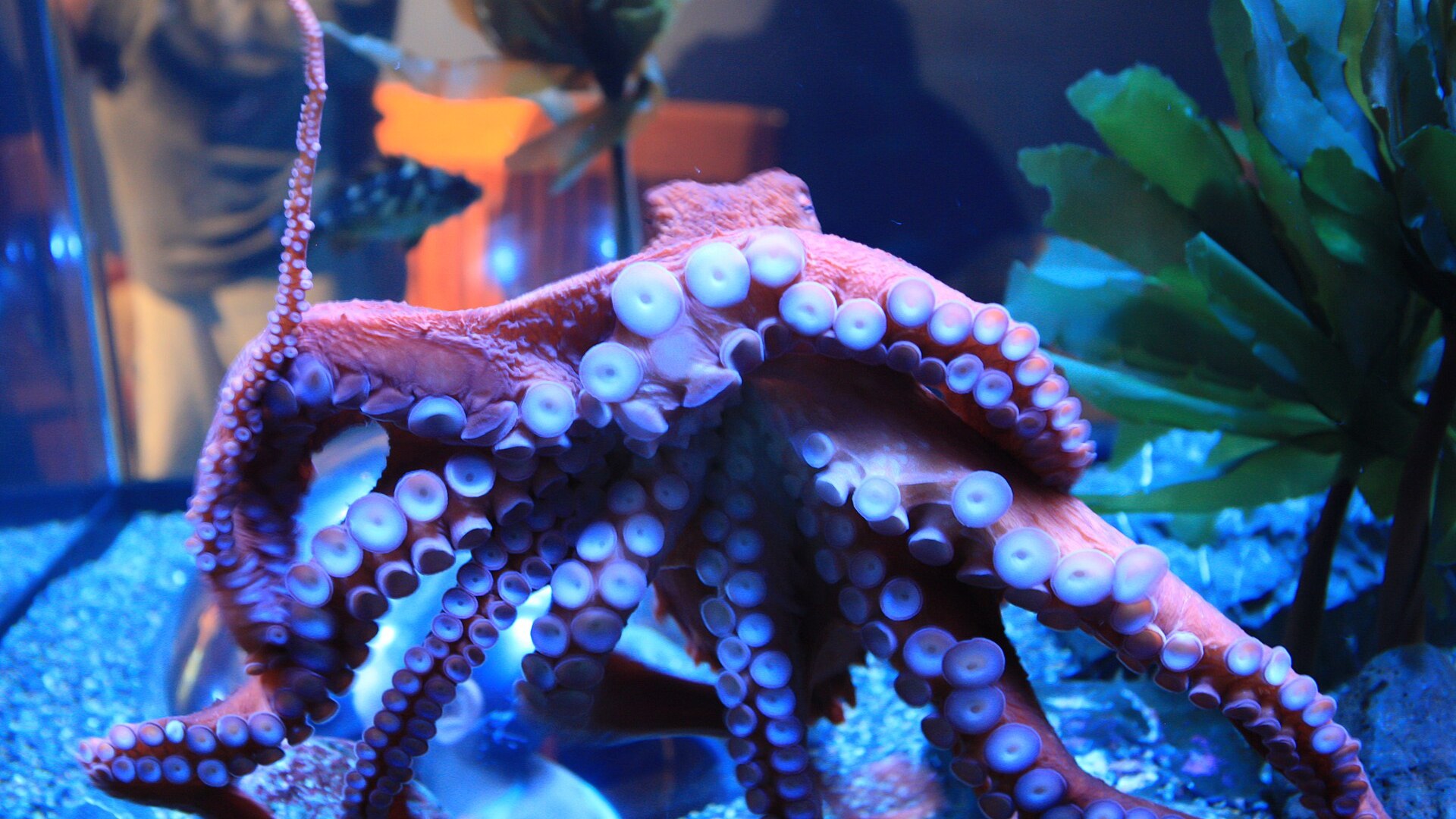
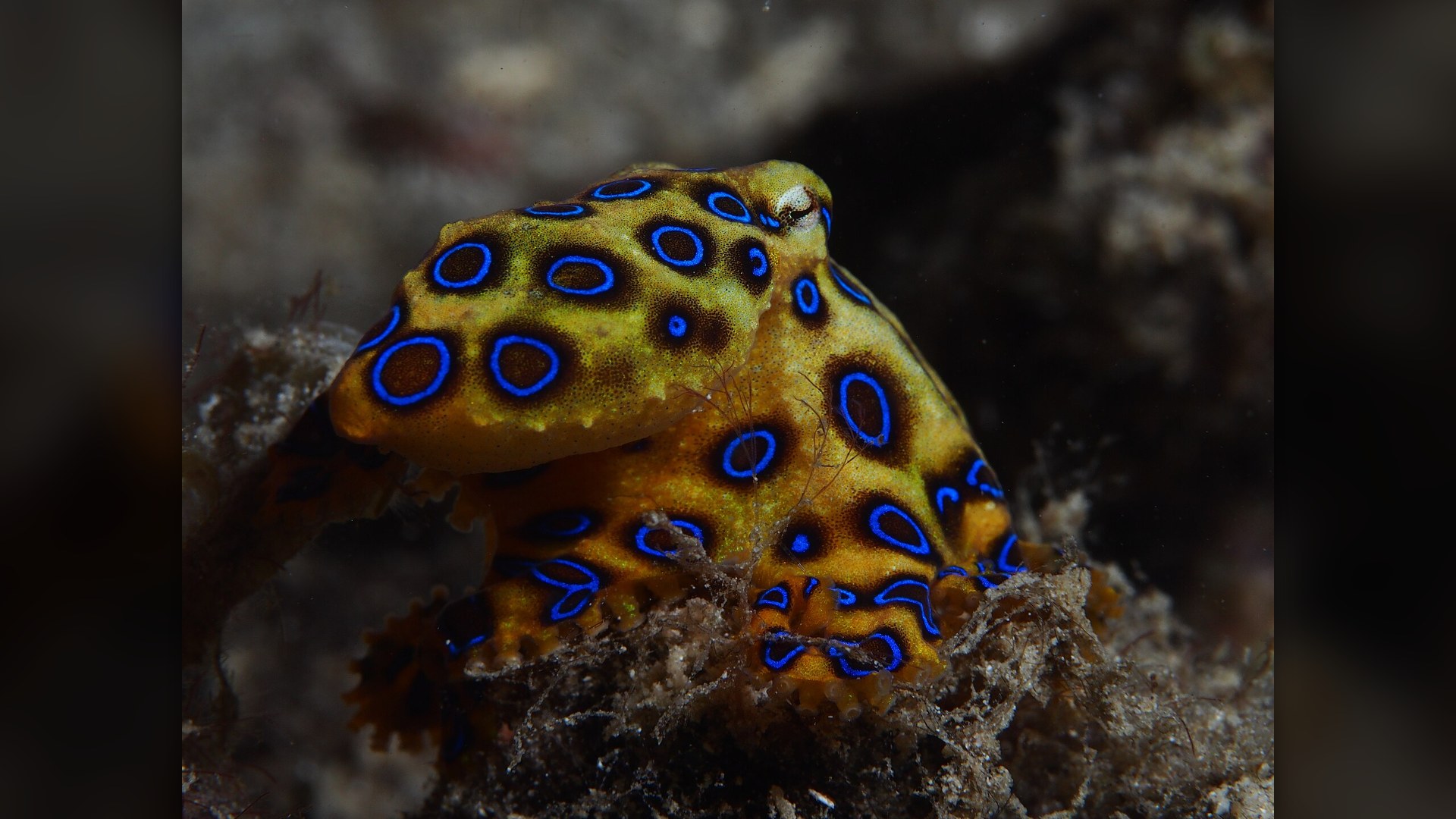
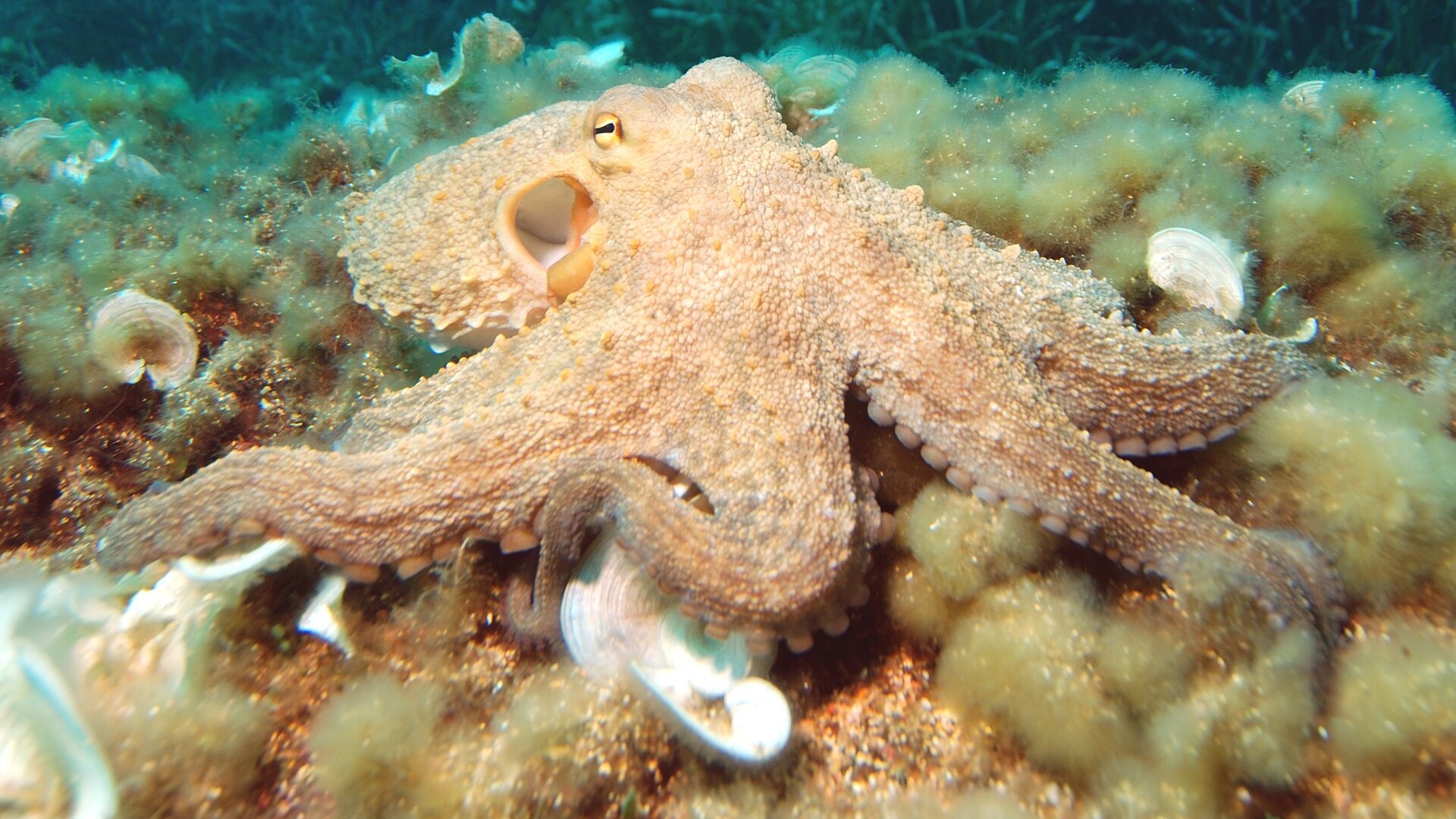
12. Blue-Ringed Octopus
Hapalochlaena lurks quietly in shallow Indo-Pacific coral pools, flashing blue rings only when provoked. Its beak delivers a painless bite that injects salivary tetrodotoxin. Victims suffer complete voluntary motor paralysis within ten minutes, suffocating while fully conscious without assisted ventilation.
©Wikimedia / Rickard Zerpe
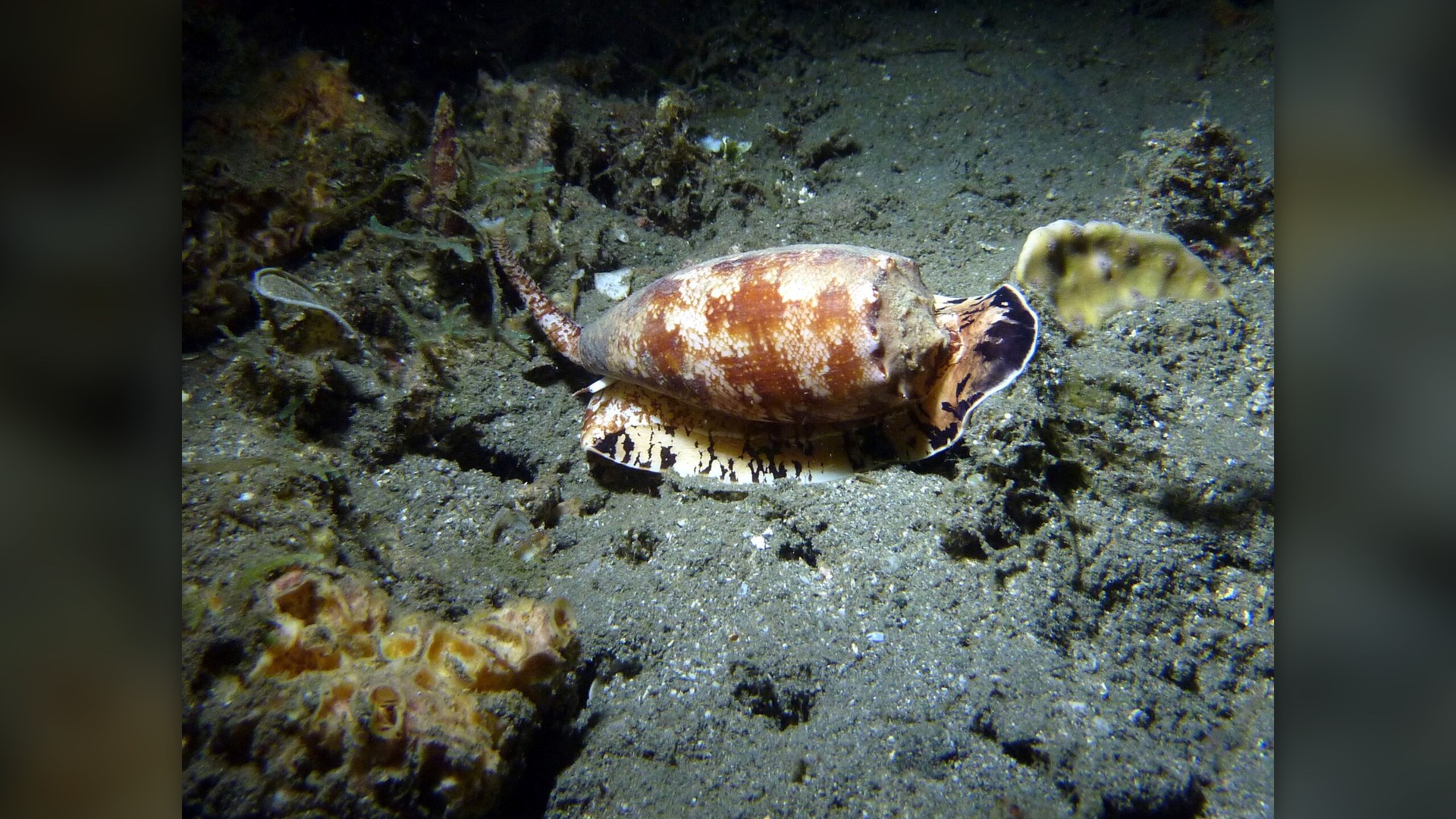
11. Geographic Cone Snail
Conus geographus wears a delicate brown-and-white marbled shell prized by beachcombers along tropical reefs. When handled, it extends a hollow radula tooth like a hypodermic needle, injecting hundreds of conotoxins that halt ion channels. Untreated stings carry a recorded fatality rate near seventy percent.
©Wikimedia / Kai Squires
10. Golden Poison Frog
Phyllobates terribilis measures just two inches long in the Pacific coastal forests of Colombia. Glands across its bright skin store batrachotoxin that prevents nerve fibers from transmitting electrical impulses. A single wild frog holds enough poison to stop the hearts of ten to twenty adult humans.
©Wikimedia / H. Zell
Advertisement
Swipe or tap ▶ to resume the countdown.
9. Box Jellyfish
Drifting invisibly through northern Australian coastal waters, Chironex fleckeri trailing tentacles carry millions of microscopic nematocysts. Its complex venom attacks cellular ion balance, causing excruciating pain and cardiac arrest in under five minutes, claiming between forty and one hundred lives annually.
©Wikimedia / Will Fisher from Richmond, VA, United States
8. White-Tailed Deer
Odocoileus virginianus looks harmless grazing near forest edges and suburban gardens. However, deer are North America deadliest mammal, causing over one million vehicle collisions annually that kill around two hundred people. In rutting season, aggressive bucks have also gored humans to death.
©Wikimedia / Charles J. Sharp
7. Raccoon
Procyon lotor is widely perceived as an inquisitive backyard bandit across North American towns. Yet raccoons are primary reservoirs for terrestrial rabies and shed Baylisascaris procyonis eggs in latrines. The microscopic roundworm larvae migrate into human brain tissue, causing fatal eosinophilic meningoencephalitis.
©Pixabay / keyouest
6. Domestic Cat
Cuddled in millions of homes worldwide, the domestic cat harbors sharp needle-like teeth that inject Pasteurella multocida deep into human tendons and joints. CDC data shows untreated feline bites frequently cause necrotizing fasciitis, severe sepsis, and fatal systemic infections, alongside rabies risk.
©Wikimedia / Von.grzanka
Advertisement
Swipe or tap ▶ to resume the countdown.
5. Kissing Bug
Triatomine bugs resemble ordinary garden beetles and crawl gently onto sleeping humans to feed around soft facial tissue. While feeding, they defecate Trypanosoma cruzi parasites that enter the bite wound, causing chronic Chagas disease that enlarges heart ventricles and kills ten thousand people annually.
©Wikimedia / Dick Culbert from Gibsons, B.C., Canada
4. Tsetse Fly
Glossina flies appear almost identical to common houseflies resting on branches across sub-Saharan Africa. Their bite injects Trypanosoma brucei protozoa directly into human blood, causing sleeping sickness. Without early therapeutic intervention, the parasite crosses into the brain, causing fatal coma.
©Wikimedia / Alan R Walker
3. Freshwater Snail
Small aquatic snails of the genus Biomphalaria seem utterly harmless in tropical streams and rice paddies. Yet they serve as intermediate hosts for Schistosoma flatworms, releasing cercariae larvae that penetrate human skin. Schistosomiasis causes fatal liver failure in over twenty thousand people every year.
©Wikimedia / Bj.schoenmakers
2. Domestic Dog
Canis familiaris is humankind most cherished domestic animal, yet feral and unvaccinated populations pose massive health hazards. According to World Health Organization reports, dog bites transmit ninety-nine percent of all human rabies cases, resulting in over thirty-five thousand human fatalities each year.
©Pixabay / Winsker
Advertisement
Swipe or tap ▶ to resume the countdown.
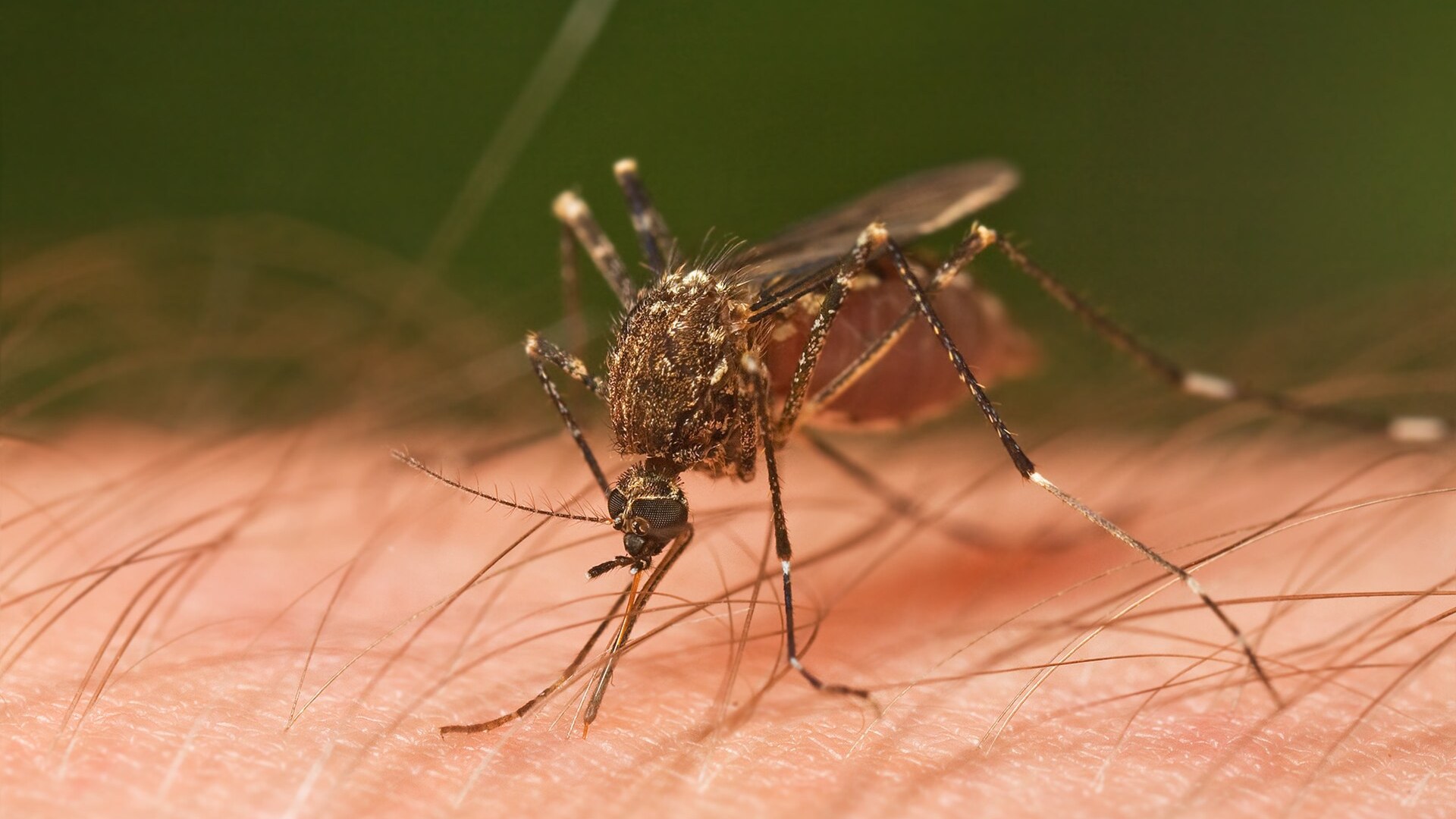
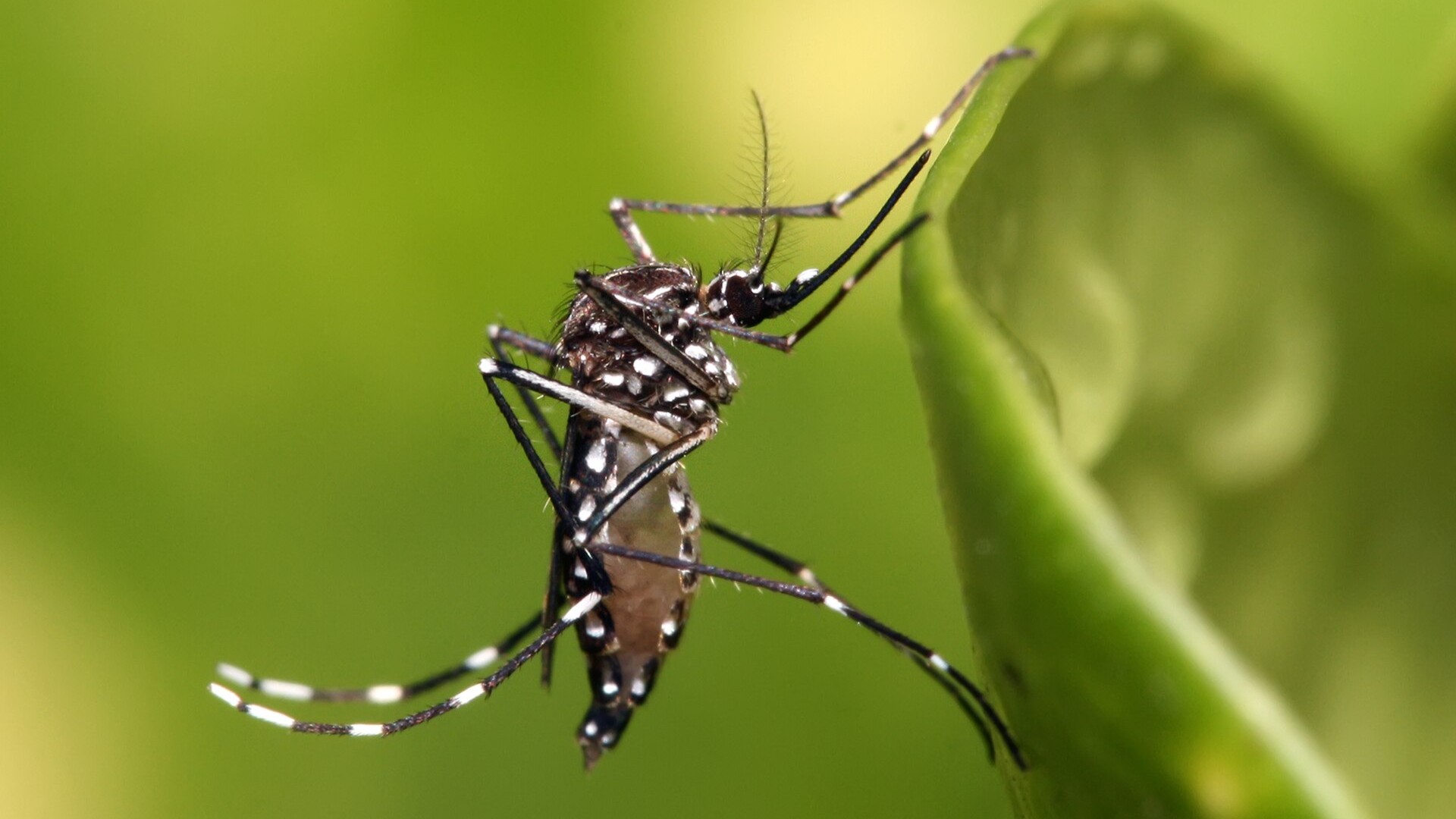
1. Mosquito
Weighing a fraction of a gram, the fragile mosquito appears delicate and easily swatted away. Yet females of the Anopheles and Aedes genera transmit malaria, dengue, and yellow fever, making this insect the deadliest animal on Earth. Global health records document over seven hundred thousand fatal infections annually.

©Wikimedia / JJ Harrison ( )
Advertisement
You've reached the end of the story. Thanks for reading!

25 Species Scientists Say Could Thrive in a World Without Humans
If humans vanished tomorrow, forests and empty streets would quickly belong to fast-breeding generalists and clever problem-solvers. Based on ecological studies from Oxford University, the Smithsonian Institution and IUCN assessments, here are 25 resilient species built to expand across Earth without us.
All 24 Entries in this Story
1. Platypus
Despite its comical bill and beaver tail, the male platypus wields calcaneus spurs on its hind legs connected to venom glands. The venom causes immediate muscular paralysis and pain severe enough to induce cardiovascular shock, which hospitalizes victims and requires specialized nerve blocks.

2. Hooded Pitohui
Discovered to be toxic by researchers in 1989, this colorful orange-and-black songbird absorbs neurotoxins from its diet of Choresine beetles. Contact with its skin or feathers causes numbness and burning, while consuming the meat delivers batrachotoxins that can trigger fatal cardiac arrest.

3. Blue Glaucus Sea Slug
Measuring only three centimetres, Glaucus atlanticus floats upside down on ocean surface tension like a miniature dragon. It feeds on Portuguese man o war tentacles, sequestering the prey stinging nematocysts into concentrated venom cells that deliver stings capable of causing respiratory distress.

4. Slow Loris
Native to Southeast Asian rainforests, the slow loris appears docile but is the world only venomous primate. When threatened, it grooms brachial gland secretions on its inner elbows into its grooved canines, delivering a toxic bite that causes rapid anaphylactic shock and extensive tissue death.

5. Rough-Skinned Newt
Found in wet forests from Alaska to California, Taricha granulosa looks like a common pond salamander. Its granular skin contains up to two milligrams of tetrodotoxin, enough to kill several adult humans. In recorded medical cases, campers died within hours after accidentally swallowing a single newt.

6. Striped Pyjama Squid
Reaching barely five centimetres in length, Sepioloidea lineolata displays striking zebra stripes along southern Australian reefs. While its round shape attracts divers, specialized skin glands produce a poisonous slime laden with tetrodotoxin analogues capable of paralyzing human respiratory nerves.

7. Cane Toad
Introduced across Australia and the Caribbean, Rhinella marina appears like a sluggish garden toad. When compressed, its large parotoid glands squirt bufotoxin, a cardiac glycoside that attacks heart muscle and triggers cardiac arrhythmias. Ingesting secretions causes rapid human death without antivenom.

8. Mute Swan
Admired for pristine white plumage on ornamental ponds, the mute swan is violently territorial during spring nesting season. Adult males possess a seven-foot wingspan, attacking canoes and swimmers with bony wing spurs to pin victims underwater, resulting in documented fatal drownings.

9. Beaver
North American and Eurasian beavers appear industrious and harmless from shoreline banks. However, territorial adults can weigh seventy pounds and possess four-inch incisors hardened with iron enamel. In Belarus and the United States, defensive bites have severed femoral arteries, causing rapid fatal bleedings.

10. Giant Anteater
Myrmecophaga tridactyla moves sluggishly through South American savannahs feeding exclusively on insects. When cornered, it rises on its hind legs in a defensive hug and slashes with four-inch claws designed to rip concrete-hard termite mounds, which has killed several hunters and zookeepers.

11. Leopard Seal
Hydrurga leptonyx rests placidly on polar ice floes with what resembles a curious reptilian smile. Measuring twelve feet and weighing over one thousand pounds, this apex Antarctic hunter has stalked polar researchers and dragged marine biologist Kirsty Brown underwater to her death in 2003.

12. Pufferfish
Inflating into a clumsy spiky ball to deter ocean predators, the pufferfish contains fatal tetrodotoxin in its liver, ovaries, and skin. A single fish holds enough neurotoxin to kill thirty adults by shutting down diaphragm nerves. The World Health Organization records around forty fatal poisonings annually.

13. Blue-Ringed Octopus
Hapalochlaena lurks quietly in shallow Indo-Pacific coral pools, flashing blue rings only when provoked. Its beak delivers a painless bite that injects salivary tetrodotoxin. Victims suffer complete voluntary motor paralysis within ten minutes, suffocating while fully conscious without assisted ventilation.

14. Geographic Cone Snail
Conus geographus wears a delicate brown-and-white marbled shell prized by beachcombers along tropical reefs. When handled, it extends a hollow radula tooth like a hypodermic needle, injecting hundreds of conotoxins that halt ion channels. Untreated stings carry a recorded fatality rate near seventy percent.

15. Golden Poison Frog
Phyllobates terribilis measures just two inches long in the Pacific coastal forests of Colombia. Glands across its bright skin store batrachotoxin that prevents nerve fibers from transmitting electrical impulses. A single wild frog holds enough poison to stop the hearts of ten to twenty adult humans.

16. Box Jellyfish
Drifting invisibly through northern Australian coastal waters, Chironex fleckeri trailing tentacles carry millions of microscopic nematocysts. Its complex venom attacks cellular ion balance, causing excruciating pain and cardiac arrest in under five minutes, claiming between forty and one hundred lives annually.

17. White-Tailed Deer
Odocoileus virginianus looks harmless grazing near forest edges and suburban gardens. However, deer are North America deadliest mammal, causing over one million vehicle collisions annually that kill around two hundred people. In rutting season, aggressive bucks have also gored humans to death.

18. Raccoon
Procyon lotor is widely perceived as an inquisitive backyard bandit across North American towns. Yet raccoons are primary reservoirs for terrestrial rabies and shed Baylisascaris procyonis eggs in latrines. The microscopic roundworm larvae migrate into human brain tissue, causing fatal eosinophilic meningoencephalitis.

19. Domestic Cat
Cuddled in millions of homes worldwide, the domestic cat harbors sharp needle-like teeth that inject Pasteurella multocida deep into human tendons and joints. CDC data shows untreated feline bites frequently cause necrotizing fasciitis, severe sepsis, and fatal systemic infections, alongside rabies risk.

20. Kissing Bug
Triatomine bugs resemble ordinary garden beetles and crawl gently onto sleeping humans to feed around soft facial tissue. While feeding, they defecate Trypanosoma cruzi parasites that enter the bite wound, causing chronic Chagas disease that enlarges heart ventricles and kills ten thousand people annually.

21. Tsetse Fly
Glossina flies appear almost identical to common houseflies resting on branches across sub-Saharan Africa. Their bite injects Trypanosoma brucei protozoa directly into human blood, causing sleeping sickness. Without early therapeutic intervention, the parasite crosses into the brain, causing fatal coma.

22. Freshwater Snail
Small aquatic snails of the genus Biomphalaria seem utterly harmless in tropical streams and rice paddies. Yet they serve as intermediate hosts for Schistosoma flatworms, releasing cercariae larvae that penetrate human skin. Schistosomiasis causes fatal liver failure in over twenty thousand people every year.

23. Domestic Dog
Canis familiaris is humankind most cherished domestic animal, yet feral and unvaccinated populations pose massive health hazards. According to World Health Organization reports, dog bites transmit ninety-nine percent of all human rabies cases, resulting in over thirty-five thousand human fatalities each year.

24. Mosquito
Weighing a fraction of a gram, the fragile mosquito appears delicate and easily swatted away. Yet females of the Anopheles and Aedes genera transmit malaria, dengue, and yellow fever, making this insect the deadliest animal on Earth. Global health records document over seven hundred thousand fatal infections annually.