Slideshow · Science
25 American Nobel Winners and Why They Matter
From quantum physics to civil rights, these American laureates shaped history.
By Most Viral Today
29 Oct 2026

American Minds That Reshaped Our World 
25. Jennifer Doudna 
24. Arthur Ashkin 
23. Frances Arnold - AdvertisementSwipe or tap ▶ to continue countdown

22. Bob Dylan 
21. Barack Obama 
20. Steven Chu 
19. Toni Morrison - AdvertisementSwipe or tap ▶ to continue countdown

18. Gertrude B. Elion 
17. Barbara McClintock 
16. Milton Friedman 
15. Norman Borlaug - AdvertisementSwipe or tap ▶ to continue countdown

14. Richard Feynman 
13. Martin Luther King Jr. 
12. James Watson 
11. John Steinbeck - AdvertisementSwipe or tap ▶ to continue countdown

10. John Bardeen 
9. Ernest Hemingway 
8. Linus Pauling 
7. Glenn Seaborg - AdvertisementSwipe or tap ▶ to continue countdown

6. William Faulkner 
5. Enrico Fermi 
4. Thomas Hunt Morgan 
3. Jane Addams - AdvertisementSwipe or tap ▶ to continue countdown

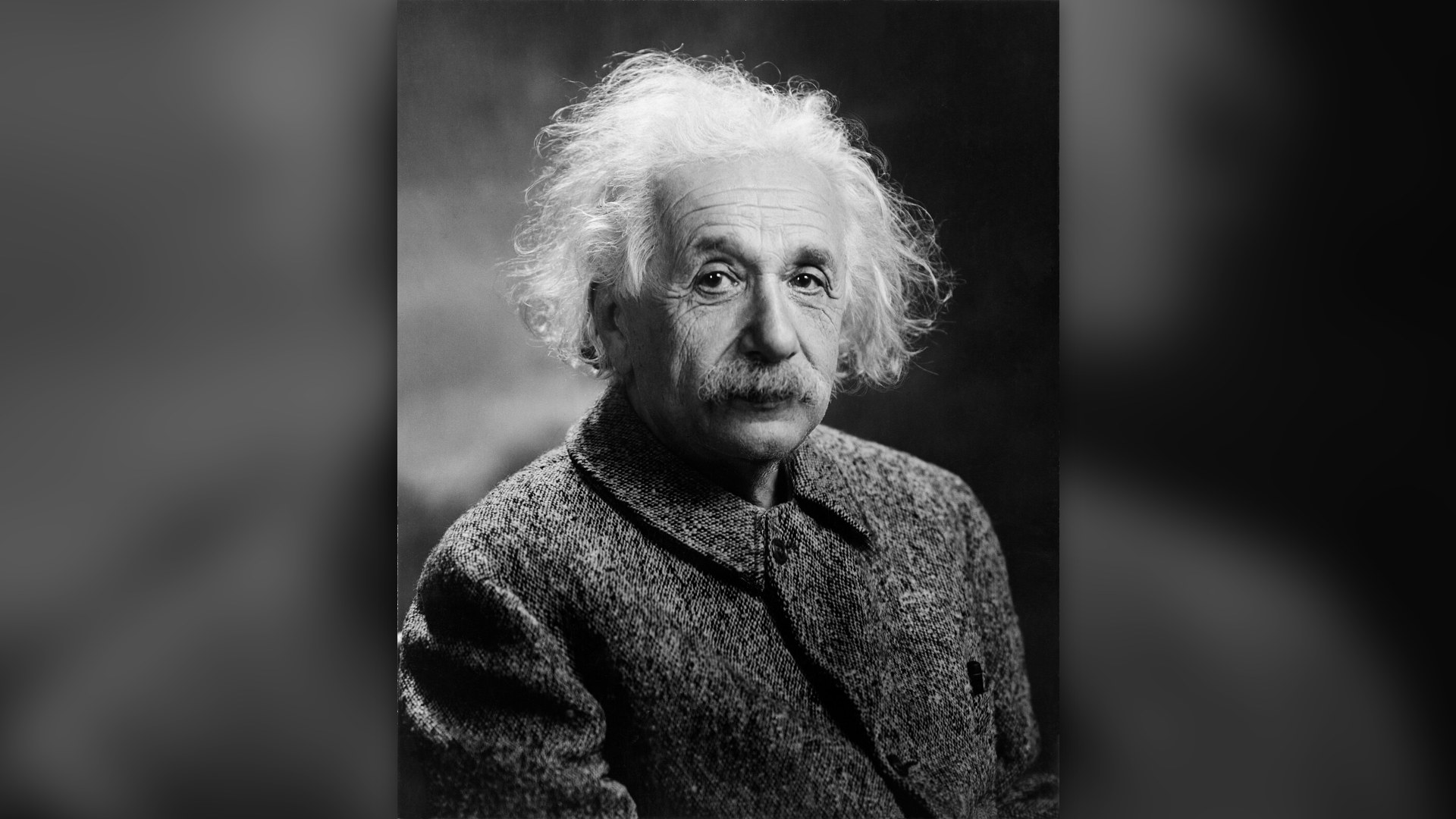
2. Albert Einstein 
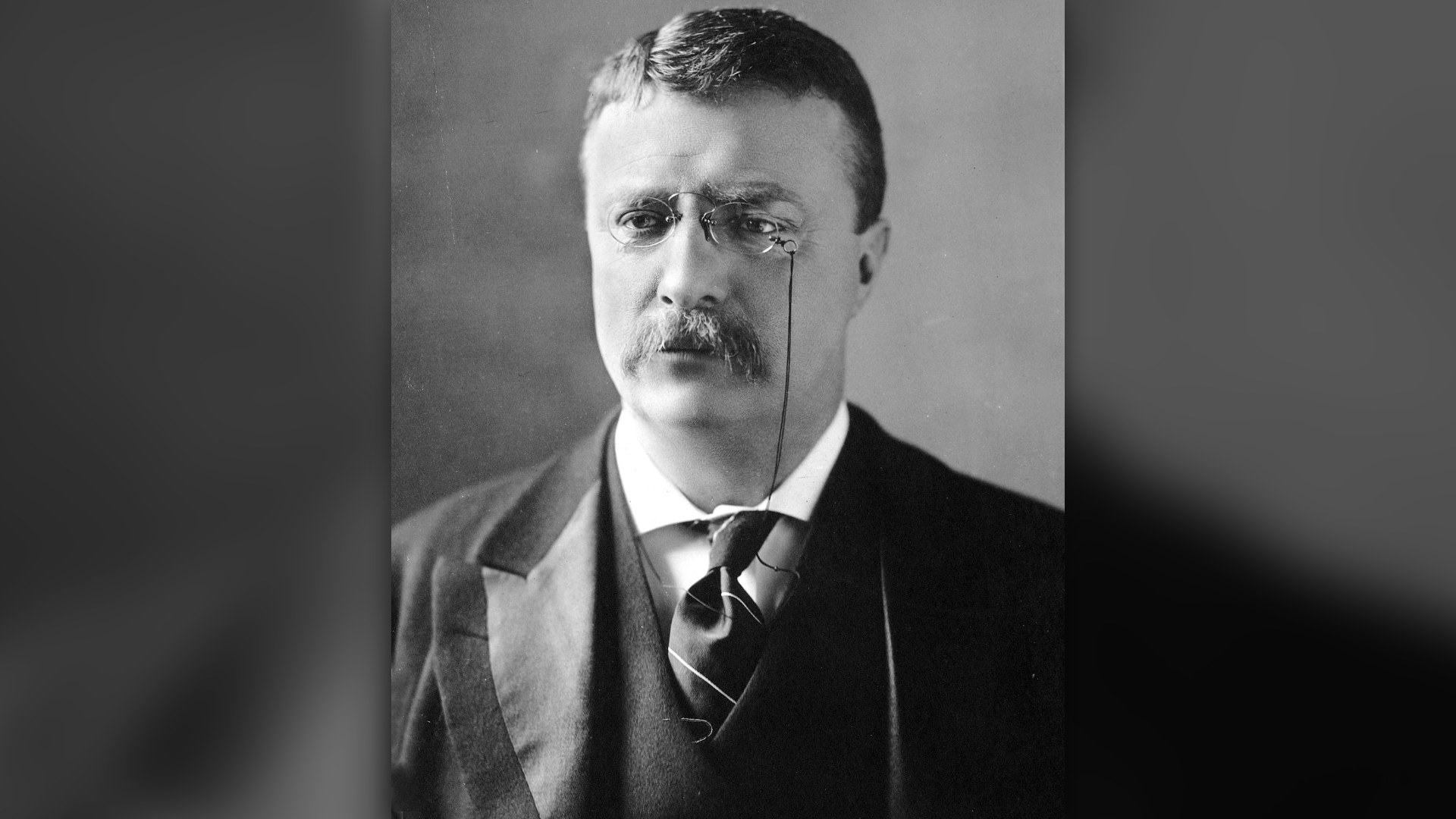
1. Theodore Roosevelt - Advertisement🔥 UP NEXT IN THIS SERIES◫ 23 Slides

22 Most Secret World War II Aircraft Tested Behind Closed Doors
Between 1939 and 1945, Allied and Axis engineers built jets, flying wings and rocket interceptors in deep wartime secrecy. Ranked from 22 to 1 by historical secrecy and technical leap, this countdown draws on archival records from the Smithsonian, U.S. Air Force Museum, RAF Museum and German Federal Archives.
Across physics, medicine, chemistry, literature, peace, and economics, American Nobel laureates transformed modern civilization. From the invention of the transistor and CRISPR gene editing to civil rights leadership, here are 25 historic American Nobel winners and why their work matters today.
Swipe or tap ▶ to begin the countdown
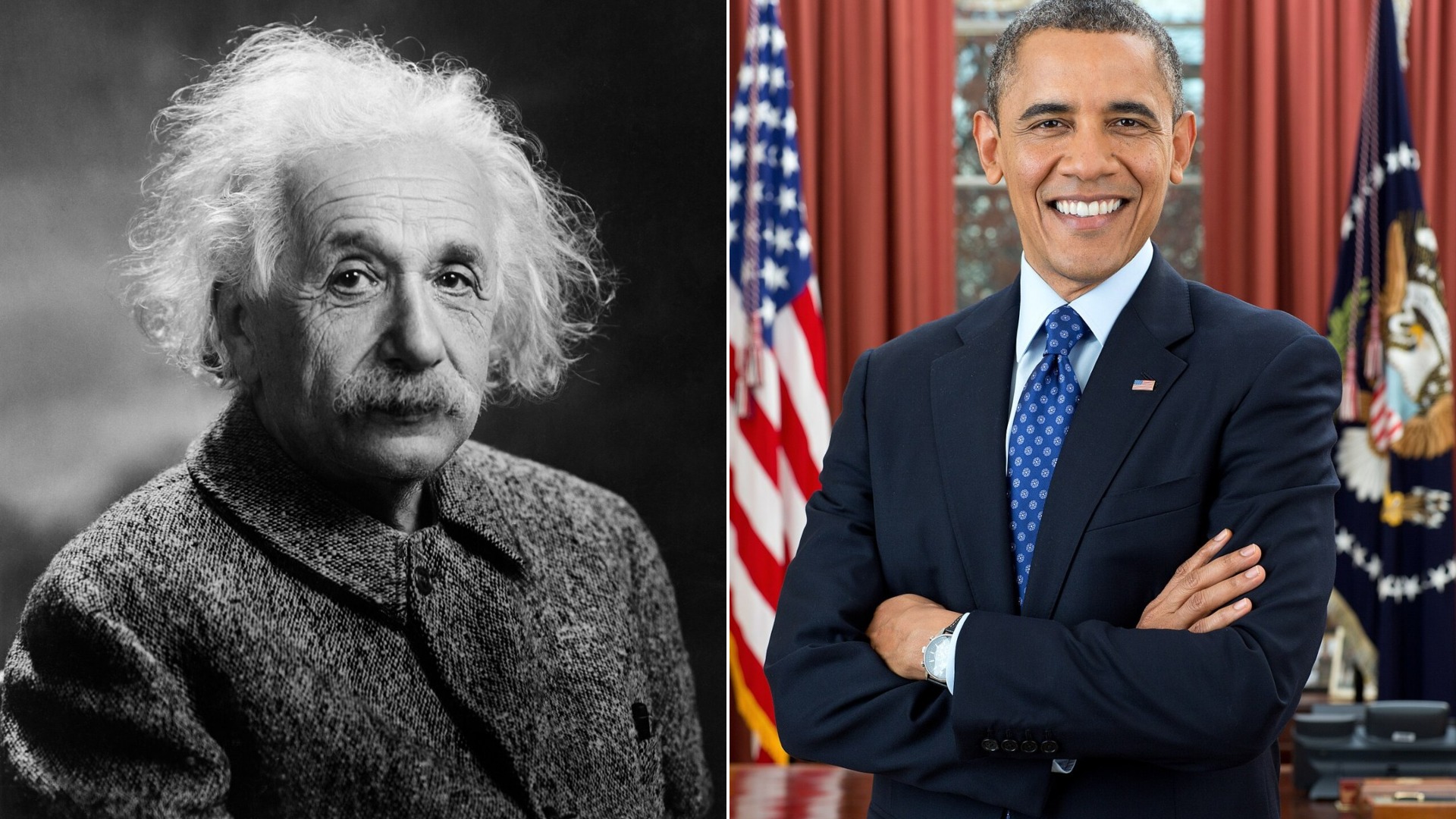
©Wikimedia / Oren Jack Turner & Wikimedia / Pete Souza
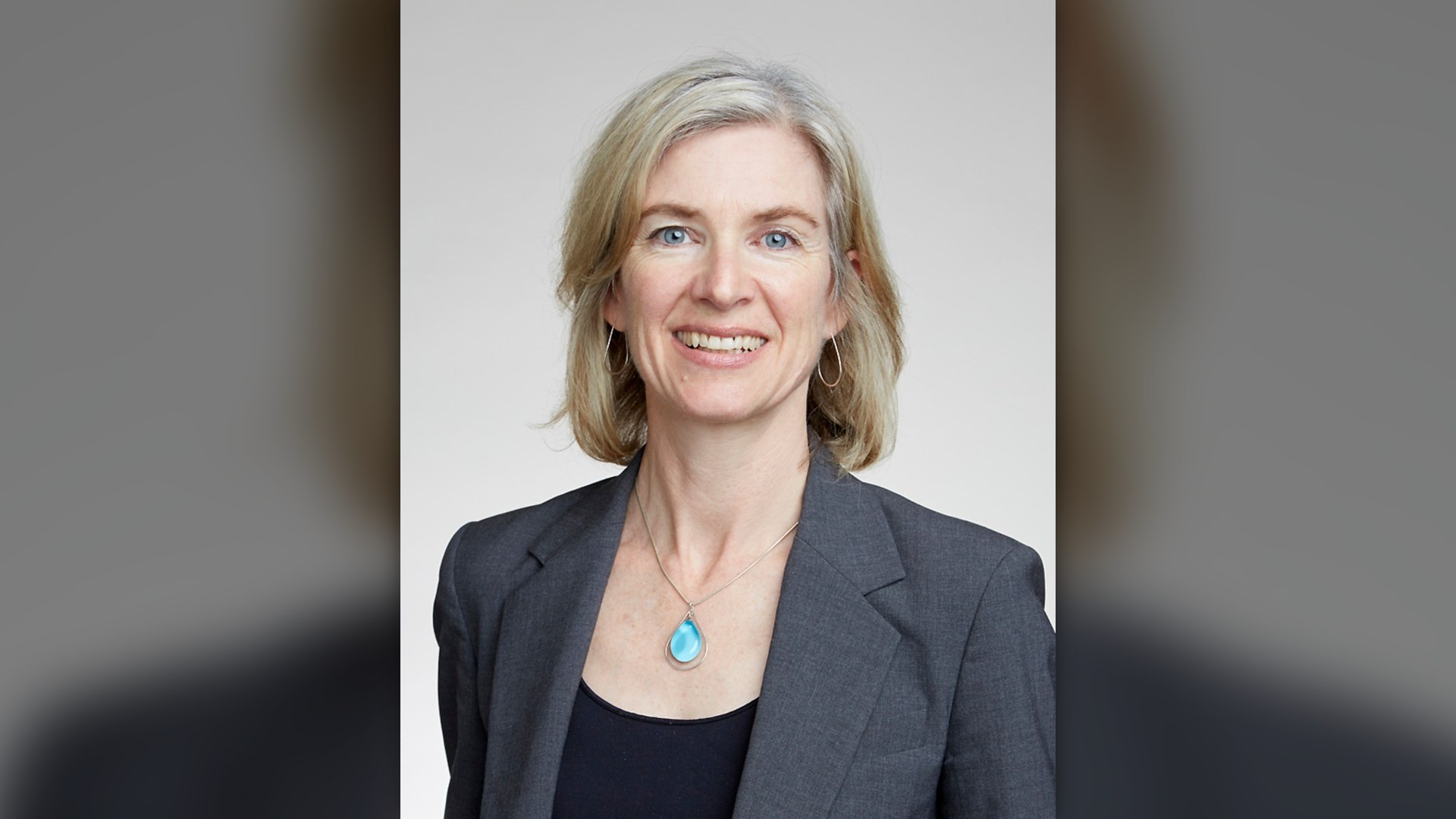
25. Jennifer Doudna
UC Berkeley biochemist Jennifer Doudna and Emmanuelle Charpentier shared the 2020 Nobel Prize in Chemistry for discovering CRISPR-Cas9 genetic scissors. Their tool rewrites the code of life with extreme precision, opening revolutionary ways to cure genetic diseases and breed resilient agricultural crops.
©Wikimedia / Duncan Hull
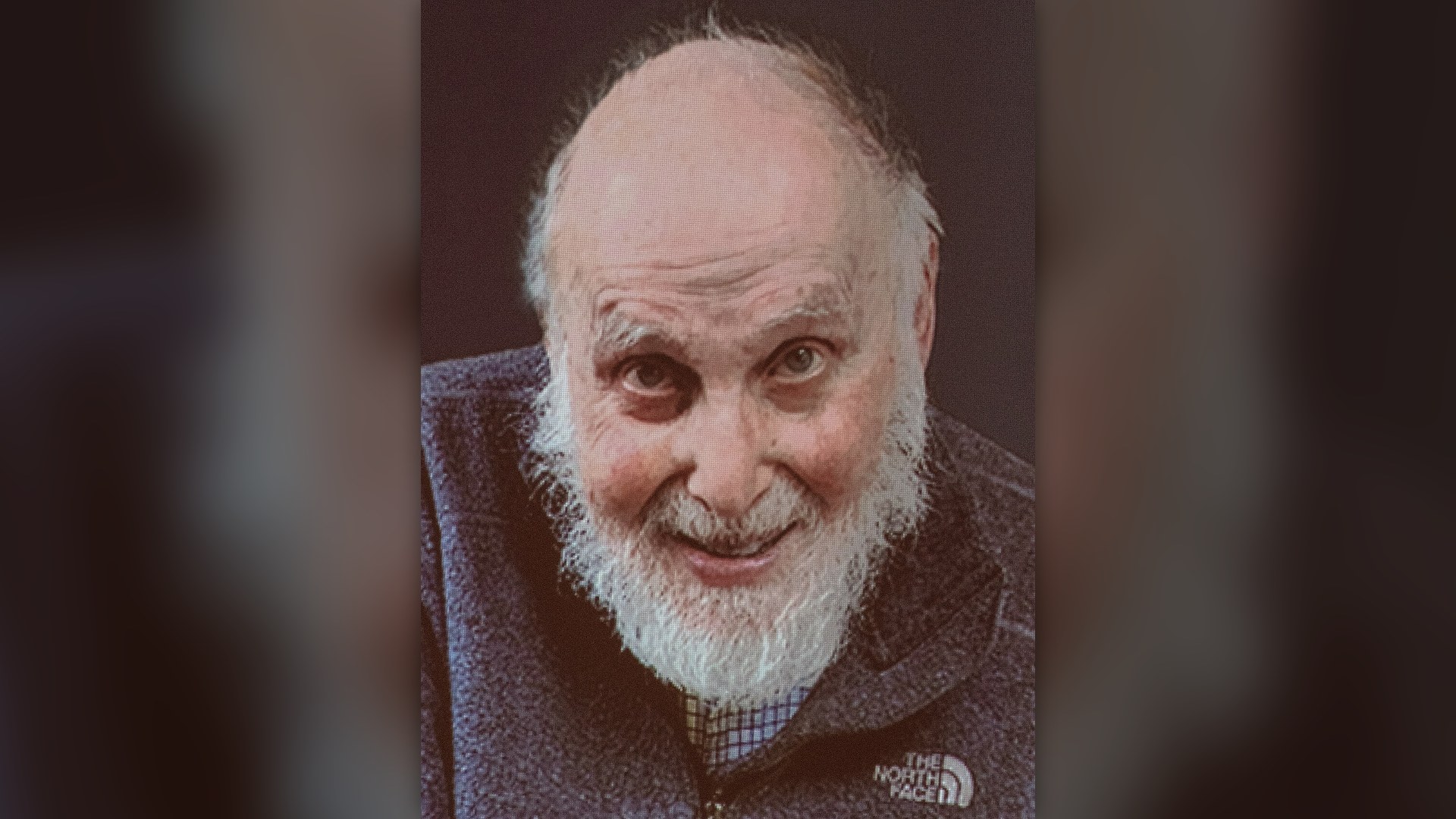
24. Arthur Ashkin
At age 96, Bell Labs physicist Arthur Ashkin became the oldest person to receive a Nobel Prize in 2018. His invention of optical tweezers used focused laser light pressure to grab and hold living bacteria, viruses, and cellular machinery without harming them, transforming biological physics.
©Wikimedia / Bengt Nyman
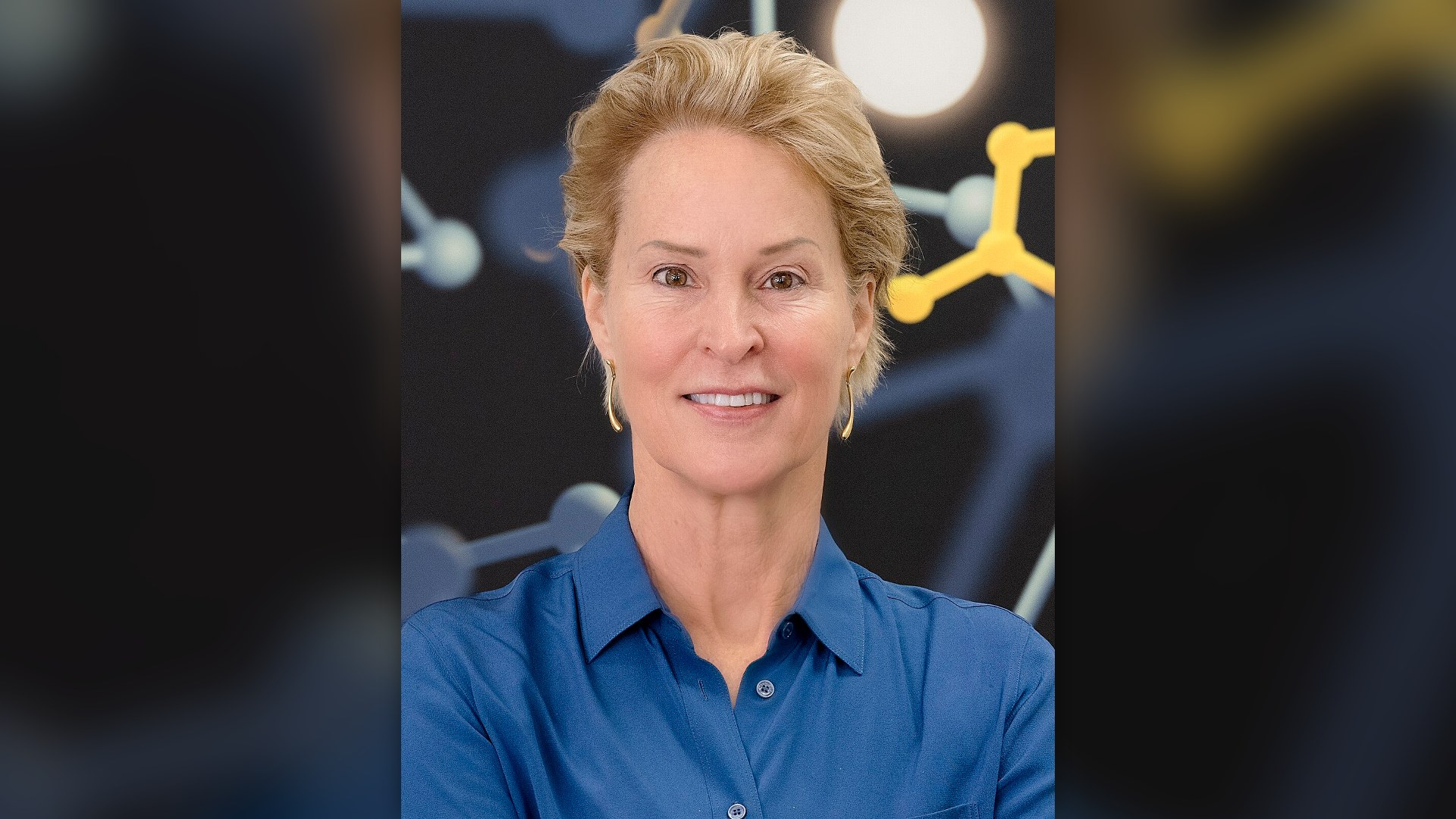
23. Frances Arnold
Caltech biochemical engineer Frances Arnold harnessed natural selection inside laboratory test tubes to evolve proteins with tailored traits. Her 2018 Nobel Prize in Chemistry honored methods that replace toxic industrial chemical processes with clean biological enzymes, producing greener fuels and pharmaceuticals.
©Wikimedia / Christopher Michel
Advertisement
Swipe or tap ▶ to resume the countdown.
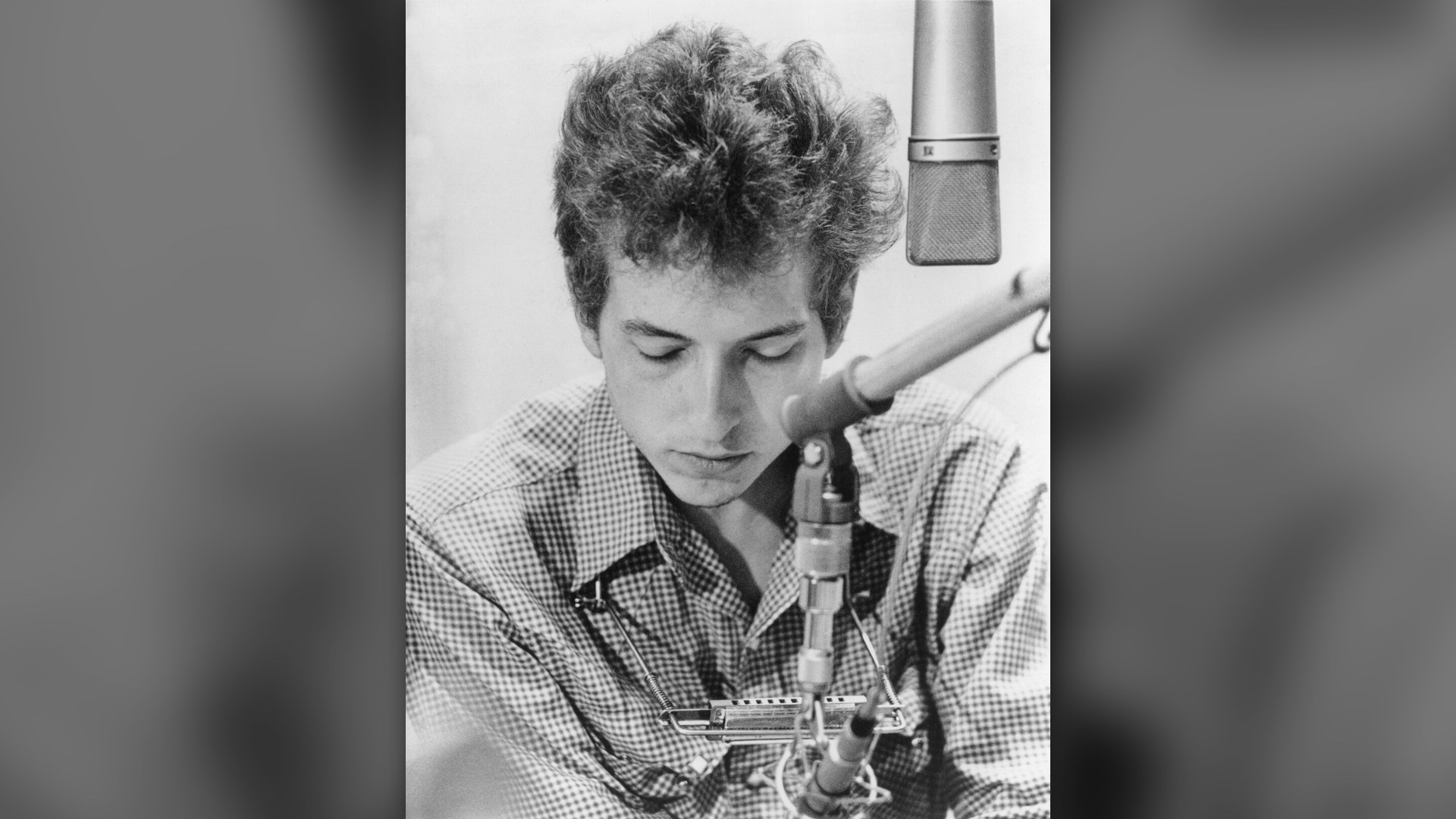
22. Bob Dylan
Folk and rock legend Bob Dylan made history in 2016 as the first songwriter awarded the Nobel Prize in Literature. Spanning six decades of influential lyricism from Blowin in the Wind to Visions of Johanna, Dylan elevated popular song into an enduring and recognized form of modern poetry.
©Wikimedia / Don Hunstein
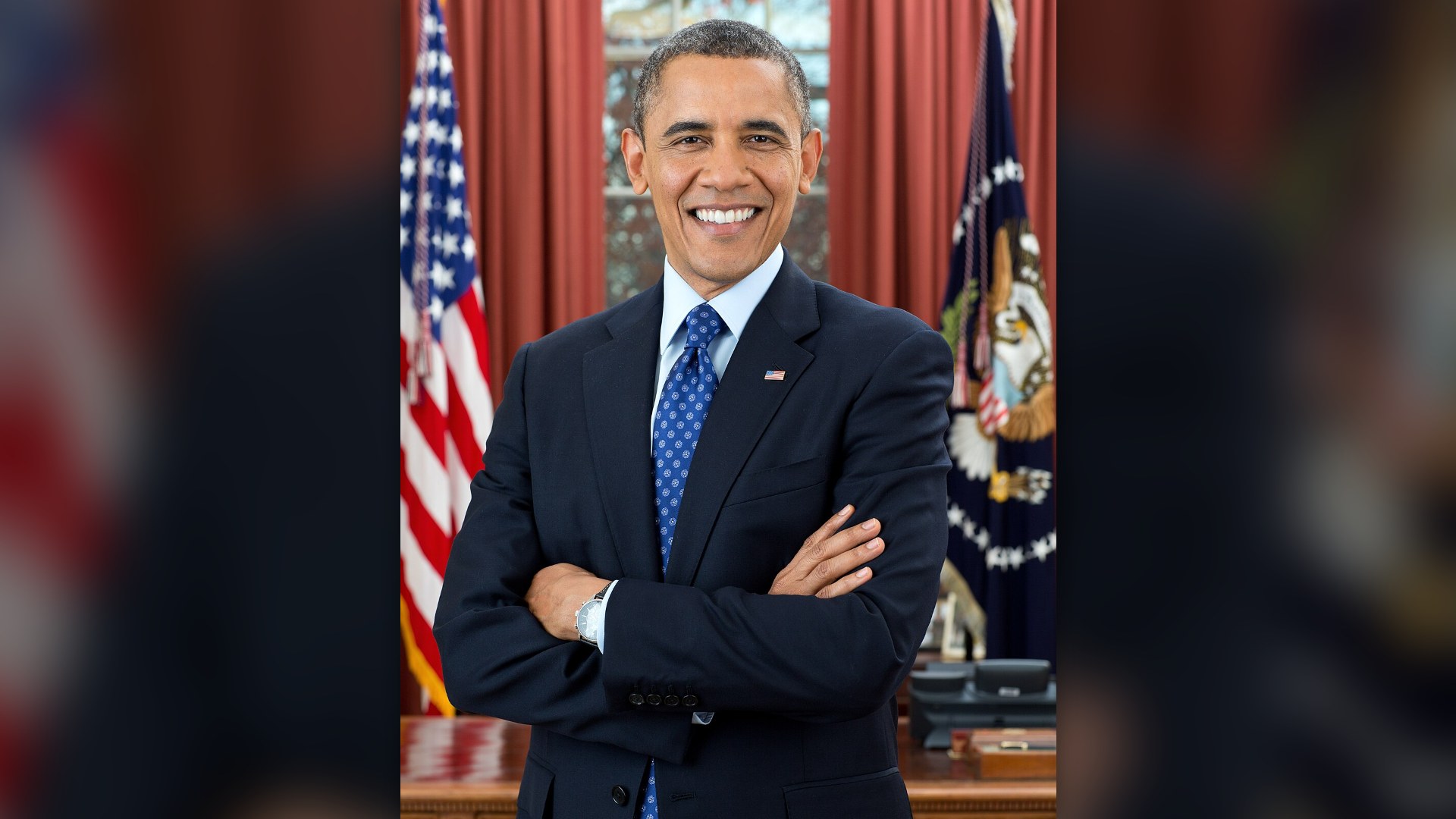
21. Barack Obama
Nine months into his presidency, Barack Obama received the 2009 Nobel Peace Prize for his commitment to diplomacy and a world free of nuclear weapons. His administration spearheaded the New START arms reduction treaty with Russia and fostered international accords including the 2015 Paris Climate Agreement.
©Wikimedia / Pete Souza
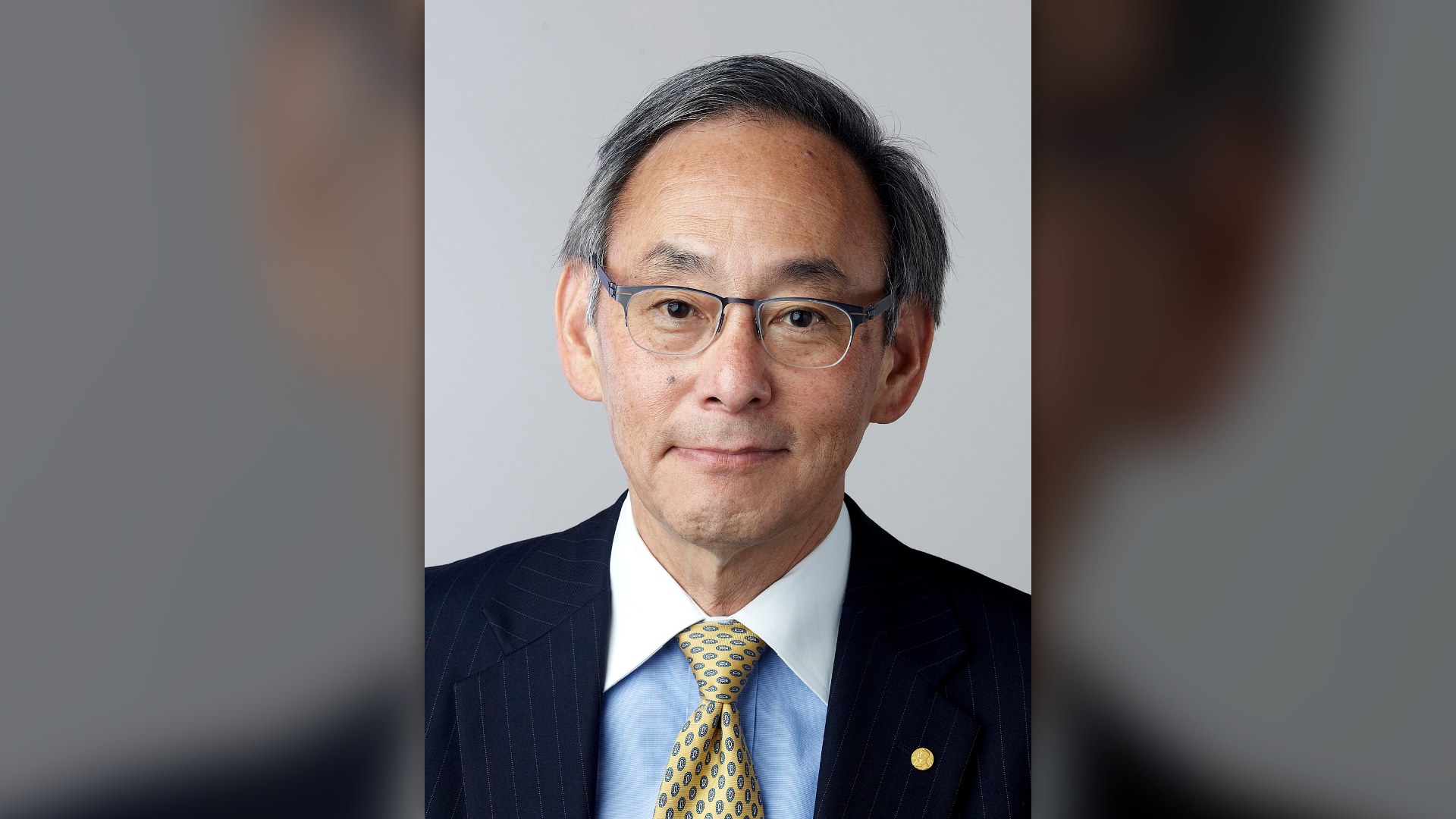
20. Steven Chu
Physicist Steven Chu pioneered optical molasses, using laser beams to slow down and trap gas atoms to near absolute zero. His 1997 Nobel Prize in Physics enabled ultra-precise atomic clocks, quantum interferometers, and new quantum measurements, and he later served as United States Secretary of Energy.
©Wikimedia / Royal Society
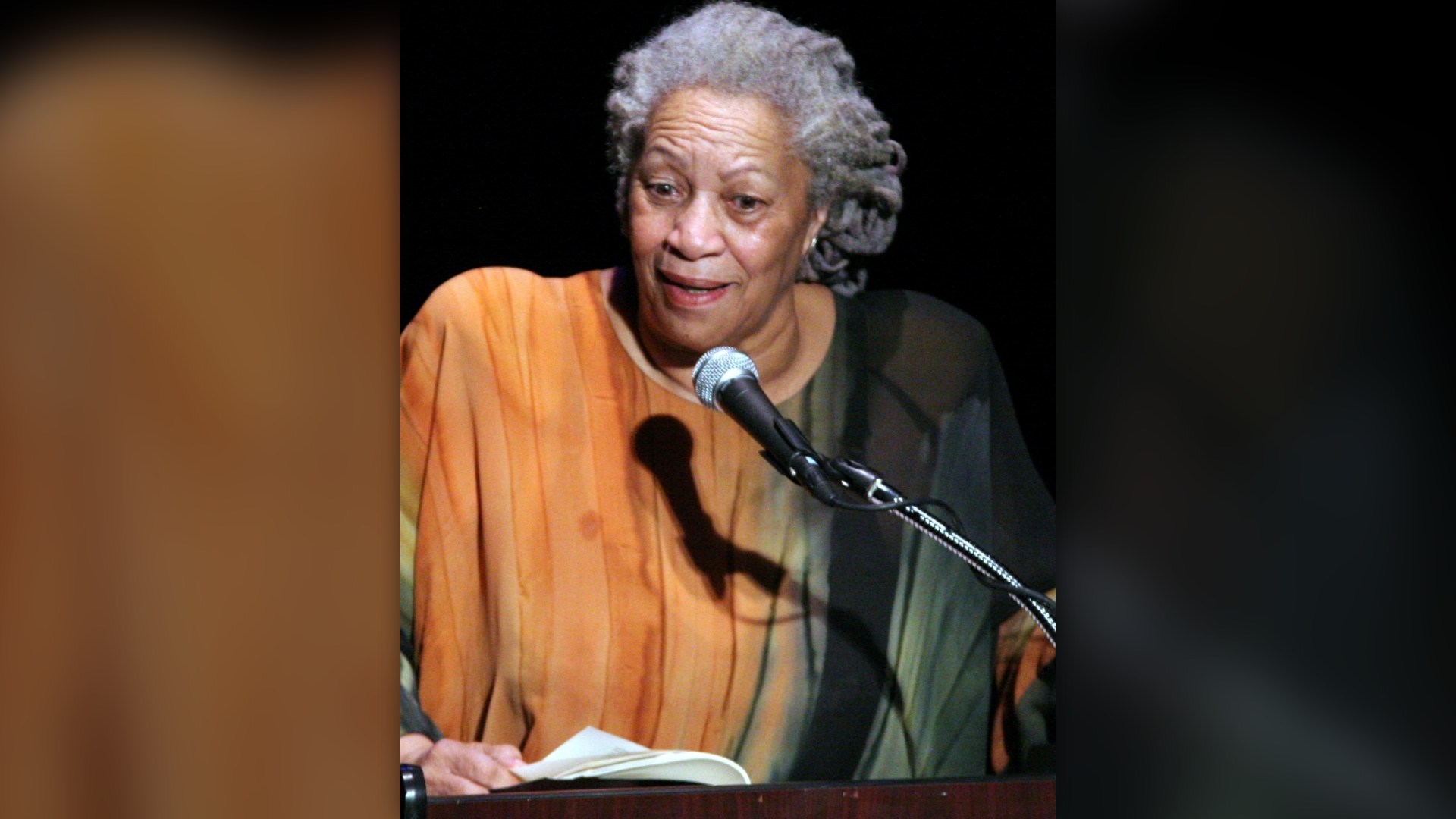
19. Toni Morrison
Author of celebrated American classics including Song of Solomon and Beloved, Toni Morrison was awarded the 1993 Nobel Prize in Literature. Her deeply poetic prose and historical honesty brought the complexity, resilience, and inner lives of Black Americans to the forefront of world literature.
©Wikimedia / Angela Radulescu
Advertisement
Swipe or tap ▶ to resume the countdown.
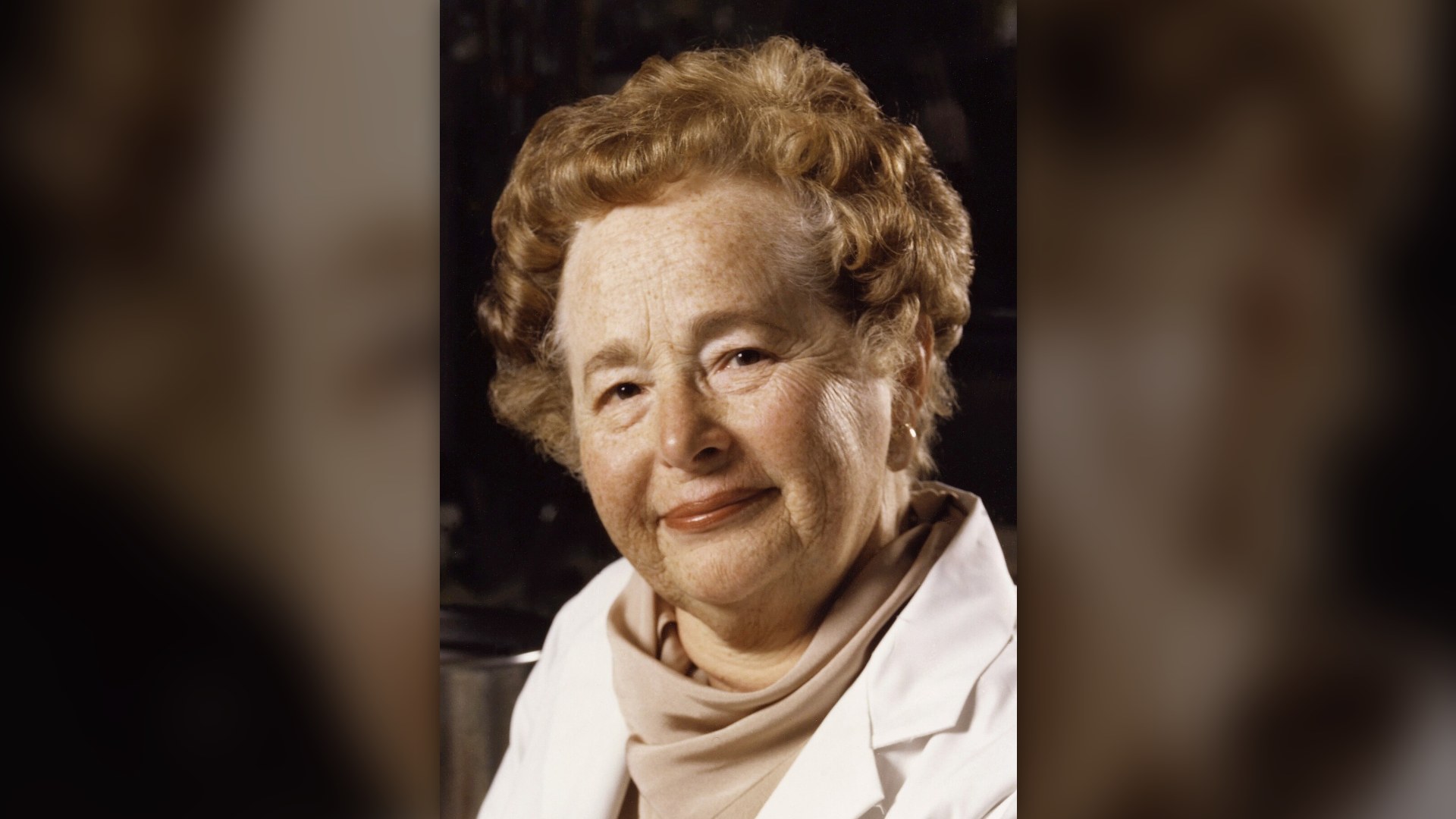
18. Gertrude B. Elion
Biochemist Gertrude B. Elion pioneered rational drug design based on cellular chemistry. Her 1988 Nobel Prize in Physiology or Medicine honored medications she developed for childhood leukemia, organ transplant rejection, malaria, and the antiviral acyclovir, saving millions of lives worldwide.
©Wikimedia / GlaxoSmithKline
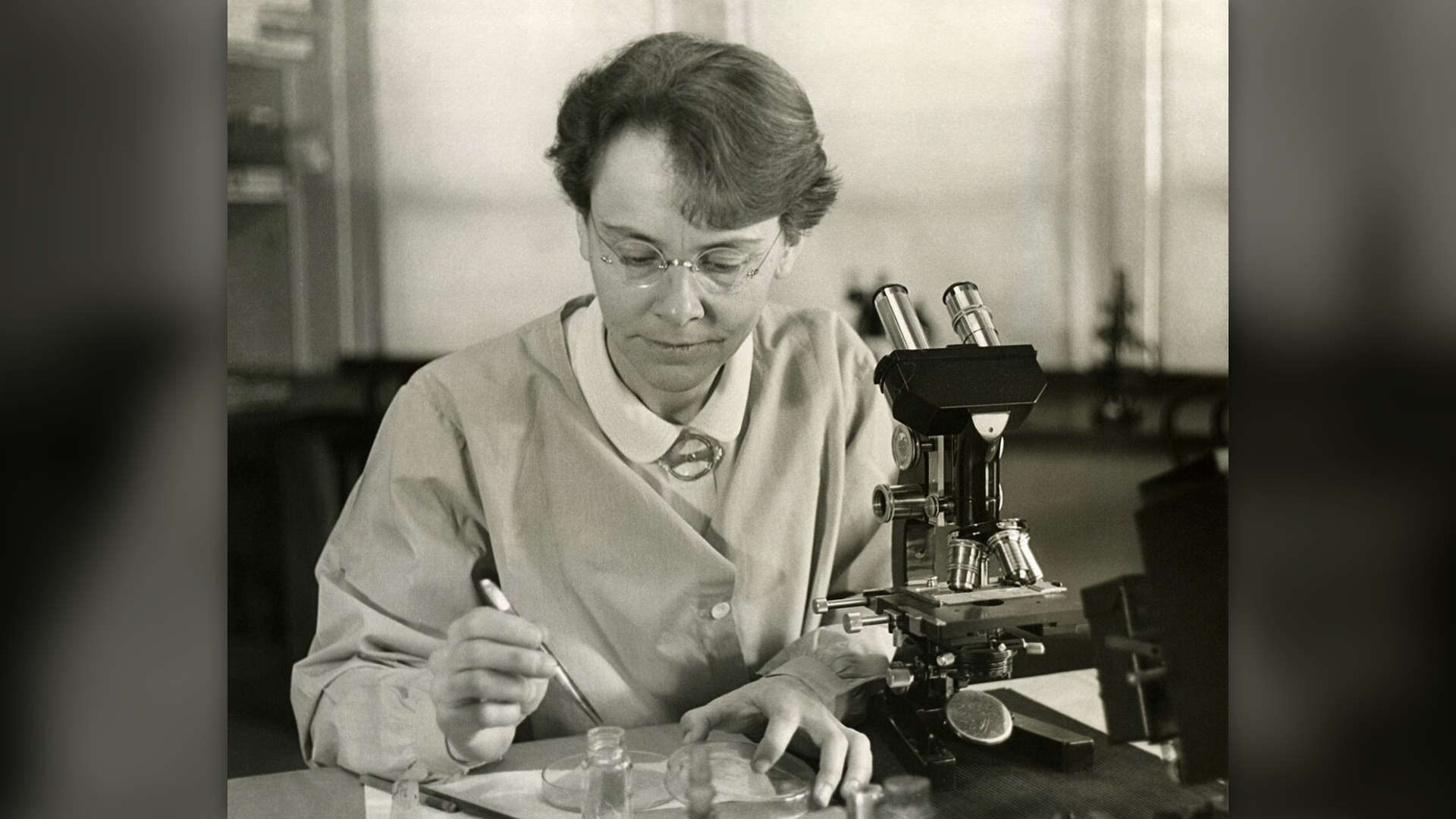
17. Barbara McClintock
Botanist Barbara McClintock spent decades studying inheritance in colorful maize kernels at Cold Spring Harbor. In 1983, she received an unshared Nobel Prize in Physiology or Medicine after the scientific world verified her discovery of transposons, or jumping genes, which move within genetic chromosomes.
©Wikimedia / Science Service
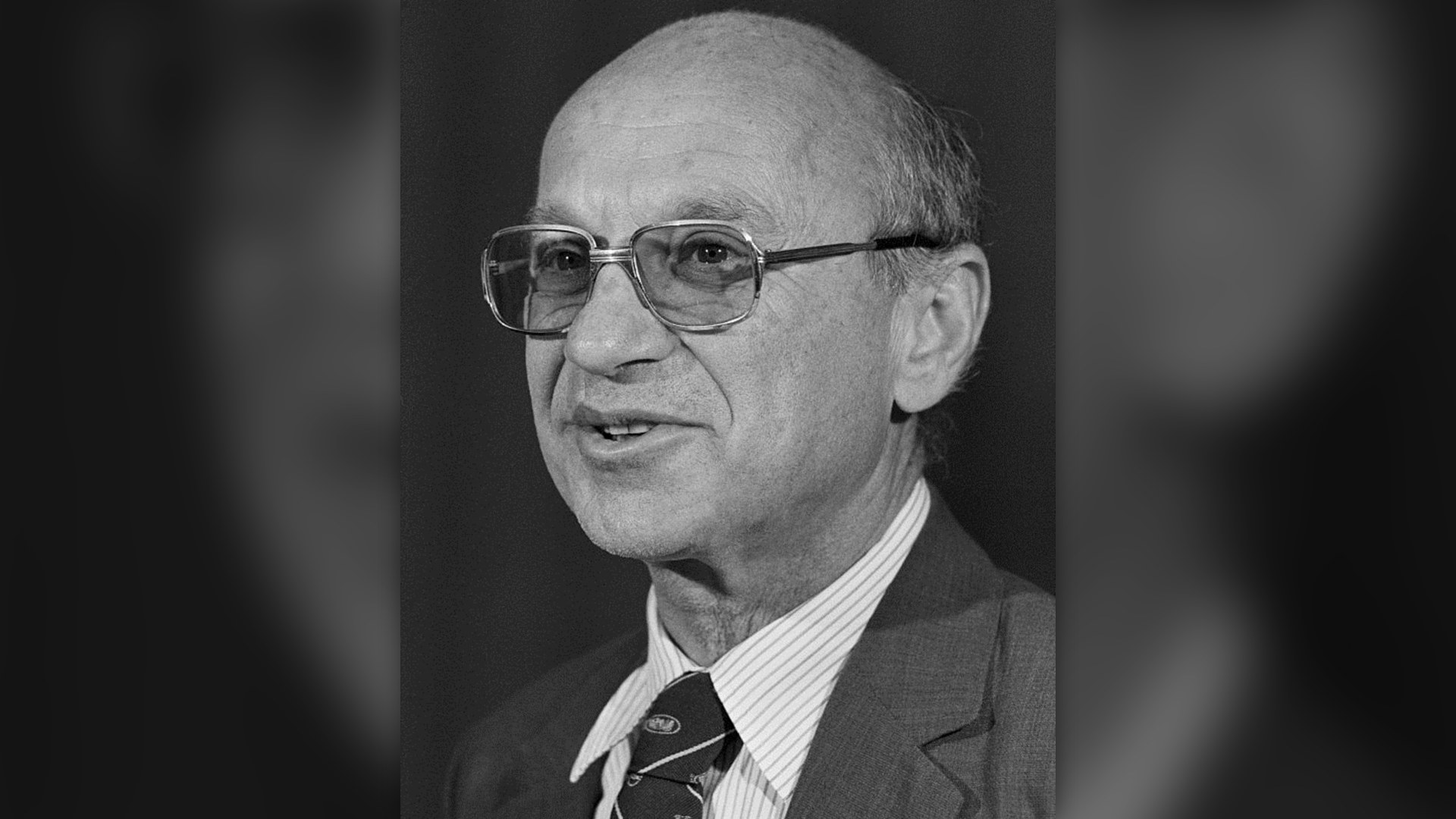
16. Milton Friedman
Leader of the Chicago School of economics, Milton Friedman was awarded the 1976 Nobel Memorial Prize in Economic Sciences. His monetary history demonstrated that sudden changes in money supply drive inflation and recessions, fundamentally altering central banking and economic policy around the globe.
©Wikimedia / UPI
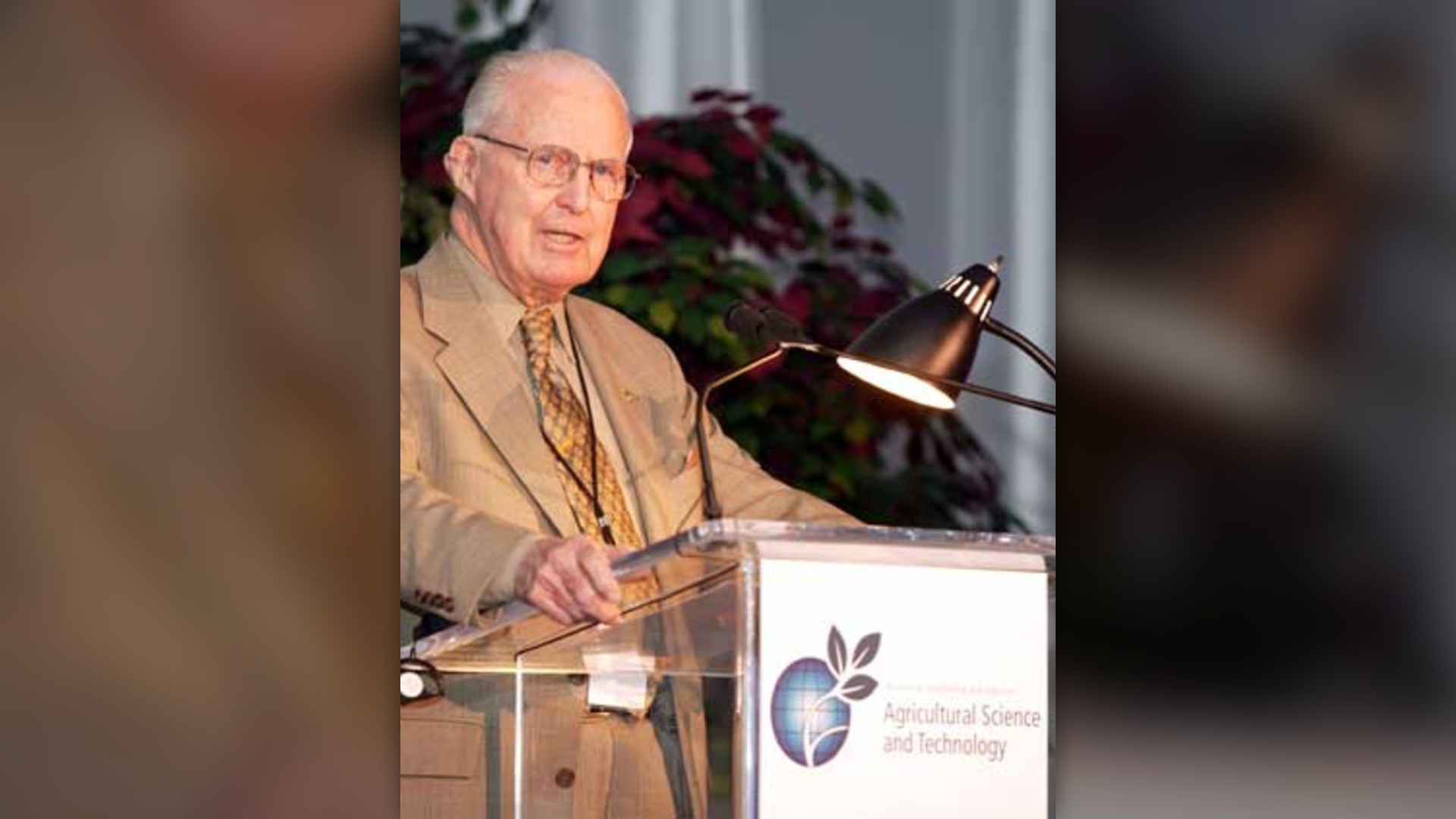
15. Norman Borlaug
Known as the father of the Green Revolution, agronomist Norman Borlaug bred semi-dwarf, disease-resistant wheat varieties in Mexico. Introduced across India, Pakistan, and developing regions facing starvation in the 1960s, his crops doubled agricultural yields and earned him the 1970 Nobel Peace Prize.
©Wikimedia / USDA
Advertisement
Swipe or tap ▶ to resume the countdown.
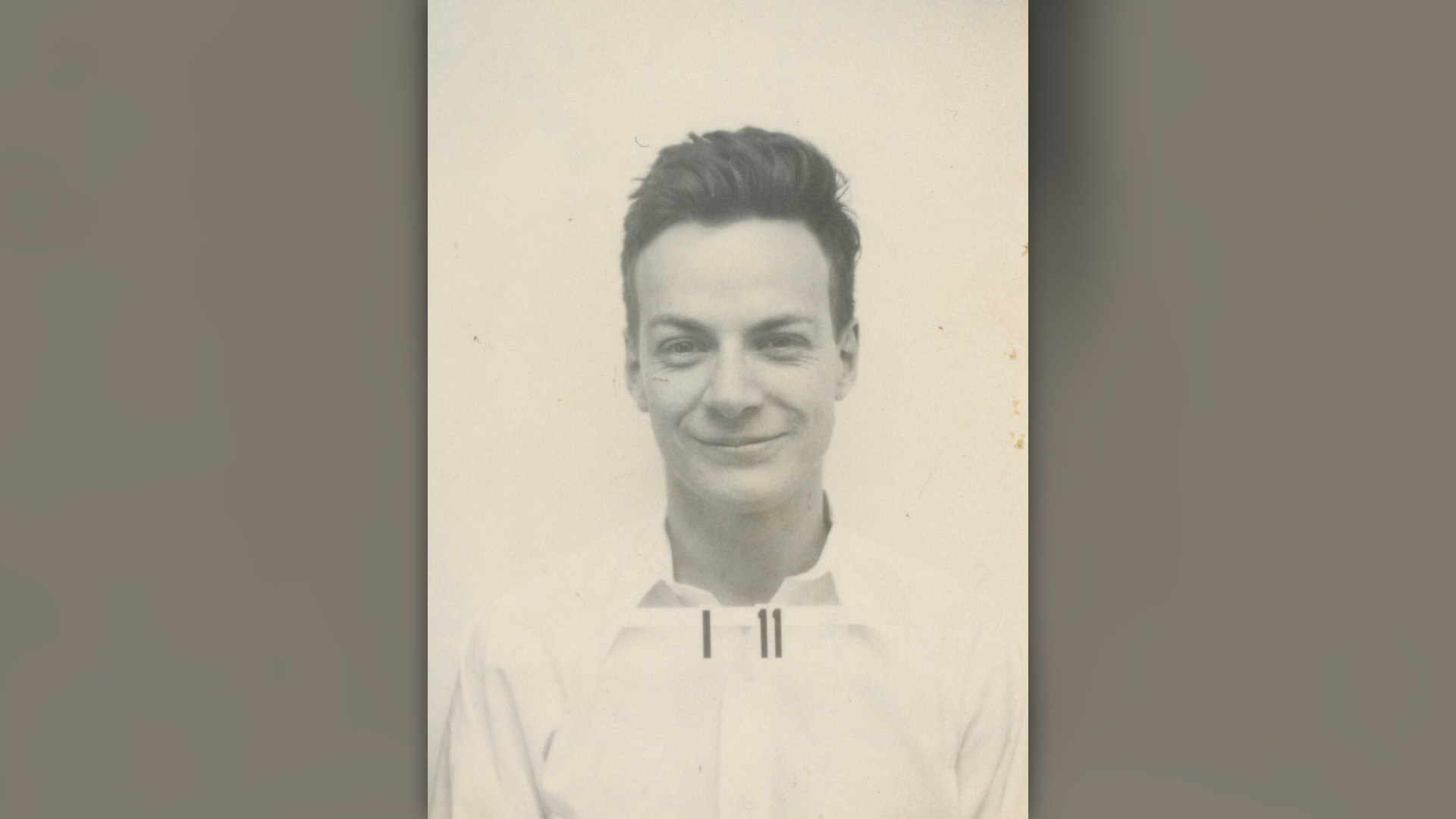
14. Richard Feynman
Theoretical physicist Richard Feynman solved major paradoxes in particle physics by creating quantum electrodynamics (QED). His intuitive Feynman diagrams allowed physicists to calculate subatomic collisions visually, earning him the 1965 Nobel Prize and inspiring future explorations into quantum computation.
©Wikimedia / Caltech
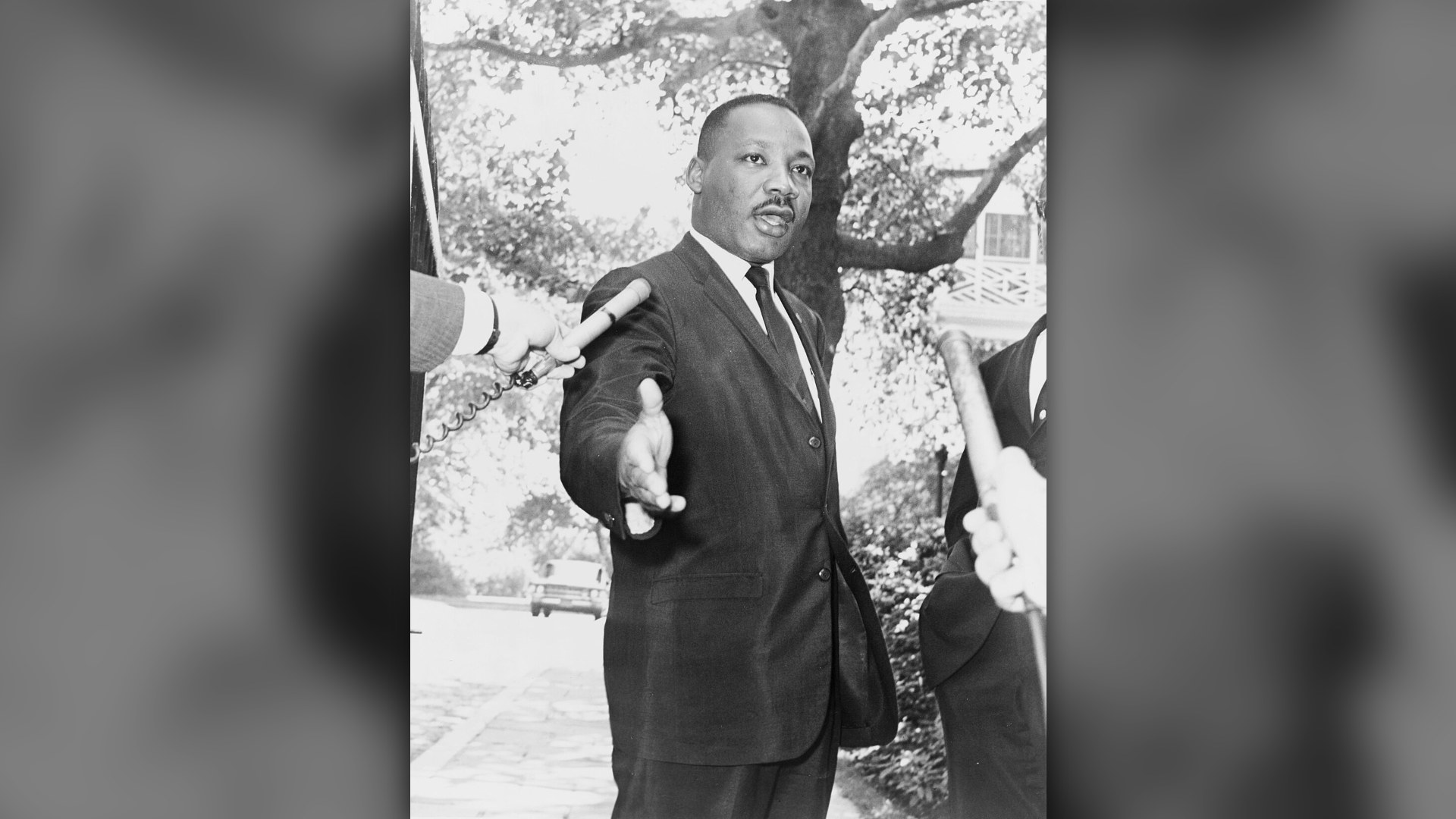
13. Martin Luther King Jr.
At age 35, Dr. Martin Luther King Jr. became the youngest male Nobel Peace Prize recipient in 1964. Championing nonviolent resistance through marches, boycotts, and moral persuasion, King forced the United States to confront racial segregation and pass historic federal civil and voting rights legislation.
©Wikimedia / Dick DeMarsico
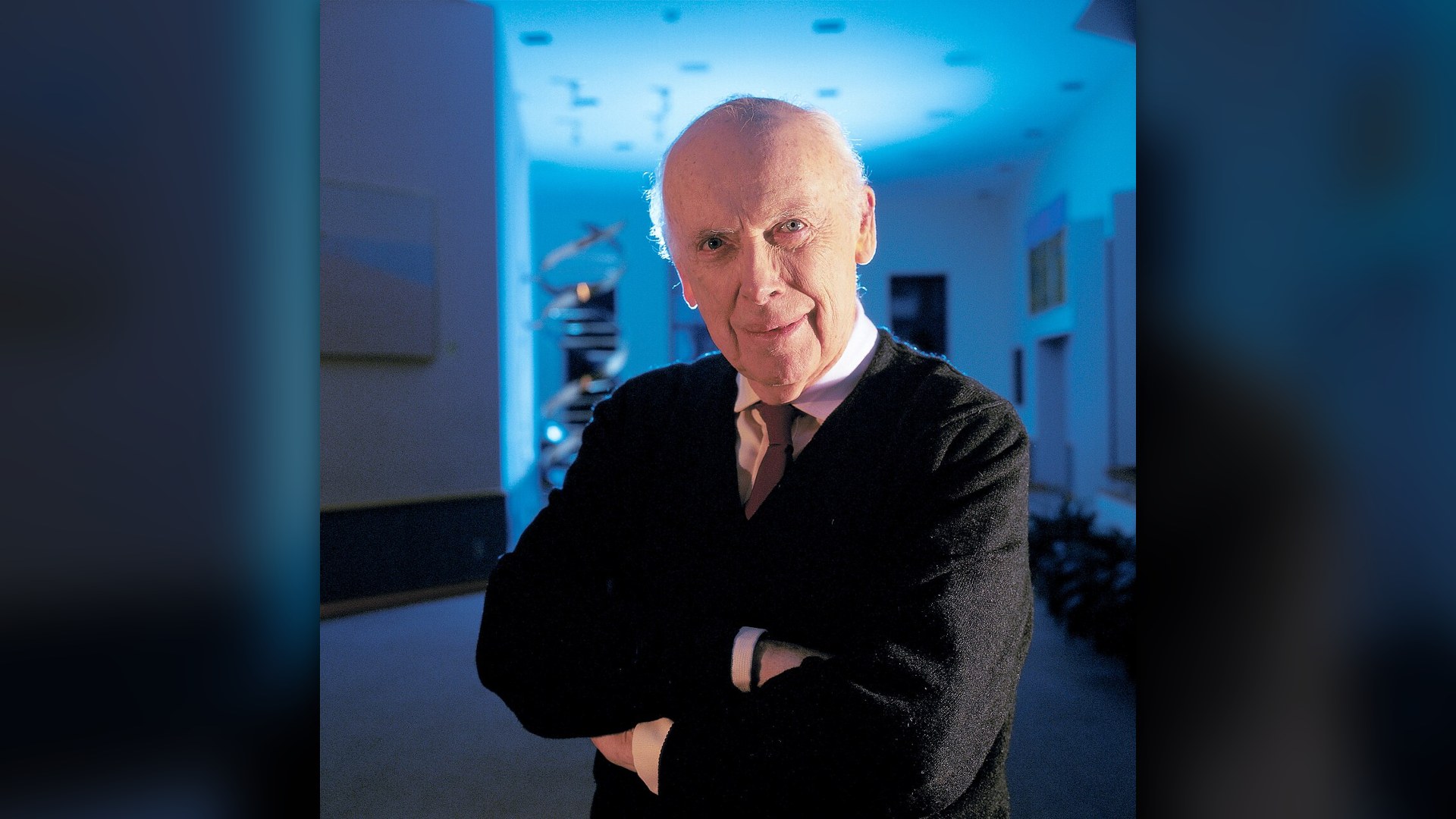
12. James Watson
In 1953, American geneticist James Watson and British colleague Francis Crick determined the double-helix architecture of deoxyribonucleic acid at Cambridge University. Their 1962 Nobel Prize in Physiology or Medicine explained how genetic codes replicate, establishing modern molecular biology and genomics.
©Wikimedia / Cold Spring Harbor Laboratory
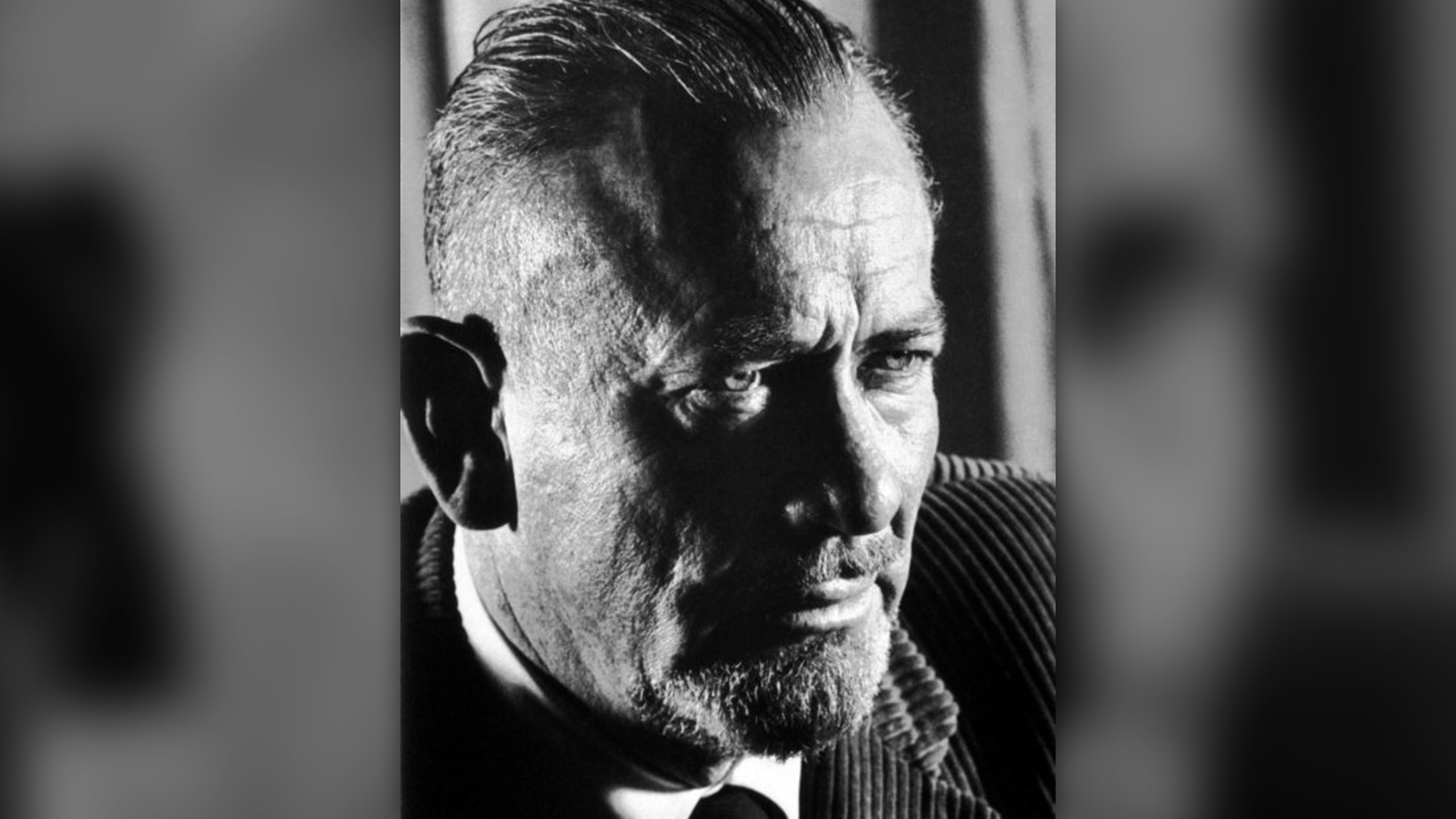
11. John Steinbeck
California author John Steinbeck gave voice to Dust Bowl migrants and displaced factory hands in landmark novels like The Grapes of Wrath and East of Eden. Awarded the 1962 Nobel Prize in Literature, Steinbeck combined social realism with moral conviction to illuminate the enduring struggles of everyday workers.
©Wikimedia / Nobel Foundation
Advertisement
Swipe or tap ▶ to resume the countdown.
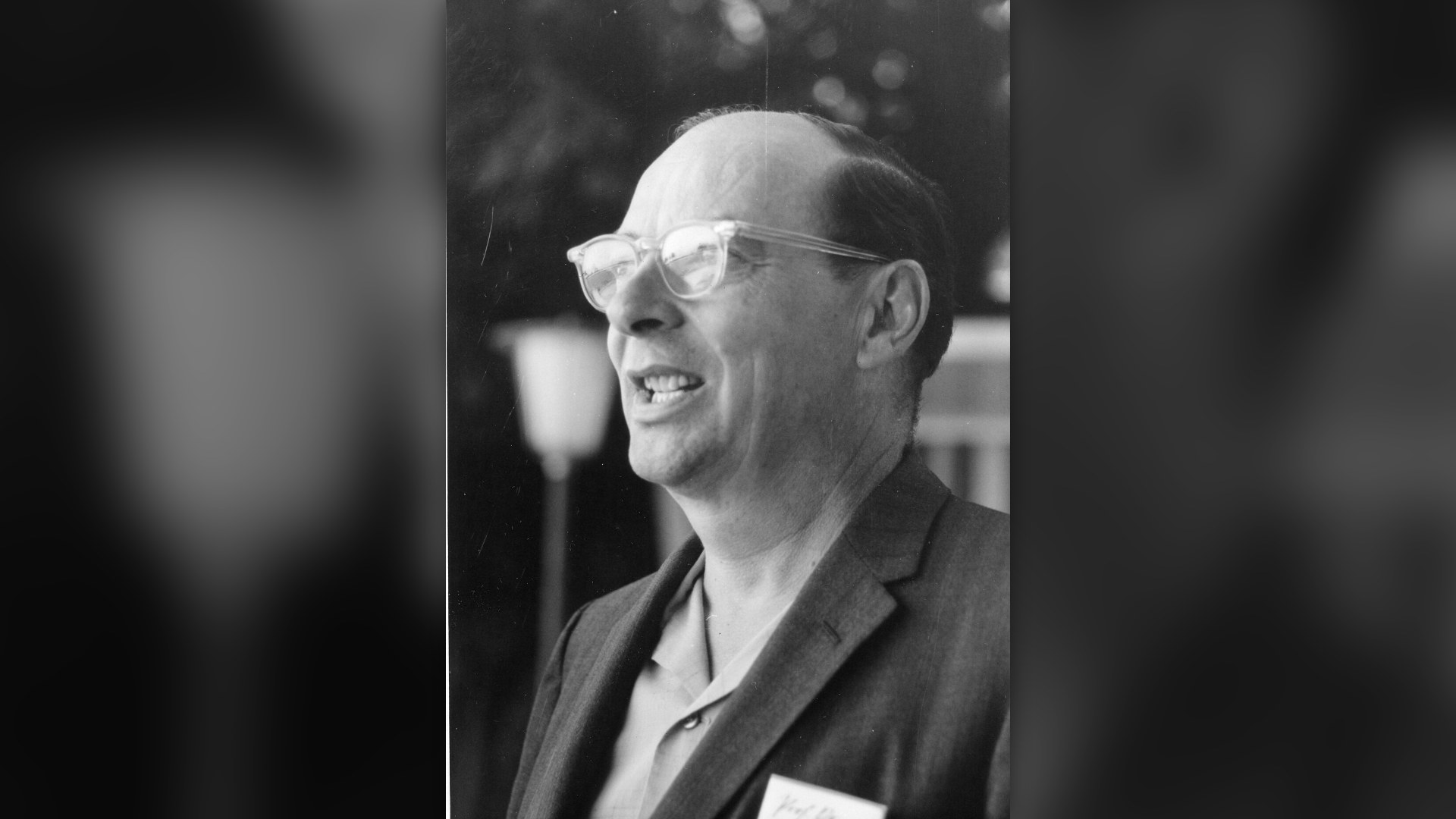
10. John Bardeen
Electrical engineer and physicist John Bardeen made history by winning two Physics Nobels. In 1956, he shared the prize for co-inventing the point-contact transistor at Bell Labs, which launched the digital computing age. In 1972, he won again for formulating the BCS theory explaining superconductivity.
©Wikimedia / Lindau Nobel Laureate Meetings
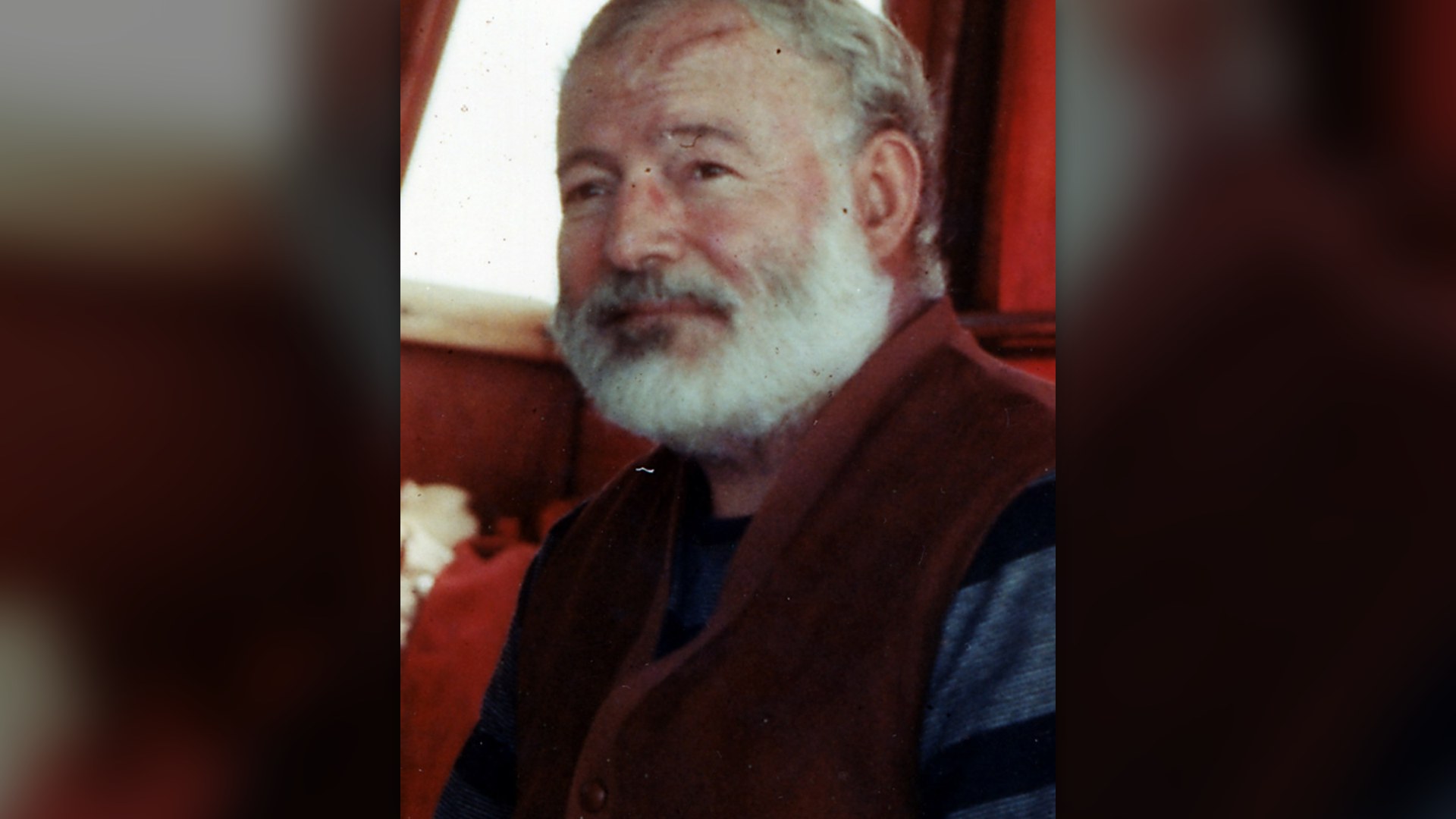
9. Ernest Hemingway
Ernest Hemingway revolutionized twentieth-century English prose by rejecting ornate Victorian prose in favor of short, declarative sentences. Celebrated for The Old Man and the Sea and A Farewell to Arms, his 1954 Nobel Prize in Literature recognized a spare narrative style that permanently altered modern fiction.
©Wikimedia / John F. Kennedy Library
8. Linus Pauling
Linus Pauling won the 1954 Nobel Prize in Chemistry for deciphering the fundamental nature of chemical bonds. Eight years later, he was awarded the 1962 Nobel Peace Prize for his relentless grassroots crusade against atmospheric nuclear weapons testing, culminating in the historic 1963 Test Ban Treaty.
©Wikimedia / Svenskt Pressfoto
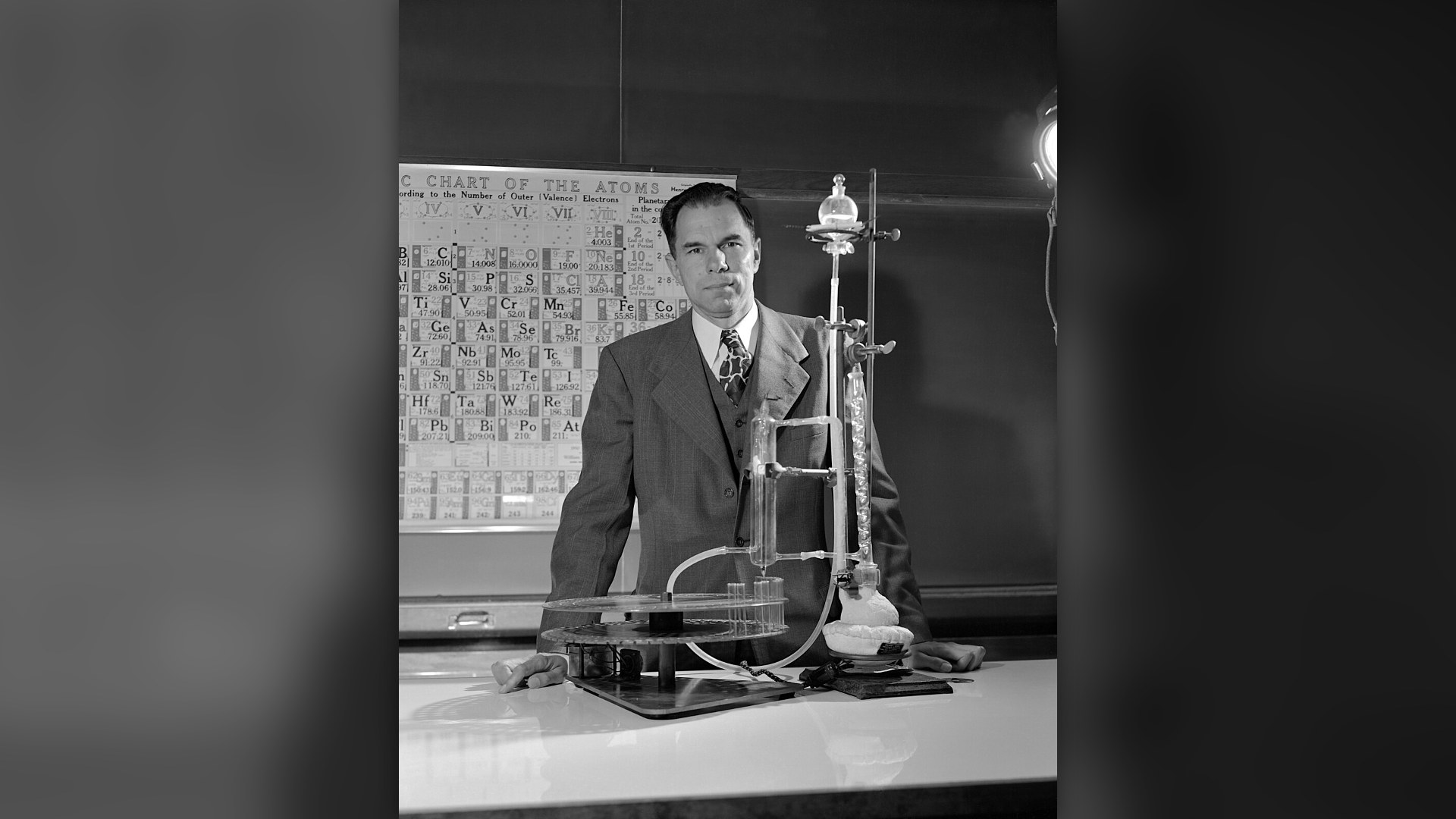
7. Glenn Seaborg
Nuclear chemist Glenn Seaborg co-discovered plutonium in 1940 and led the synthesis of nine other transuranic elements at UC Berkeley. His actinide concept redrew the periodic table of elements, earning him the 1951 Nobel Prize in Chemistry and advancing both atomic energy and nuclear medicine.
©Wikimedia / Department of Energy
Advertisement
Swipe or tap ▶ to resume the countdown.
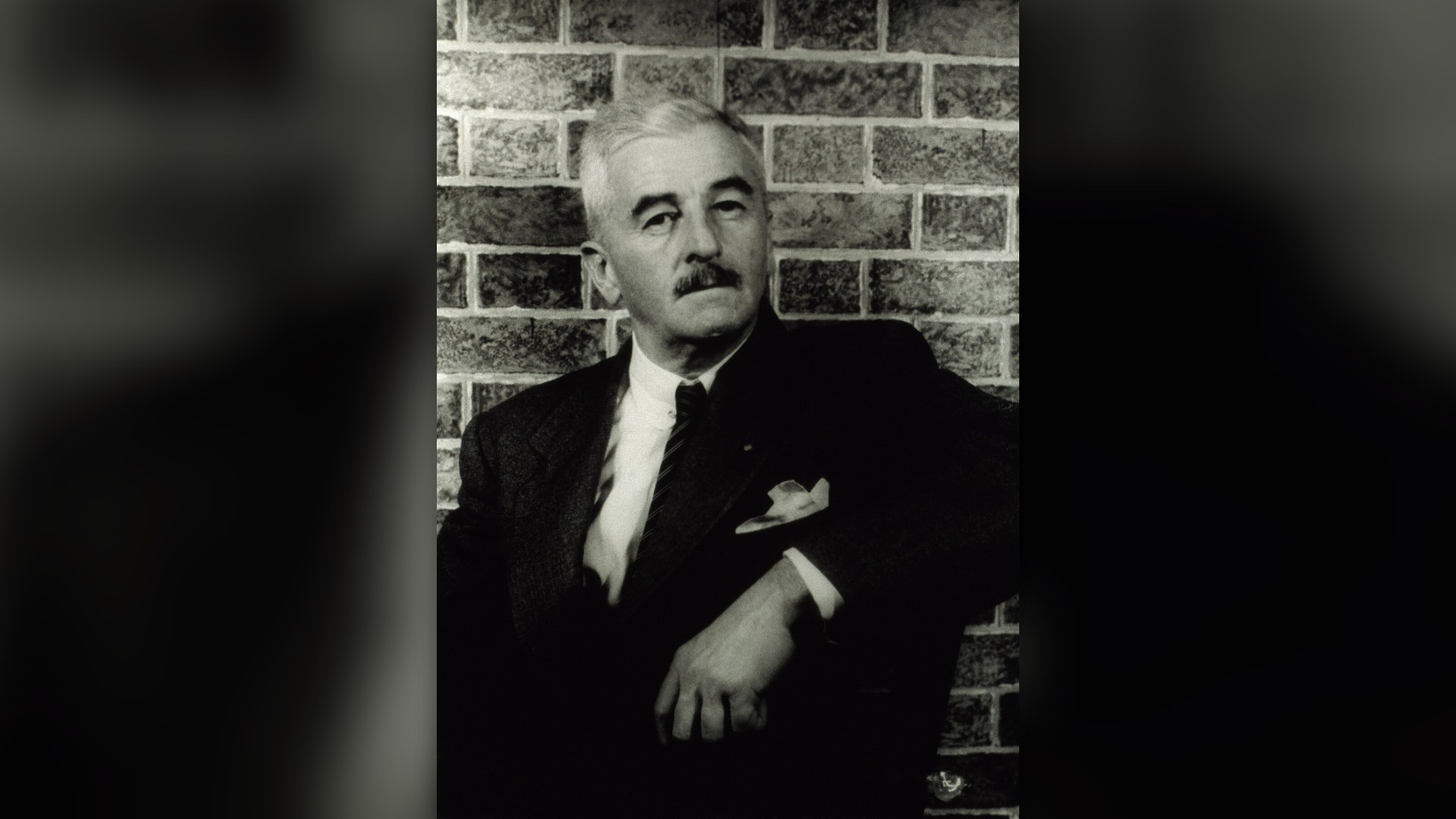
6. William Faulkner
Novelist William Faulkner created the fictional Yoknapatawpha County in Mississippi to explore universal themes of pride, guilt, race, and time. His complex stream-of-consciousness masterpieces like The Sound and the Fury earned him the 1949 Nobel Prize in Literature, redefining twentieth-century narrative fiction.
©Wikimedia / Carl Van Vechten
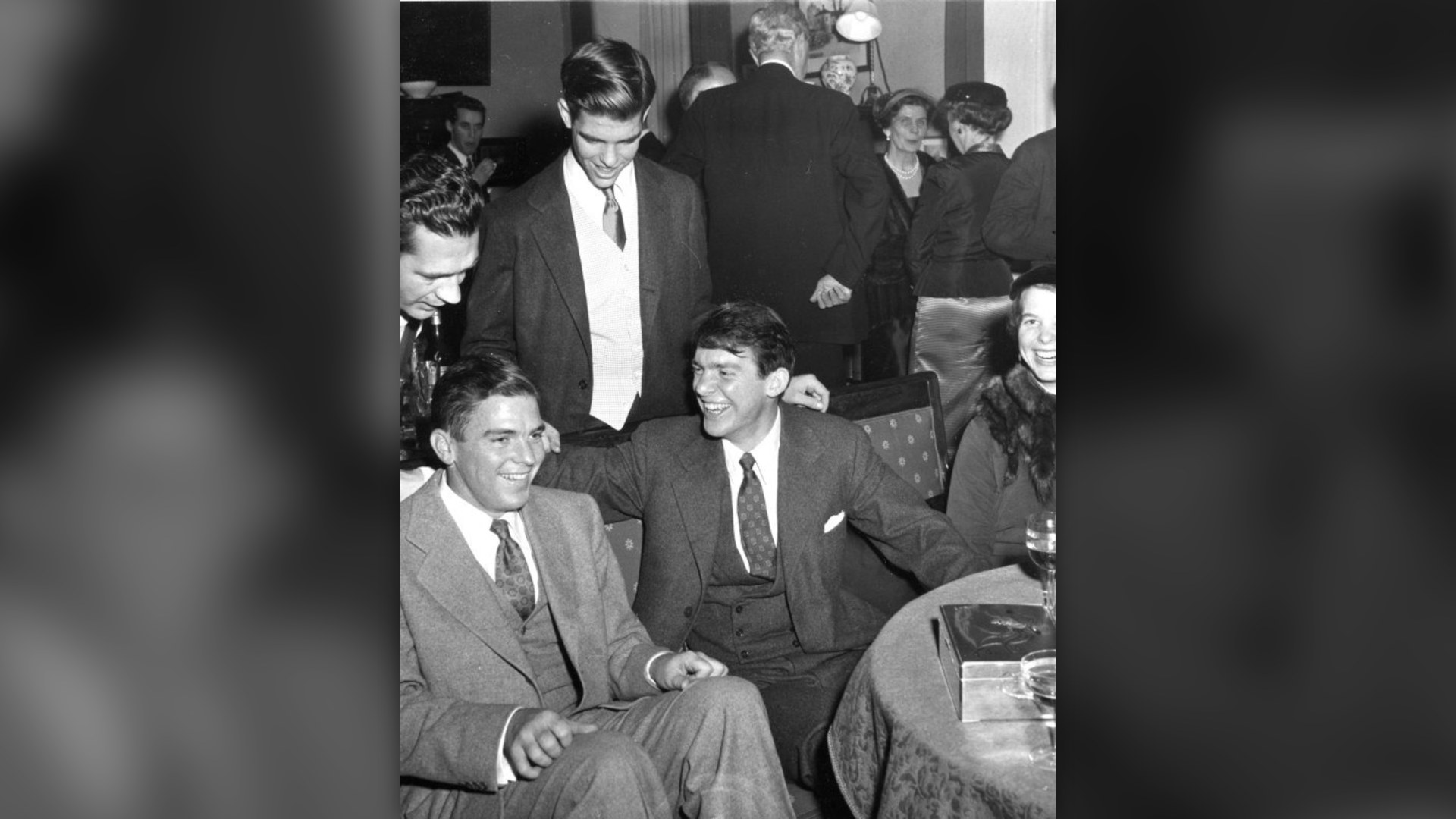
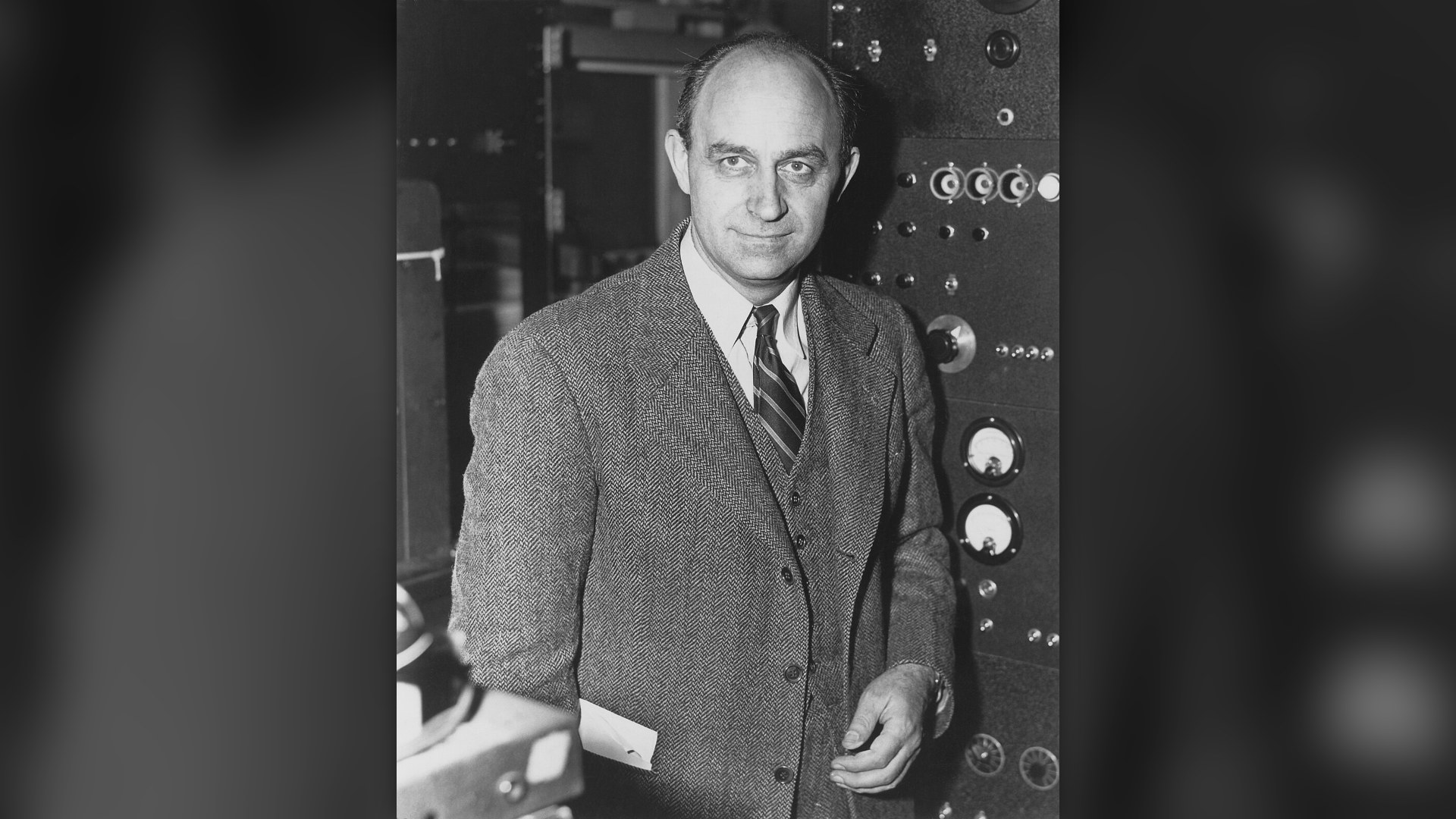
5. Enrico Fermi
Italian-born physicist Enrico Fermi was awarded the 1938 Nobel Prize for discovering artificial radioactivity produced by neutron bombardment. Fleeing fascism to the United States, he designed and directed Chicago Pile-1 in 1942, achieving the world's first self-sustaining controlled nuclear chain reaction.
©Wikimedia / Department of Energy
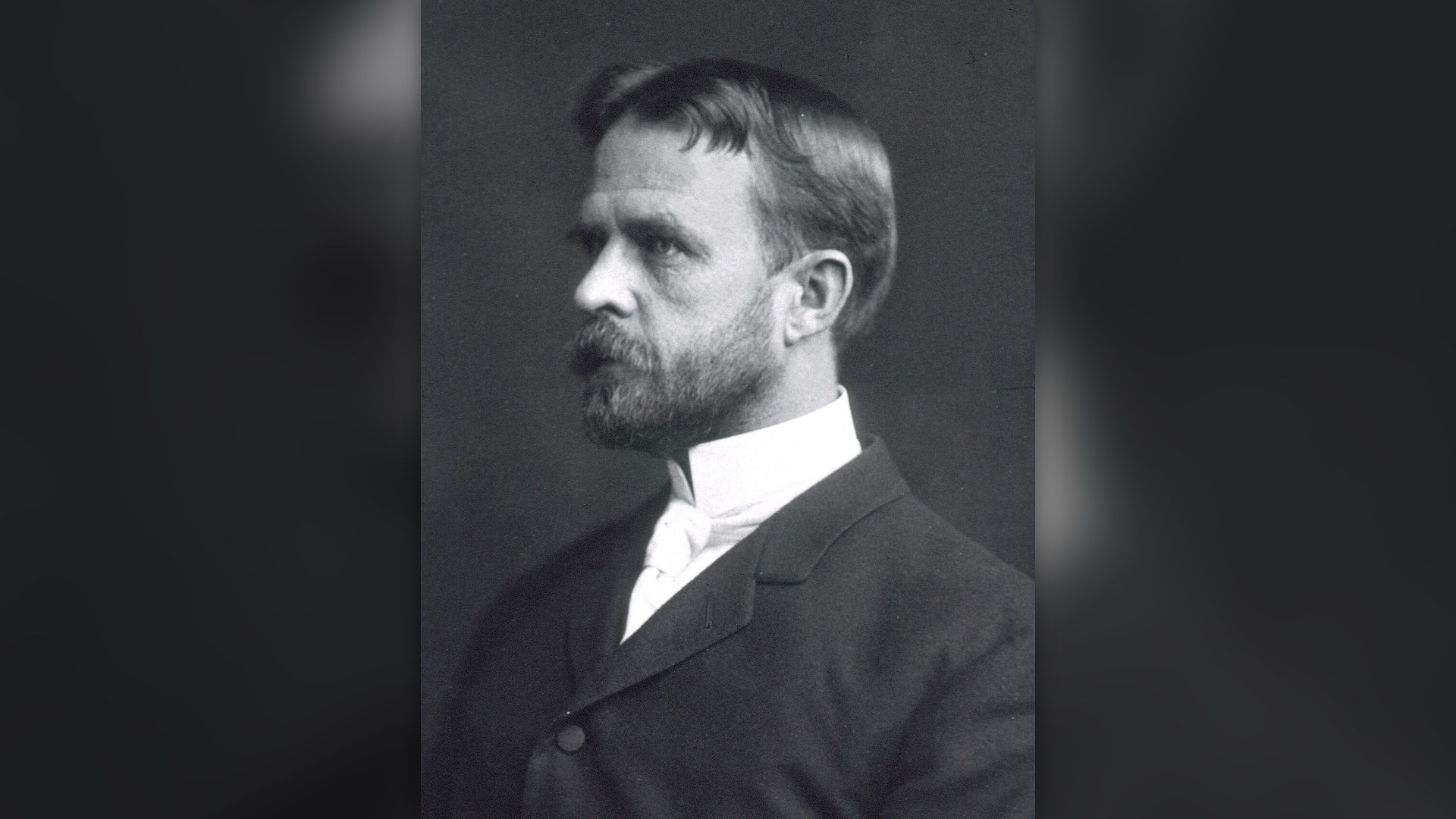
4. Thomas Hunt Morgan
Working in Columbia University's legendary Fly Room, evolutionary biologist Thomas Hunt Morgan bred millions of fruit flies to study inheritance patterns. His 1933 Nobel Prize in Physiology or Medicine confirmed that genes reside on chromosomes, founding the discipline of modern experimental genetics.
©Wikimedia / Science Service
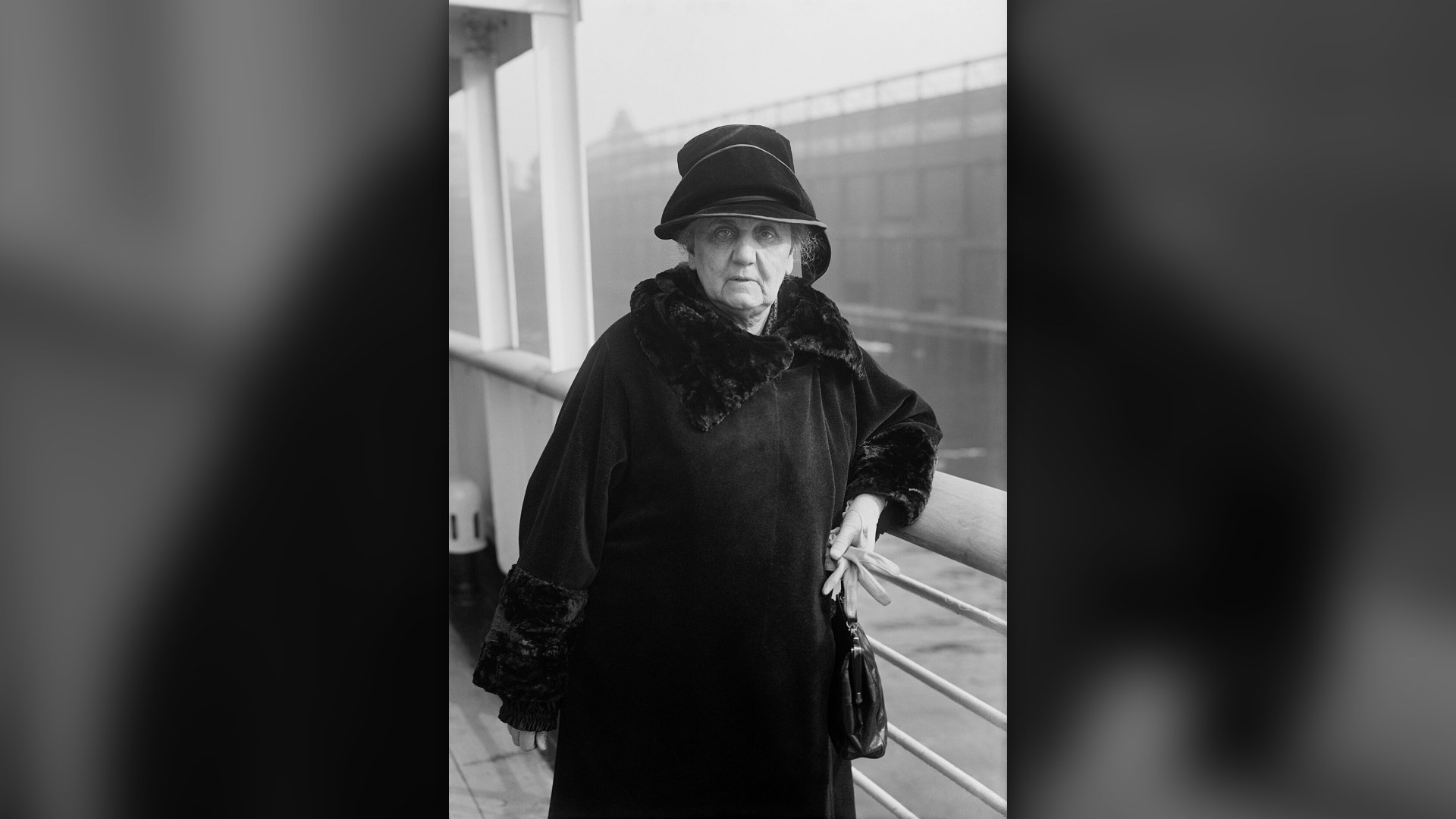
3. Jane Addams
Social reformer Jane Addams co-founded Chicago's famous Hull House in 1889 to aid immigrant families. She led the Women's International League for Peace and Freedom through World War I, becoming the first American woman to win the Nobel Peace Prize in 1931 for her tireless campaign to resolve international conflict.
©Wikimedia / Bain News Service
Advertisement
Swipe or tap ▶ to resume the countdown.
2. Albert Einstein
While famous worldwide for general relativity, Albert Einstein received the 1921 Nobel Prize in Physics for discovering the law of the photoelectric effect. Emigrating to America in 1933 and becoming a citizen in 1940, his quantum insights laid the theoretical groundwork for solar cells, lasers, and modern electronics.
©Wikimedia / Oren Jack Turner
1. Theodore Roosevelt
In 1906, President Theodore Roosevelt was awarded the Nobel Peace Prize for mediating the Treaty of Portsmouth, successfully ending the bloody Russo-Japanese War. He was the first American to receive a Nobel Prize in any category, establishing the United States as a decisive diplomatic force on the world stage.
©Wikimedia / M. P. Rice
Advertisement
You've reached the end of the story. Thanks for reading!

22 Most Secret World War II Aircraft Tested Behind Closed Doors
Between 1939 and 1945, Allied and Axis engineers built jets, flying wings and rocket interceptors in deep wartime secrecy. Ranked from 22 to 1 by historical secrecy and technical leap, this countdown draws on archival records from the Smithsonian, U.S. Air Force Museum, RAF Museum and German Federal Archives.
All 25 Entries in this Story
25. Jennifer Doudna
UC Berkeley biochemist Jennifer Doudna and Emmanuelle Charpentier shared the 2020 Nobel Prize in Chemistry for discovering CRISPR-Cas9 genetic scissors. Their tool rewrites the code of life with extreme precision, opening revolutionary ways to cure genetic diseases and breed resilient agricultural crops.

24. Arthur Ashkin
At age 96, Bell Labs physicist Arthur Ashkin became the oldest person to receive a Nobel Prize in 2018. His invention of optical tweezers used focused laser light pressure to grab and hold living bacteria, viruses, and cellular machinery without harming them, transforming biological physics.

23. Frances Arnold
Caltech biochemical engineer Frances Arnold harnessed natural selection inside laboratory test tubes to evolve proteins with tailored traits. Her 2018 Nobel Prize in Chemistry honored methods that replace toxic industrial chemical processes with clean biological enzymes, producing greener fuels and pharmaceuticals.

22. Bob Dylan
Folk and rock legend Bob Dylan made history in 2016 as the first songwriter awarded the Nobel Prize in Literature. Spanning six decades of influential lyricism from Blowin in the Wind to Visions of Johanna, Dylan elevated popular song into an enduring and recognized form of modern poetry.

21. Barack Obama
Nine months into his presidency, Barack Obama received the 2009 Nobel Peace Prize for his commitment to diplomacy and a world free of nuclear weapons. His administration spearheaded the New START arms reduction treaty with Russia and fostered international accords including the 2015 Paris Climate Agreement.

20. Steven Chu
Physicist Steven Chu pioneered optical molasses, using laser beams to slow down and trap gas atoms to near absolute zero. His 1997 Nobel Prize in Physics enabled ultra-precise atomic clocks, quantum interferometers, and new quantum measurements, and he later served as United States Secretary of Energy.

19. Toni Morrison
Author of celebrated American classics including Song of Solomon and Beloved, Toni Morrison was awarded the 1993 Nobel Prize in Literature. Her deeply poetic prose and historical honesty brought the complexity, resilience, and inner lives of Black Americans to the forefront of world literature.

18. Gertrude B. Elion
Biochemist Gertrude B. Elion pioneered rational drug design based on cellular chemistry. Her 1988 Nobel Prize in Physiology or Medicine honored medications she developed for childhood leukemia, organ transplant rejection, malaria, and the antiviral acyclovir, saving millions of lives worldwide.

17. Barbara McClintock
Botanist Barbara McClintock spent decades studying inheritance in colorful maize kernels at Cold Spring Harbor. In 1983, she received an unshared Nobel Prize in Physiology or Medicine after the scientific world verified her discovery of transposons, or jumping genes, which move within genetic chromosomes.

16. Milton Friedman
Leader of the Chicago School of economics, Milton Friedman was awarded the 1976 Nobel Memorial Prize in Economic Sciences. His monetary history demonstrated that sudden changes in money supply drive inflation and recessions, fundamentally altering central banking and economic policy around the globe.

15. Norman Borlaug
Known as the father of the Green Revolution, agronomist Norman Borlaug bred semi-dwarf, disease-resistant wheat varieties in Mexico. Introduced across India, Pakistan, and developing regions facing starvation in the 1960s, his crops doubled agricultural yields and earned him the 1970 Nobel Peace Prize.

14. Richard Feynman
Theoretical physicist Richard Feynman solved major paradoxes in particle physics by creating quantum electrodynamics (QED). His intuitive Feynman diagrams allowed physicists to calculate subatomic collisions visually, earning him the 1965 Nobel Prize and inspiring future explorations into quantum computation.

13. Martin Luther King Jr.
At age 35, Dr. Martin Luther King Jr. became the youngest male Nobel Peace Prize recipient in 1964. Championing nonviolent resistance through marches, boycotts, and moral persuasion, King forced the United States to confront racial segregation and pass historic federal civil and voting rights legislation.

12. James Watson
In 1953, American geneticist James Watson and British colleague Francis Crick determined the double-helix architecture of deoxyribonucleic acid at Cambridge University. Their 1962 Nobel Prize in Physiology or Medicine explained how genetic codes replicate, establishing modern molecular biology and genomics.

11. John Steinbeck
California author John Steinbeck gave voice to Dust Bowl migrants and displaced factory hands in landmark novels like The Grapes of Wrath and East of Eden. Awarded the 1962 Nobel Prize in Literature, Steinbeck combined social realism with moral conviction to illuminate the enduring struggles of everyday workers.

10. John Bardeen
Electrical engineer and physicist John Bardeen made history by winning two Physics Nobels. In 1956, he shared the prize for co-inventing the point-contact transistor at Bell Labs, which launched the digital computing age. In 1972, he won again for formulating the BCS theory explaining superconductivity.

9. Ernest Hemingway
Ernest Hemingway revolutionized twentieth-century English prose by rejecting ornate Victorian prose in favor of short, declarative sentences. Celebrated for The Old Man and the Sea and A Farewell to Arms, his 1954 Nobel Prize in Literature recognized a spare narrative style that permanently altered modern fiction.

8. Linus Pauling
Linus Pauling won the 1954 Nobel Prize in Chemistry for deciphering the fundamental nature of chemical bonds. Eight years later, he was awarded the 1962 Nobel Peace Prize for his relentless grassroots crusade against atmospheric nuclear weapons testing, culminating in the historic 1963 Test Ban Treaty.

7. Glenn Seaborg
Nuclear chemist Glenn Seaborg co-discovered plutonium in 1940 and led the synthesis of nine other transuranic elements at UC Berkeley. His actinide concept redrew the periodic table of elements, earning him the 1951 Nobel Prize in Chemistry and advancing both atomic energy and nuclear medicine.

6. William Faulkner
Novelist William Faulkner created the fictional Yoknapatawpha County in Mississippi to explore universal themes of pride, guilt, race, and time. His complex stream-of-consciousness masterpieces like The Sound and the Fury earned him the 1949 Nobel Prize in Literature, redefining twentieth-century narrative fiction.

5. Enrico Fermi
Italian-born physicist Enrico Fermi was awarded the 1938 Nobel Prize for discovering artificial radioactivity produced by neutron bombardment. Fleeing fascism to the United States, he designed and directed Chicago Pile-1 in 1942, achieving the world's first self-sustaining controlled nuclear chain reaction.

4. Thomas Hunt Morgan
Working in Columbia University's legendary Fly Room, evolutionary biologist Thomas Hunt Morgan bred millions of fruit flies to study inheritance patterns. His 1933 Nobel Prize in Physiology or Medicine confirmed that genes reside on chromosomes, founding the discipline of modern experimental genetics.

3. Jane Addams
Social reformer Jane Addams co-founded Chicago's famous Hull House in 1889 to aid immigrant families. She led the Women's International League for Peace and Freedom through World War I, becoming the first American woman to win the Nobel Peace Prize in 1931 for her tireless campaign to resolve international conflict.

2. Albert Einstein
While famous worldwide for general relativity, Albert Einstein received the 1921 Nobel Prize in Physics for discovering the law of the photoelectric effect. Emigrating to America in 1933 and becoming a citizen in 1940, his quantum insights laid the theoretical groundwork for solar cells, lasers, and modern electronics.

1. Theodore Roosevelt
In 1906, President Theodore Roosevelt was awarded the Nobel Peace Prize for mediating the Treaty of Portsmouth, successfully ending the bloody Russo-Japanese War. He was the first American to receive a Nobel Prize in any category, establishing the United States as a decisive diplomatic force on the world stage.