Slideshow · Viral
25 Childhood Behaviors Pediatricians Say Are Worth Discussing
Early childhood behaviors often reveal crucial developmental and emotional challenges. Discover twenty-five subtle warning signs pediatric psychologists advise parents to monitor.


















All 25 Entries in this Story
25. Chronic Sleep Terror And Agitation
Occasional bad dreams are a normal part of growing up, but intense nocturnal panic accompanied by daytime volatility can signal emotional trauma. When children wake in prolonged distress several nights a week, pediatric neurologists recommend formal sleep evaluations.
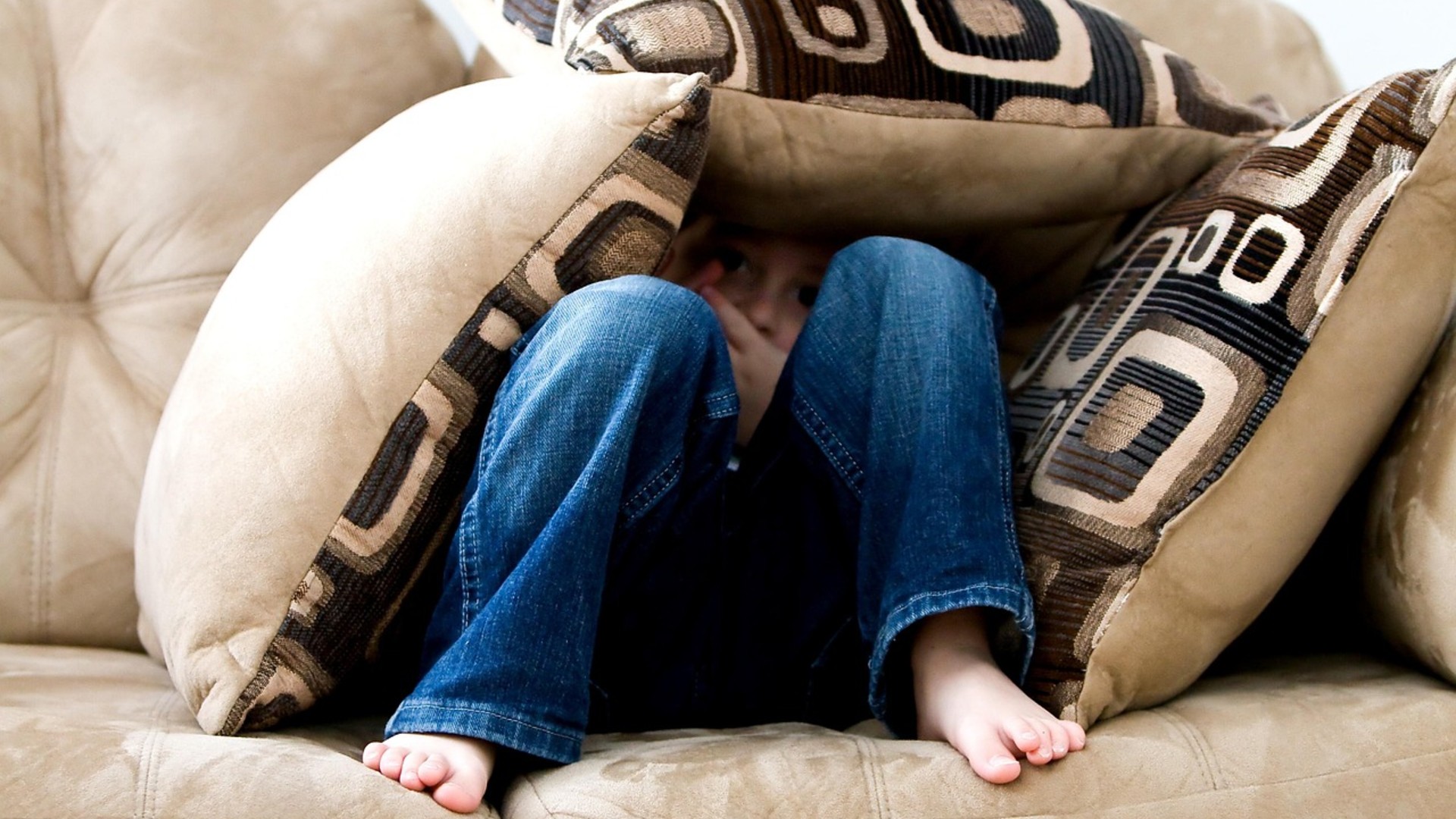
24. Compulsive Secrecy And Hiding Objects
While creative play often involves hiding treasures, covertly stashing everyday tools, sharp objects, or food points to underlying security anxieties. Children who react with disproportionate rage when discoveries are made often require guided psychological support.
23. Abrupt Academic Disengagement
When an otherwise capable student abruptly stops turning in assignments and becomes non-communicative with teachers, underlying distress is usually present. Pediatric educators emphasize that sharp drops in grades often reflect emotional turmoil rather than learning deficits.
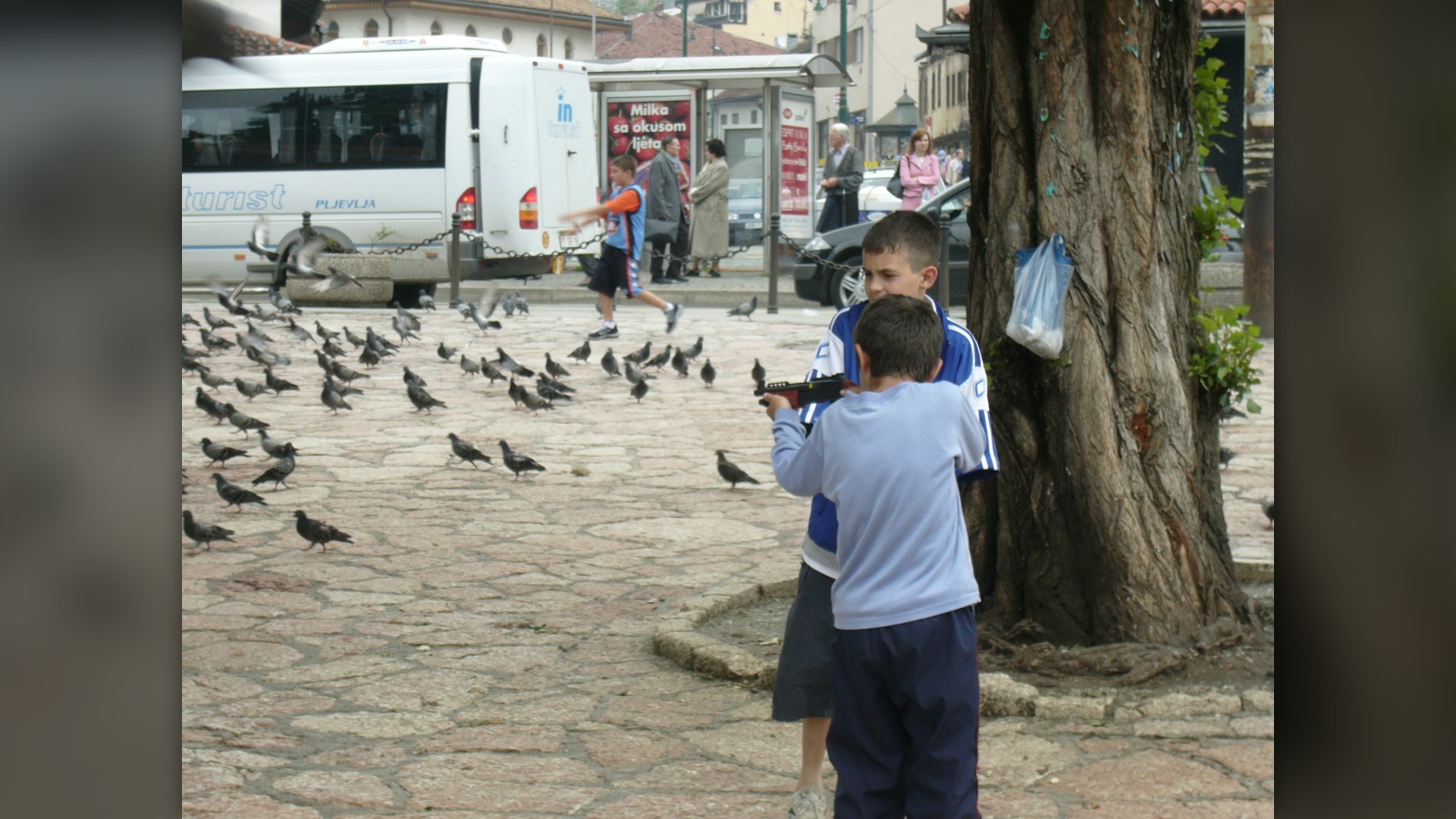
22. Compulsive Weapon Fixations
Casual interest in toy blasters is common, but collecting information on real firearms and creating improvised cutting tools warrants close attention. Clinicians suggest redirecting these intense mechanical curiosities toward supervised engineering hobbies and structured sports.
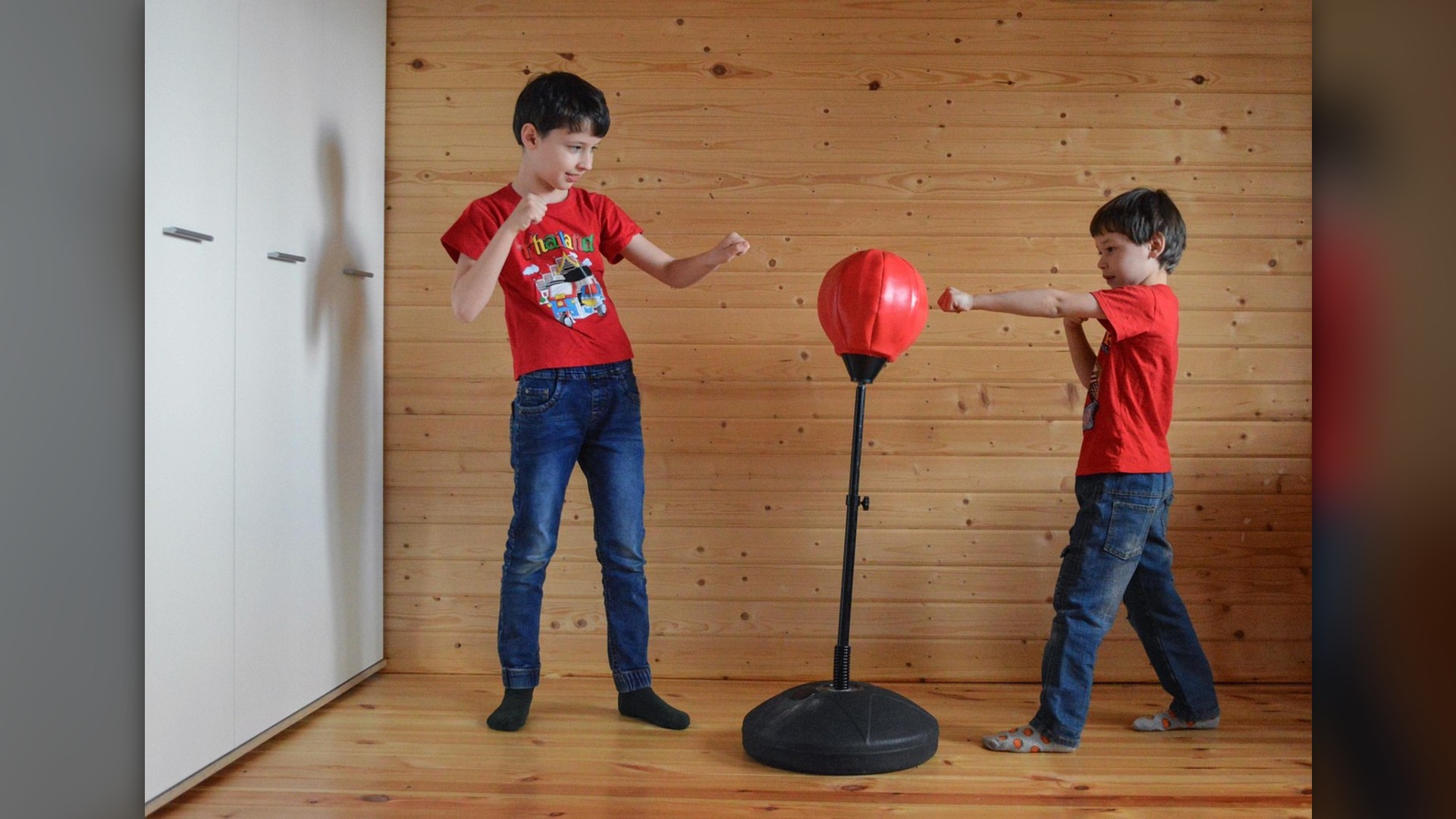
21. Unprovoked Physical Aggression
Toddler temper tantrums typically resolve by kindergarten as verbal skills develop. When older children respond to simple daily rules by throwing heavy household objects or punching walls, clinical intervention can teach essential emotional regulation tools.
20. Complete Indifference To Consequences
Most children exhibit brief frustration or sadness when grounded, indicating that parental expectations matter to them. Children who shrug off major discipline with emotional detachment often require reward-based behavioral strategies rather than standard punitive measures.
19. Secret Fire Setting
Curiosity about campfires is natural, but repeatedly igniting clothing, papers, or toys behind closed doors is a recognized behavioral red flag. Mental health professionals treat covert fire experimentation as a serious distress signal requiring immediate professional counseling.
18. Opportunistic Family Stealing
Young children occasionally take candy before understanding personal property rights. However, systematic theft of cash and valuables from parents signals broken trust boundaries and impulsive thrill-seeking that family therapists should address early.
17. Persistent Blame Shifting
It is normal for kids to minimize fault, but chronic denial in the face of direct evidence undermines emotional maturity. When a child consistently frames themselves as an innocent victim while framing others, targeted accountability coaching becomes essential.
16. Covert Vandalism Of Belongings
Damaging property during a visible tantrum is impulsive, whereas sneaking into a sibling's bedroom to break their favorite keepsake is premeditated. Covert destruction often stems from deep-seated jealousy or unresolved resentment that needs guided open dialogue.
15. Chronic Social Alienation
Some children are naturally introverted and enjoy solitary play, which is completely healthy. In contrast, children who actively intimidate classmates or get repeatedly expelled from youth activities often lack the basic reciprocity needed for healthy social bonds.
14. Pleasure In Others' Misfortune
While young kids may giggle nervously during awkward accidents, genuine delight at seeing another person bleed or cry points to stunted empathy. Psychologists recommend actively modeling compassion and exploring the child's own feelings of emotional neglect.
13. Compulsive And Pointless Lying
Children frequently tell tall tales to escape chores or impress friends with exaggerated stories. Pathological lying involves spinning detailed untruths for everyday situations where honesty would produce identical results, reflecting distorted self-perception.
12. Severe Sensory Volatility
Sensory processing sensitivities can overload a developing nervous system, making routine environments feel agonizingly loud or uncomfortable. Occupational therapy helps children identify physical triggers before sensory overload escalates into aggressive fight-or-flight panic.
11. Calculated Adult Triangulation
Kids frequently ask the more lenient parent for dessert, which is harmless testing of boundaries. Systematic triangulation involves feeding conflicting stories to caregivers to foster distrust between adults, which requires unified parenting strategies to resolve.
10. Flat Emotional Reciprocity
A healthy parent-child connection involves reciprocal smiling, shared laughter, and soothing contact during moments of stress. Children who consistently respond to maternal affection with blank stares or rigid avoidance may be grappling with attachment difficulties.
9. Compulsive Morbid Artwork
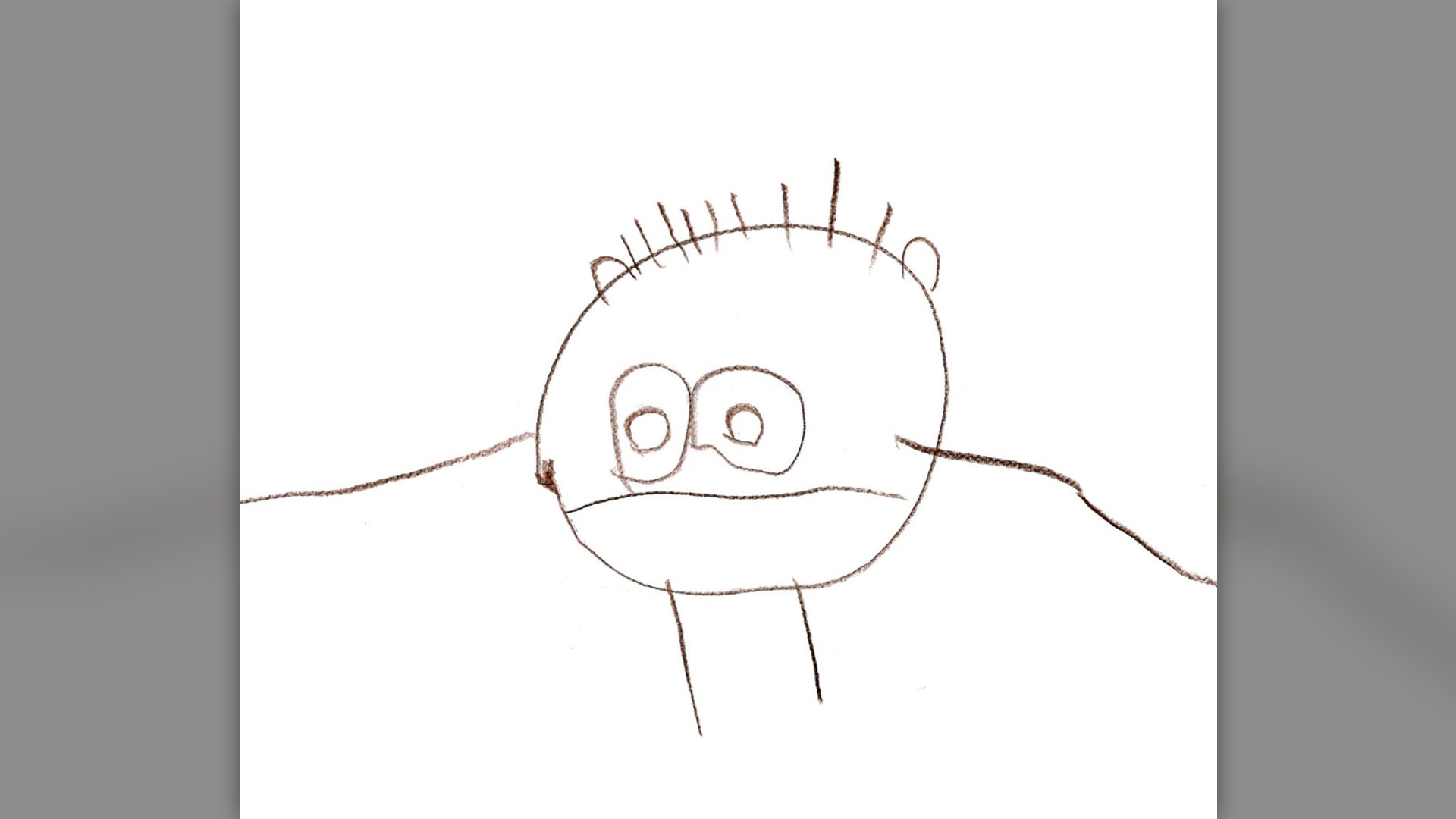
Expressive art allows children to process complex fears safely on paper during stressful life events. However, when sketchbooks fill exclusively with graphic violence and dark themes over many months, school counselors recommend comprehensive mental health screenings.
8. Tormenting Household Pets
Toddlers must be taught to pet animals gently rather than pulling tails, which is normal learning behavior. Deliberately inflicting pain on household pets after understanding animal distress is a significant warning sign that requires firm, immediate intervention.
7. Complete Absence Of Peer Empathy
Typical school-age children demonstrate innate concern when a playmate falls and starts crying on the playground. Children who ignore visible peer distress or mock crying classmates miss vital social development milestones that require targeted emotional coaching.
6. Sadistic Dramatic Play Scripts
Children frequently work through conflict themes like cops and robbers or superhero battles in imaginative games. Consistently acting out hostage scenarios, execution storylines, or medical torture on action figures suggests exposure to inappropriate media or emotional trauma.
5. Nocturnal Elopement From Home
Wandering away from home without fear of traffic, strangers, or dark environments indicates severe risk-assessment deficits. Parents often install security chimes and window locks while working with pediatric specialists to address impulse control challenges.
4. Physical Assault On Caregivers
While young toddlers may swat out in frustration when tired, older school-age children should express anger with spoken language. Physical assaults against mothers and fathers destroy family safety and signal severe emotional dysregulation that requires professional therapy.
3. Callous-Unemotional Traits
Clinical psychologists identify callous-unemotional traits when children show no regret after hurting others and remain unfazed by disapproval. Early identification allows therapists to implement specialized positive reinforcement models that foster prosocial behaviors.
2. Specific Threats Of Severe Harm
Angry children occasionally yell hyperbolic statements during shouting matches without actual intent. In contrast, calm, detailed threats detailing weapons, methods, and timing must always be taken seriously by caregivers, educators, and pediatric crisis teams.
1. Systematic Cruelty To Animals
Pediatric psychiatric research identifies premeditated cruelty to animals as one of the most reliable behavioral precursors to serious conduct disorder. When a child inflicts physical suffering on defenseless creatures, immediate and intensive clinical support is mandatory.