Slideshow · Science
25 Space Photos From James Webb and Hubble That Changed Astronomy
From the iconic Pillars of Creation to distant early galaxies, NASA's premier orbital observatories have captured breathtaking views that fundamentally expanded human knowledge of the universe.
By Most Viral Today
47 min ago

How Orbital Telescopes Revealed the Deepest Secrets of Our Universe 
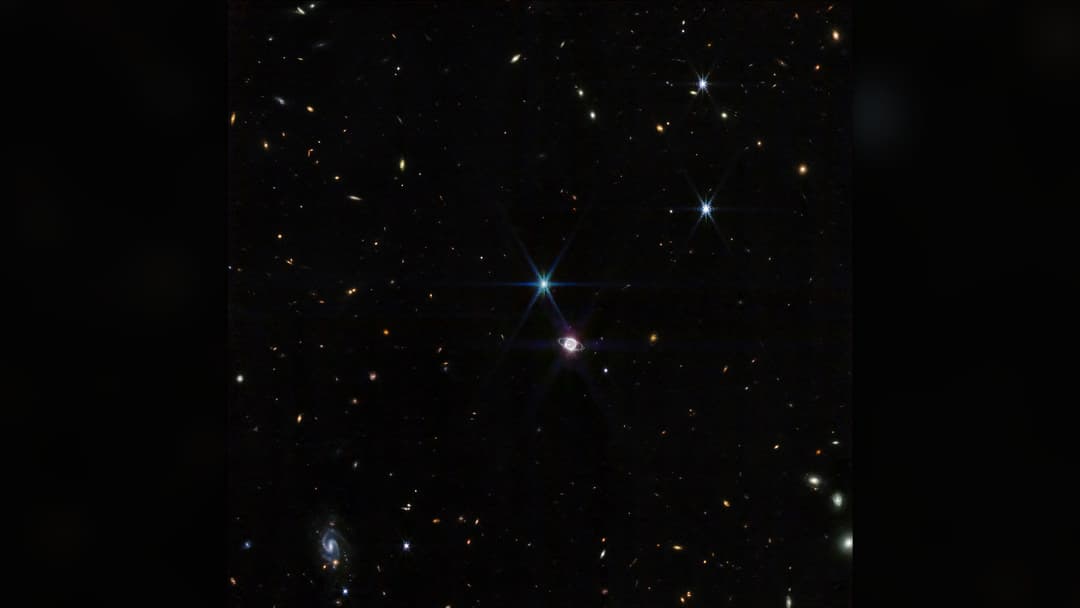
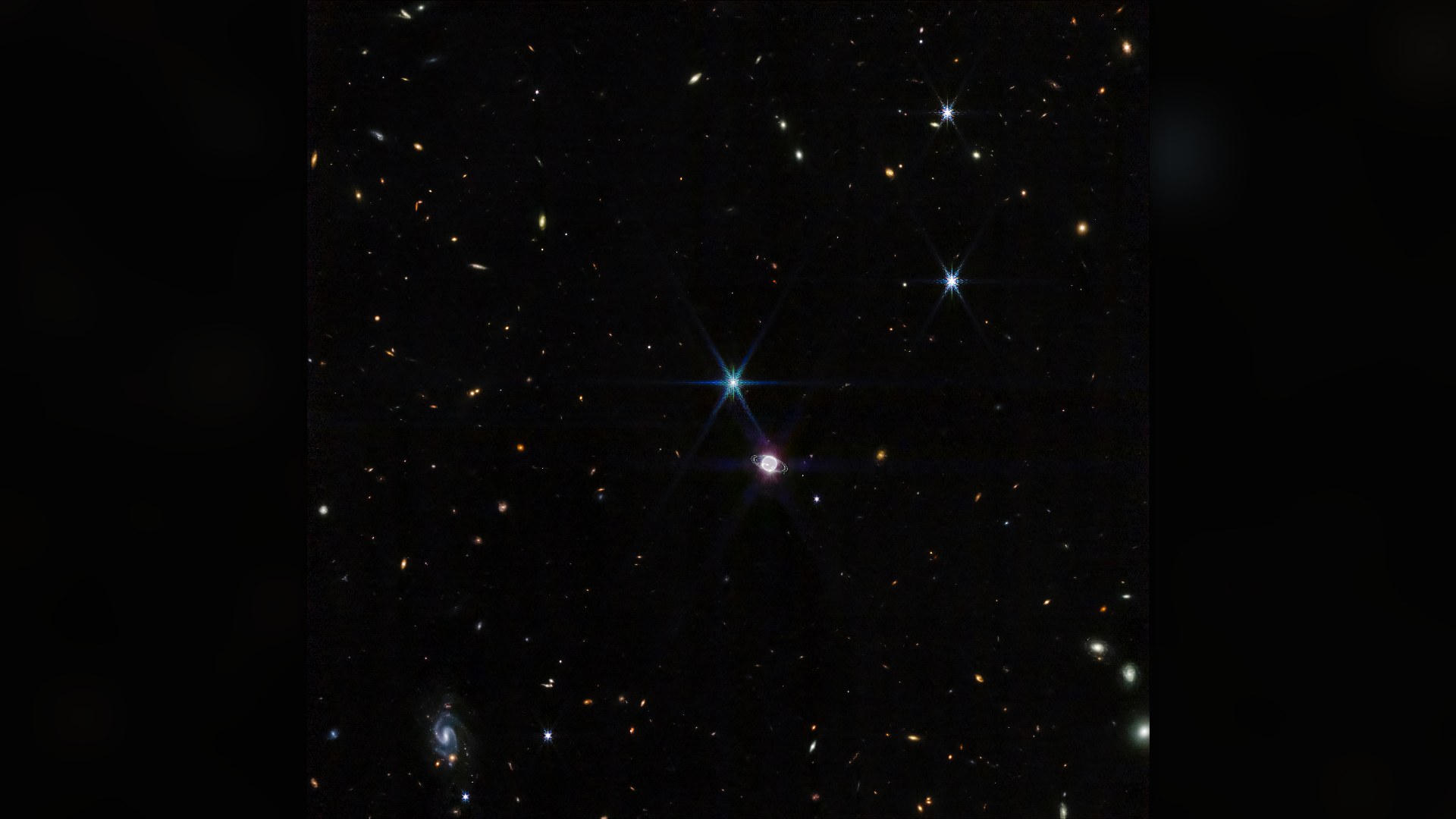
25. Neptune And Its Ghostly Rings 
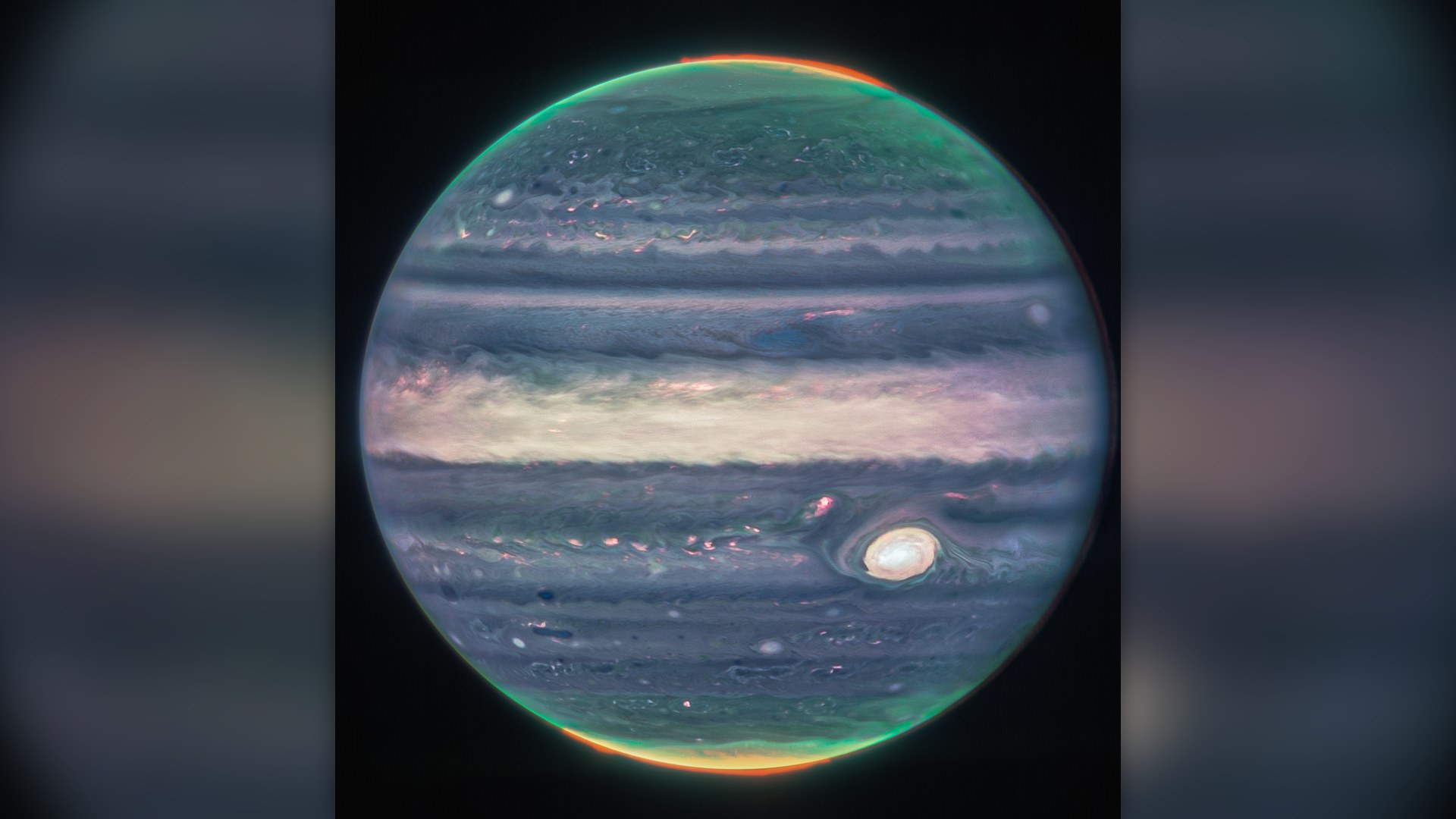
24. Jupiter's Glowing Polar Aurorae 
23. The Cat's Eye Nebula - AdvertisementSwipe or tap ▶ to continue countdown

22. Uranus And Its Dynamic Ring System 
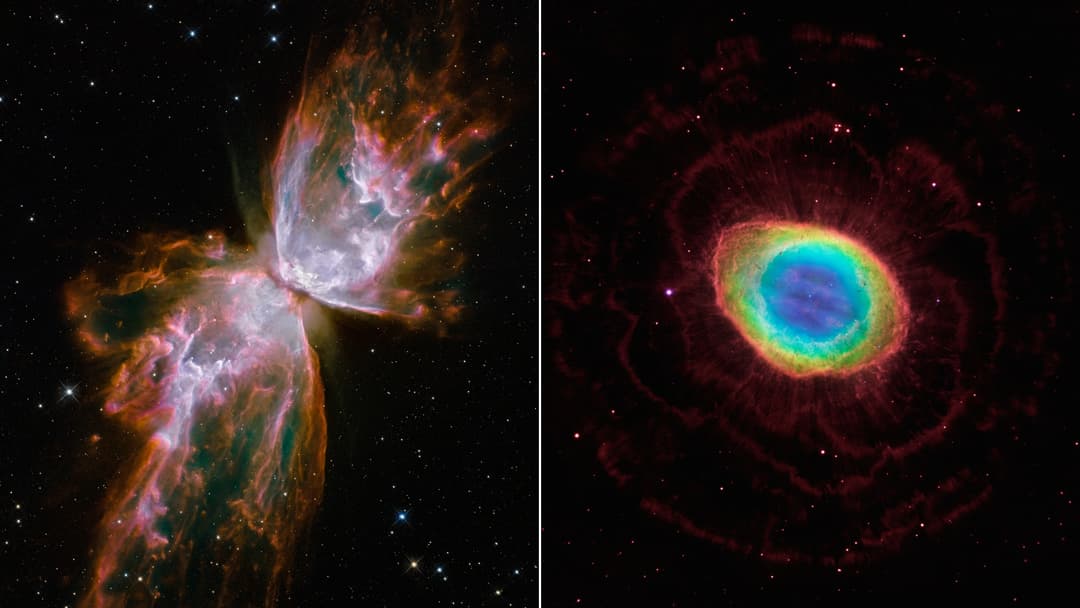
21. The Wings Of The Butterfly Nebula 
20. Saturn And Its Golden Ring Shadow 
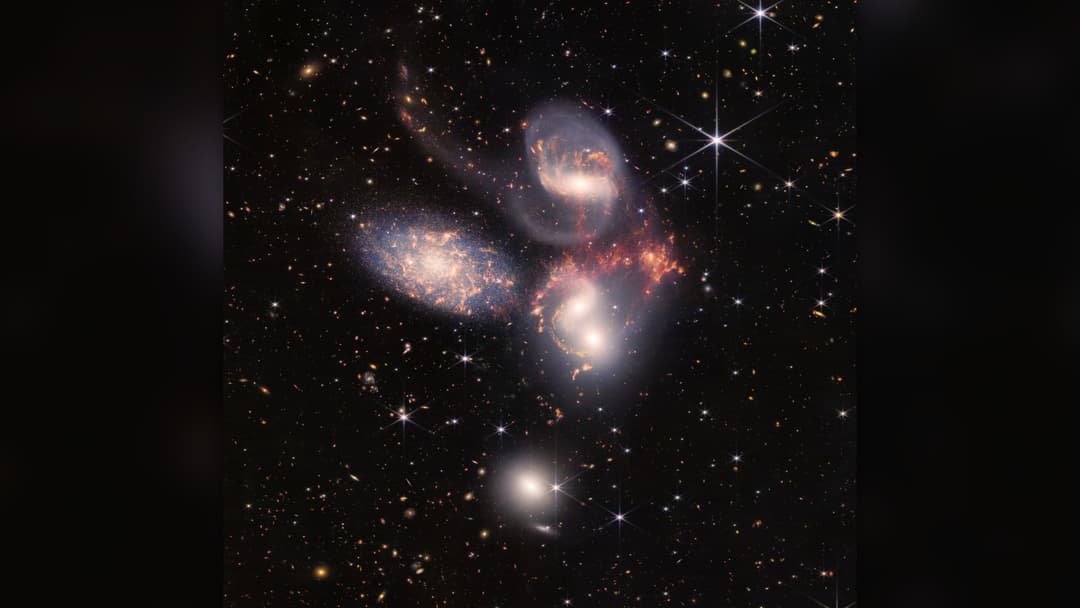
19. Stephan's Quintet Galaxy Collision - AdvertisementSwipe or tap ▶ to continue countdown

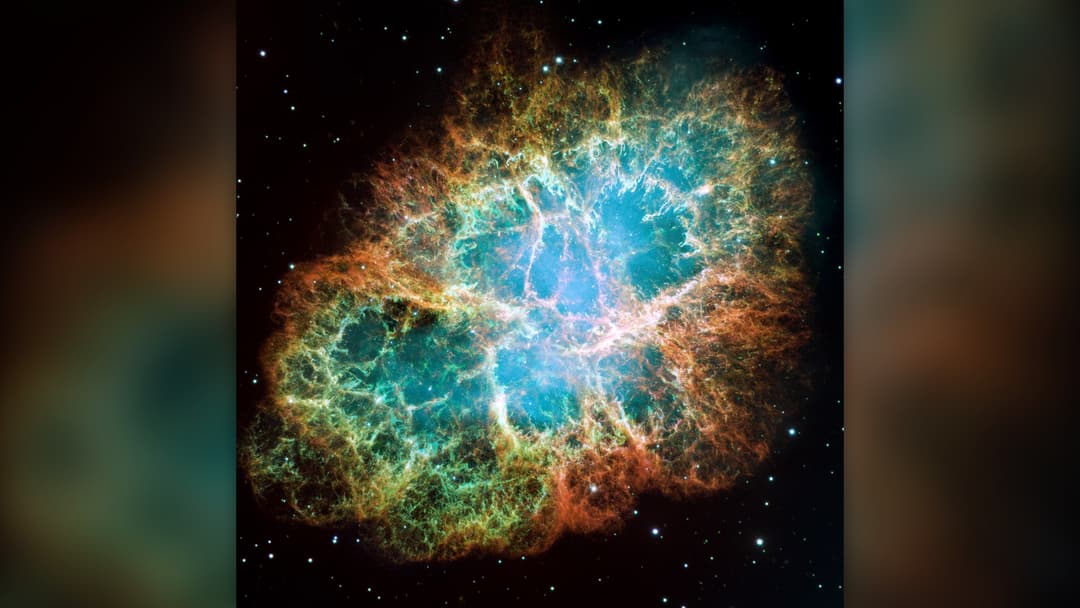
18. The Crab Nebula Pulsar Core 
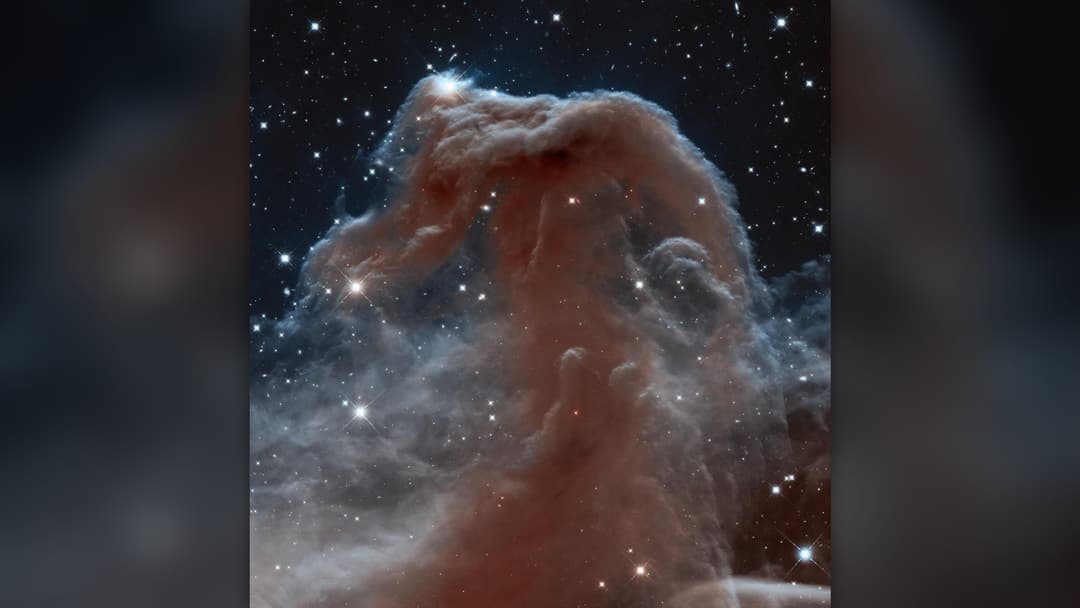
17. The Infrared Horsehead Nebula 
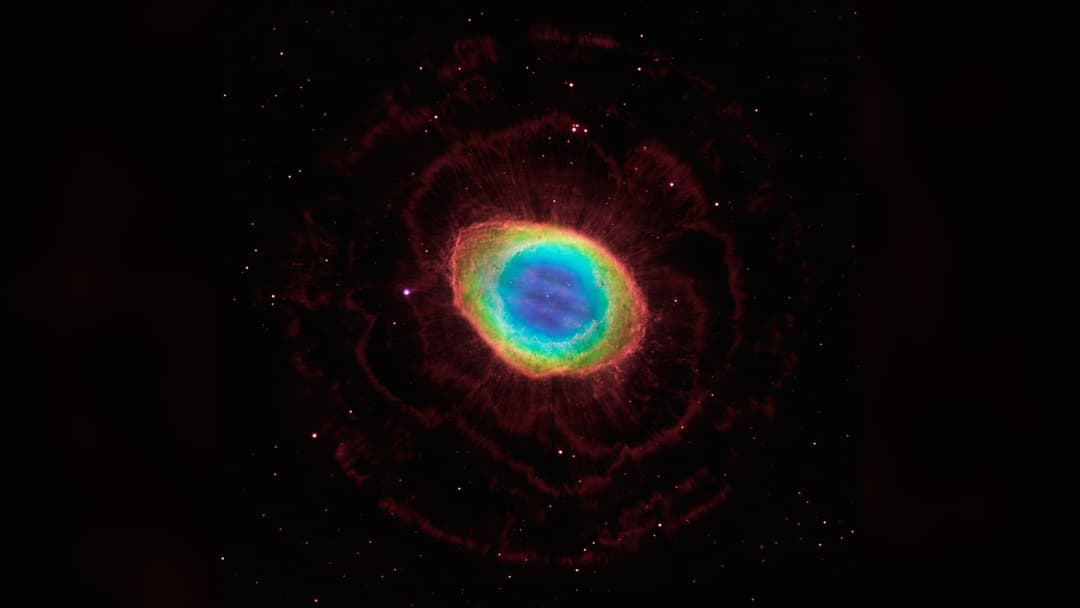
16. The Ring Nebula's Glowing Filaments 
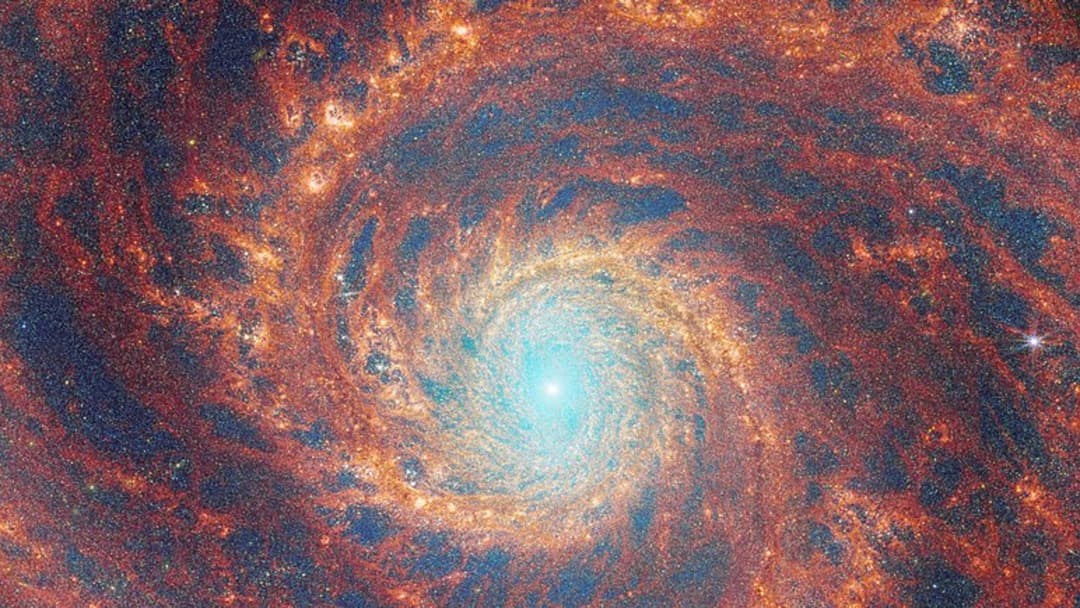
15. The Whirlpool Galaxy's Grand Design - AdvertisementSwipe or tap ▶ to continue countdown

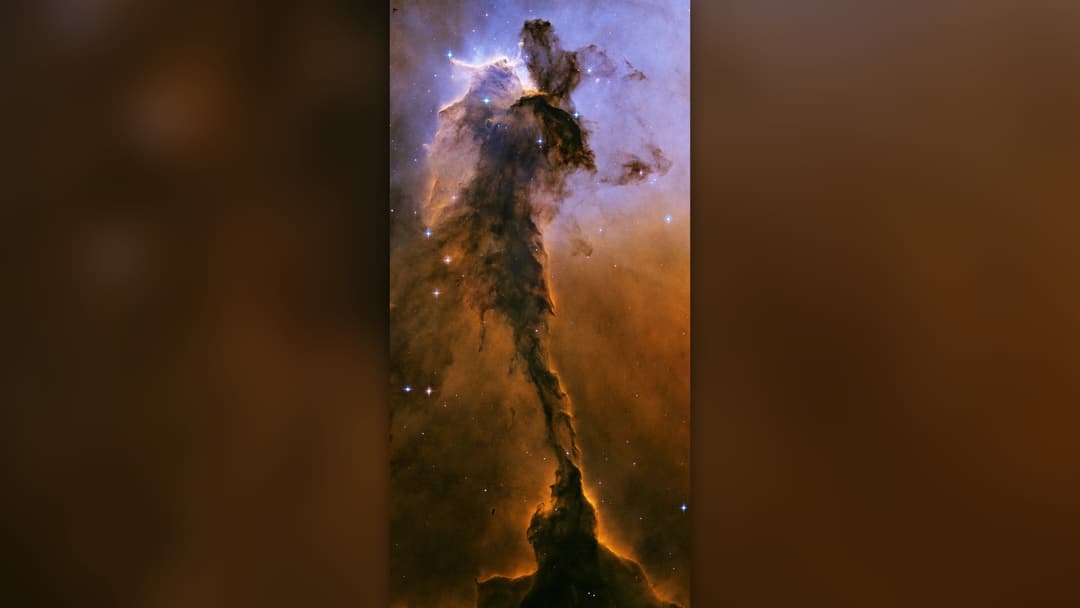
14. The Eagle Nebula Starbirth Spire 
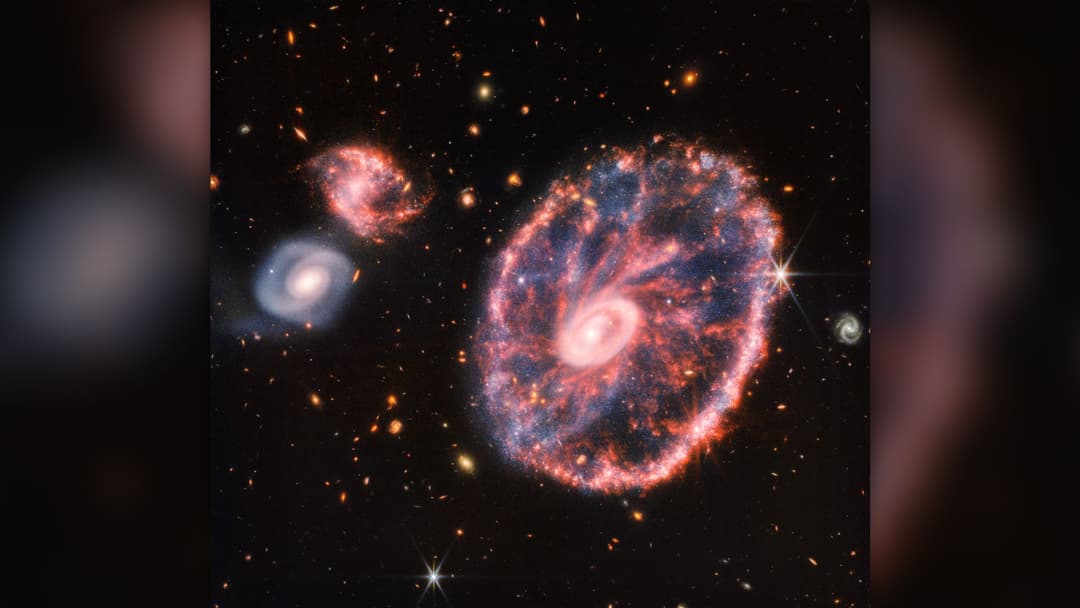
13. The Cartwheel Galaxy's Ring Of Fire 
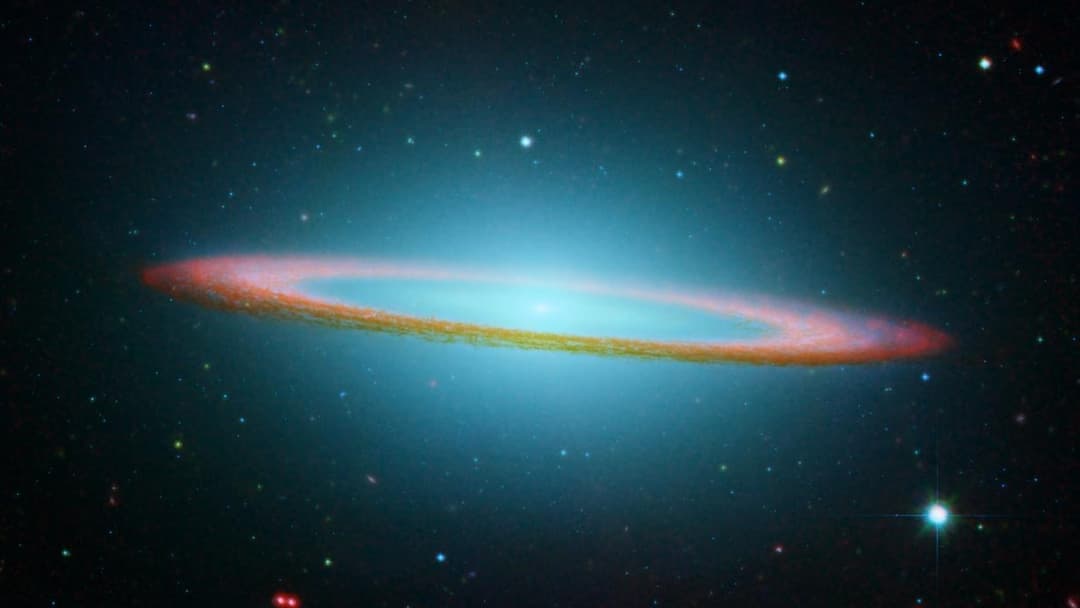
12. The Sombrero Galaxy's Giant Halo 
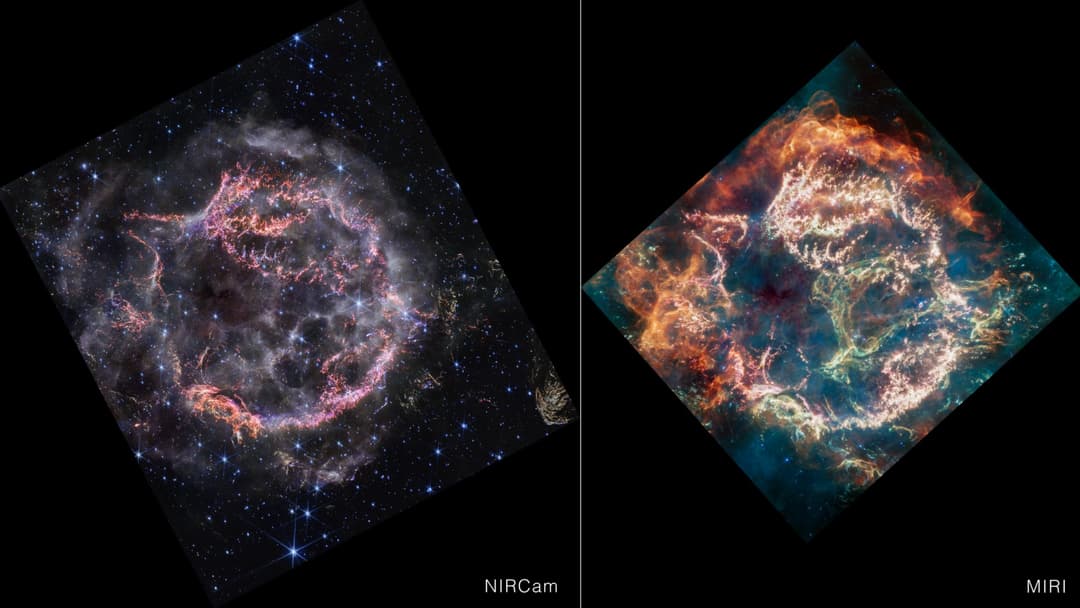
11. Cassiopeia A Supernova Debris - AdvertisementSwipe or tap ▶ to continue countdown

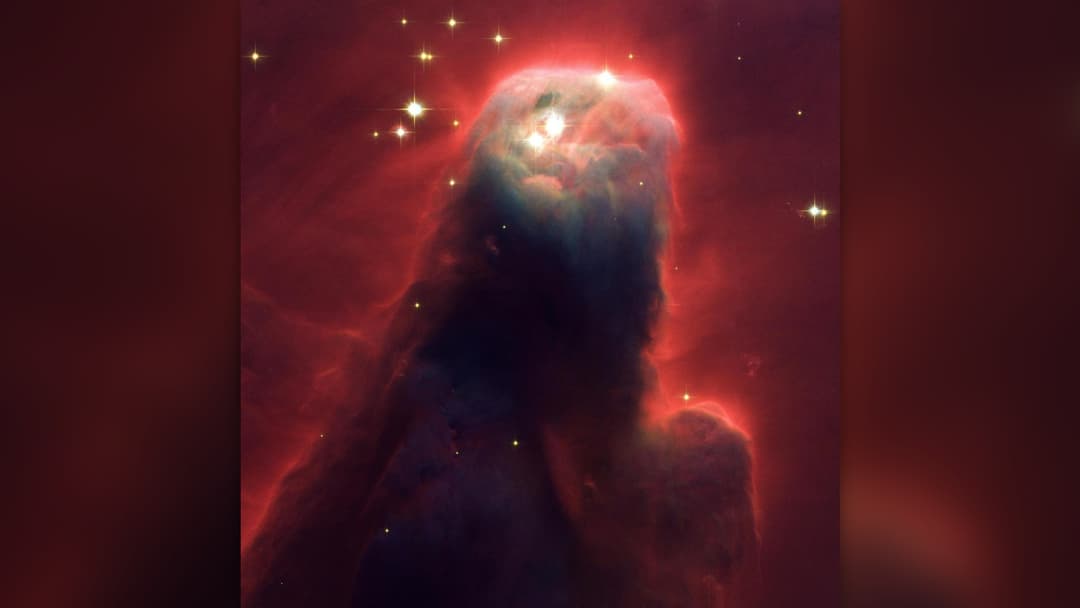
10. The Cone Nebula Star-Forming Crag 
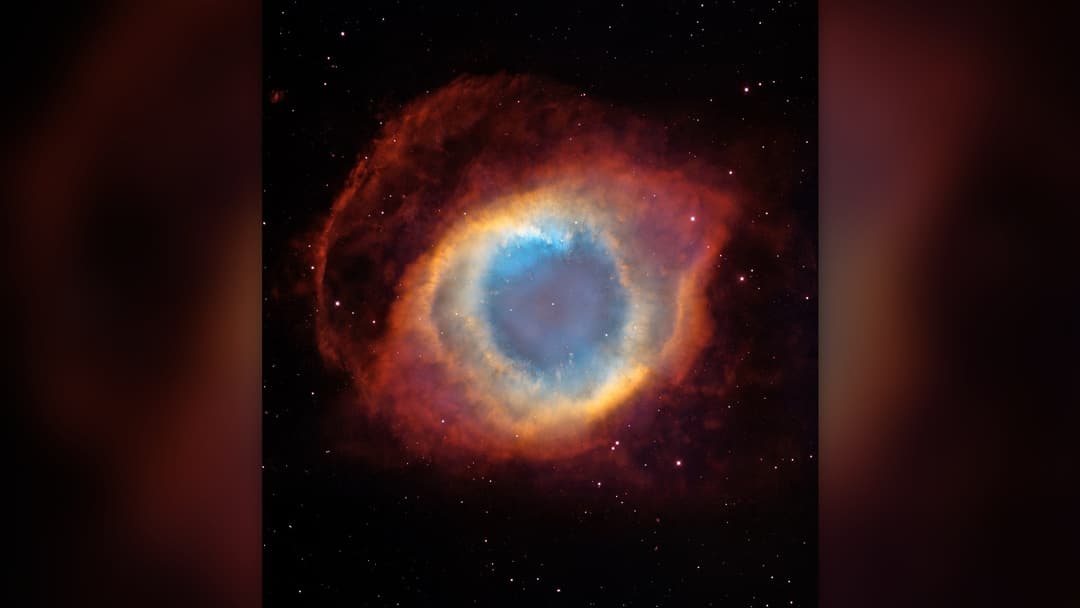
9. The Helix Nebula's Cometary Knots 
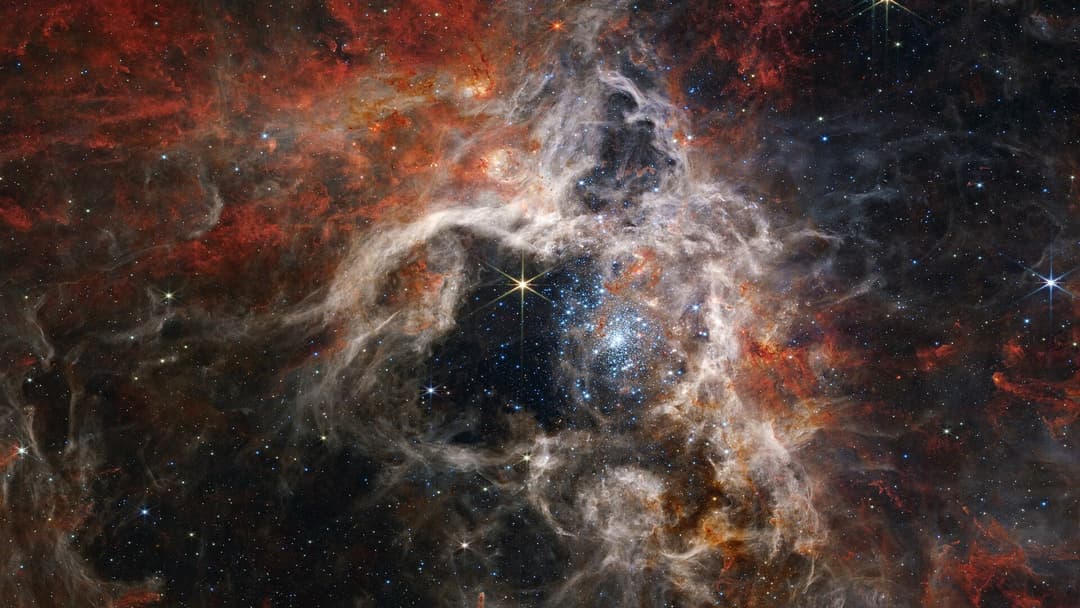
8. The Tarantula Nebula's Star Factory 
7. Mystic Mountain Dust Tower - AdvertisementSwipe or tap ▶ to continue countdown

6. The Southern Ring Nebula's Dual Stars 
5. The Orion Nebula Star Nursery 
4. The Hubble Ultra Deep Field 
3. Webb's First Deep Field SMACS 0723 - AdvertisementSwipe or tap ▶ to continue countdown

2. The Carina Nebula Cosmic Cliffs 
1. The Pillars Of Creation In Eagle Nebula - Advertisement🔥 UP NEXT IN THIS SERIES◫ 23 Slides

22 Places Where Scientists Found Water Hiding in the Solar System
Explore 22 solar system locations where water ice and buried oceans exist, all backed by real mission detections. From lunar craters to deep subsurface seas on Enceladus, scientists are mapping the water that shapes our planetary neighborhood. Discover how these cold reservoirs reveal the evolution of planets and the hidden potential for life across the solar system in this planetary countdown.
From the iconic Pillars of Creation to distant early galaxies, NASA's premier orbital observatories have captured breathtaking views that fundamentally expanded human knowledge of the universe. Here are twenty-five of the most revolutionary space photographs ever taken.
Swipe or tap ▶ to begin the countdown
©NASA / STScI and Albert & Wikimedia / C.R. O'Dell and David
25. Neptune And Its Ghostly Rings
Using its near-infrared camera, the James Webb Space Telescope pierced methane absorption in Neptune's atmosphere. The resulting portrait revealed crisp, reflective rings and glowing high-altitude ice clouds that ground telescopes could never resolve.
©NASA / STScI and Heidi Hammel
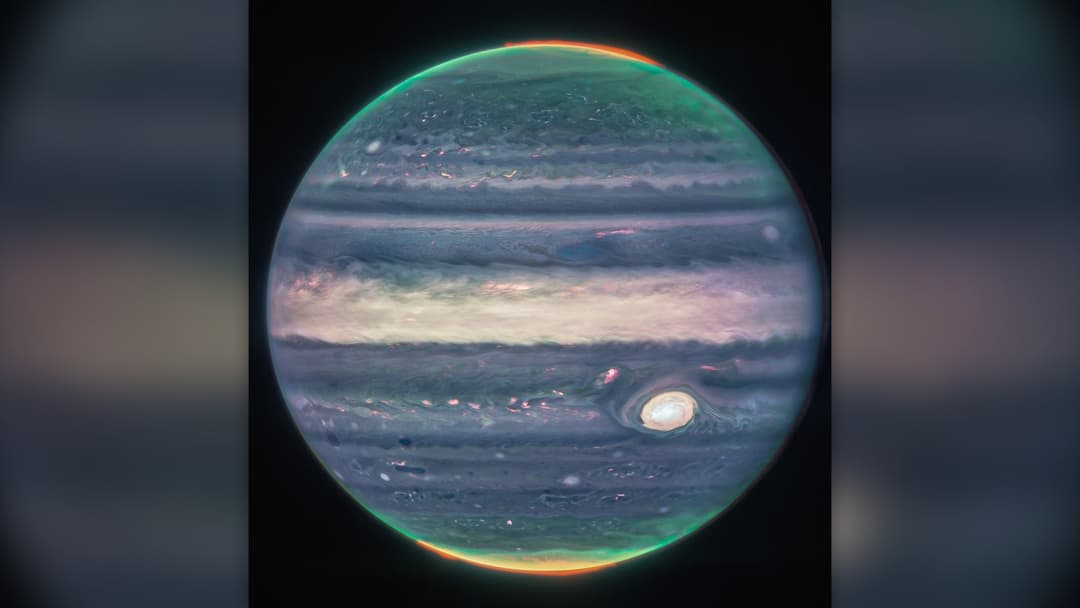
24. Jupiter's Glowing Polar Aurorae
Webb's composite infrared view showed intense auroral activity at Jupiter's north and south poles. The telescope's extreme sensitivity captured the giant planet's gossamer ring system alongside two tiny moons against deep space.
©NASA / STScI and Judy Schmidt
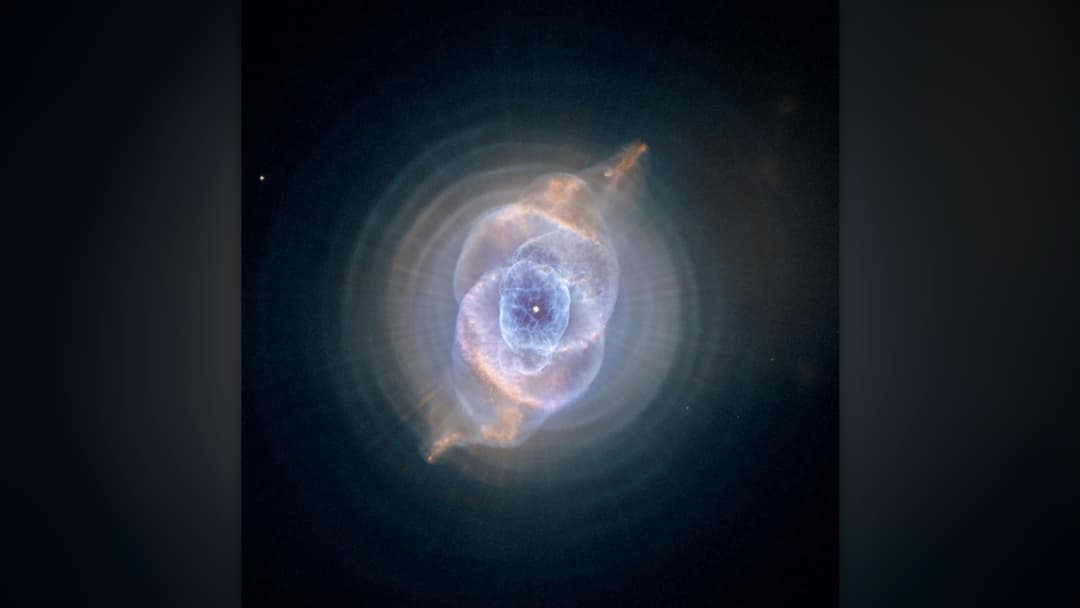
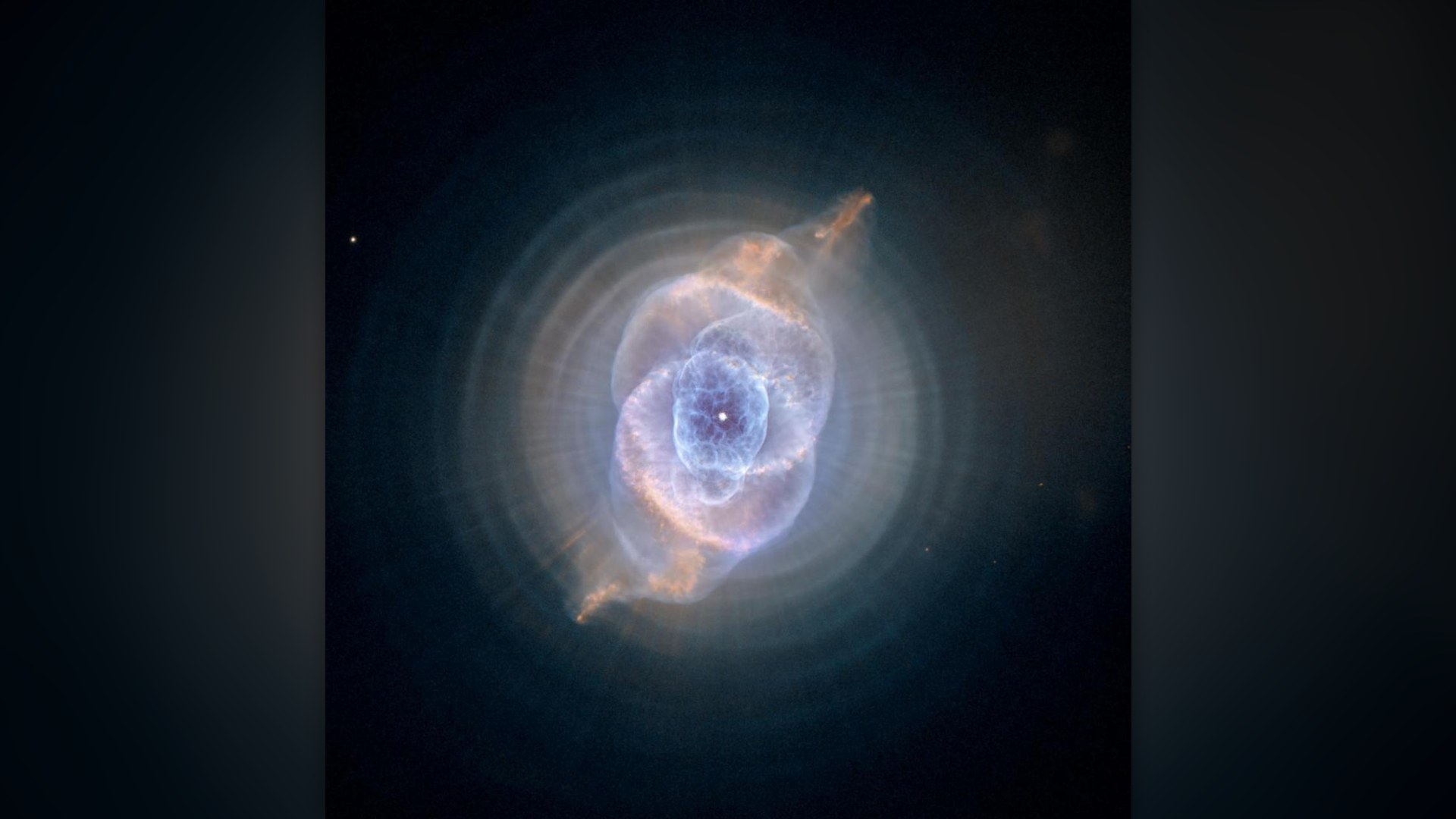
23. The Cat's Eye Nebula
Located three thousand light-years away, NGC 6543 displays an intricate web of glowing bubbles and gas shells. Hubble's high-resolution images proved that the dying star ejected mass in pulsed convulsions every fifteen hundred years.
©NASA / STScI and J.P. Harrington
Advertisement
Swipe or tap ▶ to resume the countdown.
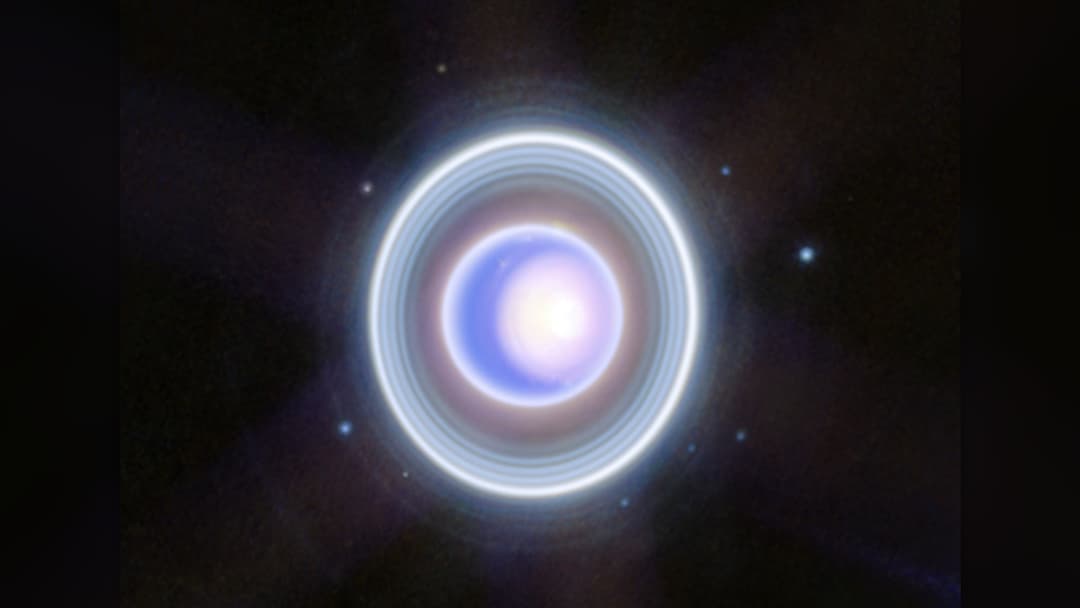
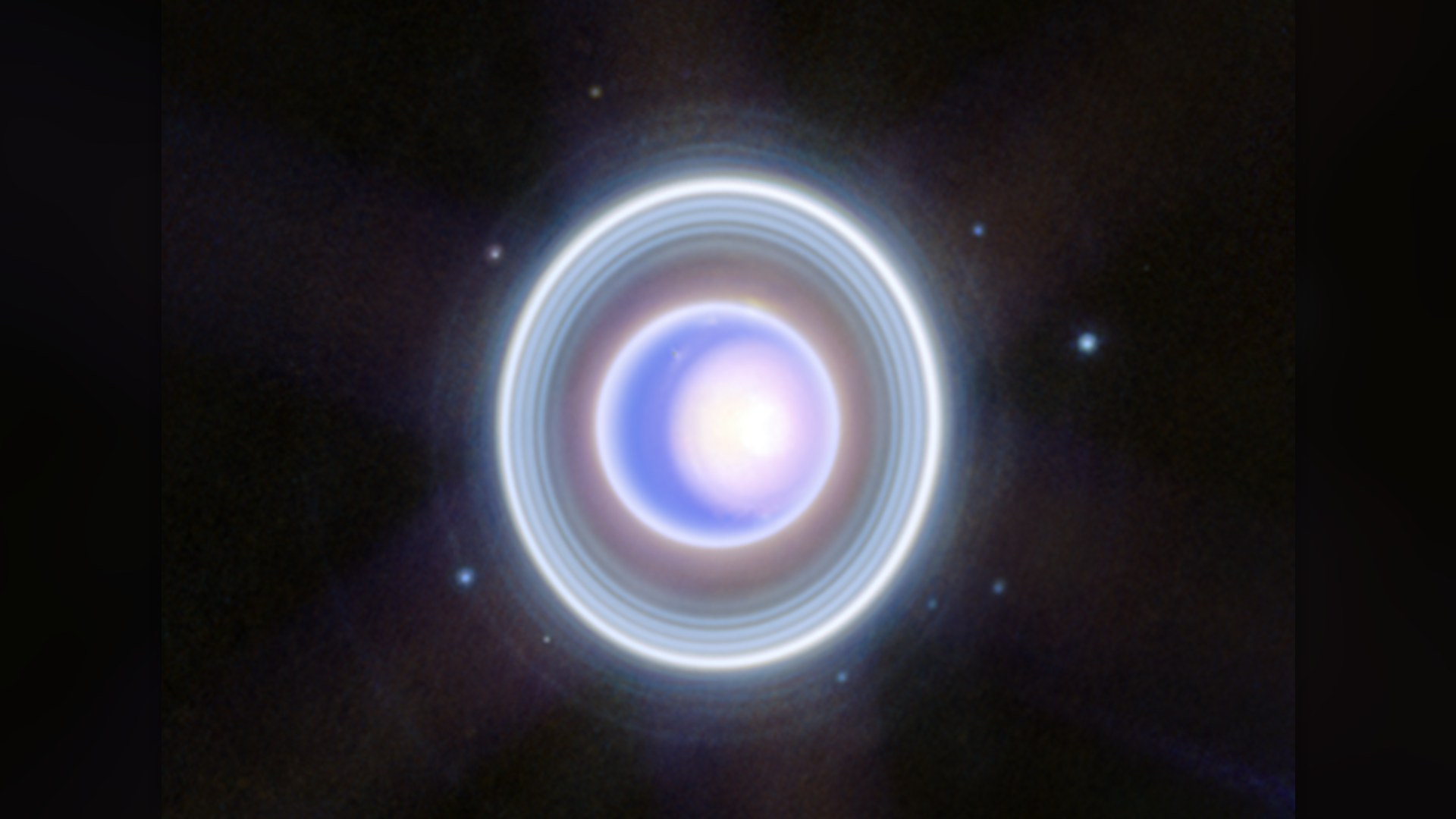
22. Uranus And Its Dynamic Ring System
In just a twelve-minute exposure, Webb resolved Uranus's elusive dusty rings and a bright polar cap. The observatory demonstrated how seasonal sunlight drives circulation patterns across the tilted planet's cold atmosphere.
©NASA / STScI and Matthew Tiscareno
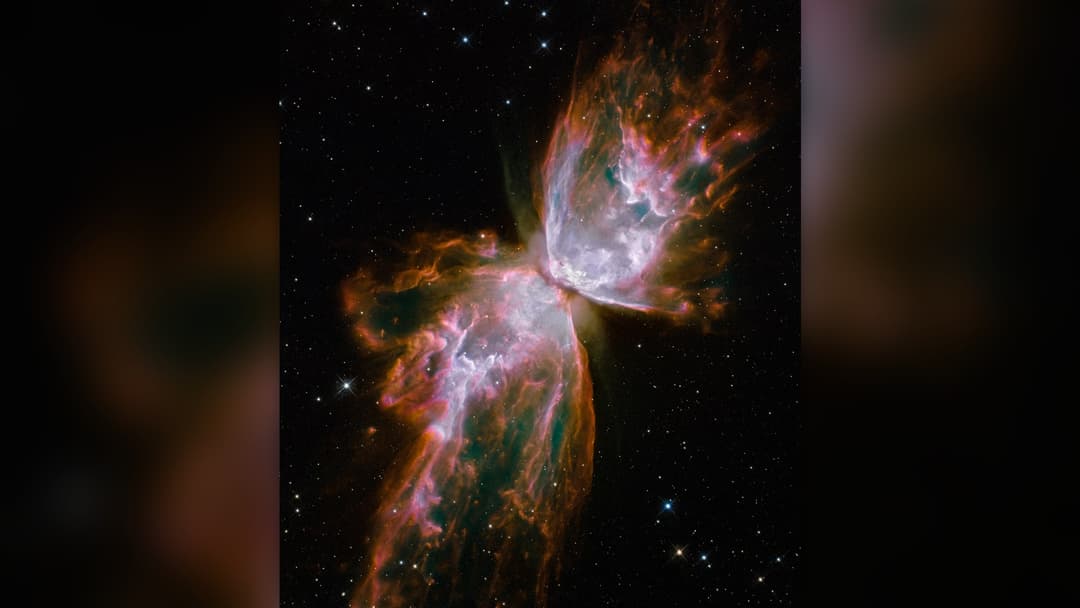
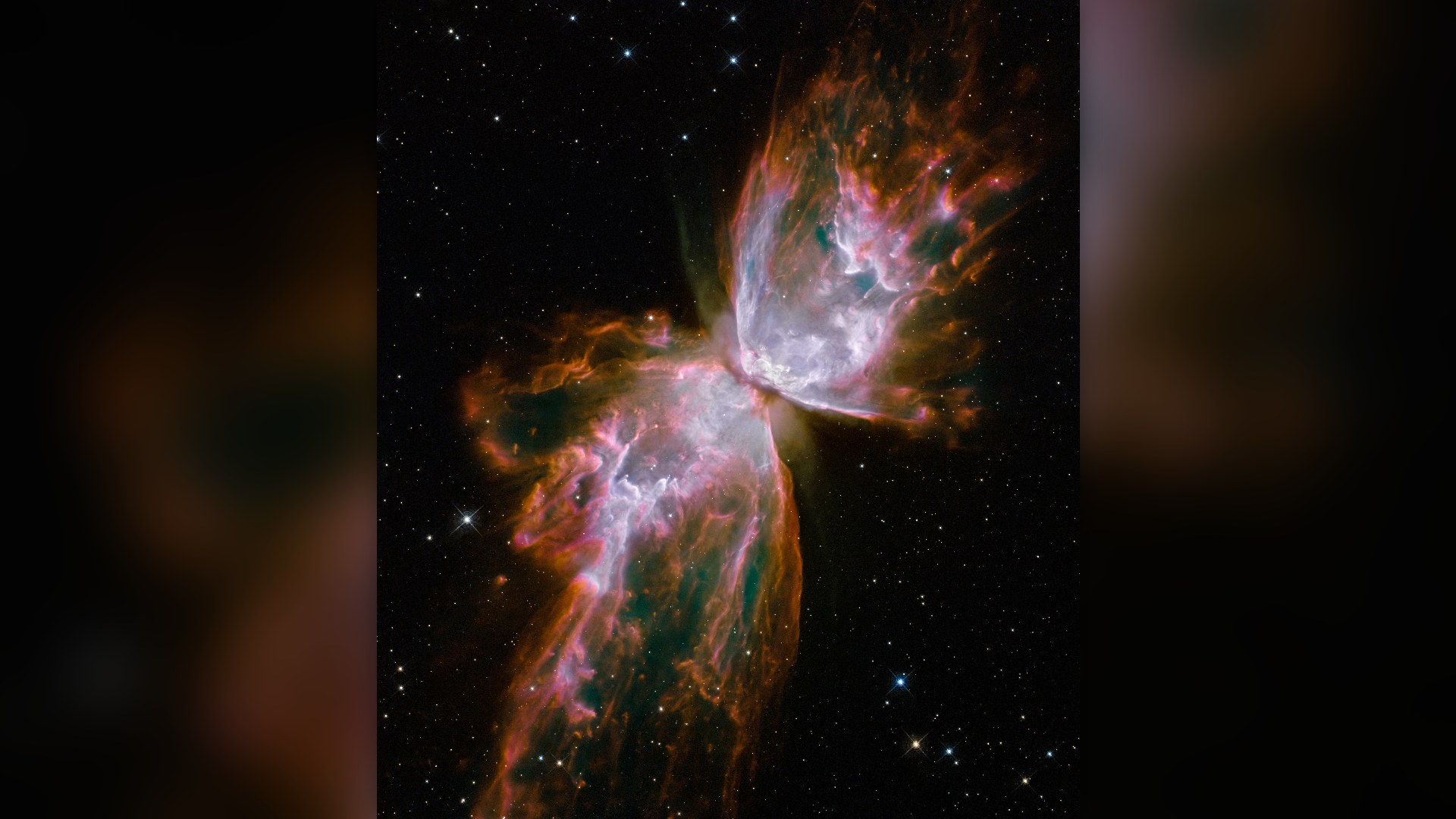
21. The Wings Of The Butterfly Nebula
Cataloged as NGC 6302, this planetary nebula features a dying central star blanketed in a dense donut of dust. Hubble's Wide Field Camera 3 traced complex chemical signatures across the delicate, glowing wings of stellar gas.
©NASA / STScI and Albert Zijlstra
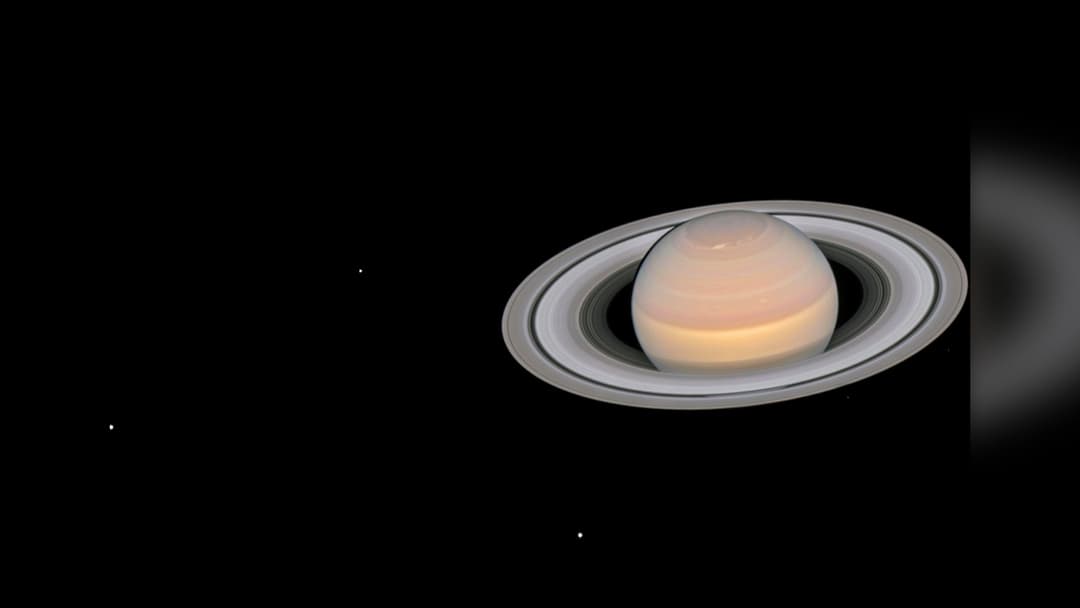
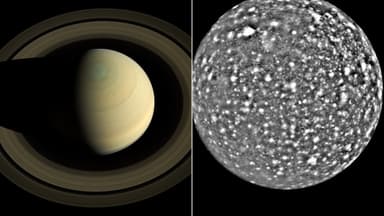
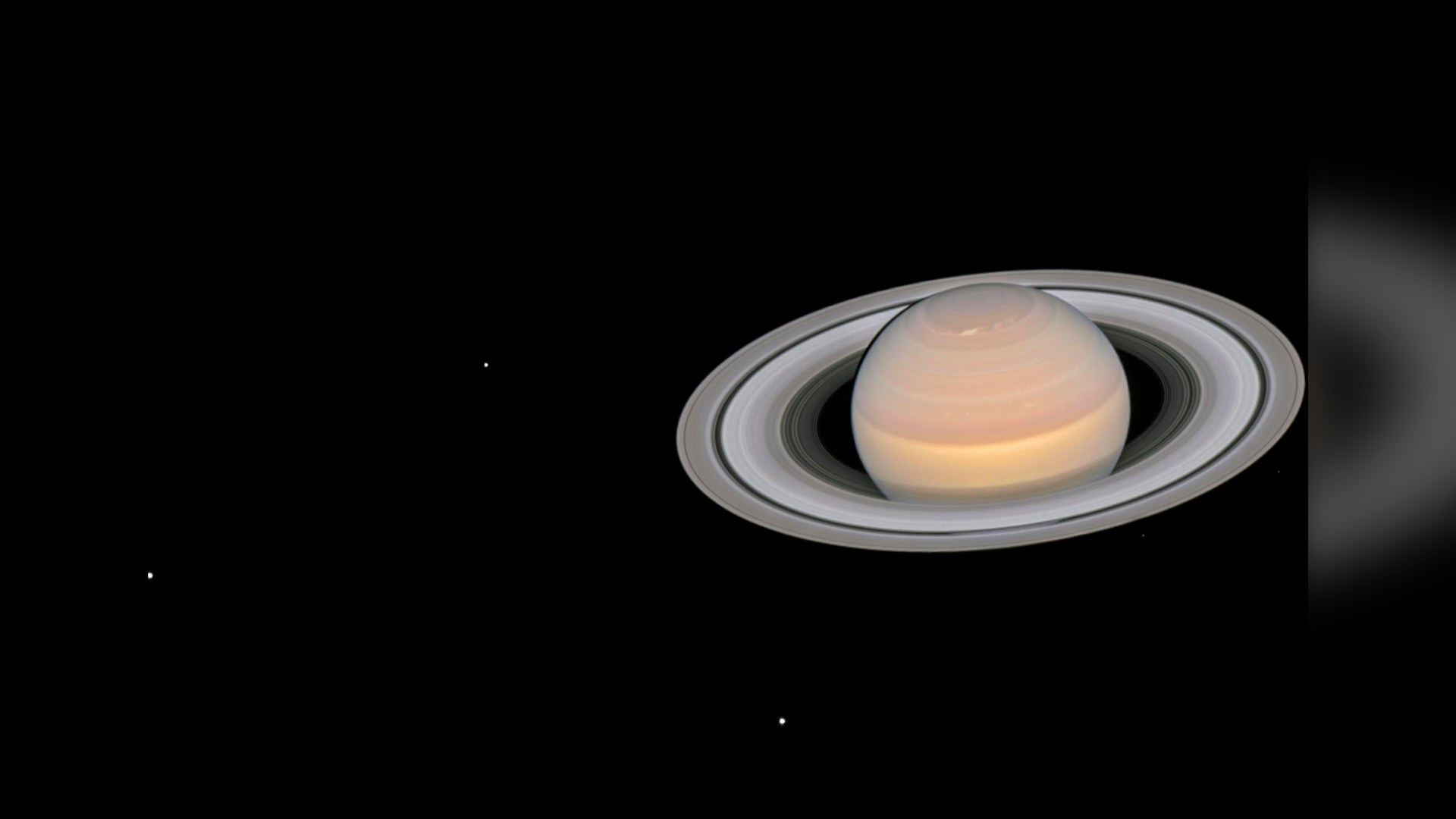
20. Saturn And Its Golden Ring Shadow
Hubble's Outer Planet Atmospheres Legacy program tracks dynamic shifts in Saturn's bands of ammonia clouds. This crisp portrait highlighted subtle amber coloration across the north pole and razor-sharp shadow lines cast across the ring plane.
©NASA / Amy Simon and Michael H. Wong
19. Stephan's Quintet Galaxy Collision
Located in the constellation Pegasus, Stephan's Quintet is a cosmic laboratory for galaxy collisions. Webb's infrared detectors pierced dust clouds to reveal enormous shockwaves produced as galaxy NGC 7318B slammed through the group.
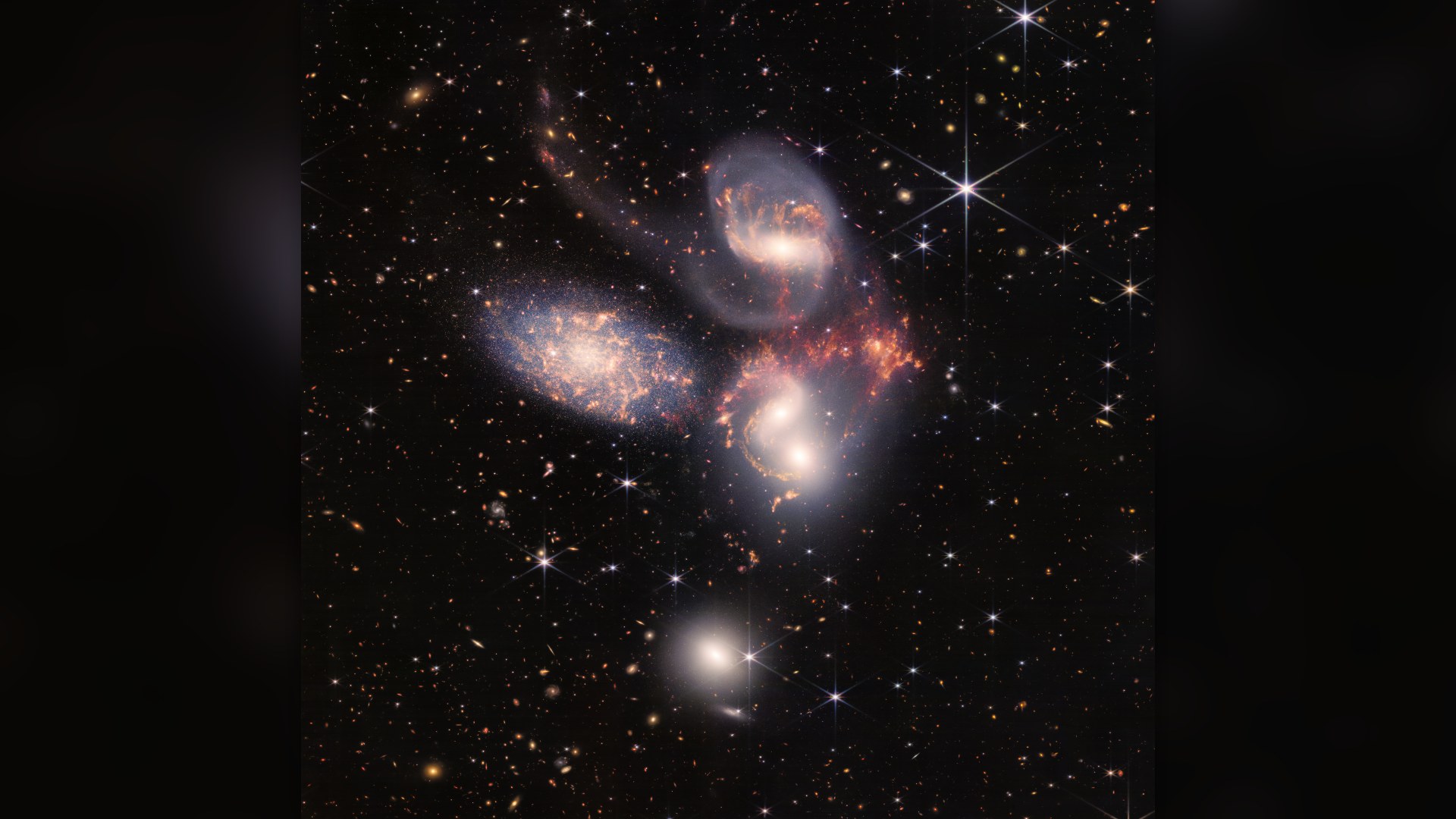
©NASA / Space Telescope Science Institute
Advertisement
Swipe or tap ▶ to resume the countdown.
18. The Crab Nebula Pulsar Core
The Crab Nebula is the expanding remnant of a supernova observed by astronomers on Earth in 1054. Hubble's exposures mapped high-energy synchrotron radiation generated by a central pulsar spinning thirty times every single second.
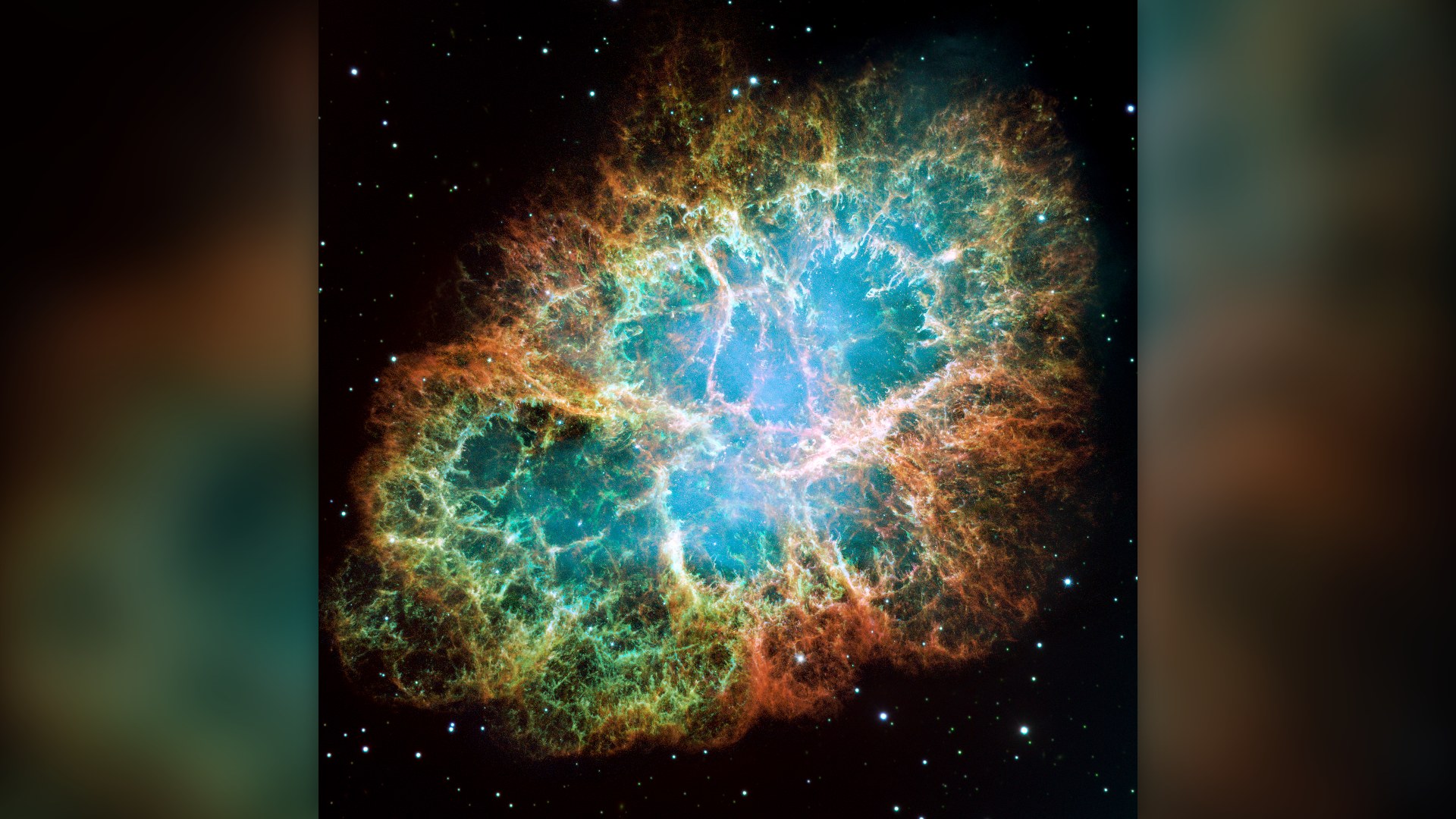
©NASA / STScI and Jeff Hester
17. The Infrared Horsehead Nebula
To celebrate Hubble's twenty-third anniversary, astronomers captured Barnard 33 in near-infrared light. The technique rendered the iconic dark dust horsehead translucent, exposing newly formed stars embedded within the ridge.
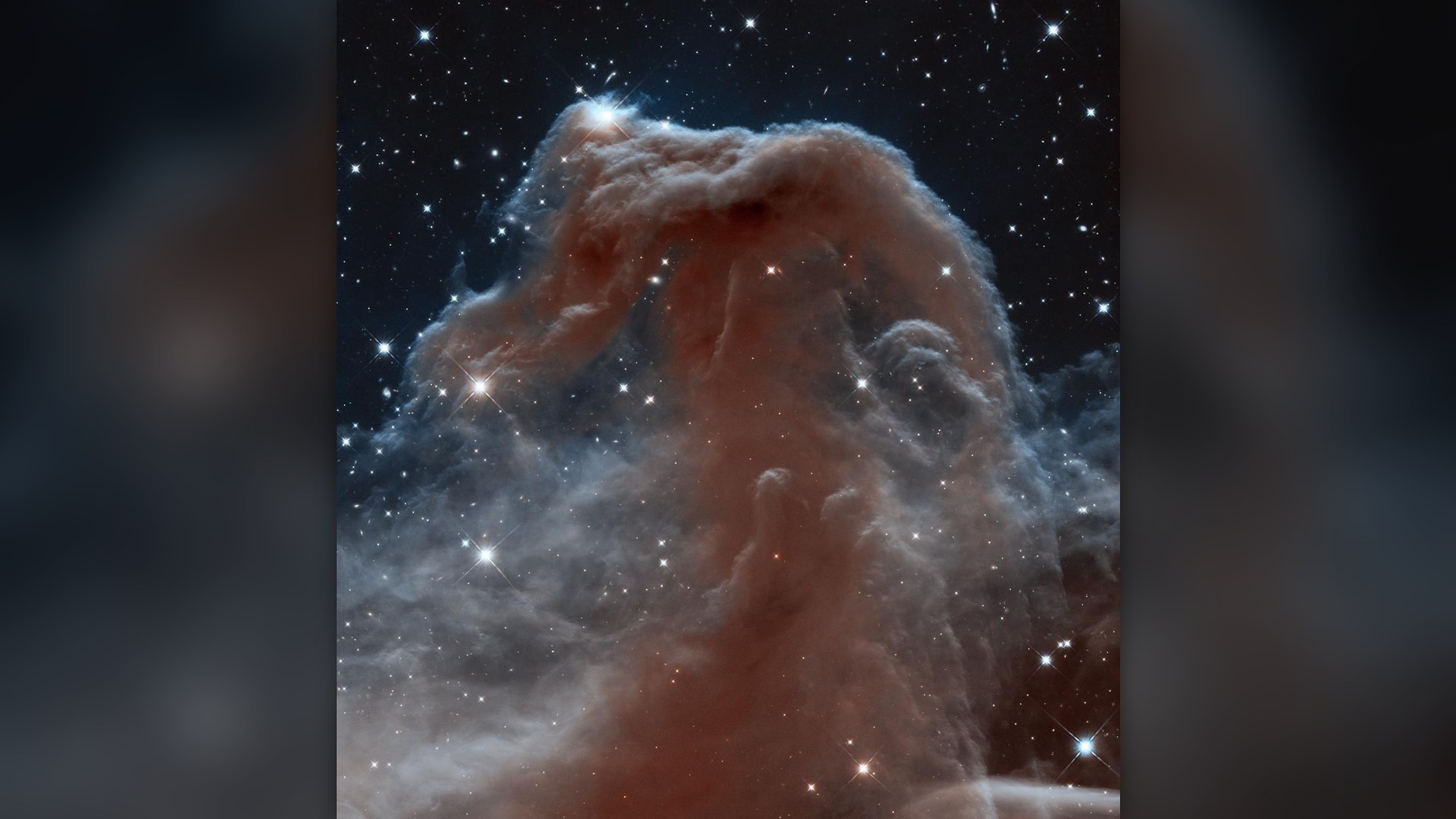
©NASA / Space Telescope Science Institute
16. The Ring Nebula's Glowing Filaments
Situated two thousand light-years away in Lyra, the Ring Nebula is the remnant of a star shedding outer layers. Webb's NIRCam revealed complex concentric arcs outside the main ring, pointing to an orbiting companion star.
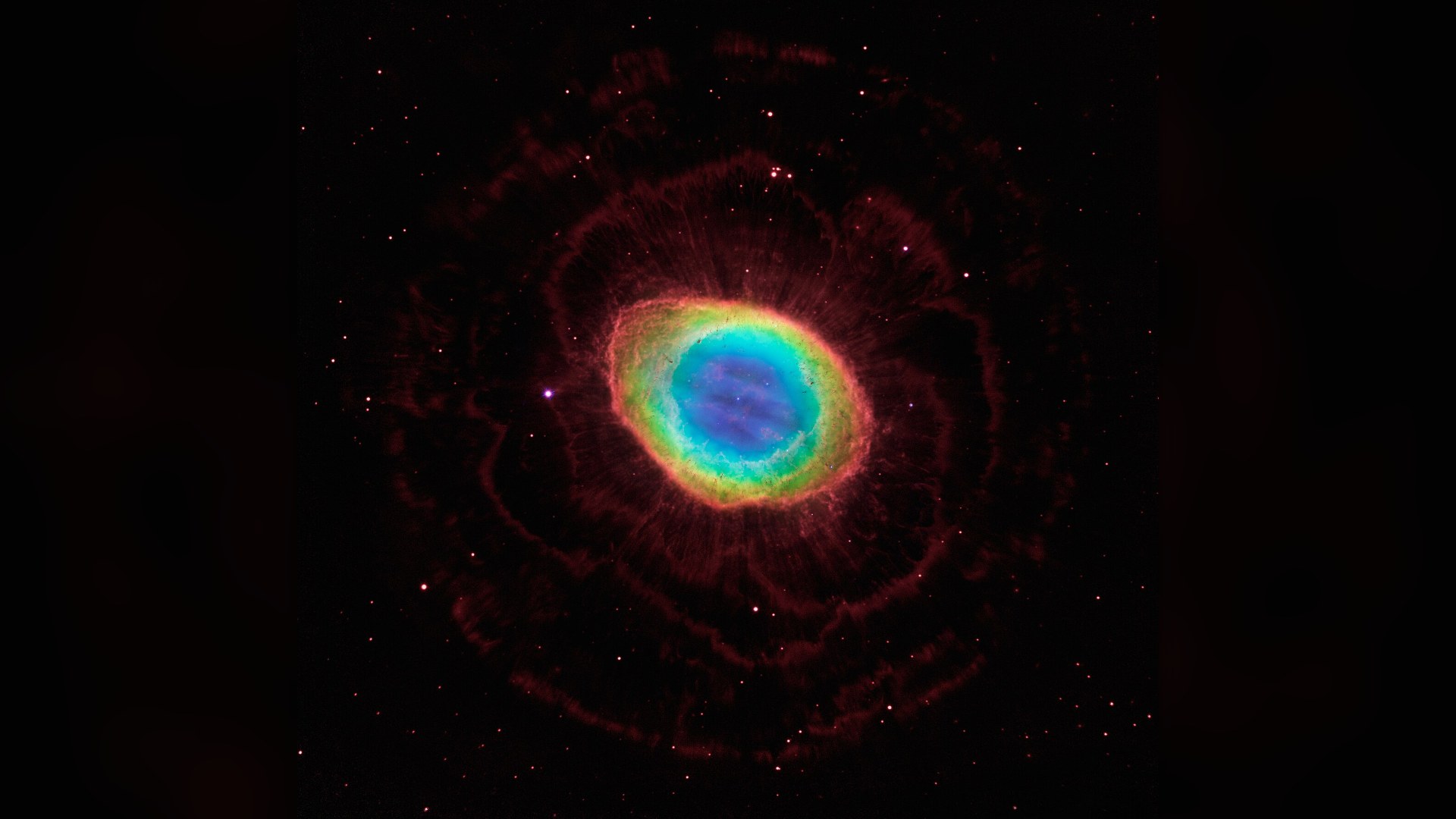
©NASA / C.R. O'Dell and David Thompson
15. The Whirlpool Galaxy's Grand Design
Messier 51 displays graceful grand-design spiral arms sculpted by gravitational tides from its smaller companion galaxy. Hubble's composite view mapped brilliant pink hydrogen star-forming nebulae along curving dust lanes.
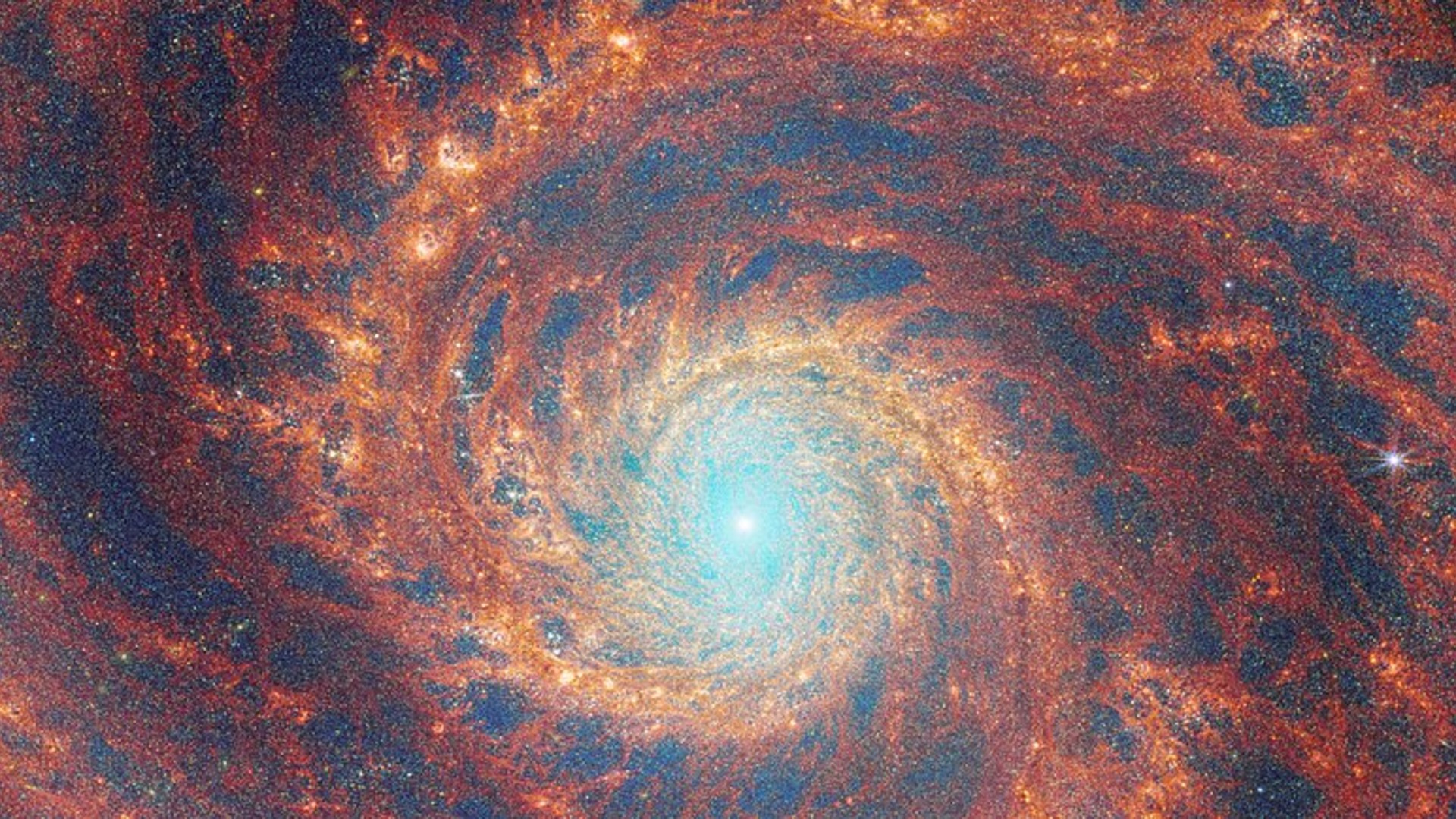
©Wikimedia / ESA, Webb, NASA & CSA, A. Adamo
Advertisement
Swipe or tap ▶ to resume the countdown.
14. The Eagle Nebula Starbirth Spire
Rising above the central cavity of the Eagle Nebula, this monumental dust tower spans over fifty trillion miles. Radiation from scorching newborn stars slowly sculpts the pillar, eroding outer gas while compressing dense cores into stars.
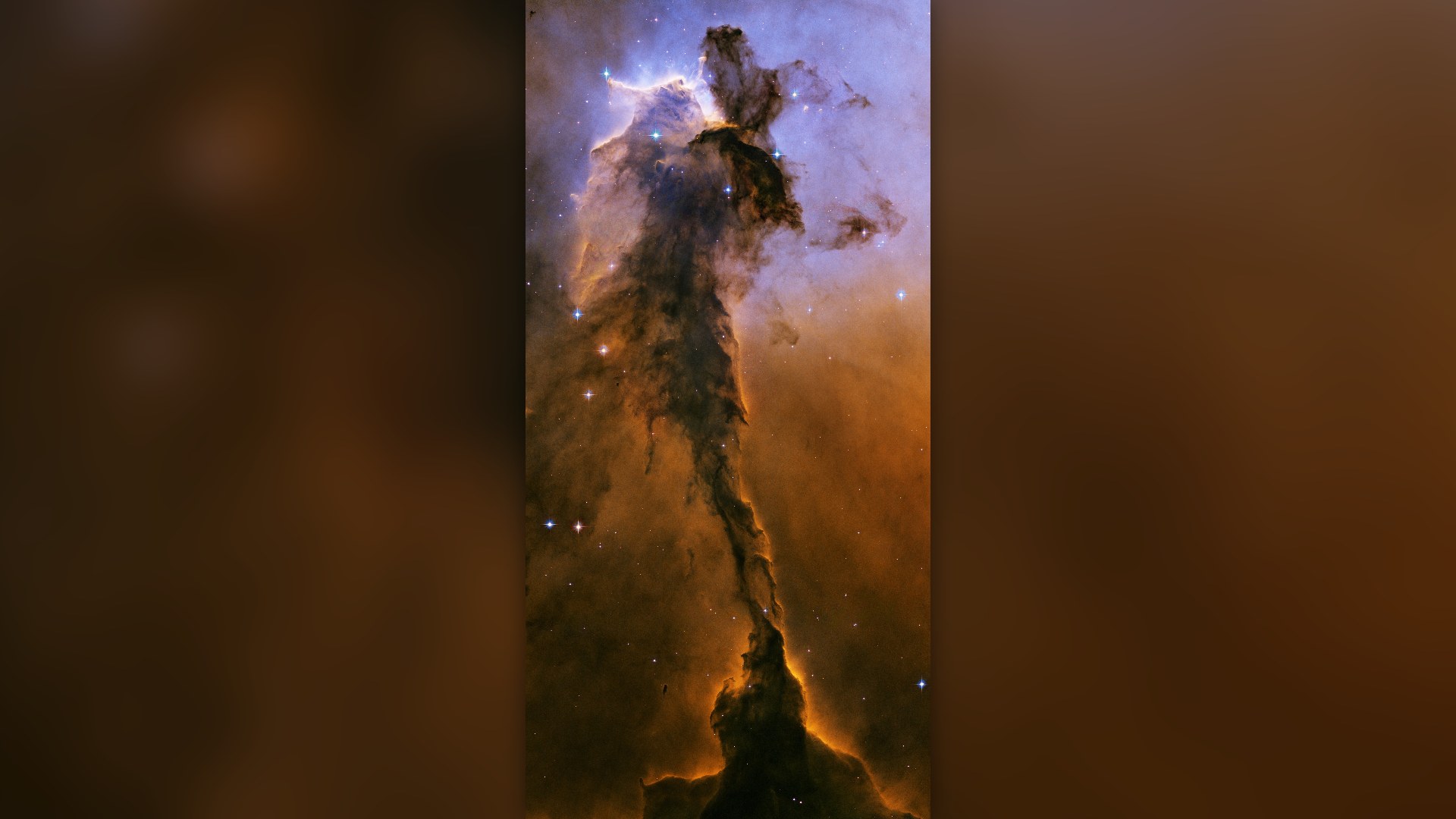
©NASA / STScI and Paul Scowen
13. The Cartwheel Galaxy's Ring Of Fire
Five hundred million light-years away in Sculptor, the Cartwheel Galaxy took its shape after a smaller galaxy passed clean through its core. Webb's MIRI and NIRCam instruments illuminated blue starburst knots lining the expanding outer rim.
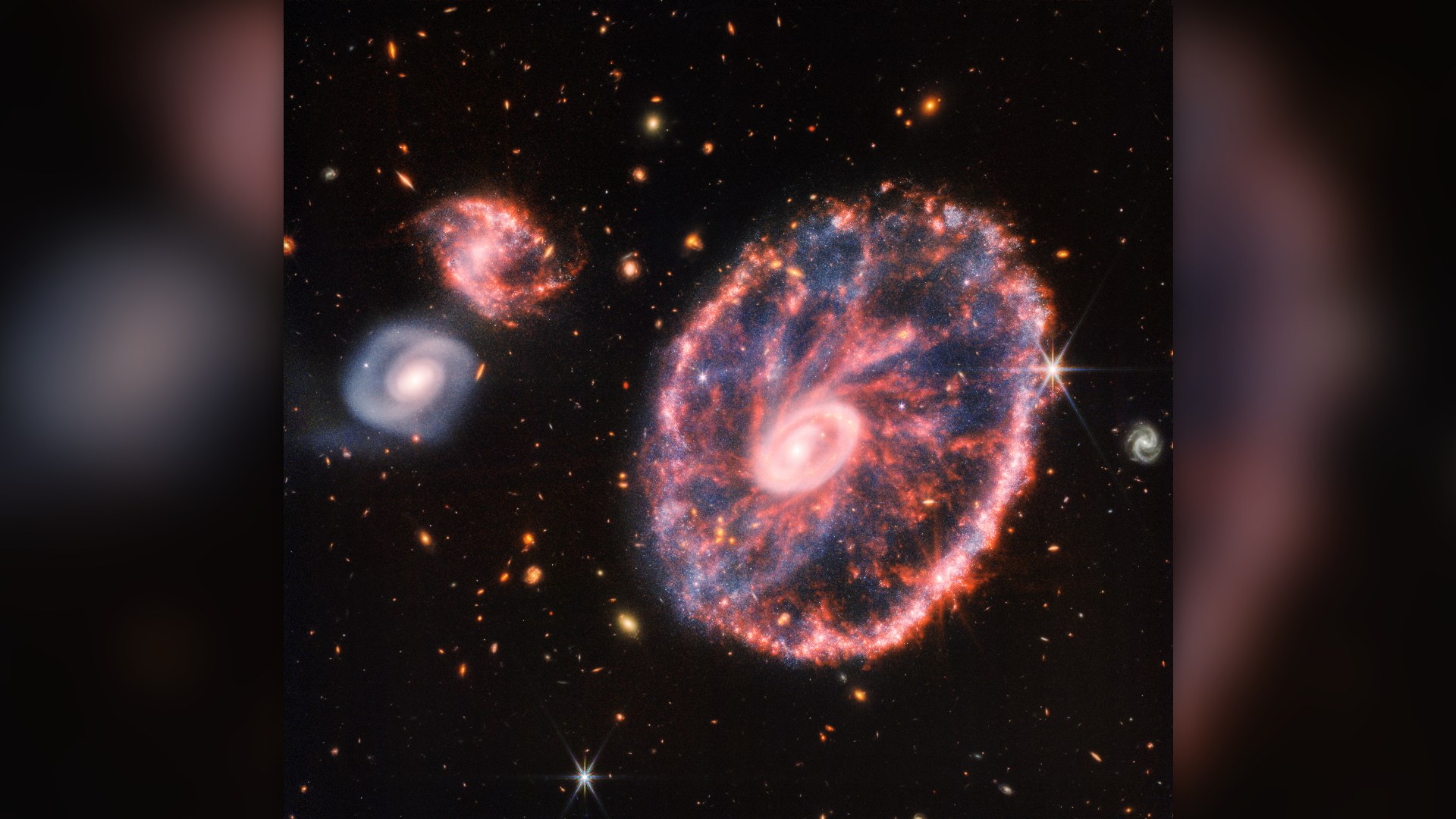
©NASA / Space Telescope Science Institute
12. The Sombrero Galaxy's Giant Halo
Messier 104 features a prominent central bulge and a striking edge-on rim of absorbing interstellar dust. Hubble's sharp resolution enabled astronomers to resolve nearly two thousand globular clusters swarming around the galaxy.
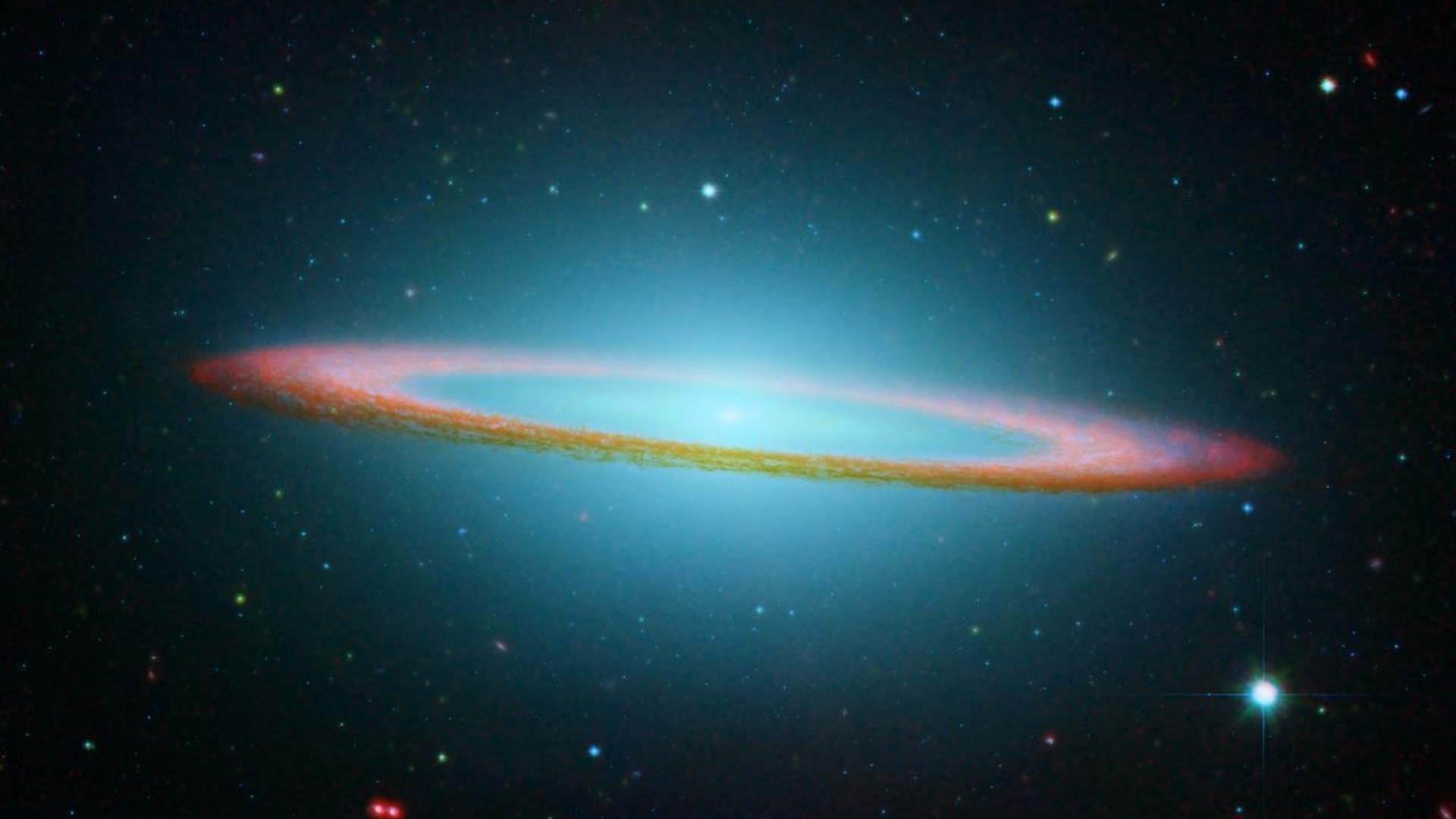
©NASA / STScI and Hubble Heritage Team
11. Cassiopeia A Supernova Debris
Cassiopeia A exploded roughly three hundred and forty years ago, spreading heavy elements into interstellar space. Webb's near-infrared imagery revealed intricate stellar debris and a prominent loop structure nicknamed the Green Monster.
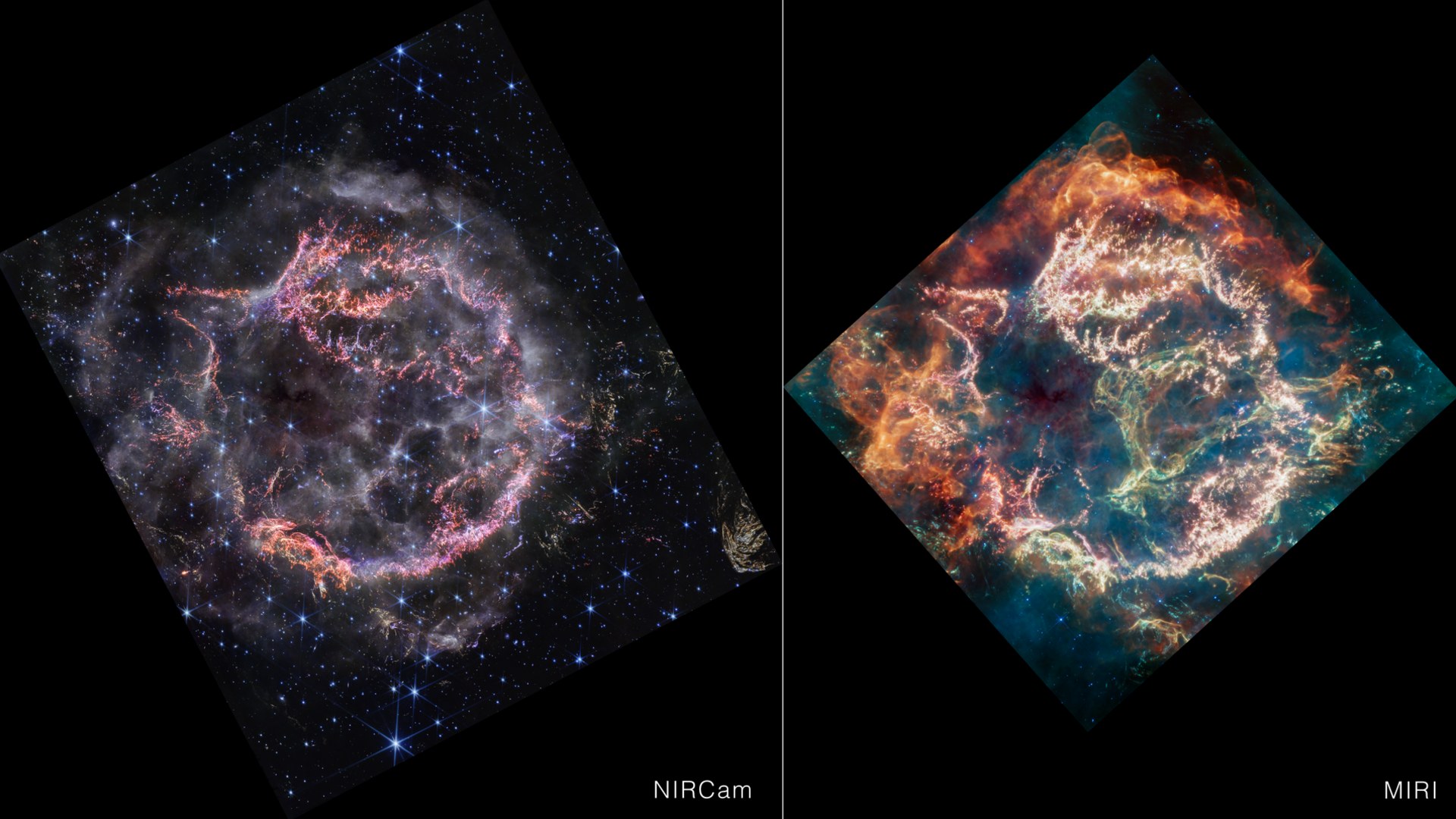
©NASA / STScI and Danny Milisavljevic
Advertisement
Swipe or tap ▶ to resume the countdown.
10. The Cone Nebula Star-Forming Crag
Located twenty-seven hundred light-years away in Monoceros, the Cone Nebula forms the tip of an active starbirth nursery. Radiation from hot young stars slowly strips lighter gas away, leaving dense dust columns where star formation continues.
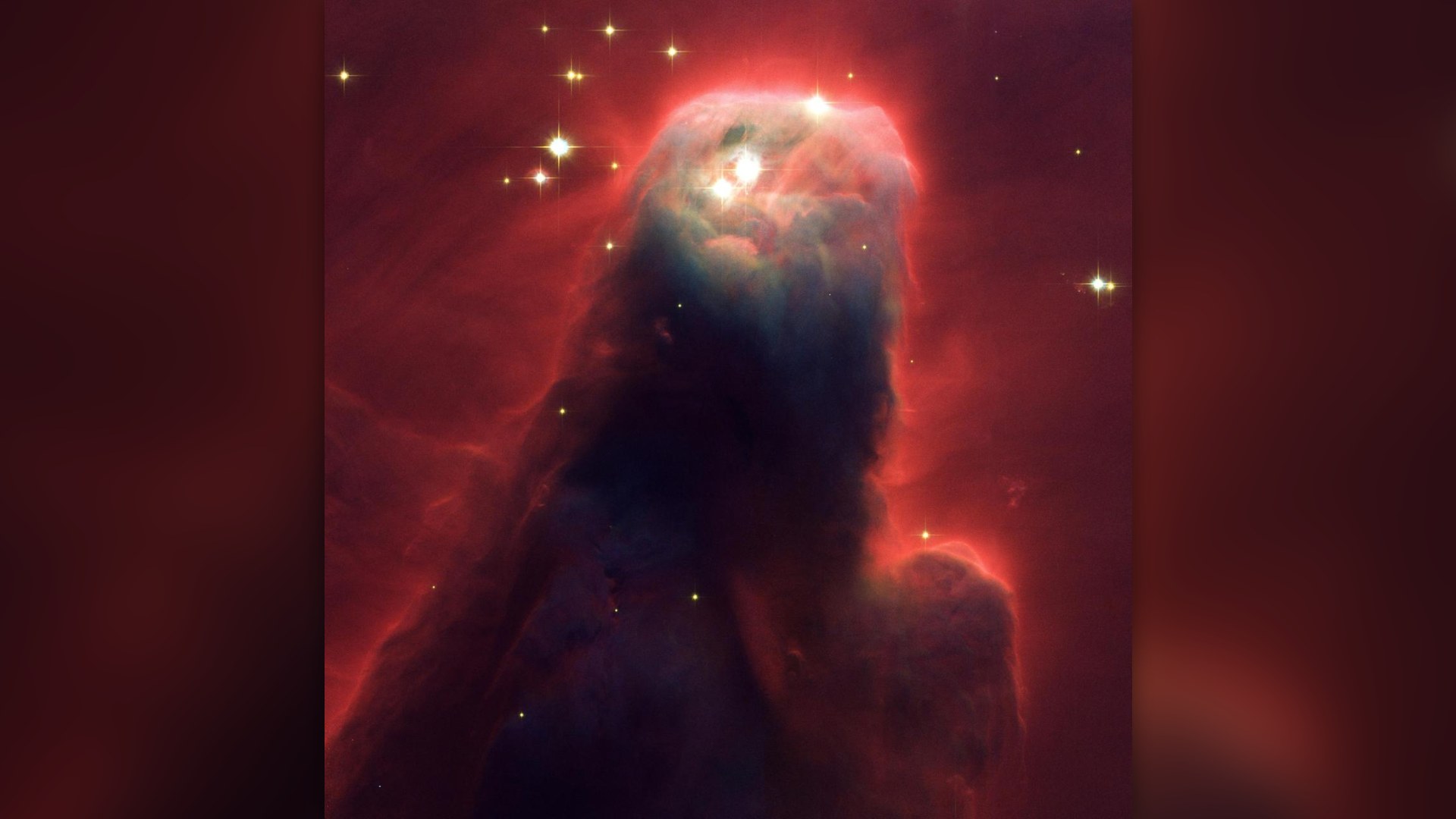
©NASA / STScI and Holland Ford
9. The Helix Nebula's Cometary Knots
Often called the Eye of God, NGC 7293 is one of the closest planetary nebulae to Earth at seven hundred light-years. Hubble's detailed mosaic proved that expanding stellar winds collide with cold gas shells to generate thousands of cometary filaments.
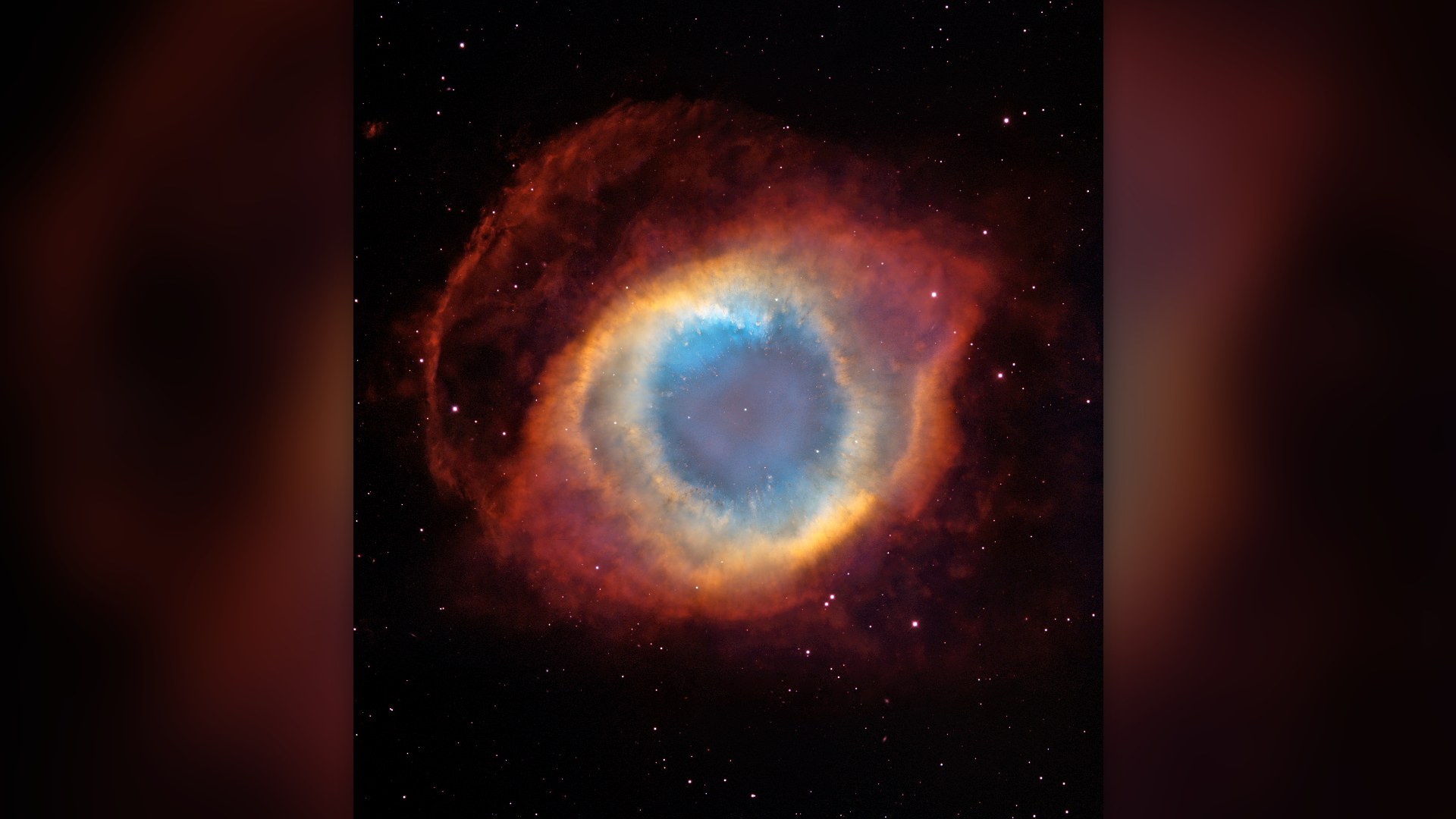
©Wikimedia / C.R. O'Dell and STScI
8. The Tarantula Nebula's Star Factory
Situated in the Large Magellanic Cloud, the Tarantula Nebula is the largest and brightest star-forming region in our local galactic group. Webb's infrared cameras revealed previously unseen protostars still emerging from their birth cocoons.
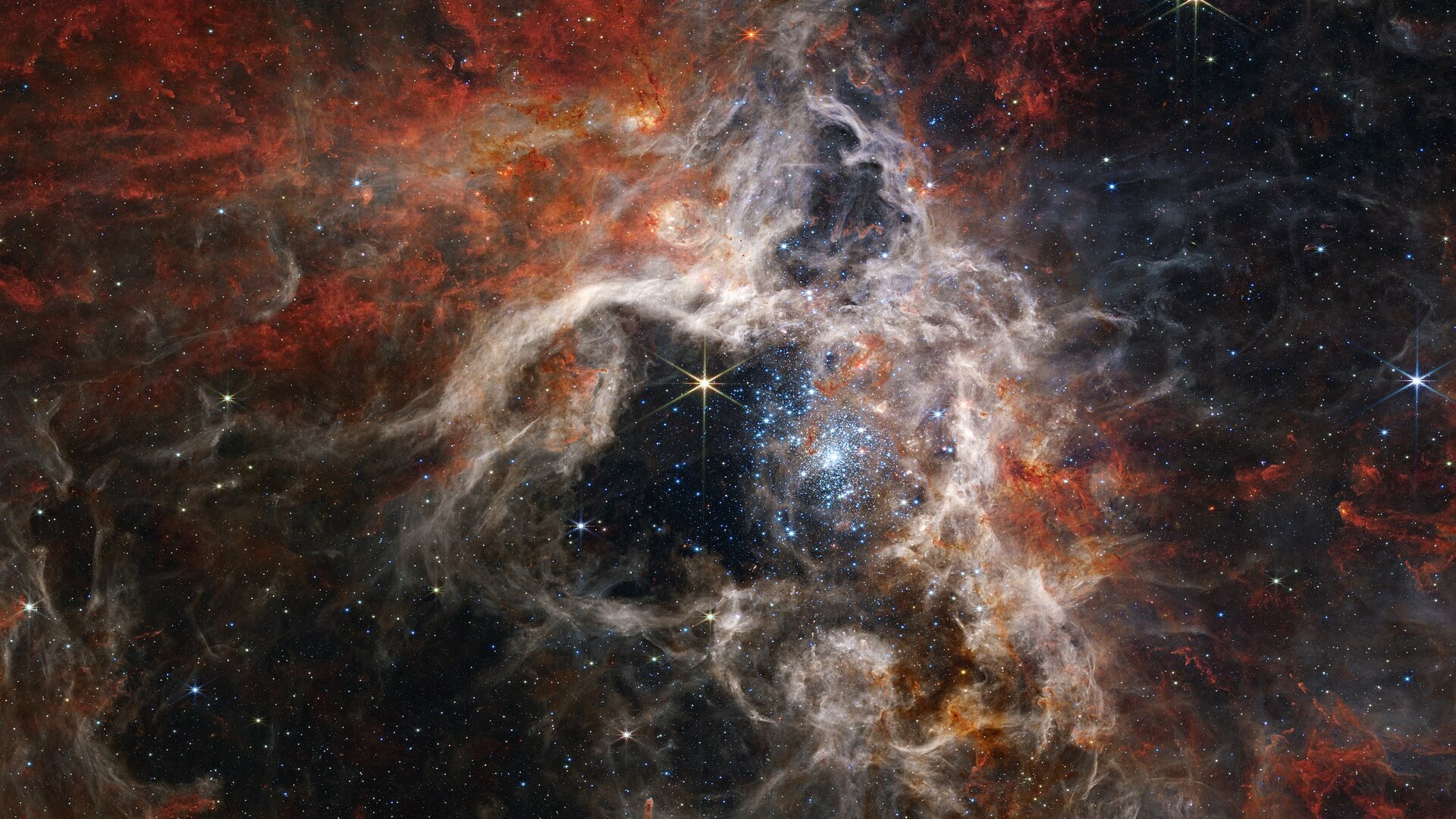
©NASA / Space Telescope Science Institute
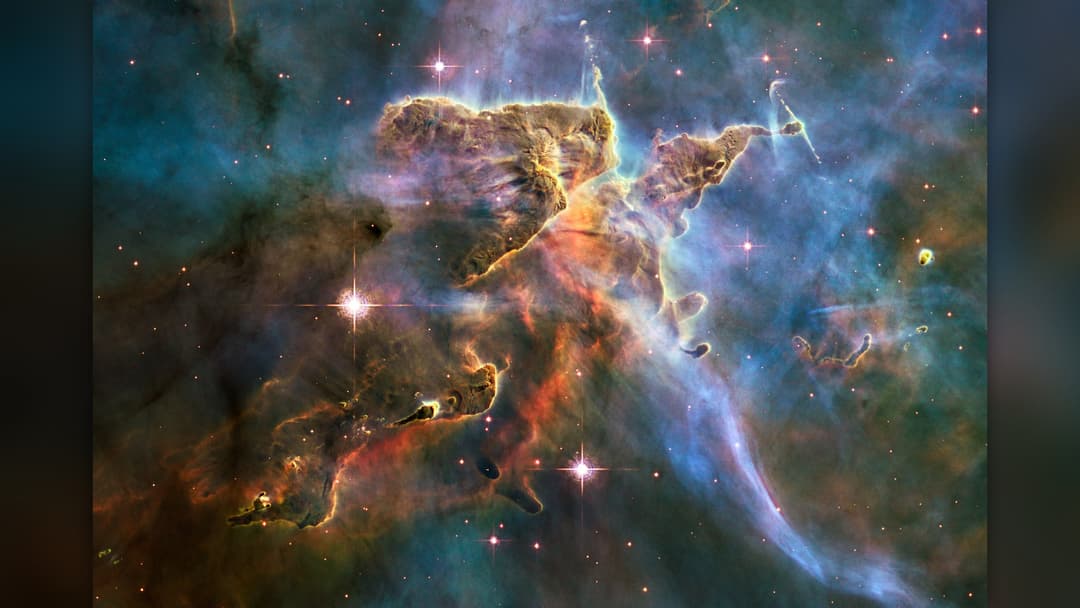
7. Mystic Mountain Dust Tower
Captured for Hubble's twentieth anniversary, this chaotic pillar inside the Carina Nebula stands three light-years tall. High-speed gas jets burst outward from unseen protostars, illuminating dark dust ridges against a backdrop of glowing nebula.
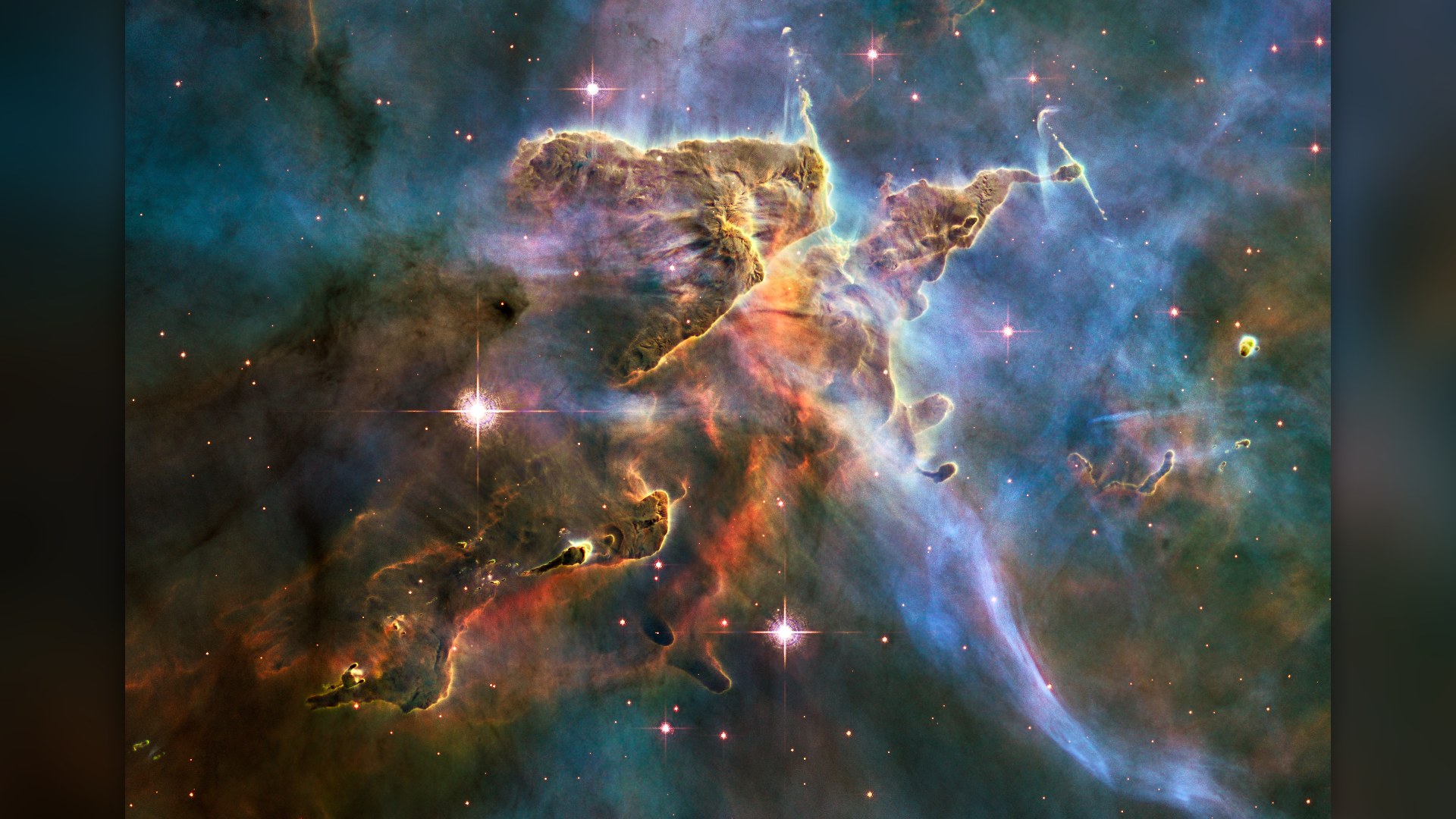
©NASA / STScI and Mario Livio
Advertisement
Swipe or tap ▶ to resume the countdown.
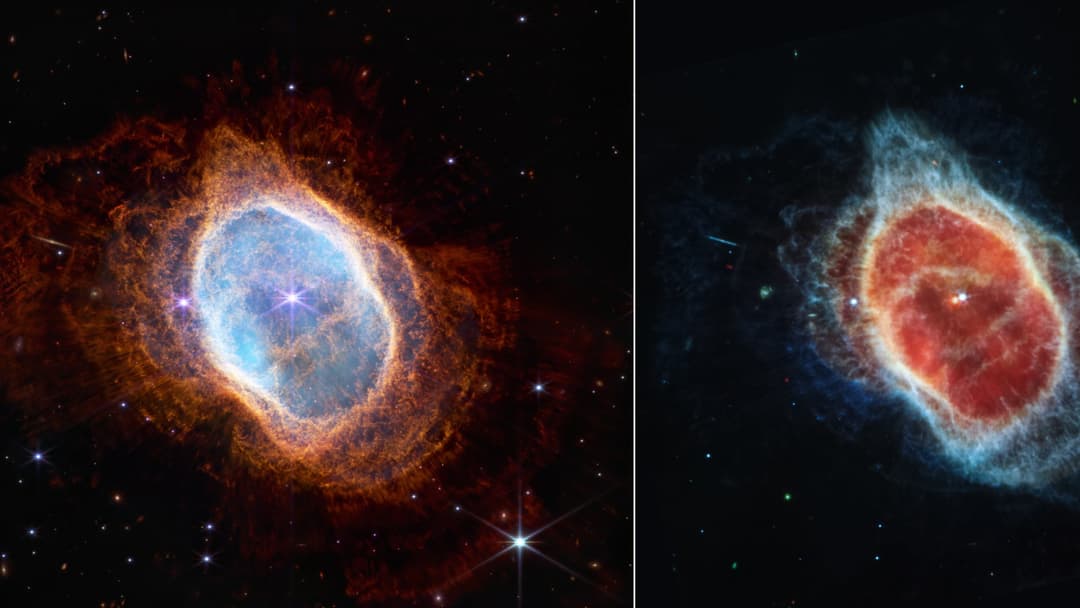
6. The Southern Ring Nebula's Dual Stars
NGC 3132 is an expanding cloud of gas surrounding a dying star twenty-five hundred light-years away. Webb's mid-infrared camera unmasked a previously hidden companion star wrapped in dust, solving a decades-old mystery about the nebula's shape.
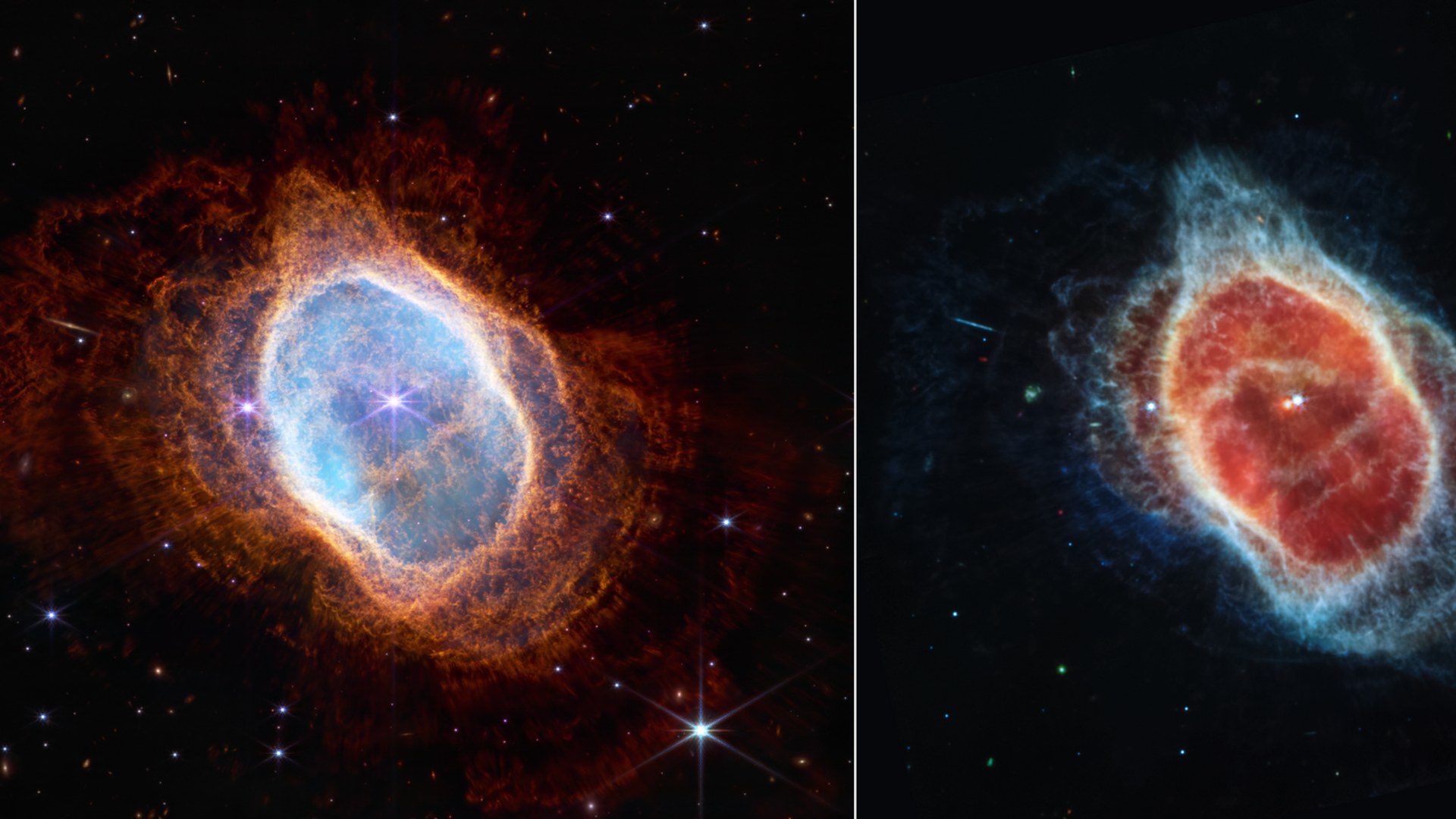
©NASA / STScI and Orsola De Marco
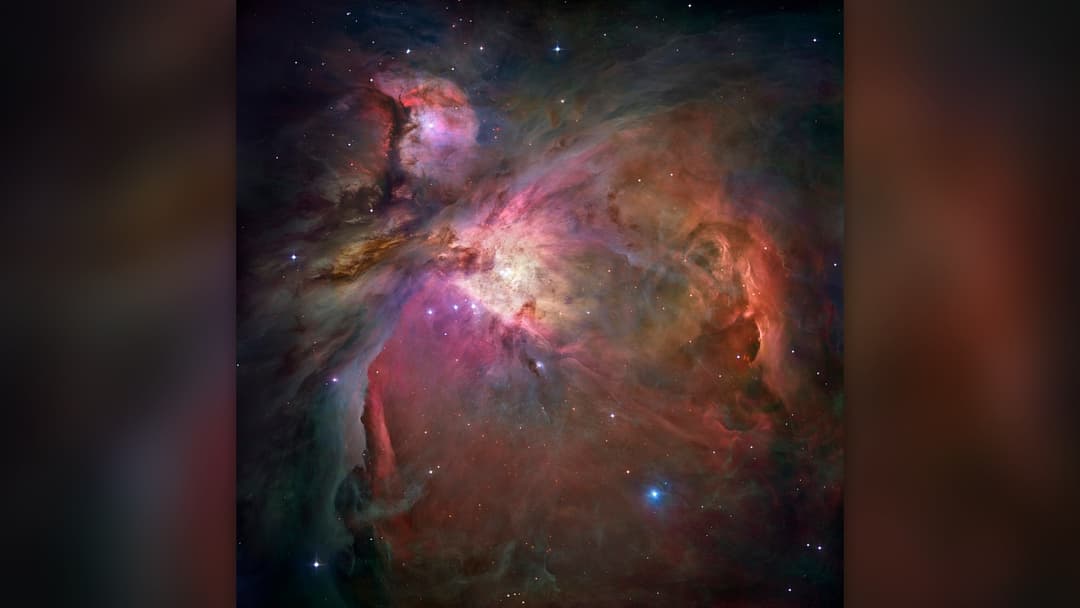
5. The Orion Nebula Star Nursery
Located fifteen hundred light-years from Earth, the Orion Nebula is the closest massive starbirth nursery to our planet. Hubble's survey photographed baby stars surrounded by discs of gas and dust where future planetary systems are currently forming.
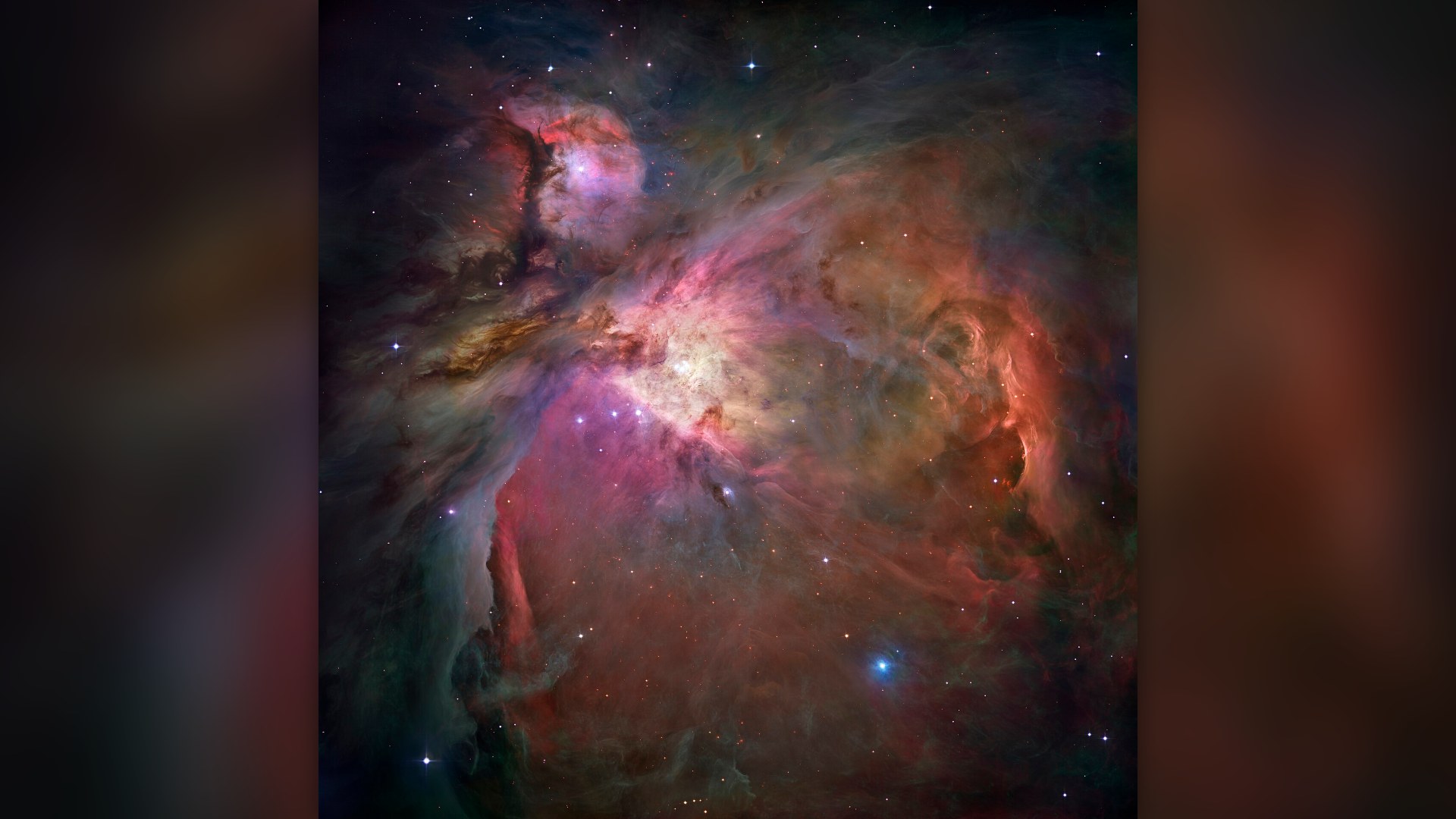
©NASA / STScI and Massimo Robberto
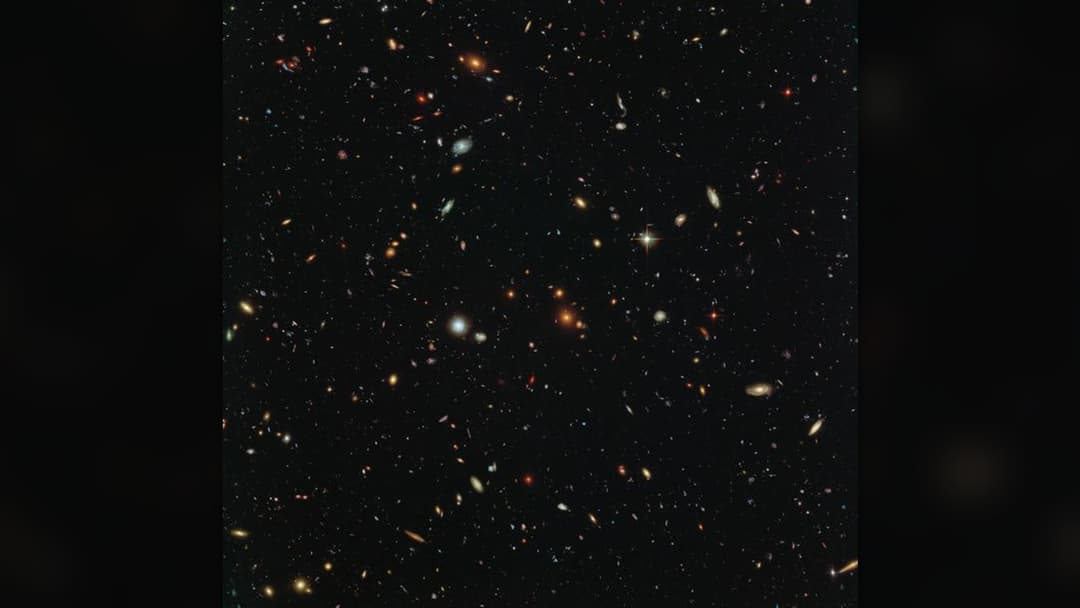
4. The Hubble Ultra Deep Field
Targeting a dark sliver of sky no larger than a grain of sand held at arm's length, Hubble observed for nearly a million seconds. The historic image captured ten thousand distant galaxies, looking back over thirteen billion years toward cosmic dawn.
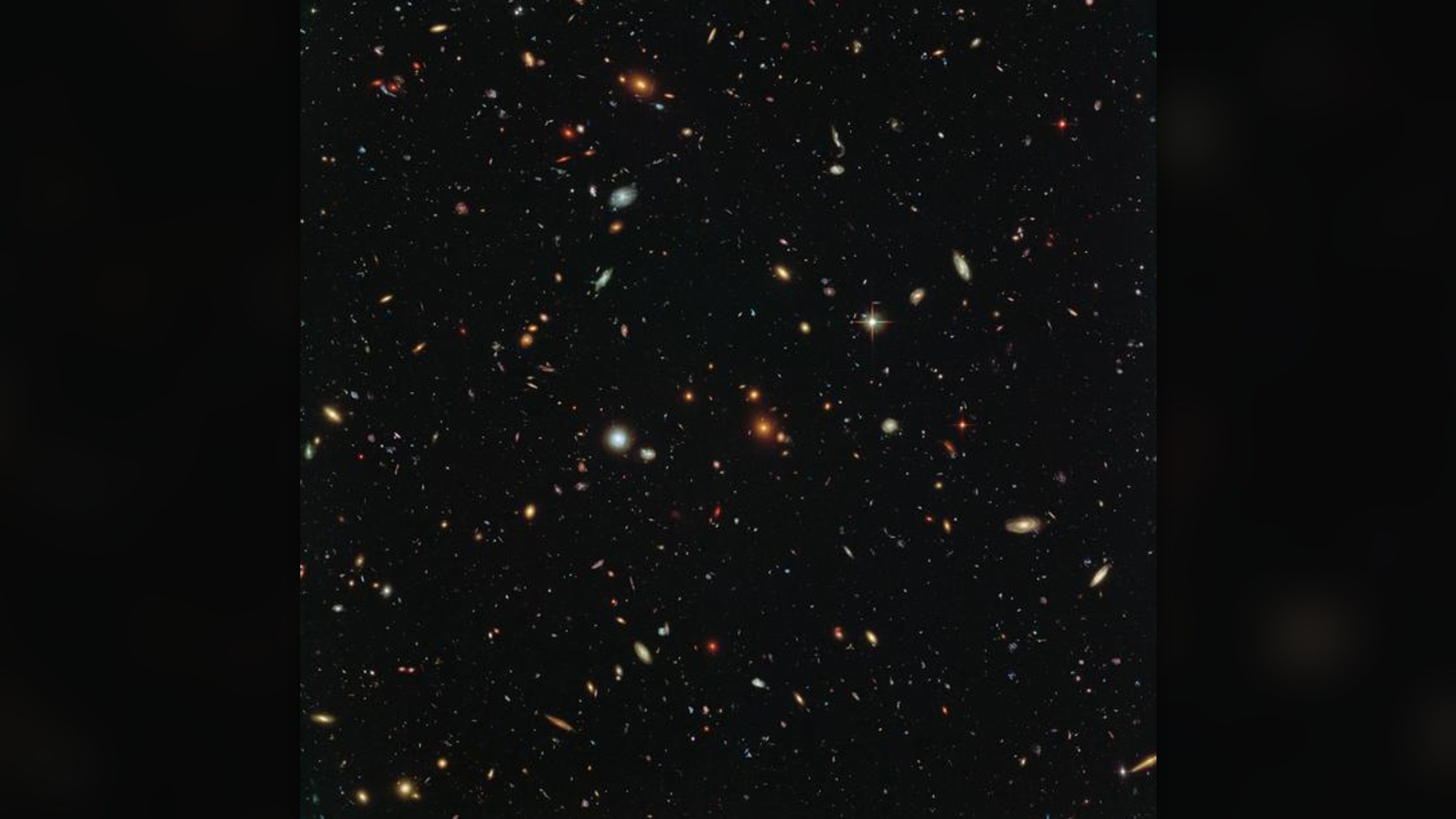
©NASA / STScI and Steven Beckwith
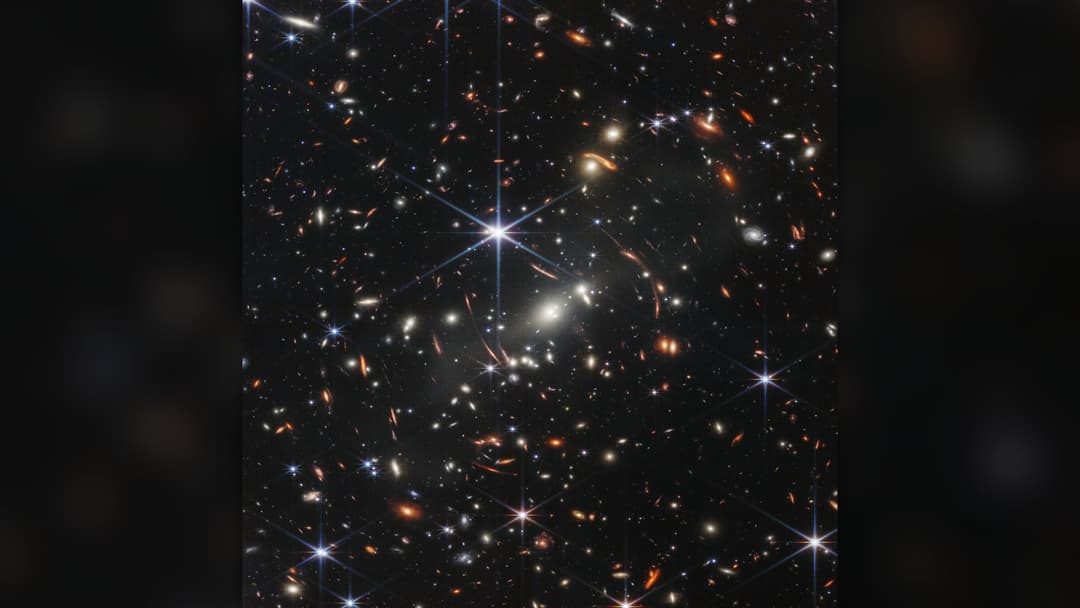
3. Webb's First Deep Field SMACS 0723
Webb's debut operational image captured galaxy cluster SMACS 0723 acting as a gravitational lens. The cluster's mass magnified ancient background galaxies, producing the sharpest and deepest infrared view of the early universe ever recorded.
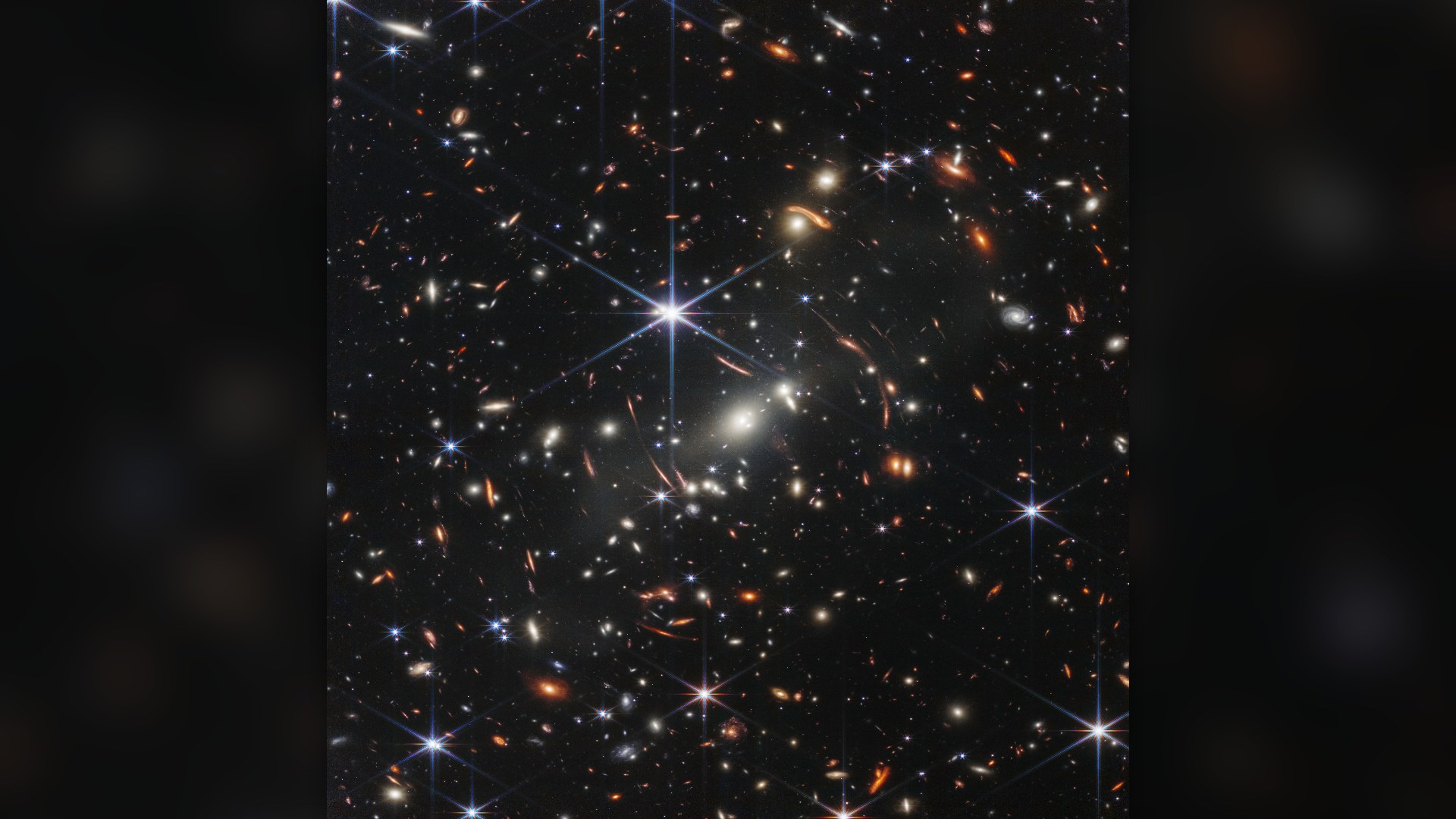
©NASA / Space Telescope Science Institute
Advertisement
Swipe or tap ▶ to resume the countdown.
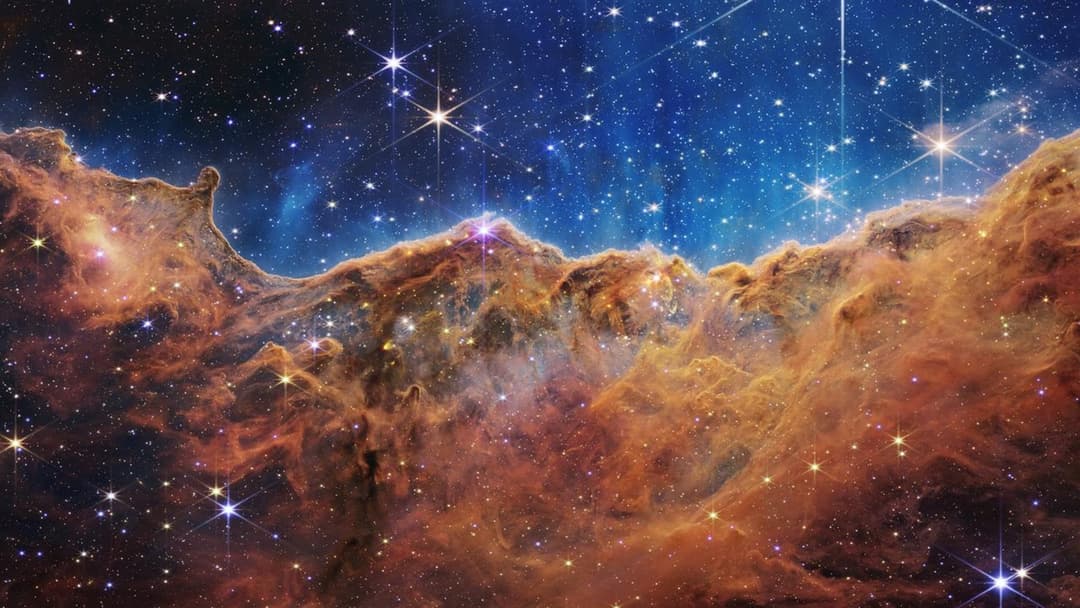
2. The Carina Nebula Cosmic Cliffs
NGC 3324 features a towering cliff edge of ionized gas pushed back by intense radiation from massive young stars. Webb's near-infrared sensitivity resolved hundreds of newborn stars and energetic gas jets carving cavities into the nebula.
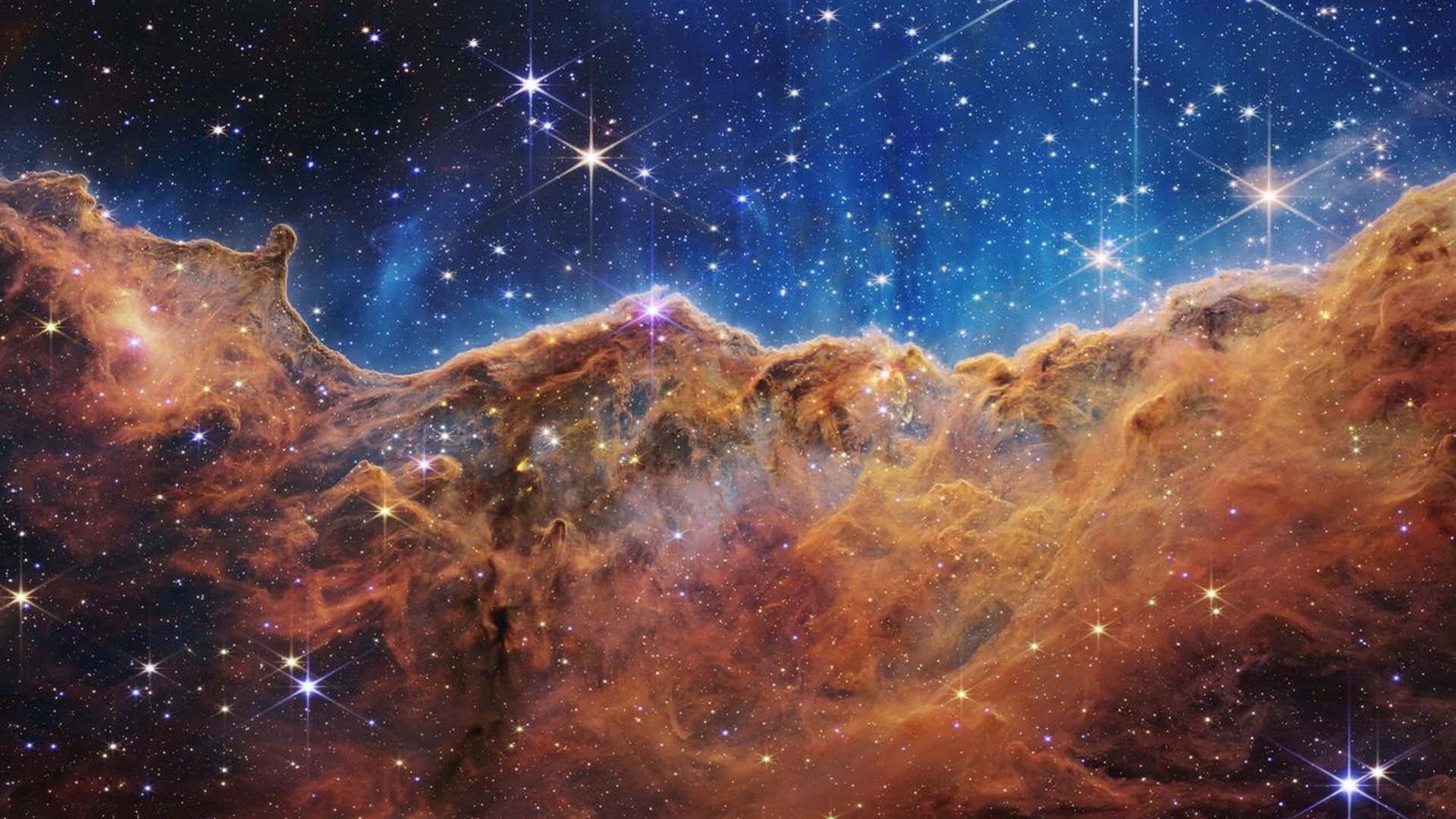
©NASA / Space Telescope Science Institute
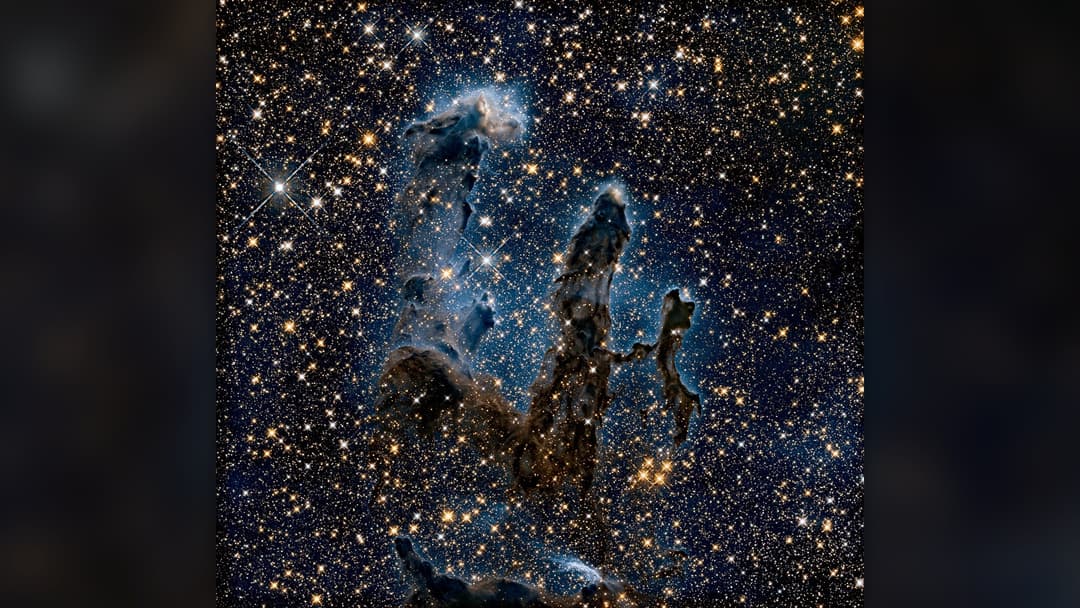
1. The Pillars Of Creation In Eagle Nebula
Located sixty-five hundred light-years away in the Eagle Nebula, the Pillars of Creation are interstellar columns of cool molecular gas. Webb's NIRCam traced dense dust fingers and newly ignited red protostars, creating the definitive space portrait.
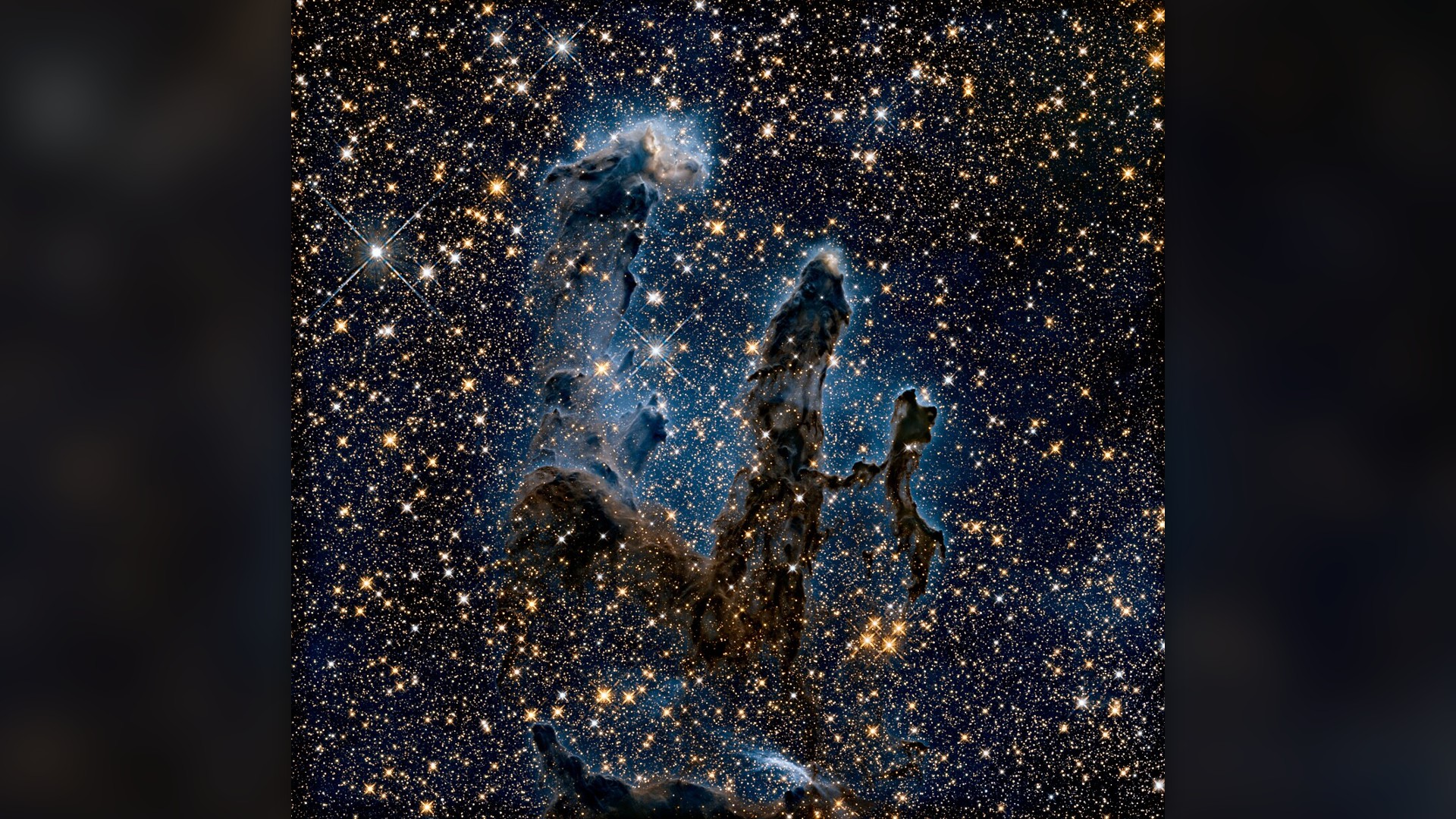
©Wikimedia / NASA, ESA, and the Hubble Heritage Team
Advertisement
You've reached the end of the story. Thanks for reading!

22 Places Where Scientists Found Water Hiding in the Solar System
Explore 22 solar system locations where water ice and buried oceans exist, all backed by real mission detections. From lunar craters to deep subsurface seas on Enceladus, scientists are mapping the water that shapes our planetary neighborhood. Discover how these cold reservoirs reveal the evolution of planets and the hidden potential for life across the solar system in this planetary countdown.
All 25 Entries in this Story
25. Neptune And Its Ghostly Rings
Using its near-infrared camera, the James Webb Space Telescope pierced methane absorption in Neptune's atmosphere. The resulting portrait revealed crisp, reflective rings and glowing high-altitude ice clouds that ground telescopes could never resolve.

24. Jupiter's Glowing Polar Aurorae
Webb's composite infrared view showed intense auroral activity at Jupiter's north and south poles. The telescope's extreme sensitivity captured the giant planet's gossamer ring system alongside two tiny moons against deep space.

23. The Cat's Eye Nebula
Located three thousand light-years away, NGC 6543 displays an intricate web of glowing bubbles and gas shells. Hubble's high-resolution images proved that the dying star ejected mass in pulsed convulsions every fifteen hundred years.

22. Uranus And Its Dynamic Ring System
In just a twelve-minute exposure, Webb resolved Uranus's elusive dusty rings and a bright polar cap. The observatory demonstrated how seasonal sunlight drives circulation patterns across the tilted planet's cold atmosphere.

21. The Wings Of The Butterfly Nebula
Cataloged as NGC 6302, this planetary nebula features a dying central star blanketed in a dense donut of dust. Hubble's Wide Field Camera 3 traced complex chemical signatures across the delicate, glowing wings of stellar gas.

20. Saturn And Its Golden Ring Shadow
Hubble's Outer Planet Atmospheres Legacy program tracks dynamic shifts in Saturn's bands of ammonia clouds. This crisp portrait highlighted subtle amber coloration across the north pole and razor-sharp shadow lines cast across the ring plane.

19. Stephan's Quintet Galaxy Collision
Located in the constellation Pegasus, Stephan's Quintet is a cosmic laboratory for galaxy collisions. Webb's infrared detectors pierced dust clouds to reveal enormous shockwaves produced as galaxy NGC 7318B slammed through the group.

18. The Crab Nebula Pulsar Core
The Crab Nebula is the expanding remnant of a supernova observed by astronomers on Earth in 1054. Hubble's exposures mapped high-energy synchrotron radiation generated by a central pulsar spinning thirty times every single second.

17. The Infrared Horsehead Nebula
To celebrate Hubble's twenty-third anniversary, astronomers captured Barnard 33 in near-infrared light. The technique rendered the iconic dark dust horsehead translucent, exposing newly formed stars embedded within the ridge.

16. The Ring Nebula's Glowing Filaments
Situated two thousand light-years away in Lyra, the Ring Nebula is the remnant of a star shedding outer layers. Webb's NIRCam revealed complex concentric arcs outside the main ring, pointing to an orbiting companion star.

15. The Whirlpool Galaxy's Grand Design
Messier 51 displays graceful grand-design spiral arms sculpted by gravitational tides from its smaller companion galaxy. Hubble's composite view mapped brilliant pink hydrogen star-forming nebulae along curving dust lanes.

14. The Eagle Nebula Starbirth Spire
Rising above the central cavity of the Eagle Nebula, this monumental dust tower spans over fifty trillion miles. Radiation from scorching newborn stars slowly sculpts the pillar, eroding outer gas while compressing dense cores into stars.

13. The Cartwheel Galaxy's Ring Of Fire
Five hundred million light-years away in Sculptor, the Cartwheel Galaxy took its shape after a smaller galaxy passed clean through its core. Webb's MIRI and NIRCam instruments illuminated blue starburst knots lining the expanding outer rim.

12. The Sombrero Galaxy's Giant Halo
Messier 104 features a prominent central bulge and a striking edge-on rim of absorbing interstellar dust. Hubble's sharp resolution enabled astronomers to resolve nearly two thousand globular clusters swarming around the galaxy.

11. Cassiopeia A Supernova Debris
Cassiopeia A exploded roughly three hundred and forty years ago, spreading heavy elements into interstellar space. Webb's near-infrared imagery revealed intricate stellar debris and a prominent loop structure nicknamed the Green Monster.

10. The Cone Nebula Star-Forming Crag
Located twenty-seven hundred light-years away in Monoceros, the Cone Nebula forms the tip of an active starbirth nursery. Radiation from hot young stars slowly strips lighter gas away, leaving dense dust columns where star formation continues.

9. The Helix Nebula's Cometary Knots
Often called the Eye of God, NGC 7293 is one of the closest planetary nebulae to Earth at seven hundred light-years. Hubble's detailed mosaic proved that expanding stellar winds collide with cold gas shells to generate thousands of cometary filaments.

8. The Tarantula Nebula's Star Factory
Situated in the Large Magellanic Cloud, the Tarantula Nebula is the largest and brightest star-forming region in our local galactic group. Webb's infrared cameras revealed previously unseen protostars still emerging from their birth cocoons.

7. Mystic Mountain Dust Tower
Captured for Hubble's twentieth anniversary, this chaotic pillar inside the Carina Nebula stands three light-years tall. High-speed gas jets burst outward from unseen protostars, illuminating dark dust ridges against a backdrop of glowing nebula.

6. The Southern Ring Nebula's Dual Stars
NGC 3132 is an expanding cloud of gas surrounding a dying star twenty-five hundred light-years away. Webb's mid-infrared camera unmasked a previously hidden companion star wrapped in dust, solving a decades-old mystery about the nebula's shape.

5. The Orion Nebula Star Nursery
Located fifteen hundred light-years from Earth, the Orion Nebula is the closest massive starbirth nursery to our planet. Hubble's survey photographed baby stars surrounded by discs of gas and dust where future planetary systems are currently forming.

4. The Hubble Ultra Deep Field
Targeting a dark sliver of sky no larger than a grain of sand held at arm's length, Hubble observed for nearly a million seconds. The historic image captured ten thousand distant galaxies, looking back over thirteen billion years toward cosmic dawn.

3. Webb's First Deep Field SMACS 0723
Webb's debut operational image captured galaxy cluster SMACS 0723 acting as a gravitational lens. The cluster's mass magnified ancient background galaxies, producing the sharpest and deepest infrared view of the early universe ever recorded.

2. The Carina Nebula Cosmic Cliffs
NGC 3324 features a towering cliff edge of ionized gas pushed back by intense radiation from massive young stars. Webb's near-infrared sensitivity resolved hundreds of newborn stars and energetic gas jets carving cavities into the nebula.

1. The Pillars Of Creation In Eagle Nebula
Located sixty-five hundred light-years away in the Eagle Nebula, the Pillars of Creation are interstellar columns of cool molecular gas. Webb's NIRCam traced dense dust fingers and newly ignited red protostars, creating the definitive space portrait.