Slideshow · Science
Could You Survive Living in Space as an Astronaut?
25 wild realities of living, sleeping, and returning to Earth from orbit.
By Most Viral Today
28 Oct 2026

Could You Survive Living in Space as an Astronaut? 
25. Liquid Salt And Pepper Only 
24. No Laundry In Space 
23. Tortilla Triumph Over Bread - AdvertisementSwipe or tap ▶ to continue countdown

22. Intense "Wet Burps" 
21. No Snoring In Zero Gravity 
20. Fading Foot Calluses 
19. Dulled Taste And Spicy Cravings - AdvertisementSwipe or tap ▶ to continue countdown

18. Tears That Never Fall 
17. The Metallic "Space Smell" 
16. Clumsy Returns And Floating Habits 
15. Spontaneous Cosmic Light Flashes - AdvertisementSwipe or tap ▶ to continue countdown

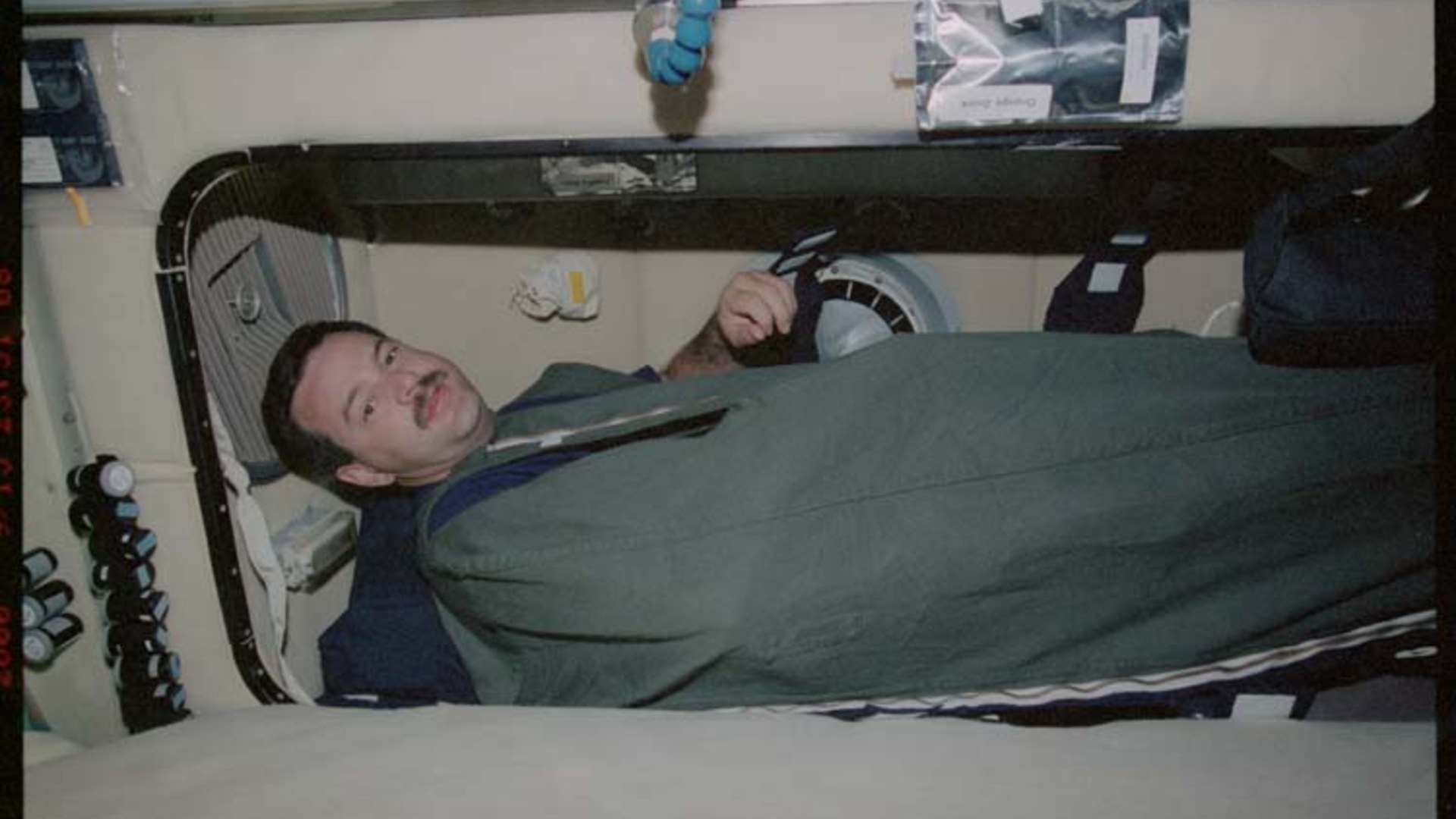
14. Sleeping Strapped To The Wall 
13. The Cognitive "Overview Effect" 
12. Constant Space Station Noise 
11. 16 Sunrises And Sunsets Every Day - AdvertisementSwipe or tap ▶ to continue countdown

10. A Two-Inch Height Boost In Orbit 
9. Drinking Recycled Sweat And Urine 
8. Spacesuit Glove Fingernail Loss 
7. Rapid Muscle And Bone Decay - AdvertisementSwipe or tap ▶ to continue countdown

6. Flattened Eyeballs And DNA Shifts 
5. Severe Gravity Shock Upon Landing 
4. Weeks Of Vestibular Confusion 
3. The Post-Landing "Drop Habit" - AdvertisementSwipe or tap ▶ to continue countdown

2. Shrinking Back To Normal Height 
1. Post-Flight Immune Quarantine - Advertisement🔥 UP NEXT IN THIS SERIES◫ 23 Slides

22 Most Secret World War II Aircraft Tested Behind Closed Doors
Between 1939 and 1945, Allied and Axis engineers built jets, flying wings and rocket interceptors in deep wartime secrecy. Ranked from 22 to 1 by historical secrecy and technical leap, this countdown draws on archival records from the Smithsonian, U.S. Air Force Museum, RAF Museum and German Federal Archives.
From liquid salt and zero laundry to cosmic-ray eye flashes and growing two inches taller, here is what really happens to the human body in space.
Swipe or tap ▶ to begin the countdown
©Wikimedia / NASA, Michael Fossum
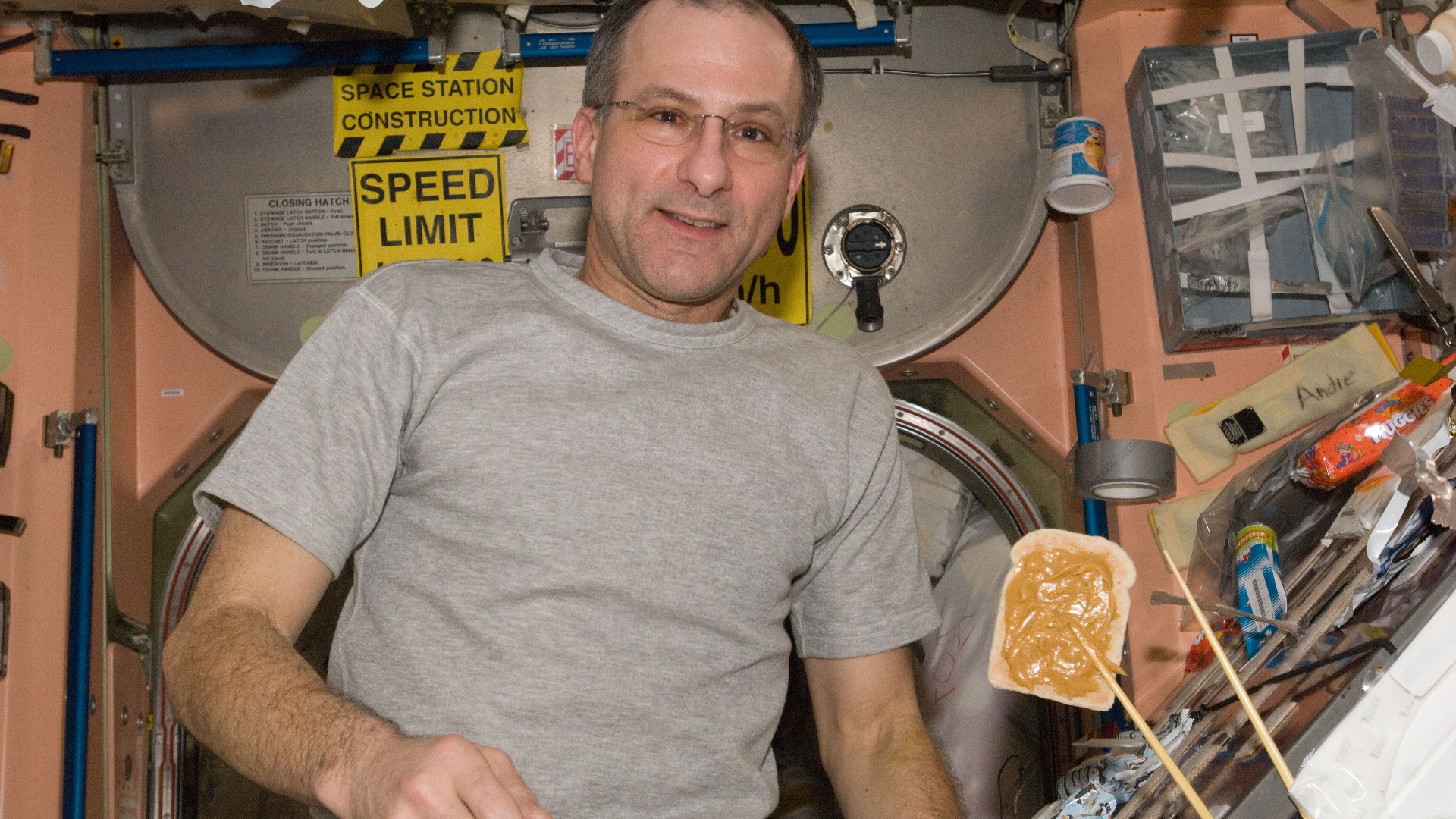
25. Liquid Salt And Pepper Only
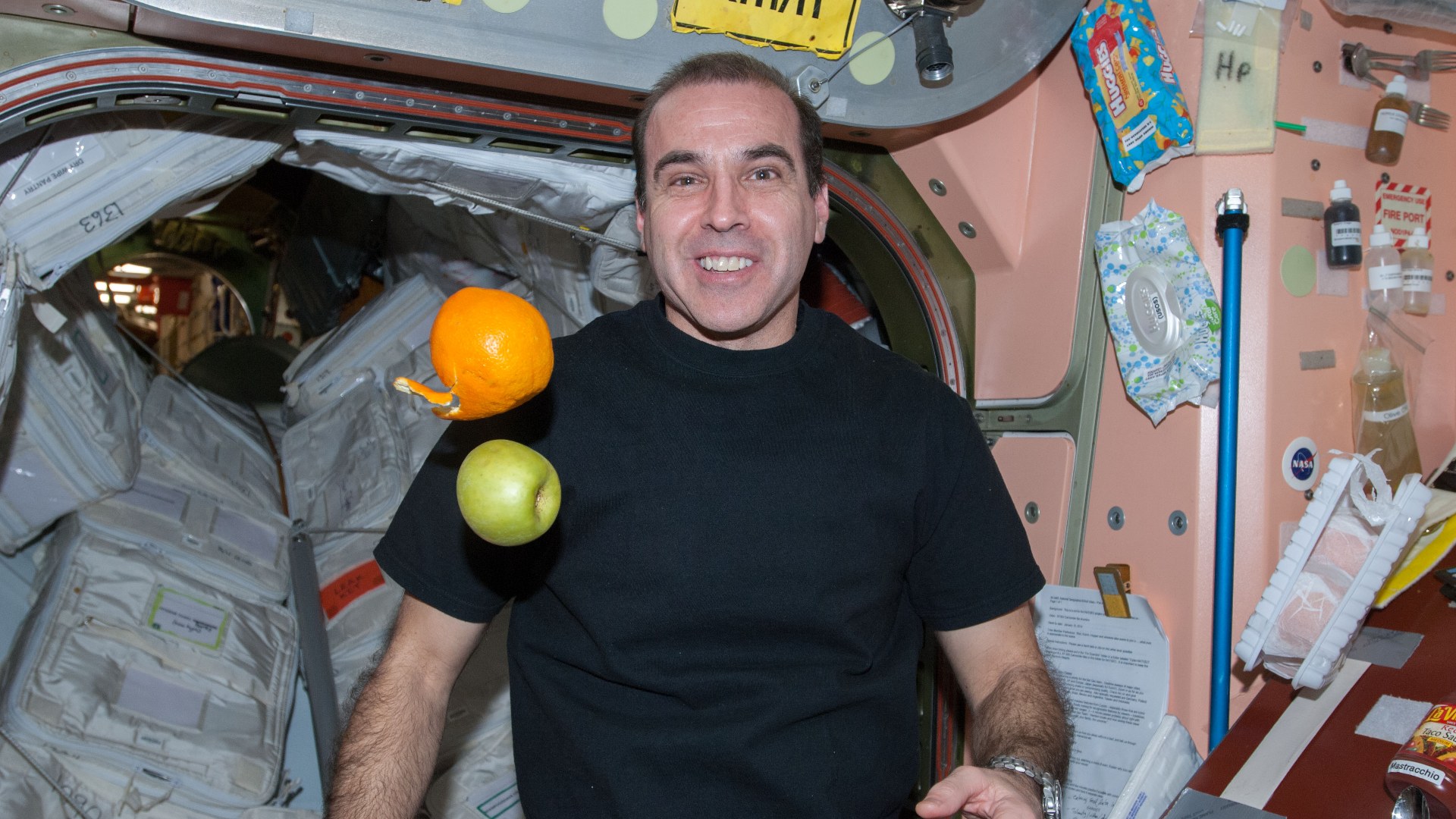
Astronauts cannot use regular salt and pepper because the grains would float away, clog vents, and get into eyes. They use liquid versions instead.
©Wikimedia / NASA Johnson Space Center
24. No Laundry In Space
There are no washing machines in space. Astronauts wear their underwear and clothes for days or weeks until they are too dirty, then discard them to burn up in the atmosphere.
©Wikimedia / NASA Johnson Space Center
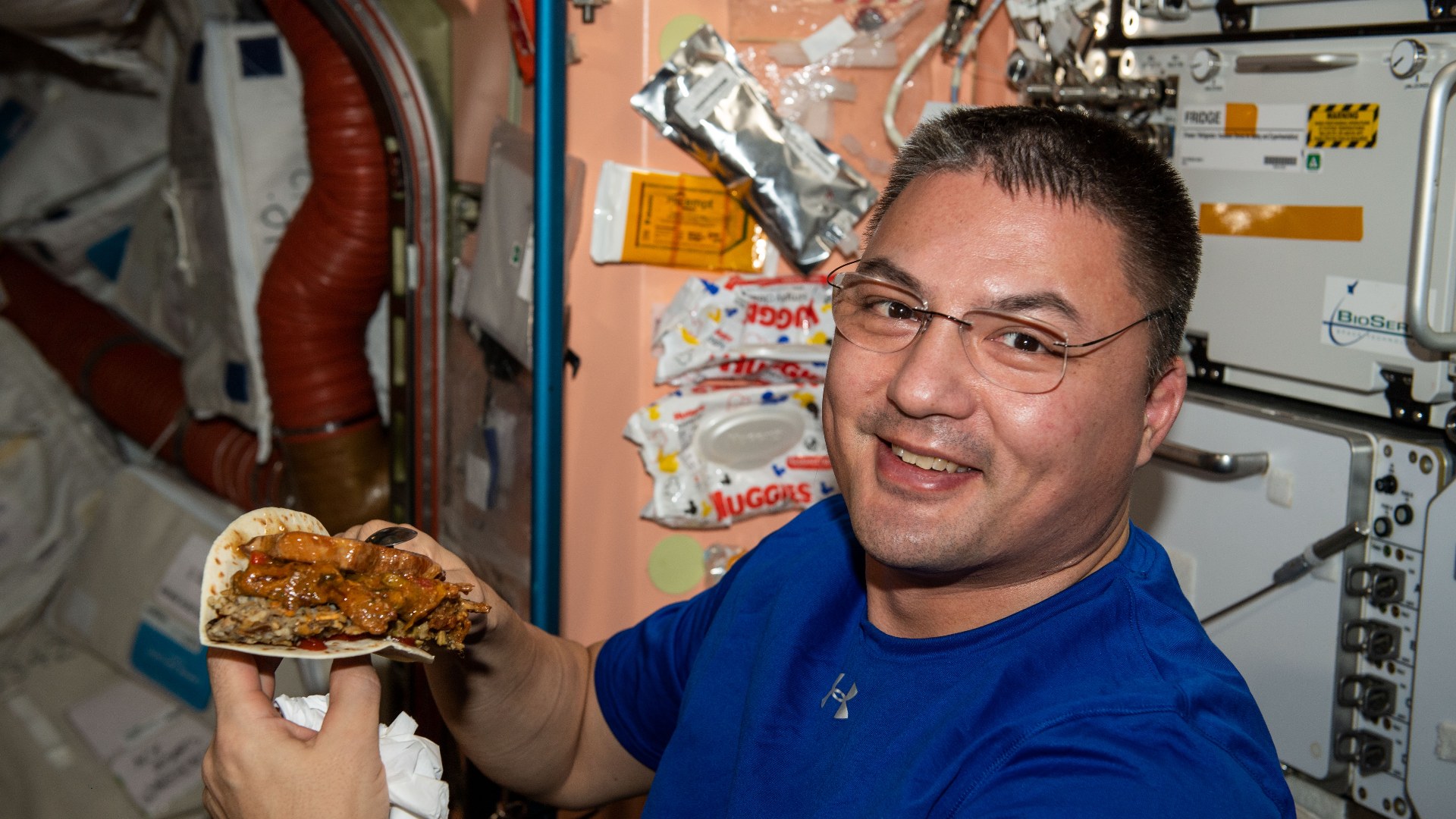
23. Tortilla Triumph Over Bread
Bread is banned on the ISS because crumbs can float into equipment and eyes. Tortillas are used for almost every meal instead.
©Wikimedia / NASA Johnson Space Center
Advertisement
Swipe or tap ▶ to resume the countdown.
22. Intense "Wet Burps"
Without gravity to separate liquids and gases in the stomach, burping in space usually results in a wet, unpleasant vomit-like reflux.
©Wikimedia / NASA Johnson Space Center
21. No Snoring In Zero Gravity
Due to the lack of gravity pulling the tongue and soft palate backward, astronauts who snore heavily on Earth almost always stop snoring in space.
©Wikimedia / NASA Johnson Space Center
20. Fading Foot Calluses
Because astronauts do not walk, the calluses on the bottoms of their feet soften and shed. The tops of their feet actually become sensitive and rough from hooking into foot restraints.
©Wikimedia / Mark Vande Hei
19. Dulled Taste And Spicy Cravings
Fluids shift to the head in microgravity, causing nasal congestion similar to a head cold. This makes food taste incredibly bland, leading astronauts to crave hot sauce and spicy food.
©Wikimedia / Frank Rubio
Advertisement
Swipe or tap ▶ to resume the countdown.
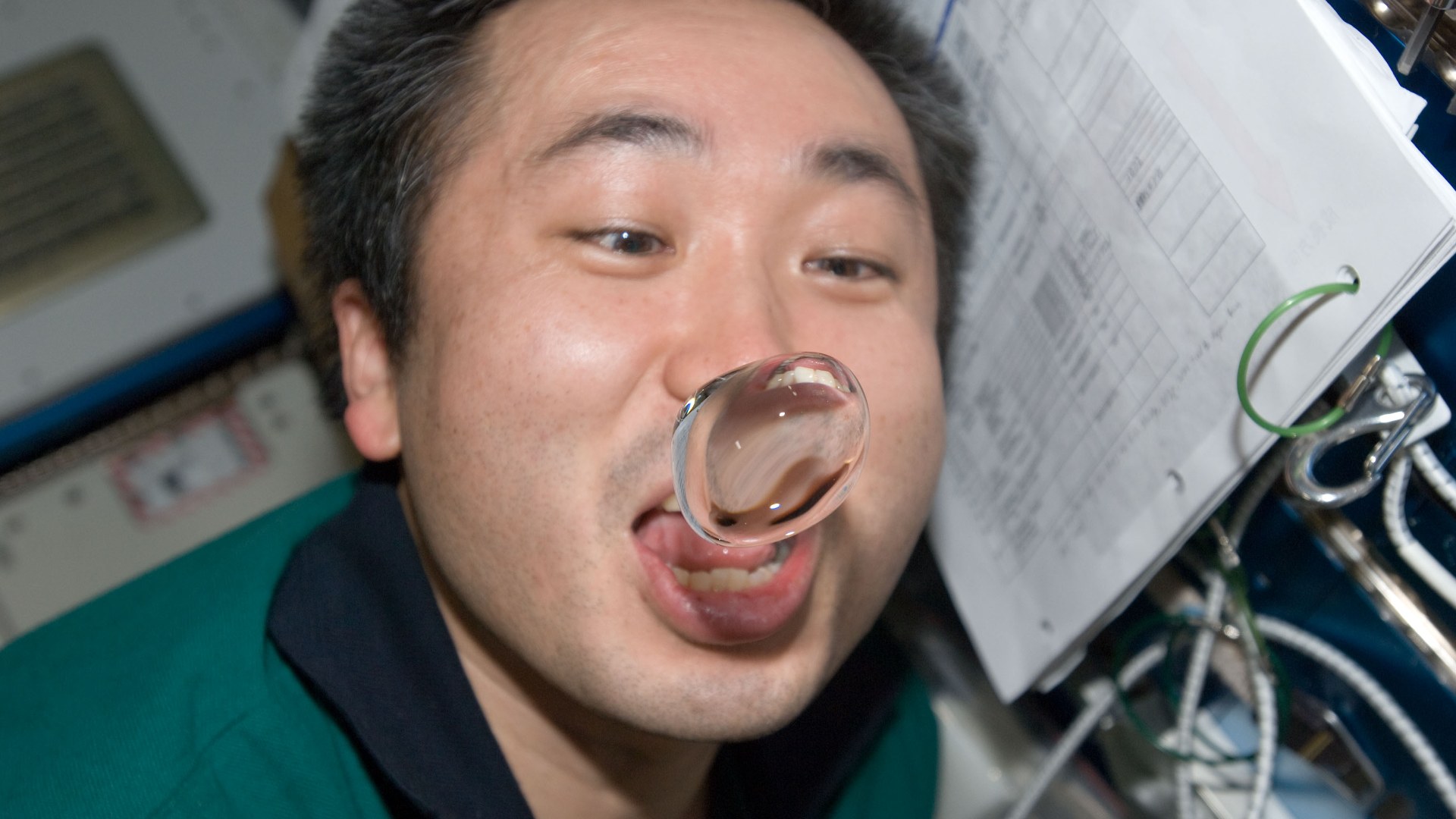
18. Tears That Never Fall
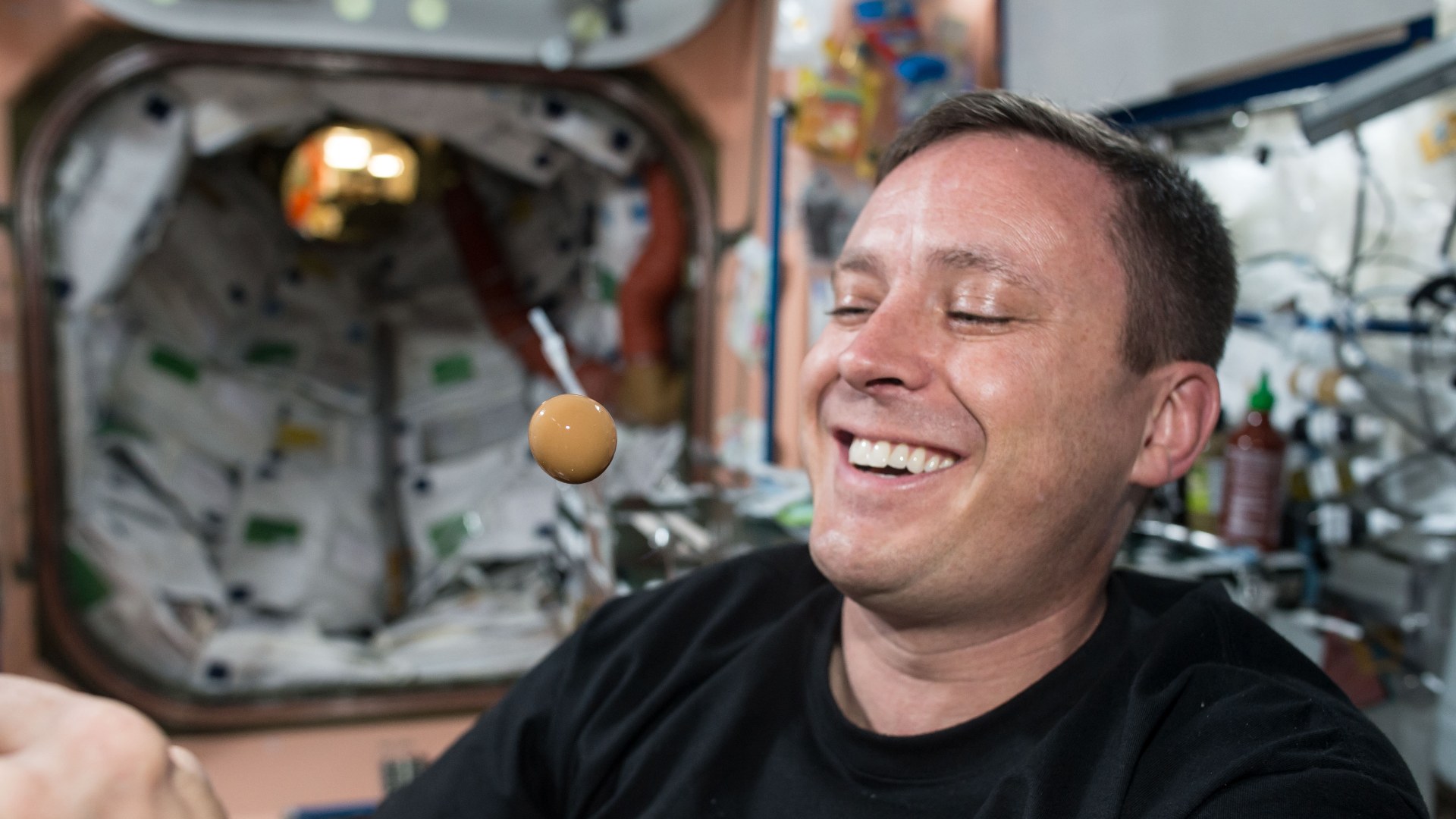
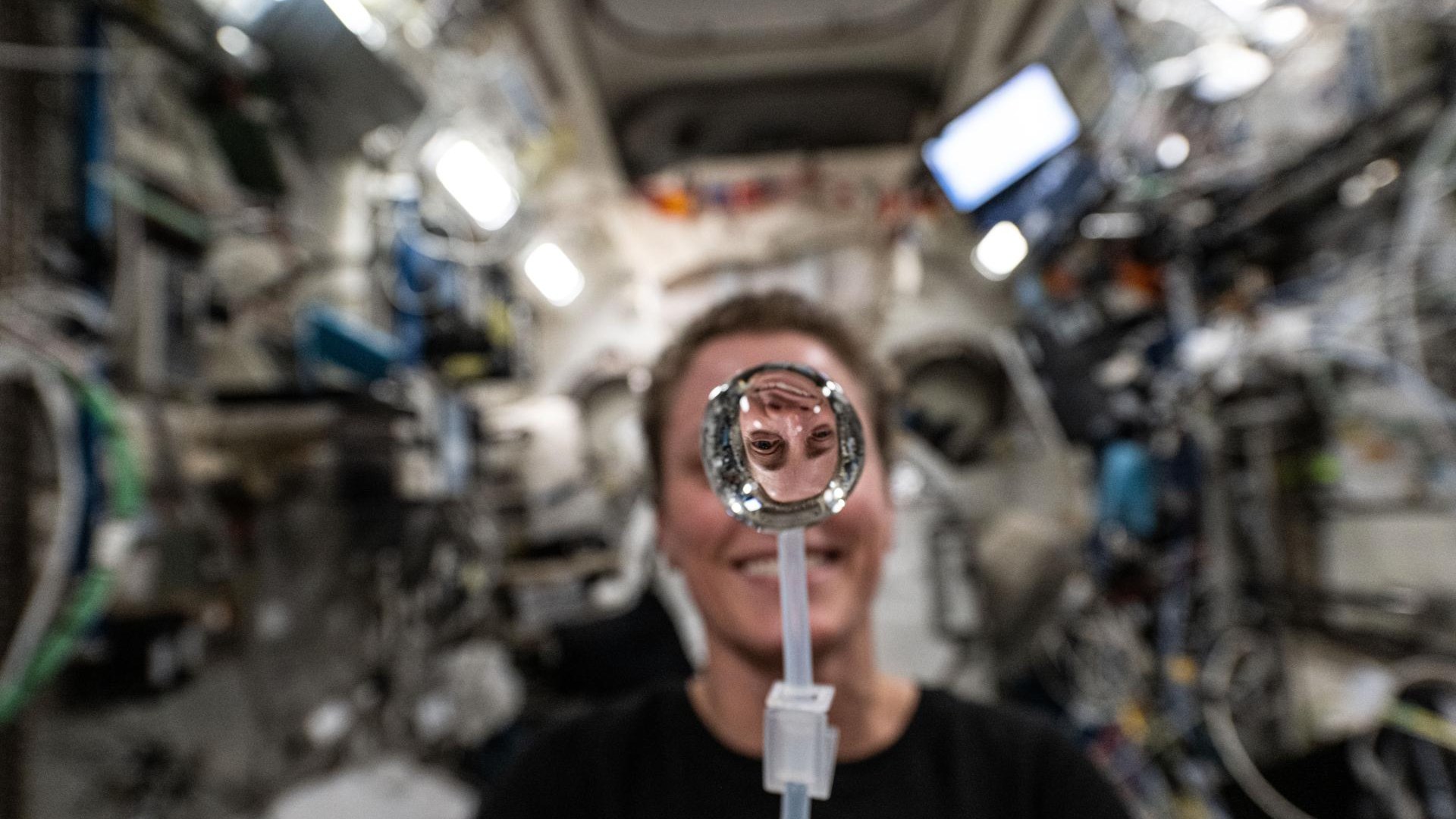
When an astronaut cries, the tears do not fall. They form a growing liquid bubble around the eye that has to be manually wiped away.
©Wikimedia / NASA Johnson Space Center
17. The Metallic "Space Smell"
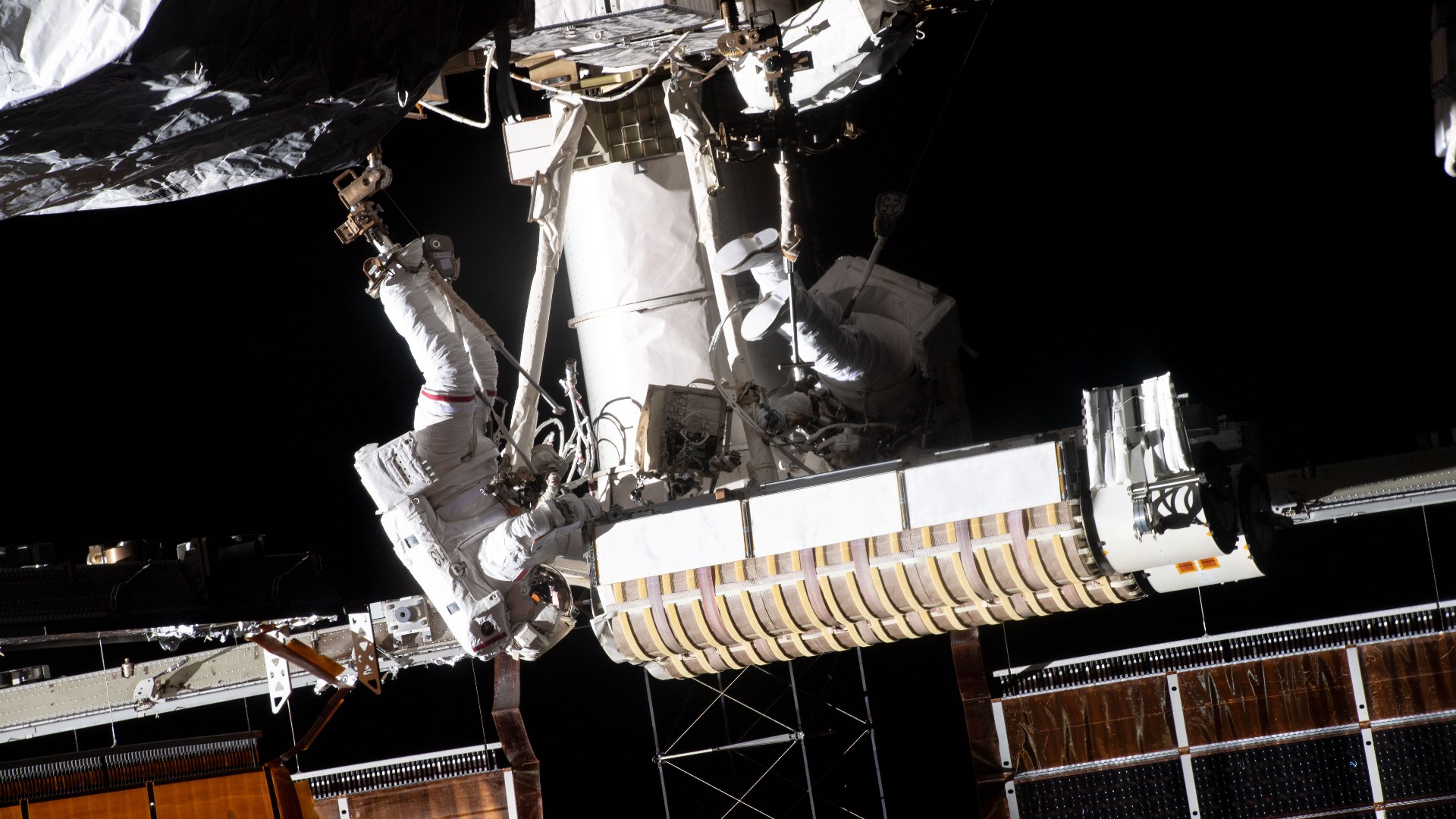
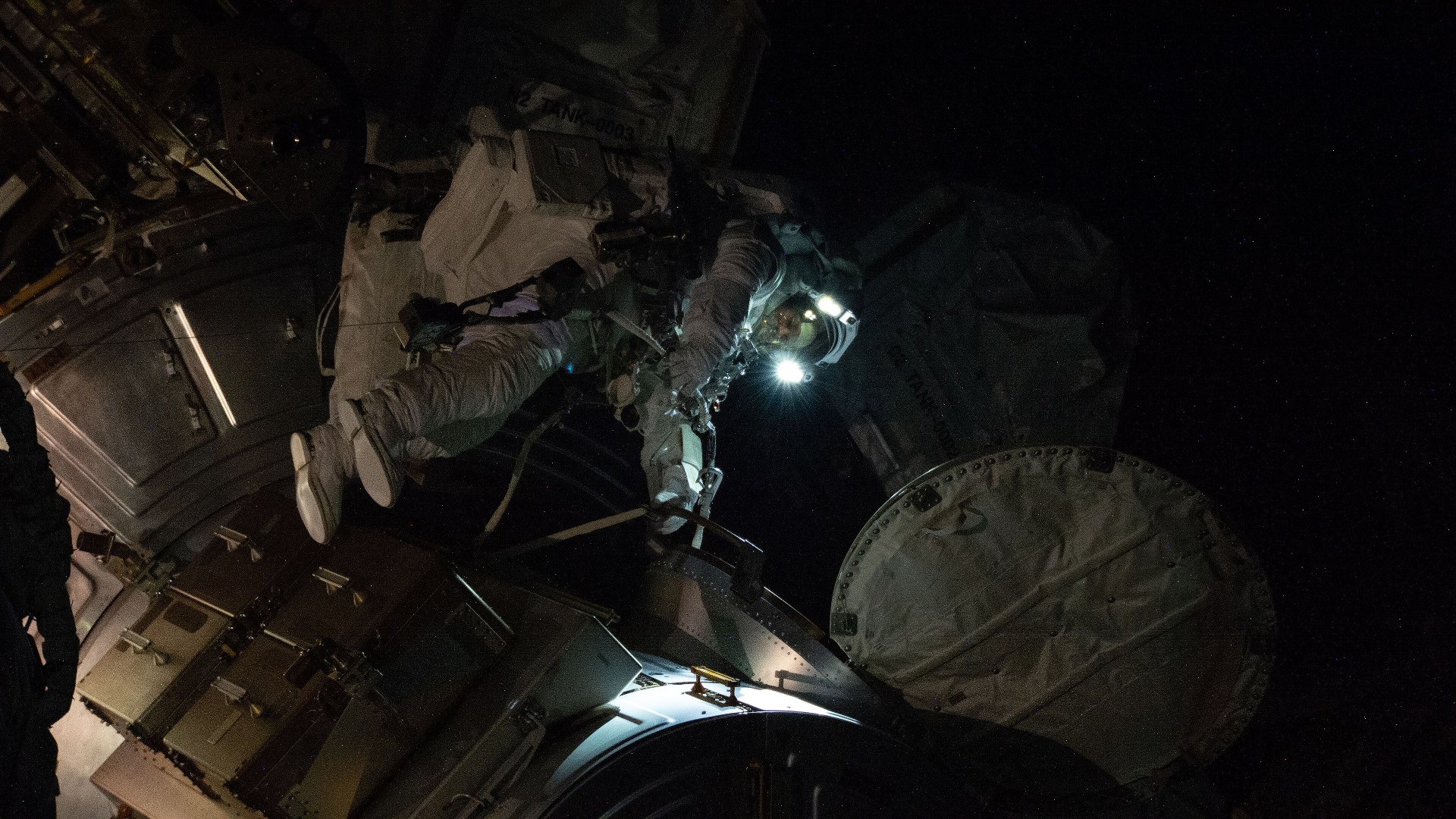
Astronauts reporting back from spacewalks describe the smell of open space clinging to their suits as a mix of seared steak, hot metal, and welding fumes.
©Wikimedia / NASA Johnson Space Center
16. Clumsy Returns And Floating Habits
After months in microgravity, returning astronauts suffer from severe vestibular confusion. They often drop objects like cups and pens because they expect them to float.
©Wikimedia / NASA Johnson Space Center
15. Spontaneous Cosmic Light Flashes
Astronauts often see bright flashes of light when trying to sleep. These are cosmic rays passing through their retinas, even with their eyes closed.
©Wikimedia / NASA Johnson Space Center
Advertisement
Swipe or tap ▶ to resume the countdown.
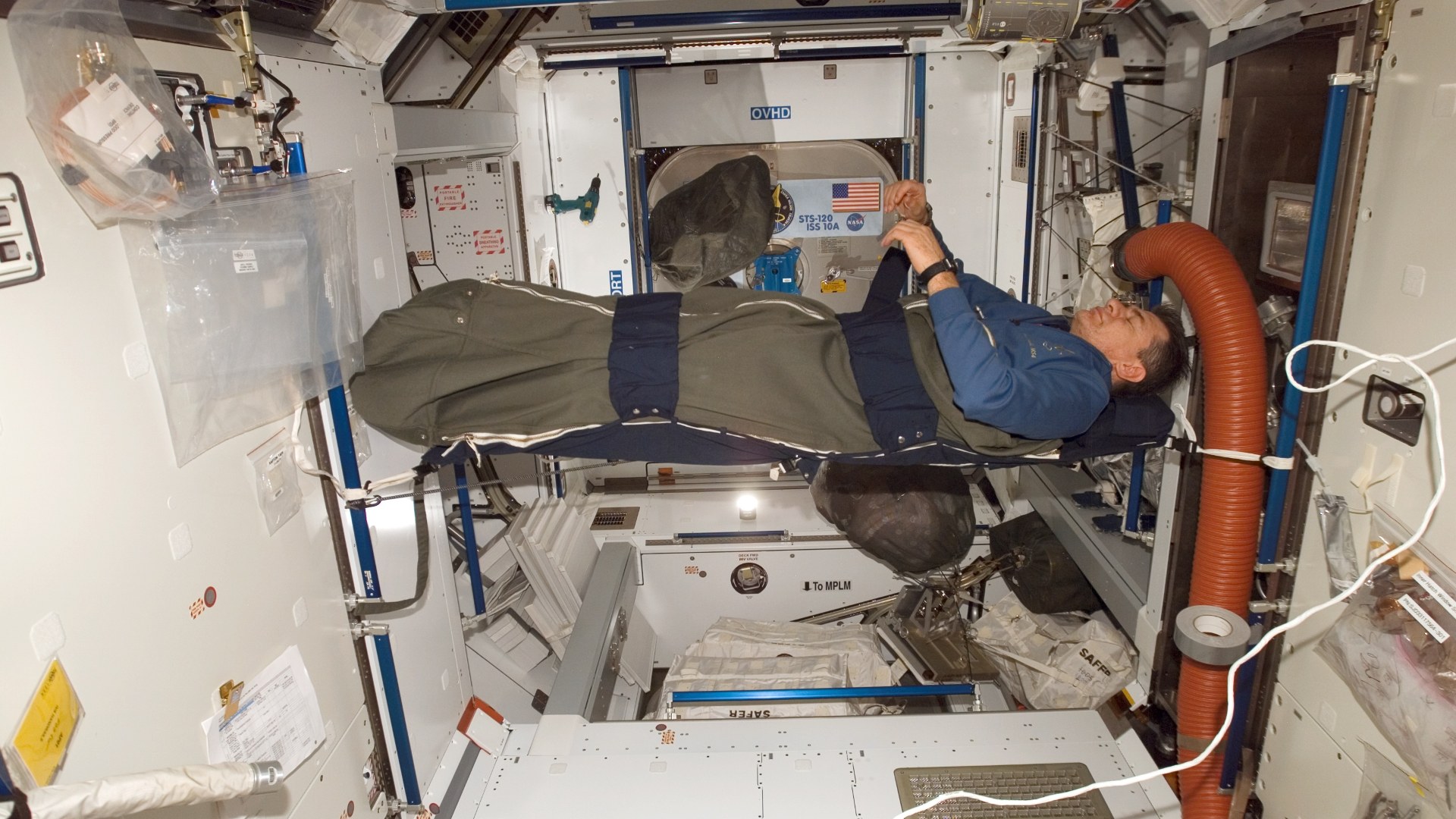
14. Sleeping Strapped To The Wall
Astronauts do not need a mattress. They strap themselves into sleeping bags attached to walls to prevent themselves from floating into walls or buttons.
©Wikimedia / NASA Johnson Space Center
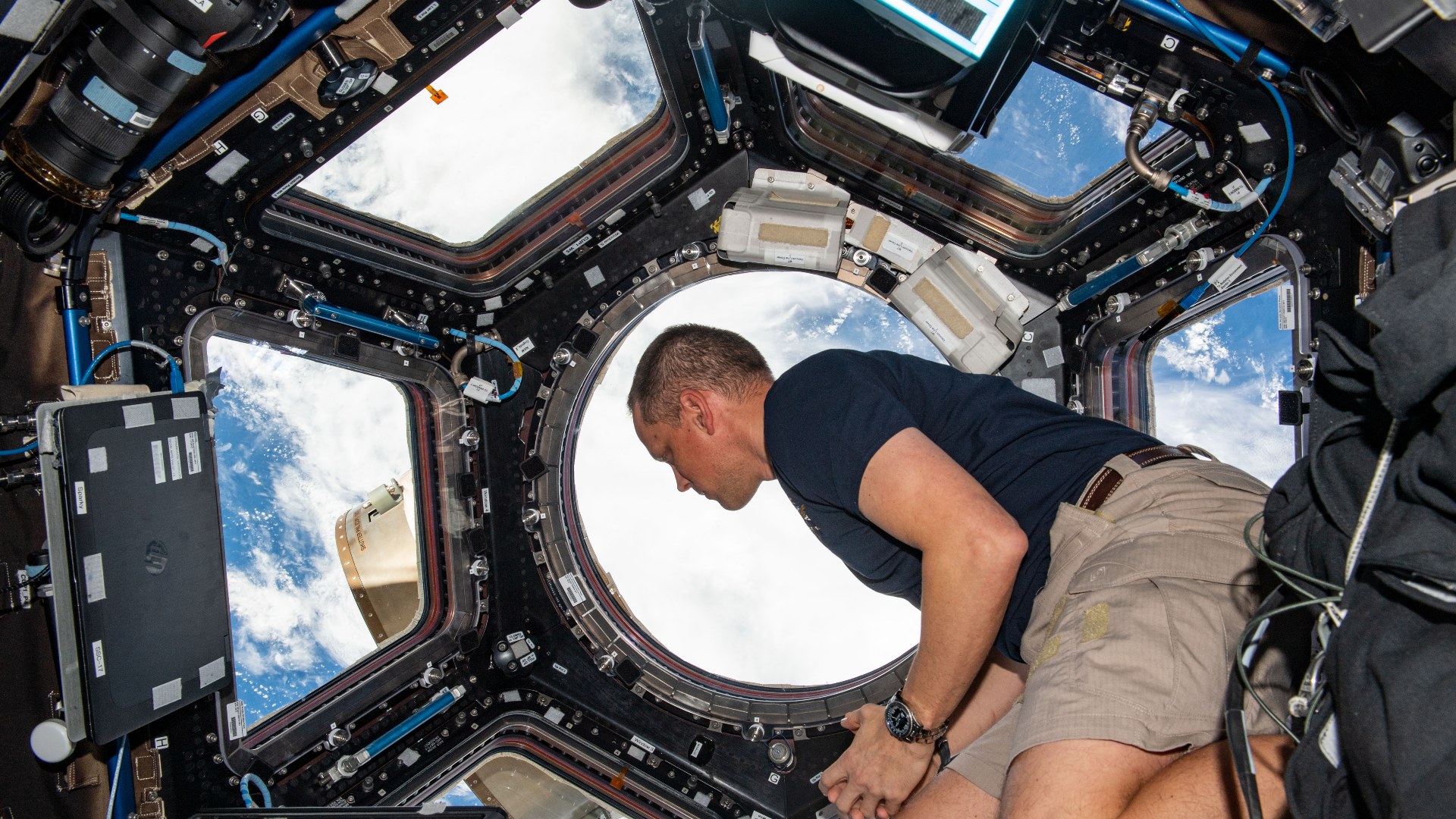
13. The Cognitive "Overview Effect"
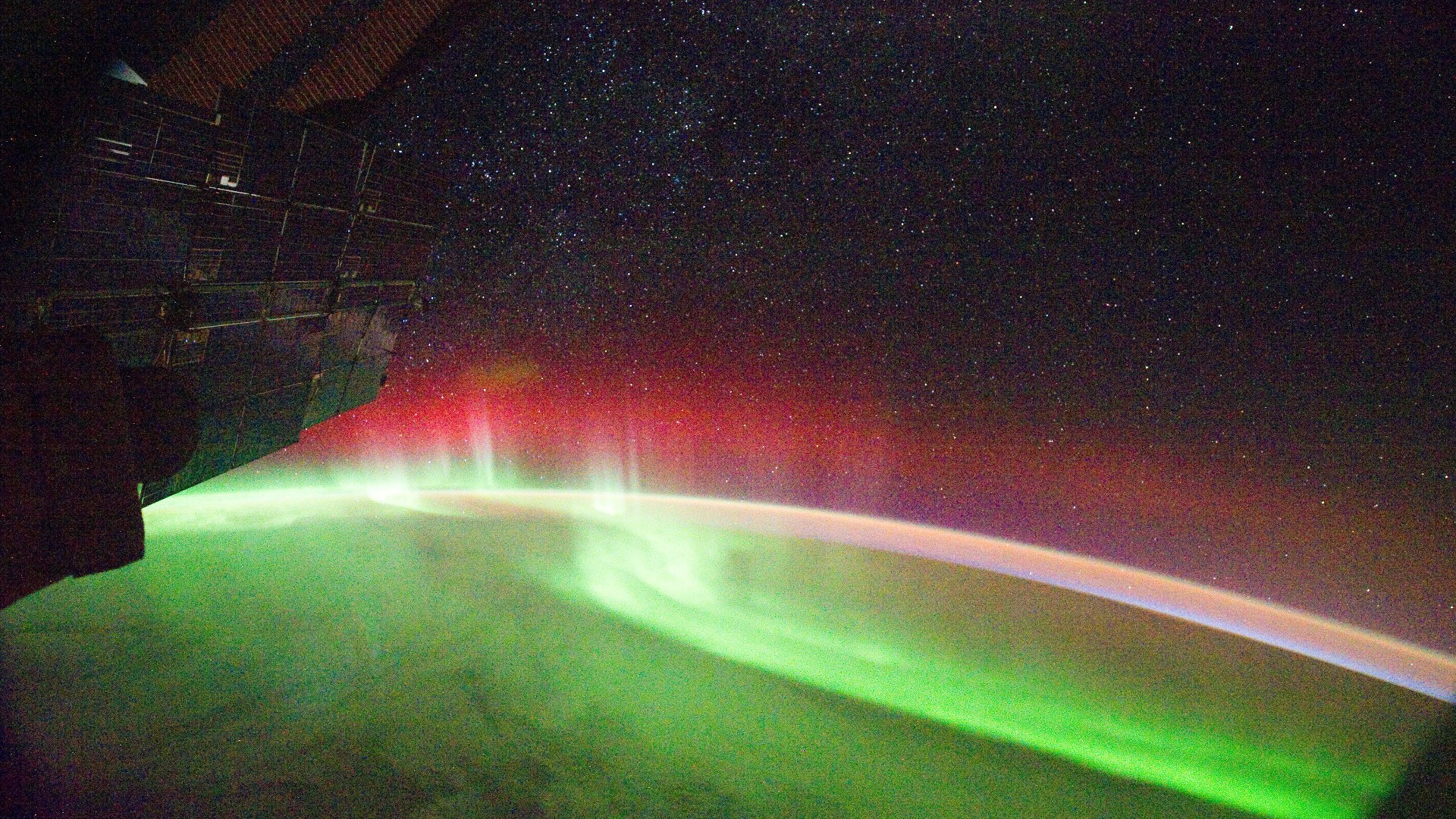
Looking at Earth from orbit causes a documented cognitive shift. Astronauts report an overwhelming sense of global connection and an intense desire to protect the planet.
©Wikimedia / Bob Hines
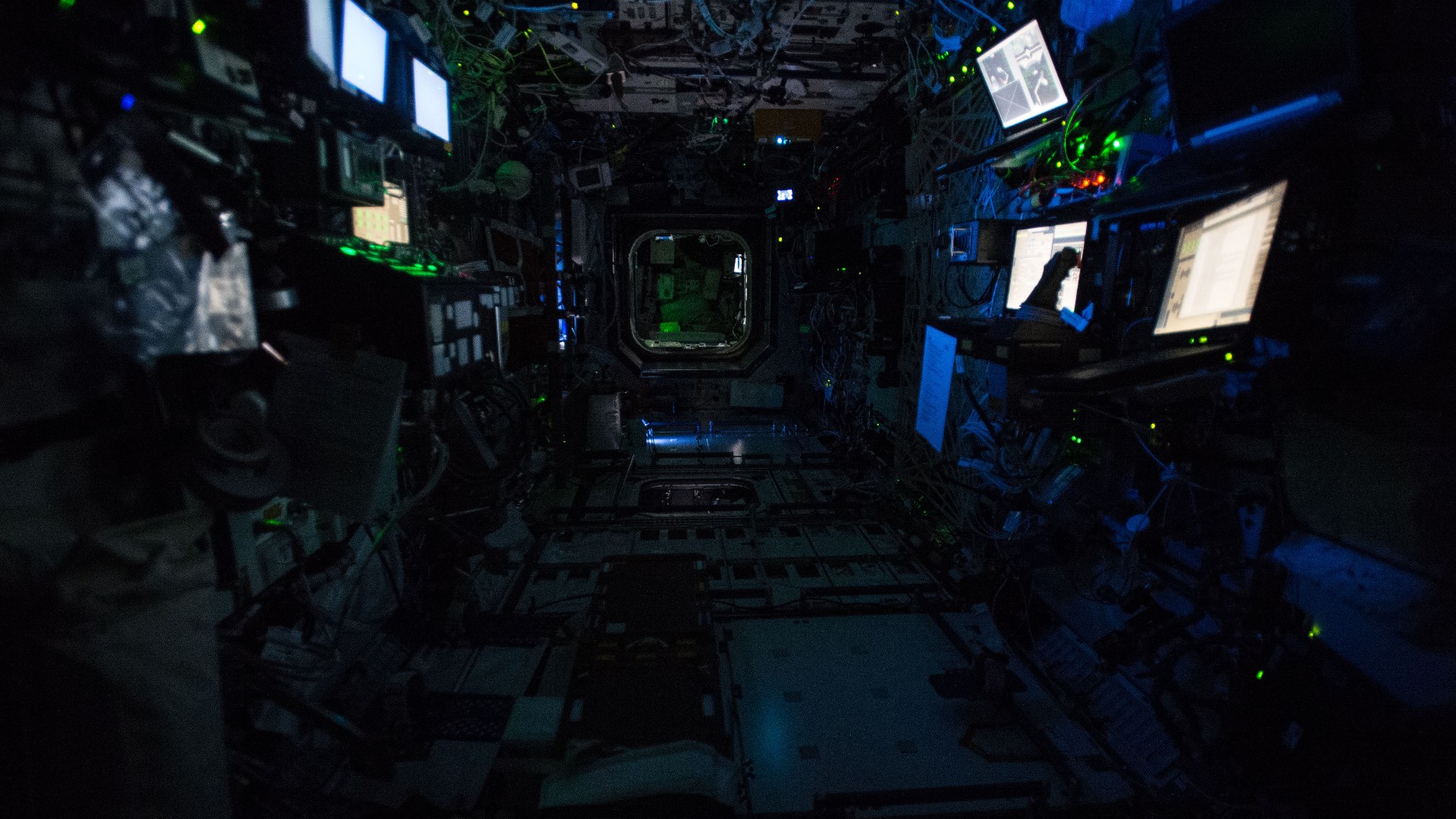
12. Constant Space Station Noise
The International Space Station is never quiet. A non-stop hum of fans, life support systems, and electronics requires some astronauts to wear earplugs just to rest.
©Wikimedia / NASA Johnson Space Center
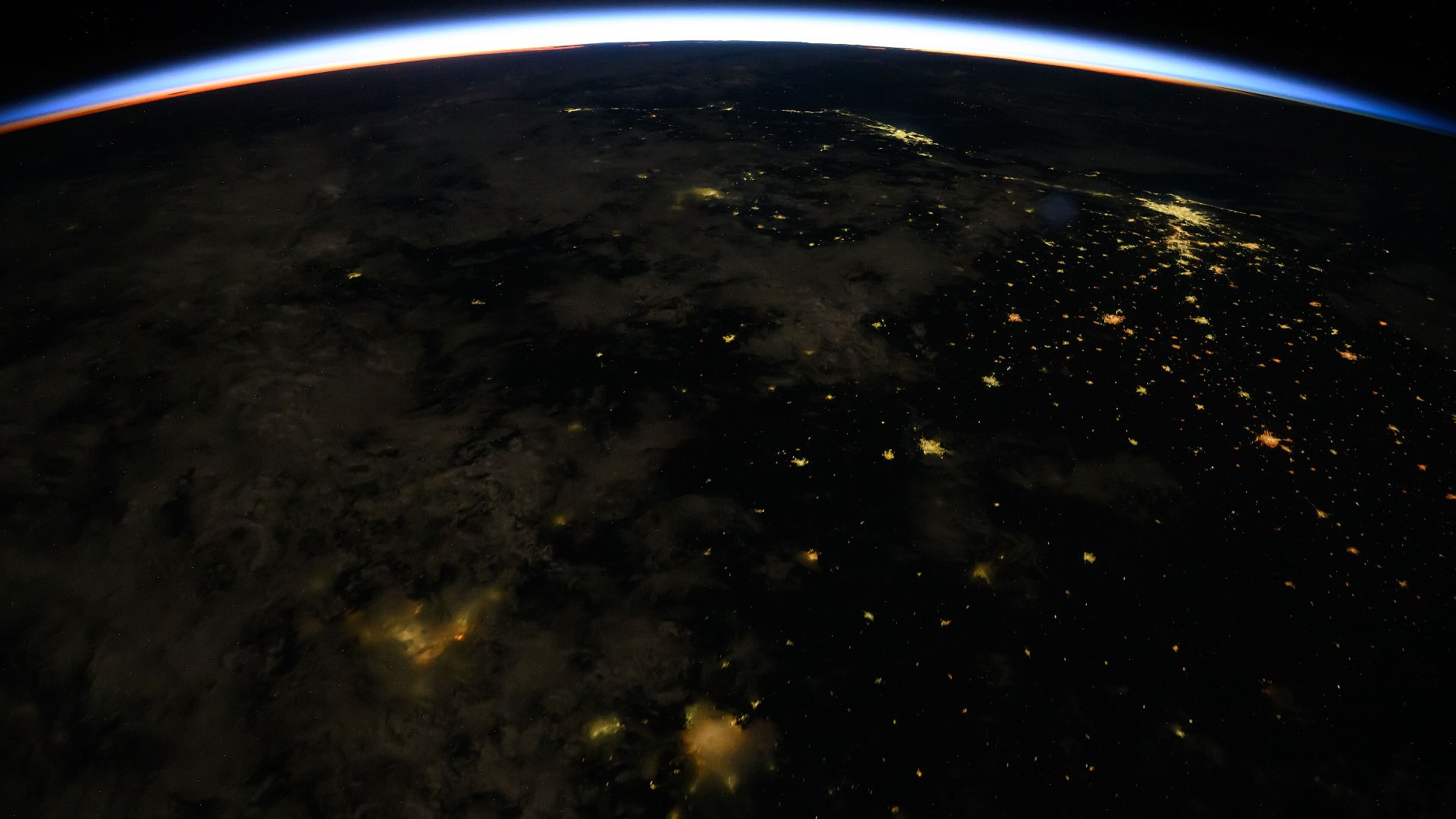
11. 16 Sunrises And Sunsets Every Day
Astronauts on the ISS witness 16 sunrises and 16 sunsets every single day as they orbit the Earth every 90 minutes, completely wrecking their natural circadian rhythms.
©Wikimedia / NASA Johnson Space Center
Advertisement
Swipe or tap ▶ to resume the countdown.
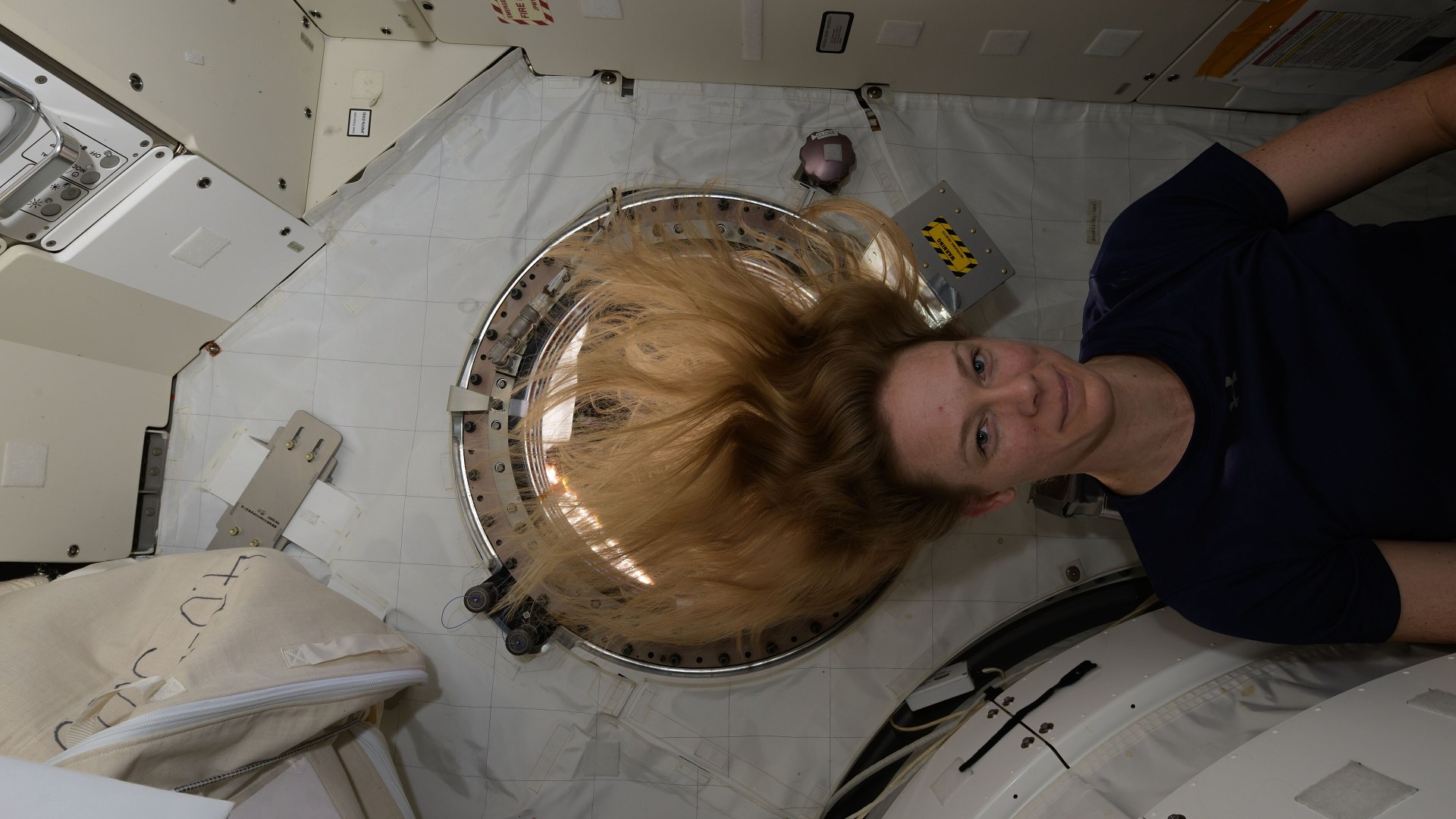
10. A Two-Inch Height Boost In Orbit
Without gravity compressing the spine, astronauts can grow up to 3 percent taller (around 2 inches) while in space. They return to their normal height after a few weeks on Earth.
©Wikimedia / NASA Johnson Space Center
9. Drinking Recycled Sweat And Urine
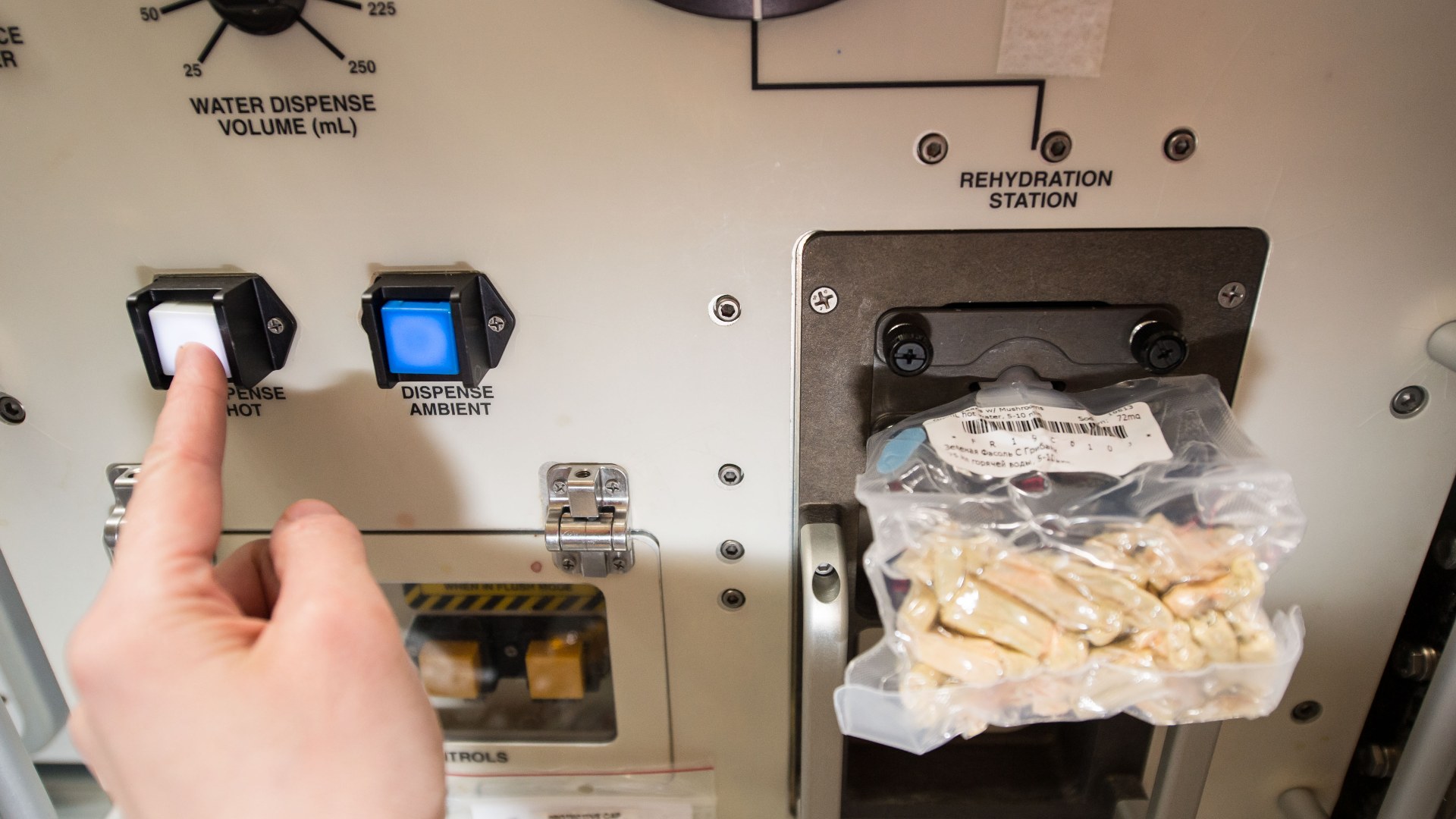
Water is incredibly heavy and expensive to launch. The ISS water recovery system purifies sweat, breath moisture, and urine back into clean drinking water.
©NASA / Loral O'Hara
8. Spacesuit Glove Fingernail Loss
The pressure inside spacesuit gloves is so intense during spacewalks that it cuts off circulation to the fingertips, frequently causing astronauts' fingernails to lift and fall off.
©Wikimedia / NASA Johnson Space Center
7. Rapid Muscle And Bone Decay
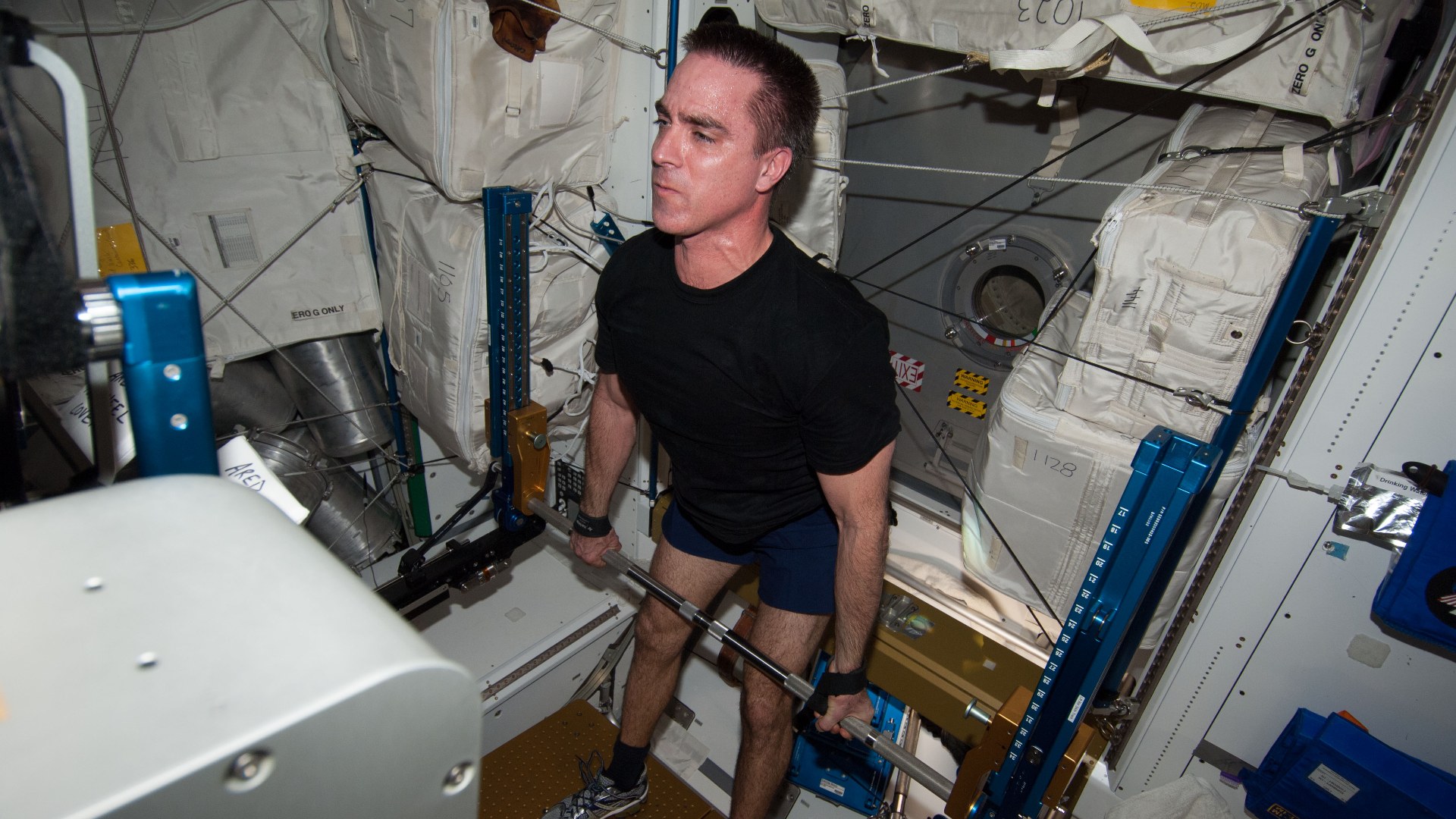
Without the resistance of gravity, astronauts can lose up to 20 percent of their muscle mass in just 10 days, and 1 percent of their bone density every month, requiring two hours of mandatory exercise daily.
©Wikimedia / NASA Johnson Space Center
Advertisement
Swipe or tap ▶ to resume the countdown.
6. Flattened Eyeballs And DNA Shifts
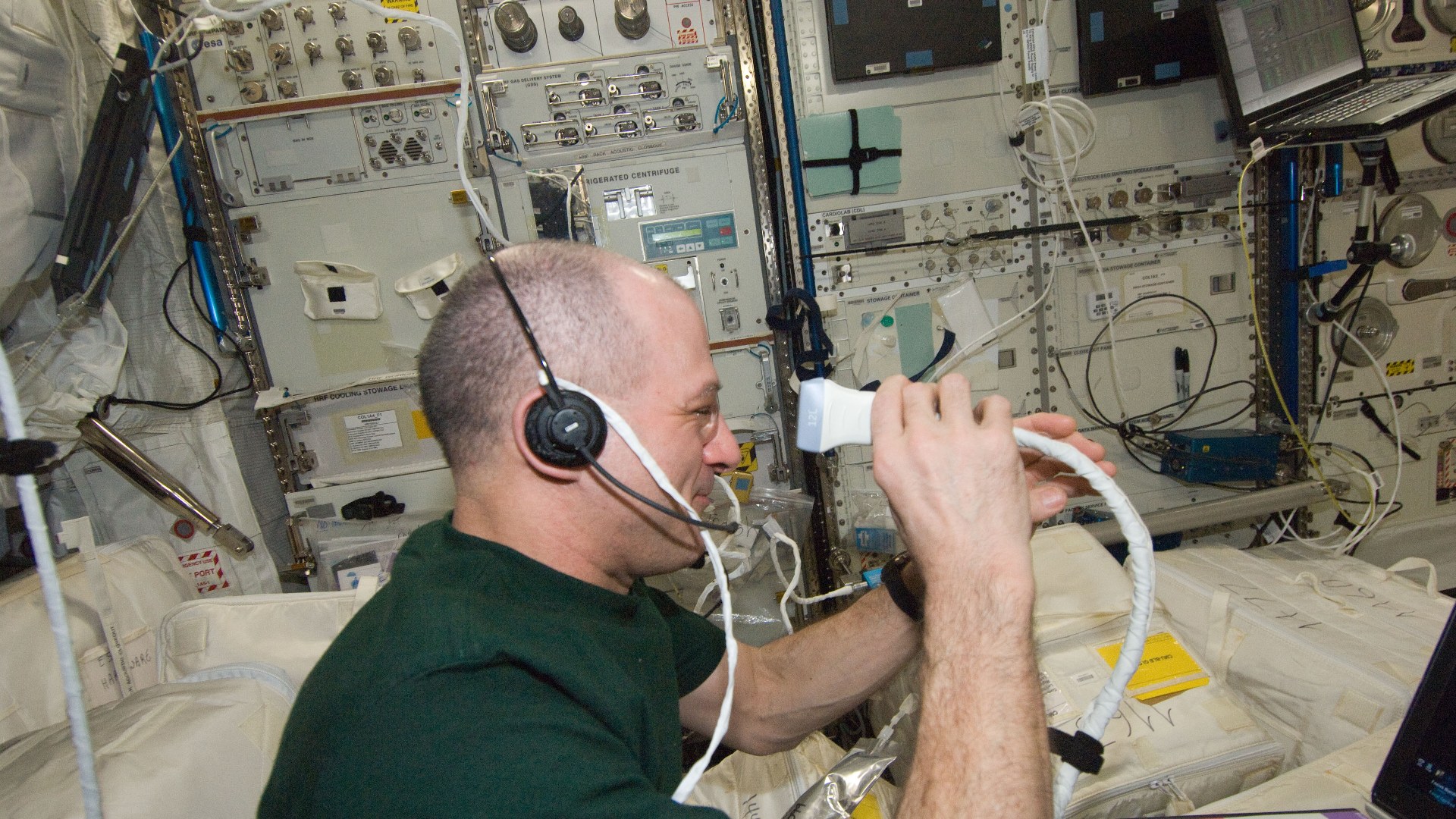
Microgravity can permanently reshape an astronaut's eyeballs, flattening them and damaging optic nerves. Long-duration flight also alters how genes express themselves compared to an identical twin on Earth.
©Wikimedia / NASA Johnson Space Center
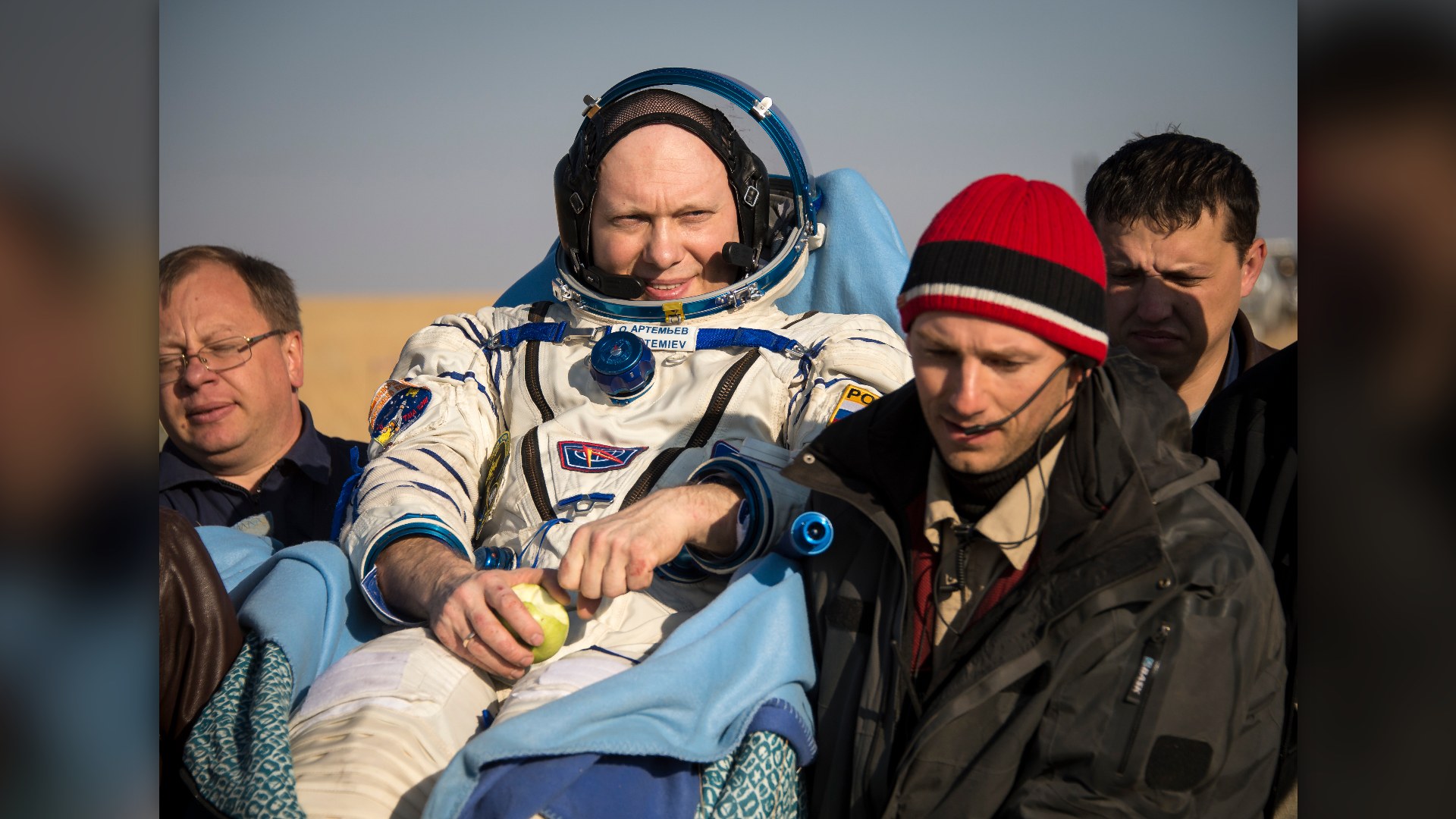
5. Severe Gravity Shock Upon Landing
Returning astronauts feel an overwhelming heaviness, making their own limbs feel like lead and rendering them temporarily unable to walk without assistance.
©Wikimedia / Bill Ingalls
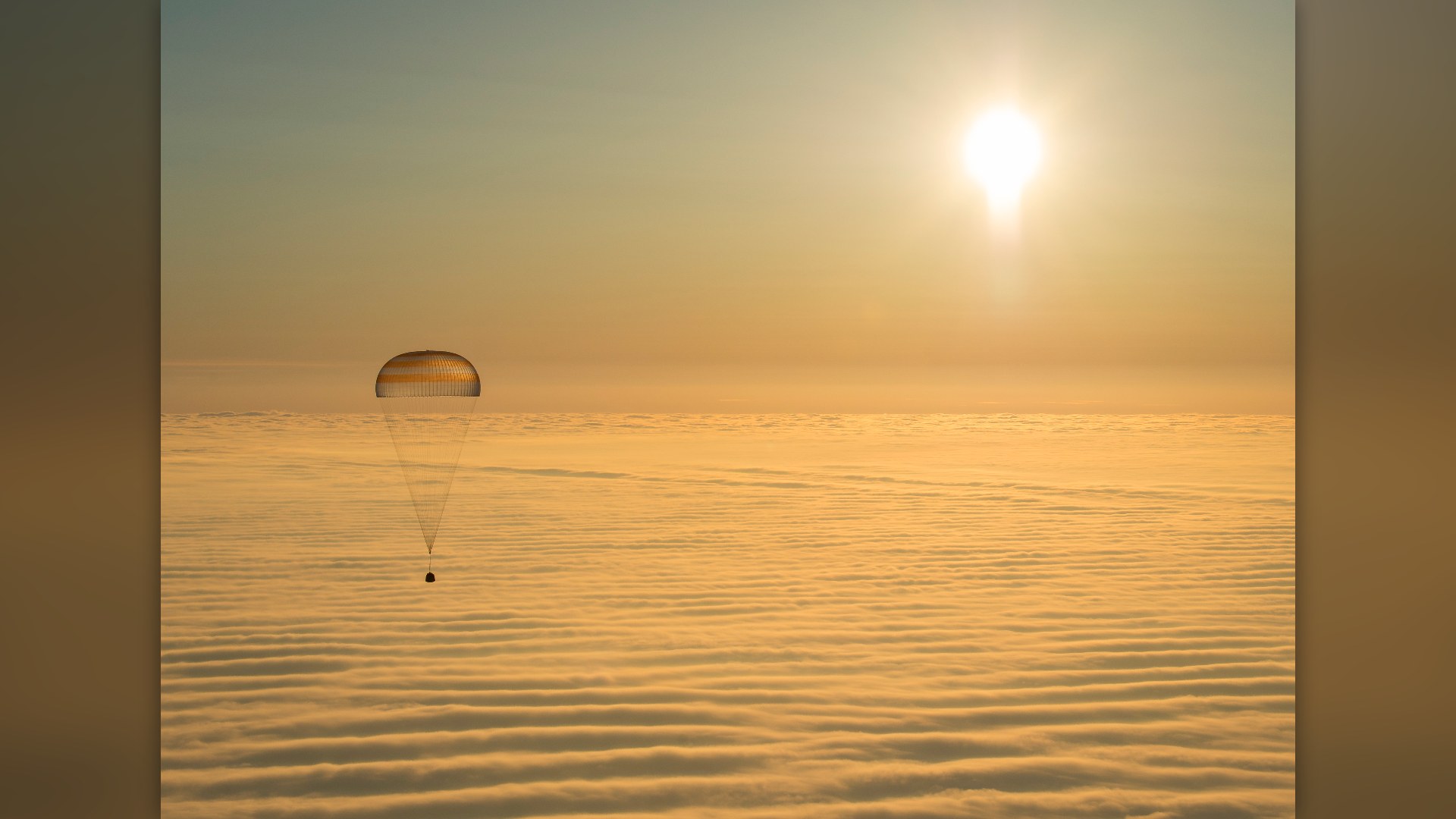
4. Weeks Of Vestibular Confusion
The inner ear takes days or weeks to recalibrate, causing intense dizziness, nausea, and a complete lack of balance when turning corners.
©Wikimedia / Bill Ingalls
3. The Post-Landing "Drop Habit"
For the first few days back, astronauts frequently drop cups, pens, and phones because their brains still expect the objects to float in mid-air.
©Wikimedia / NASA Johnson Space Center
Advertisement
Swipe or tap ▶ to resume the countdown.
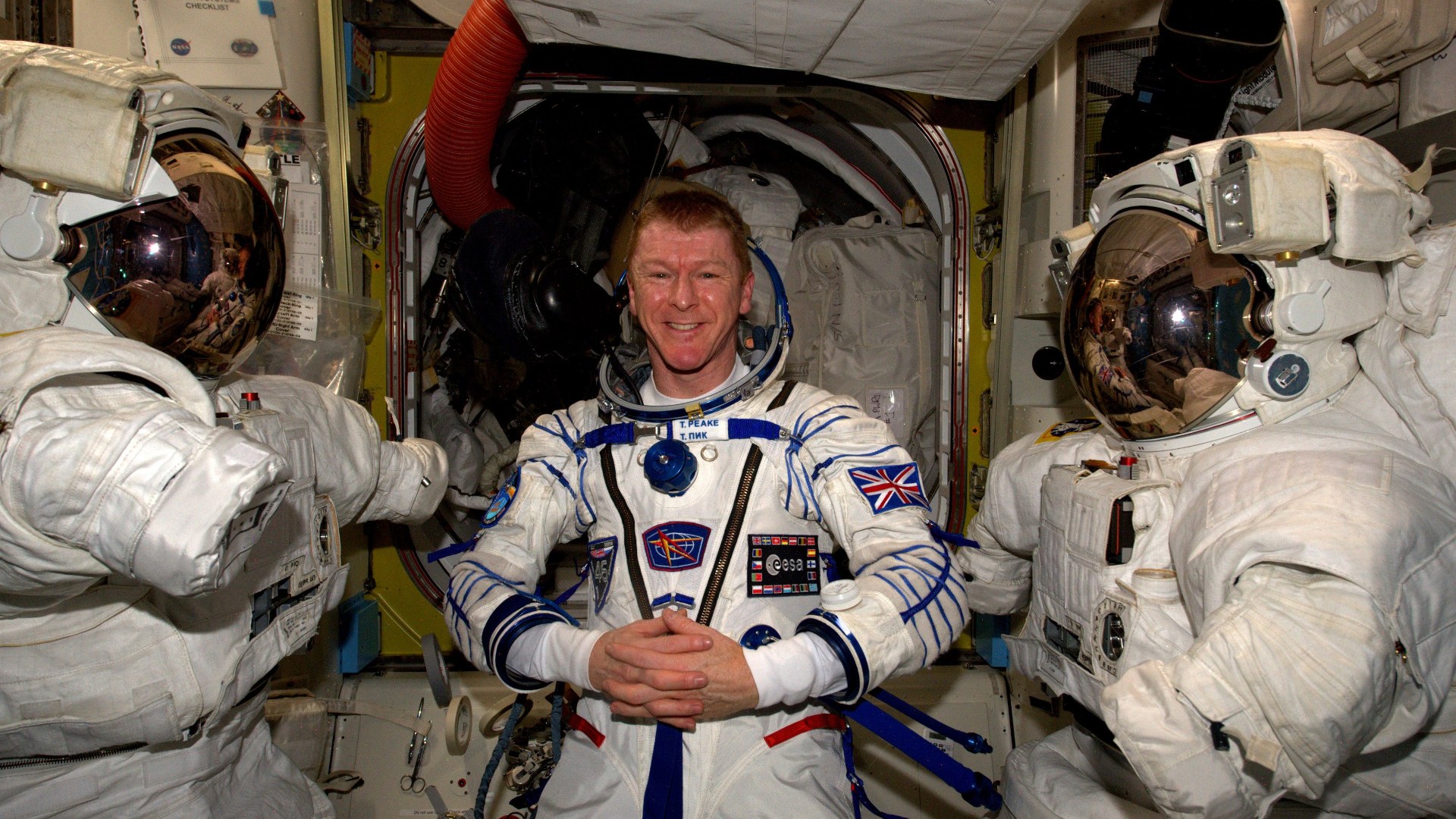
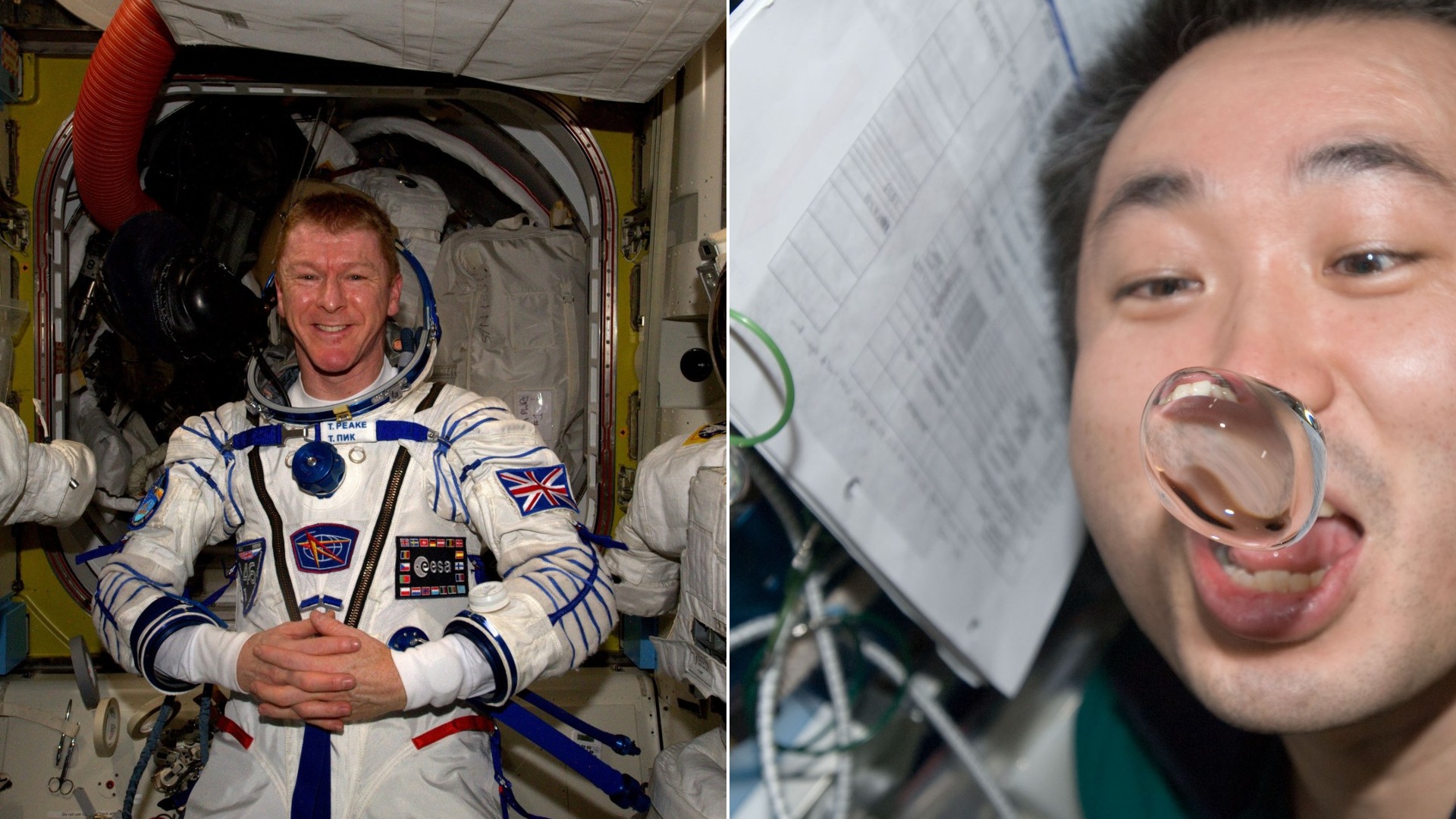
2. Shrinking Back To Normal Height
The extra two inches of height gained in space rapidly disappears within days as Earth's gravity compresses the spine back to normal.
©Wikimedia / Tim Peake
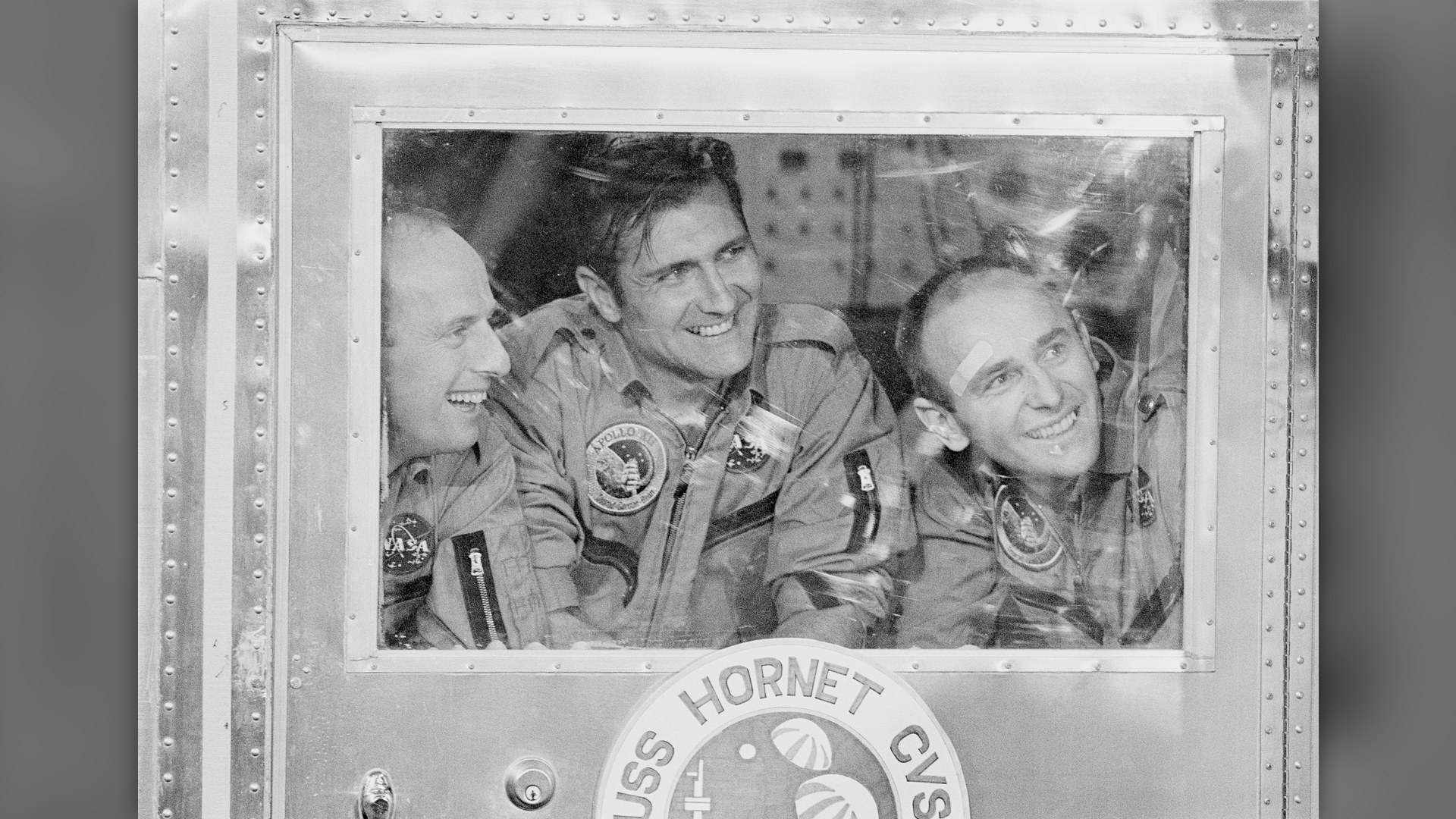
1. Post-Flight Immune Quarantine
Because their immune systems are weakened by microgravity, returning astronauts often enter a brief quarantine to protect them from everyday Earth germs.
©Wikimedia / NASA Johnson Space Center
Advertisement
You've reached the end of the story. Thanks for reading!

22 Most Secret World War II Aircraft Tested Behind Closed Doors
Between 1939 and 1945, Allied and Axis engineers built jets, flying wings and rocket interceptors in deep wartime secrecy. Ranked from 22 to 1 by historical secrecy and technical leap, this countdown draws on archival records from the Smithsonian, U.S. Air Force Museum, RAF Museum and German Federal Archives.
All 25 Entries in this Story
1. Liquid Salt And Pepper Only
Astronauts cannot use regular salt and pepper because the grains would float away, clog vents, and get into eyes. They use liquid versions instead.

2. No Laundry In Space
There are no washing machines in space. Astronauts wear their underwear and clothes for days or weeks until they are too dirty, then discard them to burn up in the atmosphere.

3. Tortilla Triumph Over Bread
Bread is banned on the ISS because crumbs can float into equipment and eyes. Tortillas are used for almost every meal instead.

4. Intense "Wet Burps"
Without gravity to separate liquids and gases in the stomach, burping in space usually results in a wet, unpleasant vomit-like reflux.

5. No Snoring In Zero Gravity
Due to the lack of gravity pulling the tongue and soft palate backward, astronauts who snore heavily on Earth almost always stop snoring in space.

6. Fading Foot Calluses
Because astronauts do not walk, the calluses on the bottoms of their feet soften and shed. The tops of their feet actually become sensitive and rough from hooking into foot restraints.

7. Dulled Taste And Spicy Cravings
Fluids shift to the head in microgravity, causing nasal congestion similar to a head cold. This makes food taste incredibly bland, leading astronauts to crave hot sauce and spicy food.

8. Tears That Never Fall
When an astronaut cries, the tears do not fall. They form a growing liquid bubble around the eye that has to be manually wiped away.

9. The Metallic "Space Smell"
Astronauts reporting back from spacewalks describe the smell of open space clinging to their suits as a mix of seared steak, hot metal, and welding fumes.

10. Clumsy Returns And Floating Habits
After months in microgravity, returning astronauts suffer from severe vestibular confusion. They often drop objects like cups and pens because they expect them to float.

11. Spontaneous Cosmic Light Flashes
Astronauts often see bright flashes of light when trying to sleep. These are cosmic rays passing through their retinas, even with their eyes closed.

12. Sleeping Strapped To The Wall
Astronauts do not need a mattress. They strap themselves into sleeping bags attached to walls to prevent themselves from floating into walls or buttons.

13. The Cognitive "Overview Effect"
Looking at Earth from orbit causes a documented cognitive shift. Astronauts report an overwhelming sense of global connection and an intense desire to protect the planet.

14. Constant Space Station Noise
The International Space Station is never quiet. A non-stop hum of fans, life support systems, and electronics requires some astronauts to wear earplugs just to rest.

15. 16 Sunrises And Sunsets Every Day
Astronauts on the ISS witness 16 sunrises and 16 sunsets every single day as they orbit the Earth every 90 minutes, completely wrecking their natural circadian rhythms.

16. A Two-Inch Height Boost In Orbit
Without gravity compressing the spine, astronauts can grow up to 3 percent taller (around 2 inches) while in space. They return to their normal height after a few weeks on Earth.

17. Drinking Recycled Sweat And Urine
Water is incredibly heavy and expensive to launch. The ISS water recovery system purifies sweat, breath moisture, and urine back into clean drinking water.

18. Spacesuit Glove Fingernail Loss
The pressure inside spacesuit gloves is so intense during spacewalks that it cuts off circulation to the fingertips, frequently causing astronauts' fingernails to lift and fall off.

19. Rapid Muscle And Bone Decay
Without the resistance of gravity, astronauts can lose up to 20 percent of their muscle mass in just 10 days, and 1 percent of their bone density every month, requiring two hours of mandatory exercise daily.

20. Flattened Eyeballs And DNA Shifts
Microgravity can permanently reshape an astronaut's eyeballs, flattening them and damaging optic nerves. Long-duration flight also alters how genes express themselves compared to an identical twin on Earth.

21. Severe Gravity Shock Upon Landing
Returning astronauts feel an overwhelming heaviness, making their own limbs feel like lead and rendering them temporarily unable to walk without assistance.

22. Weeks Of Vestibular Confusion
The inner ear takes days or weeks to recalibrate, causing intense dizziness, nausea, and a complete lack of balance when turning corners.

23. The Post-Landing "Drop Habit"
For the first few days back, astronauts frequently drop cups, pens, and phones because their brains still expect the objects to float in mid-air.

24. Shrinking Back To Normal Height
The extra two inches of height gained in space rapidly disappears within days as Earth's gravity compresses the spine back to normal.

25. Post-Flight Immune Quarantine
Because their immune systems are weakened by microgravity, returning astronauts often enter a brief quarantine to protect them from everyday Earth germs.