Slideshow · Viral
28 Countries Ranked by Their Weirdest Superstitions
Which Global Superstition Sounds the Most Bizarre?
By Most Viral Today
29 Oct 2026

Curious Beliefs and Rituals Around the World 
28. Russia: Pre-Trip Silence 
27. Serbia: Splashing Water 
26. Czech Republic: Carp Scale In The Wallet - AdvertisementSwipe or tap ▶ to continue countdown

25. Ireland: Itchy Palms 
24. India: Haircut Schedule 
23. Brazil: Grounded Bags 
22. Germany: Toasting With Water - AdvertisementSwipe or tap ▶ to continue countdown

21. Italy: The Dreaded Seventeen 
20. Spain: Twelve Midnight Grapes 
19. Greece: Spitting At Compliments 
18. United Kingdom: Saluting Magpies - AdvertisementSwipe or tap ▶ to continue countdown

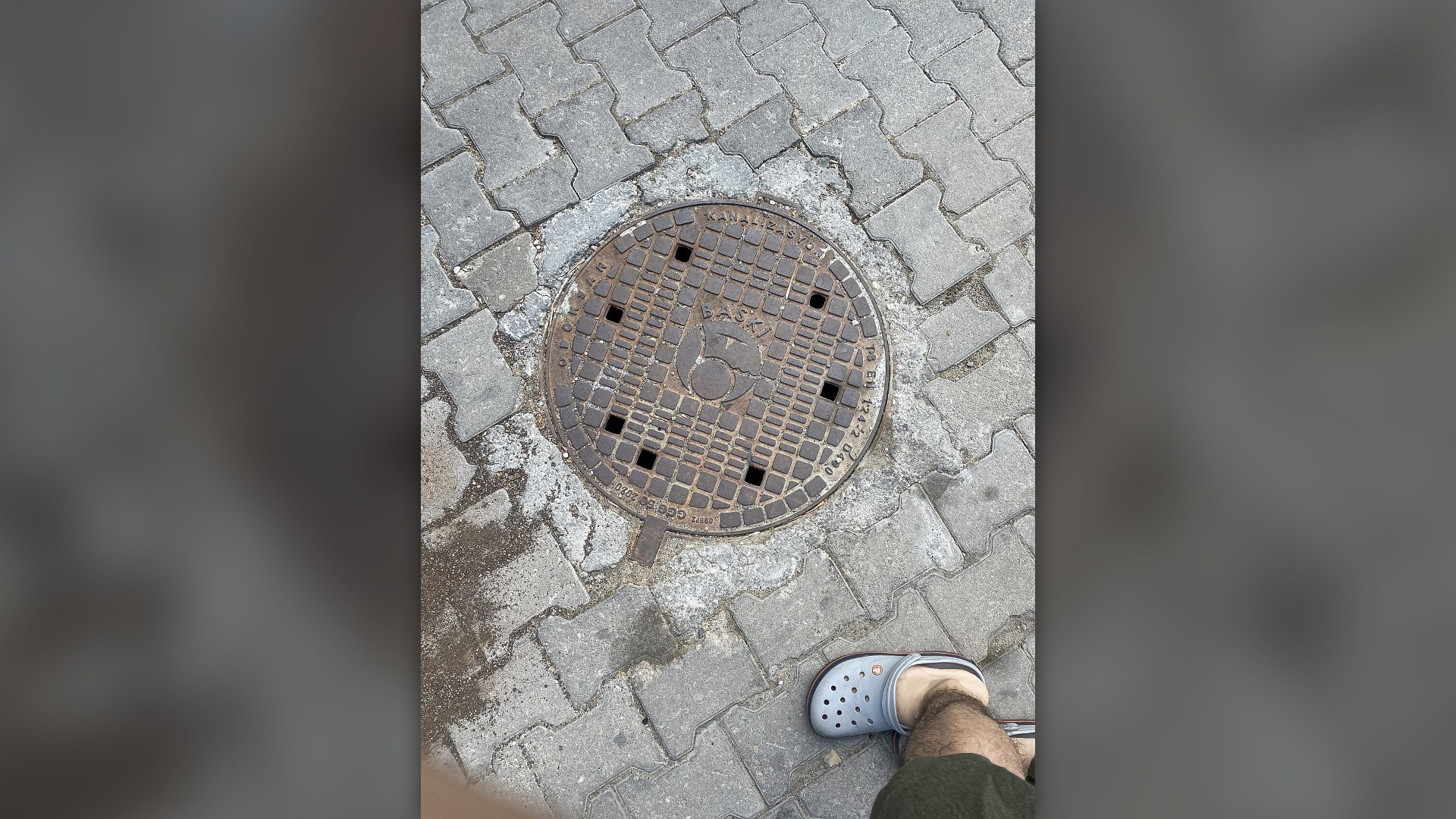
17. Sweden: The Manhole Letter Code 
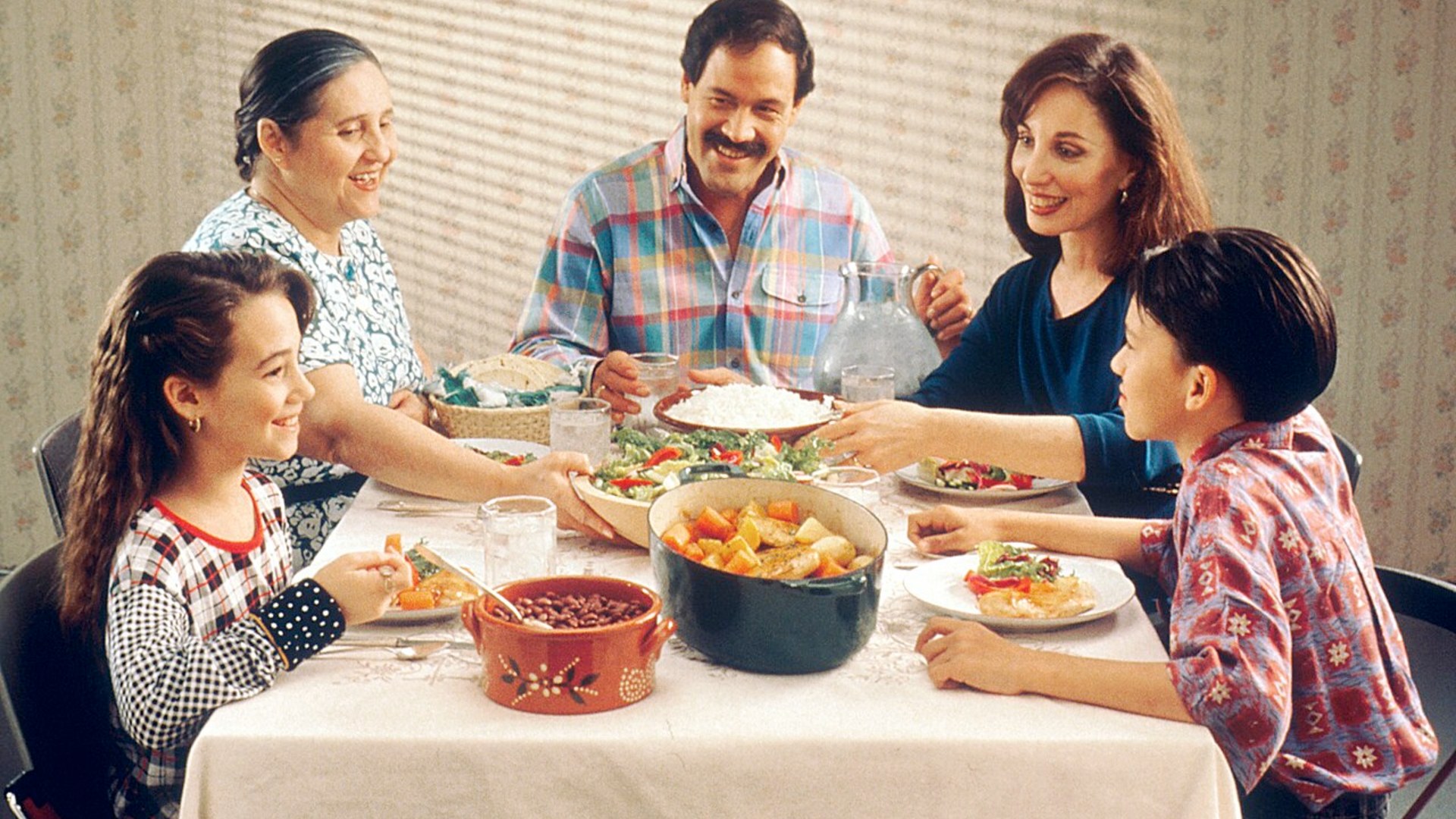
16. Netherlands: Tabletop Singing 
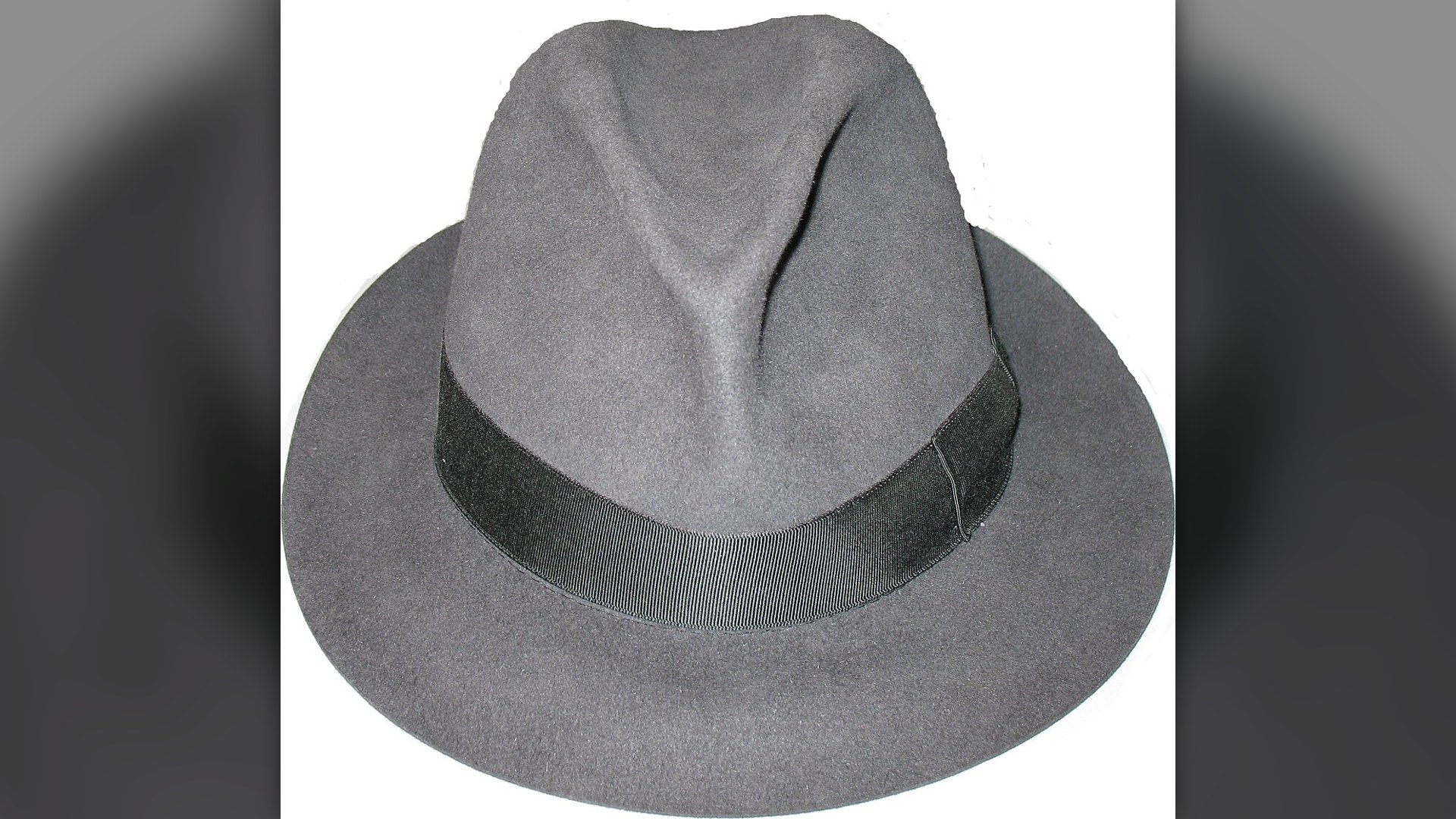
15. Poland: Hat On The Dining Table 
14. China: Skipping The Fourth Floor - AdvertisementSwipe or tap ▶ to continue countdown

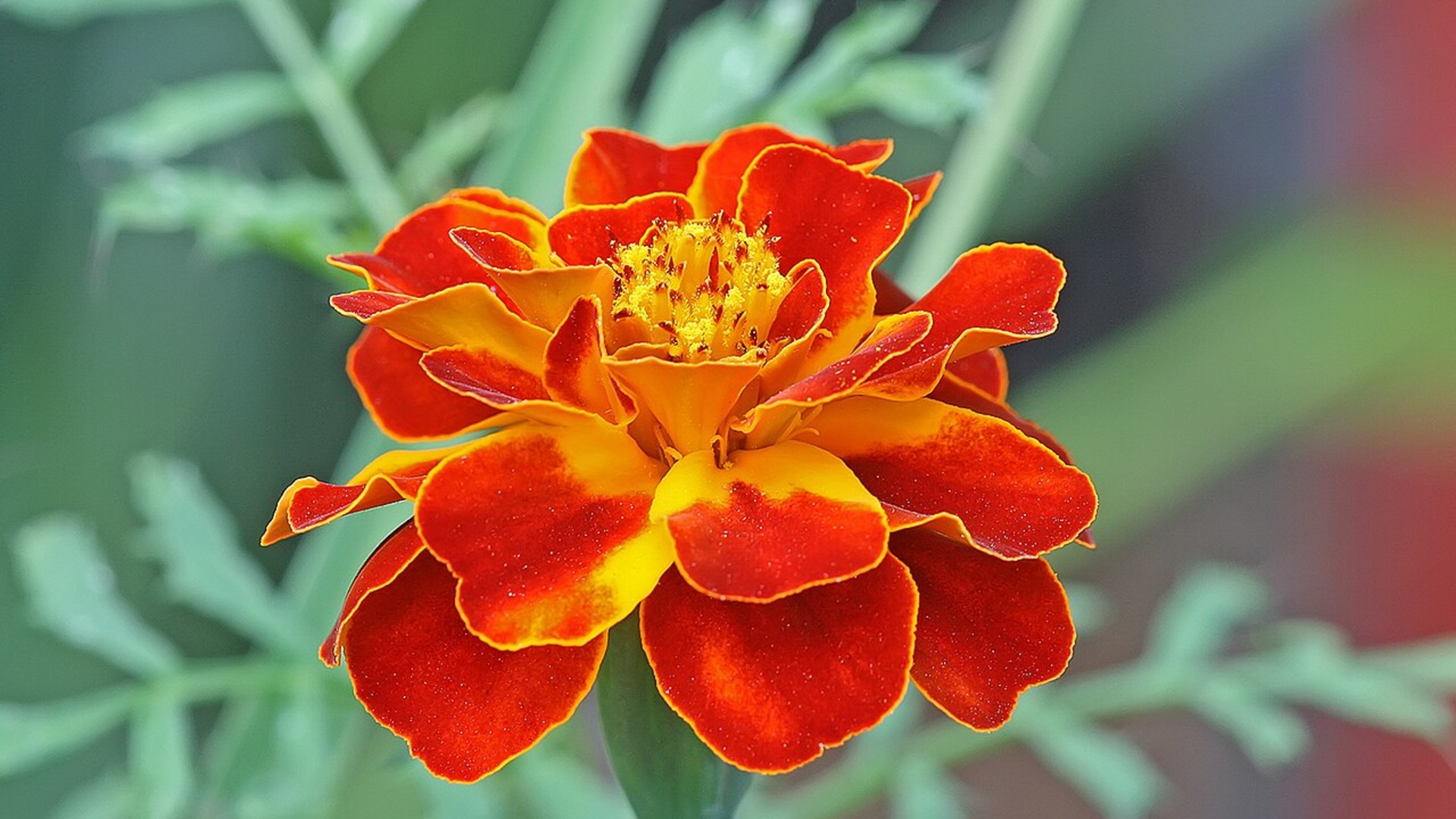
13. Mexico: Yellow Flower Taboo 
12. France: The Upside-Down Baguette 
11. Portugal: Walking In Reverse 
10. Egypt: Snapping Empty Shears - AdvertisementSwipe or tap ▶ to continue countdown

9. Denmark: Doorstep Shards 
8. Iceland: Outdoor Winter Knitting 
7. Lithuania: Whistling Indoors 
6. Philippines: Stepping Over Sleepers - AdvertisementSwipe or tap ▶ to continue countdown

5. Japan: Tucking Thumbs At Cemeteries 
4. South Korea: Electric Fan Hazard 
3. Turkey: Nighttime Chewing Gum 
2. Rwanda: The Goat Meat Warning - AdvertisementSwipe or tap ▶ to continue countdown

1. Argentina: The Deflective Ward - Advertisement🔥 UP NEXT IN THIS SERIES◫ 21 Slides

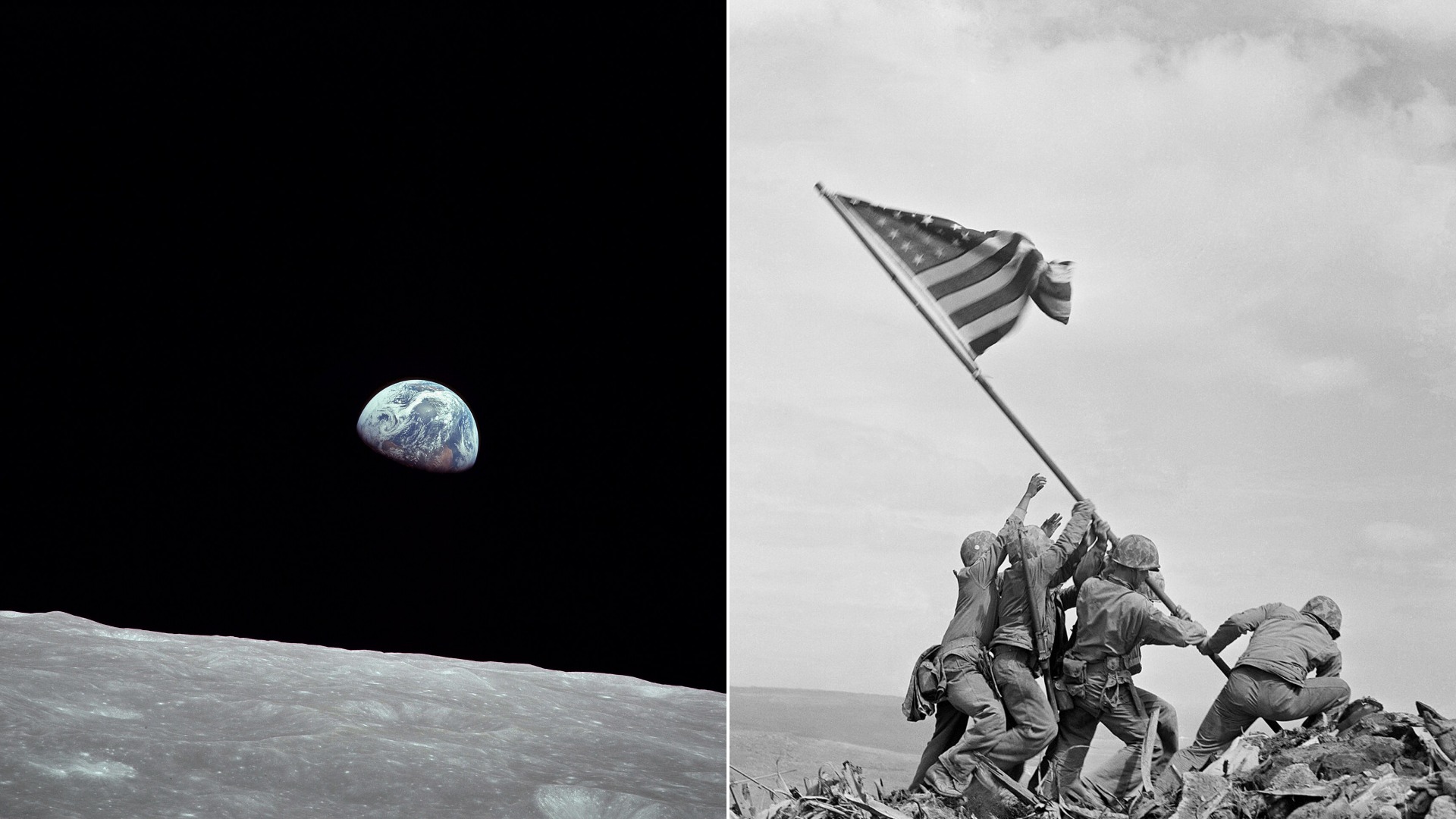
20 Iconic Historical Photos and the Archive Clues Behind Them
Contact sheets, cracked glass plates, and NASA mission logs preserve the hidden steps behind 20 famous photographs. Drawing on records from the Library of Congress, the National Archives, NASA, and the Smithsonian, this countdown traces how cropping, camera setups, and double exposures shaped each frame.
From lethal bedroom fans in Seoul to upside-down bread in Paris and shattered porcelain in Copenhagen, cultural superstitions reveal centuries of regional folklore. Here are 28 countries ranked by their most unusual traditions.
Swipe or tap ▶ to begin the countdown
©Wikimedia / Shixart1985 & wikimedia / Dexs1991
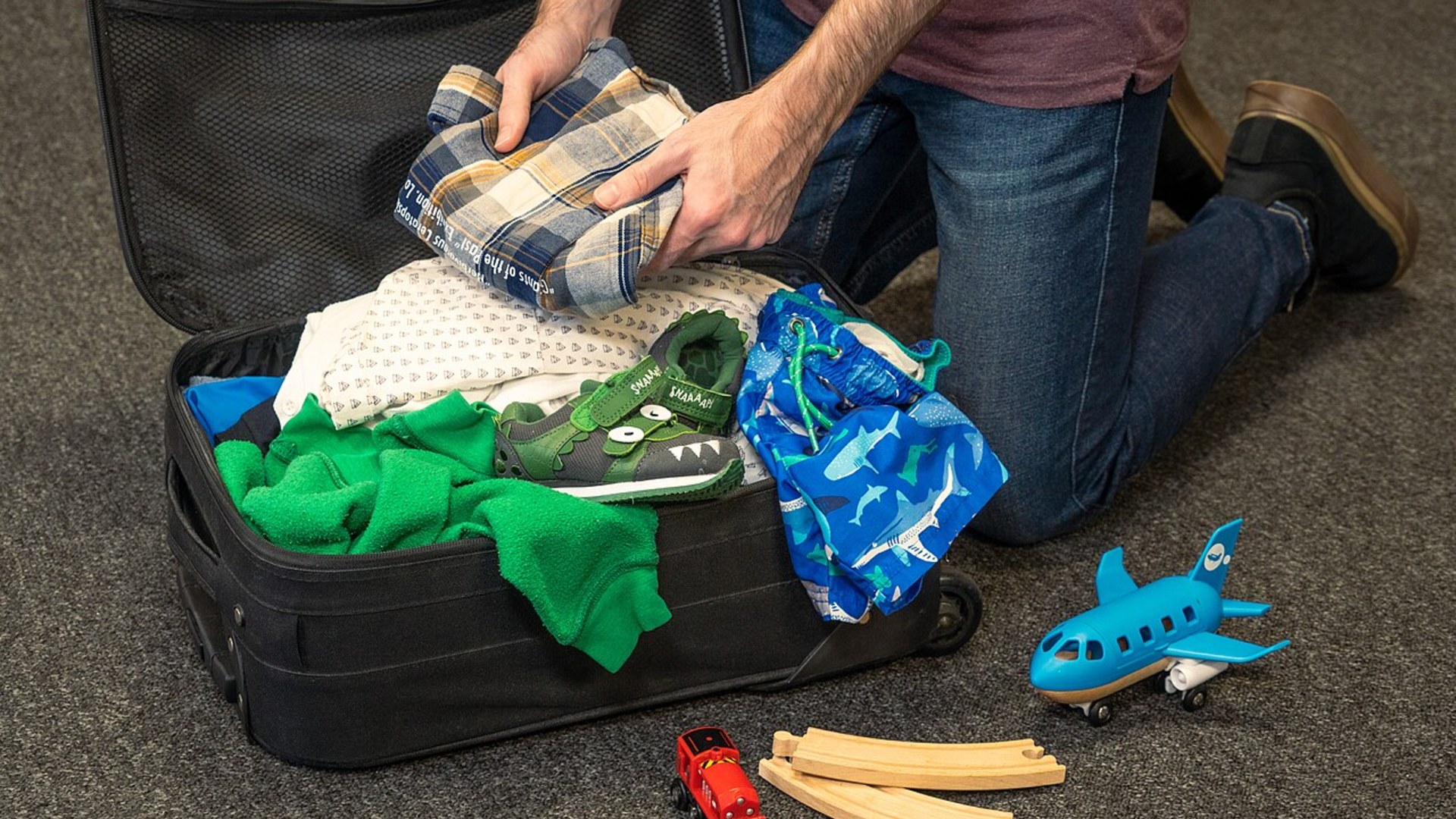
28. Russia: Pre-Trip Silence
Known as posidim na dorozhku, Russian travelers sit together quietly on packed bags before stepping out the door. The minute of stillness calms travel nerves and tricks household spirits into thinking nobody is departing.
©Wikimedia Commons / Familydestinationsguide.com Images
27. Serbia: Splashing Water
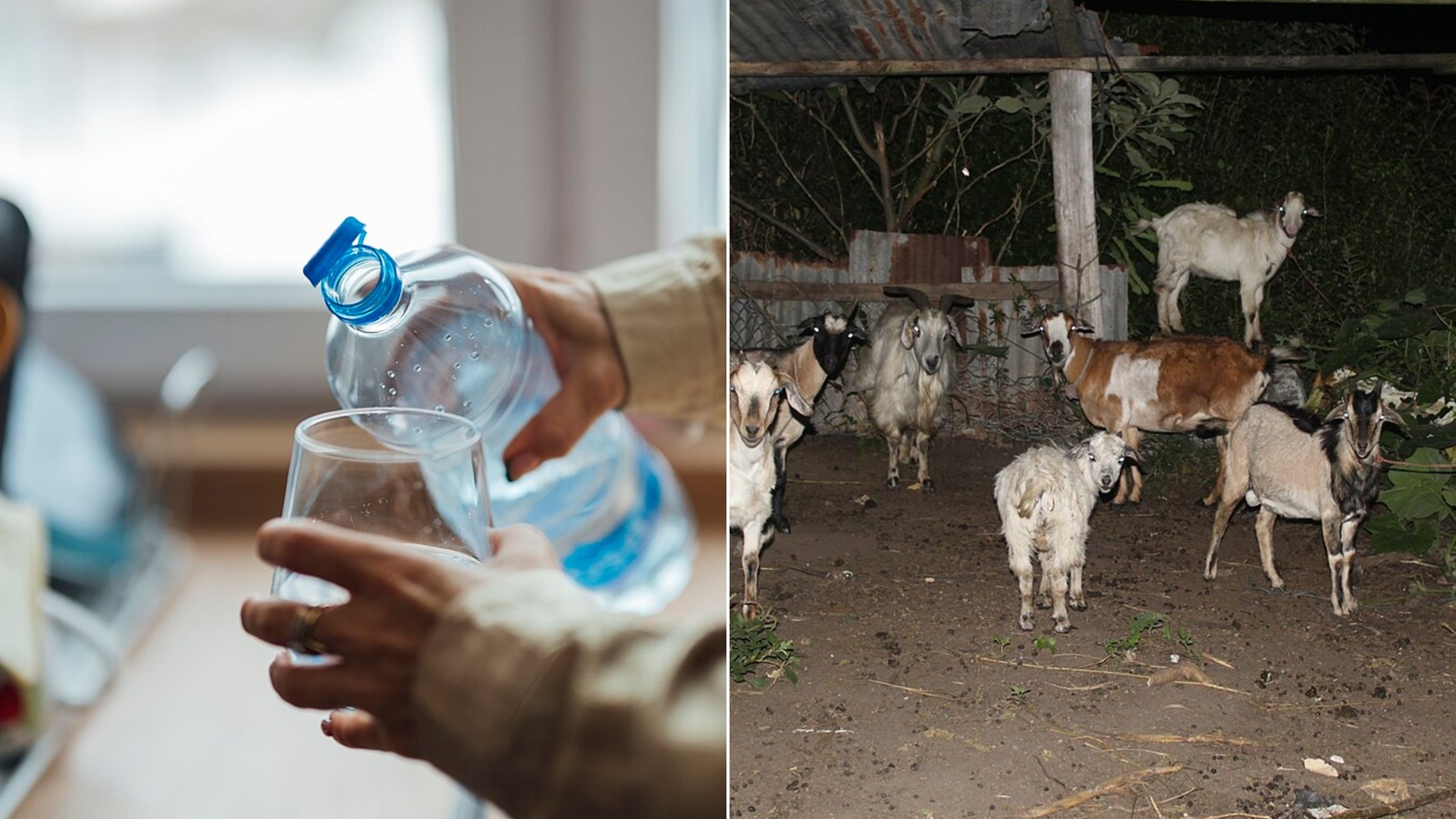
Whenever family members leave for school exams, job interviews, or military service, relatives pour a cup of water behind their steps. Flowing water represents easy momentum, wishing the traveler a smooth and fluid path.
©Wikimedia Commons / Shixart1985
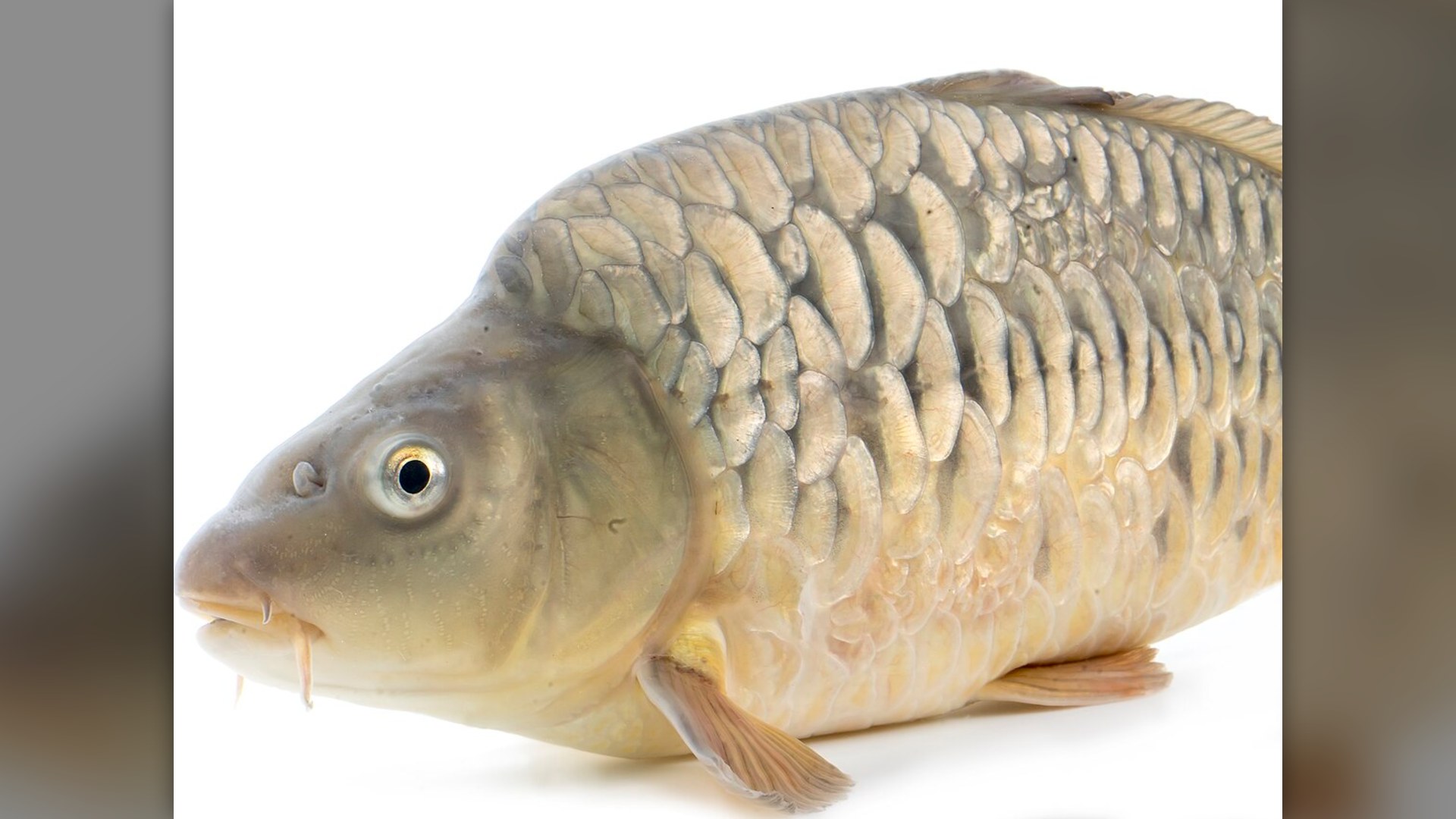
26. Czech Republic: Carp Scale In The Wallet
Traditional Czech Christmas Eve dinners center on fresh carp prepared from street tank markets. Before washing the dishes, diners clean two shiny scales to slip beside their banknotes for prosperous fortune through the coming year.
©Wikimedia Commons / USFWS Mountain Prairie
Advertisement
Swipe or tap ▶ to resume the countdown.
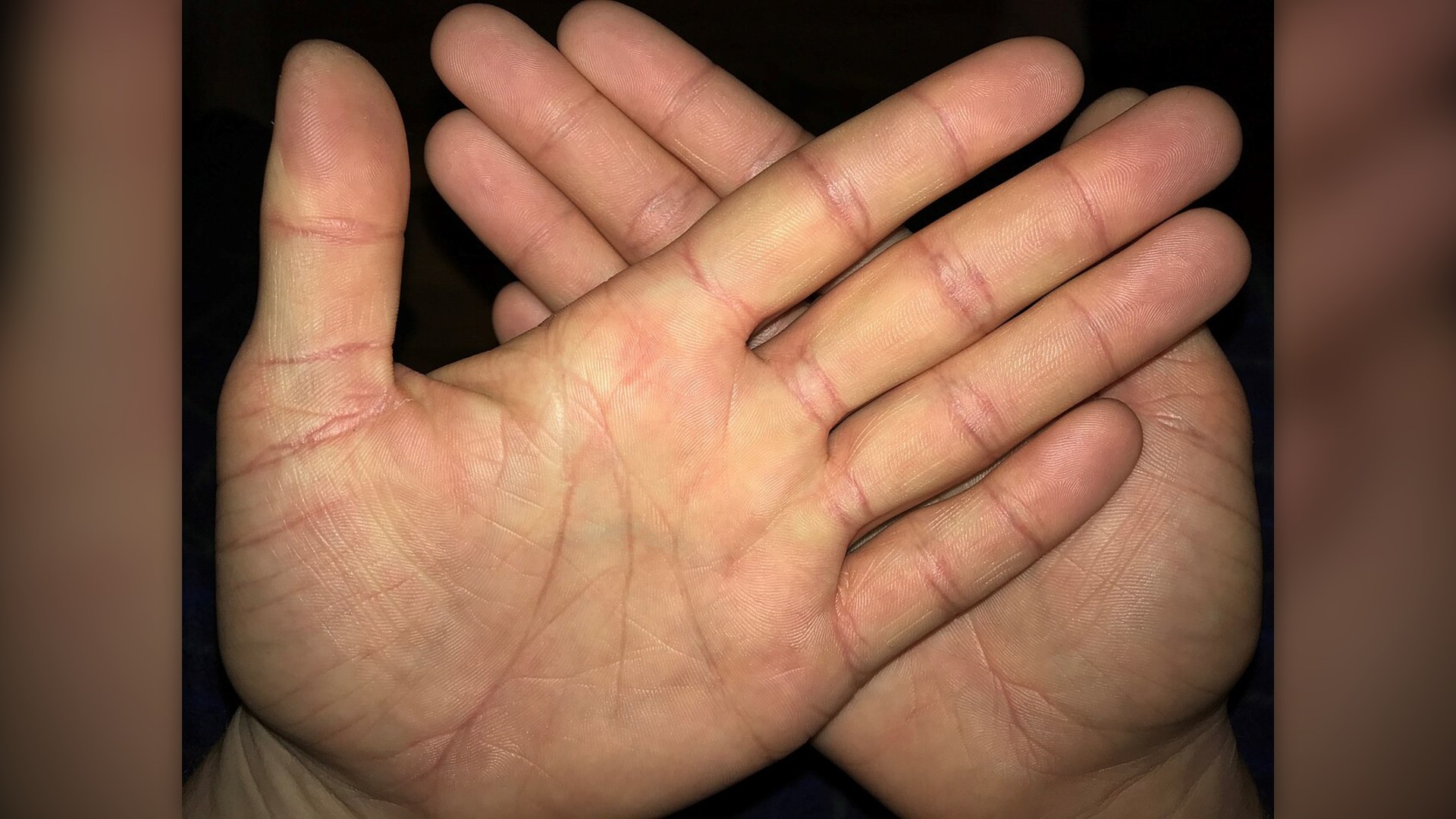
25. Ireland: Itchy Palms
Irish folklore connects spontaneous hand itches directly to bank accounts. Scratching your right hand means unexpected earnings are on their way, while scratching your left palm means an urgent bill must soon be paid.
©Wikimedia Commons / Eyefive45
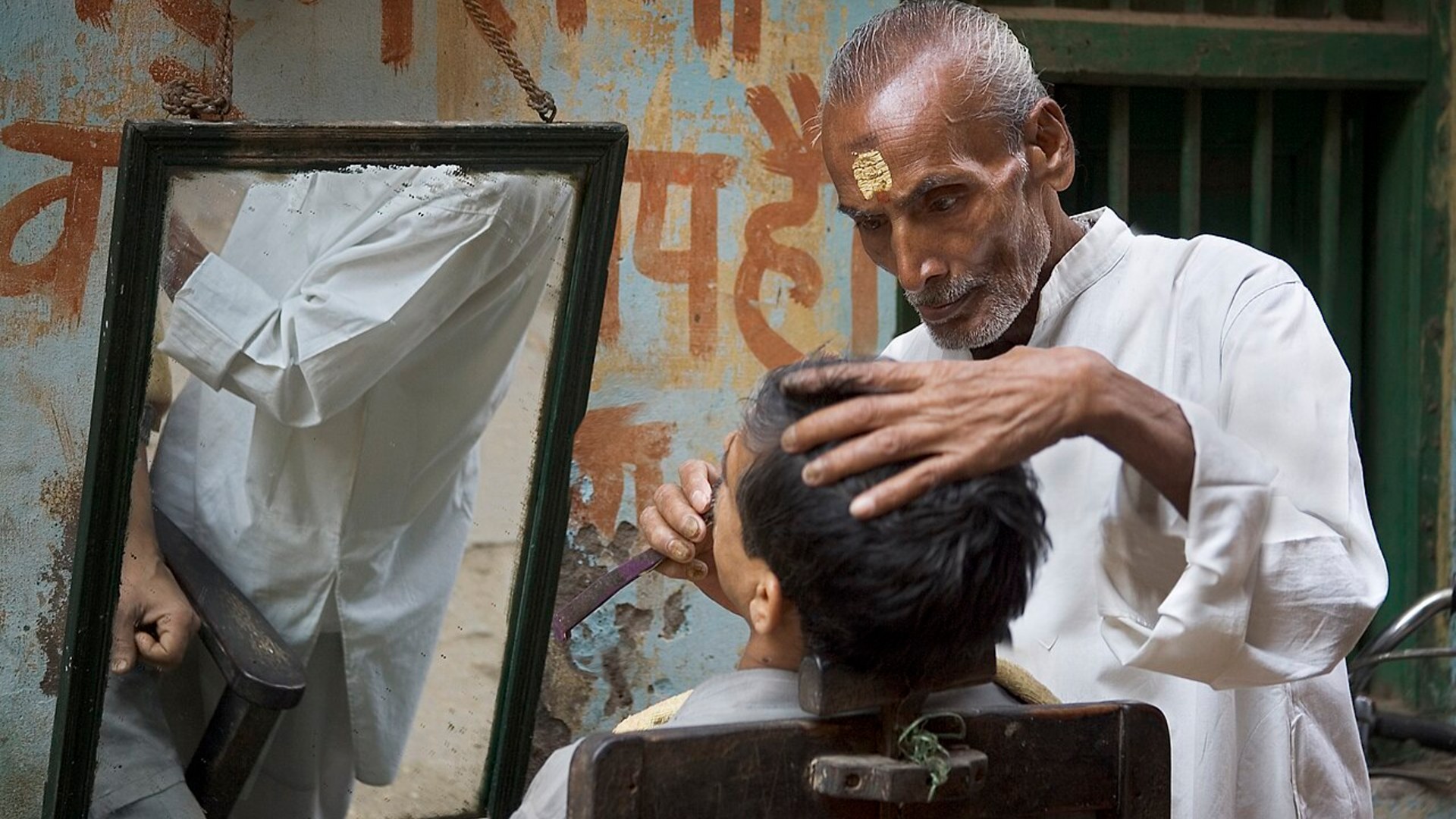
24. India: Haircut Schedule
Trimming fingernails or cutting hair on Tuesdays, Thursdays, and Saturdays is widely avoided across India. Ancient planetary associations tie Tuesday to Mars and Saturday to Saturn, where shedding grooming remnants risks financial misfortune.
©Wikimedia Commons / Jorge Royan
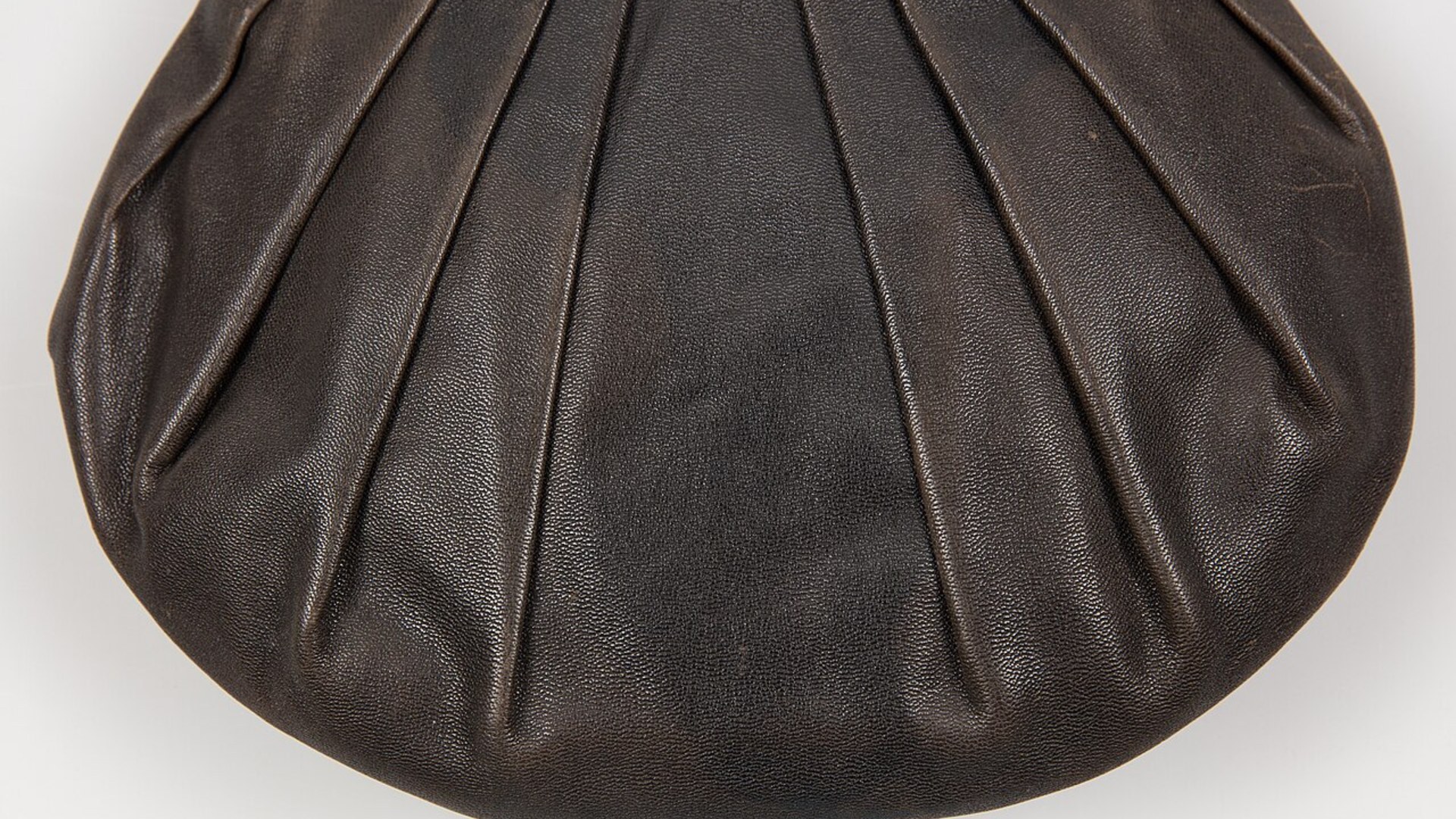
23. Brazil: Grounded Bags
Across Brazil, placing handbags directly on tile or floorboards draws immediate warnings from elders. The folk phrase asserts that money placed on the floor walks right out the door, bringing swift financial drain.
©Wikimedia Commons / Digital Public Library of America
22. Germany: Toasting With Water
Ancient Greek mythology held that deceased souls drank water from the River Lethe to forget past lives. In modern German bar etiquette, raising a water glass for a cheers still carries an omen of wishing bad luck upon fellow drinkers.
©Wikimedia Commons / Greg Riegler from Pensacola, FL, USA
Advertisement
Swipe or tap ▶ to resume the countdown.
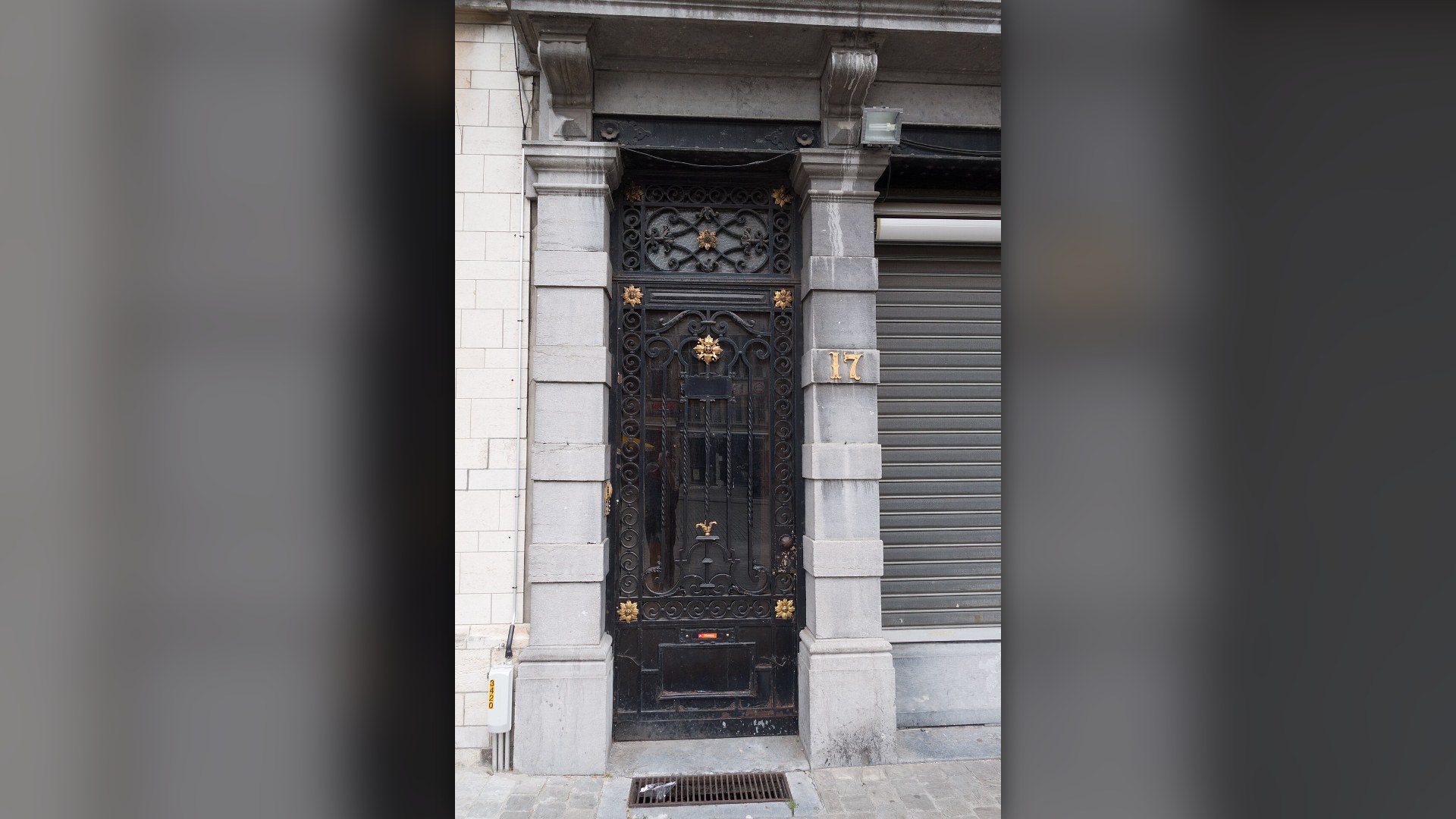
21. Italy: The Dreaded Seventeen
Rearranging the Roman numeral XVII forms the word VIXI, which translates from Latin as I have lived, implying my life is finished. Italian hotels regularly omit seventeenth floors and Alitalia planes historically lacked row 17.
©Wikimedia Commons / Thomas Quine
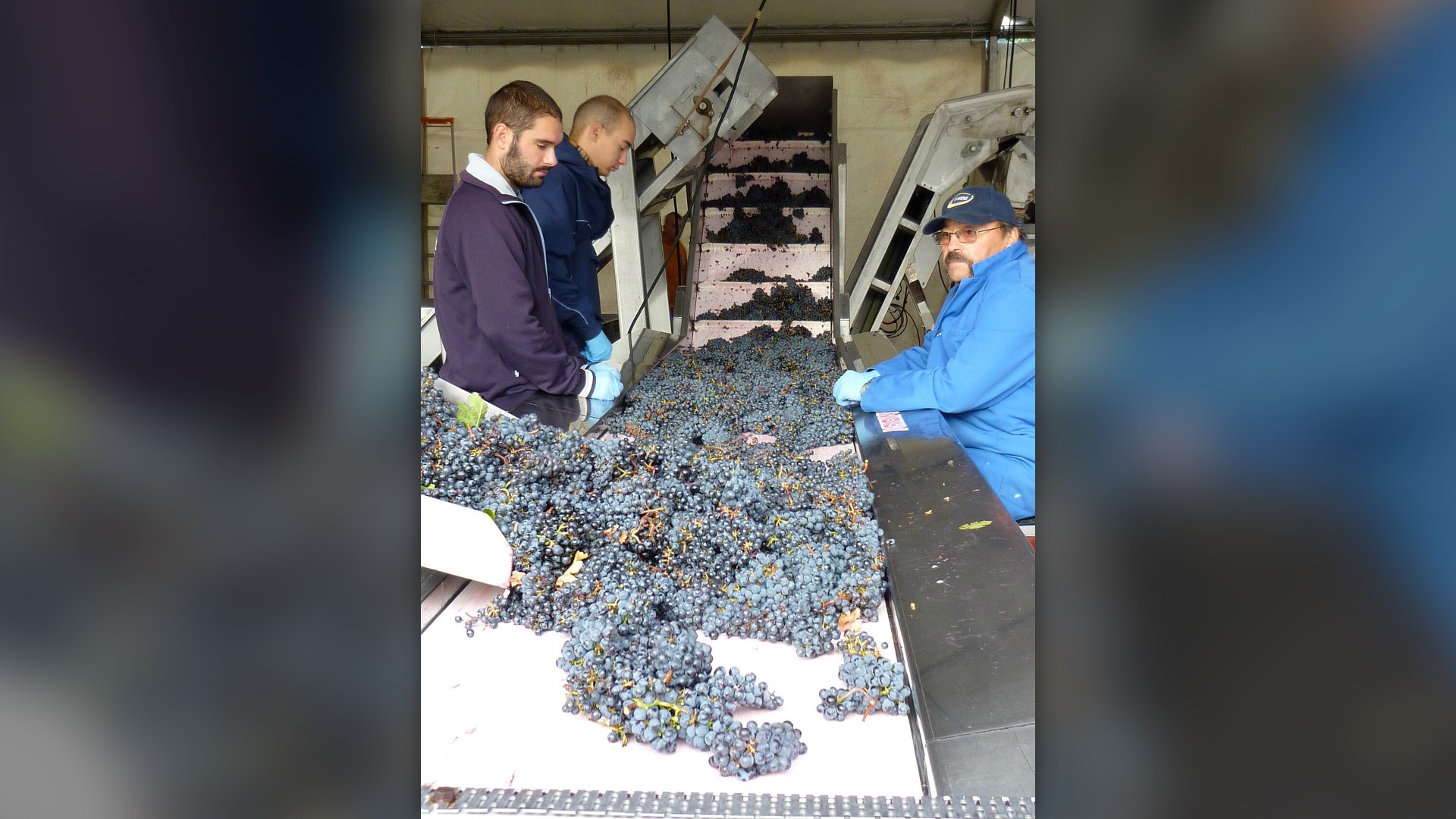
20. Spain: Twelve Midnight Grapes
Originating among Alicante grape growers in 1909 to manage a surplus harvest, this tradition requires swallows on each clock strike. Successfully finishing all twelve grapes before the chime ends ensures good fortune for every coming month.
©Wikimedia Commons / davitydave
19. Greece: Spitting At Compliments
Whenever someone praises a newborn baby or comments on radiant health in Greece, onlookers immediately utter ftou ftou ftou. The symbolic spitting motion casts away malicious jealousy and protects against the curse of the matiasma.
©Wikimedia Commons / Nesrinakyuz
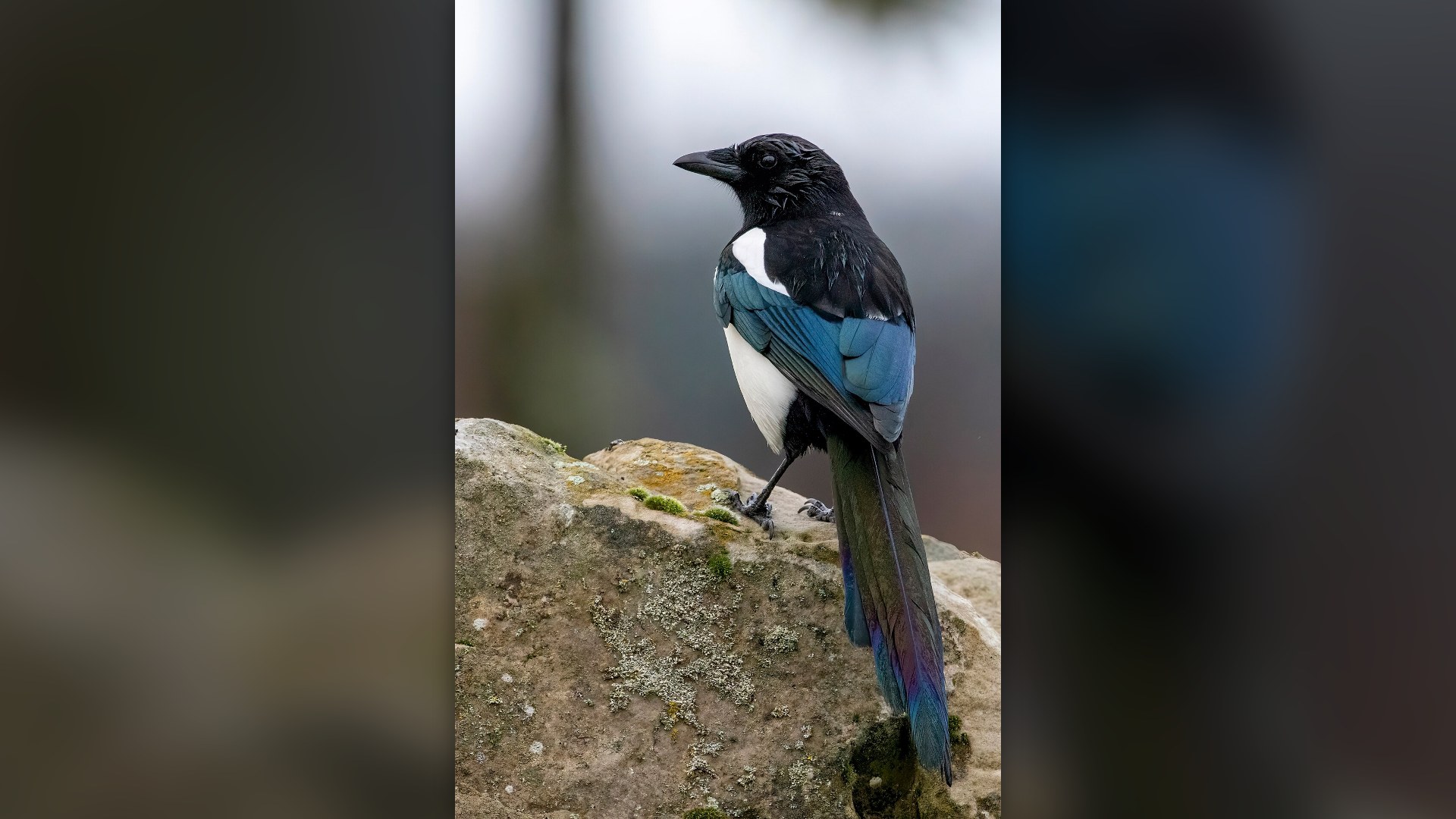
18. United Kingdom: Saluting Magpies
Centuries of British folklore dictate that a single magpie foretells sorrow, while two bring mirth. Polite pedestrians routinely tip their hats and say Good morning Mr. Magpie, how is your wife today? to keep misfortune at bay.
©Wikimedia Commons / Alexis Lours
Advertisement
Swipe or tap ▶ to resume the countdown.
17. Sweden: The Manhole Letter Code
Stockholm street grates bear cast iron letters indicating sewer type. Folk tradition turned the marks into a romantic game: stepping on A stands for avbruten karlek, or broken love, while K stands for karlek, meaning genuine romance.
©Wikimedia Commons / Furkan Akkurt
16. Netherlands: Tabletop Singing
Dutch dining etiquette includes a sharp prohibition against singing while enjoying an evening meal. An old proverb warns that singing at the dinner table means singing to the devil for your breakfast, bringing domestic discord.
©Wikimedia Commons / National Cancer Institute
15. Poland: Hat On The Dining Table
In Polish homes, placing a winter cap, fedora, or helmet on a kitchen table draws immediate correction. Because dining tables are sacred community spaces for bread, dirty headwear brings bad luck, poverty, and family quarrels.
©Wikimedia Commons / Kjetil Ree
14. China: Skipping The Fourth Floor
In Mandarin and Cantonese, the word for the number four sounds almost identical to the word for death. This tetraphobia leads office buildings, residential towers, and hospitals to omit 4th, 14th, and 24th buttons entirely.
©Wikimedia Commons / Karen Mardahl
Advertisement
Swipe or tap ▶ to resume the countdown.
13. Mexico: Yellow Flower Taboo
Bright yellow cempasuchil petals are known throughout Mexico as the flower of the dead, used to guide departed spirits to altars on Dia de los Muertos. Handing yellow bouquets to living friends is seen as an unlucky omen.
©Wikimedia Commons / Muhammad Mahdi Karim
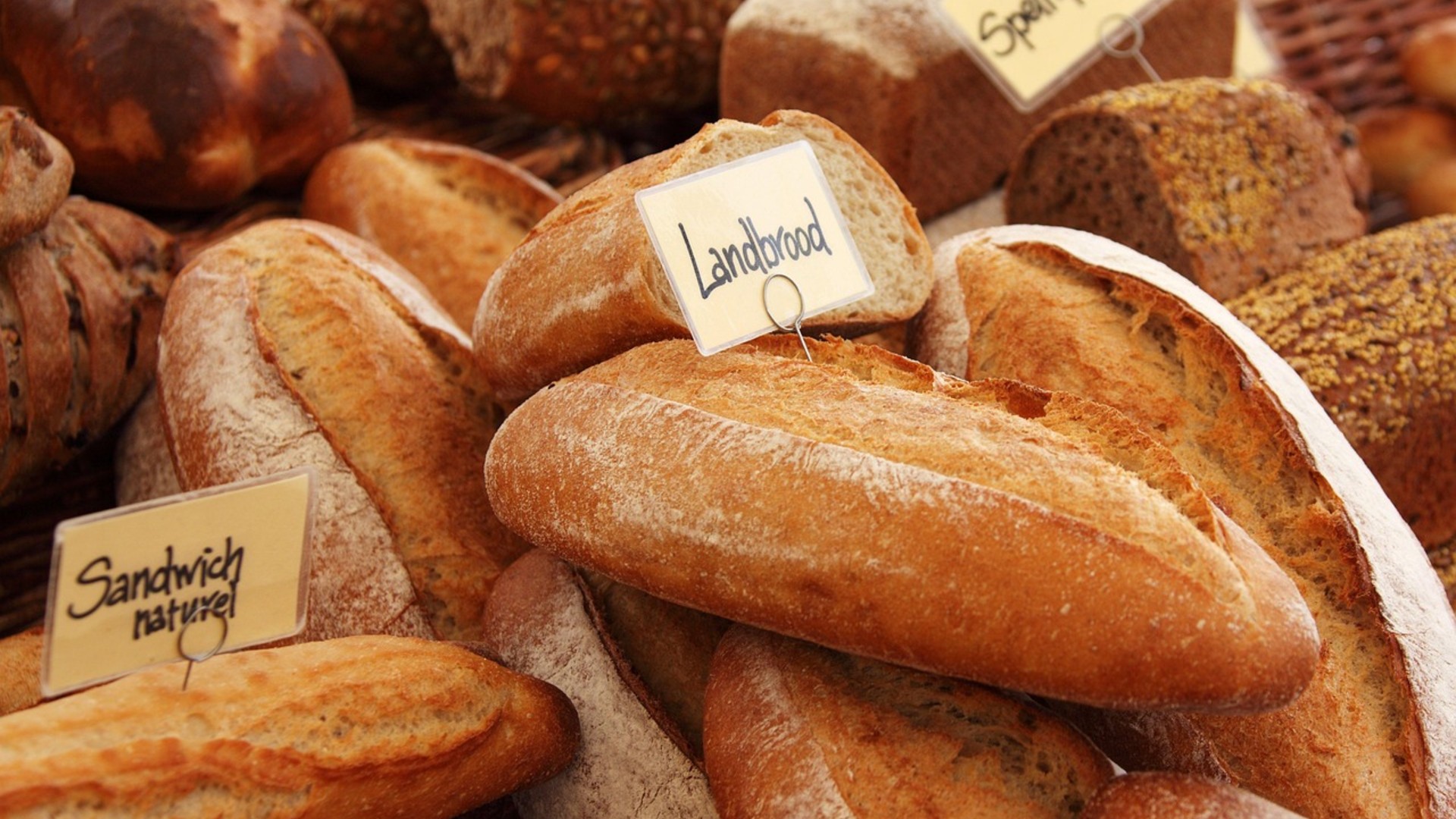
12. France: The Upside-Down Baguette
Medieval French bakers reserved loaves for city executioners by placing them upside down so townspeople would not touch them. To this day, flipping a baguette flat-side up is believed to invite poverty and dark spirits.
©Pixabay / PublicDomainPictures
11. Portugal: Walking In Reverse
Portuguese grandparents caution children never to walk in reverse. Folk wisdom warns that walking backwards shows your path directly to negative spirits, making it easy for lingering misfortune to track your footsteps home.
©Wikimedia Commons / Maoileann
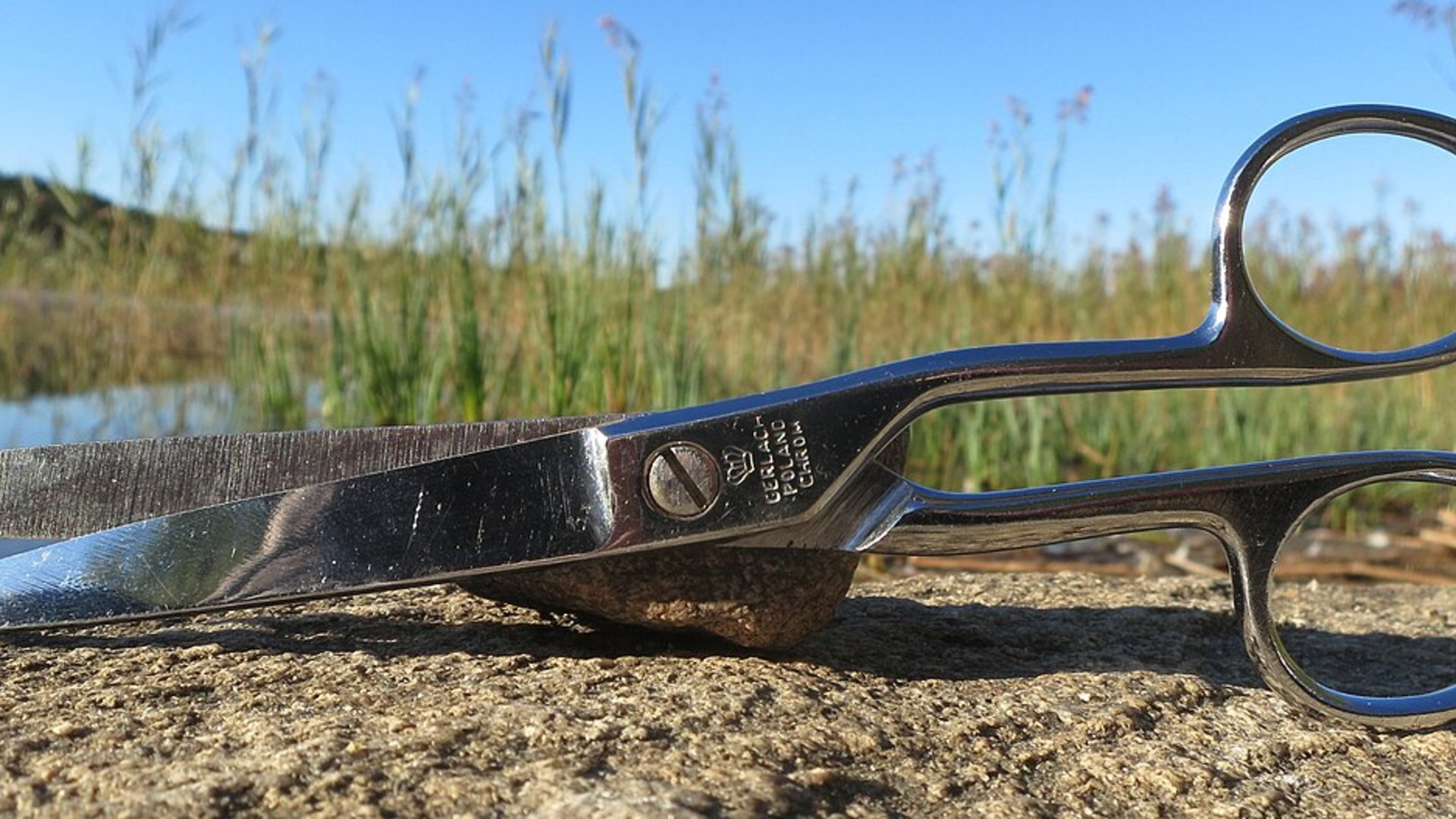
10. Egypt: Snapping Empty Shears
In Egyptian households, clicking scissor blades without cloth or paper between them is strictly forbidden. The dry clicking sound is thought to sever harmonious family ties or cut into wandering spirits, sparking heated household arguments.
©Wikimedia Commons / R. Henrik Nilsson
Advertisement
Swipe or tap ▶ to resume the countdown.
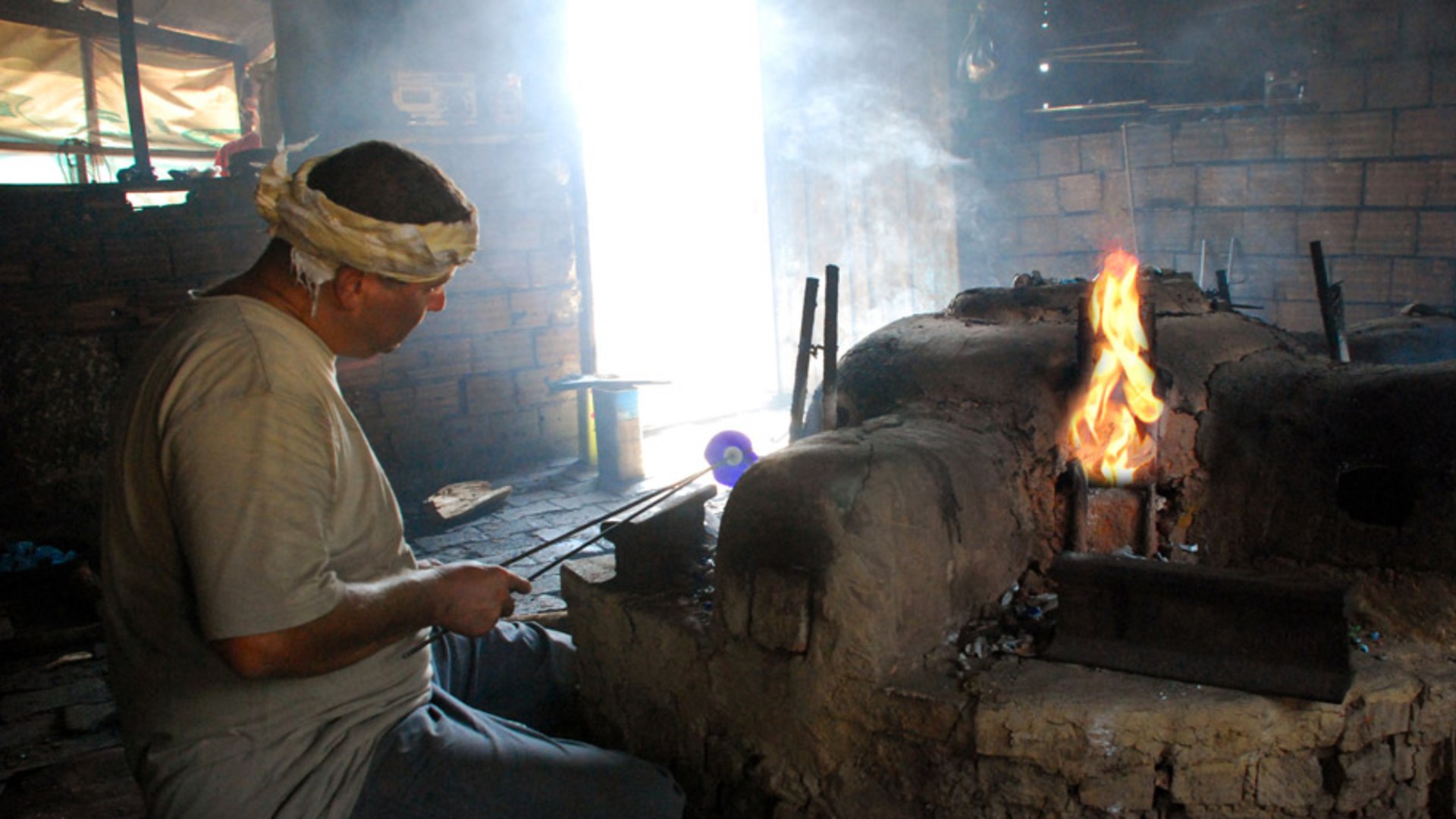
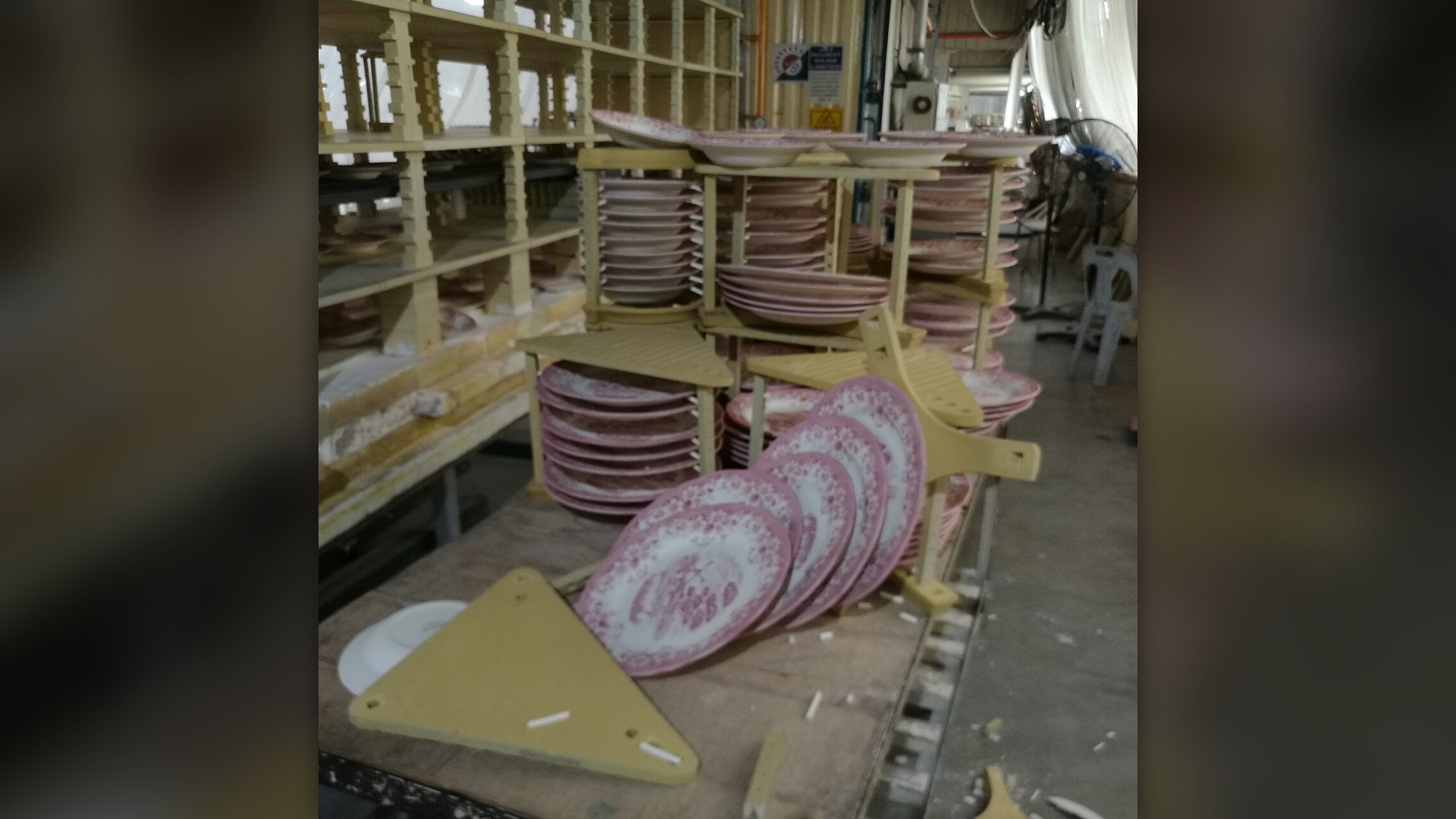
9. Denmark: Doorstep Shards
Danish households save chipped cups and cracked plates all year for December 31. On New Year's Eve, revellers throw the crockery against their closest friends' front steps. Waking up to a huge pile of shards signifies immense popularity.
©Wikimedia Commons / Encik Tekateki
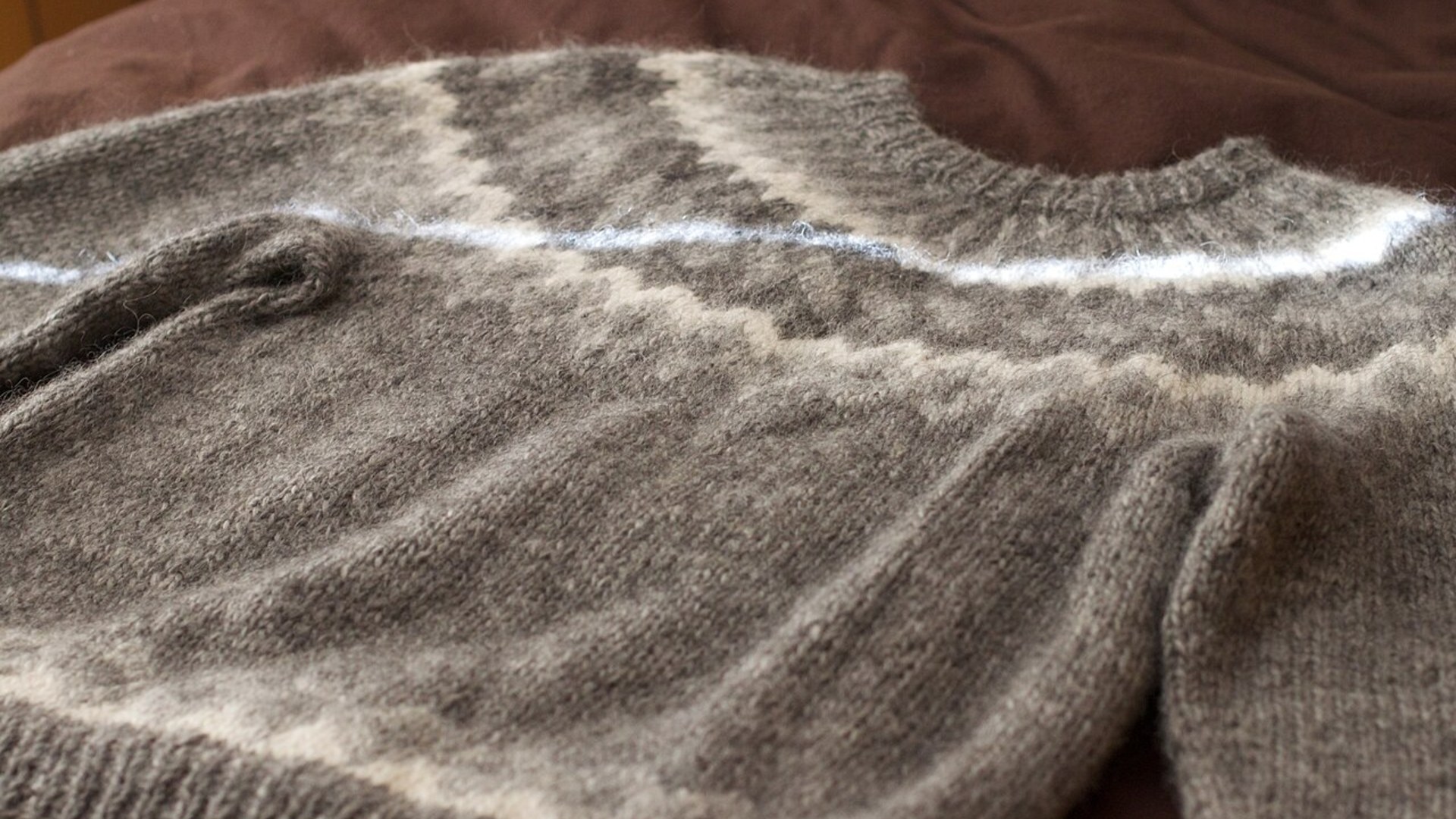
8. Iceland: Outdoor Winter Knitting
Icelandic woolen lopapeysa sweaters are world famous, but rural knitters obey strict seasonal rules. Working needles on the porch during subzero months is believed to prolong freezing temperatures and keep warm spring days away.
©Wikimedia Commons / cogdogblog
7. Lithuania: Whistling Indoors
Whistling a catchy tune indoors in Vilnius will quickly earn a stern hush. Baltic folklore warns that interior whistling calls playful imps who bring bad luck, burn food on the stove, and drain family savings.
©Wikimedia Commons / Phil Parker
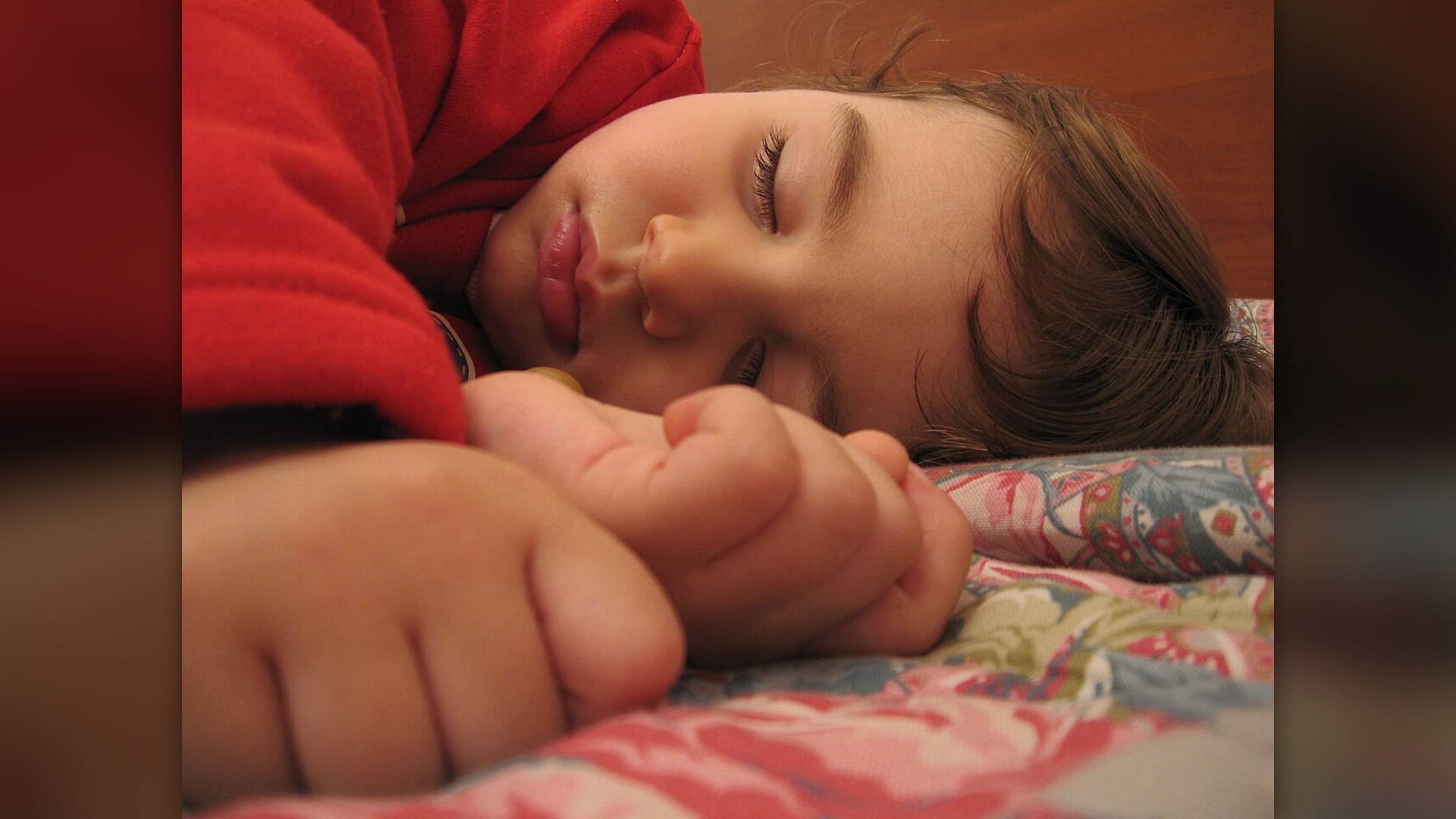
6. Philippines: Stepping Over Sleepers
Filipino traditions hold that human spirits travel outside the body during deep slumber. Stepping directly over a sleeping person is said to block the soul from returning smoothly or stunt the physical growth of sleeping children.
©Wikimedia Commons / Alessandro Zangrilli
Advertisement
Swipe or tap ▶ to resume the countdown.
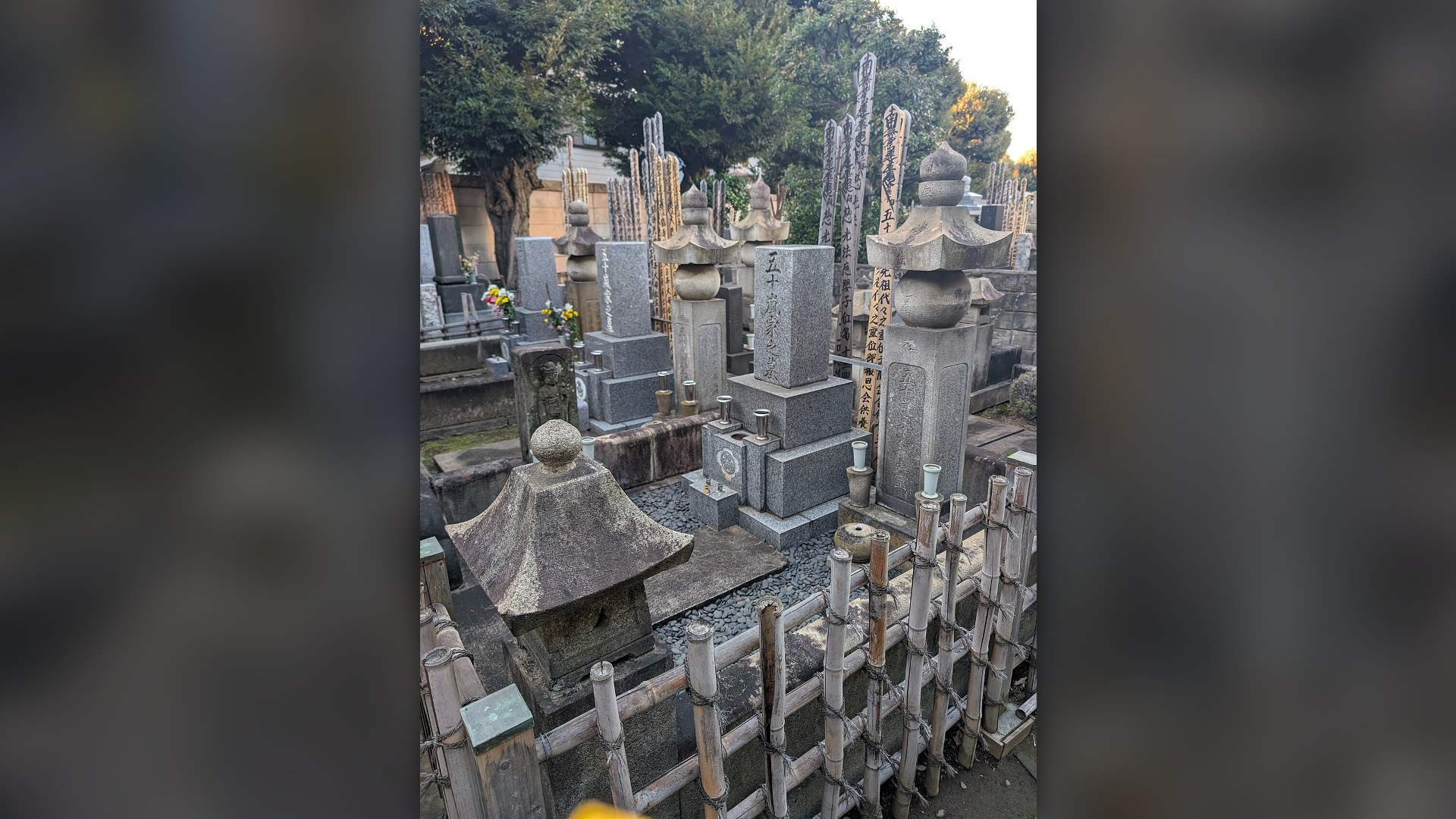
5. Japan: Tucking Thumbs At Cemeteries
In Japanese, the word for thumb is oyayubi, which translates literally to parent finger. Tucking your thumbs tightly inside closed fists when passing a cemetery protects your mother and father from entering spirits of the deceased.
©Wikimedia Commons / gruntzooki
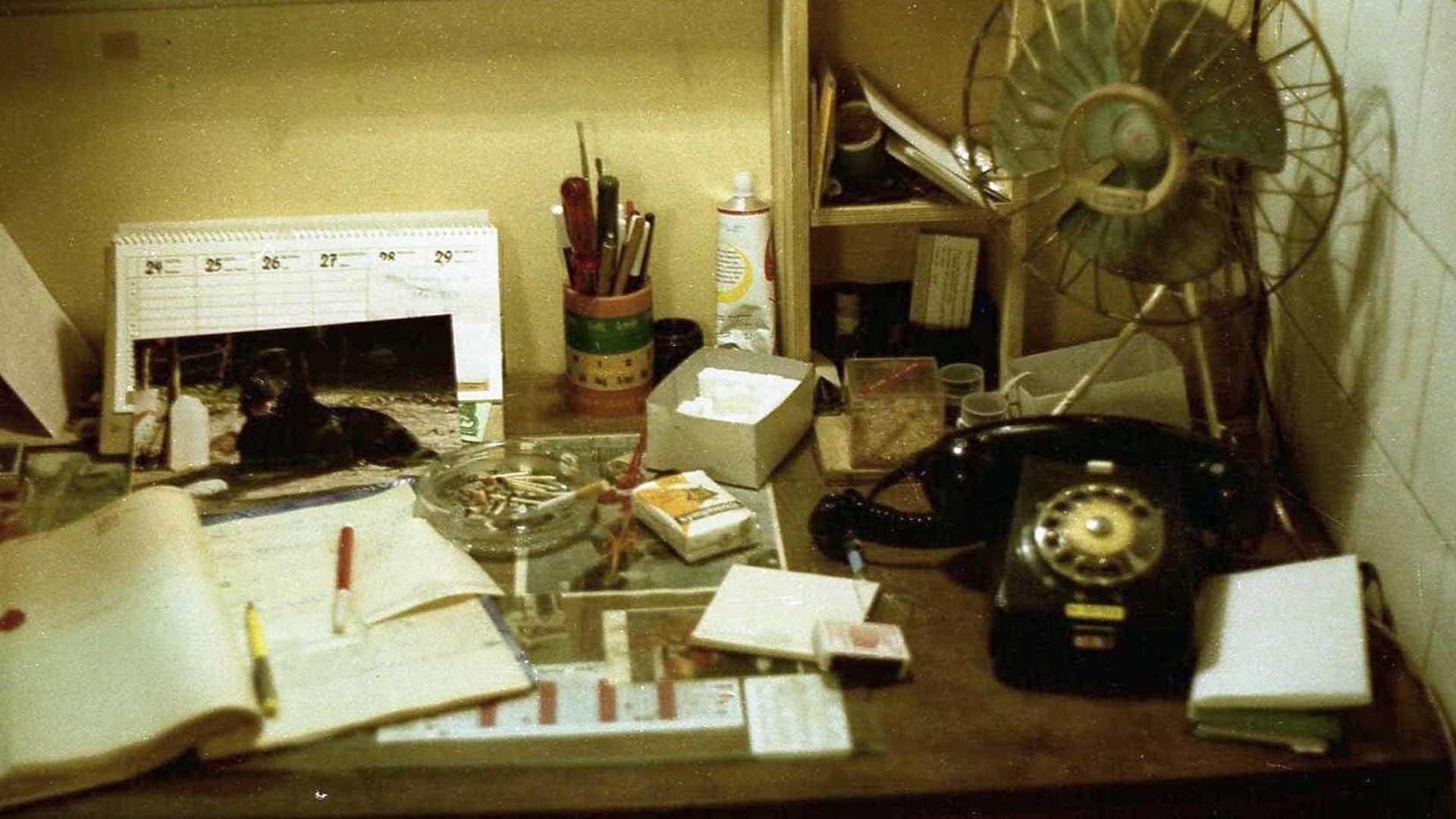
4. South Korea: Electric Fan Hazard
The belief in fan death has persisted in South Korea for decades. Many locals fear that running an electric fan in a closed room causes hypothermia or asphyxiation, prompting manufacturers to include automatic shutdown timers.
©Wikimedia Commons / Fortepan
3. Turkey: Nighttime Chewing Gum
Turkish folk legend warns children never to chew gum once darkness falls. An old bedtime story claims that chewing gum after sunset turns into the flesh of the dead, keeping kids from snacking late into the night.
©Wikimedia Commons / Raimond Spekking
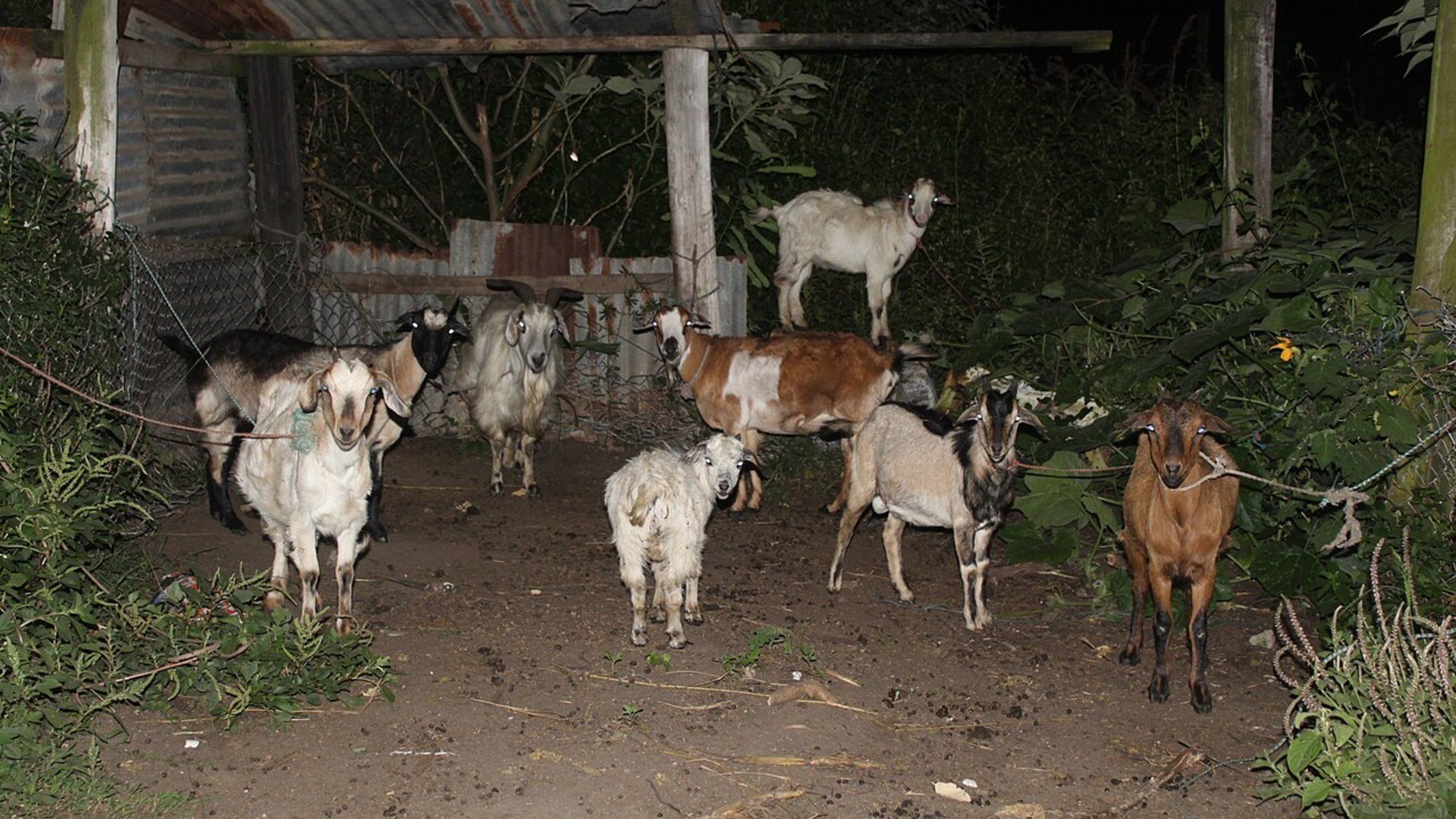
2. Rwanda: The Goat Meat Warning
In traditional Rwandan folklore, young women are cautioned against dining on goat meat. Elders warned that eating the animal would cause women to grow unsightly chin hair and develop stubborn personalities, reserving the meat for men.
©Wikimedia Commons / Dexs1991
Advertisement
Swipe or tap ▶ to resume the countdown.
1. Argentina: The Deflective Ward
In Argentina, certain historical figures are considered mufa, or living jinxes whose names bring instant bad luck. Speaking a cursed name requires touching your left chest pocket and finding unpainted wood to neutralize the hex.

©Wikimedia Commons / Hussain Ali Zaidi
Advertisement
You've reached the end of the story. Thanks for reading!

20 Iconic Historical Photos and the Archive Clues Behind Them
Contact sheets, cracked glass plates, and NASA mission logs preserve the hidden steps behind 20 famous photographs. Drawing on records from the Library of Congress, the National Archives, NASA, and the Smithsonian, this countdown traces how cropping, camera setups, and double exposures shaped each frame.
All 28 Entries in this Story
28. Russia: Pre-Trip Silence
Known as posidim na dorozhku, Russian travelers sit together quietly on packed bags before stepping out the door. The minute of stillness calms travel nerves and tricks household spirits into thinking nobody is departing.

27. Serbia: Splashing Water
Whenever family members leave for school exams, job interviews, or military service, relatives pour a cup of water behind their steps. Flowing water represents easy momentum, wishing the traveler a smooth and fluid path.

26. Czech Republic: Carp Scale In The Wallet
Traditional Czech Christmas Eve dinners center on fresh carp prepared from street tank markets. Before washing the dishes, diners clean two shiny scales to slip beside their banknotes for prosperous fortune through the coming year.

25. Ireland: Itchy Palms
Irish folklore connects spontaneous hand itches directly to bank accounts. Scratching your right hand means unexpected earnings are on their way, while scratching your left palm means an urgent bill must soon be paid.

24. India: Haircut Schedule
Trimming fingernails or cutting hair on Tuesdays, Thursdays, and Saturdays is widely avoided across India. Ancient planetary associations tie Tuesday to Mars and Saturday to Saturn, where shedding grooming remnants risks financial misfortune.

23. Brazil: Grounded Bags
Across Brazil, placing handbags directly on tile or floorboards draws immediate warnings from elders. The folk phrase asserts that money placed on the floor walks right out the door, bringing swift financial drain.

22. Germany: Toasting With Water
Ancient Greek mythology held that deceased souls drank water from the River Lethe to forget past lives. In modern German bar etiquette, raising a water glass for a cheers still carries an omen of wishing bad luck upon fellow drinkers.

21. Italy: The Dreaded Seventeen
Rearranging the Roman numeral XVII forms the word VIXI, which translates from Latin as I have lived, implying my life is finished. Italian hotels regularly omit seventeenth floors and Alitalia planes historically lacked row 17.

20. Spain: Twelve Midnight Grapes
Originating among Alicante grape growers in 1909 to manage a surplus harvest, this tradition requires swallows on each clock strike. Successfully finishing all twelve grapes before the chime ends ensures good fortune for every coming month.

19. Greece: Spitting At Compliments
Whenever someone praises a newborn baby or comments on radiant health in Greece, onlookers immediately utter ftou ftou ftou. The symbolic spitting motion casts away malicious jealousy and protects against the curse of the matiasma.

18. United Kingdom: Saluting Magpies
Centuries of British folklore dictate that a single magpie foretells sorrow, while two bring mirth. Polite pedestrians routinely tip their hats and say Good morning Mr. Magpie, how is your wife today? to keep misfortune at bay.

17. Sweden: The Manhole Letter Code
Stockholm street grates bear cast iron letters indicating sewer type. Folk tradition turned the marks into a romantic game: stepping on A stands for avbruten karlek, or broken love, while K stands for karlek, meaning genuine romance.

16. Netherlands: Tabletop Singing
Dutch dining etiquette includes a sharp prohibition against singing while enjoying an evening meal. An old proverb warns that singing at the dinner table means singing to the devil for your breakfast, bringing domestic discord.

15. Poland: Hat On The Dining Table
In Polish homes, placing a winter cap, fedora, or helmet on a kitchen table draws immediate correction. Because dining tables are sacred community spaces for bread, dirty headwear brings bad luck, poverty, and family quarrels.

14. China: Skipping The Fourth Floor
In Mandarin and Cantonese, the word for the number four sounds almost identical to the word for death. This tetraphobia leads office buildings, residential towers, and hospitals to omit 4th, 14th, and 24th buttons entirely.

13. Mexico: Yellow Flower Taboo
Bright yellow cempasuchil petals are known throughout Mexico as the flower of the dead, used to guide departed spirits to altars on Dia de los Muertos. Handing yellow bouquets to living friends is seen as an unlucky omen.

12. France: The Upside-Down Baguette
Medieval French bakers reserved loaves for city executioners by placing them upside down so townspeople would not touch them. To this day, flipping a baguette flat-side up is believed to invite poverty and dark spirits.

11. Portugal: Walking In Reverse
Portuguese grandparents caution children never to walk in reverse. Folk wisdom warns that walking backwards shows your path directly to negative spirits, making it easy for lingering misfortune to track your footsteps home.

10. Egypt: Snapping Empty Shears
In Egyptian households, clicking scissor blades without cloth or paper between them is strictly forbidden. The dry clicking sound is thought to sever harmonious family ties or cut into wandering spirits, sparking heated household arguments.

9. Denmark: Doorstep Shards
Danish households save chipped cups and cracked plates all year for December 31. On New Year's Eve, revellers throw the crockery against their closest friends' front steps. Waking up to a huge pile of shards signifies immense popularity.

8. Iceland: Outdoor Winter Knitting
Icelandic woolen lopapeysa sweaters are world famous, but rural knitters obey strict seasonal rules. Working needles on the porch during subzero months is believed to prolong freezing temperatures and keep warm spring days away.

7. Lithuania: Whistling Indoors
Whistling a catchy tune indoors in Vilnius will quickly earn a stern hush. Baltic folklore warns that interior whistling calls playful imps who bring bad luck, burn food on the stove, and drain family savings.

6. Philippines: Stepping Over Sleepers
Filipino traditions hold that human spirits travel outside the body during deep slumber. Stepping directly over a sleeping person is said to block the soul from returning smoothly or stunt the physical growth of sleeping children.

5. Japan: Tucking Thumbs At Cemeteries
In Japanese, the word for thumb is oyayubi, which translates literally to parent finger. Tucking your thumbs tightly inside closed fists when passing a cemetery protects your mother and father from entering spirits of the deceased.

4. South Korea: Electric Fan Hazard
The belief in fan death has persisted in South Korea for decades. Many locals fear that running an electric fan in a closed room causes hypothermia or asphyxiation, prompting manufacturers to include automatic shutdown timers.

3. Turkey: Nighttime Chewing Gum
Turkish folk legend warns children never to chew gum once darkness falls. An old bedtime story claims that chewing gum after sunset turns into the flesh of the dead, keeping kids from snacking late into the night.

2. Rwanda: The Goat Meat Warning
In traditional Rwandan folklore, young women are cautioned against dining on goat meat. Elders warned that eating the animal would cause women to grow unsightly chin hair and develop stubborn personalities, reserving the meat for men.

1. Argentina: The Deflective Ward
In Argentina, certain historical figures are considered mufa, or living jinxes whose names bring instant bad luck. Speaking a cursed name requires touching your left chest pocket and finding unpainted wood to neutralize the hex.