Slideshow · Viral
28 Countries Where Voting Is Mandatory, Ranked
From strict fines to frozen bank accounts, see how nations enforce the vote.

By Most Viral Today
30 Oct 2026

Discover the strict penalties and unexpected rules behind mandatory voting. 
28. Dominican Republic 
27. Honduras 
26. Costa Rica - AdvertisementSwipe or tap ▶ to continue countdown

25. Panama 
24. Lebanon 
23. Democratic Republic Of The Congo 
22. Bulgaria - AdvertisementSwipe or tap ▶ to continue countdown

21. Cyprus 
20. Egypt 
19. Turkey 
18. Greece - AdvertisementSwipe or tap ▶ to continue countdown

17. Mexico 
16. Thailand 
15. Paraguay 
14. Samoa - AdvertisementSwipe or tap ▶ to continue countdown

13. Liechtenstein 
12. Nauru 
11. Luxembourg 
10. Chile - AdvertisementSwipe or tap ▶ to continue countdown

9. Ecuador 
8. Bolivia 
7. Peru 
6. Argentina - AdvertisementSwipe or tap ▶ to continue countdown

5. Uruguay 
4. Belgium 
3. Singapore 
2. Brazil - AdvertisementSwipe or tap ▶ to continue countdown

1. Australia - Advertisement🔥 UP NEXT IN THIS SERIES◫ 21 Slides

20 Iconic Historical Photos and the Archive Clues Behind Them
Contact sheets, cracked glass plates, and NASA mission logs preserve the hidden steps behind 20 famous photographs. Drawing on records from the Library of Congress, the National Archives, NASA, and the Smithsonian, this countdown traces how cropping, camera setups, and double exposures shaped each frame.
Across the globe, dozens of nations view voting not merely as an optional civic privilege, but as an enforceable legal obligation. From administrative sanctions to frozen salaries, here is how 28 countries handle mandatory elections.
Swipe or tap ▶ to begin the countdown
©Wikimedia / Arpitan & wikimedia / Antonio Cruz, ABr
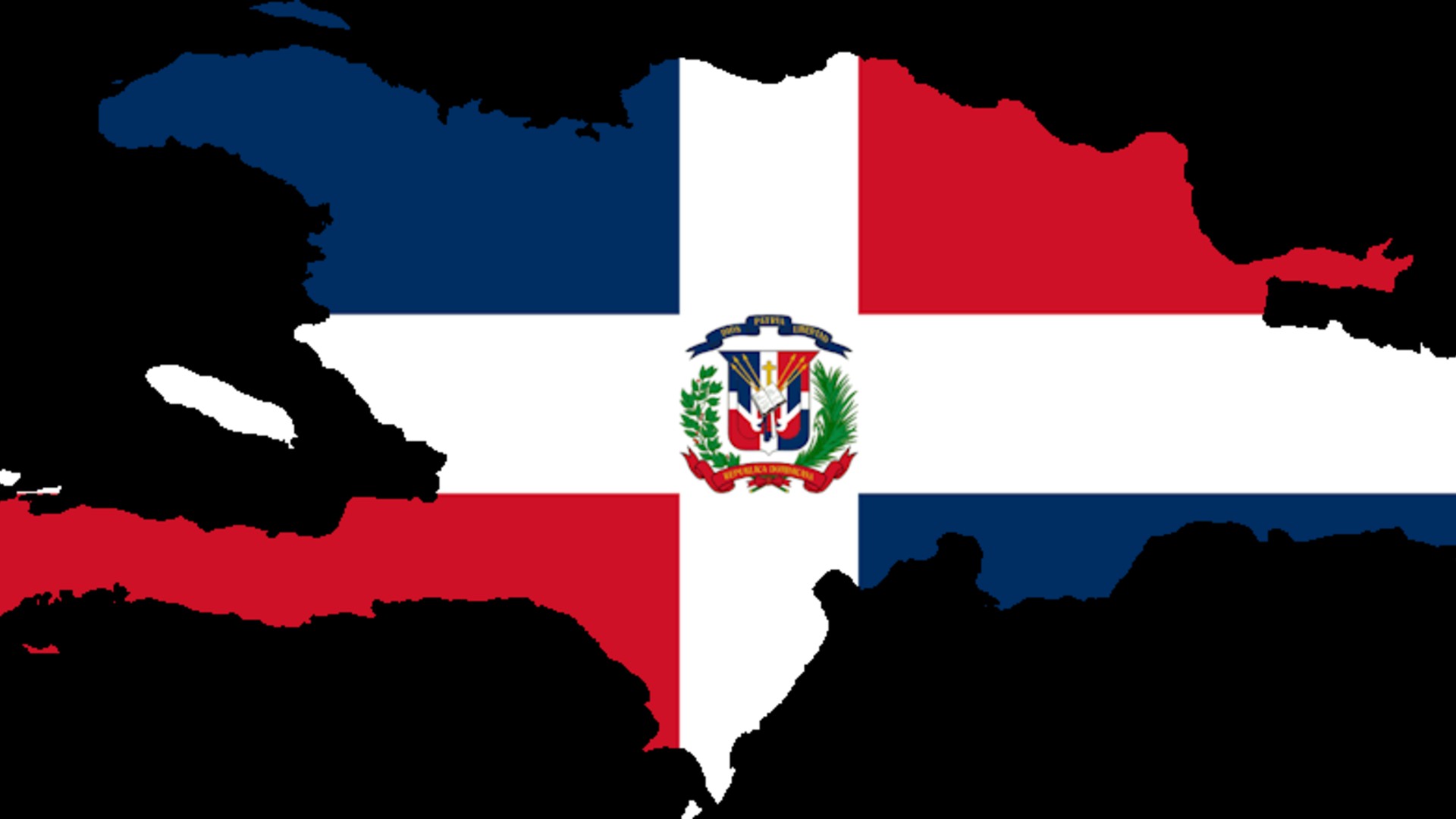
28. Dominican Republic
Article 208 of the 2015 Constitution defines the vote as personal, free, secret, and mandatory. However, electoral authorities enforce no statutory fines or administrative barriers against citizens who abstain, leaving turnout driven entirely by civic culture and party mobilization.
©Wikimedia / ElHoplitaGamer
27. Honduras
Under Article 44 of the Honduran Constitution, suffrage is an obligatory civic right and duty for every adult citizen. Because lawmakers have never established formal fines or penal sanctions for absenteeism, turnout levels remain variable and compliance relies on public campaigns.
©Wikimedia / Luis Alfredo Romero
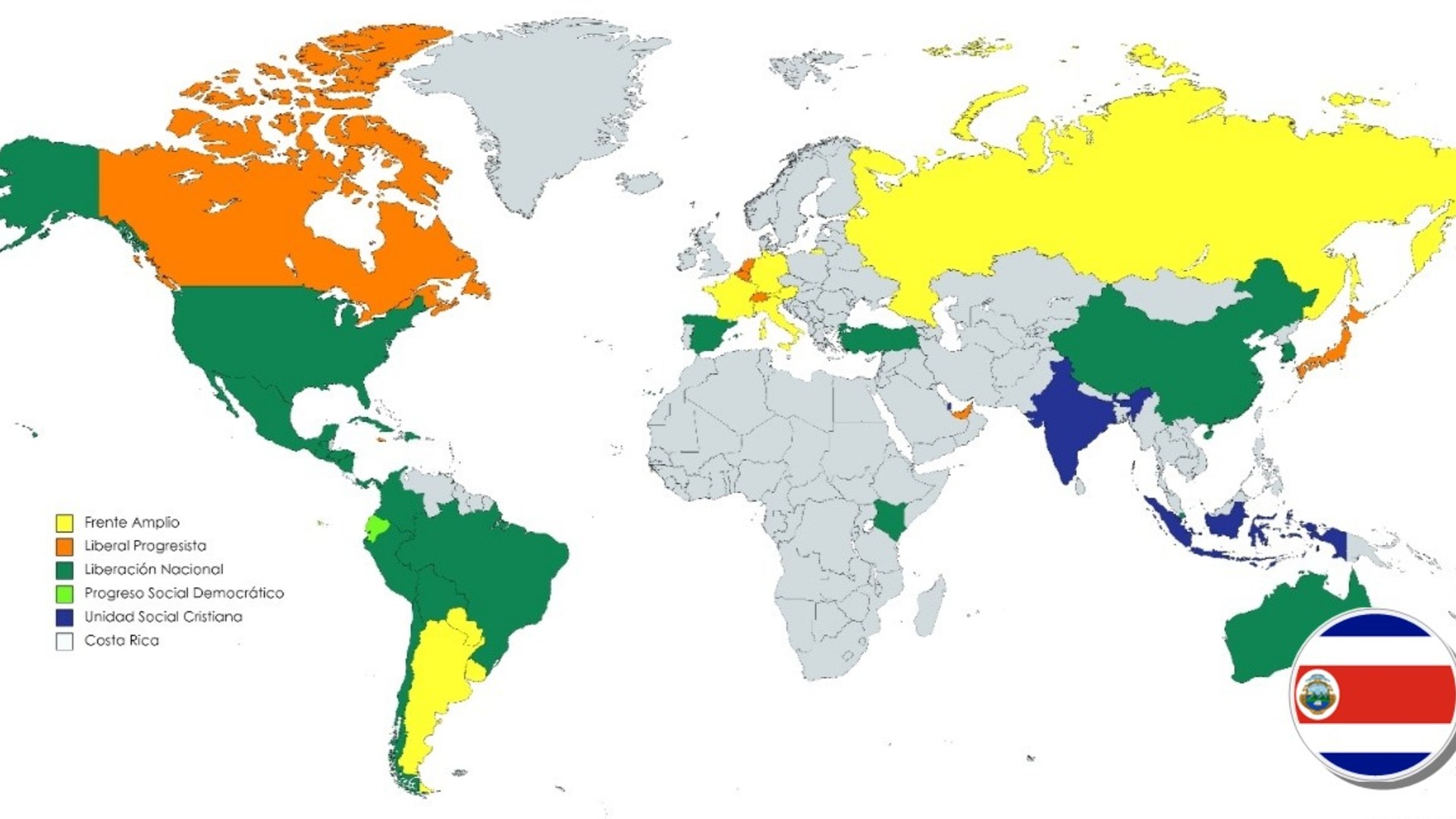
26. Costa Rica
Costa Rica incorporated compulsory voting into Article 93 of its 1949 Constitution. The Supreme Electoral Tribunal operates on the principle that voting is a moral duty rather than a coerced mandate, ensuring citizens face no financial penalties or civic restrictions for staying home.
©Wikimedia Commons / Tito Andres
Advertisement
Swipe or tap ▶ to resume the countdown.
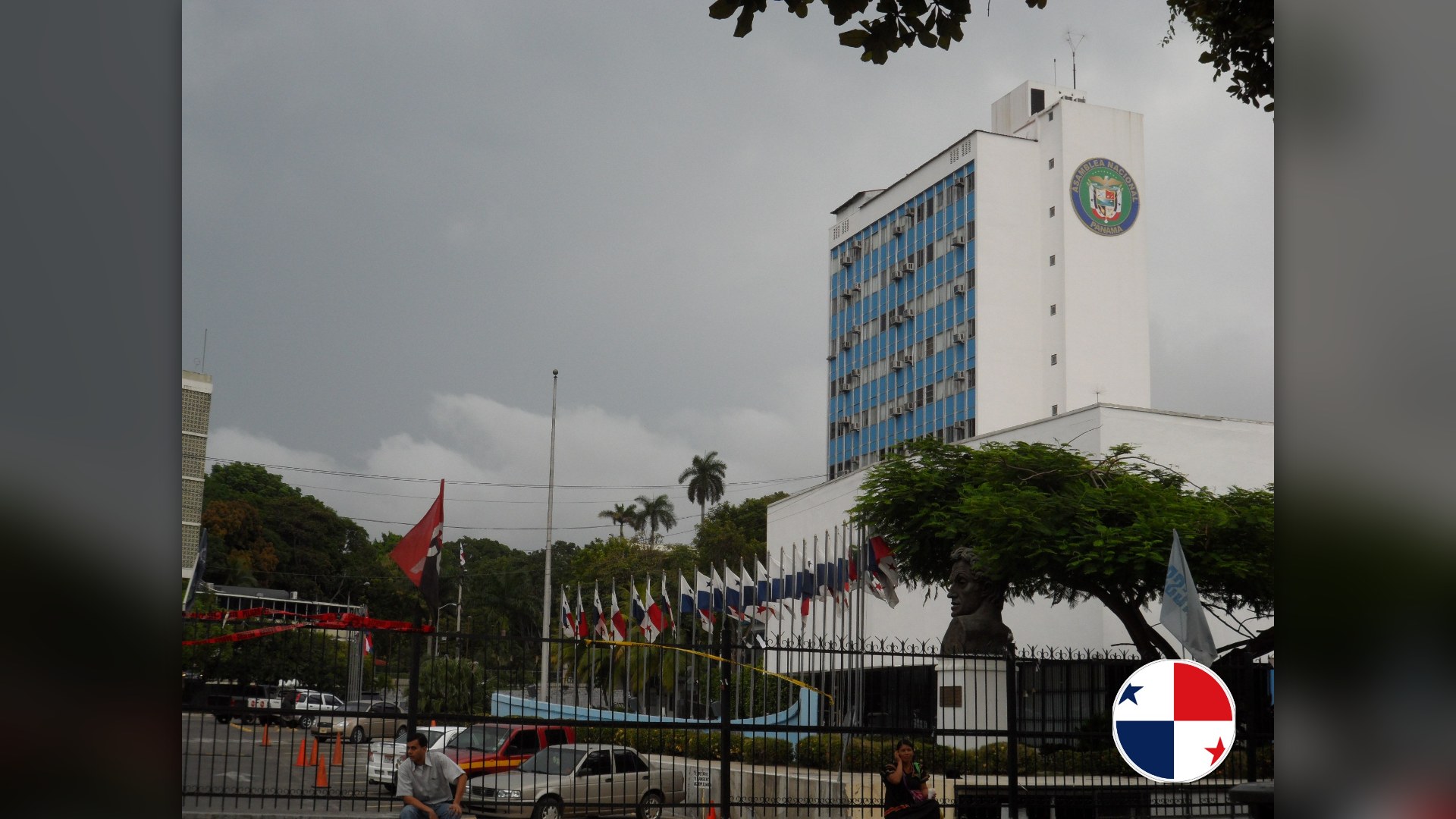
25. Panama
Article 135 of Panama's Constitution declares voting an individual right and civic duty. Electoral statutes contain no enforcement mechanisms or administrative penalties for non-voters, resulting in competitive elections where voter turnout is encouraged through public engagement.
©Wikimedia Commons / Y.Y.Y.G.
24. Lebanon
Lebanese electoral legislation historically included a statutory requirement for adult men to cast ballots during parliamentary races. In practice, the state has never enforced punitive measures or tracked non-voters, and recent reform proposals have focused on voluntary participation.
©Wikimedia Commons / Arpitan
23. Democratic Republic Of The Congo
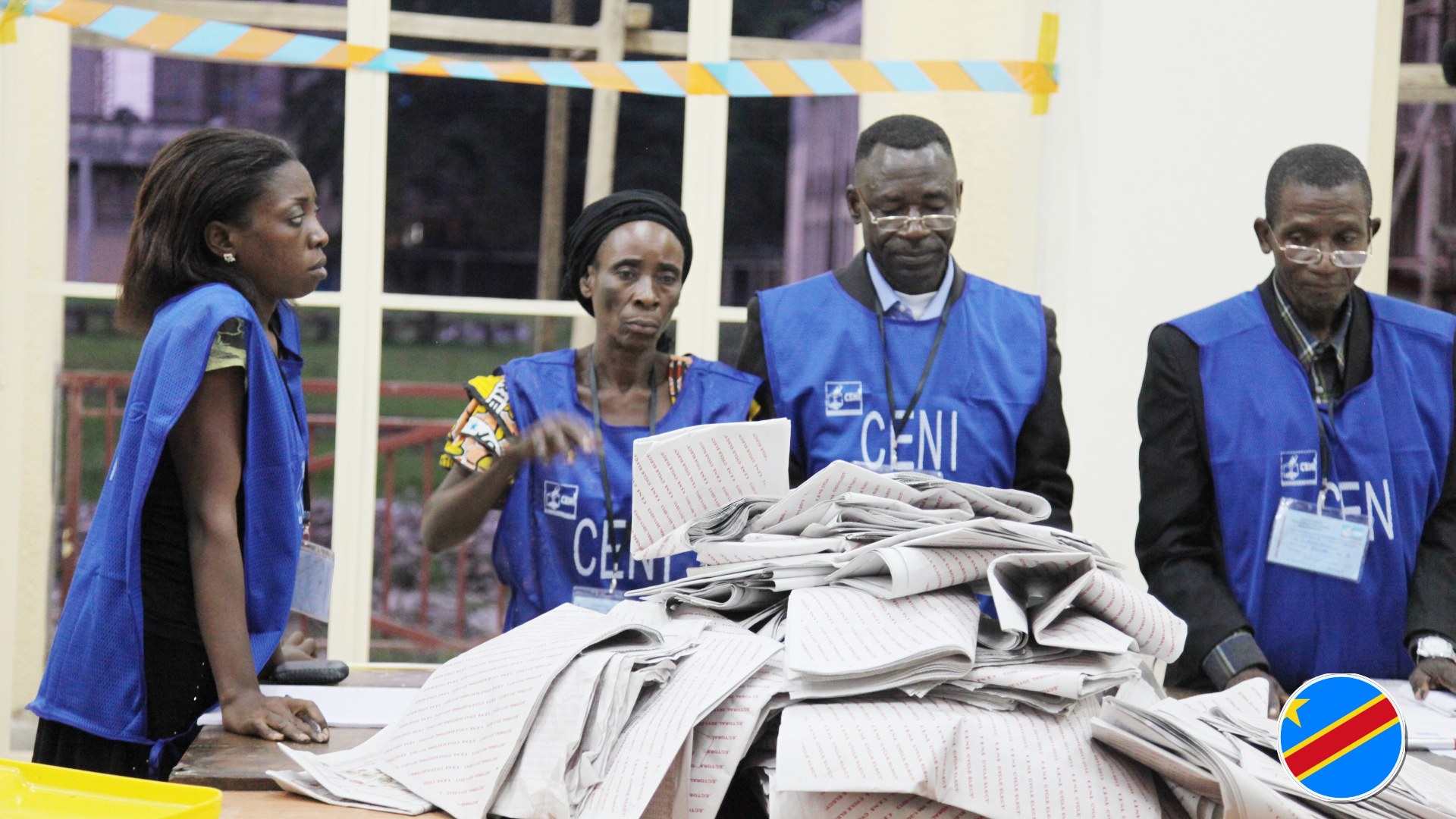
Article 5 of the DRC Constitution establishes universal and compulsory suffrage for every adult citizen. Given immense logistical challenges across Central Africa and infrastructure constraints, the national electoral commission does not penalize abstention in general elections.
©Wikimedia Commons / MONUSCO / Myriam Asmani
22. Bulgaria
Bulgaria enacted mandatory voting legislation in 2016 to counter declining turnout rates across Eastern Europe. The Constitutional Court swiftly struck down statutory provisions that removed non-voters from the electoral register, leaving the legal requirement largely toothless.
©NASA / Keegan Barber
Advertisement
Swipe or tap ▶ to resume the countdown.
21. Cyprus
Cyprus introduced mandatory voting under British colonial influence and maintained statutory criminal penalties for decades. Following recurring debates on civil liberties, the Cypriot parliament formally decriminalized abstention in late 2017, transitioning to voluntary participation.
©Wikimedia Commons / Seksen iki yuz kirk bes
20. Egypt
Article 57 of Egypt's political rights law prescribes a fine of up to 500 Egyptian pounds for unexcused voter abstention. While state election authorities occasionally warn the public before parliamentary ballots, widespread prosecution of non-voters remains exceptionally rare.
©Wikimedia / Foua42000
19. Turkey
Turkish electoral law empowers the Supreme Election Council to impose a small administrative fine on eligible citizens who fail to vote without a valid excuse. While the statutory fine is rarely pursued aggressively through courts, voter turnout regularly tops 85 percent nationwide.
©Wikimedia Commons / Mark Lowen
18. Greece
Article 51 of the Greek Constitution designates voting as mandatory for all citizens aged 17 and older. Although previous laws threatened non-voters with delays in passport issuance or driver licenses, modern administrative bodies no longer enforce these punitive measures.
©Wikimedia Commons / FocalPoint
Advertisement
Swipe or tap ▶ to resume the countdown.
17. Mexico
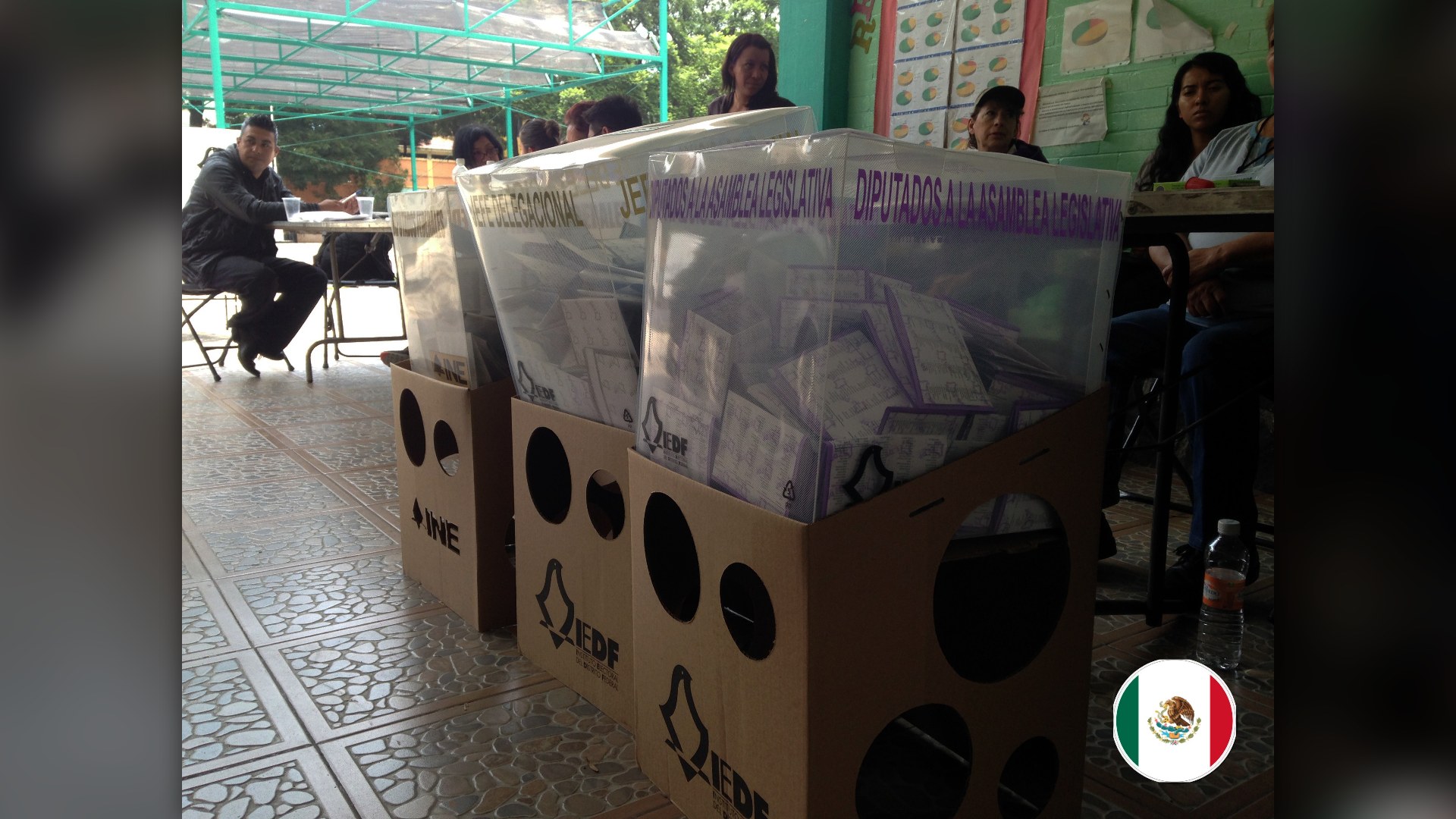
Article 36 of the Mexican Constitution lists registering and voting as basic obligations of citizenship. The National Electoral Institute maintains universal voter rolls and issues official photo voter credentials, but federal law prescribes no formal punitive fines for non-voting.
©Wikimedia Commons / ProtoplasmaKid
16. Thailand
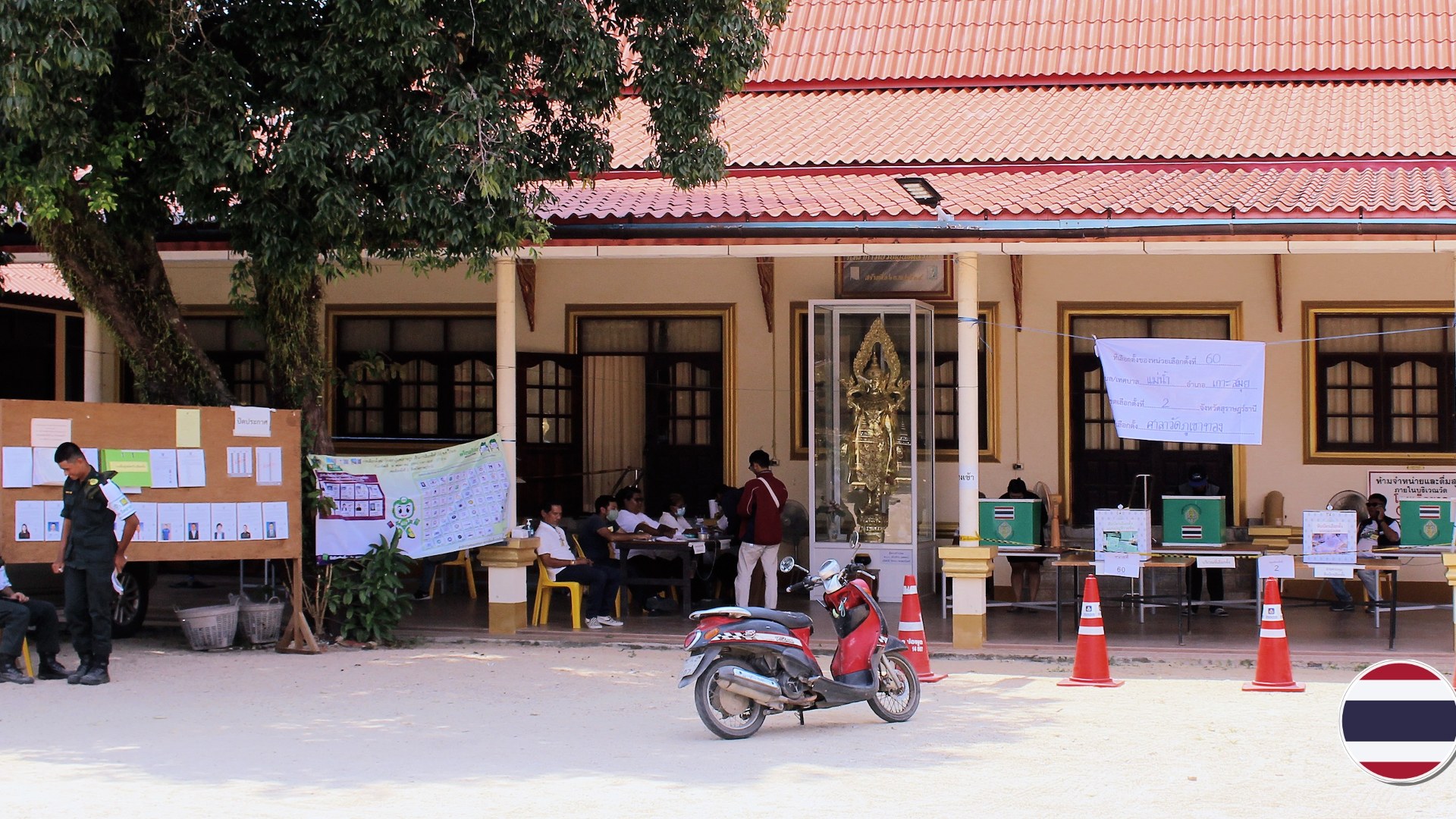
Thailand established compulsory voting in its 1997 Constitution and reaffirmed the rule in 2017. Citizens who fail to vote without formal notification lose the right to stand as election candidates, petition parliament, or serve in appointed municipal leadership roles for two years.
©Wikimedia Commons / Per Meistrup
15. Paraguay
Paraguay enforces compulsory voting for literate citizens between ages 18 and 75 under the Superior Court of Electoral Justice. Failure to vote carries a nominal fine, though enforcement rates have historically varied depending on local municipality tracking and administrative resources.
©Wikimedia Commons / Antonio Cruz/ABr
14. Samoa
Samoa enacted the Electoral Act 2019 to reverse uneven participation across remote village districts. The legislation makes both voter registration and polling day turnout mandatory for all adult citizens, backed by modest monetary penalties administered through village pulenuu networks.
©Wikimedia Commons / Archives New Zealand
Advertisement
Swipe or tap ▶ to resume the countdown.
13. Liechtenstein
Liechtenstein incorporates compulsory voting into its municipal electoral frameworks across all eleven communes. Citizens who fail to vote without submitting an official medical or travel justification face modest administrative fees, sustaining community involvement in national votes.
©Wikimedia / Naturpuur
12. Nauru
Nauru introduced compulsory voting in 1965 to ensure stable democratic representation across its small population. Eligible citizens who fail to cast ballots without a documented excuse face swift financial fines, maintaining voter participation rates that routinely exceed 90 percent.
©Wikimedia Commons / Alistair1978
11. Luxembourg
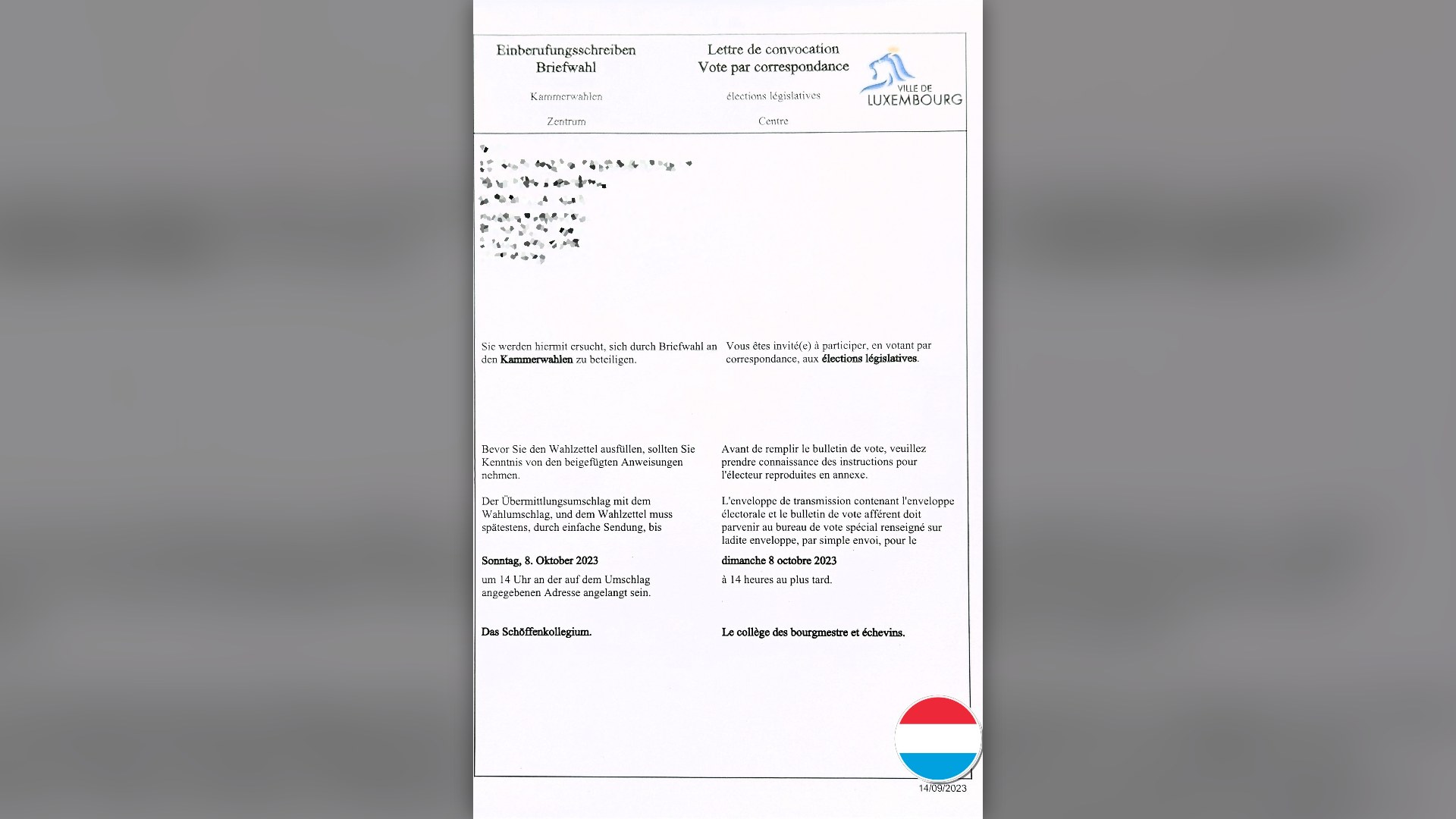
Luxembourg introduced mandatory voting in 1919 for all registered citizens under age 75. Non-voters face fines ranging from 100 to 250 euros for a first offense, escalating up to 1,000 euros for repeat infractions within five years, though prosecutors rarely pursue criminal charges.
©Wikimedia Commons / Jwh
10. Chile
After abolishing compulsory voting in 2012 and watching voter turnout plunge to 42 percent, Chile amended its constitution in late 2022 to make voting obligatory once again. Non-voters face municipal fines between 30,000 and 180,000 Chilean pesos, instantly restoring turnout above 85 percent.
©Wikimedia / Metronick
Advertisement
Swipe or tap ▶ to resume the countdown.
9. Ecuador
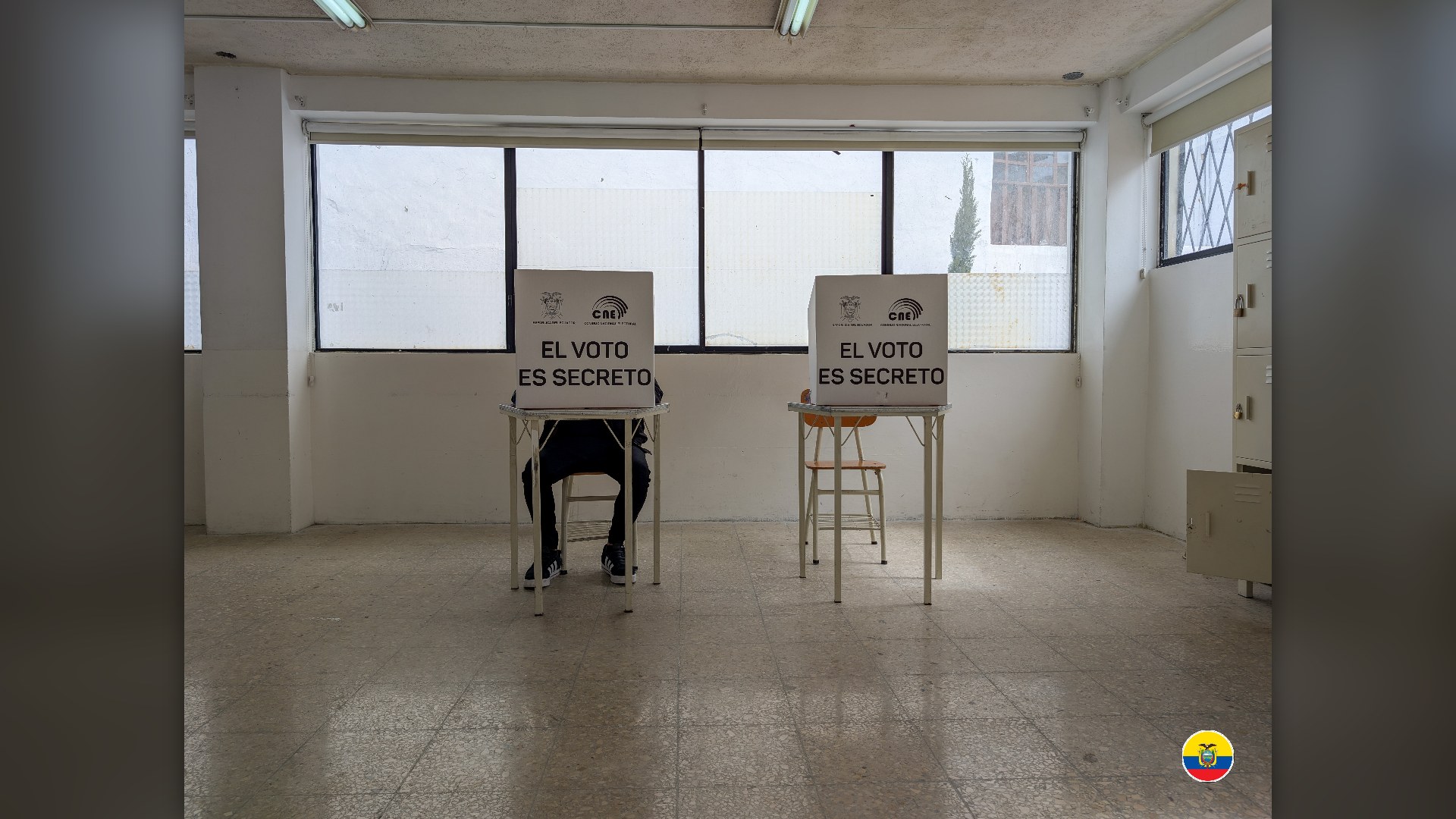
Ecuadorian law mandates voting for literate citizens aged 18 to 64. Polling boards issue an official paper voting certificate, without which citizens cannot complete bank transactions, register property, or obtain government documents for several months following election day.
©Wikimedia Commons / D.B. Abacuc
8. Bolivia
Bolivia enforces one of the most effective non-voter penalties in Latin America. For ninety days after an election, commercial and state banks cannot disburse salaries or process financial transactions unless citizens present an official voting certificate or a stamped electoral exemption.
©Wikimedia Commons / LuzVidaurre
7. Peru
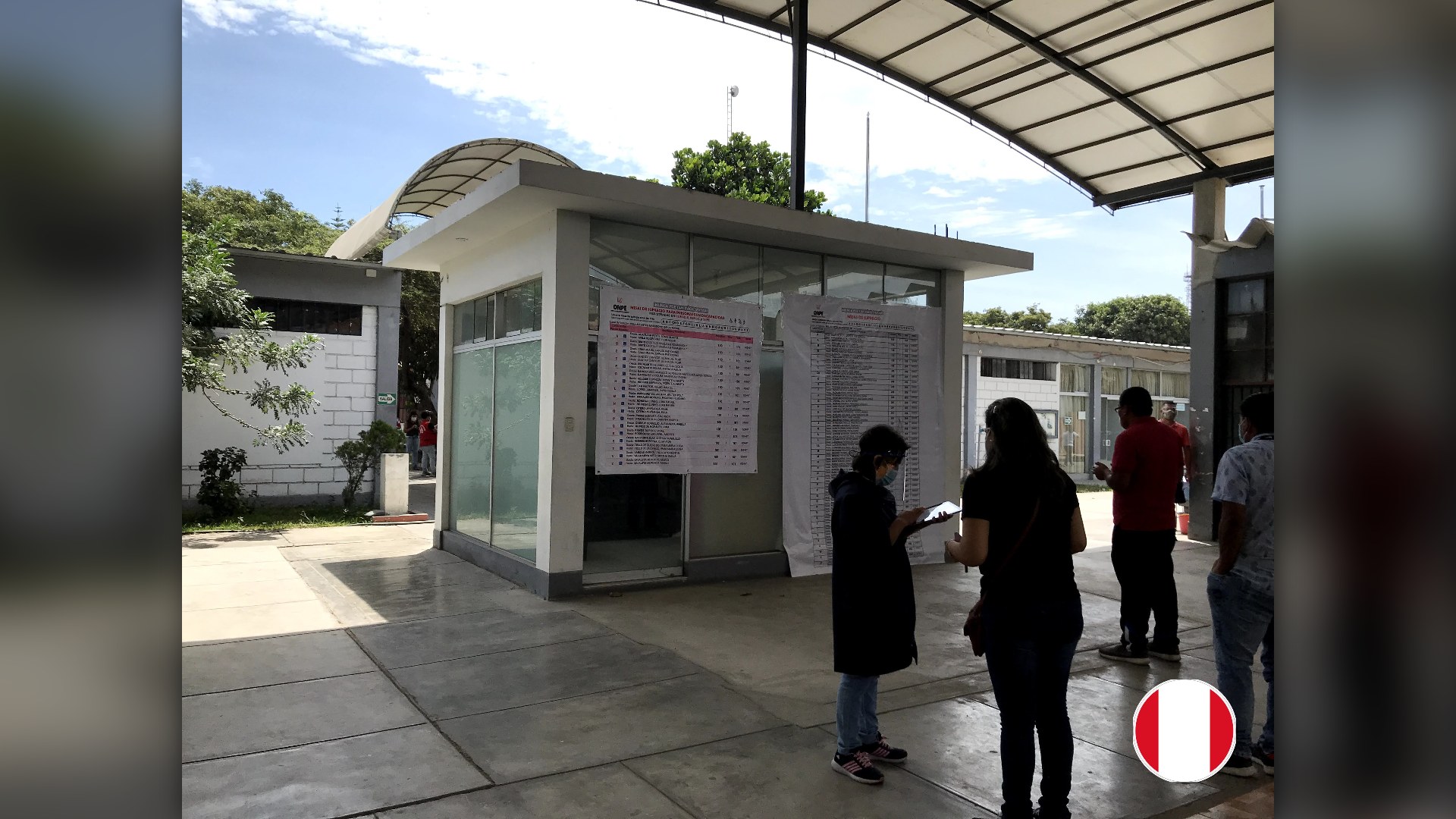
Peru requires every adult under age 70 to vote in national elections. Polling officials affix a hologram seal to the national identity card (DNI). Without this seal or proof of fine payment, citizens cannot sign legal contracts, withdraw funds from banks, or renew their passports.
©Wikimedia Commons / Melissa Guadalupe
6. Argentina
Argentina adopted secret and compulsory suffrage under the landmark Saenz Pena Law of 1912. Citizens aged 18 to 70 who fail to cast ballots are logged in an online register of infractions, face fines, and cannot hold public appointments or process state paperwork for a full calendar year.
©Wikimedia Commons / Carlos San Martin
Advertisement
Swipe or tap ▶ to resume the countdown.
5. Uruguay
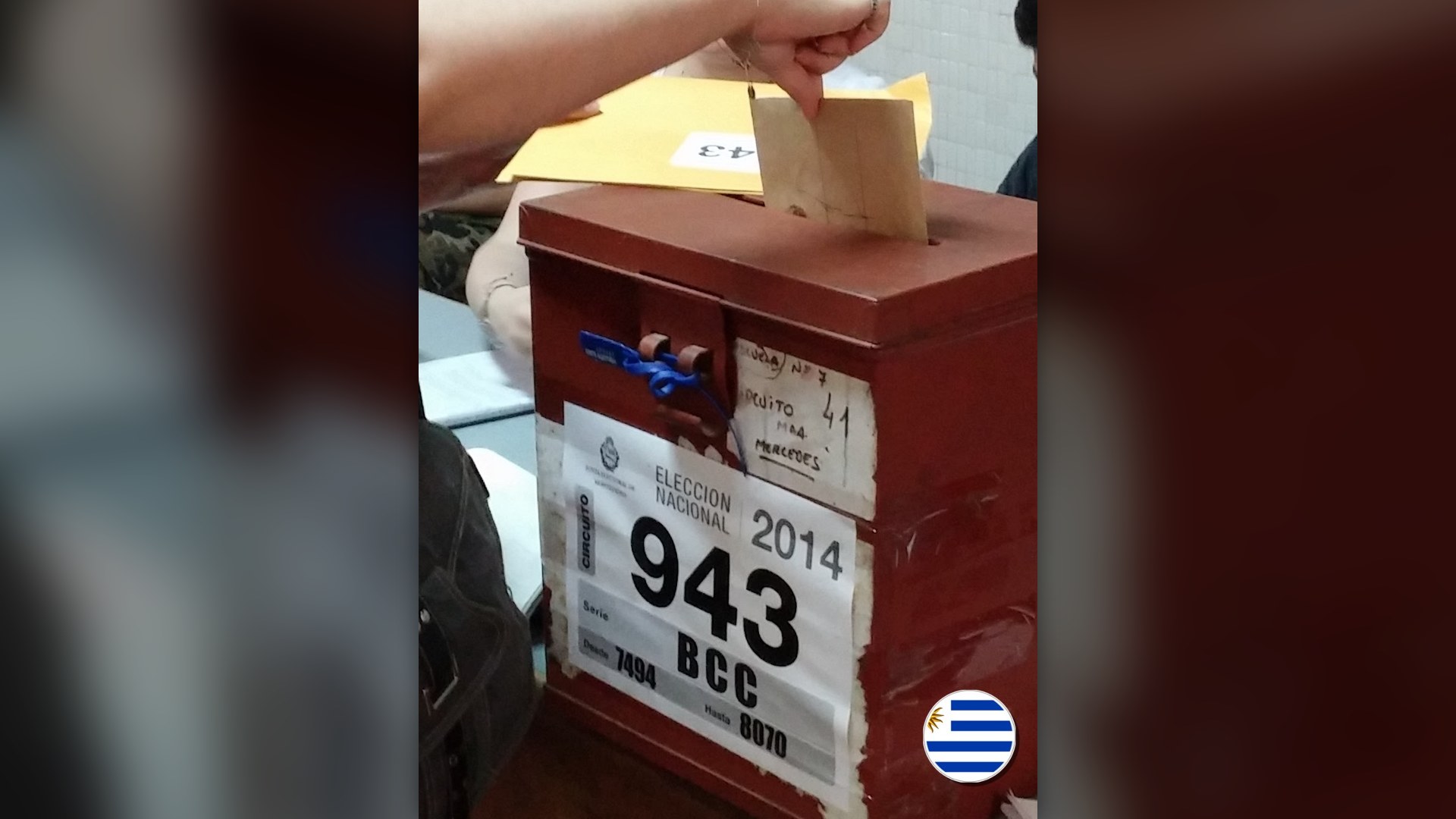
Uruguay enacted compulsory voting in 1971 with rigorous enforcement across civil society. Citizens must show their voting credential to collect public salaries, take university exams, or purchase tickets for public travel, ensuring national turnout consistently hovers near 90 percent.
©Wikimedia Commons / Fisicamartin
4. Belgium
Belgium introduced compulsory voting in 1893 to combat elite political patronage. The electoral code prescribes initial fines up to 80 euros and disqualification from voter rolls for repeat offenders across four elections, keeping civic participation entrenched across generations.
©Wikimedia Commons / Steven Fruitsmaak/Wikinews
3. Singapore
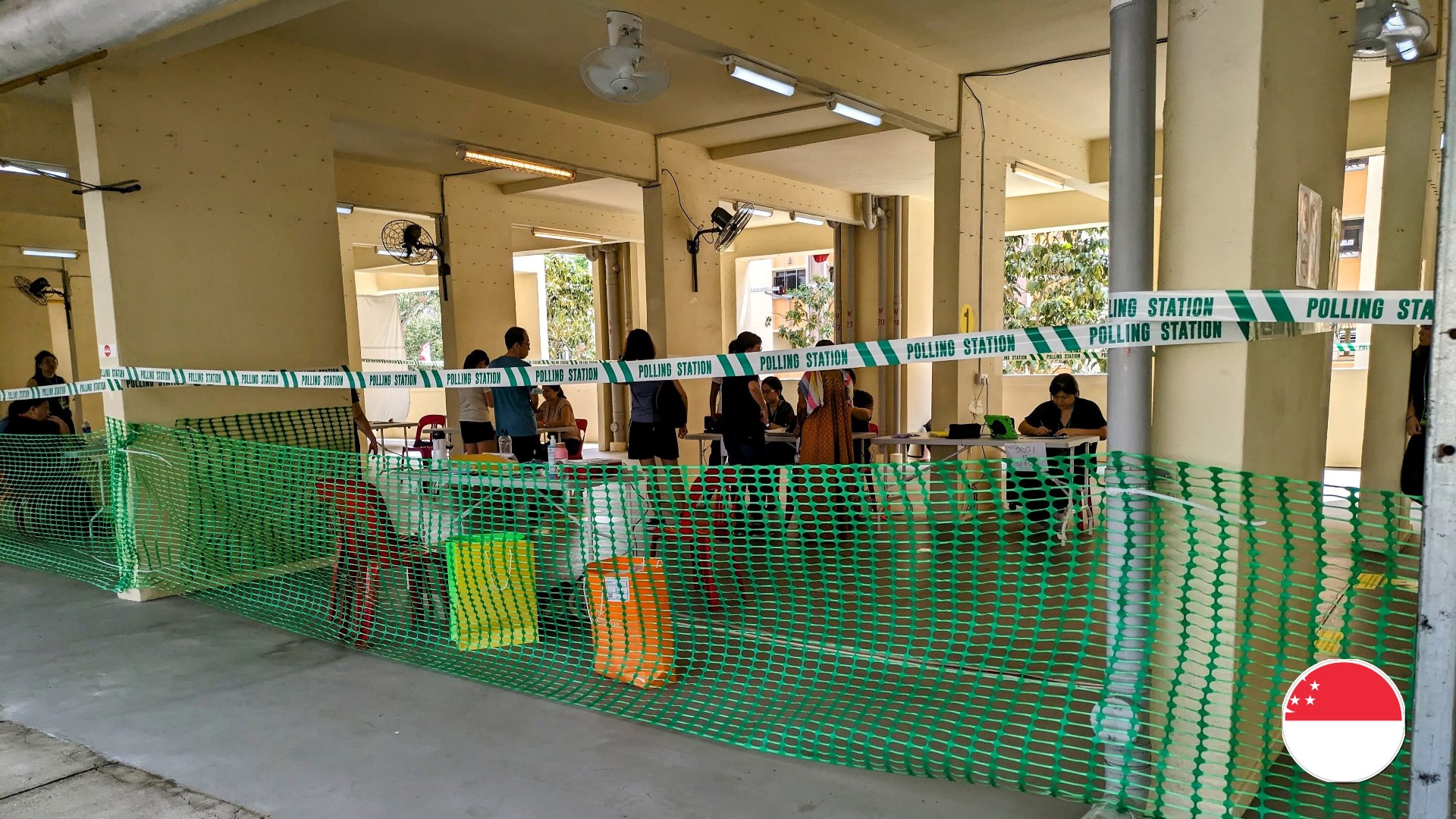
Singapore has operated a strict compulsory voting regime since 1959. Any citizen who fails to vote without an approved medical or overseas reason is removed from the voter register. Restoring voting rights requires a formal application and payment of a fifty dollar administrative fee.
©Wikimedia Commons / Robert Sim
2. Brazil
Brazil mandates voting for literate citizens between ages 18 and 70. Missing an election without official justification blocks citizens from obtaining a passport, taking civil service exams, securing government-backed bank loans, or enrolling in state universities until fines are settled.
©Wikimedia Commons / Superior Electoral Court of Brazil
Advertisement
Swipe or tap ▶ to resume the countdown.
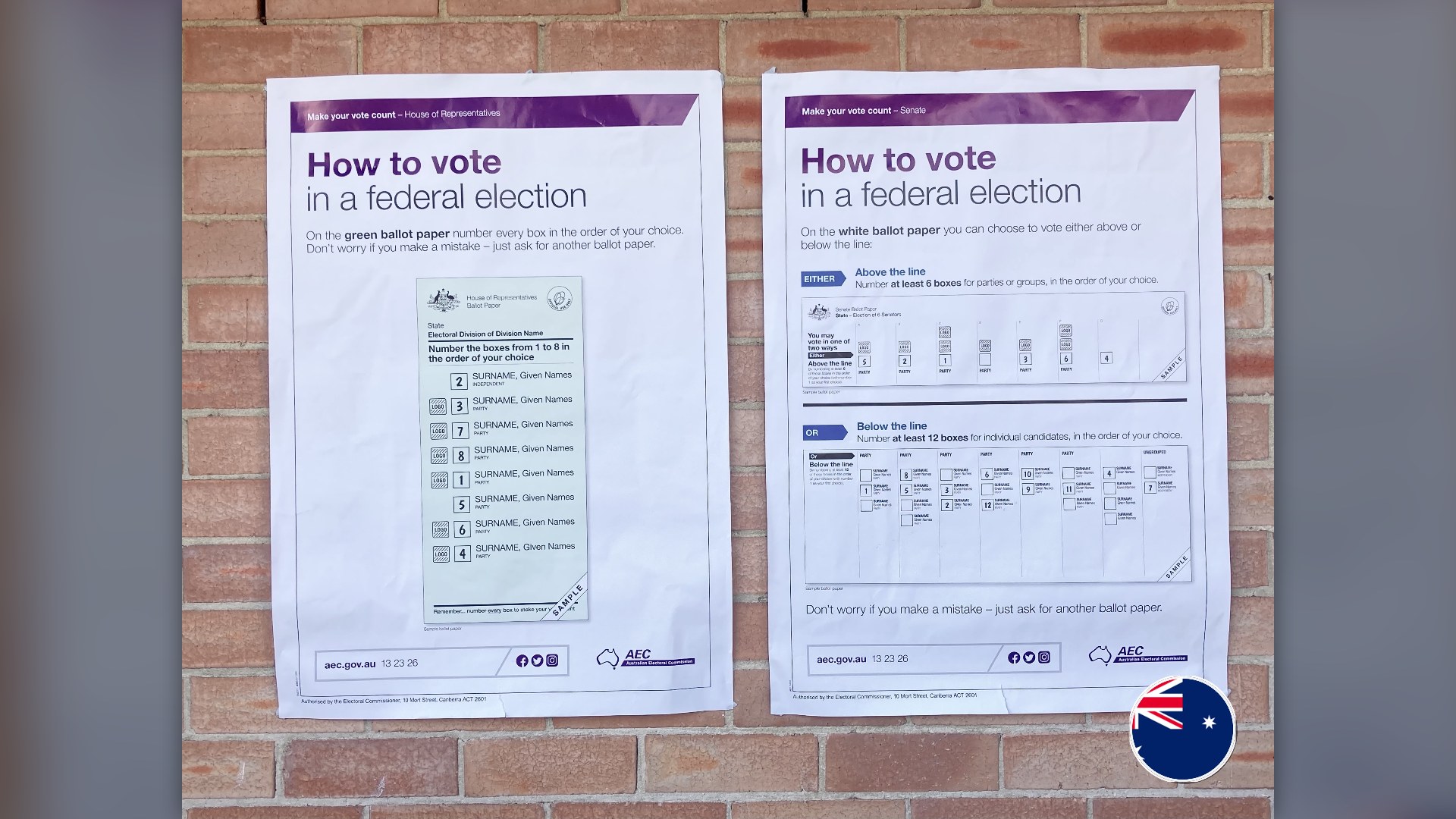
1. Australia
Australia enacted federal compulsory voting in 1924, transforming elections into beloved civic holidays celebrated with polling booth democracy sausages. The Australian Electoral Commission issues twenty dollar fines to non-voters, resulting in sustained participation above 90 percent.

©Wikimedia Commons / DraftSaturn15
Advertisement
You've reached the end of the story. Thanks for reading!

20 Iconic Historical Photos and the Archive Clues Behind Them
Contact sheets, cracked glass plates, and NASA mission logs preserve the hidden steps behind 20 famous photographs. Drawing on records from the Library of Congress, the National Archives, NASA, and the Smithsonian, this countdown traces how cropping, camera setups, and double exposures shaped each frame.
All 28 Entries in this Story
28. Dominican Republic
Article 208 of the 2015 Constitution defines the vote as personal, free, secret, and mandatory. However, electoral authorities enforce no statutory fines or administrative barriers against citizens who abstain, leaving turnout driven entirely by civic culture and party mobilization.

27. Honduras
Under Article 44 of the Honduran Constitution, suffrage is an obligatory civic right and duty for every adult citizen. Because lawmakers have never established formal fines or penal sanctions for absenteeism, turnout levels remain variable and compliance relies on public campaigns.

26. Costa Rica
Costa Rica incorporated compulsory voting into Article 93 of its 1949 Constitution. The Supreme Electoral Tribunal operates on the principle that voting is a moral duty rather than a coerced mandate, ensuring citizens face no financial penalties or civic restrictions for staying home.

25. Panama
Article 135 of Panama's Constitution declares voting an individual right and civic duty. Electoral statutes contain no enforcement mechanisms or administrative penalties for non-voters, resulting in competitive elections where voter turnout is encouraged through public engagement.

24. Lebanon
Lebanese electoral legislation historically included a statutory requirement for adult men to cast ballots during parliamentary races. In practice, the state has never enforced punitive measures or tracked non-voters, and recent reform proposals have focused on voluntary participation.

23. Democratic Republic Of The Congo
Article 5 of the DRC Constitution establishes universal and compulsory suffrage for every adult citizen. Given immense logistical challenges across Central Africa and infrastructure constraints, the national electoral commission does not penalize abstention in general elections.

22. Bulgaria
Bulgaria enacted mandatory voting legislation in 2016 to counter declining turnout rates across Eastern Europe. The Constitutional Court swiftly struck down statutory provisions that removed non-voters from the electoral register, leaving the legal requirement largely toothless.

21. Cyprus
Cyprus introduced mandatory voting under British colonial influence and maintained statutory criminal penalties for decades. Following recurring debates on civil liberties, the Cypriot parliament formally decriminalized abstention in late 2017, transitioning to voluntary participation.

20. Egypt
Article 57 of Egypt's political rights law prescribes a fine of up to 500 Egyptian pounds for unexcused voter abstention. While state election authorities occasionally warn the public before parliamentary ballots, widespread prosecution of non-voters remains exceptionally rare.

19. Turkey
Turkish electoral law empowers the Supreme Election Council to impose a small administrative fine on eligible citizens who fail to vote without a valid excuse. While the statutory fine is rarely pursued aggressively through courts, voter turnout regularly tops 85 percent nationwide.

18. Greece
Article 51 of the Greek Constitution designates voting as mandatory for all citizens aged 17 and older. Although previous laws threatened non-voters with delays in passport issuance or driver licenses, modern administrative bodies no longer enforce these punitive measures.

17. Mexico
Article 36 of the Mexican Constitution lists registering and voting as basic obligations of citizenship. The National Electoral Institute maintains universal voter rolls and issues official photo voter credentials, but federal law prescribes no formal punitive fines for non-voting.

16. Thailand
Thailand established compulsory voting in its 1997 Constitution and reaffirmed the rule in 2017. Citizens who fail to vote without formal notification lose the right to stand as election candidates, petition parliament, or serve in appointed municipal leadership roles for two years.

15. Paraguay
Paraguay enforces compulsory voting for literate citizens between ages 18 and 75 under the Superior Court of Electoral Justice. Failure to vote carries a nominal fine, though enforcement rates have historically varied depending on local municipality tracking and administrative resources.

14. Samoa
Samoa enacted the Electoral Act 2019 to reverse uneven participation across remote village districts. The legislation makes both voter registration and polling day turnout mandatory for all adult citizens, backed by modest monetary penalties administered through village pulenuu networks.

13. Liechtenstein
Liechtenstein incorporates compulsory voting into its municipal electoral frameworks across all eleven communes. Citizens who fail to vote without submitting an official medical or travel justification face modest administrative fees, sustaining community involvement in national votes.

12. Nauru
Nauru introduced compulsory voting in 1965 to ensure stable democratic representation across its small population. Eligible citizens who fail to cast ballots without a documented excuse face swift financial fines, maintaining voter participation rates that routinely exceed 90 percent.

11. Luxembourg
Luxembourg introduced mandatory voting in 1919 for all registered citizens under age 75. Non-voters face fines ranging from 100 to 250 euros for a first offense, escalating up to 1,000 euros for repeat infractions within five years, though prosecutors rarely pursue criminal charges.

10. Chile
After abolishing compulsory voting in 2012 and watching voter turnout plunge to 42 percent, Chile amended its constitution in late 2022 to make voting obligatory once again. Non-voters face municipal fines between 30,000 and 180,000 Chilean pesos, instantly restoring turnout above 85 percent.

9. Ecuador
Ecuadorian law mandates voting for literate citizens aged 18 to 64. Polling boards issue an official paper voting certificate, without which citizens cannot complete bank transactions, register property, or obtain government documents for several months following election day.

8. Bolivia
Bolivia enforces one of the most effective non-voter penalties in Latin America. For ninety days after an election, commercial and state banks cannot disburse salaries or process financial transactions unless citizens present an official voting certificate or a stamped electoral exemption.

7. Peru
Peru requires every adult under age 70 to vote in national elections. Polling officials affix a hologram seal to the national identity card (DNI). Without this seal or proof of fine payment, citizens cannot sign legal contracts, withdraw funds from banks, or renew their passports.

6. Argentina
Argentina adopted secret and compulsory suffrage under the landmark Saenz Pena Law of 1912. Citizens aged 18 to 70 who fail to cast ballots are logged in an online register of infractions, face fines, and cannot hold public appointments or process state paperwork for a full calendar year.

5. Uruguay
Uruguay enacted compulsory voting in 1971 with rigorous enforcement across civil society. Citizens must show their voting credential to collect public salaries, take university exams, or purchase tickets for public travel, ensuring national turnout consistently hovers near 90 percent.

4. Belgium
Belgium introduced compulsory voting in 1893 to combat elite political patronage. The electoral code prescribes initial fines up to 80 euros and disqualification from voter rolls for repeat offenders across four elections, keeping civic participation entrenched across generations.

3. Singapore
Singapore has operated a strict compulsory voting regime since 1959. Any citizen who fails to vote without an approved medical or overseas reason is removed from the voter register. Restoring voting rights requires a formal application and payment of a fifty dollar administrative fee.

2. Brazil
Brazil mandates voting for literate citizens between ages 18 and 70. Missing an election without official justification blocks citizens from obtaining a passport, taking civil service exams, securing government-backed bank loans, or enrolling in state universities until fines are settled.

1. Australia
Australia enacted federal compulsory voting in 1924, transforming elections into beloved civic holidays celebrated with polling booth democracy sausages. The Australian Electoral Commission issues twenty dollar fines to non-voters, resulting in sustained participation above 90 percent.