Slideshow · Animals
30 Fascinating Facts About Orangutans Backed by Science
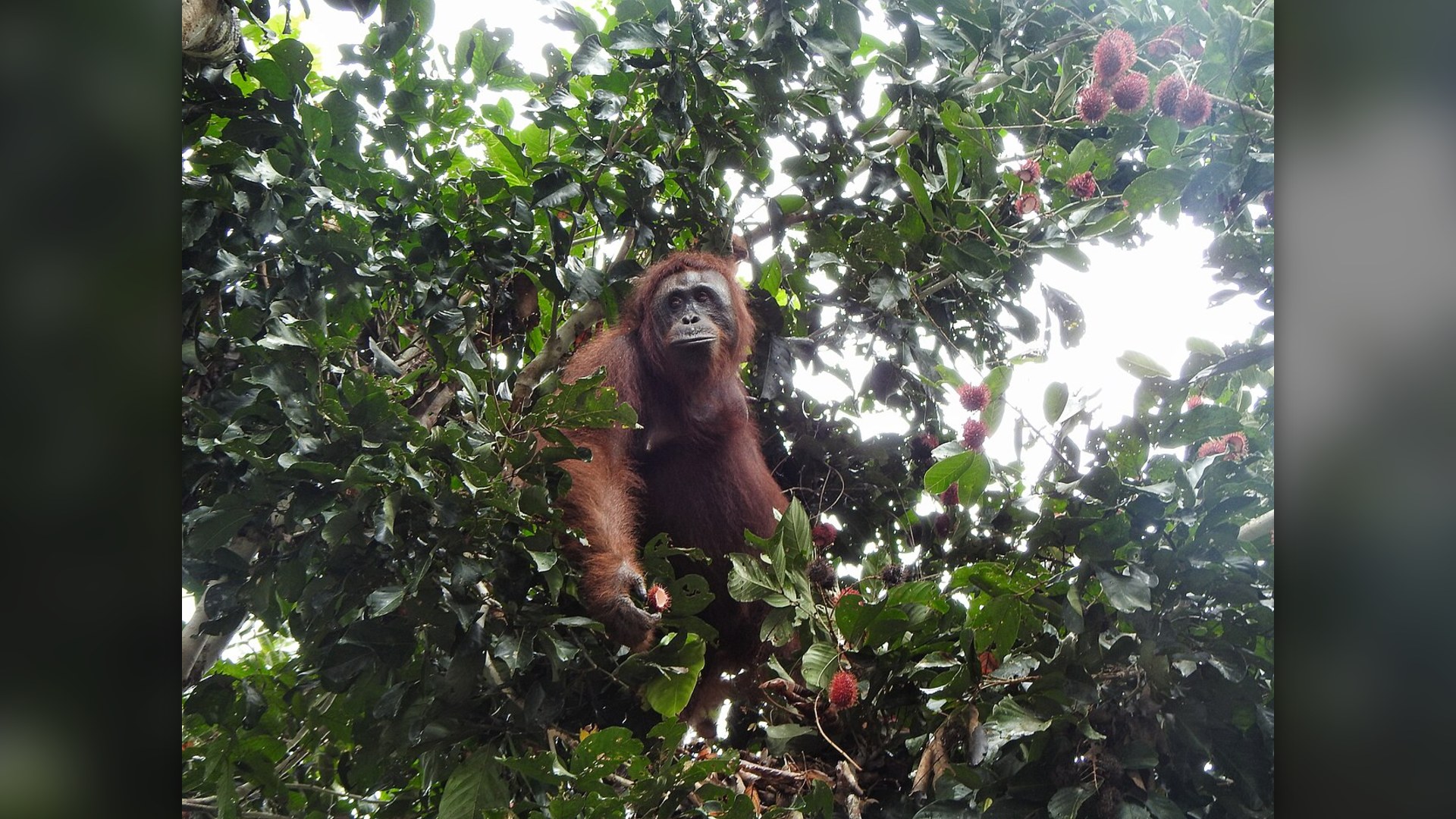
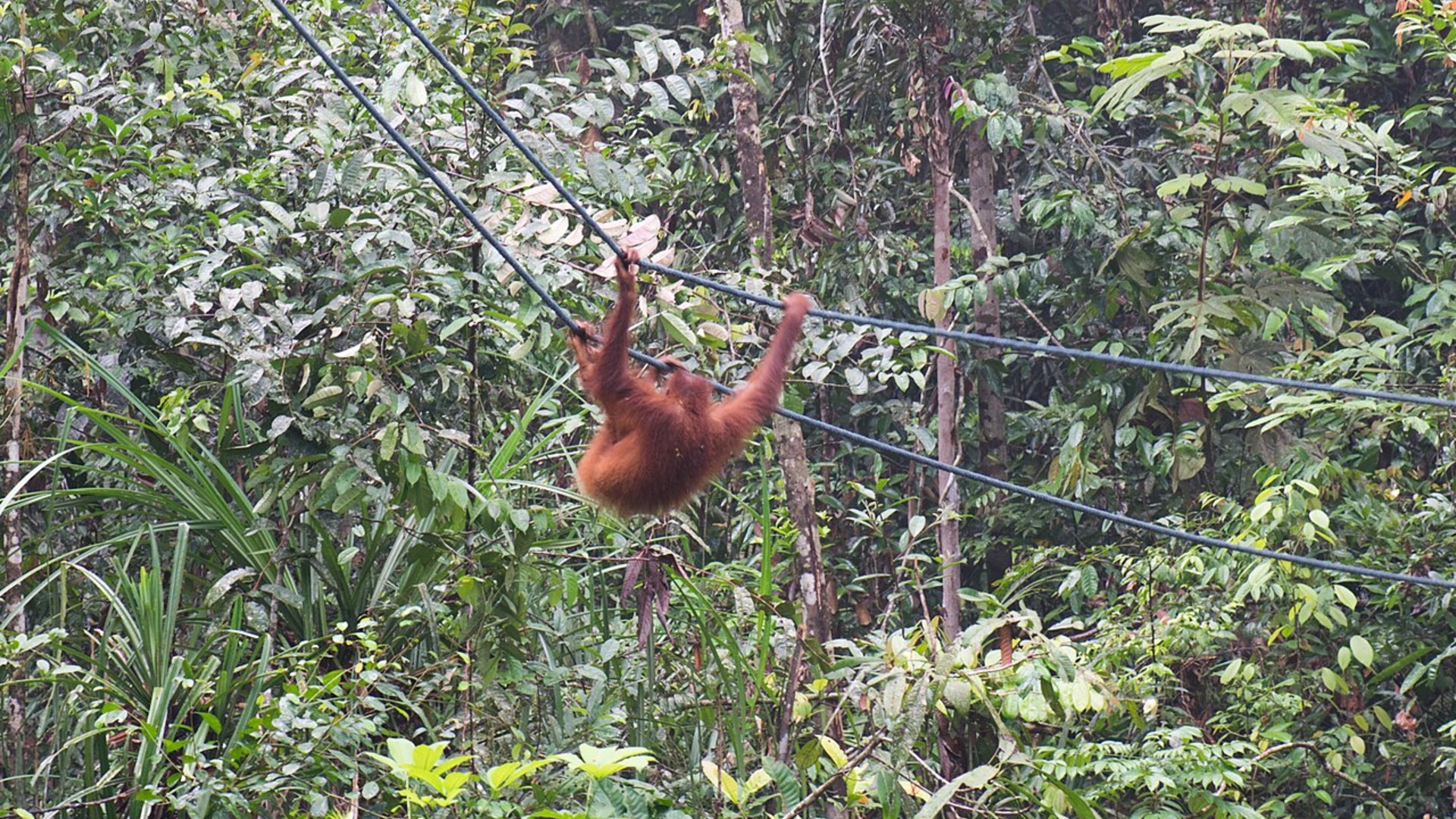
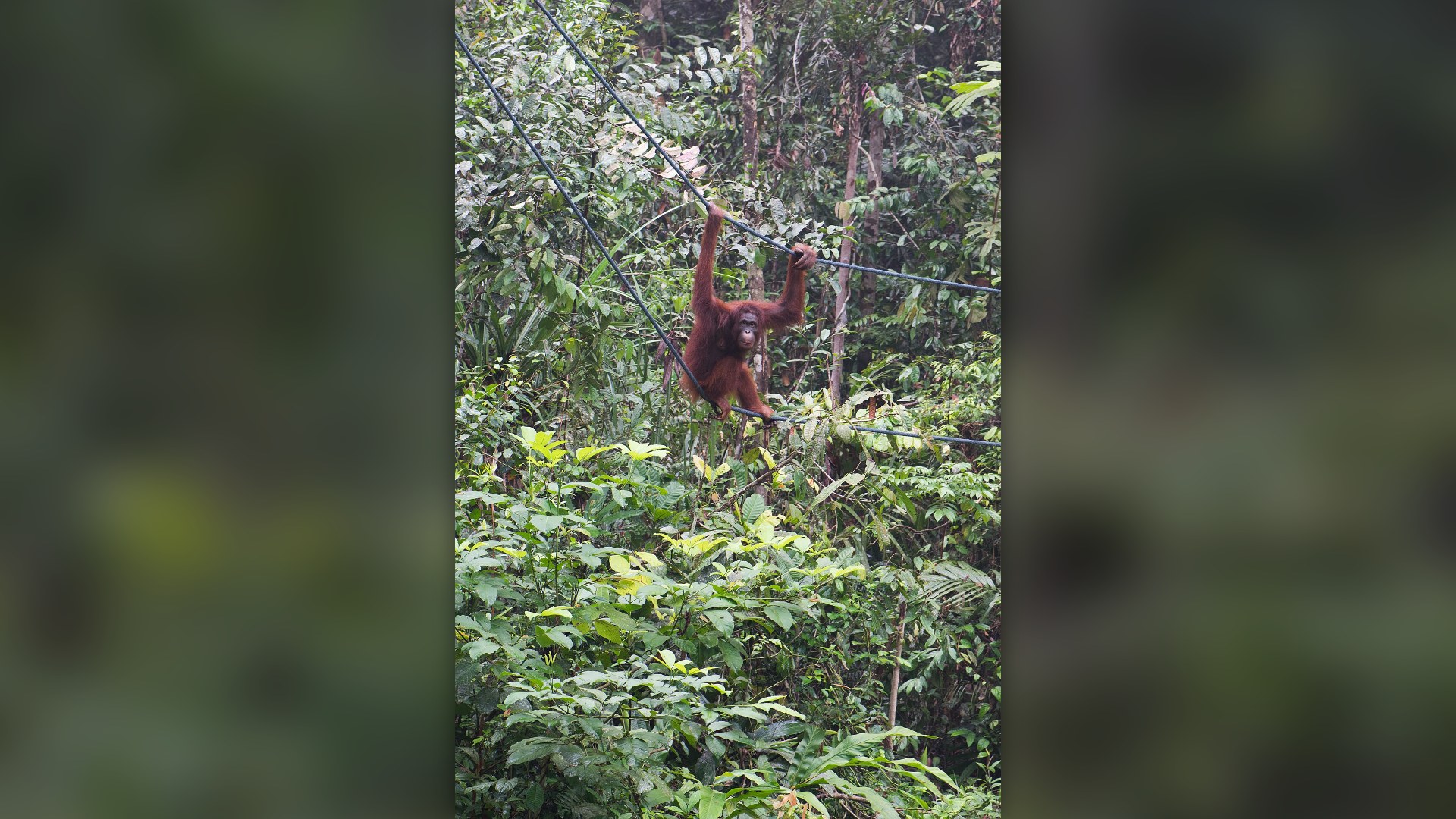
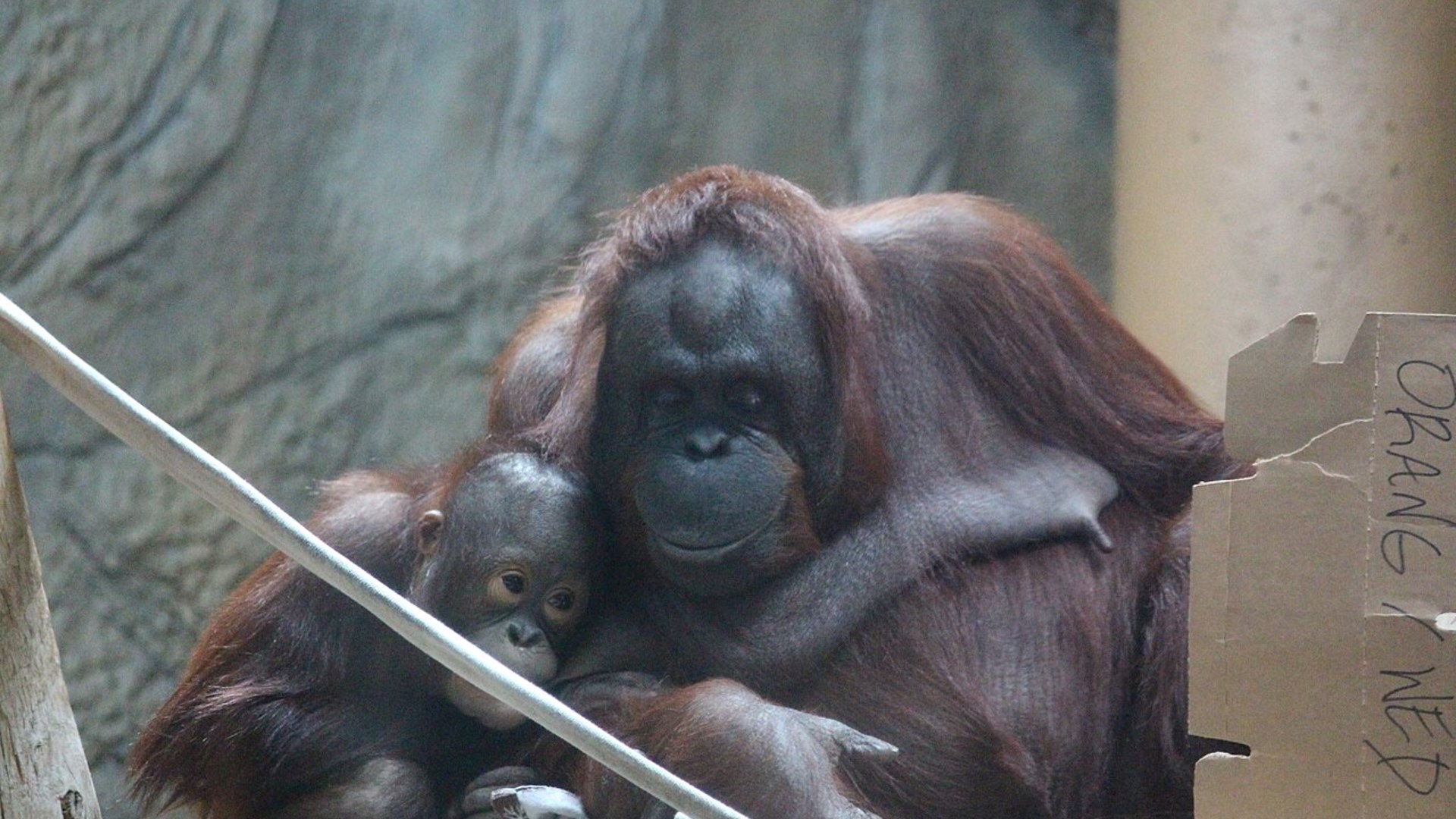
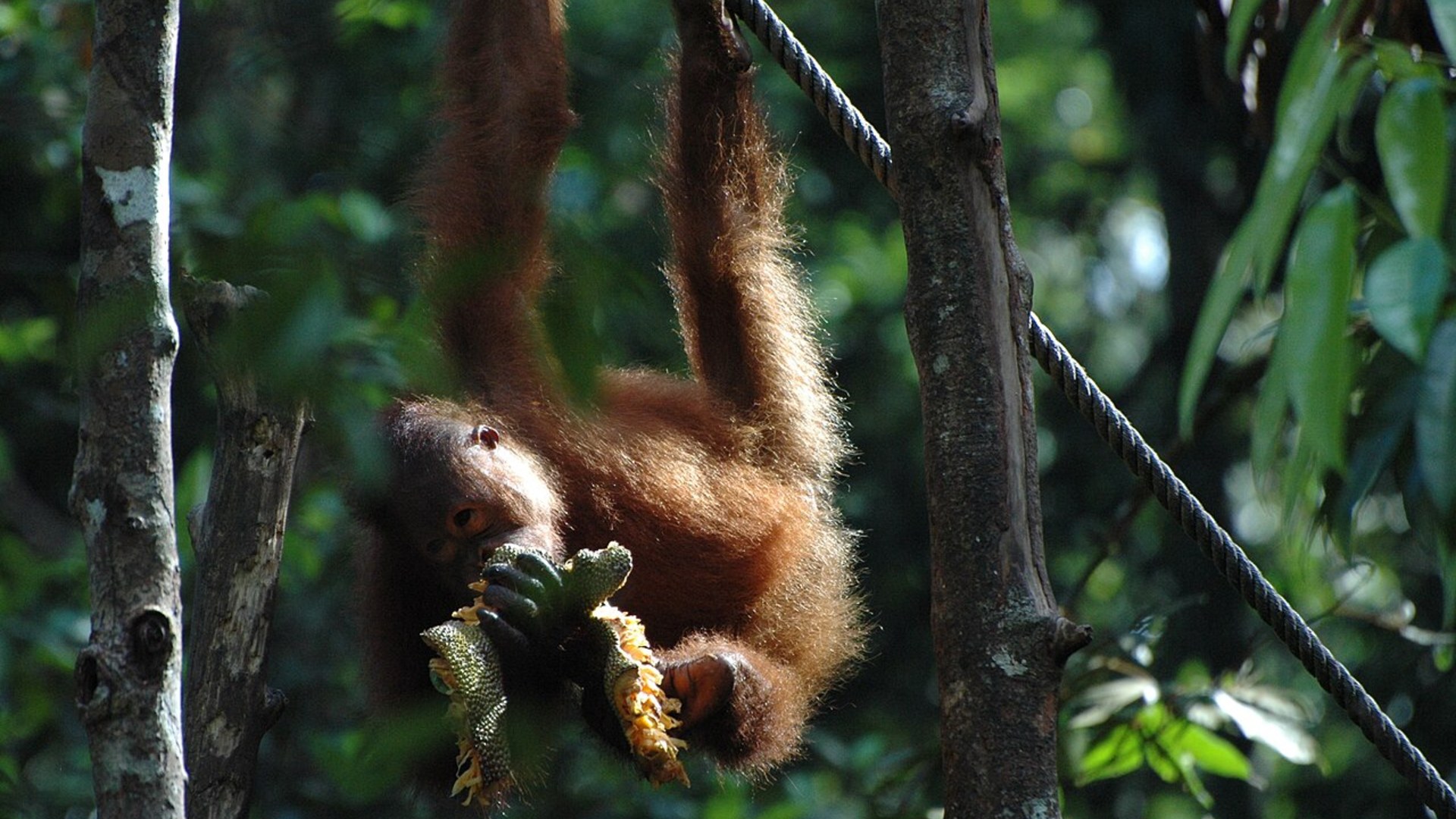
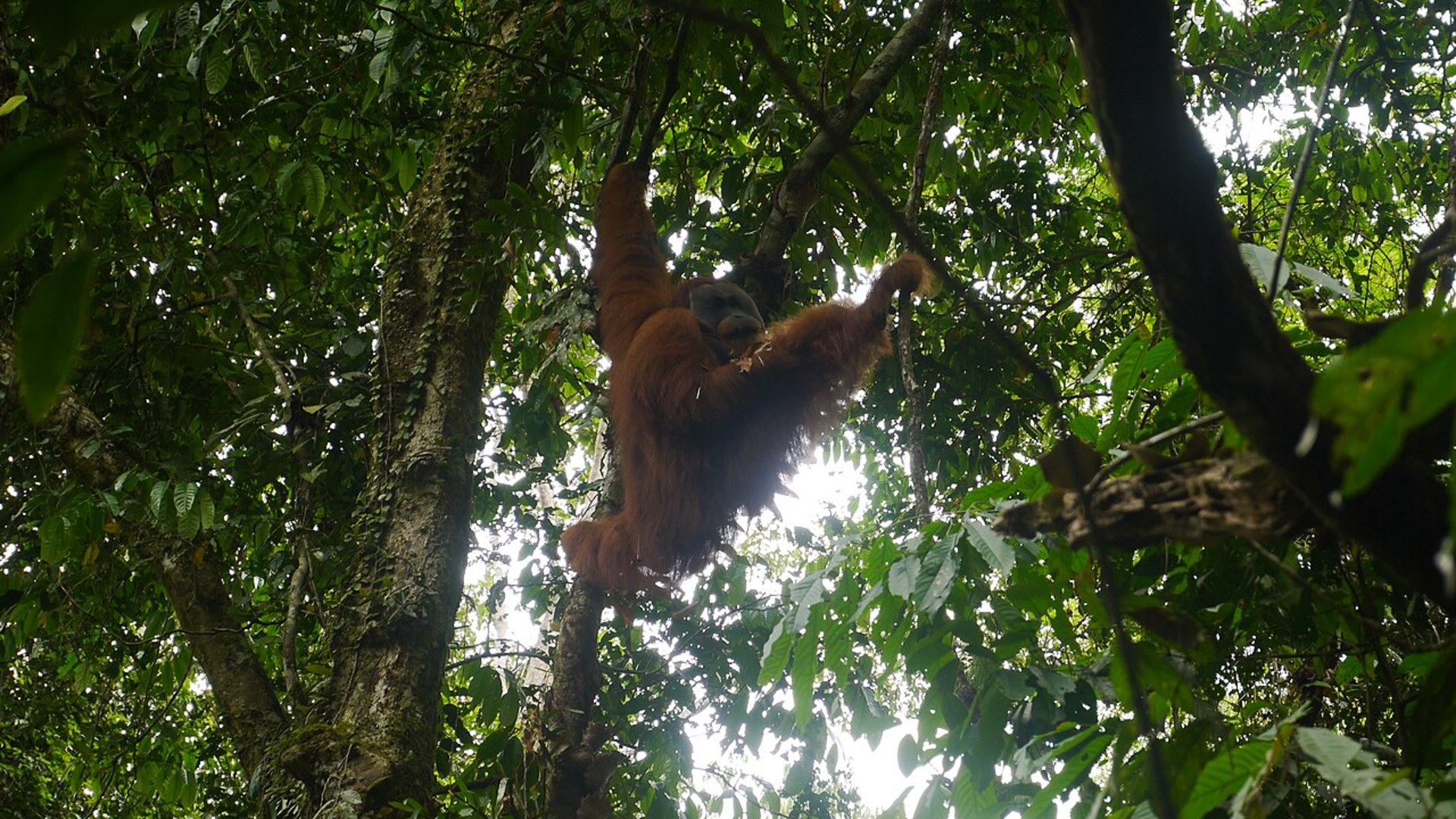
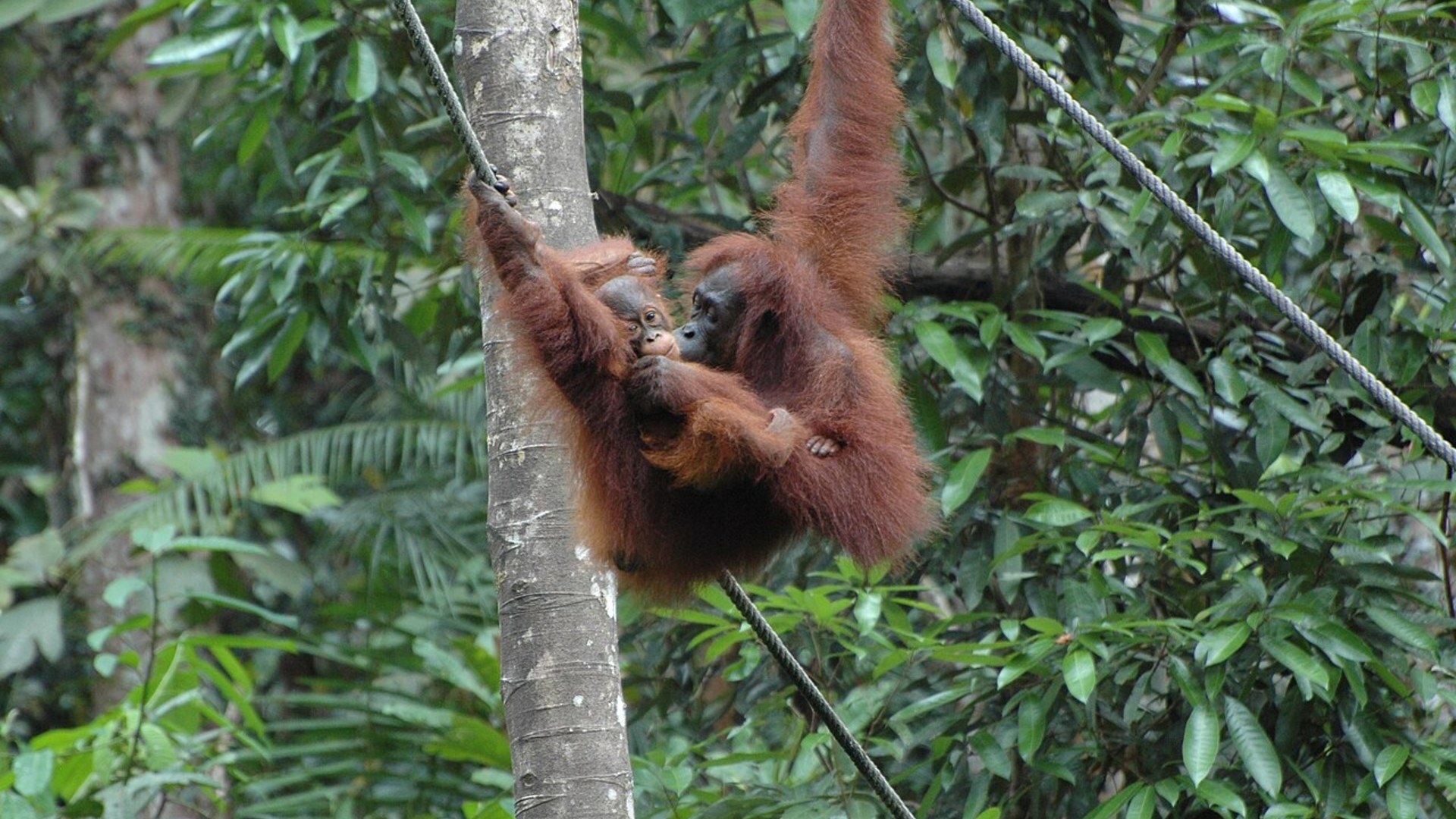
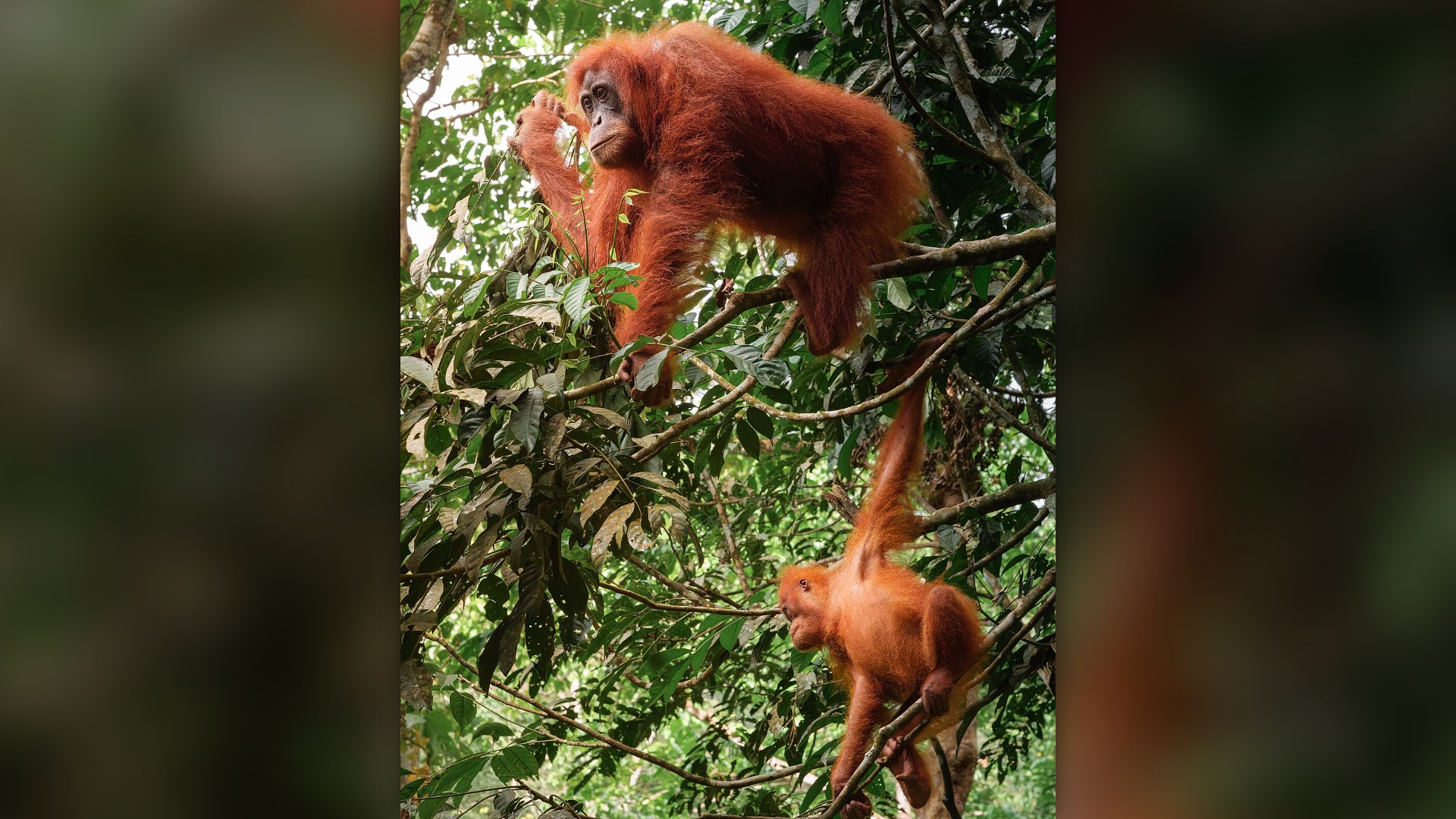
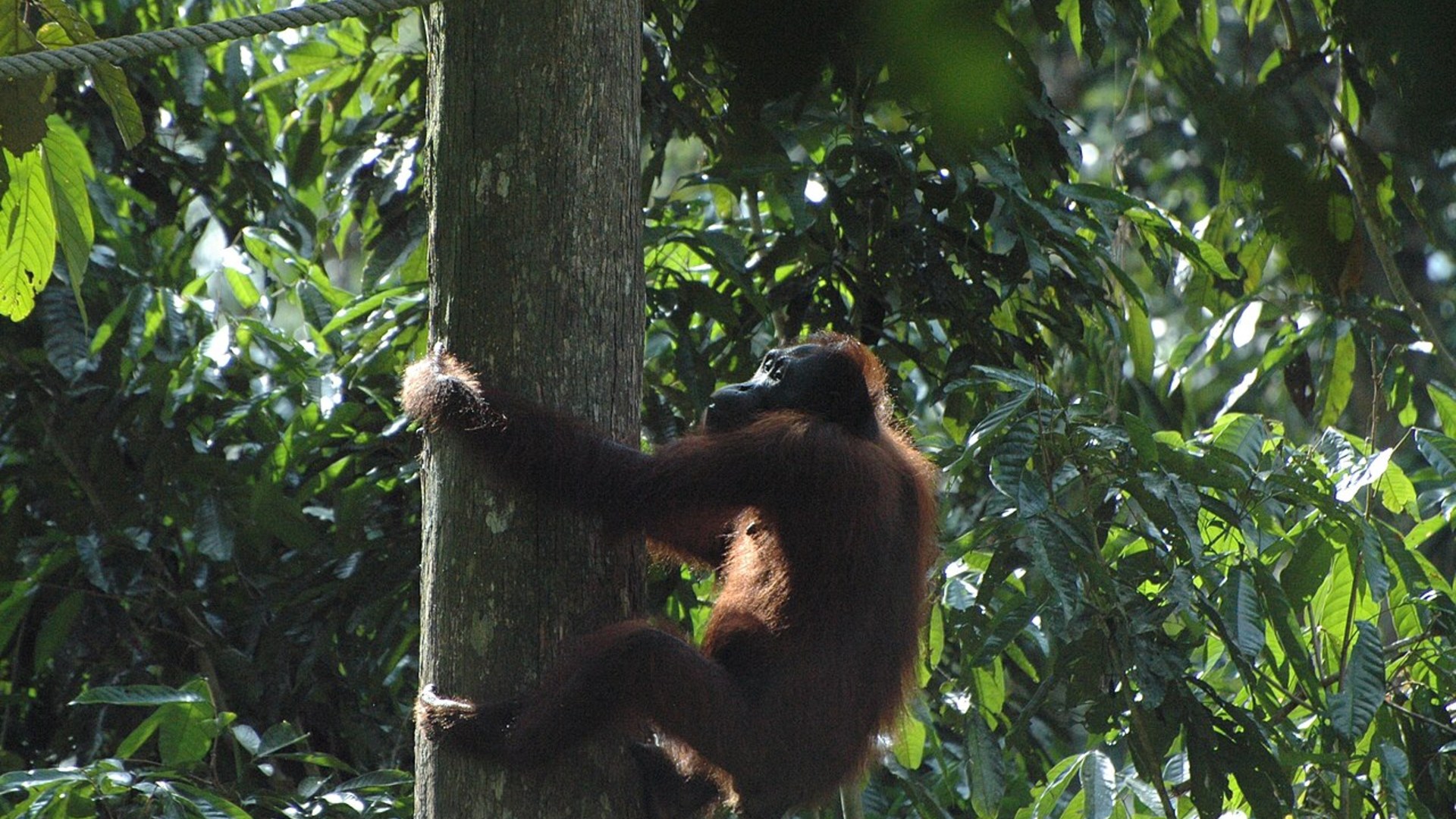
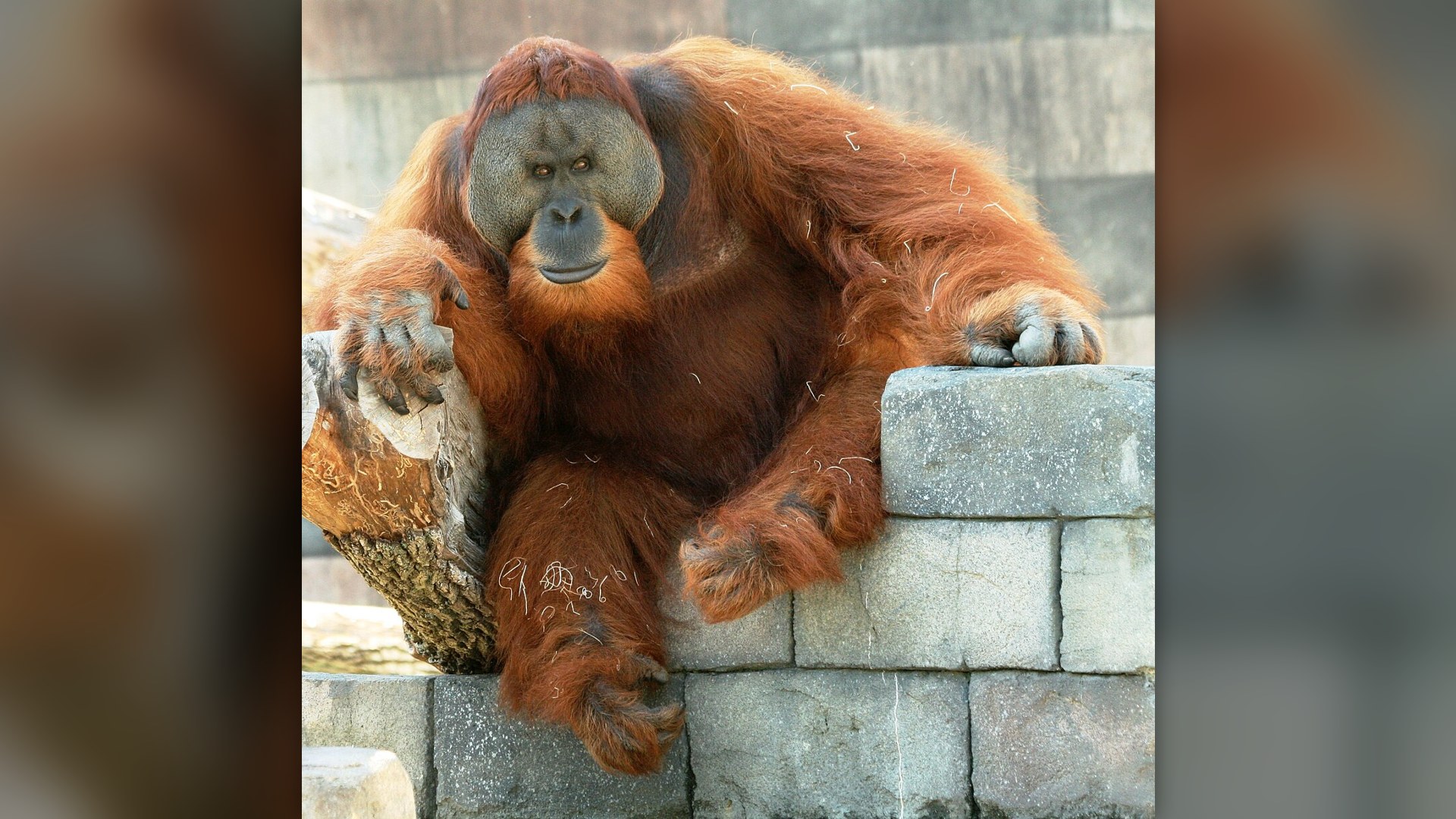
In Malay folklore, orangutan literally translates to 'person of the forest.' From self-medicating with wild vines to outsmarting padlocks and weaving canopy beds, here are 30 unbelievable facts.
By Most Viral Today
10 Oct 2026

30 Fascinating Facts About Orangutans Backed by Science: Explore the Full Coun 
29. Ninety-Seven Percent Human DNA 
28. Heaviest Tree Dwellers On Earth 
27. Massive Seven-Foot Arm Span - AdvertisementSwipe or tap ▶ to continue countdown

26. Dexterous Hands For Feet 
25. Longest Childhood In Nature 
24. Architectural Bed Engineers 
23. Rain Umbrellas And Leaf Hats - AdvertisementSwipe or tap ▶ to continue countdown

22. The Booming Long Call 
21. Bimaturism: Two Kinds Of Males 
20. Three Entirely Separate Species 
19. Gardeners Of The Rainforest - AdvertisementSwipe or tap ▶ to continue countdown

18. Mental Rainforest Fruit GPS 
17. Eight-Year Birth Intervals 
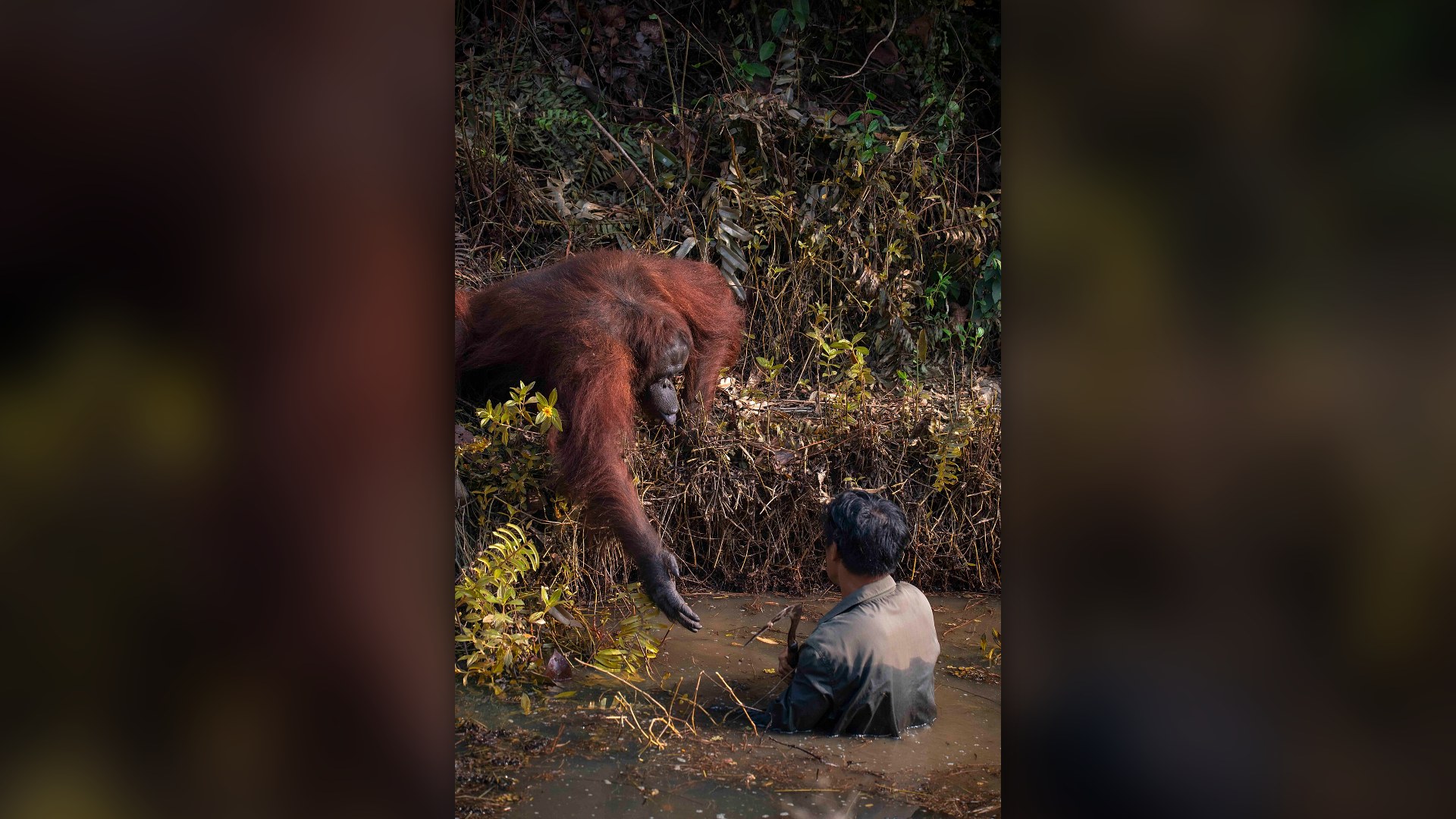
16. Inherent Fear Of Deep Water 
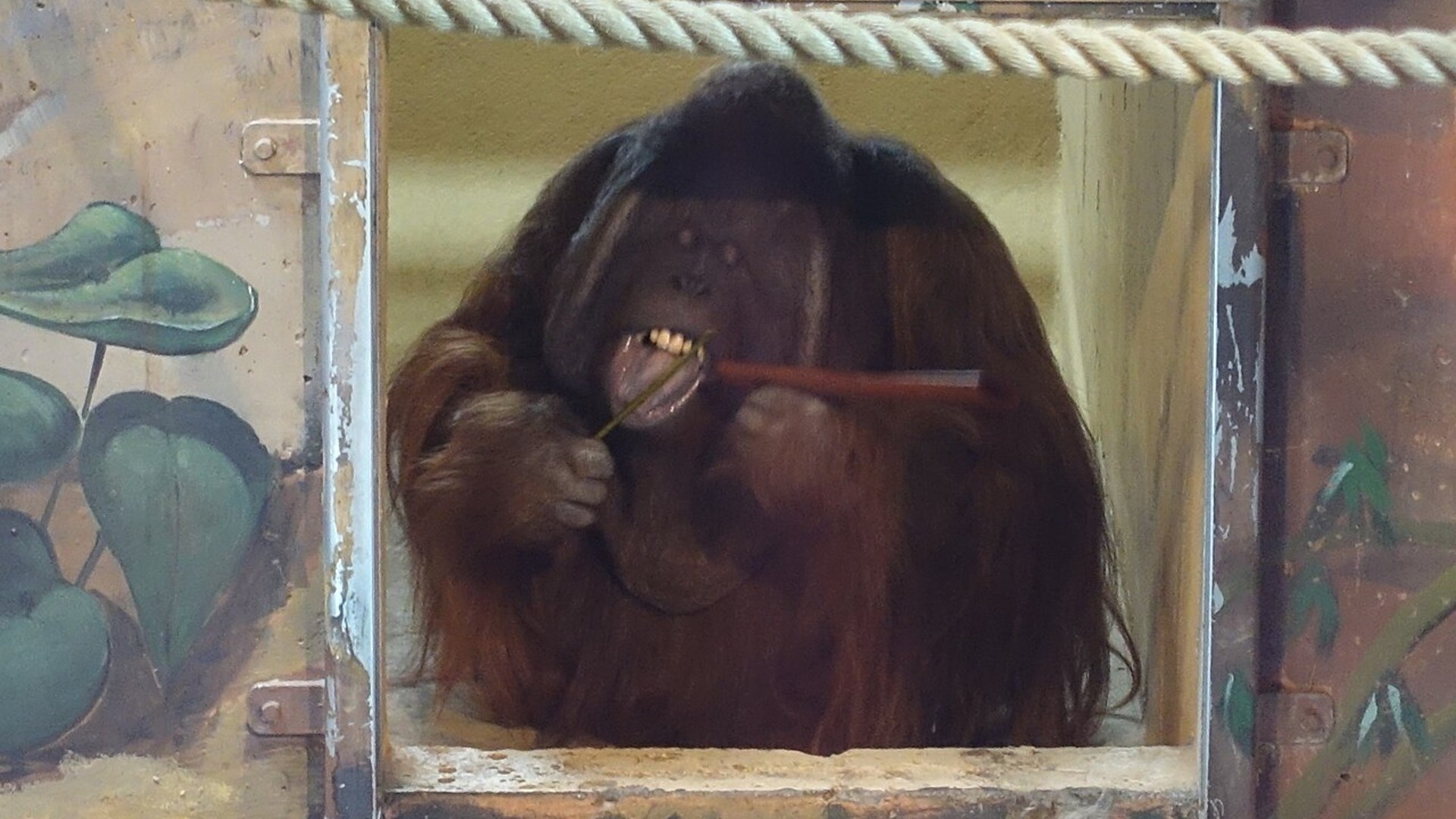
15. Spontaneous Wire Hook Invention - AdvertisementSwipe or tap ▶ to continue countdown

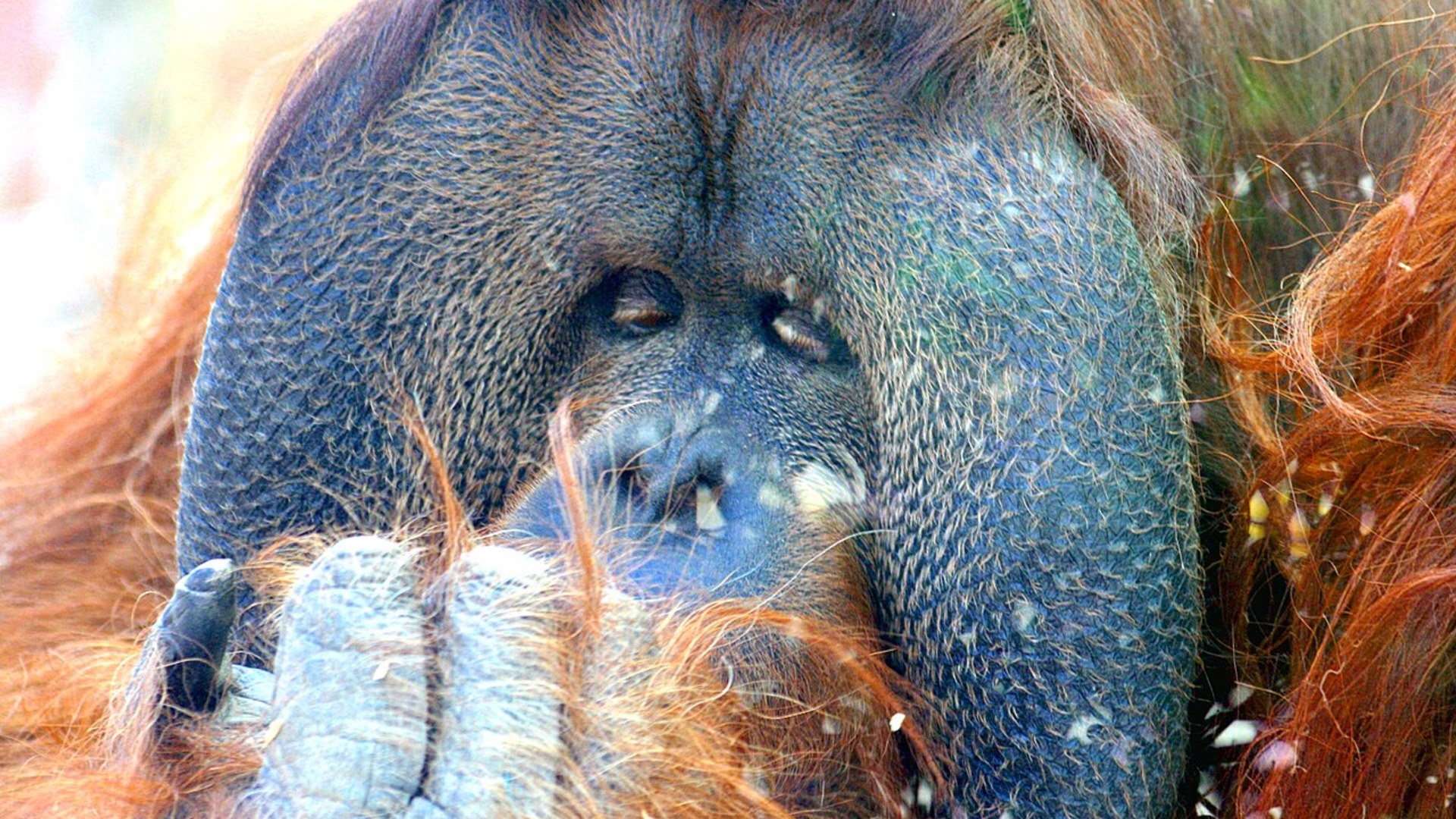
14. Fishing With Sharpened Sticks 
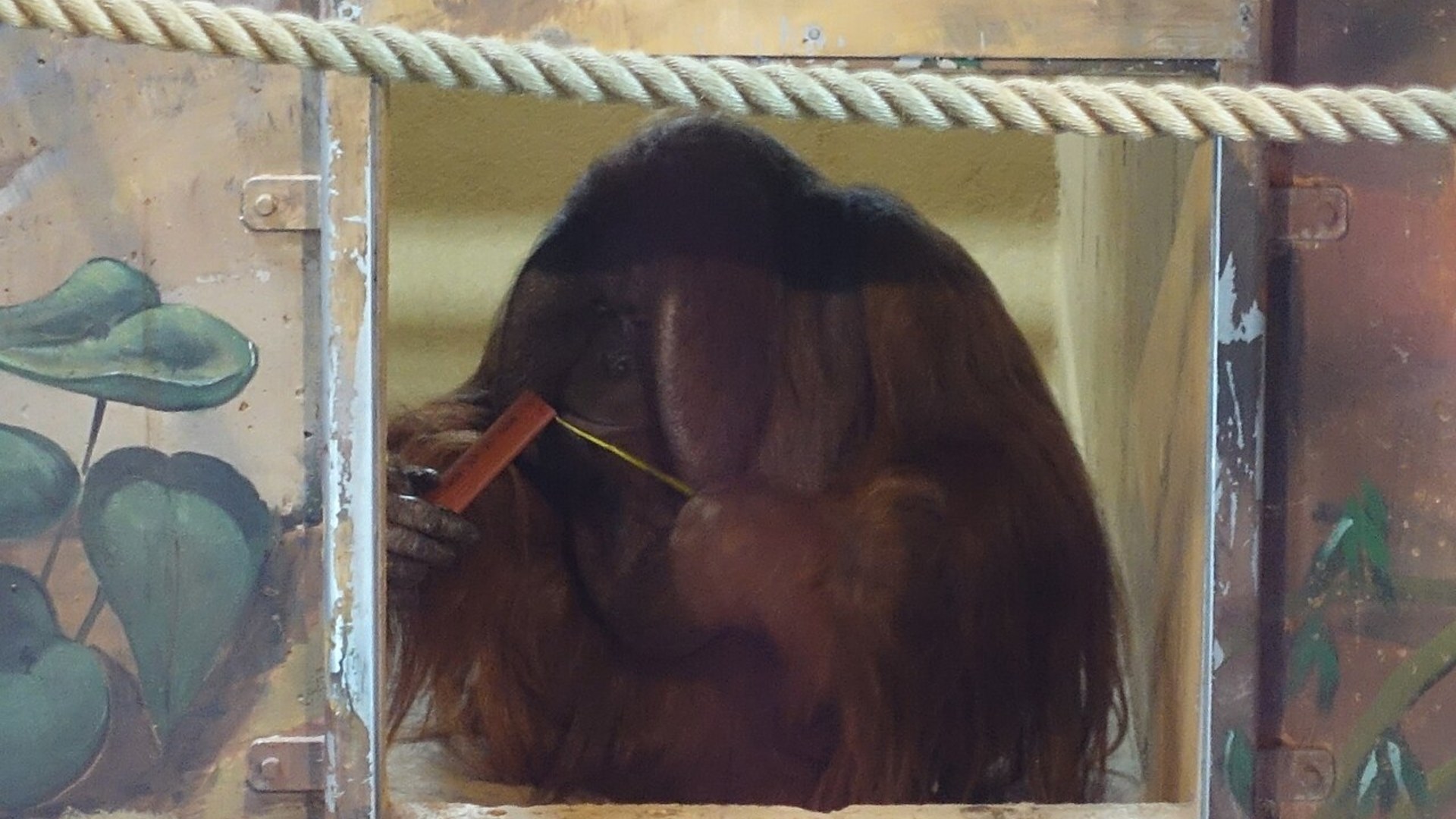
13. Legendary Lock-Pickers 
12. Sixty-Four Intentional Gestures 
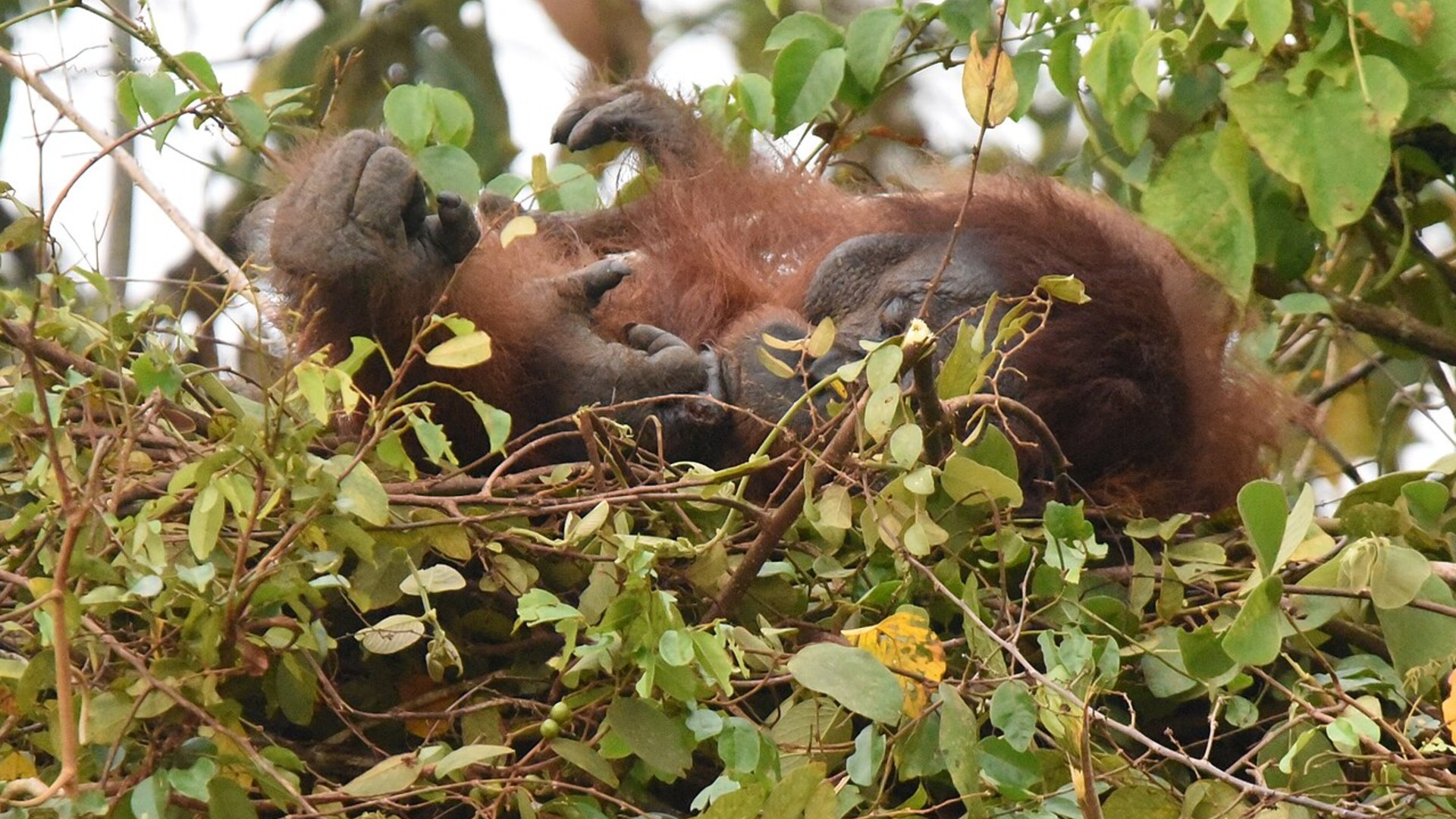
11. The Chantek Sign Language Pioneer - AdvertisementSwipe or tap ▶ to continue countdown

10. Planning Tomorrow Travel Today 
9. Herbal Anti-Inflammatory Balms 
8. Rakus: The First Wild Surgeon 
7. Spontaneous Human Mimicry - AdvertisementSwipe or tap ▶ to continue countdown

6. Washing Limbs With Soap 
5. Pendulum Canopy Locomotion 
4. Communicating About The Past 
3. Sixty-Year Natural Lifespans - AdvertisementSwipe or tap ▶ to continue countdown

2. The Solitary Great Ape 
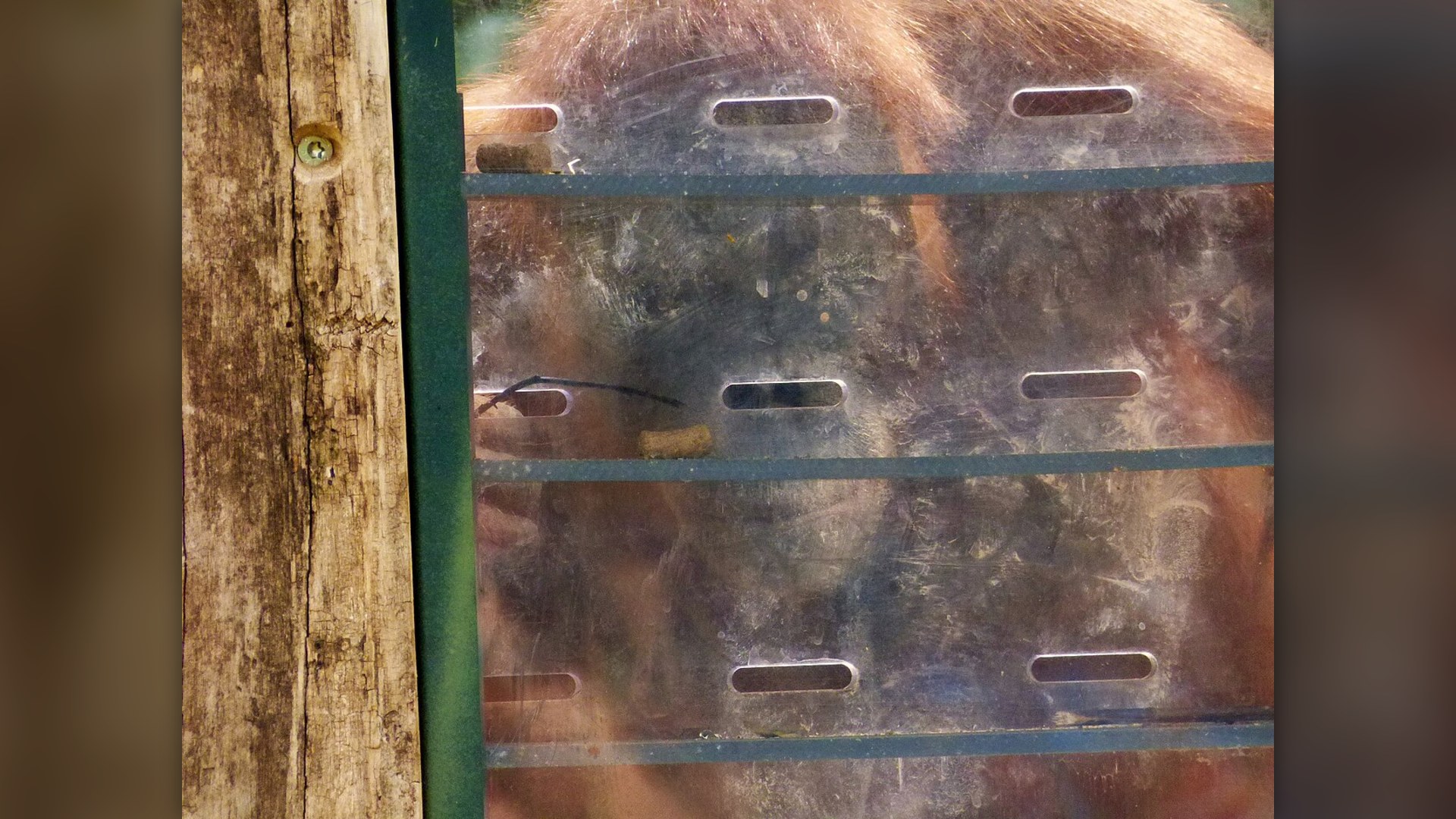
1. The Archimedes Siphon Trick - Advertisement🔥 UP NEXT IN THIS SERIES◫ 22 Slides

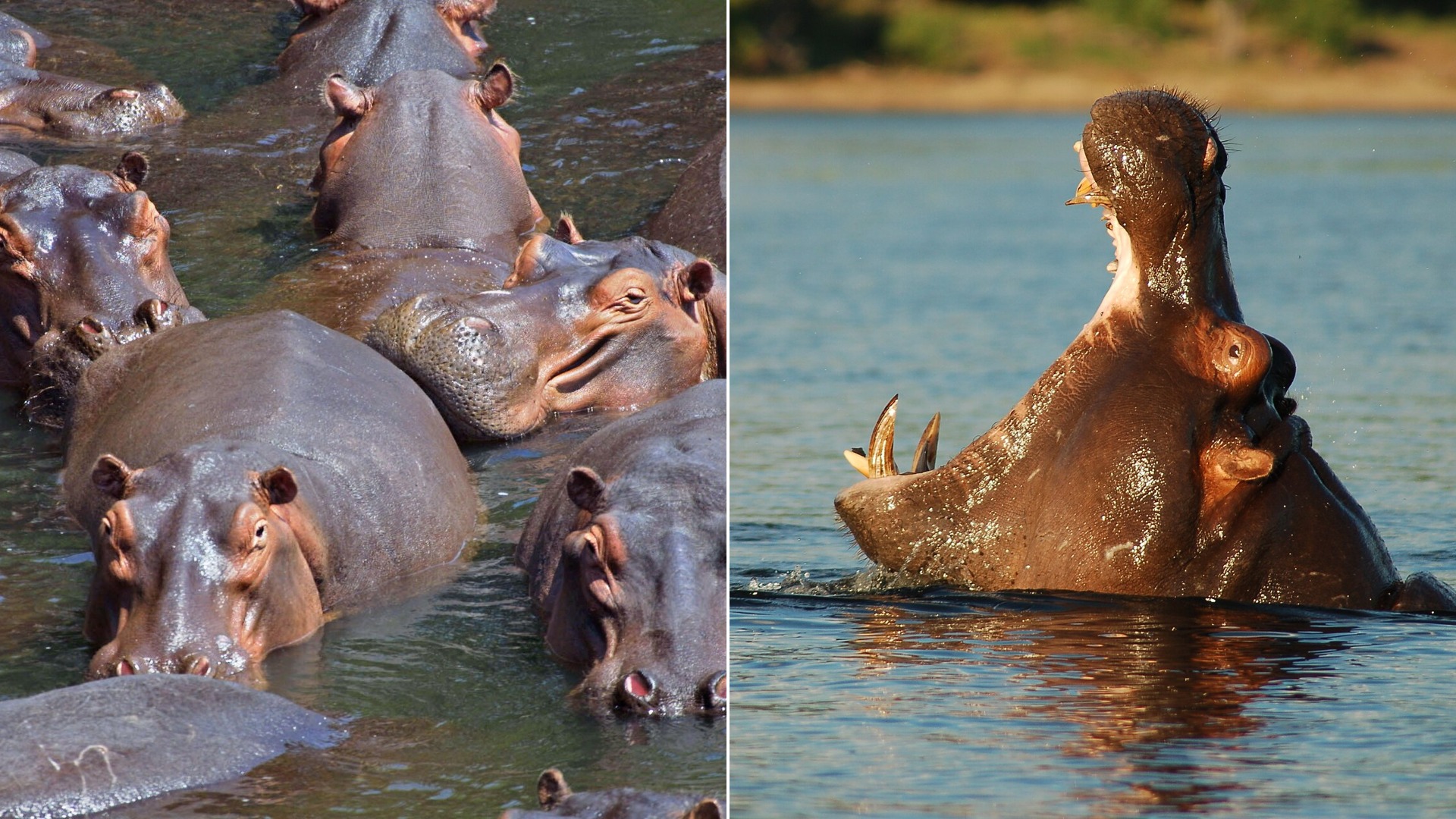
How Long Do Hippos Live? 20 Other Facts About Hippos
From sixty-year lifespans to whale cousins, discover secrets of river giants
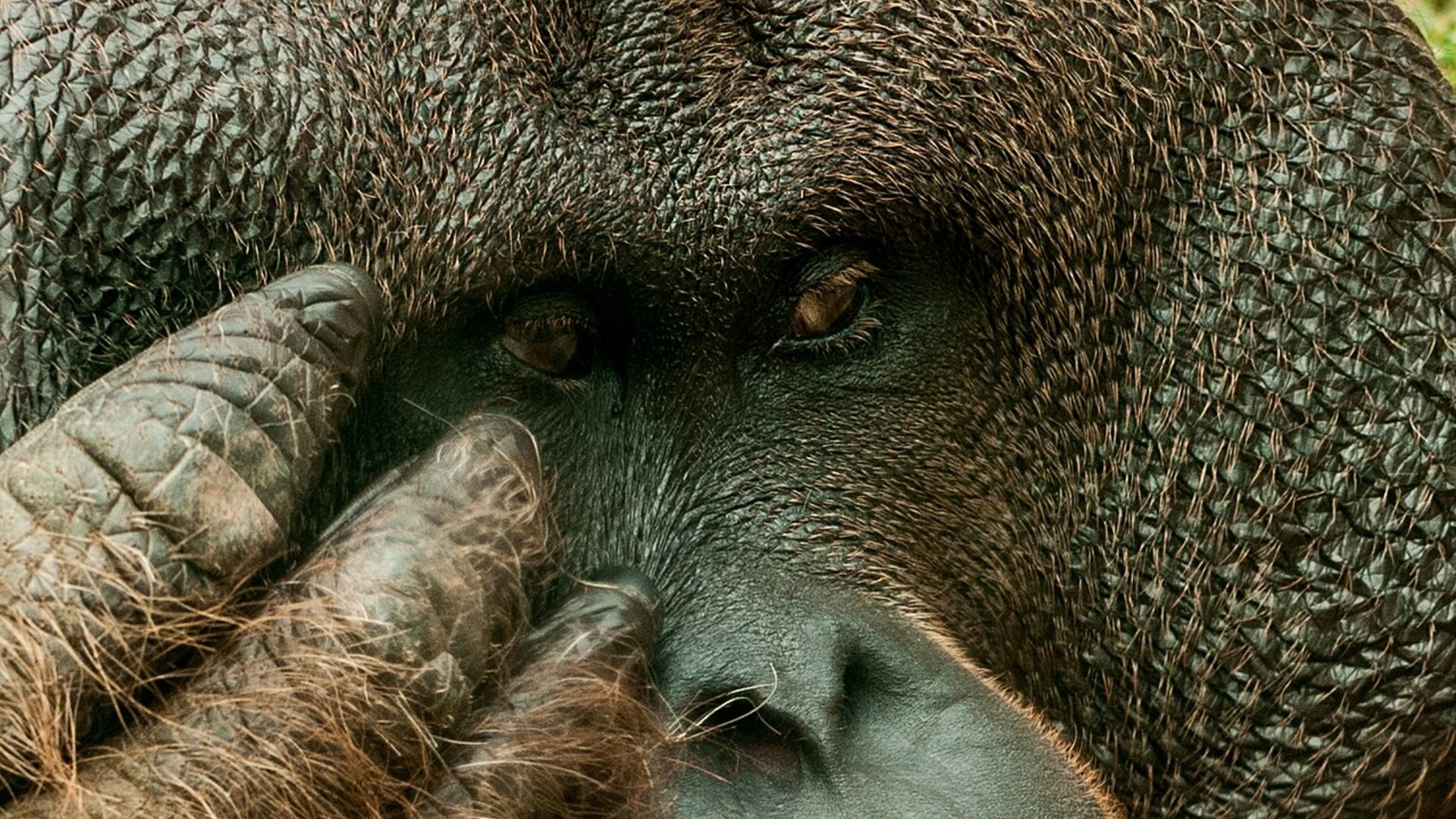
In Malay folklore, orangutan literally translates to 'person of the forest.' From self-medicating with wild vines to outsmarting padlocks and weaving canopy beds, here are 30 unbelievable facts.
Swipe or tap ▶ to begin the countdown
©Wikimedia / Becker1999
29. Ninety-Seven Percent Human DNA
Genetic sequencing reveals orangutans share approximately 96.9% to 97% of their DNA with modern humans. This makes them one of our closest living evolutionary cousins, trailing only chimpanzees and bonobos.
©Wikimedia / Wilfredor
28. Heaviest Tree Dwellers On Earth
Adult male orangutans can weigh upwards of 220 pounds (100 kilograms), making them by far the heaviest strictly arboreal animals in the world. Gorillas and chimps travel on the ground, but orangutans spend 95% of their lives aloft.
©Wikimedia / Rezky Putri Harisanti
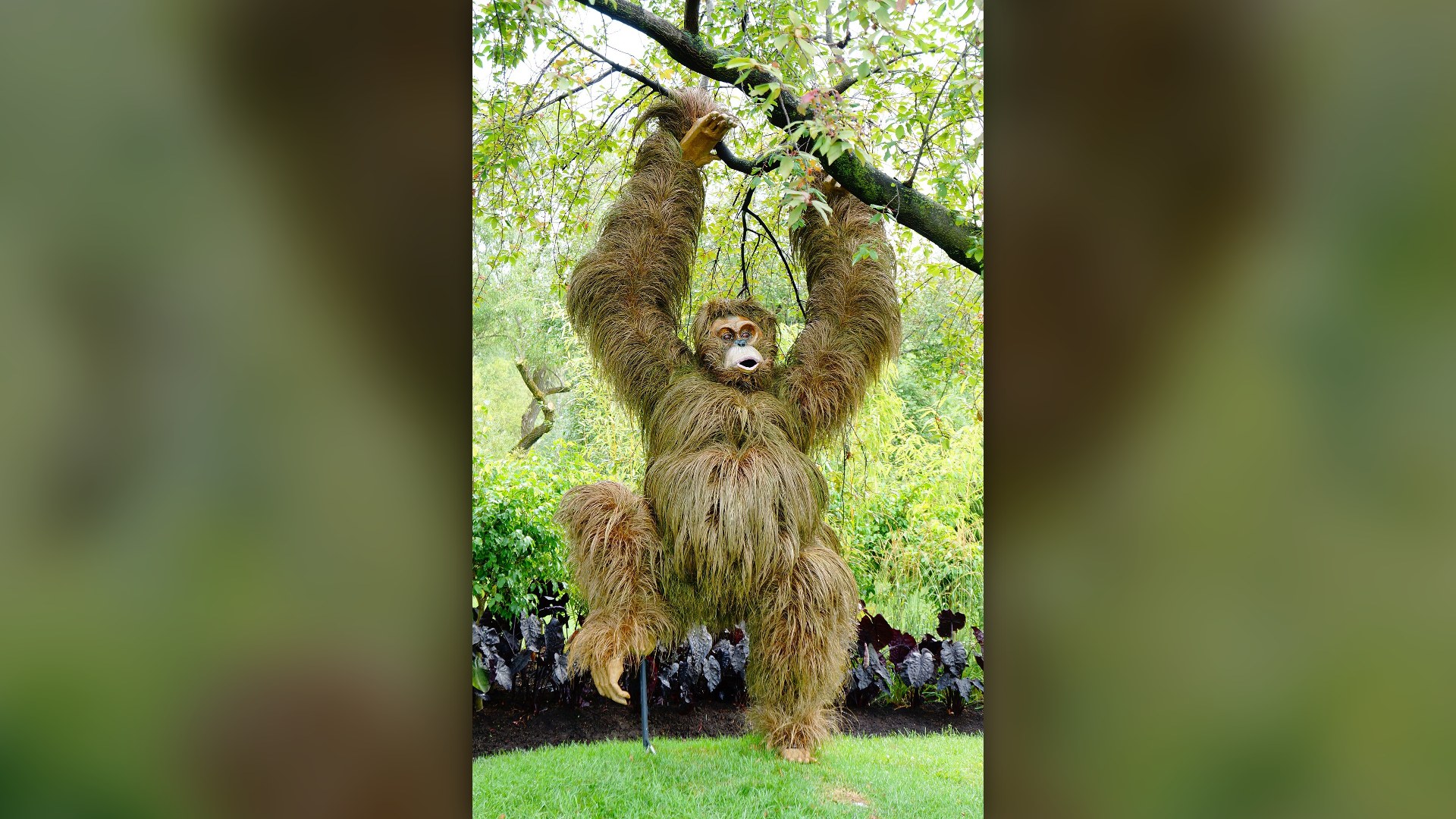
27. Massive Seven-Foot Arm Span
An adult male orangutan stands only four to five feet tall, yet boasts an extraordinary arm span exceeding 7.5 feet (2.2 meters). Their elongated arms allow them to effortlessly distribute their weight across multiple tree limbs.
©Wikimedia / Thomas Quine
Advertisement
Swipe or tap ▶ to resume the countdown.
26. Dexterous Hands For Feet
Orangutans are quadrumanous—possessing four hands. Their big toes are opposable and highly flexible, allowing them to peel delicate fruit, grasp tools, and hang upside down while keeping their front hands completely free.
©Wikimedia / Thomas Quine
25. Longest Childhood In Nature
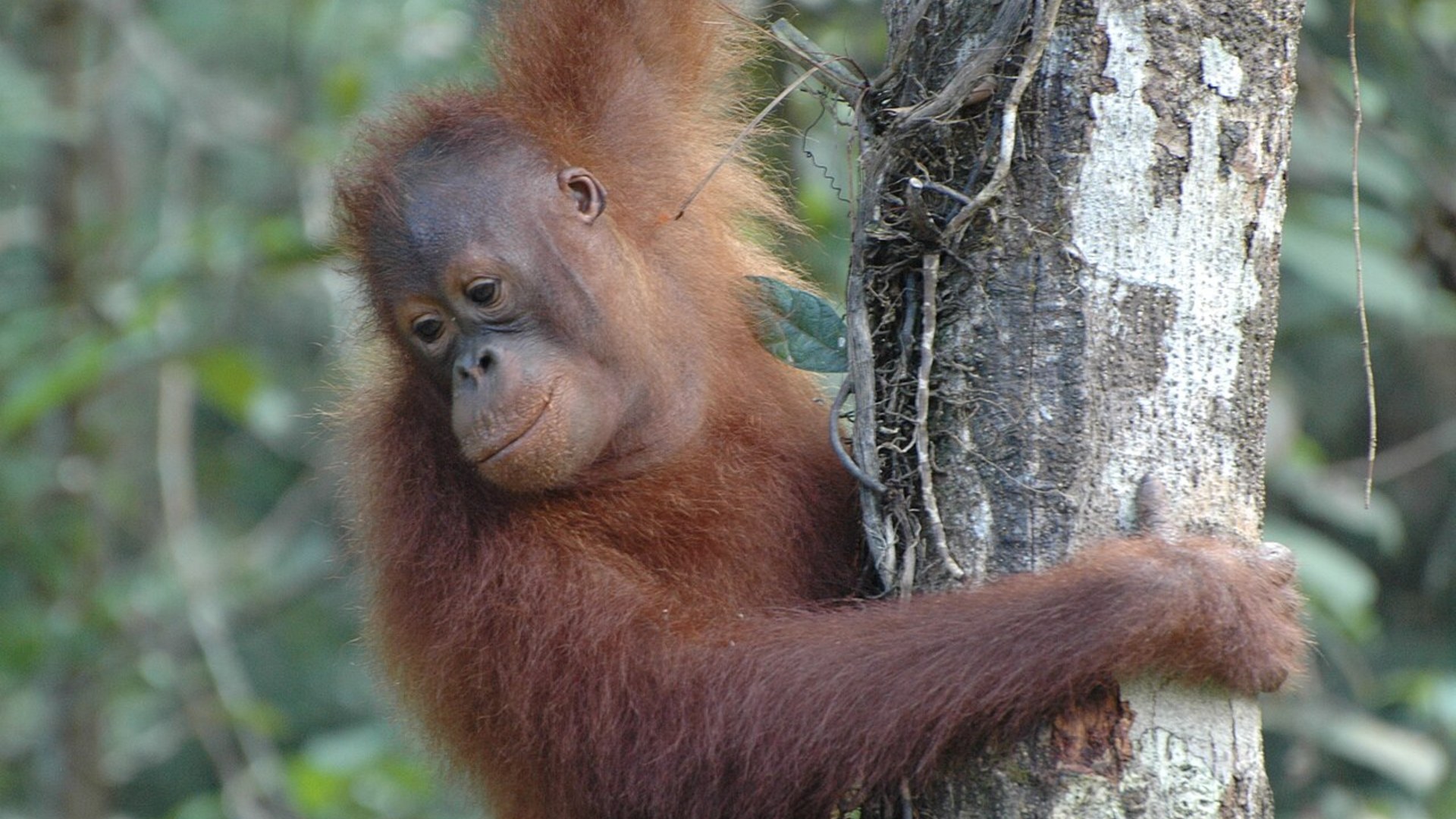
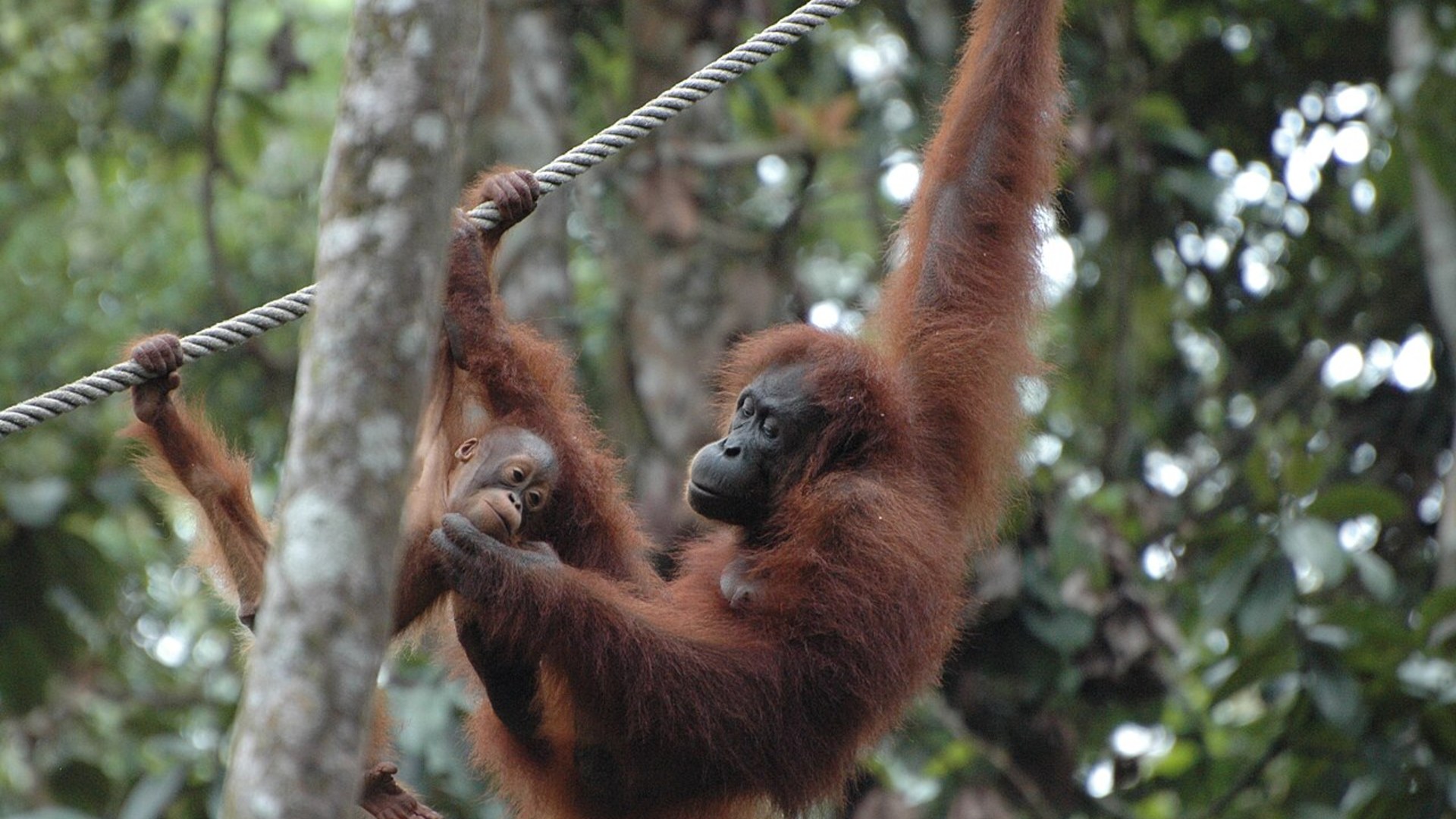
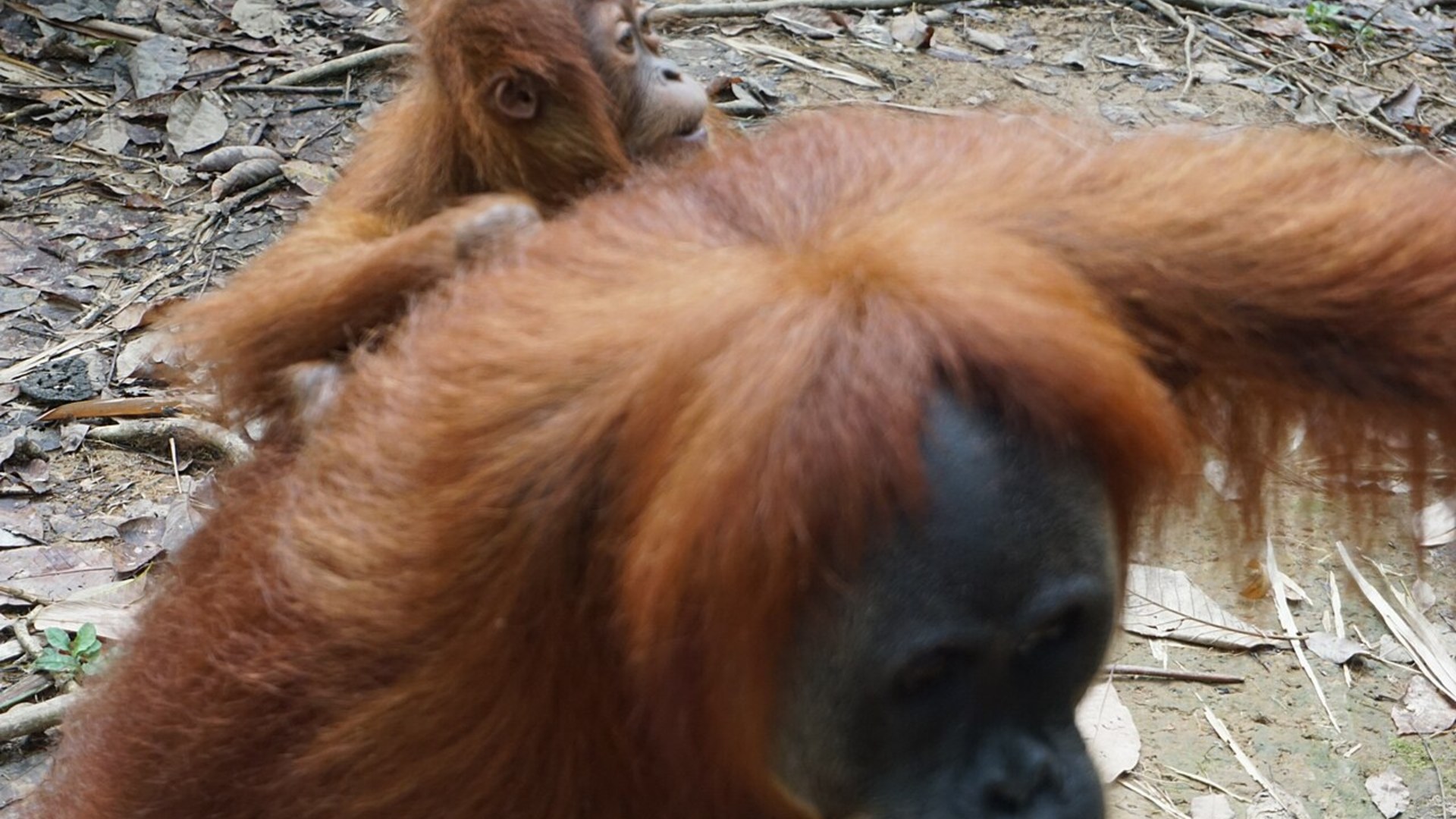
Young orangutans maintain the longest dependence on maternal care of any non-human mammal. Infants nurse for up to eight years and stay with their mothers until age nine, mastering hundreds of complex rainforest survival skills.
©Wikimedia / DreamingKoala
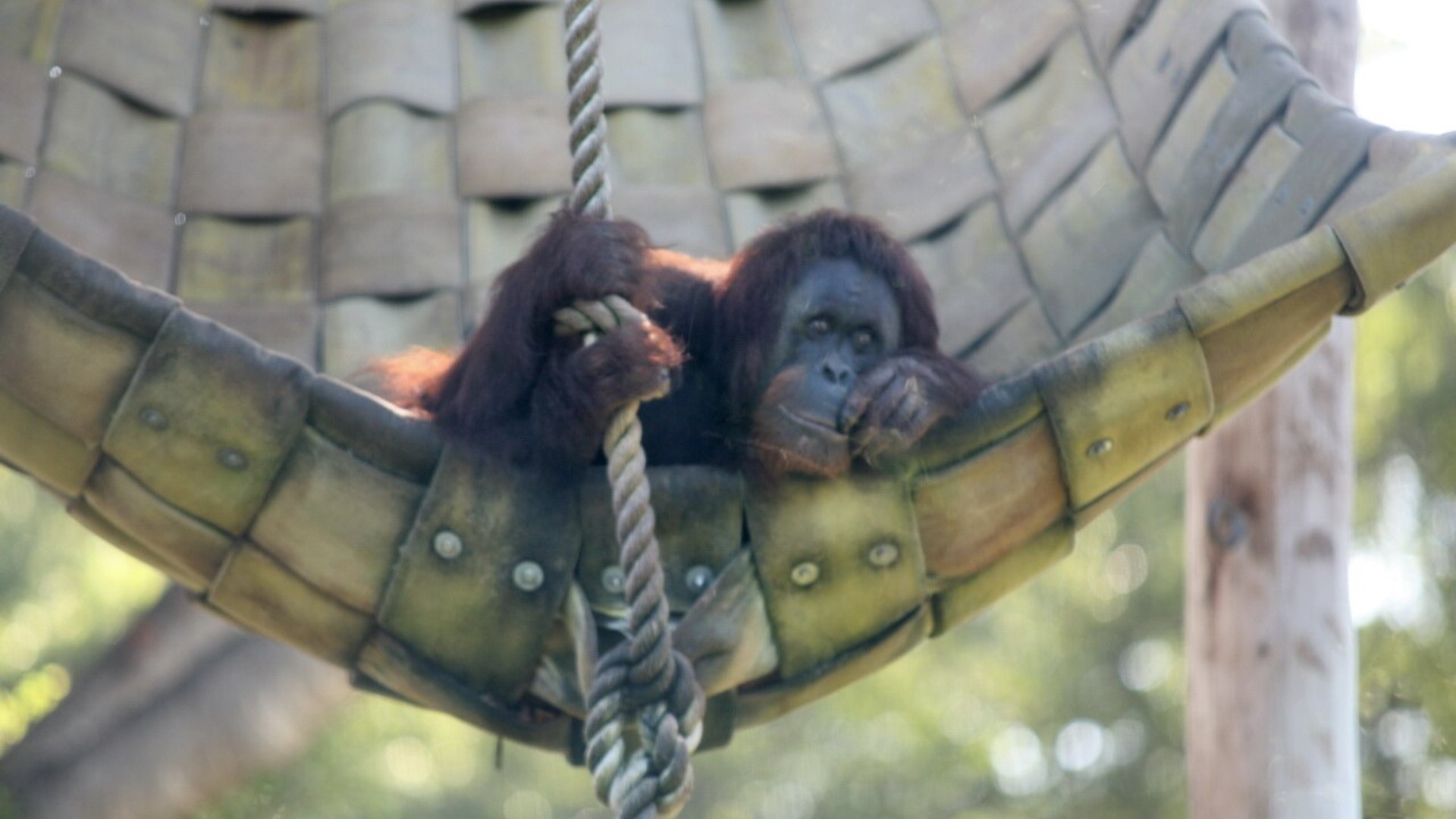
24. Architectural Bed Engineers
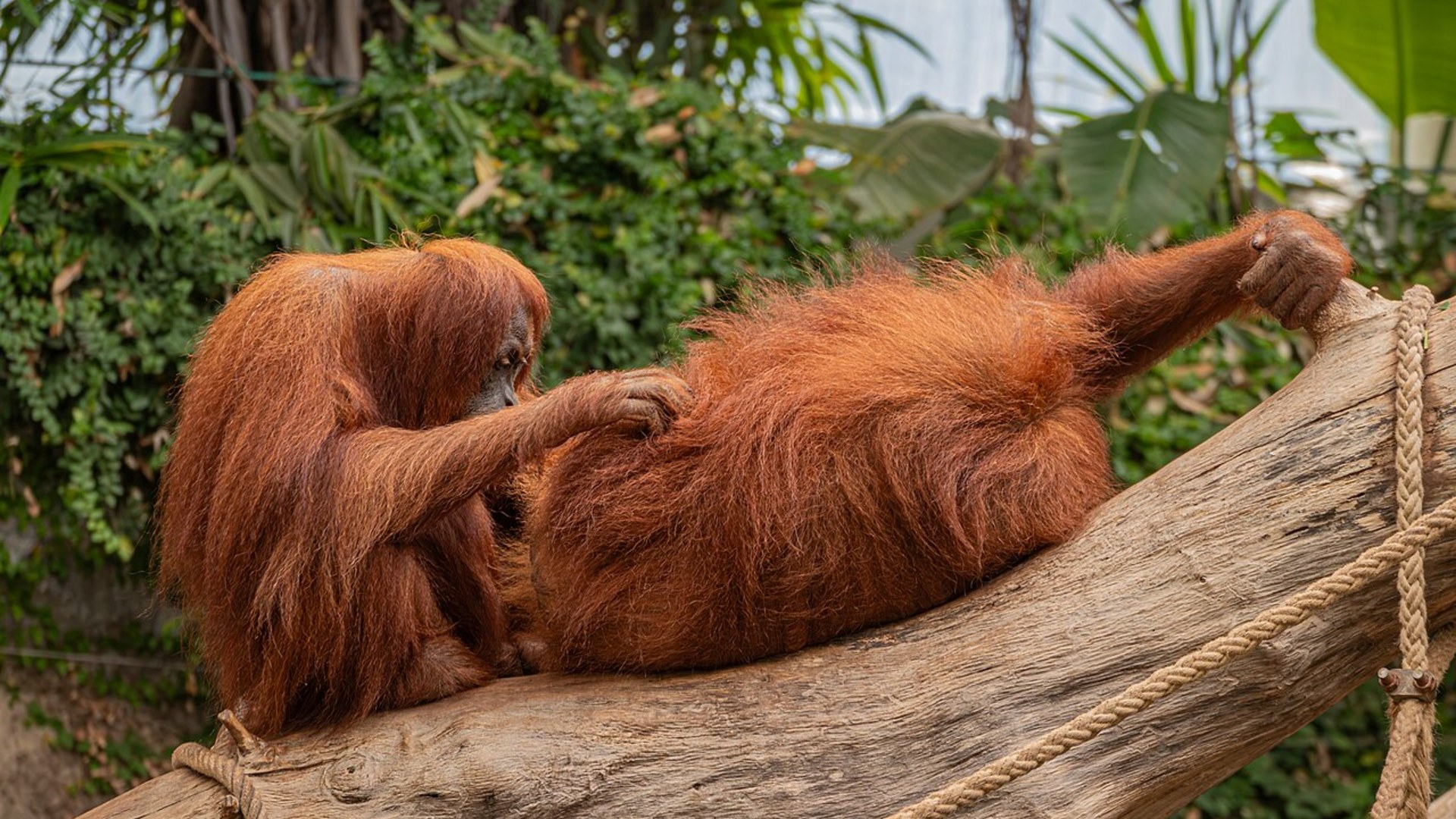
Every single evening, an orangutan constructs a brand-new architectural nest high in the canopy in under ten minutes. Biomechanical studies show they select branch thicknesses to create woven spring mattresses with leaf pillows.
©Wikimedia / Joeavison1
23. Rain Umbrellas And Leaf Hats
When equatorial storms strike the rainforest canopy, wild orangutans pluck giant palm leaves and hold them overhead like umbrellas. In severe weather, they even weave leafy caps to shield their faces from torrential rain.
©Wikimedia / Denis Luyten
Advertisement
Swipe or tap ▶ to resume the countdown.
22. The Booming Long Call
Flanged adult males possess a massive inflatable throat pouch that amplifies a booming vocalization known as the long call. Resonating at low frequencies, this call penetrates dense canopy for over a mile to mark territory.
©Wikimedia / Neisyaranifauzia
21. Bimaturism: Two Kinds Of Males
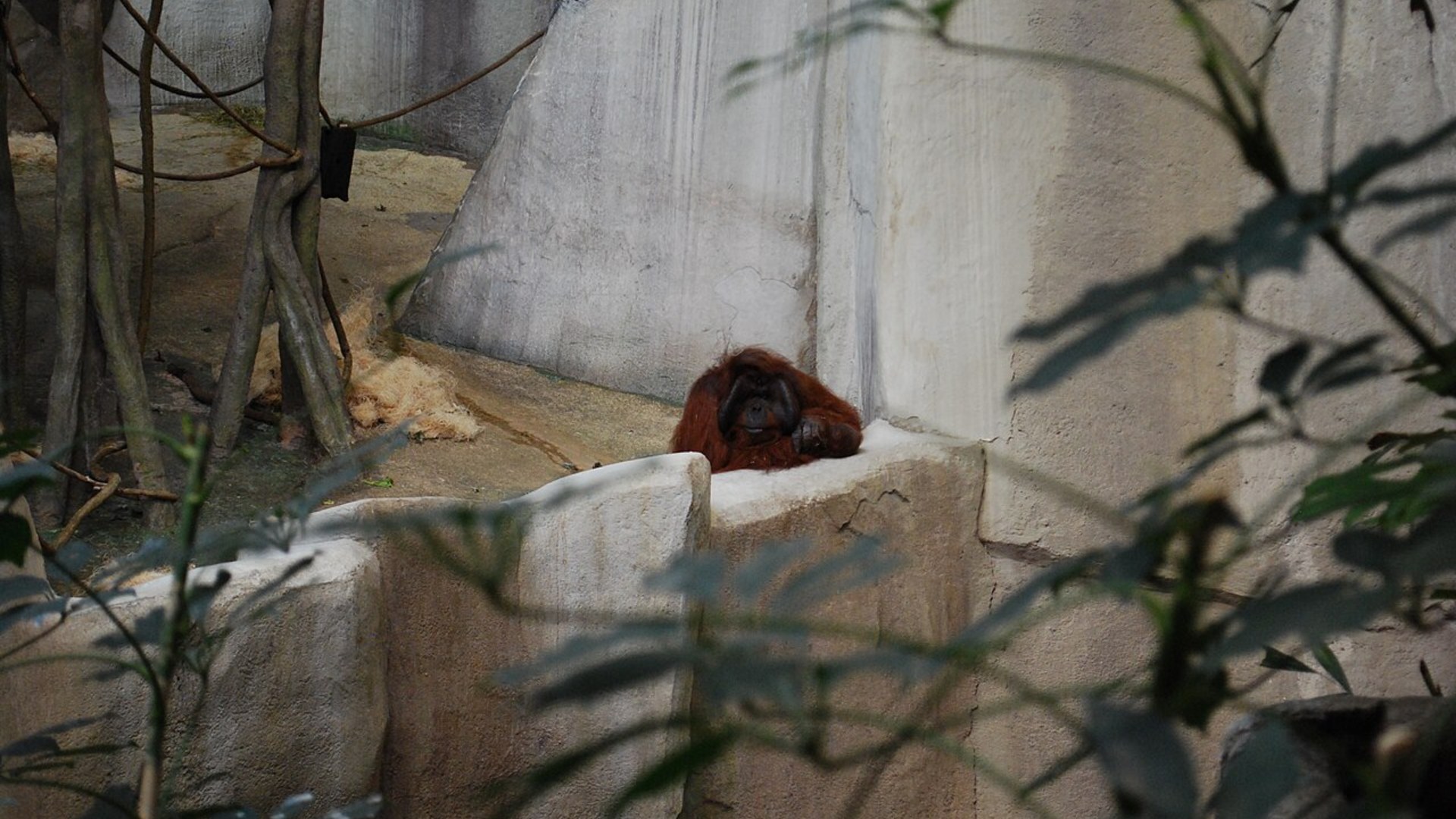
In an evolutionary quirk called bimaturism, adult males develop into two distinct morphs: large flanged males with wide facial cheek pads, and unflanged males who retain adolescent features for decades until dominance shifts.
©Wikimedia / Denis Luyten
20. Three Entirely Separate Species
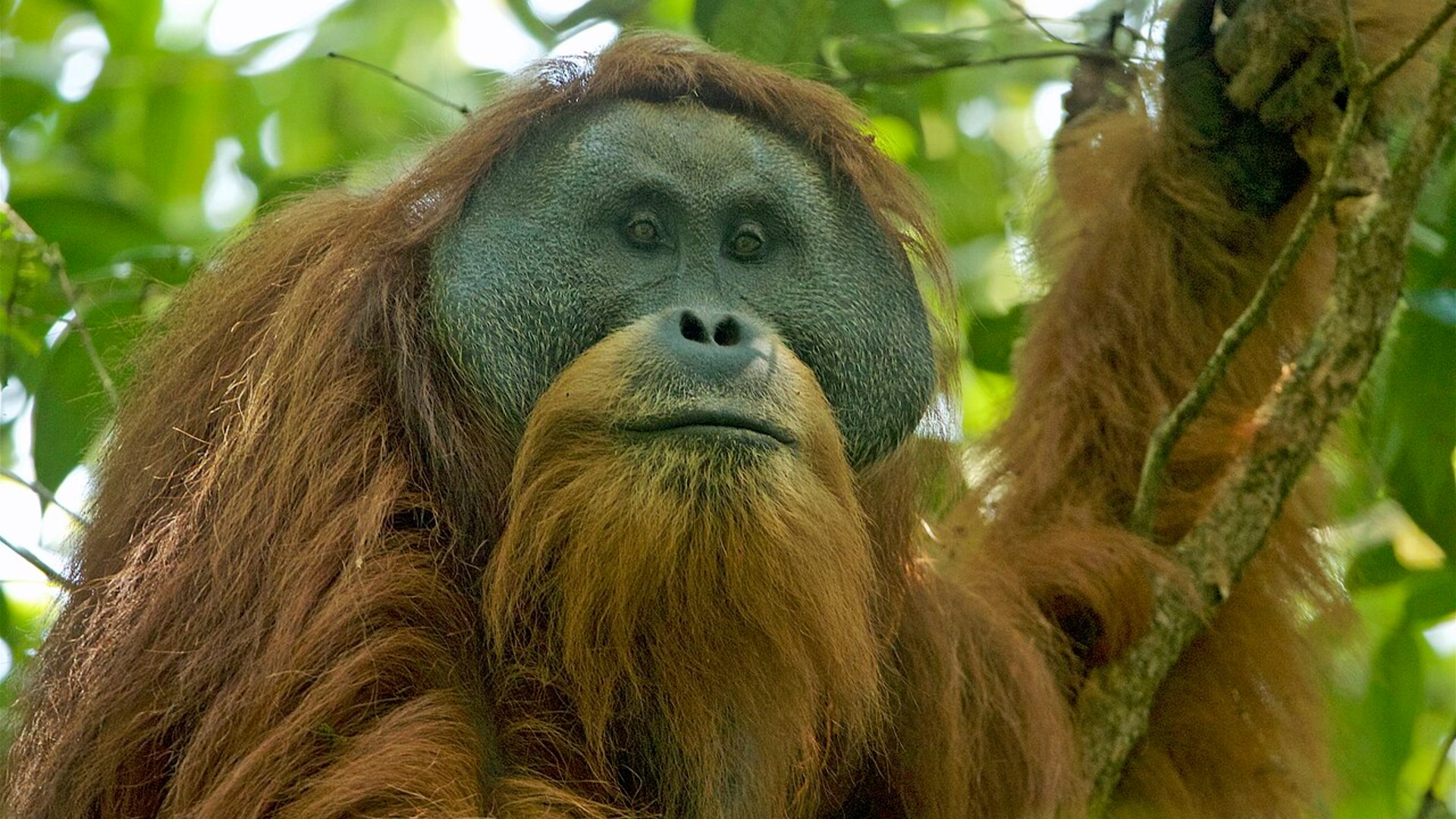
While biology textbooks previously recognized Bornean and Sumatran orangutans, genetic testing in 2017 confirmed a third distinct species: the Tapanuli orangutan (Pongo tapanuliensis), isolated in North Sumatra with under 800 living apes.
©Wikimedia / Tim Laman
19. Gardeners Of The Rainforest
Orangutans are known as the gardeners of the forest. Because they eat hundreds of fruit varieties and travel miles daily, they disperse massive seeds through their droppings that no other jungle animal can swallow.
©Wikimedia / Denis Luyten
Advertisement
Swipe or tap ▶ to resume the countdown.
18. Mental Rainforest Fruit GPS
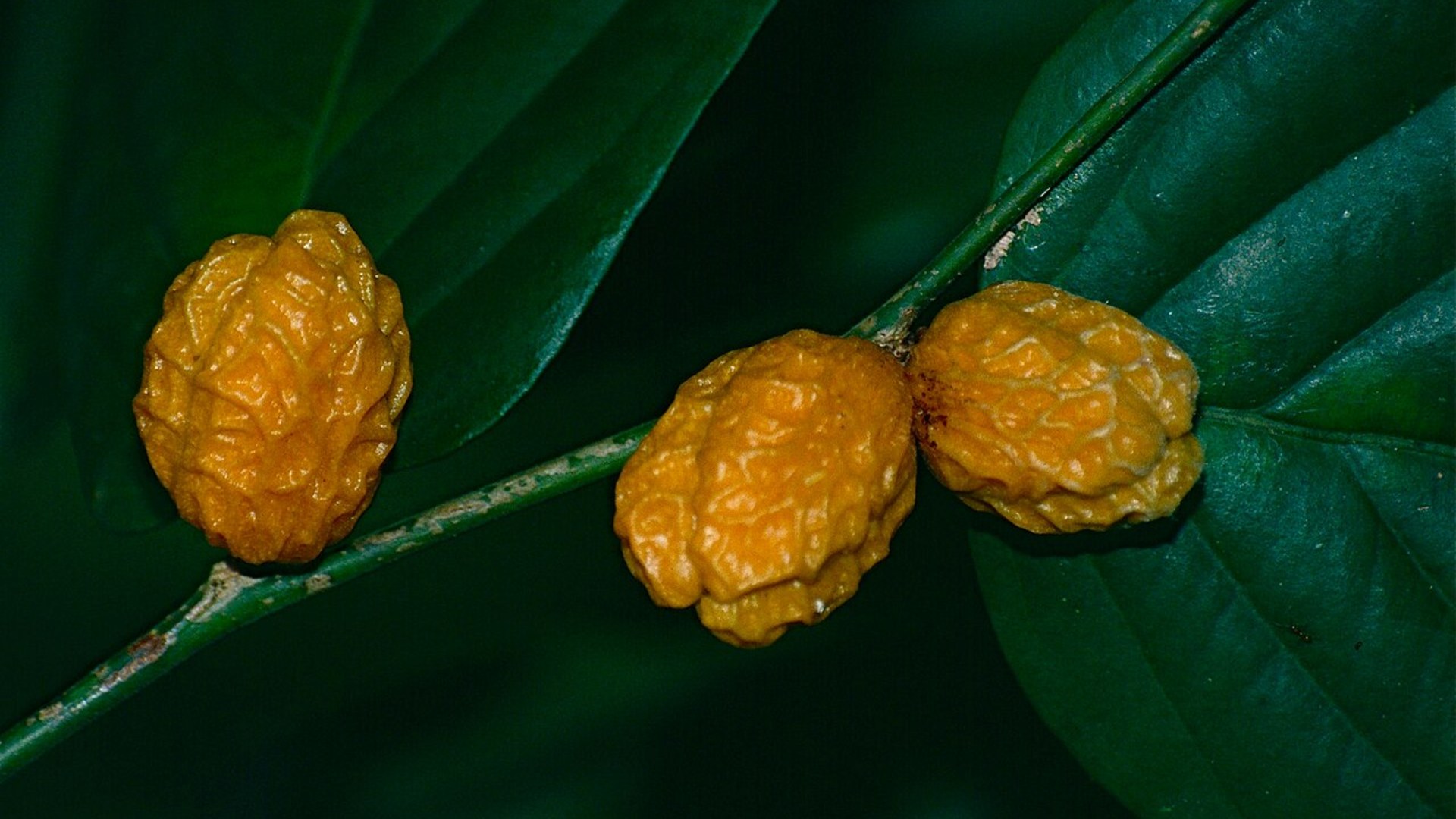
An orangutan's diet spans over 400 wild plant species, predominantly seasonal fruits like durian and figs. They navigate the rainforest using an intricate mental GPS, anticipating fruiting schedules across square miles of jungle.
©Wikimedia / Bernard DUPONT from FRANCE
17. Eight-Year Birth Intervals
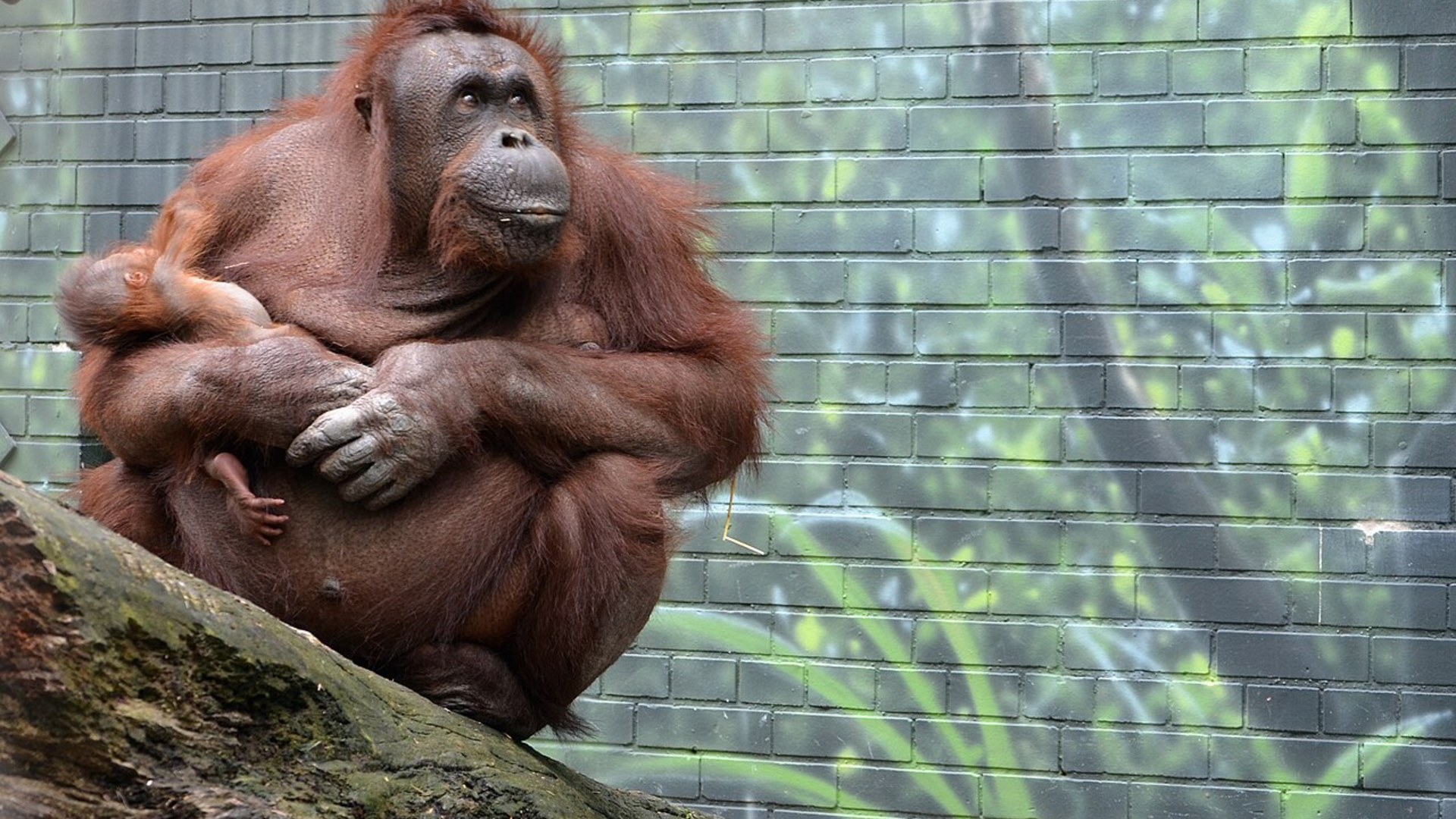
Female orangutans give birth only once every seven to nine years. Because mothers invest nearly a decade into raising a single infant before reproducing again, recovering dwindled wild populations takes generations.
©Wikimedia / Seneca Park Zoo
16. Inherent Fear Of Deep Water
Unlike many monkeys that dive into rivers, wild orangutans avoid deep water. Their extreme bone density and compact muscle mass make natural buoyancy impossible; without shallow footings, they sink quickly.
©Wikimedia / Anil T Prabhakar
15. Spontaneous Wire Hook Invention
In cognitive experiments at the University of Vienna, orangutans given straight pieces of wire spontaneously bent the tips into functional hooks to retrieve food baskets, demonstrating remarkable spontaneous mechanical foresight.
©Wikimedia / C Tennie
Advertisement
Swipe or tap ▶ to resume the countdown.
14. Fishing With Sharpened Sticks
Researchers in Borneo observed wild orangutans watching local spear fishermen, then sharpening tree branches and thrusting them into shallows and log jams to catch trapped fish—a rare display of cross-species predatory mimicry.
©Wikimedia / C Tennie
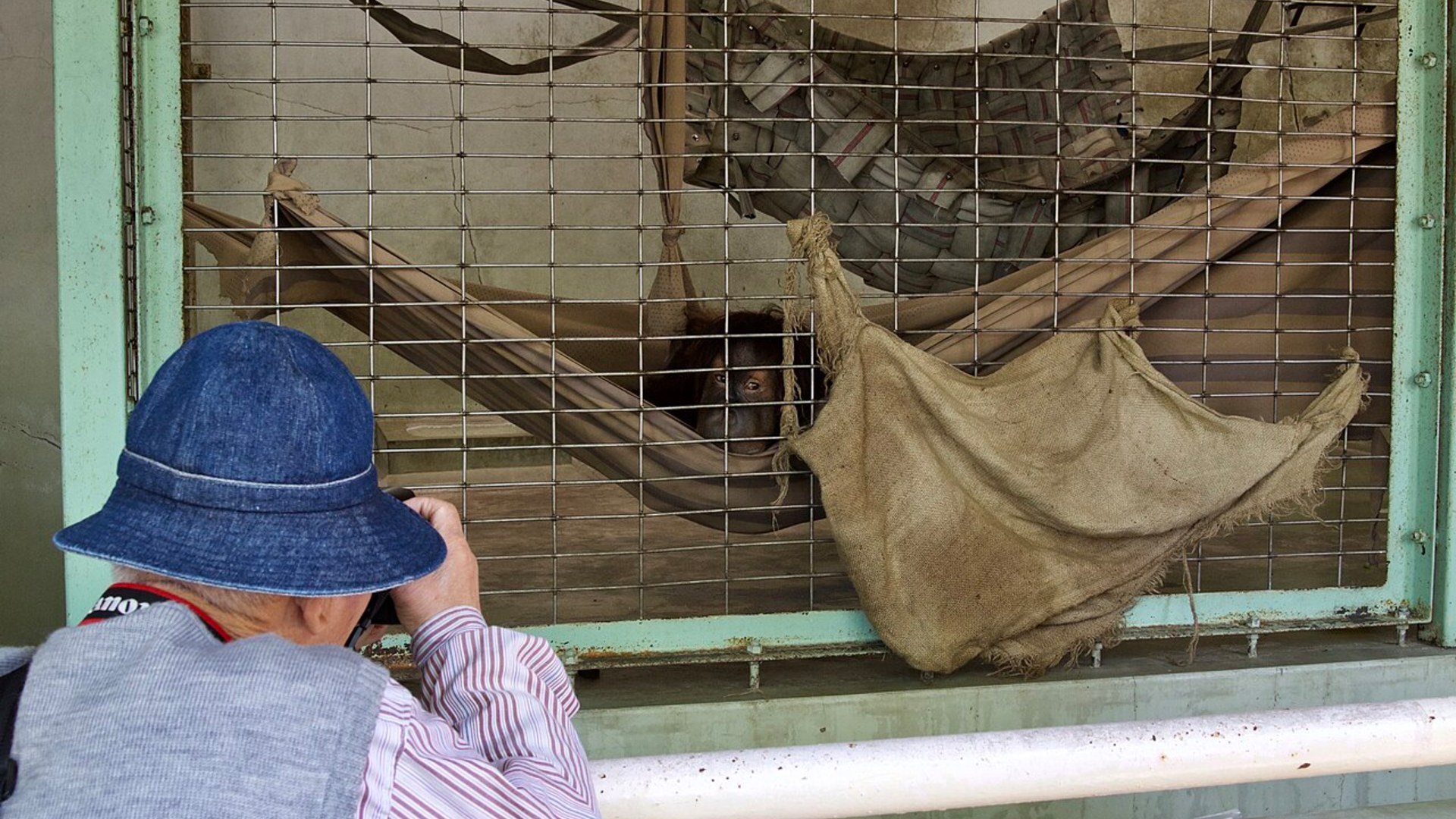
13. Legendary Lock-Pickers
Captive orangutans are world-renowned escape artists. At the Omaha Zoo, an orangutan named Fu Manchu repeatedly picked the padlock on his enclosure using a piece of wire he kept hidden between his cheek and gum.
©Wikimedia / Damien Neadle
12. Sixty-Four Intentional Gestures
Field primatologists have cataloged over 64 distinct intentional gestures used by wild orangutans. When a gesture fails to elicit the desired response, the ape intentionally modifies its signal until understood.
©Wikimedia / Keven Law from Los Angeles,...
11. The Chantek Sign Language Pioneer
Raised by anthropologist Dr. Lyn Miles, an orangutan named Chantek learned several hundred signs of American Sign Language. He could combine words to invent new phrases, such as calling ketchup tomato sauce candy.
©Wikimedia / Borja Fierro
Advertisement
Swipe or tap ▶ to resume the countdown.
10. Planning Tomorrow Travel Today
Research in Sumatra published in PLoS ONE revealed that flanged males demonstrate forward planning: they emit their final evening long call facing the exact direction they intend to travel the following morning.
©Wikimedia / Denis Luyten
9. Herbal Anti-Inflammatory Balms
Indigenous Bornean orangutans chew Dracaena cantleyi into a soapy lather, then massage it directly into sore arms and legs. Pharmacological analysis confirmed the plant contains potent anti-inflammatory compounds.
©Wikimedia / Denis Luyten
8. Rakus: The First Wild Surgeon
In 2022, scientists observed a male orangutan named Rakus chew Akar Kuning—a known pain-relieving vine—and apply the sap repeatedly onto an open facial wound. Within weeks, the wound closed without infection.
©Wikimedia / Cliff from Arlington, Virgi...
7. Spontaneous Human Mimicry
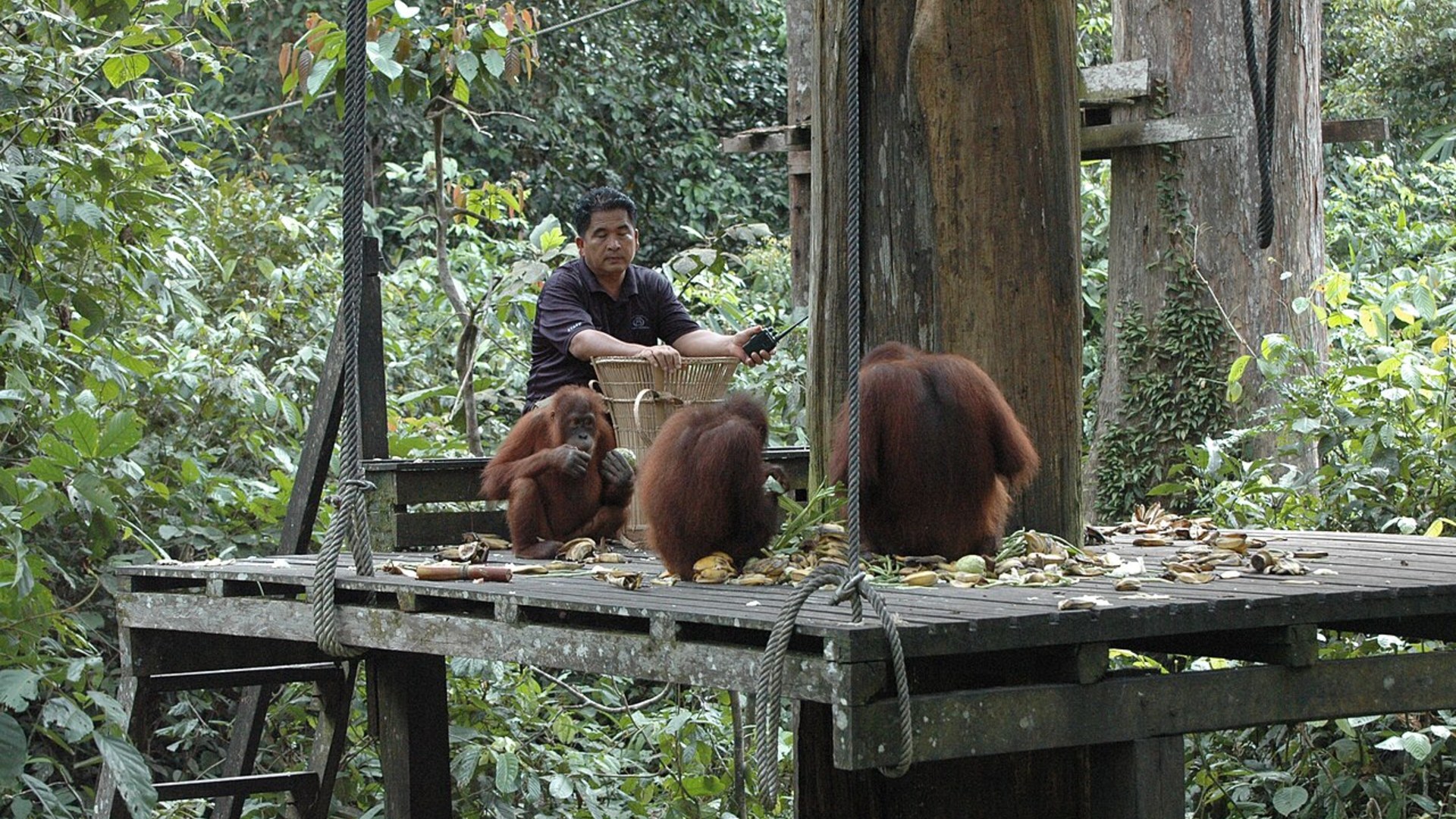
At Dr. Birute Galdikas's Camp Leakey research station, ex-captive orangutans astounded researchers by picking up hand saws to cut timber, untying dugouts to paddle rivers, and washing their clothes with human soap.
©Wikimedia / S.Brickman
Advertisement
Swipe or tap ▶ to resume the countdown.
6. Washing Limbs With Soap
By watching field researchers, female orangutans at rescue centers learned to steal soap bars, sit by river docks, and meticulously lather their limbs and scrub towels in the water, demonstrating observational learning.
©Wikimedia / Denis Luyten
5. Pendulum Canopy Locomotion
Because adult orangutans are so heavy, leaping between branches risks catastrophic falls. Instead, they use tree sway—rocking flexible saplings back and forth like massive pendulums until the next canopy branch is reached.
©Wikimedia / Jiaqian AirplaneFan
4. Communicating About The Past
Known in linguistics as displaced reference, communicating about things absent in time or space was believed unique to humans. In 2018, mothers were proven to delay warning calls until predators departed to safely instruct infants.
©Wikimedia / Andreiromario
3. Sixty-Year Natural Lifespans
While wild orangutans face intense poaching and deforestation, their biological lifespan can exceed sixty years. Notable elders like Bella at Hagenbeck Zoo reached 63 years, showing human-like longevity.
©Wikimedia / H. Zell
Advertisement
Swipe or tap ▶ to resume the countdown.
2. The Solitary Great Ape
Gorillas travel in troops and chimpanzees form complex political communities, but orangutans are uniquely semi-solitary. Because tropical fruit blooms unpredictably, solitary roaming prevents intense food competition.
©Wikimedia / Ronincmc
1. The Archimedes Siphon Trick
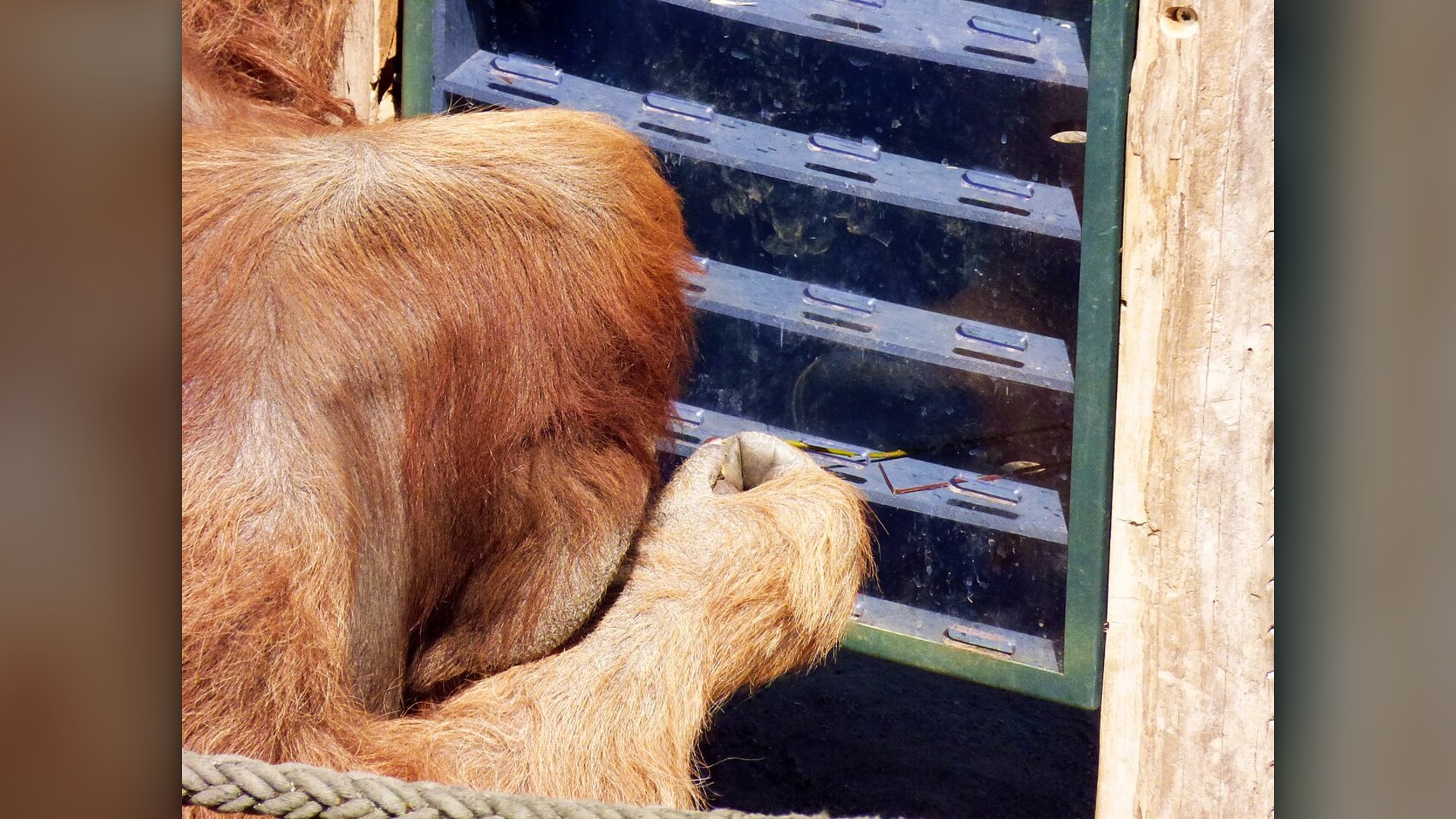
In an iconic cognitive study, orangutans were shown a peanut trapped inside a deep, narrow acrylic tube anchored to the wall. Without any tools or demonstration, the apes took mouthfuls of water and spat them into the tube until the peanut floated out.

©Wikimedia / Damien Neadle
Advertisement
You've reached the end of the story. Thanks for reading!

How Long Do Hippos Live? 20 Other Facts About Hippos
From sixty-year lifespans to whale cousins, discover secrets of river giants
All 29 Entries in this Story
29. Ninety-Seven Percent Human DNA
Genetic sequencing reveals orangutans share approximately 96.9% to 97% of their DNA with modern humans. This makes them one of our closest living evolutionary cousins, trailing only chimpanzees and bonobos.

28. Heaviest Tree Dwellers On Earth
Adult male orangutans can weigh upwards of 220 pounds (100 kilograms), making them by far the heaviest strictly arboreal animals in the world. Gorillas and chimps travel on the ground, but orangutans spend 95% of their lives aloft.

27. Massive Seven-Foot Arm Span
An adult male orangutan stands only four to five feet tall, yet boasts an extraordinary arm span exceeding 7.5 feet (2.2 meters). Their elongated arms allow them to effortlessly distribute their weight across multiple tree limbs.

26. Dexterous Hands For Feet
Orangutans are quadrumanous—possessing four hands. Their big toes are opposable and highly flexible, allowing them to peel delicate fruit, grasp tools, and hang upside down while keeping their front hands completely free.

25. Longest Childhood In Nature
Young orangutans maintain the longest dependence on maternal care of any non-human mammal. Infants nurse for up to eight years and stay with their mothers until age nine, mastering hundreds of complex rainforest survival skills.

24. Architectural Bed Engineers
Every single evening, an orangutan constructs a brand-new architectural nest high in the canopy in under ten minutes. Biomechanical studies show they select branch thicknesses to create woven spring mattresses with leaf pillows.

23. Rain Umbrellas And Leaf Hats
When equatorial storms strike the rainforest canopy, wild orangutans pluck giant palm leaves and hold them overhead like umbrellas. In severe weather, they even weave leafy caps to shield their faces from torrential rain.

22. The Booming Long Call
Flanged adult males possess a massive inflatable throat pouch that amplifies a booming vocalization known as the long call. Resonating at low frequencies, this call penetrates dense canopy for over a mile to mark territory.

21. Bimaturism: Two Kinds Of Males
In an evolutionary quirk called bimaturism, adult males develop into two distinct morphs: large flanged males with wide facial cheek pads, and unflanged males who retain adolescent features for decades until dominance shifts.

20. Three Entirely Separate Species
While biology textbooks previously recognized Bornean and Sumatran orangutans, genetic testing in 2017 confirmed a third distinct species: the Tapanuli orangutan (Pongo tapanuliensis), isolated in North Sumatra with under 800 living apes.

19. Gardeners Of The Rainforest
Orangutans are known as the gardeners of the forest. Because they eat hundreds of fruit varieties and travel miles daily, they disperse massive seeds through their droppings that no other jungle animal can swallow.

18. Mental Rainforest Fruit GPS
An orangutan's diet spans over 400 wild plant species, predominantly seasonal fruits like durian and figs. They navigate the rainforest using an intricate mental GPS, anticipating fruiting schedules across square miles of jungle.

17. Eight-Year Birth Intervals
Female orangutans give birth only once every seven to nine years. Because mothers invest nearly a decade into raising a single infant before reproducing again, recovering dwindled wild populations takes generations.

16. Inherent Fear Of Deep Water
Unlike many monkeys that dive into rivers, wild orangutans avoid deep water. Their extreme bone density and compact muscle mass make natural buoyancy impossible; without shallow footings, they sink quickly.

15. Spontaneous Wire Hook Invention
In cognitive experiments at the University of Vienna, orangutans given straight pieces of wire spontaneously bent the tips into functional hooks to retrieve food baskets, demonstrating remarkable spontaneous mechanical foresight.

14. Fishing With Sharpened Sticks
Researchers in Borneo observed wild orangutans watching local spear fishermen, then sharpening tree branches and thrusting them into shallows and log jams to catch trapped fish—a rare display of cross-species predatory mimicry.

13. Legendary Lock-Pickers
Captive orangutans are world-renowned escape artists. At the Omaha Zoo, an orangutan named Fu Manchu repeatedly picked the padlock on his enclosure using a piece of wire he kept hidden between his cheek and gum.

12. Sixty-Four Intentional Gestures
Field primatologists have cataloged over 64 distinct intentional gestures used by wild orangutans. When a gesture fails to elicit the desired response, the ape intentionally modifies its signal until understood.

11. The Chantek Sign Language Pioneer
Raised by anthropologist Dr. Lyn Miles, an orangutan named Chantek learned several hundred signs of American Sign Language. He could combine words to invent new phrases, such as calling ketchup tomato sauce candy.

10. Planning Tomorrow Travel Today
Research in Sumatra published in PLoS ONE revealed that flanged males demonstrate forward planning: they emit their final evening long call facing the exact direction they intend to travel the following morning.

9. Herbal Anti-Inflammatory Balms
Indigenous Bornean orangutans chew Dracaena cantleyi into a soapy lather, then massage it directly into sore arms and legs. Pharmacological analysis confirmed the plant contains potent anti-inflammatory compounds.

8. Rakus: The First Wild Surgeon
In 2022, scientists observed a male orangutan named Rakus chew Akar Kuning—a known pain-relieving vine—and apply the sap repeatedly onto an open facial wound. Within weeks, the wound closed without infection.

7. Spontaneous Human Mimicry
At Dr. Birute Galdikas's Camp Leakey research station, ex-captive orangutans astounded researchers by picking up hand saws to cut timber, untying dugouts to paddle rivers, and washing their clothes with human soap.

6. Washing Limbs With Soap
By watching field researchers, female orangutans at rescue centers learned to steal soap bars, sit by river docks, and meticulously lather their limbs and scrub towels in the water, demonstrating observational learning.

5. Pendulum Canopy Locomotion
Because adult orangutans are so heavy, leaping between branches risks catastrophic falls. Instead, they use tree sway—rocking flexible saplings back and forth like massive pendulums until the next canopy branch is reached.

4. Communicating About The Past
Known in linguistics as displaced reference, communicating about things absent in time or space was believed unique to humans. In 2018, mothers were proven to delay warning calls until predators departed to safely instruct infants.

3. Sixty-Year Natural Lifespans
While wild orangutans face intense poaching and deforestation, their biological lifespan can exceed sixty years. Notable elders like Bella at Hagenbeck Zoo reached 63 years, showing human-like longevity.

2. The Solitary Great Ape
Gorillas travel in troops and chimpanzees form complex political communities, but orangutans are uniquely semi-solitary. Because tropical fruit blooms unpredictably, solitary roaming prevents intense food competition.

1. The Archimedes Siphon Trick
In an iconic cognitive study, orangutans were shown a peanut trapped inside a deep, narrow acrylic tube anchored to the wall. Without any tools or demonstration, the apes took mouthfuls of water and spat them into the tube until the peanut floated out.