Slideshow · Viral
8 Revolutionary Inventions Stolen From Their True Creators
Behind some of the greatest breakthroughs in modern human history lie forgotten pioneers whose patents, working prototypes, and legal rights were co-opted by corporate titans and famous icons. From radio to the computer, here are eight true inventors who were erased from popular memory.
By Most Viral Today
25 Oct 2026

8 Revolutionary Inventions Stolen From Their True Creators 
8. FM Radio 
7. Monopoly Board Game 
6. The Electronic Digital Computer - AdvertisementSwipe or tap ▶ to continue countdown

5. The Motion Picture Camera 
4. All-Electronic Television 
3. The Incandescent Light Bulb 
2. The Electromagnetic Telephone - AdvertisementSwipe or tap ▶ to continue countdown

1. Wireless Radio Transmission - Advertisement🔥 UP NEXT IN THIS SERIES◫ 21 Slides

20 Iconic Historical Photos and the Archive Clues Behind Them
Contact sheets, cracked glass plates, and NASA mission logs preserve the hidden steps behind 20 famous photographs. Drawing on records from the Library of Congress, the National Archives, NASA, and the Smithsonian, this countdown traces how cropping, camera setups, and double exposures shaped each frame.
Behind some of the greatest breakthroughs in modern human history lie forgotten pioneers whose patents, working prototypes, and legal rights were co-opted by corporate titans and famous icons. From radio to the computer, here are eight true inventors who were erased from popular memory.
Swipe or tap ▶ to begin the countdown
©Wikimedia / Napoleon Sarony & Wellcome Collection
8. FM Radio
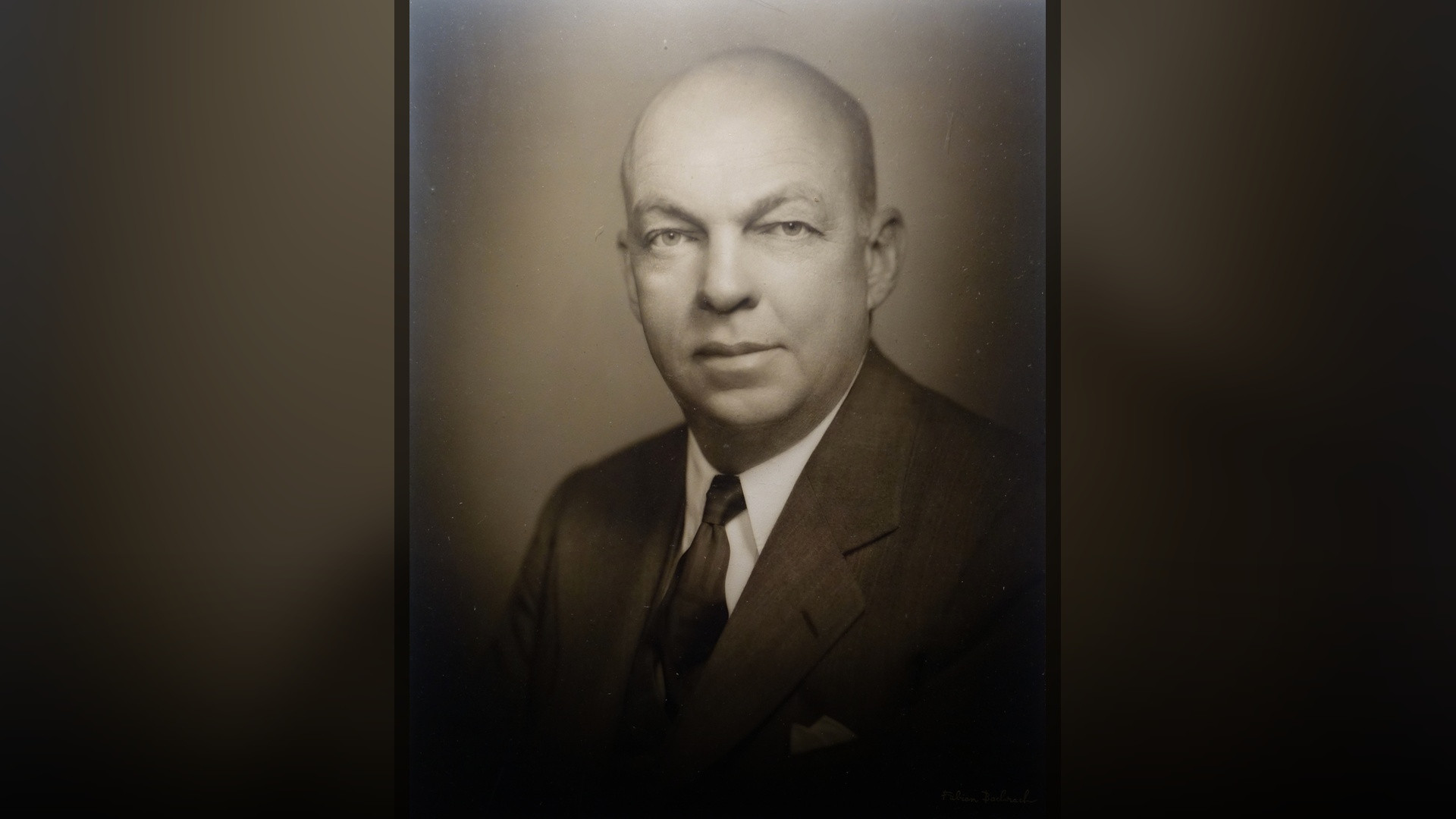
Edwin Armstrong patented FM radio in 1933, eliminating static that plagued AM broadcasts. RCA president David Sarnoff lobbied the FCC to move FM bands to render Armstrong's sets obsolete. Armstrong fought devastating patent lawsuits until his tragic suicide in 1954; his estate later won all claims.
©Wikimedia / Florian Bachrach
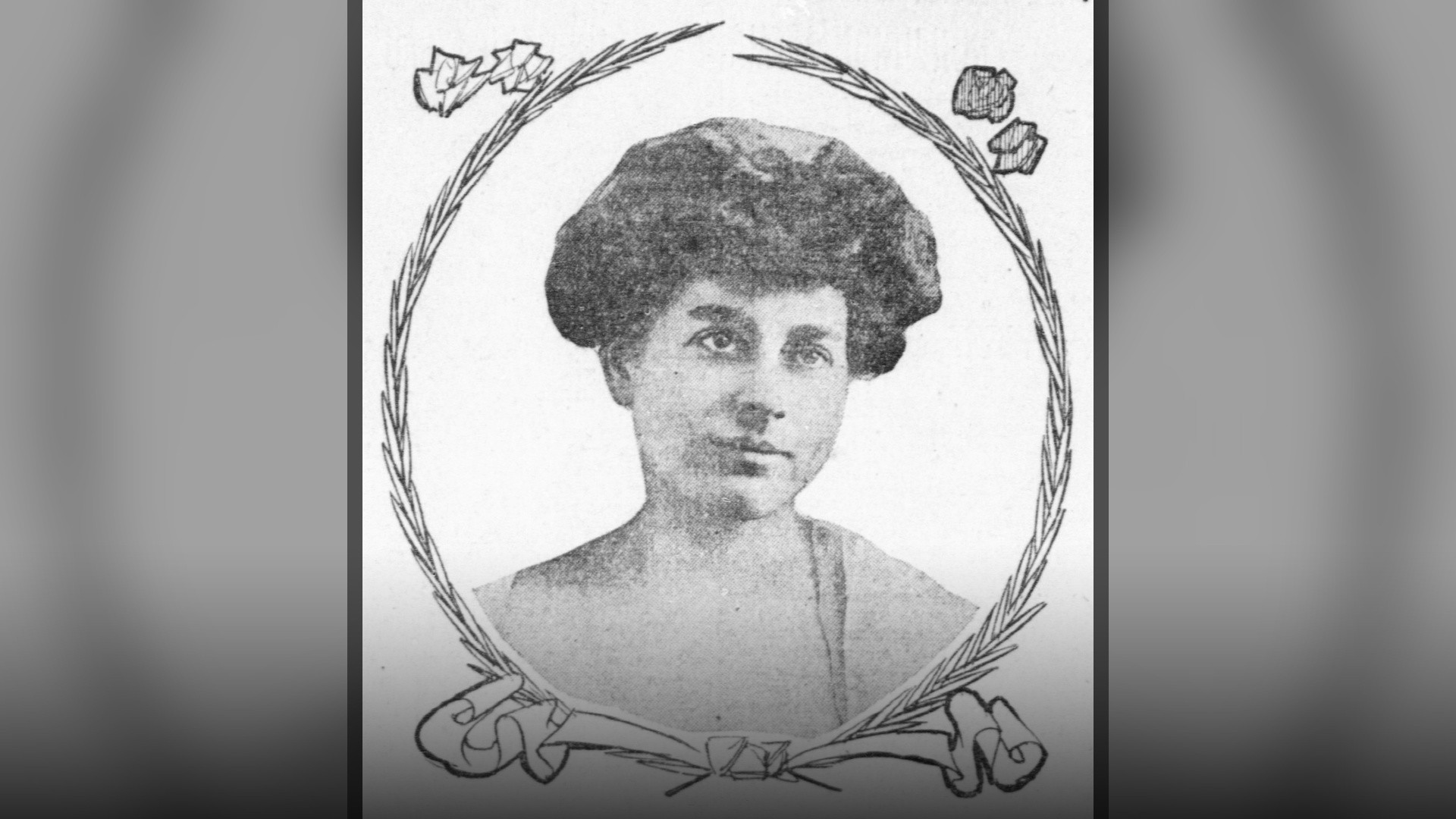
7. Monopoly Board Game
In 1904, feminist stenographer Elizabeth Magie patented 'The Landlord's Game' to expose the perils of corporate land monopolies. Thirty years later, unemployed salesman Charles Darrow copied her rules and board verbatim, selling it to Parker Brothers for millions. Magie received a mere $500.
©Wikimedia / The Washington Times (1906)
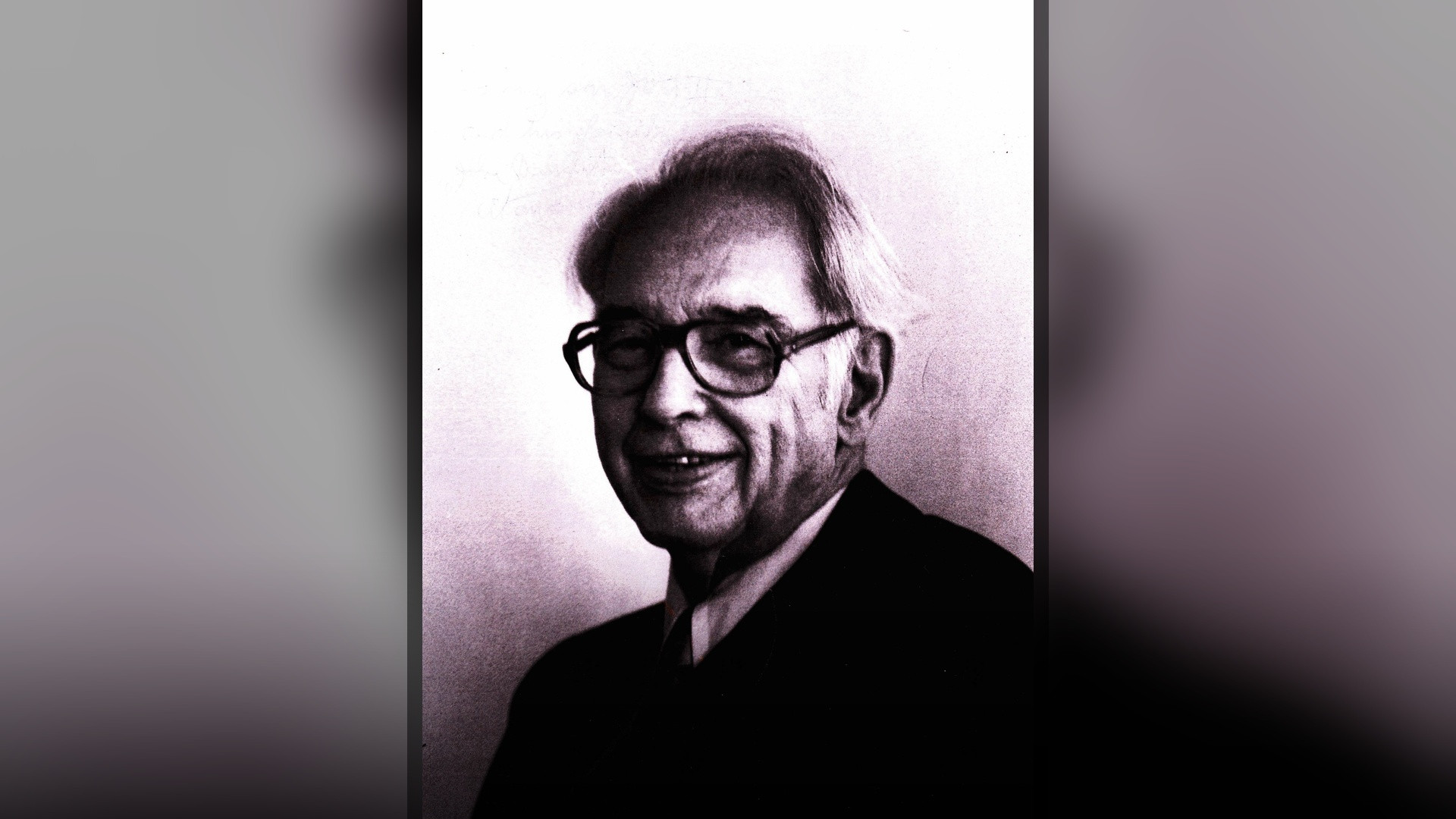
6. The Electronic Digital Computer
Between 1937 and 1942, physics professor John Vincent Atanasoff created the first electronic digital computer using binary arithmetic and vacuum tubes. Visiting physicist John Mauchly studied the machine and later patented ENIAC as the 'first' computer. In 1973, a federal judge invalidated ENIAC's patent.
©Flickr / EyeSteelFilm / Wikimedia Commons
Advertisement
Swipe or tap ▶ to resume the countdown.
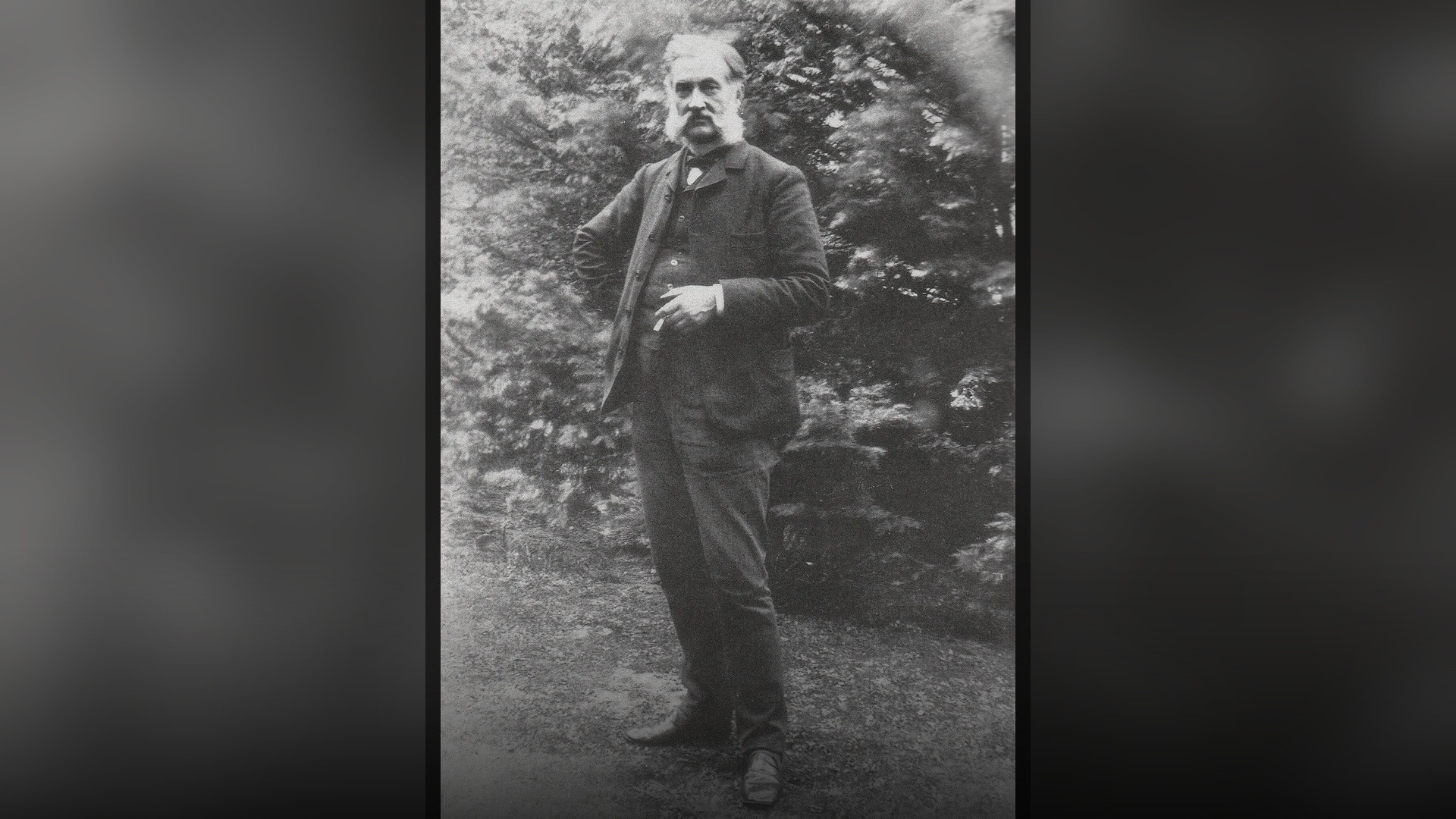
5. The Motion Picture Camera
In 1888, French inventor Louis Le Prince shot the world's first moving film in Leeds, years before Edison's Kinetoscope. In September 1890, just before traveling to America to patent and publicly debut his camera, Le Prince boarded a train in France and disappeared without a trace. Edison took credit.
©Wikimedia / Public Domain Archive
4. All-Electronic Television
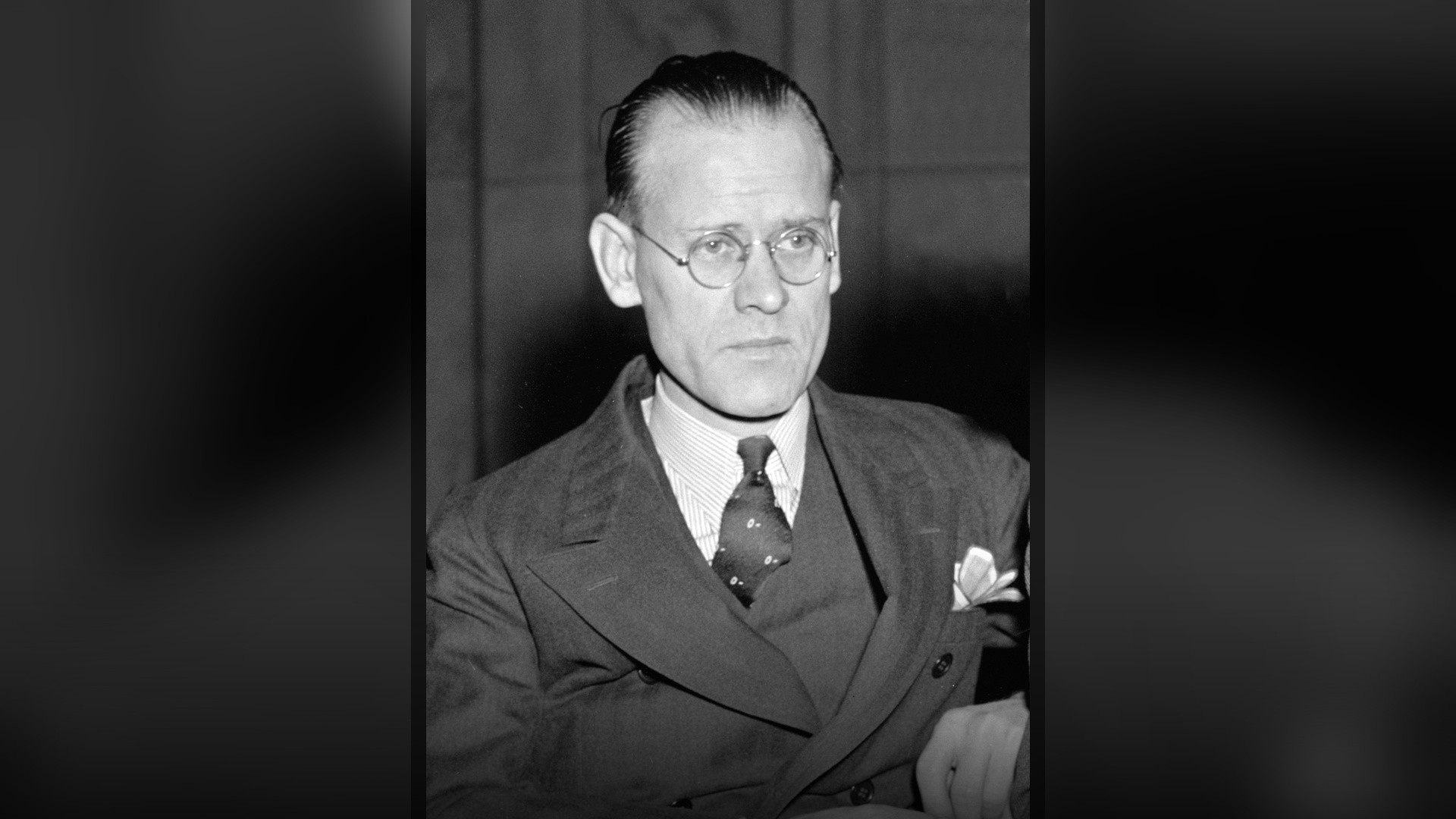
At just 14, Utah farm boy Philo Farnsworth sketched the concept of electronic scanning while plowing potato fields. In 1927, he transmitted the first electronic television image. RCA spent a decade trying to invalidate his patents, but the U.S. Patent Office ruled in Farnsworth's favor in 1934.
©Wikimedia / Public Domain Archive
3. The Incandescent Light Bulb
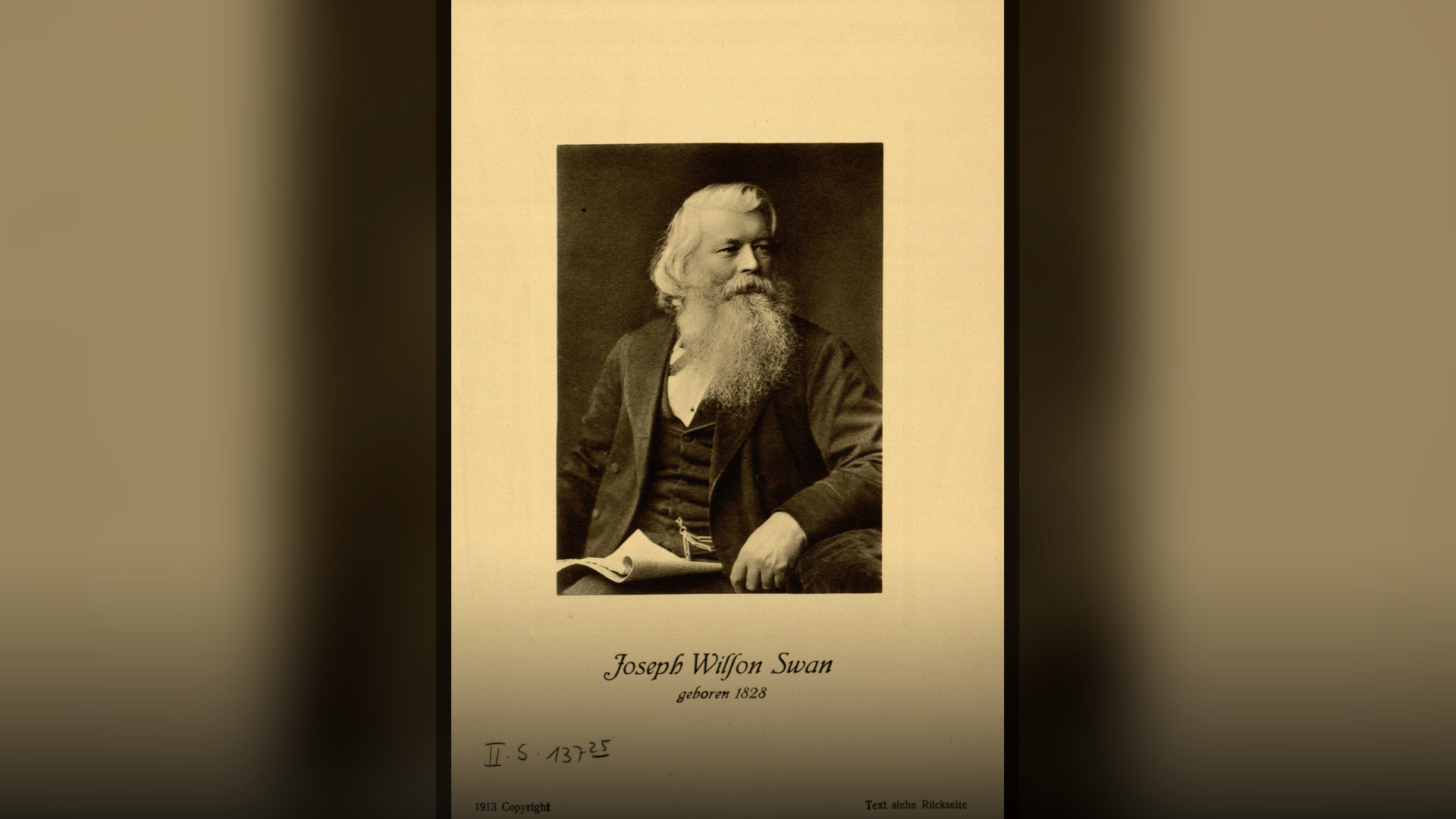
English chemist Sir Joseph Swan demonstrated a working incandescent carbon bulb in Newcastle in February 1879, months before Edison's famous announcement. Swan sued Edison for patent infringement in Britain and won. To avoid catastrophic damages, Edison was forced to merge into the 'Ediswan' partnership.
©Wikimedia / Heidelberg University (HeidICON)
2. The Electromagnetic Telephone
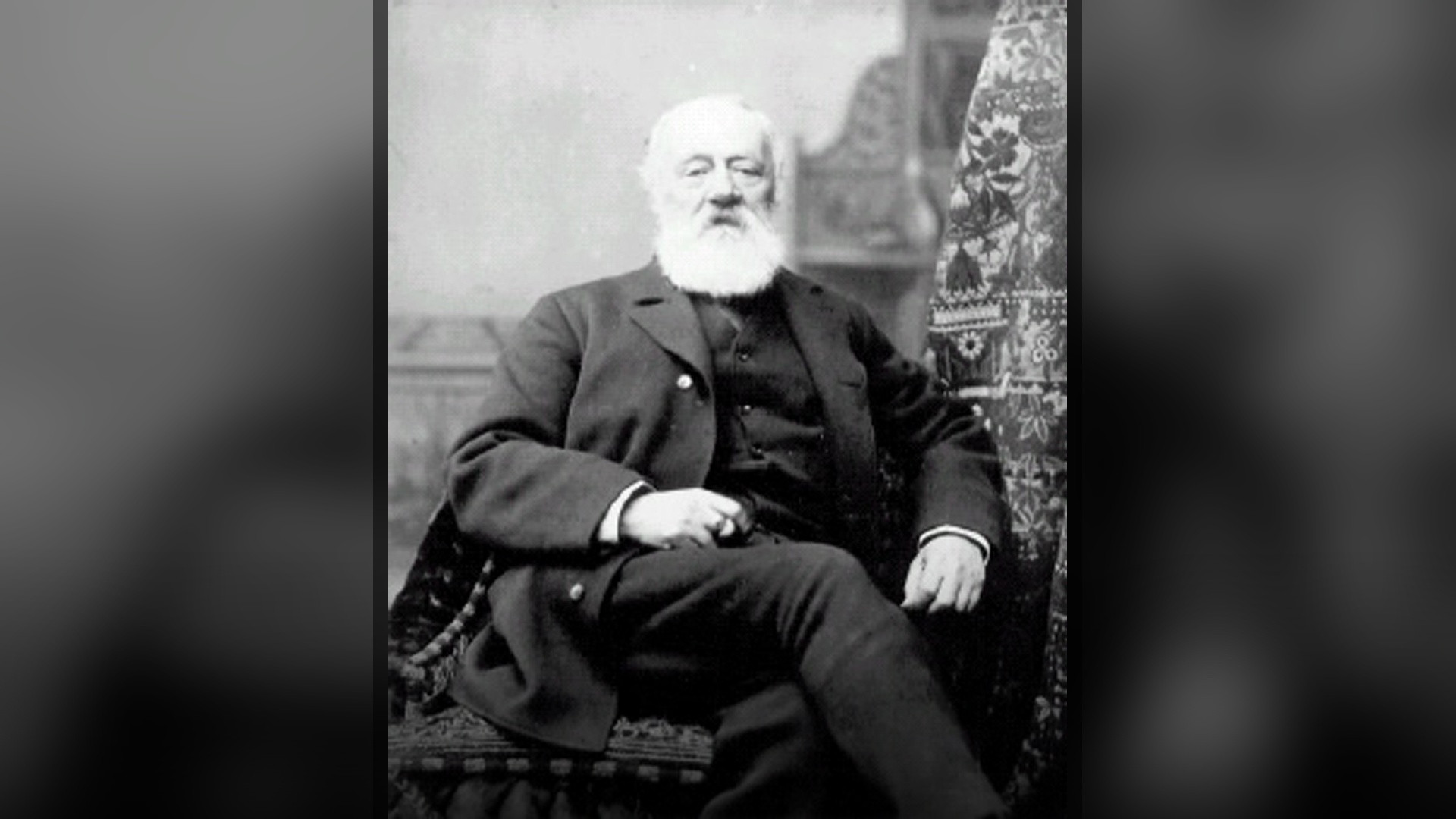
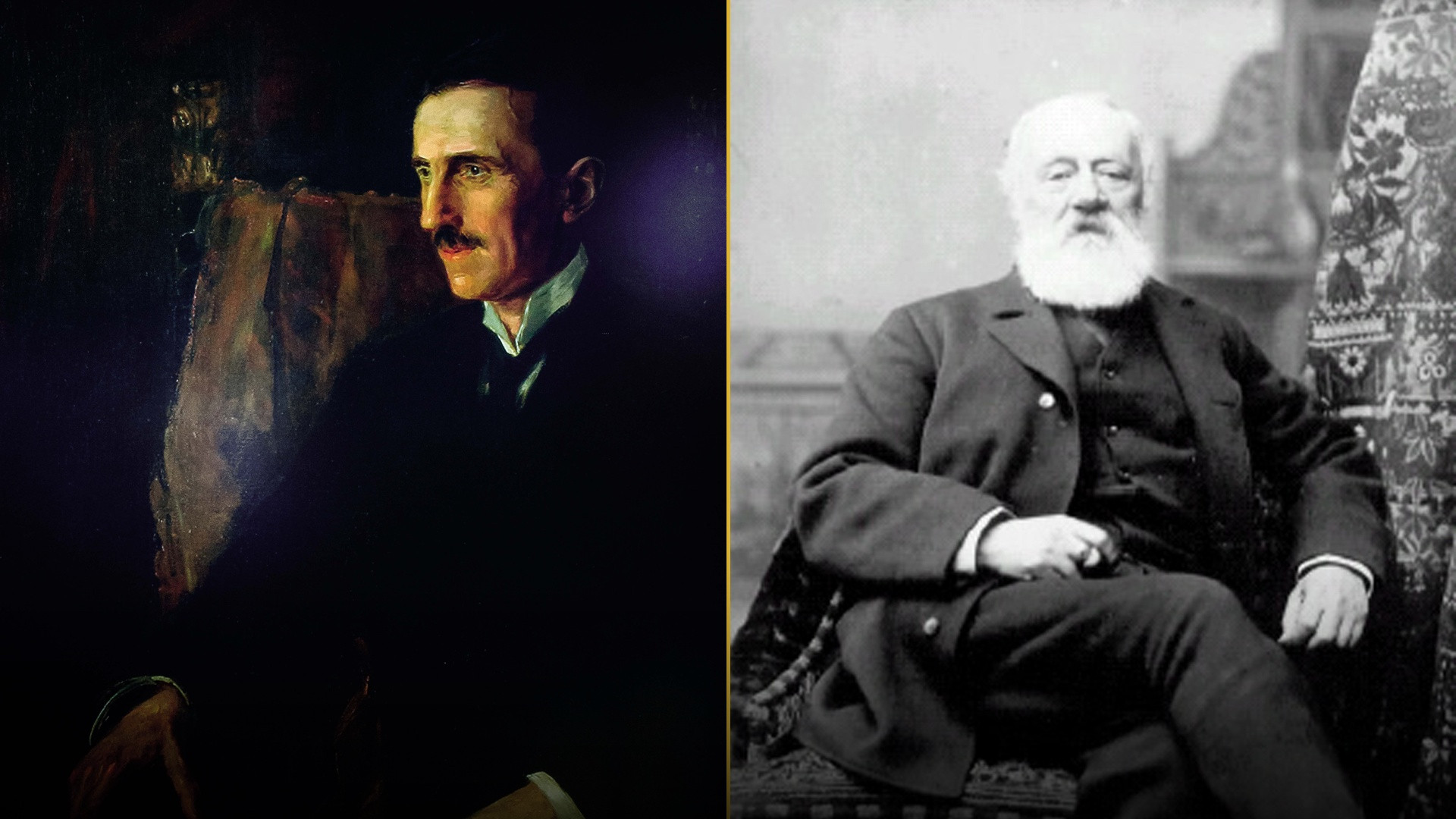
Antonio Meucci built working voice communication in Staten Island by 1854 to talk to his ill wife. He filed an official patent caveat in 1871, but poverty prevented him from paying the $10 renewal fee in 1874. Bell patented the telephone in 1876. In 2002, the U.S. Congress formally recognized Meucci's work.
©Wikimedia / Wellcome Collection
Advertisement
Swipe or tap ▶ to resume the countdown.
1. Wireless Radio Transmission
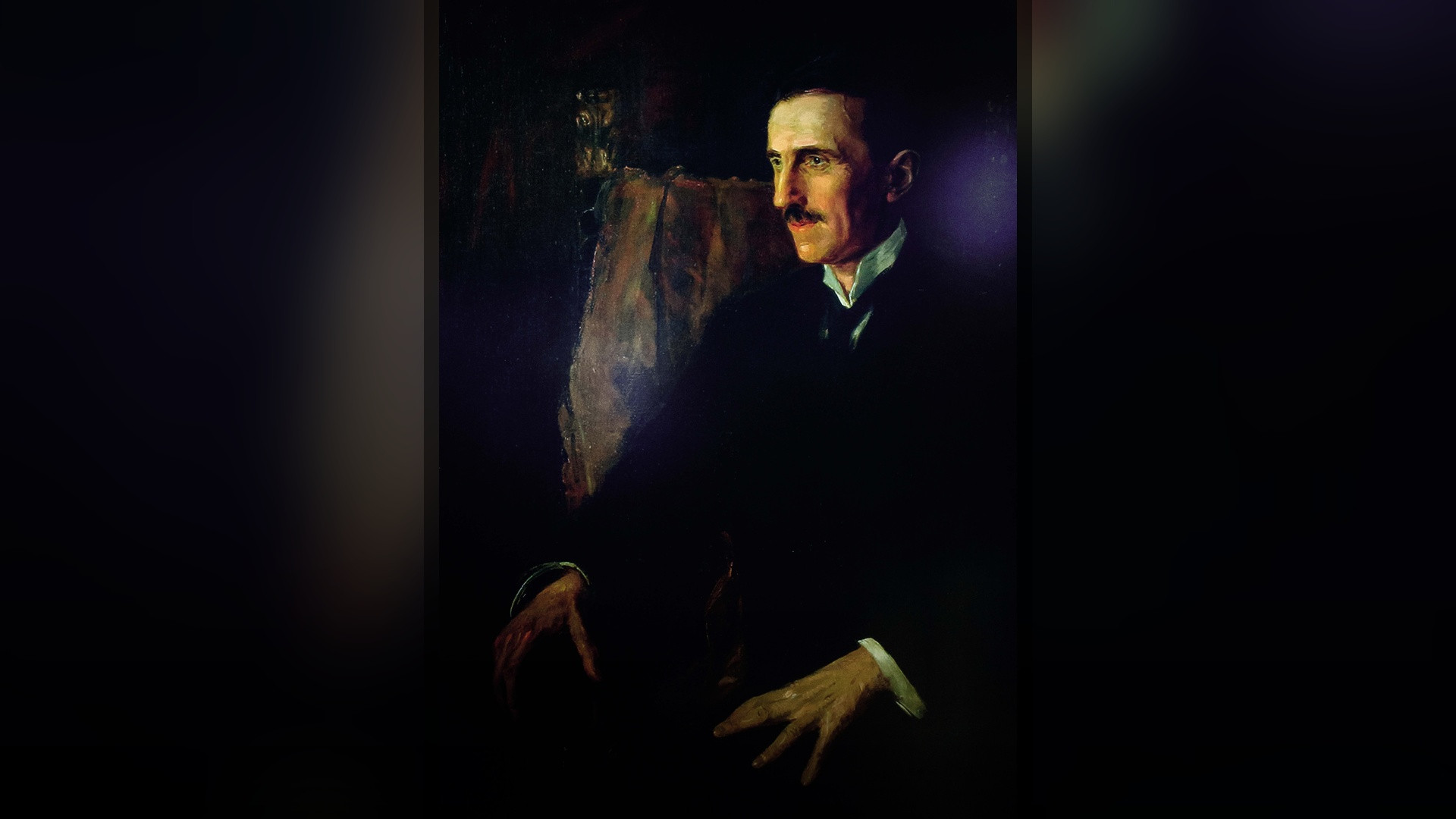
Nikola Tesla patented fundamental radio transmission and tuning circuits in 1897. Guglielmo Marconi used Tesla's patents to broadcast across the Atlantic, winning the 1909 Nobel Prize after Wall Street lobbyists intervened. In 1943, the U.S. Supreme Court overturned Marconi's patent, restoring Tesla as inventor.

©Wikimedia / Napoleon Sarony
Advertisement
You've reached the end of the story. Thanks for reading!

20 Iconic Historical Photos and the Archive Clues Behind Them
Contact sheets, cracked glass plates, and NASA mission logs preserve the hidden steps behind 20 famous photographs. Drawing on records from the Library of Congress, the National Archives, NASA, and the Smithsonian, this countdown traces how cropping, camera setups, and double exposures shaped each frame.
All 8 Entries in this Story
8. FM Radio
Edwin Armstrong patented FM radio in 1933, eliminating static that plagued AM broadcasts. RCA president David Sarnoff lobbied the FCC to move FM bands to render Armstrong's sets obsolete. Armstrong fought devastating patent lawsuits until his tragic suicide in 1954; his estate later won all claims.

7. Monopoly Board Game
In 1904, feminist stenographer Elizabeth Magie patented 'The Landlord's Game' to expose the perils of corporate land monopolies. Thirty years later, unemployed salesman Charles Darrow copied her rules and board verbatim, selling it to Parker Brothers for millions. Magie received a mere $500.

6. The Electronic Digital Computer
Between 1937 and 1942, physics professor John Vincent Atanasoff created the first electronic digital computer using binary arithmetic and vacuum tubes. Visiting physicist John Mauchly studied the machine and later patented ENIAC as the 'first' computer. In 1973, a federal judge invalidated ENIAC's patent.

5. The Motion Picture Camera
In 1888, French inventor Louis Le Prince shot the world's first moving film in Leeds, years before Edison's Kinetoscope. In September 1890, just before traveling to America to patent and publicly debut his camera, Le Prince boarded a train in France and disappeared without a trace. Edison took credit.

4. All-Electronic Television
At just 14, Utah farm boy Philo Farnsworth sketched the concept of electronic scanning while plowing potato fields. In 1927, he transmitted the first electronic television image. RCA spent a decade trying to invalidate his patents, but the U.S. Patent Office ruled in Farnsworth's favor in 1934.

3. The Incandescent Light Bulb
English chemist Sir Joseph Swan demonstrated a working incandescent carbon bulb in Newcastle in February 1879, months before Edison's famous announcement. Swan sued Edison for patent infringement in Britain and won. To avoid catastrophic damages, Edison was forced to merge into the 'Ediswan' partnership.

2. The Electromagnetic Telephone
Antonio Meucci built working voice communication in Staten Island by 1854 to talk to his ill wife. He filed an official patent caveat in 1871, but poverty prevented him from paying the $10 renewal fee in 1874. Bell patented the telephone in 1876. In 2002, the U.S. Congress formally recognized Meucci's work.

1. Wireless Radio Transmission
Nikola Tesla patented fundamental radio transmission and tuning circuits in 1897. Guglielmo Marconi used Tesla's patents to broadcast across the Atlantic, winning the 1909 Nobel Prize after Wall Street lobbyists intervened. In 1943, the U.S. Supreme Court overturned Marconi's patent, restoring Tesla as inventor.