Slideshow · Viral
9 Bizarre Wonders Lurking 36,000 Feet Below the Ocean
Autonomous deep-sea hydrophones dropped into the Mariana Trench recorded an eerie metallic signal echoing across the abyss, exposing the extreme geology and alien biology of Earth's deepest scar.
By Most Viral Today
17 Sept 2026

9 Bizarre Wonders Lurking 36,000 Feet Below the Ocean 
9. The Serpentine Mud Volcanoes 
8. The Stalked Glass Sponges 
7. The Glowing Hydromedusa - AdvertisementSwipe or tap ▶ to continue countdown

6. The Boiling Sulfur Seeps 
5. The Giant Xenophyophores 
4. The Supergiant Amphipods 
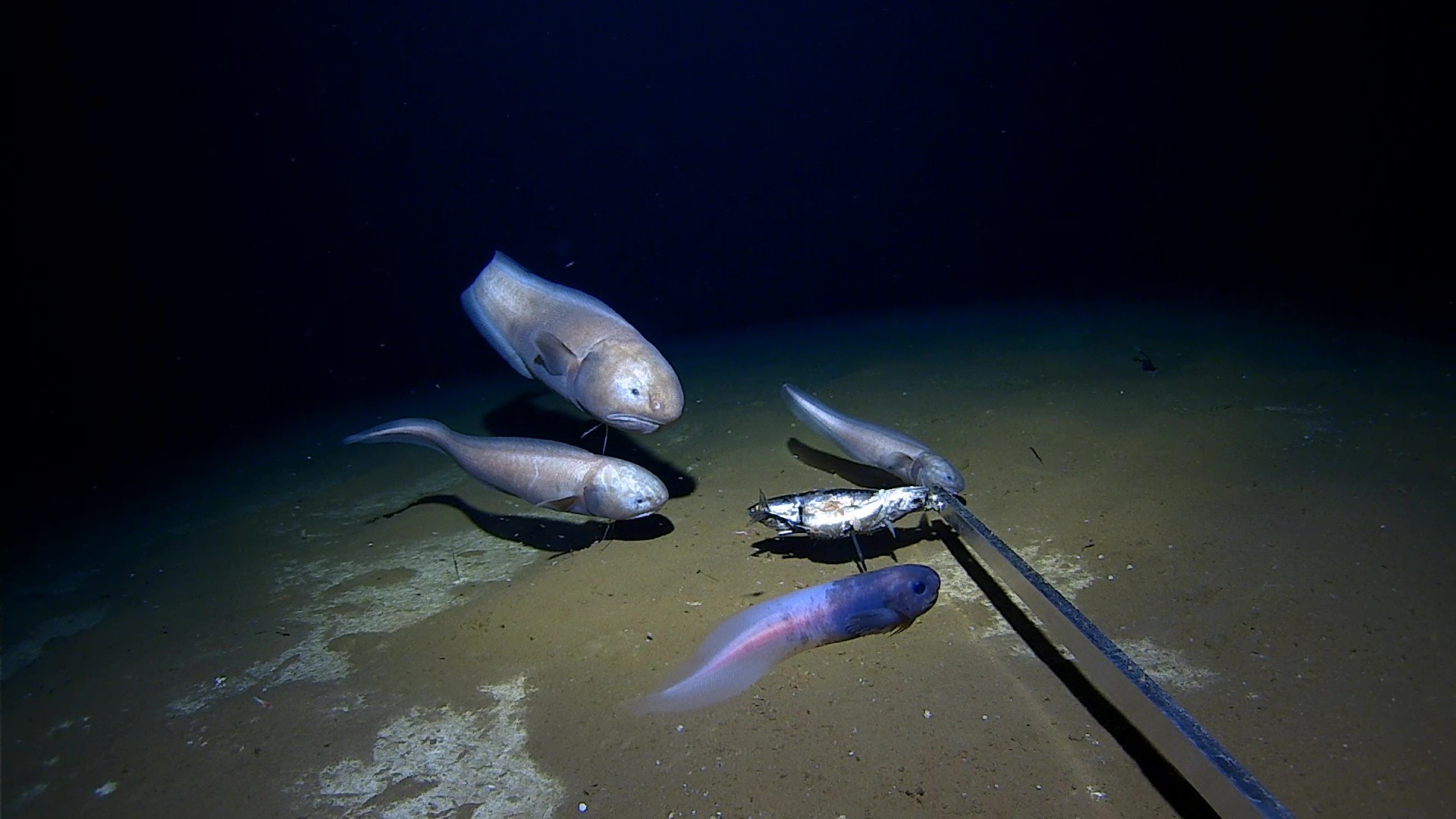
3. The Mariana Snailfish - AdvertisementSwipe or tap ▶ to continue countdown

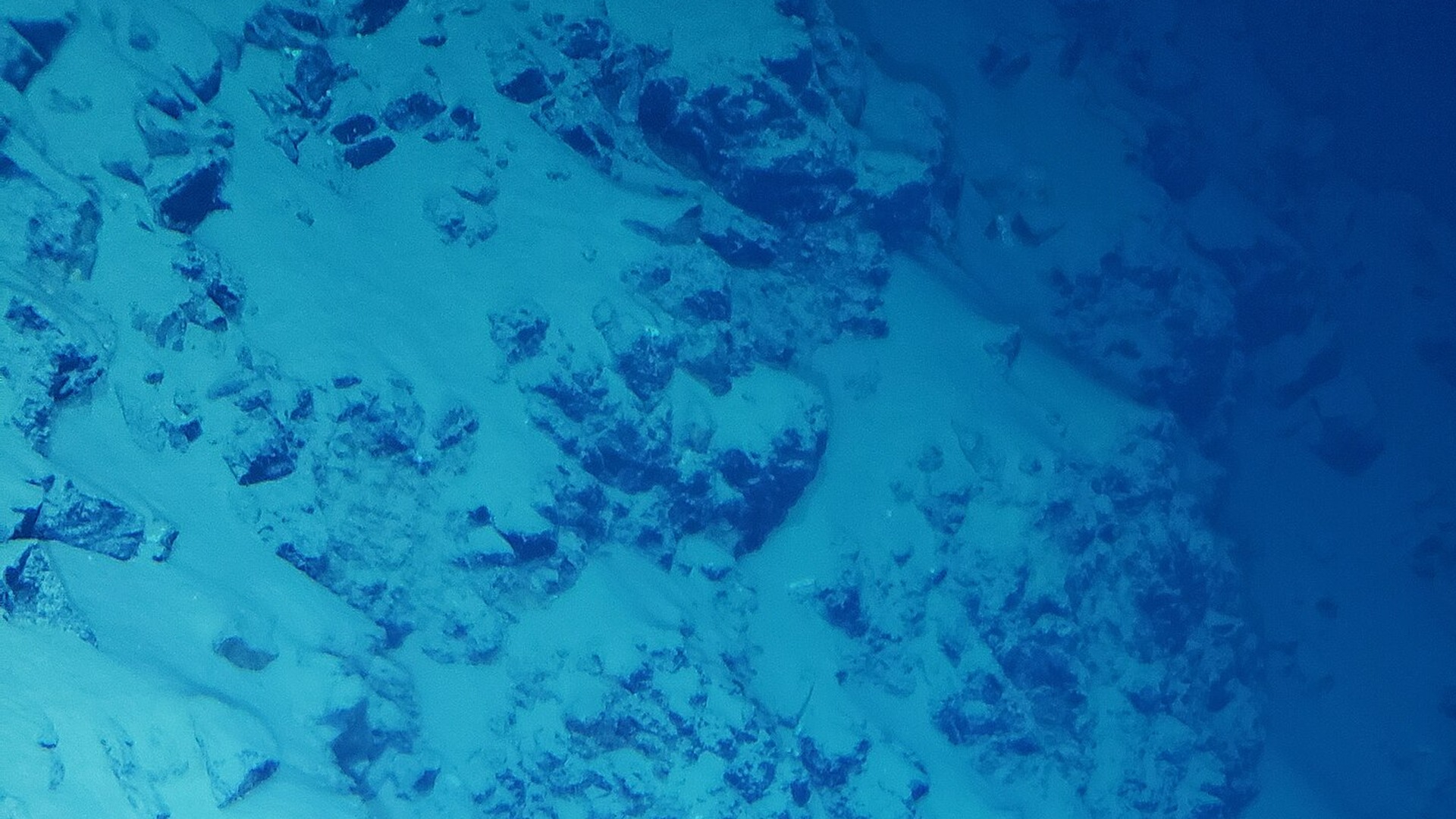
2. The Challenger Deep Abyss 
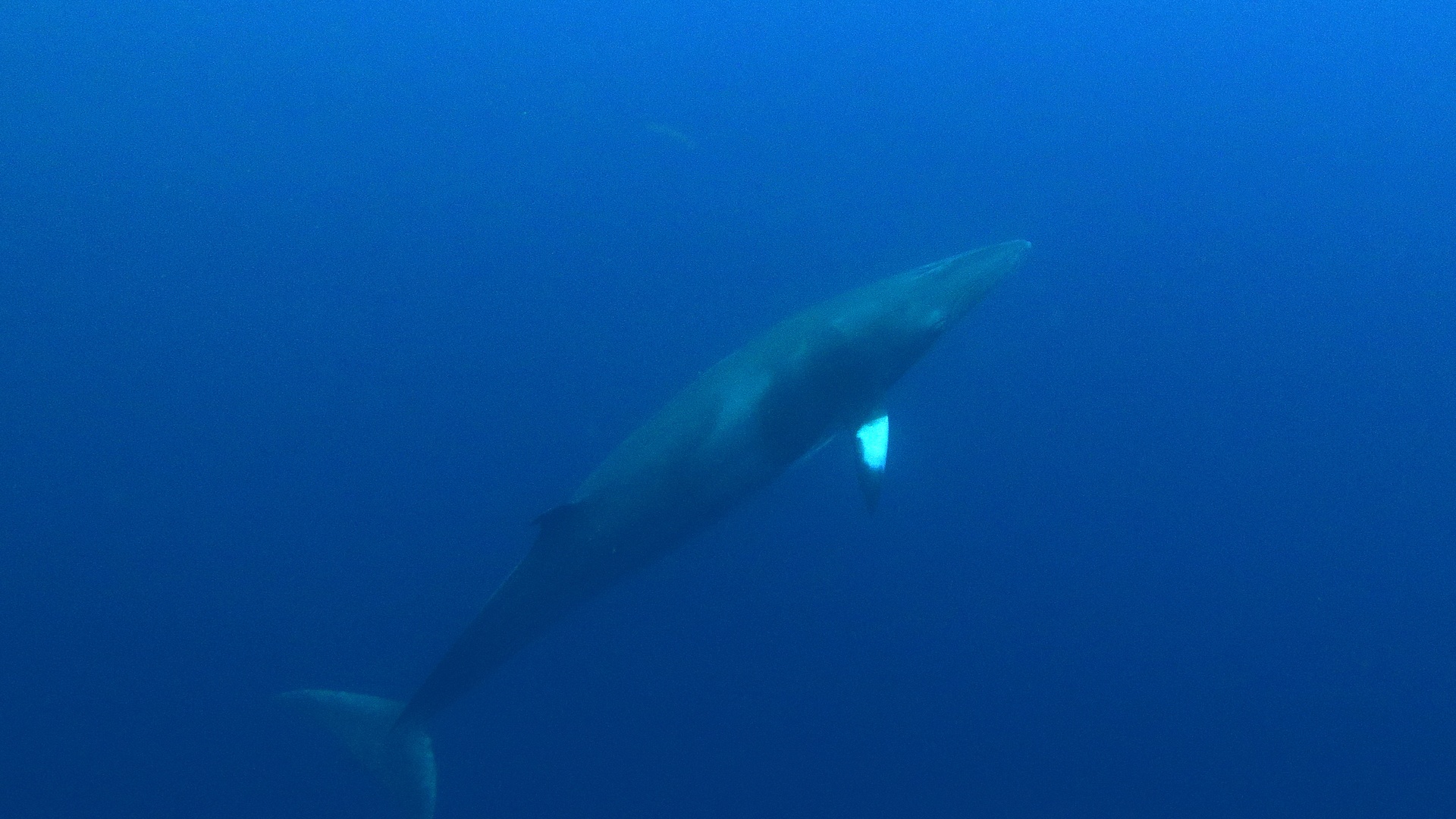
1. The Western Pacific Biotwang - Advertisement🔥 UP NEXT IN THIS SERIES◫ 21 Slides

20 Iconic Historical Photos and the Archive Clues Behind Them
Contact sheets, cracked glass plates, and NASA mission logs preserve the hidden steps behind 20 famous photographs. Drawing on records from the Library of Congress, the National Archives, NASA, and the Smithsonian, this countdown traces how cropping, camera setups, and double exposures shaped each frame.
Seven miles beneath the Pacific waves lies the Mariana Trench, an alien realm of crushing pressure and eternal darkness. When NOAA oceanographers dropped acoustic hydrophones into Challenger Deep, they captured signals and life forms that defied explanation.
Swipe or tap ▶ to begin the countdown
©NOAA / Ocean Exploration
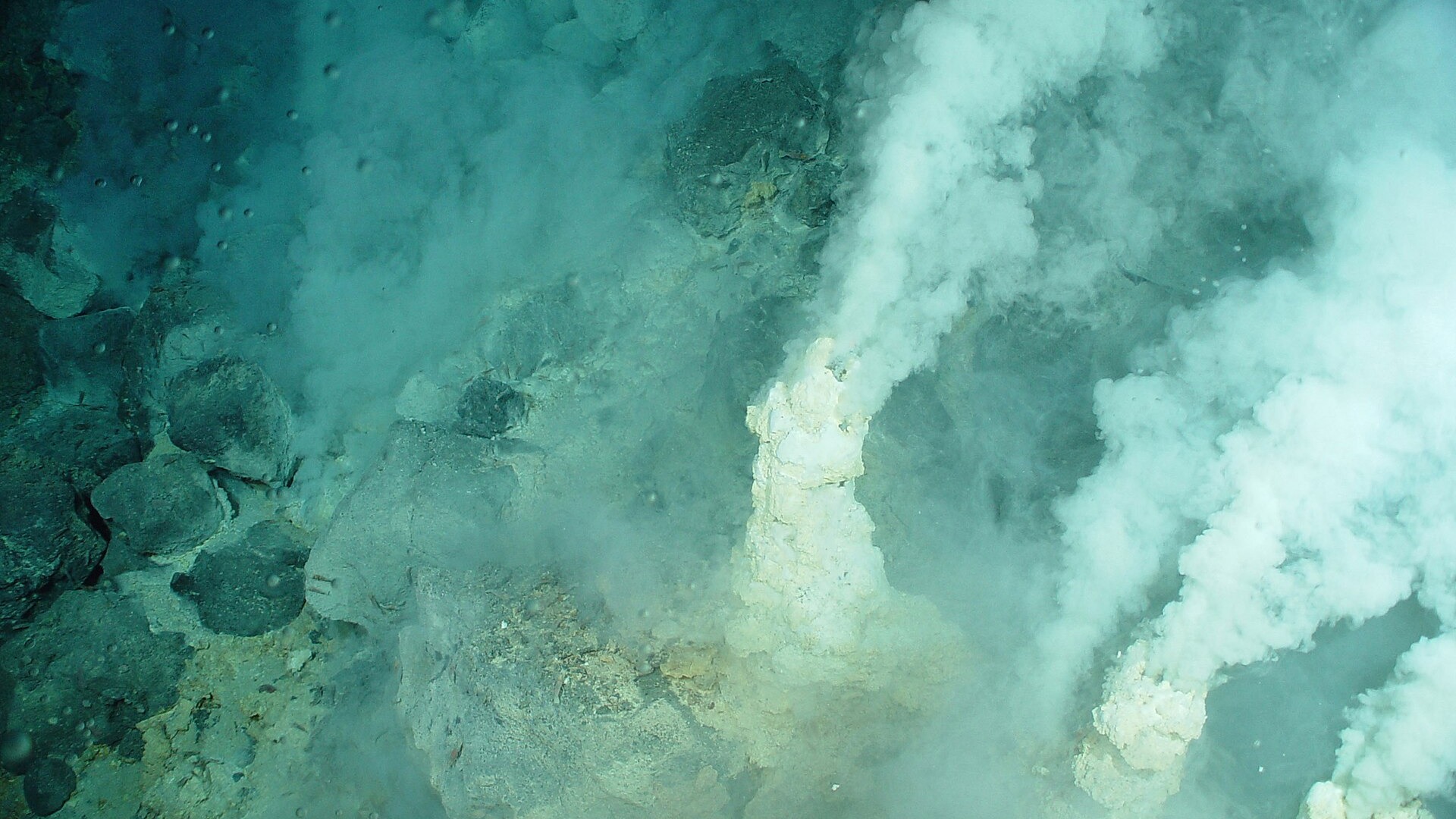
9. The Serpentine Mud Volcanoes
Miles above the trench floor along the subduction zone, towering undersea chimneys vent acidic fluid and liquid carbon dioxide. Powered by serpentinization rather than magma, these vents create mineral-rich nurseries independent of sunlight.
©NOAA / Ocean Exploration
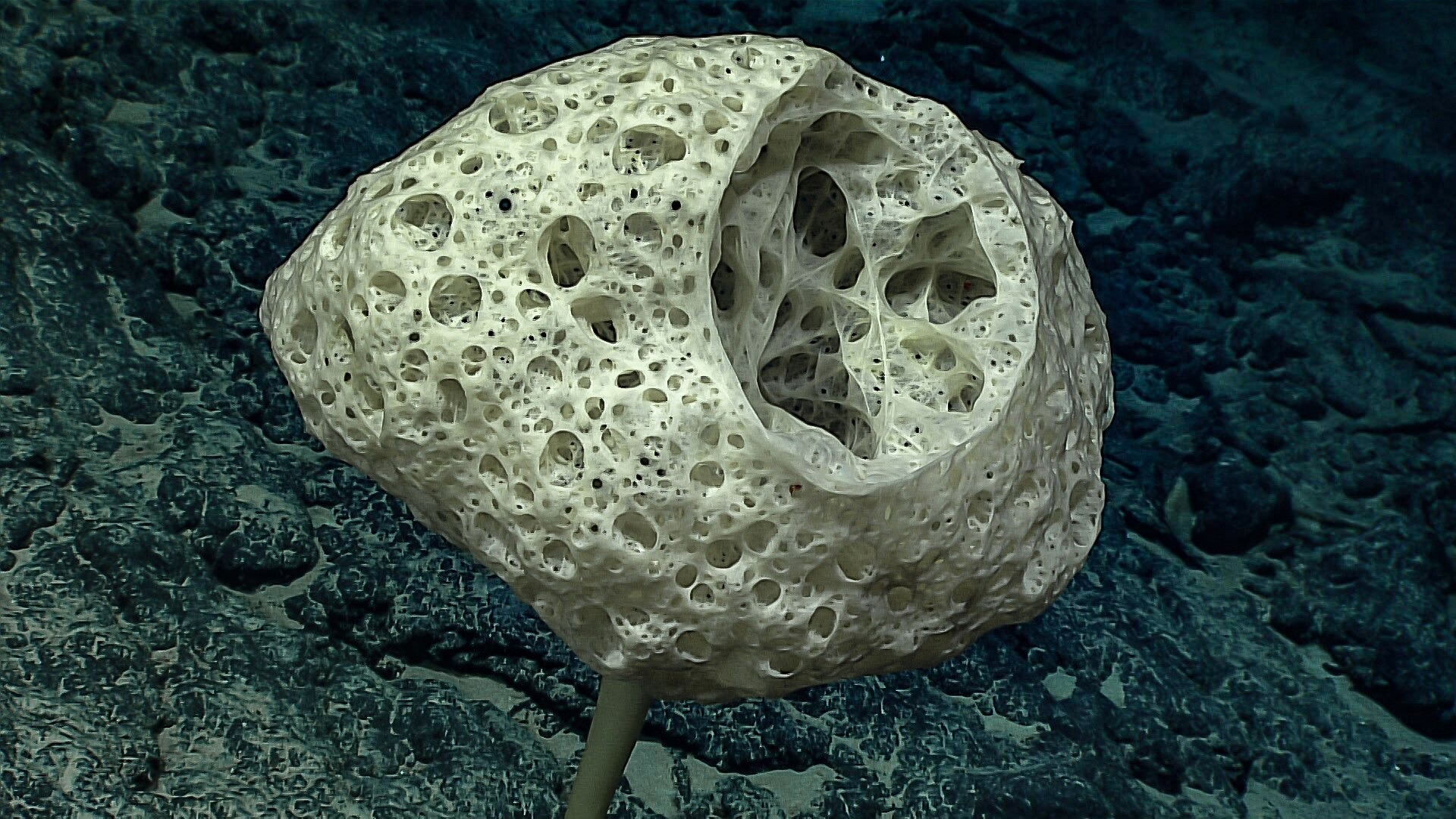
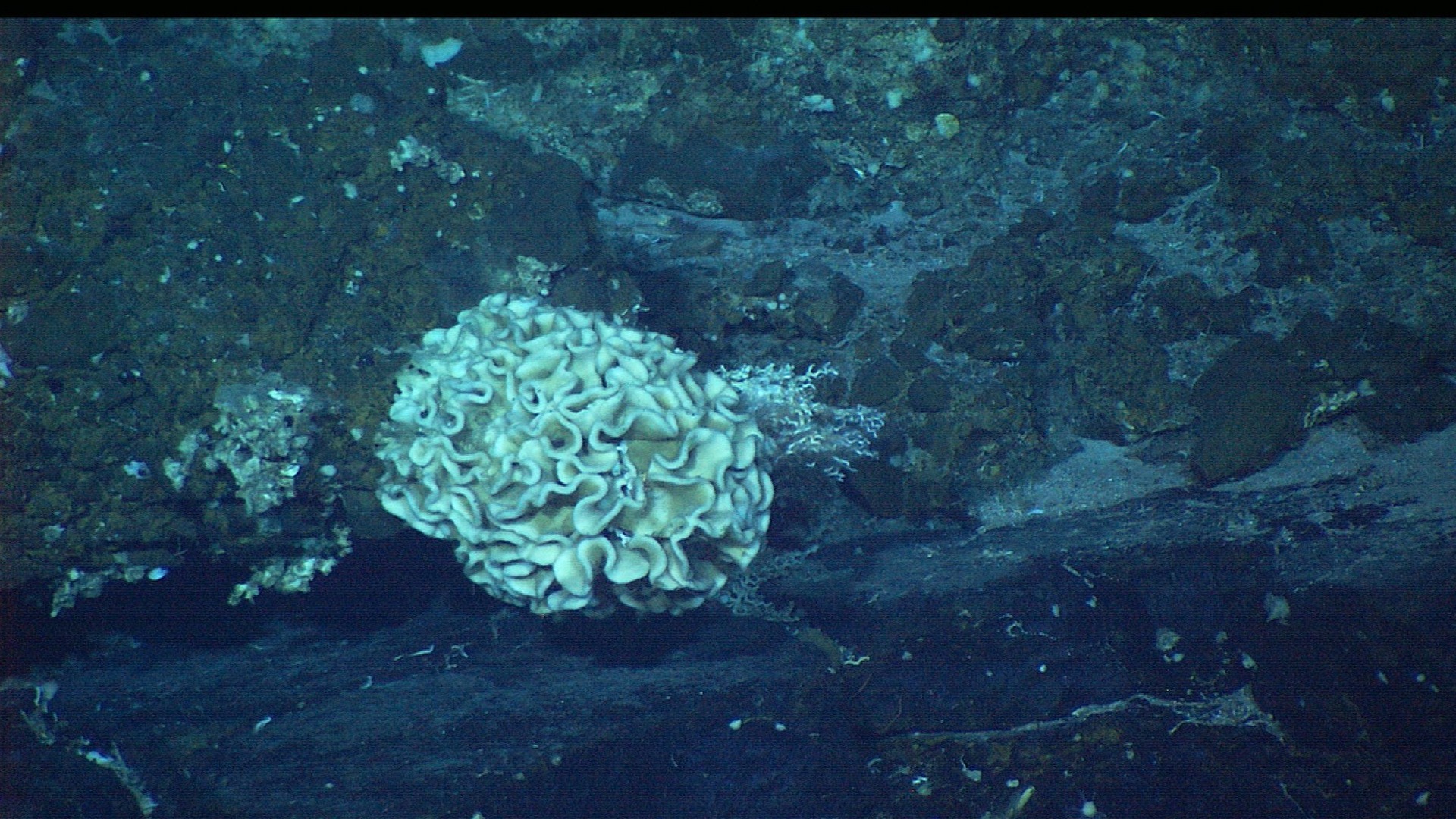
8. The Stalked Glass Sponges
Anchored to rocky outcrops miles below the surface, stalked glass sponges weave intricate silica skeletons that mimic commercial fiber-optic cables. They can survive for thousands of years, passively filtering nutrients carried by gentle abyssal currents.
©NOAA / Ocean Exploration
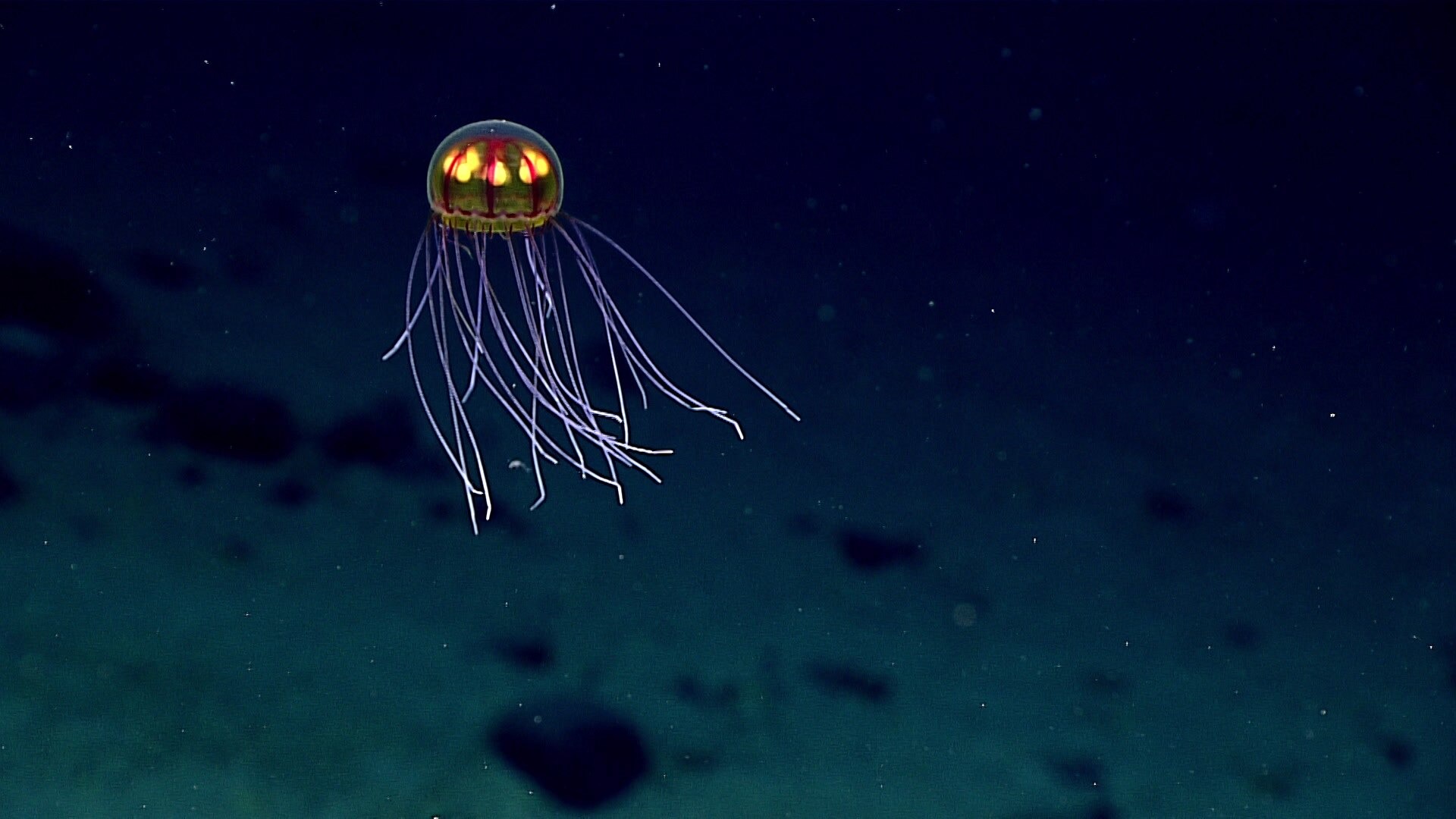
7. The Glowing Hydromedusa
Discovered at 12,000 feet near the Enigma Seamount during NOAA's Marianas expedition, this unidentified hydromedusa looks like an alien spacecraft. Its vibrant yellow gonads and red radial canals glow against the ink-black abyssal currents.
©NOAA / Ocean Exploration
Advertisement
Swipe or tap ▶ to resume the countdown.
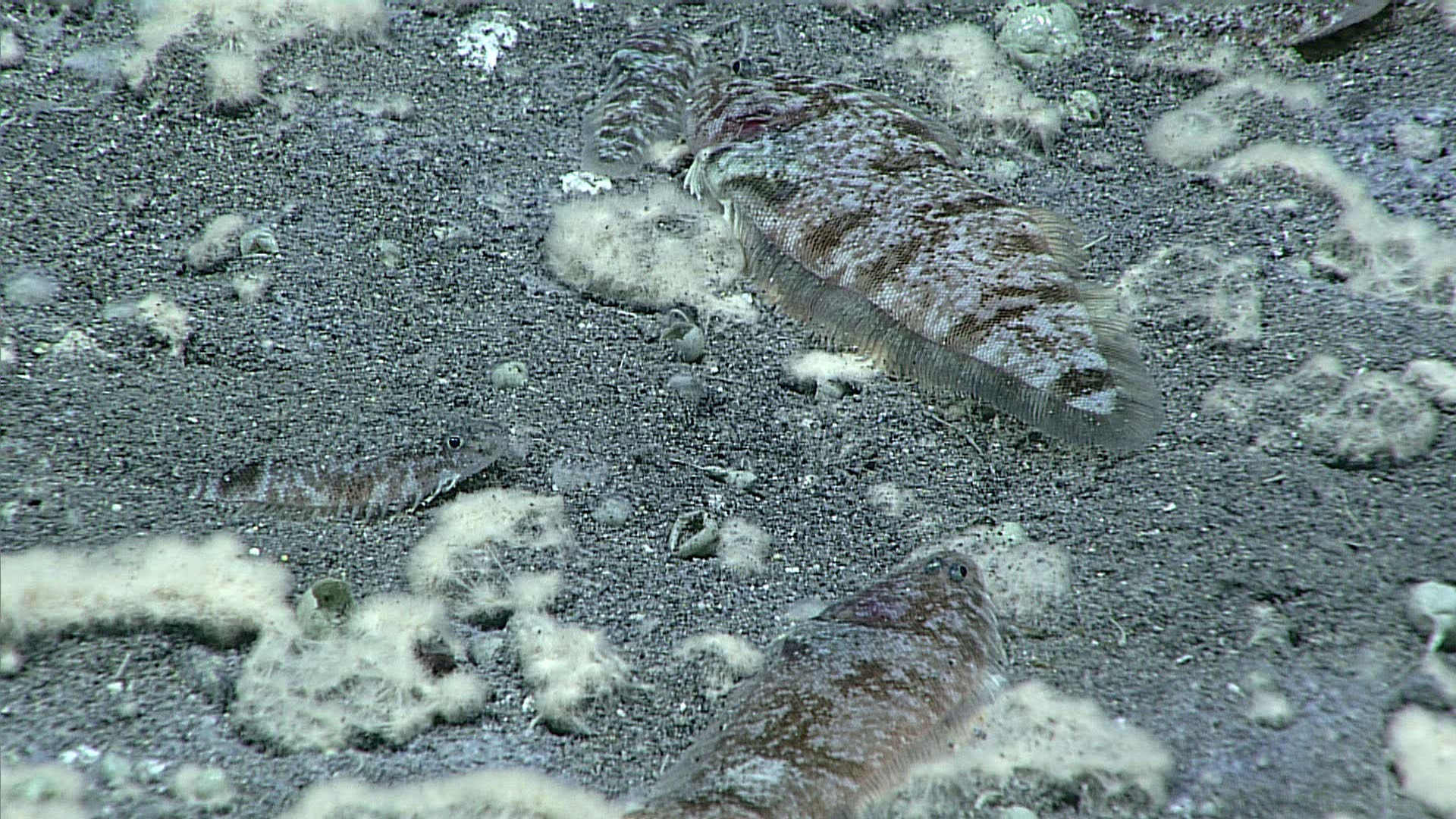
6. The Boiling Sulfur Seeps
At the Daikoku Seamount in the Mariana volcanic arc, oceanographers found boiling pools of liquid sulfur bubbling at over 360 degrees Fahrenheit. The boiling cauldrons are blanketed by millions of flatfish that have adapted to the toxic brew.
©NOAA / Ocean Exploration
5. The Giant Xenophyophores
While most amoebas require a microscope to see, xenophyophores in the Mariana Trench grow up to four inches across as a single giant cell. They absorb toxic heavy metals including lead and mercury, acting as benthic guardians of the trench floor.
©NOAA / Ocean Exploration
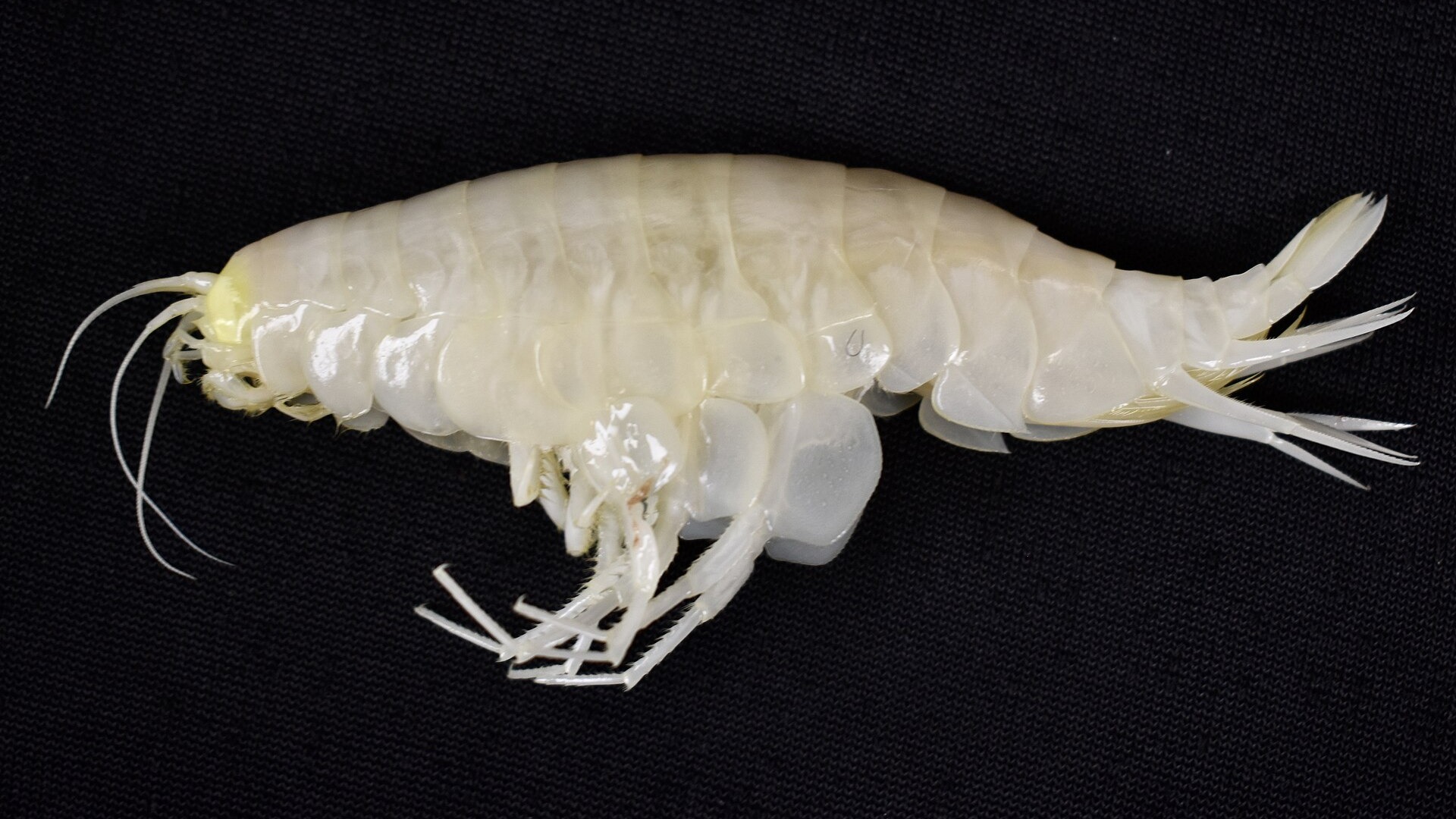
4. The Supergiant Amphipods
Most marine amphipods measure less than an inch, but Alicella gigantea in the hadal zone reaches over 13 inches long. Deep-sea gigantism allows them to withstand over 1,000 atmospheres of pressure while scavenging falling carrion on the trench floor.
©JAMSTEC / Oceanographic Archive
3. The Mariana Snailfish
Reaching depths of 27,000 feet, Pseudoliparis swirei is the undisputed apex predator of the hadal zone. Possessing translucent pink skin and skull bones that never fuse, its tissues produce special enzymes that stop cell membranes from collapsing under pressure.
©NOAA / Ocean Exploration
Advertisement
Swipe or tap ▶ to resume the countdown.
2. The Challenger Deep Abyss
Plunging nearly 36,000 feet, Challenger Deep is the absolute lowest point on Earth's crust. The water pressure here exceeds 16,000 pounds per square inch—equivalent to stacking an elephant on your thumb—yet fine white sediment blankets a thriving ecosystem.
©Caladan Oceanic / Victor Vescovo
1. The Western Pacific Biotwang
When autonomous hydrophones listened to Challenger Deep, they recorded a bizarre 30-hertz metallic hum sweeping up to a high-pitched sci-fi ping. After years of bafflement, researchers confirmed it is a complex acoustic vocalization from minke whales navigating the deep.

©Waielbi
Advertisement
You've reached the end of the story. Thanks for reading!

20 Iconic Historical Photos and the Archive Clues Behind Them
Contact sheets, cracked glass plates, and NASA mission logs preserve the hidden steps behind 20 famous photographs. Drawing on records from the Library of Congress, the National Archives, NASA, and the Smithsonian, this countdown traces how cropping, camera setups, and double exposures shaped each frame.
All 9 Entries in this Story
9. The Serpentine Mud Volcanoes
Miles above the trench floor along the subduction zone, towering undersea chimneys vent acidic fluid and liquid carbon dioxide. Powered by serpentinization rather than magma, these vents create mineral-rich nurseries independent of sunlight.

8. The Stalked Glass Sponges
Anchored to rocky outcrops miles below the surface, stalked glass sponges weave intricate silica skeletons that mimic commercial fiber-optic cables. They can survive for thousands of years, passively filtering nutrients carried by gentle abyssal currents.

7. The Glowing Hydromedusa
Discovered at 12,000 feet near the Enigma Seamount during NOAA's Marianas expedition, this unidentified hydromedusa looks like an alien spacecraft. Its vibrant yellow gonads and red radial canals glow against the ink-black abyssal currents.

6. The Boiling Sulfur Seeps
At the Daikoku Seamount in the Mariana volcanic arc, oceanographers found boiling pools of liquid sulfur bubbling at over 360 degrees Fahrenheit. The boiling cauldrons are blanketed by millions of flatfish that have adapted to the toxic brew.

5. The Giant Xenophyophores
While most amoebas require a microscope to see, xenophyophores in the Mariana Trench grow up to four inches across as a single giant cell. They absorb toxic heavy metals including lead and mercury, acting as benthic guardians of the trench floor.

4. The Supergiant Amphipods
Most marine amphipods measure less than an inch, but Alicella gigantea in the hadal zone reaches over 13 inches long. Deep-sea gigantism allows them to withstand over 1,000 atmospheres of pressure while scavenging falling carrion on the trench floor.

3. The Mariana Snailfish
Reaching depths of 27,000 feet, Pseudoliparis swirei is the undisputed apex predator of the hadal zone. Possessing translucent pink skin and skull bones that never fuse, its tissues produce special enzymes that stop cell membranes from collapsing under pressure.

2. The Challenger Deep Abyss
Plunging nearly 36,000 feet, Challenger Deep is the absolute lowest point on Earth's crust. The water pressure here exceeds 16,000 pounds per square inch—equivalent to stacking an elephant on your thumb—yet fine white sediment blankets a thriving ecosystem.

1. The Western Pacific Biotwang
When autonomous hydrophones listened to Challenger Deep, they recorded a bizarre 30-hertz metallic hum sweeping up to a high-pitched sci-fi ping. After years of bafflement, researchers confirmed it is a complex acoustic vocalization from minke whales navigating the deep.