Slideshow · Science
A city-killer asteroid returns in 2028. Ready for Earth's close call?
Spotted in late December 2024, asteroid 2024 YR4 will make a crucial 2028 flyby that determines whether it strikes the Moon in December 2032.






All 20 Entries in this Story
1. The City-Killer Classification
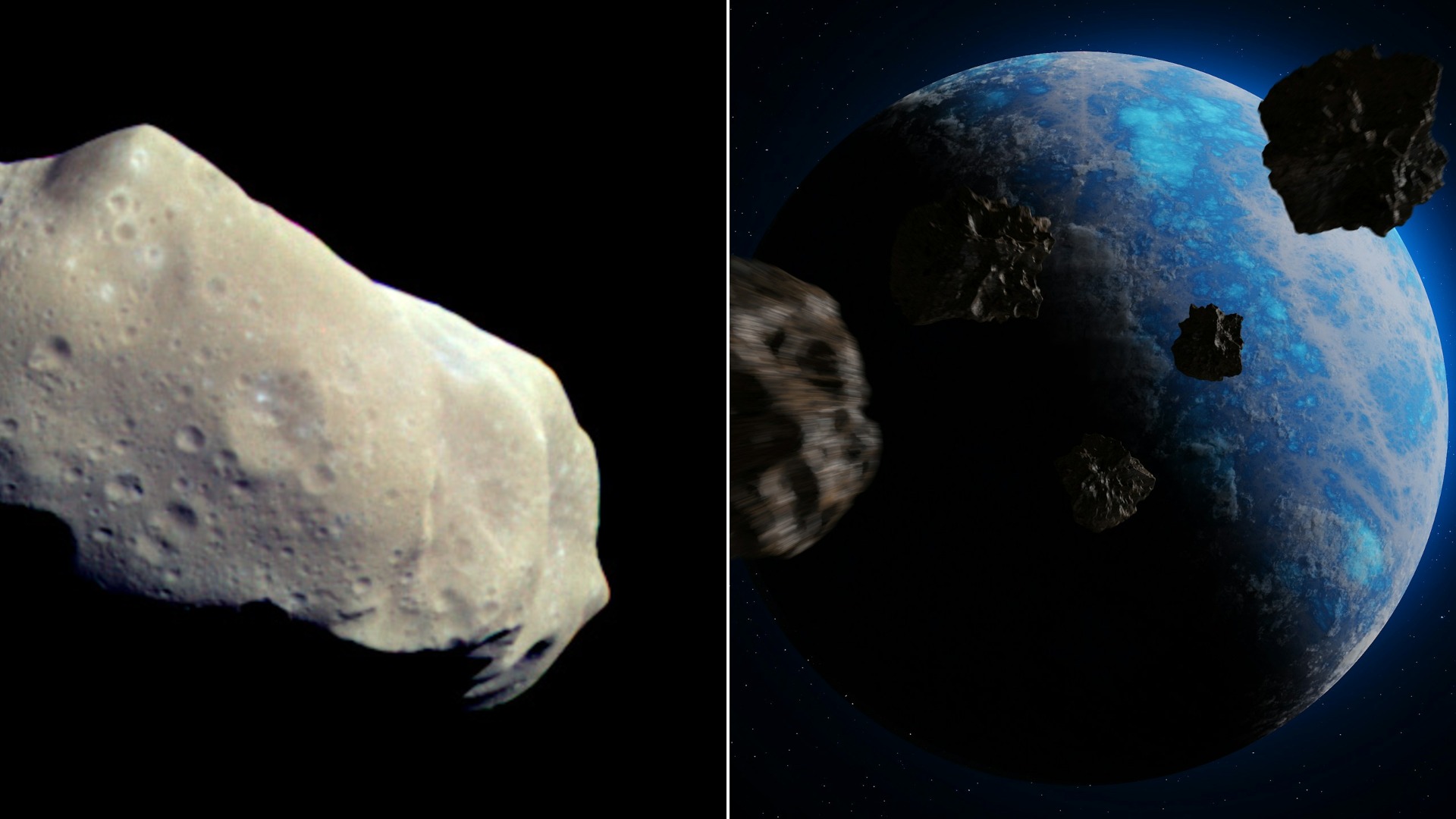
Near-Earth asteroid 2024 YR4 is classified by planetary defense researchers as a city-killer because an object of its mass and velocity could flatten an entire metropolitan area or unleash a devastating airburst upon impact.
2. Late December 2024 Discovery
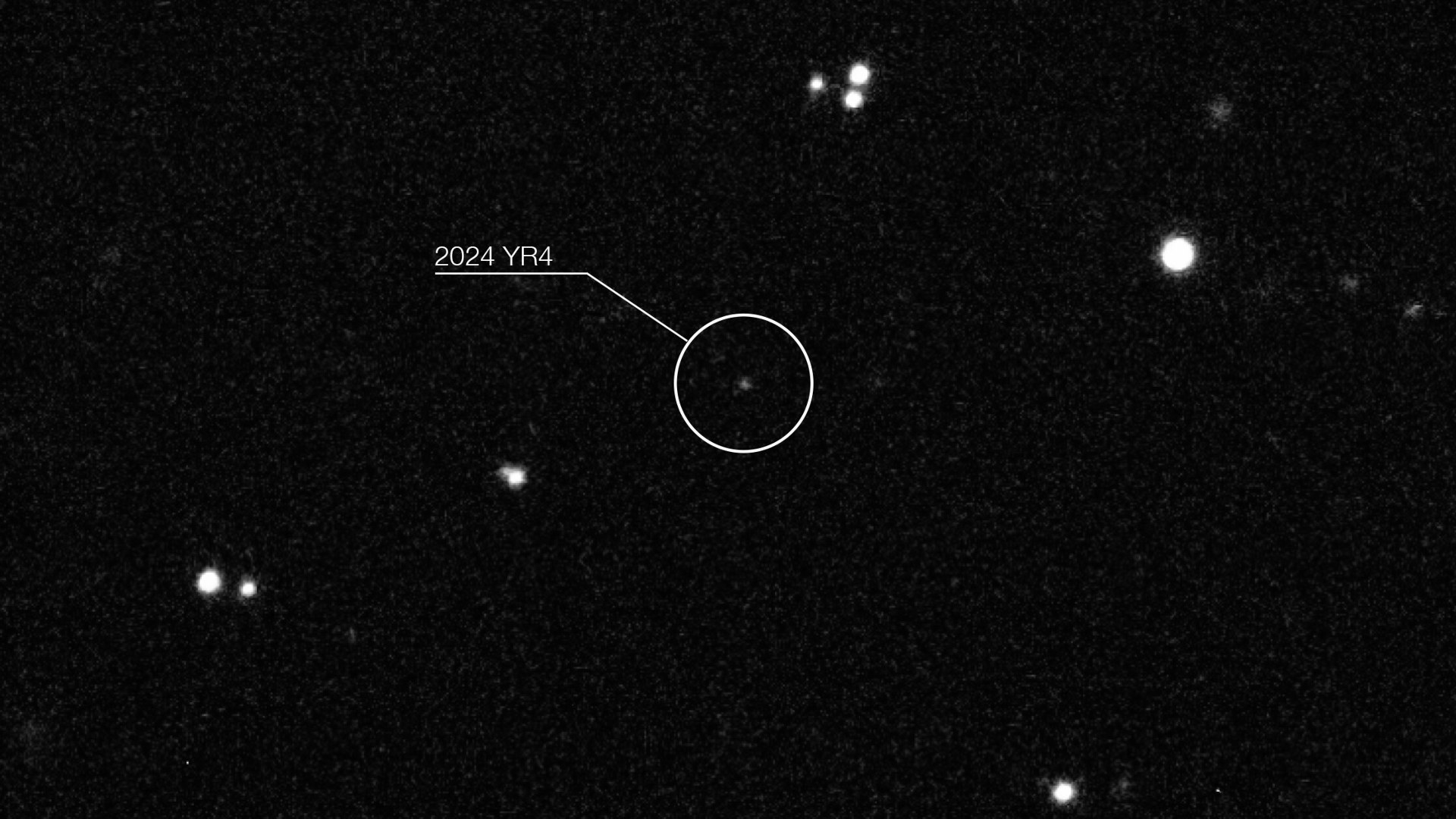
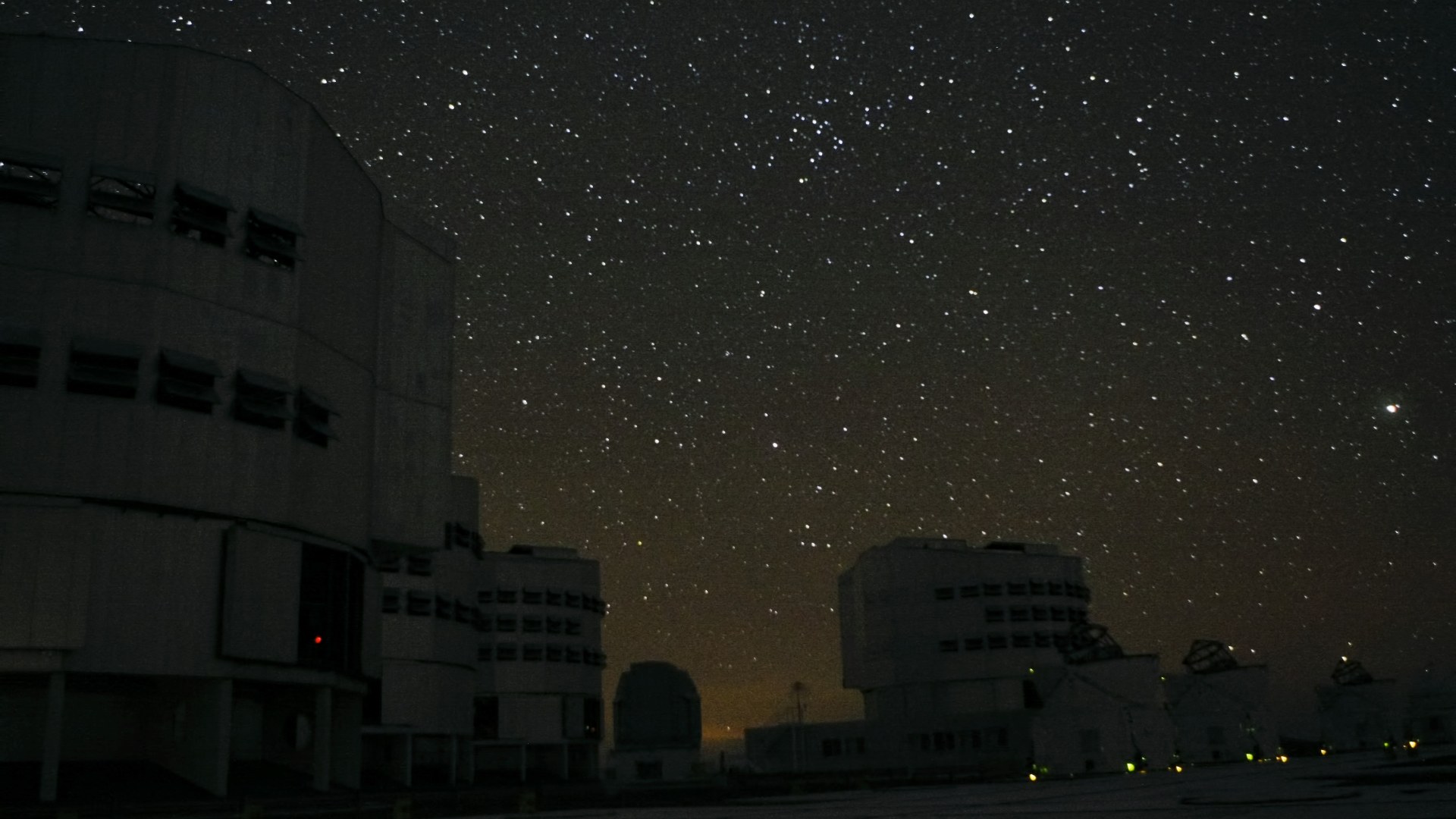
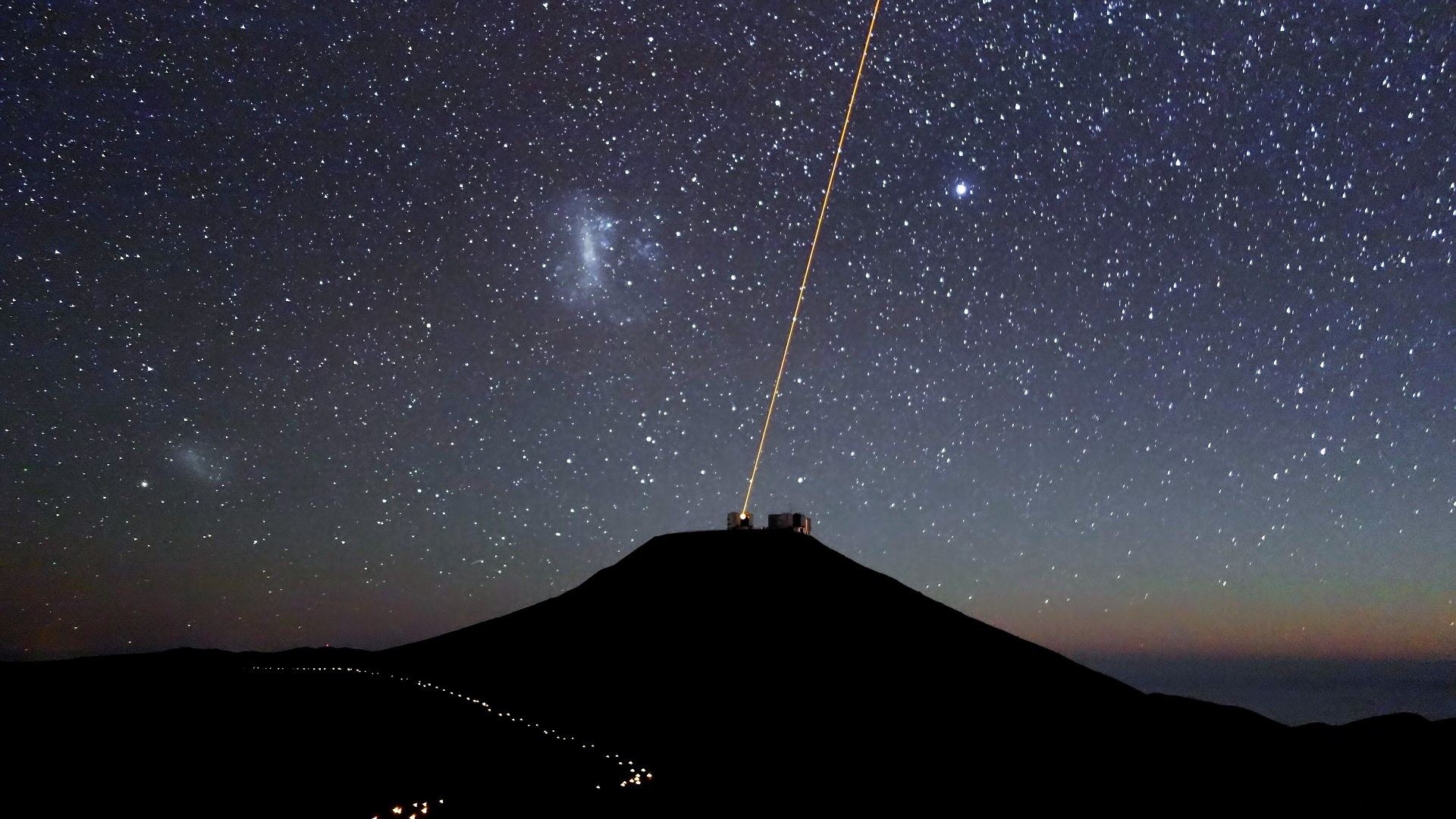
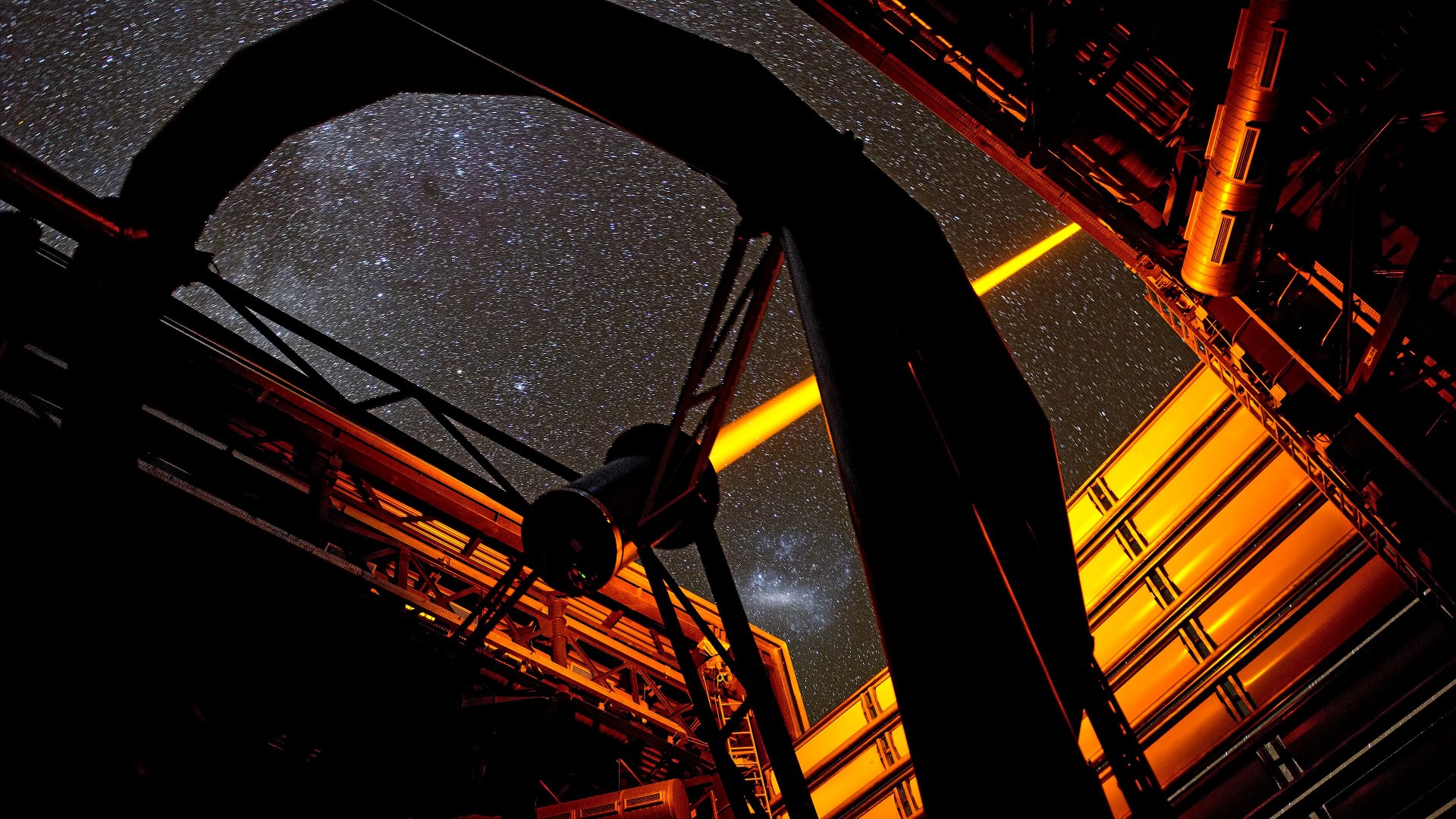
Astronomers first detected asteroid 2024 YR4 on December 27, 2024, using the Asteroid Terrestrial-impact Last Alert System (ATLAS) survey telescope in Rio Hurtado, Chile, triggering rapid follow-up observations worldwide.
3. Estimated Diameter Of 40 To 90 Meters
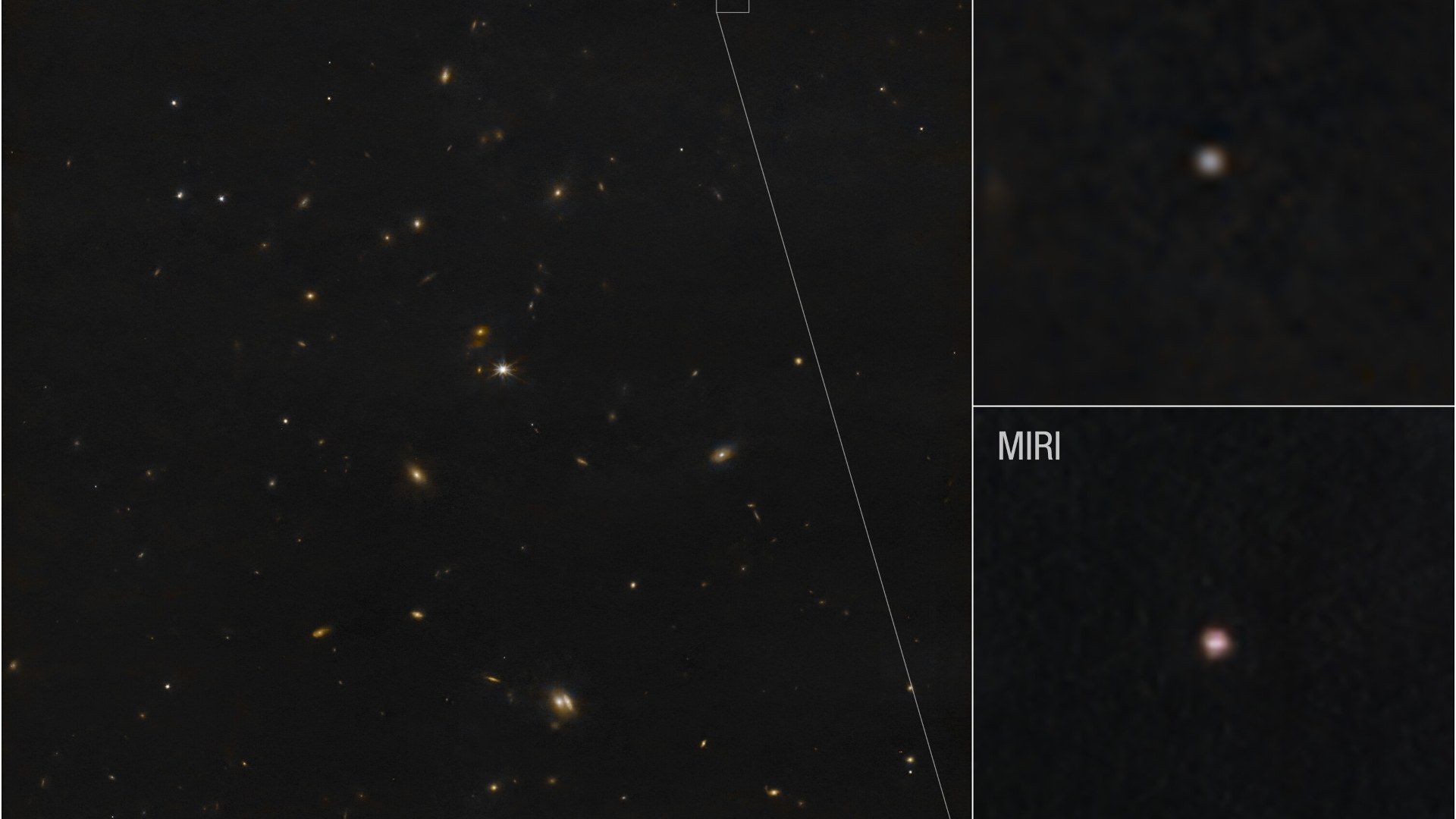
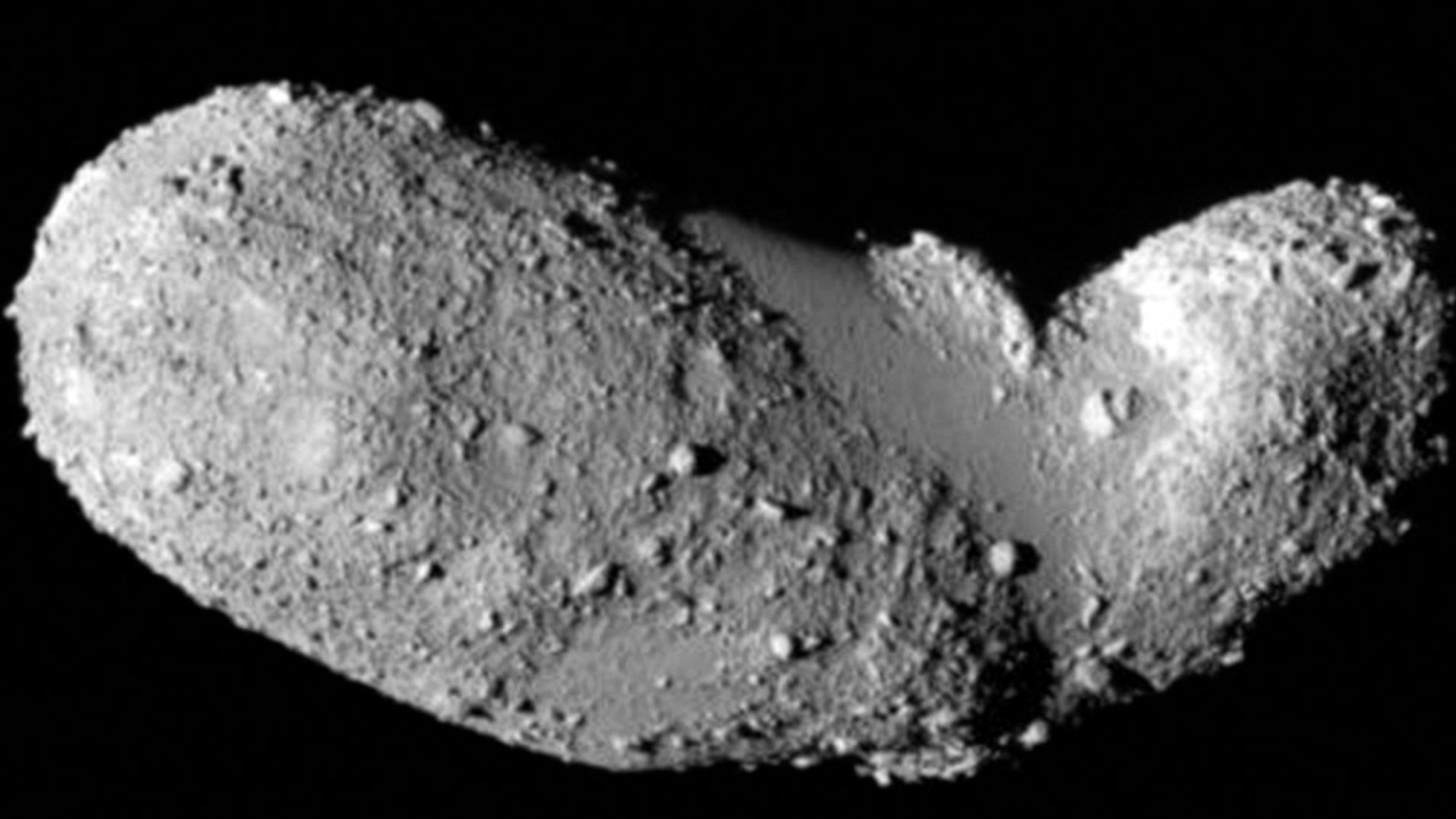
Optical brightness measurements and infrared observations from the James Webb Space Telescope place the diameter of 2024 YR4 between 40 and 90 meters (130 to 300 feet) across, comparable in size to the object behind the 1908 Tunguska event.
4. Scale Of Big Ben Or A Boeing 747
To visualize the scale of 2024 YR4, astronomers compare its 130-to-300-foot span to a commercial Boeing 747 jumbo jet airliner or the height of London's Elizabeth Tower, home to Big Ben.
5. The December 17, 2028 Return Date
Traveling along an elliptical four-year orbit around the Sun, asteroid 2024 YR4 is scheduled to make its next high-profile close approach to Earth on December 17, 2028.
6. Safe Passing Distance Of 8 Million Kilometers
During its December 2028 flyby, 2024 YR4 will pass Earth at a comfortable distance of roughly 8.02 million kilometers (4.98 million miles), or more than twenty times the distance between Earth and the Moon.
7. Zero Risk Of Earth Impact In 2028
Comprehensive orbital calculations by international space agencies have officially ruled out any chance of an Earth impact for the 2028 encounter, confirming that our planet faces zero danger during the pass.
8. Currently Lost In Deep Space Darkness
After receding from Earth in early 2025, the faint asteroid moved too far into deep space darkness to be tracked by ground-based optical telescopes, leaving astronomers waiting for its return leg.
9. A Critical Observation Window
The 2028 return window is critical for planetary science because it offers the first opportunity for major observatories to regain visual contact with 2024 YR4 and gather fresh astrometric measurements.
10. A Rare Lunar Impact Probability
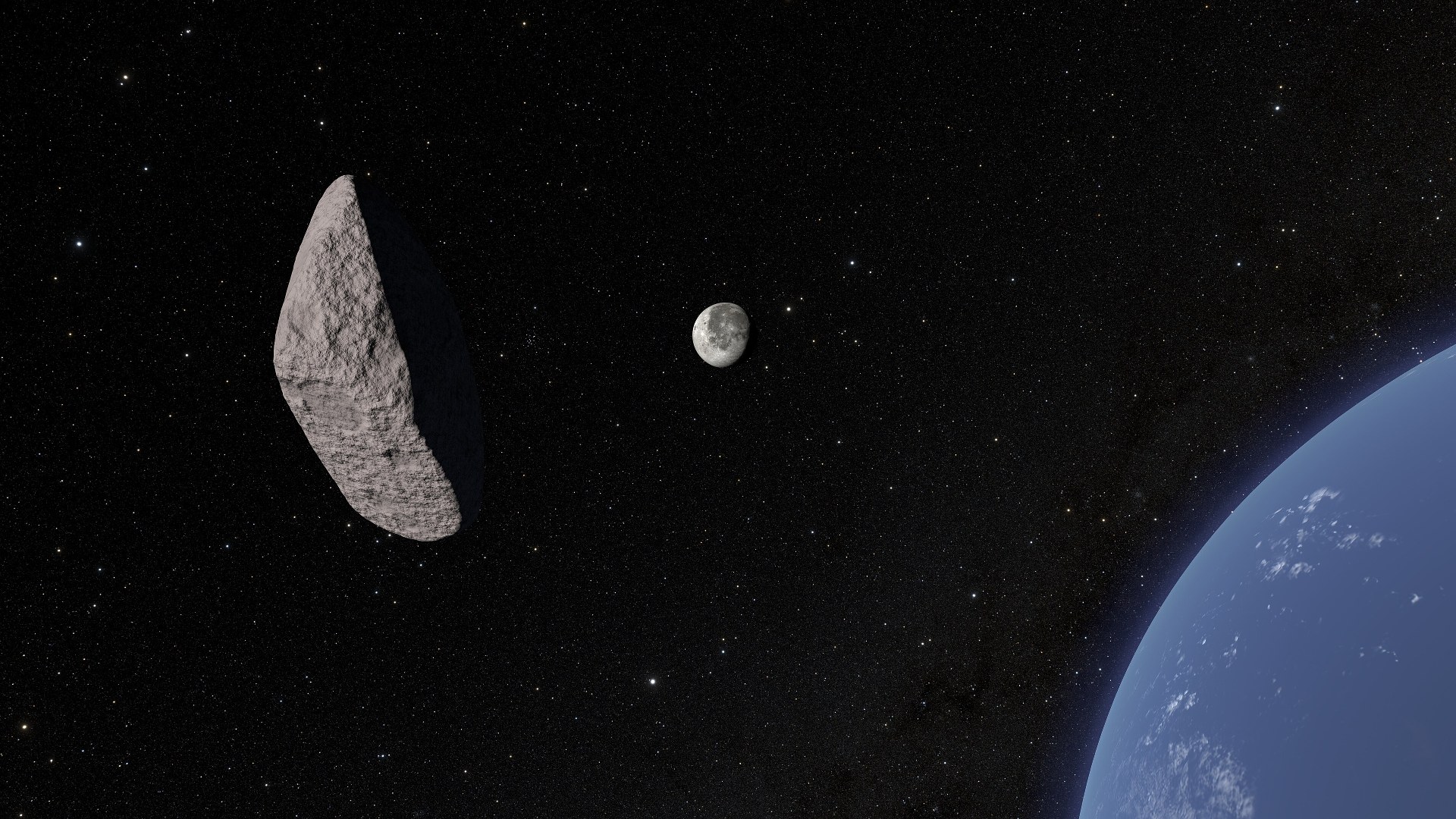
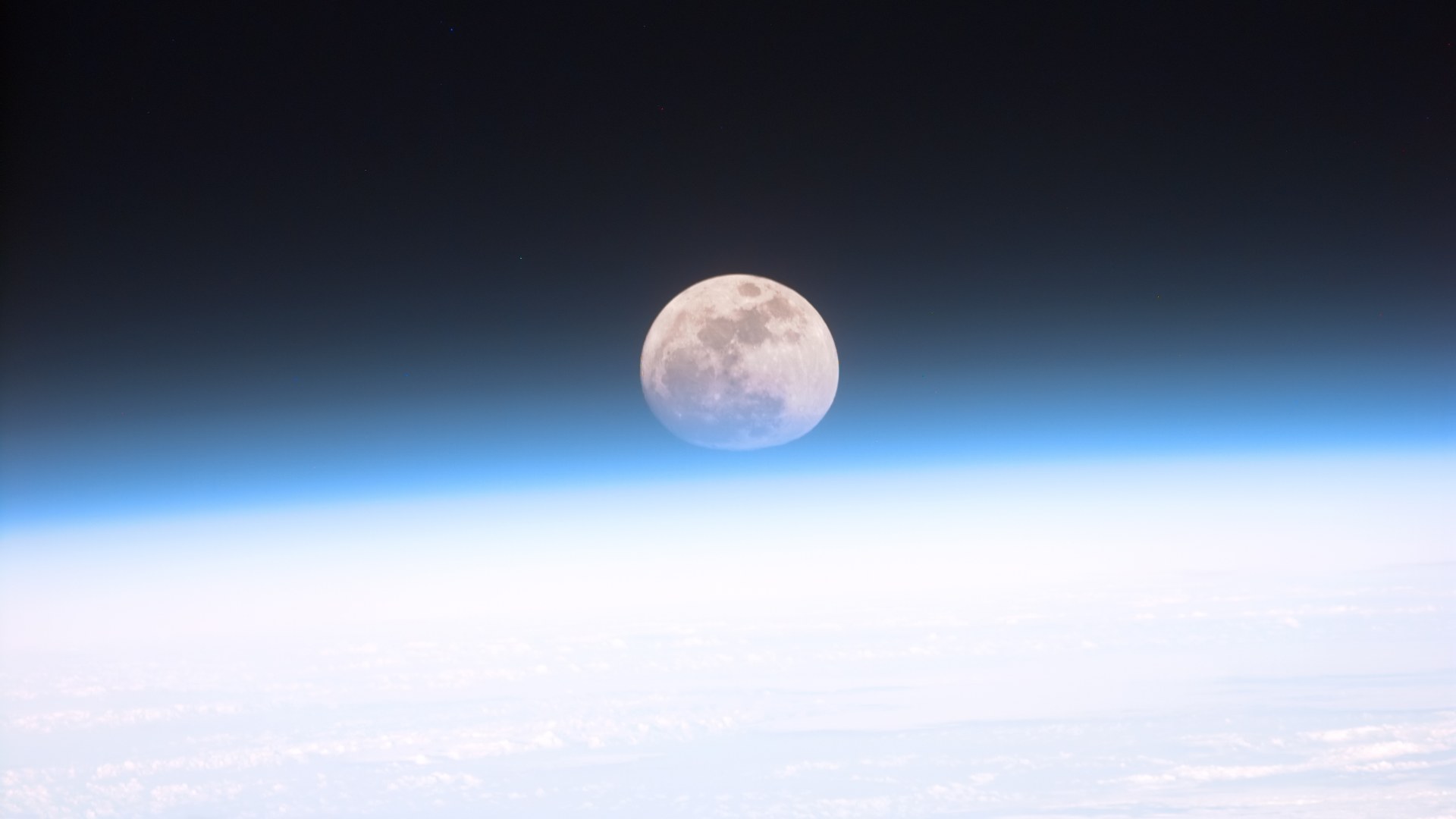
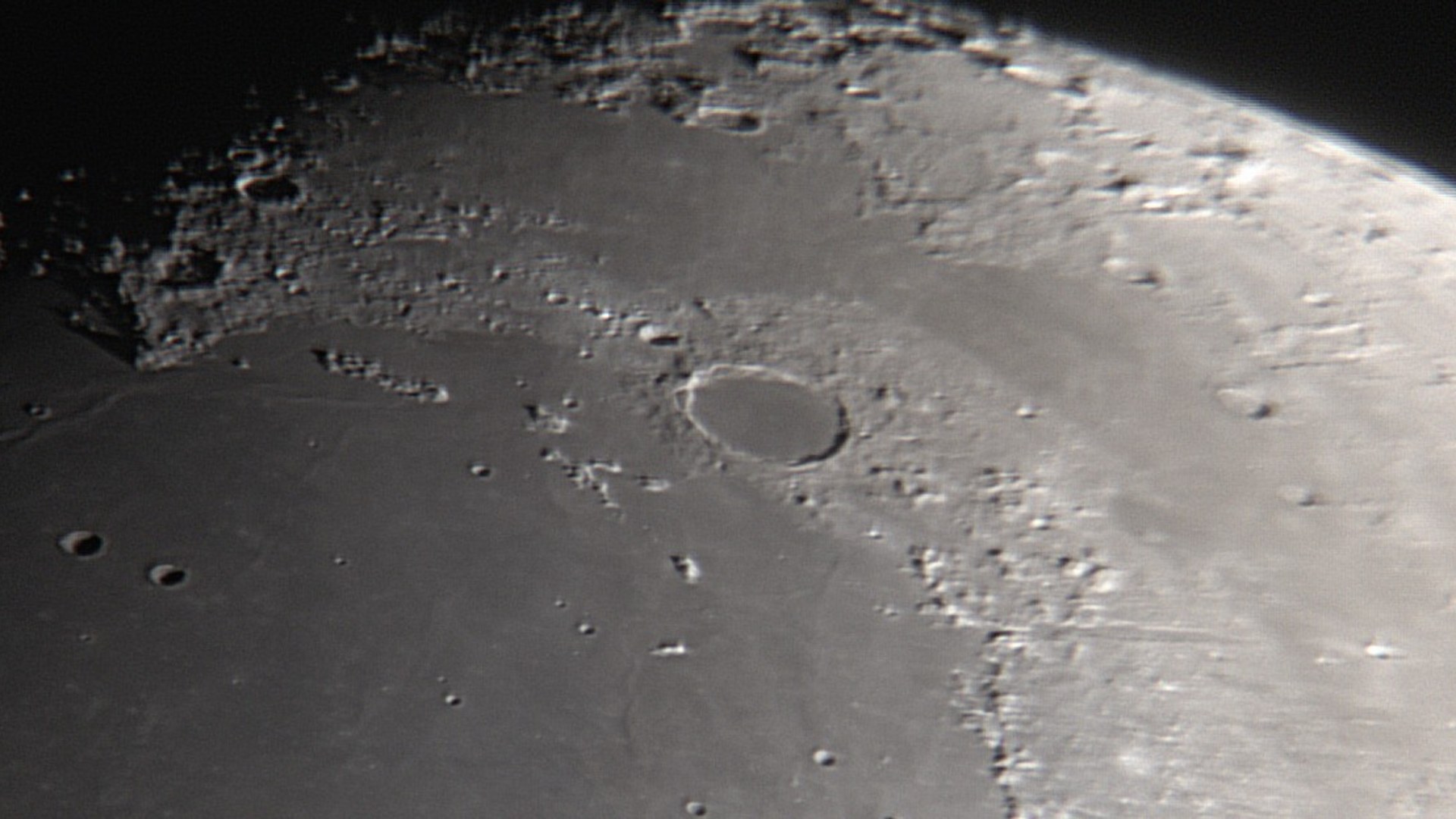
Although Earth itself has been cleared of impact risk, refined tracking revealed an unusual twist: asteroid 2024 YR4 carries a rare, non-zero probability of slamming directly into the Moon.
11. The December 22, 2032 Timeline
Trajectory models pinpoint the potential lunar collision window to December 22, 2032, exactly one full four-year orbital cycle after the asteroid's December 2028 pass near Earth.
12. A One-In-Twenty-Five Lunar Strike Chance
Based on observations gathered before the asteroid faded from view, the probability of a lunar strike in December 2032 has been calculated at roughly 4 percent, equivalent to a 1-in-25 chance.
13. Earth's Gravity As The Trajectory Key
The asteroid's exact path toward 2032 depends heavily on how Earth's gravitational pull bends and twists its trajectory during the December 2028 encounter, making precise distance measurements essential.
14. Post-2028 Trajectory Recalculation
Once astronomers record fresh position and velocity data during the December 2028 flyby, updated orbital models will narrow the uncertainty zone and completely confirm or rule out the 2032 lunar impact scenario.
15. A Massive New Lunar Crater
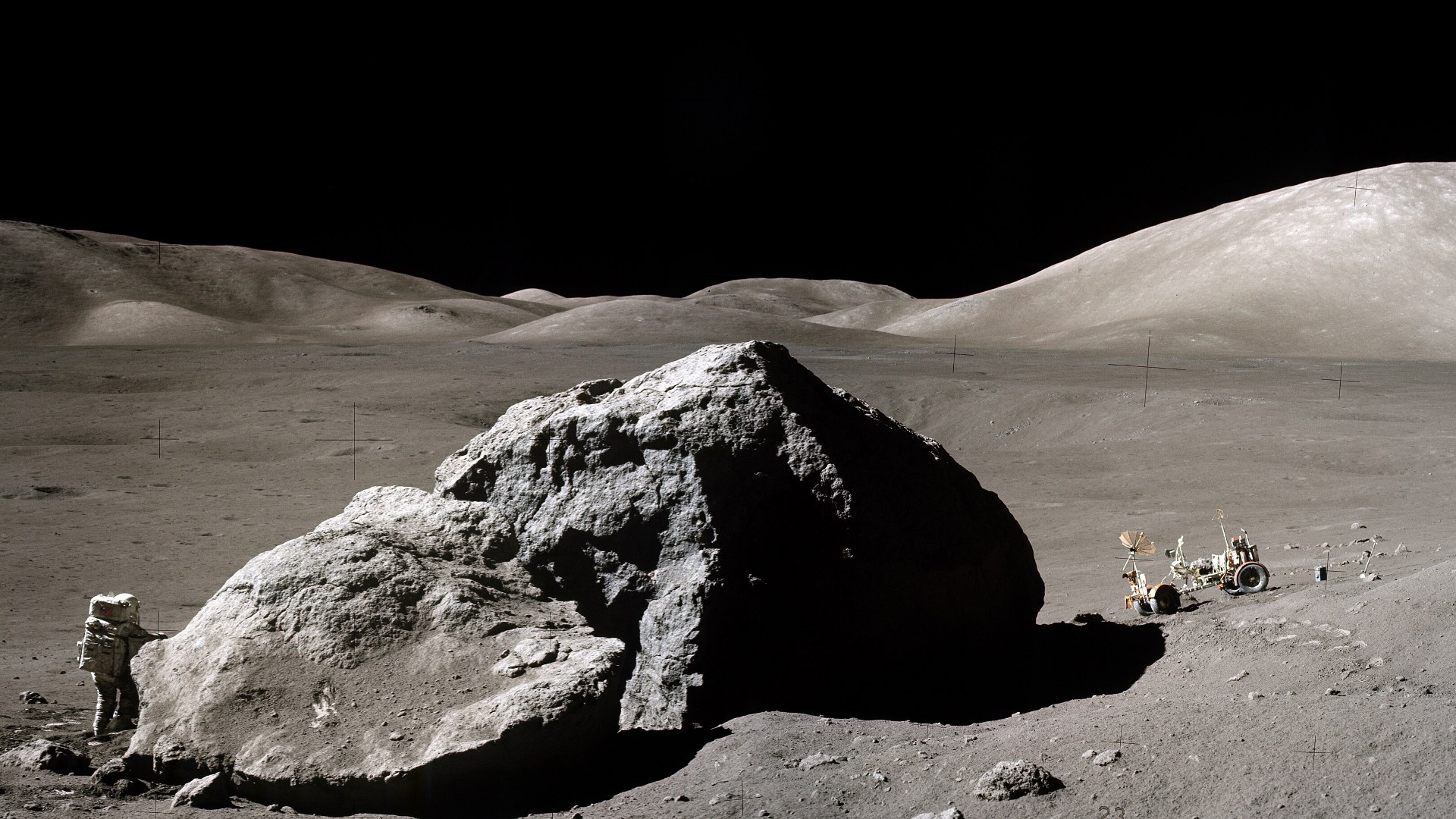
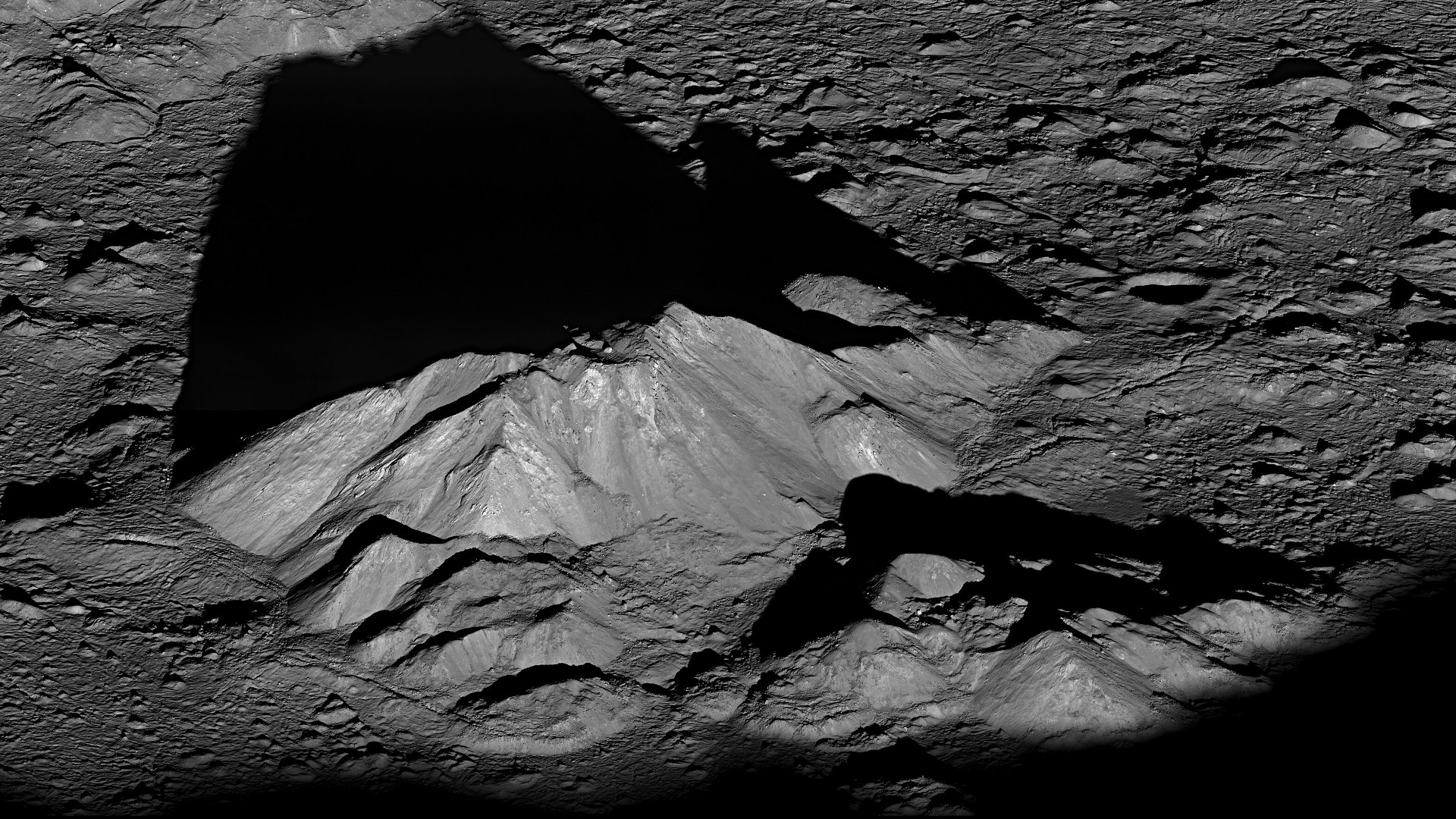
If asteroid 2024 YR4 hits the Moon in December 2032, the collision will pose no danger to Earth, but it will produce a bright impact flash and carve a massive new lunar crater visible to telescopes.
16. NASA Sentry And ESA Risk Monitoring
Even while out of optical range, 2024 YR4 remains actively cataloged by NASA's Center for Near-Earth Object Studies Sentry system and the European Space Agency's Near-Earth Objects Coordination Centre.
17. Near-Earth Object Neighborhood Status
Asteroid 2024 YR4 is an Apollo-class near-Earth object, part of a tracked population of more than 35,000 space rocks whose orbits regularly cross Earth's neighborhood in the inner solar system.
18. Proven Deflection Via NASA's DART Mission
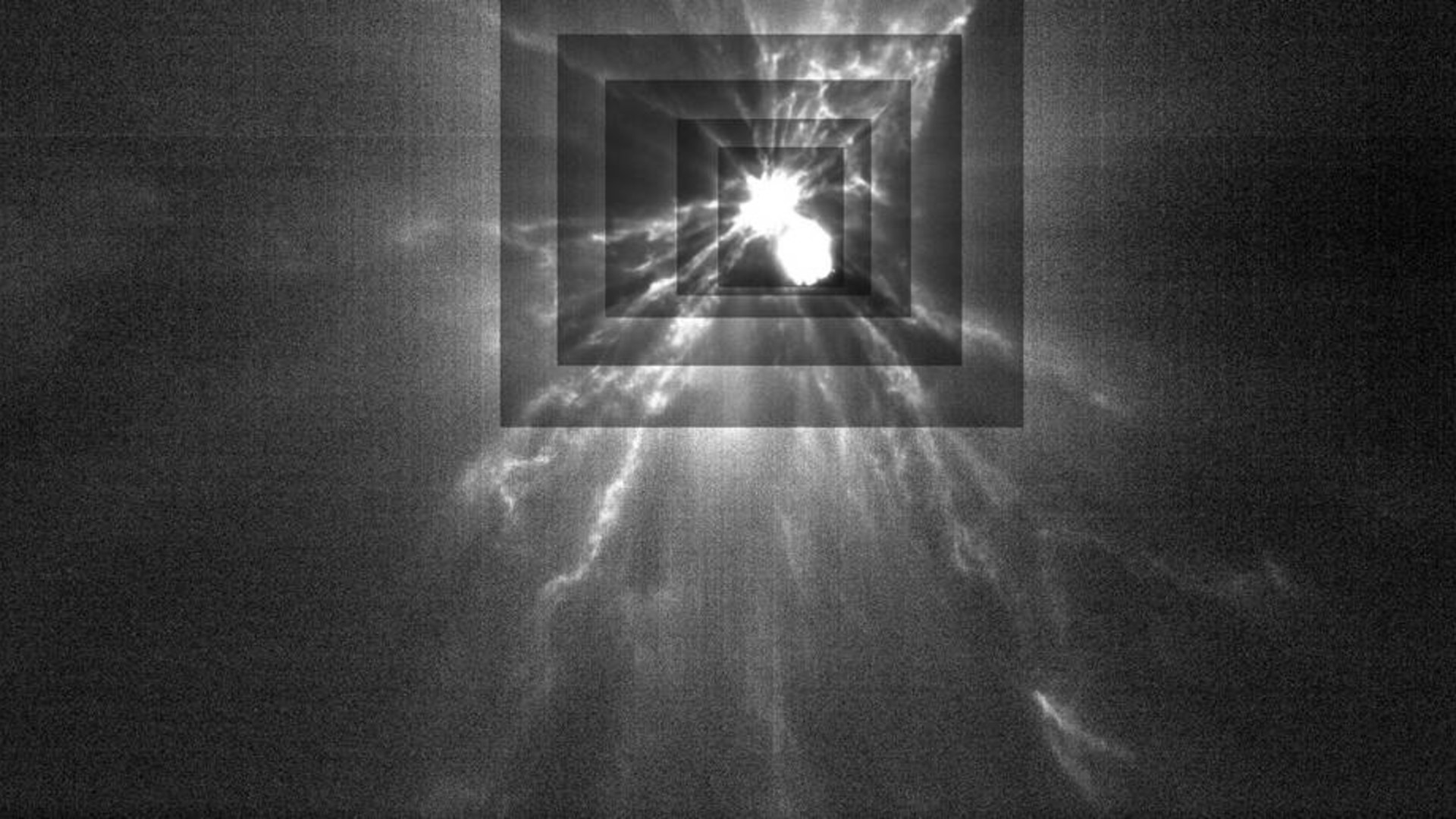
If a city-scale asteroid ever posed a confirmed threat to Earth, humanity already possesses the technology to deflect it, proven in 2022 when NASA's DART spacecraft successfully shortened the orbit of asteroid moonlet Dimorphos.
19. Goldstone Planetary Radar Mapping
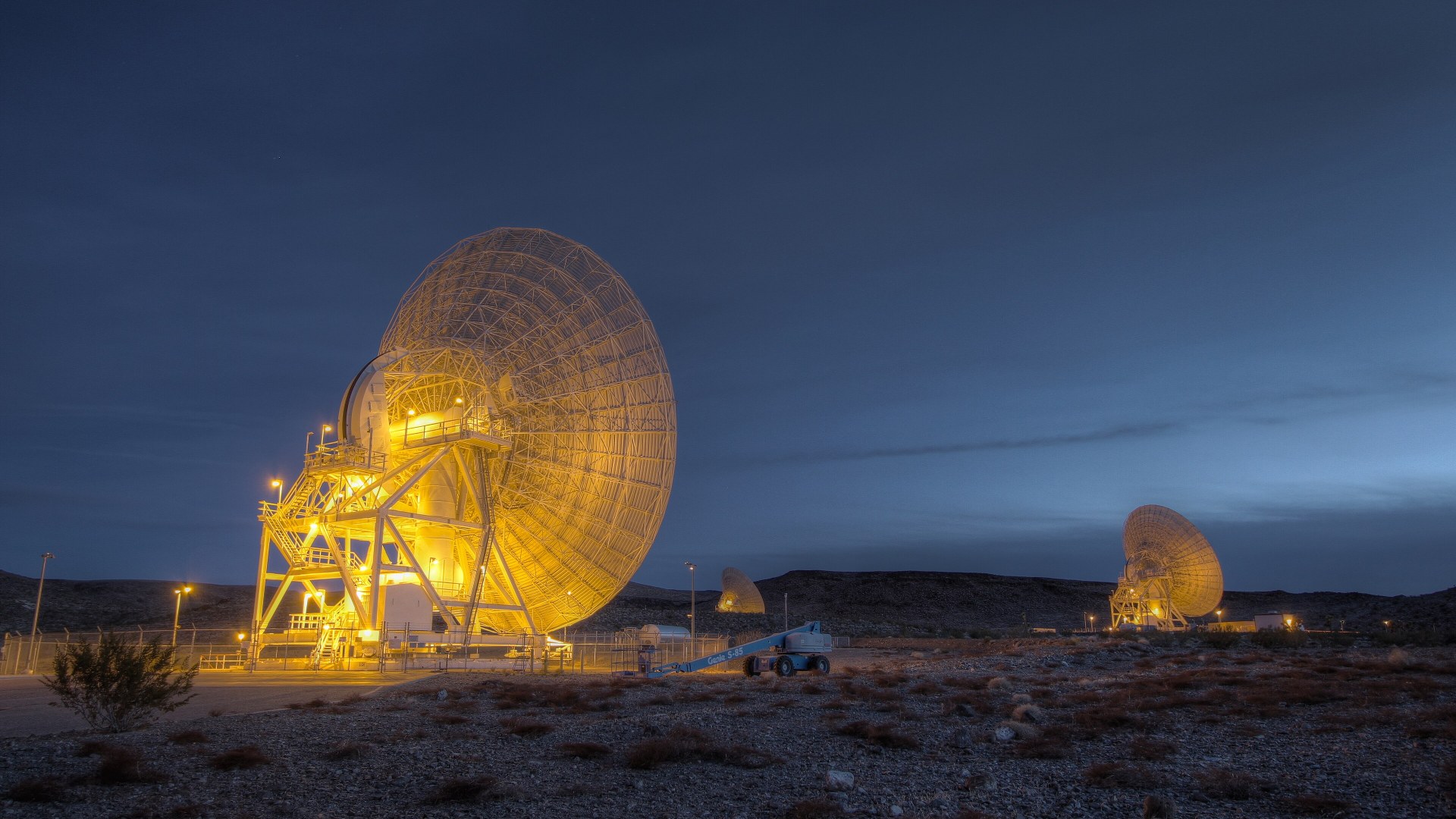
In December 2028, planetary radar facilities such as NASA's Goldstone Deep Space Communications Complex in California will bounce powerful radio waves off 2024 YR4 to measure its spin rate and 3D shape.
20. A Triumph Of Global Early-Warning Networks
The discovery and rapid characterization of 2024 YR4 demonstrate how automated sky surveys, space telescopes, and international orbital analysts work together to give humanity years of advance warning.