Slideshow · Animals
10 Animals That Were Way Bigger Than Today
From four-ton ground sloths and car-sized armadillos to 60-foot sharks, these prehistoric beasts dwarf their modern animal descendants.
By Most Viral Today
21 Oct 2026

10 Animals That Were Way Bigger Than Today 
10. Sloths: Megatherium 
9. Armadillos: Glyptodon 
8. Beavers: Castoroides - AdvertisementSwipe or tap ▶ to continue countdown

7. Dragonflies: Meganeura 
6. Millipedes: Arthropleura 
5. Wombats: Diprotodon 
4. Crocodiles: Deinosuchus - AdvertisementSwipe or tap ▶ to continue countdown

3. Sea Turtles: Archelon 
2. Rhinoceroses: Paraceratherium 
1. Sharks: Megalodon - Advertisement🔥 UP NEXT IN THIS SERIES◫ 22 Slides

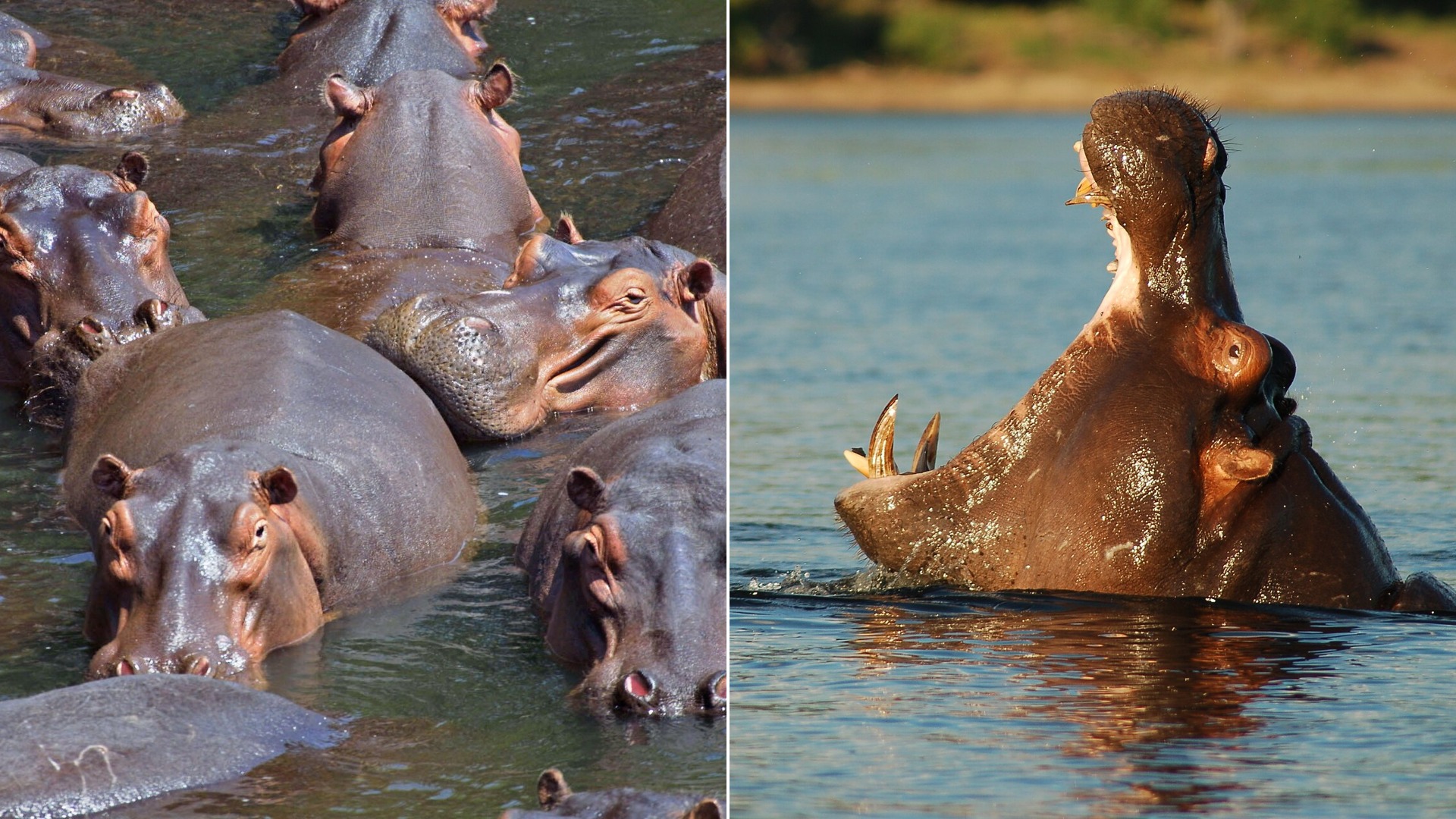
How Long Do Hippos Live? 20 Other Facts About Hippos
From sixty-year lifespans to whale cousins, discover secrets of river giants
From four-ton ground sloths and car-sized armadillos to 60-foot sharks, these prehistoric beasts dwarf their modern animal descendants.
Swipe or tap ▶ to begin the countdown
©Wikimedia / Pterantula (Terry & wikimedia / Mike Beauregard
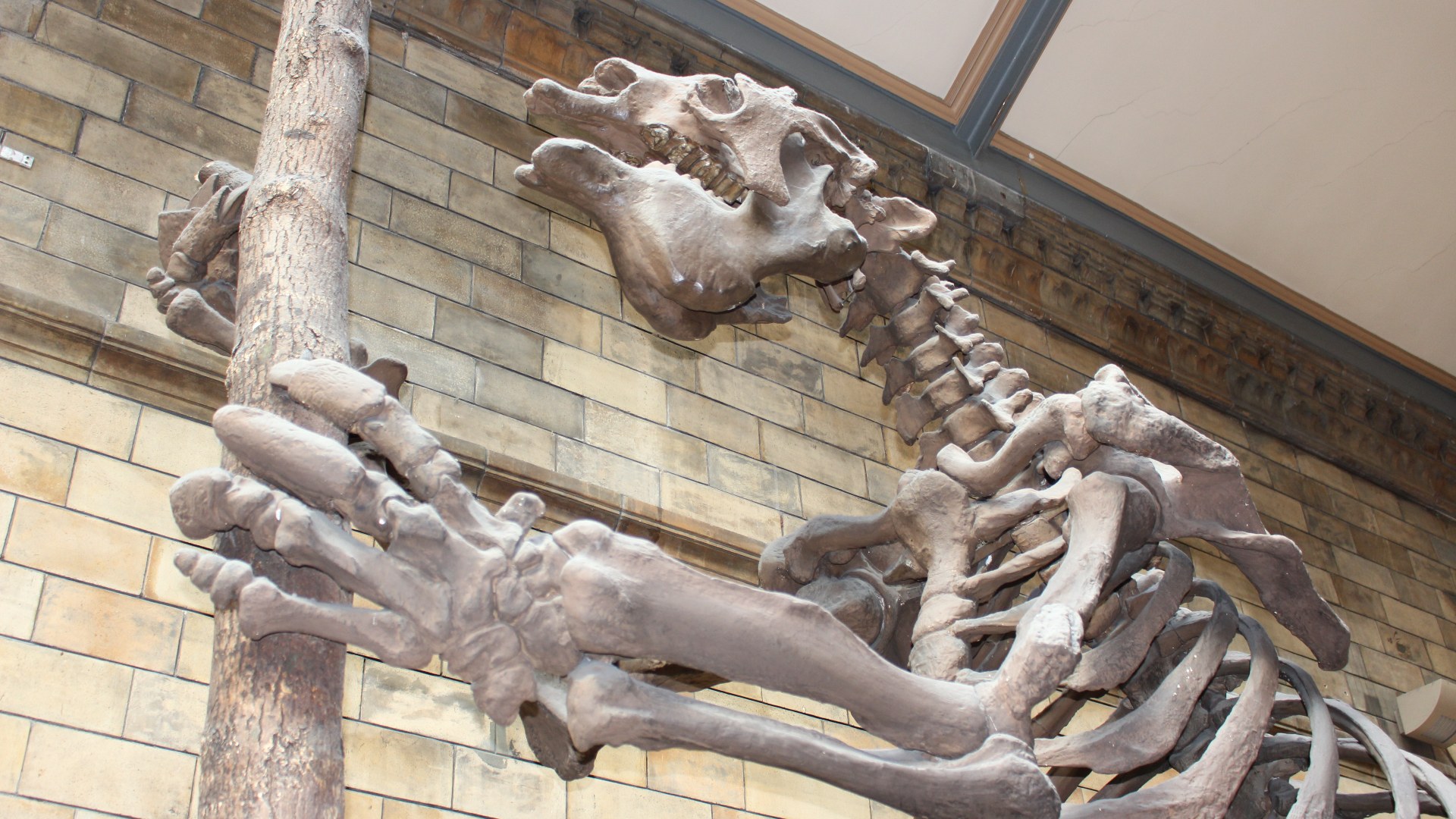
10. Sloths: Megatherium
While modern two- and three-toed sloths spend their lives hanging quietly in rainforest canopies, prehistoric ground sloths like Megatherium americanum were colossal terrestrial browsers. Growing as large as modern bull elephants, they browsed high treetops on hind legs.
©Wikimedia / Emőke Dénes
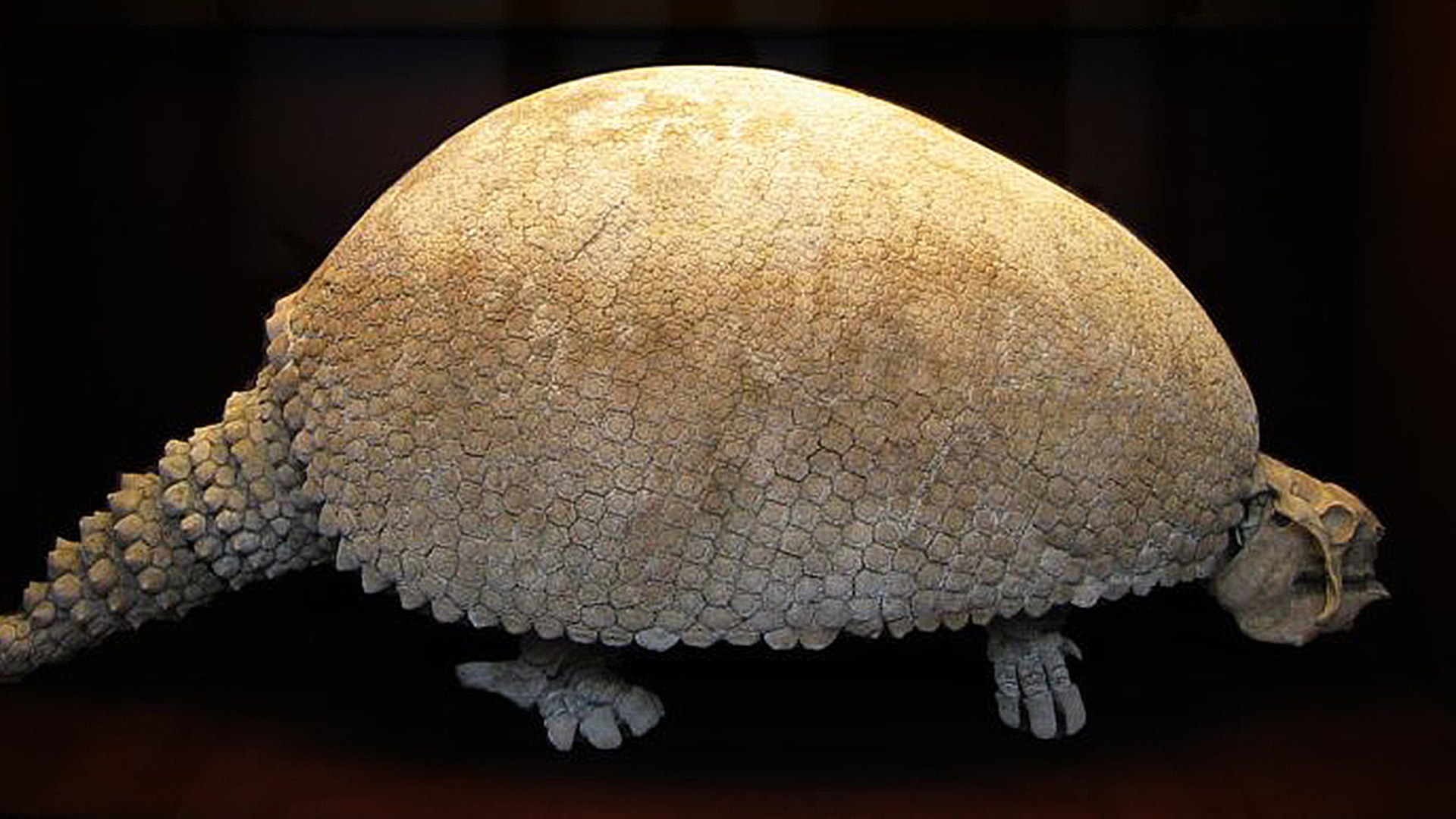
9. Armadillos: Glyptodon
Related closely to modern armadillos, Glyptodon roamed South and North America during the Pleistocene. Encased in a massive dome-shaped shell made of over a thousand bony osteoderms, it even wielded a spiked club at the end of its armored tail.
©Wikimedia / Arent
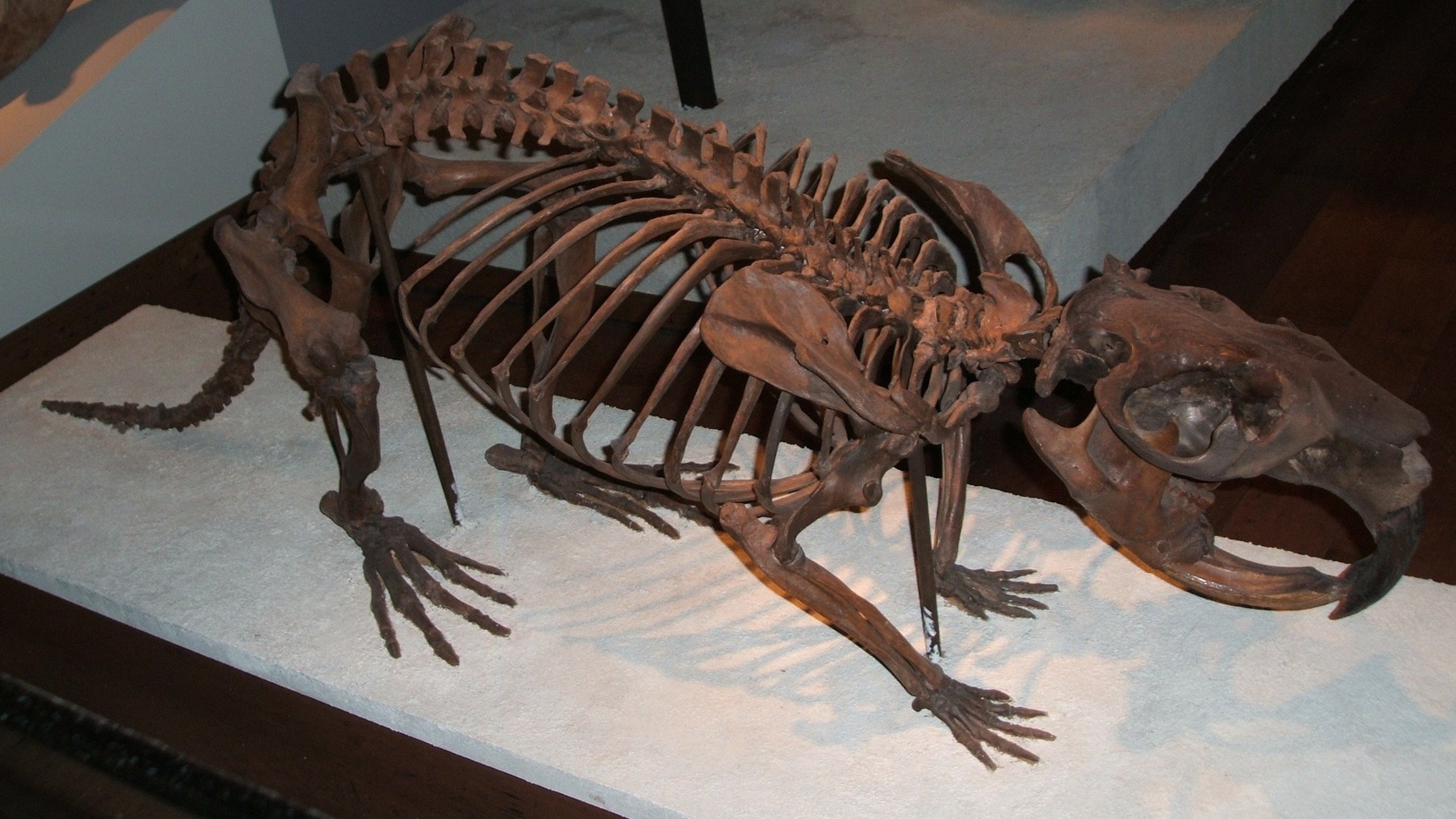
8. Beavers: Castoroides
Living across North America until 10,000 years ago, Castoroides was the giant beaver of the Ice Age. Reaching 8 feet in length and packing 6-inch ridged incisors, this bear-sized rodent inhabited wetlands alongside early human hunter-gatherers.
©Wikimedia / Field Museum
Advertisement
Swipe or tap ▶ to resume the countdown.
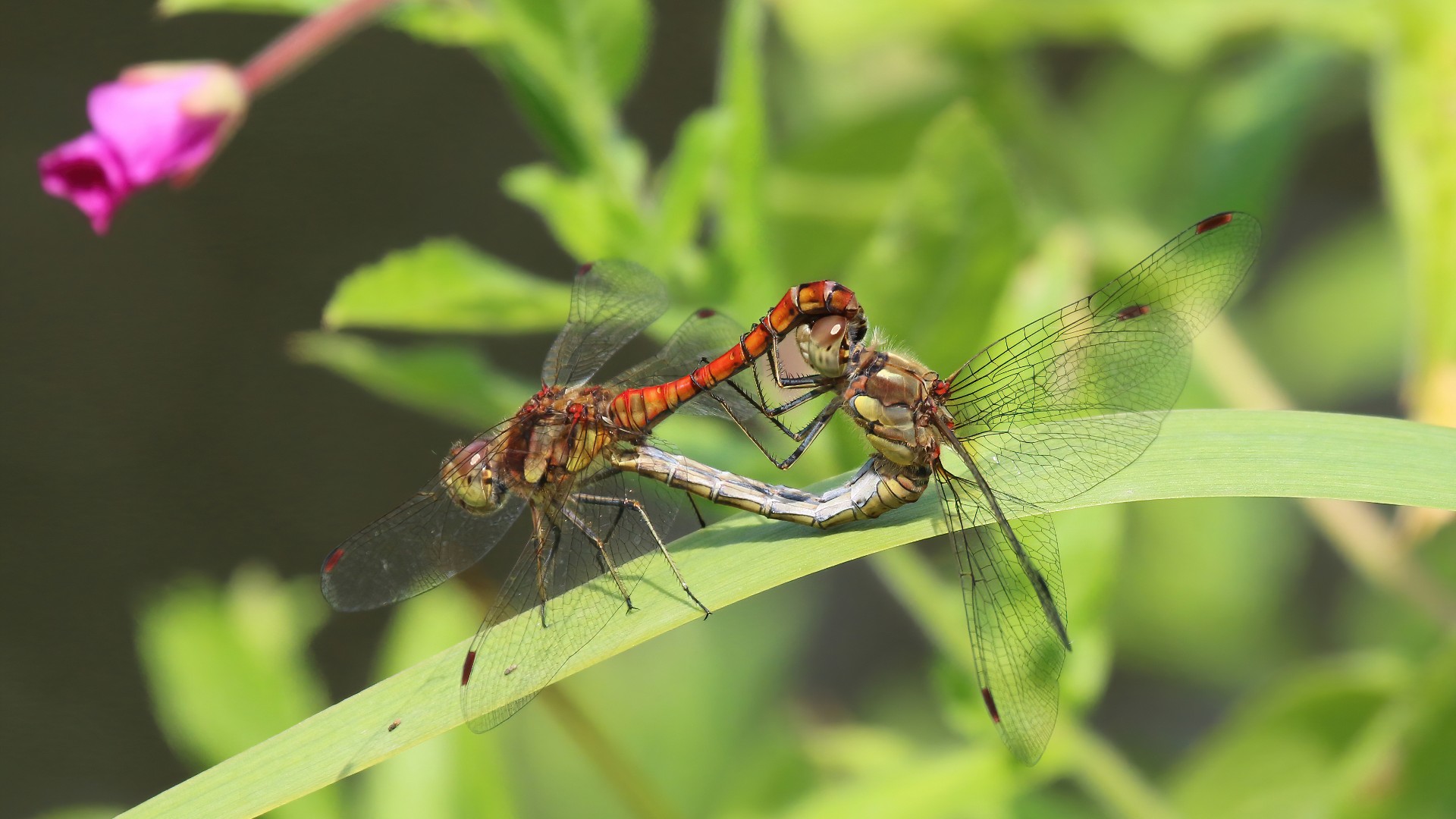
7. Dragonflies: Meganeura
During the Carboniferous period 300 million years ago, atmospheric oxygen reached 35%, fueling massive insect growth. Meganeura was a predatory griffinfly resembling a modern dragonfly, but with a wingspan exceeding 28 inches to hunt small amphibians.
©Wikimedia / Charles J. Sharp
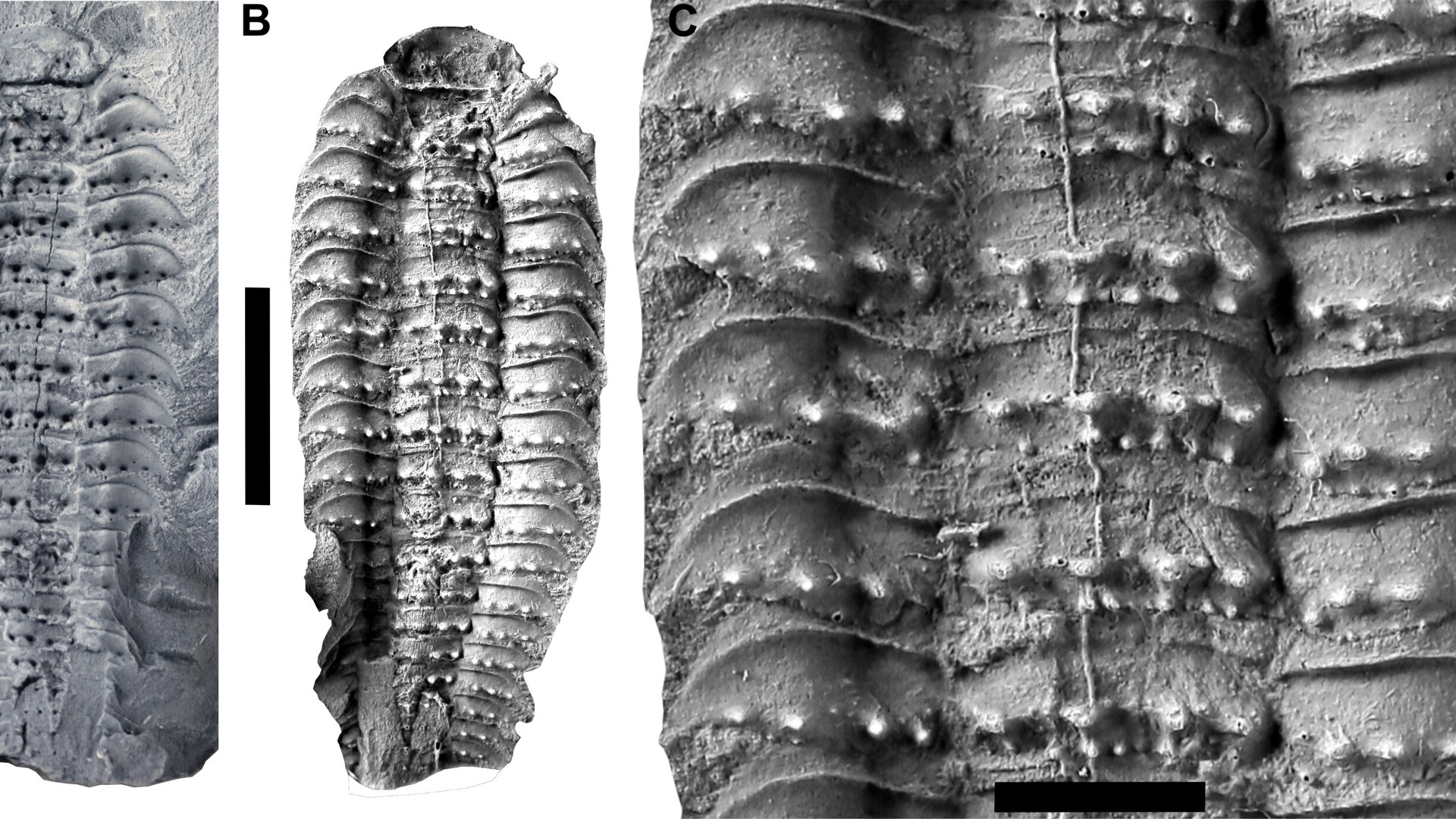
6. Millipedes: Arthropleura
Measuring up to 8.5 feet long and weighing well over 100 pounds, Arthropleura was a gargantuan millipede relative. Fossilized trackways show it crawling across prehistoric forest floors like an armored, multi-legged alligator.
©Wikimedia / MNHN Paris
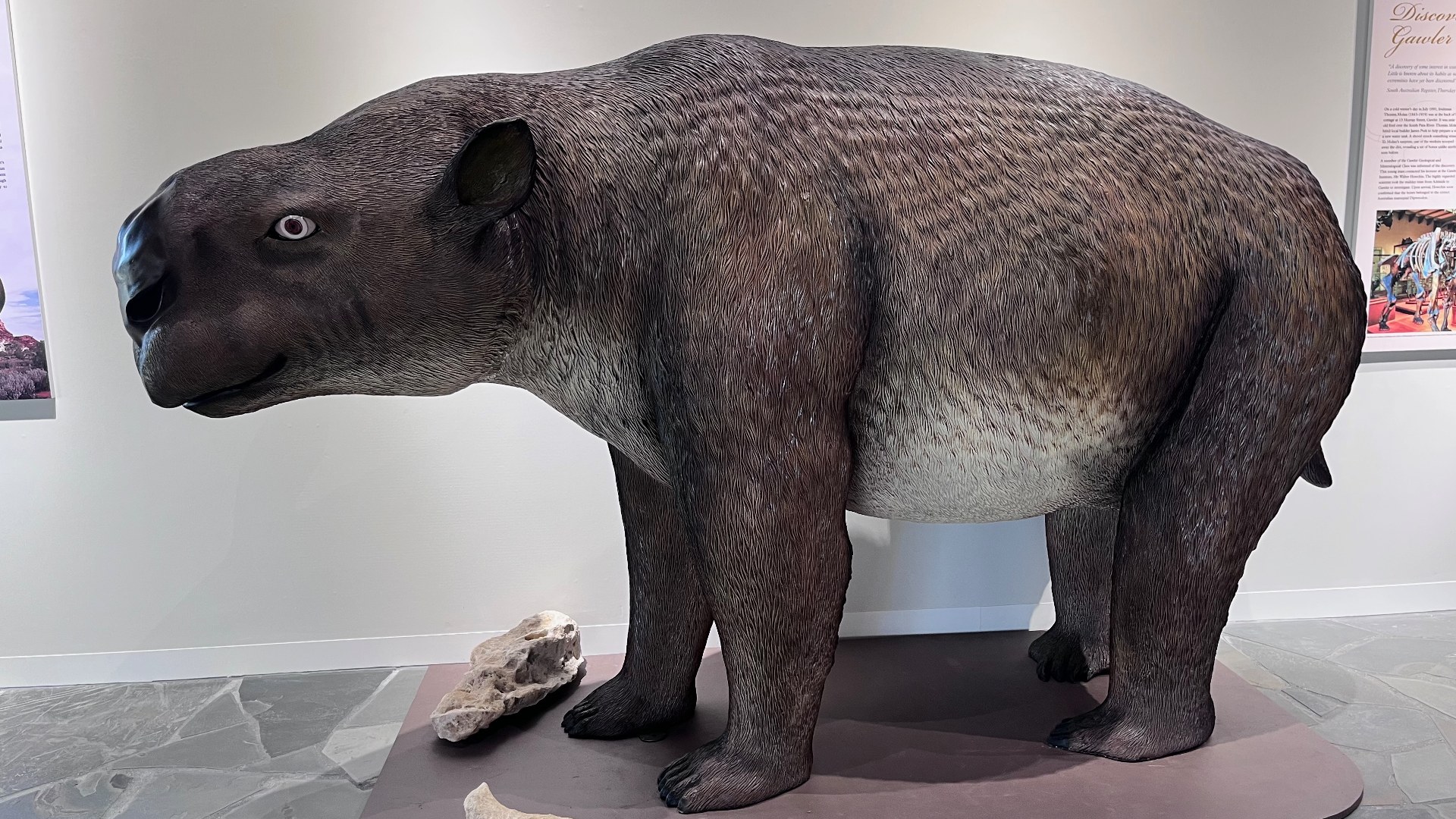
5. Wombats: Diprotodon
Known colloquially as the giant wombat, Diprotodon optatum was the largest marsupial to ever live. Standing over 6 feet tall at the shoulder and weighing up to 3 tons, it lumbered across Pleistocene Australia before going extinct alongside ancient megafauna.
©Wikimedia / AlphaLemur
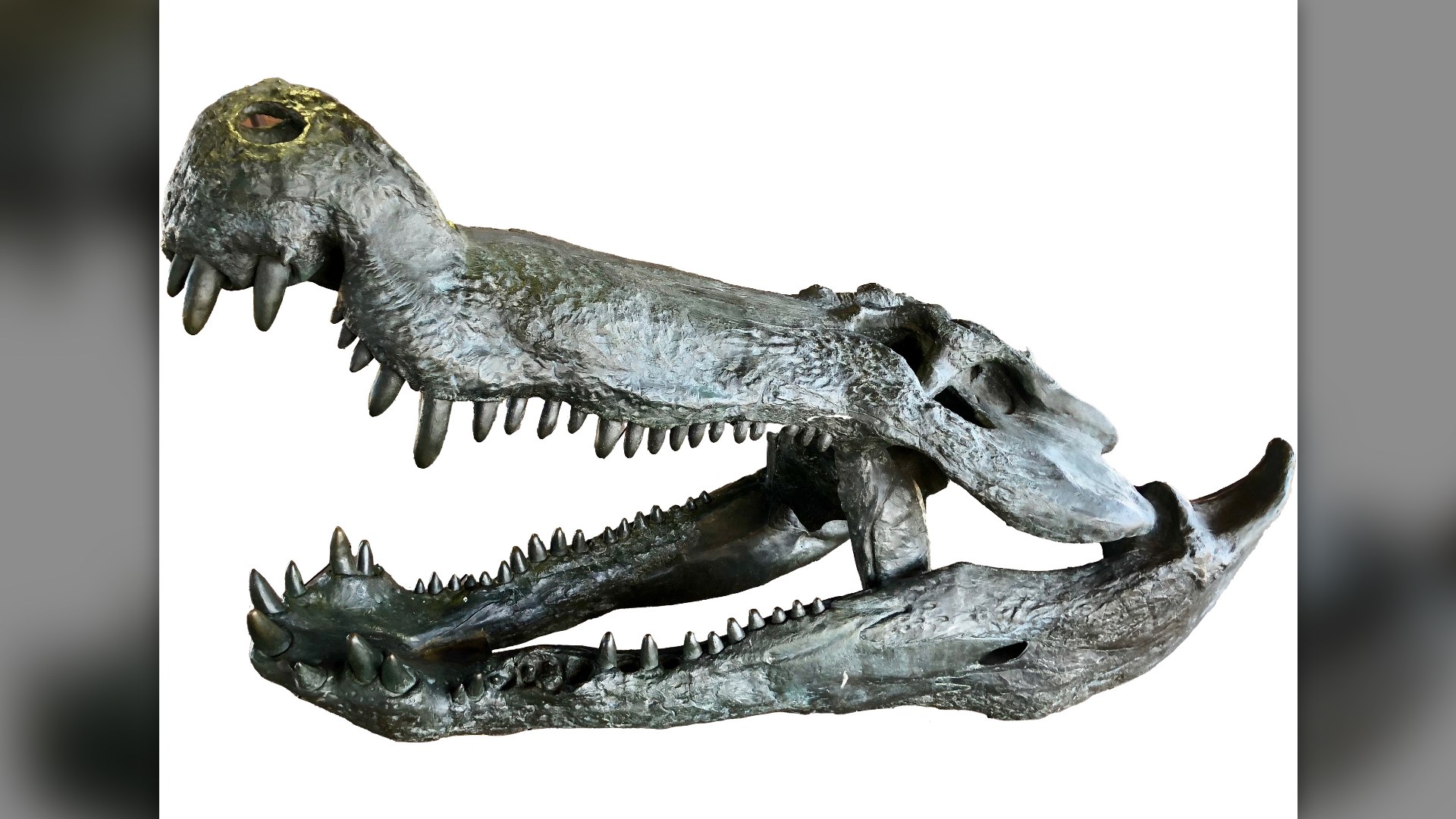
4. Crocodiles: Deinosuchus
Roaming coastal waters of North America during the Late Cretaceous, Deinosuchus dwarfed modern saltwater crocodiles. Packing thick, banana-sized teeth and bone-crushing jaw pressure, it regularly ambushed duck-billed dinosaurs along riverbanks.
©Wikimedia / MathKnight
Advertisement
Swipe or tap ▶ to resume the countdown.
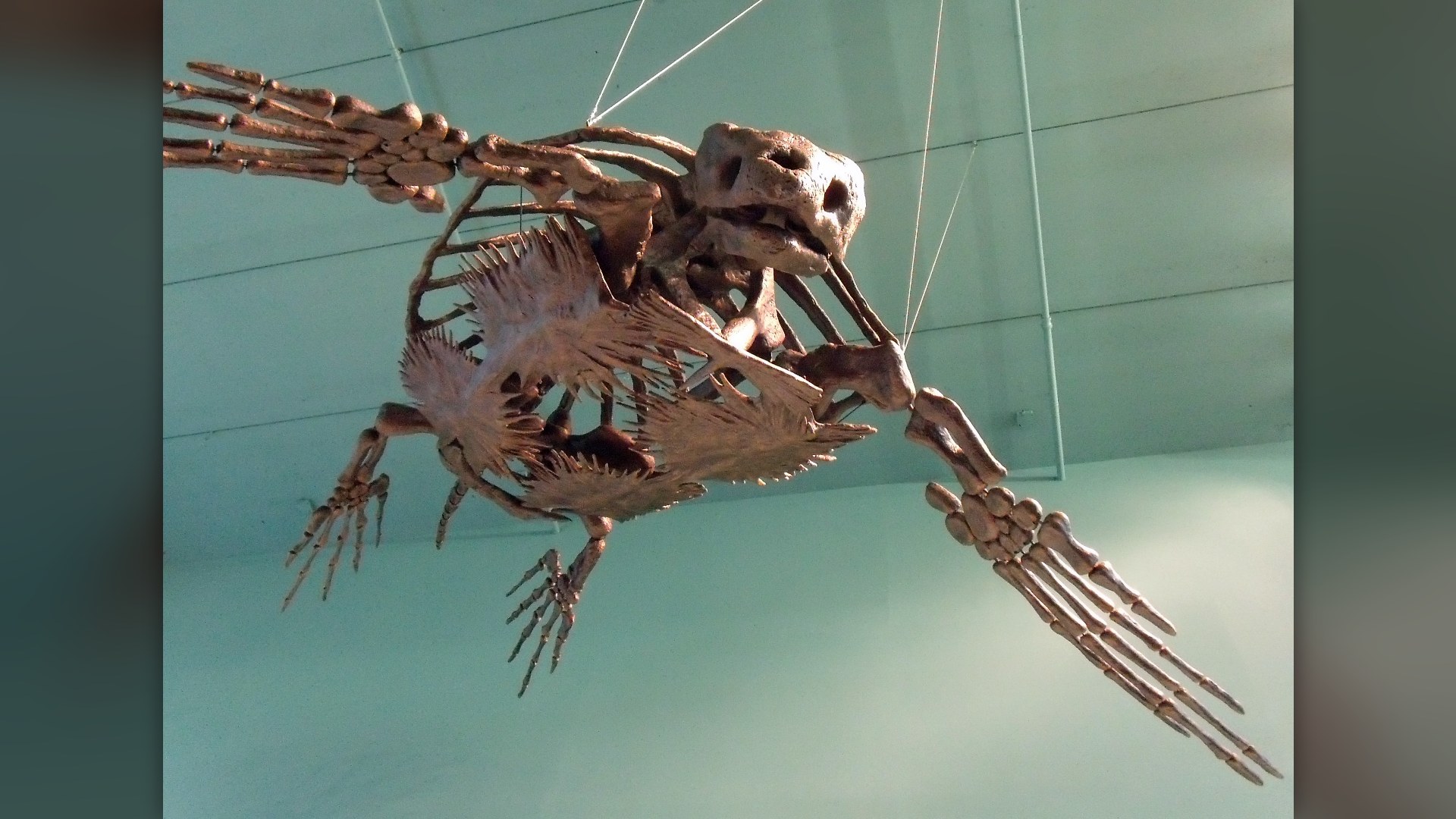
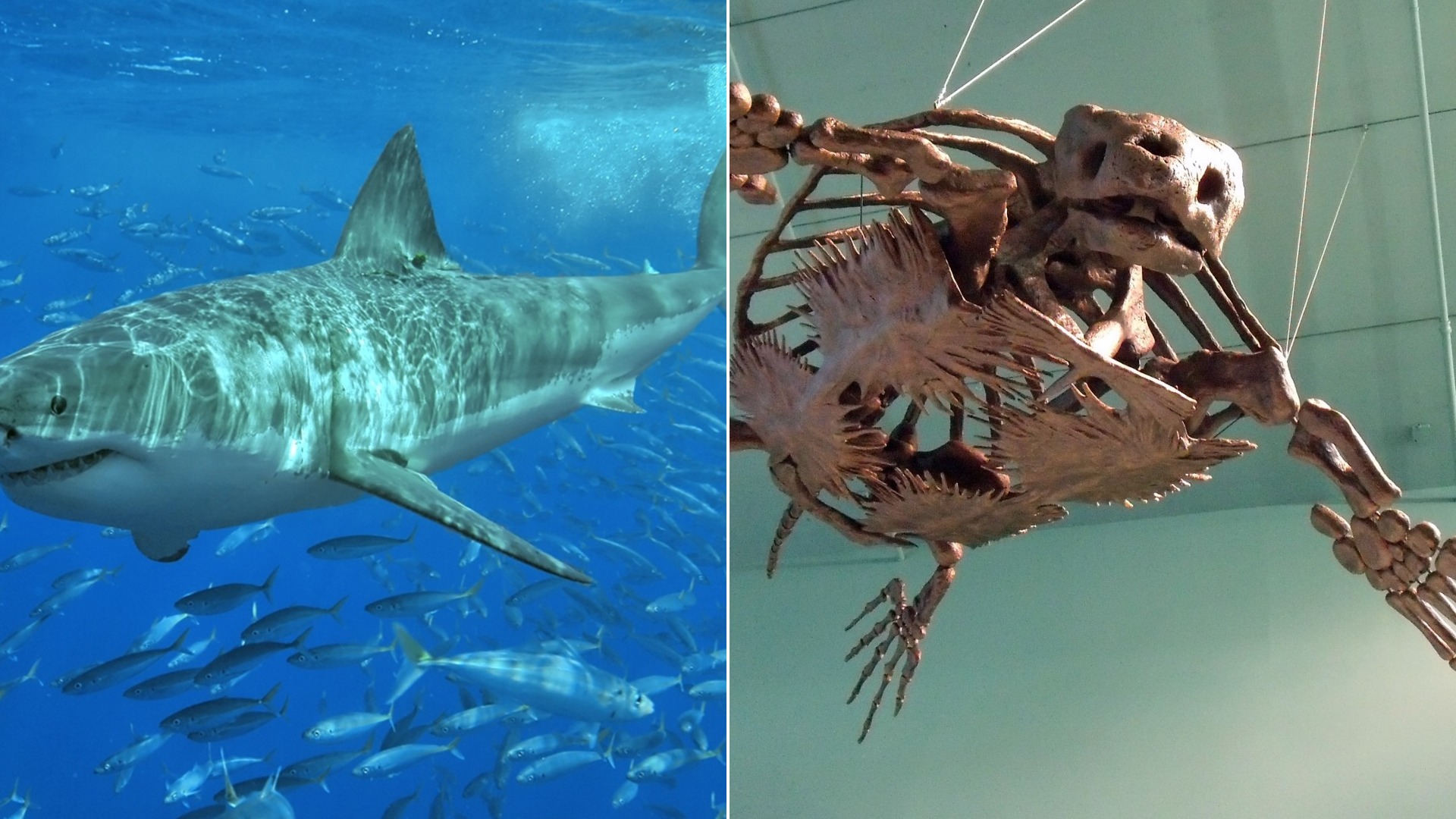
3. Sea Turtles: Archelon
While the leatherback is the largest modern turtle at 6 feet, prehistoric Archelon was more than double that size. Cruising the Western Interior Seaway, this 15-foot behemoth had a leathery carapace and flippers spanning nearly 16 feet.
©Wikimedia / Mike Beauregard
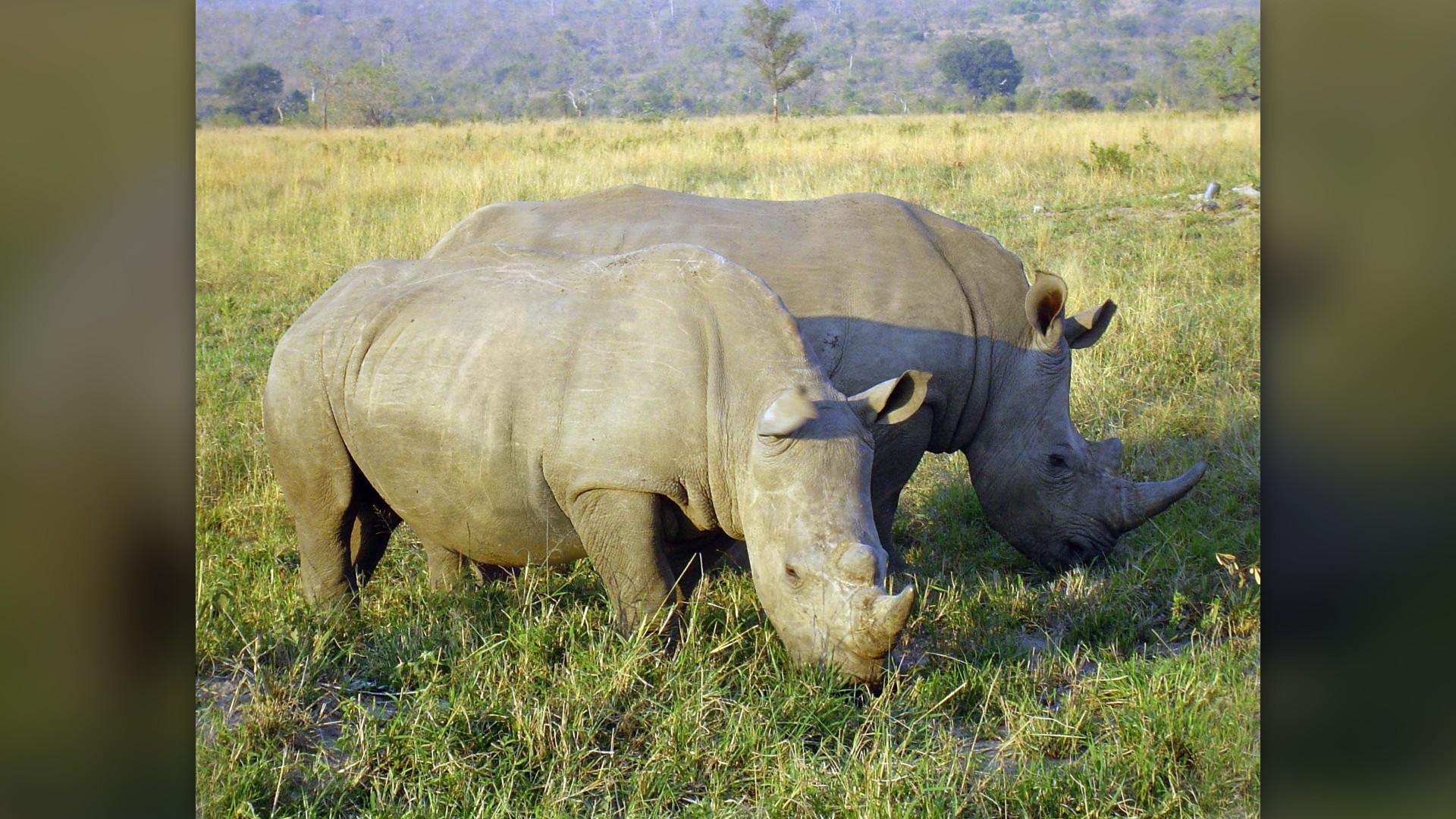
2. Rhinoceroses: Paraceratherium
Before elephants became Earth's dominant mega-herbivores, Paraceratherium walked prehistoric Eurasia. Related closely to modern rhinos, this hornless beast stood over 16 feet tall at the shoulders and weighed nearly 20 tons—four times heavier than modern rhinos.
©Wikimedia / Komencanto , modified by ArtMechanic
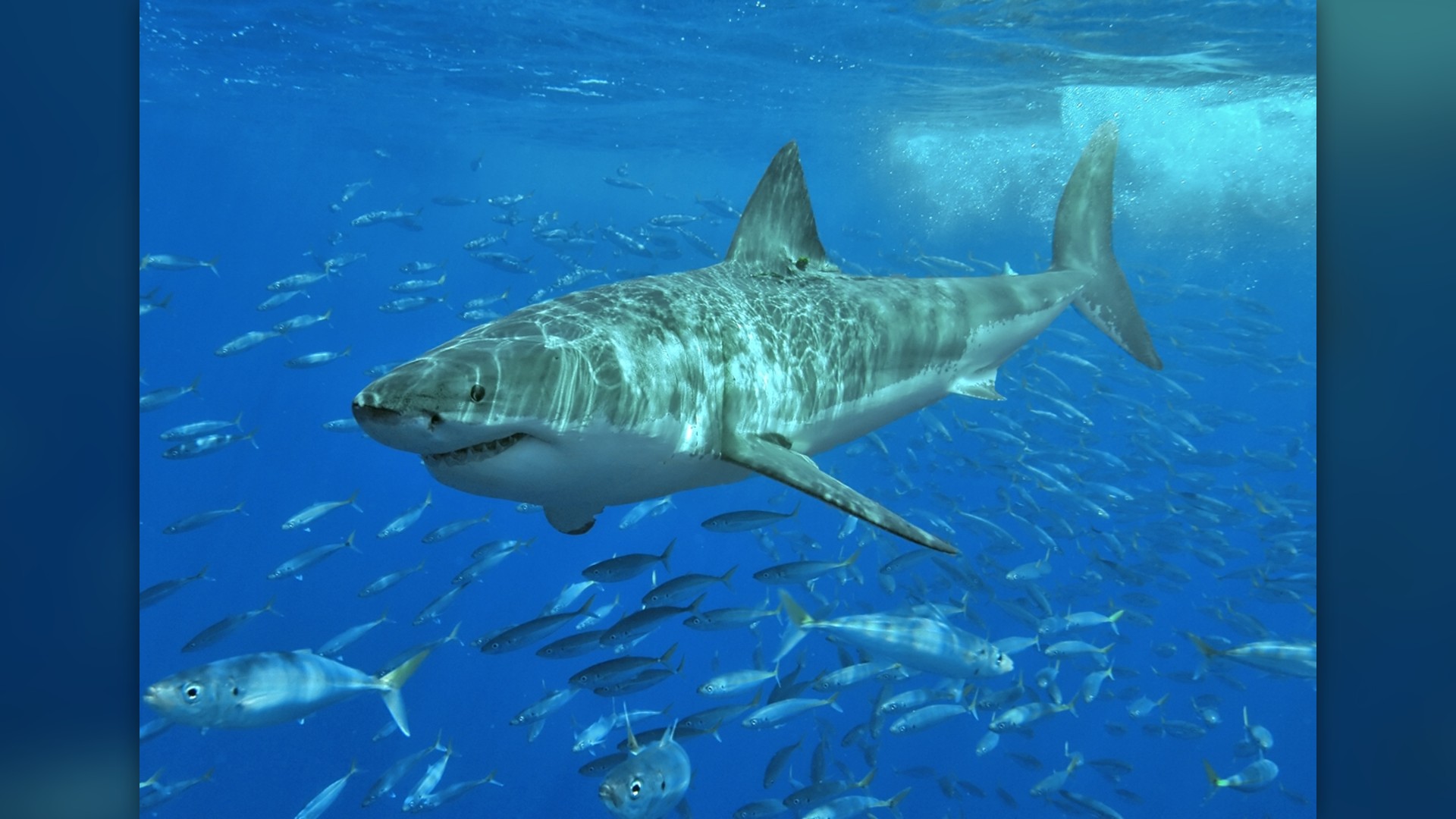
1. Sharks: Megalodon
The apex superpredator of the Miocene and Pliocene oceans, Otodus megalodon reached lengths between 50 and 60 feet and weighed over 60 tons. Possessing 7-inch serrated teeth and a bite force exceeding 40,000 pounds, it preyed on prehistoric baleen whales.

©Wikimedia / Pterantula (Terry Goss) at en.wikipedia
Advertisement
You've reached the end of the story. Thanks for reading!

How Long Do Hippos Live? 20 Other Facts About Hippos
From sixty-year lifespans to whale cousins, discover secrets of river giants
All 10 Entries in this Story
1. Sloths: Megatherium
While modern two- and three-toed sloths spend their lives hanging quietly in rainforest canopies, prehistoric ground sloths like Megatherium americanum were colossal terrestrial browsers. Growing as large as modern bull elephants, they browsed high treetops on hind legs.

2. Armadillos: Glyptodon
Related closely to modern armadillos, Glyptodon roamed South and North America during the Pleistocene. Encased in a massive dome-shaped shell made of over a thousand bony osteoderms, it even wielded a spiked club at the end of its armored tail.

3. Beavers: Castoroides
Living across North America until 10,000 years ago, Castoroides was the giant beaver of the Ice Age. Reaching 8 feet in length and packing 6-inch ridged incisors, this bear-sized rodent inhabited wetlands alongside early human hunter-gatherers.

4. Dragonflies: Meganeura
During the Carboniferous period 300 million years ago, atmospheric oxygen reached 35%, fueling massive insect growth. Meganeura was a predatory griffinfly resembling a modern dragonfly, but with a wingspan exceeding 28 inches to hunt small amphibians.

5. Millipedes: Arthropleura
Measuring up to 8.5 feet long and weighing well over 100 pounds, Arthropleura was a gargantuan millipede relative. Fossilized trackways show it crawling across prehistoric forest floors like an armored, multi-legged alligator.

6. Wombats: Diprotodon
Known colloquially as the giant wombat, Diprotodon optatum was the largest marsupial to ever live. Standing over 6 feet tall at the shoulder and weighing up to 3 tons, it lumbered across Pleistocene Australia before going extinct alongside ancient megafauna.

7. Crocodiles: Deinosuchus
Roaming coastal waters of North America during the Late Cretaceous, Deinosuchus dwarfed modern saltwater crocodiles. Packing thick, banana-sized teeth and bone-crushing jaw pressure, it regularly ambushed duck-billed dinosaurs along riverbanks.

8. Sea Turtles: Archelon
While the leatherback is the largest modern turtle at 6 feet, prehistoric Archelon was more than double that size. Cruising the Western Interior Seaway, this 15-foot behemoth had a leathery carapace and flippers spanning nearly 16 feet.

9. Rhinoceroses: Paraceratherium
Before elephants became Earth's dominant mega-herbivores, Paraceratherium walked prehistoric Eurasia. Related closely to modern rhinos, this hornless beast stood over 16 feet tall at the shoulders and weighed nearly 20 tons—four times heavier than modern rhinos.

10. Sharks: Megalodon
The apex superpredator of the Miocene and Pliocene oceans, Otodus megalodon reached lengths between 50 and 60 feet and weighed over 60 tons. Possessing 7-inch serrated teeth and a bite force exceeding 40,000 pounds, it preyed on prehistoric baleen whales.