Slideshow · Science
Asteroid Detected 30 Hours Out Will Skim Earth Tonight at 80,500 Miles
Discovered by automated sky surveys just 30 hours before closest approach, Asteroid 2026 UE2 is making a safe sub-lunar flyby at one-third the distance to the Moon.
By Most Viral Today
30 Oct 2026

How Asteroid 2026 UE2 Skimmed Inside the Moon's Orbit With 30 Hours Notice 
15. A Midnight Visitor From Deep Space 
14. The 30-Hour Automated Warning 
13. Mapping The 80,500-Mile Proximity - AdvertisementSwipe or tap ▶ to continue countdown

12. Defining A Sub-Lunar Event 
11. Absolute Certainty Of Safety 
10. Global Coordination In Action 
9. Size, Scale, And Earth's Atmospheric Shield - AdvertisementSwipe or tap ▶ to continue countdown

8. Why Late Discoveries Happen 
7. A Natural Flyby Laboratory For Space Science 
6. Navigating A Crowded Cosmic Highway 
5. Real-Time Public Observation And Citizen Science - AdvertisementSwipe or tap ▶ to continue countdown

4. Rating Zero On The Torino Hazard Scale 
3. Early Warning Versus Impact Mitigation 
2. Shifting Focus To Planetary Defense 
1. Eyes On The Future Horizon - Advertisement🔥 UP NEXT IN THIS SERIES◫ 23 Slides

22 Most Secret World War II Aircraft Tested Behind Closed Doors
Between 1939 and 1945, Allied and Axis engineers built jets, flying wings and rocket interceptors in deep wartime secrecy. Ranked from 22 to 1 by historical secrecy and technical leap, this countdown draws on archival records from the Smithsonian, U.S. Air Force Museum, RAF Museum and German Federal Archives.
Flagged by automated sky survey telescopes just 30 hours before its closest approach, Asteroid 2026 UE2 safely skimmed past Earth at 80,500 miles, roughly a third of the distance to the Moon.
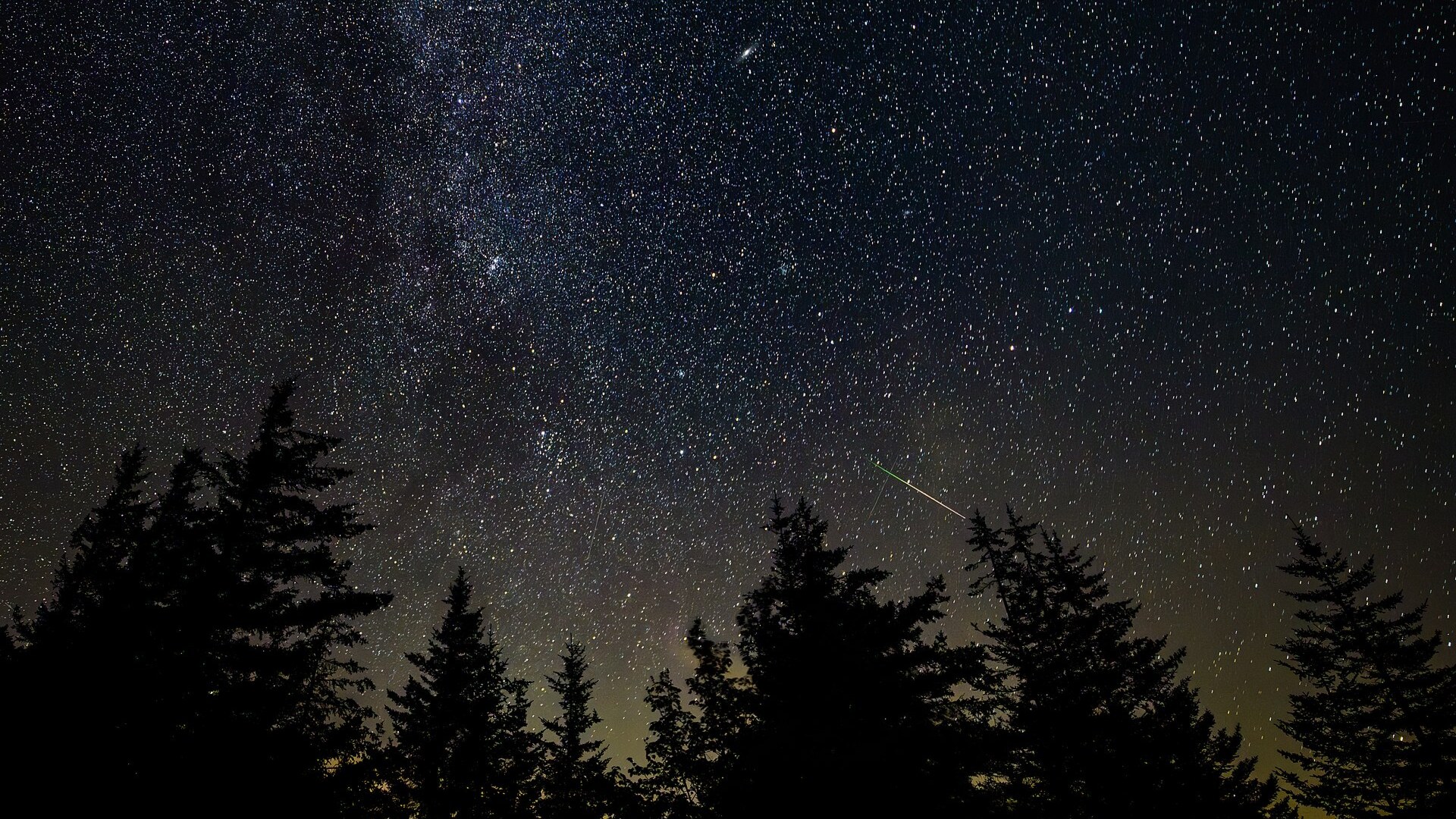
Swipe or tap ▶ to begin the countdown
©NASA / Marshall Space & Wikimedia / Goddard Space Flight
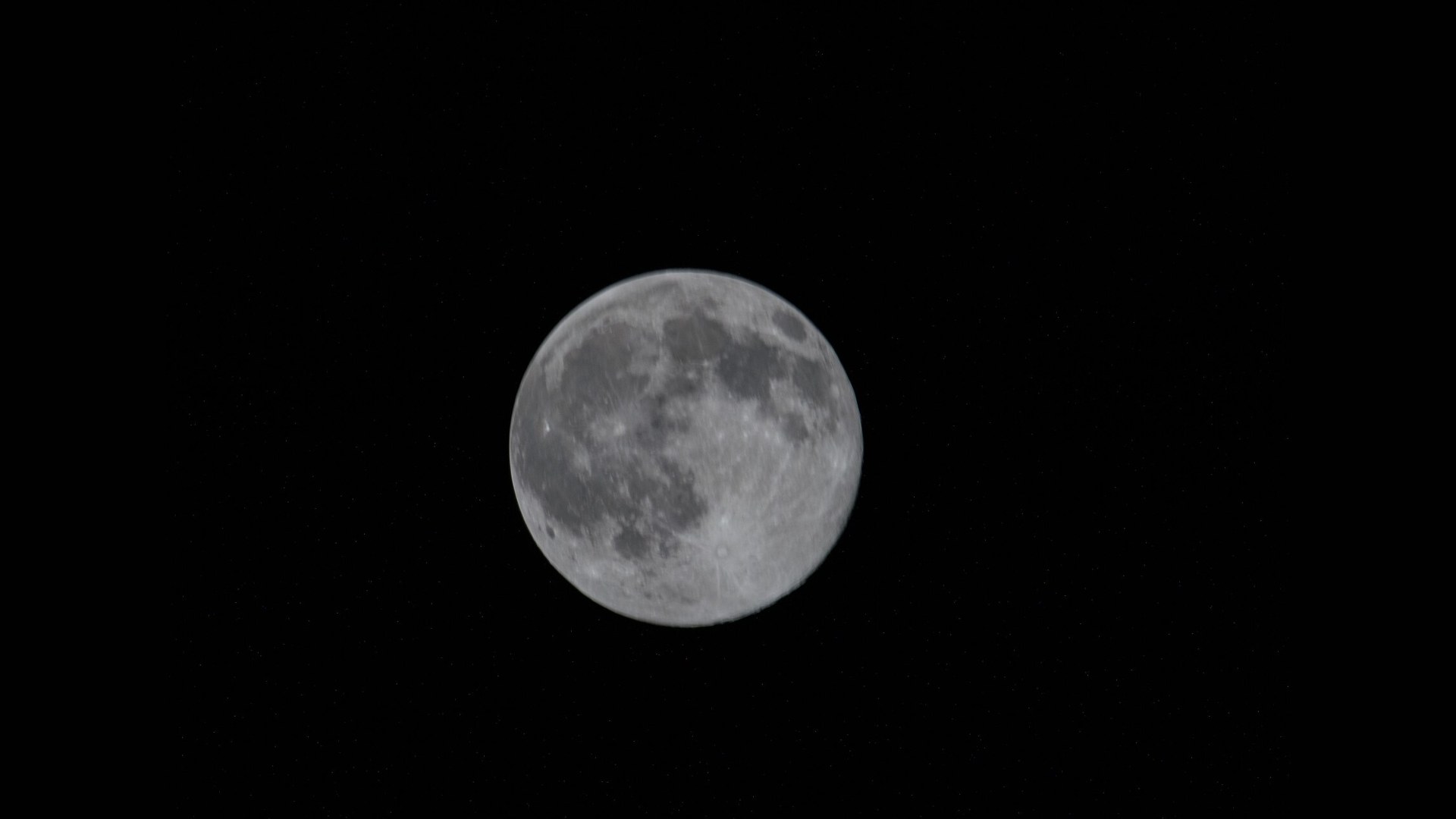
15. A Midnight Visitor From Deep Space
Asteroid 2026 UE2 safely skimmed past Earth in one of the year's most notable sub-lunar flybys. Detected just hours before arrival, the fast-moving space rock highlights how active Earth's orbital neighborhood remains every night.
©NASA / JPL
14. The 30-Hour Automated Warning
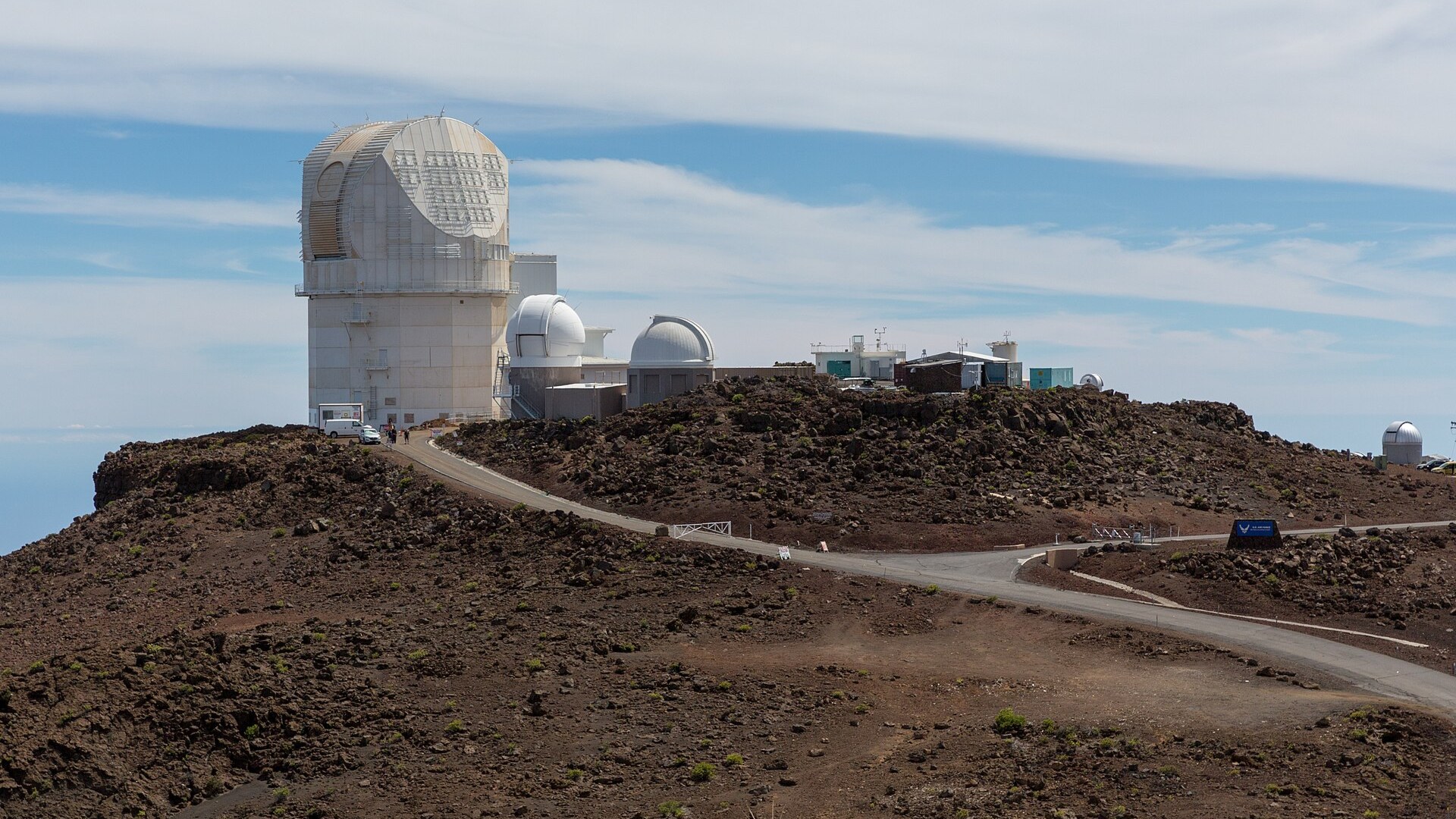
Automated survey telescopes spotted Asteroid 2026 UE2 only 30 hours before its closest approach to Earth. Its late detection shows how difficult it is for ground-based optical instruments to spot smaller, unlit space rocks until they are right on our doorstep.
©Wikimedia Commons / Ekrem Canli (CC BY-SA 4.0)
13. Mapping The 80,500-Mile Proximity
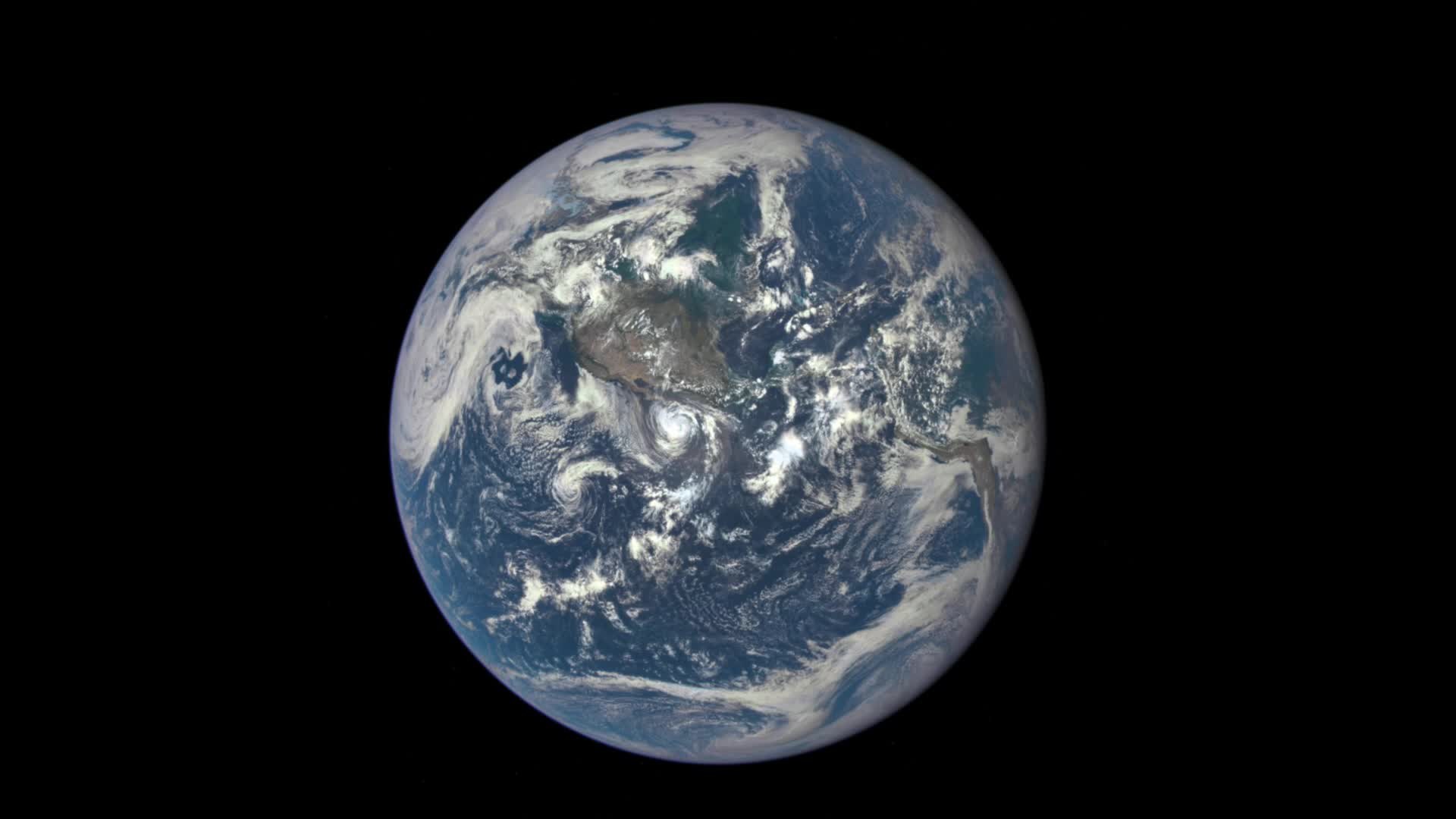
The asteroid zipped past at a distance of roughly 80,500 miles (129,600 kilometers) from Earth's surface. In astronomical terms, that represents a narrow margin equal to 0.34 lunar distances, or about a third of the way to the Moon.
©NASA / Goddard Space Flight Center / EPIC
Advertisement
Swipe or tap ▶ to resume the countdown.
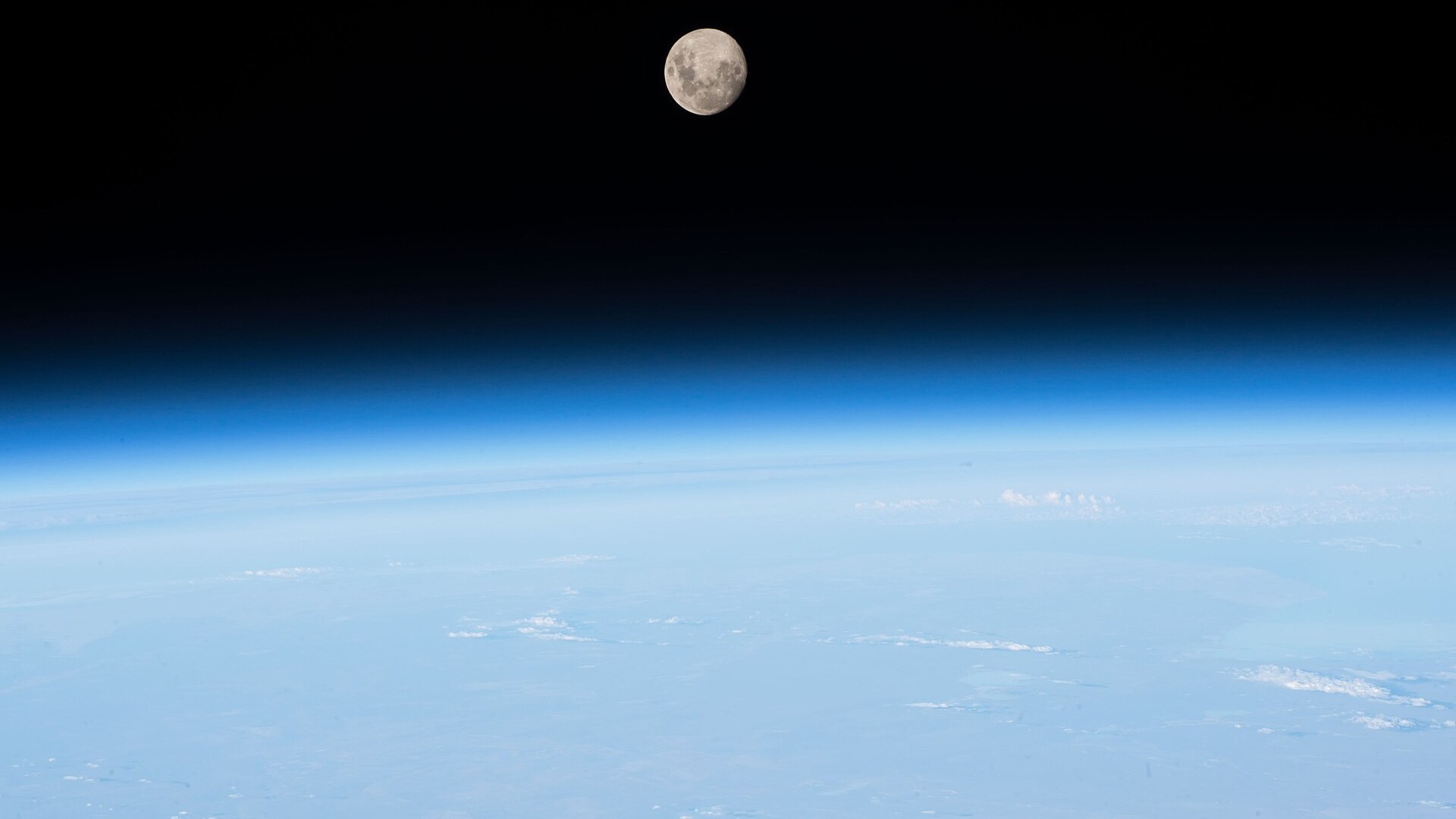
12. Defining A Sub-Lunar Event
Objects that pass closer to Earth than the Moon's average orbit of 238,855 miles are categorized as sub-lunar close approaches. While several small sub-lunar passes happen each year, every flyby delivers valuable tracking benchmarks to global observation networks.
©NASA / Astronaut Scott Kelly / ISS
11. Absolute Certainty Of Safety
Astronomers rapidly calculated that Asteroid 2026 UE2 had a zero percent probability of striking Earth during its flyby. Its trajectory was mapped with high precision using the same orbital determination software that guides interplanetary spacecraft.
©NASA / Jet Propulsion Laboratory / Caltech
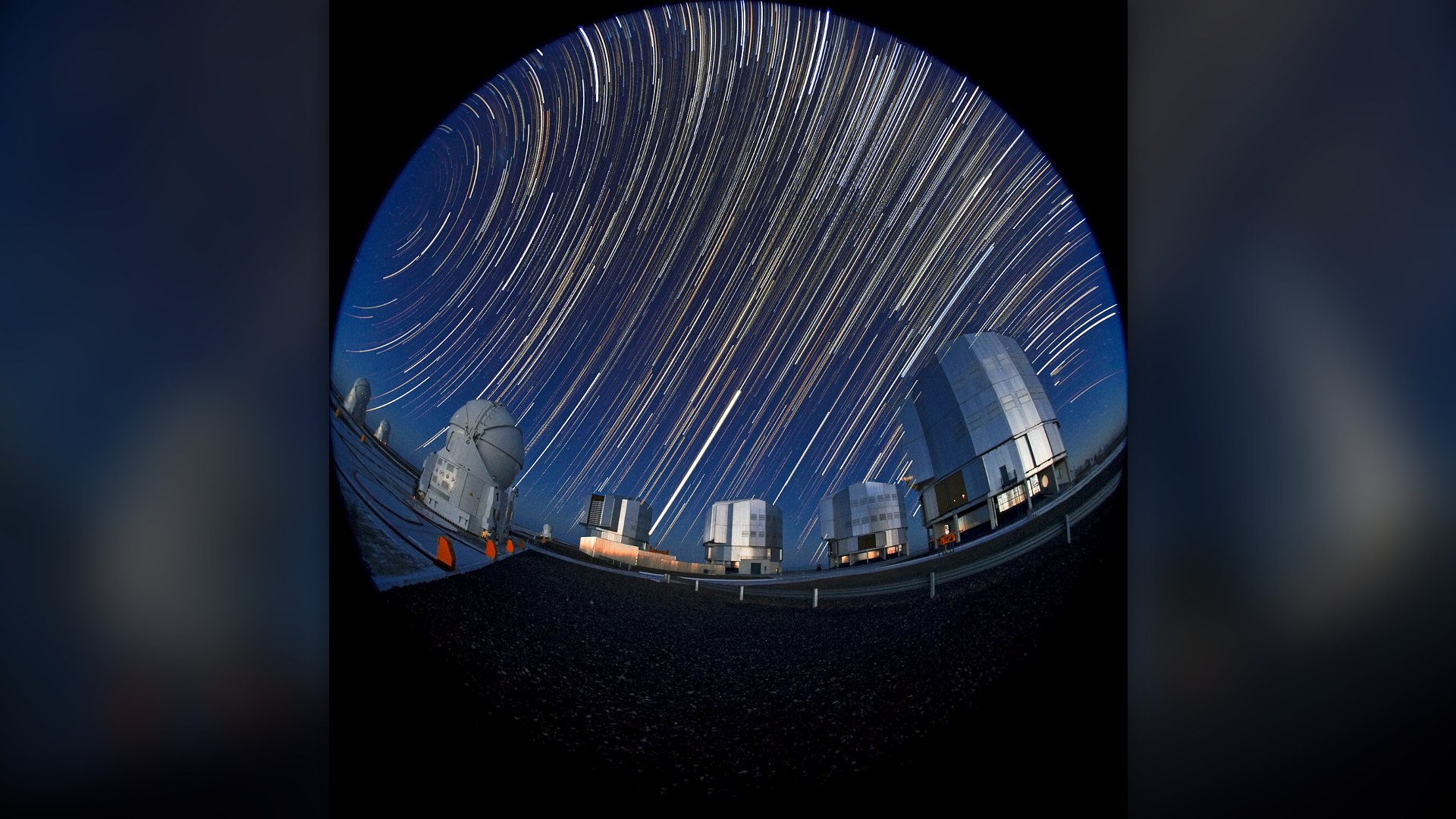
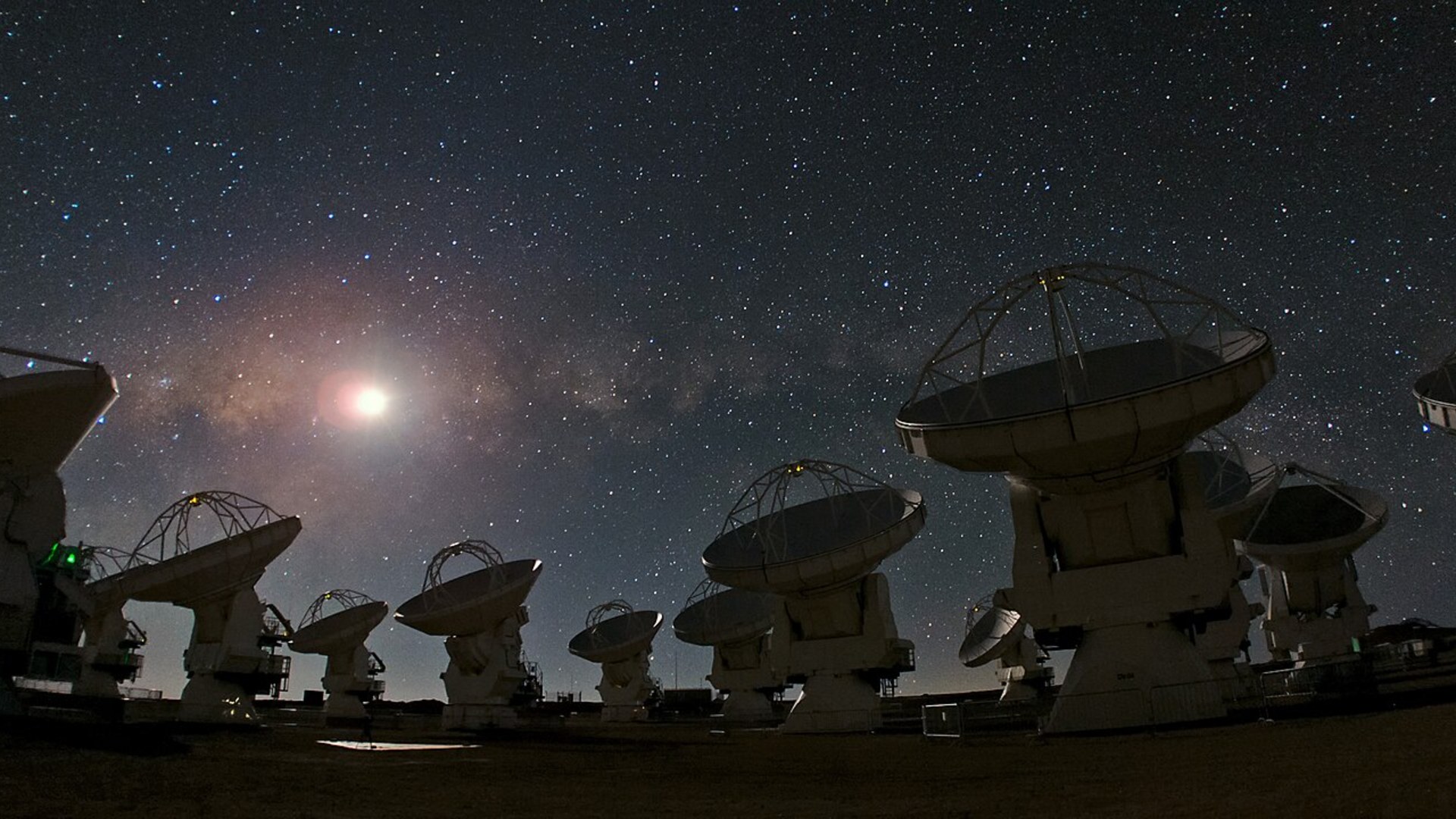
10. Global Coordination In Action
The asteroid's trajectory was verified using 21 independent astrometric observations. Telescopes across six tracking stations around the world coordinated within hours to lock onto the object's speed, inclination, and closest-approach window.
©European Southern Observatory / S. Brunier
9. Size, Scale, And Earth's Atmospheric Shield
While exact size estimates depend on surface reflectivity, 2026 UE2 belongs to a class of smaller Near-Earth Objects. Space rocks in this size range rarely threaten the ground because Earth's dense atmosphere breaks them apart during high-speed entry.
©NASA / ISS Expedition 51 Crew / Wikimedia
Advertisement
Swipe or tap ▶ to resume the countdown.
8. Why Late Discoveries Happen
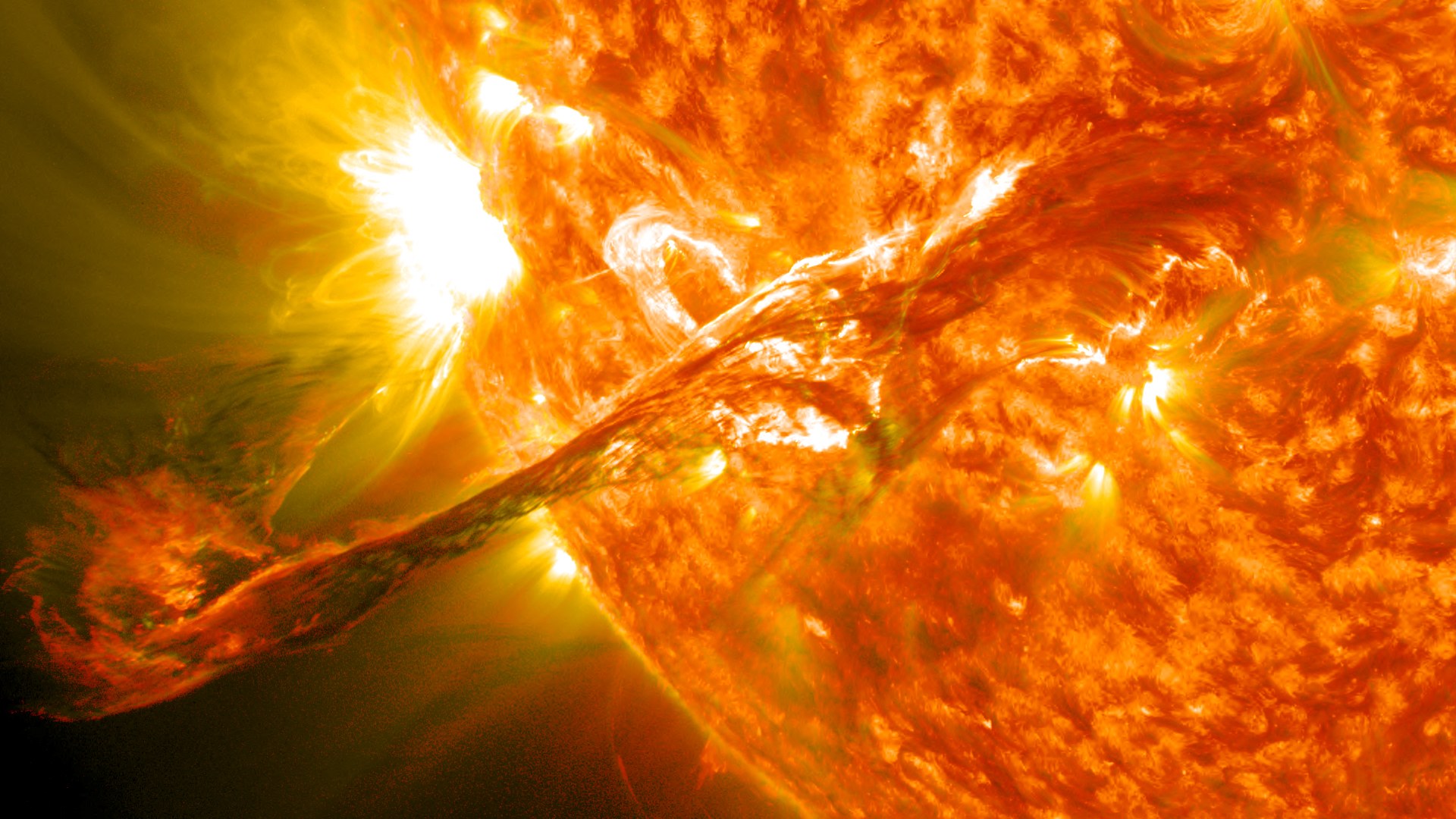
Smaller asteroids have a low absolute magnitude, making them faint points of light against dark space. Many Near-Earth Objects also approach from the direction of the daytime sky, where solar glare overwhelms ground-based telescope optics.
©NASA / Goddard Space Flight Center / SDO
7. A Natural Flyby Laboratory For Space Science
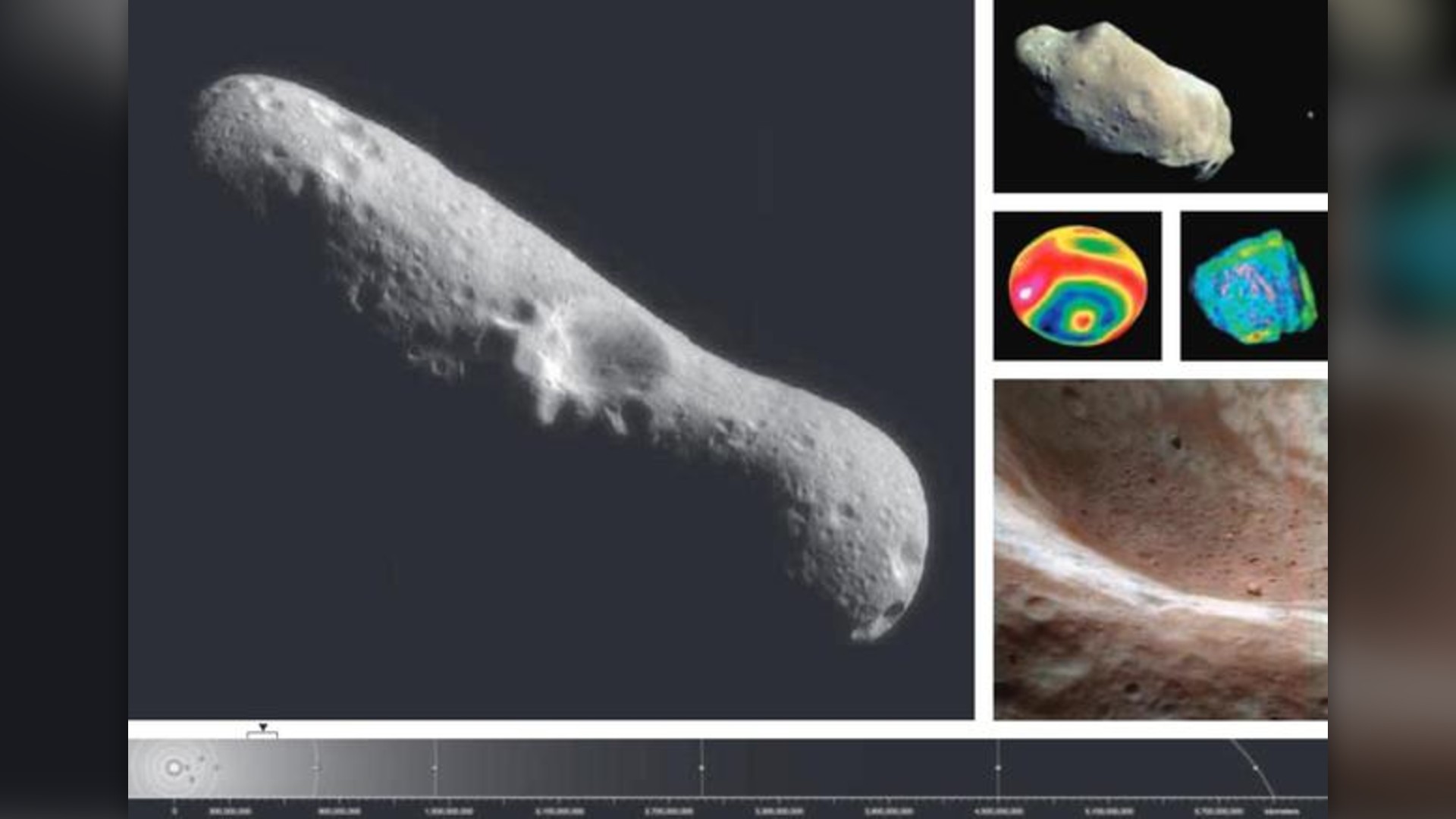
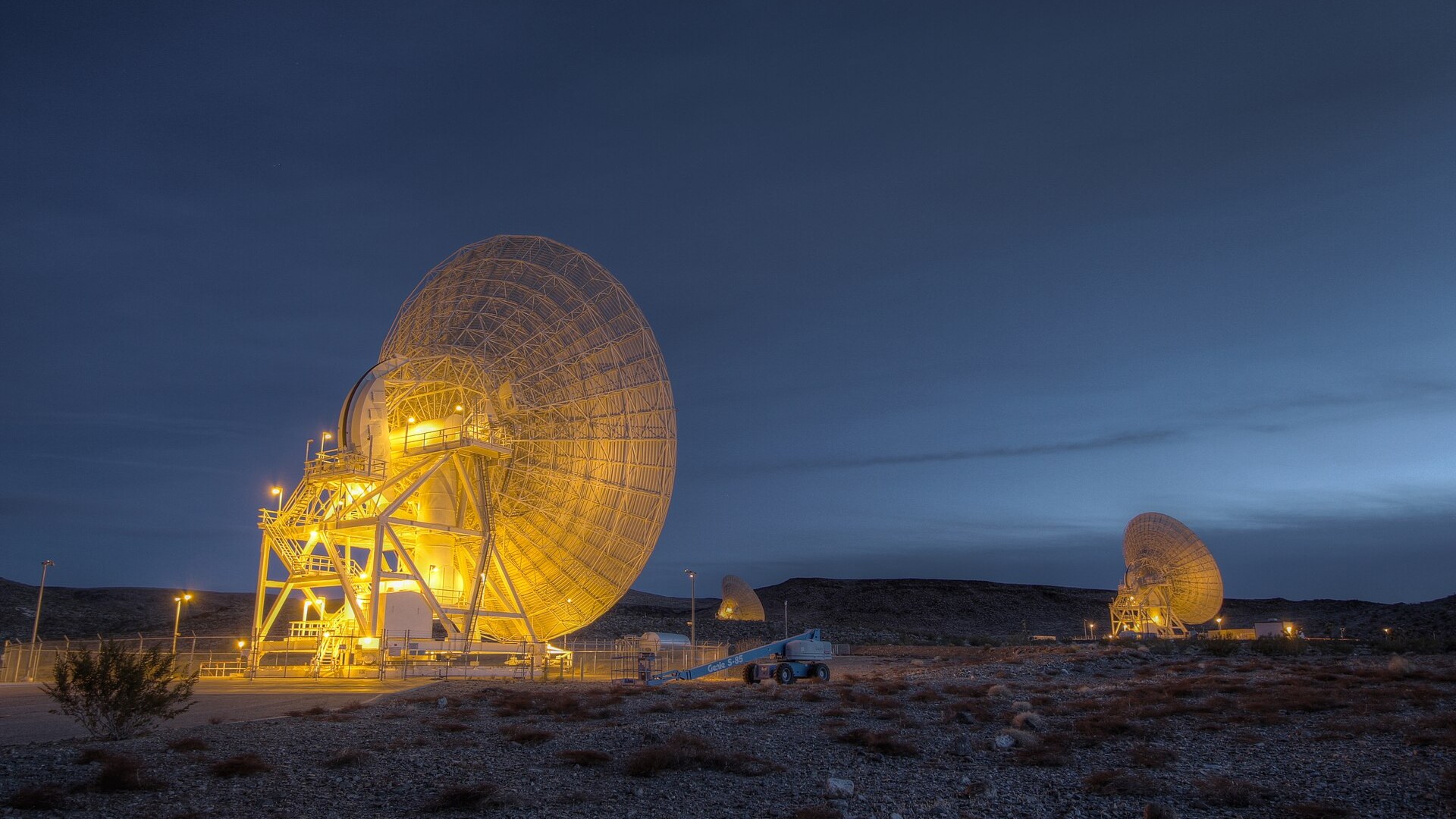
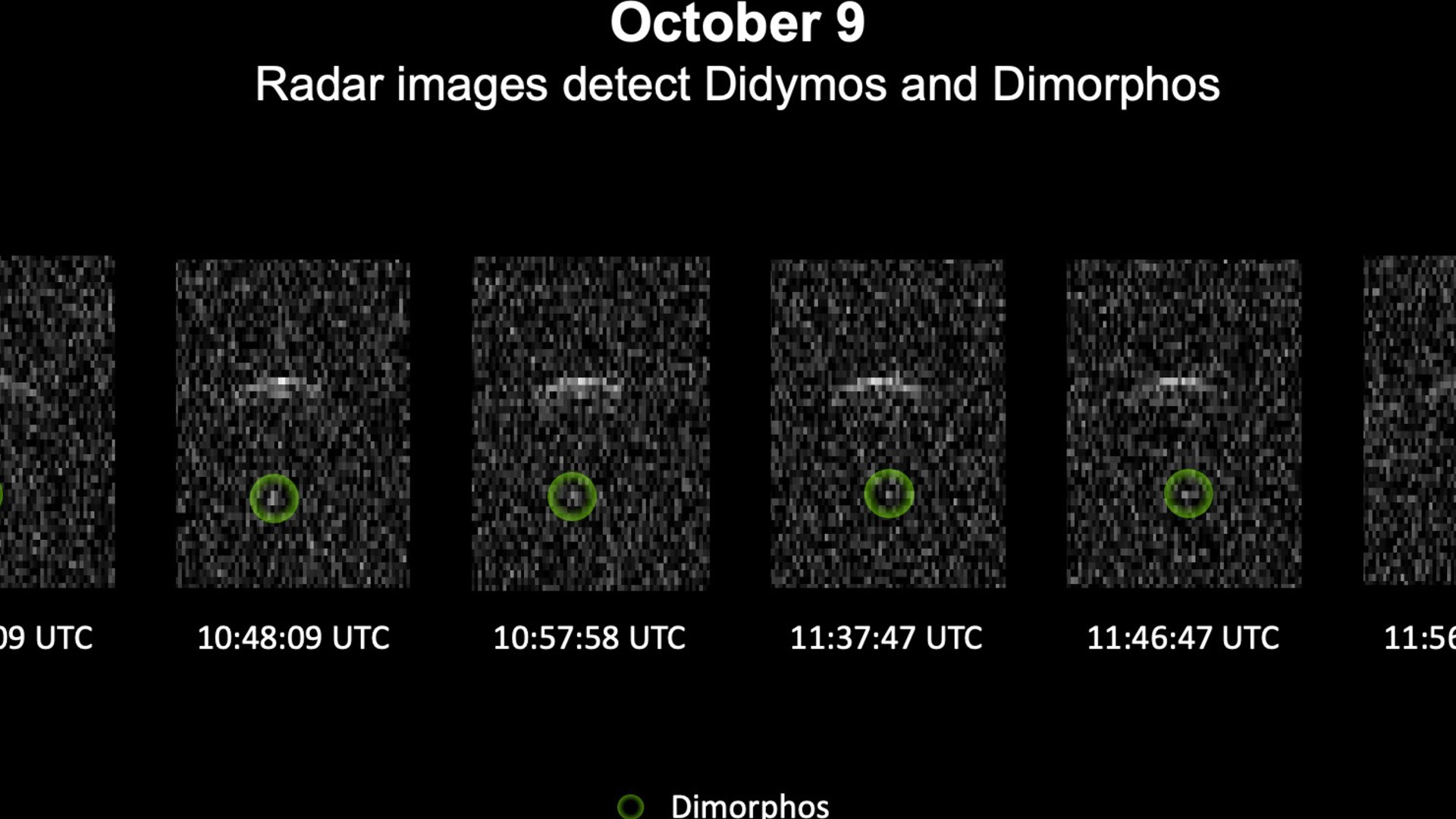
Close passes act as a free laboratory for planetary scientists, allowing radar dishes and optical stations to measure the size, shape, and spin rate of passing asteroids. Studying these remnants reveals clues about the raw materials that built the early solar system.
©NASA / Jet Propulsion Laboratory / Goldstone
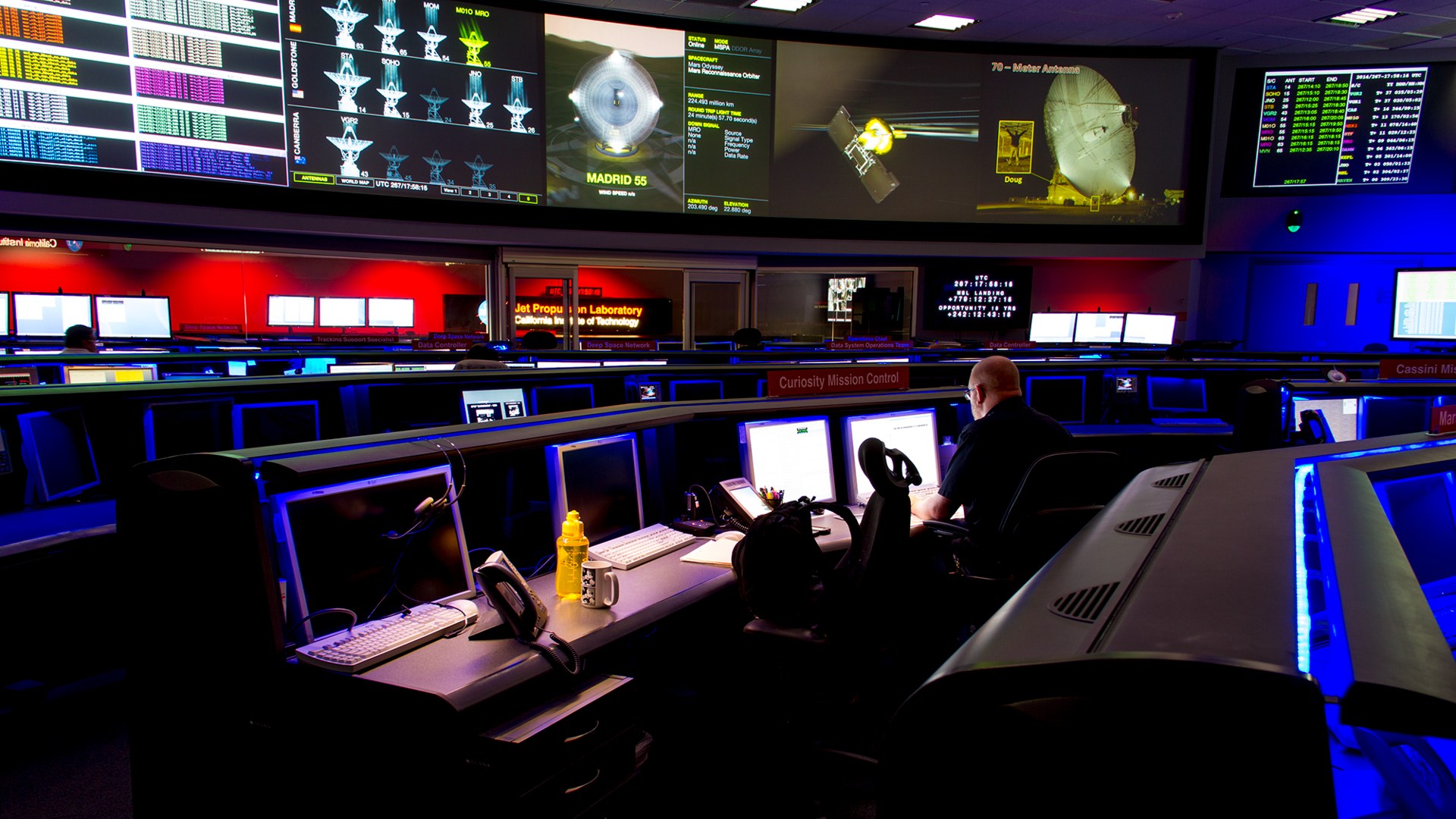
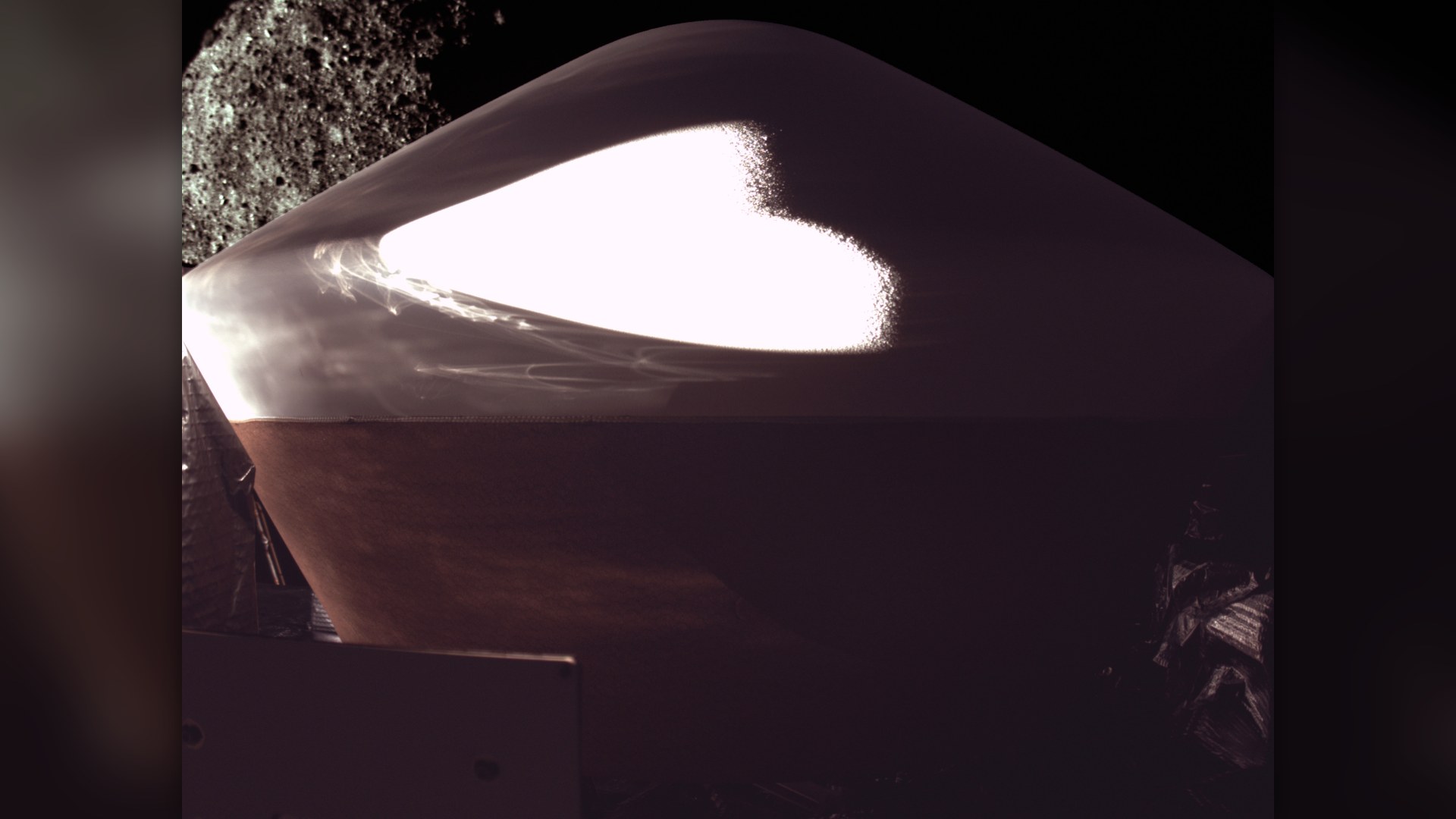
6. Navigating A Crowded Cosmic Highway
Tracking logs at NASA's Jet Propulsion Laboratory regularly record multiple objects passing through Earth's neighborhood at the same time. Our planet travels through a busy cosmic corridor populated by thousands of cataloged solar system remnants.
©NASA / Goddard / University of Arizona
5. Real-Time Public Observation And Citizen Science
Astronomical networks such as the Virtual Telescope Project frequently broadcast close asteroid flybys through live online streams. Published orbital coordinates also allow amateur astronomers with motorized backyard telescopes to track passing space rocks under dark skies.
©European Southern Observatory / B. Tafreshi
Advertisement
Swipe or tap ▶ to resume the countdown.
4. Rating Zero On The Torino Hazard Scale
Planetary defense researchers use the Torino Scale, rated from 0 to 10, to categorize potential impact risks. Safe sub-lunar visitors like Asteroid 2026 UE2 receive a baseline rating of zero, indicating zero collision hazard and no need for public concern.
©NASA / Scientific Visualization Studio / APL
3. Early Warning Versus Impact Mitigation
Although a 30-hour warning window is too brief to launch a spacecraft deflection mission, every hour of advance notice matters for civil defense. In the event of an actual small atmospheric impact, 30 hours gives emergency agencies time to issue regional alerts.
©NASA / Bill Ingalls / Wikimedia Commons
2. Shifting Focus To Planetary Defense
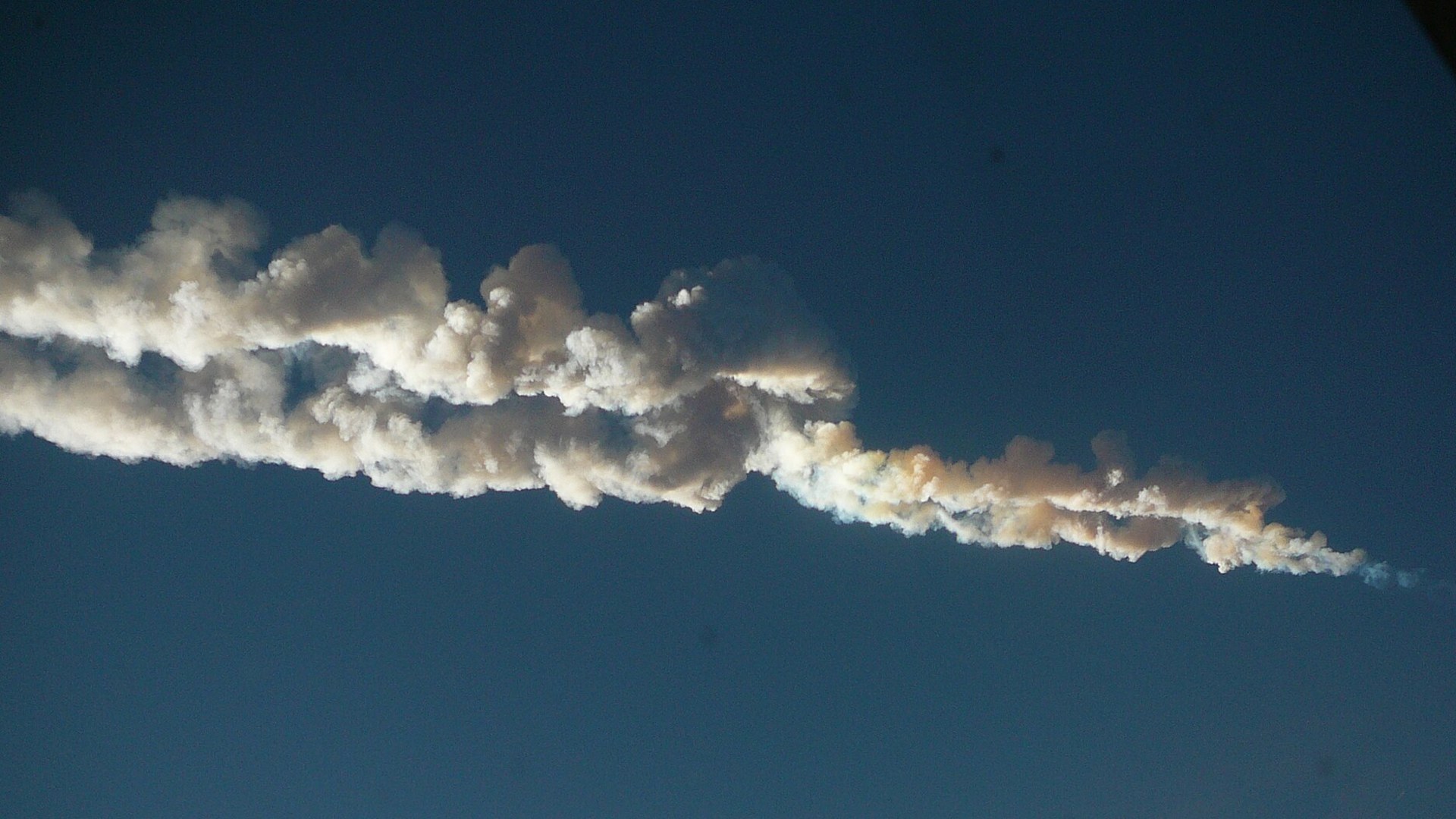
Historical events like the February 2013 Chelyabinsk meteor explosion over Russia showed that undetected daytime arrivals can shatter windows across an entire region. Every late-stage detection today proves that automated sky-scanning grids are growing faster and more sensitive.
©Wikimedia Commons / Nikita Plekhanov (CC BY-SA 3.0)
1. Eyes On The Future Horizon
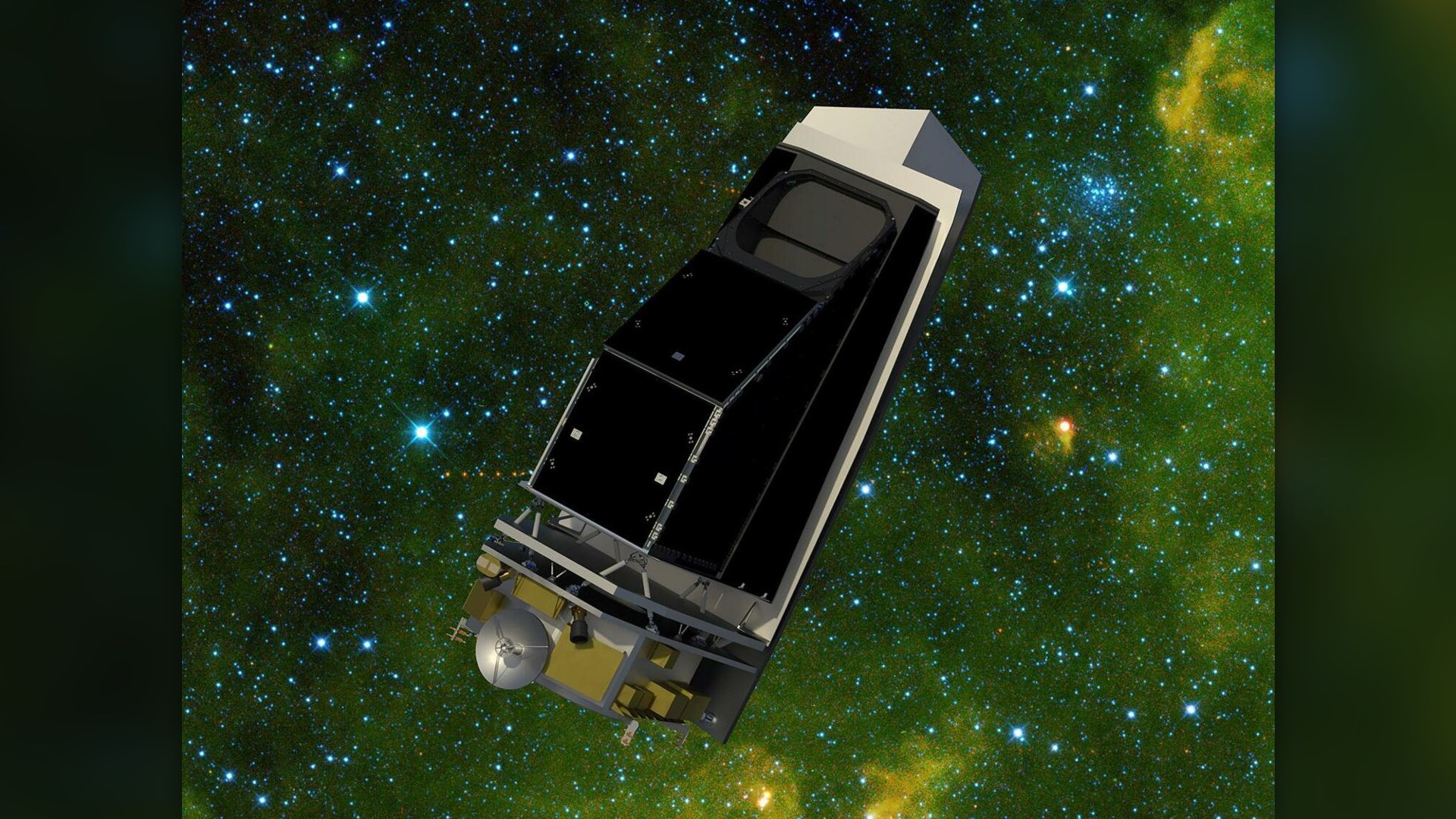
The close pass of Asteroid 2026 UE2 underscores the importance of NASA's Asteroid Watch and European Space Agency tracking programs. As next-generation infrared observatories like NEO Surveyor join the search, warning times will expand from hours to decades.

©NASA / JPL-Caltech / University of Arizona
Advertisement
You've reached the end of the story. Thanks for reading!

22 Most Secret World War II Aircraft Tested Behind Closed Doors
Between 1939 and 1945, Allied and Axis engineers built jets, flying wings and rocket interceptors in deep wartime secrecy. Ranked from 22 to 1 by historical secrecy and technical leap, this countdown draws on archival records from the Smithsonian, U.S. Air Force Museum, RAF Museum and German Federal Archives.
All 15 Entries in this Story
1. A Midnight Visitor From Deep Space
Asteroid 2026 UE2 safely skimmed past Earth in one of the year's most notable sub-lunar flybys. Detected just hours before arrival, the fast-moving space rock highlights how active Earth's orbital neighborhood remains every night.

2. The 30-Hour Automated Warning
Automated survey telescopes spotted Asteroid 2026 UE2 only 30 hours before its closest approach to Earth. Its late detection shows how difficult it is for ground-based optical instruments to spot smaller, unlit space rocks until they are right on our doorstep.

3. Mapping The 80,500-Mile Proximity
The asteroid zipped past at a distance of roughly 80,500 miles (129,600 kilometers) from Earth's surface. In astronomical terms, that represents a narrow margin equal to 0.34 lunar distances, or about a third of the way to the Moon.

4. Defining A Sub-Lunar Event
Objects that pass closer to Earth than the Moon's average orbit of 238,855 miles are categorized as sub-lunar close approaches. While several small sub-lunar passes happen each year, every flyby delivers valuable tracking benchmarks to global observation networks.

5. Absolute Certainty Of Safety
Astronomers rapidly calculated that Asteroid 2026 UE2 had a zero percent probability of striking Earth during its flyby. Its trajectory was mapped with high precision using the same orbital determination software that guides interplanetary spacecraft.

6. Global Coordination In Action
The asteroid's trajectory was verified using 21 independent astrometric observations. Telescopes across six tracking stations around the world coordinated within hours to lock onto the object's speed, inclination, and closest-approach window.

7. Size, Scale, And Earth's Atmospheric Shield
While exact size estimates depend on surface reflectivity, 2026 UE2 belongs to a class of smaller Near-Earth Objects. Space rocks in this size range rarely threaten the ground because Earth's dense atmosphere breaks them apart during high-speed entry.

8. Why Late Discoveries Happen
Smaller asteroids have a low absolute magnitude, making them faint points of light against dark space. Many Near-Earth Objects also approach from the direction of the daytime sky, where solar glare overwhelms ground-based telescope optics.

9. A Natural Flyby Laboratory For Space Science
Close passes act as a free laboratory for planetary scientists, allowing radar dishes and optical stations to measure the size, shape, and spin rate of passing asteroids. Studying these remnants reveals clues about the raw materials that built the early solar system.

10. Navigating A Crowded Cosmic Highway
Tracking logs at NASA's Jet Propulsion Laboratory regularly record multiple objects passing through Earth's neighborhood at the same time. Our planet travels through a busy cosmic corridor populated by thousands of cataloged solar system remnants.

11. Real-Time Public Observation And Citizen Science
Astronomical networks such as the Virtual Telescope Project frequently broadcast close asteroid flybys through live online streams. Published orbital coordinates also allow amateur astronomers with motorized backyard telescopes to track passing space rocks under dark skies.

12. Rating Zero On The Torino Hazard Scale
Planetary defense researchers use the Torino Scale, rated from 0 to 10, to categorize potential impact risks. Safe sub-lunar visitors like Asteroid 2026 UE2 receive a baseline rating of zero, indicating zero collision hazard and no need for public concern.

13. Early Warning Versus Impact Mitigation
Although a 30-hour warning window is too brief to launch a spacecraft deflection mission, every hour of advance notice matters for civil defense. In the event of an actual small atmospheric impact, 30 hours gives emergency agencies time to issue regional alerts.

14. Shifting Focus To Planetary Defense
Historical events like the February 2013 Chelyabinsk meteor explosion over Russia showed that undetected daytime arrivals can shatter windows across an entire region. Every late-stage detection today proves that automated sky-scanning grids are growing faster and more sensitive.

15. Eyes On The Future Horizon
The close pass of Asteroid 2026 UE2 underscores the importance of NASA's Asteroid Watch and European Space Agency tracking programs. As next-generation infrared observatories like NEO Surveyor join the search, warning times will expand from hours to decades.