Slideshow · Animals
Baby Animals With the Most Surprising Survival Skills
From four-hundred-foot cliff plunges to natural antifreeze and predator mimicry, how wild newborns survive the odds.
All 16 Entries in this Story
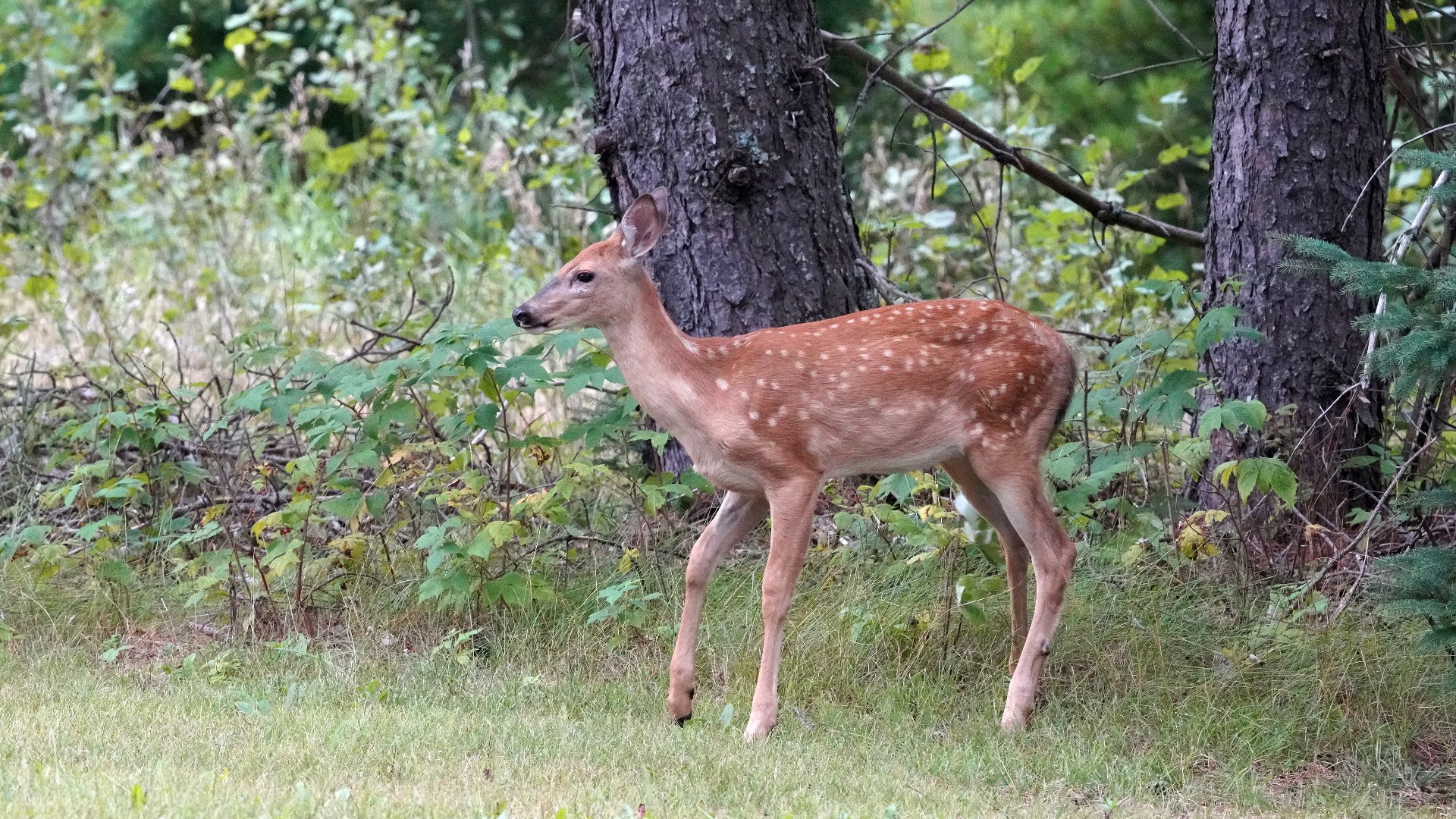
1. Deer Fawns Freeze Motionless Without Scent
For their first few weeks of life, white-tailed deer fawns lack functioning scent glands, leaving predators unable to smell them. When danger approaches, a fawn flattens against the ground and slows its heartbeat, relying on dappled camouflage.
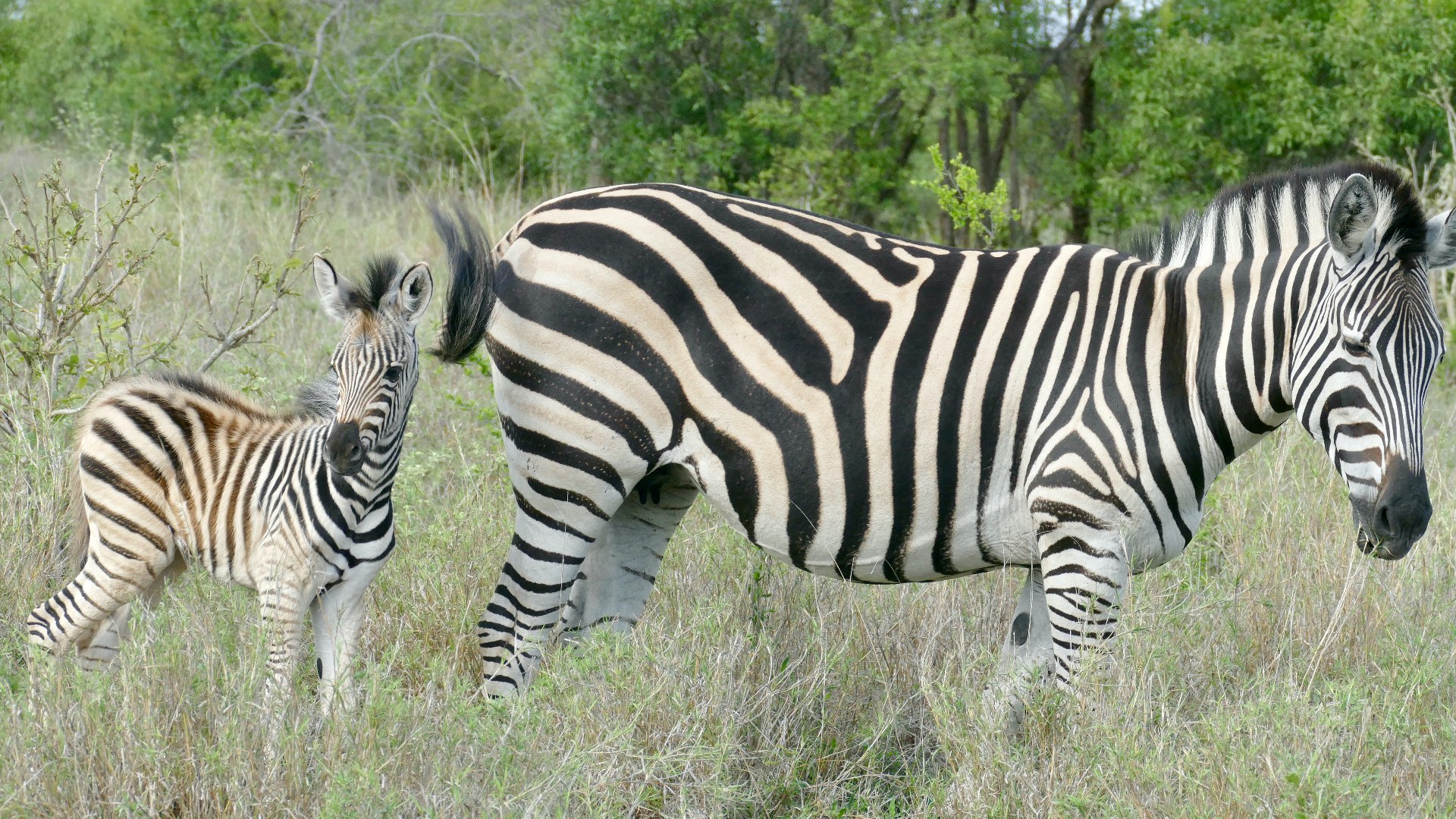
2. Zebra Foals Memorize Mother Stripe Patterns
Every zebra possesses a distinct stripe configuration. During the first few days post-birth, a mother keeps other herd members away, allowing her foal to memorize her exact stripe markings, voice, and scent so it never gets lost in a predator stampede.
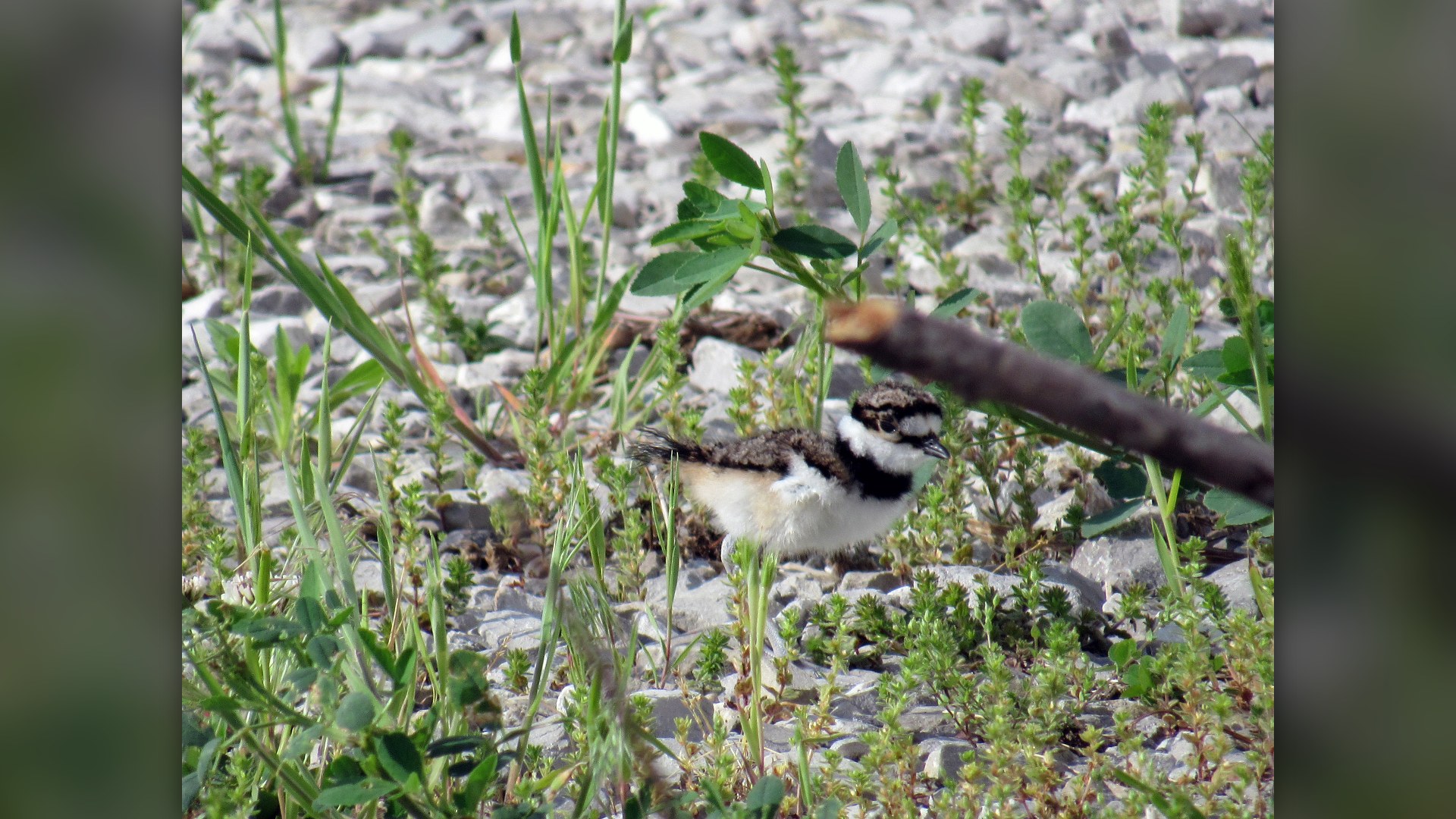
3. Killdeer Chicks Rely On Broken Wing Theater
Nesting on open gravel ground, killdeer chicks lack physical defense. At the first sign of a predator, the parent runs in the opposite direction dragging a wing as if crippled, sacrificing safety to steer danger away from the motionless brood.
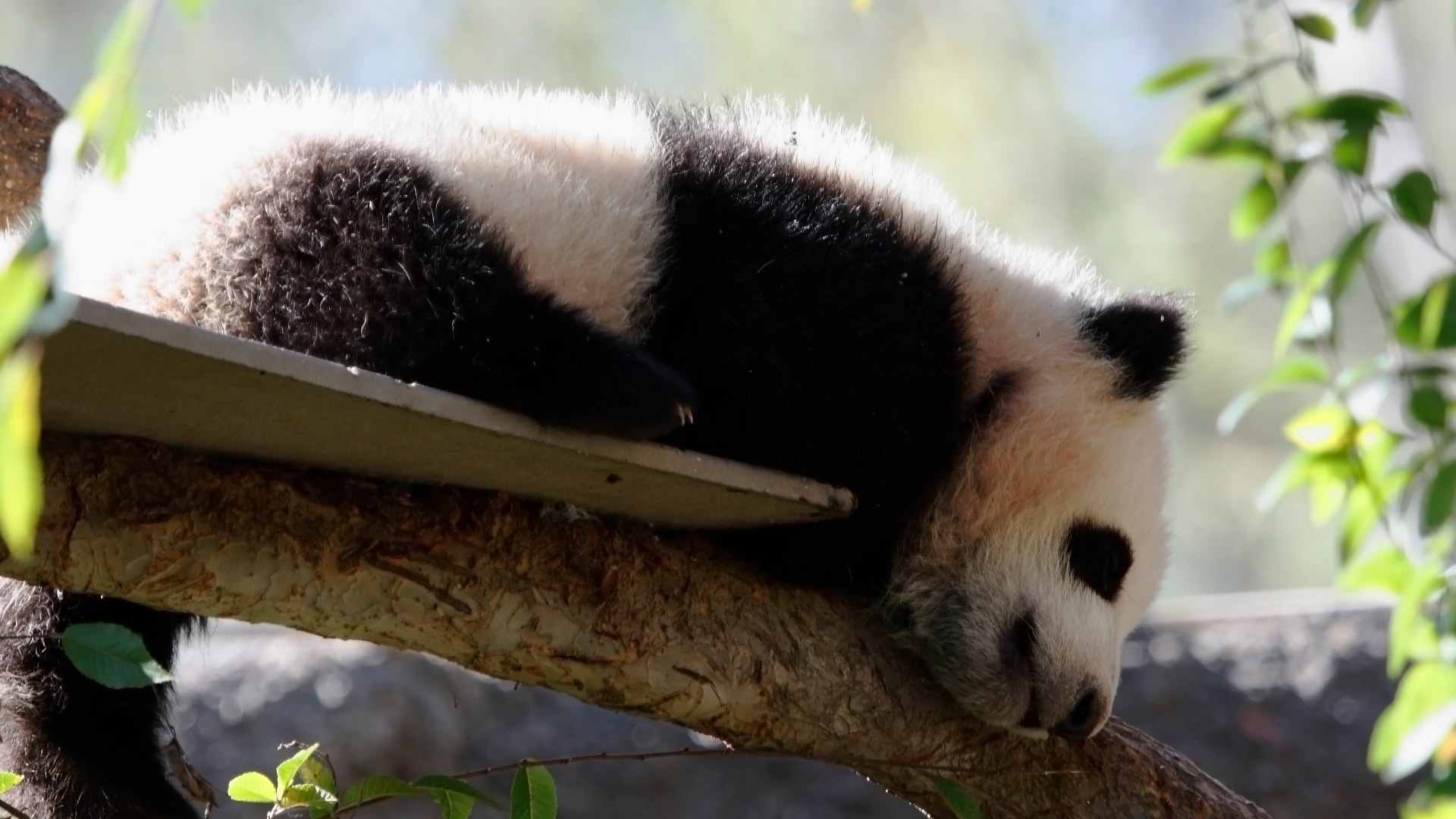
4. Panda Cubs Emit Loud Screams When Trapped
A newborn panda is one nine-hundredth the size of its mother, making accidental crushing a severe danger. To survive, the blind pink cub emits continuous high-decibel screams whenever pressure shifts, directing the mother to reposition carefully.
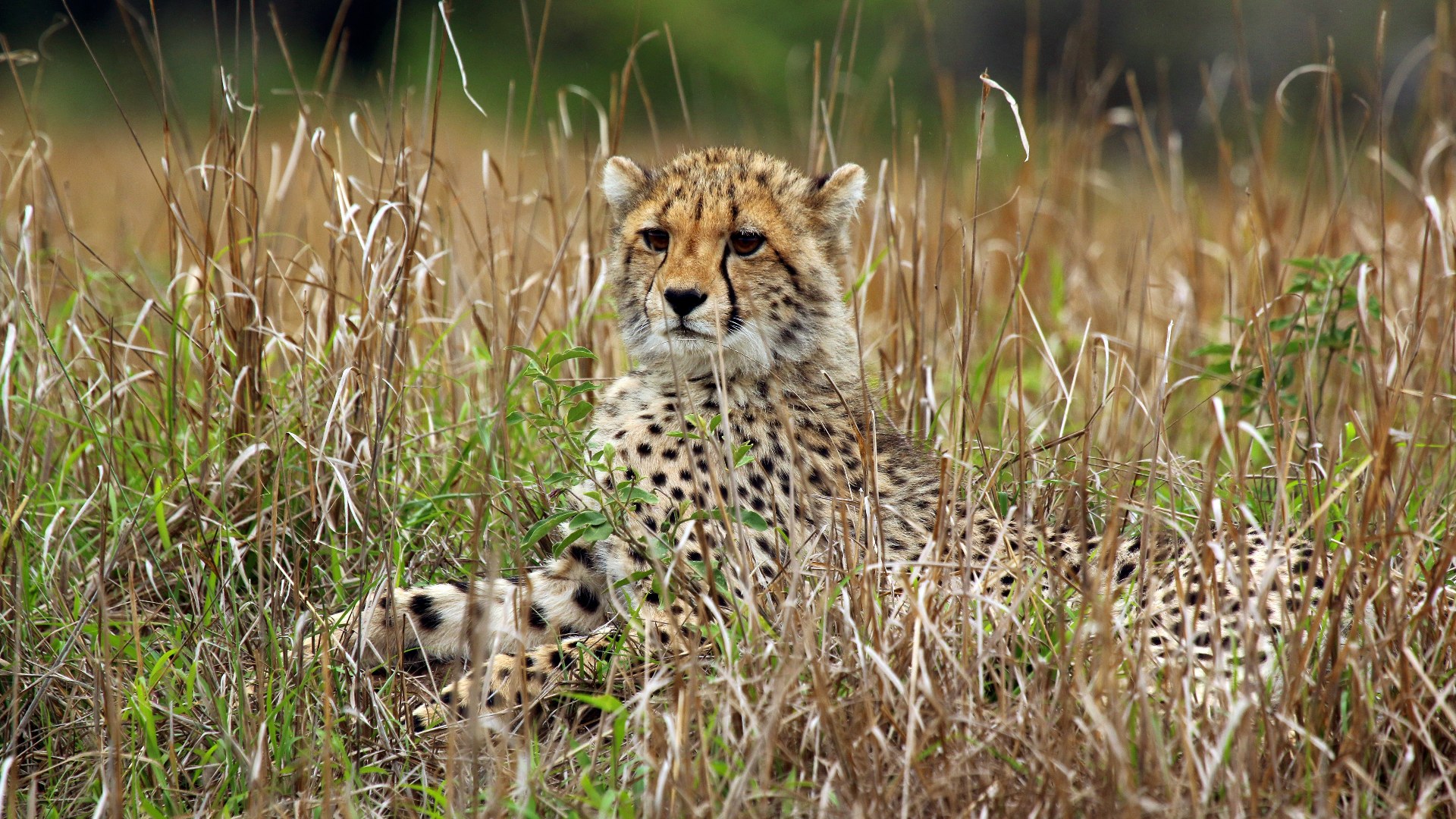
5. Cheetah Cubs Mimic Ferocious Honey Badgers
Lions, hyenas, and eagles frequently target helpless cheetah litters. To survive savanna stalks, cubs develop a smoky white-and-gray dorsal mantle that mimics the coloration of ferocious honey badgers, tricking apex predators into avoiding them.
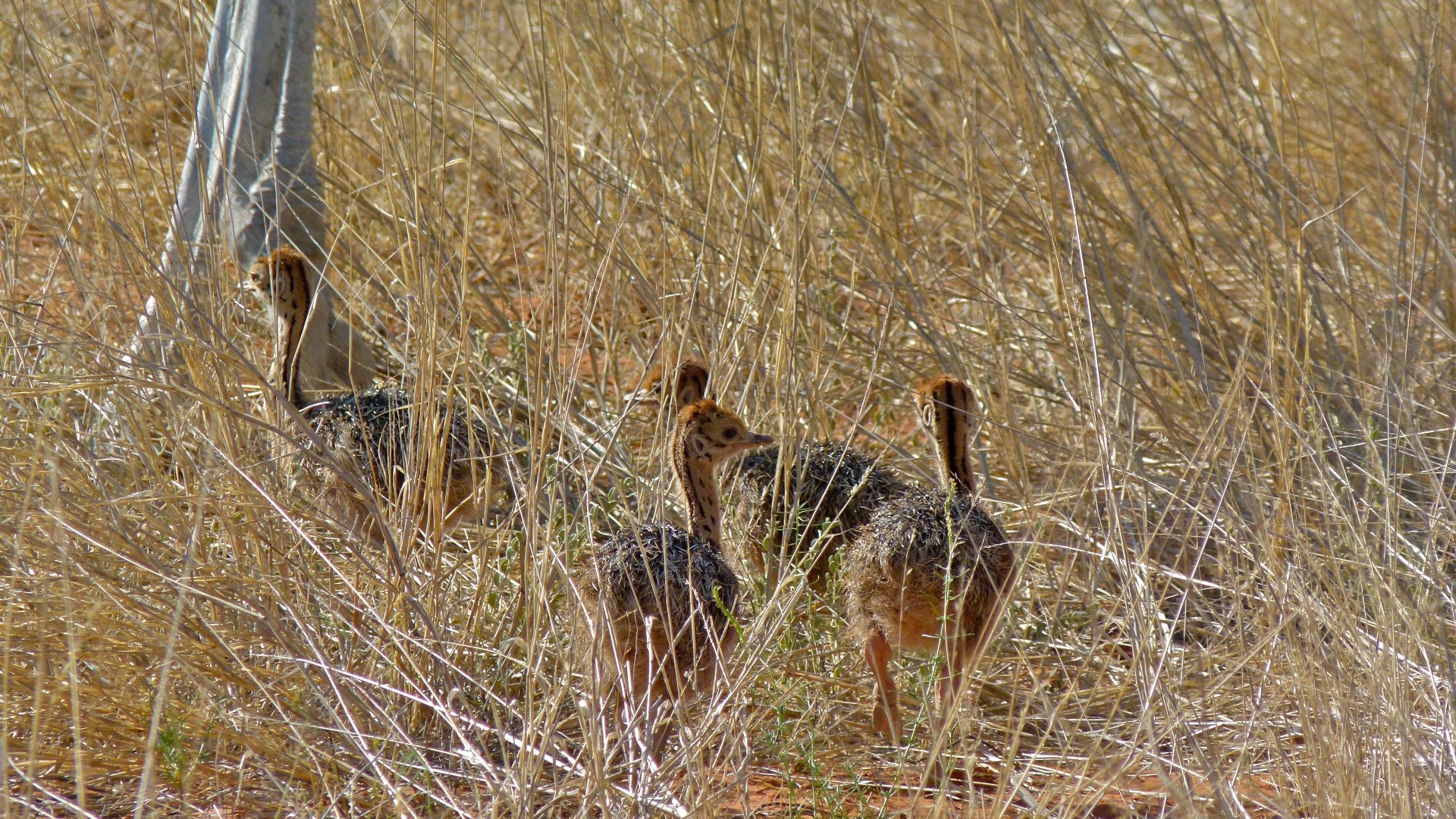
6. Ostrich Chicks Form Communal Super Creches
When different ostrich pairs encounter each other across the savanna, their broods merge into enormous crèches containing hundreds of young. A single dedicated guardian pair watches over the giant group, lowering the statistical peril for each chick.
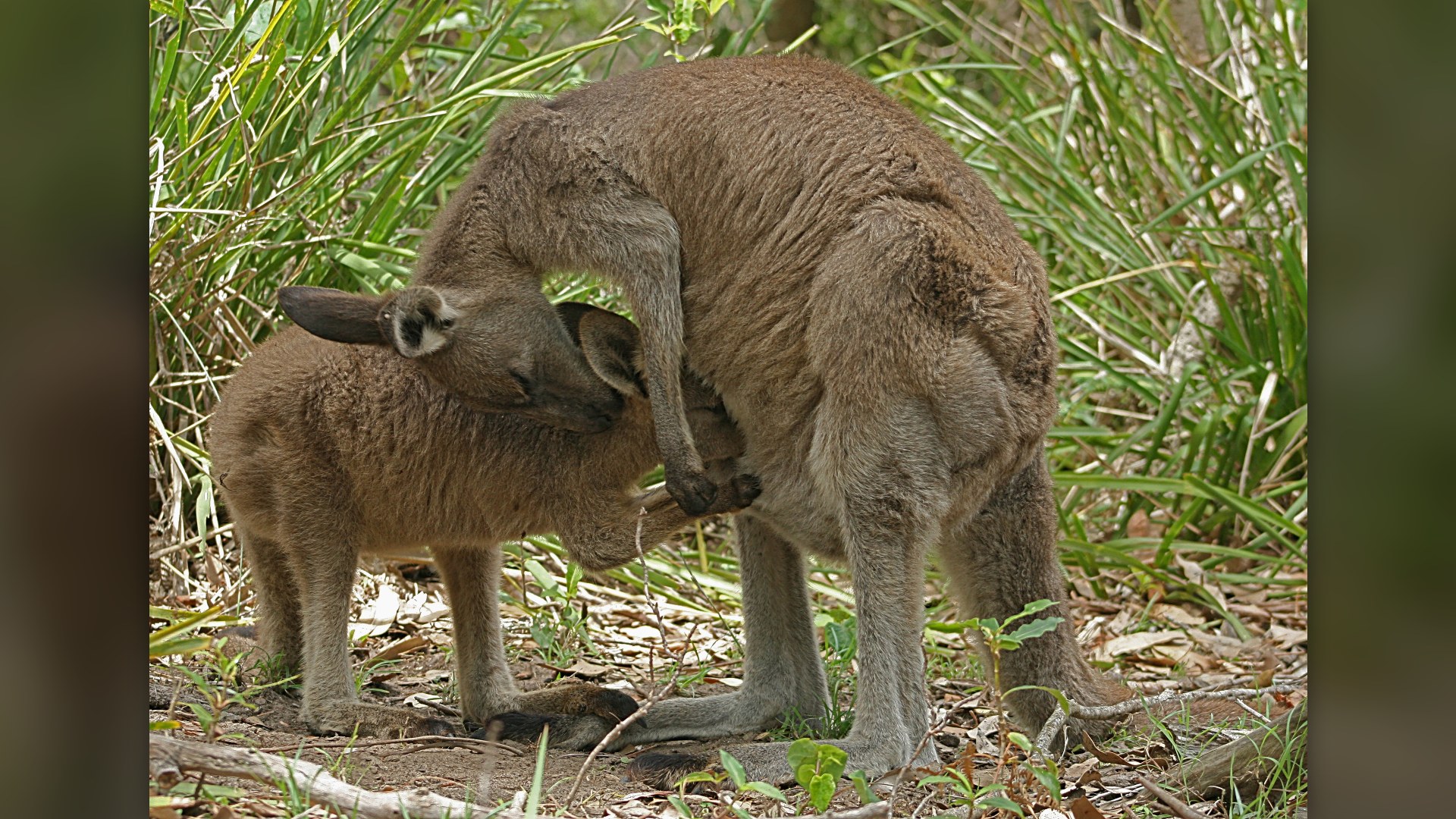
7. Kangaroo Joeys Climb Blind Into The Pouch
A newborn kangaroo emerges blind and hairless after barely a month in utero. Relying strictly on scent receptors and surprisingly developed front claws, it navigates the treacherous climb across its mother abdomen to latch securely onto a teat inside the pouch.
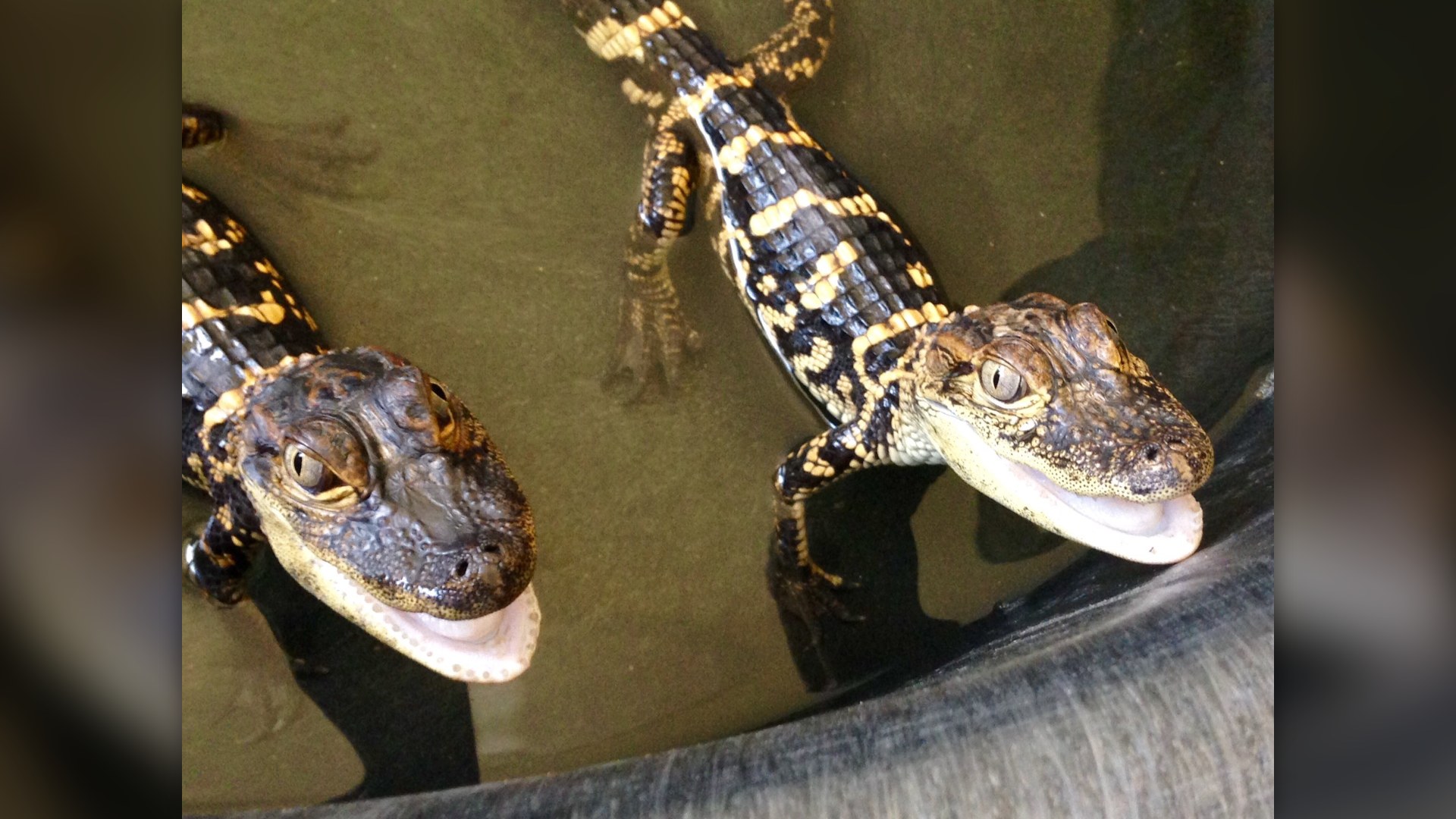
8. Alligator Hatchlings Call Mother From Underground
Buried beneath mounds of decomposing vegetation and compacted mud, alligator hatchlings would suffocate without help. Days before breaking shell, they produce rhythmic, high-frequency yelps that trigger the mother to excavate the nest mound and carry them to water.
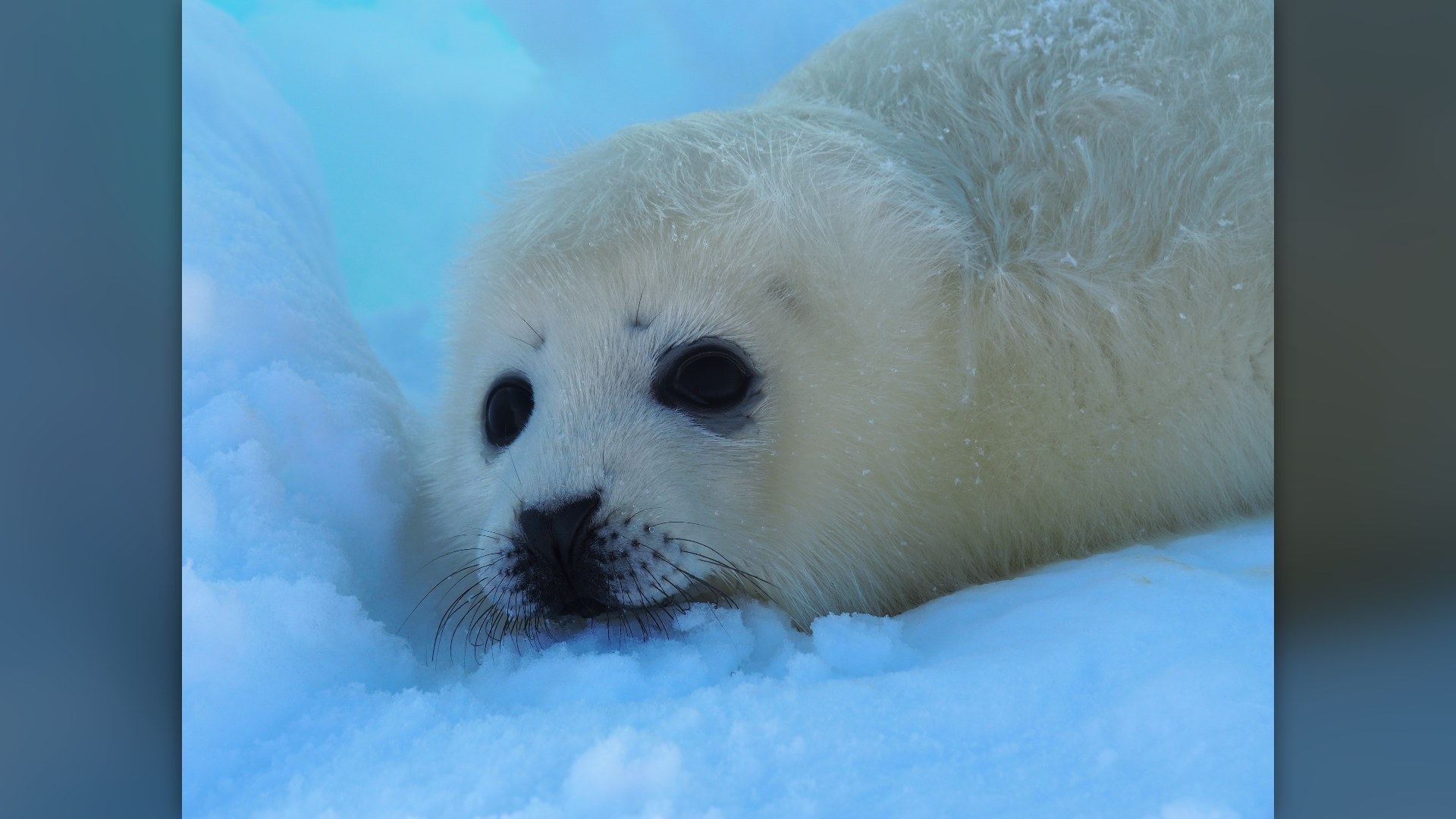
9. Harp Seal Pups Triple Weight In Twelve Days
Harp seal mothers give birth on shifting Arctic sea ice and nurse their pups for less than two weeks. The nutrient-dense milk allows the whitecoat pup to gain several pounds each day, building life-saving insulation before facing freezing waters alone.
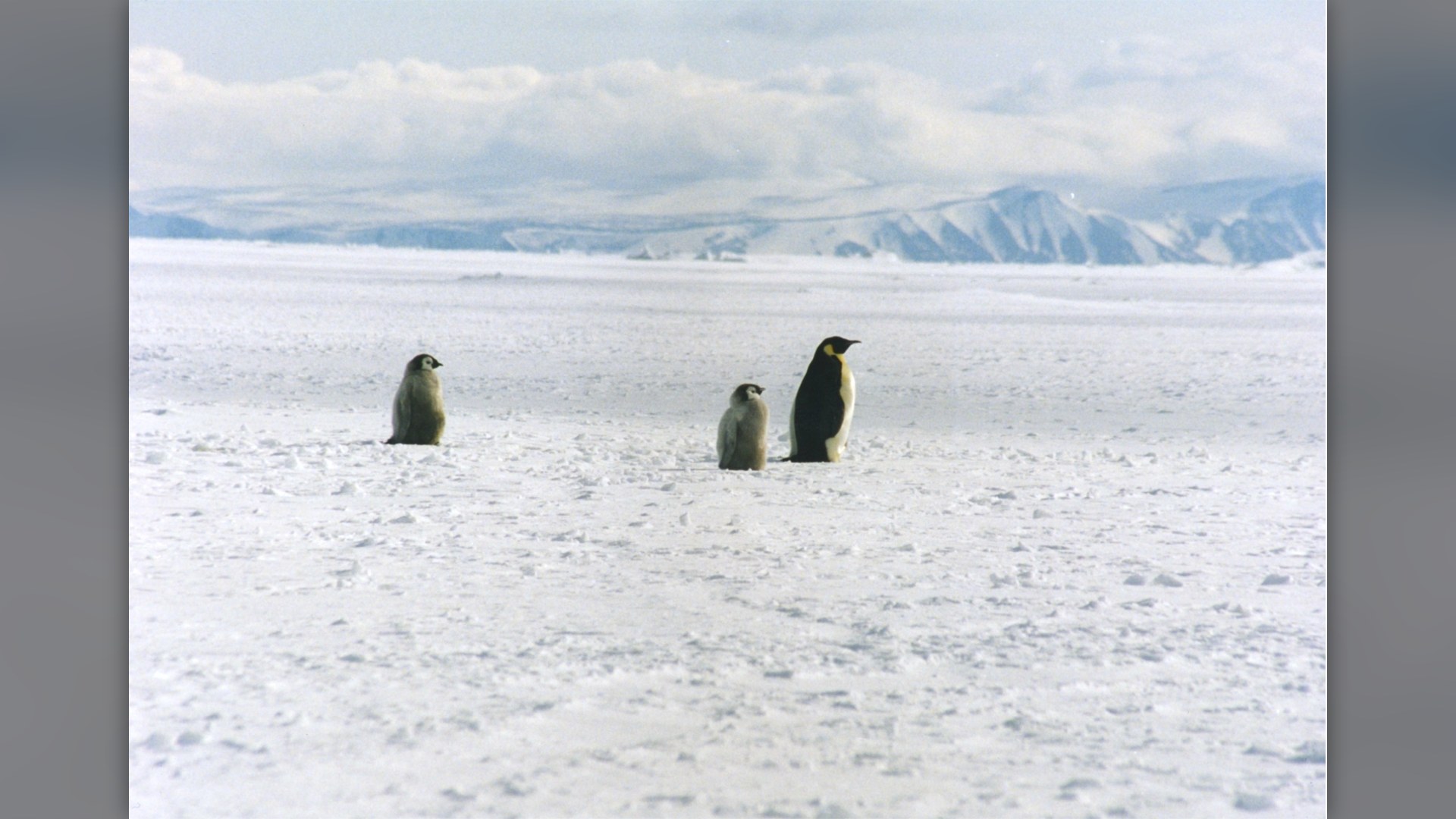
10. Penguin Chicks Balance Above Antarctic Ice
Antarctic ice shelves drop to minus fifty degrees during winter blizzards. Newly hatched emperor penguin chicks survive by standing directly atop their parents insulated feet, sheltered underneath a feathered belly flap called the brood pouch.
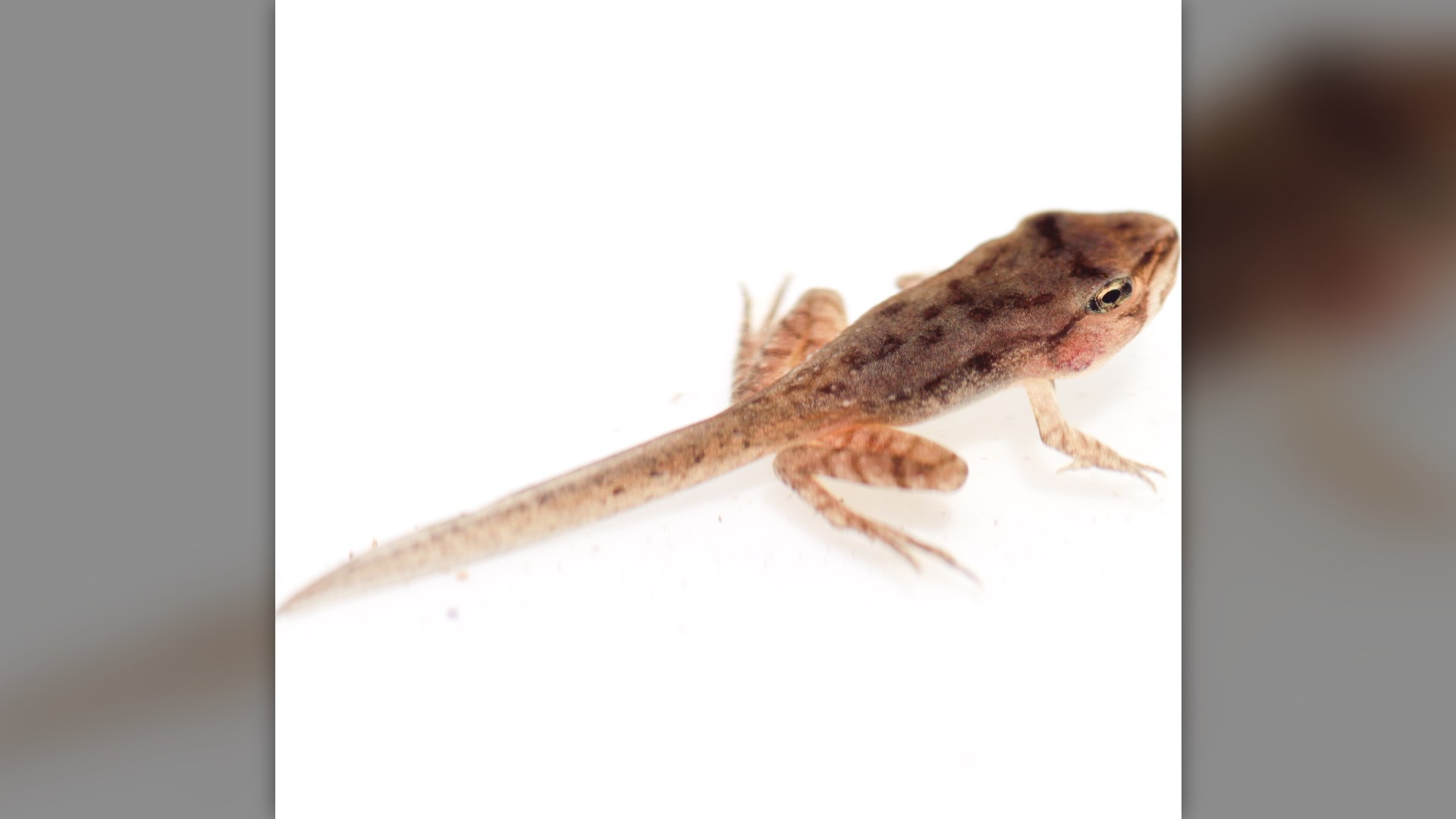
11. Wood Frog Tadpoles Produce Natural Antifreeze
Wood frogs breed in icy vernal pools fed by melting snowpacks. Their tadpoles synthesize concentrated glucose and urea compounds that act as natural cryoprotectants, preventing ice crystals from rupturing cell membranes during sudden spring freezes.
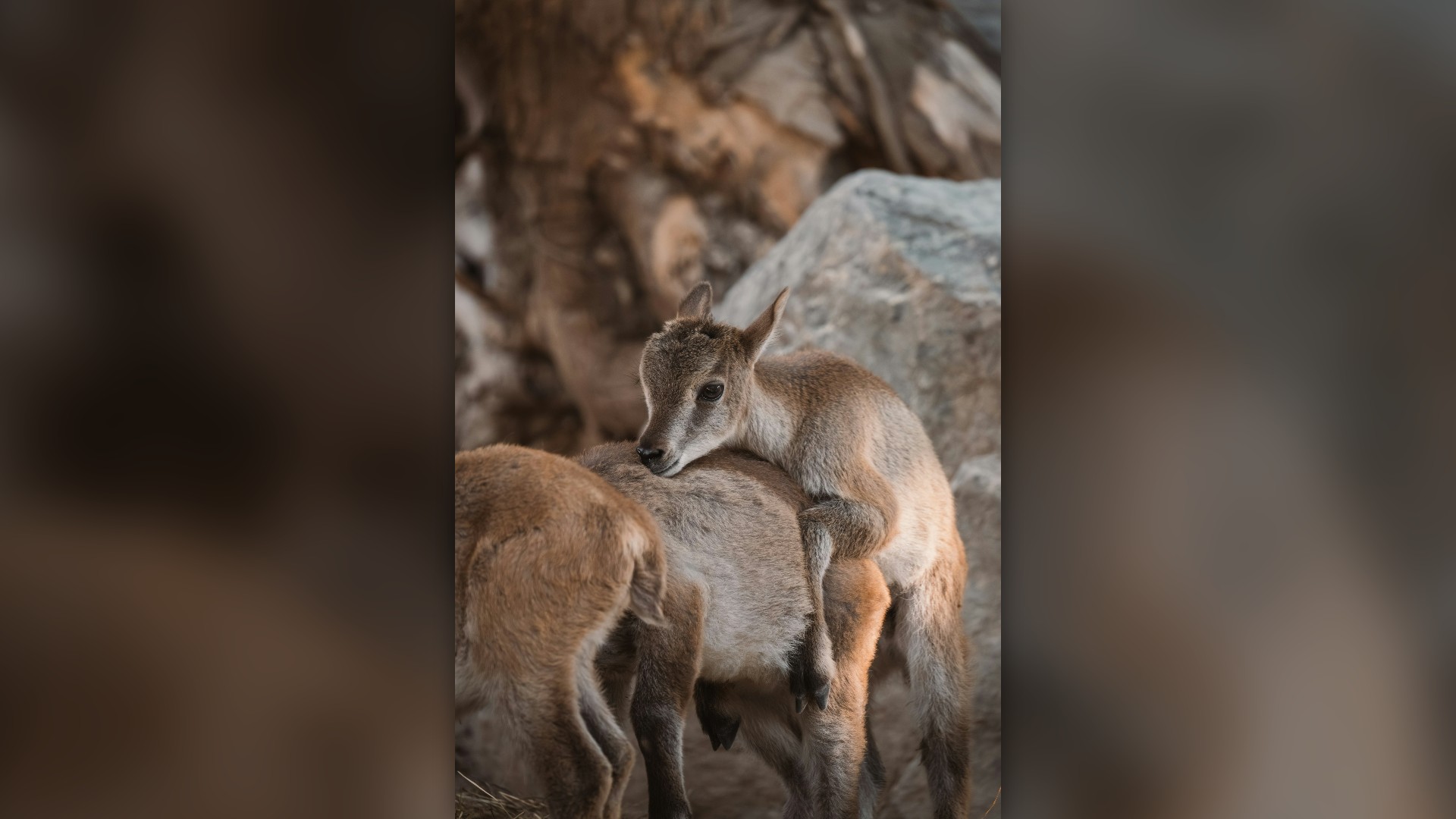
12. Mountain Goat Kids Scale Cliffs Within Hours
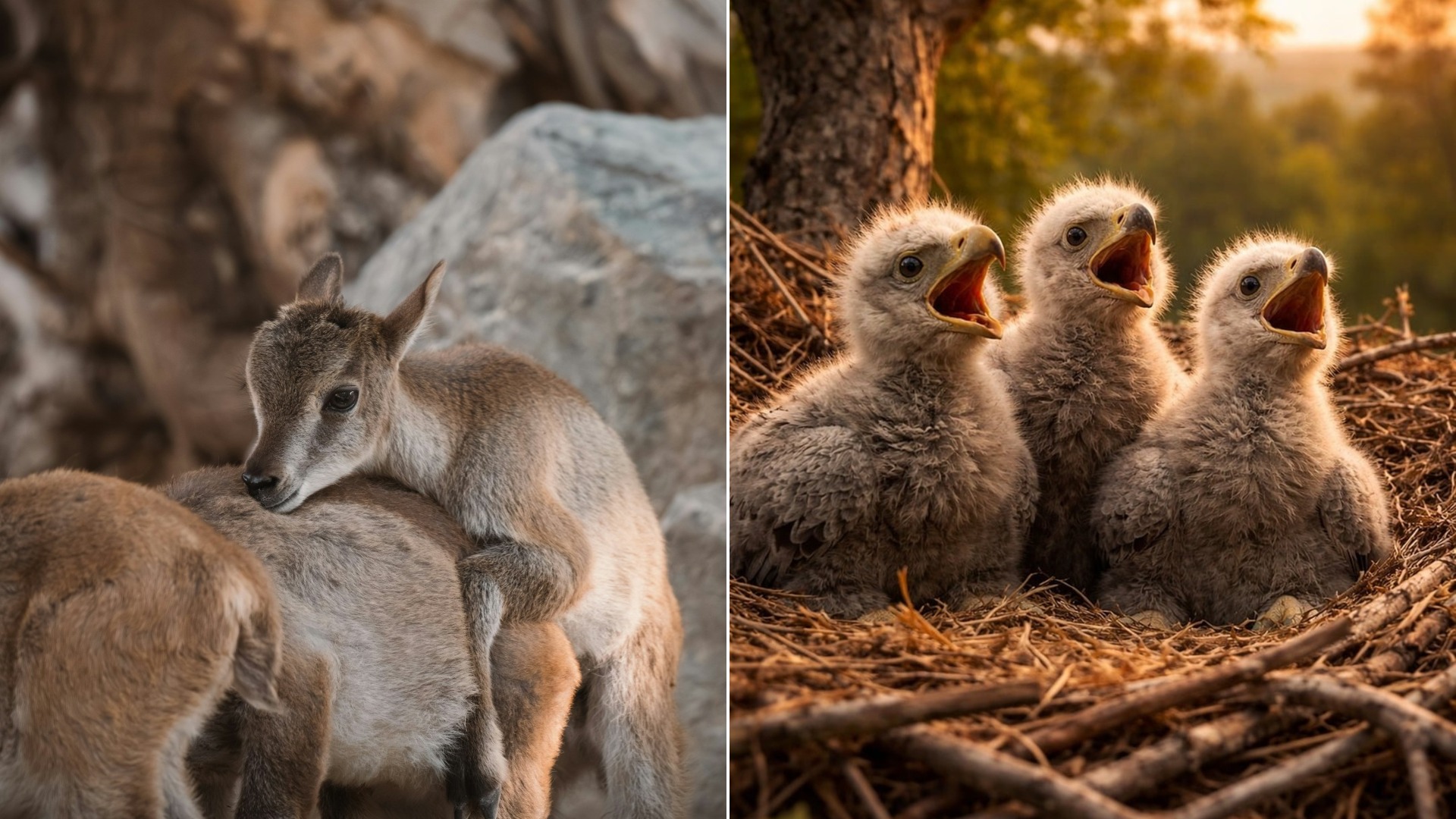
Hours after birth on jagged alpine ledges, mountain goat kids must follow their mothers across razor-sharp precipices. Their hooves feature dual flexible toes with rough, traction-locking pads that grip micro-fissures in steep cliff walls.
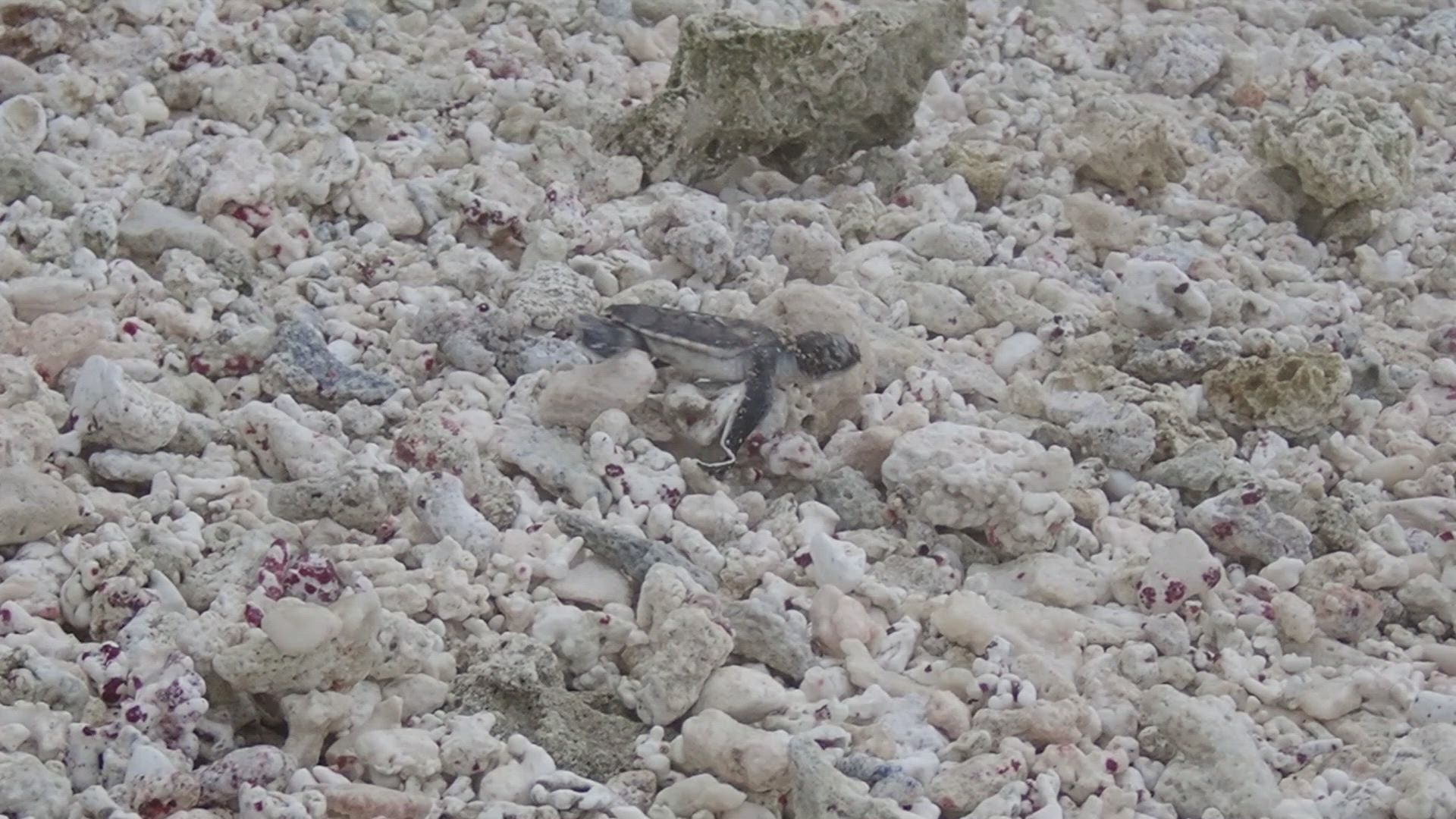
13. Sea Turtle Hatchlings Sprint By Midnight Magnetism
Sea turtle eggs hatch in synchronized waves under the cover of darkness. The tiny newborns sprint down the beach toward the bright horizon, immediately entering a frantic swimming state guided by internal geomagnetic sensors to reach deep ocean currents.
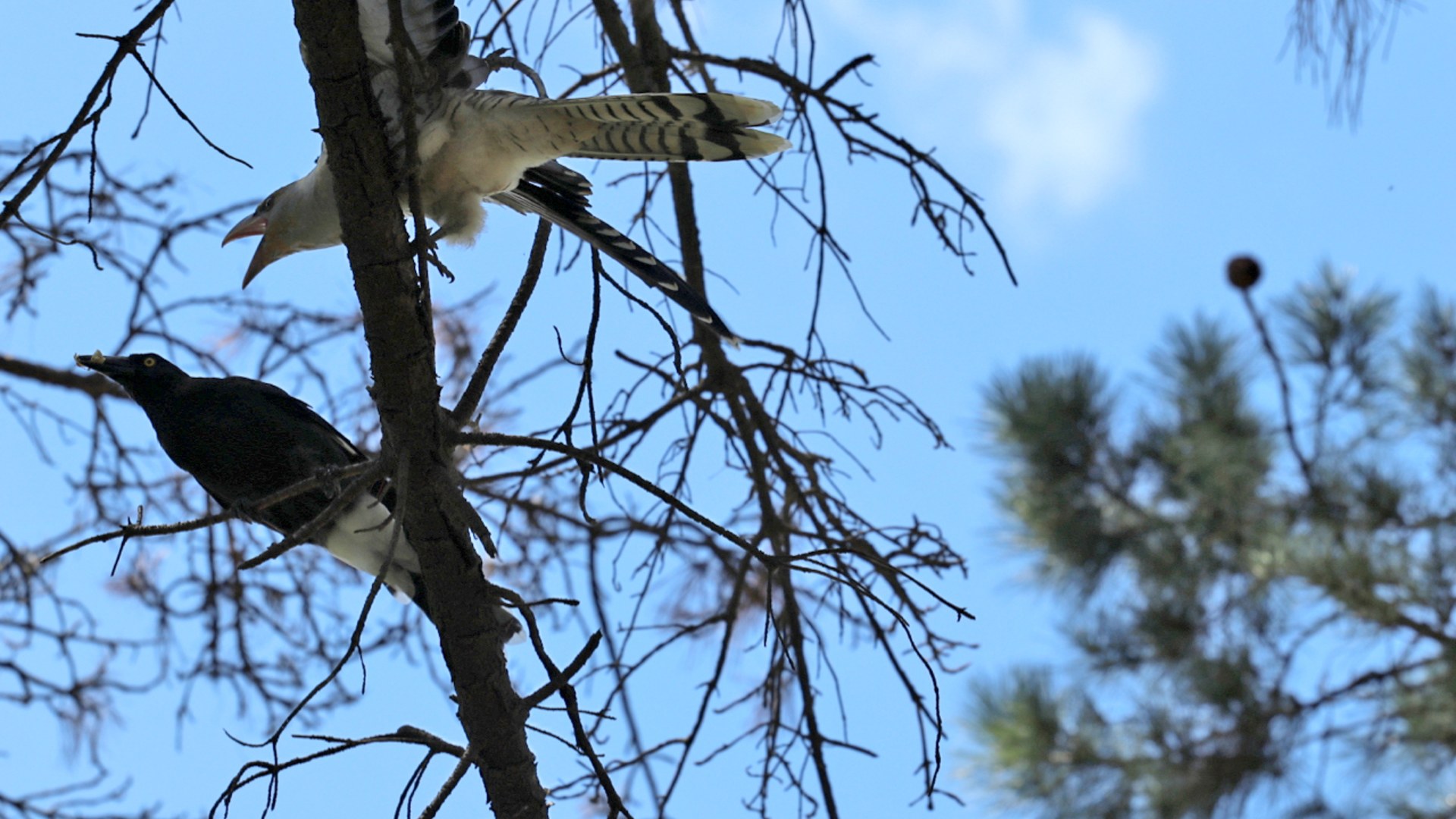
14. Cuckoo Chicks Monopolize Stolen Foster Nests
Channel-billed cuckoos lay eggs in crow and currawong nests. Hatching with rapid speed, the voracious cuckoo chick uses an oversized red gape and persistent begging calls to demand every morsel of food, starving out the hosts biological chicks.
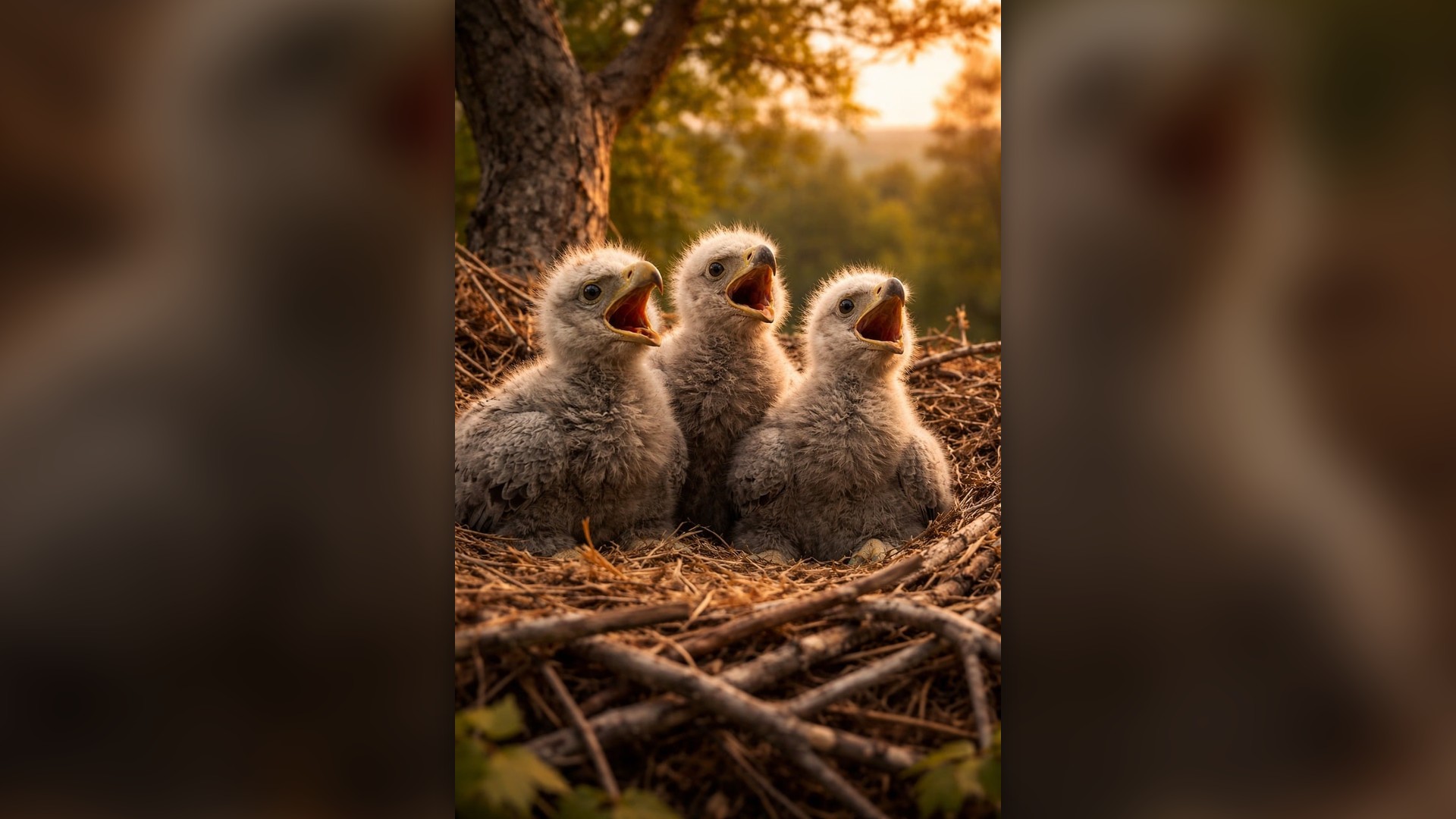
15. Golden Eagle Eaglets Defy Alpine Frost In Down
Perched on sheer mountain crags hundreds of feet up, golden eagle nests face freezing snow squalls and punishing winds. Eaglets are insulated by an ultra-dense coat of white thermal down that traps body heat until mature contour feathers sprout.
16. Barnacle Goose Goslings Leap Off Towering Cliffs
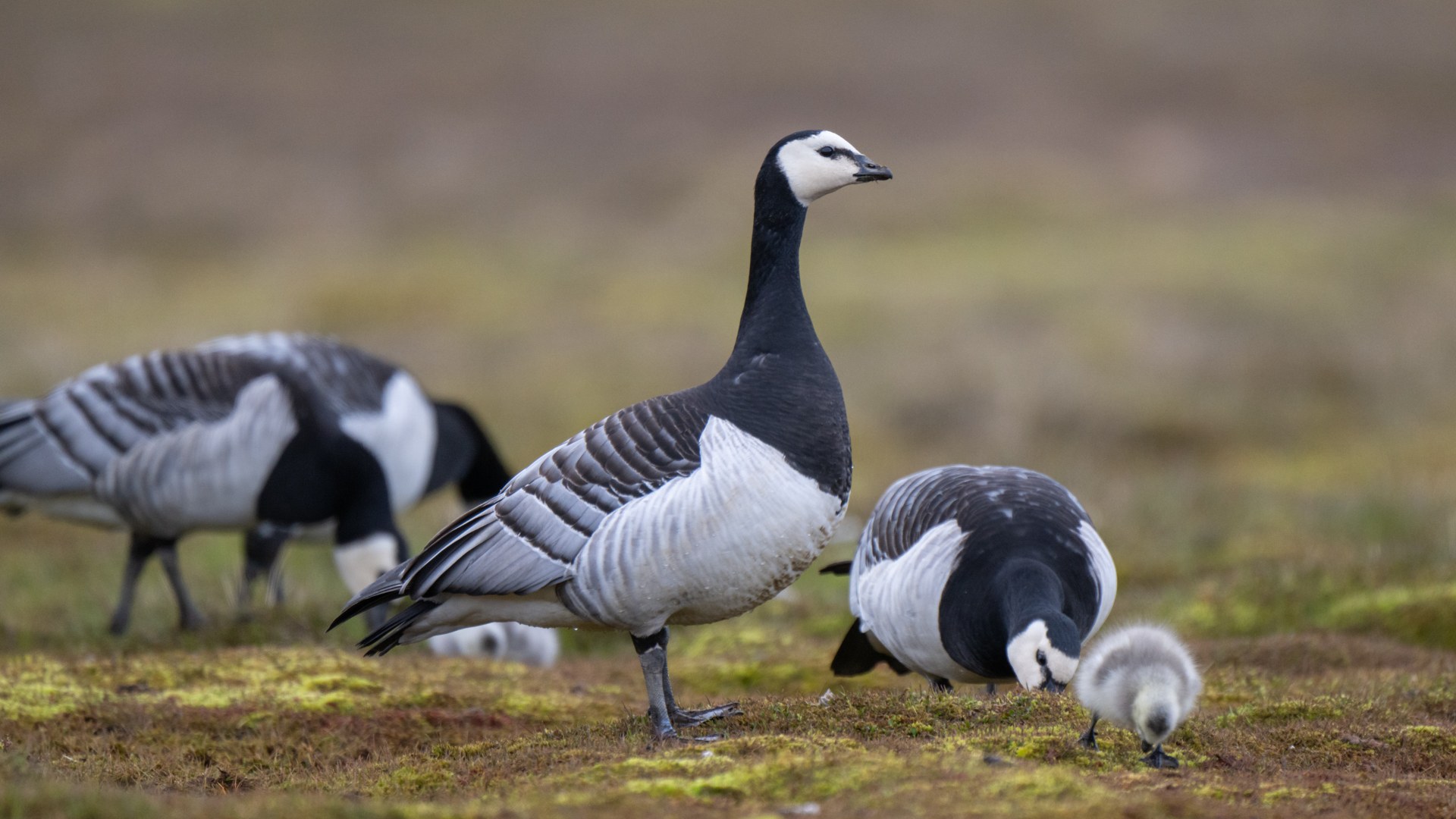
To protect eggs from Arctic foxes, barnacle geese nest on mountain clifftops four hundred feet high. Two days after hatching, goslings must leap into empty air, bouncing off sharp talus rocks and relying on lightweight fluff to survive the landing.