Slideshow · Viral
Candy Corn: Strange Facts About America's Most Divisive Treat
From 19th-century chicken feed to secret insect glazes and nine billion kernels a year, uncover the wild story of candy corn.
By Most Viral Today
30 Oct 2026

America's Most Divisive Halloween Candy Exposed 
15. Originally Called Chicken Feed 
14. The Original Rooster Box 
13. Hand-Poured In Copper Kettles - AdvertisementSwipe or tap ▶ to continue countdown

12. An All-Year Penny Candy 
11. Jelly Belly Built A Dynasty 
10. Imitating Ripe Harvest Corn 
9. Secret Insect Shellac Glaze - AdvertisementSwipe or tap ▶ to continue countdown

8. The Chewy Mellowcreme Texture 
7. The 1950s Halloween Boom 
6. Nine Billion Kernels A Year 
5. Dedicated National Holiday - AdvertisementSwipe or tap ▶ to continue countdown

4. Strange Commercial Flavor Hybrids 
3. Year-Round Color Variations 
2. The Nibbling Technique Debate 
1. America's Ultimate Love-Hate Treat - Advertisement🔥 UP NEXT IN THIS SERIES◫ 21 Slides

20 Iconic Historical Photos and the Archive Clues Behind Them
Contact sheets, cracked glass plates, and NASA mission logs preserve the hidden steps behind 20 famous photographs. Drawing on records from the Library of Congress, the National Archives, NASA, and the Smithsonian, this countdown traces how cropping, camera setups, and double exposures shaped each frame.
From its 19th-century origins as barnyard chicken feed to its secret insect glaze and bizarre flavor spin-offs, discover the strange history of America's most polarizing autumn treat.
Swipe or tap ▶ to begin the countdown
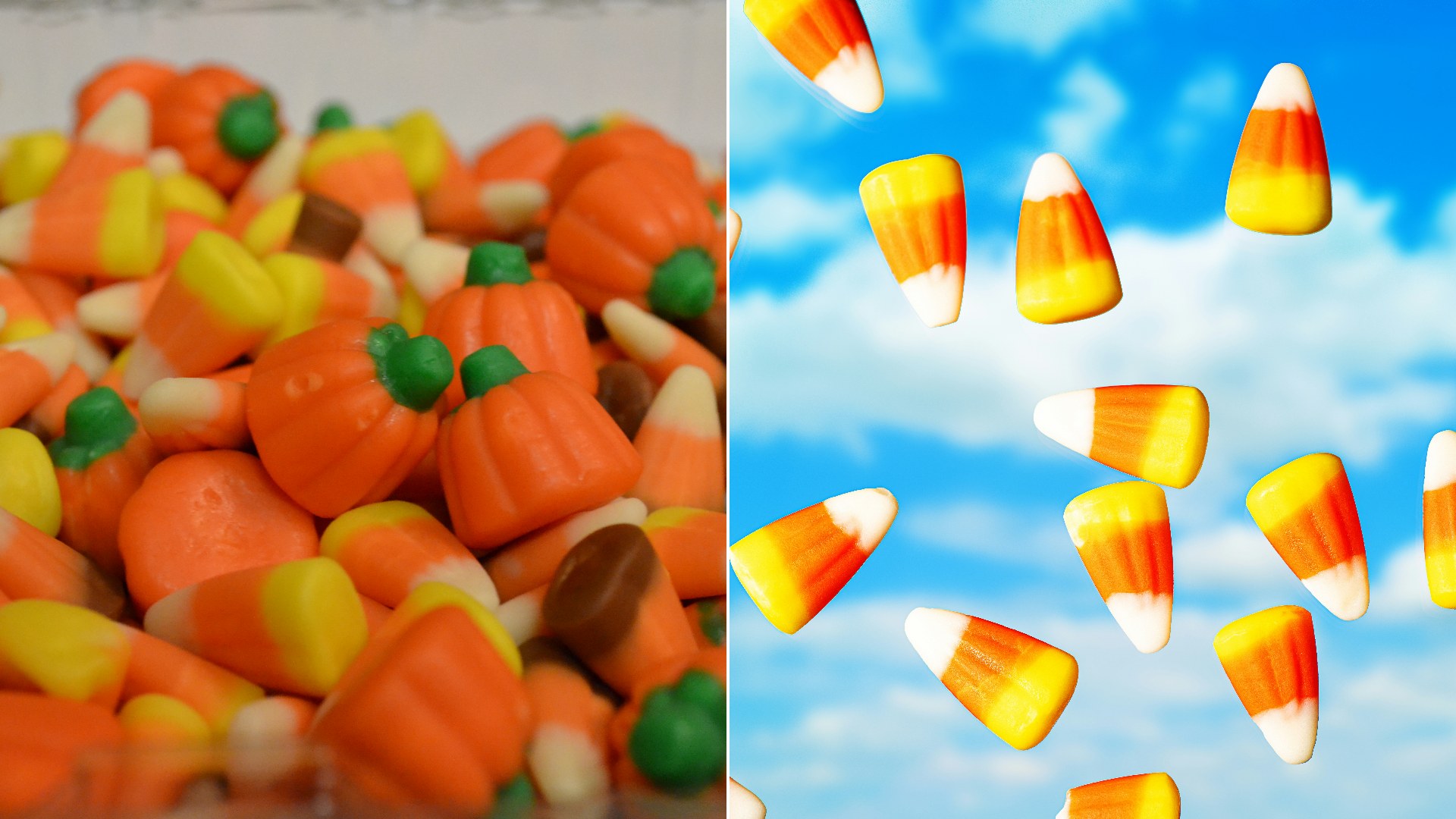
©Wikimedia / Jamal Fanaian and Unsplash / Jeff Frenette
15. Originally Called Chicken Feed
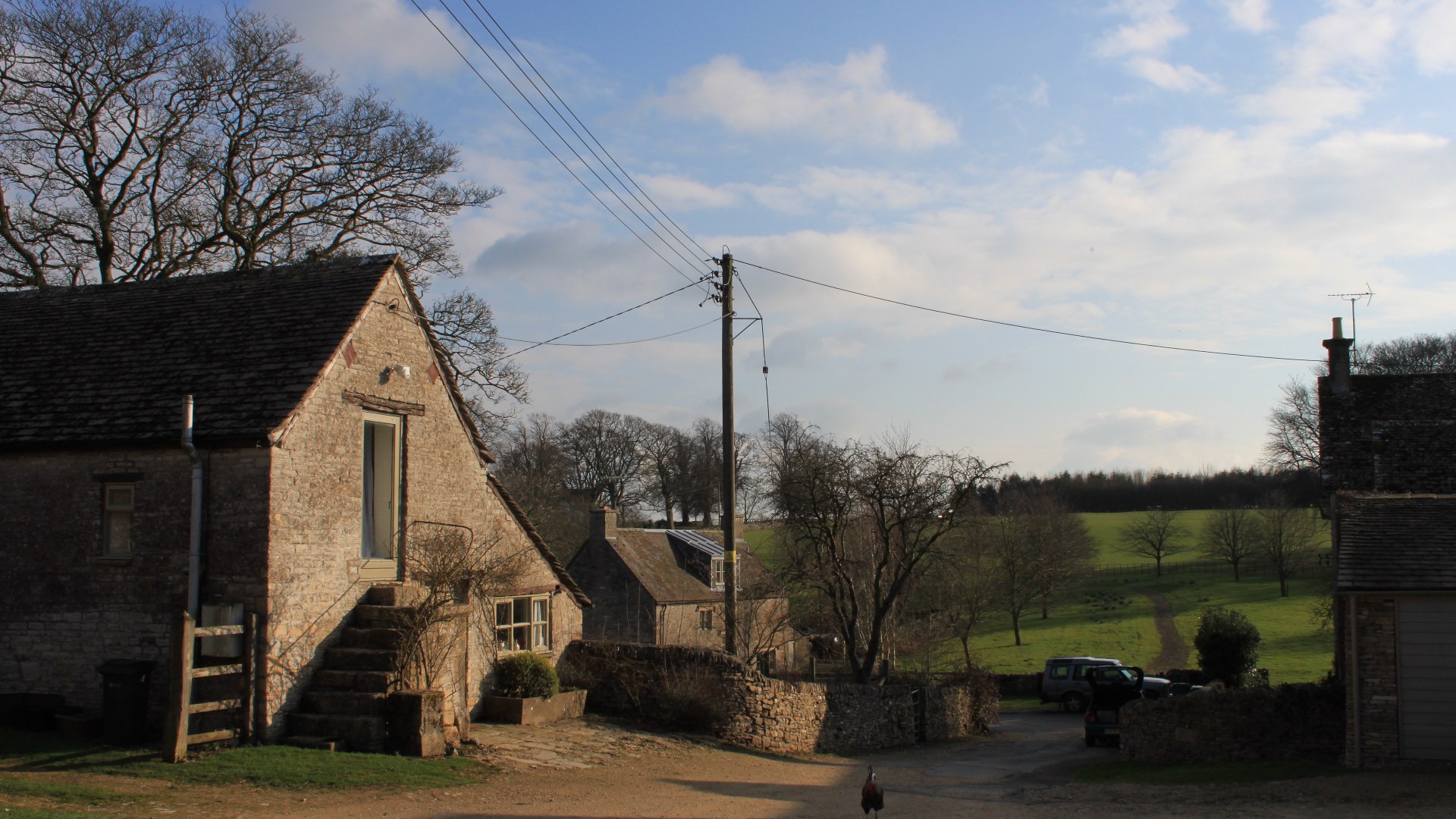
When Philadelphia confectioner George Renninger invented the treat at Wunderle Candy Company in the 1880s, corn was viewed strictly as livestock fodder. He marketed the candy as Chicken Feed to appeal to rural farm families across America.
©Wikimedia / NPS
14. The Original Rooster Box
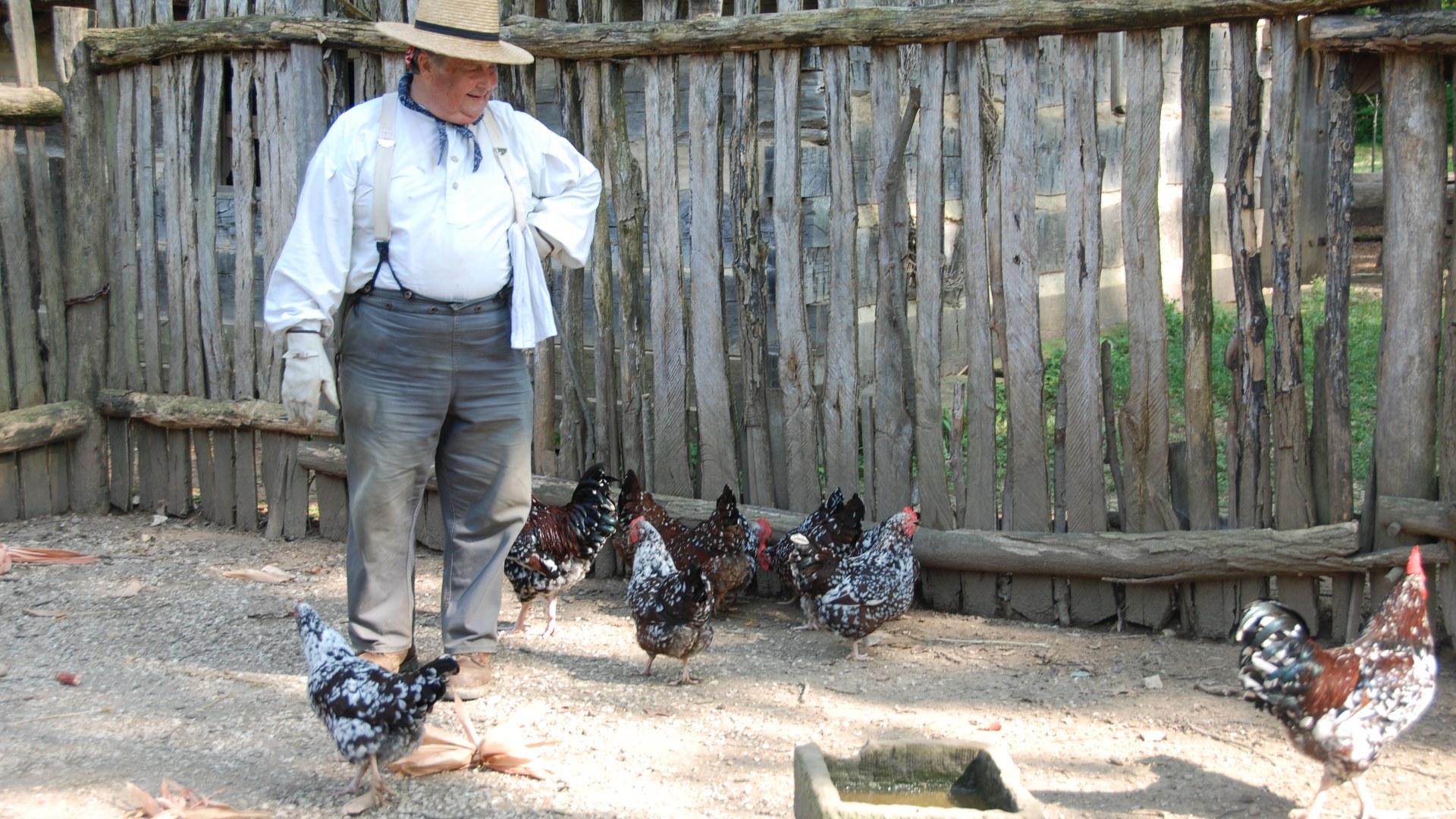
Early boxes and wooden shipping pails carried a prominent illustration of a rooster alongside the tagline Something worth crowing for. The agrarian branding remained popular for decades before autumn marketing took over.
©Wikimedia / Roger Davies
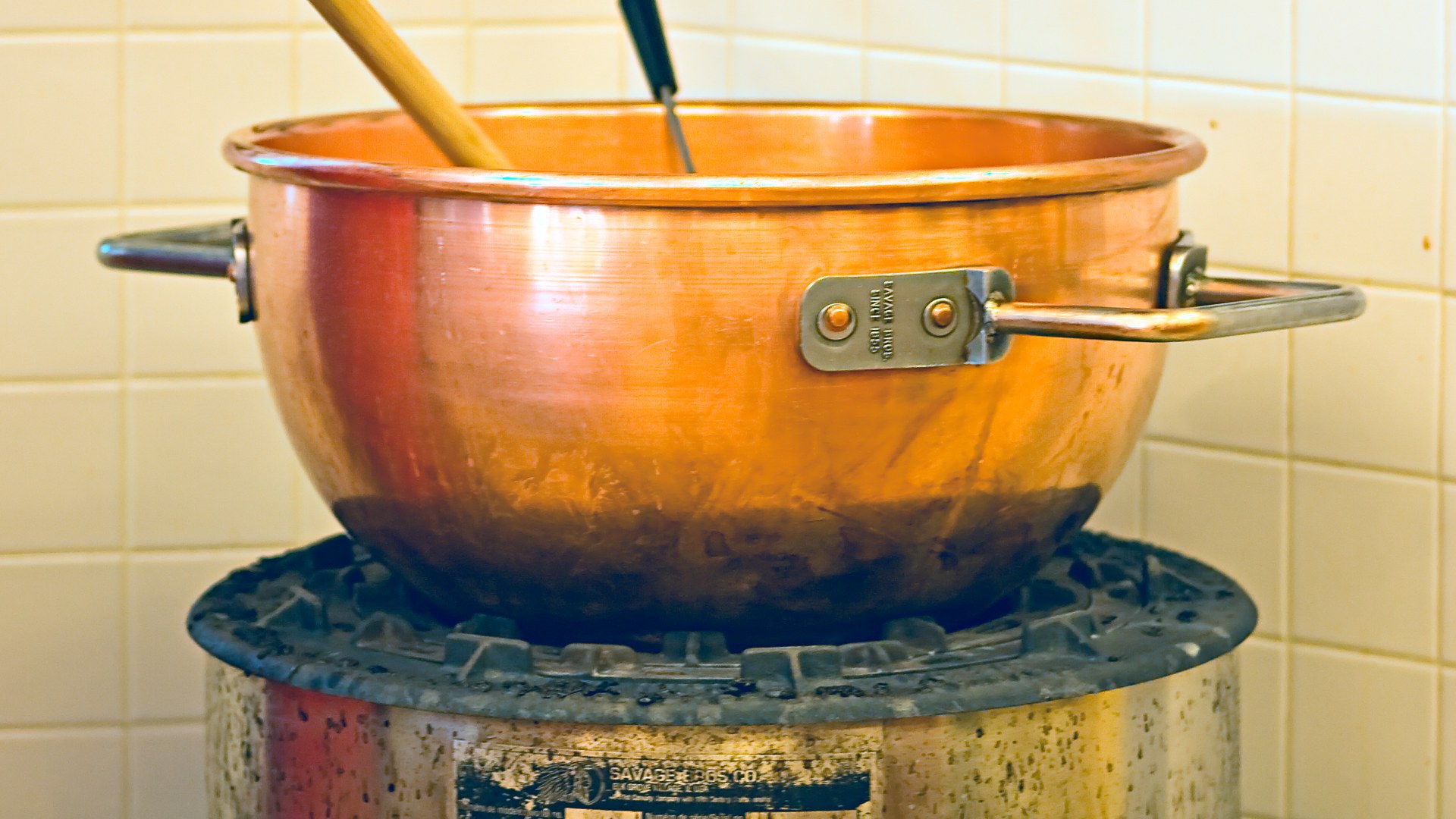
13. Hand-Poured In Copper Kettles
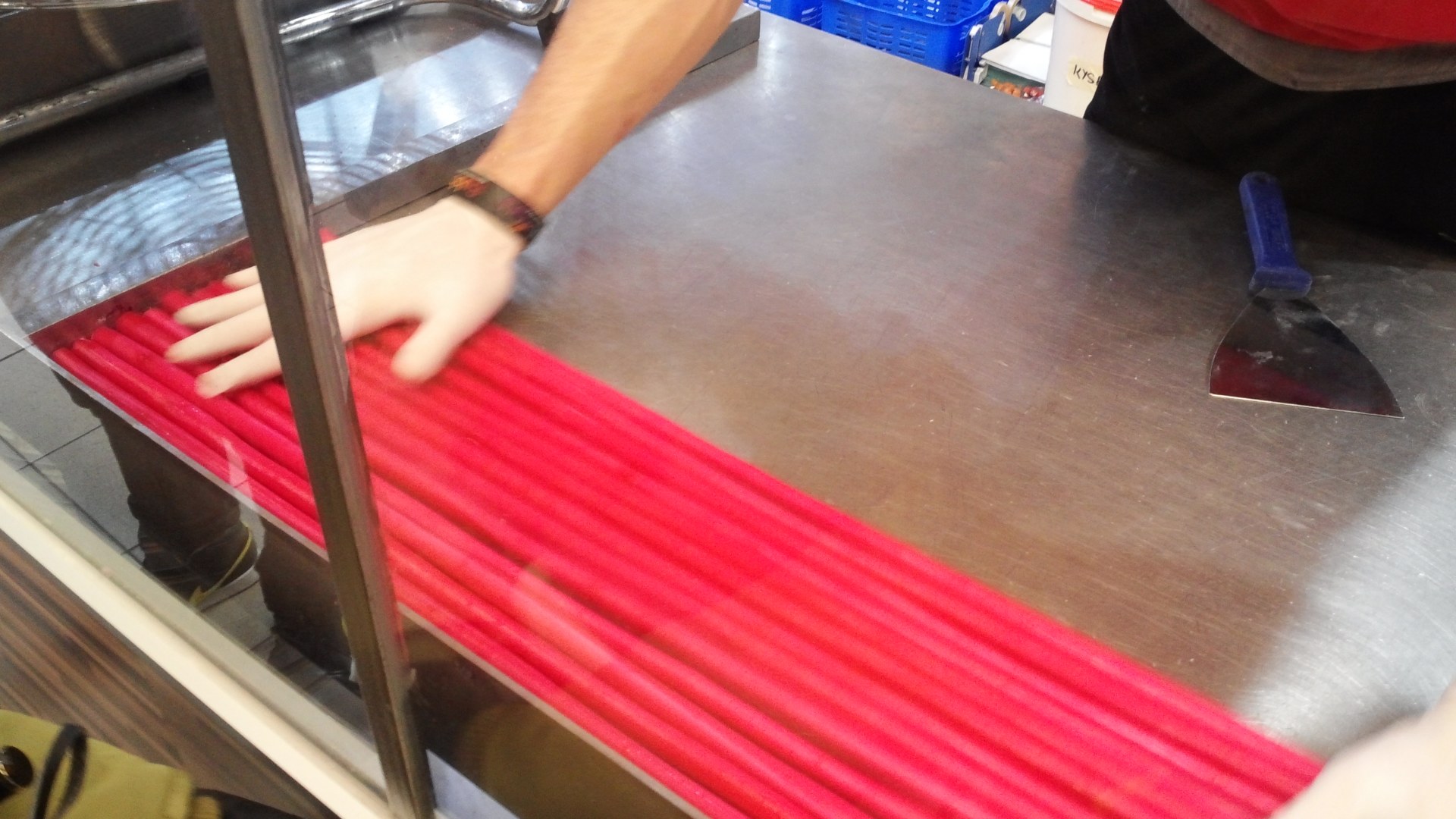
Making candy corn was originally backbreaking labor. Workers cooked sugar, corn syrup, fondant, and marshmallow in massive open copper kettles, then walked backward pouring hot syrup through brass funnels into cornstarch molds one color at a time.
©Wikimedia / Public Contributor
Advertisement
Swipe or tap ▶ to resume the countdown.
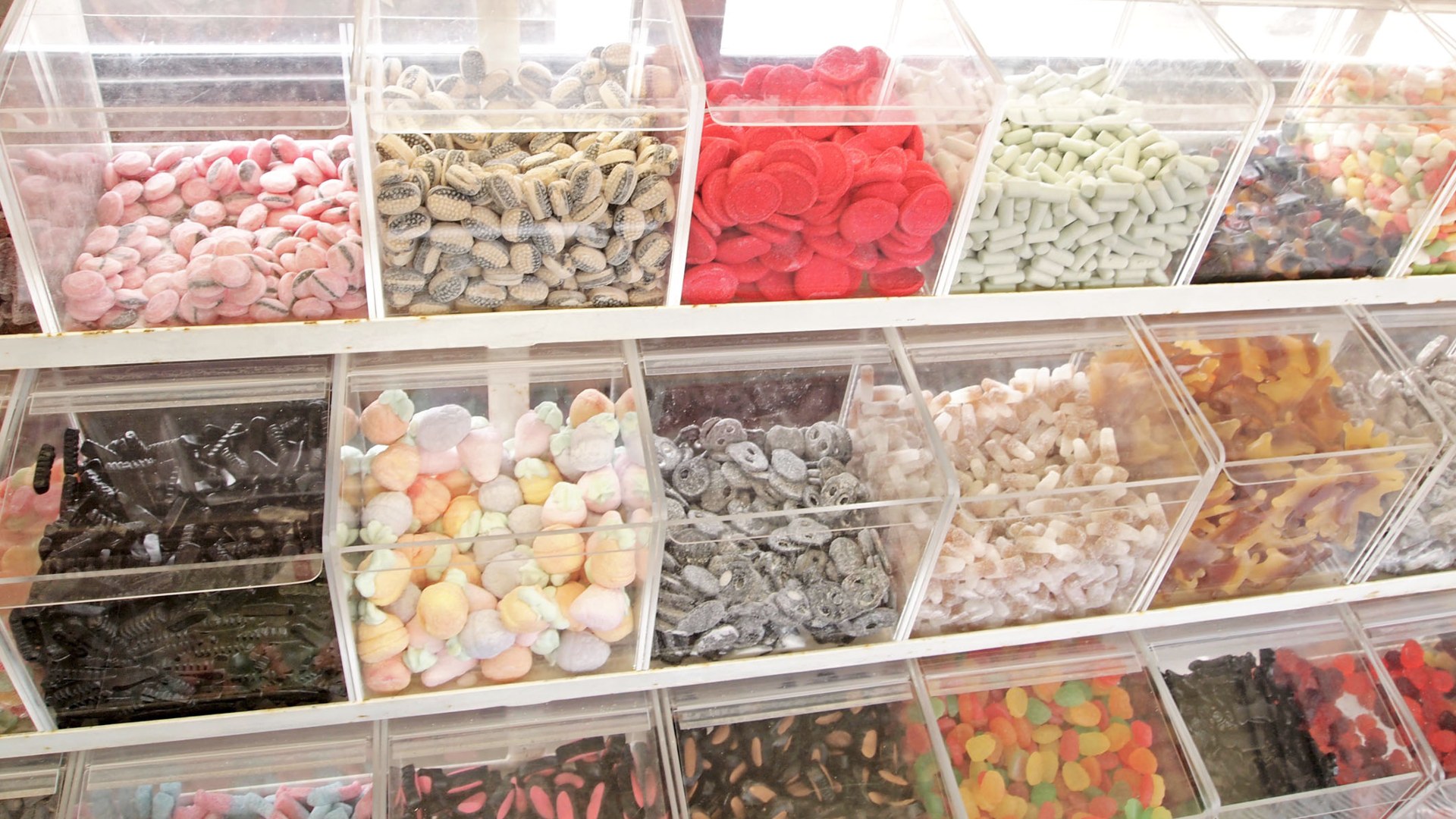
12. An All-Year Penny Candy
Candy corn was not born as a Halloween exclusive. Throughout the late 19th and early 20th centuries, children bought the tri-color kernels year-round from bulk glass jars at neighborhood penny candy counters.
©Wikimedia / Tiia Monto
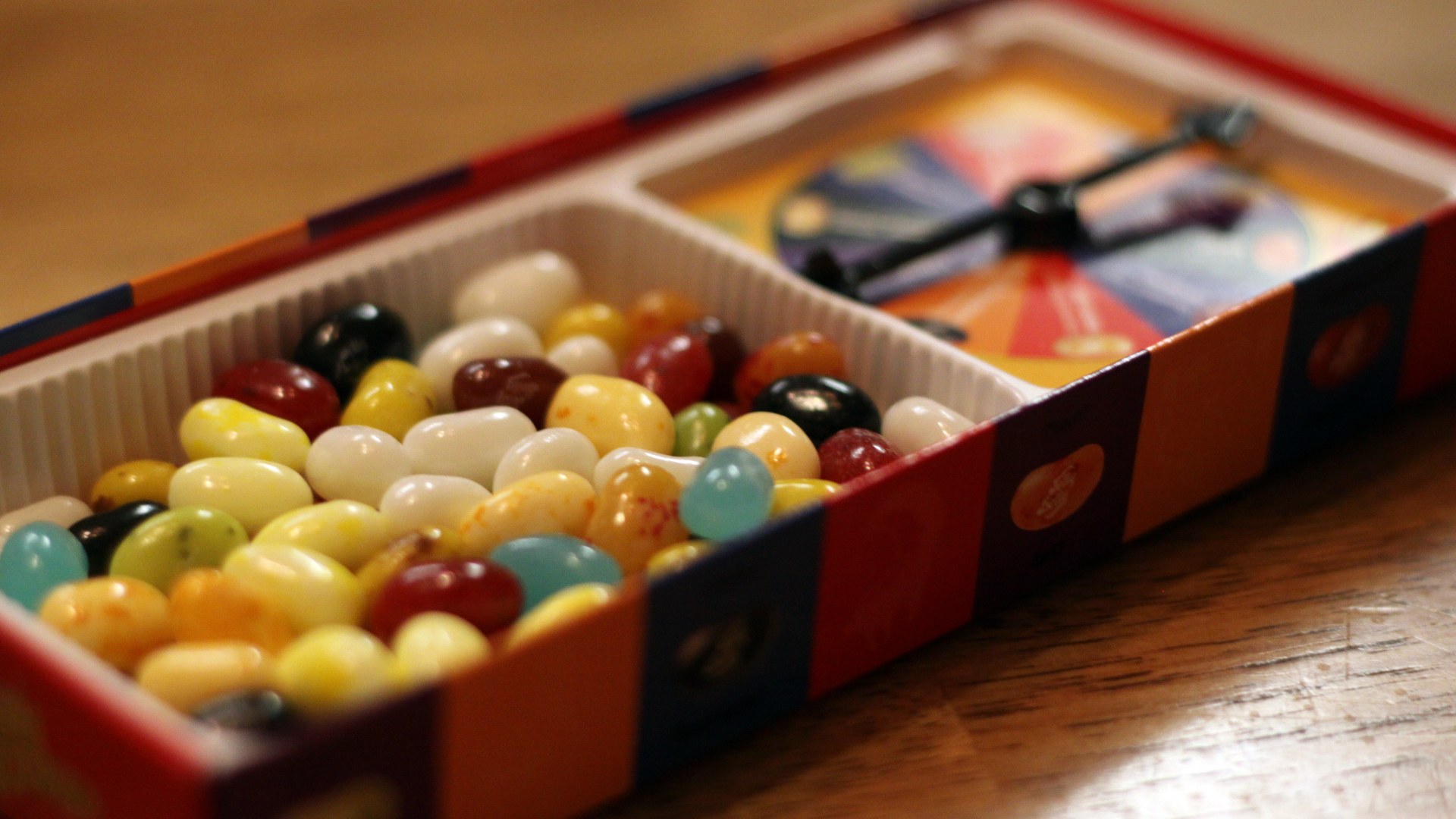
11. Jelly Belly Built A Dynasty
The Goelitz Confectionery Company, now celebrated globally as Jelly Belly, began manufacturing candy corn in 1898. The steady revenue from seasonal corn helped the family business survive both World Wars and the Great Depression.
©Wikimedia / Lindsey Turner
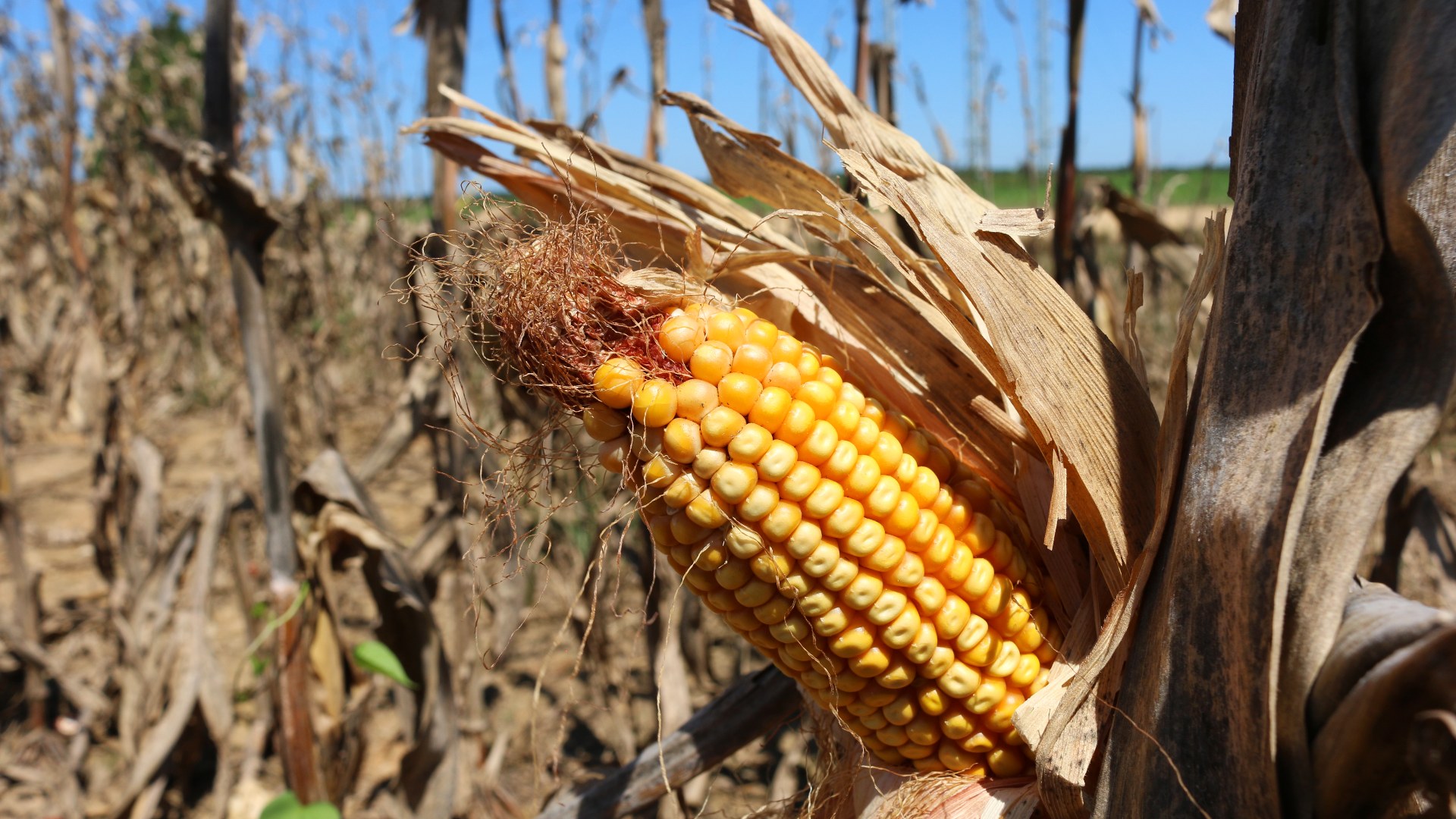
10. Imitating Ripe Harvest Corn
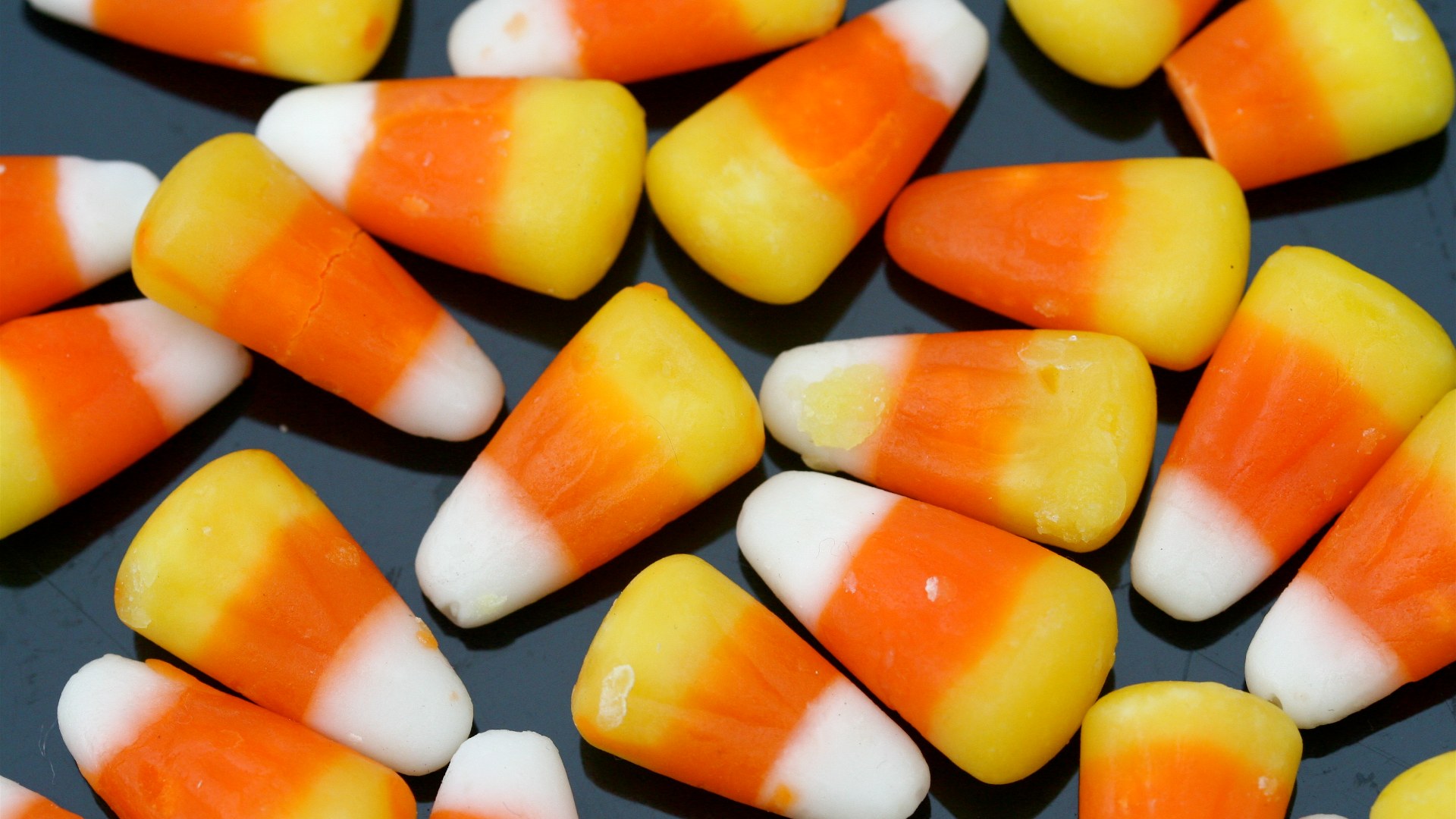
The iconic layered layout of a wide yellow base, orange center, and white pointed tip was created to duplicate the cross section of a real field corn kernel. The realistic agricultural look was a major novelty for Victorian-era sweets.
©Wikimedia / Alabama Extension
9. Secret Insect Shellac Glaze
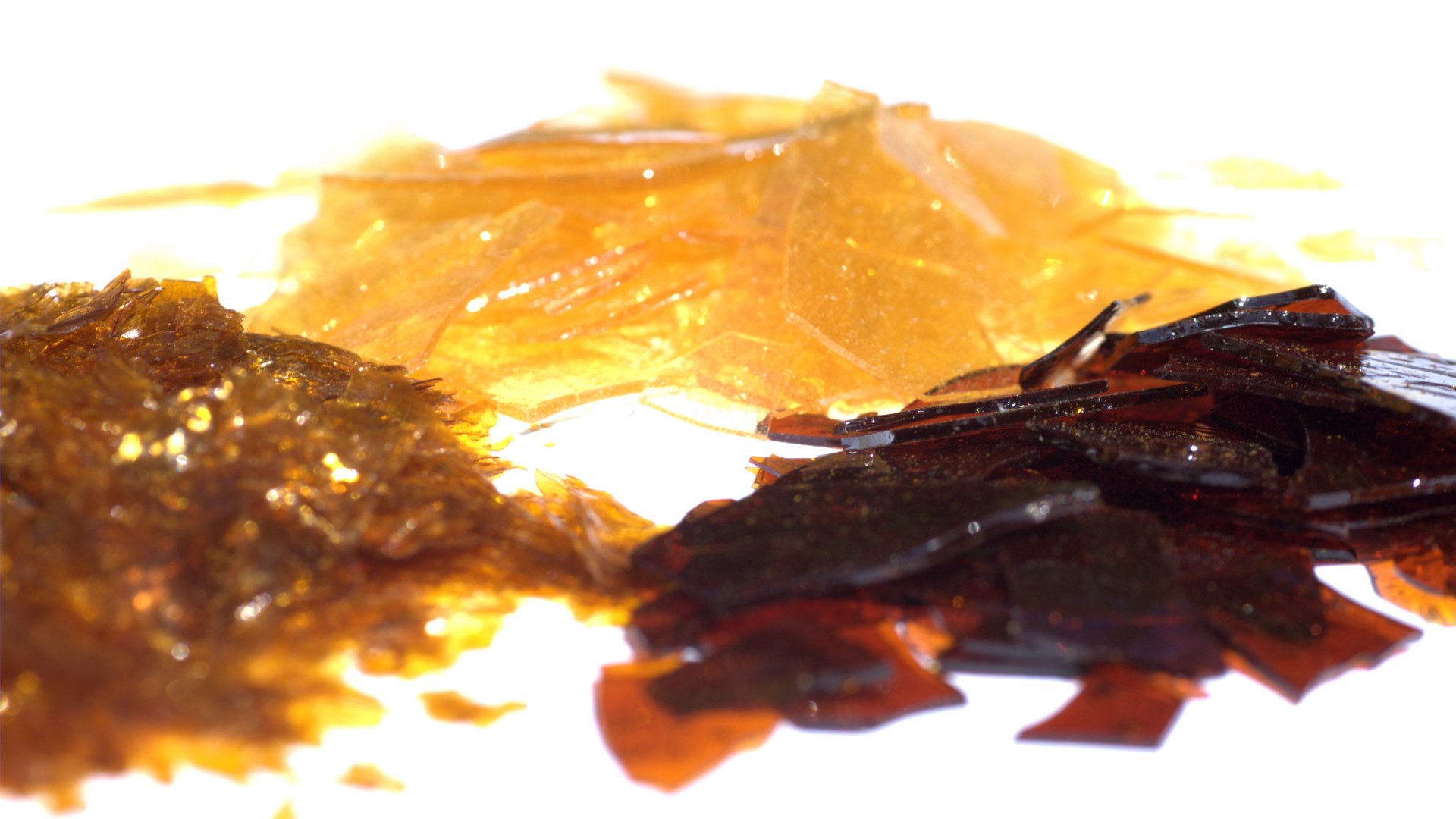
The high-gloss shine that keeps candy corn from sticking together comes from confectioner's glaze. This edible coating is made from food-grade shellac, a natural resin harvested from secretions of tiny lac insects native to Southeast Asia.
©Wikimedia / Simon A. Eugster
Advertisement
Swipe or tap ▶ to resume the countdown.
8. The Chewy Mellowcreme Texture
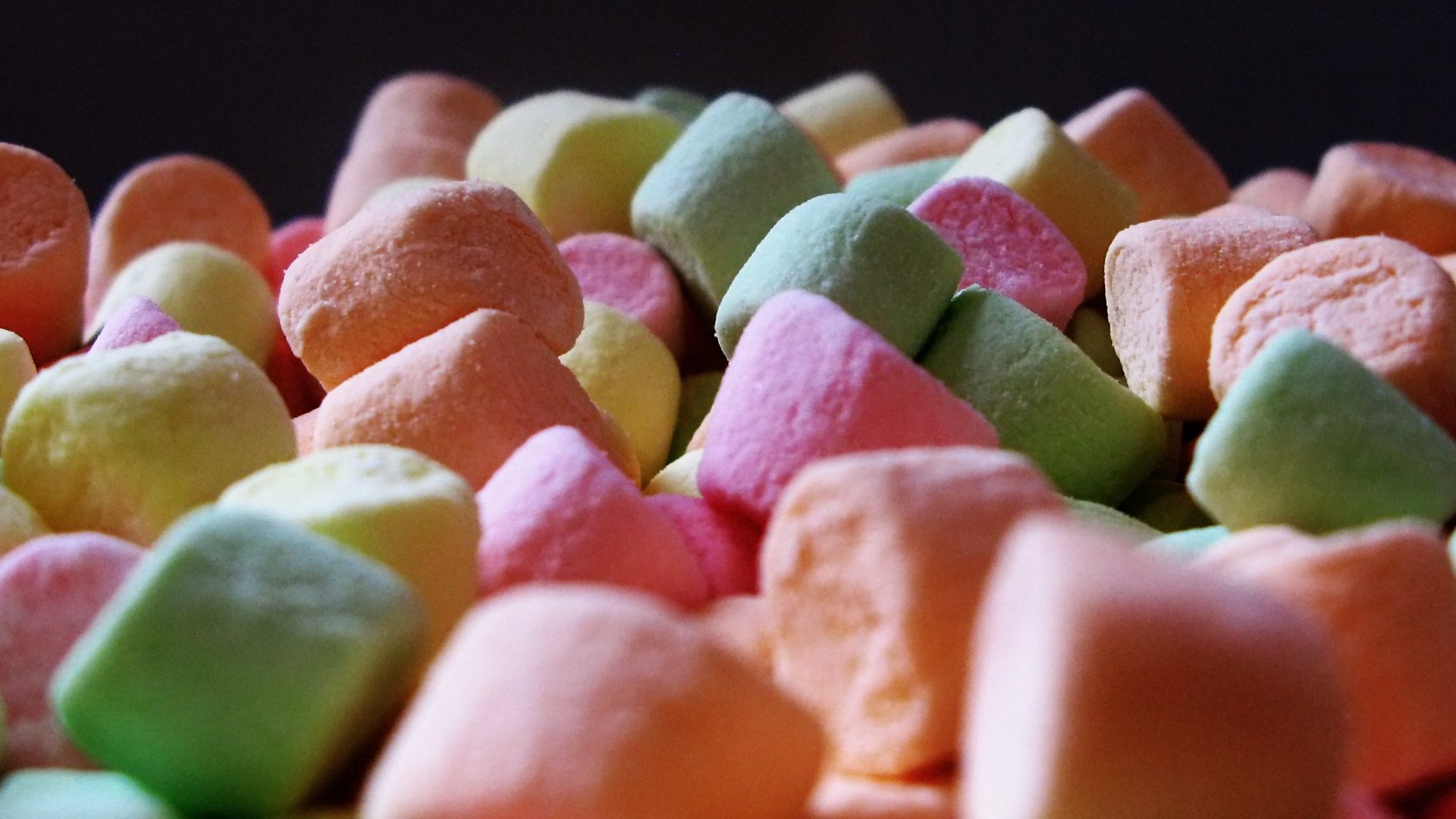
Confectioners categorize candy corn as mellowcreme rather than standard hard candy. Blending melted marshmallow creme and whipping gelatin into warm sugar fondant produces the distinctive waxy, melt-in-your-mouth density.
©Wikimedia / Smith609
7. The 1950s Halloween Boom
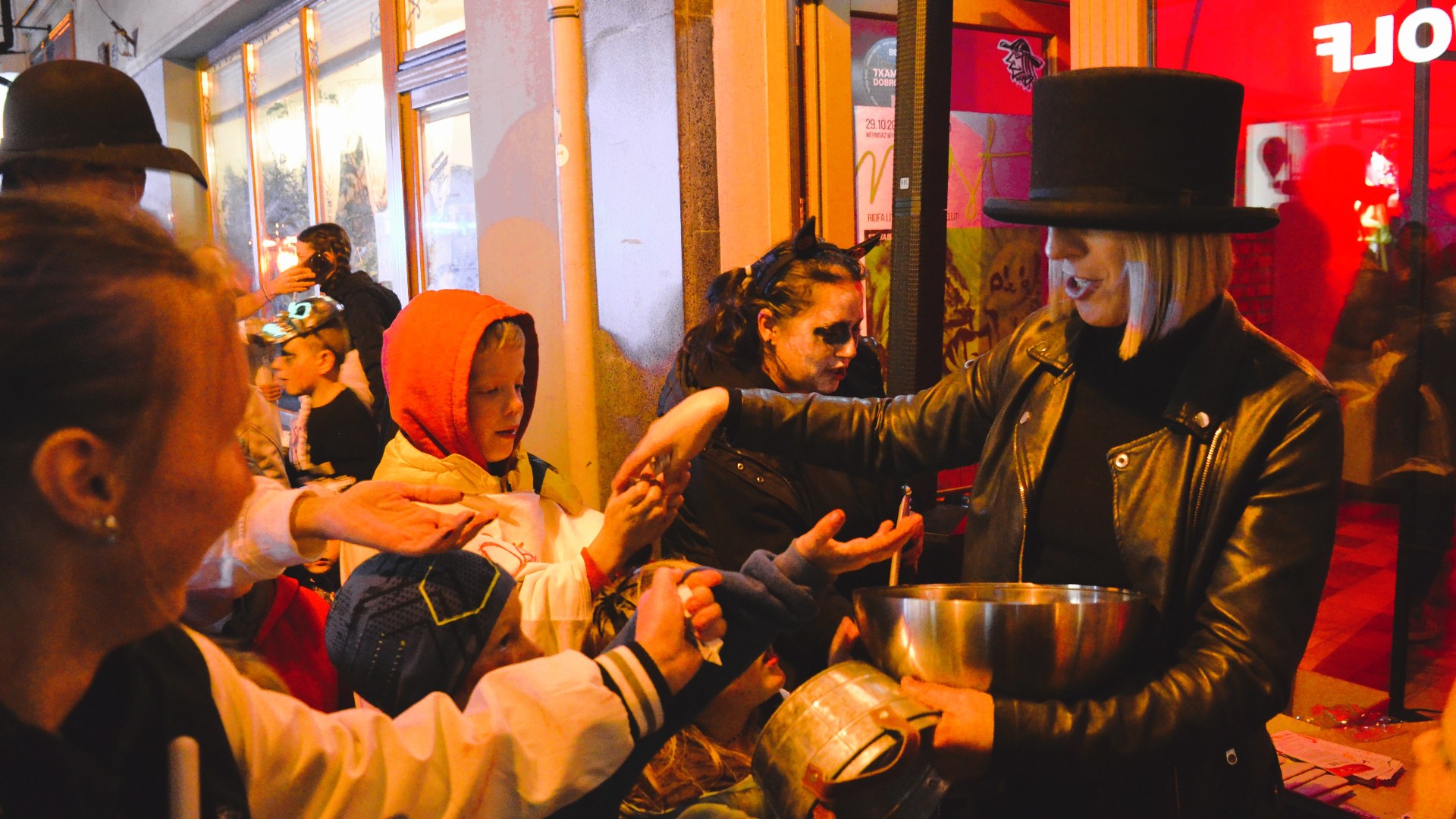
Candy corn became linked with Halloween during the 1950s suburban housing boom. As door-to-door trick-or-treating gained national popularity, candy brands began packaging individual mini-pouches specifically for costume nights.
©Wikimedia / Silar
6. Nine Billion Kernels A Year
Data from the National Confectioners Association shows manufacturers produce roughly 35 million pounds of candy corn each year. That staggering volume translates to approximately 9 billion individual kernels sold mainly across eight weeks.
©Wikimedia / Choi2451
5. Dedicated National Holiday
Confectionery enthusiasts celebrate National Candy Corn Day every year on October 30. Positioned directly on the eve of Halloween, the observance marks the absolute peak day for candy corn consumption across North America.
©Wikimedia / Carly Lesser & Art Drauglis
Advertisement
Swipe or tap ▶ to resume the countdown.
4. Strange Commercial Flavor Hybrids
Candy corn has inspired eccentric culinary experiments over the years. Major brands and novelty chefs have released candy corn flavored cookies, soda pop, potato chips, and even sweet candy corn bratwurst sausages at Midwest butcher shops.
©Wikimedia / Cala cala_maffia
3. Year-Round Color Variations
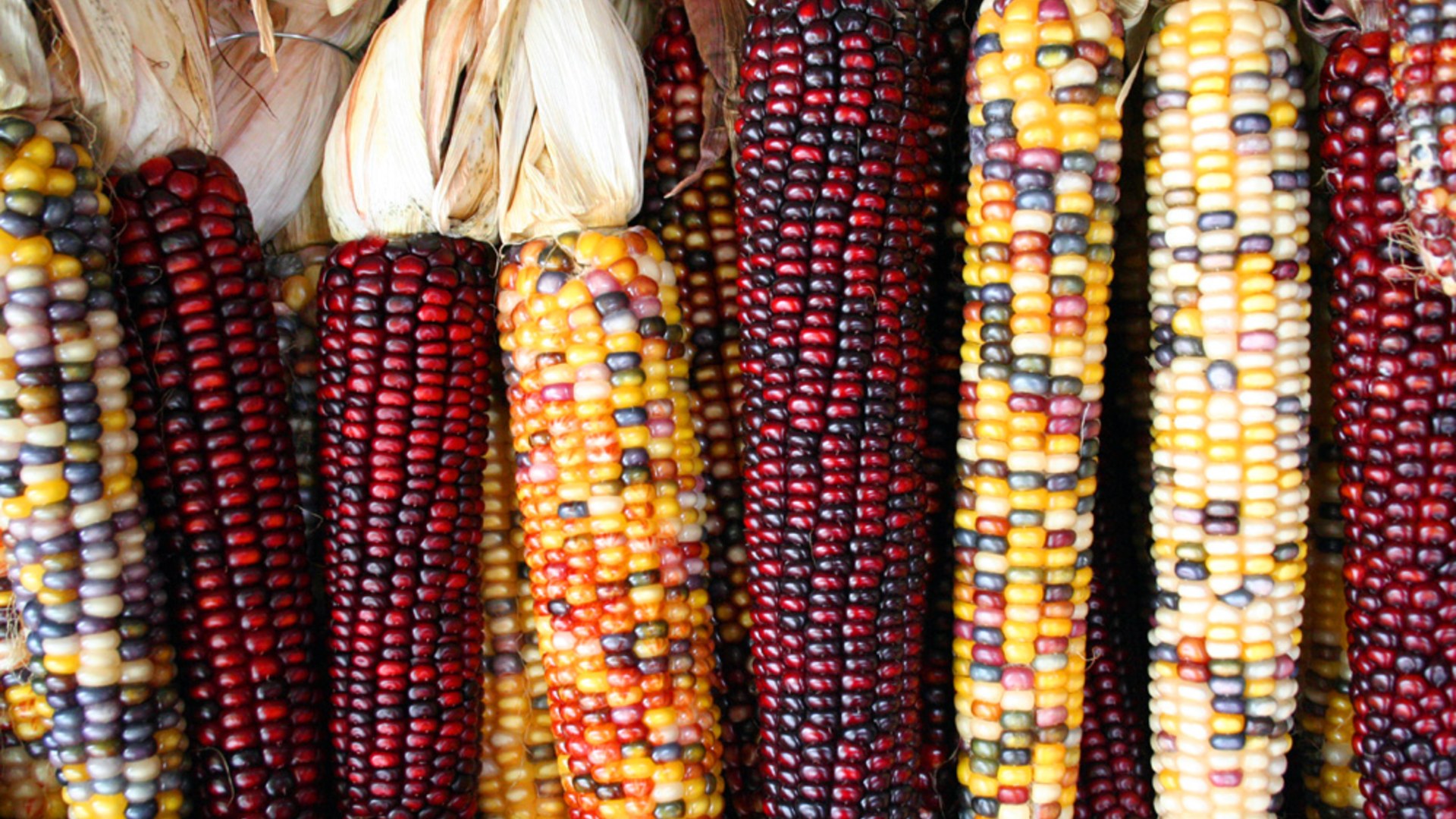
To expand sales beyond autumn, confectioners introduced seasonal color swaps. Variations include brown-and-orange Indian Corn for Thanksgiving, red-and-green Reindeer Corn for Christmas, and pastel Bunny Corn for Easter baskets.
©Wikimedia / User:Asbestos
2. The Nibbling Technique Debate
Consumer surveys by the National Confectioners Association show strong opinions on proper eating technique. Exactly 43 percent of people bite off the narrow white tip first, 10 percent begin at the yellow base, and 47 percent eat the entire piece whole.
©Wikimedia / liz west
1. America's Ultimate Love-Hate Treat
Annual candy polls consistently confirm candy corn as America's most polarizing treat. While millions purchase it as an essential autumn tradition, consumer satisfaction surveys regularly rank it as the number one most disliked candy in trick-or-treat bags.

©Wikimedia / U.S. Air Force / Jessel Fabara
Advertisement
You've reached the end of the story. Thanks for reading!

20 Iconic Historical Photos and the Archive Clues Behind Them
Contact sheets, cracked glass plates, and NASA mission logs preserve the hidden steps behind 20 famous photographs. Drawing on records from the Library of Congress, the National Archives, NASA, and the Smithsonian, this countdown traces how cropping, camera setups, and double exposures shaped each frame.
All 15 Entries in this Story
1. Originally Called Chicken Feed
When Philadelphia confectioner George Renninger invented the treat at Wunderle Candy Company in the 1880s, corn was viewed strictly as livestock fodder. He marketed the candy as Chicken Feed to appeal to rural farm families across America.

2. The Original Rooster Box
Early boxes and wooden shipping pails carried a prominent illustration of a rooster alongside the tagline Something worth crowing for. The agrarian branding remained popular for decades before autumn marketing took over.

3. Hand-Poured In Copper Kettles
Making candy corn was originally backbreaking labor. Workers cooked sugar, corn syrup, fondant, and marshmallow in massive open copper kettles, then walked backward pouring hot syrup through brass funnels into cornstarch molds one color at a time.

4. An All-Year Penny Candy
Candy corn was not born as a Halloween exclusive. Throughout the late 19th and early 20th centuries, children bought the tri-color kernels year-round from bulk glass jars at neighborhood penny candy counters.

5. Jelly Belly Built A Dynasty
The Goelitz Confectionery Company, now celebrated globally as Jelly Belly, began manufacturing candy corn in 1898. The steady revenue from seasonal corn helped the family business survive both World Wars and the Great Depression.

6. Imitating Ripe Harvest Corn
The iconic layered layout of a wide yellow base, orange center, and white pointed tip was created to duplicate the cross section of a real field corn kernel. The realistic agricultural look was a major novelty for Victorian-era sweets.

7. Secret Insect Shellac Glaze
The high-gloss shine that keeps candy corn from sticking together comes from confectioner's glaze. This edible coating is made from food-grade shellac, a natural resin harvested from secretions of tiny lac insects native to Southeast Asia.

8. The Chewy Mellowcreme Texture
Confectioners categorize candy corn as mellowcreme rather than standard hard candy. Blending melted marshmallow creme and whipping gelatin into warm sugar fondant produces the distinctive waxy, melt-in-your-mouth density.

9. The 1950s Halloween Boom
Candy corn became linked with Halloween during the 1950s suburban housing boom. As door-to-door trick-or-treating gained national popularity, candy brands began packaging individual mini-pouches specifically for costume nights.

10. Nine Billion Kernels A Year
Data from the National Confectioners Association shows manufacturers produce roughly 35 million pounds of candy corn each year. That staggering volume translates to approximately 9 billion individual kernels sold mainly across eight weeks.

11. Dedicated National Holiday
Confectionery enthusiasts celebrate National Candy Corn Day every year on October 30. Positioned directly on the eve of Halloween, the observance marks the absolute peak day for candy corn consumption across North America.

12. Strange Commercial Flavor Hybrids
Candy corn has inspired eccentric culinary experiments over the years. Major brands and novelty chefs have released candy corn flavored cookies, soda pop, potato chips, and even sweet candy corn bratwurst sausages at Midwest butcher shops.

13. Year-Round Color Variations
To expand sales beyond autumn, confectioners introduced seasonal color swaps. Variations include brown-and-orange Indian Corn for Thanksgiving, red-and-green Reindeer Corn for Christmas, and pastel Bunny Corn for Easter baskets.

14. The Nibbling Technique Debate
Consumer surveys by the National Confectioners Association show strong opinions on proper eating technique. Exactly 43 percent of people bite off the narrow white tip first, 10 percent begin at the yellow base, and 47 percent eat the entire piece whole.

15. America's Ultimate Love-Hate Treat
Annual candy polls consistently confirm candy corn as America's most polarizing treat. While millions purchase it as an essential autumn tradition, consumer satisfaction surveys regularly rank it as the number one most disliked candy in trick-or-treat bags.