Slideshow · Viral
Could You Become an Astronaut? NASA's Toughest Requirements
Inside the 15 Strictest Physical, Mental, and Technical Filters at NASA
By Most Viral Today
26 Oct 2026

Could You Become an Astronaut? NASA's Toughest Requirements 
15. High-Stakes Psychological And Behavioral Suitability 
14. The Comprehensive Long-Duration Flight Physical 
13. Hyper-Competitive Related Professional Experience - AdvertisementSwipe or tap ▶ to continue countdown

12. Advanced Technical Education At The Master's Level 
11. High-Performance Jet Flight Hours For Pilots 
10. Strict Anthropometric Cockpit Height Limits 
9. Sitting Blood Pressure Below 140 Over 90 - AdvertisementSwipe or tap ▶ to continue countdown

8. Mandatory United States Citizenship 
7. Top Secret Federal Security Vetting 
6. Swimming And Flight Suit Water Survival 
5. Spatial Orientation And Motion Sickness Resilience - AdvertisementSwipe or tap ▶ to continue countdown

4. Public Communication And Diplomatic Poise 
3. Fluency In Functional Russian For Station Systems 
2. Hands-On Mechanical And Operational Versatility 
1. Visual Acuity Correctable To 20/20 - Advertisement🔥 UP NEXT IN THIS SERIES◫ 21 Slides

20 Iconic Historical Photos and the Archive Clues Behind Them
Contact sheets, cracked glass plates, and NASA mission logs preserve the hidden steps behind 20 famous photographs. Drawing on records from the Library of Congress, the National Archives, NASA, and the Smithsonian, this countdown traces how cropping, camera setups, and double exposures shaped each frame.
Becoming a NASA astronaut requires clearing one of the most selective screening processes on Earth. From multi-day psychiatric isolation tests and supersonic jet command hours to strict cockpit height limits, here are NASA's 15 toughest requirements, ranked.
Swipe or tap ▶ to begin the countdown
©Wikimedia / James Blair & NASA Johnson Space Center
15. High-Stakes Psychological And Behavioral Suitability
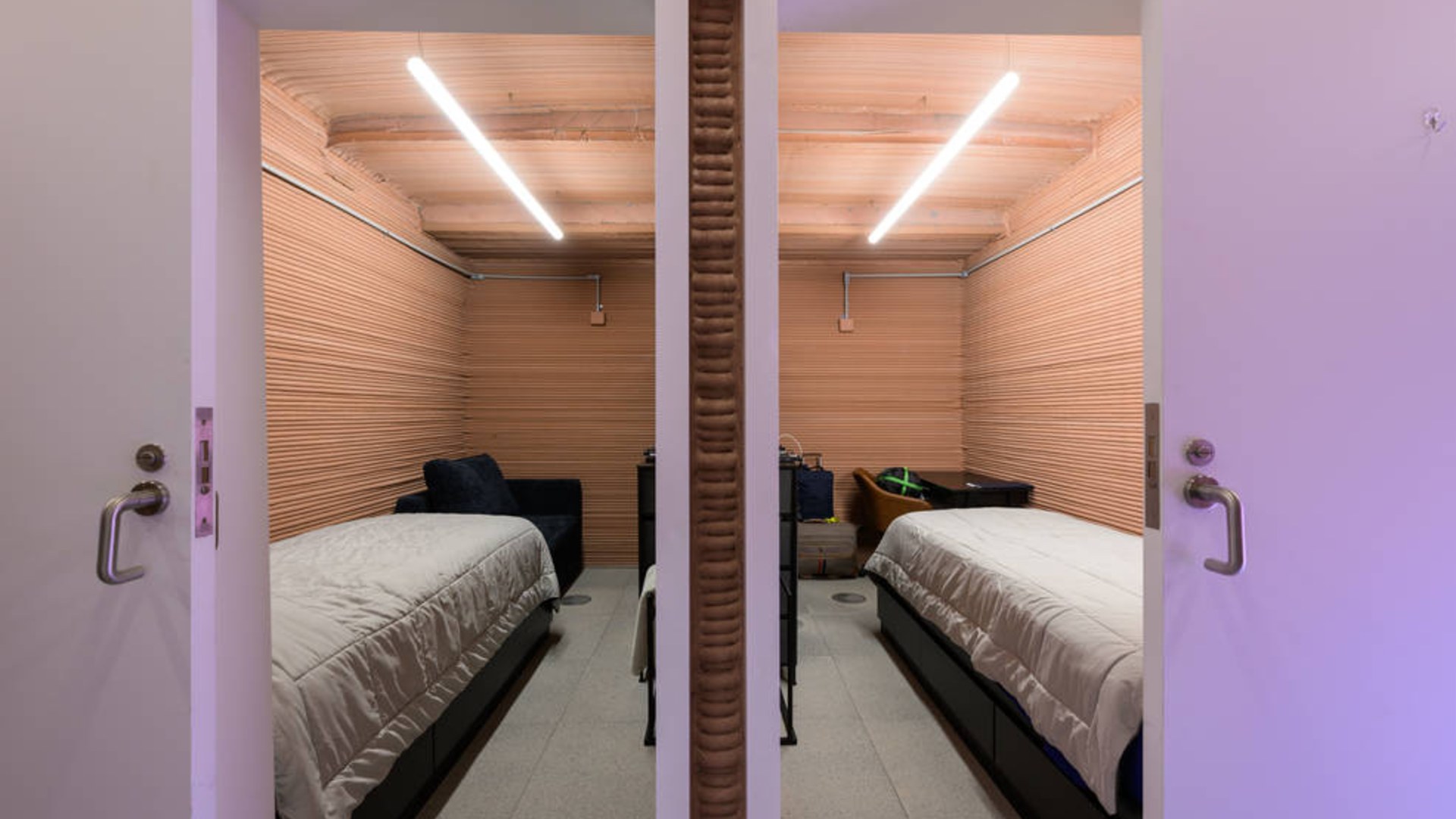
Passing multi-day psychiatric and group-dynamic isolation tests is NASA's ultimate hidden disqualifier. Evaluators isolate finalists under severe stress and sleep deprivation, immediately cutting anyone who displays passive-aggression, extreme ego, or an inability to follow as well as lead.
©Wikimedia / Bill Stafford
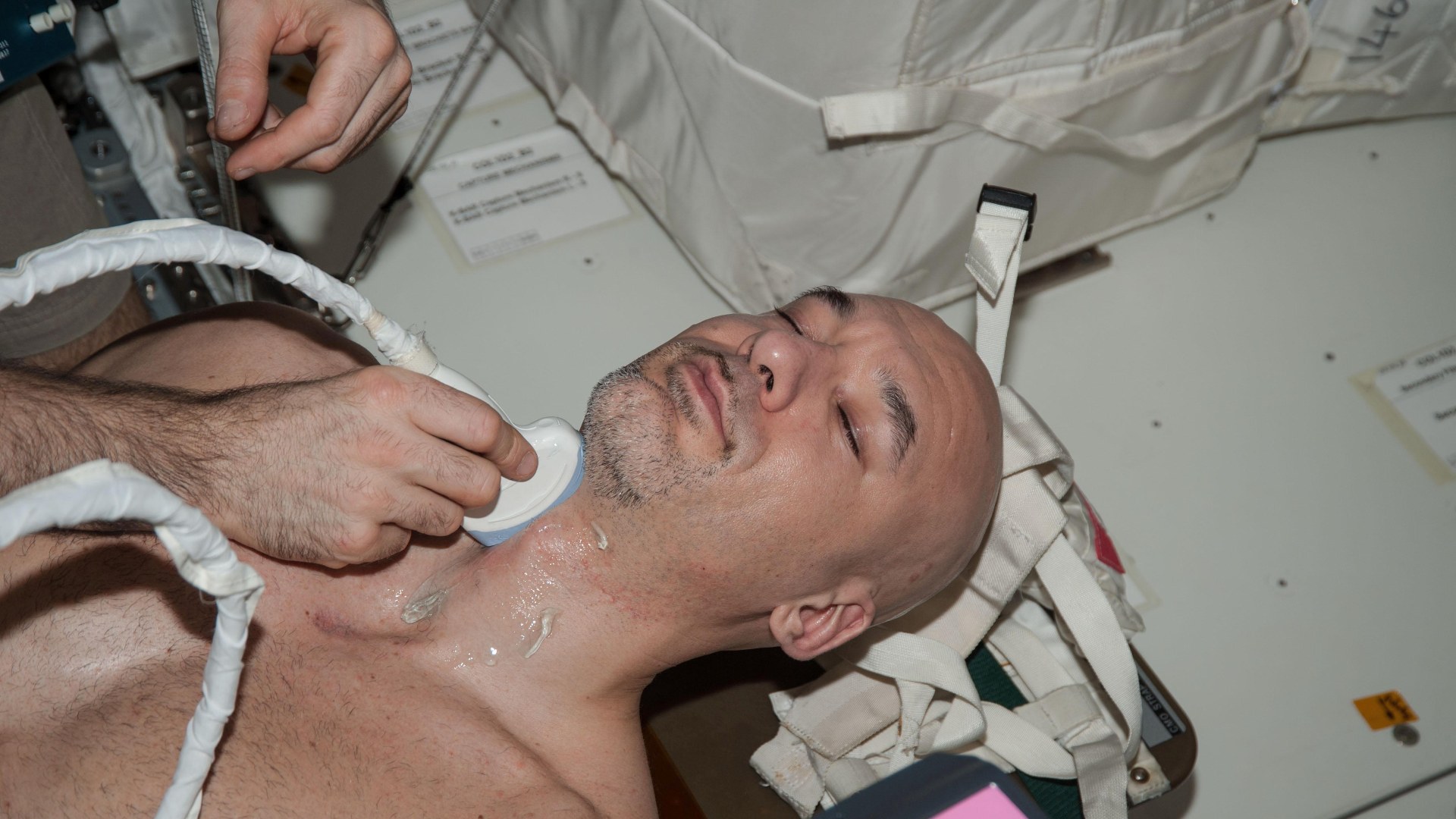
14. The Comprehensive Long-Duration Flight Physical
Even the most accomplished pilot or scientist can be eliminated by an underlying medical anomaly outside their control. NASA's long-duration flight physical screens for flawless organ function and zero history of chronic issues, from heart murmurs to kidney stone risk.
©Wikimedia / Public Contributor
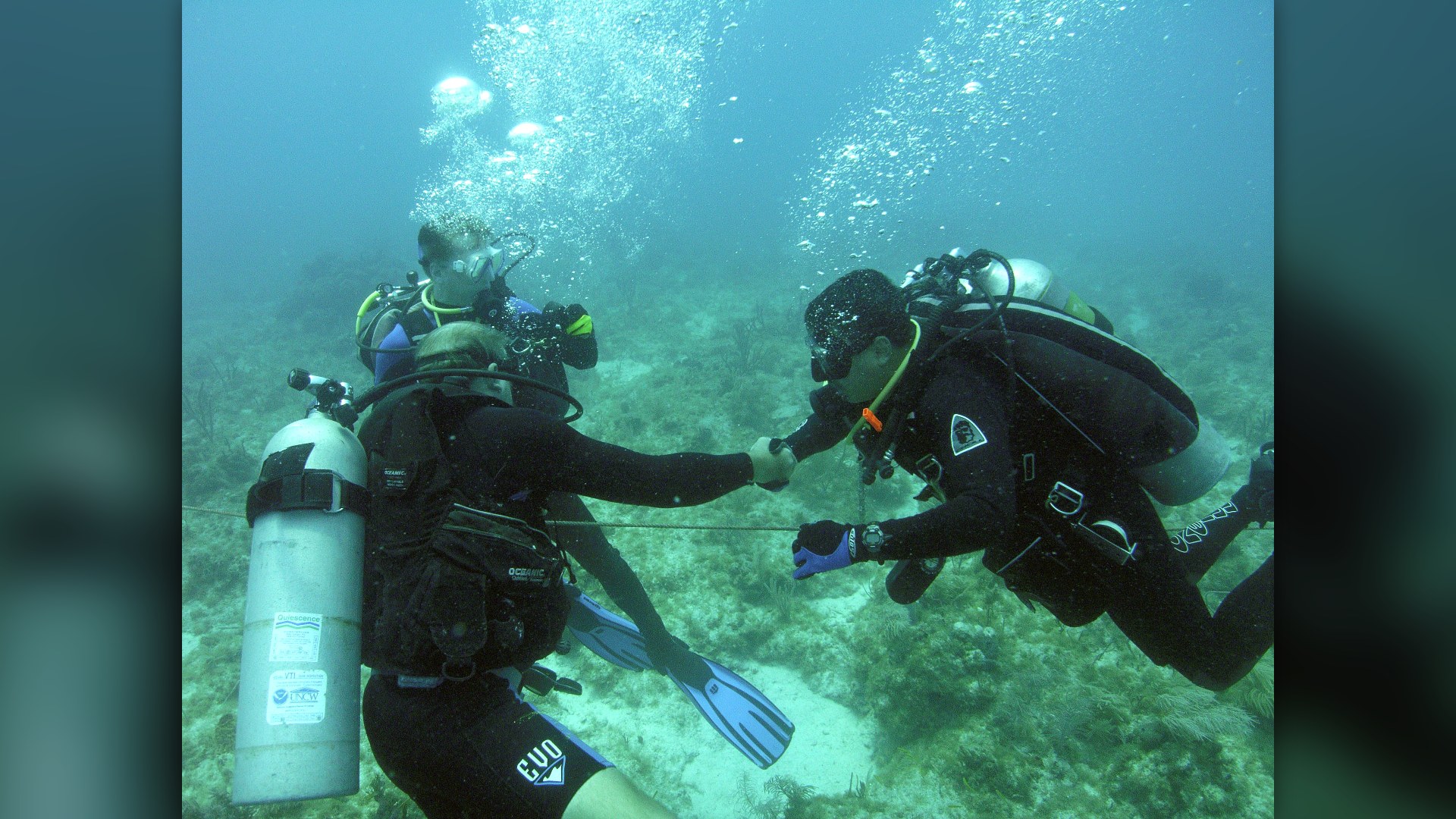
13. Hyper-Competitive Related Professional Experience
Although the baseline rule asks for two years of progressive professional experience after a graduate degree, applicants compete against thousands of peers. Successful candidates typically bring experience from extreme environments like saturation diving, military ops, or polar research.
©Wikimedia / Public Contributor
Advertisement
Swipe or tap ▶ to resume the countdown.
12. Advanced Technical Education At The Master's Level
A bachelor's degree is no longer enough to qualify. Applicants must hold a master's degree in engineering, biological science, physical science, computer science, or mathematics, or complete two years toward a PhD, a medical degree, or a recognized Test Pilot School program.
©Wikimedia / NASA Johnson Space Center
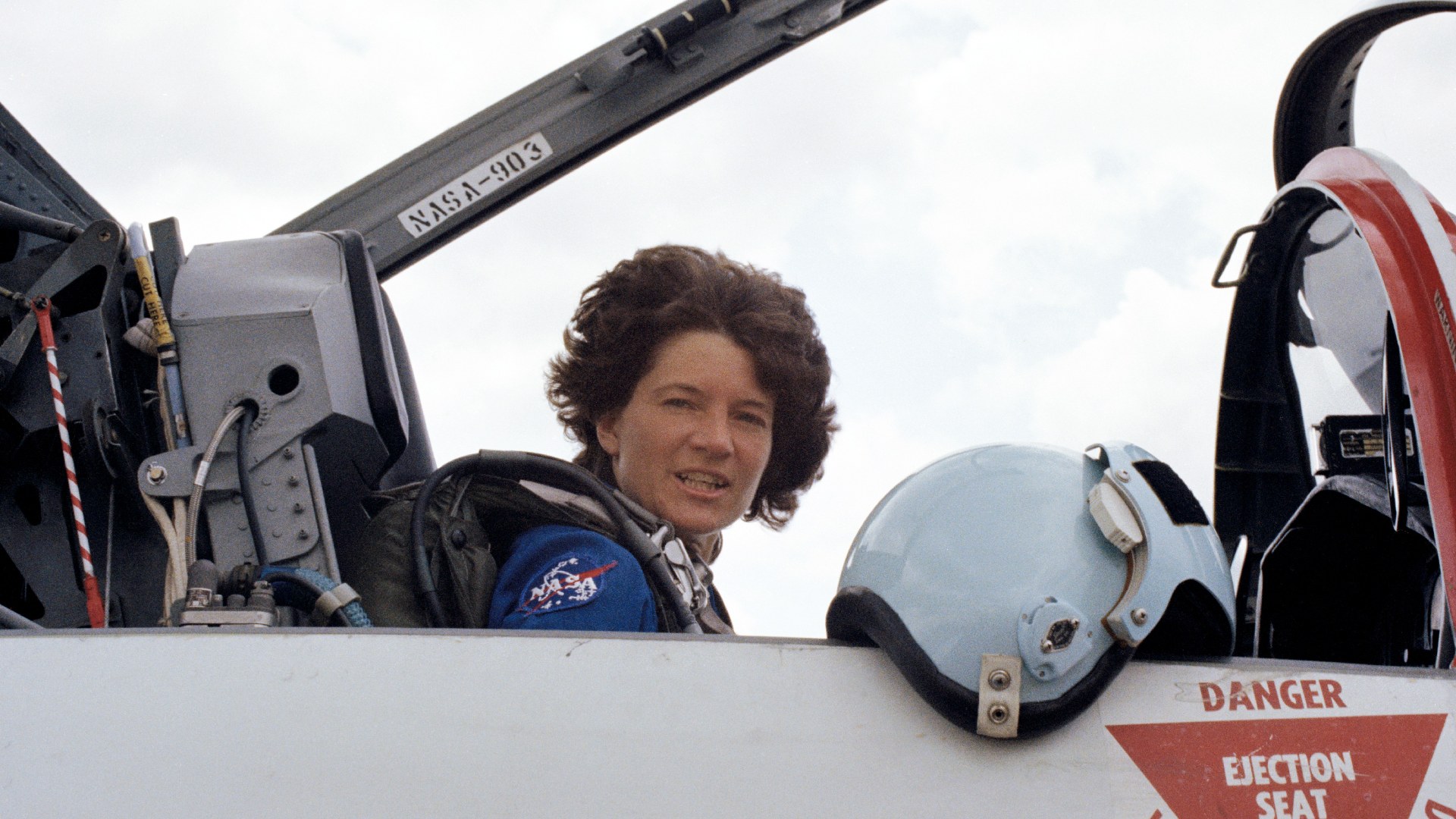
11. High-Performance Jet Flight Hours For Pilots
Astronaut pilot candidates must log a minimum of 1,000 hours as pilot-in-command of a jet aircraft. Building that command time takes years of elite military aviation experience in high-performance supersonic aircraft such as the T-38, F-18, or F-22.
©Wikimedia / Public Contributor
10. Strict Anthropometric Cockpit Height Limits
Vehicle ergonomics enforce an unchangeable physical boundary: standing height must measure between 62 and 75 inches (5 feet 2 inches to 6 feet 3 inches). Anyone outside that window cannot safely fit inside spacesuits, Soyuz couches, or the Orion crew capsule.
©Wikimedia / Public Contributor
9. Sitting Blood Pressure Below 140 Over 90
Measured in a sitting position, an applicant's blood pressure cannot exceed 140/90. Even temporary white-coat anxiety spikes can jeopardize a candidacy, as NASA requires stable cardiovascular performance to withstand heavy launch G-forces and fluid shifts.
©Wikimedia / Public Contributor
Advertisement
Swipe or tap ▶ to resume the countdown.
8. Mandatory United States Citizenship
Every direct NASA astronaut applicant must be a United States citizen or hold valid U.S. dual citizenship. International candidates cannot apply directly to NASA and must instead compete through partner agencies such as ESA, JAXA, or the CSA.
©Wikimedia / James Blair
7. Top Secret Federal Security Vetting
Candidates must pass a rigorous federal Top Secret background investigation alongside strict drug screenings. Past legal indiscretions, financial red flags, or unresolved foreign asset ties can delay or block the clearance needed for spacecraft work.
©Wikimedia / Kim Shiflett
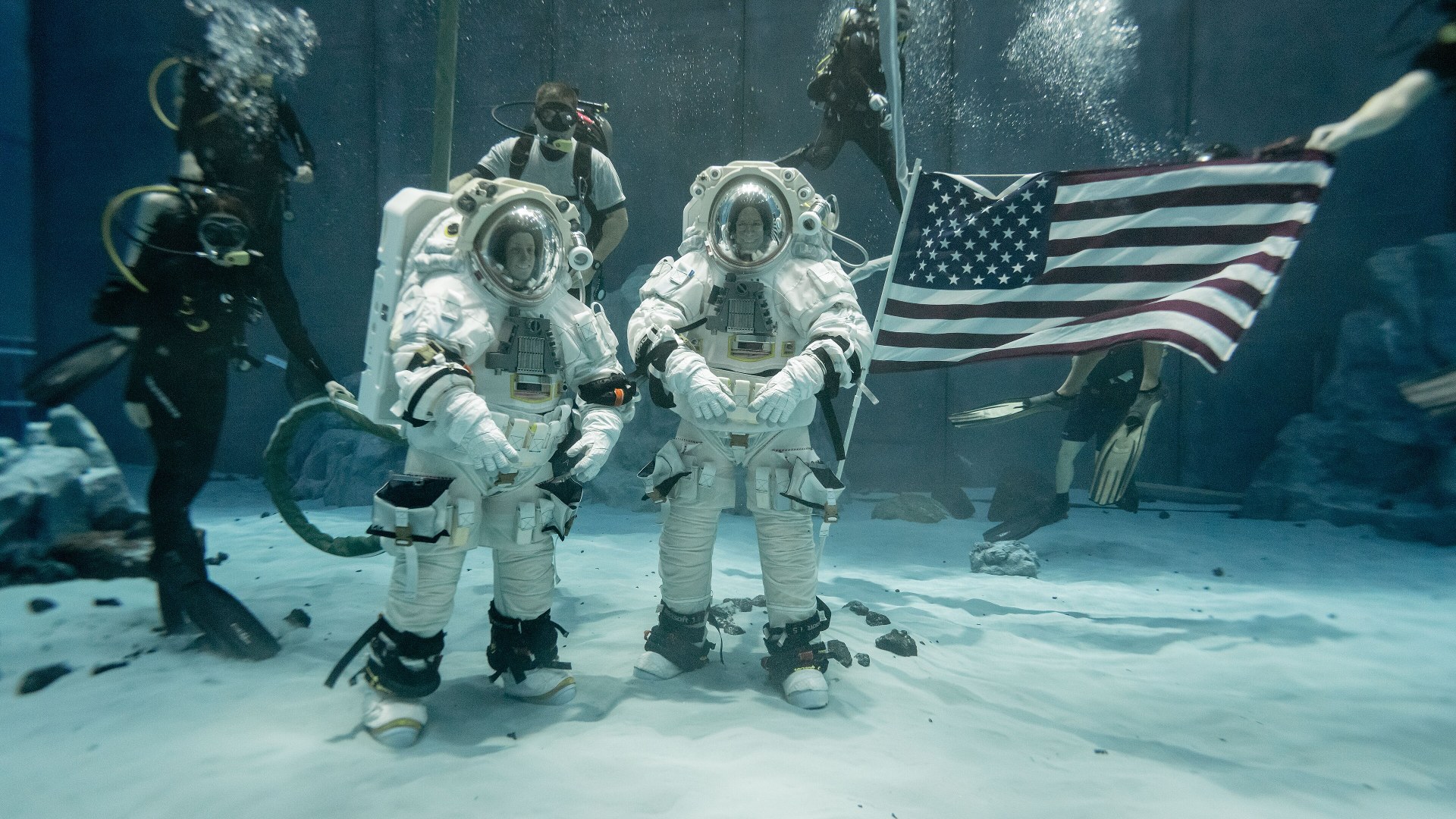
6. Swimming And Flight Suit Water Survival
Microgravity spacewalk training takes place underwater inside the massive Neutral Buoyancy Laboratory pool. Applicants must prove they can swim unassisted and tread water while wearing a flight suit, making aquatic stamina essential for every astronaut class.
©Wikimedia / NASA Johnson Space Center
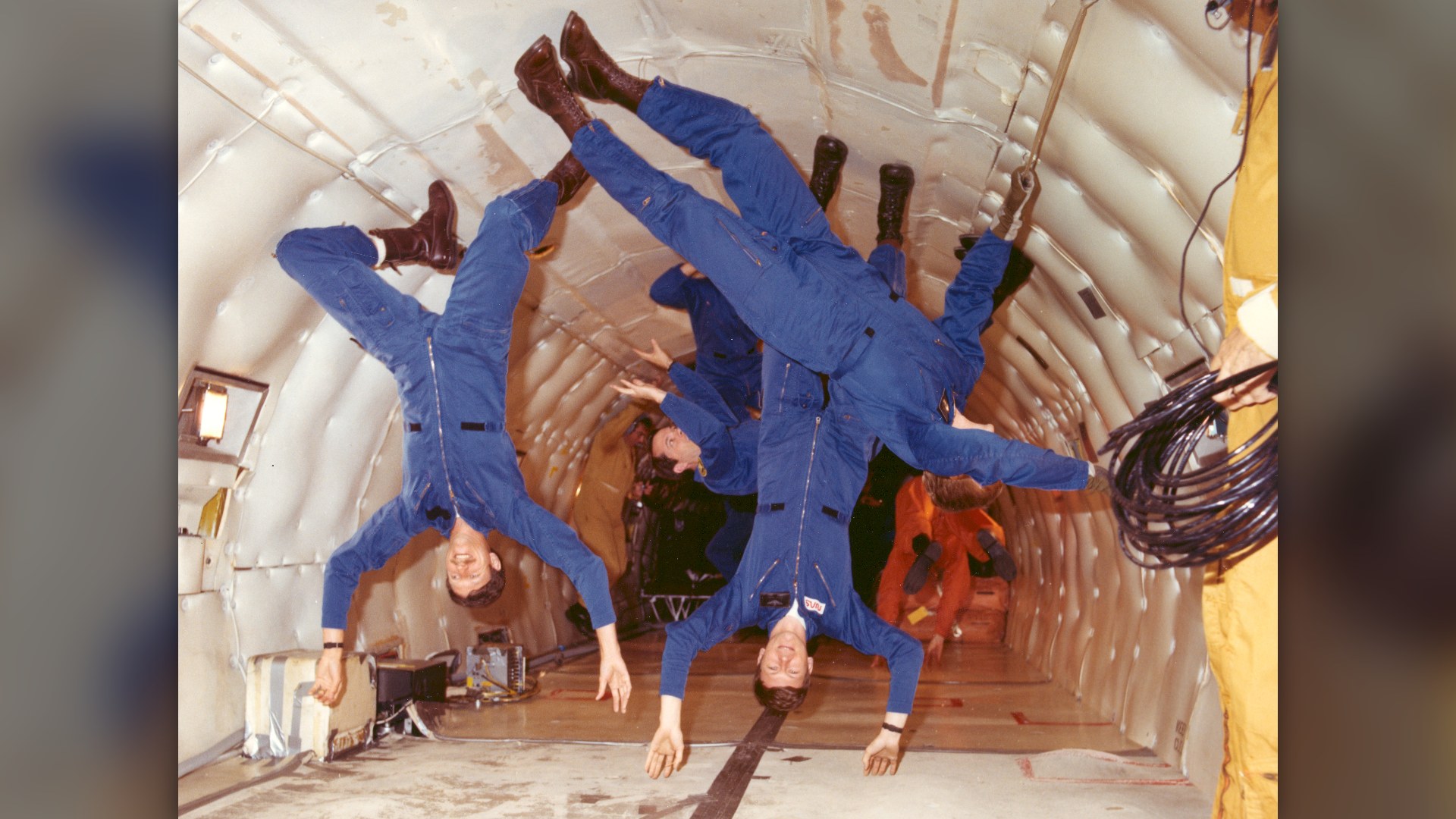
5. Spatial Orientation And Motion Sickness Resilience
Astronaut training pushes the neuro-vestibular system to its limits. Candidates who suffer from debilitating, unstoppable motion sickness or severe spatial disorientation struggle to pass the intense stressors of parabolic flights and centrifuge runs.
©Wikimedia / Public Contributor
Advertisement
Swipe or tap ▶ to resume the countdown.
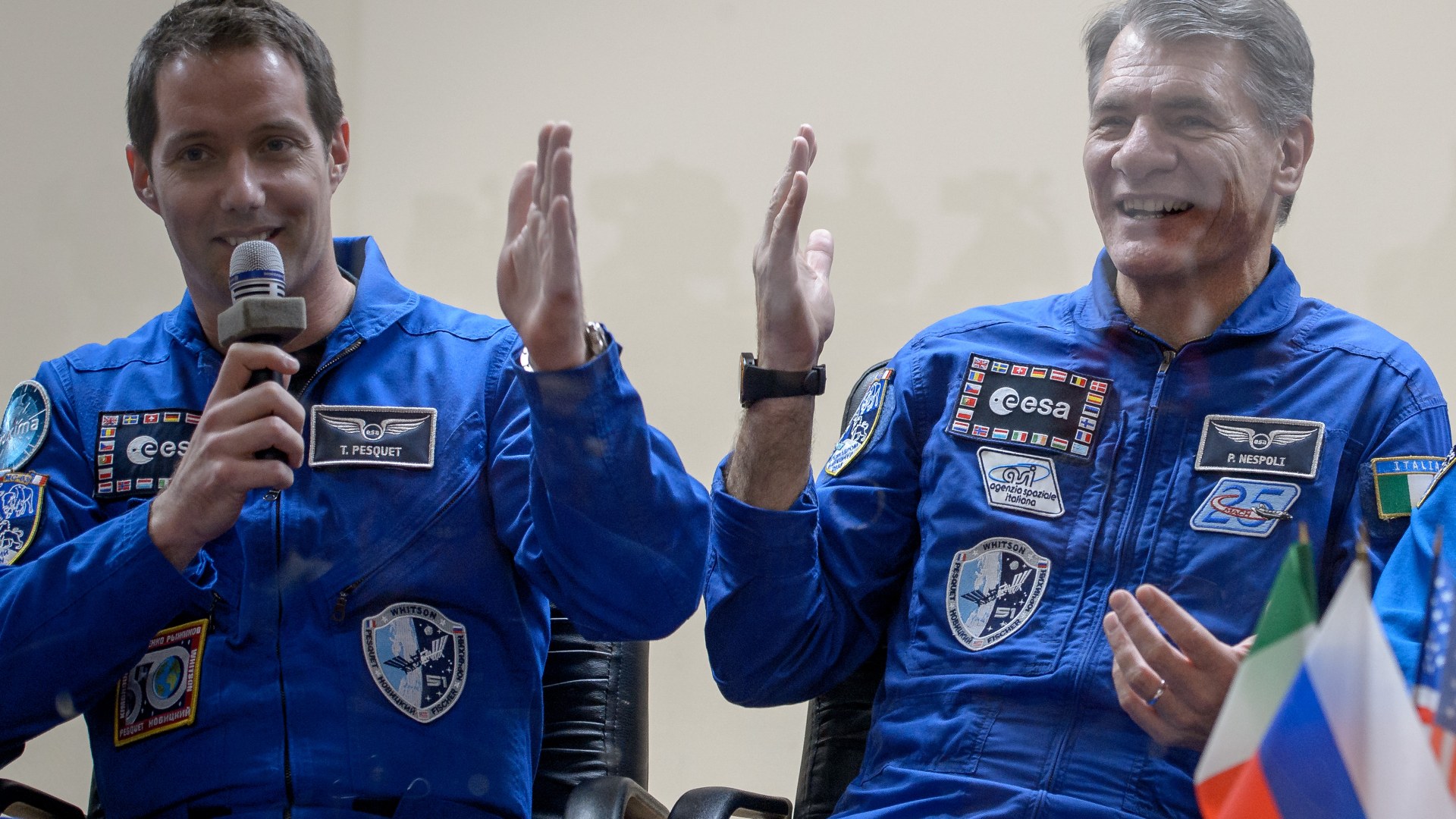
4. Public Communication And Diplomatic Poise
Because astronauts serve as the public face of a multibillion-dollar space agency, NASA screens heavily for communication and diplomacy. Finalists must articulate complex missions clearly to international partners, lawmakers, and global media outlets.
©Wikimedia / Bill Ingalls
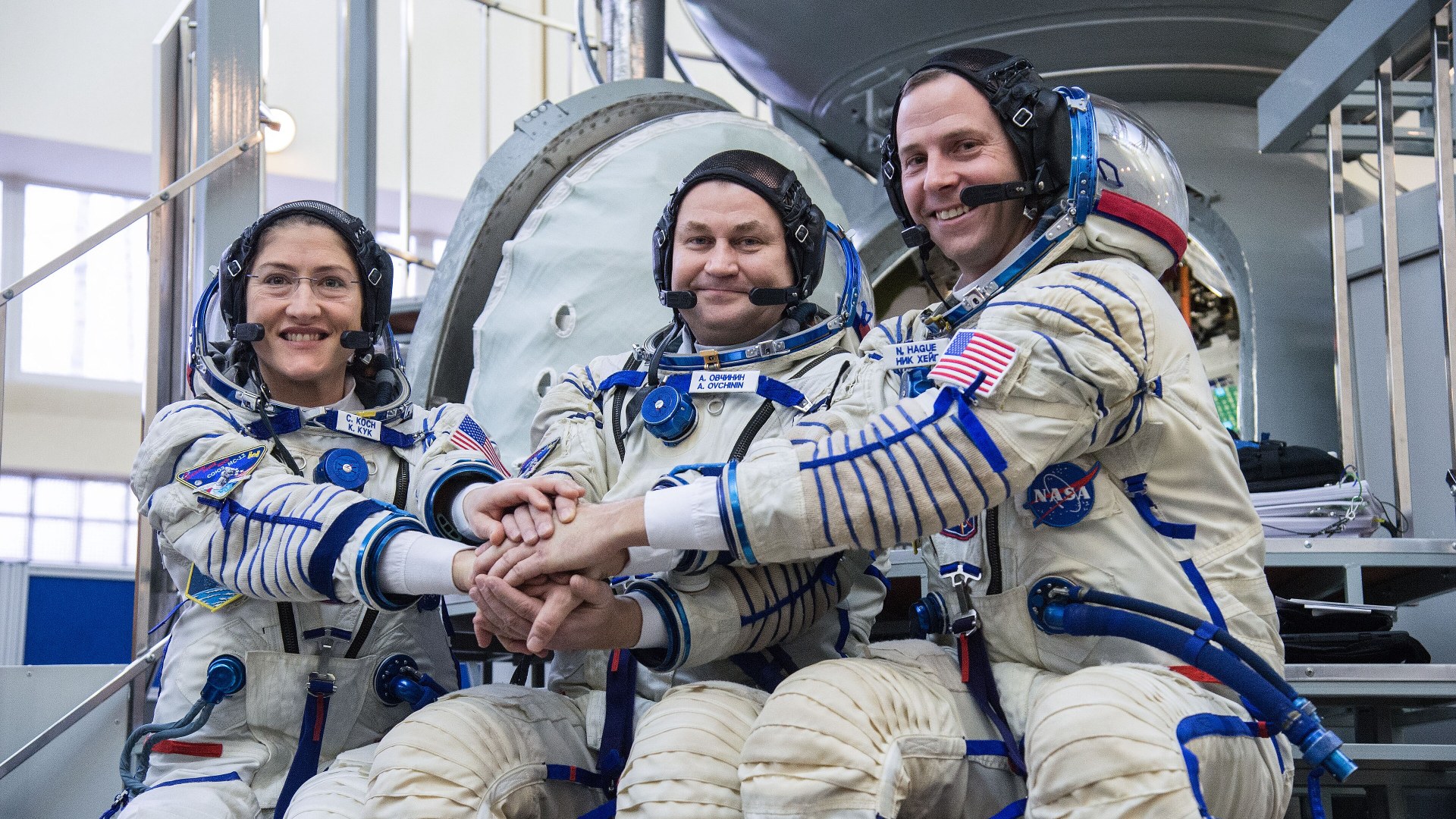
3. Fluency In Functional Russian For Station Systems
Because the International Space Station relies on Russian propulsion and life-support modules, every NASA astronaut must learn functional Russian. Mastering technical spacecraft controls and conversational Russian poses a steep hurdle for many candidates.
©Wikimedia / Beth Weissinger
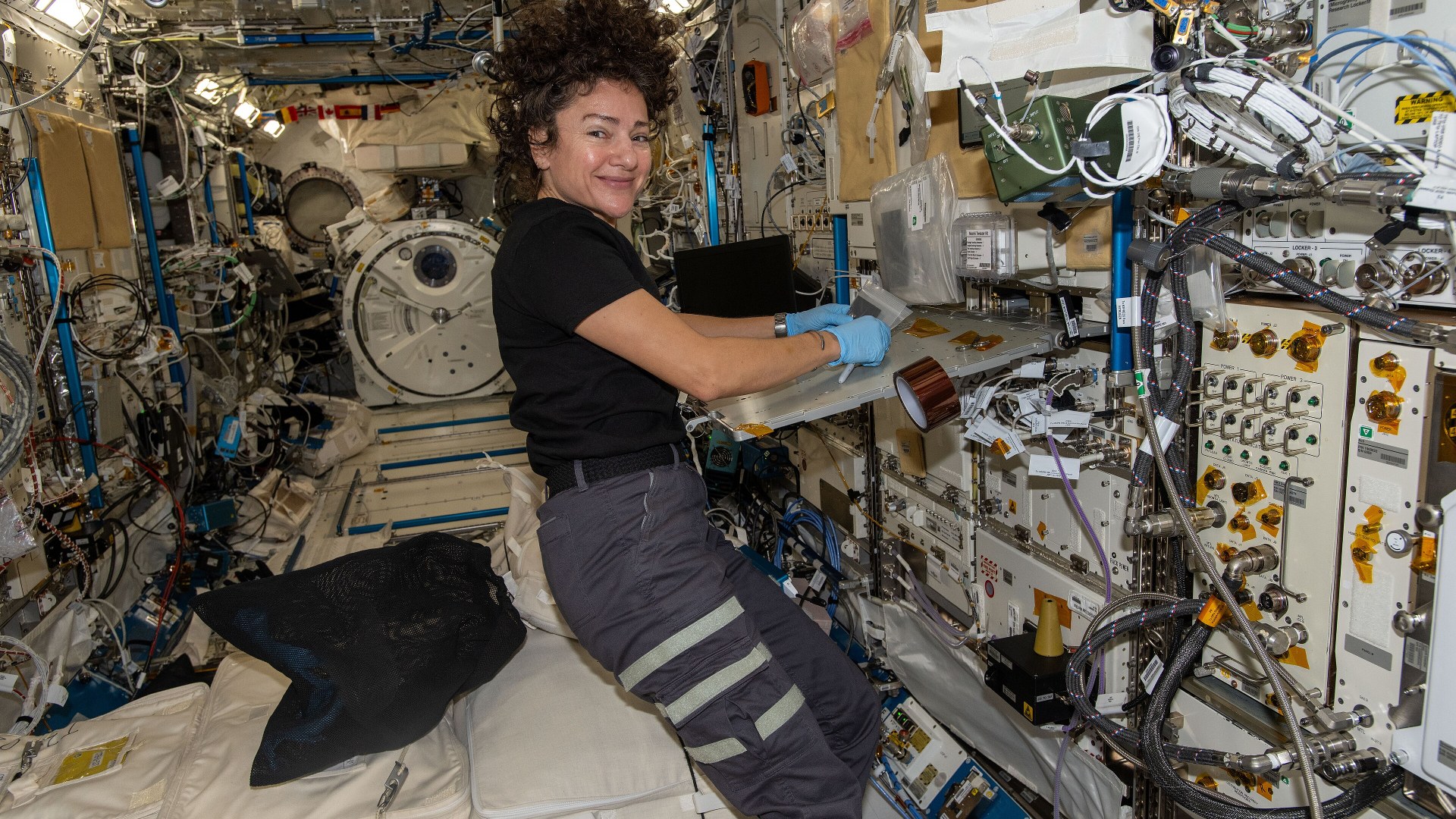
2. Hands-On Mechanical And Operational Versatility
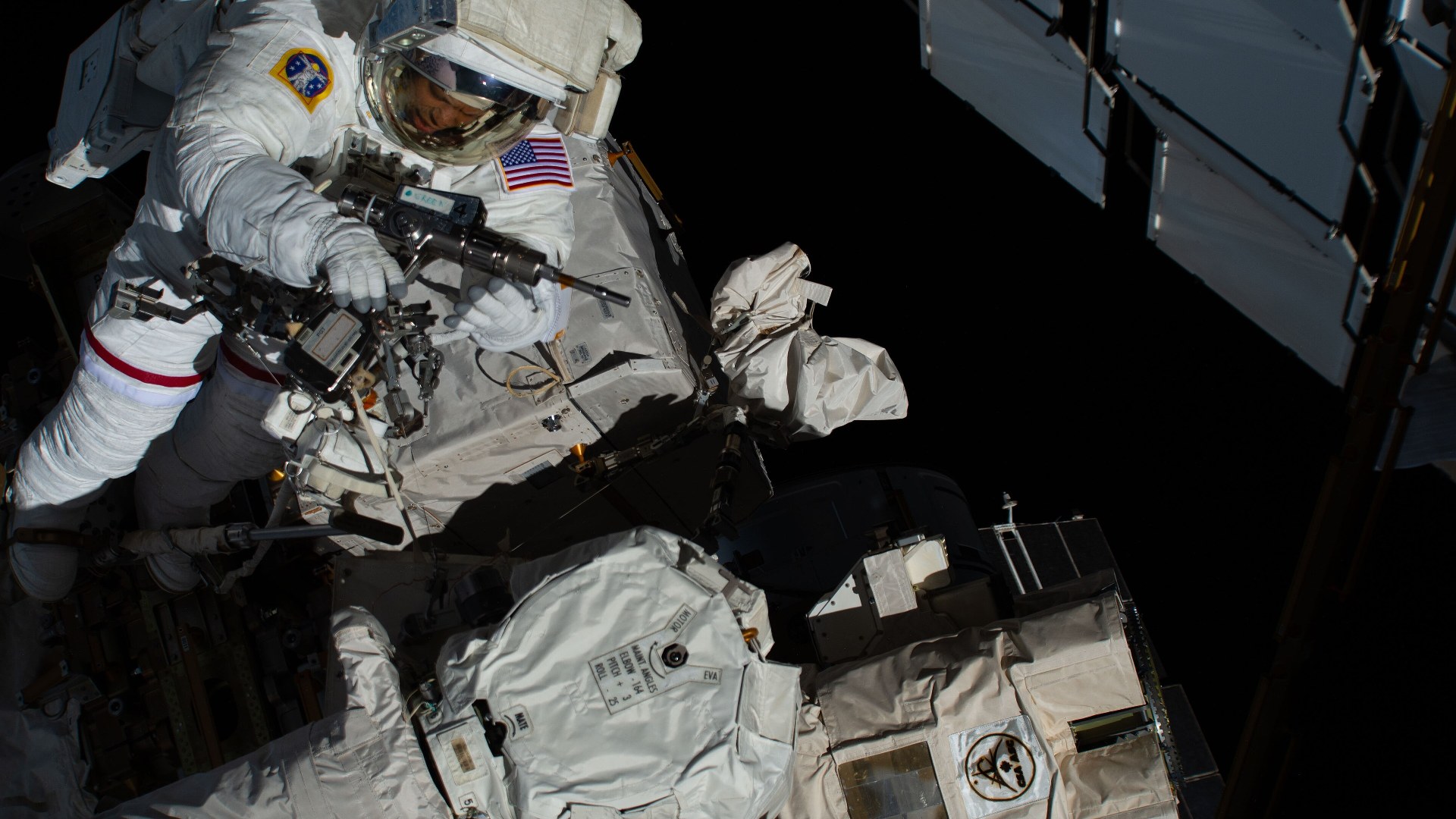
NASA looks for more than laboratory brilliance, requiring astronauts who can also repair a broken wire or replace a plumbing valve in orbit. Candidates must demonstrate practical mechanical versatility outside their primary scientific or pilot specialty.
©Wikimedia / NASA Johnson Space Center
1. Visual Acuity Correctable To 20/20
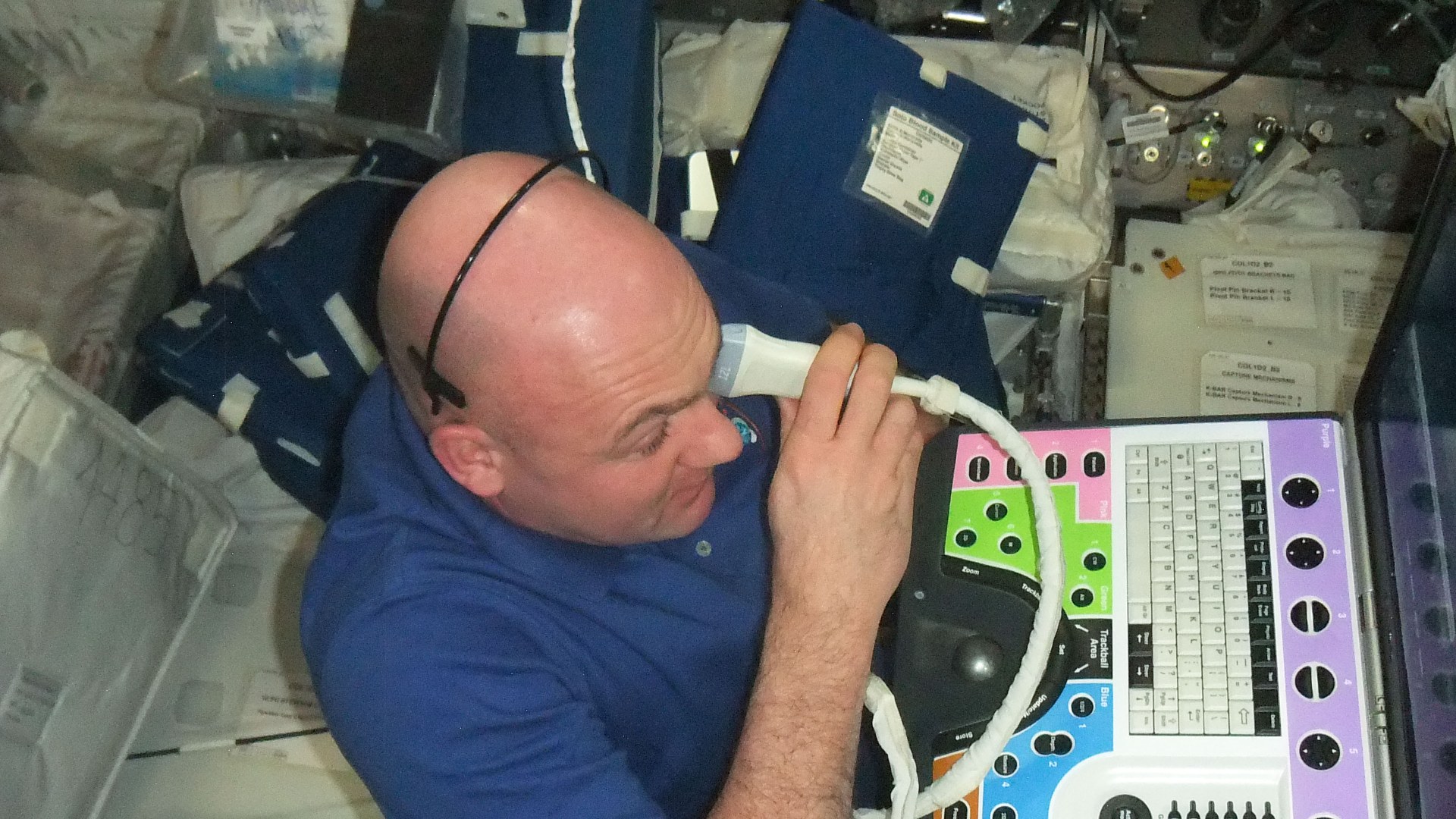
Vision requirements once eliminated nearly half of all astronaut hopefuls, but visual acuity now ranks as the most accessible hurdle on the list. Distant and near vision must be correctable to 20/20 in each eye, and NASA allows LASIK or PRK surgery one year post-op.

©Wikimedia / Public Contributor
Advertisement
You've reached the end of the story. Thanks for reading!

20 Iconic Historical Photos and the Archive Clues Behind Them
Contact sheets, cracked glass plates, and NASA mission logs preserve the hidden steps behind 20 famous photographs. Drawing on records from the Library of Congress, the National Archives, NASA, and the Smithsonian, this countdown traces how cropping, camera setups, and double exposures shaped each frame.
All 15 Entries in this Story
1. High-Stakes Psychological And Behavioral Suitability
Passing multi-day psychiatric and group-dynamic isolation tests is NASA's ultimate hidden disqualifier. Evaluators isolate finalists under severe stress and sleep deprivation, immediately cutting anyone who displays passive-aggression, extreme ego, or an inability to follow as well as lead.

2. The Comprehensive Long-Duration Flight Physical
Even the most accomplished pilot or scientist can be eliminated by an underlying medical anomaly outside their control. NASA's long-duration flight physical screens for flawless organ function and zero history of chronic issues, from heart murmurs to kidney stone risk.

3. Hyper-Competitive Related Professional Experience
Although the baseline rule asks for two years of progressive professional experience after a graduate degree, applicants compete against thousands of peers. Successful candidates typically bring experience from extreme environments like saturation diving, military ops, or polar research.

4. Advanced Technical Education At The Master's Level
A bachelor's degree is no longer enough to qualify. Applicants must hold a master's degree in engineering, biological science, physical science, computer science, or mathematics, or complete two years toward a PhD, a medical degree, or a recognized Test Pilot School program.

5. High-Performance Jet Flight Hours For Pilots
Astronaut pilot candidates must log a minimum of 1,000 hours as pilot-in-command of a jet aircraft. Building that command time takes years of elite military aviation experience in high-performance supersonic aircraft such as the T-38, F-18, or F-22.

6. Strict Anthropometric Cockpit Height Limits
Vehicle ergonomics enforce an unchangeable physical boundary: standing height must measure between 62 and 75 inches (5 feet 2 inches to 6 feet 3 inches). Anyone outside that window cannot safely fit inside spacesuits, Soyuz couches, or the Orion crew capsule.

7. Sitting Blood Pressure Below 140 Over 90
Measured in a sitting position, an applicant's blood pressure cannot exceed 140/90. Even temporary white-coat anxiety spikes can jeopardize a candidacy, as NASA requires stable cardiovascular performance to withstand heavy launch G-forces and fluid shifts.

8. Mandatory United States Citizenship
Every direct NASA astronaut applicant must be a United States citizen or hold valid U.S. dual citizenship. International candidates cannot apply directly to NASA and must instead compete through partner agencies such as ESA, JAXA, or the CSA.

9. Top Secret Federal Security Vetting
Candidates must pass a rigorous federal Top Secret background investigation alongside strict drug screenings. Past legal indiscretions, financial red flags, or unresolved foreign asset ties can delay or block the clearance needed for spacecraft work.

10. Swimming And Flight Suit Water Survival
Microgravity spacewalk training takes place underwater inside the massive Neutral Buoyancy Laboratory pool. Applicants must prove they can swim unassisted and tread water while wearing a flight suit, making aquatic stamina essential for every astronaut class.

11. Spatial Orientation And Motion Sickness Resilience
Astronaut training pushes the neuro-vestibular system to its limits. Candidates who suffer from debilitating, unstoppable motion sickness or severe spatial disorientation struggle to pass the intense stressors of parabolic flights and centrifuge runs.

12. Public Communication And Diplomatic Poise
Because astronauts serve as the public face of a multibillion-dollar space agency, NASA screens heavily for communication and diplomacy. Finalists must articulate complex missions clearly to international partners, lawmakers, and global media outlets.

13. Fluency In Functional Russian For Station Systems
Because the International Space Station relies on Russian propulsion and life-support modules, every NASA astronaut must learn functional Russian. Mastering technical spacecraft controls and conversational Russian poses a steep hurdle for many candidates.

14. Hands-On Mechanical And Operational Versatility
NASA looks for more than laboratory brilliance, requiring astronauts who can also repair a broken wire or replace a plumbing valve in orbit. Candidates must demonstrate practical mechanical versatility outside their primary scientific or pilot specialty.

15. Visual Acuity Correctable To 20/20
Vision requirements once eliminated nearly half of all astronaut hopefuls, but visual acuity now ranks as the most accessible hurdle on the list. Distant and near vision must be correctable to 20/20 in each eye, and NASA allows LASIK or PRK surgery one year post-op.