Slideshow · Viral
Countries With The Unhealthiest Diets in The World, Ranked
Criteria & Source: Evaluated by The Lancet’s Global Burden of Disease study and Tufts University’s Global Dietary Database across 185+ nations. Rankings assess dietary risk factors—excessive sodium, ultra-processed food caloric share, sugar-sweetened beverages, and lack of whole grains—tied to diet-related mortality.

By Most Viral Today
29 Oct 2026

Countries With The Unhealthiest Diets in The World, Ranked 
10. United Kingdom 
9. Brazil 
8. Mexico - AdvertisementSwipe or tap ▶ to continue countdown

7. Egypt 
6. United States 
5. Vanuatu 
4. Papua New Guinea - AdvertisementSwipe or tap ▶ to continue countdown

3. Marshall Islands 
2. Afghanistan 
1. Uzbekistan - Advertisement🔥 UP NEXT IN THIS SERIES◫ 21 Slides

20 Iconic Historical Photos and the Archive Clues Behind Them
Contact sheets, cracked glass plates, and NASA mission logs preserve the hidden steps behind 20 famous photographs. Drawing on records from the Library of Congress, the National Archives, NASA, and the Smithsonian, this countdown traces how cropping, camera setups, and double exposures shaped each frame.
Criteria & Source: Evaluated by The Lancet’s Global Burden of Disease study and Tufts University’s Global Dietary Database across 185+ nations. Rankings assess dietary risk factors—excessive sodium, ultra-processed food caloric share, sugar-sweetened beverages, and lack of whole grains—tied to diet-related mortality.

Swipe or tap ▶ to begin the countdown
©Flickr / Ewan Munro
10. United Kingdom
According to nutritional studies, ultra-processed foods make up over 56% of total daily calorie intake in the United Kingdom, the highest rate across Europe. Combined with high sodium and saturated fats from fried convenience foods, diet-related metabolic disease has risen significantly.
©Wikimedia / Gvjekoslav
9. Brazil
While Brazil historically thrived on whole rice and beans, the rapid market penetration of ultra-processed convenience items and sugary snacks has transformed the national diet. Chronic conditions and metabolic disorders have climbed as traditional home-cooked fare is displaced.
©Wikimedia / Sintegrity
8. Mexico
Mexico leads the world in per-capita soda consumption, averaging roughly 163 liters per person annually. This staggering intake of liquid sugars, coupled with low vegetable diversity and processed street snacks, produces the lowest Healthy Eating Index score in Latin America.
©Wikimedia / Cttm 25
Advertisement
Swipe or tap ▶ to resume the countdown.
7. Egypt
Egypt battles an adult obesity rate near 40%, fueled by widespread consumption of subsidized refined white baladi bread and low-cost hydrogenated vegetable oils. Diets frequently lack fresh vegetables, nuts, and legumes, creating widespread micronutrient deficiencies.
©Wikimedia / Basma
6. United States
The average American diet derives nearly 58% of daily energy from ultra-processed foods loaded with sodium, saturated fats, and high-fructose corn syrup. With sodium consumption surpassing 3,400 mg daily, diet-related chronic illnesses remain a primary public health crisis.
©Wikimedia / Bahnfrend
5. Vanuatu
Vanuatu exemplifies the severe nutrition transition across the Pacific. Indigenous root vegetables, fruits, and fresh seafood have been largely replaced by inexpensive imported processed meats, instant noodles, and refined sugar, causing sharp spikes in heart disease.
©Wikimedia / Rainer Zenz
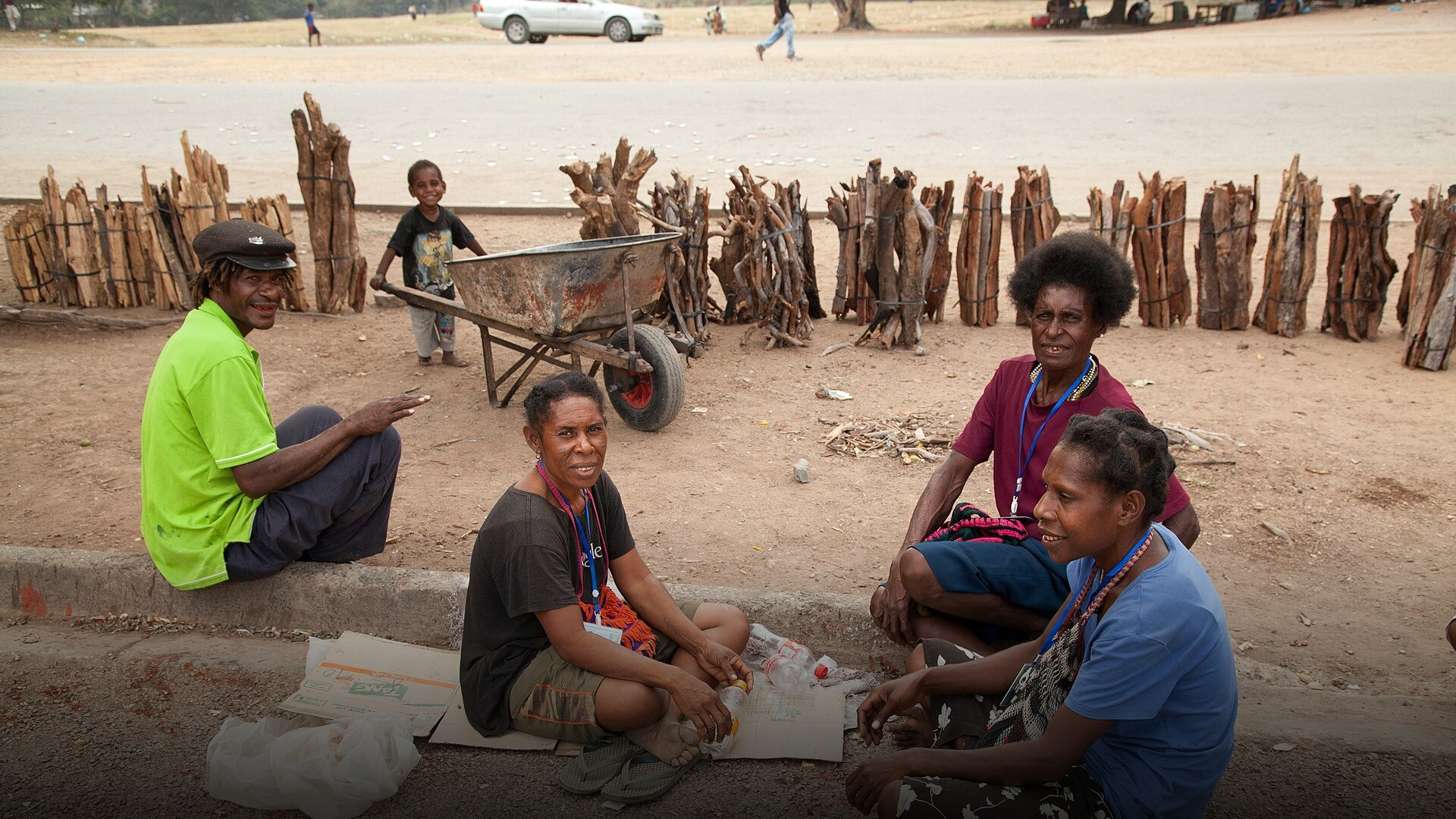
4. Papua New Guinea
Papua New Guinea has seen traditional subsistence garden diets replaced in urban centers by refined white rice, sugar, and canned fatty meats. The resulting lack of dietary fiber and essential micronutrients has driven up premature cardiovascular mortality.
©AusAID / Ness Kerton
Advertisement
Swipe or tap ▶ to resume the countdown.
3. Marshall Islands
Cut off from local agricultural production, the Marshall Islands relies almost entirely on imported canned meats like Spam and corned beef alongside white rice. This sodium-dense, nutrient-poor food environment has led to adult type-2 diabetes rates exceeding 30%.
©Wikimedia / Ll1324
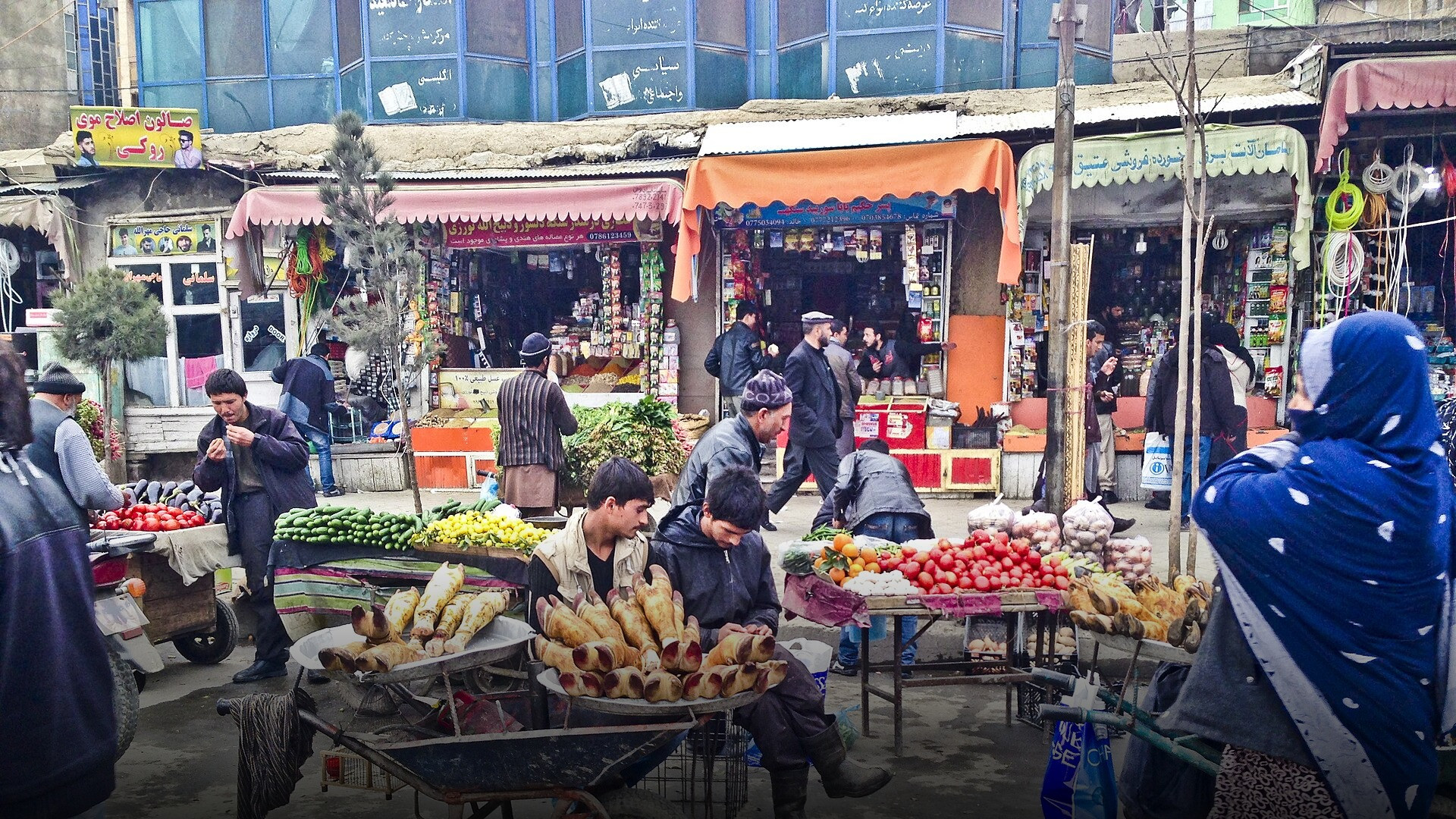
2. Afghanistan
Published research in The Lancet shows Afghanistan suffers the second-highest diet-related mortality globally. Severe poverty and food insecurity result in critical shortages of fruits, vegetables, nuts, and whole grains, leaving millions reliant on refined starches and oils.
©Wikimedia / Hogai Aryoubi
1. Uzbekistan
The Lancet's Global Burden of Disease study identifies Uzbekistan as having the world's highest diet-related mortality rate at 892 deaths per 100,000 people. Diets feature extreme sodium intake—more than double WHO recommendations—heavy animal fat in plov, and minimal fresh produce.

©Wikimedia / Ekrem Canli
Advertisement
You've reached the end of the story. Thanks for reading!

20 Iconic Historical Photos and the Archive Clues Behind Them
Contact sheets, cracked glass plates, and NASA mission logs preserve the hidden steps behind 20 famous photographs. Drawing on records from the Library of Congress, the National Archives, NASA, and the Smithsonian, this countdown traces how cropping, camera setups, and double exposures shaped each frame.
All 10 Entries in this Story
10. United Kingdom
According to nutritional studies, ultra-processed foods make up over 56% of total daily calorie intake in the United Kingdom, the highest rate across Europe. Combined with high sodium and saturated fats from fried convenience foods, diet-related metabolic disease has risen significantly.

9. Brazil
While Brazil historically thrived on whole rice and beans, the rapid market penetration of ultra-processed convenience items and sugary snacks has transformed the national diet. Chronic conditions and metabolic disorders have climbed as traditional home-cooked fare is displaced.

8. Mexico
Mexico leads the world in per-capita soda consumption, averaging roughly 163 liters per person annually. This staggering intake of liquid sugars, coupled with low vegetable diversity and processed street snacks, produces the lowest Healthy Eating Index score in Latin America.

7. Egypt
Egypt battles an adult obesity rate near 40%, fueled by widespread consumption of subsidized refined white baladi bread and low-cost hydrogenated vegetable oils. Diets frequently lack fresh vegetables, nuts, and legumes, creating widespread micronutrient deficiencies.

6. United States
The average American diet derives nearly 58% of daily energy from ultra-processed foods loaded with sodium, saturated fats, and high-fructose corn syrup. With sodium consumption surpassing 3,400 mg daily, diet-related chronic illnesses remain a primary public health crisis.

5. Vanuatu
Vanuatu exemplifies the severe nutrition transition across the Pacific. Indigenous root vegetables, fruits, and fresh seafood have been largely replaced by inexpensive imported processed meats, instant noodles, and refined sugar, causing sharp spikes in heart disease.

4. Papua New Guinea
Papua New Guinea has seen traditional subsistence garden diets replaced in urban centers by refined white rice, sugar, and canned fatty meats. The resulting lack of dietary fiber and essential micronutrients has driven up premature cardiovascular mortality.

3. Marshall Islands
Cut off from local agricultural production, the Marshall Islands relies almost entirely on imported canned meats like Spam and corned beef alongside white rice. This sodium-dense, nutrient-poor food environment has led to adult type-2 diabetes rates exceeding 30%.

2. Afghanistan
Published research in The Lancet shows Afghanistan suffers the second-highest diet-related mortality globally. Severe poverty and food insecurity result in critical shortages of fruits, vegetables, nuts, and whole grains, leaving millions reliant on refined starches and oils.

1. Uzbekistan
The Lancet's Global Burden of Disease study identifies Uzbekistan as having the world's highest diet-related mortality rate at 892 deaths per 100,000 people. Diets feature extreme sodium intake—more than double WHO recommendations—heavy animal fat in plov, and minimal fresh produce.