Slideshow · Animals
Do Sharks Really Die If They Stop Swimming
The persistent myth claims every shark must move constantly to survive, but marine biology reveals a very different underwater reality.
All 20 Entries in this Story
20. The Scientific Verdict
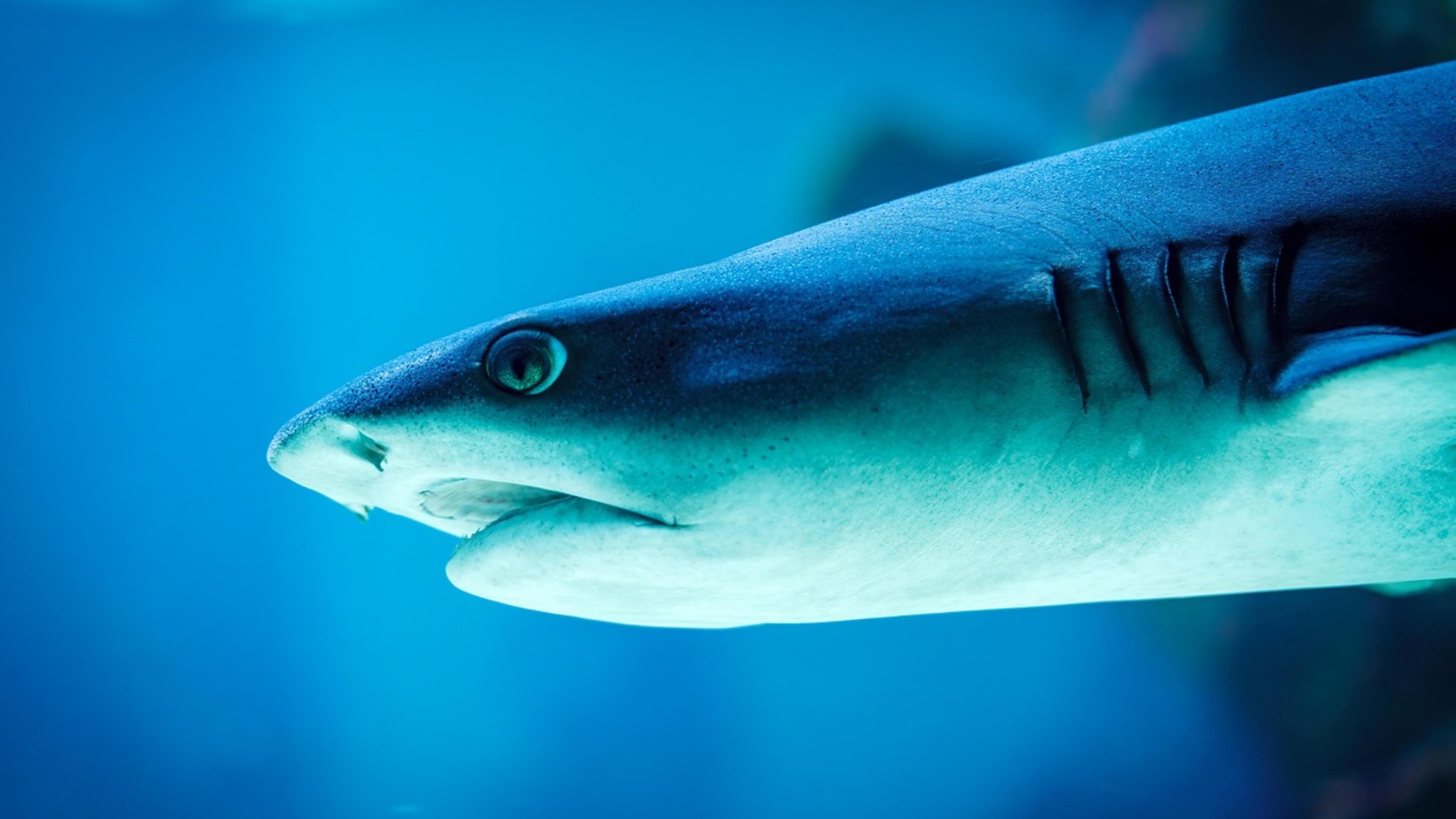
The belief that all sharks die if they stop swimming is one of the most widespread myths in marine science. In reality, fewer than two dozen of the world five hundred shark species are obligate ram ventilators. The vast majority of sharks can stop, rest, sleep, and breathe with complete biological ease.
19. How Constant Swimmers Sleep
How do obligate swimmers like great whites sleep if they cannot stop? Marine researchers discovered that shark swimming is coordinated by the spinal cord rather than conscious brain commands. This allows open-water sharks to rest their cerebral hemispheres while their bodies swim automatically on biological autopilot.
18. The Buoyancy Problem
Part of the swimming myth comes from physics rather than respiration. Bony fish have gas-filled swim bladders that maintain neutral buoyancy, but sharks lack this organ entirely. A motionless pelagic shark has negative buoyancy and will slowly sink toward the seabed unless forward motion provides hydrodynamic lift.
17. Lemon Shark Rest Stops
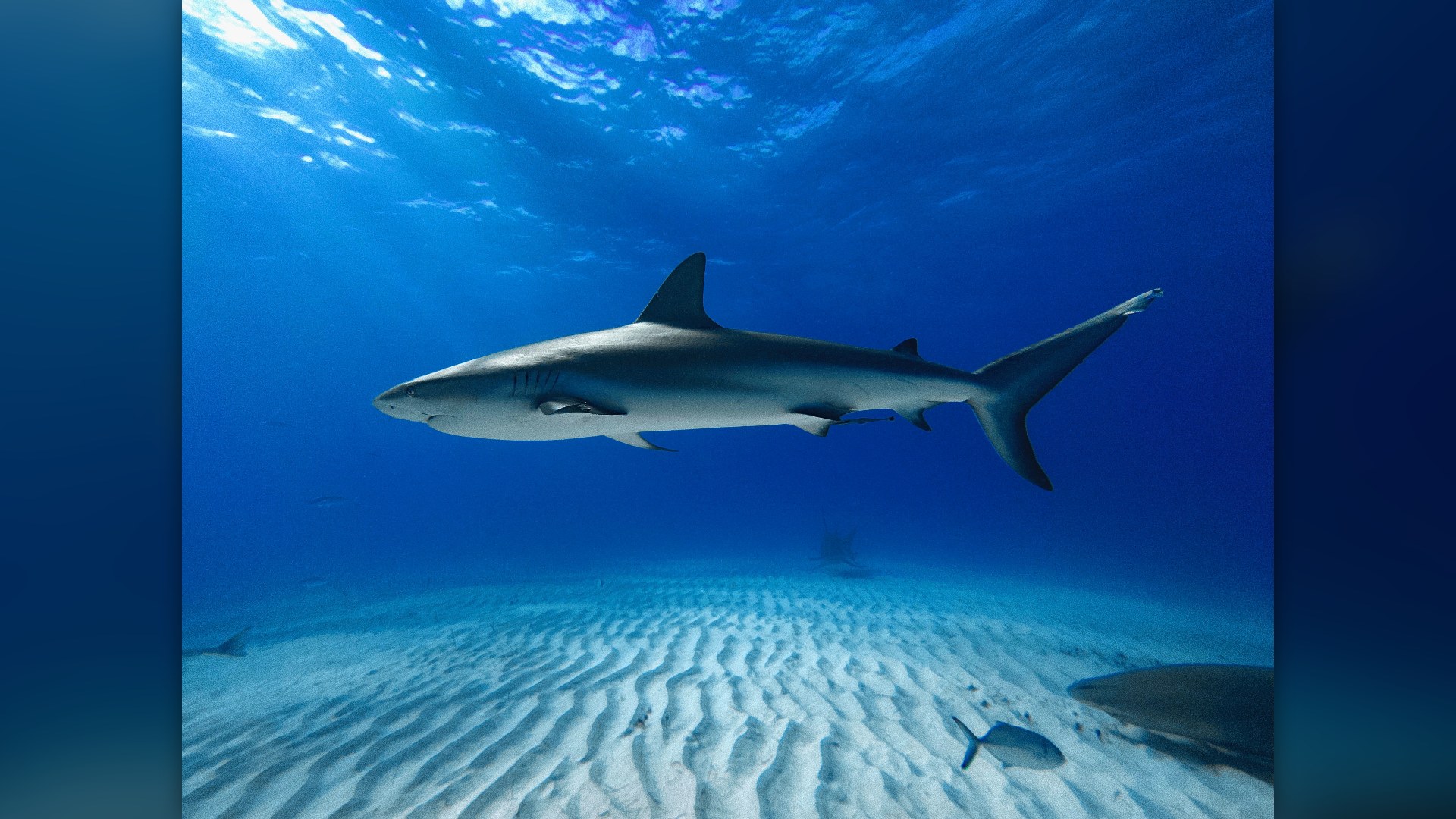
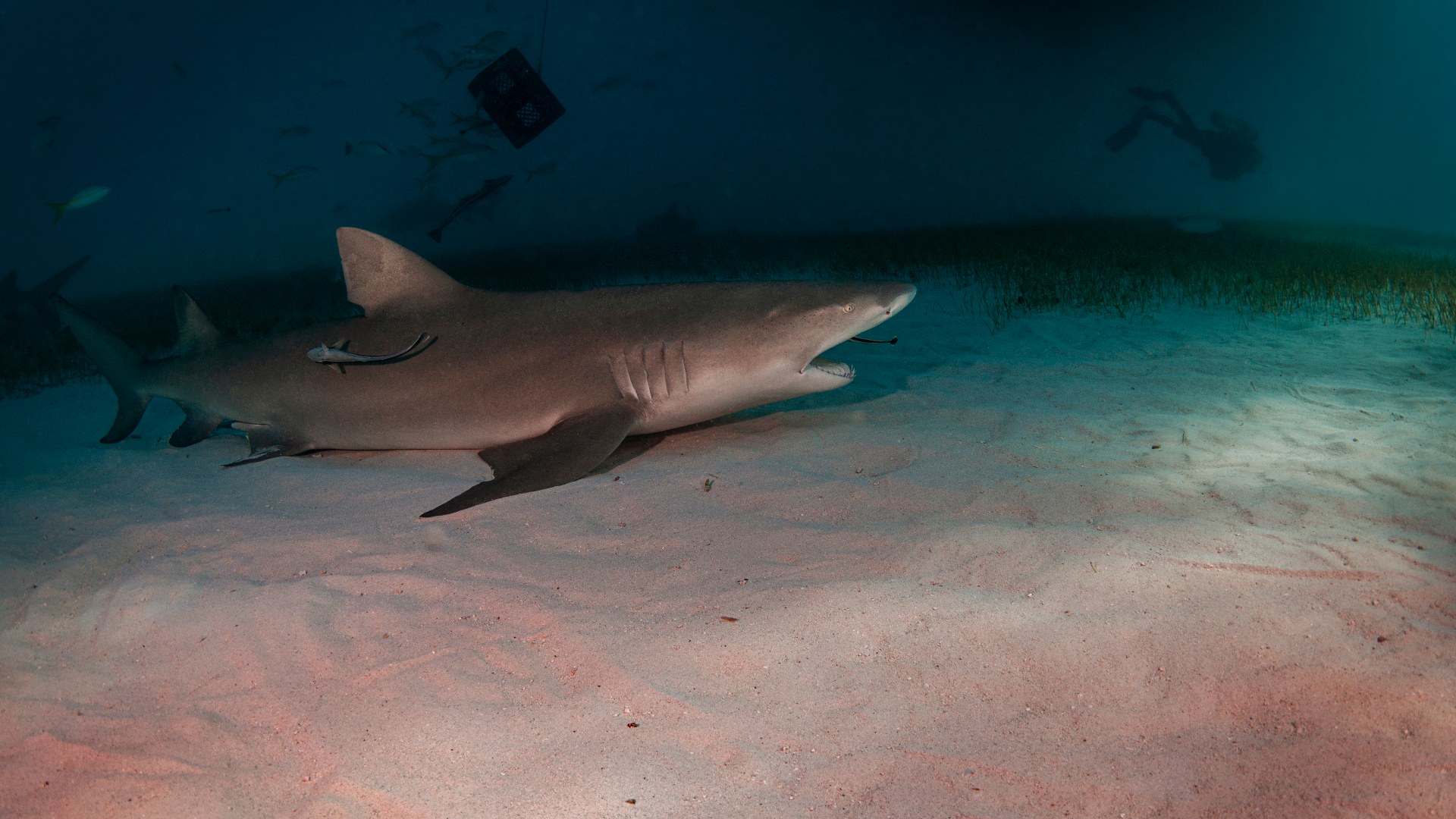
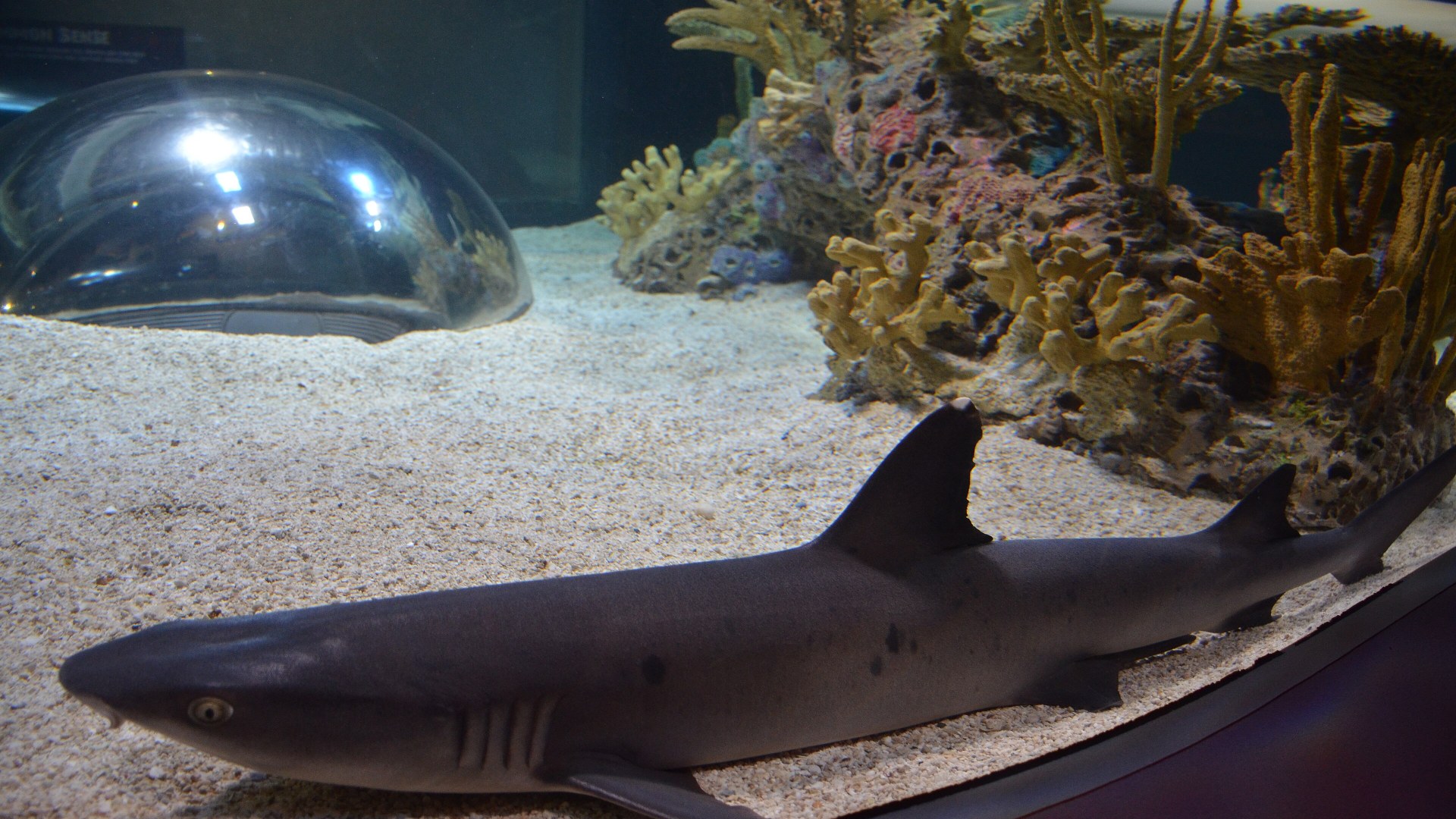
Lemon sharks frequently rest on sandy flats around mangrove keys. To minimize muscle effort, they orient their bodies facing directly into tidal currents. Flowing water moves passively through their mouths and exits the gills, providing fresh oxygen while the shark relaxes completely motionless on the sea floor.
16. Facultative Switchers
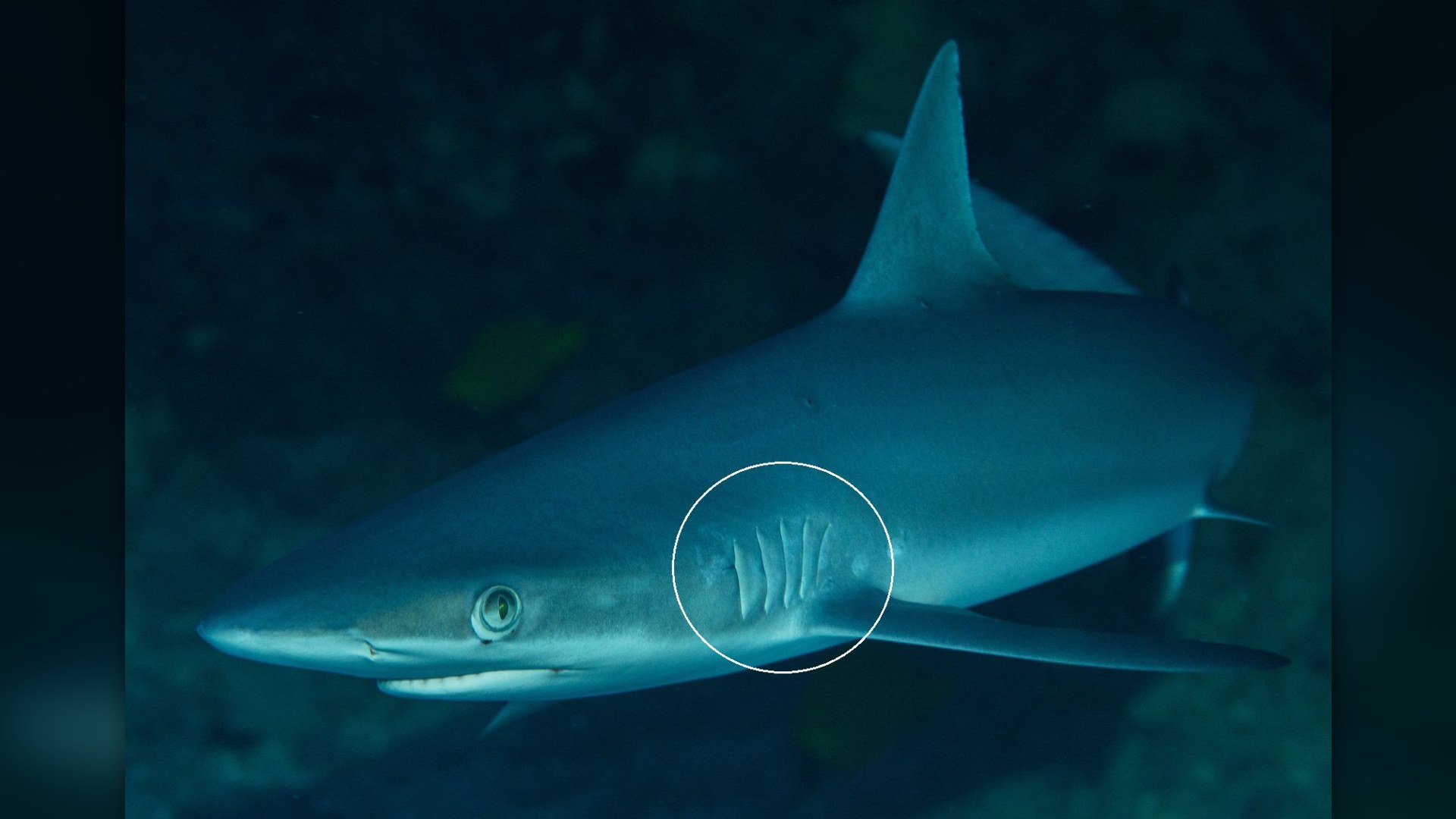
Many shark species are facultative ram ventilators, meaning they can switch breathing modes. When cruising at speed, they let water ram naturally into their mouths to save energy. When slowing down or resting in current, they engage their cheek muscles to pump water, giving them complete respiratory freedom.
15. Sand-Buried Angel Sharks
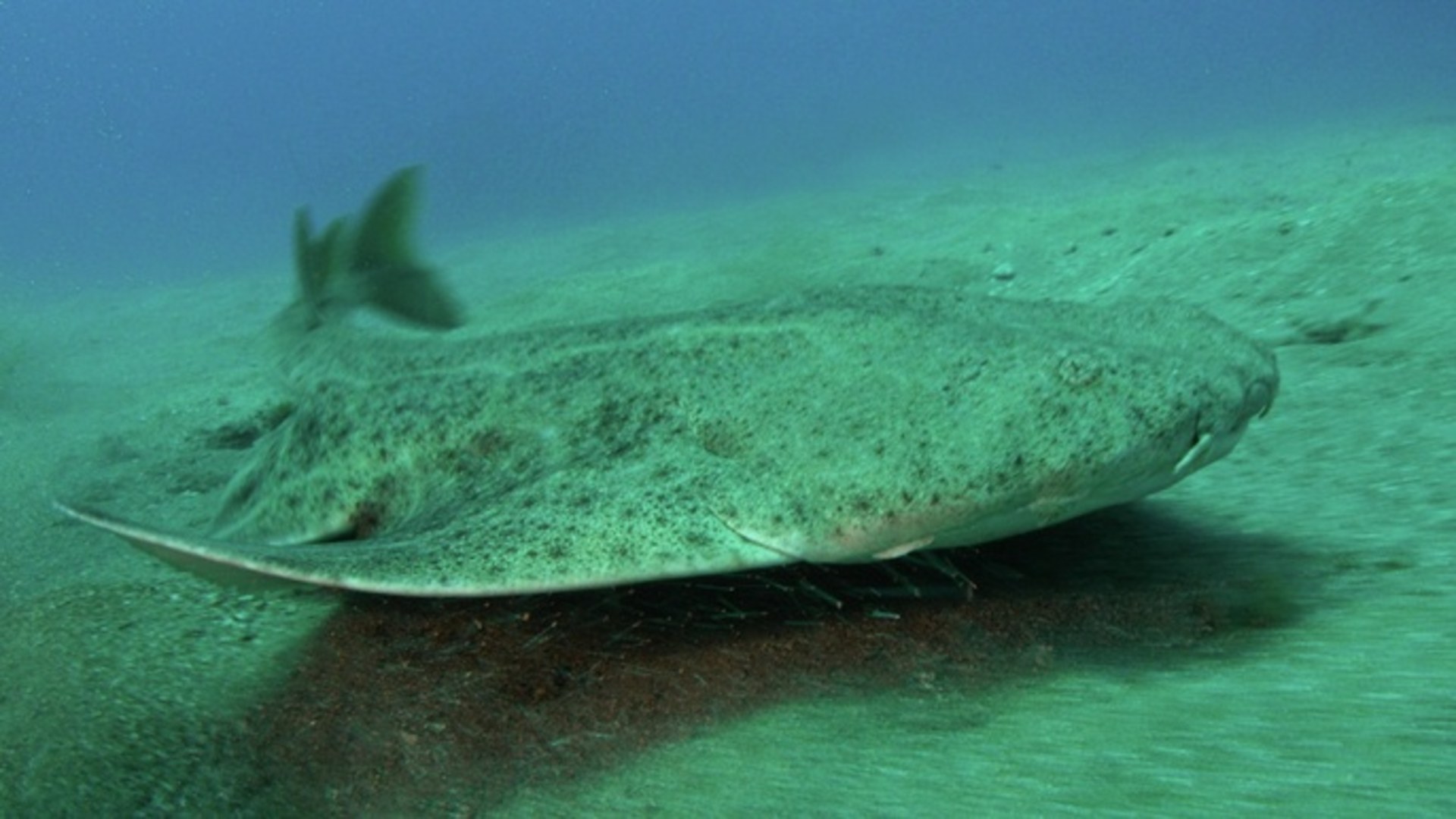
Angel sharks have broad, flat bodies resembling skates or rays. They bury themselves beneath seabed sediment with only their eyes and spiracles exposed. By drawing clean water through their dorsal spiracles, they can stay buried and completely motionless for weeks, ambushing passing fish with lightning strikes.
14. Horn Sharks On Rocky Reefs
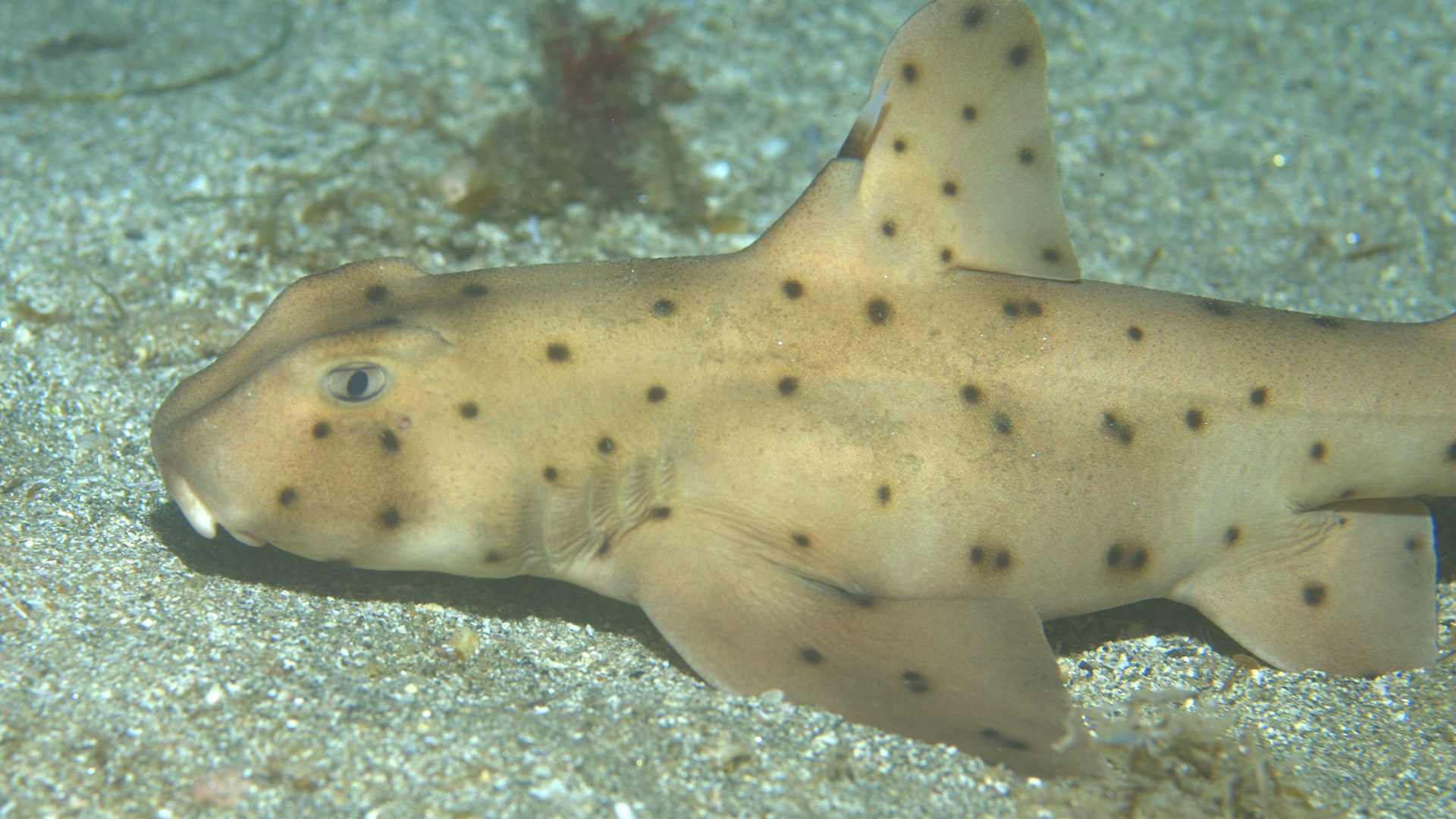
Horn sharks are nocturnal bottom dwellers that live around rocky reefs. Instead of swimming constantly, they use their paired pectoral and pelvic fins to crawl across the sea floor. Large spiracles behind their eyes pump clean water through five gill slits, allowing them to remain wedged under rocks all day.
13. Leopard Sharks In The Kelp
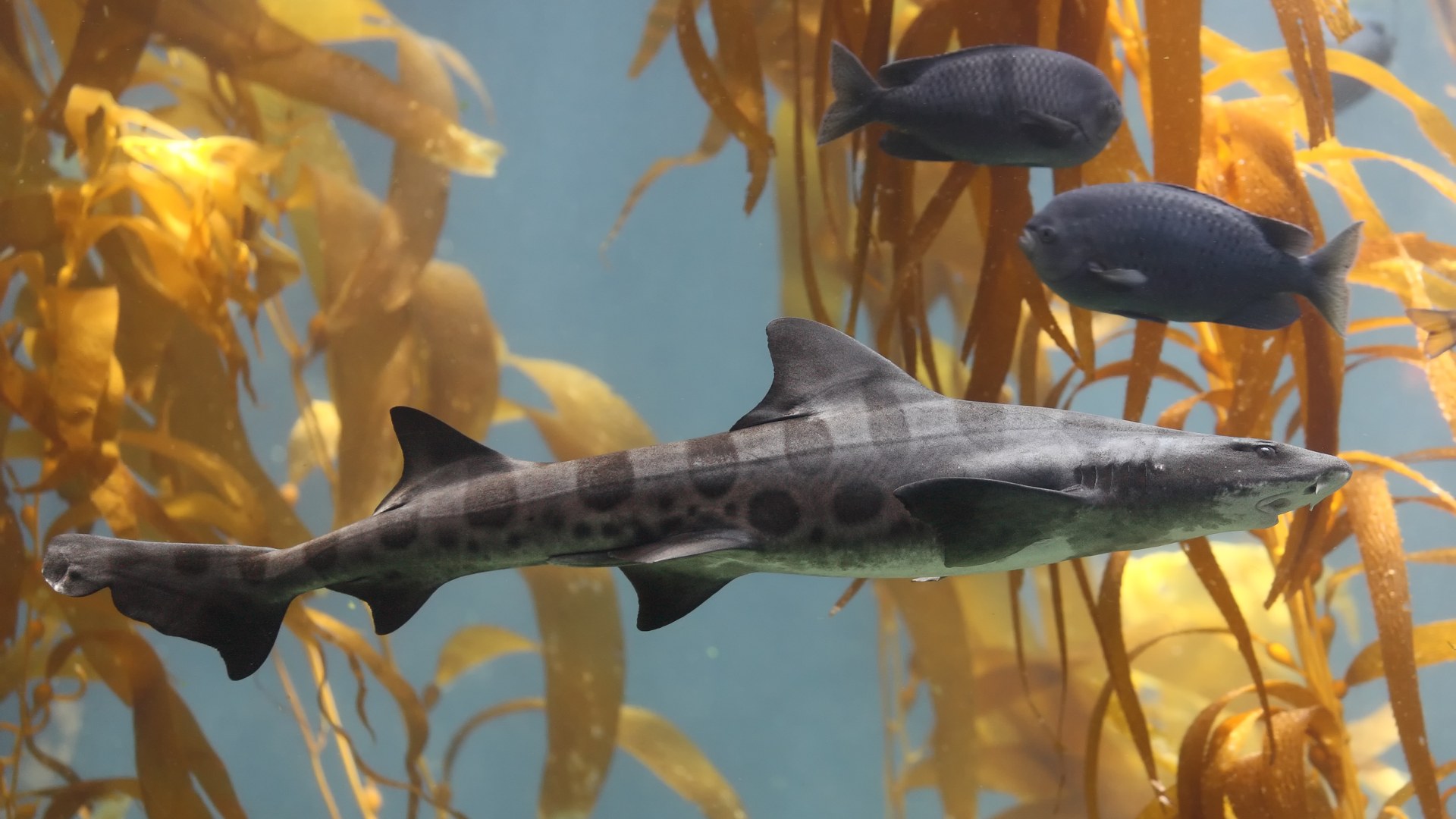
Along the Pacific coastline of North America, leopard sharks frequent shallow bays and giant kelp forests. Equipped with powerful buccal pumping and prominent spiracles, these docile houndsharks frequently settle onto sandbanks during low tide, pumping water through their gills while resting.
12. The Eugenie Clark Breakthrough
Pioneering ichthyologist Dr. Eugenie Clark, known as The Shark Lady, investigated the Mexican caves. She discovered that freshwater seeping from underwater springs lowered salinity and raised oxygen levels in the caves. This unique environment allowed the reef sharks to relax their breathing and enter a dormant state.
11. Caribbean Reef Shark Caves
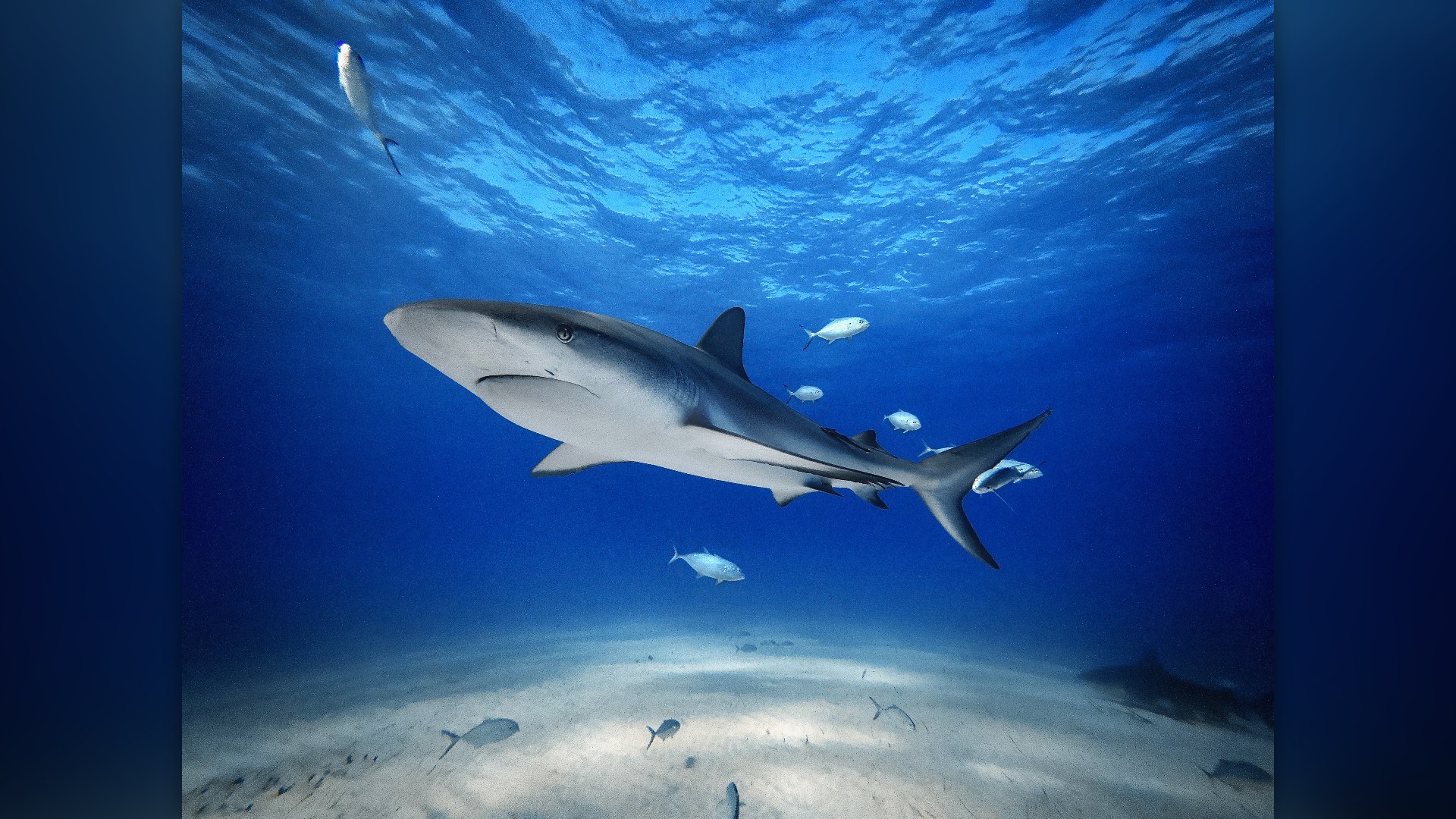
In coastal waters off Isla Mujeres, Mexico, divers made a shocking discovery in the 1970s. Caribbean reef sharks, previously thought to be obligate swimmers, were found resting motionless inside underwater caverns. The phenomenon attracted marine researchers from around the world to study these sleeping giants.
10. Wobbegong Ambush Masters
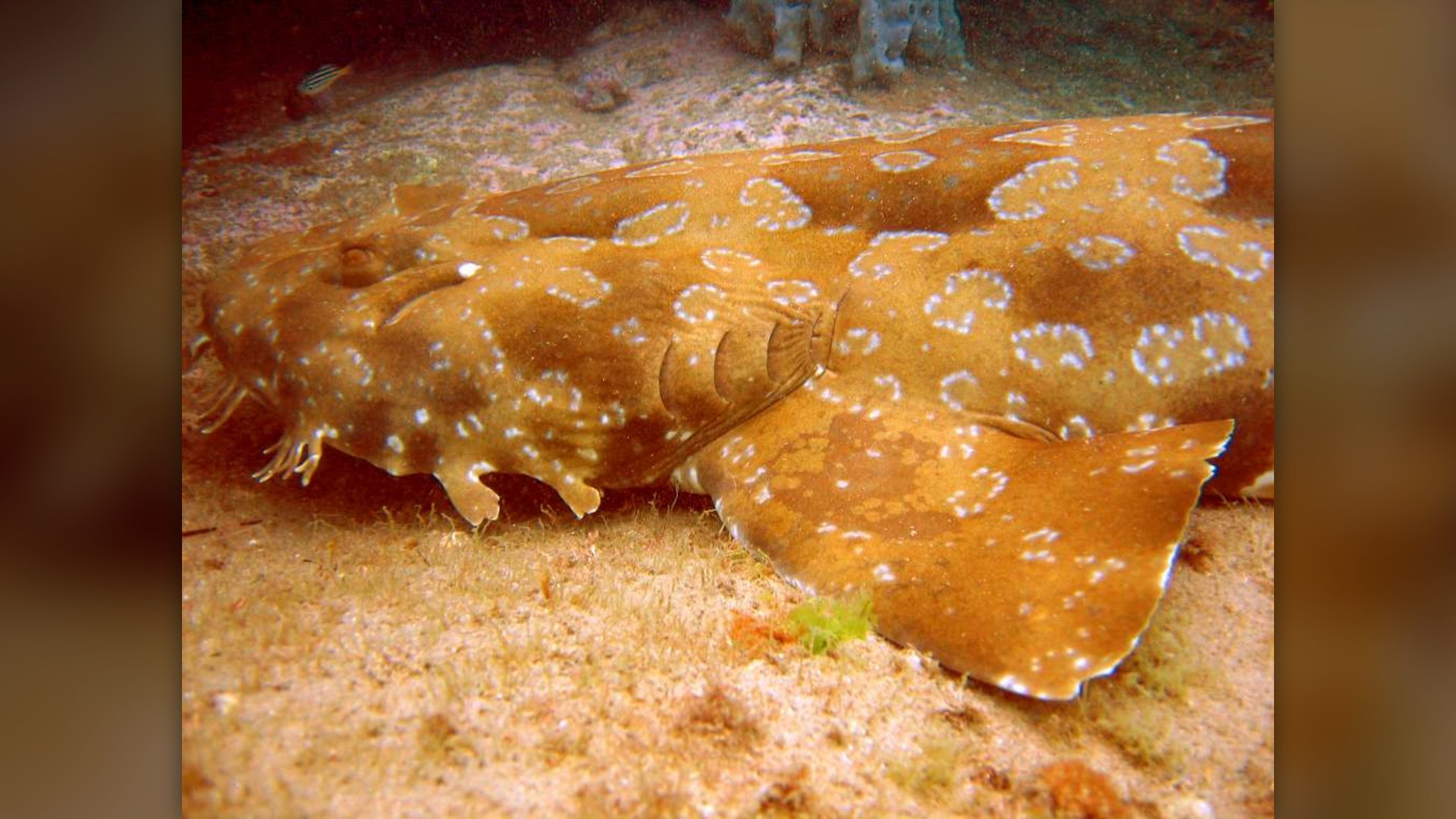
Wobbegong sharks, also known as carpet sharks, take resting to an art form. Their flattened bodies and tassel-fringed mouths blend directly into surrounding coral reefs. Using buccal pumping and wide spiracles, a wobbegong can remain motionless for days at a time, waiting for unsuspecting fish to swim within reach.
9. Nurse Sharks Resting On Sand
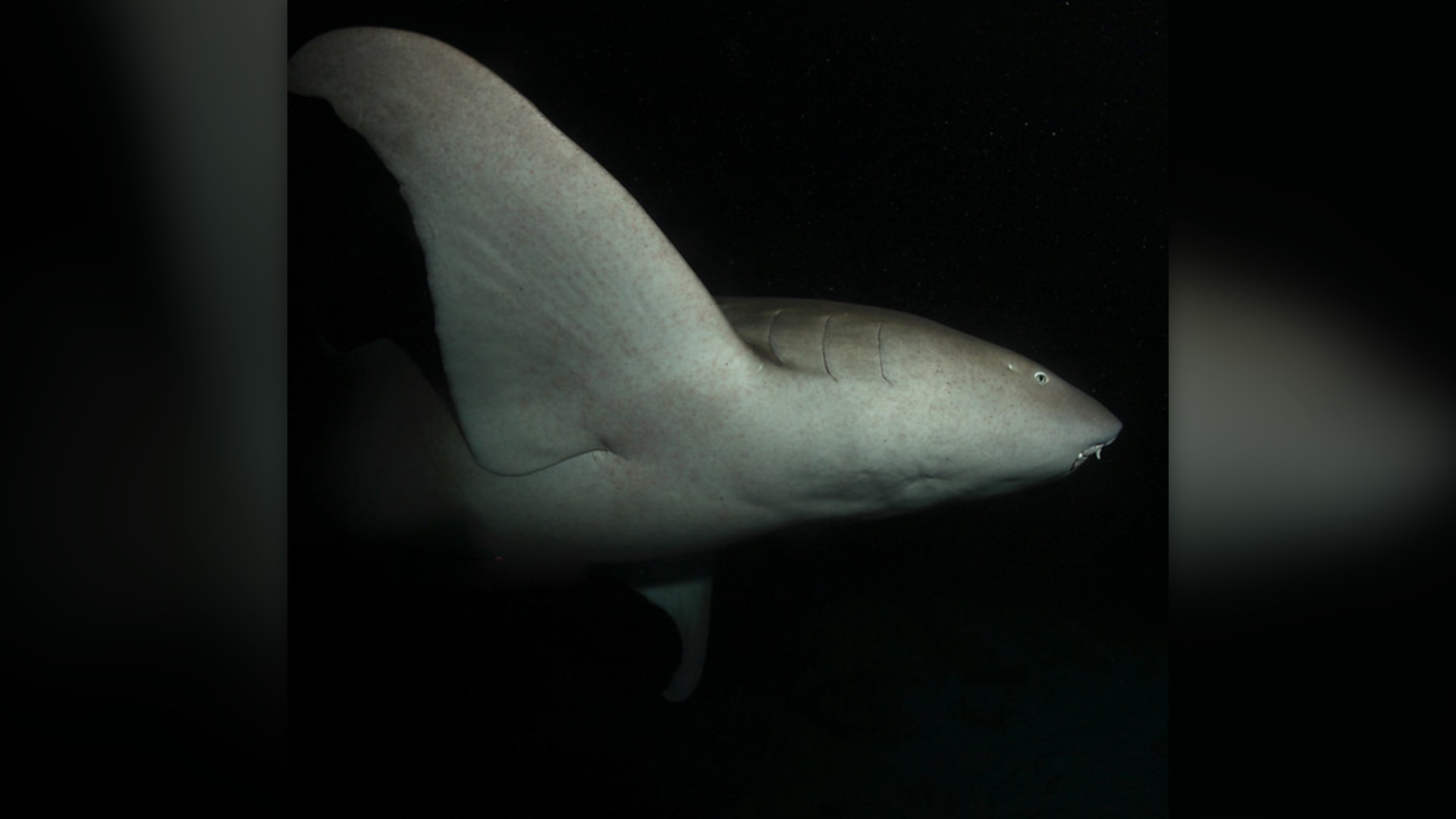
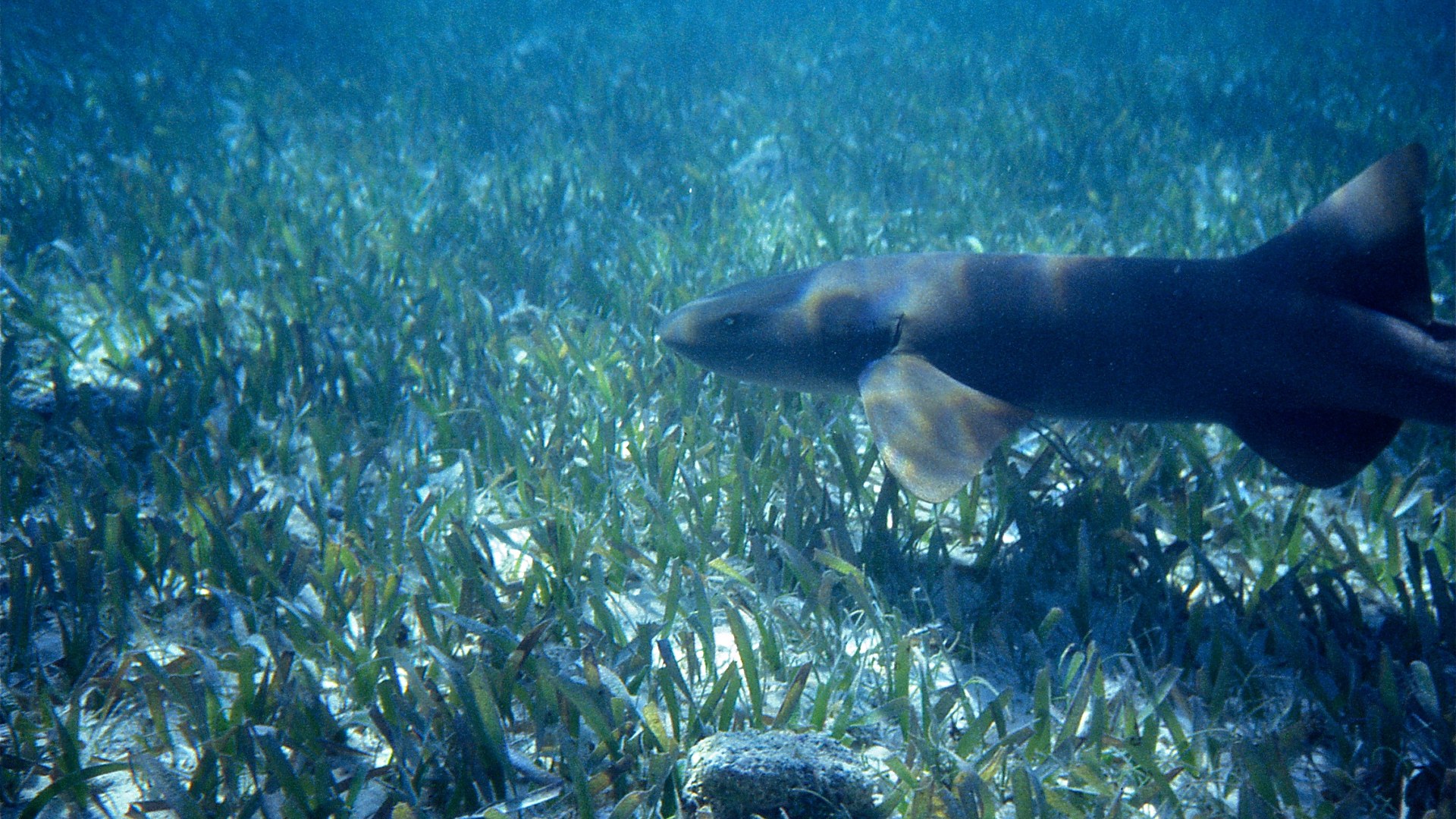
Nurse sharks completely defy the swimming myth. Equipped with exceptionally powerful buccal muscles, these docile coastal dwellers spend daylight hours piled atop one another in caves or resting flat on the sand. Divers routinely watch them breathe deeply while remaining completely motionless for hours.
8. The Gentle Whale Shark
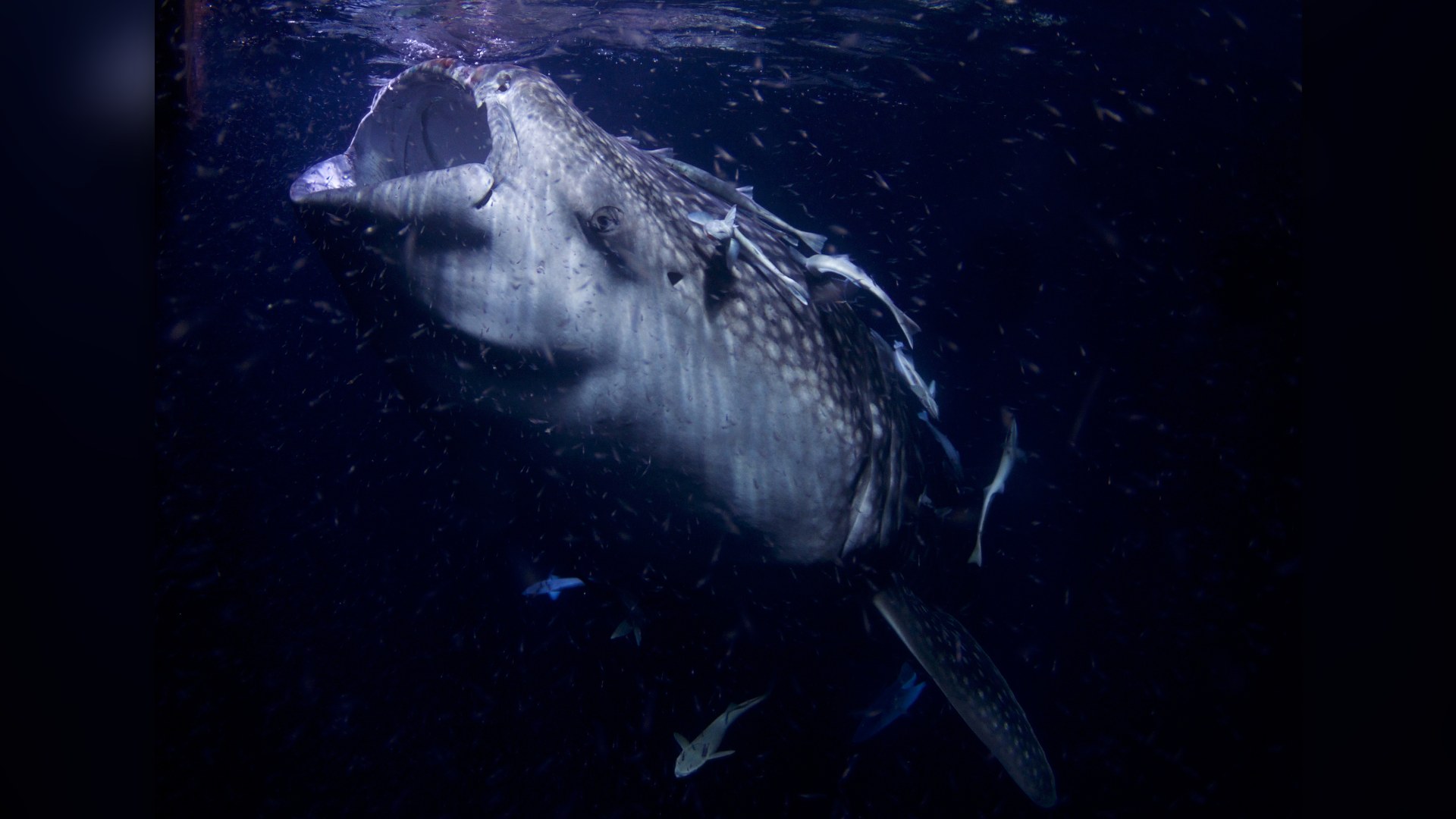
Reaching lengths over twelve meters, the whale shark is the largest fish on Earth. While they can perform limited suction feeding while stationary, they rely predominantly on ram filter feeding. Swimming forward drives thousands of liters of seawater through filtering pads that harvest plankton and oxygenate gills.
7. The High-Speed Shortfin Mako
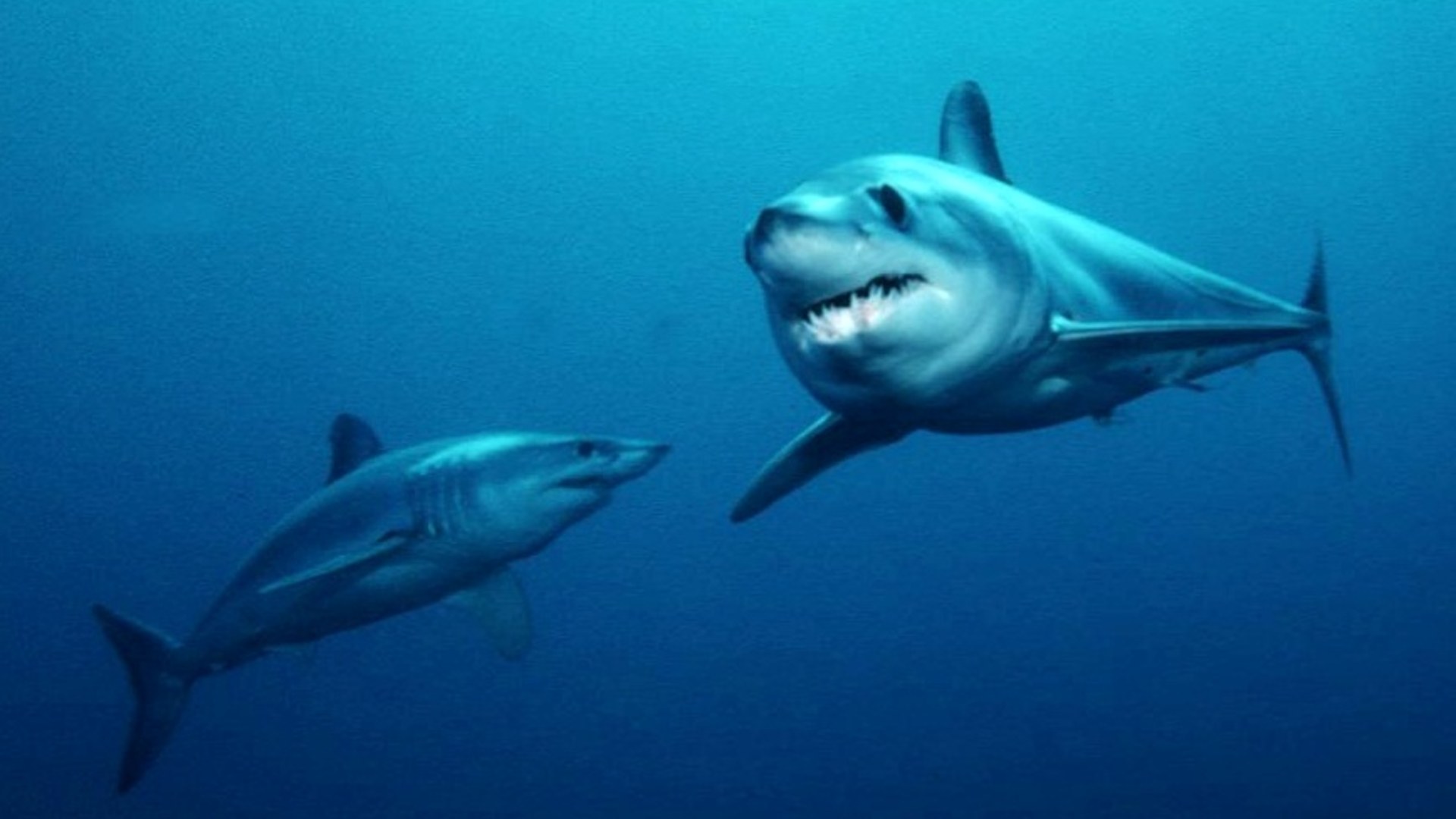
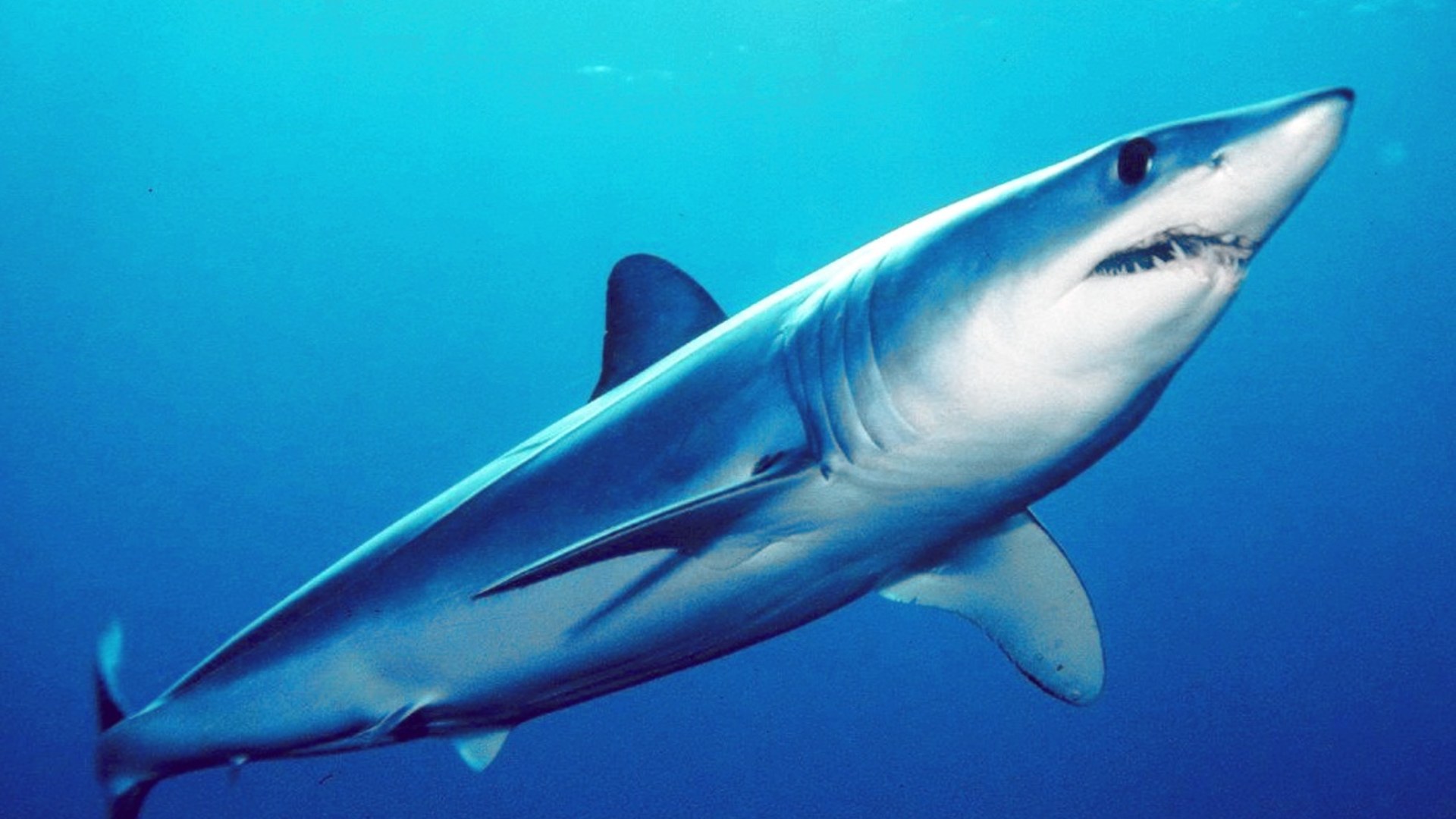
Clocking burst speeds over seventy kilometers per hour, the shortfin mako possesses one of the highest metabolic rates in the ocean. This extreme athletic performance requires enormous amounts of dissolved oxygen, meaning the mako must ram ventilate constantly throughout its entire thirty-year lifespan.
6. The Great White Reality
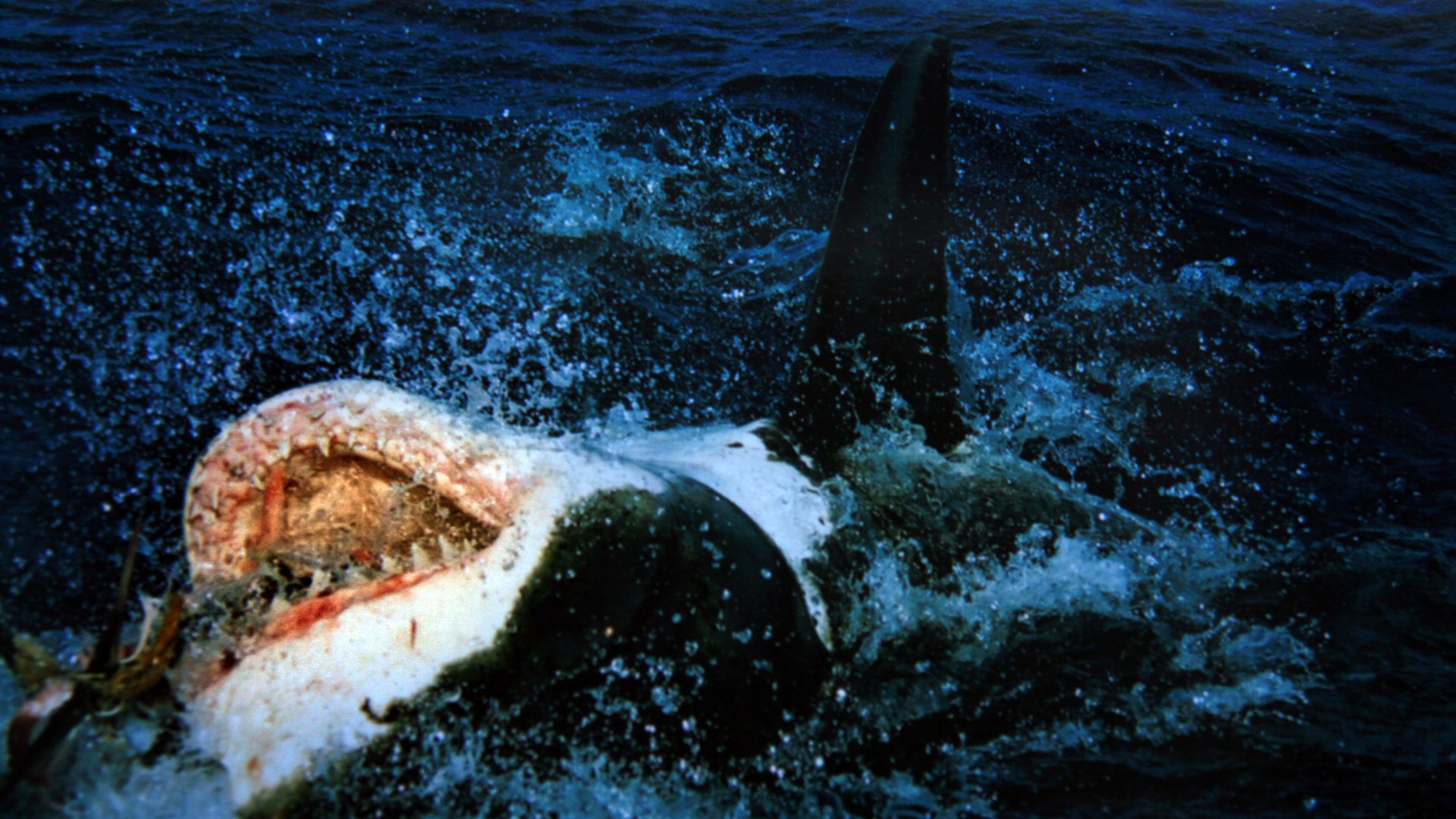
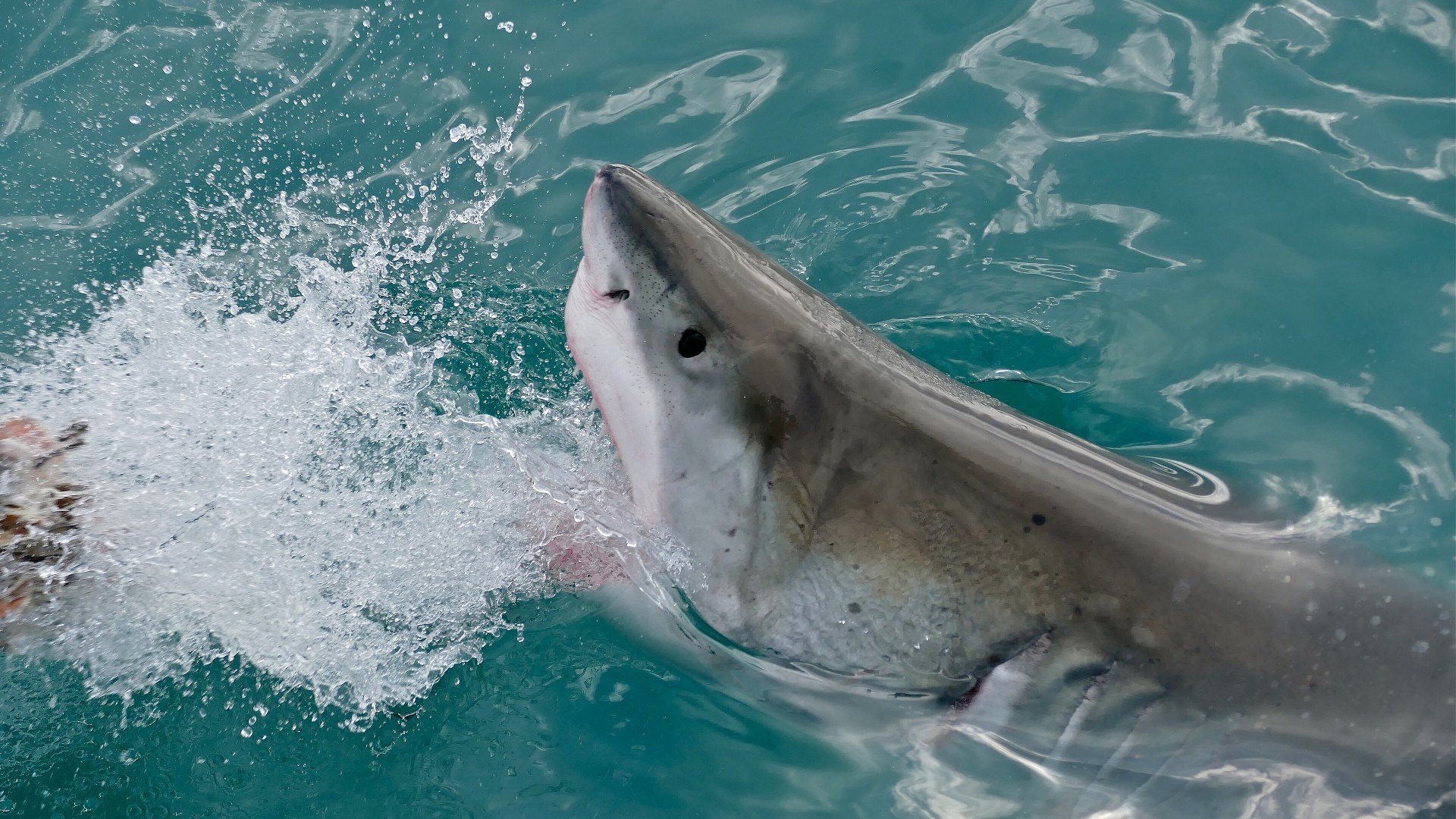
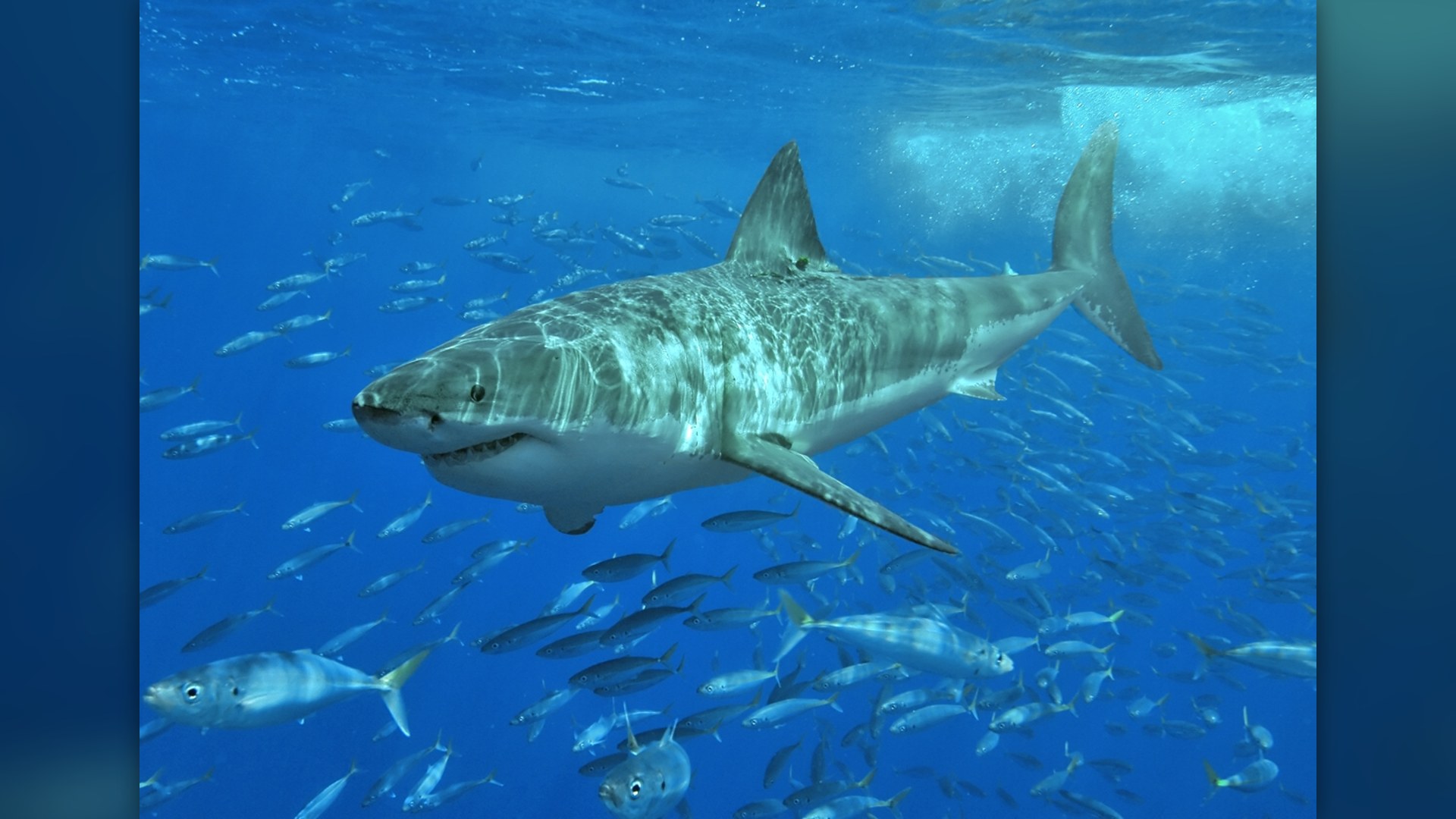
Great whites are among the few species that truly must keep moving. Because their buccal muscles are too weak to pump water, a stationary great white will quickly suffer oxygen starvation. Swimming forward with open mouths rams water through their gills to power a massive, warm-blooded body.
5. Obligate Ram Ventilators
The swimming myth stems from a small, specialized group known as obligate ram ventilators. These oceanic predators evolved to swim at high speeds and gradually lost the cheek muscles required for buccal pumping. To push oxygenated water through their gills, they must maintain continuous forward momentum day and night.
4. The Spiracle Advantage
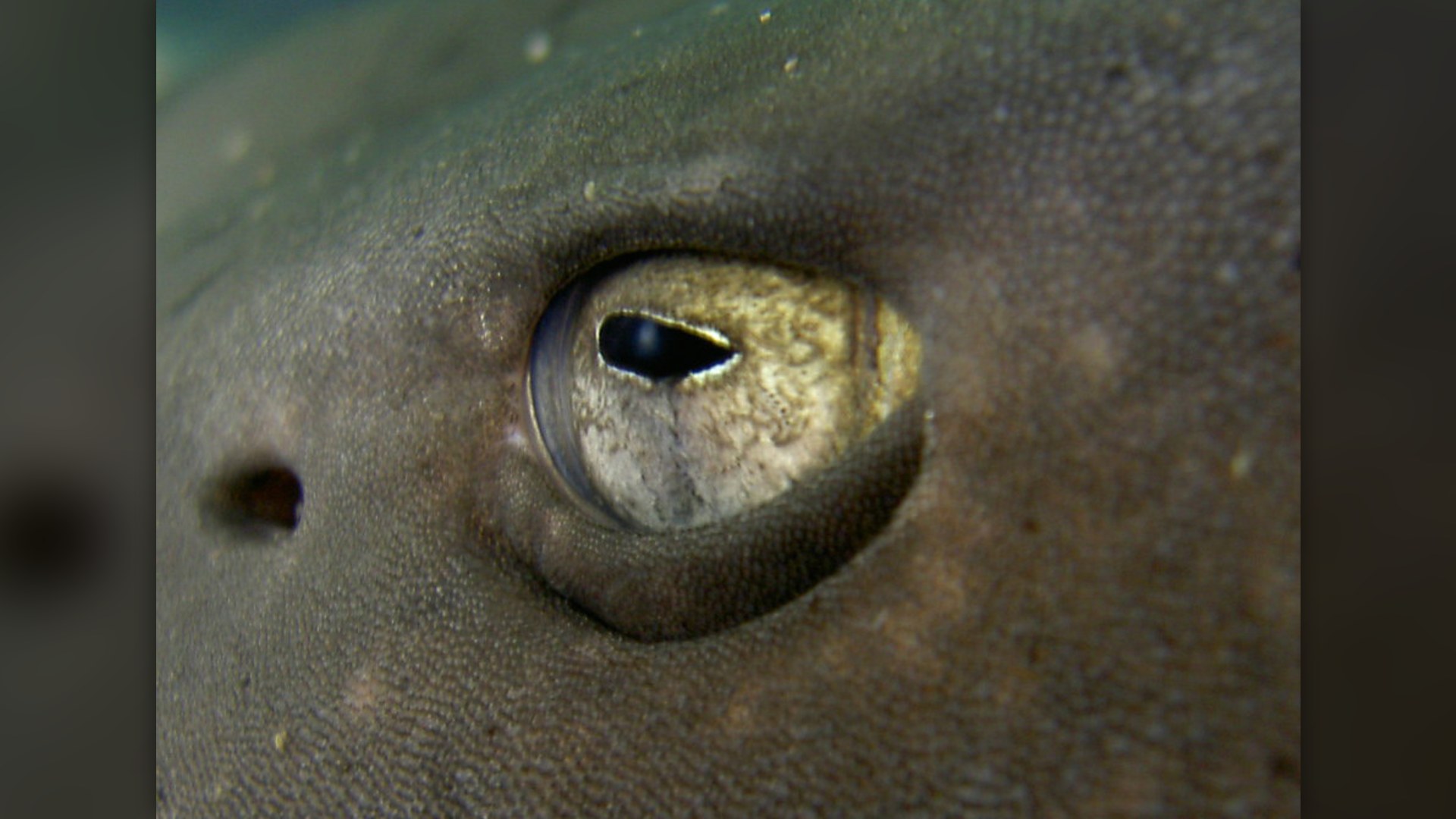
Benthic bottom-dwelling sharks possess modified gill slits called spiracles located directly behind their eyes. When resting flat against the sandy seafloor, drawing water through the mouth would suck up abrasive sediment. Spiracles act like snorkels, drawing in clean, sand-free surface water straight to the gills.
3. Buccal Pumping Explained
Over four hundred shark species breathe through a mechanism called buccal pumping. By expanding and contracting powerful cheek muscles, the shark pulls seawater into its mouth and forces it across the internal gill arches. This mechanical pumping allows bottom-dwelling species to respire without moving an inch.
2. How Shark Gills Breathe
Unlike marine mammals that surface for air, sharks extract dissolved oxygen directly from water. Seawater passes over hundreds of microscopic gill filaments lined with tiny blood vessels. Oxygen diffuses across fragile membranes into the bloodstream while carbon dioxide flushes safely out through external gill slits.
1. The Ancient Myth
For generations, beachgoers and casual observers believed that all sharks are biologically doomed if they ever cease motion. While this terrifying prospect makes for memorable cinema, marine biologists confirm that the vast majority of shark species can rest comfortably on the ocean floor without suffocating.