Slideshow · Animals
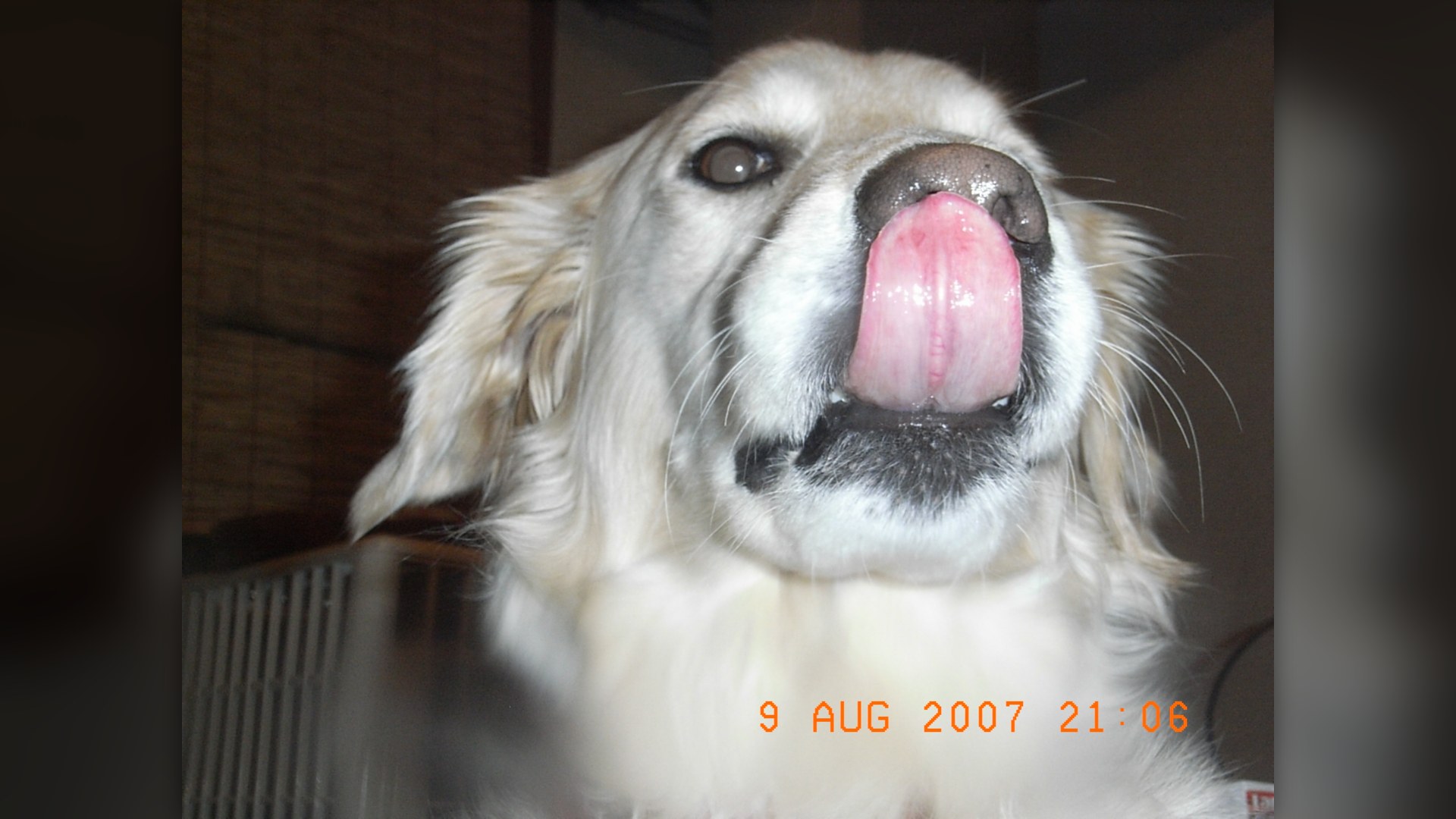
Dogs' Licks Are Not Kisses: 10 Surprising Truths
From chemical sleuthing and ancient wolfpack deference to unexpected health warnings, here is what your dog's tongue is really telling you.


All 10 Entries in this Story
10. Taste And Sweat Detection
Human sweat contains sodium and trace minerals that dogs find appetizing. When your pup licks your skin after exercise, they are frequently treating you like an appealing salt lick rather than giving human kisses.
9. Information Gathering
Dogs possess a vomeronasal organ above the roof of their mouth. Licking you traps microscopic chemical markers, decoding where you have traveled, what you ate, and even your current emotional state.
8. Stress And Self-Soothing
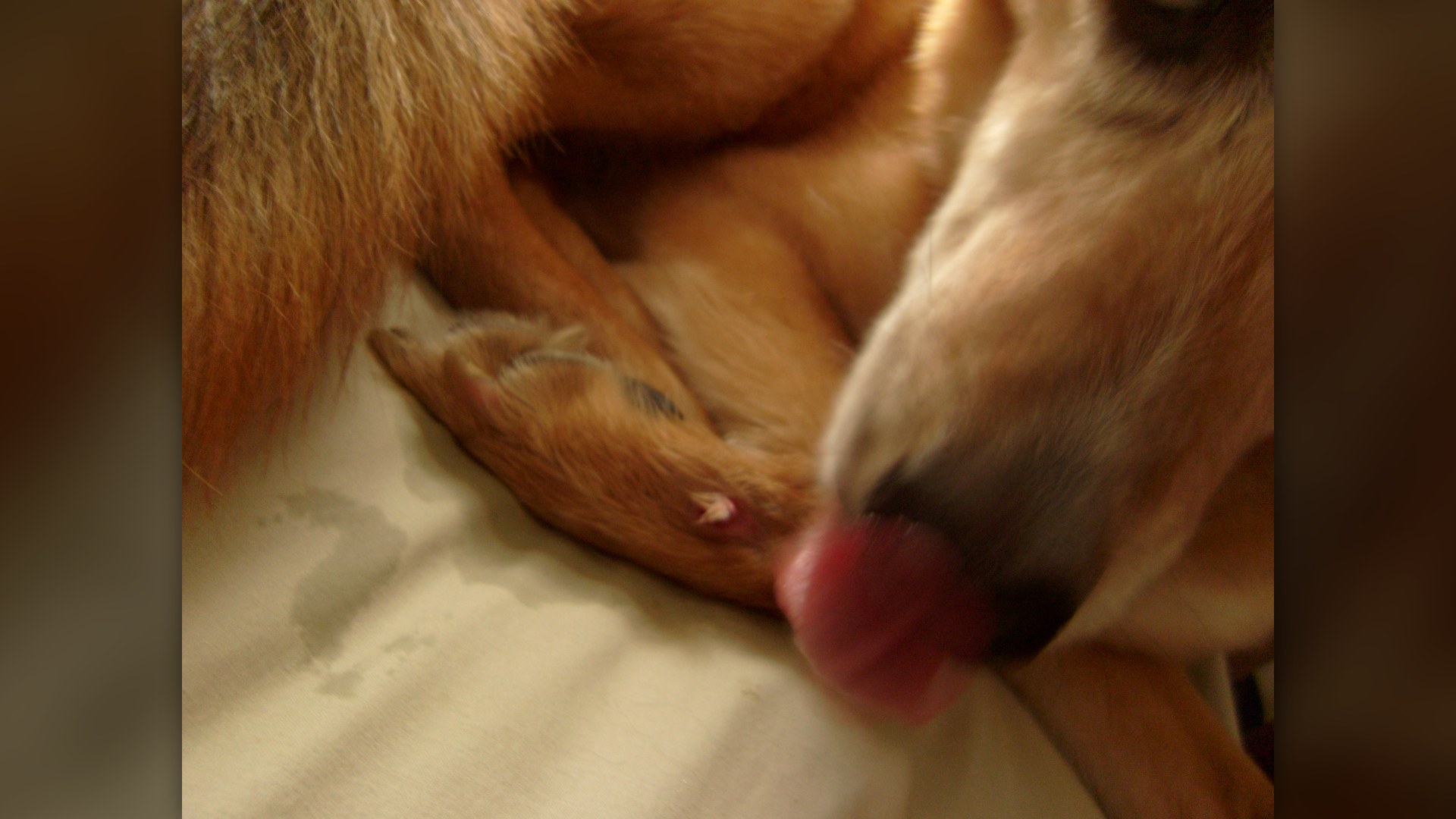
Repetitive licking releases endorphins and dopamine in the canine brain. Dogs frequently lick their owners or their own paws during thunderstorms or transitions to soothe an overwhelmed nervous system.
7. Wild Canine Submission
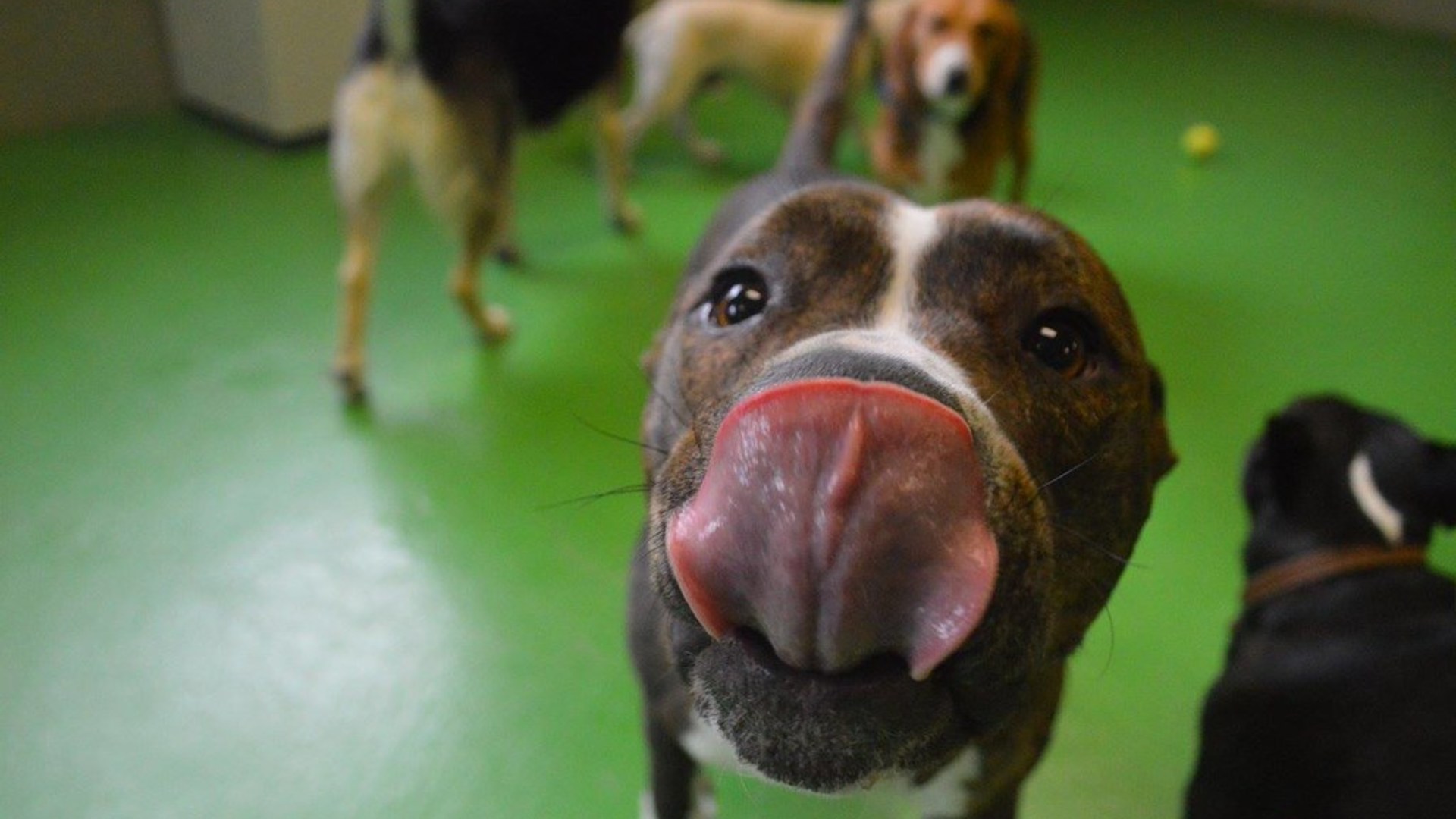
In wild wolf packs, subordinates lick the muzzles of dominant pack leaders to signal non-aggression. When your dog licks your chin, they are honoring your leadership role in the household hierarchy.
6. Compulsive Licking Disorder
Frantic, repetitive licking of floors or furniture is recognized by veterinary behaviorists as an obsessive-compulsive coping mechanism. It frequently points to chronic stress or gastrointestinal nausea.
5. Grooming And Social Bonding
Mother dogs lick newborn puppies to clean them and stimulate vital circulation. In adulthood, reciprocal licking cements social cohesion, communicating mutual trust and safety among pack members.
4. Detecting Sickness And Pain
With scent receptors thousands of times sharper than ours, dogs detect biochemical shifts from infections or inflammation. A dog obsessively licking one spot on your body may be sounding a health alert.
3. Puppy Food Begging
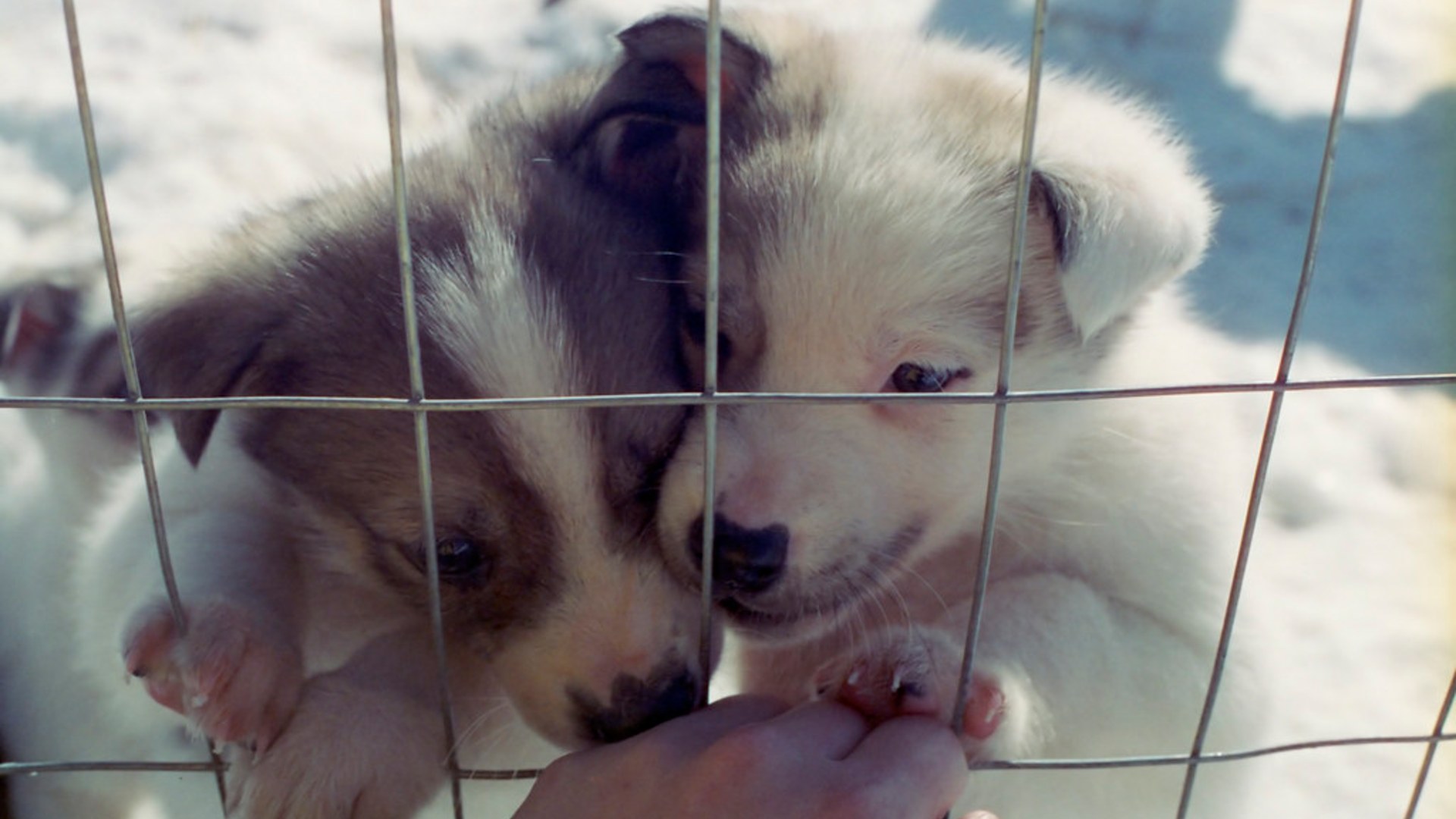
In the wild, weaning wolf pups lick adult pack members' mouth corners to stimulate the regurgitation of food. Domestic dogs licking your lips are tapping into an ancient instinctual begging behavior.
2. Bacterial Infection Risks
The myth that a dog's mouth is cleaner than a human's is medically untrue. Canine saliva harbors Capnocytophaga bacteria, which can trigger severe systemic infections if introduced to open skin cuts.
1. The Oxytocin Love Loop
While dogs do not understand romantic kissing, studies prove that gentle licking spikes oxytocin—the bonding hormone—in both dog and human simultaneously. In canine biology, it is pure family love.