Slideshow · Viral
Everyday Inventions That Came From the Military
From the GPS in your phone to the microwave in your kitchen, many of modern life's greatest conveniences began as top-secret military projects.
By Most Viral Today
6 Oct 2026

Everyday Inventions That Came From the Military 
10. The Wristwatch Was Born In The Trenches 
9. Canned Food Fueled Napoleonic Armies 
8. The EpiPen Countered Nerve Gas Attacks - AdvertisementSwipe or tap ▶ to continue countdown

7. Super Glue Was An Accidental Weapons Fail 
6. Aviators Shielded WWII Fighter Pilots 
5. Duct Tape Kept Ammunition Cases Dry 
4. The Jeep Invented The Modern 4x4 SUV - AdvertisementSwipe or tap ▶ to continue countdown

3. The Microwave Oven Melted A Radar Engineer's Candy 
2. The Internet Started As A Defense Network 
1. GPS Was Built To Guide Nuclear Missiles - Advertisement🔥 UP NEXT IN THIS SERIES◫ 21 Slides

20 Iconic Historical Photos and the Archive Clues Behind Them
Contact sheets, cracked glass plates, and NASA mission logs preserve the hidden steps behind 20 famous photographs. Drawing on records from the Library of Congress, the National Archives, NASA, and the Smithsonian, this countdown traces how cropping, camera setups, and double exposures shaped each frame.
From the GPS in your phone to the microwave in your kitchen, many of modern life's greatest conveniences began as top-secret military projects.
Swipe or tap ▶ to begin the countdown
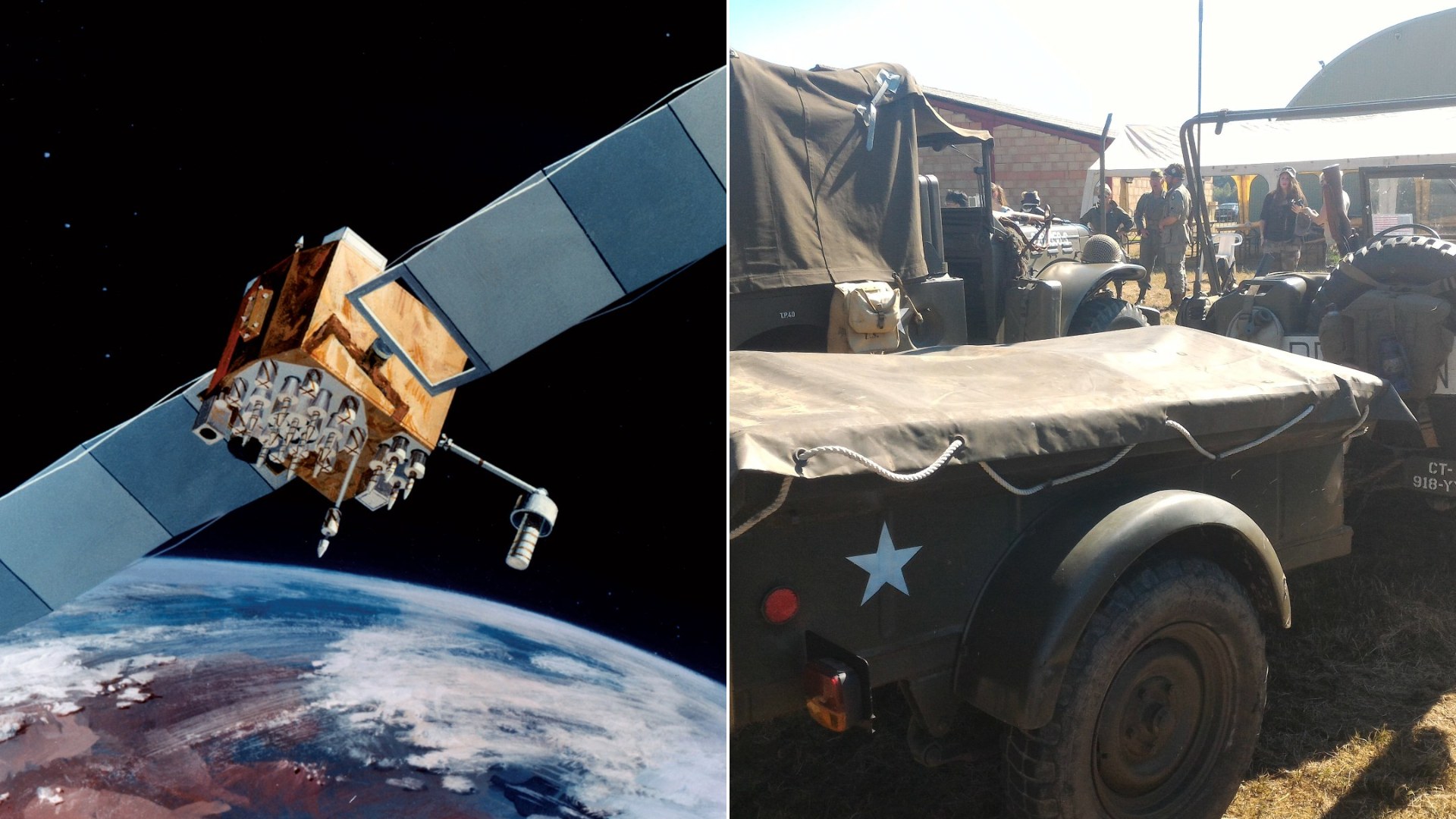
©Wikimedia / USAF and Guillaume Vachey
10. The Wristwatch Was Born In The Trenches
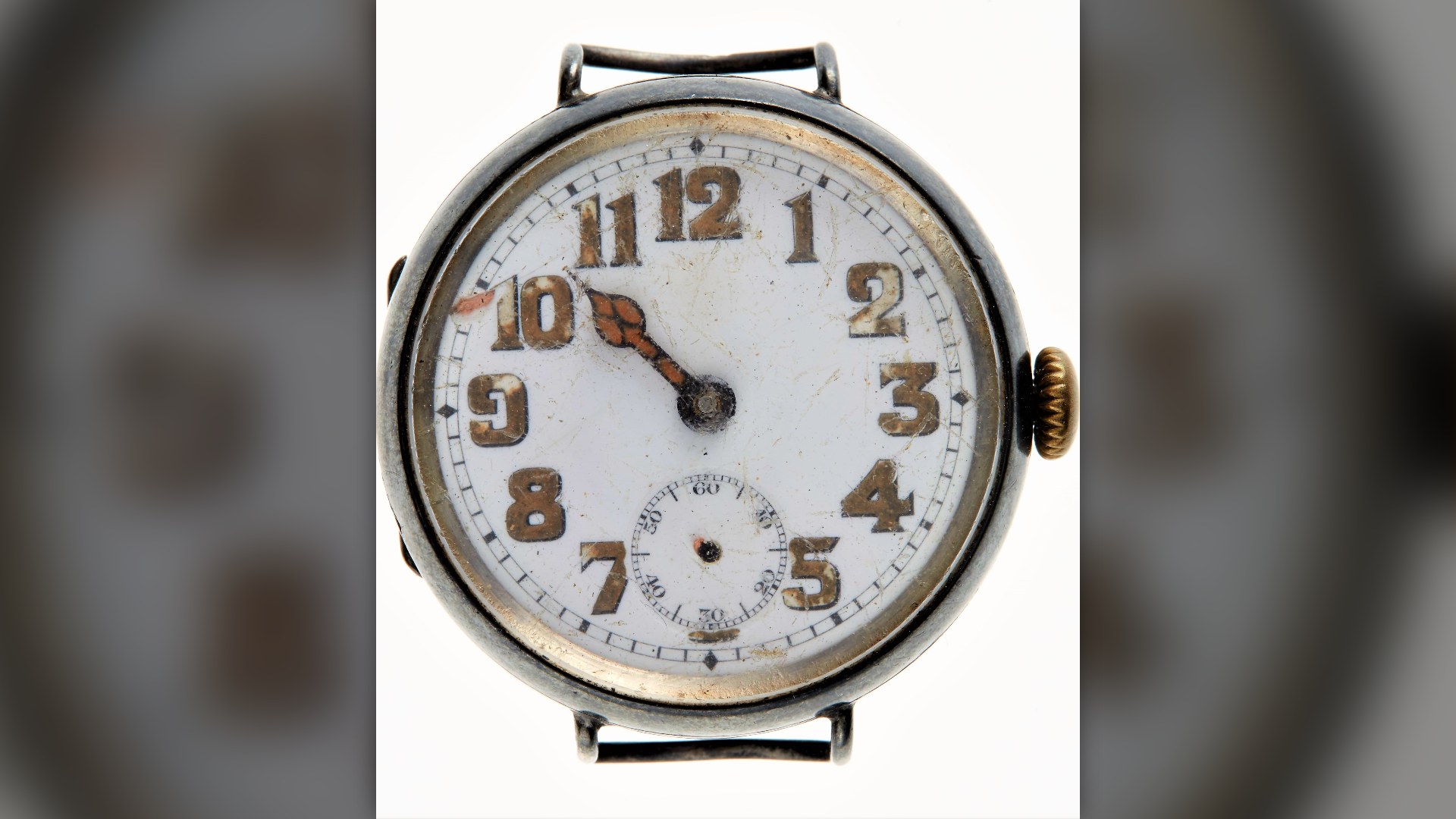
Before World War I, wristwatches were dismissed as delicate women's accessories. In the muddy trenches, pocket watches were impossible to operate mid-combat, so officers strapped them to their wrists to coordinate simultaneous artillery barrages to the exact second.
©Wikimedia / Rama
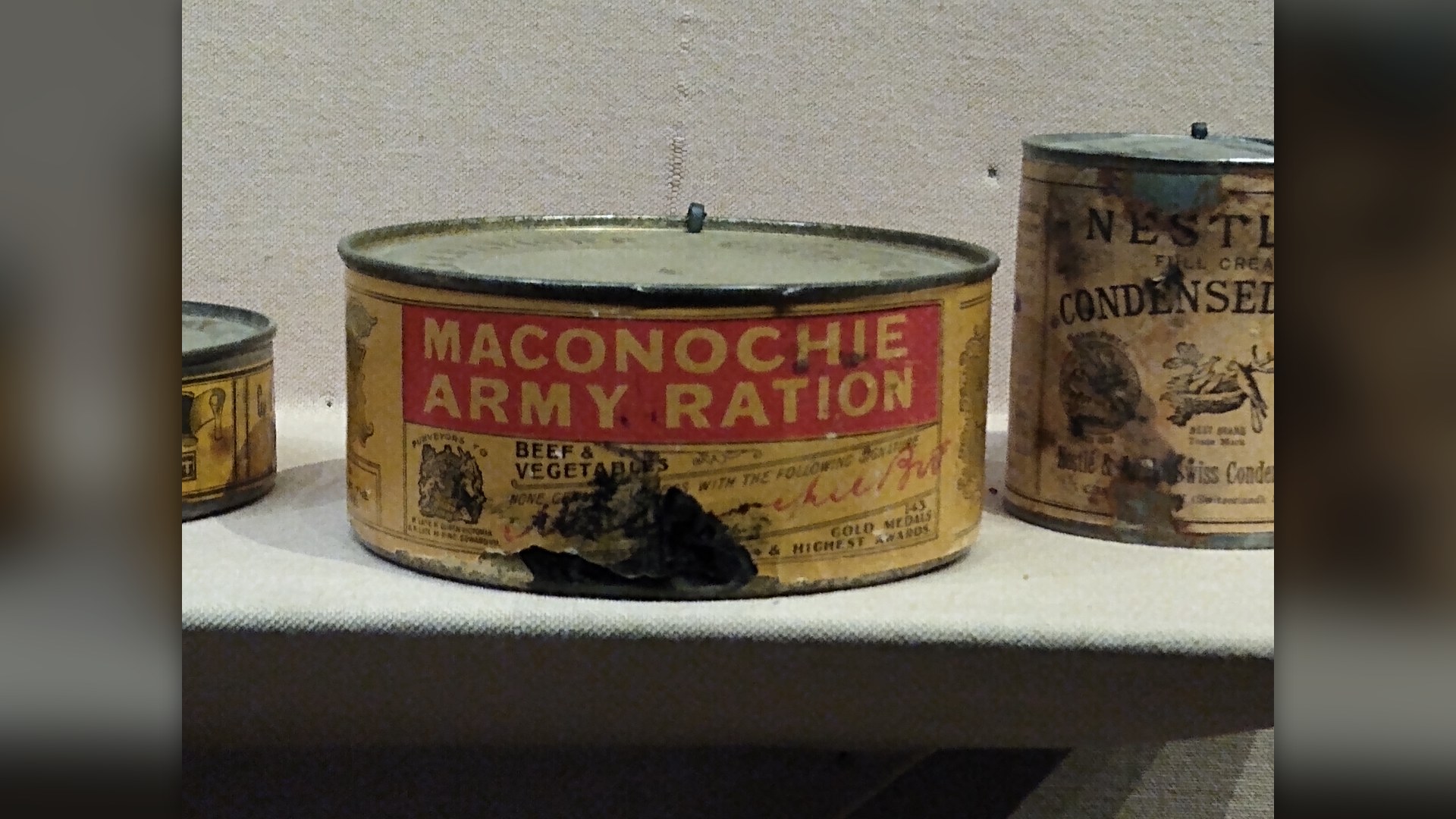
9. Canned Food Fueled Napoleonic Armies
In 1795, Napoleon Bonaparte realized his armies were losing more men to spoiled food than bullets. He offered a massive 12,000-franc prize to anyone who could preserve rations, leading Nicolas Appert to invent airtight boiling jars—the direct precursor to modern canned food.
©Wikimedia / Mx. Granger
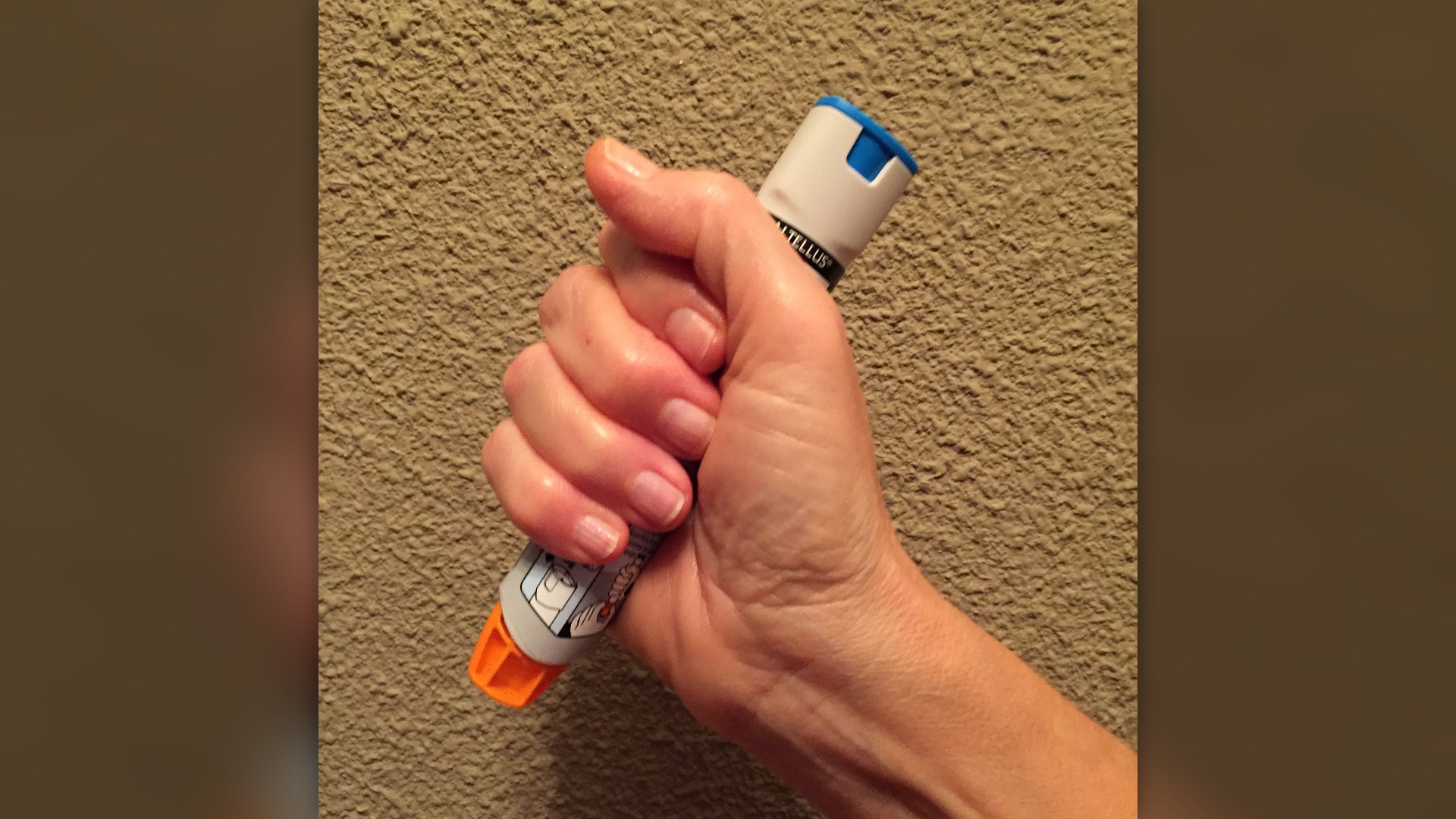
8. The EpiPen Countered Nerve Gas Attacks
Originally patented in the 1970s as the ComboPen, this spring-loaded auto-injector was designed for soldiers to instantly inject nerve-agent antidotes like atropine through combat uniforms. It was later repurposed with epinephrine to save civilians from severe allergic shock.
©Wikimedia / Carlos Luna
Advertisement
Swipe or tap ▶ to resume the countdown.
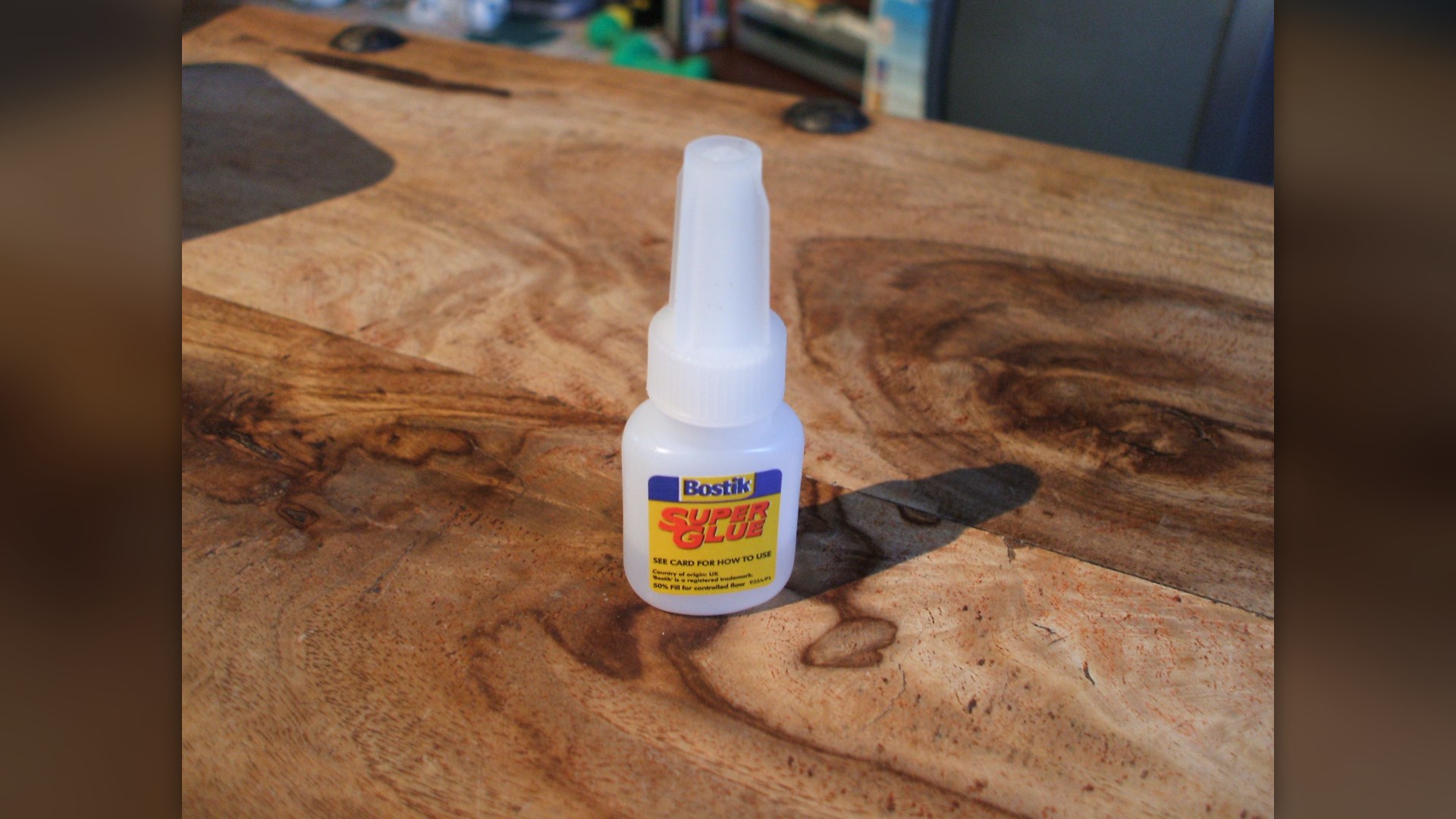
7. Super Glue Was An Accidental Weapons Fail
In 1942, chemist Harry Coover was researching clear plastic gun sights for Allied snipers when cyanoacrylate stuck to every lab instrument it touched. Deemed a failure, the formula was resurrected during the Vietnam War as an emergency field spray to halt fatal hemorrhages.
©Wikimedia / Steve Snodgrass
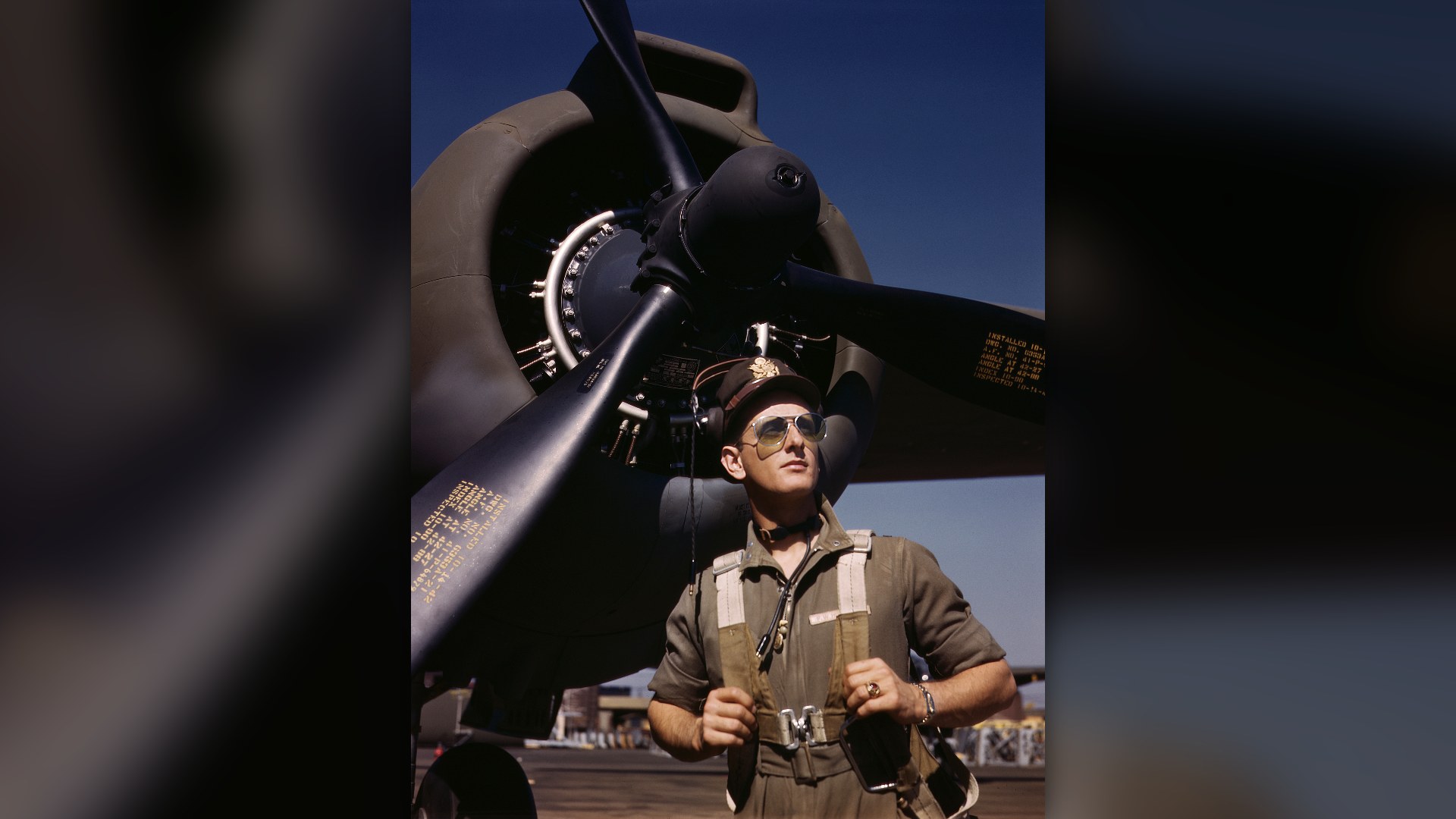
6. Aviators Shielded WWII Fighter Pilots
In 1936, the US Army Air Corps commissioned Bausch & Lomb to engineer specialized teardrop sunglasses for high-altitude pilots suffering from blinding sunlight, altitude sickness, and violent headaches. The AN-6531 aviators quickly became standard military flight gear before transitioning into civilian fashion.
©Library of Congress / Alfred T. Palmer
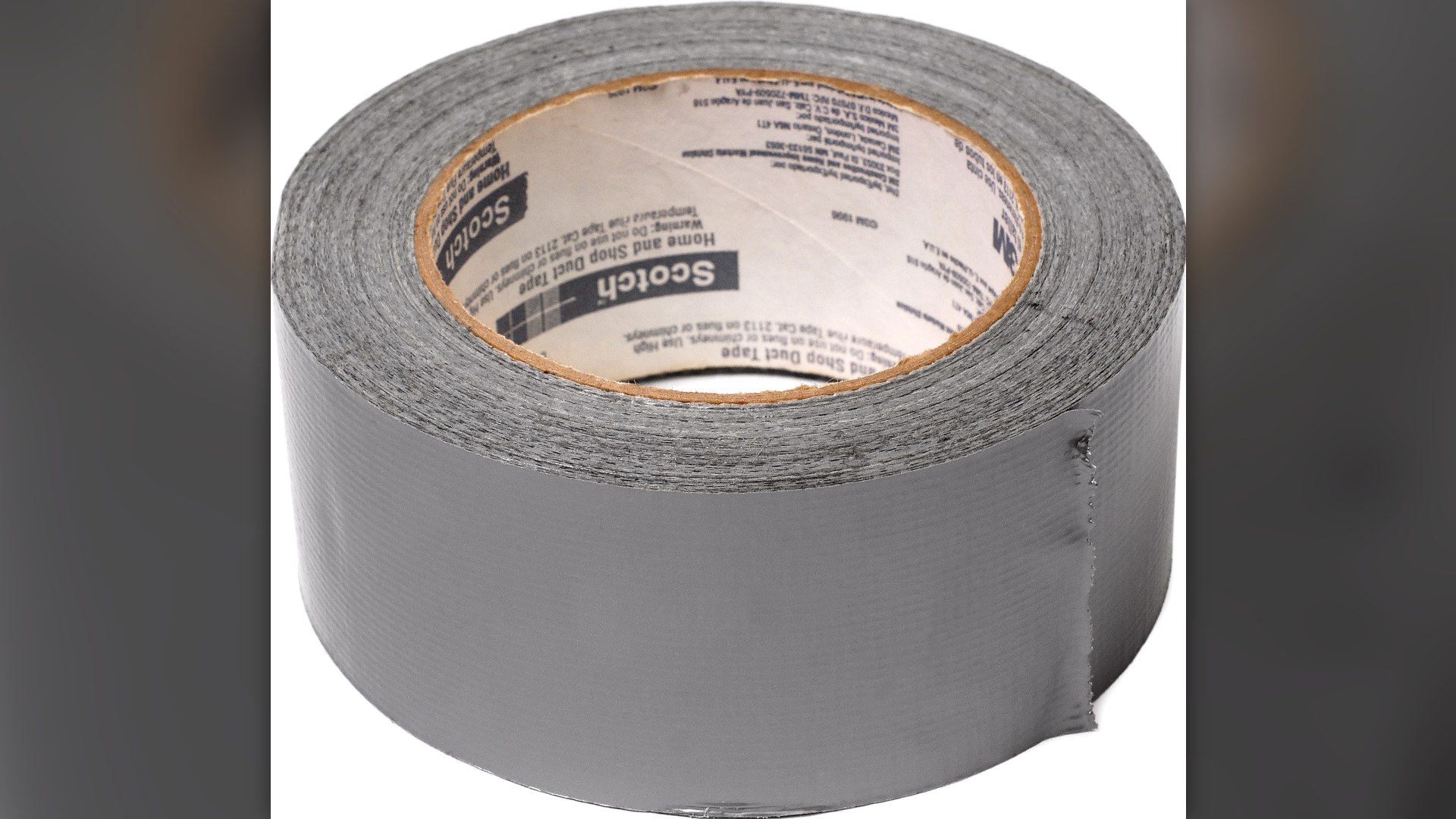
5. Duct Tape Kept Ammunition Cases Dry
Ordnance factory worker Vesta Stoudt noticed soldiers struggled with paper tape on ammunition boxes, writing directly to President Roosevelt. Johnson & Johnson engineered army-green waterproof cloth tape that troops soon used to repair everything from rifles to airplanes.
©Wikimedia / Evan-Amos
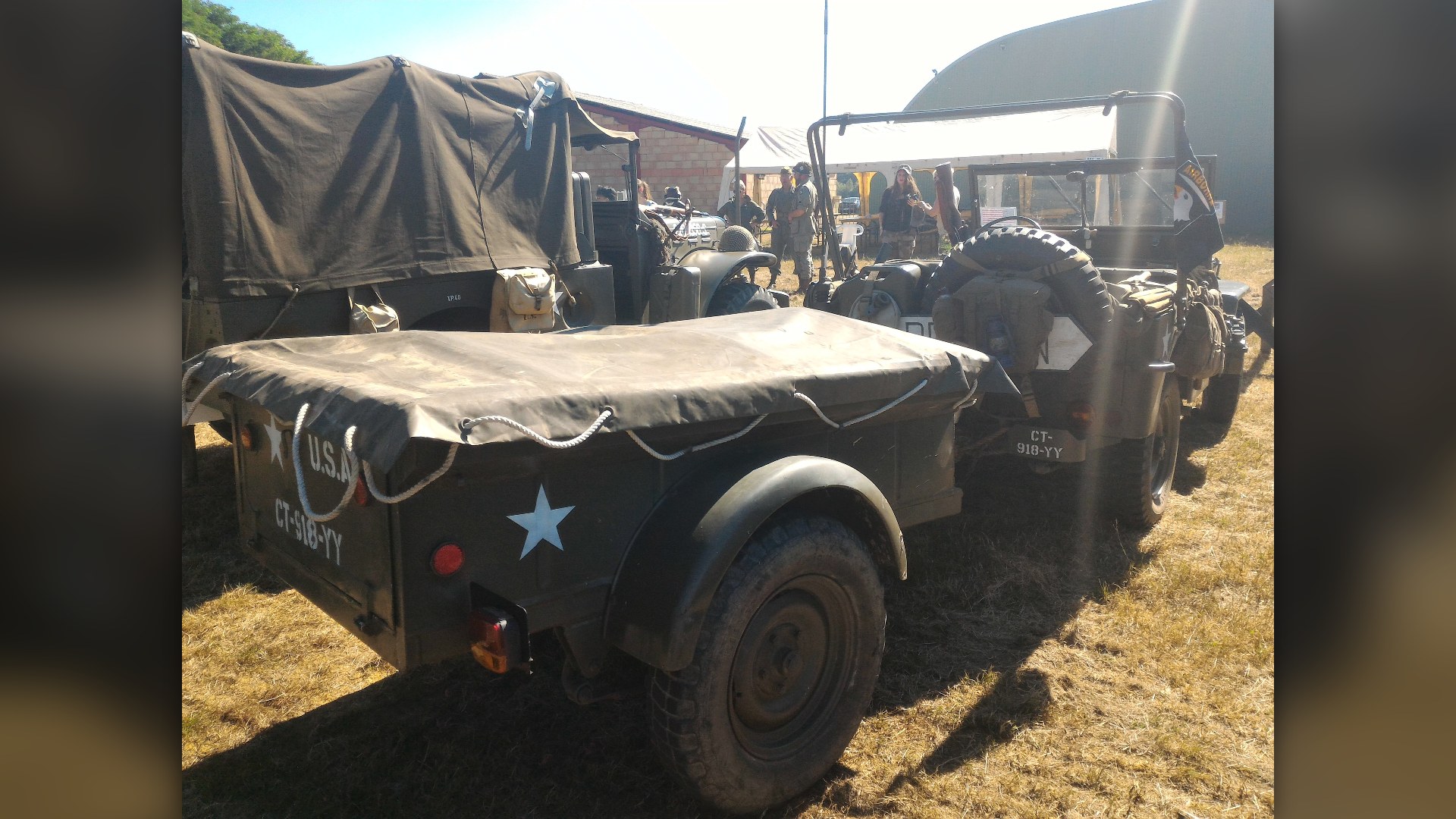
4. The Jeep Invented The Modern 4x4 SUV
Faced with mechanized warfare, the US Army requested a lightweight 4-wheel-drive reconnaissance car that could traverse any terrain. Willys-Overland and Ford delivered over 640,000 rugged MBs during WWII, spawning the modern civilian SUV and off-road automotive industry.
©Wikimedia / Guillaume Vachey
Advertisement
Swipe or tap ▶ to resume the countdown.
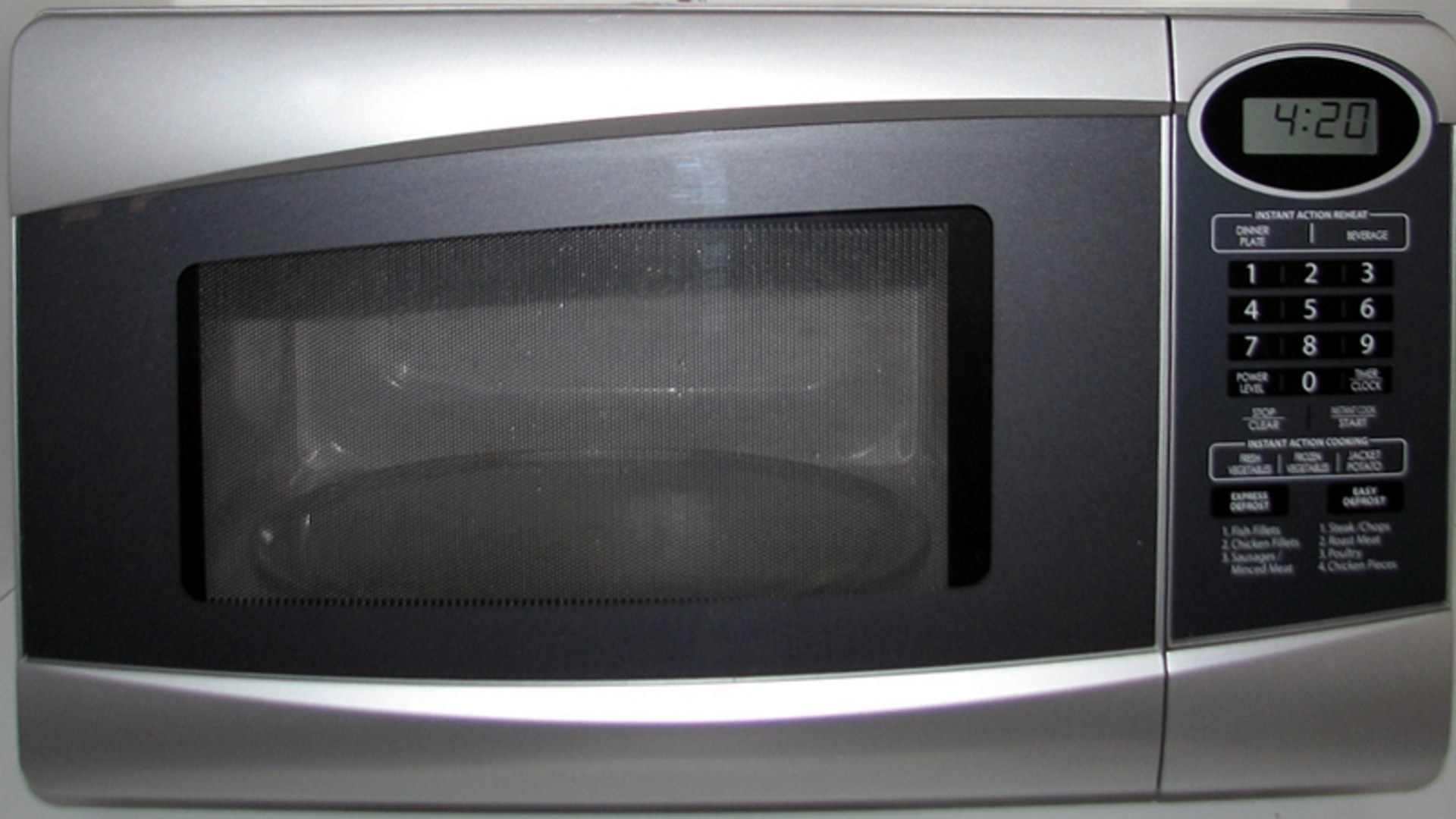
3. The Microwave Oven Melted A Radar Engineer's Candy
While testing high-powered cavity magnetrons for military radar systems at Raytheon in 1945, engineer Percy Spencer paused in front of an active transmitter. Noticing the peanut cluster bar in his pocket had turned to liquid, he experimented with popcorn kernels—inventing the microwave oven.
©Wikimedia / Wrightmt
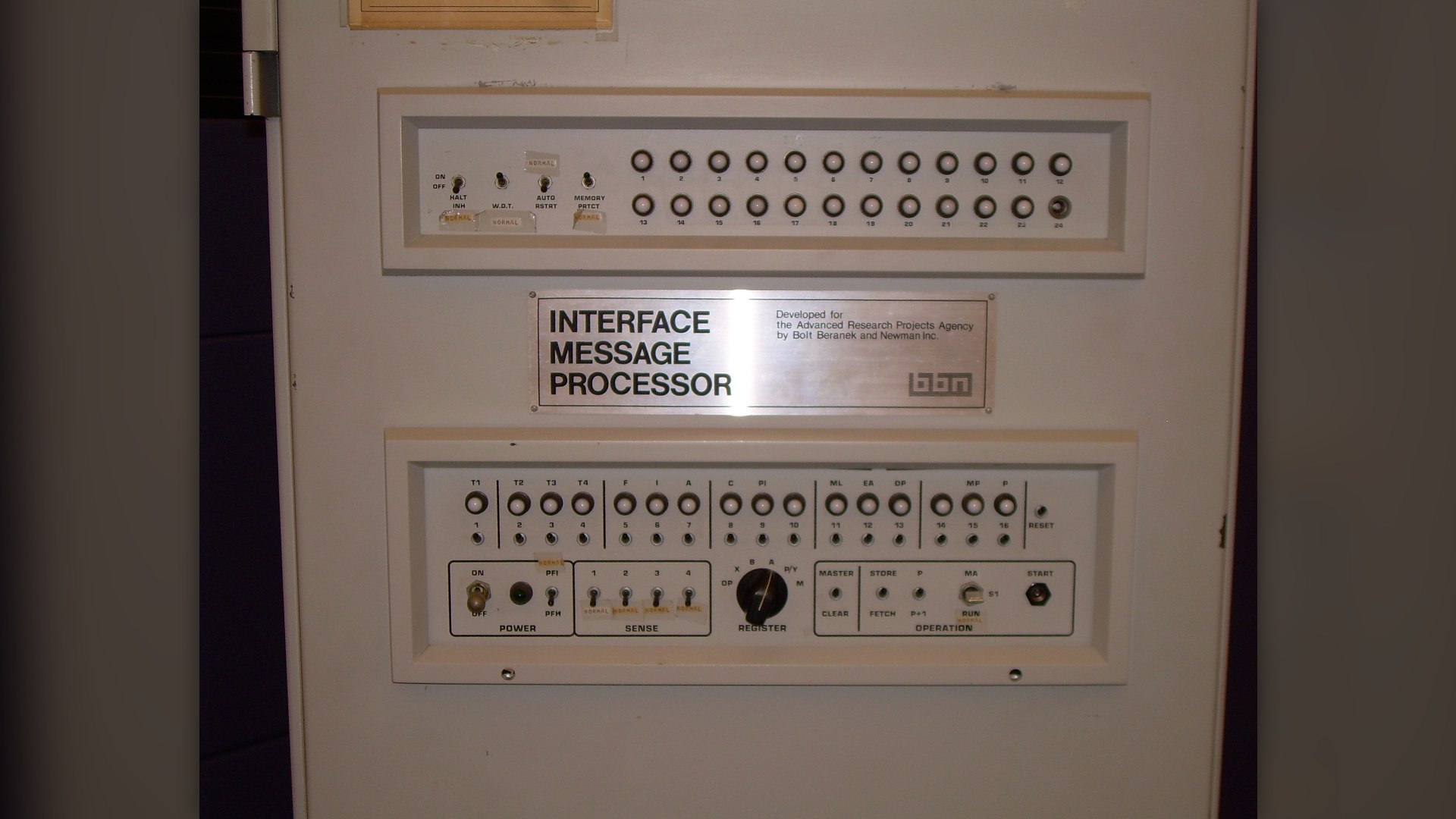
2. The Internet Started As A Defense Network
In 1969, the Pentagon's Advanced Research Projects Agency (DARPA) created ARPANET, pioneering digital packet-switching to build a decentralized communications network capable of surviving partial node destruction during a nuclear exchange. That military backbone became the global World Wide Web.
©Wikimedia / Carlo Nardone
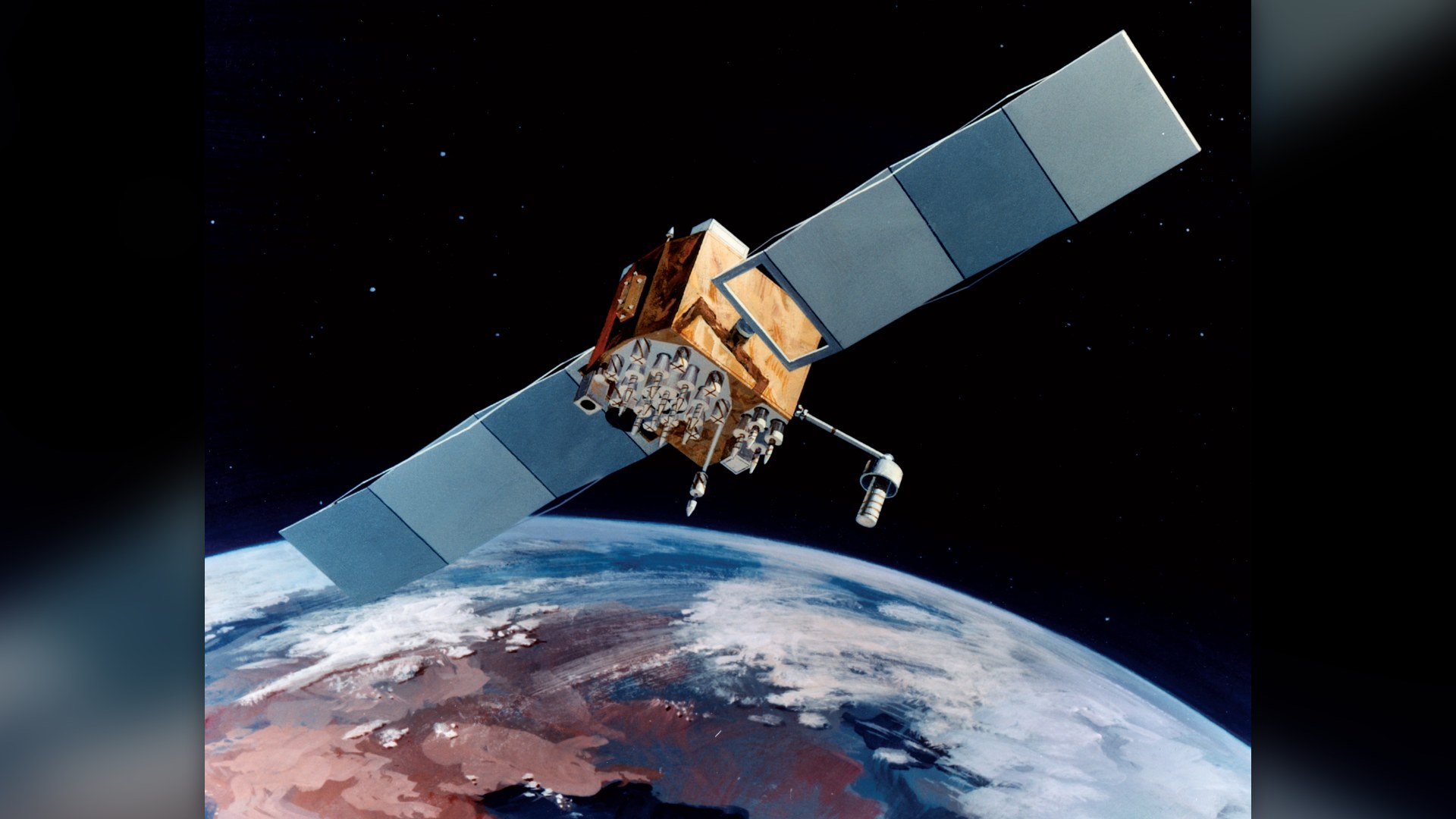
1. GPS Was Built To Guide Nuclear Missiles
Launched by the US Department of Defense in 1973, Navstar GPS was engineered to provide precision 24-hour satellite navigation for nuclear ballistic missiles, submarines, and strike aircraft. Opened to civilian airliners in 1983 and fully uncapped in 2000, it now powers every smartphone on Earth.

©Wikimedia / USAF
Advertisement
You've reached the end of the story. Thanks for reading!

20 Iconic Historical Photos and the Archive Clues Behind Them
Contact sheets, cracked glass plates, and NASA mission logs preserve the hidden steps behind 20 famous photographs. Drawing on records from the Library of Congress, the National Archives, NASA, and the Smithsonian, this countdown traces how cropping, camera setups, and double exposures shaped each frame.
All 10 Entries in this Story
10. The Wristwatch Was Born In The Trenches
Before World War I, wristwatches were dismissed as delicate women's accessories. In the muddy trenches, pocket watches were impossible to operate mid-combat, so officers strapped them to their wrists to coordinate simultaneous artillery barrages to the exact second.

9. Canned Food Fueled Napoleonic Armies
In 1795, Napoleon Bonaparte realized his armies were losing more men to spoiled food than bullets. He offered a massive 12,000-franc prize to anyone who could preserve rations, leading Nicolas Appert to invent airtight boiling jars—the direct precursor to modern canned food.

8. The EpiPen Countered Nerve Gas Attacks
Originally patented in the 1970s as the ComboPen, this spring-loaded auto-injector was designed for soldiers to instantly inject nerve-agent antidotes like atropine through combat uniforms. It was later repurposed with epinephrine to save civilians from severe allergic shock.

7. Super Glue Was An Accidental Weapons Fail
In 1942, chemist Harry Coover was researching clear plastic gun sights for Allied snipers when cyanoacrylate stuck to every lab instrument it touched. Deemed a failure, the formula was resurrected during the Vietnam War as an emergency field spray to halt fatal hemorrhages.

6. Aviators Shielded WWII Fighter Pilots
In 1936, the US Army Air Corps commissioned Bausch & Lomb to engineer specialized teardrop sunglasses for high-altitude pilots suffering from blinding sunlight, altitude sickness, and violent headaches. The AN-6531 aviators quickly became standard military flight gear before transitioning into civilian fashion.

5. Duct Tape Kept Ammunition Cases Dry
Ordnance factory worker Vesta Stoudt noticed soldiers struggled with paper tape on ammunition boxes, writing directly to President Roosevelt. Johnson & Johnson engineered army-green waterproof cloth tape that troops soon used to repair everything from rifles to airplanes.

4. The Jeep Invented The Modern 4x4 SUV
Faced with mechanized warfare, the US Army requested a lightweight 4-wheel-drive reconnaissance car that could traverse any terrain. Willys-Overland and Ford delivered over 640,000 rugged MBs during WWII, spawning the modern civilian SUV and off-road automotive industry.

3. The Microwave Oven Melted A Radar Engineer's Candy
While testing high-powered cavity magnetrons for military radar systems at Raytheon in 1945, engineer Percy Spencer paused in front of an active transmitter. Noticing the peanut cluster bar in his pocket had turned to liquid, he experimented with popcorn kernels—inventing the microwave oven.

2. The Internet Started As A Defense Network
In 1969, the Pentagon's Advanced Research Projects Agency (DARPA) created ARPANET, pioneering digital packet-switching to build a decentralized communications network capable of surviving partial node destruction during a nuclear exchange. That military backbone became the global World Wide Web.

1. GPS Was Built To Guide Nuclear Missiles
Launched by the US Department of Defense in 1973, Navstar GPS was engineered to provide precision 24-hour satellite navigation for nuclear ballistic missiles, submarines, and strike aircraft. Opened to civilian airliners in 1983 and fully uncapped in 2000, it now powers every smartphone on Earth.