Slideshow · Science
Bulls Hate the Color Red, Fact or Myth?
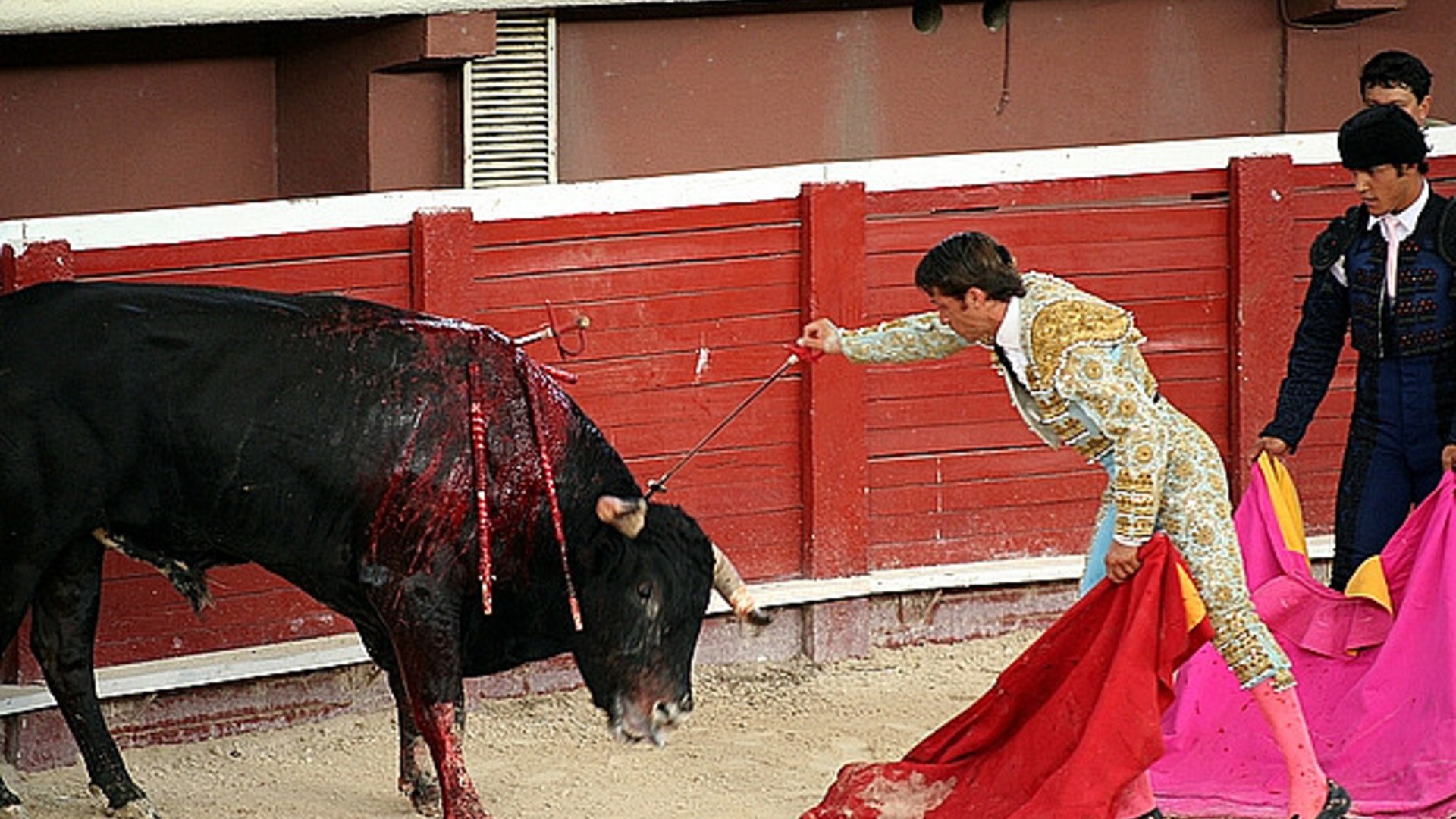
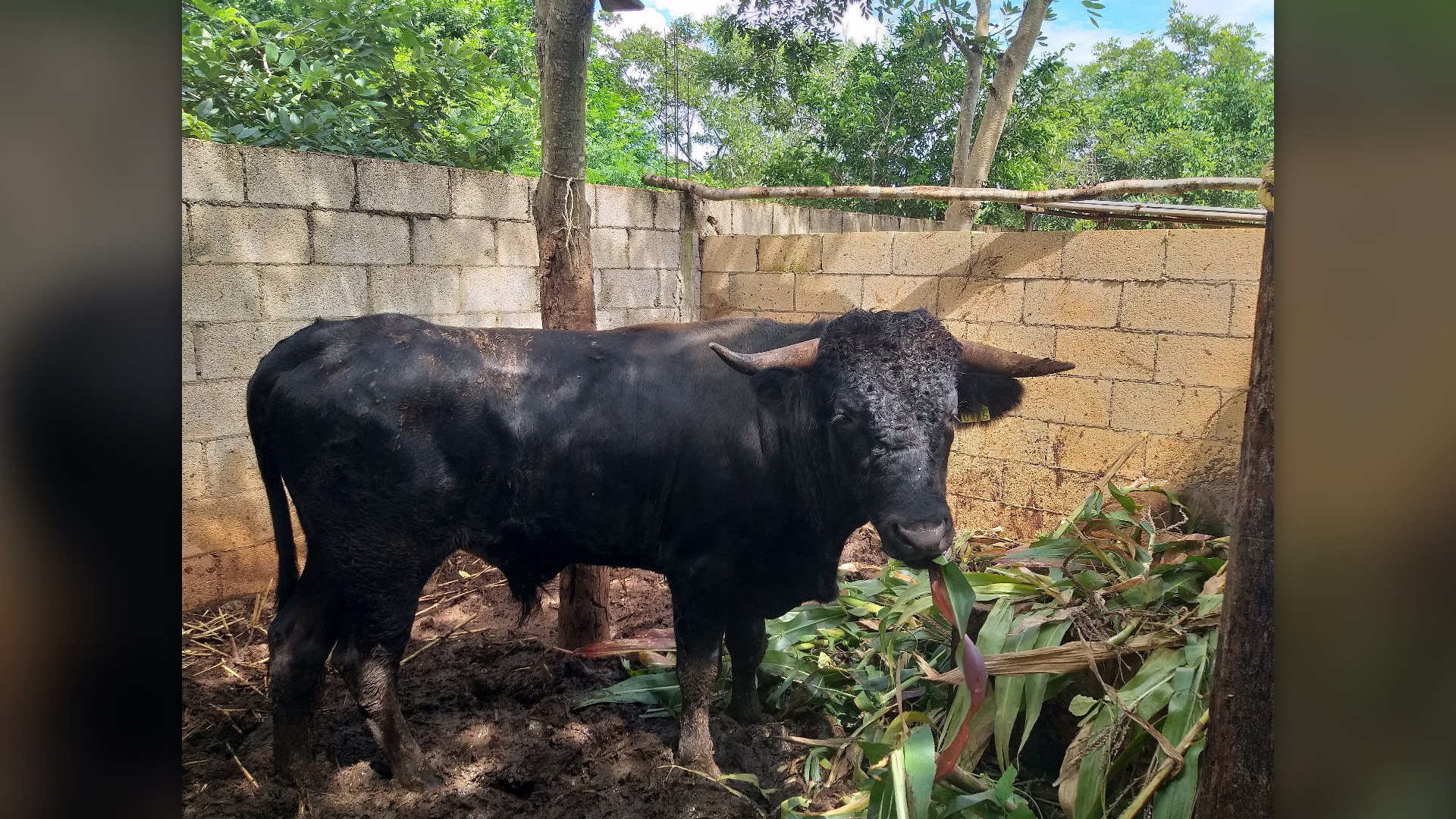
For centuries, popular culture and folklore have insisted that bulls become murderously enraged by the color red. From cartoon matadors to everyday idioms about seeing red, the belief is universal. Bu
By Most Viral Today
30 Oct 2026

Fact Or Myth: Do Bulls Really Hate The Color Red 
20. The Pop Culture Myth: Seeing Red In Modern Media 
19. Ancient Origins: Bull Worship And Ritual Arenas 
18. The Spanish Corrida: Birth Of Modern Tauromaquia - AdvertisementSwipe or tap ▶ to continue countdown

17. The Muleta: Introducing The Iconic Scarlet Cloth 
16. The Capote Clue: Early Acts Use Magenta And Gold 
15. Prey Animal Vision: How Bovines Scan Their World 
14. Eye Anatomy: The Horizontal Pupil Adaptation - AdvertisementSwipe or tap ▶ to continue countdown

13. Retinal Science: The Ratio Of Rods To Cones 
12. Dichromacy: The Two Color Channels Of Cattle 
11. Red Blindness: The Missing L-Cone Photoreceptor 
10. The Bovine Palette: How A Bull Actually Sees Red - AdvertisementSwipe or tap ▶ to continue countdown

9. The Stationary Flag Test: Science In The Ring 
8. The Movement Factor: Why Motion Triggers The Charge 
7. The Red Jumpsuit Test: The Ultimate Human Proof 
6. Evolutionary Defense: Why Sudden Movement Alarms - AdvertisementSwipe or tap ▶ to continue countdown

5. Bred For Reactivity: The High-Strung Toro Bravo 
4. Arena Atmosphere: Sensory Overload And Fear 
3. Why Is The Cape Red: Masking Blood And Tradition 
2. The Spectator Factor: Red Excites The Human Crowd - AdvertisementSwipe or tap ▶ to continue countdown

1. The Verdict: A Centuries-Old Myth Conclusively Busted - Advertisement🔥 UP NEXT IN THIS SERIES◫ 23 Slides

22 Most Secret World War II Aircraft Tested Behind Closed Doors
Between 1939 and 1945, Allied and Axis engineers built jets, flying wings and rocket interceptors in deep wartime secrecy. Ranked from 22 to 1 by historical secrecy and technical leap, this countdown draws on archival records from the Smithsonian, U.S. Air Force Museum, RAF Museum and German Federal Archives.
For centuries, popular culture and folklore have insisted that bulls become murderously enraged by the color red. From cartoon matadors to everyday idioms about seeing red, the belief is universal. But modern veterinary ophthalmology and controlled experiments tell a completely different story.
Swipe or tap ▶ to begin the countdown
©unsplash / unsplash
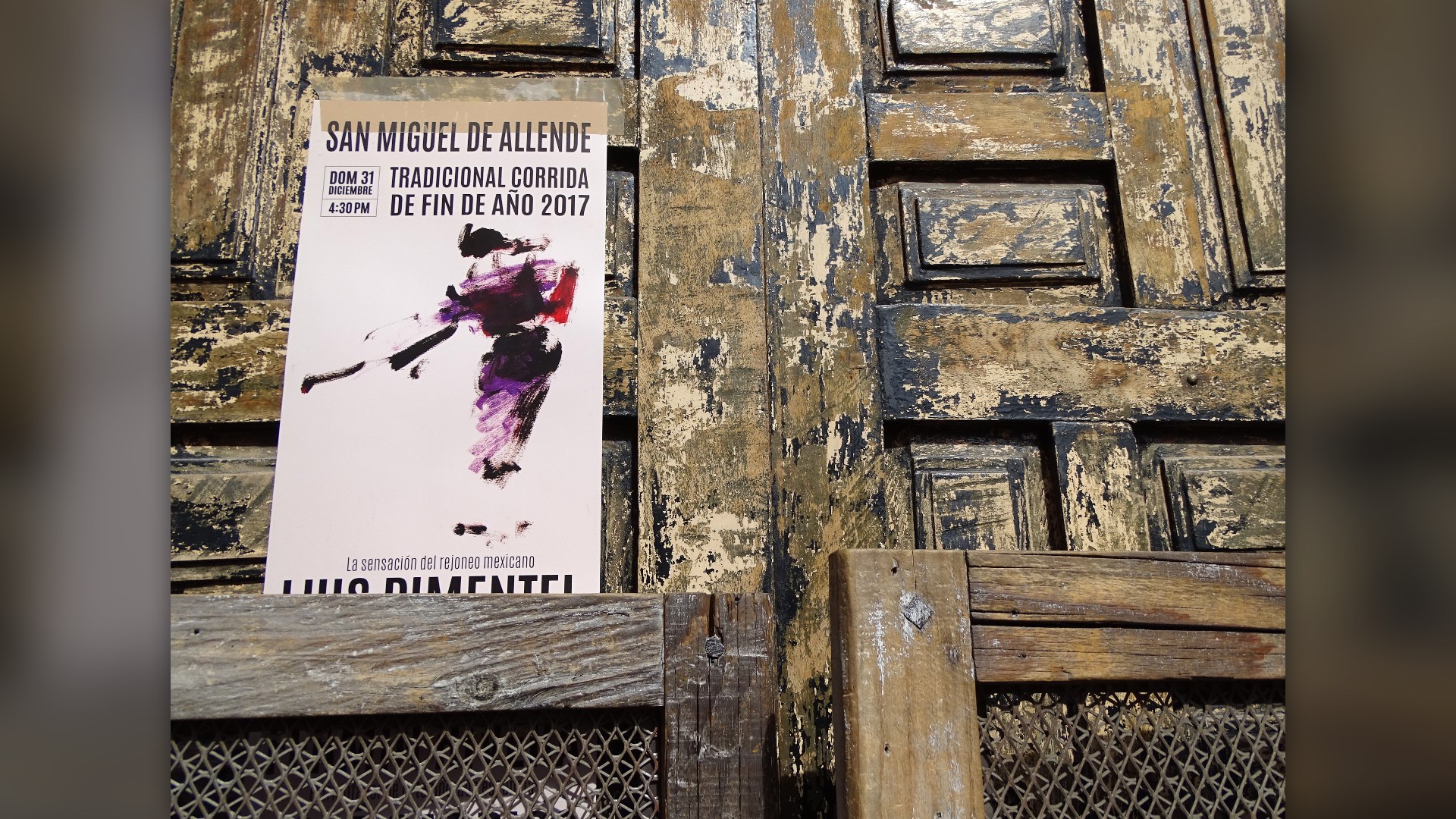
20. The Pop Culture Myth: Seeing Red In Modern Media
Generations grew up watching Bugs Bunny wave a red cape at a furious snorting bull, cementing the color red as an aggressive trigger in global consciousness. Idioms like waving a red flag to a bull entered everyday language, creating a cultural belief that seemed too vivid to question.
©Wikimedia / Adam Jones (CC BY-SA)
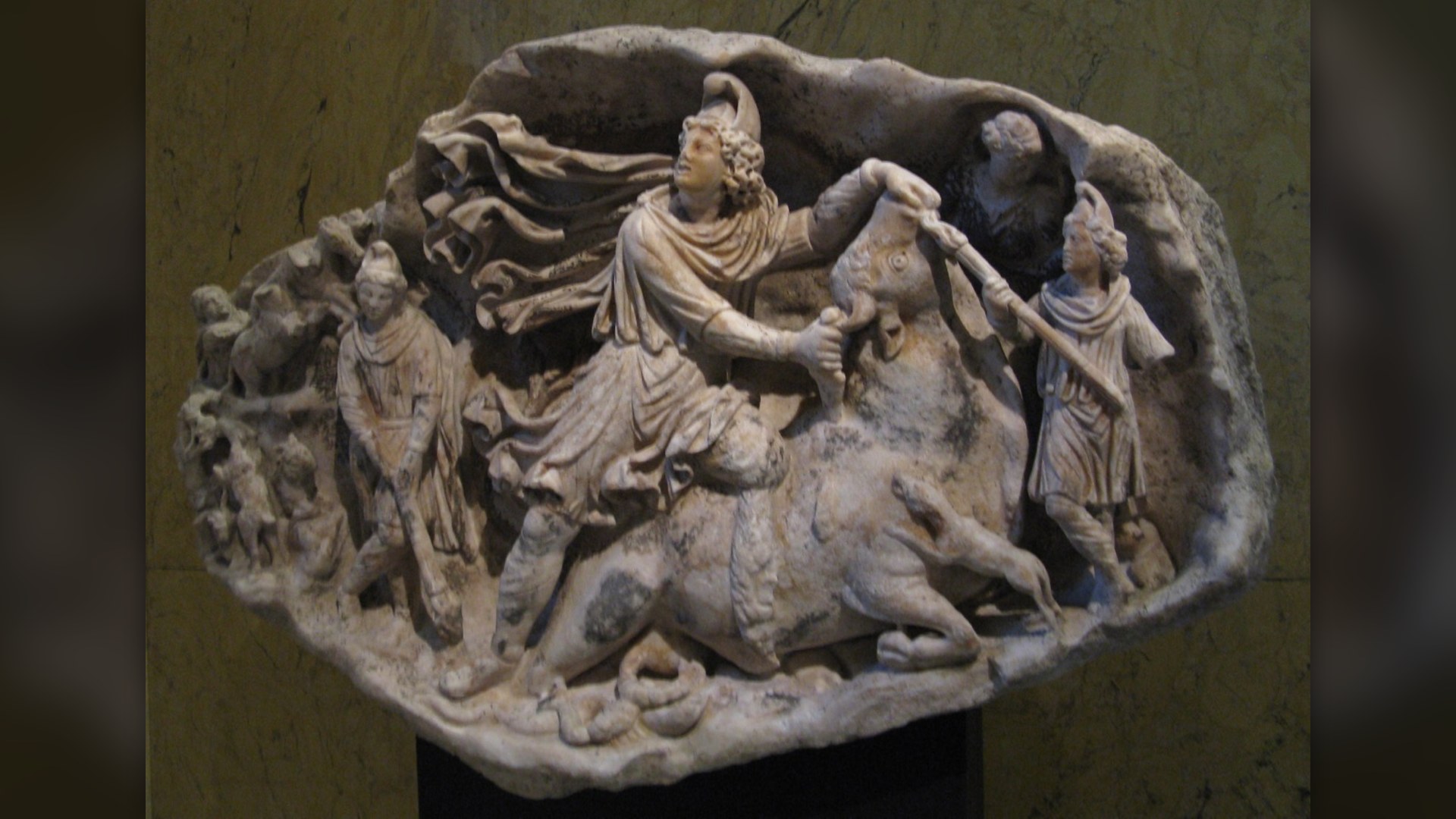
19. Ancient Origins: Bull Worship And Ritual Arenas
Long before modern bullfighting, ancient civilizations revered the bull as a symbol of untamed vitality and solar power. From the Minoan bull-leapers of Crete to Roman Mithraic tauroctony cults, sacred rituals frequently paired powerful bulls with red garments and symbolic sacrifice.
©Wikimedia / Yair Haklai (CC BY-SA)
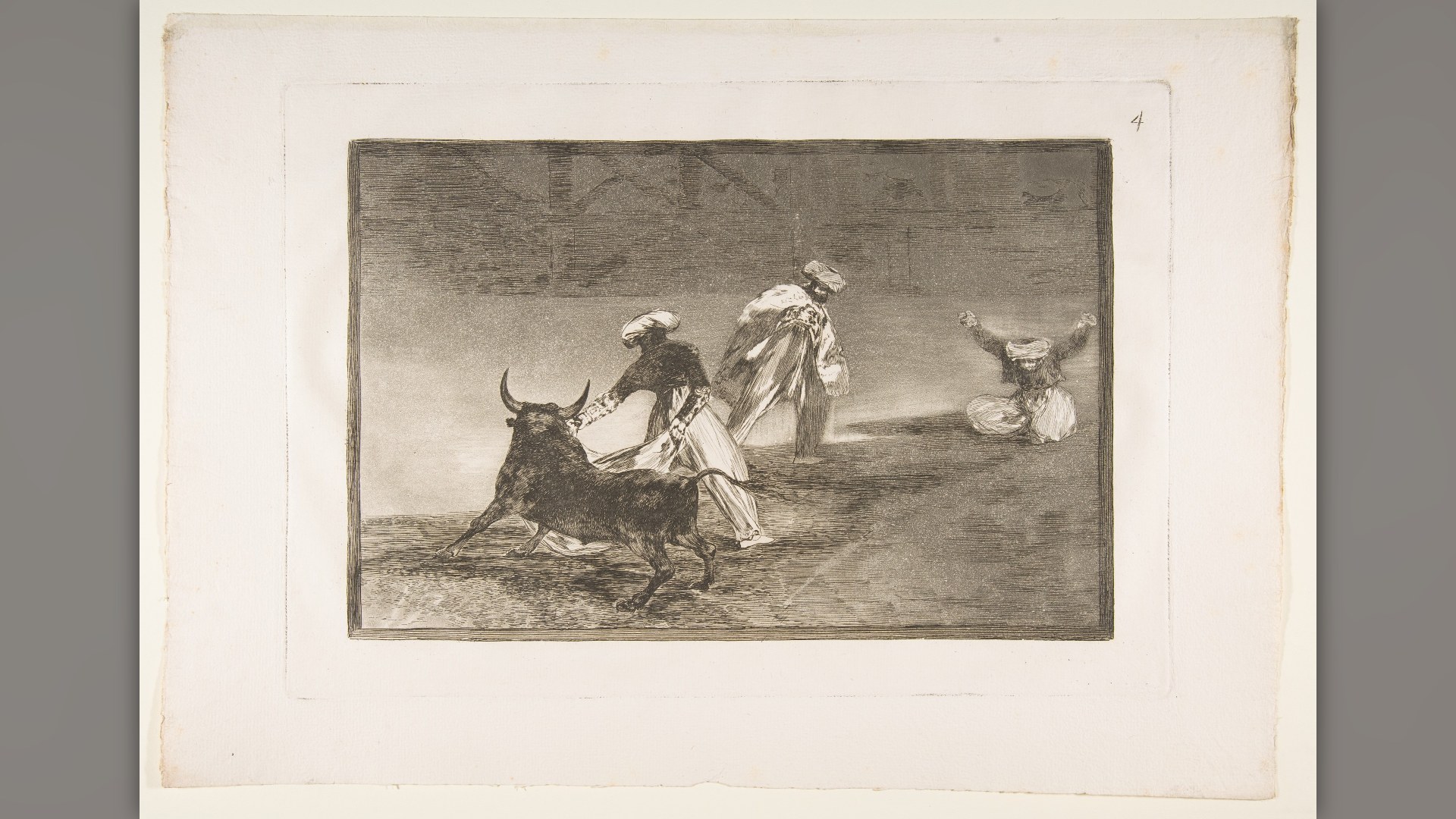
18. The Spanish Corrida: Birth Of Modern Tauromaquia
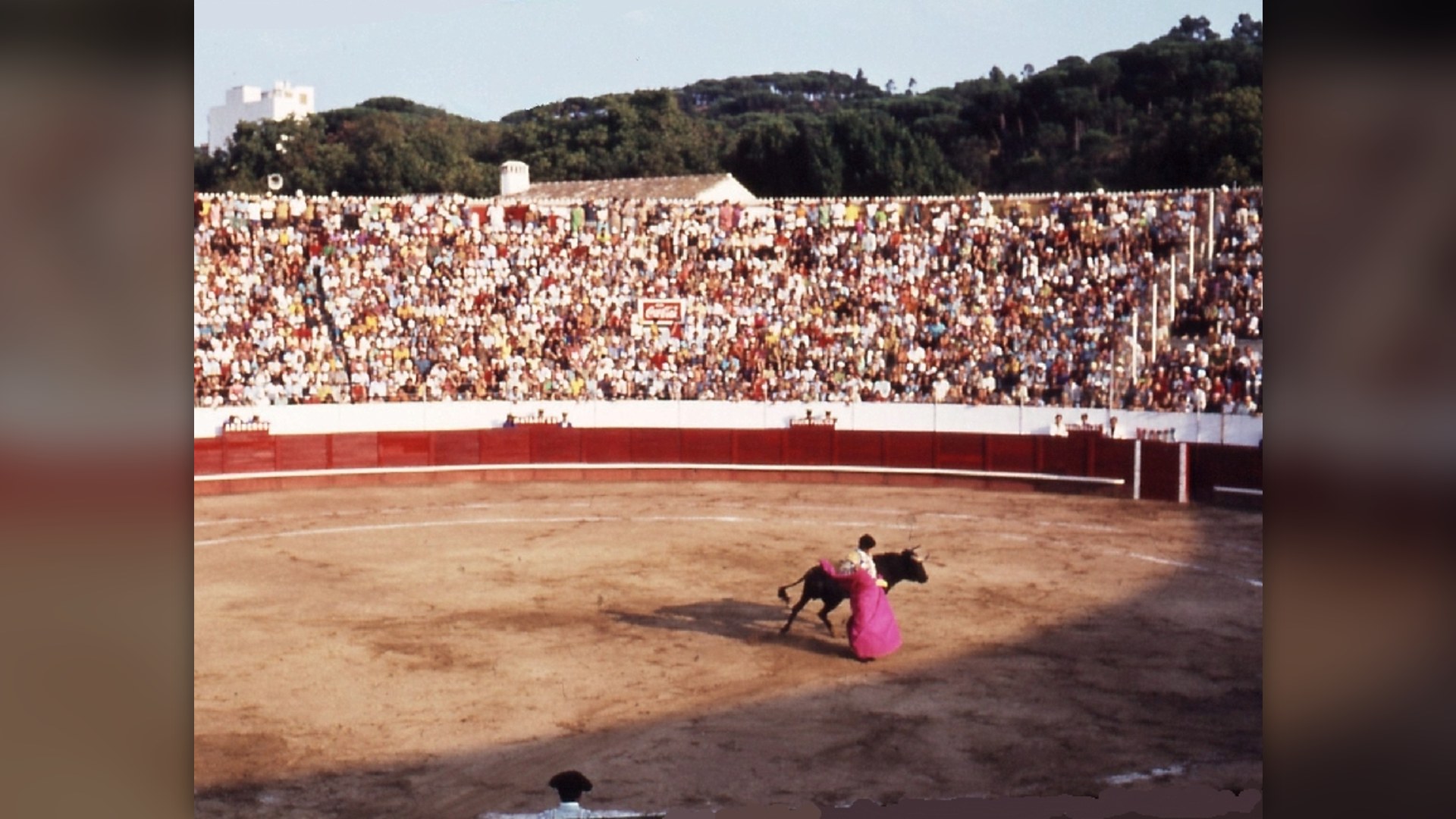
In eighteenth-century Spain, traditional bullfighting transitioned from mounted aristocratic sport to foot-based public spectacles. Legendary toreros like Francisco Romero formalized specific sequences of maneuvers, establishing standard equipment that forever defined the spectacle.
©Wikimedia / Francisco Goya (CC0)
Advertisement
Swipe or tap ▶ to resume the countdown.
17. The Muleta: Introducing The Iconic Scarlet Cloth
The red cape that captures public imagination is specifically known as the muleta. Crafted from heavy scarlet serge or flannel wrapped around a wooden dowel, the muleta is reserved exclusively for the third and final act of the corrida, known as the tercio de muerte.
©Wikimedia / Buonasera (CC BY-SA)
16. The Capote Clue: Early Acts Use Magenta And Gold
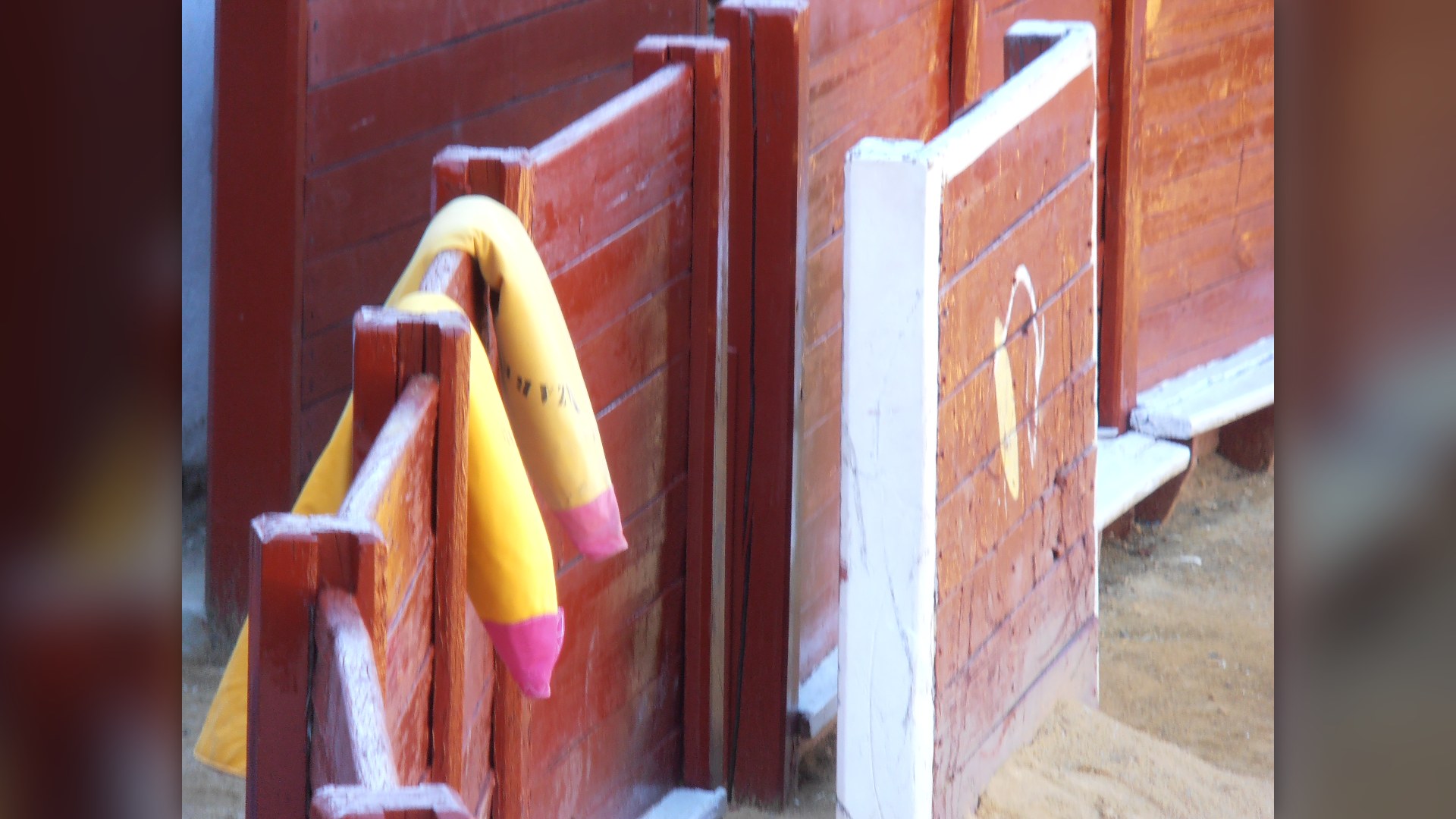
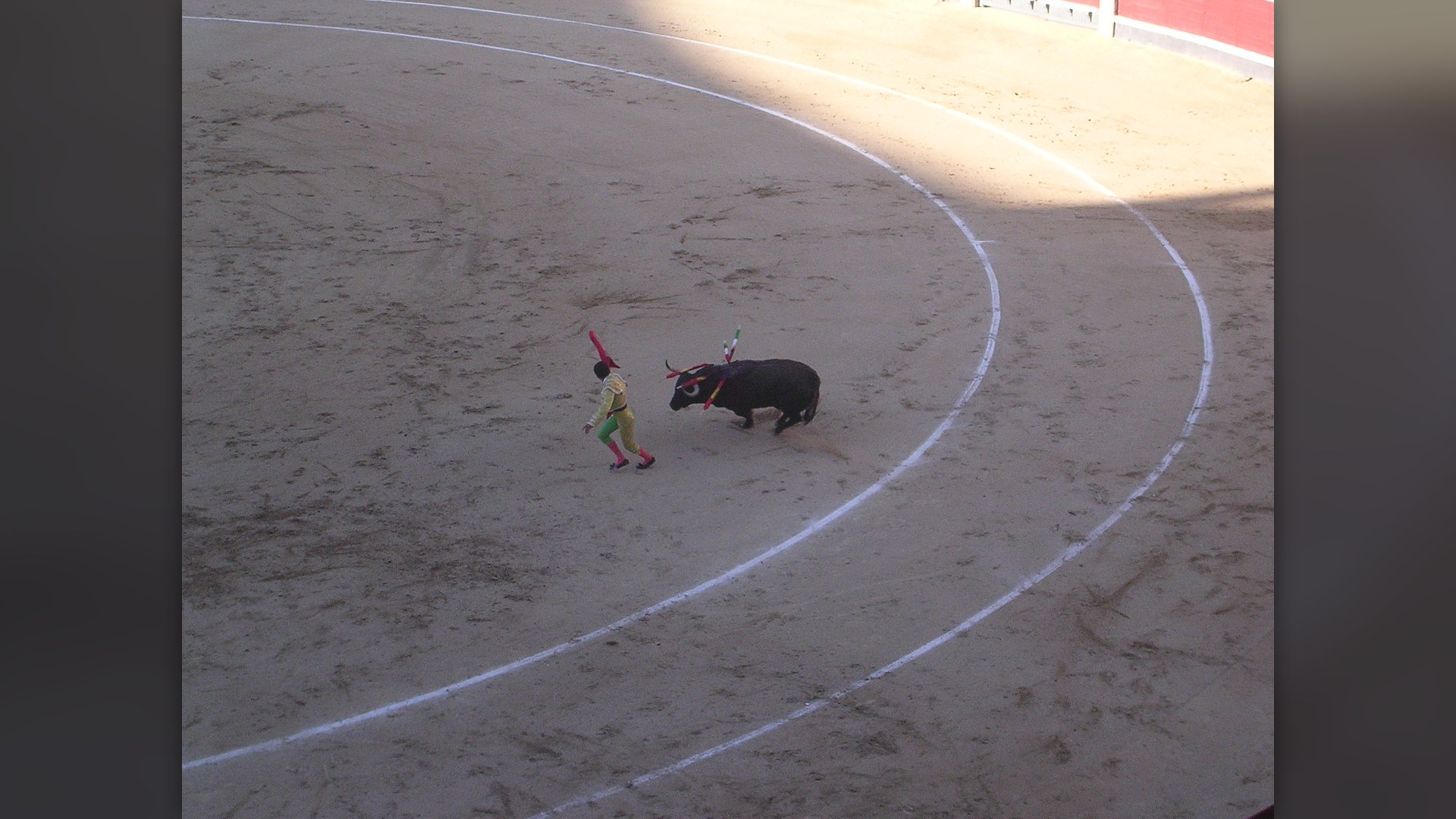
A crucial clue debunking the red myth appears in the opening acts of every bullfight. Toreros initially maneuver with the capote de brega, a massive cape colored vibrant magenta on one side and golden yellow on the other. The bull charges these pink and yellow sheets with identical ferocity.
©Wikimedia / Ytha67 (CC BY-SA)
15. Prey Animal Vision: How Bovines Scan Their World
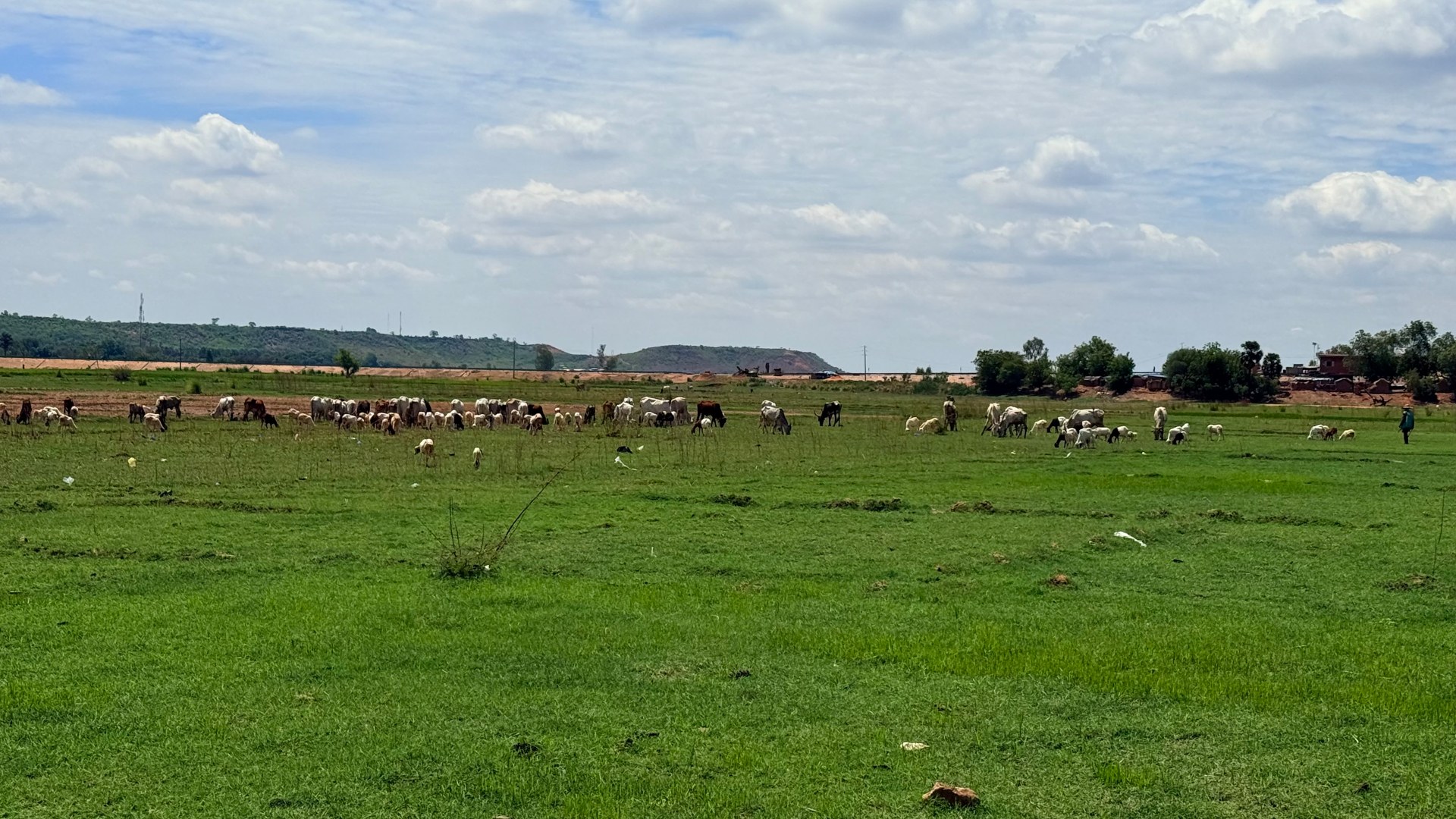
Cattle evolved as grazing prey animals whose primary defense is early predator detection. Their eyes are positioned laterally on the skull, providing an astonishing three-hundred-degree field of view to scan vast grassland horizons for the slightest sign of predatory movement.
©Wikimedia / ABB-NE (CC BY-SA)
14. Eye Anatomy: The Horizontal Pupil Adaptation
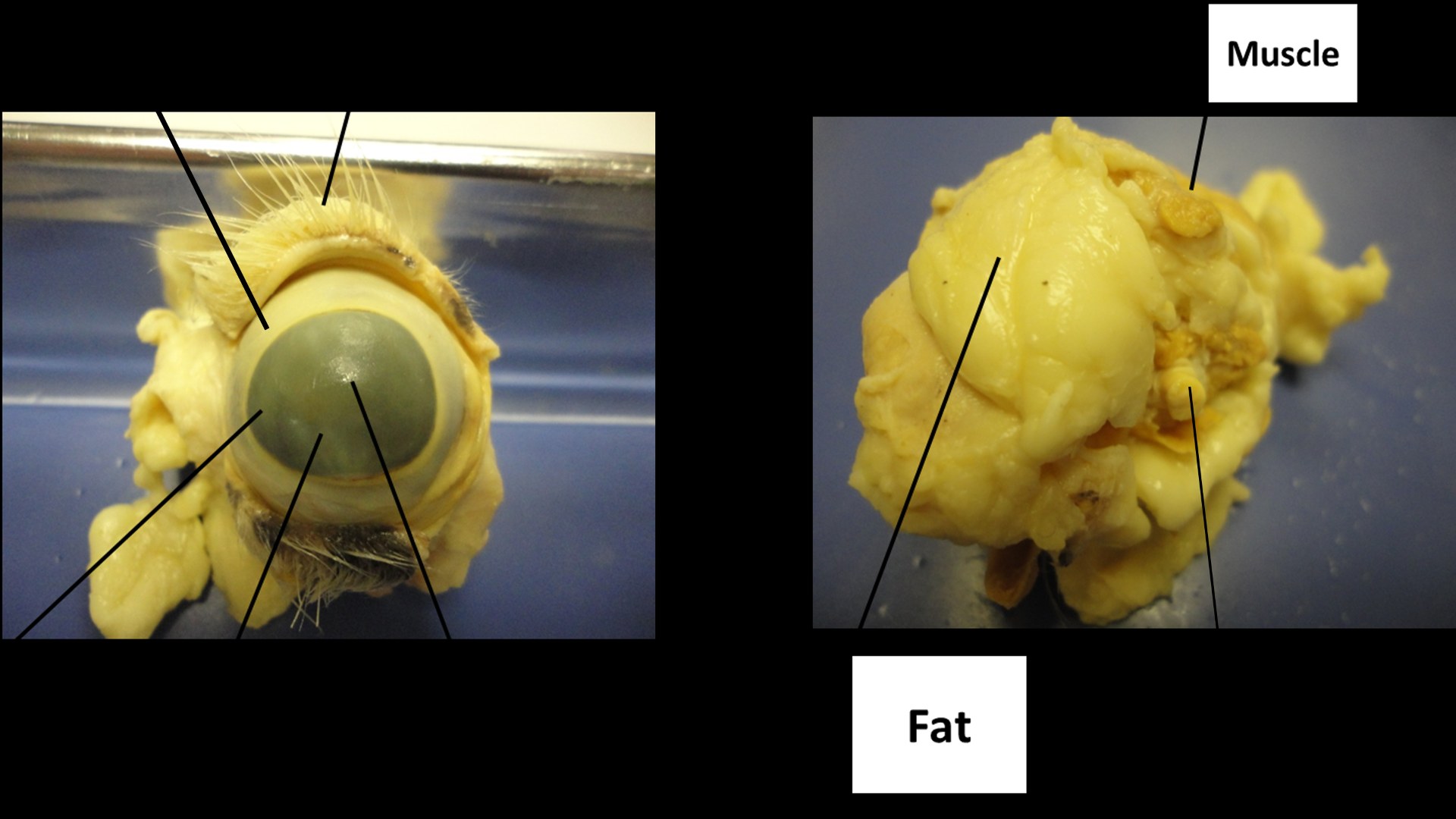
A bull eye features a horizontal slit pupil that remains parallel to the ground even while grazing with head lowered. This anatomical marvel maximizes light capture along the horizon while filtering out distracting overhead glare, prioritizing broad motion detection over sharp chromatic clarity.
©Wikimedia / Jjron, edited by Fir0002 (CC BY-SA)
Advertisement
Swipe or tap ▶ to resume the countdown.
13. Retinal Science: The Ratio Of Rods To Cones
The bovine retina is overwhelmingly dominated by rod cells, which excel at detecting motion and gathering dim light at dawn and dusk. Cone cells, responsible for high-resolution daylight color vision in humans, are far sparser, meaning bulls sacrifice rich color palettes for rapid threat tracking.
©Wikimedia / RWhitwam (CC BY-SA)
12. Dichromacy: The Two Color Channels Of Cattle
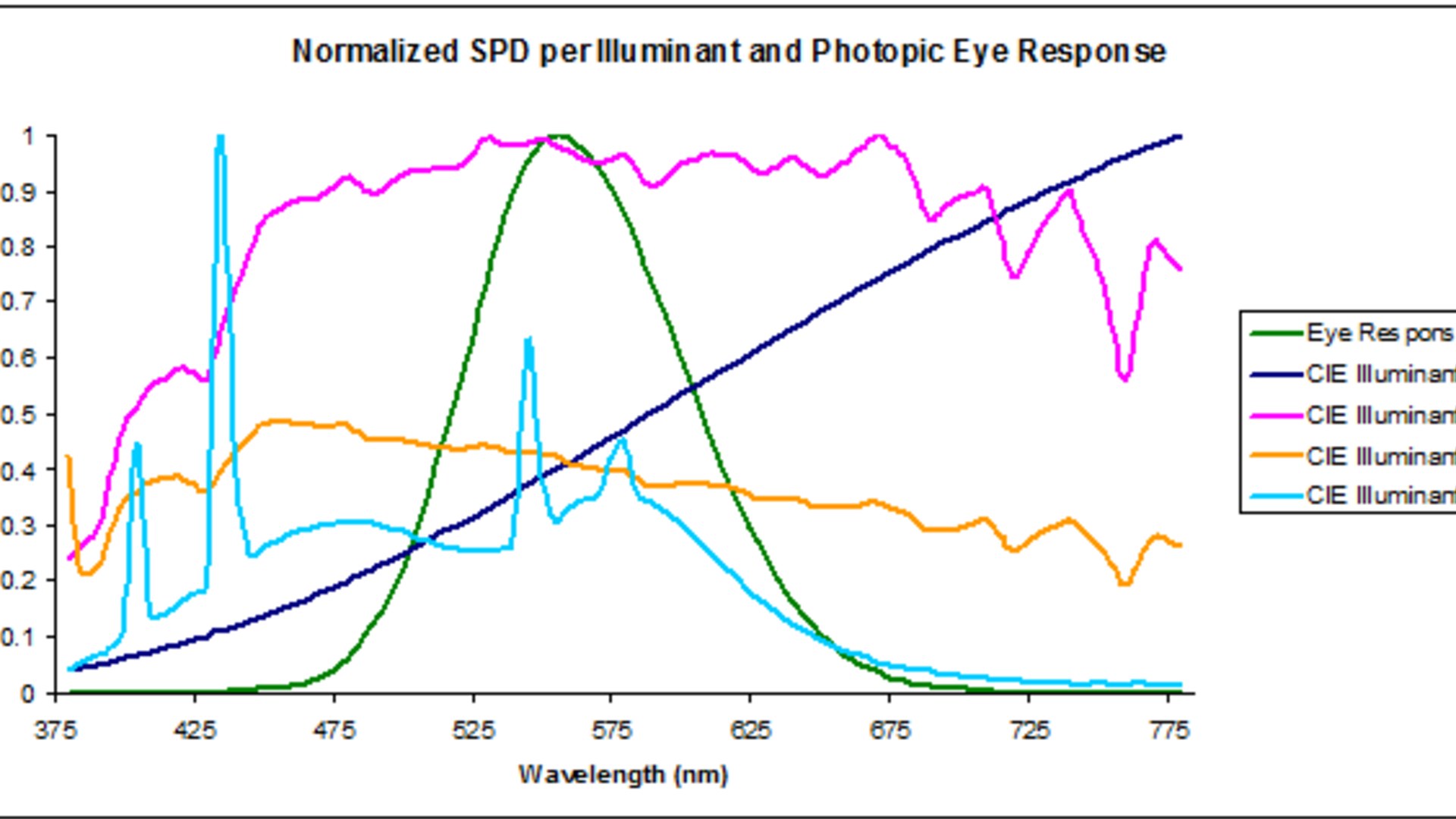
While primates possess trichromatic vision with three cone photopigments, cattle are strictly dichromatic. Bovine retinas contain only short-wavelength cones tuned to blue light and medium-wavelength cones tuned to yellowish-green light, lacking the sensory apparatus for human color depth.
©Wikimedia / Scientific Animations (CC BY-SA)
11. Red Blindness: The Missing L-Cone Photoreceptor
To perceive red, an eye requires long-wavelength L-cones. Cattle completely lack this genetic photopigment. To a bull, pure red is literally invisible as a distinct hue, making it biologically impossible for the color of a scarlet cape to cause emotional irritation or neurological rage.
©Wikimedia / SchwartzD (CC BY-SA)
10. The Bovine Palette: How A Bull Actually Sees Red
When a bull looks at a bright scarlet muleta, optical simulations reveal it appears as a muted, earthy shade of yellowish-gray or dark brown. Against the bright sandy arena floor, the red cape offers no chromatic dazzle, functioning visually as a high-contrast moving shadow.
©Wikimedia / Shinobu Ishihara (Public domain)
Advertisement
Swipe or tap ▶ to resume the countdown.
9. The Stationary Flag Test: Science In The Ring
In famous empirical experiments, including landmark field trials by MythBusters, researchers placed stationary flags of bright red, blue, and white inside a bull pen. When the colored flags hung motionless, the bull ignored all of them equally, showing zero instinctive hostility toward red.
©Wikimedia / Repuli (CC BY-SA)
8. The Movement Factor: Why Motion Triggers The Charge
The instant flags were animated and waved via mechanical pulleys, the bull charged with full force regardless of color. A waving blue, white, or red flag provoked identical aggressive lunges. Motion alone engaged the bovine nervous system, proving that velocity dictates the target.
©Wikimedia / Fabio Alessandro Locati (CC BY-SA)
7. The Red Jumpsuit Test: The Ultimate Human Proof
In the most dramatic phase of the experiment, an investigator stood completely frozen inside the ring wearing a head-to-toe bright red jumpsuit, while moving assistants drew the bull. The charging bull repeatedly bypassed the motionless red figure, pursuing only the moving targets.
©Wikimedia / Chris Woodrich (CC BY-SA)
6. Evolutionary Defense: Why Sudden Movement Alarms
In ancestral bovine ecology, sudden flapping or rapid lateral motion signaled an attacking wolf pack or big cat. A bull responds to erratic motion not with intellectual contemplation, but with instantaneous defensive aggression, seeking to neutralize perceived ambushes with its horns.
©Wikimedia / C. Quijano Garrido (CC BY-SA)
Advertisement
Swipe or tap ▶ to resume the countdown.
5. Bred For Reactivity: The High-Strung Toro Bravo
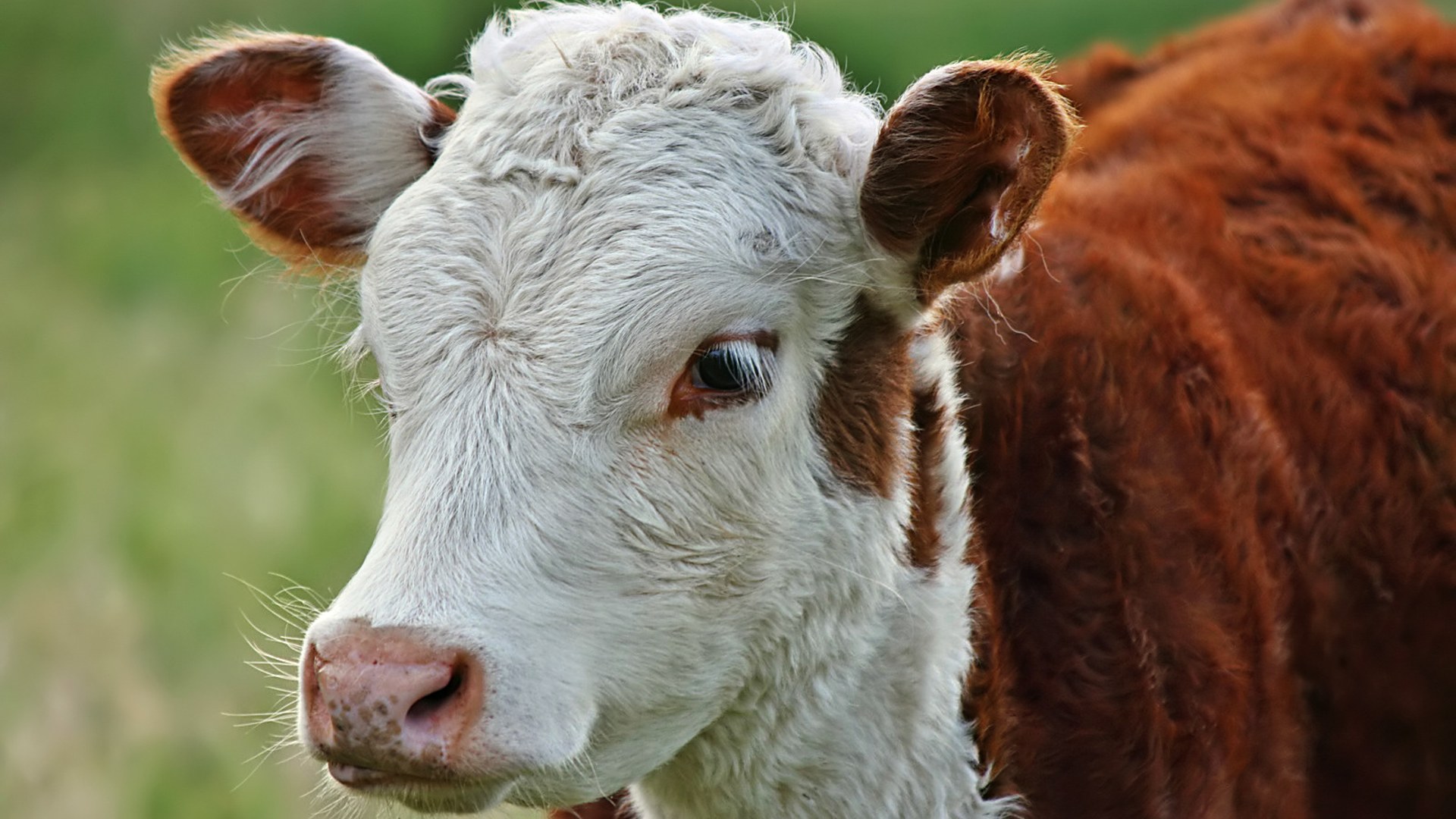
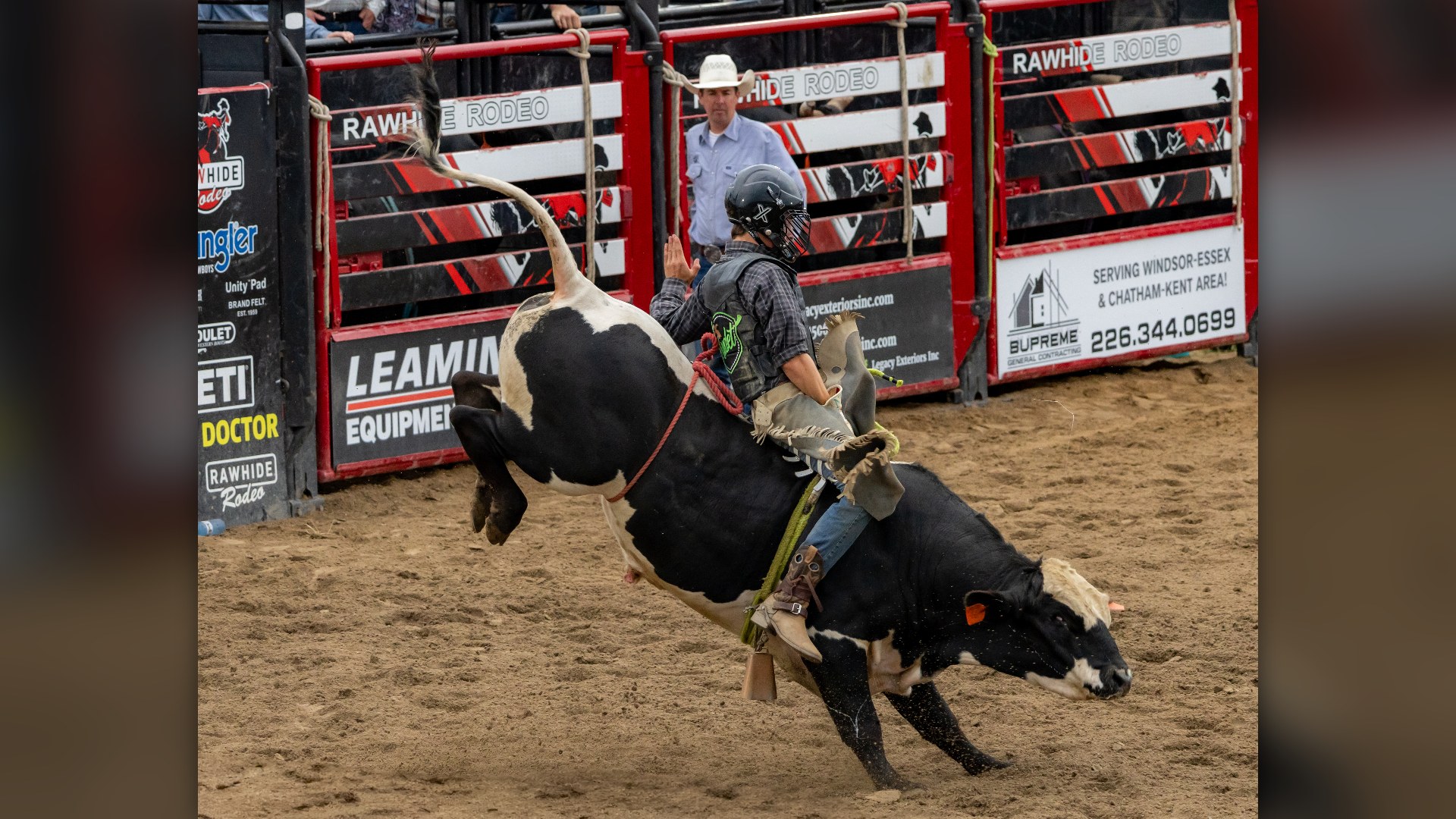
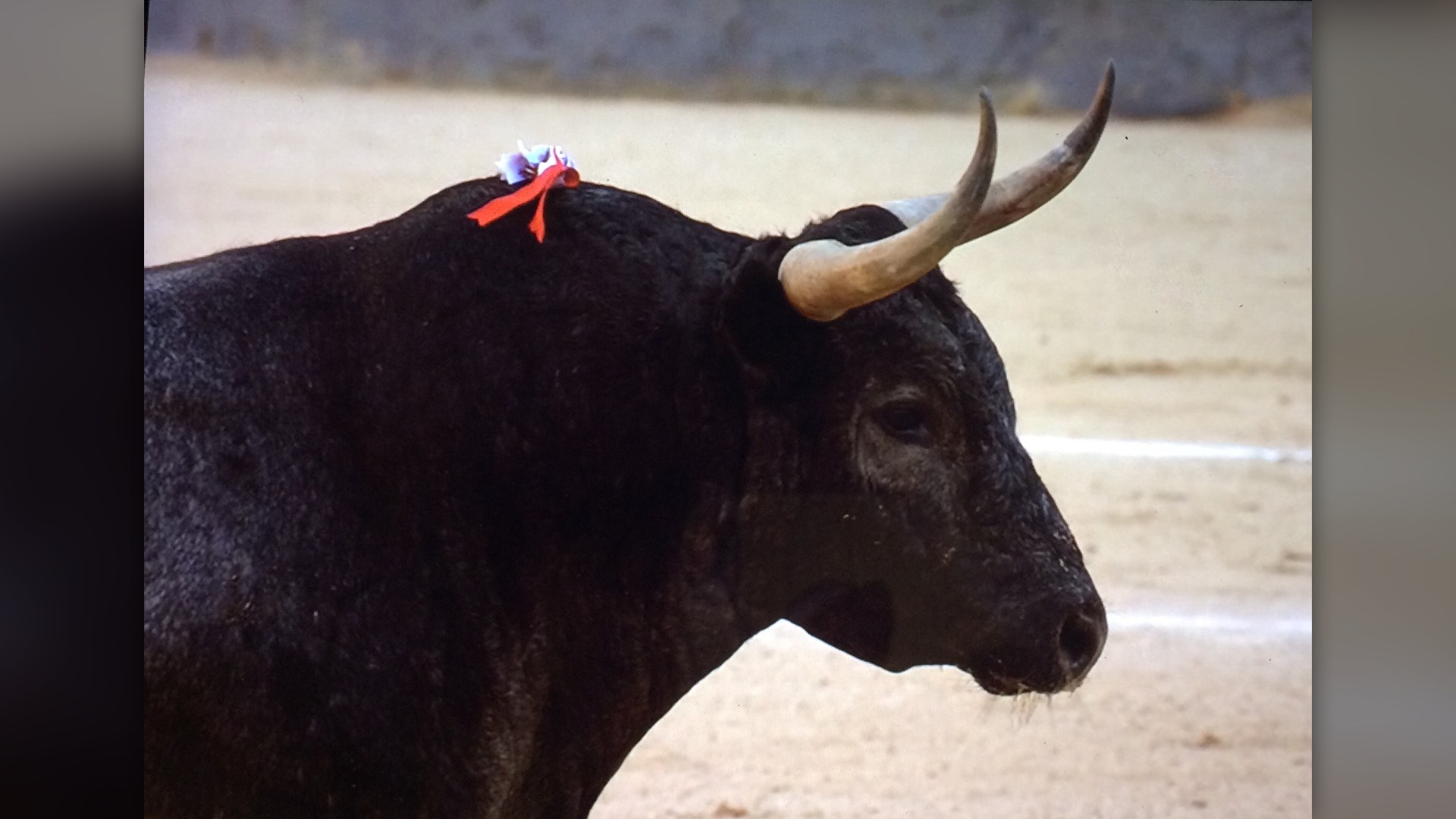
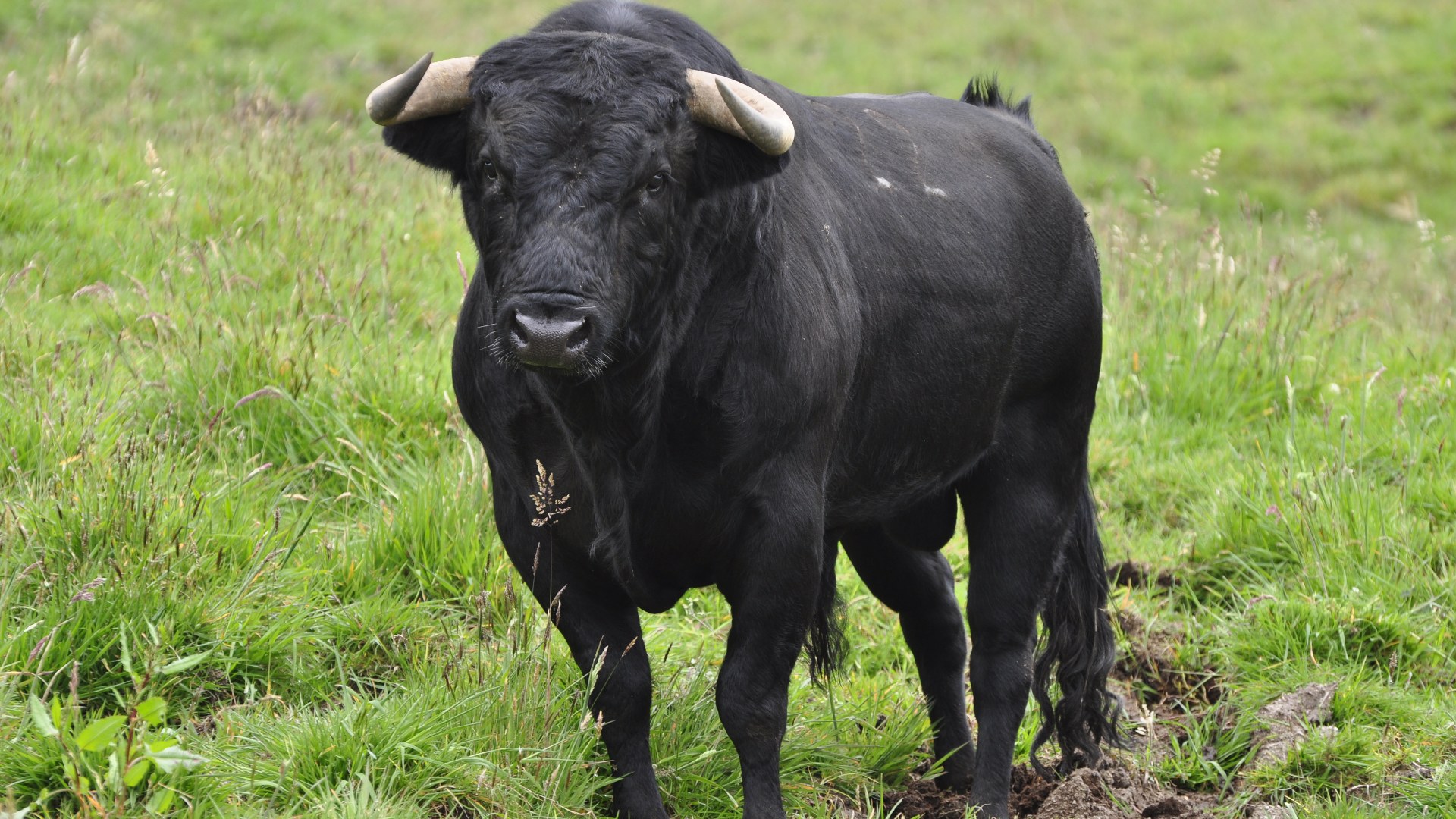
Spanish fighting bulls, or toro de lidia, are not docile dairy cattle. Selectively bred for hundreds of years to retain primitive wild aurochs temperaments, these solitary animals are hypersensitive to territorial intrusion and charge anything that displays unpredictable kinetic energy.
©Wikimedia / Santiago Molina N. (CC BY-SA)
4. Arena Atmosphere: Sensory Overload And Fear
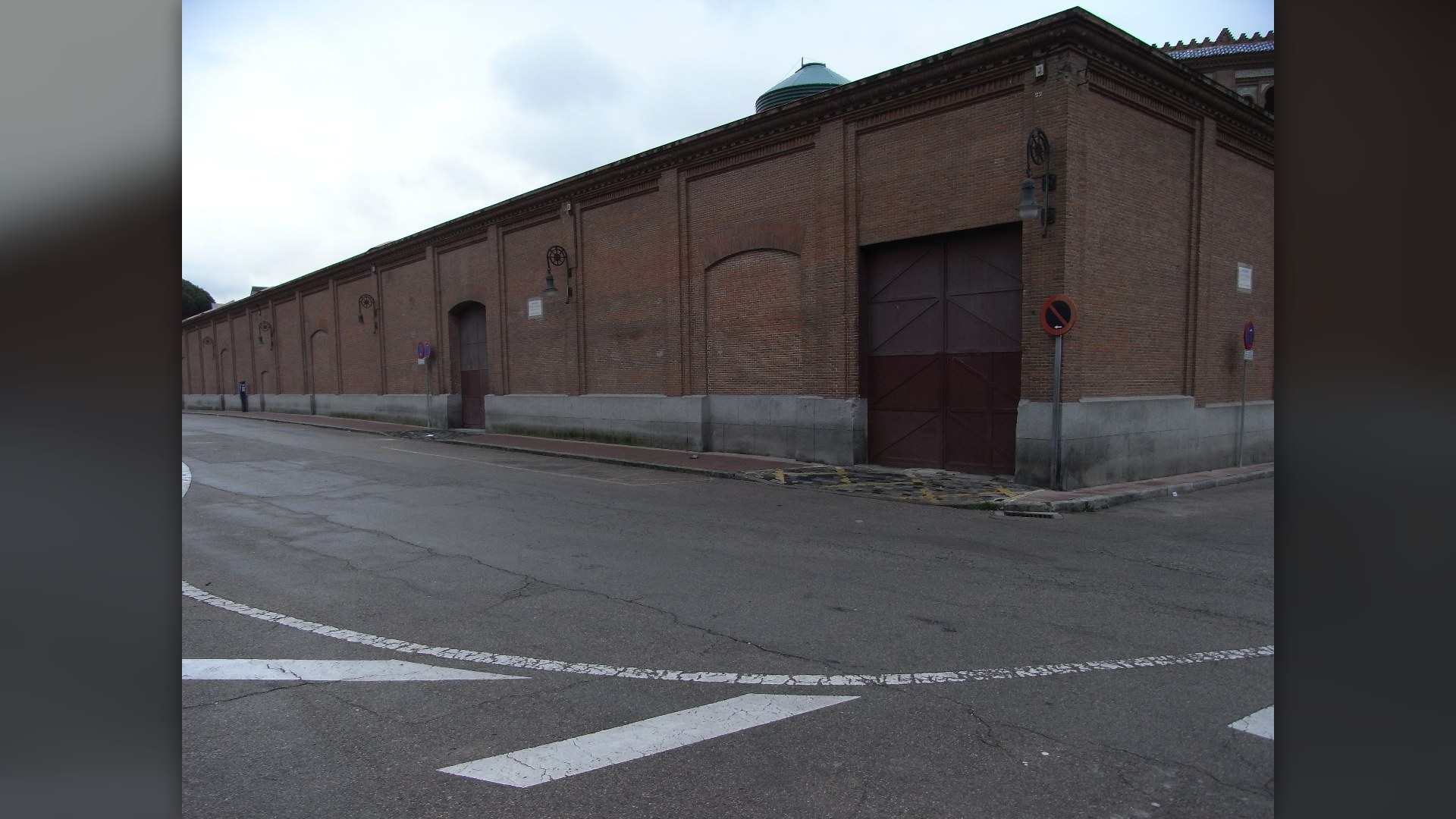
Before entering the ring, bulls are kept in dark holding pens, then abruptly released into blinding sun, roaring crowds, and brass fanfare. Disoriented and defensive, the stressed animal instinctively attacks whatever provides the most immediate, moving point of focus: the swirling cape.
©Wikimedia / antomoro (CC BY-SA)
3. Why Is The Cape Red: Masking Blood And Tradition
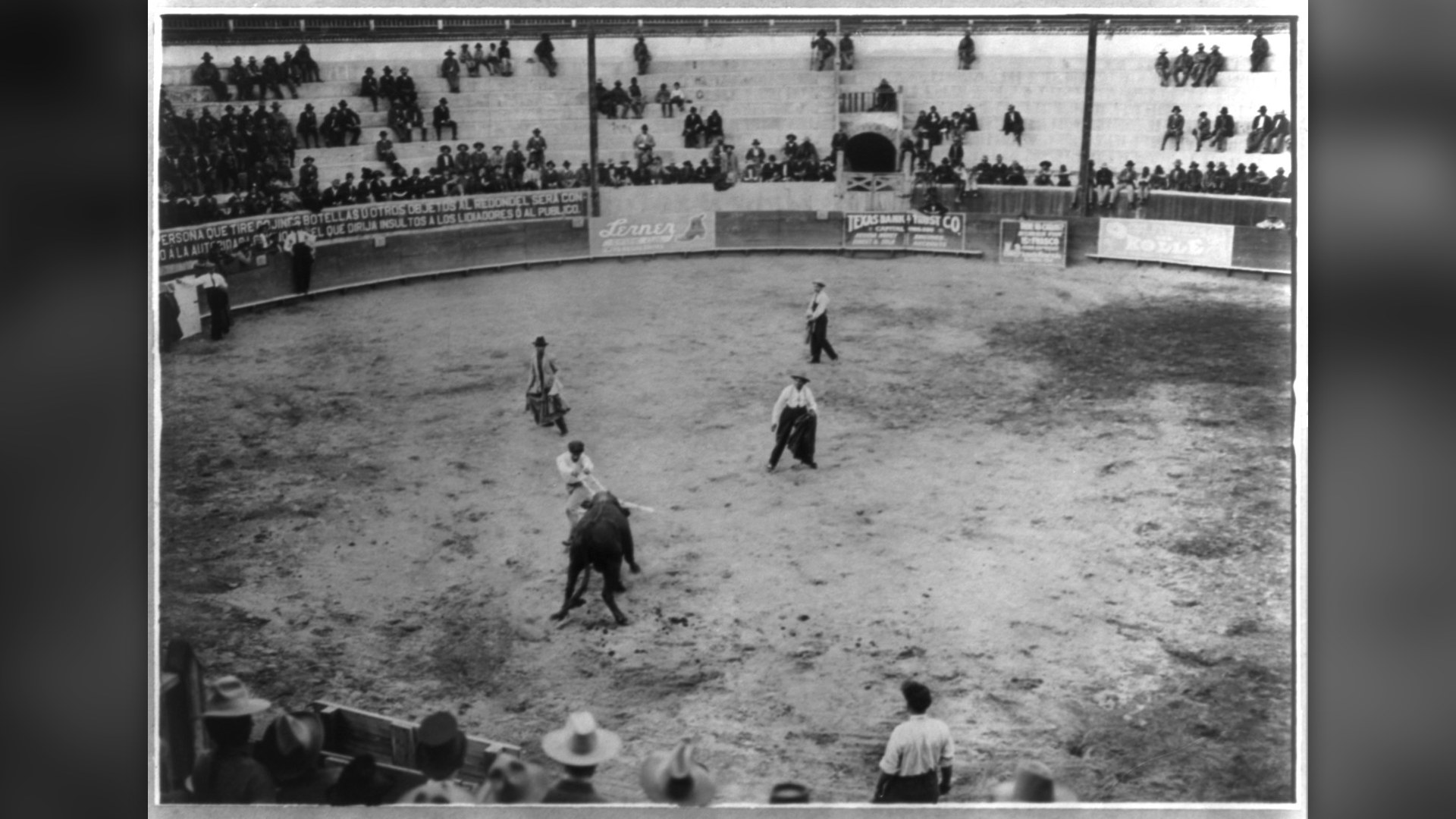
If bulls cannot see red, why is the muleta red? The answer is purely human. Red fabric masks bloodstains during the violent climax of the spectacle, maintaining a polished presentation for spectators while paying homage to centuries of Spanish theatrical costume tradition.
©Wikimedia / Library of Congress (Public domain)
2. The Spectator Factor: Red Excites The Human Crowd
While red means nothing to the bull, it profoundly impacts the human audience. Psychological studies confirm red elevates human heart rates and signals primal danger. The scarlet muleta enhances dramatic tension for thousands of cheering spectators in the arena stands.
©Wikimedia / Steven Depolo (CC BY)
Advertisement
Swipe or tap ▶ to resume the countdown.
1. The Verdict: A Centuries-Old Myth Conclusively Busted
The verdict is absolute: bulls do not hate the color red. Lacking the photoreceptors to perceive scarlet hues, the bull charges solely because the cloth is flapping violently in its visual field. Wave a bedsheet of any color, and a threatened fighting bull will charge with equal fury.
©Wikimedia / Ale823 (CC BY-SA)
Advertisement
You've reached the end of the story. Thanks for reading!

22 Most Secret World War II Aircraft Tested Behind Closed Doors
Between 1939 and 1945, Allied and Axis engineers built jets, flying wings and rocket interceptors in deep wartime secrecy. Ranked from 22 to 1 by historical secrecy and technical leap, this countdown draws on archival records from the Smithsonian, U.S. Air Force Museum, RAF Museum and German Federal Archives.
All 20 Entries in this Story
1. The Pop Culture Myth: Seeing Red In Modern Media
Generations grew up watching Bugs Bunny wave a red cape at a furious snorting bull, cementing the color red as an aggressive trigger in global consciousness. Idioms like waving a red flag to a bull entered everyday language, creating a cultural belief that seemed too vivid to question.

2. Ancient Origins: Bull Worship And Ritual Arenas
Long before modern bullfighting, ancient civilizations revered the bull as a symbol of untamed vitality and solar power. From the Minoan bull-leapers of Crete to Roman Mithraic tauroctony cults, sacred rituals frequently paired powerful bulls with red garments and symbolic sacrifice.

3. The Spanish Corrida: Birth Of Modern Tauromaquia
In eighteenth-century Spain, traditional bullfighting transitioned from mounted aristocratic sport to foot-based public spectacles. Legendary toreros like Francisco Romero formalized specific sequences of maneuvers, establishing standard equipment that forever defined the spectacle.

4. The Muleta: Introducing The Iconic Scarlet Cloth
The red cape that captures public imagination is specifically known as the muleta. Crafted from heavy scarlet serge or flannel wrapped around a wooden dowel, the muleta is reserved exclusively for the third and final act of the corrida, known as the tercio de muerte.

5. The Capote Clue: Early Acts Use Magenta And Gold
A crucial clue debunking the red myth appears in the opening acts of every bullfight. Toreros initially maneuver with the capote de brega, a massive cape colored vibrant magenta on one side and golden yellow on the other. The bull charges these pink and yellow sheets with identical ferocity.

6. Prey Animal Vision: How Bovines Scan Their World
Cattle evolved as grazing prey animals whose primary defense is early predator detection. Their eyes are positioned laterally on the skull, providing an astonishing three-hundred-degree field of view to scan vast grassland horizons for the slightest sign of predatory movement.

7. Eye Anatomy: The Horizontal Pupil Adaptation
A bull eye features a horizontal slit pupil that remains parallel to the ground even while grazing with head lowered. This anatomical marvel maximizes light capture along the horizon while filtering out distracting overhead glare, prioritizing broad motion detection over sharp chromatic clarity.

8. Retinal Science: The Ratio Of Rods To Cones
The bovine retina is overwhelmingly dominated by rod cells, which excel at detecting motion and gathering dim light at dawn and dusk. Cone cells, responsible for high-resolution daylight color vision in humans, are far sparser, meaning bulls sacrifice rich color palettes for rapid threat tracking.

9. Dichromacy: The Two Color Channels Of Cattle
While primates possess trichromatic vision with three cone photopigments, cattle are strictly dichromatic. Bovine retinas contain only short-wavelength cones tuned to blue light and medium-wavelength cones tuned to yellowish-green light, lacking the sensory apparatus for human color depth.

10. Red Blindness: The Missing L-Cone Photoreceptor
To perceive red, an eye requires long-wavelength L-cones. Cattle completely lack this genetic photopigment. To a bull, pure red is literally invisible as a distinct hue, making it biologically impossible for the color of a scarlet cape to cause emotional irritation or neurological rage.

11. The Bovine Palette: How A Bull Actually Sees Red
When a bull looks at a bright scarlet muleta, optical simulations reveal it appears as a muted, earthy shade of yellowish-gray or dark brown. Against the bright sandy arena floor, the red cape offers no chromatic dazzle, functioning visually as a high-contrast moving shadow.

12. The Stationary Flag Test: Science In The Ring
In famous empirical experiments, including landmark field trials by MythBusters, researchers placed stationary flags of bright red, blue, and white inside a bull pen. When the colored flags hung motionless, the bull ignored all of them equally, showing zero instinctive hostility toward red.

13. The Movement Factor: Why Motion Triggers The Charge
The instant flags were animated and waved via mechanical pulleys, the bull charged with full force regardless of color. A waving blue, white, or red flag provoked identical aggressive lunges. Motion alone engaged the bovine nervous system, proving that velocity dictates the target.

14. The Red Jumpsuit Test: The Ultimate Human Proof
In the most dramatic phase of the experiment, an investigator stood completely frozen inside the ring wearing a head-to-toe bright red jumpsuit, while moving assistants drew the bull. The charging bull repeatedly bypassed the motionless red figure, pursuing only the moving targets.

15. Evolutionary Defense: Why Sudden Movement Alarms
In ancestral bovine ecology, sudden flapping or rapid lateral motion signaled an attacking wolf pack or big cat. A bull responds to erratic motion not with intellectual contemplation, but with instantaneous defensive aggression, seeking to neutralize perceived ambushes with its horns.

16. Bred For Reactivity: The High-Strung Toro Bravo
Spanish fighting bulls, or toro de lidia, are not docile dairy cattle. Selectively bred for hundreds of years to retain primitive wild aurochs temperaments, these solitary animals are hypersensitive to territorial intrusion and charge anything that displays unpredictable kinetic energy.

17. Arena Atmosphere: Sensory Overload And Fear
Before entering the ring, bulls are kept in dark holding pens, then abruptly released into blinding sun, roaring crowds, and brass fanfare. Disoriented and defensive, the stressed animal instinctively attacks whatever provides the most immediate, moving point of focus: the swirling cape.

18. Why Is The Cape Red: Masking Blood And Tradition
If bulls cannot see red, why is the muleta red? The answer is purely human. Red fabric masks bloodstains during the violent climax of the spectacle, maintaining a polished presentation for spectators while paying homage to centuries of Spanish theatrical costume tradition.

19. The Spectator Factor: Red Excites The Human Crowd
While red means nothing to the bull, it profoundly impacts the human audience. Psychological studies confirm red elevates human heart rates and signals primal danger. The scarlet muleta enhances dramatic tension for thousands of cheering spectators in the arena stands.

20. The Verdict: A Centuries-Old Myth Conclusively Busted
The verdict is absolute: bulls do not hate the color red. Lacking the photoreceptors to perceive scarlet hues, the bull charges solely because the cloth is flapping violently in its visual field. Wave a bedsheet of any color, and a threatened fighting bull will charge with equal fury.