Slideshow · Science
Fact or Myth? Common Beliefs About Water
Fact or Myth? Common Beliefs About Water





All 20 Entries in this Story
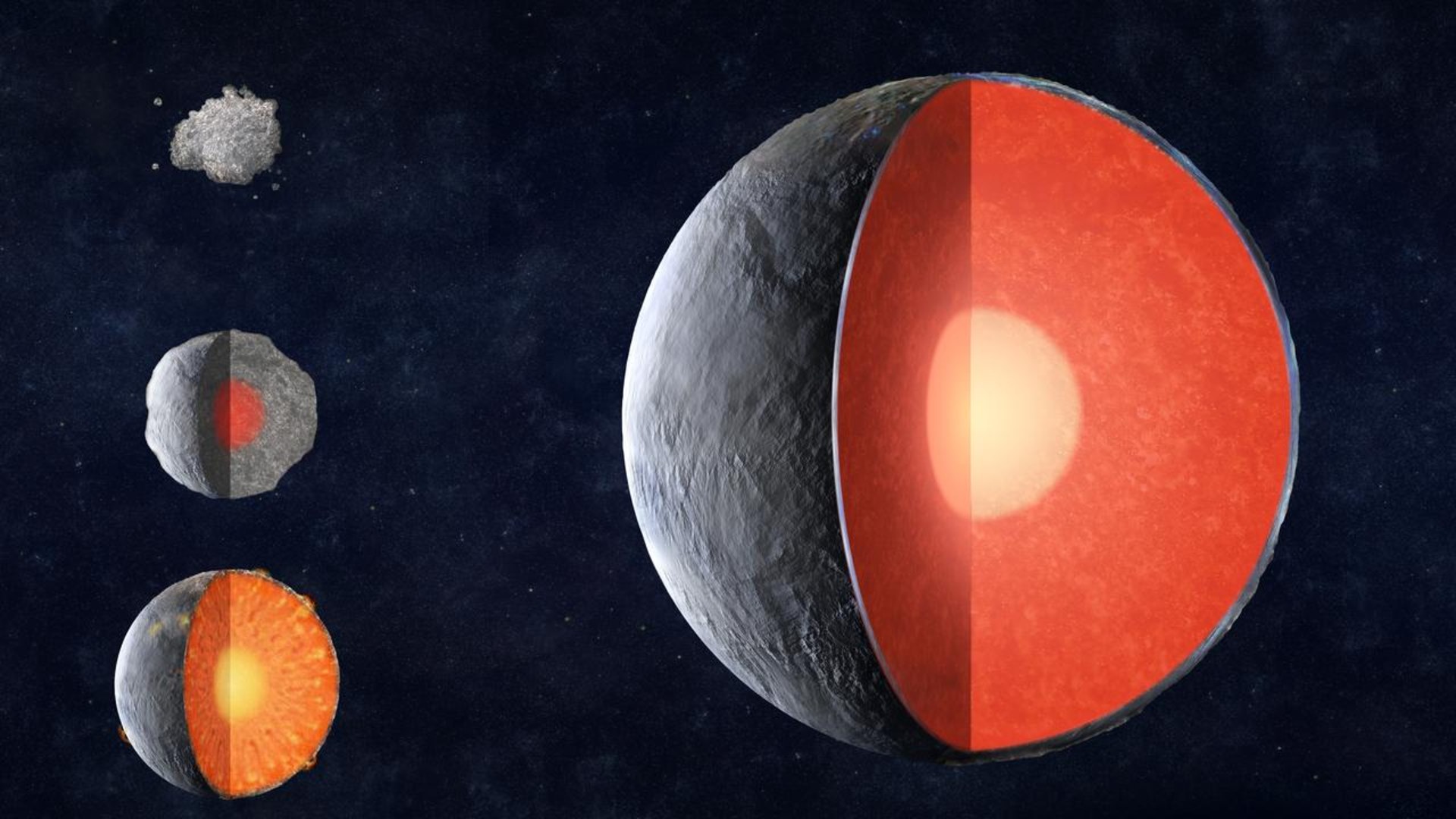
20. Vast Oceans Are Trapped Deep Inside Earth
Geologists studying seismic waves and diamond inclusions discovered that the mantle transition zone, four hundred miles beneath the surface, is rich in ringwoodite. This high-pressure mineral stores bound hydroxide ions equivalent to three times the water of all surface oceans combined.
19. Water Retains Memory Of Substances
Pseudoscience claims water can remember molecules once dissolved in it, but physics disproves this. Liquid water molecules form and break hydrogen bonds at timescales of fifty femtoseconds, meaning physical memory cannot persist beyond an instant.
18. You Cannot Overdose On Water
Drinking extreme volumes of water in a short window overwhelms renal capacity, causing blood sodium levels to plummet. Known as water intoxication, this dangerous condition forces water into brain cells, leading to severe swelling, seizures, and death.
17. Alkaline Water Alters Your Blood pH
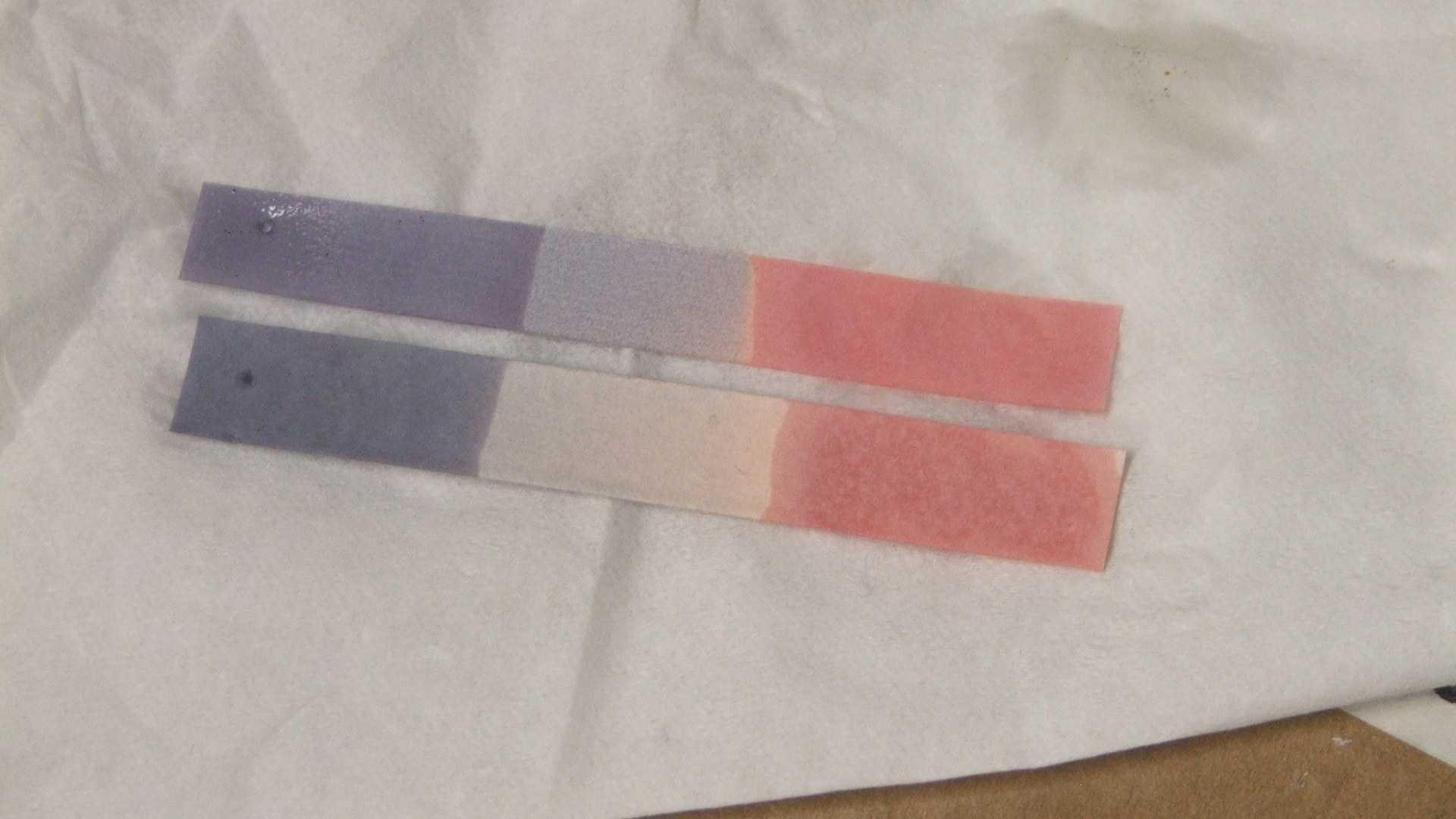
Marketing claims insist alkaline water balances body acidity, but human blood pH is tightly regulated between 7.35 and 7.45 by the lungs and kidneys. Stomach acid instantly neutralizes alkaline beverages upon arrival, rendering pH claims biologically impossible.
16. Water Is Absorbed Extremely Fast By The Gut
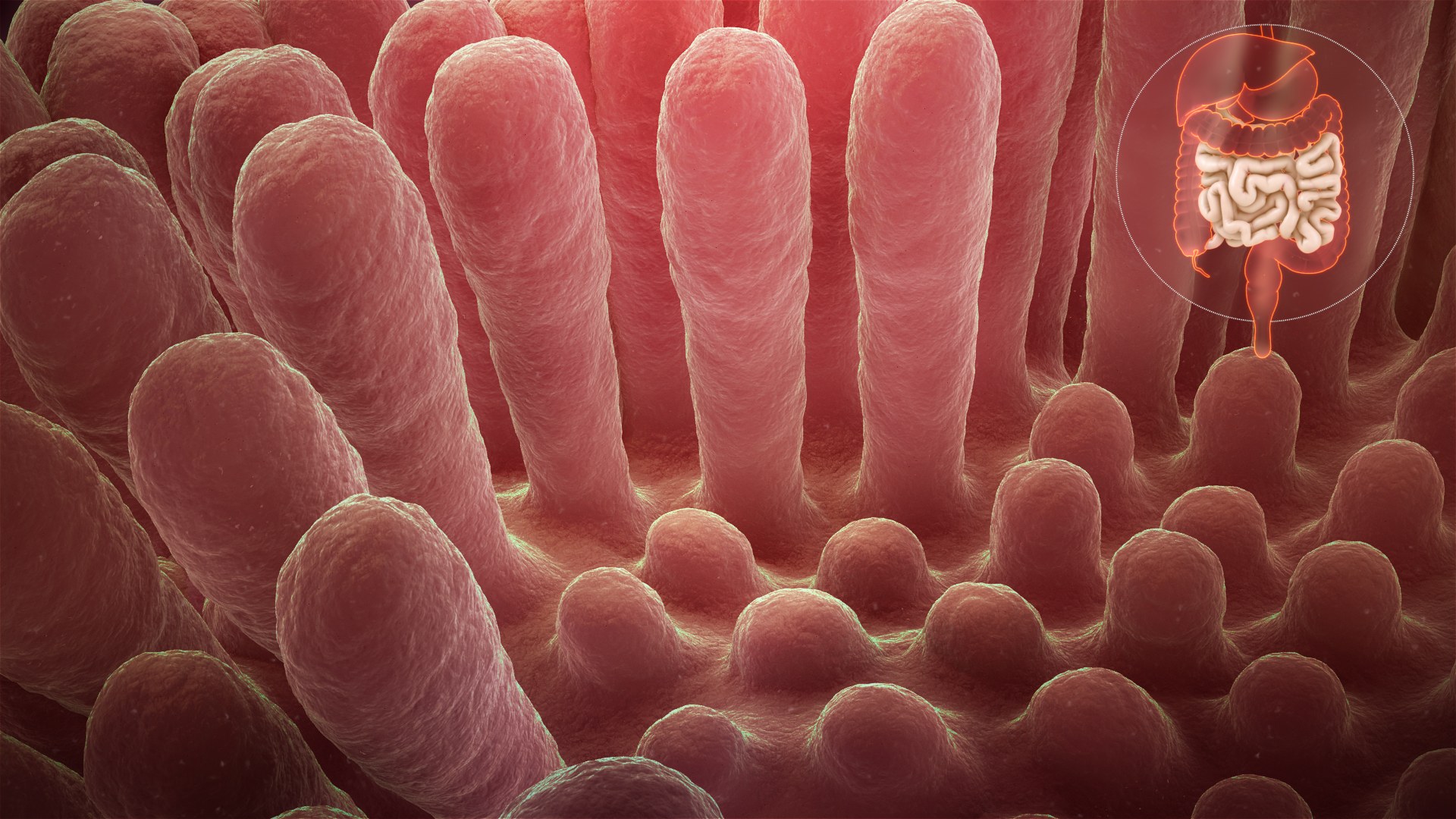
Unlike solid food that takes hours to digest, water passes rapidly through the stomach pylorus into the small intestine. Osmotic gradients pull water molecules directly across the intestinal wall into capillaries within minutes of swallowing.
15. Reboiling Water In Kettles Turns Toxic
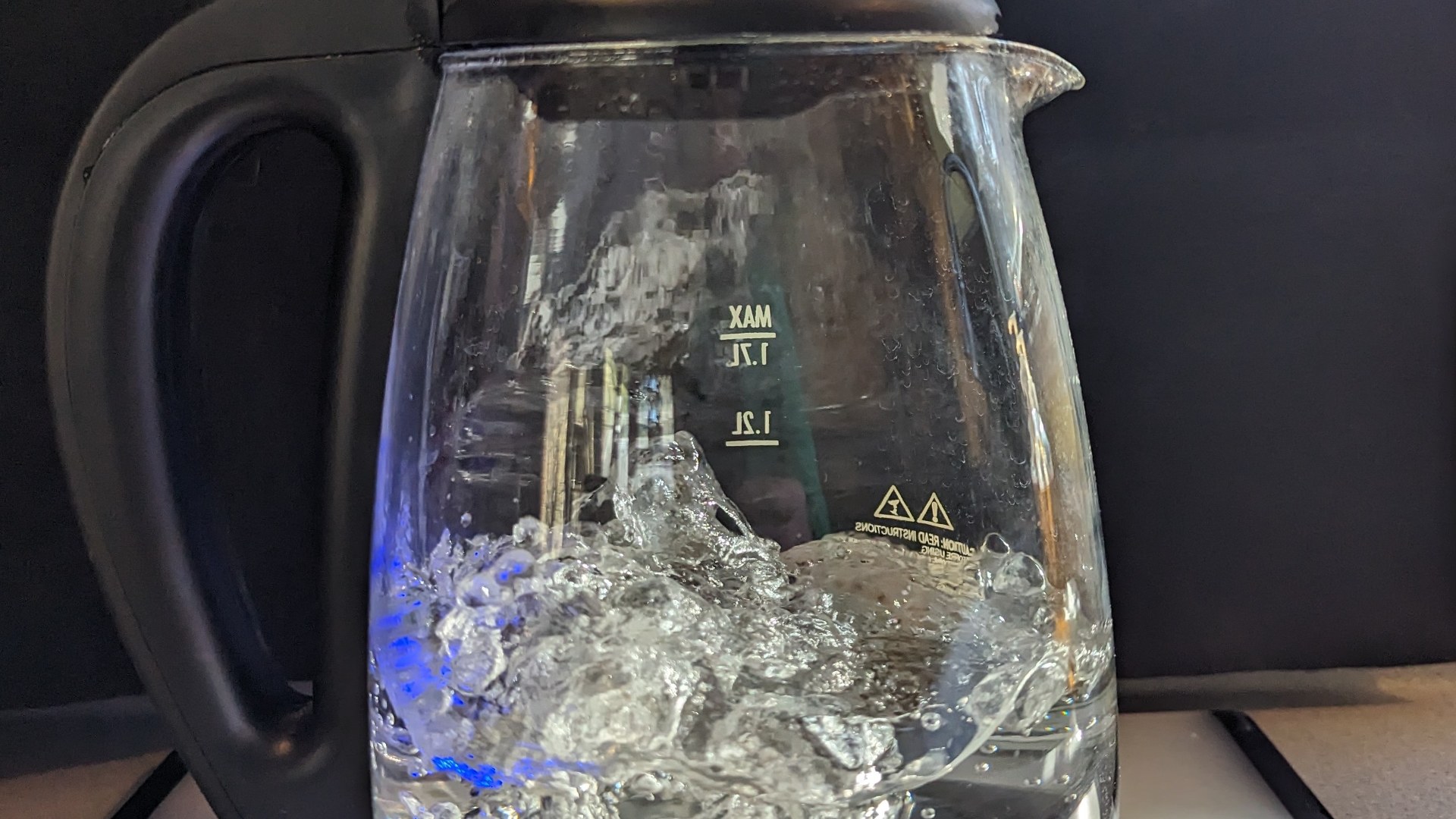
Online rumors claim that boiling the same kettle water twice concentrates dangerous minerals into poisonous levels. In reality, the tiny volume of steam lost during a domestic boil raises mineral concentrations by fractions of a milligram, posing zero danger.
14. Bottled Water Is Cleaner Than Tap Water
In developed nations, municipal tap water is strictly tested multiple times daily for bacteria and toxic compounds. Nearly half of commercial bottled water is simply filtered municipal water sold in single-use plastic bottles with less regulatory oversight.
13. Boiling Water Removes All Contaminants
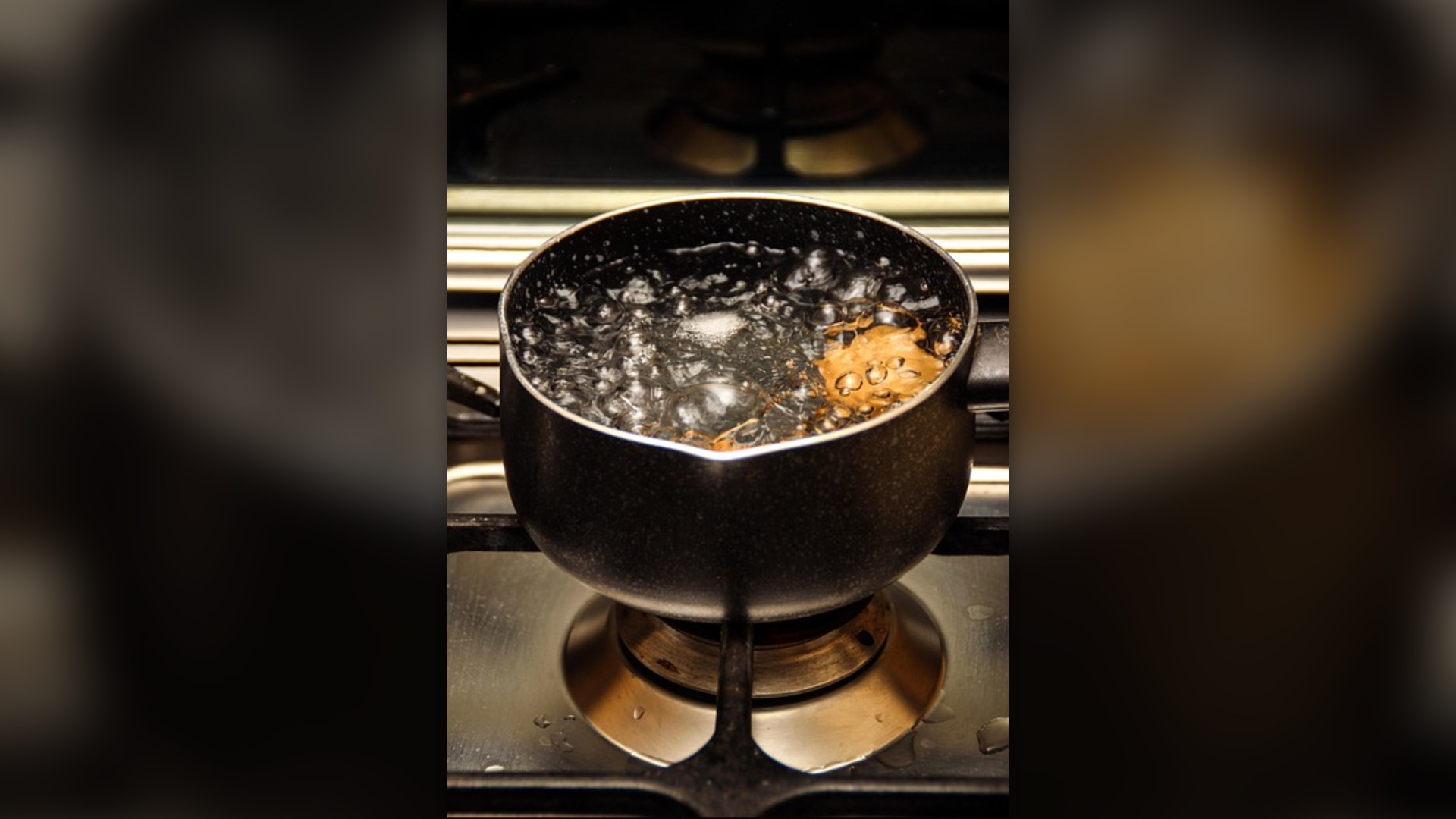
Bringing water to a rolling boil kills bacteria, parasites, and viruses effectively. However, evaporation during boiling actually increases the concentration of non-volatile toxins such as lead, arsenic, nitrates, and industrial microplastics.
12. Hot Water Can Freeze Faster Than Cold Water
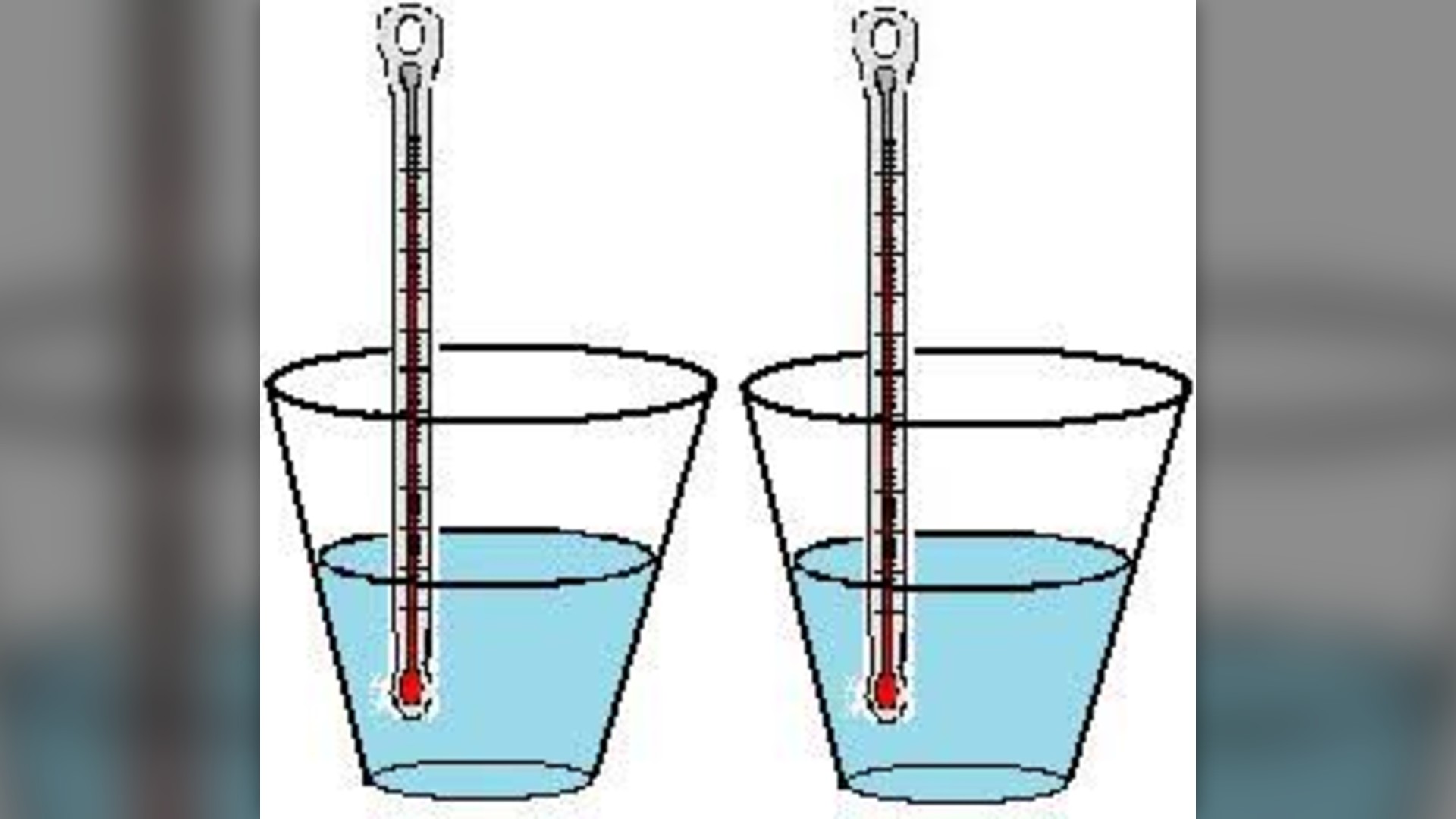
Observed since Aristotle and documented scientifically by Erasto Mpemba in 1963, warm water can freeze faster than cold water under specific conditions. Rapid surface evaporation, reduced dissolved gases, and convection currents drive this counterintuitive phenomenon.
11. Pure Distilled Water Conducts Electricity
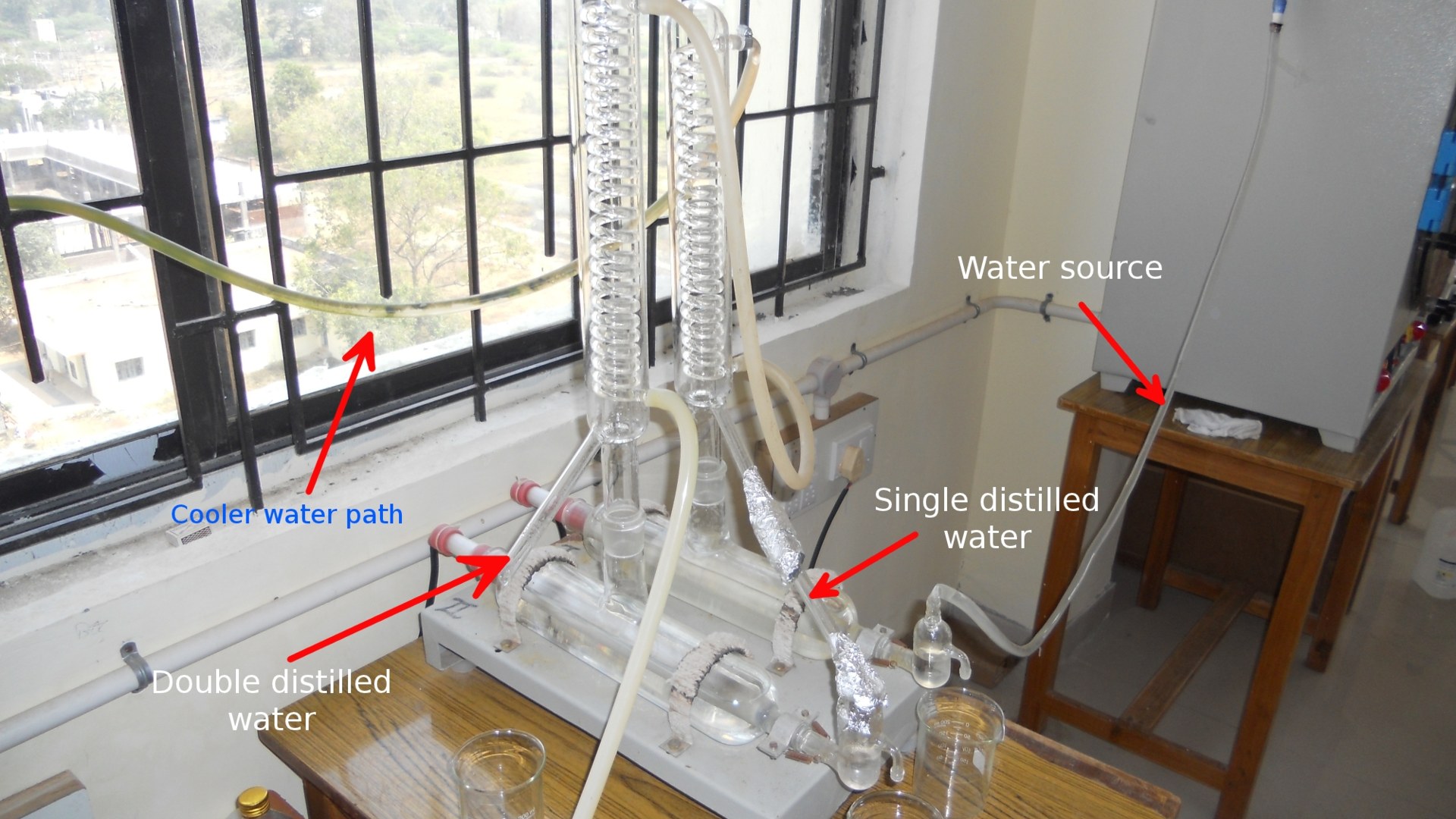
Chemically pure water lacks free charge carriers and conducts electricity very poorly. Water becomes a dangerous electrical conductor only when dissolved minerals, salts, and impurities provide free-floating ions that allow electric current to travel.
10. Swimming After Eating Causes Lethal Cramps
Generation of parents warned children to wait an hour after eating before swimming. While vigorous swimming on a full stomach can trigger mild nausea or side stitches, medical reviews found zero evidence linking post-meal swimming to fatal drowning cramps.
9. Ice Water Burns Significant Calories
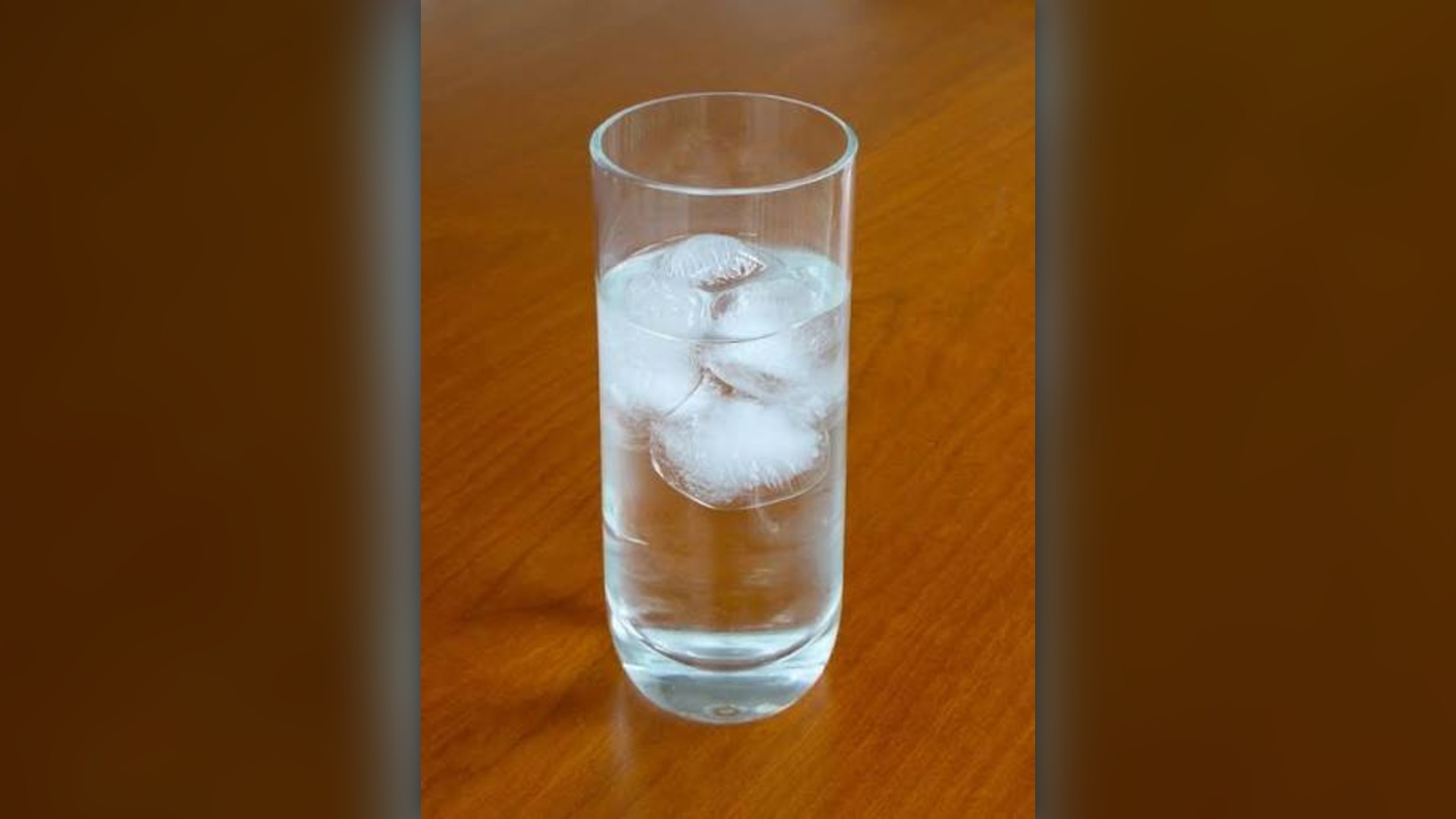
Your body does expend energy warming ice-cold water to core body temperature, but the expenditure is trivial. Drinking a sixteen-ounce glass of ice water burns roughly eight calories, meaning thermal adaptation produces negligible weight loss.
7. Drinking Before Meals Aids Weight Loss
Clinical studies confirm that drinking sixteen ounces of water thirty minutes before meals reduces caloric intake during the meal. Water stimulates stomach stretch receptors, sending early fullness signals to the brain without adding calories.
8. Water Dilutes Stomach Acid During Meals
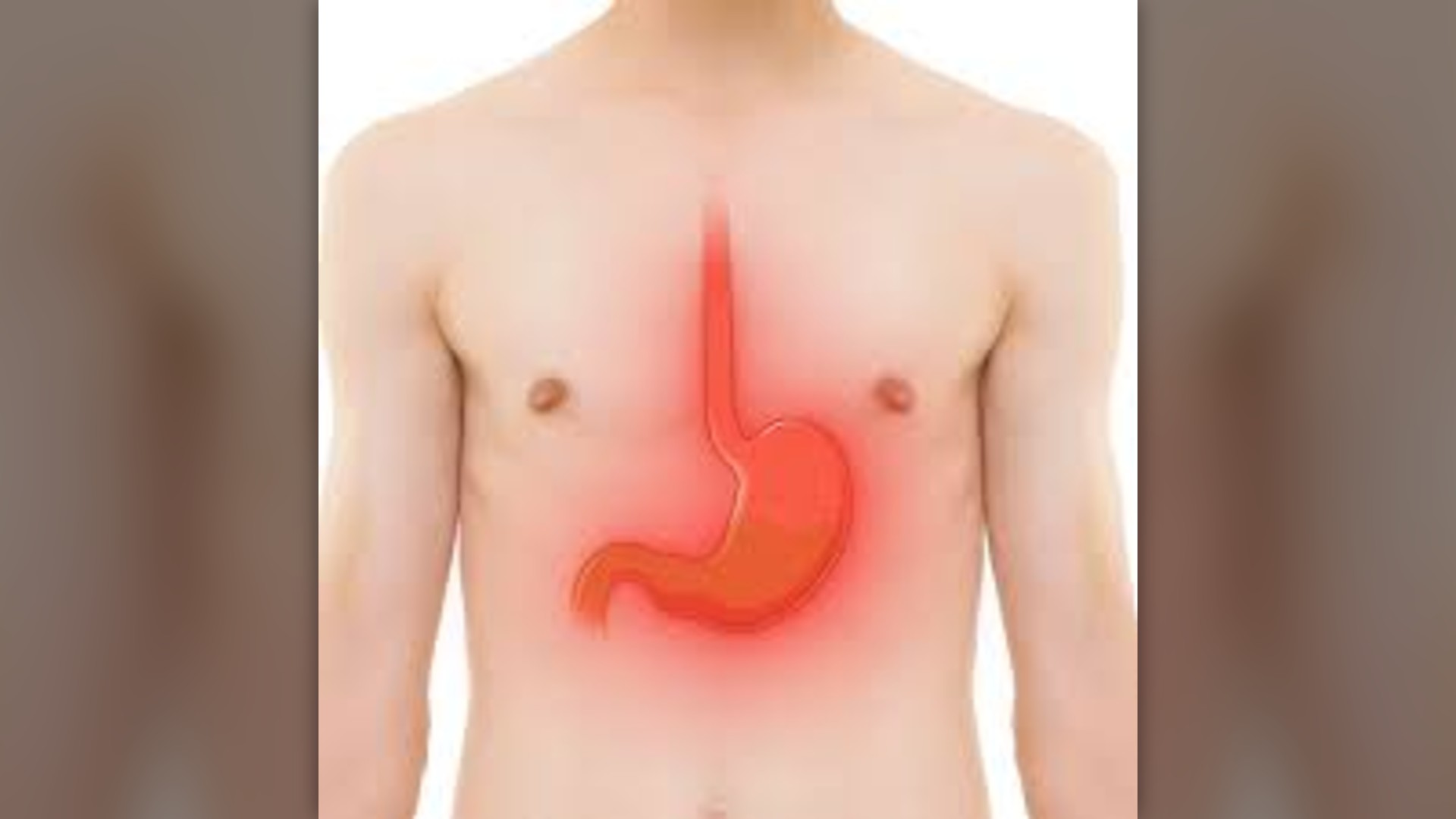
Hydrochloric acid in the human stomach has an acidic pH of one to two. Drinking water alongside meals does not dilute gastric juices enough to impair protein breakdown, and fluids actually aid peristalsis by softening dense food boluses.
6. Water Helps Kidneys Flush Toxins
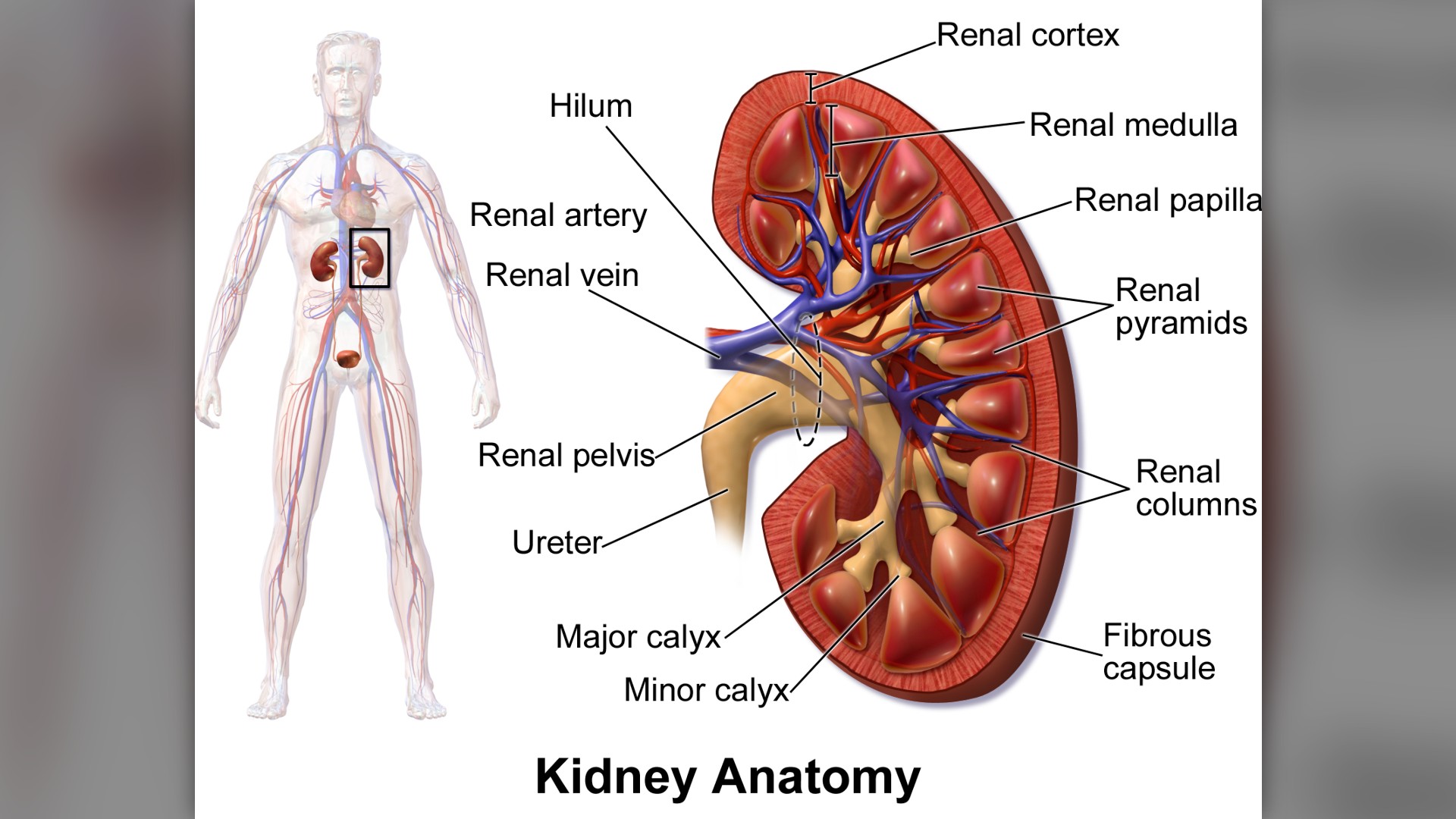
The kidneys act as biological filtration plants, requiring continuous fluid flow to clear urea, creatinine, and metabolic wastes from blood. Staying hydrated prevents mineral concentration and significantly reduces the formation of painful kidney stones.
5. Drinking Water Cures Wrinkles
Proper hydration supports overall skin barrier function and plumps cells slightly. However, drinking extra water beyond normal daily requirements cannot eliminate wrinkles, cure acne, or replace collagen loss caused by sun exposure and genetics.
4. Clear Urine Is Always The Healthy Target
Healthy urine should resemble pale straw or light lemonade. When urine is consistently crystal clear, it indicates that the kidneys are shedding excess water rapidly, potentially diluting sodium and potassium balance in the bloodstream.
3. Thirst Means Extreme Dehydration
The human brain triggers thirst when blood concentration rises by less than two percent. This sensitive hormonal mechanism alerts healthy individuals well before dangerous dehydration sets in, making thirst an effective guide for everyday hydration.
2. Coffee And Tea Always Dehydrate You
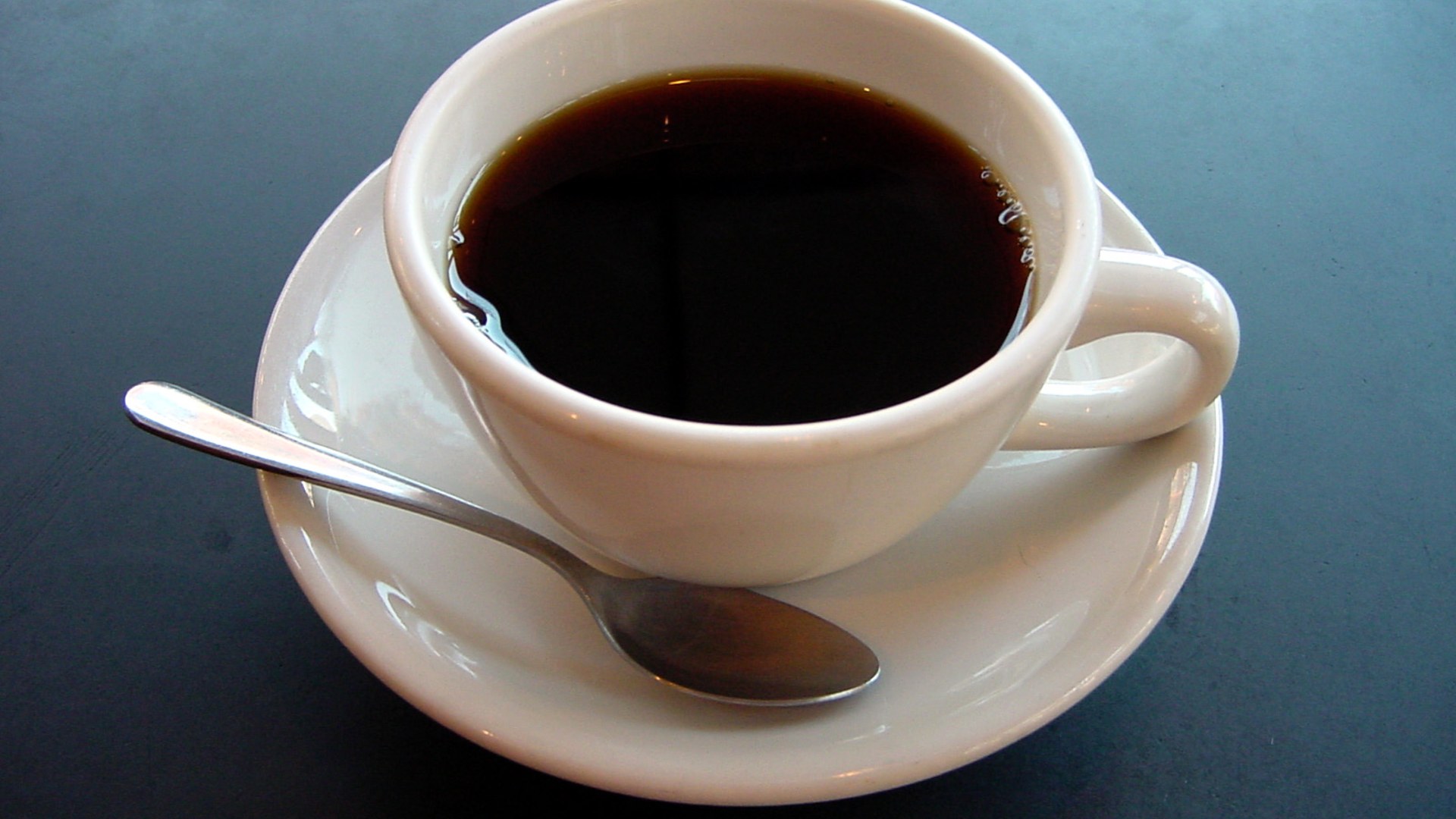
While caffeine is a mild diuretic, brewed coffee and tea consist almost entirely of water. Scientific trials demonstrate that habitual coffee drinkers absorb fluids just as effectively as those drinking plain water, contributing positively to daily hydration.
1. You Must Drink Eight Glasses Daily
The popular eight by eight rule has no medical origin. Daily hydration needs depend on body mass, climate, and activity level. Furthermore, roughly twenty percent of daily water intake comes naturally from fruits, vegetables, and cooked meals rather than drinking glasses.