Slideshow · Animals
Famous Military Horses in the USA, Ranked
From Revolutionary War battlefields and the Civil War to the mountains of Korea and Afghanistan, these 15 legendary military horses shaped American history.
By Most Viral Today
29 Oct 2026

Famous Military Horses in the USA, Ranked 
15. Special Forces Horse Soldiers Of Task Force Dagger 
14. Kidron 
13. Klinger - AdvertisementSwipe or tap ▶ to continue countdown

12. Old Whitey 
11. Nelson And Blueskin 
10. Little Sorrel 
9. Old Baldy - AdvertisementSwipe or tap ▶ to continue countdown

8. Winchester (Rienzi) 
7. Traveller 
6. Cincinnati 
5. Sergeant York - AdvertisementSwipe or tap ▶ to continue countdown

4. Chief 
3. Black Jack 
2. Comanche 
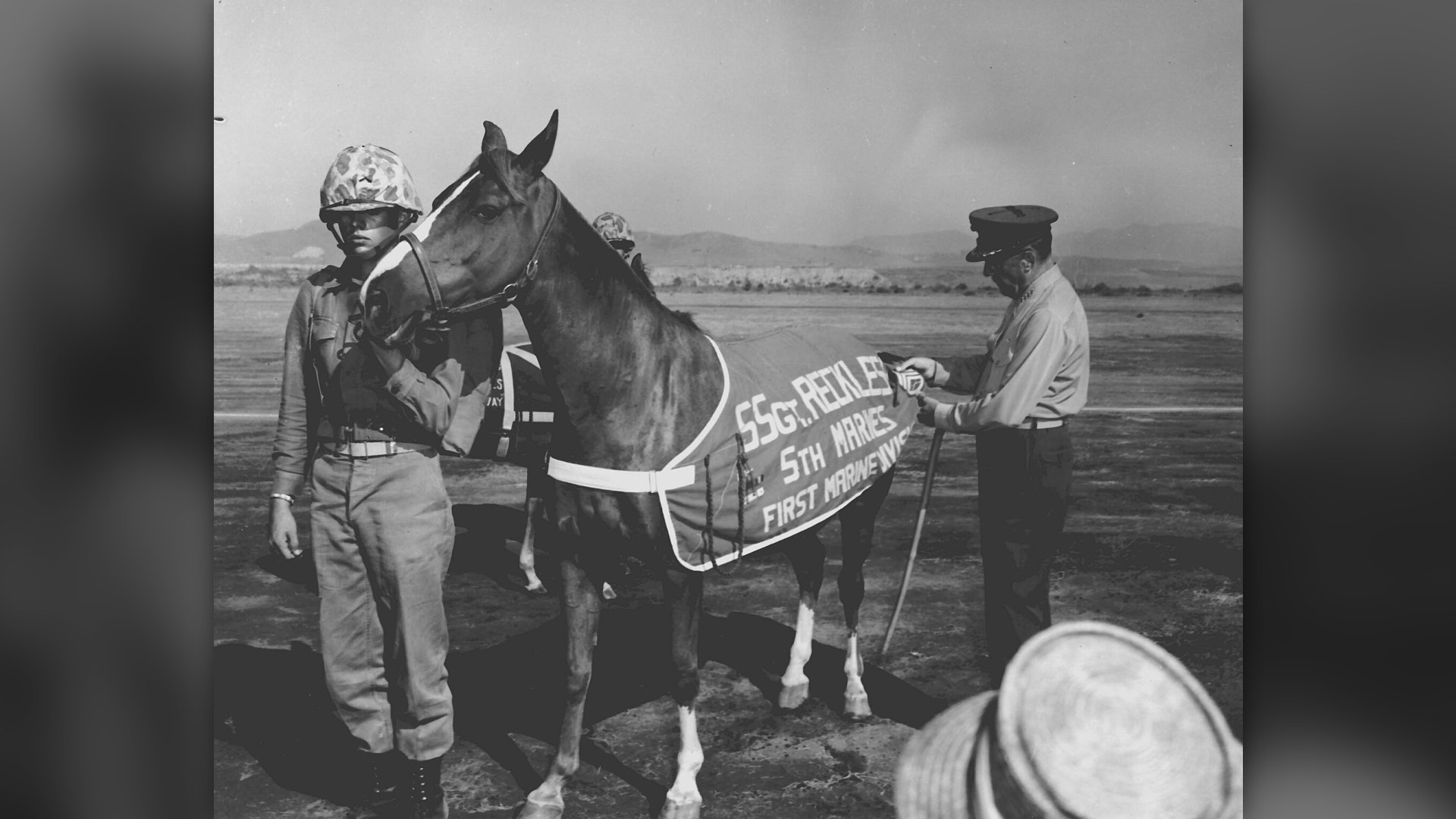
1. Staff Sergeant Reckless - Advertisement🔥 UP NEXT IN THIS SERIES◫ 22 Slides

How Long Do Hippos Live? 20 Other Facts About Hippos
From sixty-year lifespans to whale cousins, discover secrets of river giants
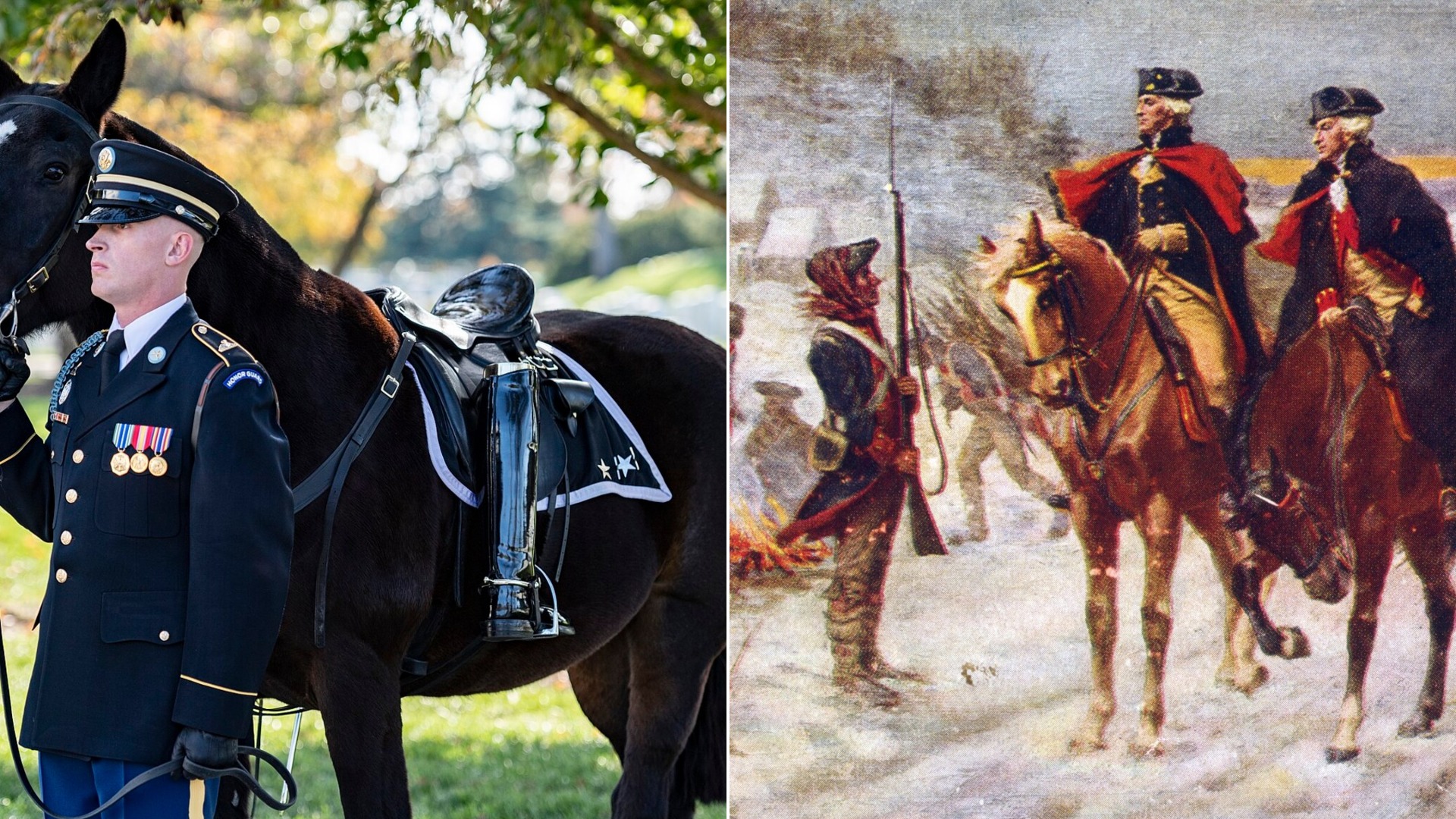
Long before armored tanks and tactical helicopters, American soldiers relied on courageous war horses to charge into battle and haul ammunition under heavy fire. Here are the 15 most famous military horses in U.S. history, ranked.
Swipe or tap ▶ to begin the countdown
©Arlington National Cemetery / U.S. Army & LOC / John Ward
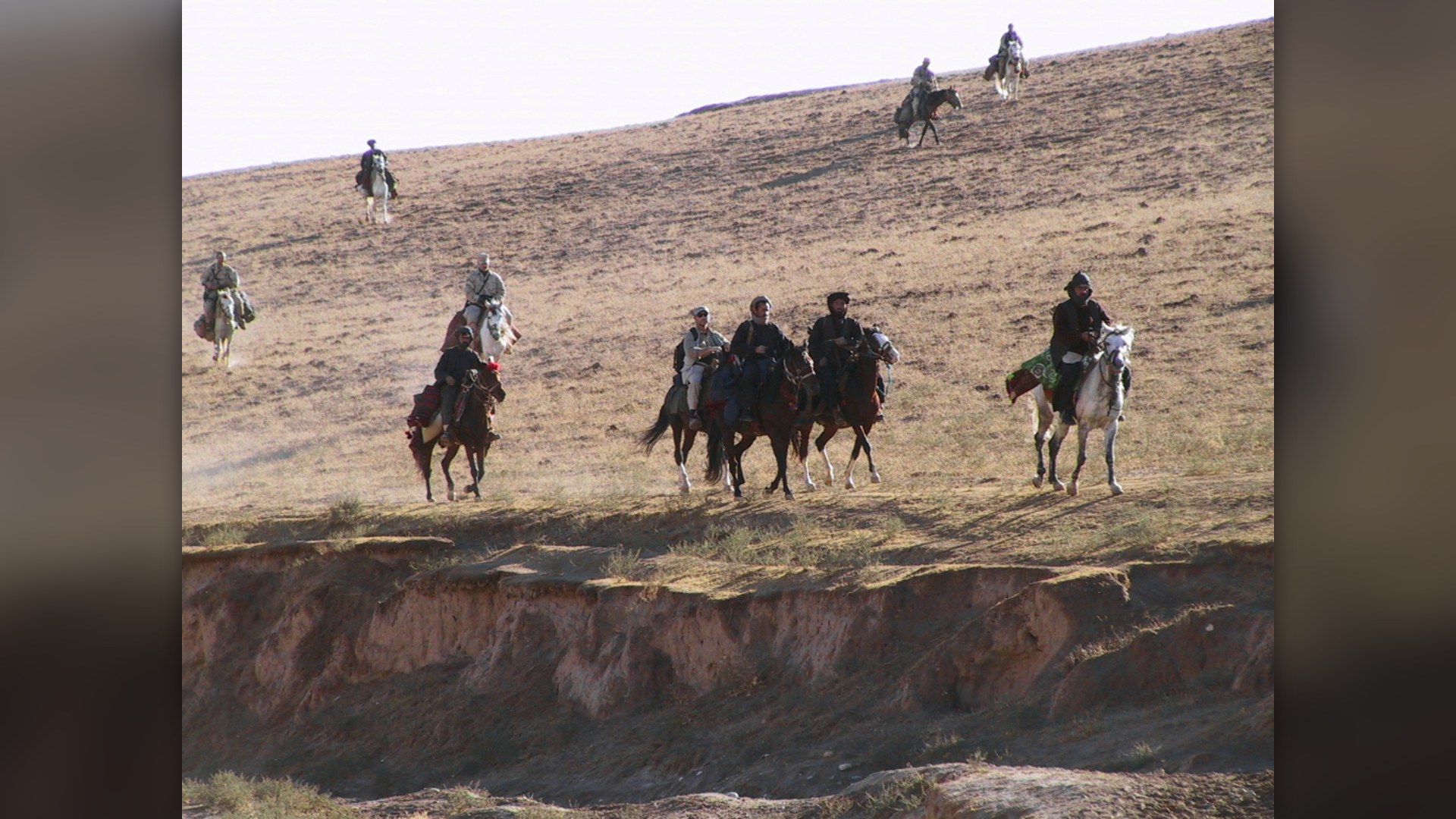
15. Special Forces Horse Soldiers Of Task Force Dagger
In October 2001, U.S. Army Green Berets of Operational Detachment Alpha 595 rode rugged Afghan mountain horses across sheer passes while calling in precision airstrikes. Their feat inspired the bronze Horse Soldier statue at Ground Zero in New York.
©U.S. Army / Master Sgt. Chris Spence / Wikimedia
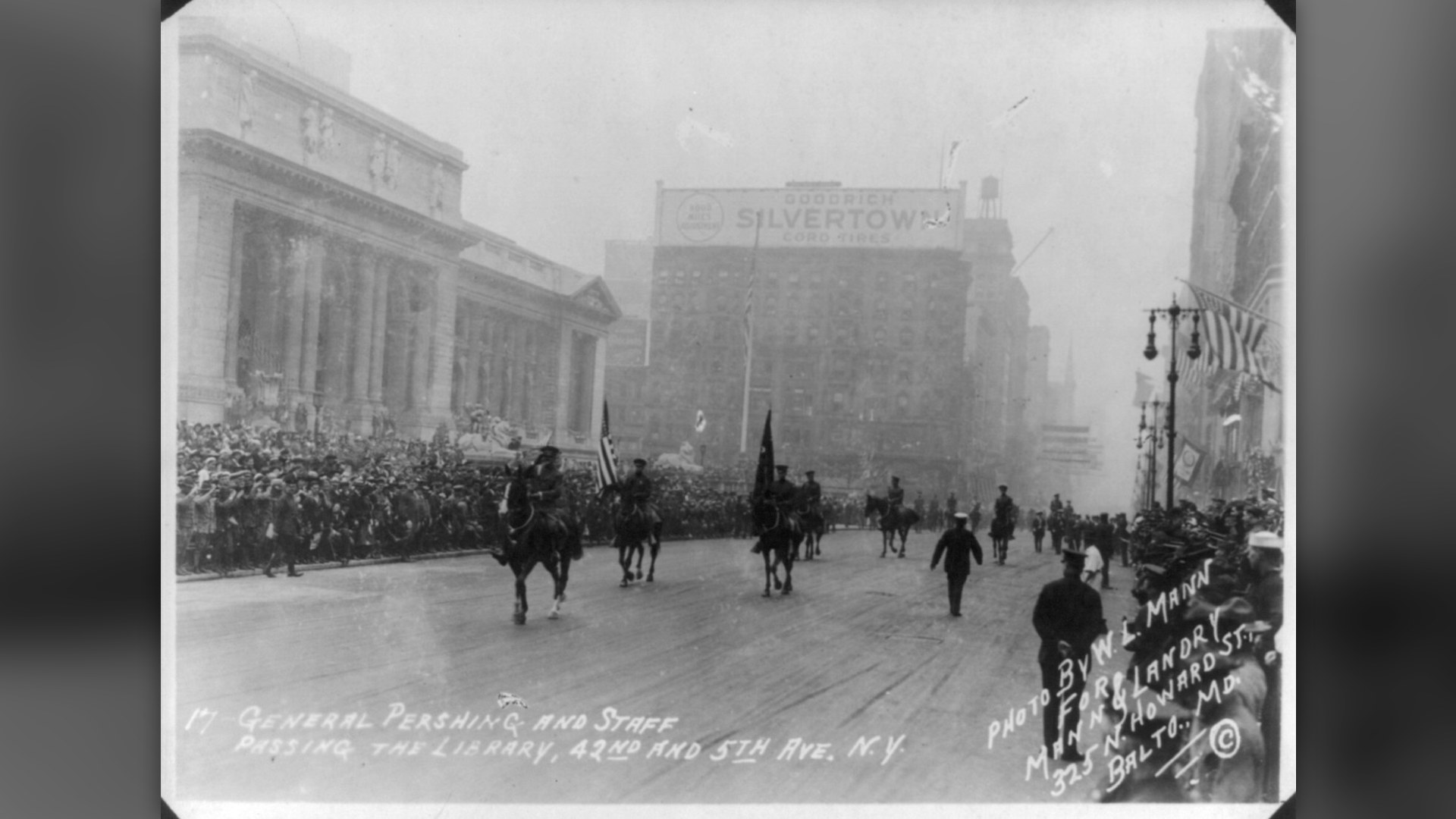
14. Kidron
General John J. Pershing, commander of the American Expeditionary Forces in World War I, rode his bay mount Kidron during the 1919 Victory Parades in Paris and down Fifth Avenue in New York. Kidron later retired peacefully at Front Royal, Virginia.
©Library of Congress / Wikimedia Commons (Public Domain)
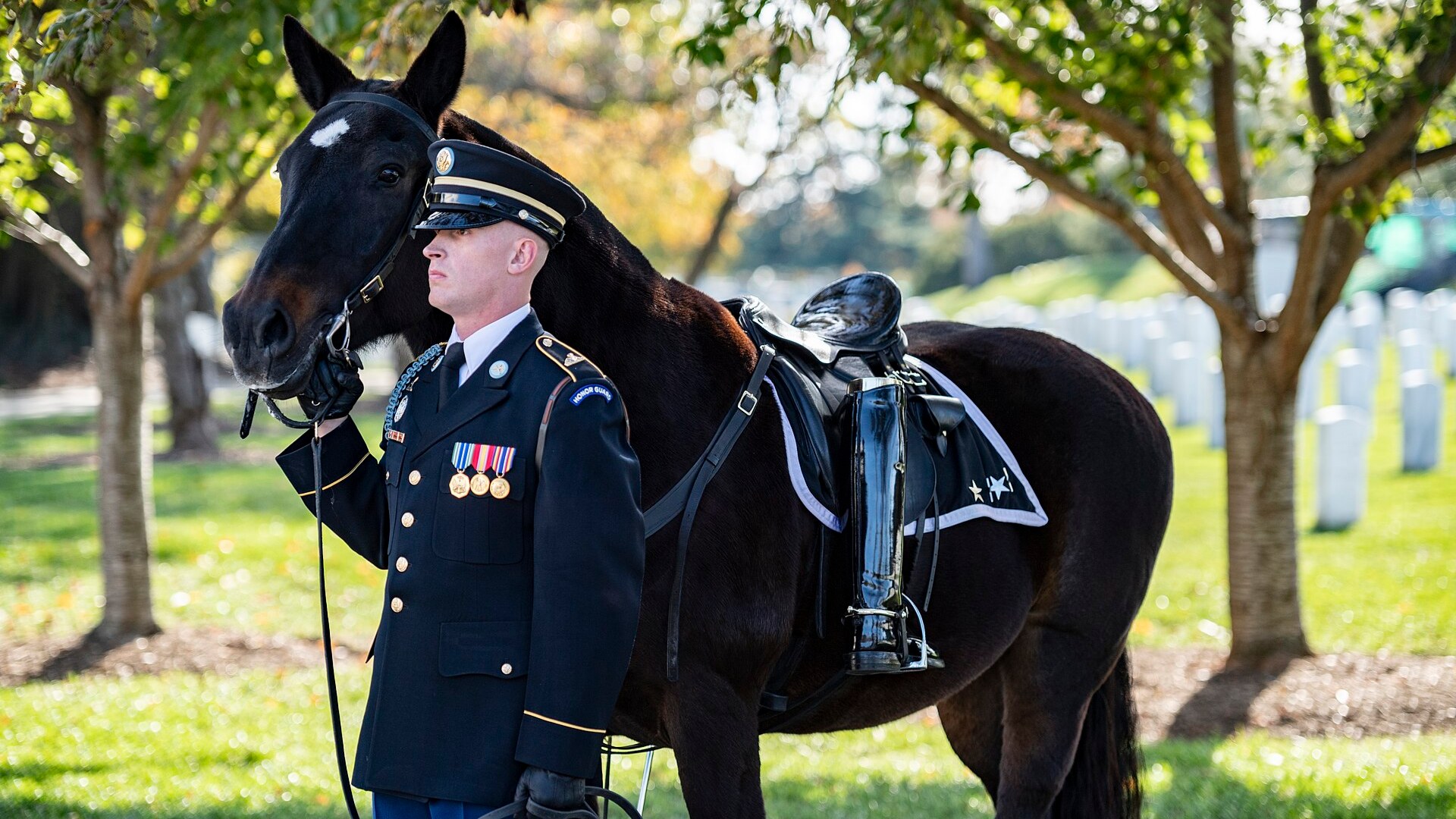
13. Klinger
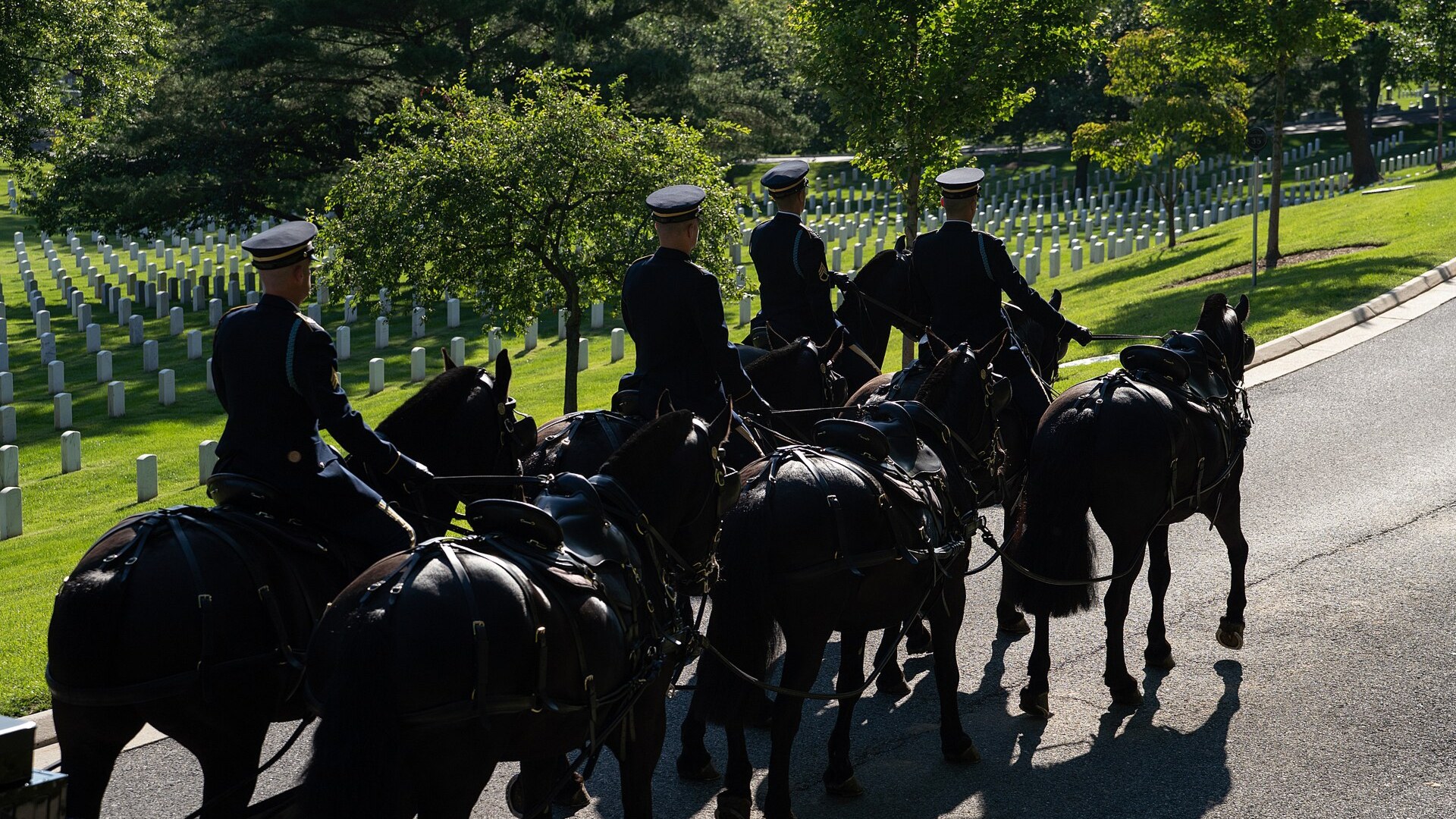
Serving with the 3rd U.S. Infantry Regiment Caisson Platoon at Arlington National Cemetery, Klinger carried fallen service members to their final resting place and became a national ambassador for the Tragedy Assistance Program for Survivors.
©U.S. Army / 3d U.S. Infantry Regiment / Wikimedia
Advertisement
Swipe or tap ▶ to resume the countdown.
12. Old Whitey
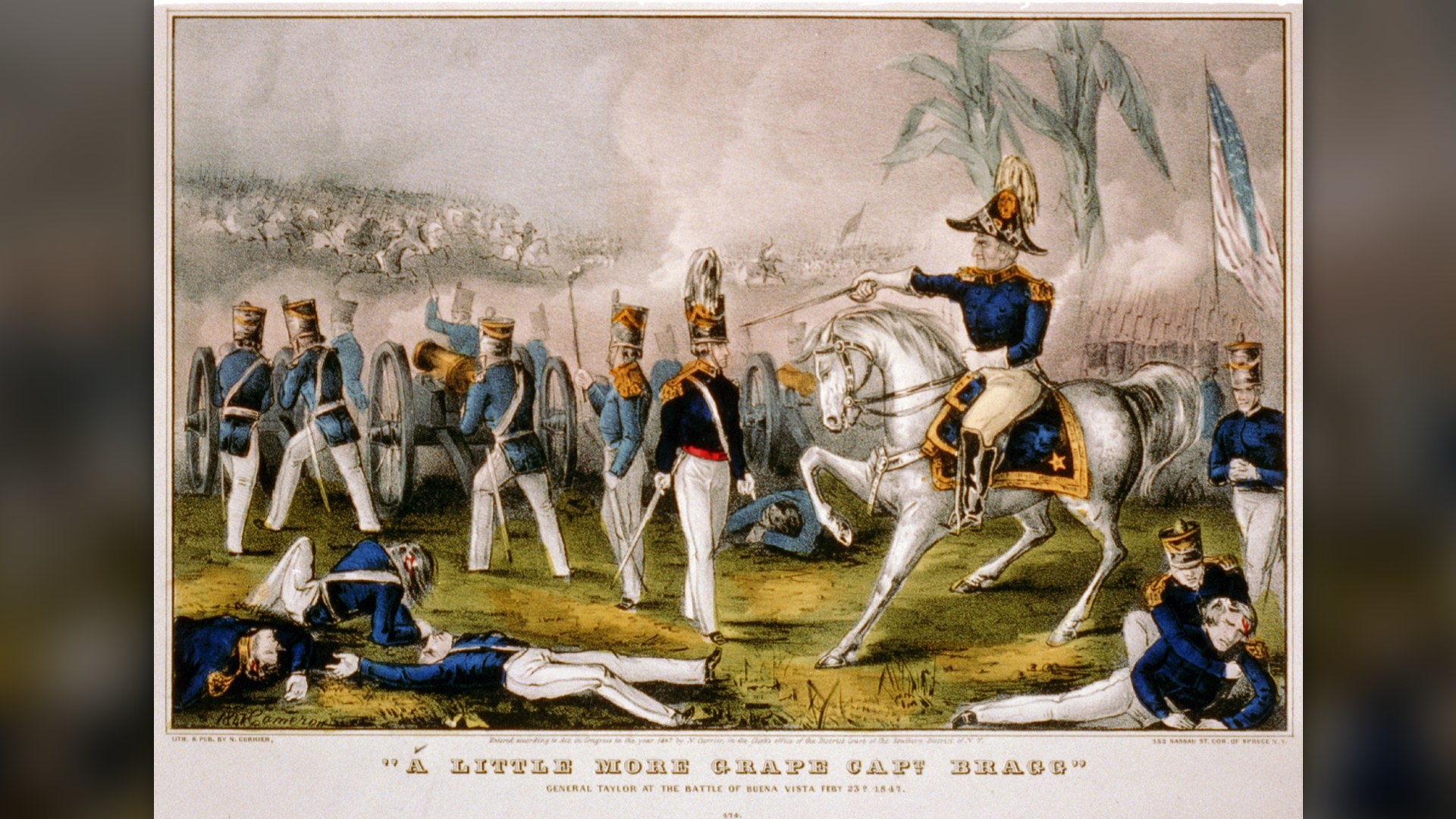
Old Whitey carried General Zachary Taylor through flying musket balls at the 1847 Battle of Buena Vista. When Taylor was elected President in 1848, Old Whitey grazed freely on the White House lawn and later walked behind Taylor's funeral caisson.
©Library of Congress / Nathaniel Currier / Wikimedia
11. Nelson And Blueskin
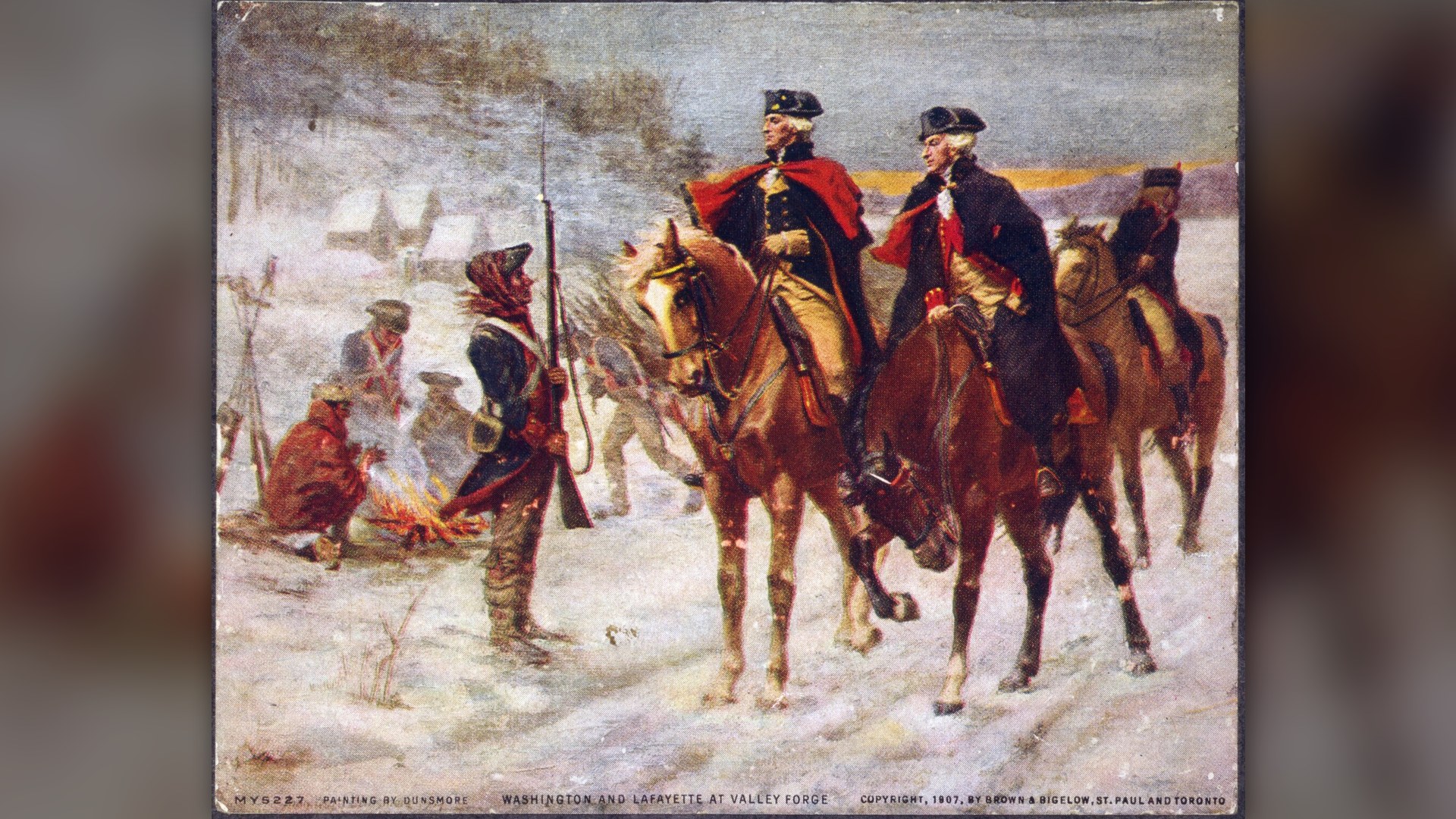
General George Washington rode two famous horses during the Revolutionary War. Blueskin, a striking iron-gray Arabian mix, appeared in heroic paintings, while Nelson, a calm chestnut gelding, kept his composure under heavy cannon fire at Yorktown in 1781.
©Library of Congress / John Ward Dunsmore / Wikimedia
10. Little Sorrel
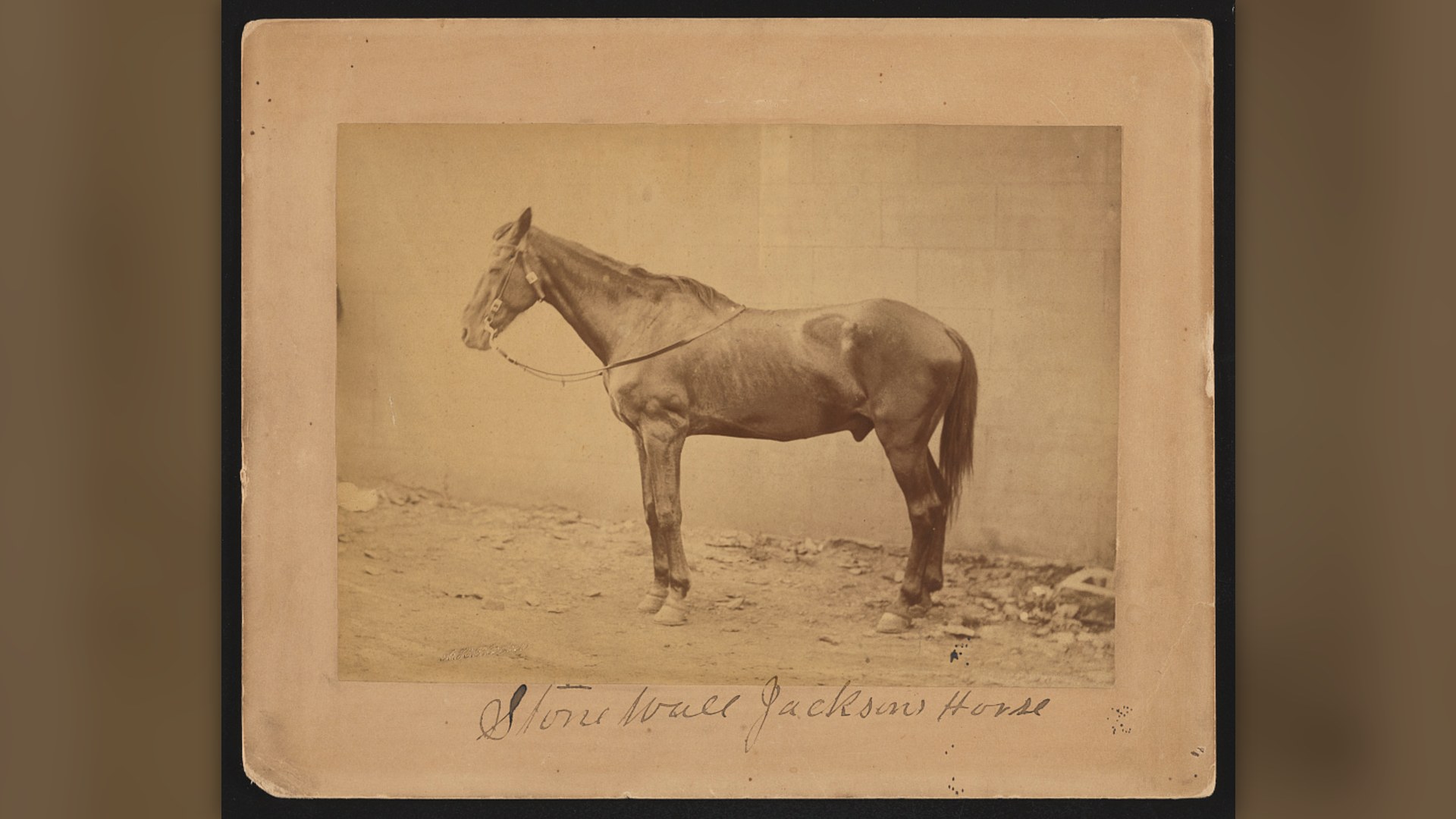
Captured from a Union supply train at Harpers Ferry in 1861, Little Sorrel became General Thomas Stonewall Jackson's favorite mount because of his smooth, tireless pace. Living to age 36, the horse was later preserved at the Virginia Military Institute.
©Library of Congress / Adam H. Plecker / Wikimedia
9. Old Baldy
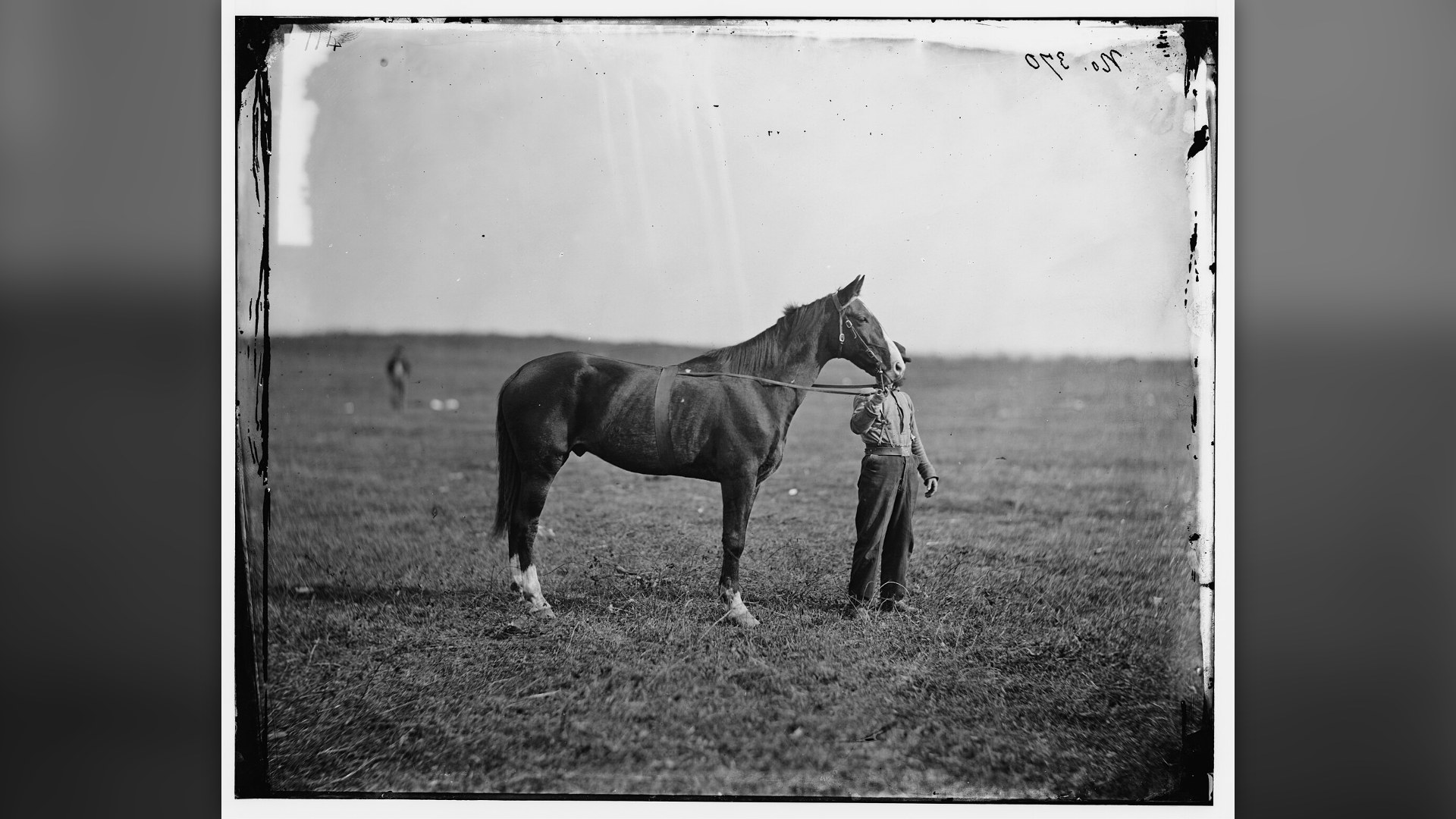
Purchased by Union General George G. Meade in 1861, Old Baldy survived at least five serious combat wounds across Bull Run, Antietam, and Gettysburg. After a bullet lodged near his ribs at Gettysburg, he recovered and marched in Meade's 1872 funeral.
©National Archives / Mathew Brady / Wikimedia Commons
Advertisement
Swipe or tap ▶ to resume the countdown.
8. Winchester (Rienzi)
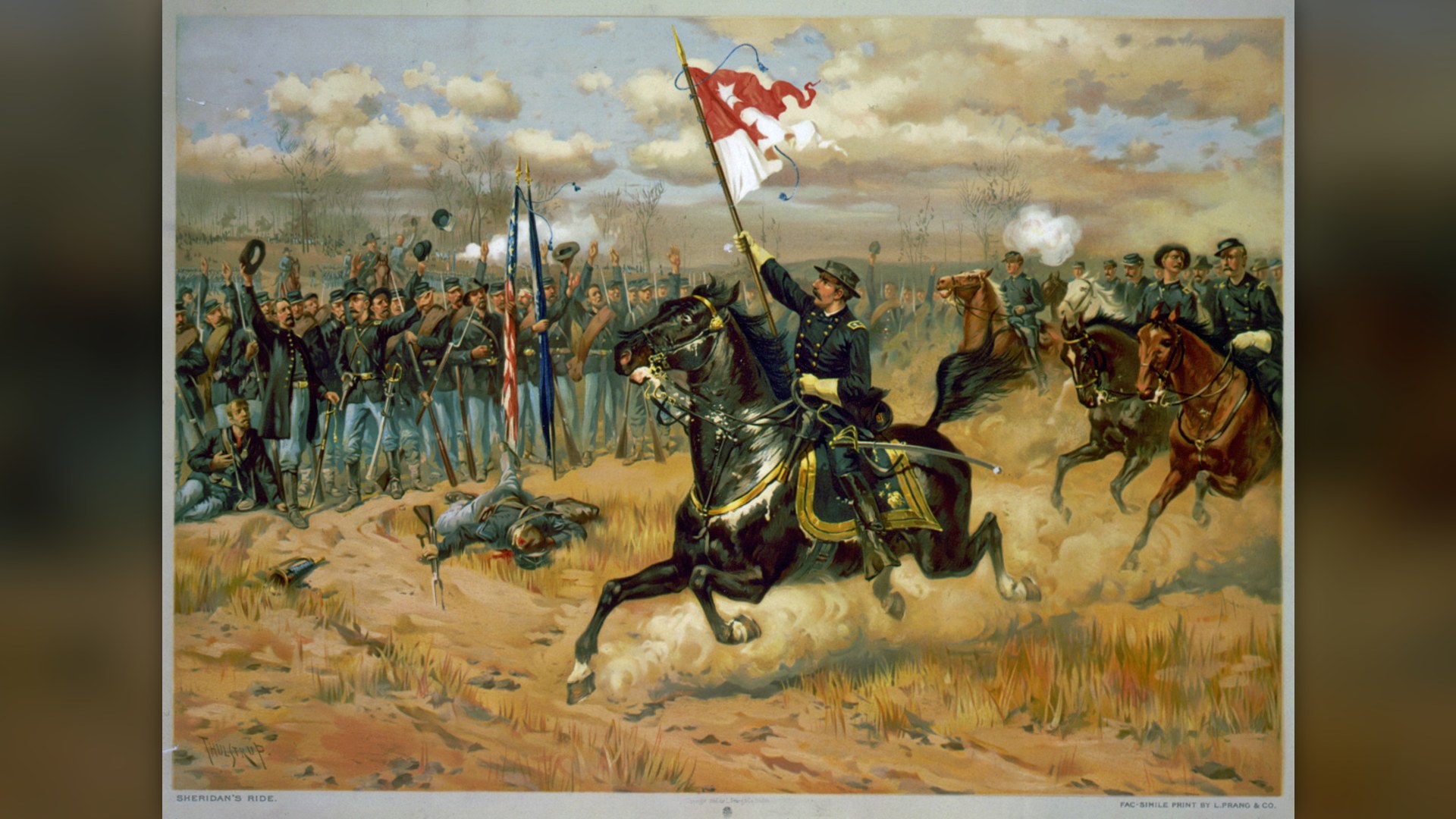
Originally named Rienzi after a skirmish in Mississippi, this jet-black Morgan stallion carried Union General Philip Sheridan on a 20-mile gallop from Winchester to Cedar Creek in October 1864 to turn a Union rout into victory. He is preserved at the Smithsonian.
©Library of Congress / Thure de Thulstrup / Wikimedia
7. Traveller
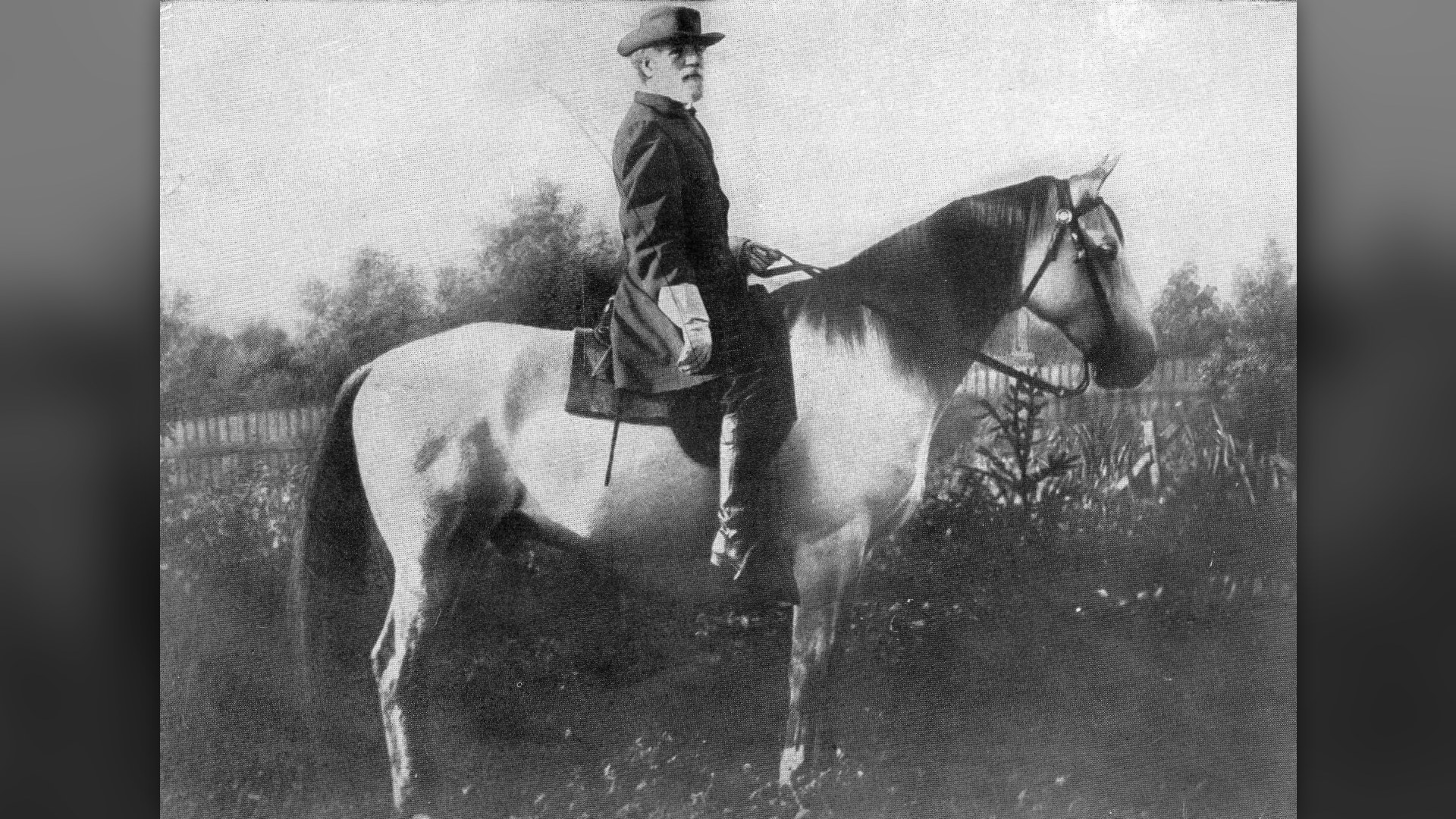
Born in West Virginia in 1857, the iron-gray American Saddlebred gelding Traveller was acquired by General Robert E. Lee in 1862 and carried him from Second Bull Run to Appomattox Court House. After the war, Traveller accompanied Lee to Washington College.
©Library of Congress / Michael Miley / Wikimedia
6. Cincinnati
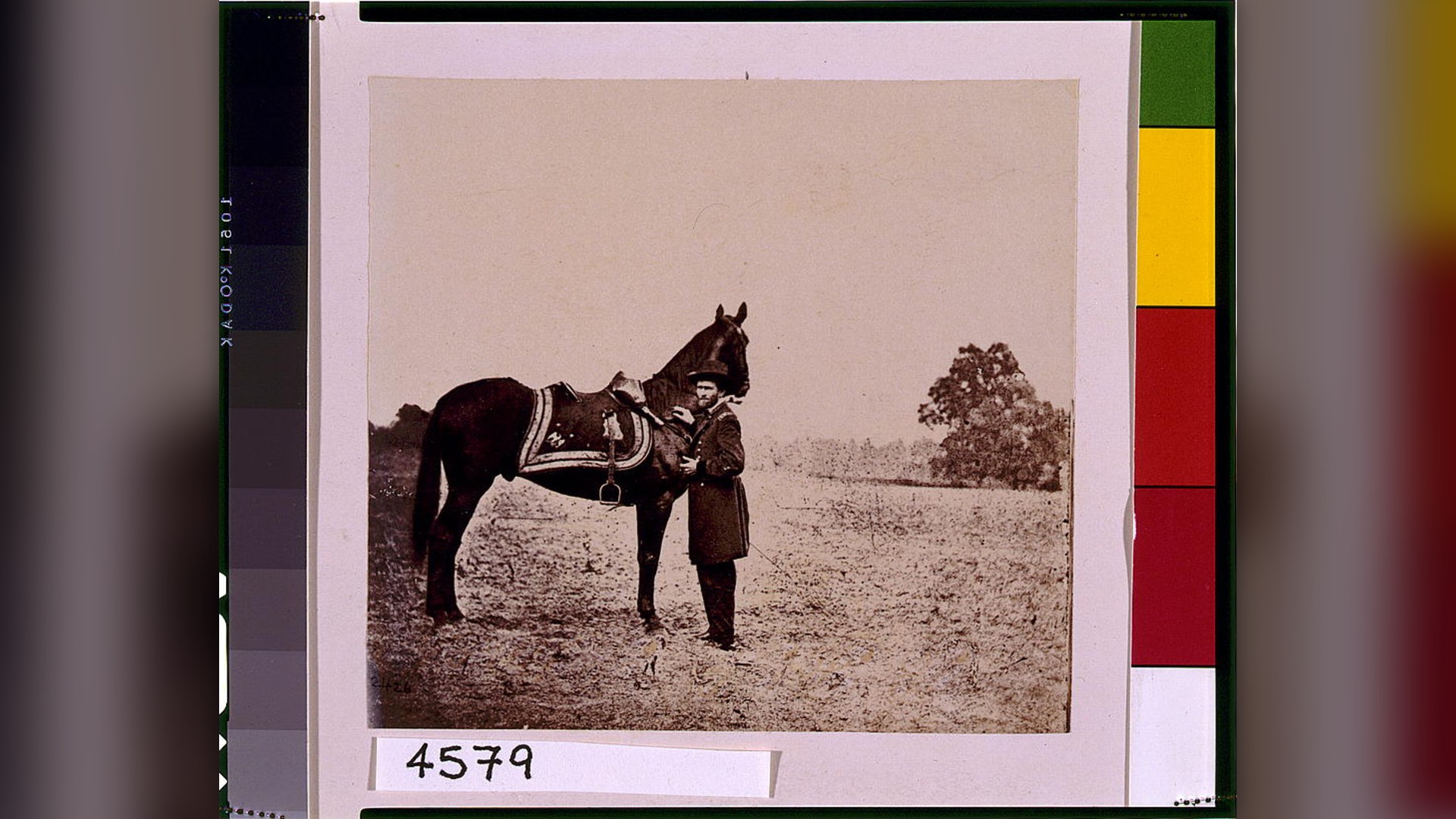
Gifted to Ulysses S. Grant by an admirer in 1864, Cincinnati was a powerful 17-hand bay Thoroughbred and son of the champion racehorse Lexington. Grant rarely let anyone else ride Cincinnati, making an exception only for President Abraham Lincoln in 1865.
©Library of Congress / Mathew Brady / Wikimedia Commons
5. Sergeant York
Born as the harness racehorse Allied Victory and renamed after World War I hero Alvin C. York, Sergeant York served in the U.S. Army Caisson Platoon. In June 2004, he walked as the riderless horse in President Ronald Reagan's state funeral procession.
©U.S. Department of Defense / U.S. Army / Wikimedia
Advertisement
Swipe or tap ▶ to resume the countdown.
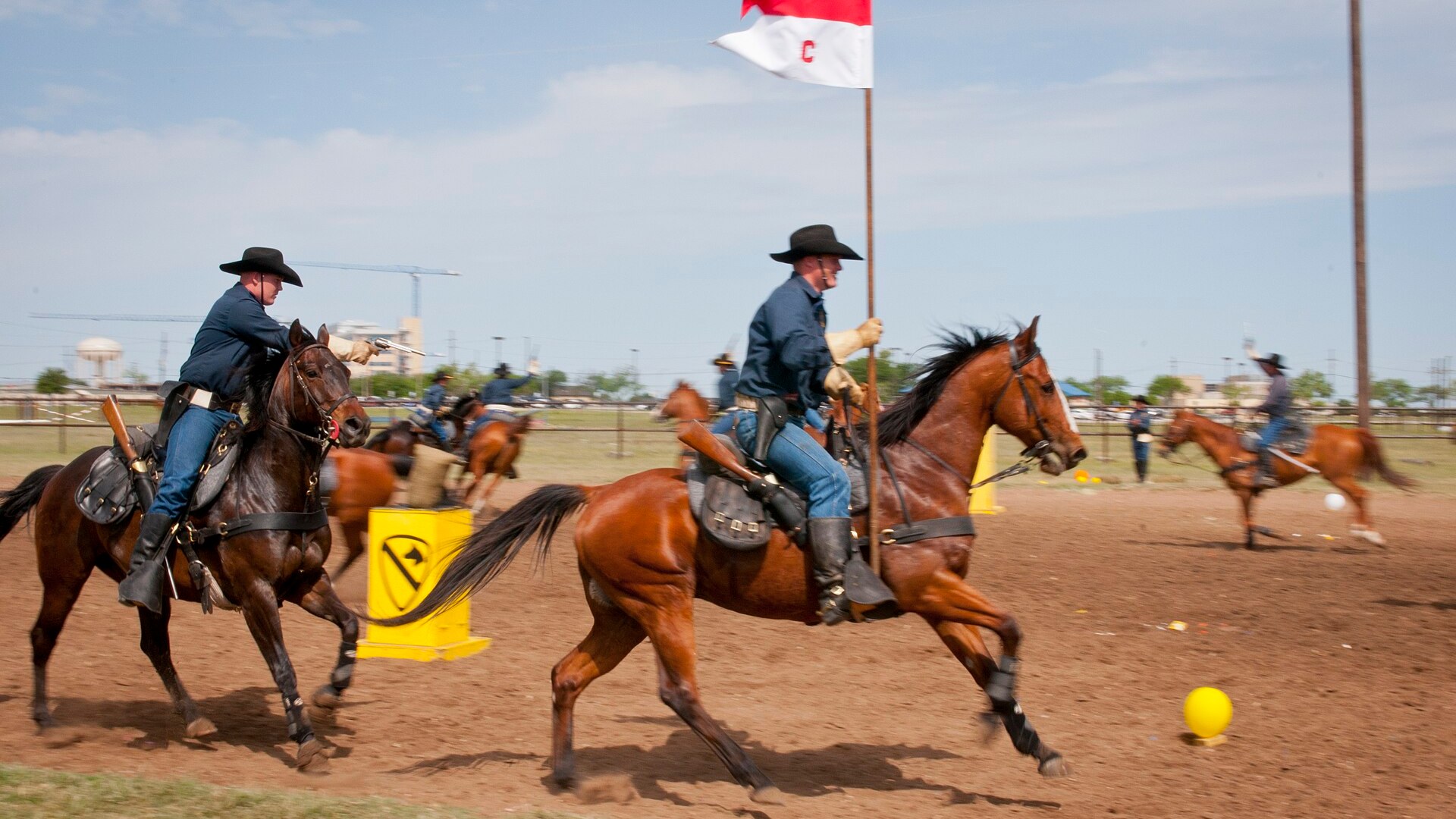
4. Chief
Foaled in 1932 and inducted into the U.S. Cavalry at Fort Robinson in 1940, the bay gelding Chief outlived every other tactical cavalry mount on the U.S. Army's official rolls. When he died in 1968 at age 36, he was buried upright in full tack at Fort Riley.
©U.S. Army / 1st Cavalry Division / Wikimedia Commons
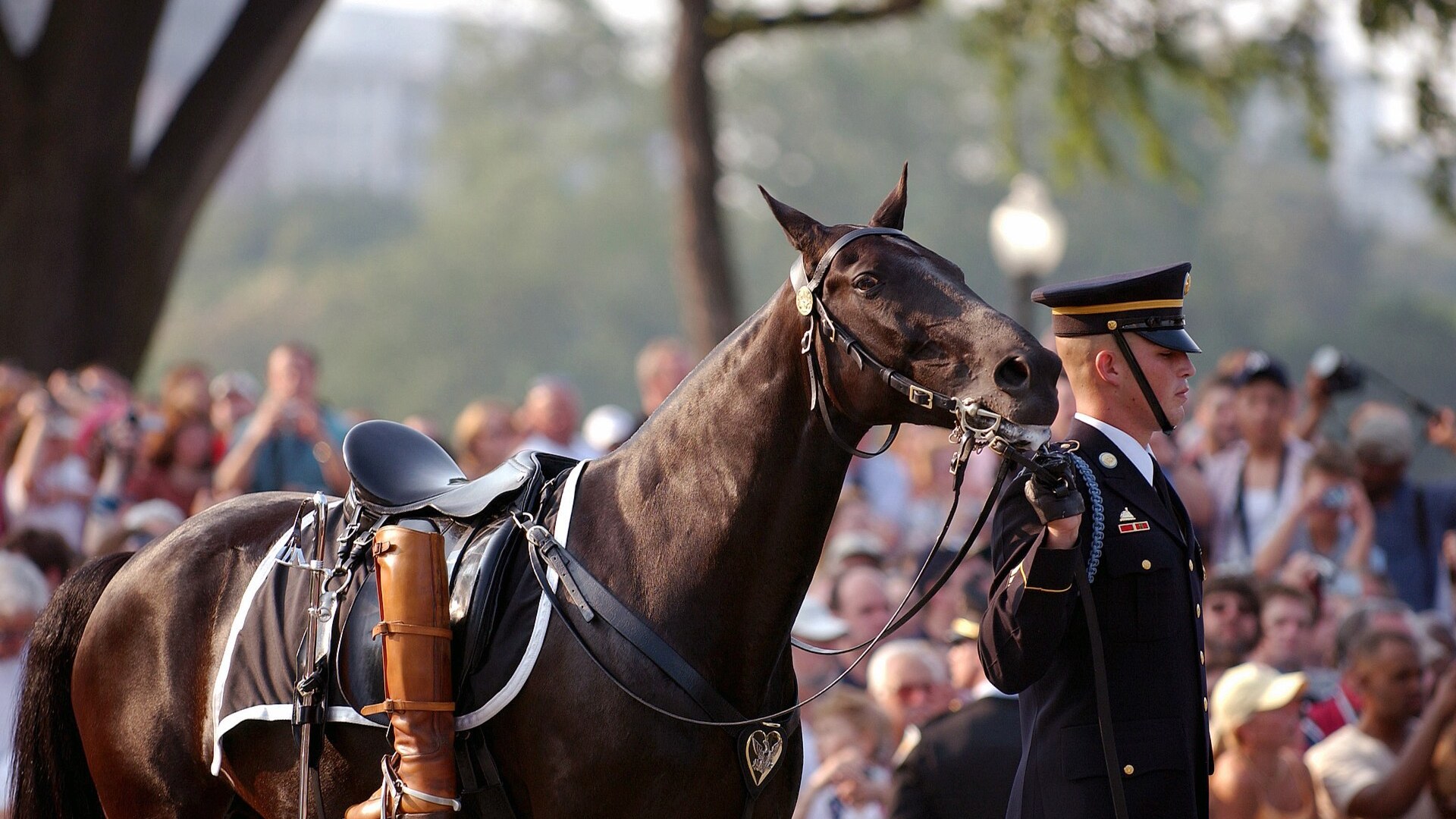
3. Black Jack
Foaled in 1947 and named after General John J. Black Jack Pershing, this coal-black half-Morgan gelding served as the caparisoned riderless horse in more than 1,000 state and military funerals, including those of Presidents John F. Kennedy and Lyndon B. Johnson.
©Arlington National Cemetery / U.S. Army / Wikimedia
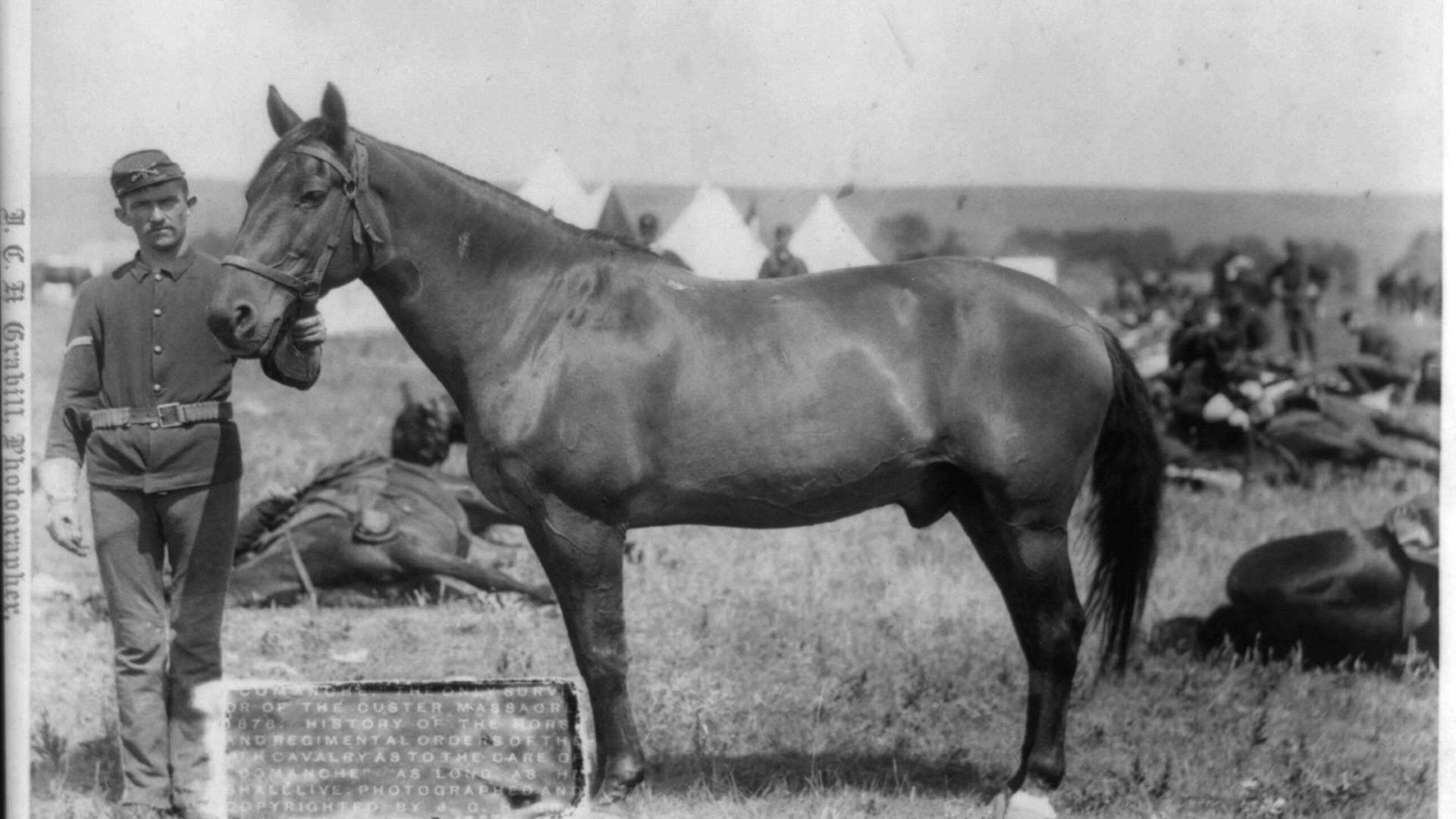
2. Comanche
Ridden by Captain Myles Keogh of the 7th U.S. Cavalry, the bay mustang Comanche was found severely wounded two days after the June 1876 Battle of the Little Bighorn. Honored as the unit's "Second Commanding Officer," he was retired by official order and never ridden again.
©Library of Congress / John C. H. Grabill / Wikimedia
1. Staff Sergeant Reckless
Bought at a Seoul racetrack in 1952 by U.S. Marines, this small Mongolian mare made 51 solo trips in one day during the 1953 Battle for Outpost Vegas, hauling 9,000 pounds of ammunition and carrying wounded Marines to safety. Wounded twice, she earned two Purple Hearts.

©U.S. Marine Corps / Wikimedia Commons (Public Domain)
Advertisement
You've reached the end of the story. Thanks for reading!

How Long Do Hippos Live? 20 Other Facts About Hippos
From sixty-year lifespans to whale cousins, discover secrets of river giants
All 15 Entries in this Story
15. Special Forces Horse Soldiers Of Task Force Dagger
In October 2001, U.S. Army Green Berets of Operational Detachment Alpha 595 rode rugged Afghan mountain horses across sheer passes while calling in precision airstrikes. Their feat inspired the bronze Horse Soldier statue at Ground Zero in New York.

14. Kidron
General John J. Pershing, commander of the American Expeditionary Forces in World War I, rode his bay mount Kidron during the 1919 Victory Parades in Paris and down Fifth Avenue in New York. Kidron later retired peacefully at Front Royal, Virginia.

13. Klinger
Serving with the 3rd U.S. Infantry Regiment Caisson Platoon at Arlington National Cemetery, Klinger carried fallen service members to their final resting place and became a national ambassador for the Tragedy Assistance Program for Survivors.

12. Old Whitey
Old Whitey carried General Zachary Taylor through flying musket balls at the 1847 Battle of Buena Vista. When Taylor was elected President in 1848, Old Whitey grazed freely on the White House lawn and later walked behind Taylor's funeral caisson.

11. Nelson And Blueskin
General George Washington rode two famous horses during the Revolutionary War. Blueskin, a striking iron-gray Arabian mix, appeared in heroic paintings, while Nelson, a calm chestnut gelding, kept his composure under heavy cannon fire at Yorktown in 1781.

10. Little Sorrel
Captured from a Union supply train at Harpers Ferry in 1861, Little Sorrel became General Thomas Stonewall Jackson's favorite mount because of his smooth, tireless pace. Living to age 36, the horse was later preserved at the Virginia Military Institute.

9. Old Baldy
Purchased by Union General George G. Meade in 1861, Old Baldy survived at least five serious combat wounds across Bull Run, Antietam, and Gettysburg. After a bullet lodged near his ribs at Gettysburg, he recovered and marched in Meade's 1872 funeral.

8. Winchester (Rienzi)
Originally named Rienzi after a skirmish in Mississippi, this jet-black Morgan stallion carried Union General Philip Sheridan on a 20-mile gallop from Winchester to Cedar Creek in October 1864 to turn a Union rout into victory. He is preserved at the Smithsonian.

7. Traveller
Born in West Virginia in 1857, the iron-gray American Saddlebred gelding Traveller was acquired by General Robert E. Lee in 1862 and carried him from Second Bull Run to Appomattox Court House. After the war, Traveller accompanied Lee to Washington College.

6. Cincinnati
Gifted to Ulysses S. Grant by an admirer in 1864, Cincinnati was a powerful 17-hand bay Thoroughbred and son of the champion racehorse Lexington. Grant rarely let anyone else ride Cincinnati, making an exception only for President Abraham Lincoln in 1865.

5. Sergeant York
Born as the harness racehorse Allied Victory and renamed after World War I hero Alvin C. York, Sergeant York served in the U.S. Army Caisson Platoon. In June 2004, he walked as the riderless horse in President Ronald Reagan's state funeral procession.

4. Chief
Foaled in 1932 and inducted into the U.S. Cavalry at Fort Robinson in 1940, the bay gelding Chief outlived every other tactical cavalry mount on the U.S. Army's official rolls. When he died in 1968 at age 36, he was buried upright in full tack at Fort Riley.

3. Black Jack
Foaled in 1947 and named after General John J. Black Jack Pershing, this coal-black half-Morgan gelding served as the caparisoned riderless horse in more than 1,000 state and military funerals, including those of Presidents John F. Kennedy and Lyndon B. Johnson.

2. Comanche
Ridden by Captain Myles Keogh of the 7th U.S. Cavalry, the bay mustang Comanche was found severely wounded two days after the June 1876 Battle of the Little Bighorn. Honored as the unit's "Second Commanding Officer," he was retired by official order and never ridden again.

1. Staff Sergeant Reckless
Bought at a Seoul racetrack in 1952 by U.S. Marines, this small Mongolian mare made 51 solo trips in one day during the 1953 Battle for Outpost Vegas, hauling 9,000 pounds of ammunition and carrying wounded Marines to safety. Wounded twice, she earned two Purple Hearts.